Starting a raised bed garden begins with the foundation beneath your plants, which is why choosing the right soil is so important for success. Many gardeners struggle to find the perfect balance between drainage, nutrients, and moisture retention. When you build a raised bed, you have the unique opportunity to control exactly what goes into your growing environment. This allows you to bypass poor native soil and create a thriving ecosystem for your vegetables and flowers. Whether you are using traditional compost or exploring advanced layering methods, the quality of your dirt determines your harvest. Understanding these various soil options will help you grow healthier plants with much less effort this season.
1. Hugelkultur Raised Bed Filling
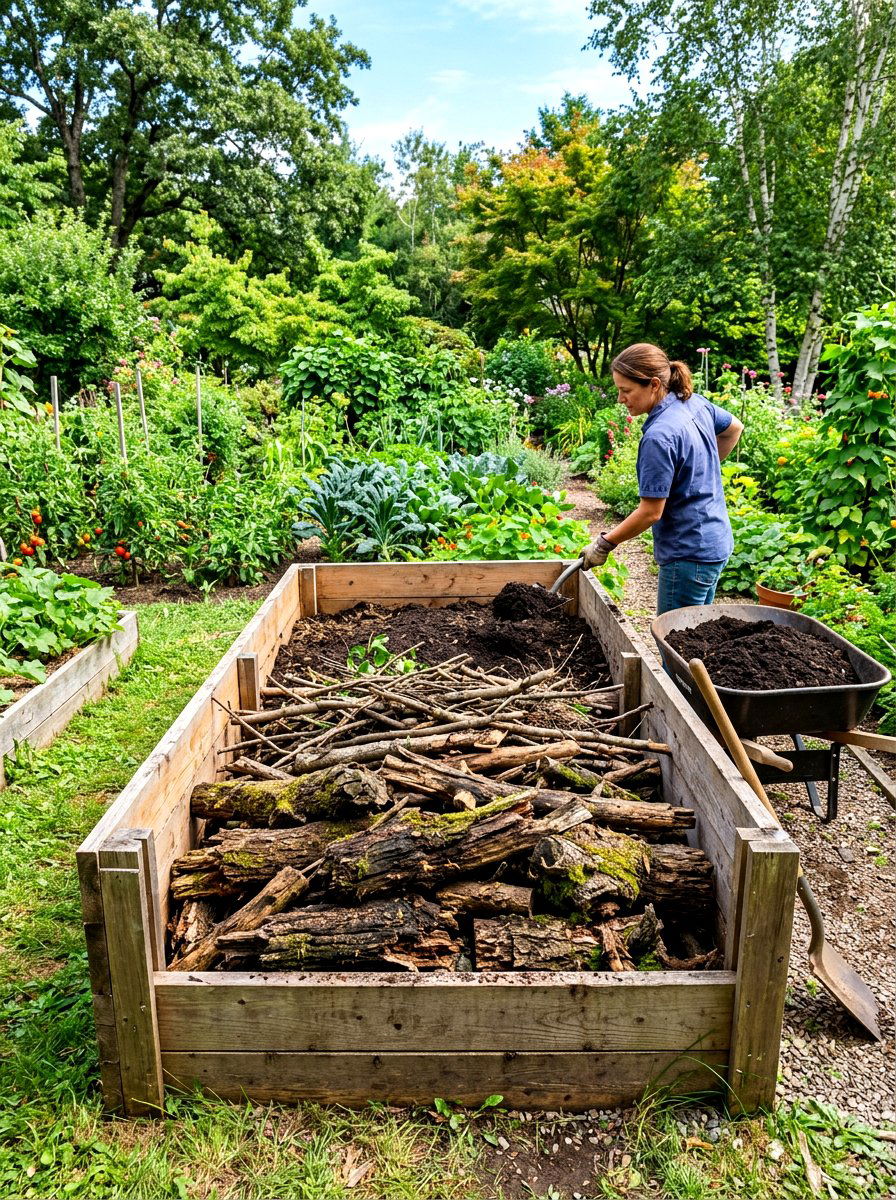
Have you ever wondered how to fill deep garden beds without spending a fortune on bagged soil? Hugelkultur is a traditional German method that uses rotting wood as a base layer for your raised beds. You start by placing large logs and branches at the very bottom of the structure. Over time, these woody materials break down and act like a sponge, holding onto moisture and releasing nutrients slowly. This method creates a self-sustaining environment that requires less watering as the years go by. It is an excellent way to recycle yard waste while building incredible soil health from the ground up for your backyard garden.
2. Square Foot Gardening Soil Mix
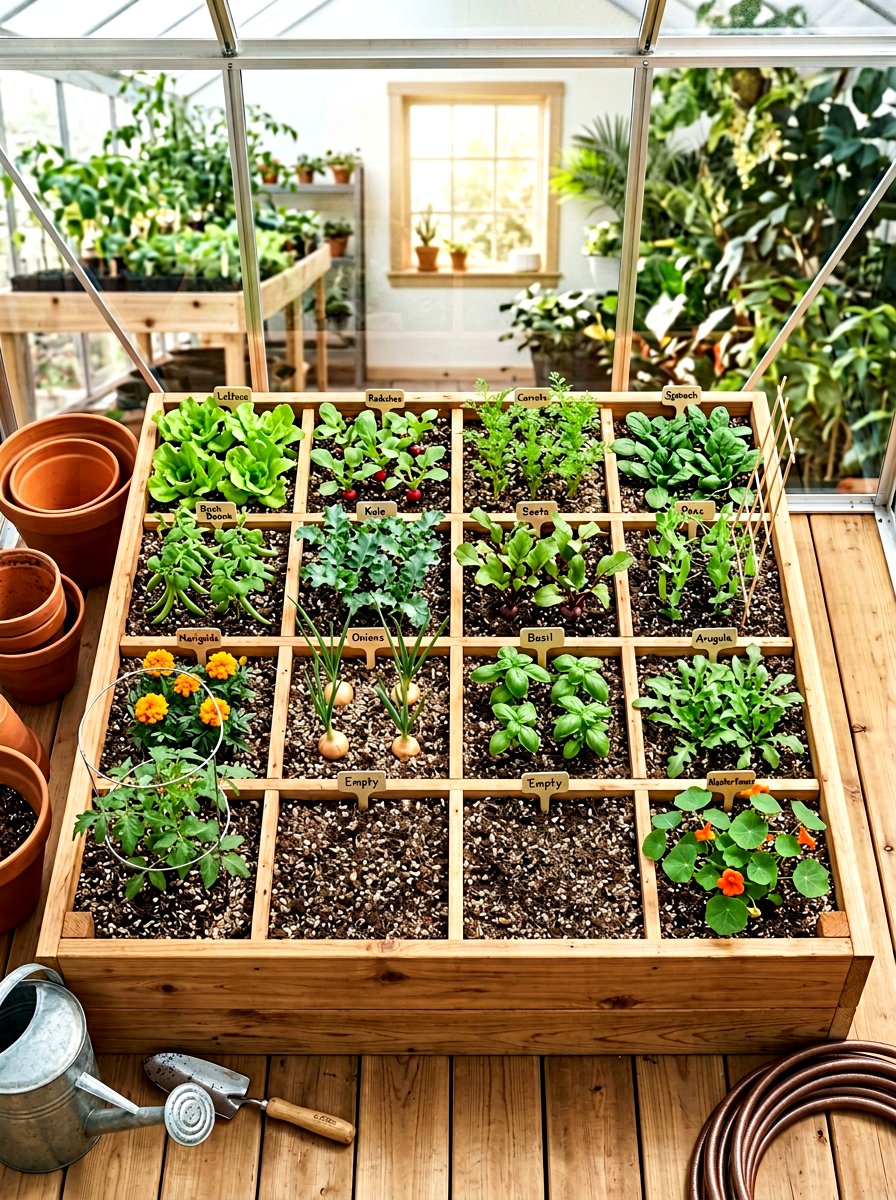
If you want a proven recipe that produces massive yields in a small space, consider using the famous Mel’s Mix. This popular soil blend consists of equal parts coarse vermiculite, peat moss, and blended compost from several different sources. This combination ensures that the growing medium stays light and fluffy so roots can expand easily. Because it does not contain any actual dirt or topsoil, it is technically a soilless mix that provides perfect drainage. It is ideal for intensive vegetable gardening where every inch of space counts. This mixture remains loose for many years, meaning you never have to till your garden beds again.
3. Organic Vegetable Garden Compost
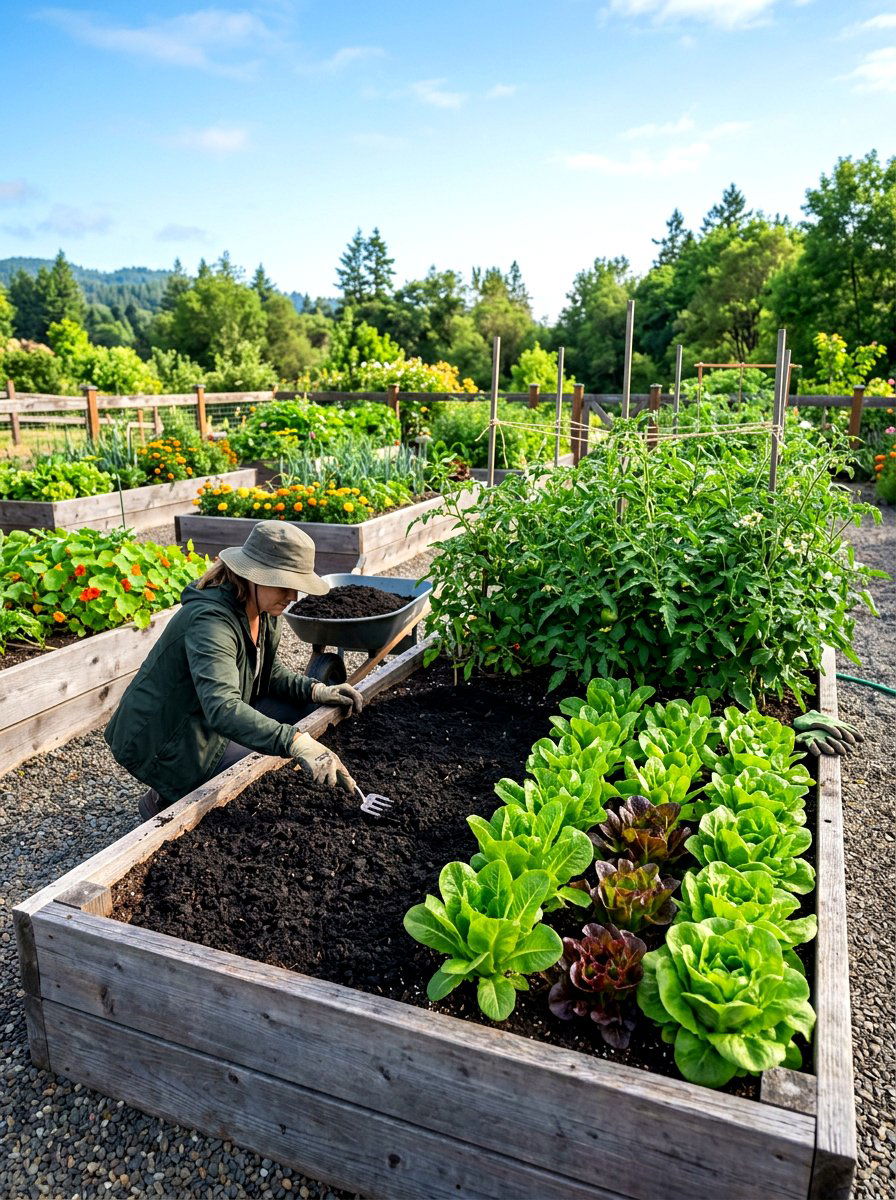
High-quality compost is often called black gold by experienced gardeners because of its incredible ability to transform plant health. When filling your raised beds, incorporating at least forty percent compost ensures your vegetables have a steady supply of essential nutrients. Compost is made from decomposed organic matter like kitchen scraps, leaves, and grass clippings. It introduces beneficial microbes and fungi into the soil which help plants fight off diseases naturally. By focusing on organic matter, you create a living soil environment that gets better every single season. It also helps the soil retain the right amount of water while allowing excess moisture to drain away safely.
4. Lasagna Gardening Layering Method
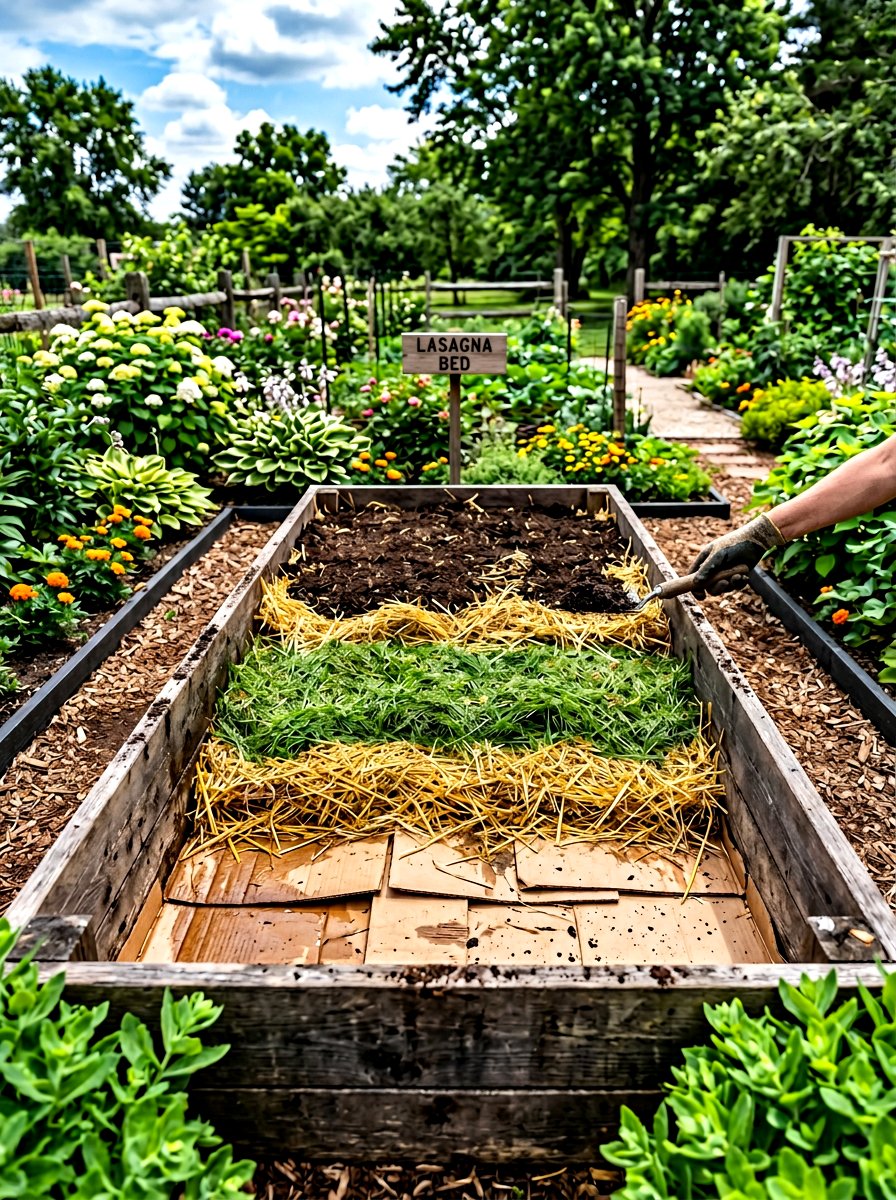
Building soil through layering is a fantastic way to create nutrient-rich earth without any heavy digging or tilling. Also known as sheet mulching, the lasagna method involves stacking various organic materials like cardboard, straw, and green waste. You begin with a layer of corrugated cardboard to smother weeds, followed by alternating layers of "brown" carbon sources and "green" nitrogen sources. As these layers decompose over several months, they turn into dark, crumbly soil that is perfect for planting. This method is incredibly cost-effective because it utilizes recycled materials found around your home. It creates a deep, fertile bed that supports a diverse range of garden life.
5. Coconut Coir Soil Amendment
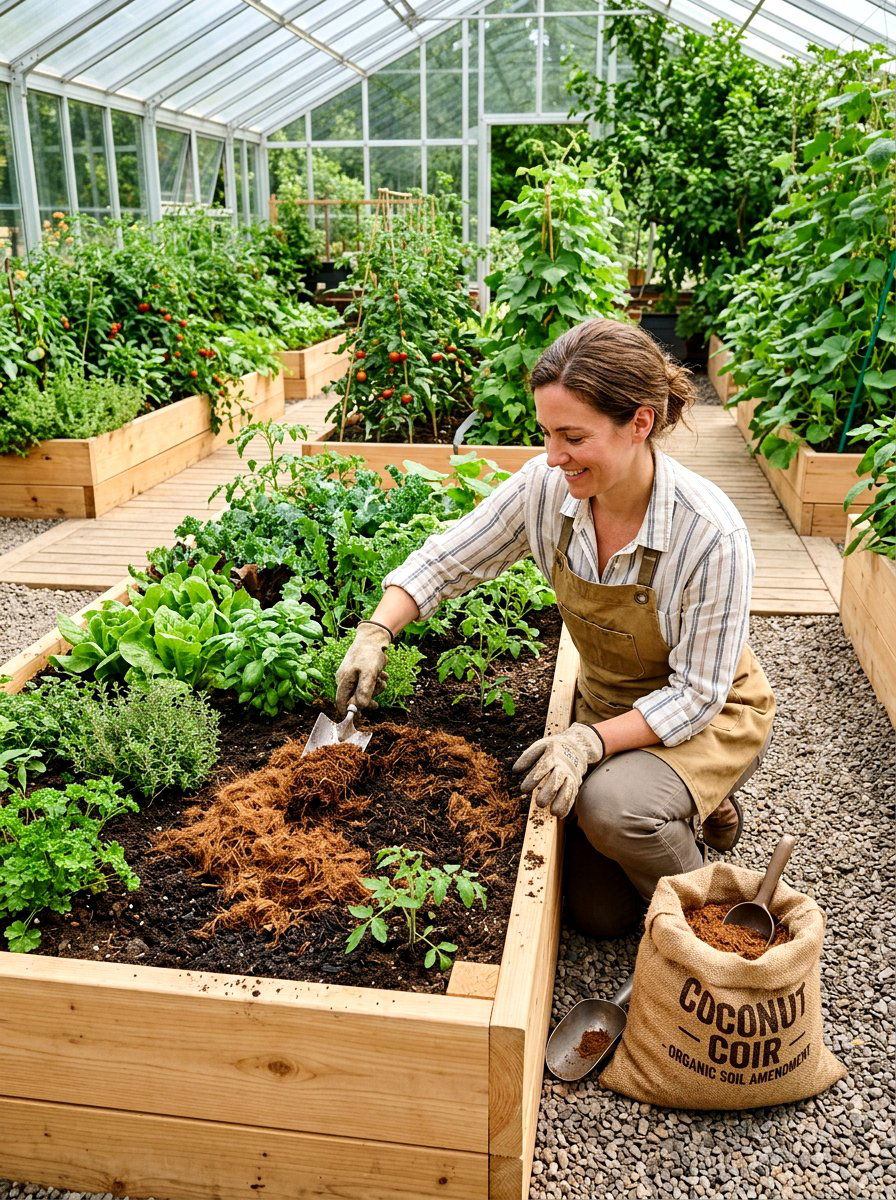
Many modern gardeners are switching from peat moss to coconut coir because it is a more sustainable and renewable resource. This fibrous material is made from the husks of coconuts and has an amazing ability to hold water. When mixed into your raised bed soil, it prevents the ground from becoming too compacted or hard. It has a neutral pH level, making it a very versatile choice for almost any type of plant or vegetable. Coconut coir also resists shrinking when it dries out, which helps maintain consistent air pockets for root respiration. It is a clean, easy-to-use amendment that significantly improves the overall structure of your dirt.
6. Vermiculite For Soil Moisture
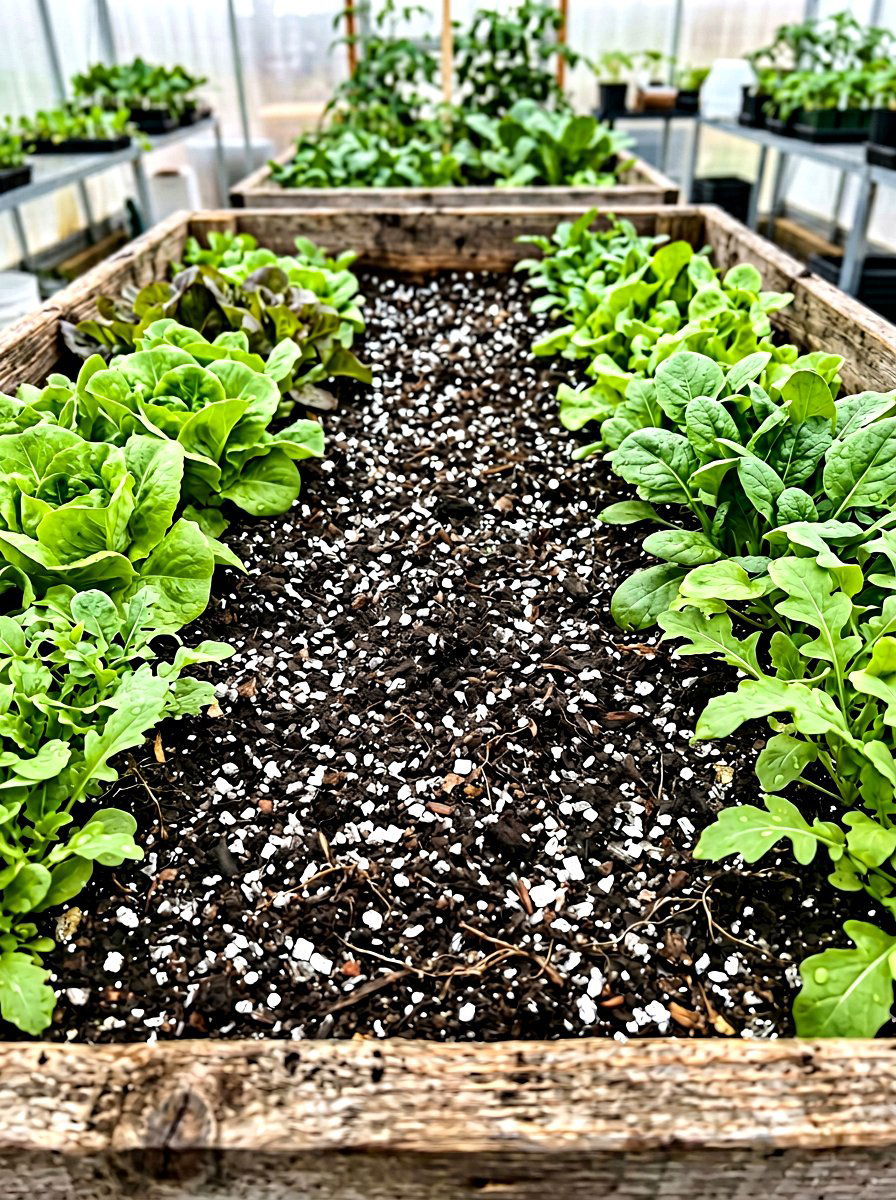
Maintaining the right moisture level in your raised beds can be a challenge during the hot summer months of the year. Adding vermiculite to your soil mix is a brilliant solution because this mineral expands to hold a huge amount of water. It acts like a tiny reservoir, releasing moisture back to the plant roots as the soil begins to dry out. Unlike perlite, which primarily helps with drainage, vermiculite is focused on hydration and nutrient retention. It is a permanent soil amendment that will not break down over time, ensuring your beds remain productive for years. This is especially helpful for thirsty crops like lettuce and cucumbers.
7. Perlite Garden Soil Aeration
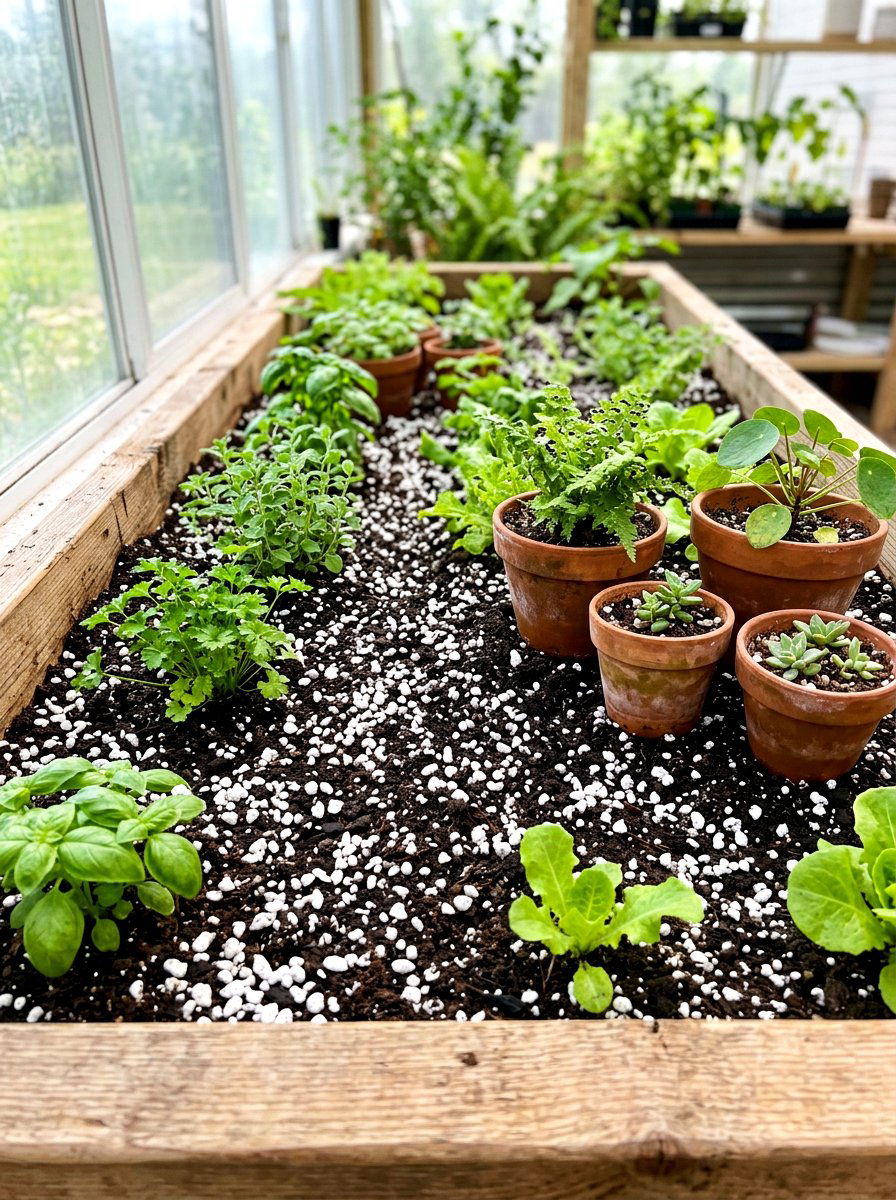
If your garden soil feels heavy or holds too much water, adding perlite can make a massive difference in plant performance. Perlite is a volcanic glass that has been heated until it pops like popcorn, creating lightweight, white granules. These granules create permanent air gaps in the soil, which are essential for healthy root growth and preventing root rot. Because it is chemically neutral and sterile, it won't change the pH of your garden beds. It is most effective when mixed with compost and topsoil to ensure a loamy texture. This amendment is perfect for gardeners who live in rainy climates and need superior drainage.
8. Aged Cow Manure Fertilizer
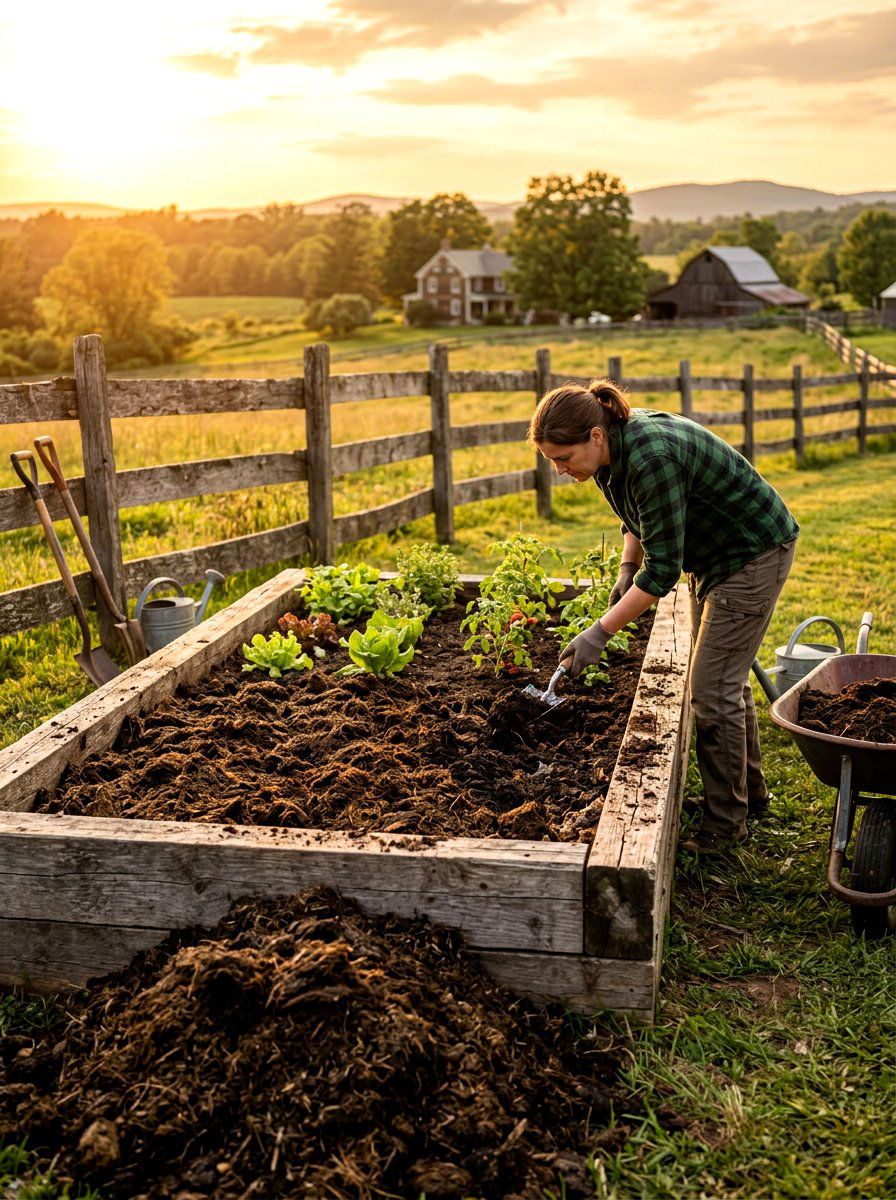
Using well-aged cow manure is one of the oldest and most effective ways to boost the fertility of your soil. Manure provides a wide range of nutrients including nitrogen, phosphorus, and potassium which are vital for plant development. It is crucial to use manure that has been composted for at least six months to avoid burning sensitive roots. This organic amendment also improves the physical structure of the soil by adding bulk and increasing its water-holding capacity. When mixed into the bottom layers of a raised bed, it provides a slow-release food source. It helps create a rich, dark earth that smells like a forest floor.
9. Topsoil And Compost Blend
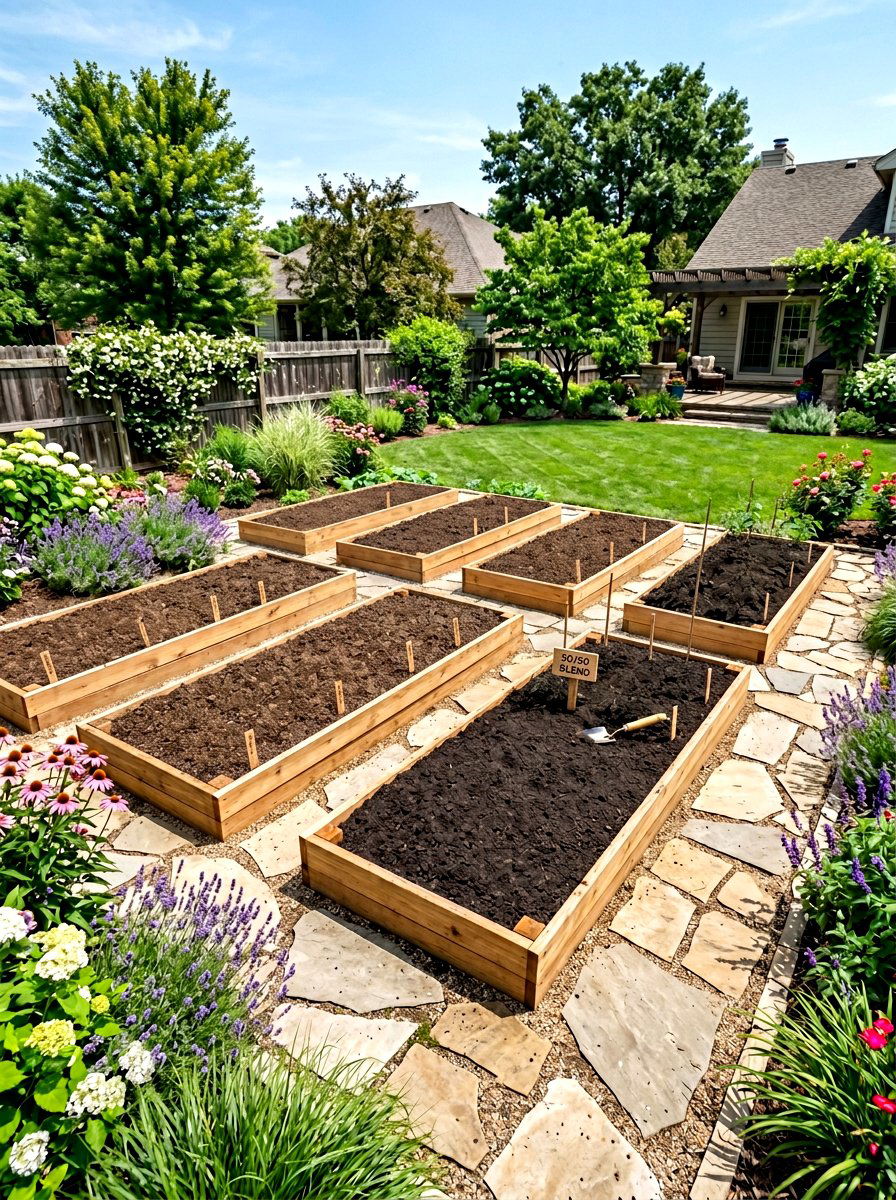
For most backyard gardeners, a simple blend of fifty percent screened topsoil and fifty percent compost is the perfect starting point. The topsoil provides the necessary mineral base and physical structure that plants need to anchor their roots firmly. Meanwhile, the compost supplies the organic matter and biological life that fuels healthy growth throughout the season. This 50/50 mix is often available in bulk from local landscaping companies, making it a very affordable option for filling large beds. It creates a balanced environment that works well for everything from root vegetables to tall flowering perennials. It is a reliable and straightforward approach.
10. Leaf Mold Soil Conditioner
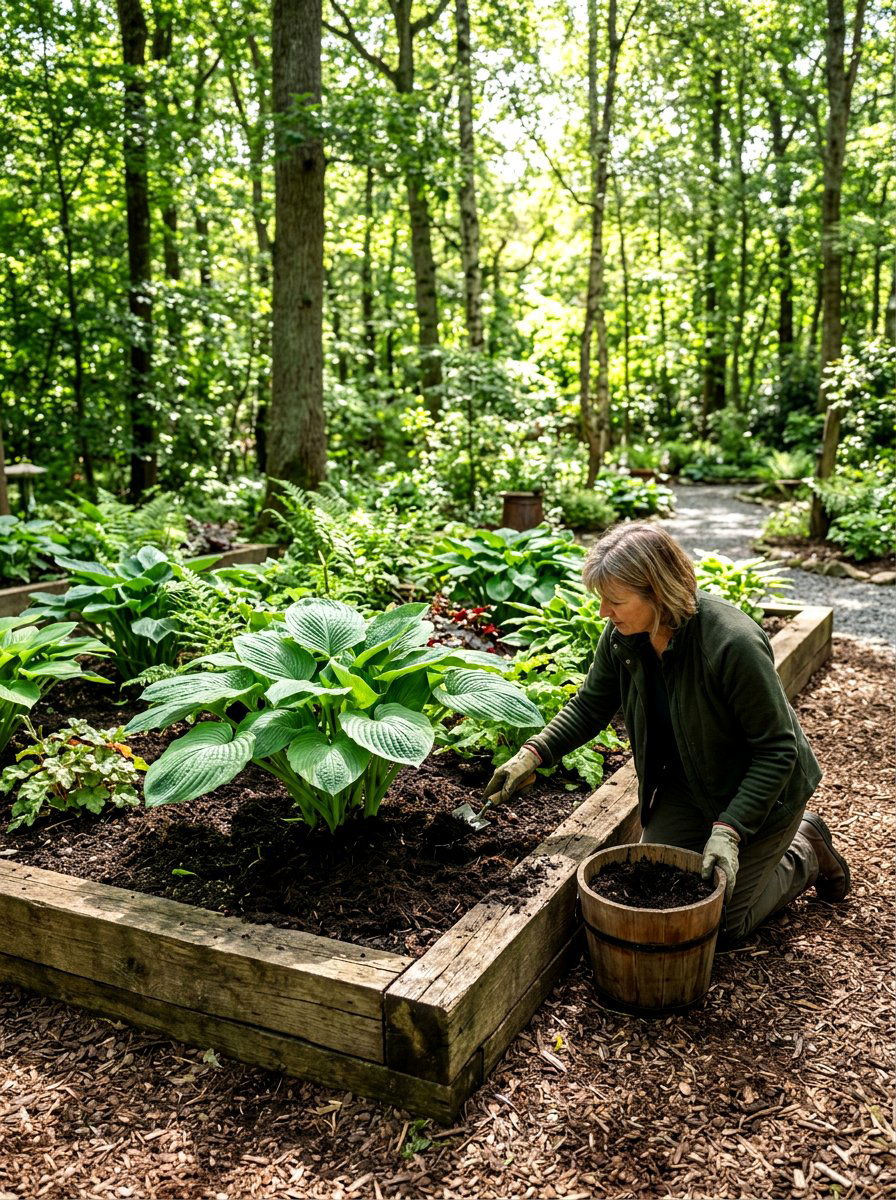
Fall leaves are a valuable resource that many people simply throw away, but they can be turned into incredible soil. Leaf mold is the result of letting leaves decompose slowly over one or two years in a cool, damp pile. Unlike regular compost, leaf mold is specifically valued for its ability to improve soil texture and moisture retention. It creates a soft, spongy environment that is very similar to the natural conditions found on a forest floor. Adding this to your raised beds introduces beneficial fungi that help plants absorb minerals. It is an excellent, free way to keep your garden soil healthy and productive.
11. Earthworm Castings For Plants
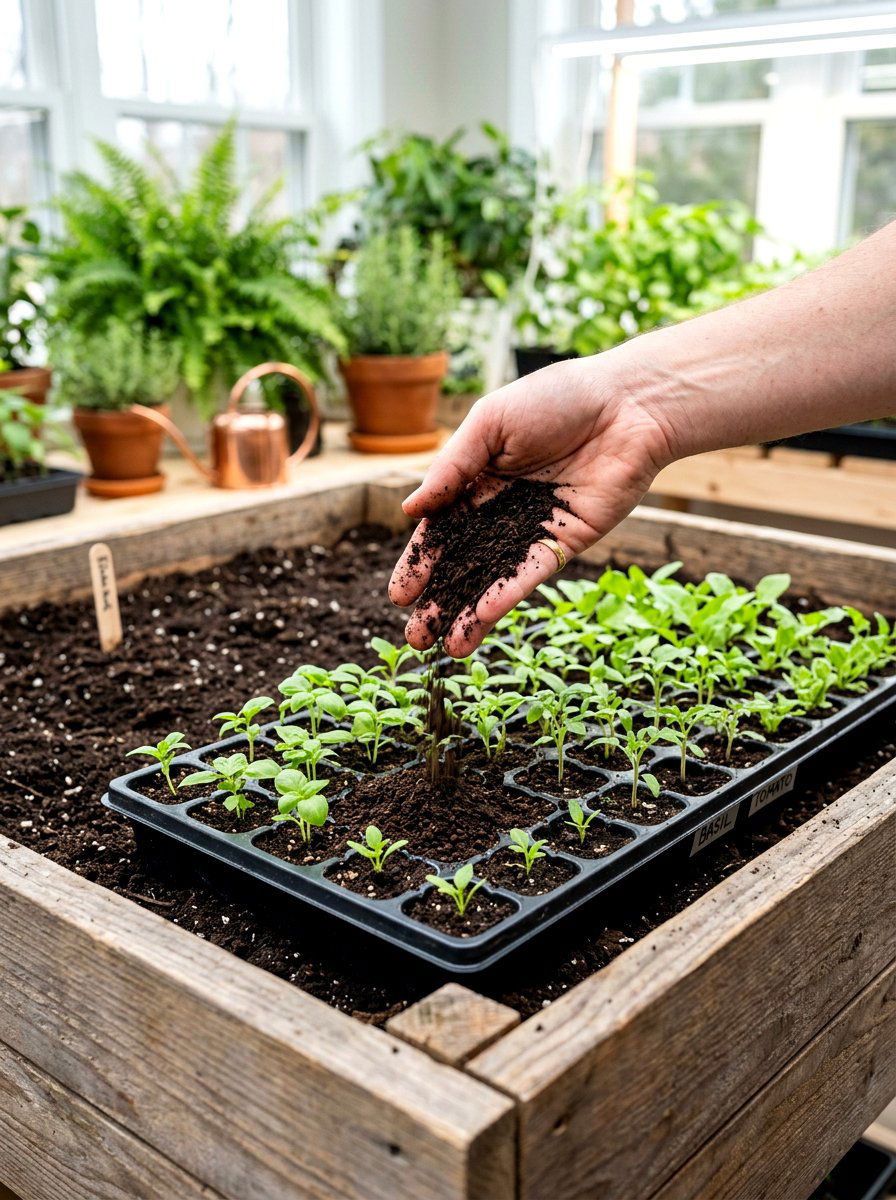
If you want to give your seedlings the best possible start, consider adding earthworm castings to your raised bed soil mix. Worm castings are the nutrient-dense waste produced by worms as they digest organic matter in the earth. They are packed with beneficial microbes and growth hormones that stimulate strong root development and high yields. Unlike chemical fertilizers, worm castings are gentle and will never burn your plants, even if used in large quantities. A small amount mixed into each planting hole can significantly improve the health of your vegetables. They also help the soil hold onto water and improve its overall biological activity.
12. Peat Moss Raised Bed Mix
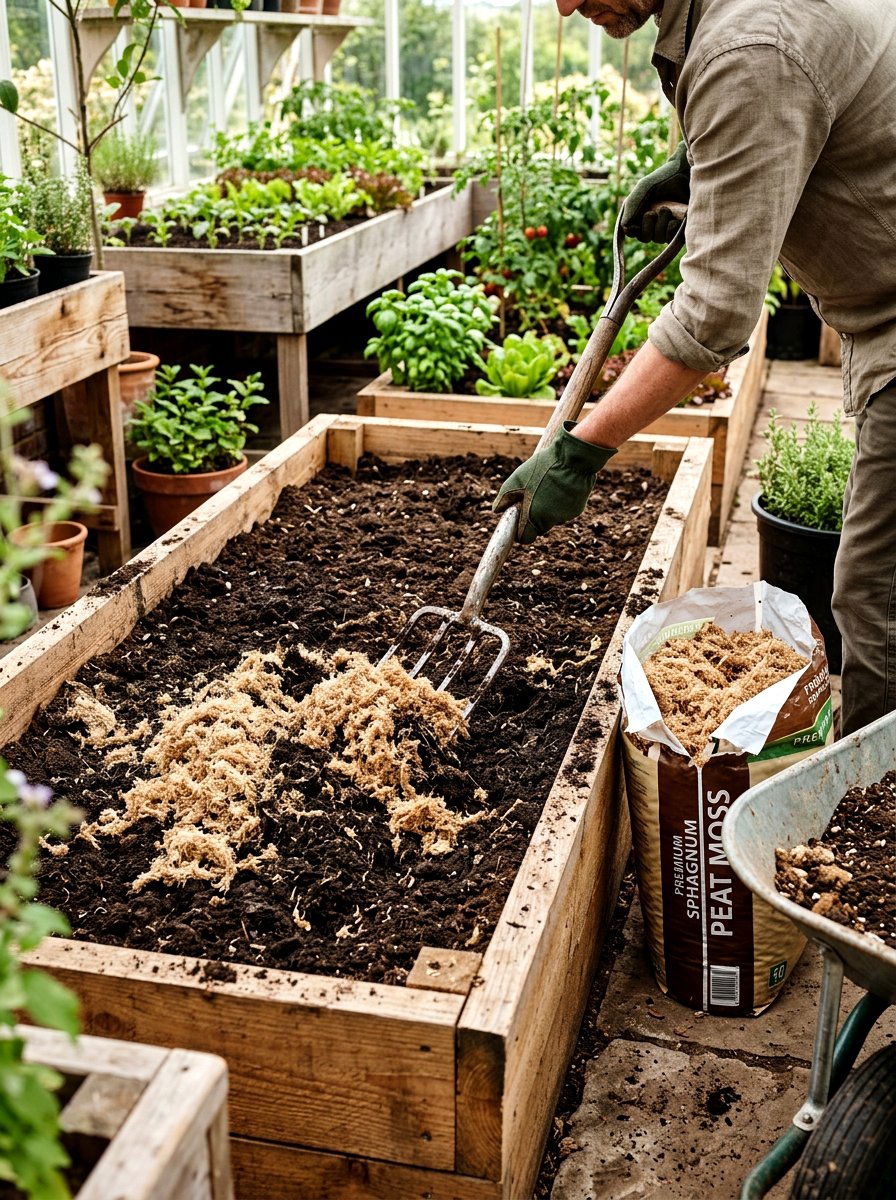
Peat moss has been a staple in gardening for decades because of its unique ability to hold both water and air. It is a harvested moss that is naturally sterile and has a slightly acidic pH level, which is great for berries. When added to raised beds, it helps lighten heavy soils and prevents nutrients from washing away during heavy rain. It provides a consistent texture that makes it very easy for young roots to push through the ground. While it contains no nutrients on its own, it is an excellent carrier for compost and fertilizers. It ensures your garden beds stay moist even during the hottest weather.
13. Wood Chip Bottom Layer
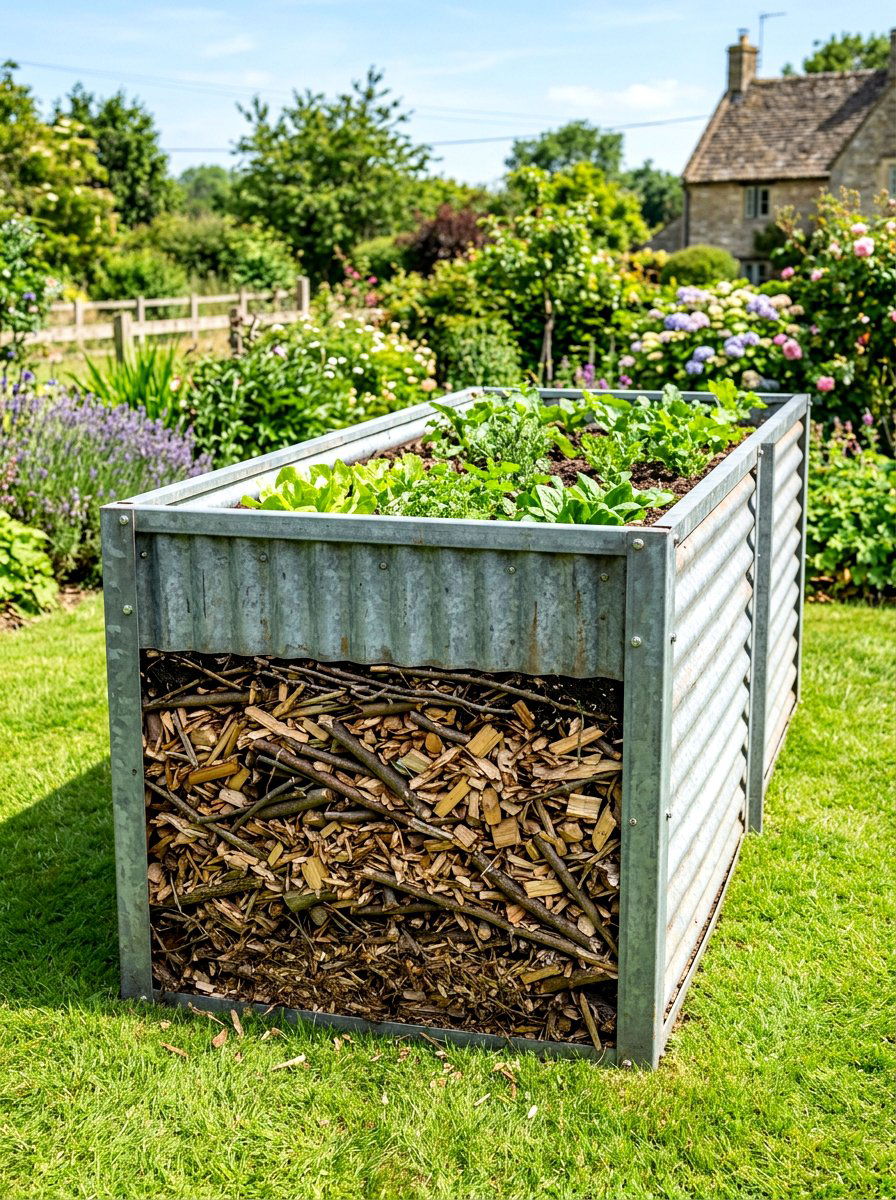
Filling a tall raised bed can be extremely expensive if you use high-quality potting soil for the entire depth of the structure. A smart way to save money is by filling the bottom third of the bed with untreated wood chips or mulch. These woody materials will slowly break down over several years, providing a long-term source of organic matter for the soil. As they decompose, they also create heat, which can help warm the soil earlier in the spring. Make sure to use wood that has not been dyed or treated with chemicals to keep your food safe. This creates a solid foundation for your plants.
14. Straw Mulch Soil Protection
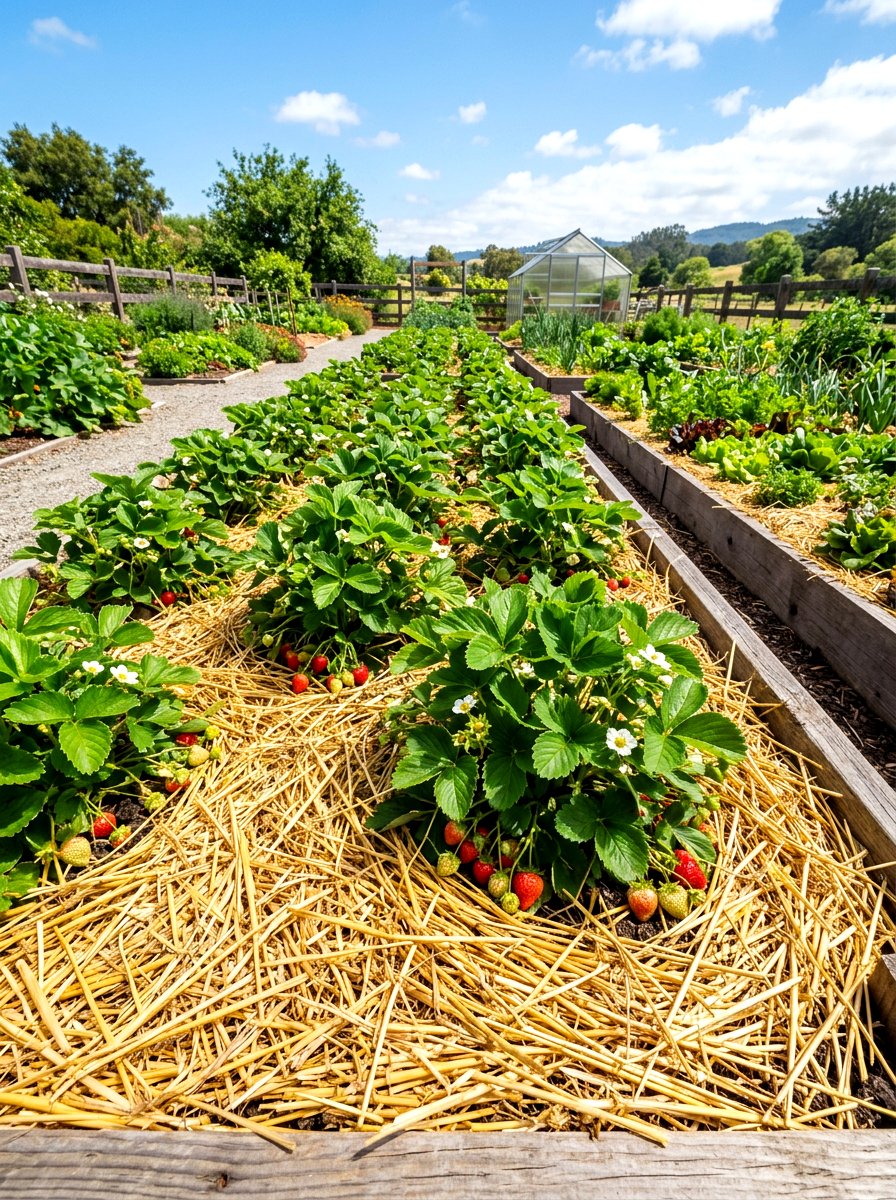
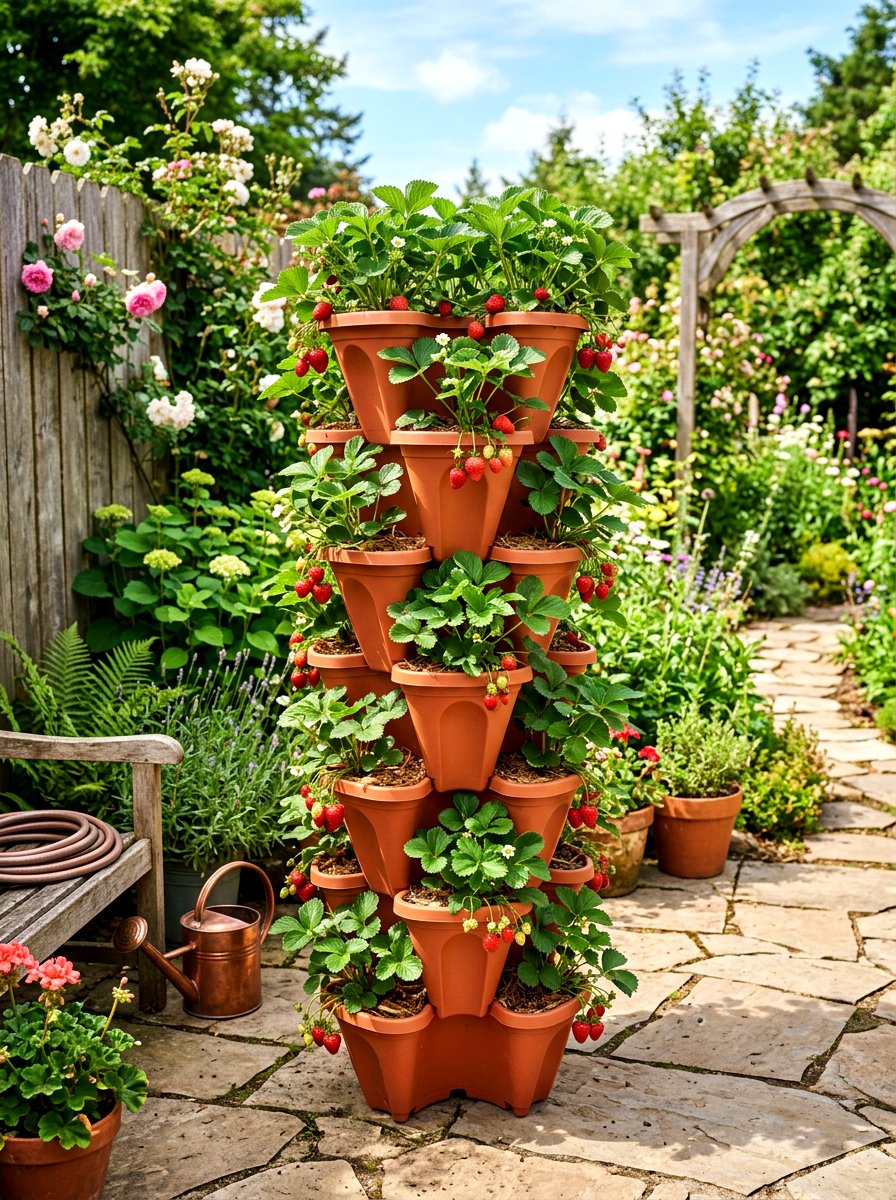
Protecting the surface of your soil is just as important as the mix you put inside the raised garden bed. Using a thick layer of straw mulch on top of your dirt helps to regulate temperature and prevent moisture evaporation. It also acts as a barrier that prevents weed seeds from reaching the soil and germinating in your garden. As the straw breaks down, it adds valuable carbon back into the earth, improving the soil's organic content over time. This creates a clean environment for your vegetables, keeping low-hanging fruit like strawberries off the wet ground. It is an easy and effective maintenance step.
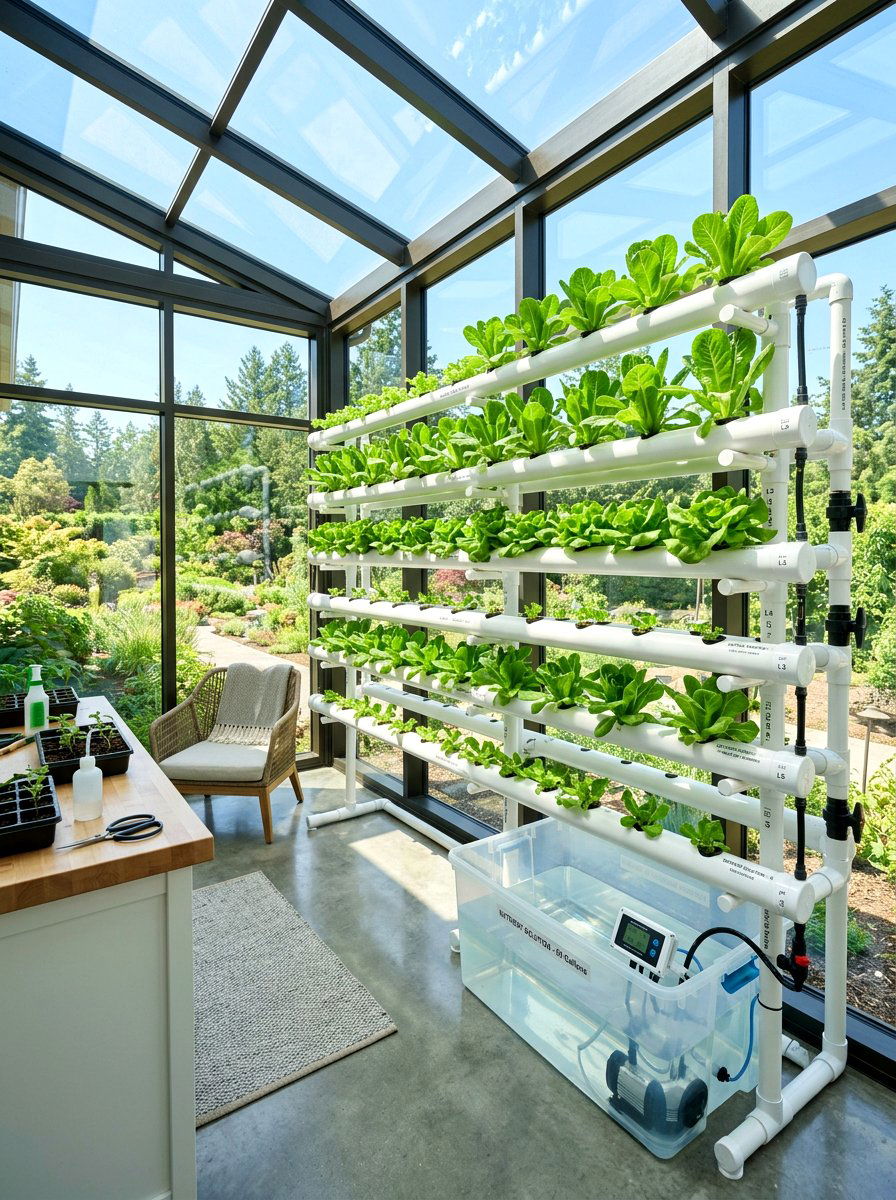
15. Biochar Garden Soil Enrichment
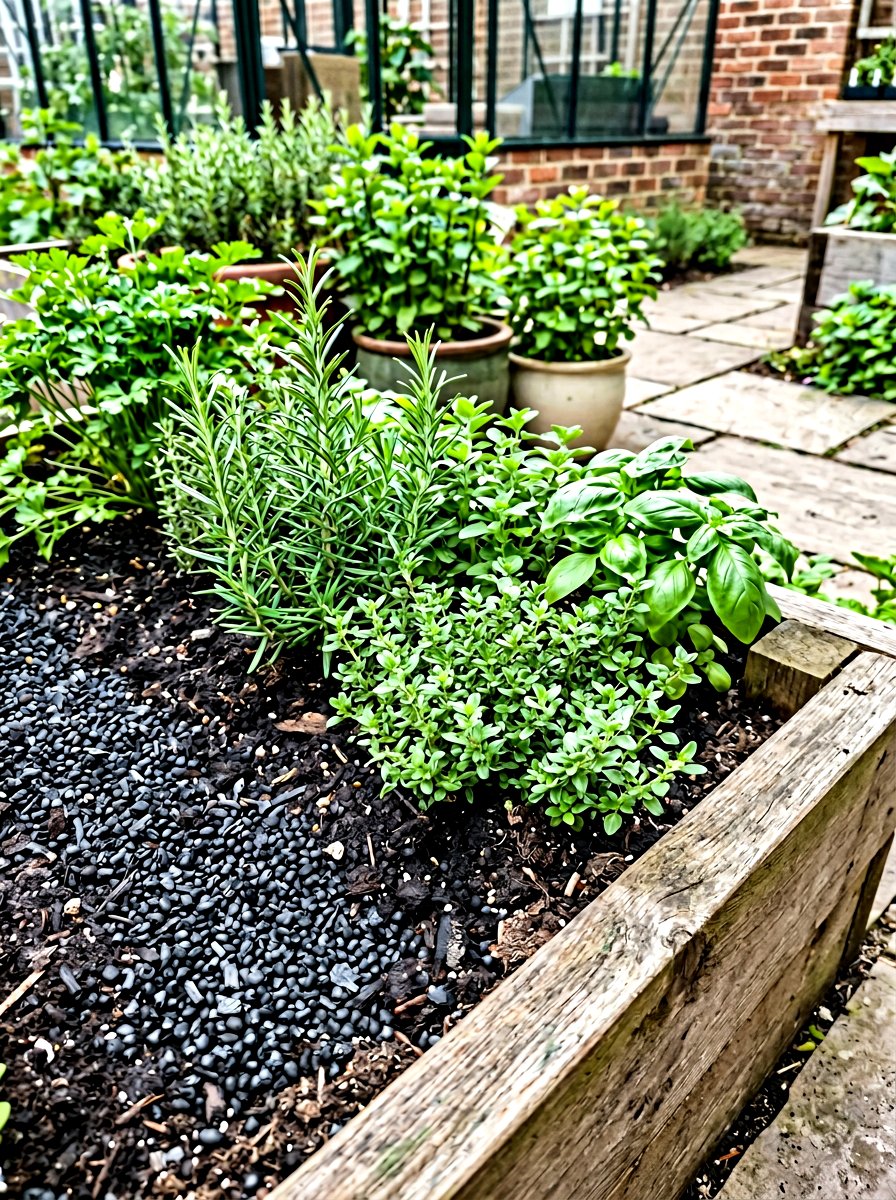
Biochar is a specialized form of charcoal that is created by burning organic matter in a low-oxygen environment for long-term health. When added to raised beds, it acts like a permanent sponge that holds onto water and essential plant nutrients. Because it is highly porous, it provides a perfect habitat for beneficial soil microbes to live and multiply. Unlike other organic amendments, biochar does not break down, meaning it will stay in your garden for hundreds of years. It is an excellent way to sequester carbon while dramatically improving the fertility of your soil. This ancient technique is becoming popular again for its amazing results in gardens.
16. Mushroom Compost For Vegetables
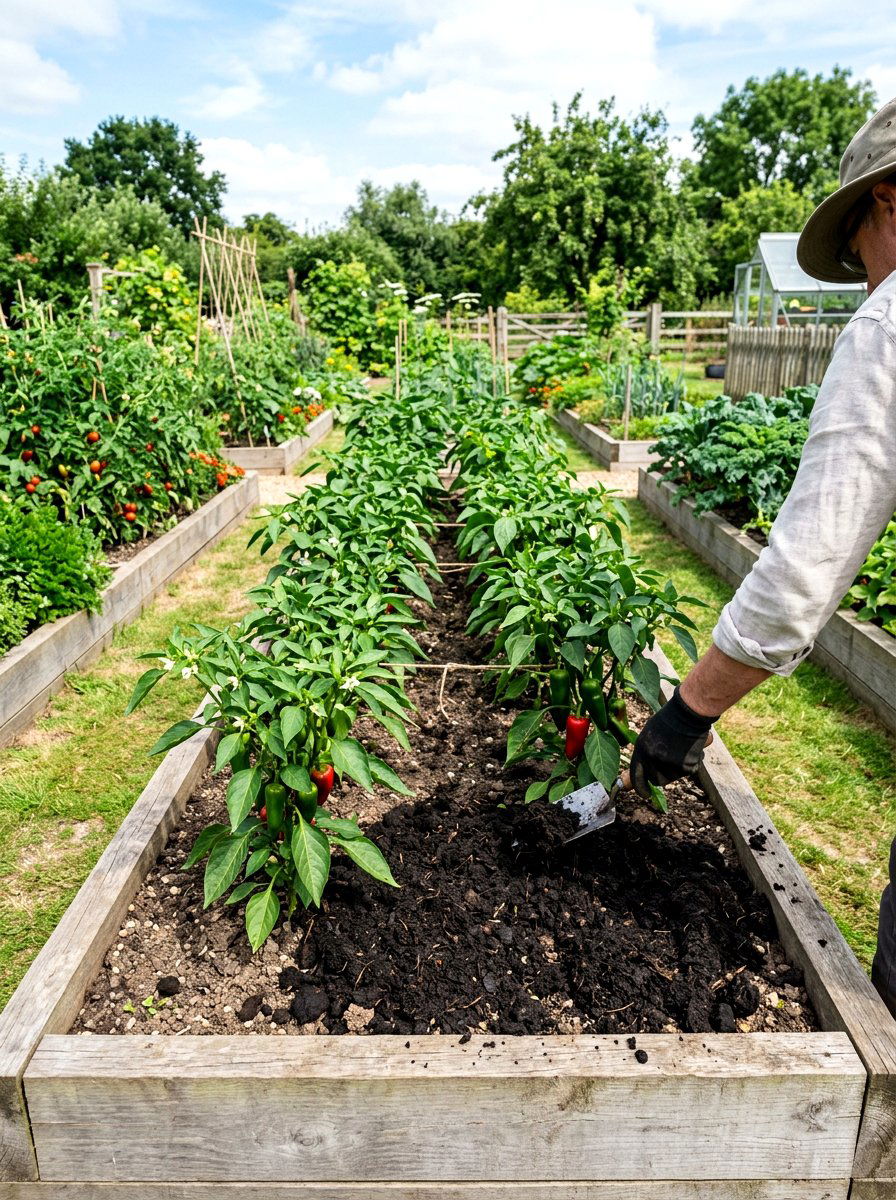
Mushroom compost is a unique type of organic fertilizer that is created during the commercial growing process of edible mushrooms. It usually consists of a mix of straw, manure, and other organic materials that have been thoroughly pasteurized and broken down. This compost is very high in organic matter and provides a wide range of nutrients that vegetables love. It has a slightly alkaline pH, which can be helpful if your native soil is too acidic for most crops. Because it is very rich, it is best used as a soil amendment rather than a complete growing medium. It helps produce lush, green foliage and strong plants.
17. Fish Fertilizer Soil Liquid
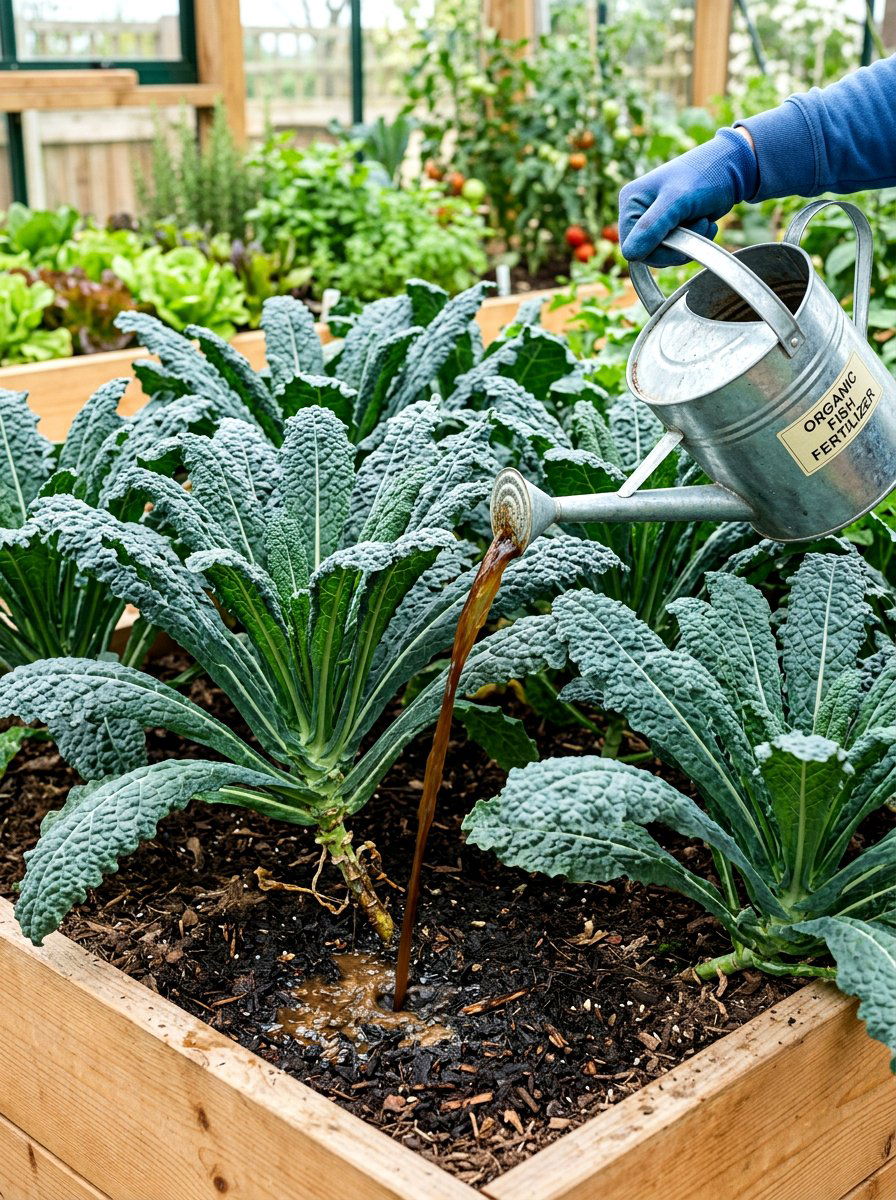
Sometimes your raised bed soil needs a quick boost of nutrition during the middle of the busy growing season. Fish emulsion is a liquid organic fertilizer made from processed fish remains that provides an immediate source of nitrogen. It is easily absorbed by plant roots and can even be sprayed directly onto the leaves for foliar feeding. This fertilizer helps to stimulate rapid growth and deep green colors in your vegetable plants and flowers. While it can have a strong scent, the benefits to the soil biology are worth the brief smell in the garden. It is a natural way to keep your garden highly productive.
18. Pine Bark Soil Texture
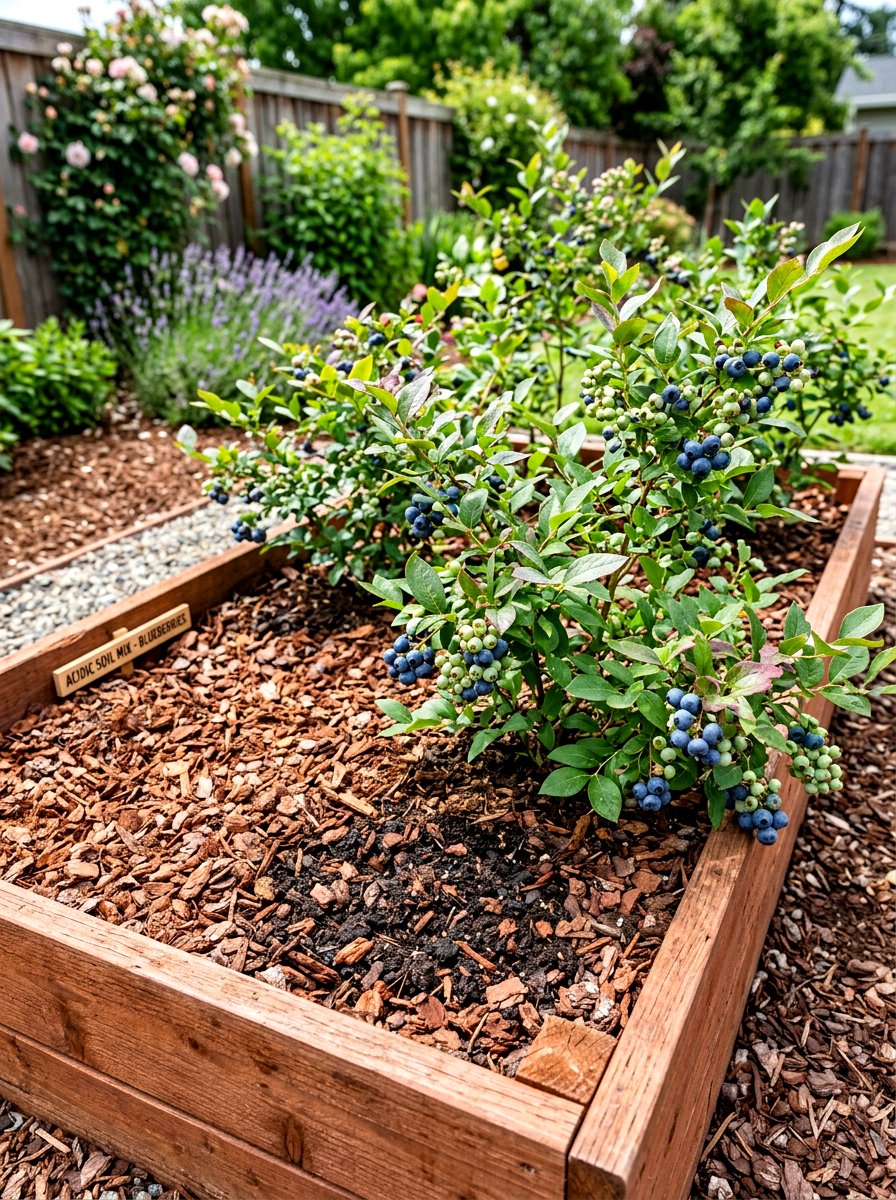
Adding finely ground pine bark to your soil mix is an excellent way to improve drainage and create a long-lasting structure. Pine bark fines break down much slower than straw or leaves, which means they keep the soil loose for a longer time. They also help to lower the pH of the soil slightly, which is perfect for acid-loving plants like blueberries or azaleas. This material provides plenty of air spaces for roots to grow and helps prevent the soil from becoming a solid block. It is a very affordable amendment that can be found at most local garden centers or landscaping supply yards.
19. Coarse Sand For Drainage
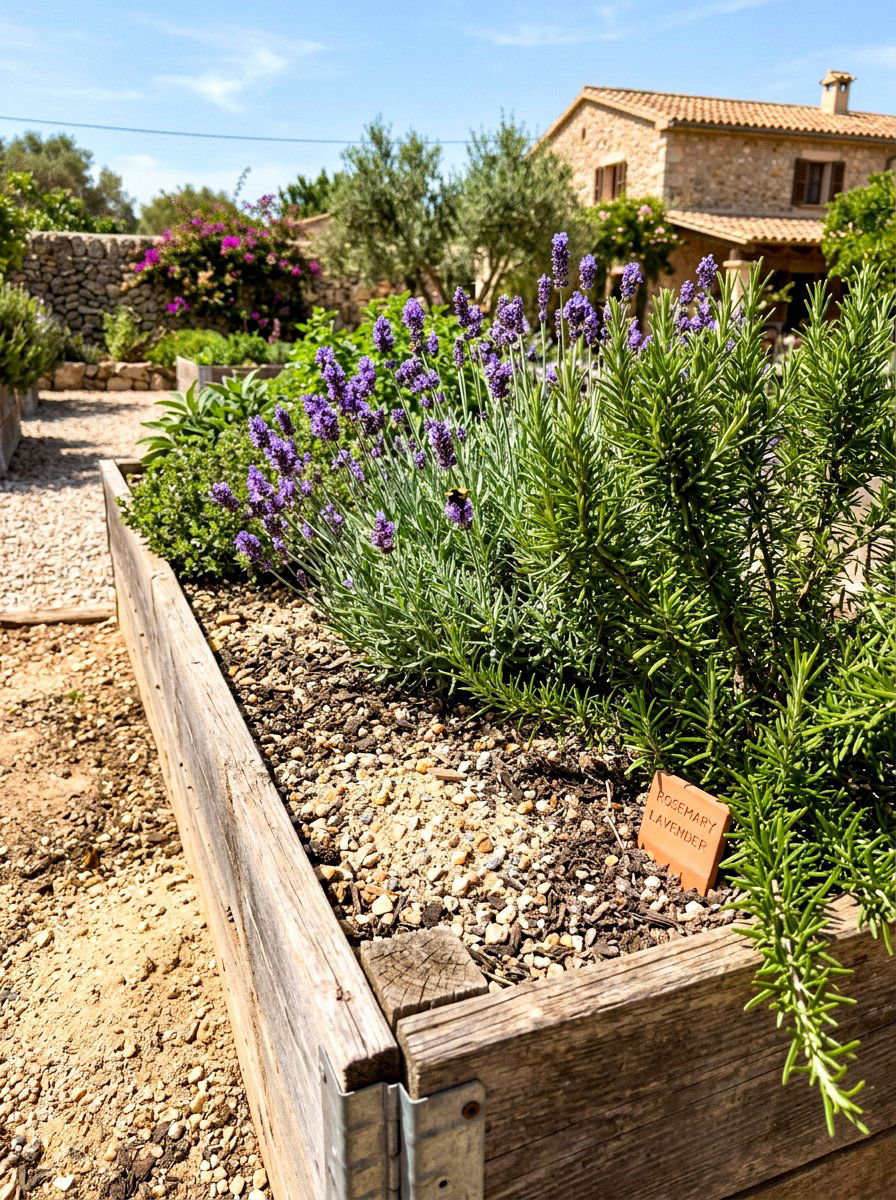
In some garden bed situations, the soil can become too waterlogged, which leads to unhealthy plants and drowning root systems. Mixing coarse builder’s sand into your dirt is a classic way to improve the overall drainage of your raised garden beds. The large particles of sand create pathways for water to move through the soil quickly and efficiently. It is important to use coarse sand rather than fine play sand, which can actually make the soil harder. This addition is especially useful if you are growing Mediterranean herbs like rosemary or lavender that prefer dry feet. It ensures your garden never stays too soggy.
20. Native Soil Garden Mix
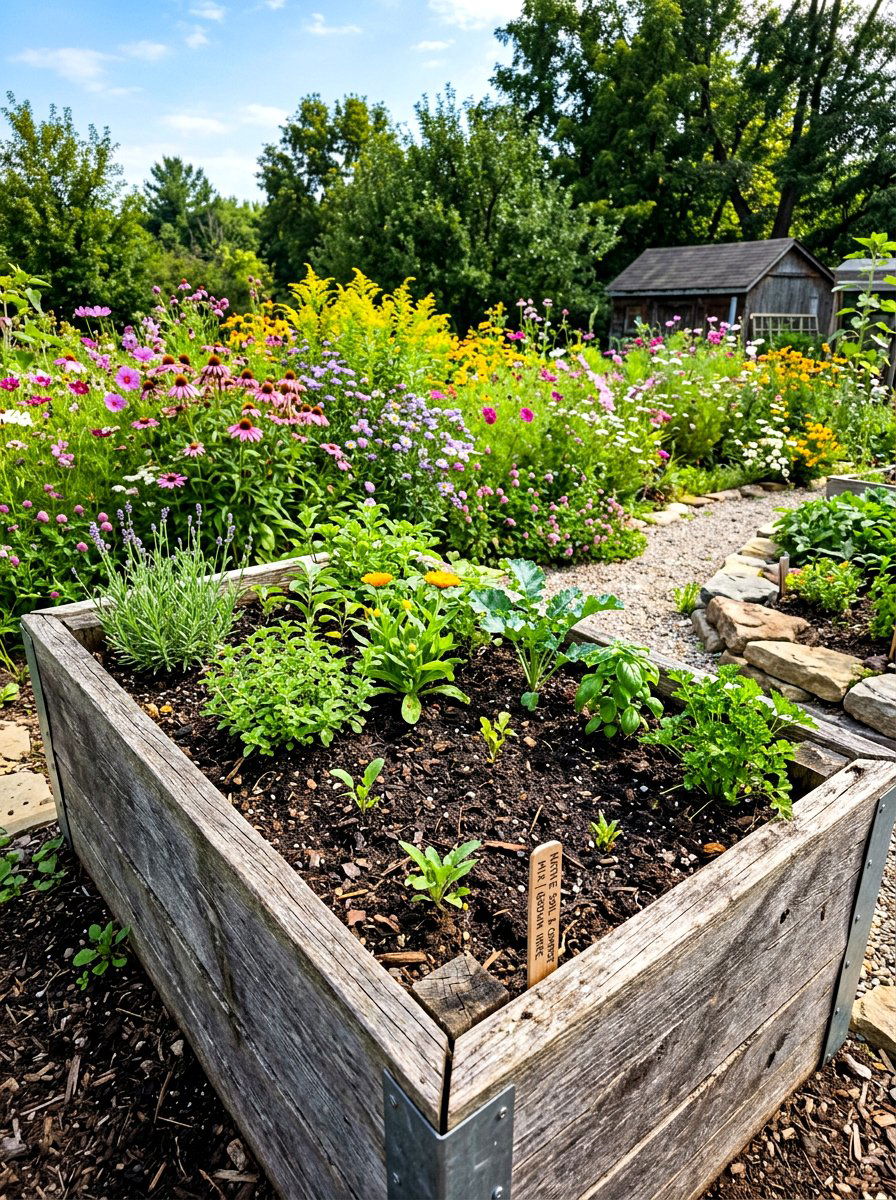
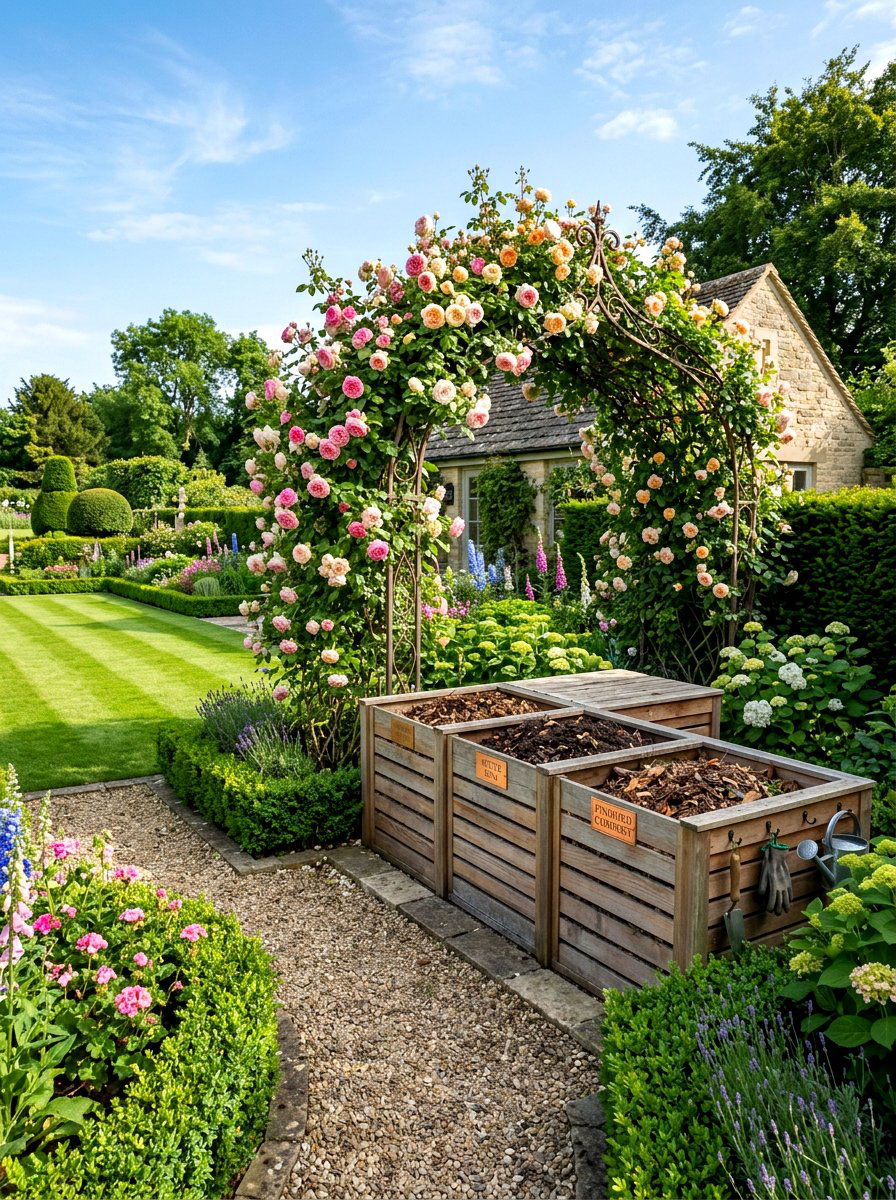
If you have decent soil in your yard, you can save a lot of money by mixing it into your beds. Native soil contains important minerals and local microorganisms that are already adapted to your specific climate and environment. You should blend your local dirt with an equal amount of compost and organic matter to prevent it from compacting. It is helpful to screen the soil first to remove large rocks, roots, or unwanted weed seeds before adding it. This creates a more natural growing medium that feels like a real garden rather than a sterile pot. It is a sustainable way to build up your beds.
21. Container Garden Potting Soil
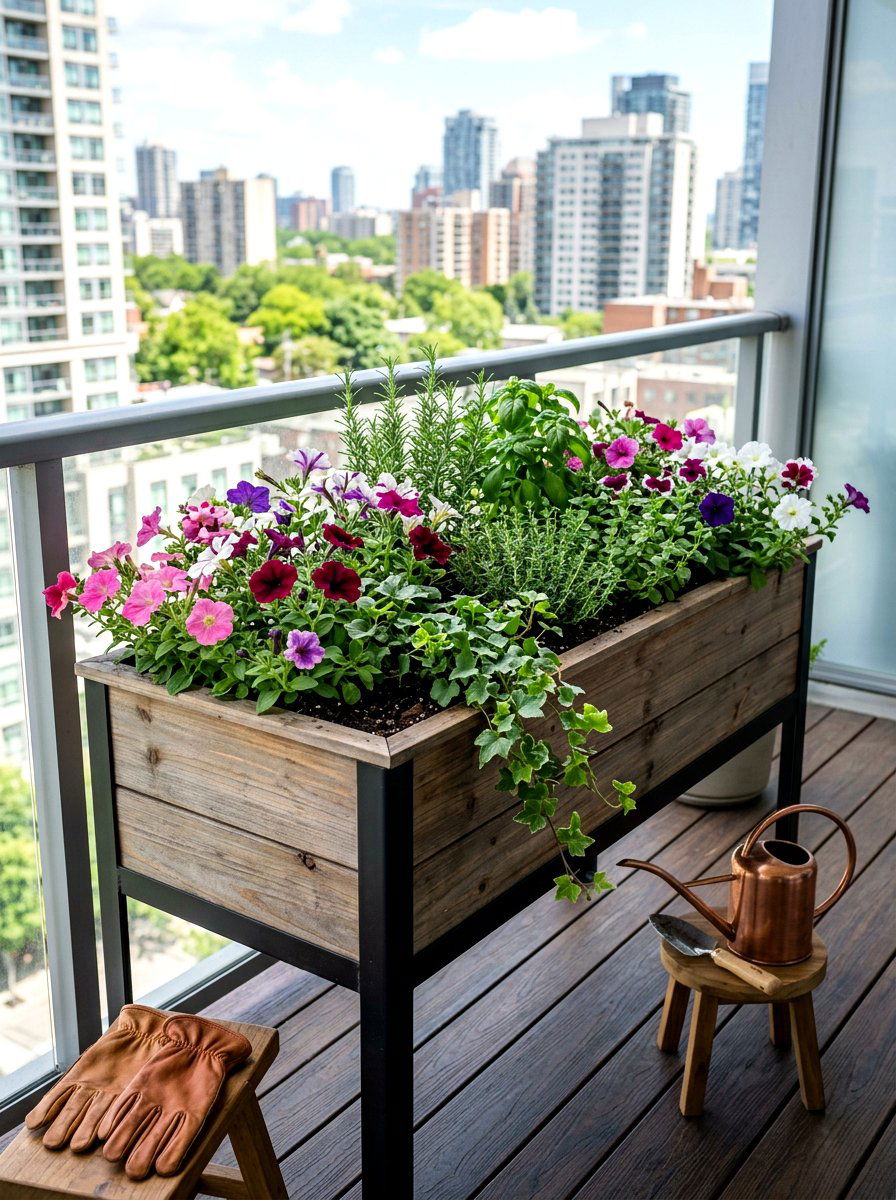
For very shallow raised beds or those located on a porch, using a high-quality potting soil is often the best choice. Potting soil is specifically designed to be extremely lightweight and provide excellent drainage in confined spaces where air is limited. It usually contains a mix of peat moss, perlite, and slow-release fertilizers to keep your plants fed for several months. Because it is sterile, you don't have to worry about soil-borne diseases or weeds attacking your young seedlings. While it is more expensive than bulk dirt, the convenience and performance make it a great option for beginner gardeners. It ensures a successful start.
22. Kelp Meal Soil Supplement
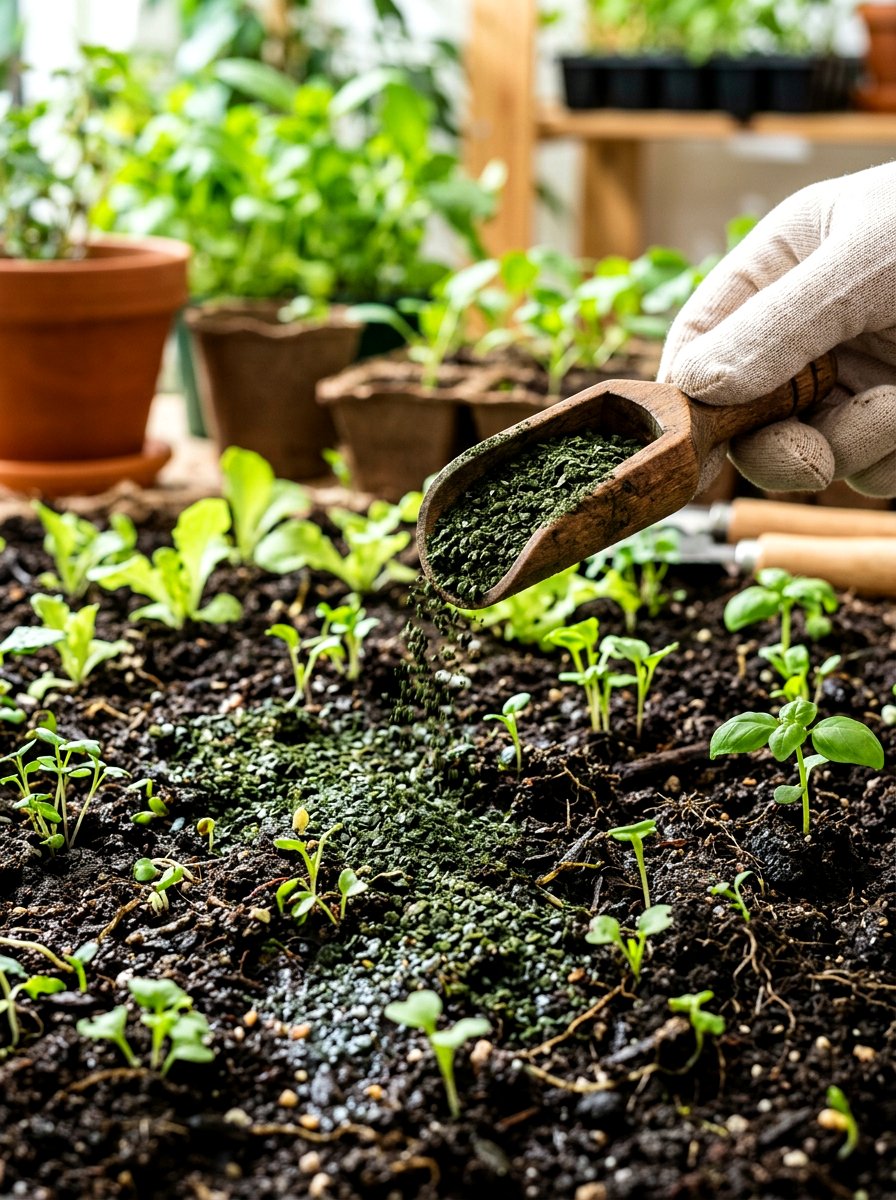
Kelp meal is a powerful organic amendment made from dried and ground seaweed that is rich in over sixty minerals. It provides a wide range of trace elements that are often missing from standard topsoil and commercial compost mixes. These minerals help to strengthen the immune system of your plants, making them more resistant to pests and extreme weather. Kelp also contains natural growth hormones that encourage strong root systems and increased flower production in the garden. Adding just a small amount to your soil each year can lead to noticeably healthier and more vibrant plants. It is a premium natural supplement.
23. Rock Dust Soil Minerals
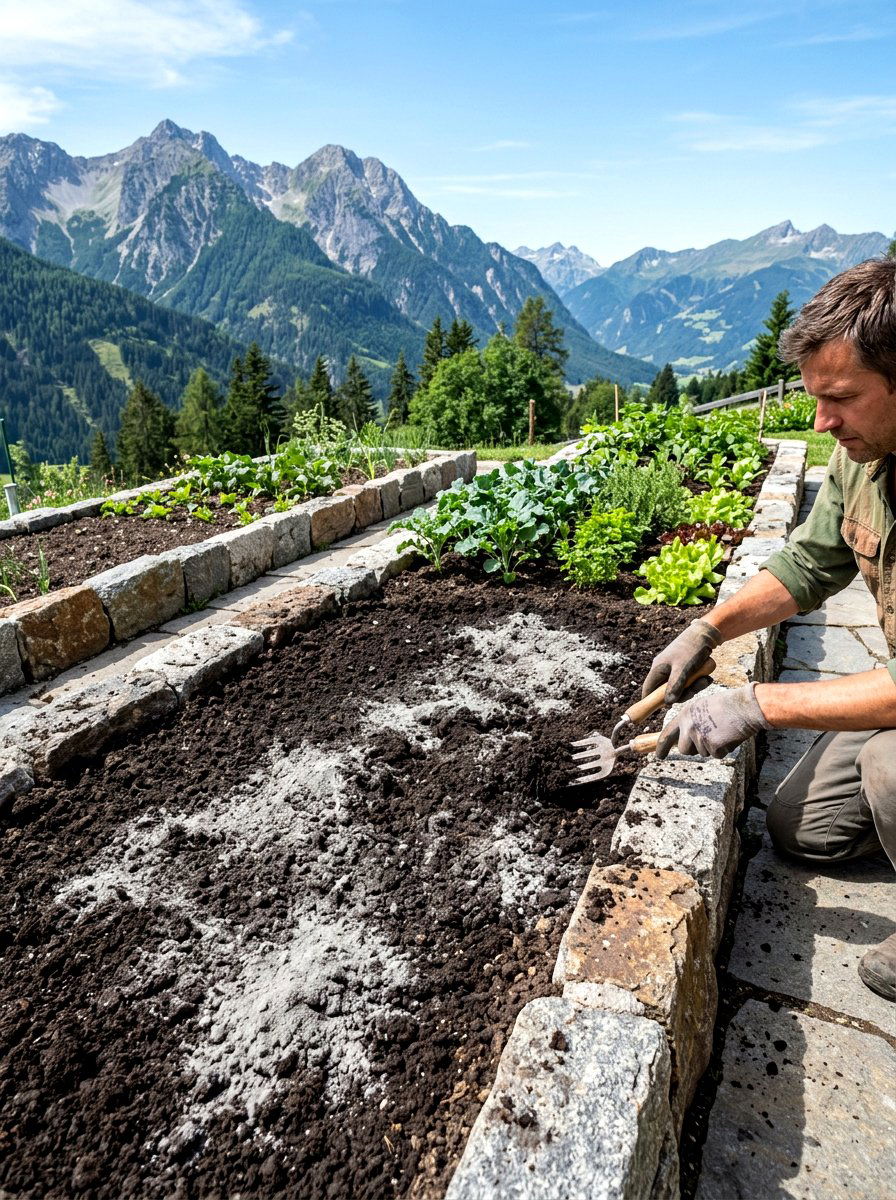
Over time, the minerals in your raised bed soil can become depleted as plants grow and use up the available nutrients. Adding rock dust, such as Azomite or glacial rock dust, is a great way to remineralize your garden beds effectively. These finely ground rocks release essential trace elements slowly as they break down over several years in the earth. This process mimics the way nature creates fertile soil through the weathering of stones and volcanic activity. Improved mineral content leads to better tasting vegetables and more nutritious food for your family to enjoy. It is an investment in the long-term health of your garden.
24. Alfalfa Meal Nitrogen Boost
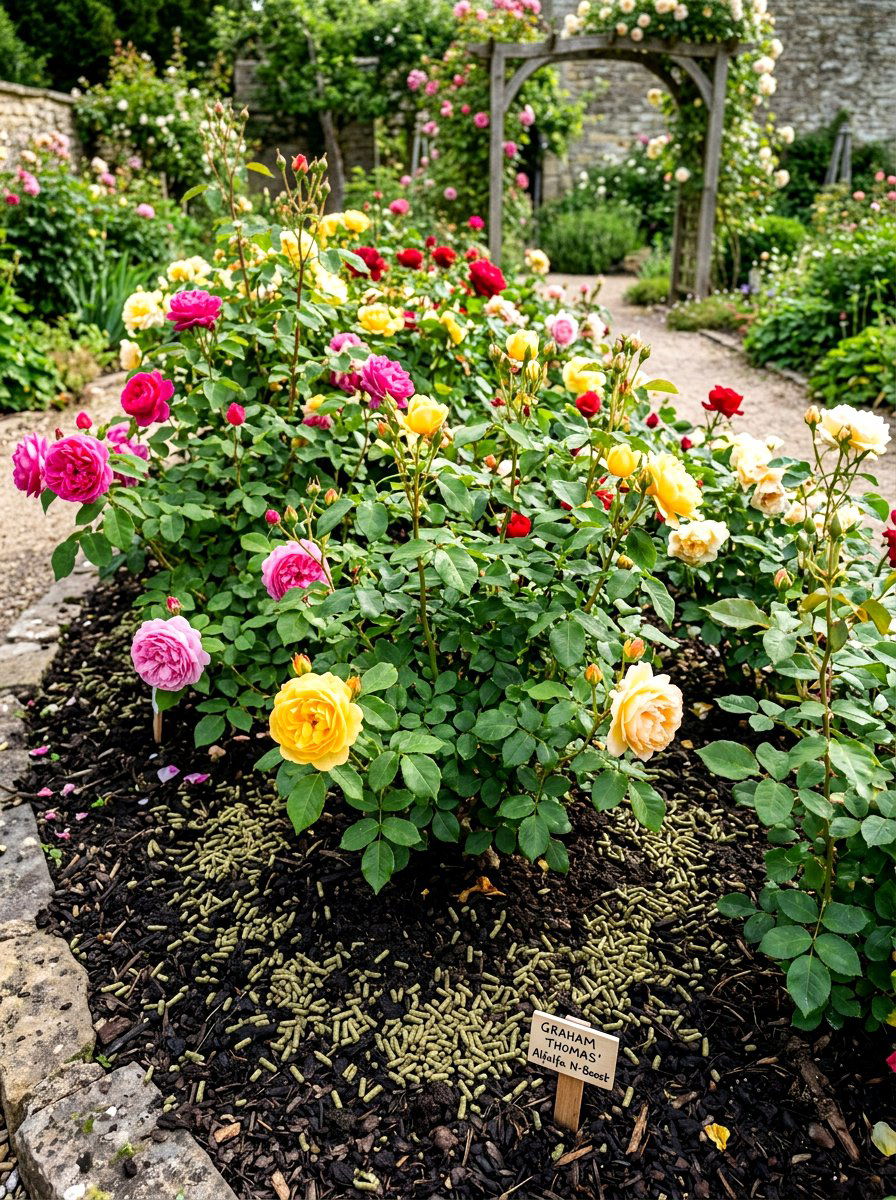
Alfalfa meal is an organic fertilizer that is especially good for building soil structure while providing a gentle source of nitrogen. It contains a natural growth stimulant called triacontanol which helps plants develop stronger stems and more abundant foliage. When you mix alfalfa meal into your raised beds, it also feeds beneficial bacteria that help break down other organic matter. This creates a cycle of fertility that keeps the soil alive and productive throughout the entire summer. It is a favorite among rose growers but works wonders for almost any vegetable crop you choose. It is safe, effective, and very easy to apply.
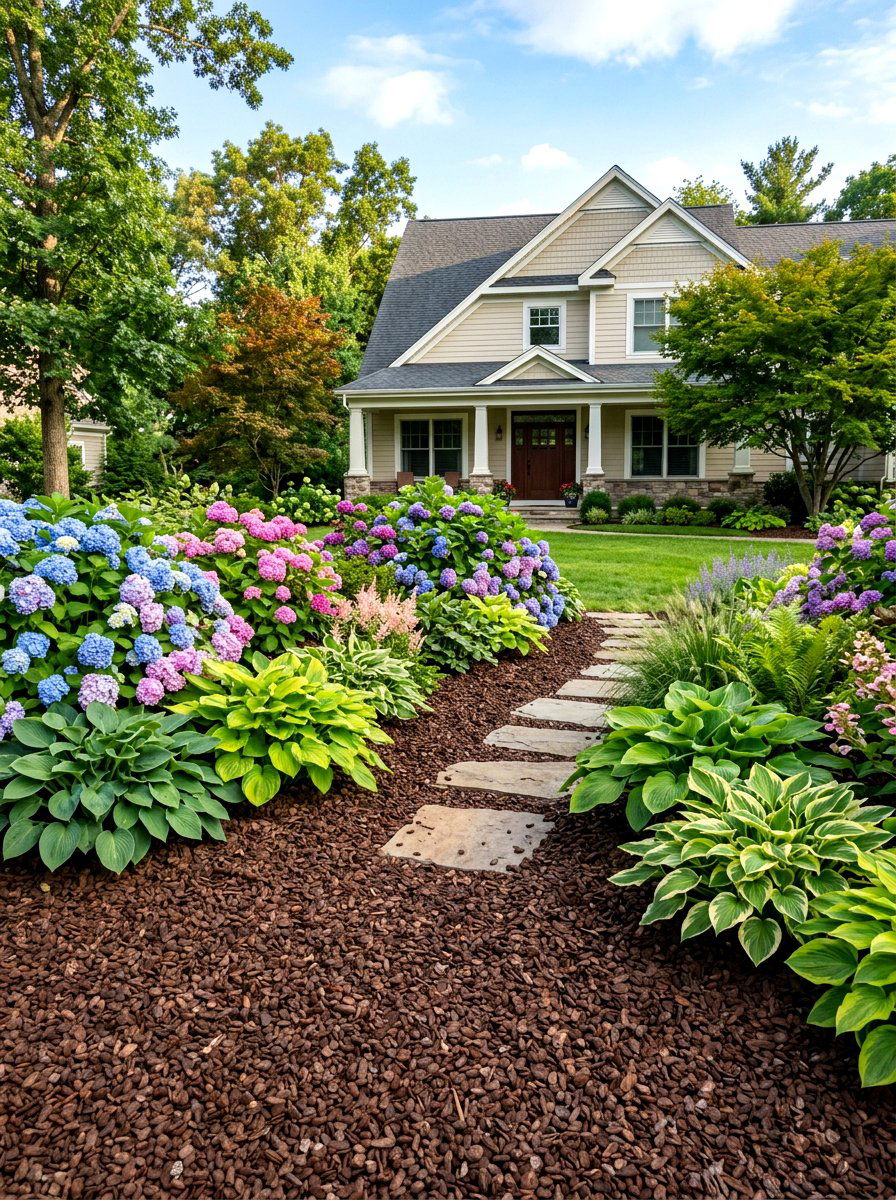


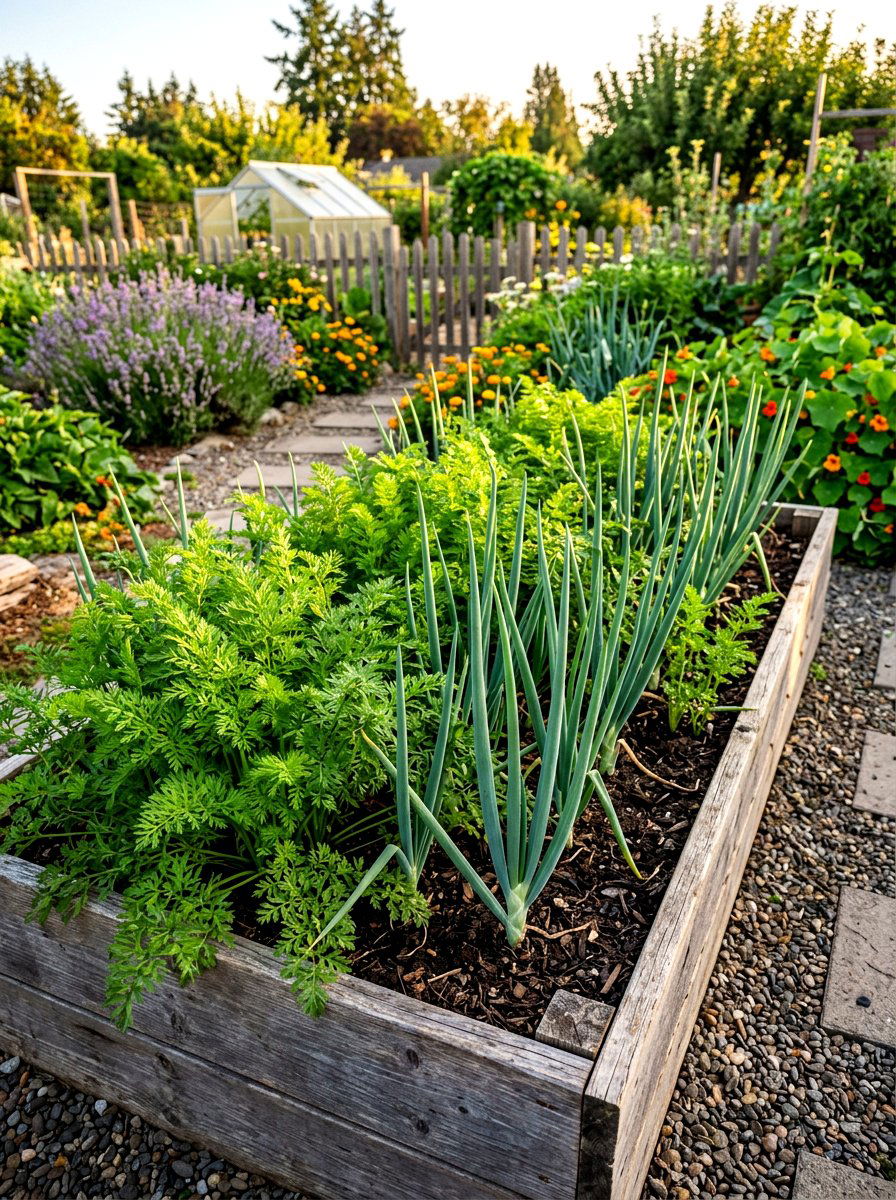
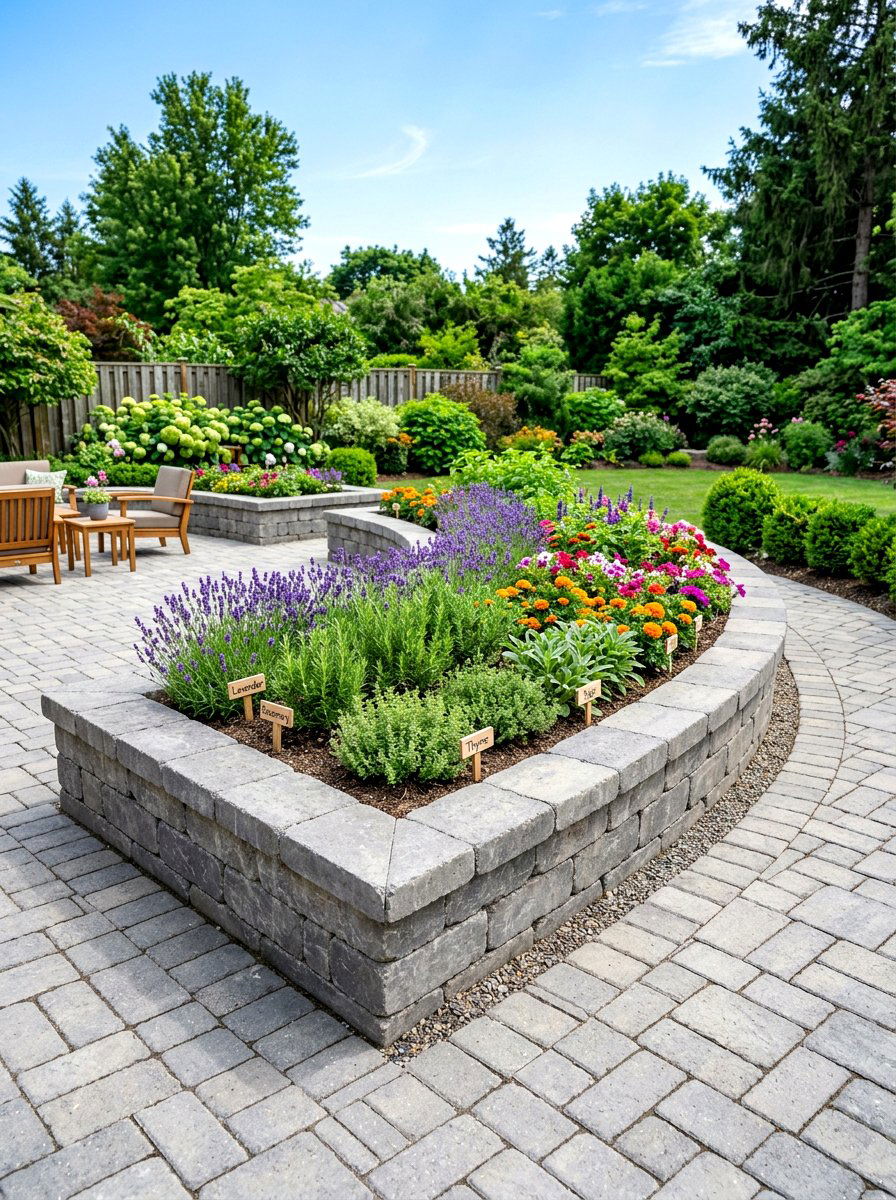
25. Bone Meal Garden Fertilizer
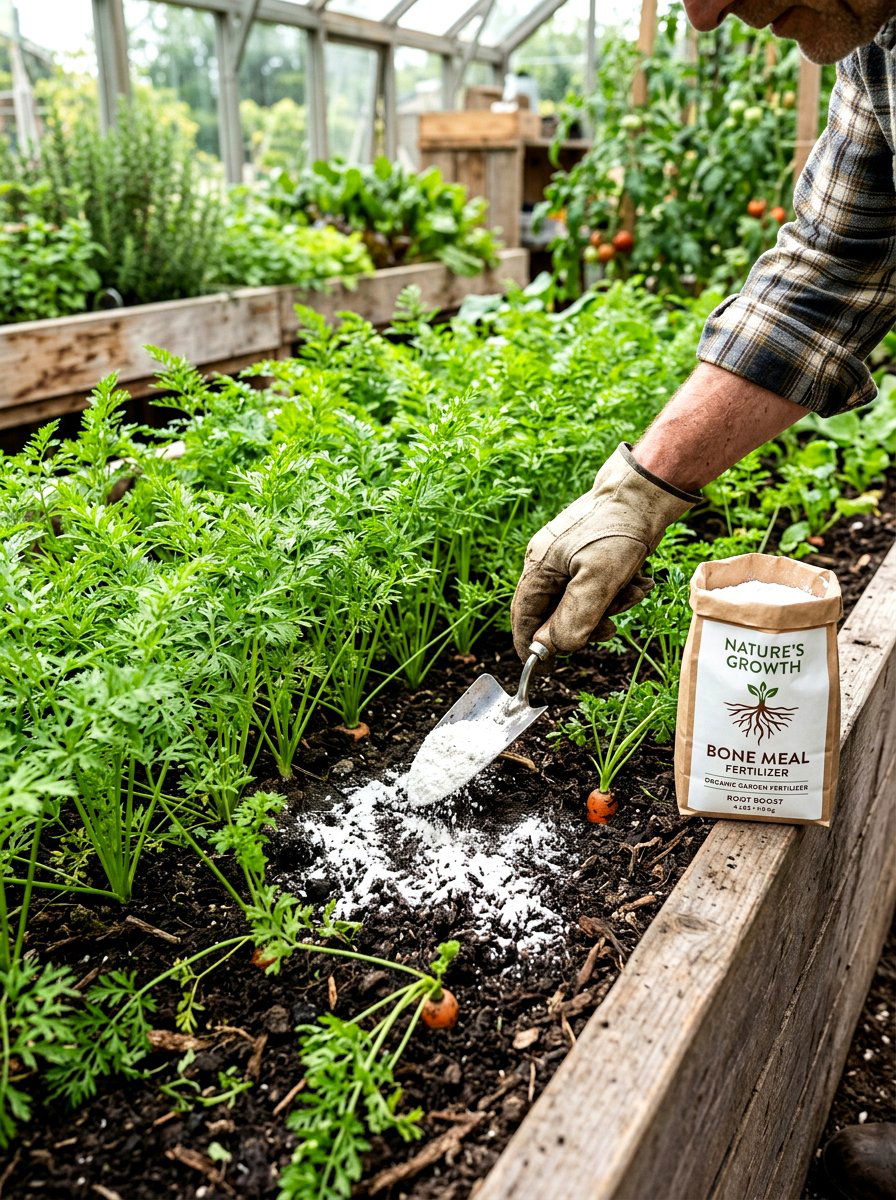
If you are growing flowering plants or root vegetables like carrots and potatoes, bone meal is a must-have soil amendment. This organic powder is high in phosphorus, which is the primary nutrient responsible for root development and flower production. It releases its nutrients slowly over several months, providing a steady supply of food for your plants as they mature. Bone meal also contains calcium, which helps prevent common garden problems like blossom end rot in tomatoes. It is best applied in the spring when you are preparing your beds for the new planting season. This ensures your crops have a very strong foundation.
26. Blood Meal High Nitrogen
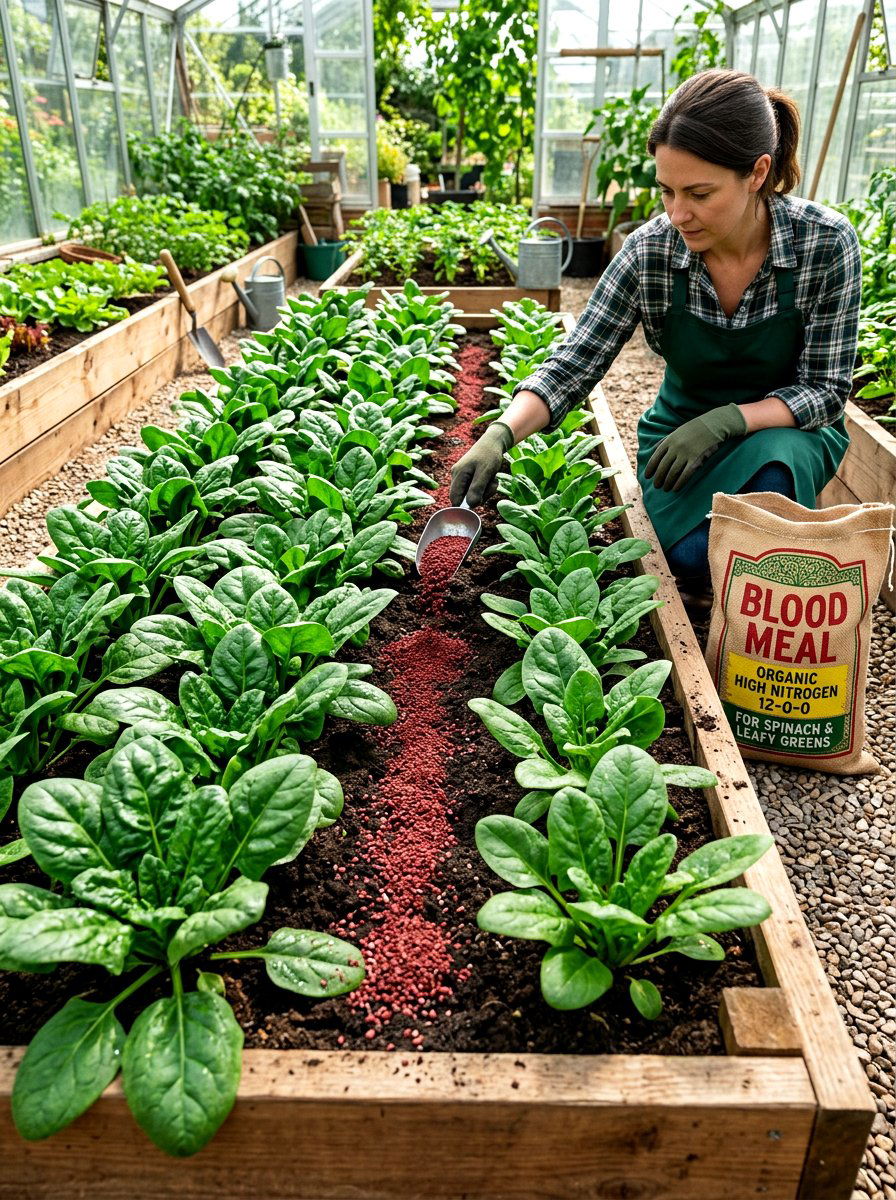
Blood meal is one of the most concentrated organic sources of nitrogen available for home gardeners to use in their beds. Nitrogen is essential for the growth of green leaves and stems, making this amendment perfect for leafy greens like kale and spinach. Because it is highly soluble, it provides a very quick boost to plants that are looking yellow or stunted. You must be careful not to over-apply it, as too much nitrogen can burn sensitive roots if used incorrectly. It is also known to help repel some garden pests like deer and rabbits because of its distinct scent. It is a powerful tool.
27. Epsom Salt Soil Treatment
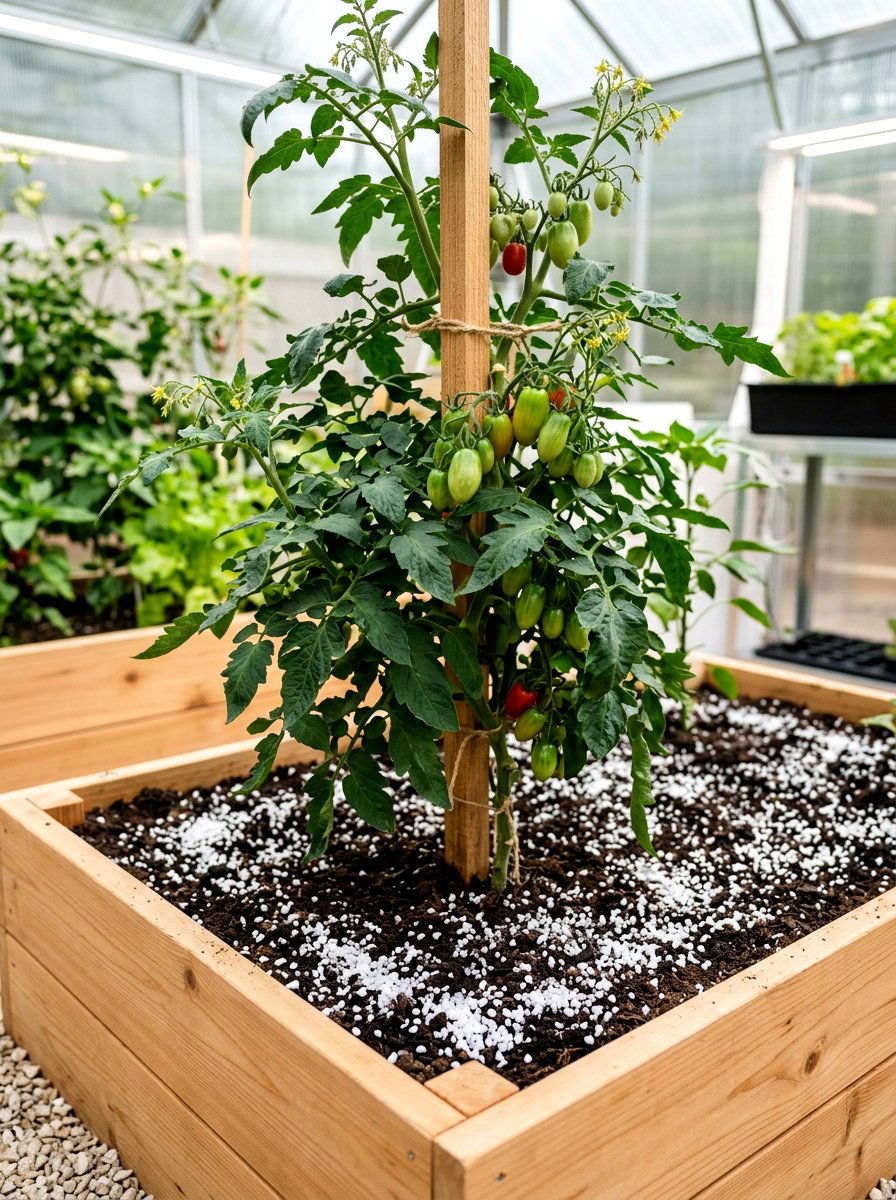
Epsom salt is a simple and inexpensive household item that can provide a surprising boost to your garden soil health. It is made of magnesium sulfate, which helps plants absorb other important nutrients like nitrogen and phosphorus more effectively. Magnesium is also a key component of chlorophyll, which allows plants to turn sunlight into energy for growth. Many gardeners find that adding a little Epsom salt to their soil produces larger flowers and tastier peppers. You can mix it into the soil during planting or dissolve it in water for a quick liquid feed. It is a very practical and helpful garden tip.
28. Chicken Manure Garden Compost
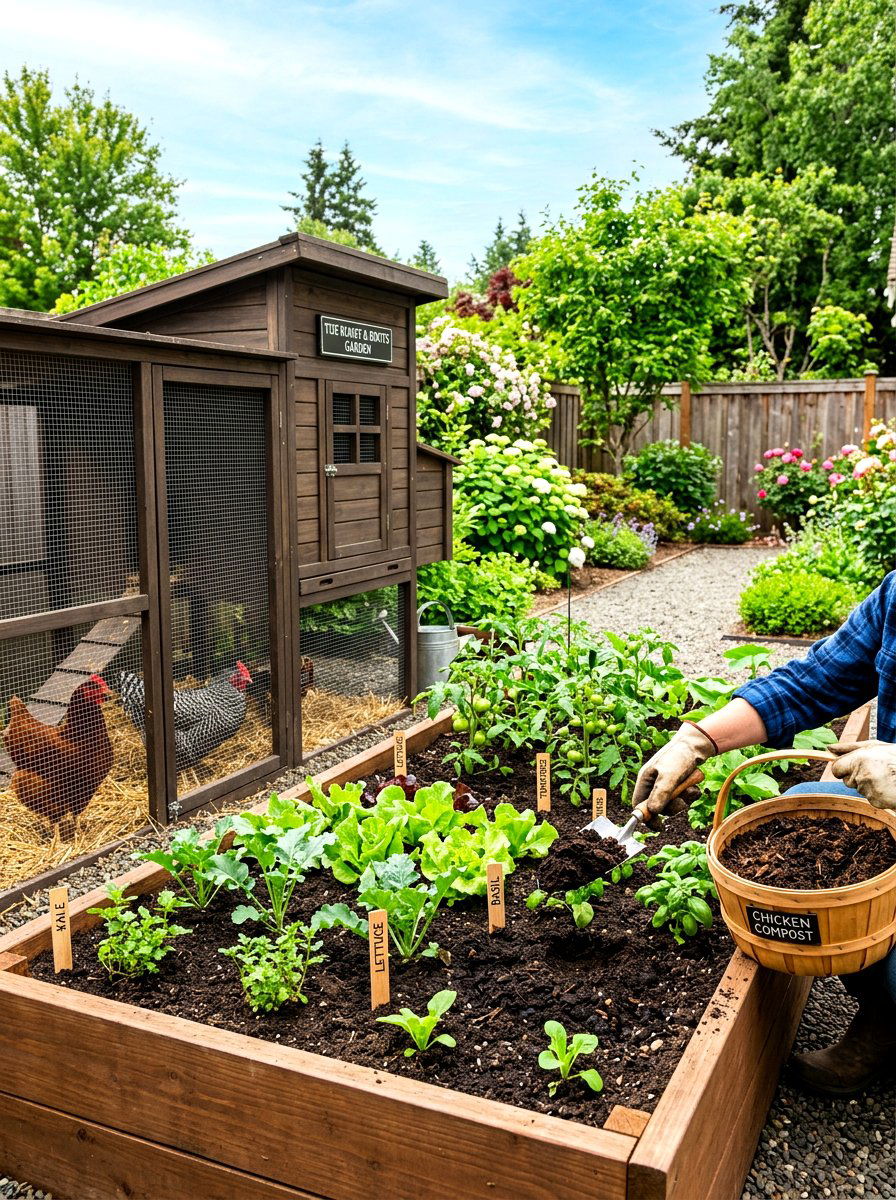
Chicken manure is considered a "hot" fertilizer because it is extremely high in nitrogen and other powerful nutrients for plants. It must be thoroughly composted before being added to your raised beds to ensure it does not damage your crops. Once it has broken down, it becomes an incredible soil builder that stimulates rapid growth and high yields in the garden. It is particularly effective for heavy feeders like corn, squash, and tomatoes that require a lot of energy. If you raise your own chickens, this is a free and sustainable way to keep your garden fertile. It turns waste into a valuable resource.
29. Rabbit Manure Cold Fertilizer
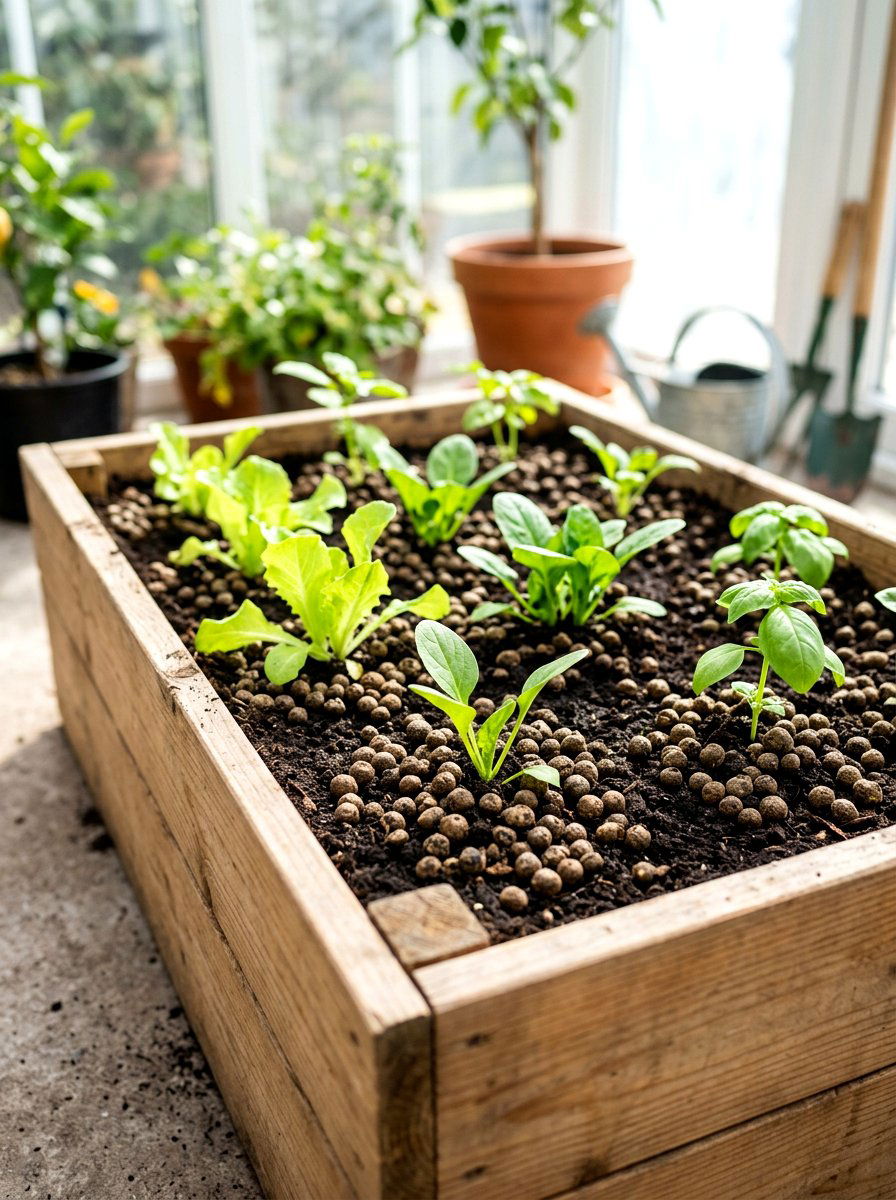
Unlike most other types of animal manure, rabbit droppings are considered a "cold" fertilizer that can be applied directly to soil. They do not need to be composted first because they will not burn your plants or damage sensitive root systems. Rabbit manure is packed with nitrogen, phosphorus, and potassium, making it a perfectly balanced organic food source for your vegetables. It also improves the texture of the soil and encourages earthworms to move into your raised beds. This is one of the easiest and most effective ways to boost garden fertility without any extra work. It is a hidden gem for many gardeners.
30. Green Manure Cover Crop
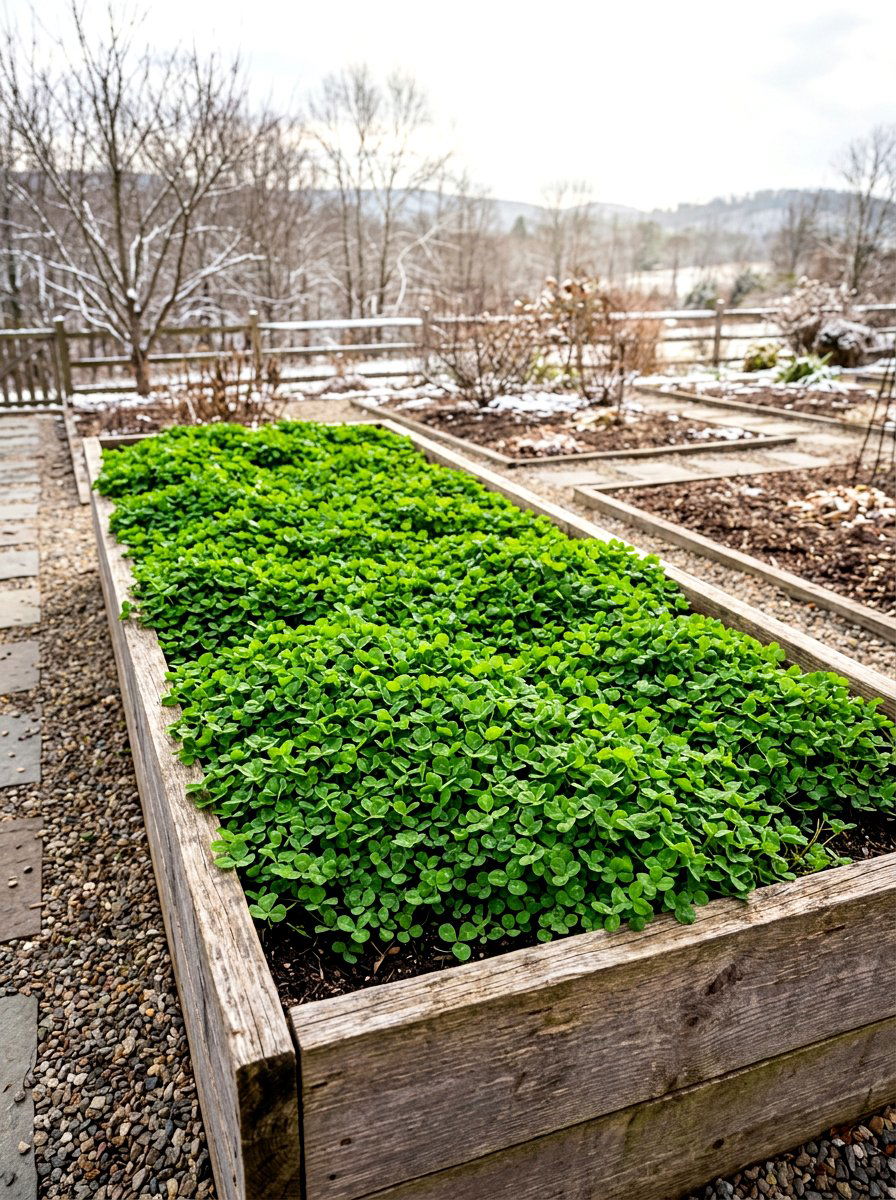
What if you could grow your own fertilizer right inside your raised beds during the off-season of the year? Green manure involves planting specific cover crops like clover or winter rye that are later tilled back into the earth. These plants capture nitrogen from the air and store it in their roots and leaves for future use. When you chop them down and mix them into the top layer of dirt, they decompose and release vital nutrients. This process improves the overall structure of the soil while preventing erosion during rainy months. It is a sustainable way to keep your garden healthy without chemicals.
Conclusion:
Selecting the best soil approach for your raised beds is the most important decision you will make as a home gardener. By focusing on high-quality organic matter and proper drainage, you ensure that your plants have everything they need to flourish throughout the growing season. From simple compost blends to complex layering techniques, each of these options offers unique benefits for different types of crops. Remember that soil is a living thing that requires care and attention to remain fertile over time. Investing in your garden's foundation now will lead to bountiful harvests and a beautiful outdoor space for many years to come.

Related posts: