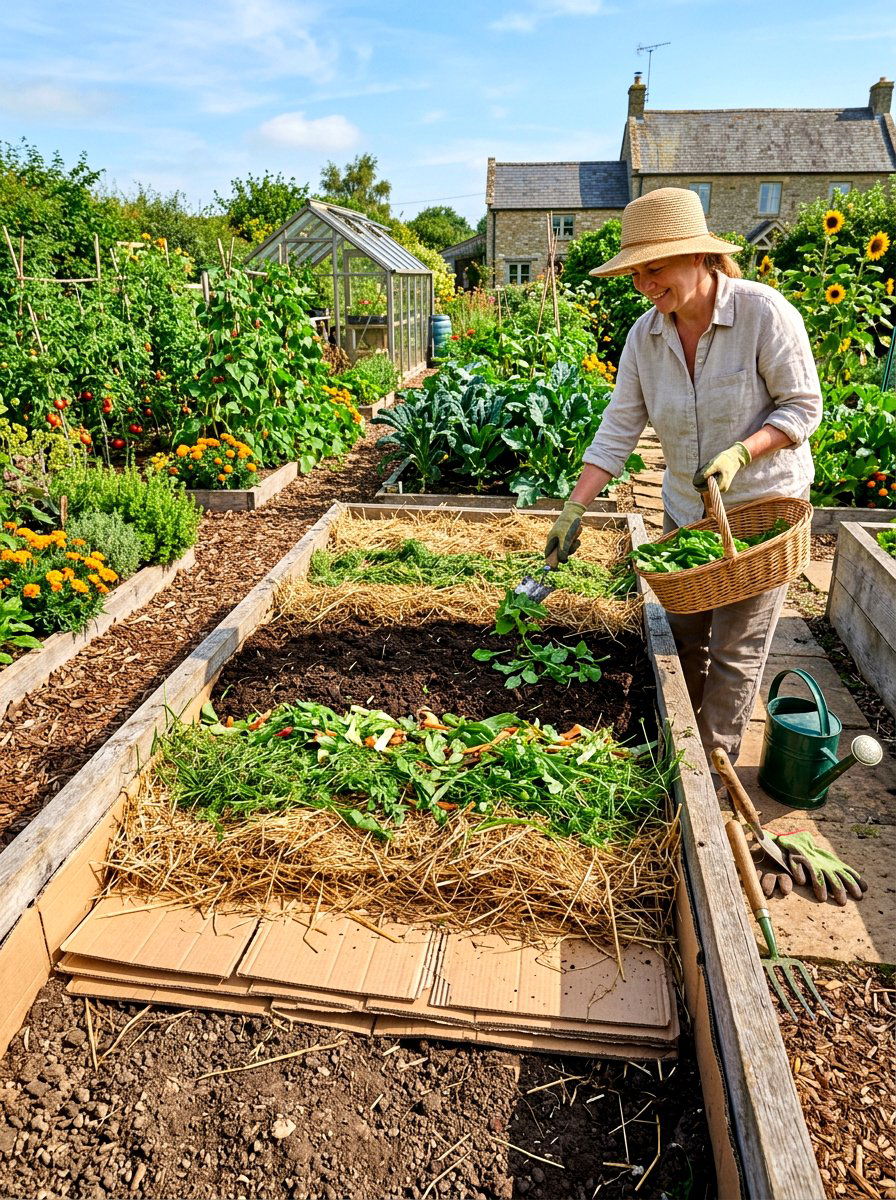
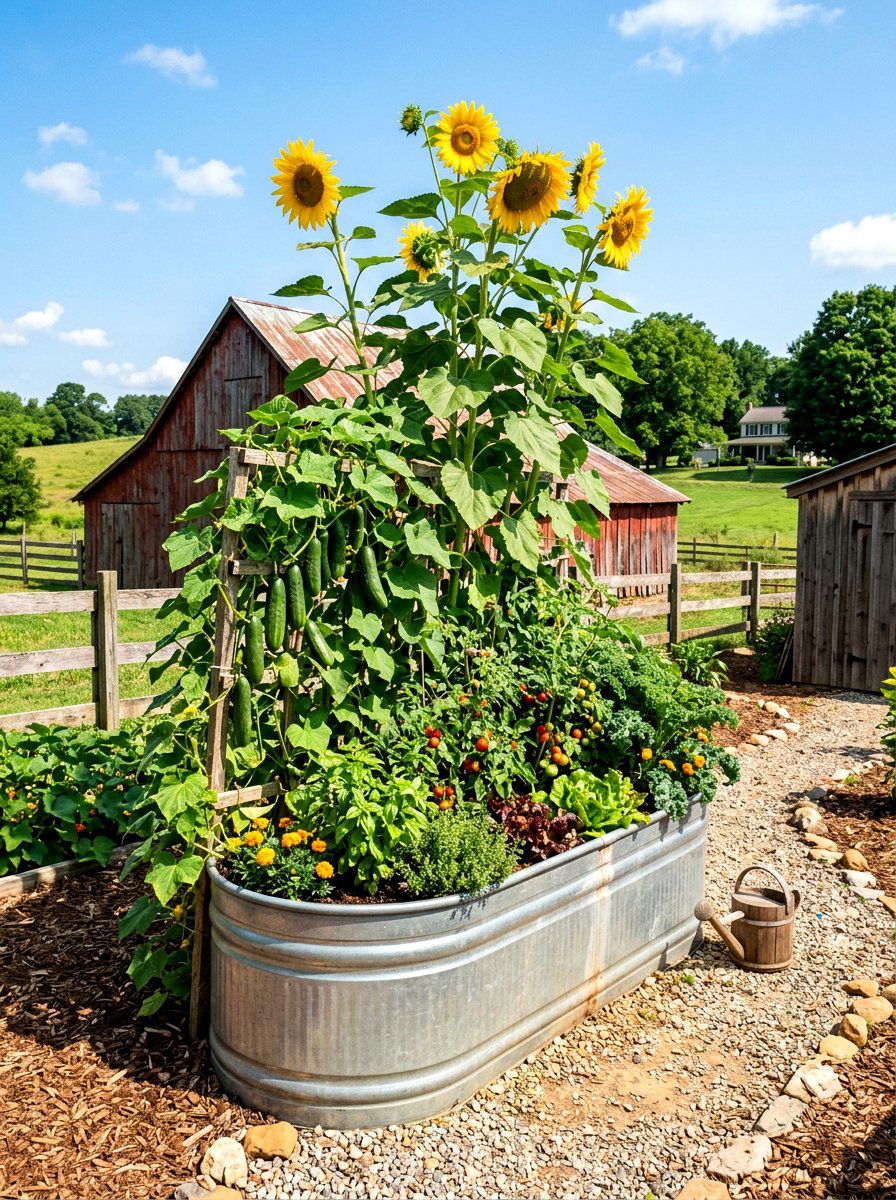
Building a garden with wood raised beds is a game-changer for any backyard enthusiast. These structures provide better soil control, improved drainage, and a comfortable height for planting your favorite vegetables or flowers. Using natural materials like cedar or redwood ensures longevity while adding a warm, organic aesthetic to your outdoor living space. Whether you have a sprawling lawn or a tiny urban patio, wood raised beds offer a versatile solution for growing organic food. They help keep pests at bay and make maintenance tasks like weeding much easier on your back. Starting a garden today can transform your lifestyle and provide fresh produce for your family throughout the seasons.
1. Cedar raised garden bed
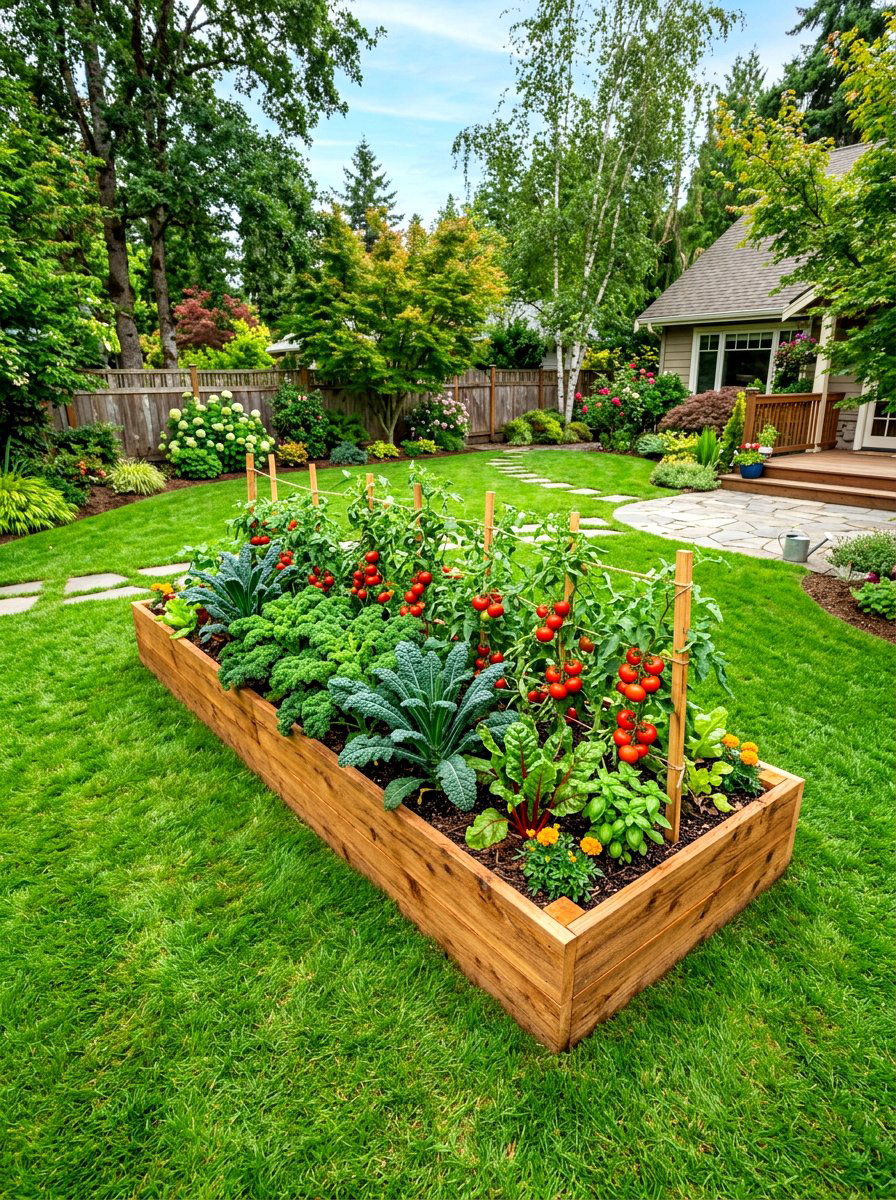
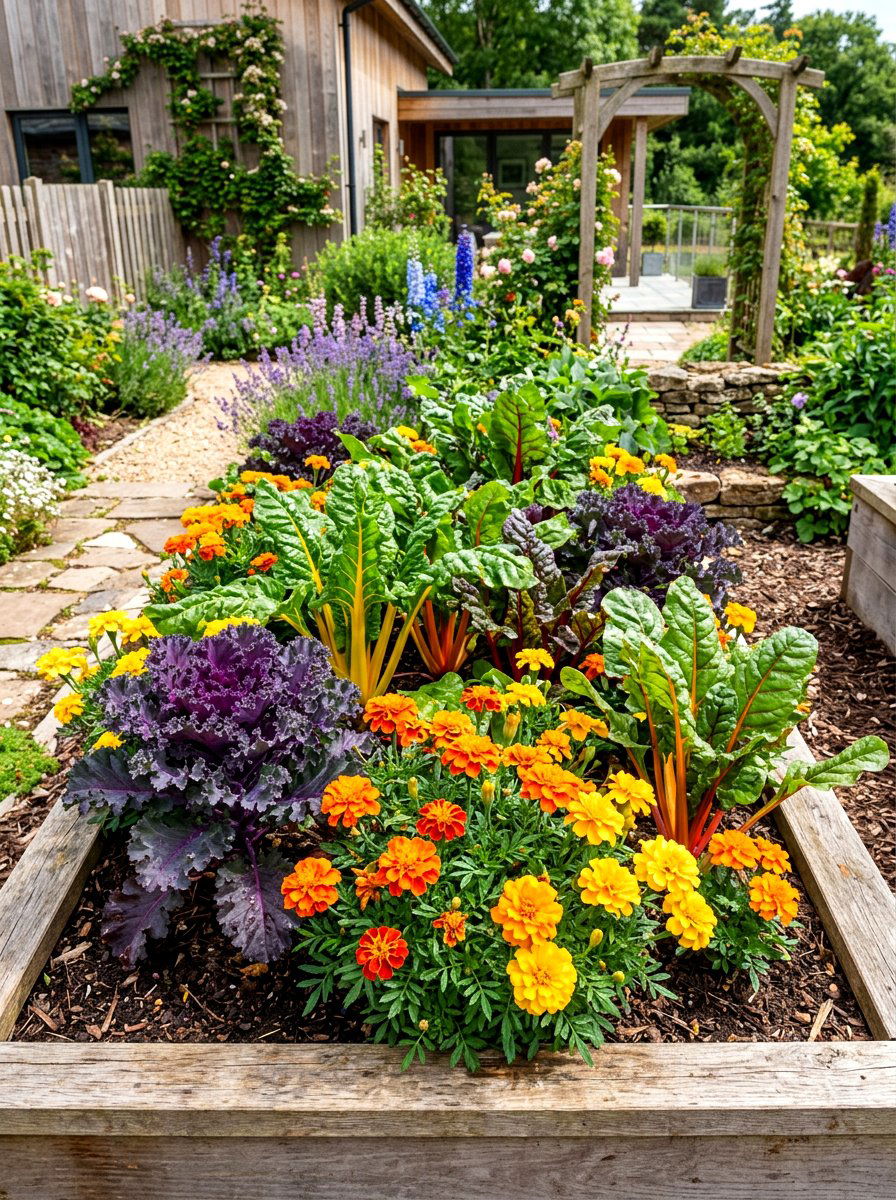
Choosing cedar for your garden is a smart investment because of its natural rot resistance and durability. This specific wood type contains oils that repel insects and prevent decay even when it is in direct contact with damp soil. A simple rectangular design using thick cedar planks creates a sturdy and attractive focal point for your backyard. You can leave the wood untreated to let it weather into a beautiful silvery gray or apply a food-safe sealant to keep the warm reddish tones. These beds are perfect for growing deep-rooted vegetables like carrots and tomatoes. The height of the cedar walls helps keep the soil warmer in the spring for earlier planting.
2. Tiered wood planter
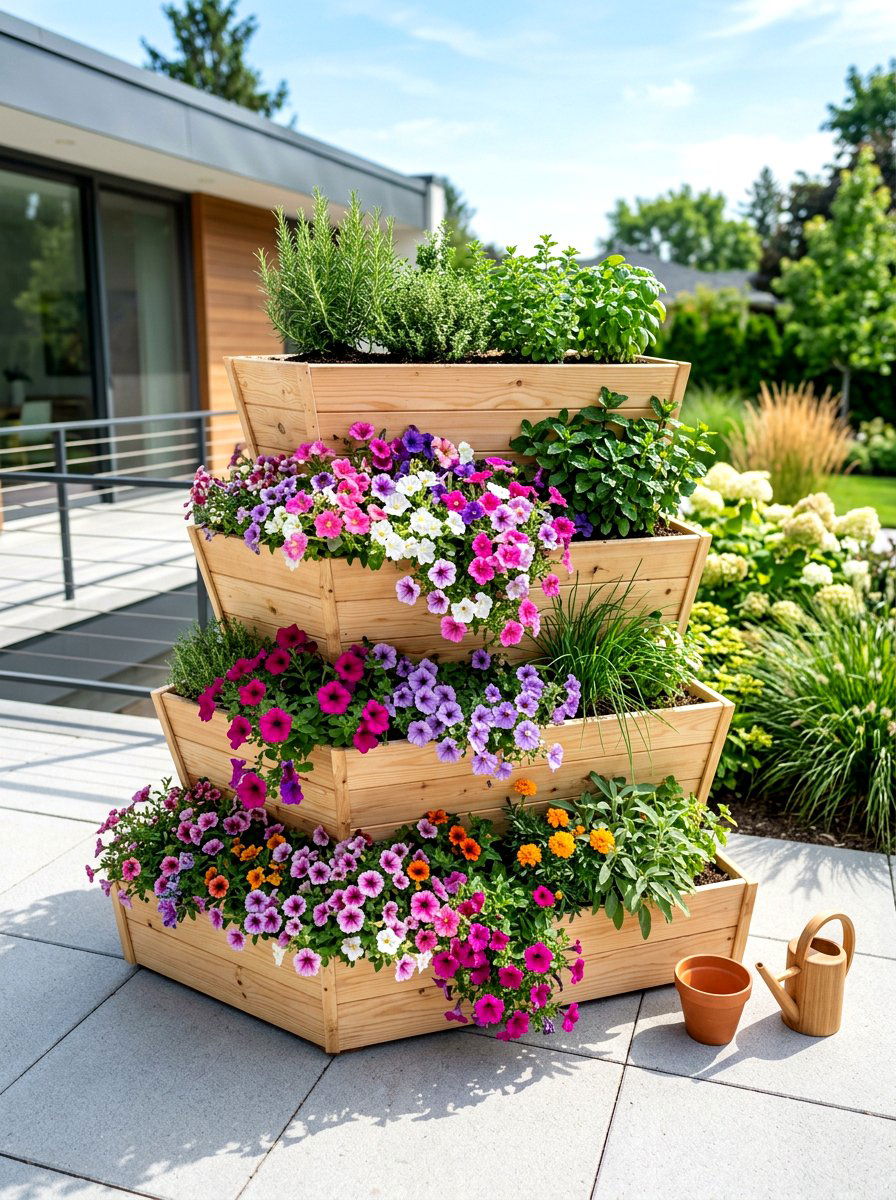
A tiered wood planter is an excellent way to maximize vertical space while creating a stunning visual display in your garden. By stacking different levels of wooden boxes, you can grow a variety of plants with different root depths in a single footprint. The top tier is often ideal for sun-loving herbs, while the lower sections can house sprawling greens or colorful flowers. This design adds depth and dimension to flat yards, making the space feel more curated and professional. Using pressure-treated lumber or cedar for these tiers ensures the structure remains stable under the weight of wet soil. It is a functional piece of art for any landscape.
3. L shaped garden box
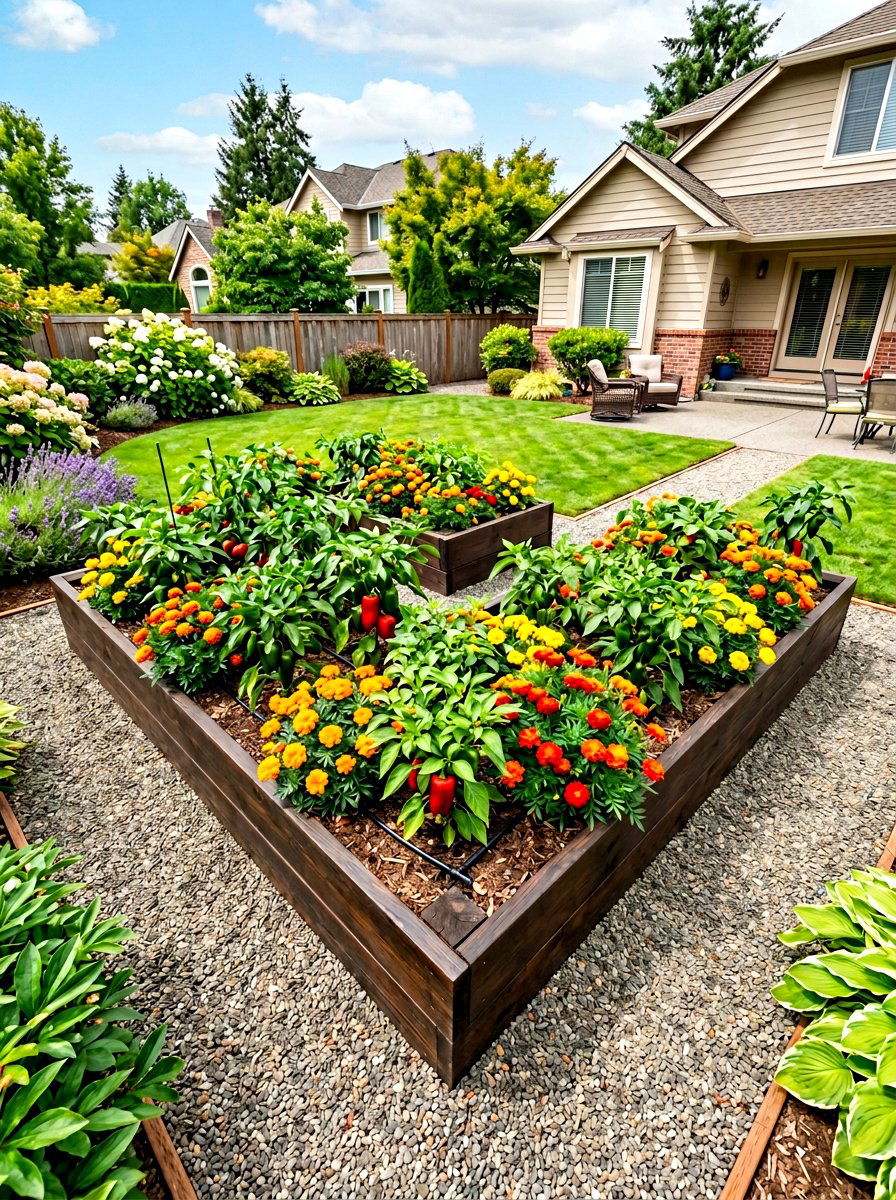
An L shaped garden box is a brilliant solution for optimizing corners or defining specific zones in your outdoor area. This layout provides a large planting surface while keeping everything within easy reach from a central standing point. You can build these using standard 2x4 or 2x6 lumber to create a custom fit for your patio or yard corner. The right-angle design allows you to separate different plant varieties, such as keeping aromatic herbs on one side and leafy vegetables on the other. It also creates a natural border that looks deliberate and well-planned. Adding a decorative cap rail along the top edge provides a finished, high-end look.
4. Tall redwood planter
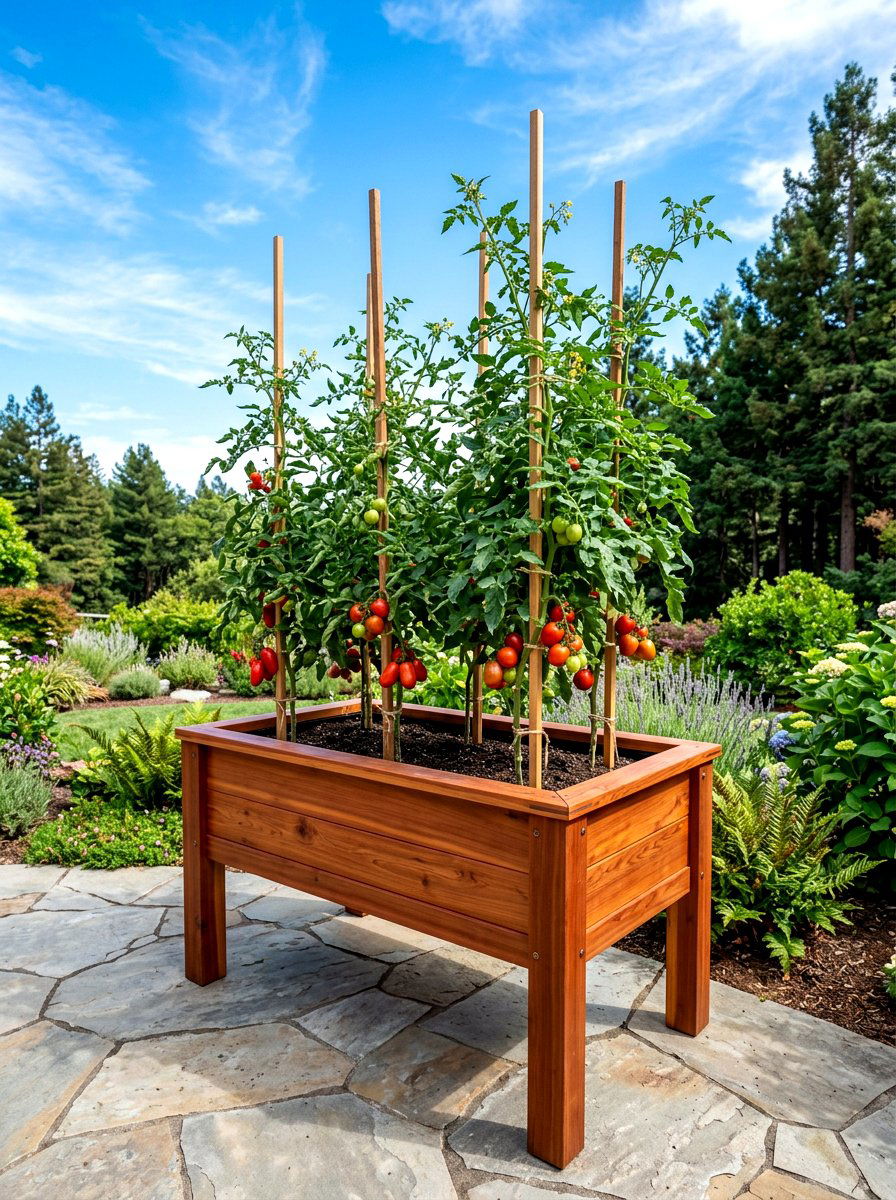
Redwood is highly prized for its incredible strength and natural beauty, making it a top choice for tall raised beds. A taller structure, often reaching thirty inches or more, eliminates the need for bending or kneeling, which is perfect for gardeners with mobility concerns. These deep beds allow for excellent root development and hold a significant volume of soil, which helps maintain consistent moisture levels during hot summer days. The deep red hue of the wood contrasts beautifully with vibrant green foliage and colorful blooms. Construction typically involves heavy-duty posts and thick horizontal boards to withstand the substantial internal pressure of the soil and water.
5. Wood and corrugated metal bed
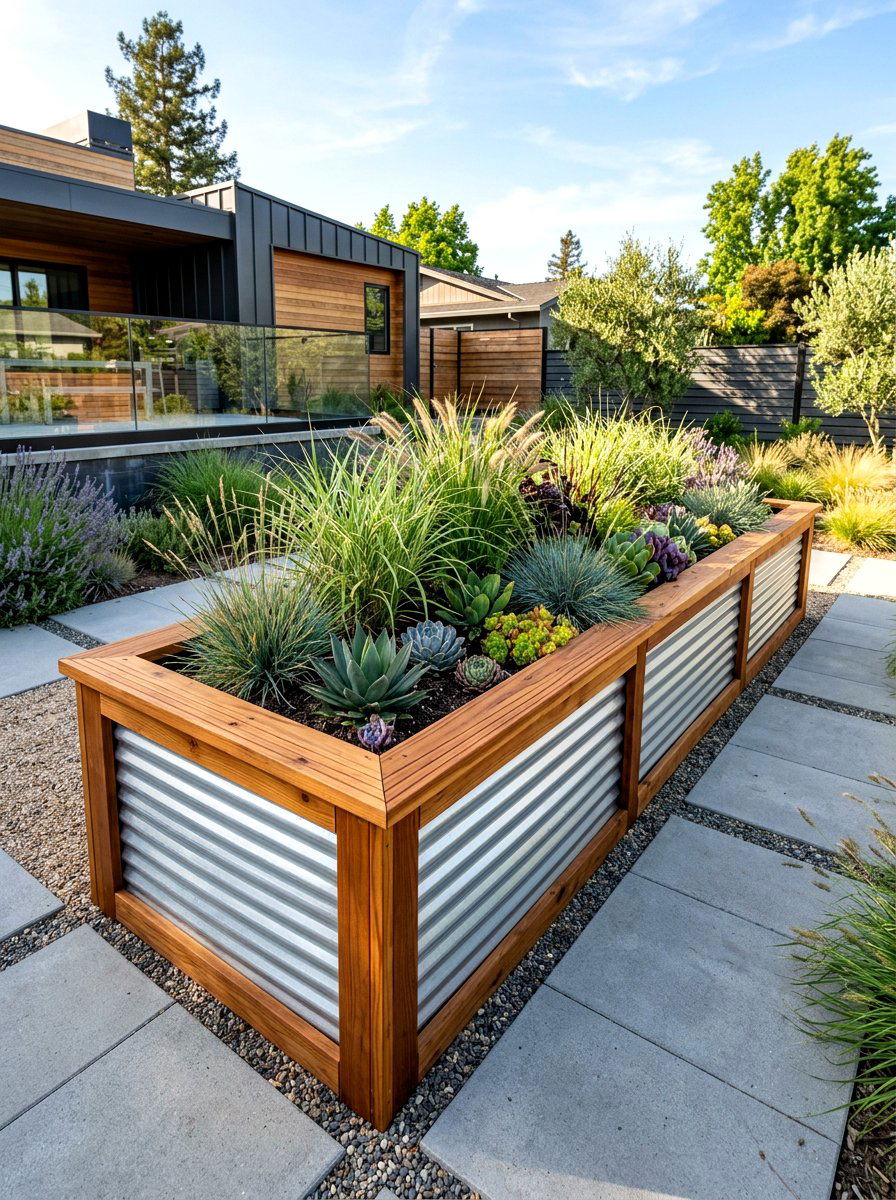
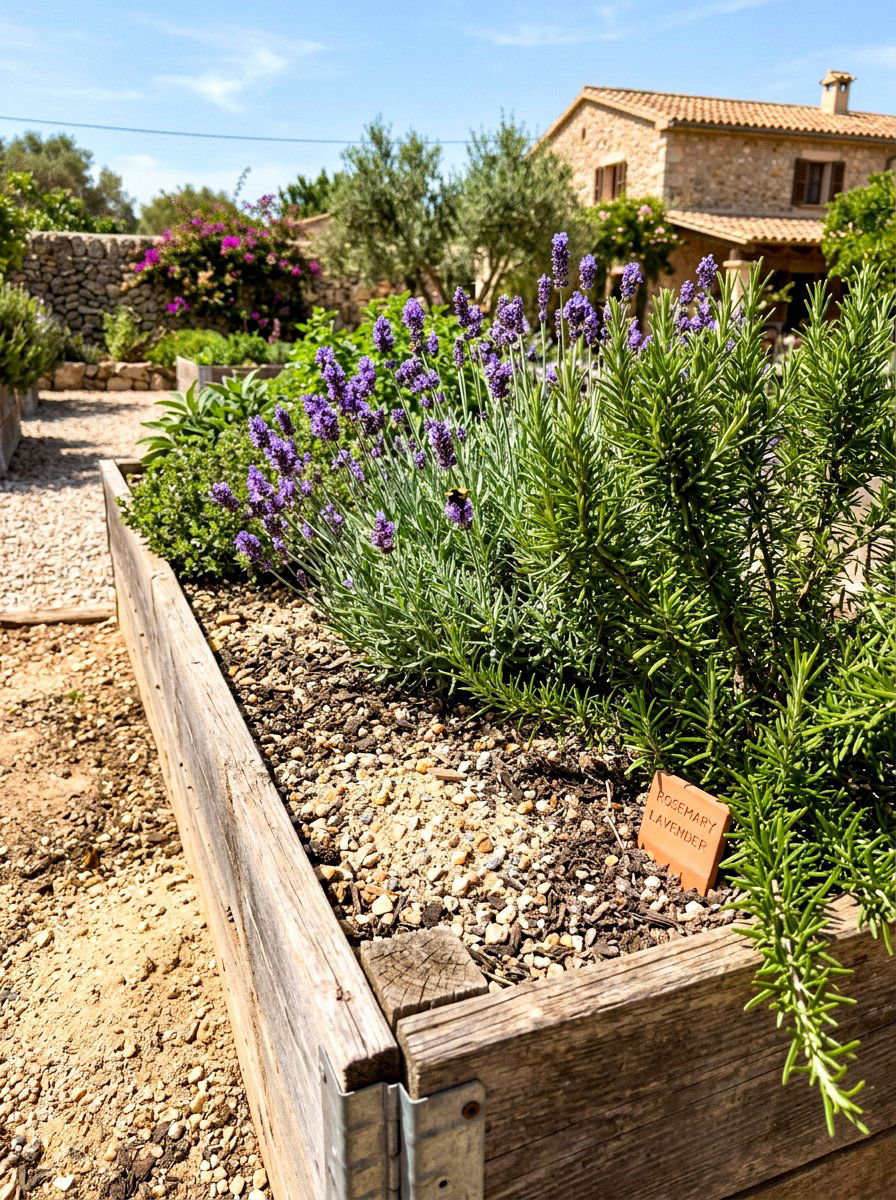
Combining wood with corrugated metal creates a modern industrial look that is both stylish and exceptionally durable. The wooden frame provides structural integrity and a warm border, while the metal siding adds a sleek, contemporary edge to the design. This hybrid approach is often more cost-effective than using solid wood for the entire structure. The metal reflects some heat, helping to warm the soil early in the season, which can speed up the growth of heat-loving crops like peppers. These beds are very sturdy and resistant to bowing over time. They fit perfectly in modern farmhouse landscapes or urban gardens looking for a unique, textured aesthetic.
6. Raised bed with bench seating
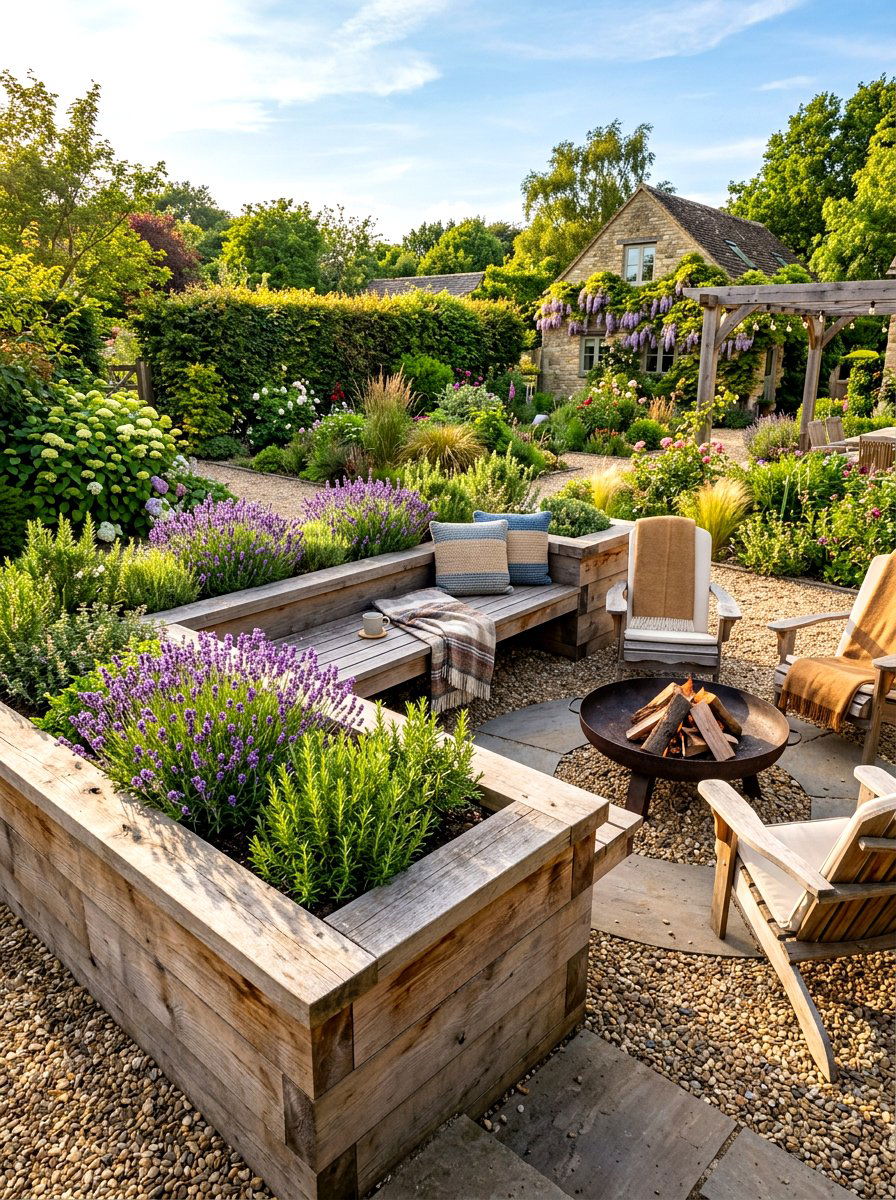
Integrating bench seating directly into your raised bed design creates a multifunctional space for relaxation and garden care. By extending the top cap of the wooden walls into a wider platform, you provide a comfortable place to sit while weeding or harvesting. This setup turns a functional garden plot into a social gathering spot where you can enjoy the scents of your herbs. Use smooth, sanded cedar or redwood to ensure the seating area is splinter-free and comfortable. This design is particularly effective in small yards where separate furniture might feel cluttered. It seamlessly blends utility with leisure, encouraging you to spend more time outdoors.
7. Vertical trellis garden bed
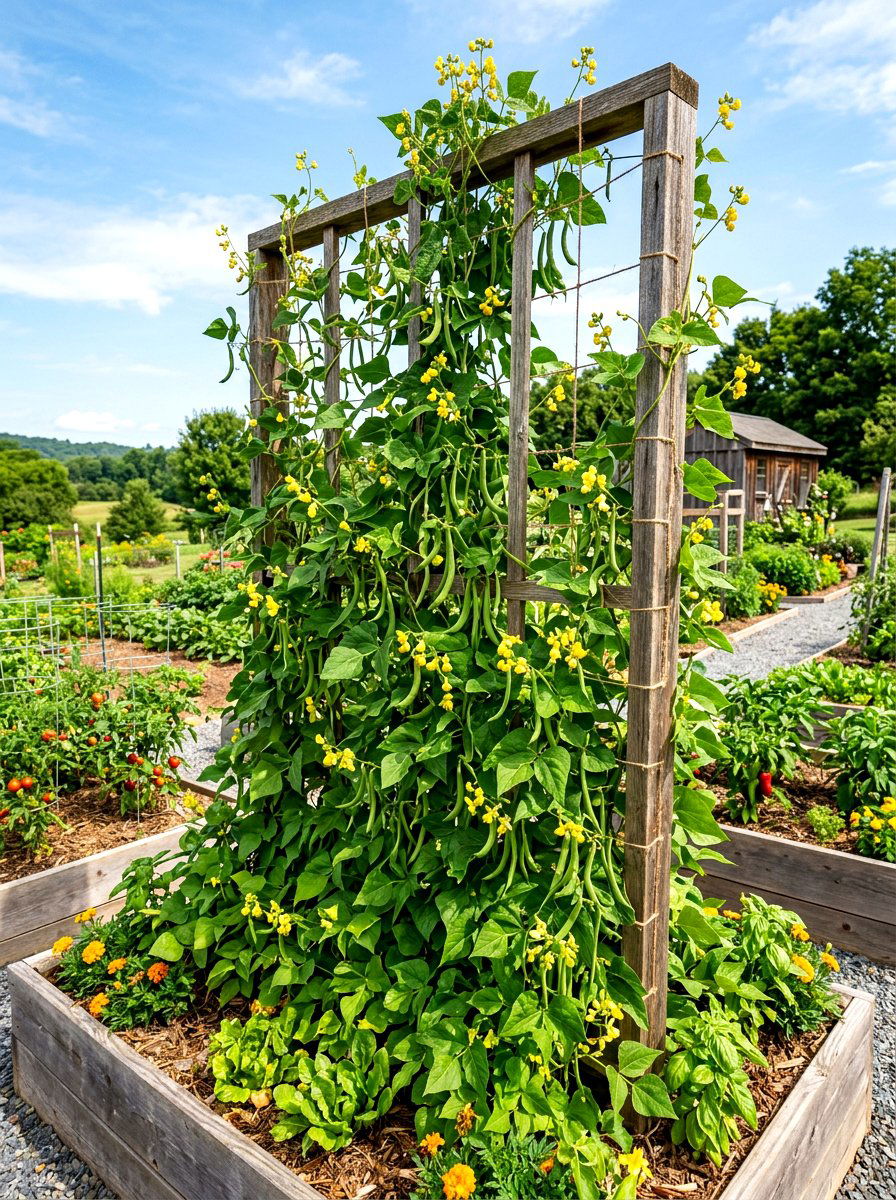
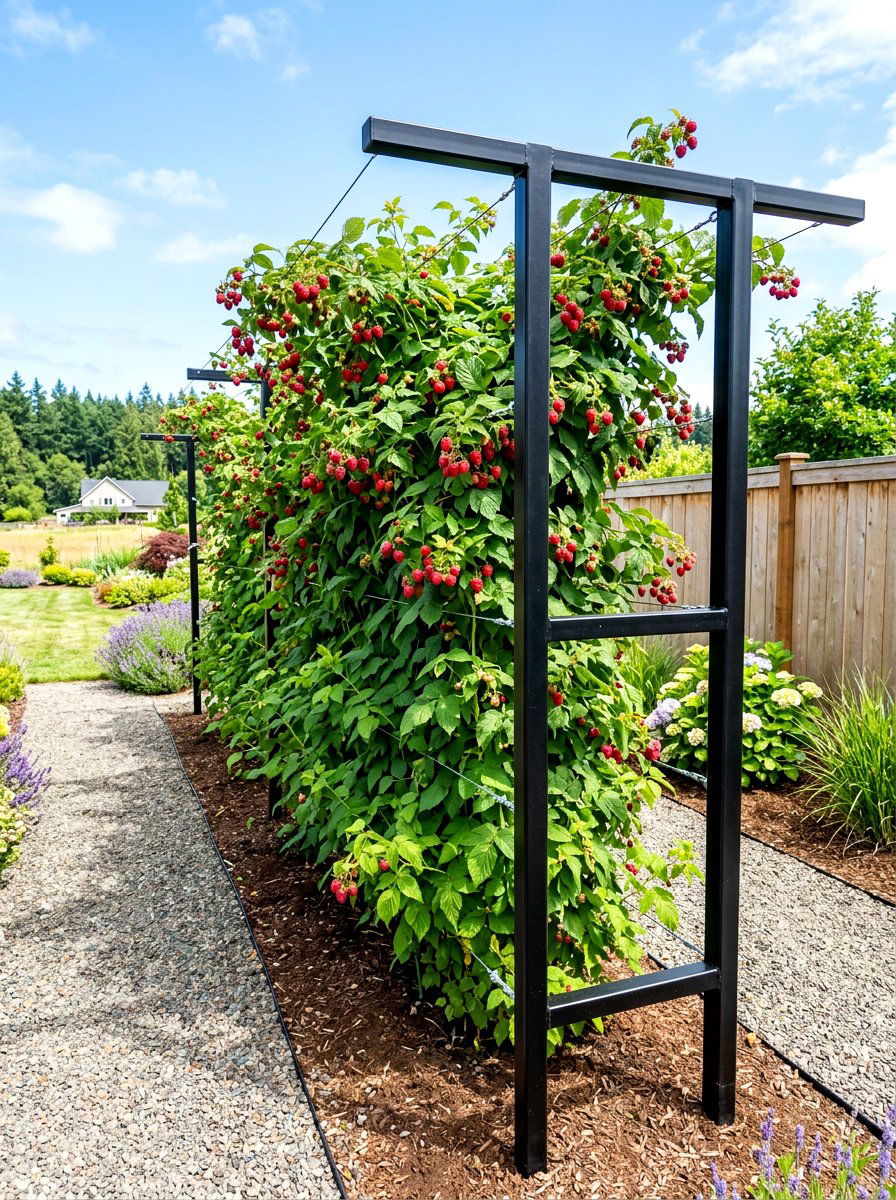
A vertical trellis garden bed is the ultimate space-saver for climbing plants like cucumbers, beans, and peas. By attaching a sturdy wooden or wire mesh trellis to the back of a raised box, you encourage plants to grow upward rather than outward. This increases airflow around the foliage, which helps prevent common fungal diseases and pests. The vertical structure also makes harvesting much easier, as the fruit hangs at eye level. You can use matching wood for the trellis frame to create a cohesive and professional appearance. This design adds height and architectural interest to your garden, acting as a living green screen.
8. Enclosed garden with deer fence
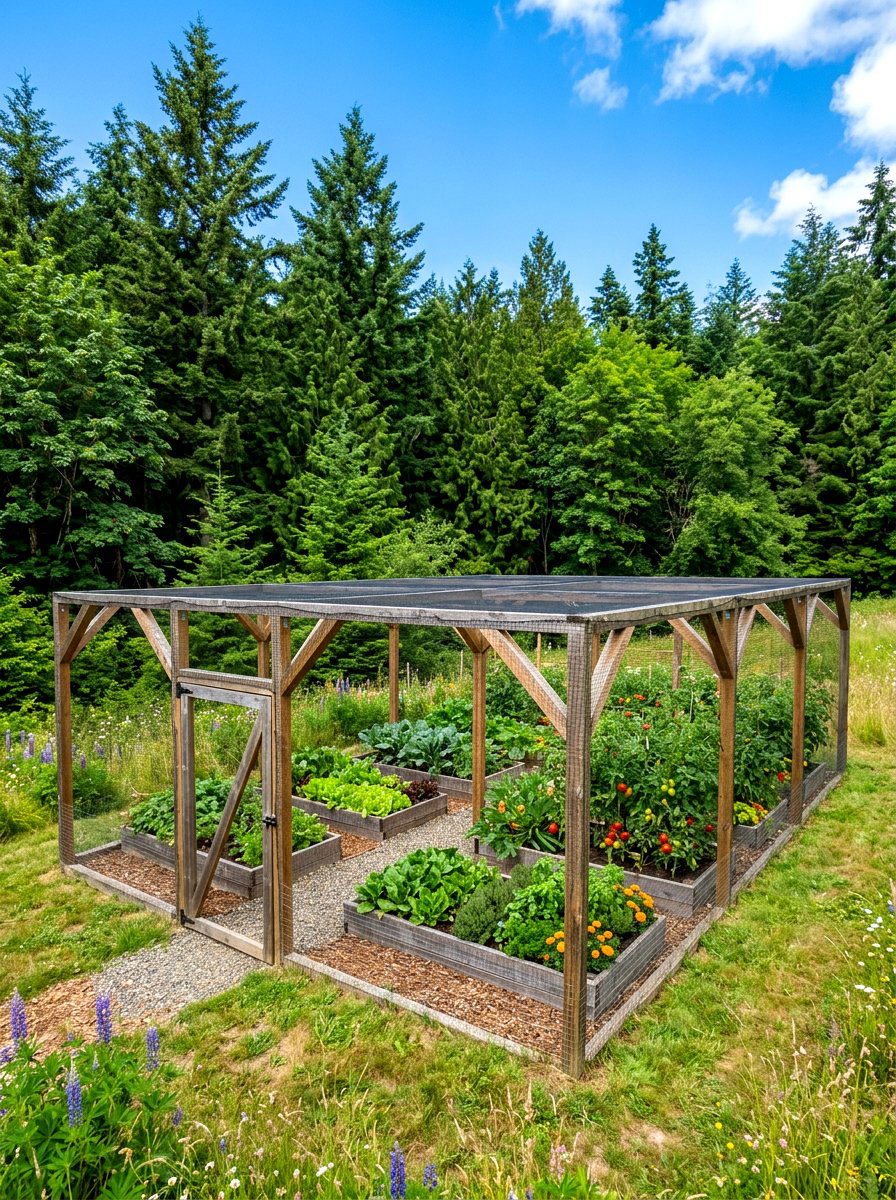
If you live in an area with local wildlife, an enclosed garden with a built-in deer fence is a necessity. This design features raised wooden beds surrounded by a high timber frame with protective netting or wire mesh. A small gate allows you to enter the protected zone to tend to your crops while keeping hungry animals at bay. This comprehensive structure ensures that your hard work isn't ruined overnight by browsing deer or rabbits. Using high-quality wood for the fencing posts ensures the entire system remains upright and secure for many years. It provides peace of mind and a dedicated, secure sanctuary for your plants.
9. Small herb garden box
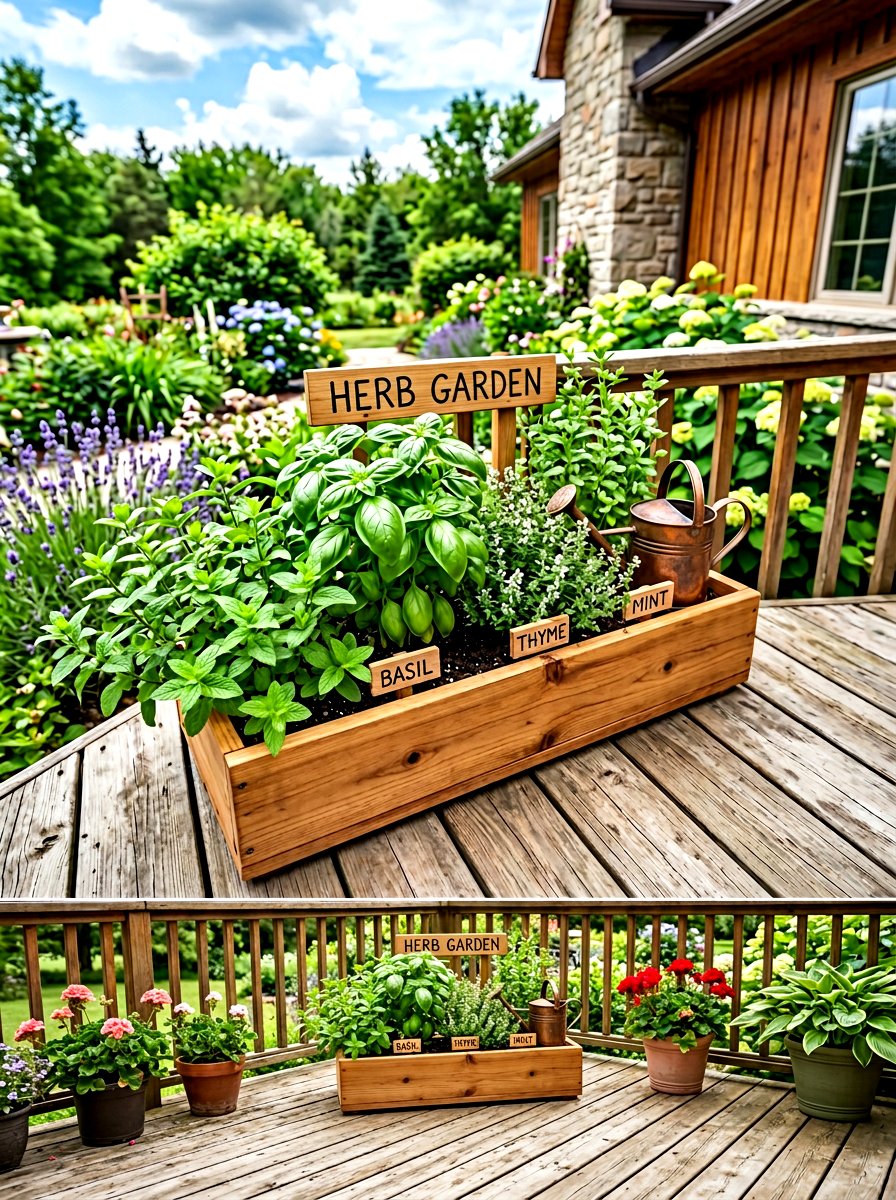
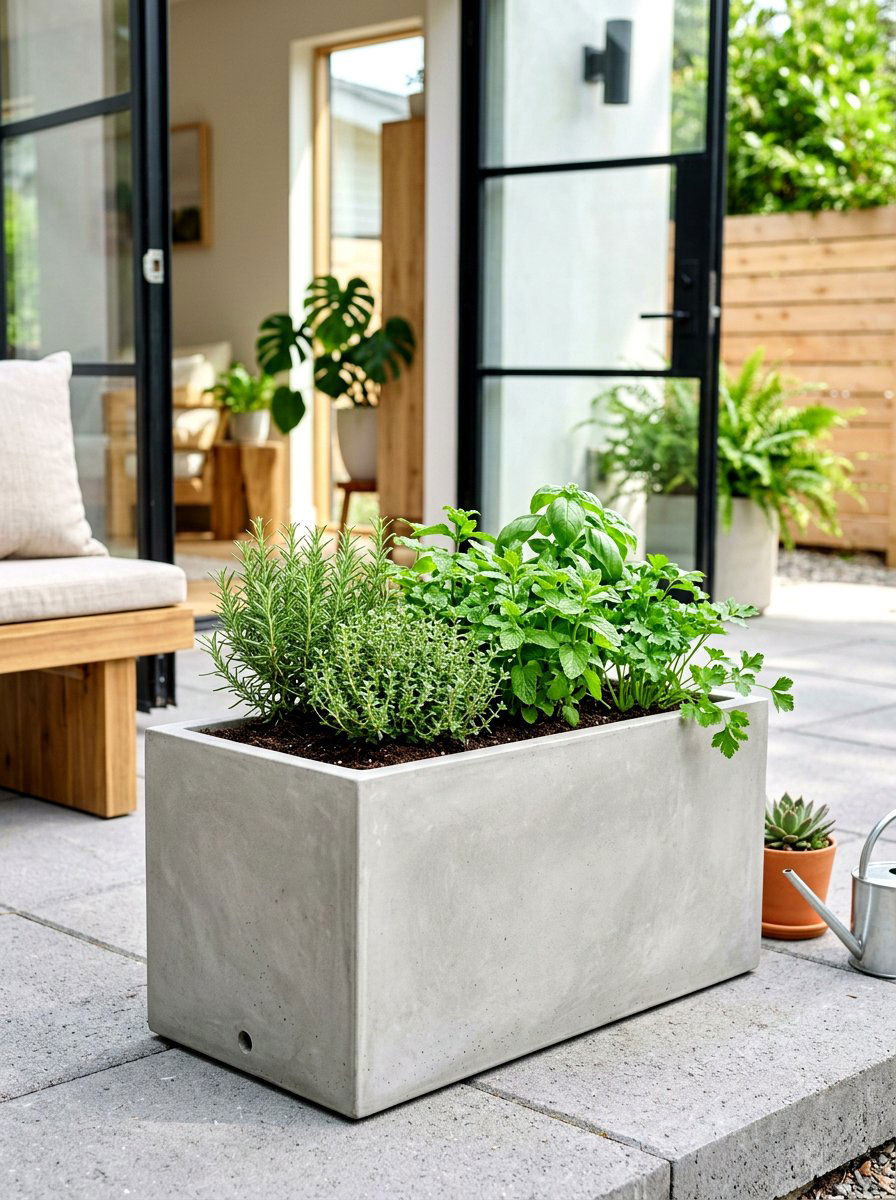
A small herb garden box is perfect for those with limited space, such as a balcony, deck, or small patio. These compact wooden containers are easy to build and can be placed right outside your kitchen door for easy access to fresh ingredients. You can divide the box into sections to keep different herbs like mint, basil, and rosemary from competing with each other. Using lightweight wood like pine makes the boxes easy to move if you need to follow the sun. This is a great starter project for new gardeners who want to experience the joy of growing their own flavors without a huge time commitment.
10. Self watering wood bed
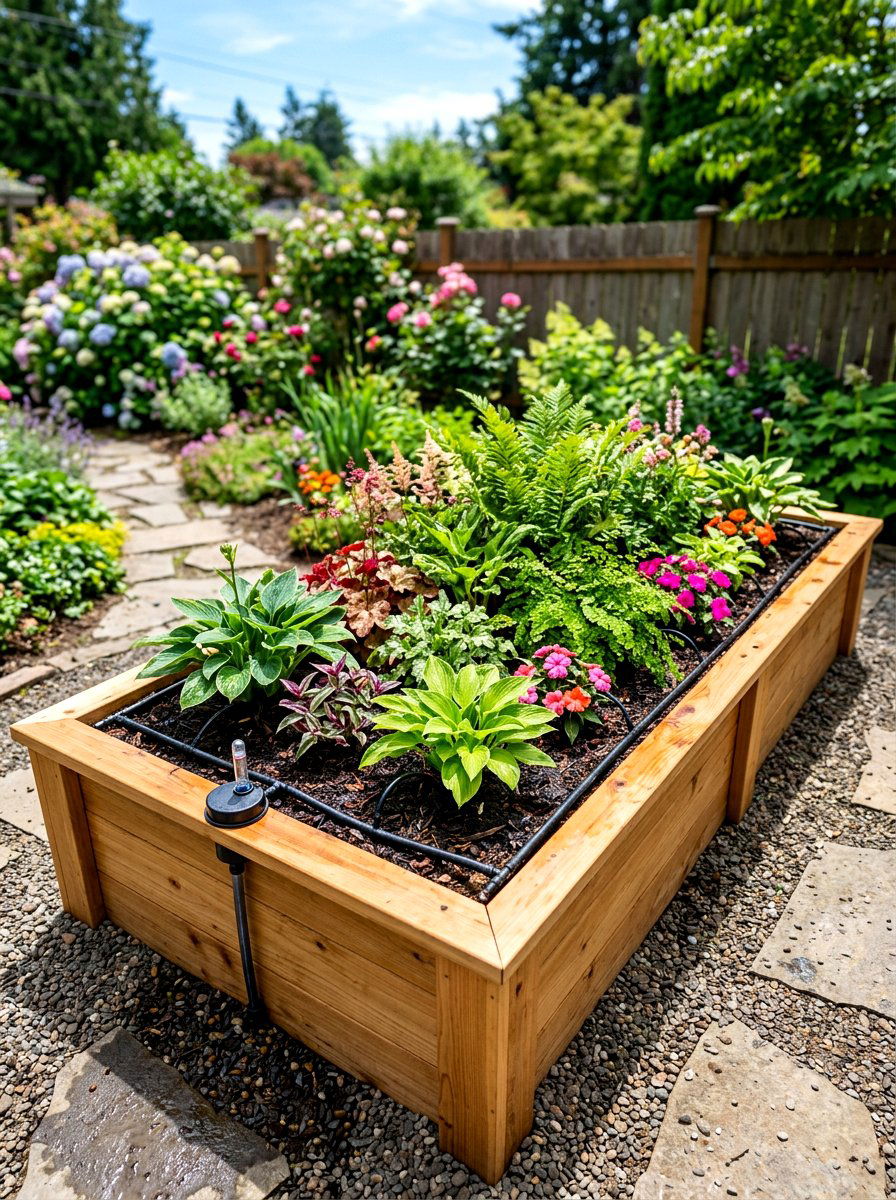
A self watering wood bed takes the guesswork out of hydration by using a reservoir system beneath the soil. This design includes a wooden exterior that hides a plastic liner or internal watering pipes that wick moisture up to the roots. It is especially beneficial for busy gardeners or those living in dry climates where daily watering is a chore. The constant supply of moisture leads to healthier, more productive plants and reduces water waste through evaporation. Building the outer frame from weather-resistant wood ensures the technology is housed in an attractive, natural-looking container. It combines modern irrigation efficiency with classic garden style for the best results.
11. U shaped raised garden
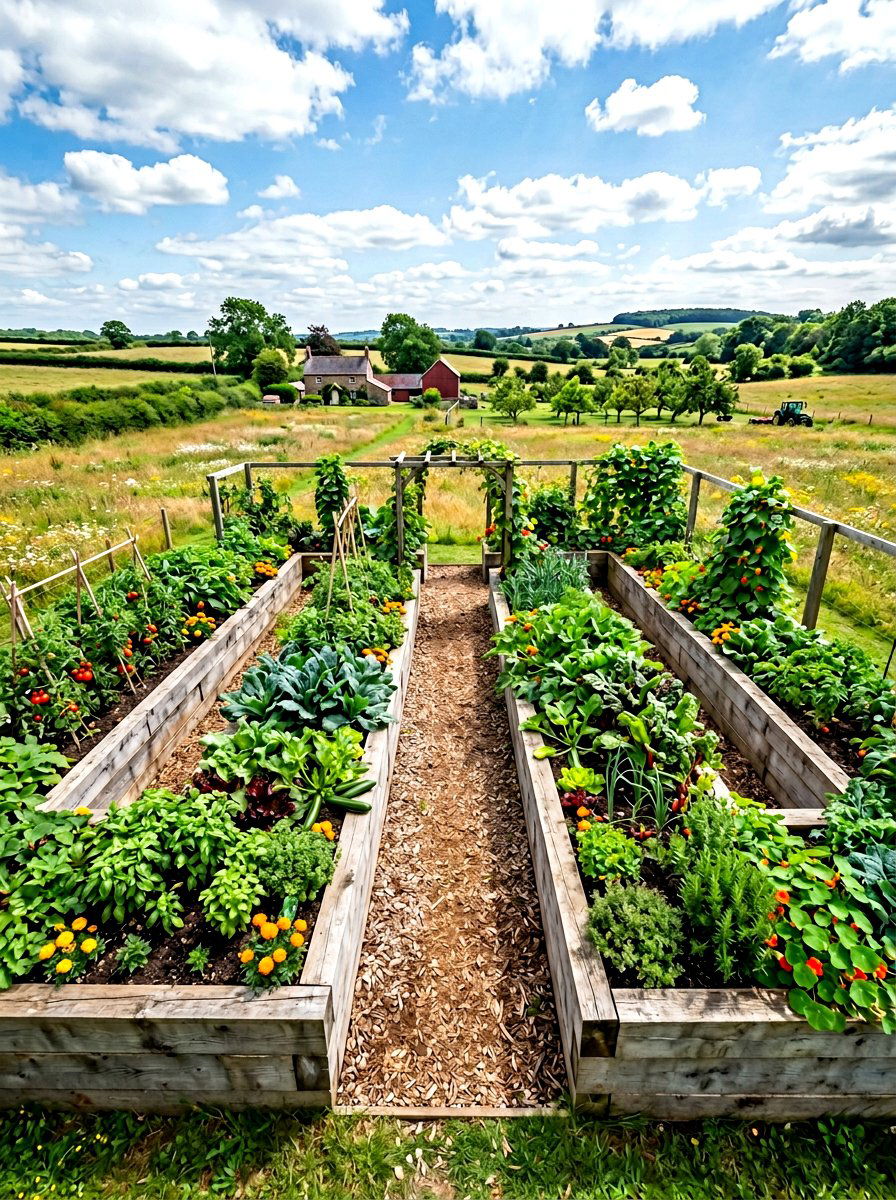
The U shaped raised garden layout is a favorite among intensive growers because it provides massive planting area with a central walk-in path. This design allows you to reach every square inch of the garden without ever stepping on the soil, which prevents compaction. It creates a cozy, immersive gardening experience as you are literally surrounded by your plants while you work. You can use long timber beams to create the large sections and reinforce the corners with internal bracing for maximum stability. This setup is ideal for larger backyards and can house an entire season’s worth of diverse vegetables and pollinator-friendly flowers.
12. Rustic log garden bed
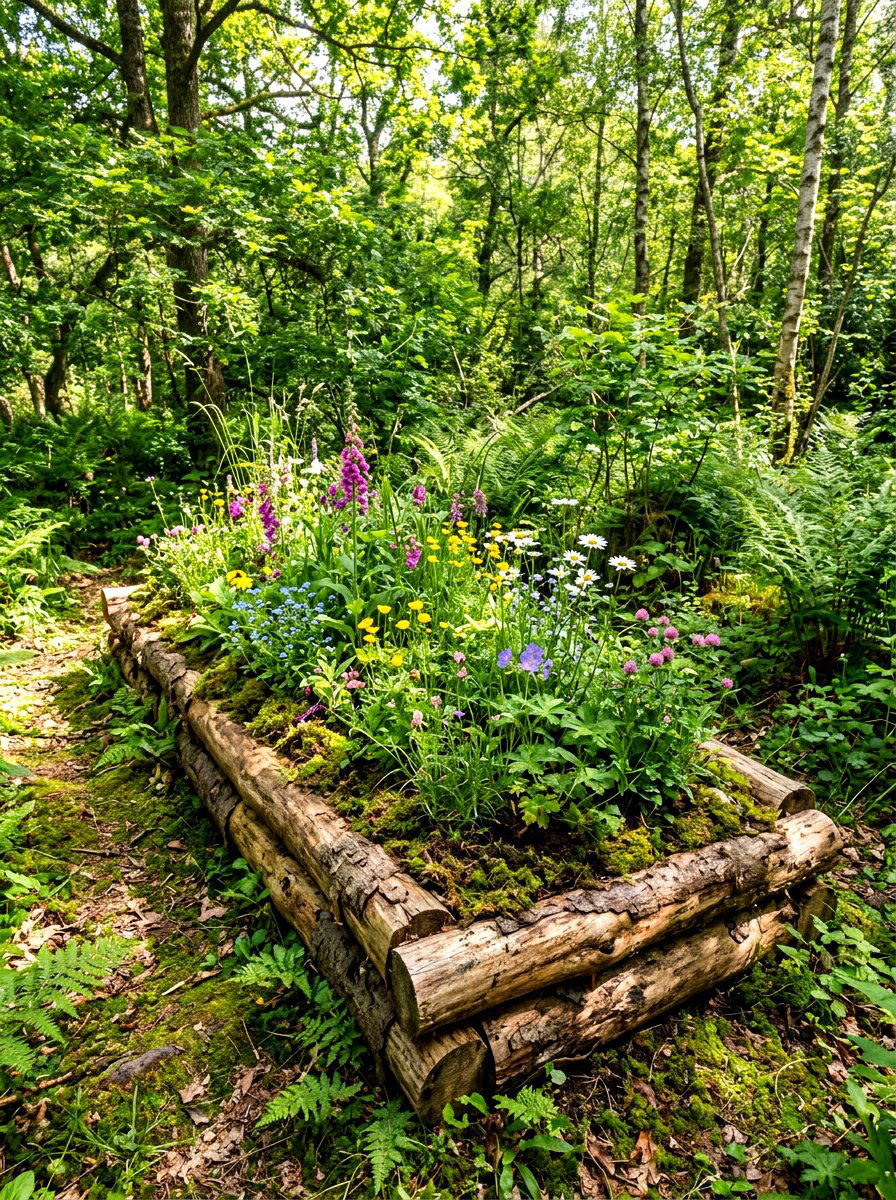
For a more natural and rugged look, a rustic log garden bed uses felled timber or thick branches to create the border walls. This style blends seamlessly into woodland settings or country estates, offering a primitive charm that standard lumber cannot match. You can notch the logs at the corners for a traditional cabin-style assembly that is incredibly sturdy. Over time, the logs may host beneficial mosses or fungi, contributing to a rich local ecosystem. While these may not last as long as treated cedar, they are often free if you have access to fallen trees. It is an eco-friendly way to recycle natural materials.
13. Corner wooden planter
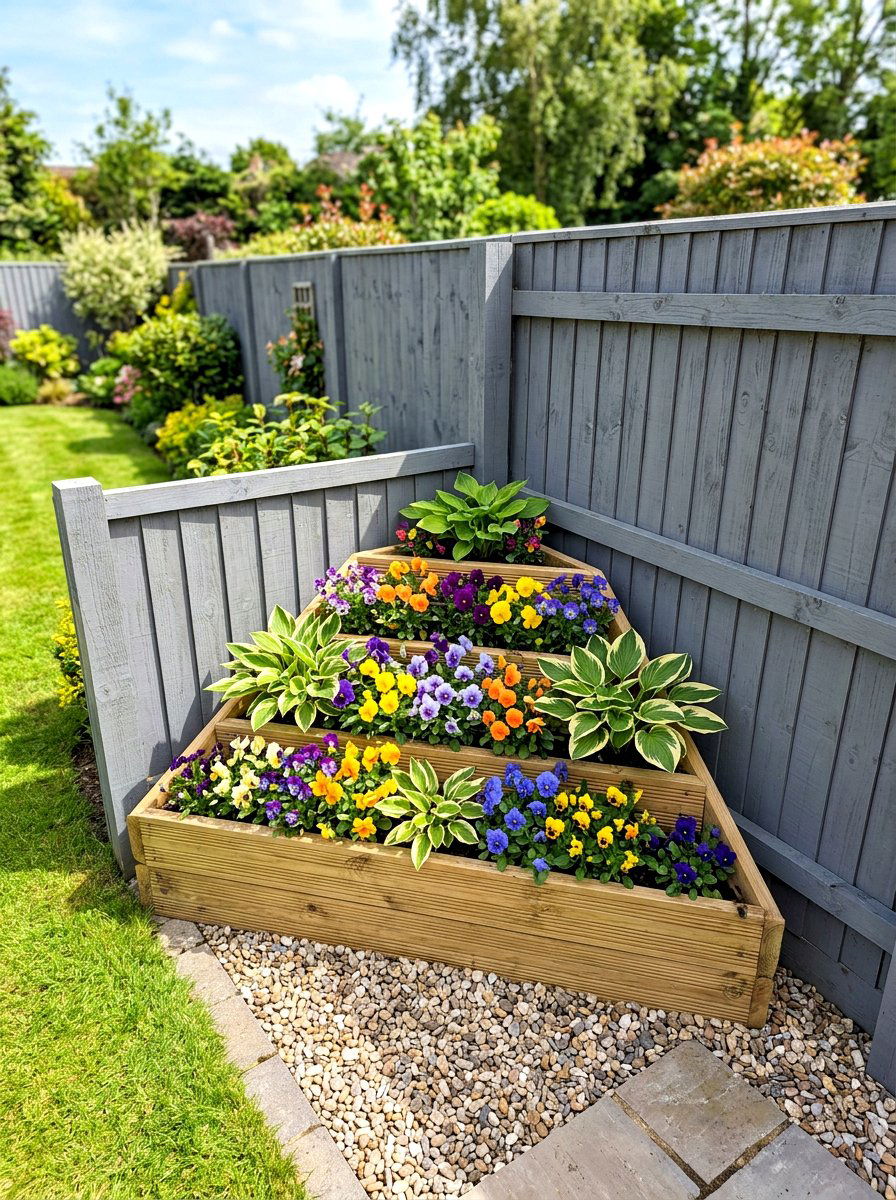
A corner wooden planter is specifically designed to tuck into tight spots, making it a great choice for small urban courtyards. The triangular or L-shaped footprint utilizes often-wasted space against a fence or house wall. You can build these at varying heights to create a tiered effect that adds visual interest to a flat patio. They are perfect for ornamental grasses, trailing vines, or a compact collection of succulents. Using stained wood can help the planter match your home’s exterior trim or decking for a cohesive look. This design is simple, effective, and helps turn a bare corner into a lush, green focal point.
14. Waist high raised bed
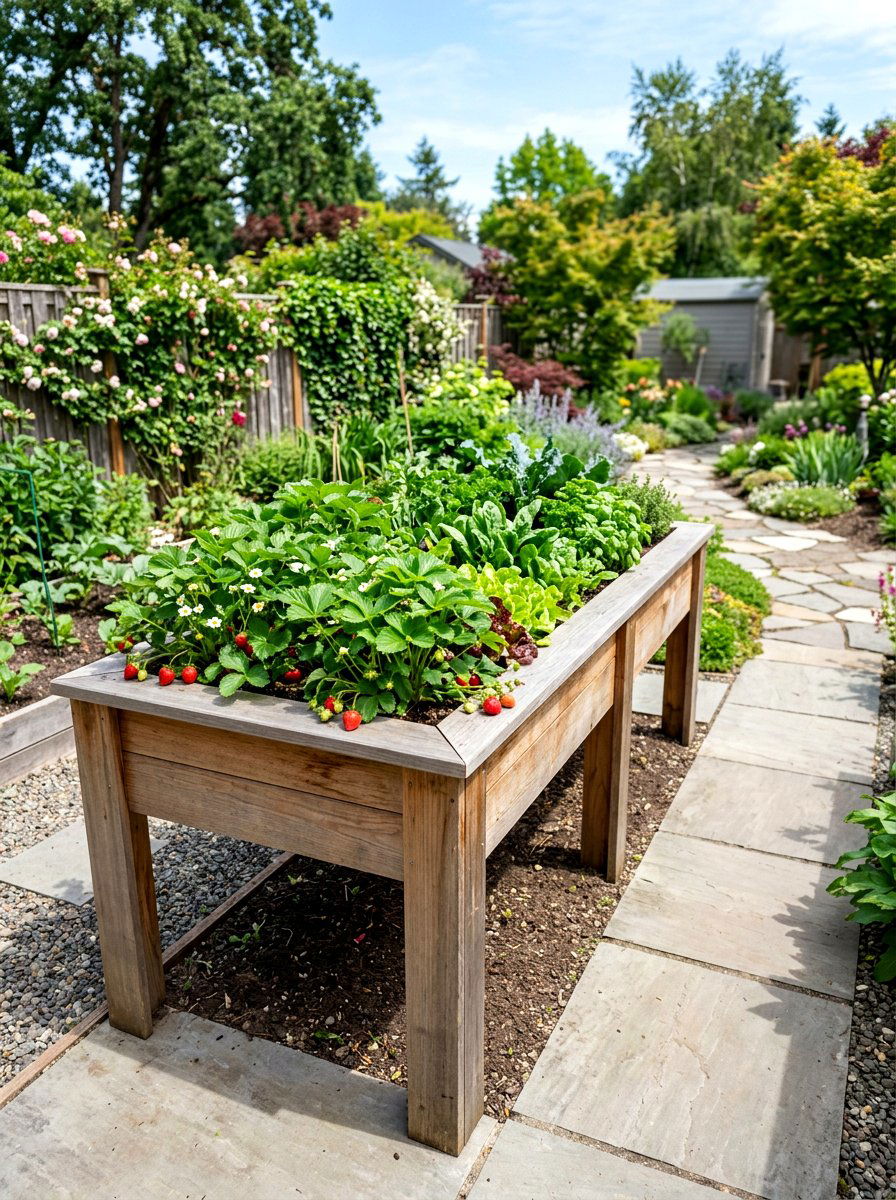
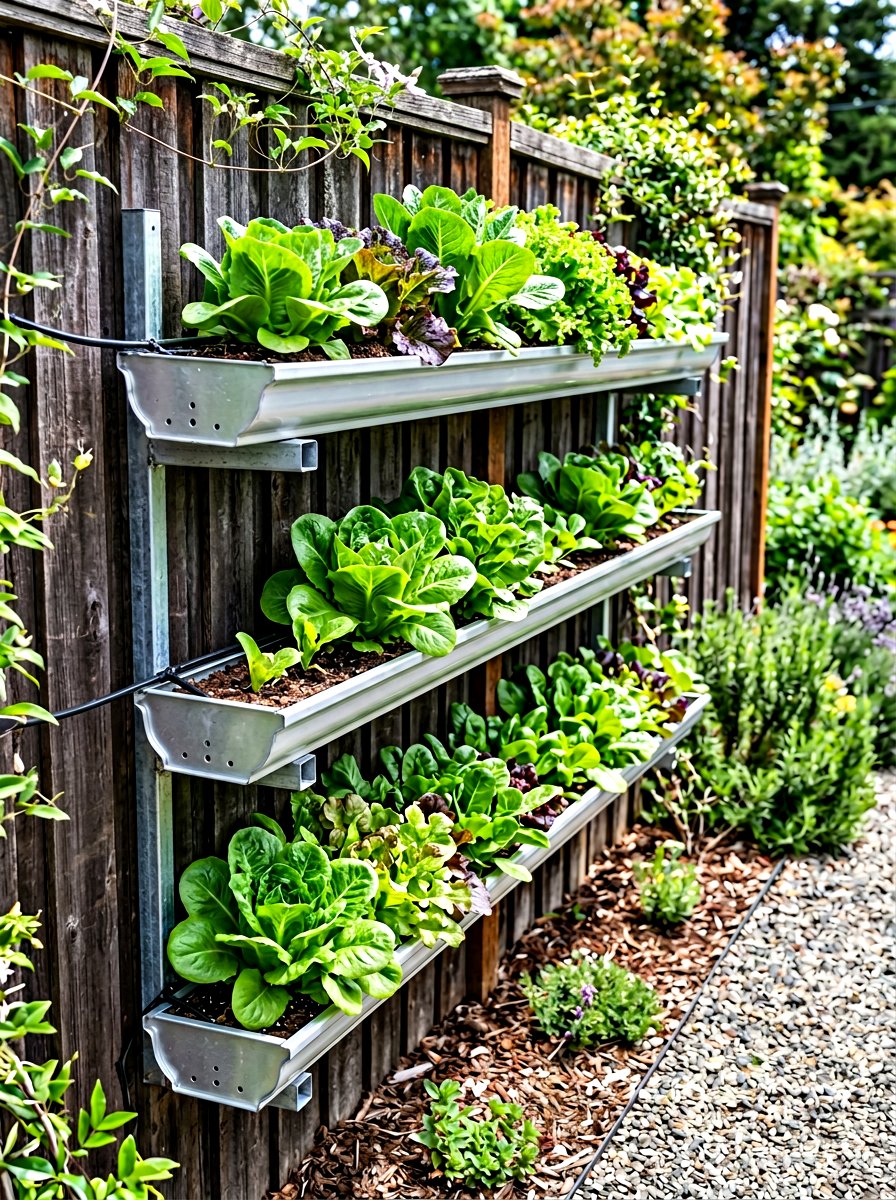
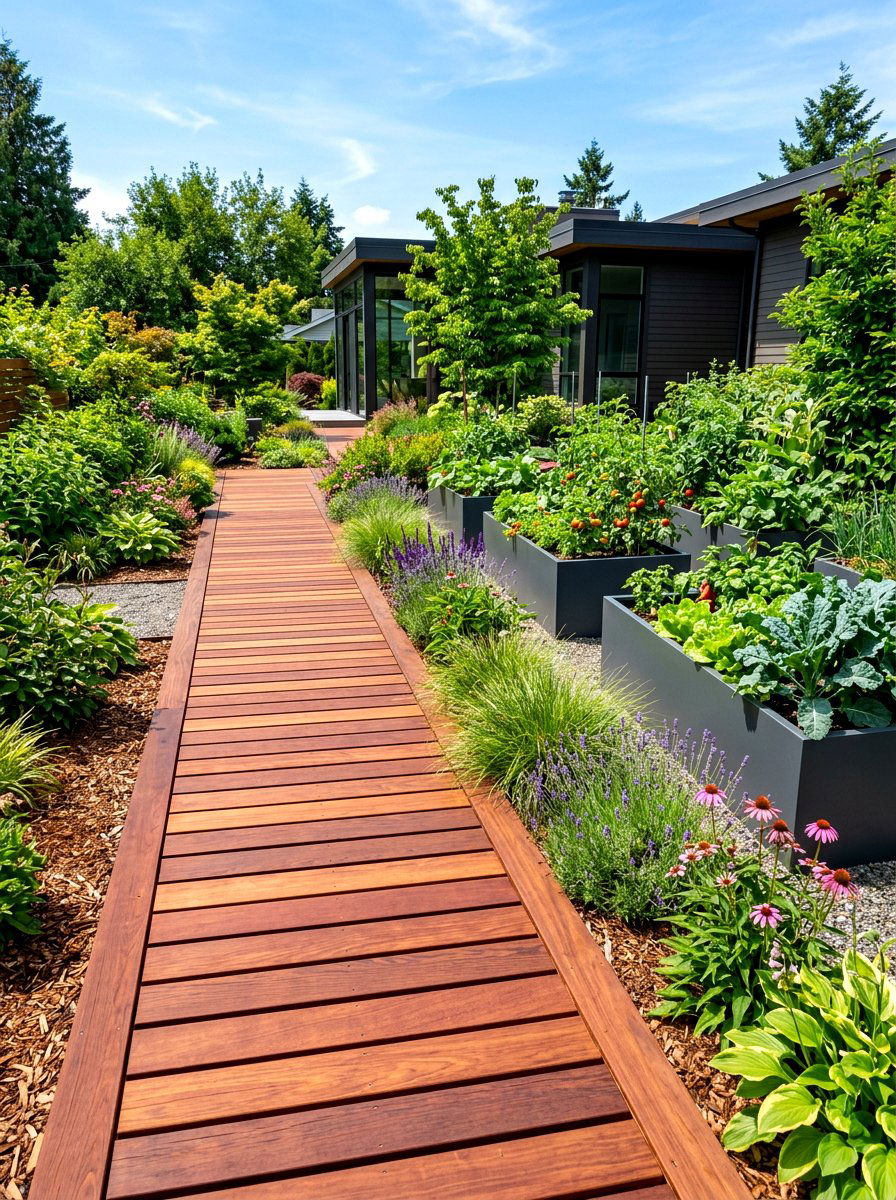
A waist high raised bed is the gold standard for ergonomic gardening, as it completely removes the need to stoop or crouch. These beds are typically built on sturdy legs or have very tall solid sides, bringing the soil level up to about thirty to thirty-six inches. This height is perfect for elderly gardeners or anyone who suffers from back pain while working in the yard. The elevated position also provides excellent protection against ground-dwelling pests like slugs and rabbits. Because the bed is separated from the ground, you have total control over the soil quality and can ensure perfect drainage for every plant.
15. Square foot garden box
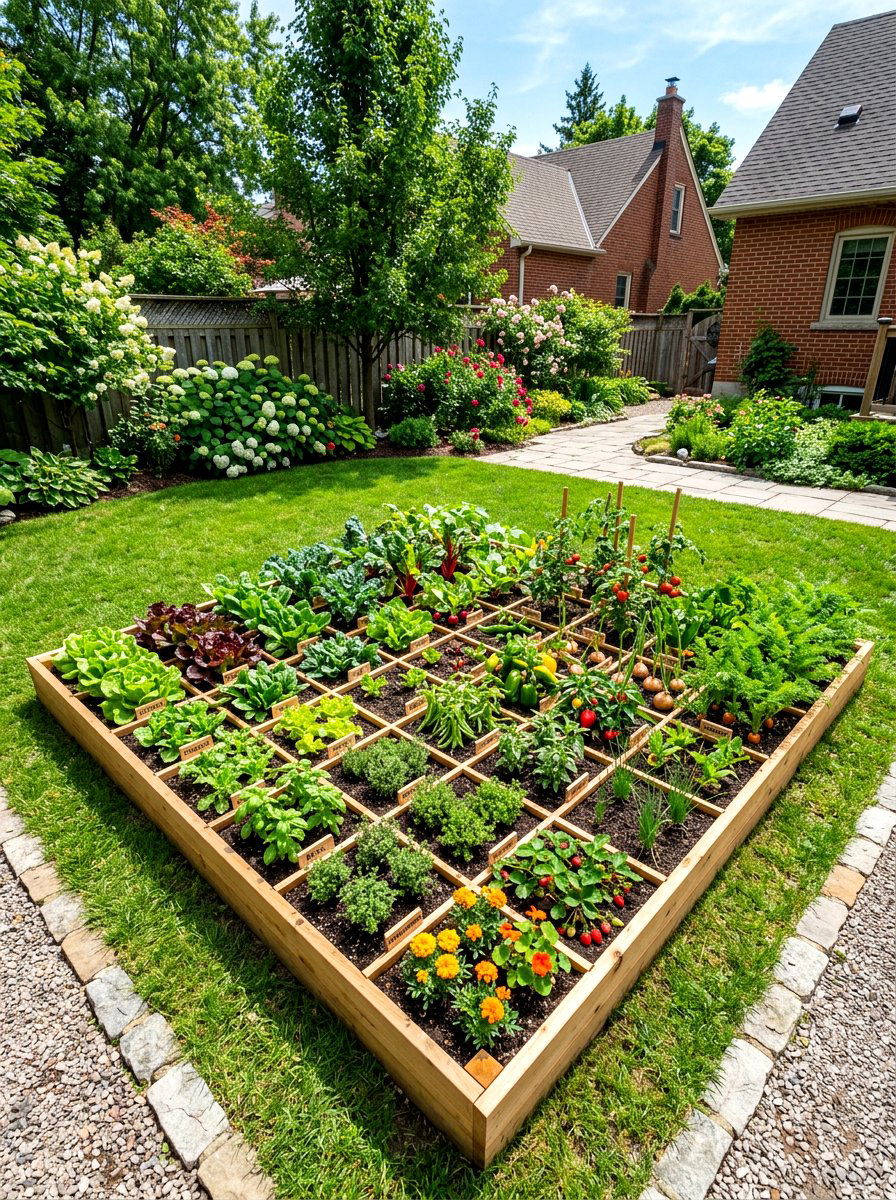
The square foot garden box is a precise method of growing that uses a wooden grid to divide the planting area into one-foot sections. This approach is highly efficient, allowing you to plant a specific number of seeds or seedlings per square to maximize yield. The wooden frame is usually a simple low-profile box, which makes it very affordable and quick to build. It is an excellent educational tool for children, helping them understand spacing and plant variety. By focusing on small, manageable sections, you can grow a surprisingly large amount of food in a very limited amount of space with minimal effort.
16. Modern black wood planter
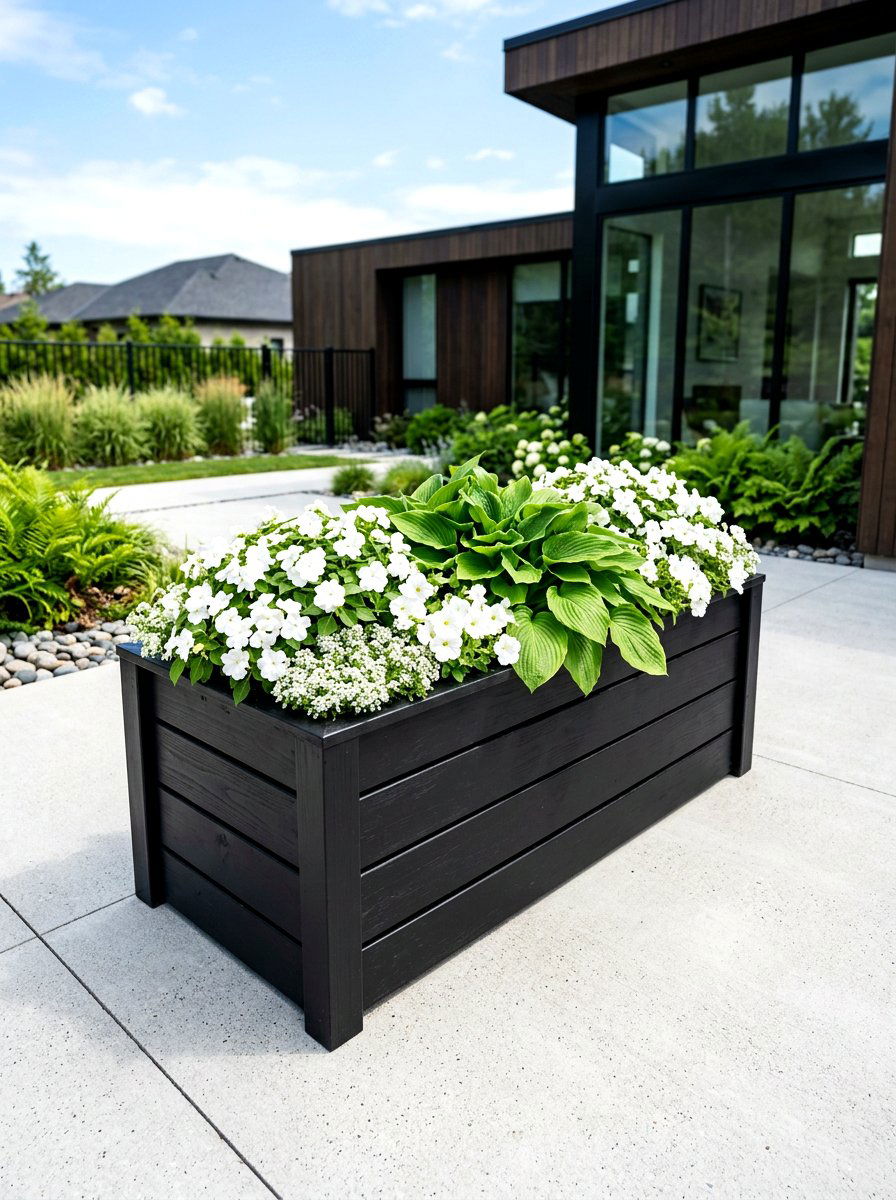
A modern black wood planter offers a sophisticated and dramatic look that fits perfectly in contemporary landscapes. By staining or painting high-quality wood with a deep black finish, you create a striking contrast against bright green leaves and colorful flowers. This aesthetic works well with minimalist architecture and clean lines. The dark color also helps the soil absorb more heat from the sun, which can be a benefit in cooler climates during the early spring. Ensure you use a non-toxic, exterior-grade finish to protect the wood while keeping the plants safe. These planters act as bold architectural elements that define the style of your outdoor room.
17. Reclaimed wood garden bed
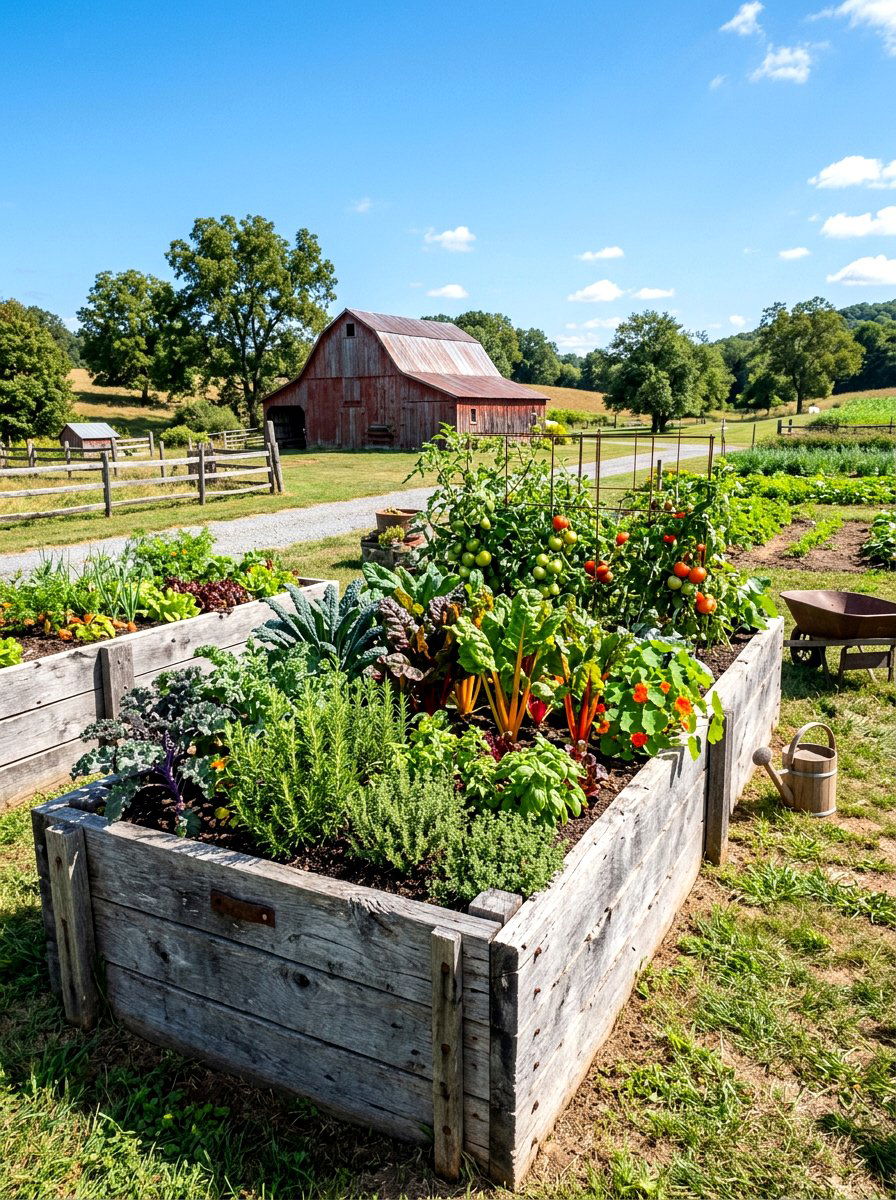
Using reclaimed wood for your garden beds is an eco-conscious choice that adds history and character to your backyard. Old barn wood, pallet timber, or salvaged fencing can be repurposed into unique planting boxes with a weathered, vintage feel. Each piece of wood tells a story through its knots, grain patterns, and aged texture. It is important to ensure the wood was not previously treated with harmful chemicals, especially if you plan on growing edible crops. This budget-friendly option allows you to create a high-impact garden while reducing waste. It’s a creative way to bring a touch of the past into your modern landscape.
18. Tiered corner garden box
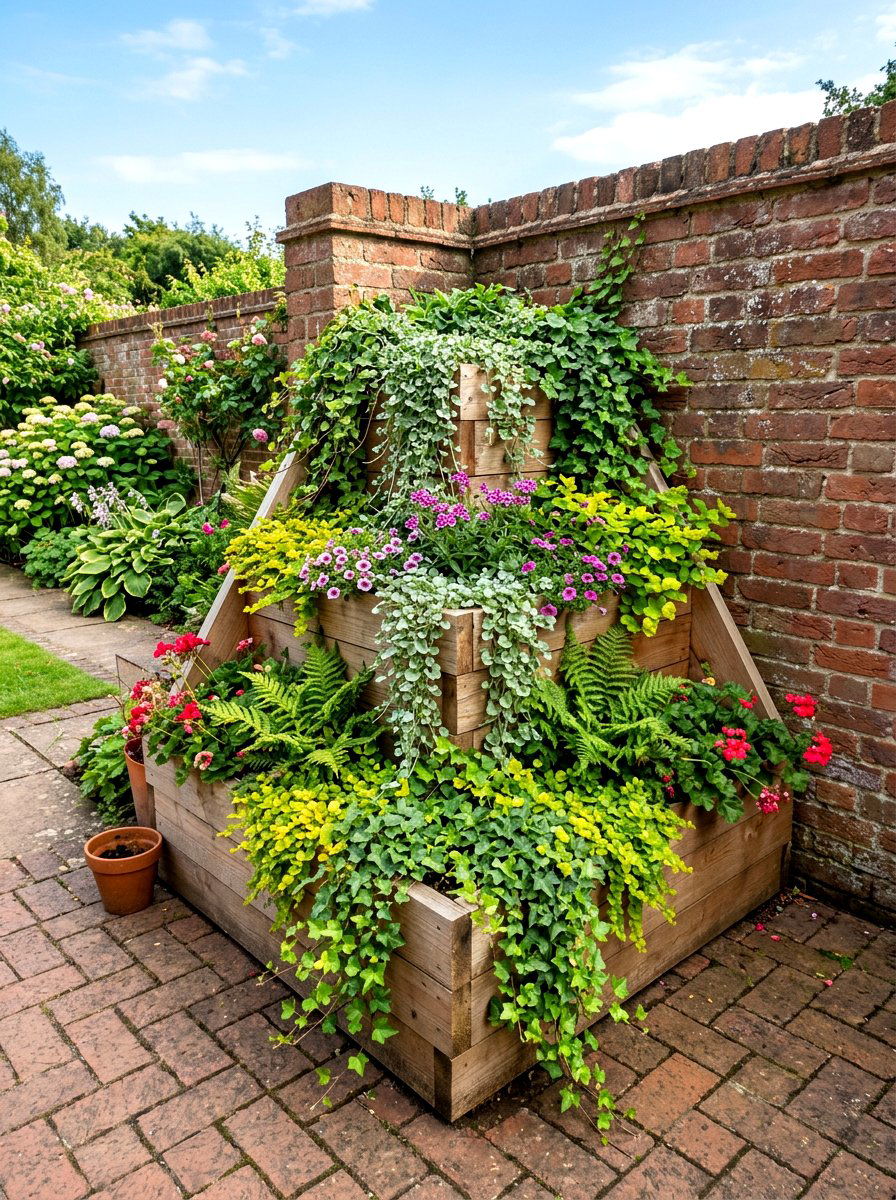
A tiered corner garden box adds a sense of luxury and professional landscaping to any backyard corner. By stacking three or more levels of wooden frames in a descending fashion, you create a waterfall effect of greenery. This design is particularly effective for showcasing different types of plants, with taller varieties in the back and cascading flowers in the front. The verticality makes it a great choice for small spaces where horizontal room is limited. Building these with interlocking corners ensures the structure can handle the weight of the soil on each level. It is a beautiful way to add architectural depth to your home.
19. Mobile raised garden on wheels
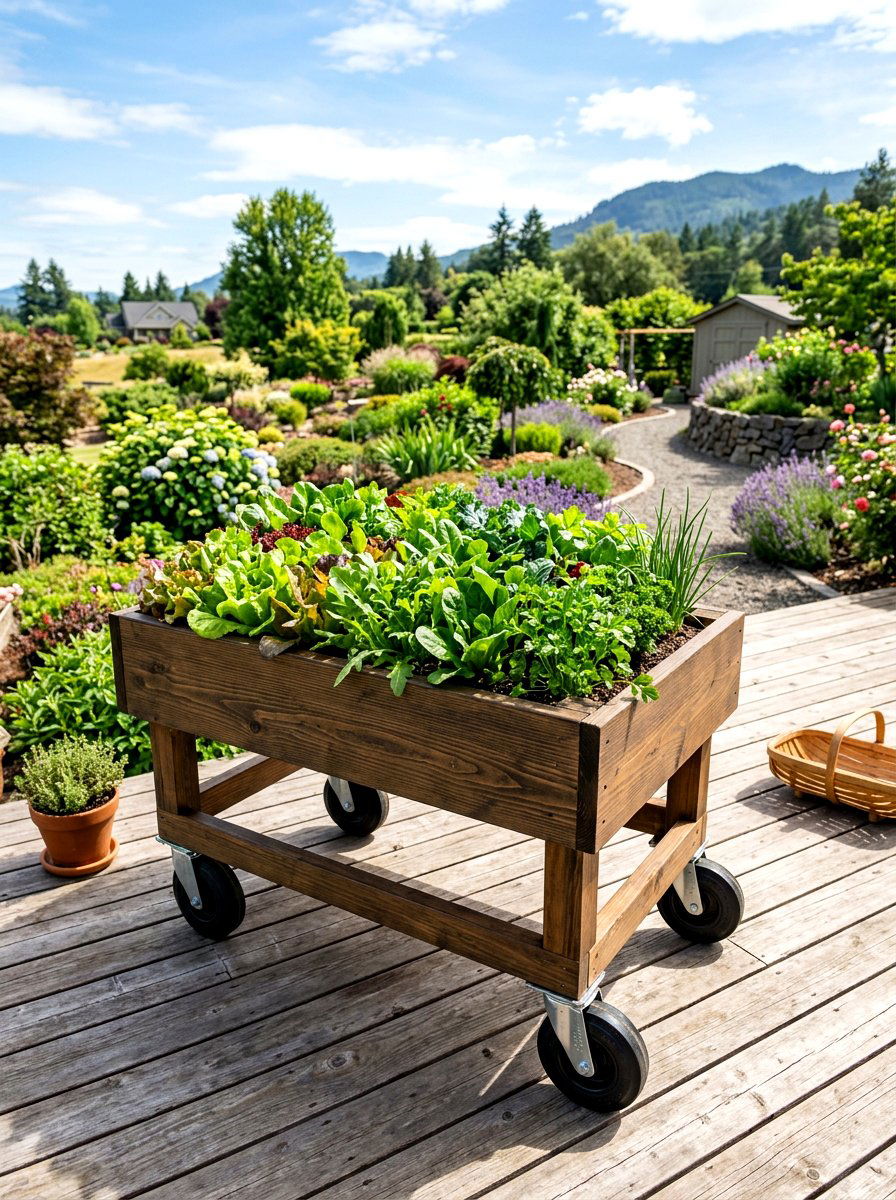
A mobile raised garden on wheels provides ultimate flexibility for urban dwellers or those with changing sun patterns. By attaching heavy-duty locking casters to the bottom of a wooden planter, you can easily move your garden across a patio or deck. This allows you to chase the sunlight during different seasons or move the plants out of the way for social gatherings. It is also a great way to protect sensitive plants from unexpected frost by rolling them into a garage or shed. Ensure the wooden frame is reinforced to handle the movement and the weight of wet soil when the bed is full.
20. Greenhouse top raised bed
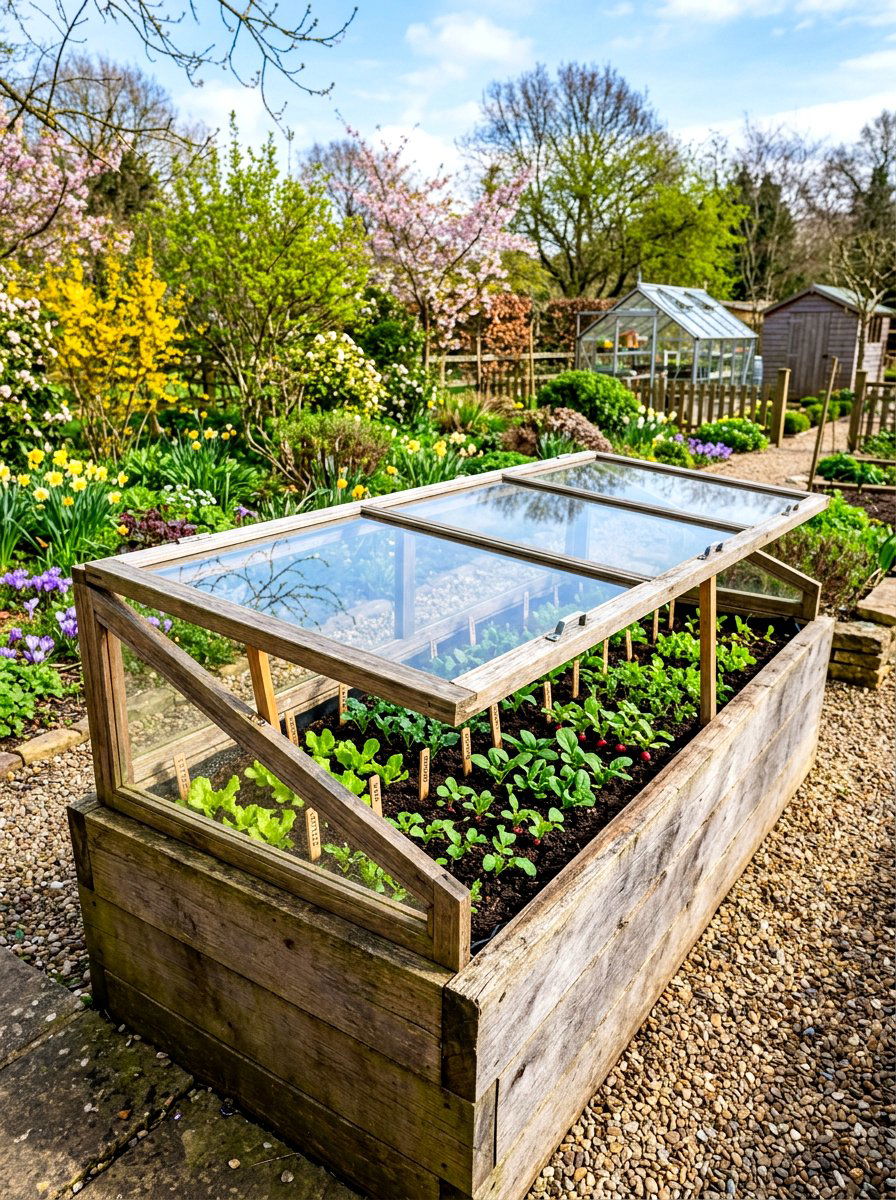
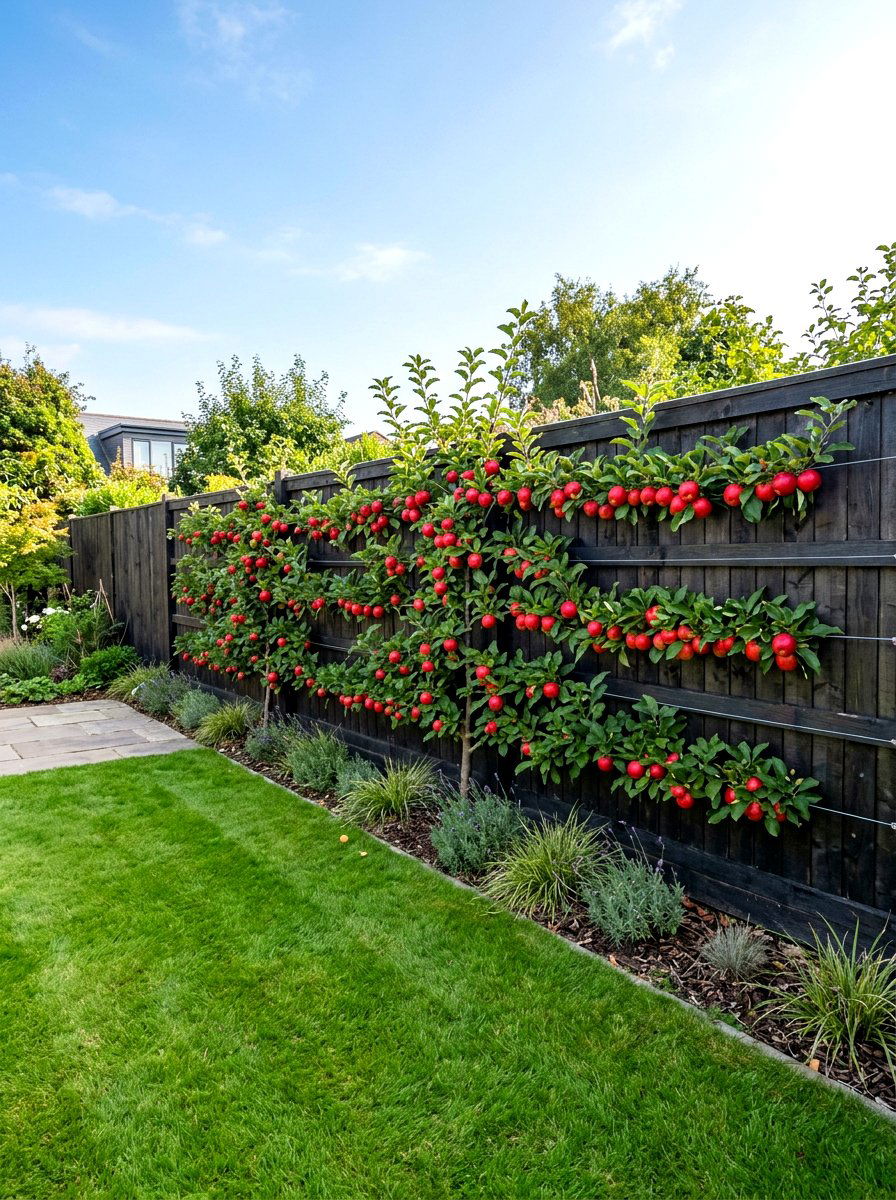
A greenhouse top raised bed features a wooden base with a clear hinged or removable cover made of plastic or glass. This design acts like a mini cold frame, trapping heat and protecting young seedlings from harsh winds and late frosts. It allows you to start your growing season weeks earlier in the spring and extend it well into the autumn months. The wooden base provides excellent insulation for the roots, while the transparent top ensures maximum light penetration. This is an essential setup for serious vegetable gardeners who want to maximize their annual harvest. It combines the benefits of raised beds with controlled environment agriculture.
21. Natural pine garden bed
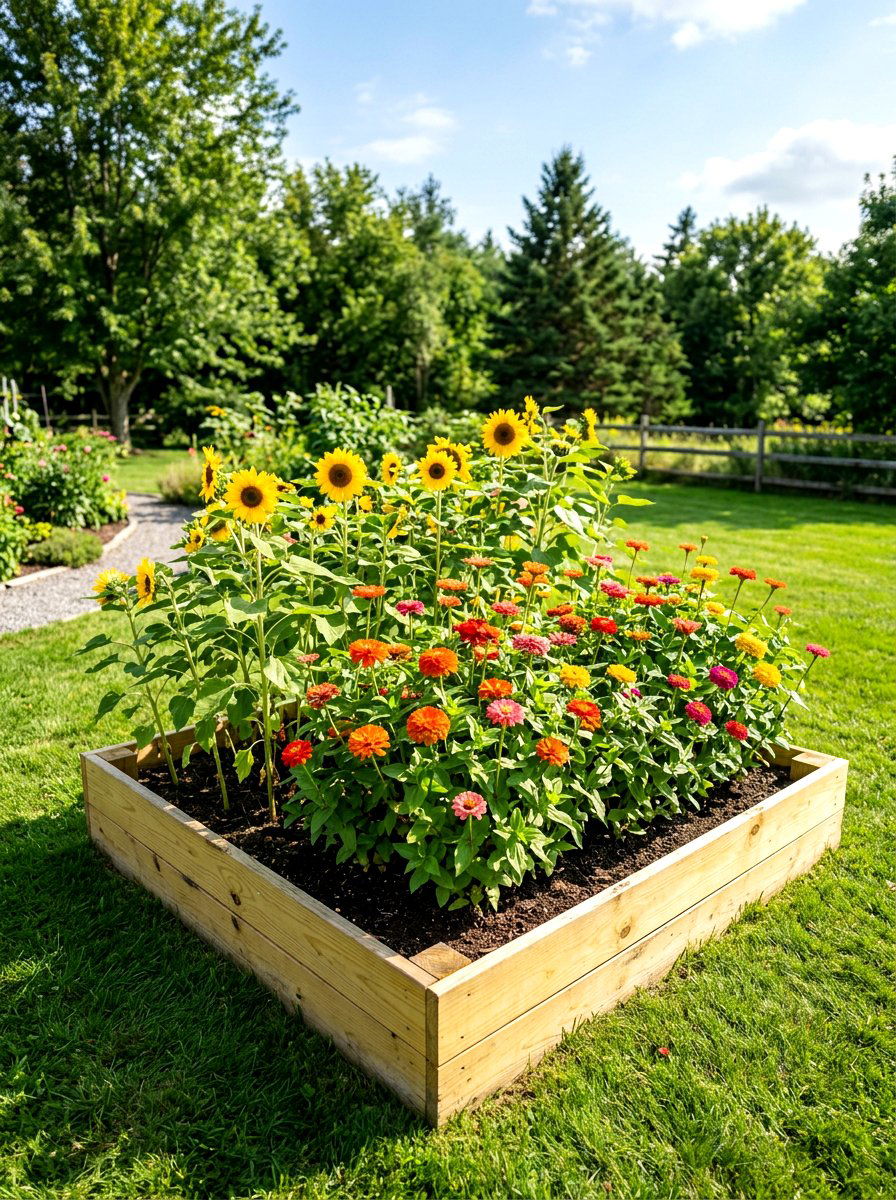
A natural pine garden bed is one of the most affordable ways to get started with raised gardening today. Pine is widely available at local hardware stores and is very easy to cut and assemble, even for beginners. While it may not have the long-term rot resistance of cedar, applying a natural oil or non-toxic sealant can significantly extend its lifespan. The light color of the wood provides a clean, fresh look that complements any garden style. These beds are lightweight and can be easily replaced or upgraded after several years of use. It is the perfect budget-friendly entry point for a beautiful home garden.
22. Privacy screen garden box
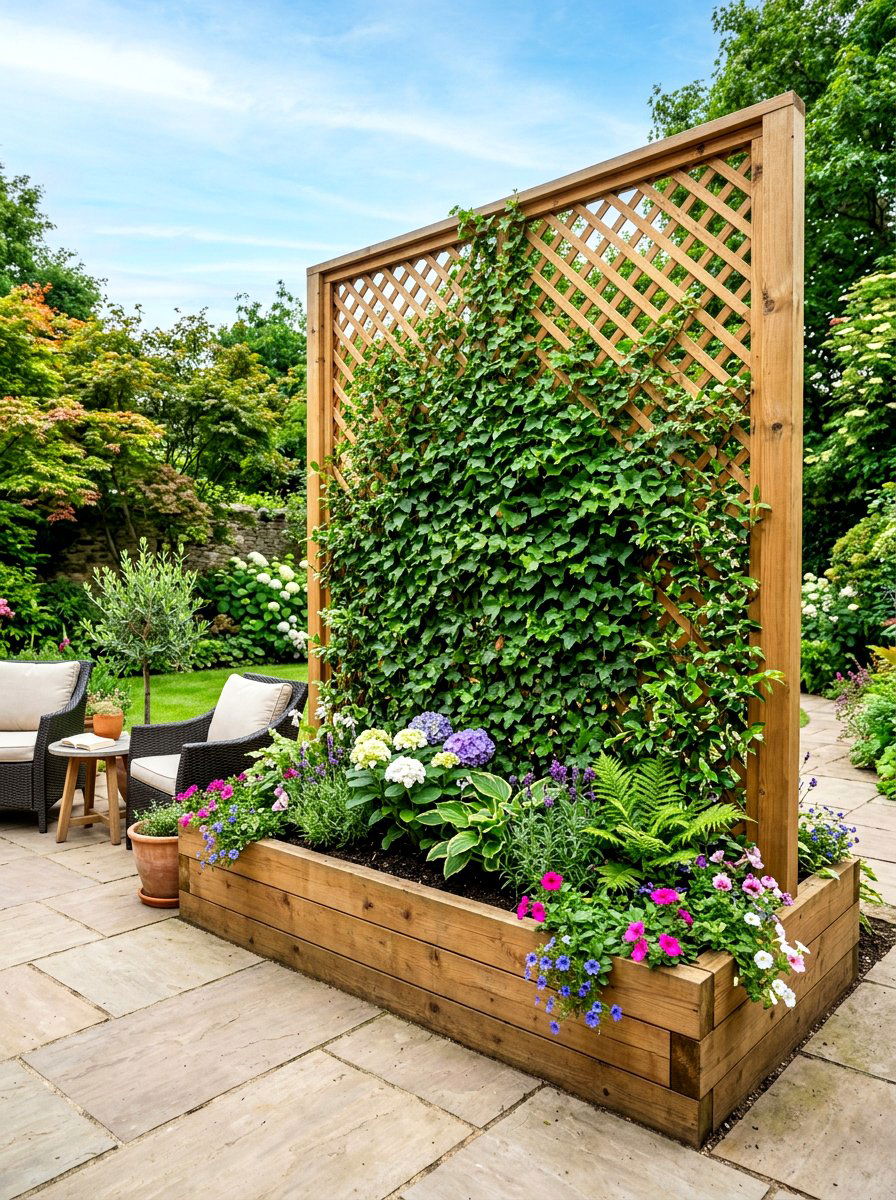
Combining a raised bed with a tall privacy screen is a clever way to create a secluded outdoor retreat. A high wooden lattice or slat wall is attached to the back of the planter, providing a structure for climbing vines like jasmine or clematis. As the plants grow, they create a living green wall that blocks the view of neighbors and dampens street noise. This dual-purpose design is ideal for balconies or townhome patios where privacy is often a concern. The wooden construction feels warm and inviting, turning a functional barrier into a beautiful garden feature. It adds both vertical interest and a sense of enclosure.
23. Decorative lattice wood bed
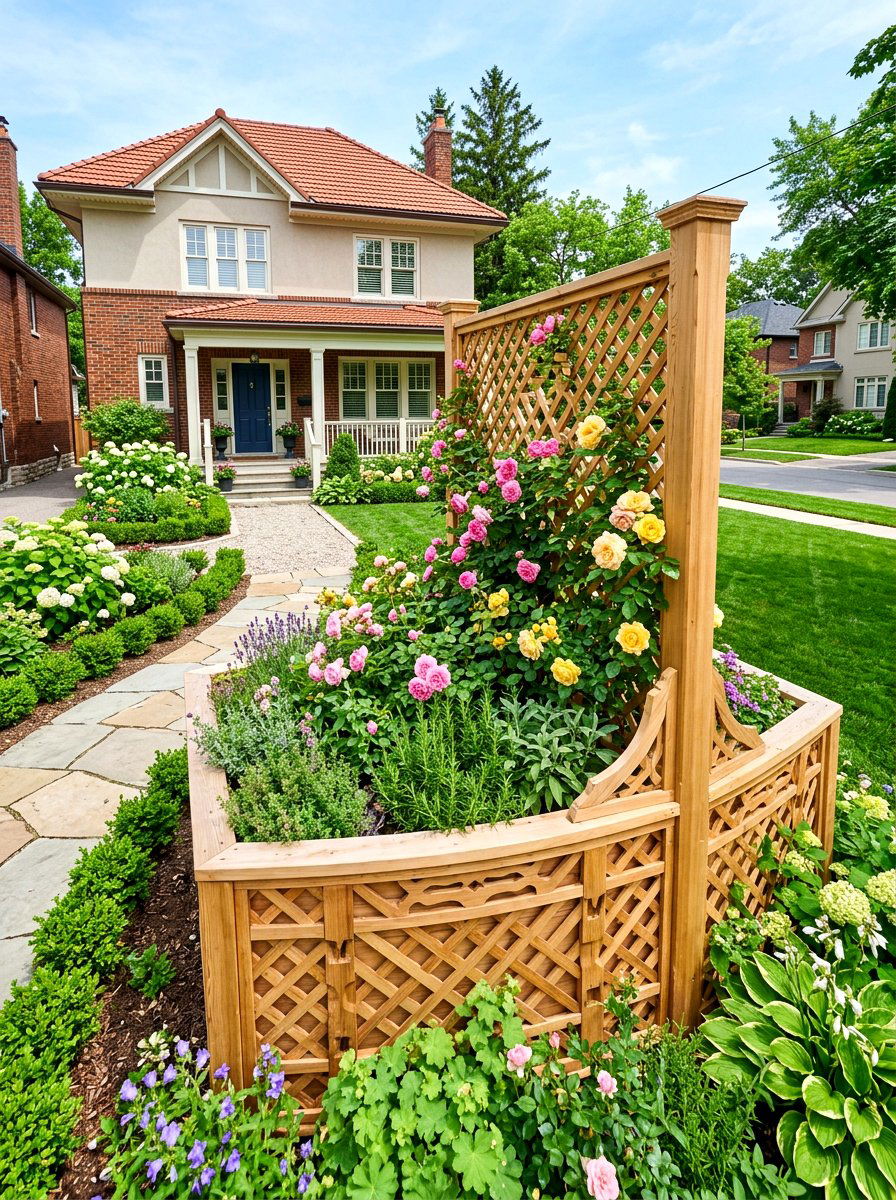
A decorative lattice wood bed features intricate woodwork on the side panels, adding a touch of elegance to your vegetable patch. Instead of plain flat boards, the exterior is finished with a lattice overlay or carved details that elevate the look of the garden. This style is perfect for front yard gardens where curb appeal is a high priority. The decorative elements can be painted to match your home’s shutters or trim for a truly custom appearance. Despite the fancy look, the interior remains a functional space for growing healthy plants. It proves that a vegetable garden can be just as beautiful as a formal flower bed.
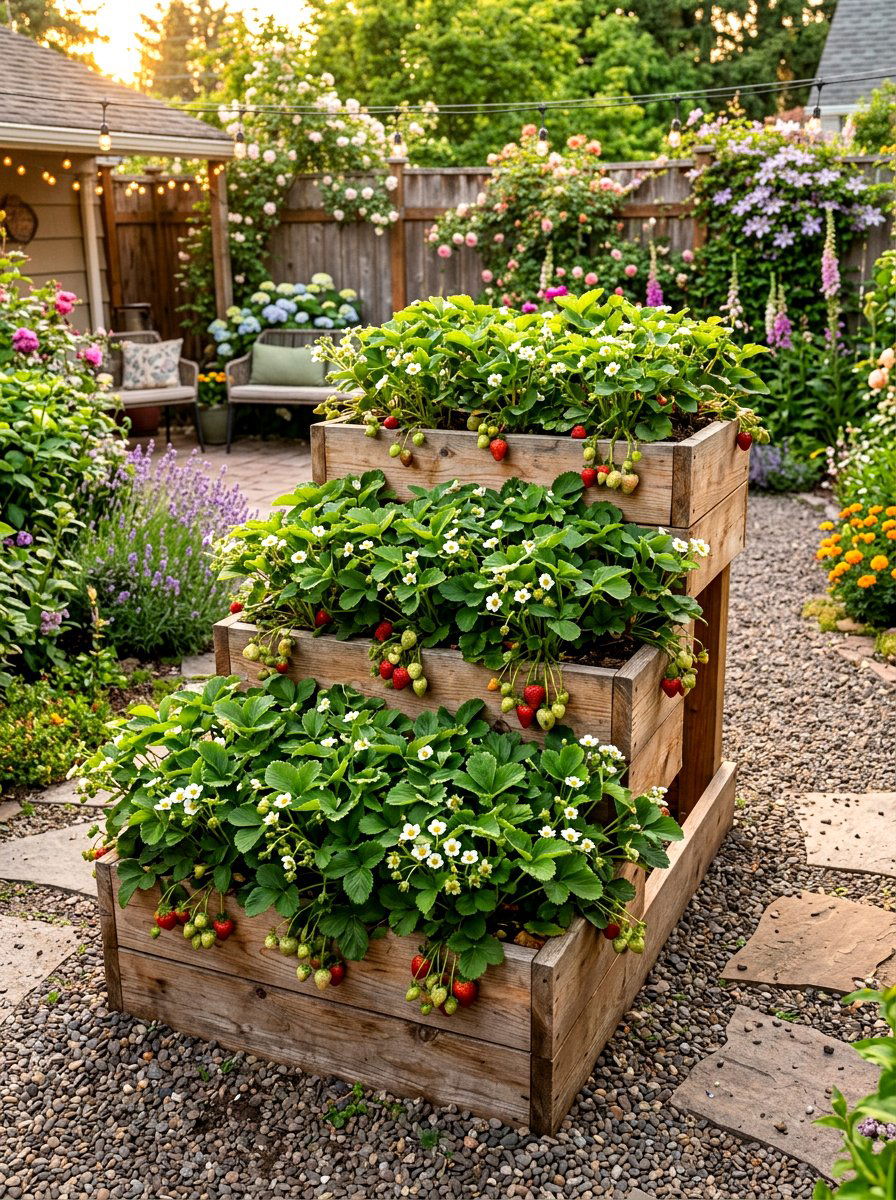
24. Pyramid strawberry planter
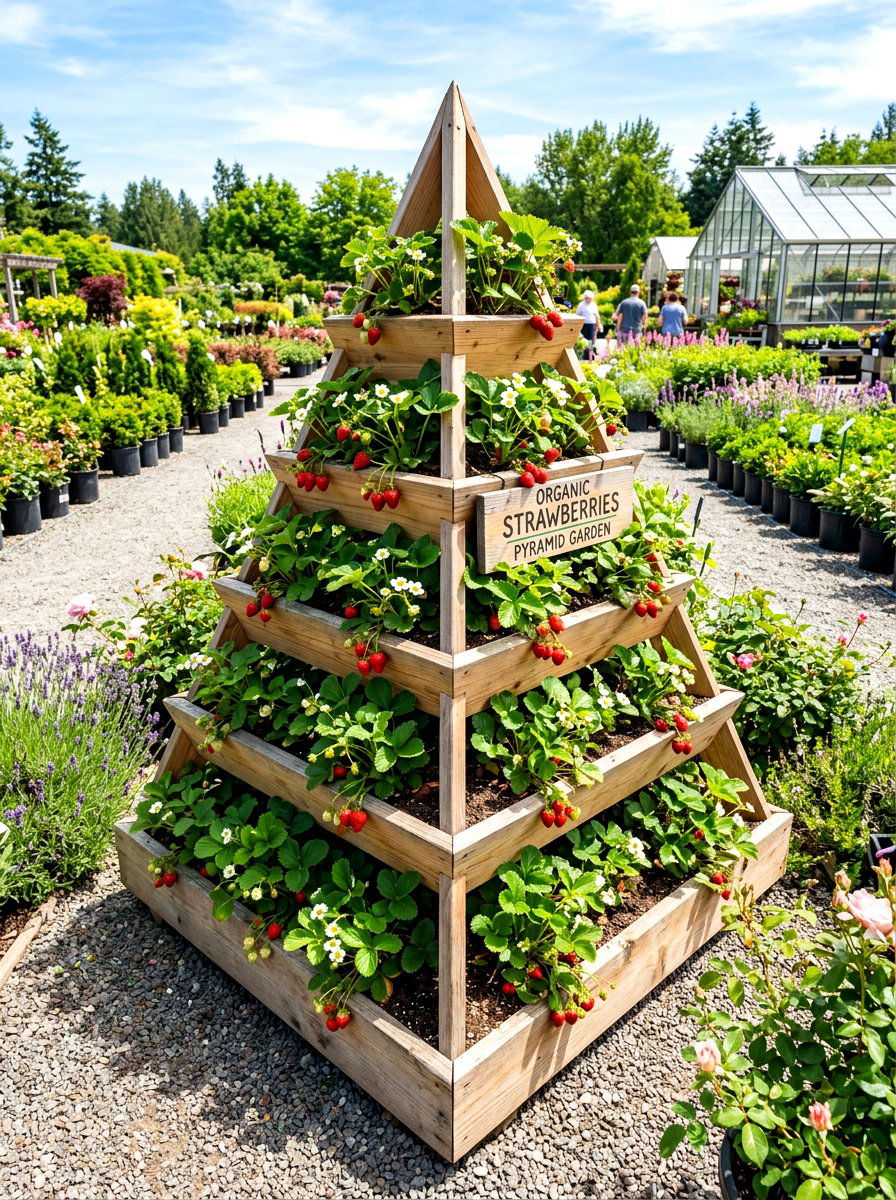
A pyramid strawberry planter is a specialized wooden structure designed to grow a massive amount of berries in a tiny footprint. The tiered, step-like design allows each plant to receive plenty of sunlight and prevents the fruit from touching the ground, which reduces rot. This vertical approach makes harvesting much easier and keeps the berries away from many ground-dwelling pests. The geometric shape of the pyramid adds a unique sculptural element to your garden layout. It is often built from cedar to withstand the frequent watering that strawberry plants require. This project is fun to build and provides a delicious rewards throughout the summer.
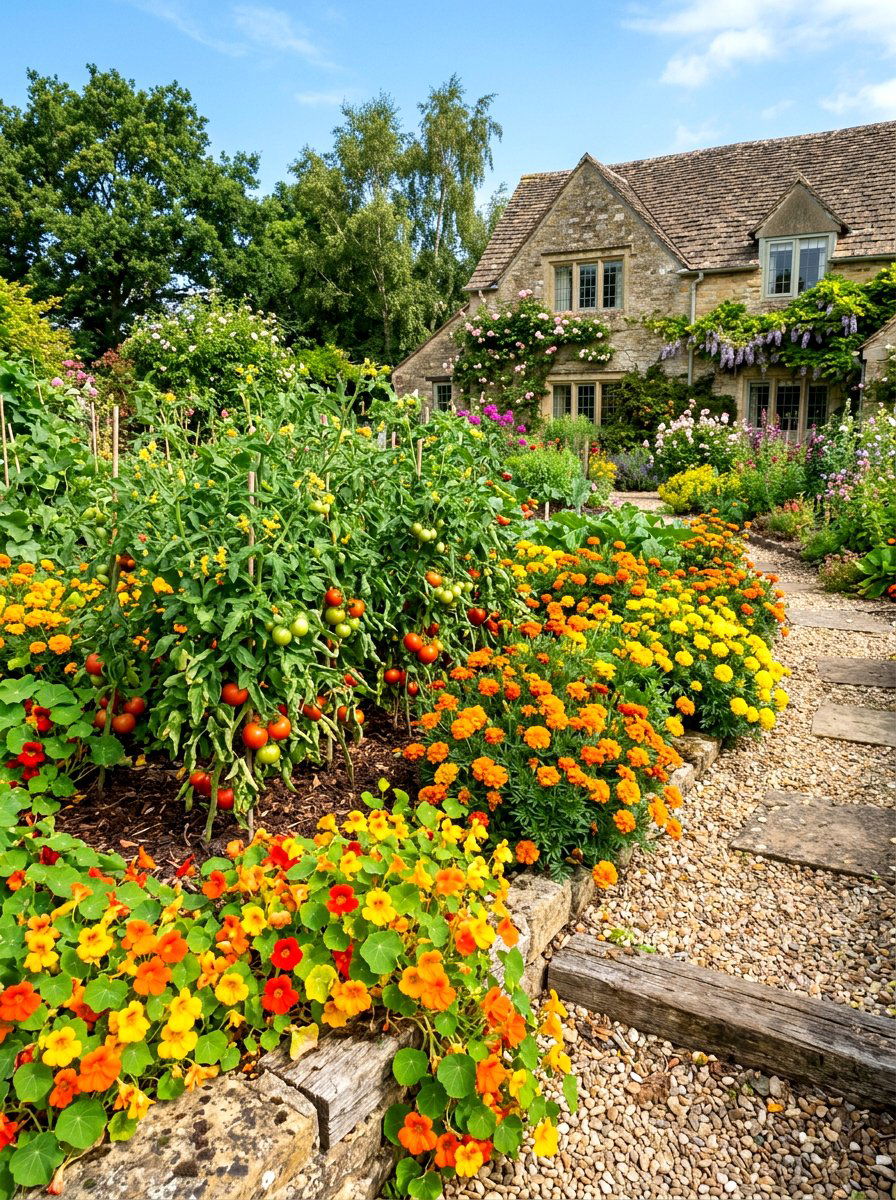
25. Hidden storage garden bed
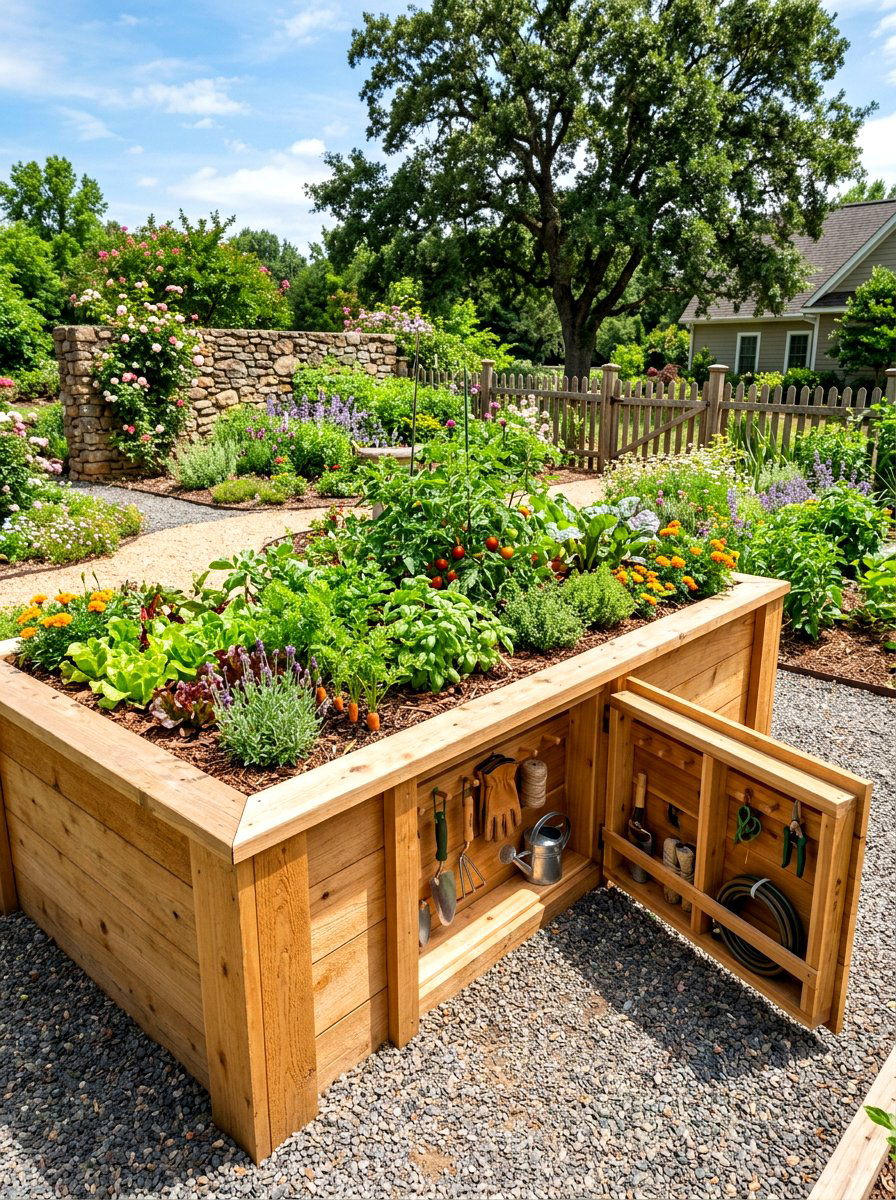
A hidden storage garden bed features a clever compartment built into the side or base of the wooden structure. This space can be used to store hand tools, gloves, and small bags of fertilizer, keeping your garden area neat and organized. Access is usually through a hinged wooden panel that blends seamlessly with the rest of the bed’s design. This is an excellent solution for small yards where there is no room for a dedicated garden shed. By keeping your tools right where you need them, you make daily maintenance much more convenient. It is a smart, space-saving idea that maximizes every inch of your outdoor area.
26. Child size garden box
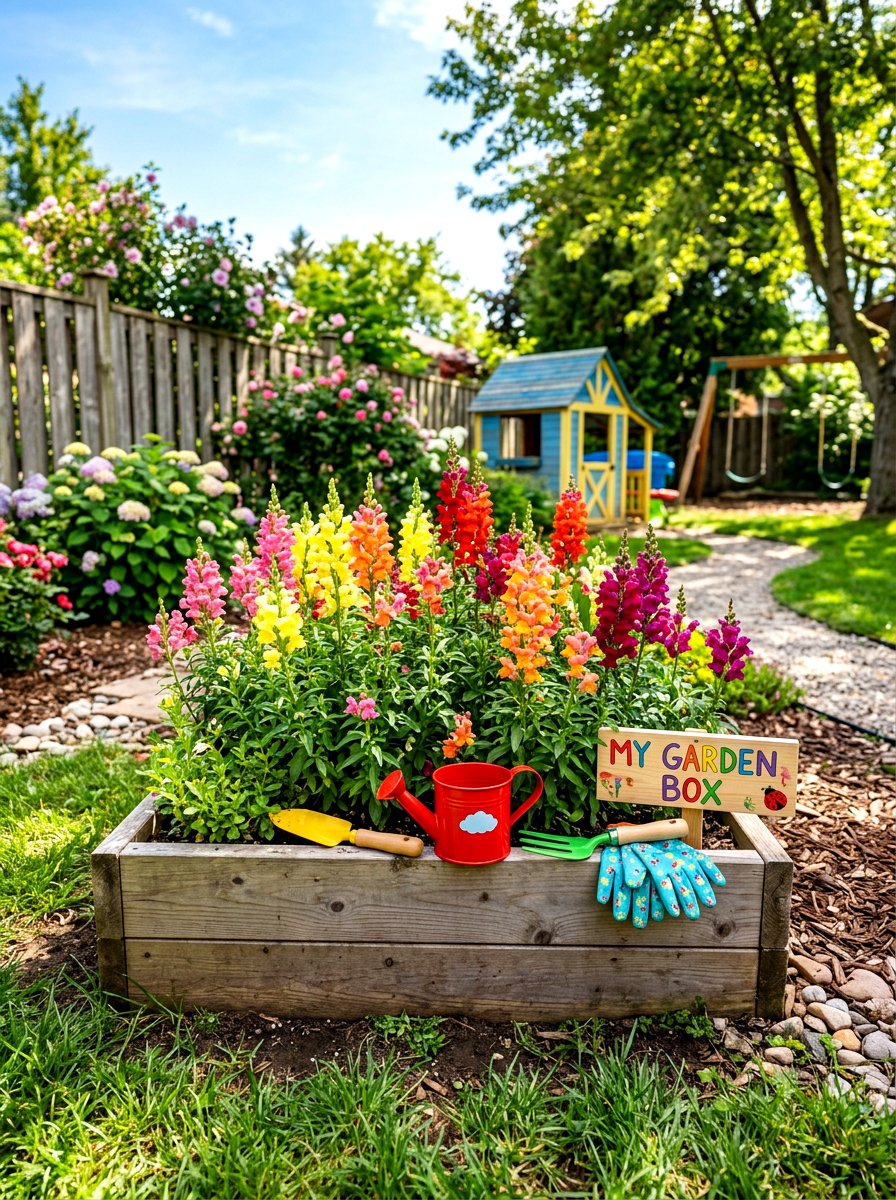
Creating a child size garden box is a wonderful way to introduce the next generation to the joys of nature. These beds are built lower to the ground, usually only six to eight inches high, making them easily accessible for small hands. Using smooth, rounded wood ensures there are no sharp edges or splinters for kids to worry about. You can even paint the wooden sides in bright colors to make the space feel fun and inviting. Letting children take ownership of their own small plot teaches responsibility and provides a great outdoor learning experience. It is a rewarding project that the whole family can enjoy together.
27. Sloped yard garden bed
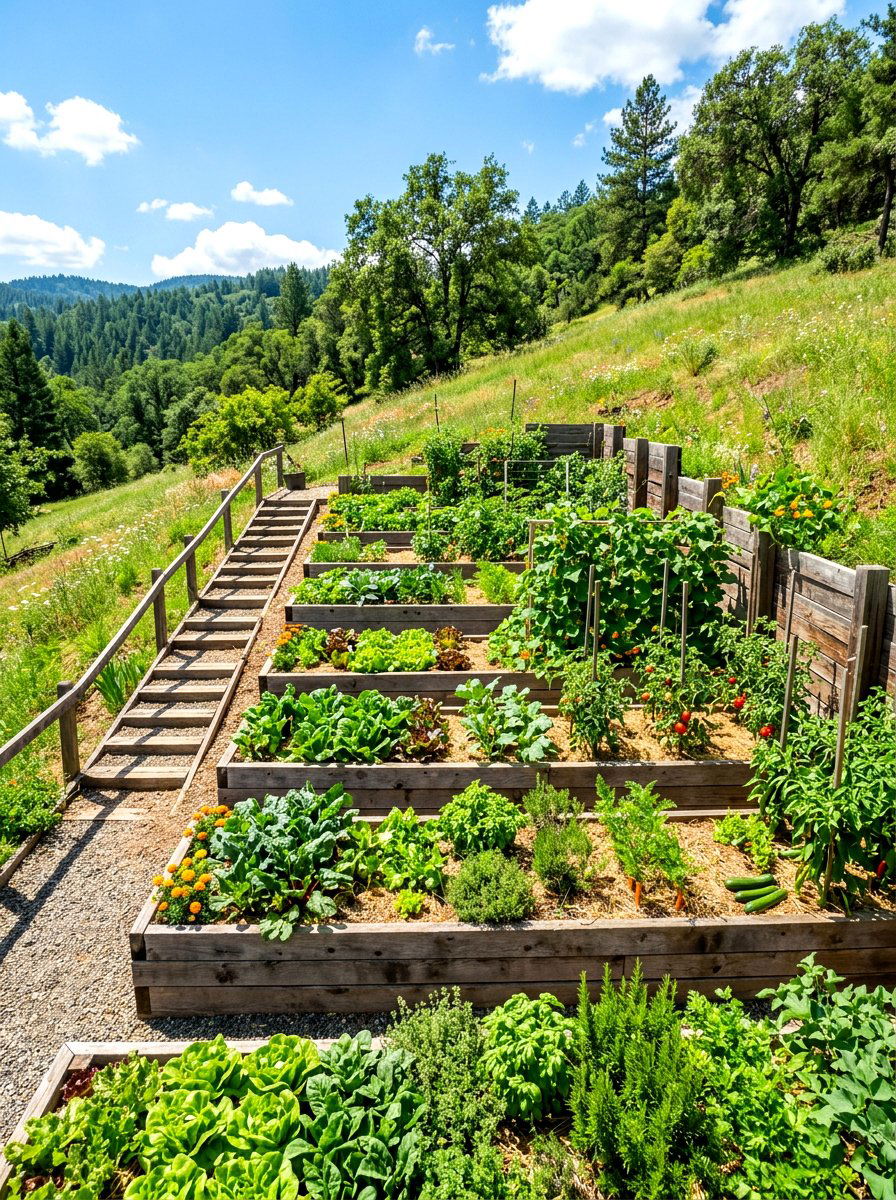
A sloped yard garden bed uses the natural terrain to create a terraced effect that prevents soil erosion. Instead of a single level box, the wooden frames are built into the hillside at different elevations, creating flat planting areas on a previously unusable incline. This method turns a difficult landscape feature into a productive and beautiful garden. The wooden walls act as mini retaining walls, holding the soil in place and allowing water to soak in rather than running off. This design requires careful leveling and strong anchoring, but the result is a dramatic and functional transformation of your property’s outdoor space.
28. Compact balcony wood planter
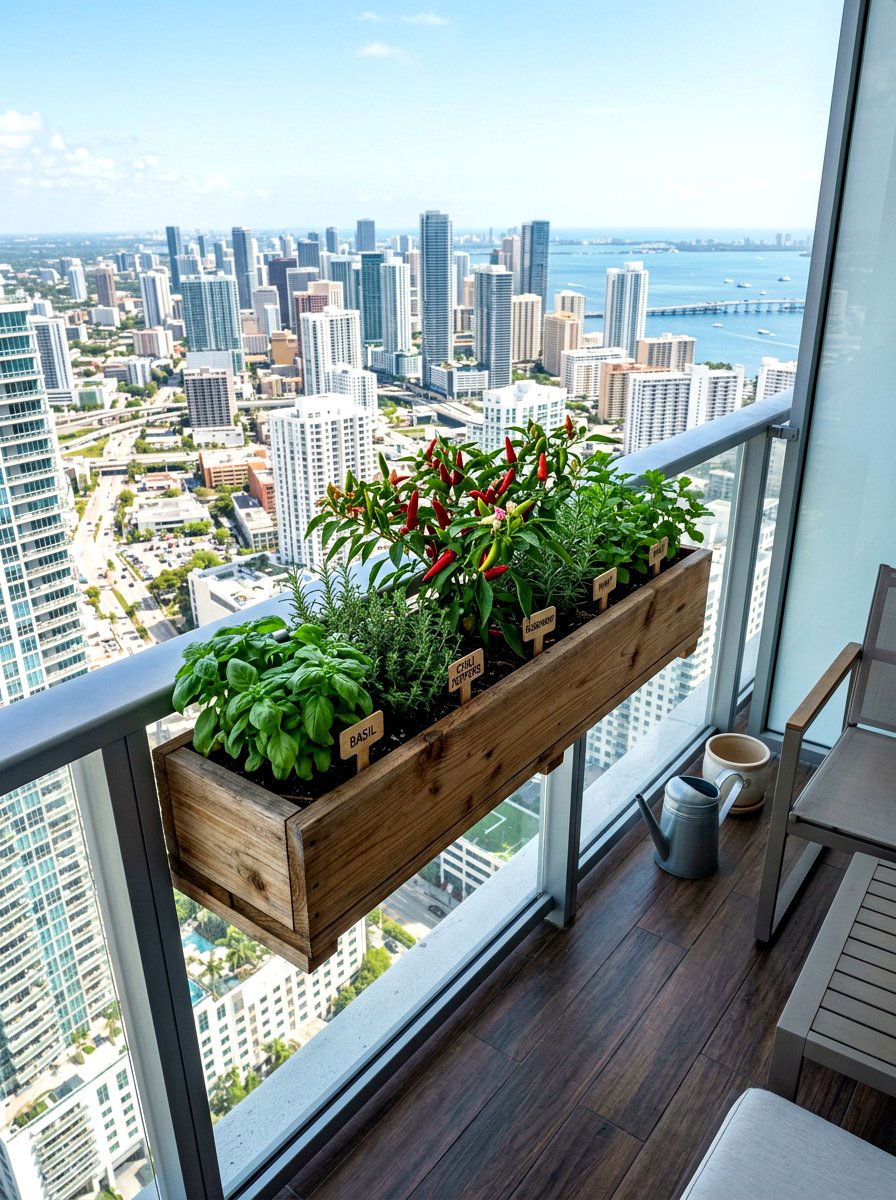
A compact balcony wood planter is specifically scaled for the narrow dimensions of apartment living. These beds are often longer and thinner than traditional garden boxes, designed to sit flush against a railing or wall. They are usually elevated on short legs to allow for airflow and prevent moisture from being trapped against the balcony floor. Using a lightweight wood like cedar keeps the overall weight manageable while providing excellent durability against the elements. These planters are perfect for growing a salad garden with lettuce, radishes, and herbs. They bring a touch of nature to the concrete jungle and allow anyone to be a gardener.
29. Geometric hexagonal garden bed
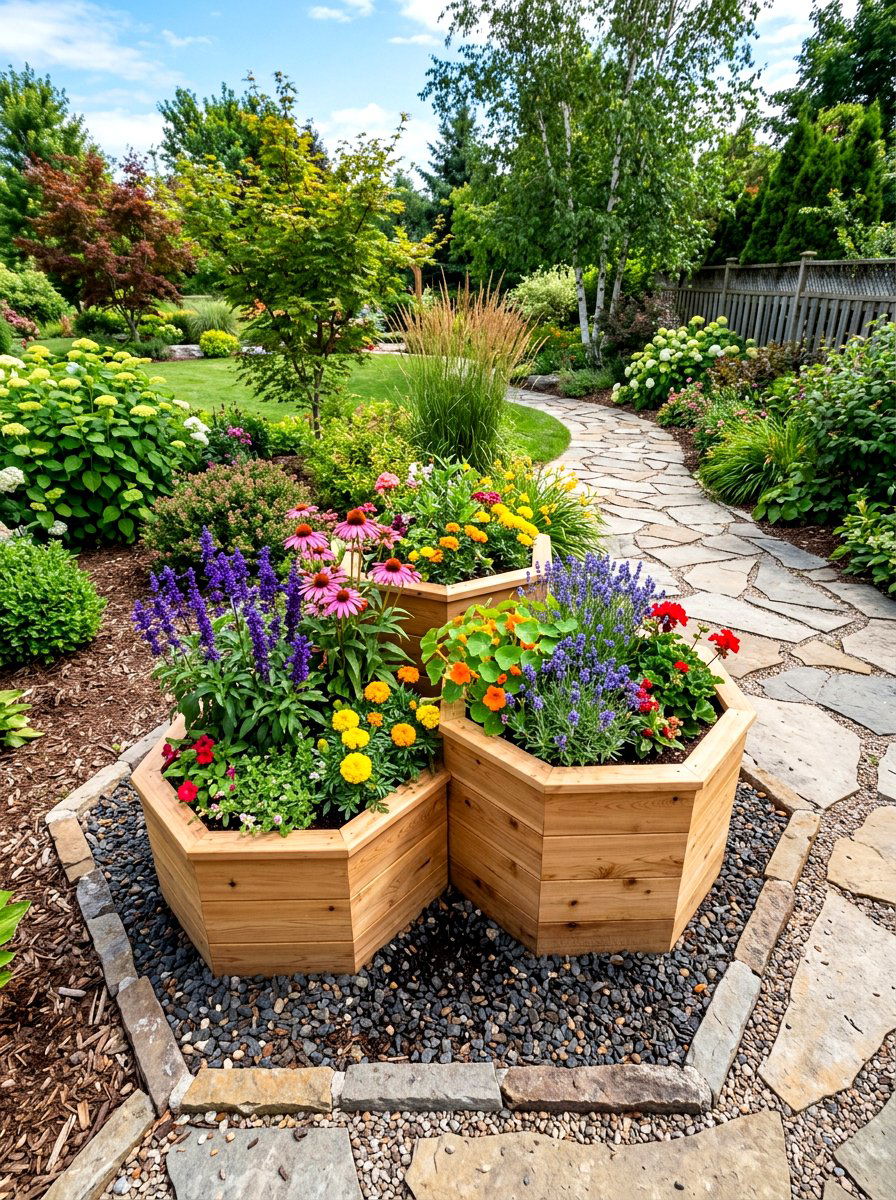
A geometric hexagonal garden bed offers a unique and modern alternative to standard square or rectangular boxes. The six-sided design creates a beautiful honeycomb pattern when multiple beds are placed together in a cluster. This shape provides excellent access to the center of the bed from all angles, making planting and harvesting a breeze. The angles add a sense of movement and visual complexity to your garden design. Building these requires a bit more precision with your wood cuts, but the stunning visual impact is well worth the extra effort. It is a great way to make a bold design statement in your backyard.
30. Heavy duty timber bed
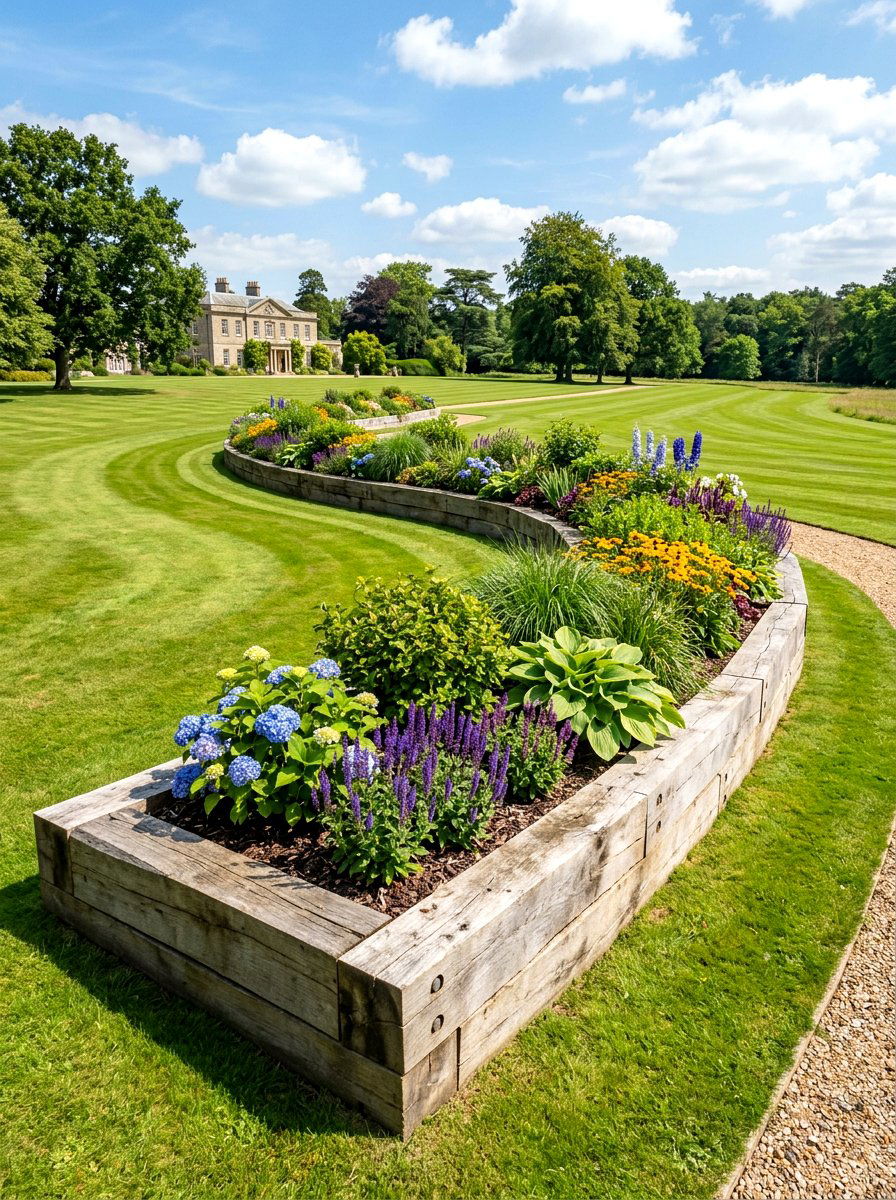
For those who want a garden that will last for decades, a heavy duty timber bed is the answer. These are constructed using thick 4x4 or 6x6 beams, similar to what you would see in professional landscaping or park settings. The massive scale of the wood provides incredible structural stability and a bold, chunky aesthetic. These beds can hold a huge amount of soil and are resistant to any type of bowing or shifting over time. They work exceptionally well in large, open landscapes where smaller structures might look out of place. It is a permanent and impressive addition to any high-end garden project.
Conclusion:
Investing in wood raised beds is one of the most rewarding ways to enhance your home’s outdoor landscape. These structures offer a perfect blend of functionality and natural beauty, making gardening more accessible and productive for everyone. From the rot-resistant qualities of cedar to the ergonomic benefits of waist-high designs, there is a wooden solution for every yard and skill level. By carefully choosing your materials and layout, you can create a sustainable growing environment that provides fresh food and relaxation for years to come. Start planning your unique garden layout today and enjoy the incredible benefits of a flourishing, well-organized backyard sanctuary.

Related posts: