Starting your own vegetable garden is one of the most rewarding projects you can undertake at home. Whether you have a sprawling backyard or just a tiny apartment balcony, growing your own fresh produce is entirely possible and surprisingly simple. Many people feel intimidated by the thought of gardening, but these easy-to-follow concepts focus on low-maintenance setups that yield high results. From classic raised beds to innovative vertical solutions, there is a perfect fit for every lifestyle and space requirement. By focusing on accessibility and clear organization, you can enjoy crisp lettuce, juicy tomatoes, and fragrant herbs right from your own soil throughout the growing season. Growing food connects you with nature while providing healthy ingredients.
1. Raised Bed Garden
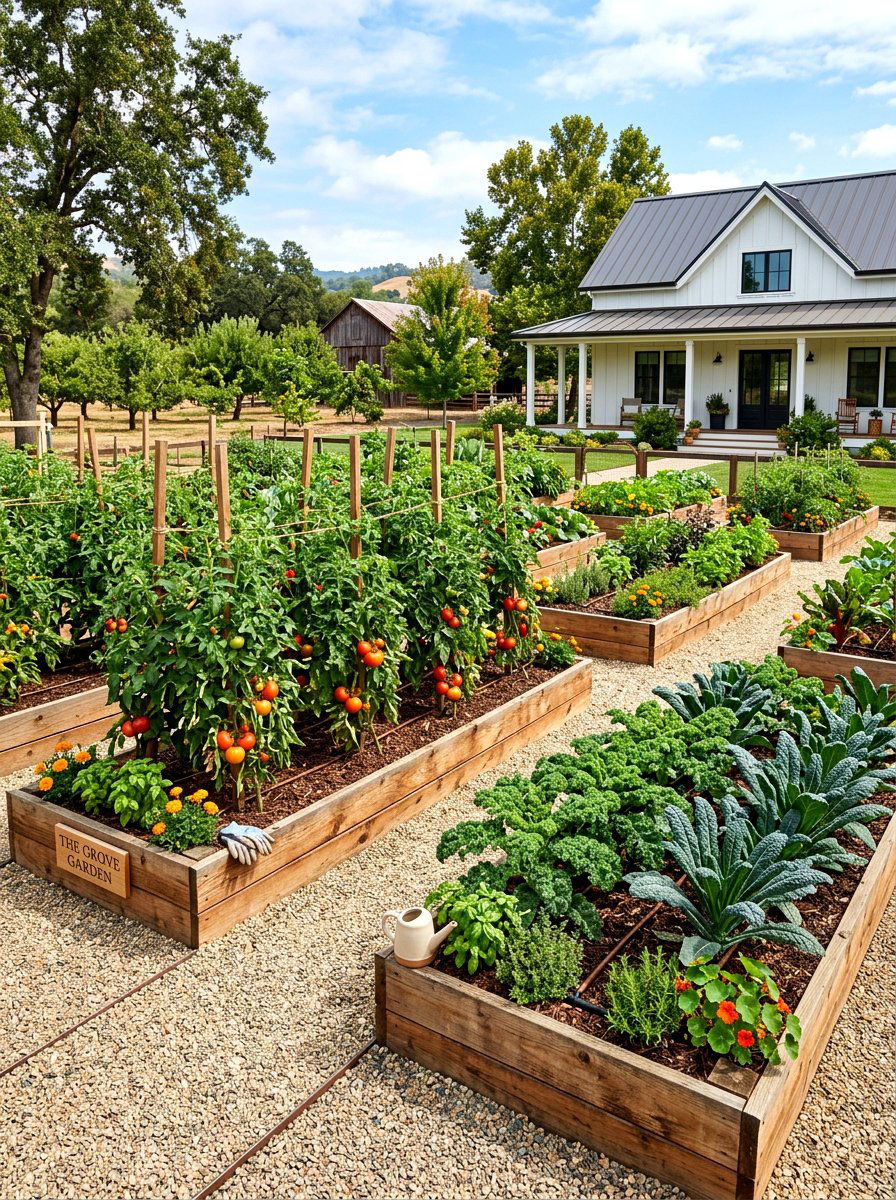
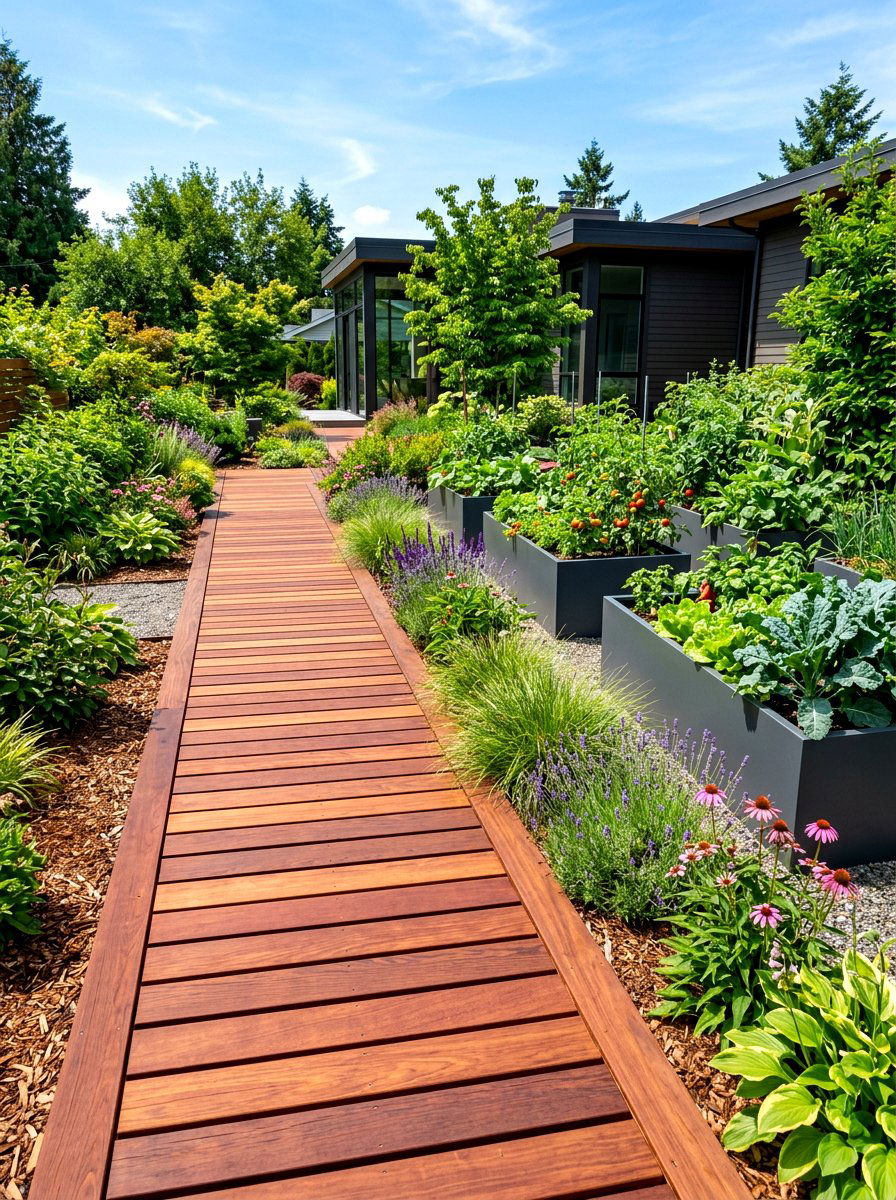
Building a raised bed garden is often the most effective way for beginners to start growing their own food. These structures sit above the natural ground level, which gives you complete control over the quality of your soil from day one. You can fill them with a nutrient-rich blend of compost and topsoil that stays loose and aerated. Because the soil is contained within wooden or composite frames, it warms up faster in the spring, allowing for an earlier planting season. This setup also reduces the strain on your back and knees by bringing the planting surface higher up. Raised beds are excellent for keeping weeds at bay and preventing soil compaction.
2. Container Vegetable Garden
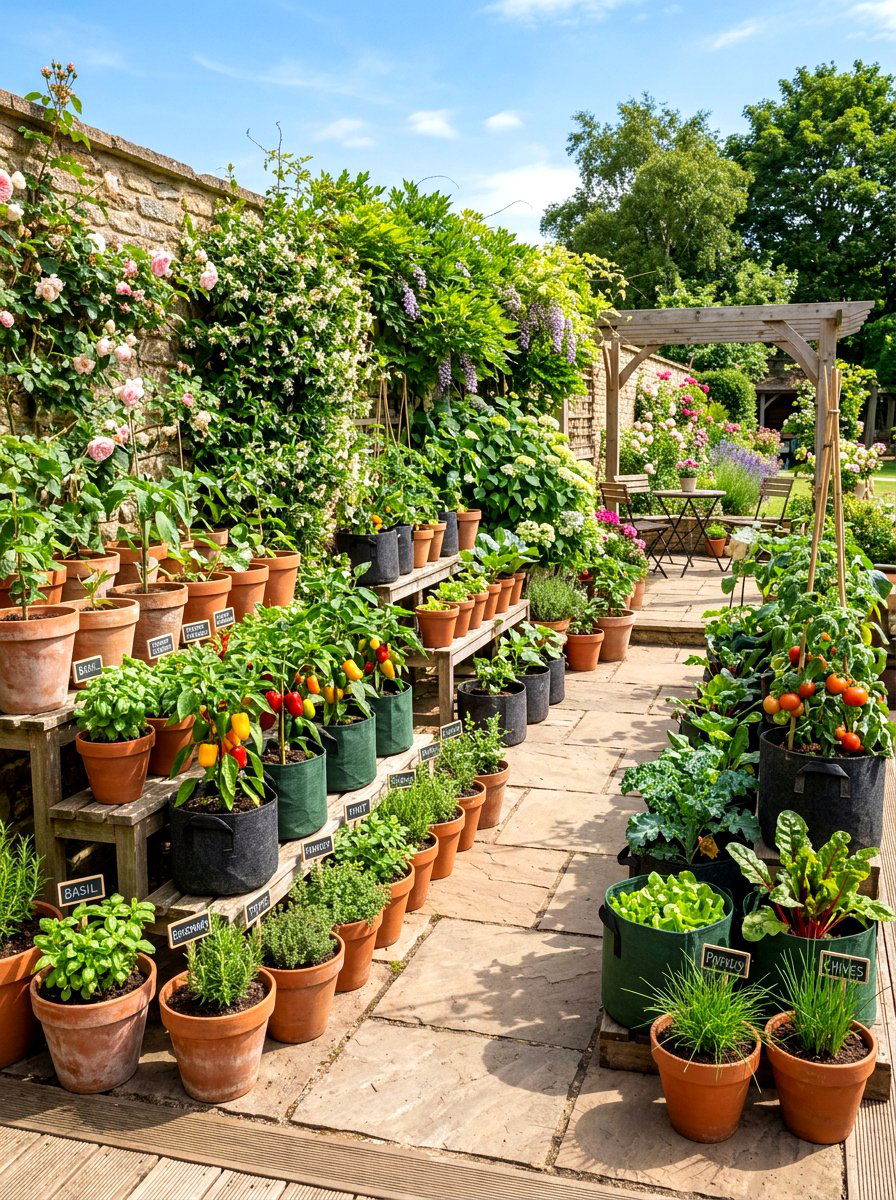
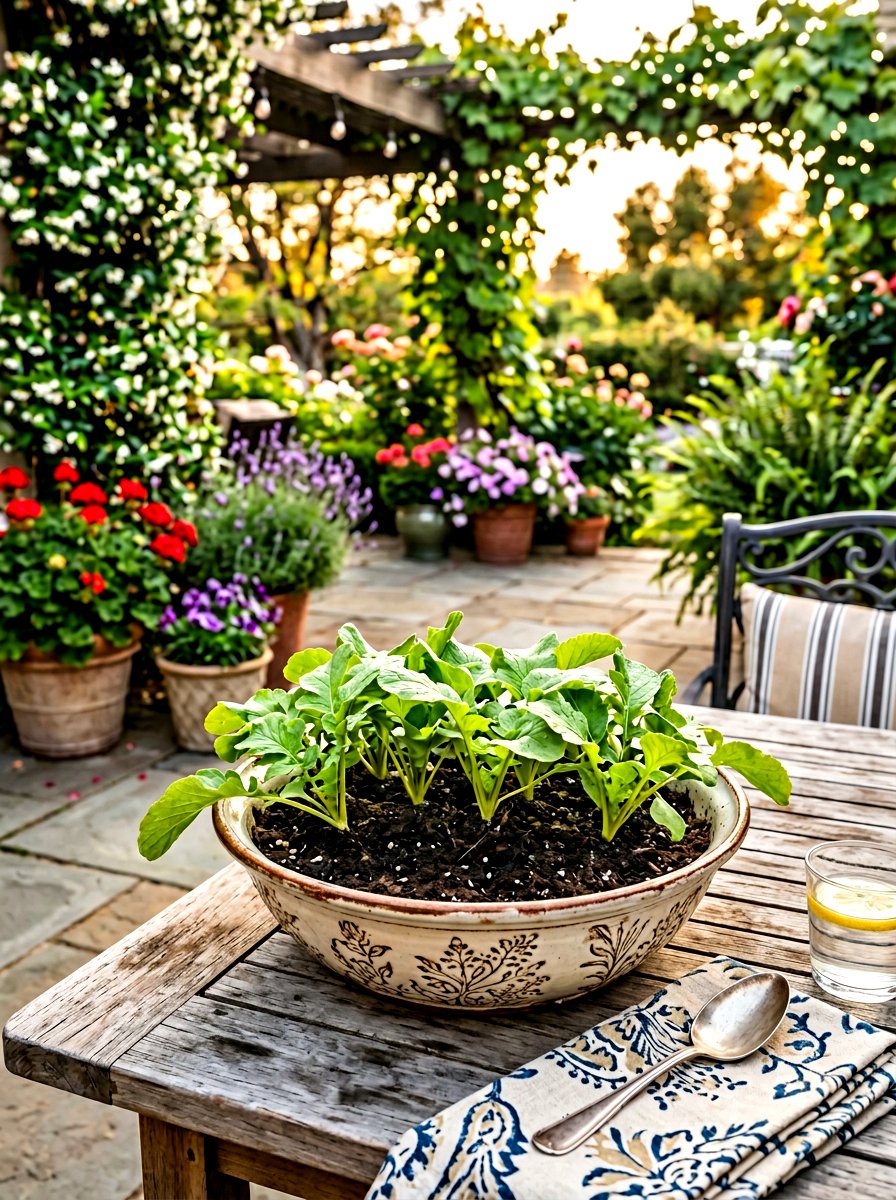
Growing vegetables in containers is an ideal solution for anyone with limited outdoor space or poor soil conditions. You can use various vessels like terracotta pots, plastic buckets, or fabric grow bags to house your favorite crops. This method offers incredible flexibility because you can move your plants around to catch the best sunlight throughout the day. Portable gardens are also easier to protect from sudden frost or roaming backyard pests. Many modern vegetable varieties are specifically bred for container life, including bush tomatoes and dwarf peppers. Providing consistent water and liquid fertilizer is the key to success since pots dry out faster than traditional ground soil.
3. Vertical Vegetable Garden
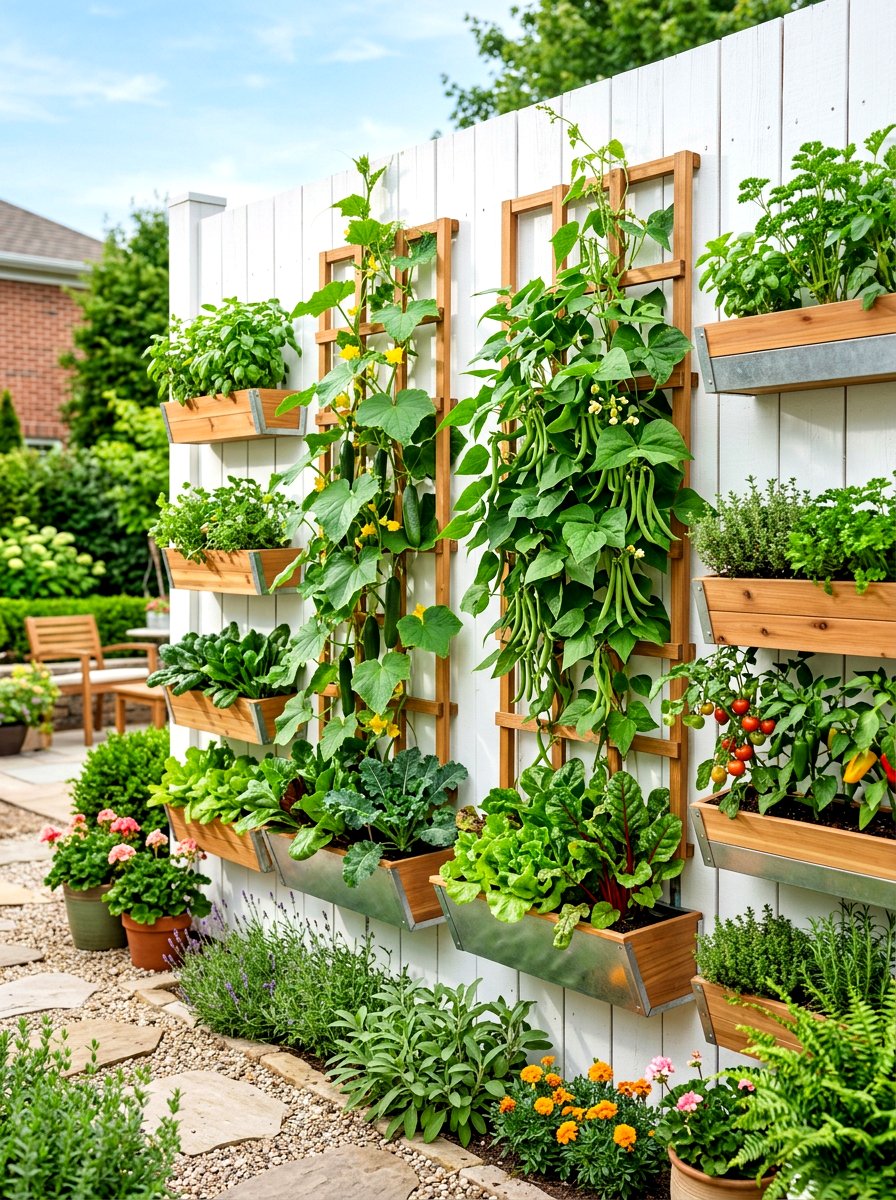
Maximizing your harvest in a small footprint is easily achieved through vertical gardening techniques. Instead of letting plants sprawl across the ground, you encourage them to grow upward using various support structures. This method is perfect for climbing plants like cucumbers, pole beans, and certain types of squash. You can use wall-mounted planters, hanging pockets, or even repurposed wooden ladders to create a lush wall of edible greens. Vertical gardens improve air circulation around the plants, which significantly reduces the risk of fungal diseases. They also make harvesting much easier because the produce is at eye level. This approach turns any plain wall into a productive asset.
4. Pallet Vegetable Garden
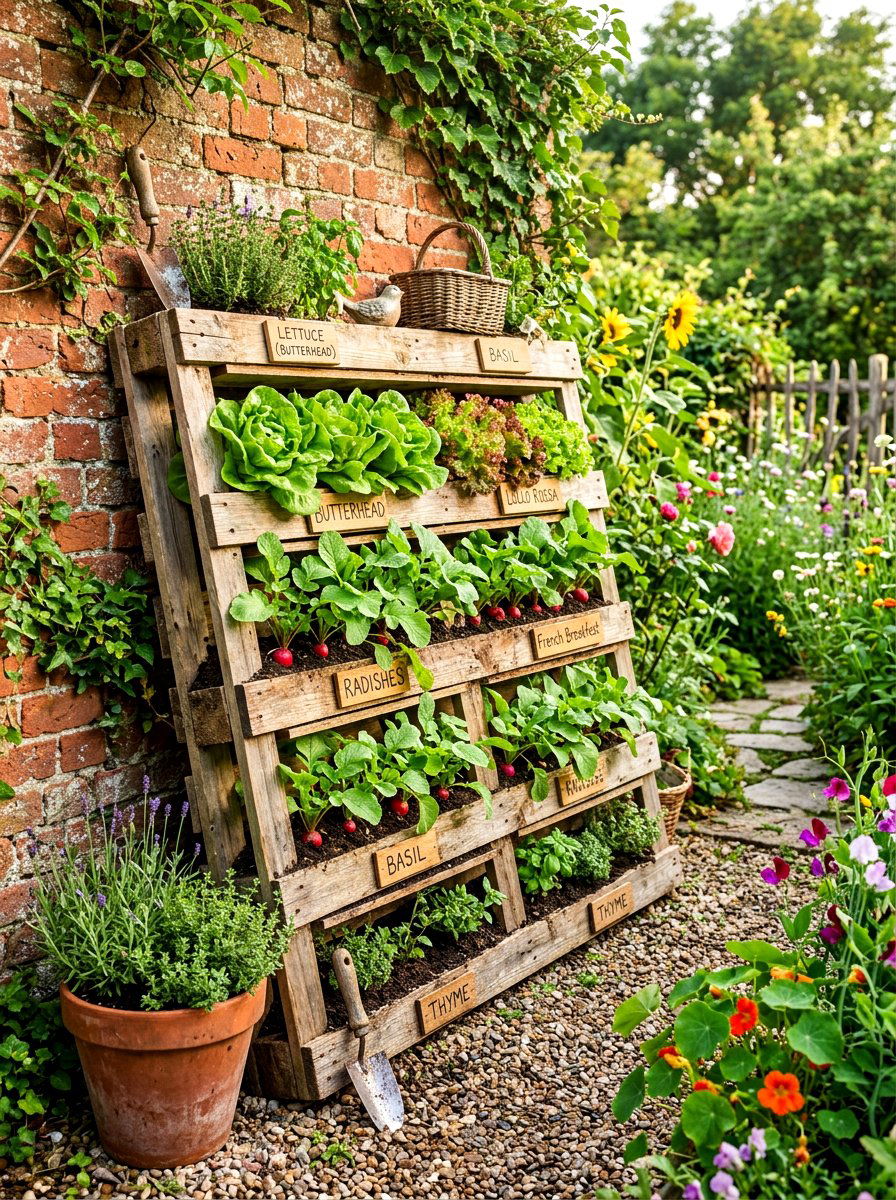
Repurposing a wooden pallet into a vegetable garden is a budget-friendly way to create an organized growing space. By adding a landscape fabric backing, you can turn the slats into individual planting rows for shallow-rooted crops. This setup is particularly well-suited for leafy greens, radishes, and various culinary herbs. Pallet gardens can lean against a fence or be mounted directly to a wall to save precious ground space. It is important to ensure the pallet is heat-treated rather than chemically preserved for safety. This rustic design adds a charming, recycled aesthetic to your backyard while keeping your garden neat and highly accessible for daily maintenance.
5. Square Foot Gardening
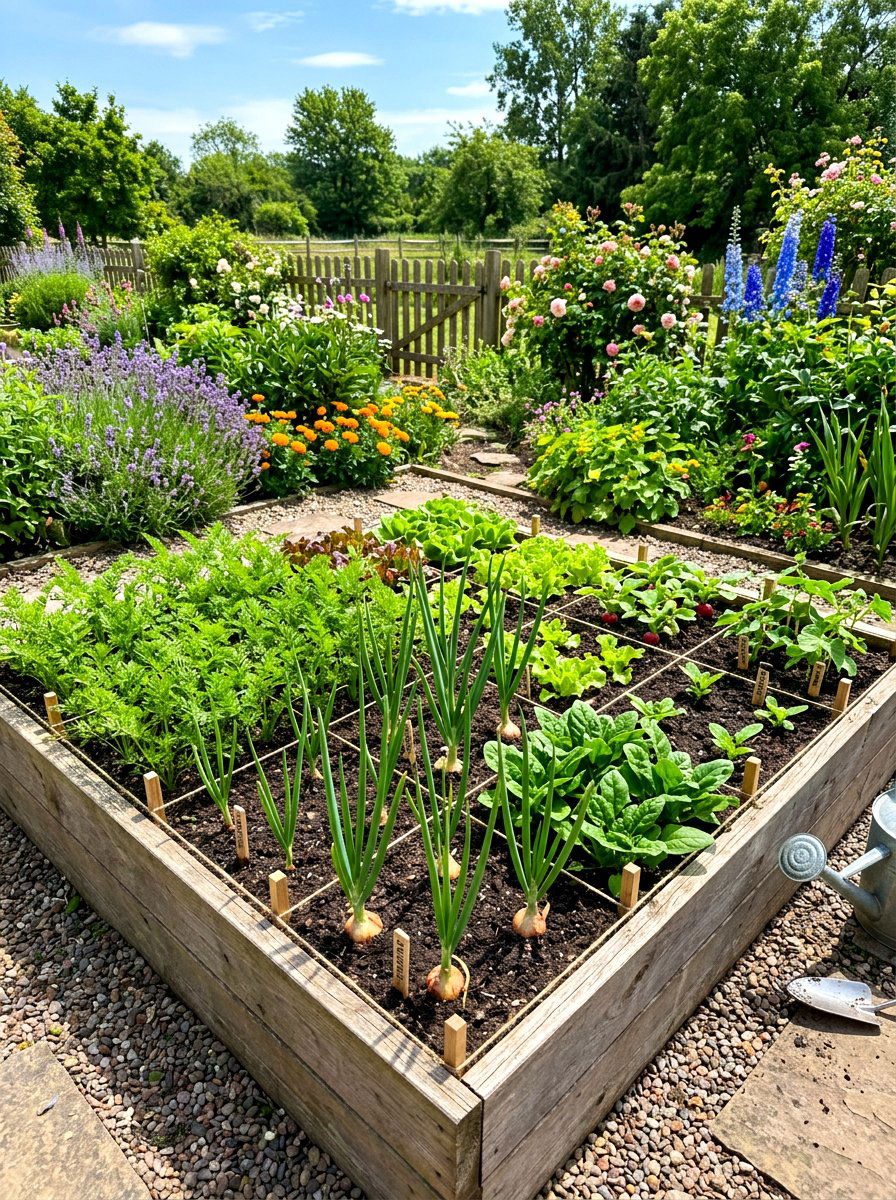
Square foot gardening is a highly structured method that simplifies the planting process for beginners. By dividing a garden bed into a grid of one-foot squares, you can manage each small section individually. This technique eliminates the need for traditional rows and minimizes wasted space between plants. Each square is planted with a specific number of seeds based on the size of the vegetable. For example, you might plant sixteen radishes in one square but only one large tomato plant in another. This intensive planting method reduces weeding and ensures a diverse harvest from a small area. It is a perfect system for organized and high-yield results.
6. Tower Garden
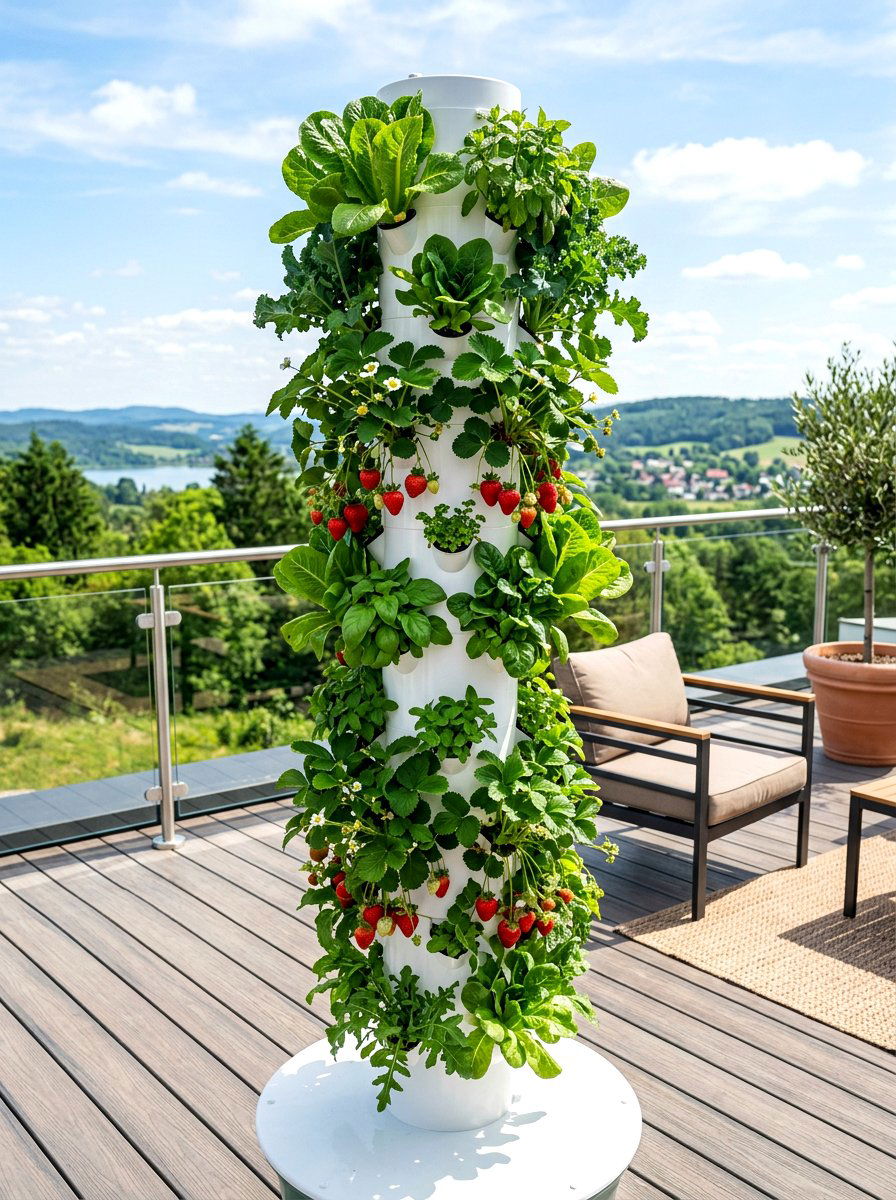
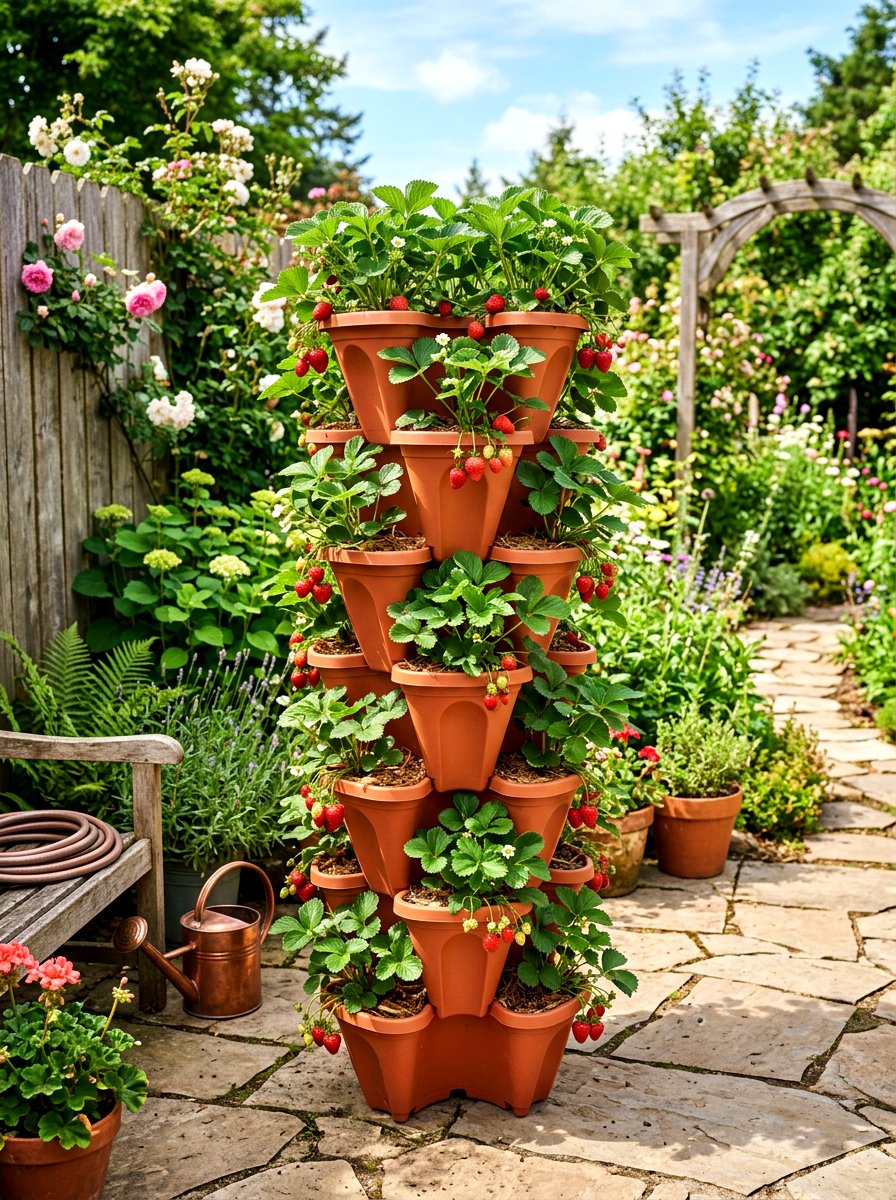
A tower garden is a vertical aeroponic or hydroponic system that allows you to grow dozens of plants in a very small area. These towers typically use a water-based nutrient solution rather than traditional soil to nourish the vegetables. Because the system cycles water efficiently, it uses significantly less water than a standard garden. Tower gardens are ideal for patios or even indoor spaces with proper grow lights. They are perfect for leafy greens, herbs, and even some fruiting vegetables like strawberries. The height of the tower makes harvesting effortless and keeps the plants away from ground-dwelling pests. This modern technology makes home gardening futuristic and efficient.
7. Windowsill Herb Garden
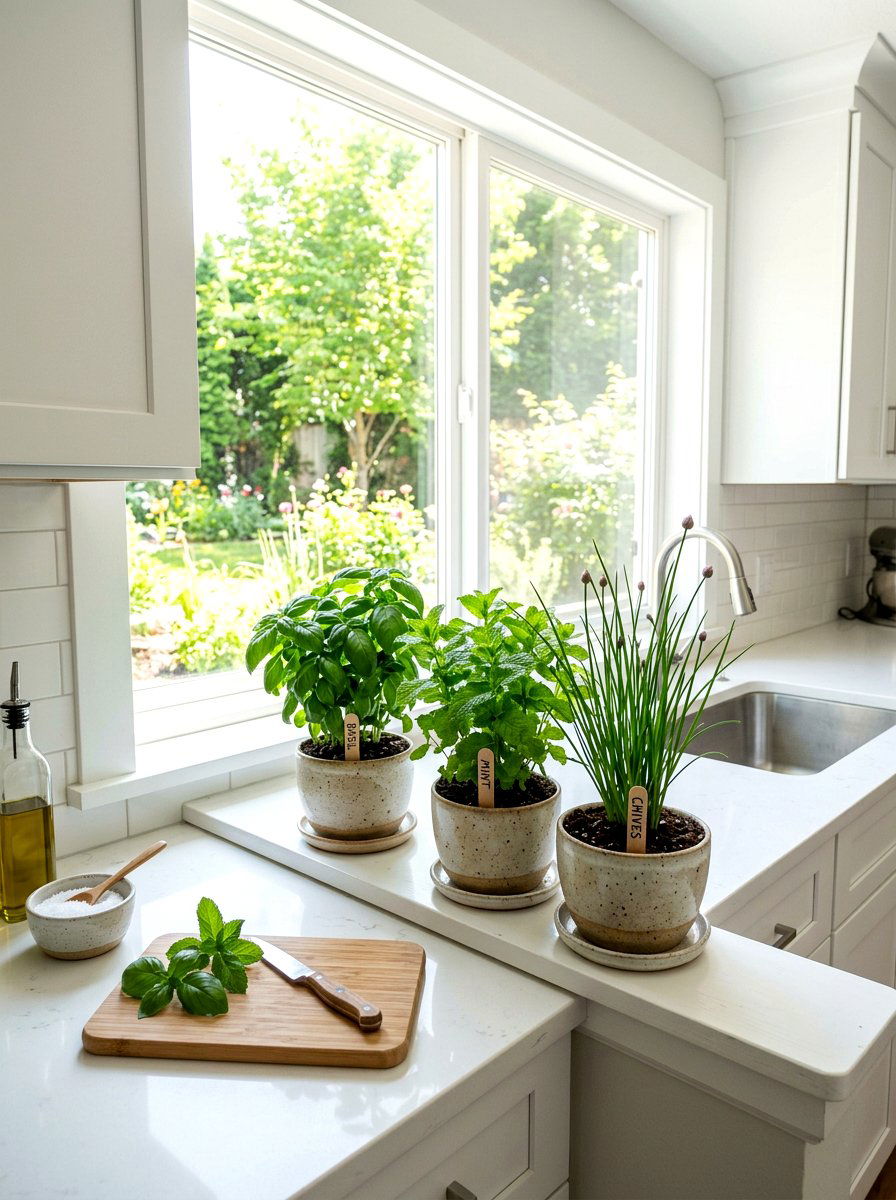
If you lack outdoor space entirely, a windowsill herb garden provides a fresh supply of greens right in your kitchen. Most culinary herbs thrive in small pots as long as they receive at least six hours of bright sunlight daily. You can grow basil, parsley, chives, and mint right on your ledge for easy access while cooking. Using matching pots or a long planter box creates a clean and intentional look that complements your interior design. Herbs grown indoors stay protected from the elements and pests, making them very low maintenance. This simple setup is the perfect entry point for someone who wants to start gardening today.
8. Balcony Vegetable Garden
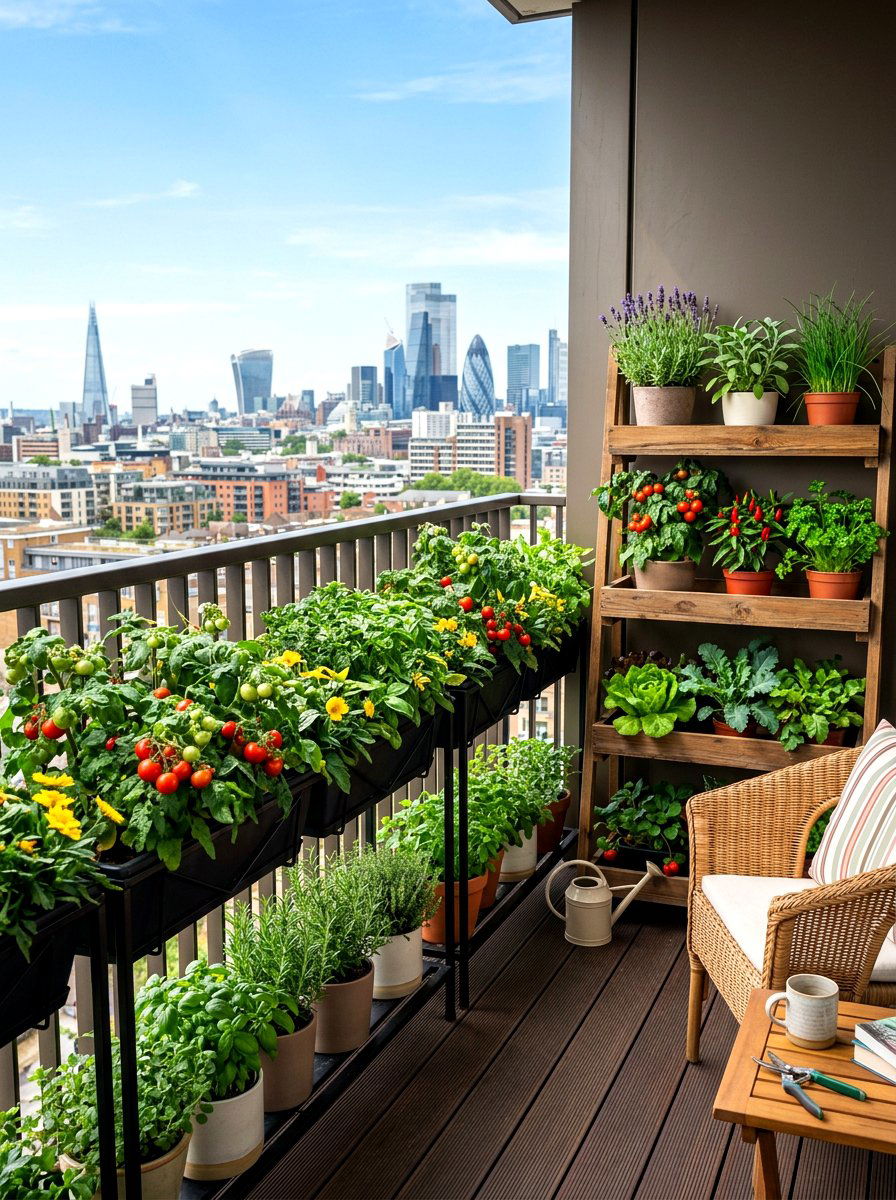
Living in an apartment does not mean you have to miss out on the joys of a vegetable garden. A sunny balcony can become a highly productive micro-farm with the right planning. You can use a mix of railing planters, hanging baskets, and tiered shelving to utilize every available inch of space. Choosing dwarf or "patio" varieties of vegetables ensures that your plants stay manageable and do not outgrow their containers. Focusing on high-value crops like salad greens and cherry tomatoes provides the best return for your effort. A well-organized balcony garden creates a private green oasis in the middle of a busy city environment.
9. Edible Landscaping
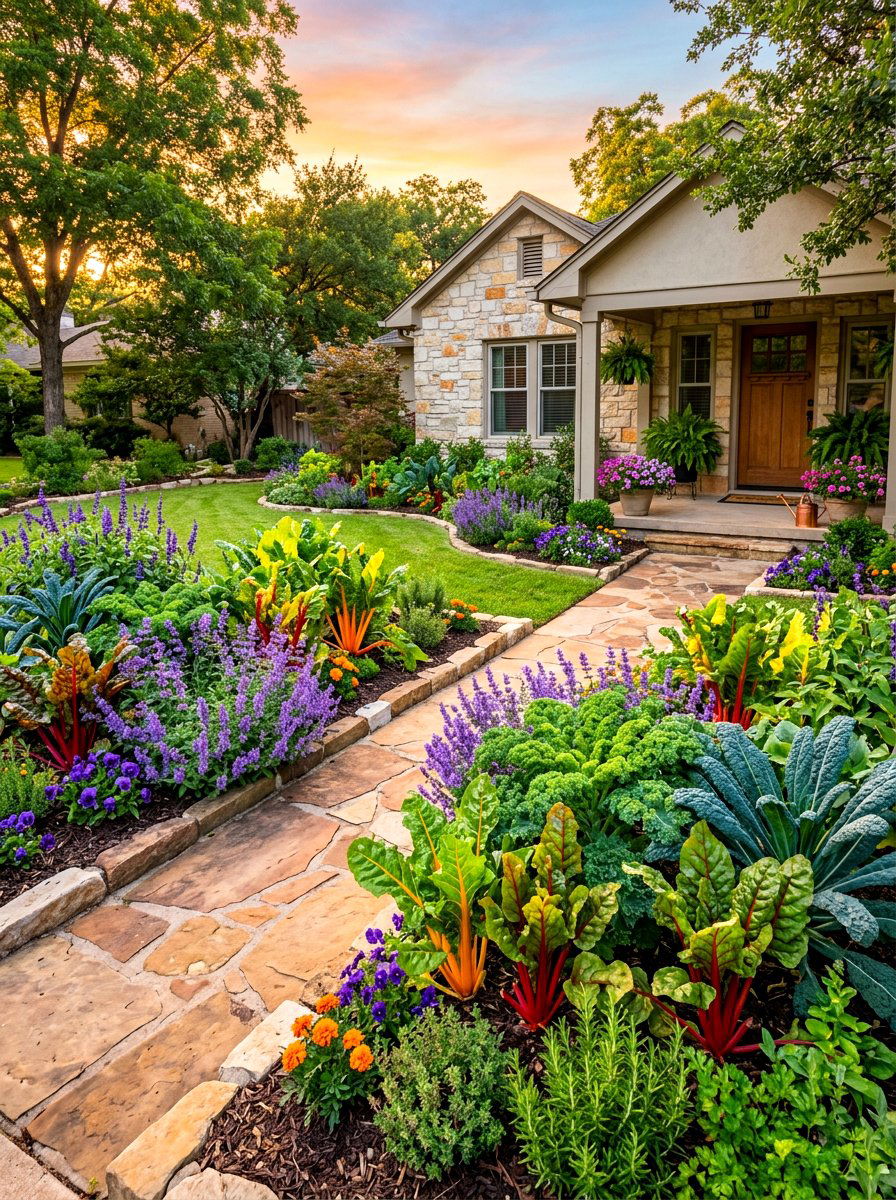
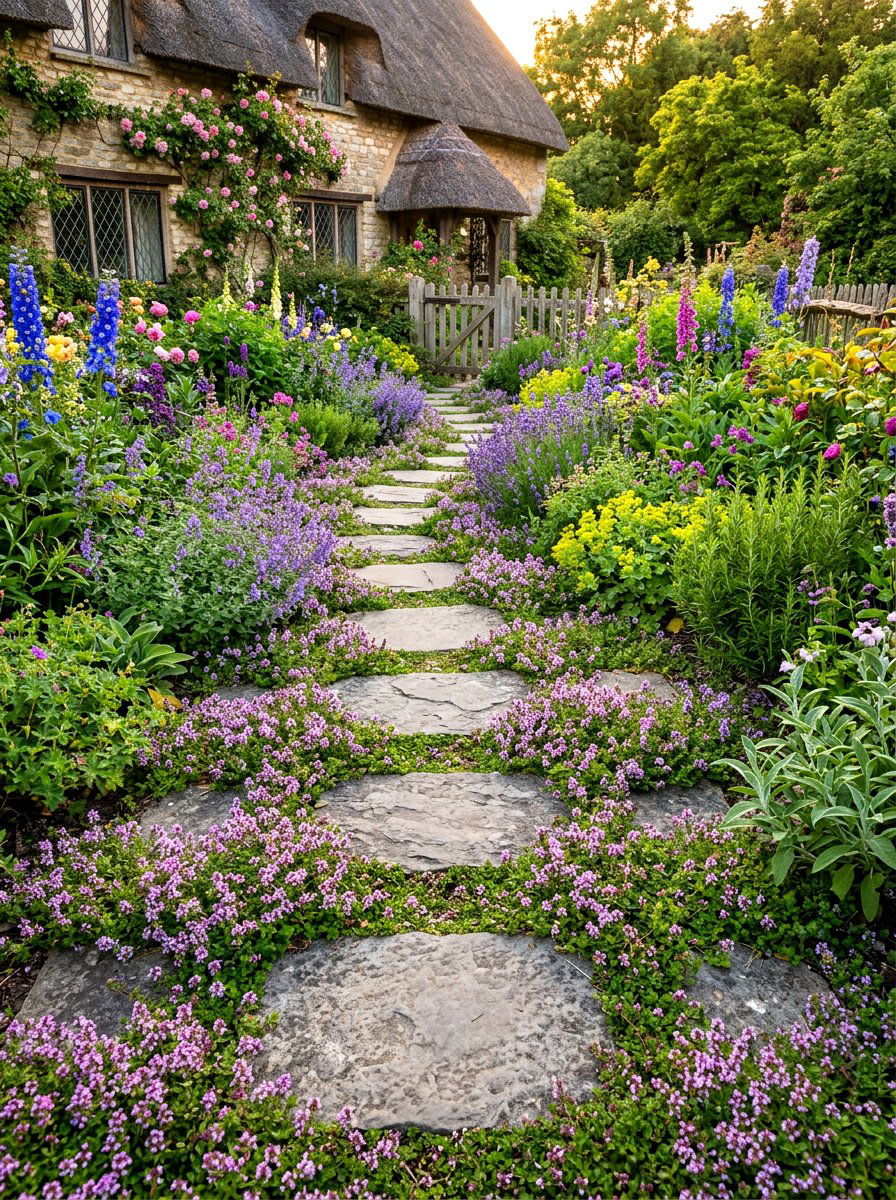
Edible landscaping involves integrating food-producing plants directly into your existing ornamental flower beds. Instead of hiding your vegetables in a separate patch, you use them as part of your home’s curb appeal. Kale, colorful Swiss chard, and purple basil offer beautiful textures and colors that rival traditional decorative plants. Blueberry bushes can serve as attractive hedges, while strawberry plants make an excellent ground cover. This approach maximizes your yard's utility without sacrificing its beauty. It also makes your landscape more sustainable by replacing purely decorative plants with those that provide nutrition. Your garden becomes both a feast for the eyes and a source of fresh food.
10. Greenhouse Vegetable Garden
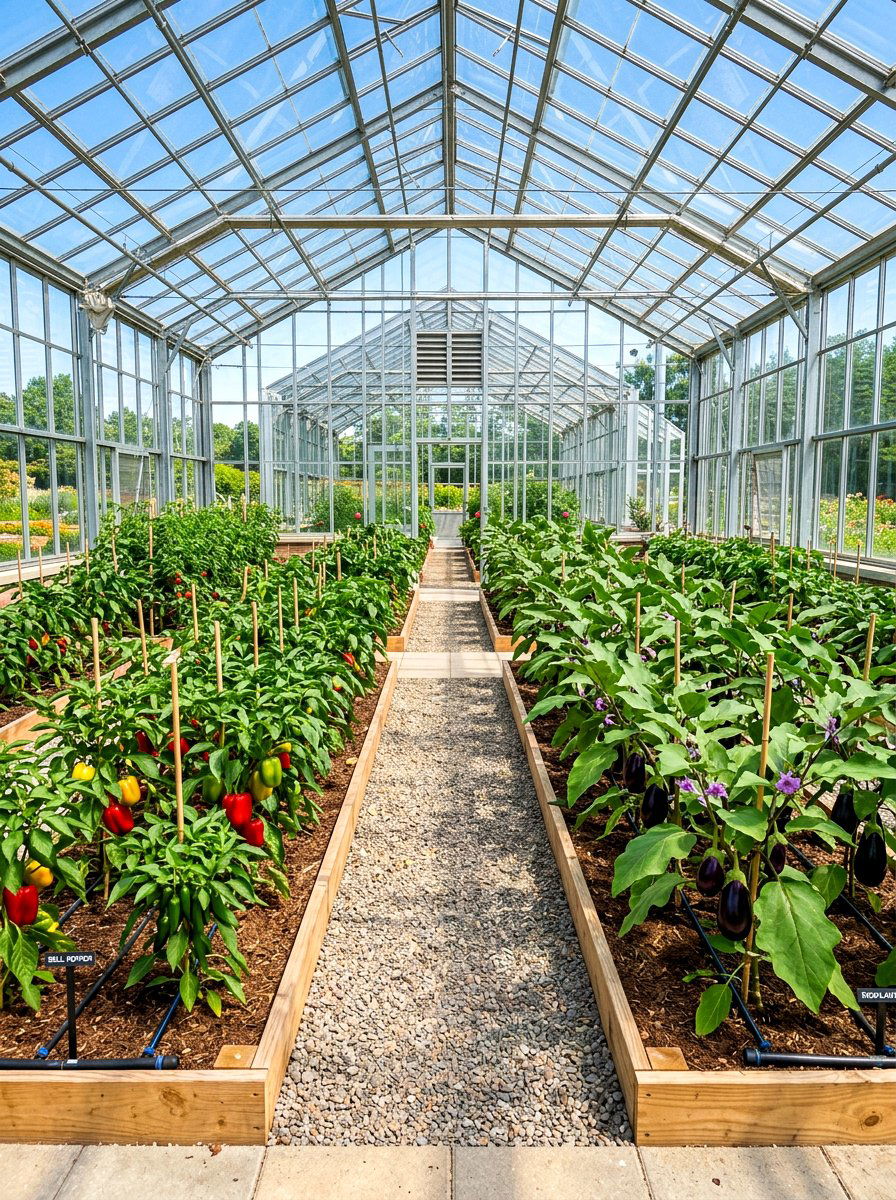
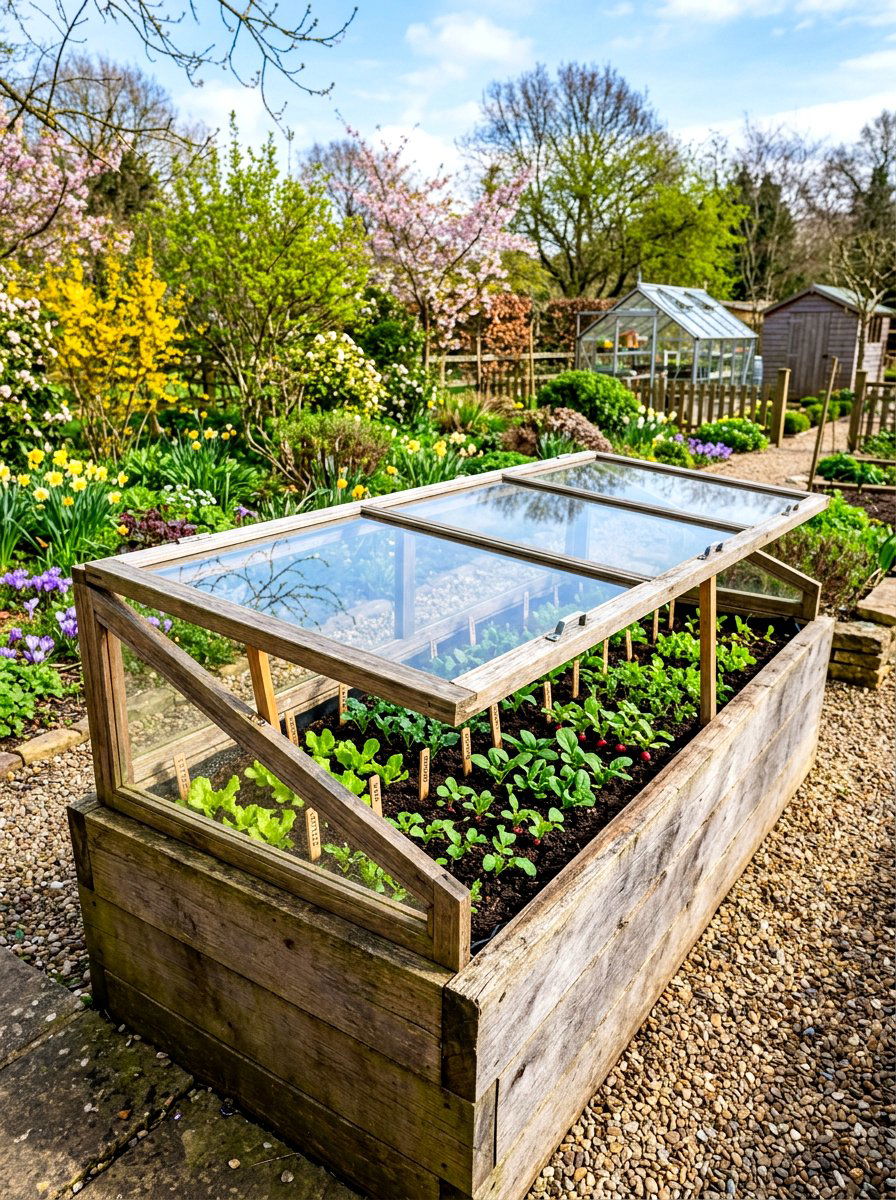
A greenhouse allows you to extend your growing season by protecting your vegetables from cold temperatures and harsh winds. This controlled environment is perfect for starting seeds early in the spring or keeping hardy greens growing well into the winter. Greenhouses can range from small walk-in structures to larger permanent buildings made of glass or polycarbonate. Inside, you can optimize humidity and temperature to grow heat-loving crops like peppers and eggplants even in cooler climates. Having a dedicated space for gardening also protects your plants from many common outdoor pests. A greenhouse provides a peaceful sanctuary where you can tend to your garden regardless of the weather outside.
11. Hanging Vegetable Basket
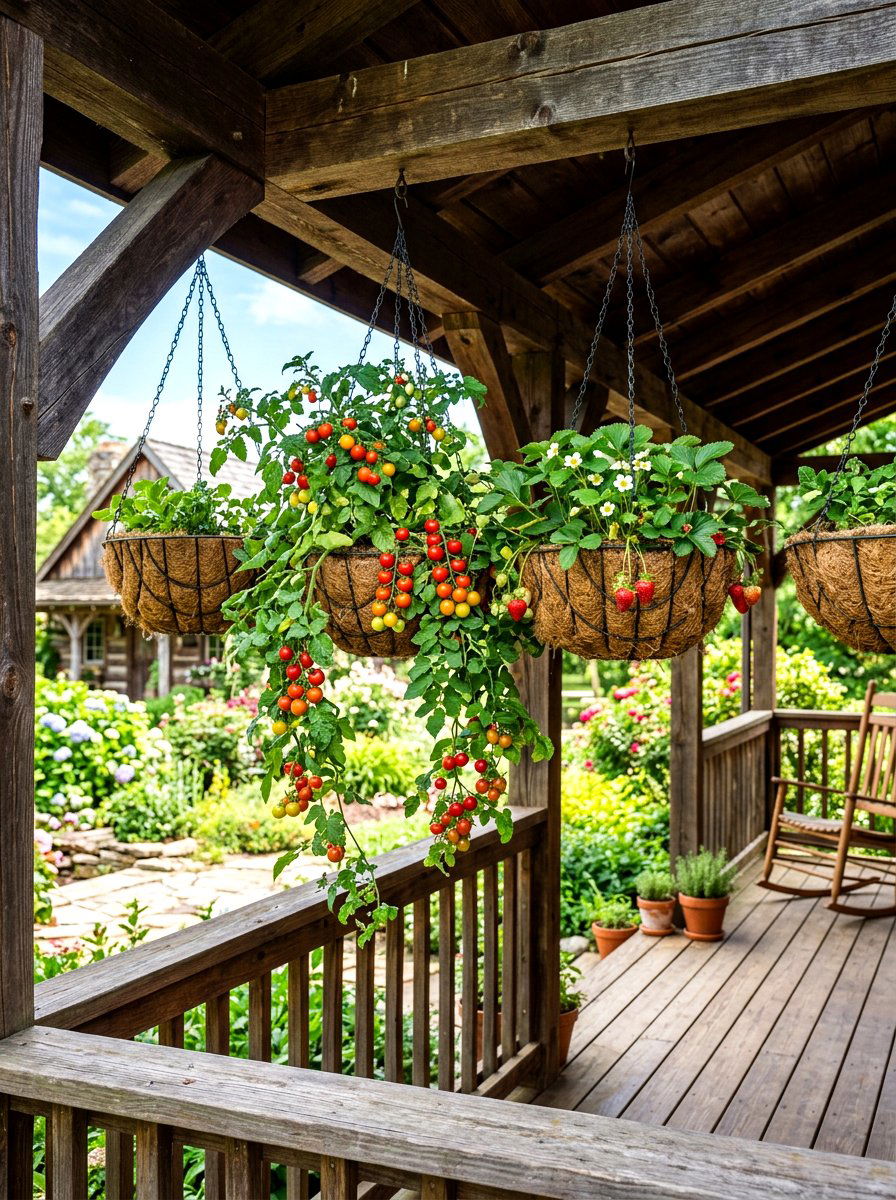
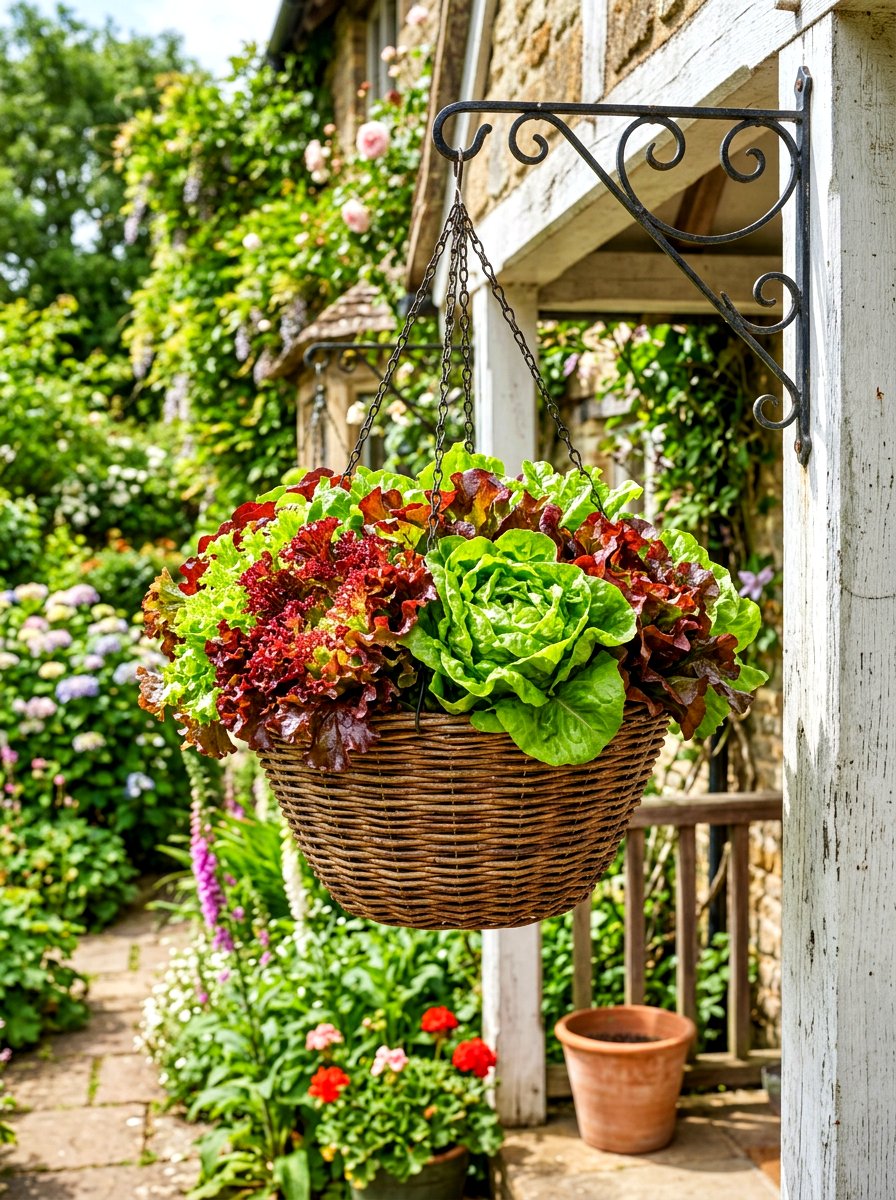
Using hanging baskets for vegetables is a clever way to keep your produce away from ground pests like slugs and rabbits. This method is particularly popular for trailing plants like cherry tomatoes and strawberries. The fruit hangs down from the basket, making it easy to see when it is perfectly ripe and ready for picking. Hanging baskets can be placed on porch hooks, shepherd's hooks in the yard, or even suspended from balcony railings. They add a beautiful splash of vertical color and texture to your outdoor living areas. Regular watering is essential for hanging plants as they are more exposed to drying winds and sun.
12. Potager Garden
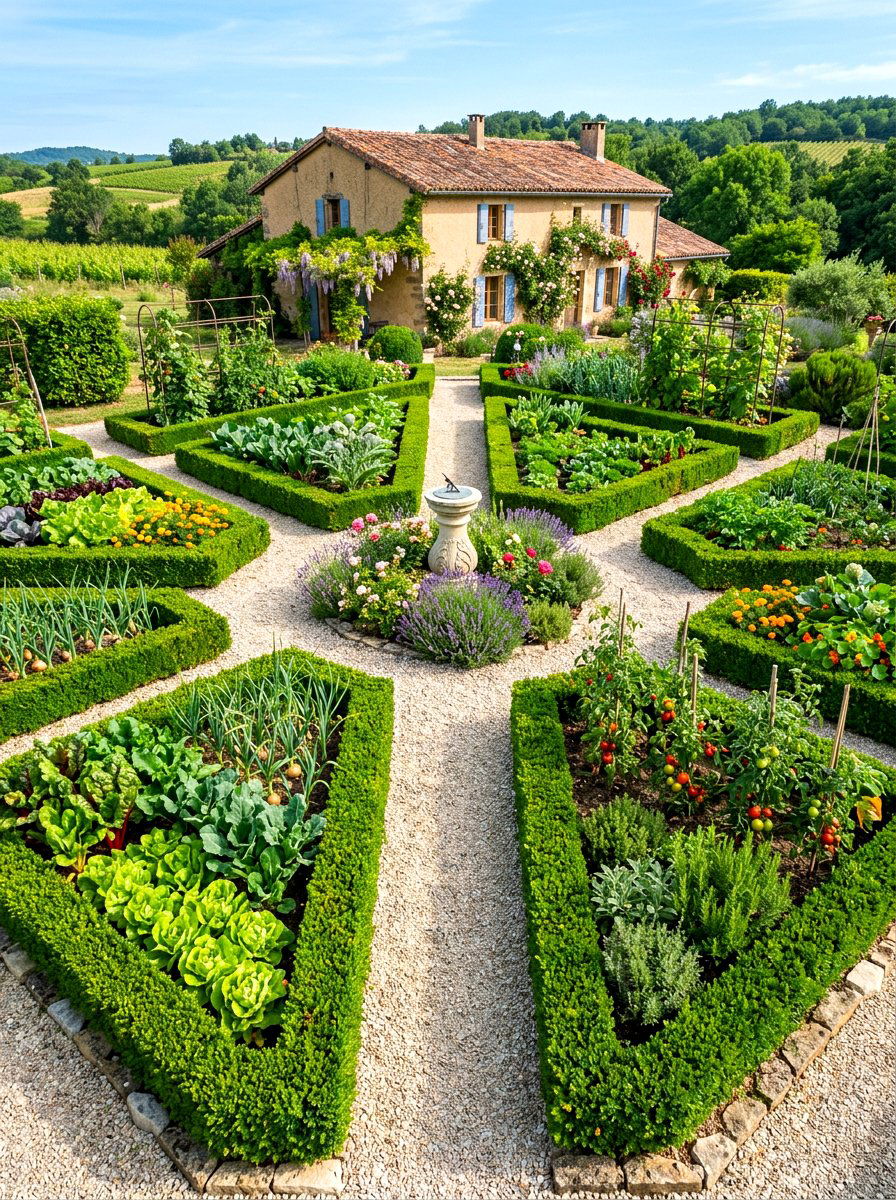
A potager garden, or traditional French kitchen garden, blends beauty and utility by arranging vegetables and herbs in geometric patterns. These gardens often include ornamental elements like boxwood hedges, gravel paths, and decorative trellises. The goal is to create a space that is as visually stunning as it is productive. Flowering plants like marigolds and nasturtiums are often interplanted with vegetables to provide color and deter pests naturally. A potager is usually located near the kitchen for easy harvesting of fresh ingredients. This style of gardening celebrates the art of growing food and turns your vegetable patch into a centerpiece of your overall home design.
13. Keyhole Garden
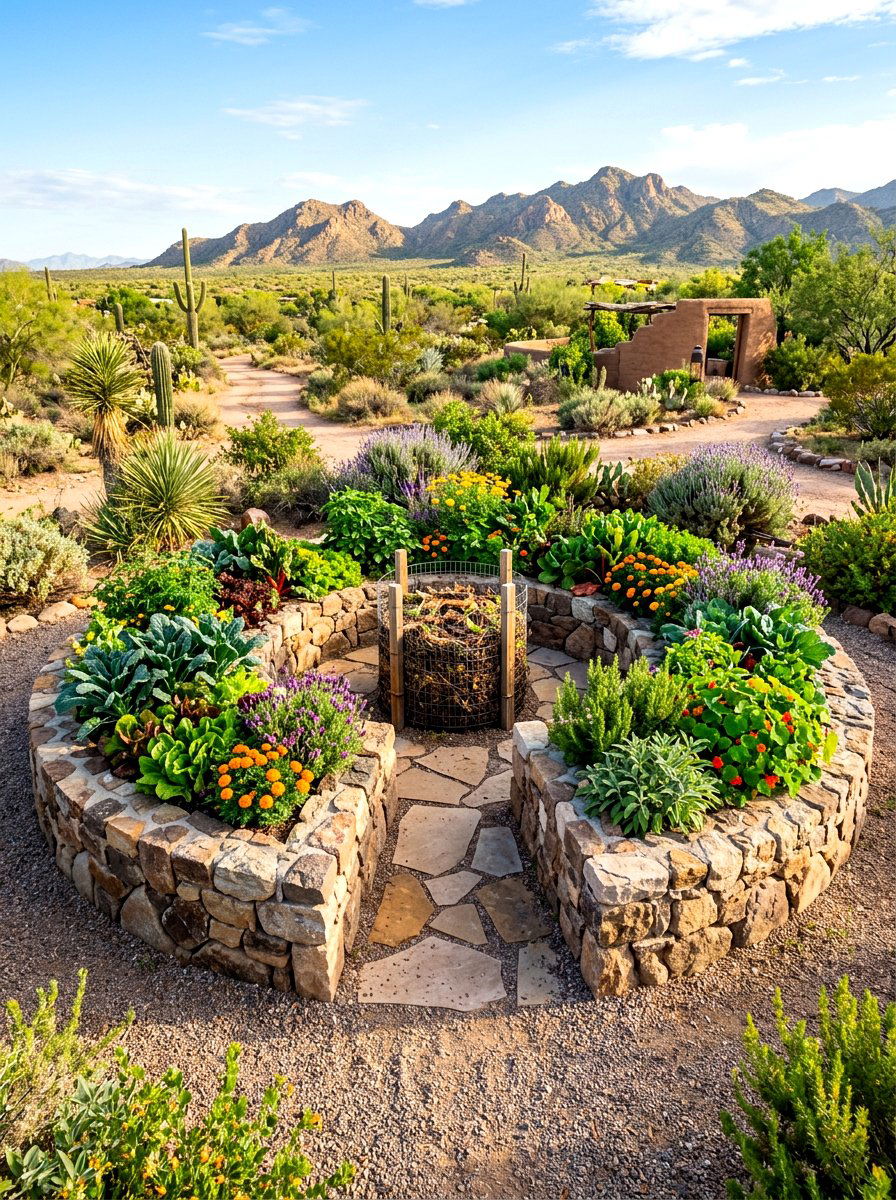
Keyhole gardens are circular raised beds with a central composting basket that provides continuous nutrients to the surrounding soil. The name comes from the small "keyhole" path that allows you to access the center to drop in kitchen scraps. As the organic matter breaks down in the center, it releases moisture and minerals directly to the root zones of your vegetables. This design is incredibly efficient for water conservation and soil health, making it popular in dry climates. The raised nature of the bed makes it easy to tend without bending over too far. It is a self-sustaining system that recycles waste back into food.
14. Straw Bale Garden
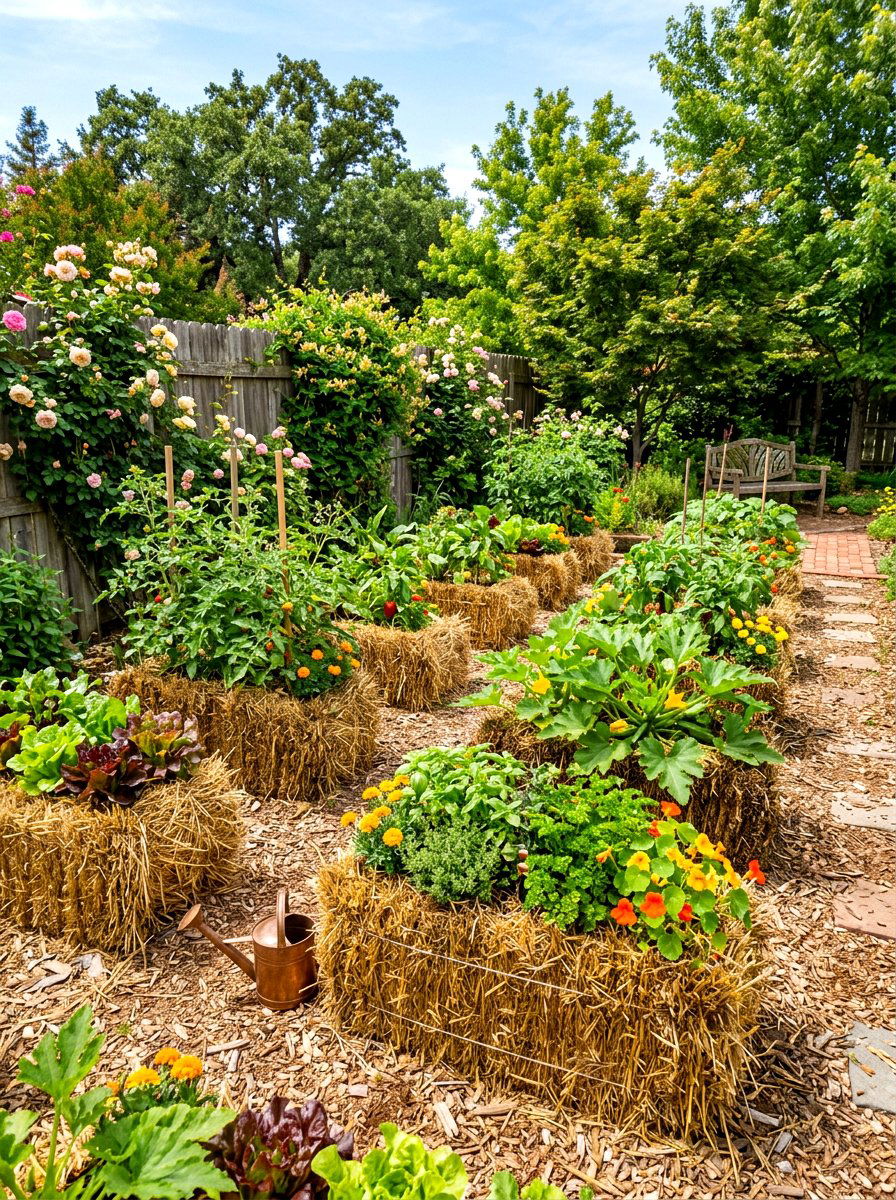
Gardening in straw bales is a unique and temporary method that requires no digging or traditional soil prep. You condition the bales with water and fertilizer until they begin to decompose internally, creating a warm and nutrient-rich environment. Plants like tomatoes, squash, and potatoes thrive in the loose, airy interior of the bale. This setup is perfect for areas with extremely poor or contaminated soil because the plants stay completely above the ground. At the end of the season, the spent straw can be used as mulch or added to your compost pile. It is a cost-effective way to trial a garden in a new location.
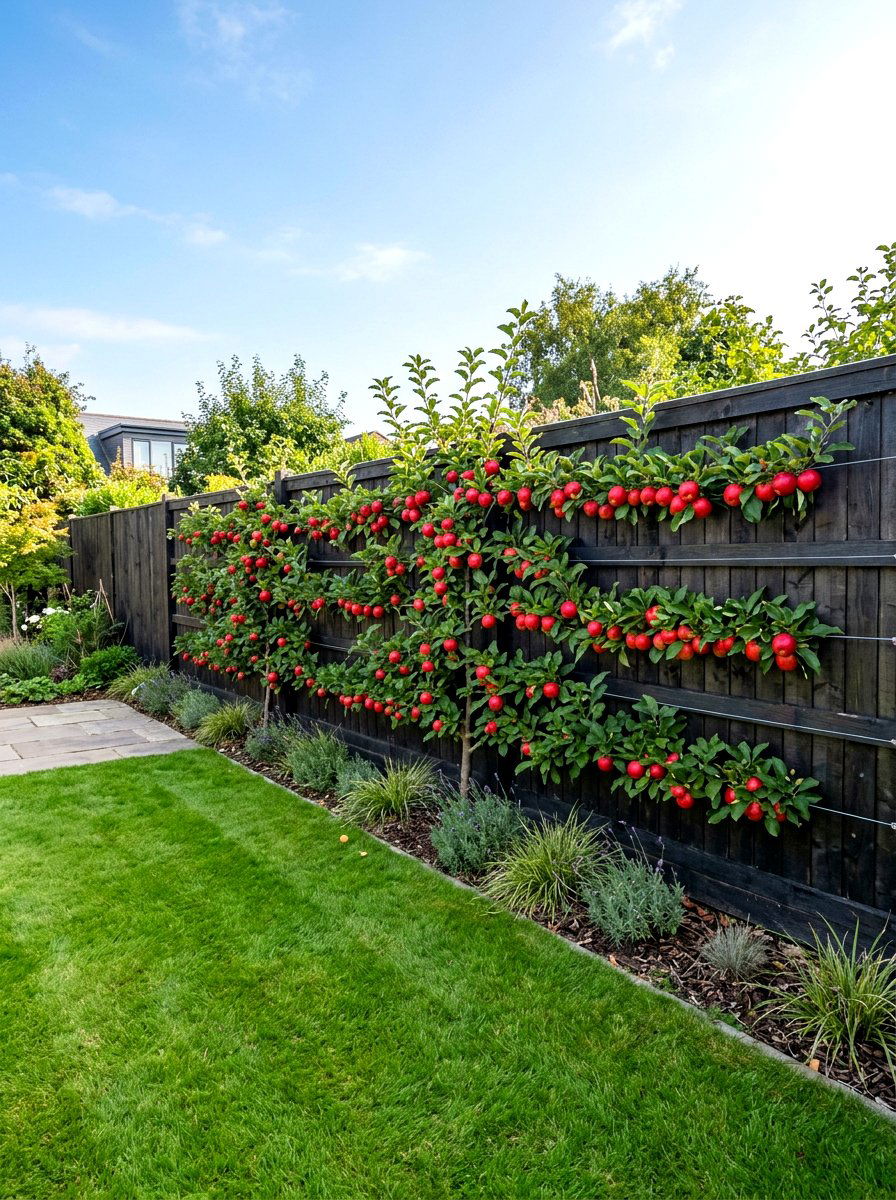
15. Tiered Garden Bed
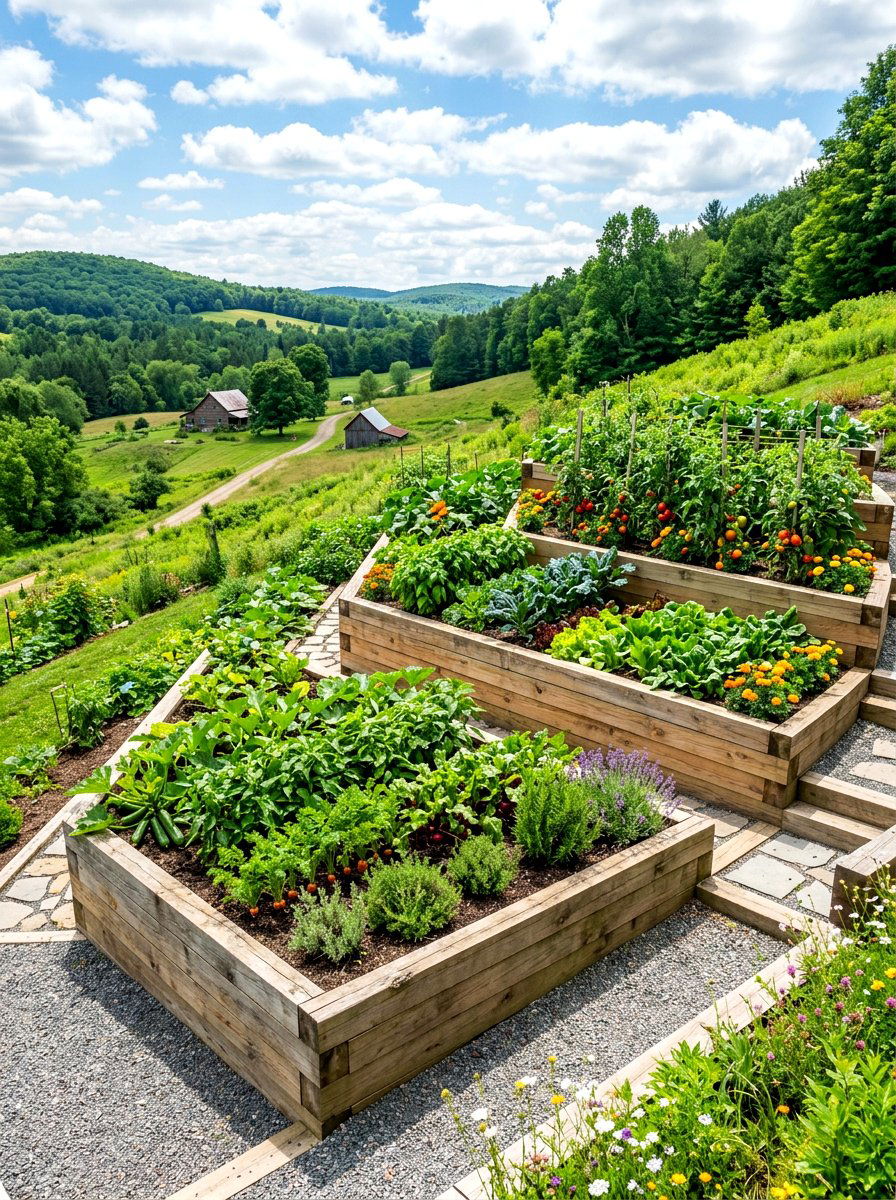
A tiered garden bed uses multiple levels to create more planting surface area on a sloped yard or against a wall. These "staircase" designs prevent soil erosion on hillsides while making every plant easy to reach. You can dedicate each tier to a different type of crop, such as root vegetables on the bottom and climbing plants on the top. The vertical separation helps with sunlight distribution, ensuring that taller plants do not shade the smaller ones below. Tiered beds add architectural interest to your landscape and provide a structured look to your backyard. They are excellent for organizing your garden by watering needs or plant families.
16. Galvanized Trough Garden
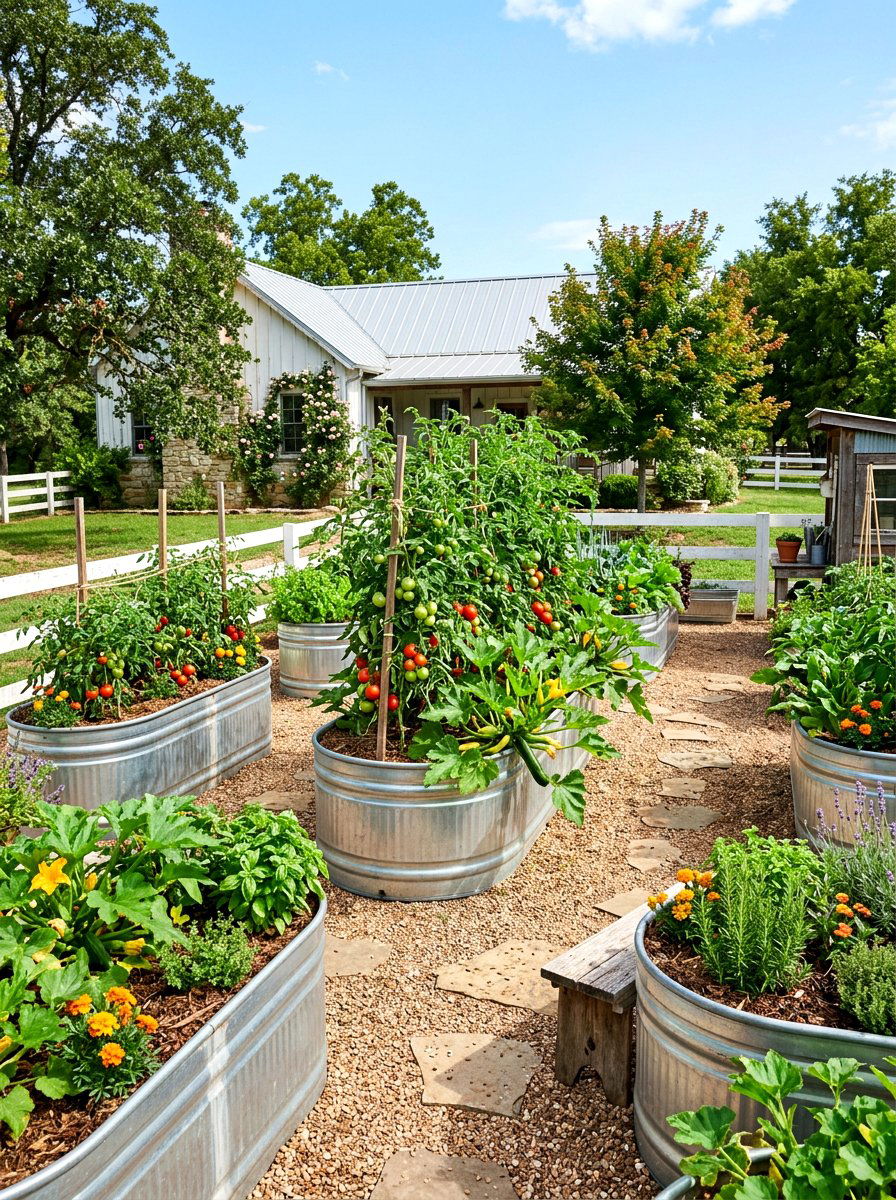
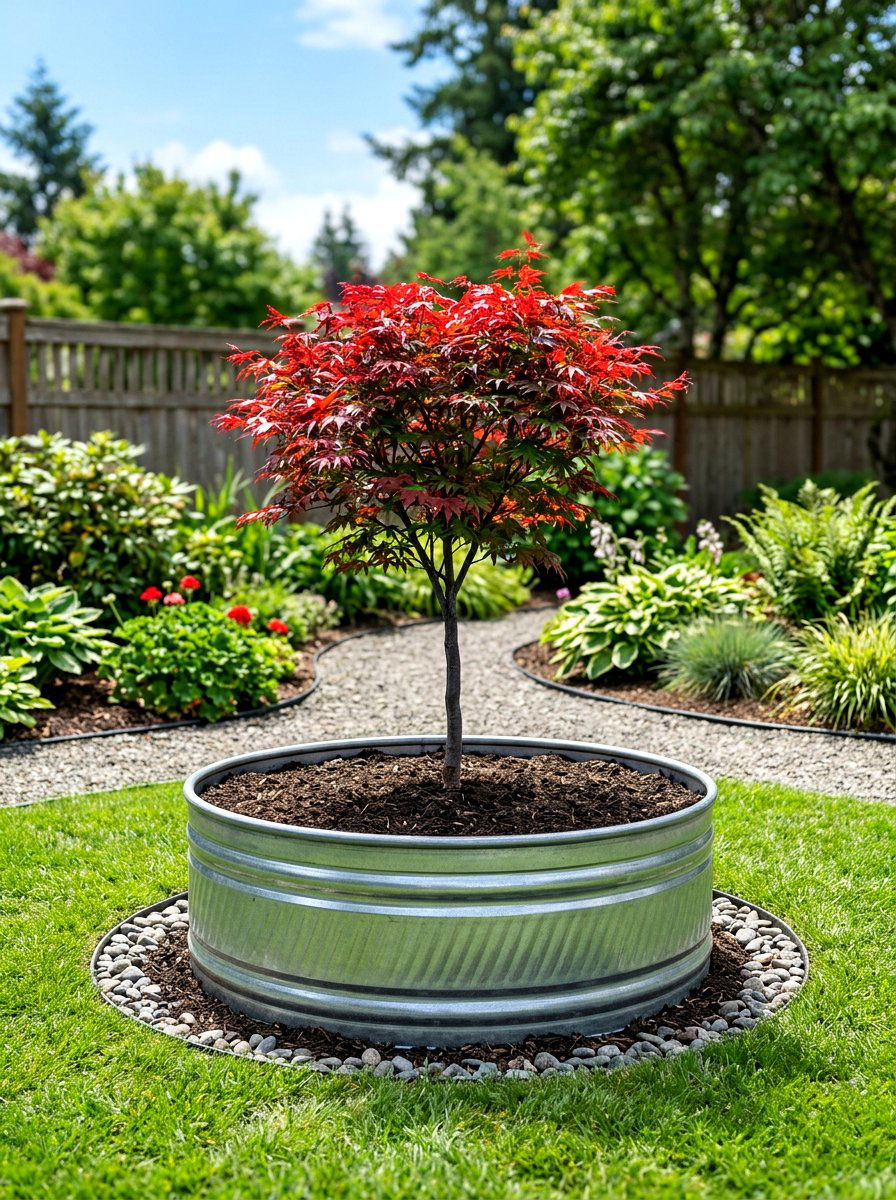
Repurposing galvanized steel livestock troughs into garden beds is a popular trend that offers a modern, industrial look. These large containers are extremely durable and can hold a significant volume of soil, which is great for growing deep-rooted vegetables. Because they are made of metal, they warm up quickly in the sun, giving your spring crops a head start. You must drill drainage holes in the bottom to prevent water from pooling and rotting the roots. These troughs are often tall enough to keep out many crawling pests and make gardening much more accessible. They provide a clean and uniform appearance that fits well in many contemporary landscapes.
17. Companion Planting Garden
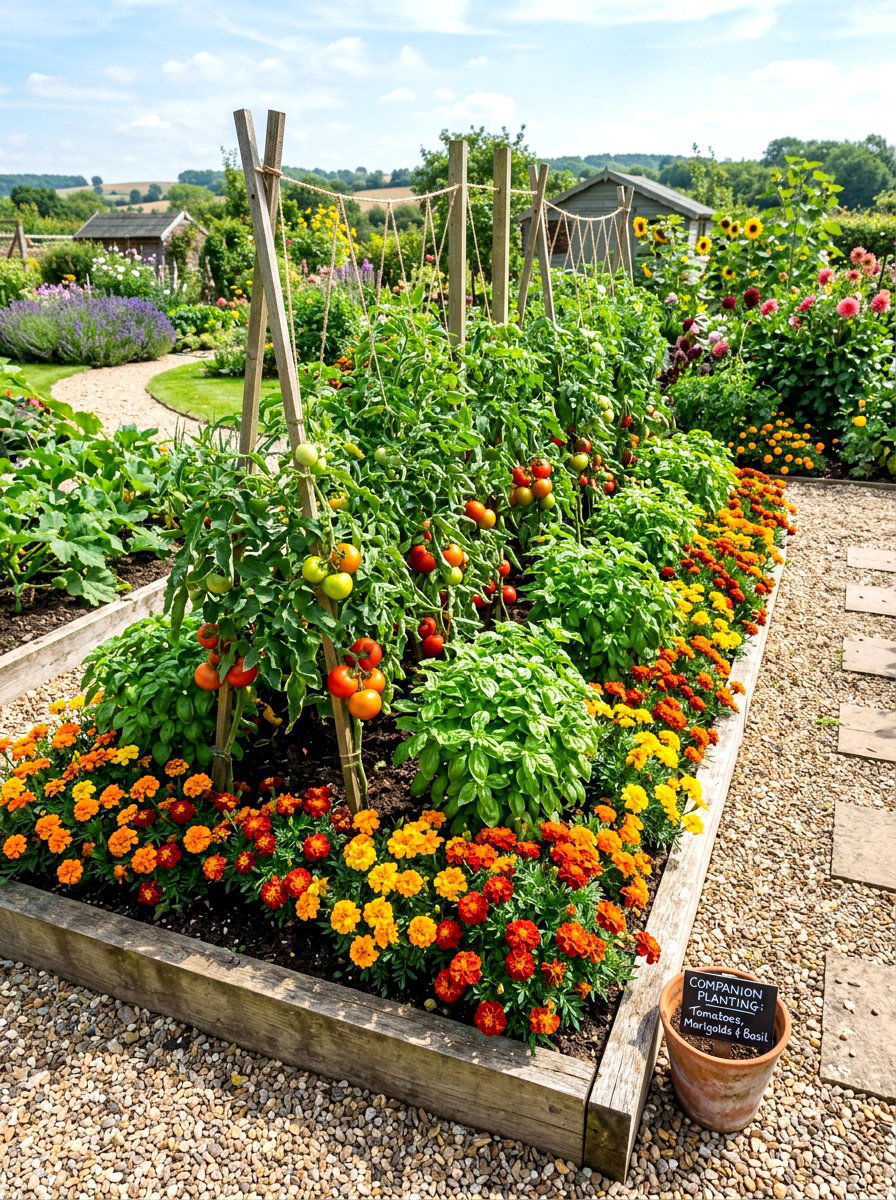
Companion planting is the practice of growing specific plants together to improve growth and deter pests naturally. For example, planting marigolds with tomatoes helps repel harmful insects while attracting beneficial pollinators. Growing beans next to corn provides the soil with extra nitrogen, which the corn needs to grow strong. This method mimics natural ecosystems and reduces the need for chemical fertilizers or pesticides. It also allows you to maximize your garden space by filling in gaps with smaller, compatible plants. A garden planned with companions in mind is often healthier and more productive than one where crops are grown in isolated blocks.
18. In-Ground Vegetable Garden
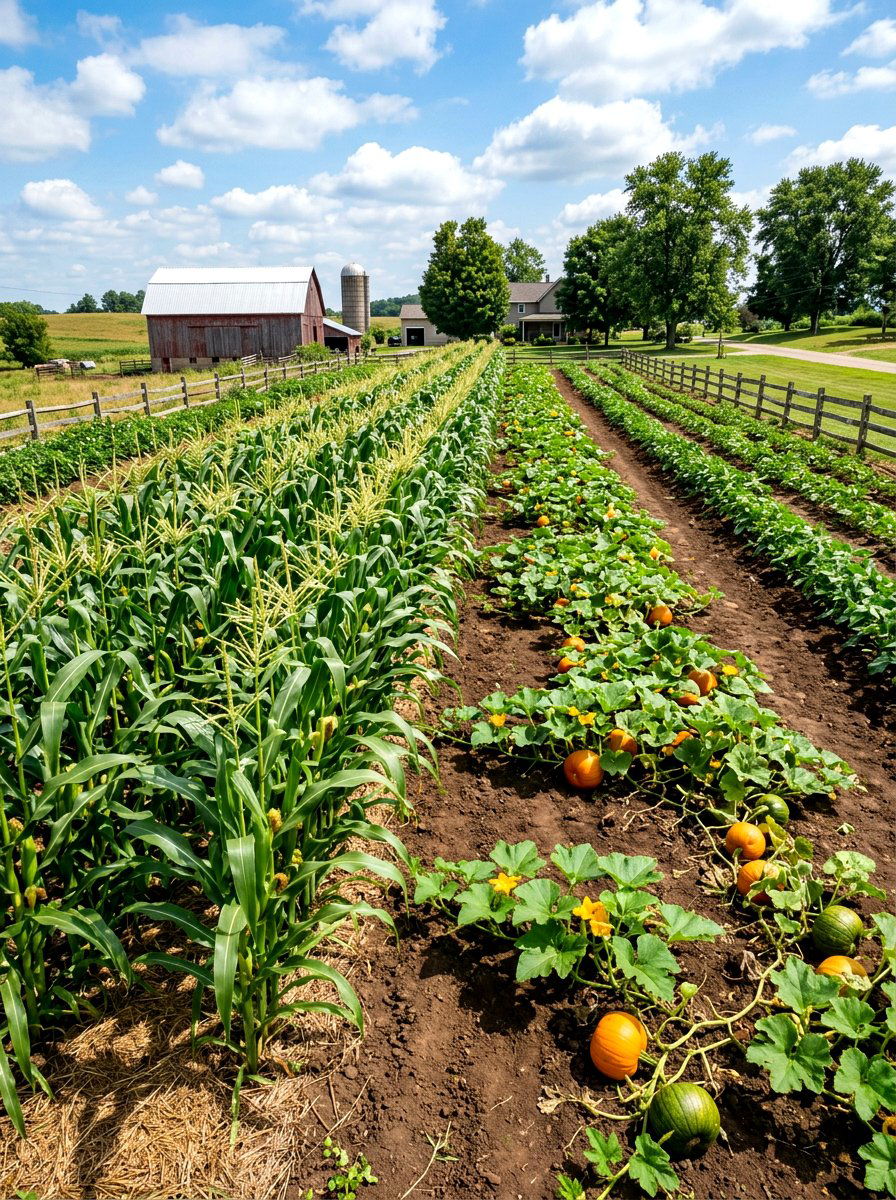
The traditional in-ground garden remains a favorite for those with ample backyard space and good natural soil. This method involves removing grass and tilling the earth to create long rows or large planting blocks. It is the most cost-effective way to start a large-scale garden because you do not need to buy materials for beds. In-ground gardens allow for the use of larger tools and are perfect for crops that need a lot of space, like corn or pumpkins. Mulching with straw or wood chips helps keep the weeds down and retains moisture in the soil. It offers a classic and rewarding connection to the earth.
19. Trellis Vegetable Garden
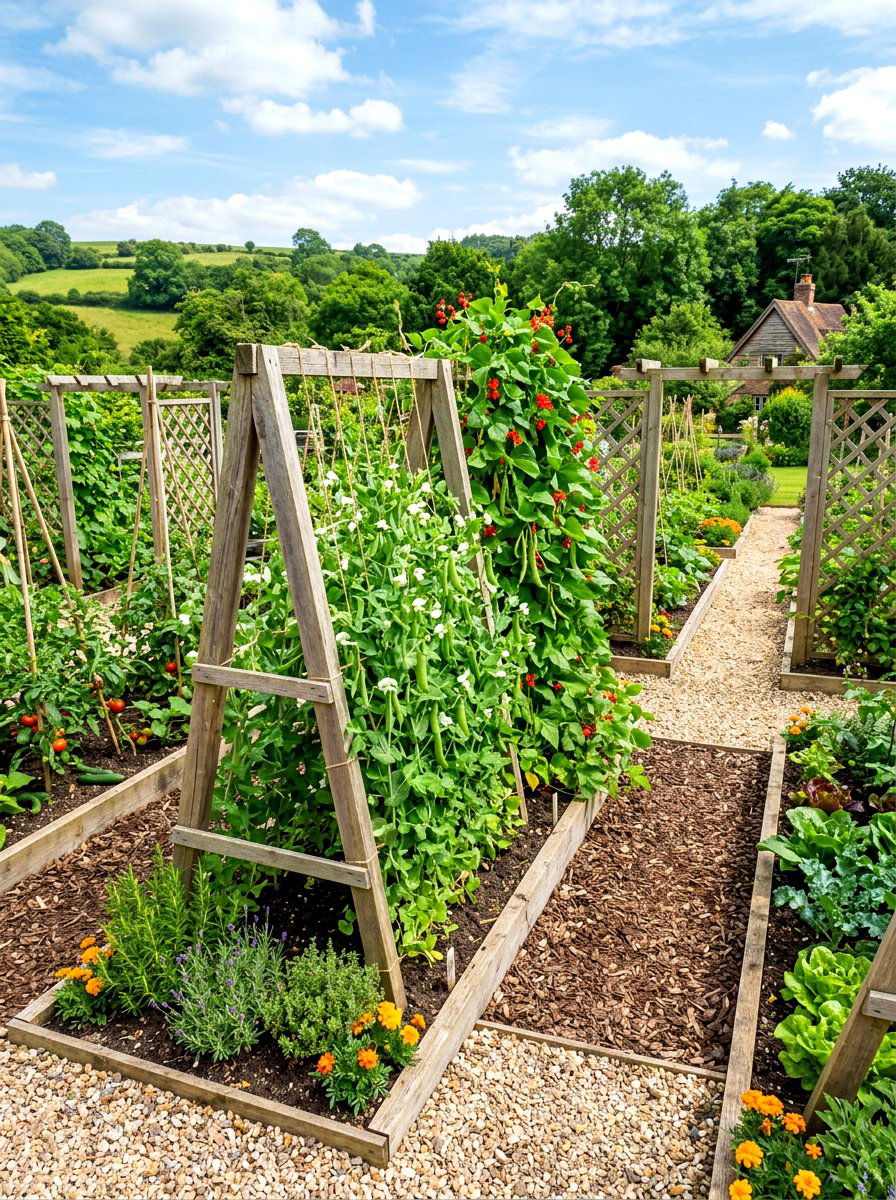
A trellis garden uses sturdy frames or mesh screens to support the growth of vining vegetables. By training plants like peas, beans, and small melons to grow up, you keep the fruit off the ground and away from rot. This vertical support makes harvesting much easier and keeps the garden looking neat and tidy. You can use beautiful wooden lattices or simple wire panels to create different visual effects. A trellis can also act as a living privacy screen for your patio or garden seating area. Providing vertical support ensures that your plants get plenty of sunshine and helps prevent common diseases through better airflow.

20. Vegetable Garden Border
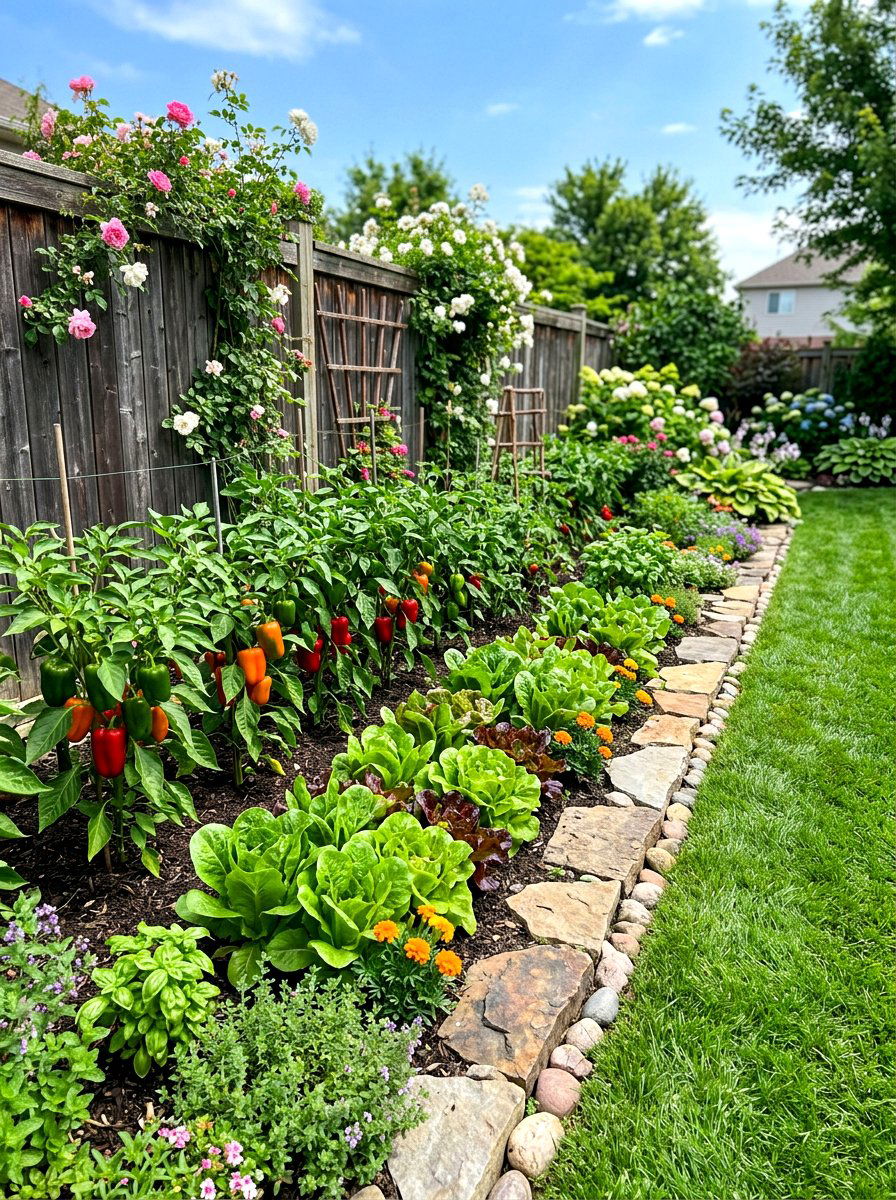
Creating a vegetable garden border is a smart way to utilize the perimeter of your yard or patio. Instead of a dedicated patch, you plant rows of vegetables along your fence lines or garden paths. This layout keeps the center of your yard open for other activities while still providing a significant harvest. Leafy greens, herbs, and compact peppers are excellent choices for narrow border plantings. You can edge the border with stone or wood to give it a finished look that blends into your landscaping. Using the edges of your property ensures that every sunny spot is working to produce fresh food for your family.
21. Hydroponic Vegetable Garden
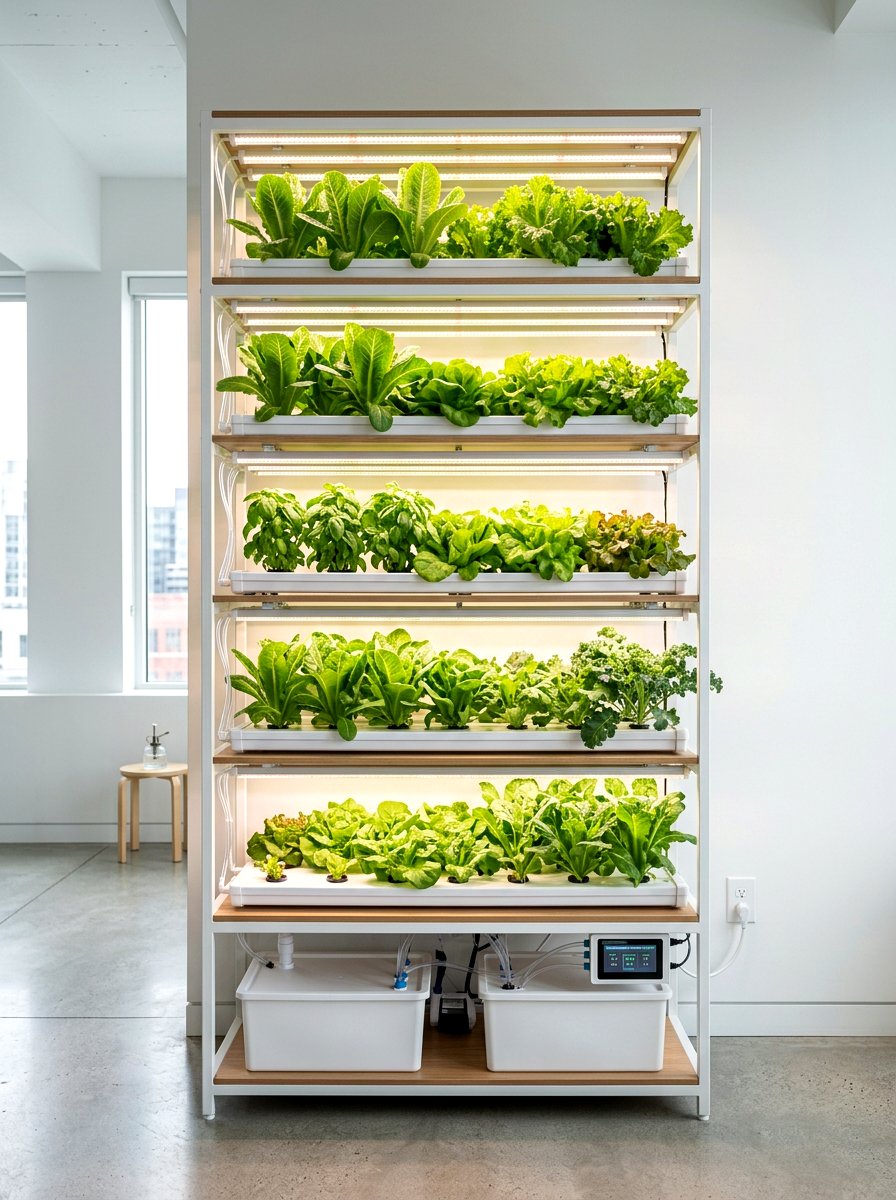
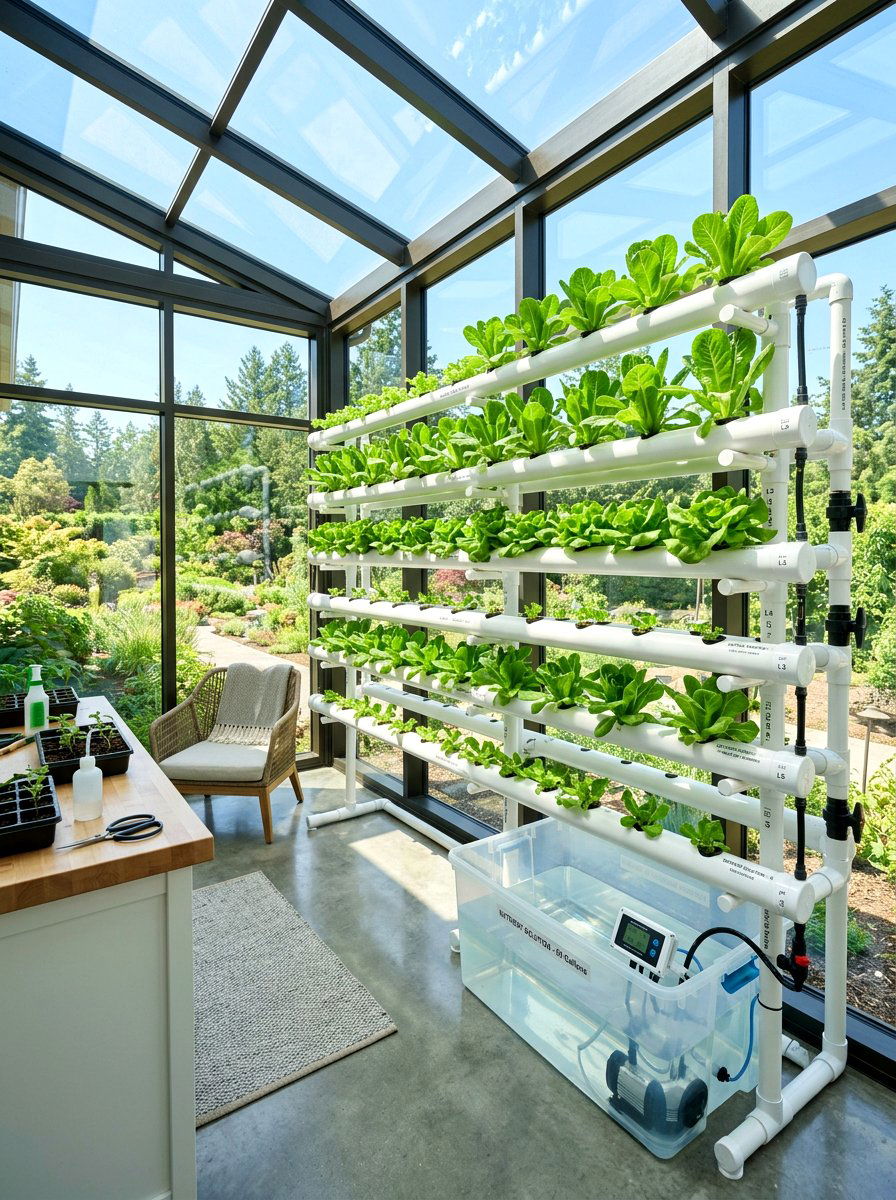
Hydroponic gardening involves growing plants in a nutrient-rich water solution without any soil at all. This method can be done indoors year-round, making it a great option for those in cold climates. Modern hydroponic kits are often automated, taking the guesswork out of watering and feeding your plants. You can grow a wide variety of vegetables, from lettuce to cucumbers, much faster than in traditional soil gardens. Because the system is contained, there are no weeds to pull and very few pests to manage. It is a clean, efficient, and technologically advanced way to ensure you have a constant supply of fresh vegetables regardless of the season.
22. Self Watering Garden
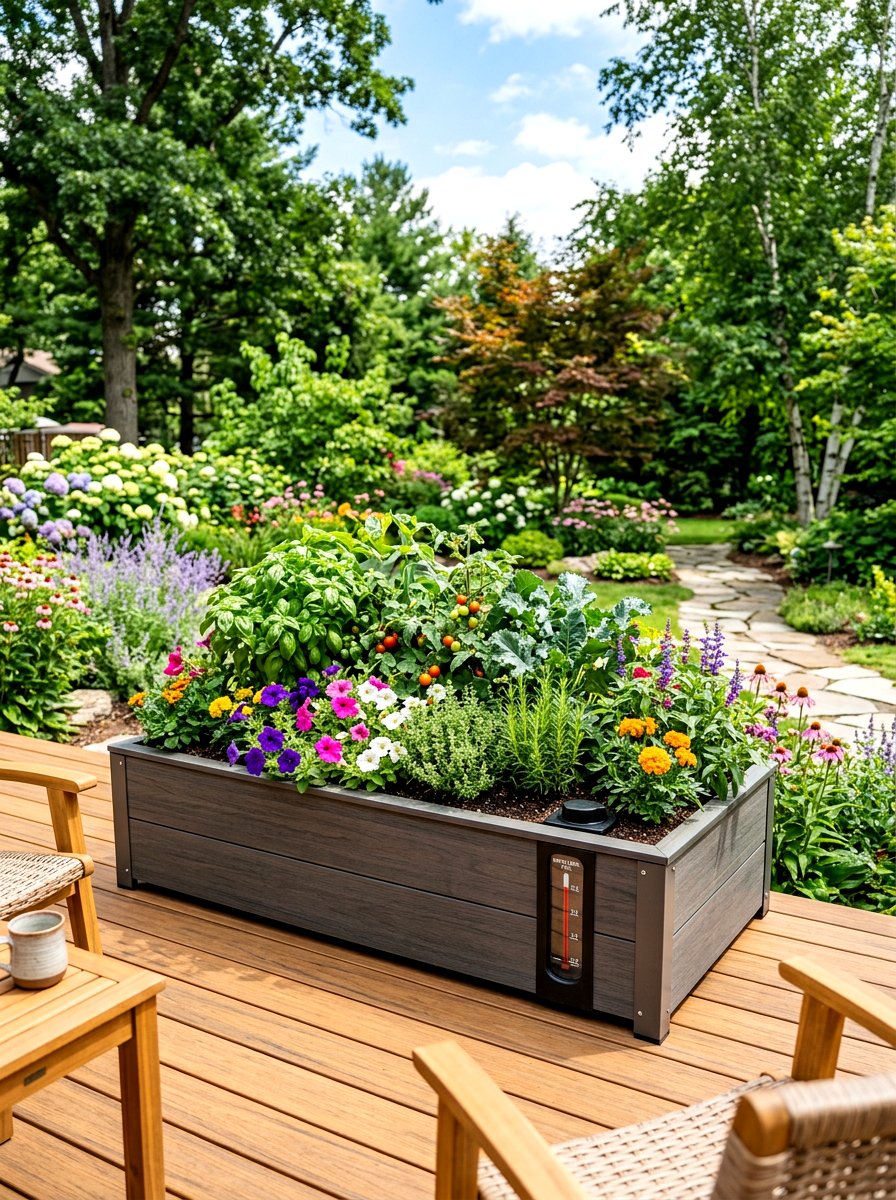
Self-watering garden systems use a built-in reservoir to provide a consistent supply of moisture to your plants. This is especially helpful for busy gardeners or those living in hot climates where soil dries out quickly. The water is wicked up from the bottom as the plants need it, which prevents the stress caused by fluctuating moisture levels. These systems reduce water waste because there is very little evaporation compared to top-watering. You can find self-watering options for everything from small pots to large raised beds. This setup ensures your vegetables stay hydrated and healthy even if you cannot get out to the garden every single day.
23. Sub Irrigated Planter
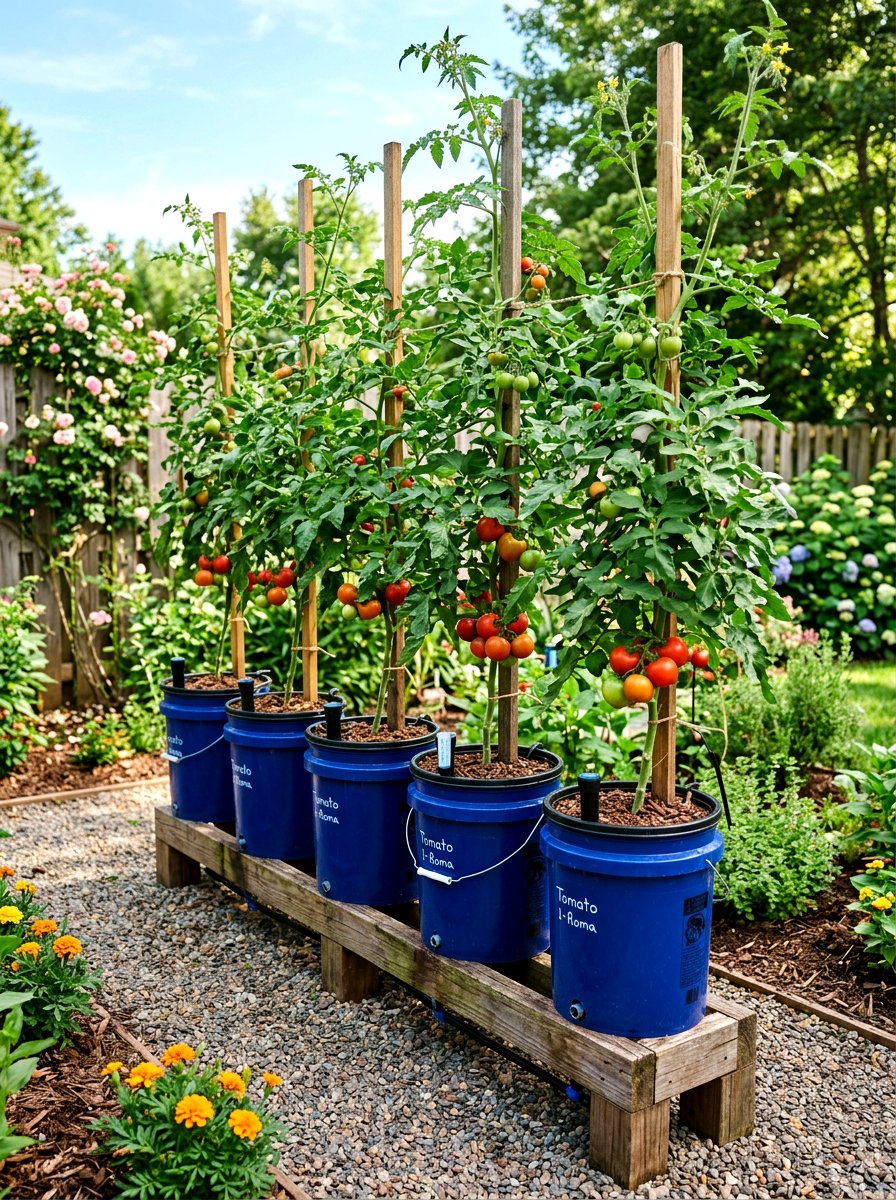
A sub-irrigated planter, often called a SIP, is a specific type of container garden that uses a water reservoir at the bottom. The roots grow down toward the water, while the soil above stays perfectly moist through capillary action. This method is highly effective for heavy feeders like tomatoes and peppers that require steady hydration to produce a good crop. You can easily build your own SIP using repurposed plastic buckets or large storage bins. This DIY approach is very cost-effective and helps you grow high-yield vegetables in almost any location. It is an excellent solution for urban areas where watering can be a frequent and tedious chore.
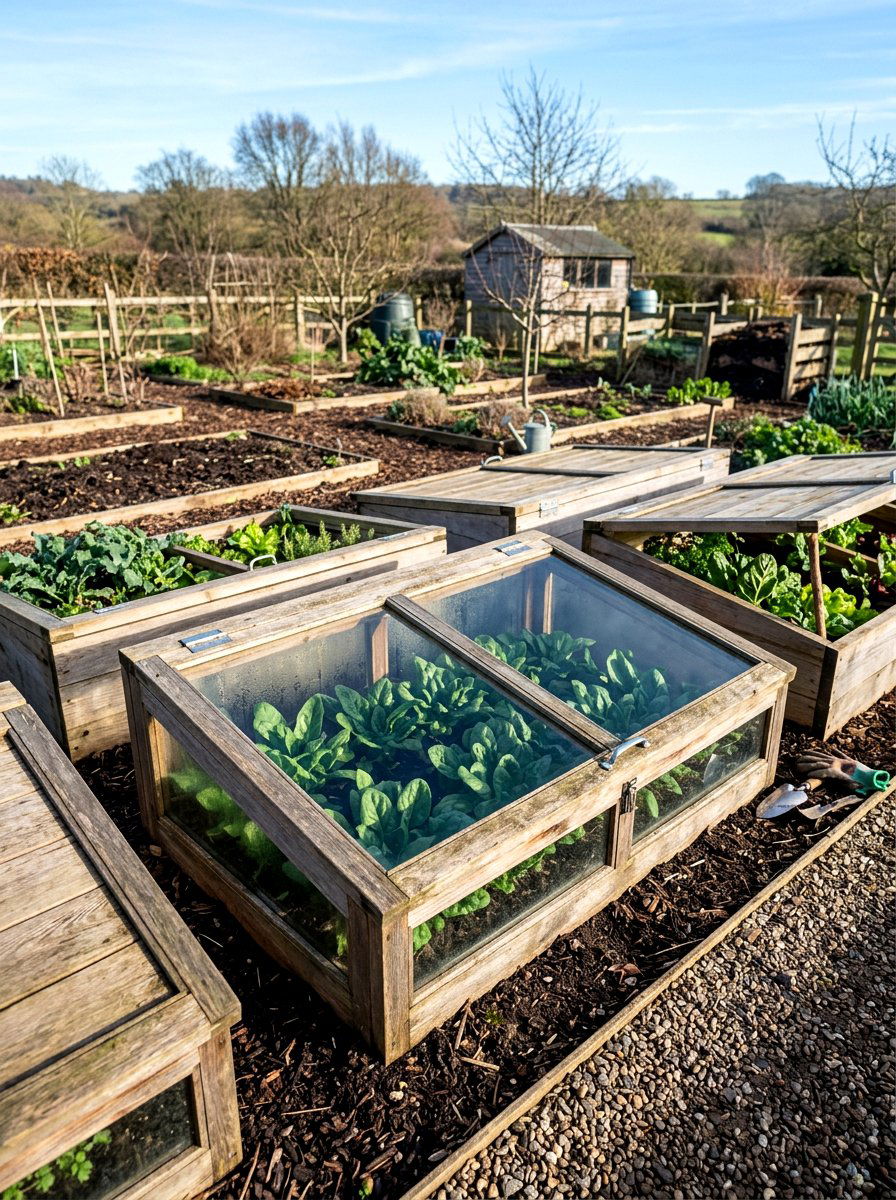
24. Cold Frame Garden
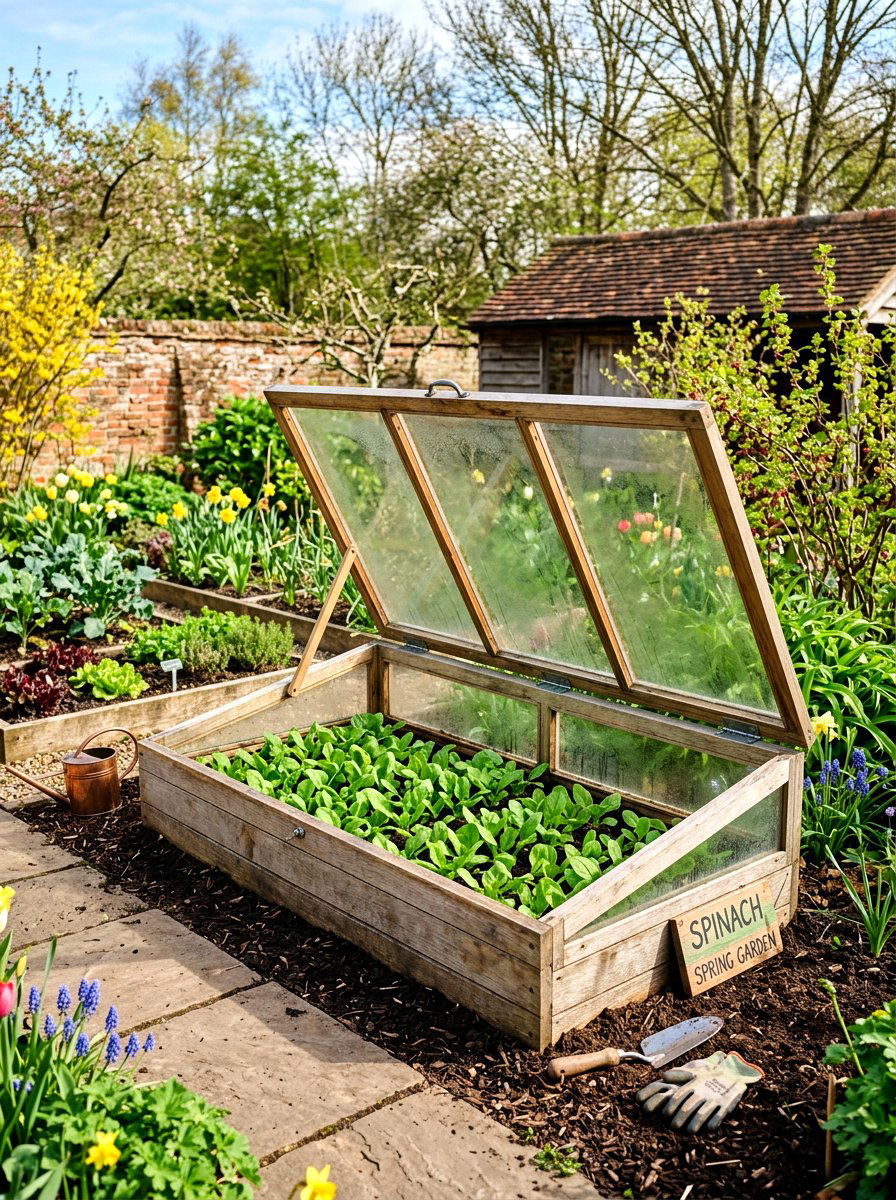
A cold frame is essentially a bottomless box with a transparent lid that acts as a mini-greenhouse for your garden. It is used to protect young plants from frost and to extend the growing season in the early spring and late fall. You can place a cold frame directly over your in-ground garden or on top of a raised bed. The lid can be propped open during warm days to prevent the plants from overheating. This simple structure allows you to grow hardy vegetables like spinach and kale even when there is snow on the ground. It is a low-cost tool that provides a huge advantage for year-round food production.
25. Gutter Garden
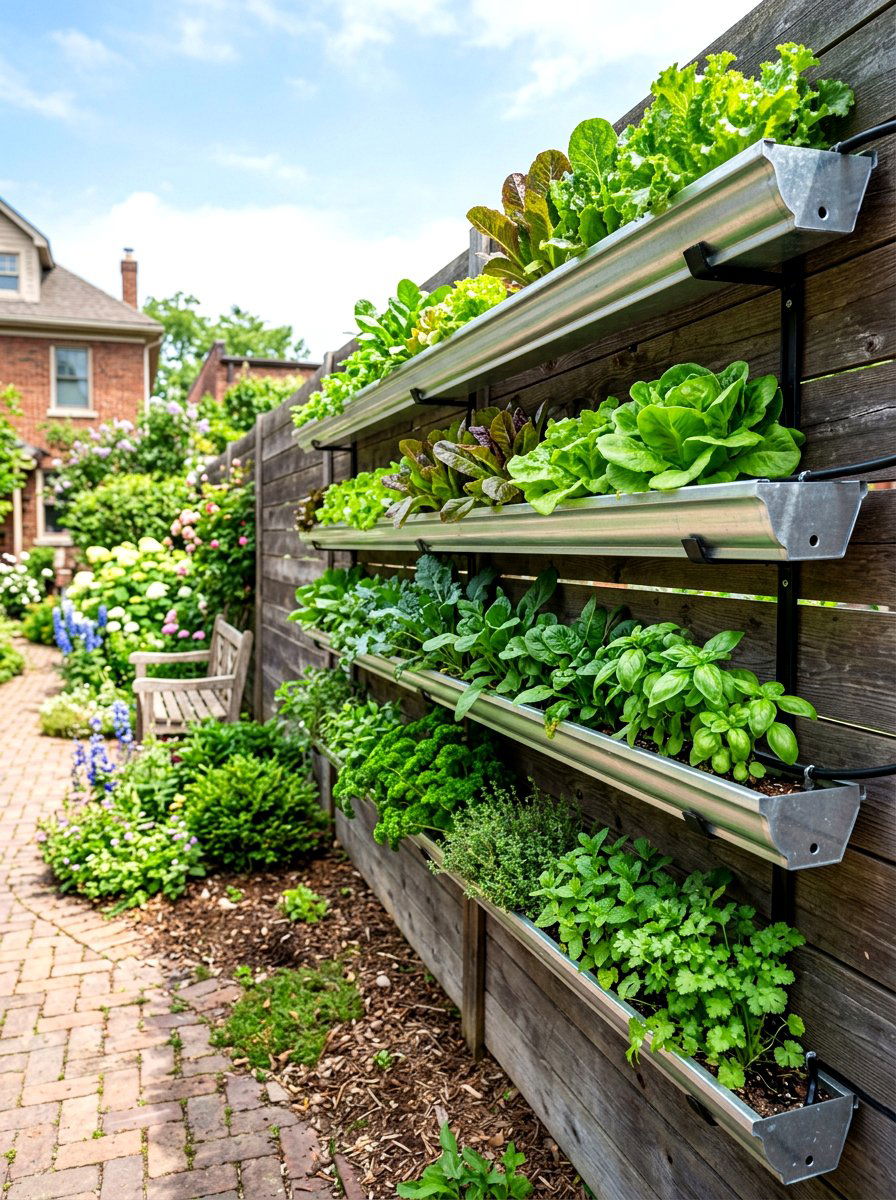
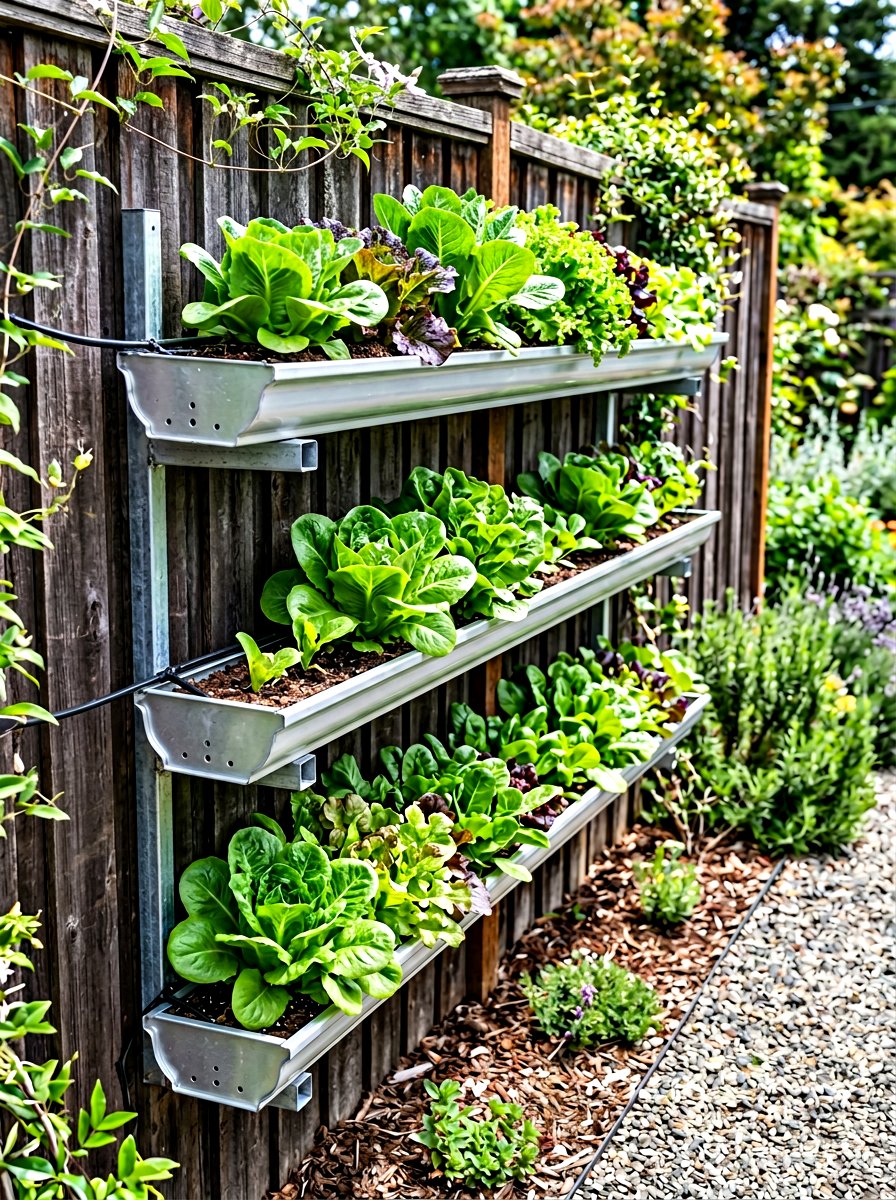
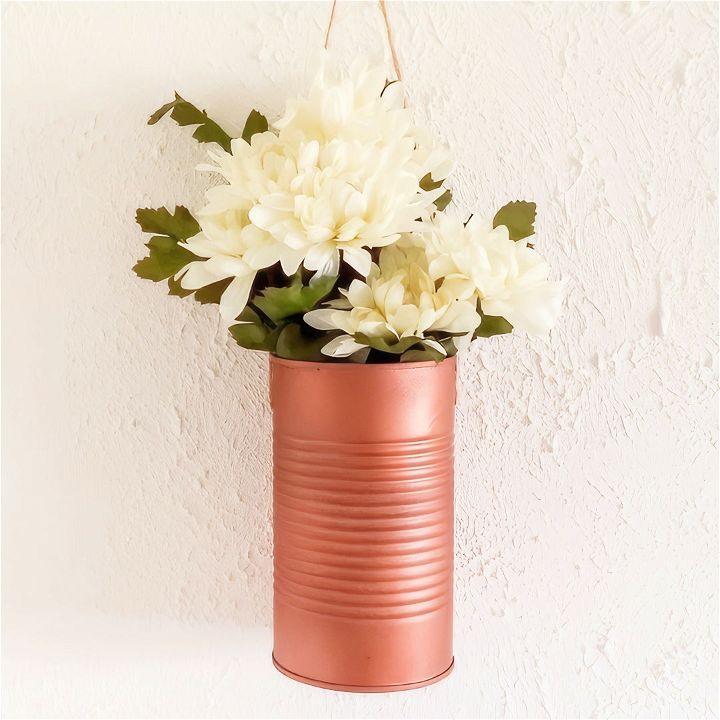
Gutter gardens are an innovative vertical solution that uses repurposed rain gutters mounted on a wall or fence. These long, narrow troughs are the perfect size for growing shallow-rooted vegetables like lettuce, spinach, and strawberries. Because they are mounted high up, they are easy to reach and stay away from ground-dwelling pests. Gutter gardens are a fantastic way to add a lot of planting space to a very small area. You must ensure they are mounted with a slight slope for drainage to prevent the soil from becoming waterlogged. This creative setup turns a functional building material into a beautiful and productive piece of living wall art.
26. Cinder Block Garden
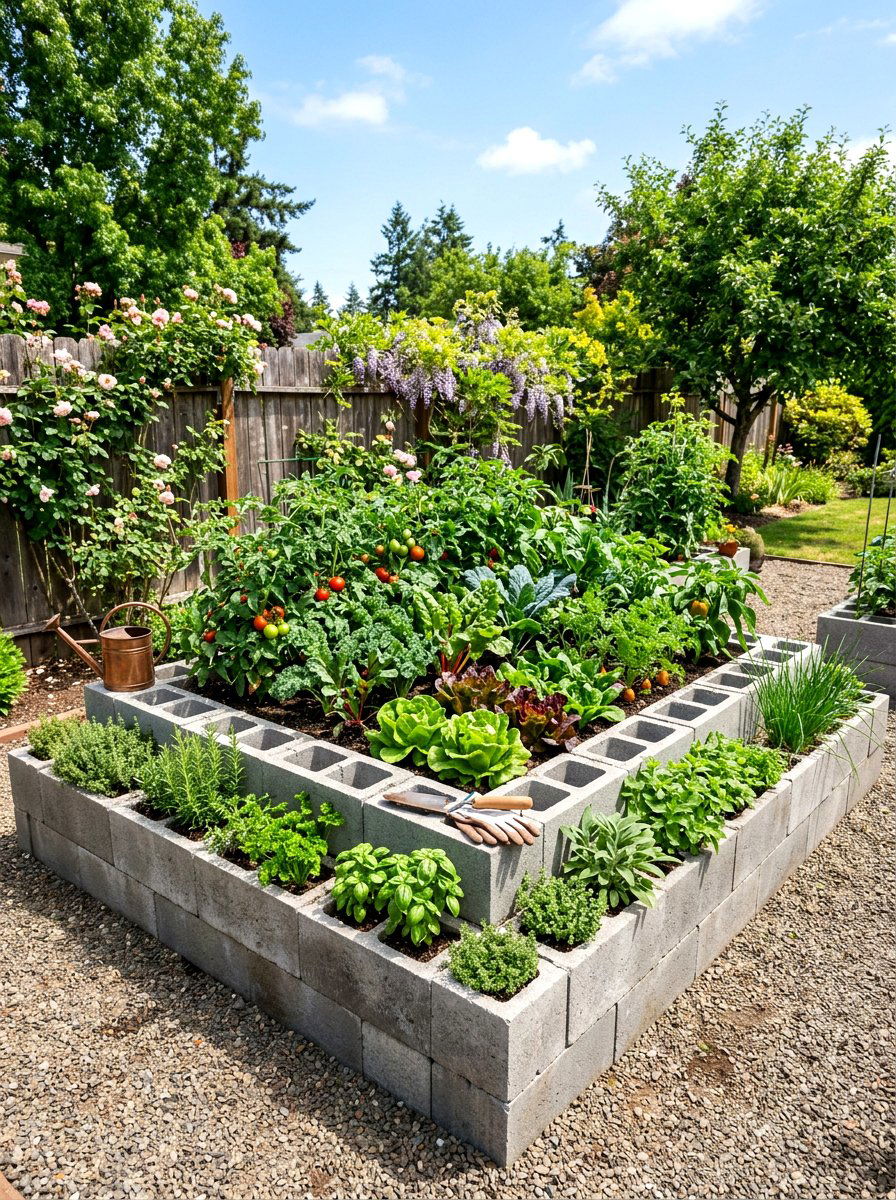
Using cinder blocks to create garden beds is a quick and inexpensive way to organize your growing space. You can stack the blocks to the desired height and fill the hollow centers with soil to create individual planting pockets. The main interior of the bed can be filled with a standard soil mix for larger crops. Cinder blocks are extremely durable and provide excellent thermal mass, which can help keep the soil warm during cool nights. This modular design allows you to easily expand or change the shape of your garden as your needs grow. It is a sturdy and practical solution for any DIY-minded backyard gardener.
27. Ladder Garden
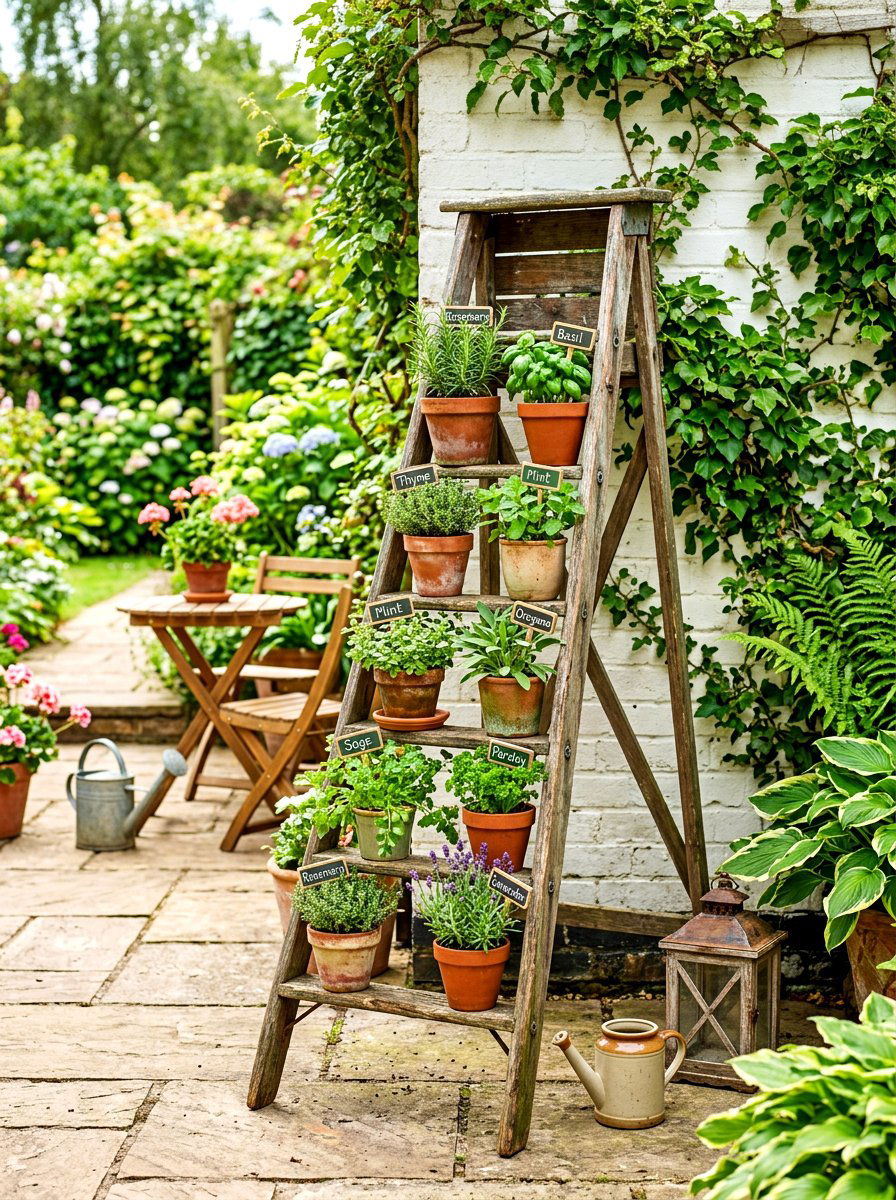
A ladder garden uses an old wooden or metal ladder as a framework for holding various small pots and planters. This vertical arrangement is perfect for small decks or patios where you want to grow multiple herbs or small vegetables. You can place different plants on each rung, creating a beautiful tiered display of greenery. This setup makes it easy to organize your plants by sunlight needs, placing sun-lovers at the top and shade-tolerant ones below. A ladder garden is highly portable and can be moved around as the seasons change. It adds a touch of vintage charm and character to your outdoor living space.
28. Pocket Vegetable Garden
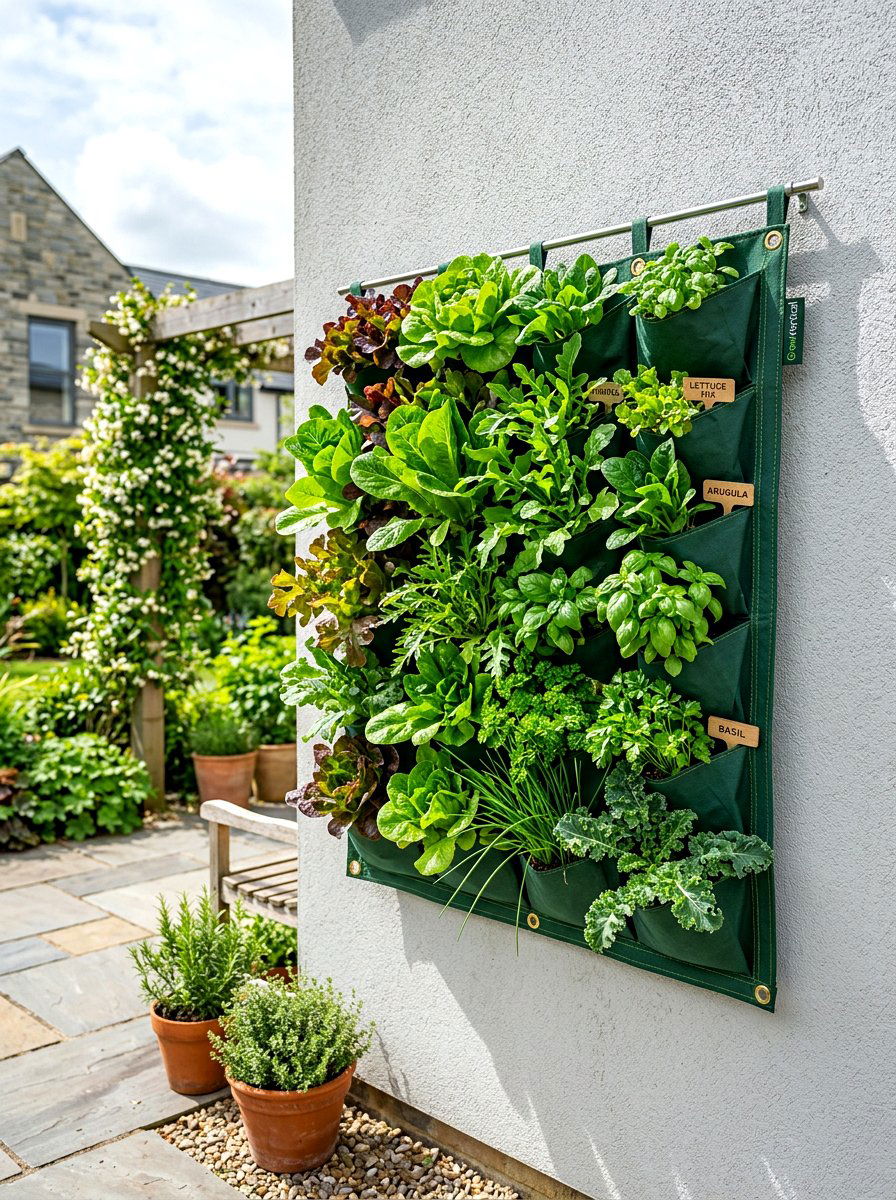
Pocket gardening involves using specialized hanging fabric bags with multiple planting "pockets" on the front. These bags are designed to be hung on walls or fences, making them another excellent choice for vertical gardening in tight spaces. You can fill each pocket with a different herb or leafy green, creating a diverse and colorful living tapestry. The fabric is usually breathable, which encourages healthy root growth and prevents overwatering. Pocket gardens are perfect for growing "cut and come again" salad greens that you can harvest in small amounts daily. This method turns vertical surfaces into a highly productive and visually appealing source of fresh food.
29. Patio Vegetable Garden
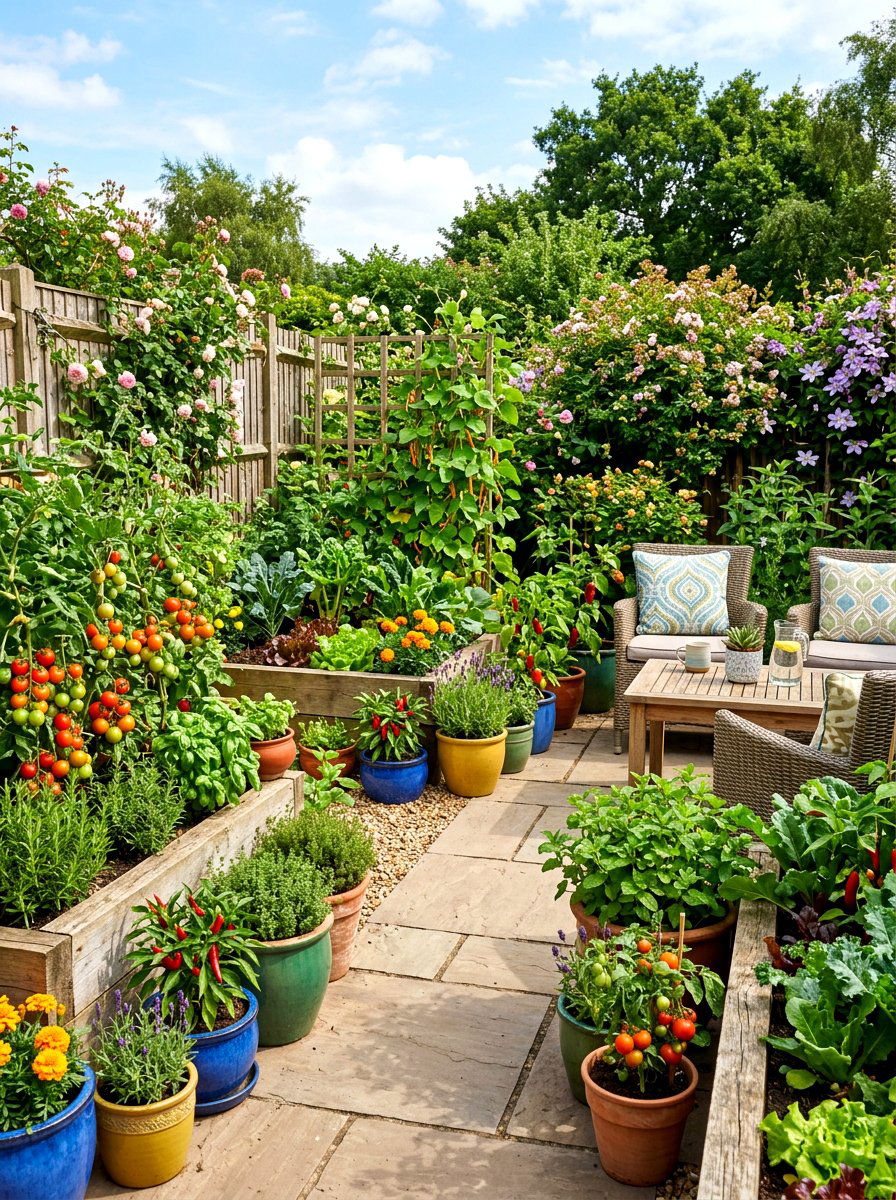
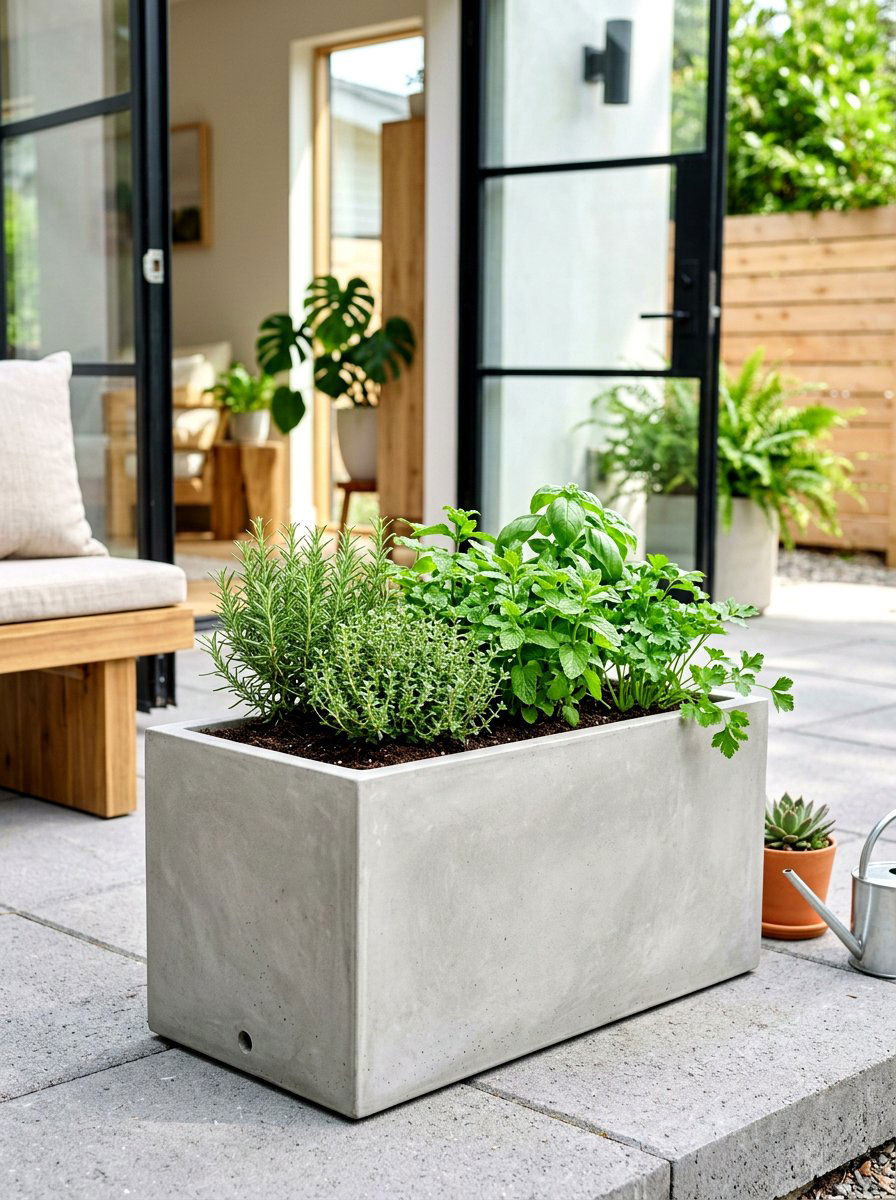
A patio garden focuses on using the hardscape areas around your home for food production. By grouping various containers of different sizes and heights, you can create a cohesive and attractive garden on your stone or concrete patio. This keeps your vegetables close to your outdoor seating area and kitchen, making maintenance and harvesting very convenient. You can incorporate decorative elements like statues or outdoor lighting to make the garden feel like an integrated part of your living space. Patio gardening is all about creating a lush and productive environment where you already spend a lot of your time relaxing and entertaining guests.
30. No Dig Garden
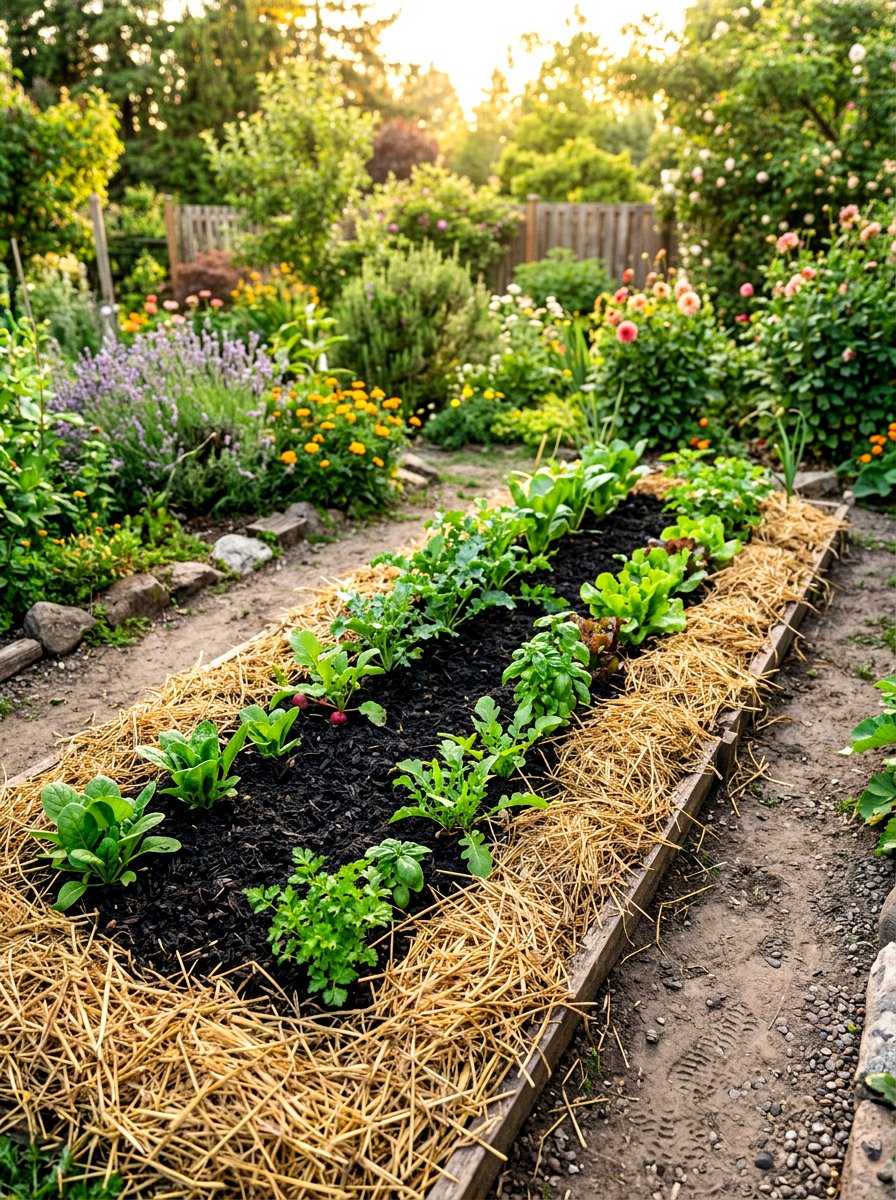
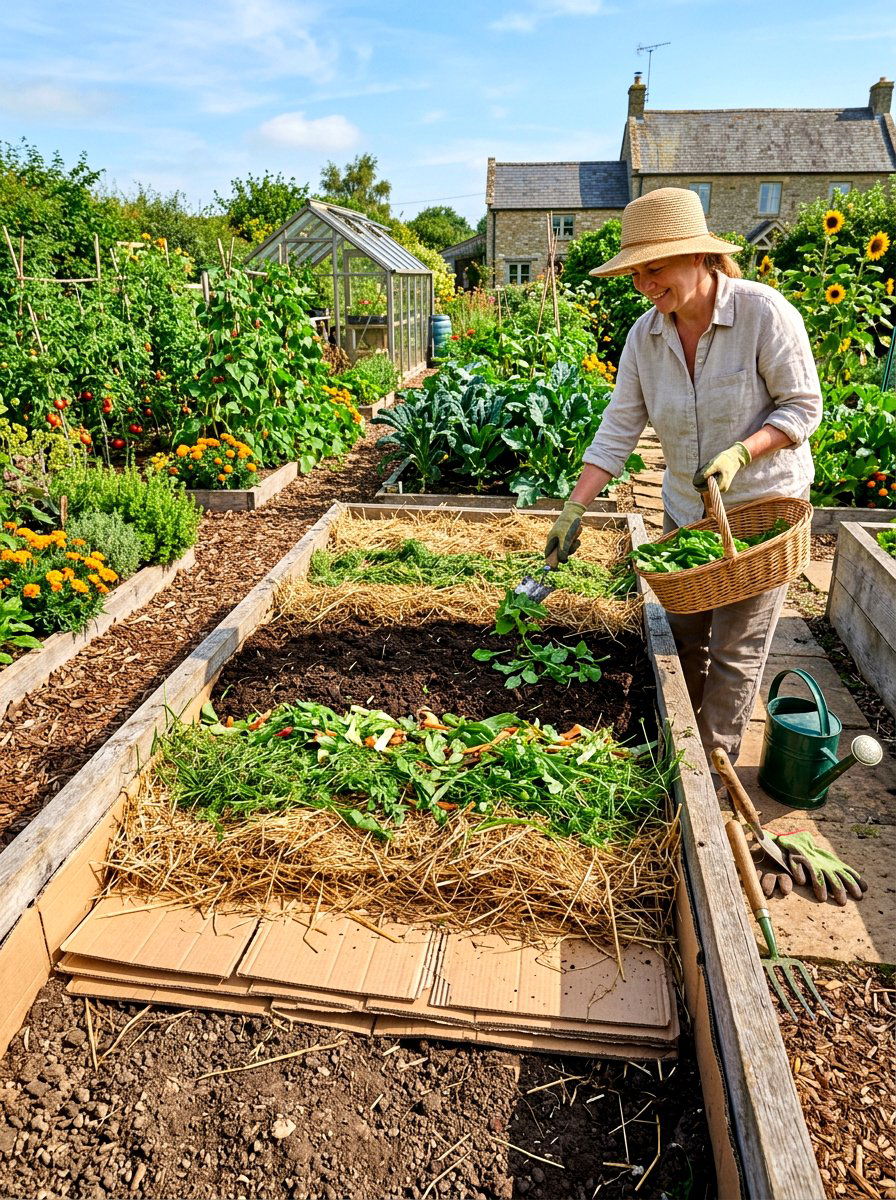
The no-dig method, also known as lasagna gardening, focuses on building healthy soil from the top down without disturbing the ground. You layer organic materials like cardboard, compost, straw, and leaves directly on top of the grass or weeds. Over time, these layers break down into incredibly rich soil that is full of beneficial worms and microorganisms. This approach eliminates the back-breaking work of tilling and significantly reduces the number of weeds in your garden. By preserving the soil structure, you help your vegetables grow stronger and more resilient. It is an environmentally friendly and sustainable way to produce a bounty of healthy food.
Conclusion:
Starting an easy vegetable garden is an empowering way to improve your health and connect with the natural world. With so many different methods available, from vertical towers to classic raised beds, there is no reason why anyone cannot grow their own food. These diverse ideas show that gardening does not have to be difficult or expensive to be successful. By choosing a style that fits your space and lifestyle, you can enjoy the unmatched flavor of homegrown produce all season long. Whether you are a beginner or an experienced gardener, experimenting with these concepts will lead to a more productive and beautiful home environment.

Related posts: