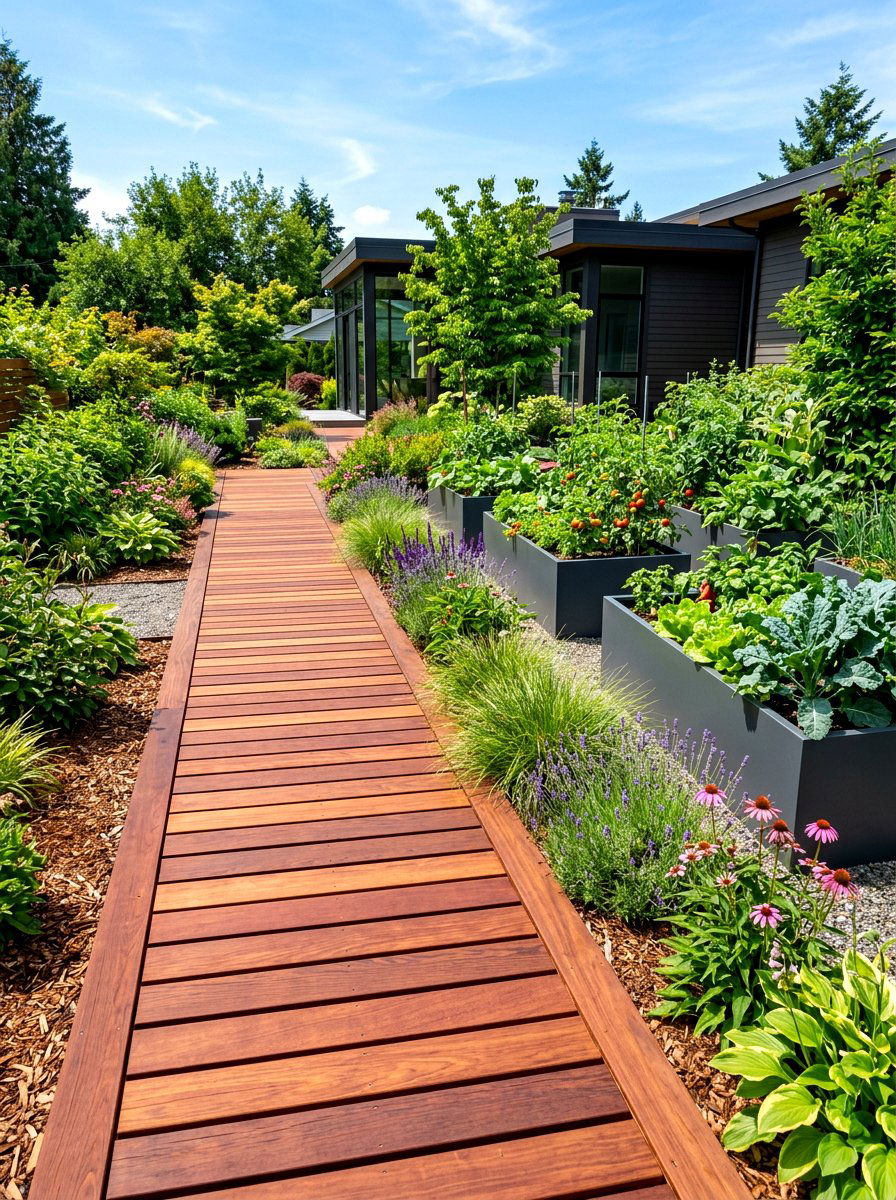
Growing your own fresh culinary herbs is one of the most rewarding projects you can start in your backyard or kitchen today. These fragrant plants offer more than just flavor for your favorite home-cooked meals; they also provide incredible visual interest and a wonderful aroma to your living environment. Whether you have a massive sprawling backyard or a tiny metropolitan apartment balcony, there is a perfect herb garden setup waiting for you. From traditional raised beds to creative vertical solutions, these versatile designs help you organize your plants while keeping them healthy and productive all year round. It is time to transform your outdoor space into a lush sanctuary that serves both aesthetic beauty and practical function for your daily cooking needs.
1. Raised Cedar Herb Bed
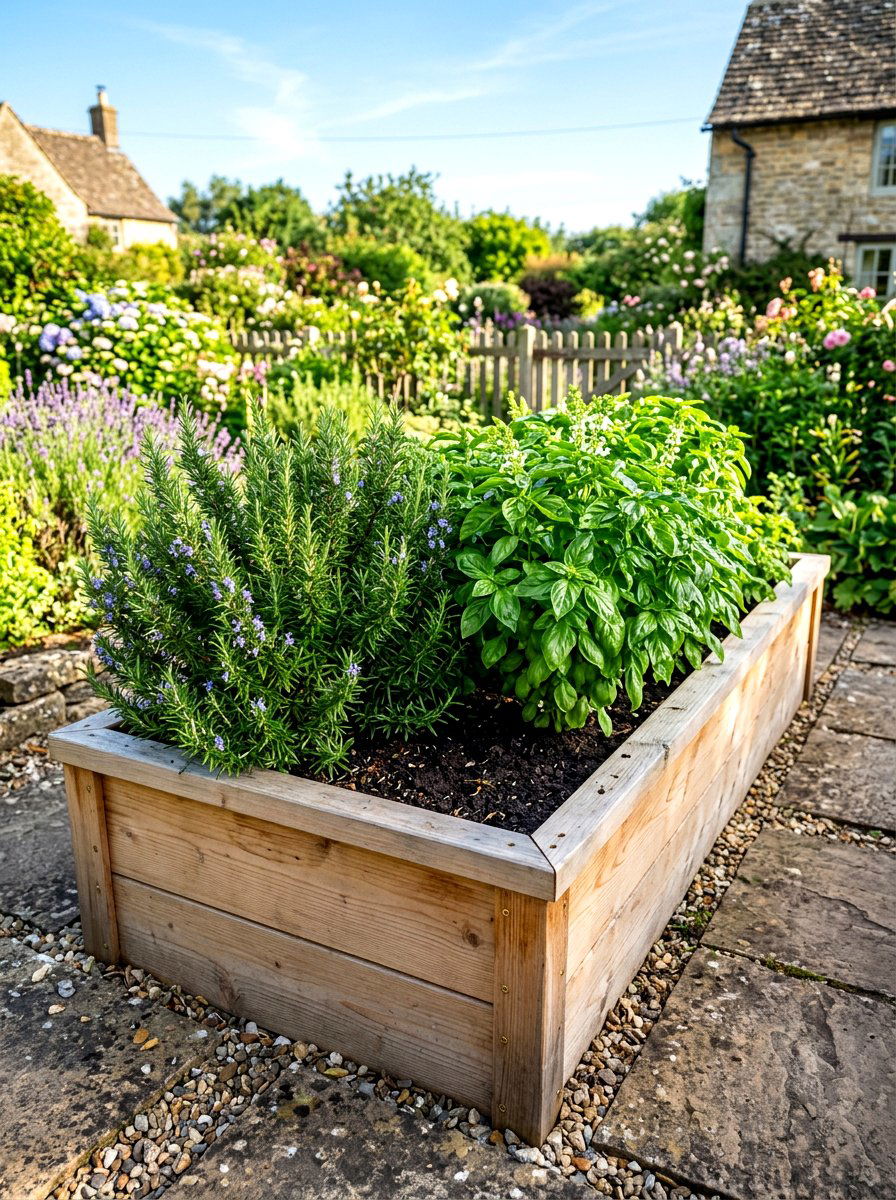
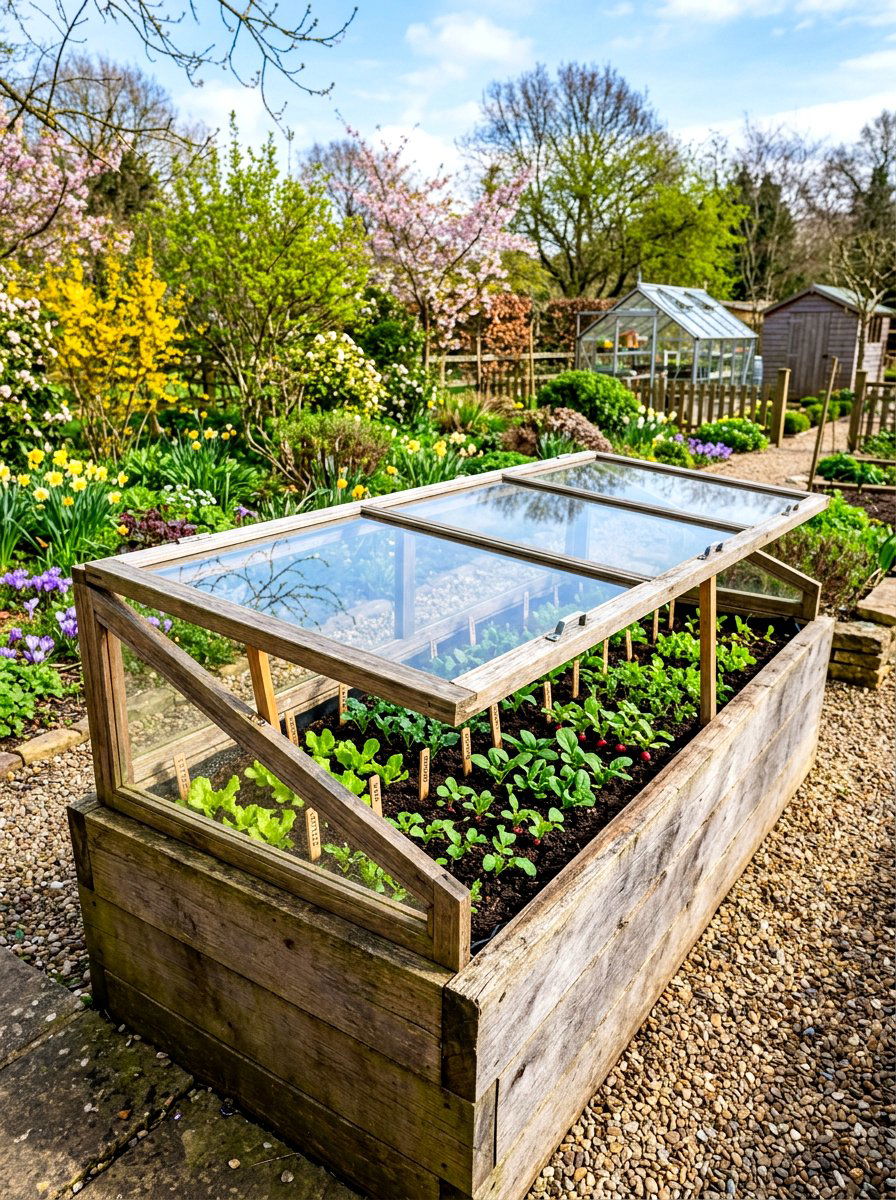
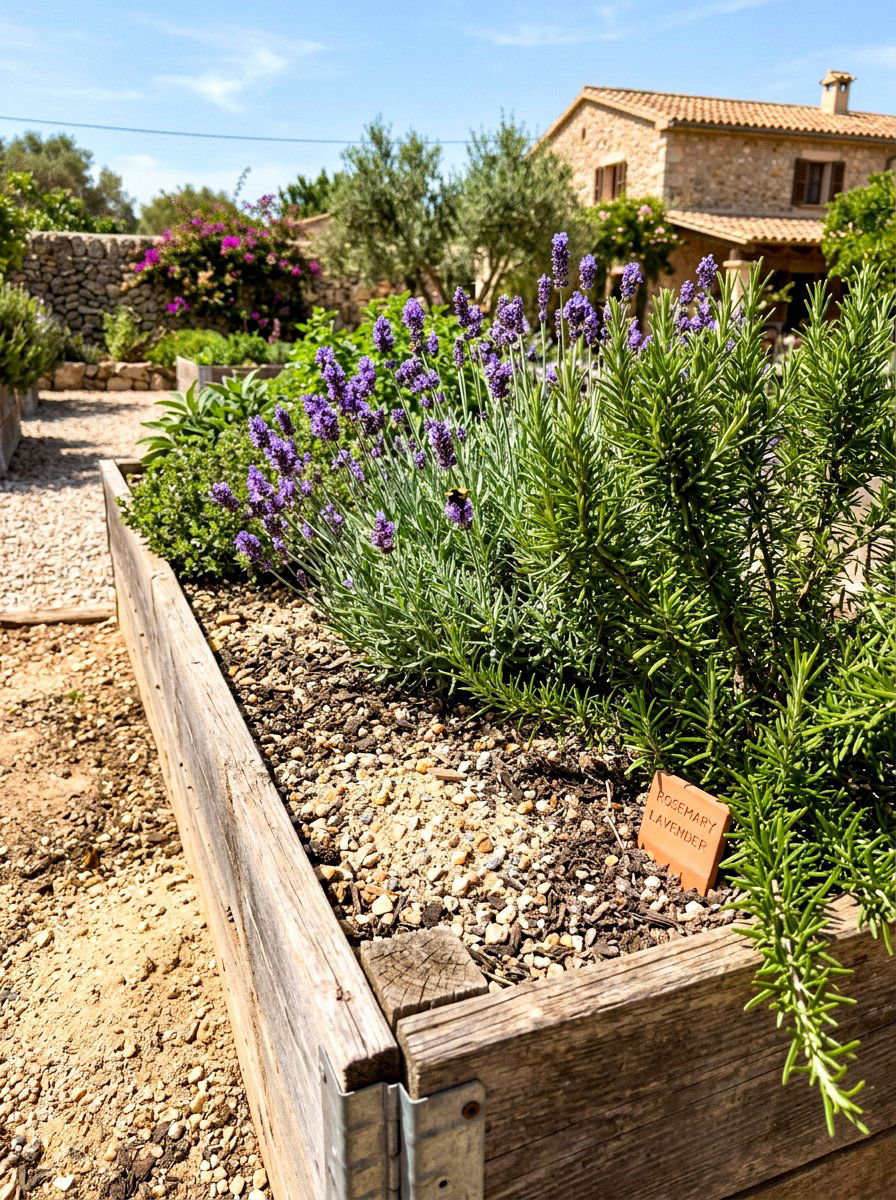
Building a raised bed out of cedar wood is a classic choice for any serious home chef who wants a dedicated growing space. Cedar is naturally resistant to rot and insects, making it a very durable material for outdoor use over many years. These elevated structures provide excellent drainage which is essential for most Mediterranean herbs like rosemary and thyme. You can customize the height to make harvesting much easier on your back while preventing common garden pests from reaching your precious leaves. Placing this bed near your back door ensures that you always have quick access to fresh ingredients whenever you are busy preparing a delicious meal for your family.
2. Vertical Herb Wall
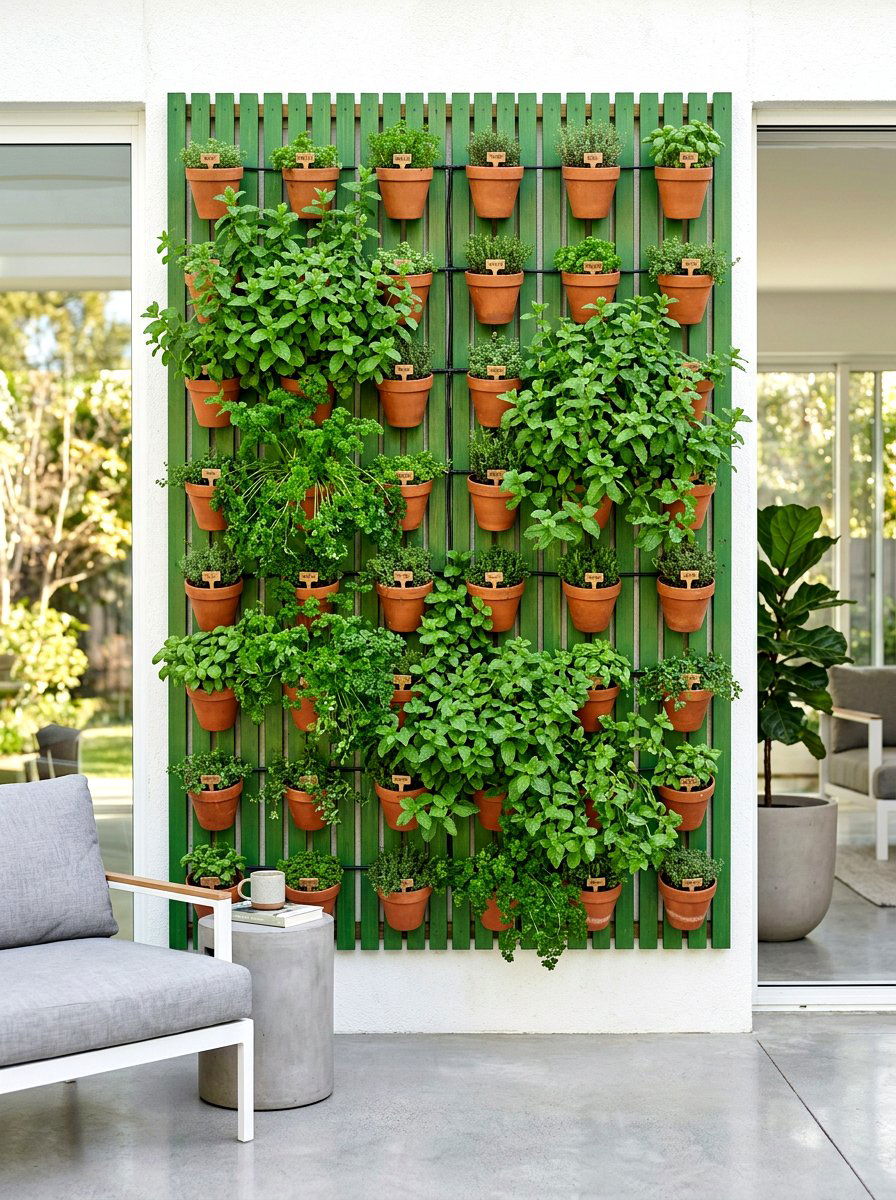
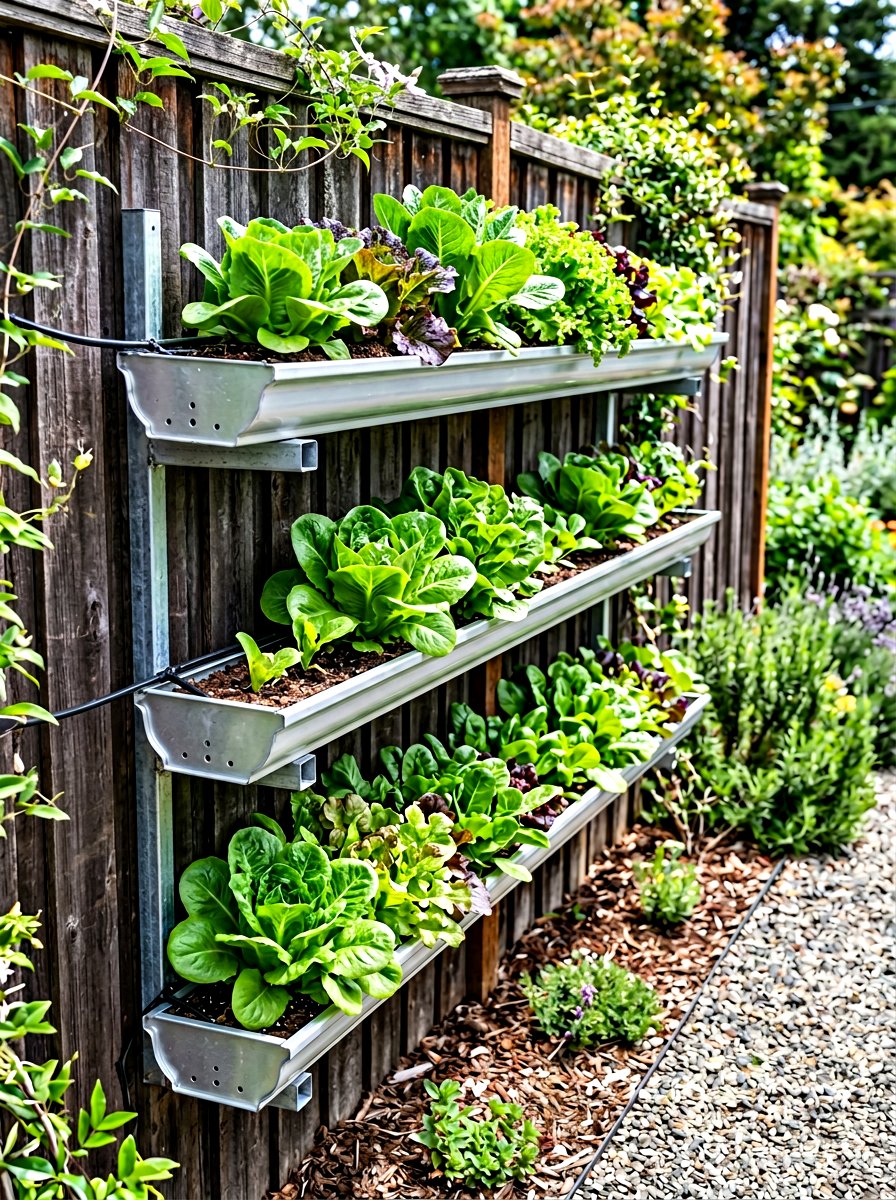
If you are dealing with a limited amount of ground space, a vertical herb wall is the perfect solution for your patio or balcony. This design utilizes your existing wall surfaces to hold multiple tiers of small planters filled with aromatic greens. You can use a variety of materials like wood slats or metal mesh to create a sturdy frame that supports the weight of the damp soil. This setup not only saves space but also creates a beautiful living art piece that brings a touch of nature to your outdoor seating area. It is a fantastic way to grow basil, mint, and cilantro without cluttering up your floor or pathway.
3. Kitchen Windowsill Herb Planter
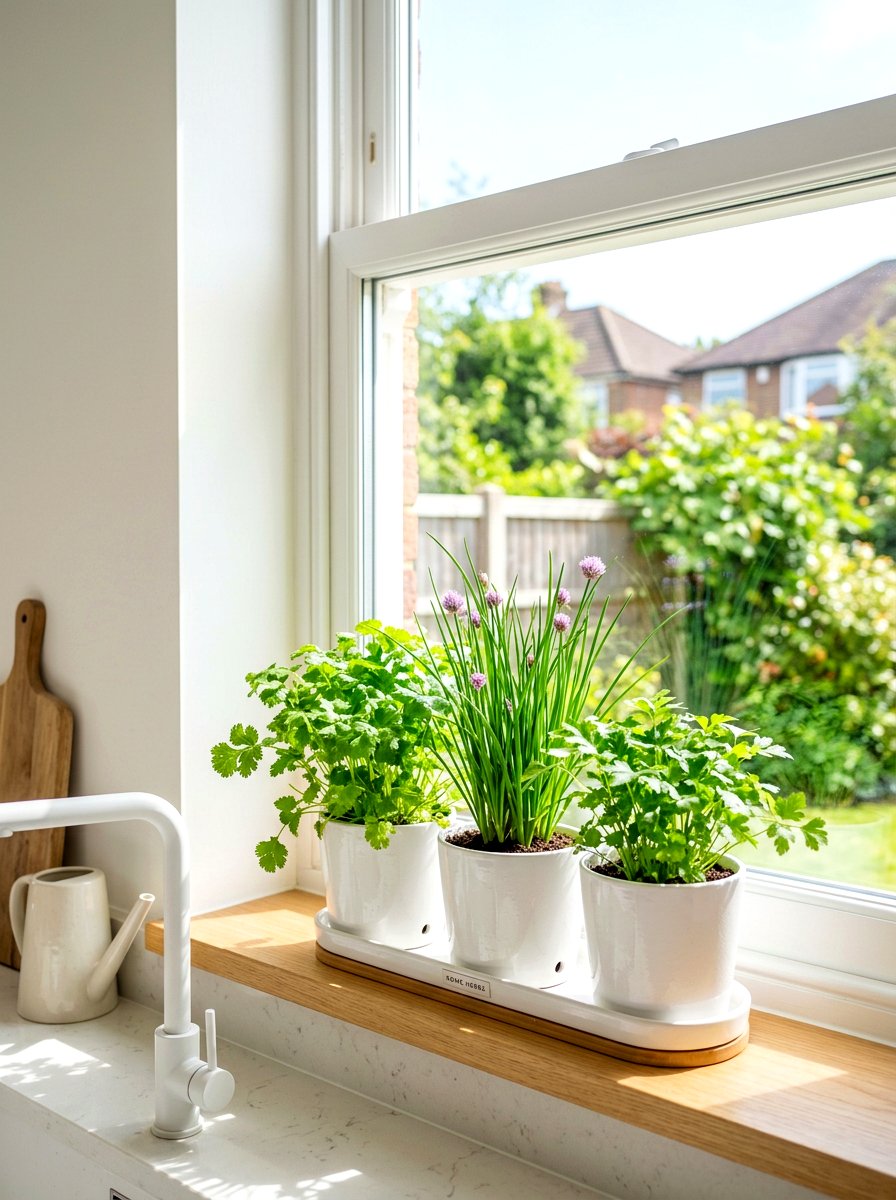
Bringing your garden directly into the heart of your home is possible with a simple kitchen windowsill herb planter setup. Most common culinary herbs thrive in bright, indirect sunlight, making a sunny window the ideal location for a small collection of pots. You can choose decorative ceramic or sleek glass containers that match your interior decor style while keeping your favorite seasonings within arm's reach. This indoor arrangement allows you to grow fresh greens even during the cold winter months when outdoor gardening is not possible. It also adds a fresh, natural fragrance to your kitchen that makes every cooking session feel more inspired and professional.
4. Tiered Wooden Herb Garden
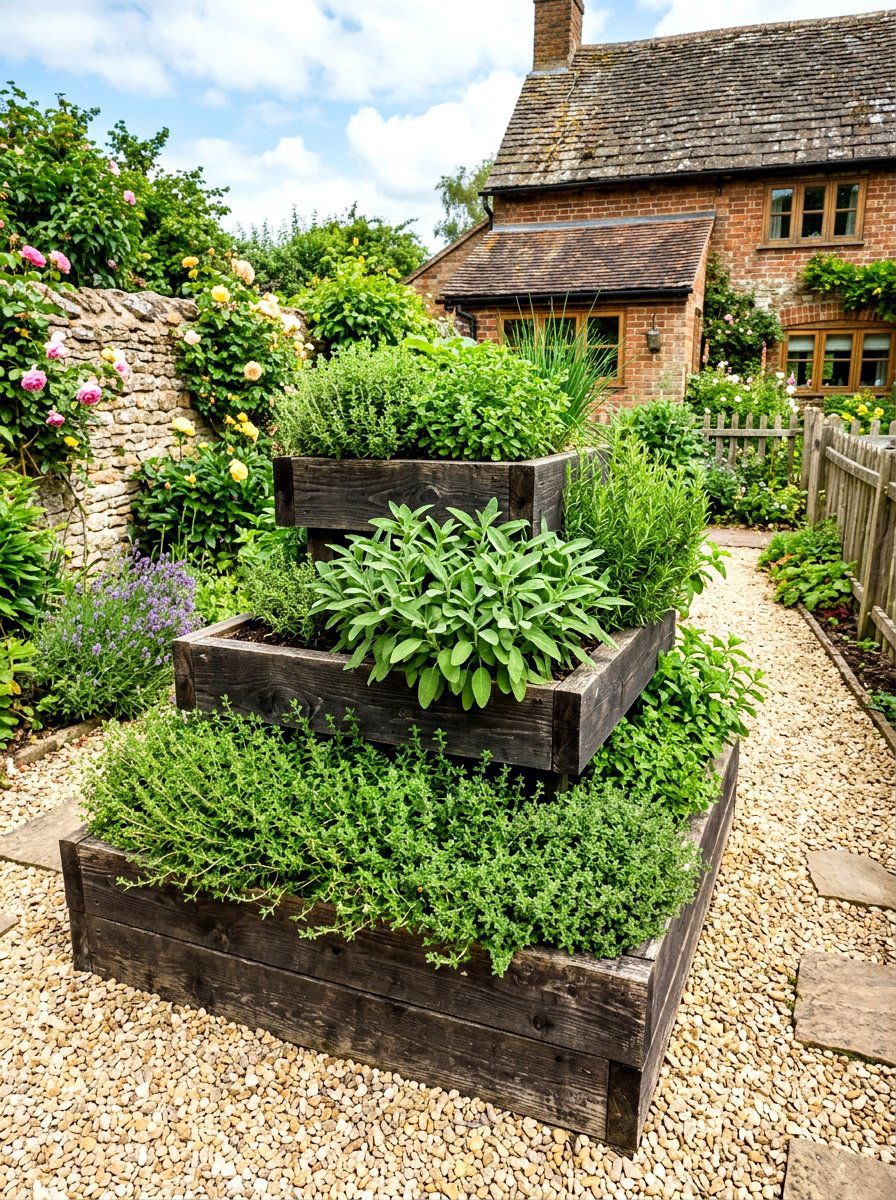
A tiered wooden herb garden provides a multi-level growing experience that maximizes your harvest in a relatively compact footprint. Each level can be used to segregate different types of plants based on their specific sunlight and water requirements. For example, you can place sun-loving lavender on the top tier and moisture-loving parsley on the lower, more shaded levels. This architectural design adds depth and visual interest to your landscape, acting as a focal point in your yard. The cascading greenery looks stunning as it spills over the edges, creating a lush and bountiful appearance that will surely impress all of your garden visitors.
5. Garden Herb Spiral
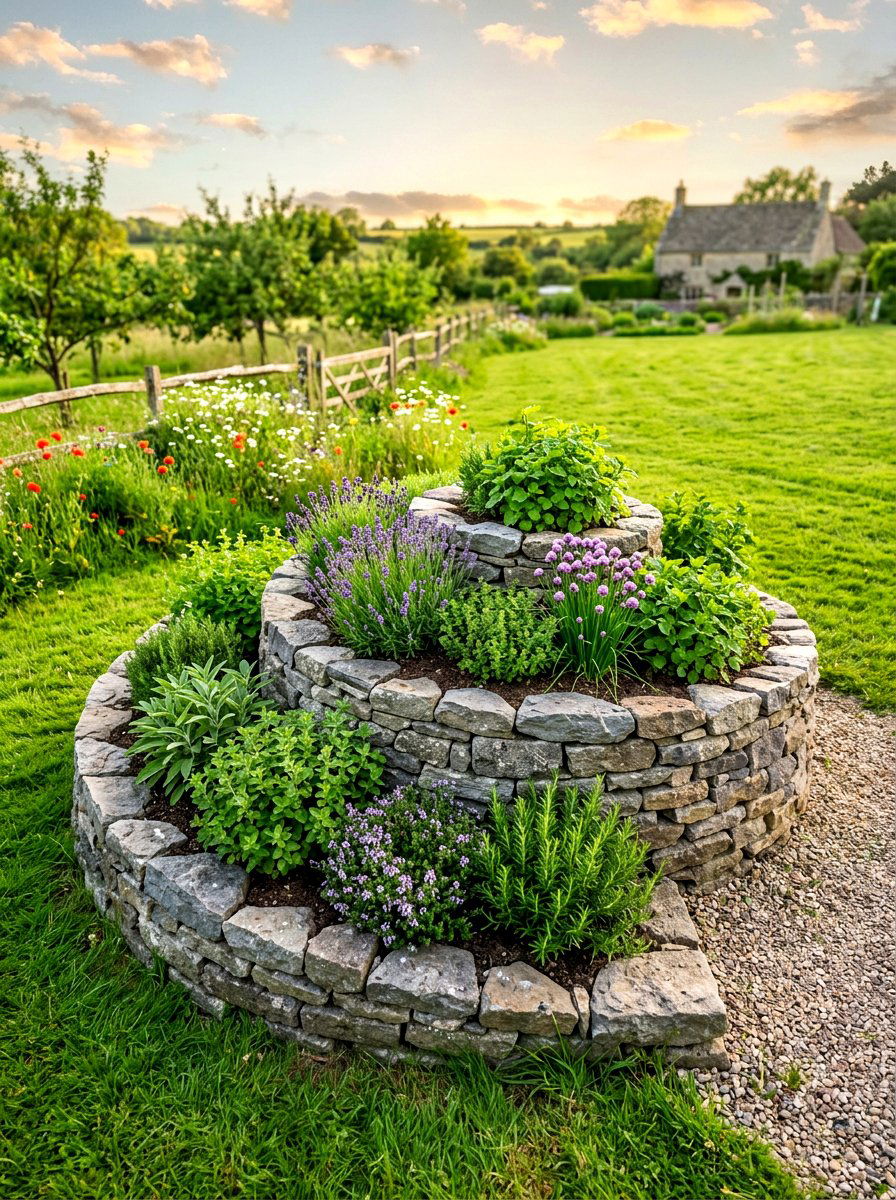
Constructing a garden herb spiral is a brilliant permaculture technique that allows you to grow a wide variety of plants in a small circular area. This three-dimensional design creates several distinct microclimates by using vertical height and different orientations to the sun. The top of the spiral is typically drier and warmer, which is perfect for herbs like oregano and sage. As the spiral winds downward, the soil becomes moister and cooler, providing the ideal environment for chives and coriander. Using natural stones or bricks to build the spiral helps to retain heat during the night, further boosting the growth and health of your diverse herb collection.
6. Mason Jar Herb Garden
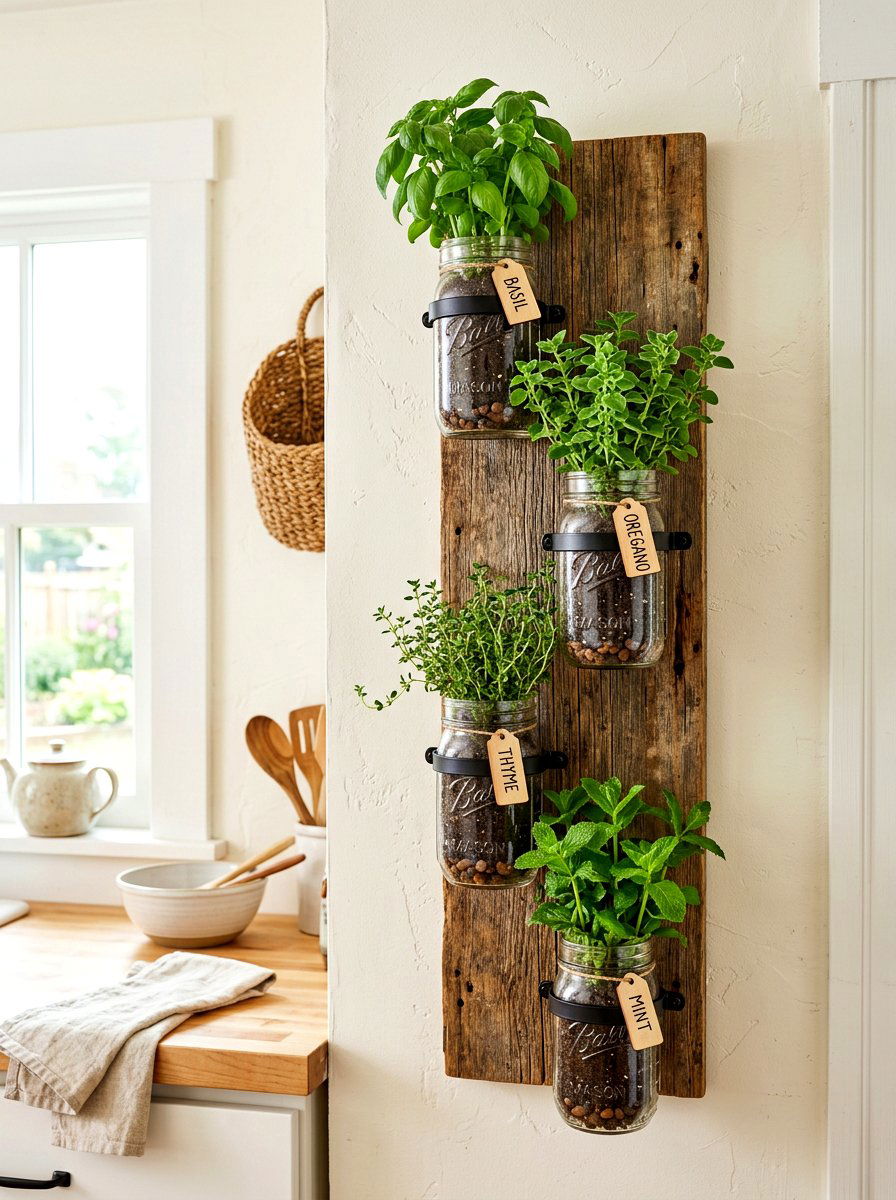
For a charming and rustic look, consider creating a mason jar herb garden that can be mounted on a wooden board or placed on a shelf. This DIY project is incredibly popular because it uses affordable materials and looks wonderful in a farmhouse-style kitchen. It is important to add a layer of small pebbles at the bottom of each jar to provide a small reservoir for drainage, as glass jars do not have holes. You can easily label each jar with twine or chalkboard paint to keep your different herb varieties organized. This compact setup is perfect for small apartments where every inch of counter space is highly valued.
7. Galvanized Metal Herb Trough
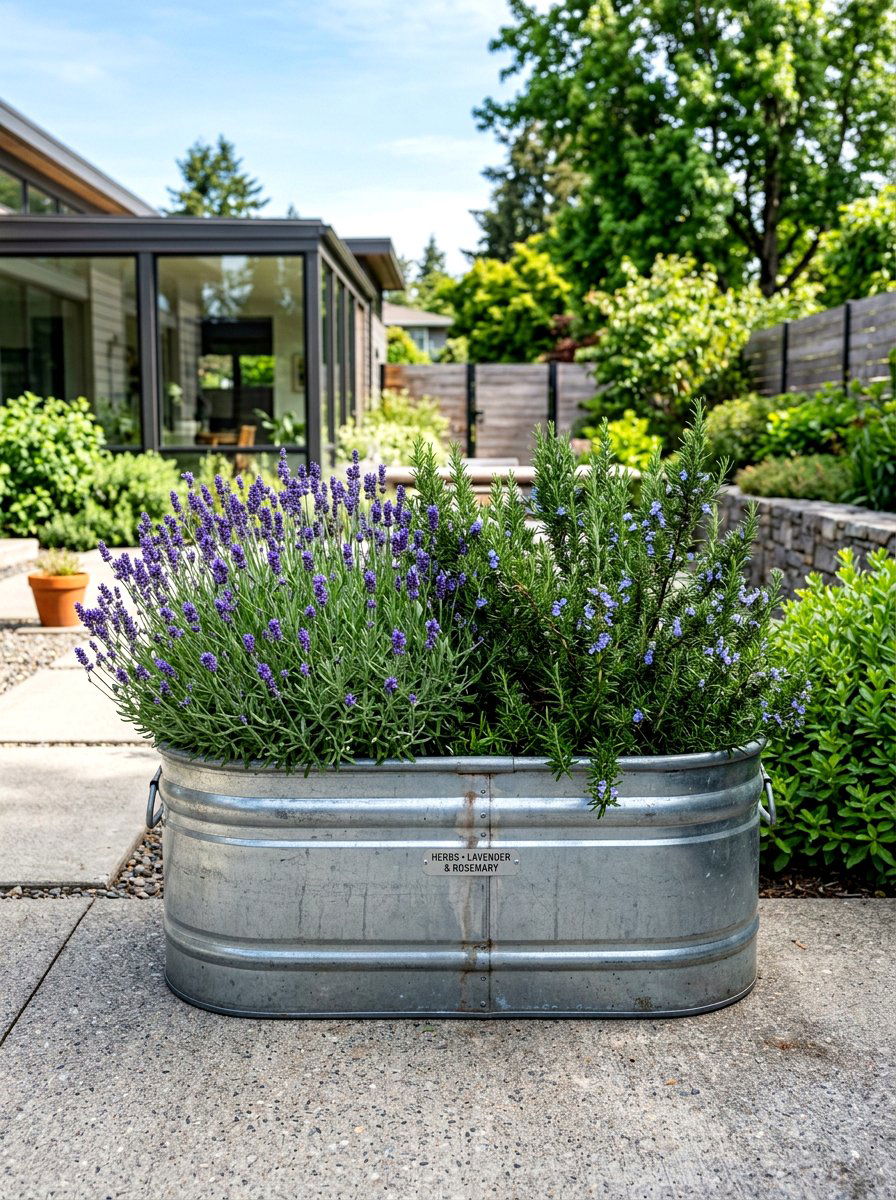
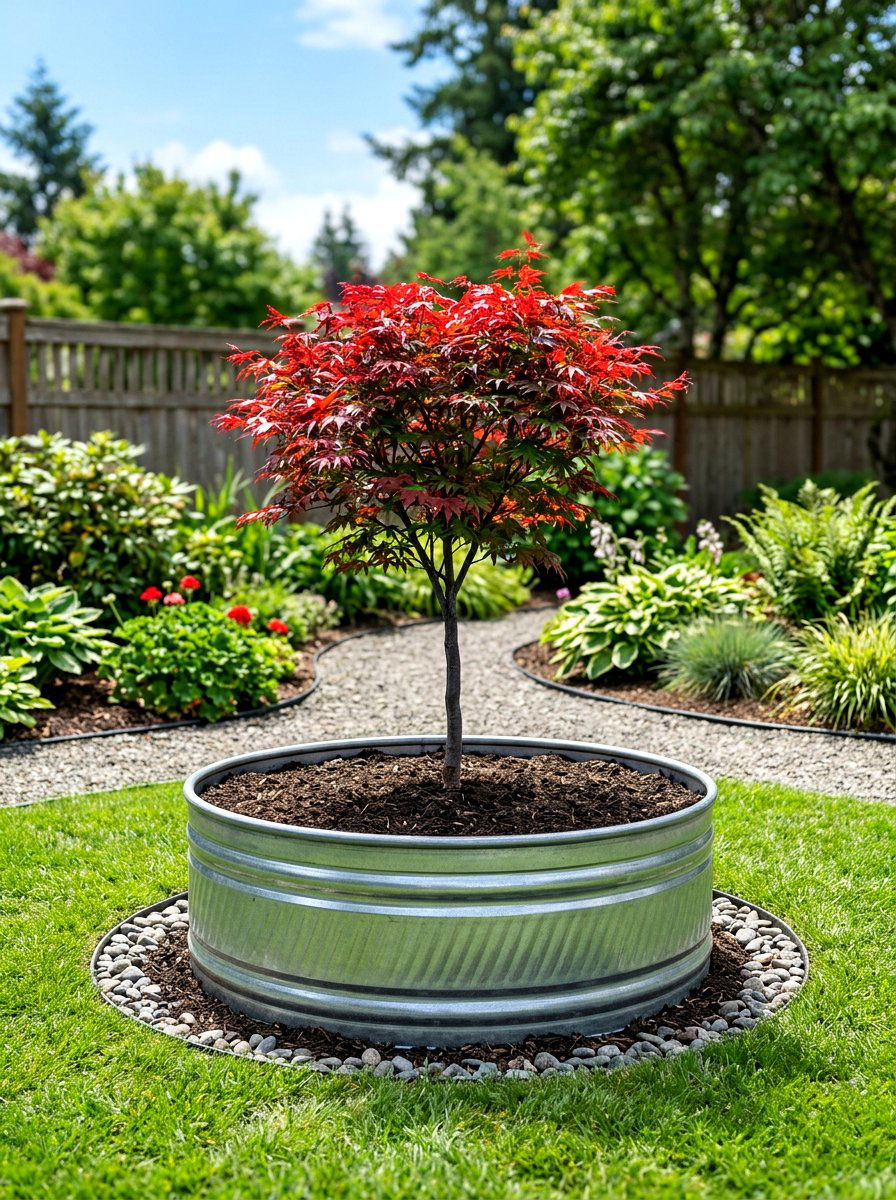
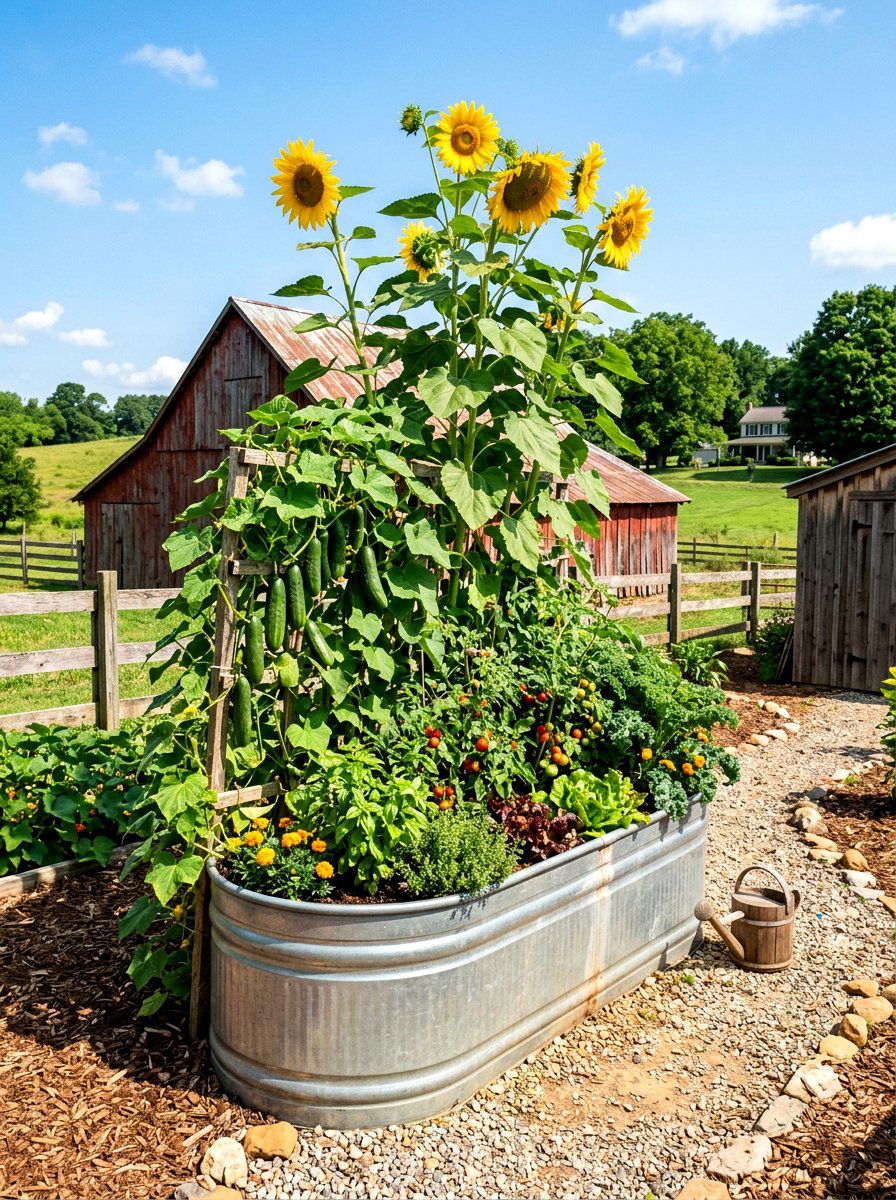
Using a galvanized metal herb trough adds an industrial and modern touch to your outdoor gardening space or patio area. These metal containers are extremely sturdy and can hold a large volume of soil, which helps to keep your plants' roots insulated and moist. They come in various sizes and shapes, allowing you to choose a long, narrow trough for a walkway or a large round one for a center feature. Be sure to drill several drainage holes in the bottom to prevent water from pooling and causing root rot. The silver metallic finish provides a striking contrast against the vibrant green leaves of your growing herbs.
8. Wood Pallet Herb Planter
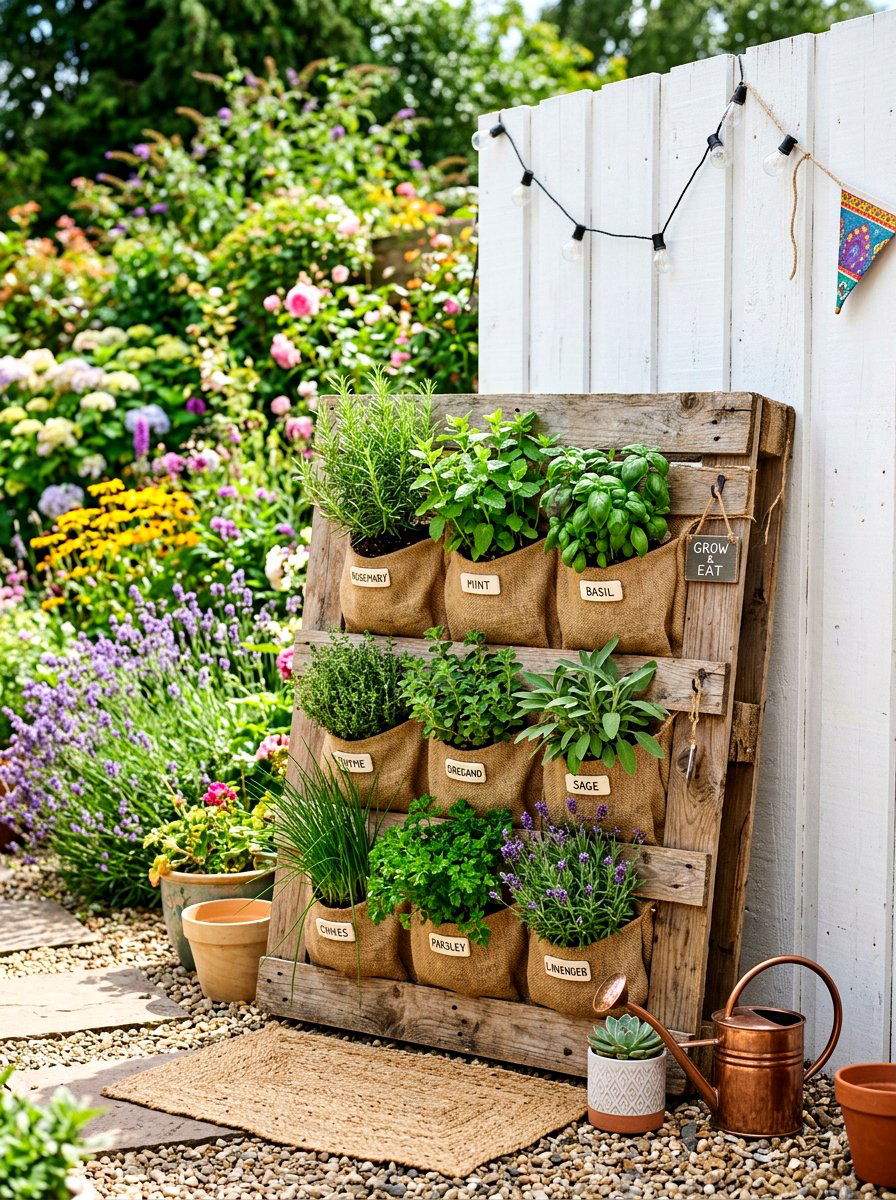
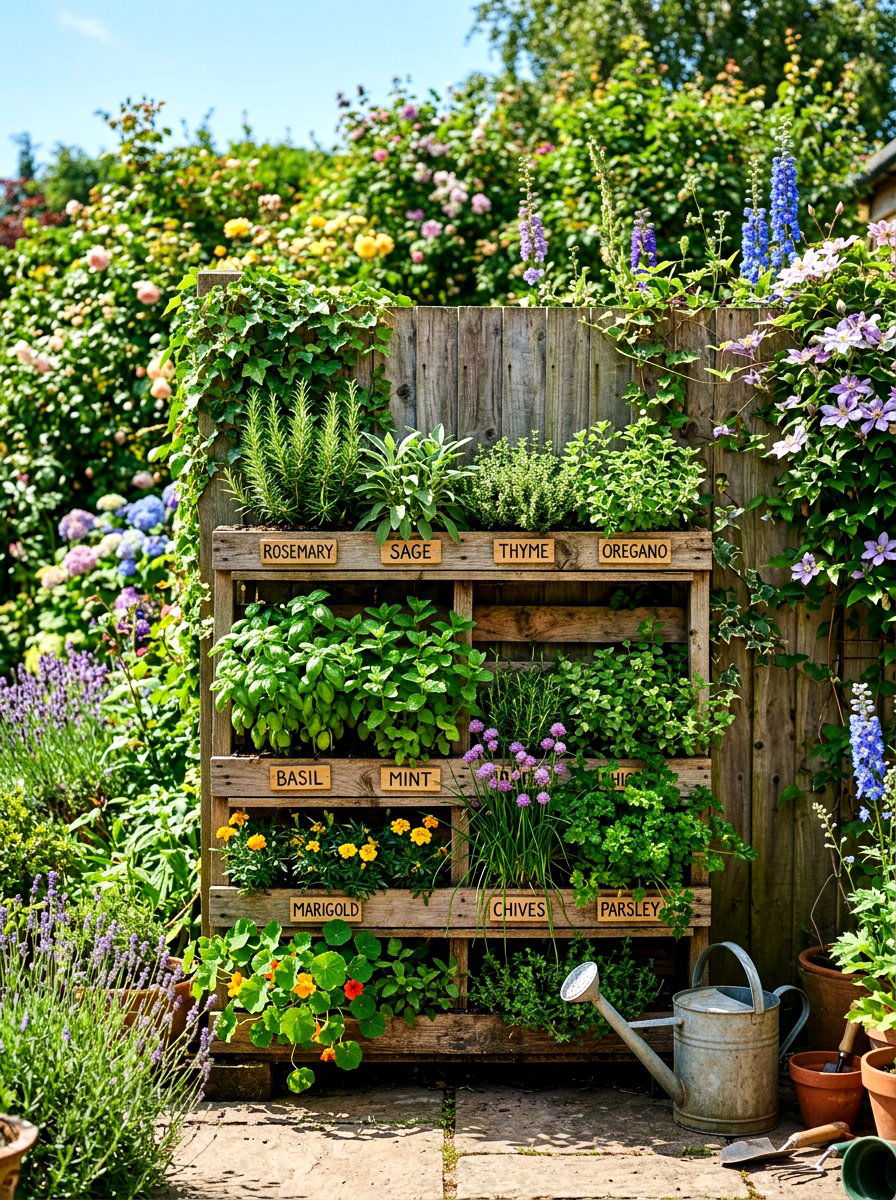
Repurposing a wood pallet into an herb planter is an eco-friendly and budget-friendly way to start your very own backyard garden project. You can lean the pallet against a wall or fence, filling the internal slats with landscape fabric to create individual planting pockets for your herbs. This design is excellent for creating a vertical garden that feels very organic and recycled, fitting perfectly into a bohemian or rustic outdoor theme. It provides plenty of space for a diverse range of plants, from creeping rosemary to bushy basil. Painting the pallet in a bright color can also make it a standout decorative element in your yard.
9. Hanging Herb Basket
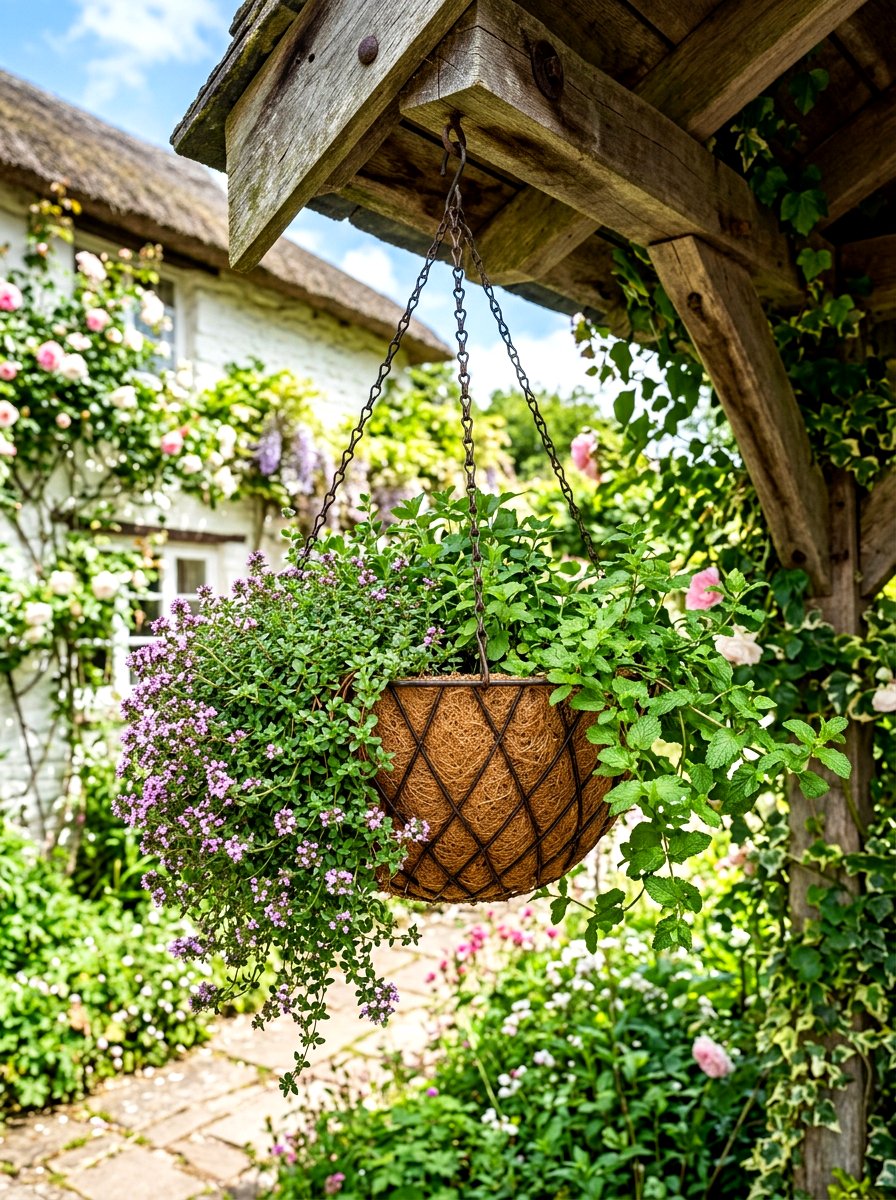
Hanging herb baskets are a wonderful way to utilize the overhead space on your porch or under a garden gazebo. These floating planters allow trailing herbs like creeping thyme or mint to cascade beautifully toward the ground, creating a soft and romantic look. Since they are elevated, they are generally safer from ground-dwelling pests and curious pets that might want to nibble on your plants. You must remember to check the soil moisture frequently, as hanging baskets tend to dry out faster than ground-level beds due to increased air circulation. This setup is perfect for adding a splash of greenery to any small outdoor living area.
10. Cinder Block Herb Bed
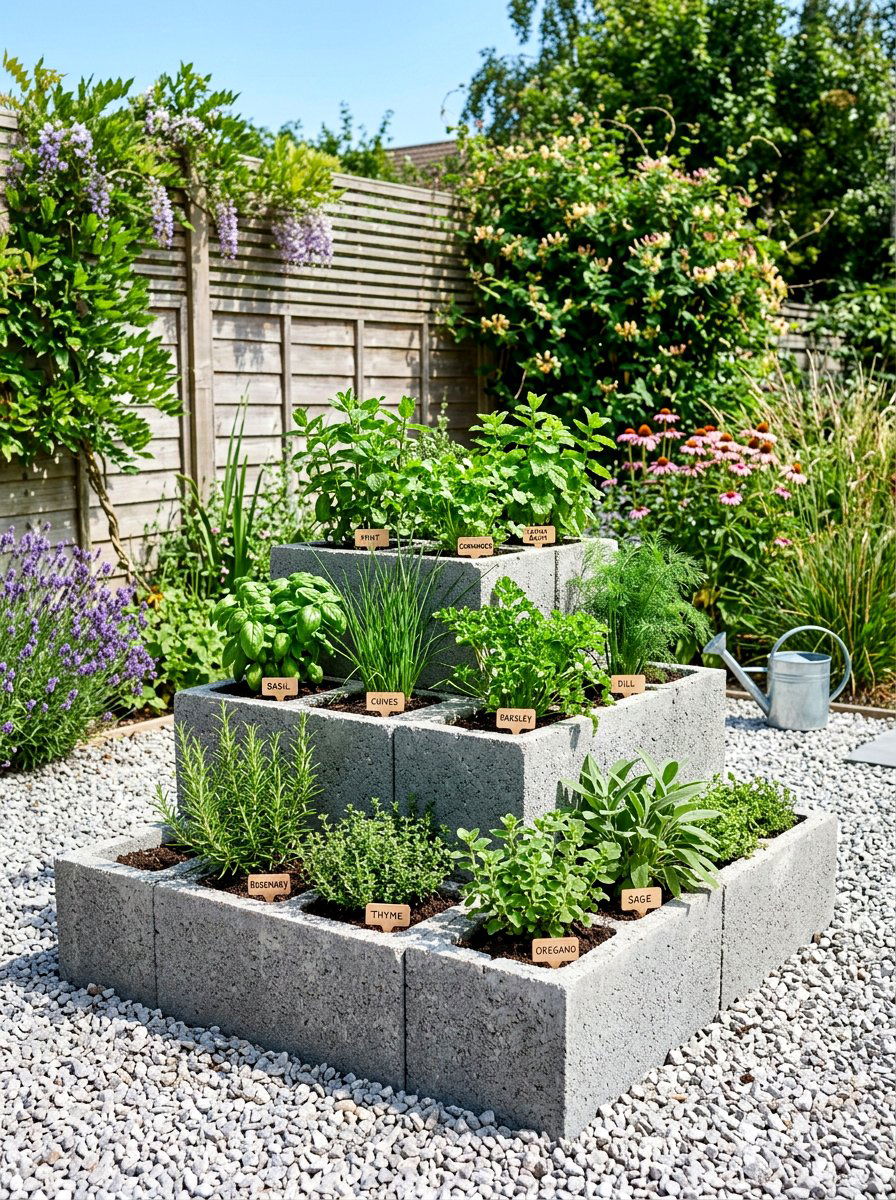
A cinder block herb bed is a very practical and inexpensive solution for organizing a large collection of different plant varieties. Each individual hole in the cinder block acts as a separate container, allowing you to give each herb its own dedicated space without fear of them intermingling. You can stack the blocks in various configurations to create a custom height and shape that fits your specific garden layout perfectly. The heavy concrete material provides great stability and helps to regulate soil temperature throughout the day. It is a very modular system that you can easily expand as your passion for herb gardening continues to grow.
11. Antique Wheelbarrow Herb Garden
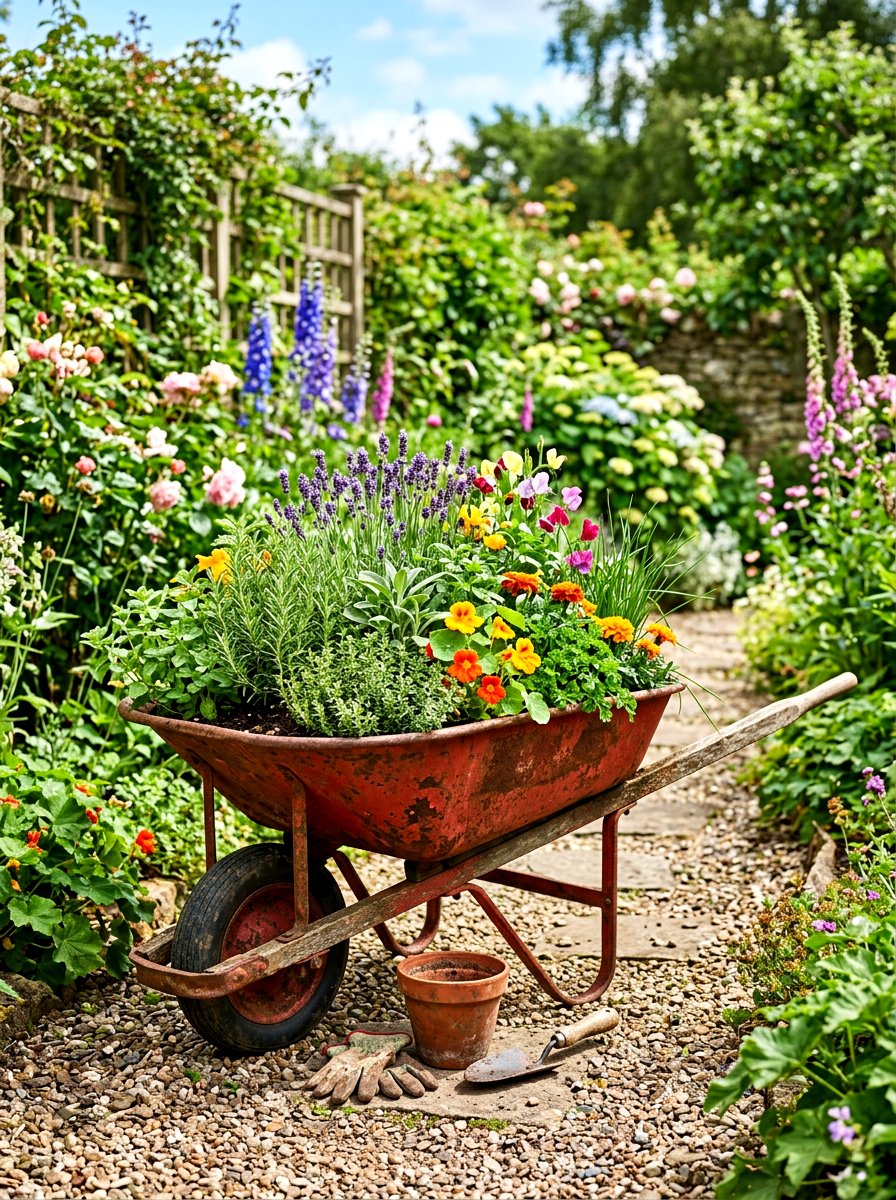
An antique wheelbarrow herb garden adds a whimsical and vintage feel to your landscape while providing a mobile planting solution. This creative use of an old garden tool allows you to move your herbs around the yard to follow the best sunlight during the changing seasons. You can fill the deep basin with a high-quality potting mix and plant a colorful variety of culinary greens and edible flowers together. This design serves as a charming conversation piece and looks particularly beautiful when placed on a lush green lawn or a gravel patio. It is a perfect way to give a second life to a retired piece of farm equipment.
12. Natural Stone Herb Border
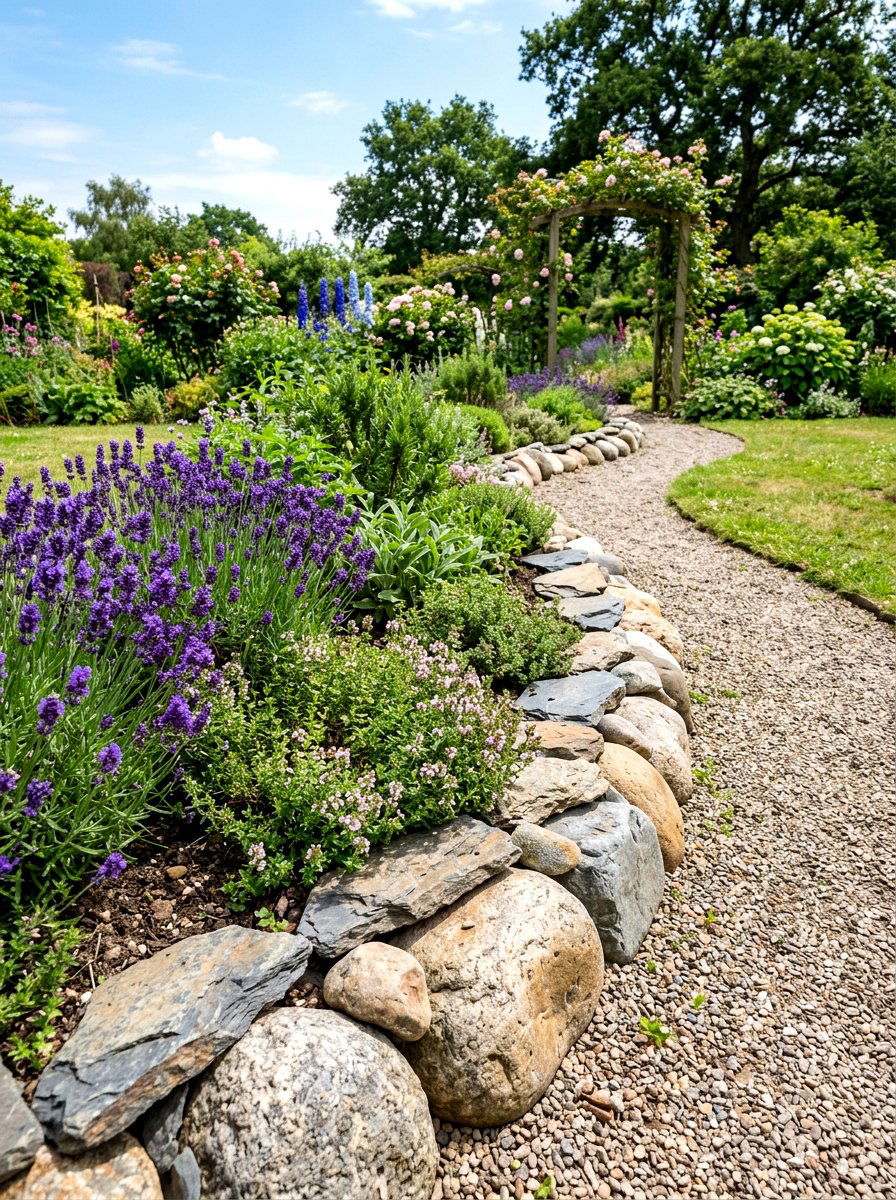
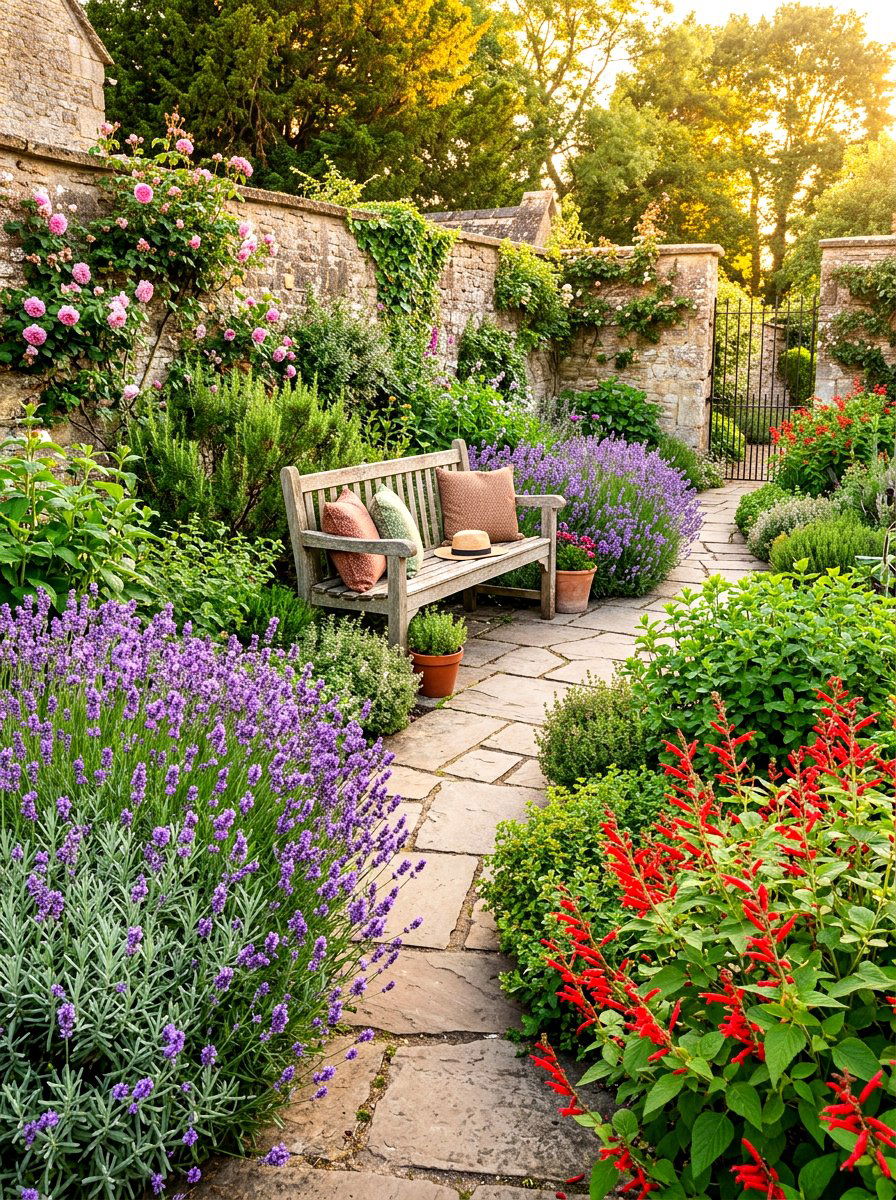
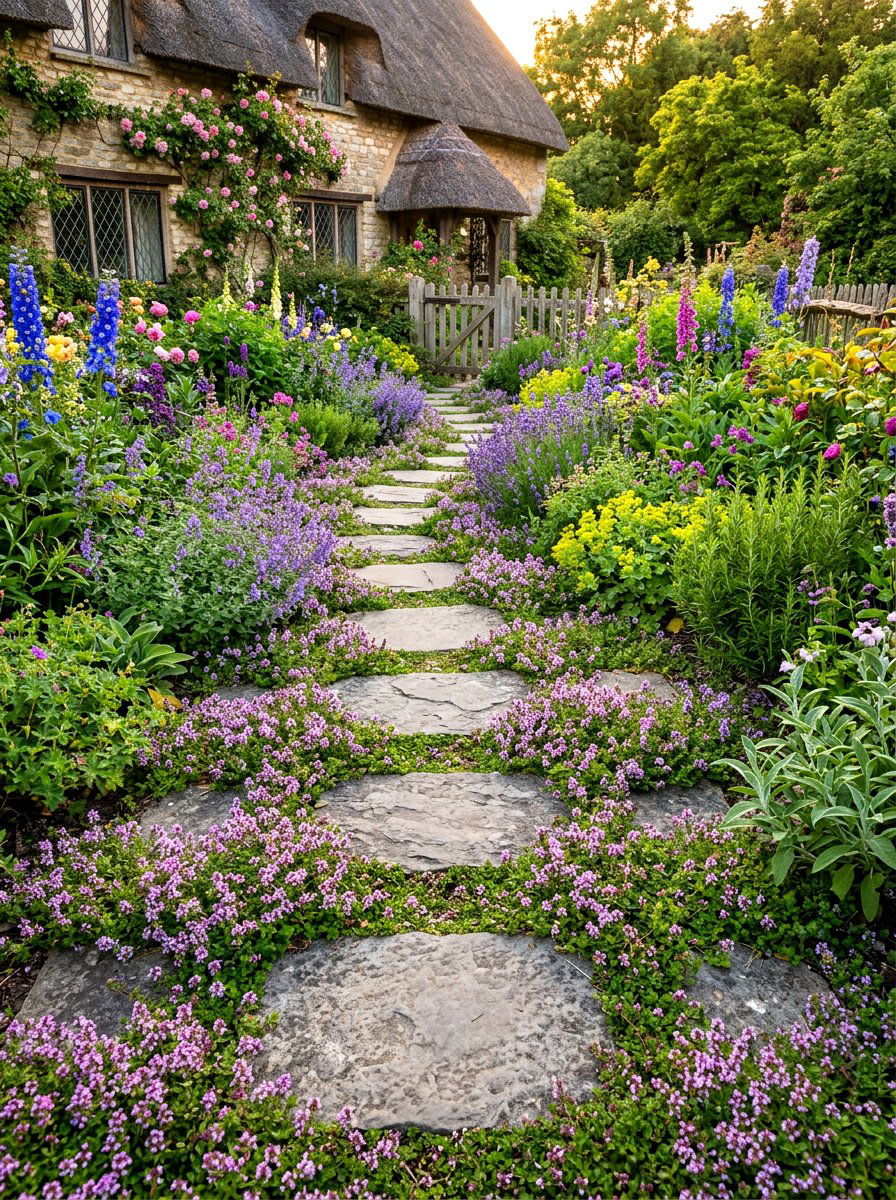
Creating a natural stone herb border along your garden path or around a patio is a timeless way to integrate herbs into your landscape. You can use large river rocks or flat slate to define the edges of the bed, giving the space a very grounded and organic appearance. Herbs like lavender and thyme look especially stunning when planted against the cool grey or warm brown tones of the stones. This type of bed is very low-maintenance and helps to suppress weeds while keeping the soil underneath moist and cool. It blends seamlessly with other ornamental plants, making your herb garden feel like a natural part of your yard.
13. Indoor LED Herb Garden
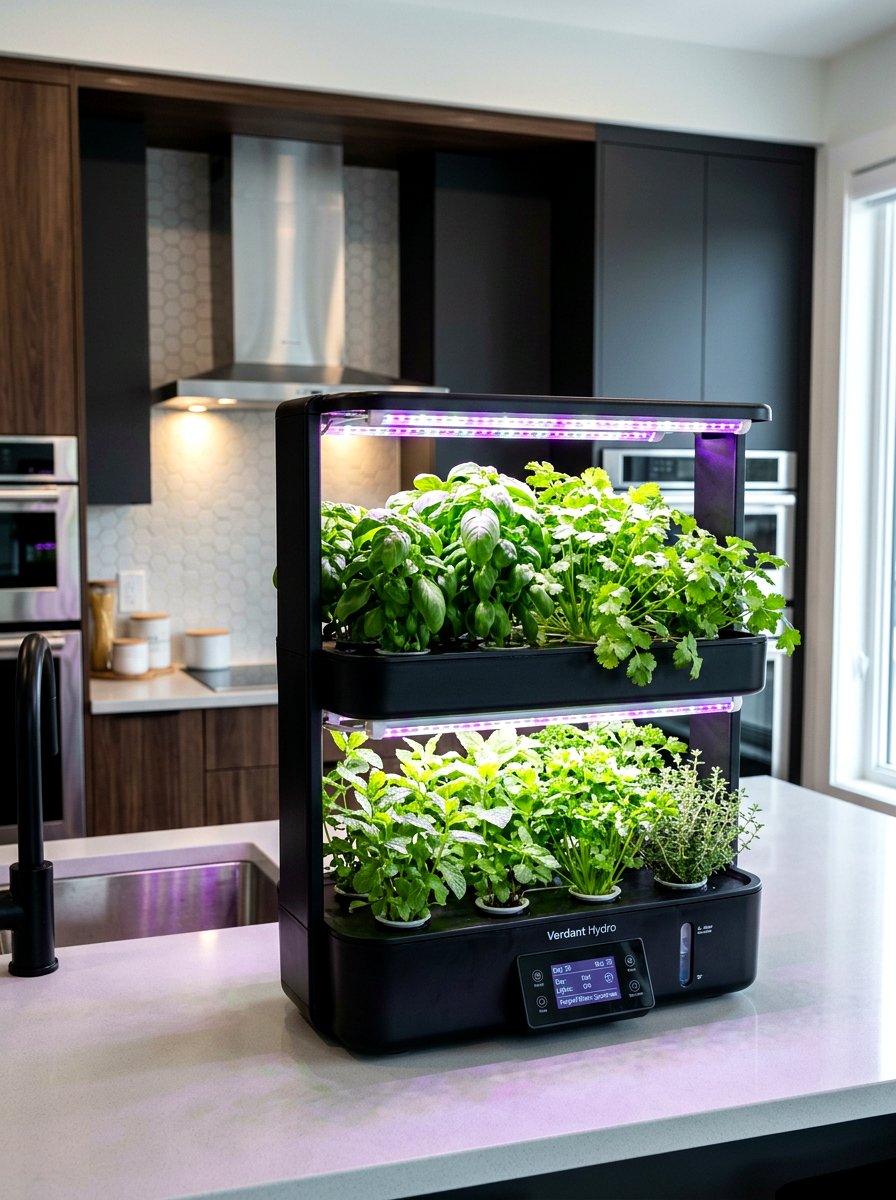
For those who live in urban environments with little natural light, an indoor LED herb garden is a high-tech and efficient solution. These compact systems come with built-in grow lights that provide the full spectrum of light necessary for photosynthesis, ensuring your herbs grow rapidly and healthily. Many of these units are hydroponic, meaning they grow plants in water rather than soil, which keeps the process very clean and mess-free for indoor use. You can place these sleek devices on your kitchen counter or a side table, turning any dark corner into a vibrant source of fresh greens. It is gardening simplified for the modern, busy lifestyle.
14. Wood Ladder Herb Stand
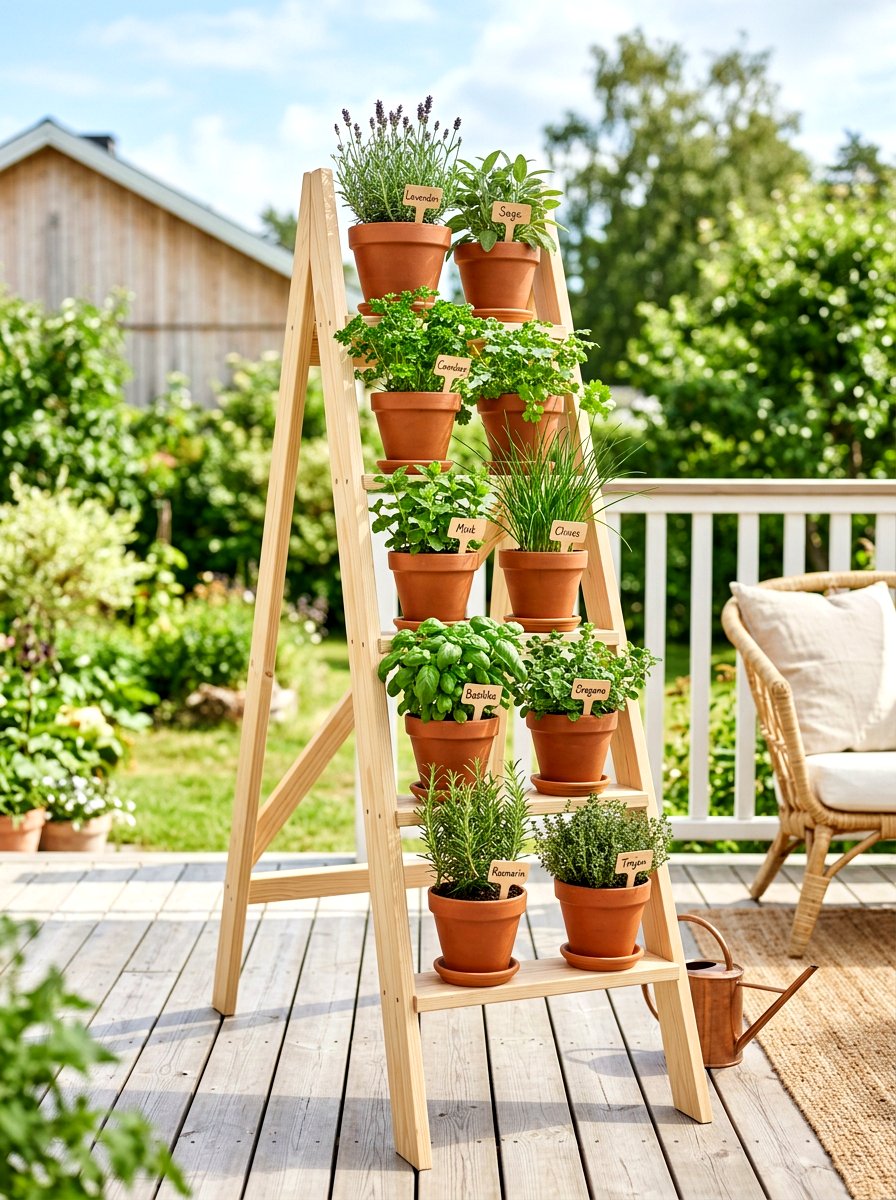
A wood ladder herb stand is a stylish and space-saving way to display your collection of potted herbs in a vertical fashion. You can use an old wooden step ladder and place long planters or individual pots on each of the steps to create a beautiful tiered effect. This arrangement is perfect for a sunny deck or a small patio where you want to add height and visual variety to your plant display. It allows you to organize your herbs by type or usage, making it very easy to find exactly what you need while you are cooking. The rustic wood finish complements the natural green of the herbs perfectly.
15. Outdoor Window Box Herb Garden
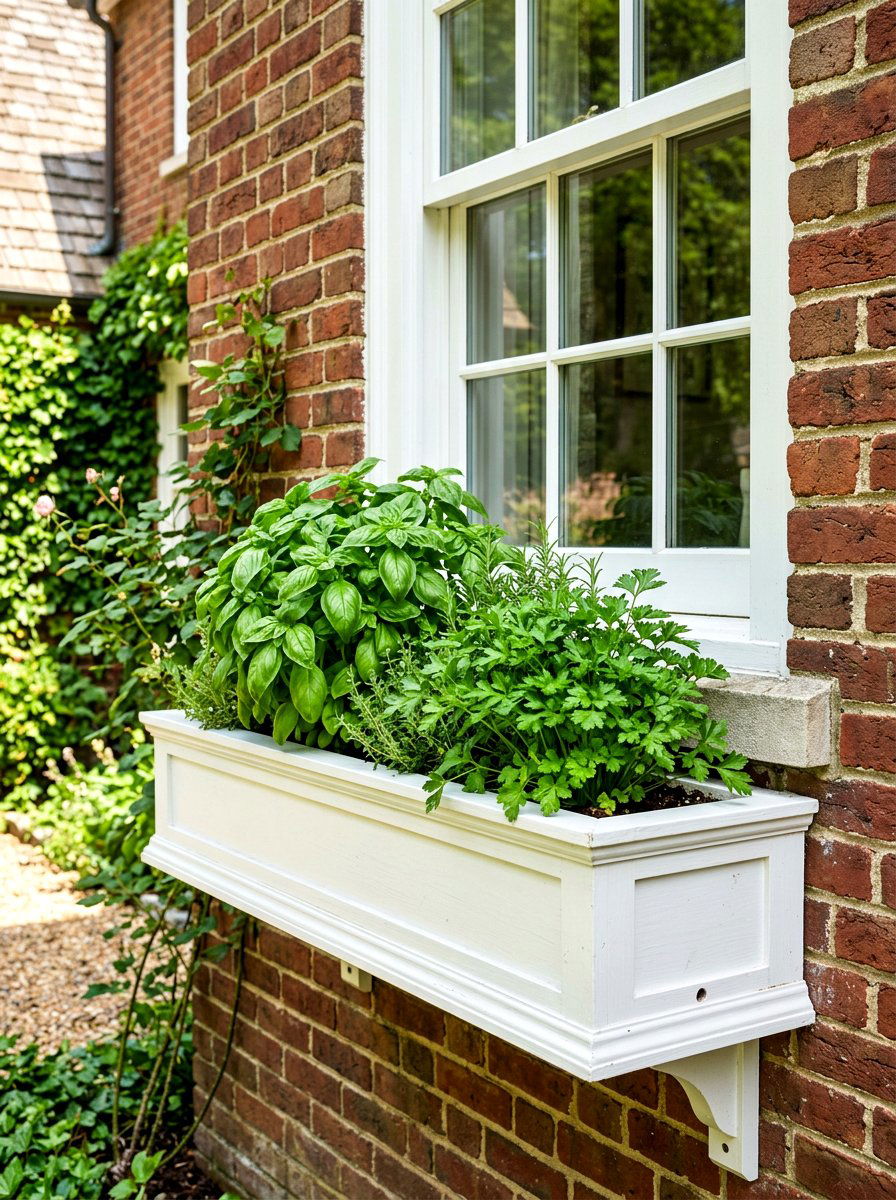
Installing an outdoor window box herb garden is a classic way to enhance the exterior of your home while keeping fresh herbs close. These long planters are attached directly under your windows, allowing you to simply reach out and snip what you need for your latest culinary creation. They provide a beautiful view from both the inside and outside of your house, adding curb appeal and a touch of greenery to your architecture. Choose a window that receives plenty of sunlight to ensure your basil and oregano stay lush and productive. It is a space-efficient design that works wonderfully for houses with very small or no yards.
16. Oak Wine Barrel Herb Planter
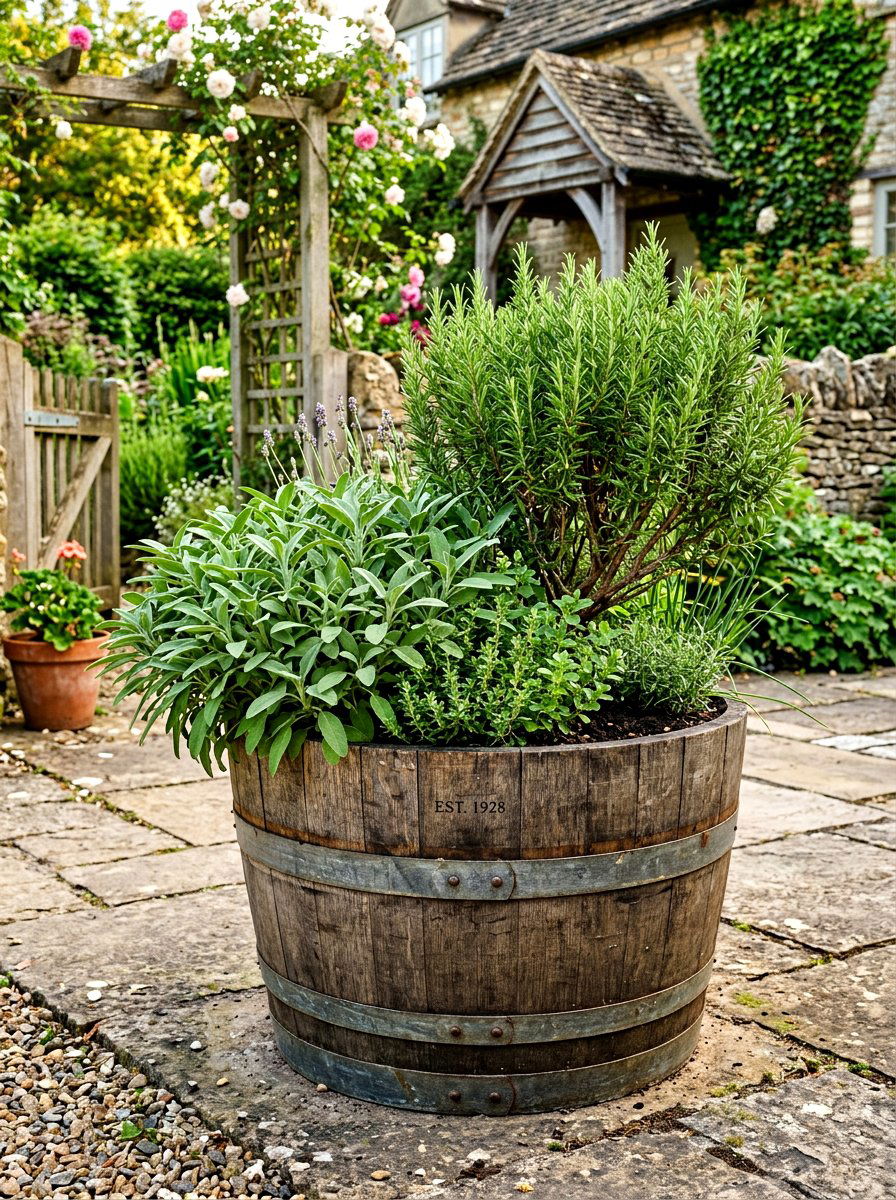
An oak wine barrel herb planter offers a large growing volume and a sophisticated, rustic aesthetic that fits well in any traditional garden. These sturdy wooden barrels are typically cut in half to create two spacious planters that can hold a significant amount of soil and multiple herb varieties. The deep soil allows for excellent root development, which is particularly beneficial for larger perennial herbs like sage or rosemary. You can create a mini-landscape within the barrel by mixing different textures and colors of foliage for a stunning visual display. They are heavy and durable, providing a permanent and reliable fixture for your outdoor living space.
17. Modern Concrete Herb Box
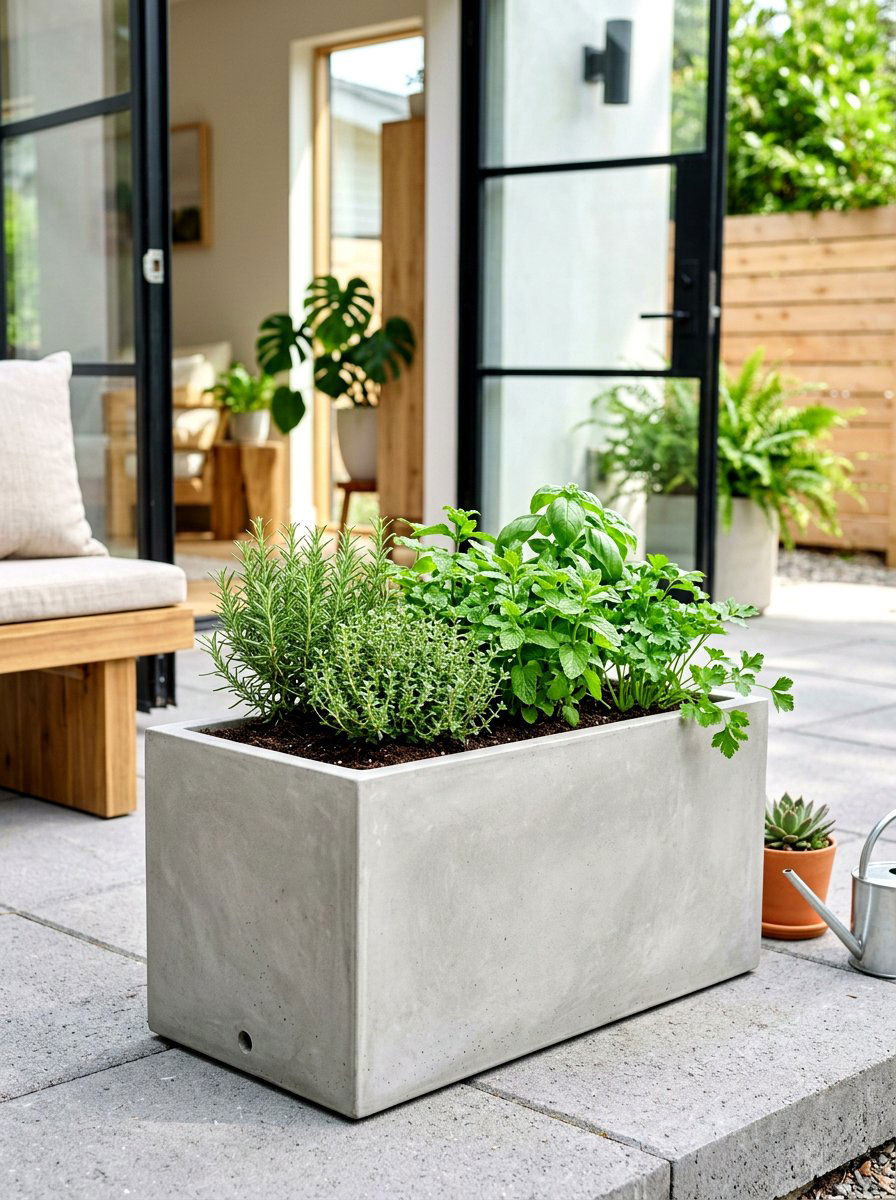
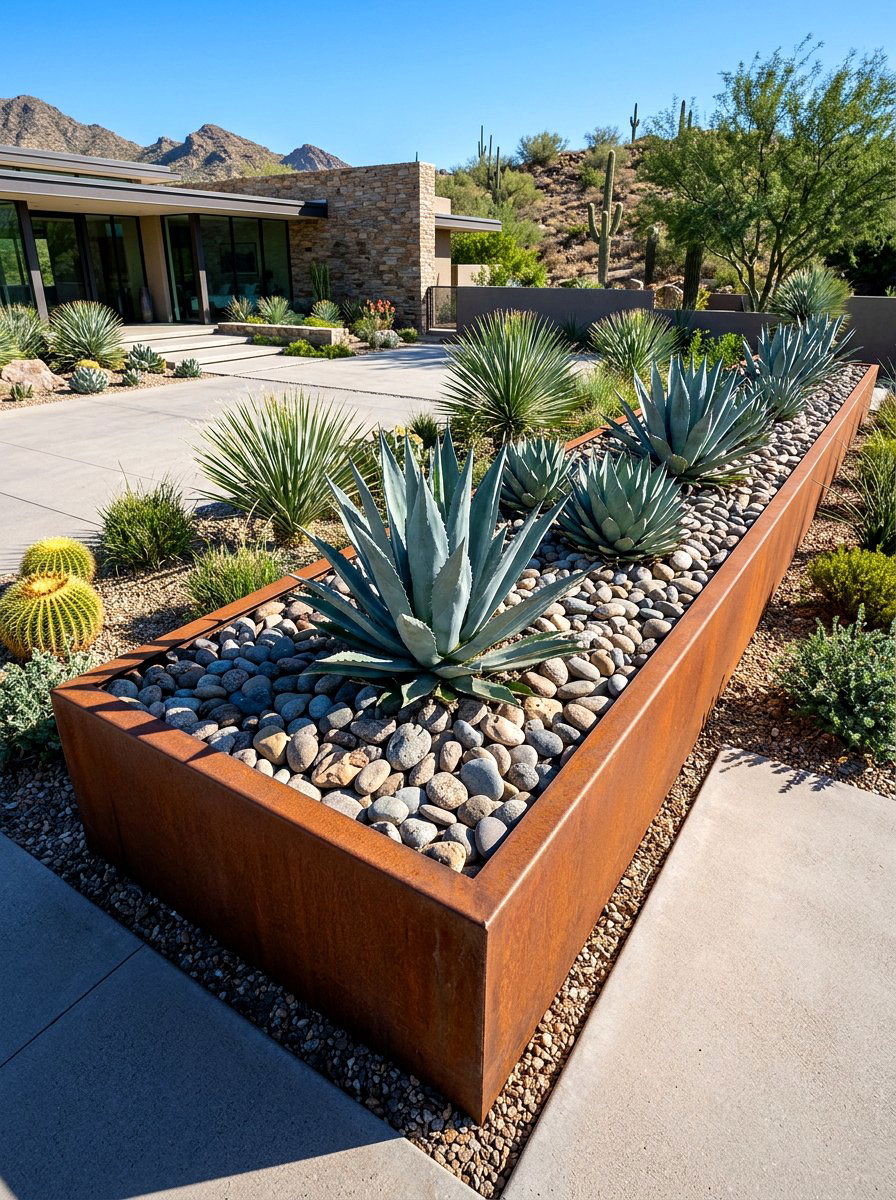
A modern concrete herb box is the perfect addition to a contemporary home with clean lines and a minimalist aesthetic. The smooth, grey surface of the concrete provides a neutral backdrop that makes the vibrant green and purple hues of your herbs really stand out. These planters are incredibly heavy and stable, meaning they won't tip over in high winds or be easily moved by curious animals. They are also very resistant to weather damage and will maintain their sleek appearance for many years with minimal maintenance. This design is ideal for a modern patio or a stylish rooftop garden where style is just as important as function.
18. Stacked Terra Cotta Herb Tower
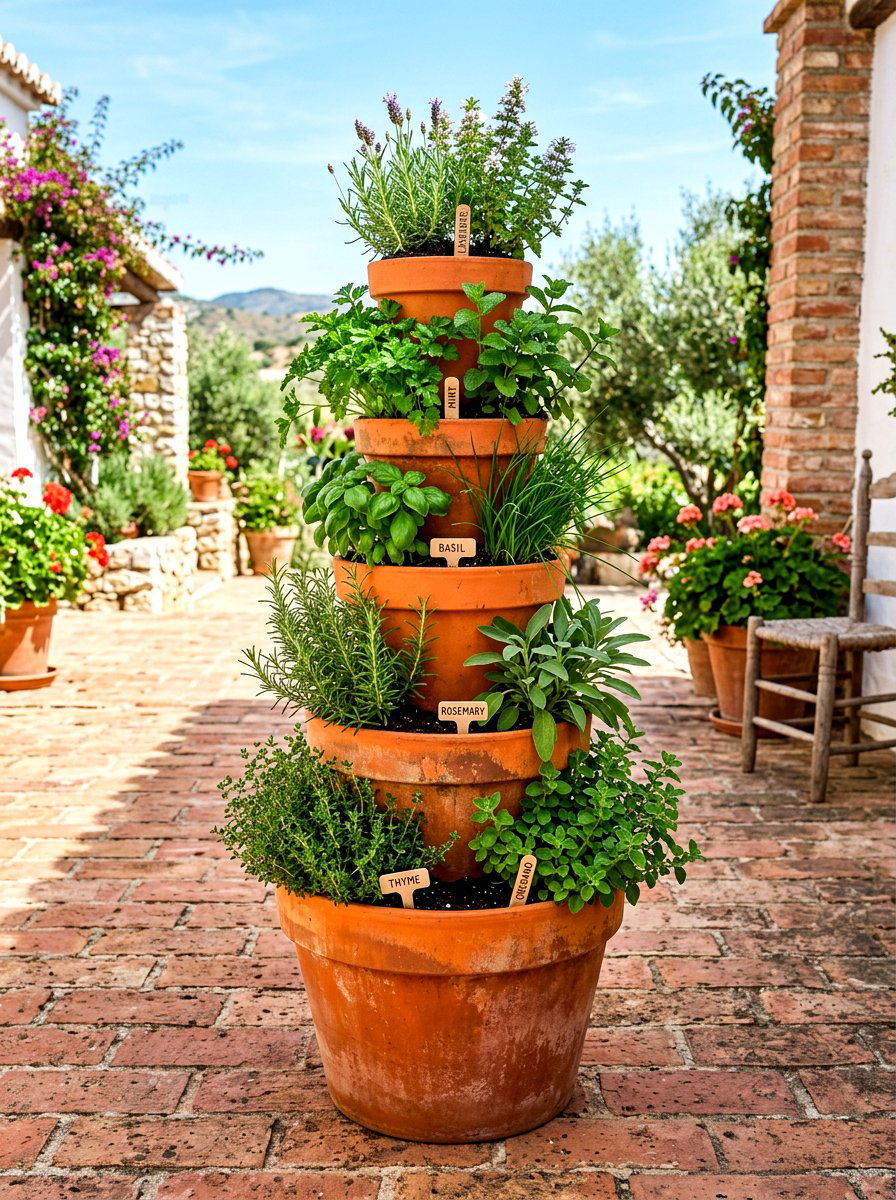
Creating a stacked terra cotta herb tower is a fun and creative way to grow many different plants in a very small circular footprint. You can stack several pots of decreasing sizes on top of one another, using a central rod for stability, to create a tall and impressive vertical garden. Each level offers a unique planting space for a specific herb, such as chives on one level and oregano on another. The porous nature of the terra cotta allows the soil to breathe, which is excellent for the health of your plants' root systems. This tower acts as a beautiful living sculpture that adds height to your patio.
19. Woven Willow Herb Bed
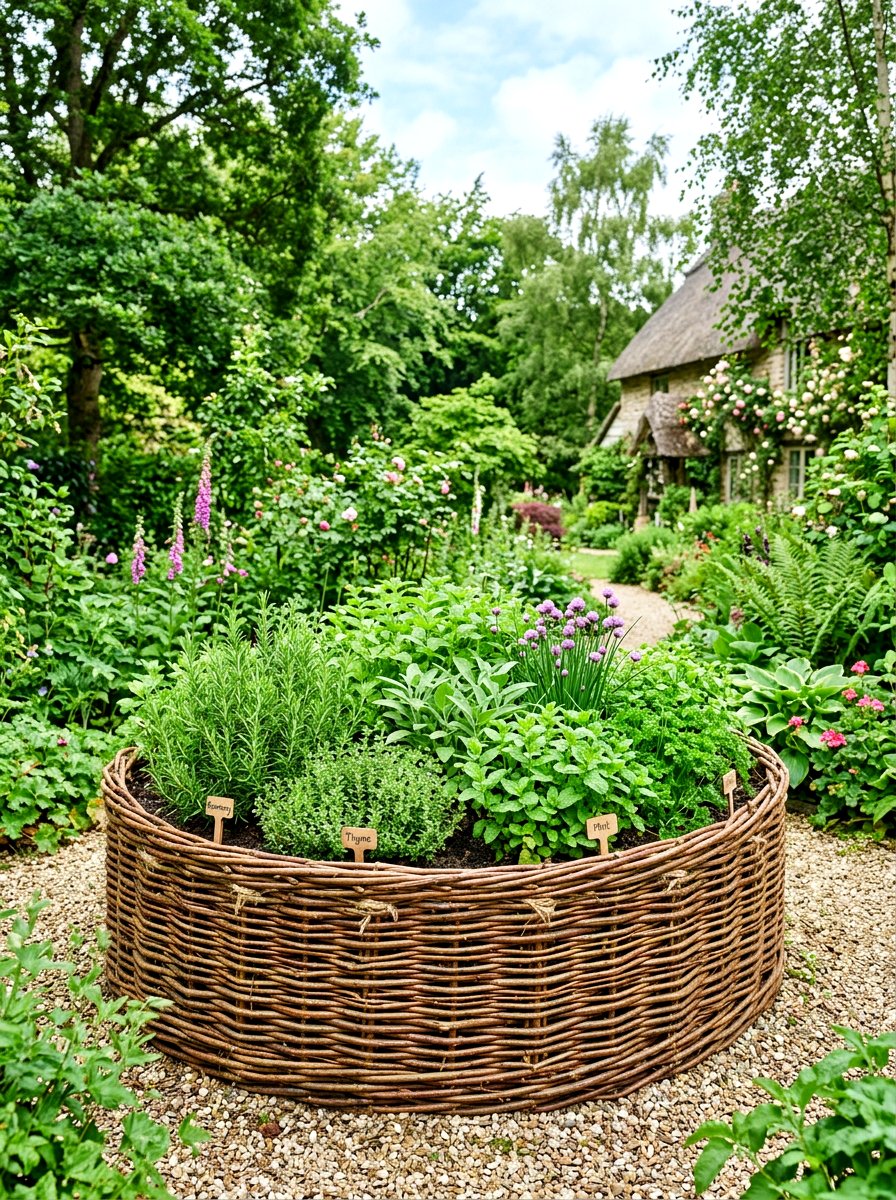
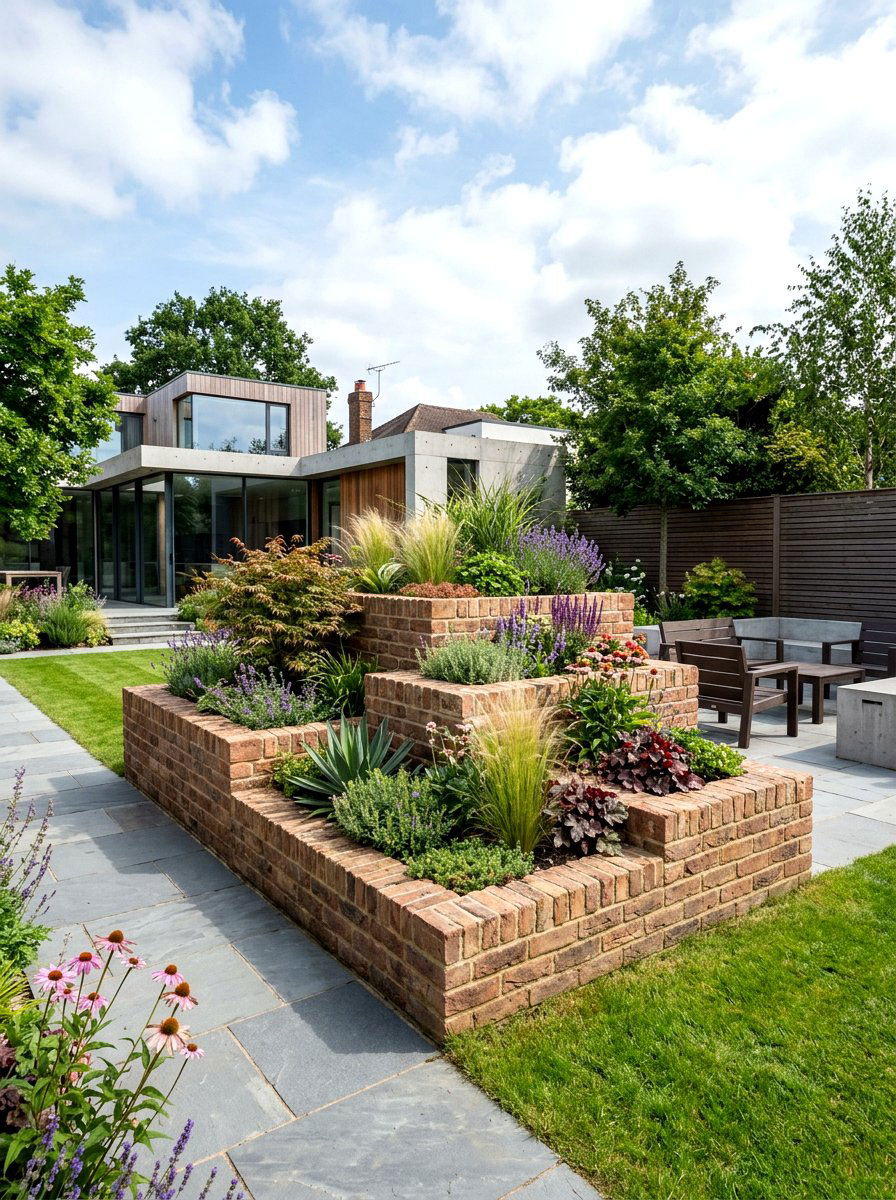
A woven willow herb bed provides a soft, natural, and artisanal look that blends beautifully into a cottage garden or a traditional landscape. These raised beds are constructed using traditional basket-weaving techniques, resulting in a unique and textured boundary for your aromatic plants. The willow branches are flexible yet strong, creating a sturdy frame that holds the soil in place while allowing for natural drainage through the gaps. This design feels very grounded and historical, bringing a touch of old-world charm to your modern backyard. It is a fantastic choice for those who appreciate handmade elements and natural materials in their outdoor environment.
20. Greenhouse Herb Shelving
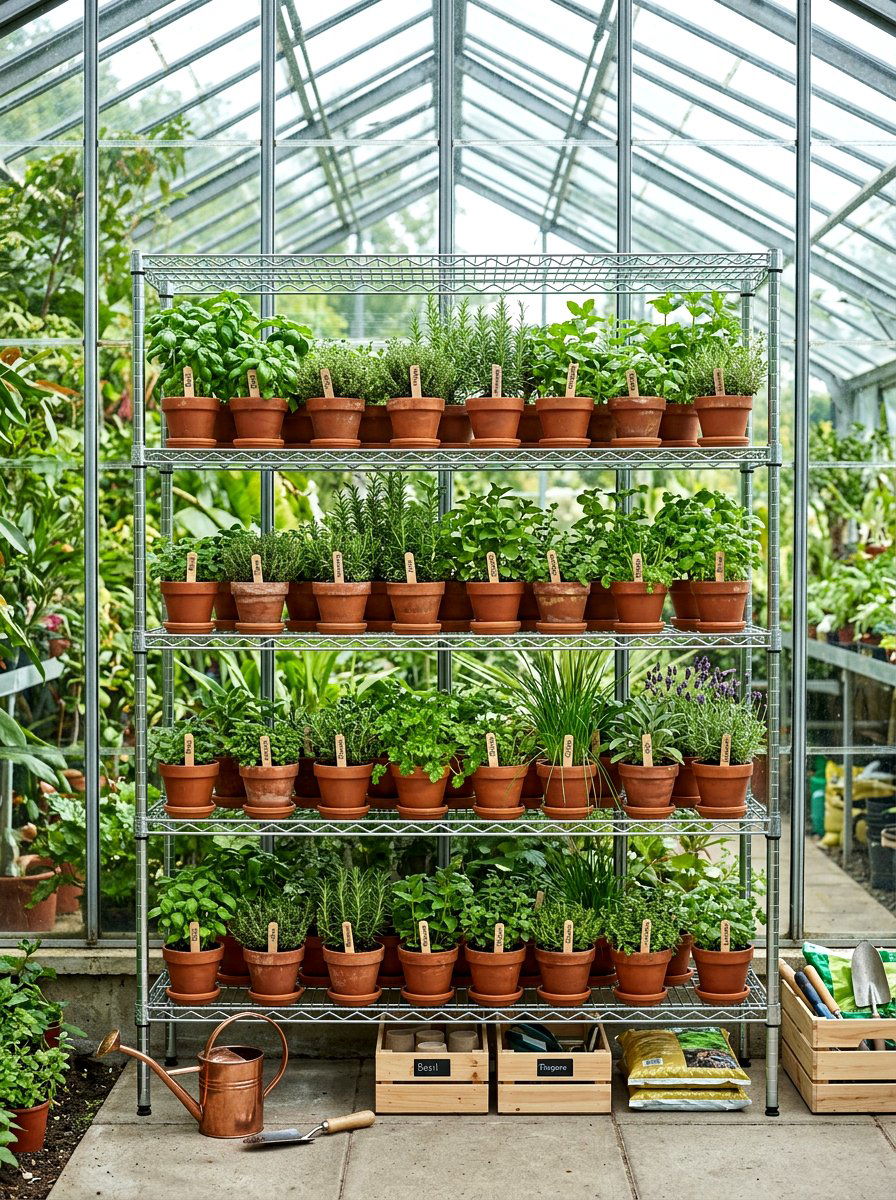
Utilizing greenhouse herb shelving allows you to extend your growing season and protect your sensitive plants from harsh weather conditions or sudden frosts. These multi-tiered racks can be placed inside a small backyard greenhouse or even a glass-enclosed porch to create an optimal growing environment. The controlled climate ensures that your herbs receive consistent warmth and humidity, which can lead to much faster growth and a more bountiful harvest throughout the year. You can organize your pots by their specific temperature needs, keeping heat-loving basil on the higher shelves where the air is warmest. This is the ultimate setup for a dedicated and passionate herb enthusiast.
21. Modern Rooftop Herb Garden
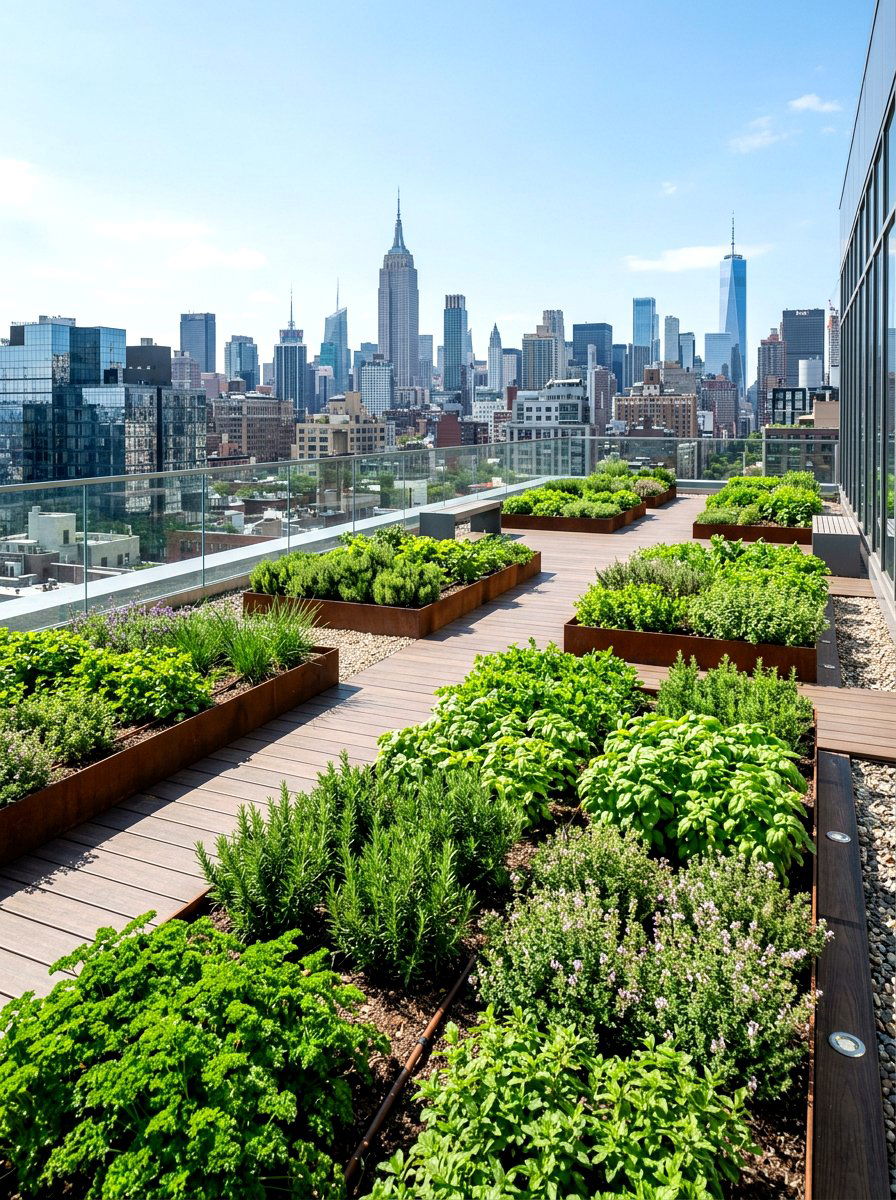
Transforming an unused rooftop into a modern rooftop herb garden is a smart way to maximize urban living spaces and enjoy fresh air. This design often uses lightweight containers and sleek raised beds to avoid putting too much stress on the building's structure while providing ample growing space. The high elevation often means your plants will receive plenty of direct sunlight, which is perfect for sun-hungry herbs like lavender and rosemary. Adding some comfortable seating and atmospheric lighting can turn your rooftop garden into a private sanctuary where you can relax and enjoy the fruits of your labor under the open sky.
22. Brick Checkerboard Herb Layout
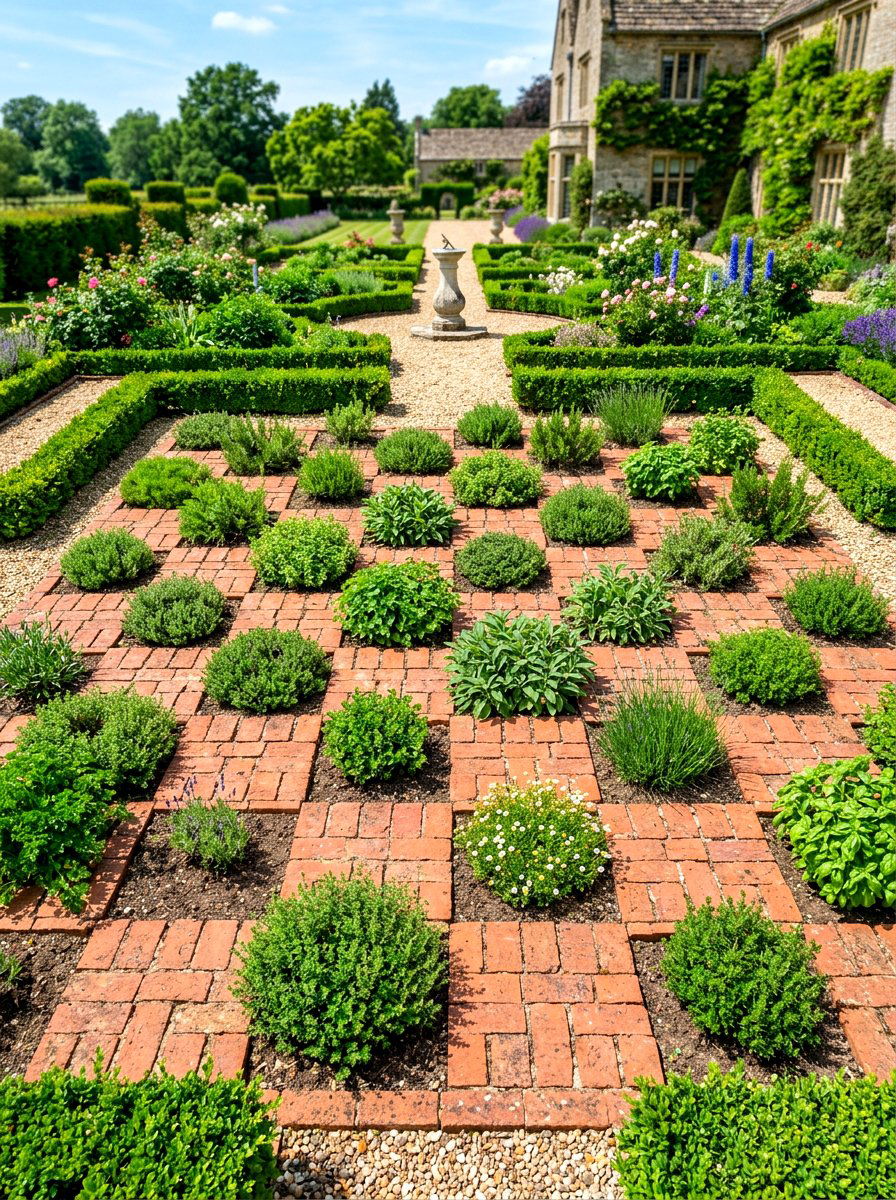
A brick checkerboard herb layout is a highly organized and visually striking design that alternates between solid pavers and small squares of planting soil. This geometric pattern helps to contain spreading herbs like mint, preventing them from taking over the rest of your garden beds. The bricks provide clean and stable pathways for you to walk on, making it very easy to harvest and maintain your plants without getting your shoes muddy. This formal arrangement looks incredible in a traditional backyard or a structured kitchen garden. It combines practical organization with a timeless aesthetic that will never go out of style for any homeowner.
23. Self Watering Herb Bed
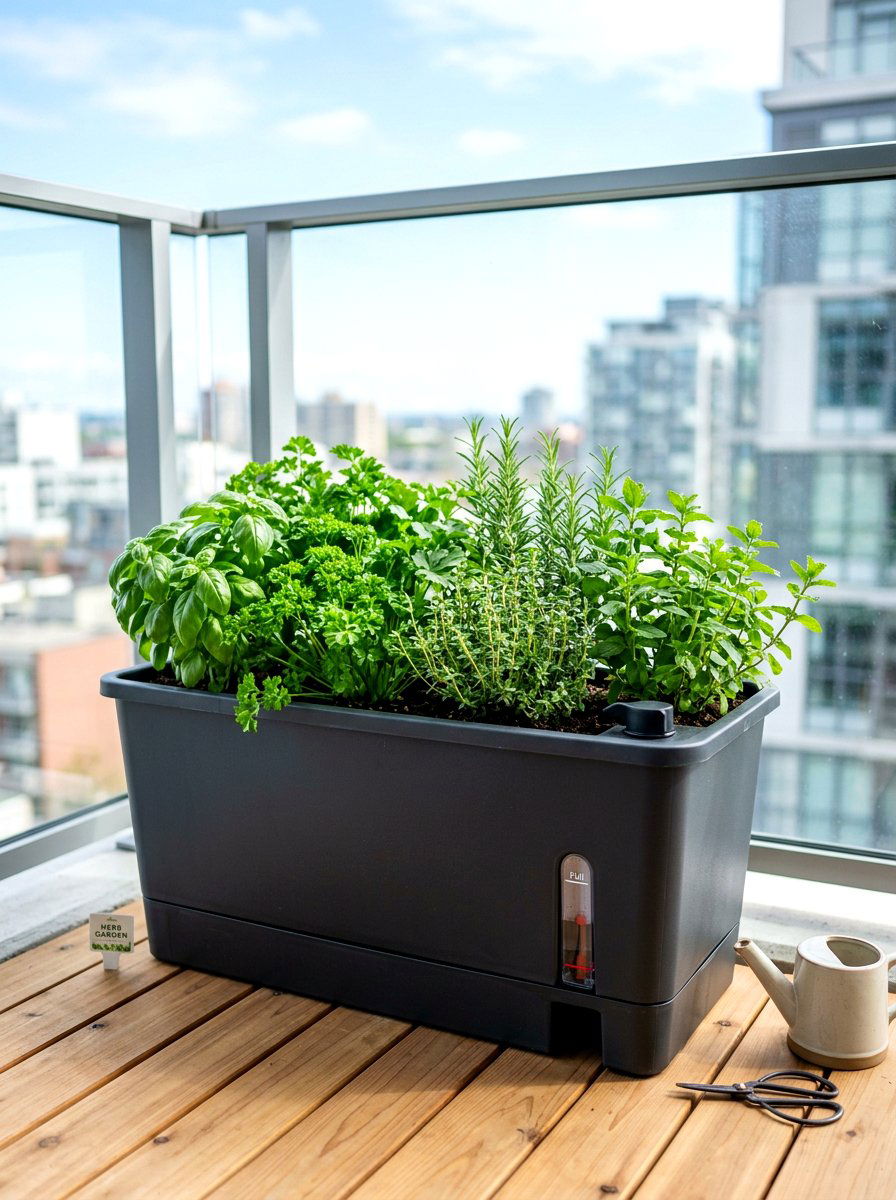
A self-watering herb bed is the ideal solution for busy gardeners who may not have the time to water their plants every single day. These innovative beds feature a built-in reservoir at the bottom that provides a consistent supply of moisture to the roots through a wicking system. This ensures that your herbs never dry out, even during the hottest days of summer, leading to much healthier and more productive plants. It also prevents overwatering by only providing as much water as the plants actually need at any given time. This low-maintenance setup is perfect for beginners who want to ensure their garden success.
24. Hanging Wall Herb Pockets
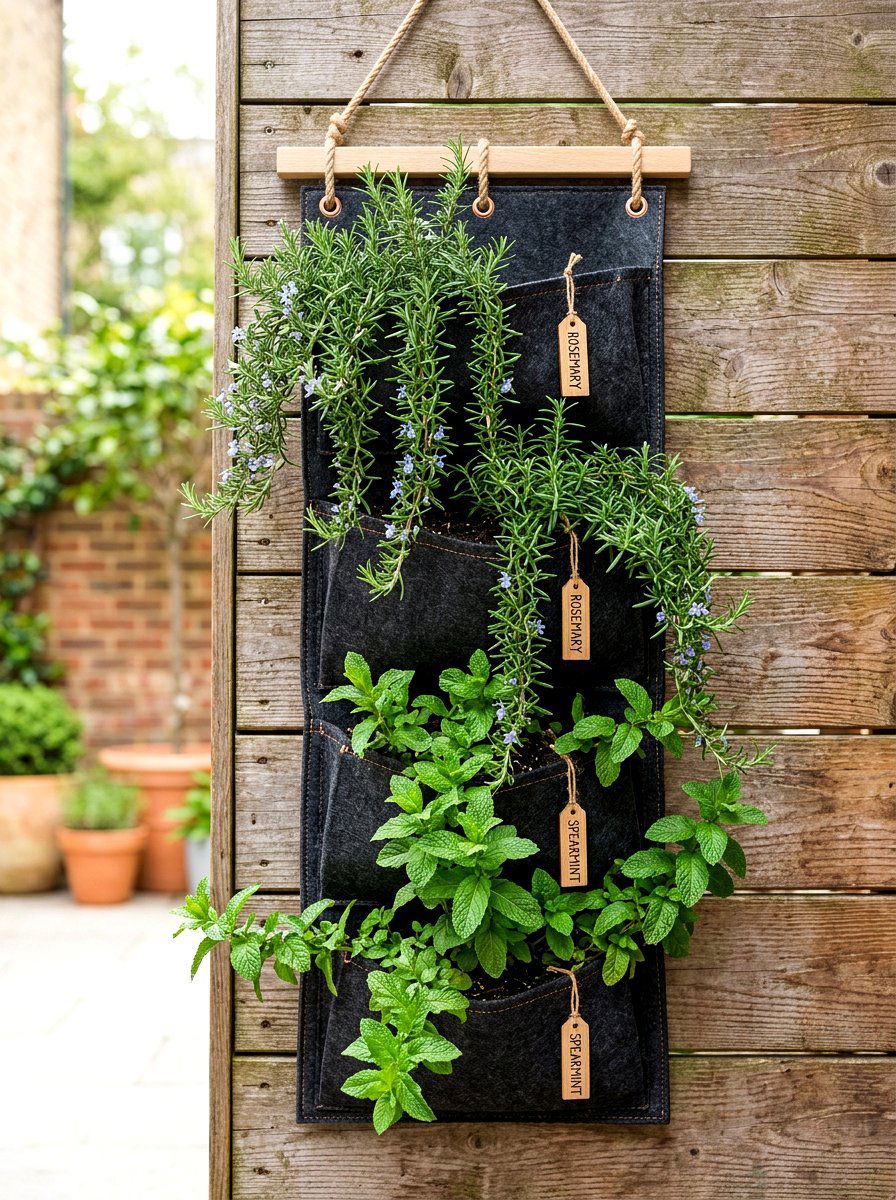
Hanging wall herb pockets are made from durable fabric or felt and can be easily mounted onto any vertical surface like a fence or wall. These soft-sided planters allow for excellent aeration of the roots, which promotes vigorous growth and prevents common soil-borne diseases. You can create a large green wall by mounting several of these pocket systems side by side, turning a boring wall into a lush and edible masterpiece. They are very lightweight and easy to install, making them a popular choice for renters who want to garden without making permanent changes to their outdoor space. It is a truly modern way to garden.
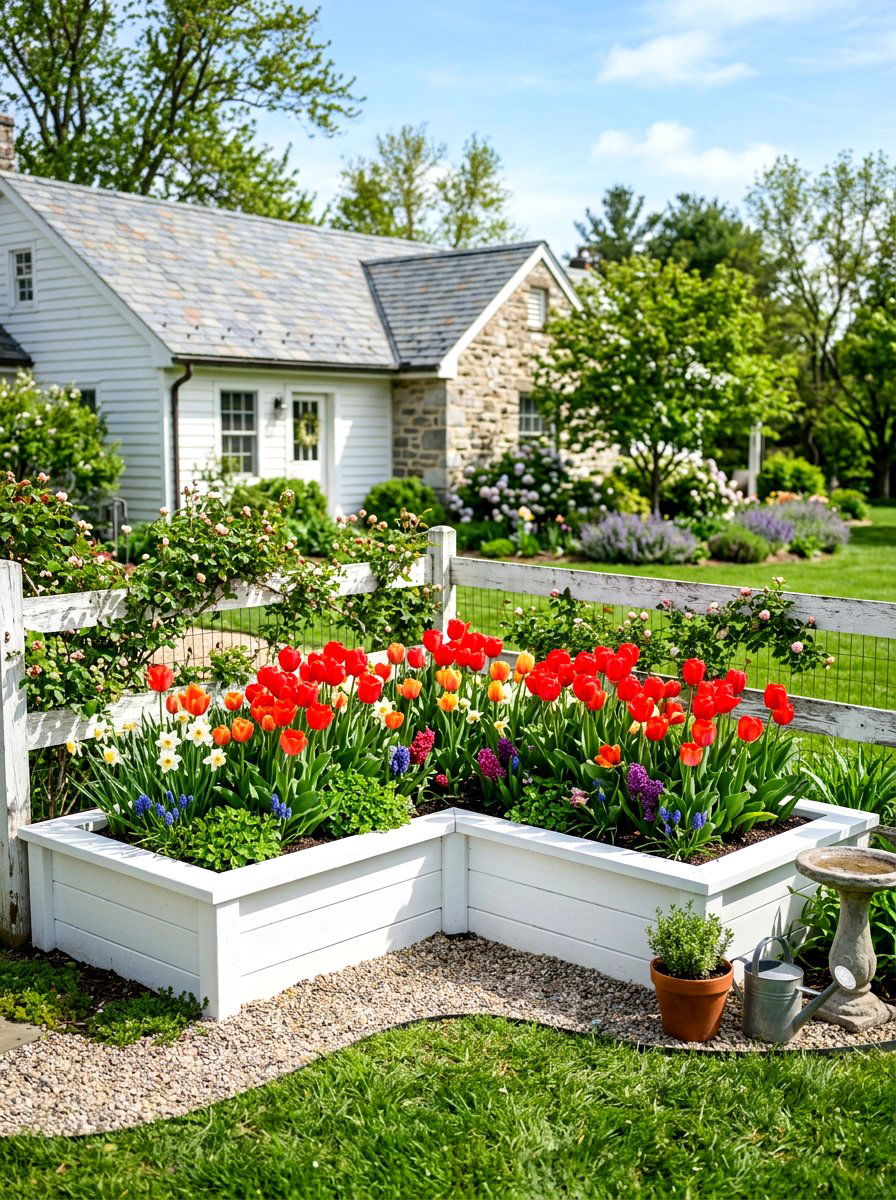
25. Industrial Copper Pipe Herb Stand
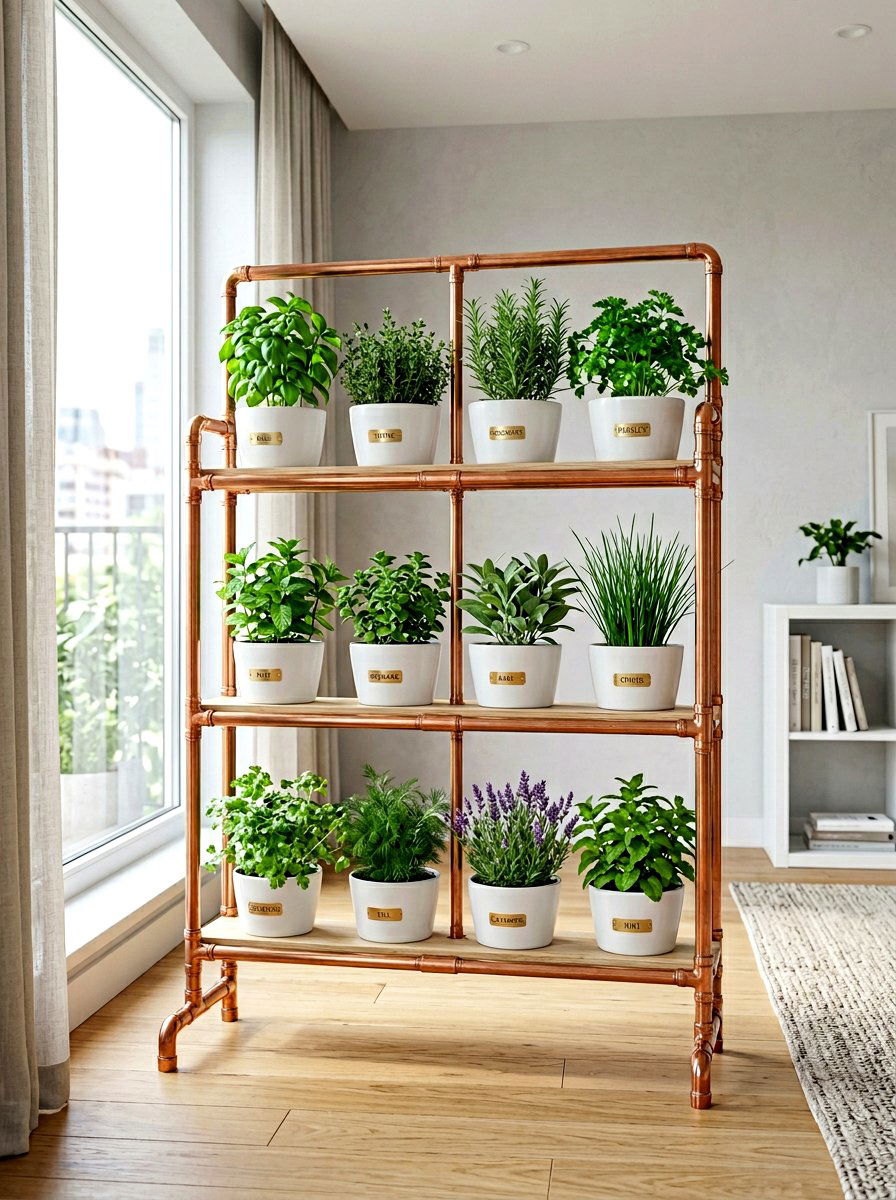
An industrial copper pipe herb stand is a unique and stylish DIY project that brings a touch of metallic shine to your indoor or outdoor garden. The warm, reddish tones of the copper pipes create a beautiful contrast with the green leaves of your growing herbs, making for a very eye-catching display. You can design the stand to hold several rows of small pots, creating a structured and architectural look that fits perfectly in a modern or loft-style home. Over time, the copper will develop a natural patina that adds even more character and charm to your personalized herb garden setup. It is a true statement piece.
26. Chalkboard Label Herb Planter
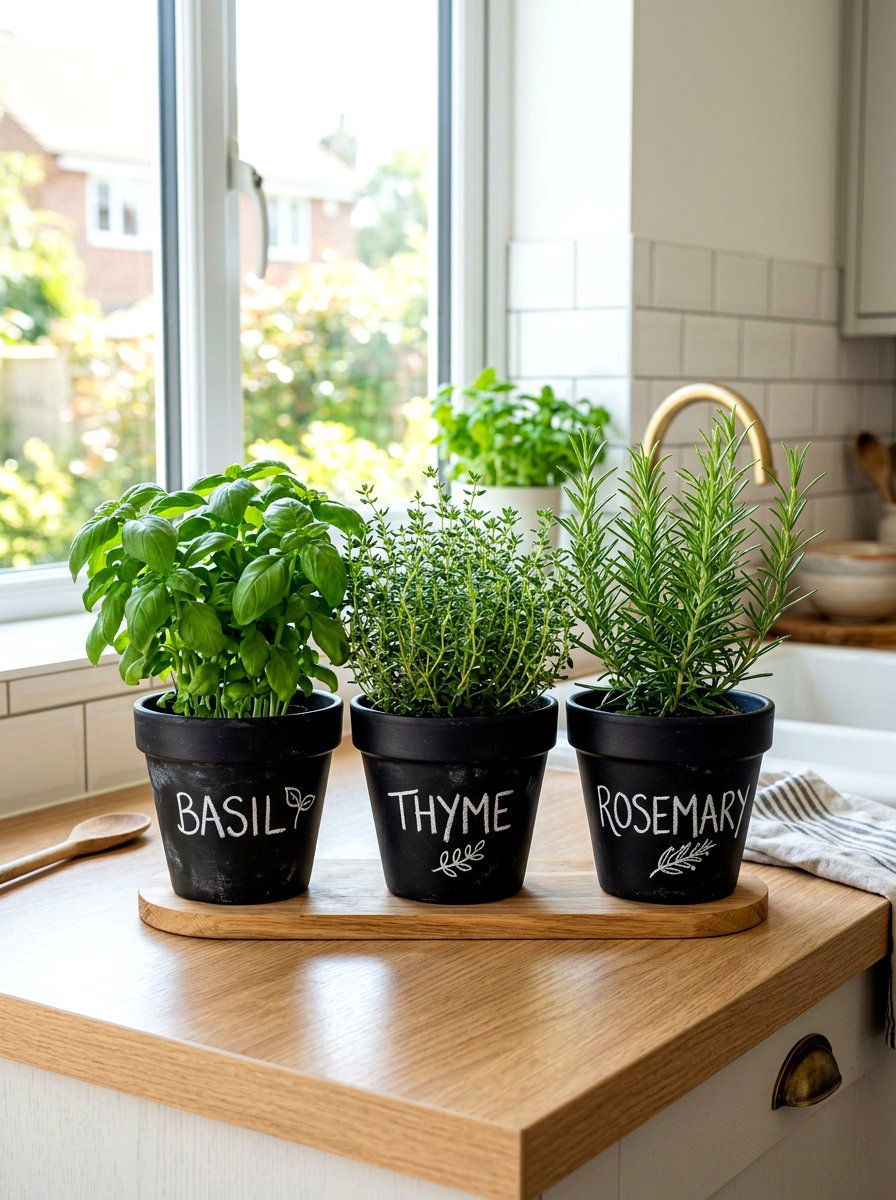
Using chalkboard labels on your herb planters is a fun and practical way to keep your garden organized while adding a creative touch. You can easily write the names of each herb on the pots using chalk or a chalkboard marker, which is particularly helpful if you are growing several similar-looking plants. This allows you to quickly identify exactly what you need while you are in the middle of a busy cooking session. It also gives you the flexibility to change the labels whenever you decide to plant something new in that container. This design is very popular in family homes where kids can help with the labeling.
27. Vertical Trellis Herb Garden
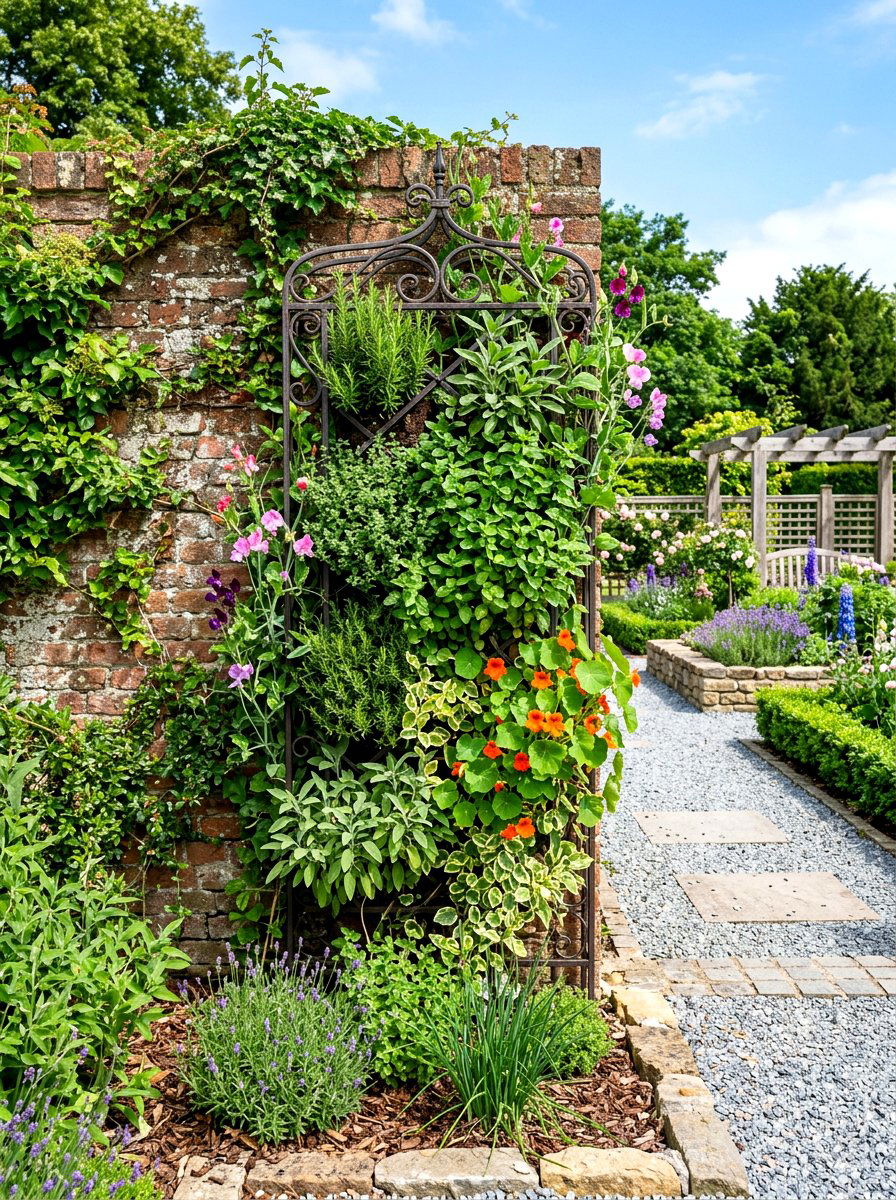
A vertical trellis herb garden is perfect for growing climbing or trailing herbs like jasmine or some varieties of mint that enjoy having something to lean on. You can mount a wooden or metal trellis against a wall and place your herb pots at the base, allowing the plants to grow upward and weave through the structure. This creates a beautiful green screen that can provide privacy for your patio while also giving you a bountiful harvest. It is a fantastic way to add vertical interest to your garden without taking up much ground space. The architectural lines of the trellis add structure to your outdoor area.
28. Mobile Kitchen Herb Cart
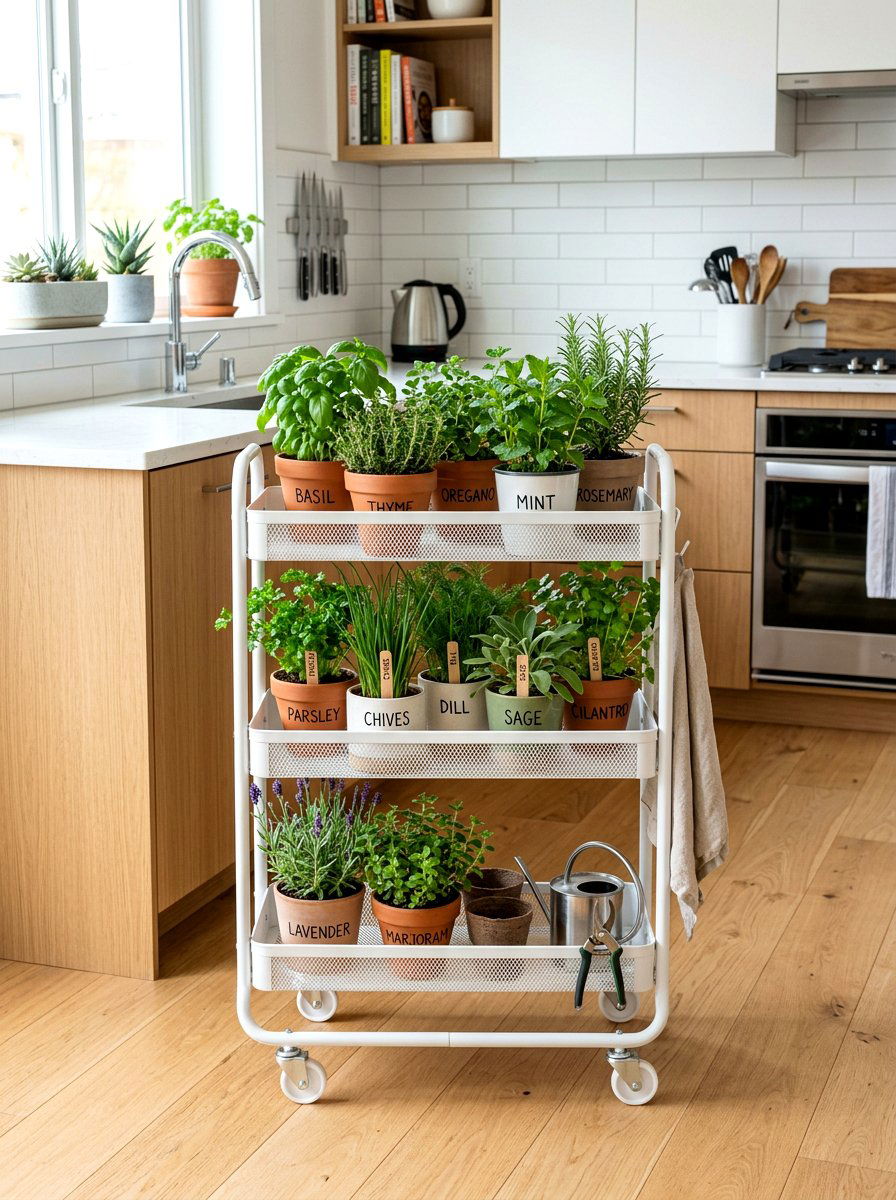
A mobile kitchen herb cart is the ultimate convenience for any home cook who wants their fresh ingredients to follow them wherever they go. You can use a rolling utility cart and fill the different shelves with a variety of potted herbs, allowing you to move the entire garden from the sunny patio into the kitchen when it's time to cook. This flexibility is great for ensuring your plants always get the best light throughout the day, regardless of where the sun is. It also keeps your counters clear while still keeping your favorite seasonings within very easy reach. It is a very practical and modern gardening solution.
29. Formal English Knot Herb Garden

A formal English knot herb garden is a complex and beautiful design that uses low-growing, clipped herbs to create intricate interlocking patterns on the ground. Traditionally, different colors and textures of foliage are used to distinguish the various "strands" of the knot, resulting in a stunning living tapestry. This type of garden requires regular maintenance and pruning to keep the lines sharp and the patterns clear, but the results are truly breathtaking and luxurious. It is a fantastic centerpiece for a large backyard or a formal estate, bringing a sense of history and classic elegance to your outdoor landscape that will surely impress your guests.
30. Repurposed Drawer Herb Bed
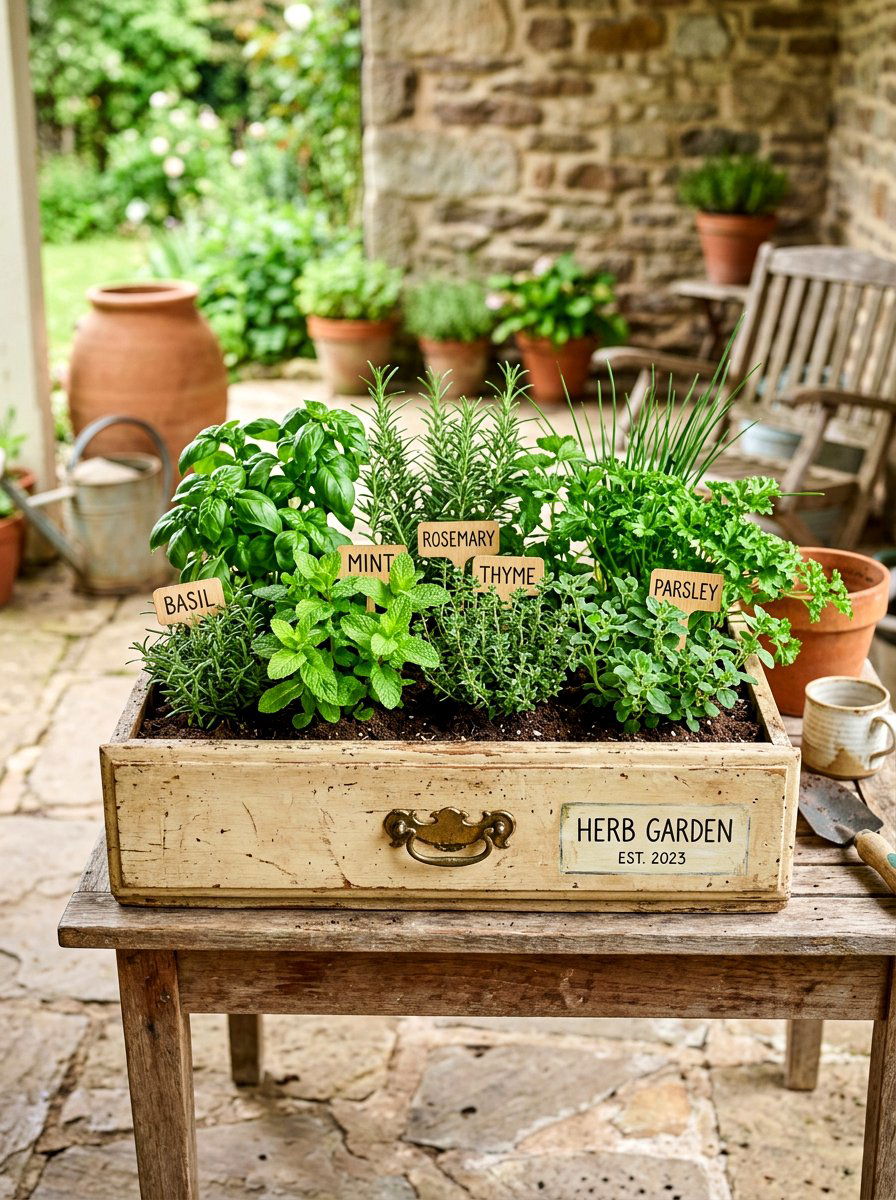
Using a repurposed dresser drawer as an herb bed is a creative and eco-friendly way to add a touch of vintage charm to your porch or garden. You can take old wooden drawers from a discarded piece of furniture, line them with plastic to protect the wood, and fill them with nutrient-rich soil for your plants. This design is perfect for creating a small, self-contained garden that feels very personal and unique to your home. You can stack several drawers at different angles to create a tiered effect or place them individually on a garden table. It is a wonderful way to recycle old materials into something beautiful.
Conclusion:
Starting your own herb garden is a wonderful journey that combines the practical benefits of fresh cooking ingredients with the aesthetic joy of home design. From the structured beauty of a formal knot garden to the modern efficiency of a rooftop setup, there are endless ways to integrate these aromatic plants into your daily life. Every design we have explored offers its own unique set of advantages, allowing you to choose the perfect fit for your specific space, style, and culinary needs. By investing a little bit of time and creativity into your garden beds, you can create a vibrant, fragrant, and productive sanctuary that enhances your home and your health for many years to come.

Related posts: