Creating a functional and beautiful outdoor space starts with choosing the right plants to frame your walkways and beds. Herb borders offer a unique combination of culinary utility, aromatic fragrance, and visual interest that traditional ornamental plants often lack. These versatile edible edges can transform a simple backyard into a sensory sanctuary while providing fresh ingredients for your kitchen. Whether you are looking to define a formal stone path or soften the edges of a rustic vegetable patch, herbs provide endless possibilities for texture and color. They are generally low-maintenance, drought-tolerant, and excellent for attracting pollinators like bees and butterflies to your yard. By strategically layering different heights and foliage types, you can create a professional-looking landscape that is both productive and stunning. This guide provides various ways to design your garden perimeter using herbs that thrive in different conditions.
1. Lavender Walkway Border
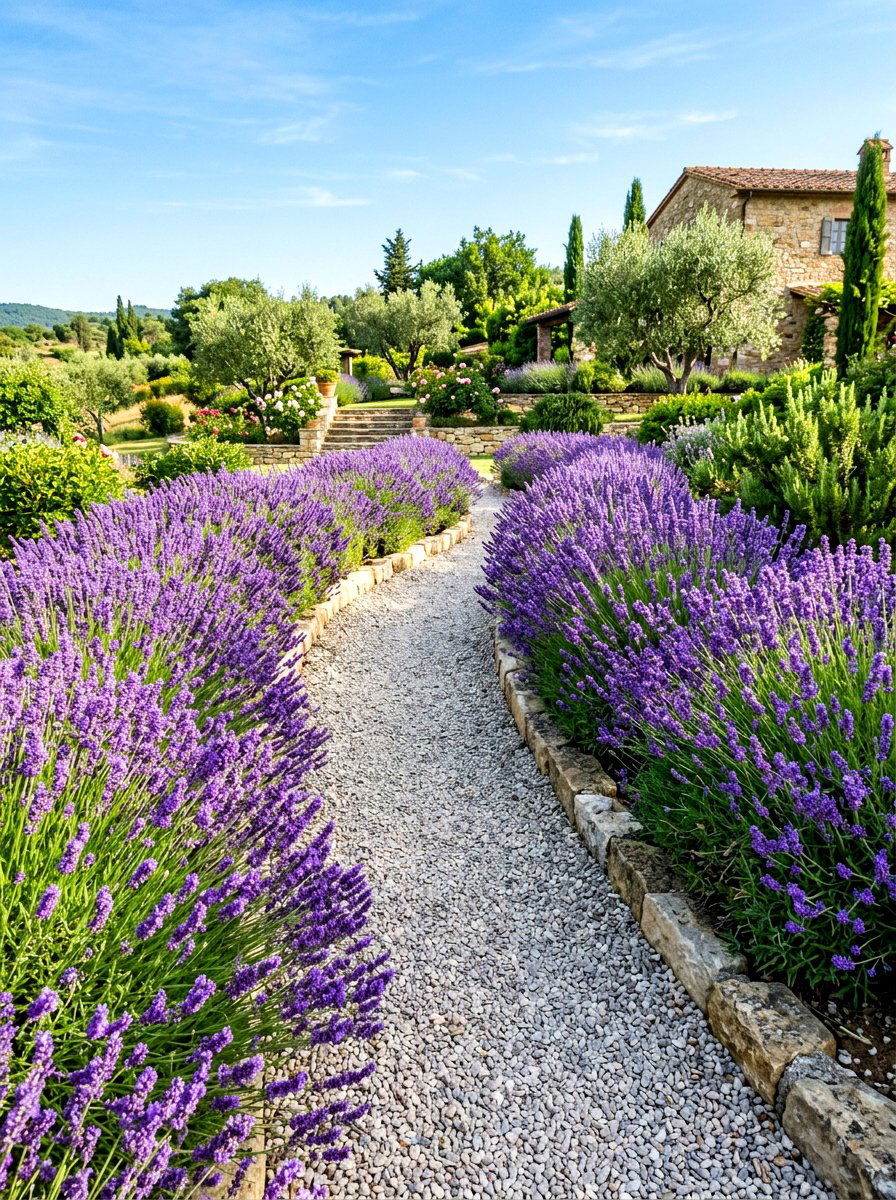
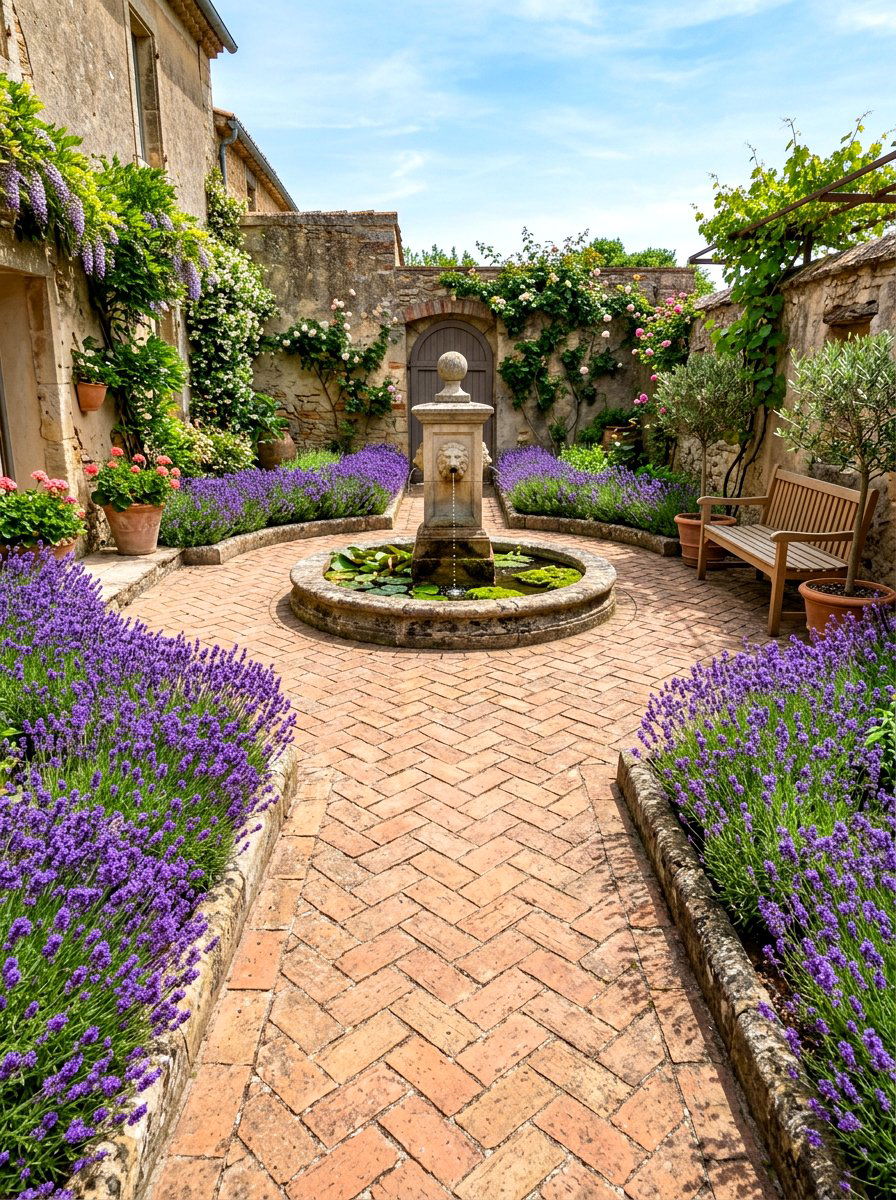
A lavender walkway border is a classic choice for sunny gardens, offering a fragrant and visual treat every time you pass. This design typically features a long, uniform row of bushy English or French lavender lining both sides of a gravel or stone path. The silver-green foliage provides a clean, structural look throughout the year, while the vibrant purple spikes bloom beautifully during the summer months. To achieve this look, space the plants closely enough so they grow together into a soft, billowing hedge. This setup is perfect for Mediterranean-style landscapes and works well in well-drained soil. The scent is incredibly relaxing and helps to define the journey through your garden space.
2. Rosemary Hedge Edging
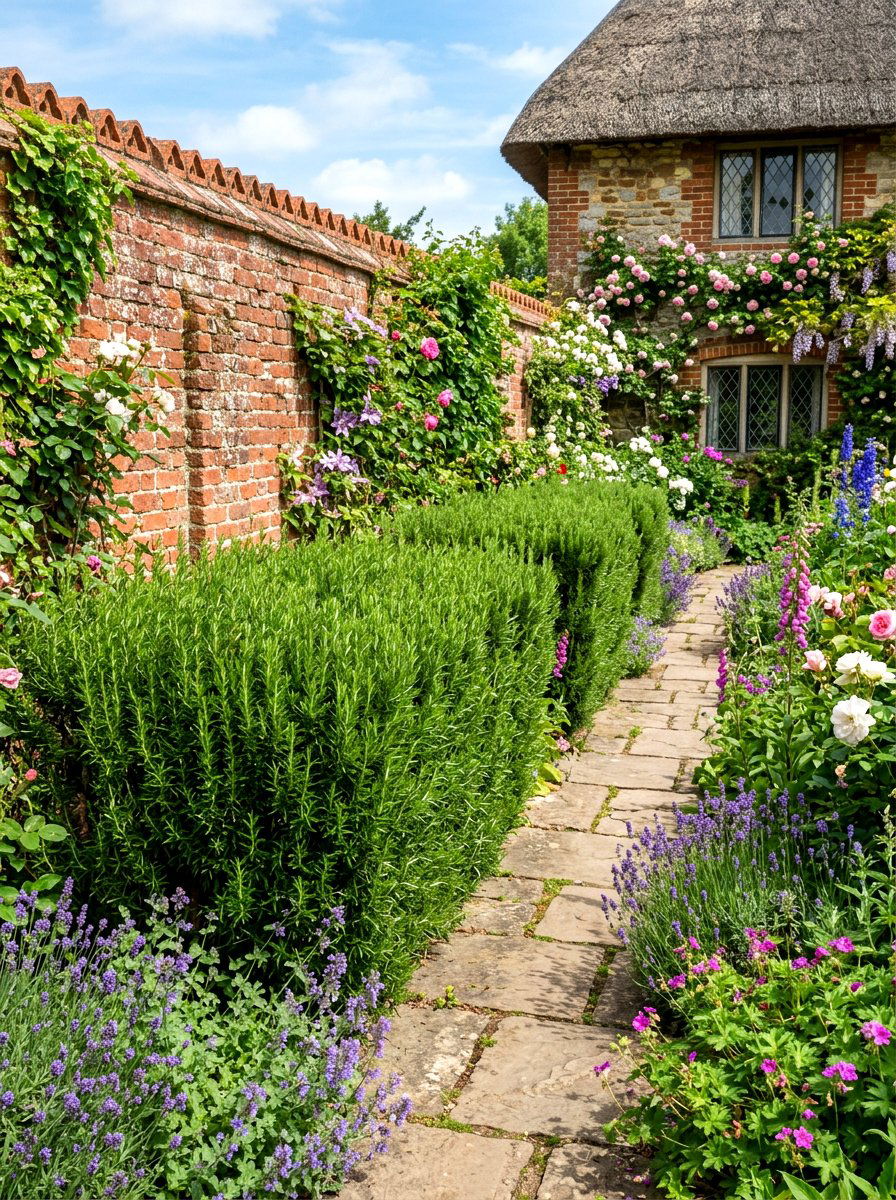
Rosemary hedge edging provides an architectural and sturdy boundary for larger garden beds or property lines. Unlike softer herbs, rosemary can be pruned into a neat, upright shape that mimics the look of traditional boxwood hedges. This evergreen herb maintains its deep green, needle-like leaves even in winter, ensuring your garden border looks lush all year long. When planted along a brick or stone wall, it creates a beautiful contrast between the organic texture and the hardscape materials. In the spring, tiny blue or white flowers emerge, adding a delicate touch to the rugged foliage. It is a highly practical choice for a kitchen garden perimeter because of its resilience and frequent use in cooking.
3. Mixed Culinary Herb Strip
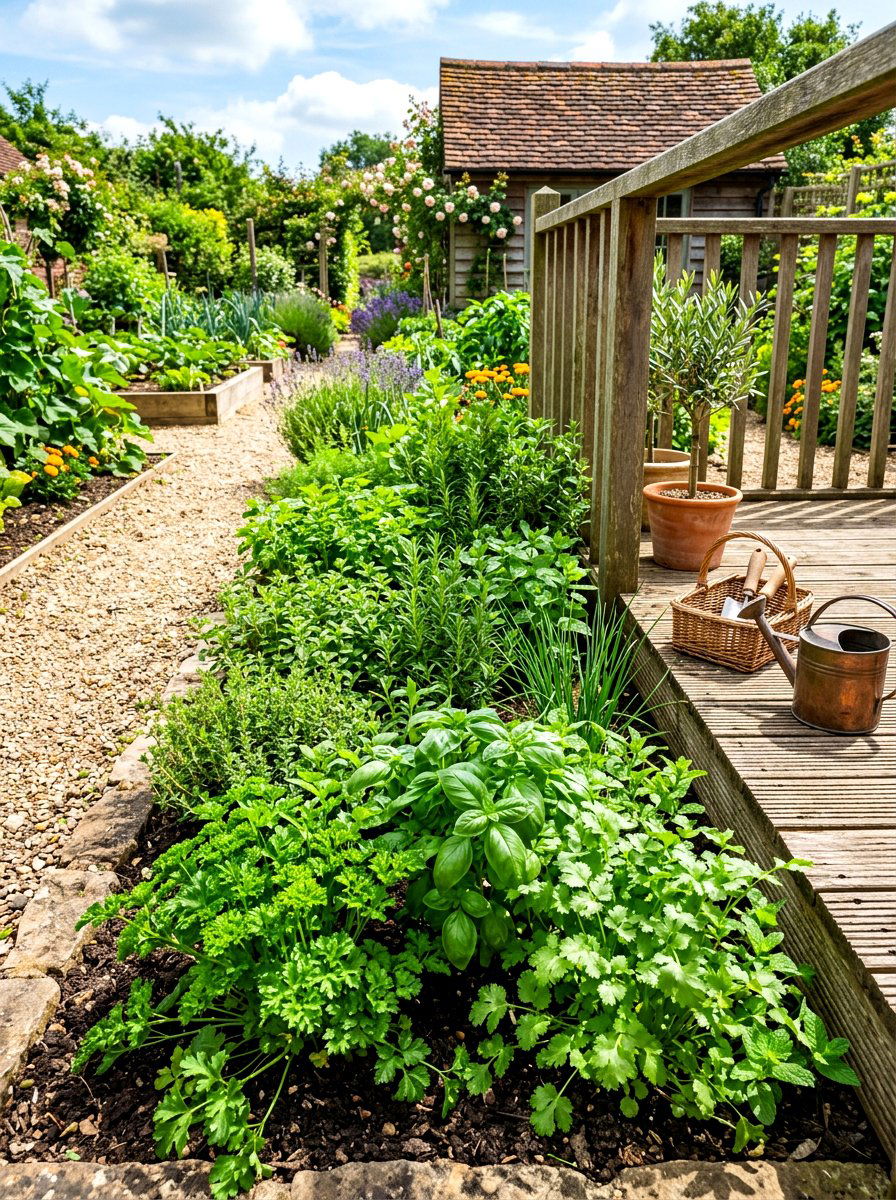
A mixed culinary herb strip is the ultimate functional design for gardeners who love to cook with fresh ingredients daily. This border combines different textures and colors by planting groups of parsley, basil, cilantro, and oregano in a long, narrow bed. By mixing various leaf shapes — from the ruffled edges of curly parsley to the broad, glossy leaves of basil — you create a visually dynamic edge. This design is best placed right outside a kitchen door or along a frequently used patio for easy access during meal preparation. It turns a narrow strip of soil into a highly productive zone that looks lush and full while providing a diverse harvest throughout the growing season.
4. Raised Bed Herb Perimeter
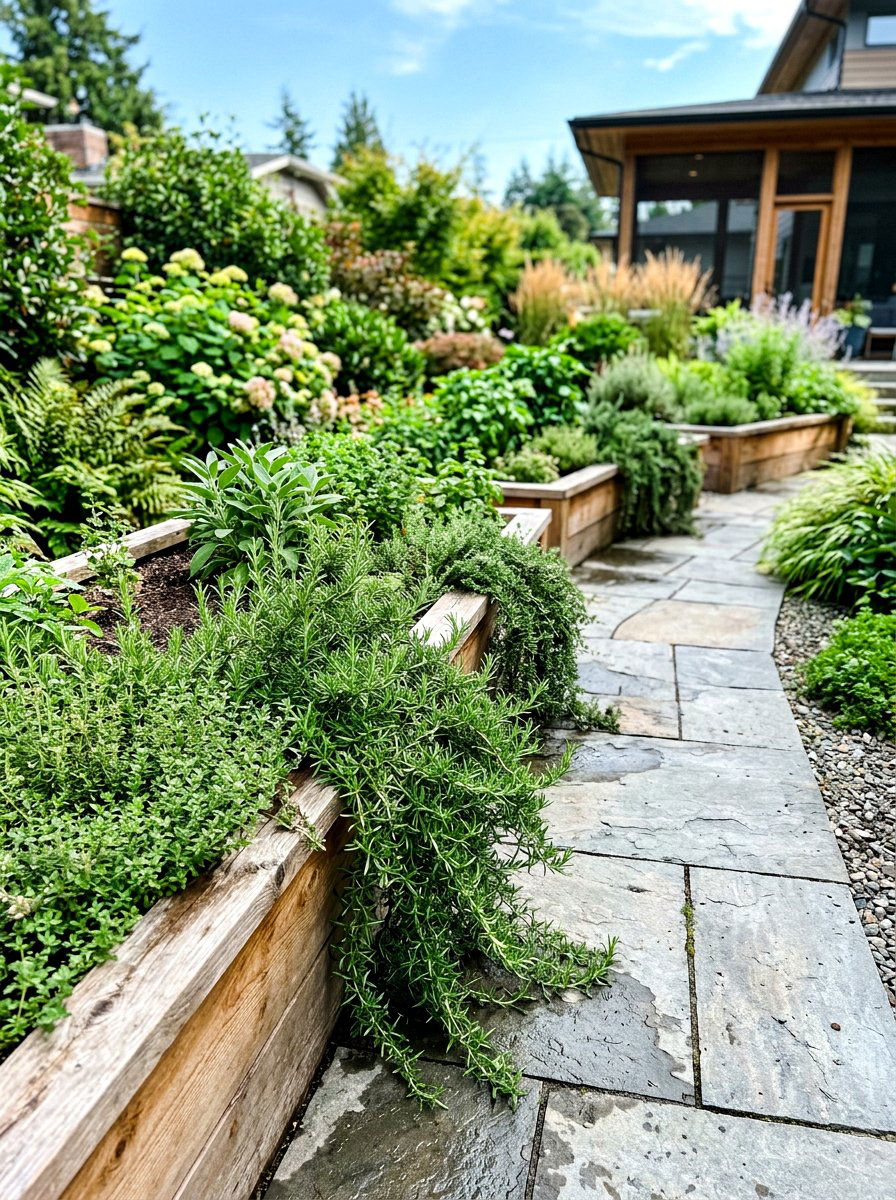
The raised bed herb perimeter is an organized and accessible way to incorporate herbs into a modern backyard layout. In this design, herbs are planted along the very edges of elevated wooden or stone containers, allowing them to spill over the sides. Using trailing varieties like creeping rosemary or lemon thyme helps to soften the hard lines of the raised beds. This layout makes harvesting much easier on the back and keeps the plants away from ground-level pests. It creates a clean, tiered effect that works perfectly in small urban gardens or courtyards. The elevation also ensures excellent drainage, which many Mediterranean herbs require to thrive and stay healthy.
5. Thyme Path Edging
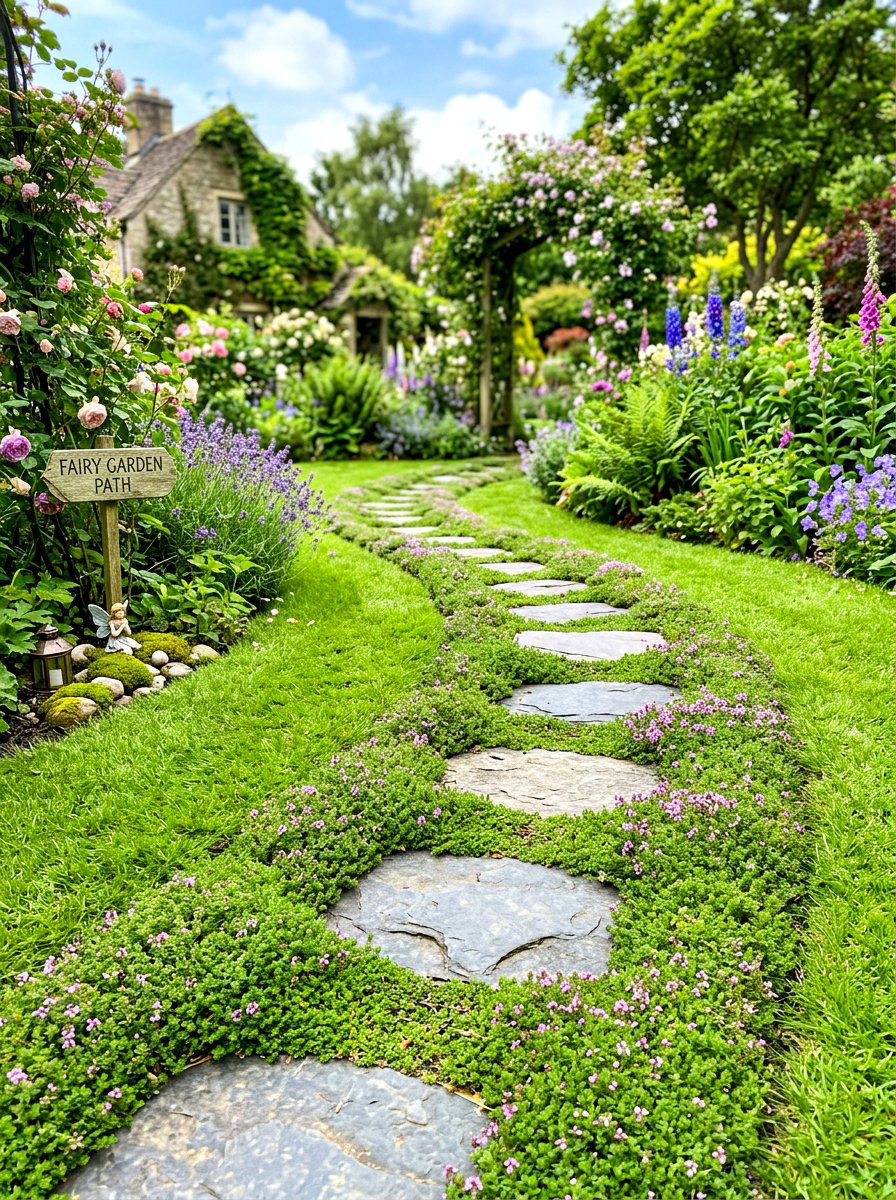
Thyme path edging is a charming and low-profile design that works beautifully for framing stepping stones or narrow walkways. Low-growing varieties like creeping thyme or woolly thyme are ideal for this concept, as they form dense, mat-like carpets of green. As people walk along the path, their shoes may brush against the thyme, releasing a subtle, earthy aroma into the air. This design is particularly effective for filling the gaps between flagstones or lining the edge of a formal garden path to soften the transition to the lawn. During the summer, these mats are often covered in tiny pink or purple flowers, creating a magical, fairy-tale aesthetic in your outdoor space.
6. Sage and Silver Foliage Border
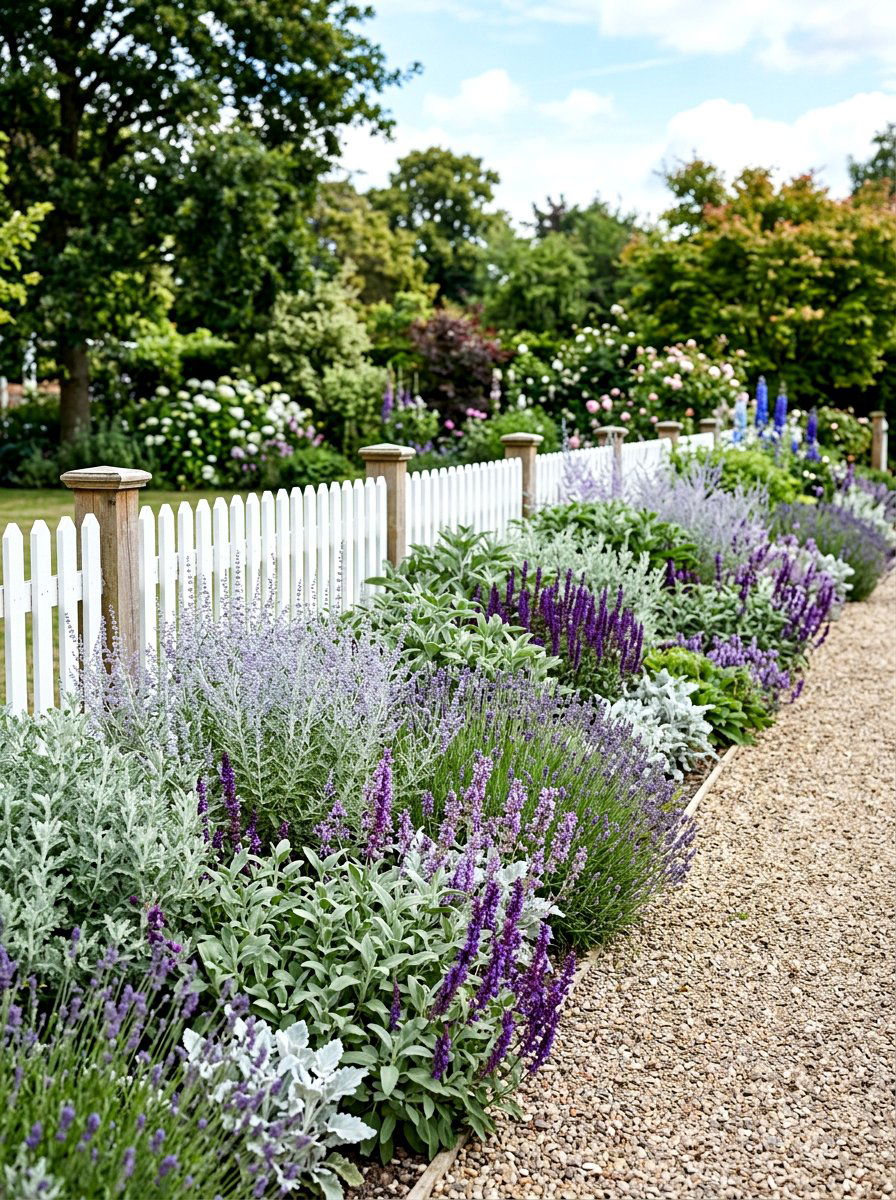
A sage and silver foliage border focuses on the sophisticated color palette of muted greens and shimmery grays. By grouping different varieties of sage, such as common garden sage, purple sage, and tri-color sage, you create a rich tapestry of large, velvety leaves. The silver tones reflect sunlight beautifully and provide a cooling visual effect during hot summer days. This design is often used to frame flower beds containing bright perennials, as the neutral tones of the sage help the colorful blooms pop. Sage is a hardy perennial that provides a stable structure for the border, maintaining its attractive form even when other seasonal plants begin to fade.
7. Mint Contained Border
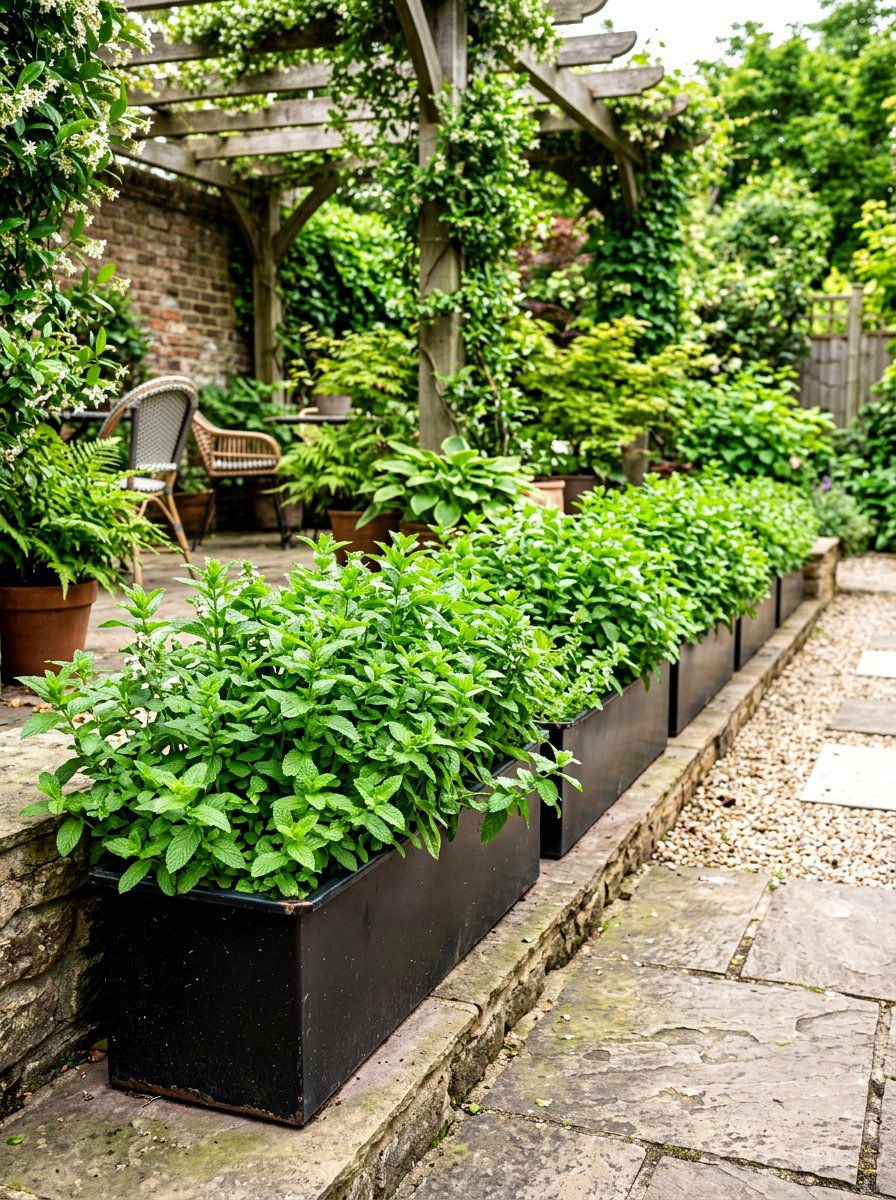
A mint contained border solves the problem of this herb's invasive nature while still enjoying its lush, green appearance. To achieve this, herbs are planted in long, narrow troughs or buried pots that act as a physical barrier to stop the roots from spreading. This design allows you to line a shady path or the edge of a patio with various mint types like peppermint, spearmint, or chocolate mint. The result is a thick, vibrant green wall of foliage that stays contained and manageable. Mint thrives in areas where other herbs might struggle, making it an excellent choice for a border that receives partial shade or more frequent watering.
8. Chive Flower Edging
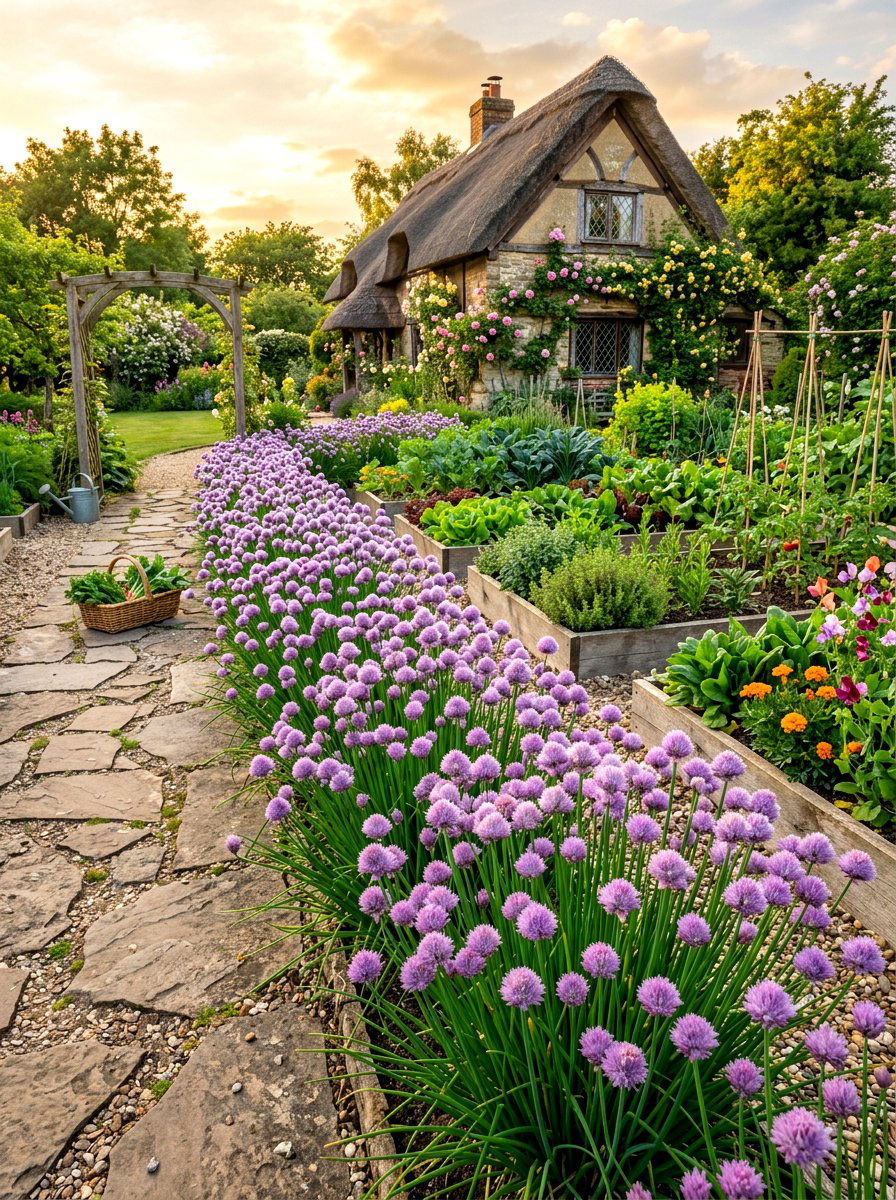
Chive flower edging is a playful and vibrant way to add a vertical element and a splash of color to your garden. Chives grow in neat, grass-like clumps that stay tidy and upright, making them perfect for lining the front of a vegetable bed. In late spring and early summer, they produce beautiful globe-shaped purple flowers that are both edible and attractive to pollinators. This design works well because the thin, tubular leaves provide a unique texture compared to broader-leaved plants. Even when not in bloom, the bright green "grass" creates a sharp, clean line that defines the garden space effectively. It is a low-maintenance option that returns year after year.
9. Basil and Tomato Companion Border
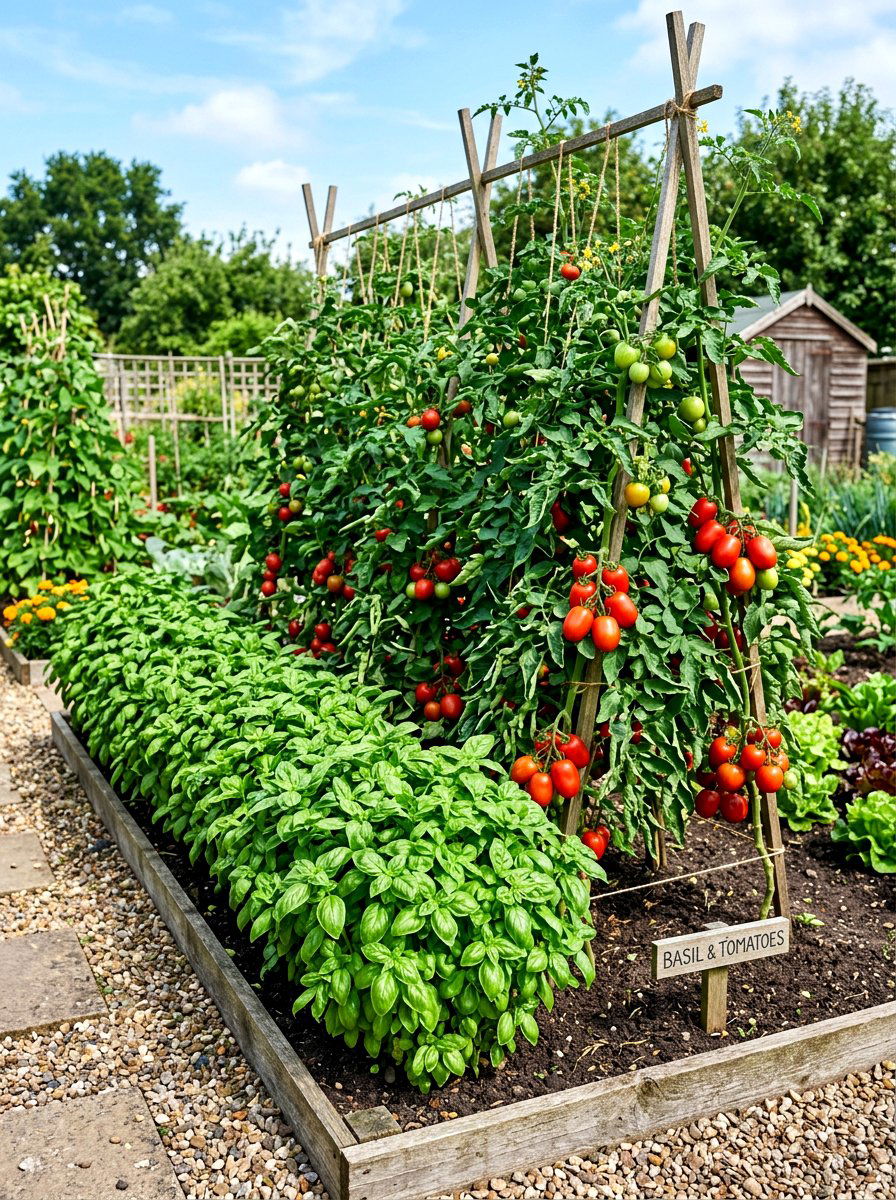
A basil and tomato companion border is a classic example of edible landscaping that benefits both the plants and the gardener. In this layout, various types of basil are planted as a thick, fragrant edge around a central row of tomato plants. The bushy basil covers the base of the tomatoes, acting as a living mulch that keeps the soil cool and suppresses weeds. Not only does this look beautiful with the dark green basil leaves and bright red tomatoes, but it is also said to improve the flavor of the fruit. This design is perfect for a sunny garden spot where you want to maximize food production in a stylish and efficient manner.

10. Oregano Groundcover Edge
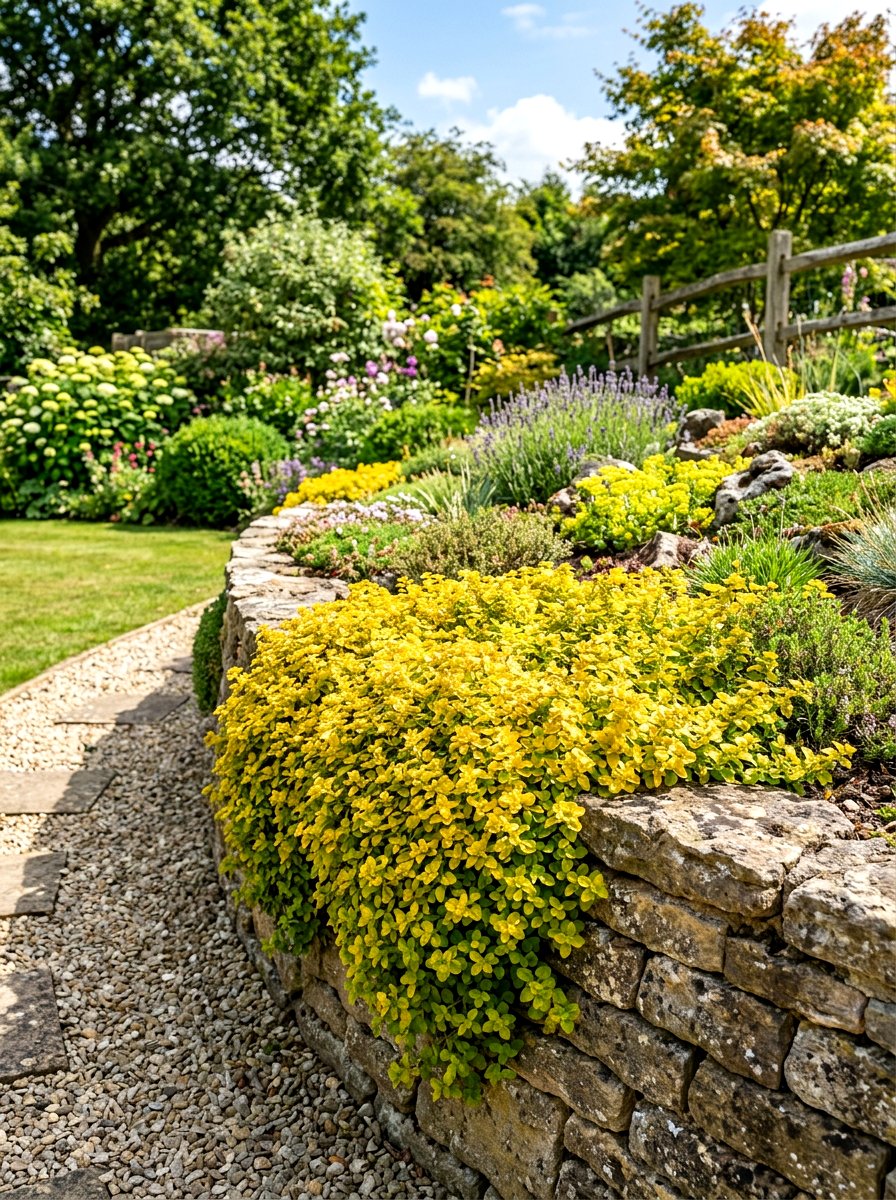
The oregano groundcover edge uses the sprawling and dense nature of this hardy herb to create a thick, weed-smothering boundary. Common oregano and golden oregano are excellent choices for this design, as they spread horizontally to fill every available inch of soil. This creates a lush, undulating carpet of green or yellow-green leaves that looks fantastic along the edge of a stone retaining wall or a sloping path. The golden variety, in particular, adds a bright pop of color that can liven up a darker corner of the garden. Once established, this border is incredibly tough and requires very little water, making it an ideal choice for low-maintenance landscapes.
11. Parsley Ruffle Border
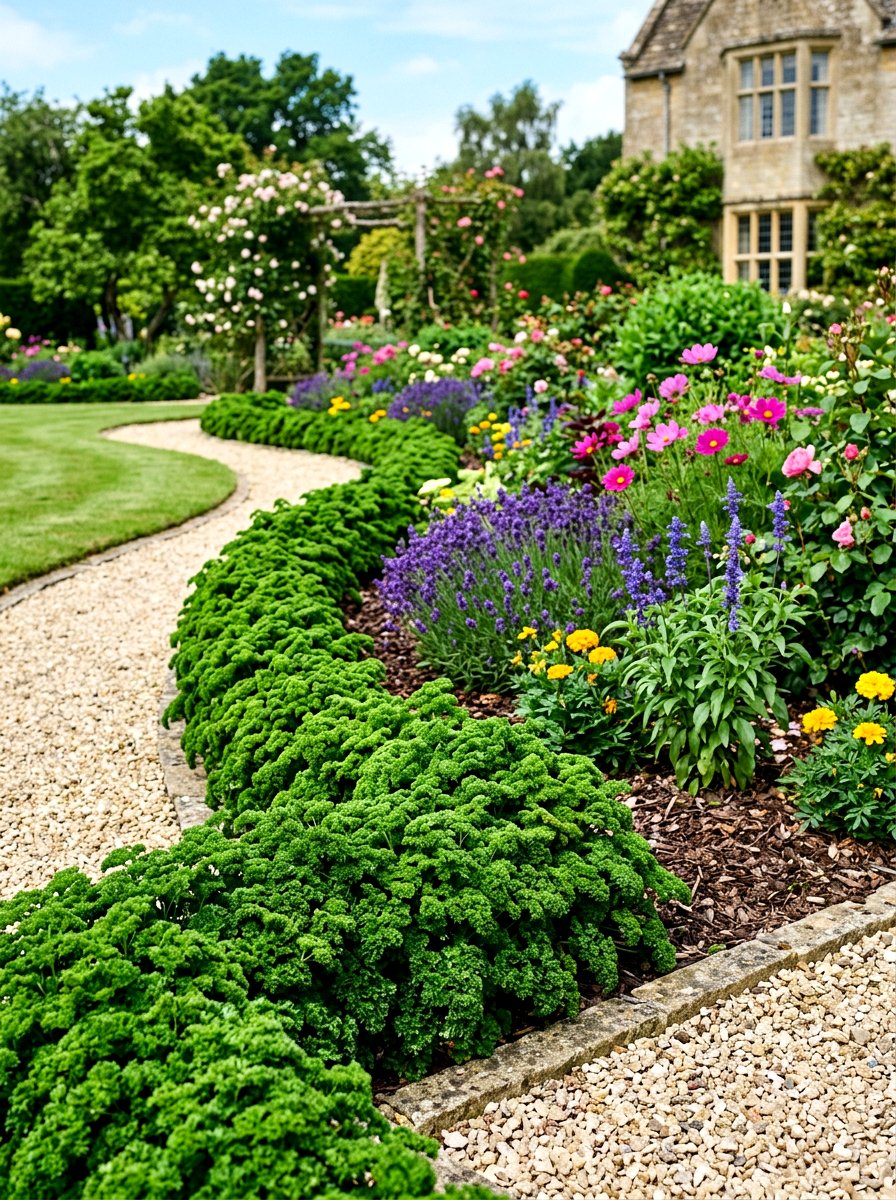
A parsley ruffle border uses the unique, curly texture of Italian or curly-leaf parsley to create a soft and decorative edge. This design involves planting parsley in a thick, continuous row to form a low, frilly hedge that looks almost like a decorative trimming. The deep green color and intricate leaf patterns provide a lush backdrop for taller flowering plants or vegetable crops. Parsley is a biennial, so it stays green well into the cooler months, providing visual interest when other herbs have gone dormant. This ruffed look is perfect for cottage gardens or formal kitchen layouts where you want a boundary that feels both organized and organic.
12. Chamomile Lawn Edge
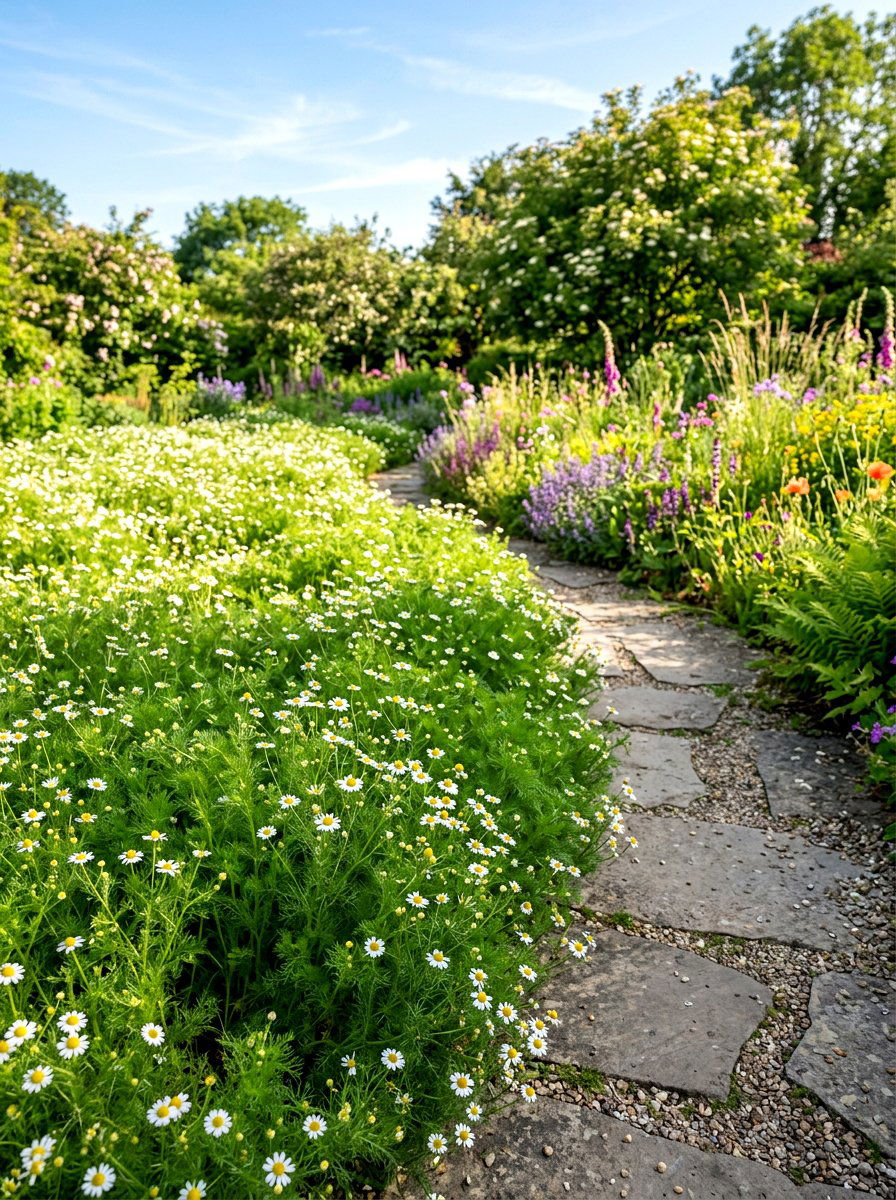
A chamomile lawn edge offers a soft, whimsical finish to the perimeter of a patio or a grassy area. Using Roman chamomile, which grows low to the ground, you can create a flowering border that looks like a miniature meadow. The feathery, fern-like foliage is topped with small, daisy-like flowers that release an apple-like scent when crushed or brushed against. This design is perfect for areas where you want a relaxed, naturalistic feel rather than a rigid hedge. It provides a soft transition between hard surfaces and the rest of the garden, and the flowers can be harvested for a soothing home-grown tea at the end of the season.
13. Lemon Balm Aromatic Border
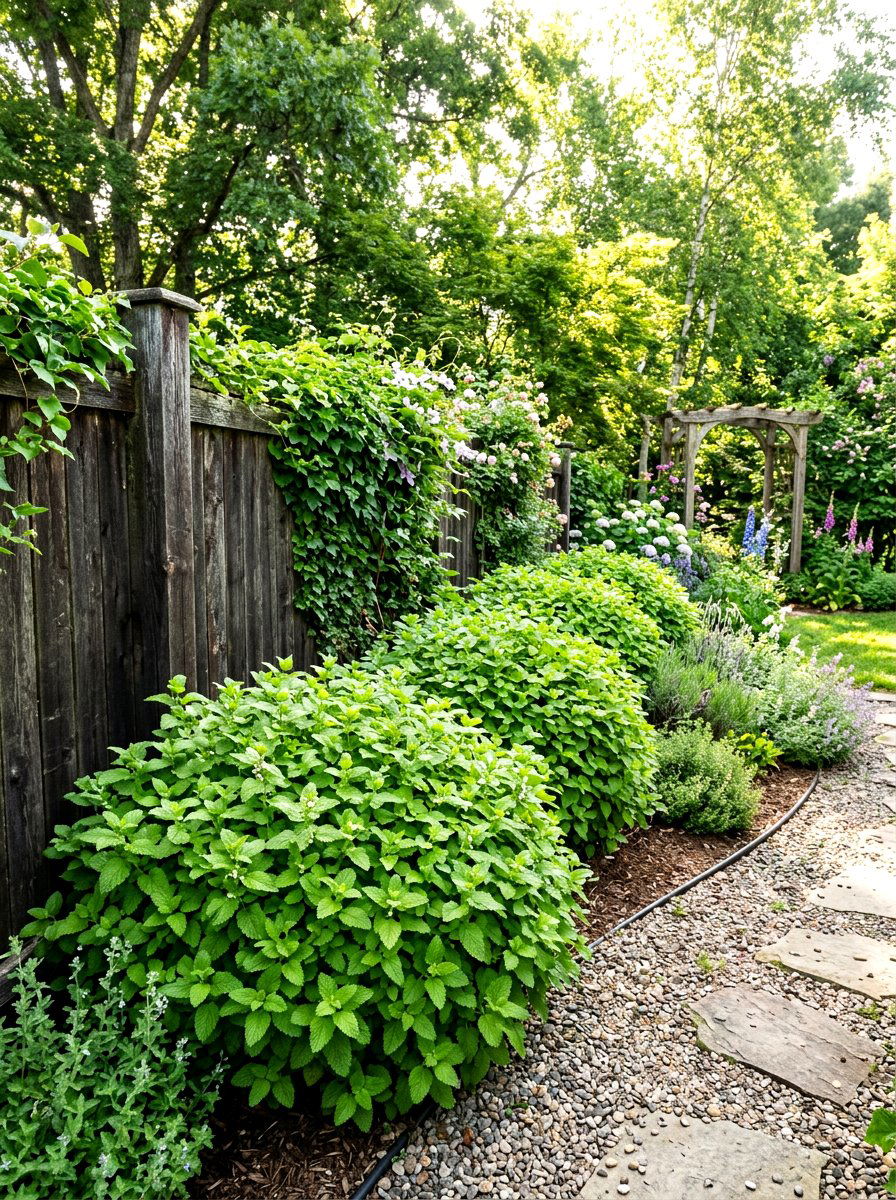
The lemon balm aromatic border is designed to delight the senses with its bright green leaves and refreshing citrus scent. This herb grows vigorously, forming large, mounded clumps that are perfect for filling a wide border along a fence or garden wall. The serrated leaves have a beautiful texture that catches the light, making the border look vibrant and healthy. Because lemon balm can spread quickly, this design works best when it has plenty of space to fill or is used in a wilder part of the landscape. It creates a lush, fragrant barrier that is particularly enjoyable to sit near on a warm afternoon, as the scent is naturally uplifting and calming.
14. Dill and Fennel Backdrop
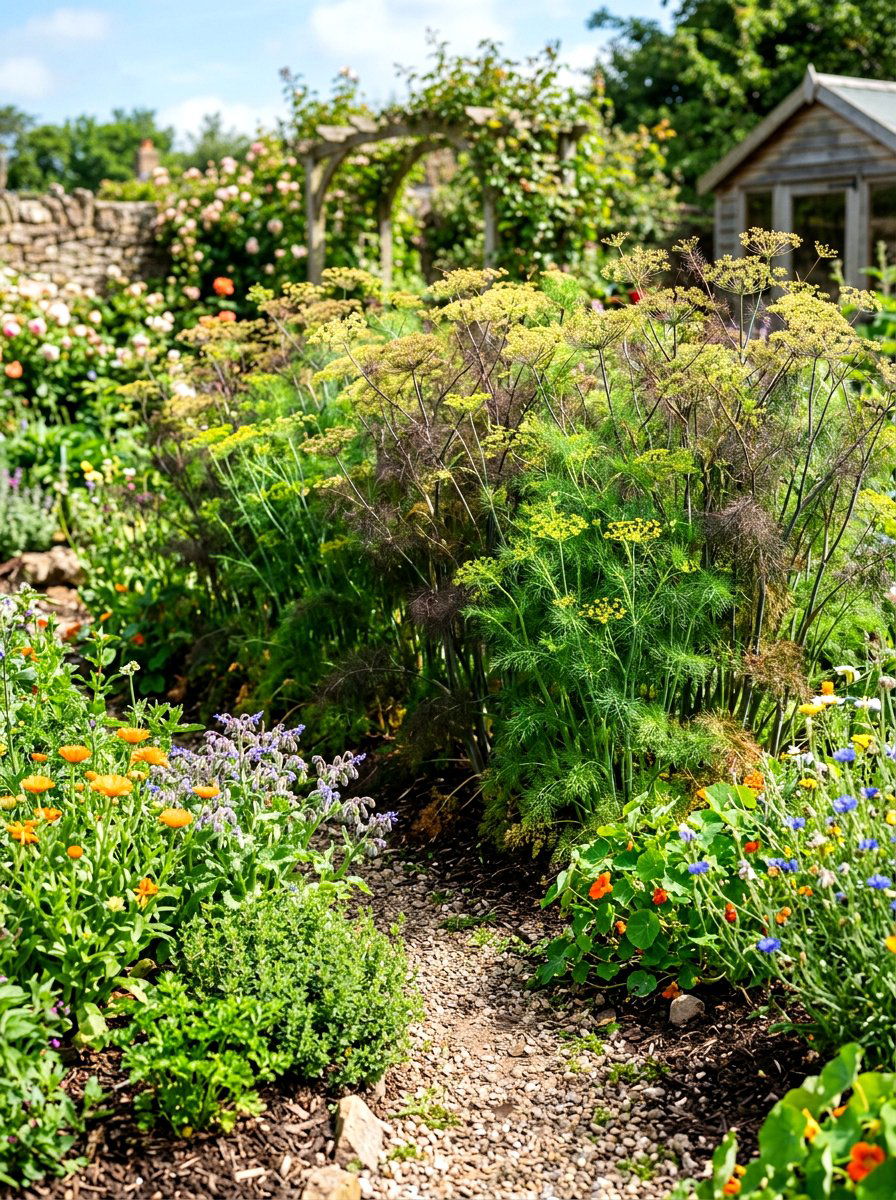
A dill and fennel backdrop uses the impressive height and airy texture of these herbs to create a soft, flickering screen at the back of a garden bed. Bronze fennel and tall dill varieties can reach several feet in height, providing a wispy, vertical element that doesn't feel heavy or blocking. The fine, needle-like foliage of fennel, especially the bronze variety, adds a unique smoky color to the garden border. This design is often used as a transition between a cultivated garden and a more natural area. It also serves as a critical habitat for swallowtail butterfly caterpillars, making your garden border a functional part of the local ecosystem.
15. Bay Laurel Formal Hedge
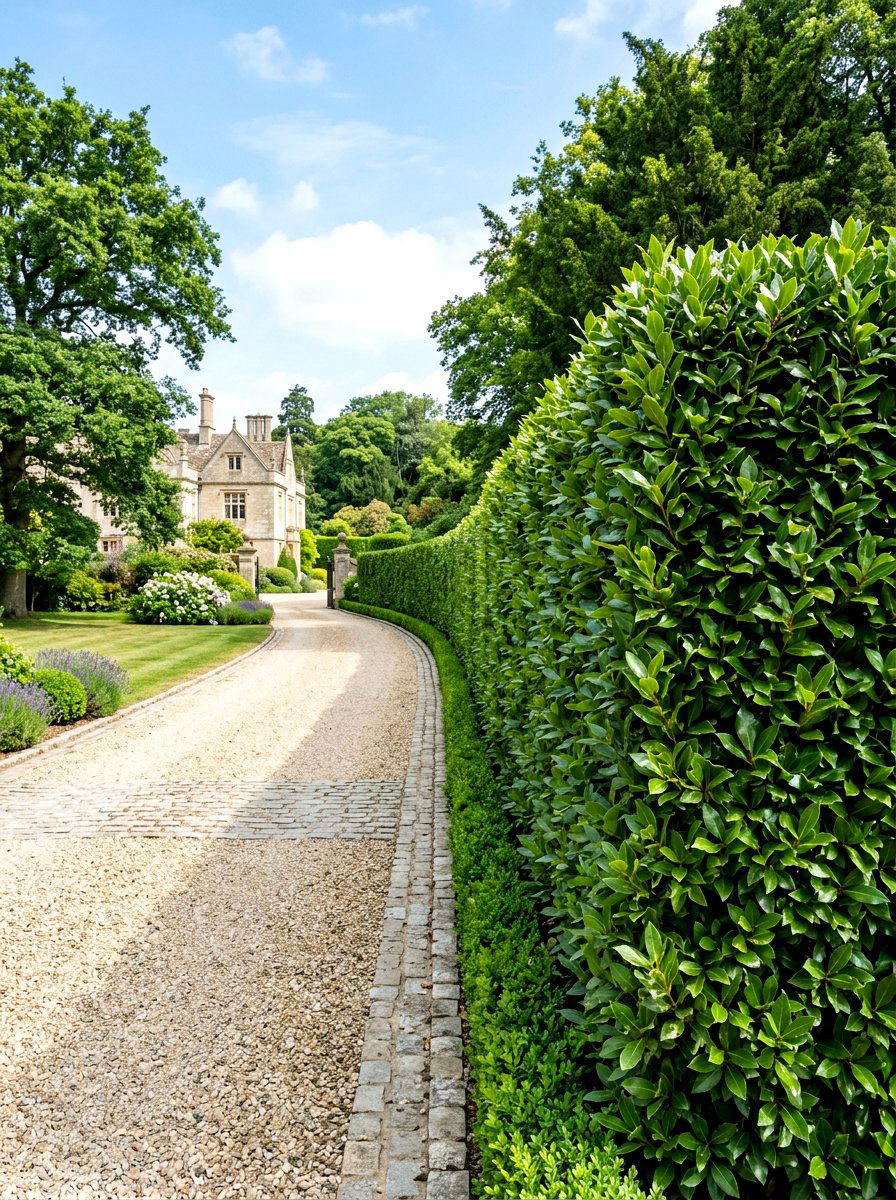
A bay laurel formal hedge is the perfect solution for gardeners who want a tall, evergreen herb border that offers privacy and structure. Bay trees can be pruned into a very tight, formal hedge with glossy, dark green leaves that look elegant in any setting. This design is inspired by traditional European gardens and provides a permanent, year-round framework for the rest of your landscaping. The thick foliage is excellent for blocking wind or creating a quiet alcove in a larger backyard. Beyond its beauty, the leaves are a staple in the kitchen, making this a highly practical and high-end choice for a permanent garden boundary.
16. Stepping Stone Herb Border
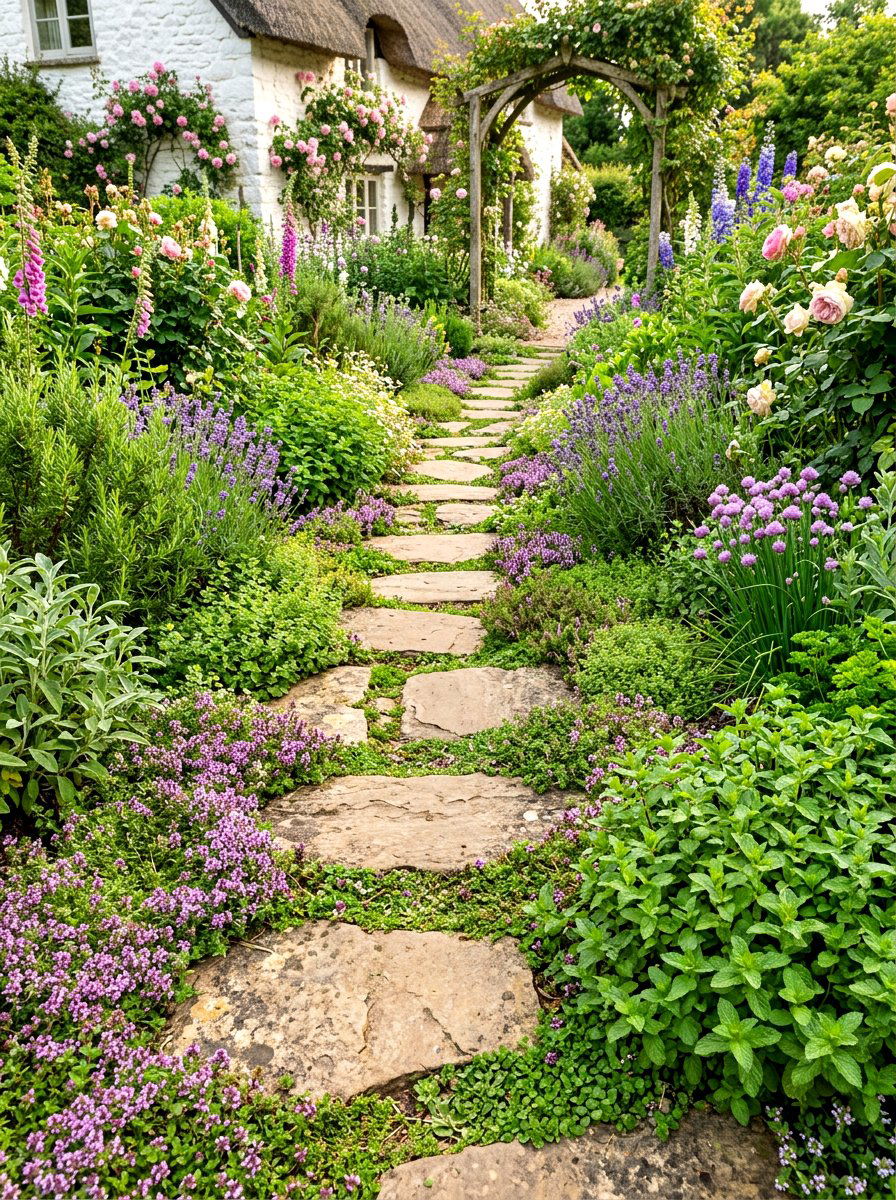
The stepping stone herb border integrates fragrant plants directly into the walkway, creating a living path that is as functional as it is beautiful. In this design, various creeping herbs are planted in the crevices between large flat stones. Low-growing mints, thymes, and dwarf oreganos are the best candidates, as they can withstand occasional foot traffic and will fill the gaps with a lush green carpet. This layout breaks up the monotony of a solid stone path and creates a more natural, integrated look in the garden. Each step releases a burst of herbal fragrance, turning a simple stroll into a multi-sensory experience that connects you with nature.
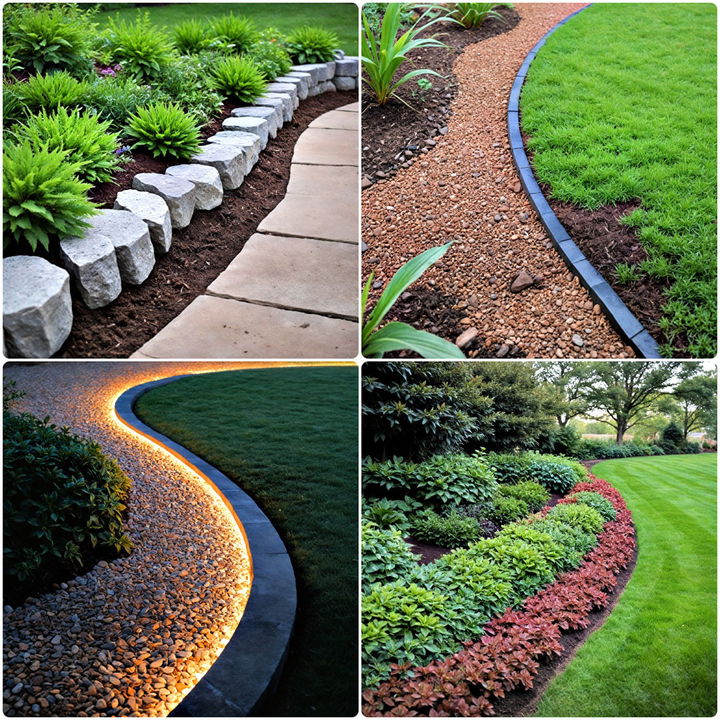
17. Curved Gravel Herb Edge
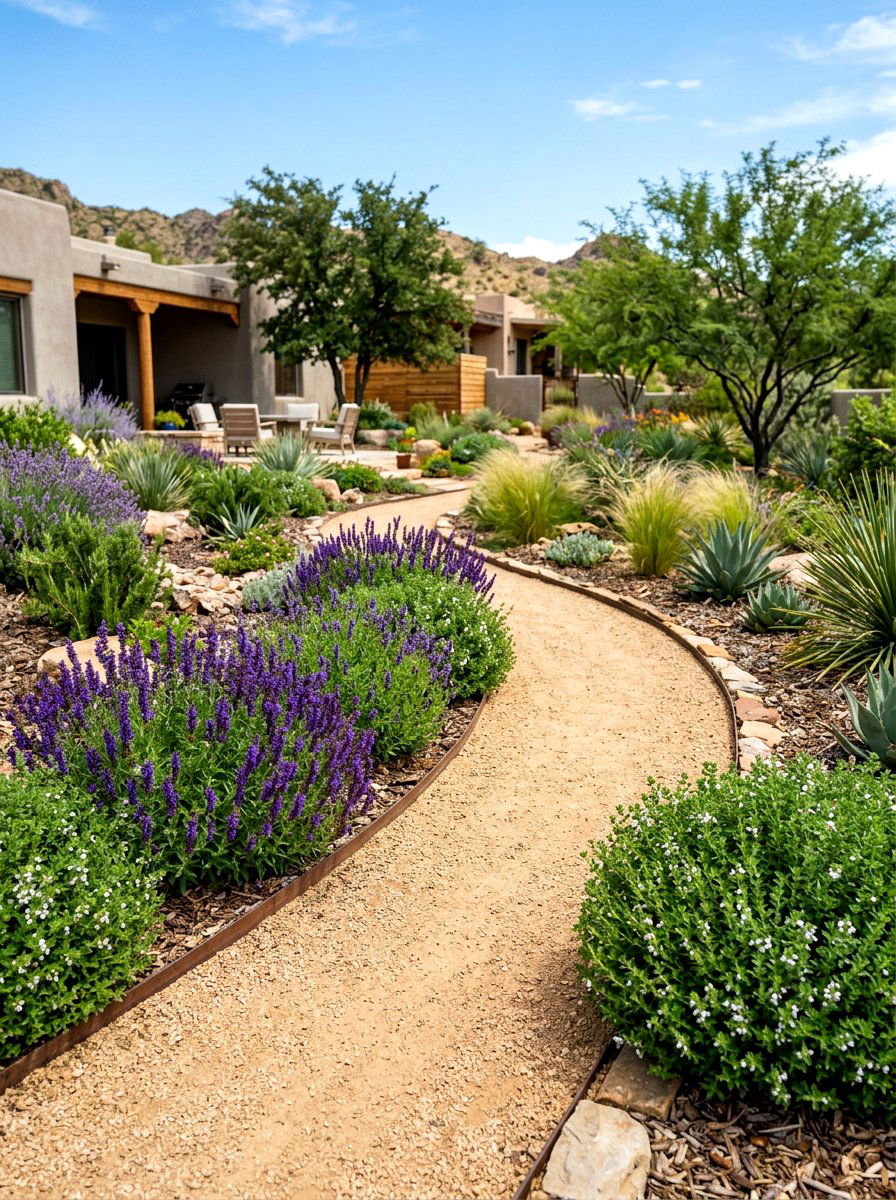
A curved gravel herb edge uses the contrast between soft foliage and sharp stone to define a modern garden space. This design features a winding gravel path bordered by mounds of Mediterranean herbs like hyssop, marjoram, and winter savory. The gray or tan gravel reflects heat onto the plants, which these sun-loving herbs adore. The flowing, curved lines of the border create a sense of movement and lead the eye through the garden. This setup is particularly effective for xeriscaping or water-wise gardens, as the herbs chosen are typically drought-tolerant and the gravel helps to retain soil moisture while providing a clean, weed-free finish to the garden bed.
18. Terraced Herb Garden Wall
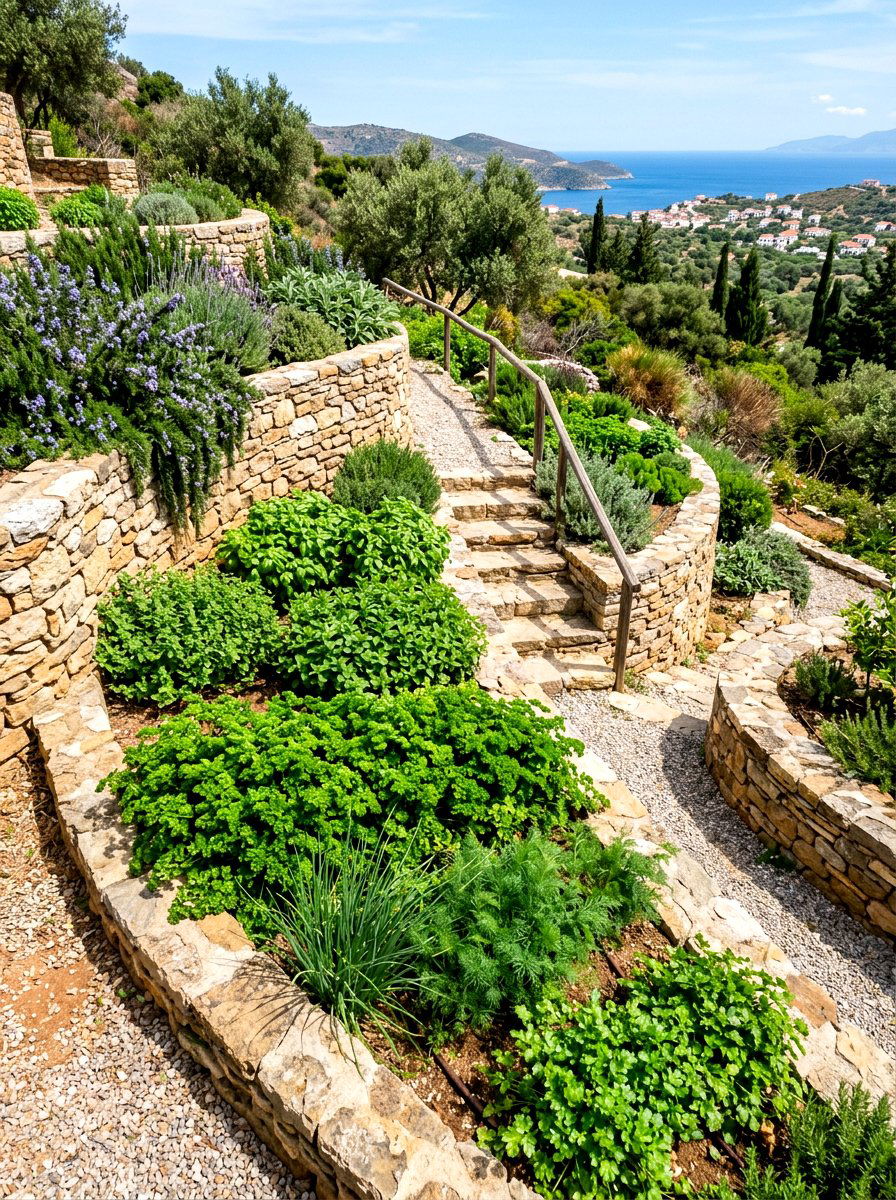
The terraced herb garden wall is a fantastic way to turn a sloped backyard into a functional and productive border. By using stone or timber to create small, stepped levels, you can plant different herbs on each tier. The top layers can host sun-loving, drought-tolerant herbs like rosemary and sage, while the lower, moisture-retaining levels are perfect for parsley, cilantro, and chives. This vertical approach maximizes growing space and creates a stunning visual display that looks like a lush green staircase. It provides excellent drainage and makes every plant easy to see and harvest, transforming a difficult slope into a highlight of your landscape design.
19. Vertical Wall Herb Border
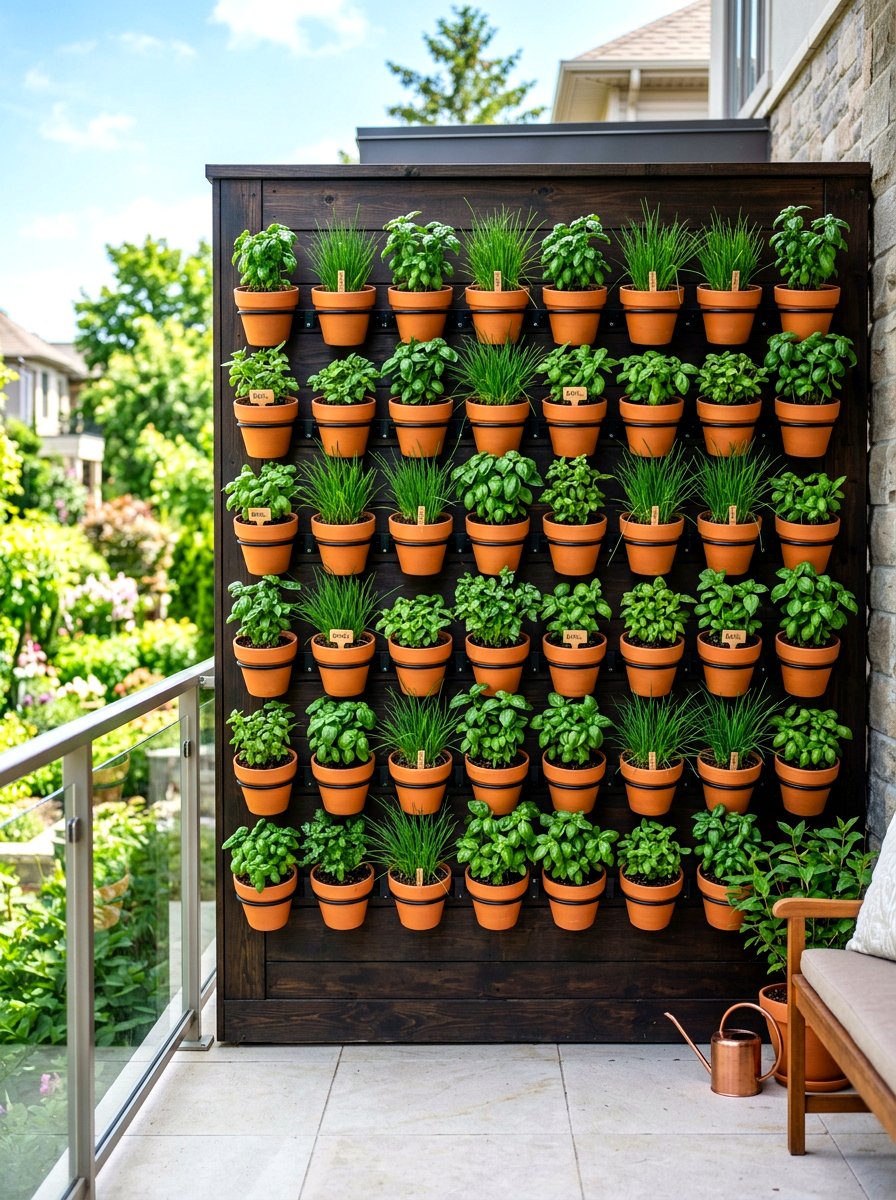
A vertical wall herb border is the ideal solution for small urban spaces or balconies where ground space is limited. This design uses wall-mounted planters, pockets, or shelving units to create a living wall of herbs that acts as a boundary for a patio or seating area. You can mix and match different heights and textures, such as trailing nasturtiums, bushy basil, and upright chives, to create a lush, green tapestry. This vertical border provides a beautiful green screen that adds privacy and absorbs sound. It is a modern, stylish way to keep your favorite kitchen herbs within arm's reach while adding a significant amount of greenery to a vertical surface.
20. Flower and Herb Mix Border
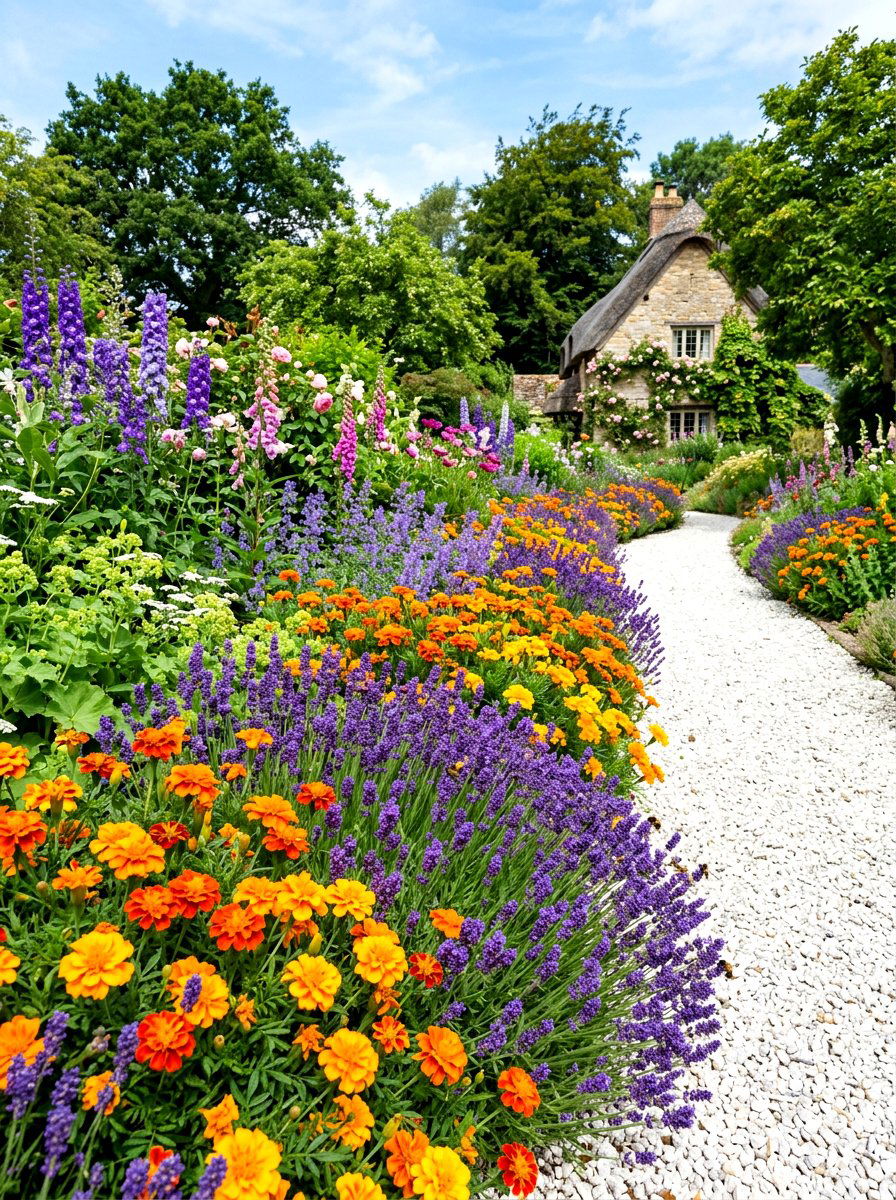
A flower and herb mix border combines the best of both worlds by interspersing culinary herbs with colorful, edible flowers. This design often features lavender and sage alongside marigolds, nasturtiums, and calendula. The result is a vibrant, multi-colored border that looks like a traditional cottage garden but remains highly productive. The flowers help to deter pests and attract beneficial insects, while the herbs provide a stable green foundation. This layout is perfect for the front of the house or along a prominent garden path where you want maximum visual impact. It creates a cheerful, messy-chic aesthetic that feels welcoming and full of life throughout the summer.
21. Bee Friendly Herb Border
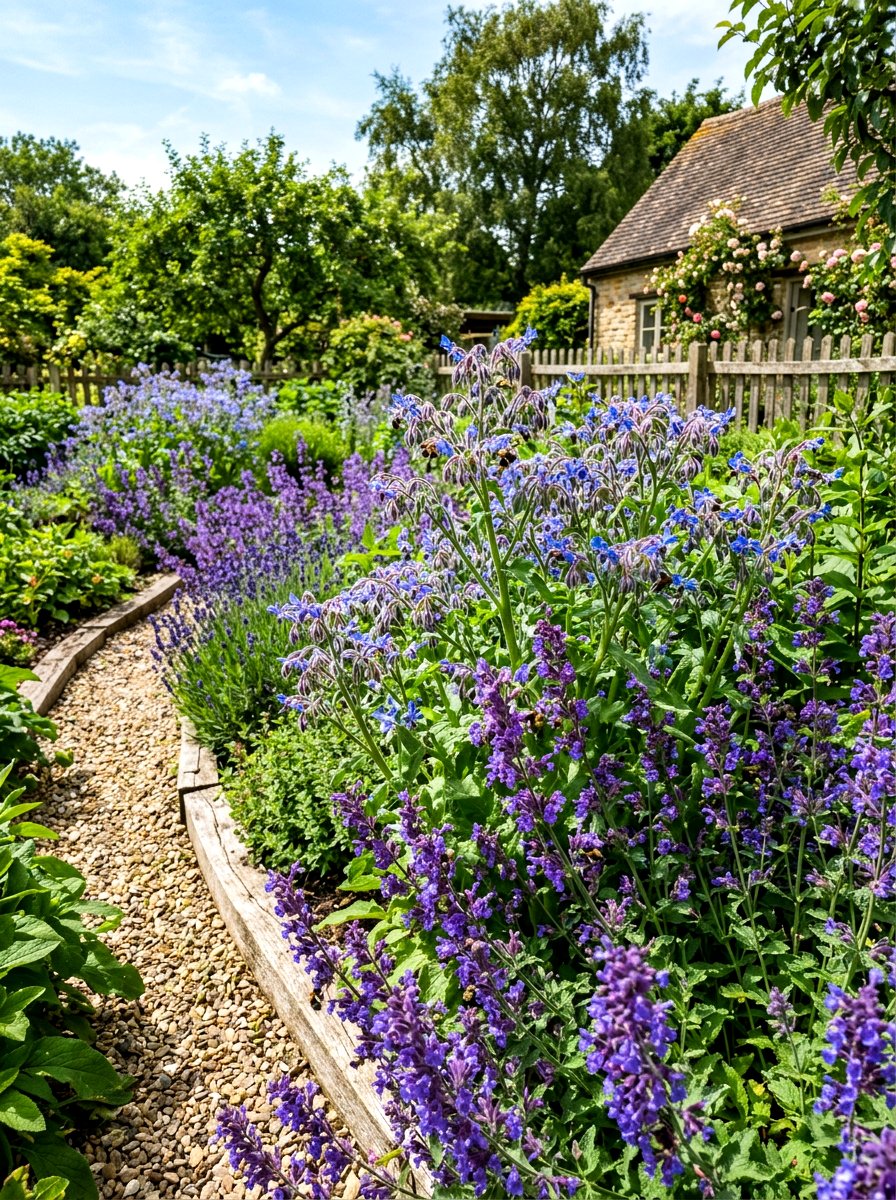
The bee friendly herb border is specifically designed to support local pollinators while providing a beautiful edge for your property. This concept focuses on herbs that produce nectar-rich flowers, such as borage, catmint, hyssop, and bee balm. These plants often have a more natural, sprawling growth habit, creating a soft and wild-looking border that hums with life. The purple and blue flowers of these herbs are particularly attractive to bees and butterflies. By choosing a variety of plants that bloom at different times, you can provide a food source for pollinators from spring through fall. It is a rewarding design that turns your garden border into a thriving mini-ecosystem.
22. Tea Garden Herb Border
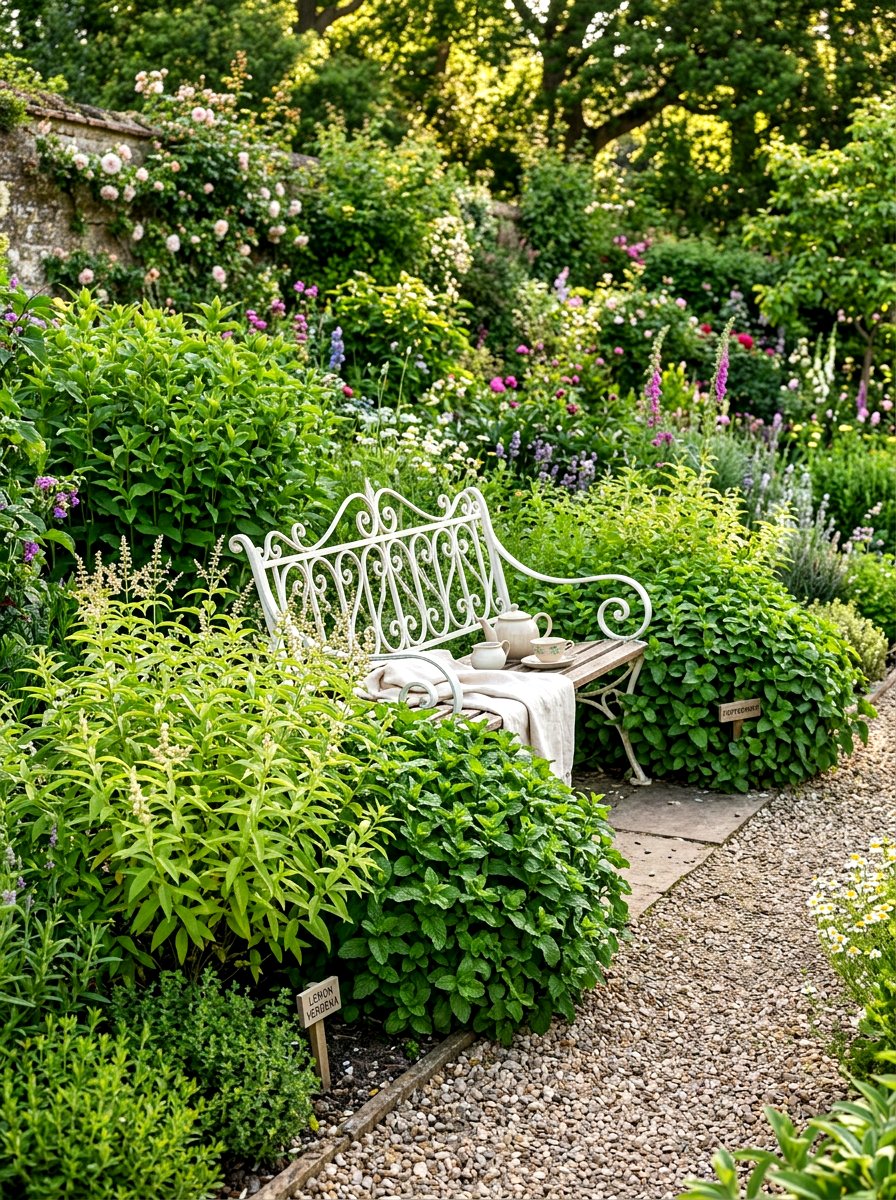
A tea garden herb border is a specialized design that features plants used for brewing fresh infusions. This border might include lemon verbena, peppermint, chamomile, and anise hyssop, arranged in a neat and accessible row. The focus here is on clean, aromatic foliage that looks as good as it tastes. Planting these herbs along a garden bench or seating area allows you to enjoy their scents while you relax outside. This design is often more delicate and feminine, with fine-textured leaves and soft floral colors. It provides a dedicated space for your favorite beverage ingredients, making the act of harvesting and brewing tea a peaceful part of your daily routine.
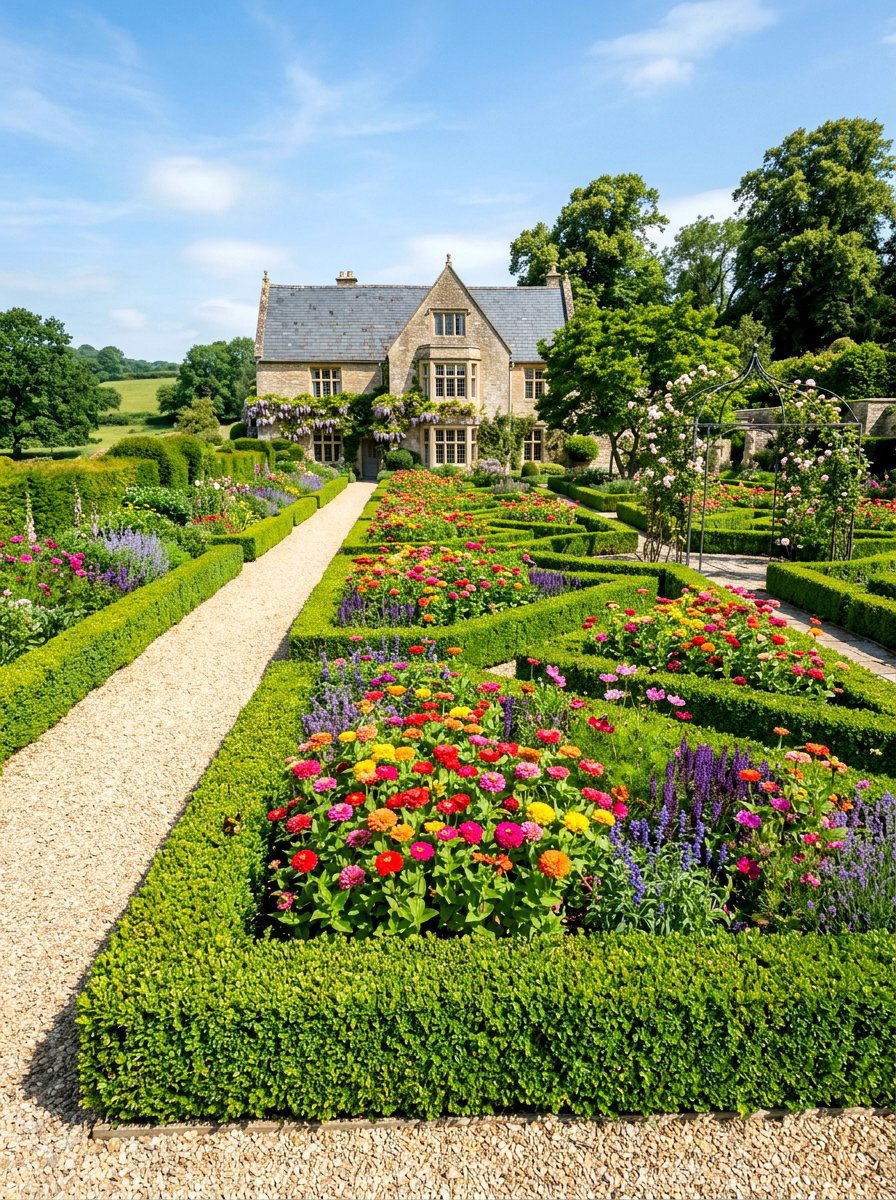
23. Dwarf Boxwood and Herb Border
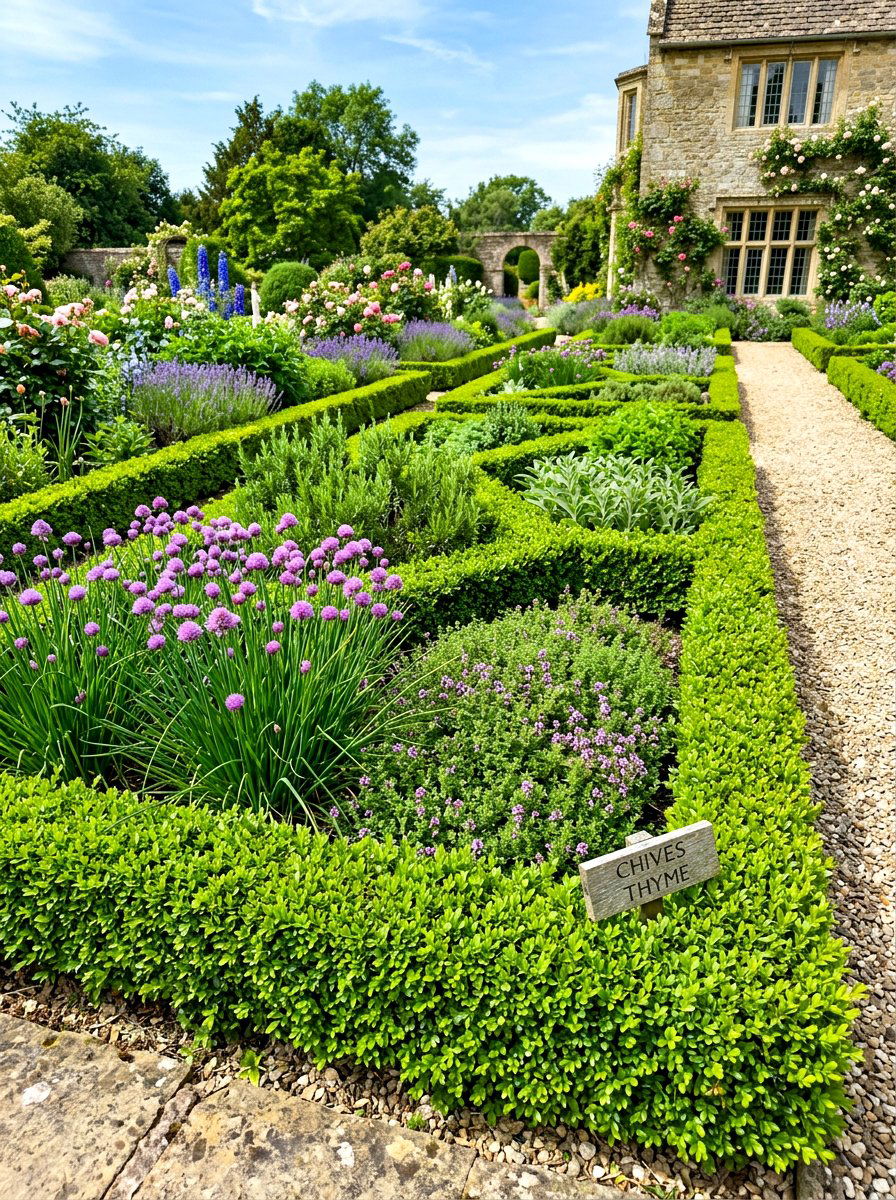
The dwarf boxwood and herb border combines the classic structure of traditional landscaping with the utility of a kitchen garden. This design uses small, clipped boxwood shrubs to create a permanent, formal frame, with herbs like thyme, chives, and parsley planted in the gaps or just behind the hedge. The evergreen boxwood provides a year-round "skeleton" that keeps the garden looking tidy even in winter, while the herbs add seasonal texture and fragrance. This is an excellent choice for front yards or formal entryways where you want to grow food without sacrificing a neat, high-end appearance. It offers a sophisticated and timeless look that blends perfectly with traditional architecture.
24. Flagstone Herb Border
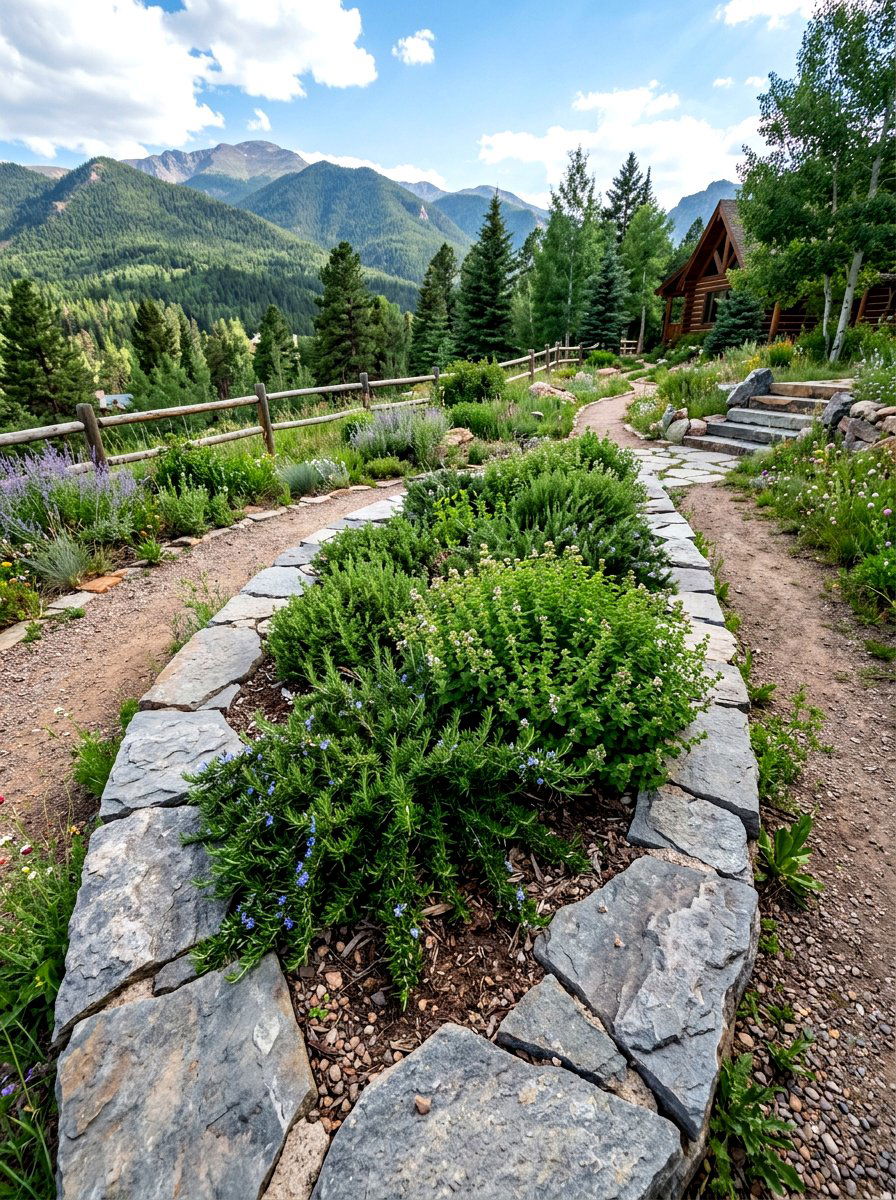
A flagstone herb border uses large, flat stones to create a clean and sturdy edge for a garden bed, with herbs tucked into the crevices and along the perimeter. This design focuses on the interaction between the cold, gray stone and the vibrant, organic greens of herbs like creeping savory or prostrate rosemary. The stones act as a natural mulch, keeping the soil cool and helping to define the shape of the bed. This layout is very low-maintenance and works well in modern or rustic landscapes. The herbs eventually grow over the edges of the stones, softening the hard lines and creating a weathered, established look that feels grounded and permanent.


25. Rustic Picket Fence Herb Border
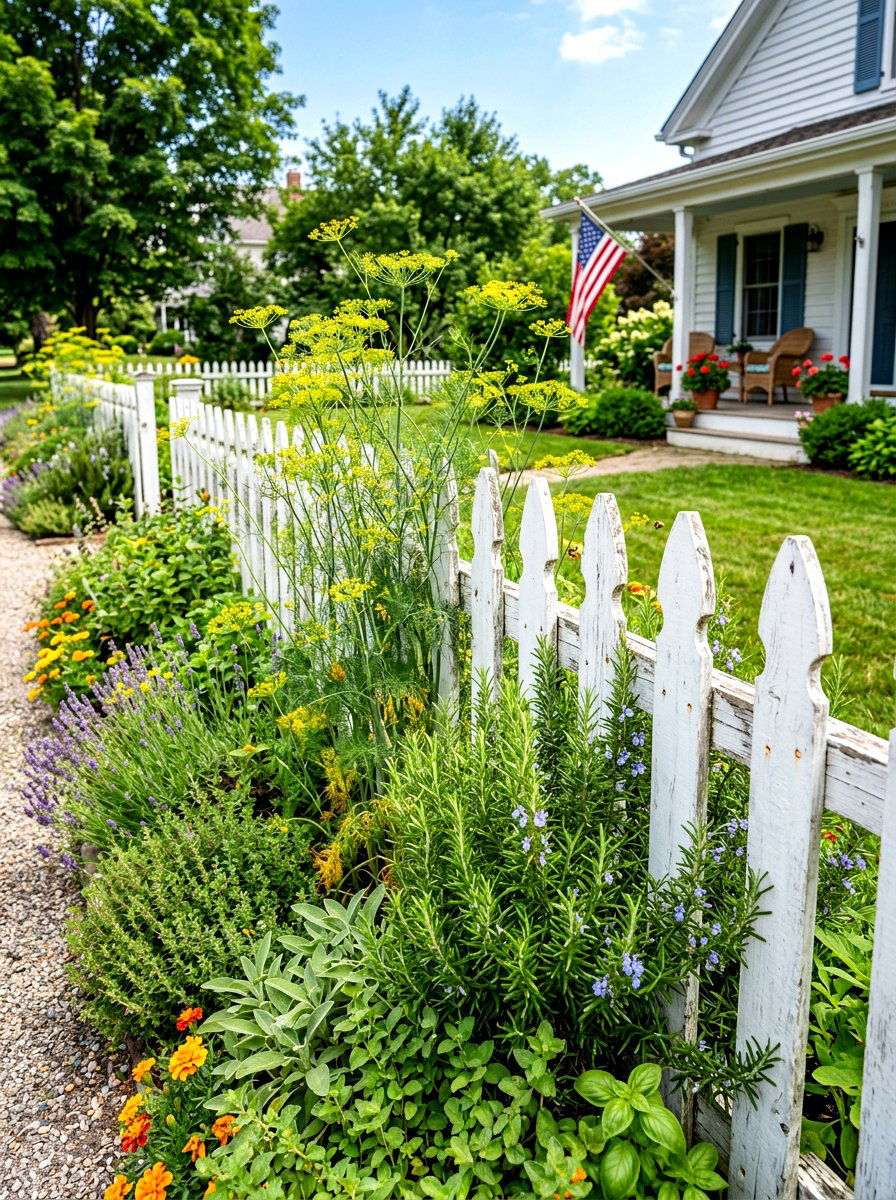
The rustic picket fence herb border is the epitome of cottage garden charm. In this design, a short wooden fence provides a backdrop for a riotous mix of tall and mid-sized herbs like dill, lovage, and rosemary. The fence helps to support taller plants that might otherwise flop over, and the herbs can peek through the slats for a whimsical effect. This layout is perfect for defining the front of a property or a vegetable patch. The combination of white or weathered wood with the diverse textures of herbal foliage creates a classic, cozy aesthetic. It is a welcoming and practical way to frame your outdoor living space.
26. Modern Metal Herb Edge
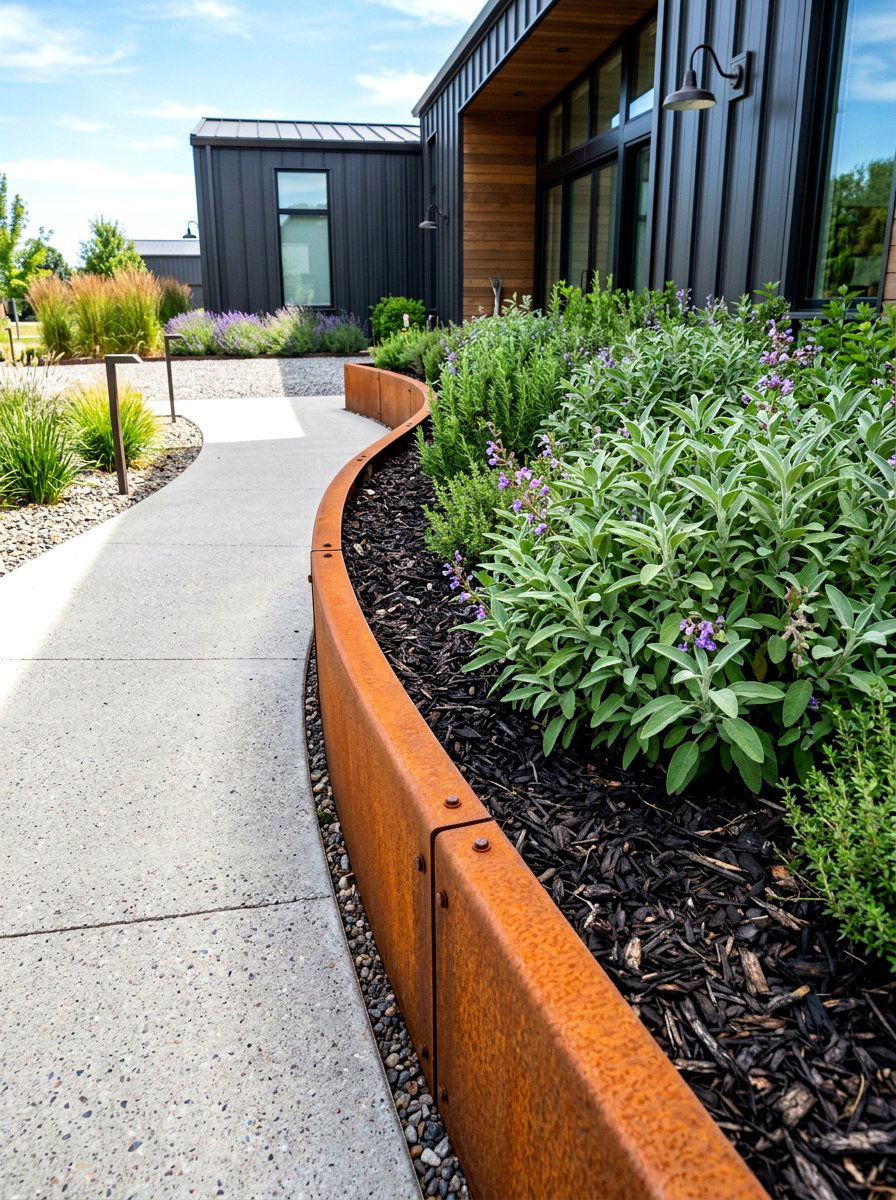
A modern metal herb edge uses sleek, industrial materials like Corten steel or galvanized aluminum to create a sharp, contemporary border. This design involves installing thin metal strips to separate a gravel path from a dense planting of herbs. The clean lines of the metal highlight the organic shapes of herbs like blue-green sage or feathery tarragon. Over time, Corten steel develops a beautiful rust patina that contrasts stunningly with the green and silver tones of the plants. This is a high-end, architectural approach to herb gardening that fits perfectly in minimalist or urban backyard designs where precision and style are the main priorities for the landscape.
27. Brick Herb Border Layout
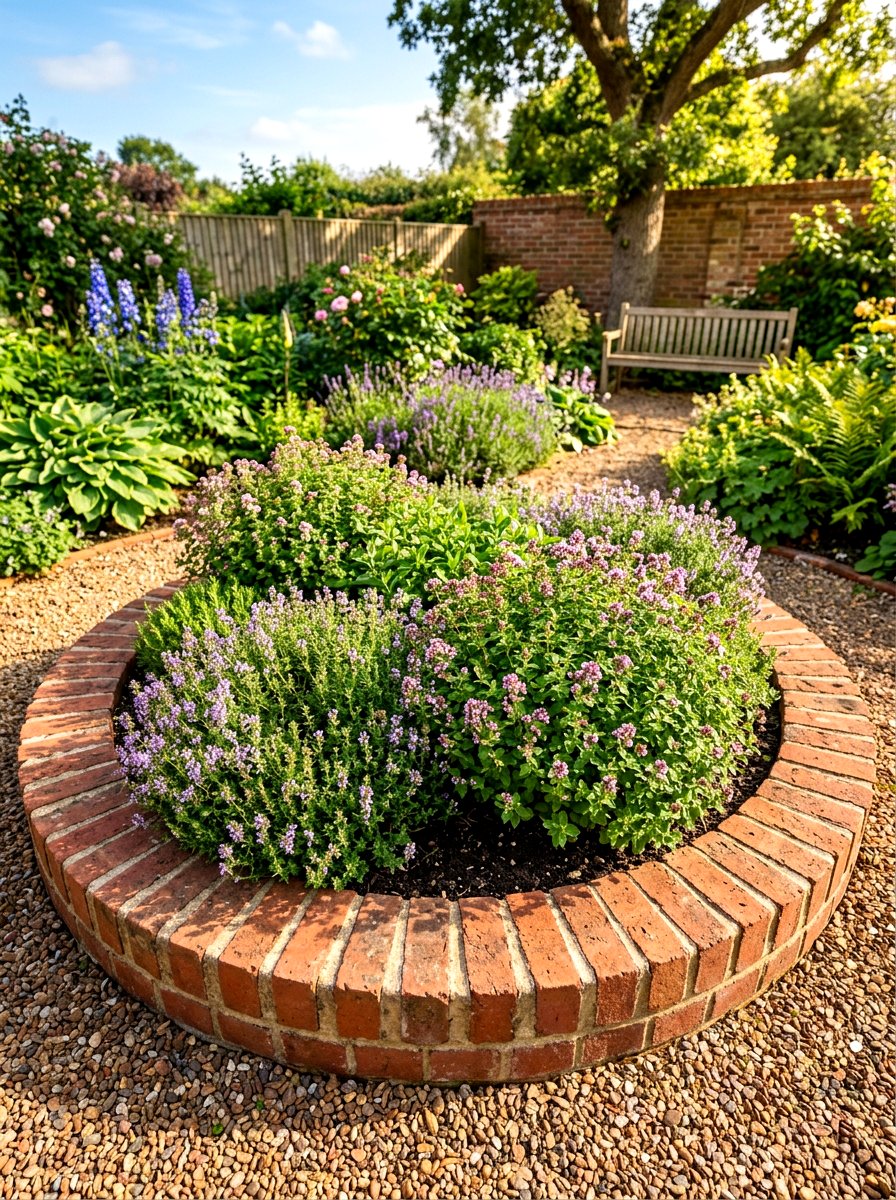
The brick herb border layout is a timeless and versatile choice that works with almost any home style. Using recycled or new bricks, you can create a simple one-row edge or a more complex herringbone pattern to frame your herb beds. Herbs like thyme and oregano look beautiful as they spill over the warm red or brown tones of the masonry. The bricks also absorb heat during the day and release it at night, which can help sensitive herbs stay warm in cooler climates. This design is sturdy, easy to install, and provides a clear boundary that makes mowing the lawn around your herb garden a much simpler task.
28. Shade Loving Herb Border
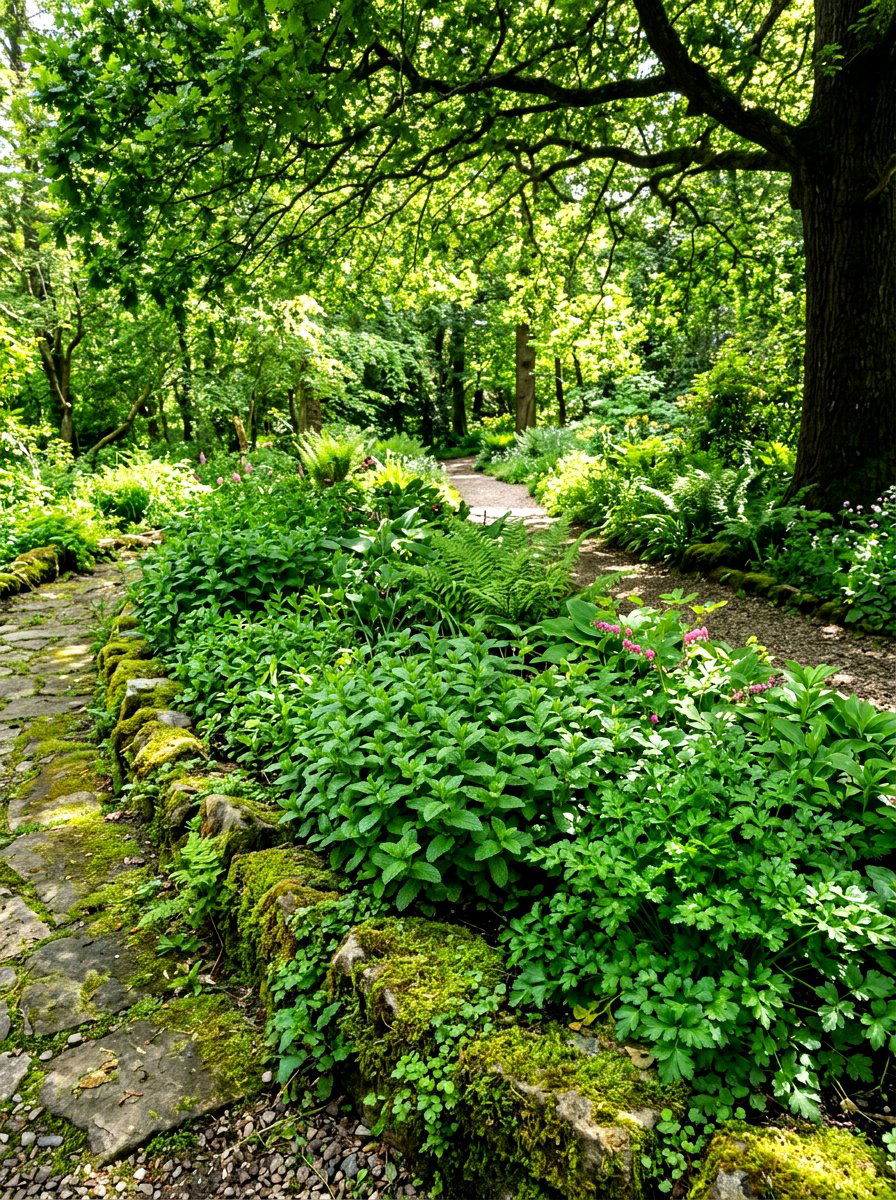
A shade loving herb border proves that you don 't need full sun to have a productive and beautiful edge. This design focuses on herbs that thrive in dappled light or partial shade, such as mint, chervil, parsley, and sweet woodruff. These plants often have lush, delicate green foliage that brings a sense of freshness to darker corners of the yard. By layering different shades of green and using the white flowers of sweet woodruff, you can create a luminous and peaceful border under trees or alongside a north-facing wall. This layout is perfect for maximizing every inch of your property, even the areas that don' t get much direct sunlight.
29. Drought Tolerant Herb Border
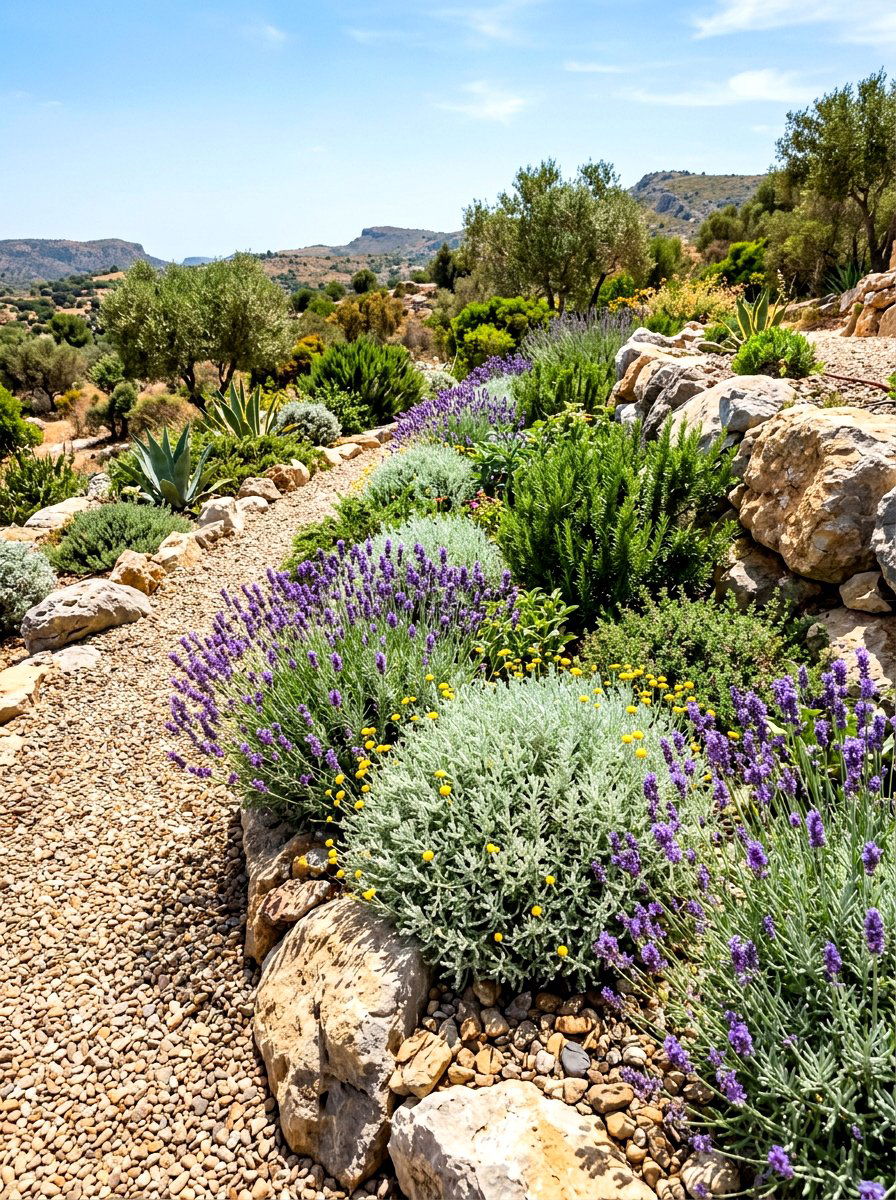
A drought tolerant herb border is the smartest choice for gardeners in dry climates or those who want to conserve water. This design features Mediterranean classics like lavender, santolina, sage, and rosemary, which are all naturally adapted to survive with very little moisture. These plants often have silver or gray foliage and thick, waxy leaves that resist evaporation. By grouping them together, you create a water-wise border that looks stunning without requiring constant irrigation. This setup is often combined with gravel mulch and large rocks to create a naturalistic, arid landscape that is both beautiful and environmentally responsible, requiring very little effort to maintain.
30. Potted Herb Border Arrangement
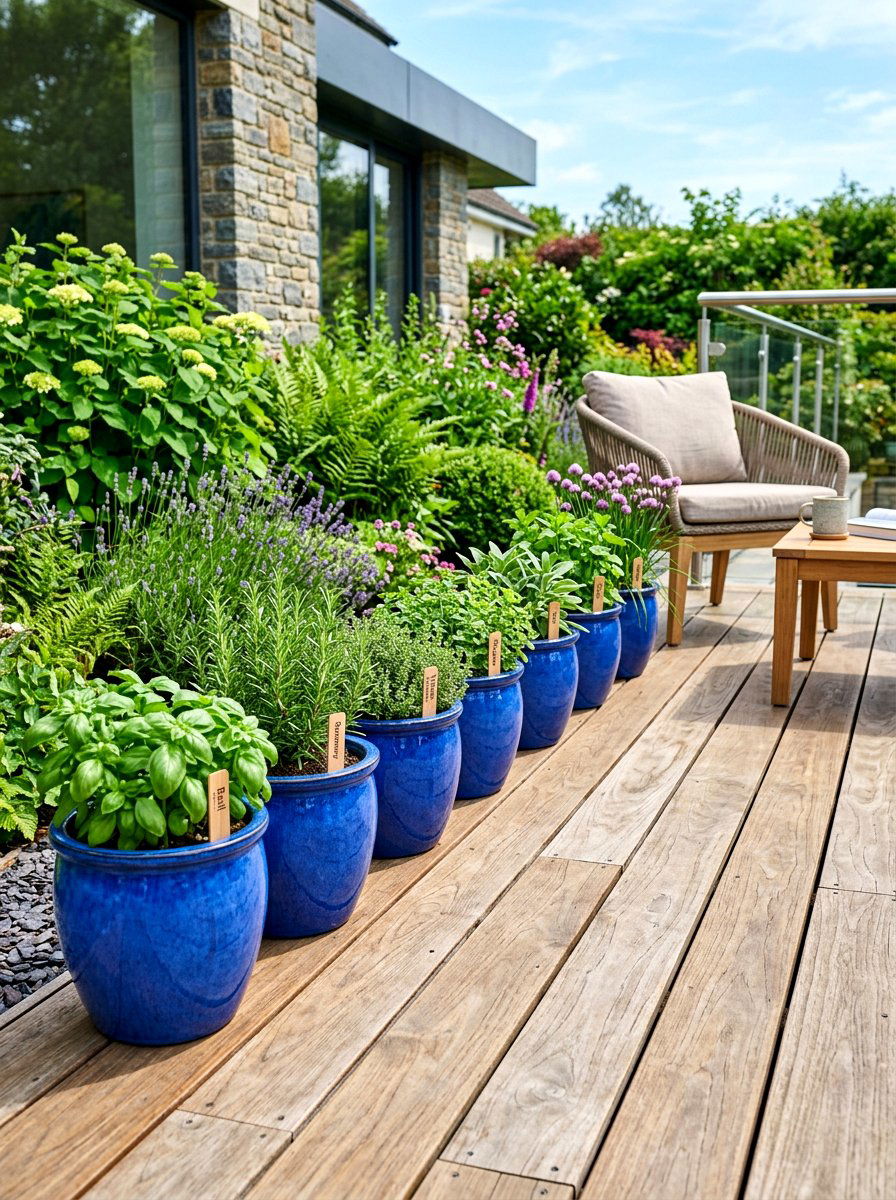
The potted herb border arrangement is a flexible and creative way to line a patio, balcony, or deck. Instead of planting in the ground, you use a series of matching or eclectic containers filled with different herbs to create a modular boundary. This design allows you to move plants around based on the season or your cooking needs. You can use tall terracotta pots for rosemary, long troughs for chives and parsley, and hanging baskets for trailing mint. This approach is perfect for renters or those with limited soil access. It creates a lush, tiered green wall that adds life and fragrance to any hardscaped outdoor living area.
Conclusion:
Designing a herb border is one of the most rewarding ways to enhance your garden's beauty and productivity at the same time. By choosing plants that suit your specific environmental conditions and aesthetic preferences, you can create a boundary that serves your kitchen while delighting your neighbors. From the classic elegance of lavender paths to the modern look of steel-edged sage beds, there is a style for every home. These edible perimeters require very little maintenance once established and offer a sustainable way to bring fresh flavors into your life. We hope these thirty different approaches inspire you to look at herbs as more than just ingredients, but as essential elements of a well-designed landscape. Start small with a few pots or go big with a formal bay hedge; either way, your garden will benefit from the addition of these aromatic and versatile plants.

Related posts: