Creating a vibrant sanctuary for pollinators is one of the most rewarding projects a gardener can undertake today. By focusing on bee garden borders, you transform simple edges into thriving ecosystems that support local biodiversity. These borders act as essential corridors for honeybees, bumblebees, and solitary bees, providing them with nectar and pollen throughout the growing season. Beyond their ecological value, these garden features add incredible visual depth and texture to your outdoor living space. You can blend colors, heights, and scents to craft a landscape that feels alive and energetic. Whether you have a small urban yard or a sprawling countryside estate, these thoughtful design strategies will help you build a beautiful, bee-friendly haven right at home.
1. Lavender garden border
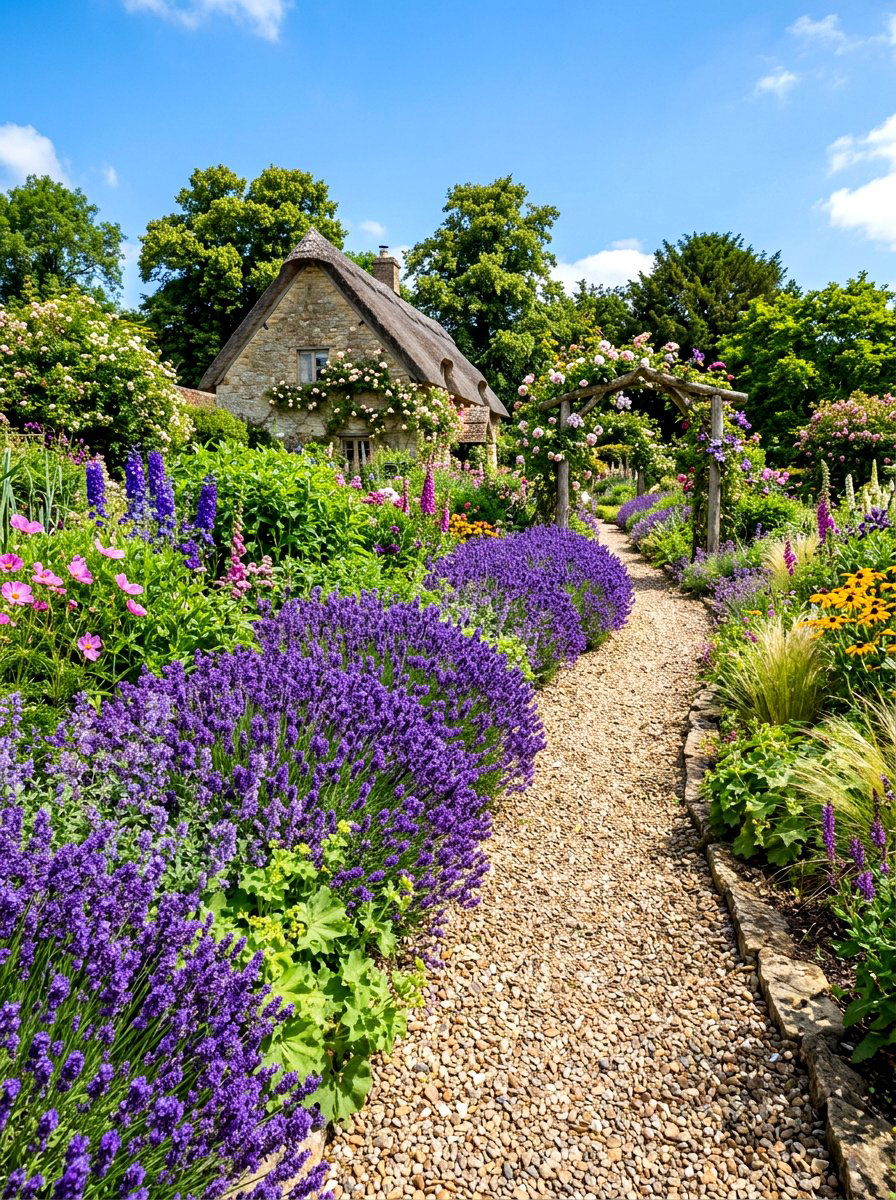
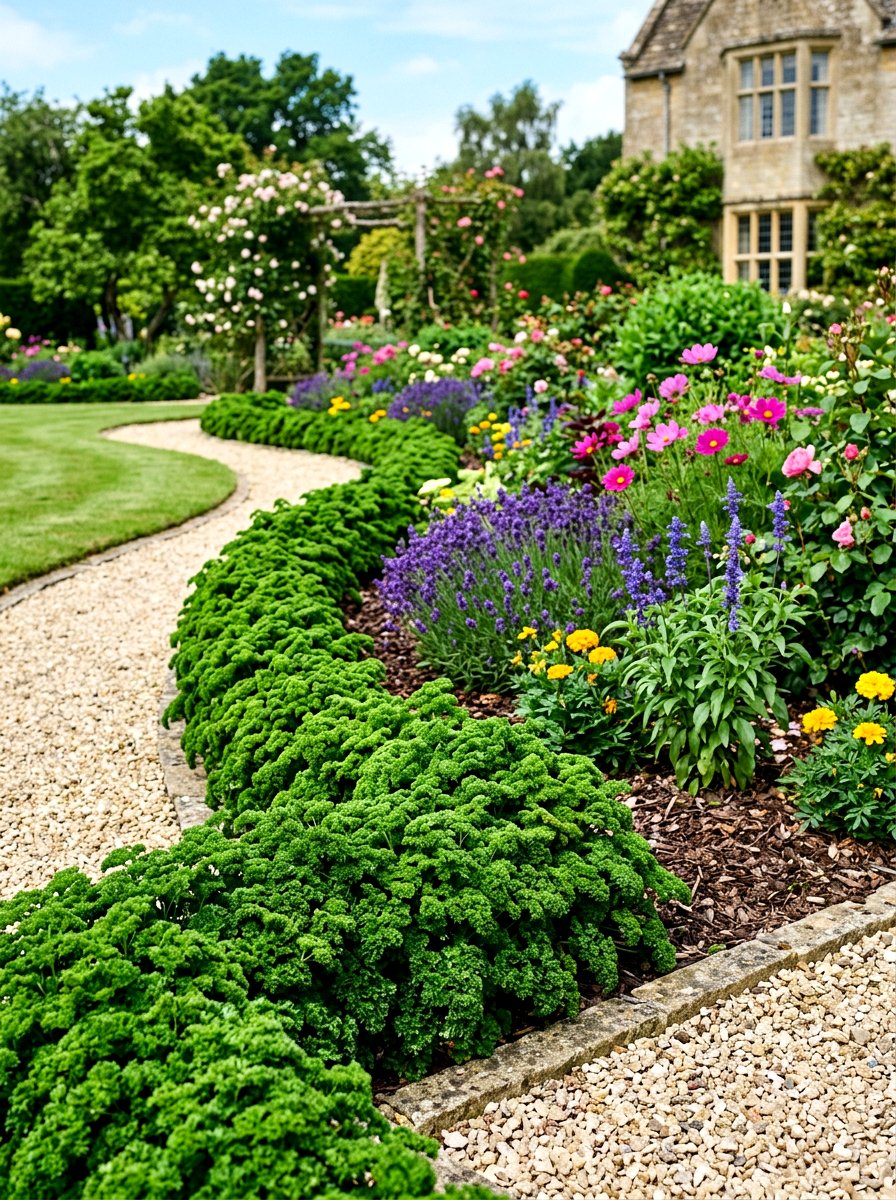
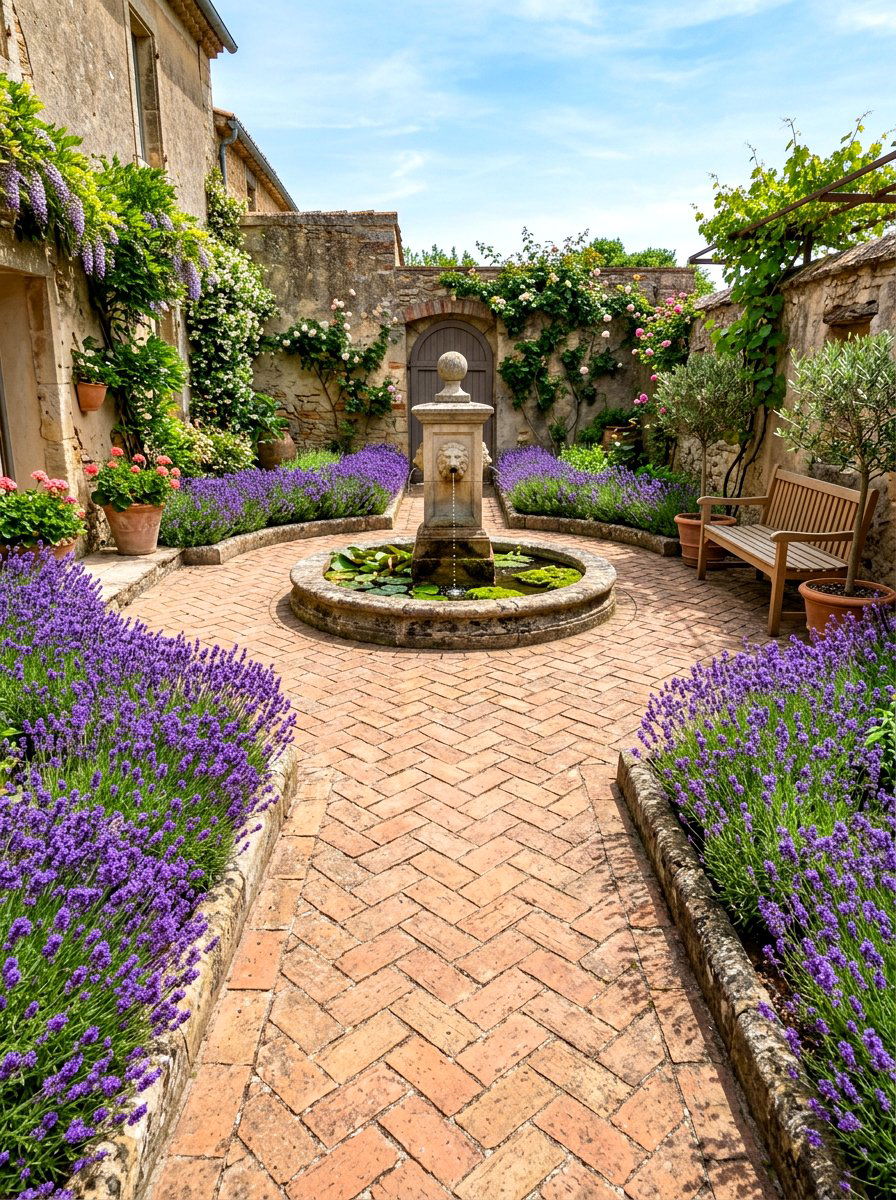
Imagine walking down a path lined with the soothing scent of purple blooms and the gentle hum of happy bees. A lavender garden border is a classic choice for any sun-drenched landscape because it offers year-round structure and intense summer color. These hardy perennials are magnets for bumblebees who love the tubular flowers. You should plant them in well-draining soil to ensure they thrive for many years. To make the border look full, space the plants closely so they create a seamless hedge effect. The silver-green foliage provides a beautiful contrast against green lawns or stone walkways. This design choice brings a touch of Mediterranean charm while serving a vital role in your local environment.
2. Wildflower meadow edge
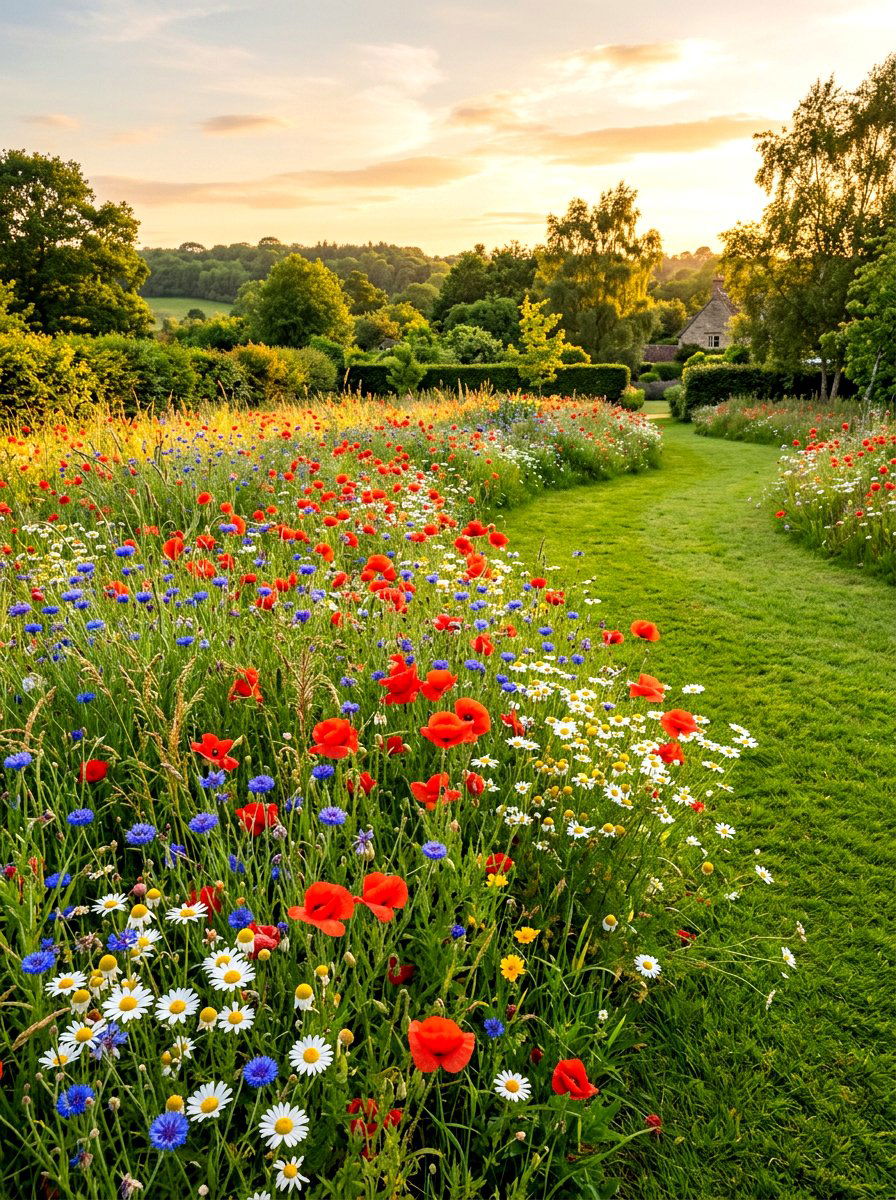
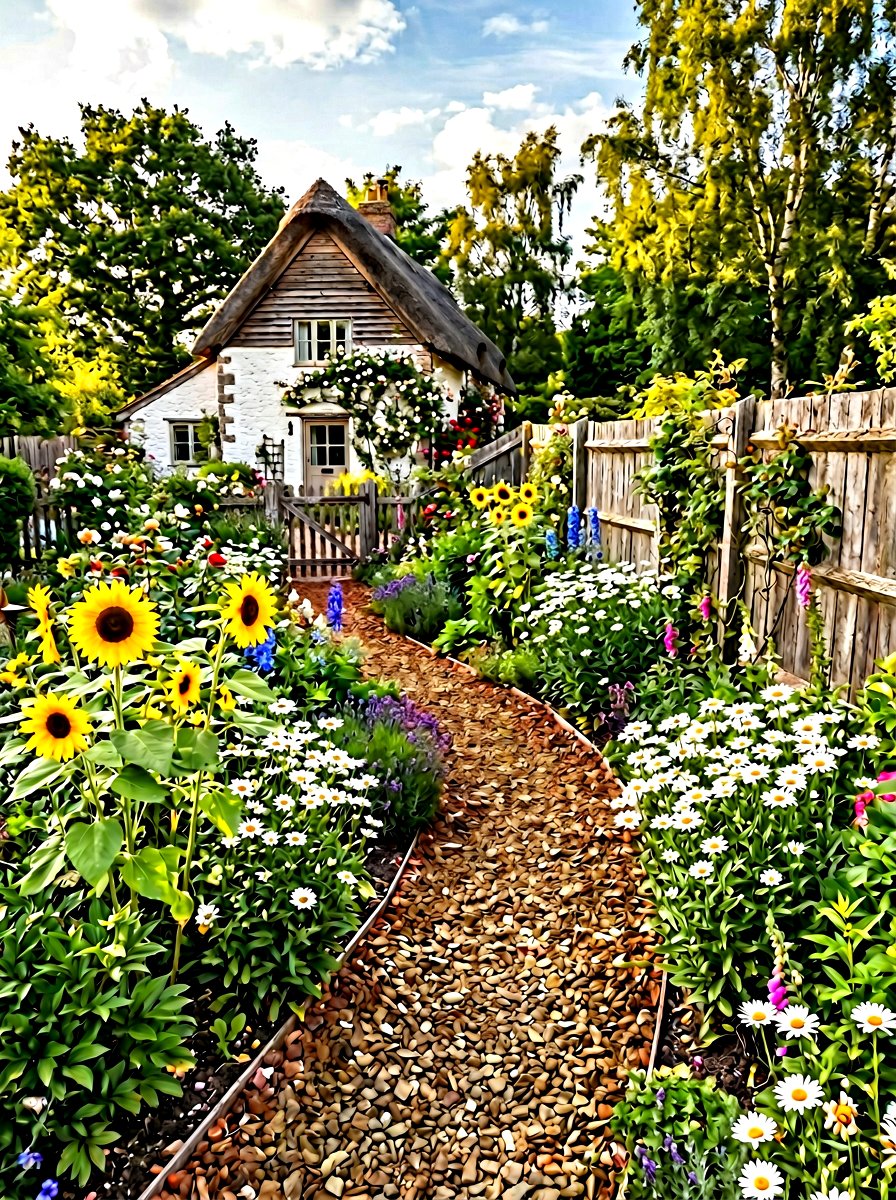
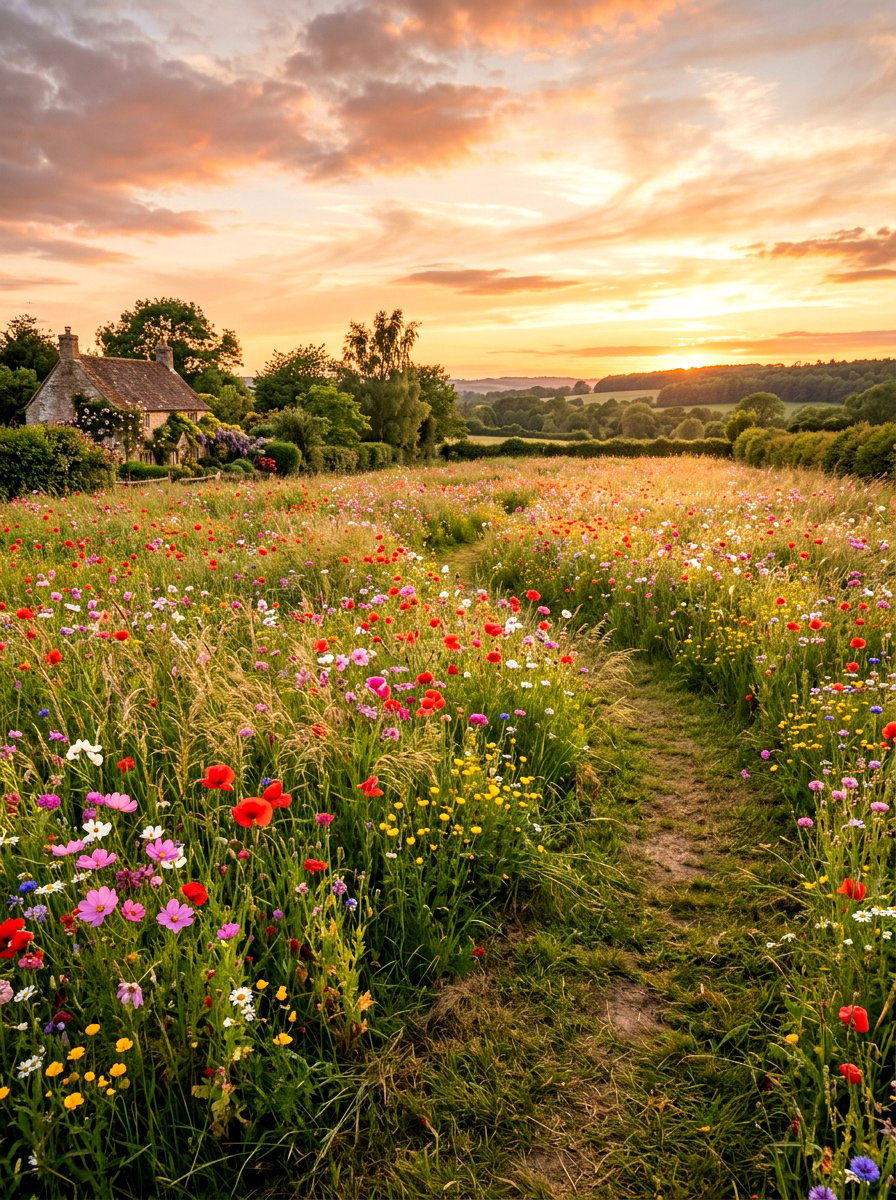
A wildflower meadow edge offers a relaxed and natural look that feels like a slice of the countryside in your backyard. Instead of a manicured lawn, you can sow a variety of native seeds along your property line. This approach provides a diverse buffet for different bee species throughout the spring and summer months. You will see a beautiful mix of poppies, cornflowers, and daisies swaying in the breeze. These borders require very little maintenance once they are established, making them perfect for busy homeowners. The organic shapes and wild textures create a soft transition between your structured garden and the natural world. It is a wonderful way to embrace imperfection while supporting nature.
3. Native pollinator hedge
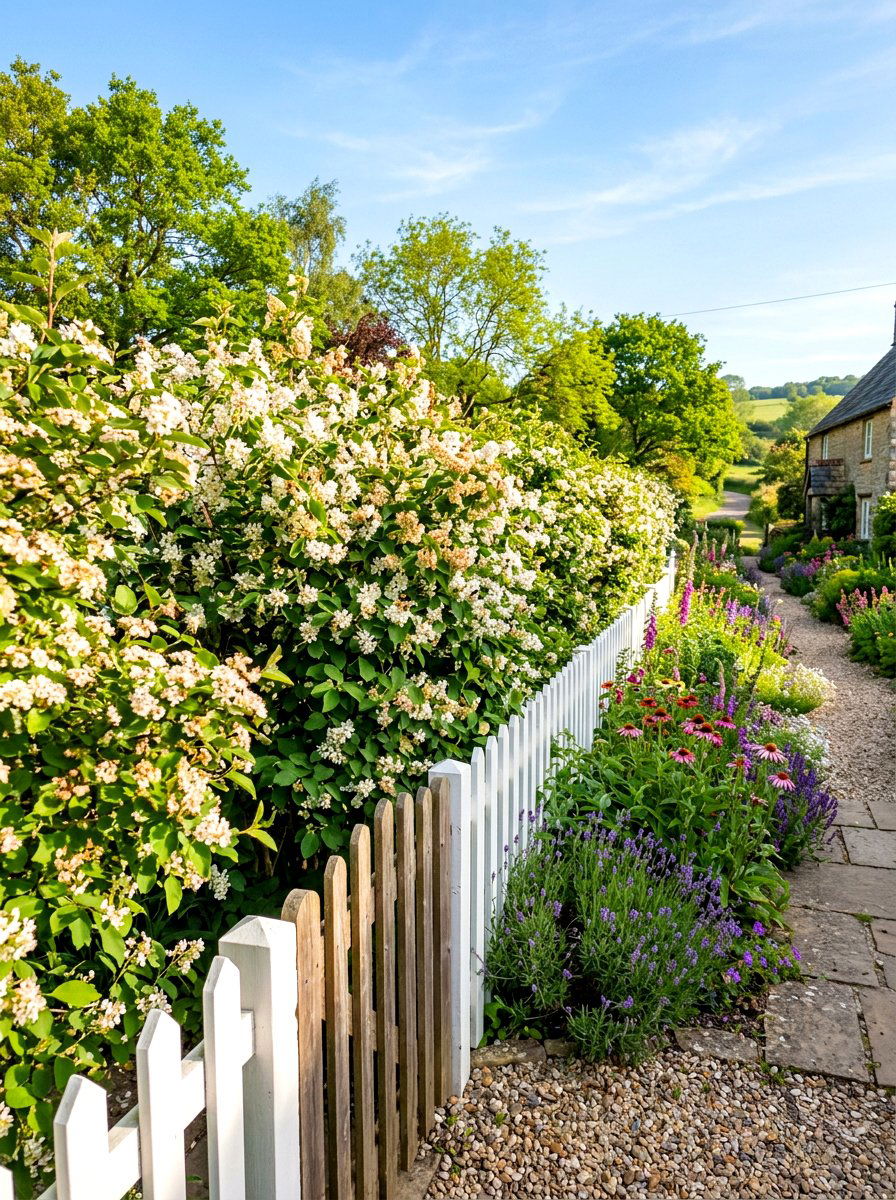
Choosing a native pollinator hedge is a sustainable way to provide both food and shelter for your local bee populations. Native shrubs like hawthorn or serviceberry offer spring blossoms that are essential for bees emerging from winter dormancy. These hedges create a solid boundary for your property while functioning as a vertical garden for wildlife. They are generally more resilient to local weather patterns and require less water than exotic species. By including a mix of different shrubs, you can ensure a succession of blooms that keeps the garden buzzing for months. This structure also provides nesting sites for solitary bees, making it a complete habitat for your buzzing visitors.
4. Stone wall flower bed
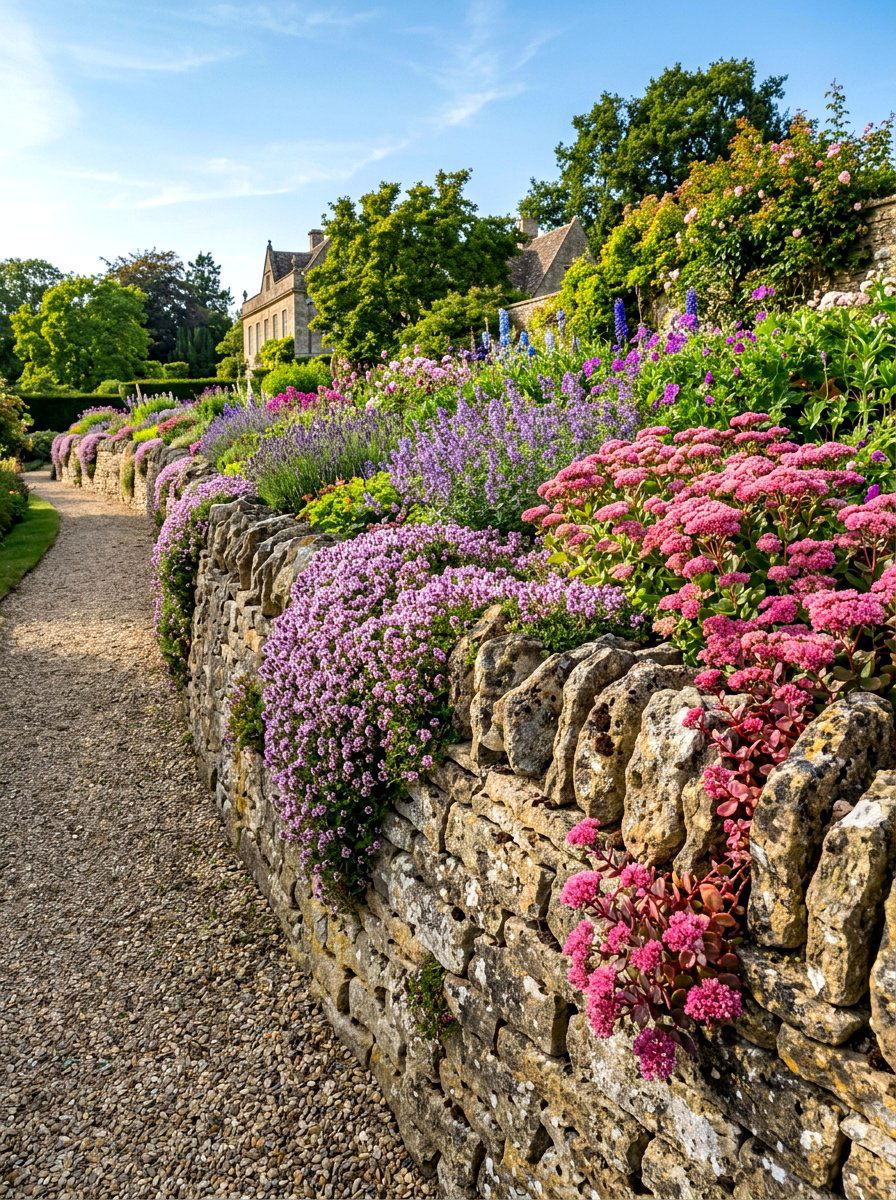
A stone wall flower bed combines the rugged beauty of natural rock with the delicate textures of pollinator-friendly plants. You can build a low dry-stone wall and fill the pockets with creeping thyme or stonecrop to attract tiny solitary bees. The stones absorb heat during the day, which helps keep the soil warm and extends the growing season for your flowers. This setup is ideal for creating clear definitions between different areas of your landscape while adding a timeless, rustic aesthetic. Planting trailing flowers along the top edge allows them to spill over the sides, creating a soft and romantic look. It is a durable and highly functional design for any sloped garden.
5. Raised timber garden bed
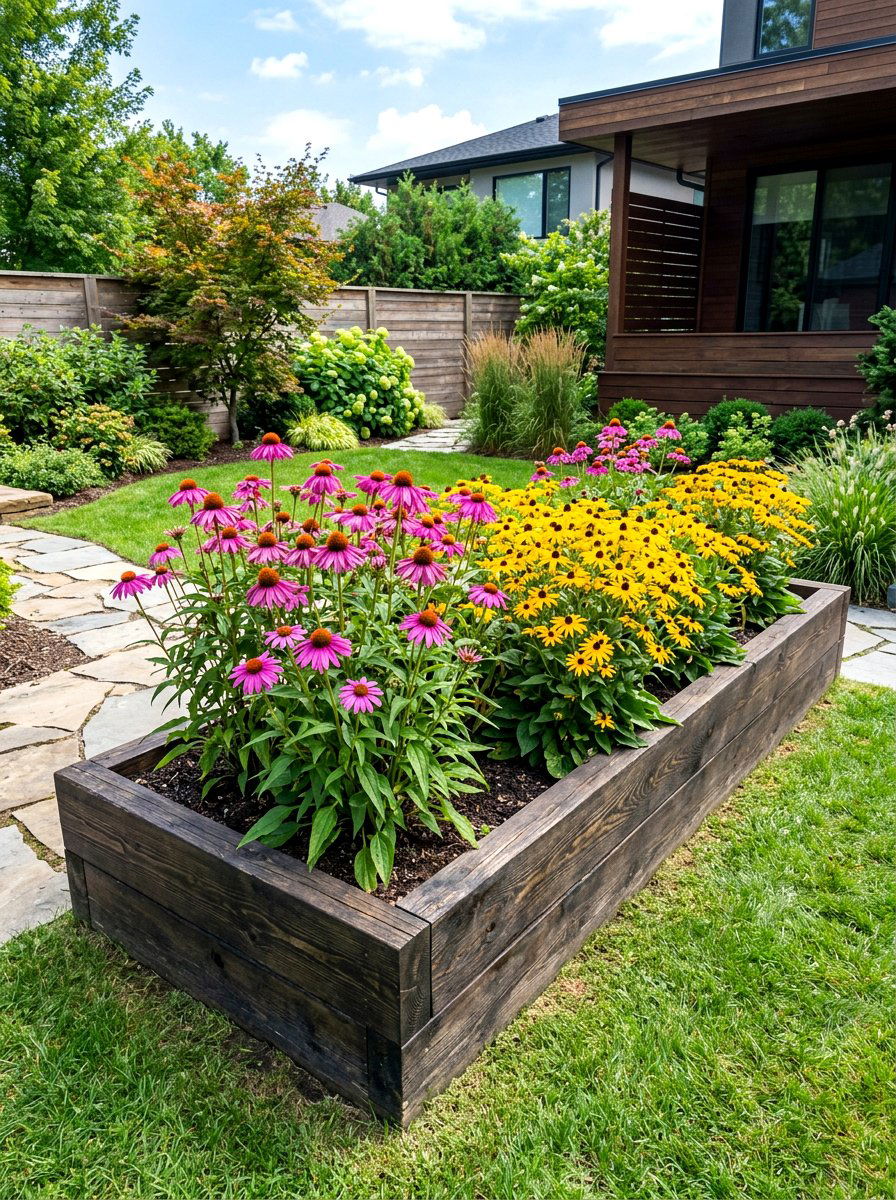
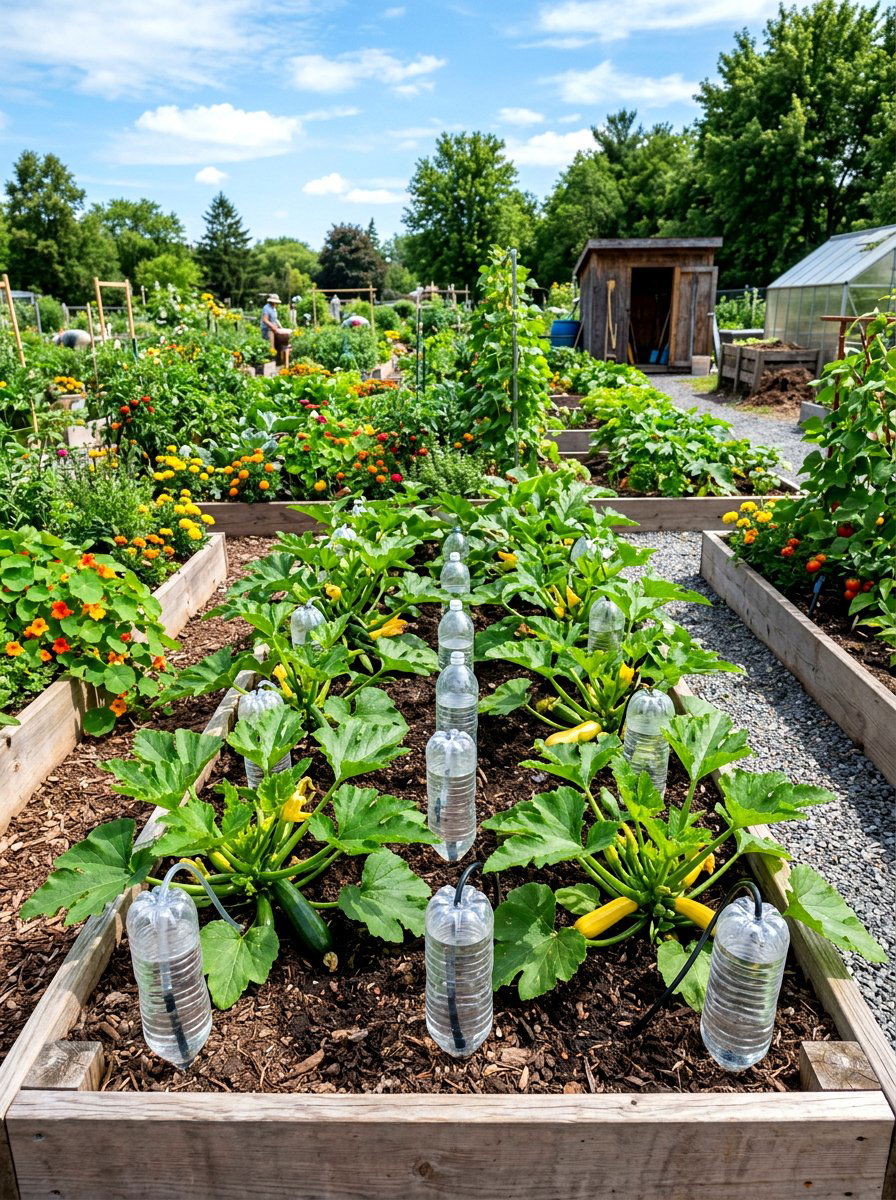
Using a raised timber garden bed is an excellent strategy for controlling soil quality and improving accessibility in your bee garden. These structures allow you to fill the space with a rich, organic mix that supports heavy-blooming perennials like echinacea and rudbeckia. The height of the bed makes it easier for you to tend to the plants without straining your back. Bees are naturally drawn to these concentrated patches of color, making your garden a primary stop on their foraging route. You can paint the timber to match your home’s exterior or leave it natural for a weathered look. This organized approach keeps your pollinator plants contained and looking tidy all year.
6. Mixed herbaceous border
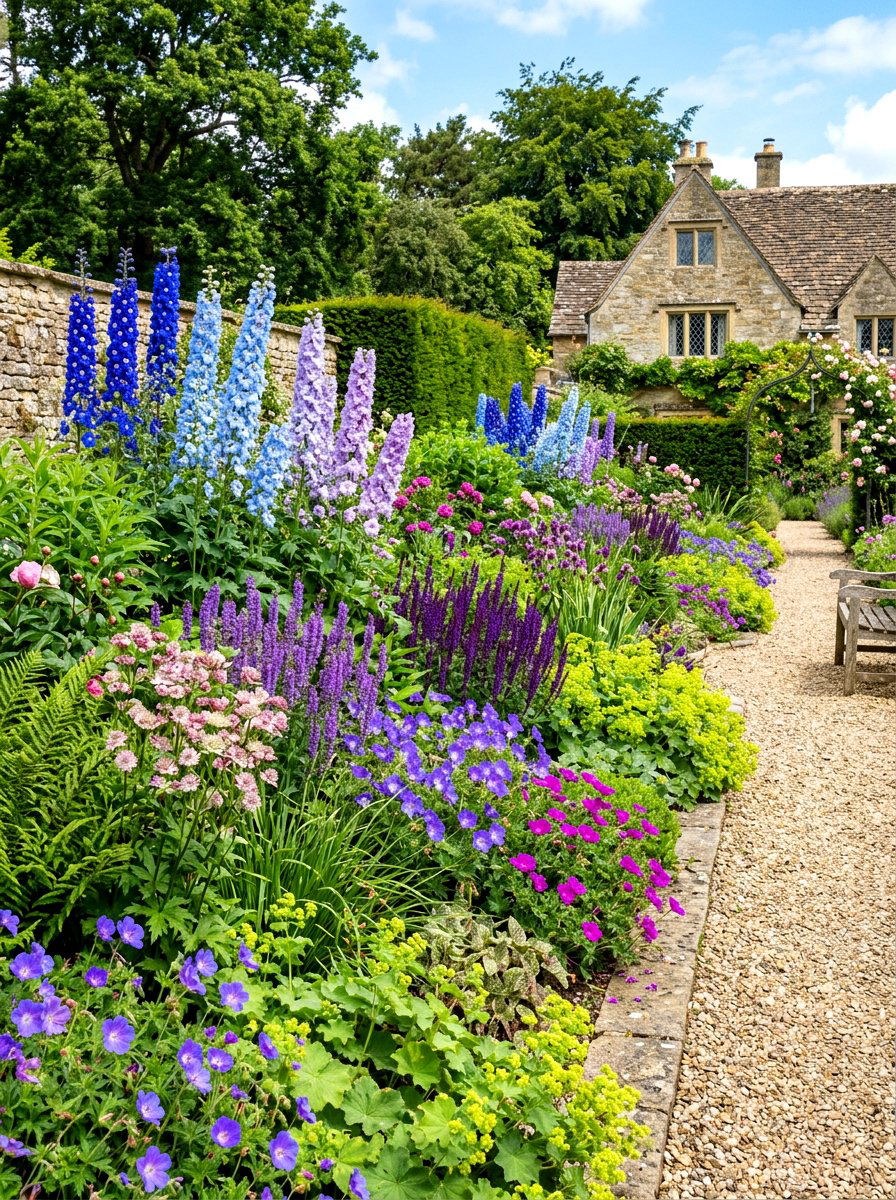
A mixed herbaceous border is the ultimate way to display a wide variety of textures and colors in one cohesive design. You can layer tall delphiniums at the back with mid-sized salvias and low-growing hardy geraniums at the front. This layering technique maximizes the use of space and provides multiple levels for different types of bees to explore. By selecting plants that bloom at different times, you create a continuous food source from early spring until the first frost. This style of border is dynamic and ever-changing, offering new visual interest every single week. It allows you to experiment with various plant combinations to see which ones your local bees prefer most.
7. Catmint garden path
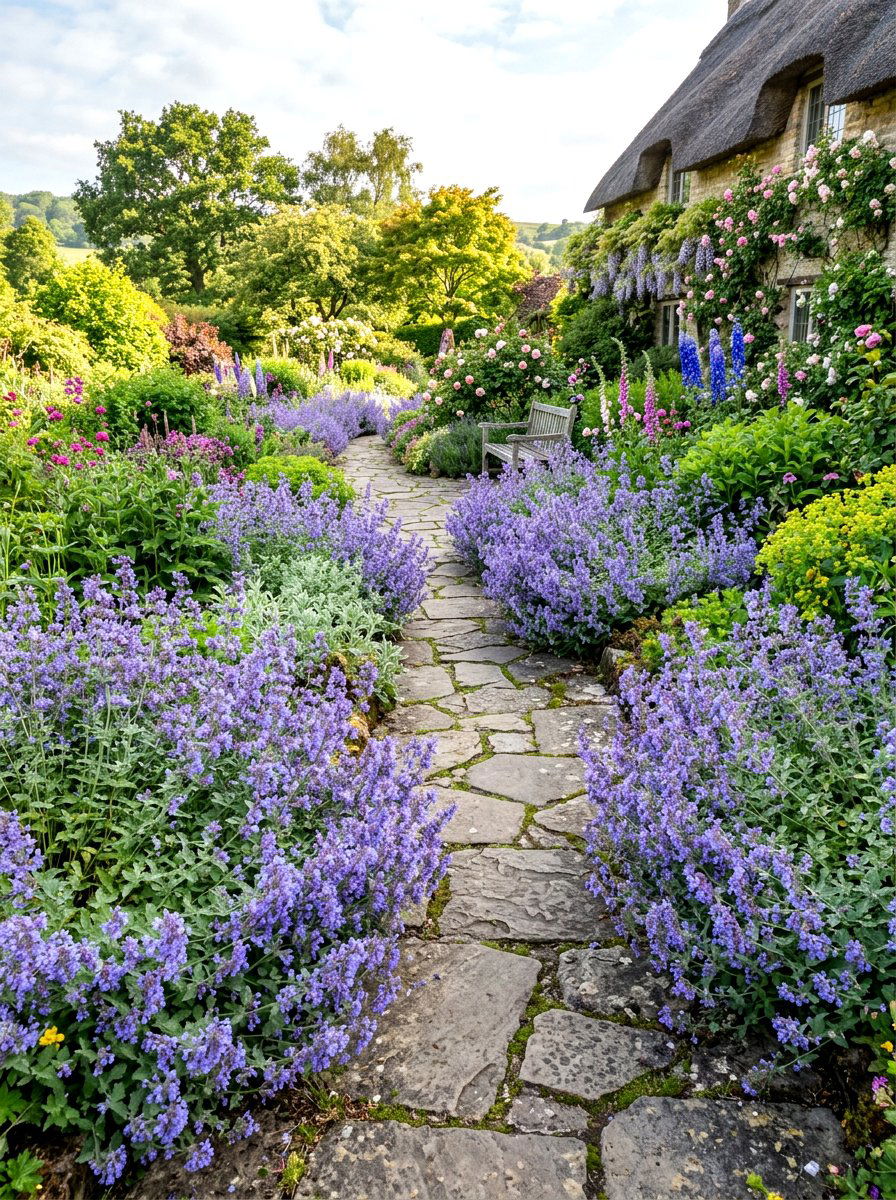
Creating a catmint garden path is a wonderful way to soften the edges of a hard walkway with frothy blue flowers. Catmint is incredibly hardy and produces a long-lasting display of blooms that bees simply cannot resist. As you walk by, the plants may release a gentle minty fragrance that adds to the sensory experience of your garden. These plants grow in low, spreading mounds that spill over the edges of gravel or stone paths beautifully. They are also drought-tolerant once established, which makes them a practical choice for water-conscious gardeners. The soft purple hue of the flowers pairs perfectly with almost any other color in your landscape design.
8. Sunflower fence line
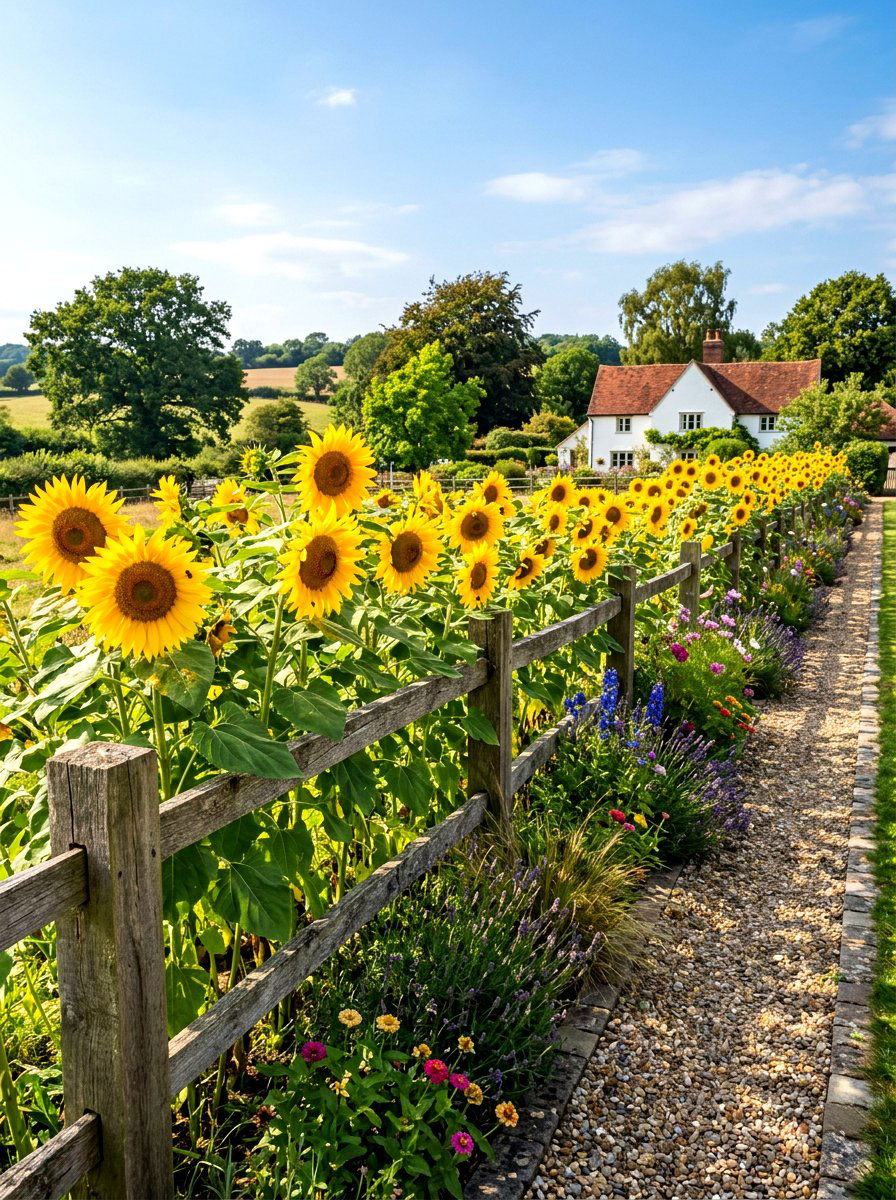
A sunflower fence line turns a functional boundary into a towering wall of bright yellow joy for you and the bees. Sunflowers are famous for their large, nectar-rich centers that provide a massive amount of food for foraging insects. Planting a row of different varieties, from giant giants to multi-headed branching types, creates a stunning visual backdrop for your yard. These fast-growing annuals are easy to start from seed and can reach impressive heights in just a few months. Once the flowers fade, the seed heads provide a natural feast for local birds during the autumn. This idea adds a cheerful, farmhouse vibe to your garden while supporting the entire local food web.
9. Herb garden border
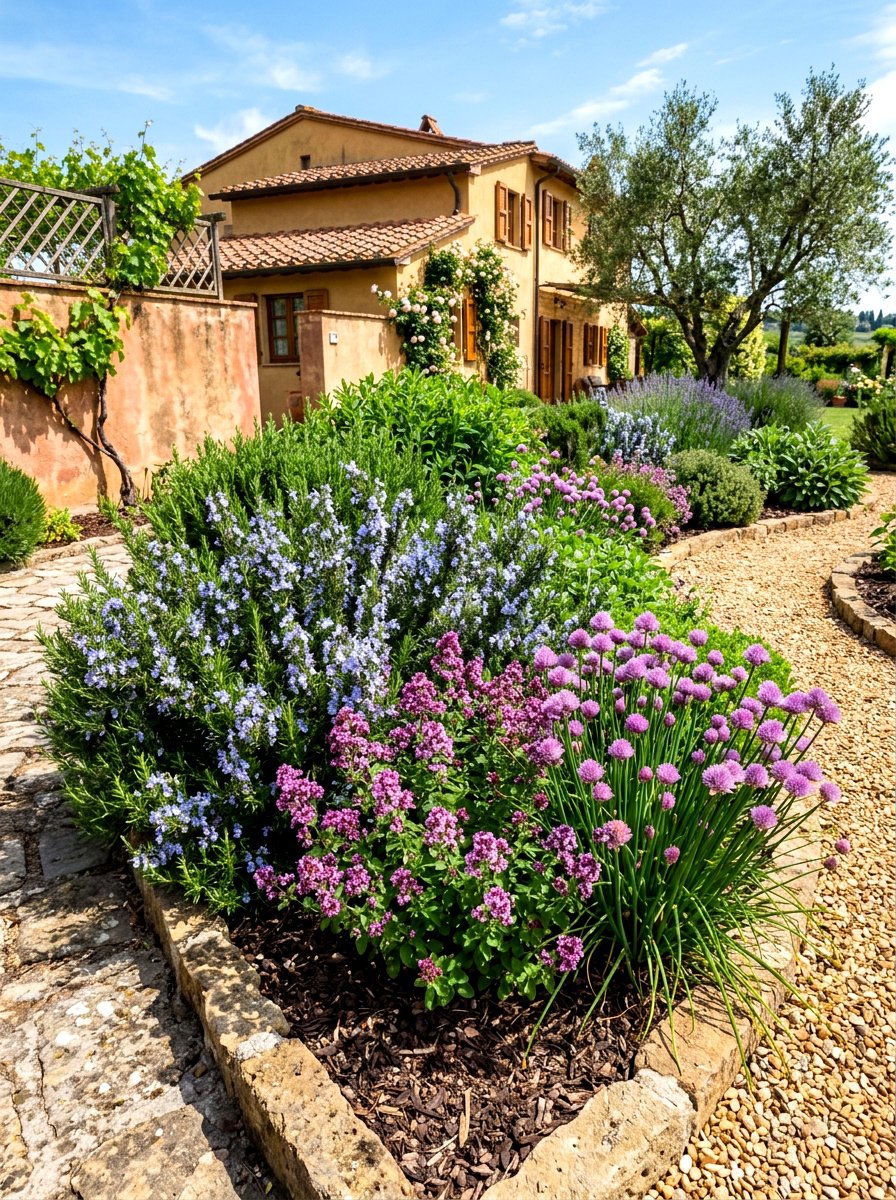
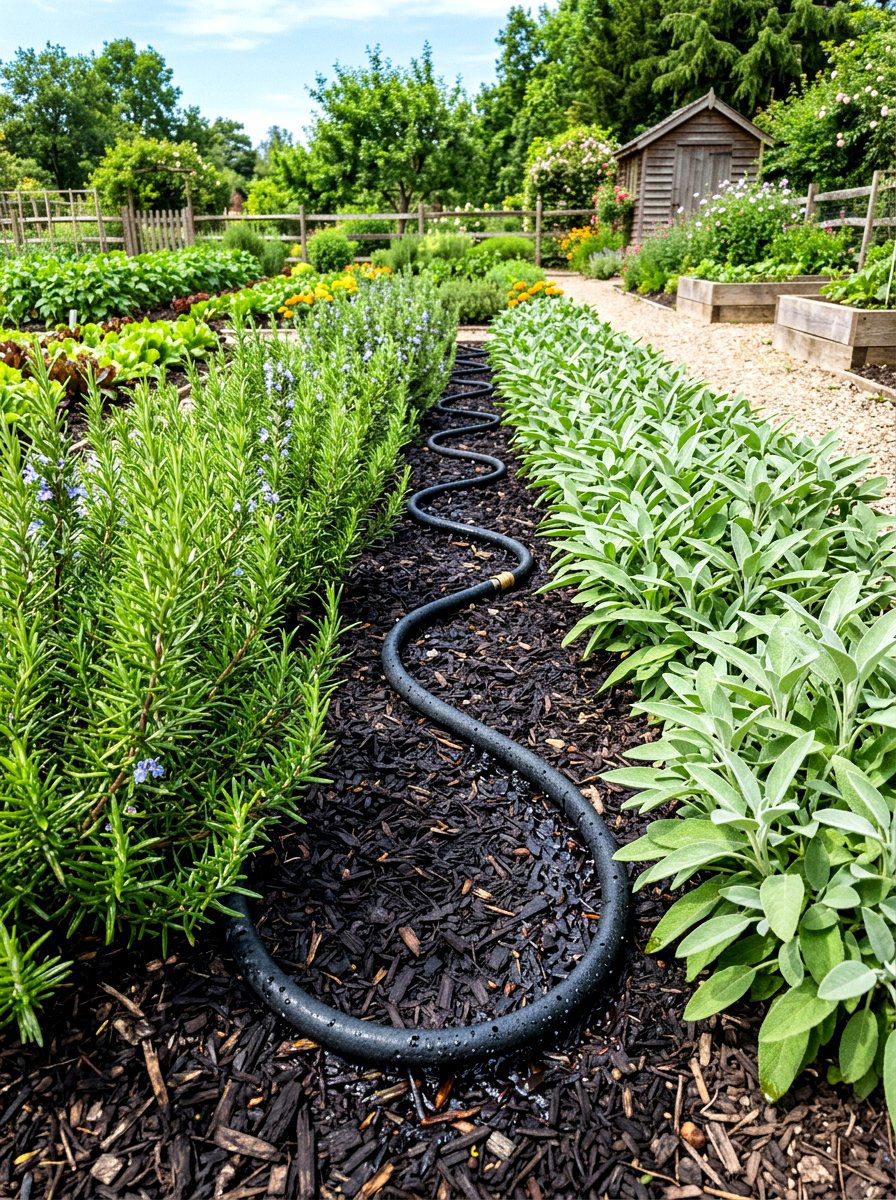
Integrating a herb garden border near your kitchen door is a functional way to blend culinary needs with pollinator support. Herbs like rosemary, oregano, and chives produce beautiful flowers that are packed with high-quality nectar for honeybees. When you allow your herbs to flower, you are providing a vital resource for insects while adding delicate beauty to your beds. Many of these plants are evergreen or perennial, ensuring your border looks green and healthy even when not in full bloom. The compact growth habit of most herbs makes them ideal for edging small spaces or lining narrow garden patches. It is a win-win design for both the chef and the local bee colony.
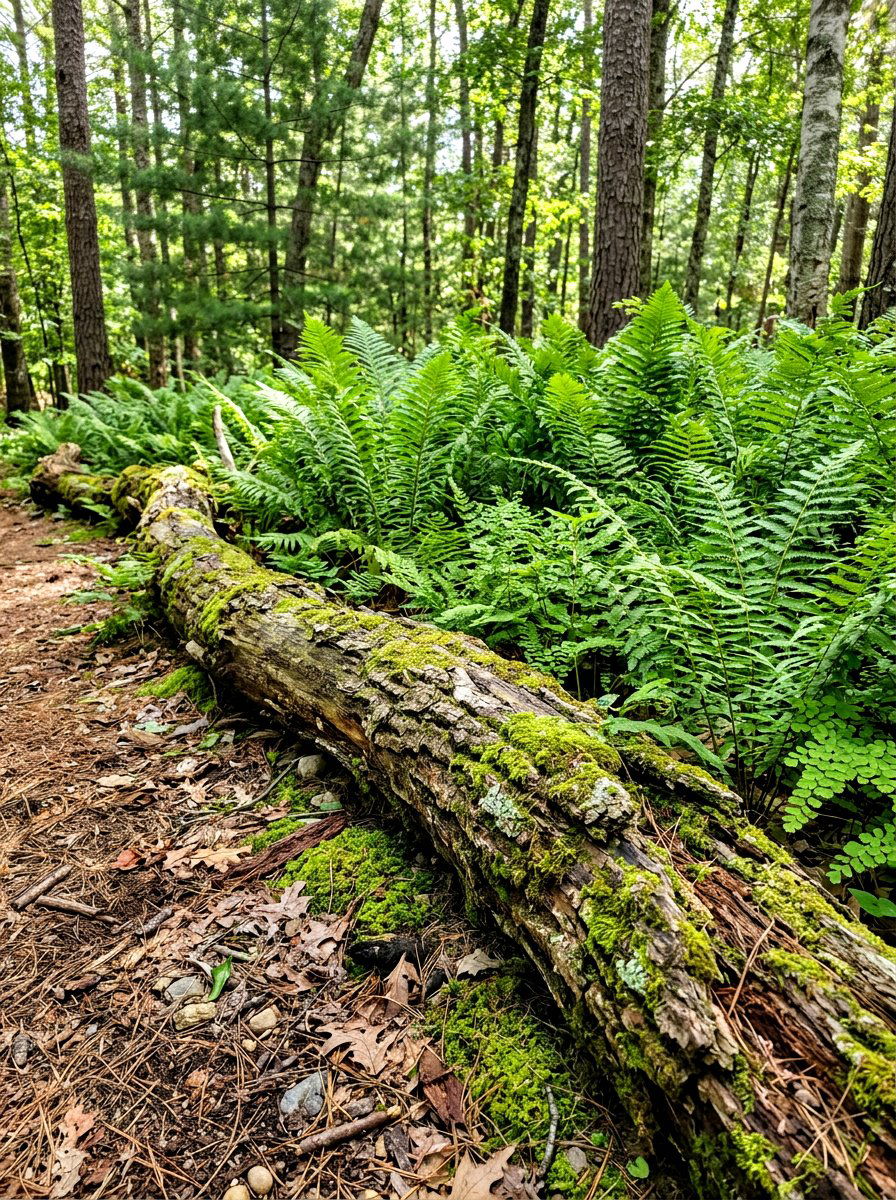
10. Rock garden pollinator bed
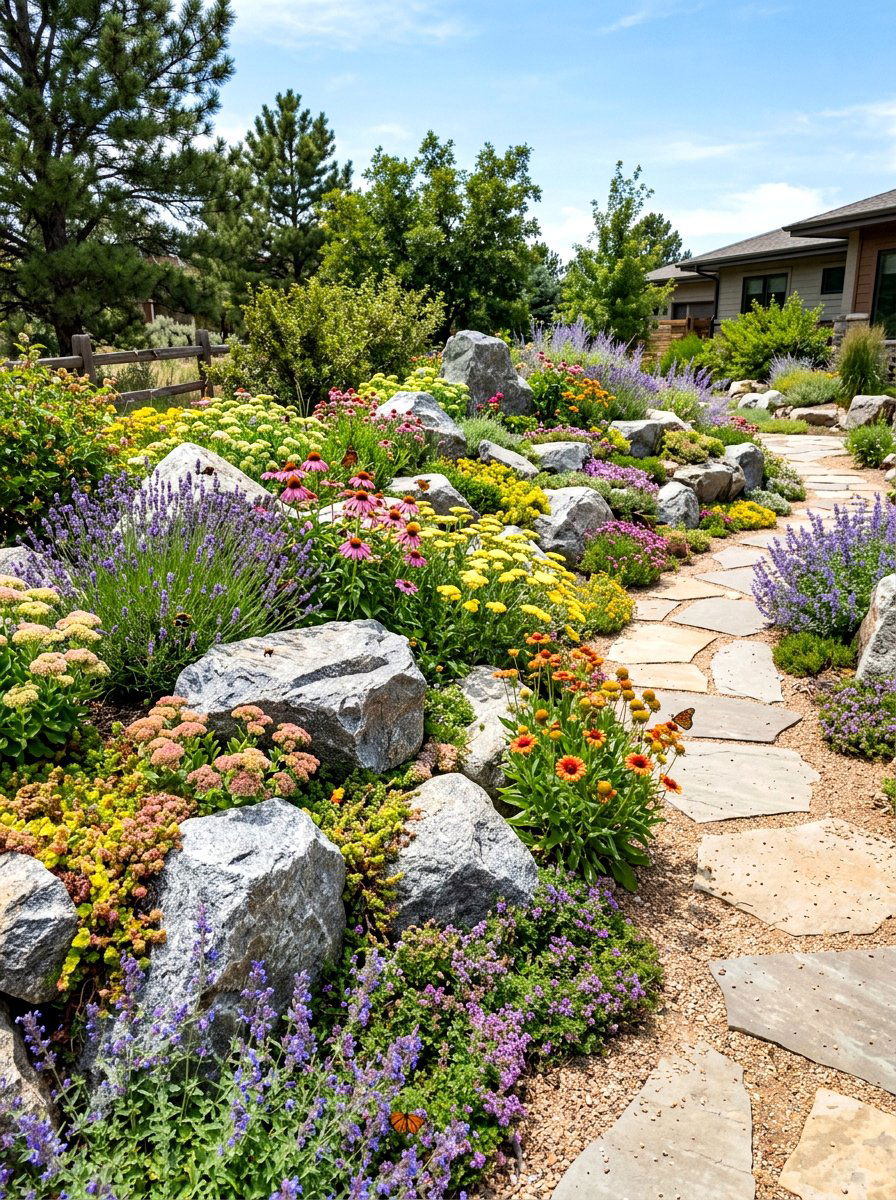
A rock garden pollinator bed is the perfect solution for areas with poor soil or steep inclines that are difficult to mow. By tucking drought-resistant plants like sedum and alpine flowers between large boulders, you create a low-maintenance haven for bees. These plants are often very hardy and can survive in harsh conditions where other flowers might struggle to grow. The variety of stone shapes and sizes adds a sculptural element to your garden that looks beautiful in every season. Rock gardens also provide many small crevices where solitary bees can find shelter and protection from the elements. This rugged style is both environmentally friendly and visually striking in a modern landscape.
11. Butterfly bush hedge
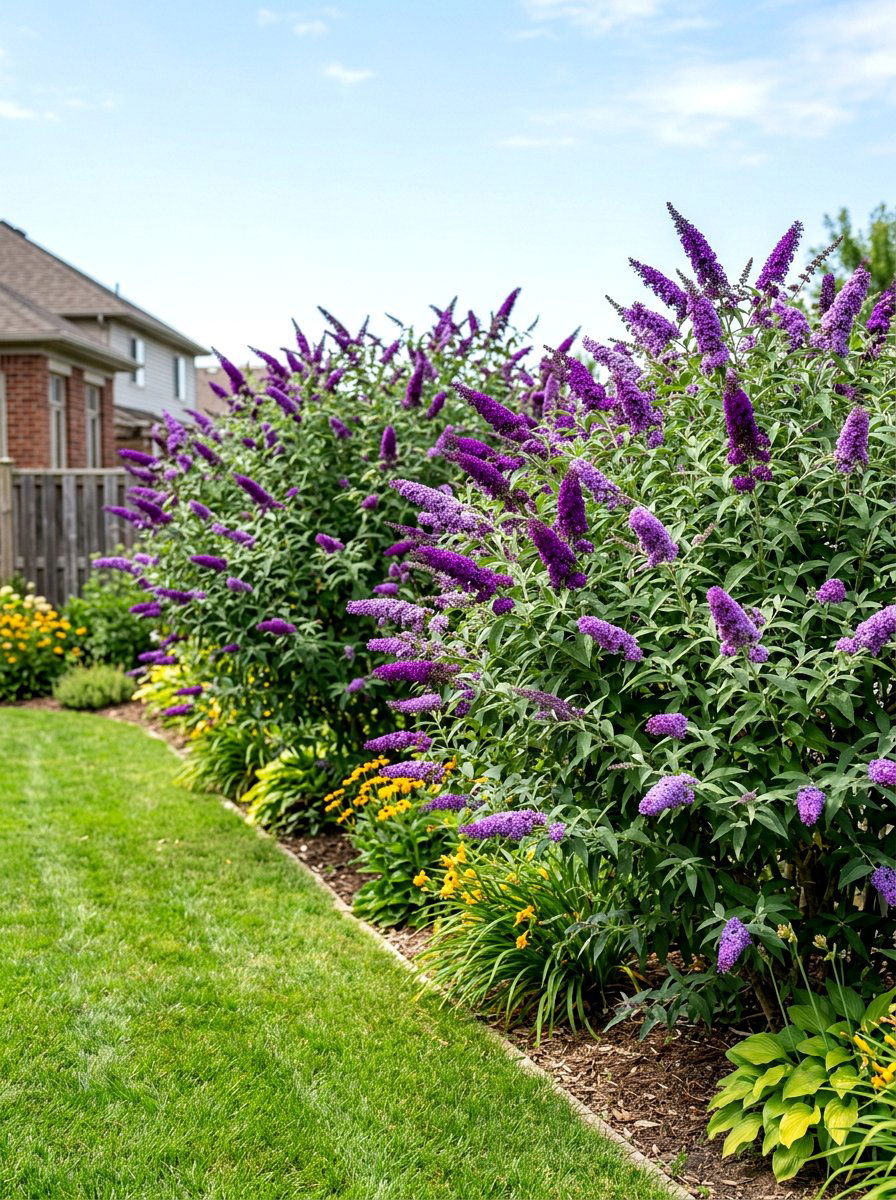
Planting a butterfly bush hedge creates a dramatic wall of color that attracts a wide range of winged visitors, including bees. These fast-growing shrubs produce long, cone-shaped flower spikes in shades of purple, pink, and white throughout the summer. While they are named after butterflies, bees are equally attracted to the abundant nectar found in their fragrant blossoms. You can prune them heavily in the spring to keep them at a manageable height for a garden border. They work well as a privacy screen along a patio or as a tall backdrop for shorter perennials. The sweet scent of the flowers will fill your entire outdoor space on warm, sunny afternoons.
12. Cottage garden flower bed
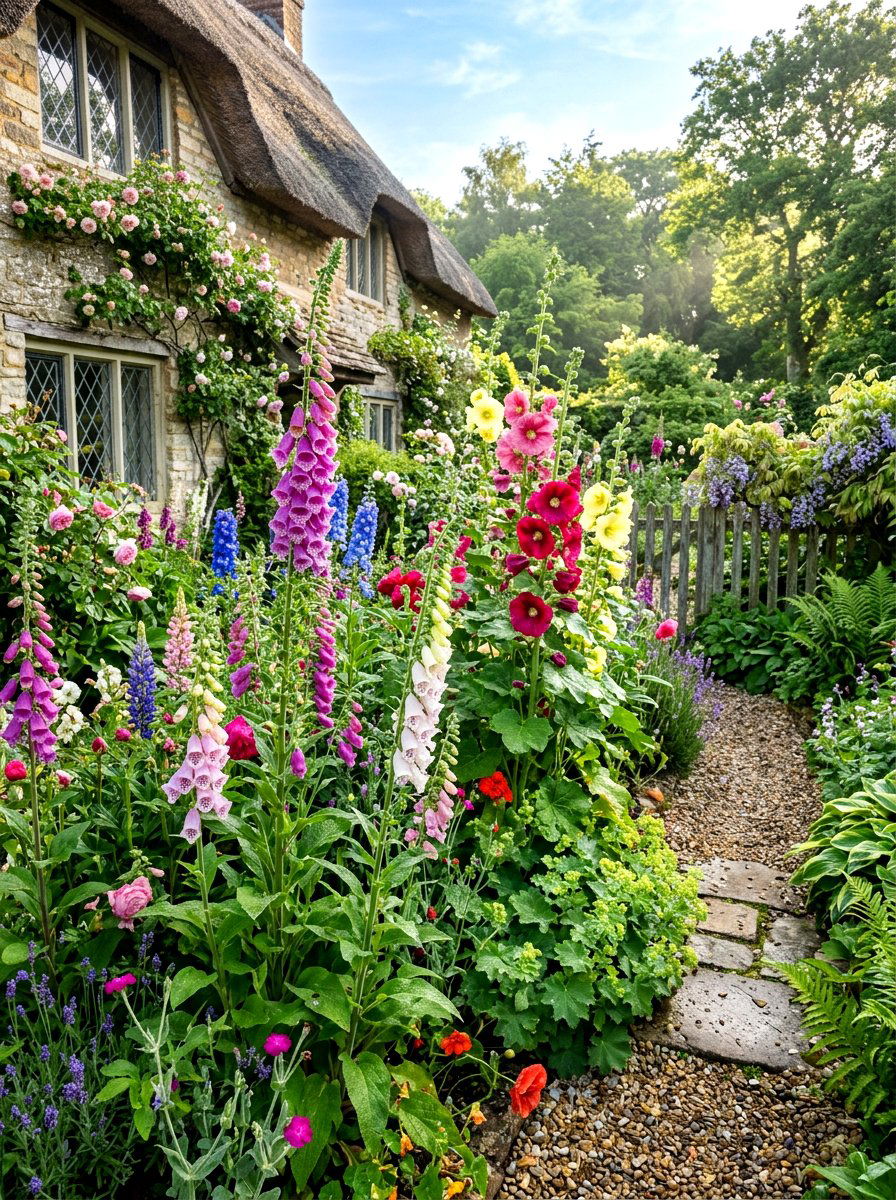
The cottage garden flower bed is a romantic and whimsical choice that celebrates a dense, informal style of planting. You can pack this border with traditional favorites like foxgloves, hollyhocks, and lupines to create a lush tapestry of blooms. This high-density planting method ensures that there is always something for the bees to find as they zip through your garden. The tall, spiky flowers provide excellent landing platforms for larger bumblebees and add vertical interest to your landscape. This style encourages a bit of wildness, allowing plants to self-seed and move around over time. It creates a charming, lived-in feel that looks perfectly at home in a traditional backyard setting.
13. Shady bee garden border
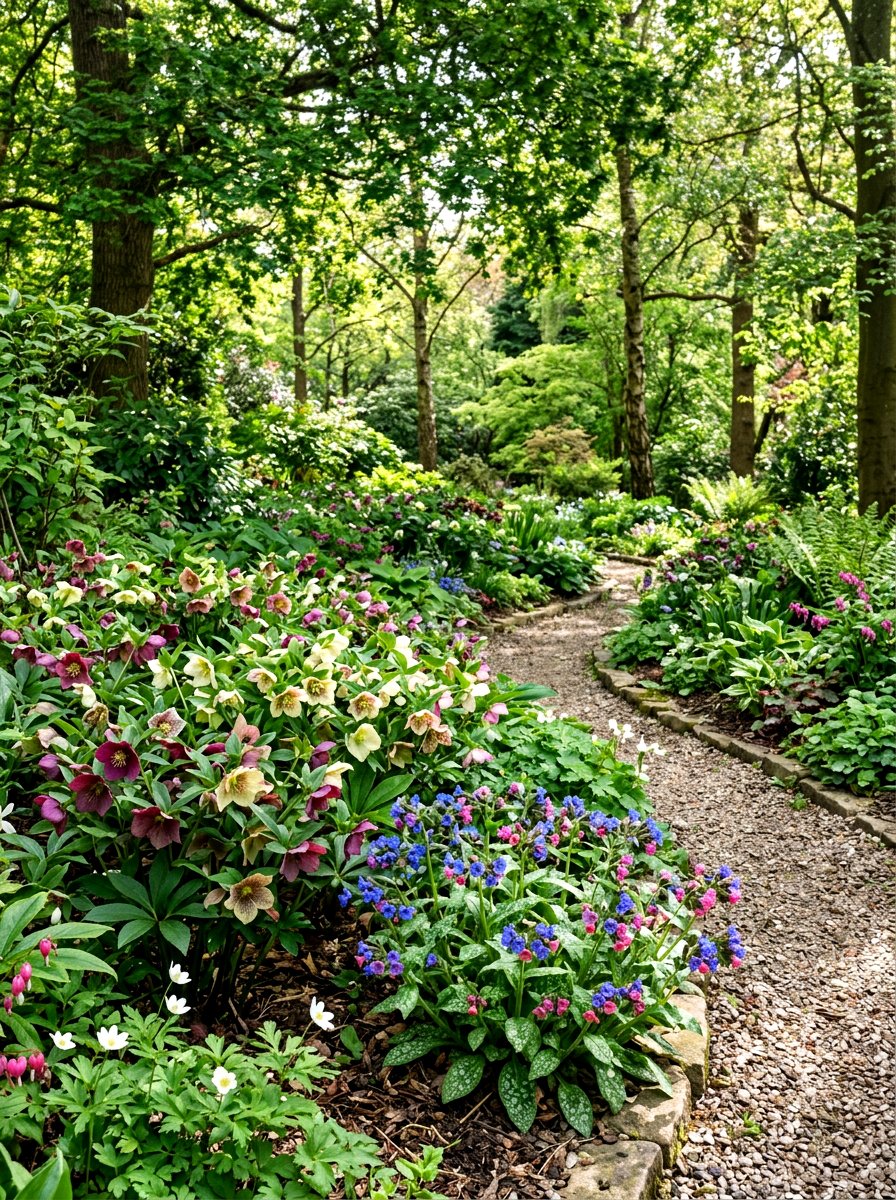
Developing a shady bee garden border allows you to support pollinators even in the parts of your yard that receive limited sunlight. Many woodland plants like lungwort, hellebores, and foxgloves thrive in dappled shade and offer early-season nectar for bees. These plants often have interesting foliage textures that add visual appeal even when they are not actively flowering. By using shade-tolerant species, you can turn a dark corner of your garden into a bright and buzzing sanctuary. This approach helps to cool down your outdoor space during the hot summer months while providing a consistent habitat. It proves that every inch of your property can contribute to the local ecosystem.
14. Drought tolerant pollinator garden
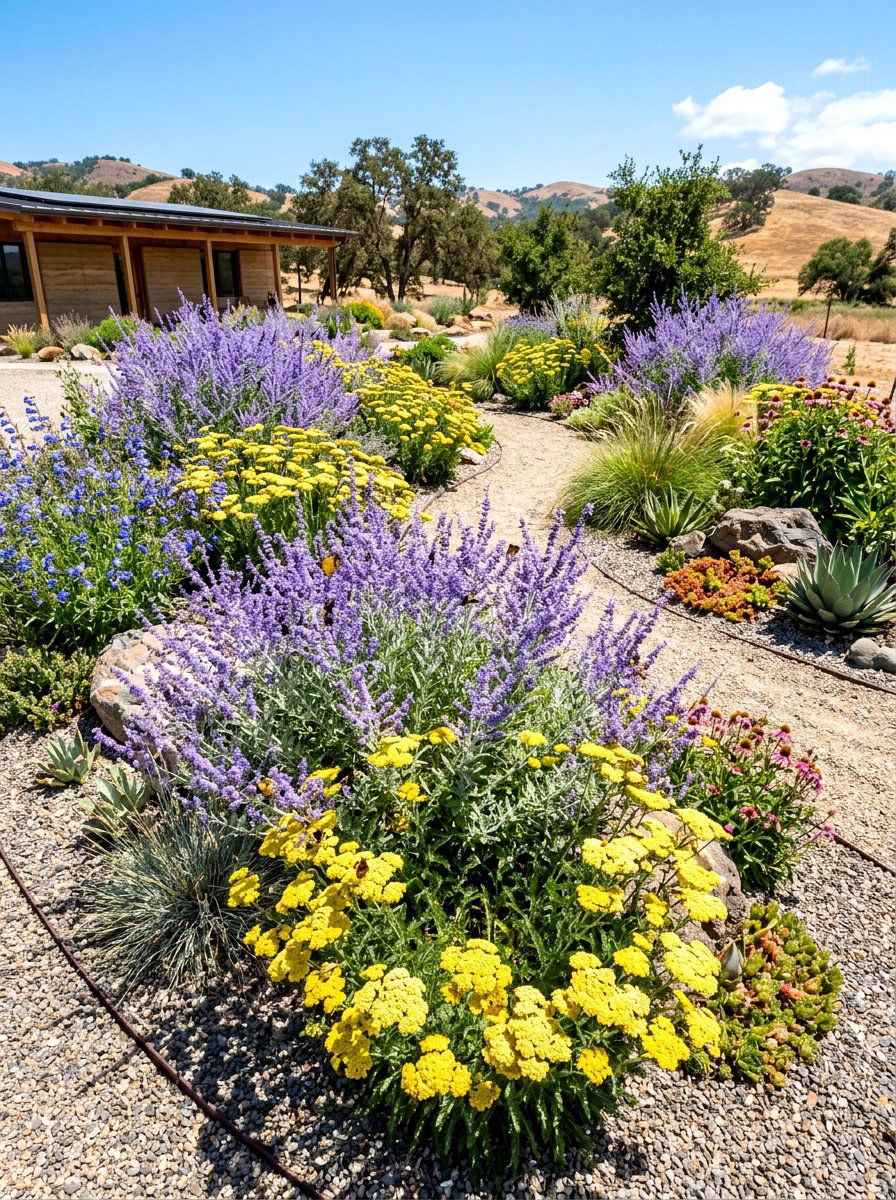
A drought tolerant pollinator garden is an eco-friendly choice that saves water while still providing a feast for local bees. You can use plants like Russian sage, yarrow, and globe thistle which are specifically adapted to thrive with very little rainfall. These species often have silver or textured foliage that helps them retain moisture and adds a modern aesthetic to your borders. This type of garden requires significantly less work once the plants are established, as they do not need frequent watering. The bold architectural shapes of drought-resistant plants create a striking silhouette against the sky. It is a smart and sustainable way to maintain a beautiful garden in changing climates.
15. Blue flower garden border
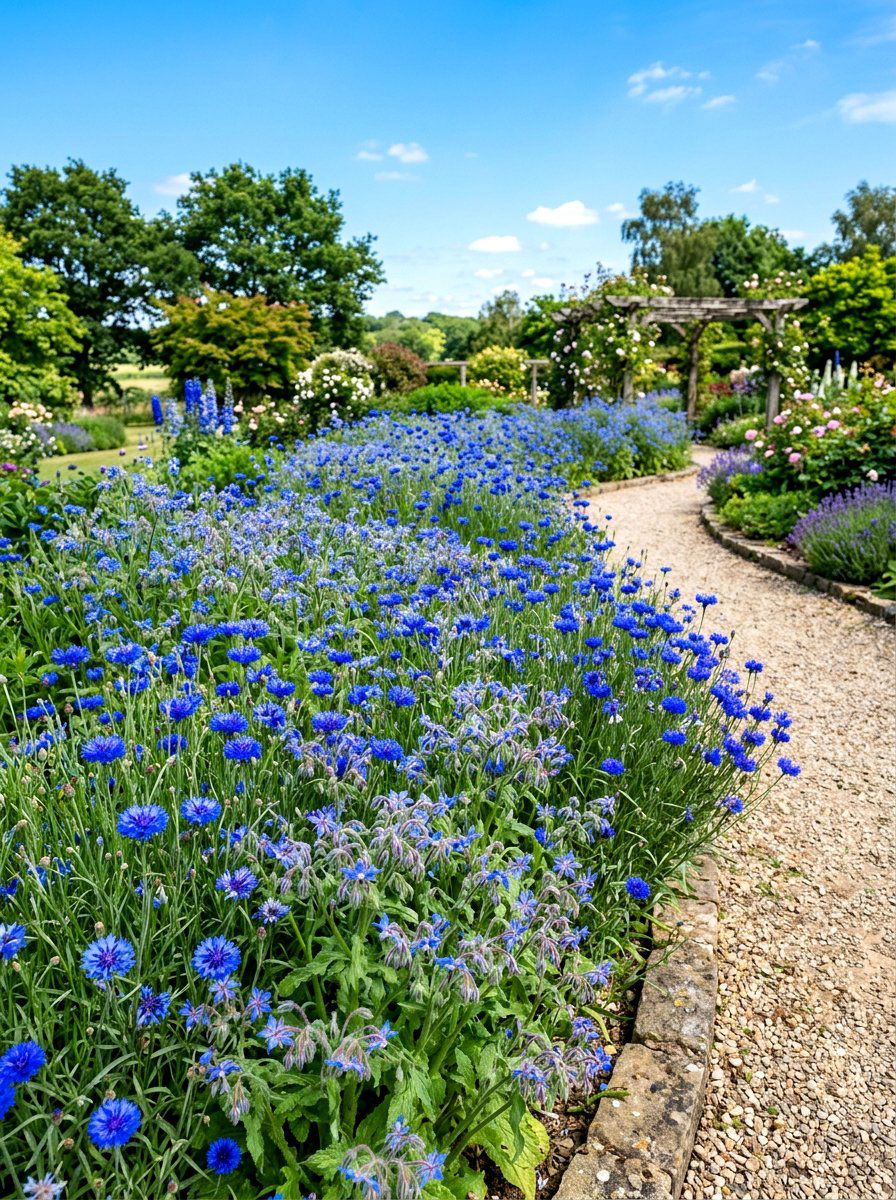
A blue flower garden border is scientifically designed to be irresistible to bees, who are naturally attracted to blue and violet hues. You can create a stunning monochromatic look by mixing shades of navy, azure, and lavender across your garden beds. Plants like borage, cornflowers, and agapanthus provide a cool and calming palette that stands out against green foliage. This intentional color choice makes it much easier for bees to locate your garden from a distance as they fly overhead. The cohesive look of a single-color border adds a professional and artistic touch to your home’s landscaping. It is a simple yet highly effective way to boost your garden's pollinator appeal.
16. Tiered garden bed
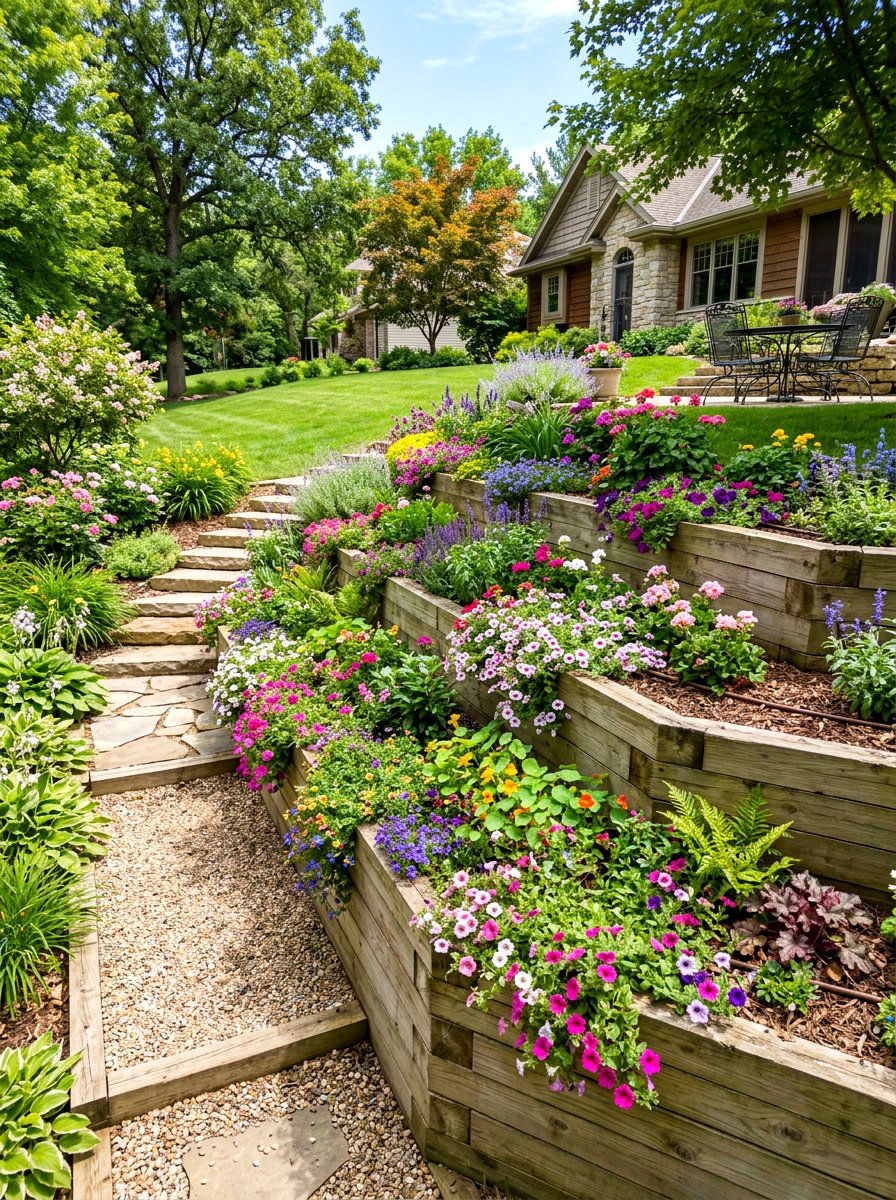
A tiered garden bed uses vertical space to create multiple levels of planting, which is perfect for smaller yards or sloping terrain. You can build these tiers using stone, timber, or even recycled bricks to match the style of your home. Each level can be dedicated to different types of pollinator plants, from low-growing thyme at the base to tall salvias at the top. This design allows you to cram a huge variety of species into a relatively small footprint, maximizing the nectar available for bees. The cascading effect of flowers falling from one level to the next creates a beautiful waterfall of color. It is a highly organized and visually impressive way to garden.
17. Modern minimalist pollinator border
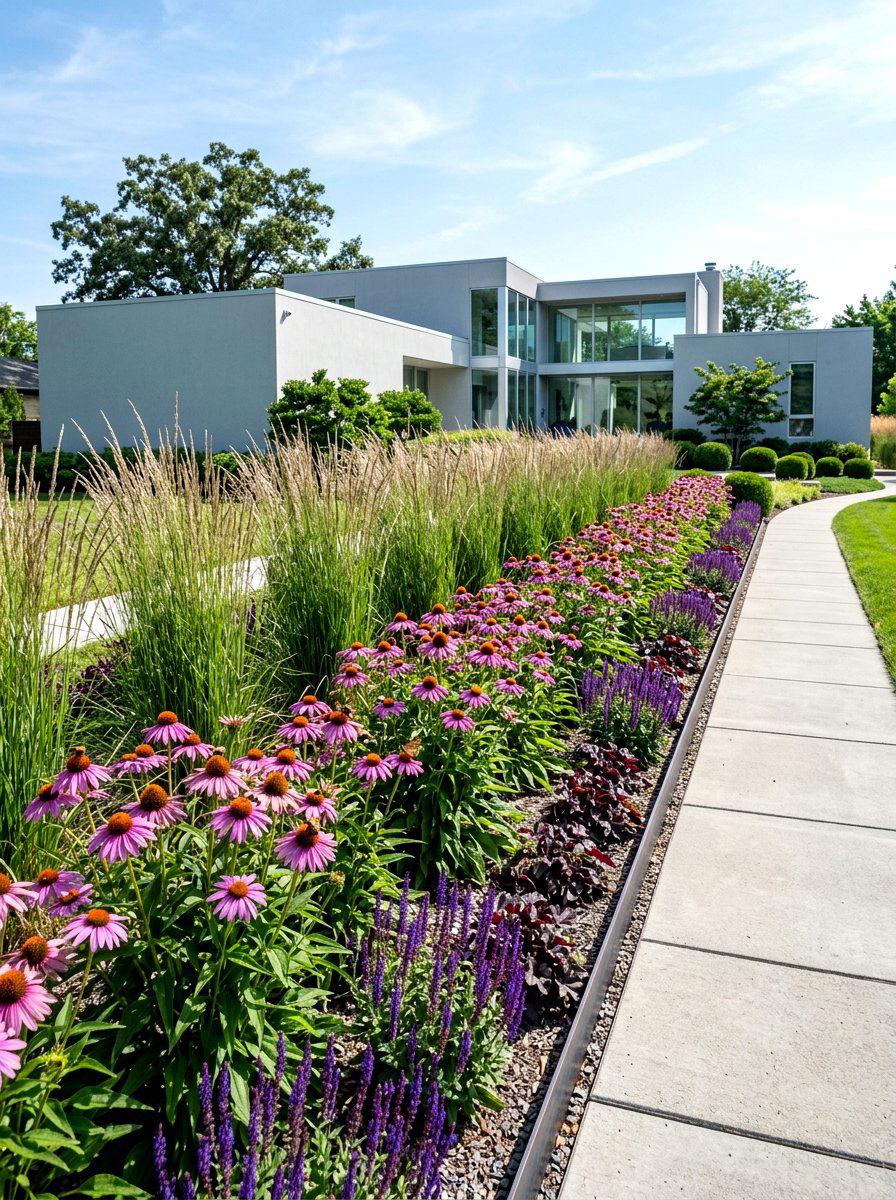
The modern minimalist pollinator border focuses on clean lines, simple palettes, and high-impact plants for a sophisticated look. You can choose a few key species, like ornamental grasses mixed with purple coneflowers, to create a repetitive and calming pattern. This style works beautifully in urban environments where you want a garden that feels contemporary and tidy. The contrast between the structured layout and the buzzing movement of the bees creates a fascinating dynamic in the landscape. By using large drifts of the same plant, you make it very efficient for bees to gather food in one spot. It is a low-clutter approach that still delivers massive benefits for your local environment.
18. Fruit tree garden edge
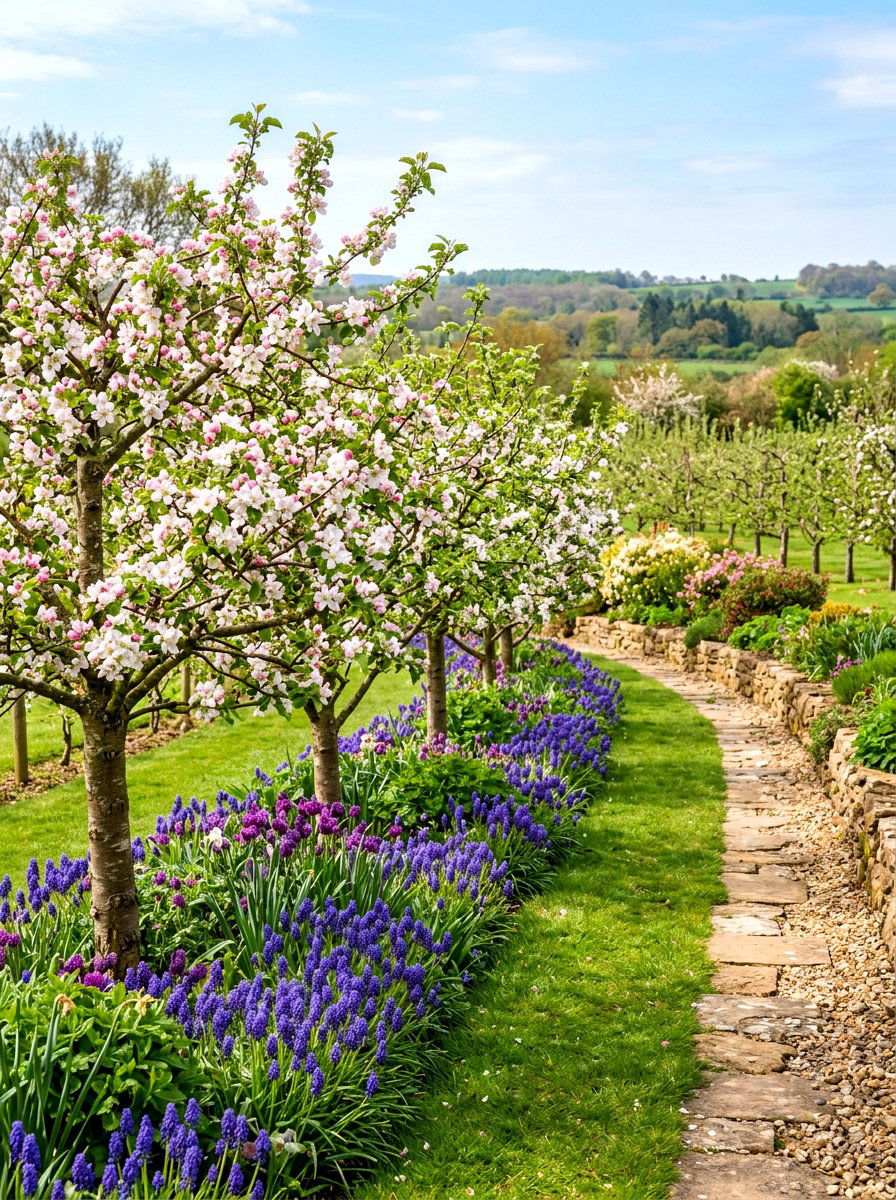
Integrating a fruit tree garden edge provides a double harvest of fresh food for you and plenty of blossoms for the bees. Small dwarf varieties of apple, cherry, or plum trees can be planted as a productive border along a fence or path. The spring blossoms are a vital source of early-season nectar, while the trees themselves provide structure and shade for your yard. Under-planting these trees with bee-friendly bulbs like crocuses or muscari ensures that the bees have food even before the trees bloom. This multi-layered approach to gardening is highly efficient and creates a beautiful, orchard-like feel. It turns your decorative garden into a functional and edible landscape for everyone.
19. Coneflower garden bed
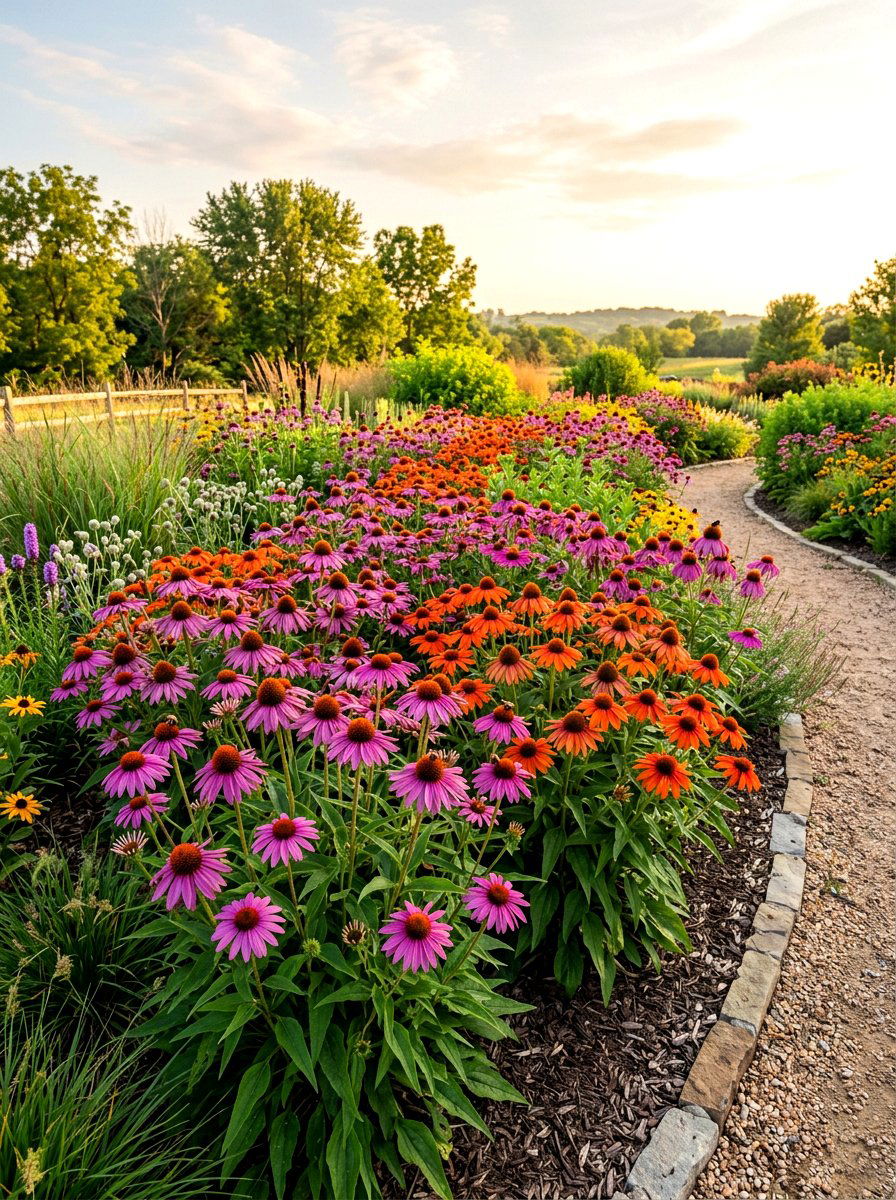
A coneflower garden bed is a high-energy design that features the iconic and hardy Echinacea as the primary focal point. These flowers are beloved by bees because of their large, accessible centers and sturdy stems that act as perfect landing pads. You can find coneflowers in a variety of colors, from classic purple to vibrant oranges and yellows, allowing for a custom look. They are exceptionally long-blooming, often providing color from mid-summer straight through to the early autumn. Once the petals fall away, the spiky seed heads add architectural interest to your winter garden. This is a dependable and beautiful choice for any gardener looking to support local pollinators reliably.

20. Salvia garden border
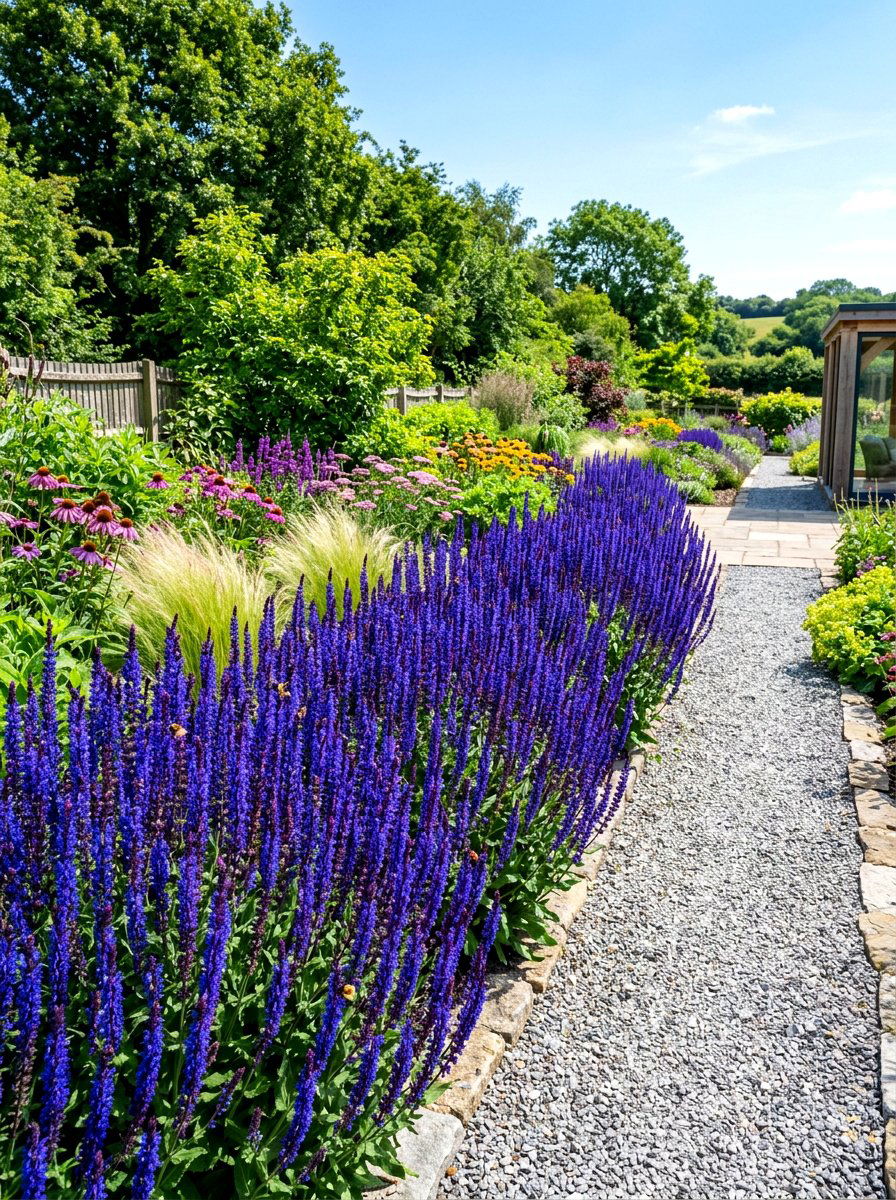
A salvia garden border is a powerhouse of nectar production that will keep your garden buzzing all summer long. These plants come in many varieties, with deep blue, bright red, and soft pink spikes that stand upright in the wind. Bees are particularly fond of salvia because the flowers are specifically shaped to accommodate their feeding style. Planting them in large groups creates a sea of color that is visible from a distance and highly attractive to foraging insects. Many salvias are also quite drought-tolerant and pest-resistant, making them a low-stress addition to your landscape. Their vertical form provides a great contrast to mounded or spreading plants in your beds.
21. Bee balm garden patch
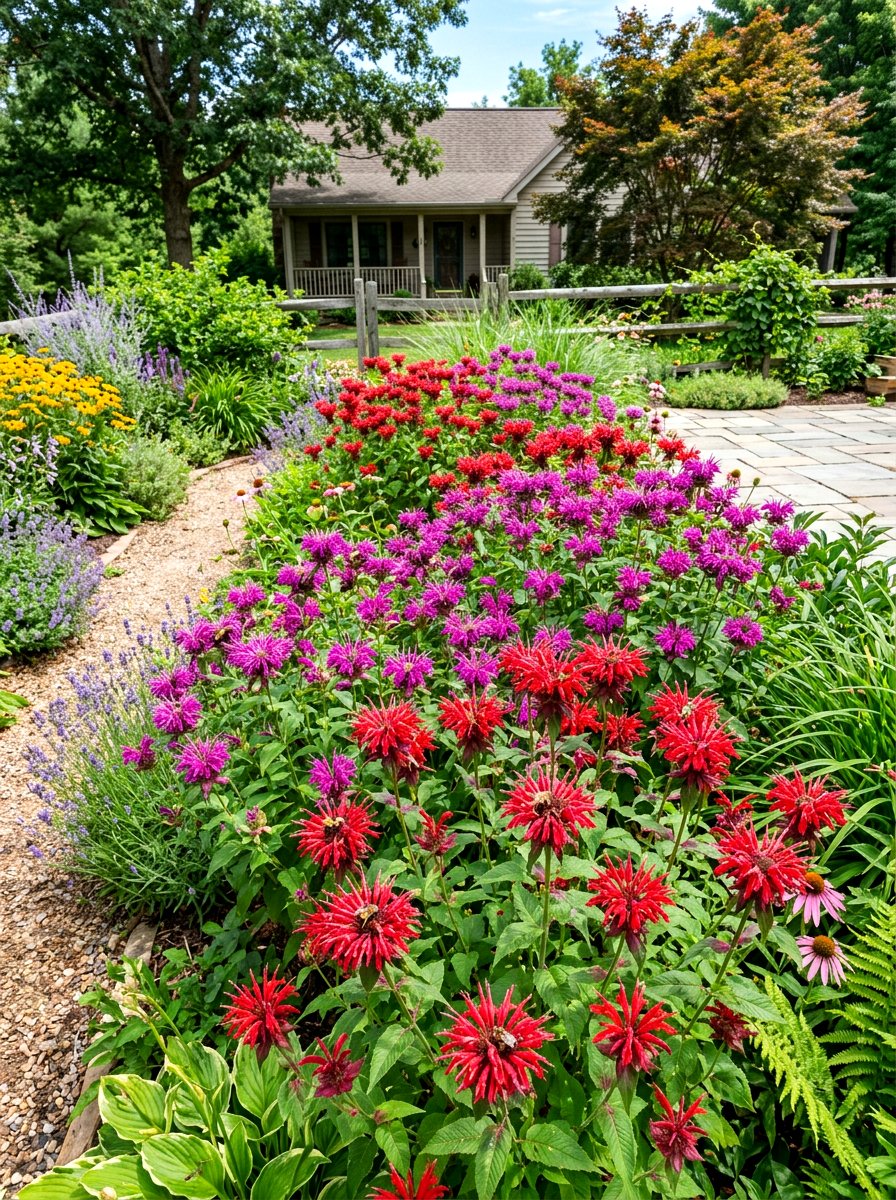
Creating a bee balm garden patch is a sure way to attract a crowd of pollinators, including hummingbirds and many types of bees. This native perennial, also known as Monarda, produces shaggy, exotic-looking flowers that are bursting with sweet nectar. The foliage has a pleasant, citrusy scent that adds another layer of enjoyment to your time spent outdoors. Bee balm spreads easily, so it is perfect for filling in large areas or creating a thick, colorful border along a property line. It thrives in sunny spots with moist soil and provides a long season of interest. This plant is a true staple of any dedicated pollinator garden because of its high ecological value.
22. Log pile garden border
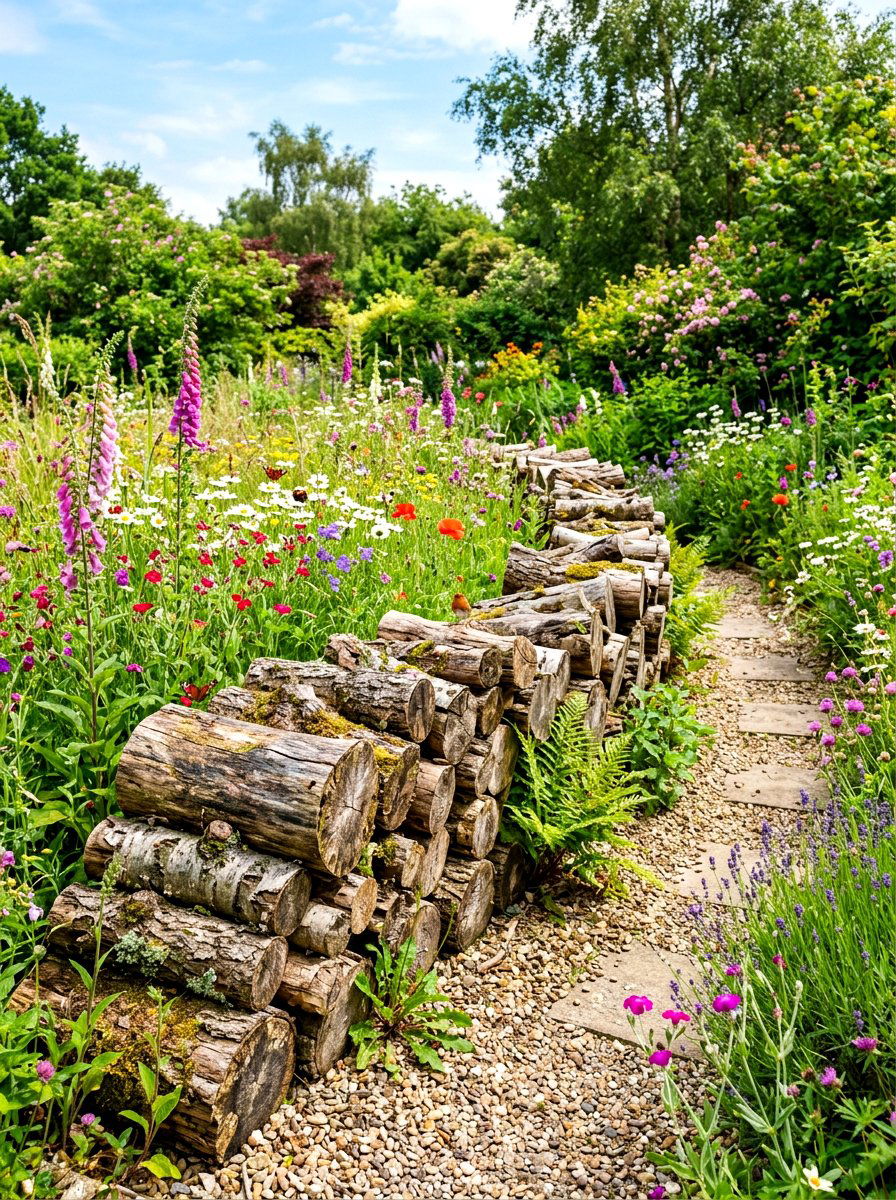
A log pile garden border is a creative and naturalistic way to provide nesting sites for solitary bees while defining your garden edges. You can stack old logs, branches, and hollow stems in a neat row and then plant wildflowers directly around and over them. As the wood slowly decays, it becomes a home for various insects that are essential for a healthy garden ecosystem. This idea works perfectly in more informal or woodland-style gardens where a rustic look is desired. It costs almost nothing to create and uses materials you might already have in your yard. This functional border turns a simple pile of wood into a living, breathing sanctuary for wildlife.
23. Sensory garden border
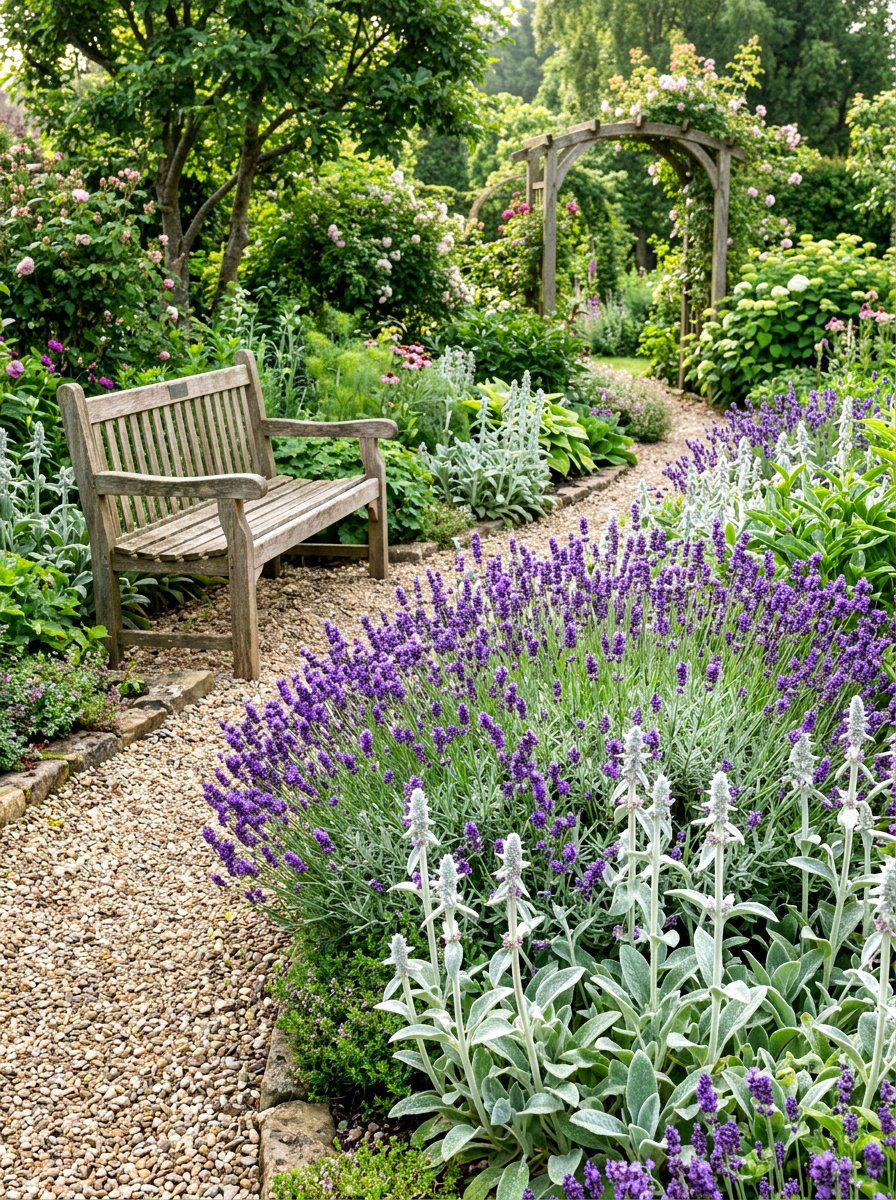
A sensory garden border is designed to engage all your senses while providing a haven for pollinators to thrive. You can combine aromatic herbs like lavender, soft-textured plants like lamb's ear, and bright flowers like marigolds in one bed. The mixture of different heights and colors creates a visual feast, while the varying scents fill the air around your seating area. Bees are drawn to the diversity of plants, ensuring there is always something for them to investigate. This type of border is especially wonderful near a patio or bench where you can sit and enjoy the gentle sounds of nature. it is a holistic approach to garden design that benefits everyone.
24. Vertical garden wall
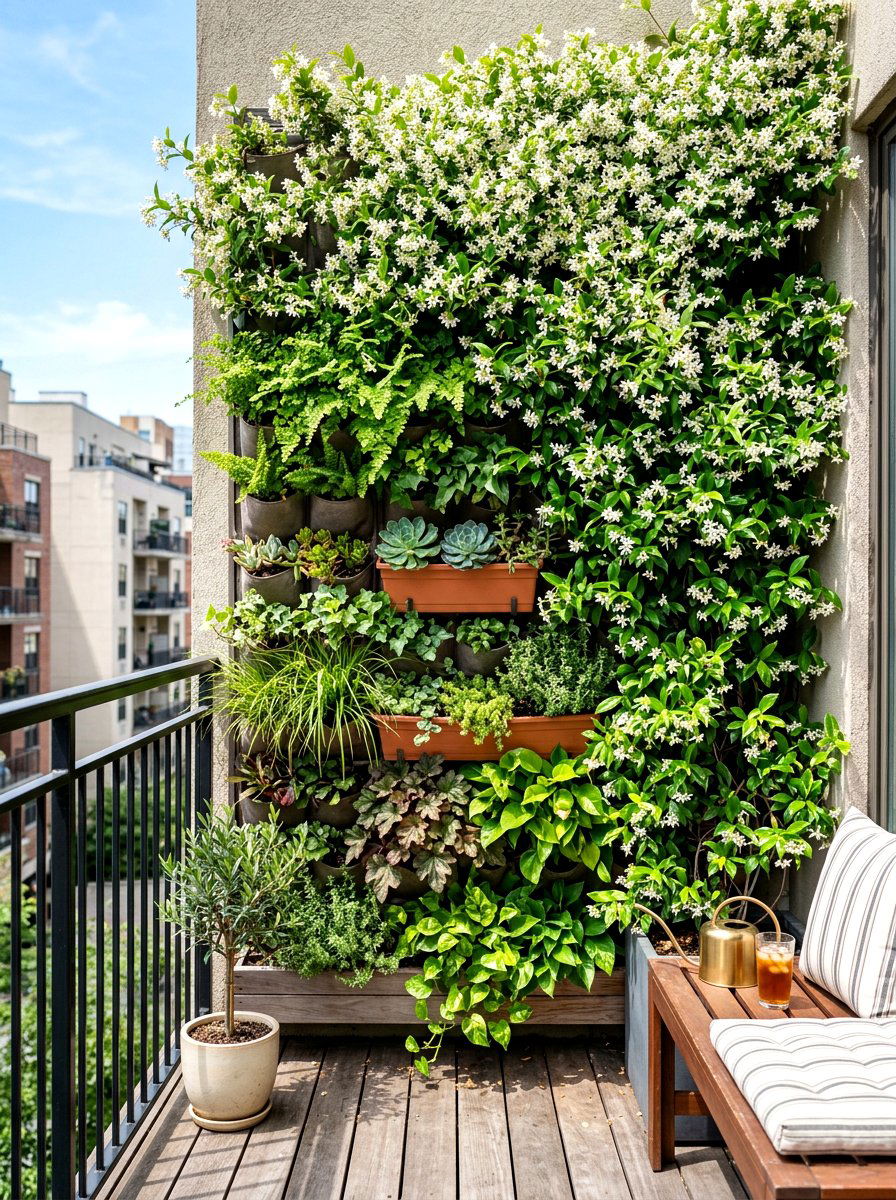
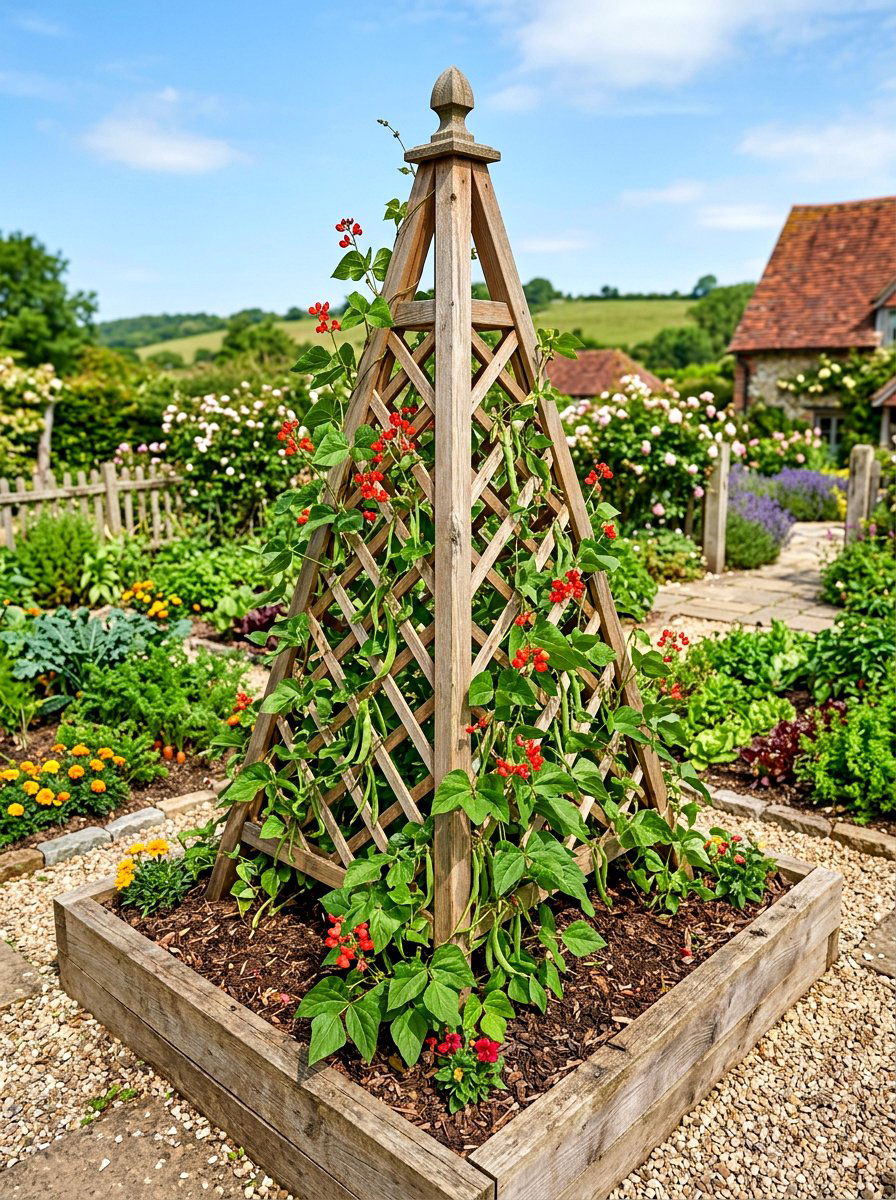
Installing a vertical garden wall is a brilliant solution for adding a bee border to a small balcony or a narrow side yard. You can use wall-mounted planters or a trellis system to grow climbing plants like honeysuckle, jasmine, or even runner beans. These vertical surfaces provide a massive amount of foraging space without taking up valuable floor area in your garden. Bees love to explore the different levels of flowers as they climb upward toward the sunlight. This design also adds a beautiful green backdrop to your outdoor space and can even provide some extra privacy from neighbors. It is a modern and highly efficient way to bring nature into urban environments.
25. Water feature garden edge
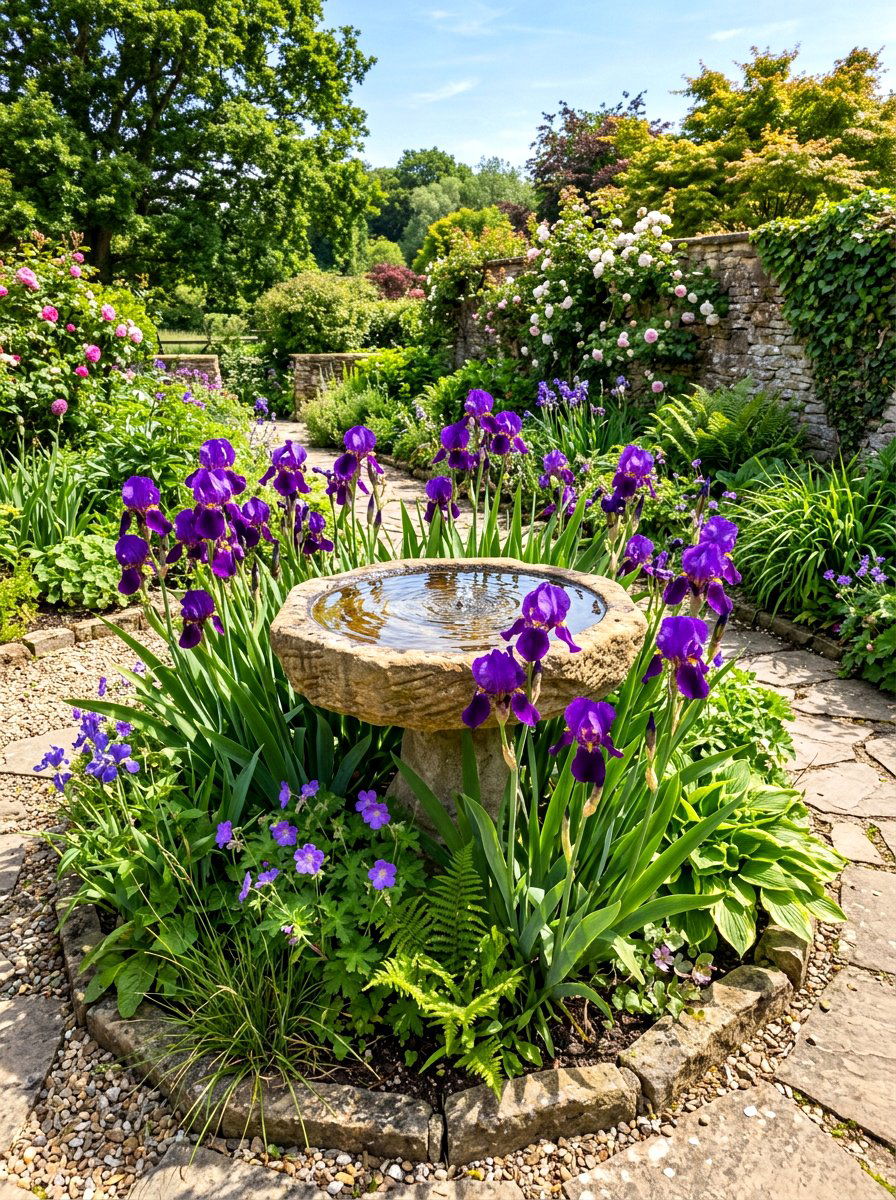
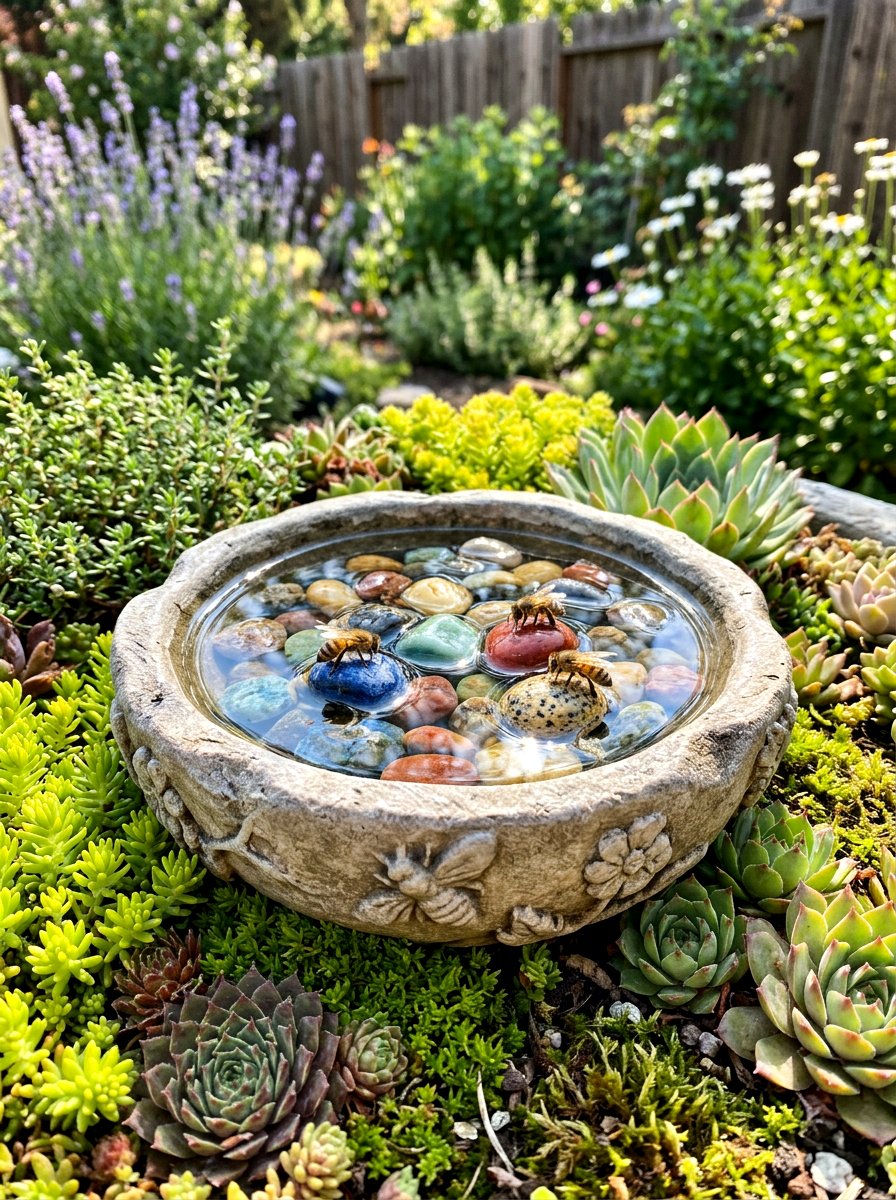
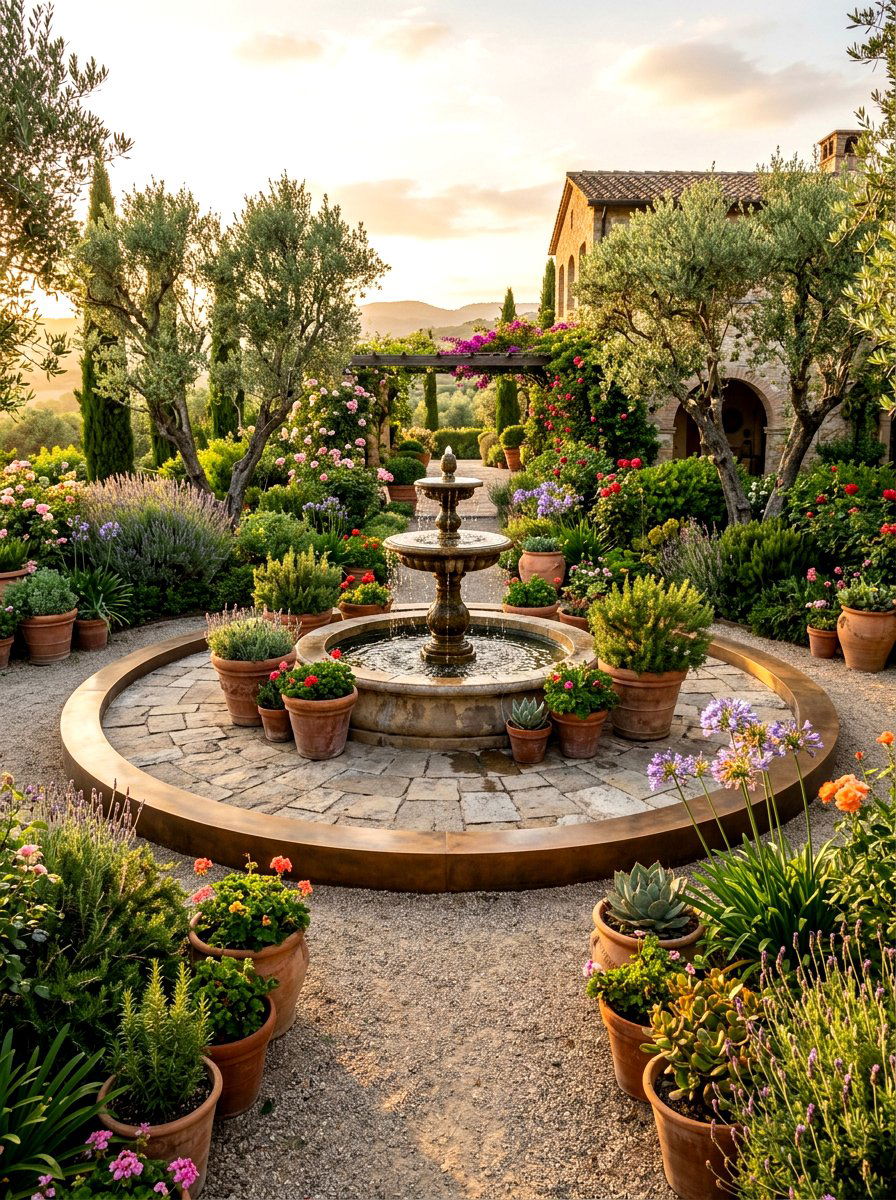
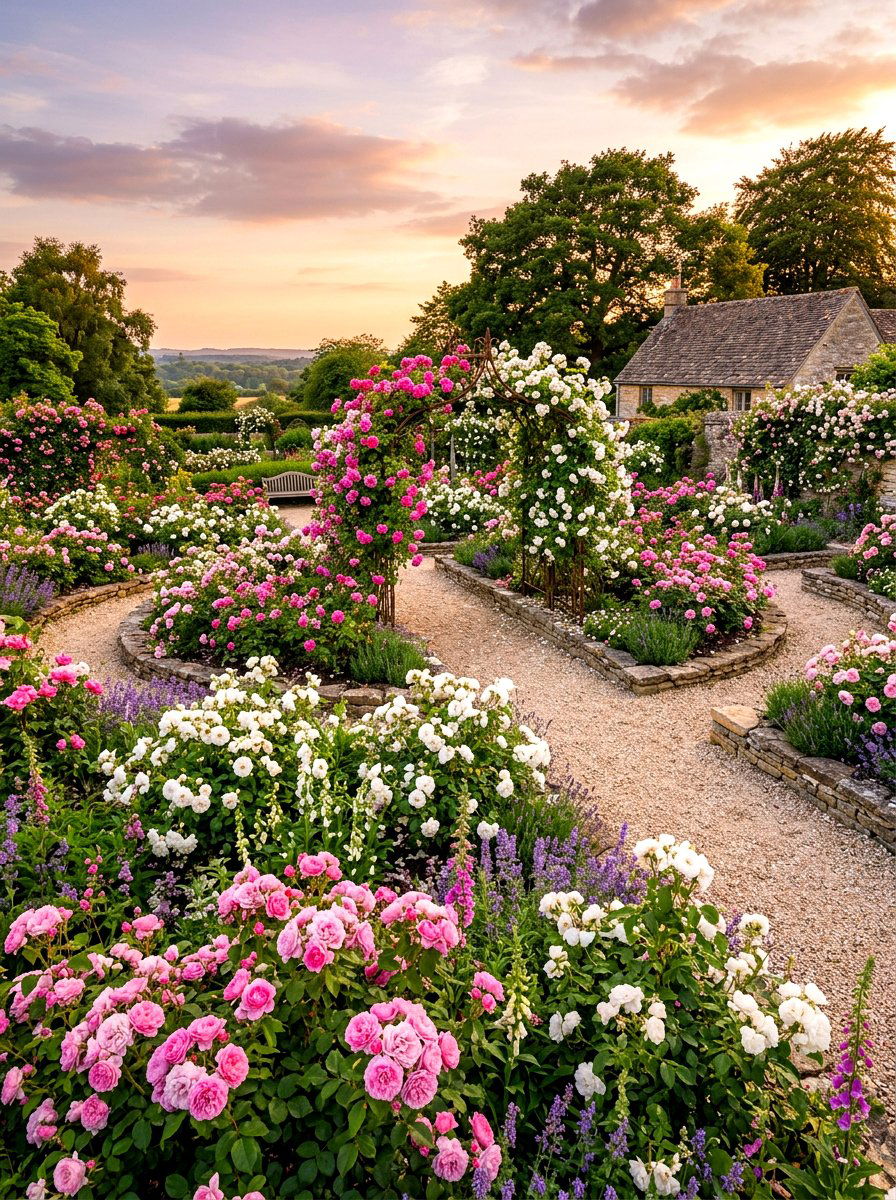
Adding a water feature garden edge provides a much-needed drink for thirsty bees alongside a beautiful floral display. You can place a shallow stone basin or a small birdbath with pebbles inside to give bees a safe place to land and sip. Surrounding the water with moisture-loving plants like marsh marigolds or iris creates a lush and tranquil oasis. This setup is vital during the hot summer months when natural water sources might be scarce in your neighborhood. The sound of trickling water adds a peaceful ambiance to your garden while attracting a wider variety of wildlife. It is a thoughtful and functional addition that completes any pollinator-friendly landscape design.
26. Low maintenance bee border
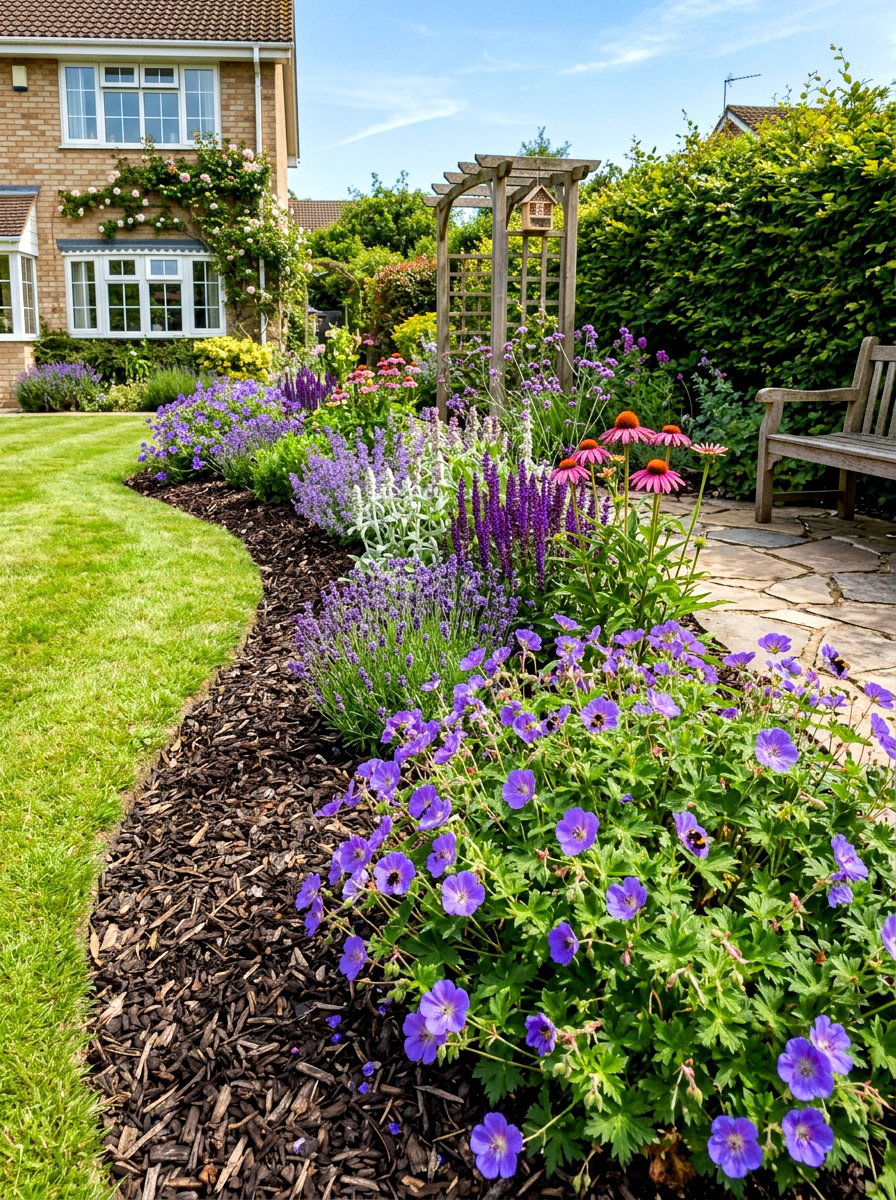
A low maintenance bee border is perfect for those who want to help the environment without spending every weekend weeding. By choosing hardy, long-lived perennials like catmint, sedum, and hardy geraniums, you can create a garden that mostly looks after itself. These plants are tough enough to suppress most weeds once they are established and require very little pruning or watering. Using a thick layer of organic mulch around the plants helps to retain moisture and keeps the soil healthy for the bees. This approach allows you to spend more time simply enjoying the beauty and movement of your garden. It is a sustainable choice that works with nature rather than against it.
27. Seasonal bloom garden bed
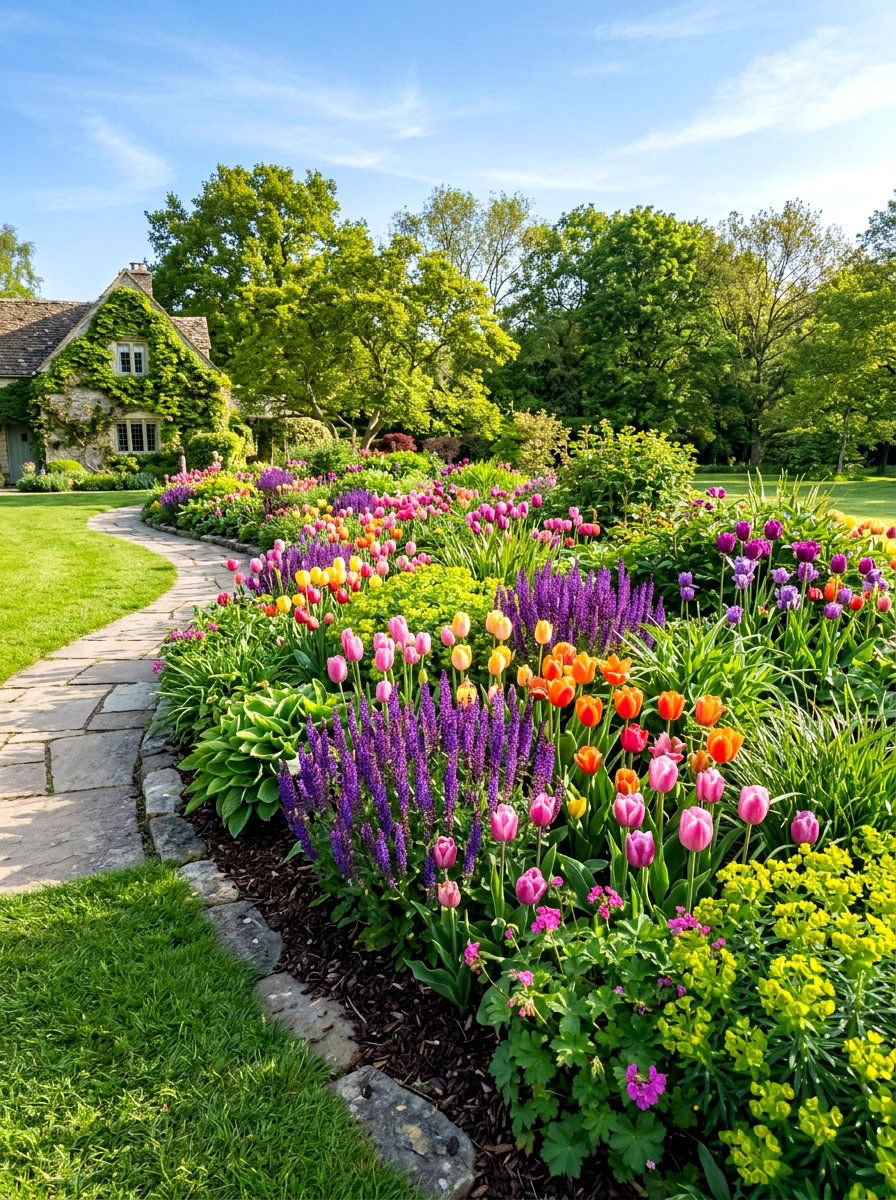
A seasonal bloom garden bed is carefully planned to provide a continuous food source for bees from early spring until late autumn. You can achieve this by layering spring bulbs like snowdrops with summer perennials like salvias and late-blooming asters. This ensures that as one plant finishes flowering, another is just beginning to open its buds for the bees. This type of border is fascinating to watch as it changes colors and textures throughout the different months of the year. It requires a bit more planning upfront, but the payoff is a resilient and constantly interesting landscape. Keeping the bees fed all year is the best way to support a healthy local population.
28. Narrow side yard pollinator garden
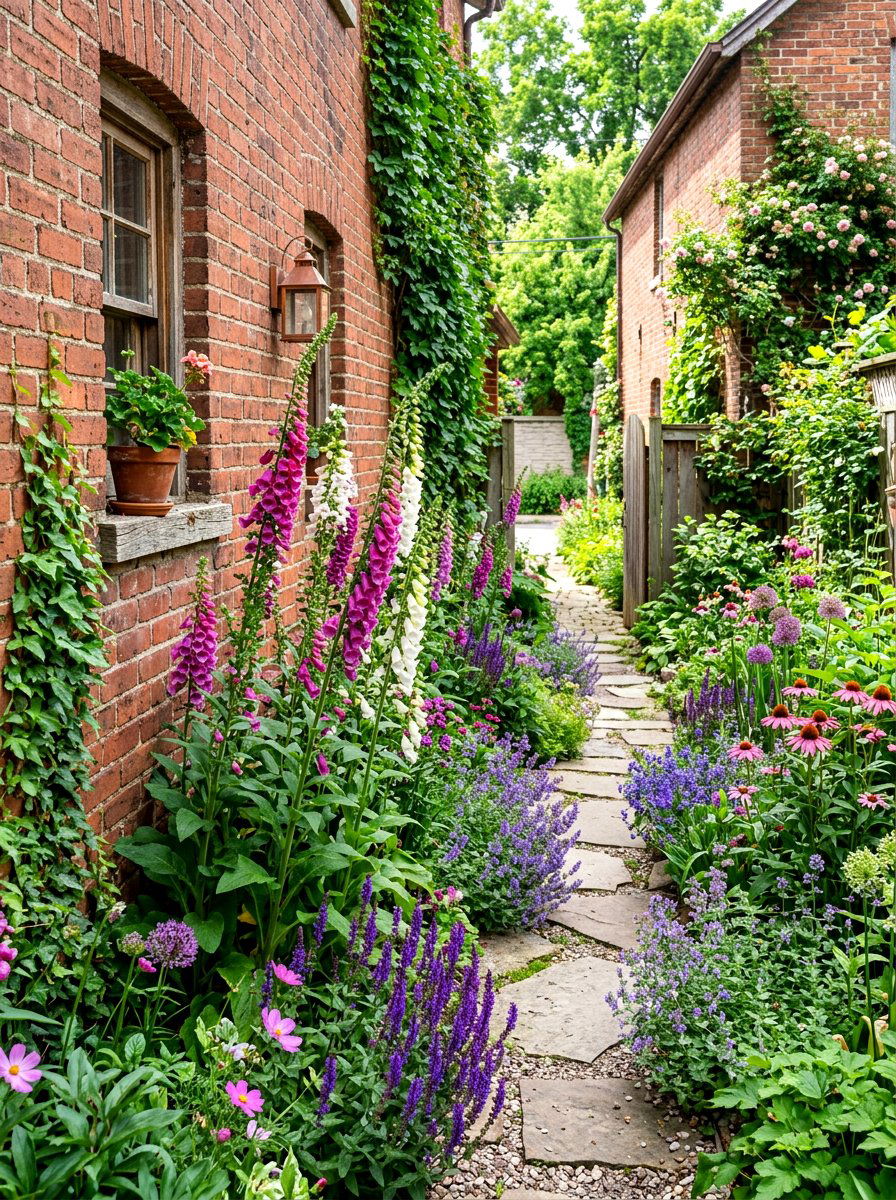
Turning a narrow side yard into a pollinator garden is a great way to utilize often-forgotten spaces in your home 's landscape. You can plant tall, slender species like foxgloves or hollyhocks that won' t sprawl too far into your walking path. Using light-colored stones or gravel for the path helps to reflect light and makes the space feel wider and brighter. This small-scale border creates a secret garden vibe that is surprisingly peaceful and full of life. It provides a protected corridor for bees to move between the front and back of your property safely. This clever use of space proves that you don't need a massive yard to make a real difference for nature.
29. Formal boxwood and pollinator border
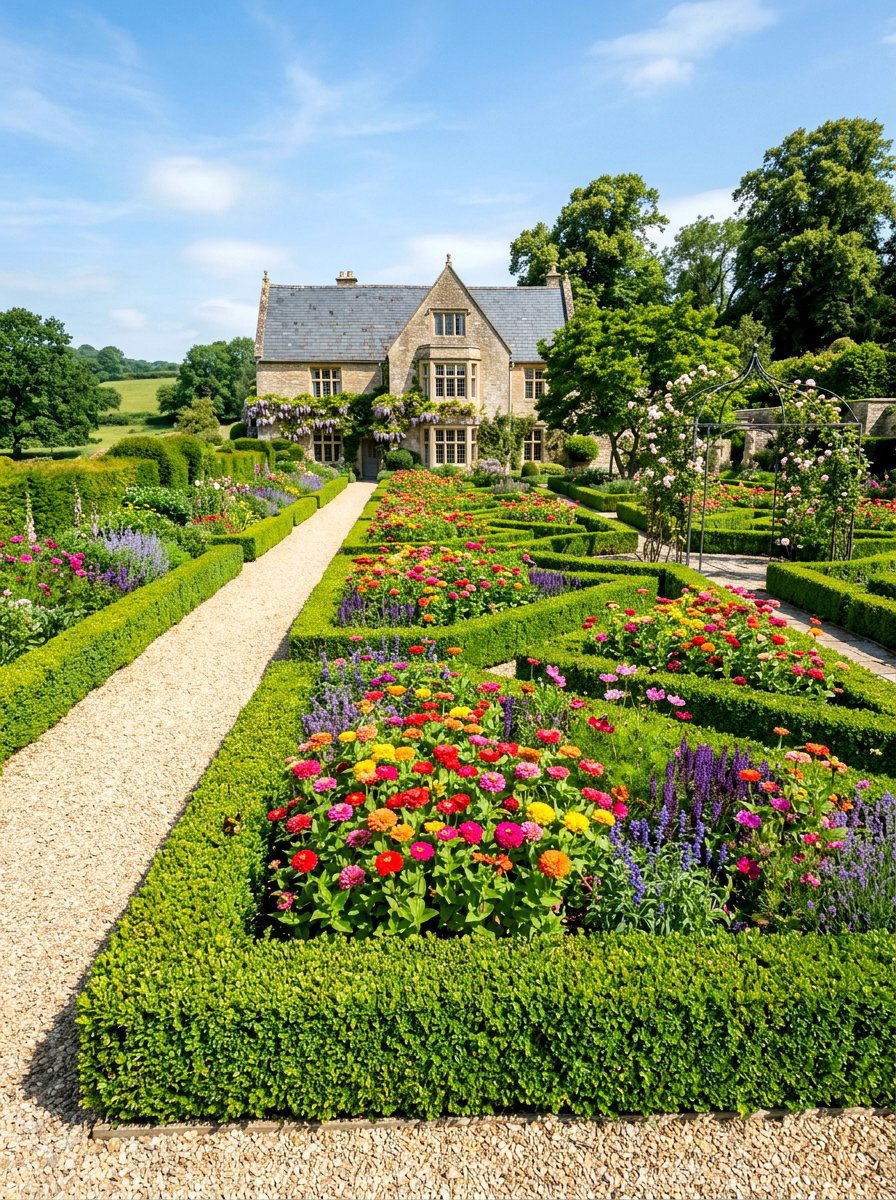
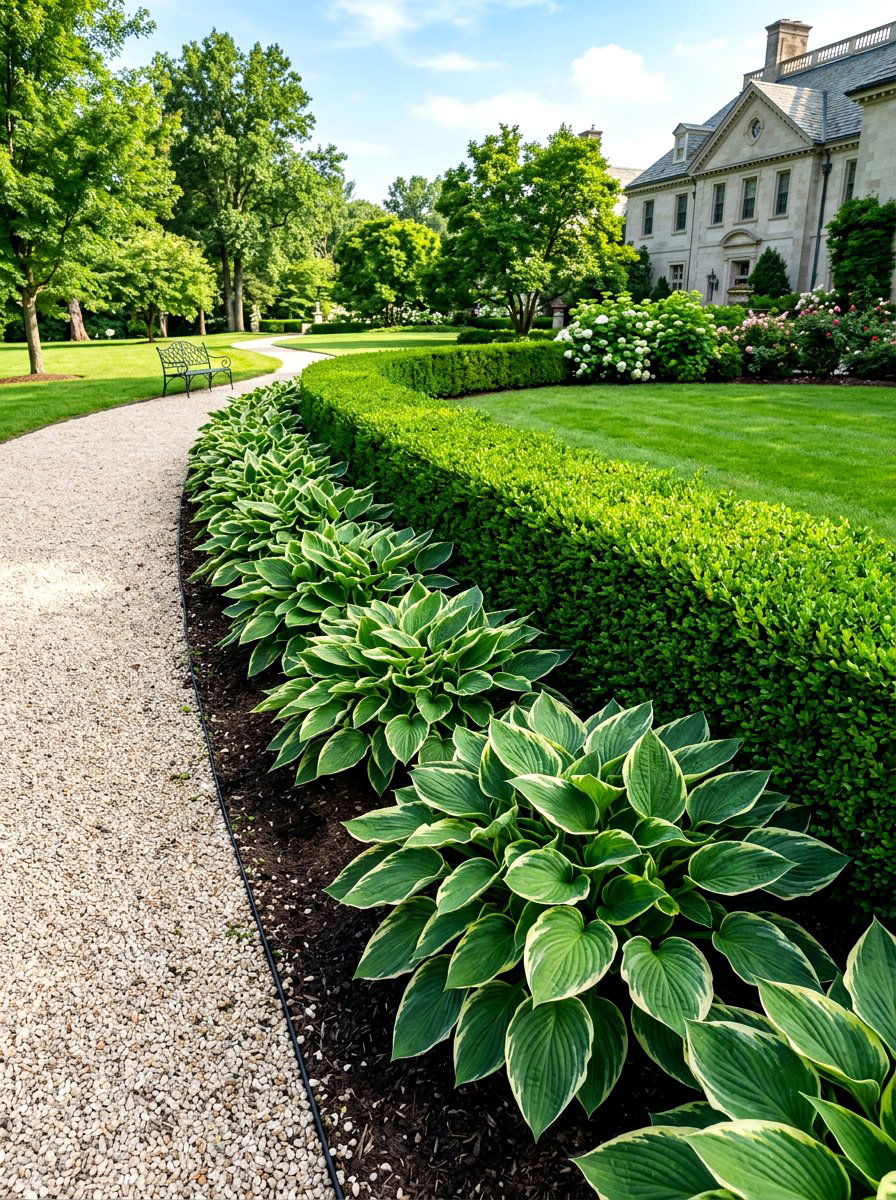
A formal boxwood and pollinator border combines the structure of a classic garden with the wild energy of a bee sanctuary. You can plant a low, neatly trimmed boxwood hedge as a frame and fill the center with loose, airy flowers like cosmos or zinnia. This juxtaposition of formal and informal styles creates a sophisticated look that fits perfectly in a traditional or suburban setting. The evergreen hedge provides year-round structure, while the seasonal flowers offer a changing palette of colors for you and the bees. This design keeps the pollinator plants looking organized and intentional within your overall landscape. It is a polished way to embrace wildlife-friendly gardening in a tidy way.
30. Meadow grass garden border
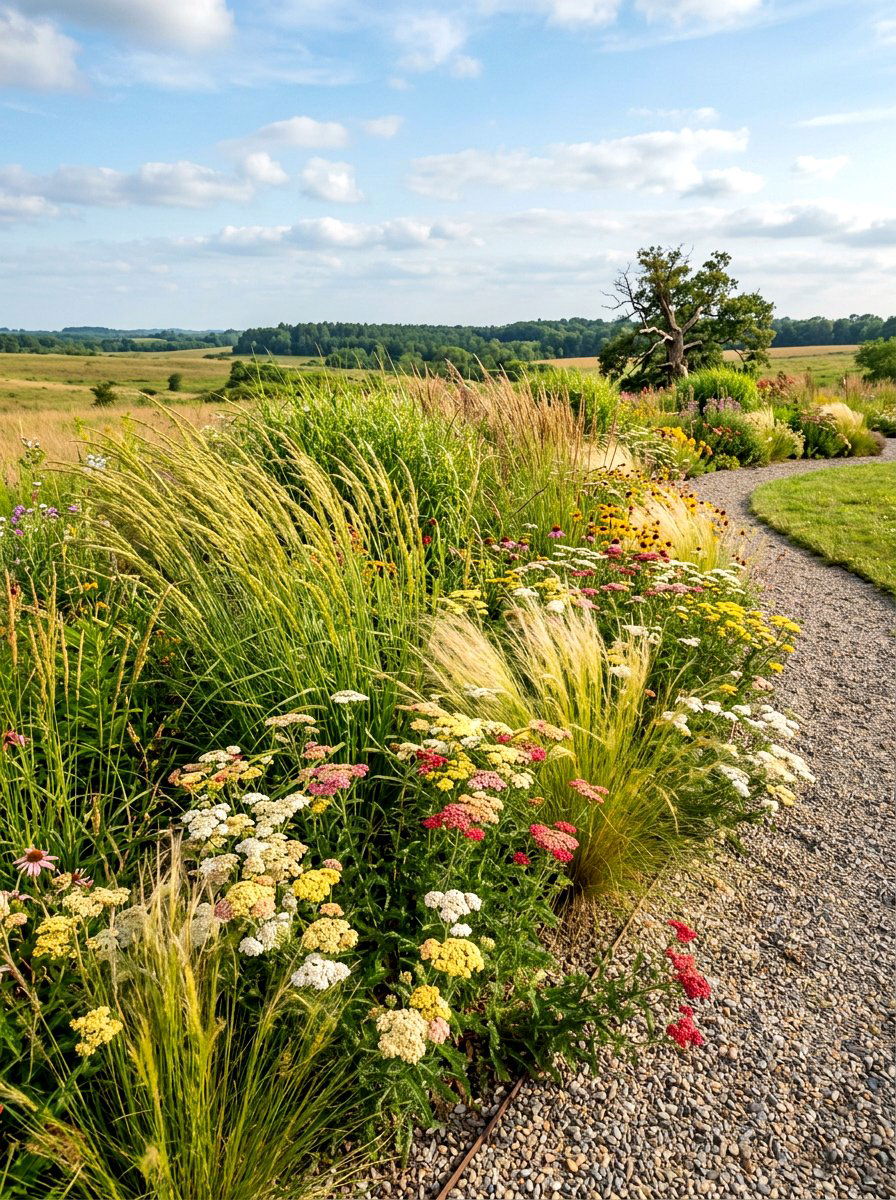
Incorporating a meadow grass garden border adds a soft, ethereal quality to your landscape that is highly attractive to many insects. Native grasses like switchgrass or fescue provide essential nesting materials and shelter for various bee species and their larvae. When mixed with delicate wildflowers like scabiosa or yarrow, the grasses create a naturalistic look that sways beautifully in the breeze. These borders are incredibly resilient and require very little water or fertilizer to stay healthy and vibrant. The fine textures of the grass provide a perfect contrast to larger-leaved plants in your other garden beds. It is an understated and eco-friendly way to add movement and life to your outdoor sanctuary.
Conclusion:
Wrapping up your bee-friendly landscaping journey is an exciting step toward a more sustainable and beautiful outdoor environment. Each border you plant contributes to a larger network of habitats that keep our essential pollinators healthy and active. By selecting a diverse range of plants and structures, you ensure your garden remains a functional sanctuary for years to come. These designs prove that you do not have to sacrifice style to be environmentally conscious in your backyard. As your garden matures, you will find joy in the buzzing life and vibrant colors that surround your home. Start small or go big, but always keep the needs of the bees at the heart of your creative gardening decisions.

Related posts: