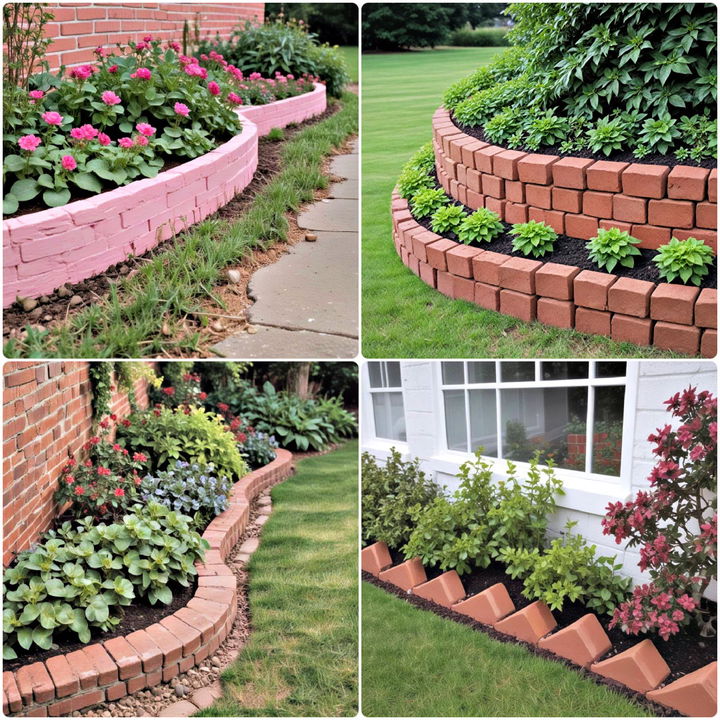
Lavender borders are much more than just a pretty purple line in your yard. They represent a timeless way to add structure, fragrance, and movement to any outdoor space. Whether you are aiming for a classic English cottage look or a sleek modern aesthetic, these aromatic plants provide a sensory experience that changes with the light and the seasons. Beyond their visual appeal, lavender borders serve as a magnet for beneficial pollinators like honeybees and butterflies, turning your garden into a living ecosystem. By choosing the right varieties and companions, you can create a low-maintenance, drought-tolerant boundary that stays beautiful throughout the year.
1. English lavender garden edging
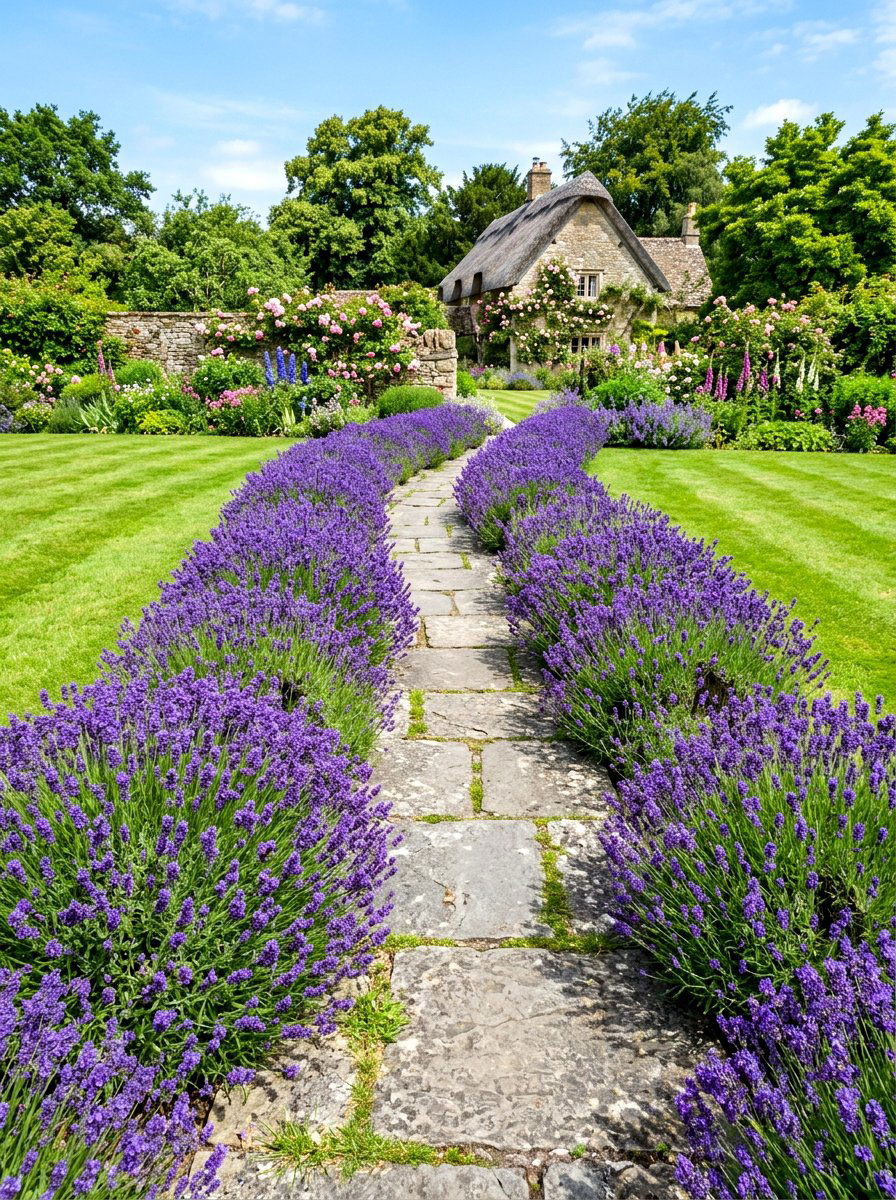
Creating a classic English lavender garden edging is one of the most effective ways to define your walkways and flower beds. This traditional design uses compact varieties like Munstead or Hidcote to form a dense, fragrant low wall. As you walk along the path, the brushing of your clothes against the foliage releases a calming scent that fills the air. These plants thrive in full sun and well-drained soil, making them perfect for sunny front yards. The soft purple blooms contrast beautifully against green lawns or gray stone pavers. You will love how this simple border transforms a basic garden path into a romantic journey through your outdoor sanctuary every single summer.
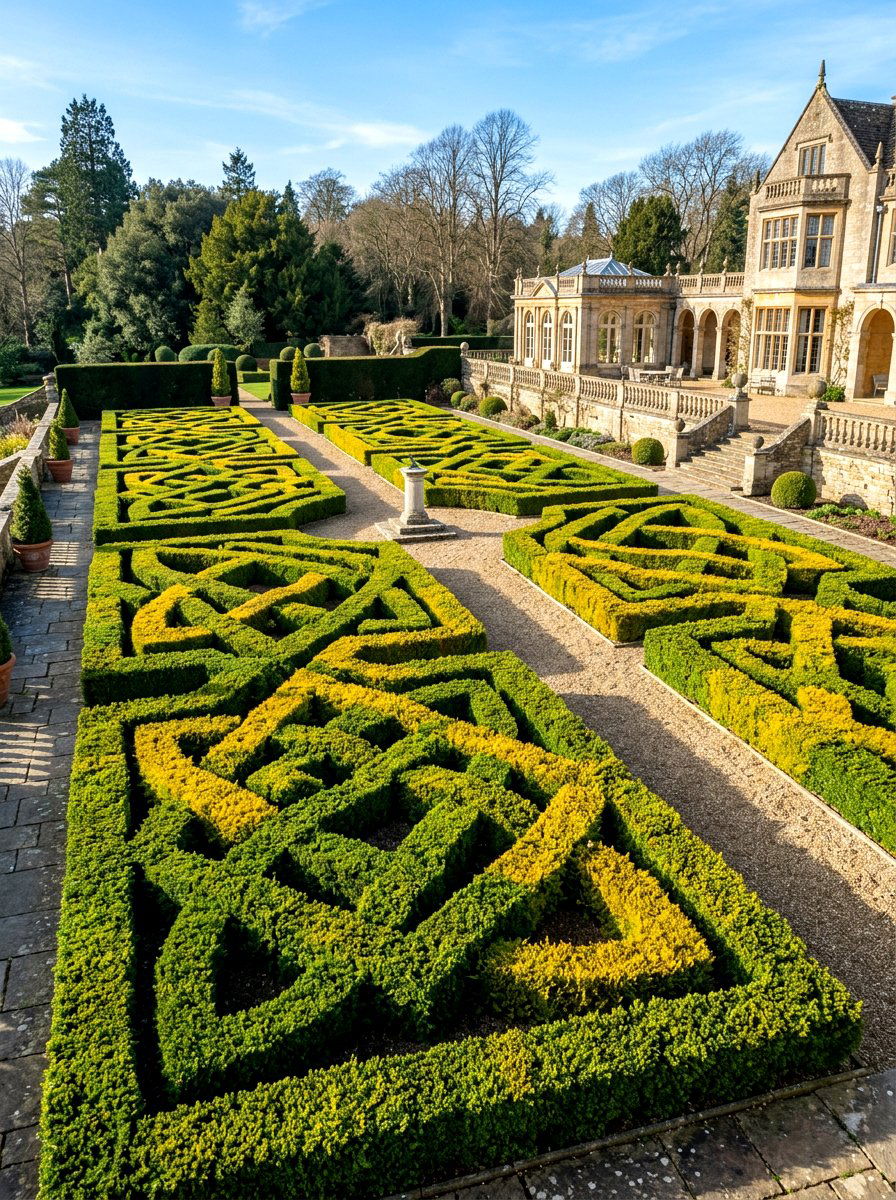
2. Lavender and boxwood hedge
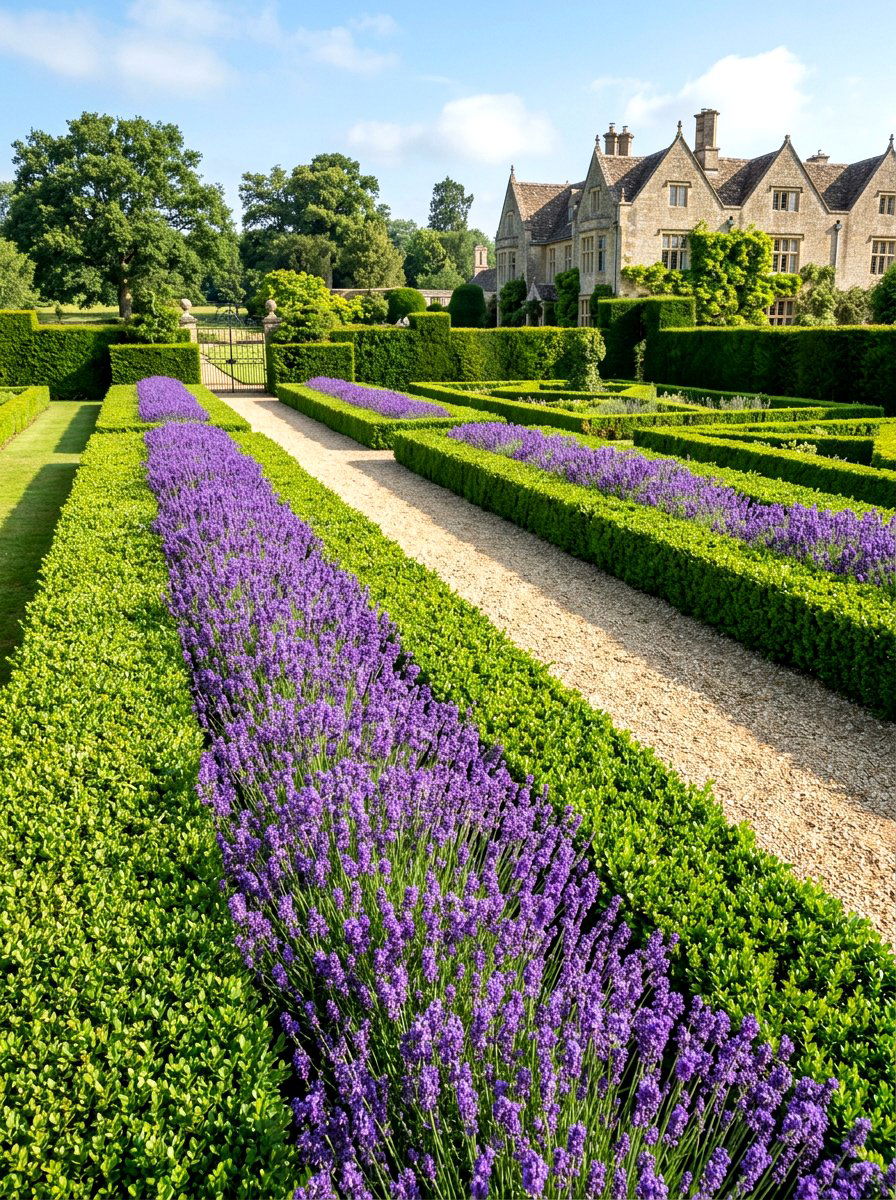
A lavender and boxwood hedge offers a sophisticated look that combines structured greenery with wild, colorful blooms. In this design, the evergreen boxwood provides a solid, year-round frame, while the lavender adds a burst of seasonal color and texture. You can plant the boxwood as a low, clipped hedge directly behind or in front of a row of lavender. This layering creates a sense of depth and formality that works perfectly in contemporary or traditional landscapes. During the winter, the boxwood maintains the garden's shape even after the lavender has been pruned back. It is a smart way to ensure your garden borders look intentional and professionally designed throughout every season.
3. Lavender gravel path border
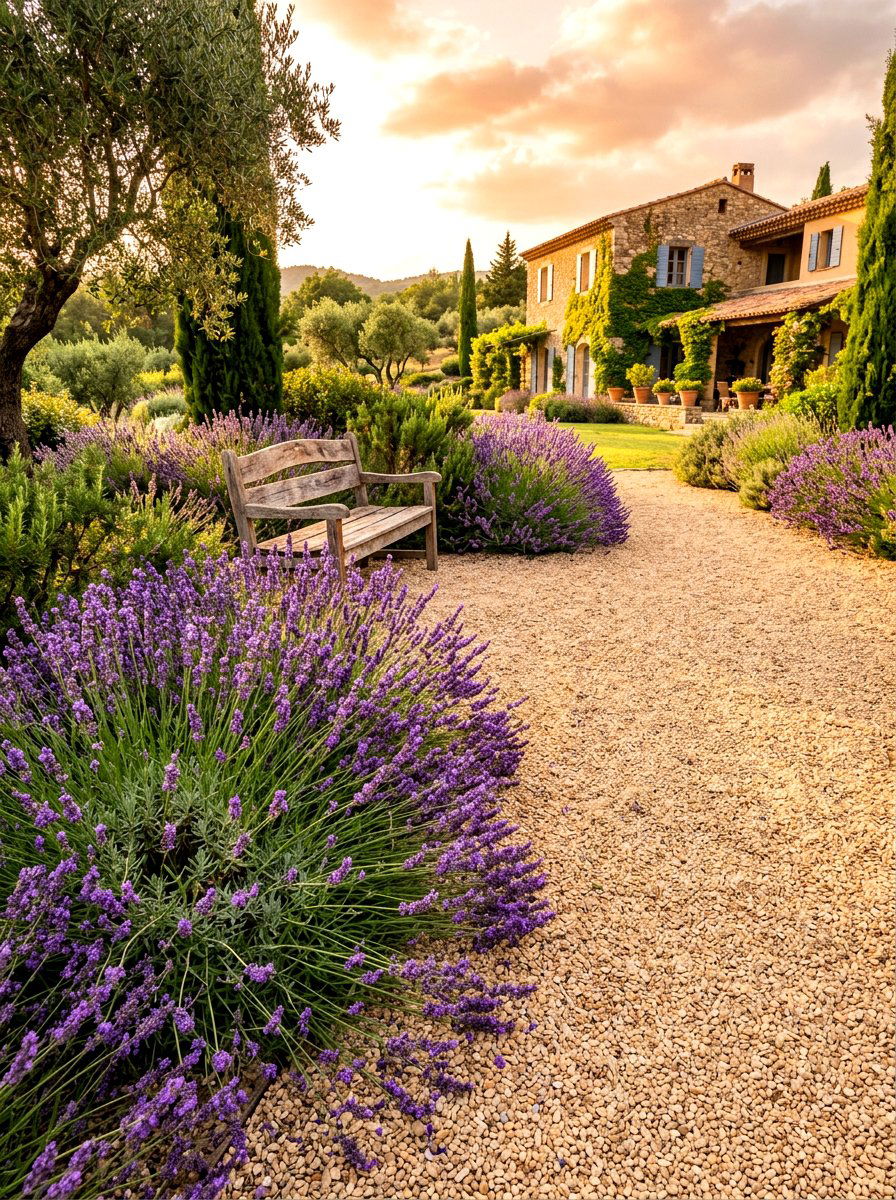
Designing a lavender gravel path border is an excellent choice for anyone looking to create a low-maintenance Mediterranean feel. The heat-reflecting properties of the gravel help the lavender thrive by keeping its "feet" dry and warm. This layout often features loose, mounding lavender plants that gently spill over the crunchy stone surface, softening the hard edges of the walkway. You can use lighter-colored gravel, like crushed limestone or pea shingle, to make the vibrant purple flowers really pop. This specific design is highly effective for xeriscaping because it requires very little water once the plants are established. It creates a relaxed, breezy atmosphere that feels like a permanent vacation in your own backyard.
4. French lavender stone wall
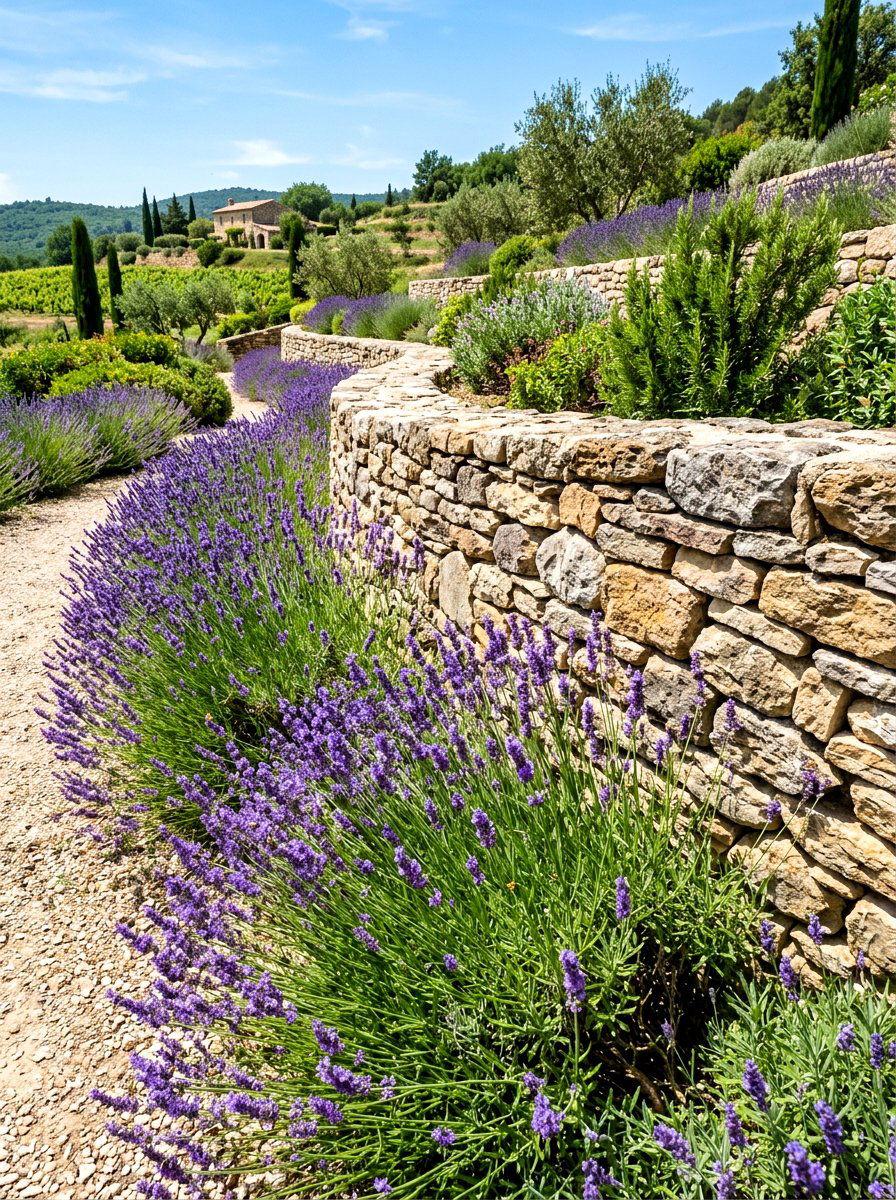
A French lavender stone wall combines the rugged beauty of natural masonry with the delicate, serrated leaves of Lavandula dentata. This design involves planting lavender along the top or base of a dry-stack stone wall to create a striking vertical contrast. The stone stores heat during the day and releases it at night, which these sun-loving plants absolutely adore. As the lavender grows, its silver-green foliage and unique tufted flowers drape slightly over the rocks, softening the hard landscape. This setup is ideal for sloped yards where you need to manage different levels while maintaining a cohesive look. The combination of gray stone and purple blossoms provides a classic, high-end aesthetic.
5. Lavender and rose flower bed
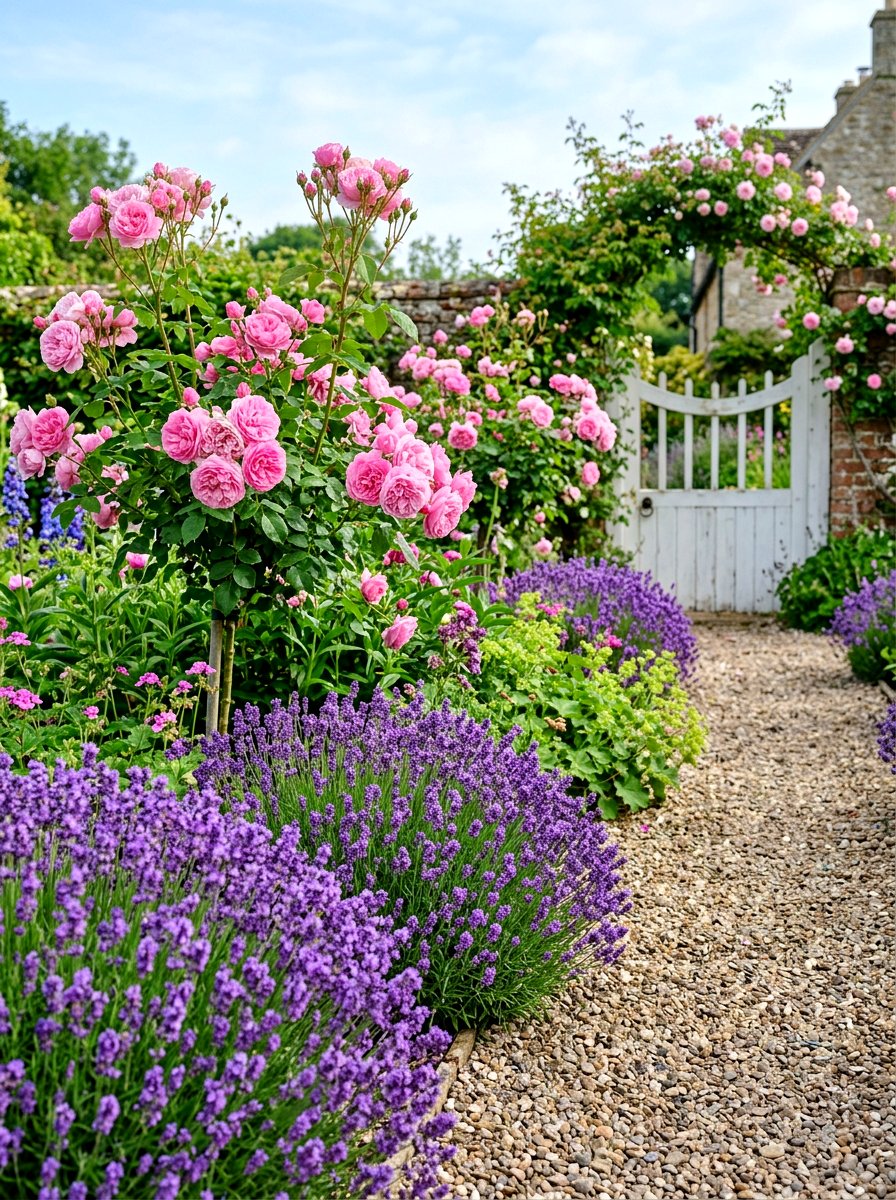
The lavender and rose flower bed is a quintessential pairing that has been celebrated in romantic gardens for centuries. In this design, the lavender acts as a fragrant "living mulch" around the base of the rose bushes. The low-growing purple spikes help to hide the often-sparse lower stems of the roses while providing a beautiful color contrast to red, pink, or yellow blooms. Both plants enjoy plenty of sunlight, though you should ensure the roses get a bit more water and nutrients. This combination is not just about looks; the strong scent of lavender can actually help deter certain pests from bothering your delicate roses. It is a beautiful, functional garden classic.
6. Munstead lavender walkway
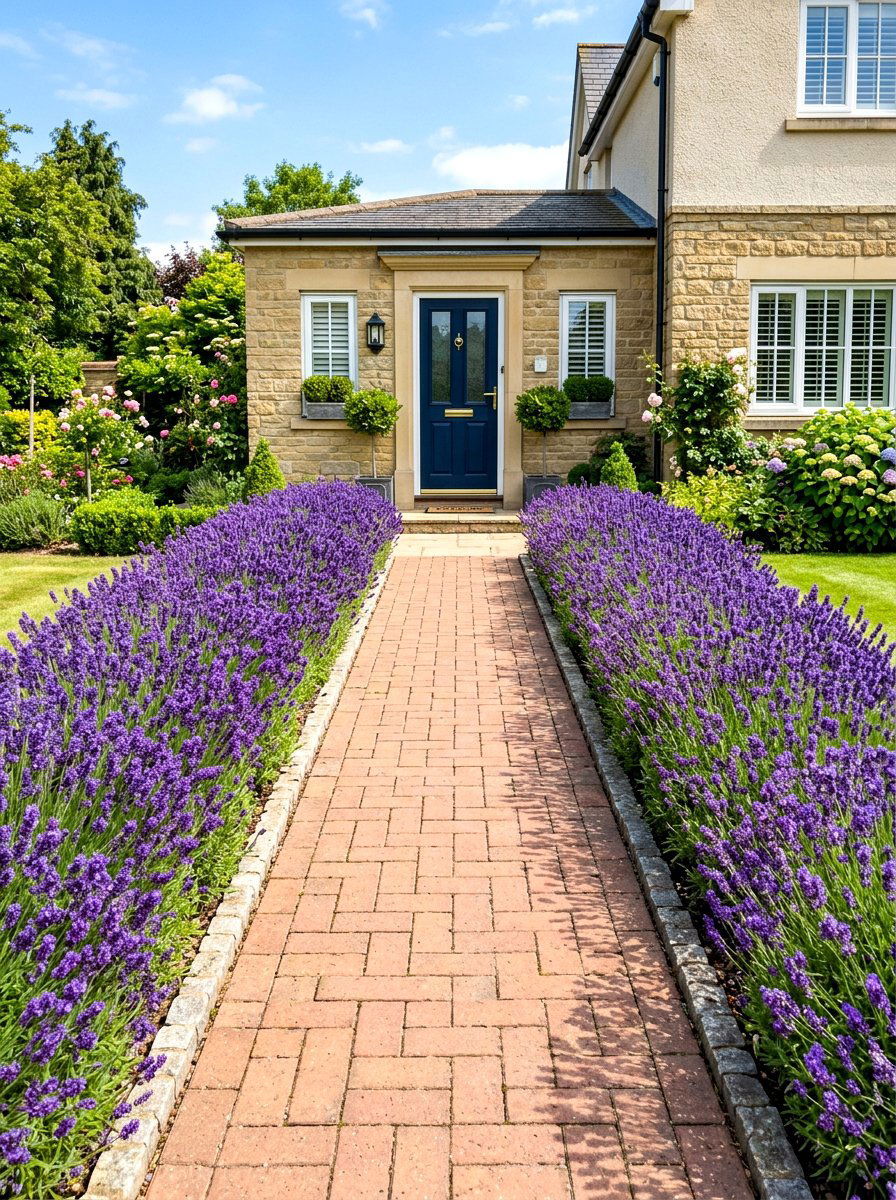
A Munstead lavender walkway is the perfect solution for gardeners who want a reliable, cold-hardy border that stays compact. Munstead is a popular English variety known for its neat, mounding habit and early summer blooms. When planted in a long row on both sides of a path, it creates a symmetrical and inviting entrance to any part of your home. This design works particularly well in smaller gardens because the plants do not become overly leggy or intrusive. The deep violet flowers stand out against the silvery foliage, creating a cool-toned palette that feels refreshing on hot days. Regular pruning after the first flush of flowers will keep this border looking tidy.
7. Lavender and salvia border
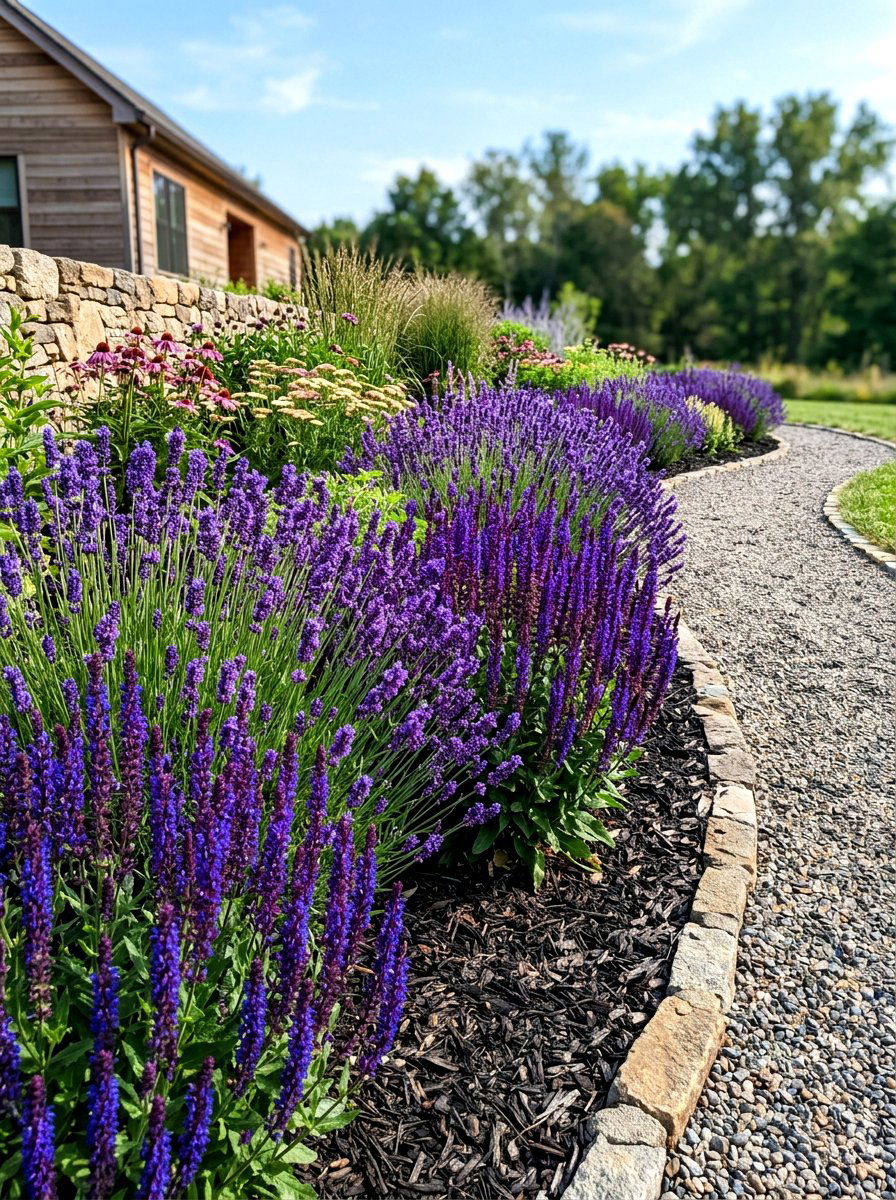
Combining a lavender and salvia border creates a high-impact, pollinator-friendly zone that stays colorful for months. Both plants share similar needs for sun and drainage, making them very easy to grow together in a mixed perennial bed. You can choose salvias in deep blues or bright magentas to create a layered effect with the softer purple of the lavender. This design is particularly effective for large garden boundaries where you want to see constant movement from bees and butterflies. The different heights and textures of the flower spikes add visual interest and keep the border from looking flat. It is a durable and vibrant choice for any sunny spot in your landscape.
8. Mediterranean terrace lavender planting
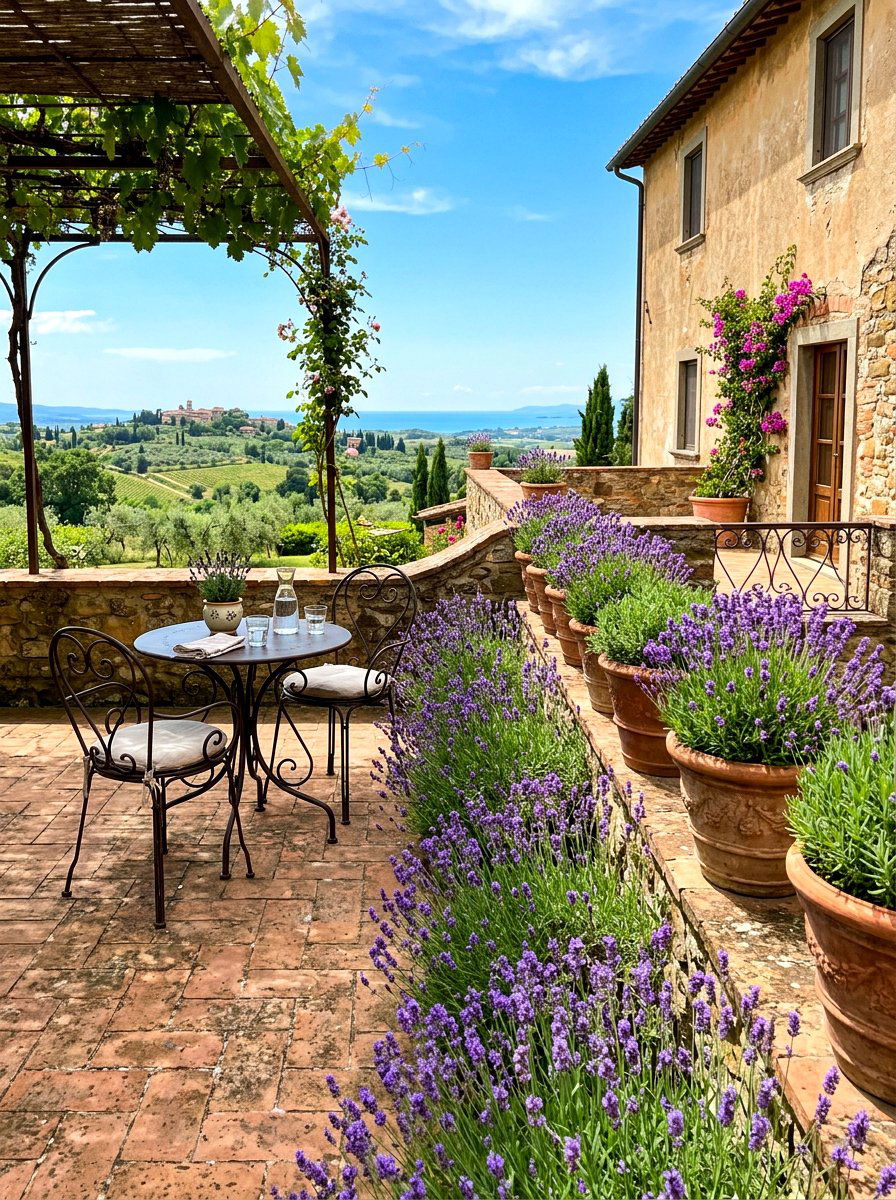
A Mediterranean terrace lavender planting brings the essence of the French countryside to your patio or balcony. This design often features lavender planted in large terracotta pots or built-in stone planters that line the edges of a seating area. By elevating the plants, you bring the fragrance closer to nose level, making every outdoor meal or coffee break more enjoyable. This style usually incorporates other sun-loving elements like olive trees, citrus, or trailing rosemary to complete the theme. The warm earthy tones of the tiles and pottery provide a stunning backdrop for the cool purple and silver hues of the lavender. It is a perfect way to create an intimate, sensory-rich environment.
9. Lavender and rosemary hedge
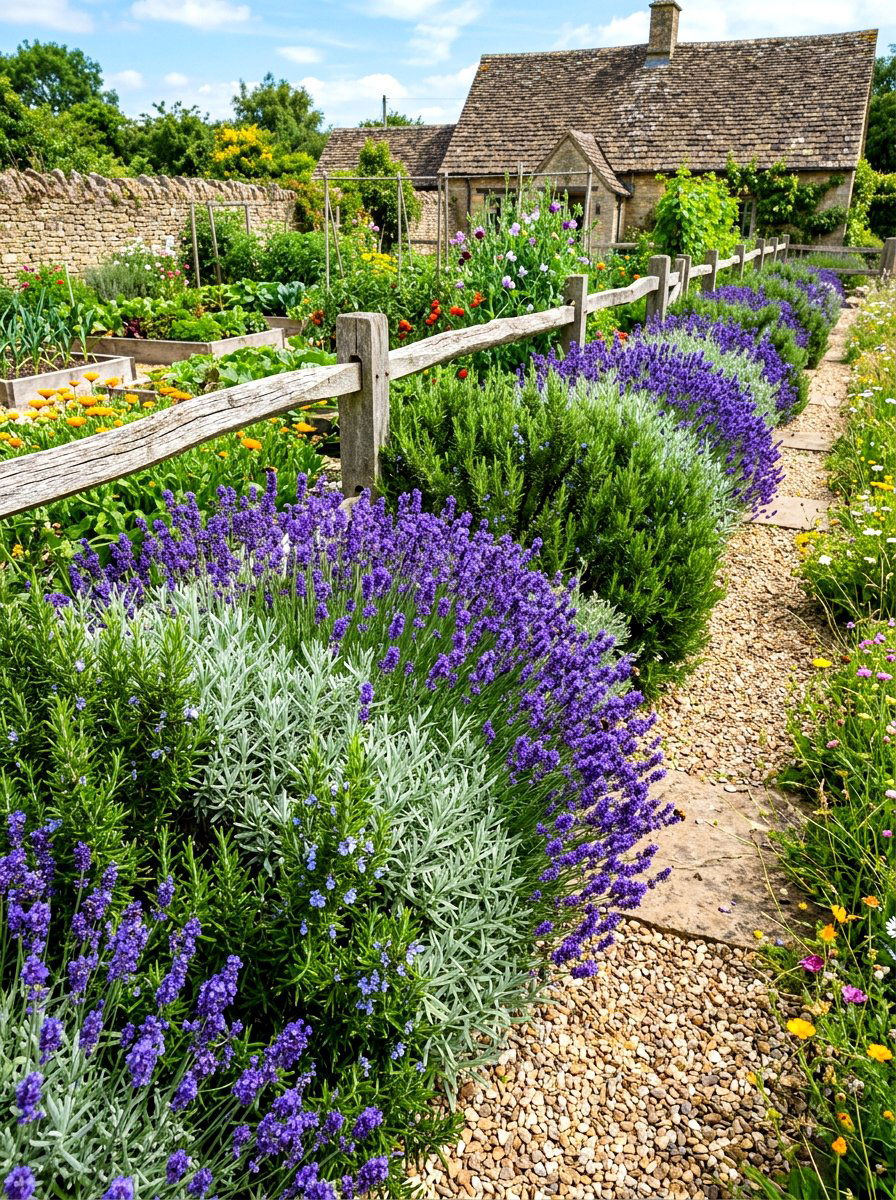
A lavender and rosemary hedge is a fantastic way to create a multi-purpose, edible border that looks and smells incredible. Both of these Mediterranean herbs thrive in the same conditions, allowing them to be planted in alternating patterns or as distinct layers. The upright, needle-like foliage of the rosemary provides a sturdy backdrop for the softer, mounding lavender. This design is highly practical because it gives you a constant supply of fresh herbs for cooking while serving as a beautiful garden divider. Both plants are also very drought-tolerant, making this an eco-friendly choice for dry climates. The mixed textures and shades of green and silver make the border look lush and full.
10. Lavender driveway lining
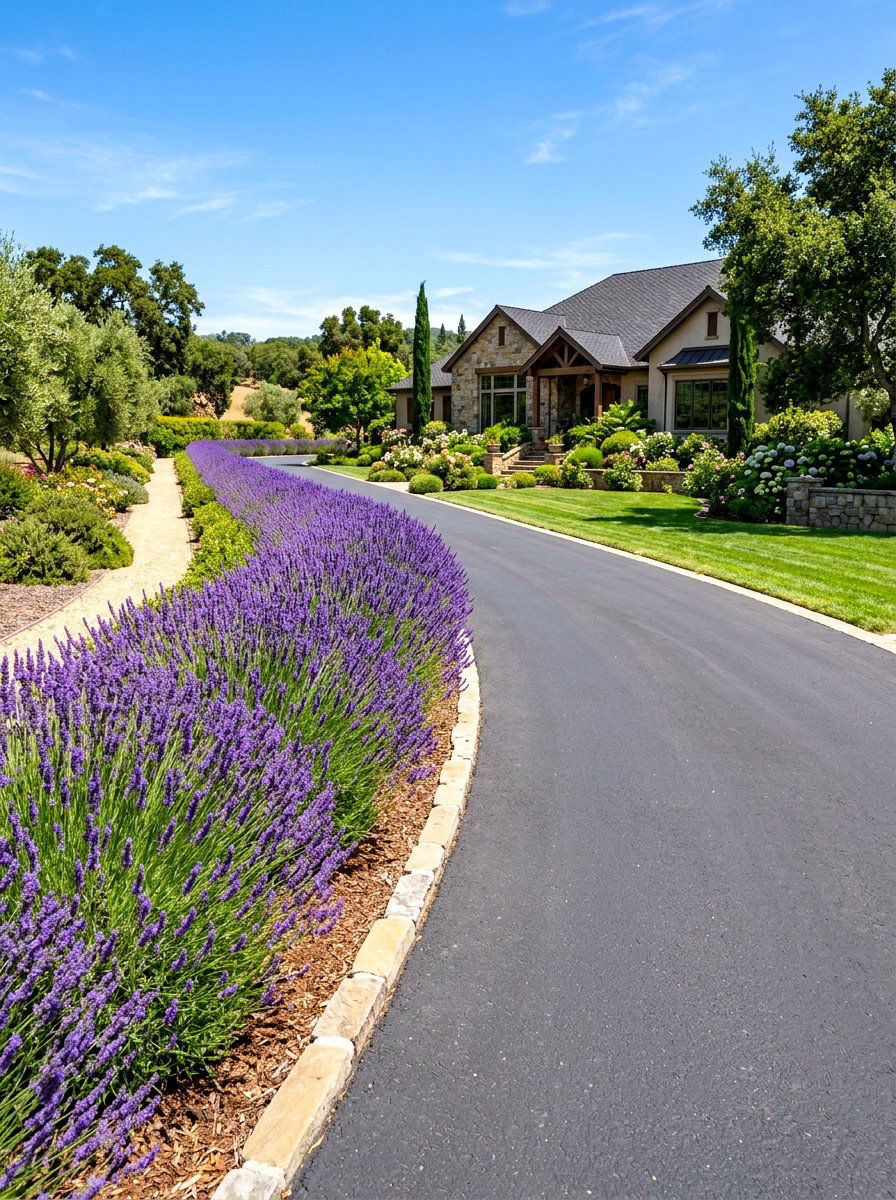
Using a lavender driveway lining is a brilliant way to boost your home’s curb appeal and welcome guests with a wonderful aroma. Lavender is tough enough to handle the heat reflected from asphalt or concrete, making it a great candidate for these often-harsh areas. When planted in long, continuous rows, it creates a clean and intentional look that frames your property beautifully. This design helps to soften the wide expanse of a driveway, making the front of your house feel more like a garden and less like a parking lot. It is important to choose a robust variety like Phenomenal or Grosso that can withstand the occasional stray tire or heavy foot traffic nearby.
11. Purple lavender cottage garden
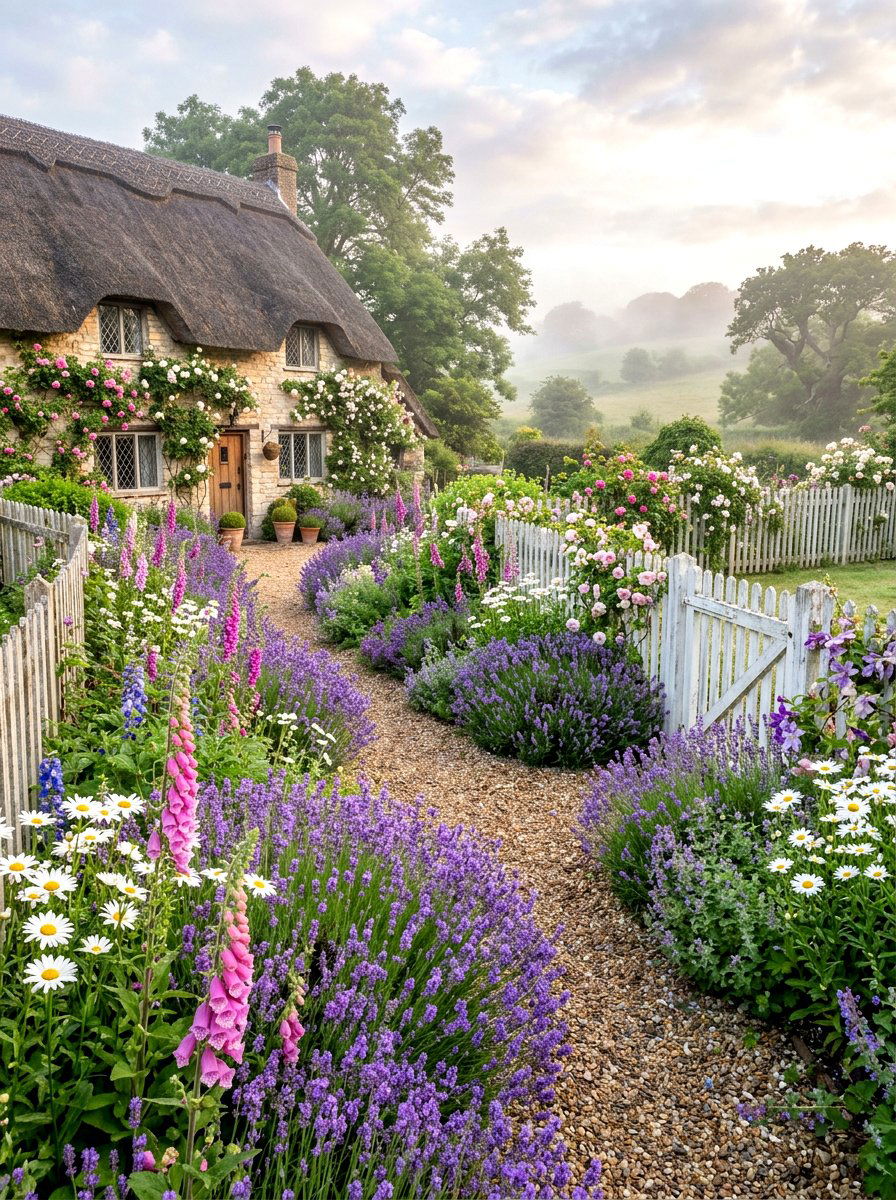
A purple lavender cottage garden border is all about embracing a lush, informal, and romantic aesthetic. In this design, the lavender is allowed to grow in large, billowy drifts rather than tight, clipped rows. It is often interplanted with other classic cottage favorites like foxgloves, daisies, and hollyhocks to create a wild and whimsical look. The soft, hazy purple of the lavender acts as a unifying thread that ties together the various colors and shapes of the other flowers. This style of border is perfect for framing a white picket fence or a cozy porch. It feels relaxed and lived-in, providing a nostalgic charm that is hard to beat with more formal designs.
12. Lavender and nepeta border
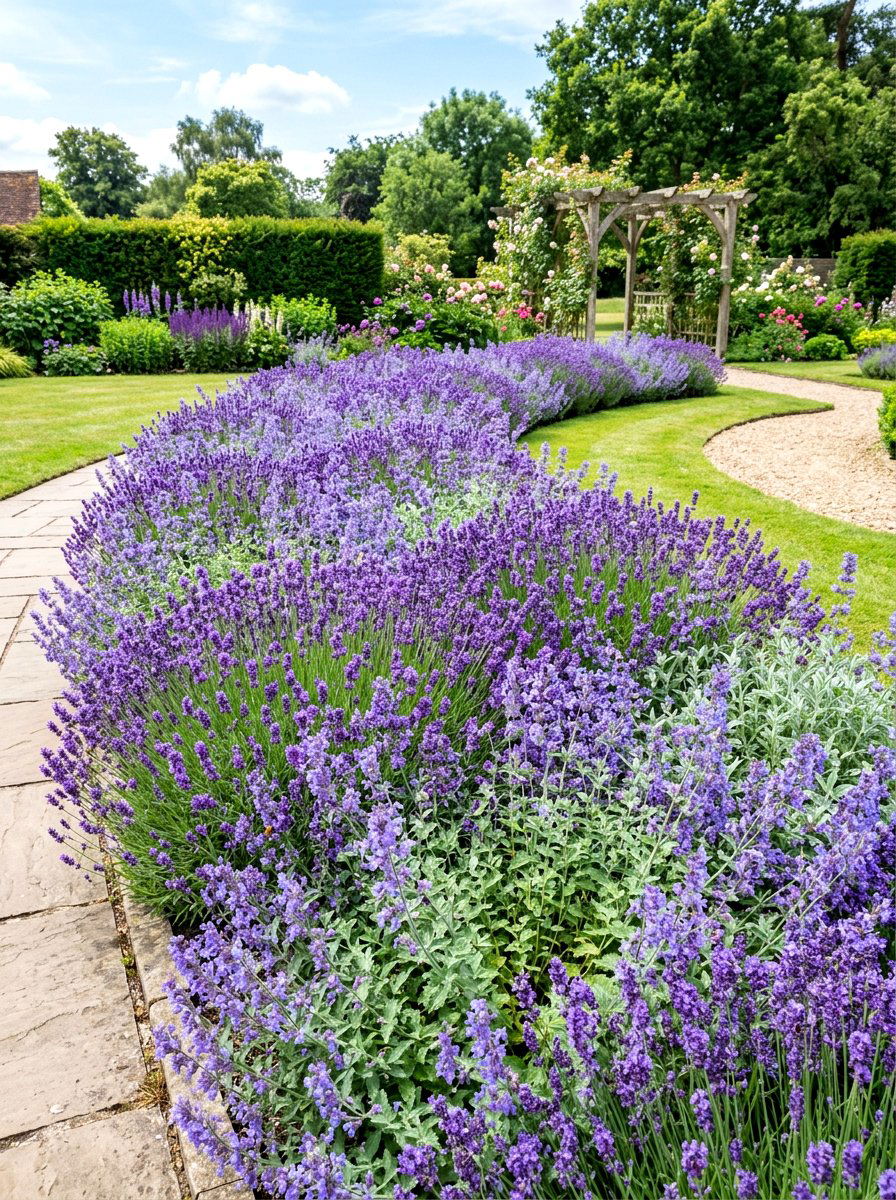
The lavender and nepeta border is a masterclass in texture and long-lasting color. Nepeta, also known as catmint, has a very similar appearance to lavender but often starts blooming earlier and lasts longer into the fall. By mixing these two plants, you ensure that your garden border stays purple for a much longer period. The billowy, grey-green foliage of the nepeta fills in the gaps between the lavender mounds, creating a seamless carpet of color. This design is incredibly low-maintenance and very attractive to honeybees. It works best in large, open spaces where the plants have room to sprawl and mingle together. The result is a soft, dreamlike edge for your garden.
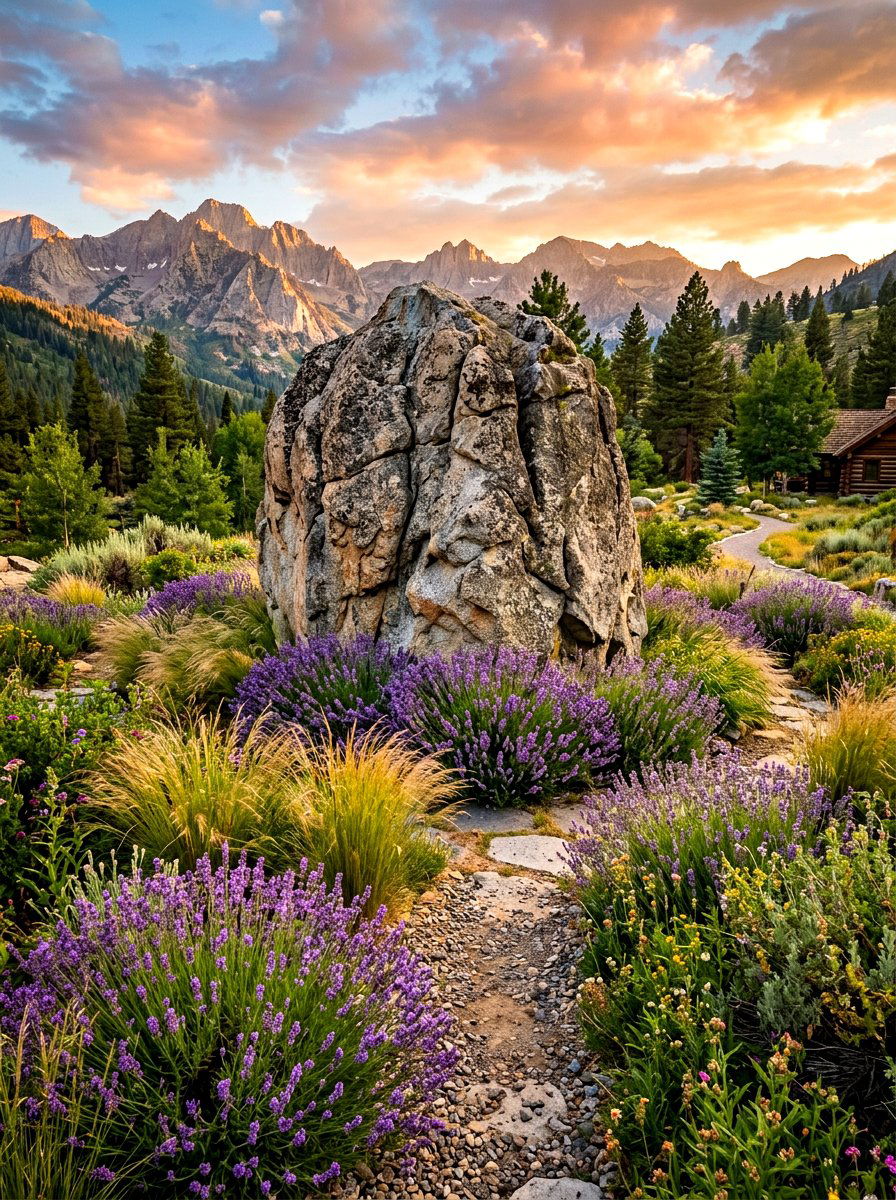
13. Lavender rock garden edge
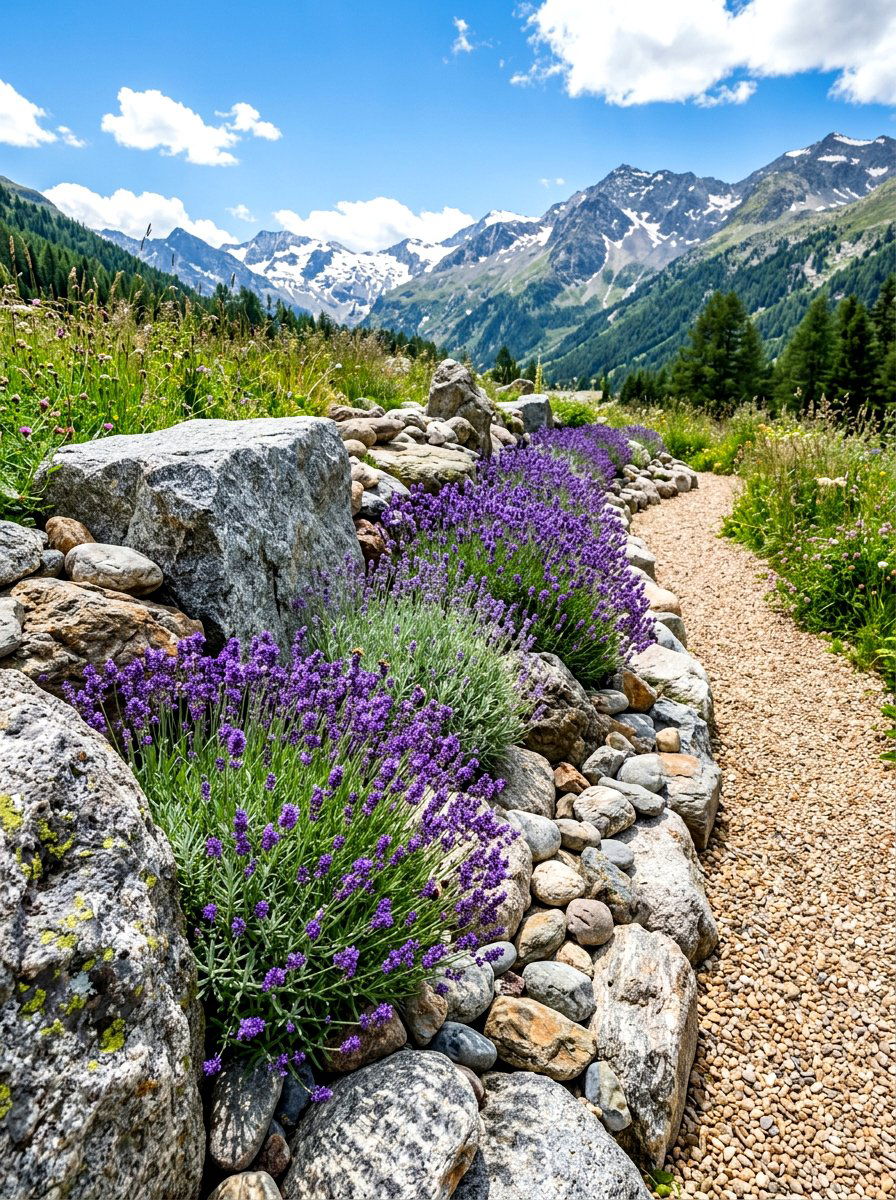
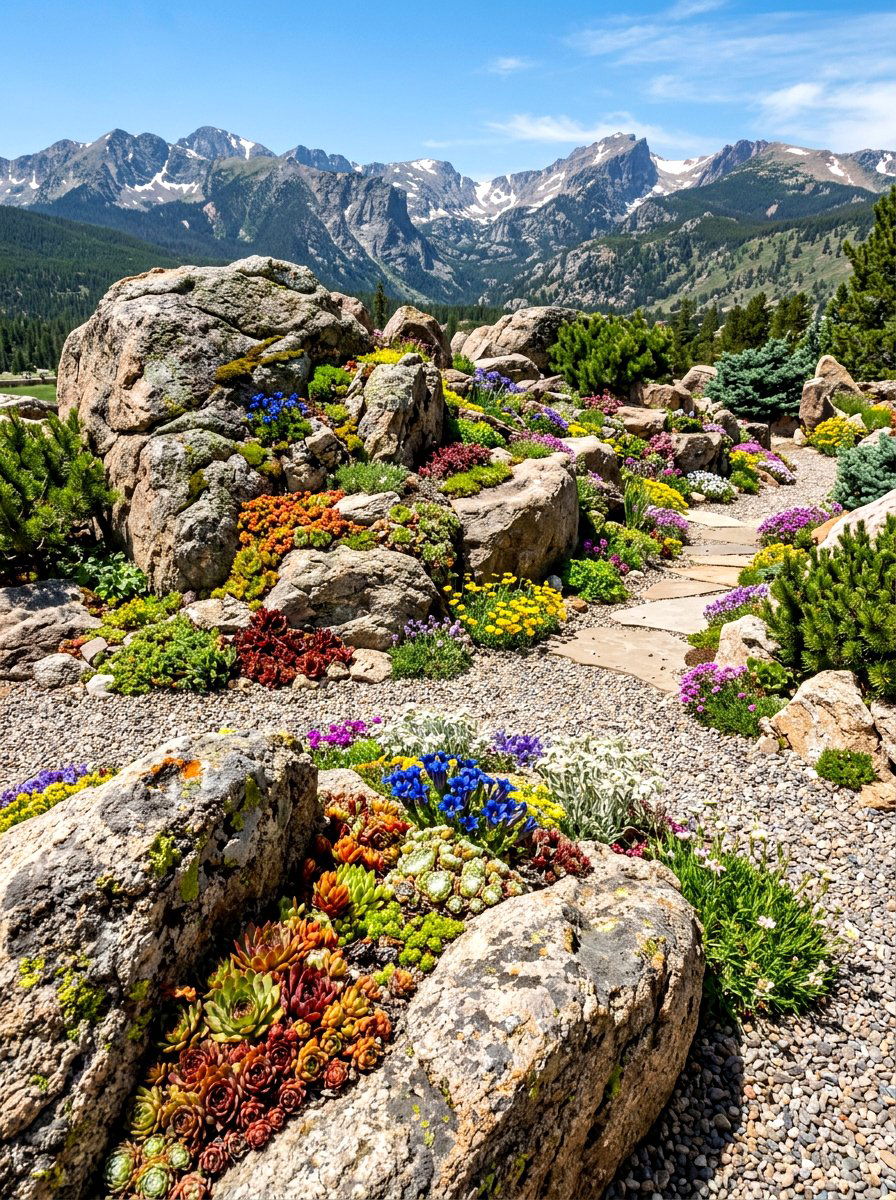
Creating a lavender rock garden edge is a smart way to utilize difficult, sloping, or sandy areas of your yard. Lavender naturally thrives in the pockets of soil between large boulders or smaller river rocks where drainage is perfect. This design emphasizes the contrast between the hard, static gray of the stones and the soft, swaying purple flowers. You can use prostrate or dwarf varieties to tuck into crevices, allowing them to spill over the edges of the rocks. This setup mimics the plant's natural habitat in the Mediterranean, leading to healthier and more vigorous growth. It is an excellent choice for a rugged, naturalistic look that requires almost zero supplemental watering.
14. Drought tolerant lavender landscaping
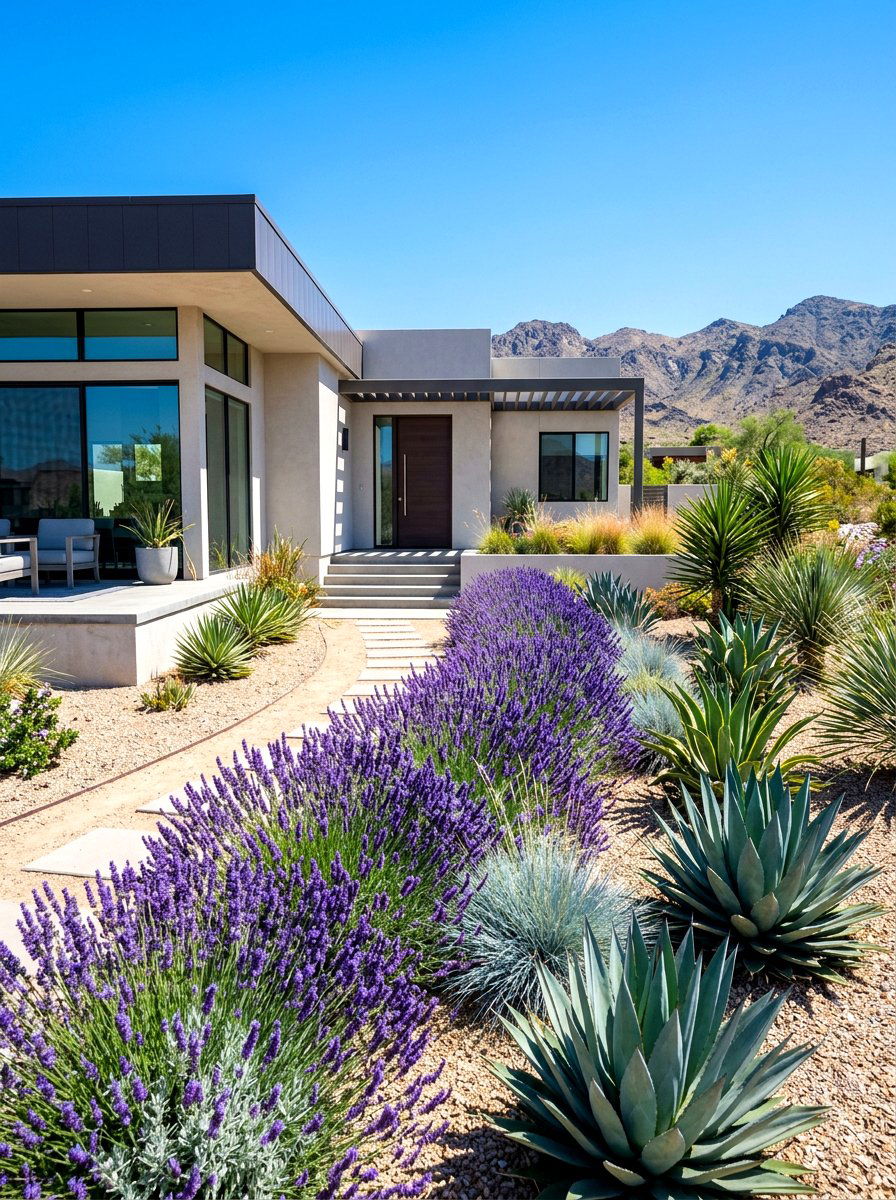
Drought tolerant lavender landscaping is becoming increasingly popular as more homeowners look for sustainable garden options. This design focuses on grouping lavender with other water-wise plants like succulents, agaves, or ornamental grasses. The goal is to create a border that remains beautiful even during the hottest, driest months of the year without needing a sprinkler system. The silvery foliage of the lavender reflects the sunlight, preventing the plant from overheating, while its deep roots find moisture far below the surface. This type of border is perfect for modern, minimalist homes that prioritize clean lines and ecological responsibility. It is a sophisticated way to prove that "green" gardening can be incredibly colorful and fragrant.
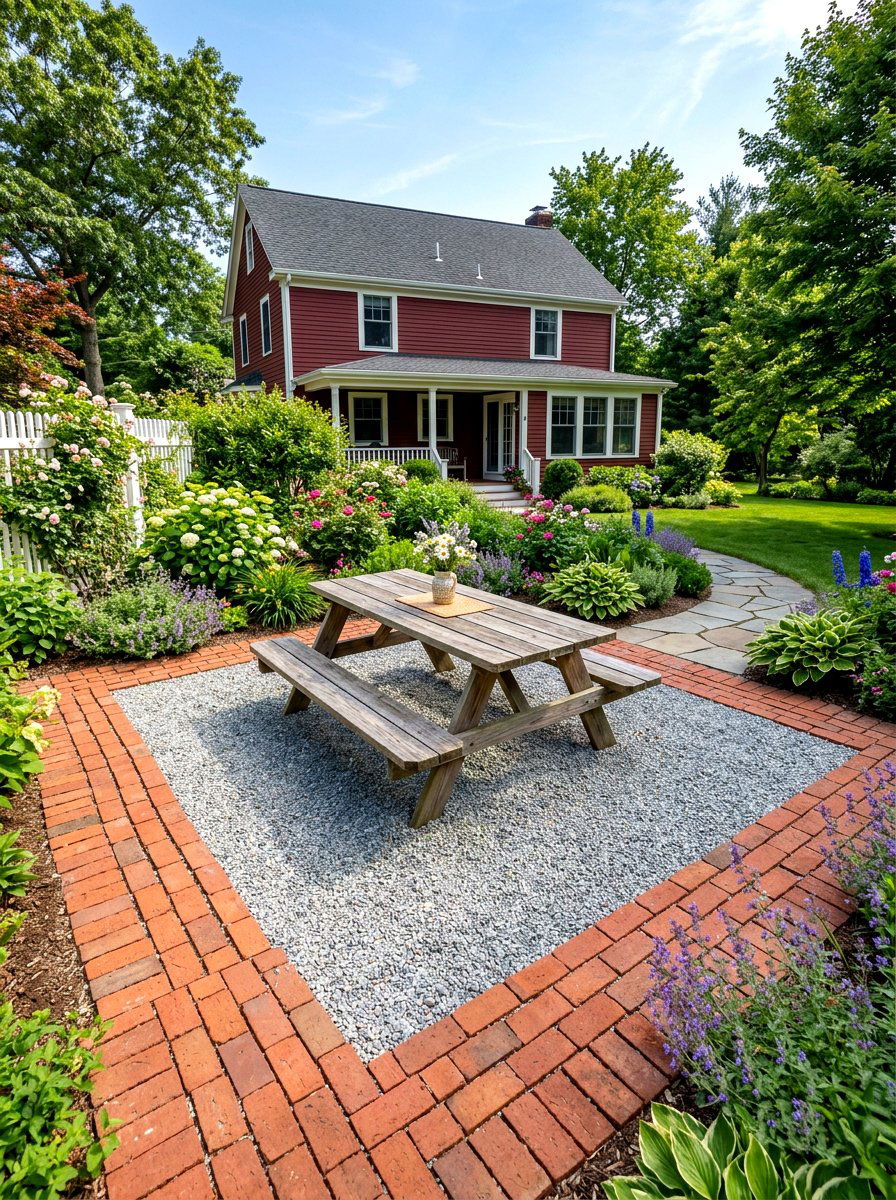
15. Lavender and ornamental grass border
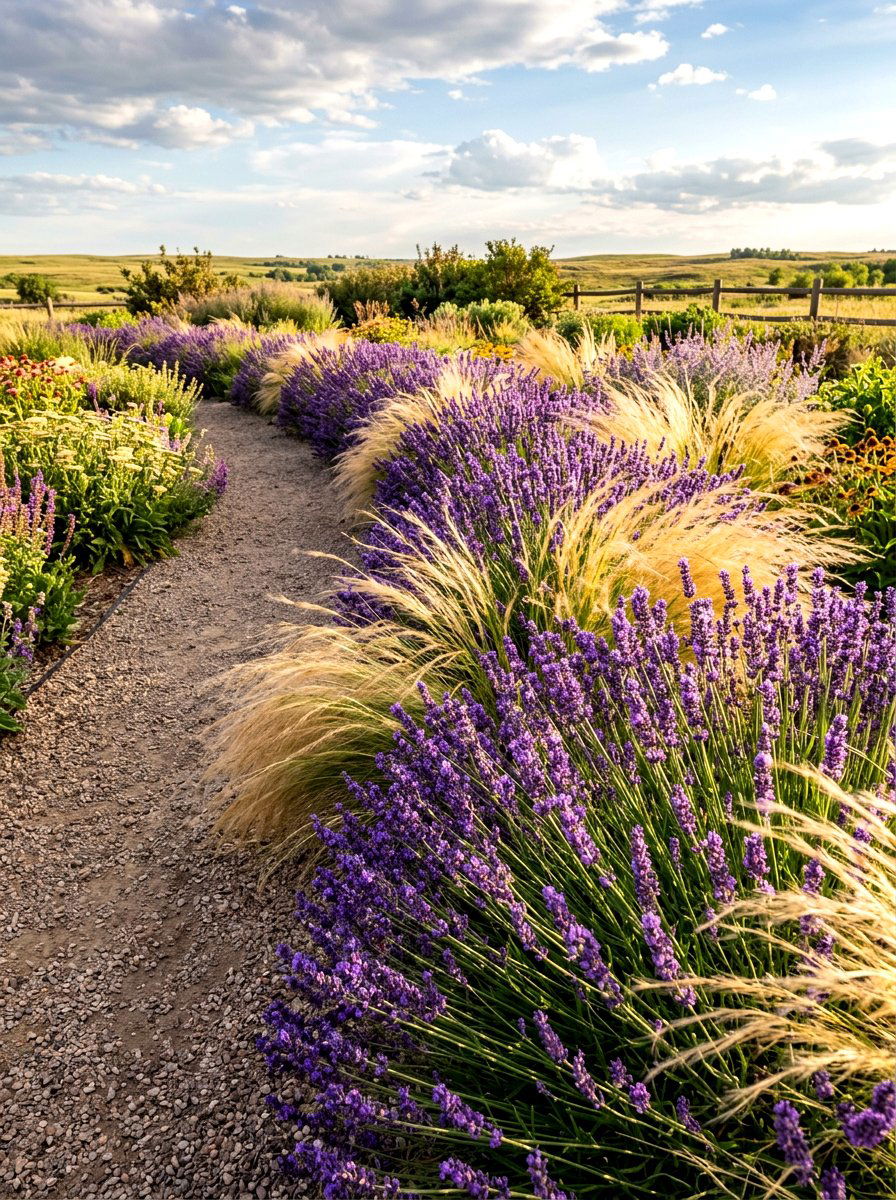
A lavender and ornamental grass border offers a dynamic and modern look that changes beautifully with the wind. The fine, airy textures of grasses like Mexican Feather Grass or Blue Fescue contrast sharply with the solid, mounding form of the lavender. This design creates a sense of movement in the garden, as the tall grass plumes sway above the purple flower spikes. It is an excellent choice for creating a soft screen or a transition between different garden zones. During the autumn, the grasses turn golden or bronze, providing a stunning backdrop for the lavender’s evergreen silver foliage. This combination is very low-maintenance and works well in both large estates and small urban yards.
16. Lavender raised garden bed
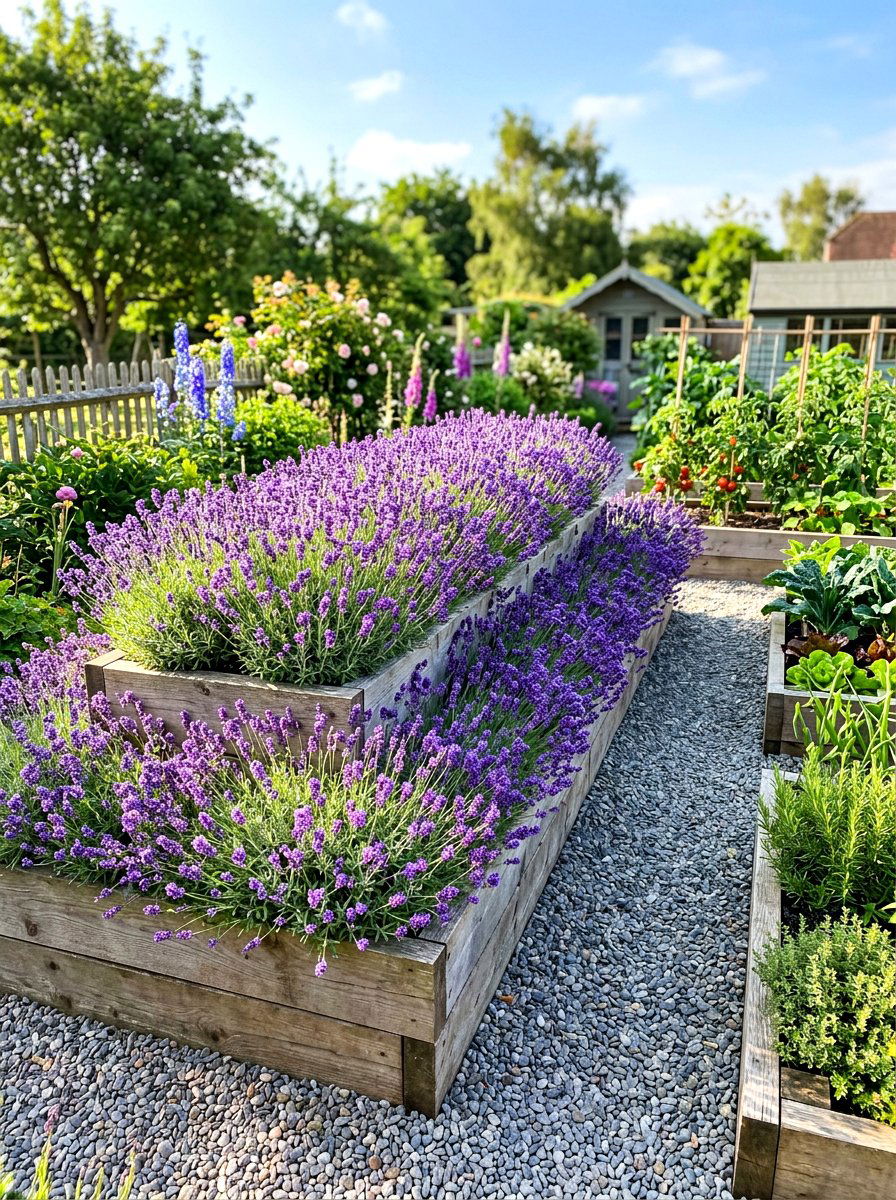
Installing a lavender raised garden bed is a practical solution for anyone dealing with heavy clay or poor-quality soil. Lavender requires exceptional drainage to survive, and a raised bed allows you to control the exact soil mix, ensuring it is sandy and lean. This design also brings the plants higher up, making it easier to enjoy their scent and perform routine pruning without bending over. You can build the beds out of cedar wood, stone, or even modern metal panels to match your home's style. Planting lavender along the edges of the bed allows it to cascade over the sides, softening the structure. It is a neat and organized way to showcase your favorite aromatic herbs.
17. Lavender and hydrangea mix
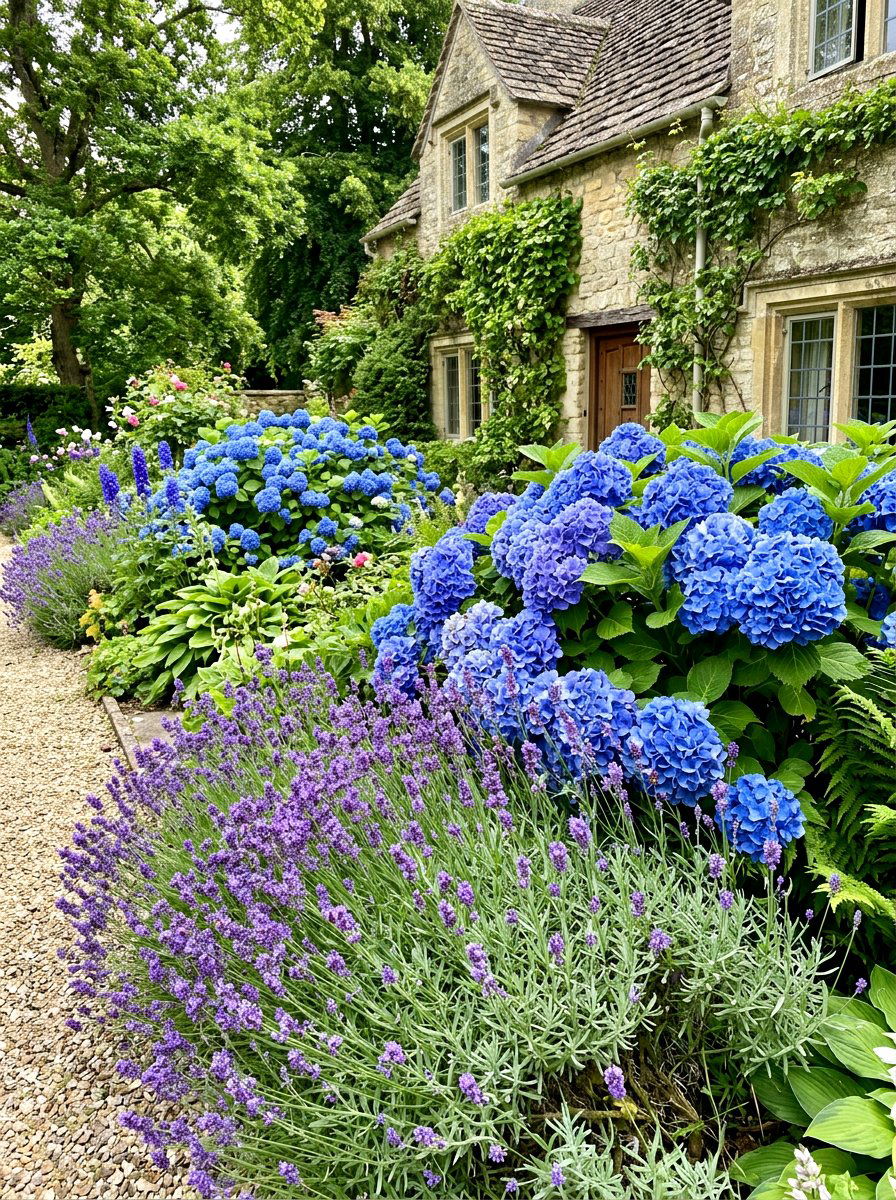
The lavender and hydrangea mix is a bold and beautiful design choice that plays with different scales and bloom styles. While hydrangeas usually prefer a bit more moisture and shade than lavender, they can be paired successfully if the lavender is placed on the sunnier, drier edge of the bed. The giant, rounded flower heads of the hydrangea contrast perfectly with the slender, upright spikes of the lavender. This combination works well along the side of a house or a fence line where the taller hydrangeas provide a lush background. The cool blue and purple tones of both plants create a serene and sophisticated color palette that feels very upscale and well-designed.
18. Lavender steps and stairs
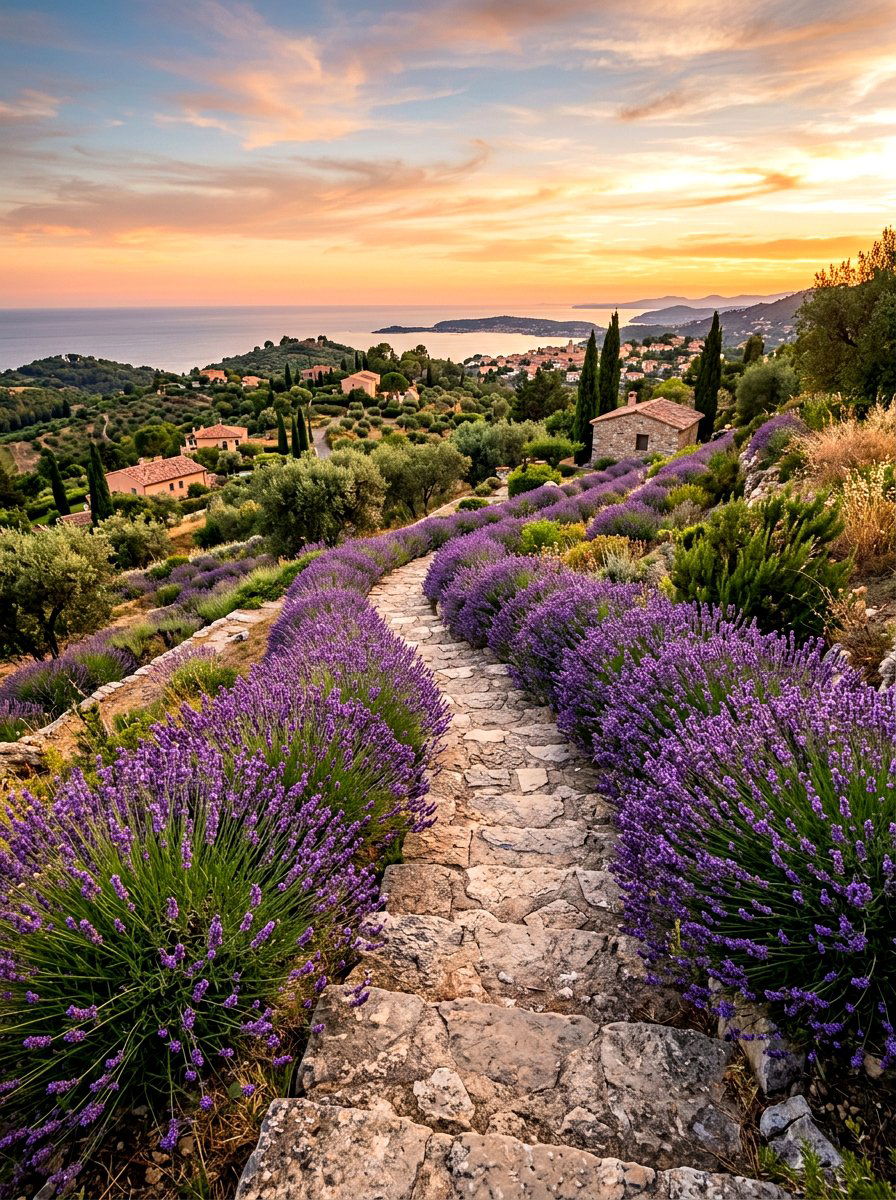
Adding lavender to your garden steps and stairs is a wonderful way to make an everyday transition feel like a special experience. This design involves planting small lavender mounds in the soil pockets immediately adjacent to each step or in narrow built-in planters along a staircase. As people move up or down the stairs, their feet or legs may gently brush the plants, releasing a cloud of calming fragrance. This is especially effective for entryways or paths leading to a front door. The soft foliage also helps to blur the hard lines of concrete or stone steps, making the entire structure feel more integrated with the surrounding landscape and much more inviting.
19. Lavender pool side planting
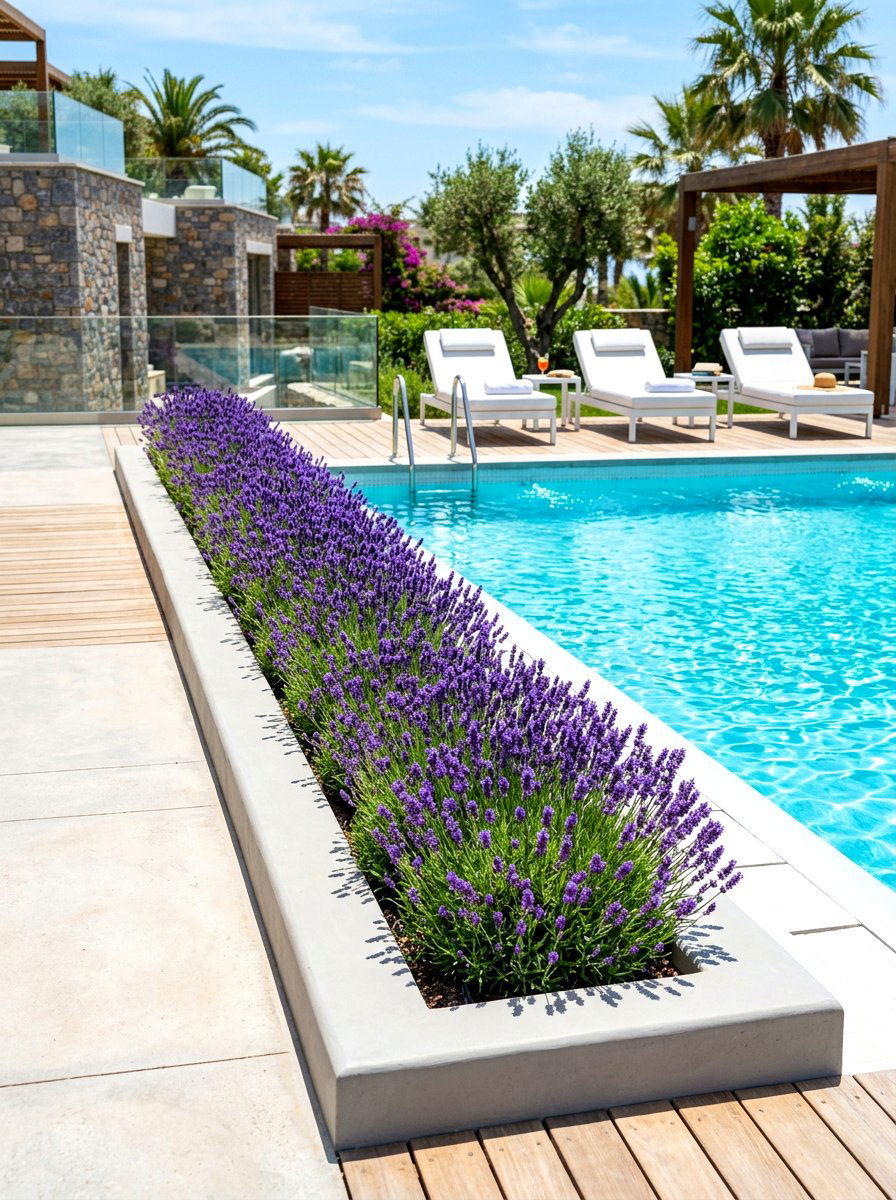
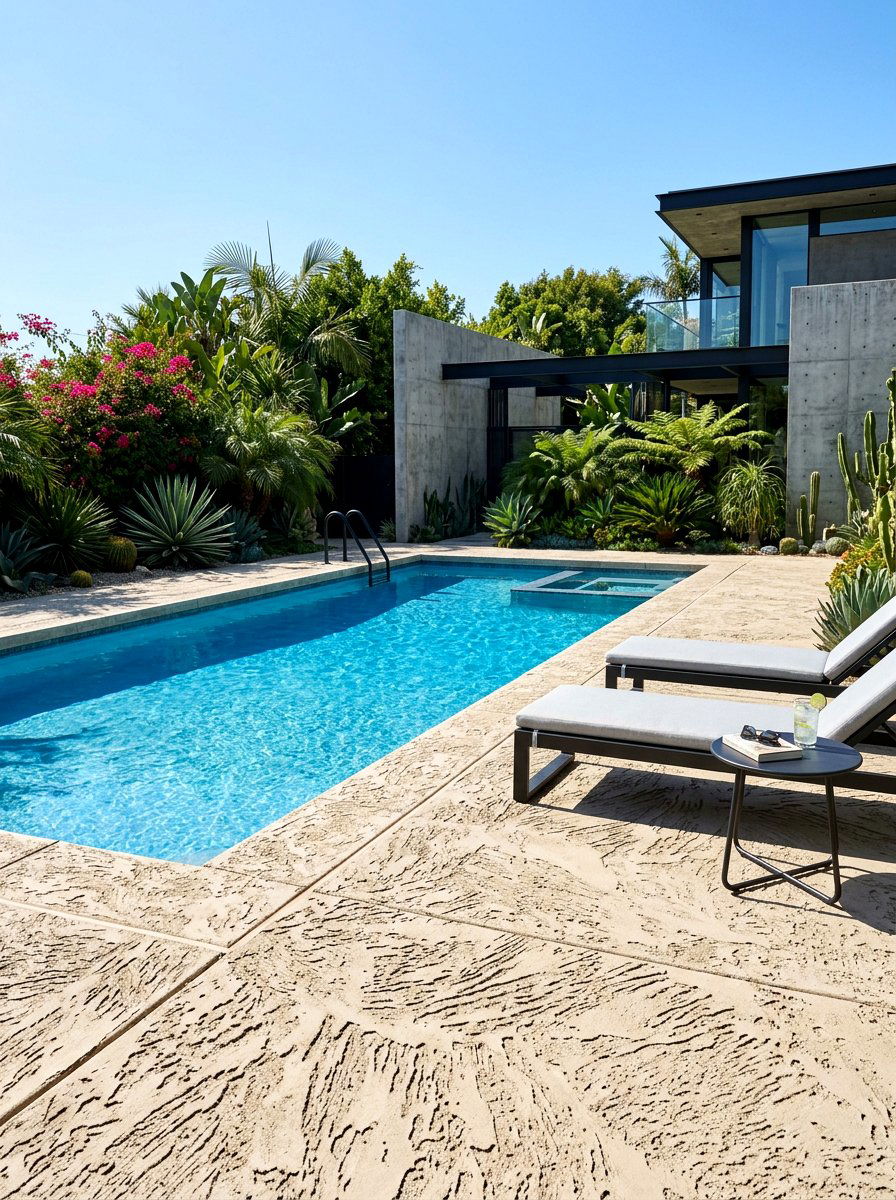
A lavender pool side planting is a smart and stylish choice for creating a resort-like atmosphere in your own backyard. Unlike many other plants, lavender does not drop messy leaves or sticky sap, which keeps your pool water cleaner and reduces maintenance. The plants love the full sun and heat typical of pool decks, and their fragrance helps mask the scent of chlorine. You can plant them in a long border behind the lounging chairs or in large pots near the water’s edge. The cool purple flowers reflect beautifully in the blue water, creating a relaxing and luxurious visual. Plus, the bees that lavender attracts are usually too busy with the flowers to bother swimmers.
20. Lavender tiered garden wall
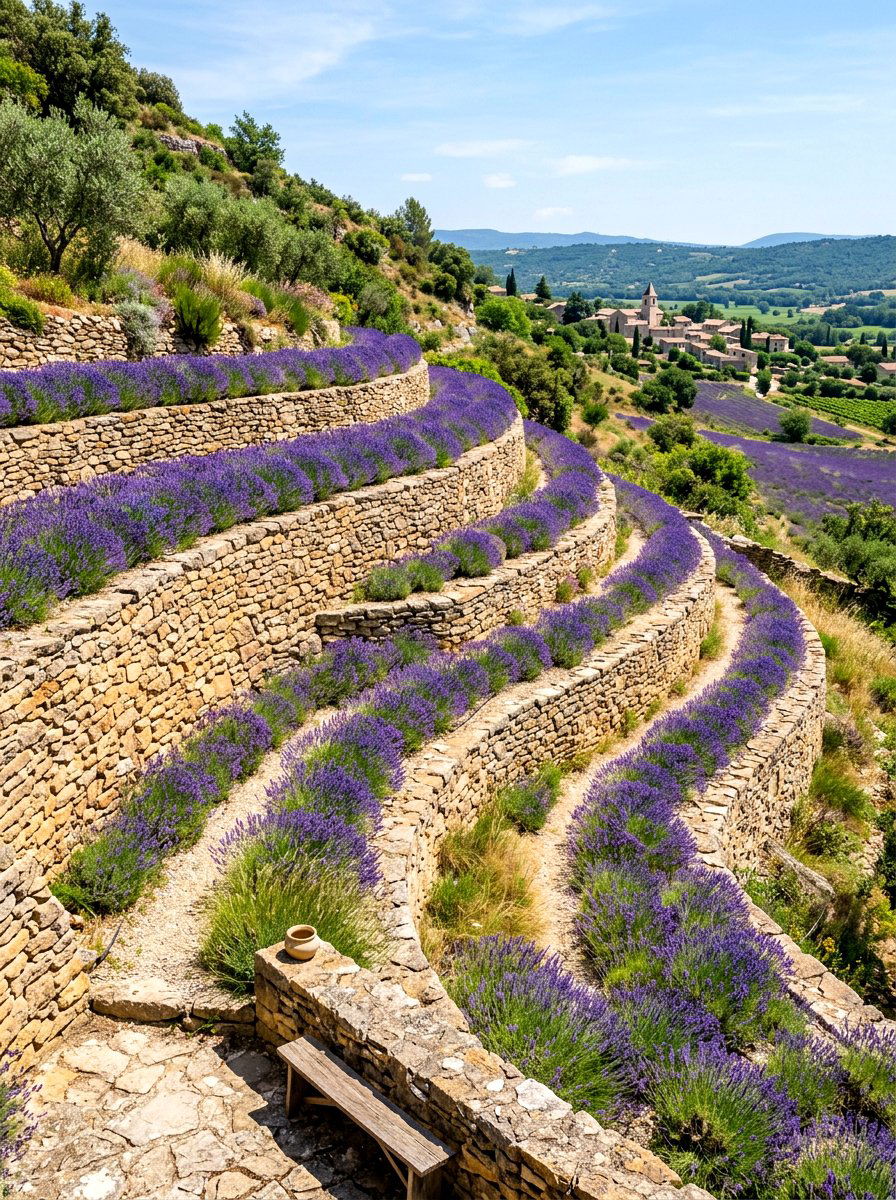
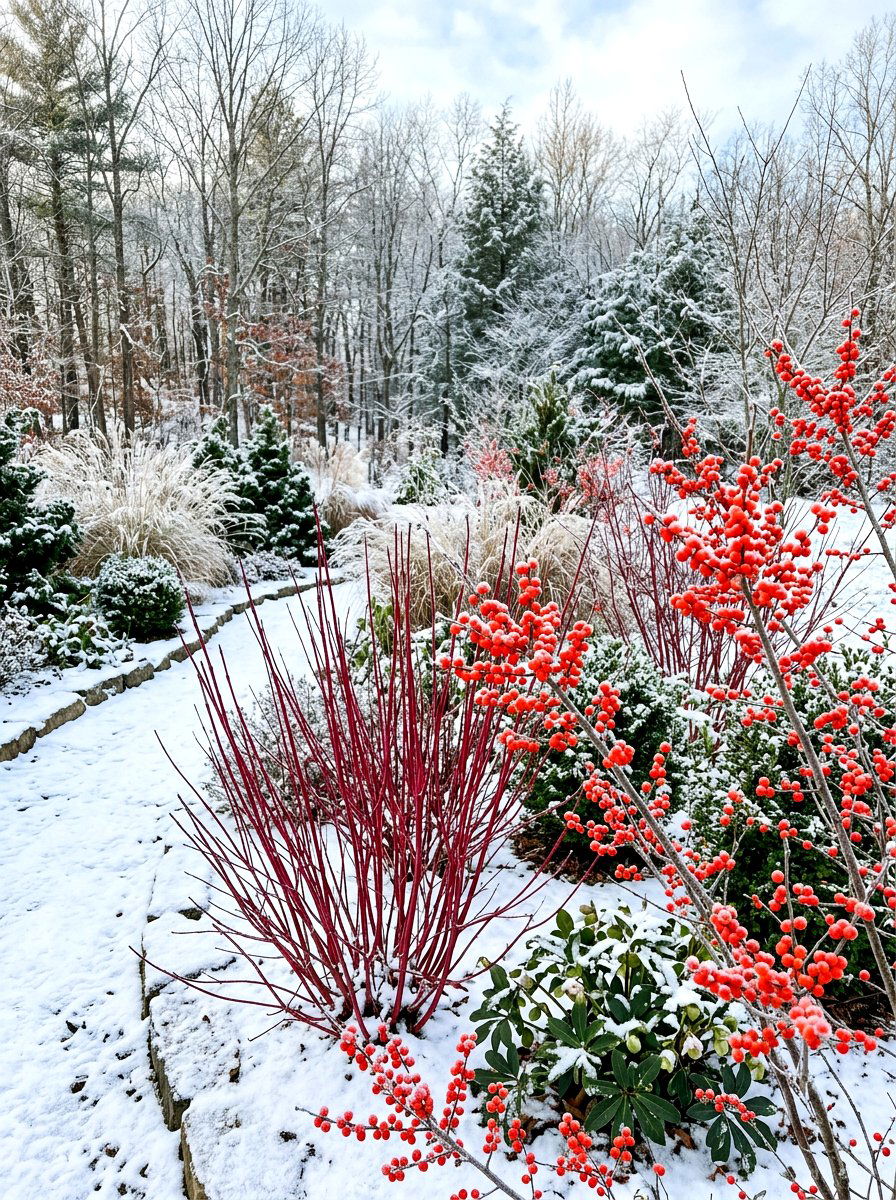
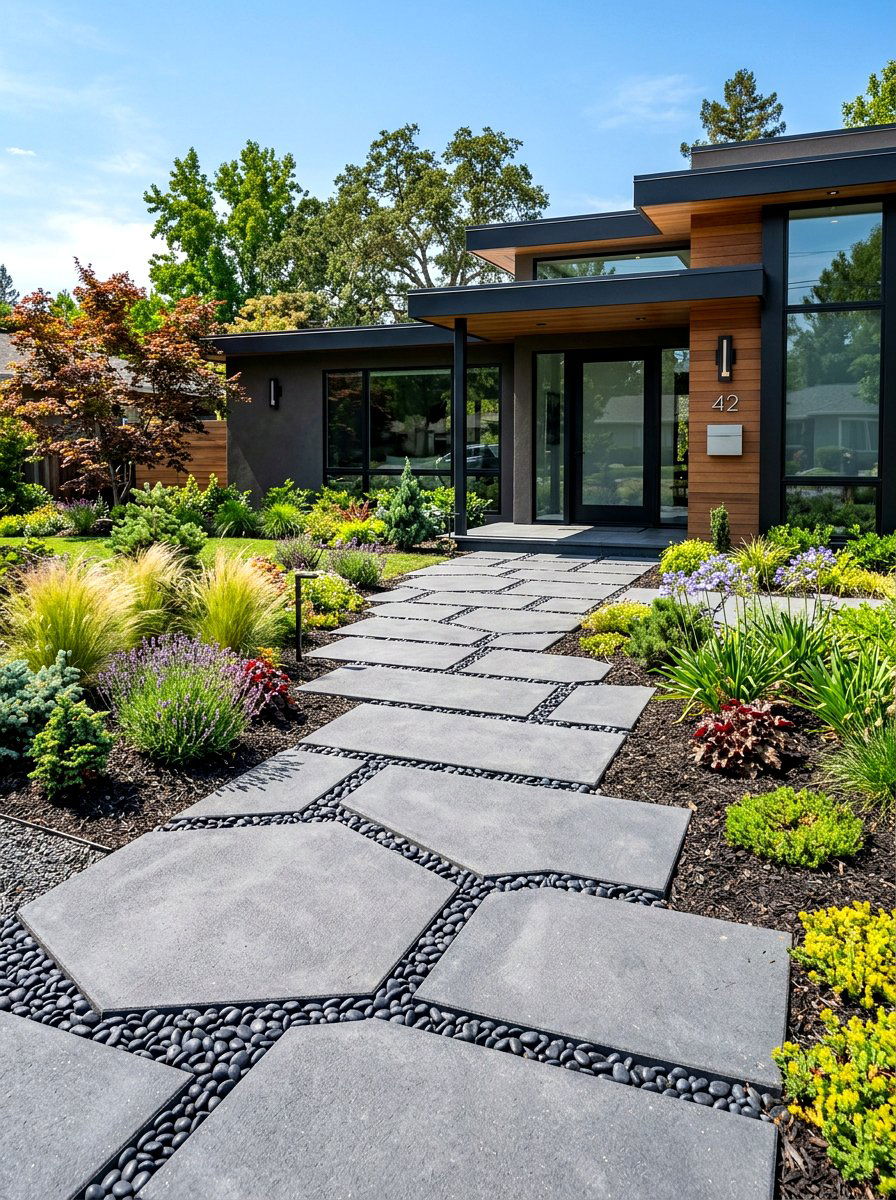
Designing a lavender tiered garden wall is an impressive way to deal with steep hillsides or multi-level yards. By using retaining walls to create flat "shelves" of soil, you can plant rows of lavender that appear to cascade down the slope. This creates a literal wall of purple color and fragrance that is visible from a distance. The excellent drainage provided by the tiered structure is exactly what lavender needs to flourish. You can mix different varieties on each level to create a gradient of purple shades or flowering times. This design turns a difficult landscape challenge into a breathtaking focal point that adds significant value and beauty to your entire property.
21. Lavender and yarrow border
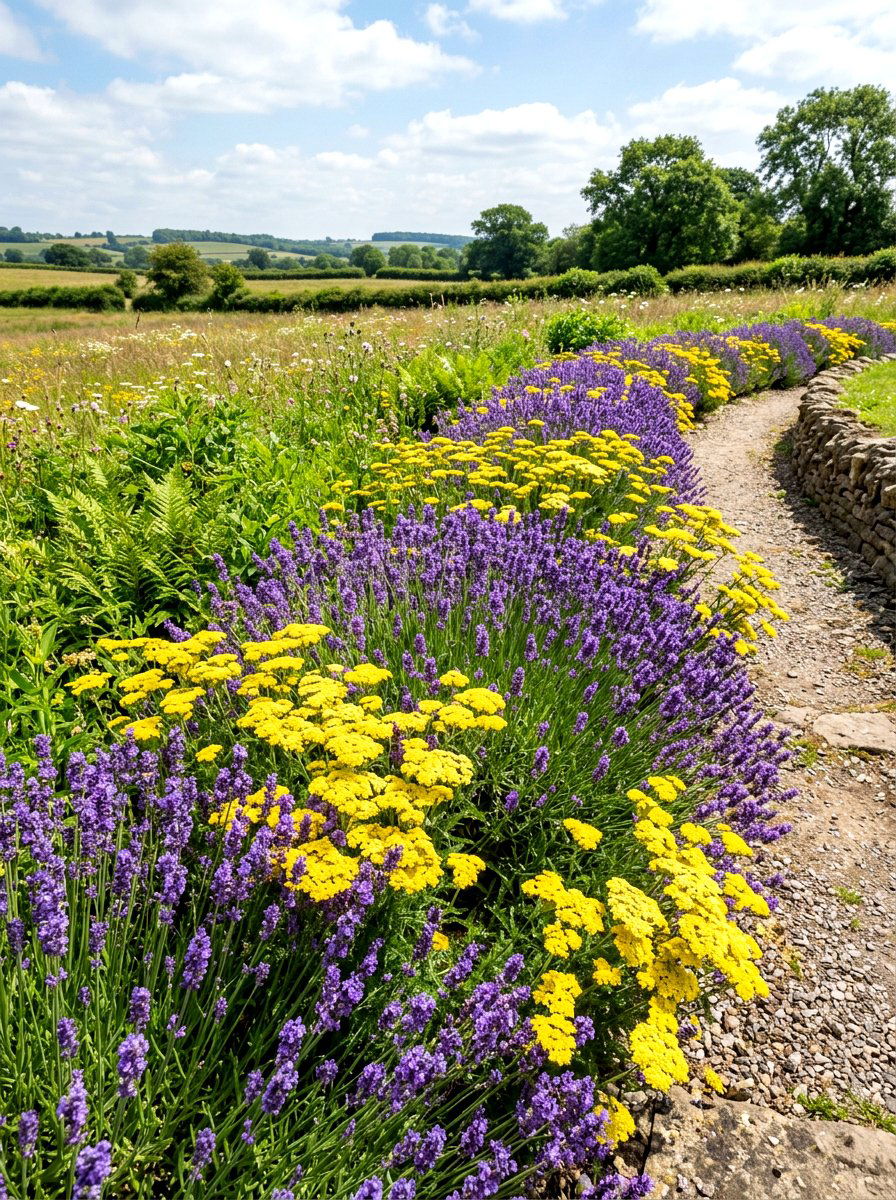
The lavender and yarrow border is a tough and colorful combination that is perfect for sunny, exposed areas. Yarrow comes in a wide variety of colors, from bright yellow to deep red, which provides a striking contrast to the lavender’s purple. Both plants are extremely drought-tolerant and love the same lean, sandy soil. The flat-topped flower clusters of the yarrow offer a different geometric shape compared to the tall lavender spikes, adding architectural interest to the border. This design is also a powerhouse for attracting beneficial insects, making it a great choice for eco-conscious gardeners. It is a resilient and low-fuss pairing that will look great even in the middle of a heatwave.
22. Silver foliage lavender border
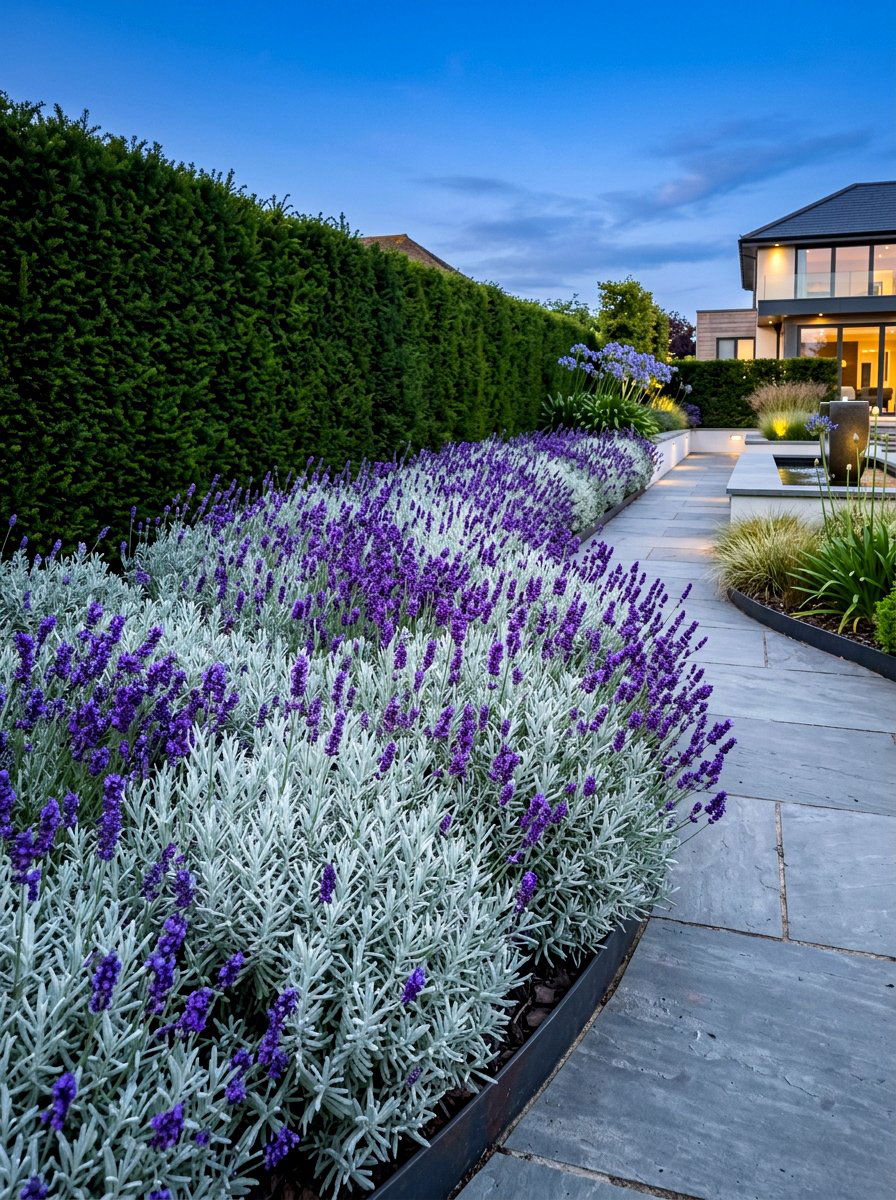
Focusing on a silver foliage lavender border is a great way to create a garden that looks stunning even when nothing is in bloom. Many lavender varieties, like Silver Mist or Richard Gray, are prized specifically for their bright, almost white foliage. When planted in a thick border, these plants create a luminous, ghostly effect that glows in the twilight or under moonlight. This design is perfect for "moon gardens" where the goal is to enjoy the space after dark. During the day, the silver leaves provide a cool, sophisticated backdrop for other colorful perennials. It is a high-contrast choice that looks especially good against dark green hedges or black-painted fences.
23. Lavender courtyard garden edge
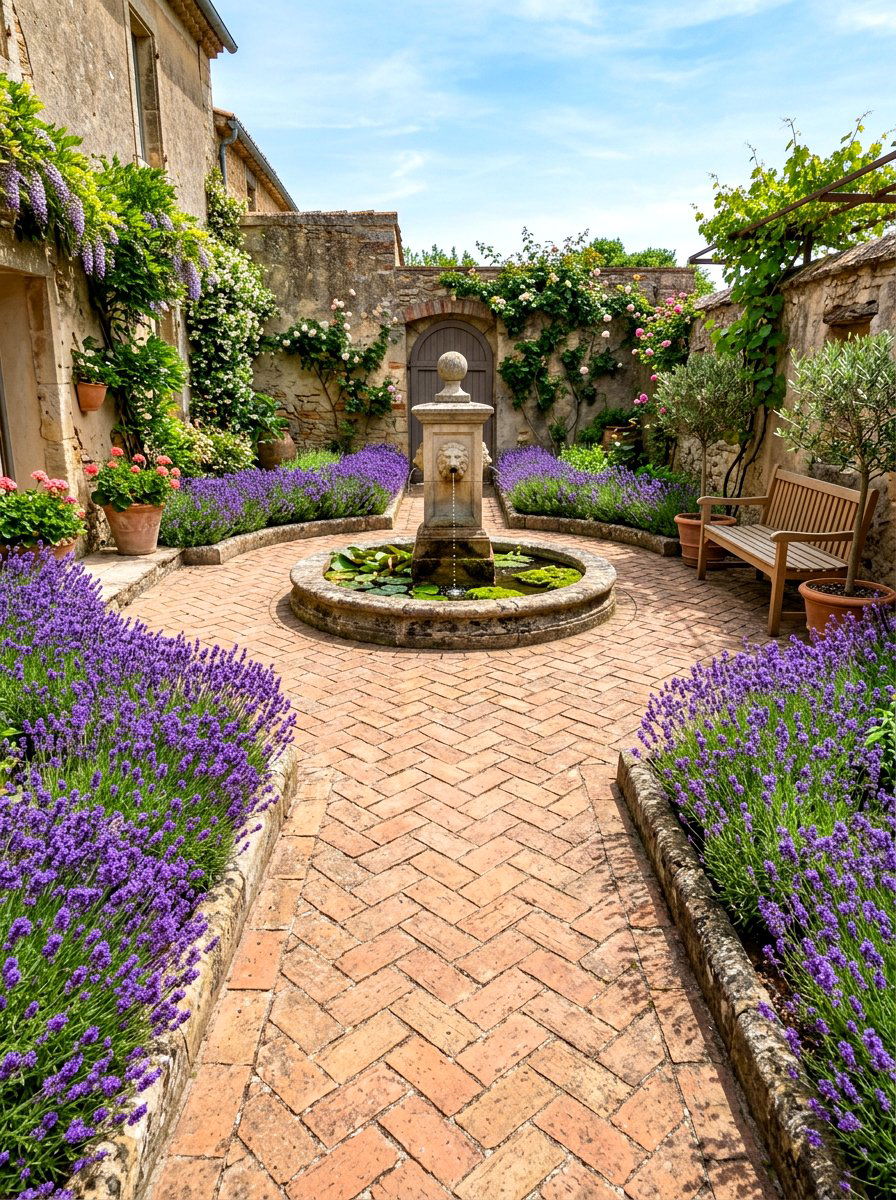
A lavender courtyard garden edge is the perfect way to define an intimate outdoor room. In a closed or semi-enclosed courtyard, the fragrance of the lavender becomes more concentrated, creating a truly immersive sensory experience. You can plant the lavender in narrow beds that trace the perimeter of the paving, keeping the center clear for furniture. This design works well with both modern and rustic courtyard styles. The soft, mounding plants help to break up the expanses of stone or brick, making the space feel warmer and more inviting. Because courtyards often trap heat, the lavender will grow vigorously and bloom profusely, providing a lush and fragrant border for your private sanctuary.
24. Lavender herb garden perimeter
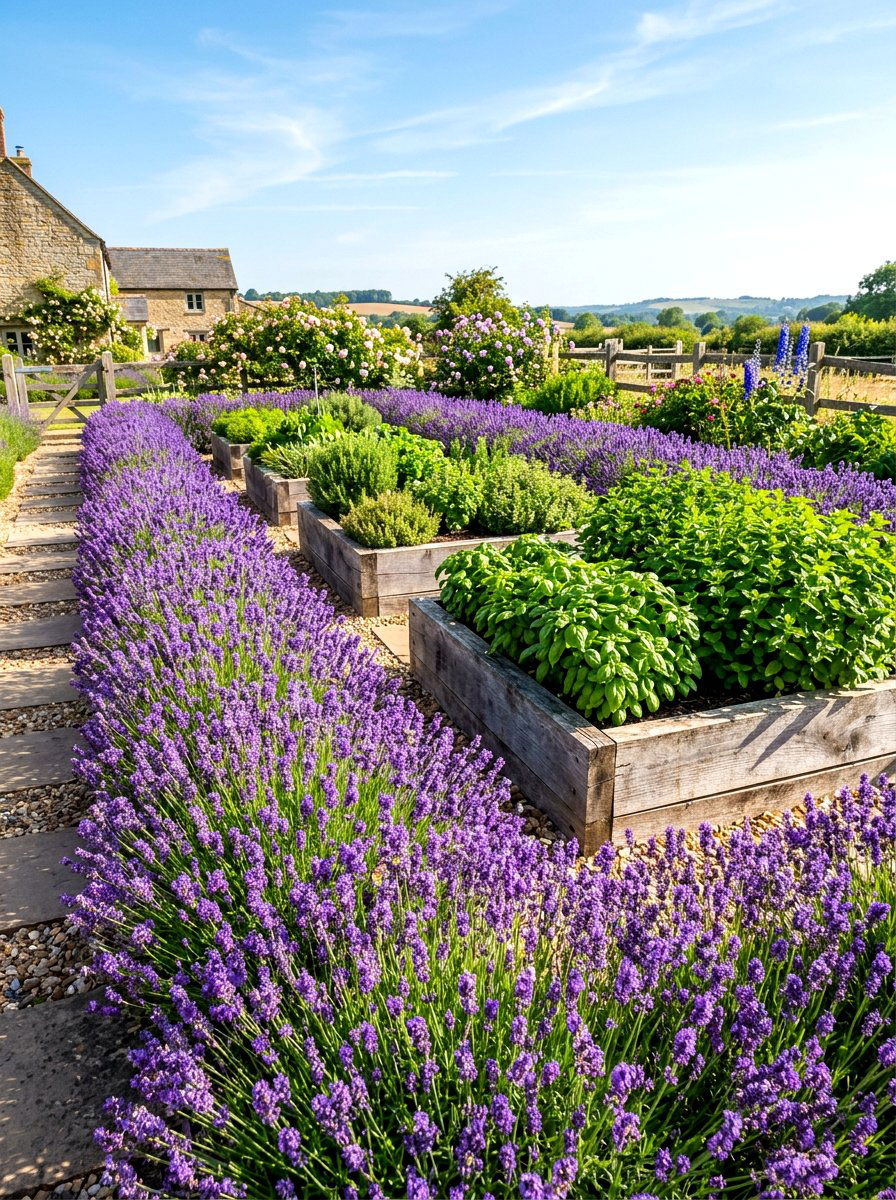
Using a lavender herb garden perimeter is a beautiful way to organize your edible plants while keeping them protected. In this design, a thick row of lavender is planted around the outside of a kitchen garden containing basil, parsley, and other herbs. The lavender serves as a fragrant barrier that can help deter some common garden pests with its strong scent. It also provides a consistent, attractive frame for the more varied and sometimes messy-looking vegetable and herb plants inside. This layout makes your herb garden look intentional and professionally landscaped rather than just a patch of dirt. It is a perfect blend of high-end aesthetics and practical backyard homesteading.
25. Lavender and allium border
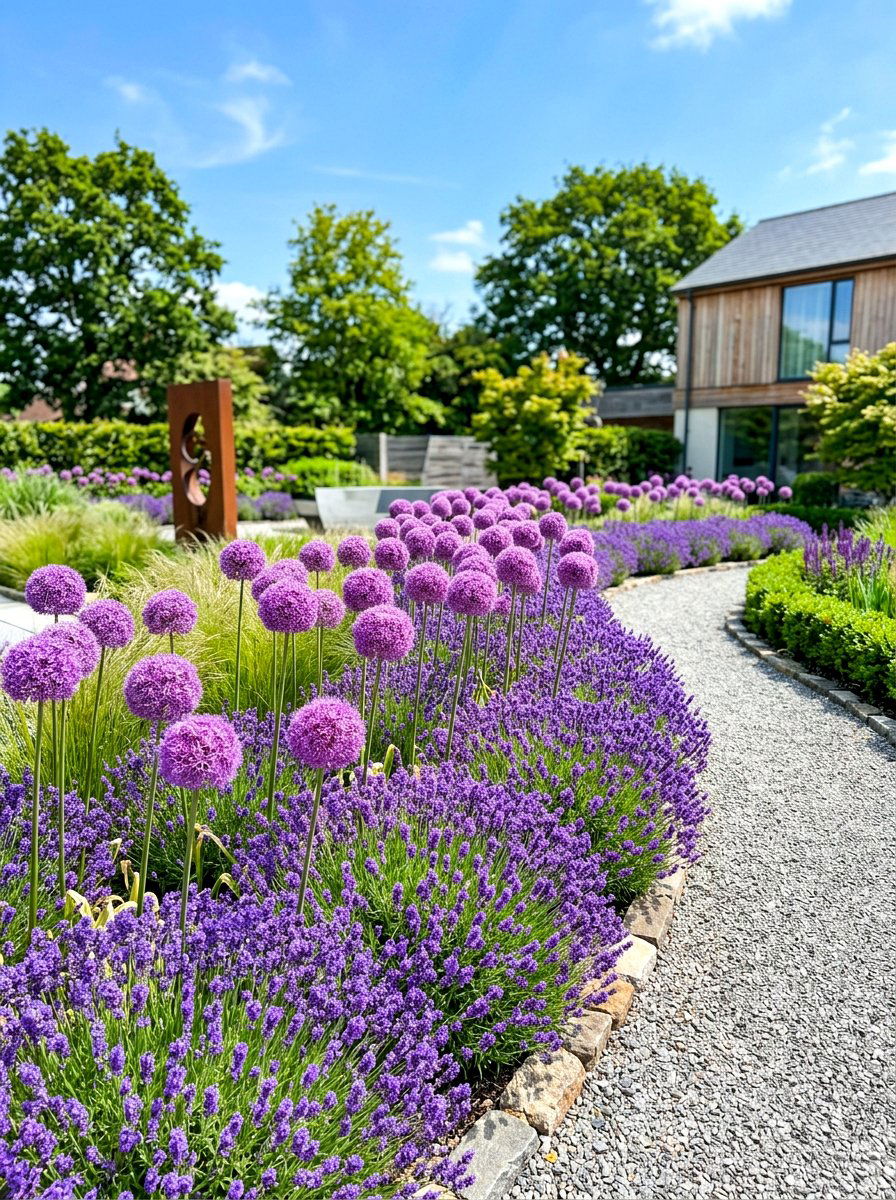
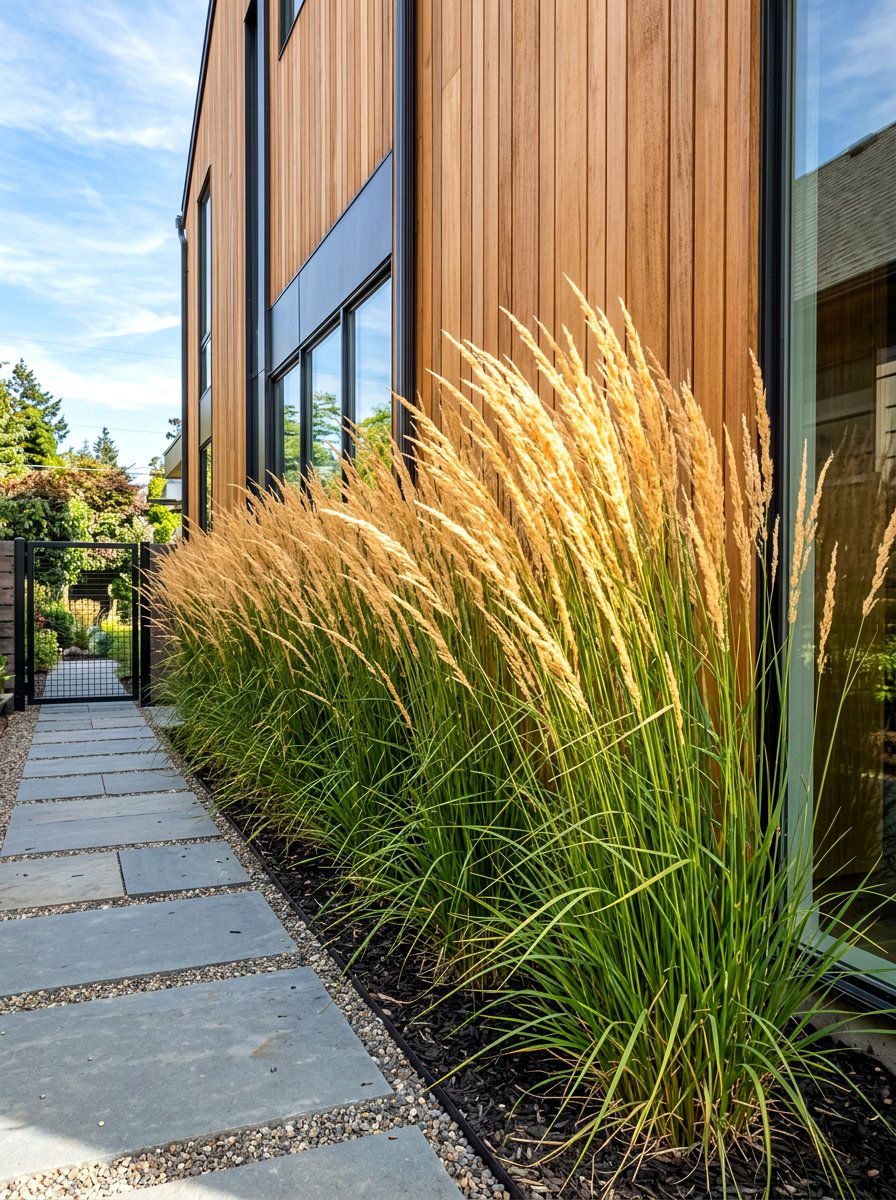
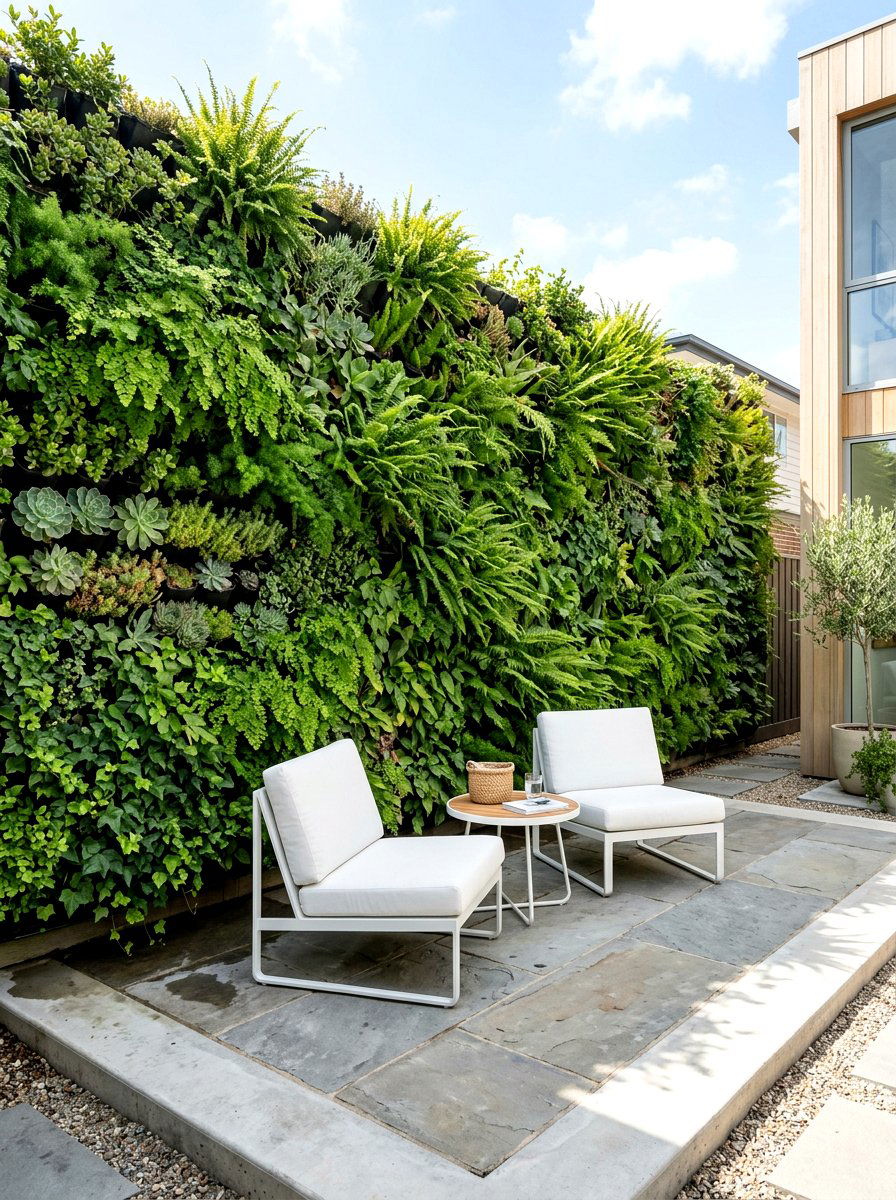
The lavender and allium border is a whimsical and dramatic design that plays with height and shape. Alliums produce giant, spherical flower heads on tall, skinny stems that seem to float above the lavender mounds like purple balloons. Because they bloom at roughly the same time, the two plants create a coordinated color show in various shades of violet and lilac. The lavender helps to hide the allium foliage, which can often look a bit tired as the flowers emerge. This design is perfect for adding a bit of modern flair to a traditional garden border. It is a fun, eye-catching combination that will definitely be a conversation starter for any visitor.
26. Lavender sensory garden path
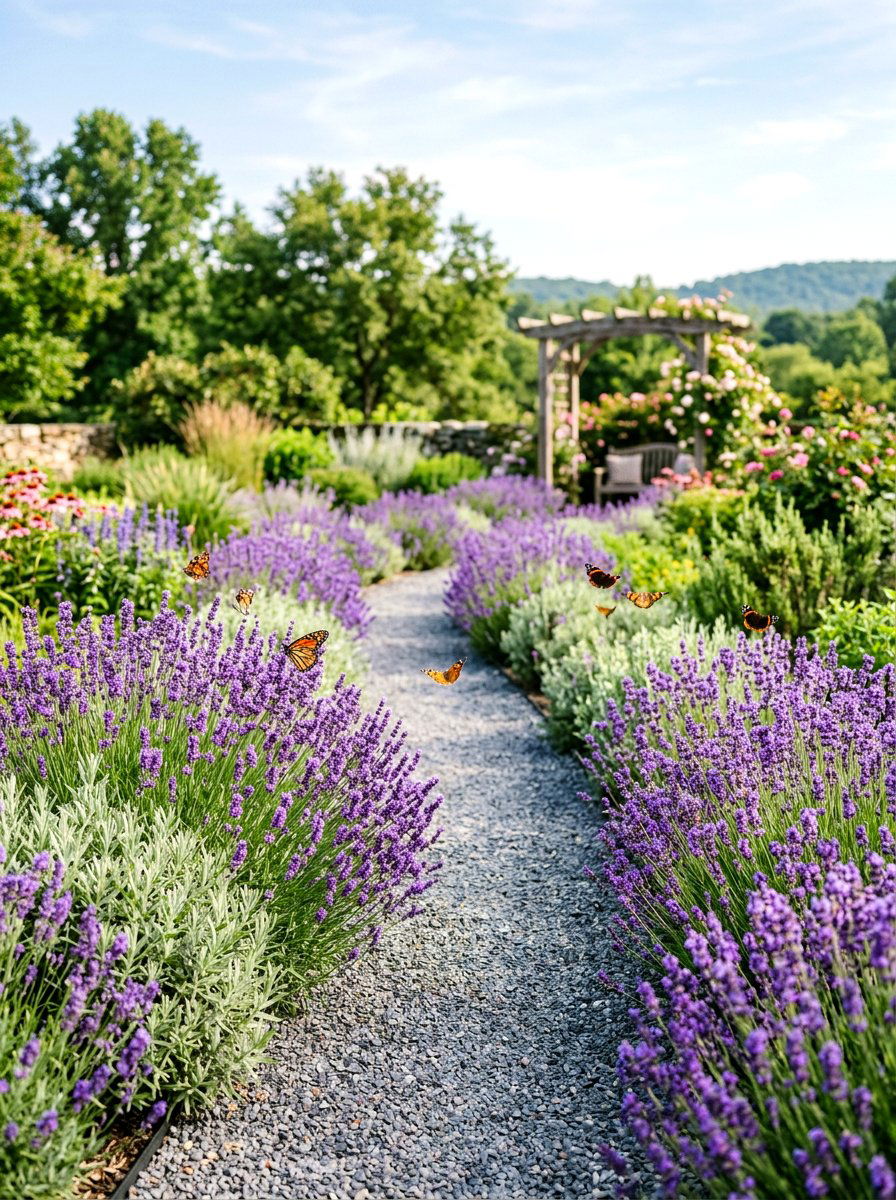
A lavender sensory garden path is designed specifically to engage all of the senses, especially touch and smell. For this layout, the path should be narrow enough so that passersby cannot help but brush against the plants. You might also include different varieties of lavender with varying scents, such as the spicy notes of Spanish lavender or the sweet aroma of English types. This design is often used in therapeutic or public gardens but works beautifully at home too. The soft texture of the leaves and the constant hum of visiting bees add layers of sound and touch to the visual beauty. It is a thoughtful way to create a deeply relaxing outdoor experience.
27. Lavender vegetable garden border
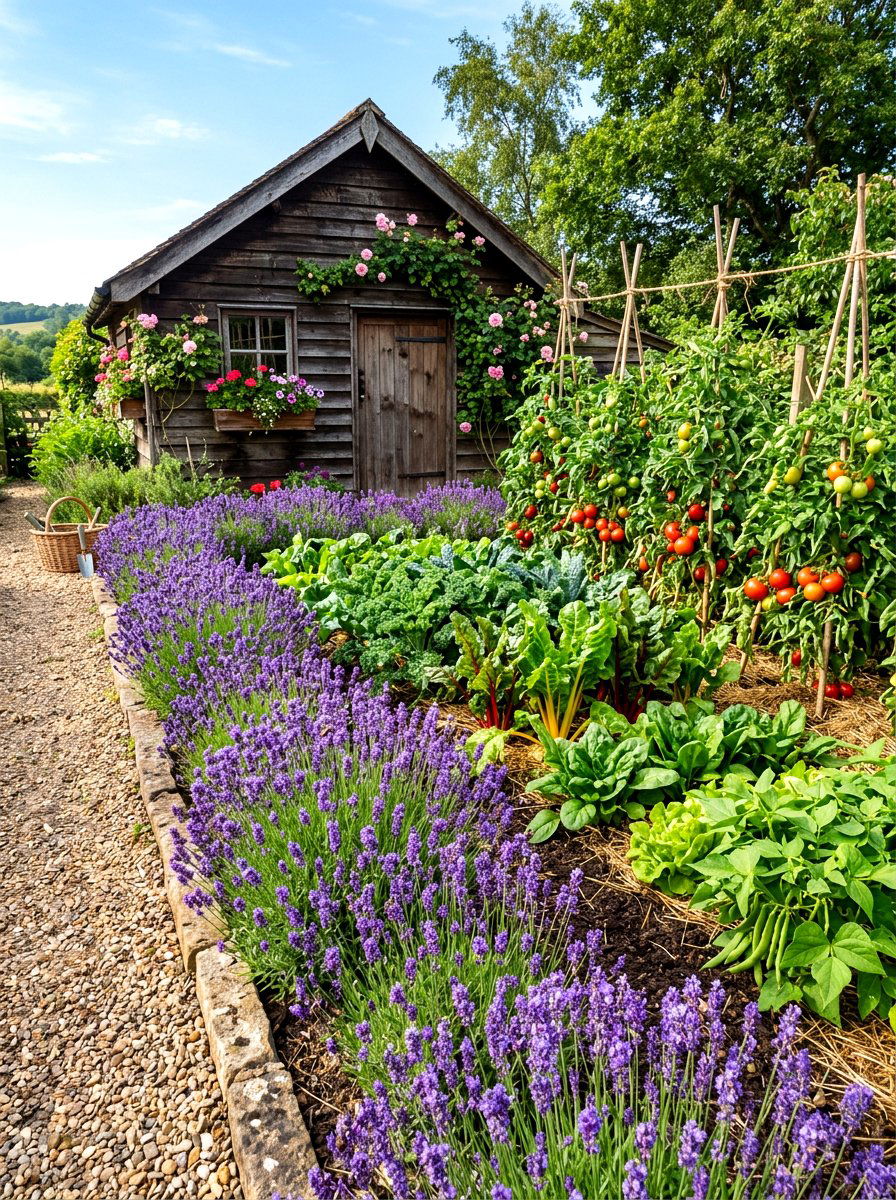
Planting a lavender vegetable garden border is a smart strategy for anyone looking to increase their crop yields naturally. Lavender is world-famous for attracting bees and other pollinators, which are essential for many vegetables like tomatoes, squash, and peppers. By placing a lavender border around your veggie patch, you ensure a steady stream of "helpful guests" to your garden. The lavender also adds a permanent structural element to a space that often looks bare in the early spring or late fall. This design turns a purely functional area into a beautiful part of the landscape. It is a win-win for both your kitchen table and your home’s overall visual appeal.
28. Lavender patio container edge
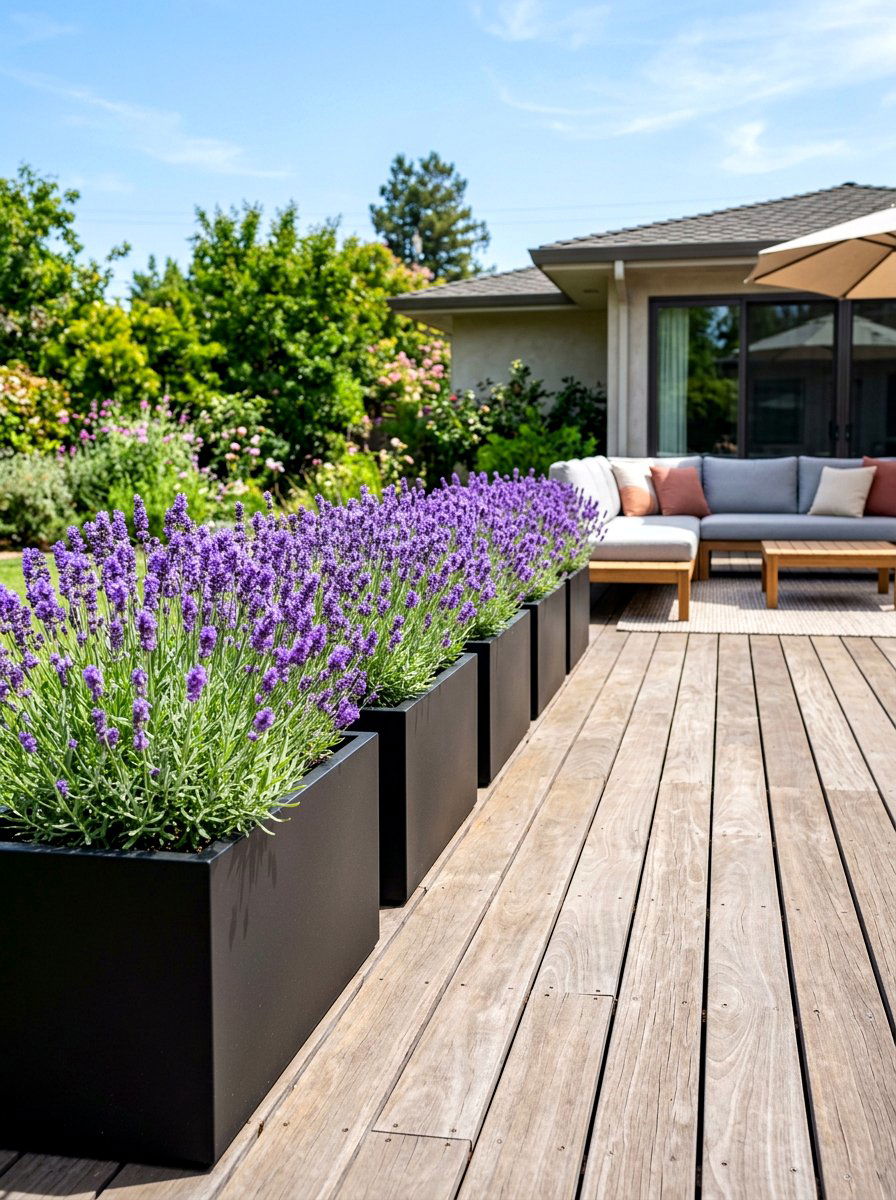
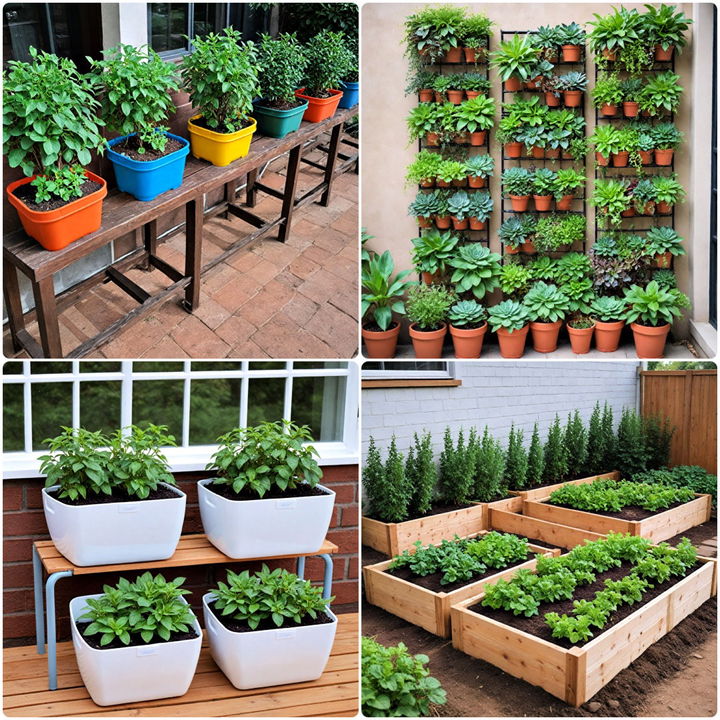
A lavender patio container edge is a flexible and stylish way to border your seating area without digging into the ground. This involves placing a series of identical pots filled with lavender side-by-side to create a "moveable wall. " You can use modern zinc planters for a sleek look or traditional clay pots for a more rustic vibe. This design is perfect for renters or anyone with a large concrete patio. The advantage is that you can move the plants to follow the sun or rearrange them for different occasions. Having the lavender at knee-height or higher ensures you are always surrounded by its famous scent while you relax or entertain outdoors.
29. Lavender wildflower garden transition
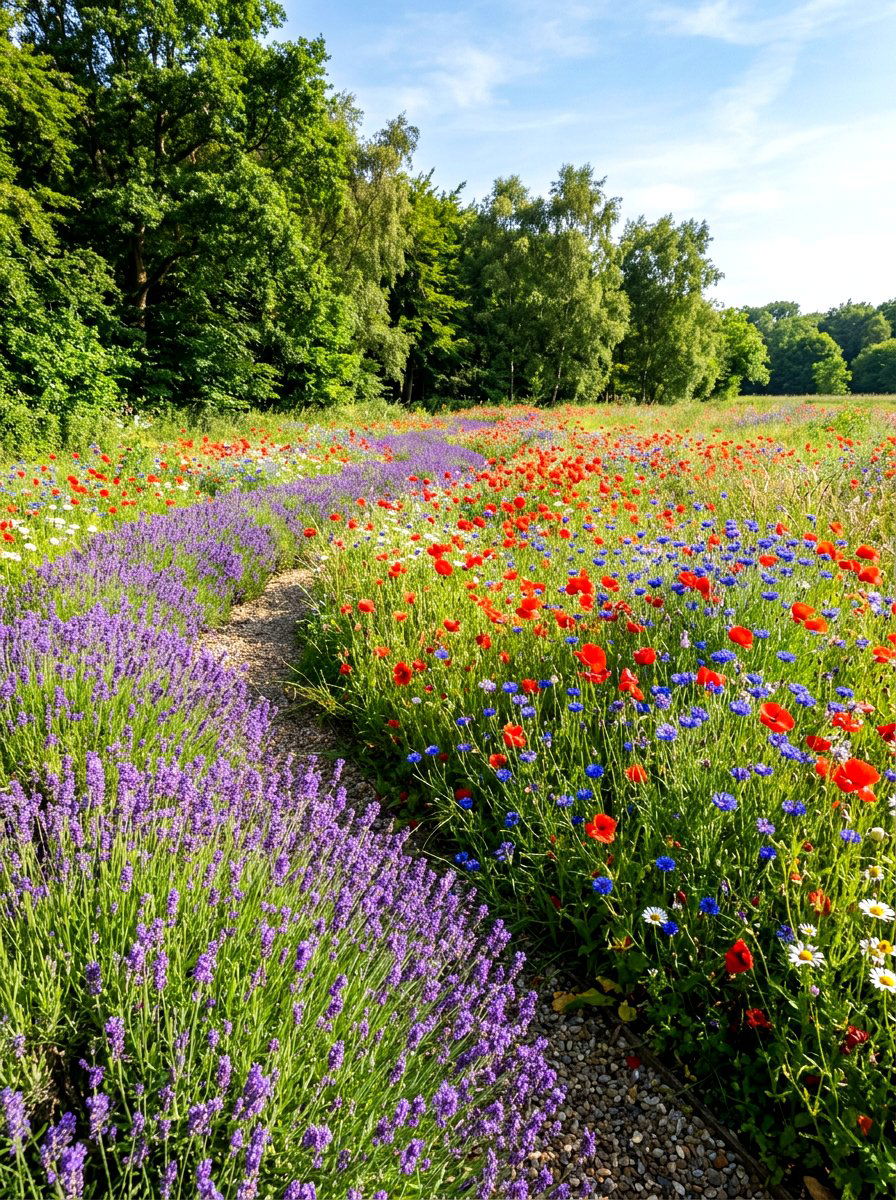
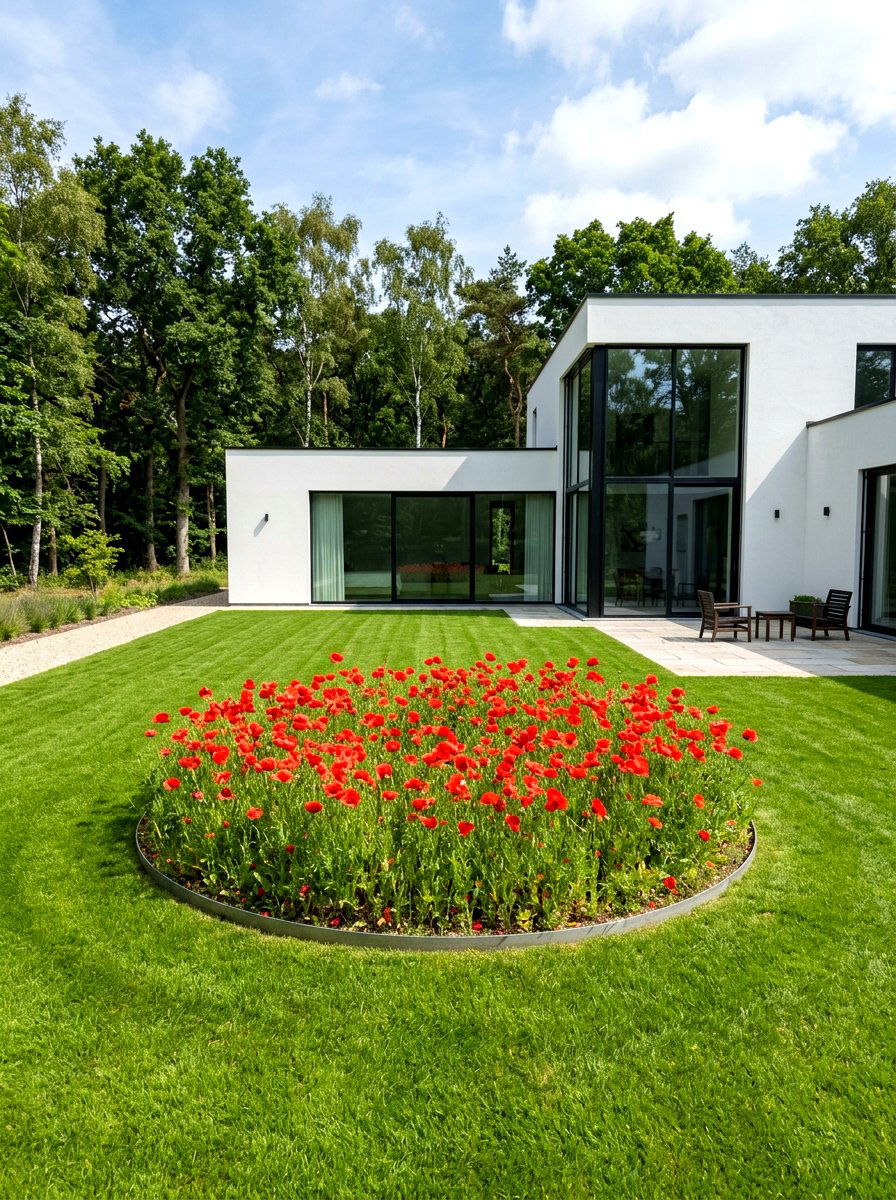
The lavender wildflower garden transition is a beautiful way to blend a formal lawn into a wilder, more natural area of your property. In this design, the lavender is planted in loose, informal groups that act as a bridge between the manicured parts of your yard and a meadow or woods. The silver foliage and purple flowers complement a wide range of native wildflowers like poppies, cornflowers, and daisies. This style of border feels very organic and supports a high level of biodiversity. It is a great way to make your property feel larger and more connected to the surrounding environment while maintaining a touch of intentional design near the house.
30. Lavender and coneflower border
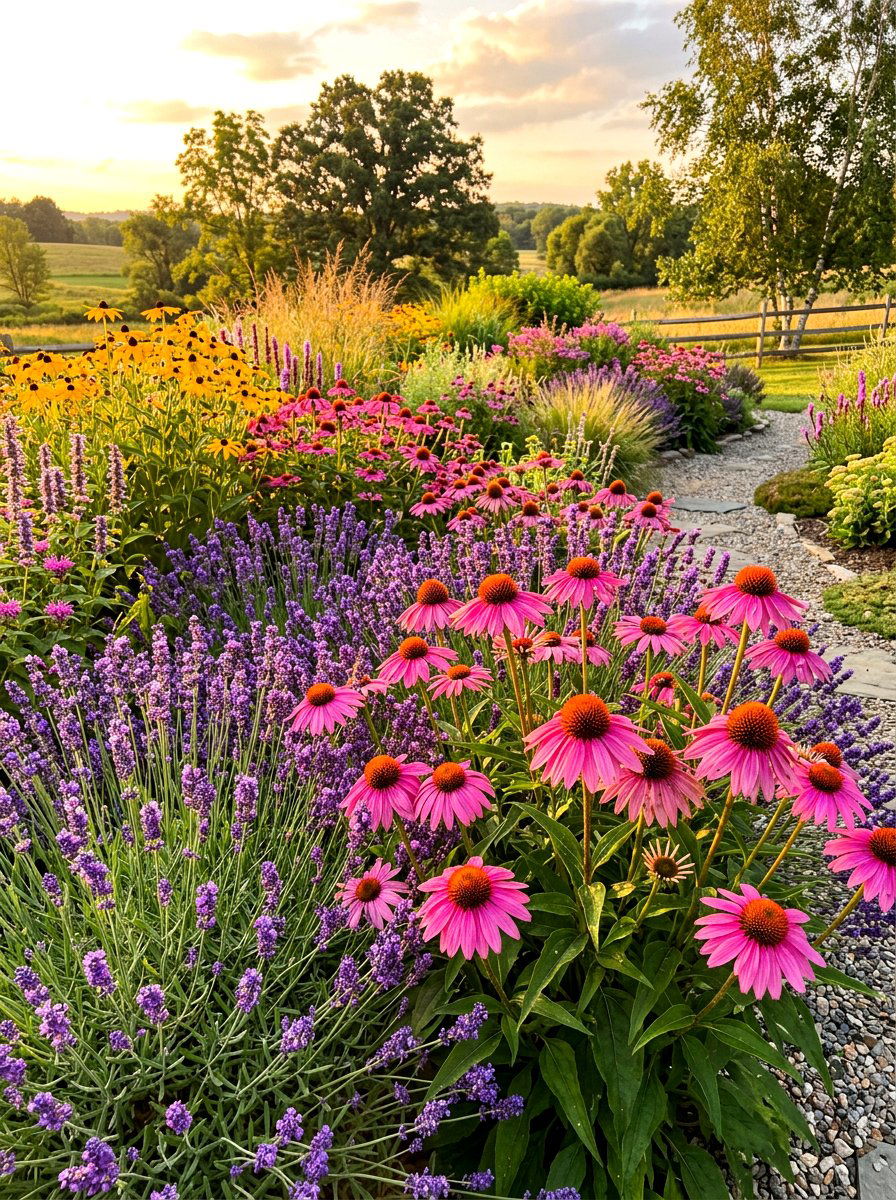
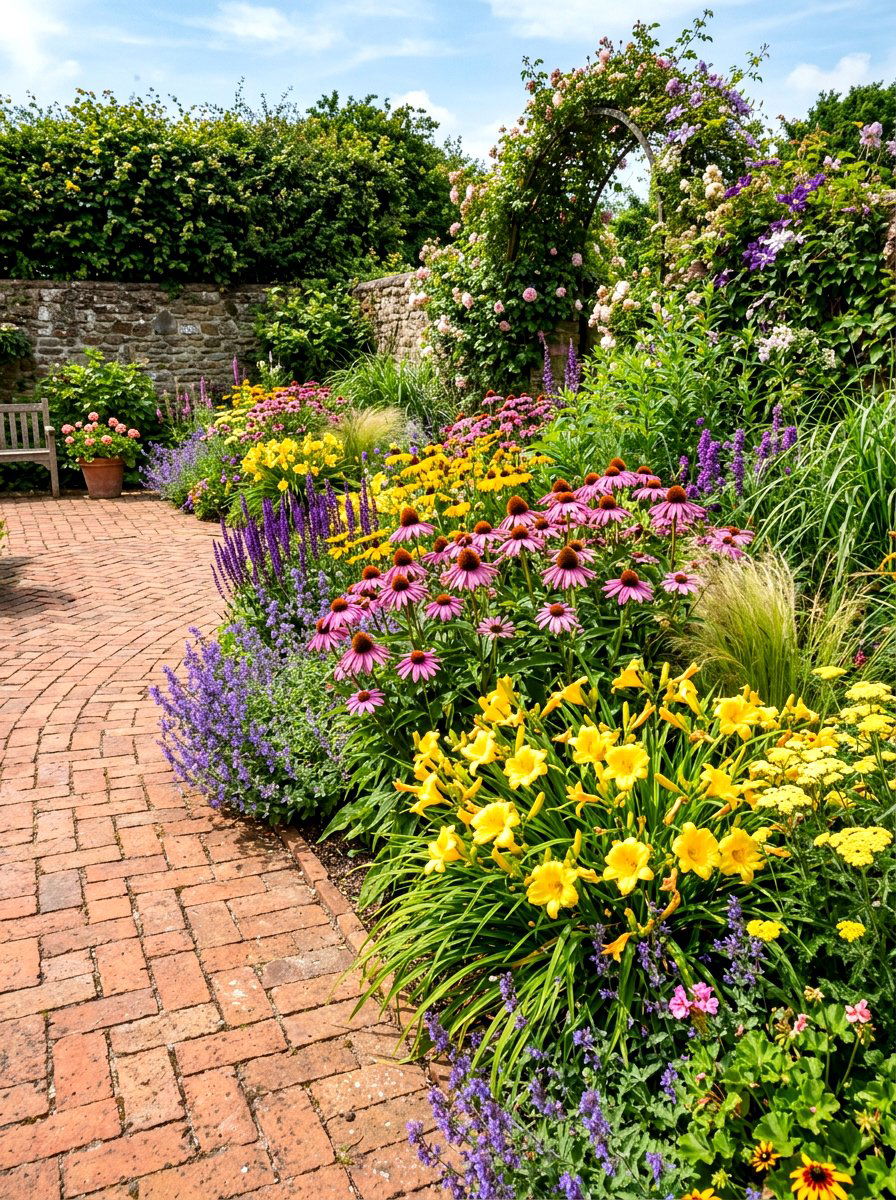
A lavender and coneflower border is a high-energy, drought-tolerant pairing that looks amazing in late summer. Coneflowers, or Echinacea, have large, daisy-like petals that provide a bold contrast to the delicate spikes of the lavender. You can choose pink or purple coneflowers for a monochromatic look, or go with bright orange and yellow varieties to create a vibrant, sun-drenched palette. Both plants are incredibly hardy and can handle poor soil and hot weather with ease. This design is perfect for a low-maintenance front yard or a sunny backyard boundary where you want maximum color with minimum effort. It is a durable, bee-friendly combination that stays beautiful until the first frost.
Conclusion:
Choosing the right lavender border can completely transform your outdoor living space into a fragrant and visually stunning retreat. As we have explored, this versatile plant works in almost any design context, from formal hedges to wild, naturalistic transitions. Whether you are planting it alongside roses for a romantic feel or using it to frame a modern driveway, lavender provides a sense of permanence and beauty that few other plants can match. By considering your local climate and the specific needs of your garden, you can create a border that not only looks professional but also supports local wildlife and enhances your overall well-being.

Related posts: