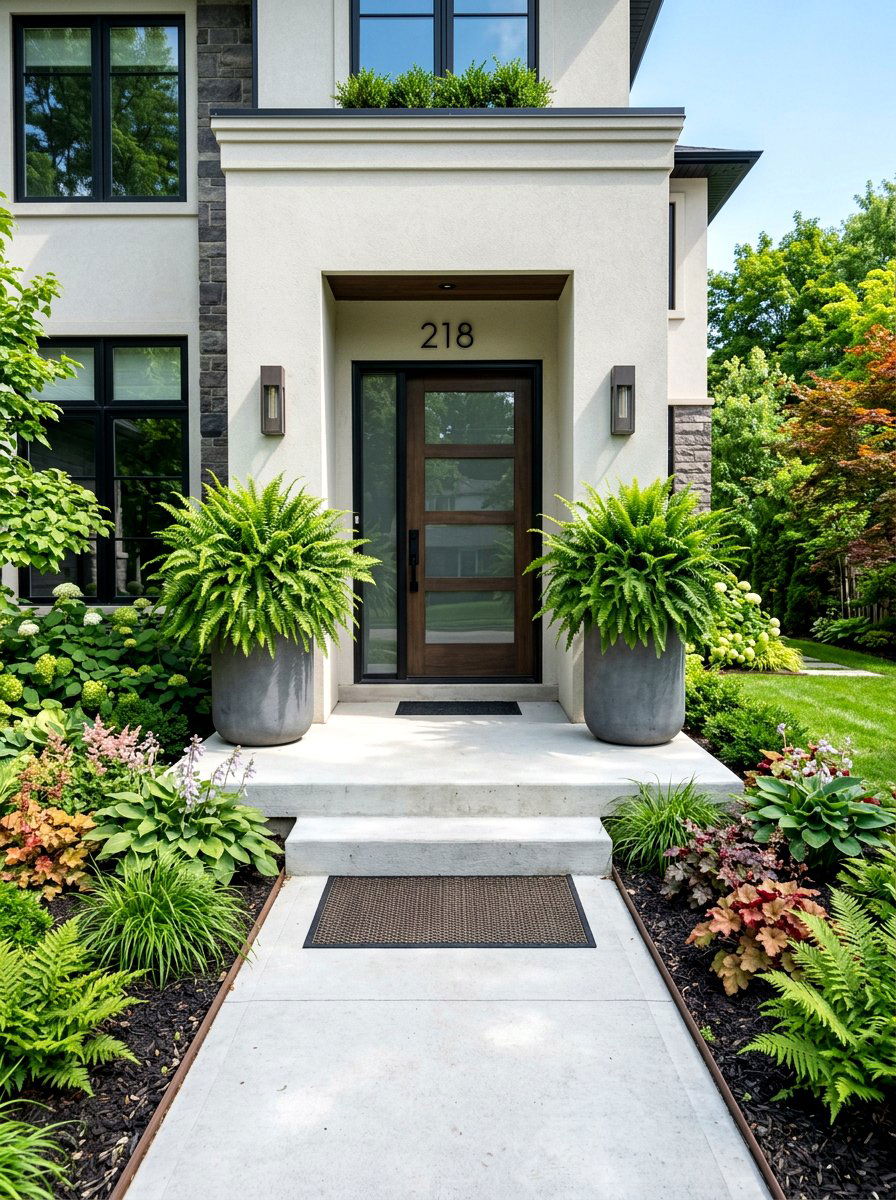
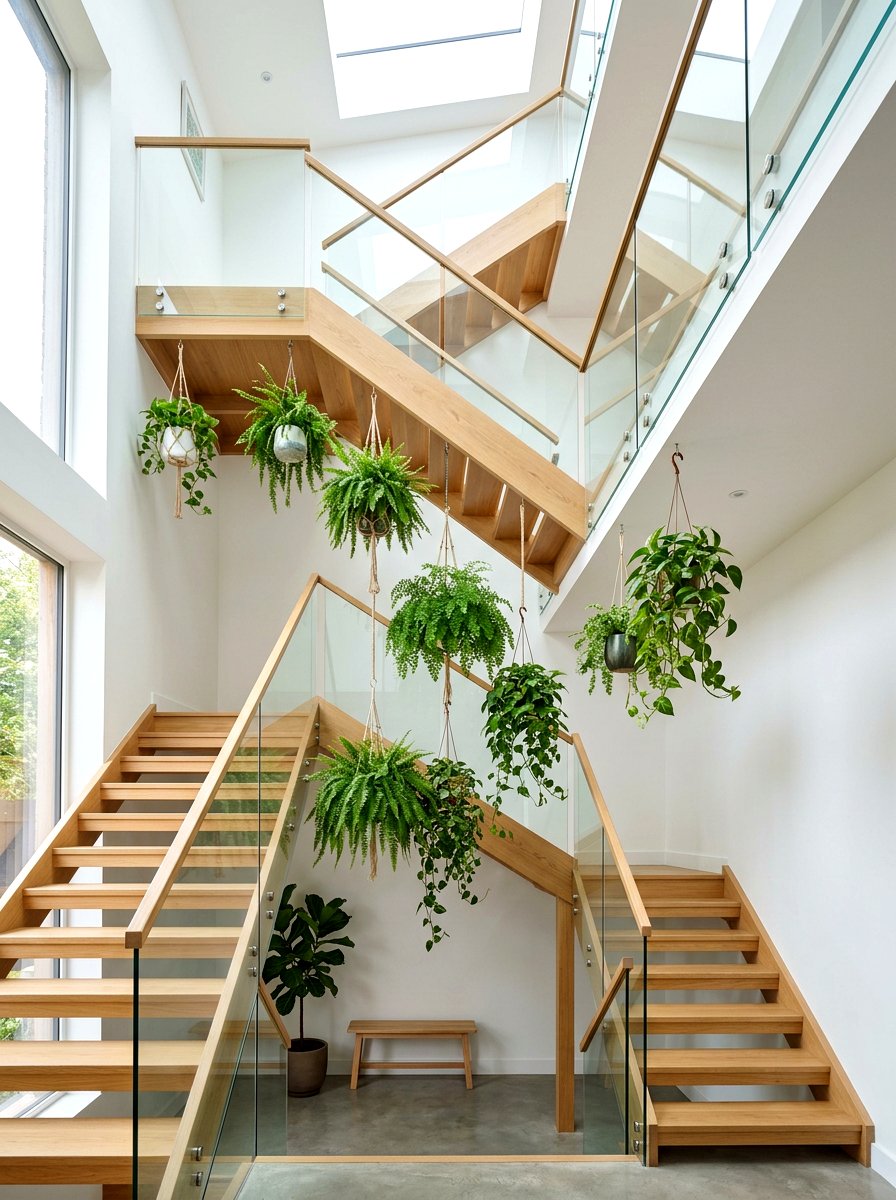
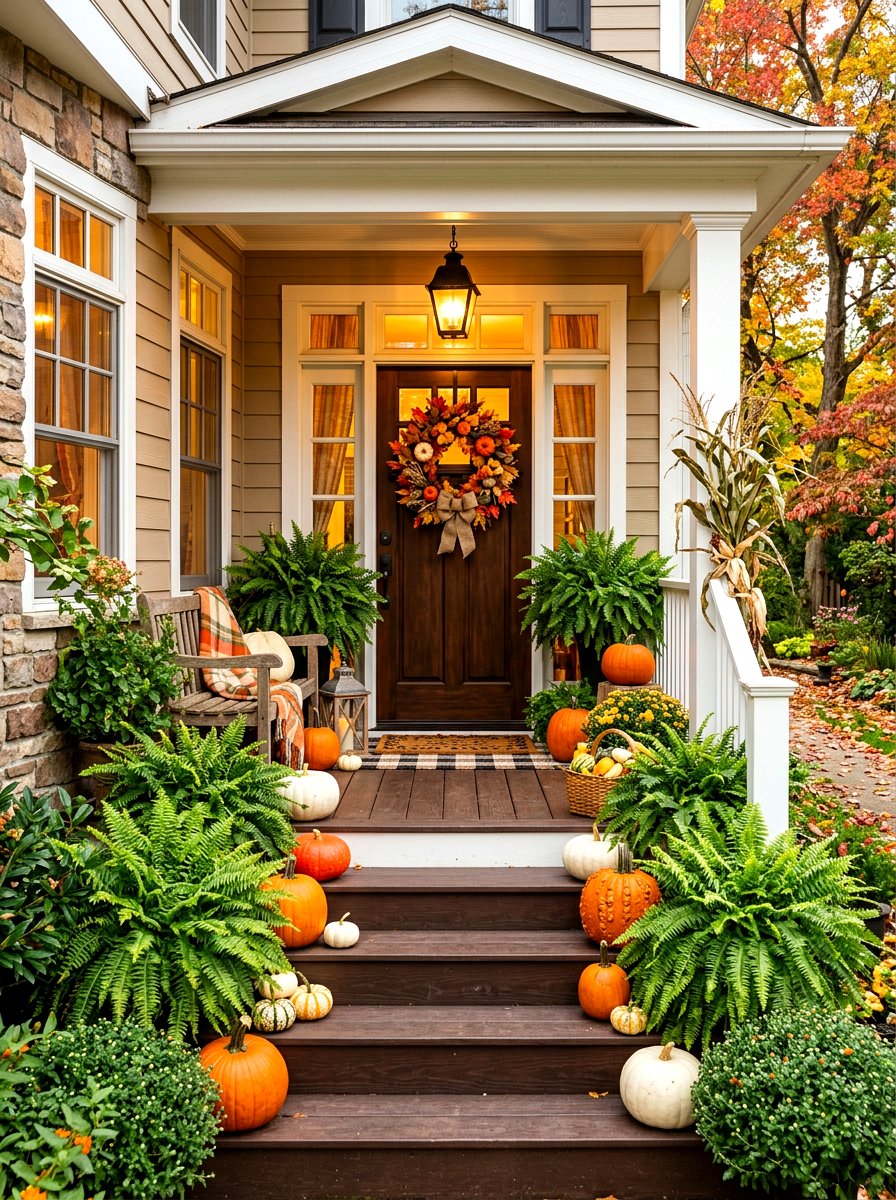
Woodland ferns bring an ancient and ethereal beauty to any shaded garden corner, offering a timeless aesthetic that feels both lush and tranquil. These resilient perennials are prized for their intricate fronds and their ability to thrive in low-light environments where other plants might struggle. By incorporating various fern species into your landscape borders, you create a cooling retreat that enhances the natural ecosystem. Whether you are looking to stabilize a sloped area or simply want to add soft textures to a backyard path, ferns provide a versatile solution. Their diversity in color, size, and form makes them an essential element for high-quality woodland design.
1. Shady Path Fern Border
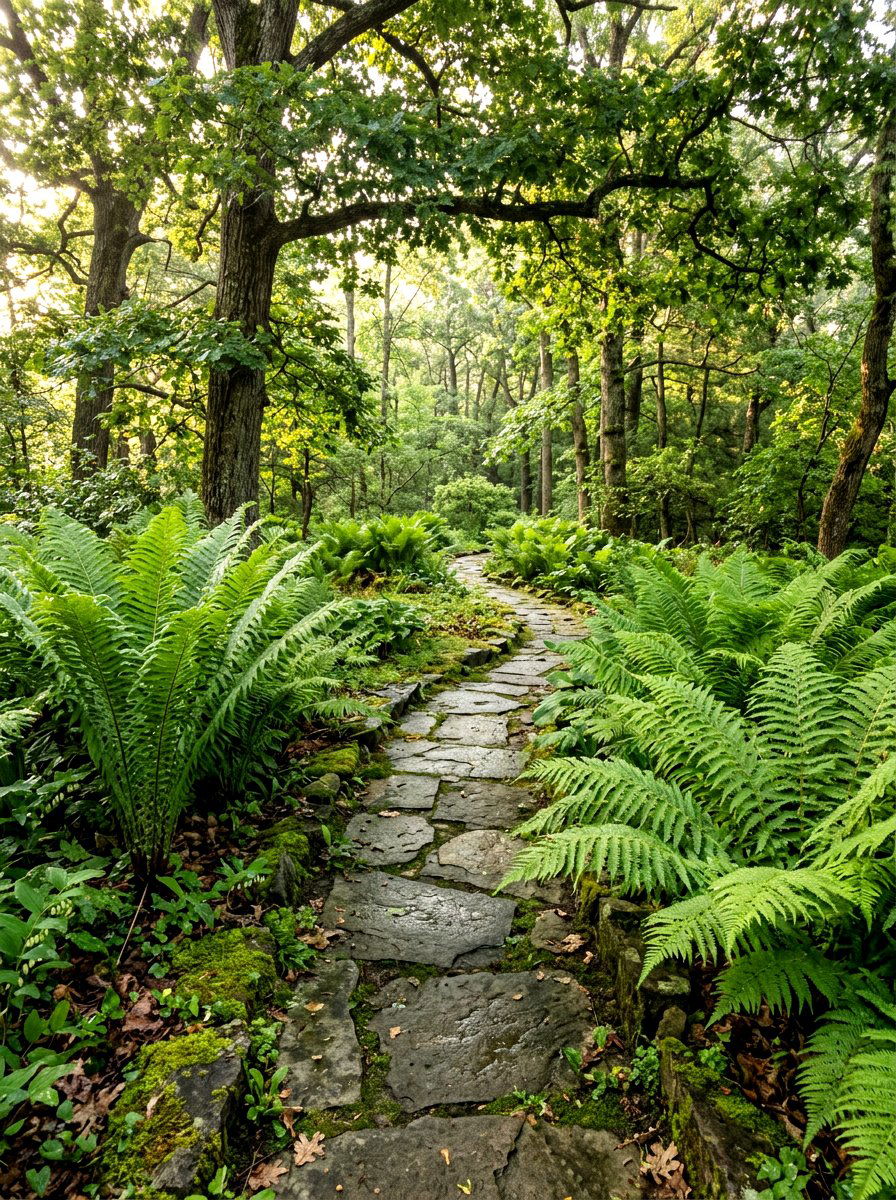
Creating a shady path fern border allows you to transform a forgotten walkway into a magical forest escape. Imagine walking along a winding stone trail where soft, feathery fronds gently brush against your ankles as you pass by. This type of border works best when you mix different heights, placing taller ferns like Ostrich ferns in the back and lower varieties toward the edge. The varying textures create a sense of depth that makes a small garden feel much larger. To keep the look natural, avoid perfectly straight lines and instead let the ferns spill over the walkway edges for a soft, inviting and organic appearance.
2. Ostrich Fern Garden Edge
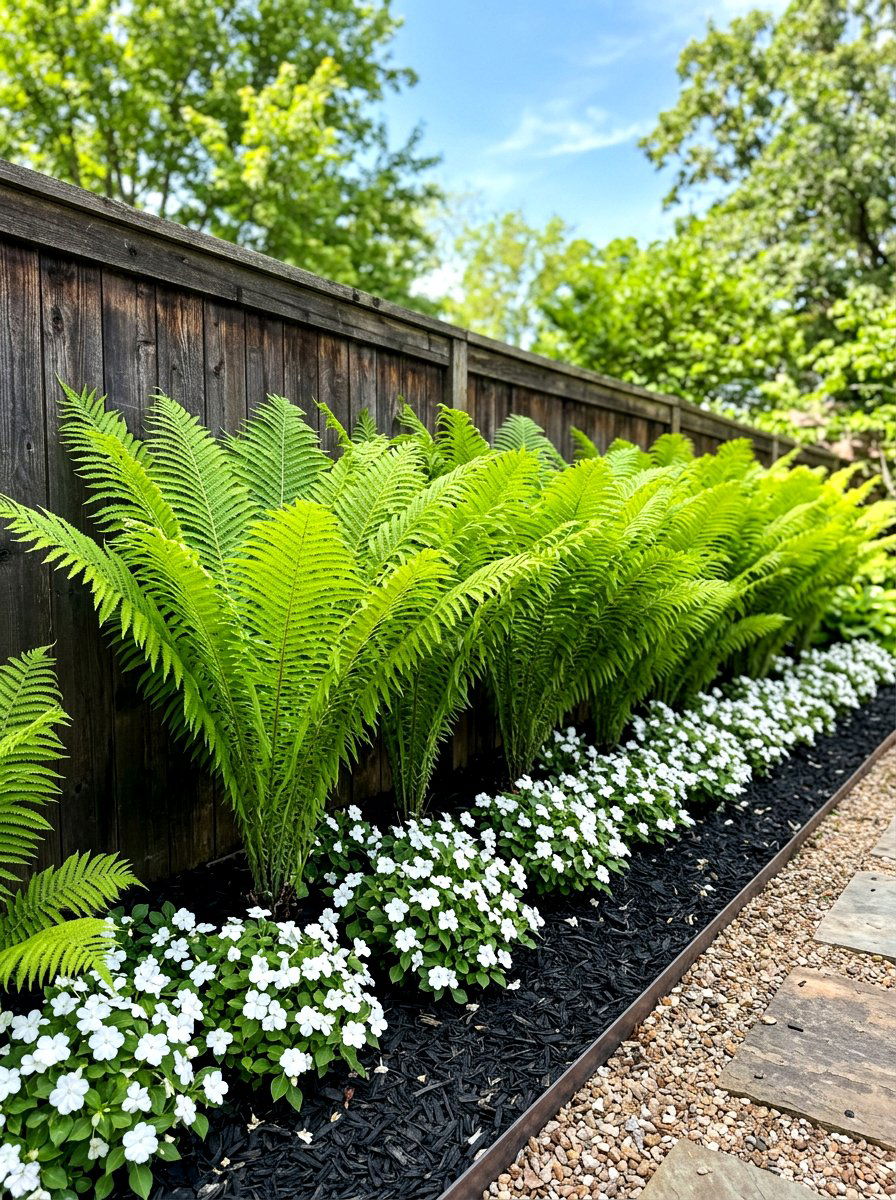
An ostrich fern garden edge is the perfect choice for homeowners who desire a bold and architectural look in their shaded landscape. These ferns are famous for their tall, vase-shaped growth habit, often reaching several feet in height. When planted in a dense row along a fence or property line, they create a living green screen that provides privacy and lushness. Their bright green color stays vibrant throughout the spring and summer, offering a refreshing visual pop against dark mulch or soil. Because they spread via underground runners, they quickly fill in gaps, making them an excellent choice for large-scale woodland garden borders.
3. Japanese Painted Fern Landscape
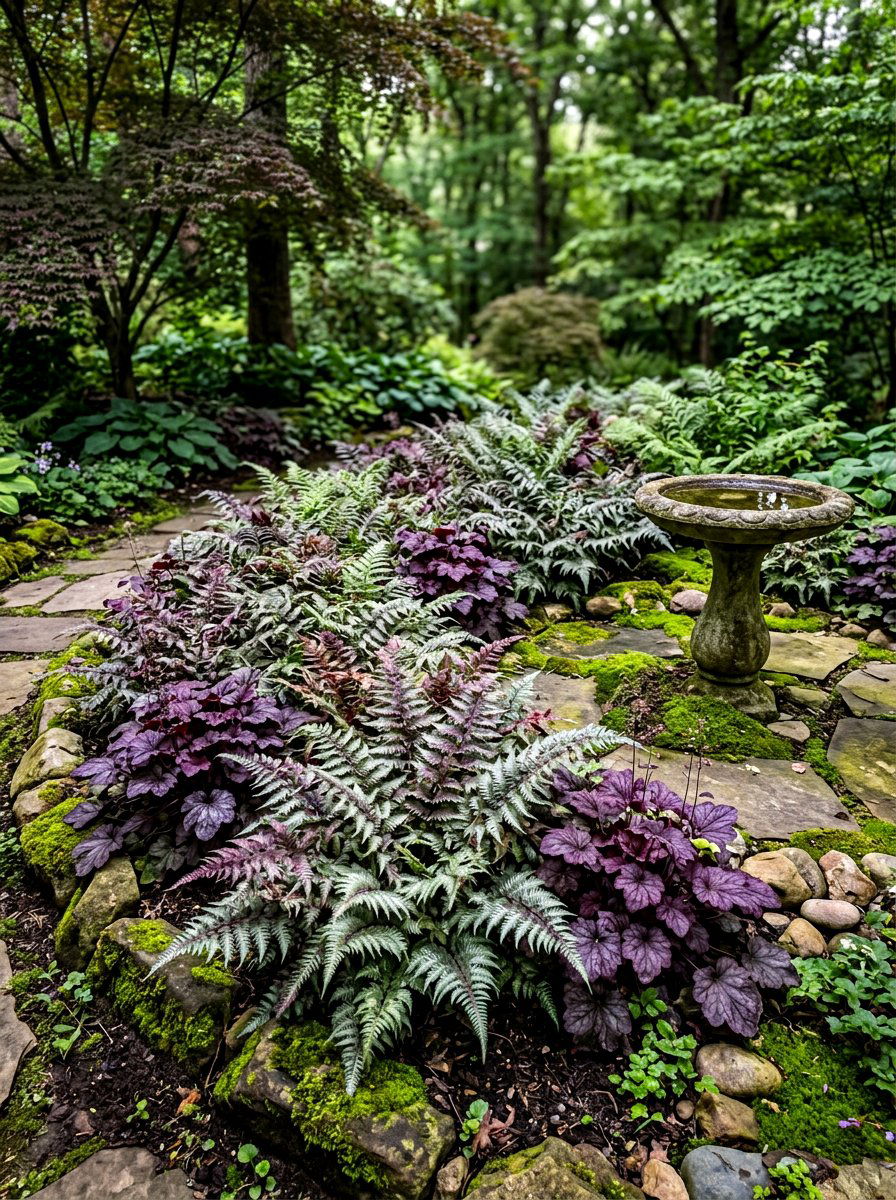
A Japanese painted fern landscape introduces an artistic flair to your garden with its unique silver, burgundy, and blue-green foliage. Unlike traditional green ferns, these varieties provide a stunning color contrast that brightens up the darkest corners of a yard. They are relatively low-growing, which makes them ideal for the front of a border where their intricate patterns can be appreciated up close. When paired with dark-leaved heucheras or silver-toned hostas, the visual impact is sophisticated and modern. These ferns prefer consistent moisture, so placing them in a damp, shady spot ensures their metallic colors remain vivid and healthy all season long.
4. Moss And Fern Rock Garden
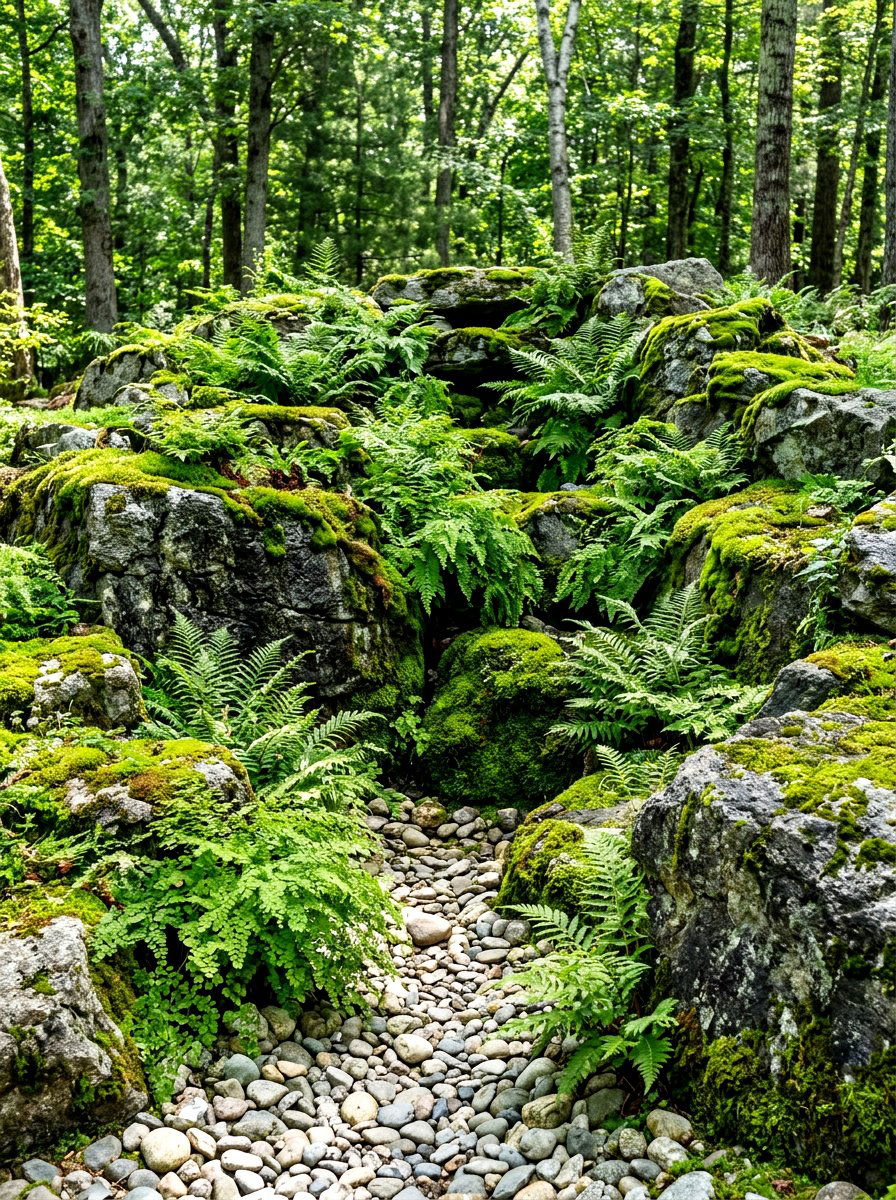
Building a moss and fern rock garden combines hardscaping with soft greenery to mimic a natural mountain stream or forest floor. Large, weathered boulders serve as the structural backbone, while delicate ferns are tucked into the crevices and gaps between the stones. The addition of vibrant green moss over the rocks adds a layer of age and permanence to the design. This type of border is highly effective for controlling soil erosion on small hills or uneven terrain. The contrast between the cold, hard stone and the delicate, swaying fronds creates a peaceful and balanced atmosphere that feels like a quiet sanctuary.
5. Maidenhair Fern Garden Bed
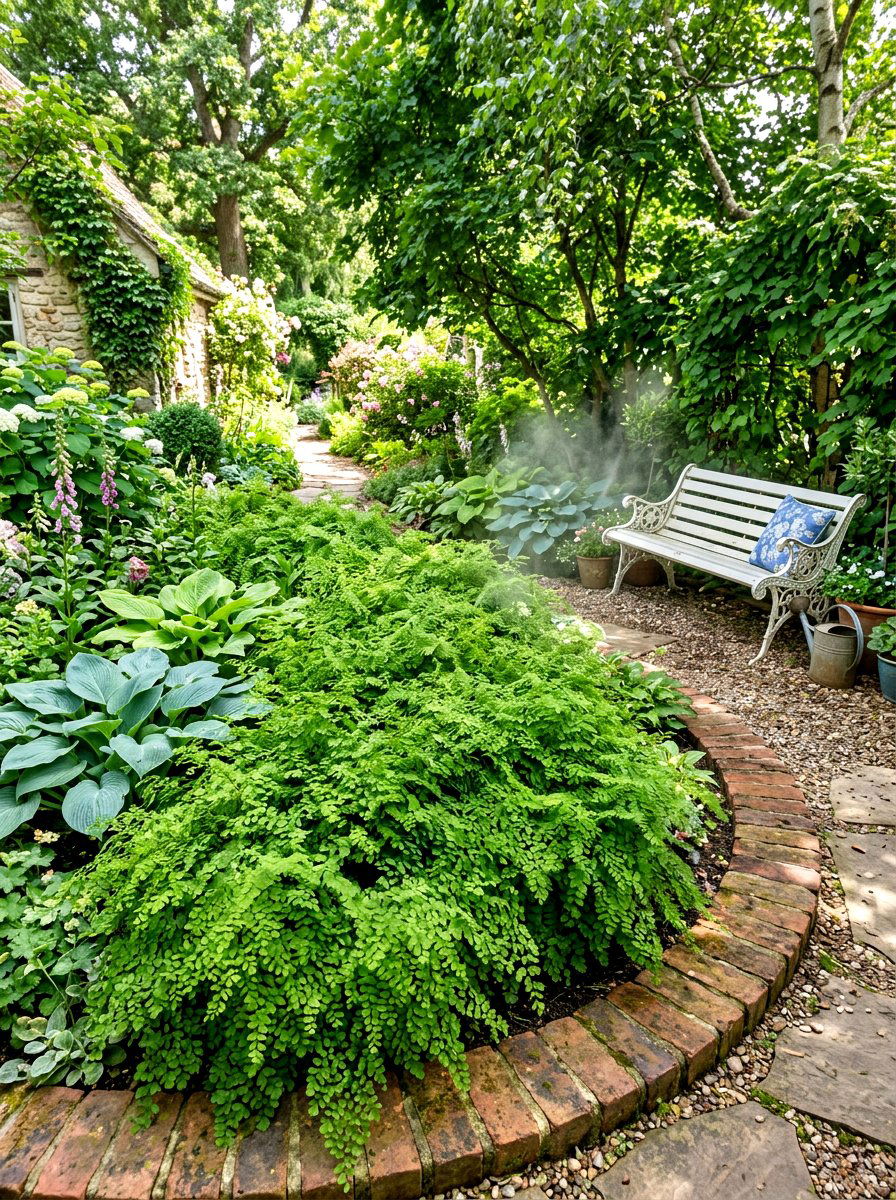
A maidenhair fern garden bed offers a delicate and airy aesthetic that is perfect for a whimsical or cottage-style landscape. These ferns are known for their thin, dark stems and fan-shaped leaflets that seem to float in the air. Because they have a very soft texture, they are best placed in areas where there is little wind to prevent damage to their fragile fronds. They thrive in high-humidity environments, making them a great choice for borders near a misting system or a natural damp hollow. Their circular growth pattern provides a lovely soft edge that complements more structured garden plants and stone borders.
6. Christmas Fern Evergreen Border
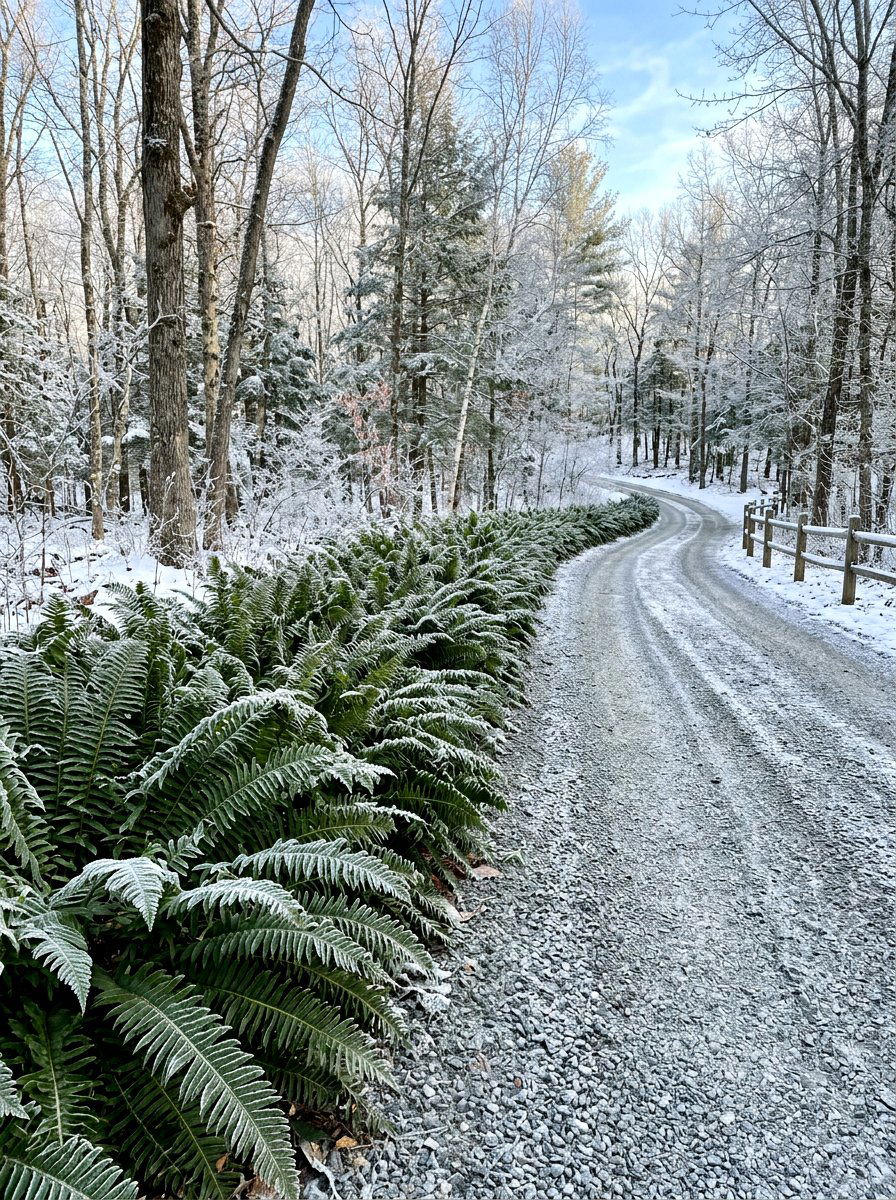
For year-round interest, a Christmas fern evergreen border is an essential addition to any woodland garden plan. Unlike many other ferns that die back in the winter, these hardy plants maintain their deep green color even during the coldest months. Their leathery fronds are quite tough, making them resistant to pests and even light foot traffic. This makes them an excellent ground cover for borders along driveways or entryways where you want green foliage regardless of the season. During the spring, new fiddleheads emerge gracefully, adding a sense of renewal and life to your outdoor space as the garden wakes up.
7. Cinnamon Fern Wet Area Border
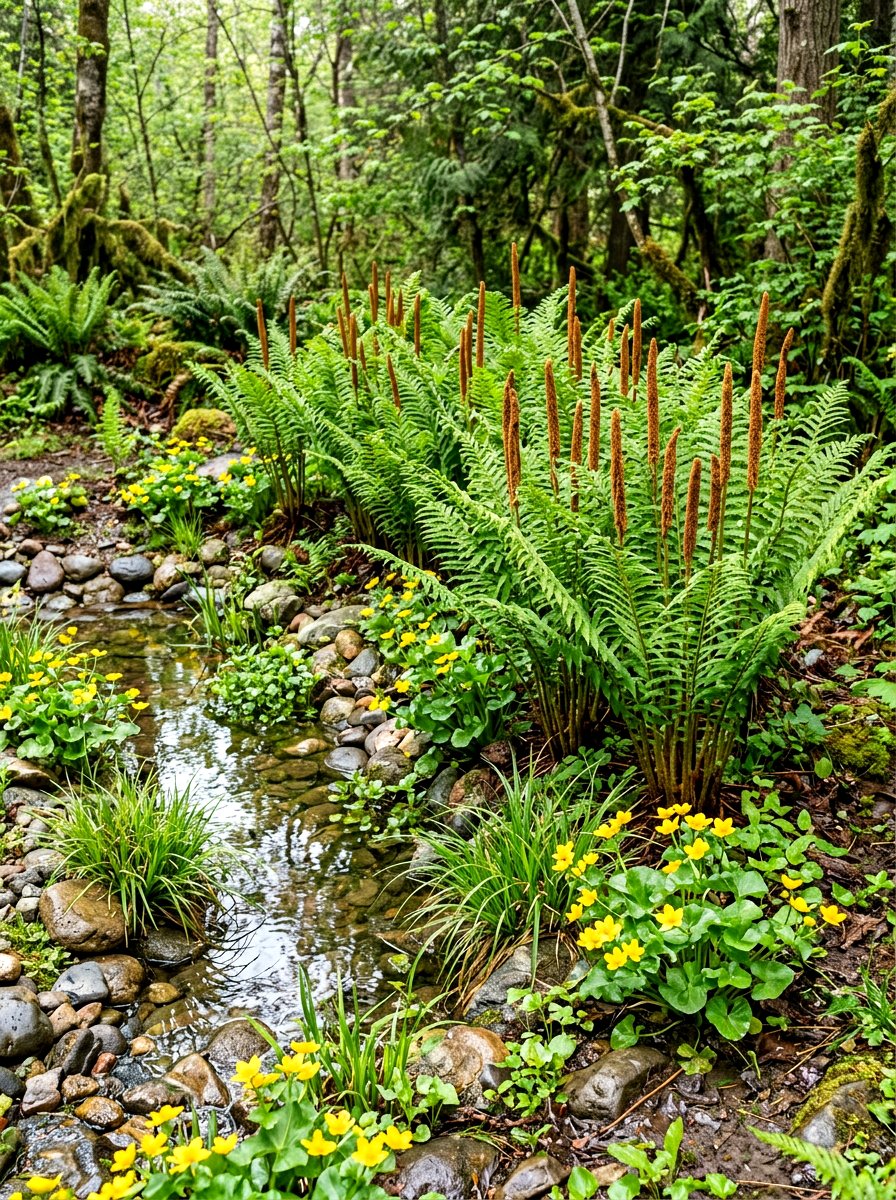
A cinnamon fern wet area border is specifically designed for those tricky, soggy spots in your yard where most plants fail to grow. These native ferns love moisture and can even handle temporary flooding, making them perfect for rain gardens or low-lying property edges. They get their name from the unique, cinnamon-colored fertile spikes that rise from the center of the plant in late spring. These upright stalks provide a beautiful vertical accent and a unique color contrast to the lush green sterile fronds. Using these ferns helps absorb excess groundwater while providing a structural and attractive solution for difficult drainage areas.
8. Hosta And Fern Shade Garden
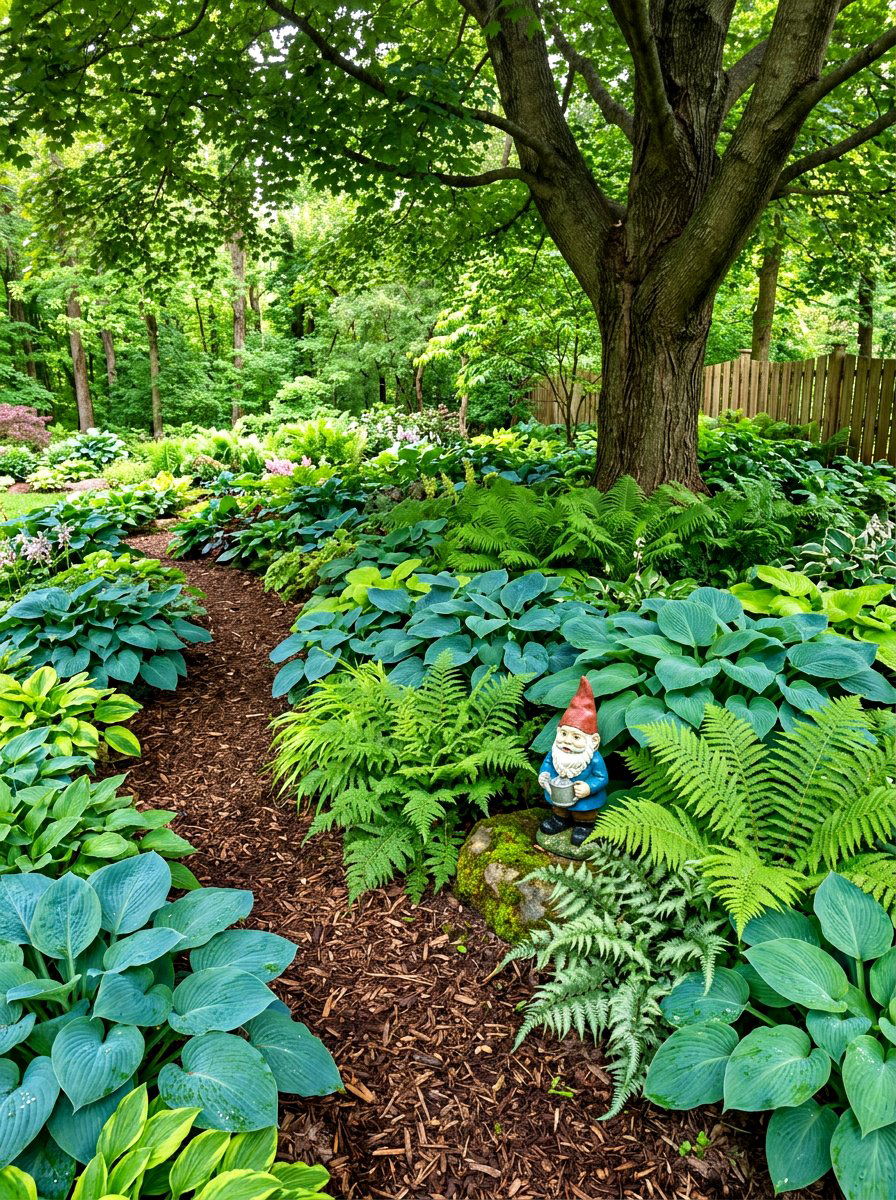
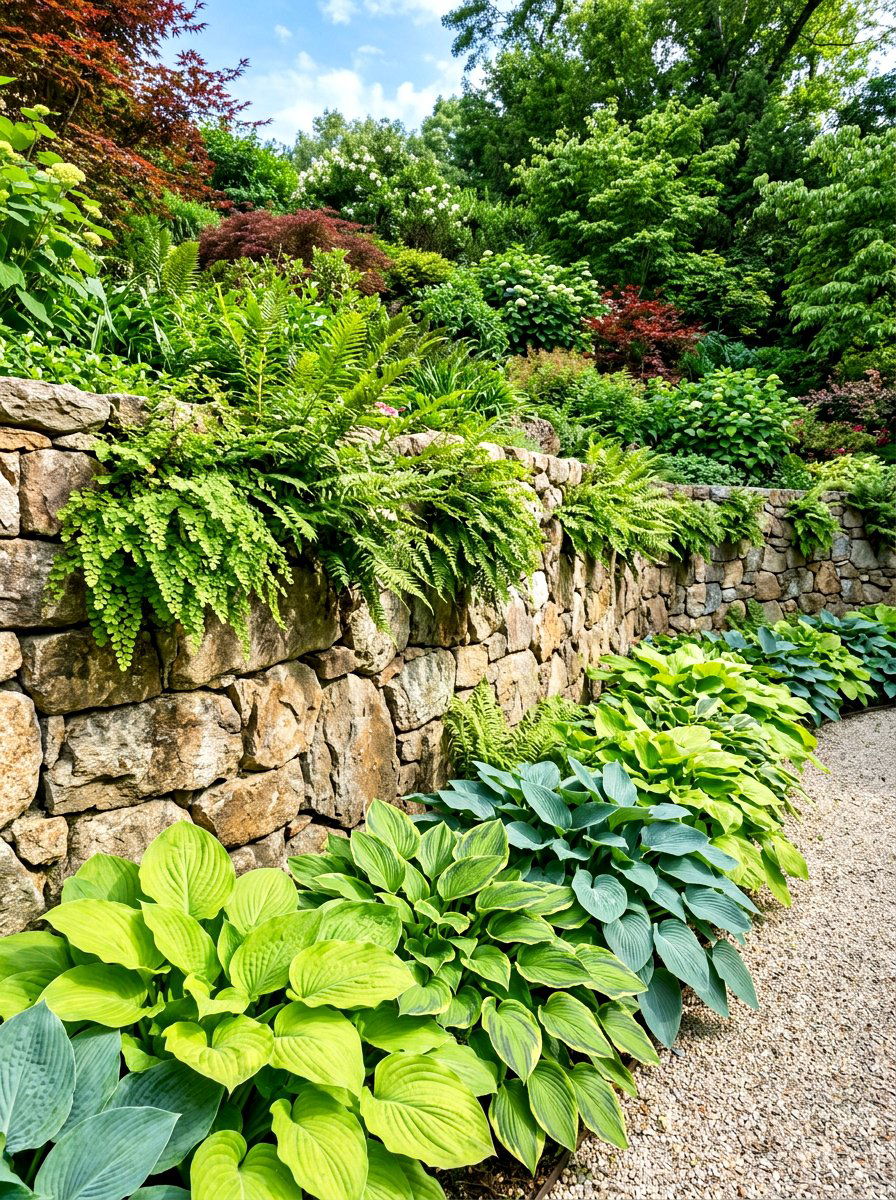
A hosta and fern shade garden is a classic design combination that relies on the contrast of leaf shapes to create visual interest. The broad, bold leaves of hostas provide a solid backdrop that highlights the fine, lacy texture of various fern species. By mixing different varieties of both plants, you can create a tapestry of greens, golds, and blues that thrives in complete shade. This border is incredibly low-maintenance once established, as the dense foliage naturally suppresses weeds. It is an ideal choice for the north side of a house or under the dense canopy of large, mature deciduous trees.
9. Royal Fern Water Feature Border
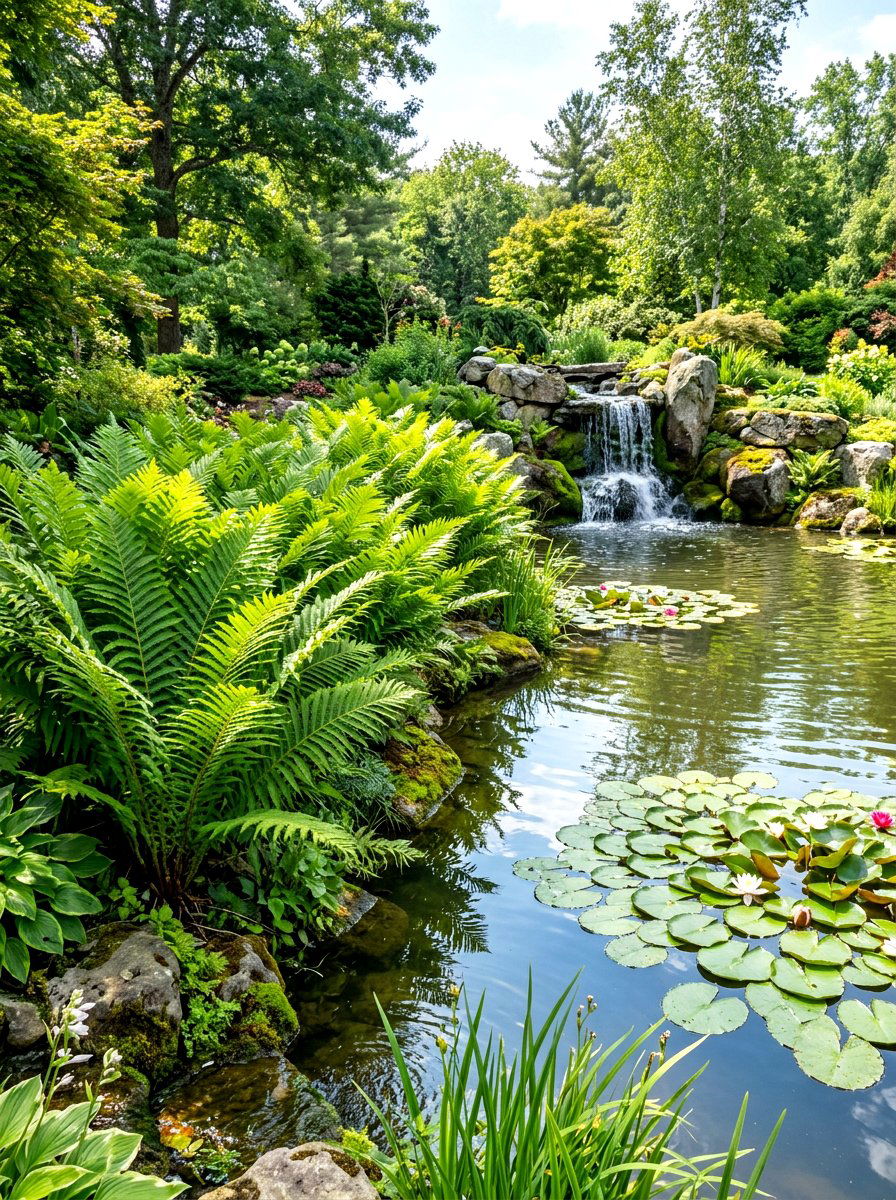
The royal fern water feature border is the ultimate choice for adding a sense of grandeur to a pond or stream edge. These are among the largest ferns available, often growing into massive clumps that command attention. Their fronds have a slightly different look than typical ferns, appearing more like locust tree leaves, which adds a unique botanical interest. When planted near water, their reflection adds to the peaceful ambiance of the space. They are exceptionally hardy and love having "wet feet, " meaning they will thrive in soil that is constantly saturated. Their impressive scale makes them a perfect focal point.
10. Autumn Fern Seasonal Border
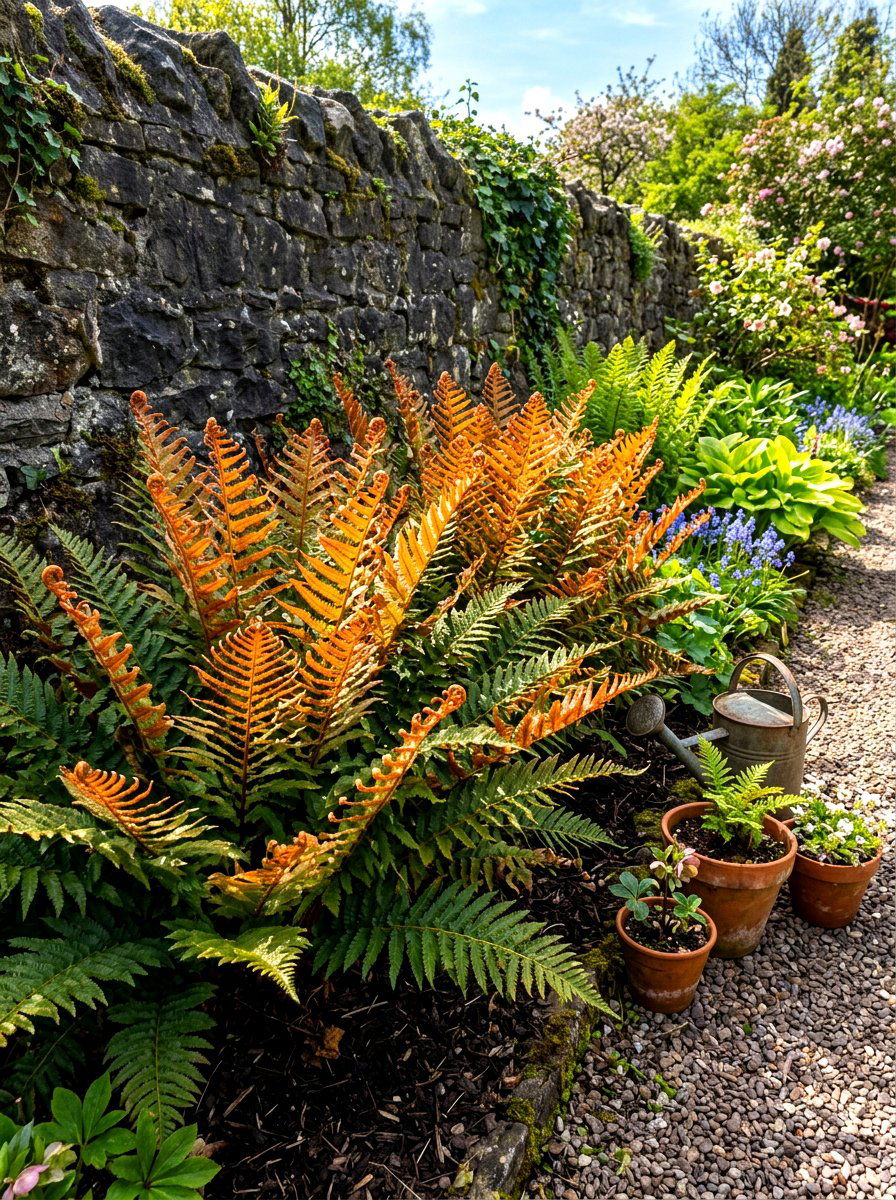
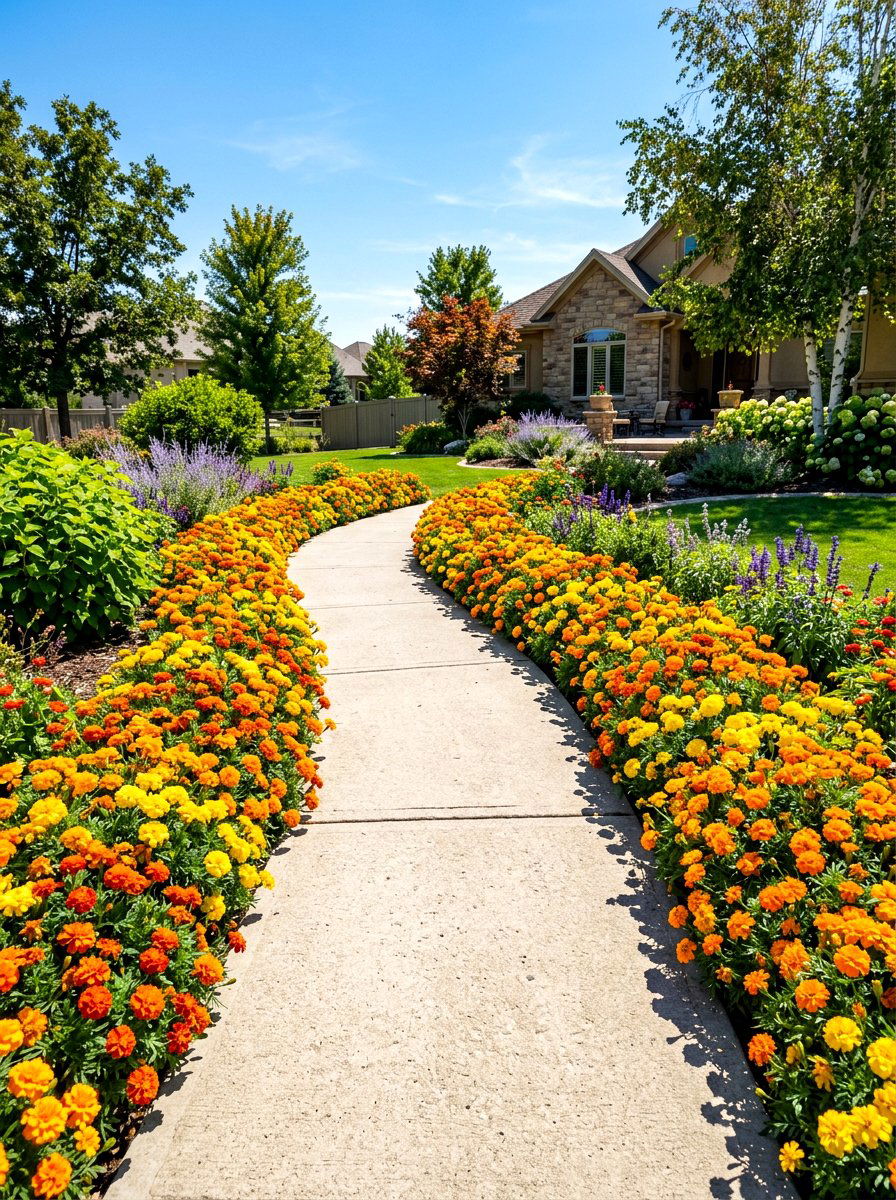
An autumn fern seasonal border provides a shifting color palette that changes as the growing year progresses. When new fronds emerge in the spring, they are a beautiful coppery-red or bronze color, rather than the typical green. As the season continues, they slowly mature into a glossy, dark forest green, but the hints of orange often remain on the stems. This makes them a fantastic choice for adding a warm glow to a shady border. They are also semi-evergreen in many climates, which means they keep their structure and some color throughout the winter, providing a very reliable and attractive landscape foundation.
11. Tree Stump Fern Garden
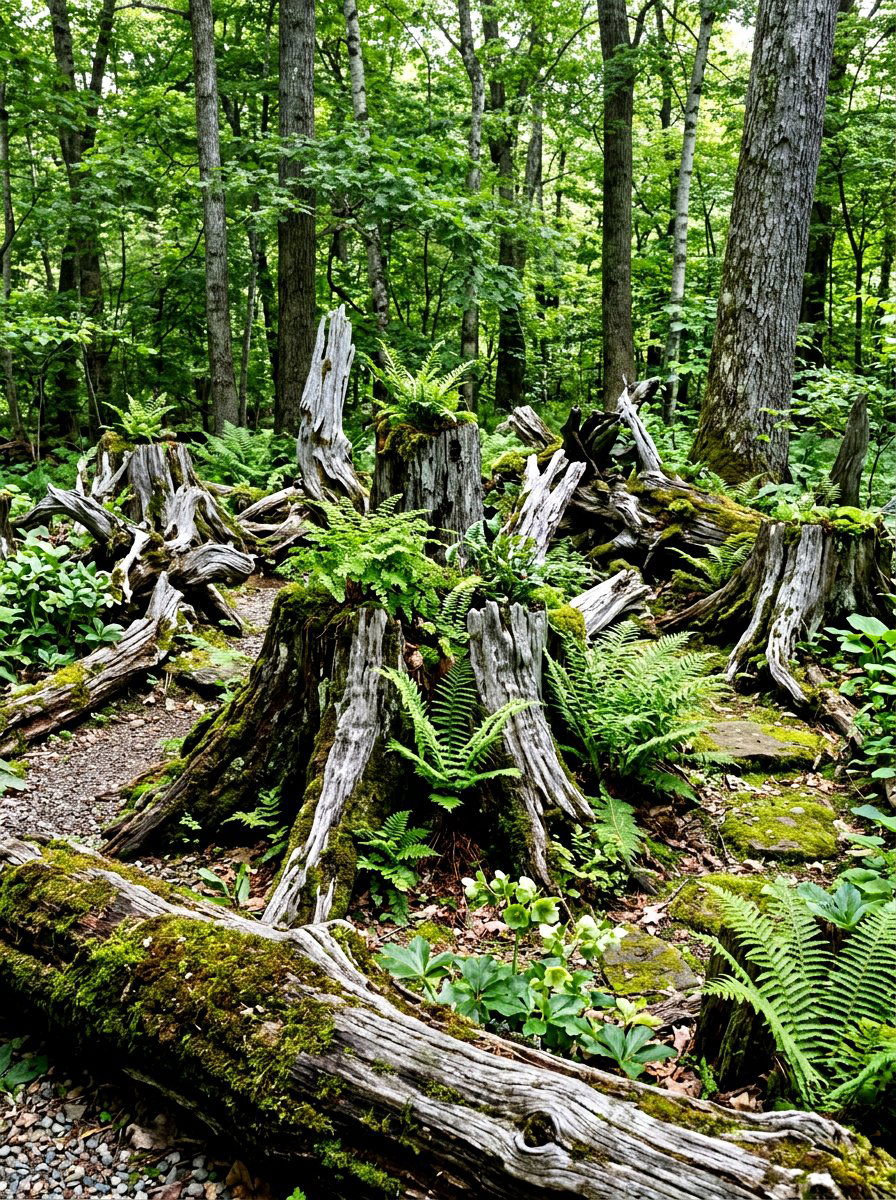
A tree stump fern garden, often called a stumpery, is a creative way to recycle old wood while creating a habitat for woodland plants. By arranging old logs and stumps in a border, you provide natural crevices where ferns can be planted directly into the decaying wood or surrounding soil. The wood acts like a sponge, holding onto moisture that ferns crave. This design style has a rugged, antique feel that looks like something found deep in an old-growth forest. It is a wonderful way to add architectural height and textural variety to a flat yard using natural and sustainable materials.
12. Side Yard Fern Path
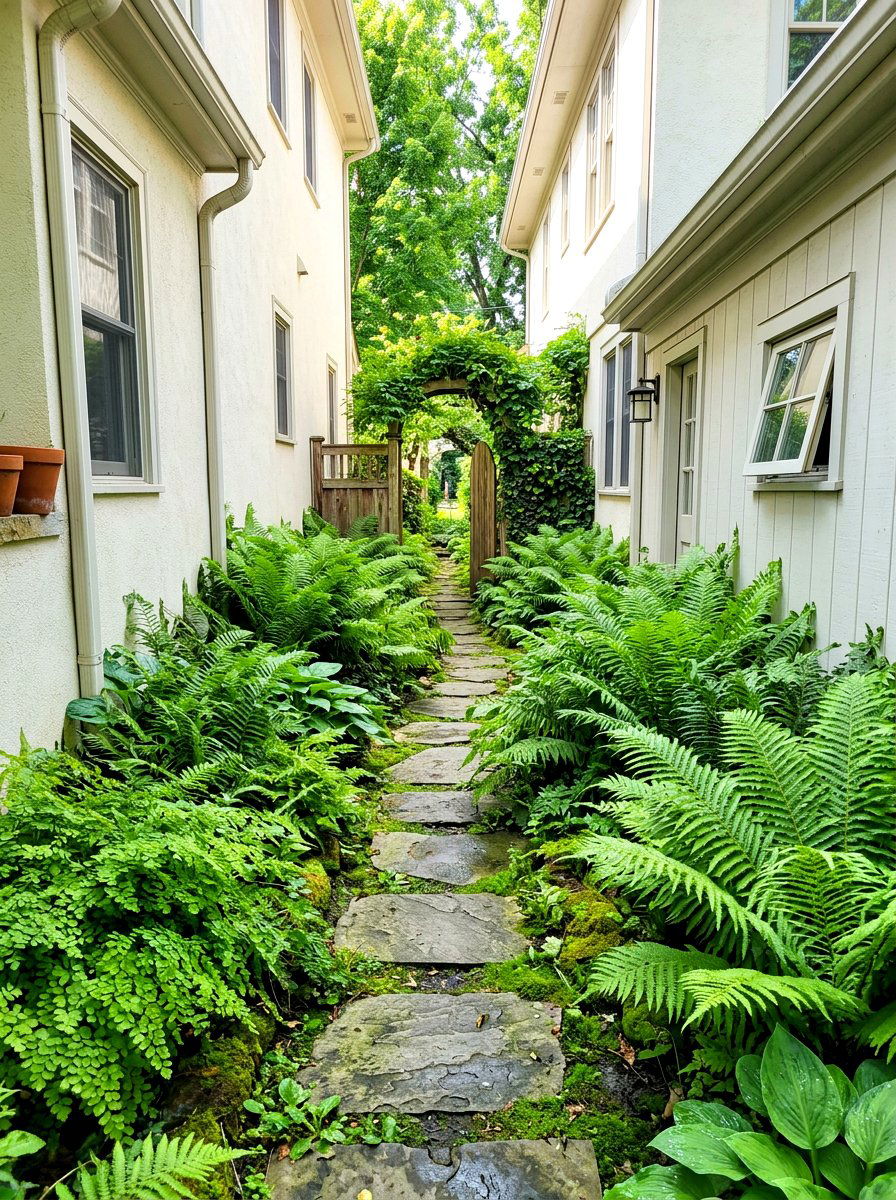
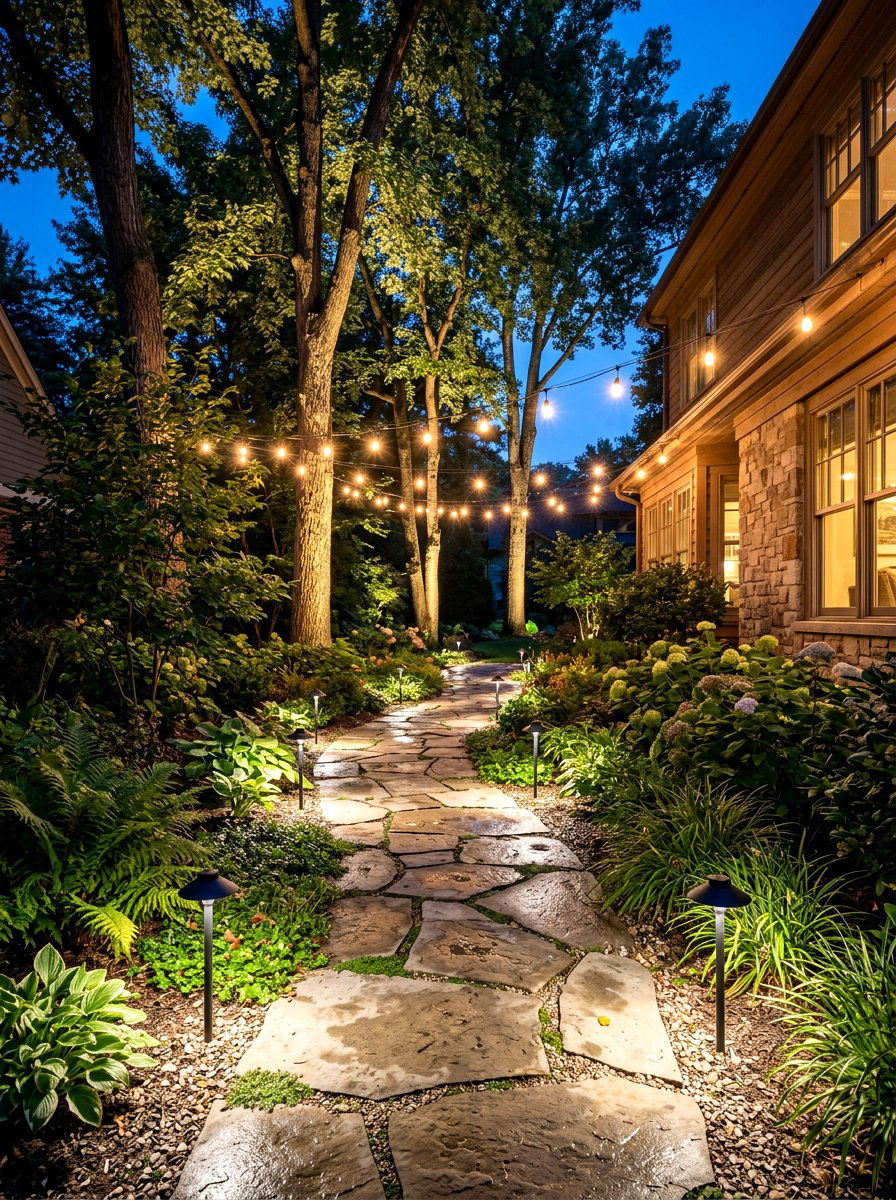
Designing a side yard fern path is an excellent way to make use of the narrow, shady corridor that often exists between houses. These areas are typically difficult to landscape, but ferns thrive in the cool, protected environment. By planting a dense border of ferns along the foundation and fence line, you soften the hard edges of the architecture. Adding a simple mulch or gravel path through the middle allows you to enjoy the lush greenery as you walk through. This approach turns a functional utility area into a beautiful, green gallery that feels private and intentionally designed for quiet relaxation.
13. Lady Fern Woodland Garden
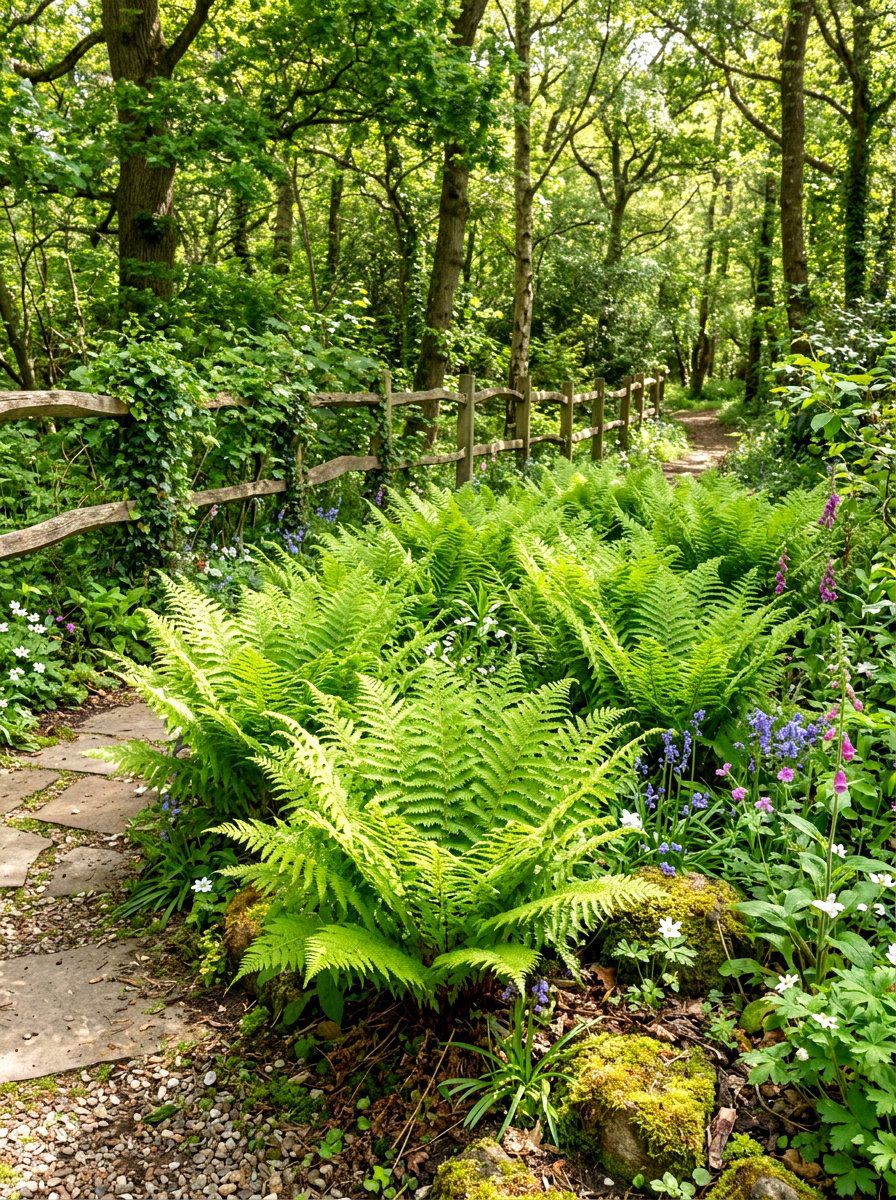
A lady fern woodland garden features one of the most elegant and common ferns used in home landscaping. Lady ferns are loved for their bright green, feathery fronds that have a very fine, detailed texture. They are incredibly easy to grow and can tolerate a bit more sun than other species, provided the soil remains moist. This makes them a versatile choice for borders that get dappled sunlight throughout the day. Because they grow in neat, mounded clumps, they look great when planted in groups of three or five, creating a soft, rolling wave of greenery along a garden edge.
14. Sensitive Fern Damp Border
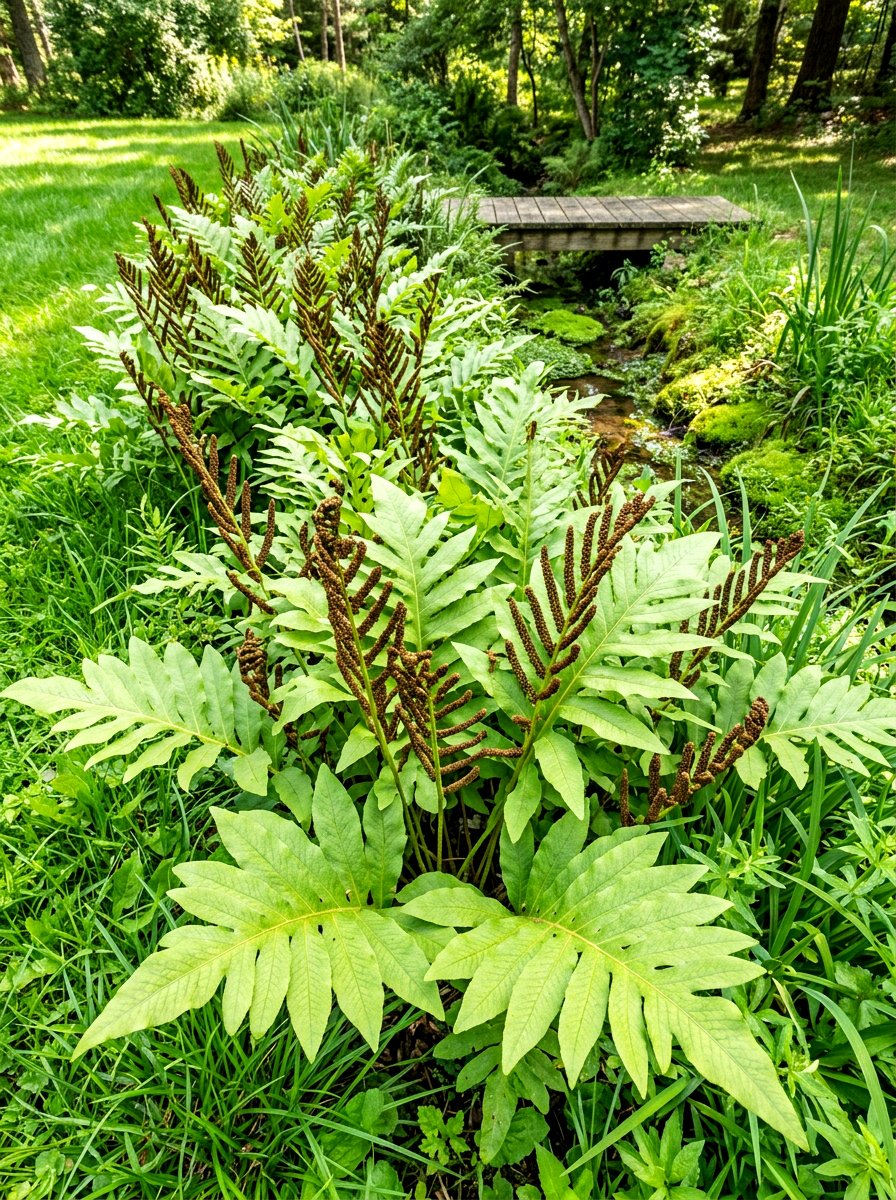
The sensitive fern damp border is named for the plant’s habit of folding its leaves at the first sign of a hard frost. This native species has a very distinct look, with broad, leathery leaflets that are quite different from the lacy appearance of other ferns. They spread quickly via rhizomes, making them an effective ground cover for large shaded borders that need to be filled in. They are particularly well-suited for naturalistic designs where you want a plant that can hold its own against wilder surroundings. Their unique bead-like spore cases also provide interesting winter structure in the garden.
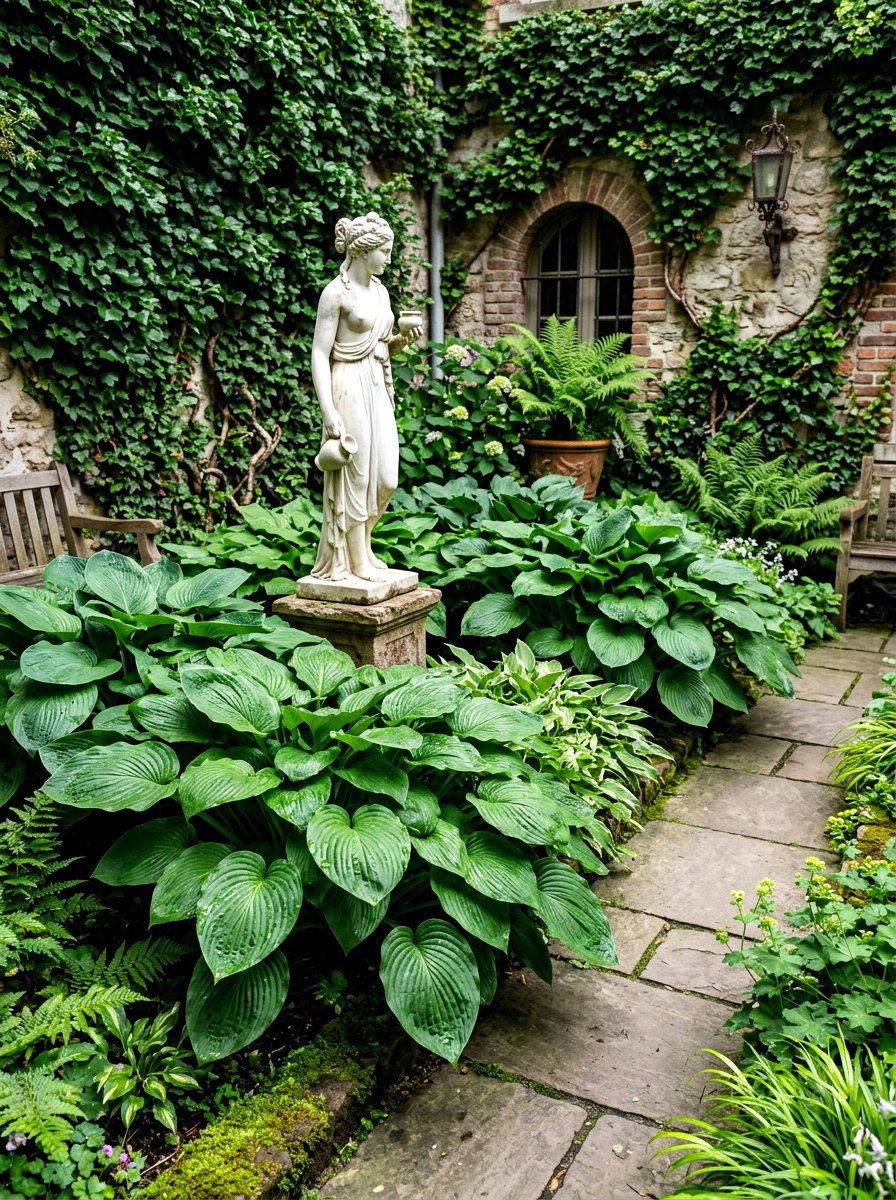
15. Bracken Fern Wild Garden
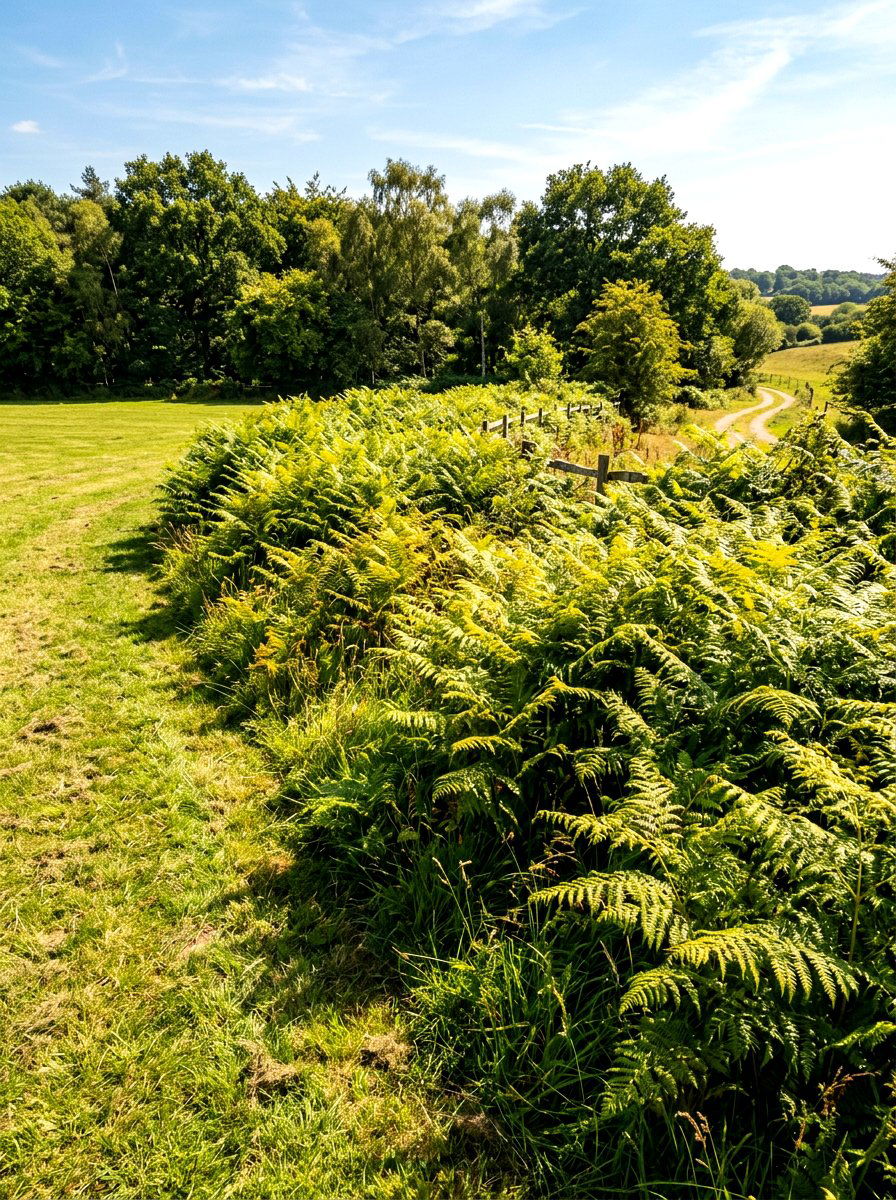
A bracken fern wild garden is the best option for those who have a large, rural property and want a rustic, low-maintenance border. Bracken ferns are very vigorous and can grow quite tall, creating a thicket-like appearance that is perfect for the edges of a wooded lot. They turn a beautiful golden brown in the autumn, adding late-season color to the landscape. While they can be aggressive in small gardens, they are perfect for naturalizing large areas where you want a wild and untamed look. They provide excellent cover for birds and small wildlife, contributing to a healthy and thriving backyard ecosystem.
16. Bleeding Heart Fern Border
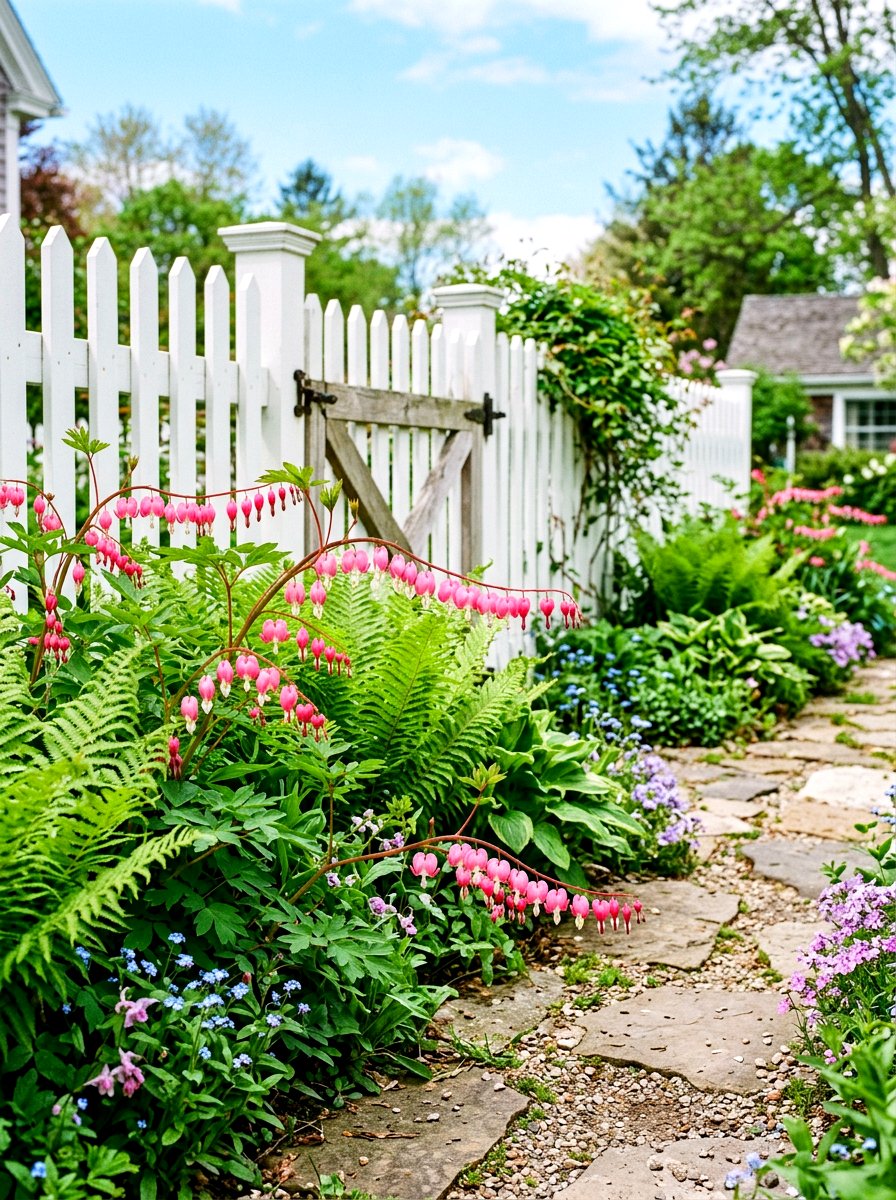
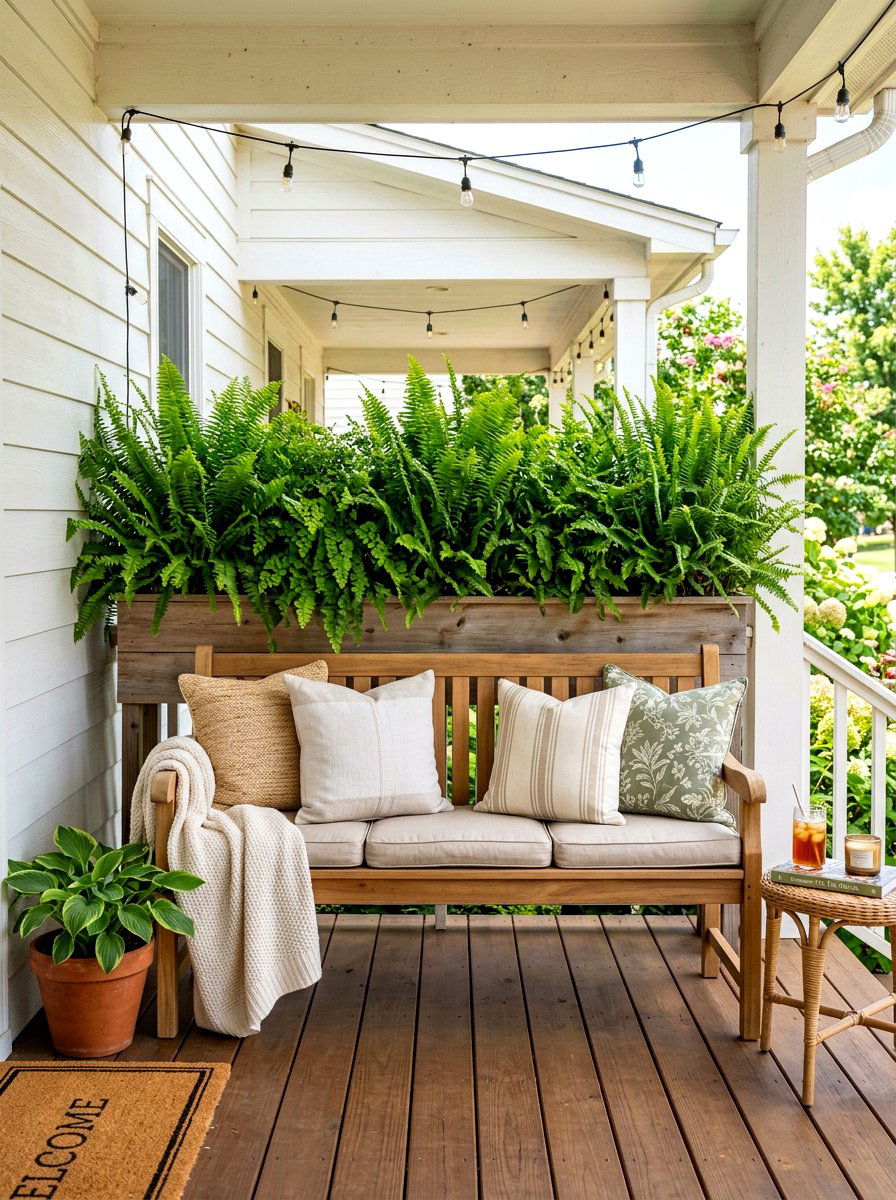
A bleeding heart fern border combines the romantic, arching stems of bleeding heart flowers with the lush foliage of ferns for a classic spring display. The pink or white heart-shaped blooms hang gracefully over the emerging fern fronds, creating a fairytale-like atmosphere in the garden. As the bleeding hearts go dormant in the heat of summer, the ferns grow larger to fill the empty space, ensuring the border stays green and beautiful all season long. This is a smart design strategy for maintaining continuous interest in a shade garden. It works beautifully along a patio or a frequently used garden bench.
17. Rustic Log Fern Landscape
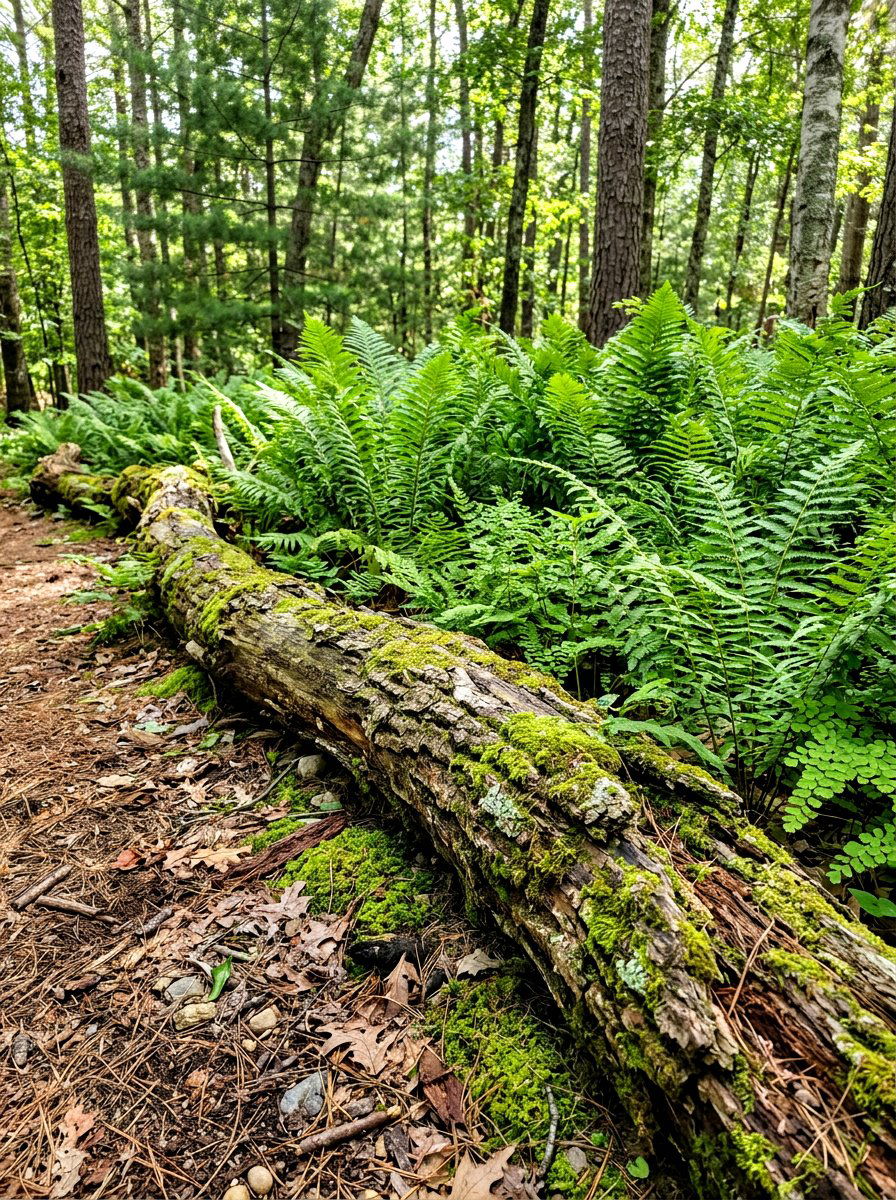
A rustic log fern landscape uses fallen timber as a natural border edge, providing a home for various shade-loving species. Placing a weathered log along the front of a garden bed creates a clear boundary while maintaining a woodland aesthetic. Ferns like the marginal wood fern look particularly good when nestled against the dark, textured bark of the wood. Over time, the log will begin to grow moss and lichen, further enhancing the natural look of the border. This method is inexpensive and uses materials you might already find on your property, making it an eco-friendly choice for any gardener.
18. Woodland Edge Fern Planting
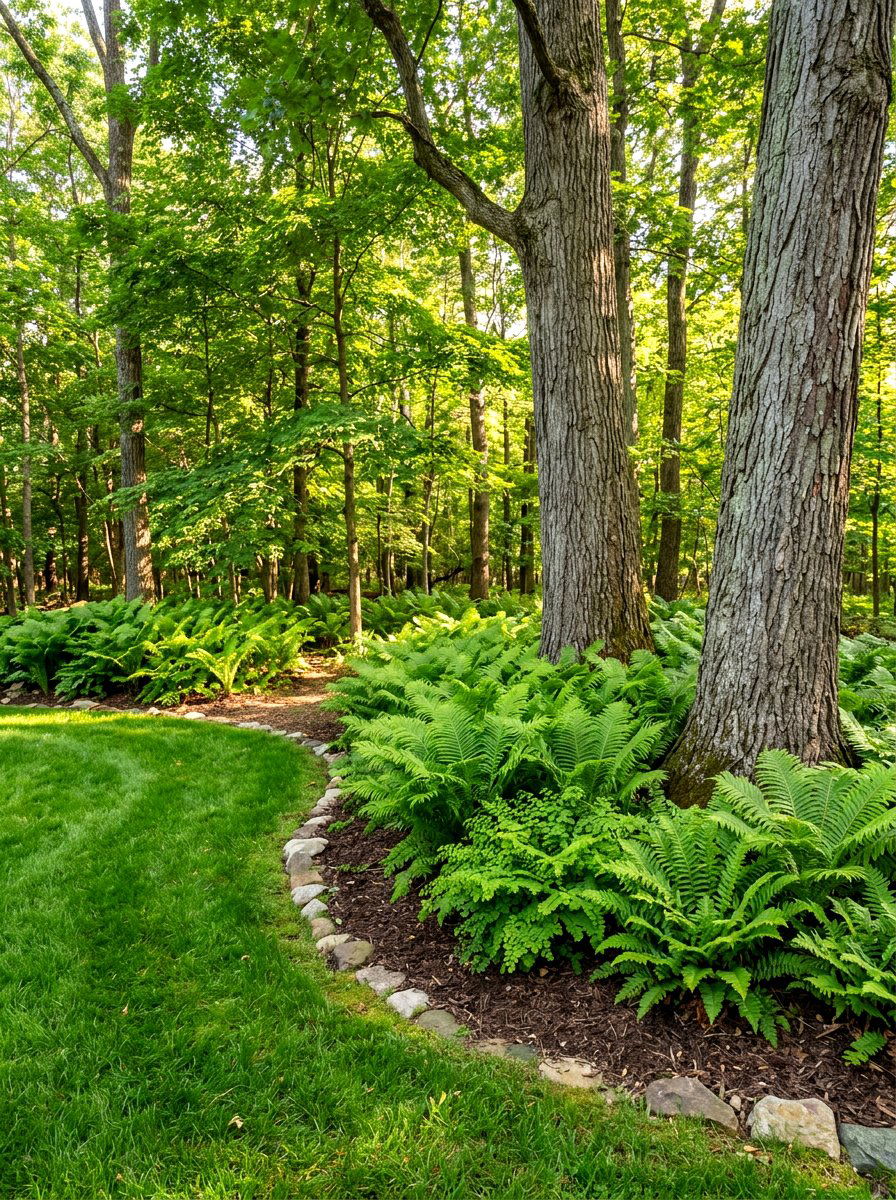
Woodland edge fern planting focuses on the transition zone between a manicured lawn and a dense forest area. This border helps to blur the lines between the wild and the domestic, creating a more harmonious landscape. By planting large drifts of native ferns at the base of trees, you create a soft visual buffer that protects the tree roots while adding beauty. This type of border requires very little care once the ferns are established, as they will naturally mulch themselves with falling leaves. It is a fantastic way to extend your garden into the natural environment of your property.
19. Victorian Stumpery Garden
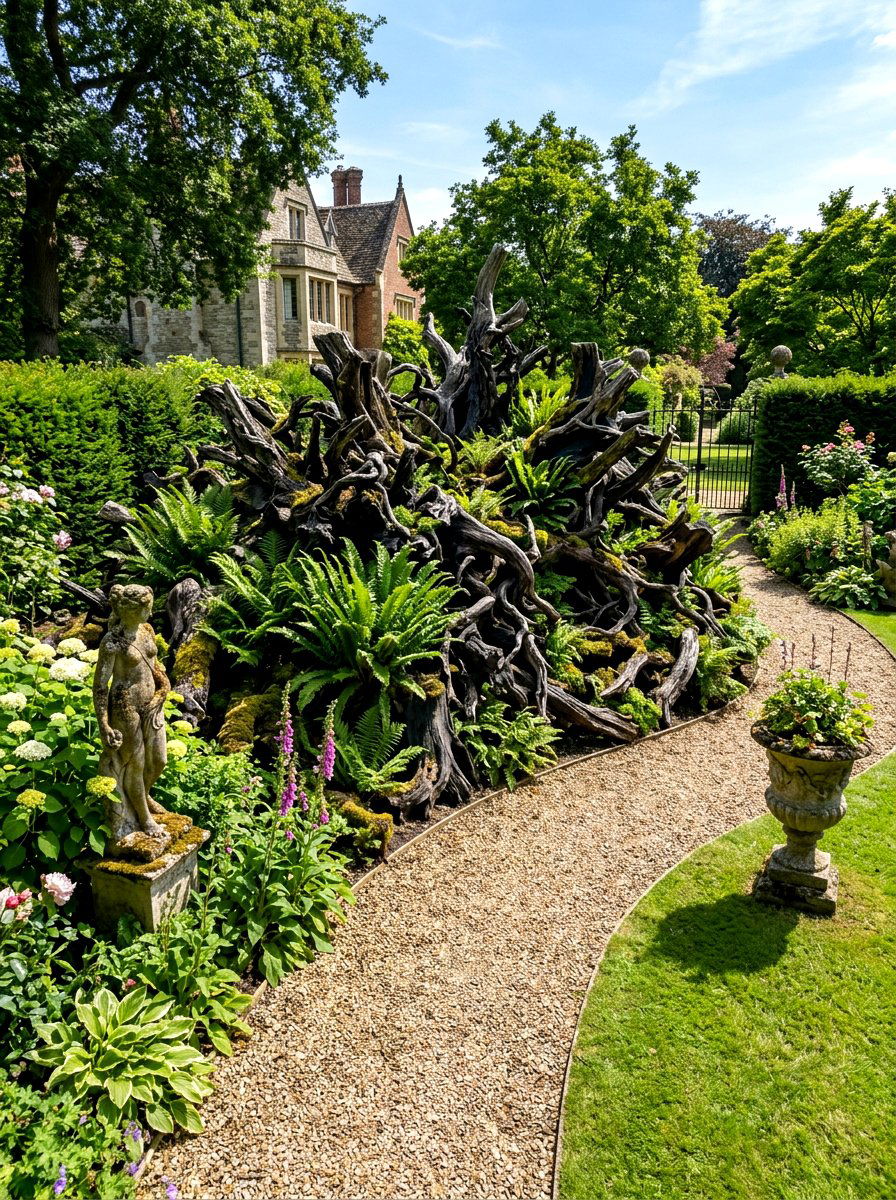
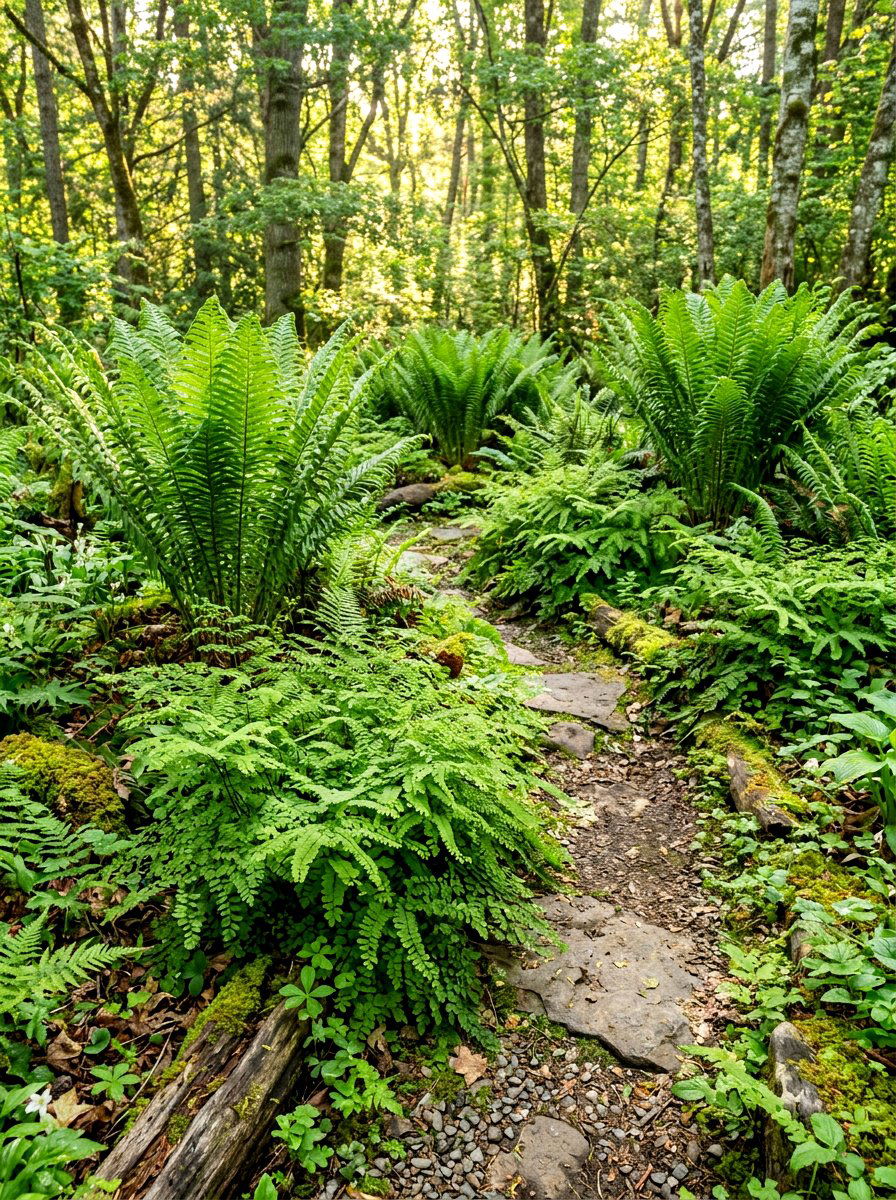
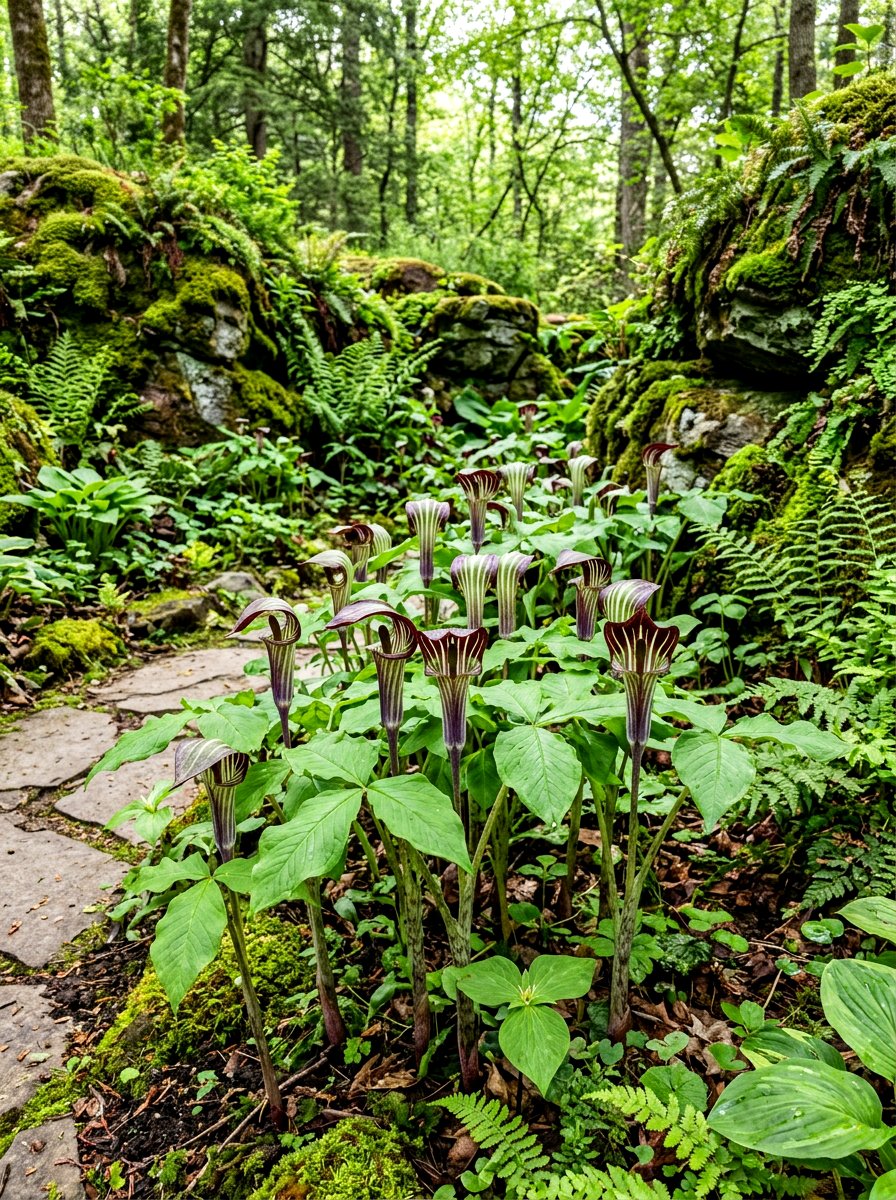
A Victorian stumpery garden is a formal take on using wood in the landscape, inspired by 19th-century English garden trends. This involves stacking large roots and stumps upside down to create a dramatic, gothic-style border filled with rare and architectural ferns. The complex shapes of the wood serve as sculptures, with ferns like the Hart's tongue fern providing a glossy, green contrast to the dark timber. This is a high-impact design choice that works well as a focal point in a backyard. It invites visitors to slow down and admire the intricate details of both the wood and the plants.

20. Wood Fern Shaded Terrace
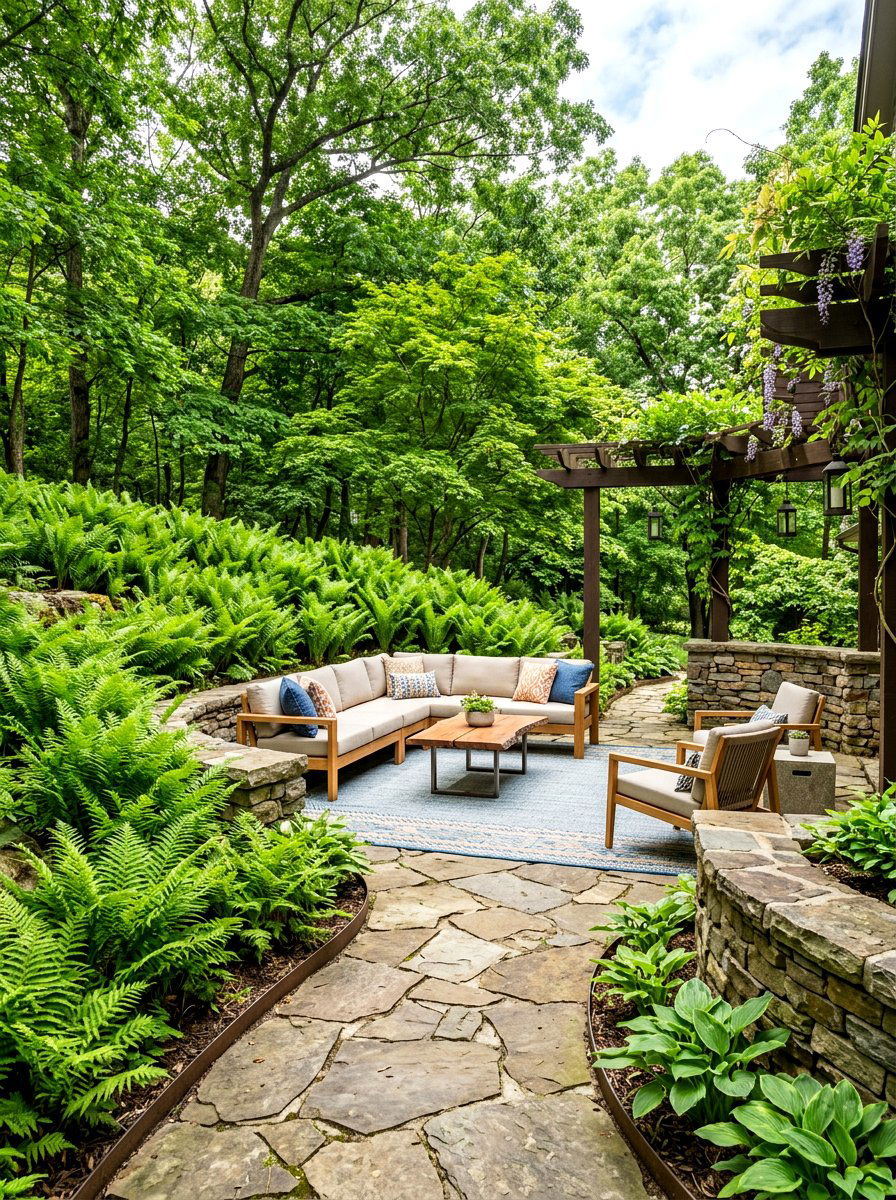
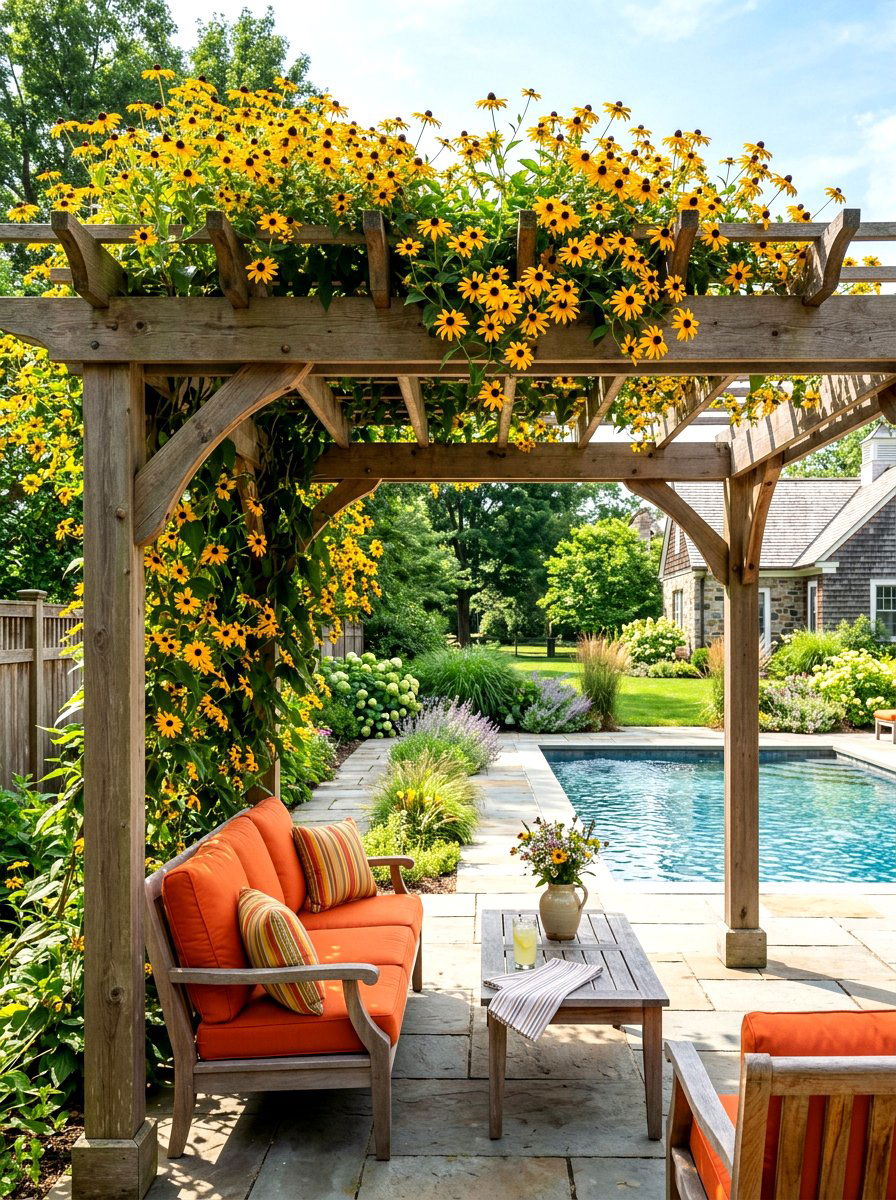
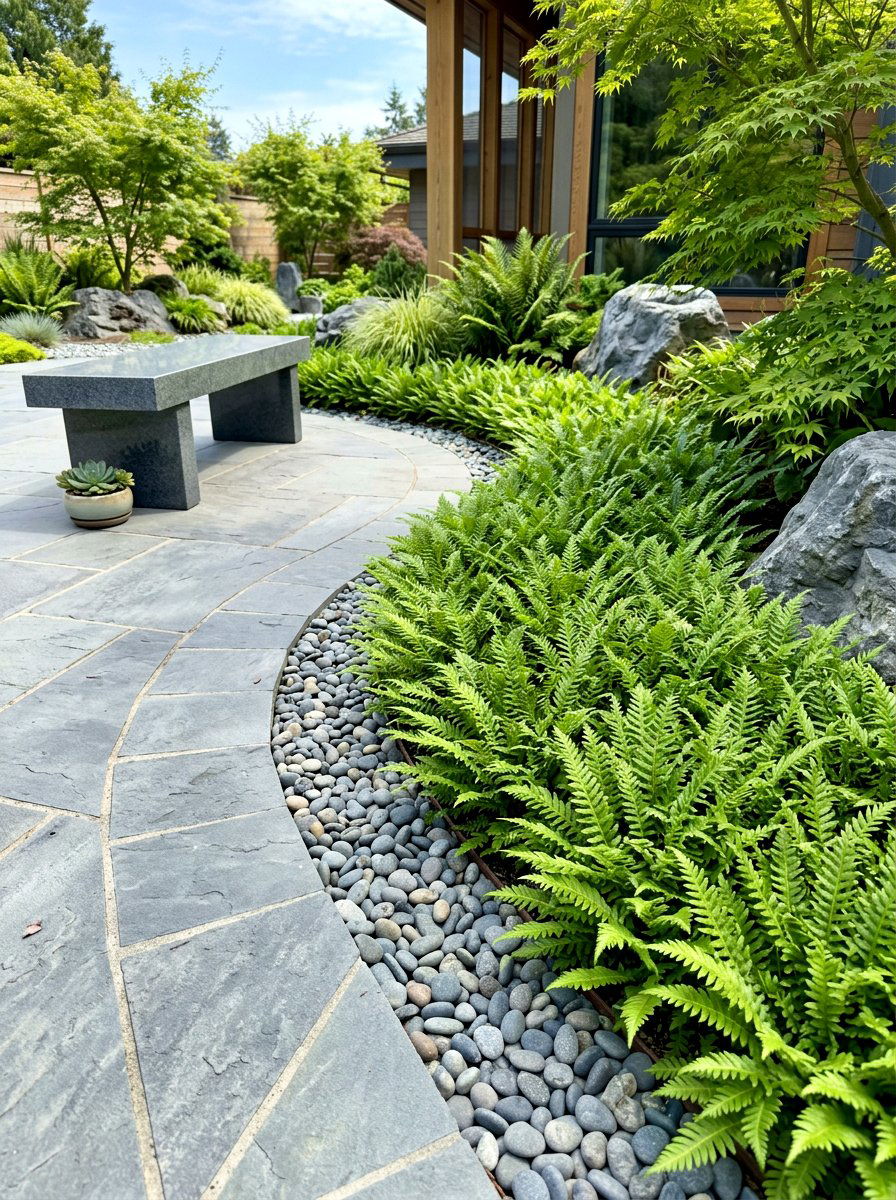
Creating a wood fern shaded terrace is an ideal way to bring greenery to an elevated stone patio or a multi-level garden. By using raised stone planters or terrace walls, you can bring the ferns closer to eye level, allowing you to appreciate their complex frond structures. Wood ferns are particularly hardy and maintain a neat, upright shape, making them perfect for structured containers or built-in garden beds. Their deep green color provides a cooling effect that makes an outdoor living area feel much more refreshing during hot summer days. This setup is perfect for entertaining guests in a lush, green environment.
21. Hart’s Tongue Fern Border
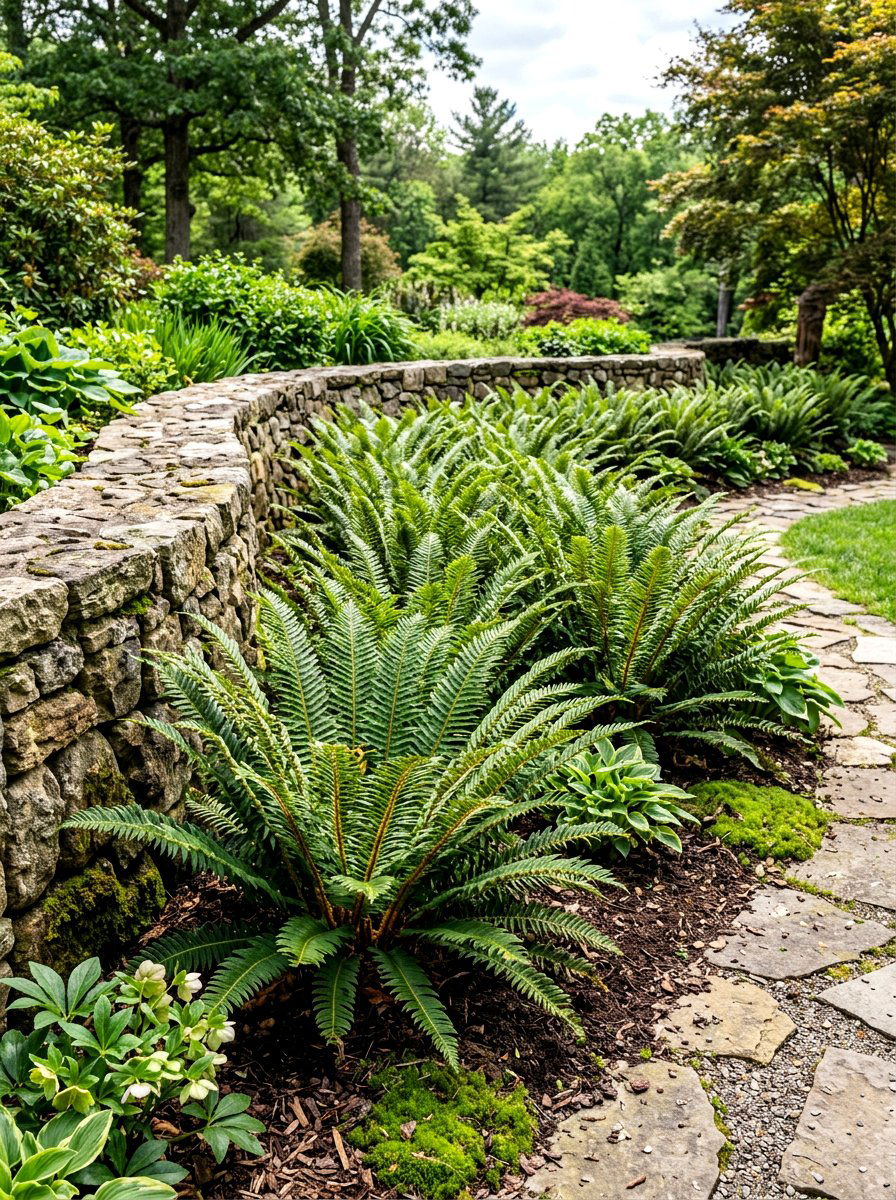
The Hart’s tongue fern border offers a completely different look from most other ferns because of its solid, strap-like leaves. Instead of feathery fronds, this fern has glossy, bright green tongues that grow in a circular rosette. This unique texture makes it a great companion for lacy ferns or broad-leaved hostas, as it provides a distinct visual break. It is an evergreen variety that looks wonderful even in the snow, making it a valuable addition for winter interest. This fern loves lime-rich soil and rocky areas, so it is perfect for borders along limestone walls or gravel paths.
22. Soft Shield Fern Garden
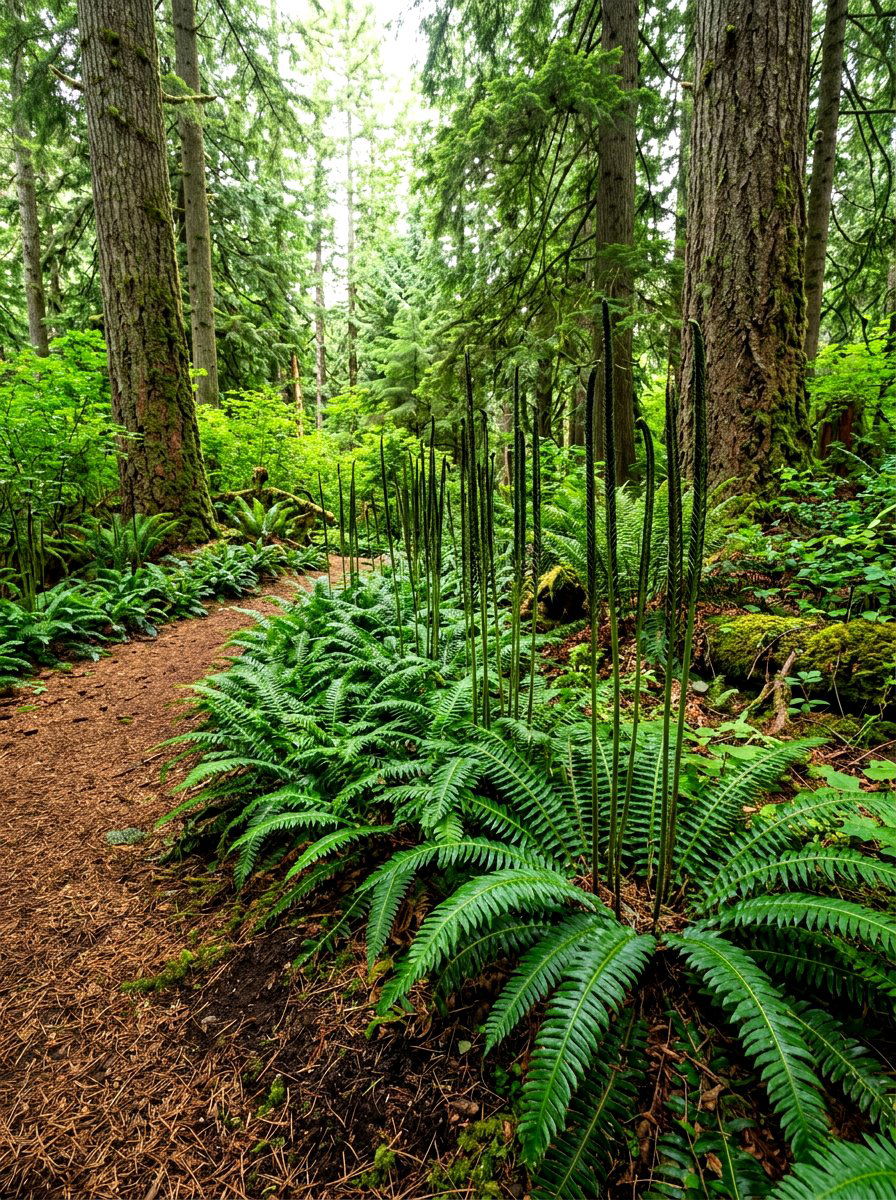
A soft shield fern garden is prized for its symmetrical, fountain-like growth habit and its elegantly drooping fronds. The leaves have a soft, almost velvety feel and are covered in fine, brown scales that add a touch of golden color to the plant. This fern is exceptionally graceful and looks best when used as a repeating element throughout a long garden border. It is very shade-tolerant and keeps its color well into the autumn months. Because it stays relatively compact, it is a great choice for smaller suburban gardens where you want maximum impact without taking up too much space.
23. Native Deer Fern Border
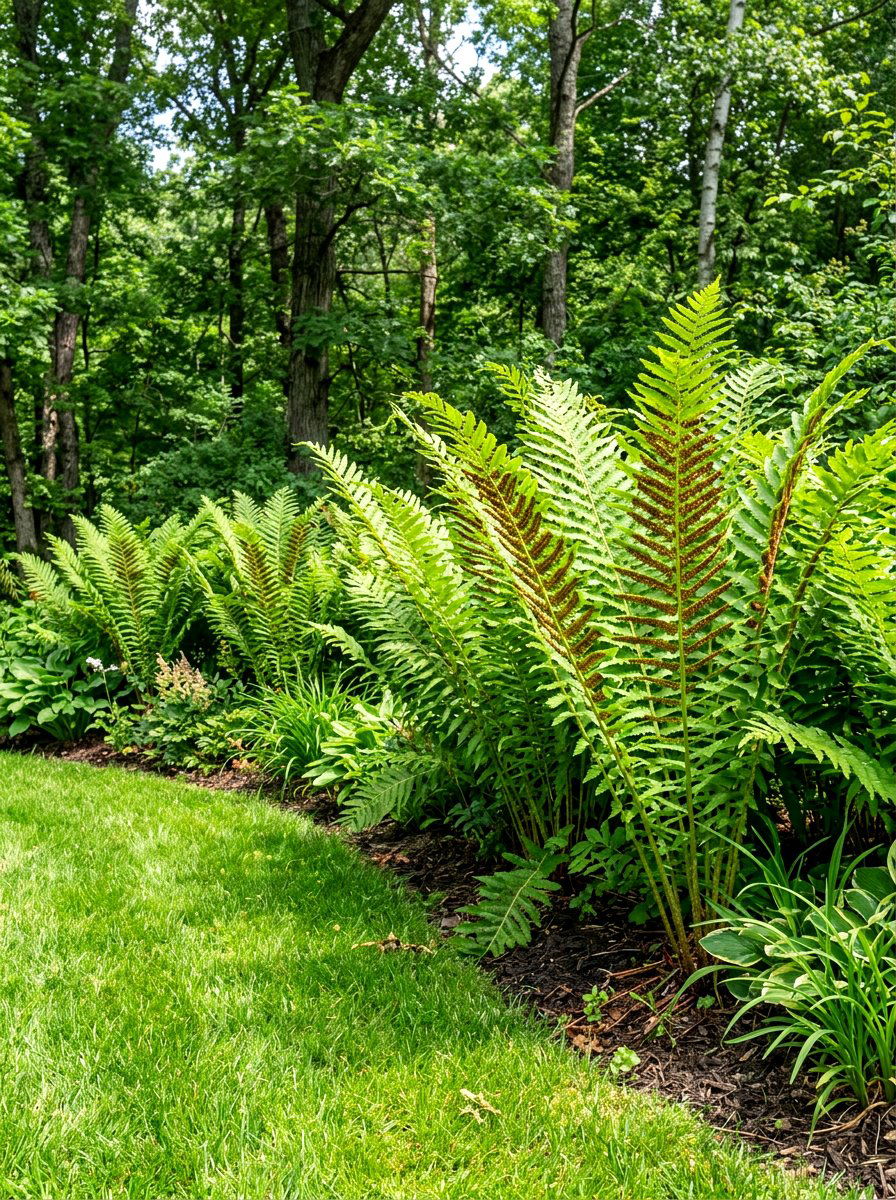
A native deer fern border is a classic choice for gardens in the Pacific Northwest or similar cool, damp climates. These ferns have two types of fronds: flat, evergreen sterile ones that hug the ground and upright fertile ones that stand tall in the center. This layered look provides a lot of architectural interest in a small footprint. They thrive in acidic soil and are often found growing near old cedar or fir trees. By using them in your garden border, you support local biodiversity and create a landscape that feels deeply connected to the natural heritage of your specific region.
24. Interrupted Fern Backyard Edge
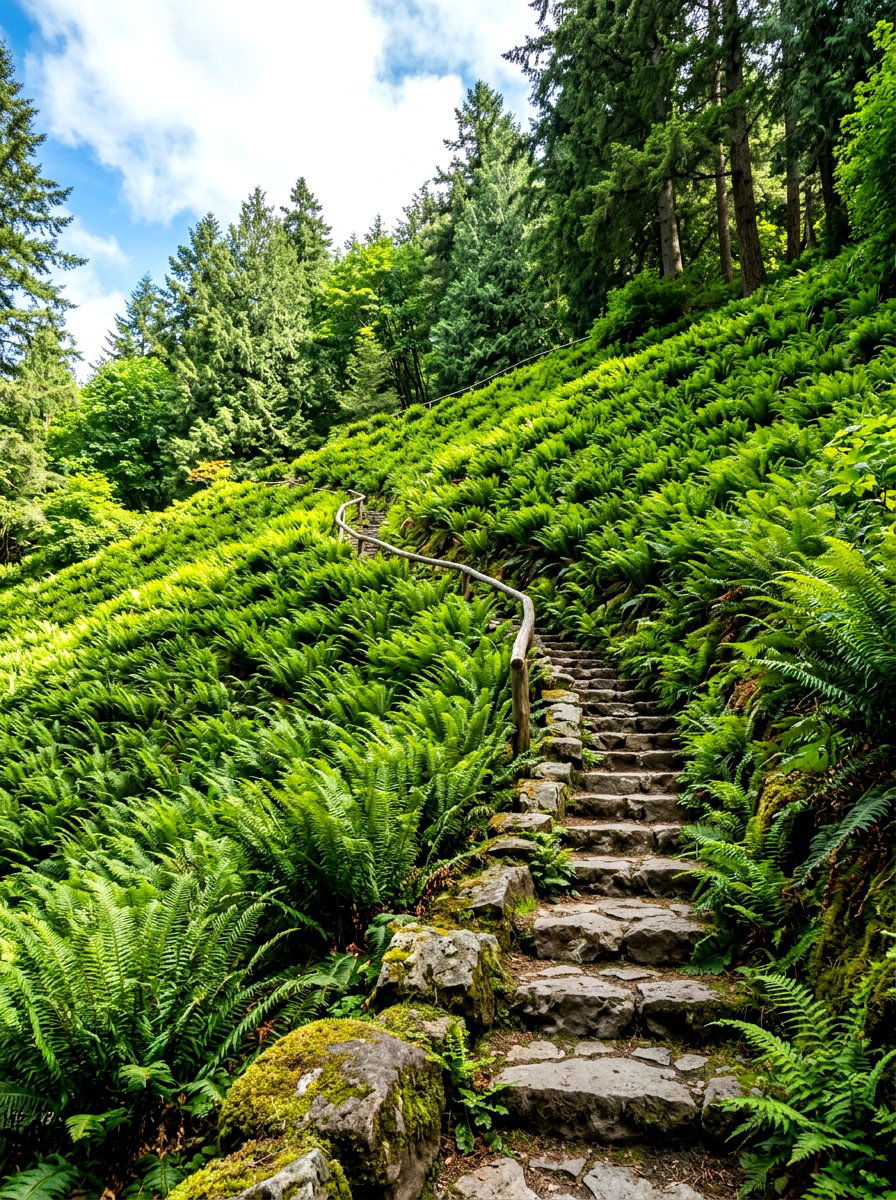
The interrupted fern backyard edge is a conversation starter due to its unique growth pattern. In the middle of the long, green fronds, there is a literal "interruption" where the fertile leaflets turn brown and eventually fall off, leaving a gap in the foliage. This gives the plant a very distinct, architectural appearance that stands out in a crowded border. These ferns can grow quite large and are very long-lived, often becoming a permanent fixture in the landscape for decades. They are rugged and reliable, making them a great backbone plant for any large woodland garden design project you undertake.
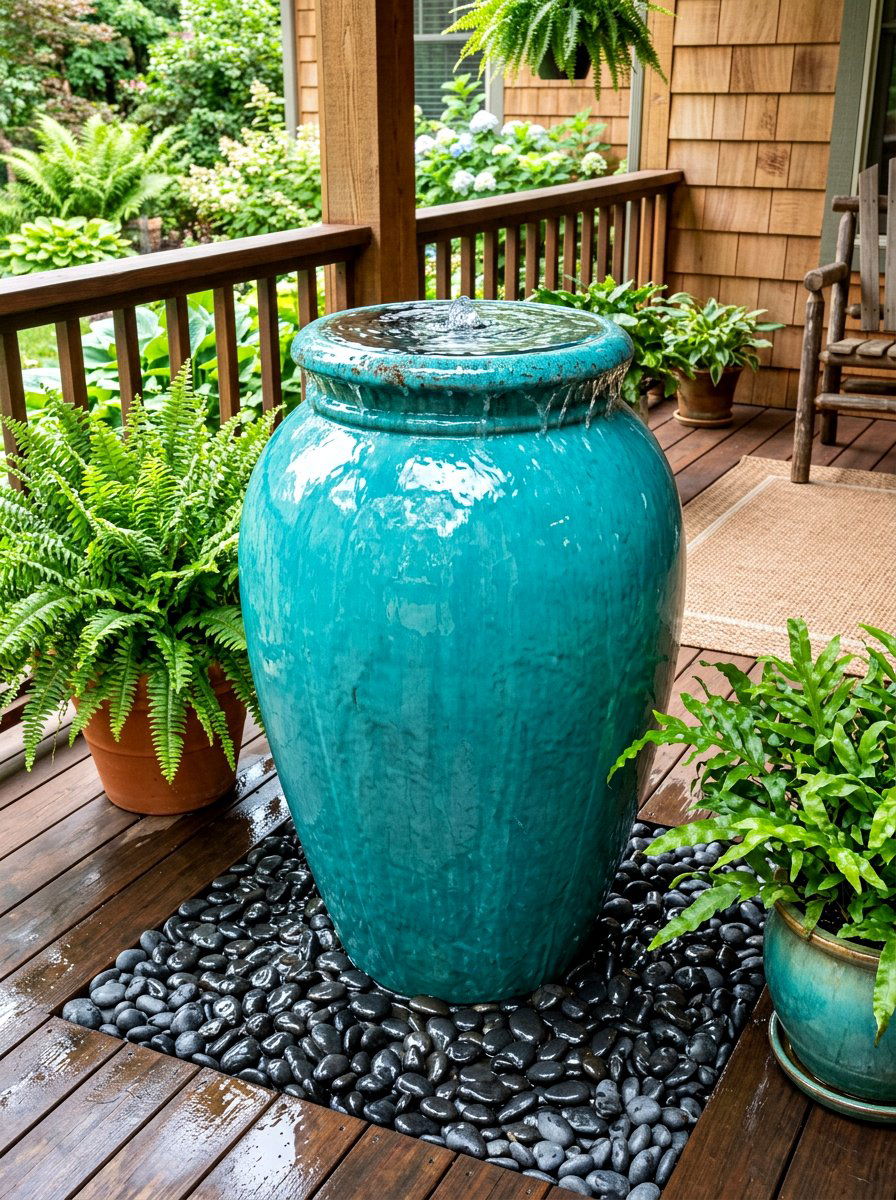
25. Goldie’s Wood Fern Border
For those who want a truly massive fern, a Goldie’s wood fern border is the answer. This is one of the largest wood ferns in North America, with arching fronds that can reach up to four feet in length. Its size makes it a dramatic backdrop for smaller shade plants like violets or wild ginger. The foliage has a deep, rich green color and a slightly coarse texture that adds a sense of wildness and power to the garden. Because it is so large, it is best used in deep borders where it has plenty of room to spread its magnificent leaves.
26. Sword Fern Slope Garden
A sword fern slope garden is a practical and beautiful way to manage a steep, shady hill on your property. Western sword ferns are incredibly tough and have deep root systems that help anchor the soil and prevent washouts during heavy rain. Their stiff, upright fronds stay green all year, providing constant erosion control and visual appeal. When planted in a large mass on a slope, they create a lush, green carpet that looks like a natural forest hillside. This is a very low-maintenance solution for a difficult area, as the ferns require almost no pruning or special care.
27. Foxglove And Fern Border
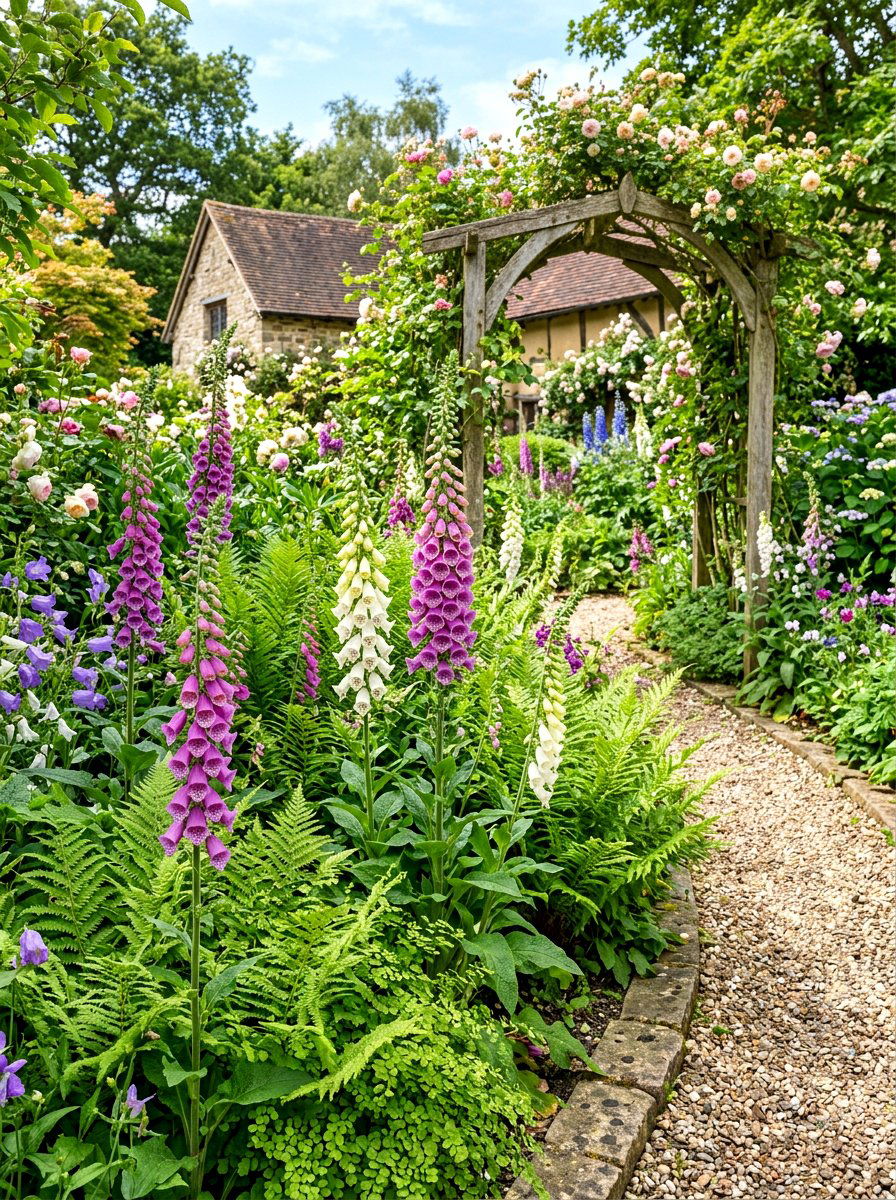
A foxglove and fern border brings a touch of vertical drama and cottage charm to a shaded garden area. The tall, bell-shaped flowers of the foxgloves rise high above the low-growing ferns, creating a beautiful contrast in height and form. The soft green fronds of the ferns act as a skirt around the base of the foxglove stalks, hiding any leggy stems and keeping the ground cool. This combination is particularly effective in dappled light, where the flowers can catch the sun while the ferns stay protected in the shade. It is a classic and romantic garden look that never goes out of style.
28. Hellebore And Fern Winter Garden
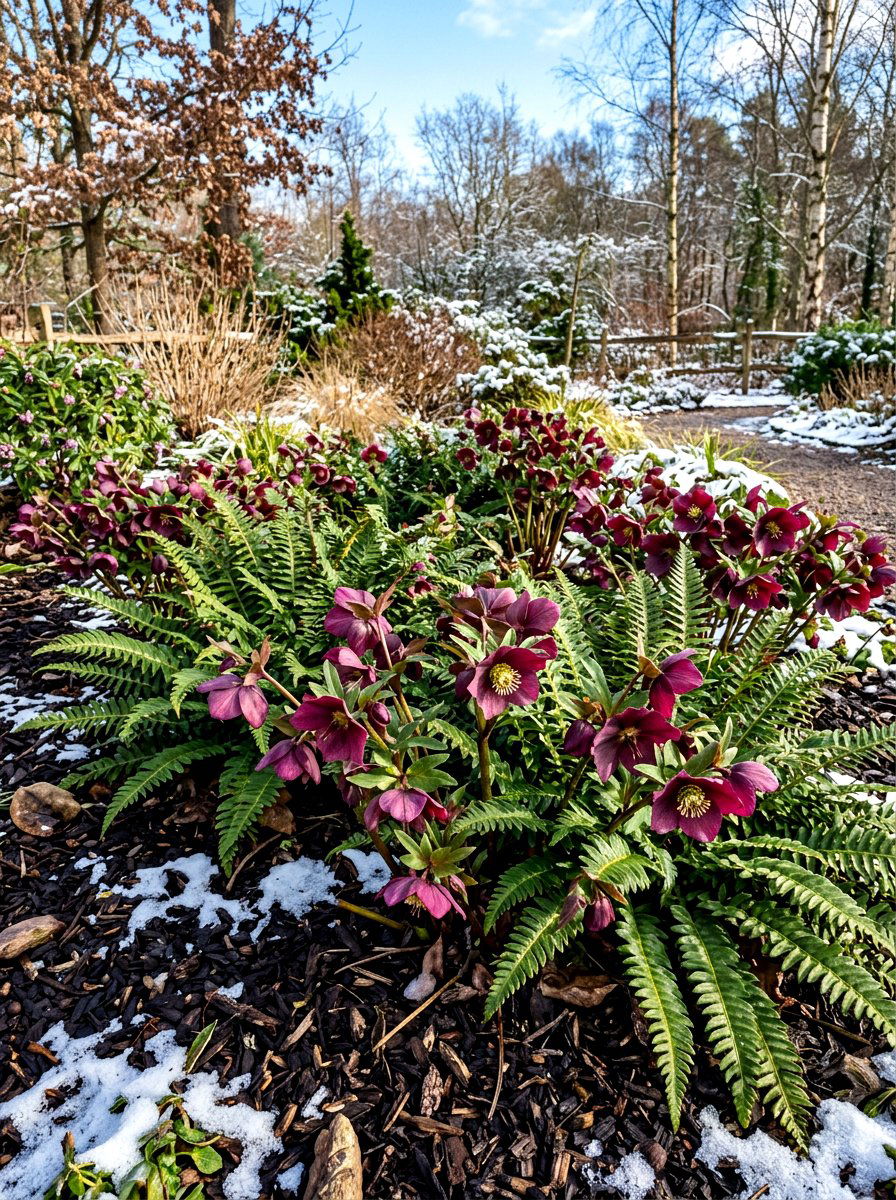
A hellebore and fern winter garden is the perfect way to beat the winter blues with early-season interest. Hellebores, also known as Lenten roses, bloom in late winter or early spring when most other plants are still dormant. When paired with evergreen ferns like the Christmas fern, you get a border that looks lush and full even in the middle of February. The leathery leaves of both plants complement each other perfectly, providing a solid and dependable green base for the delicate, nodding hellebore flowers. This border is a wonderful way to enjoy your garden throughout the entire calendar year.
29. Dwarf Fern Border
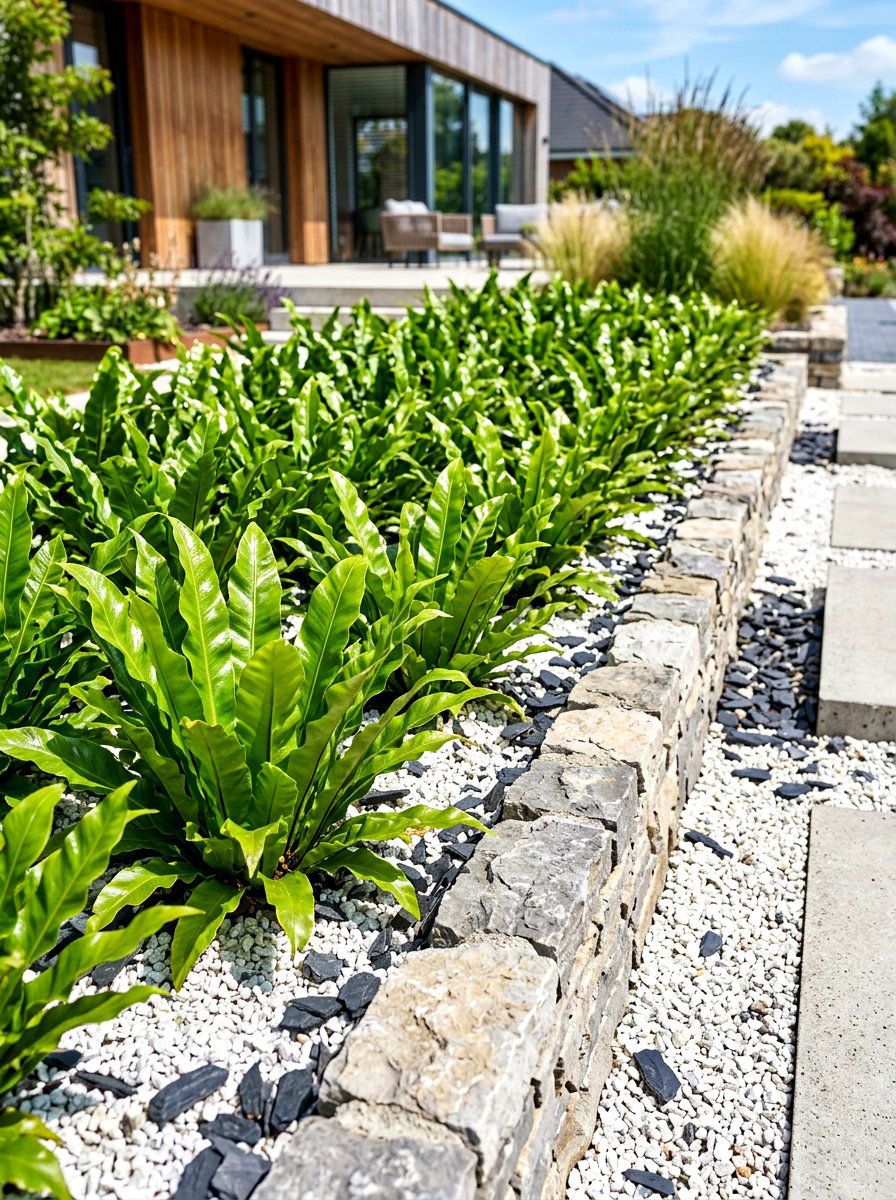
A dwarf fern border is the ideal solution for very small spaces, containers, or the edges of a garden path. Varieties like the dwarf lady fern or small rock ferns stay under a foot tall, allowing you to create a miniature woodland landscape in even the tiniest courtyard. These small-scale plants are perfect for "fairy gardens" or as a delicate edging along a stone terrace. Despite their small size, they still offer the same intricate textures and soothing green colors as their larger relatives. They allow urban gardeners with limited space to enjoy the beauty and tranquility of a fern-filled retreat.
30. Tree Fern Focal Border
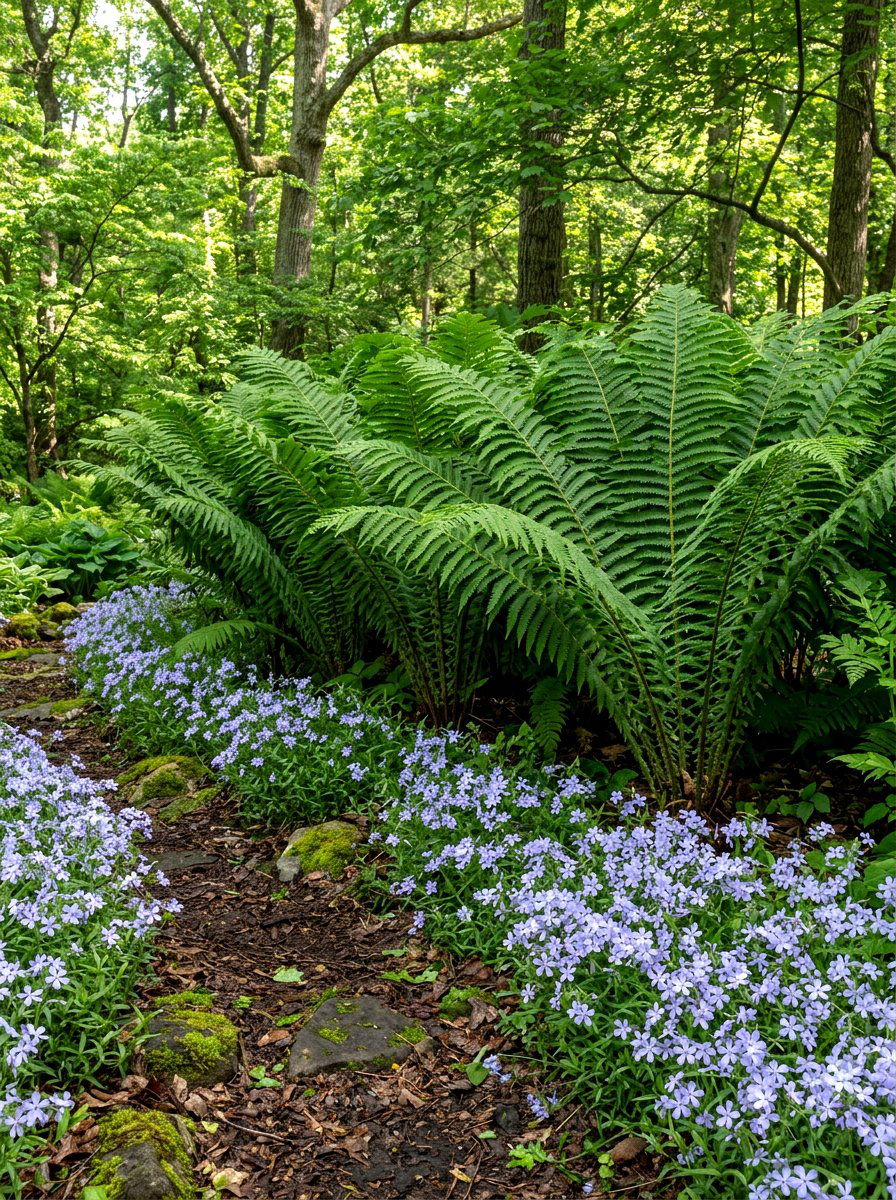
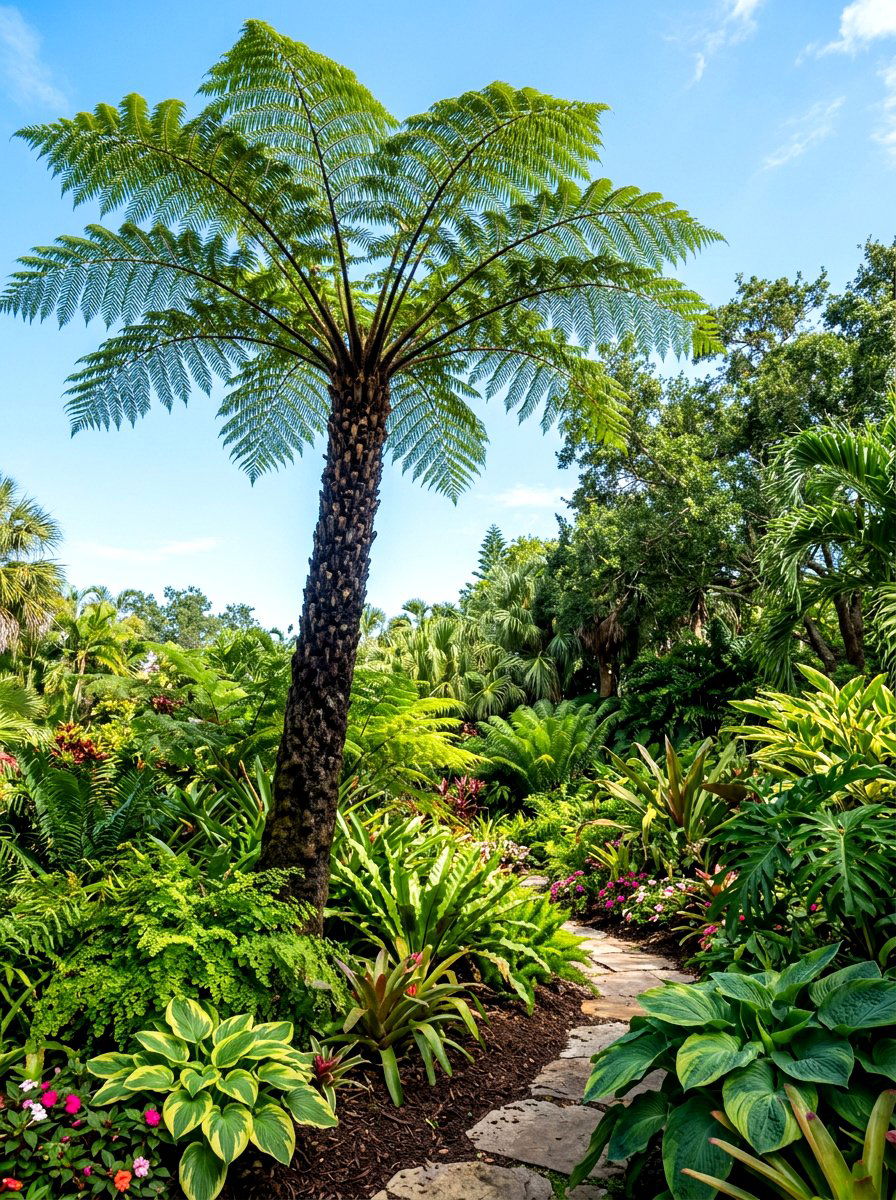
A tree fern focal border adds a dramatic, prehistoric, and tropical feel to a garden, provided you live in a mild climate. These massive ferns grow on a thick, trunk-like stem and can reach heights of over ten feet, with fronds that span several yards across. Using one or two tree ferns as a focal point in a border creates an incredible sense of scale and wonder. Surround them with lower-growing woodland ferns to ground the design and create a multi-layered canopy of green. It is a high-impact choice that will surely make your garden stand out and feel like a private jungle.
Conclusion:
Woodland fern borders offer a unique opportunity to create a serene and cooling landscape that celebrates the quiet beauty of the shade. By selecting the right species for your specific soil and light conditions, you can build a garden that is both resilient and visually stunning. From the massive scale of the royal fern to the delicate textures of the maidenhair, these plants provide endless design possibilities for any backyard. Integrating ferns with stone, wood, and flowering perennials ensures a balanced and harmonious environment. We hope these thirty ideas inspire you to transform your shaded areas into a lush, thriving and peaceful woodland retreat.

Related posts: