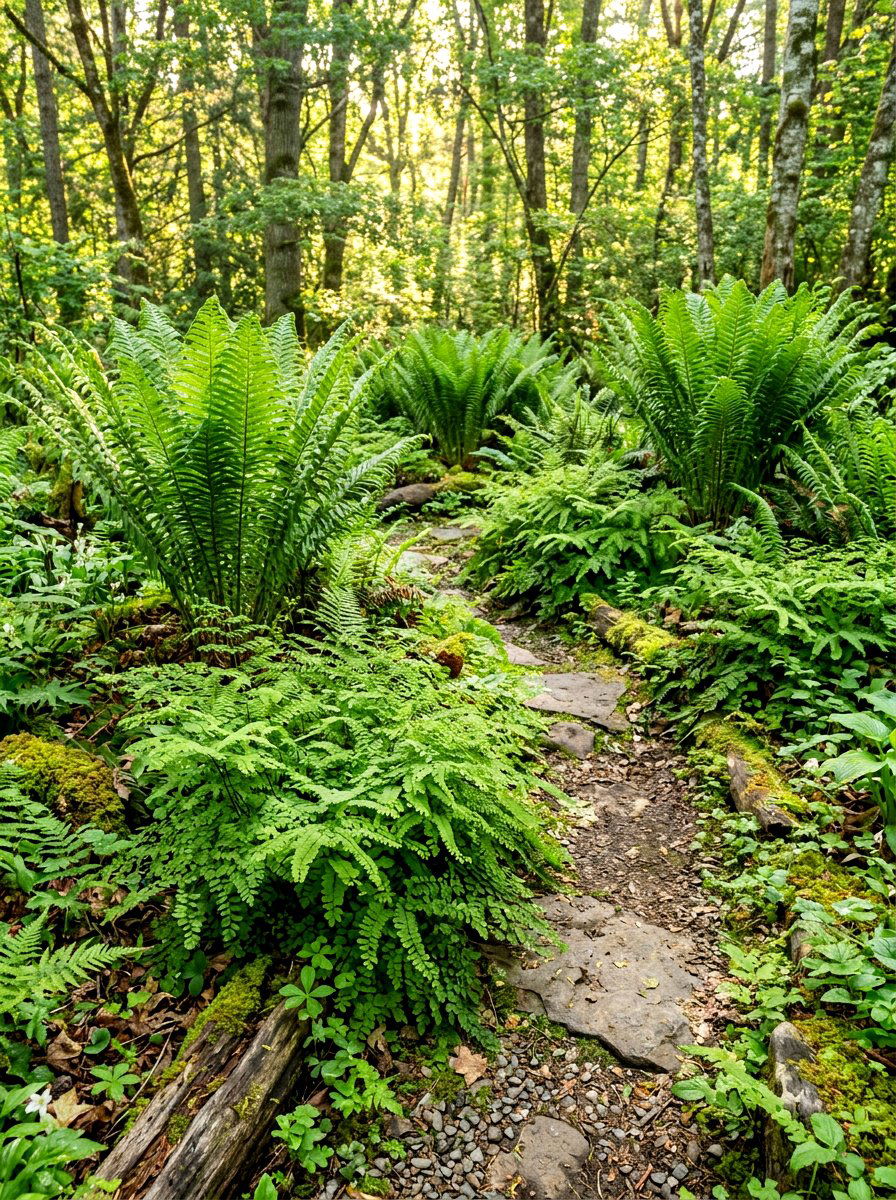
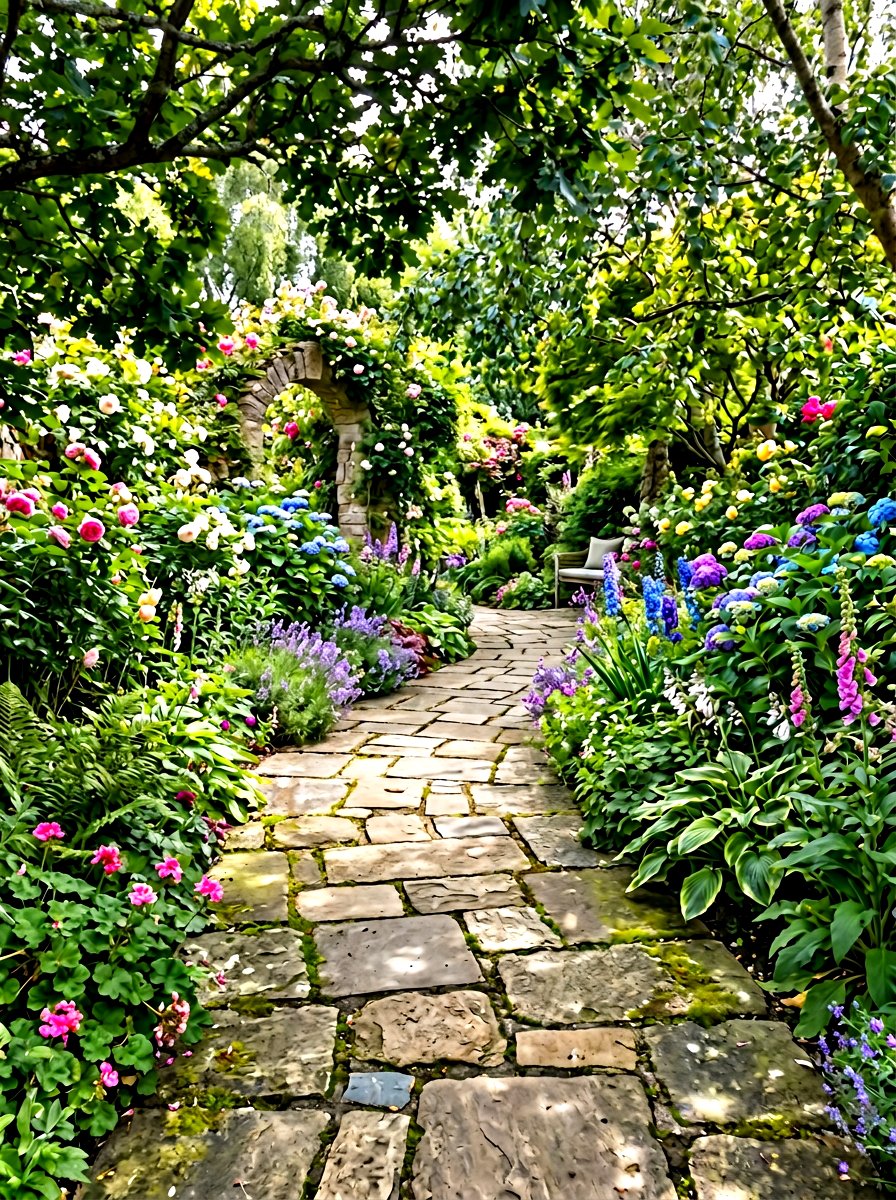
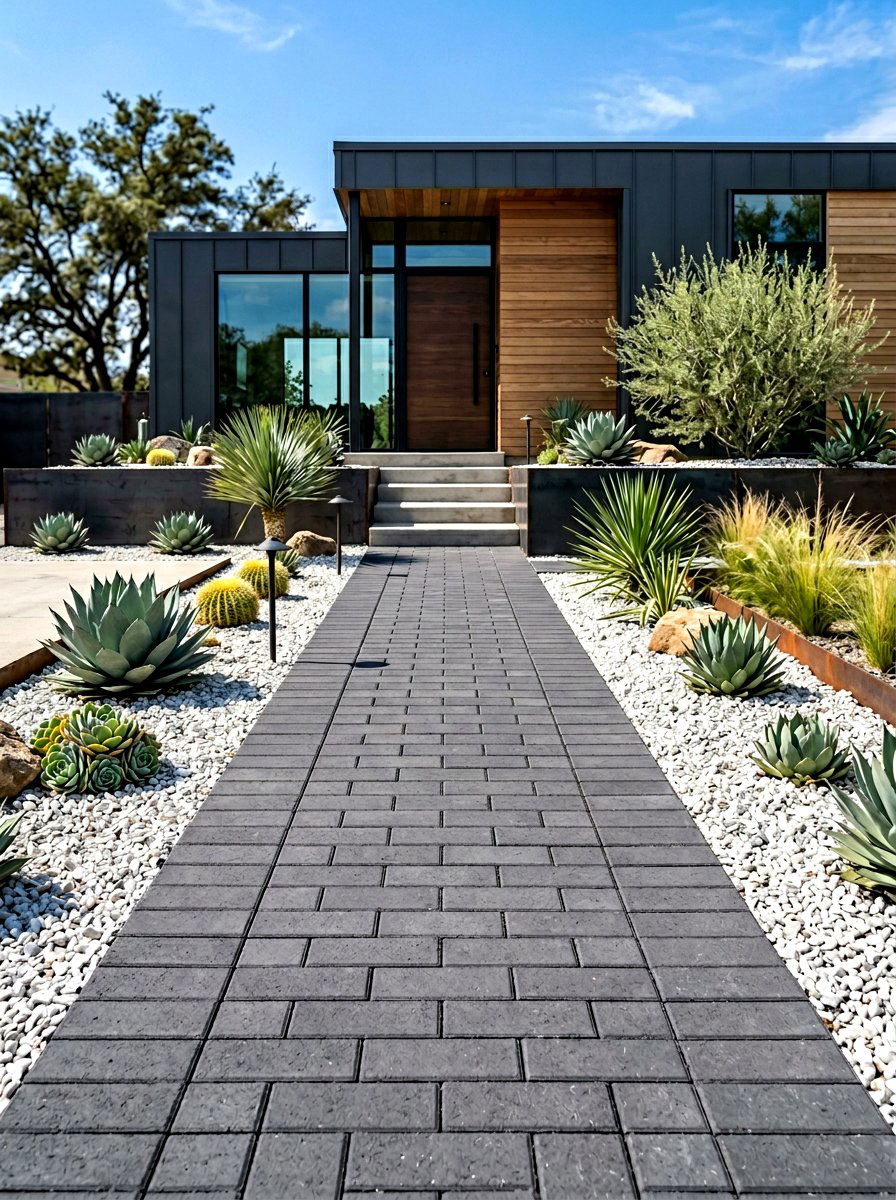
Imagine walking through a quiet forest where the air feels cool and the ground is soft beneath your feet. A well-placed woodland path can transform a standard backyard into a magical escape that feels miles away from the modern world. These trails do more than just provide a way to move through your garden; they set a mood and tell a story of discovery. Whether you have a dense group of trees or a small shaded corner, the right path invites you to slow down and notice the small details of nature. From the crunch of gravel to the silence of moss, every material adds a unique layer of texture to your outdoor sanctuary.
1. Wood chip path
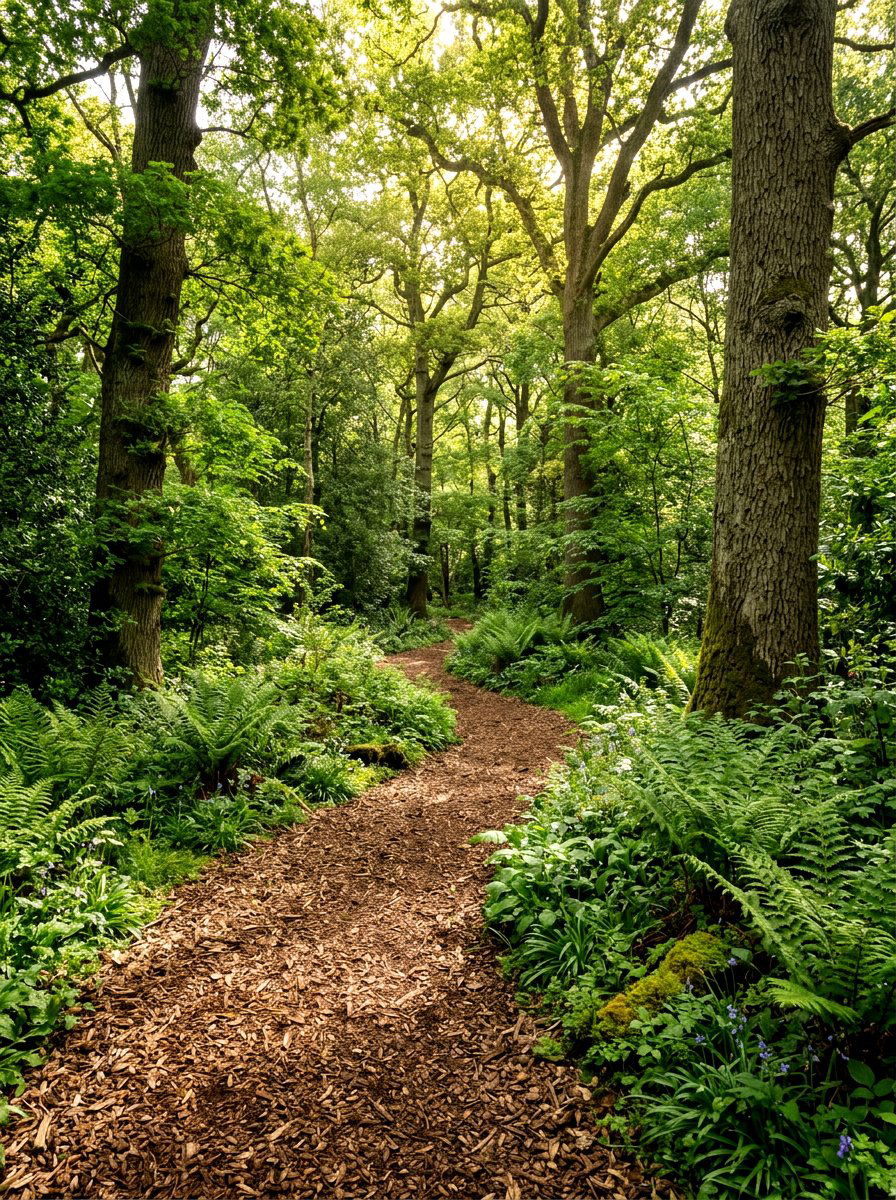
Have you ever noticed how a simple layer of wood chips can instantly make a garden feel like a deep forest retreat? This material is one of the most natural choices for a woodland setting because it mimics the organic floor of a real forest. It is incredibly easy to install and provides a soft, cushioned surface that is a joy to walk on during a morning stroll. Wood chips are also excellent for weed suppression and moisture retention, which helps the surrounding plants thrive in shaded conditions. Over time, these chips break down and enrich the soil, making them a sustainable and eco-friendly option for any gardener who loves a rustic, unrefined look.
2. Stone stepping stone walkway
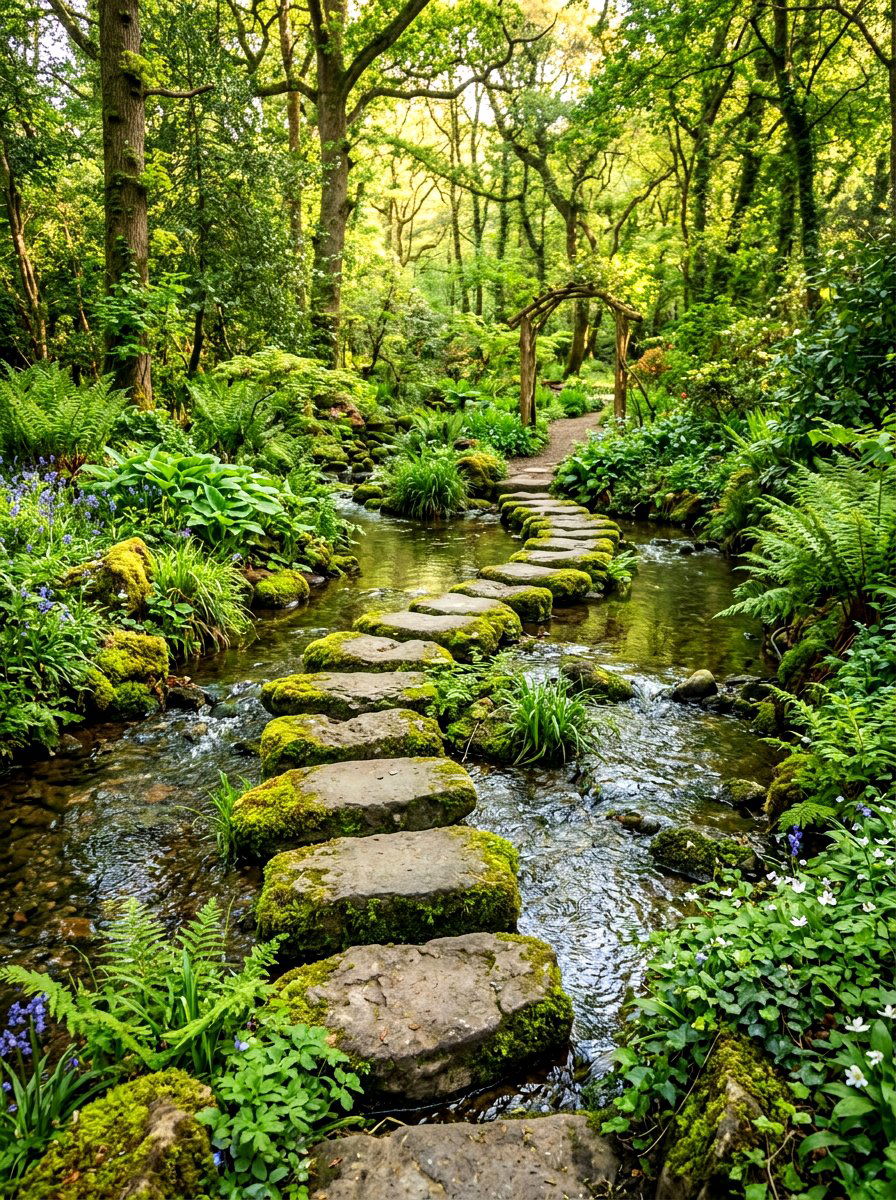
Does your garden have a shaded area that feels a bit disconnected from the rest of your home? Using large, flat stones as stepping stones is a classic way to create a clear route while maintaining a very natural appearance. These stones should be spaced comfortably to match a natural human stride, encouraging a slow and rhythmic pace through the greenery. You can surround the stones with low-growing ground covers like creeping thyme or Irish moss to soften the edges and blend the path into the landscape. This design works perfectly in damp areas where solid pavement might feel too heavy or out of place in a delicate woodland ecosystem.
3. Flagstone garden path
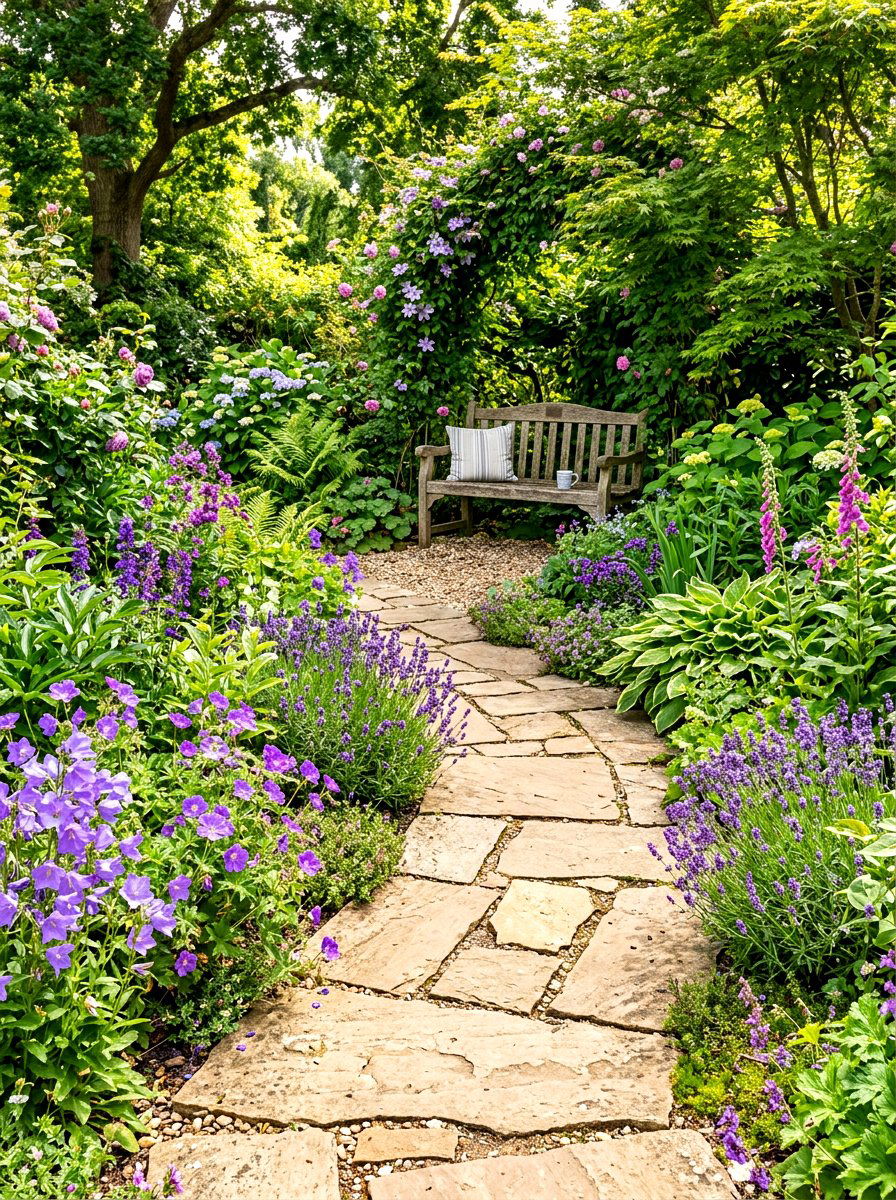
Are you looking for a walkway that feels both permanent and organic at the same time? Flagstone is a favorite for woodland paths because its irregular shapes and earthy colors harmonize beautifully with tree trunks and leafy ferns. When you lay flagstone, you can choose to fit the pieces tightly together for a more formal feel or leave wide gaps for a rustic look. These gaps can be filled with fine gravel or shade-tolerant plants to create a living tapestry underfoot. Because flagstone is heavy and durable, it provides a stable surface that handles foot traffic well without losing its natural charm or becoming slippery after a light rain shower.
4. Log slice walkway
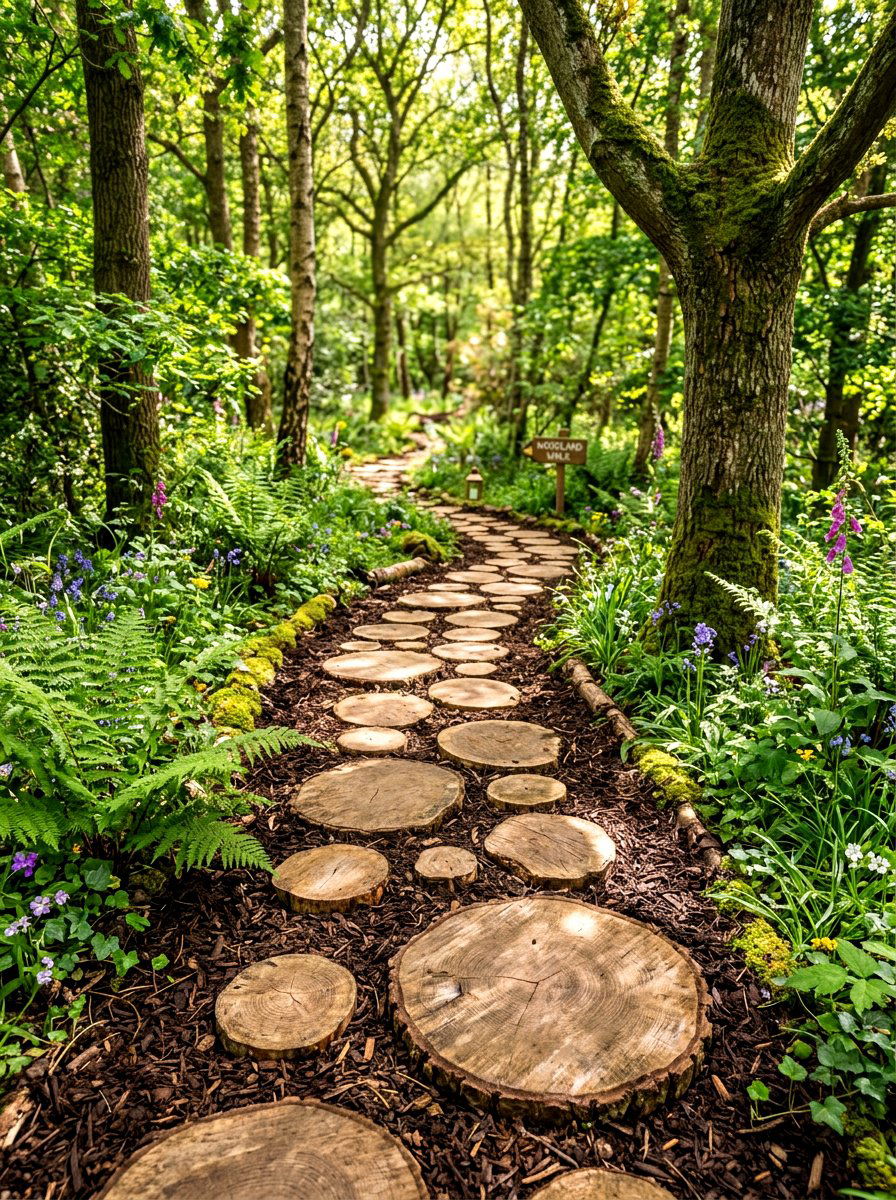
What if you could turn fallen tree branches into a beautiful and functional feature for your backyard? Log slices, often called tree cookies, offer a whimsical and highly textured surface that looks like something out of a fairy tale. By sinking these wooden rounds into the ground, you create a unique stepping stone effect that celebrates the grain and rings of the timber. To ensure the path lasts for many seasons, it is best to use rot-resistant wood like cedar or black locust. This type of path is perfect for children’s play areas or secret garden nooks where you want to emphasize a playful and hand-crafted aesthetic in nature.
5. Natural dirt trail
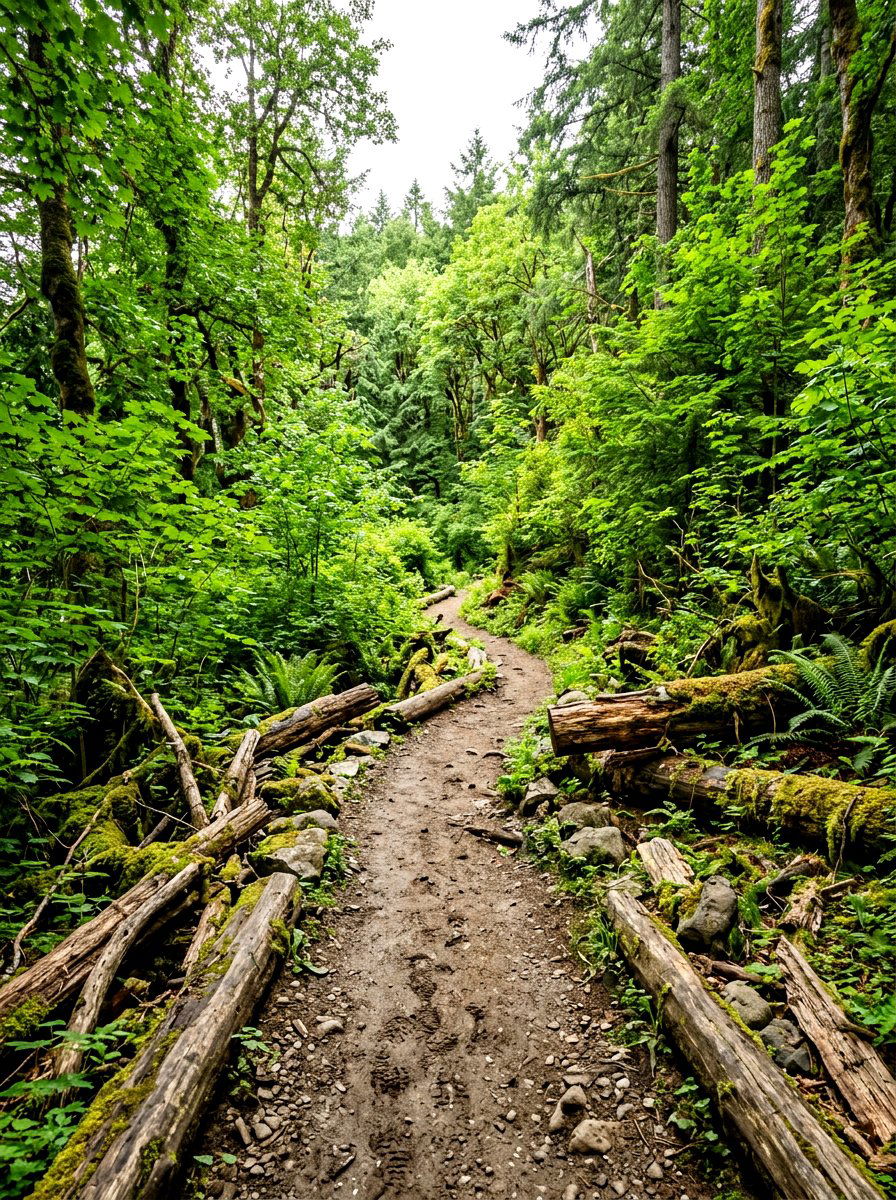
Sometimes the most beautiful way to navigate a wooded area is to simply follow the lead of the land itself. A natural dirt trail is the most authentic way to experience a woodland garden because it requires minimal intervention and feels completely integrated with the environment. To make this work, you should clear away any trip hazards like large roots or rocks while keeping the path narrow and winding. Adding a simple border of fallen logs can help define the route and prevent people from wandering off into delicate plant beds. This approach is ideal for large properties where you want to maintain a sense of wild, untamed adventure.
6. Gravel woodland path
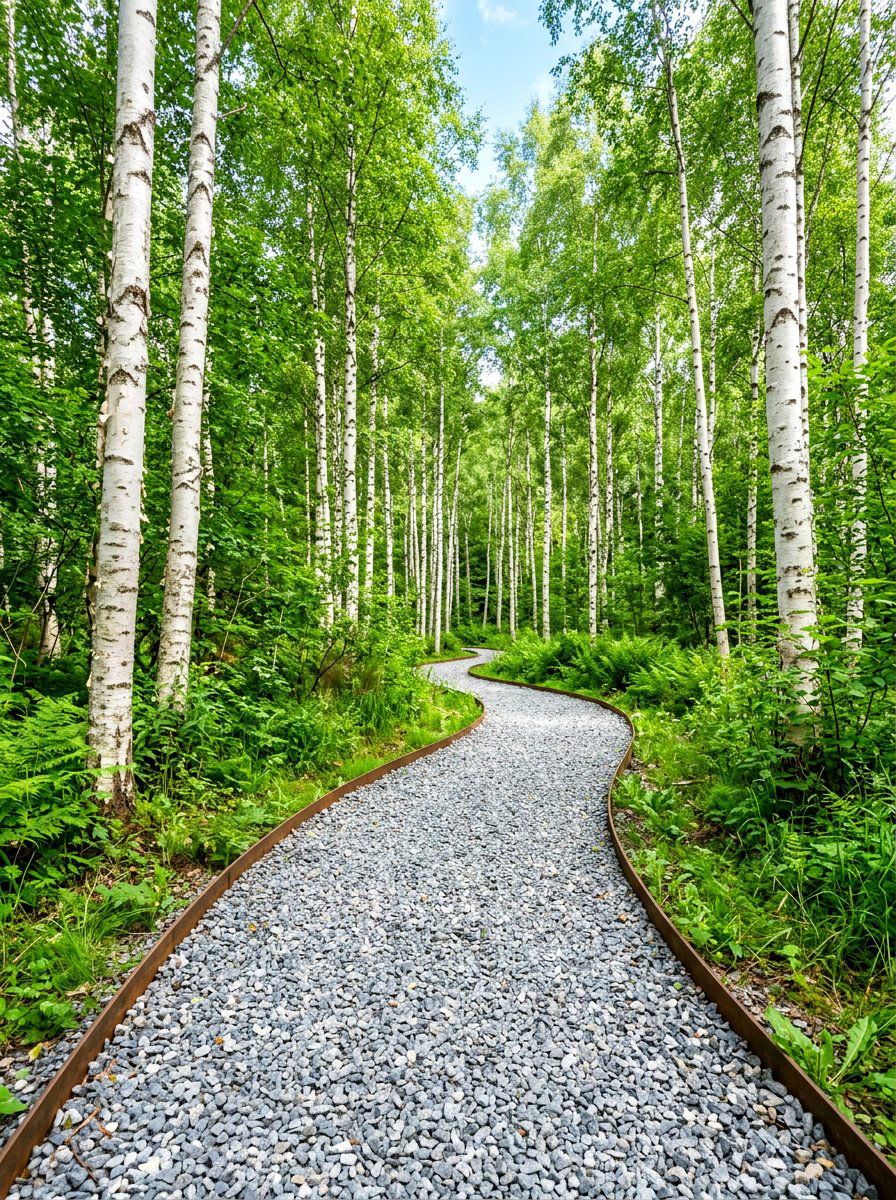
Can a simple crunch underfoot change the way you experience your garden on a quiet afternoon? Gravel paths are highly practical because they provide excellent drainage and a clear visual boundary against the green foliage of a forest. For a woodland setting, choosing a multi-colored pea gravel or a dark crushed stone helps the path blend into the shadows and earthy tones of the trees. It is important to use a landscape fabric underneath to prevent weeds from popping up through the stones. This material is also great for security, as you can hear someone approaching, adding a layer of function to its beautiful, textured appearance.
7. Pine needle forest floor
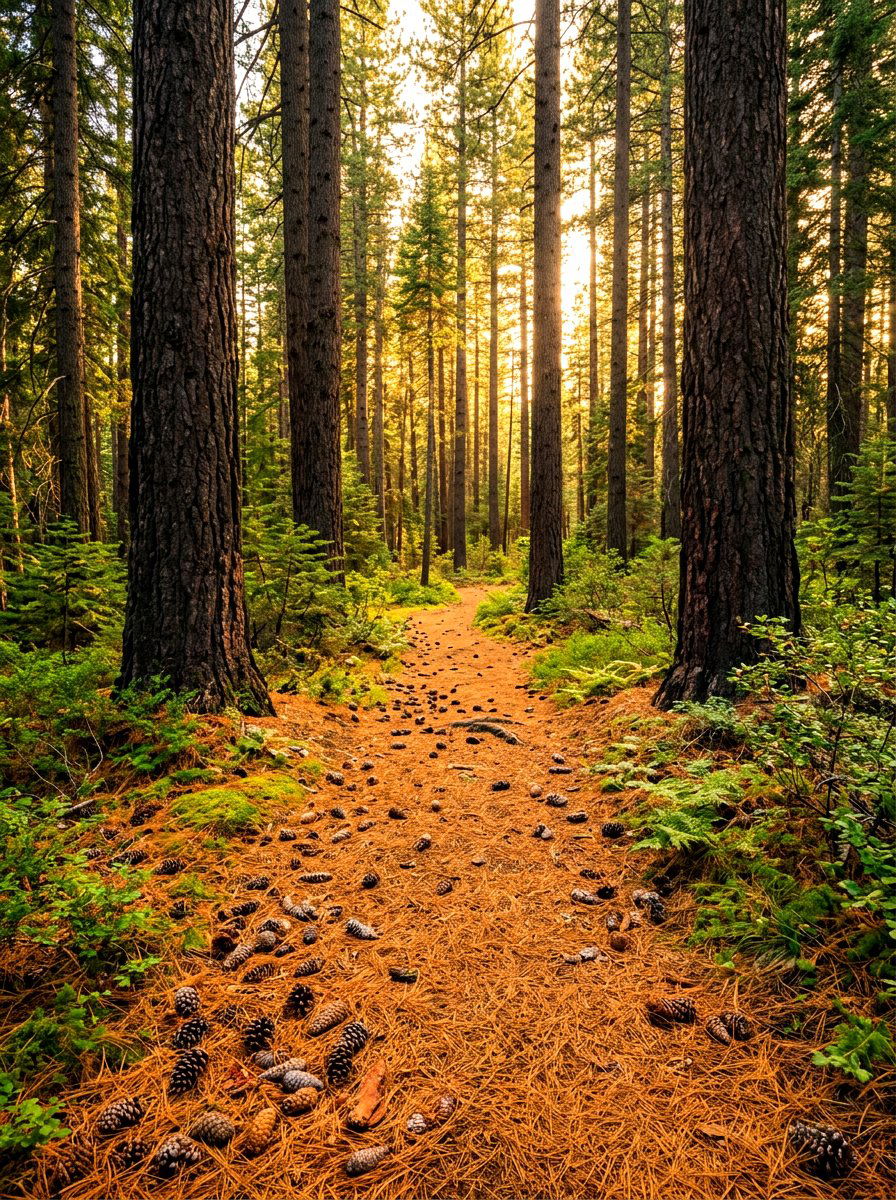
Have you ever walked through a pine grove and felt the incredible softness of the needles beneath your boots? Using pine straw or needles to define a path is an excellent way to lean into a specific regional aesthetic while providing a very low-impact walkway. Pine needles stay in place well on slopes and provide a beautiful rusty-orange color that contrasts vividly with green ferns and hostas. They also have a wonderful, subtle scent that is released when you walk over them, engaging your senses as you move. This is a very budget-friendly option that works best in areas with many evergreens, creating a cohesive and aromatic garden experience.
8. Mossy stone path
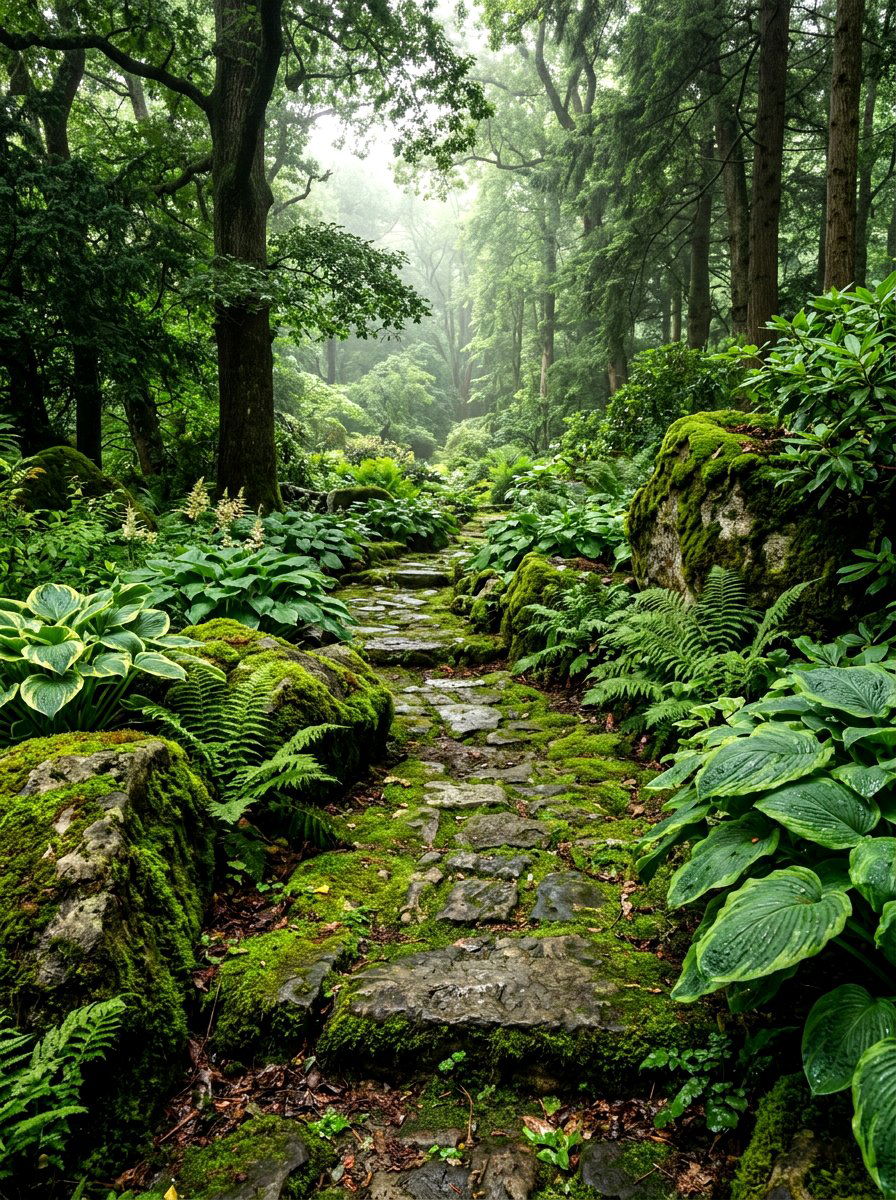
Is there anything more enchanting than the sight of vibrant green moss growing over weathered garden stones? A mossy stone path is the ultimate choice for a damp, shady woodland where traditional grass struggles to grow. You can encourage moss growth by choosing porous stones and keeping the area consistently moist and clear of debris. This type of path feels ancient and settled, as if it has been part of the landscape for centuries rather than just a few years. It provides a soft, velvet-like texture that looks stunning against the dark shadows of a forest canopy, making every step feel like a journey into a hidden, magical realm.
9. Recycled brick walkway
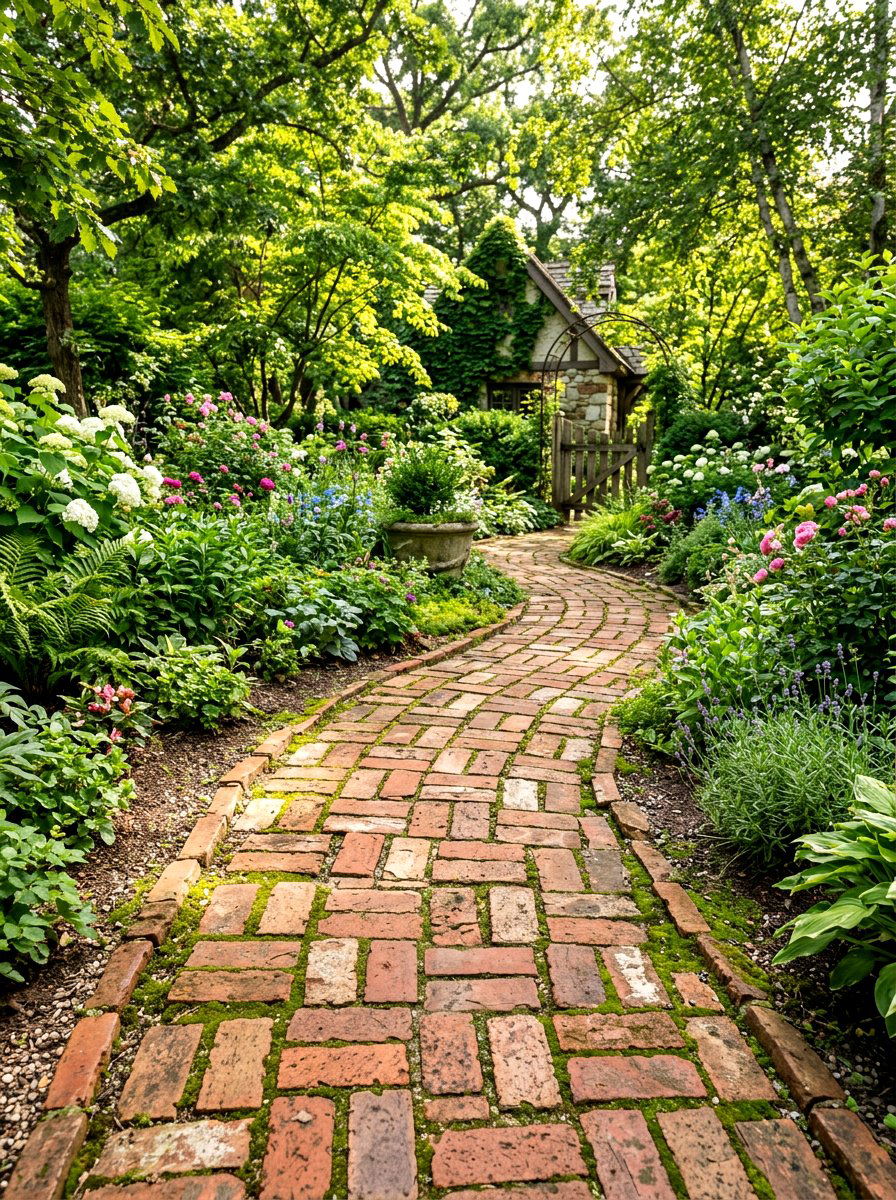
Do you want to add a touch of history and warmth to your shaded garden paths? Recycled bricks offer a beautiful range of colors and a sense of timelessness that works surprisingly well in a woodland setting. Instead of laying them in a perfect, rigid pattern, try a more casual arrangement with moss or small pebbles filling the joints. The red and orange tones of the brick provide a lovely contrast to the cool greens and blues of shade-loving plants. Using reclaimed materials is not only environmentally friendly but also adds a layer of character and story to your garden that new materials simply cannot provide in a natural space.
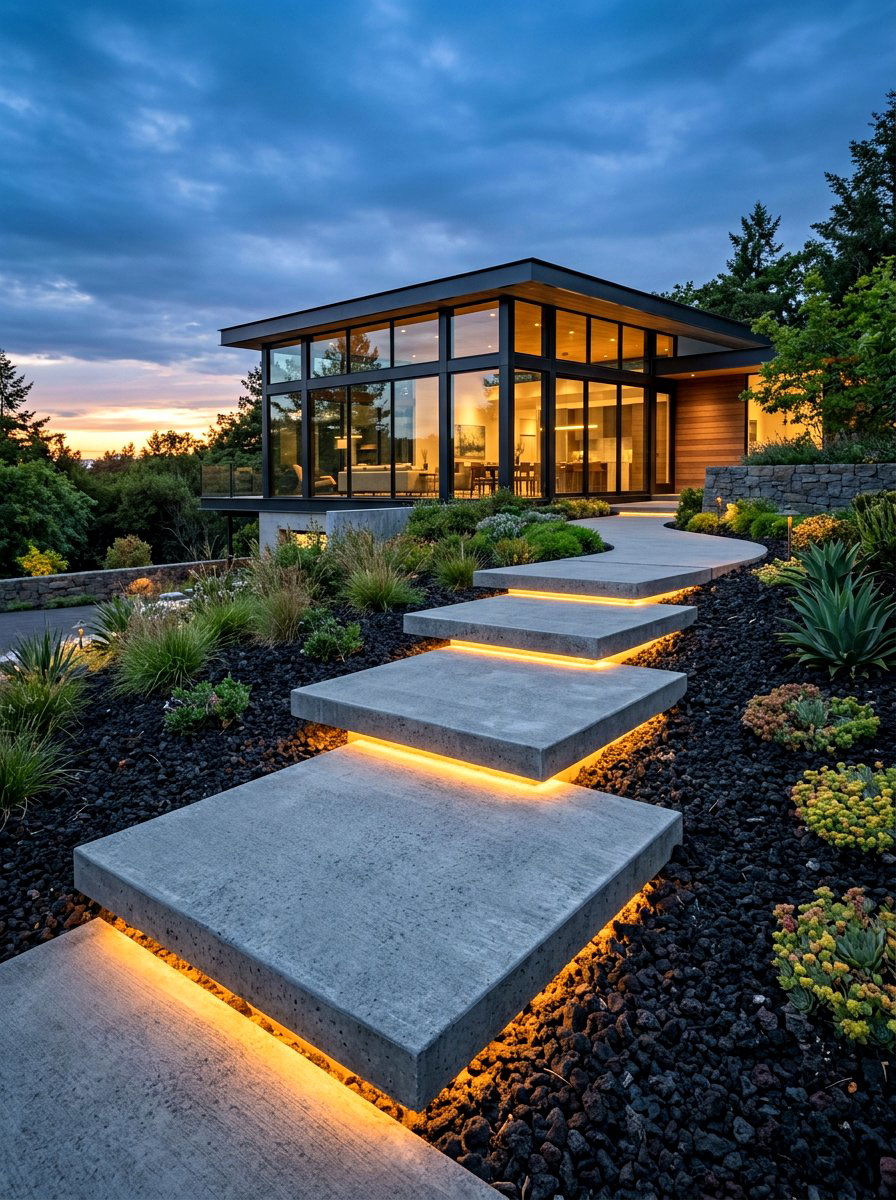
10. Wooden boardwalk path
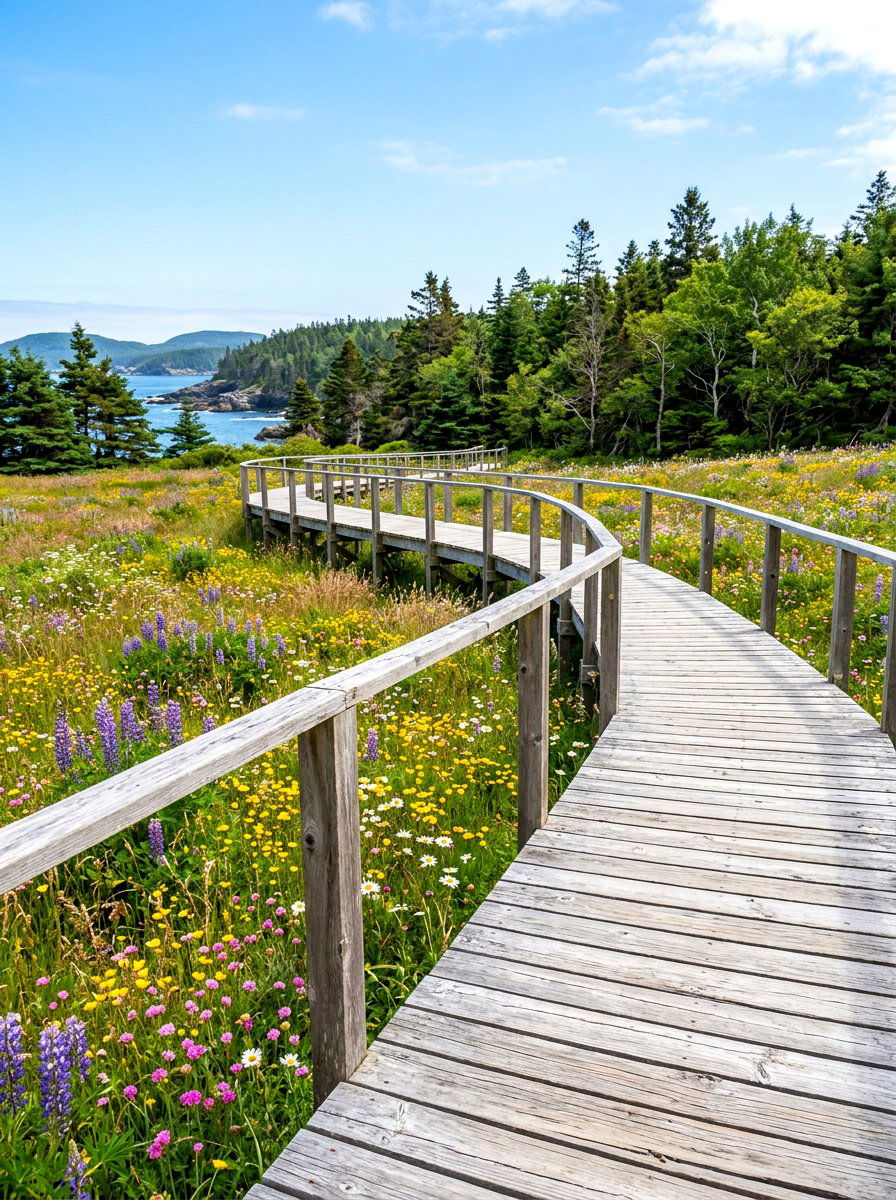
How do you cross a boggy or uneven section of your wooded yard without getting your shoes muddy? A wooden boardwalk is a fantastic structural solution that elevates the walker above the ground, protecting the delicate soil and plants below. Boardwalks can be built in straight lines for a modern look or with gentle zig-zags to follow the natural curve of the terrain. Using a silver-gray weathered wood helps the structure blend in with the trees, making it look like a natural extension of the forest. This is a particularly good choice for low-lying areas where water tends to collect after a heavy rain or spring thaw.
11. Tree stump stepping stones
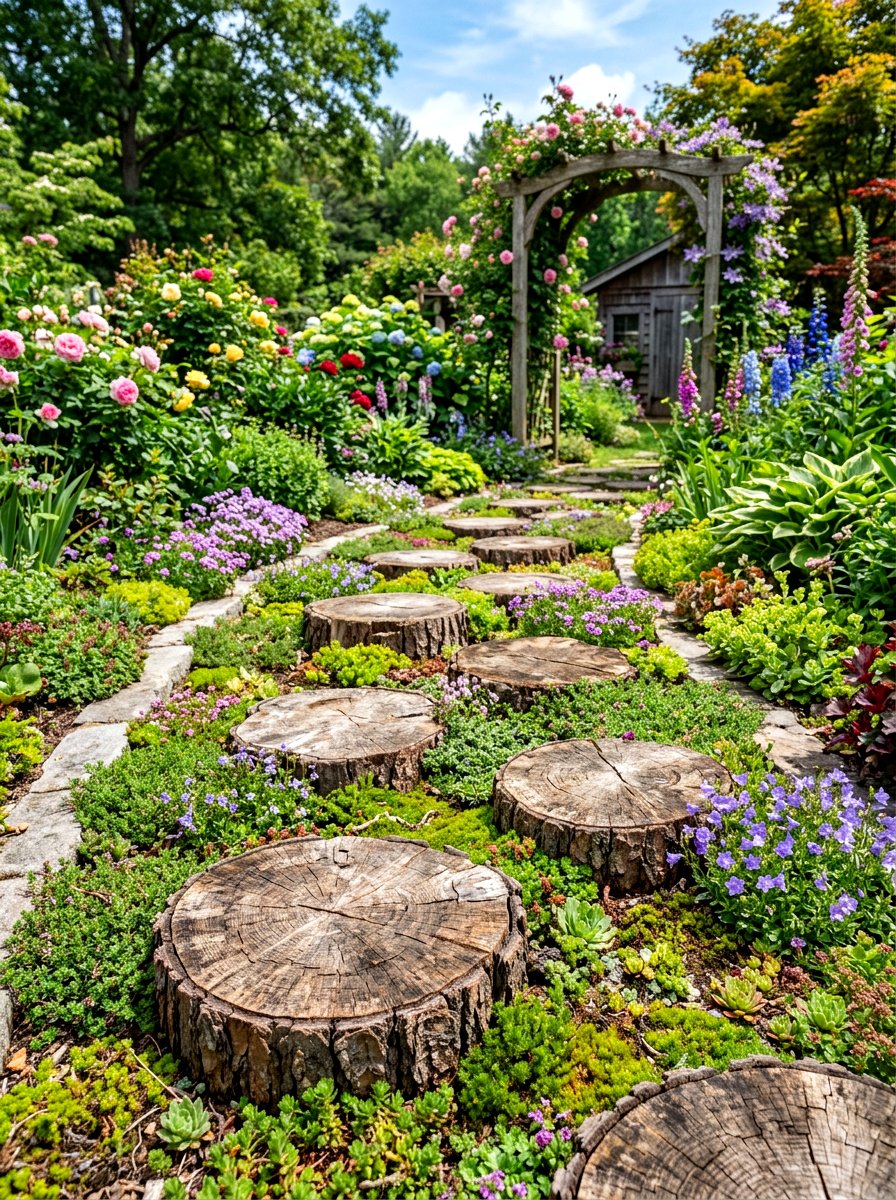
Why settle for standard store-bought pavers when you can use the vertical height of tree stumps for a unique path? If you have had to remove a tree recently, you can cut the trunk into thick discs to create a sturdy and rustic stepping stone path. These stumps should be buried partially in the ground to ensure they do not wobble or slide when you step on them. The rough bark on the edges provides a great grip and a very organic silhouette that mimics the surrounding forest. This idea is a wonderful way to recycle a fallen tree while adding a heavy, grounded element to your garden design.
12. Pea gravel trail
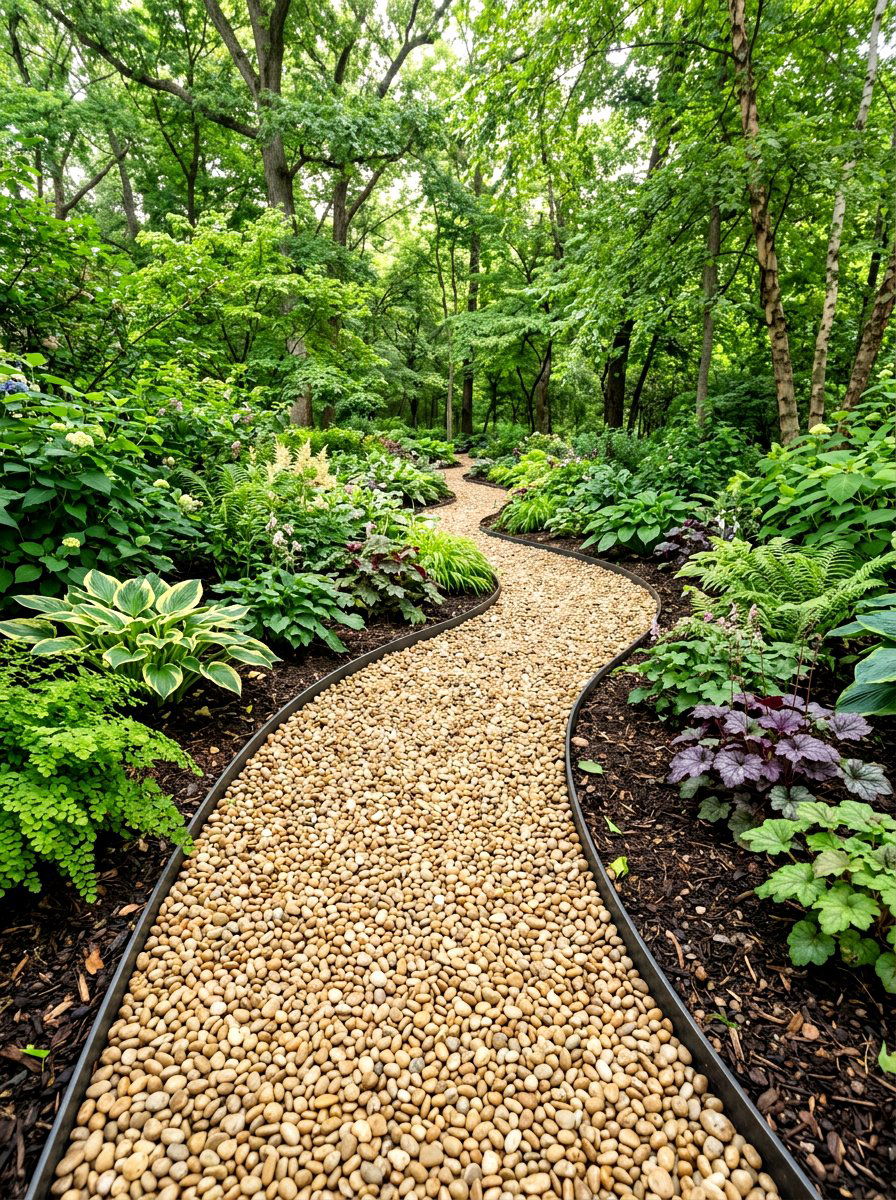
Are you searching for a path material that feels soft on the feet but looks incredibly polished and clean? Pea gravel consists of small, rounded stones that offer a smooth walking surface compared to jagged crushed rock. In a woodland garden, pea gravel can be used to create winding trails that look like dry streambeds flowing through the trees. Because the stones are so small, they easily conform to tight curves and narrow passages between large roots or rocks. To keep the gravel from spreading into your flower beds, consider using a hidden metal or plastic edging that keeps the path looking neat and well-defined.
13. Cobblestone forest path
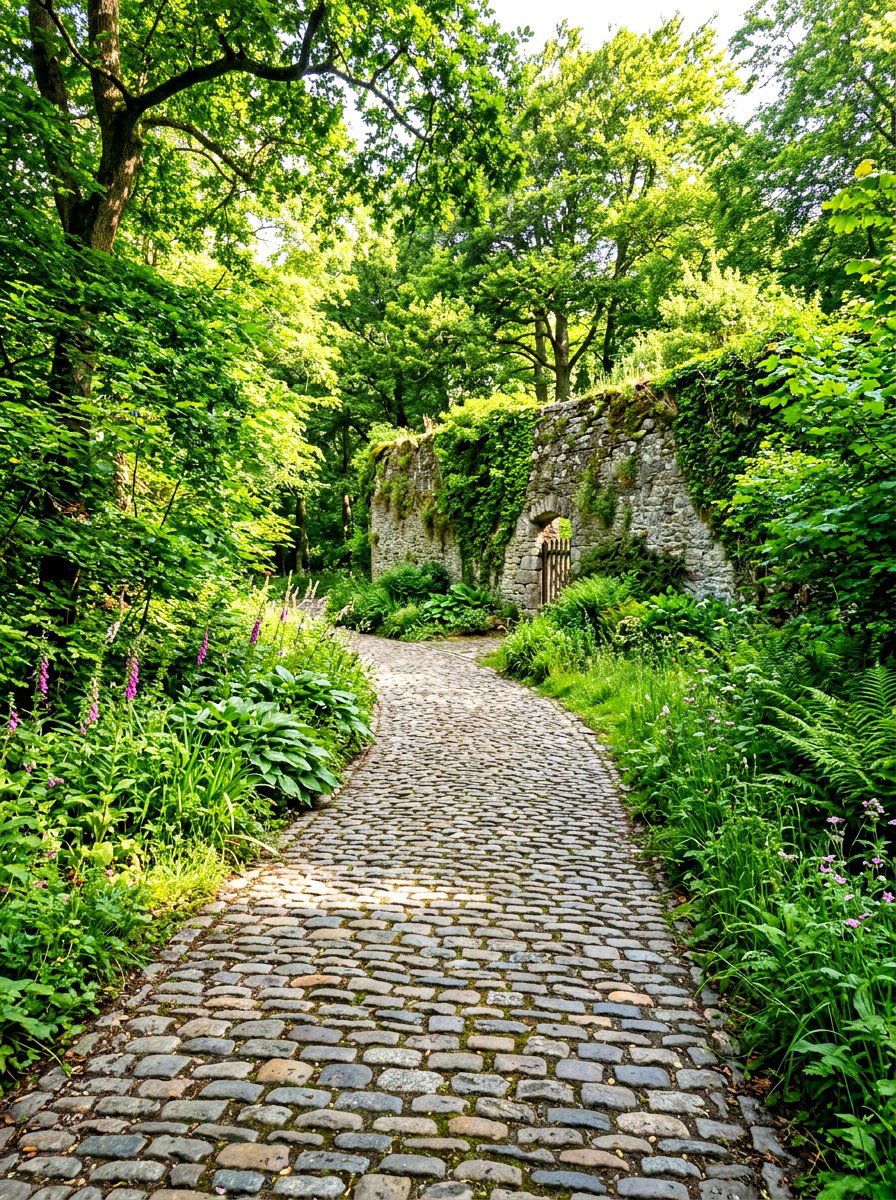
Does the idea of an old European forest trail appeal to your sense of garden style? Cobblestones provide a rugged, textured surface that can withstand heavy use and various weather conditions over many decades. The uneven surface of the stones encourages you to watch your step, which naturally slows your pace and allows you to enjoy the surrounding bird song and rustling leaves. Cobblestones look best when they are allowed to weather naturally, perhaps with a bit of lichen or moss growing in the deep grooves between the stones. This design choice brings a sense of permanence and architectural weight to a loose, wild woodland landscape.
14. Slate tile walkway
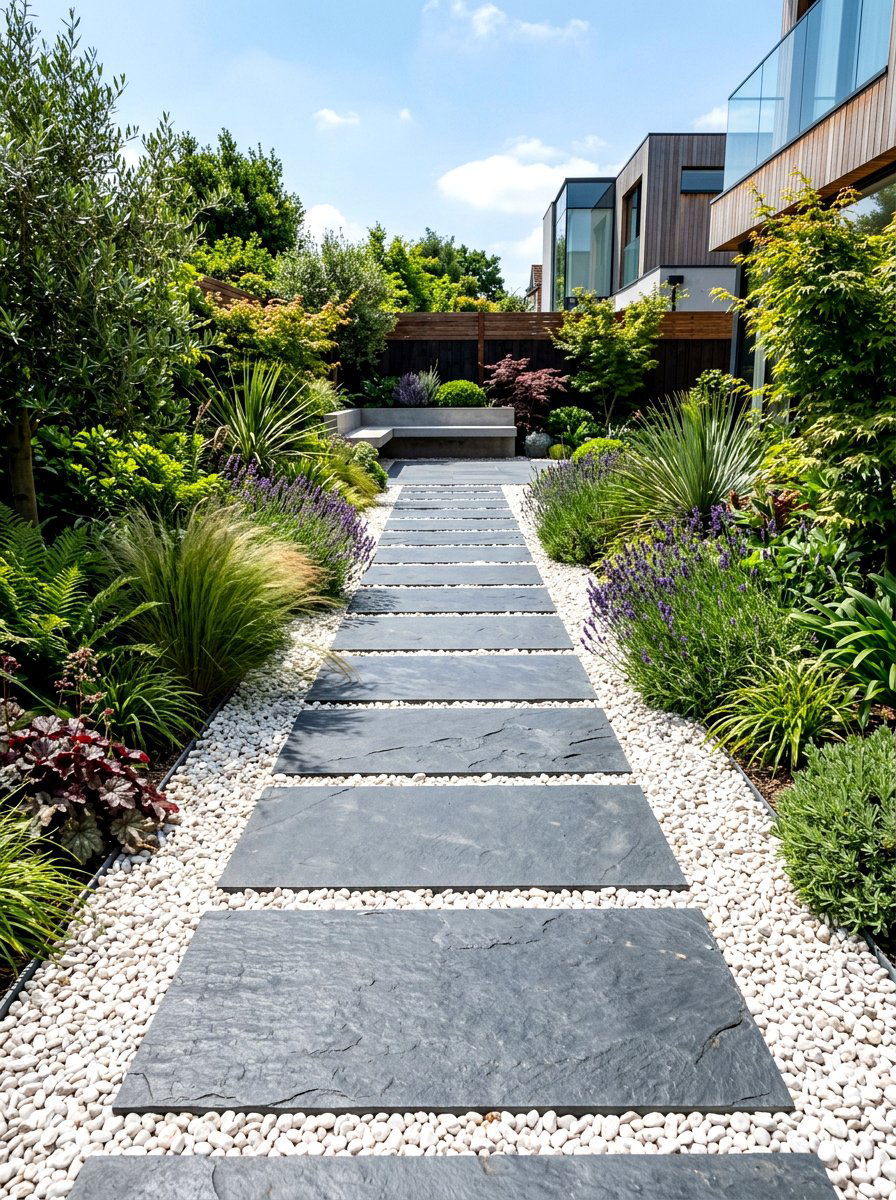
Can a modern material like slate still feel at home in a wild, wooded environment? Slate tiles in dark grays, blues, and blacks provide a sophisticated look that mirrors the natural rock outcrops found in many forests. When laid as a series of large rectangular or square stepping stones, slate creates a clean and organized route through dense planting. The smooth surface of the stone reflects the dappled light filtering through the trees, creating a beautiful play of shadows and highlights. Slate is naturally slip-resistant when it has a cleft finish, making it a safe and stylish option for a contemporary woodland garden path.
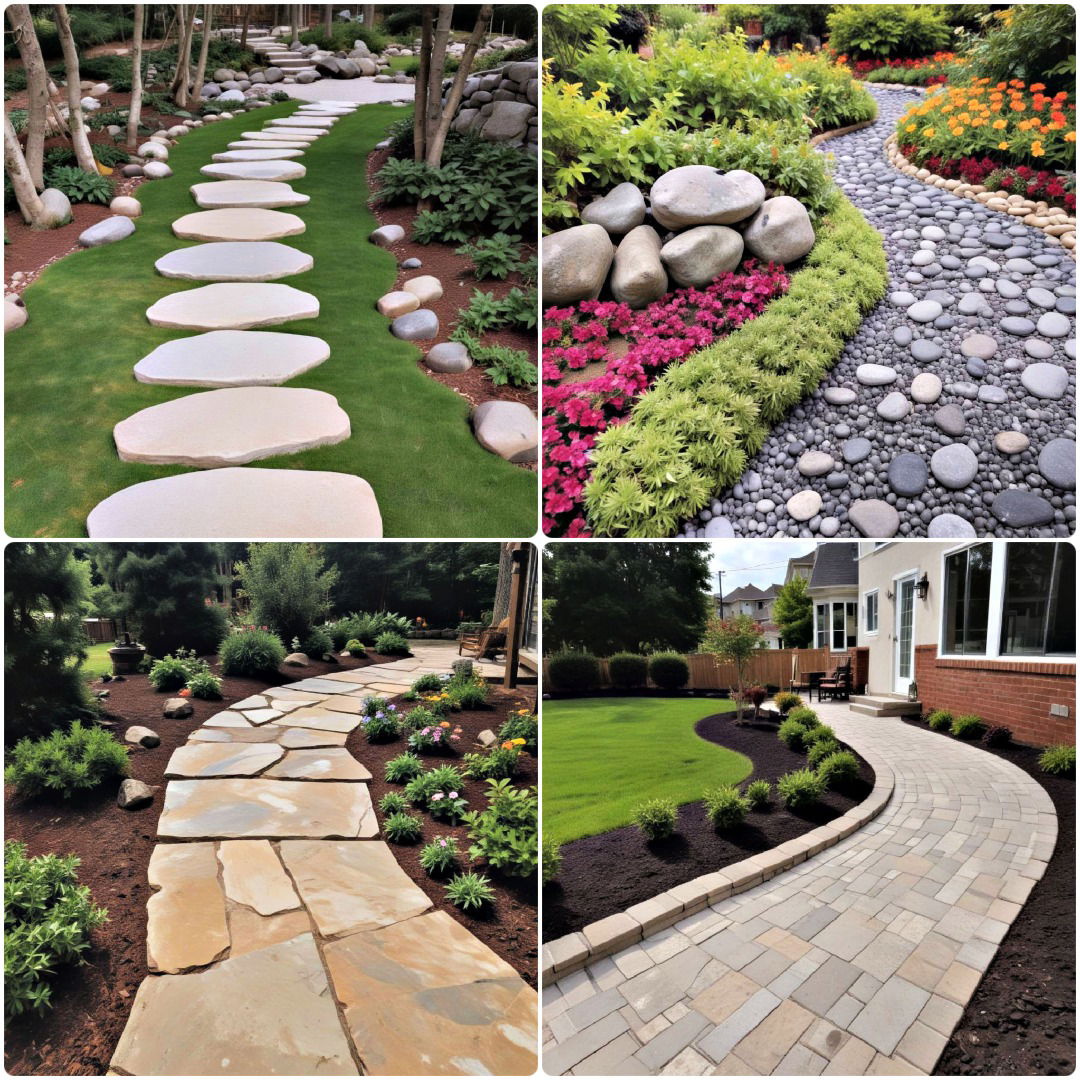
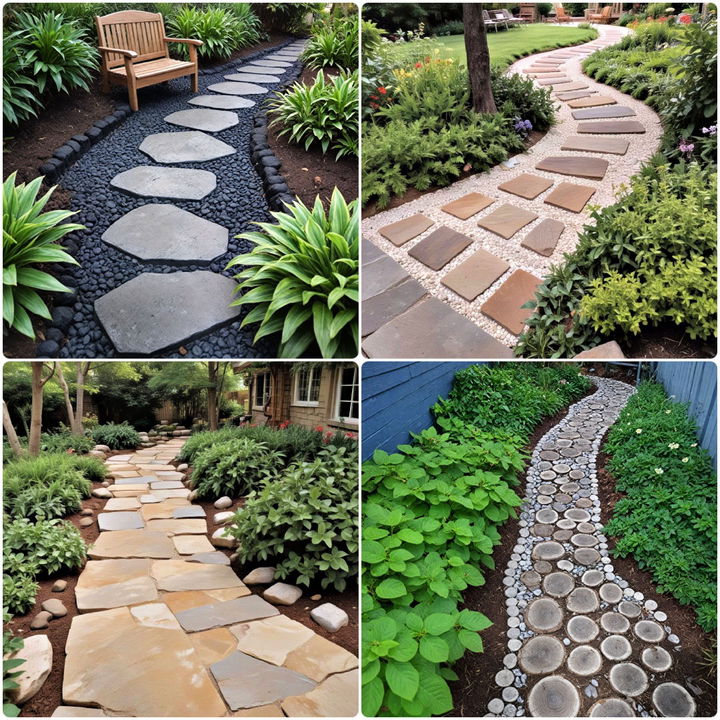
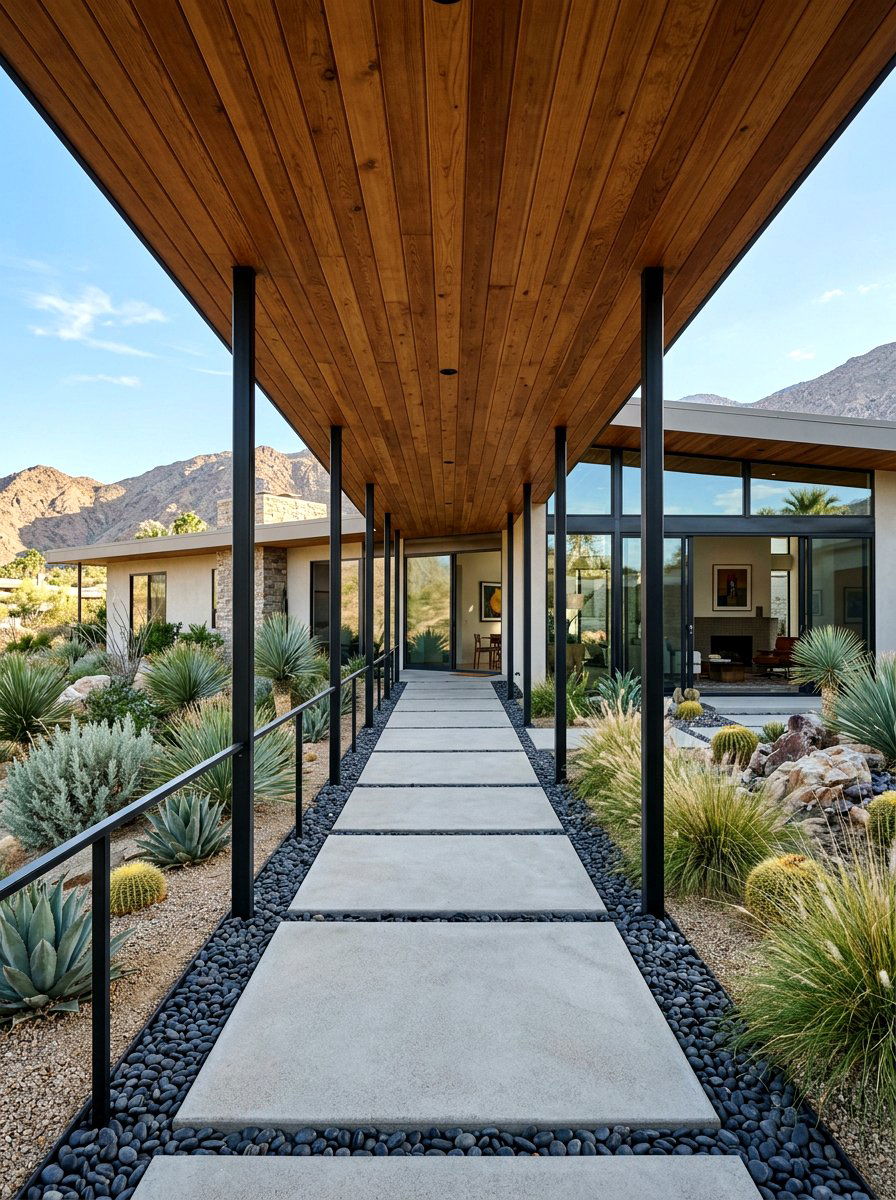

15. Bark mulch path
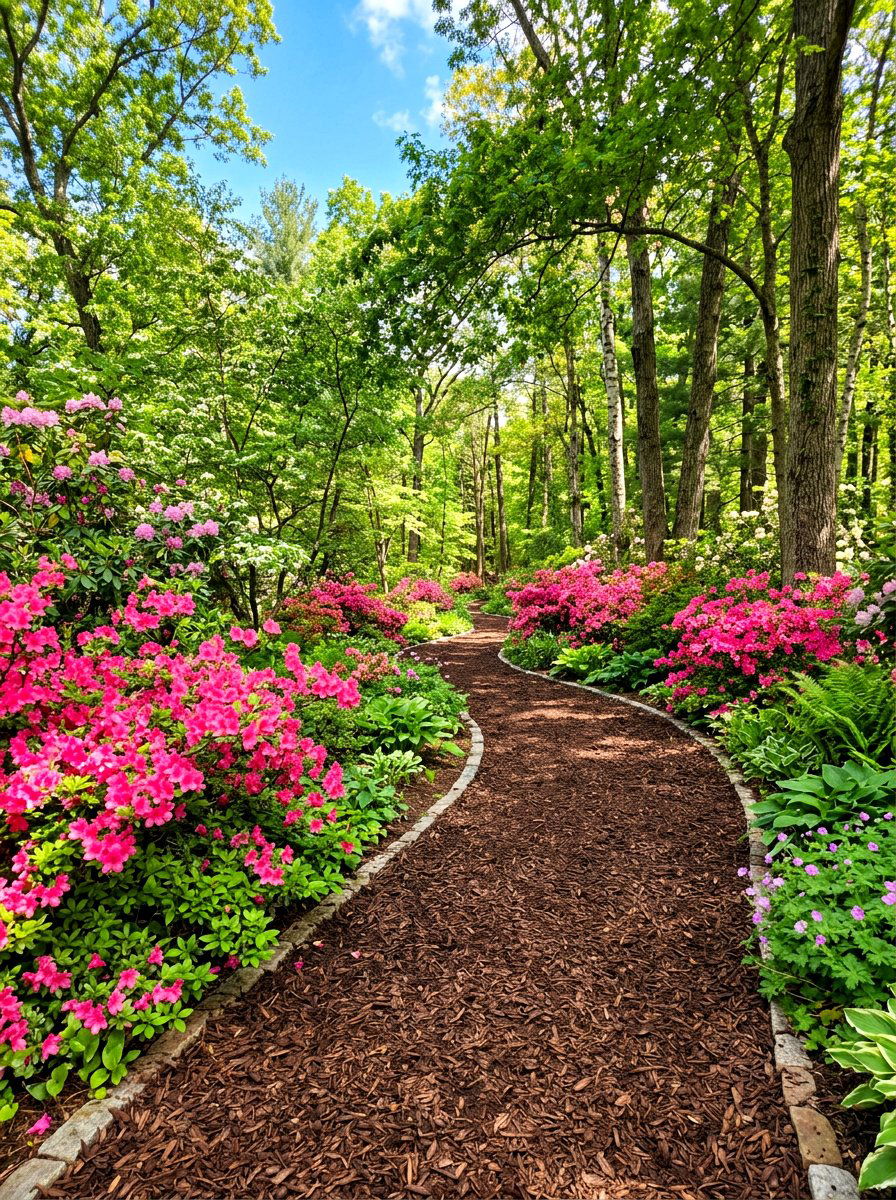
Is there a more cost-effective way to create a clean and soft path than using simple bark mulch? Bark mulch is widely available and provides a dark, rich color that acts as a perfect backdrop for bright green ferns and white woodland flowers. It feels very natural underfoot, providing a slight springiness that makes walking a comfortable experience for people of all ages. Bark mulch is also excellent for the health of your trees, as it mimics the natural leaf litter that would normally decompose on a forest floor. It is a practical choice that can be easily topped up every year to keep the path looking fresh.
16. River rock garden path
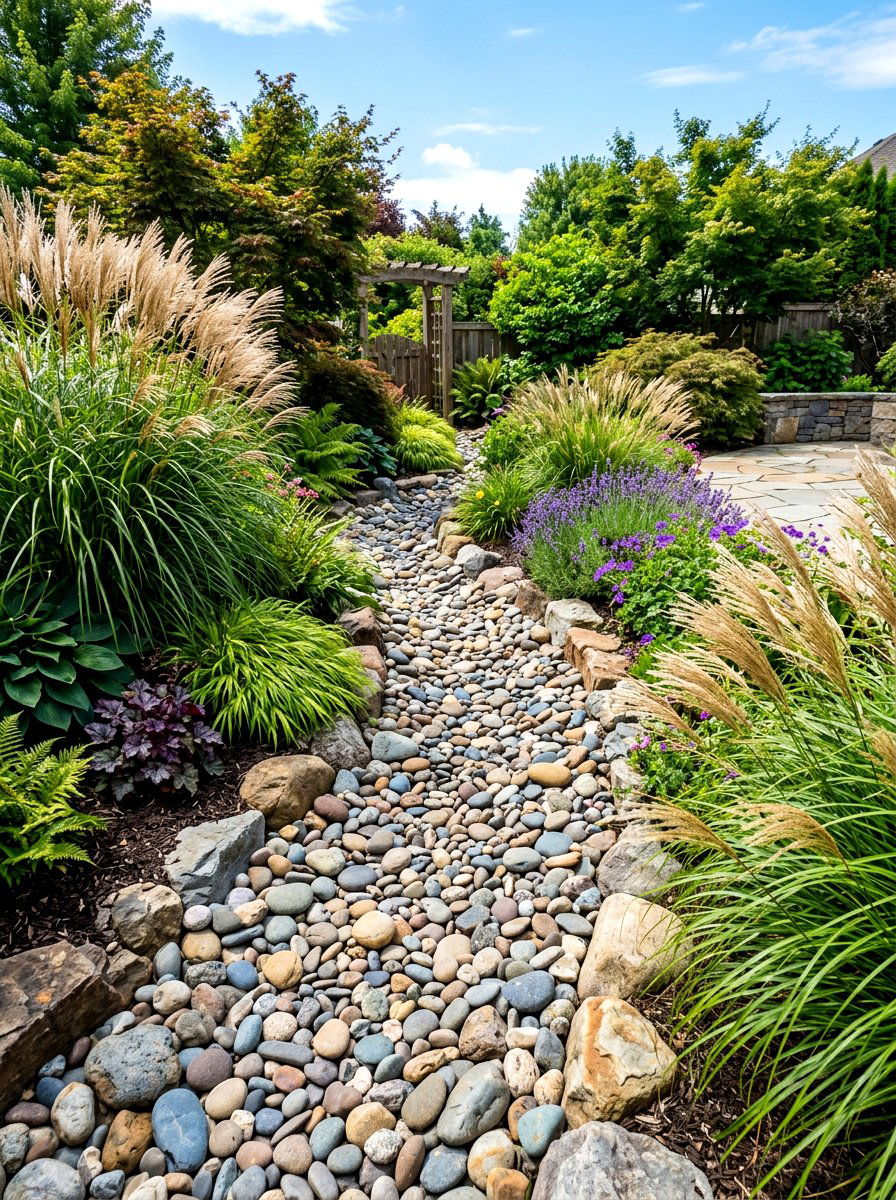
Have you ever wanted to bring the calming sound and look of a mountain stream into your backyard? A river rock path uses smooth, water-worn stones of various sizes to create a walkway that looks like a natural geological feature. You can mix large boulders with smaller pebbles to create a sense of scale and movement along the trail. This type of path is particularly effective in areas where you might have natural drainage issues, as the rocks allow water to flow through without causing erosion. The varying shapes and colors of river rocks provide endless visual interest, making every step of the journey unique and engaging.
17. Grass woodland walkway
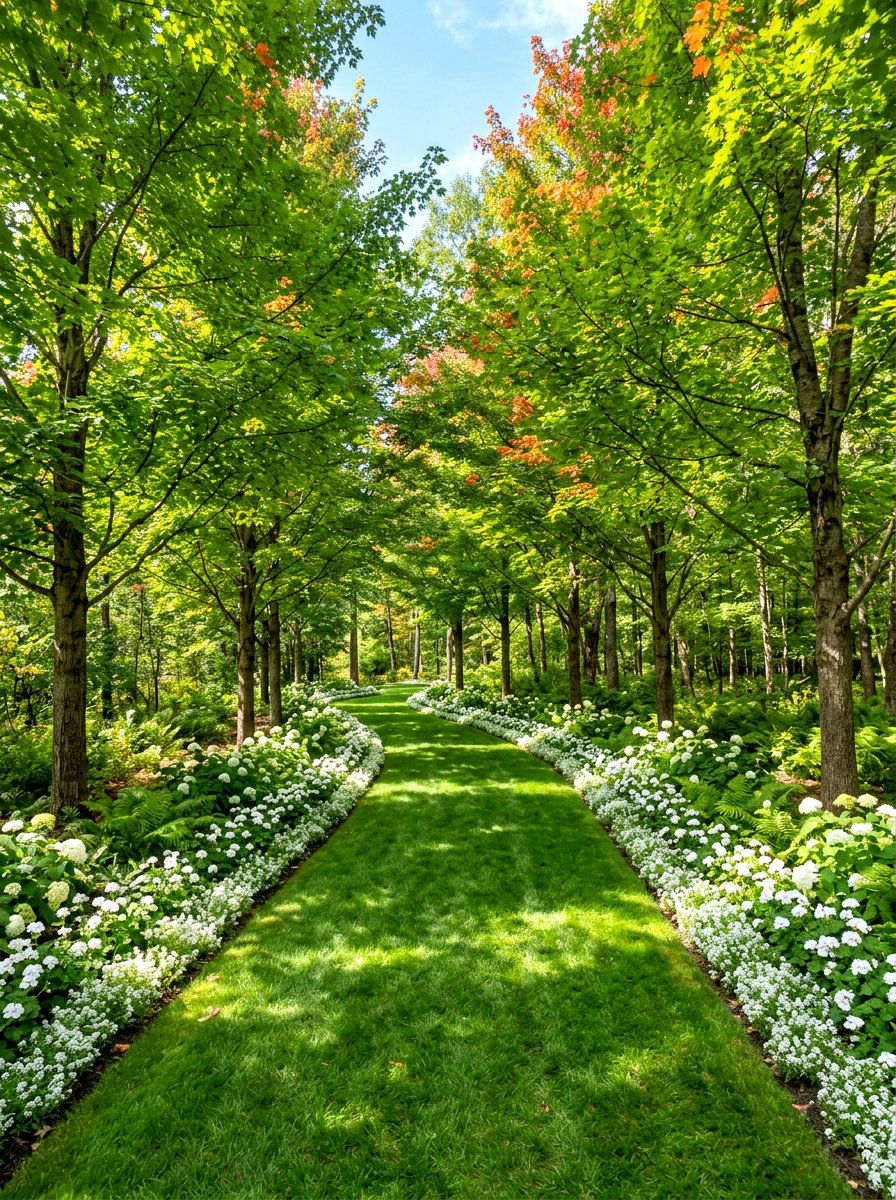
Is it possible to have a lush green lawn even under the deep shade of tall, mature trees? While traditional grass may struggle, using shade-tolerant varieties or clover can create a soft, green ribbon that winds through your woodland garden. A grass path provides a stark and beautiful contrast to the dark bark of trees and the brown tones of mulch. It feels cool and refreshing on a hot summer day, offering a comfortable place for bare feet. This type of path requires more maintenance, such as regular mowing and occasional overseeding, but the visual payoff is a bright and inviting trail that feels incredibly peaceful and soft.
18. Timber sleeper path
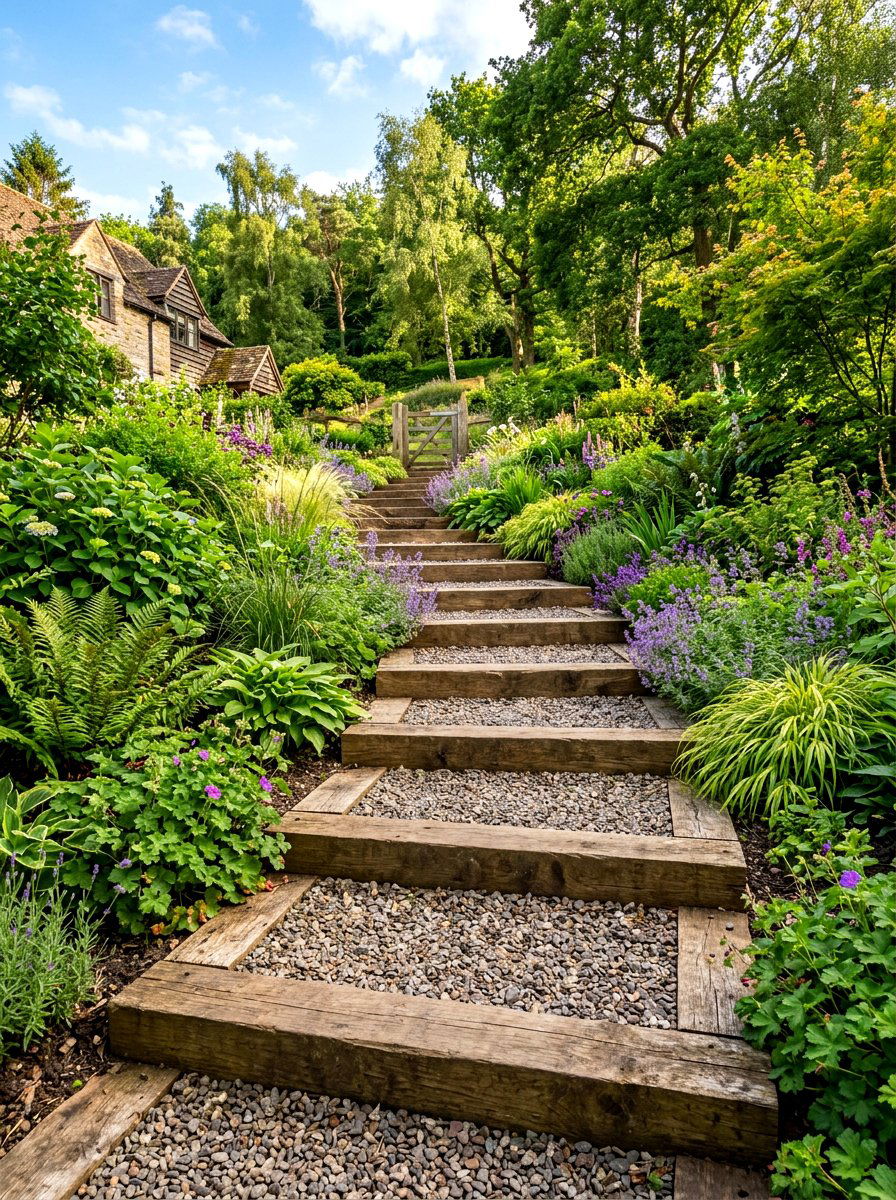
Do you need a path that can handle a steep slope or provide a very strong architectural line in your garden? Timber sleepers, or large wooden beams, can be used to create wide, sturdy steps or a flat boardwalk-style trail. These heavy pieces of wood bring a sense of scale and drama to the landscape, grounding the airiness of the surrounding trees. You can fill the space between the sleepers with gravel or soil to create a secure walking surface that feels solid and dependable. The chunky nature of the timber complements the large trunks of old trees, making the path feel like an integral part of the forest structure.
19. Sandstone forest trail
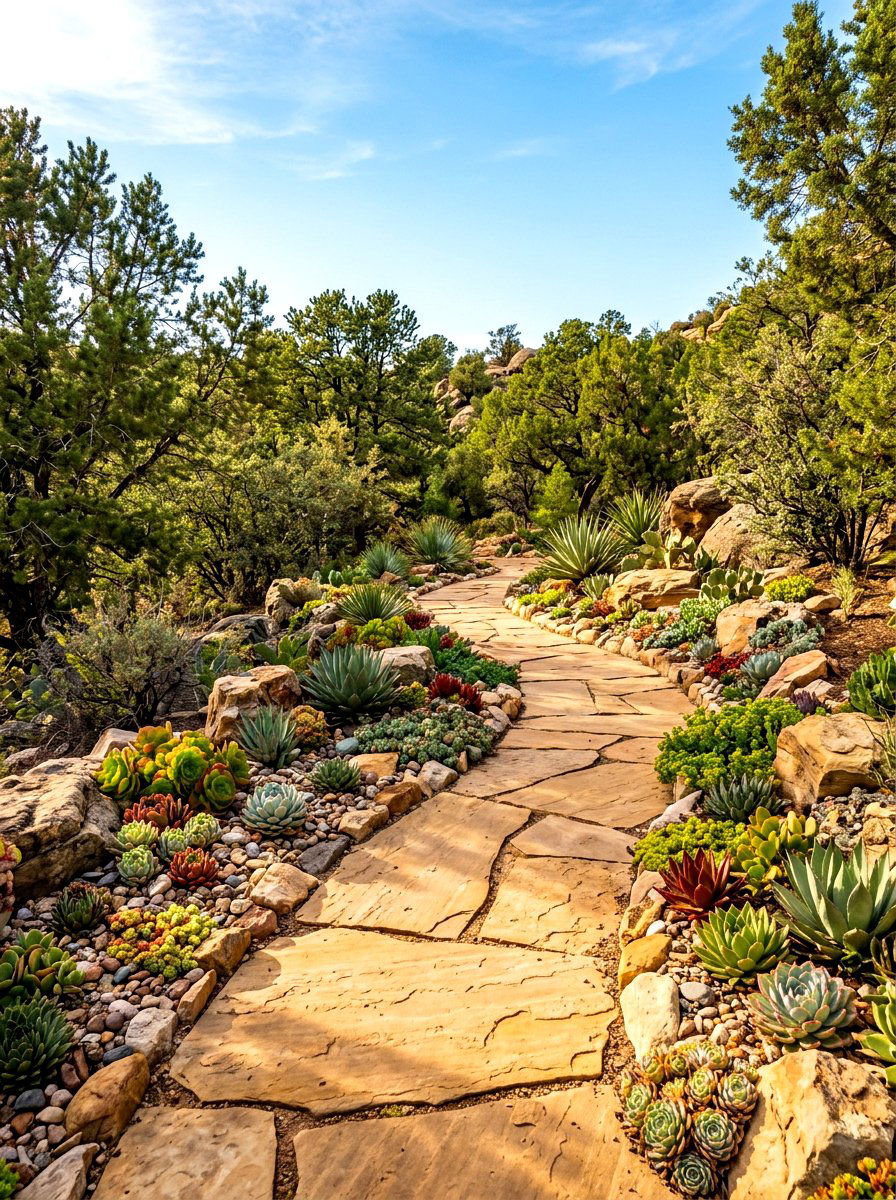
Are you looking for a warm and inviting stone that feels soft to the touch and looks beautiful in the shade? Sandstone is known for its lovely tan, gold, and pink hues, which can brighten up a dark woodland area without feeling artificial. It is often available in irregular slabs that are perfect for creating a meandering trail that follows the natural contours of your yard. Sandstone has a natural grain that provides a good grip, and it stays relatively cool even in the summer heat. This material ages gracefully, developing a weathered patina over time that helps it blend seamlessly into the earthy environment of a forest.

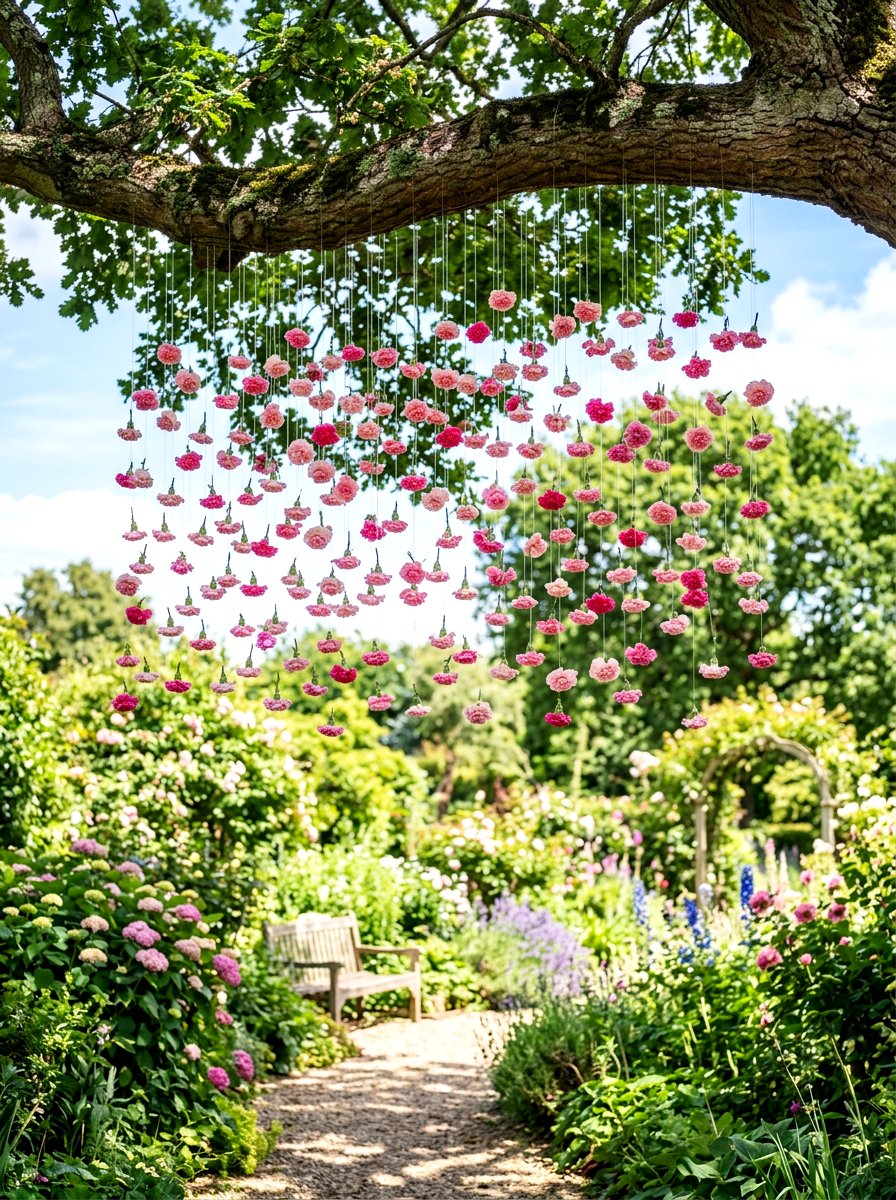

20. Crushed limestone path
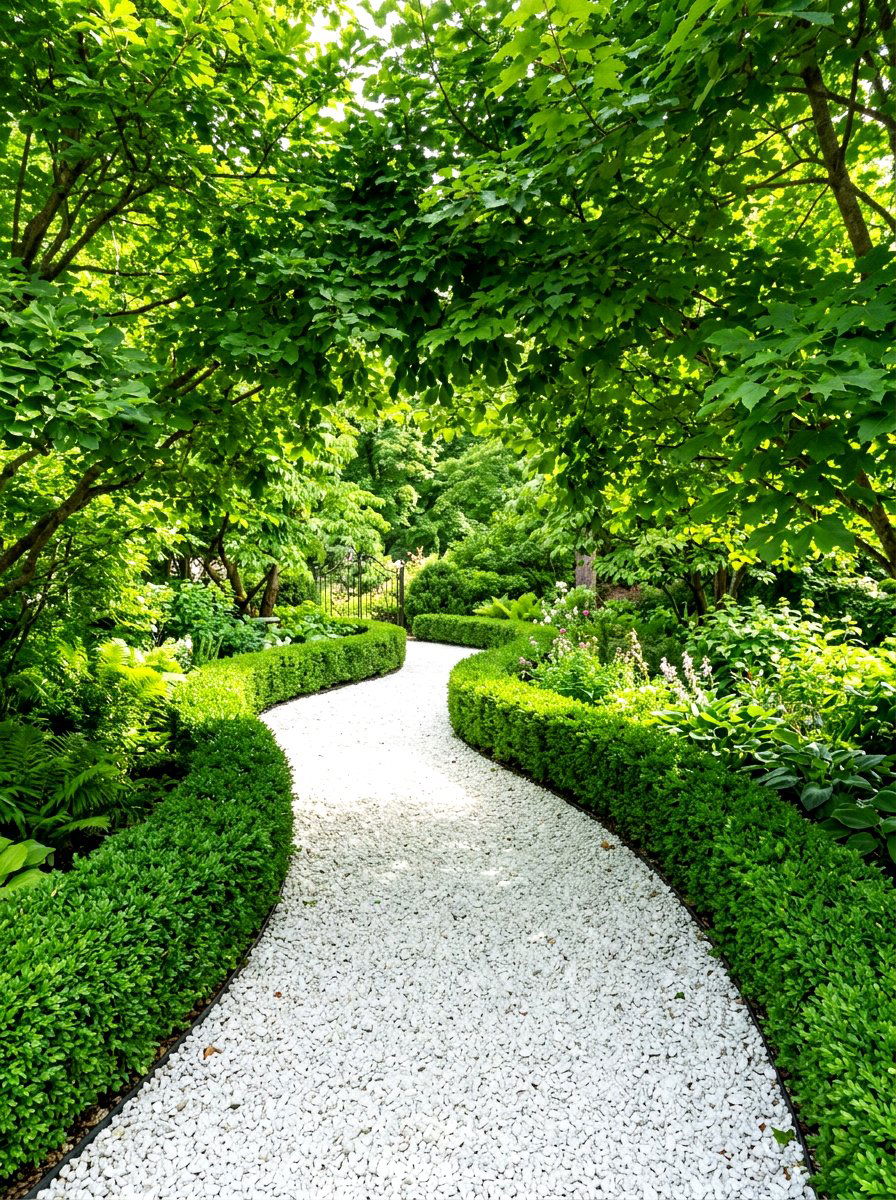
Can a light-colored path help guide you through your garden during the dim hours of twilight or early dawn? Crushed limestone is a popular choice for woodland paths because its pale color reflects available light, making the trail easier to see in low-light conditions. It packs down firmly over time, creating a very stable and even surface that is easy for everyone to navigate. The alkaline nature of limestone can also benefit certain types of woodland plants that prefer higher pH levels in the soil. This material is functional, affordable, and provides a clean, crisp appearance that highlights the wild beauty of the surrounding forest plants.
21. Paving stone garden walkway
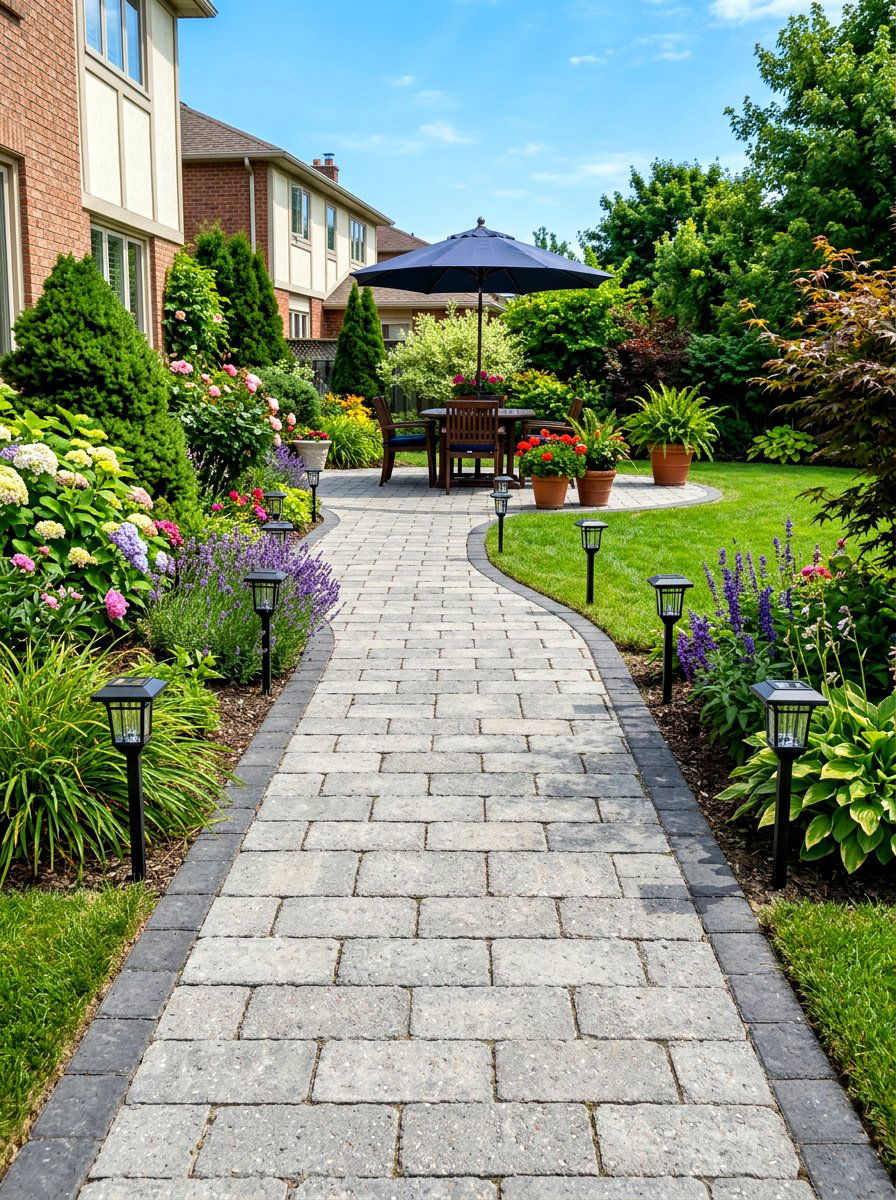
Do you prefer a path that feels very structured and tidy amidst the chaotic beauty of a natural woodland? Using uniform paving stones allows you to create a very neat and organized walkway that provides a clear contrast to the wild greenery. You can choose from many different colors and textures to match the exterior of your home, bridging the gap between your indoor living space and the outdoors. Paving stones are incredibly durable and require very little maintenance once they are properly installed on a bed of sand or gravel. They offer a level surface that is perfect for placing a garden bench or a decorative birdbath.
22. Decorative pebble path
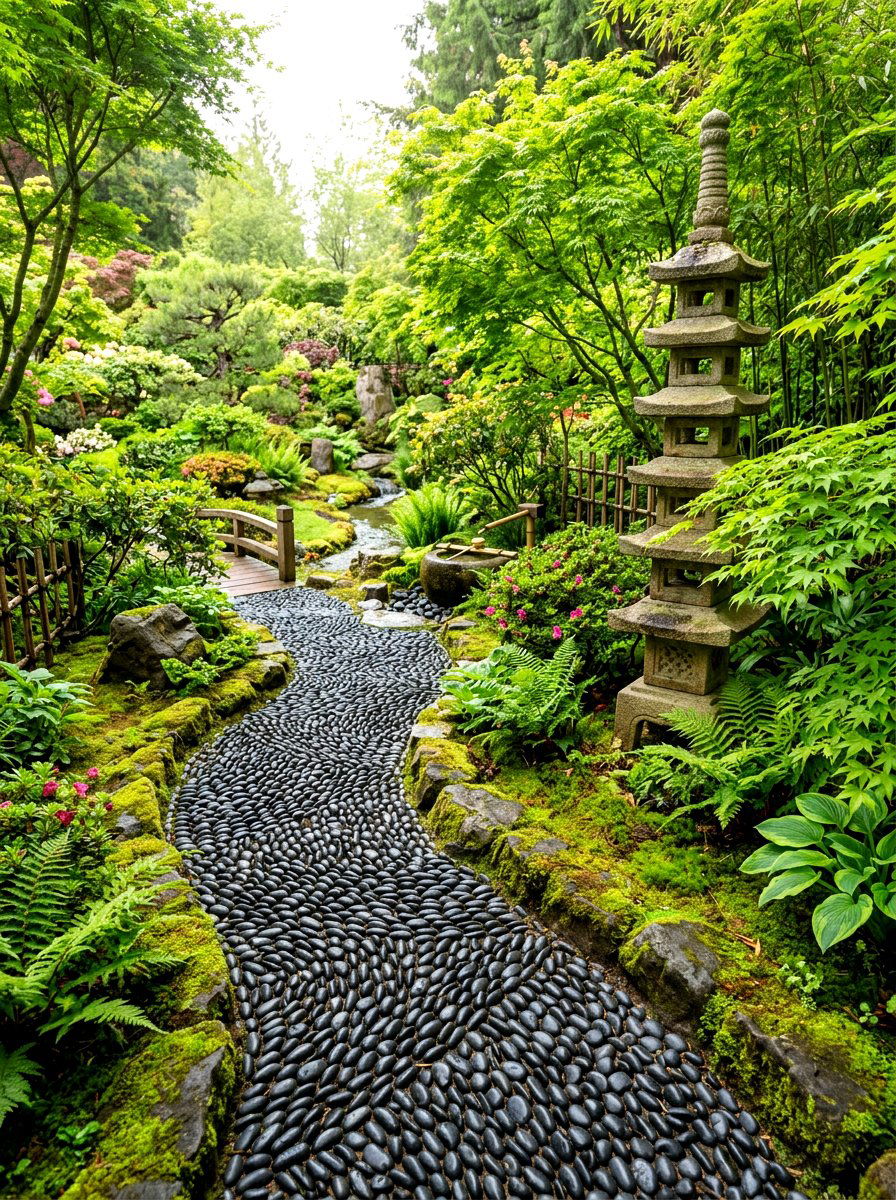
Have you ever considered using small, colorful pebbles to create a path that looks like a work of art? Decorative pebbles come in a wide array of colors, from snowy white to deep ocean blue, allowing you to get creative with your woodland trail design. You can use them to create patterns or simple gradients that lead the eye toward a specific focal point, like a statue or a unique tree. Pebbles provide a wonderful sensory experience, both through their visual beauty and the gentle sound they make when moved. This type of path works best in low-traffic areas where you want to emphasize aesthetic detail and artistic flair.
23. Granite block walkway
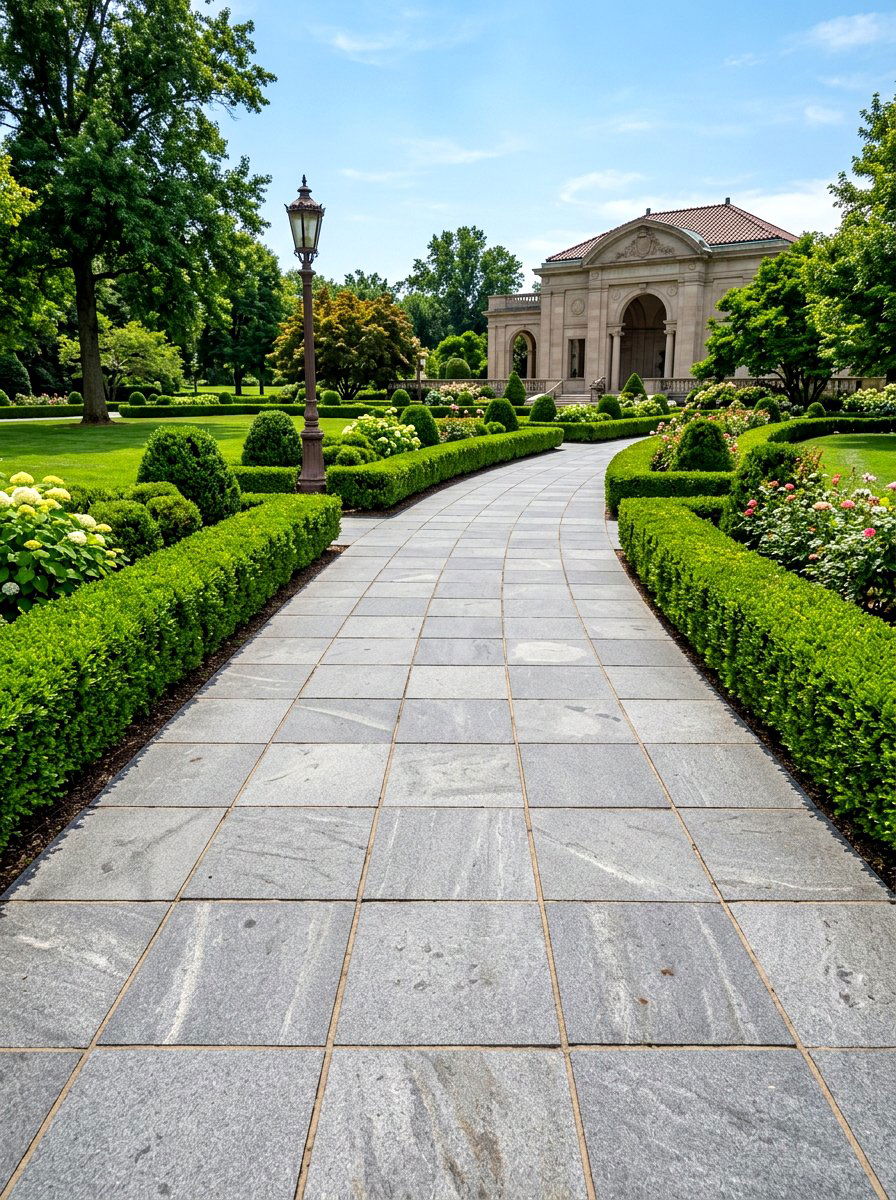
Are you searching for a path material that is virtually indestructible and carries a sense of timeless elegance? Granite blocks are incredibly hard and weather-resistant, making them an ideal choice for paths that see a lot of use throughout the year. Their speckled texture and cool gray tones look very professional and expensive, adding a high-end feel to your woodland garden. Because granite is so heavy, these blocks stay firmly in place once set, providing a very safe and reliable walkway. This is a great choice for a main path that leads from your house to a key destination like a fire pit or a remote garden studio.
24. Terra cotta tile path
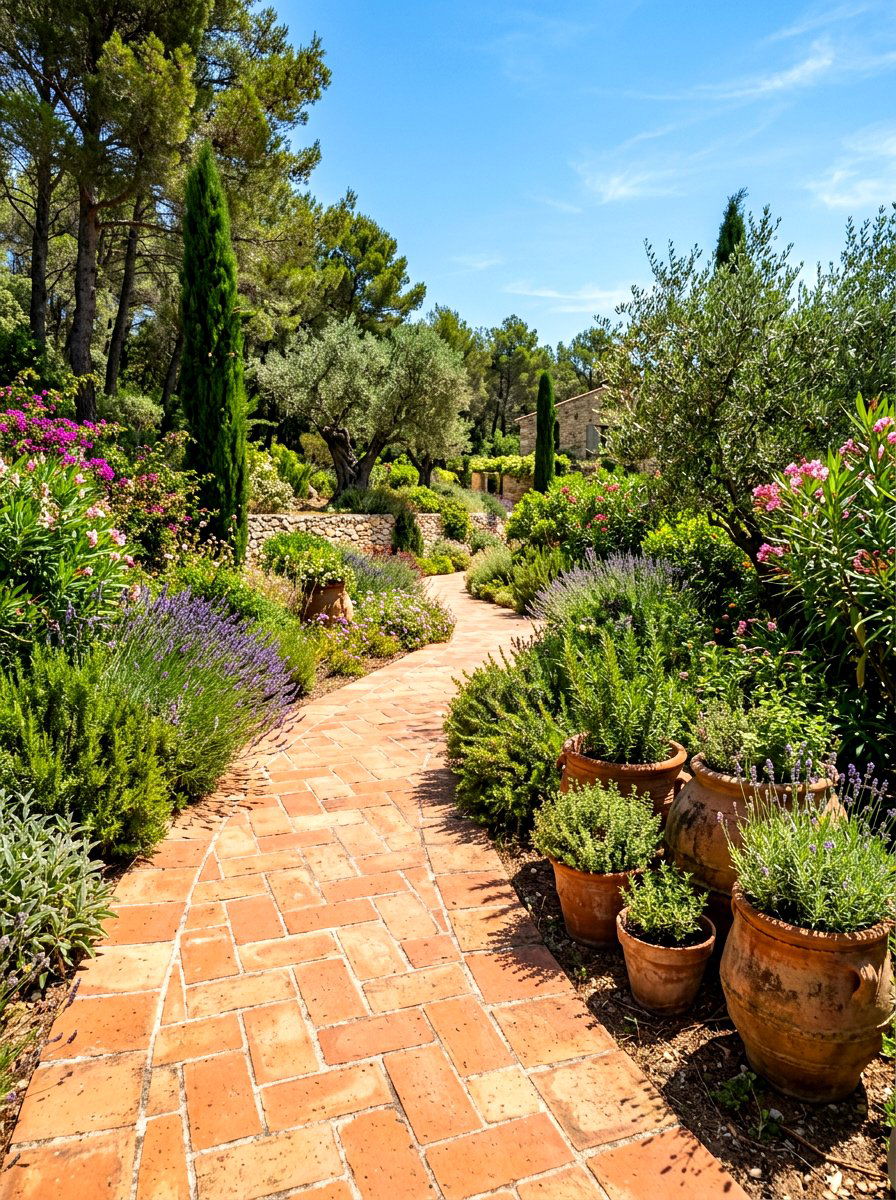
Can you bring a touch of Mediterranean warmth into a cool and shaded woodland setting? Terra cotta tiles offer a rich, earthy red color that looks stunning against deep green ivy and ferns. When used as stepping stones or a continuous path, they provide a vibrant pop of color that draws the eye through the shadows. It is important to choose frost-resistant terra cotta if you live in a cold climate to prevent the tiles from cracking in the winter. This material brings a handcrafted, warm aesthetic to the garden that feels very personal and inviting, making your woodland walk feel like a cozy and cared-for retreat.

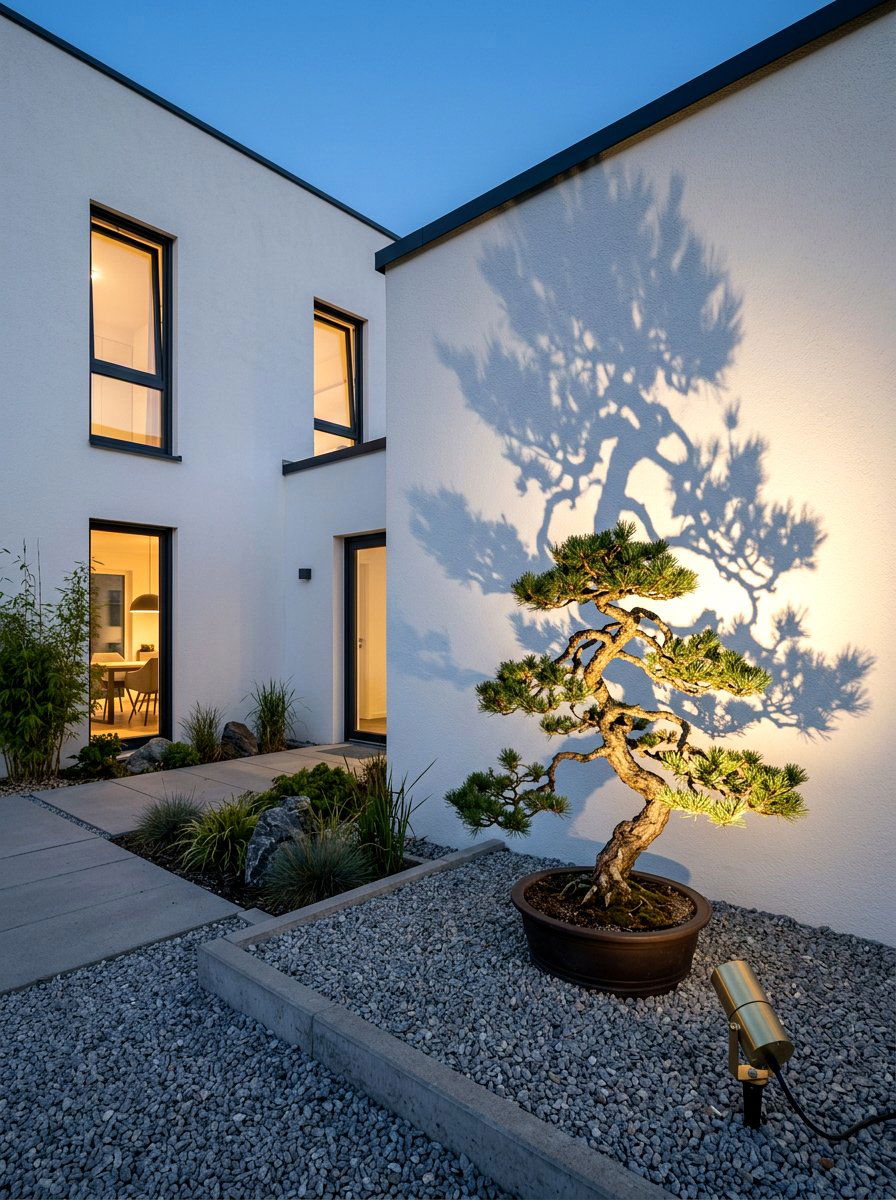
25. Decomposed granite trail
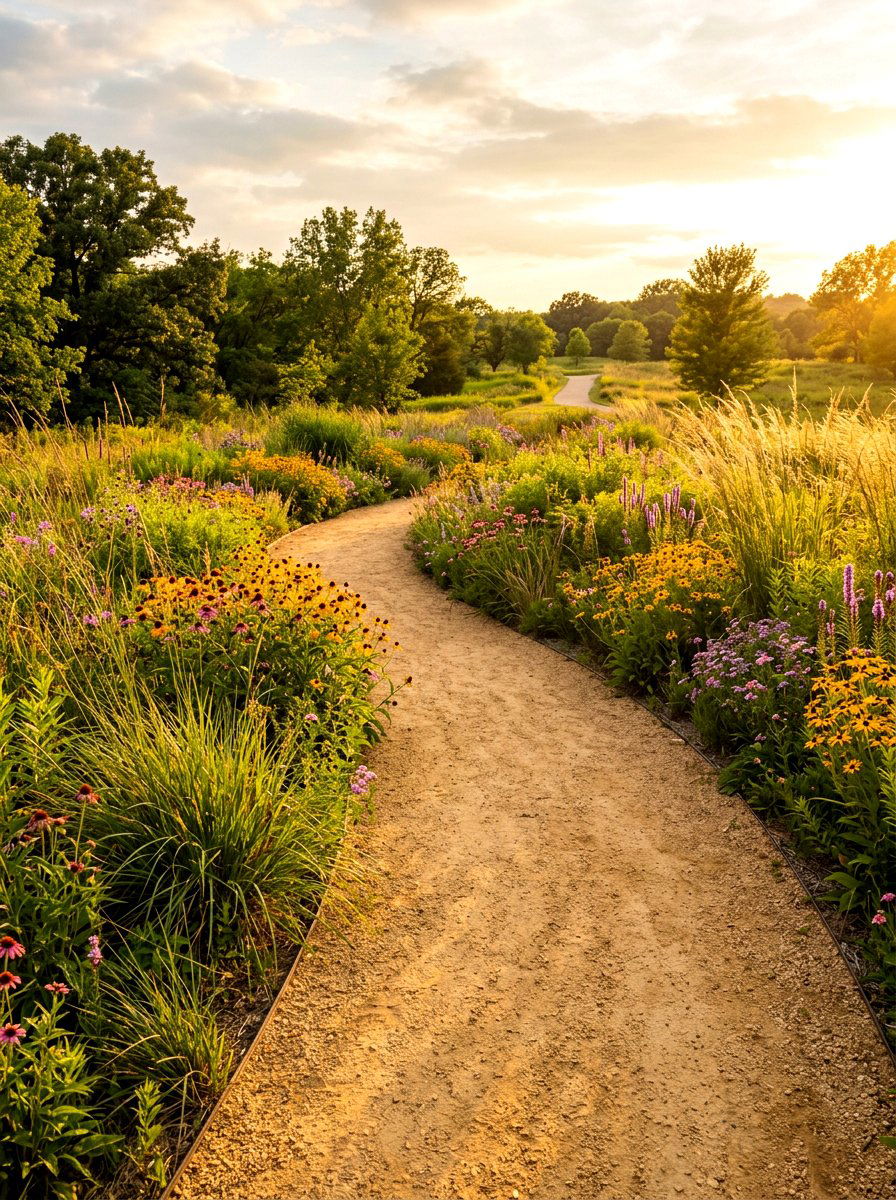
Do you want a path that looks like a natural mountain trail but stays firm and doesn't wash away in the rain? Decomposed granite is a fine, sandy material that packs down into a very hard surface while still looking completely natural. It is available in various earthy tones like gold, brown, and gray, making it easy to match with your local soil and stone. This material is excellent for creating wide, sweeping paths that can accommodate multiple people walking side-by-side. It provides a clean and modern look that is still deeply rooted in the natural world, offering a perfect balance for many different garden styles.
26. Concrete stepping stone path
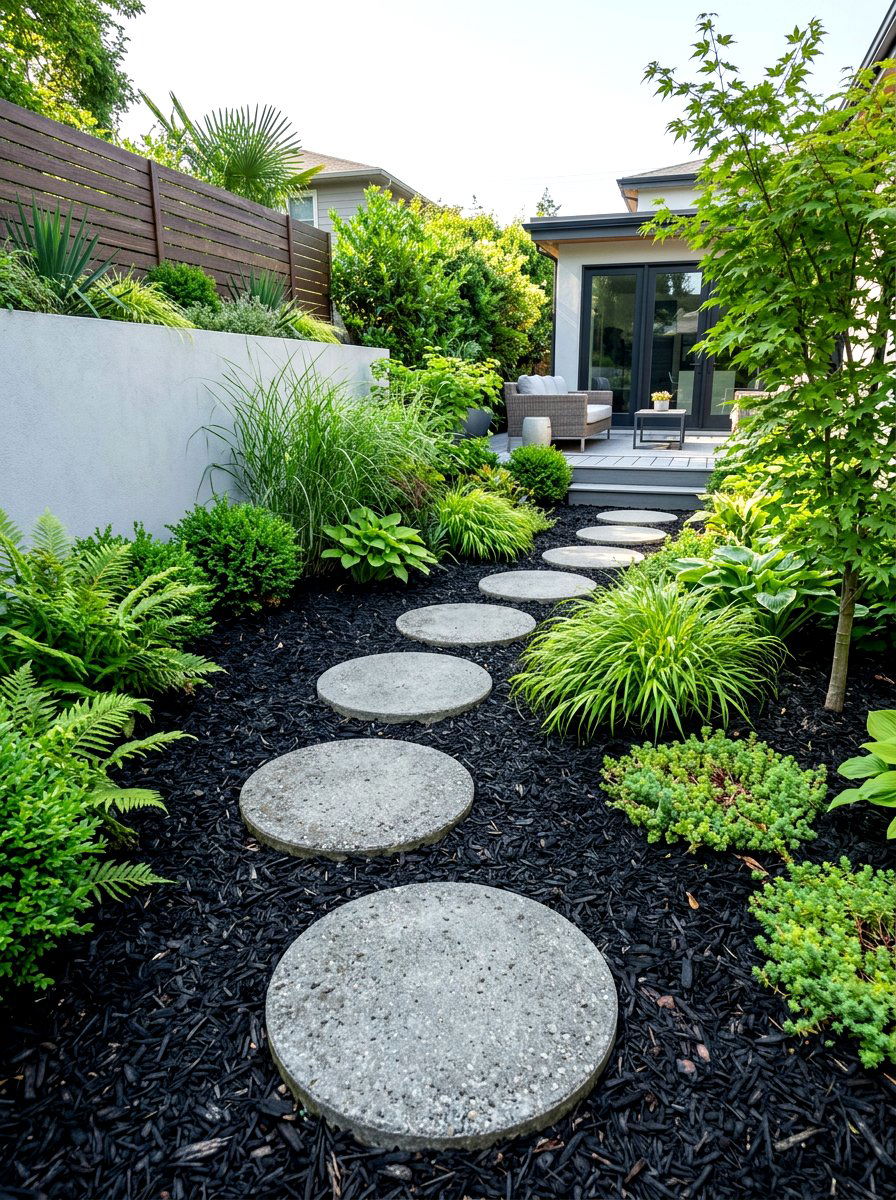
Is it possible to use concrete in a way that feels organic and appropriate for a forest setting? Modern concrete stepping stones come in many shapes that mimic natural rock or even wood grain, providing a durable and affordable alternative to real stone. You can also make your own custom stones using molds and leaf imprints from the very trees that surround your path. This DIY approach allows you to personalize your garden and ensure the path is perfectly scaled to your specific space. Concrete is very low-maintenance and provides a solid, slip-resistant surface that will last for decades without needing much attention from the gardener.
27. Cedar plank walkway
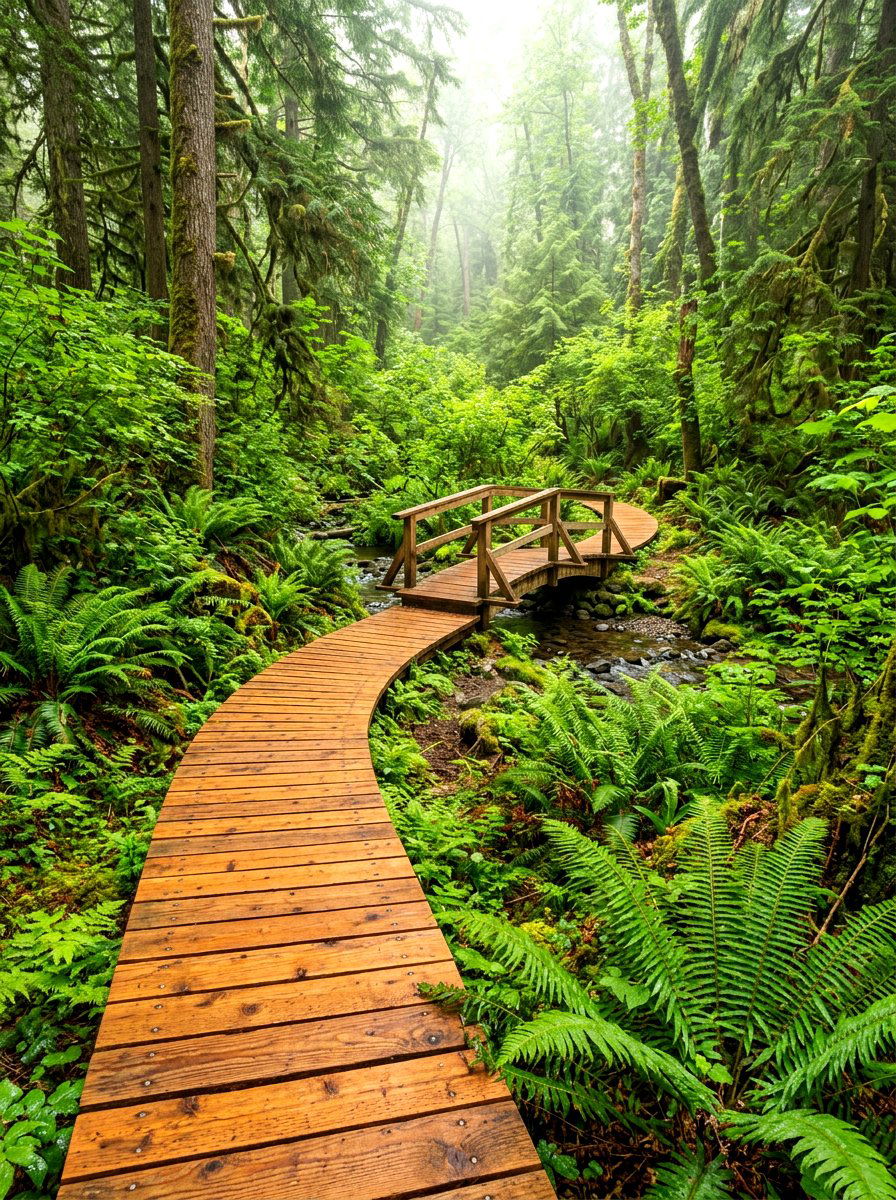
Have you ever dreamed of walking along a rustic wooden path that smells like a fresh forest after a rain? Cedar is naturally resistant to rot and insects, making it one of the best woods for creating a durable plank walkway. You can lay the planks directly on the ground for a low-profile look or elevate them slightly on a frame for better drainage. The warm reddish-brown color of new cedar eventually fades to a beautiful silvery-gray that matches the bark of many woodland trees. This type of path feels very high-quality and comfortable, providing a smooth and level surface that is easy to walk on in any footwear.
28. River stone mosaic path
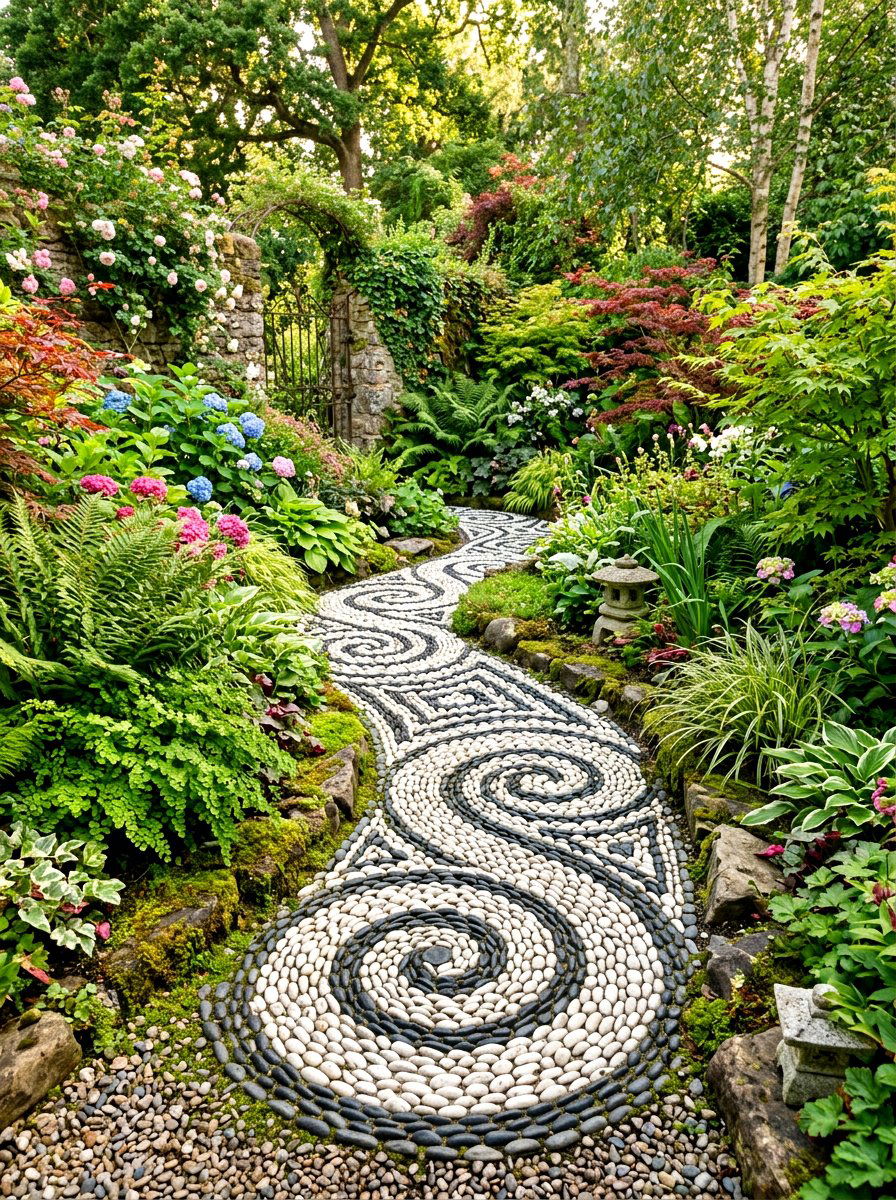
Do you enjoy the idea of a garden feature that is as much a sculpture as it is a functional walkway? A river stone mosaic path involves setting small, smooth stones into a bed of mortar to create intricate patterns, swirls, or pictures. This technique allows you to turn a simple path into a stunning focal point that reflects your personal style and creativity. While it takes more time and effort to install, the result is a one-of-a-kind trail that will impress guests and provide endless visual delight. Mosaic paths are best used in small, special areas where you want to encourage people to pause and look down.
29. Shredded bark trail
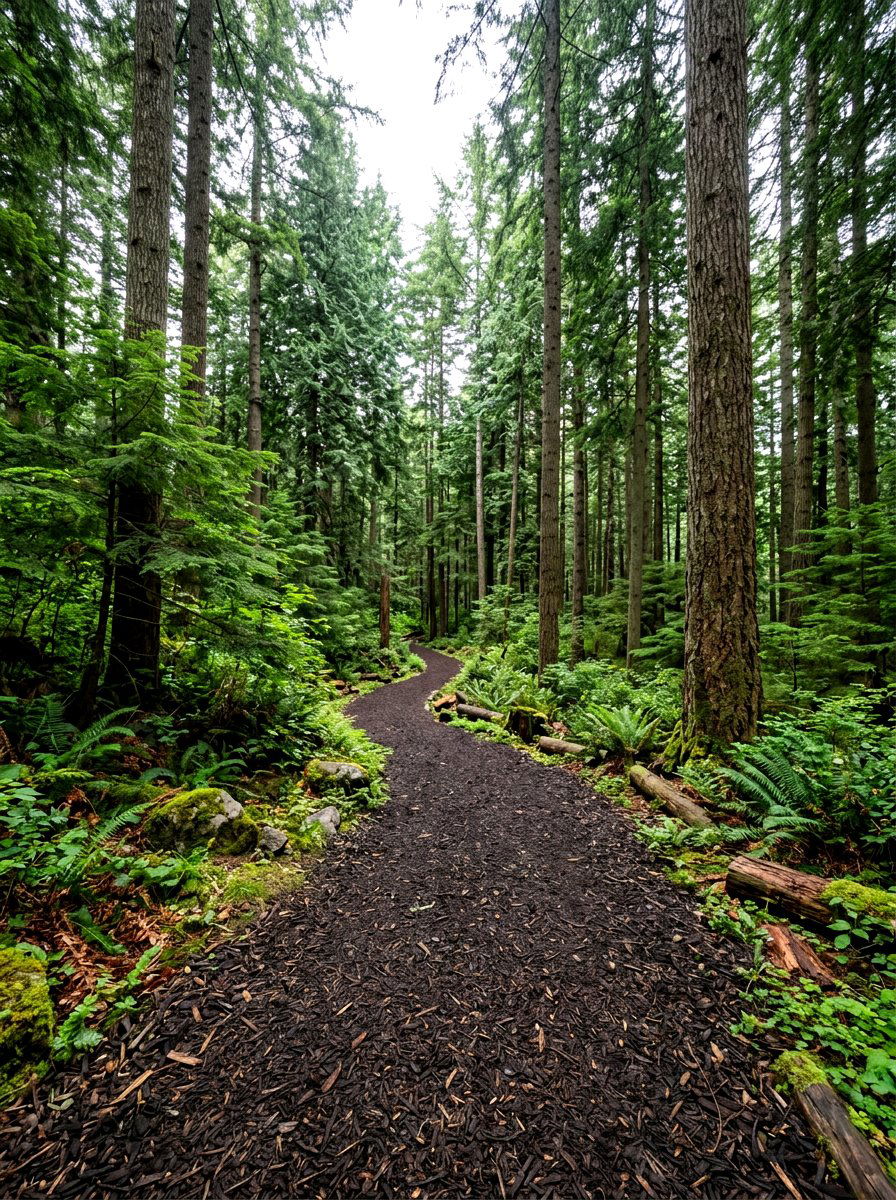
Are you looking for a path material that feels like you are walking on a giant, soft cloud? Shredded bark, also known as gorilla hair mulch, has a very fine and fibrous texture that mats together to create a stable and incredibly soft surface. It is excellent for paths on slopes because the fibers interlock and stay in place much better than standard wood chips. The dark, uniform color provides a very tidy look that emphasizes the varied shapes and colors of your woodland plants. This is a very practical and budget-friendly choice that helps to maintain a natural, quiet atmosphere in any shaded garden or wooded area.
30. Fieldstone garden path
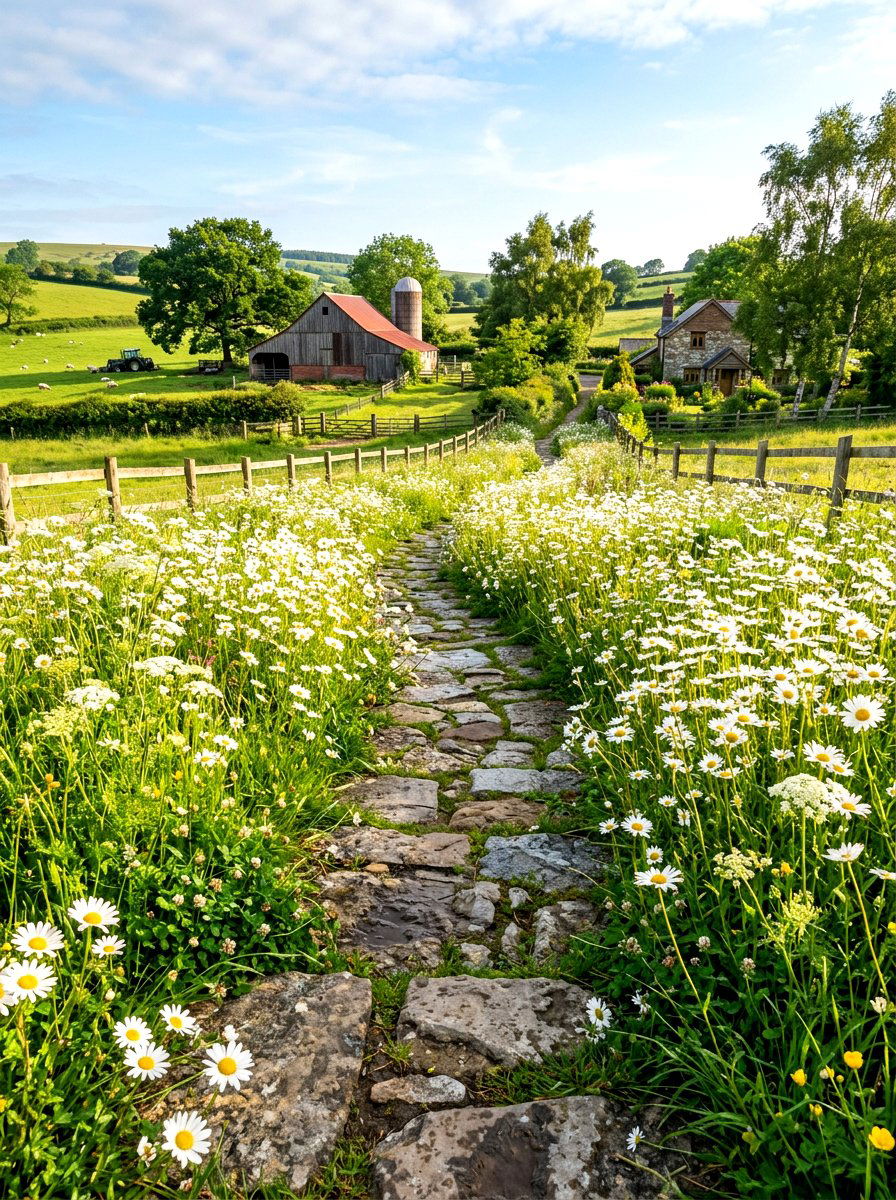
What if you could build a path using stones found right on your own property or from a local farm? Fieldstones are rocks that have been weathered by the elements and often have rounded edges and unique lichen growth. Using these stones creates a path that feels like it has always been there, perfectly in tune with the local geography and environment. You can lay them in a random pattern that follows the natural curves of your garden, allowing plants to grow in the crevices for a very soft and integrated look. Fieldstone paths are the ultimate expression of a natural, sustainable, and deeply rooted woodland garden design.
Conclusion:
Creating a woodland path is one of the most rewarding projects you can undertake for your outdoor space. These walkways do much more than just connect point A to point B; they provide a reason to explore, a place to reflect, and a way to deeply connect with the natural world. By choosing materials that harmonize with your environment, you can build a trail that feels timeless and magical. Whether you prefer the simple crunch of wood chips or the architectural beauty of stone, your path will become the heartbeat of your garden. We hope these thirty ideas have inspired you to start your own forest journey today.

Related posts: