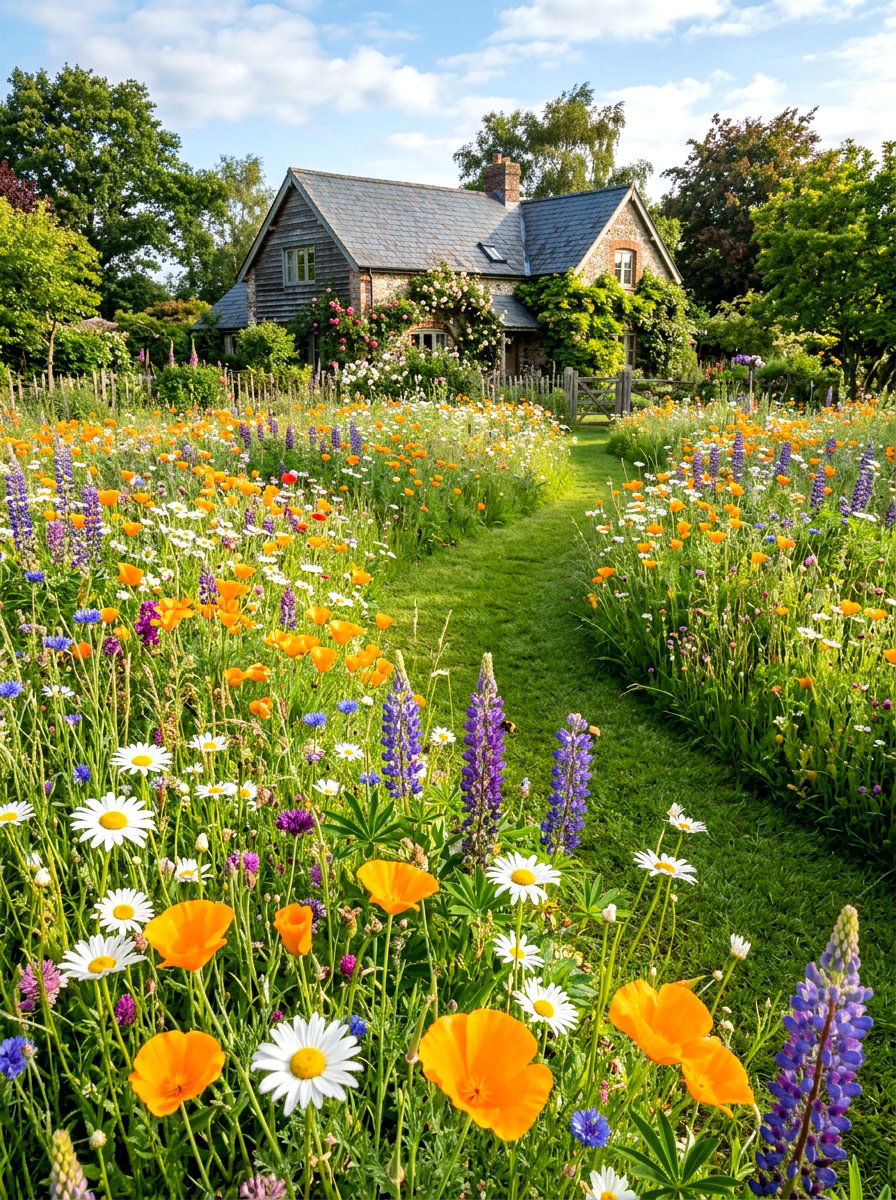
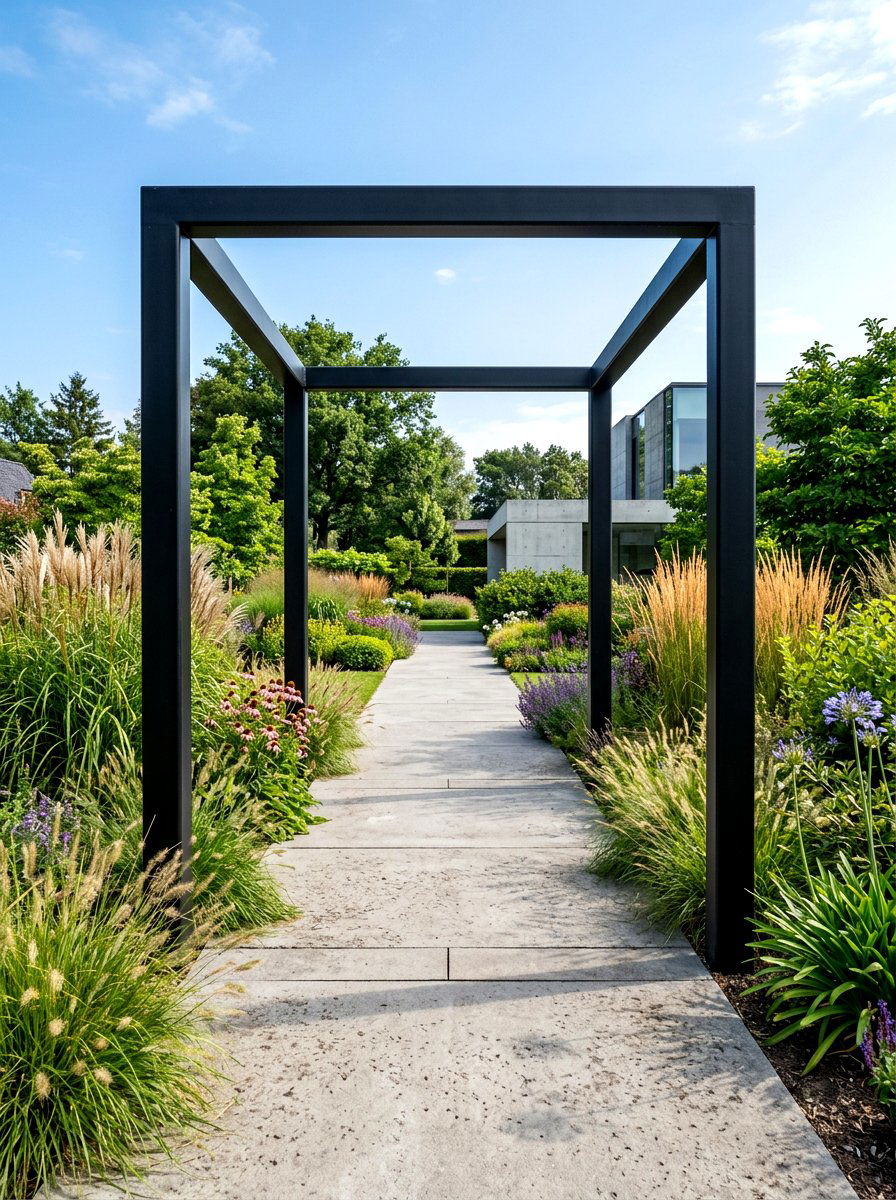
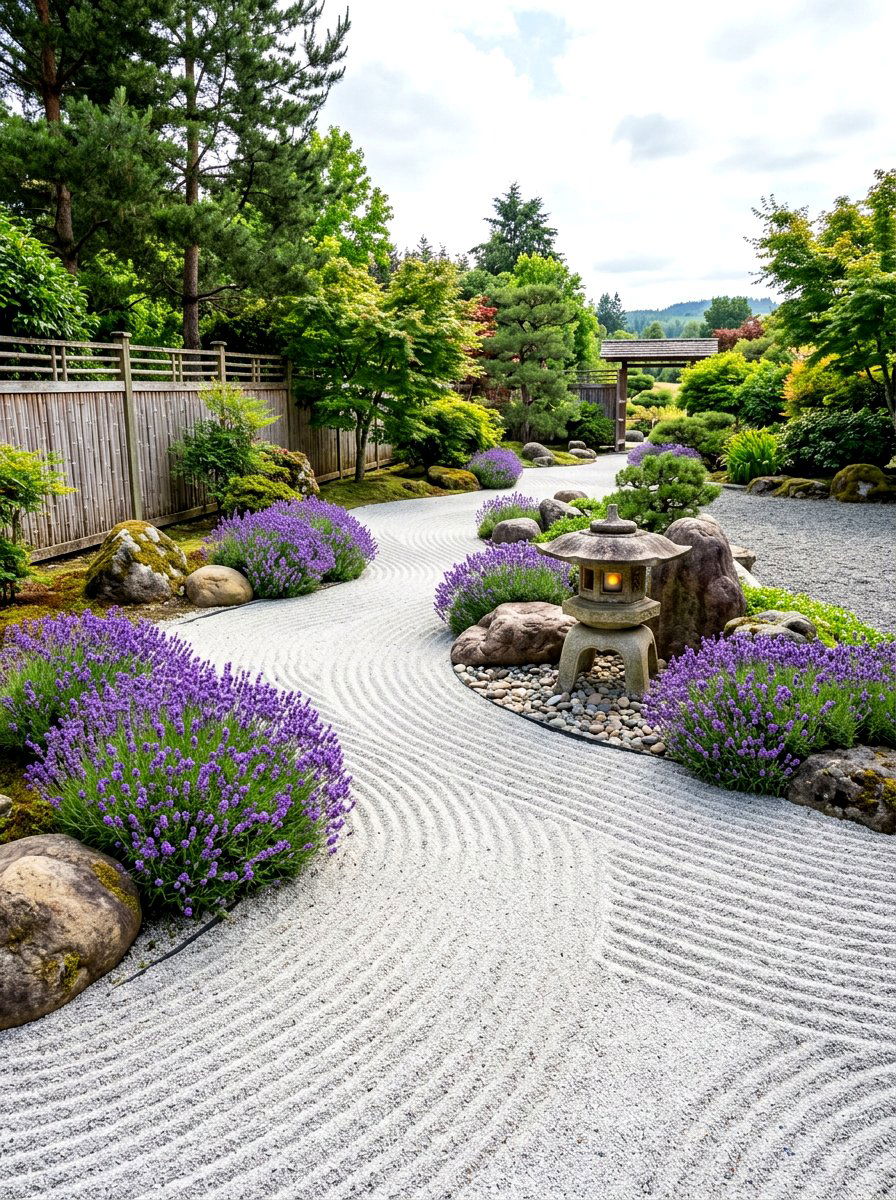
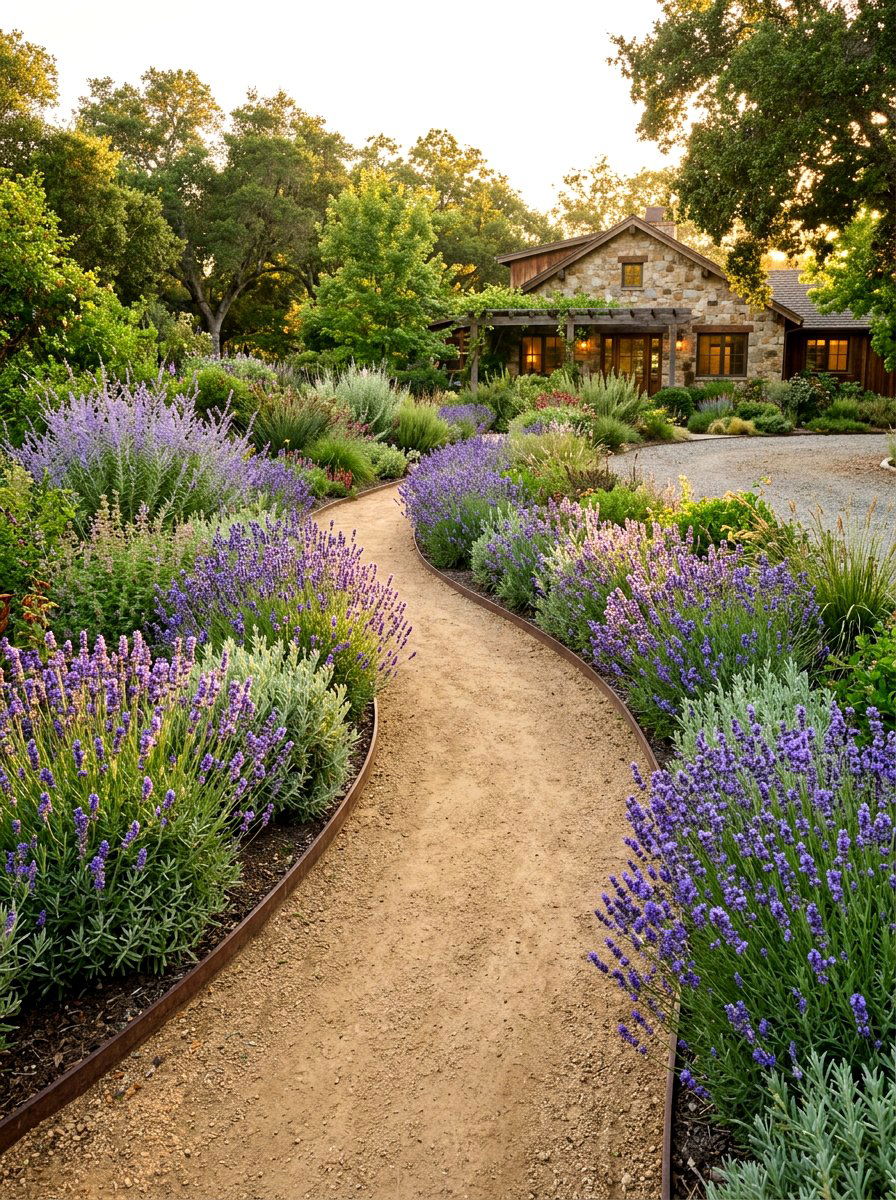
First impressions are everything when it comes to home design, and your front yard walkway is the very first thing guests encounter. A well-planned path does more than just provide a dry place to walk; it guides the eye toward your front door and establishes the overall aesthetic of your entire property. From sleek modern slabs that emphasize clean lines to rustic stone paths that blend seamlessly with nature, the options are truly endless for homeowners today. Choosing the right material and layout can dramatically increase your curb appeal while offering a safe and durable passage for your family. This comprehensive guide explores thirty innovative and practical ways to transform your entryway into a stunning and welcoming focal point.
1. Flagstone Path
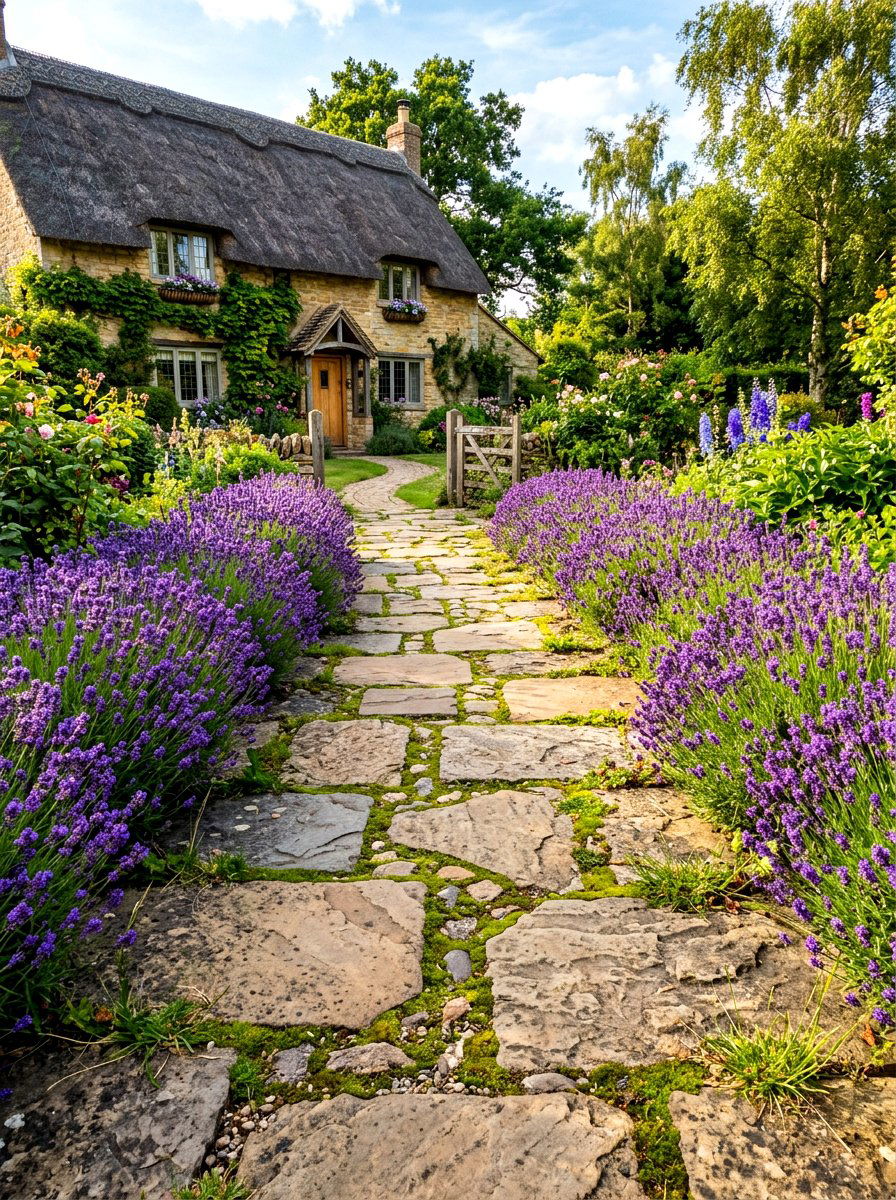
Natural flagstone is a classic choice for homeowners who want an organic and high-end look for their front entrance. These irregular stone pieces create a unique puzzle-like pattern that feels naturally integrated into the surrounding landscape and garden beds. You can install these stones in a bed of sand for a casual feel or use mortar for a more structured and permanent appearance. Planting low-growing groundcovers like creeping thyme or moss between the gaps adds a beautiful splash of green that softens the hard stone edges. This type of walkway works exceptionally well for traditional, cottage-style, or rustic homes where a rigid or perfectly straight sidewalk might feel too formal or out of place.
2. Modern Concrete Slabs
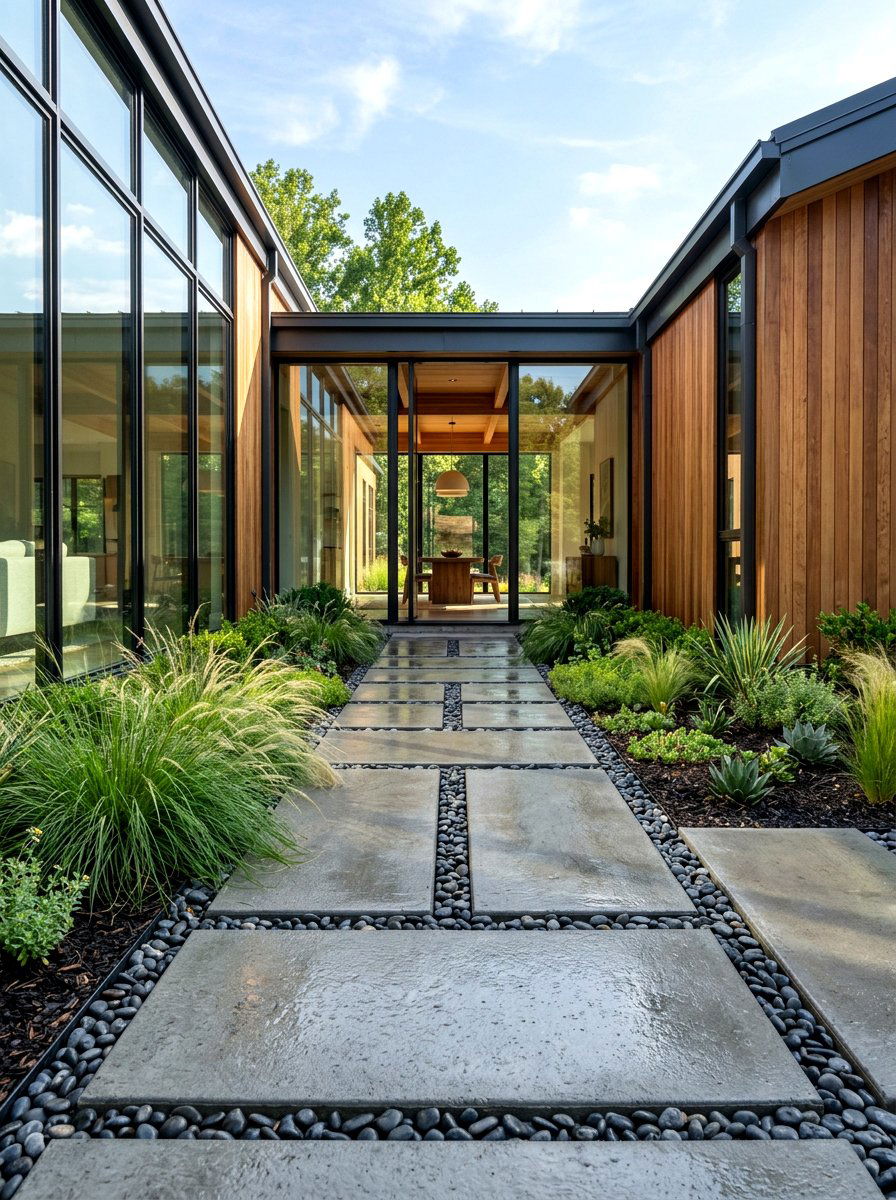
Sleek and minimalist concrete slabs are perfect for contemporary homes that prioritize clean lines and architectural simplicity in their landscaping. These oversized rectangular or square pavers are typically spaced evenly apart with a filling of small river rocks or grass in between the segments. This layout creates a floating effect that guides guests toward the entrance with a sense of rhythm and modern sophistication. The cool gray tones of the concrete provide a neutral backdrop that makes colorful plants and architectural features of the house stand out. It is a highly durable option that requires very little maintenance over the years, making it ideal for busy homeowners who want lasting curb appeal.
3. Classic Red Brick
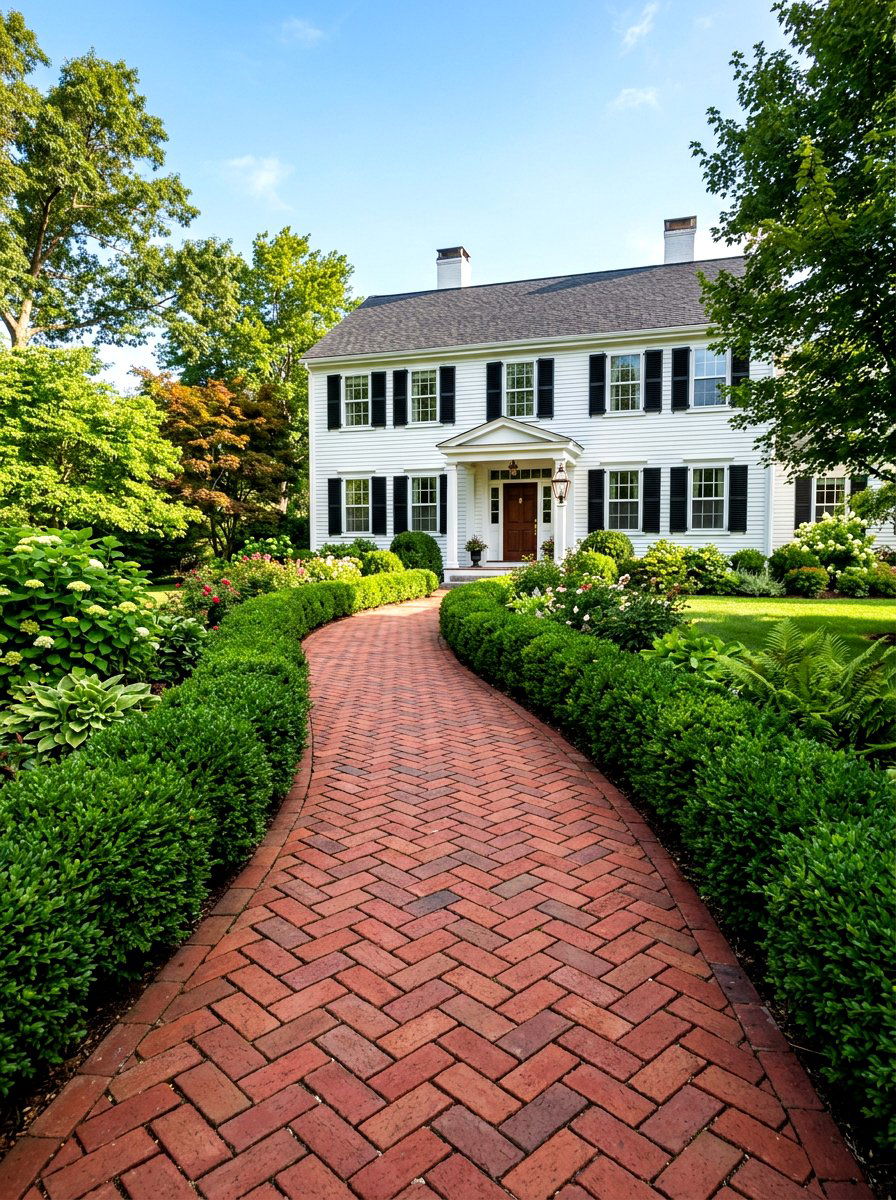
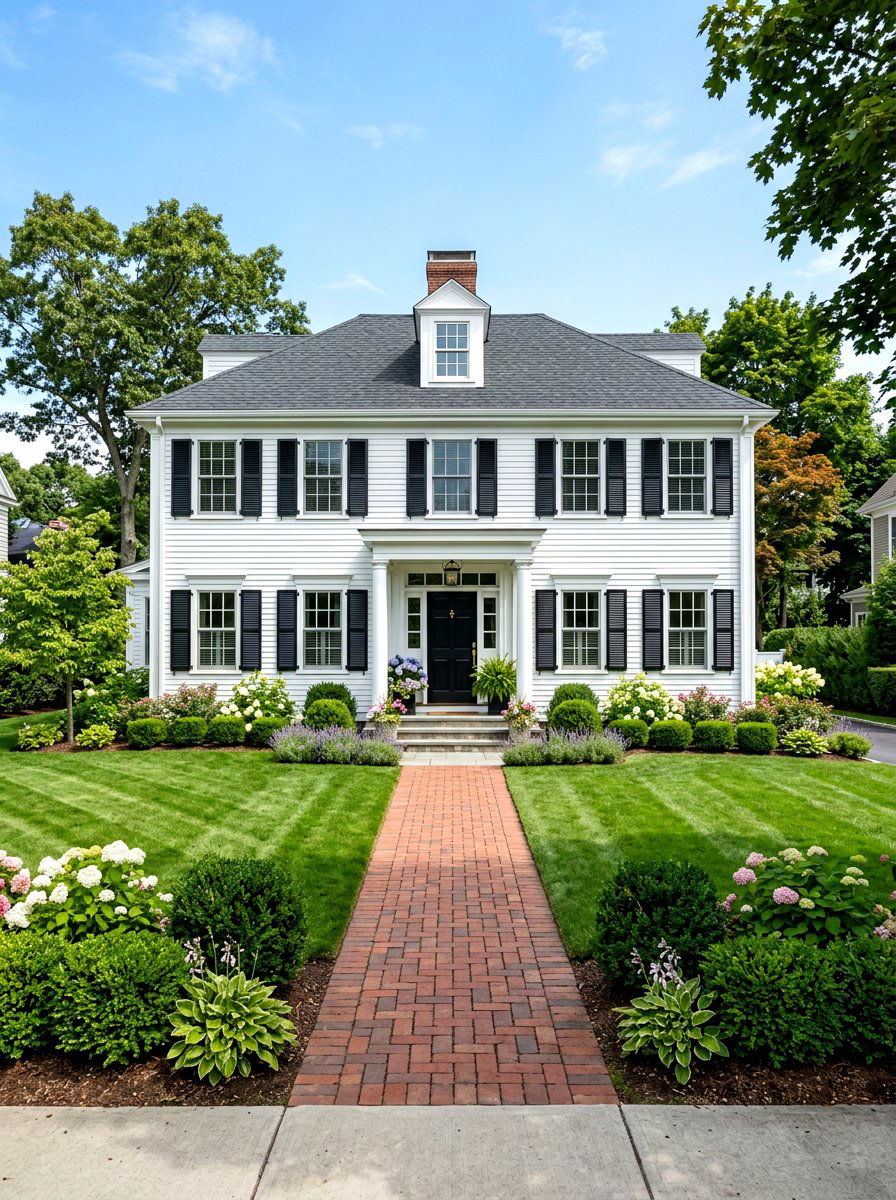
A traditional red brick walkway offers a timeless and nostalgic feel that complements many colonial or craftsman style homes perfectly. Brick is incredibly versatile because you can arrange it in various patterns such as herringbone, basketweave, or a simple running bond. The warm reddish hues provide a beautiful contrast against a lush green lawn or colorful flower borders. Beyond its visual appeal, brick is a very sturdy material that can withstand heavy foot traffic and various weather conditions for decades. Edging the path with slightly raised bricks or contrasting stones helps keep the path defined and prevents the surrounding soil from washing onto the walkway during heavy rain.
4. Gravel With Stone Edging
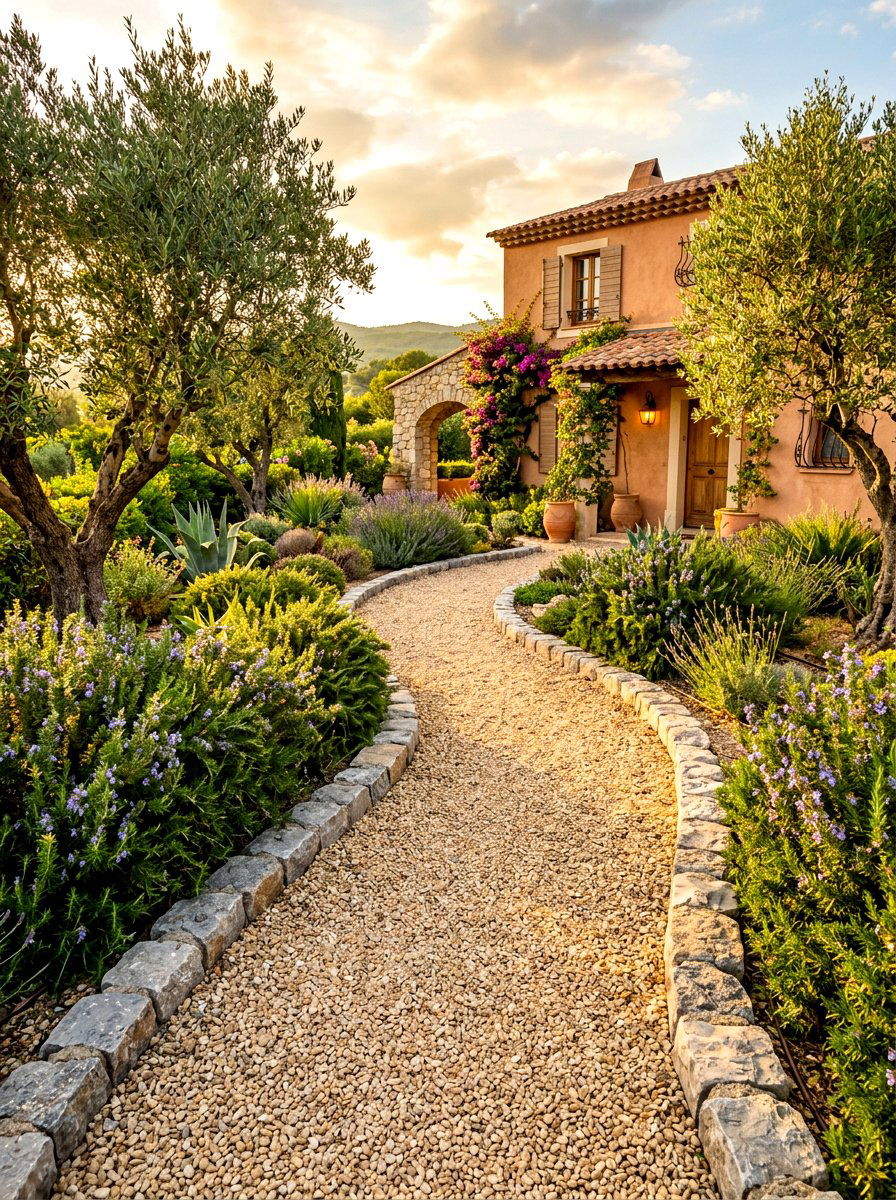
Gravel walkways provide a charming and cost-effective solution for creating a relaxed, informal entrance to your home. Using small stones like pea gravel or crushed granite creates a tactile crunching sound that adds a sensory element to the arrival experience. To keep the loose gravel contained and the path looking tidy, it is essential to use a solid edging material like large cobblestones or heavy timber. This design style is particularly well-suited for Mediterranean or English cottage gardens where a softer, less rigid look is desired. Adding a layer of landscape fabric underneath the gravel will help prevent weeds from growing through the path, ensuring a clean appearance.
5. Wood Plank Boardwalk
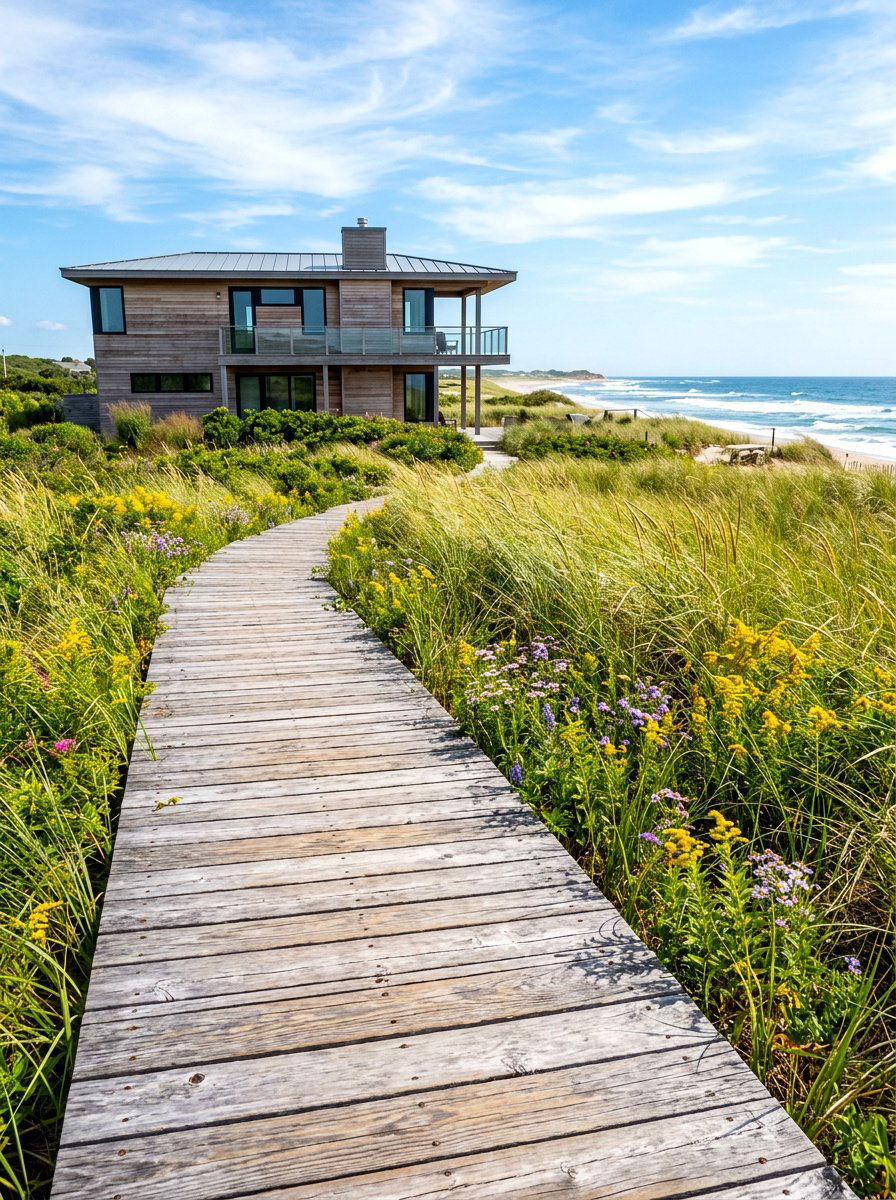
A wood plank or boardwalk-style walkway brings a warm, coastal, or rustic woodland feel to your front yard entrance. This design is especially useful for homes with uneven terrain or areas that tend to get soggy, as the raised structure keeps feet dry. You can use naturally rot-resistant woods like cedar or redwood, or choose modern composite decking for a low-maintenance and long-lasting alternative. Laying the planks horizontally or in a chevron pattern adds visual interest and a sense of craftsmanship to the path. Surrounding the wooden structure with native grasses or flowering shrubs creates a seamless transition between the built environment and the natural landscape.
6. Large Stepping Stones
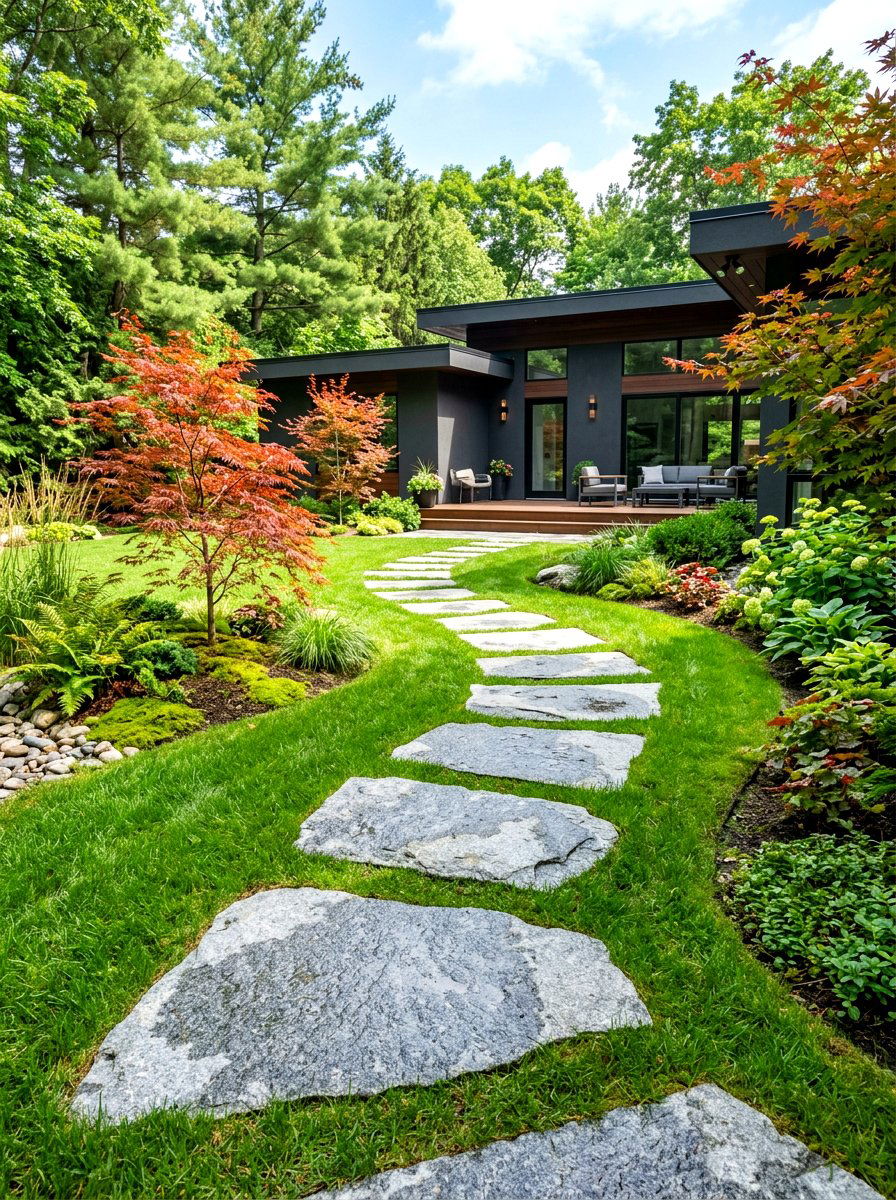
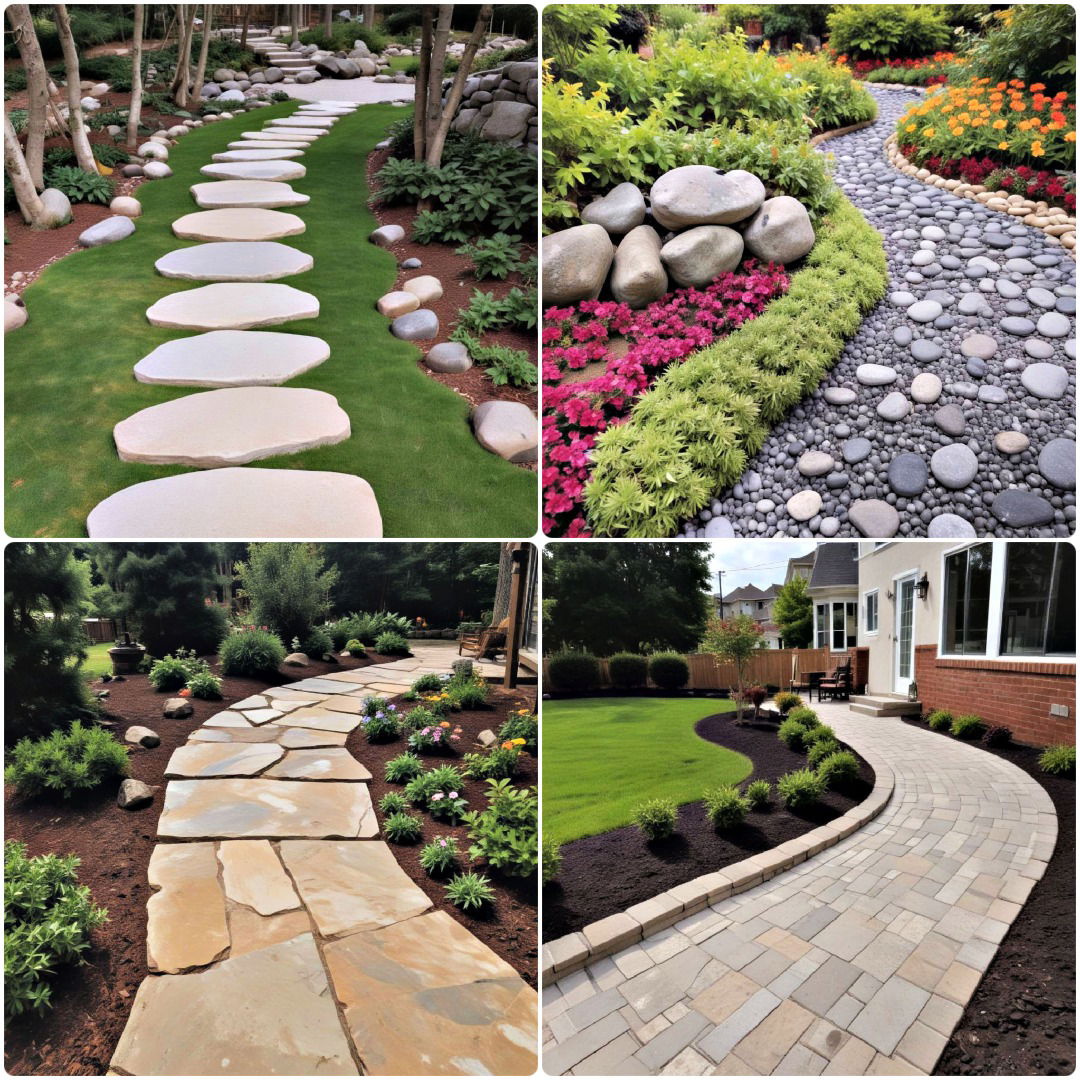
Oversized stepping stones create a bold and dramatic statement while providing a clear and functional path through a garden or lawn. These large, flat stones are typically set directly into the grass or a bed of groundcover, allowing the surrounding greenery to frame each step. This minimalist approach works beautifully for modern and Japanese-inspired landscapes where simplicity and balance are key design principles. Because the stones are spaced apart, they allow for better water drainage compared to solid paved surfaces. Choosing stones with a textured surface ensures they remain slip-resistant even when wet, making this a practical and safe choice for any climate or home.
7. Poured Concrete Walkway
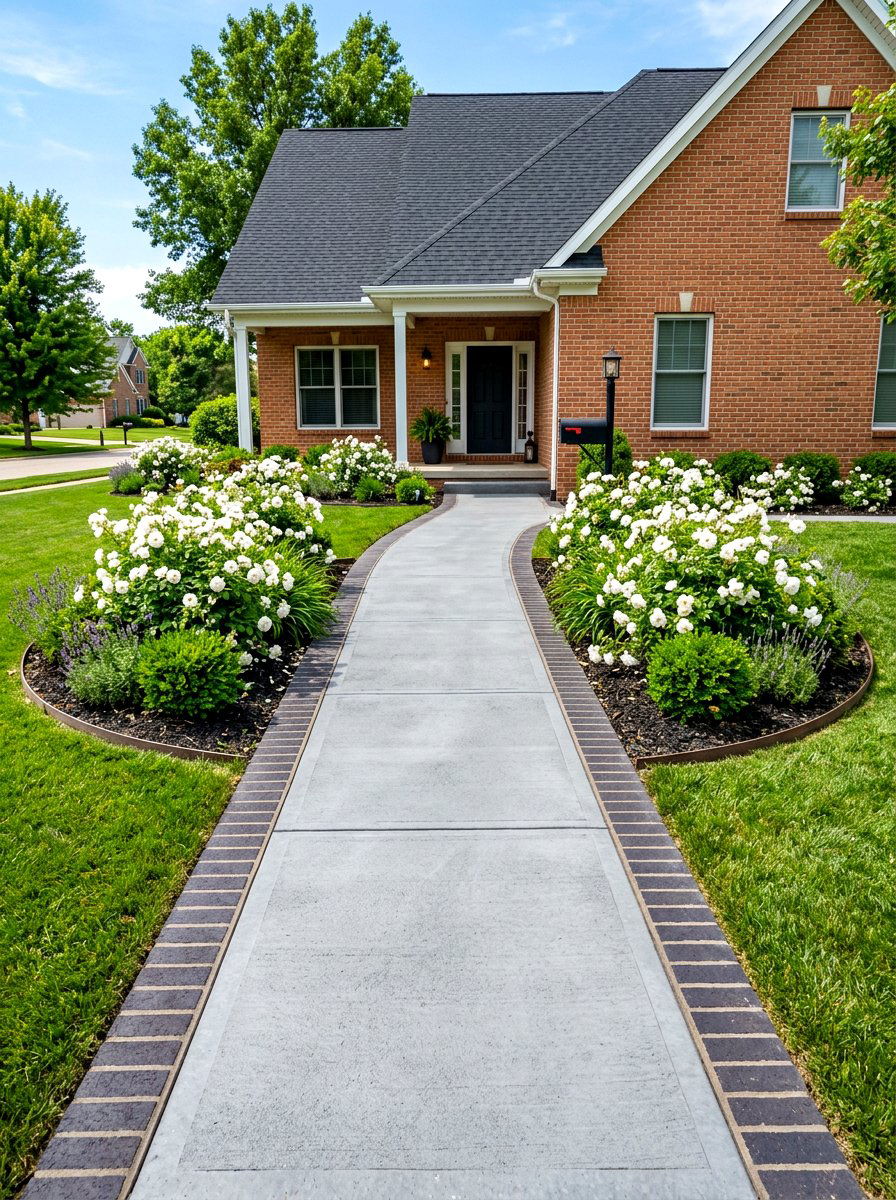
A professionally poured concrete walkway is one of the most durable and versatile options for a clean and functional front entrance. While many people think of plain gray sidewalks, modern concrete can be tinted, textured, or finished with decorative aggregates for a custom look. You can design the path with soft curves to create a flowing movement or keep it perfectly straight for a formal aesthetic. Concrete is an excellent choice for high-traffic areas because it provides a smooth, level surface that is easy to shovel in winter. Adding detailed expansion joints or decorative borders can break up the large surface area and add a touch of refined architectural detail.
8. Cobblestone Entrance
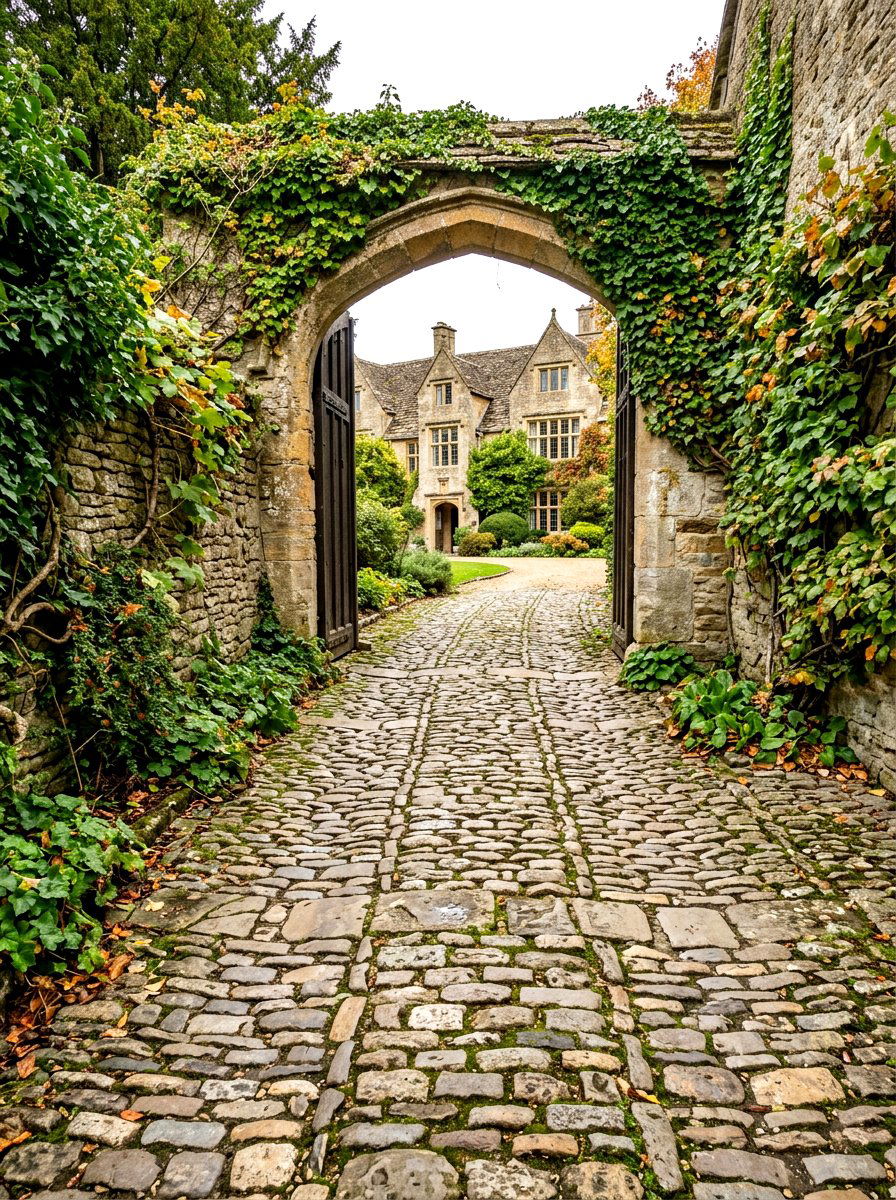
An old-world cobblestone walkway brings a sense of history and European charm to your home’s exterior landscape design. These small, rounded stones are incredibly durable and offer a textured surface that feels substantial underfoot as you walk. Cobblestones are often used in historical districts or for homes with traditional architecture to provide an authentic and timeless appearance. While the installation process can be more labor-intensive than other materials, the result is a rugged and beautiful path that only looks better as it ages. Mixing different shades of gray and tan stones can create a subtle, dappled effect that hides dirt and matches almost any house color.
9. Slate Tile Path
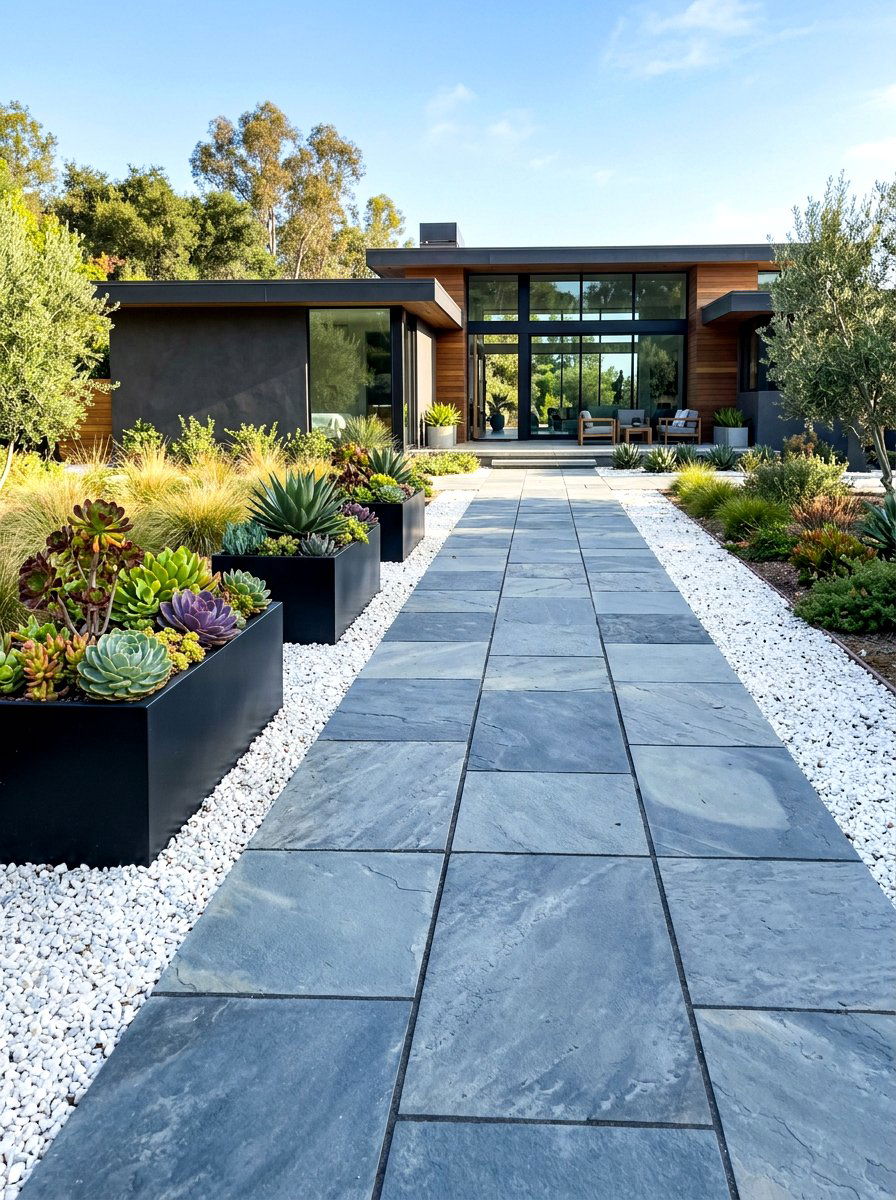
Slate tile provides a sophisticated and elegant walkway option with its rich textures and naturally occurring color variations in blue and gray. This natural stone material offers a flat and stable walking surface that is perfect for formal entryways and upscale residential designs. Slate is naturally slip-resistant due to its layered structure, which is a significant safety benefit for outdoor walkways during rainy seasons. You can install slate in a precise grid for a modern look or use irregular pieces for a more rustic, handcrafted feel. Pairing slate with white or gray gravel borders creates a high-contrast look that highlights the deep, earthy tones of the stone tiles.
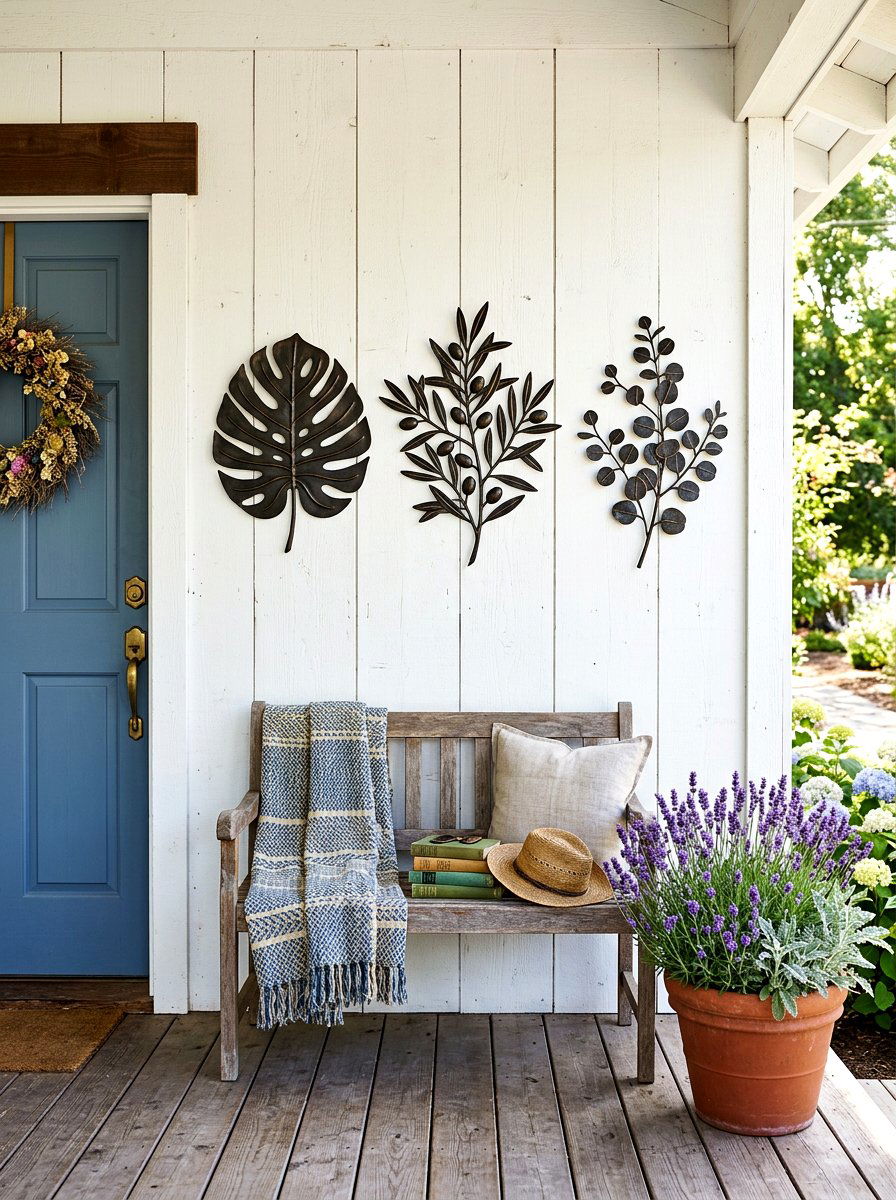
10. Pea Gravel Walkway
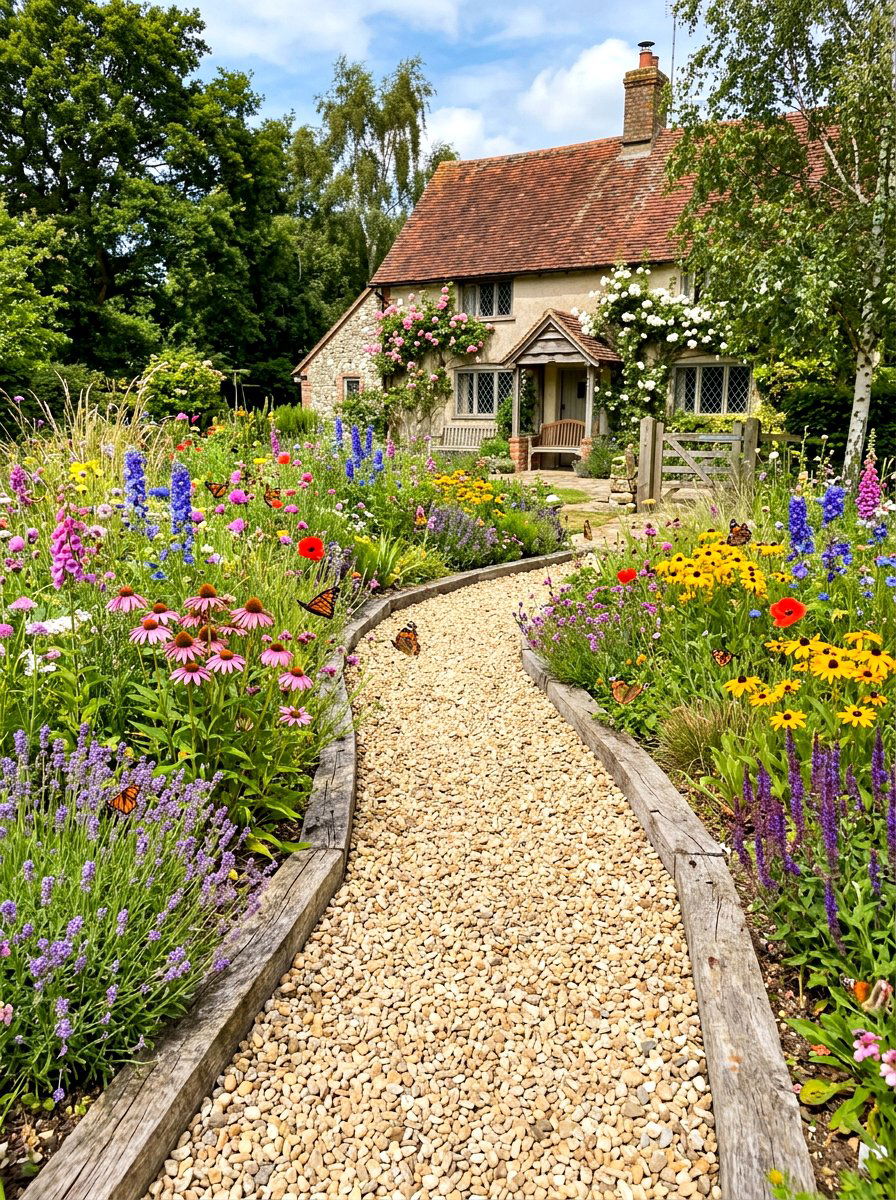
Pea gravel is a popular choice for homeowners looking for an affordable, DIY-friendly walkway that offers a soft and casual aesthetic. These small, smooth stones come in various earthy shades like buff, tan, and gray, allowing you to match your home’s exterior easily. Because the stones are loose, the walkway has excellent drainage properties, which helps prevent puddles from forming near your foundation or front door. To ensure the path stays comfortable for walking, it is important to install a solid base layer and use sturdy edging to keep the gravel in place. Lined with lavender or ornamental grasses, a pea gravel path creates a romantic and inviting atmosphere.
11. Travertine Pavers
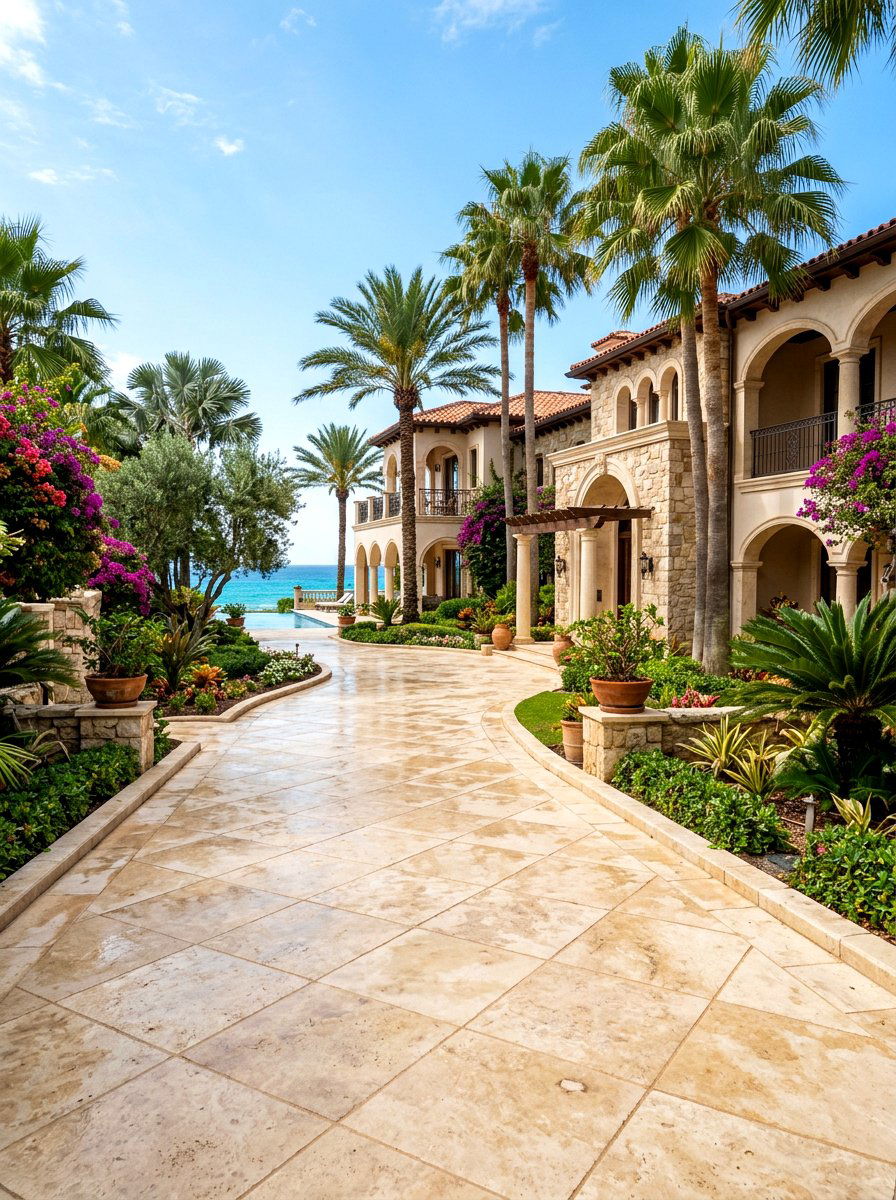
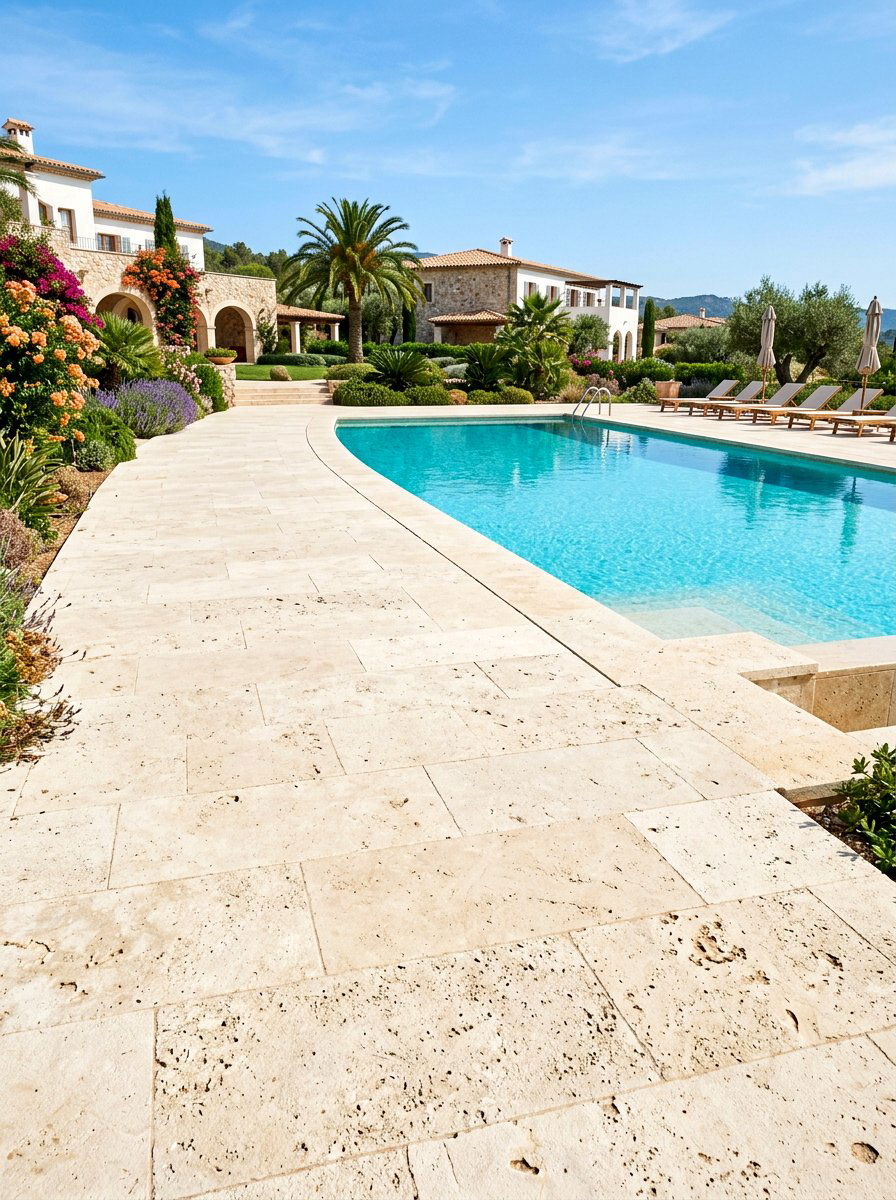
Travertine pavers are a luxurious choice for a front yard walkway, offering a refined Mediterranean or coastal look with their creamy tones. This natural stone is unique because it remains cool to the touch even in direct sunlight, making it a comfortable surface for bare feet. The pitted texture of travertine provides natural slip resistance and a beautiful, aged character that looks stunning in both modern and classic designs. These pavers are typically installed with very tight joints for a seamless and high-end appearance that elevates the entire curb appeal of the home. Travertine is also very durable and resistant to fading, ensuring your entrance remains beautiful for many years.
12. Curved Stone Path
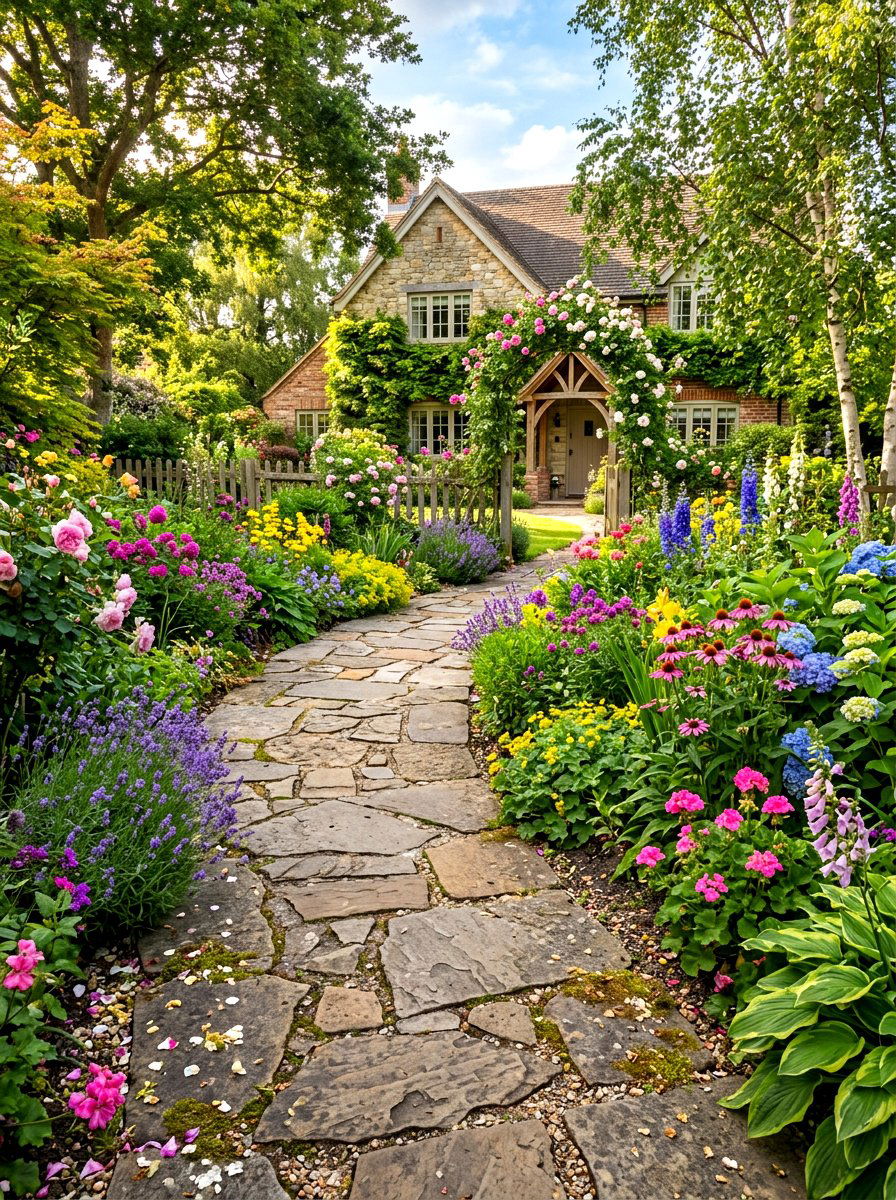
A curved stone path adds a sense of movement and mystery to your front yard by gently leading guests around garden features. Unlike straight sidewalks, a winding path creates a more relaxed and natural feel that encourages people to slow down and enjoy the scenery. This design is perfect for larger front yards with multiple flower beds, trees, or structural landscape elements that you want to showcase. Using natural materials like fieldstone or irregular flagstone enhances the organic vibe of the curve. Designing the path to be wider at the entrance and narrowing slightly toward the door creates a subtle perspective trick that makes the house feel more grand.
13. Herringbone Brick Pattern
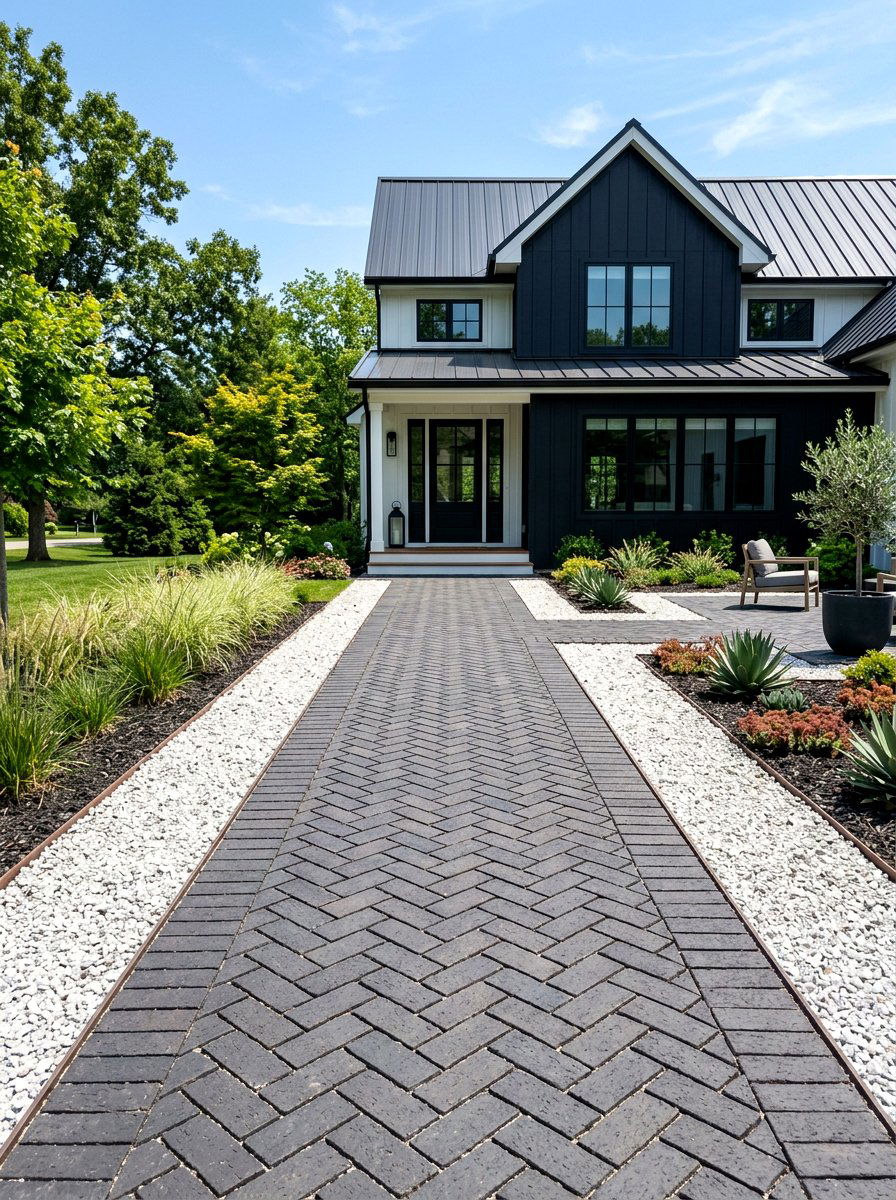
The herringbone brick pattern is a sophisticated layout that adds a high level of visual interest and structural integrity to a walkway. By interlocking the bricks at forty-five-degree angles, you create a dynamic surface that resists shifting over time under heavy foot traffic. This pattern is often seen in traditional and colonial landscapes but can also look quite contemporary when executed with dark gray or black bricks. The repetitive geometry of the herringbone design draws the eye forward, naturally leading visitors toward your front door with a sense of purpose. It is a timeless choice that demonstrates a high level of attention to detail and professional masonry craftsmanship.
14. Rectangular Paver Path
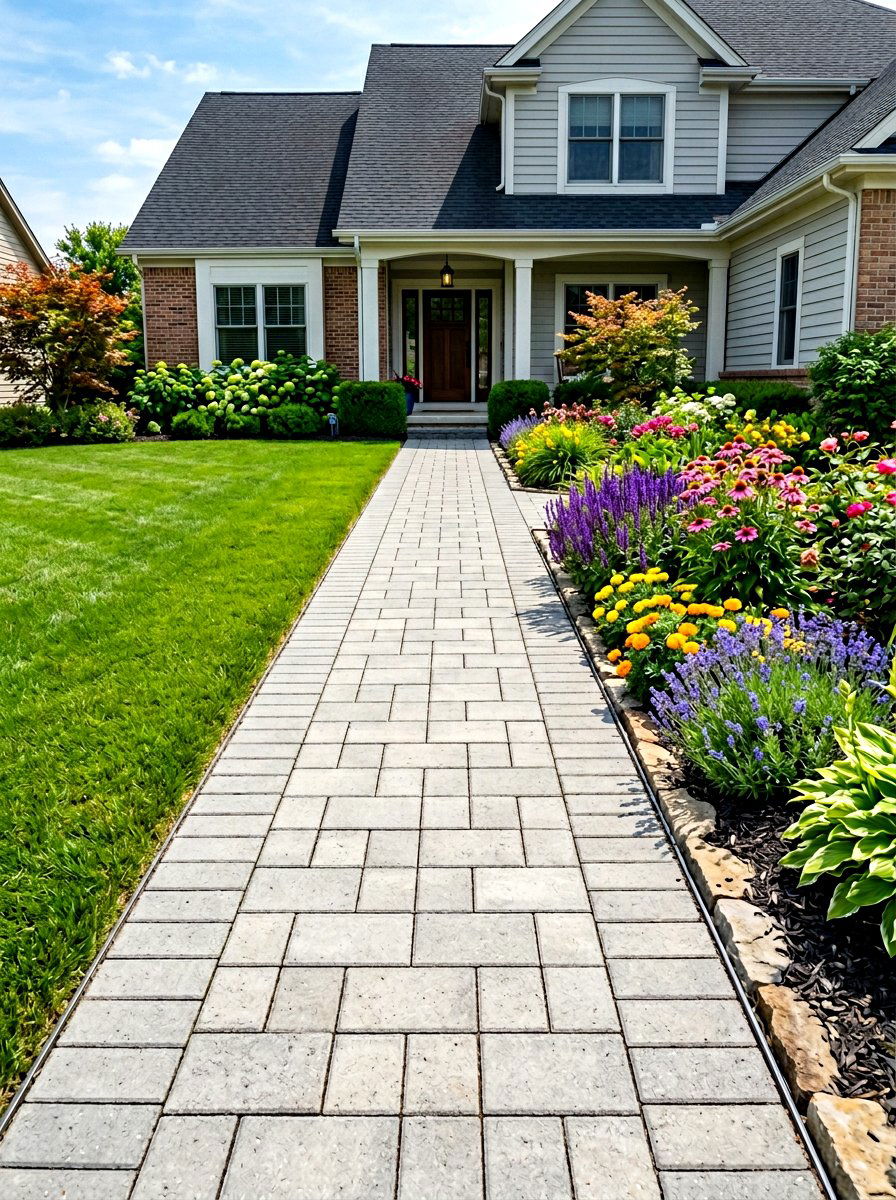
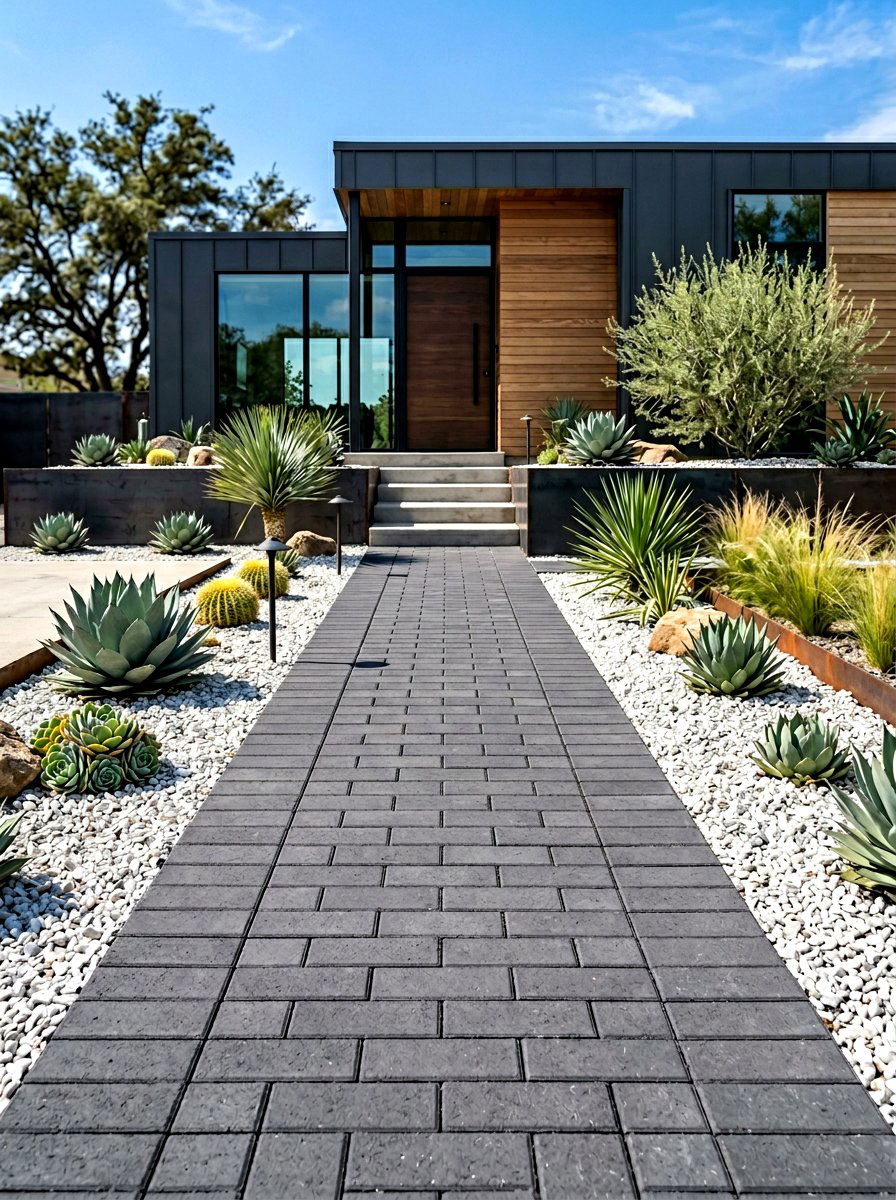
Rectangular pavers provide a clean and orderly look that is ideal for homeowners who prefer a neat and structured front yard. These manufactured stones are available in a wide variety of colors, sizes, and textures, allowing for complete customization of your entryway. You can lay them in a simple running bond pattern for a classic look or stack them vertically for a more modern appearance. Pavers are designed to be extremely durable and are often easier to repair than solid concrete because individual stones can be replaced if damaged. The uniform shape makes installation relatively straightforward while still offering a very professional and polished finish to the landscape.
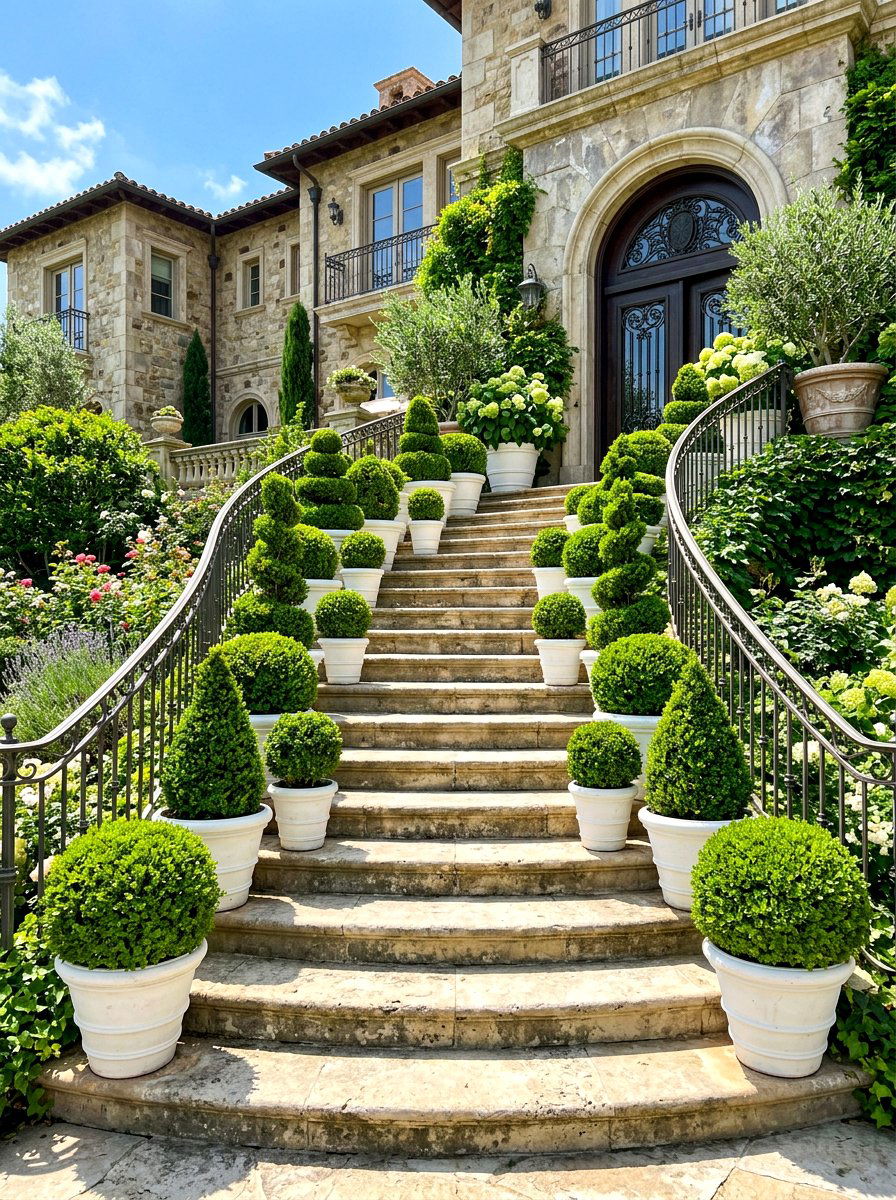
15. Bluestone Walkway
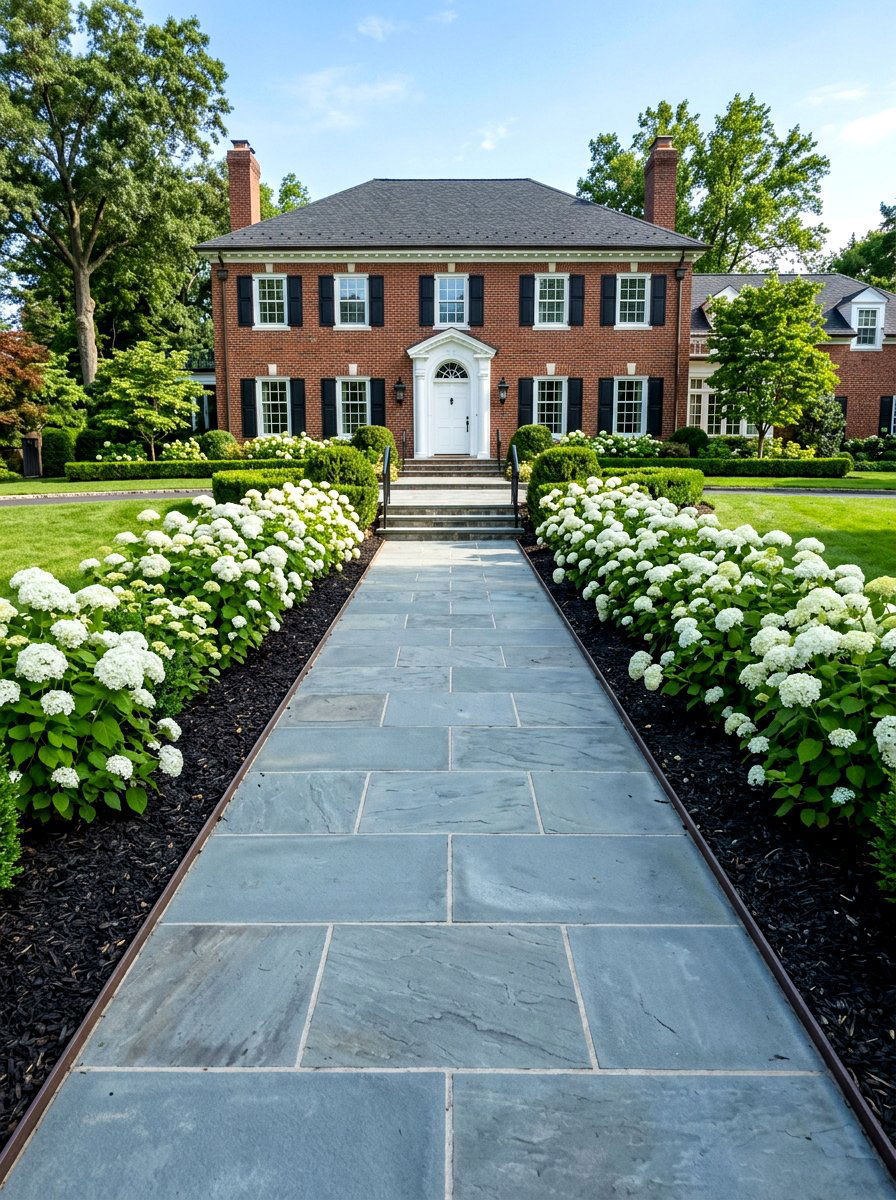
Bluestone is a premium natural stone prized for its gorgeous deep blue-gray color and incredible durability in harsh northern climates. This material is often cut into large, uniform squares or rectangles to create a formal and stately entrance for high-end residential properties. The flat surface of bluestone makes it very easy to walk on and maintain, while its natural thermal properties keep it stable during temperature shifts. Whether you choose a thermal finish for a smooth look or a natural cleft for more texture, bluestone adds a sense of permanence and quality. It pairs beautifully with dark wood accents and white house trim for a classic, sophisticated color palette.
16. Granite Step Path
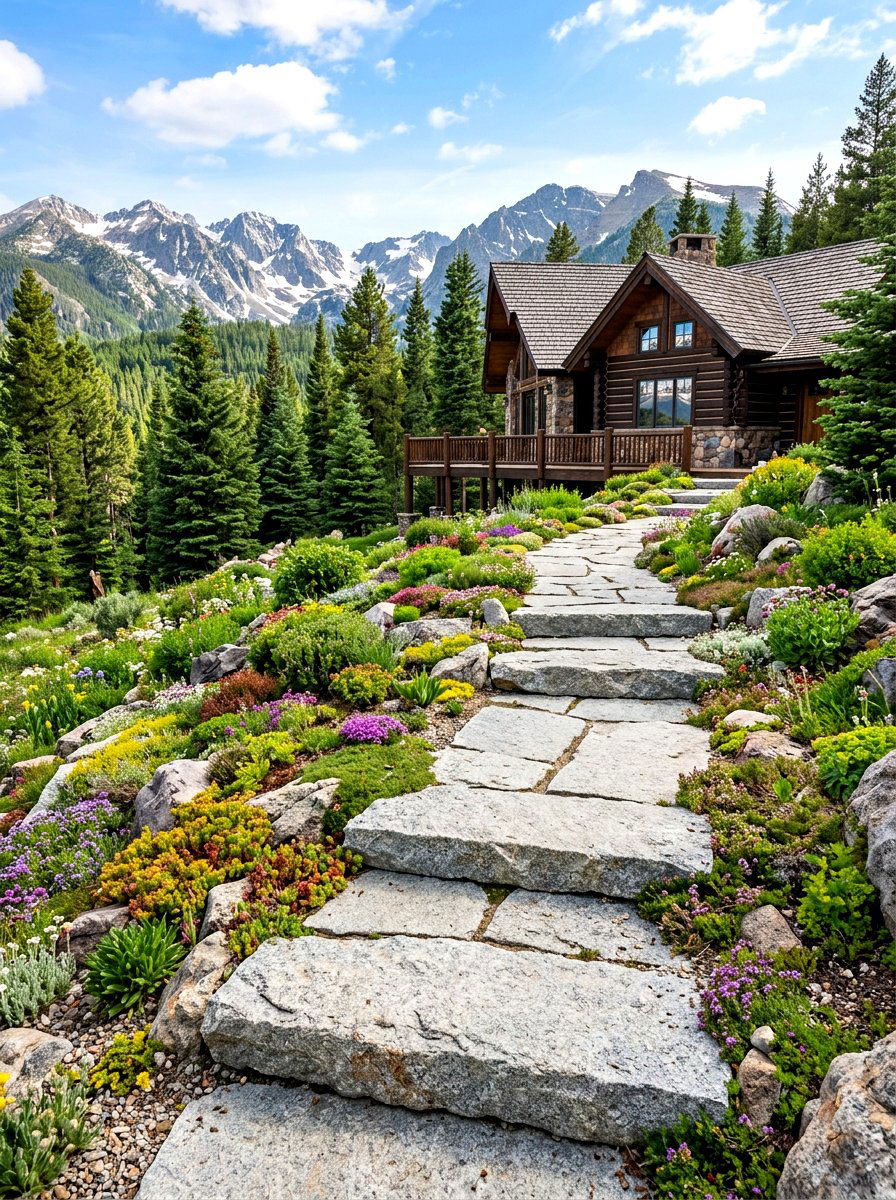
Granite is one of the hardest and most resilient stones available, making it a perfect material for front yard walkways and steps. Using large granite slabs or blocks creates a sense of monumental scale and rugged elegance that works well with mountain or coastal homes. Granite comes in various shades from light speckled gray to deep charcoal, providing a neutral and sophisticated base for any garden design. Because it is non-porous and highly resistant to salt, it is an excellent choice for homes in cold climates where de-icing may be necessary. The natural sparkle of the minerals in granite adds a subtle touch of luxury as it catches the light.
17. Decomposed Granite Trail
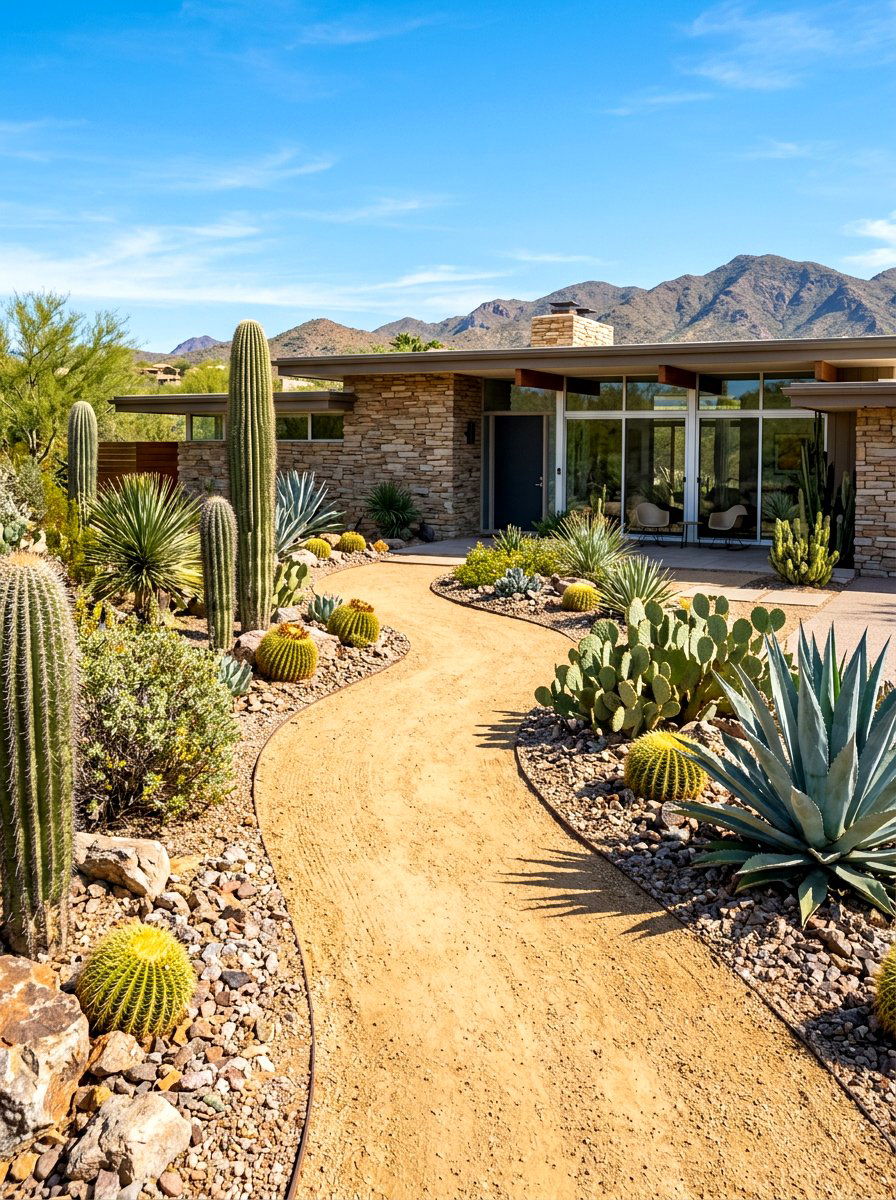
Decomposed granite, often called DG, is a versatile and budget-friendly material that creates a firm yet permeable surface for natural-looking trails. It has a finer texture than standard gravel and packs down into a solid base that is very stable for walking or rolling strollers. DG is available in many warm colors like gold, tan, and brown, making it a popular choice for xeriscaped or desert-style front yards. To keep the trail looking sharp, it is best to use a stabilizer and install a sturdy border of wood or metal. This material allows water to soak through to the soil, supporting a more sustainable and eco-friendly landscape design.
18. River Rock Walkway
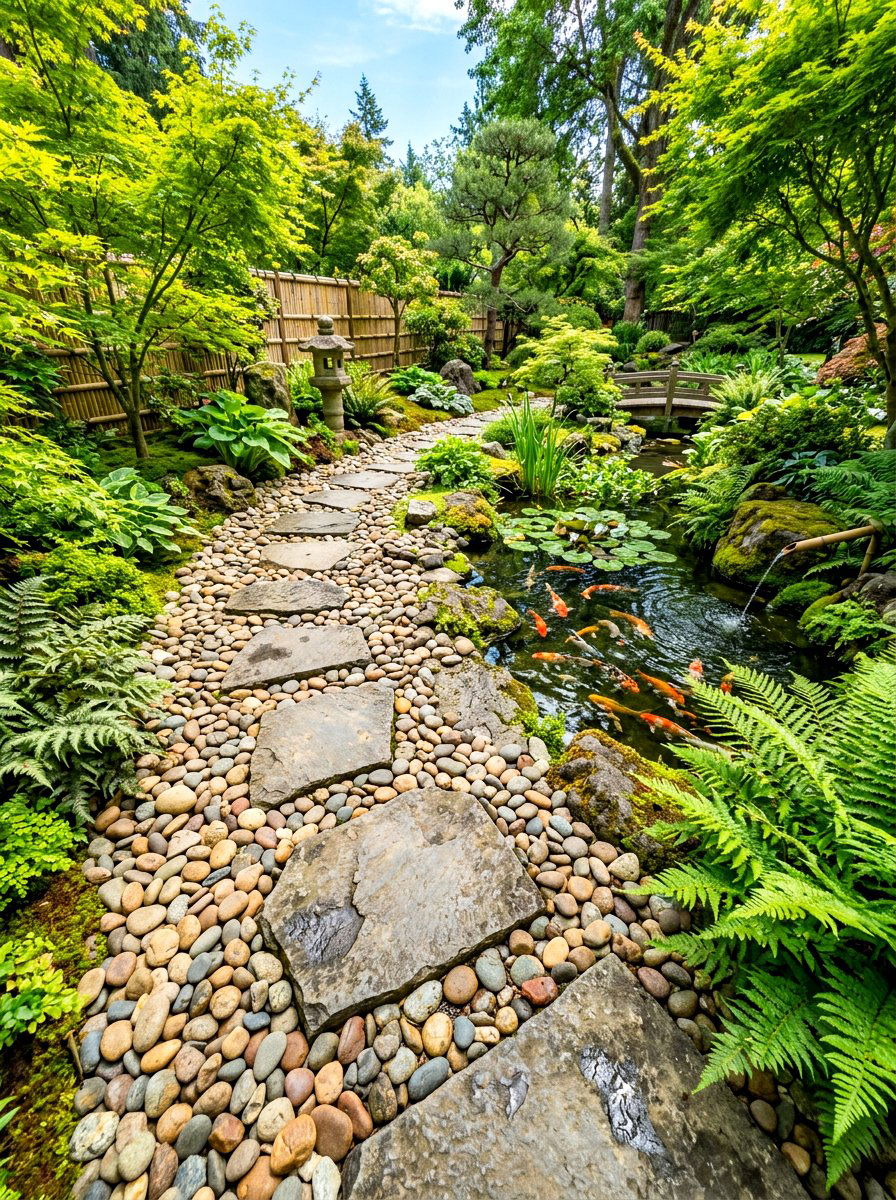
A river rock walkway utilizes smooth, water-worn stones to create a textured and visually relaxing path through your front yard landscape. While the large stones themselves are often too uneven for a primary walking surface, they are frequently used as a decorative border or "dry creek bed" surrounding flat stepping stones. This design brings a serene, nature-inspired feel to the home and is excellent for managing drainage in areas where water tends to collect. Mixing different sizes and colors of river rocks adds depth and realism to the design. This style works perfectly with woodland gardens, Japanese-themed yards, or any space where a rustic, organic atmosphere is preferred.
19. Stamped Concrete Design
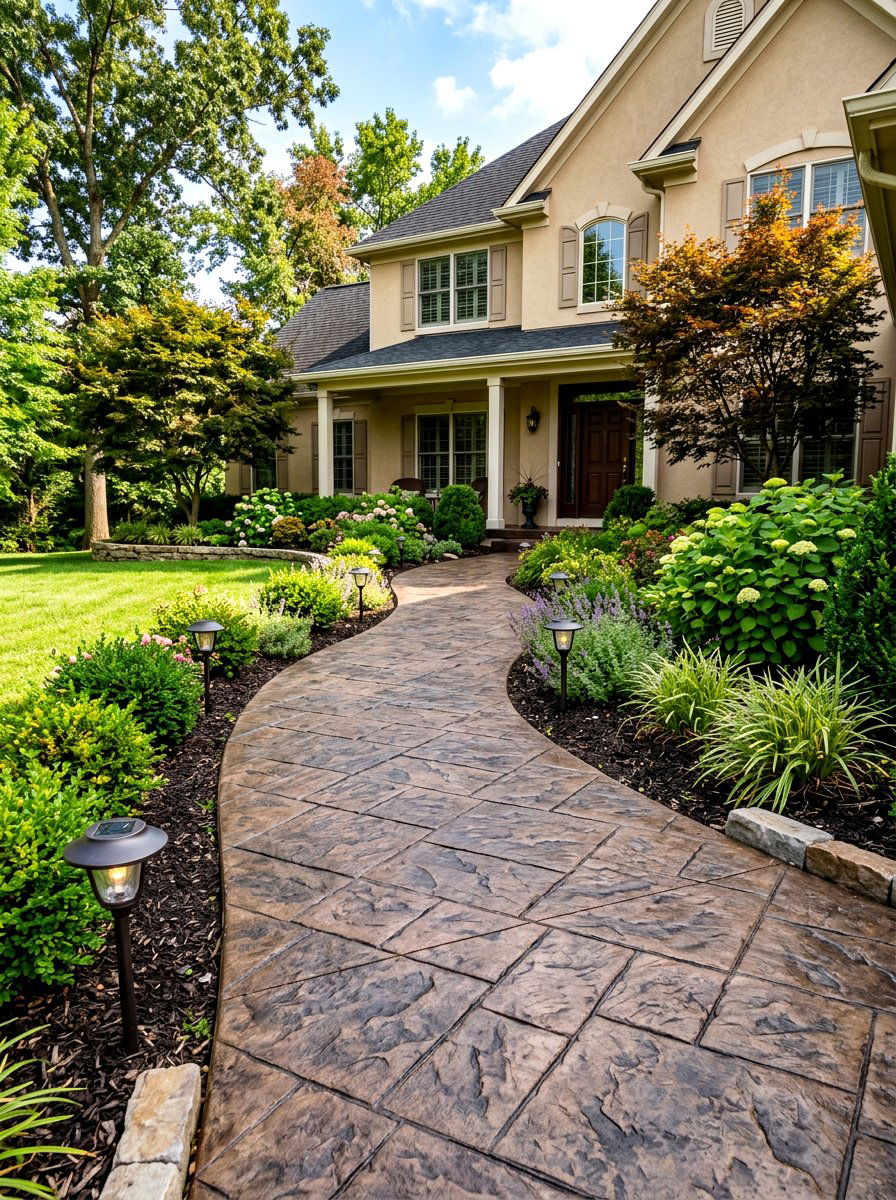
Stamped concrete allows you to achieve the look of expensive natural stone or brick while benefiting from the durability and cost of concrete. During the pouring process, large rubber mats are used to press patterns into the wet surface, creating realistic textures like slate, cobblestone, or even wood. This method provides a continuous, solid surface that prevents weeds from growing through gaps and remains very easy to keep clean. You can choose custom colors and highlights to mimic the natural variations found in real stone. Stamped concrete is a fantastic way to add a high-end architectural look to your front entrance without the high price tag of masonry.
20. Limestone Entryway
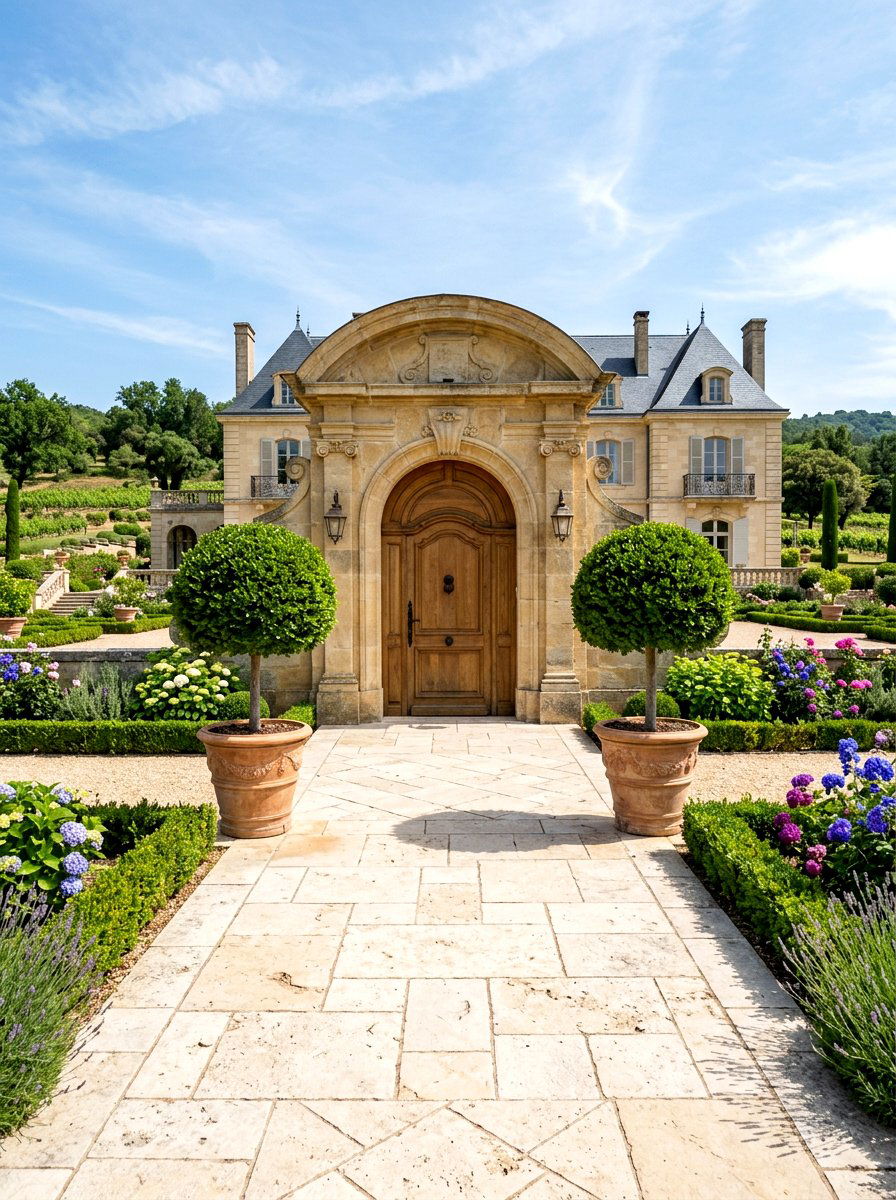
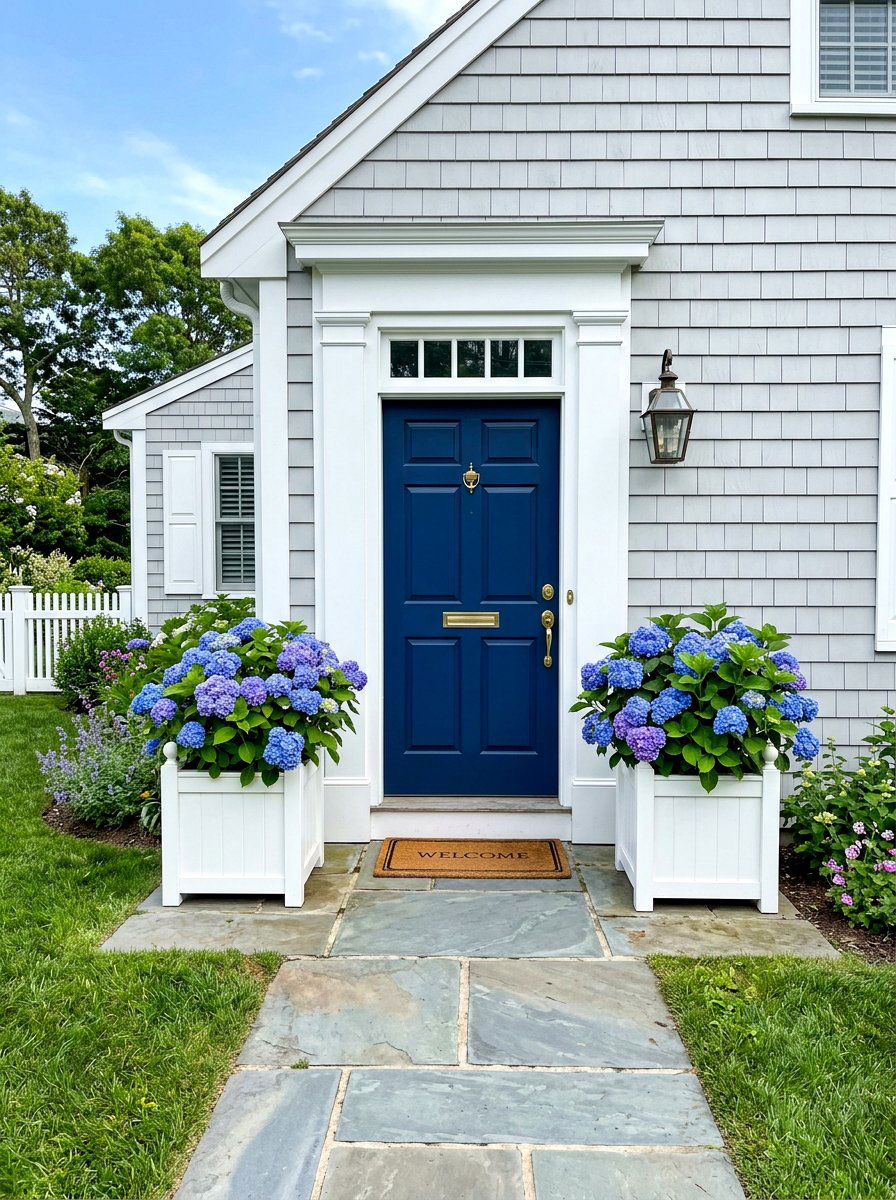
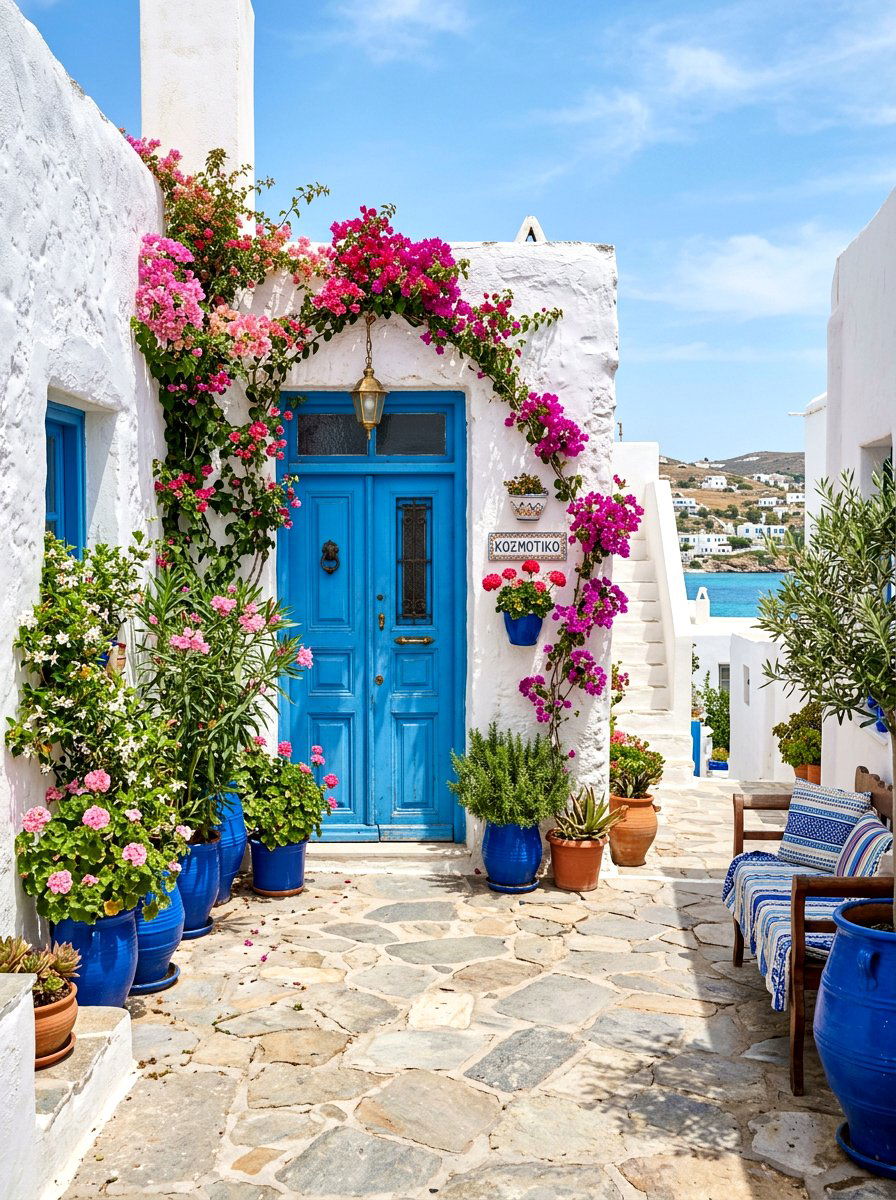
Limestone is a beautiful sedimentary stone that offers a soft, elegant look with its light buff and creamy white color tones. This material creates a bright and welcoming entrance that reflects light and makes your front yard feel larger and more open. Limestone is frequently used in traditional and French country-style architecture to provide a sense of refined luxury and timelessness. While it is a softer stone than granite, it is still very durable when properly sealed and maintained over the years. The subtle fossils and mineral veins visible in the stone add a unique natural history and character to every individual piece used in your walkway.
21. Fieldstone Garden Path
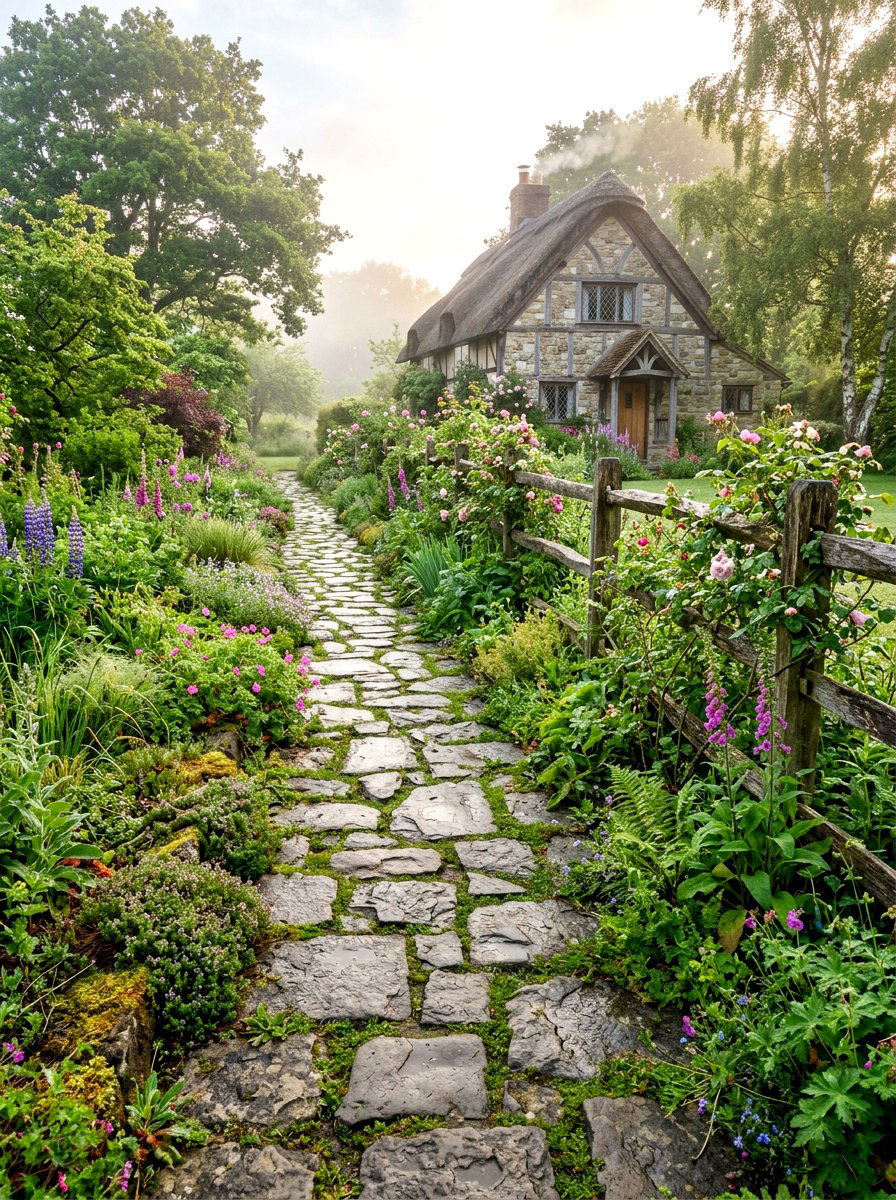
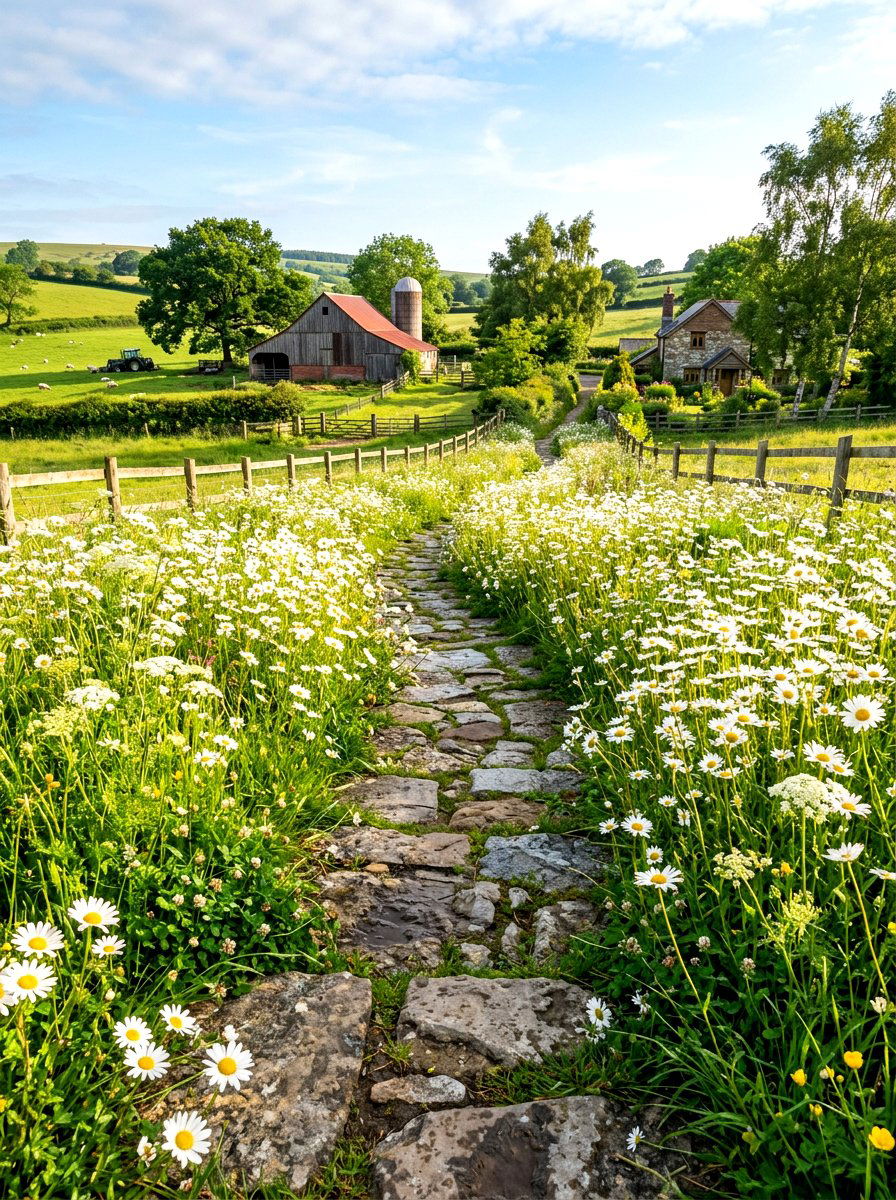
A fieldstone path is the ultimate choice for a rustic, "found in nature" look that feels like it has been part of the land for decades. These stones are typically used in their natural, irregular shapes and are set directly into the soil or a light bed of sand. This type of walkway is perfect for informal gardens where you want the path to meander through wilder plantings and native shrubs. The varied thicknesses and textures of fieldstone create a rugged surface that adds immediate character and charm to a farmhouse or cottage property. Surround the stones with low-lying succulents or creeping herbs to further integrate the path into the garden.
22. Terraced Stone Steps
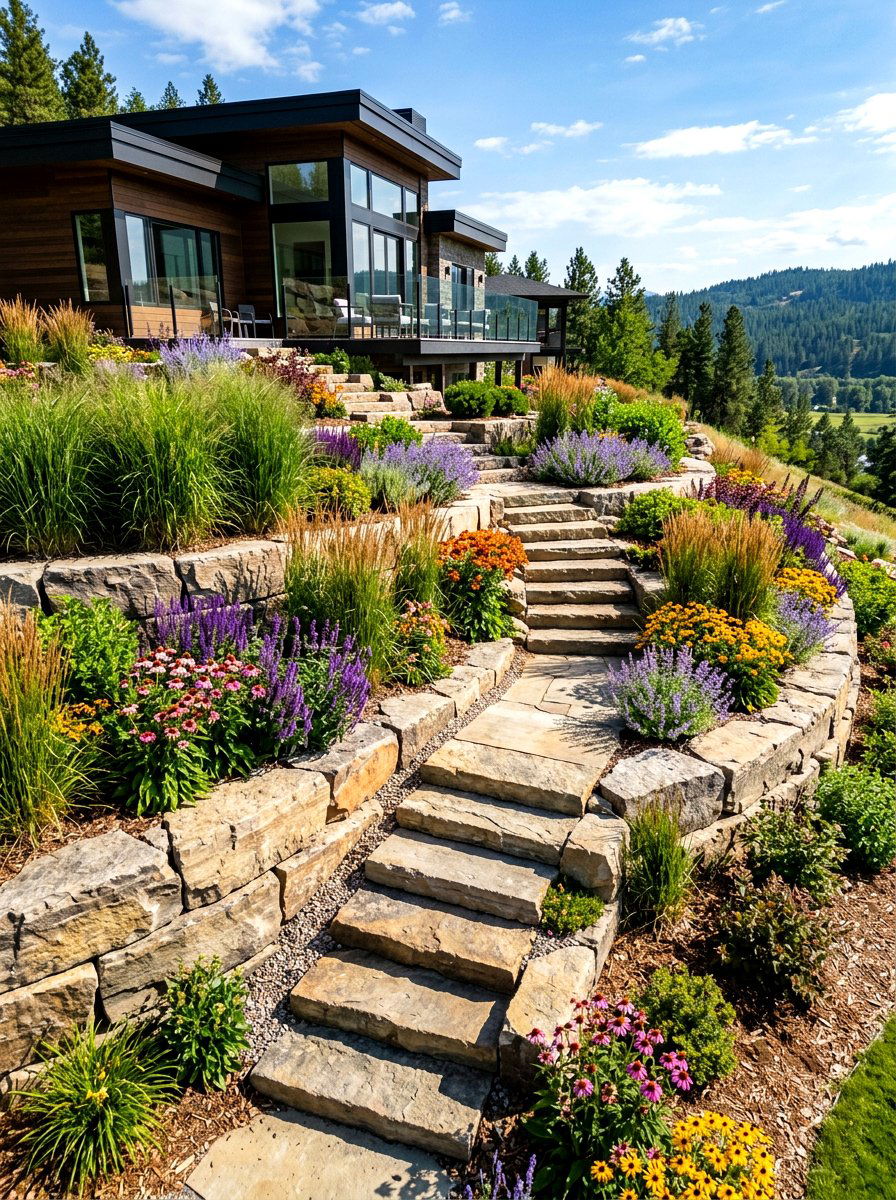
If your front yard has a significant slope, terraced stone steps are an essential design feature that provides both safety and incredible curb appeal. Building wide, shallow steps using large stone blocks or pavers allows for a gradual and comfortable ascent to your front door. You can incorporate small landing areas or garden beds on each level to break up the climb and create space for decorative planters. Using the same material for the steps and the connecting walkway creates a cohesive and professionally designed look. This structural approach transforms a difficult hillside into a functional and beautiful tiered landscape that highlights the architecture of your home.
23. Crushed Shell Path
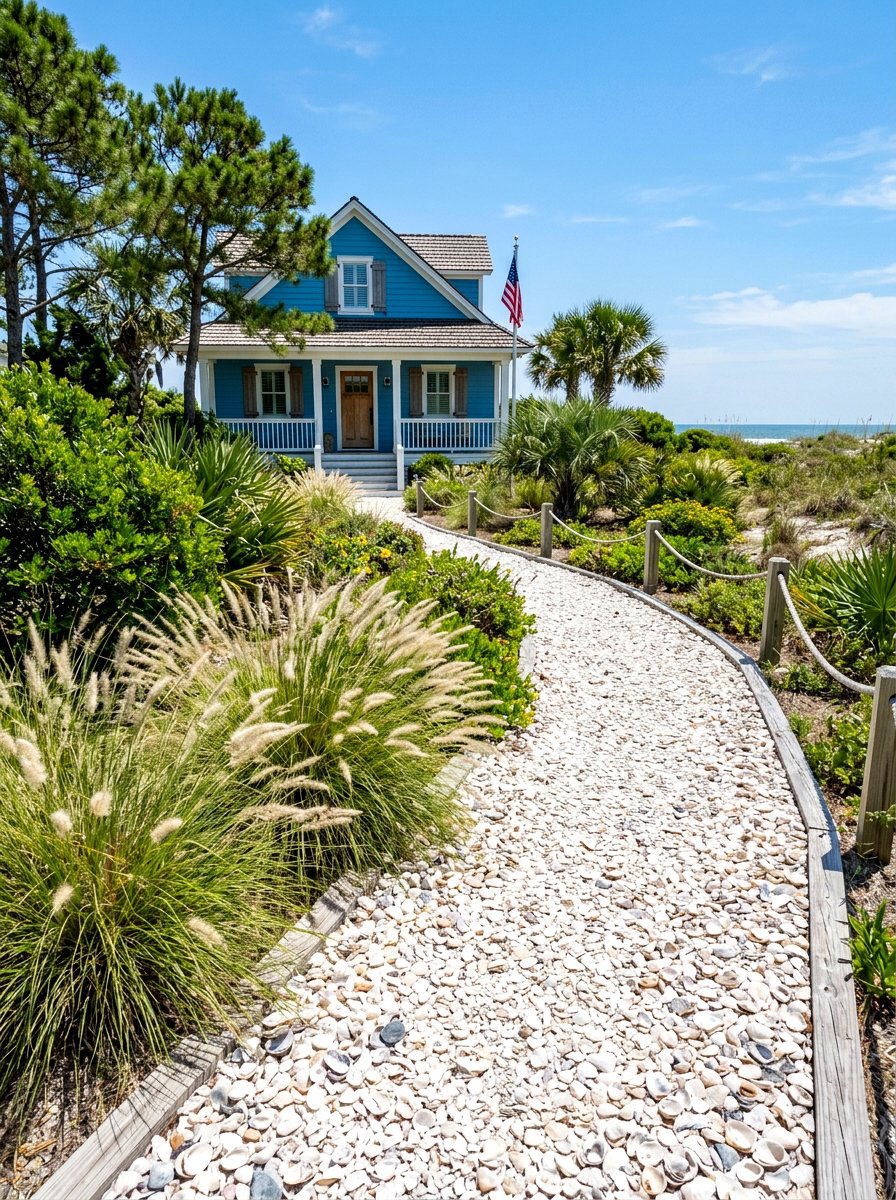
A crushed shell walkway is a distinctive and eco-friendly option that is perfect for coastal homes or beach-inspired landscape designs. As the shells are walked upon, they break down into smaller pieces and pack together to create a stable and well-draining walking surface. The bright white and off-white colors of the shells provide a stunning contrast against dark mulch or green foliage, making the path highly visible even at dusk. Using shells is a sustainable choice that adds a unique nautical texture to your front yard that you won't find with standard gravel. It creates a relaxed, breezy atmosphere that immediately makes guests feel like they are on vacation.
24. Zen Rock Path
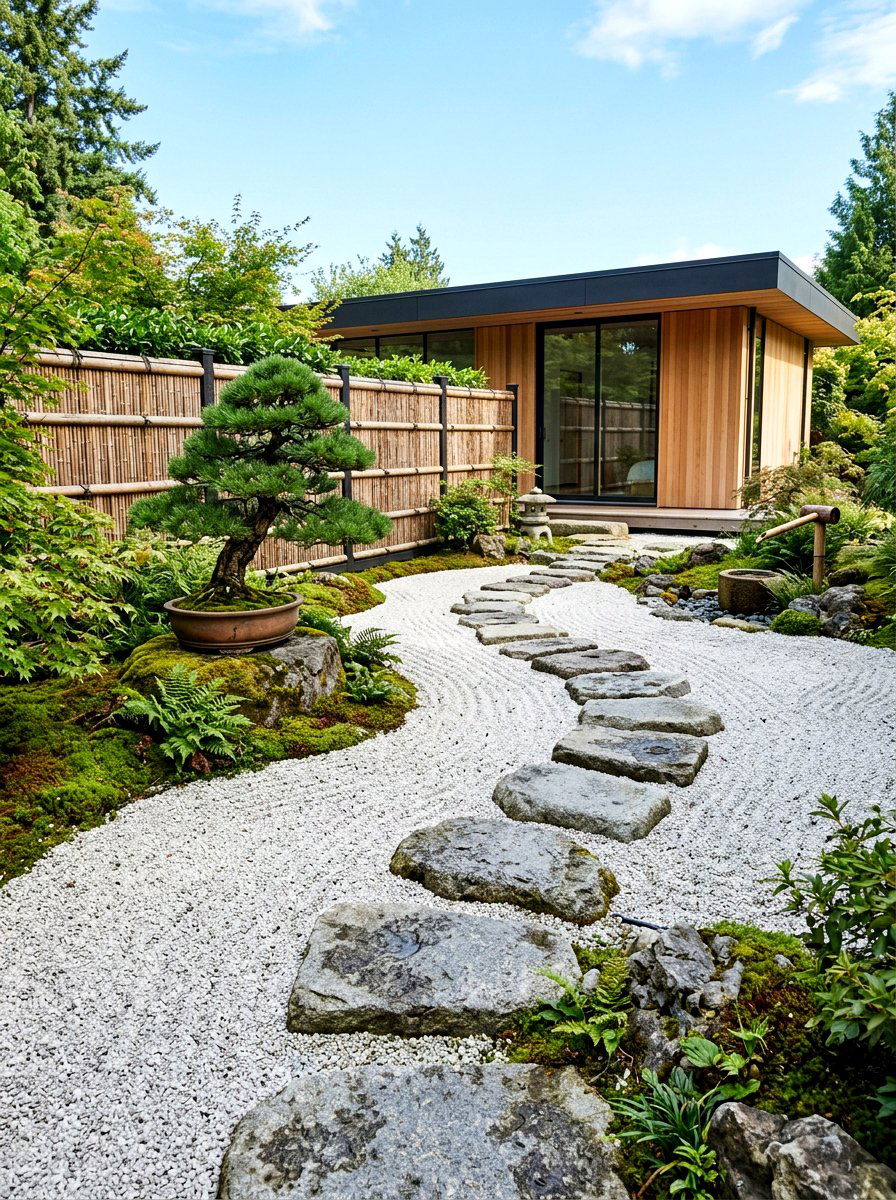
A Zen rock garden walkway focuses on simplicity, balance, and tranquility to create a peaceful arrival experience for you and your guests. This design typically features precisely placed stepping stones surrounded by raked gravel or smooth river stones in a minimalist layout. The use of clean lines and neutral colors helps to clear the mind and provides a sophisticated, modern look for the home’s exterior. Incorporating small elements like a stone basin or a single sculptural tree adds to the meditative quality of the space. This style is ideal for small front yards where every design choice needs to be intentional and clutter-free for maximum visual impact.
25. Reclaimed Brick Path
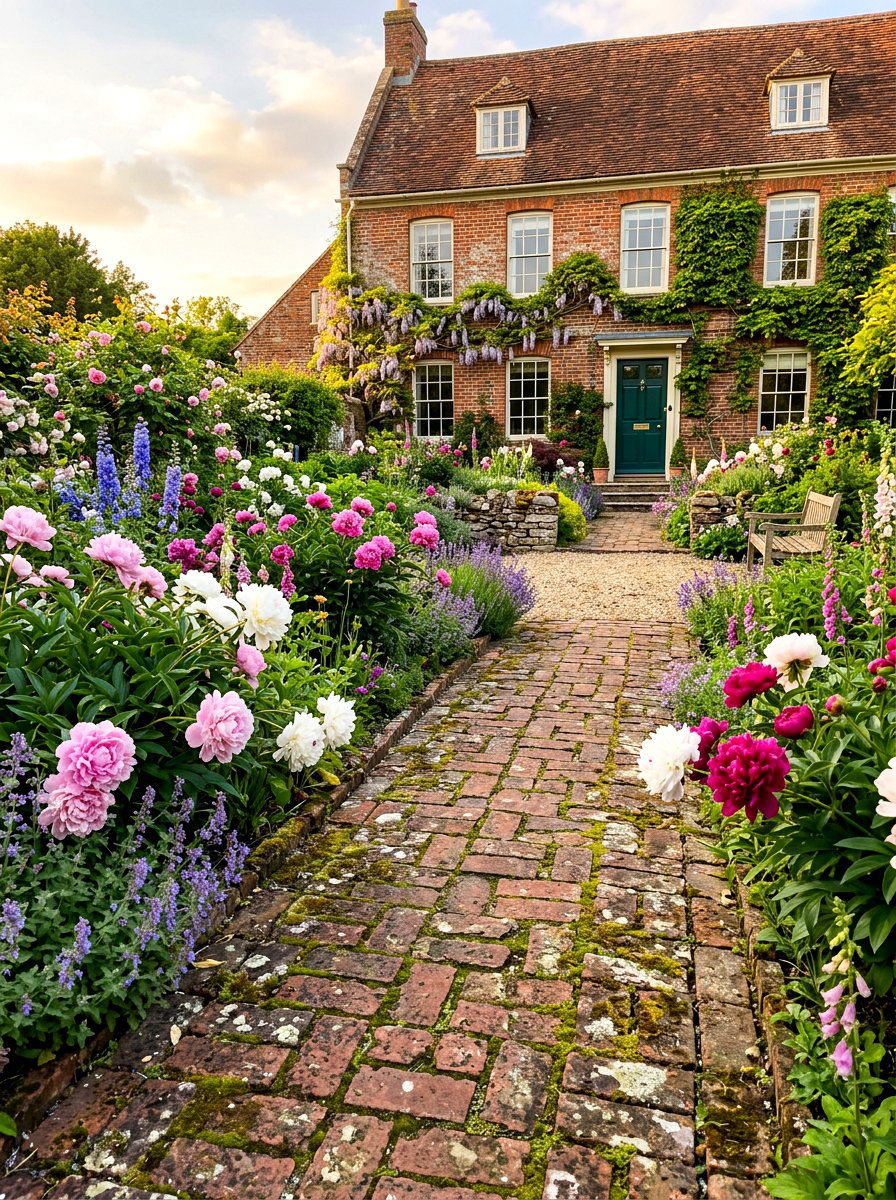
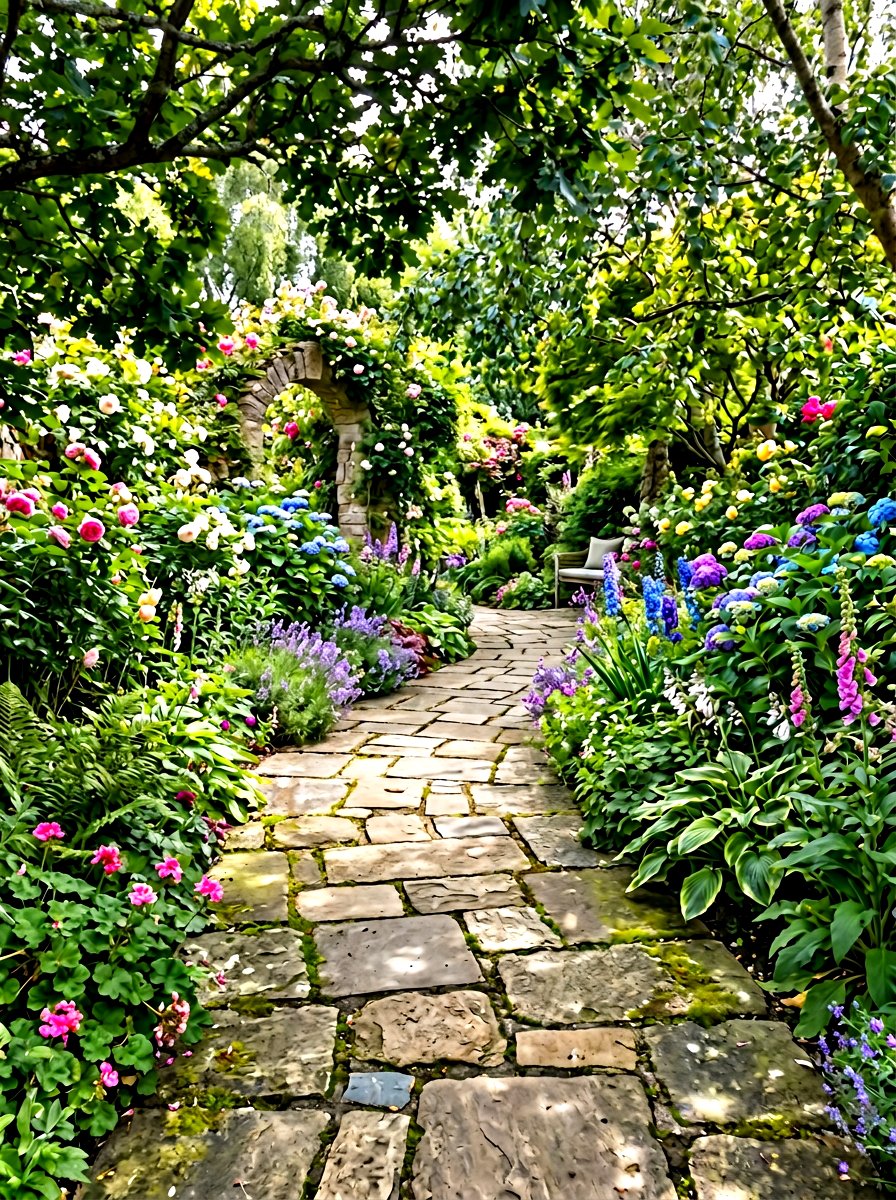
Using reclaimed or antique bricks for your front walkway adds an instant sense of history and weathered charm that new materials simply cannot replicate. These bricks often feature unique textures, stamps, and color variations that tell a story of their previous life in old buildings or streets. Laying reclaimed bricks in a traditional pattern like a basketweave or a simple stack bond creates a warm and inviting entrance that feels established. This choice is not only aesthetically pleasing but also an environmentally friendly way to recycle building materials. Pairing the aged brick with classic plantings like boxwood and white hydrangeas completes a timeless, elegant look for any home.
26. Floating Concrete Steps
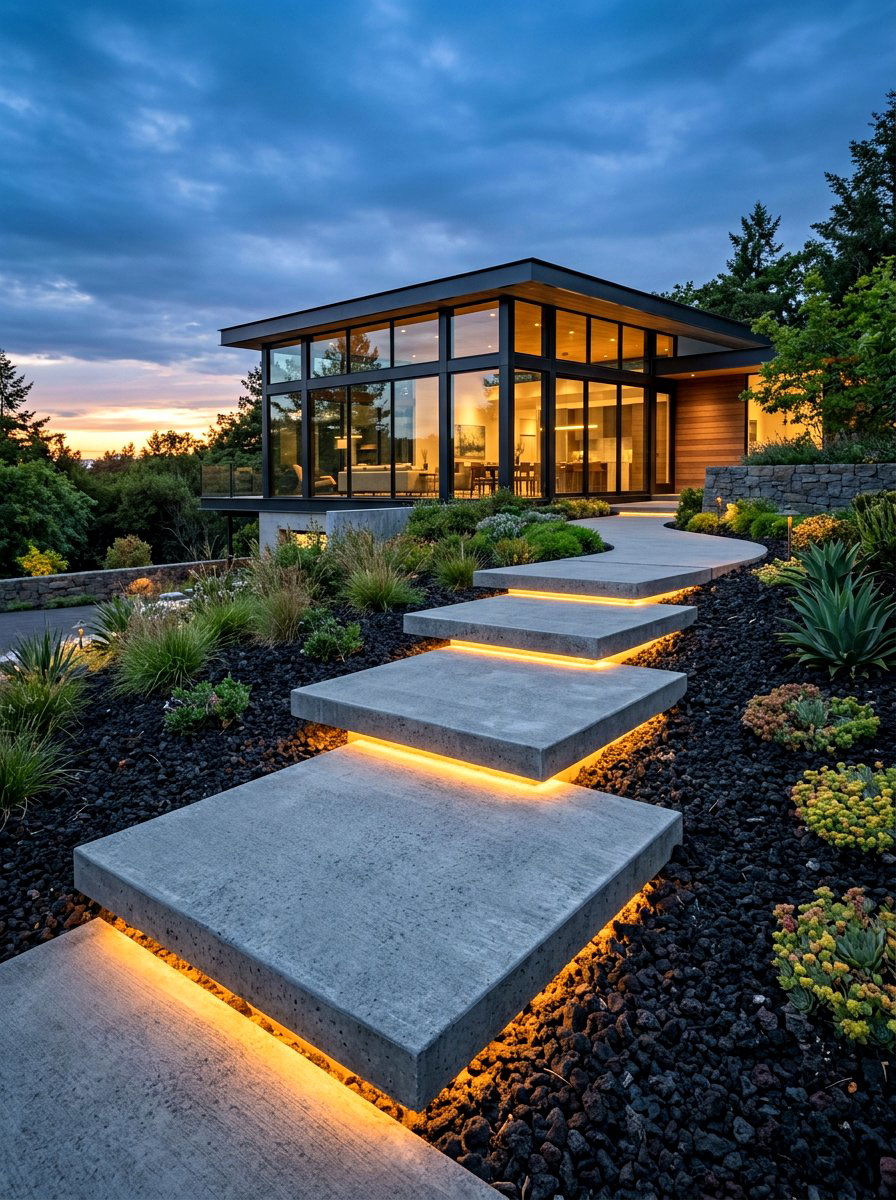
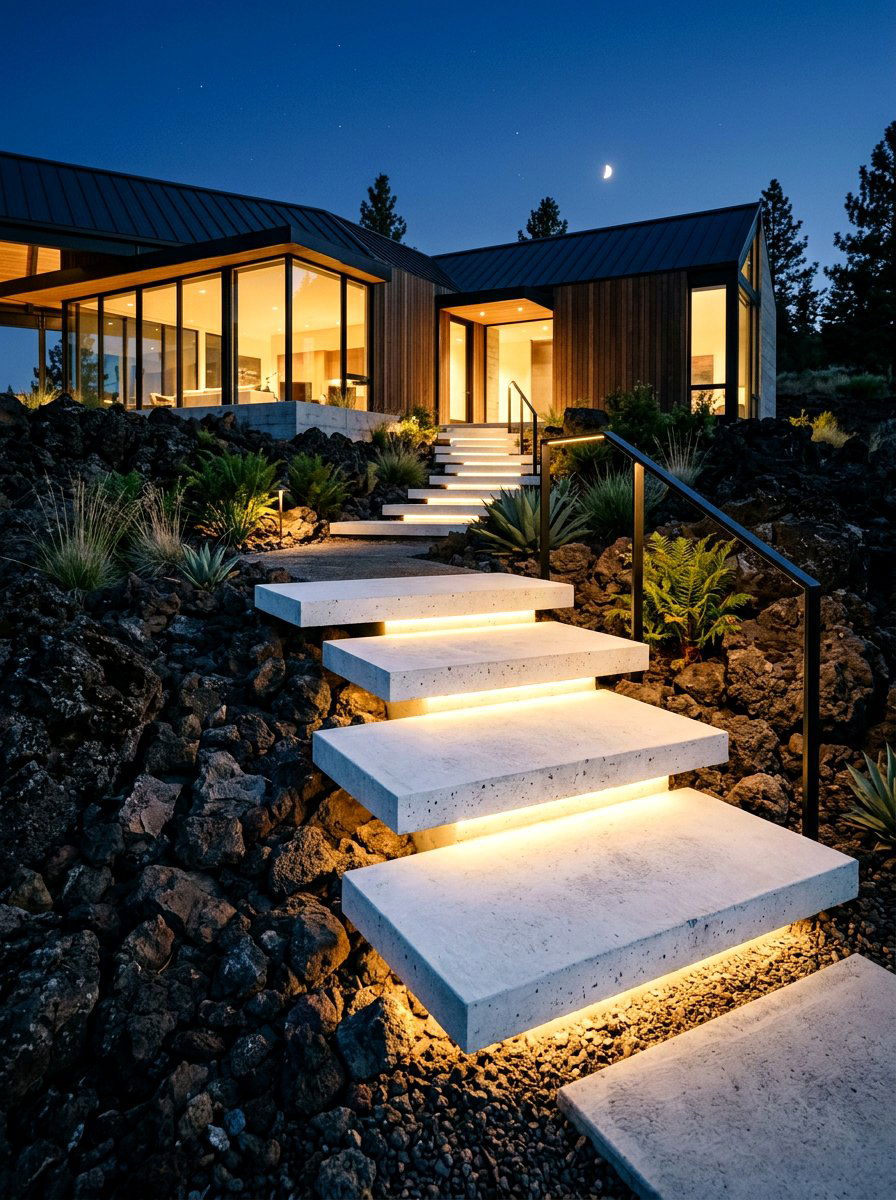
Floating concrete steps are a hallmark of modern architectural landscaping, providing a clean and gravity-defying look for contemporary front entrances. These thick concrete slabs are engineered to overhang a recessed base, creating the illusion that they are hovering above the ground or a bed of river rocks. This design creates deep shadows and sharp lines that emphasize the geometric beauty of the home. Often illuminated from underneath with LED strip lighting, these steps provide a safe and dramatic entrance during the evening hours. This sophisticated approach to a walkway is perfect for minimalist homes that want to make a bold and high-tech statement from the very first step.
27. Mulch And Timber Path
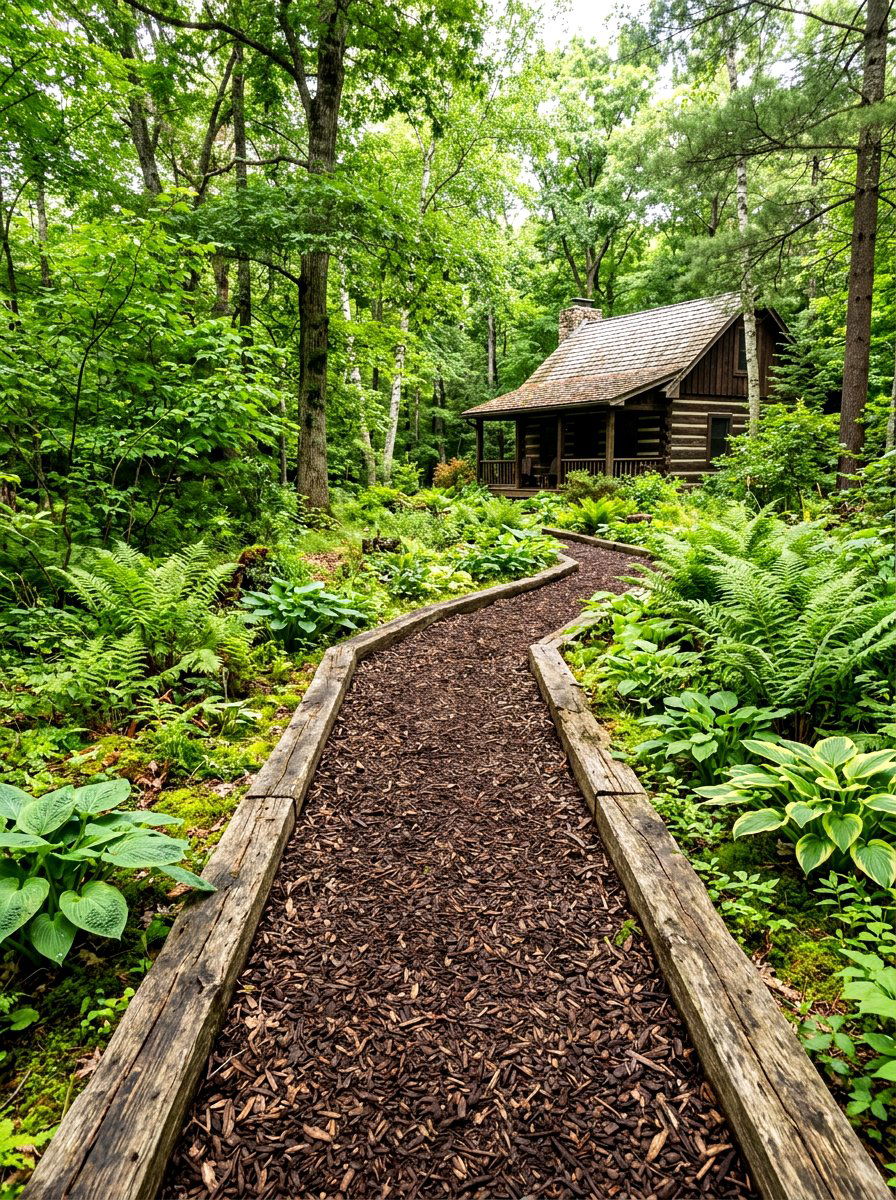
A mulch and timber walkway is an excellent, low-budget solution for creating a natural and inviting path through a wooded or rustic front yard. Large wooden timbers or railroad ties are used as "steps" or borders, with the interior sections filled with shredded bark or wood chips. This design feels very soft underfoot and blends perfectly with a landscape filled with trees, ferns, and native forest plants. While mulch needs to be refreshed every few years, the initial installation is very easy and requires no heavy machinery or expensive masonry tools. This style is ideal for long pathways leading from the street through a naturalized garden area to the porch.
28. Geometric Paver Layout
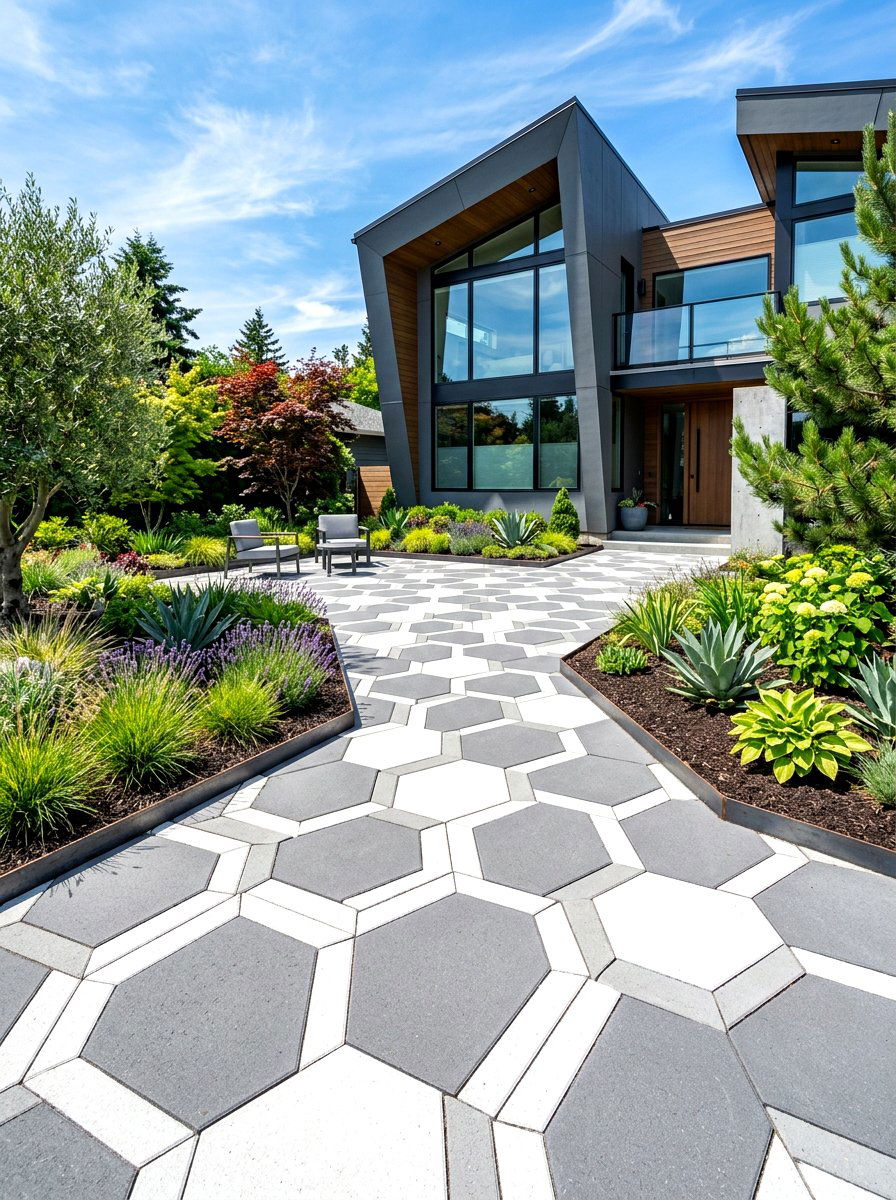
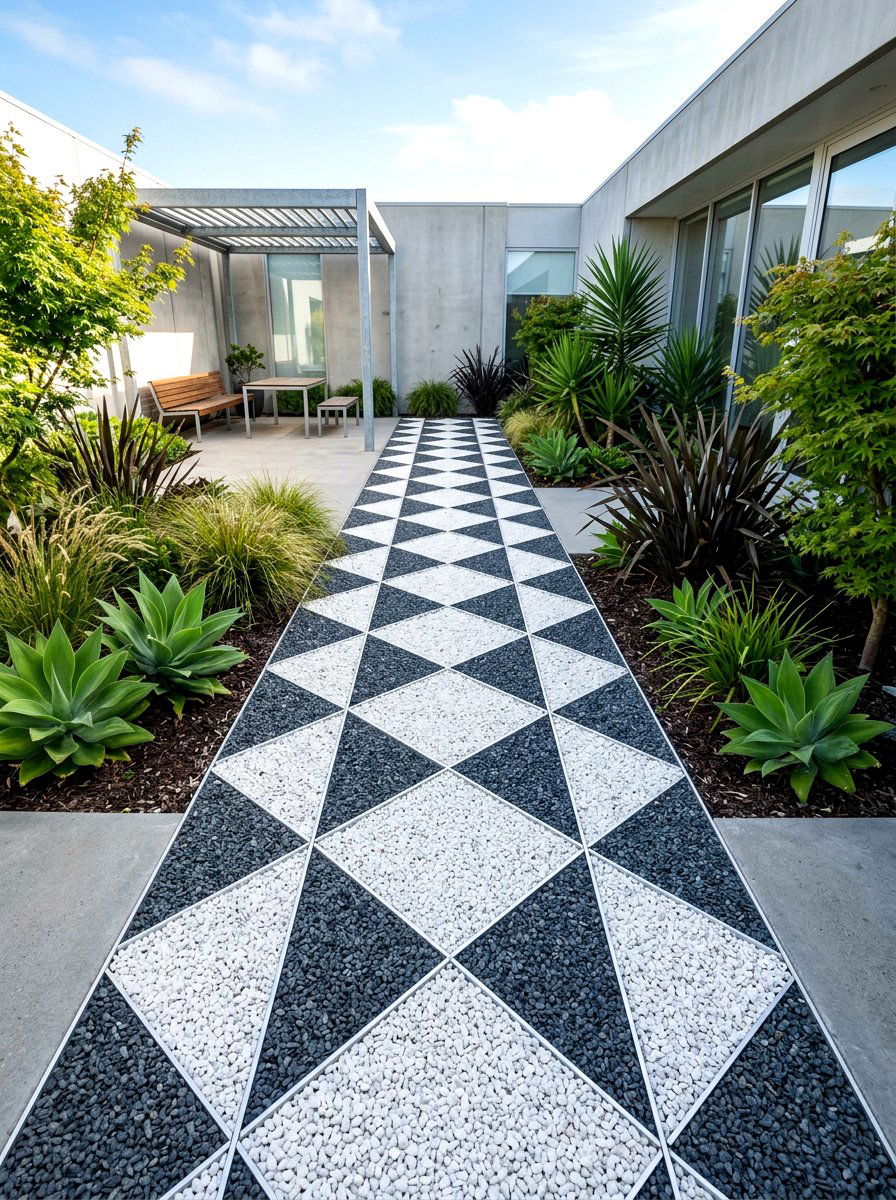
A geometric paver layout uses sharp angles and repeating shapes like hexagons or diamonds to create a highly stylized and artistic front walkway. This modern approach to hardscaping turns the path into a focal point of the yard rather than just a functional necessity. By using contrasting colors of pavers, you can create intricate patterns that resemble a tiled floor or a contemporary mosaic. This design works exceptionally well for homes with bold architectural features that need a landscape to match their energy. Keeping the surrounding plantings simple and structured allows the complex geometry of the walkway to remain the star of the show throughout the seasons.
29. Grass Joint Pavers
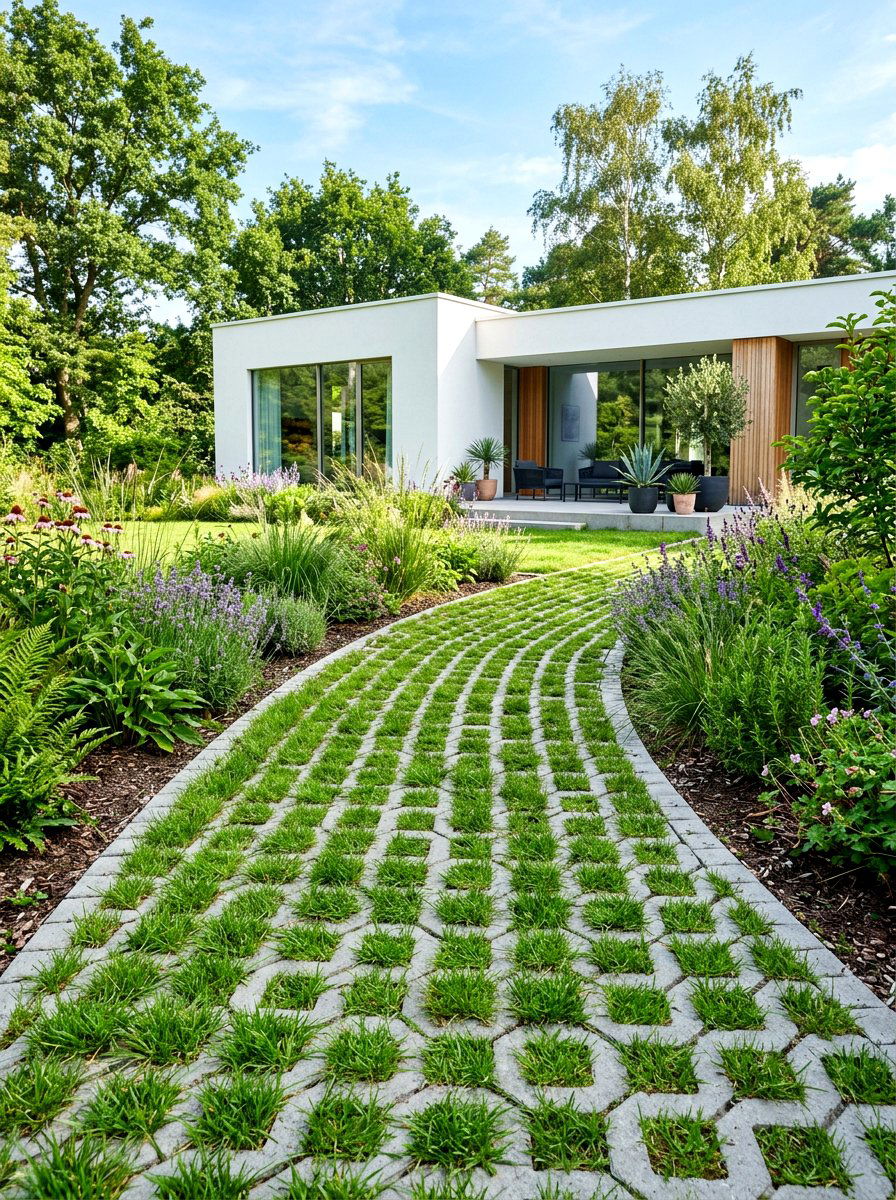
Grass joint pavers, also known as "grow-through" pavers, are a beautiful way to combine the durability of a hard surface with the lush look of a green lawn. These pavers feature large open cells or wide gaps that are filled with soil and planted with resilient grass or low-growing groundcovers. This design is highly sustainable because it reduces heat absorption and allows rainwater to soak directly into the ground, preventing runoff issues. It creates a soft, checkered appearance that looks much more natural than a solid block of concrete or stone. This style is perfect for homeowners who want to maintain as much green space as possible in their front yard.
30. Sandstone Walkway
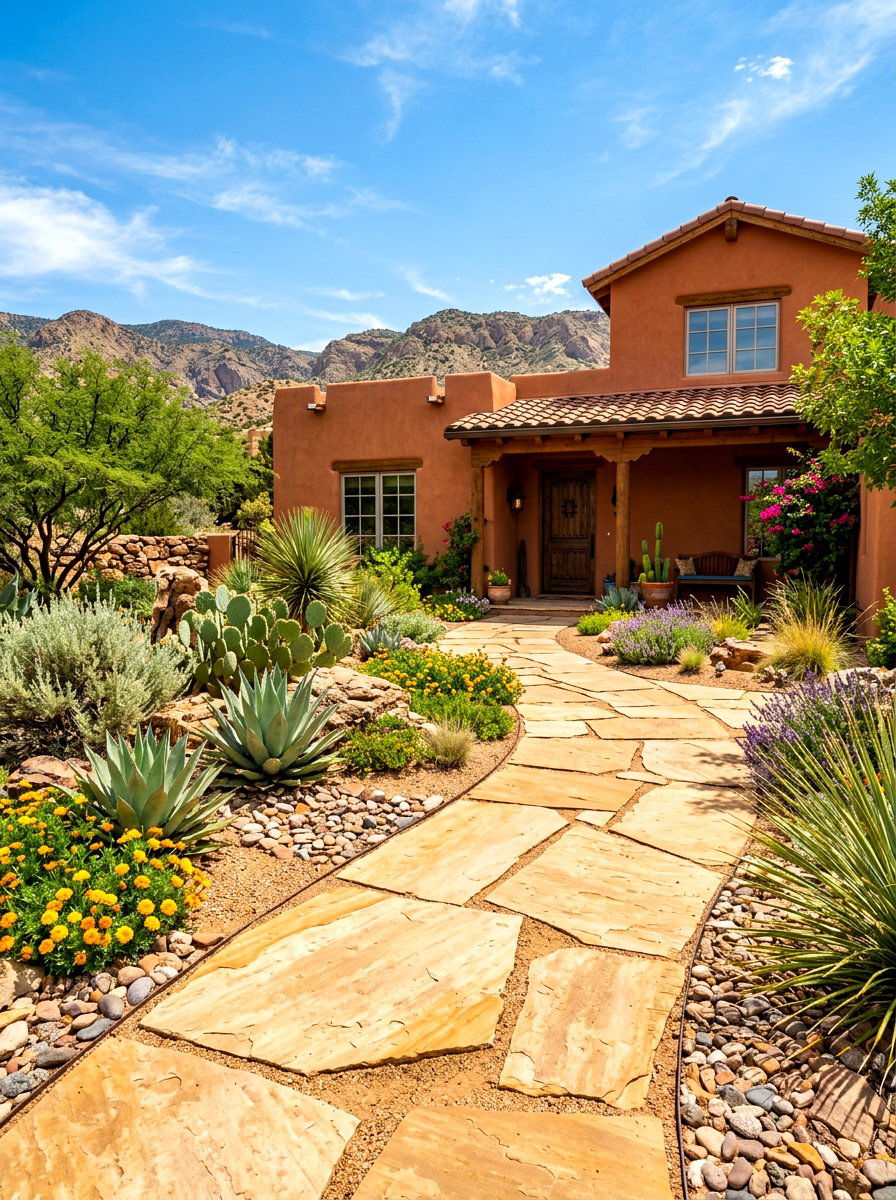
Sandstone is a popular natural stone that offers a warm, inviting palette of tans, golds, and soft reds that look beautiful in the sunlight. This material is known for its distinctive grain patterns and natural texture, which provides excellent grip for walking in all types of weather. Sandstone can be cut into precise rectangular slabs for a formal look or left with rough edges for a more casual, rustic entrance. It is a very durable stone that resists weathering well, making it a reliable choice for long-term curb appeal. Pairing a sandstone path with warm-toned landscape lighting creates a cozy and glowing entrance that feels incredibly welcoming at night.
Conclusion:
Designing the perfect front yard walkway is a rewarding project that significantly improves the functionality and beauty of your home. Whether you choose the timeless elegance of natural stone or the sleek lines of modern concrete, your path serves as a vital bridge between the street and your private sanctuary. By carefully considering your home's architecture and the surrounding landscape, you can select materials and layouts that reflect your personal style while providing a safe passage for visitors. A well-designed walkway not only increases property value but also makes coming home a more joyful and aesthetic experience every single day for your family.

Related posts: