Transforming your outdoor space begins with the foundation of your landscaping, and few elements offer the enduring charm of a well-crafted brick walkway. Bricks bring a sense of history and warmth that few other materials can match, making them a top choice for homeowners looking to boost curb appeal. Whether you are aiming for a quaint cottage feel or a sharp modern look, the versatility of clay and concrete pavers is unmatched. A thoughtfully designed path does more than just connect two points; it guides the eye and creates a welcoming atmosphere. By exploring various patterns and textures, you can design a functional feature that feels like a natural extension of your home.
1. Red Herringbone Walkway
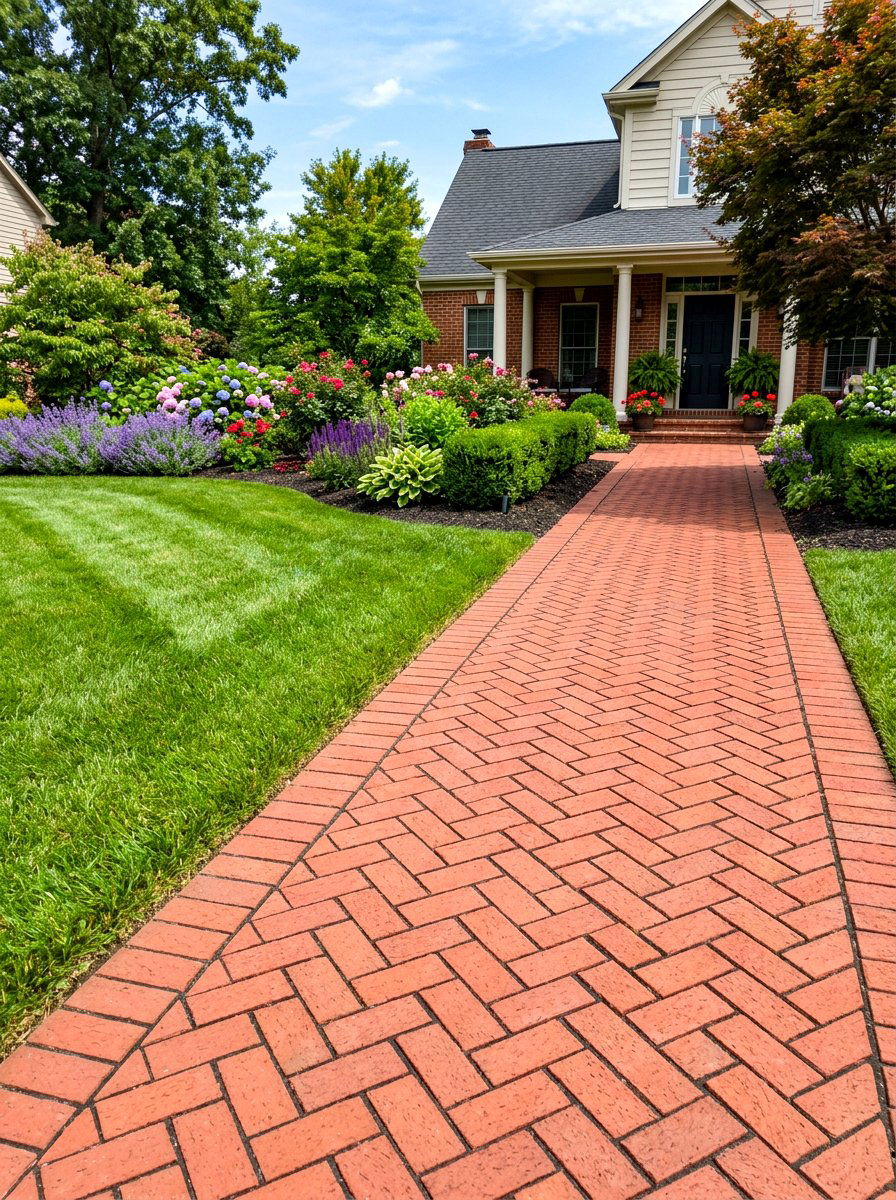
Choosing a red herringbone walkway is a fantastic way to introduce a sense of movement and energy to your front entrance. This classic zigzag pattern is incredibly durable because the interlocking bricks resist shifting over time, even with heavy foot traffic. The rich, earthy tones of traditional red clay bricks provide a beautiful contrast against a lush green lawn or colorful flower beds. This specific layout works exceptionally well for both straight and slightly curved paths, offering a sophisticated look that never goes out of style. You will find that this design anchors the entire landscape, providing a sturdy and visually interesting foundation for your home's exterior aesthetic.
2. Basketweave Brick Path
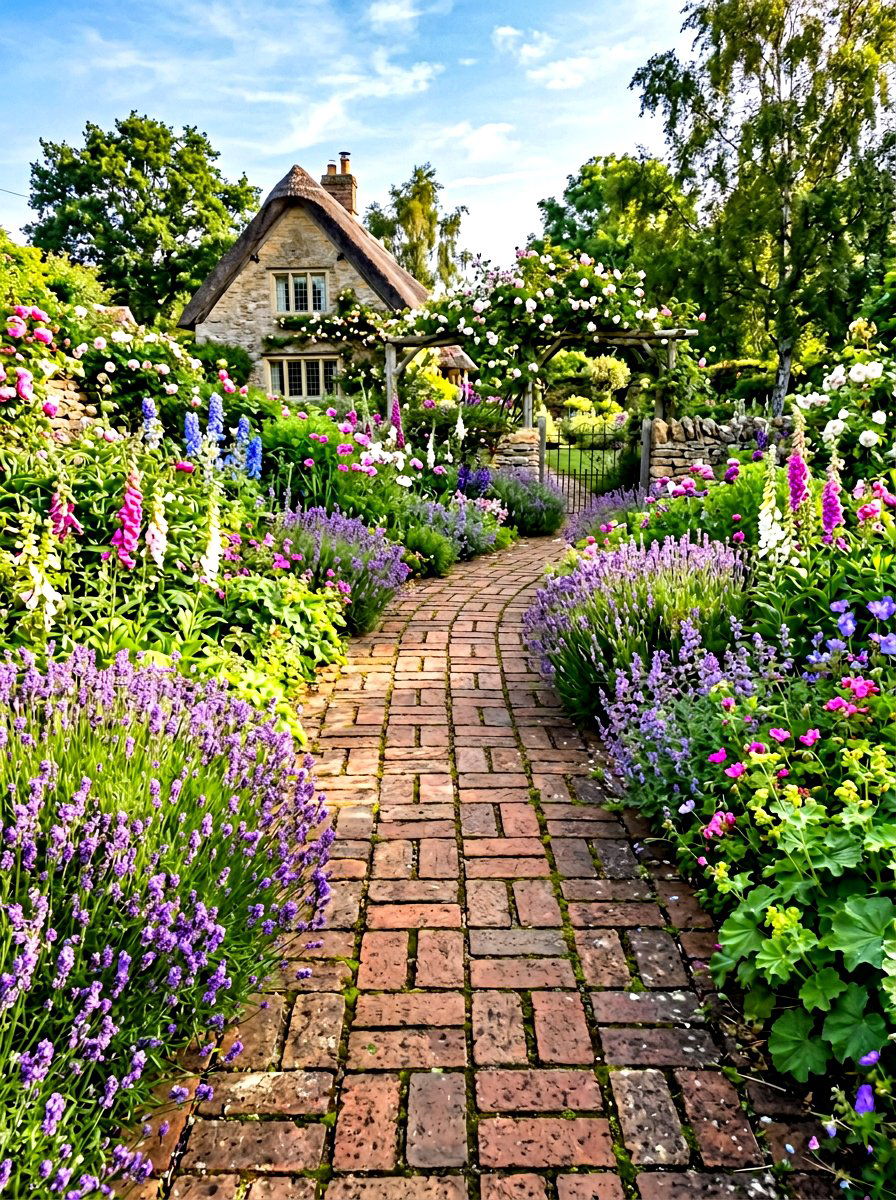
There is something incredibly nostalgic and charming about a basketweave brick path winding through a quiet backyard garden. This pattern consists of pairs of bricks laid in alternating horizontal and vertical directions, mimicking the look of a hand-woven basket. It is a popular choice for homeowners who want a more decorative and traditional feel without the complexity of diagonal cuts. The level surface makes it very easy to walk on, while the repeating geometric blocks create a sense of order and calm. Pairing this design with soft, overflowing perennials or low hedges helps to emphasize the structured beauty of the masonry while keeping the vibe relaxed.
3. Curved Brick Walkway
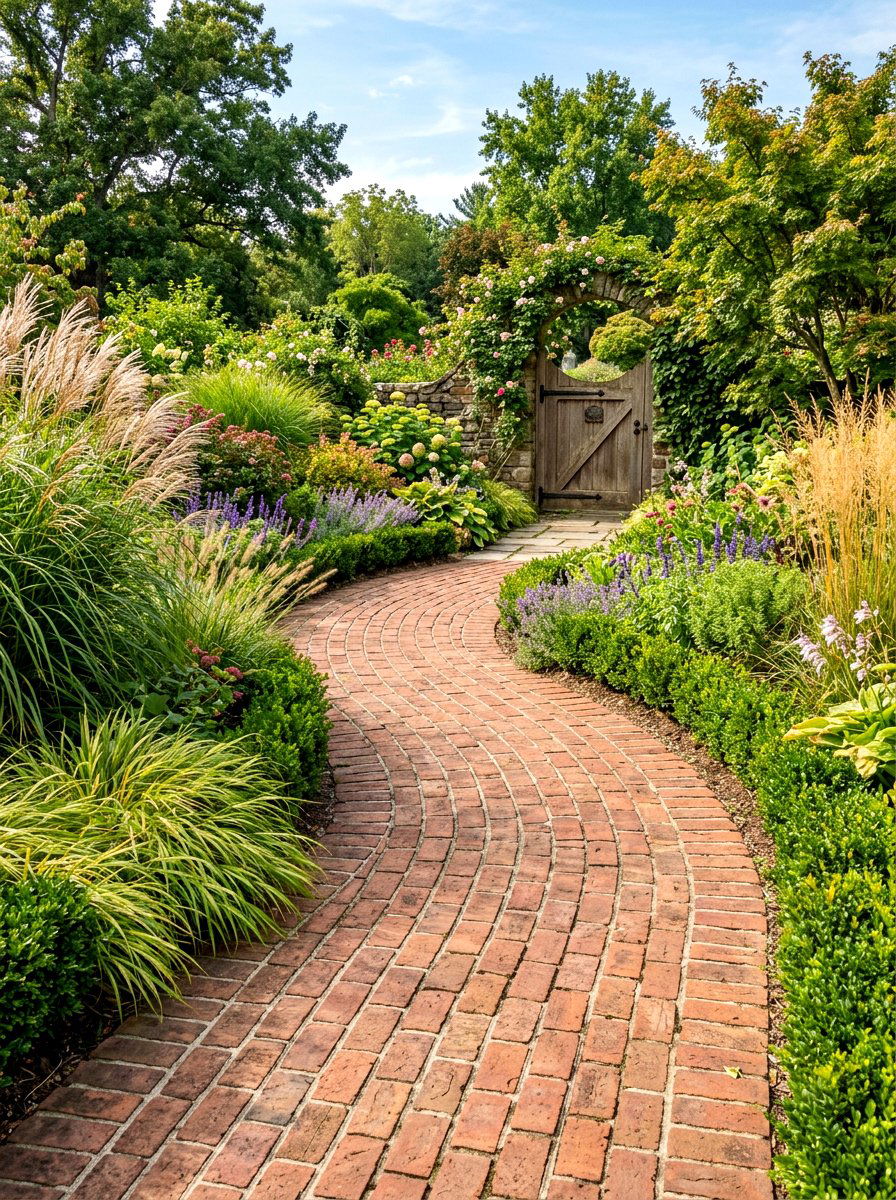
A curved brick walkway adds a touch of mystery and elegance to any landscape by gently leading guests on a scenic journey. Unlike straight lines that can feel rigid, soft curves mimic the natural flow of the earth and help to soften the architectural lines of your house. Designing a path with sweeping bends allows you to showcase different areas of your garden, such as a hidden bench or a vibrant shrubbery collection. Using a running bond pattern along the curve ensures the bricks follow the shape smoothly without creating awkward gaps. This layout is perfect for creating a relaxed, organic feel that makes your outdoor space feel larger.
4. Reclaimed Brick Sidewalk
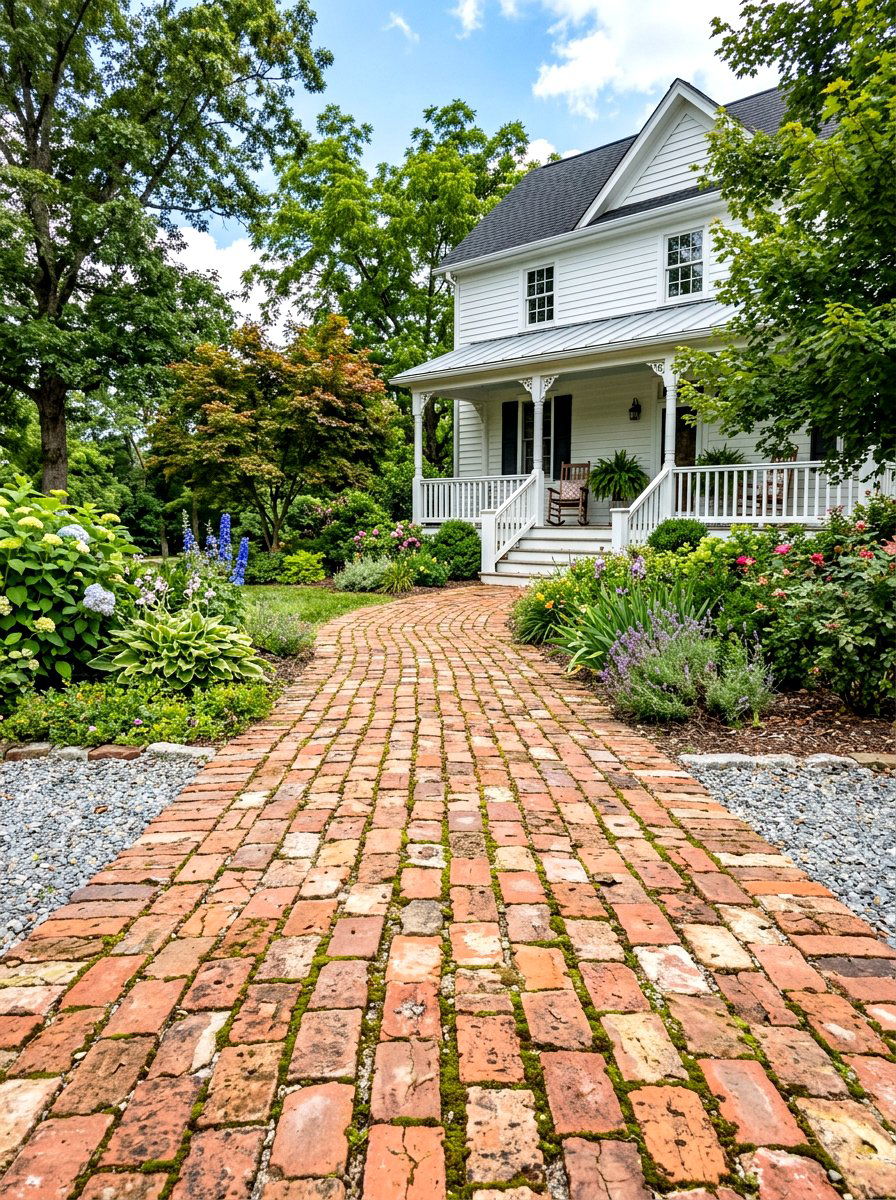
If you appreciate the beauty of history and sustainable design, a reclaimed brick sidewalk is an excellent choice for your property. Using salvaged bricks from old buildings or streets adds immediate character and a sense of permanence that new materials simply cannot replicate. These bricks often feature unique color variations, weathered edges, and even original maker’s stamps that tell a story of their own. The slightly uneven textures and muted tones create a rustic, lived-in appearance that complements historic homes or farmhouse-style landscapes. Integrating these recycled elements into your design shows a commitment to craftsmanship while providing a durable and eco-friendly paving solution for your yard.
5. Brick And Gravel Path
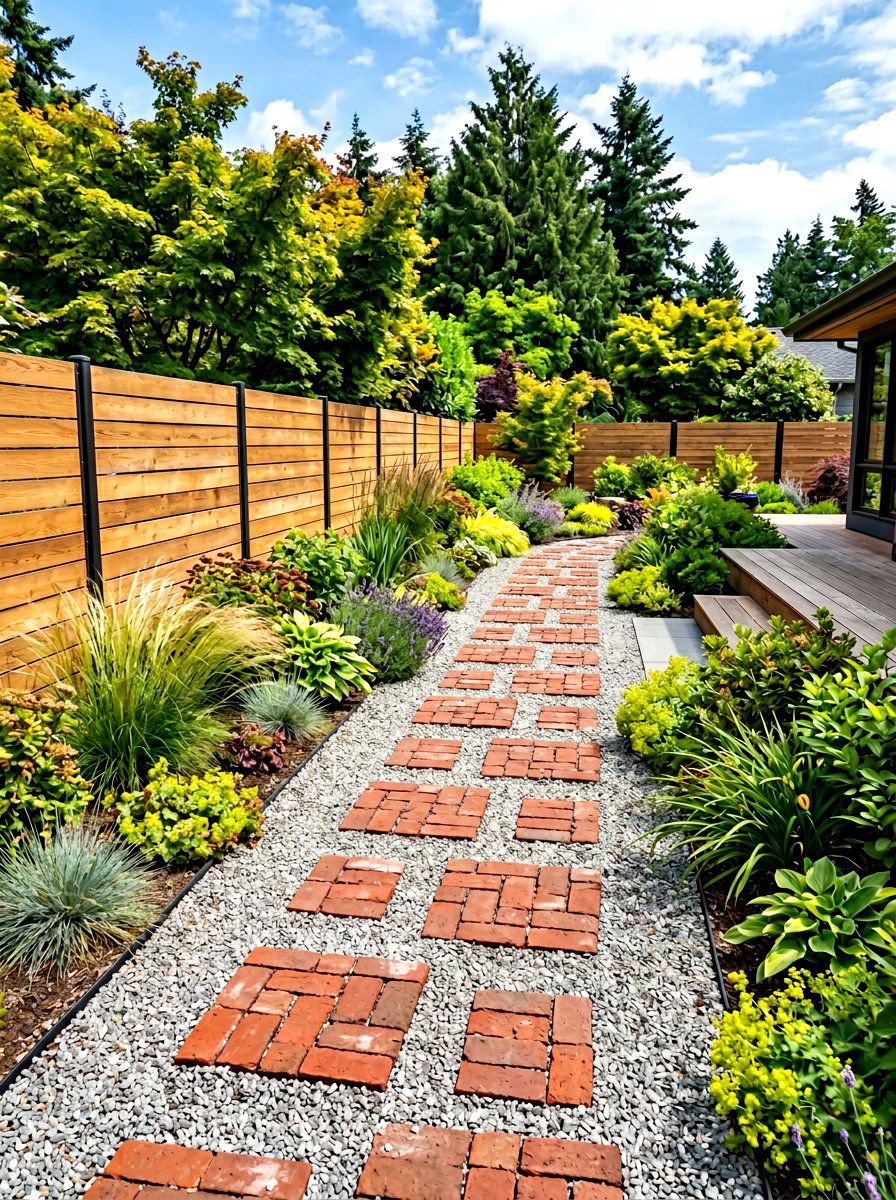
Combining brick and gravel is a clever way to create a rustic and budget-friendly path that feels both casual and intentional. In this design, bricks are typically used as stepping stones or as a decorative border to contain loose stones like pea gravel or crushed granite. This mix of materials provides excellent drainage and a satisfying crunch underfoot, making it ideal for side yards or secondary garden paths. The hard lines of the brick contrast beautifully with the soft, loose texture of the gravel, creating a layered look. It is a low-maintenance option that works perfectly in coastal, Mediterranean, or modern farmhouse garden settings where simplicity is key.
6. Circular Brick Entry
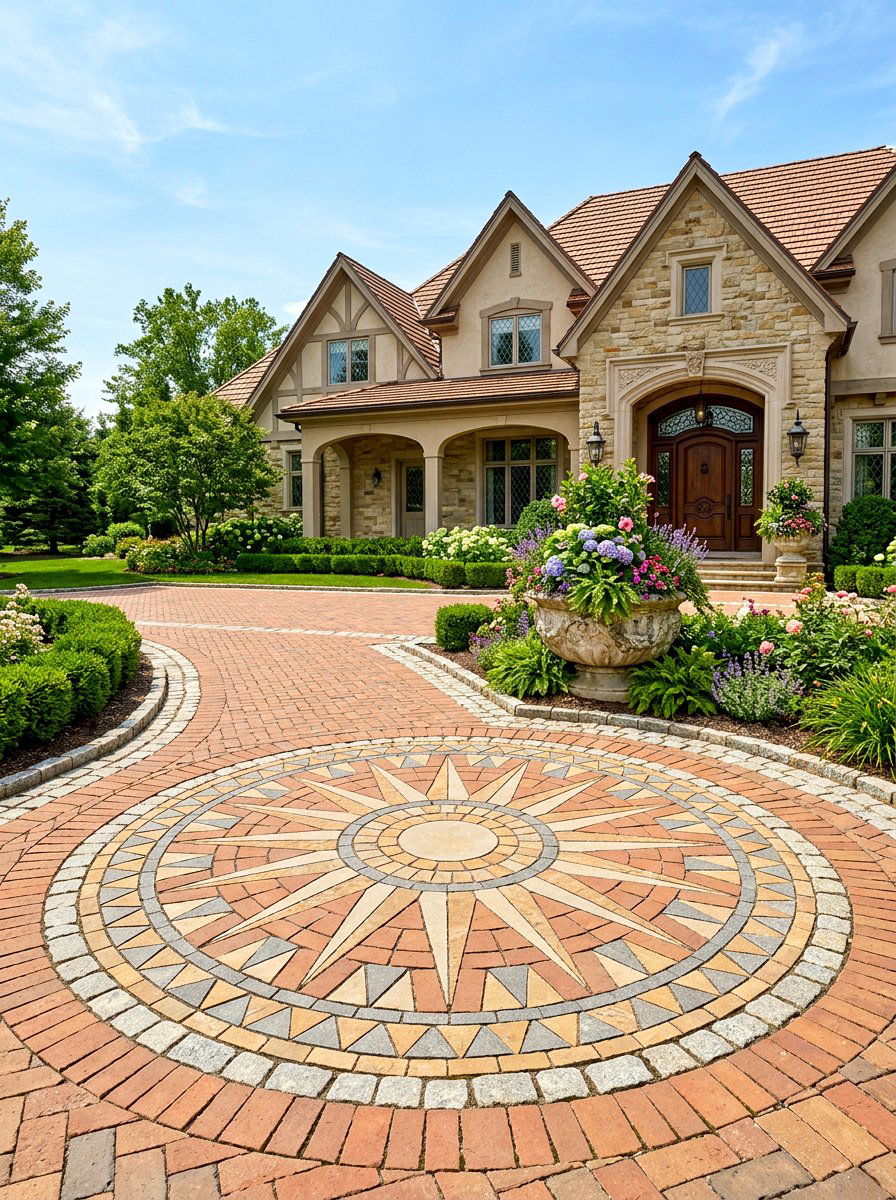
Creating a circular brick entry at the base of your stairs or in the center of a courtyard makes a bold architectural statement. This intricate pattern radiates outward from a central point, drawing the eyes toward a specific focal point like a fountain, a large planter, or the front door. It requires precision and careful cutting, but the visual reward is a stunning mosaic-like feature that looks custom-made. The circular design breaks up the monotony of straight driveway lines and adds a sense of grandeur to your home’s approach. It works best in larger spaces where the full scale of the pattern can be appreciated from a distance.
7. Gray Brick Walkway
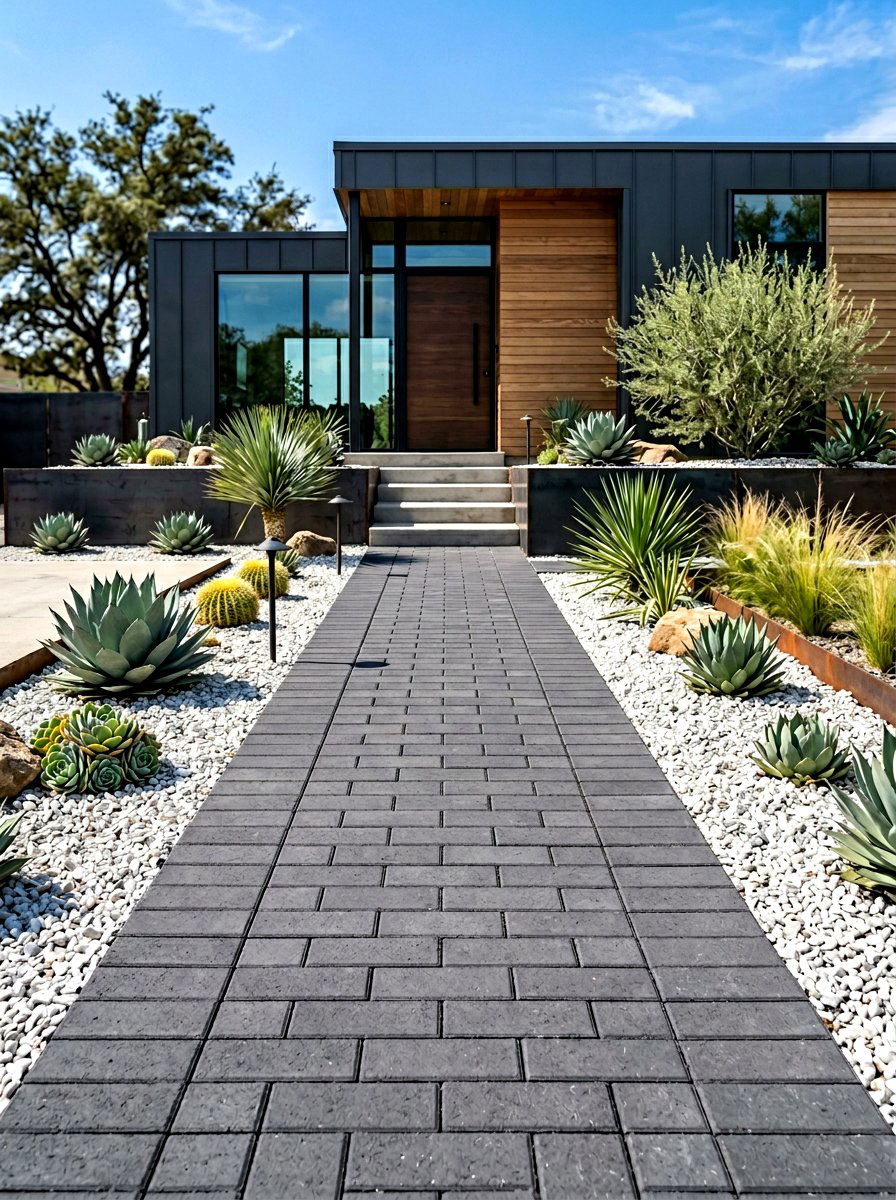
For those who prefer a more contemporary or industrial look, a gray brick walkway offers a sleek and sophisticated alternative to traditional red. Cool charcoal or slate-colored bricks provide a neutral backdrop that makes vibrant green plants and white house trim pop with modern intensity. This color palette is particularly effective when used in a stack bond or running bond pattern, emphasizing clean lines and a minimalist aesthetic. Gray pavers are also excellent at hiding dirt and stains, making them a practical choice for high-traffic areas. This design choice bridges the gap between traditional masonry and modern architecture, ensuring your home feels current and well-curated for years.
8. Brick Step Path
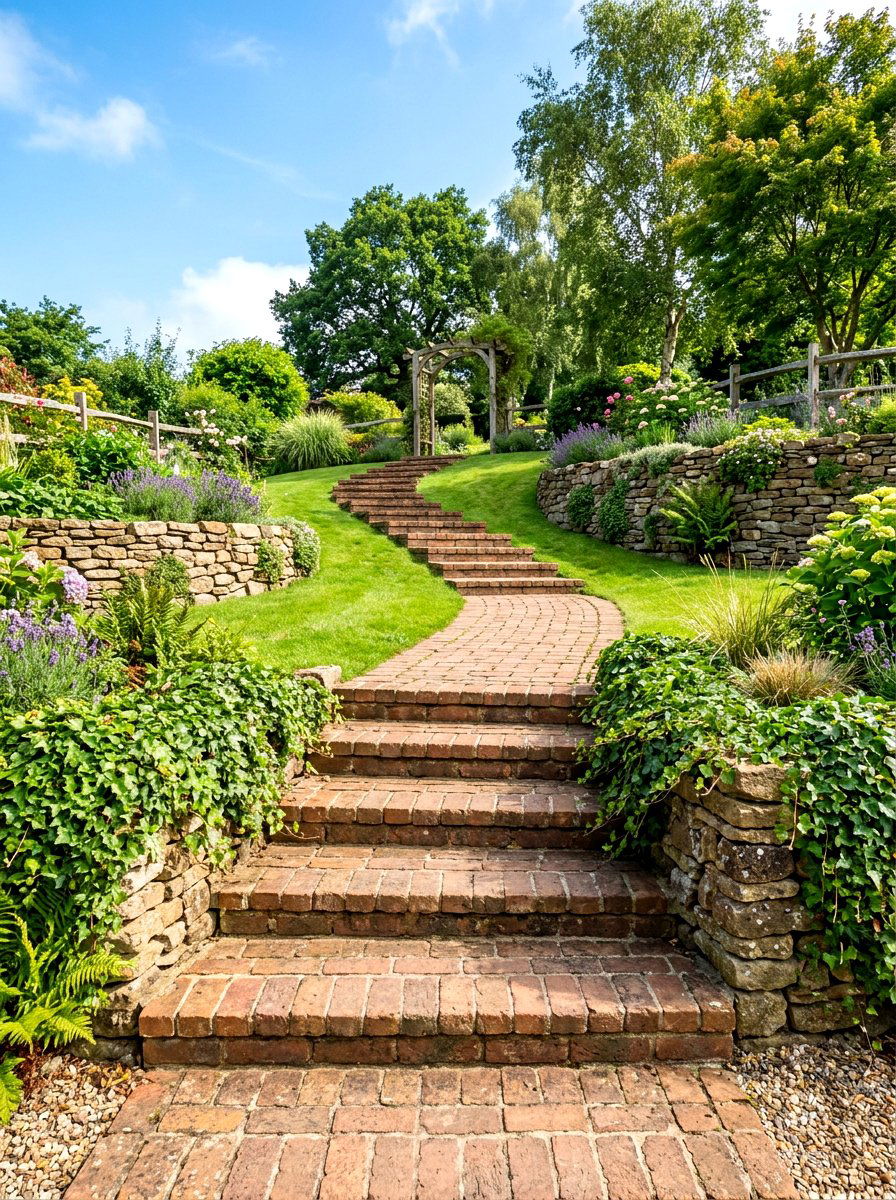
A brick step path is an essential design element for properties with varying elevations or sloped front yards. Integrating wide, shallow steps made of the same brick as your walkway ensures a cohesive and polished look that enhances safety and accessibility. You can use large pavers for the treads and smaller bricks for the risers to create a subtle textural difference. Surrounding these steps with tiered planters or cascading groundcovers helps to blend the hardscaping into the natural environment. This functional design not only manages the flow of traffic but also adds a sense of luxury and structure to an otherwise challenging terrain or backyard slope.
9. Running Bond Brick Sidewalk
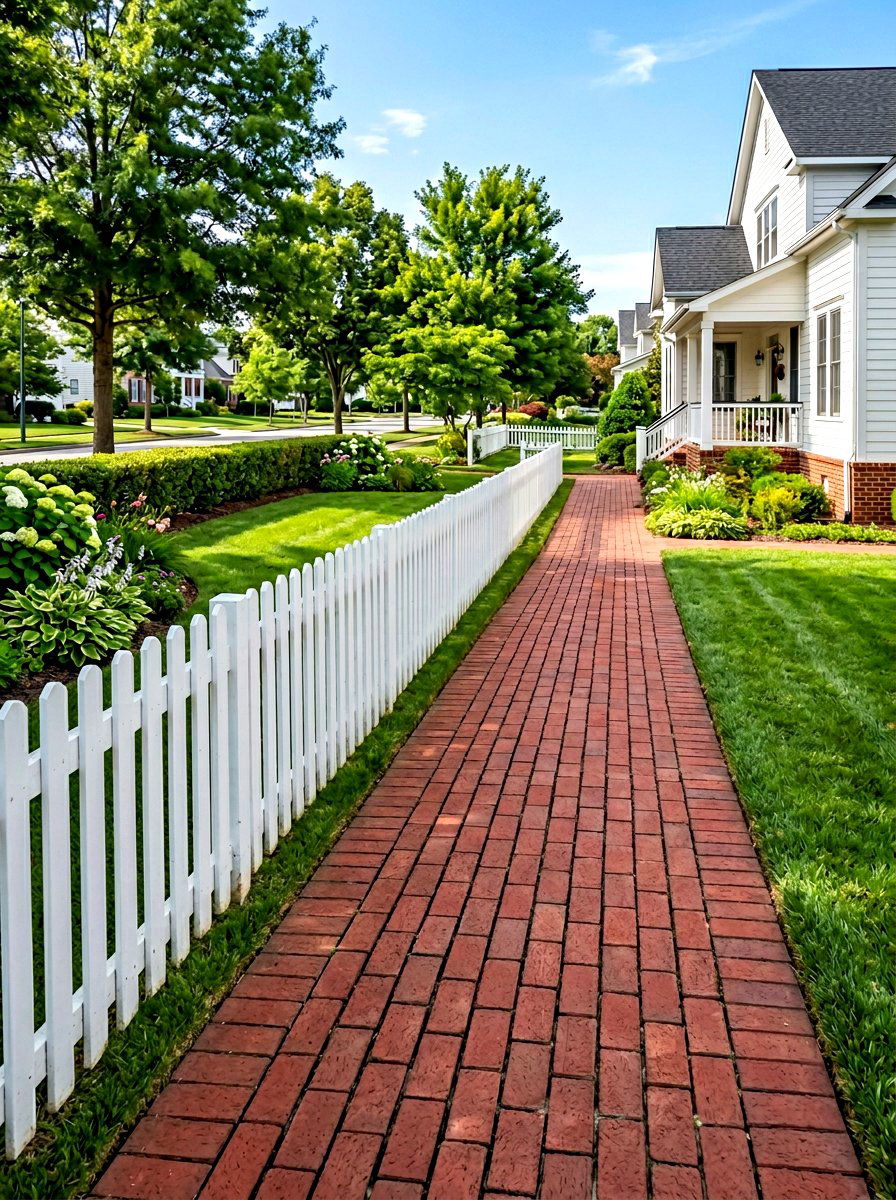
The running bond brick sidewalk is perhaps the most iconic and widely used pattern because of its simplicity and structural integrity. In this layout, each row of bricks is offset by half a length, creating a staggered look that provides excellent stability against shifting. It is a versatile choice that looks great on long, straight stretches or wide entryways, helping to elongate the appearance of the path. Because it requires very few cuts, it is often more affordable and faster to install than more complex designs. This timeless style works beautifully with any home architecture, from classic colonials to simple ranch-style houses, providing a clean finish.
10. Brick Path With Flower Border
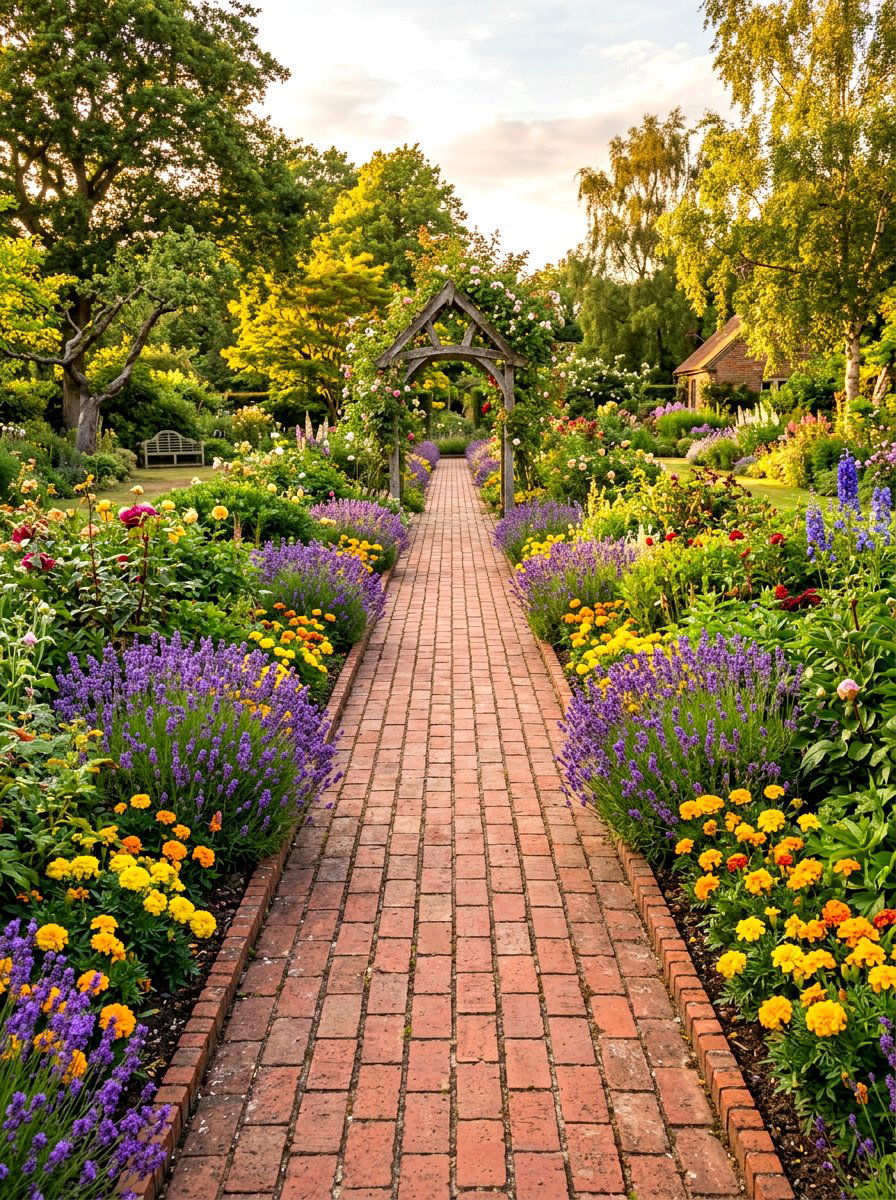
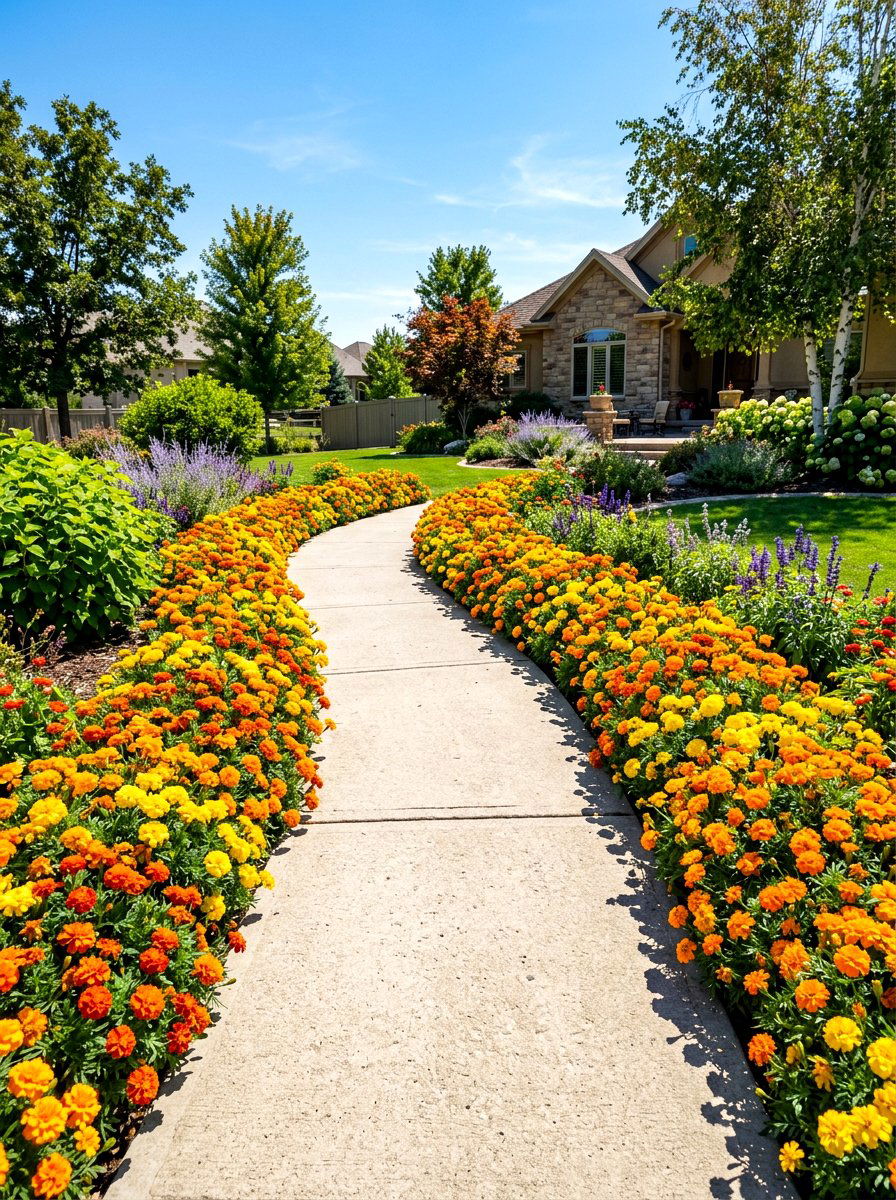
Frame your journey through the garden by installing a brick path with a dedicated flower border on both sides. This design focuses on the relationship between the hard masonry and the soft, organic beauty of blooming plants. Using a soldier course border — where bricks are stood upright or laid side-by-side — clearly defines the walking area and prevents soil from washing onto the path. Choosing low-growing perennials like lavender, creeping thyme, or marigolds allows the flowers to spill over the edges slightly, softening the brick’s hard appearance. This approach creates a romantic, sensory experience that changes with the seasons, making every walk to the door a delight.
11. Stack Bond Brick Walkway
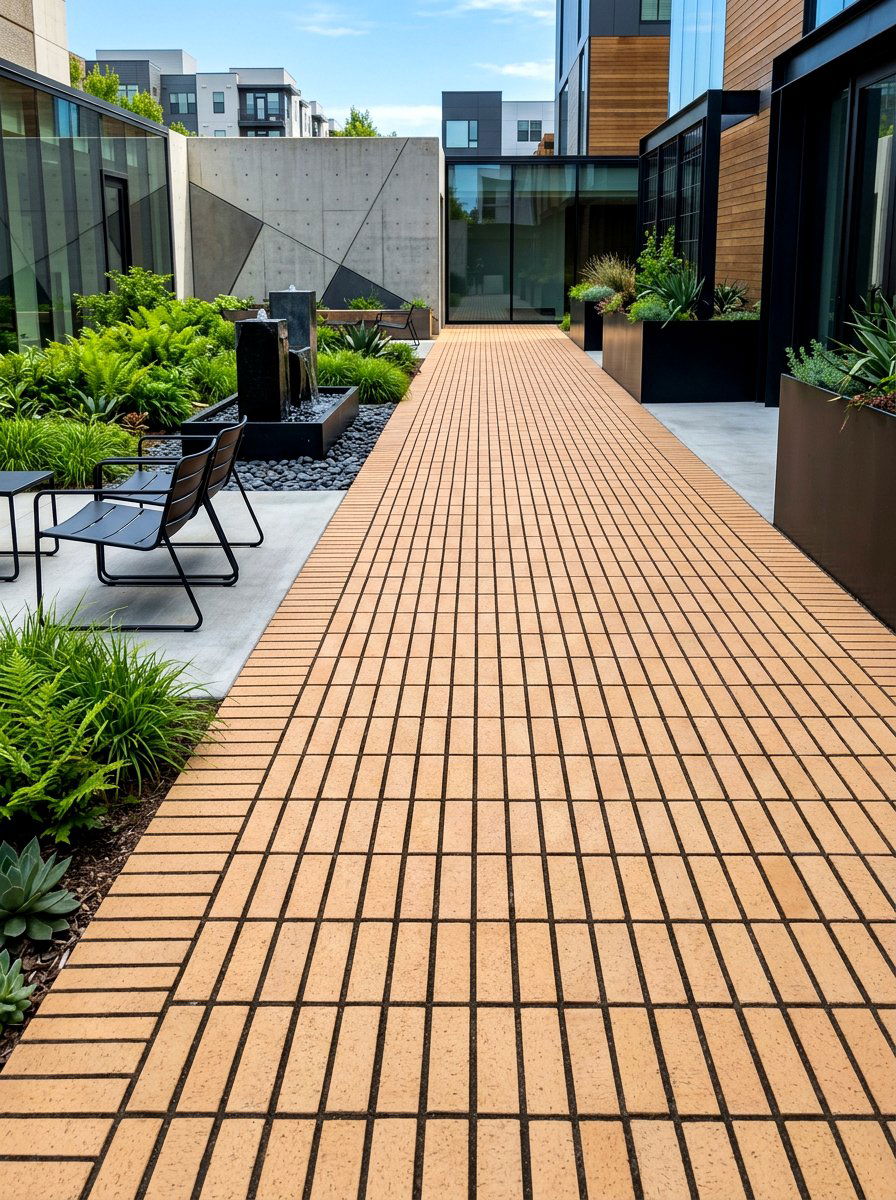
A stack bond brick walkway is the ultimate choice for fans of modern, grid-like symmetry and clean architectural lines. In this specific pattern, bricks are laid directly on top of one another in perfectly aligned rows and columns without any staggering. This results in a very organized and repetitive look that emphasizes the individual shape of each brick. It works exceptionally well in contemporary landscapes or small urban courtyards where space is limited and a sense of order is desired. While it requires a very stable base to prevent shifting, the visual impact is sharp and intentional, providing a minimalist aesthetic that feels fresh and uncluttered.
12. Weathered Brick Path
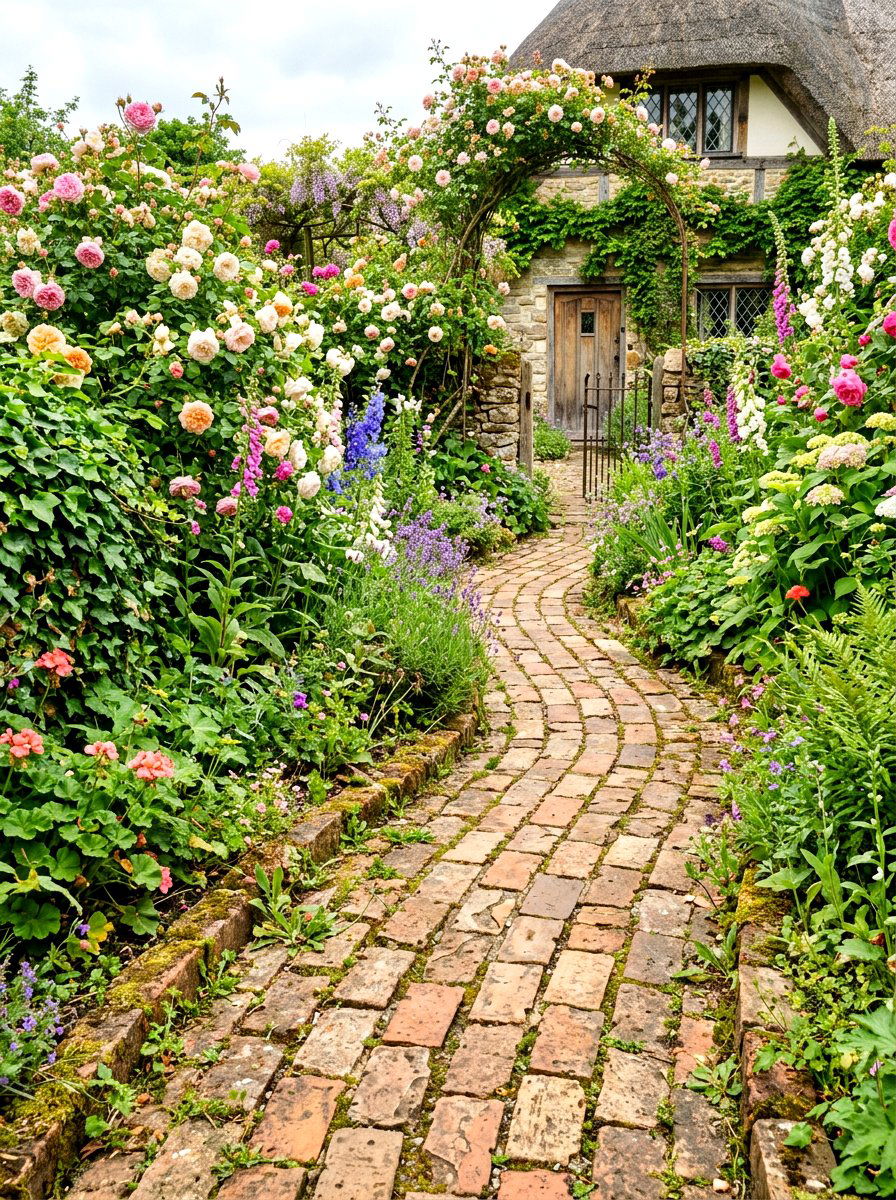
If you want your new landscaping to look as though it has been part of the property for decades, a weathered brick path is the way to go. Choosing bricks with tumbled edges, minor imperfections, and a variety of muted, sun-faded colors creates an instant antique vibe. This style is particularly effective in cottage gardens or around older homes where a brand-new, perfect finish might feel out of place. The irregular surfaces and varied tones add depth and character to the ground, making the path feel warm and inviting. It is a forgiving design that hides wear and tear beautifully, aging gracefully alongside your growing garden.
13. Brick Walkway With Moss
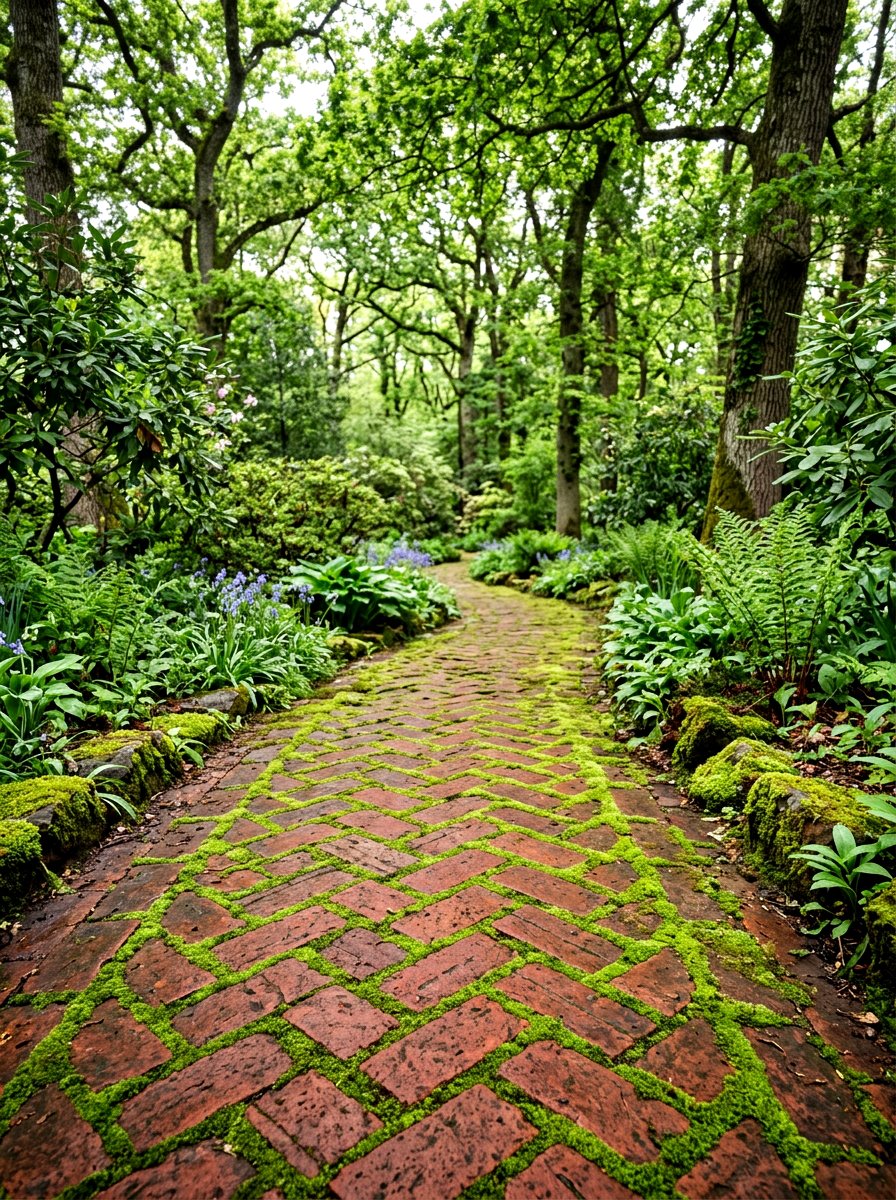
There is a profound sense of enchantment in a brick walkway with moss growing naturally in the joints between the pavers. This design choice is perfect for shaded areas or moist garden spots where you want to embrace a lush, forest-like atmosphere. The soft green velvet of the moss provides a stunning color contrast to the deep reds or oranges of the brickwork. Instead of fighting nature, this approach celebrates it, creating a soft and organic transition between the hard path and the surrounding greenery. It feels peaceful and grounded, making it an ideal choice for a meditation corner or a quiet woodland garden path.
14. Wide Brick Entrance
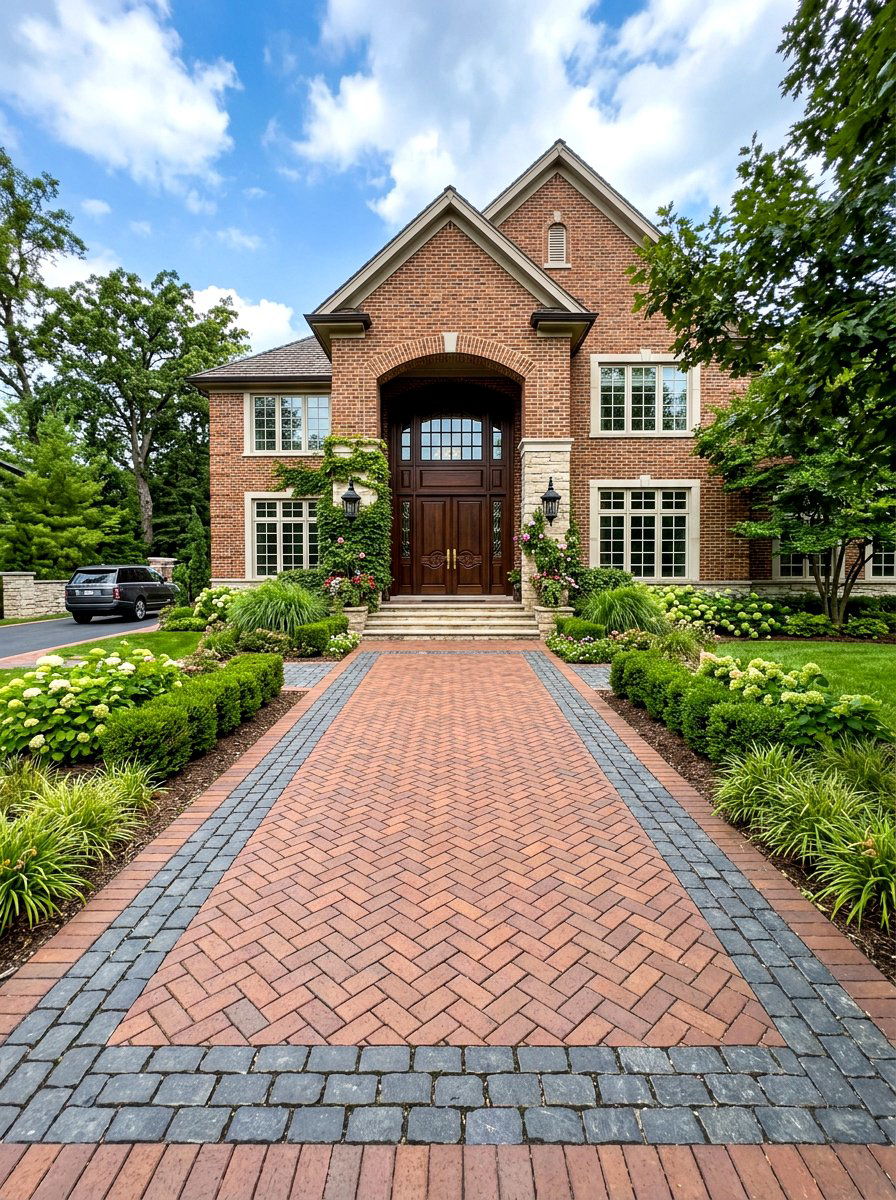
A wide brick entrance makes a statement of hospitality and luxury, providing ample room for multiple people to walk side-by-side. Expanding the width of your main walkway beyond the standard size creates a sense of importance and scale that complements larger homes. This design allows for more creative freedom with patterns, such as combining a herringbone center with a wide running bond border. You can also incorporate large potted plants or decorative lanterns directly onto the edges of the path to enhance the welcoming vibe. A broad walkway ensures that your home’s entrance feels accessible and grand, setting a high-end tone for the entire property.
15. Modern Brick Sidewalk
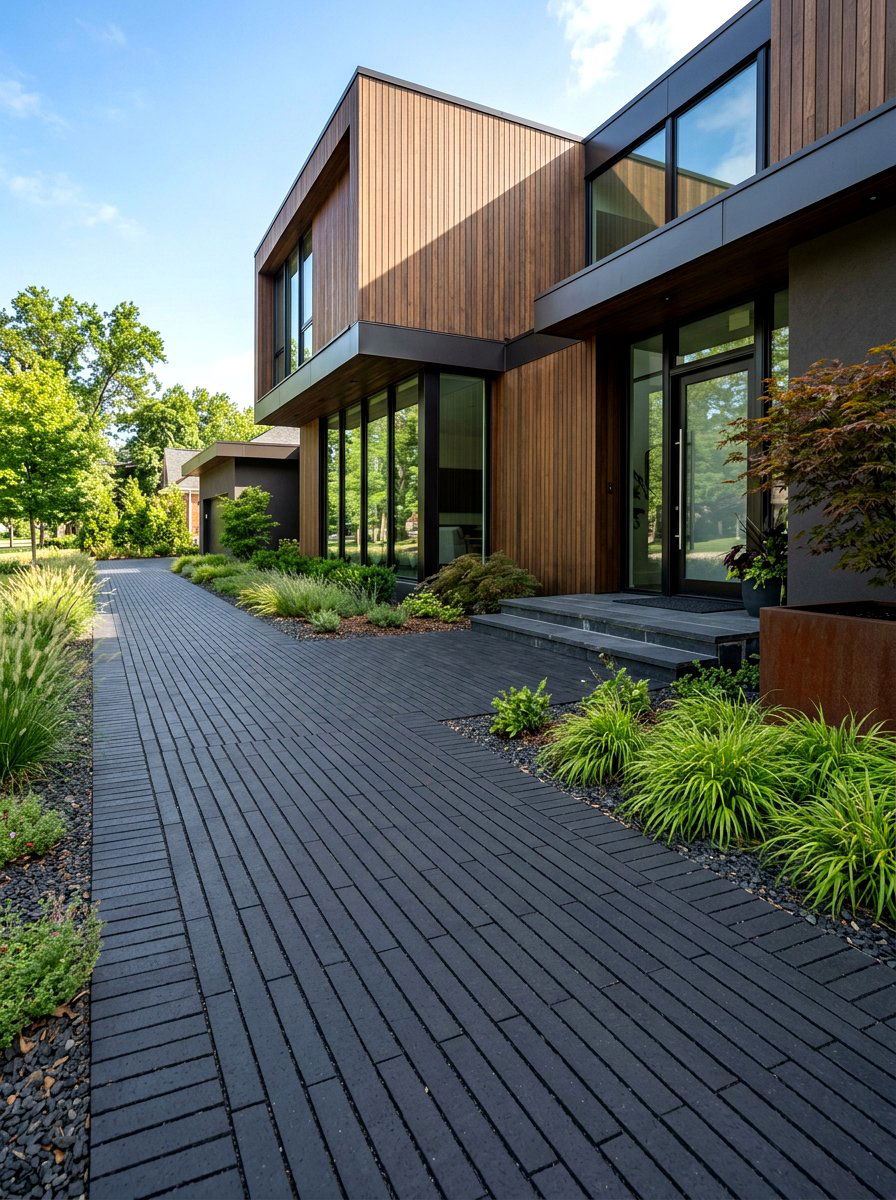
Creating a modern brick sidewalk involves moving away from traditional red tones and embracing dark blacks, deep chocolates, or even stark whites. This style often uses long, thin bricks known as linear pavers to emphasize horizontal lines and a sleek, low-profile look. By keeping the joints tight and the colors monochromatic, you can achieve a surface that feels like a solid, sophisticated floor for your outdoor living space. Pairing this type of masonry with minimalist landscaping — like structural grasses or clean-lined concrete planters — further enhances the contemporary feel. This is the perfect solution for homeowners who want the durability of brick with a very trendy, high-end finish.
16. Traditional Red Brick Path
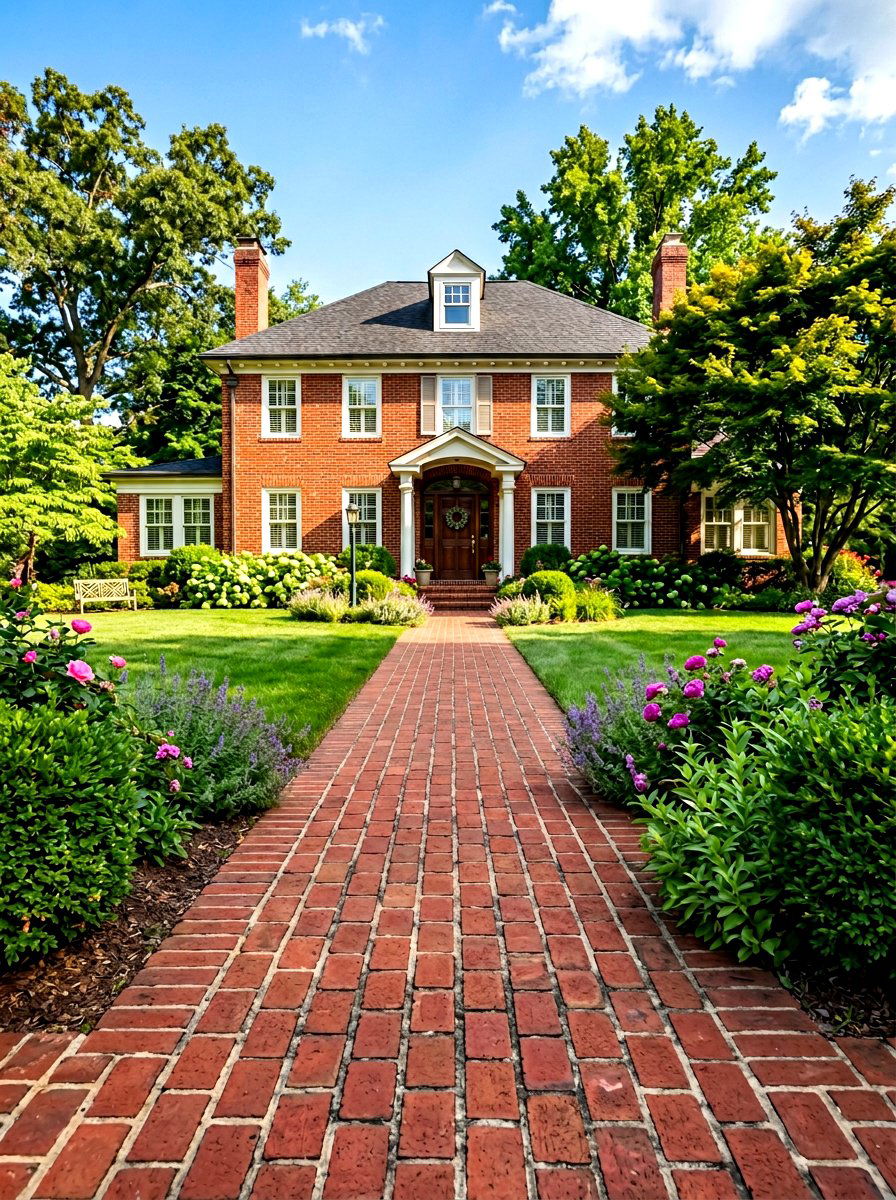
The traditional red brick path remains a staple of American curb appeal for a very good reason: it is consistently beautiful and inviting. This classic choice usually features a mix of deep red, orange, and burnt umber tones that provide a warm glow to the yard. Whether laid in a simple running bond or a more formal herringbone, red brick feels substantial and reliable. It pairs perfectly with white picket fences, green shutters, and classic foundation plantings like boxwoods or hydrangeas. Choosing a high-quality clay brick ensures that the color will never fade, maintaining its vibrant and welcoming appearance for generations of homeowners and visitors.
17. Brick And Stone Combo Walkway
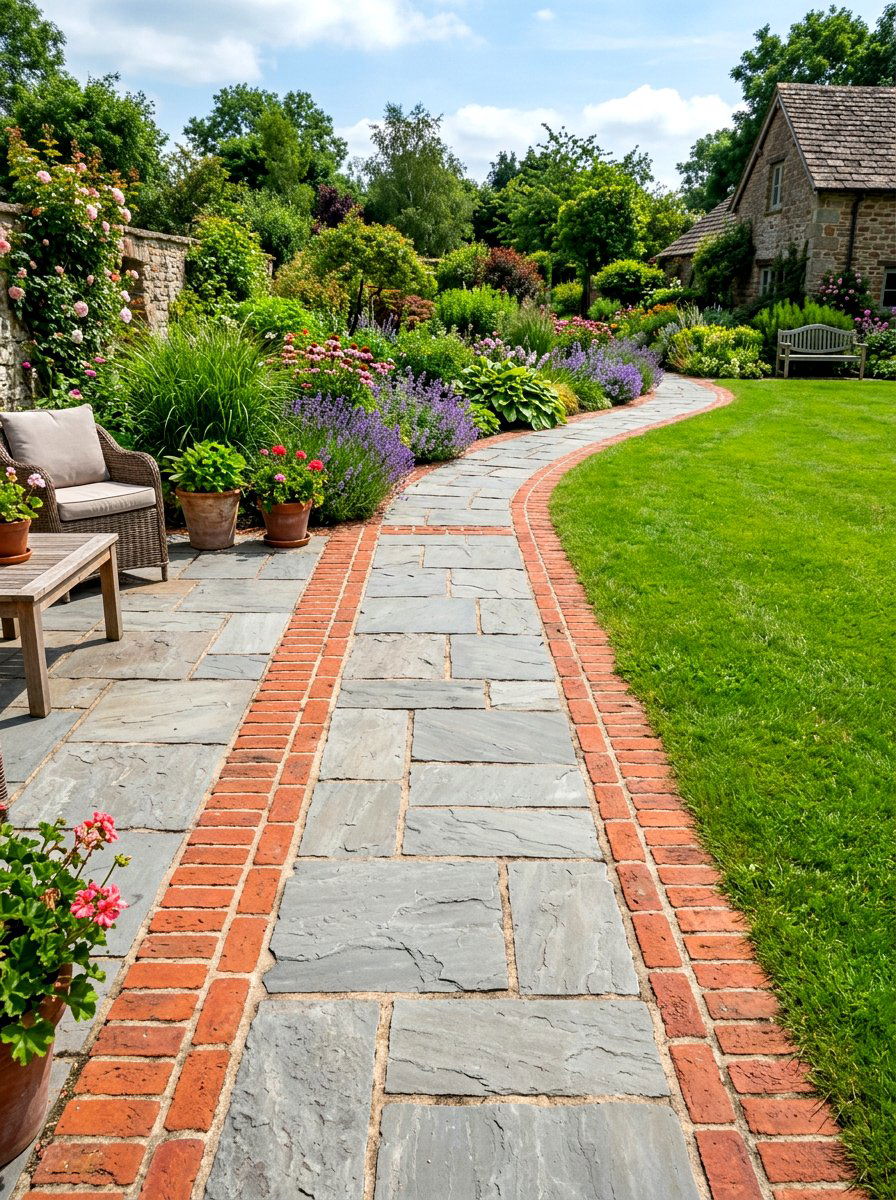
Mixing materials in a brick and stone combo walkway is a fantastic way to add texture and visual interest to a flat landscape. You might choose to use large, irregular flagstones for the main walking surface and frame them with several rows of precisely laid bricks. This combination offers the best of both worlds: the natural, organic beauty of stone and the structured, refined look of brick. The contrast between the varied shapes of the stones and the uniform rectangles of the bricks creates a sophisticated, custom-designed feel. This style is particularly effective for transition areas between a formal patio and a more naturalistic garden space.
18. Garden Brick Path
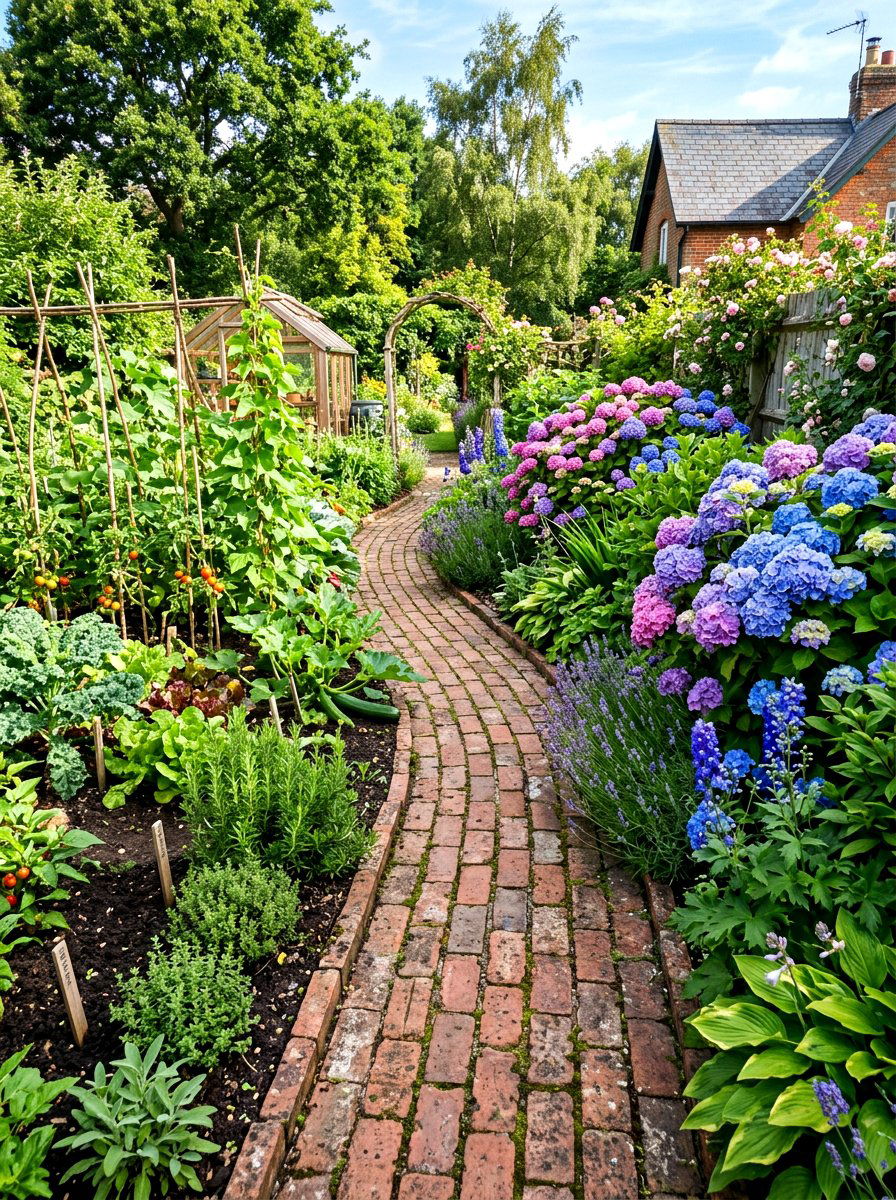
A garden brick path is designed to be a secondary walkway that winds through your planting beds rather than leading directly to the front door. These paths are often narrower and more informal, sometimes using broken bricks or a more relaxed layout to blend into the landscape. The goal is to provide a functional way to access your plants for maintenance while adding a decorative element to the backyard. By tucking the path behind large shrubs or under a blooming trellis, you create a sense of discovery. This type of walkway encourages slow strolls and provides a front-row seat to the beauty of your seasonal blooms.
19. Rustic Brick Sidewalk
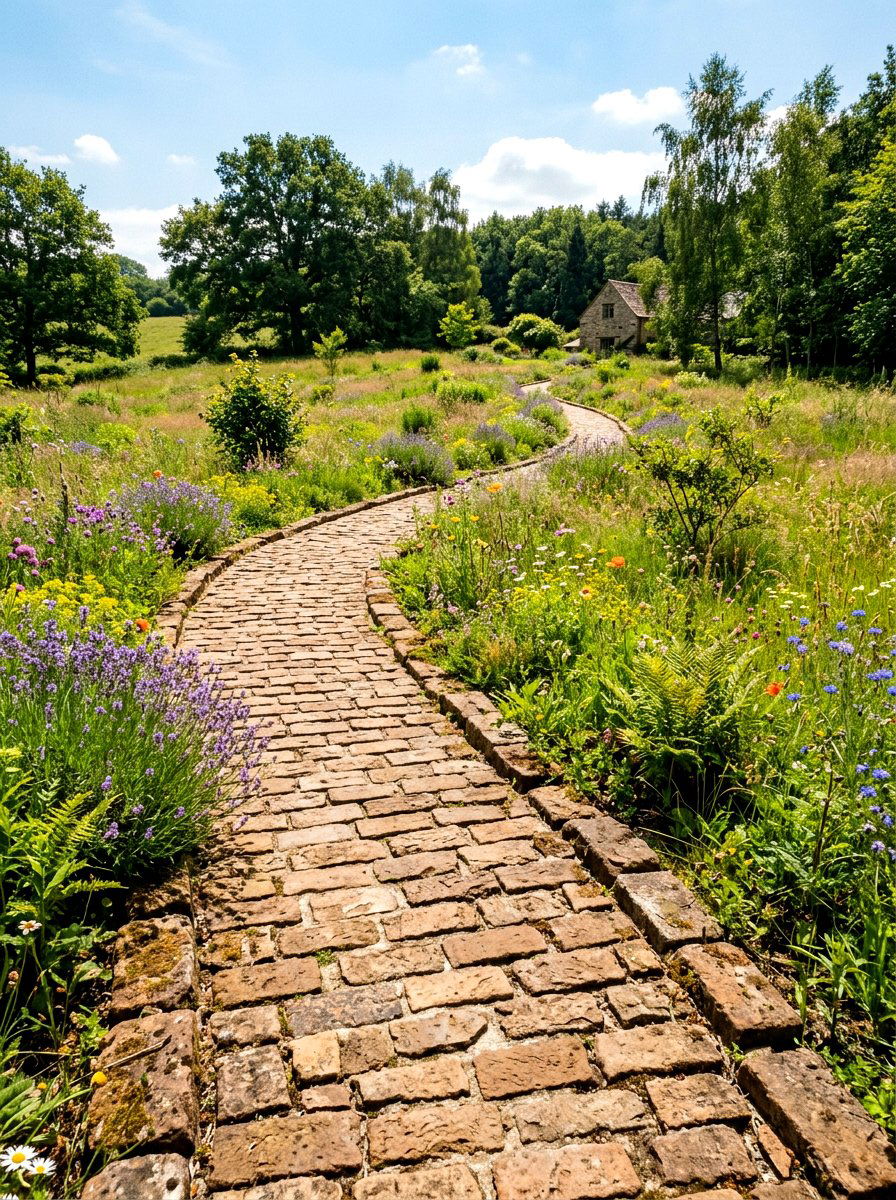
The rustic brick sidewalk is all about embracing a handmade and slightly rugged aesthetic that feels completely unpretentious and cozy. This look is achieved by using bricks with irregular shapes, rough textures, and a wide range of earthy color variations. Instead of perfectly straight lines, the path might follow the natural contour of the land, giving it a charming, folk-art quality. It is an ideal choice for cabin-style homes, country estates, or any landscape where you want to prioritize comfort and natural beauty over formal perfection. The ruggedness of the brickwork makes it incredibly durable and easy to maintain in a busy, active yard.
20. Diagonal Brick Walkway
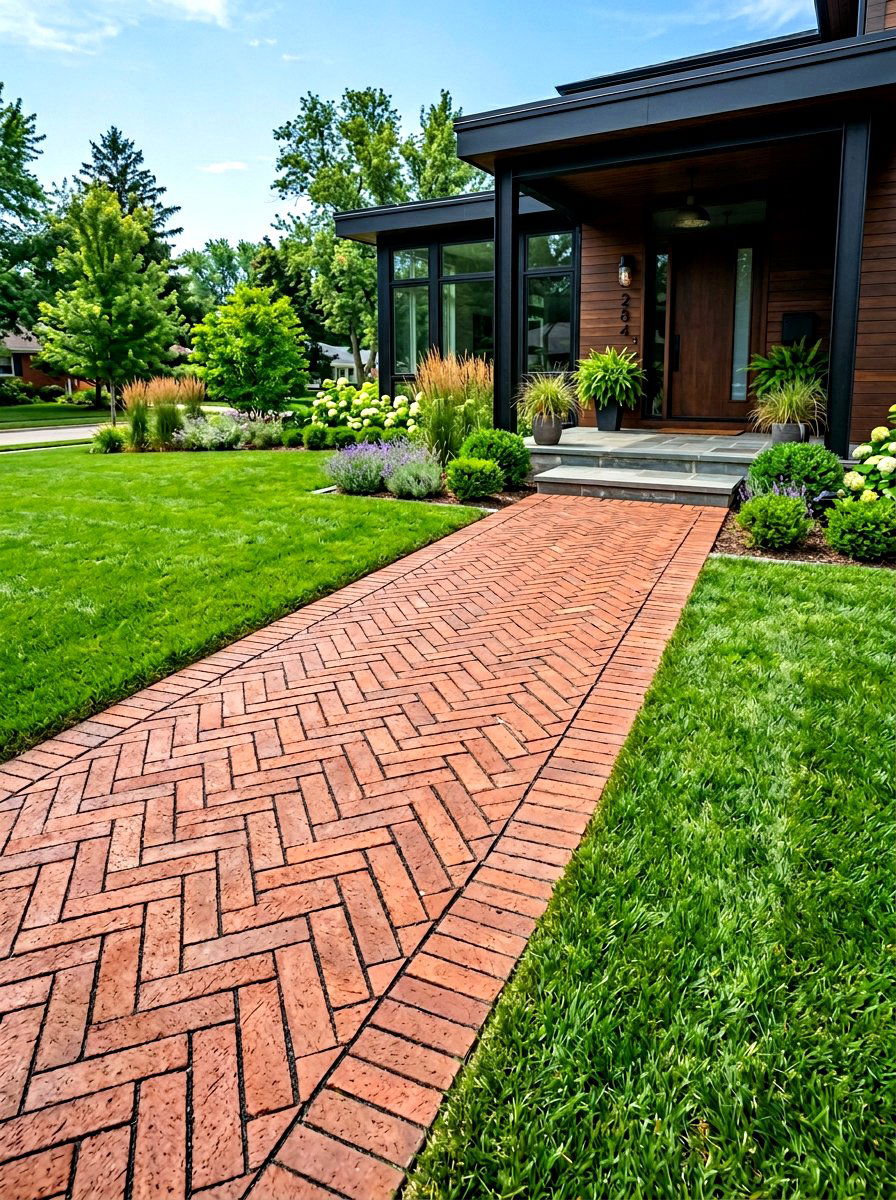
If you want to make a small front yard appear much larger, a diagonal brick walkway is a clever design trick to consider. By laying the bricks at a forty-five-degree angle to the house or the property line, you create long sightlines that draw the eye across the space. This pattern adds a dynamic and sophisticated flair that feels more custom than a standard horizontal layout. It works particularly well with herringbone or running bond patterns, adding a layer of complexity that feels high-end and intentional. The diagonal orientation provides a sense of energy and flow, making the walk to your entrance feel more like an architectural experience.
21. Narrow Brick Garden Path
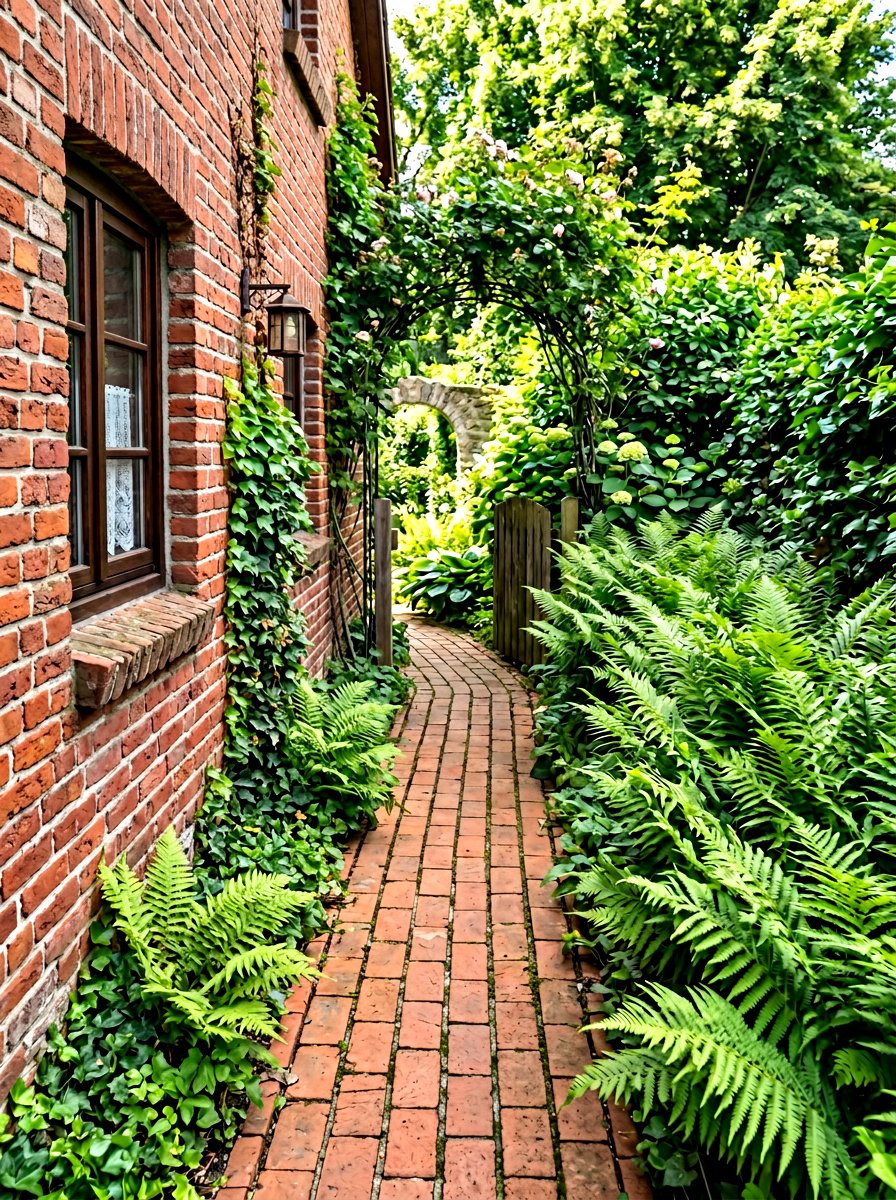
A narrow brick garden path is the perfect solution for tight spaces, such as the side of a house or a small courtyard area. By keeping the walkway slender, you leave more room for lush plantings, which can make a small area feel like a dense, private oasis. Two or three bricks wide is often enough to provide a stable walking surface while maintaining an intimate and cozy atmosphere. This design encourages a single-file walk, which naturally slows down your pace and allows you to appreciate the surrounding greenery. Using a simple pattern like stack bond or running bond keeps the narrow space from feeling too busy.
22. Brick Walkway Near Porch
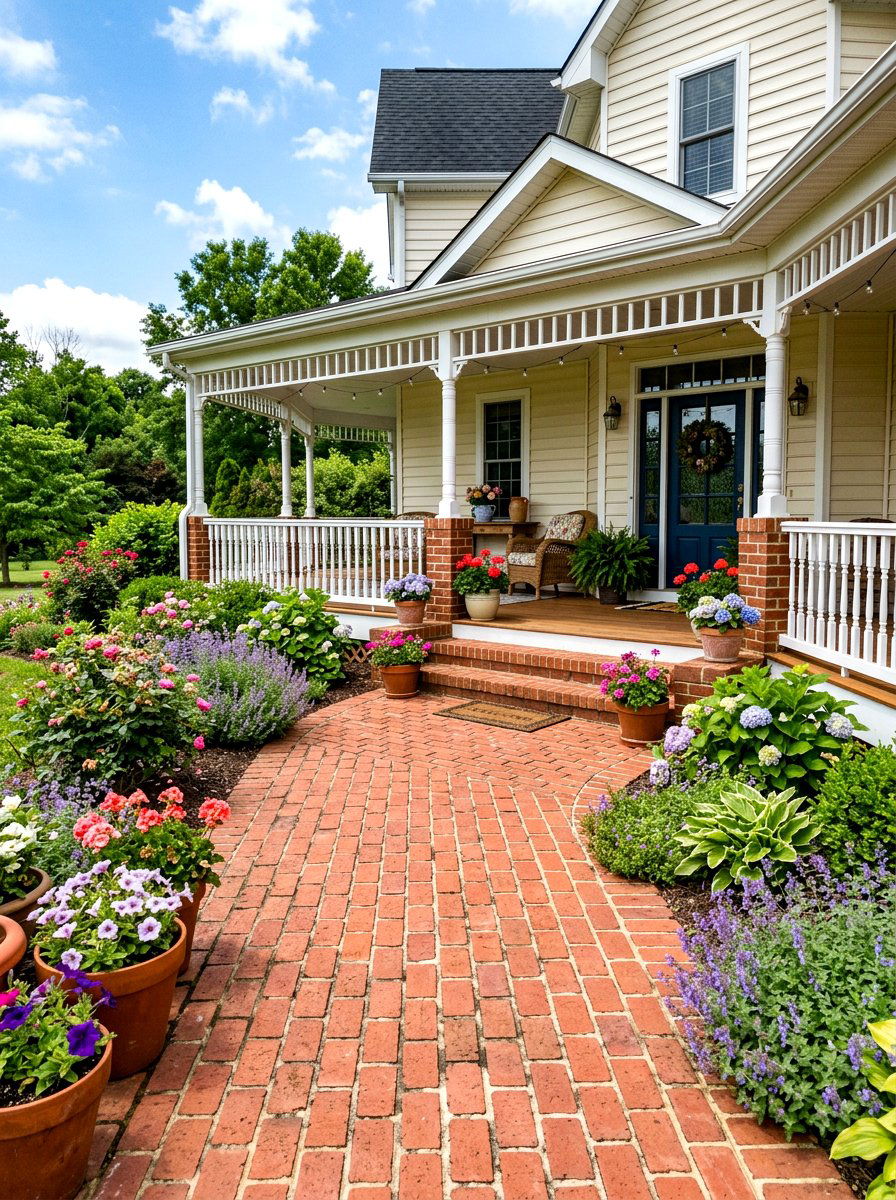
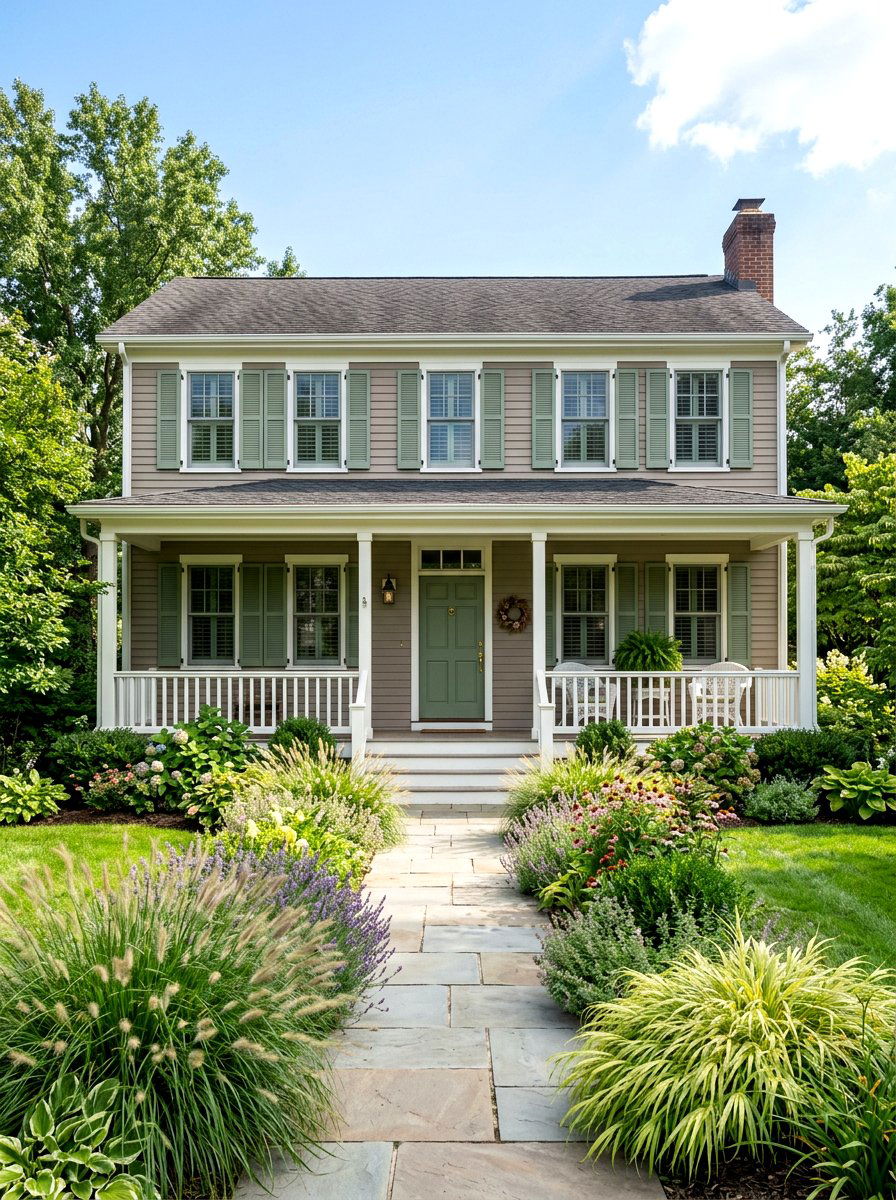
Designing a brick walkway near a porch requires careful consideration of how the two structures will interact visually and physically. The path should flow naturally into the steps or the base of the porch, creating a seamless transition from the ground to the elevated living space. Matching the brick color to the foundation of the house or the porch pillars can create a very unified and expensive look. You might choose to widen the path as it nears the porch to create a small landing area, providing a spot for a welcome mat or a pair of decorative planters. This integration ensures the entire facade feels cohesive.
23. Symmetrical Brick Entryway
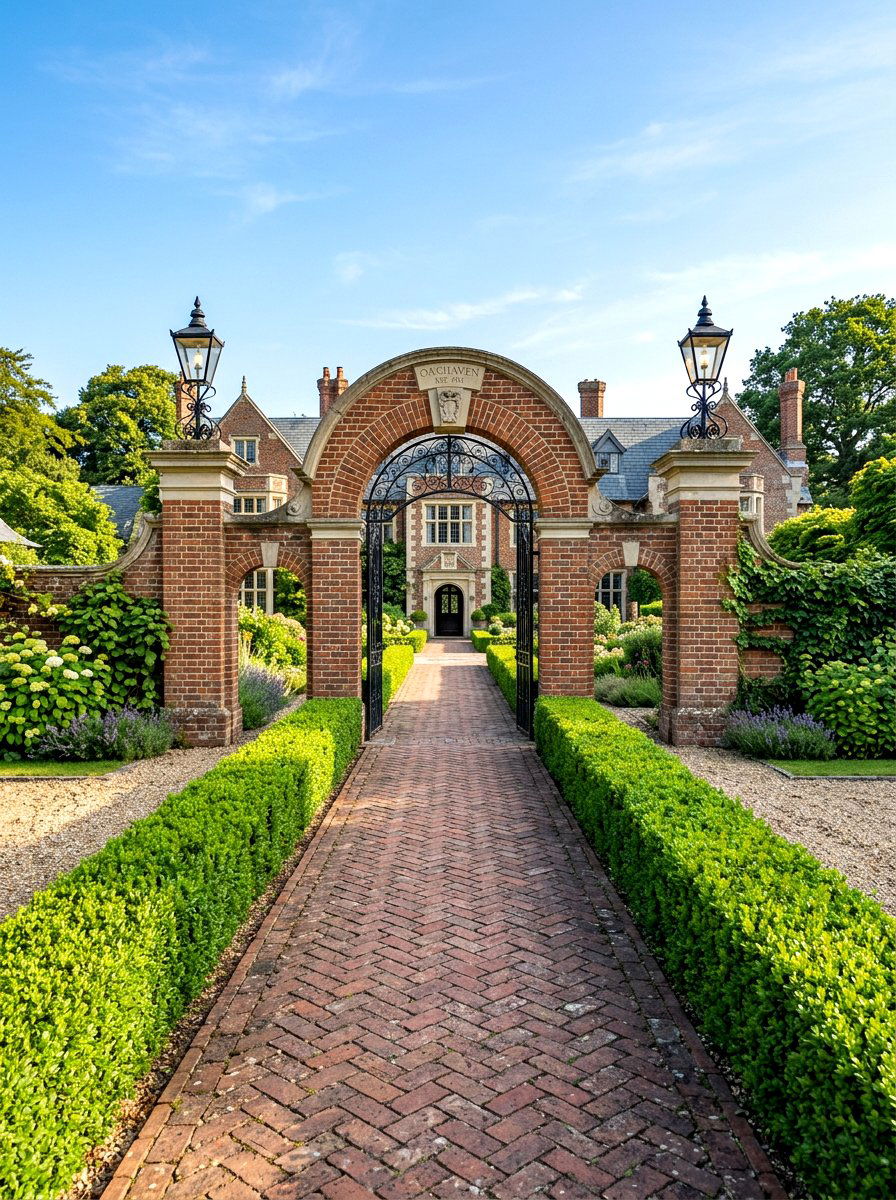
For homes with a formal architectural style, a symmetrical brick entryway is the best way to emphasize balance and classic beauty. This design typically features a straight, wide path that leads directly to the center of the front door, often flanked by identical garden beds. Using a very precise pattern like herringbone or a bordered basketweave reinforces the sense of order and prestige. Symmetry creates a powerful first impression, signaling that the home is well-maintained and thoughtfully designed. To enhance this look, you can add matching outdoor lighting or twin topiaries on either side of the brickwork, creating a perfectly framed view of your home's entrance.
24. Vintage Brick Sidewalk
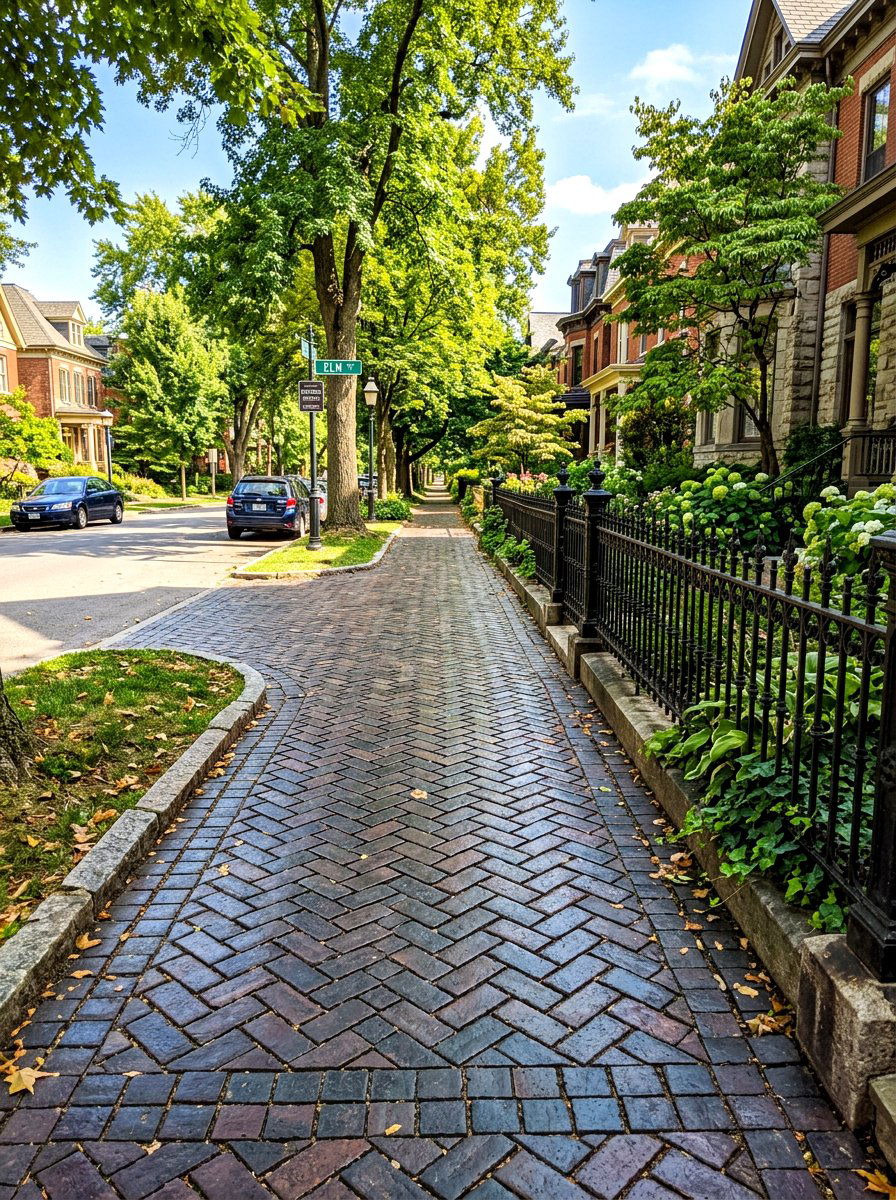
A vintage brick sidewalk captures the essence of early twentieth-century design, offering a timeless look that feels both sturdy and elegant. This style often utilizes deeper, darker bricks with a slight sheen or a vitrified finish that was common in historic city streets. The pattern might include a decorative border or even subtle color changes to designate different sections of the path. This approach is wonderful for restoring older properties or for adding a sense of established weight to a newer home. The dark, rich tones of vintage-style bricks provide a beautiful anchor for a landscape filled with large, mature trees and classic ornamental shrubs.
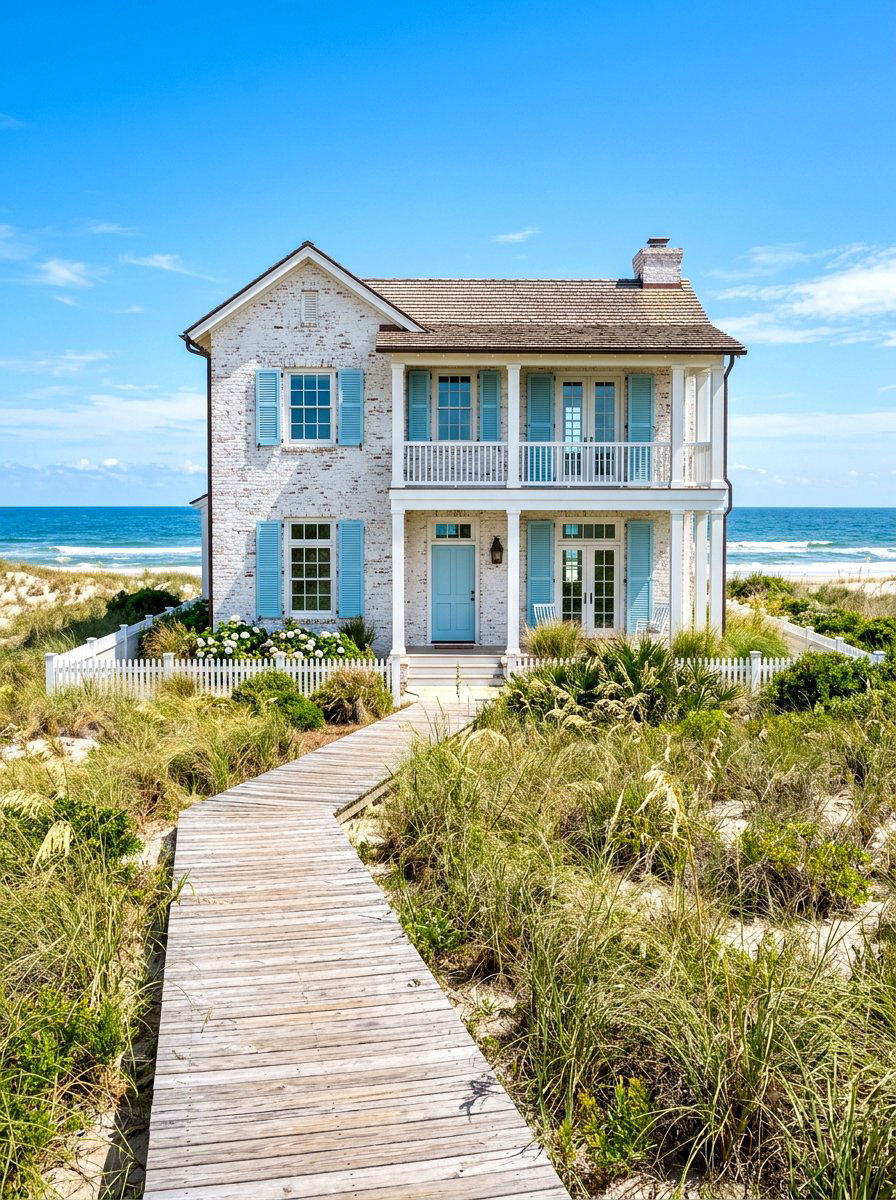
25. Brick Path Under Trees
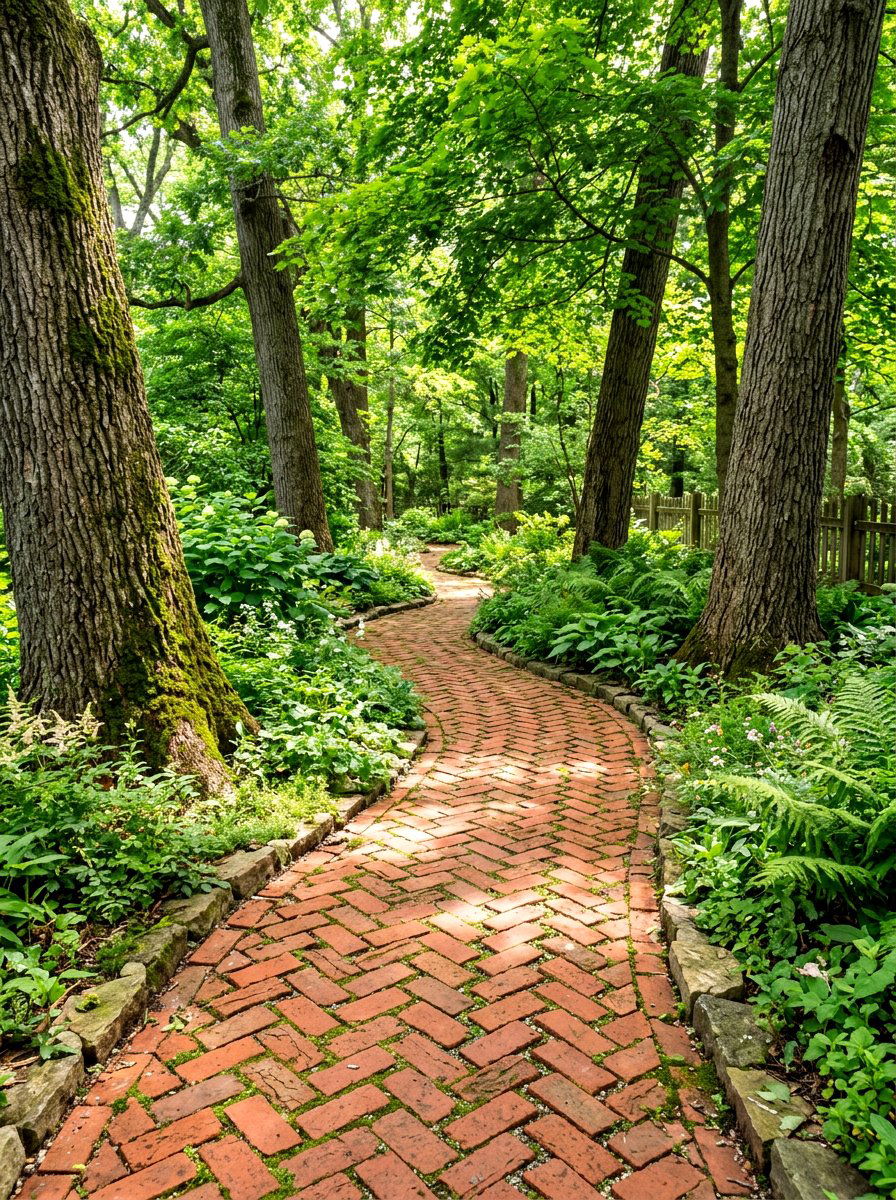
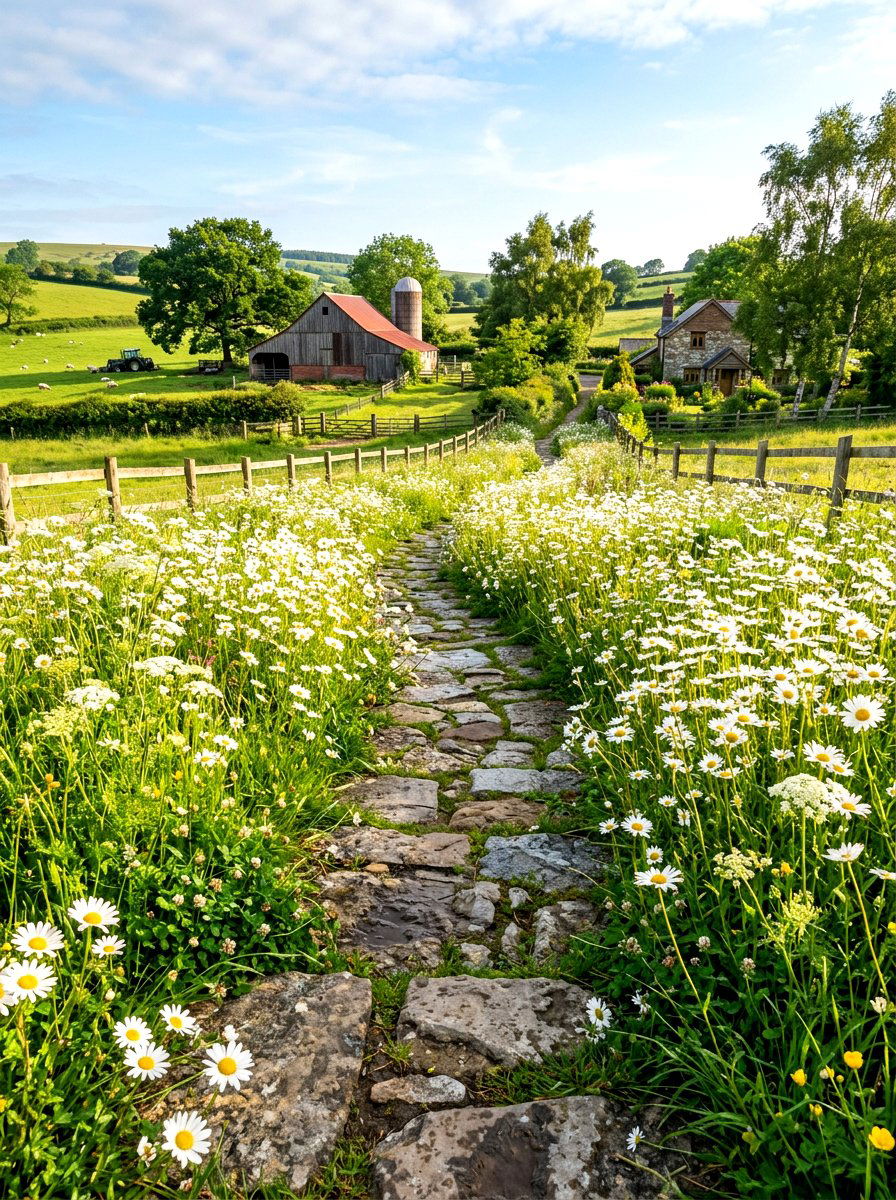
Installing a brick path under trees is a great way to utilize the shaded parts of your yard while creating a cool, peaceful retreat. Bricks are a fantastic choice for this environment because they can be dry-laid, allowing some air and water to reach the tree roots below. The dappled sunlight filtering through the leaves creates a beautiful play of light and shadow on the red or brown bricks. This type of path often feels more informal, perhaps winding around the trunks or incorporating a small circular area for a bench. It turns a previously unused or patchy-grass area into a functional and beautiful woodland walk.
26. Diamond Pattern Brick Path
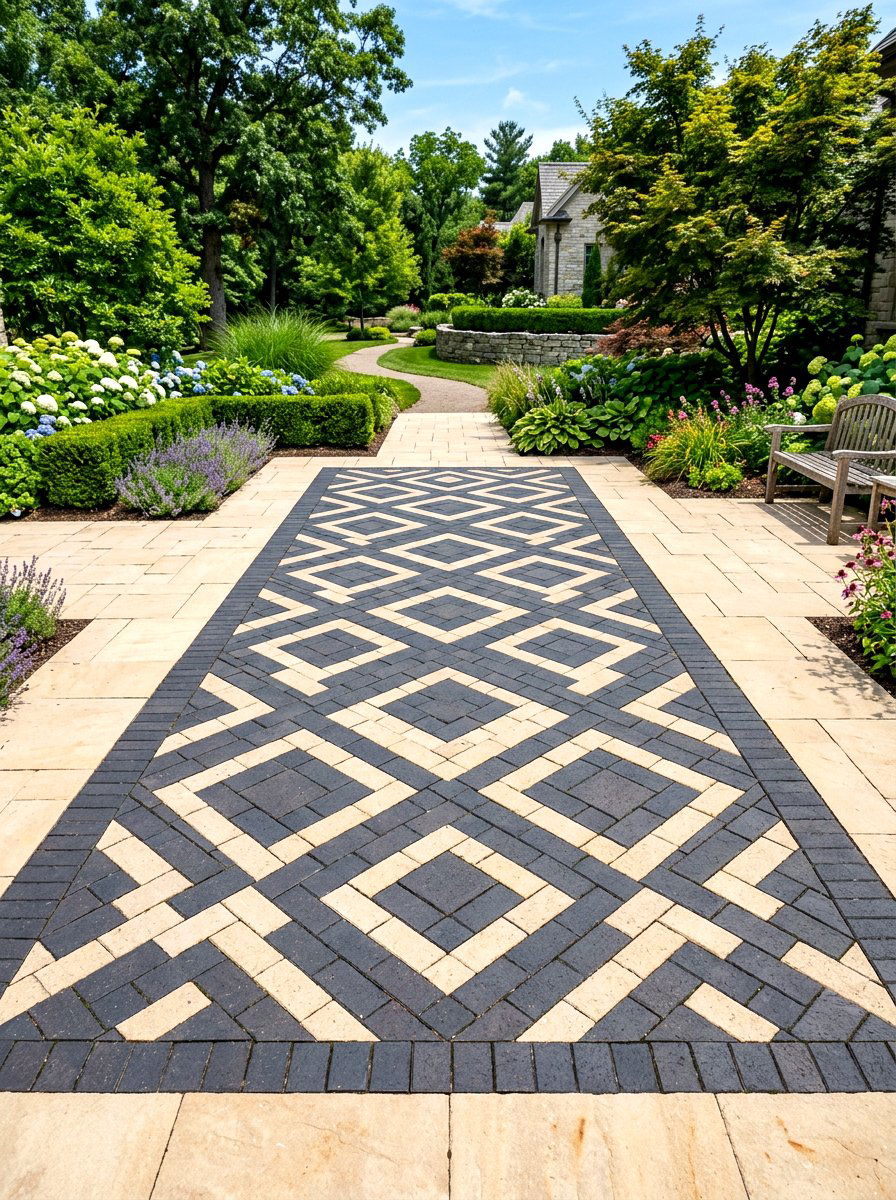
Adding a diamond pattern to your brick path is a sophisticated way to introduce a focal point without needing a completely different material. This is achieved by using contrasting brick colors to create diamond shapes within a larger field of a single color. It acts like an outdoor rug, defining the space and adding a layer of artistic craftsmanship to the ground. This design is particularly effective at entrance landings or in the middle of a long garden path where you want to create a "moment" for the visitor. The geometric precision of the diamonds provides a high-end, custom look that significantly boosts the home’s overall design.
27. Checkerboard Brick Sidewalk
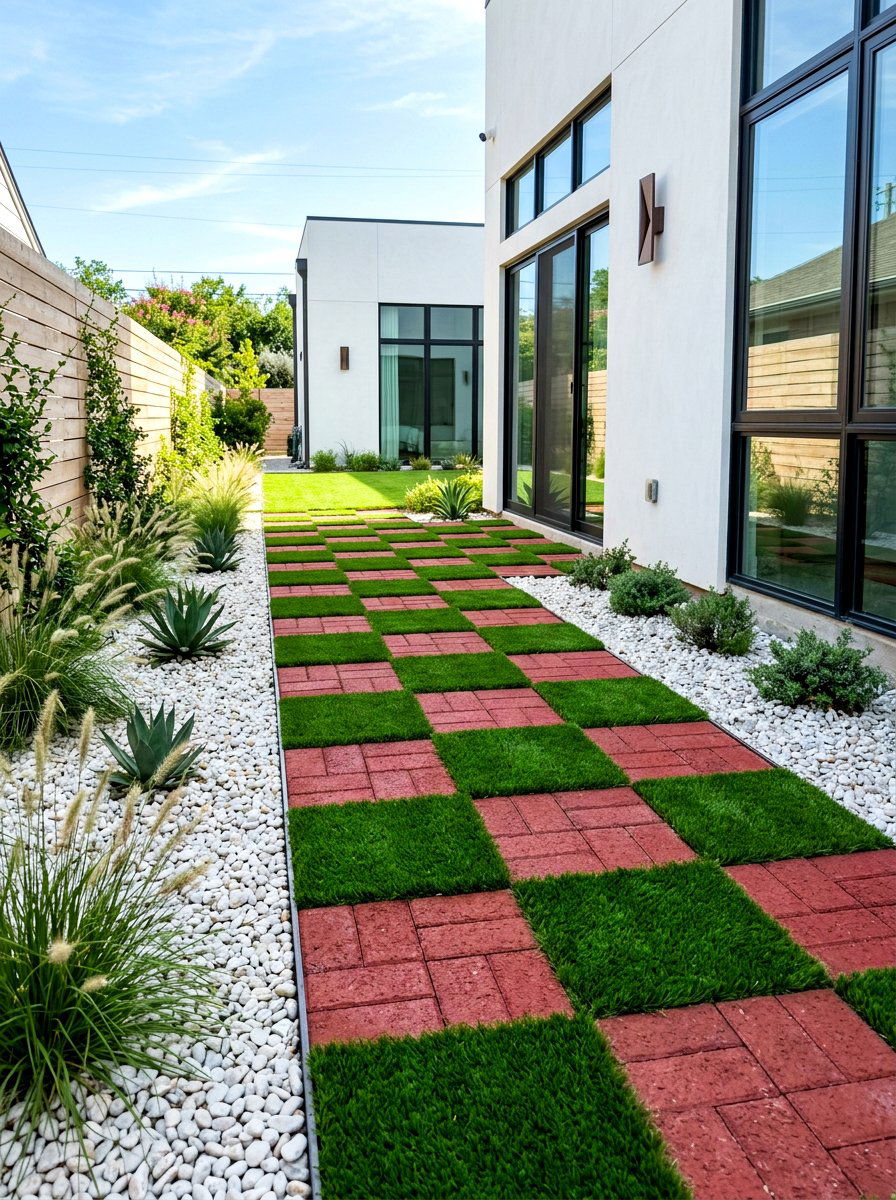
A checkerboard brick sidewalk is a playful and highly visual design that alternates square sections of brick with squares of another material. This could be green lawn, soft moss, or even smooth river stones, creating a high-contrast grid that is both modern and whimsical. This layout is excellent for side yards or patios where you want to minimize the amount of hard surface while still providing a clear and stable walking path. The combination of living plants and hard masonry feels fresh and contemporary, offering a unique take on traditional paving that is sure to grab the attention of neighbors and guests alike.
28. Brick Walkway With Solar Lights
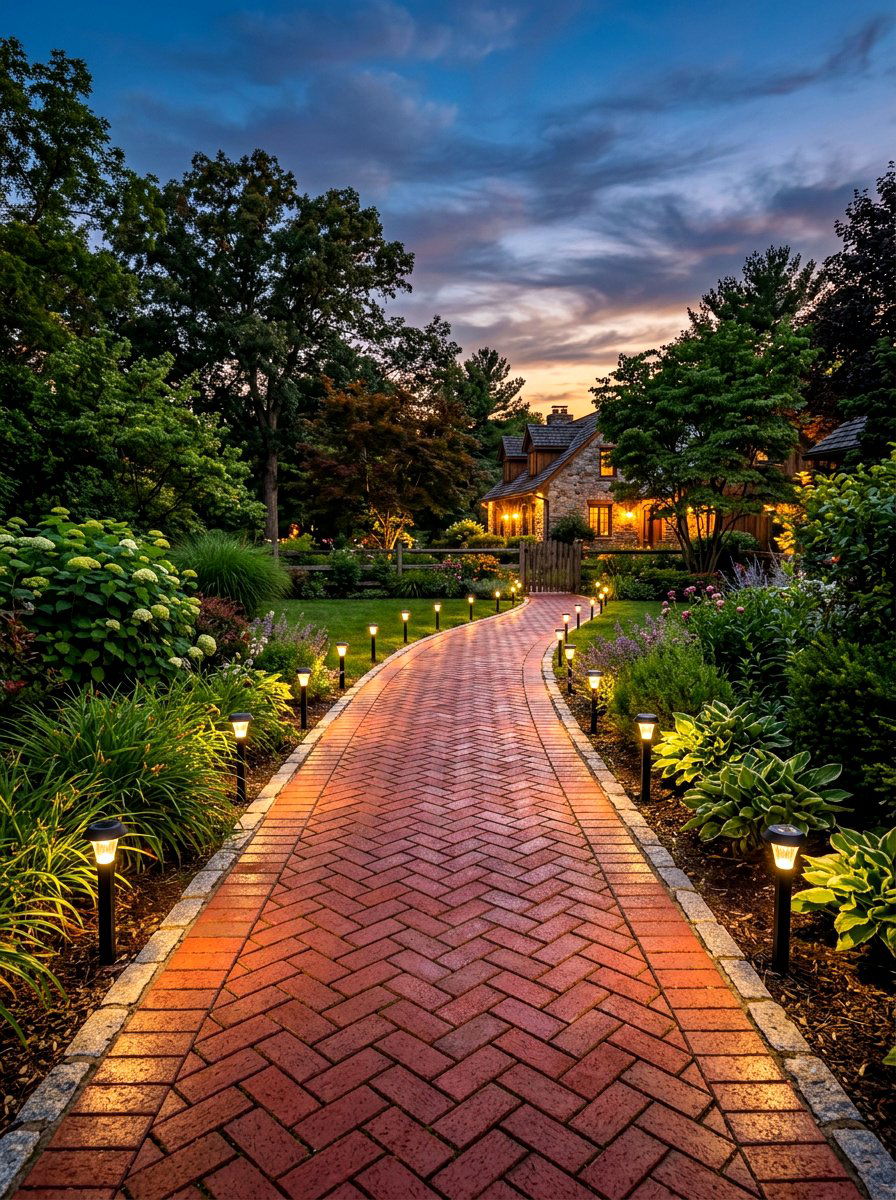
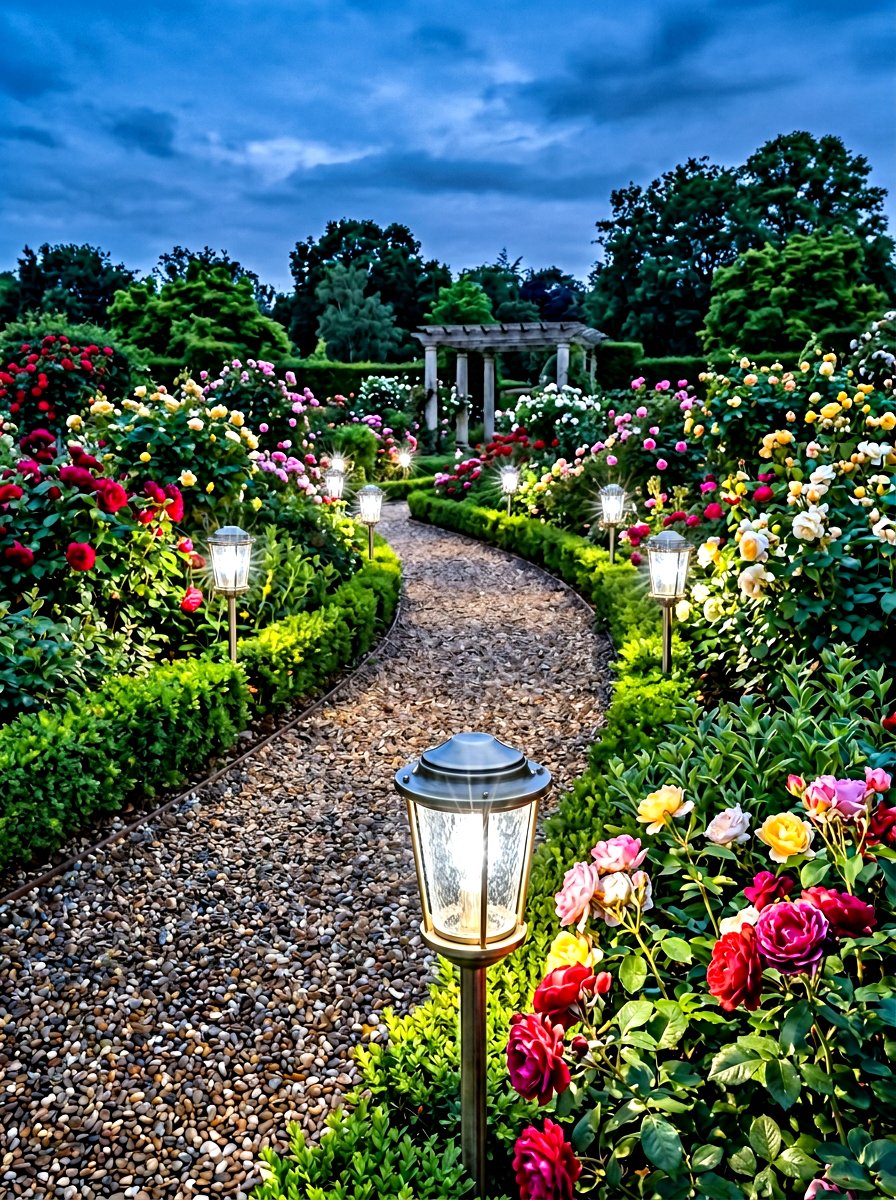
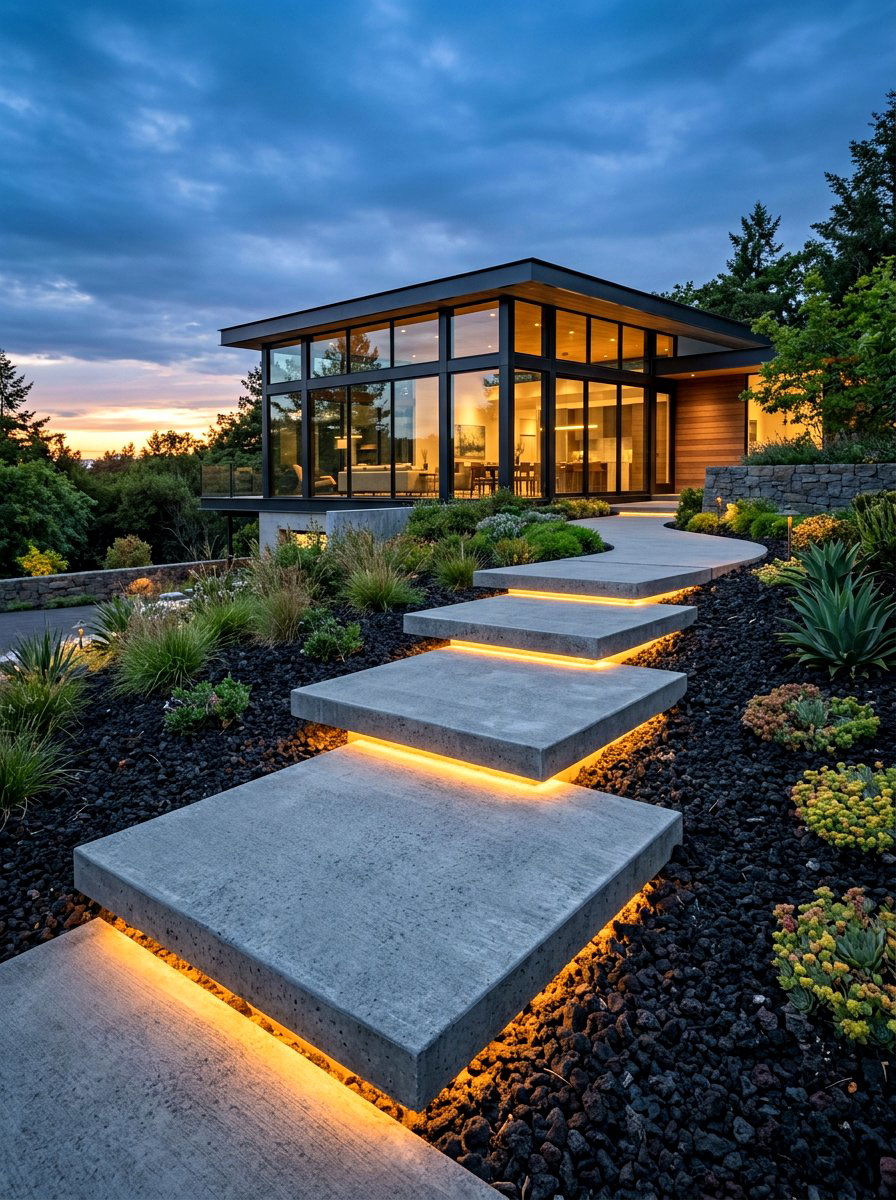
Enhance the safety and nighttime beauty of your property by designing a brick walkway with integrated solar lights. Strategic lighting along the edges of the path ensures that the rich textures and patterns of the brick remain visible even after the sun goes down. Low-profile solar stakes can be tucked into the soil bordering the bricks, or you can even find LED pavers that fit directly into the masonry for a flush, seamless look. This addition creates a magical, glowing path that guides guests safely to your door while highlighting the architectural features of your landscape. It is a practical and energy-efficient way to extend your outdoor enjoyment.
29. Cobblestone Style Brick Path
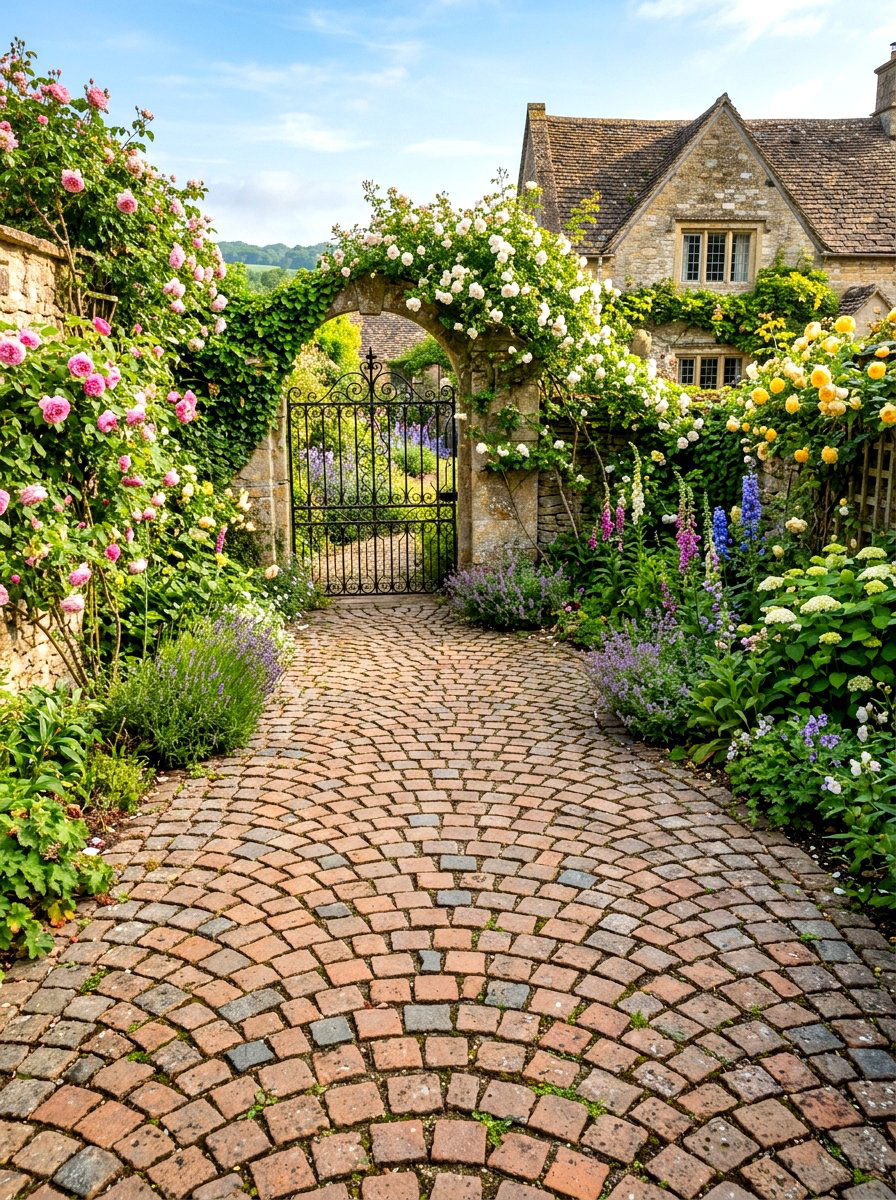
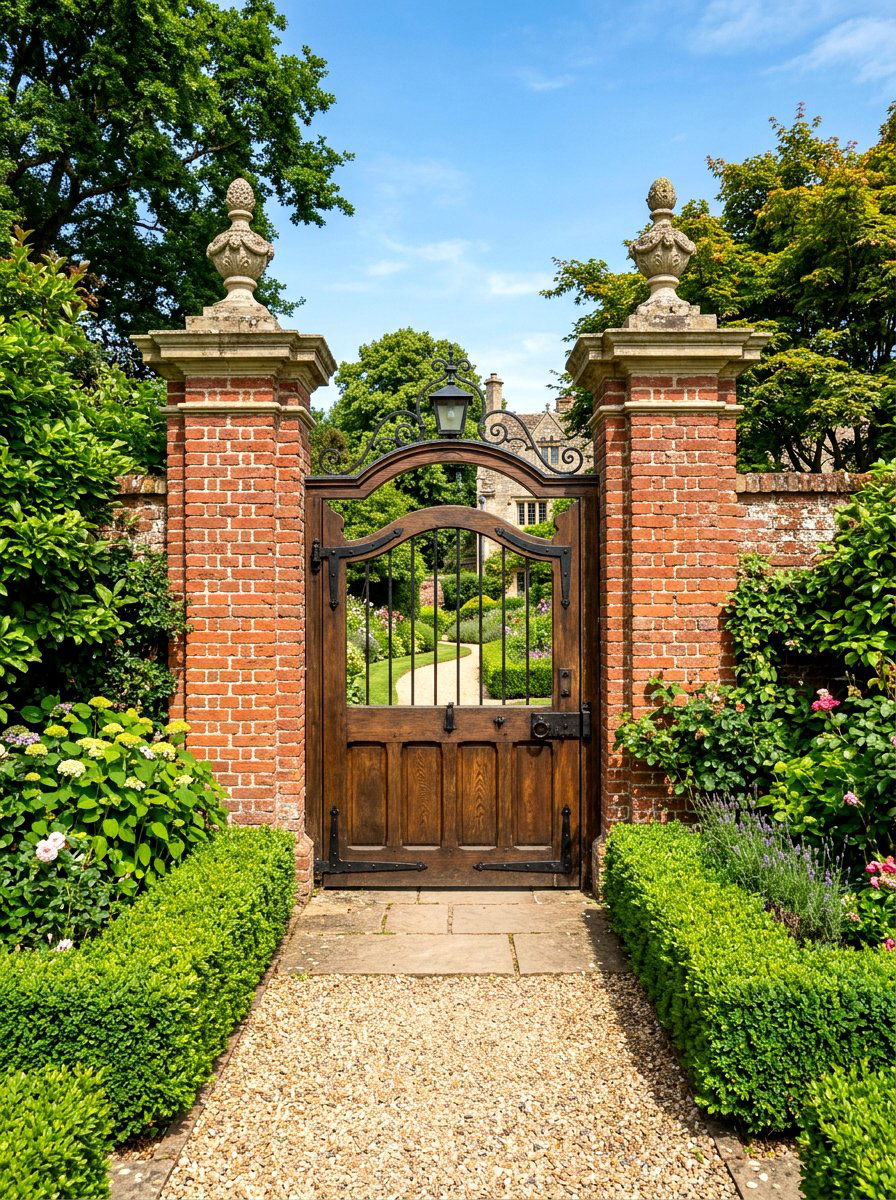
If you dream of a European-style garden, a cobblestone style brick path can help you achieve that old-world look with modern ease. Using small, square-shaped bricks with rounded edges and irregular surfaces mimics the appearance of ancient stone streets found in historic villages. These "cobbles" can be laid in fan shapes or tight, winding patterns that feel cozy and historic. The numerous joints between the small bricks provide excellent traction and a highly textured surface that looks beautiful in both wet and dry weather. This style is incredibly charming when paired with wrought iron gates, climbing roses, and other traditional European garden elements.
30. Multi Color Brick Path
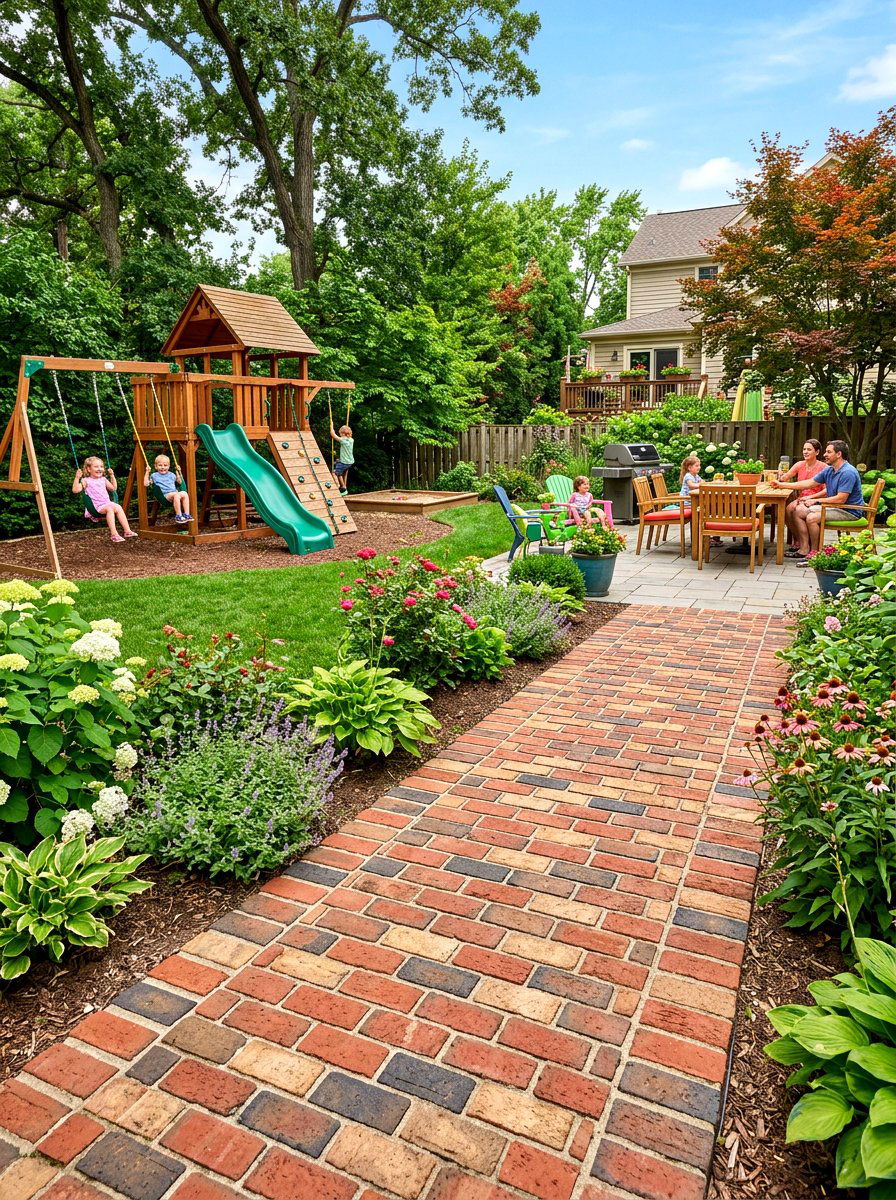
A multi color brick path is a vibrant and energetic design choice that uses a blend of different brick shades to create a rich, variegated surface. By mixing reds, tans, browns, and even hints of charcoal, you create a path that feels naturally diverse and visually deep. This approach is very forgiving when it comes to matching the walkway to your home’s siding, as the variety of tones ensures at least one color will coordinate perfectly. The random mix of colors hides debris and wear exceptionally well, making it a very low-maintenance option for busy families. It adds a cheerful and lived-in feel to any outdoor space.
Conclusion:
Investing in a brick walkway is one of the most effective ways to add permanent value and timeless beauty to your home’s landscape. From the structured elegance of a herringbone pattern to the whimsical charm of a moss-covered garden path, the options are virtually endless. Bricks provide a durable, slip-resistant surface that stands up to the elements while offering a warm, inviting aesthetic that only gets better with age. By carefully selecting the right color, pattern, and border for your project, you can create a functional work of art that guides your footsteps and delights your guests. Your walkway is the handshake of your home; make sure it leaves a lasting impression.

Related posts: