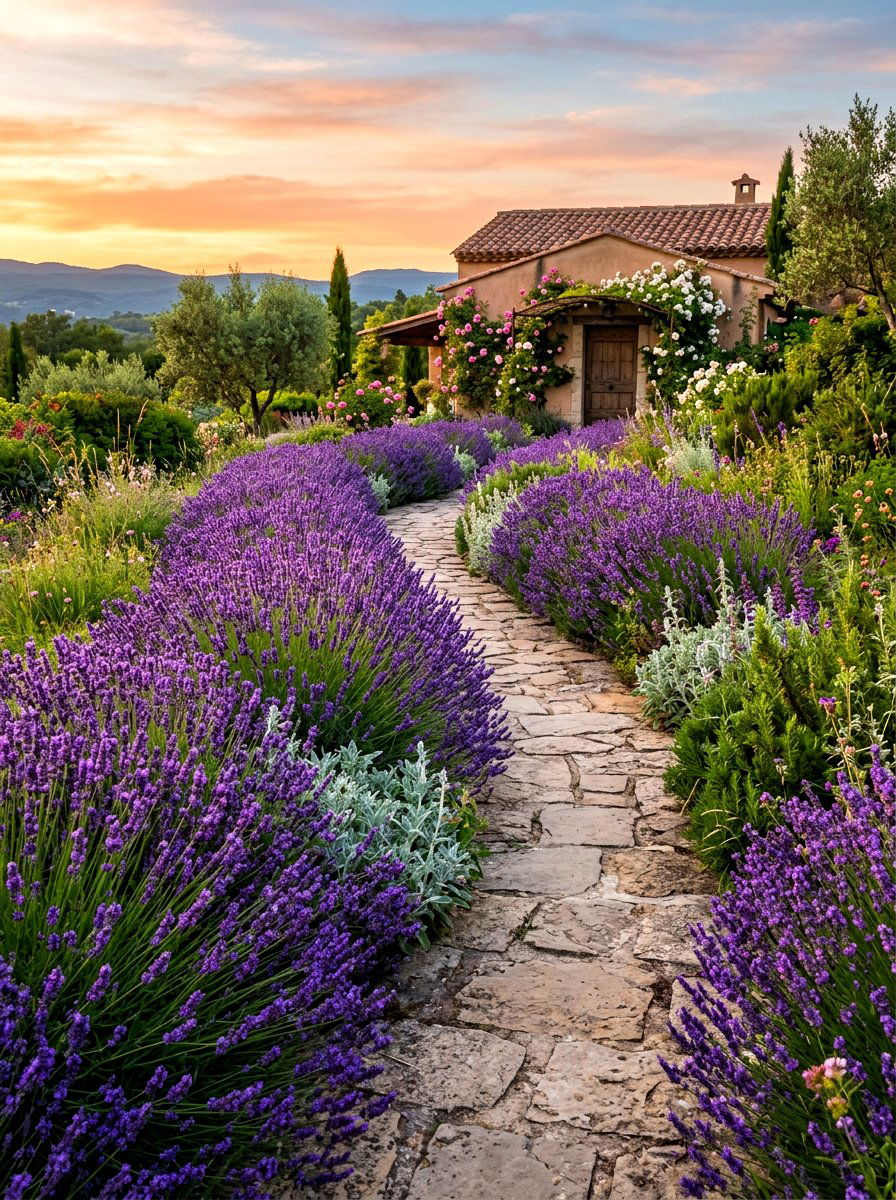
Creating a beautiful walkway border is one of the most effective ways to enhance your home's curb appeal and provide a warm welcome to guests. These planted edges serve as a living frame for your paths, guiding visitors toward your front door with color and texture. A well-designed border can soften the hard lines of stone or concrete, making the transition between your lawn and walkway feel much more natural. Whether you prefer the structured look of a formal garden or the relaxed charm of a blooming cottage style, choosing the right plants is essential. These borders also help prevent soil erosion and keep mulch from spilling onto your walking surfaces throughout the year.

1. Lavender walkway border
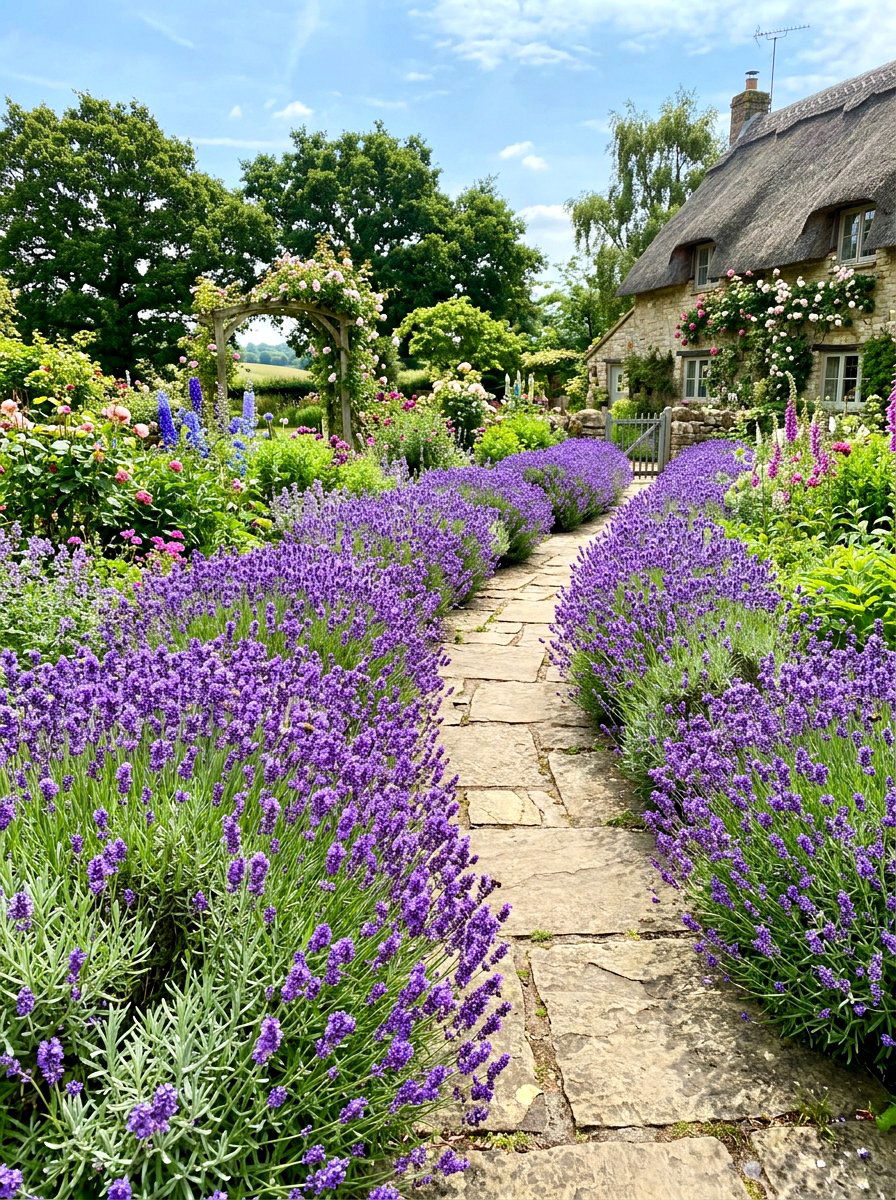
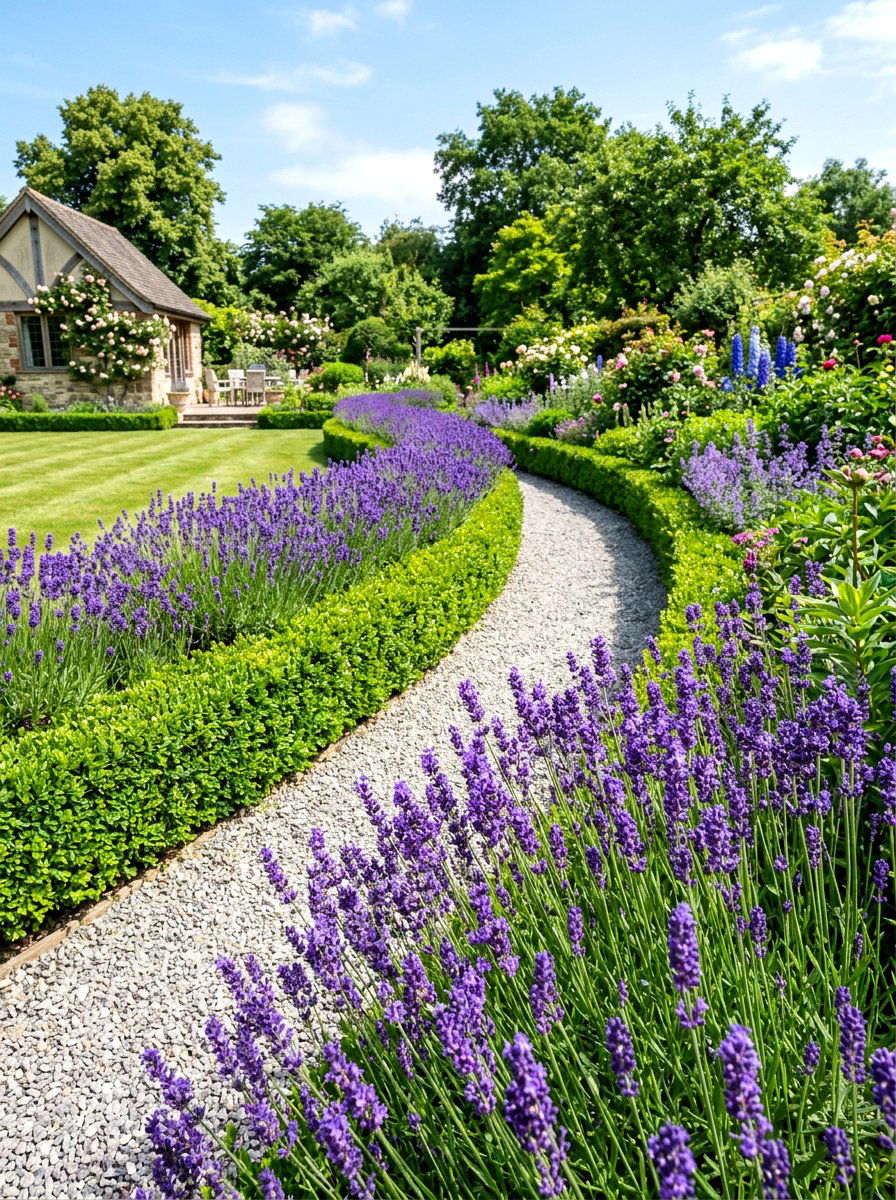
Lavender is a timeless choice for lining any sunny garden path because it offers both visual beauty and a calming scent. These hardy perennials thrive in full sun and require very little water once they are established. When you plant them in a row, they create a soft, purple haze that looks stunning against gray stone or warm brick paths. The silver foliage remains attractive throughout the year, even when the flowers are not in bloom. Lavender also attracts helpful pollinators like bees and butterflies to your yard. It is a low-maintenance option that brings a touch of Mediterranean charm to your home landscape while remaining very durable.
2. Boxwood hedge path edging
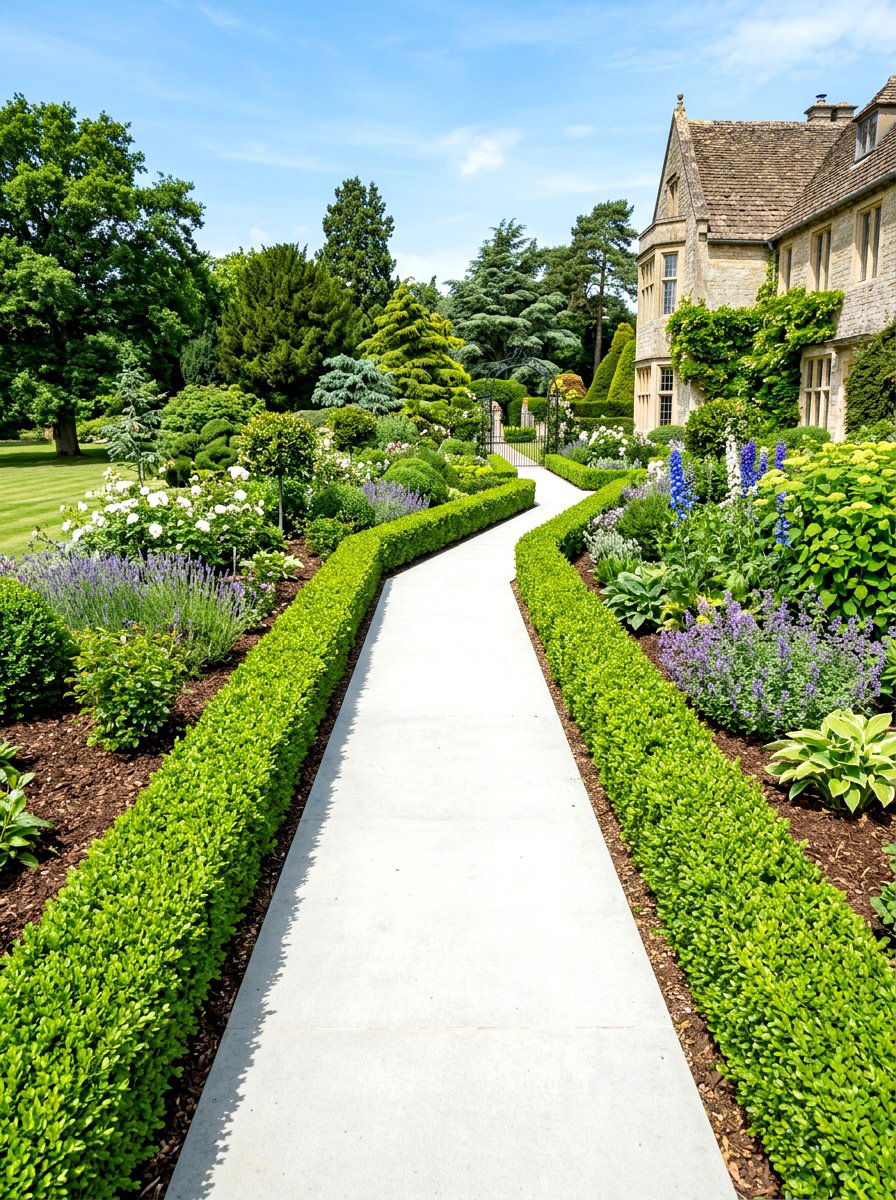
Boxwood shrubs provide a classic and formal look that never goes out of style for home entrances. These evergreen plants can be trimmed into neat, low hedges that define the walkway with crisp and clean lines. They are perfect for traditional or modern home designs where structure and symmetry are important. Boxwoods grow slowly and stay green all year, ensuring your walkway looks manicured even during the cold winter months. You can plant them in a single file for a minimalist appearance or pair them with taller plants behind for depth. Regular pruning will keep them at the perfect height for your specific garden path.
3. Hosta shaded garden path
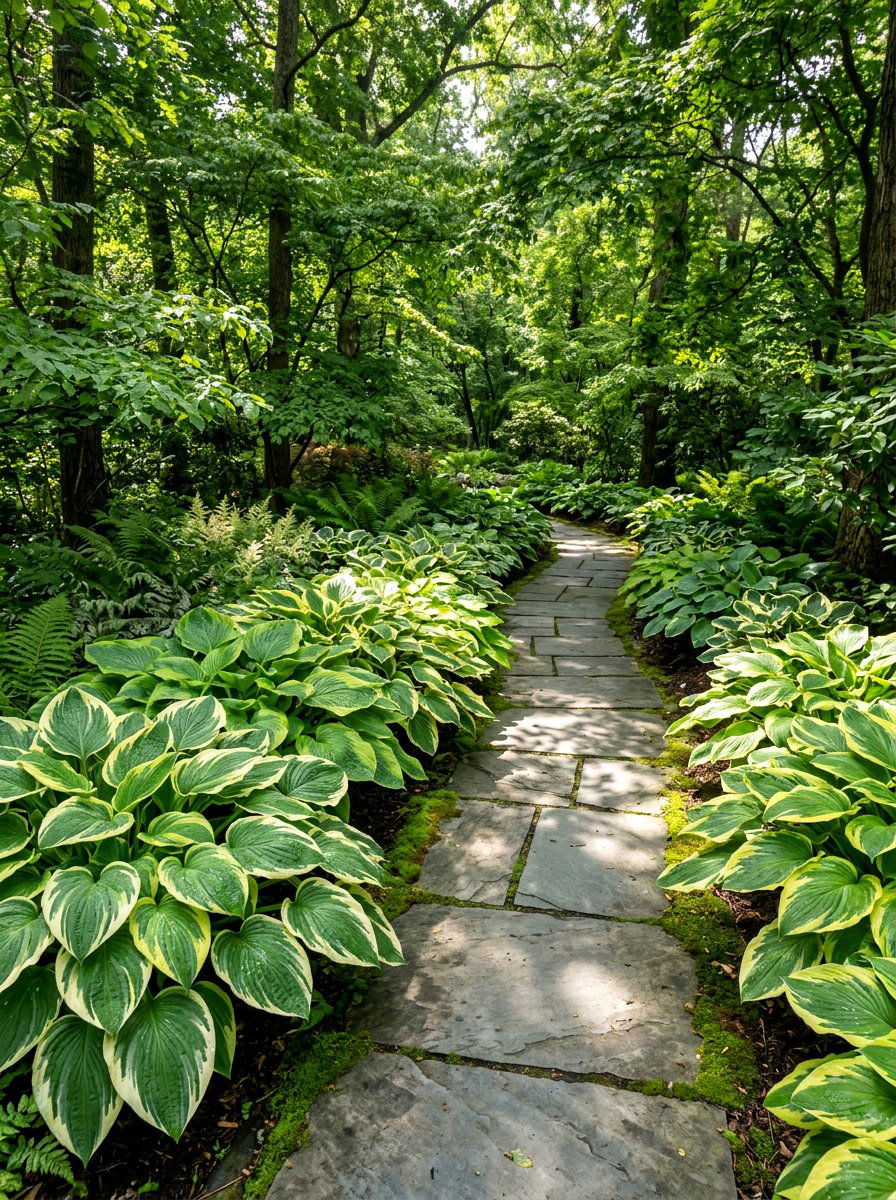
Hostas are the ultimate solution for walkways that sit in the shade of large trees or buildings. These lush perennials come in many different sizes and leaf colors, ranging from deep forest green to bright lime and blue-gray. Their broad leaves create a full, textured look that covers the ground effectively and prevents weed growth. In late summer, they produce tall stalks with delicate white or purple flowers that add a vertical element to the border. Hostas are incredibly easy to grow and will return larger and more beautiful every single spring. They bring a serene, woodland feel to any dim outdoor space.
4. Creeping thyme ground cover
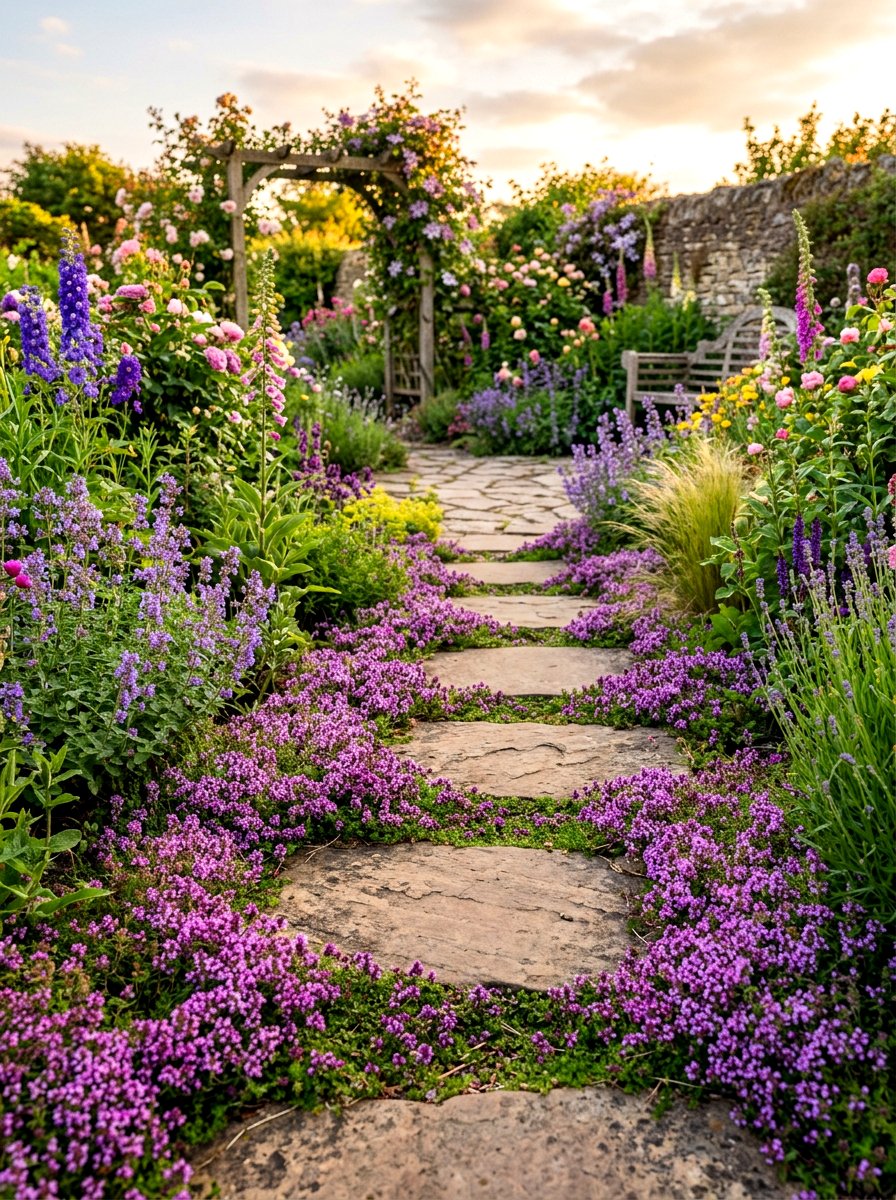
Creeping thyme is an excellent alternative to traditional mulch for filling the spaces along a flagstone or paver walkway. This low-growing herb spreads quickly to form a dense, green carpet that releases a pleasant herbal fragrance when stepped on or brushed. During the summer, it is covered in tiny pink or purple flowers that create a vibrant splash of color. It is a very tough plant that handles light foot traffic well and requires almost no mowing or pruning. Creeping thyme is perfect for creating a soft, naturalized look that feels like it has been part of the landscape for many years.
5. Fountain grass garden edge
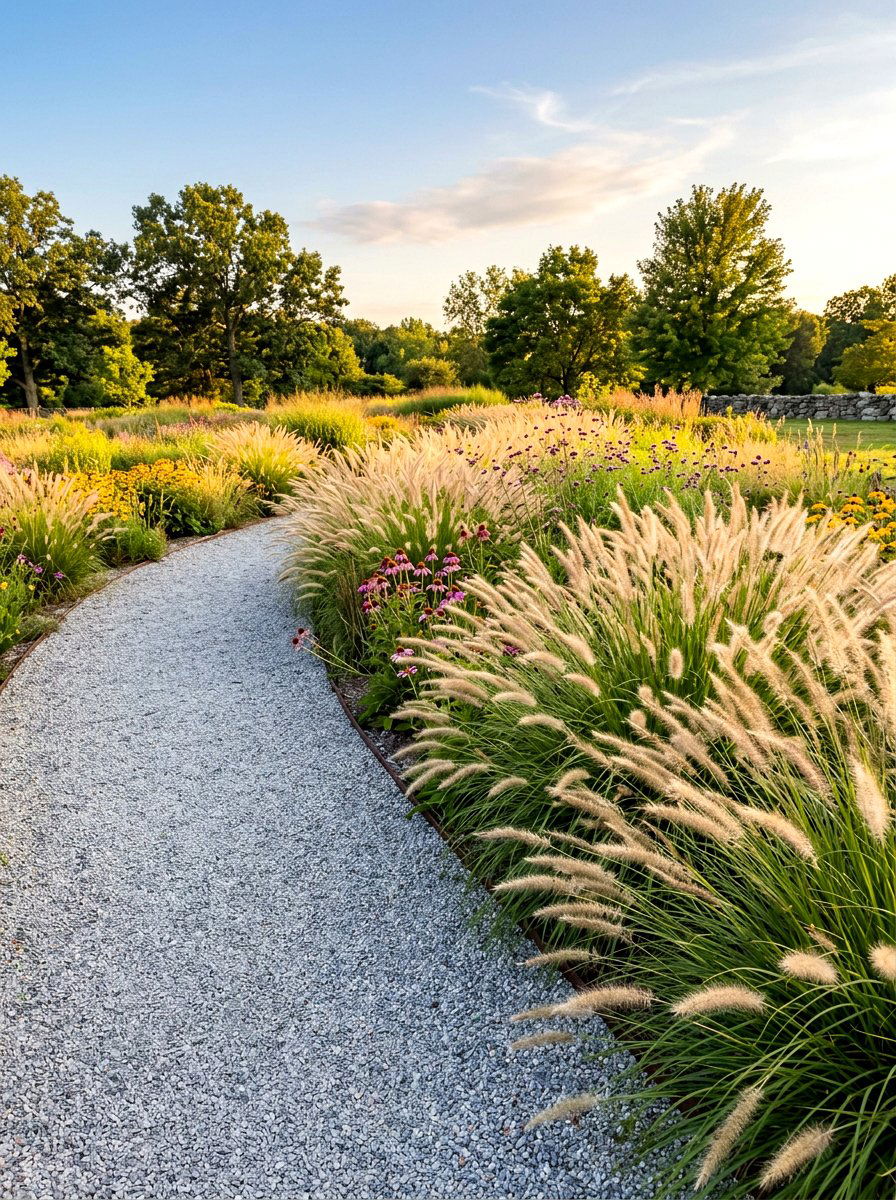
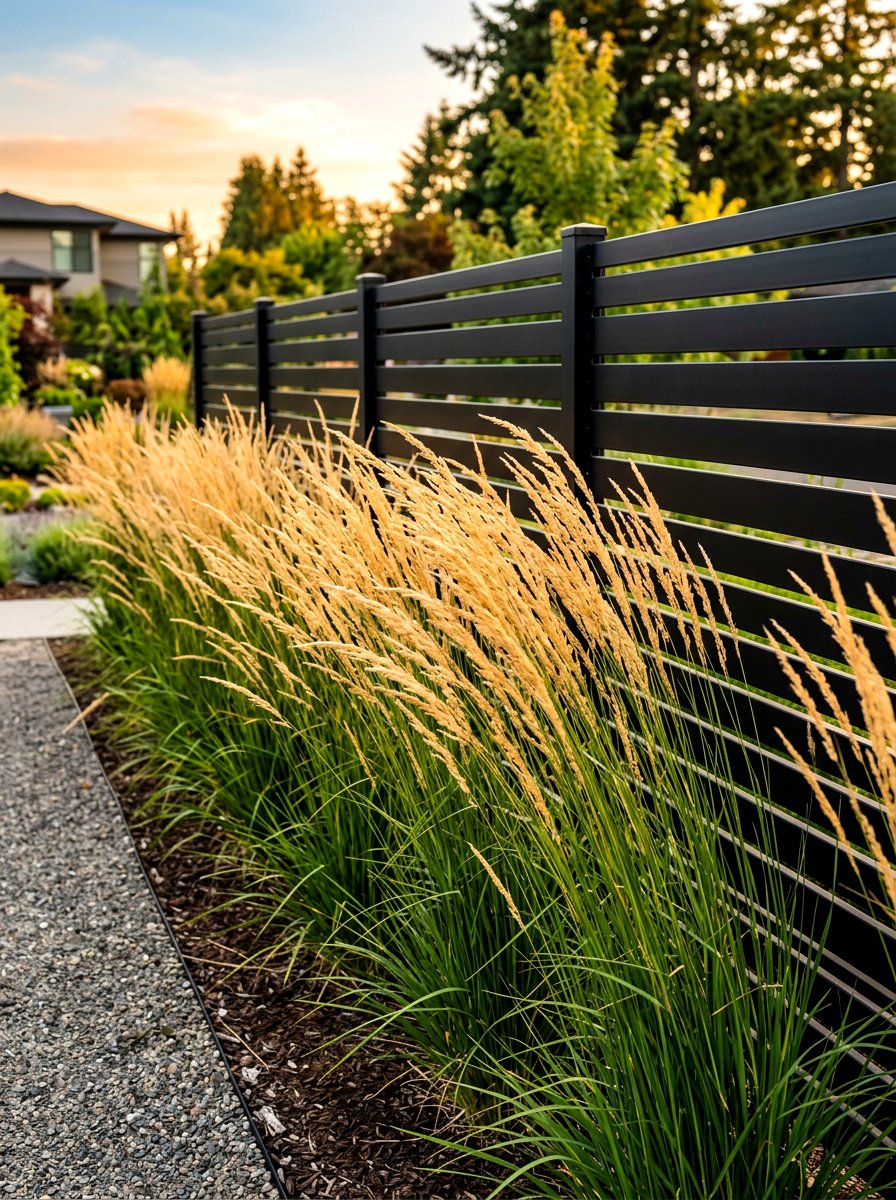
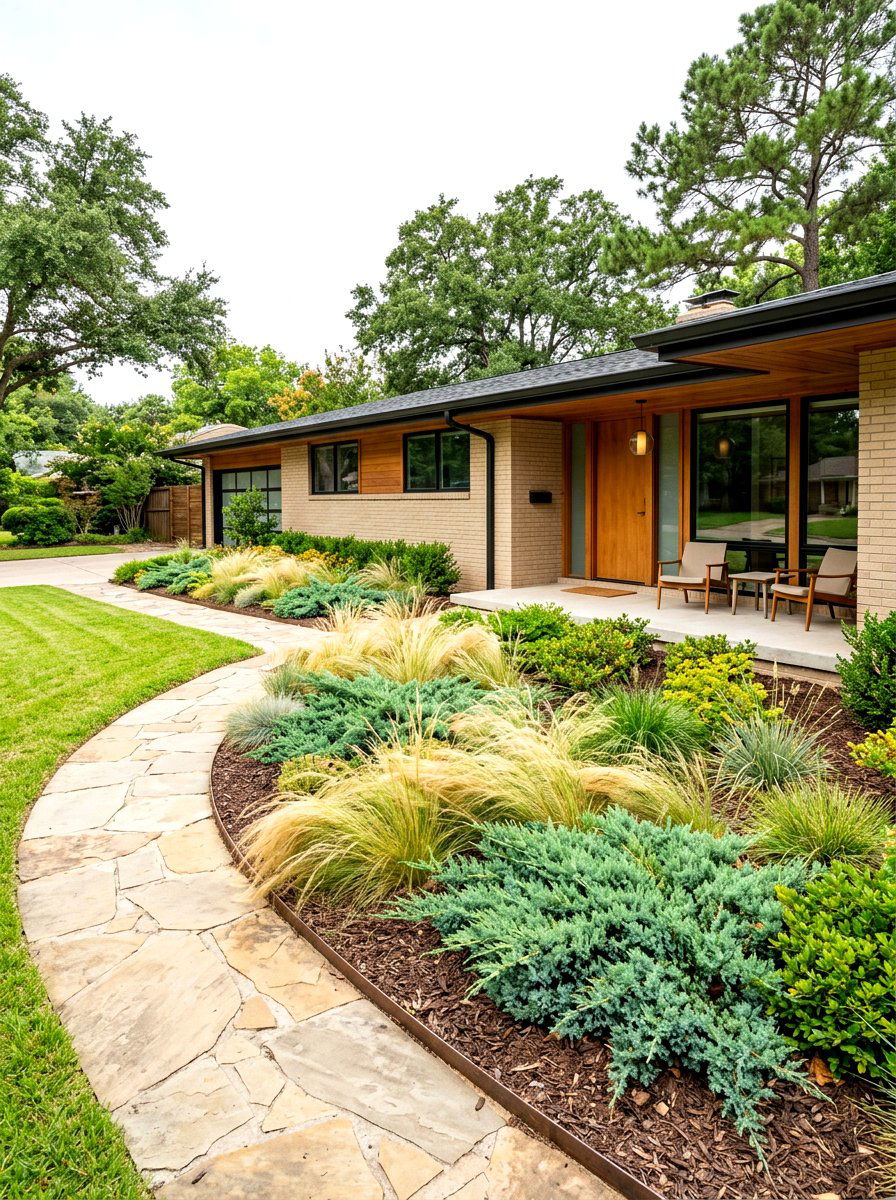
Ornamental grasses like fountain grass add wonderful movement and texture to the sides of a garden path. Their fine, arching blades sway gently in the breeze, creating a dynamic and relaxing atmosphere for anyone walking by. In late summer, they produce feathery plumes that catch the light beautifully during the golden hour. Fountain grass is a great choice for modern or prairie-style landscapes where a more natural look is desired. These plants are drought-tolerant and easy to maintain, requiring only a quick trim once a year in early spring. They provide a soft, hazy border that contrasts well with solid walkway materials.
6. Catmint romantic walkway
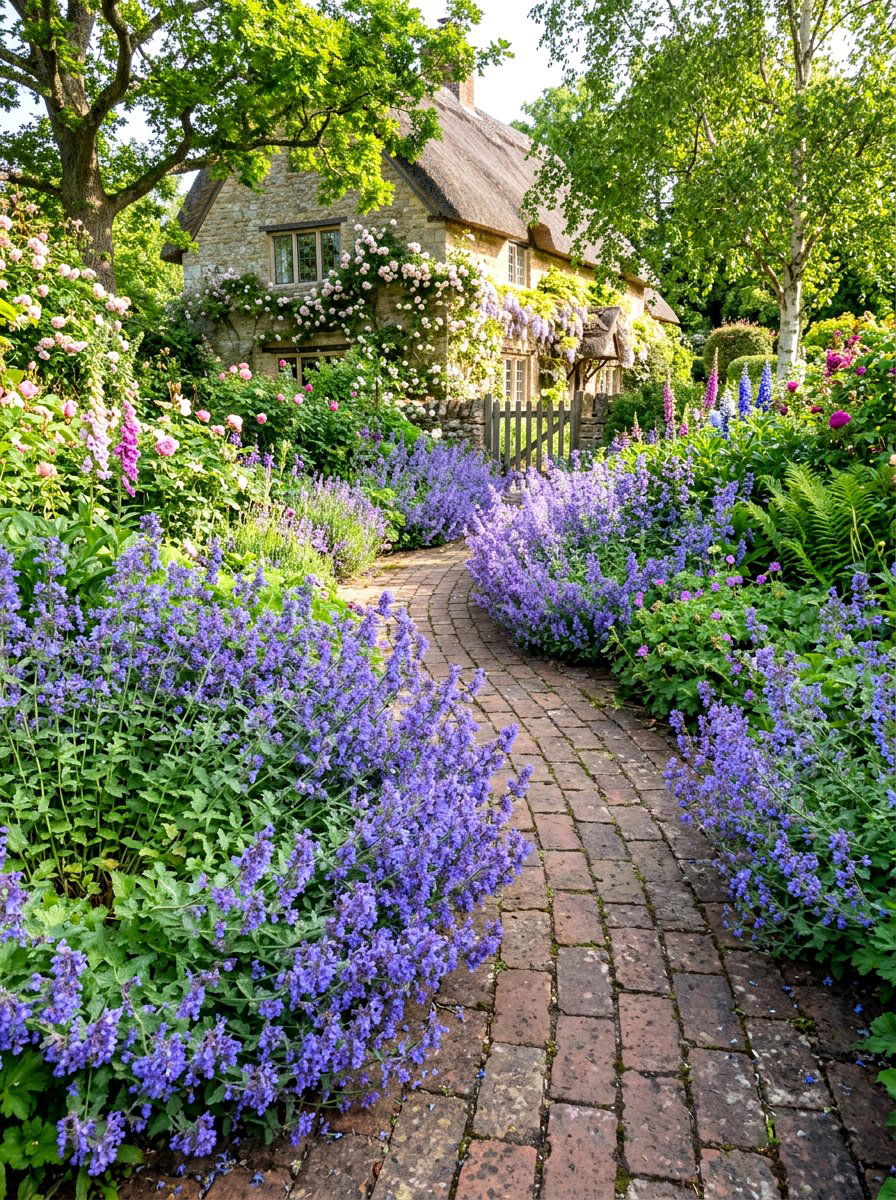
Catmint is a favorite for borders because it creates a soft, cloud-like effect with its lavender-blue flowers and gray-green leaves. It has a long blooming season that starts in late spring and continues throughout much of the summer. This plant naturally spills over the edges of a path, softening hard corners and creating a romantic, cottage-style aesthetic. It is very resistant to pests and deer, making it a reliable choice for many different climates. Catmint also provides a lovely scent that is refreshing as you walk past. Trimming it back after the first bloom will often encourage a second round of colorful flowers.
7. Hydrangea shrub path border
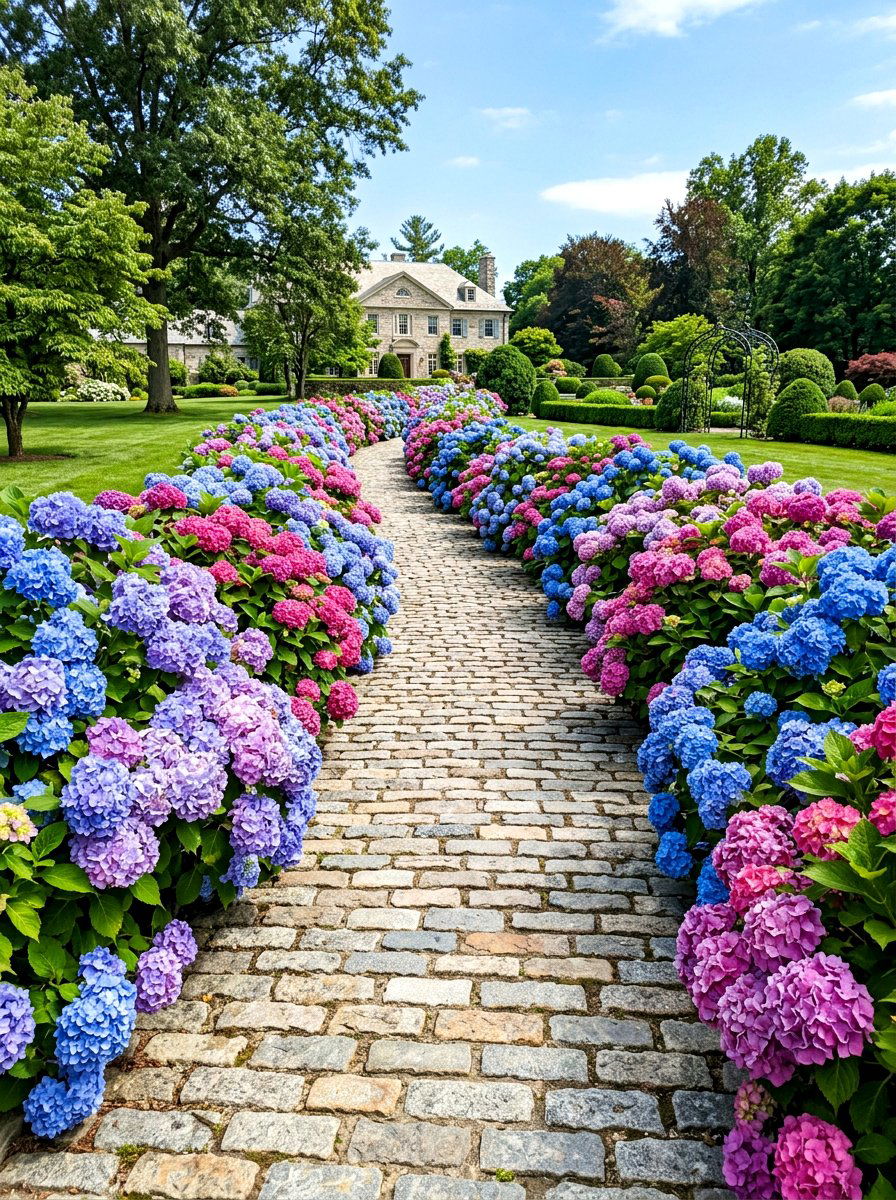
Hydrangeas make a bold and dramatic statement when planted along a wide walkway or driveway entrance. These flowering shrubs are known for their massive, colorful blooms that can turn shades of blue, pink, or white depending on the soil. They create a lush, full border that provides plenty of privacy and structure to your front yard. Hydrangeas prefer partial shade and consistent moisture to keep their large leaves looking fresh and vibrant. Because they grow quite large, they are best suited for spacious areas where they can reach their full potential. They add a touch of classic elegance and old-fashioned charm to any home.
8. Salvia purple flower edge
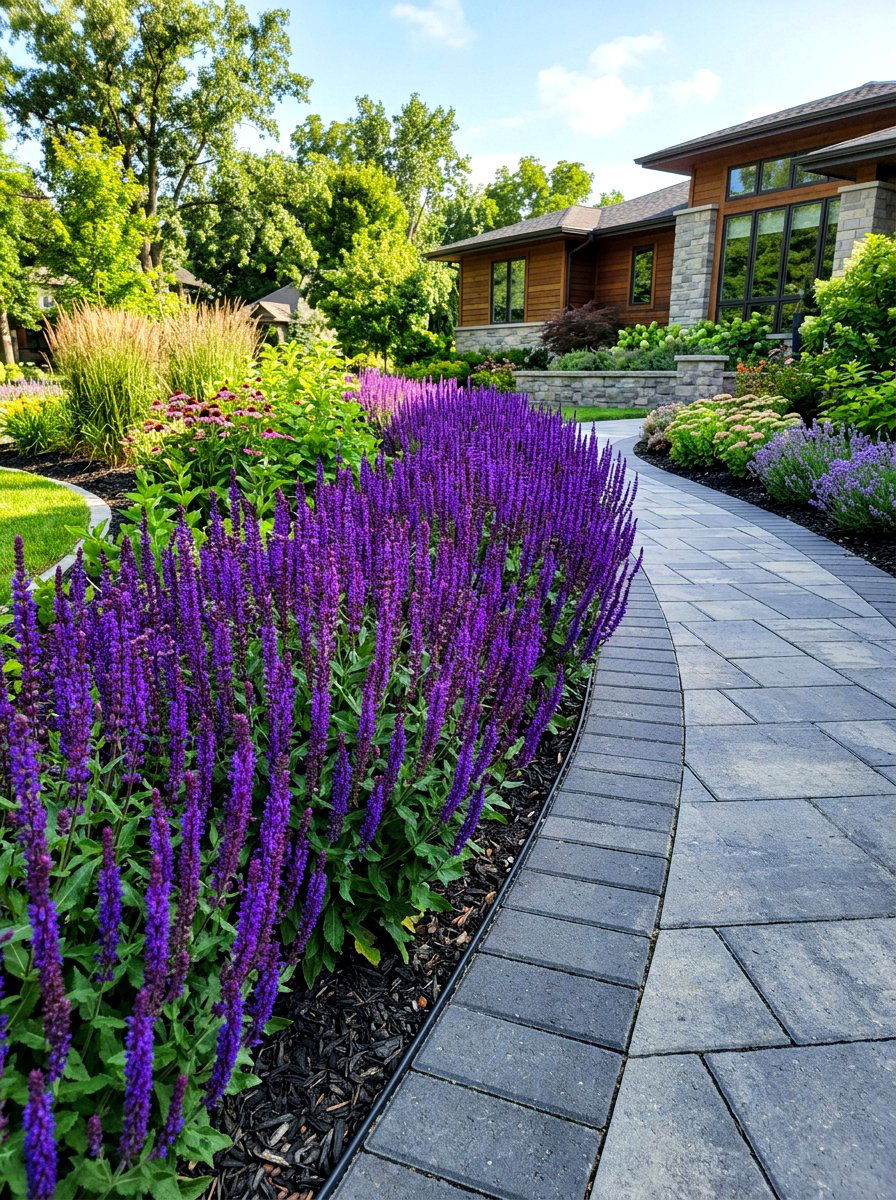
Salvia is a hardy perennial that brings intense spikes of purple or blue color to your walkway borders. These plants are exceptionally heat-tolerant and thrive in sunny locations with well-drained soil. Their upright growth habit provides a nice vertical contrast to lower-growing ground covers or flat paving stones. Salvias are known for being magnets for hummingbirds and butterflies, bringing your garden to life with movement. They are also very easy to care for and only require occasional deadheading to keep the blooms coming all season. This is a perfect choice for homeowners who want a high-impact look with very minimal garden maintenance.
9. Sedum succulent garden path
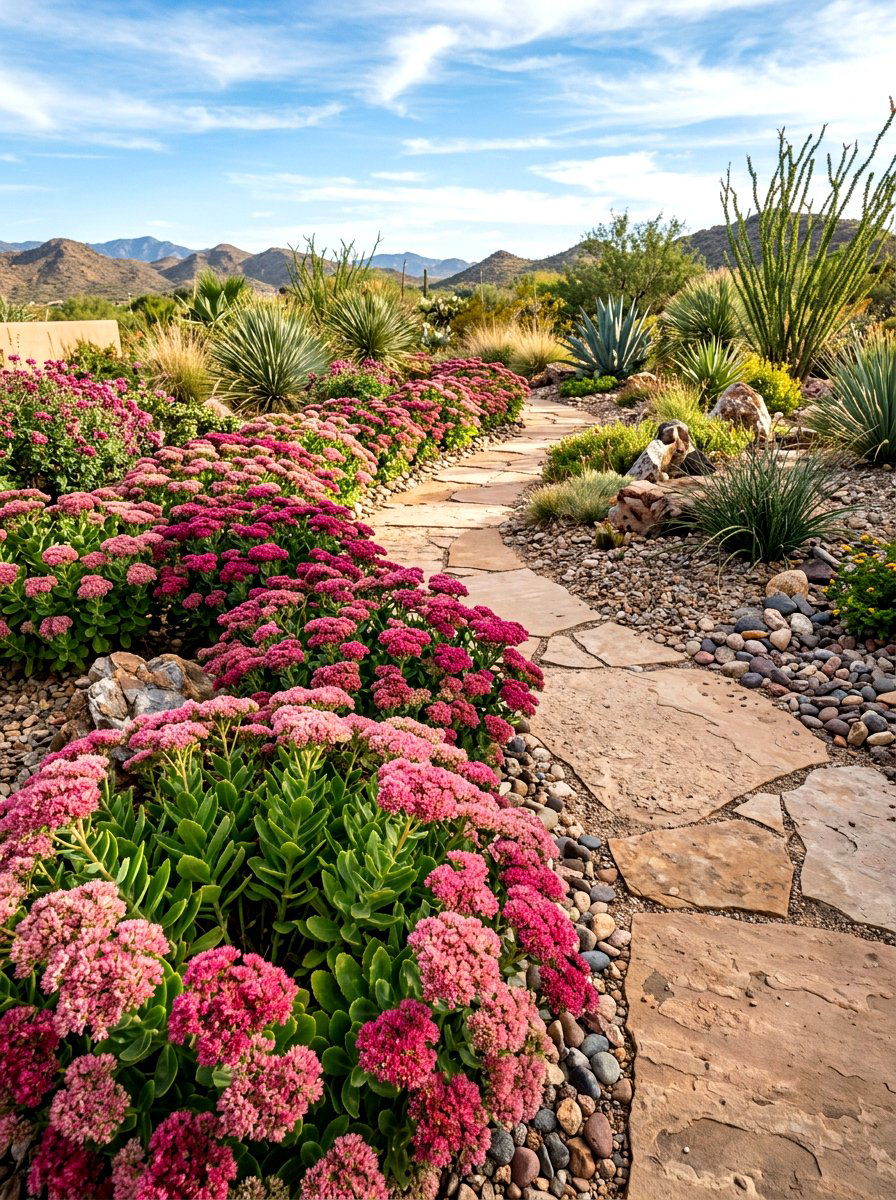
Sedum is an ideal choice for a low-maintenance walkway border, especially in hot and dry climates. These succulents store water in their thick, fleshy leaves, making them incredibly drought-resistant and tough. Upright varieties like "Autumn Joy" offer beautiful clusters of flowers that change color from green to pink and then rust as the season progresses. Low-growing stonecrop varieties can also be used to carpet the edges of a path with interesting textures and colors. Sedums are very reliable plants that require almost no attention once they are planted. They bring a unique, modern texture to the garden that looks great year-round.
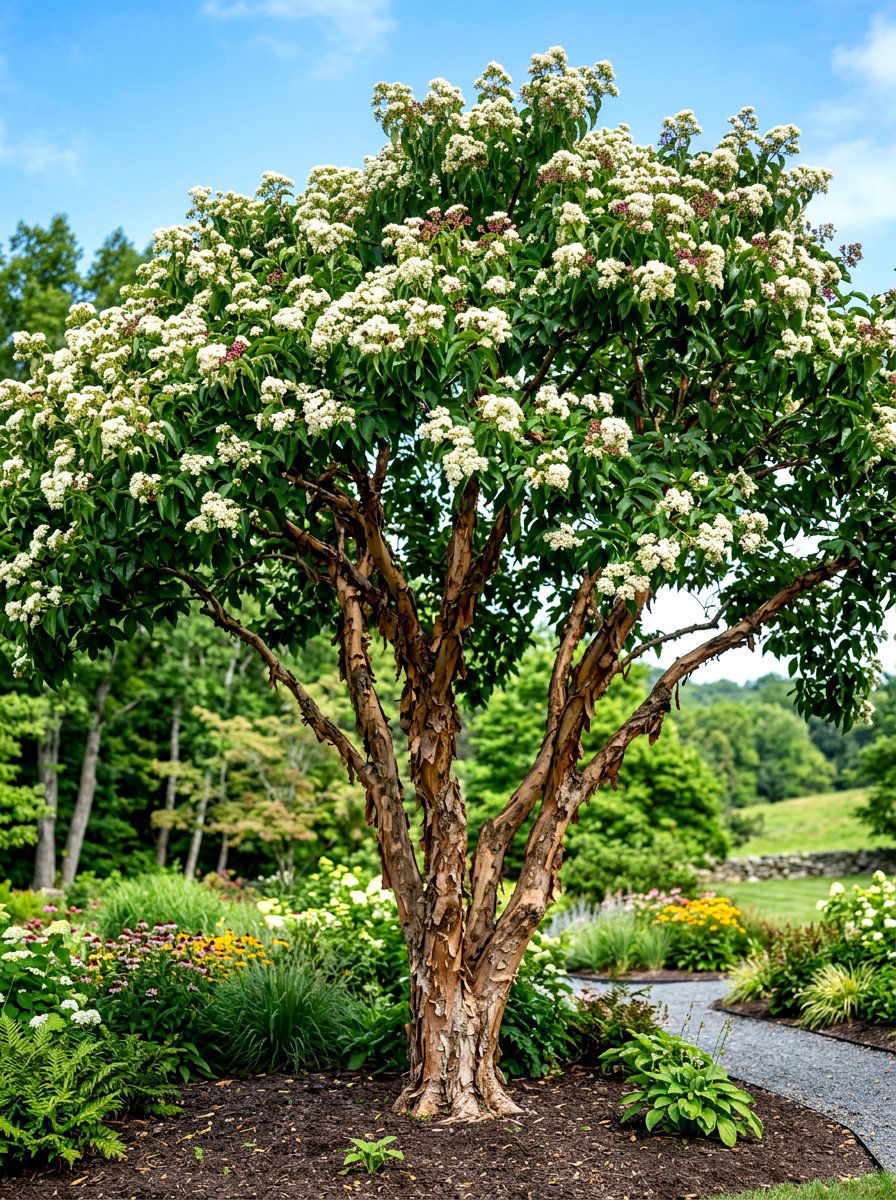
10. Liriope grass-like walkway
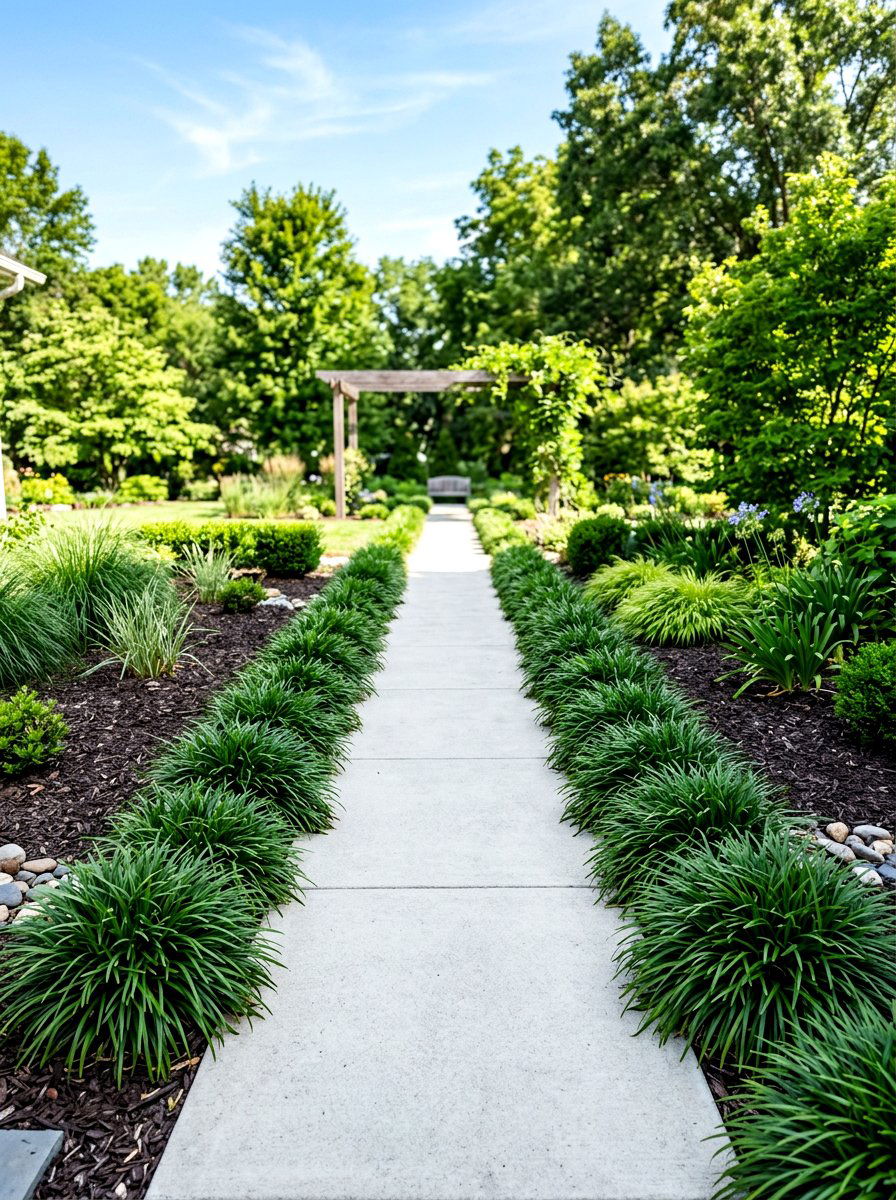
Liriope, also known as lilyturf, is a versatile plant that looks like grass but is actually a tough perennial. It forms neat, mounded clumps of dark green or variegated foliage that stay attractive throughout the entire year. In late summer, it produces small spikes of purple or white flowers followed by dark berries in the fall. Liriope is excellent for creating a clean and consistent edge along a curved or straight walkway. It can handle a variety of lighting conditions, from full sun to deep shade, making it a very flexible option. It is also very effective at suppressing weeds and preventing soil from washing away.
11. Daylily summer flower border
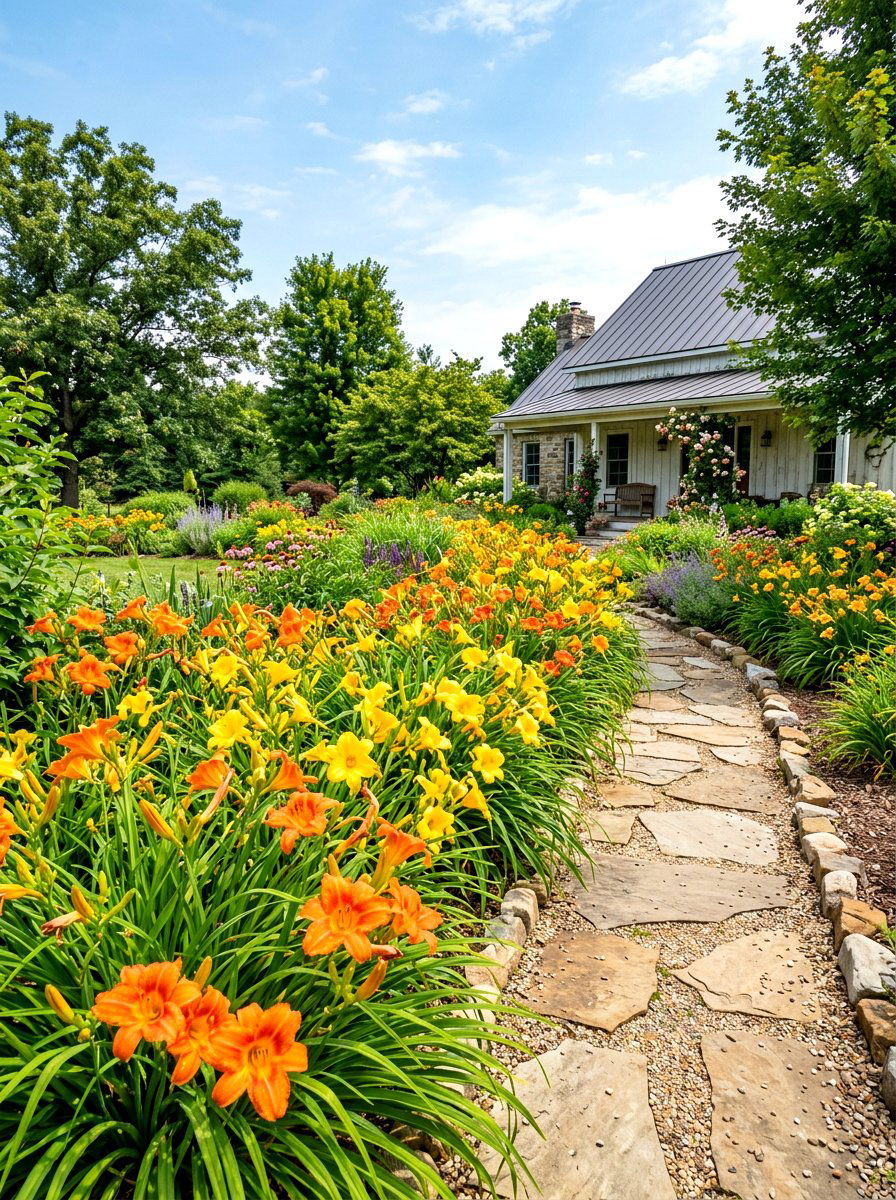
Daylilies are famous for their tough nature and beautiful, trumpet-shaped flowers that come in nearly every color imaginable. While each individual bloom only lasts for a day, the plant produces many buds that keep the show going for weeks. They have long, arching leaves that create a full and grassy texture along the edge of a path. Daylilies are very difficult to kill and can thrive in poor soil conditions with very little water. They are perfect for adding a bright and cheerful pop of color to your front walkway during the hottest parts of the summer. These perennials will return bigger every year.
12. Fern woodland walkway
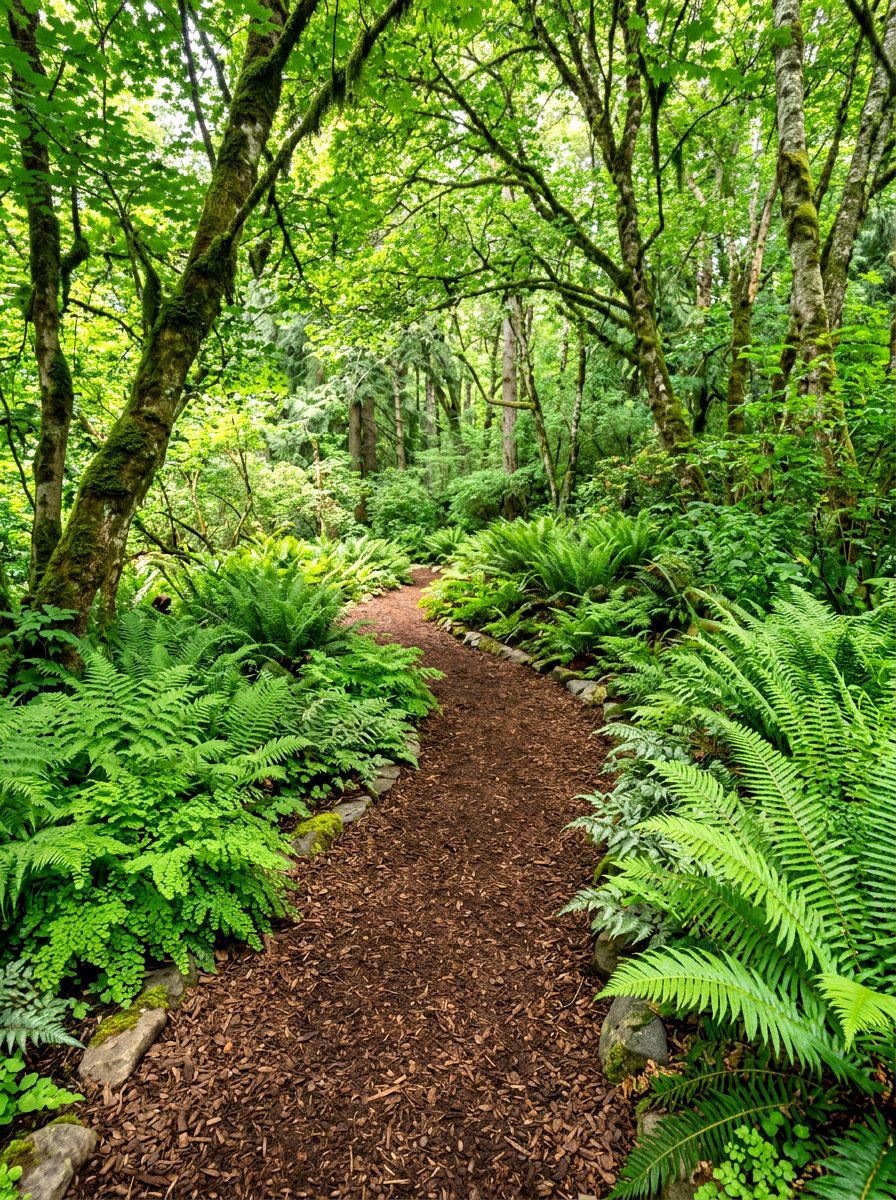
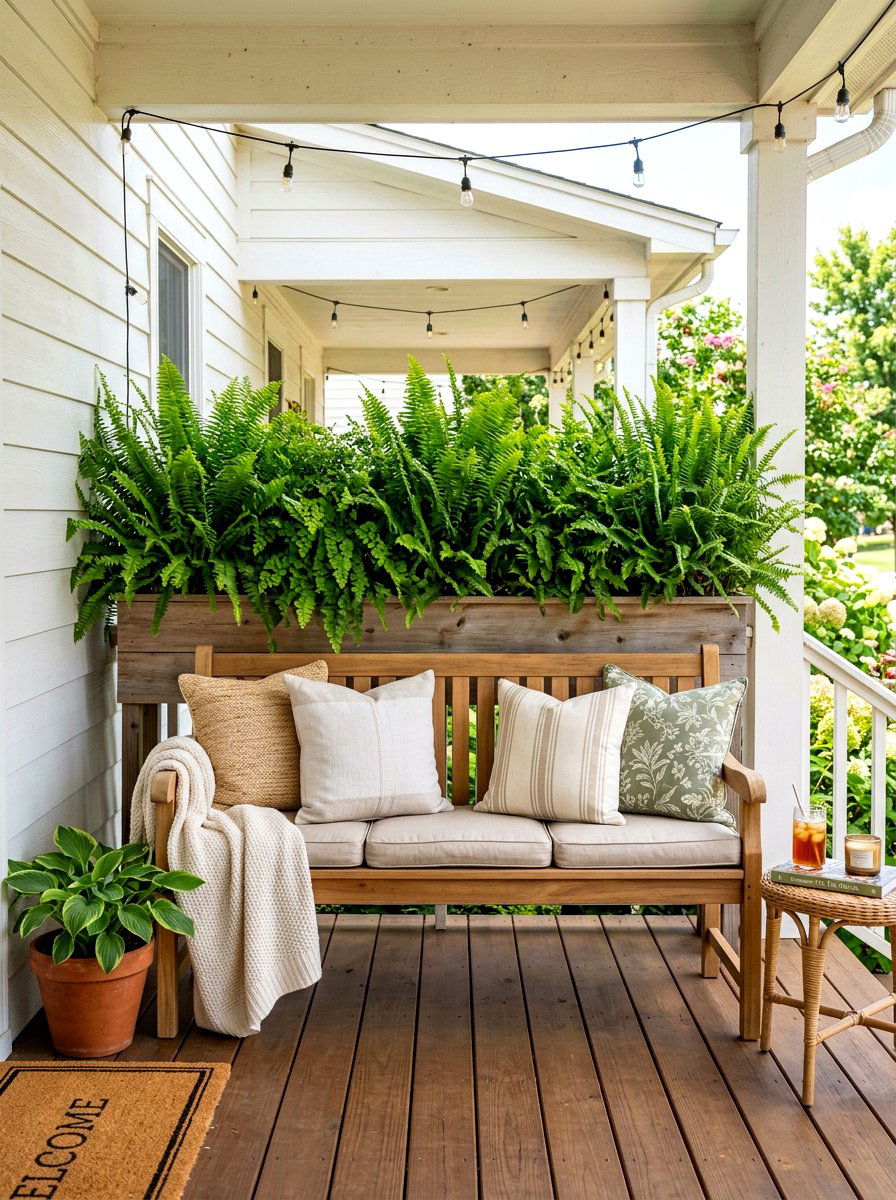
Ferns are the perfect choice for creating a lush and cool atmosphere along a shaded walkway. Their delicate, feathery fronds add an elegant texture that feels very natural and serene. Ferns thrive in moist, damp areas and look best when planted in groups to create a dense green carpet. They are ideal for north-facing paths or areas tucked under large shade trees where other flowers might struggle to grow. Using ferns can transform a simple walk through the yard into a refreshing experience that feels like a stroll through a forest. They require very little care other than ensuring the soil stays relatively moist.
13. Miniature rose path edging
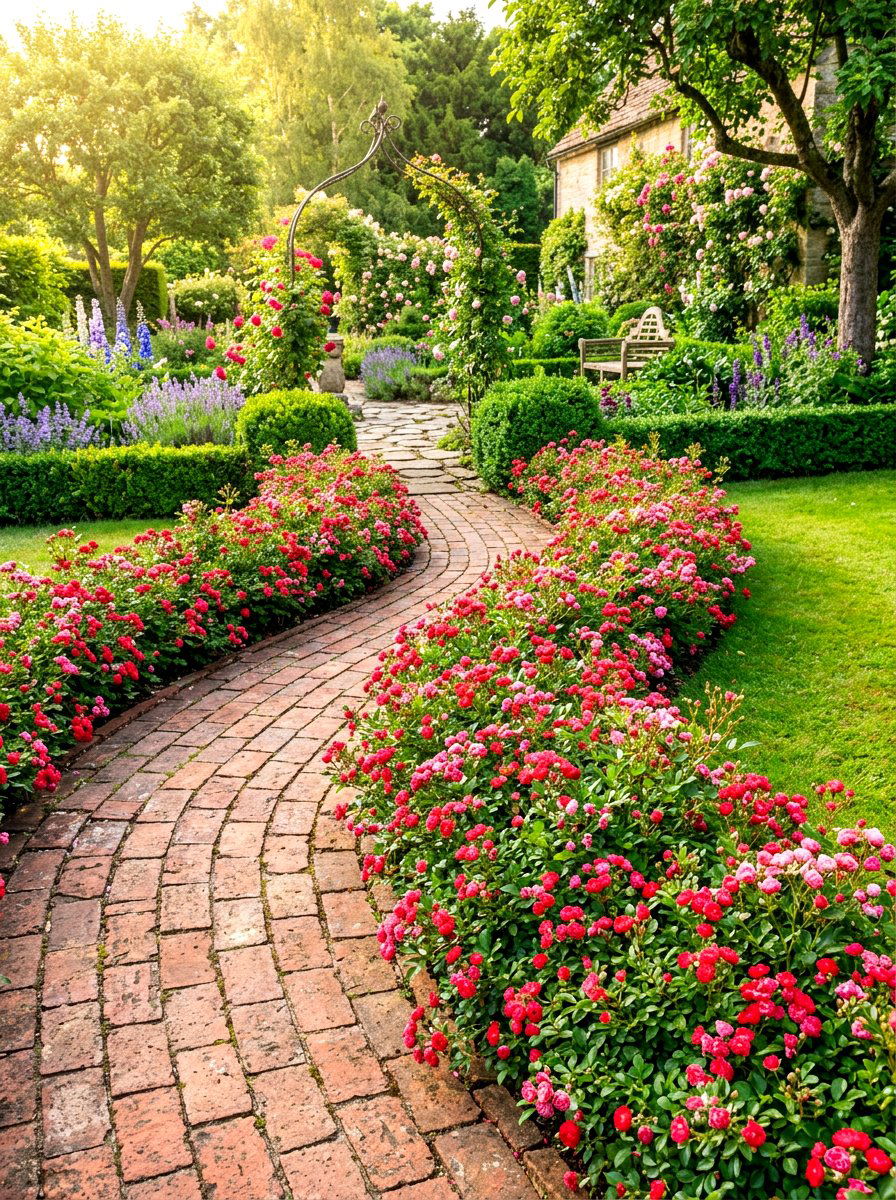
Miniature roses offer all the beauty and fragrance of traditional roses but in a compact size that is perfect for borders. These tiny shrubs produce abundance of small blooms throughout the growing season, providing a constant splash of color. They are much easier to maintain than larger rose varieties and fit perfectly into small garden spaces or narrow walkway edges. You can choose from many colors like classic red, soft pink, or bright yellow to match your home's exterior. Planting miniature roses along a path adds a touch of sophistication and luxury. They prefer sunny spots and regular watering to look their absolute best.
14. Peony lush garden border
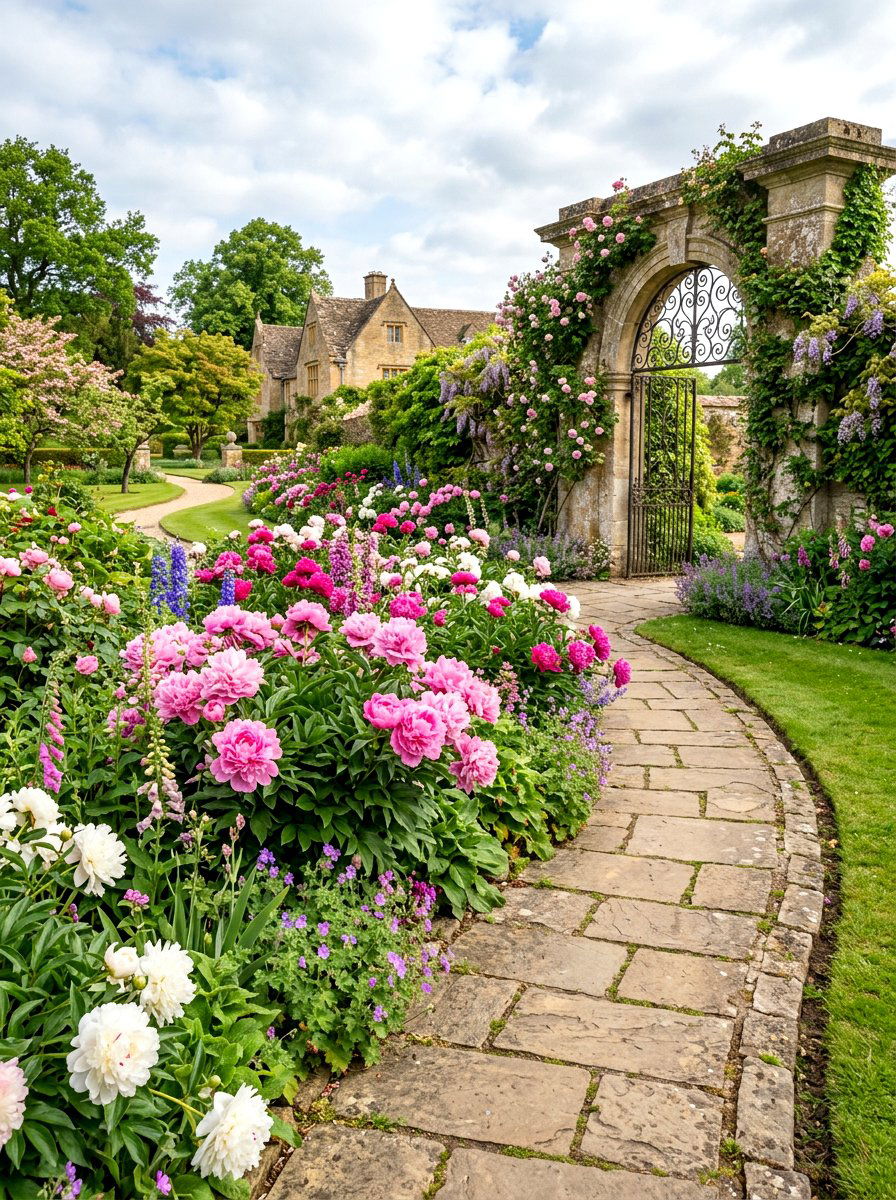
Peonies provide a spectacular display of large, fragrant blooms in late spring that will make your walkway the envy of the neighborhood. These long-lived perennials have beautiful, deep green foliage that remains attractive even after the flowers have faded. Peonies create a very full and substantial border that gives a sense of abundance and luxury to your garden. While they only bloom for a short time, the anticipation of their massive flowers is well worth the wait. They prefer sunny locations and well-drained soil to thrive for many decades. Using peonies along a path creates a grand and classic entrance for any traditional home.
15. Heuchera foliage path edge
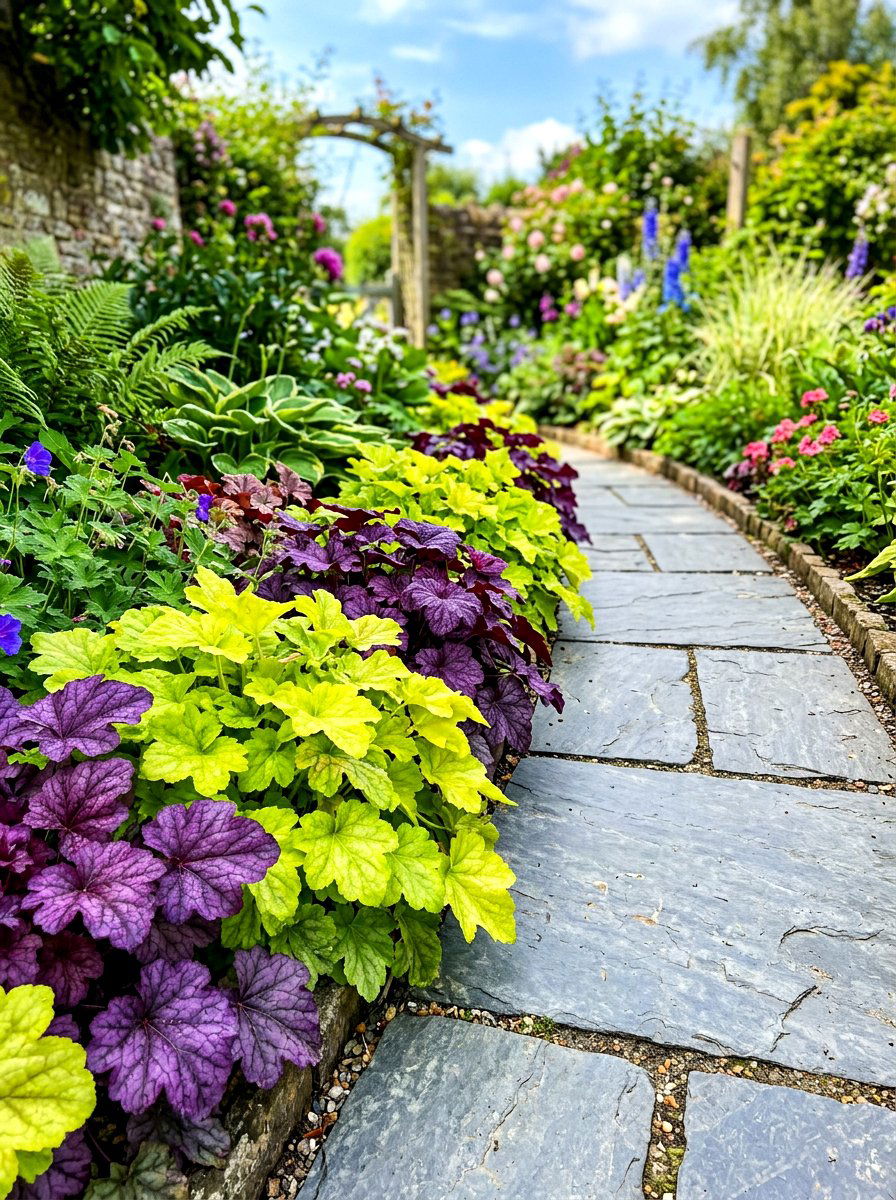
Heuchera, commonly known as coral bells, is prized primarily for its stunning and colorful foliage. The leaves come in an incredible range of hues, including deep purple, bright lime, silver, and even fiery orange. This makes them perfect for adding year-round color to a walkway border without relying solely on flowers. They grow in tidy, rounded mounds that stay low to the ground, making them ideal for edging. In early summer, they produce dainty stems with tiny bell-shaped flowers that hover above the leaves. Heucheras prefer partial shade and are very easy to grow in most garden soils with very little maintenance.
16. Japanese forest grass border
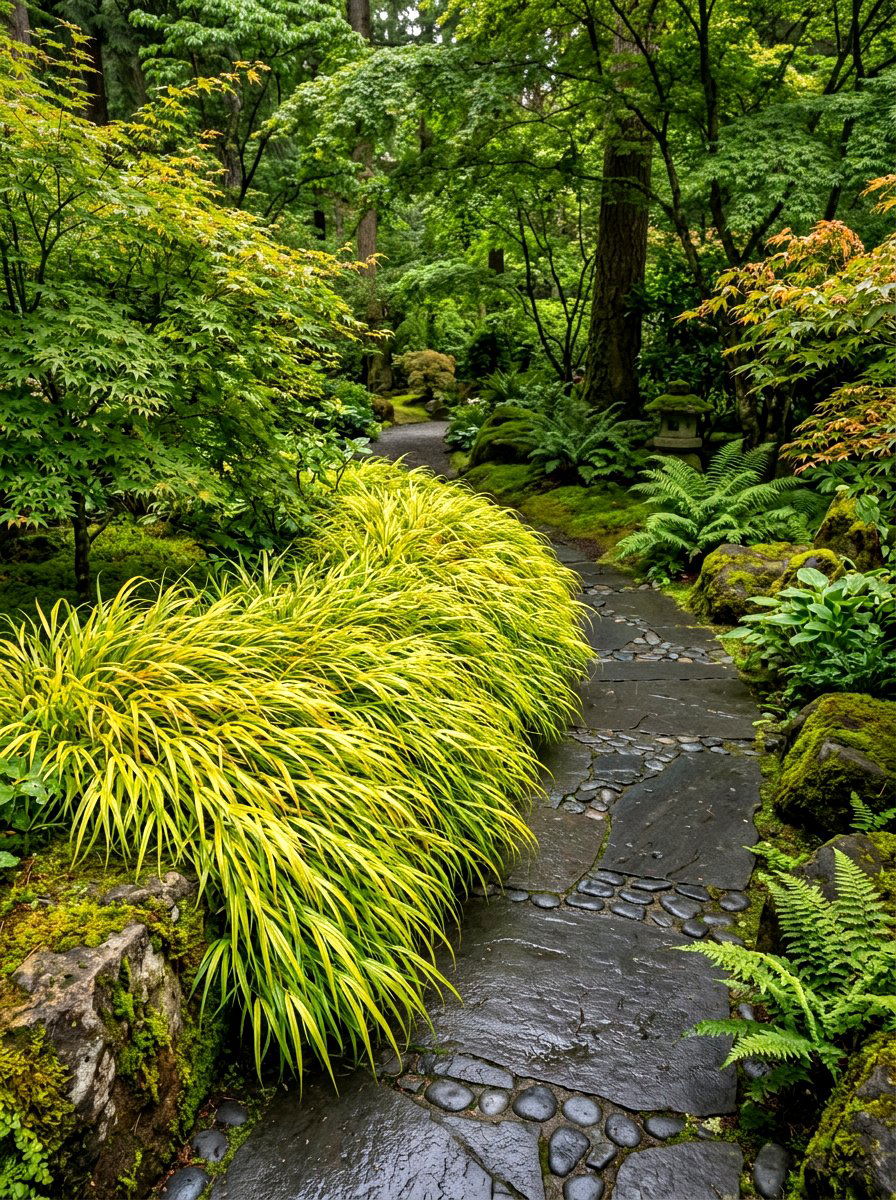
Japanese forest grass is a stunning ornamental grass that is specifically designed for shaded walkway areas. It features soft, cascading blades that look like a golden waterfall spilling over the edge of your path. The bright yellow and green variegated foliage can light up a dark corner of the yard and add a sense of movement. This grass grows slowly and remains in a neat, clump-forming shape that does not become invasive. It feels very soft to the touch and creates a high-end, designer look for any landscape. It is a fantastic choice for modern or Asian-inspired garden designs that value tranquility.
17. Marigold sun-loving path
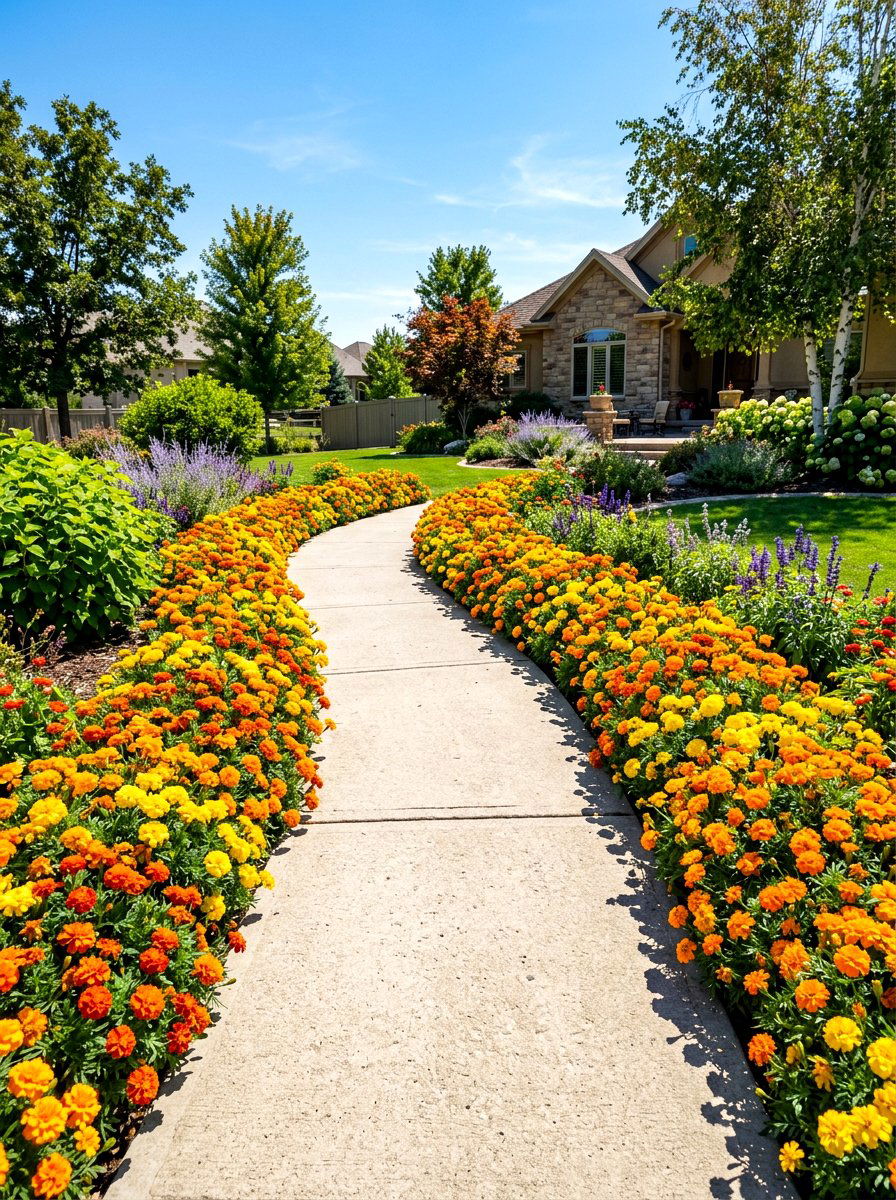
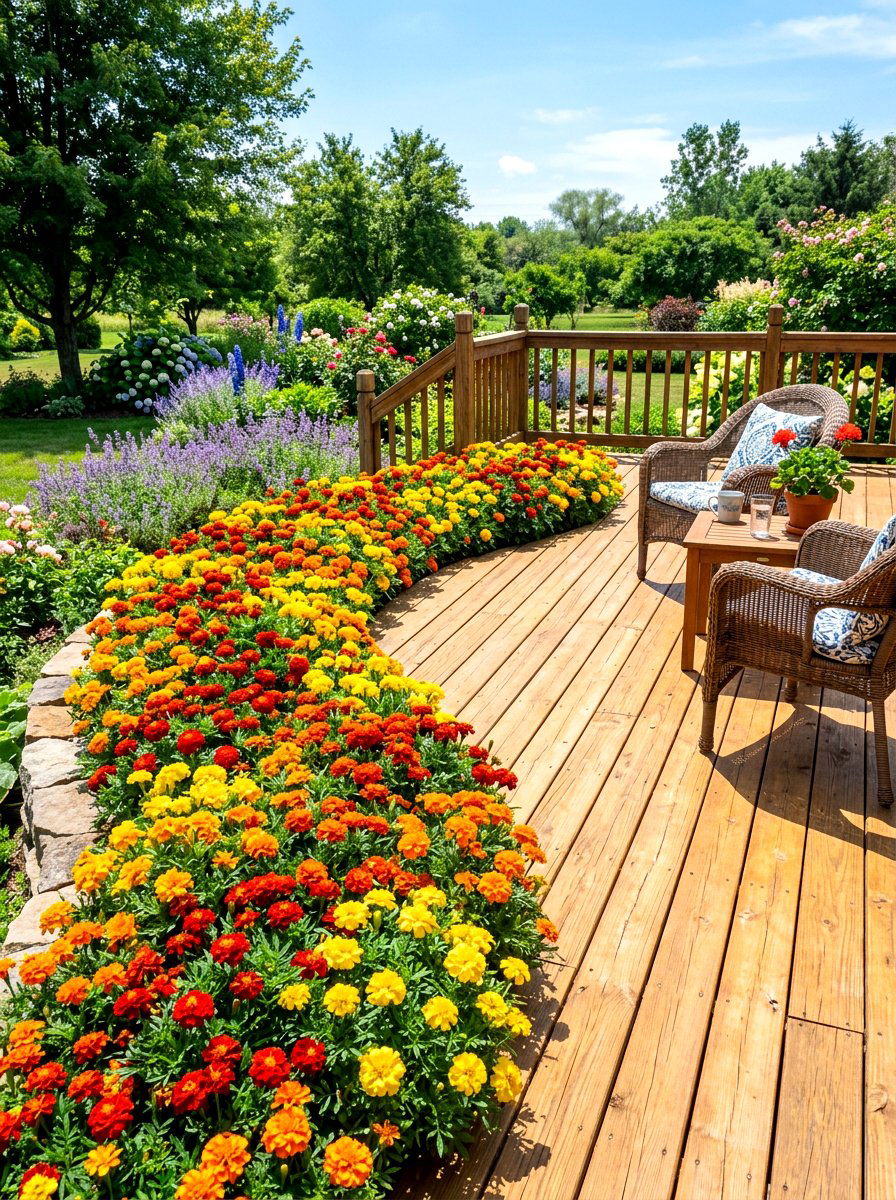
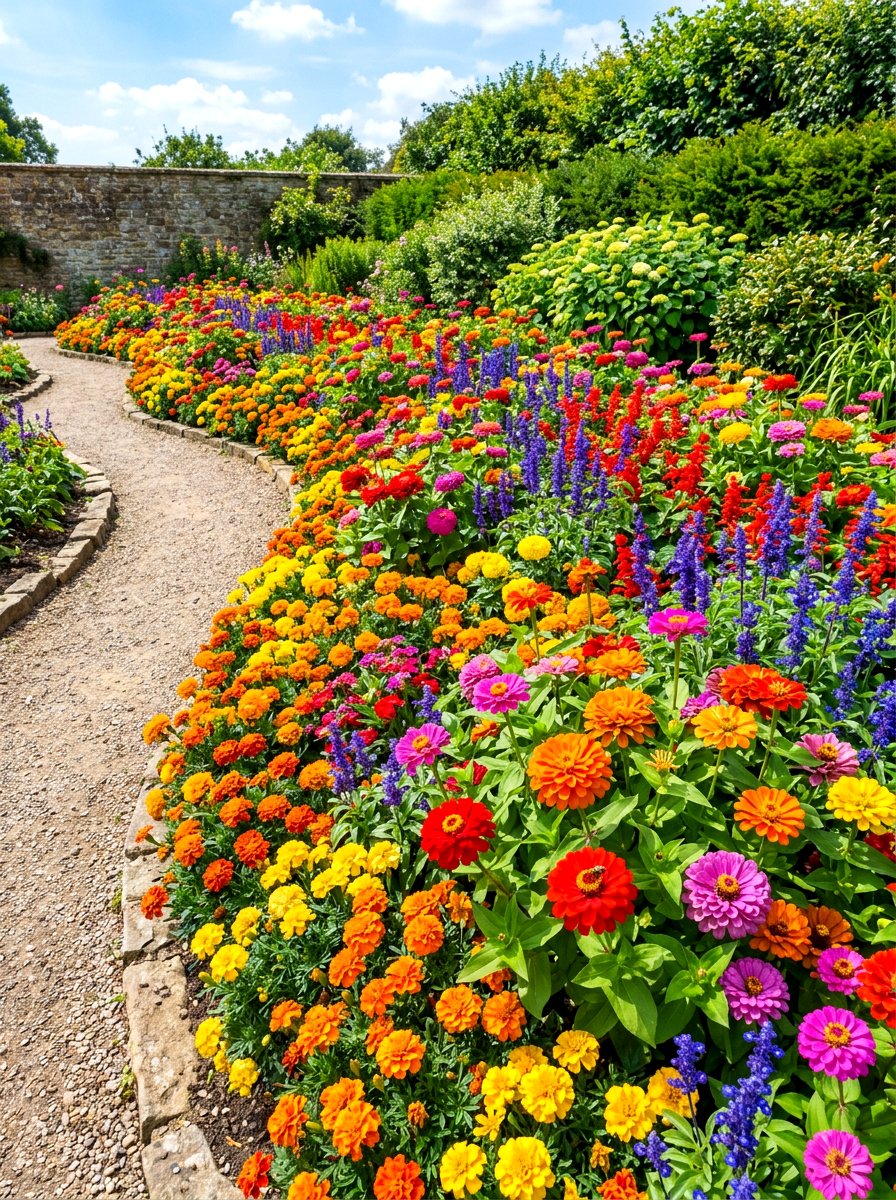
Marigolds are a classic annual choice for adding instant and long-lasting color to a sunny walkway border. These cheerful flowers are available in bright shades of orange, yellow, and red that bloom continuously from spring until the first frost. They are very easy to grow from seeds or small nursery plants, making them an affordable way to decorate your path. Marigolds also have a unique scent that helps deter certain garden pests, which is a great bonus for nearby plants. Using them in a border creates a warm and inviting feel that looks great against green lawns or dark mulch. They love the heat.
18. Petunia colorful walkway
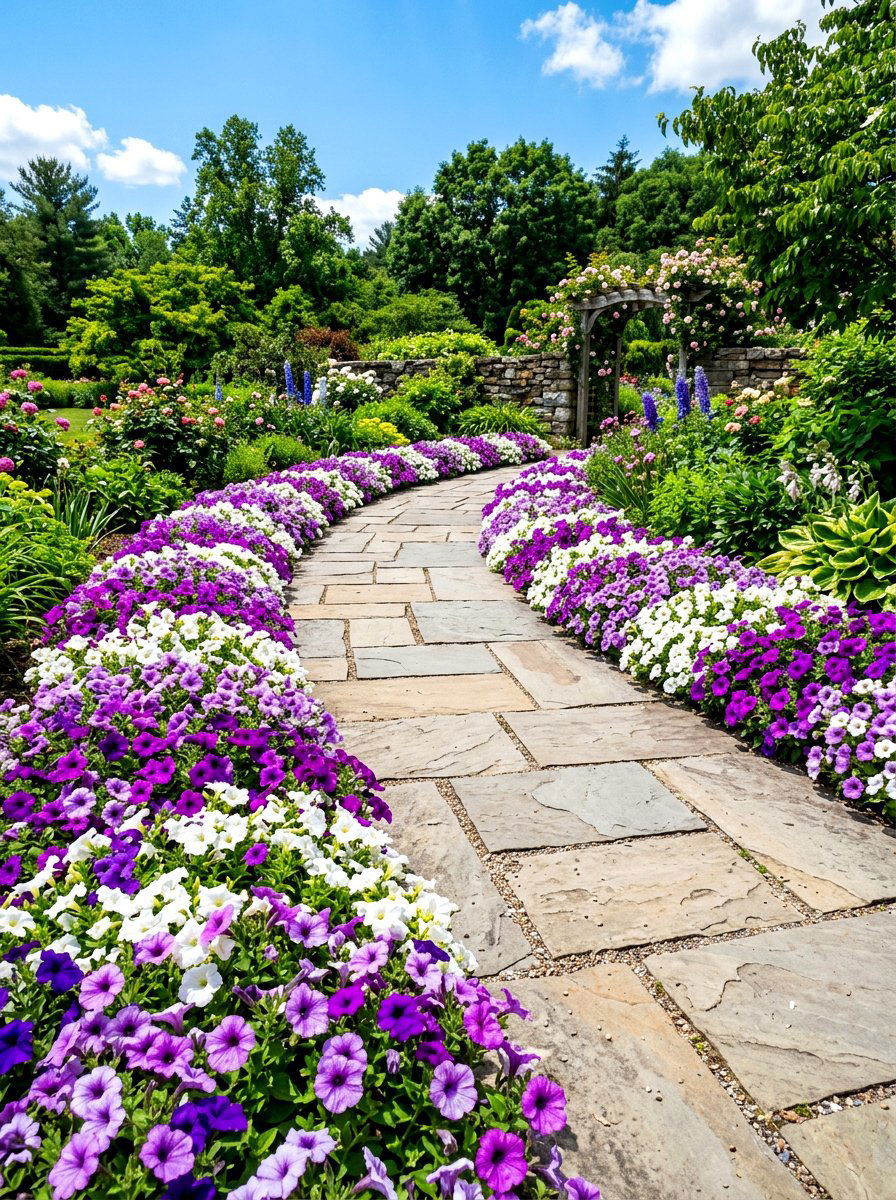
Petunias are one of the most popular choices for seasonal walkway borders because of their massive flower production. These annuals come in a huge variety of colors and patterns, allowing you to customize the look of your path every year. Wave petunias are particularly good for borders because they spread quickly and create a thick carpet of flowers that covers the ground completely. They provide a high-impact, vibrant look that is perfect for summer curb appeal. Petunias require regular watering and occasional fertilizing to keep them blooming at their peak. They are a great way to add a festive and colorful atmosphere.
19. Rosemary aromatic herb border
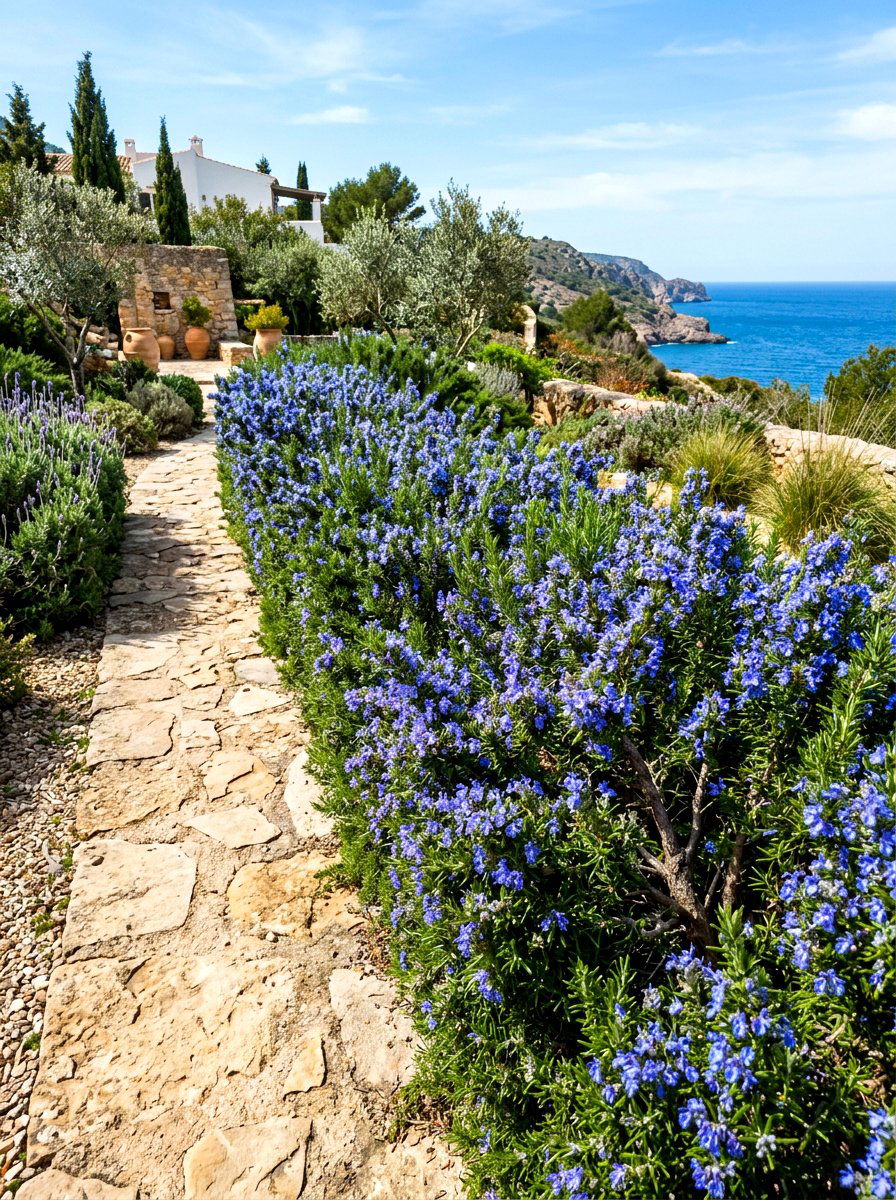
Rosemary is a beautiful and practical choice for a sun-drenched walkway border. This woody herb has needle-like evergreen leaves that provide structure and color throughout the entire year. When you brush against the plants while walking by, they release a wonderful, savory fragrance that is very refreshing. Rosemary also produces small blue flowers in the spring that attract bees and other pollinators to your garden. It is a very drought-tolerant plant once it is established and thrives in rocky or sandy soils. Using rosemary along a path creates a Mediterranean feel and provides fresh herbs for your kitchen all year long.


20. Allium architectural garden edge
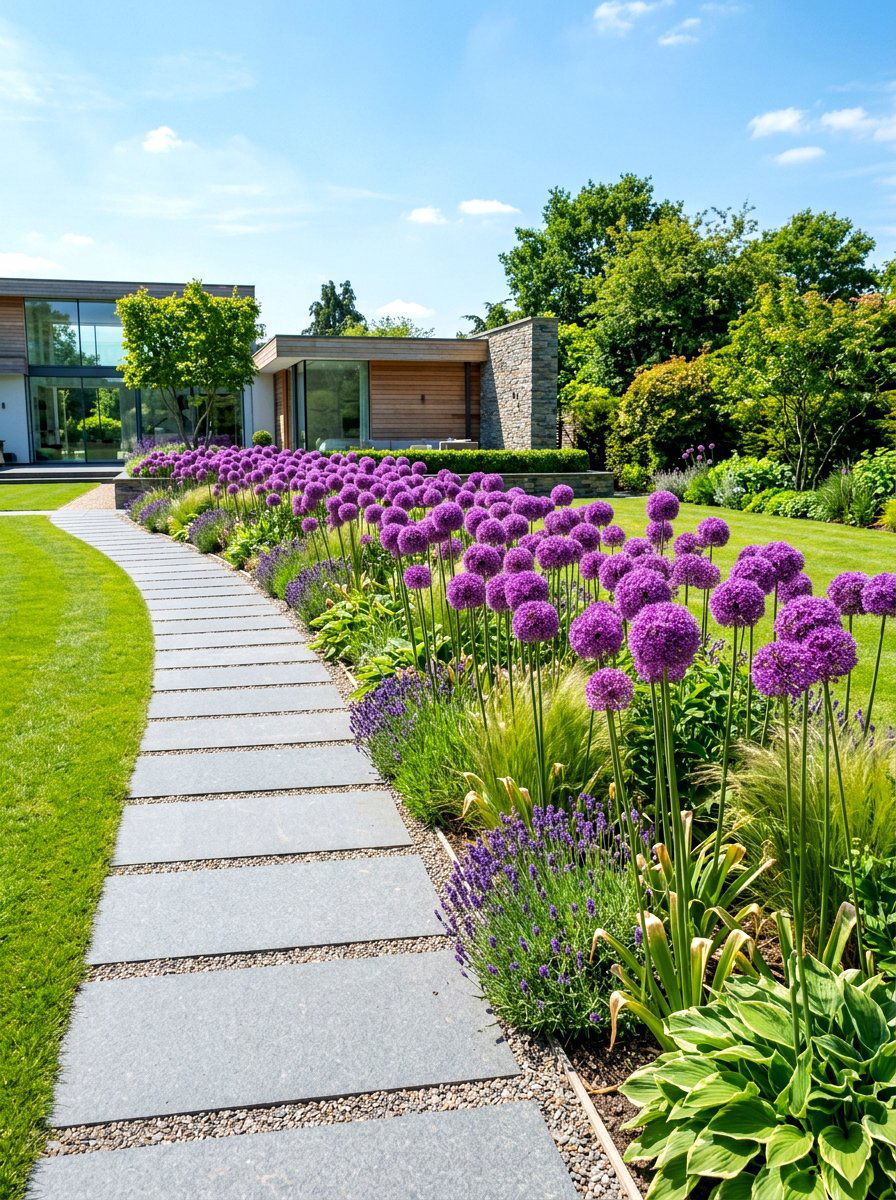
Alliums are bulbous plants that produce striking, globe-shaped flower heads on tall, sturdy stems. They add a fun and architectural element to a walkway border that is truly unique and eye-catching. These flowers bloom in late spring and early summer, standing high above lower-growing plants like a series of colorful lollipops. They are available in various sizes and shades of purple, blue, and white. Alliums are very easy to plant and require almost no care once they are in the ground. Their vertical shape makes them perfect for adding height and interest to a flat or low-growing garden border along a front path.
21. Hellebores early spring path
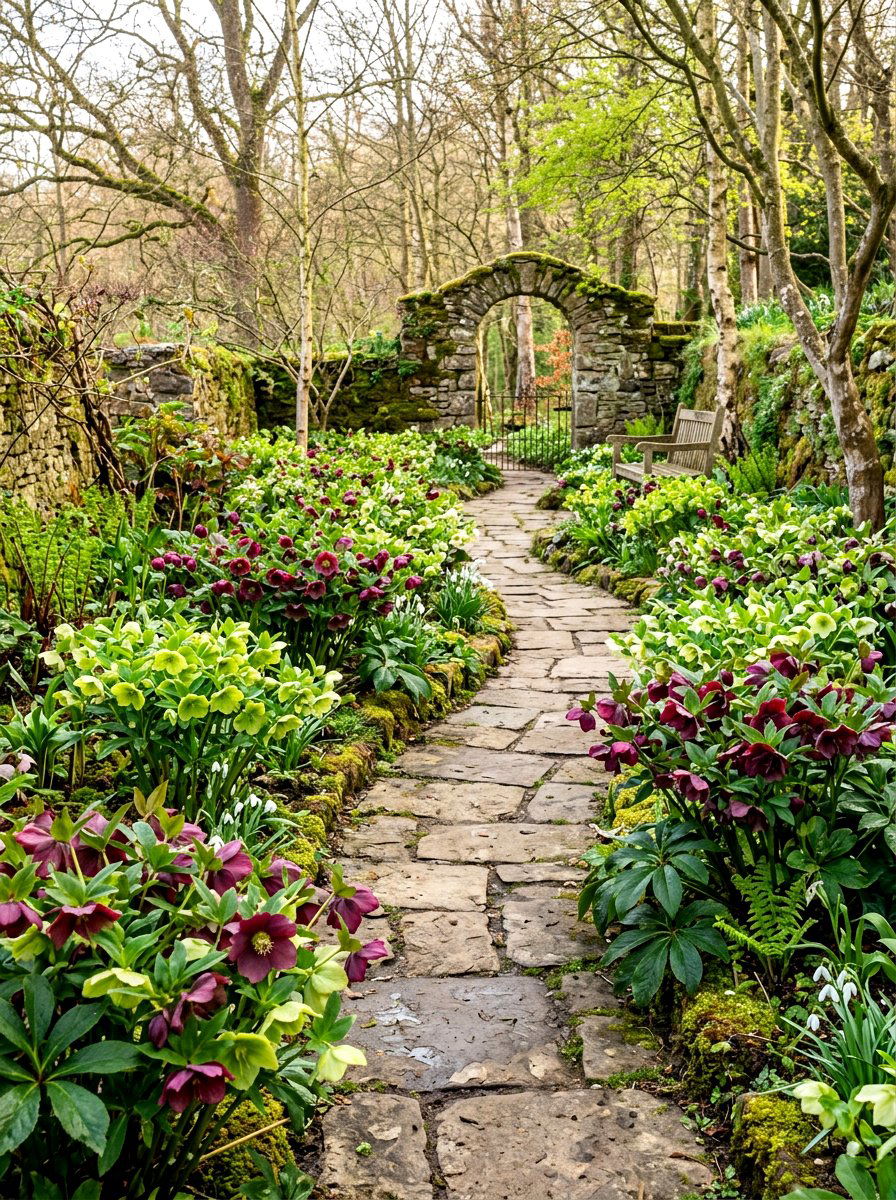
Hellebores, also known as Lenten roses, are the perfect plants for adding life to a walkway border in very early spring. They often bloom while there is still snow on the ground, offering beautiful cup-shaped flowers in shades of green, white, and burgundy. These perennials thrive in shaded areas and have thick, leathery evergreen leaves that look great all year round. They are very low-maintenance and are rarely bothered by deer or other common garden pests. Planting hellebores along a path ensures that your garden looks beautiful even when most other plants are still dormant. They bring a subtle and elegant beauty.
22. Nepeta blue flower border
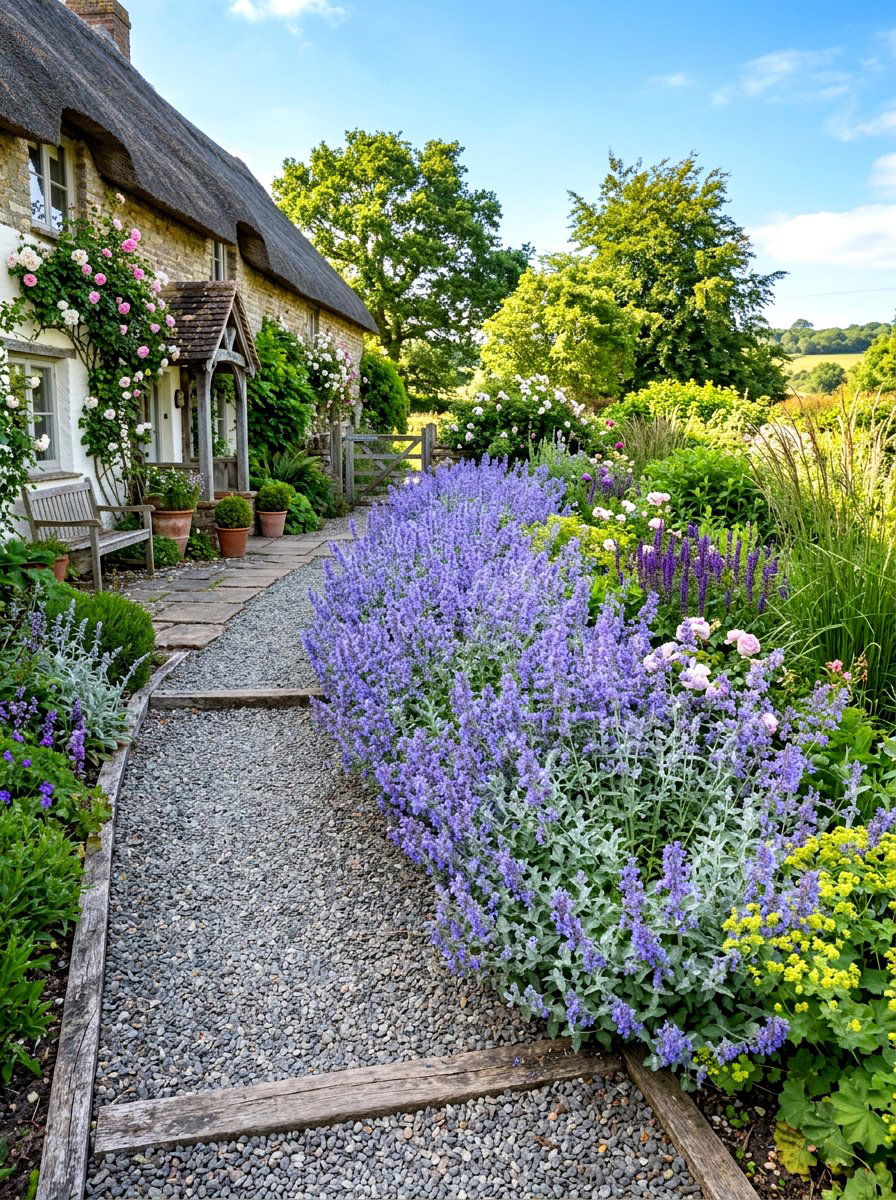
Nepeta, commonly called catmint, is a rugged and reliable perennial that creates a soft and billowy border. It produces masses of small, lavender-blue flowers over silvery-green foliage that looks beautiful for many months. This plant has a relaxed and informal growth habit that is perfect for softening the edges of a straight concrete walkway. It is extremely drought-tolerant and can handle poor soil conditions without any issues. Nepeta is also very attractive to bees and butterflies, making your walkway feel like a living part of nature. A quick trim after the first bloom will keep the plant looking neat and encourage more flowers.
23. Hardy geranium garden path
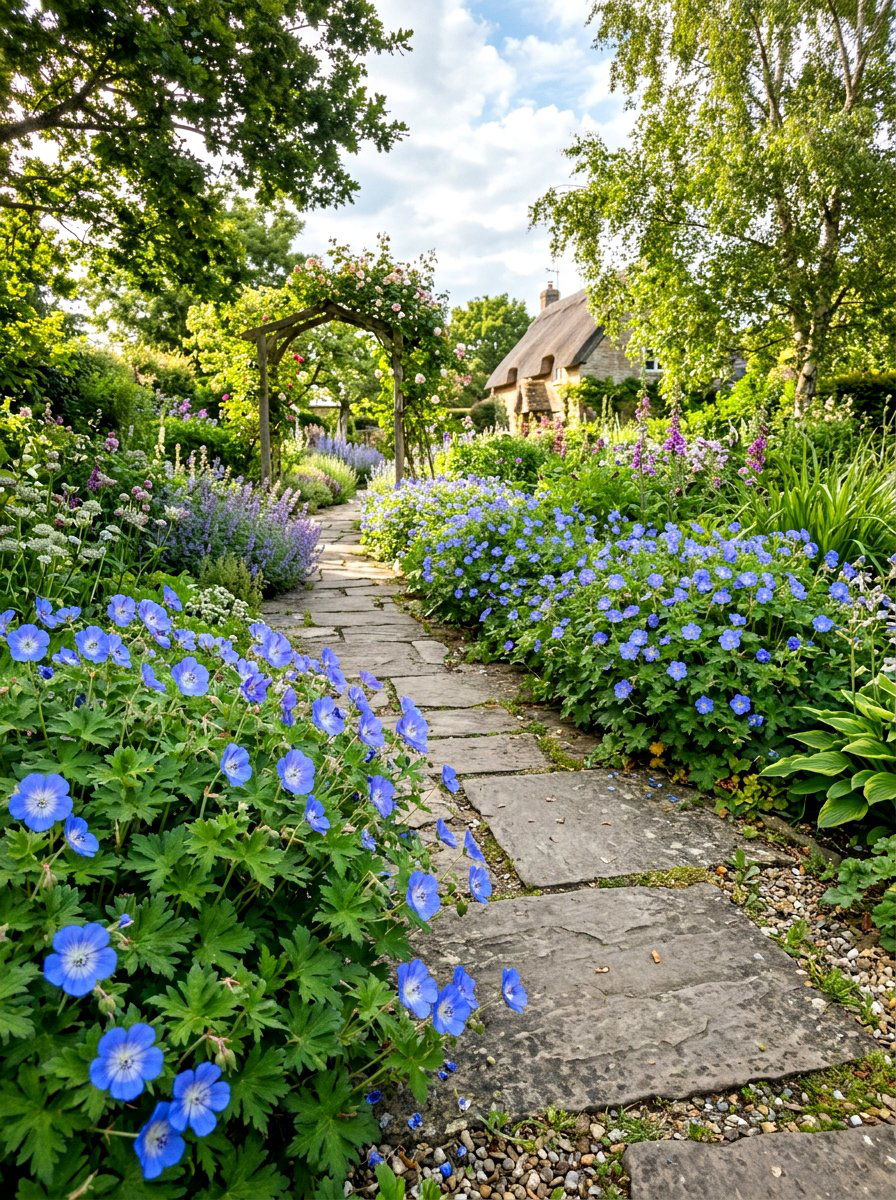
Hardy geraniums, or cranesbill, are versatile perennials that create a dense and flowering ground cover along a path. Unlike annual geraniums, these plants are very tough and will come back year after year with very little effort. They produce delicate five-petaled flowers in shades of blue, pink, and white throughout the summer. The foliage is often deeply lobed and attractive, sometimes turning bright colors in the fall. Hardy geraniums are excellent for filling in gaps and creating a cohesive look along a long walkway. They can grow in both sun and partial shade, making them a very adaptable choice for most home gardens.
24. Agapanthus tall flower border
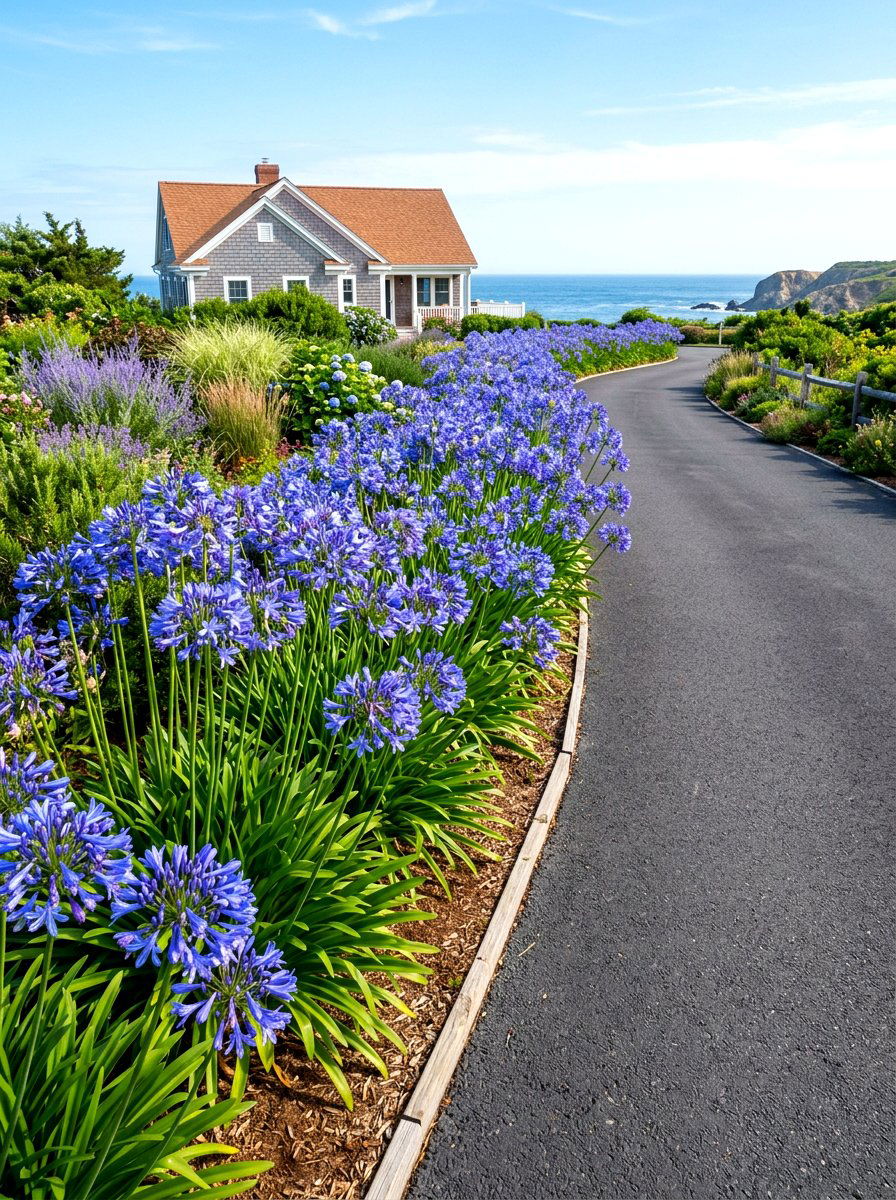
Agapanthus, also known as Lily of the Nile, features striking clusters of blue or white flowers on tall stems that rise above strappy green leaves. These plants create a sophisticated and tropical look that is perfect for framing a wide walkway or entry. They are very hardy in warmer climates and are relatively drought-tolerant once they have established their root systems. The architectural shape of the flowers adds a touch of drama and elegance to any landscape design. Agapanthus looks best when planted in large groups to create a continuous line of color. They are a favorite for modern and coastal-style home gardens.

25. Coneflower native plant path
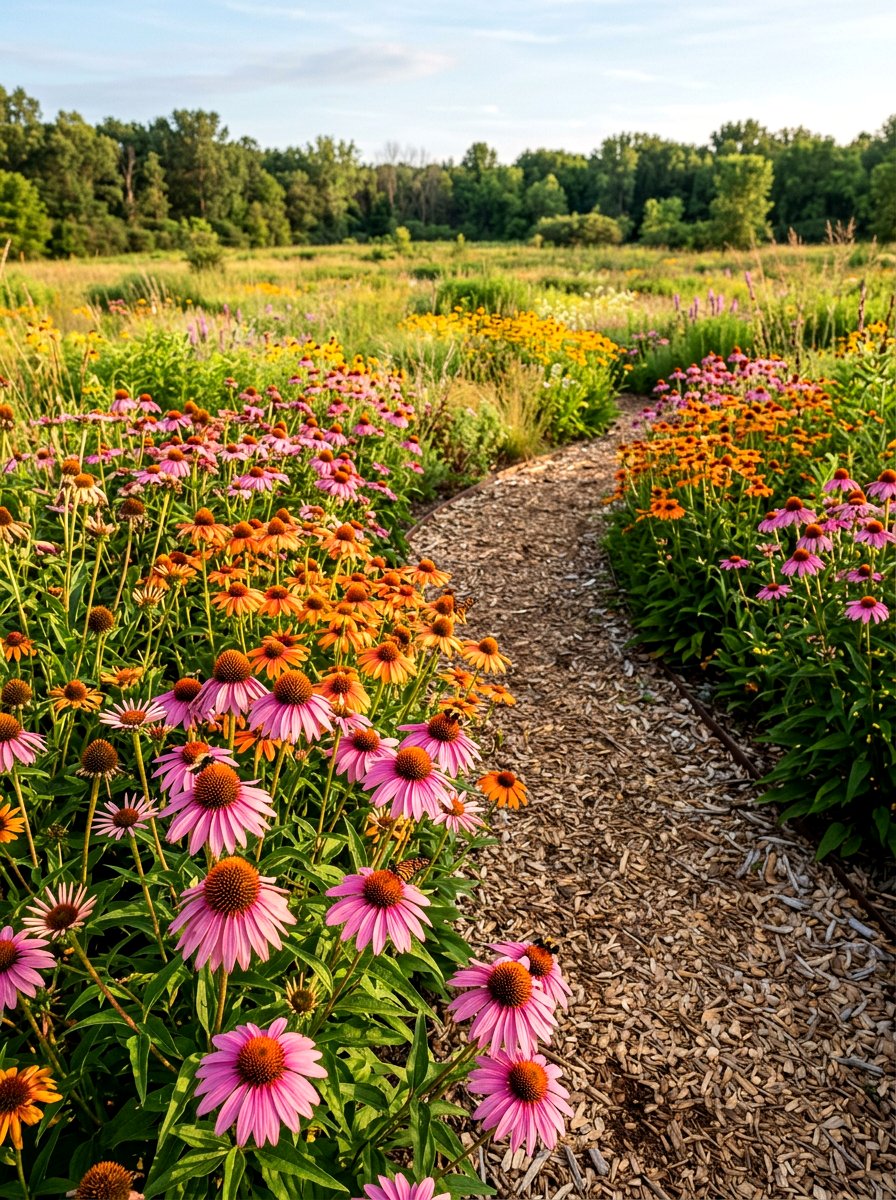
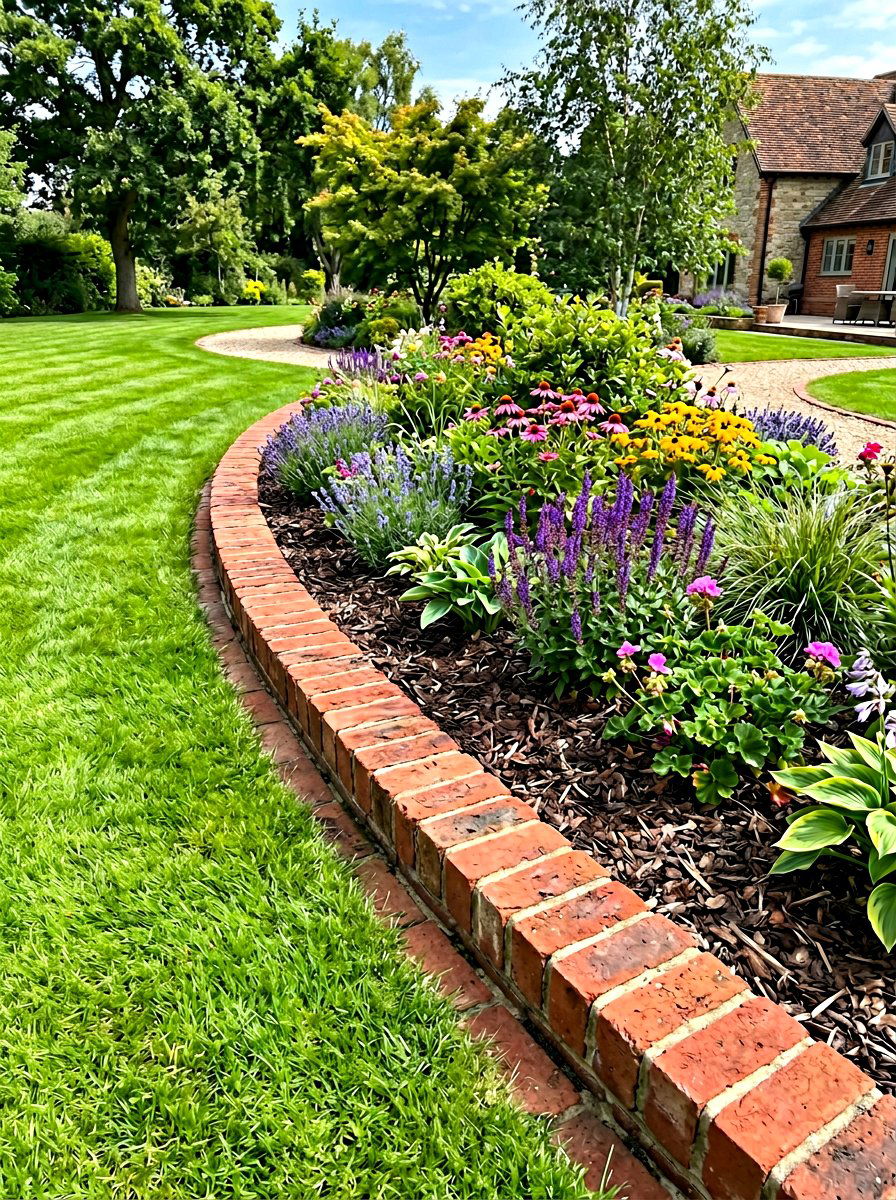
Coneflowers, or Echinacea, are beautiful native perennials that bring a wild and natural feel to your walkway borders. These plants are famous for their large, daisy-like flowers with distinct raised centers that attract many butterflies and birds. They are incredibly tough and can handle intense summer heat and dry spells with ease. Coneflowers come in many colors, including the classic purple, as well as bright yellow, orange, and white. They add a wonderful vertical element to the border and look great when mixed with ornamental grasses. These plants are a sustainable choice that supports local wildlife while looking absolutely stunning.
26. Black eyed Susan border
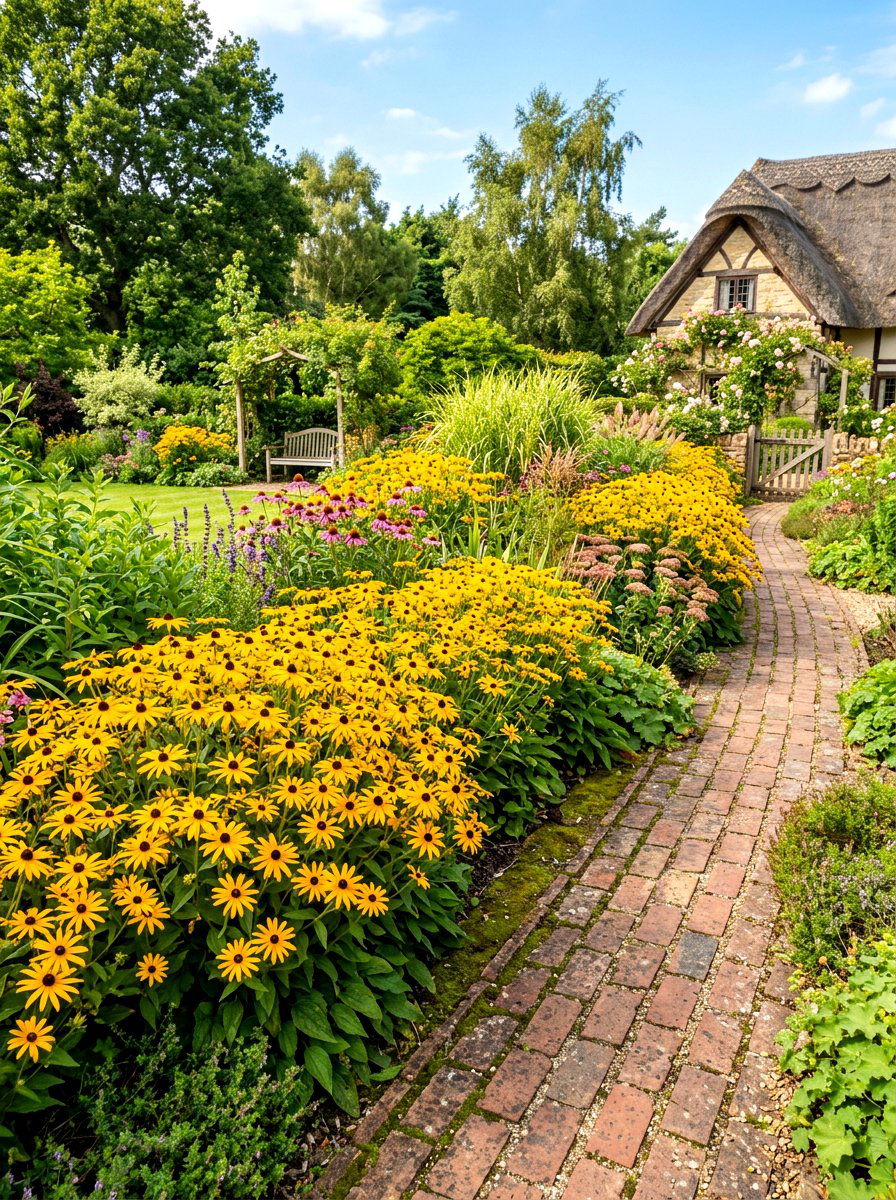
Black-eyed Susans are a cheerful and iconic choice for adding late-summer color to a sunny garden path. These perennials produce bright yellow flowers with dark chocolate centers that stand out vividly against green grass. They are very easy to grow and will spread over time to fill in the border with a thick mass of blooms. Black-eyed Susans are extremely durable and can thrive in almost any soil type with very little water. They provide a classic American garden look that feels friendly and inviting to everyone who visits. These flowers are also great for cutting and bringing inside for colorful bouquets.
27. Creeping phlox spring edge
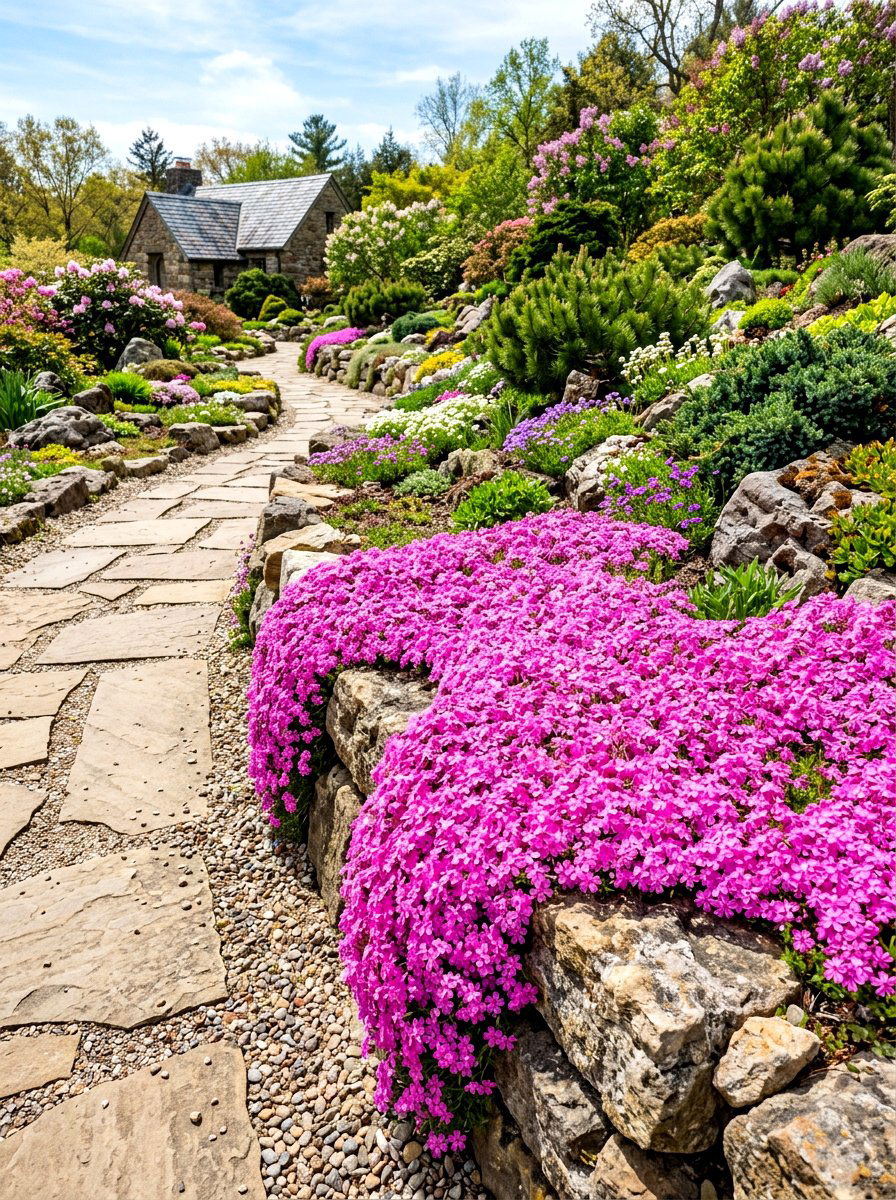
Creeping phlox is a spectacular ground cover that transforms into a solid carpet of color in the early spring. It grows very low to the ground and is perfect for spilling over the edges of stones or walls along a walkway. The tiny flowers come in vibrant shades of pink, purple, and white, creating a high-impact visual display. After the flowers fade, the needle-like foliage remains green and provides a nice texture for the rest of the year. It is a very hardy plant that loves full sun and well-drained soil. Creeping phlox is perfect for adding a burst of energy to your spring garden.
28. Astilbe shaded walkway
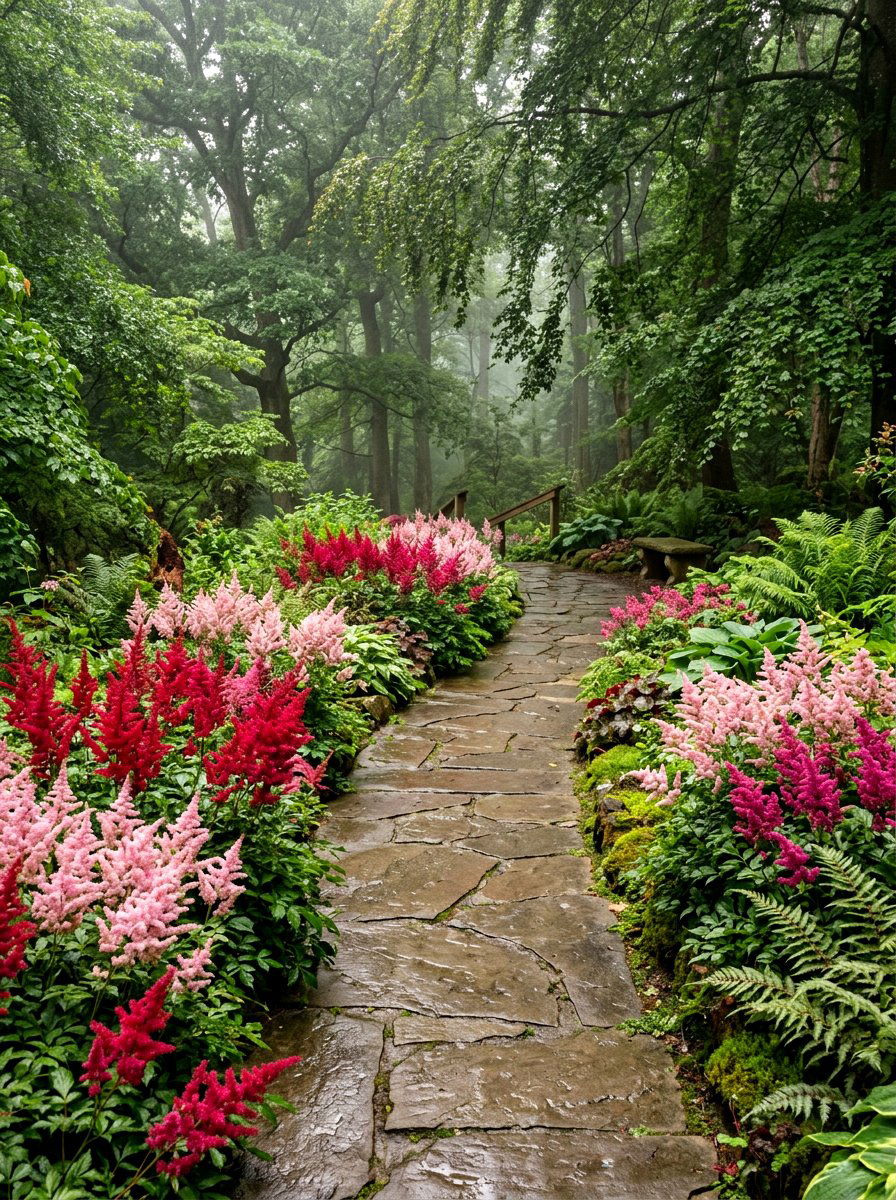
Astilbe is a fantastic choice for adding height and color to a shaded or damp walkway border. These perennials are known for their feathery, fern-like foliage and tall, plume-shaped flowers that look like colorful smoke. They thrive in areas that stay moist and don't get much direct sunlight, making them perfect for woodland paths. Astilbe comes in shades of white, pink, red, and purple, allowing you to create a soft and romantic look. They are very easy to grow as long as they get enough water during dry spells. These plants add a delicate and airy texture that feels very elegant and refined.
29. Coreopsis sunny garden path
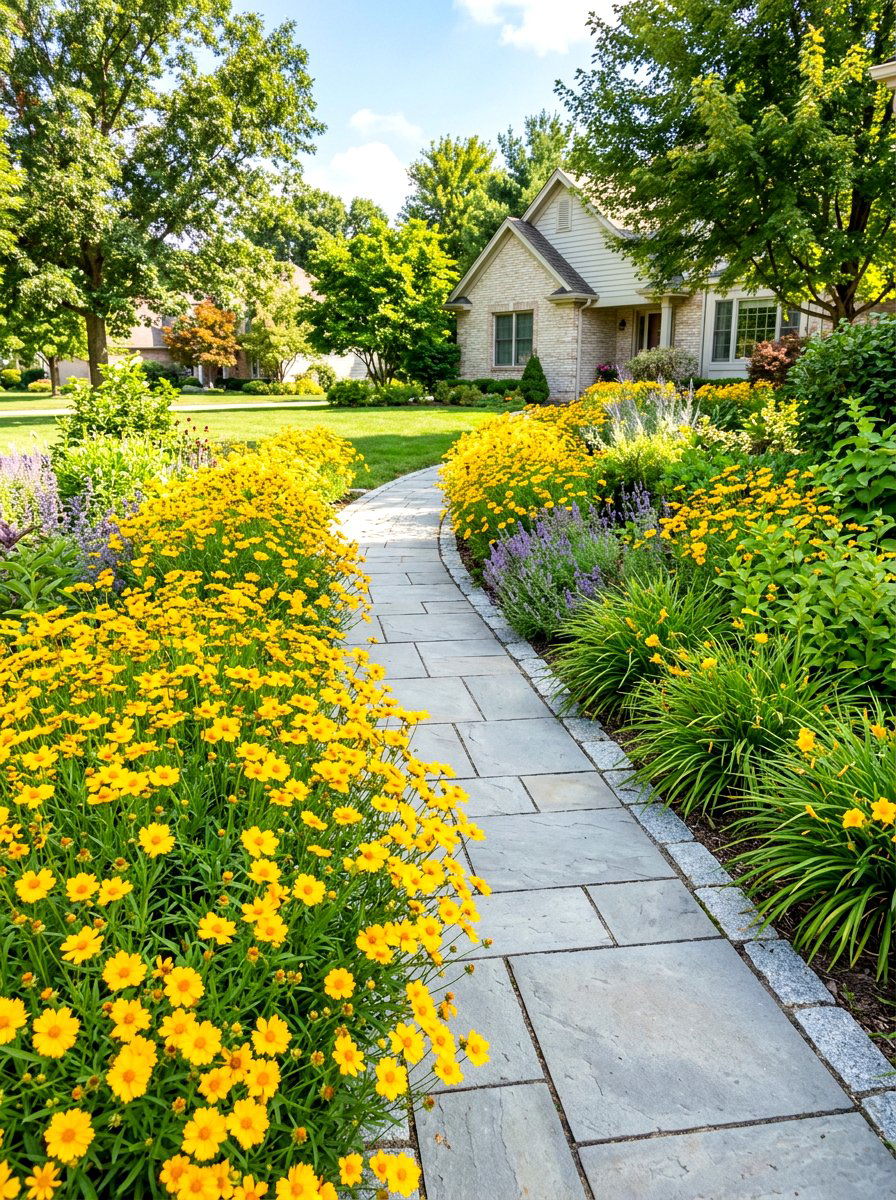
Coreopsis, or tickseed, is a sunny perennial that produces a huge amount of bright yellow flowers all summer long. These plants are very low-maintenance and can handle heat, drought, and poor soil conditions with no problem at all. They have a mounded growth habit that stays relatively compact, making them an ideal choice for lining the edges of a driveway or path. Coreopsis is a favorite for pollinators and will keep your garden buzzing with life. The fine-textured foliage provides a nice contrast to larger-leaved plants in the border. It is a reliable and cheerful plant that brings sunshine to any walkway.
30. Vinca minor groundcover edge
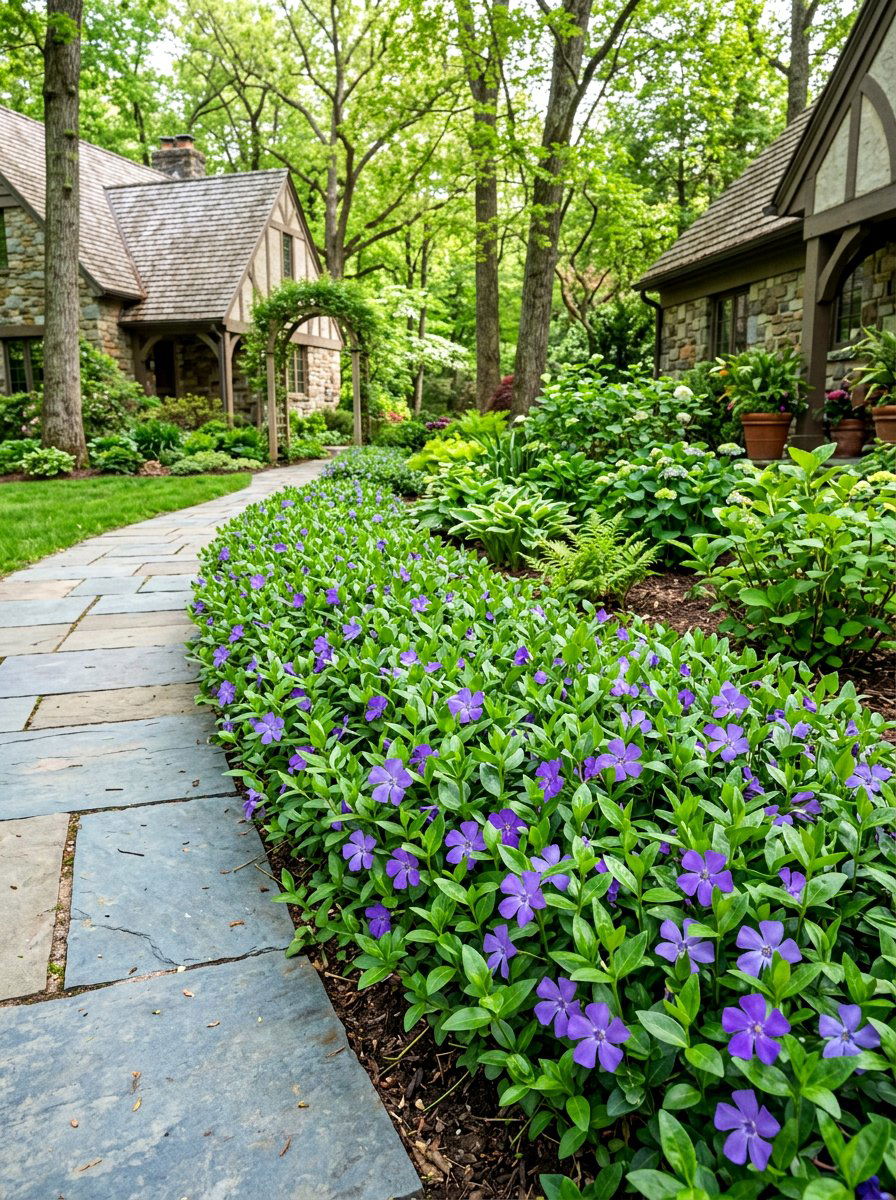
Vinca minor, also known as periwinkle, is a classic evergreen ground cover that is perfect for shaded or partially sunny walkways. It features small, glossy green leaves that form a dense mat, effectively choking out weeds and protecting the soil. In the spring, it produces lovely five-petaled flowers in a soft shade of blue or purple. Vinca is very easy to establish and grows quickly to fill in empty spaces along a garden path. It is a great choice for areas under trees where grass has trouble growing. This plant provides a neat and consistent green border that looks polished and well-maintained year-round.
Conclusion:
Selecting the perfect plants for your walkway border is a creative process that can completely transform your home 's exterior aesthetic. By choosing a mix of perennials, shrubs, and ground covers, you can ensure that your path looks vibrant and inviting through every season of the year. Consider the lighting conditions and soil type of your specific yard before making your final plant selections to guarantee long-term success. A well-maintained border not only increases your property value but also provides daily joy as you walk through your garden. Take your time to plan a layout that reflects your personal style and enhances your home' s natural beauty.

Related posts: