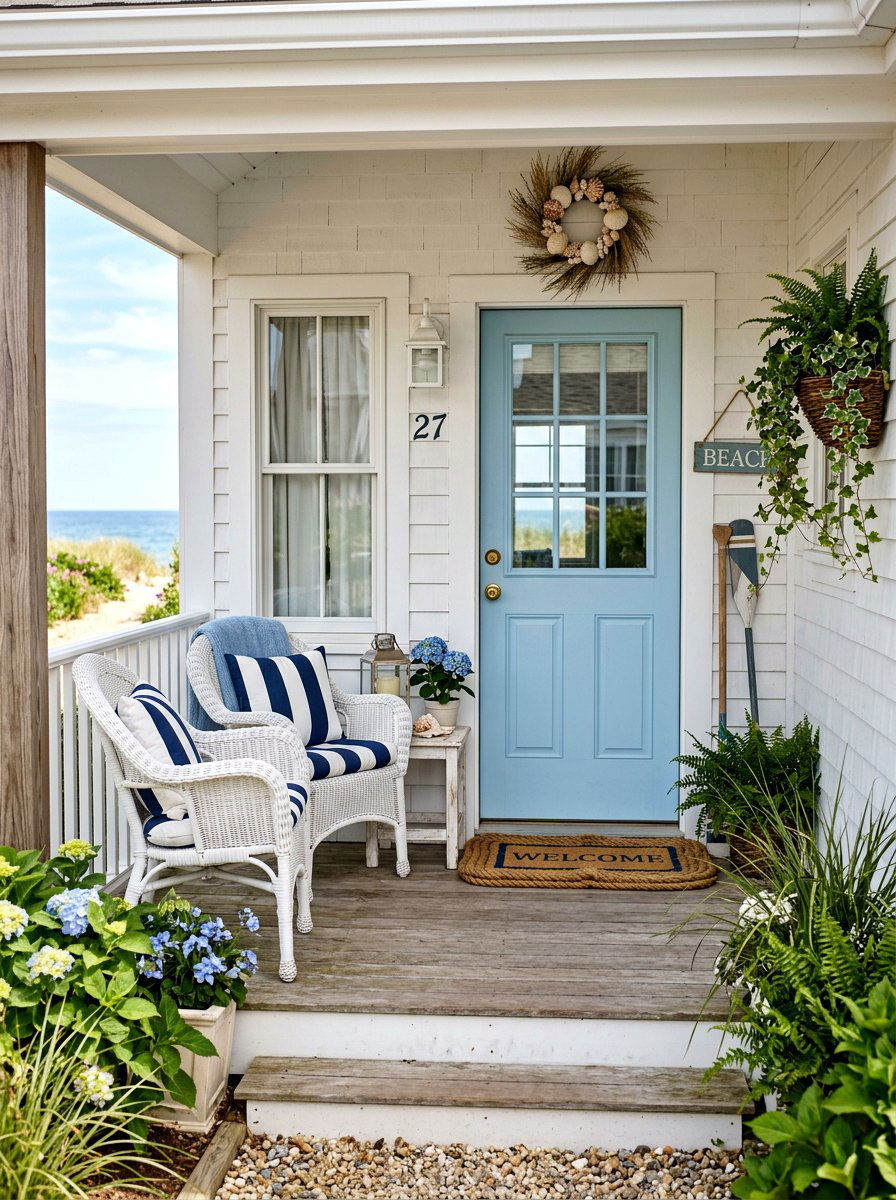
Enhancing your home’s exterior starts with the architectural details that draw the eye upward toward the roofline. Gable accents serve as the crowning jewel of a house facade, providing a perfect opportunity to showcase personal style and boost curb appeal significantly. Whether you are aiming for a rustic farmhouse look or a sleek modern aesthetic, these peaks offer a blank canvas for various textures and materials. Choosing the right decorative element can transform a plain exterior into a visually stunning masterpiece that stands out in the neighborhood. From traditional woodwork to contemporary metal finishes, the possibilities for customization are truly endless for every homeowner today. These small changes create a massive impact on your home value.
1. White Board And Batten
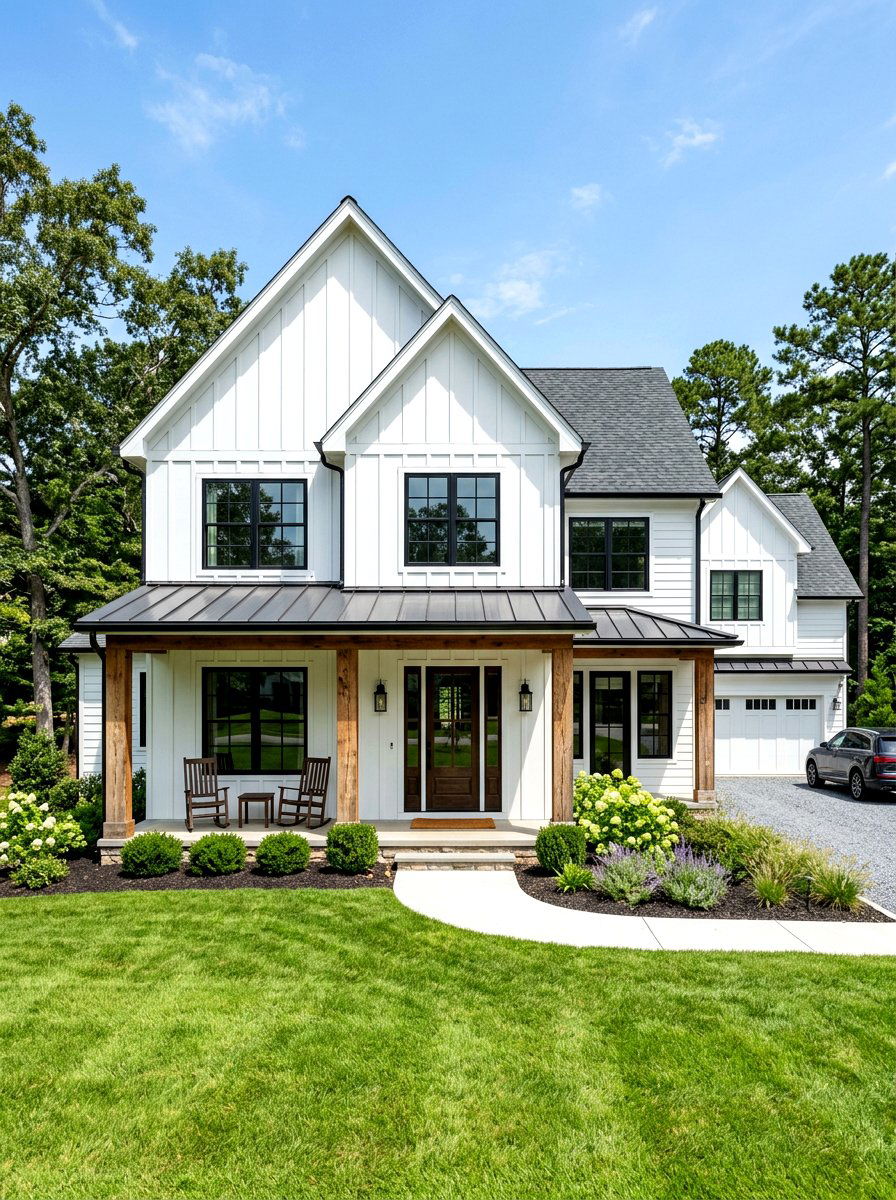
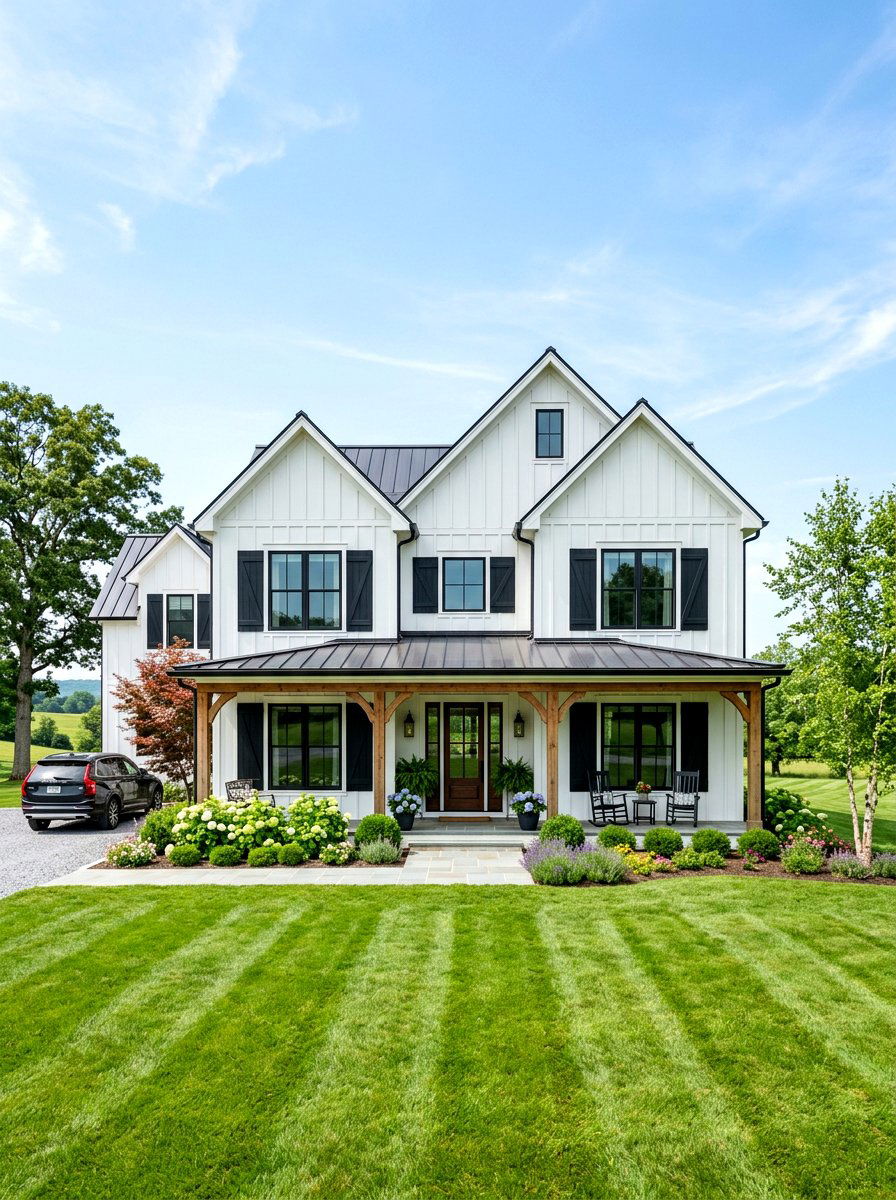
White board and batten siding provides a classic farmhouse look that emphasizes vertical lines and clean aesthetics. This style uses wide vertical planks joined by thin strips called battens to create a textured, layered appearance on the gable face. It works exceptionally well on modern farmhouse designs because it adds depth without feeling overly cluttered or busy. The crisp white color reflects sunlight beautifully, making the home appear larger and more inviting from the street view. Pairing this accent with dark windows creates a striking contrast that is very popular in current home design trends. It is a durable and timeless choice for many homeowners seeking a fresh and clean exterior look for their residence.
2. Natural Cedar Shake
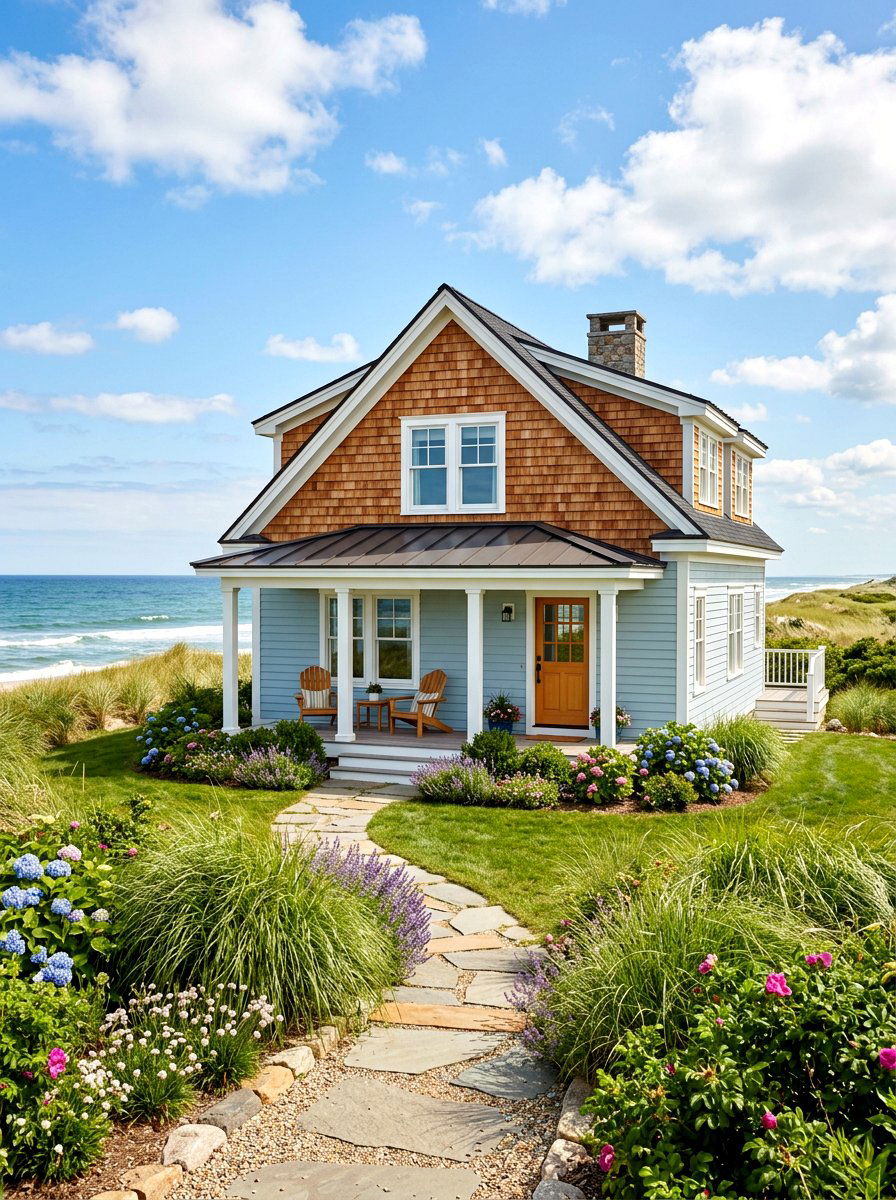
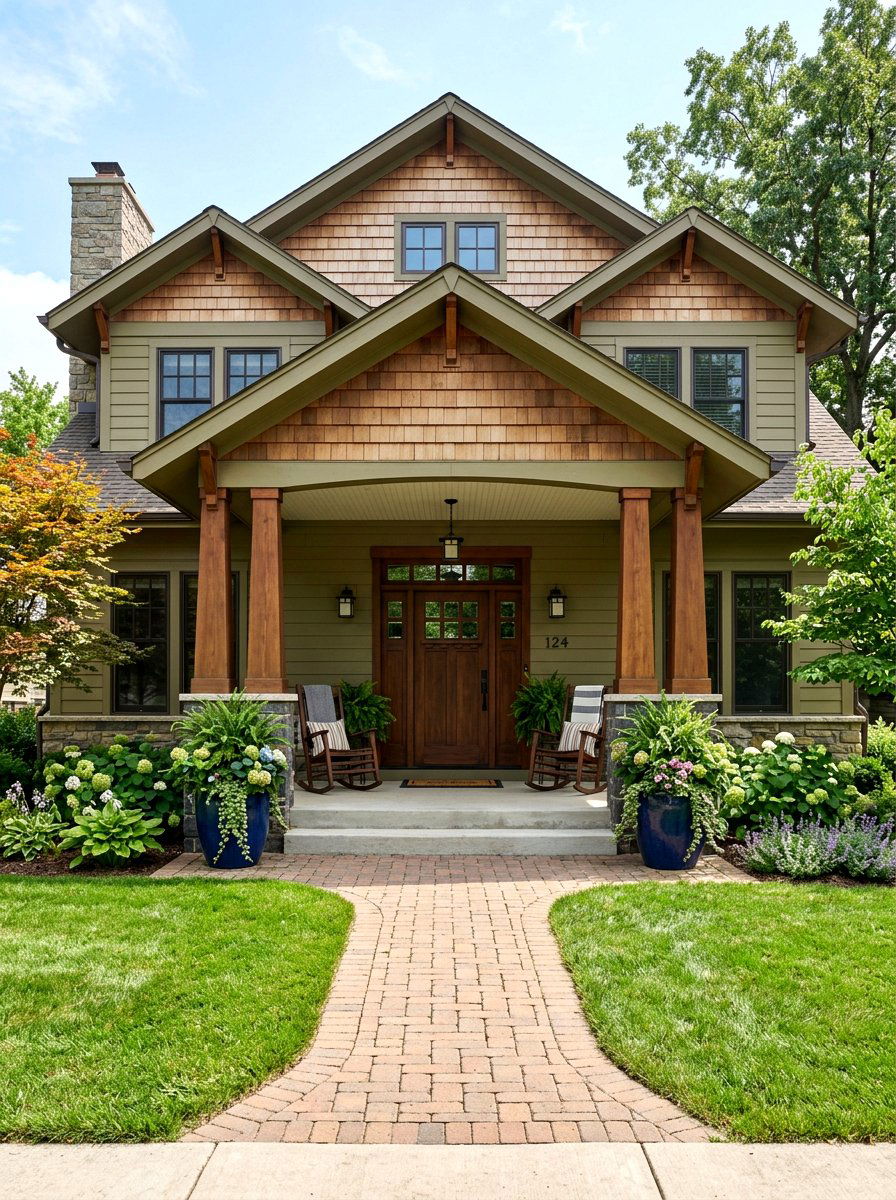
Natural cedar shake brings an organic and warm feel to the uppermost parts of your home exterior. These individual wooden shingles offer a rustic texture that changes slightly in color over time as they weather. This material is particularly effective for coastal or woodland homes where a connection to nature is desired for the overall look. Cedar provides excellent insulation and durability while offering a handcrafted appearance that mass-produced materials cannot easily replicate today. Using shakes in the gable adds a rich contrast to smoother siding materials like brick or stone. It creates a focal point that feels both luxurious and very grounded. This is a perfect way to add character and visual interest.
3. Decorative Gable Bracket
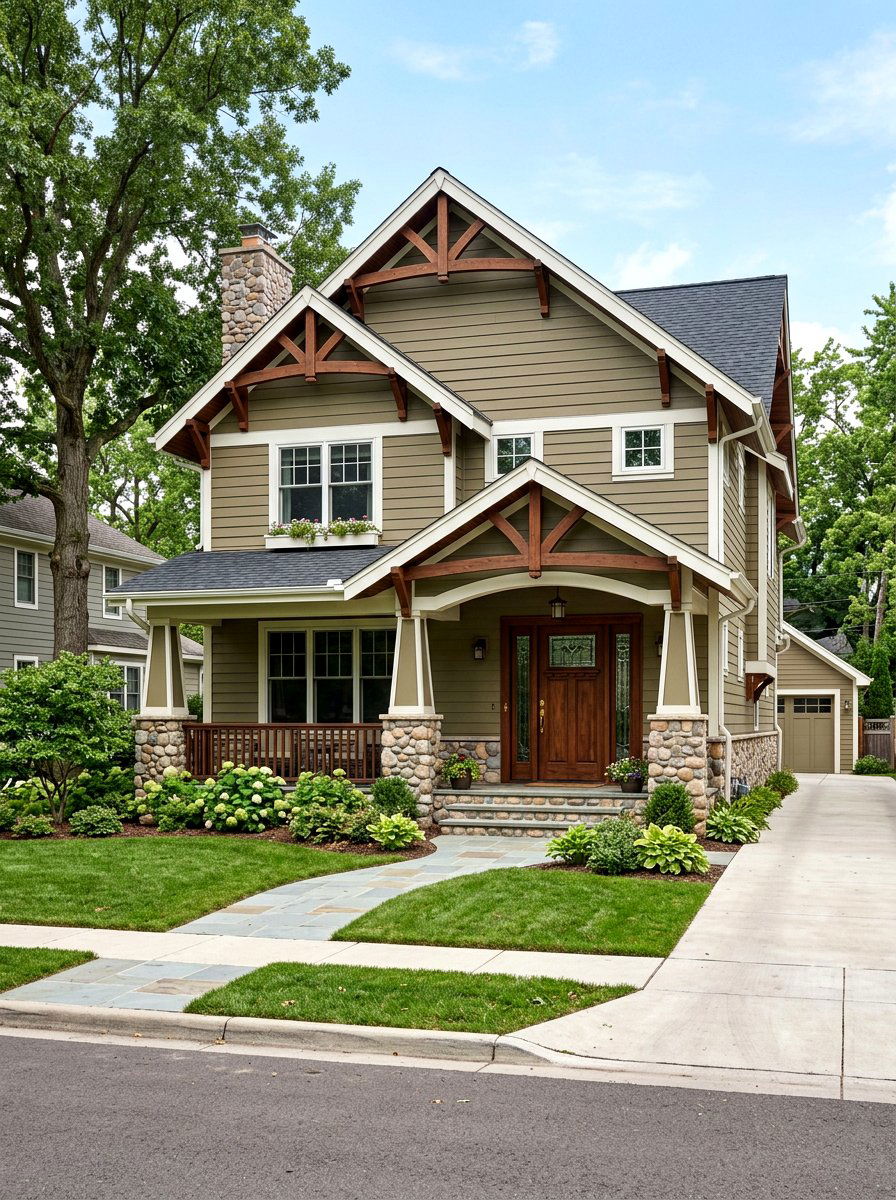
Decorative gable brackets are essential for adding a touch of craftsmanship and historical charm to any traditional home design. These brackets are often installed at the very peak of the roofline to provide visual support and architectural interest. You can find them in various styles, from simple geometric shapes to highly intricate scrolled patterns. They work beautifully on Craftsman or Victorian-style homes, where detailed woodwork is a signature feature of the exterior. By choosing a contrasting color for the bracket, you can make the peak of your home pop against the background siding. It is a cost-effective way to elevate the design without requiring a complete exterior renovation or expensive materials.
4. Stone Veneer Accent
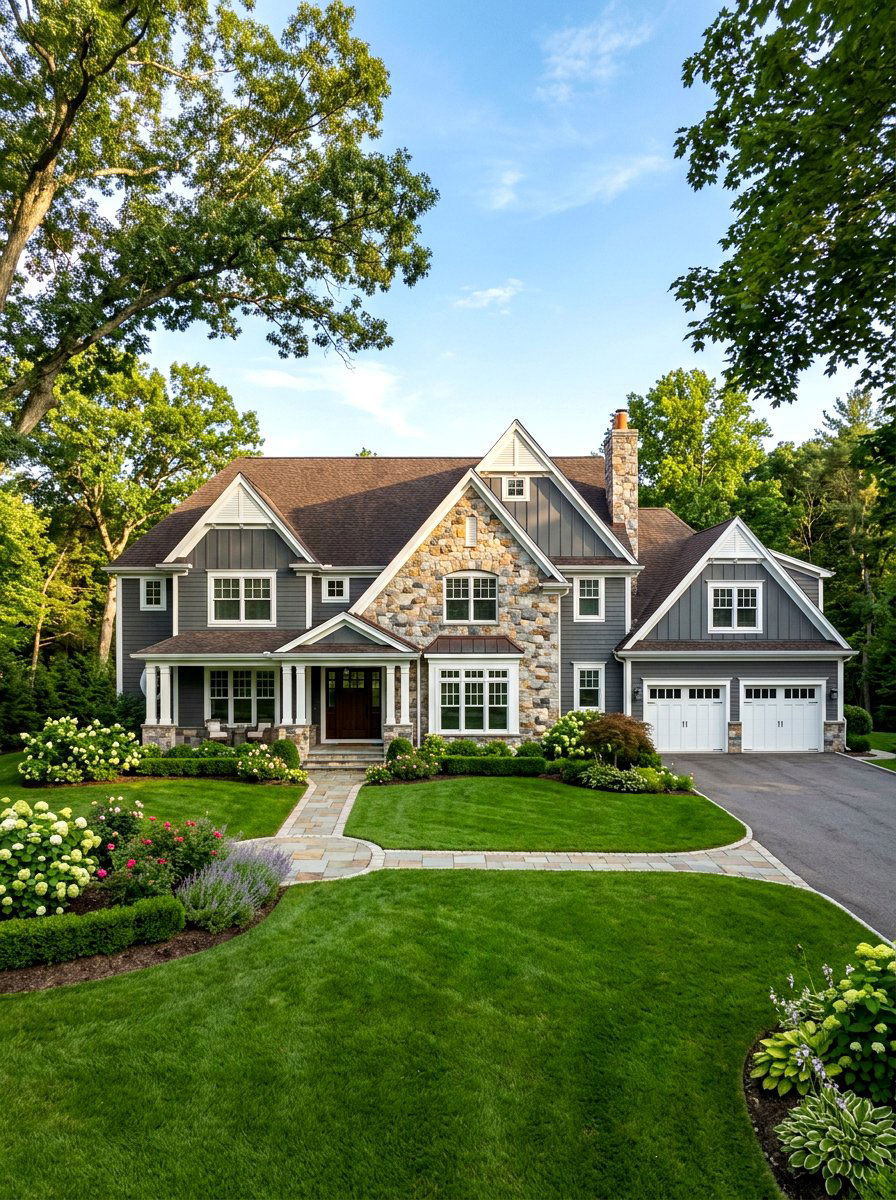
Stone veneer brings a sense of permanence and rugged elegance to a home’s gable. This design idea involves covering the triangular peak with thin layers of real or manufactured stone to create a high-end look. It works perfectly on mountain-style homes or traditional estates where earthy textures are a priority. The varied colors and shapes of the stones add a unique dimension that horizontal siding simply cannot match. When paired with heavy timber beams and warm lighting, a stone gable makes the house feel cozy and solid. It is also a very low-maintenance option that stands up well to harsh weather conditions over many years of exposure.
5. Gingerbread Trim Detail
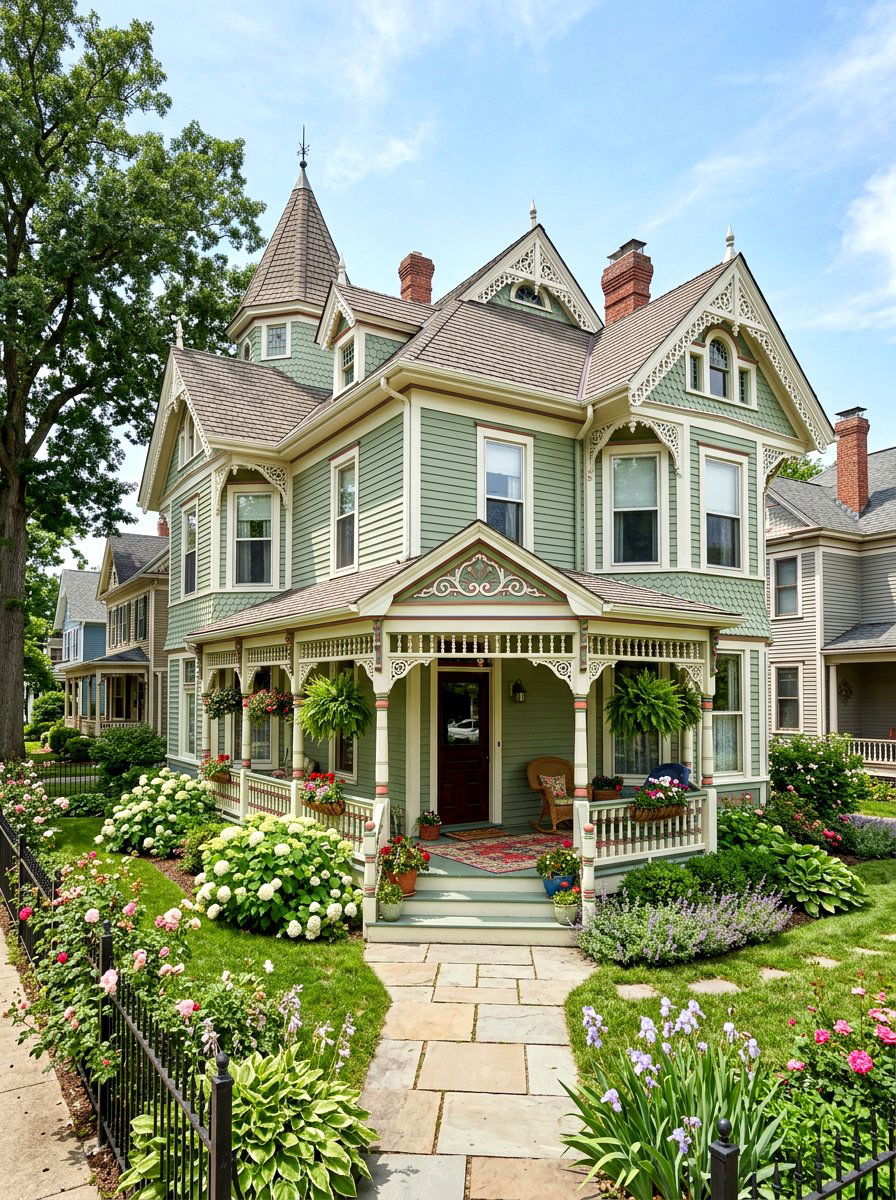
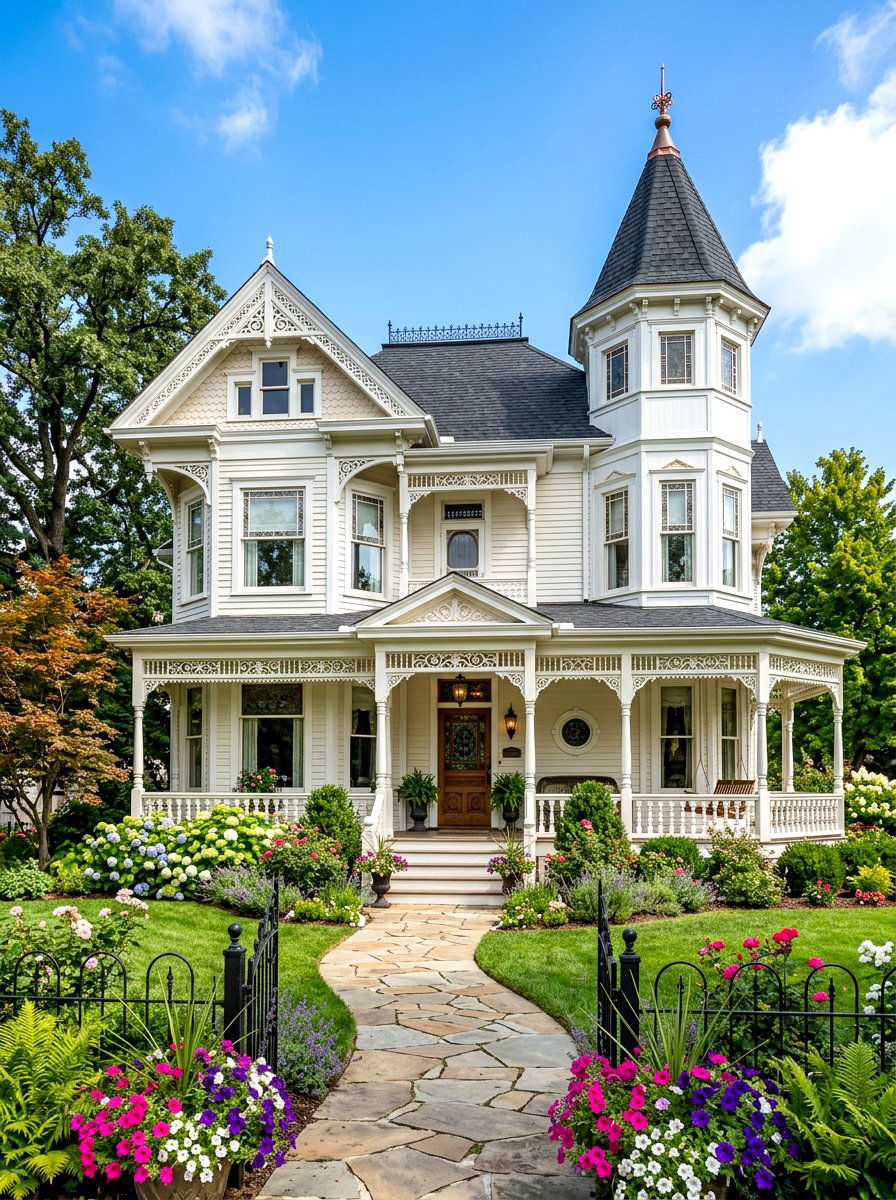
Gingerbread trim detail is a hallmark of Victorian architecture that adds a playful and ornate touch to the home roofline. This decorative woodwork features delicate cutouts, swirls, and intricate patterns that resemble the icing on a gingerbread house. It is most often seen on older historical homes but can be added to modern cottages to create a whimsical and charming vibe. The trim follows the rake of the roof, framing the gable in a way that feels soft and romantic. Painting this trim in a bright white or a contrasting pastel color ensures that the fine details are visible from the sidewalk. It is a beautiful way to honor historical design.
6. Sunburst Gable Pattern
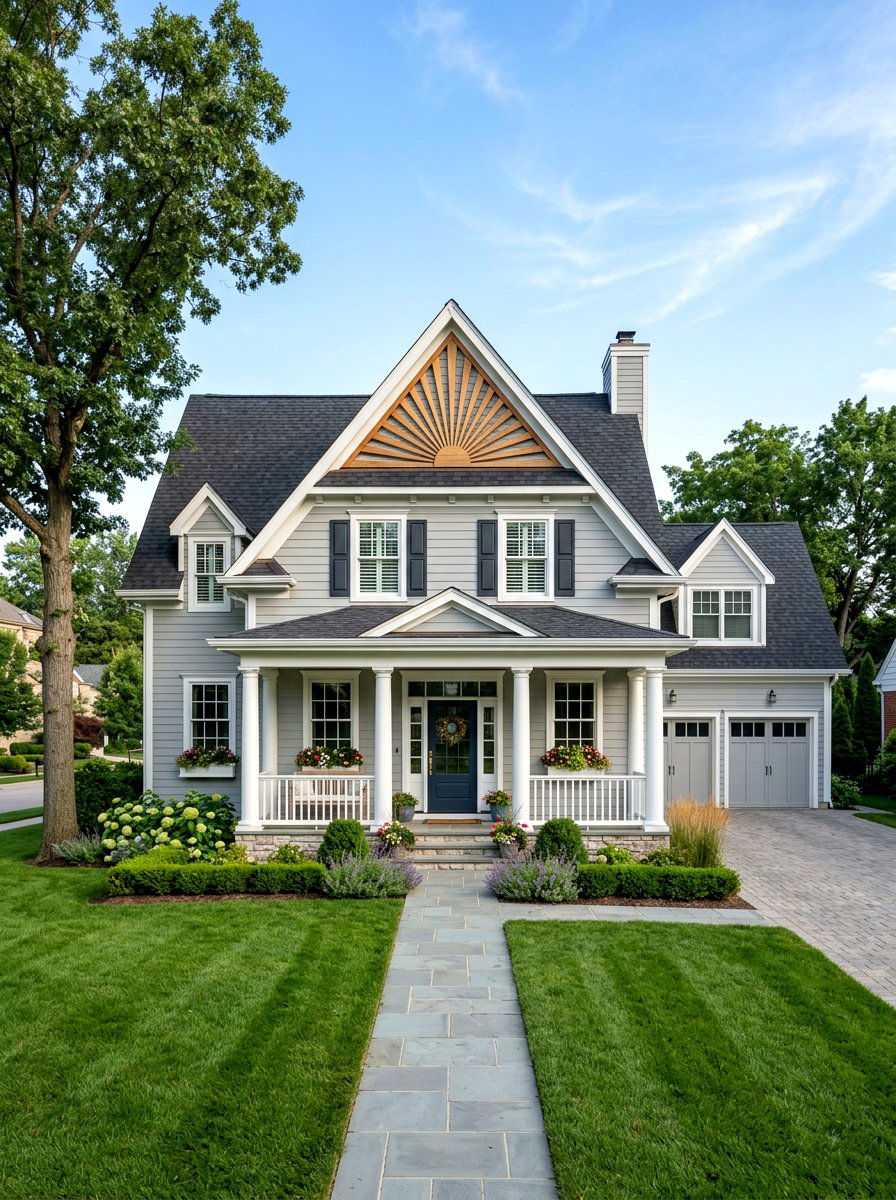
A sunburst gable pattern is a unique architectural feature that uses radiating wooden slats to create a focal point in the peak. The slats originate from a central point and spread outward, mimicking the rays of the sun. This design is often found on Queen Anne or Colonial Revival homes and provides a sophisticated, formal appearance. It adds a great deal of texture and rhythm to the facade, breaking up large areas of flat siding. When the sun hits the radiating lines, it creates interesting shadows that change throughout the day. This type of accent is best highlighted with a two-tone paint scheme to make the pattern stand out clearly.
7. Horizontal Hardie Plank
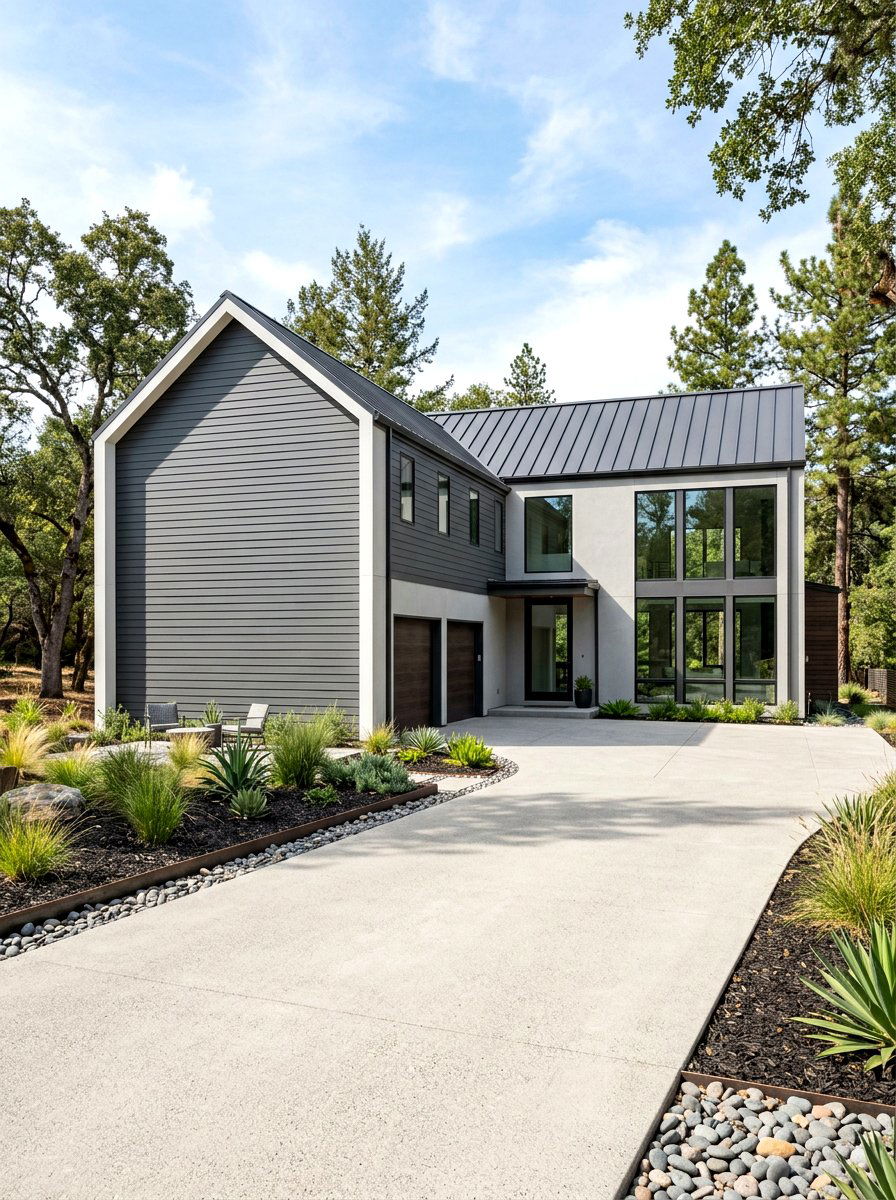
Horizontal Hardie plank is a versatile and durable siding option that offers a clean, streamlined look for the gable area. This fiber cement material is resistant to rot and pests, making it a practical choice for long-term home maintenance. In a gable, the horizontal lines of the planks provide a nice counterpoint to the vertical lines of the walls below. This subtle change in direction can help define the different levels of a home’s exterior and add visual balance. Hardie plank comes in a vast array of factory-finished colors, allowing you to choose a shade that perfectly matches or contrasts with your primary siding. It is a modern, reliable exterior solution.
8. Dark Charcoal Siding
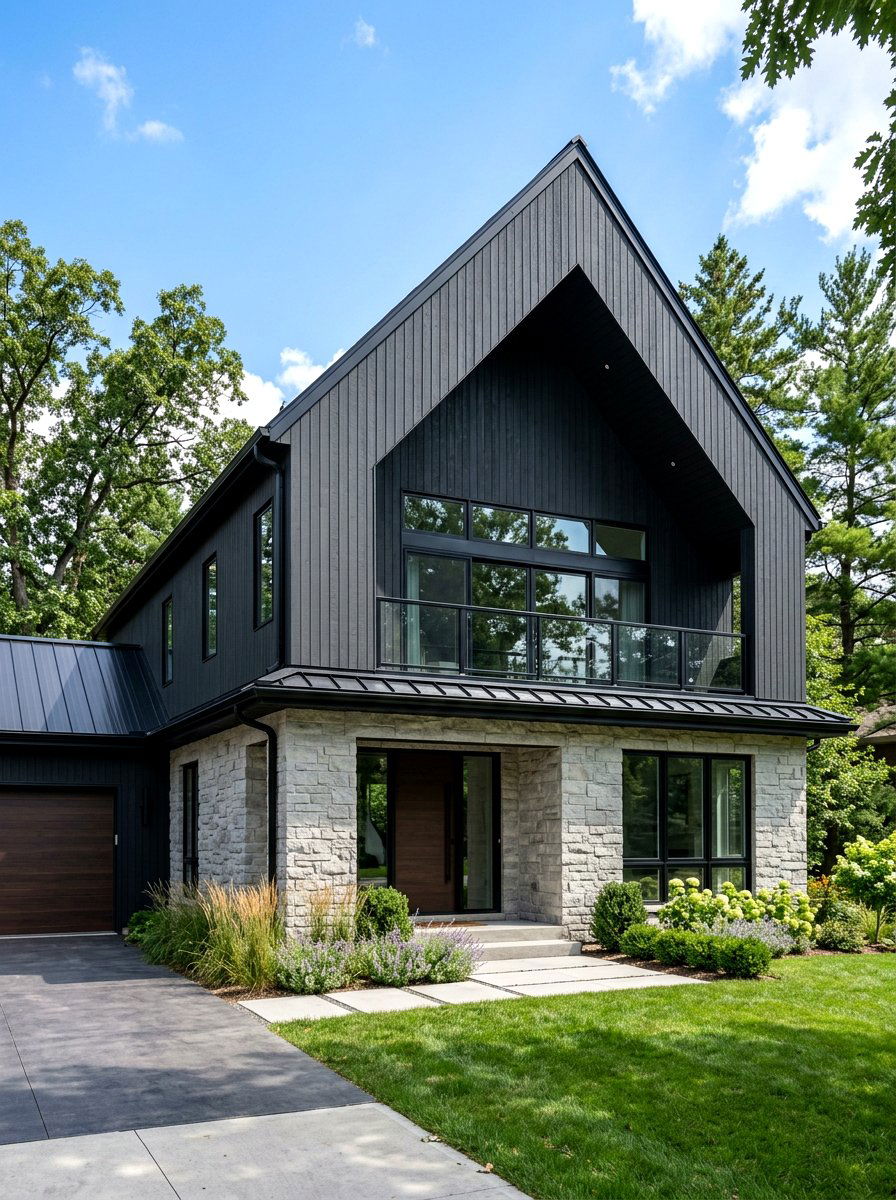
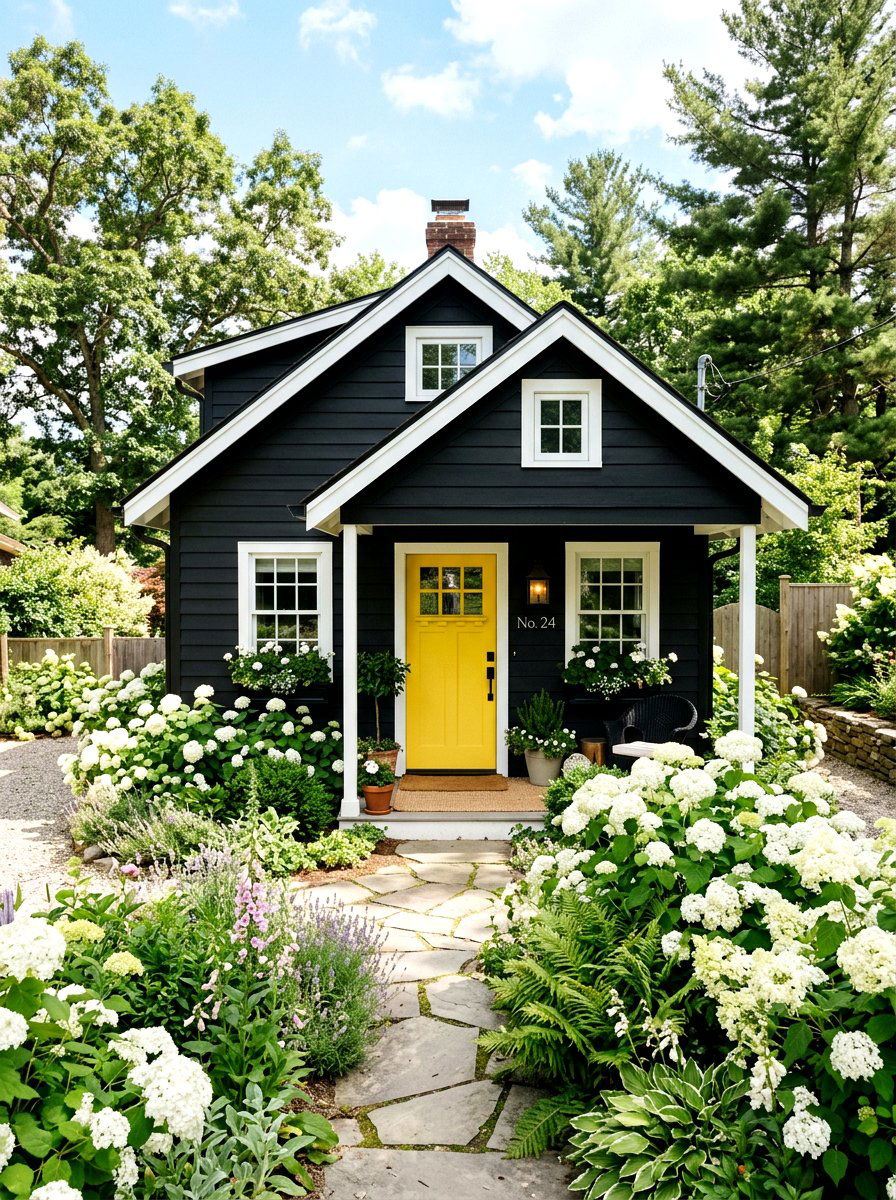
Dark charcoal siding in the gable area creates a bold and sophisticated modern look that is currently very trendy. This deep, moody hue makes the peak of the house recede slightly, allowing other architectural features to take center stage. It looks particularly striking when paired with light gray stone or natural wood accents on the lower levels. The dark color provides a clean background for white or metallic trim pieces, making them appear more vibrant and defined. Using a dark color in the gable can also make a tall house feel more proportional and grounded. It is an excellent choice for homeowners who want a contemporary and high-contrast exterior design.
9. Timber Frame Truss
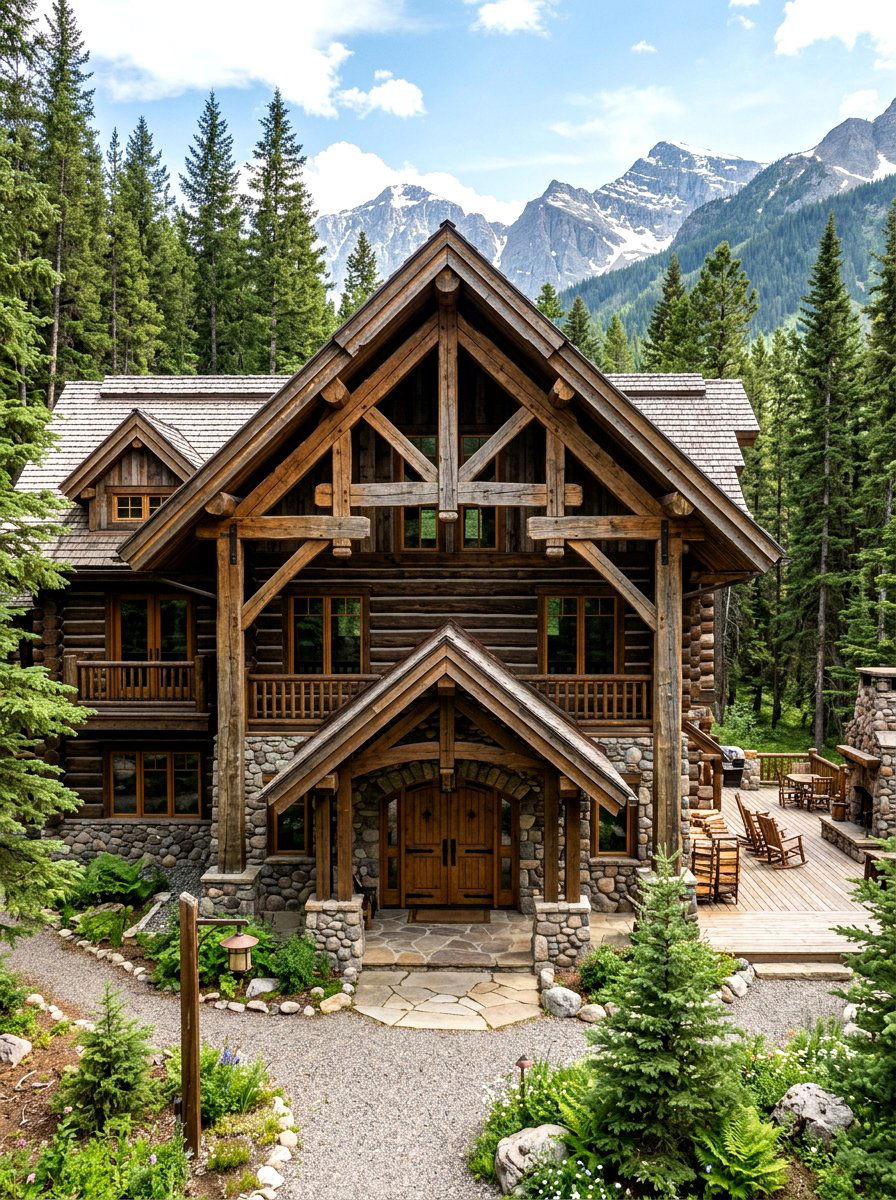
A timber frame truss is a heavy-duty architectural element that gives a home a sturdy, rustic, and mountainous aesthetic. These trusses consist of large wooden beams arranged in a structural pattern, such as a king post or a queen post design. While they can be structural, they are often added purely for their impressive visual impact. The natural wood grain and large scale of the timbers add a sense of craftsmanship and luxury to the home. This look is perfect for lodge-style houses or large suburban homes that need a strong focal point. Protecting the wood with a high-quality stain ensures that the truss remains a beautiful feature for decades.
10. Round Gable Window
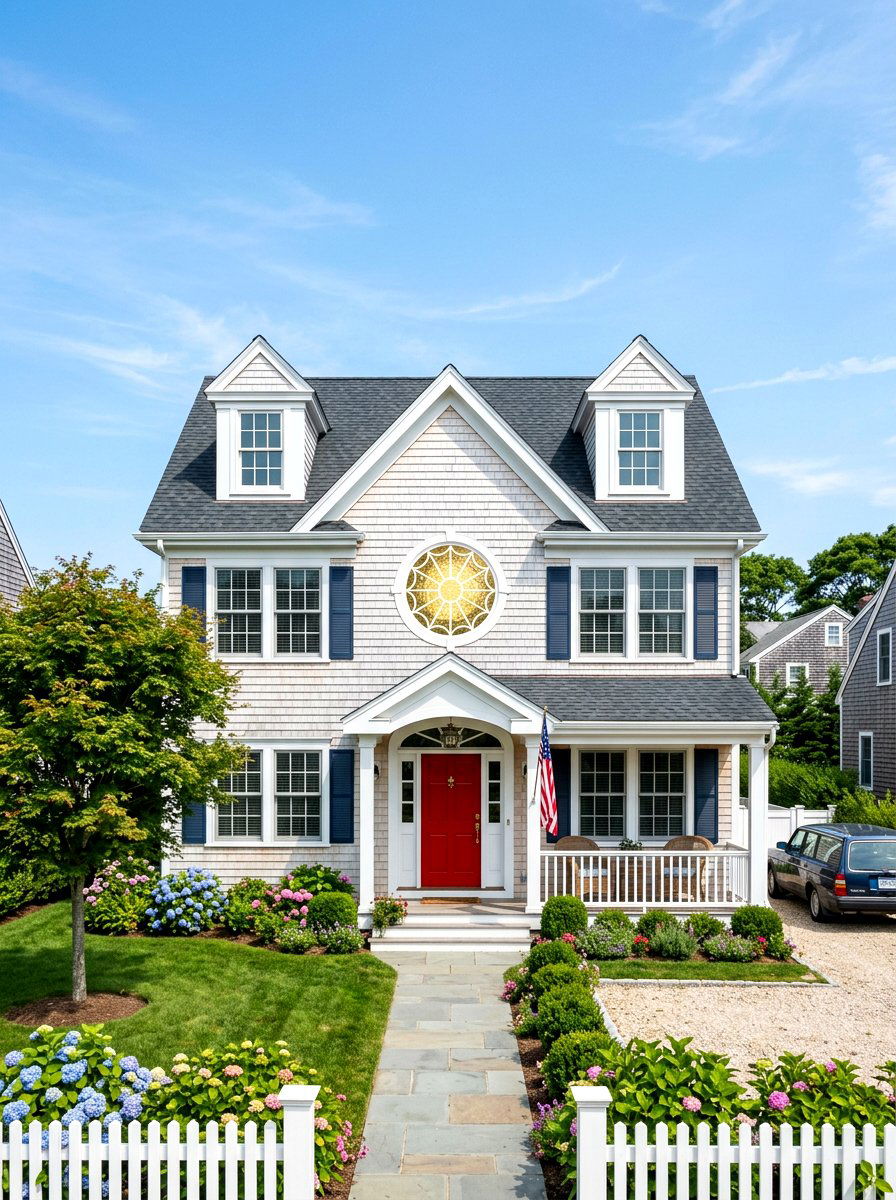
A round gable window, also known as an oculus, adds a touch of classical elegance and provides natural light to the attic space. This architectural feature breaks up the sharp angles of the triangular gable with a soft, circular shape. It is a common element in Cape Cod, Georgian, and French Country home designs. The window can be simple or feature intricate decorative grilles that add to the historical feel of the exterior. Framing the round window with a thick trim or stone surround makes it even more of a focal point. It is a functional and beautiful way to add character to a large, empty gable wall area.
11. Diamond Shingle Pattern
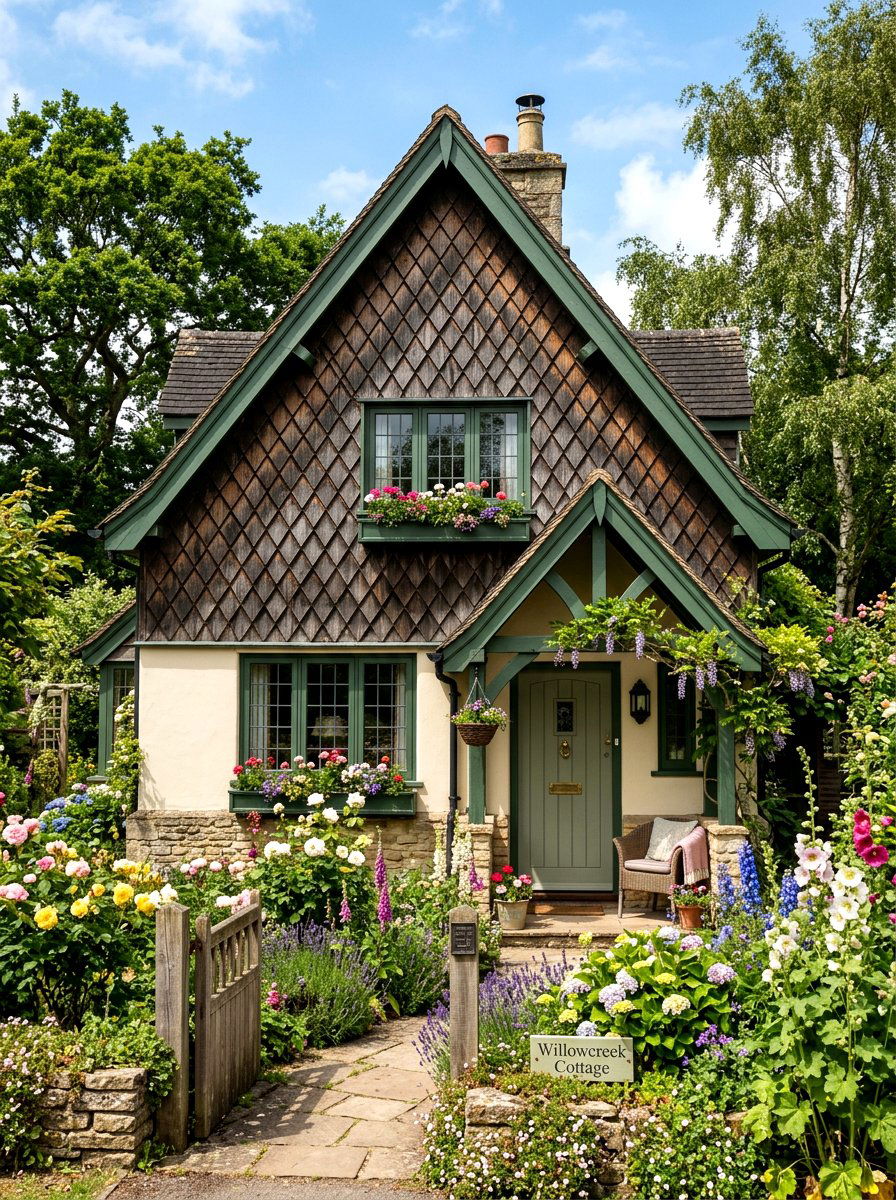
Diamond shingle patterns offer a highly decorative and textured look that is often seen on historical or cottage-style homes. By overlapping square shingles at an angle, builders create a repeating diamond shape that adds a lot of visual energy to the gable. This technique is a great way to use standard materials in a creative and unexpected way. The pattern catches the light differently than flat siding, creating a rich tapestry of shadows and highlights across the surface. It is especially effective when used on a smaller front-facing gable to draw attention to the main entryway. This classic detail adds a layer of handcrafted quality to the home.
12. Faux Wood Beam
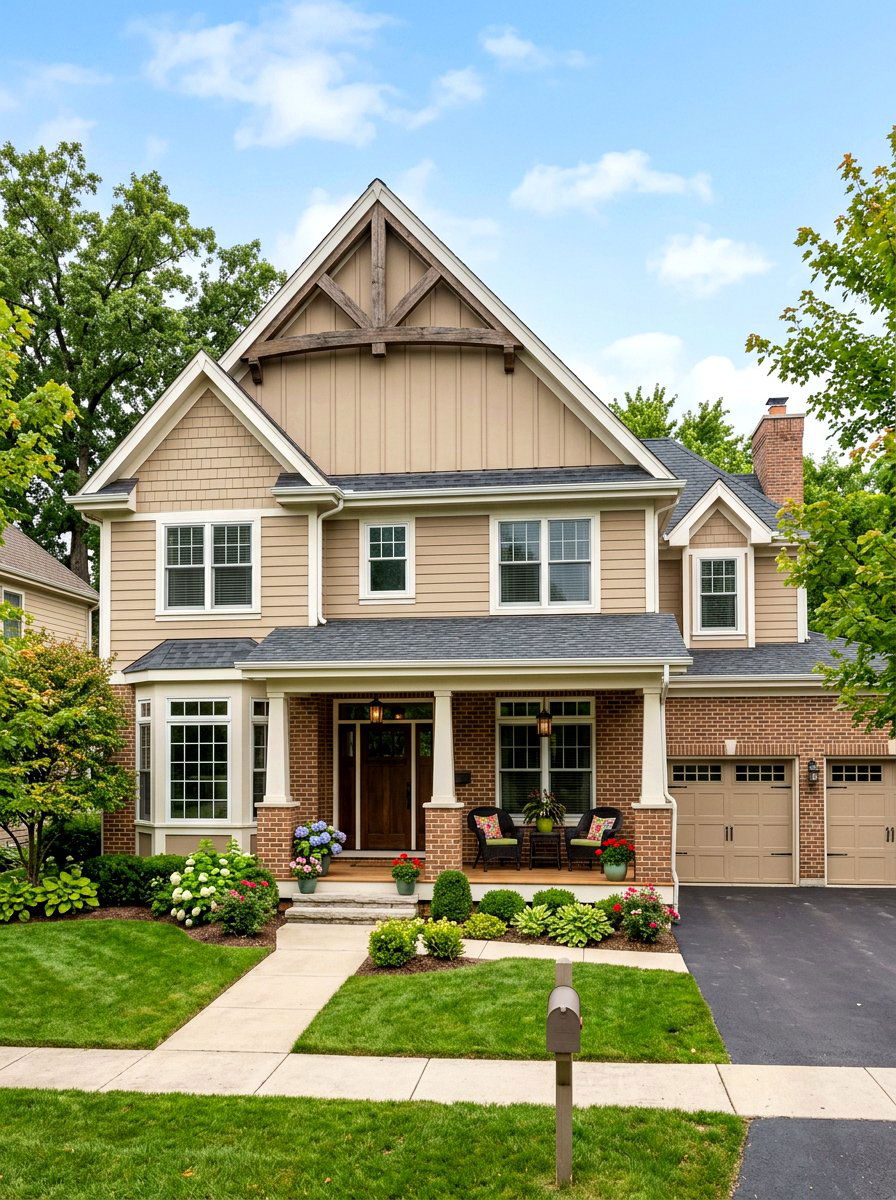
Faux wood beams offer the beautiful look of natural timber without the high cost or heavy weight of real wood. Made from high-density polyurethane, these beams are molded from actual wood pieces to capture every grain and knot detail perfectly. They are easy to install in a gable peak as a decorative truss or a simple horizontal accent. Because they are made from synthetic materials, they will not rot, warp, or attract insects over time. This makes them an ideal low-maintenance alternative for homeowners who want a rustic or Craftsman look. They can be painted or stained to match the existing exterior woodwork seamlessly and affordably.
13. Vertical Metal Siding
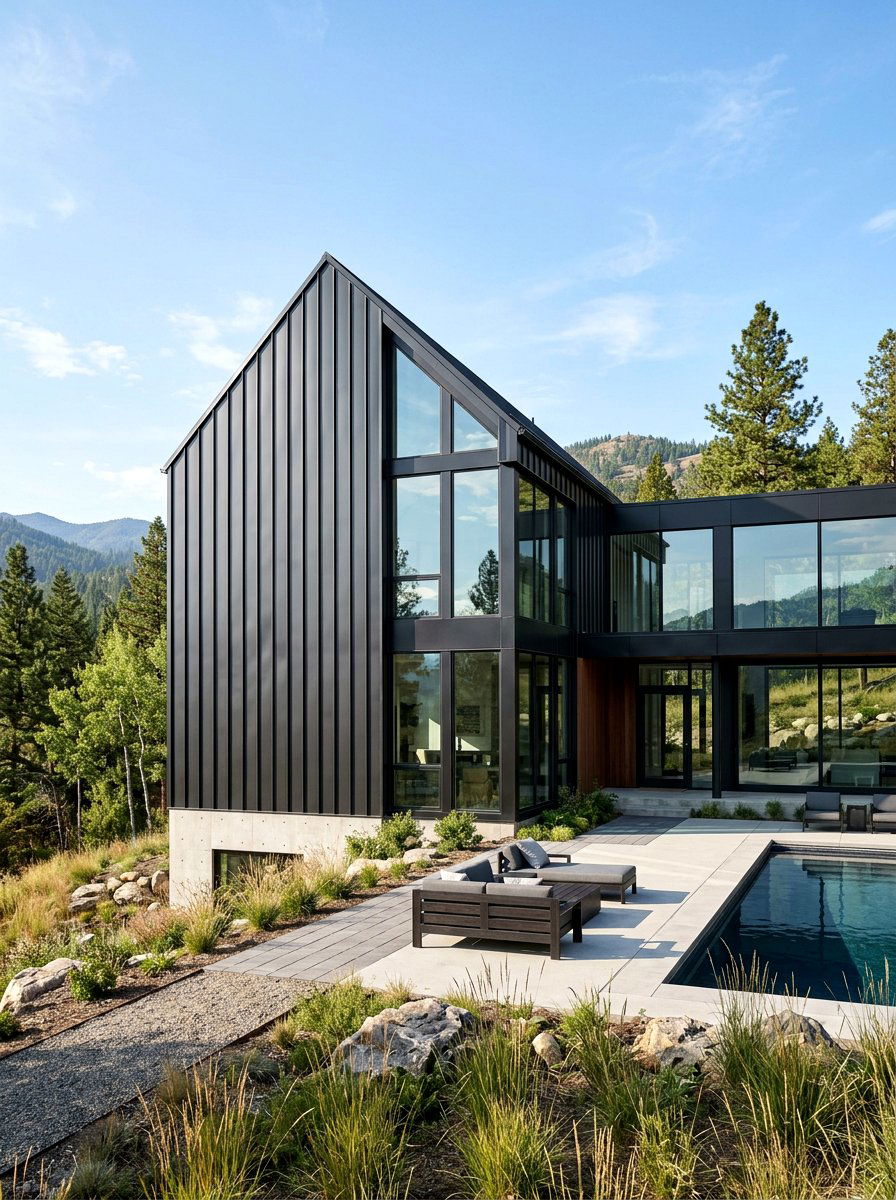
Vertical metal siding provides a sleek, industrial-modern aesthetic that is becoming increasingly popular in high-end residential design. The long, continuous panels create a very clean and minimalist look that emphasizes the height of the home. Metal is incredibly durable and fire-resistant, offering superior protection against the elements compared to traditional wood siding. In a gable, metal panels can be used as a contrasting texture against brick or stucco to create a modern architectural statement. This material is available in many finishes, from matte black to shimmering zinc or copper. It is a low-maintenance and long-lasting choice for homeowners who value contemporary style and performance for their home.
14. Scalloped Shingle Detail
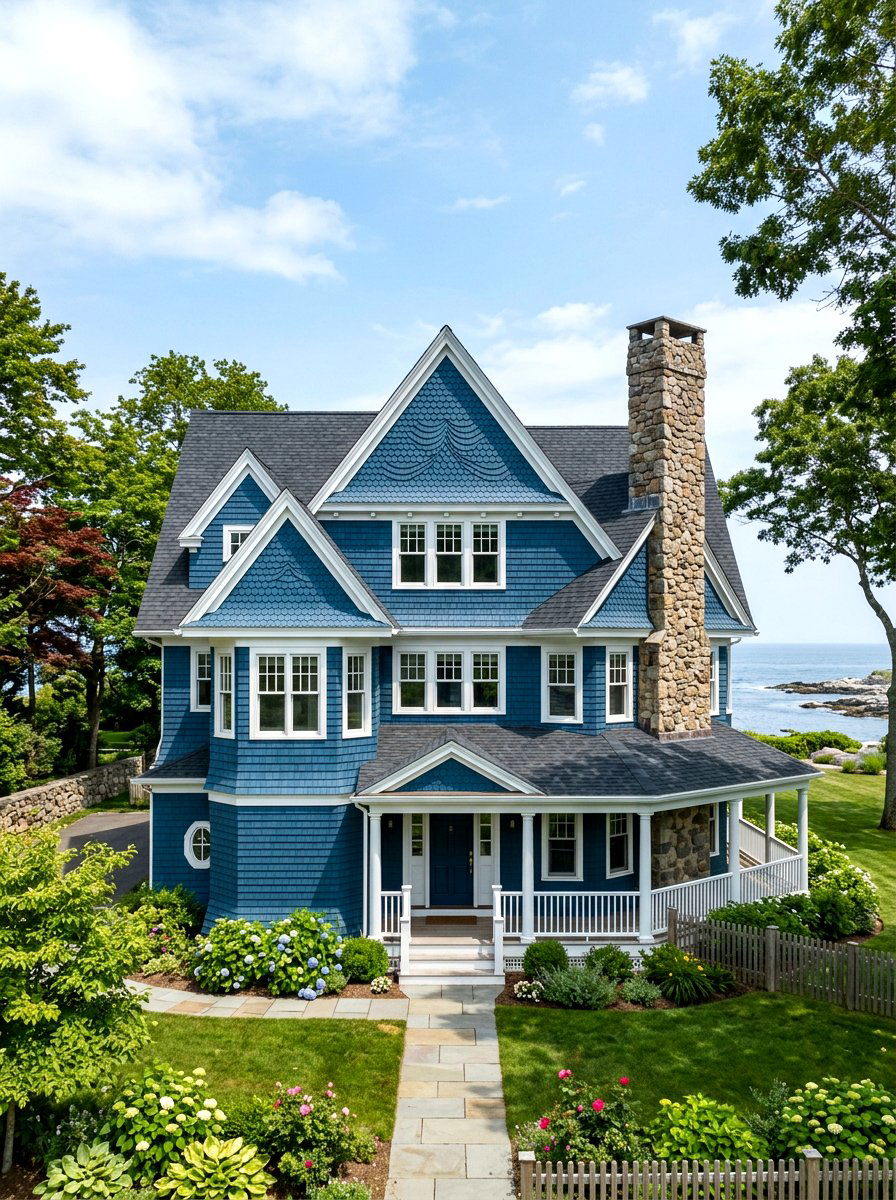
Scalloped shingle detail, often called fish-scale siding, is a classic ornamental feature that adds a soft, curved texture to the gable. These shingles have a rounded bottom edge that creates a repeating wave-like pattern across the wall. This look is a staple of Queen Anne and Shingle Style architecture, where varied textures are used to create visual richness. Using scalloped shingles in just the gable area is a wonderful way to add a bit of vintage charm to a more traditional home. It breaks up the monotony of straight lines and adds a feminine, decorative touch. This style looks best when painted in a complementary tone to the house.
15. Double Gable Peak
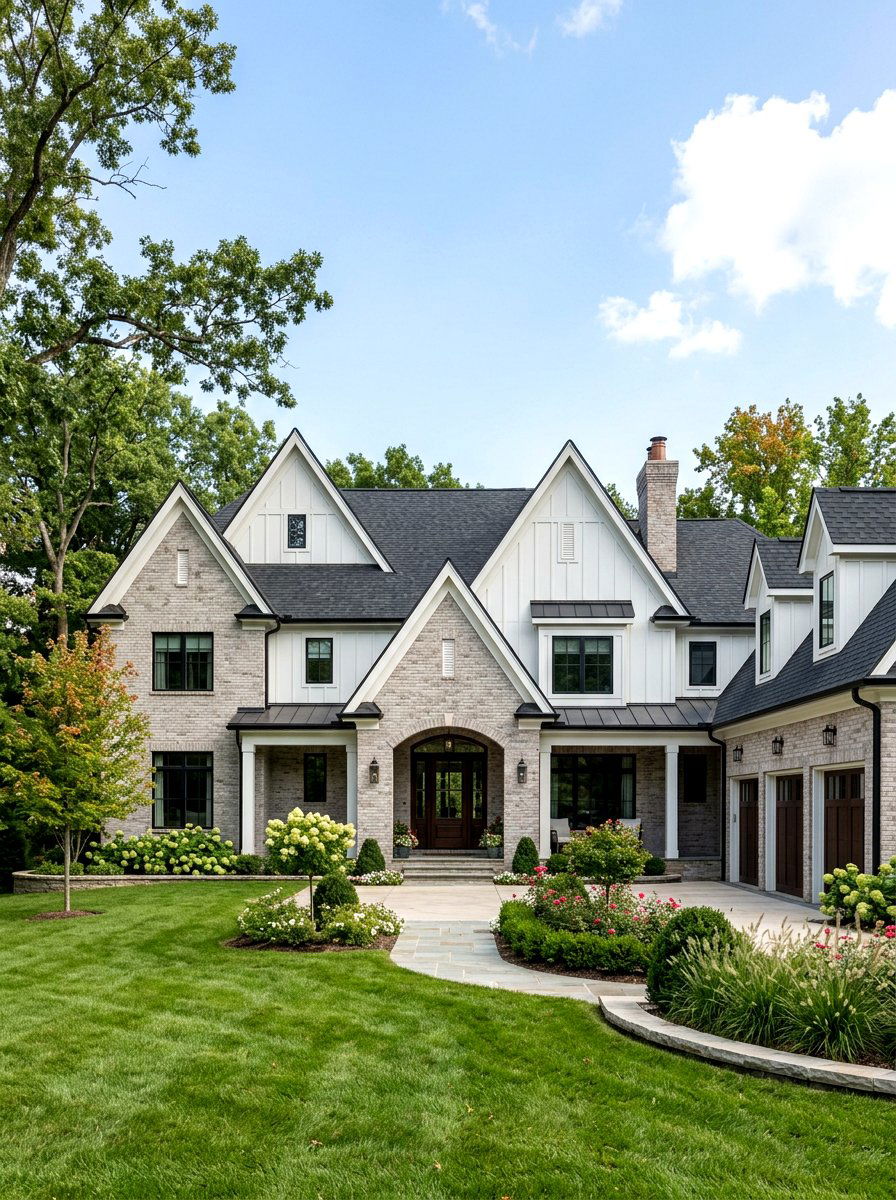
A double gable peak is an architectural design where two triangular roof sections are positioned next to each other or layered. This create a more complex and interesting roofline that adds significant curb appeal and architectural depth to the home. Often, one gable is larger and set slightly back, while a smaller gable sits in front to highlight an entryway or a large window. You can use different materials or colors in each peak to further distinguish the layers and add visual interest. This design is very common in modern traditional and European-inspired homes. It makes the house look larger and more architecturally significant from the front view.
16. Copper Accent Panel
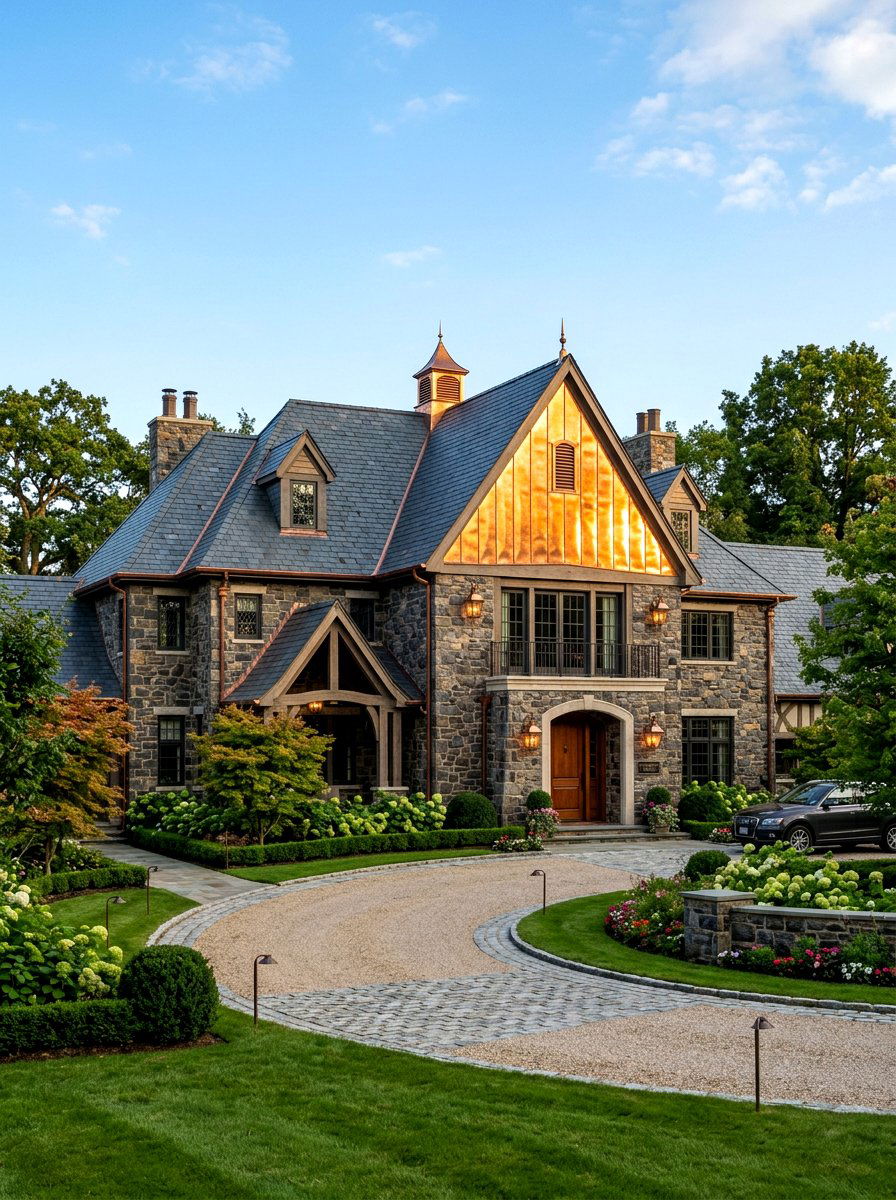
A copper accent panel in the gable offers a luxurious and high-contrast look that develops a beautiful patina over time. When first installed, the bright, metallic orange-gold color provides a stunning focal point that draws the eye immediately. As it ages, it transitions into a deep brown and eventually a classic verdigris green, giving the home a sense of history. Copper is a premium material that is exceptionally durable and requires very little maintenance once installed. It works beautifully on Tudor, French Provincial, or contemporary homes where high-quality materials are a priority. Using copper in the gable peak adds a touch of timeless sophistication to the exterior design.
17. Board And Batten Shutters
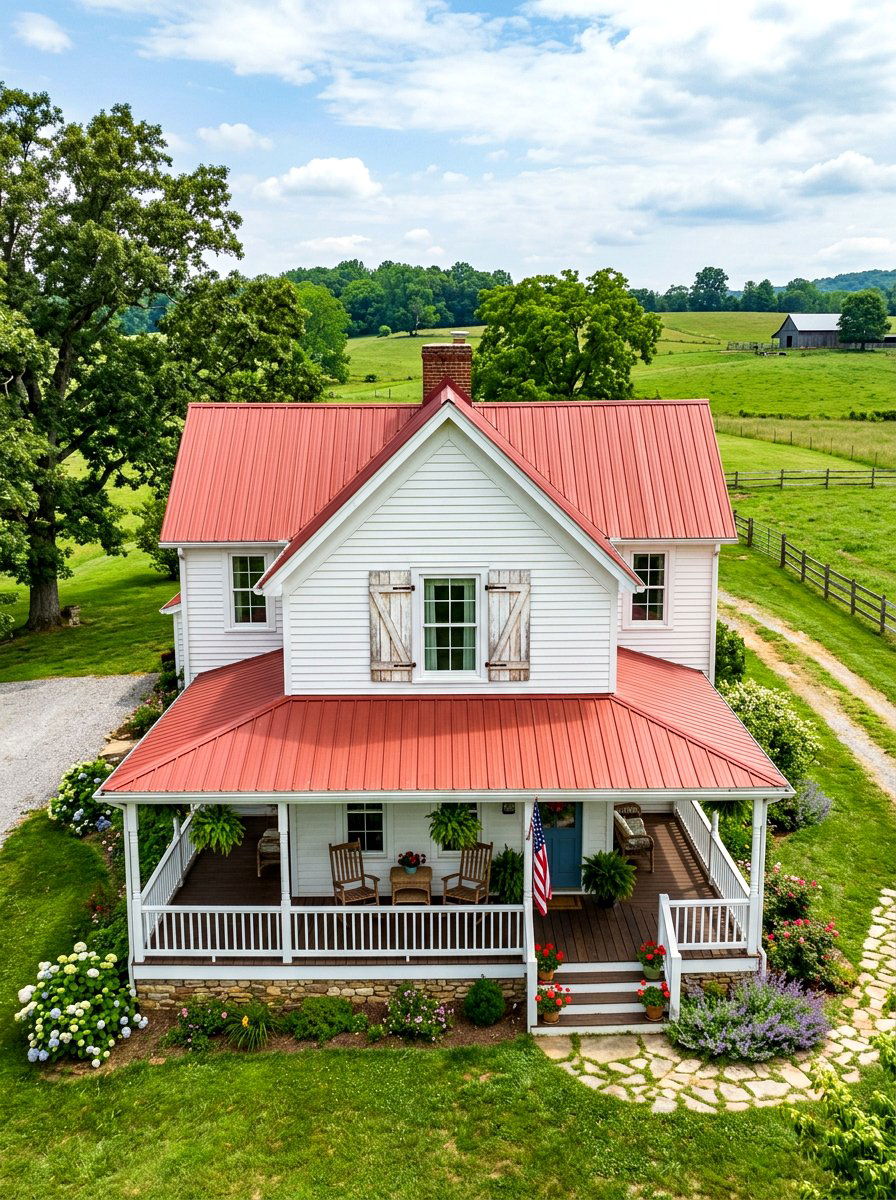
Board and batten shutters placed on a gable window help to ground the architectural design and add a rustic, cottage-like feel. These shutters consist of vertical planks held together by horizontal cross-members, providing a simple and sturdy appearance. When paired with a matching gable vent or decorative bracket, they create a cohesive and well-thought-out look. They are an excellent way to add a splash of color to the upper part of the house without painting the entire siding. Whether they are functional or purely decorative, gable shutters provide a sense of scale and detail that makes the home feel more lived-in and charming.
18. Stucco Gable Finish
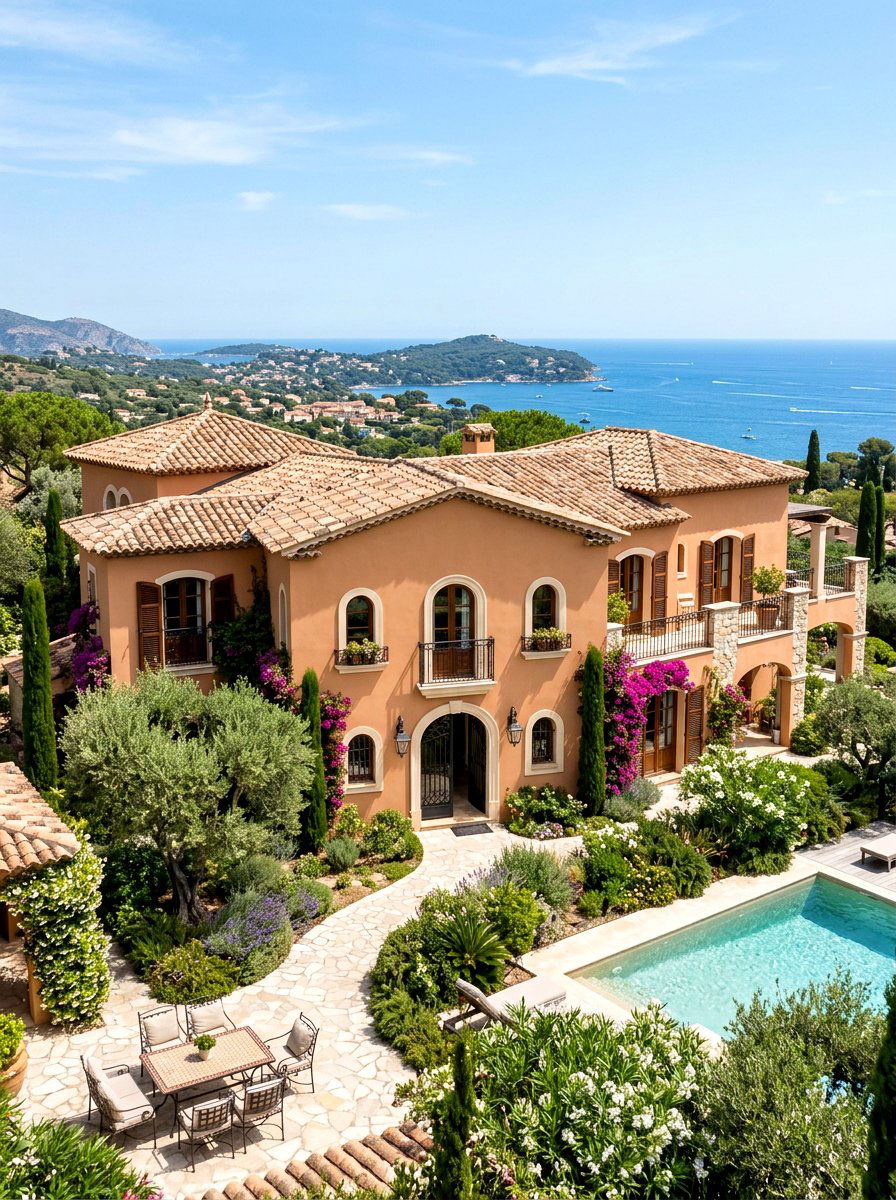
A stucco gable finish provides a smooth, clean, and Mediterranean-inspired look that is both elegant and durable. This material is made from a mixture of cement, sand, and lime, creating a hard and weather-resistant surface. Stucco can be applied in various textures, from a very smooth sand finish to a more rugged skip-trowel look. It is an excellent choice for Spanish Colonial, Southwestern, or modern minimalist homes. In a gable, stucco provides a nice contrast to wooden trim or stone accents on the lower levels. It can be easily painted in any color to match the overall design of the house, offering great versatility for homeowners.
19. Painted Brick Texture
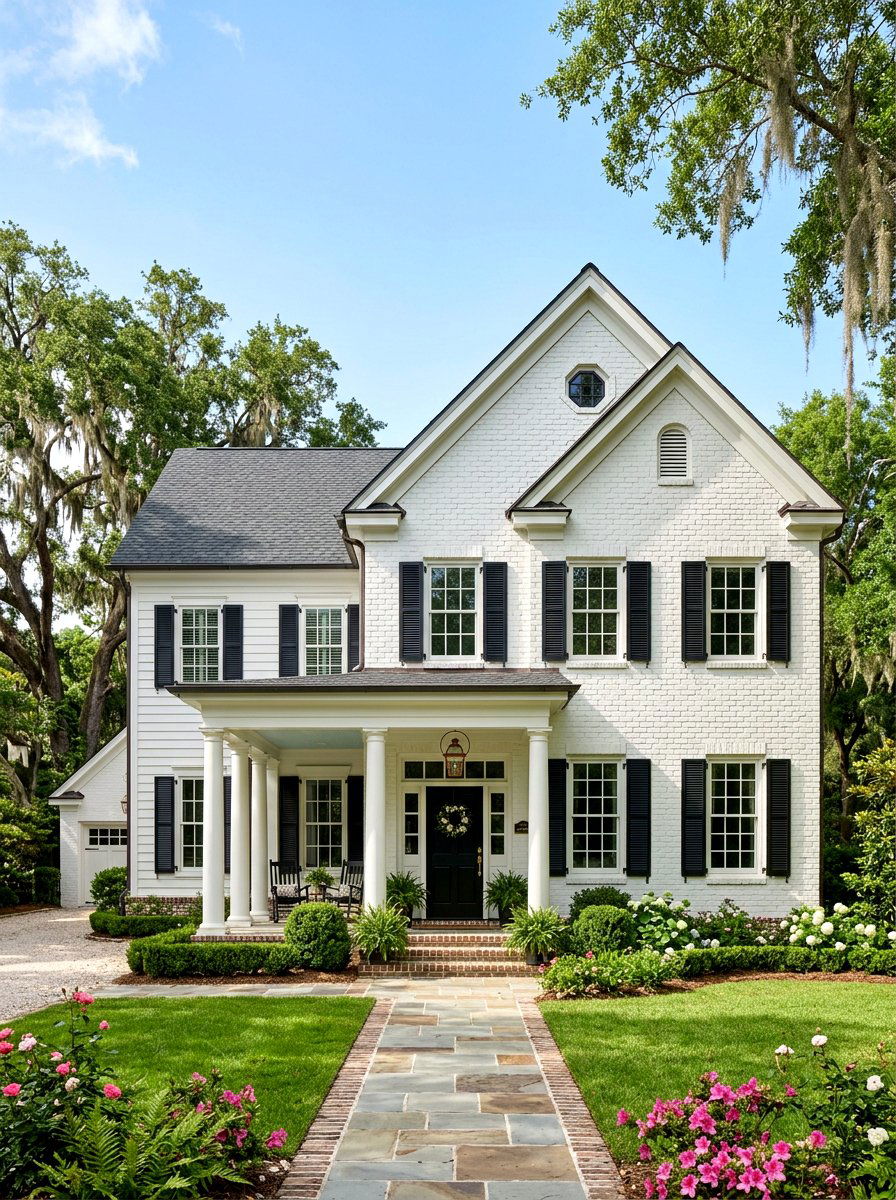
Painted brick texture in the gable area is a fantastic way to add a sense of history and classic charm to a home. This design involves using actual brick or a thin brick veneer and then painting it to match or contrast with the rest of the exterior. The visible grout lines and slight irregularities of the brick add a rich texture that is very appealing. Painting the brick a crisp white or a light cream creates a timeless look that is popular in Southern and traditional home designs. It provides a solid and substantial feel to the peak of the house, making the architecture look more permanent and well-crafted.
20. Box Bay Gable
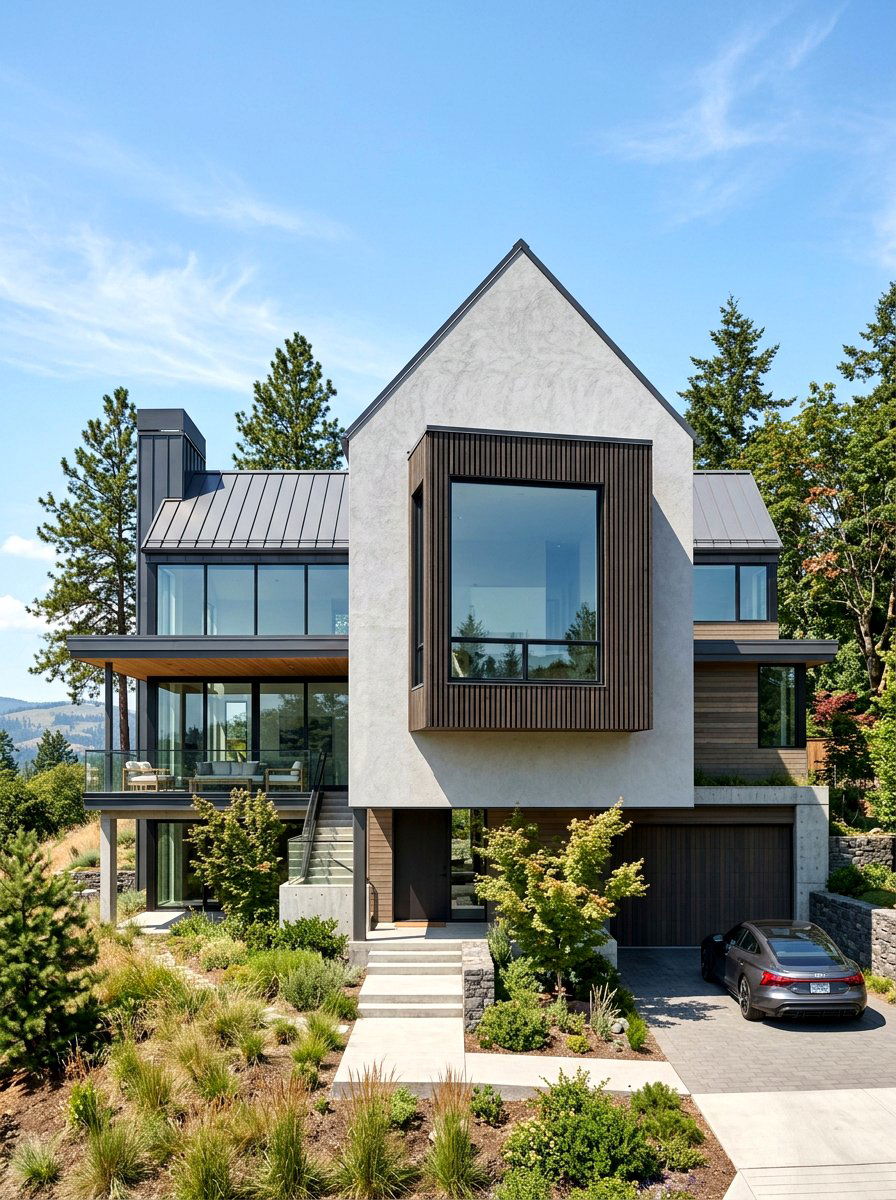
A box bay gable is a design feature where a section of the wall projects outward from the main gable face, often containing a window. This architectural detail adds three-dimensional depth and creates a cozy nook on the interior of the home. On the exterior, it provides a unique silhouette that breaks up the flat plane of the roofline. The box bay can be clad in a different material, such as metal or wood shingles, to make it stand out even more. This design is very effective for adding character to a simple front-facing gable and making the home feel more custom and architecturally interesting to passersby.
21. Victorian Gable Ornament
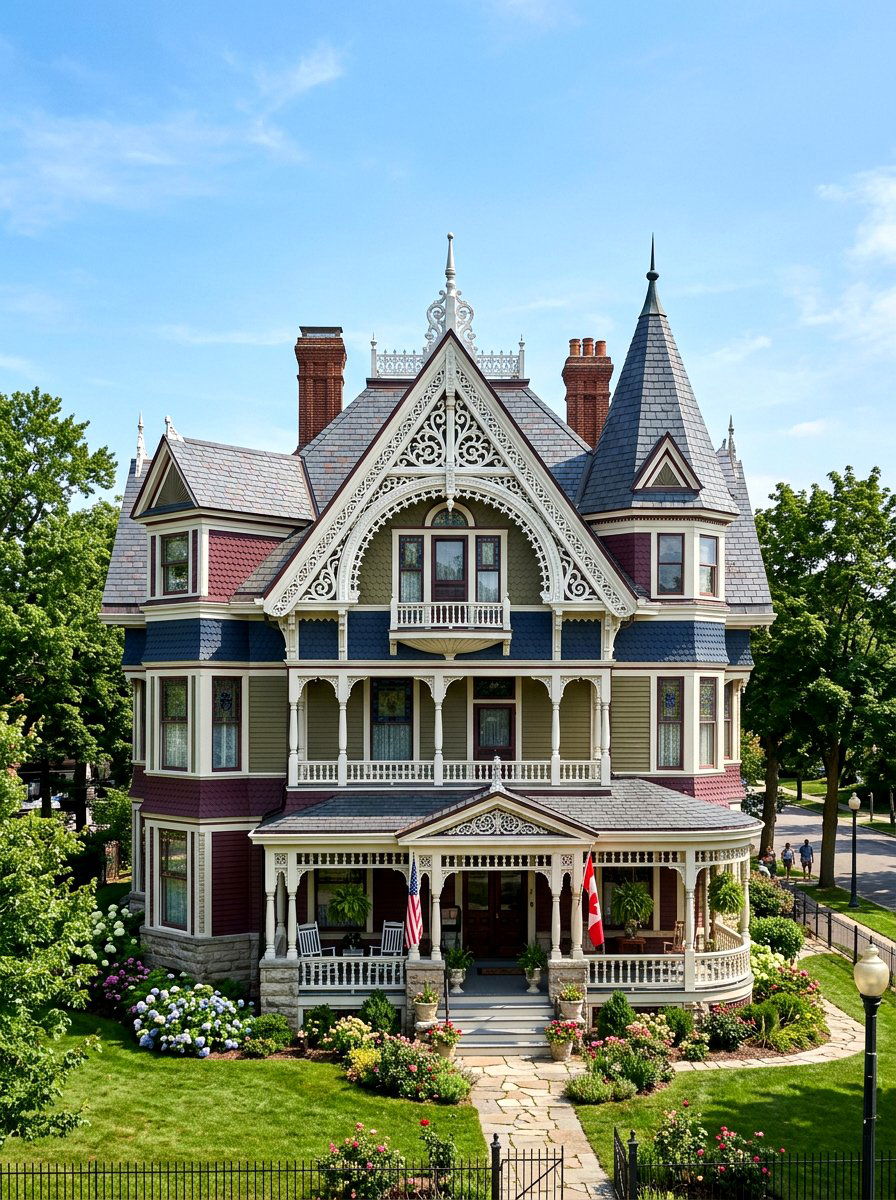
A Victorian gable ornament is a decorative piece of millwork that is placed at the very top of the roof peak. These ornaments are often highly detailed and feature scrolling patterns, finials, or geometric shapes that reflect the ornate style of the 19th century. They serve as a decorative exclamation point for the home’s architecture, drawing the eye to the highest point of the structure. Even on a relatively simple home, adding a Victorian-style ornament can provide a sense of historical elegance and pride of ownership. These pieces are usually made from wood or durable PVC and can be painted to match the home’s trim color perfectly.
22. Arched Gable Vent
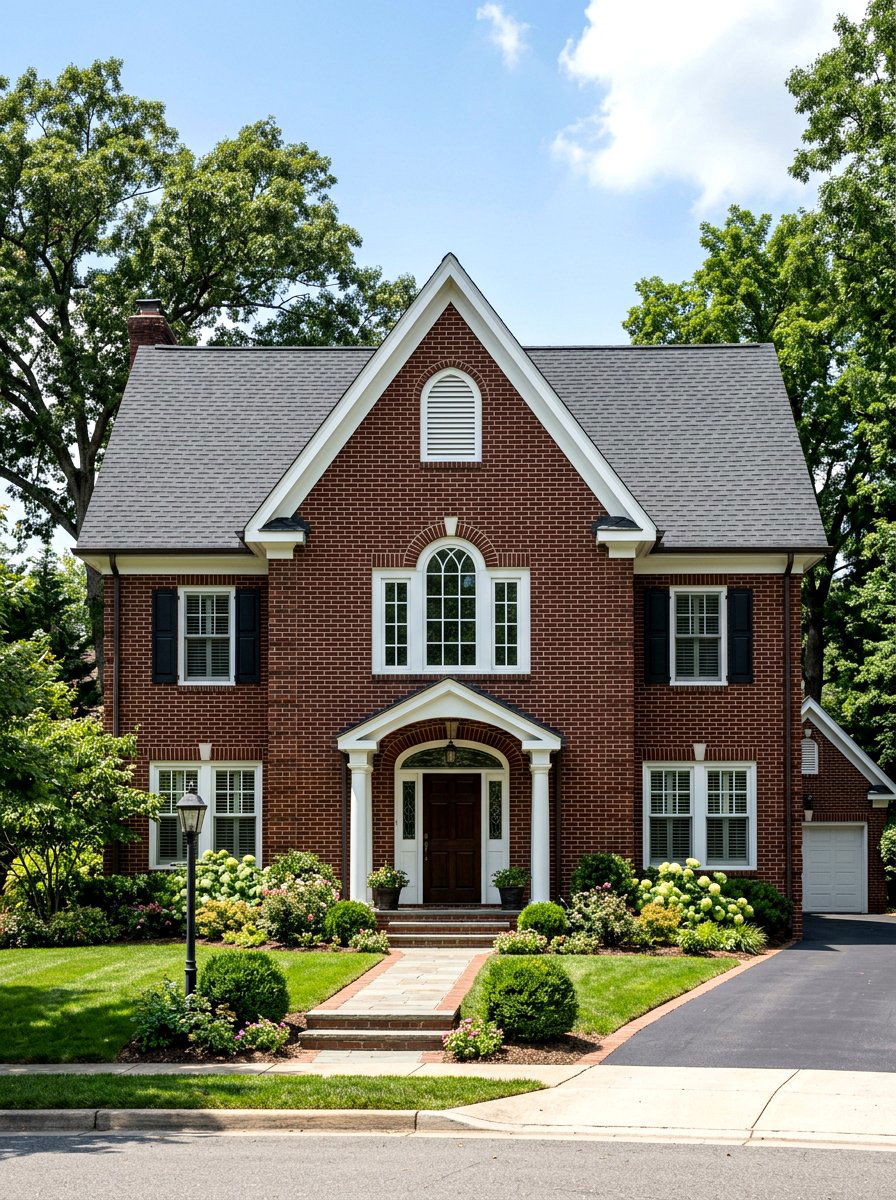
An arched gable vent is a functional and decorative element that provides necessary ventilation to the attic while adding a soft, curved shape to the peak. The arch breaks up the sharp triangular lines of the roof, providing a more balanced and aesthetically pleasing look. These vents come in a variety of materials, including wood, vinyl, and high-density foam. They can feature decorative louvers or a more open lattice design to allow for maximum airflow. Choosing a vent with a bold trim or a contrasting color makes it a prominent feature of the home’s exterior. It is a simple but effective way to add architectural detail.
23. Modern Black Trim
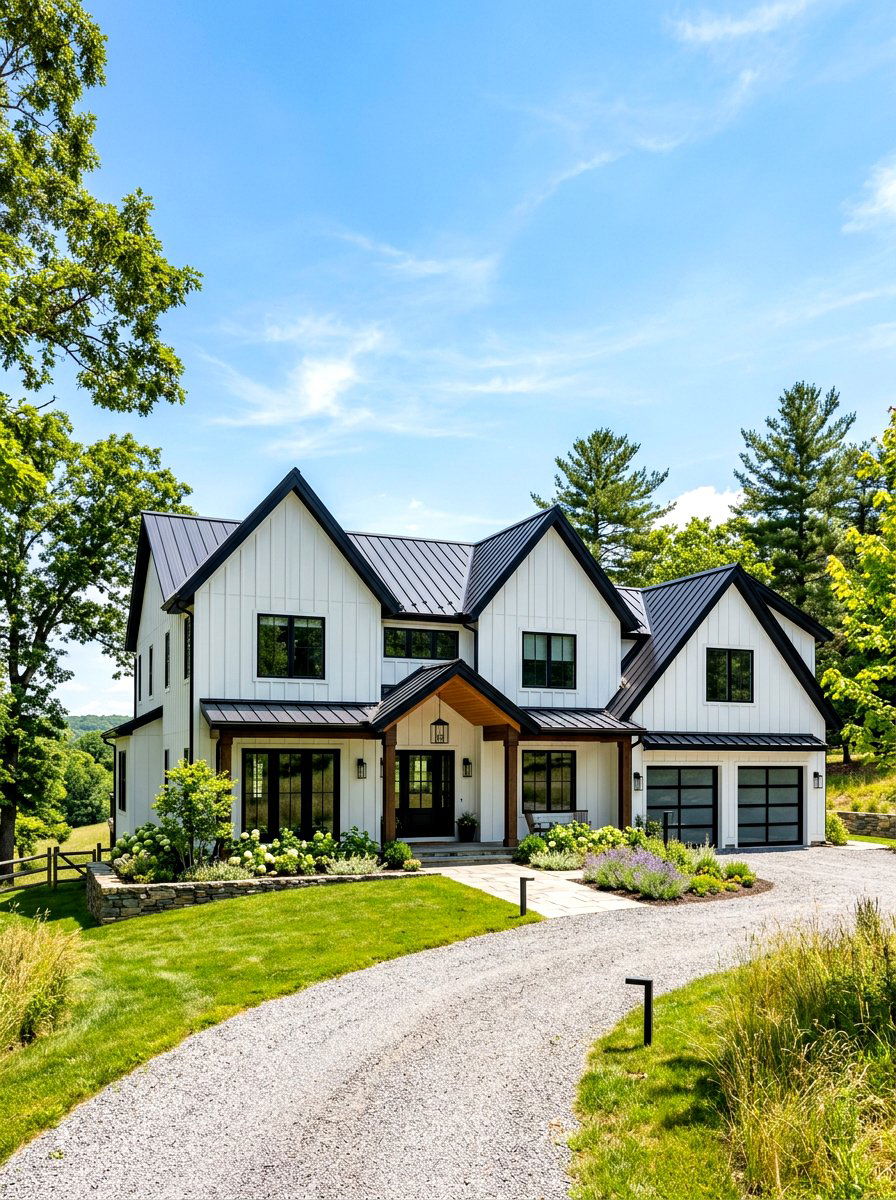
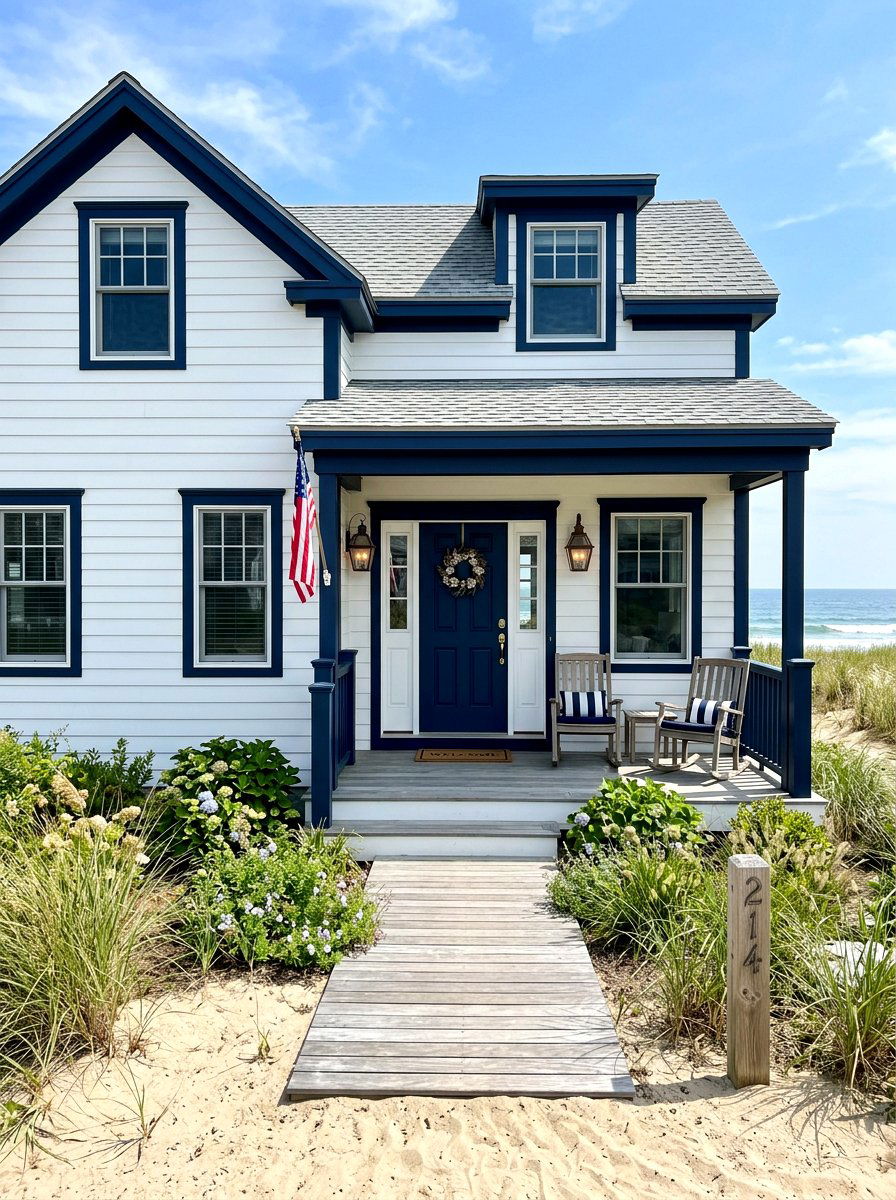
Modern black trim around the edges of a gable provides a sharp, high-contrast look that is a staple of contemporary and farmhouse design. The dark lines define the shape of the roof and create a very clean and framed appearance. This look is particularly effective when used against light-colored siding, such as white or light gray. The black trim acts as an architectural outline, making the peaks and angles of the house stand out more clearly. Using black for the bargeboards, soffits, and window frames in the gable creates a cohesive and sophisticated aesthetic. It is a bold choice that feels both modern and very timeless.
24. Shake Siding Contrast
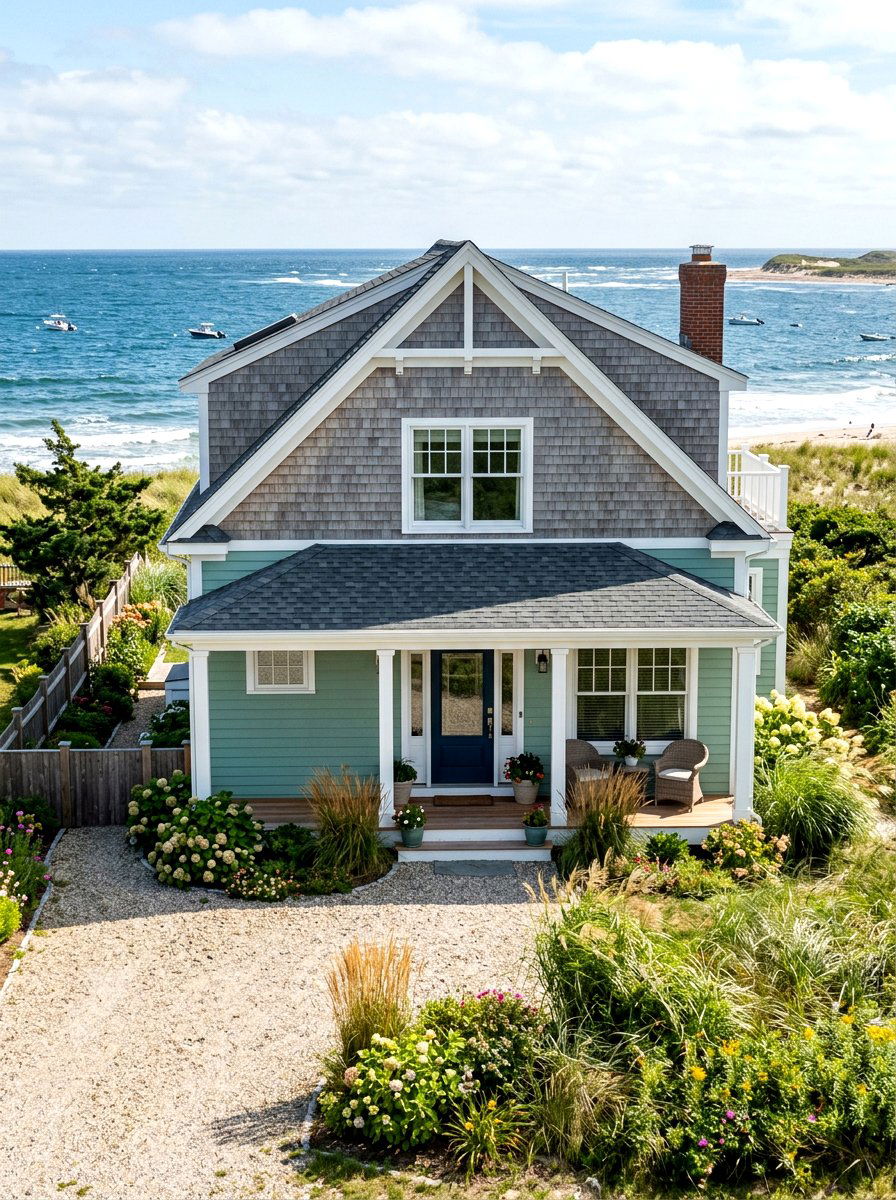
Using shake siding in the gable as a contrast to horizontal lap siding on the lower walls is a classic design technique. The change in texture creates a visual break that adds interest and prevents the home’s exterior from looking too flat or monotonous. Shakes have a more rugged and irregular appearance that provides a sense of warmth and character. By using a slightly different shade of the same color or a completely contrasting tone, you can highlight the gable as a distinct architectural feature. This approach is very common in Craftsman, Cape Cod, and coastal home designs where layered textures are highly valued by many homeowners.
25. Farmhouse Cross Bracing
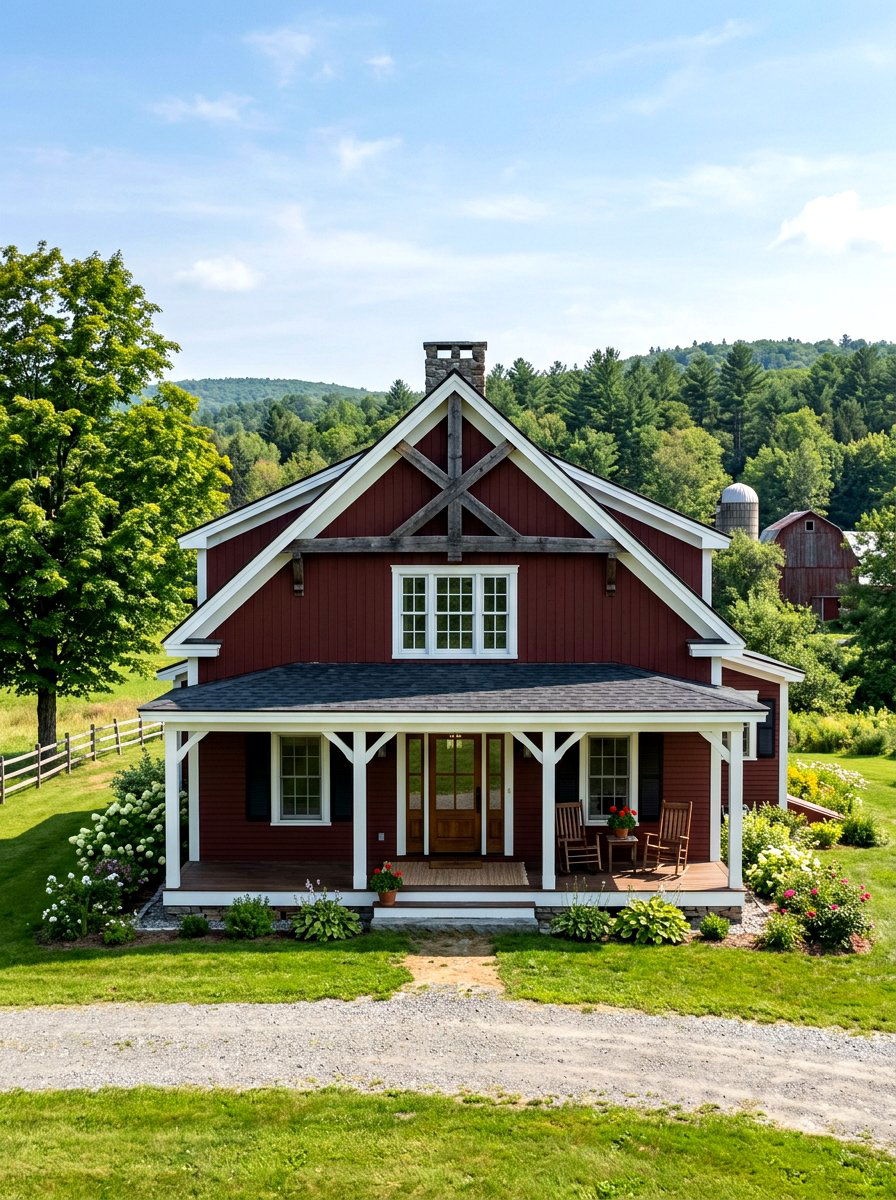
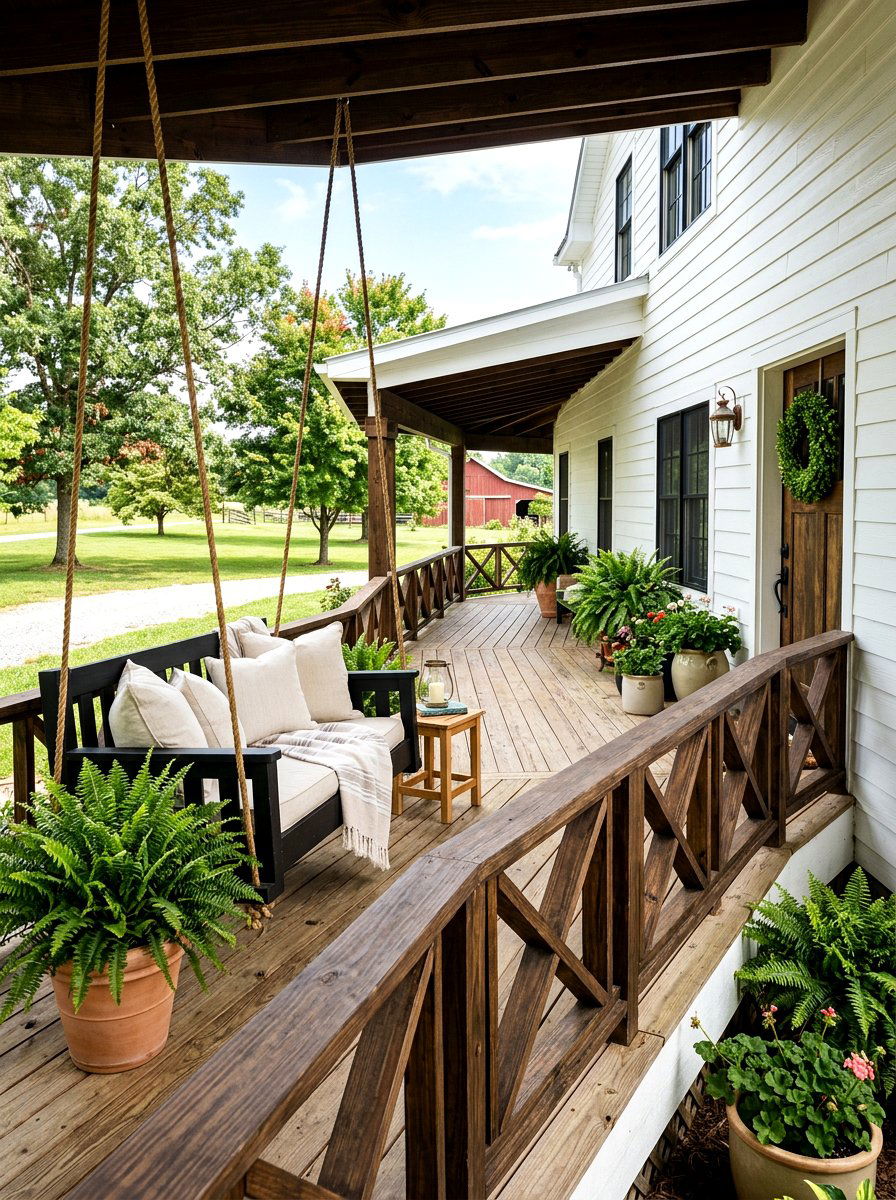
Farmhouse cross bracing is a simple and effective gable accent that uses wooden boards to create an "X" or "V" shape in the peak. This design is inspired by traditional barn doors and rural architecture, making it a perfect fit for the modern farmhouse style. The bracing adds a sense of structural honesty and rustic charm to the exterior without being overly ornate. It is often made from natural wood or painted to match the home’s trim for a clean, unified look. This accent works particularly well on larger gables where a bit of extra detail is needed to fill the space and provide a sense of scale.
26. Gable Overhang Lighting
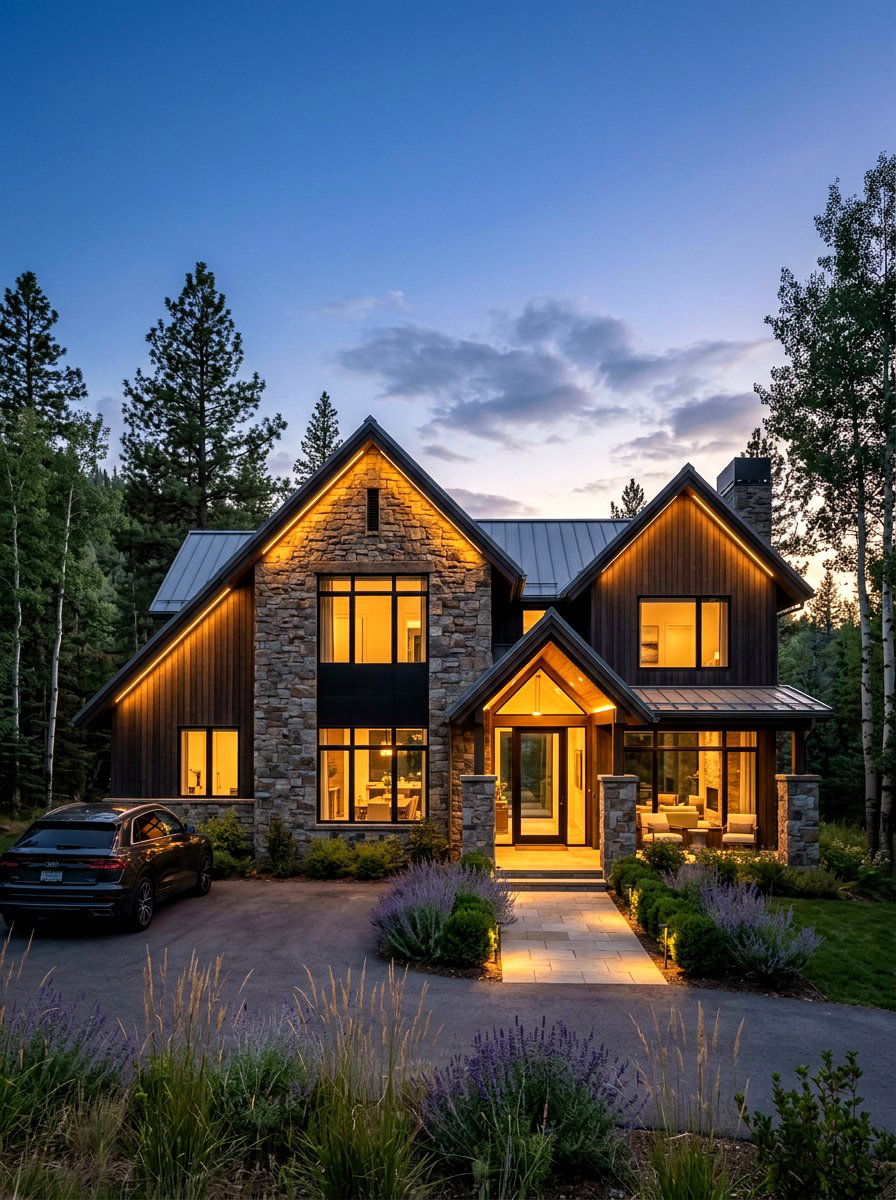
Gable overhang lighting is a functional and beautiful way to highlight the architecture of your home during the evening hours. By installing small LED recessed lights or decorative sconces under the eaves of the gable, you can create a warm and inviting glow. This lighting draws the eye upward and showcases the textures and colors of the gable accents after the sun goes down. It also provides an extra layer of security and makes the home feel safer and more lived-in. Choosing fixtures that match the overall style of the home ensures a cohesive look. Lighting is a powerful tool for enhancing nighttime curb appeal and ambiance.
27. Mixed Material Exterior
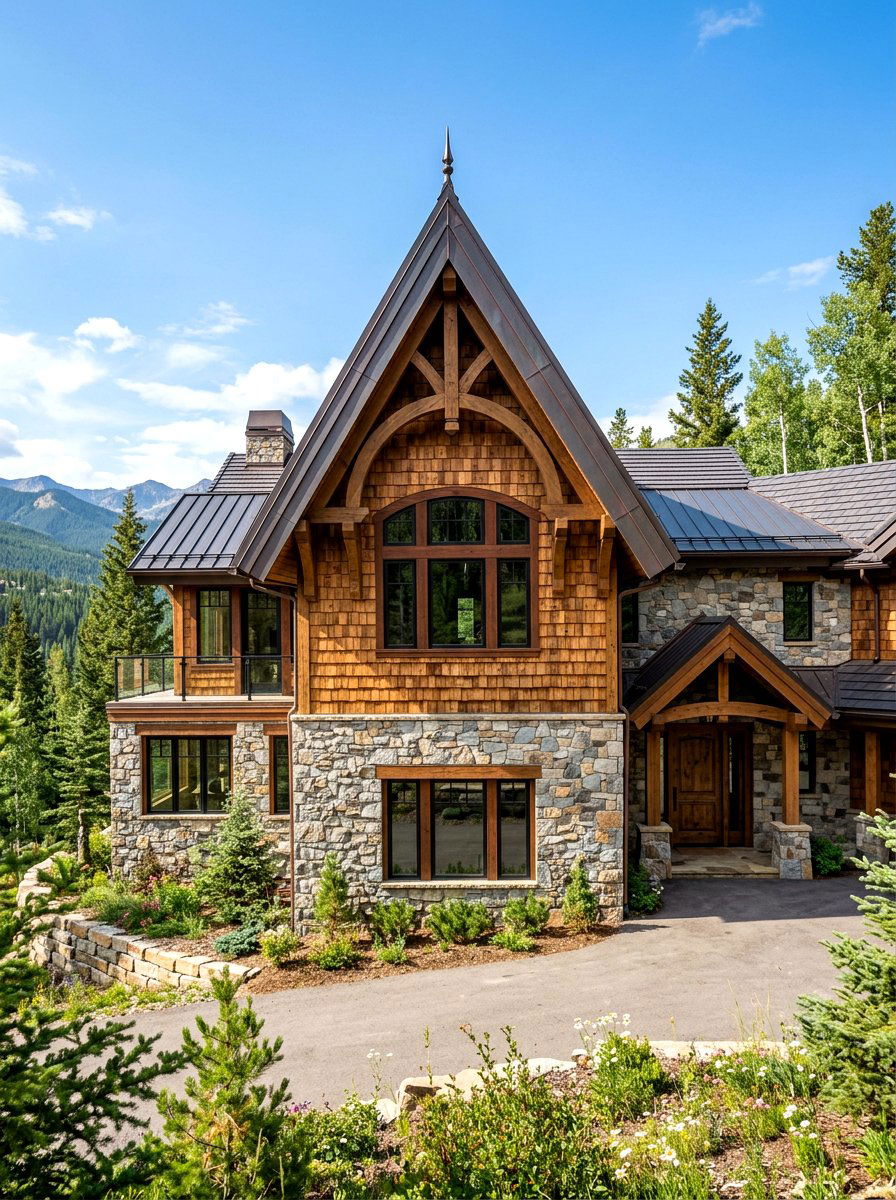
A mixed material exterior in the gable area involves using a combination of two or more different materials to create a custom look. For example, you might combine a stone veneer on the bottom of the gable with cedar shakes at the very top. This layered approach adds a tremendous amount of depth and visual interest to the facade. It allows you to play with different colors, textures, and patterns to create a truly unique architectural statement. This design strategy is often used on high-end custom homes where the goal is to create a rich and complex exterior that feels both luxurious and very well-balanced.
28. Gable Finial Ornament
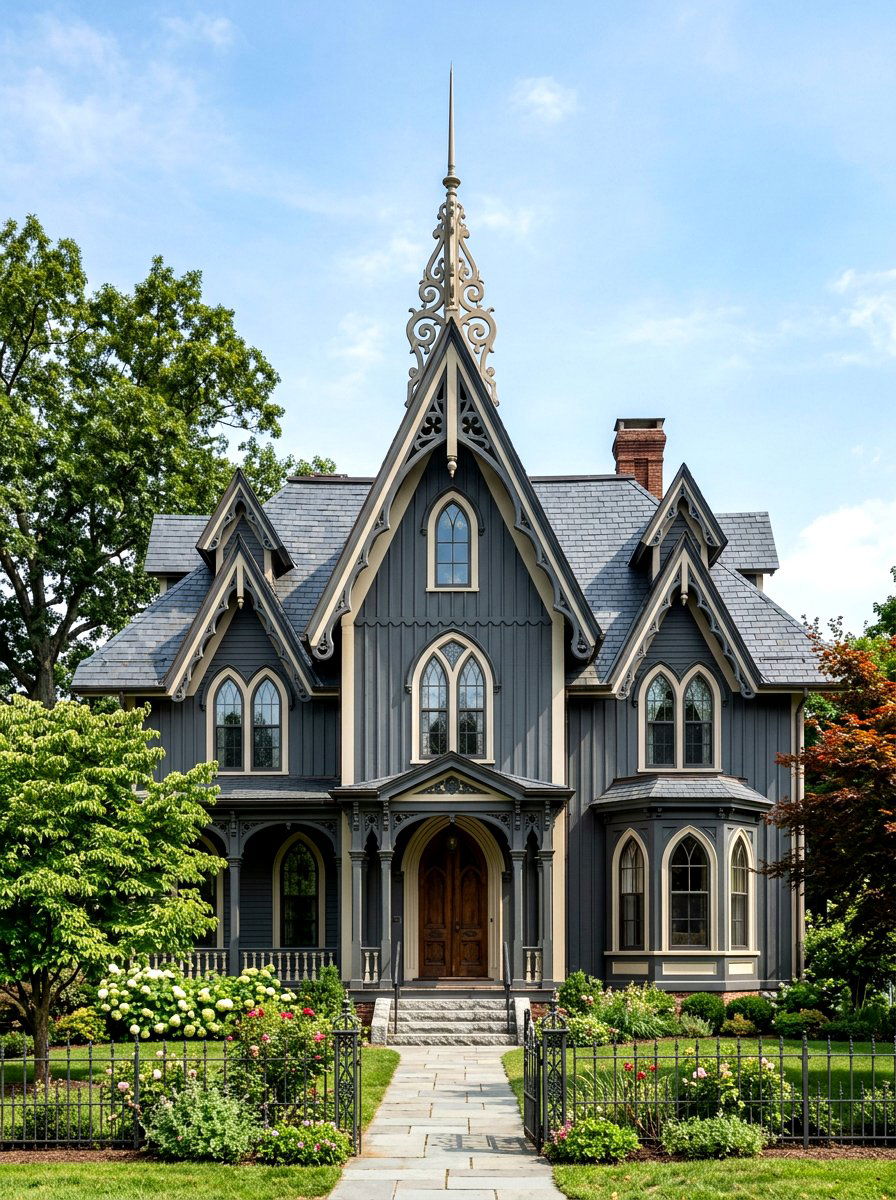
A gable finial ornament is a vertical decorative post that sits at the very peak of the roof where the two slopes meet. These ornaments have been used for centuries in various architectural styles, from Gothic to Victorian. They can be simple and pointed or feature more elaborate carvings and shapes. A finial adds a sense of height and a formal, finished look to the roofline. It acts as a crowning touch that completes the architectural composition of the home. Most finials are made from wood, metal, or durable synthetic materials that can withstand the wind and rain. It is a small detail that makes a big impact.
29. Rectangular Louvered Vent
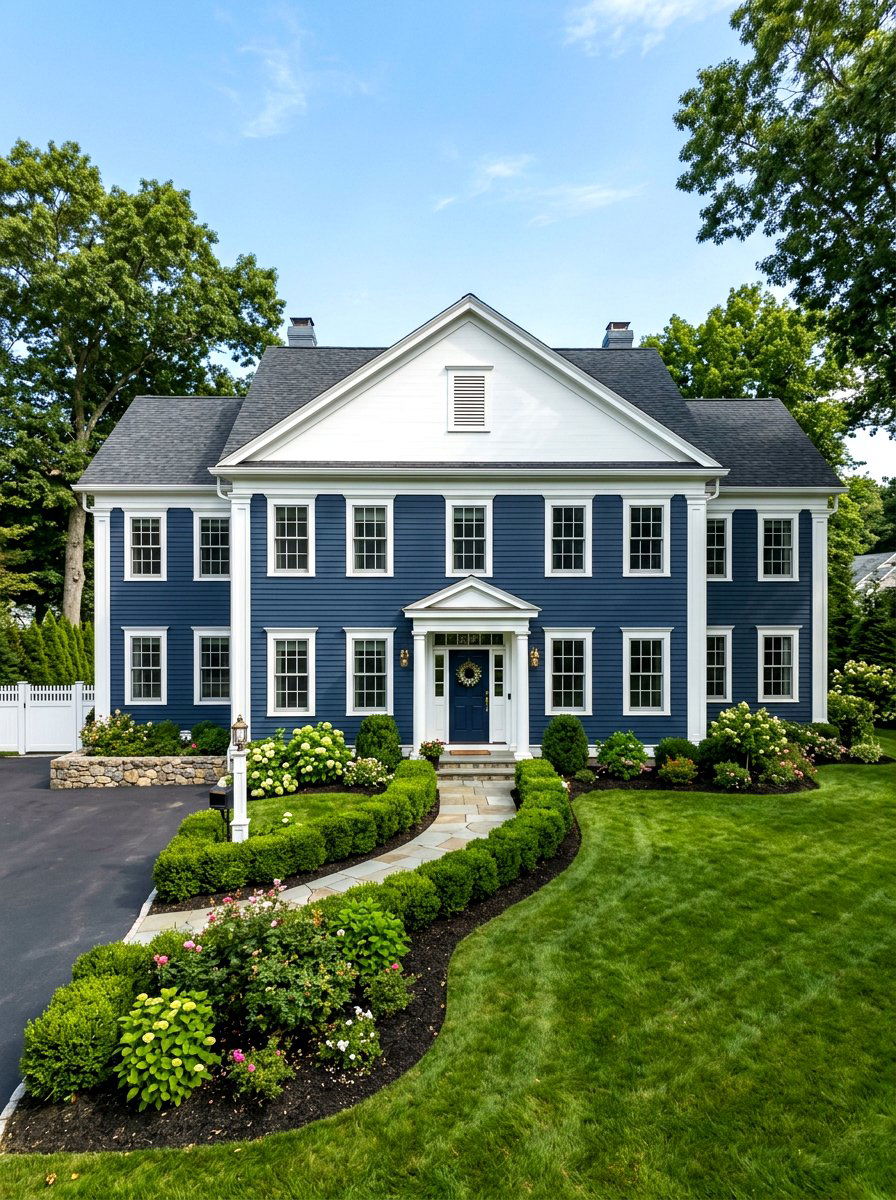
A rectangular louvered vent is a classic and practical gable accent that fits perfectly into traditional and suburban home designs. The clean, straight lines of the rectangle echo the geometry of the roof and the siding, providing a sense of order and symmetry. The horizontal louvers are angled to allow air to flow freely while keeping rain and pests out of the attic. These vents can be painted to match the trim or the siding, depending on whether you want them to stand out or blend in. They are a simple and cost-effective way to ensure your home is well-ventilated while adding a touch of traditional architectural detail.
30. Corbel Support Detail
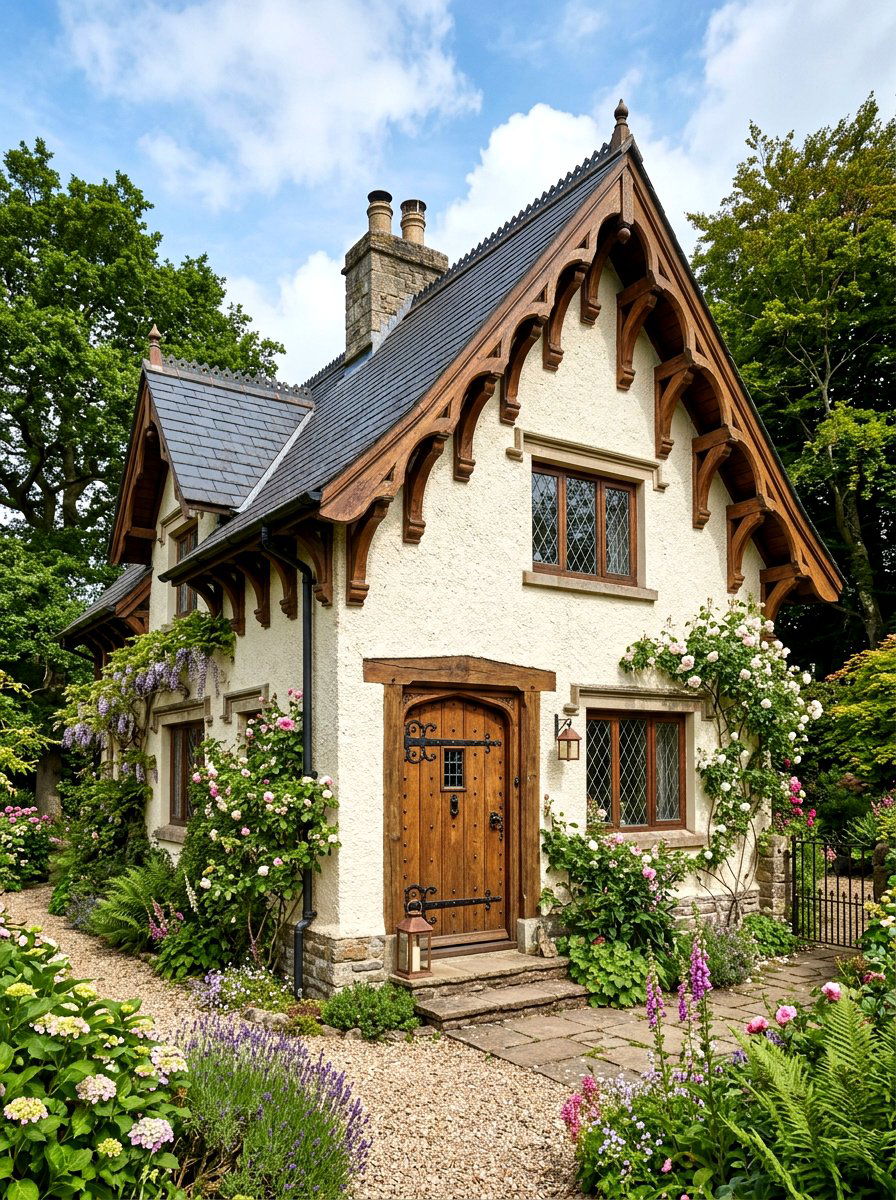
Corbel support details are decorative brackets that appear to support the overhanging eaves of the gable. While they are often non-structural, they provide a sense of weight and architectural significance to the roofline. Corbels can be simple and chunky for a rustic look or more curved and elegant for a traditional design. They are usually installed in pairs or sets along the rake of the gable to create a repeating pattern that is very visually pleasing. Using corbels is an excellent way to add a bit of luxury and craftsmanship to an otherwise simple exterior. They help to frame the gable and add a layer of sophisticated detail.
Conclusion:
Transforming your home’s exterior with thoughtful gable accents is one of the most effective ways to enhance curb appeal and express your unique style. Whether you prefer the rustic warmth of natural cedar shakes, the clean lines of modern board and batten, or the ornate elegance of Victorian gingerbread trim, there is a design solution for every home. These architectural details do more than just look beautiful; they provide depth, character, and a sense of completeness to your property. By carefully selecting materials and patterns that complement your home’s overall architecture, you can create a stunning focal point that will be admired for many years to come.

Related posts: