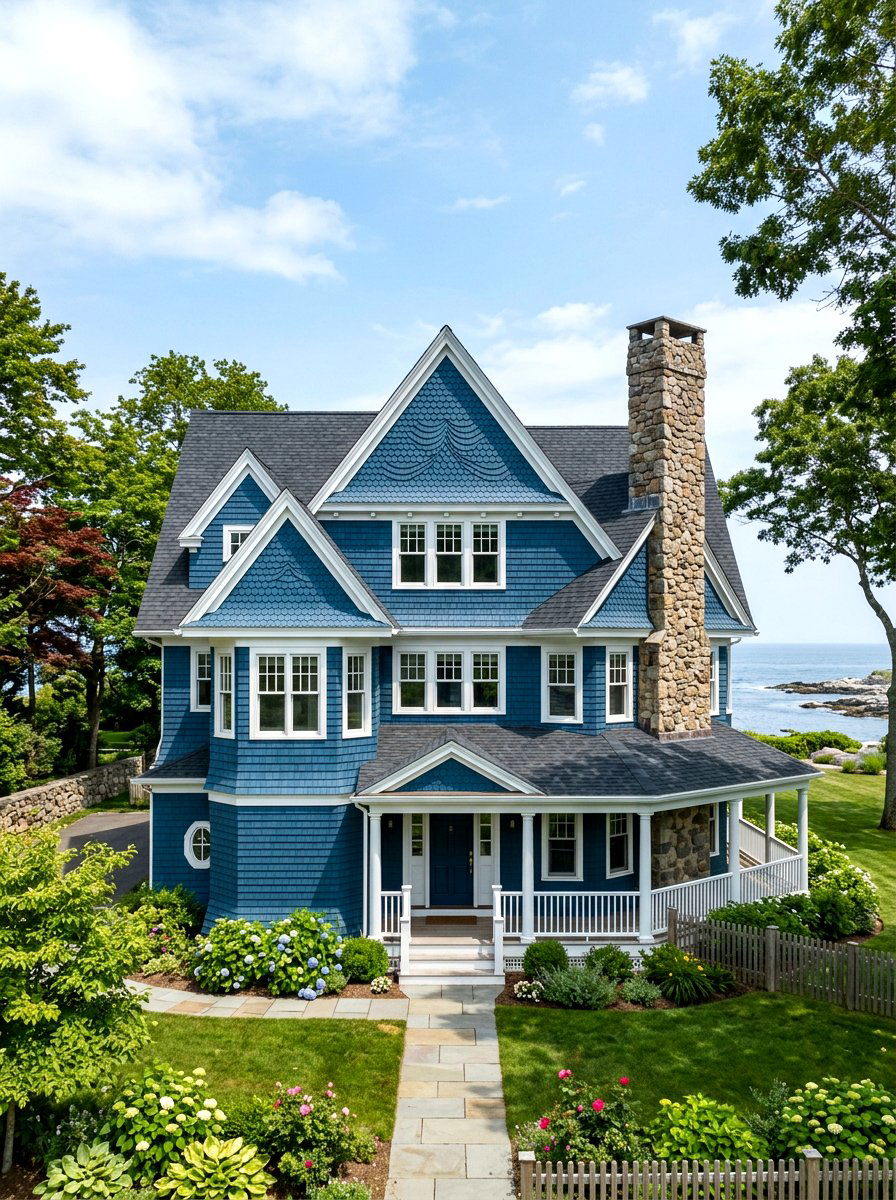
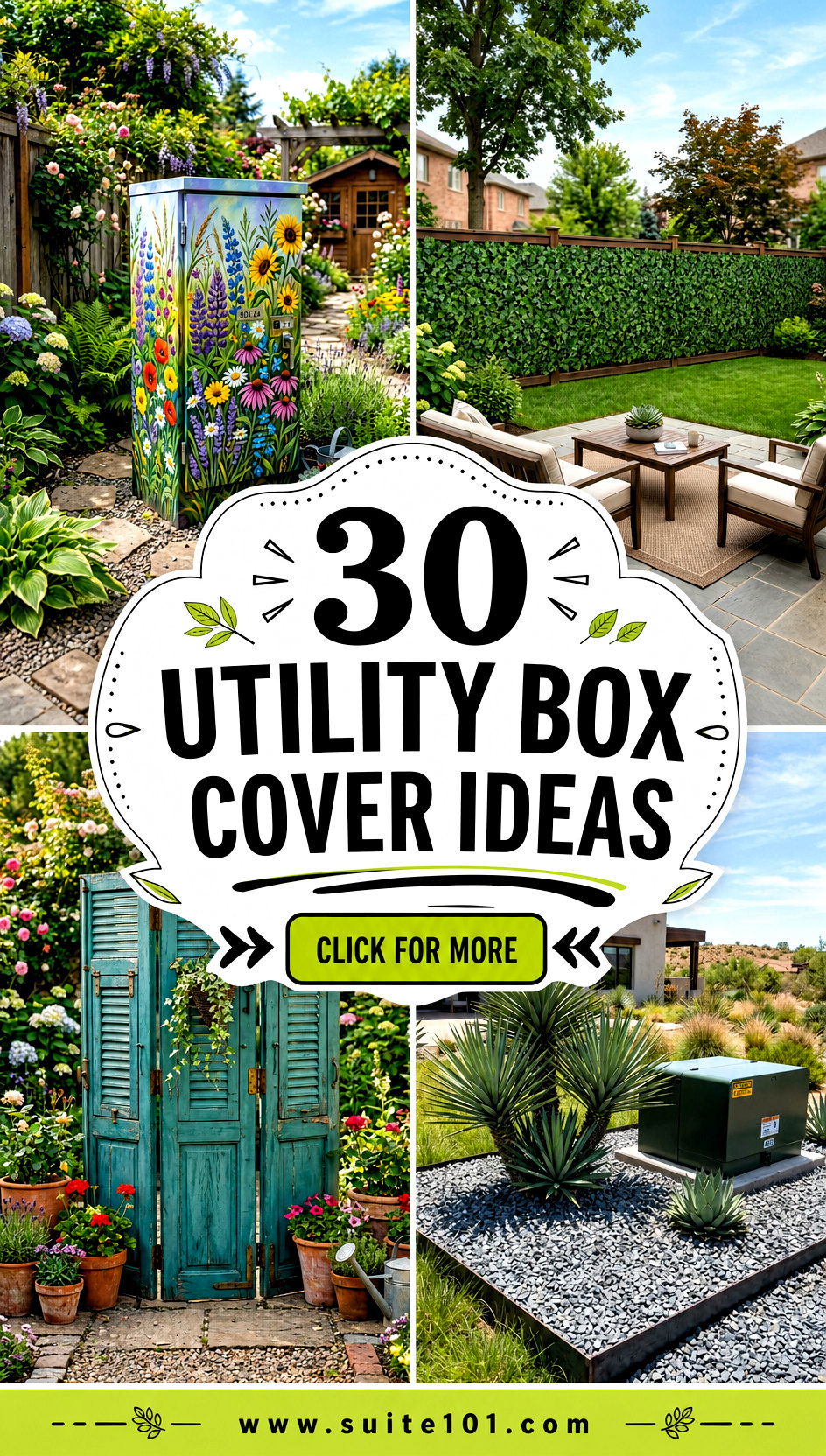
Do you ever find your eyes drifting toward that bulky, metallic eyesore sitting right in the middle of your perfectly manicured lawn? Utility boxes are essential for our modern homes, yet they often disrupt the visual flow of a beautiful landscape or outdoor living area. Fortunately, there are countless creative ways to blend these necessary objects into your environment without compromising access for technicians. Whether you prefer a natural look with lush greenery or a structured approach with stylish woodwork, transforming a utility box is one of the most satisfying DIY home projects. By choosing the right covering, you can enhance your property's curb appeal and turn a functional necessity into a seamless part of your overall home aesthetic.
1. Artificial Rock For Utility Box
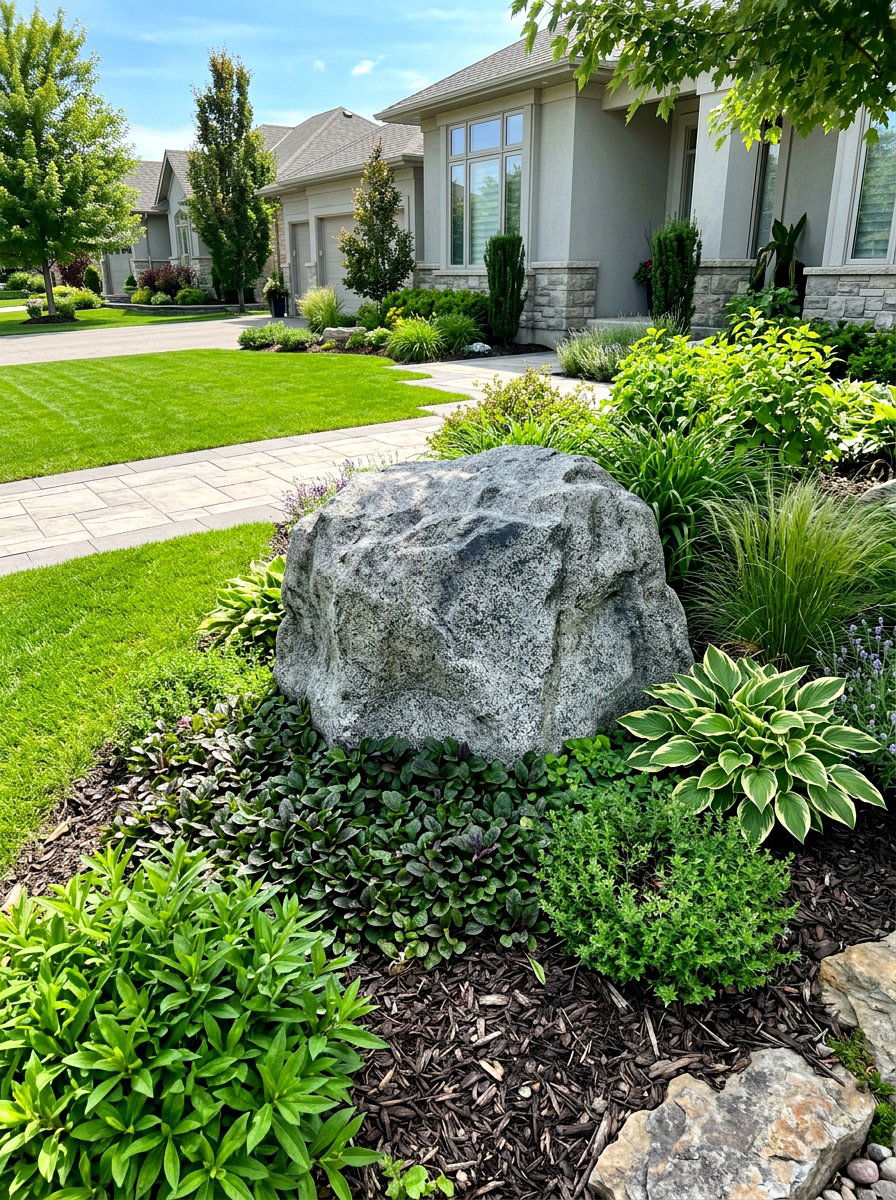
Have you ever considered using a realistic artificial stone to mask your unsightly electrical boxes? Faux rock covers are a fantastic solution because they look like natural boulders but are incredibly lightweight and easy to move when needed. These hollow shells come in various shapes and sizes to fit over transformers or well pumps perfectly. You can choose a granite or sandstone finish that matches the existing stones in your garden beds. Because they are made from durable materials like polyethylene, they can withstand harsh weather conditions for years. This approach is ideal for homeowners who want a low-maintenance option that provides instant camouflage. Simply place the rock over the equipment and surround it with a bit of mulch.
2. Wood Lattice Enclosure
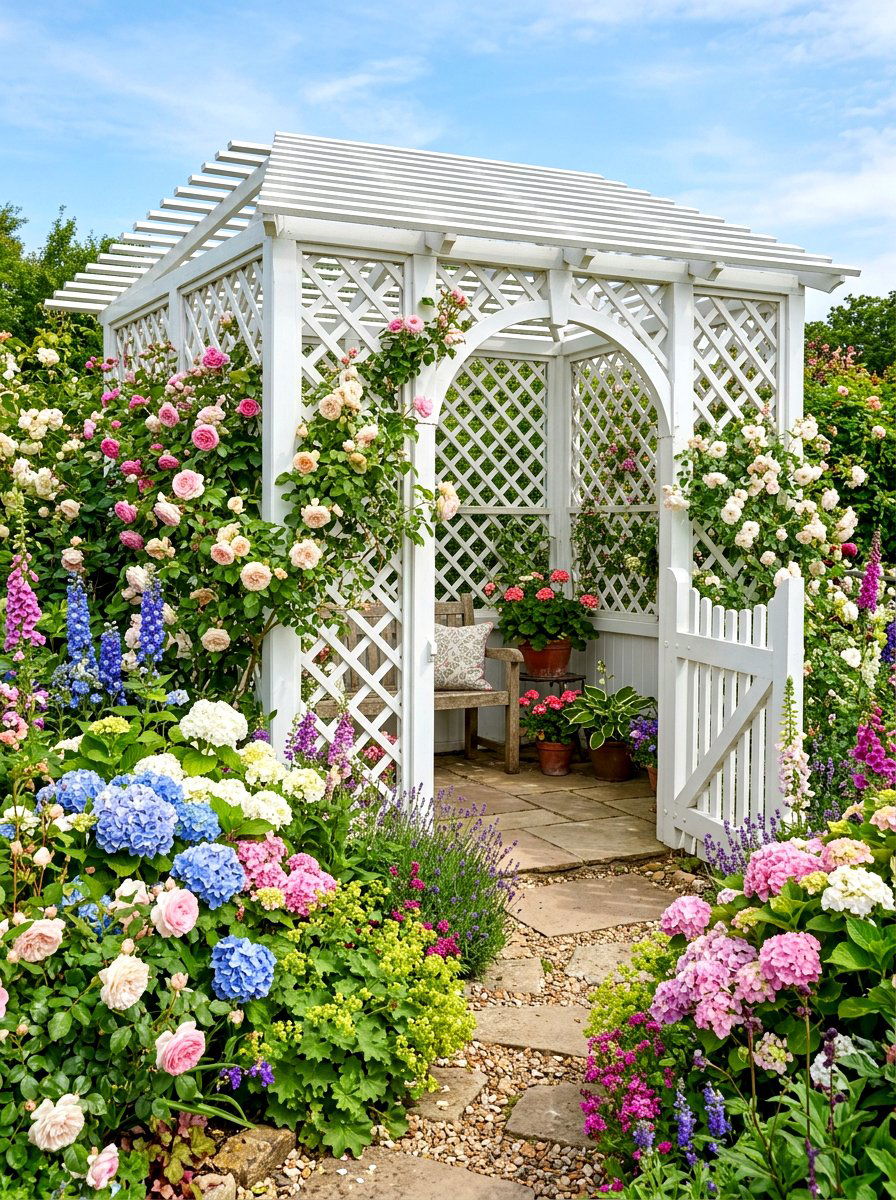
Imagine a classic garden scene where your utility equipment is tucked away behind a charming wooden lattice structure. This design provides an airy feel while effectively blocking the view of metal boxes or meters. Lattice panels are easy to find at local hardware stores and can be painted or stained to match your home’s exterior trim or deck. You can build a three-sided screen that allows for easy access from the back or top. Adding a few hooks for garden tools or hanging small flower pots can make this structure functional as well as beautiful. The crisscross pattern creates a timeless look that complements traditional, cottage, or farmhouse architectural styles effortlessly in any suburban backyard.
3. Vertical Garden For Utility Box
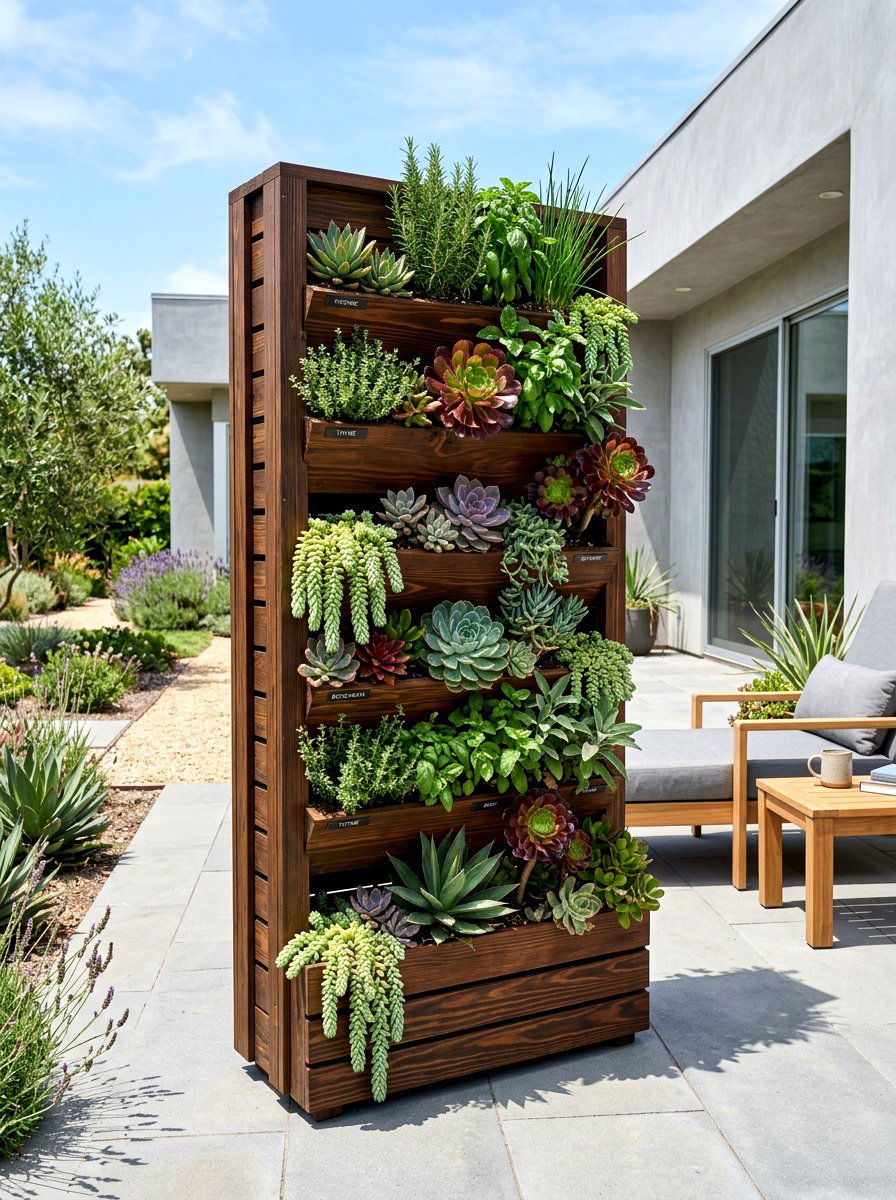
Integrating a vertical garden into your utility area is a brilliant way to add life and color to a dull spot. By building a simple frame with rows of small planters, you can grow succulents, herbs, or colorful annuals that hide the equipment behind them. This living wall serves as a stunning focal point rather than a distraction. Make sure to use moisture-resistant wood like cedar or treated pine for the frame to ensure longevity. This solution works particularly well in small spaces where ground area is limited. It allows you to maximize your gardening potential while simultaneously solving a common aesthetic problem. Your utility box will be completely forgotten under a blanket of vibrant green leaves.
4. Decorative Metal Screen For Yard
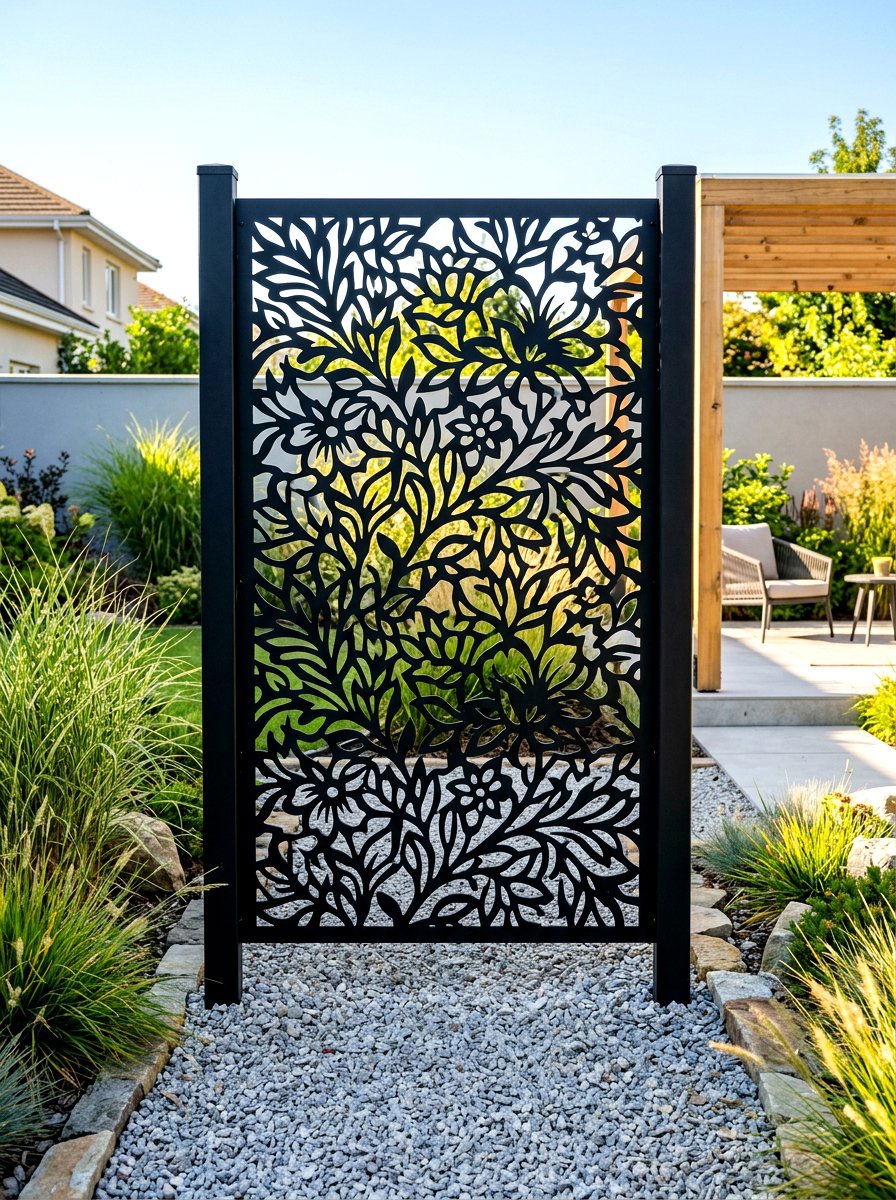
Why not use a piece of modern art to solve your landscape dilemma? Decorative metal screens feature intricate laser-cut designs that cast beautiful shadows and provide a sleek, contemporary look. These panels are available in various finishes, such as rust-look corten steel or powder-coated black, which add a sophisticated touch to your outdoor space. They are incredibly durable and require almost zero maintenance once installed. Positioning these screens a few feet away from the utility box ensures that technicians can still perform their work while you enjoy a high-end architectural feature. This choice is perfect for modern or minimalist homes where clean lines and unique textures are essential for maintaining the overall design theme.
5. Evergreen Shrub Border
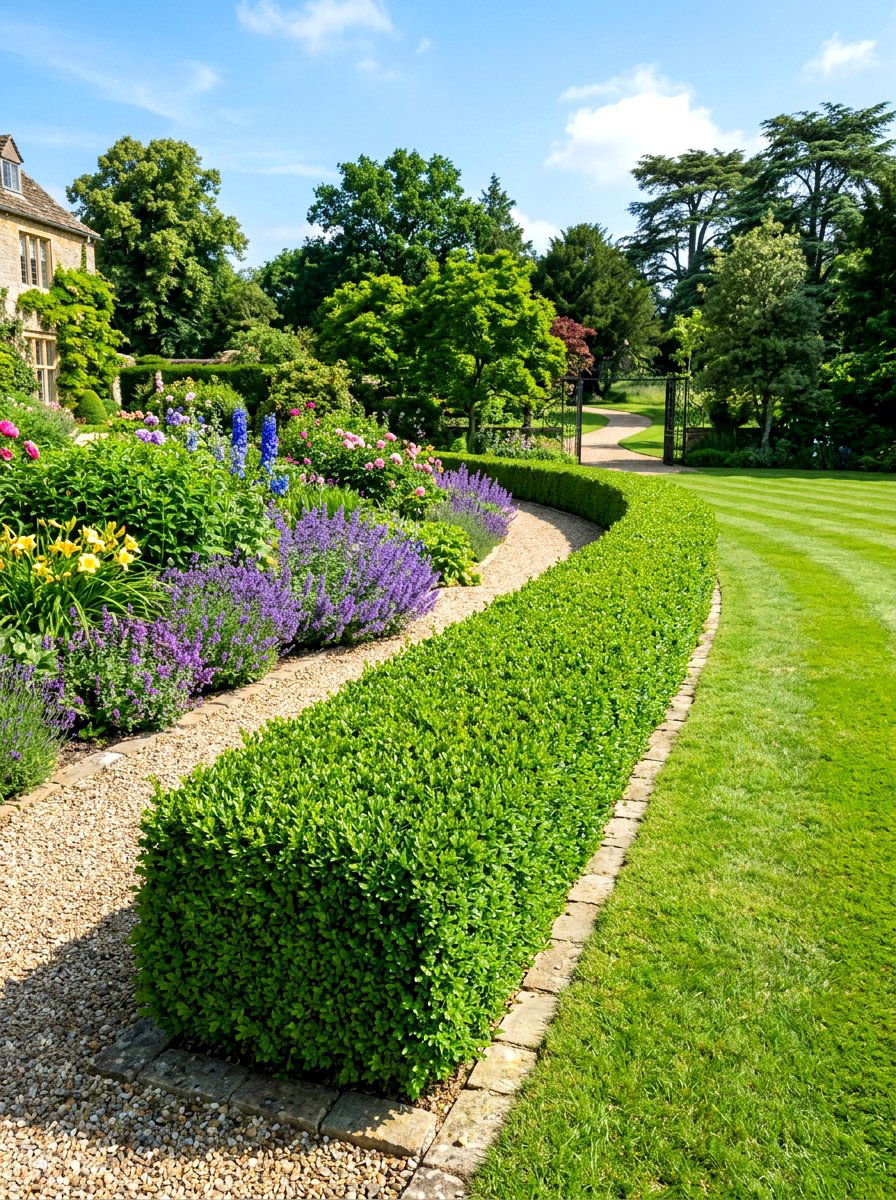
Lush greenery provides the most natural way to hide utility equipment without building permanent structures. By planting a row of dense evergreens like boxwood, yew, or arborvitae, you create a living screen that stays green all year round. It is important to leave enough space between the plants and the equipment to allow for growth and easy access for maintenance. These shrubs can be pruned into formal shapes or left to grow naturally for a more relaxed look. This method not only hides the utility box but also adds structure and depth to your landscape design. Over time, the plants will fill in, creating a seamless transition that looks like a deliberate part of your garden.
6. Small Picket Fence
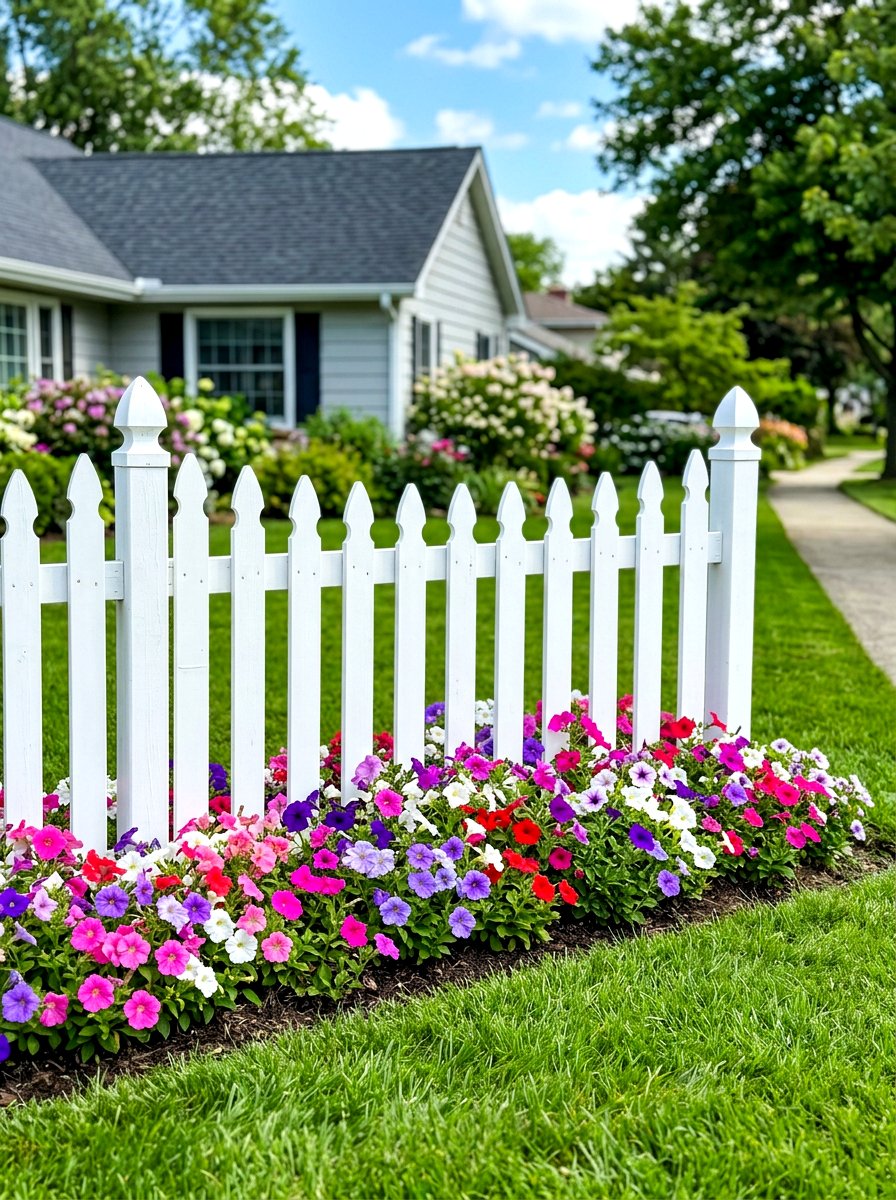
A small white picket fence can bring a touch of nostalgic charm to your front yard while hiding utility boxes. This classic Americana style is perfect for traditional homes and provides a clear boundary for utility workers while keeping the equipment out of sight. You can build a simple two or three-sided fence section and paint it a bright, crisp white to make it pop against your green grass. Placing some colorful flowers like petunias or daisies at the base of the fence adds to the welcoming cottage vibe. This solution is cost-effective and easy to install for any weekend DIY enthusiast. It turns a boring utility area into a picturesque part of your home’s entrance.
7. Stone Wall For Utility Box
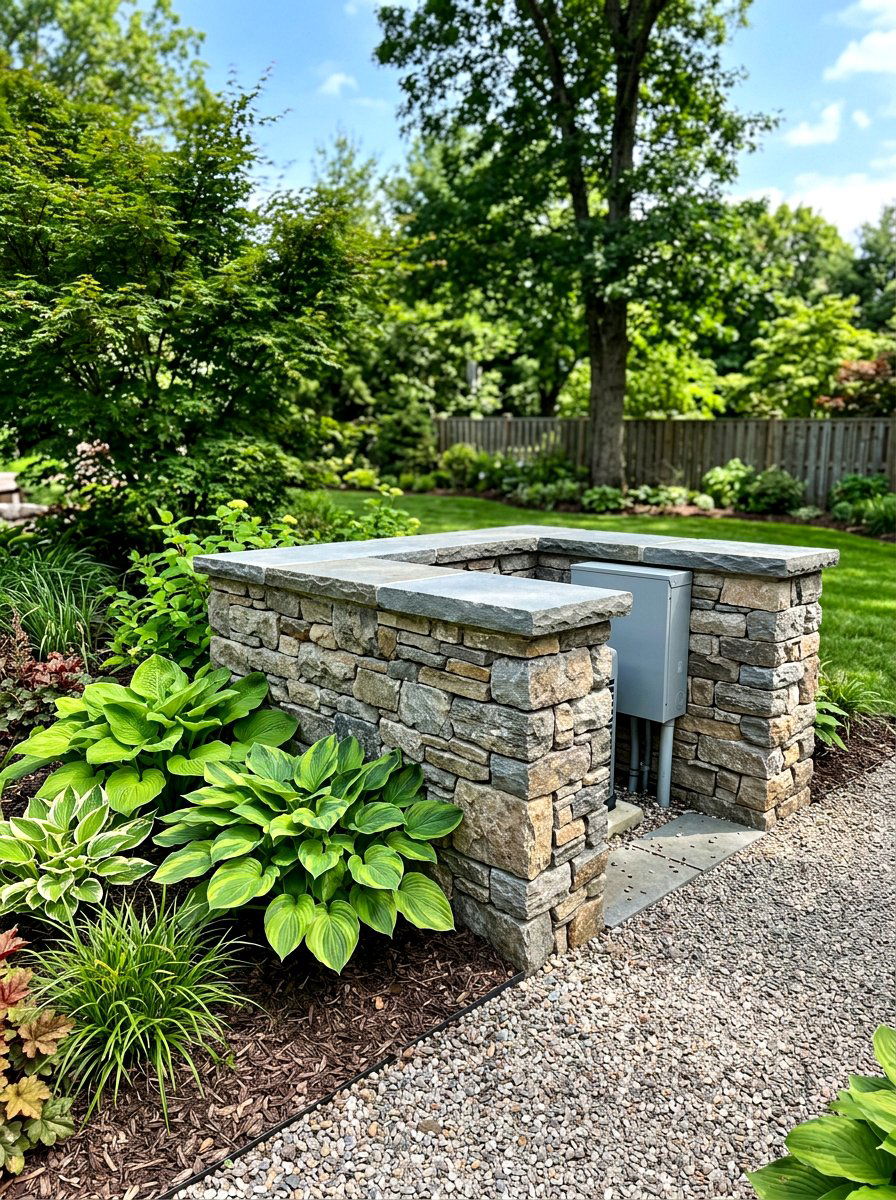
Building a low stone wall around your utility area creates a permanent and high-end look for your landscape. You can use natural stacked stone or interlocking masonry blocks that match your home's foundation or patio. This method works well for boxes located on slopes or near the edge of a driveway. By creating a dedicated stone enclosure, you define the space and make the utility box look like a planned part of the hardscaping. You can even top the wall with flat capstones to create a ledge for decorative lanterns or potted plants. This sturdy structure provides a long-lasting solution that withstands the elements while significantly increasing your property’s overall visual appeal and value.
8. Vinyl Wrap For Utility Box
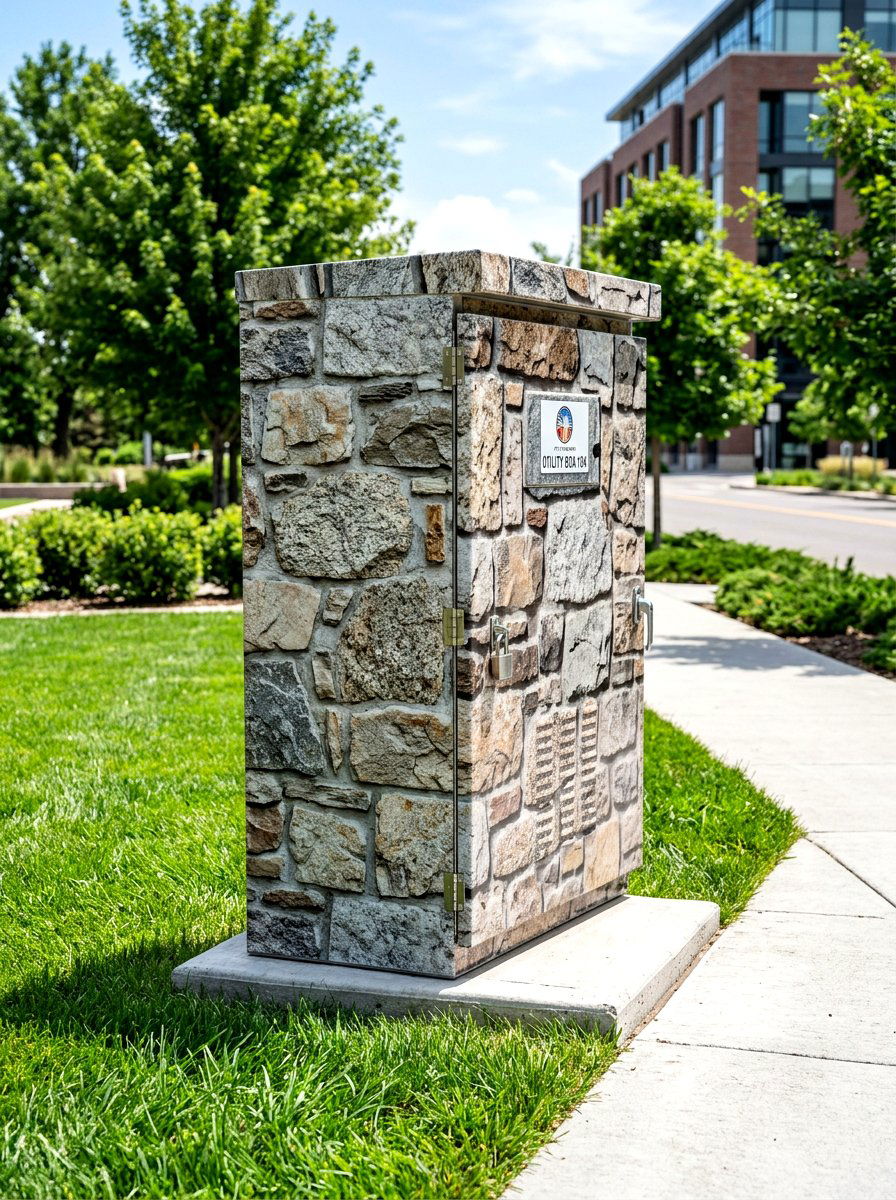
Have you seen how some cities use vinyl wraps to turn utility boxes into works of art? You can apply this same technique to your home by using weather-resistant vinyl decals or custom wraps. These can be printed with patterns that mimic natural textures like stone, wood, or even dense foliage to help the box blend into the surroundings. This is a great non-invasive option if you are restricted by local regulations from building structures around the box. The vinyl is easy to clean and can be replaced if you decide to change your landscape style later. It is a modern, creative way to transform a dull metal surface into a visually interesting element of your yard.
9. Utility Box Mural Paint
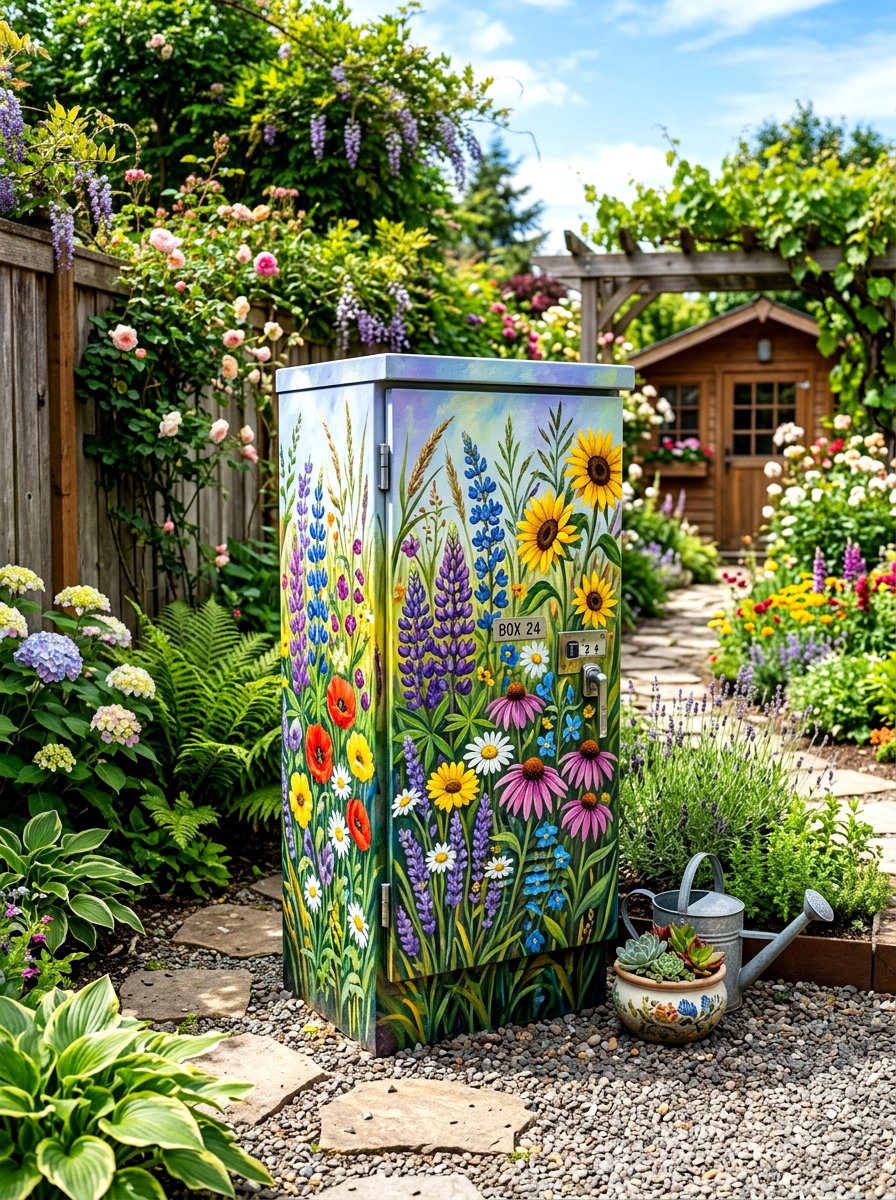
Transforming a utility box into a miniature canvas can be a fun project for the artistically inclined homeowner. Using high-quality outdoor paint, you can create a mural that depicts local landscapes, floral patterns, or abstract designs. If you want the box to disappear, consider painting it in a shade that matches the surrounding shadows or the exact color of your home's siding. This approach requires some artistic skill but results in a truly unique and personalized look. Before you start, check with your utility company to ensure painting is allowed in your area. This method is an excellent way to express your creativity while effectively neutralizing a functional eyesore in your outdoor living space.
10. Tall Ornamental Grass

Tall ornamental grasses offer a soft, flowing texture that can easily mask utility boxes during the growing season. Varieties like Maiden Grass, Switchgrass, or Zebra Grass can reach several feet in height, providing an effective visual barrier with minimal effort. The movement of the grass in the wind adds a dynamic element to your garden that hard structures cannot provide. These plants are generally easy to care for and only require a quick trim once a year in early spring. Because they grow quickly each season, they provide a reliable screen that looks beautiful and natural. This is a budget-friendly option for homeowners who want to add privacy and movement to their landscape design.
11. Portable Planter Box
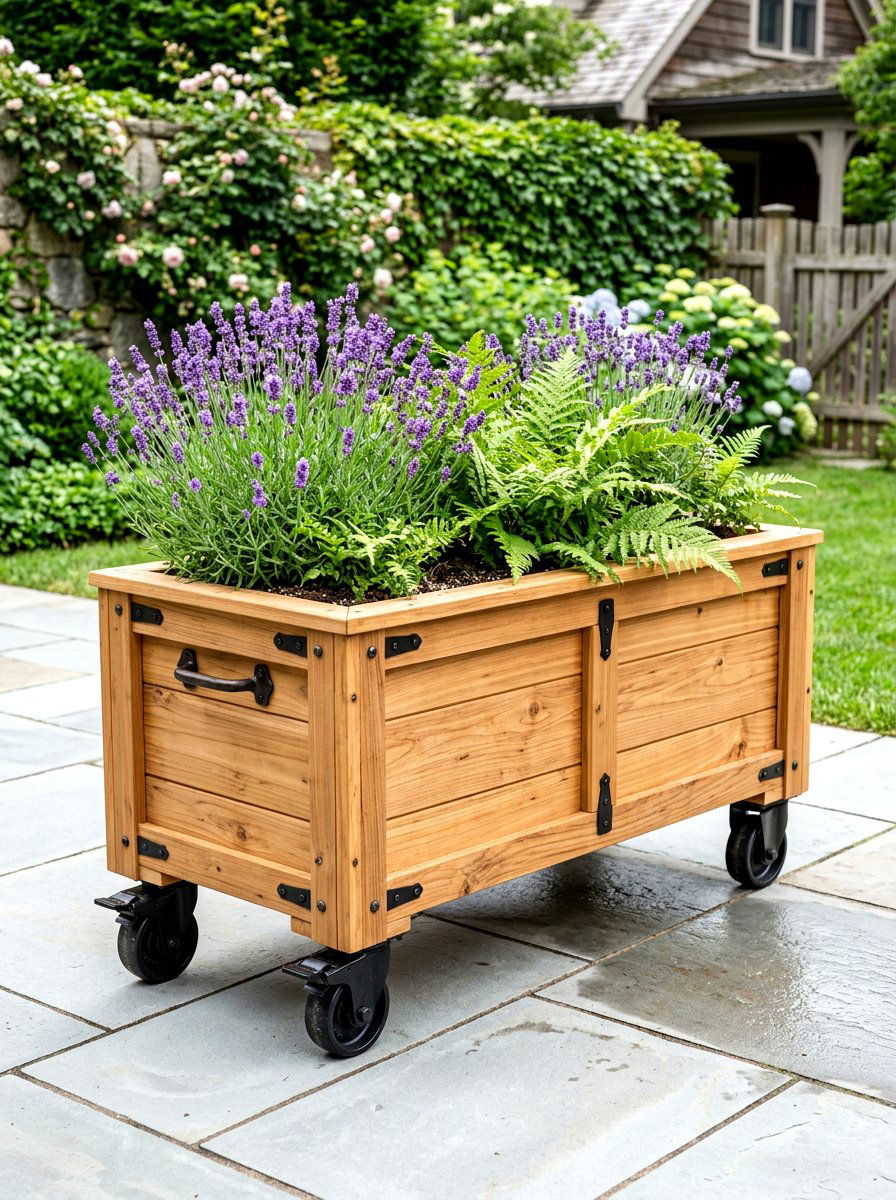
A large portable planter box offers a flexible and stylish way to hide utility meters or boxes on a patio or deck. You can build a tall wooden planter with wheels on the bottom to ensure it can be easily moved whenever a technician needs access. Filling the planter with tall flowers, lush ferns, or even a small trellis for climbing peas creates a beautiful vertical accent. This solution is perfect for renters or those who don't want to commit to a permanent landscape change. The mobility ensures you are always in compliance with utility company rules while enjoying a burst of greenery exactly where you need it most to improve your view.
12. Cedar Slat Enclosure
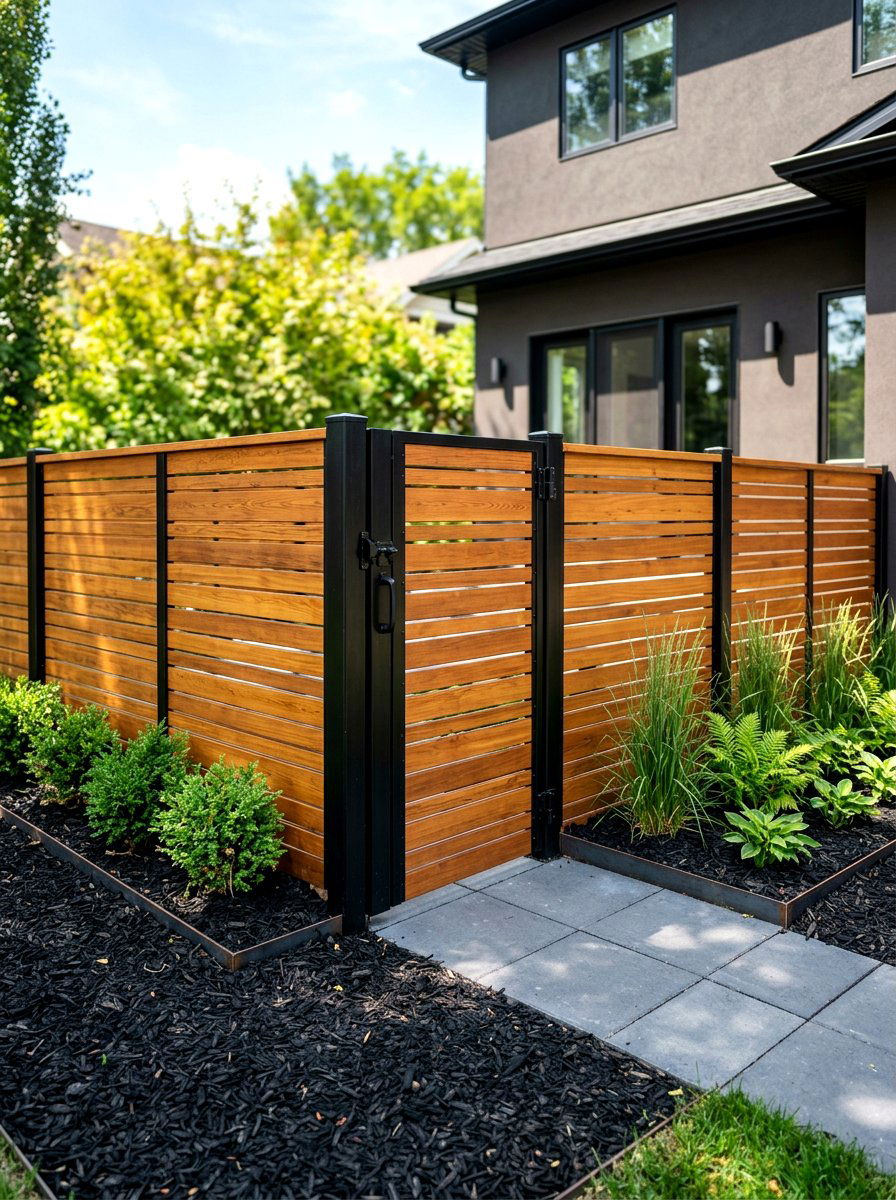
Cedar is a popular choice for outdoor projects because of its natural resistance to rot and its beautiful warm tone. Building a contemporary slat enclosure with horizontal cedar boards creates a high-end, spa-like feel in your backyard. The small gaps between the slats allow for airflow while obscuring the utility equipment from most angles. You can leave the cedar to weather into a silvery gray or apply a clear sealer to maintain its rich reddish-brown color. This type of structure looks particularly stunning when paired with modern landscape elements like black mulch or gravel. It is a durable and sophisticated way to hide large boxes while adding architectural interest to your home's exterior design.
13. Garden Trellis With Vines
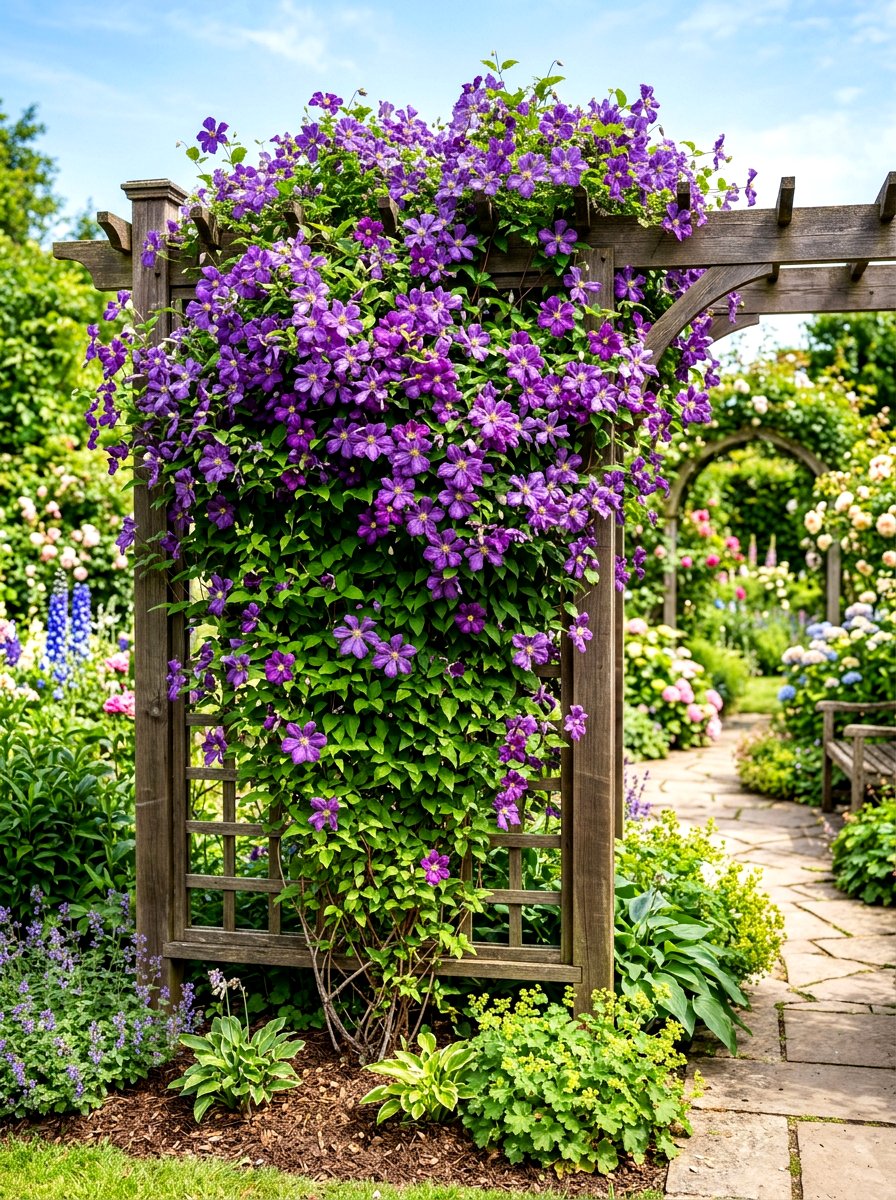
A simple garden trellis can serve as a functional and decorative screen for utility boxes located near walls or fences. By installing a sturdy trellis and planting fast-growing climbing vines like clematis, jasmine, or honeysuckle, you create a wall of fragrant blooms. The vines will quickly weave through the trellis, creating a dense layer of foliage that completely hides the metal equipment. This method is excellent for adding vertical interest and a touch of romance to your garden. Ensure the trellis is anchored securely to the ground but remains far enough away from the box to allow for maintenance. It is a classic gardening trick that turns a problem area into a fragrant highlight.
14. Bamboo Privacy Screen
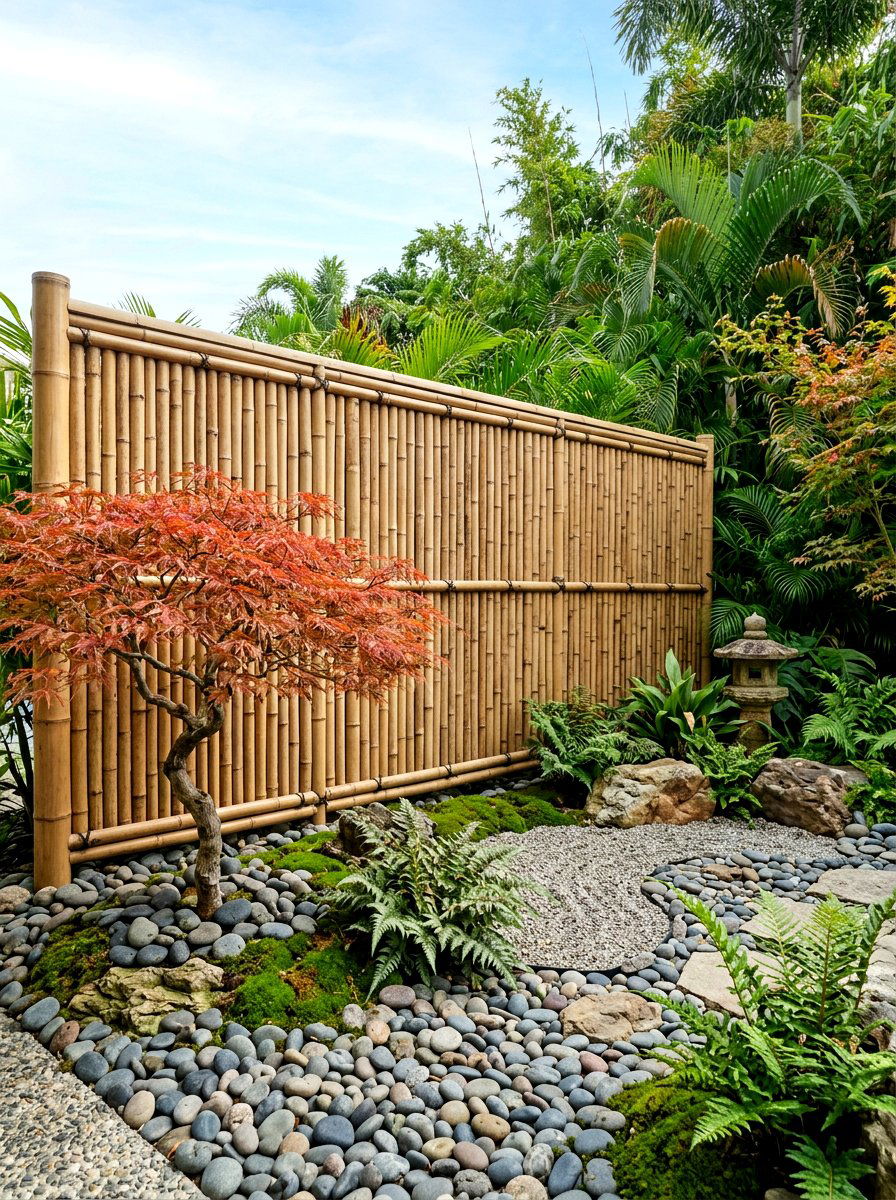
For a tropical or Zen-inspired garden, a bamboo privacy screen is an excellent choice for hiding utility boxes. Bamboo is a sustainable material that offers a unique texture and a natural aesthetic. You can purchase pre-made bamboo rolls and attach them to a simple wooden frame to create a quick and effective barrier. This type of screen provides a high level of privacy and obscures the utility equipment while allowing light and air to pass through. The vertical lines of the bamboo stalks create a sense of height and can help make a small yard feel larger. It is a budget-friendly and stylish way to incorporate natural materials into your outdoor living space.
15. Woven Willow Fence
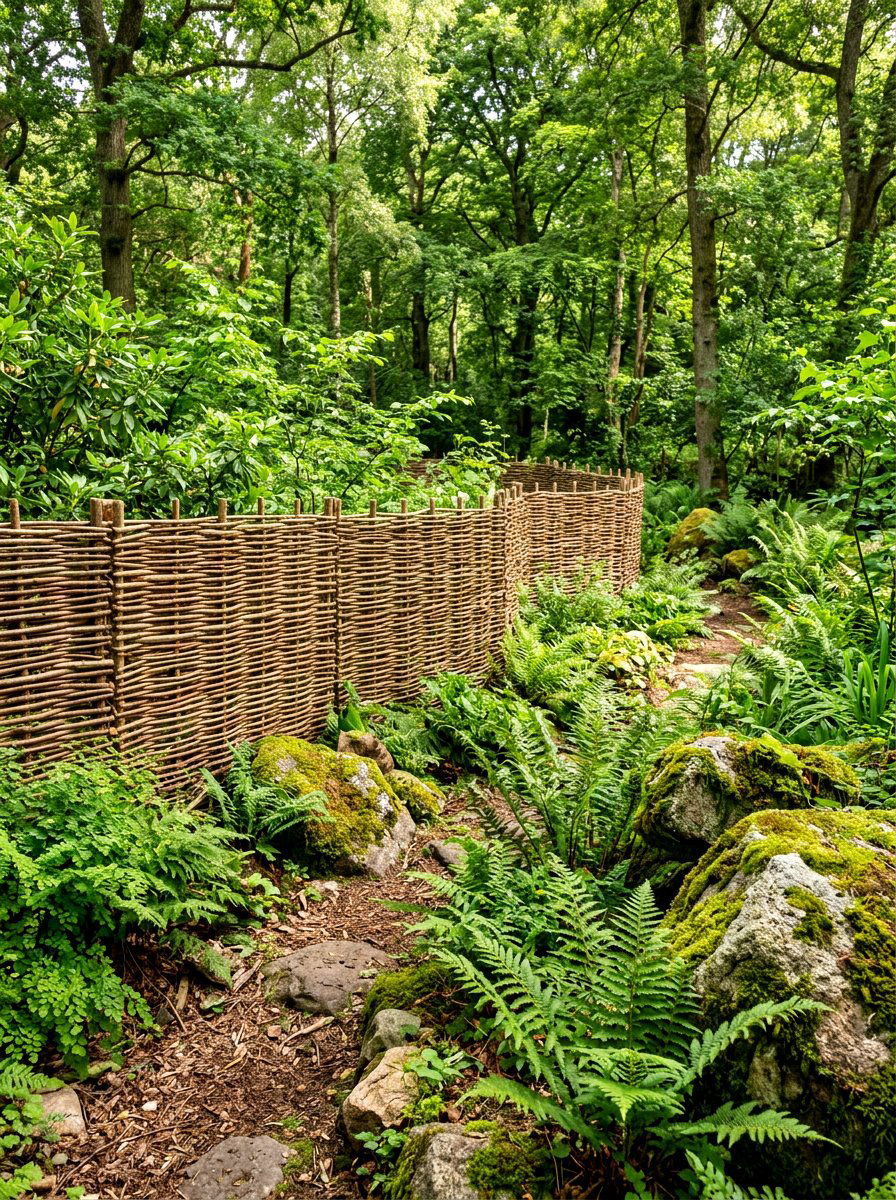
Woven willow or wattle fencing provides a rustic, handmade look that is perfect for English cottage gardens or naturalistic landscapes. These screens are made by weaving flexible willow branches between vertical stakes, creating a textured and organic appearance. This traditional technique is surprisingly durable and blends perfectly with woodland settings or wildflower meadows. Because the materials are natural, the screen will age gracefully and eventually become a part of the landscape itself. You can easily build a small curved section of willow fencing to wrap around a utility box, providing a soft and unobtrusive hideaway. It is a wonderful choice for those who prefer an eco-friendly and artisanal approach to home design.
16. Faux Ivy Privacy Roll
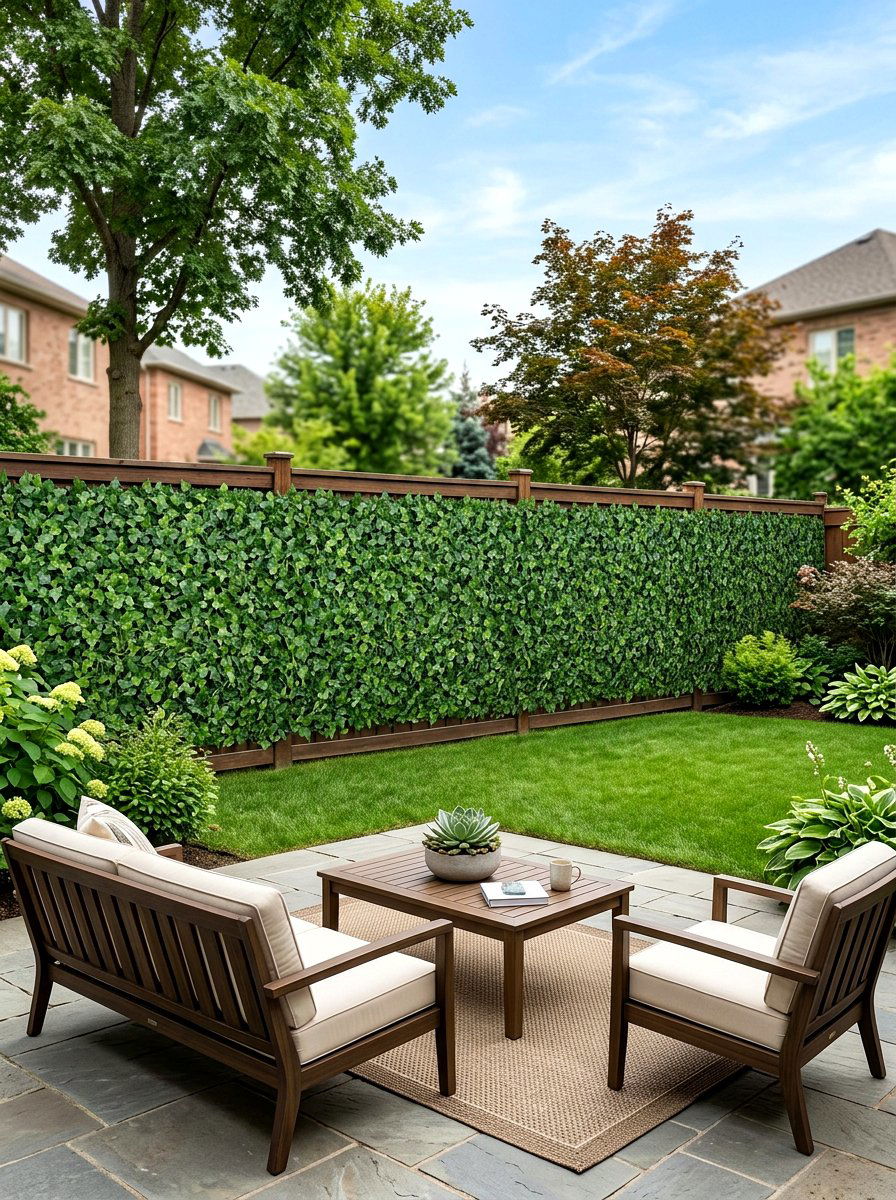
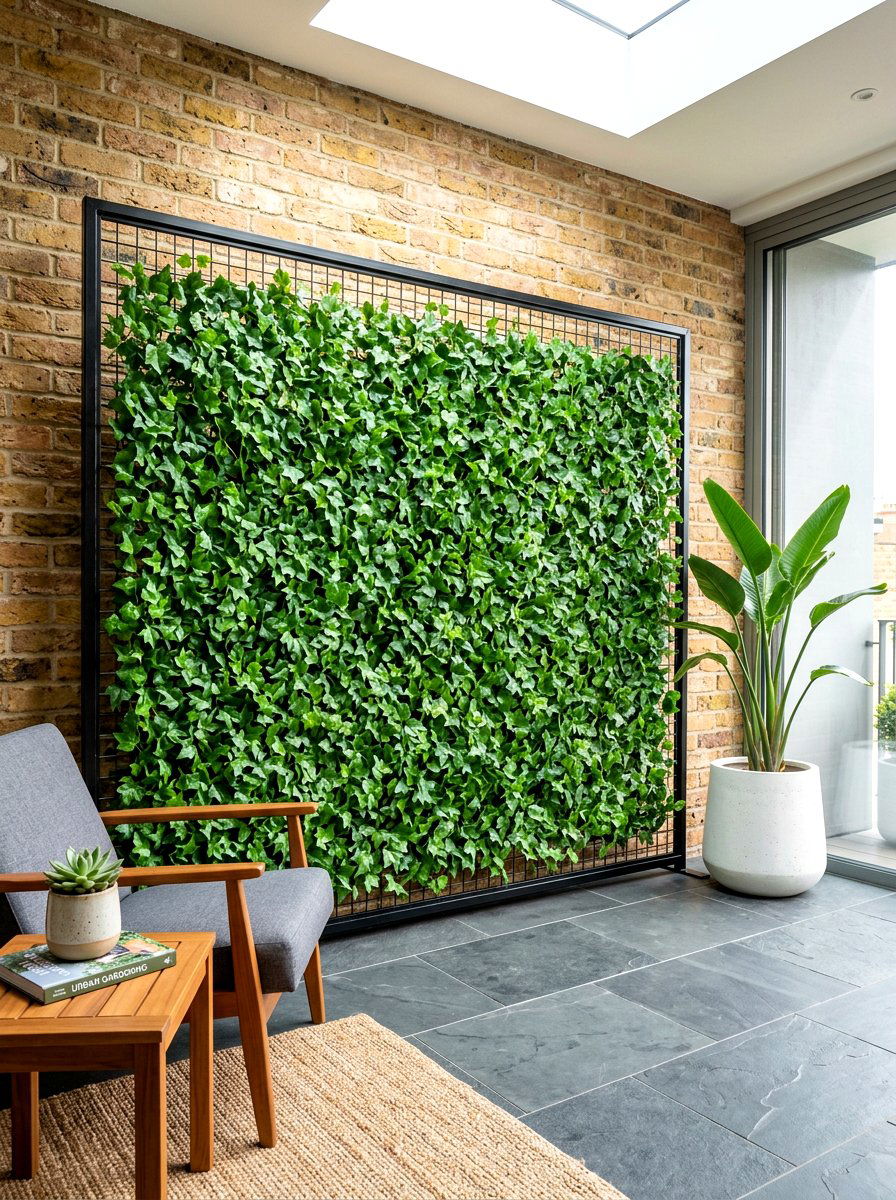
If you want an instant green screen without the wait time of growing real plants, a faux ivy privacy roll is a practical solution. These rolls feature realistic-looking silk or plastic leaves attached to a flexible mesh backing. You can easily wrap this material around a wire fence or a simple wooden frame to create a lush green wall in minutes. This is a great low-maintenance option for busy homeowners, as it requires no watering or pruning. The high-quality materials are often UV-resistant to prevent fading in the sun. It provides a consistent look throughout the year, ensuring your utility box is hidden even during the coldest winter months when real plants are dormant.
17. Gabion Stone Cage
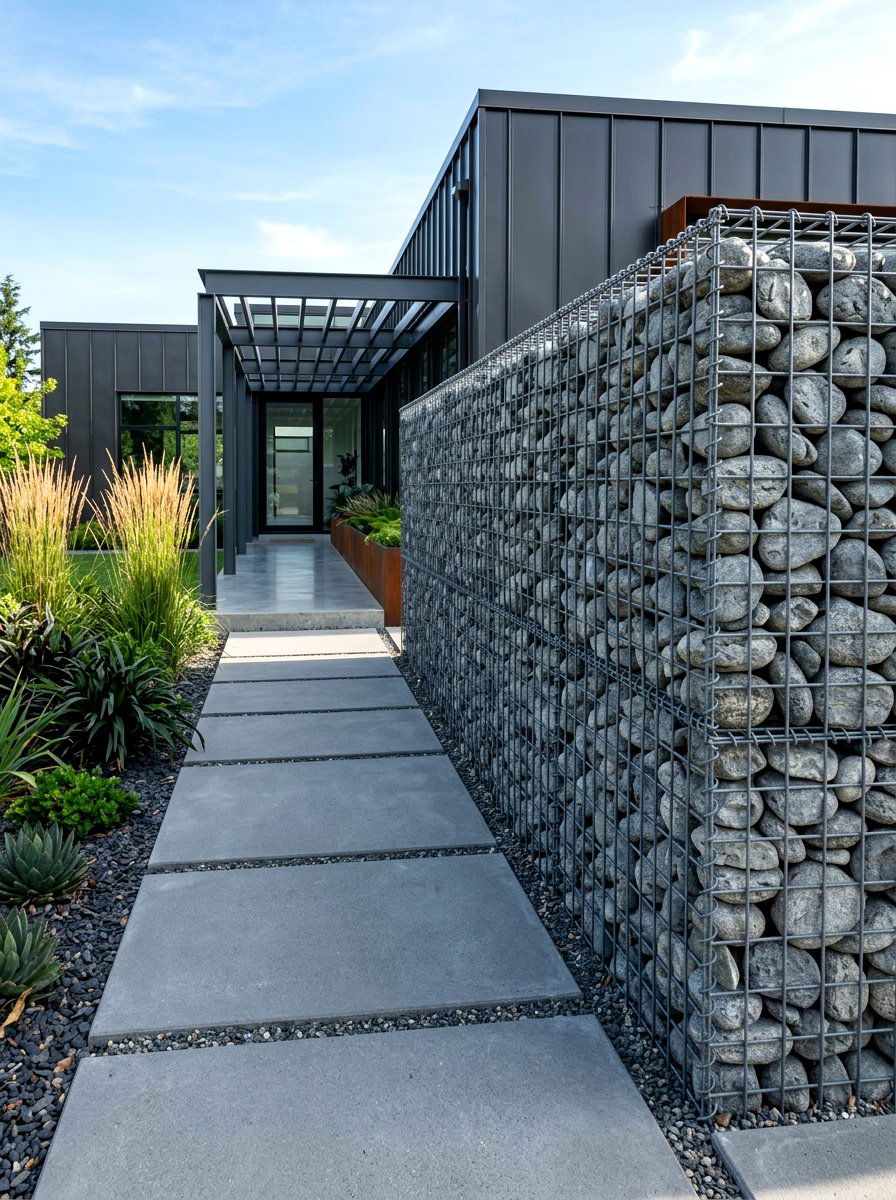
A gabion stone cage is a modern and industrial way to create a solid screen for utility boxes. These structures consist of wire baskets filled with decorative stones, rocks, or even recycled glass. Gabions are incredibly stable and provide a unique architectural texture that contrasts beautifully with soft garden plants. You can build a low gabion wall that wraps around the equipment, creating a permanent and maintenance-free barrier. The choice of stone allows you to customize the color and look to match your home’s exterior perfectly. This heavy-duty solution is ideal for high-wind areas or locations where a more substantial and permanent structure is desired to improve the property's curb appeal.
18. Horizontal Wood Slat Wall
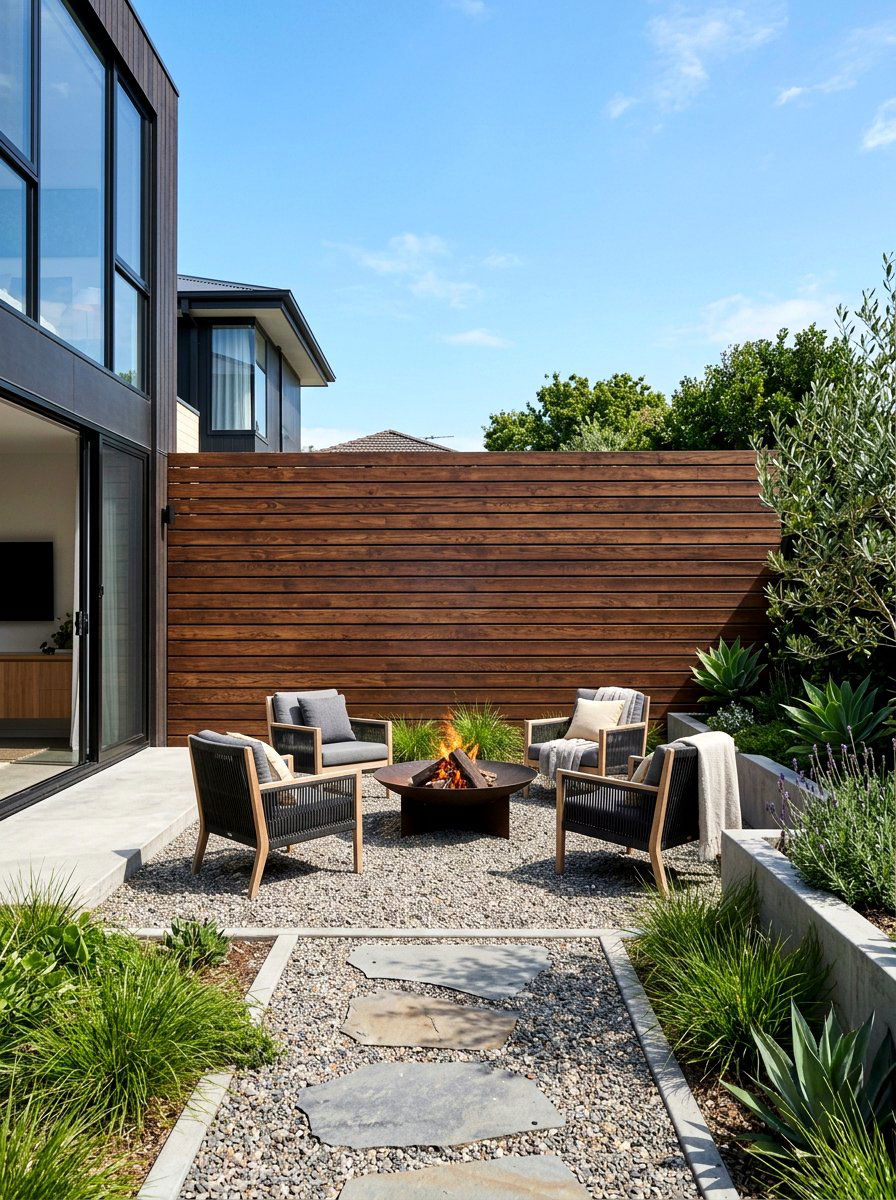
A horizontal wood slat wall is a hallmark of modern landscape design and works perfectly for hiding utility boxes. By using thin strips of wood with small gaps in between, you create a screen that looks intentional and stylish. This design emphasizes the width of the space and can help make a utility area feel more expansive. You can use various types of wood, such as pine, redwood, or even composite materials for a long-lasting finish. Staining the wood in a dark charcoal or a light oak color can completely change the vibe of the space. This clean and structured approach is perfect for homeowners who want their utility covers to look like high-end custom carpentry.
19. Boxwood Hedge Screen
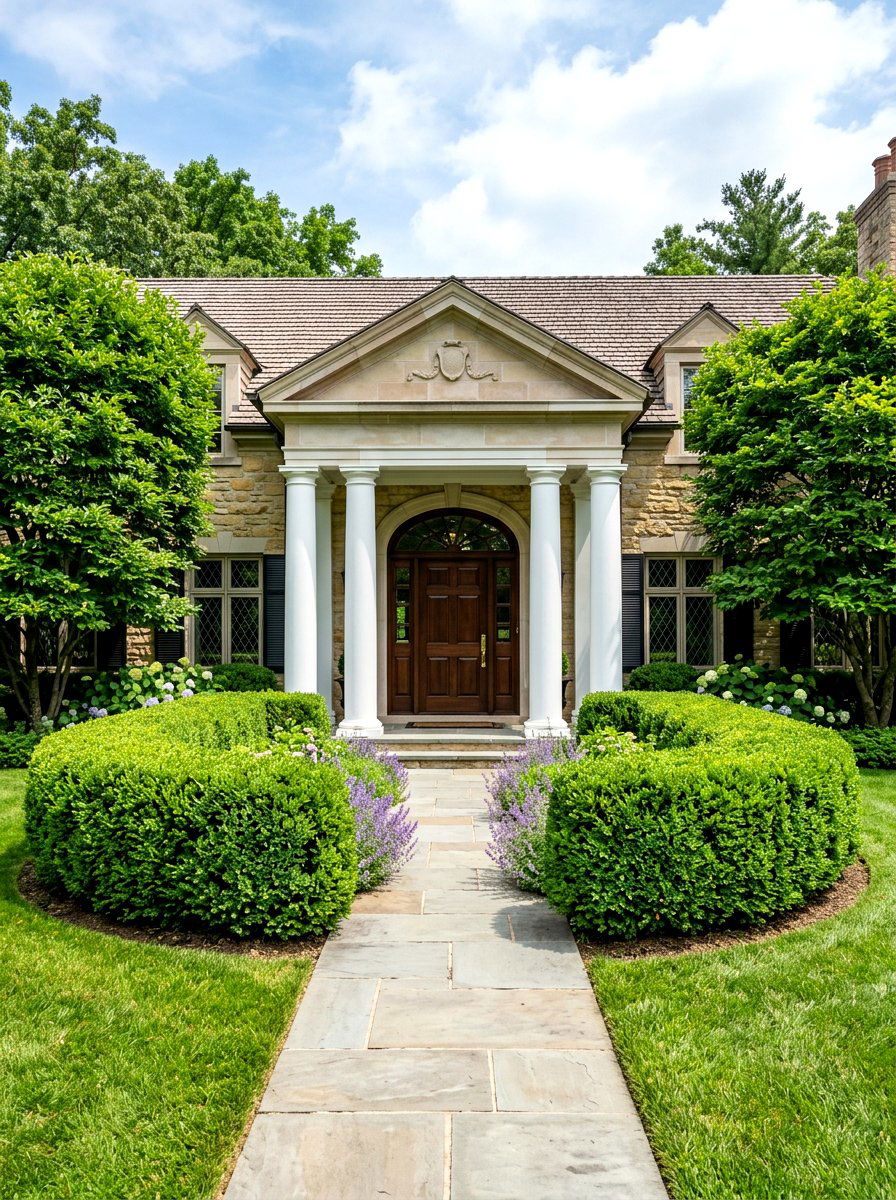
Boxwood hedges are the gold standard for creating formal and tidy garden screens. Their small, dense leaves and ability to be pruned into precise shapes make them ideal for hiding utility boxes in a professional and clean manner. You can plant a small "U" shaped hedge around the equipment, leaving the back open for access. This creates a green "room" that completely tucks the metal box out of sight. Boxwoods are slow-growing, meaning they will maintain their shape for a long time with minimal maintenance. This classic look works exceptionally well in formal landscapes, entryways, or along the side of a house where a tidy and organized appearance is essential.

20. Repurposed Window Shutters
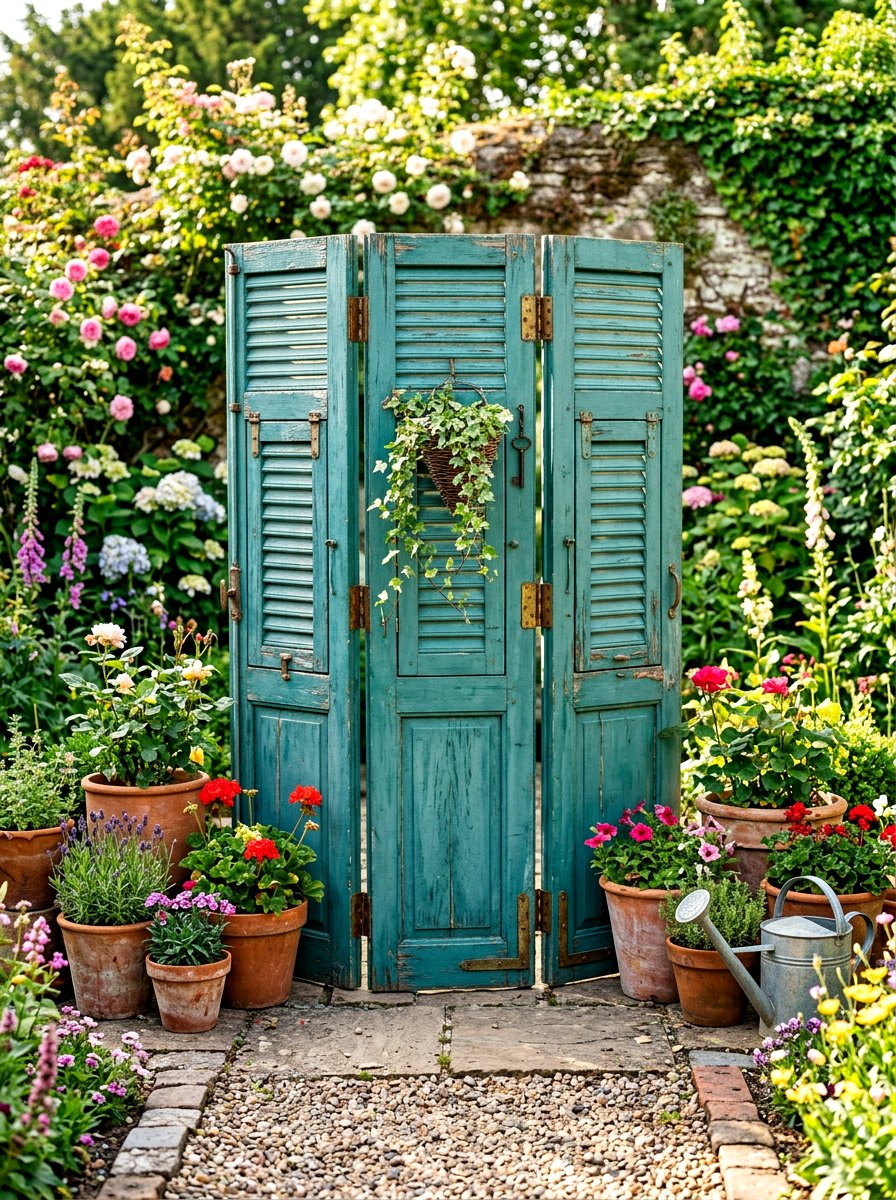
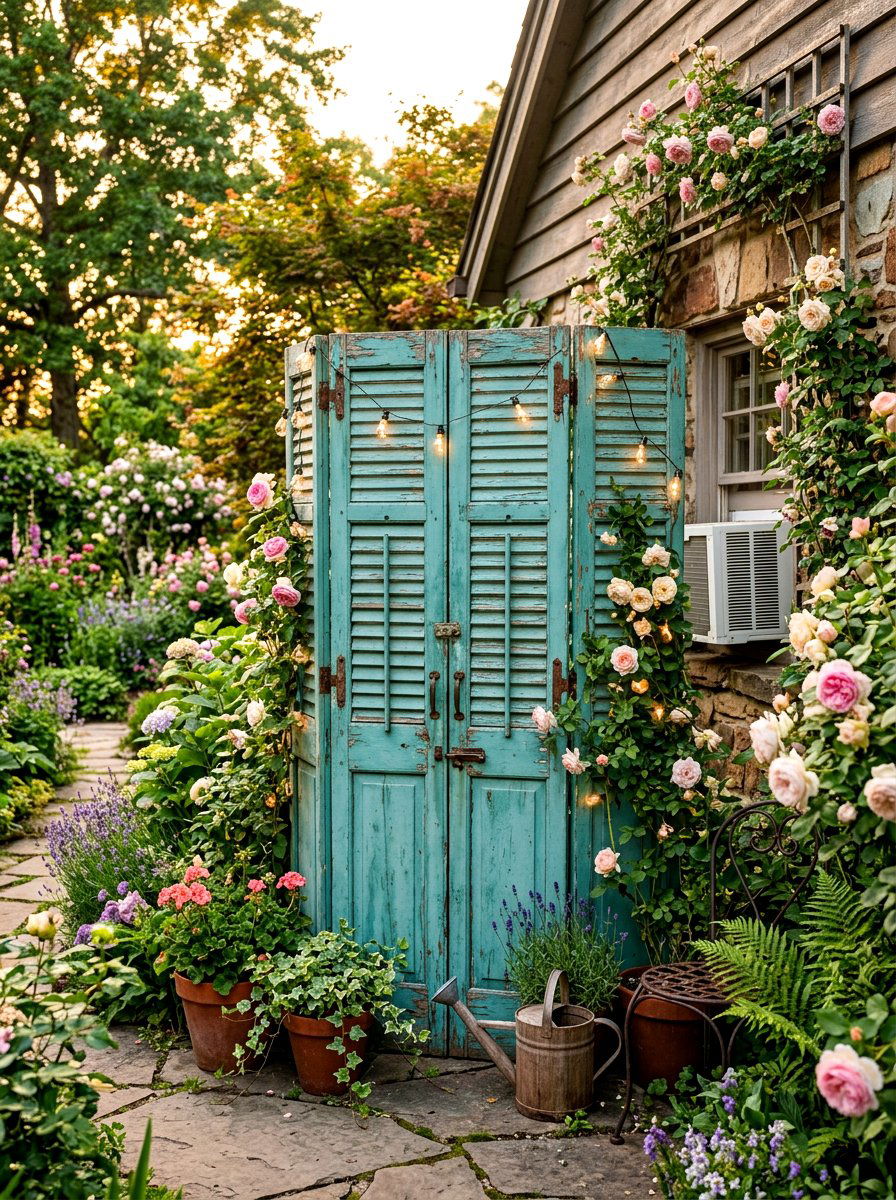
Using repurposed window shutters is a creative and eco-friendly way to build a unique utility box cover. You can find old wooden shutters at salvage yards or antique shops and paint them in vibrant colors to match your garden decor. By hinging three shutters together, you create a freestanding screen that can be easily folded and moved when needed. This approach adds a vintage and lived-in feel to your yard, making the utility box area look like a charming garden feature. The louvers in the shutters allow for airflow, which is often important for electrical equipment. It is a fantastic DIY project that gives new life to old materials while solving a common problem.
21. Decorative Birdhouse Cover
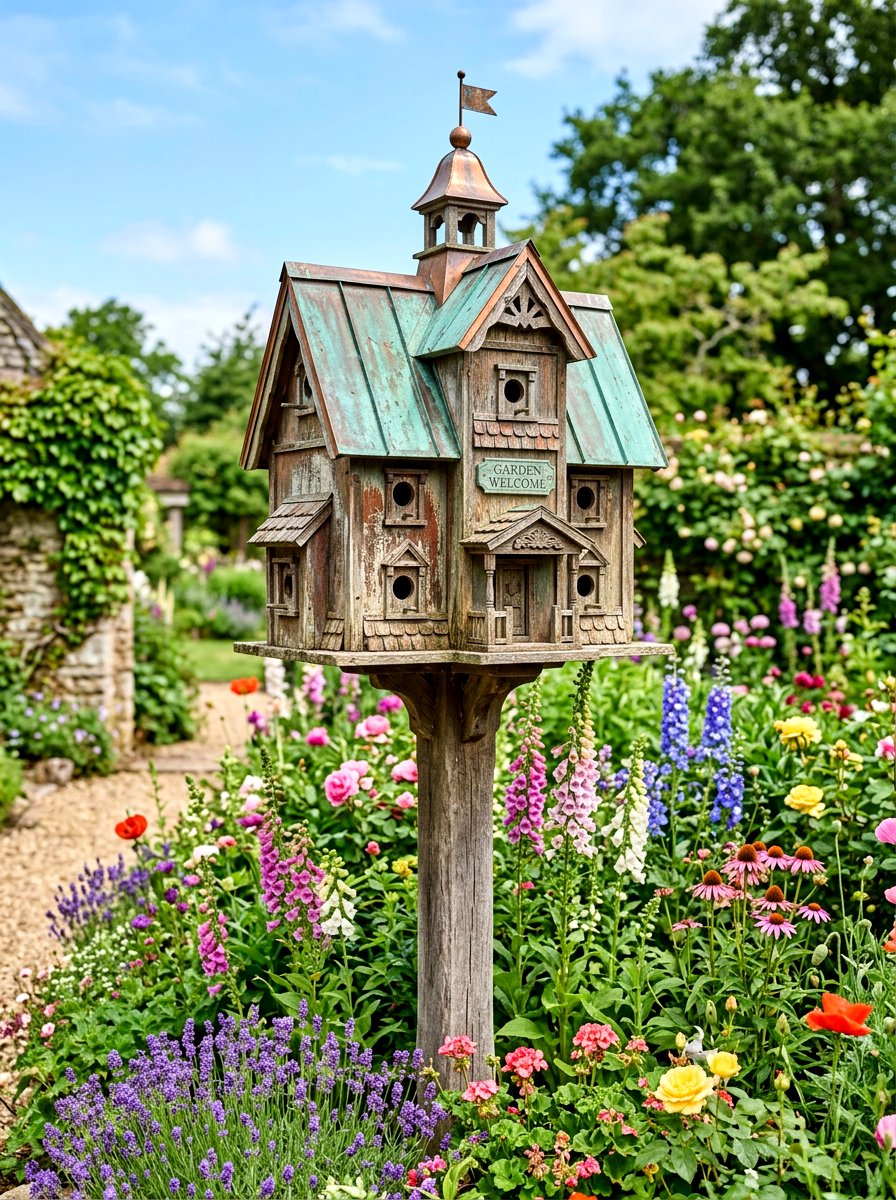
If you have a smaller utility box or a pipe that needs hiding, a decorative birdhouse cover can be a whimsical and functional solution. You can build or buy a large, oversized birdhouse that fits directly over the equipment. This turns a boring pipe into a delightful focal point for your garden that can actually attract local wildlife. Make sure the structure is easy to lift off for maintenance purposes. This playful approach is perfect for backyards, flower beds, or near bird feeders. It adds a sense of personality and charm to your landscape, proving that even the most functional parts of your home can be transformed into something joyful and unexpected.
22. Perennial Flower Border
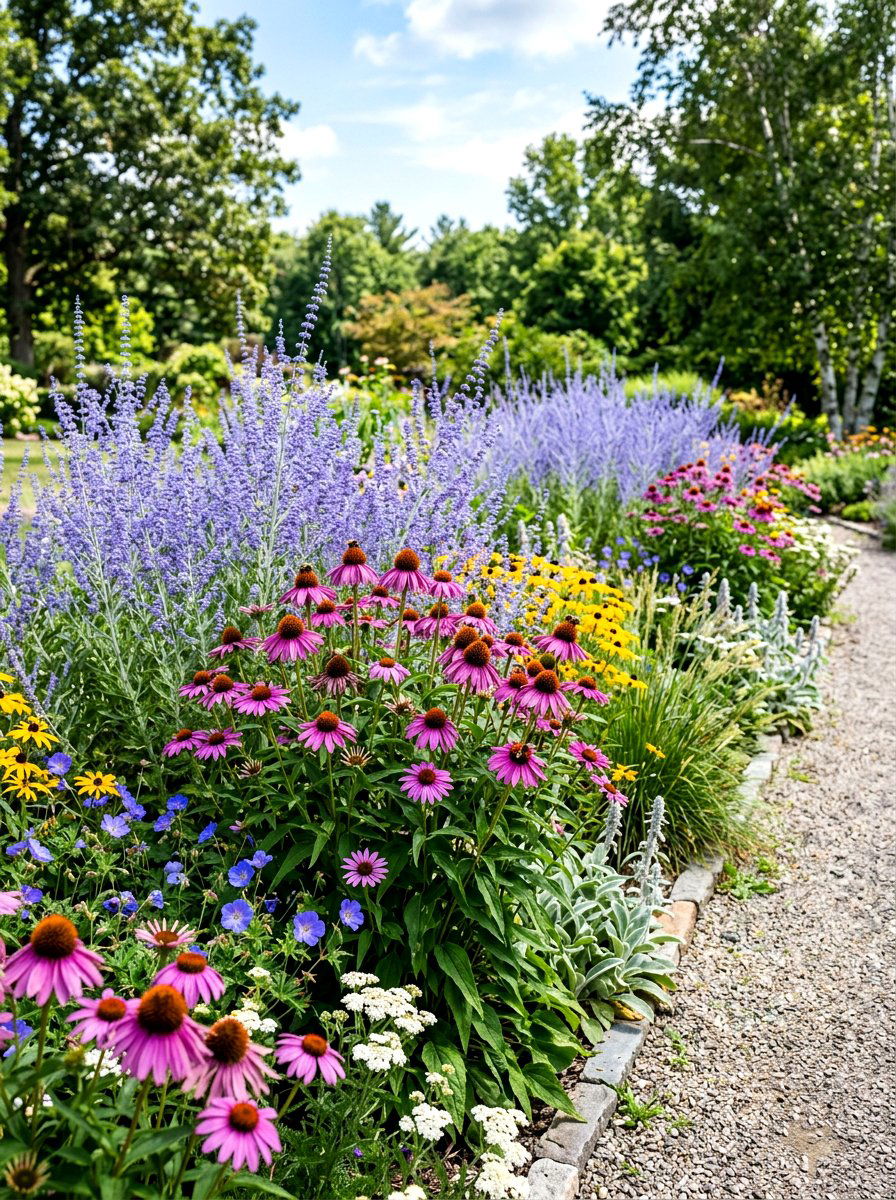
A dense border of tall perennial flowers can provide a seasonal but stunning screen for utility boxes. Plants like Russian Sage, Coneflowers, or Joe Pye Weed grow tall enough to obscure most standard-sized equipment. The benefit of using perennials is that they come back year after year, often growing larger and more effective as a screen over time. By choosing a variety of plants that bloom at different times, you can ensure your utility area remains beautiful throughout the spring, summer, and fall. This naturalistic approach encourages biodiversity and brings color and life to a spot that would otherwise be forgotten. It is a wonderful way to blend technology with the natural beauty of a flower garden.
23. Painted Utility Box Camouflage
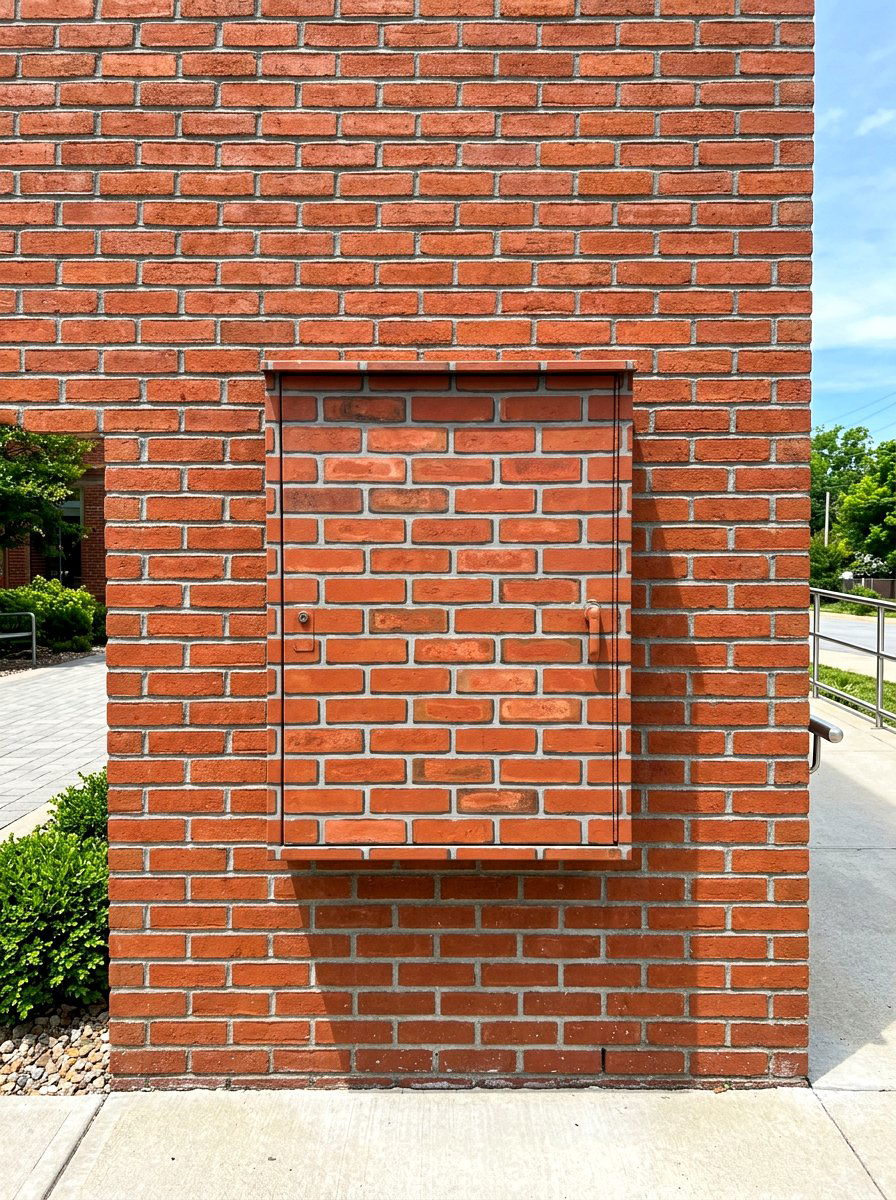
Sometimes the best way to hide a utility box is to make it "disappear" using the art of camouflage. By painting the box in a pattern that matches the specific background — whether it is a brick wall, a stone foundation, or a green hedge — you can trick the eye into overlooking it. This requires careful color matching and a bit of patience to get the details right. Use specialized metal primer and outdoor-grade paint to ensure the finish lasts. This is a particularly effective method for boxes located directly against the house. When done correctly, the box becomes almost invisible from a distance, allowing the architectural features of your home to take center stage without any metallic distractions.
24. Large Stone Boulder Camouflage

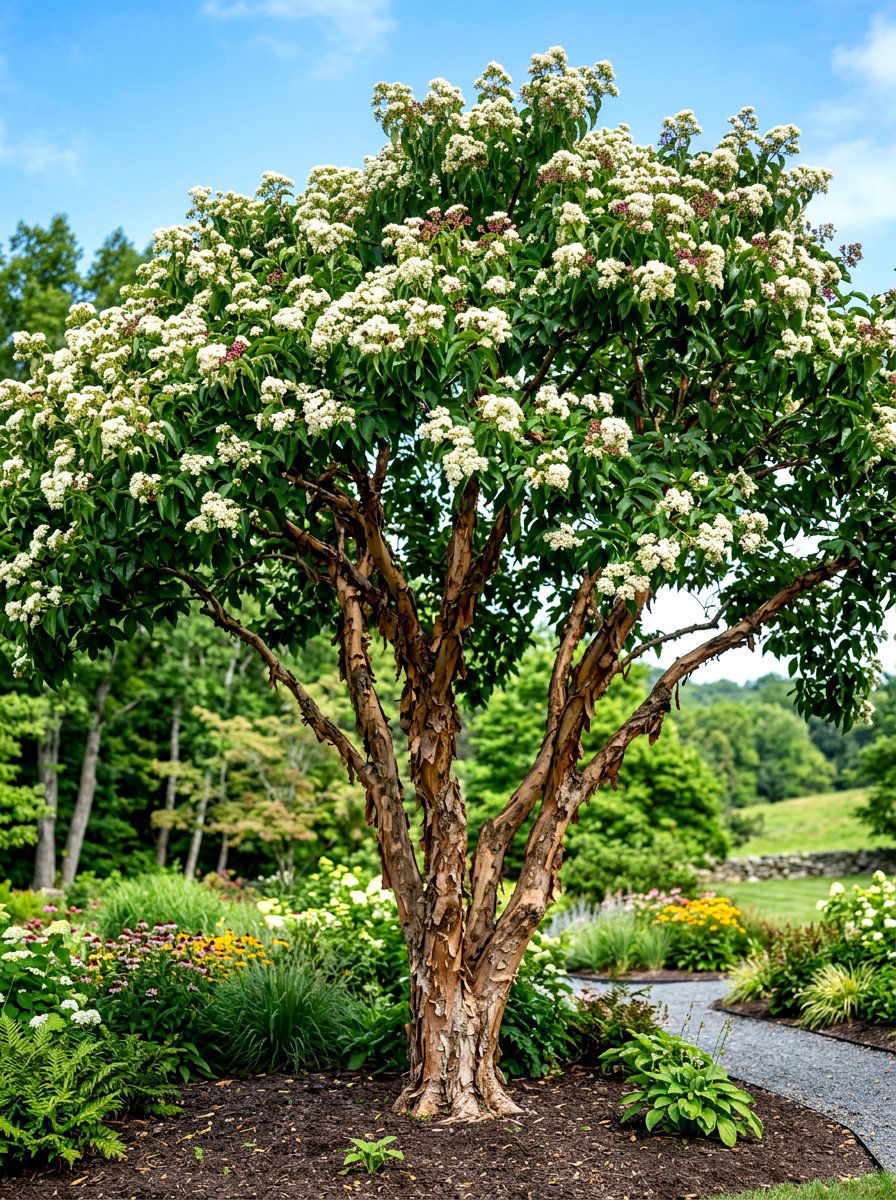
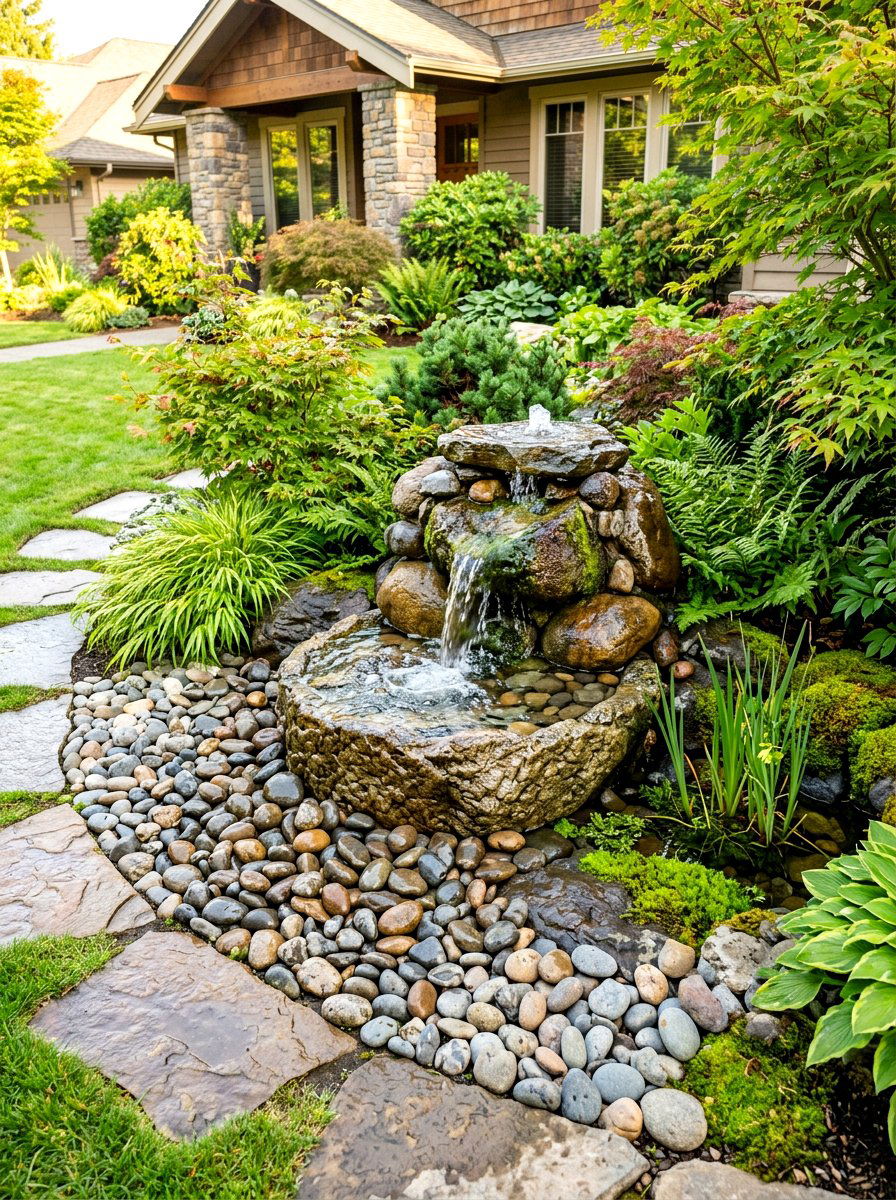
Placing a large, natural stone boulder in front of a utility box is a simple yet incredibly effective way to distract the eye. This method relies on visual weight and scale; a massive, beautiful rock becomes the focal point, while the utility box behind it recedes into the background. You can surround the boulder with smaller stones, mulch, and low-growing groundcover to create a complete rock garden scene. This approach is completely maintenance-free and looks better as the stone weathers and grows moss over time. It is a great way to add a rugged and natural element to your landscaping while cleverly concealing the functional equipment that is necessary for your home’s operation.
25. Upcycled Pallet Wood Screen
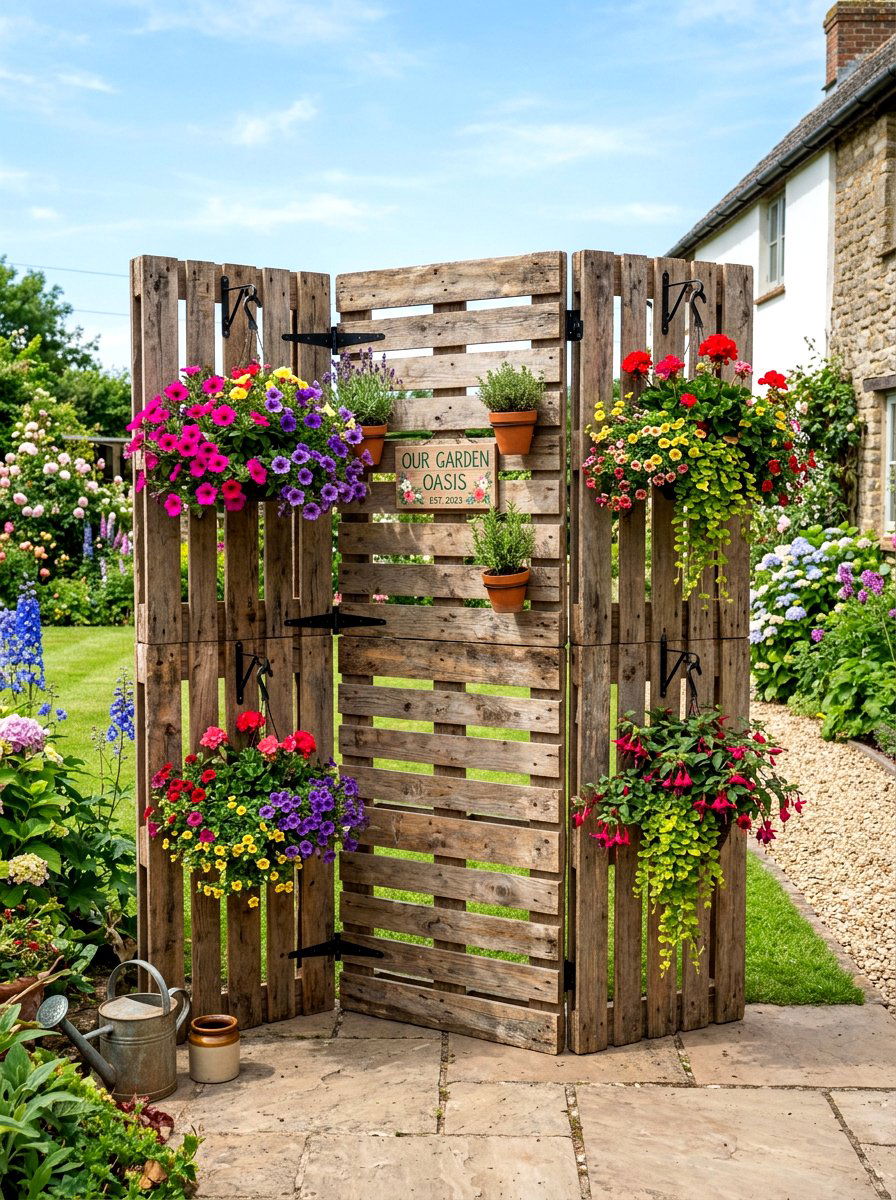
For a budget-friendly and rustic solution, an upcycled pallet wood screen is hard to beat. Wooden pallets can be disassembled and rebuilt into a variety of screen designs, from simple vertical fences to more complex tiered planters. The weathered wood provides a trendy, industrial-chic look that is very popular in modern home design. You can sand the wood for a smoother finish or leave it rough for a more farmhouse vibe. Pallet wood is easy to paint or stain, giving you full control over the final look. This DIY project is satisfying because it repurposes waste material into something functional and attractive, proving you don't need a huge budget to hide your utility boxes.
26. Resin Decorative Box Cover
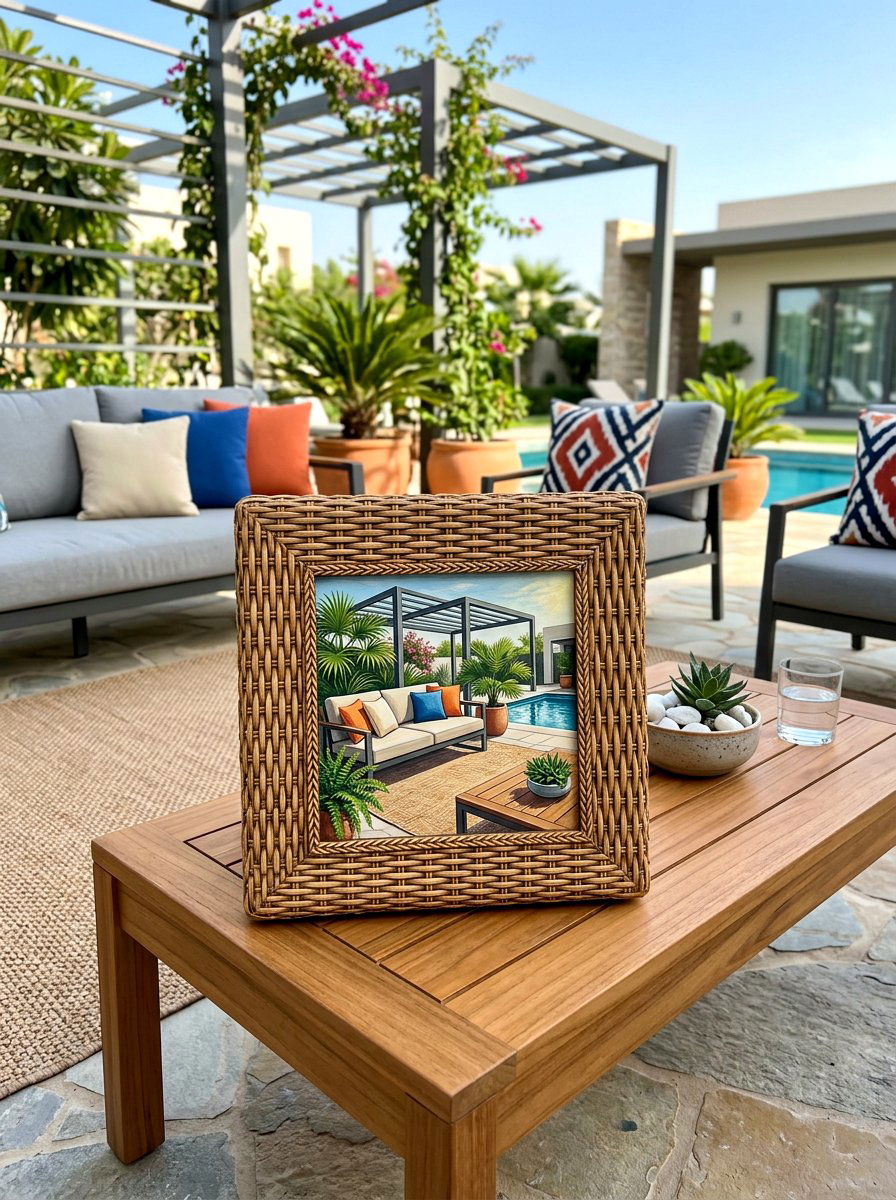
Resin decorative covers are specifically designed to look like high-end architectural elements while hiding utility equipment. These covers often mimic the look of classic stone pillars, woven wicker, or modern wood panels. Because they are made of high-quality resin, they are lightweight, UV-resistant, and won't rot or rust. Many designs come with ventilated sides to ensure proper airflow for the equipment inside. They are incredibly easy to install — most simply slide right over the box. This is a perfect "set it and forget it" solution for homeowners who want a clean, professional appearance without the effort of building something from scratch. These covers provide an instant upgrade to any yard or garden area.
27. Recycled Door Garden Screen
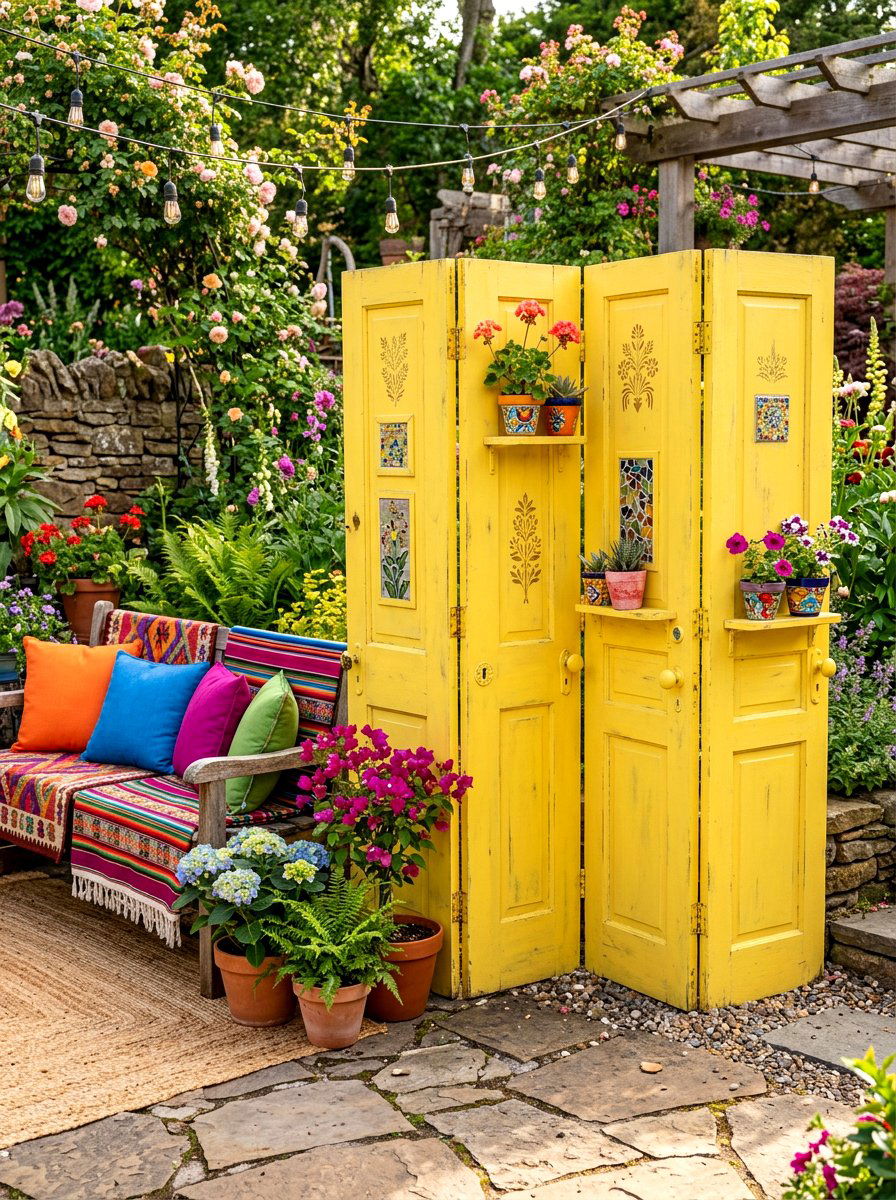
Turning an old, weathered door into a garden screen is a bold and creative way to hide utility boxes. An upright door provides a solid and tall barrier that can completely block even the largest transformers or meters. You can paint the door a bright accent color to make it a statement piece or keep it distressed for a vintage look. Adding a decorative wreath or a small shelf for potted plants can further integrate the door into your garden design. This approach works best in eclectic or cottage-style gardens where unique and reclaimed items are celebrated. It is a conversation starter that turns a functional necessity into a piece of outdoor art with history.
28. Corrugated Metal Panel Enclosure
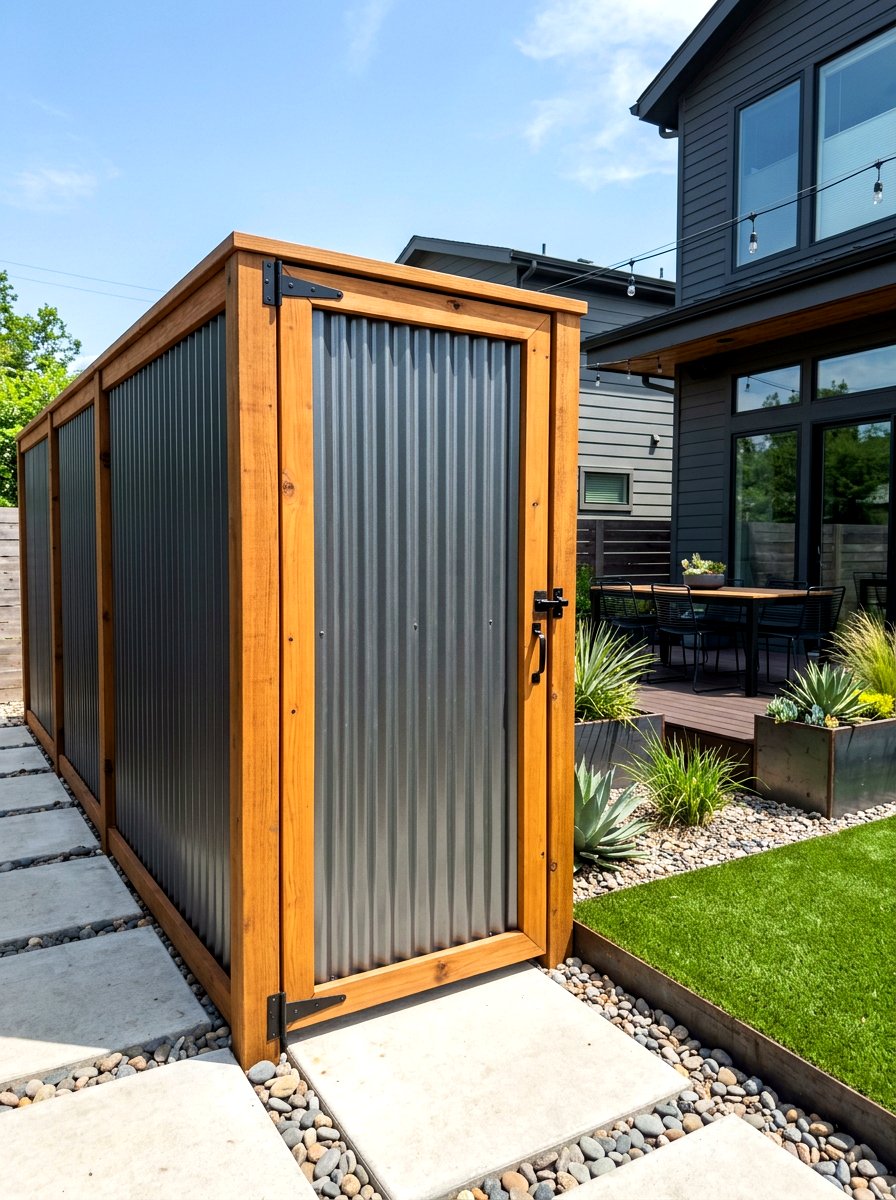
Corrugated metal panels offer a sleek, industrial look that is becoming increasingly popular in modern landscape design. These panels are durable, weather-resistant, and provide a unique texture that contrasts beautifully with soft green grass and plants. You can build a simple wooden frame and attach the metal sheets to create a modern enclosure. The reflective surface of the metal can also help brighten up a shady corner of your yard. This type of screen is very easy to clean and requires almost no maintenance over the years. It is an excellent choice for contemporary homes or urban gardens where a clean, sharp, and sophisticated aesthetic is desired for all outdoor structures.
29. Hinged Lid Utility Box
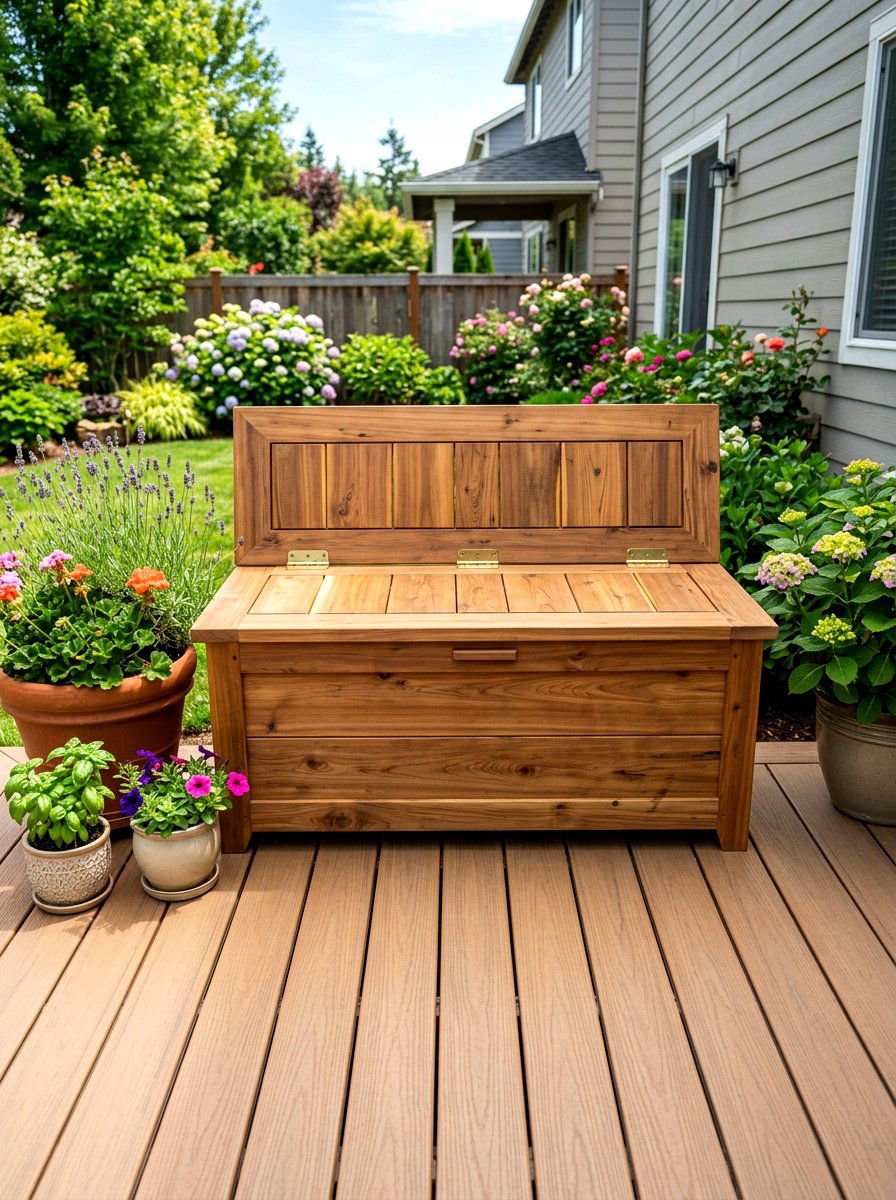
A custom-built wooden box with a hinged lid is perhaps the most practical solution for hiding utility equipment that requires frequent access. You can design the box to look like a small garden bench or a storage chest, making it a functional part of your outdoor furniture. The hinged lid allows for instant and full access for meter readers or technicians without having to move heavy objects. You can use high-quality woods like teak or cedar to ensure the box looks beautiful and lasts for decades. This clever design hides the eyesore while adding value and utility to your space, making it a smart choice for patios, decks, or near entryways.
30. Gravel Bed Landscaping For Utility Box
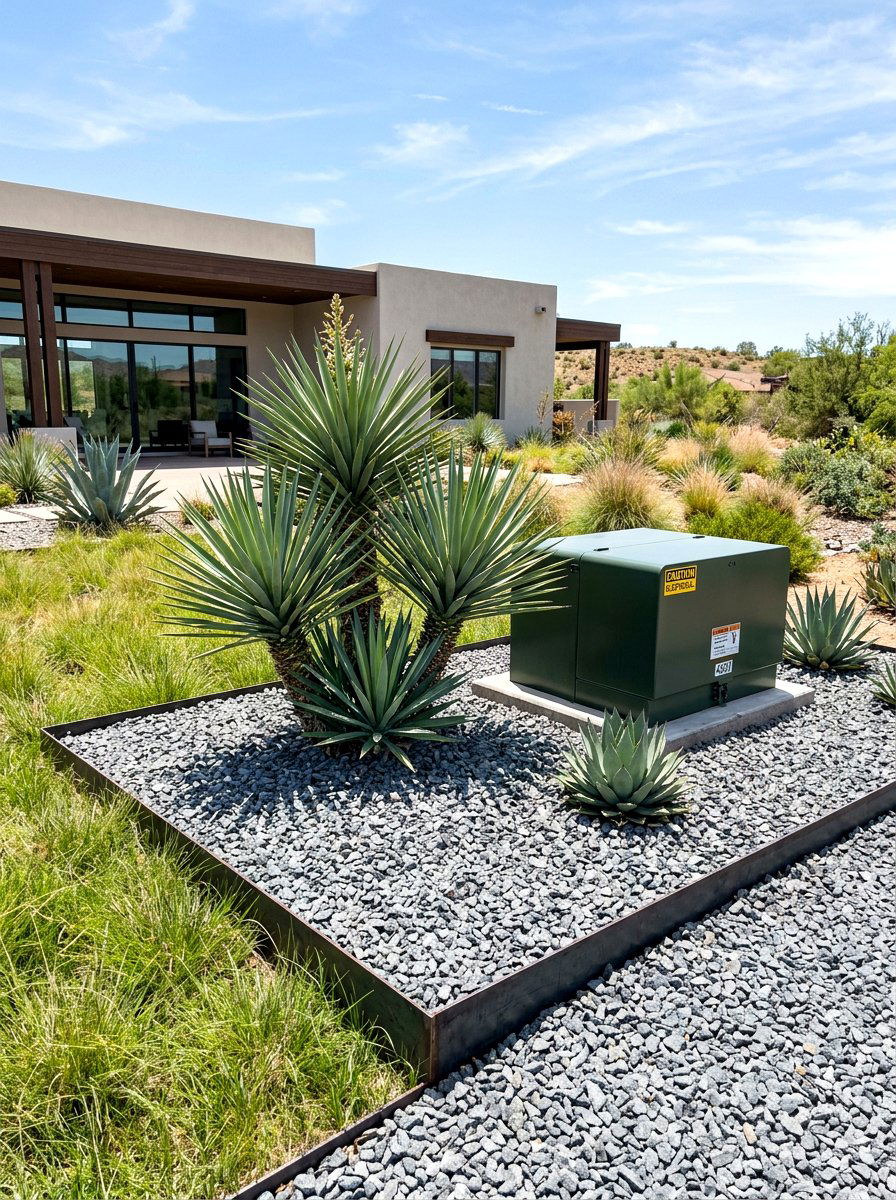
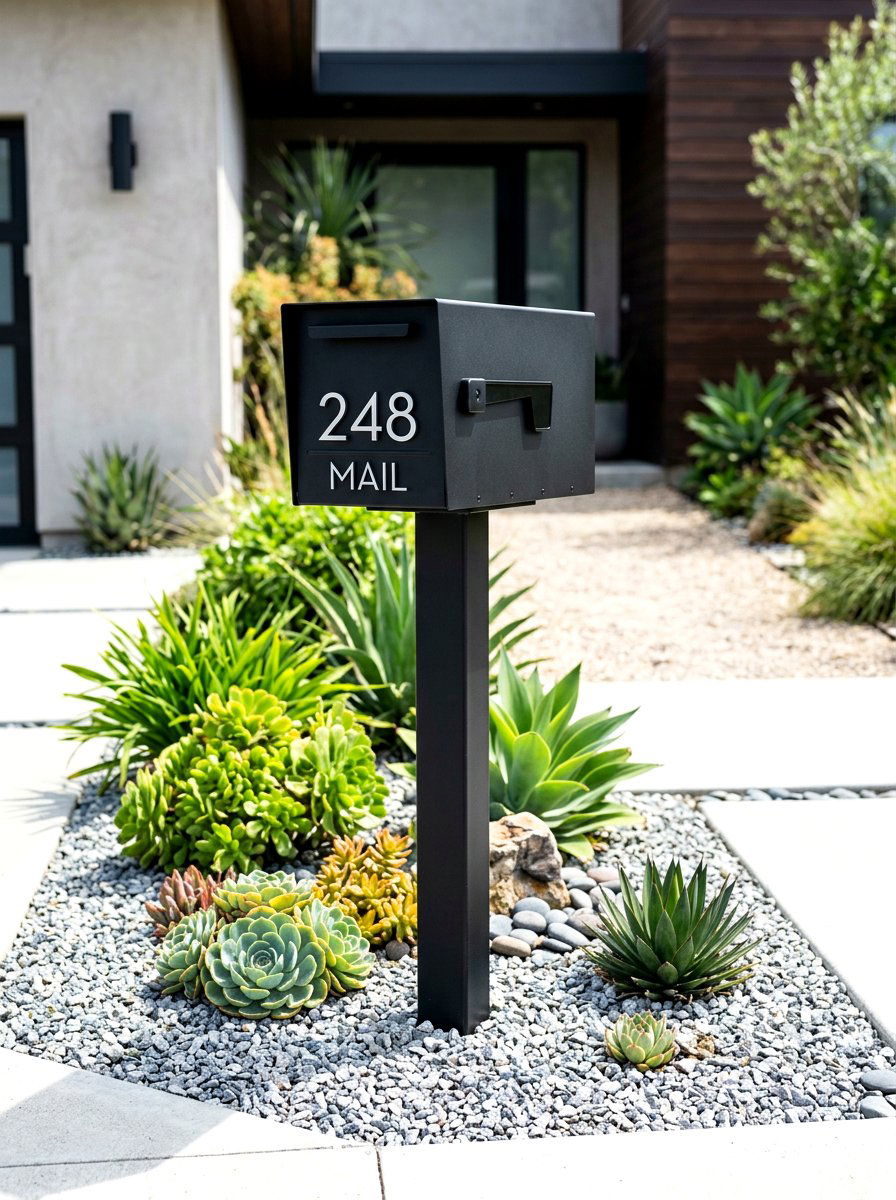
Creating a dedicated gravel bed around your utility box is a clean and modern way to integrate it into your landscape. By clearing the grass and laying down a layer of decorative river rock or crushed granite, you create a defined zone that looks intentional. You can then add a few architectural plants like yuccas or agaves and a couple of large decorative stones to complete the look. This method doesn't necessarily hide the box completely, but it frames it in a way that makes it look like a planned part of a desert or minimalist garden. It is a low-maintenance solution that prevents weeds and ensures the area always looks neat and professional.
Conclusion:
Hiding your utility box doesn 't have to be a daunting task; in fact, it is a wonderful opportunity to enhance your home' s exterior design. From the natural beauty of evergreen shrubs and tall grasses to the structured elegance of cedar slat walls and decorative metal screens, there is a solution for every style and budget. By taking the time to thoughtfully cover these necessary eyesores, you can create a more cohesive and inviting outdoor living space. Remember to always prioritize accessibility for technicians and check local regulations before starting your project. Your home deserves to look its best, and these creative utility box cover ideas are the perfect way to achieve that polished, professional look you have always wanted for your landscape.

Related posts: