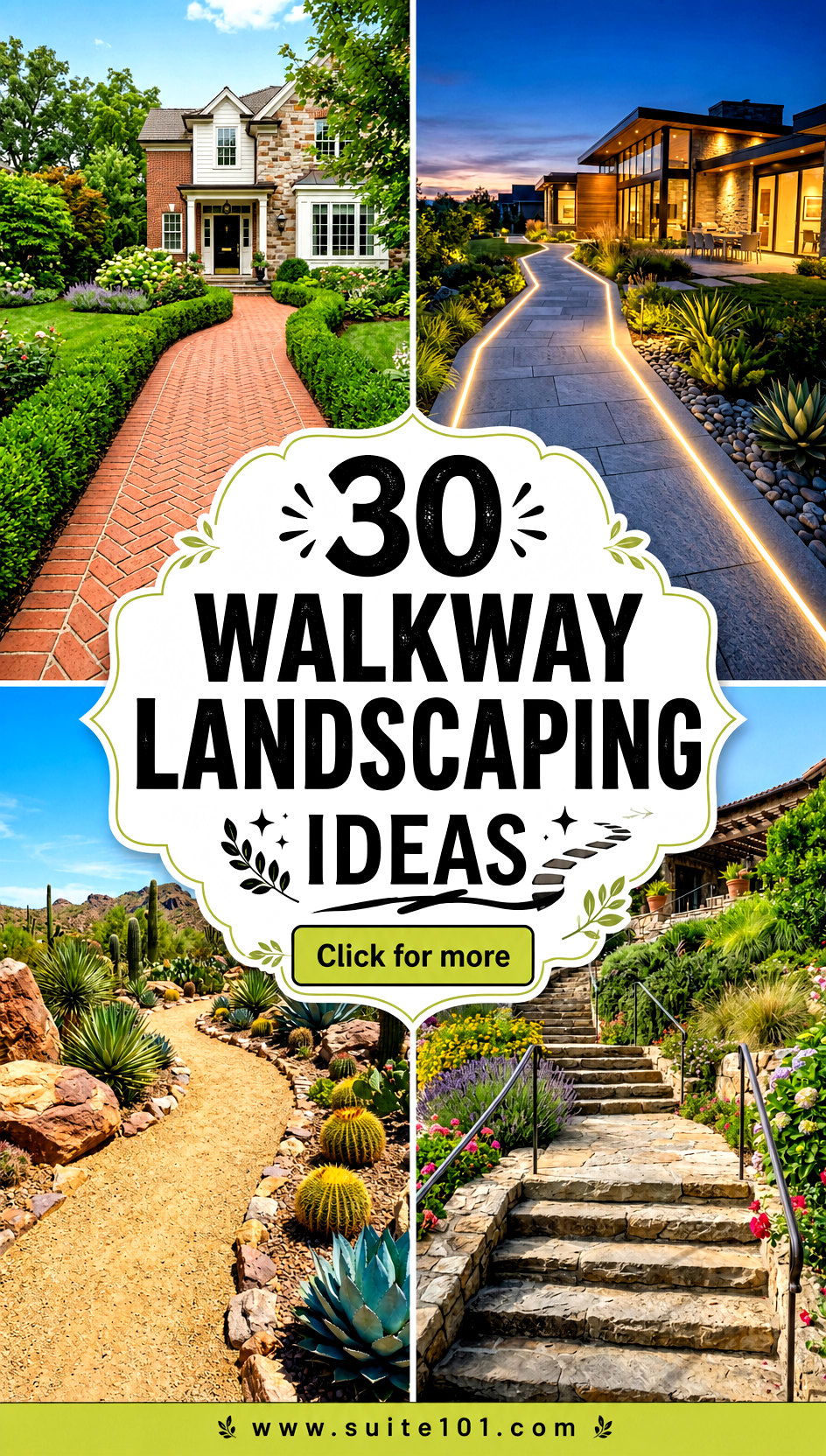
Creating a beautiful front or backyard often starts with the way you move through the space. A well-designed walkway does much more than just provide a solid surface for walking; it defines the entire flow of your outdoor living area. Whether you are looking to boost your curb appeal or create a secret path through a lush garden, the right materials and plants make all the difference. From modern concrete slabs to rustic stepping stones, every choice reflects your personal style and the architecture of your home. You want a path that feels inviting and guides guests naturally toward their destination while showcasing your unique landscaping vision.
1. Flagstone Path With Moss
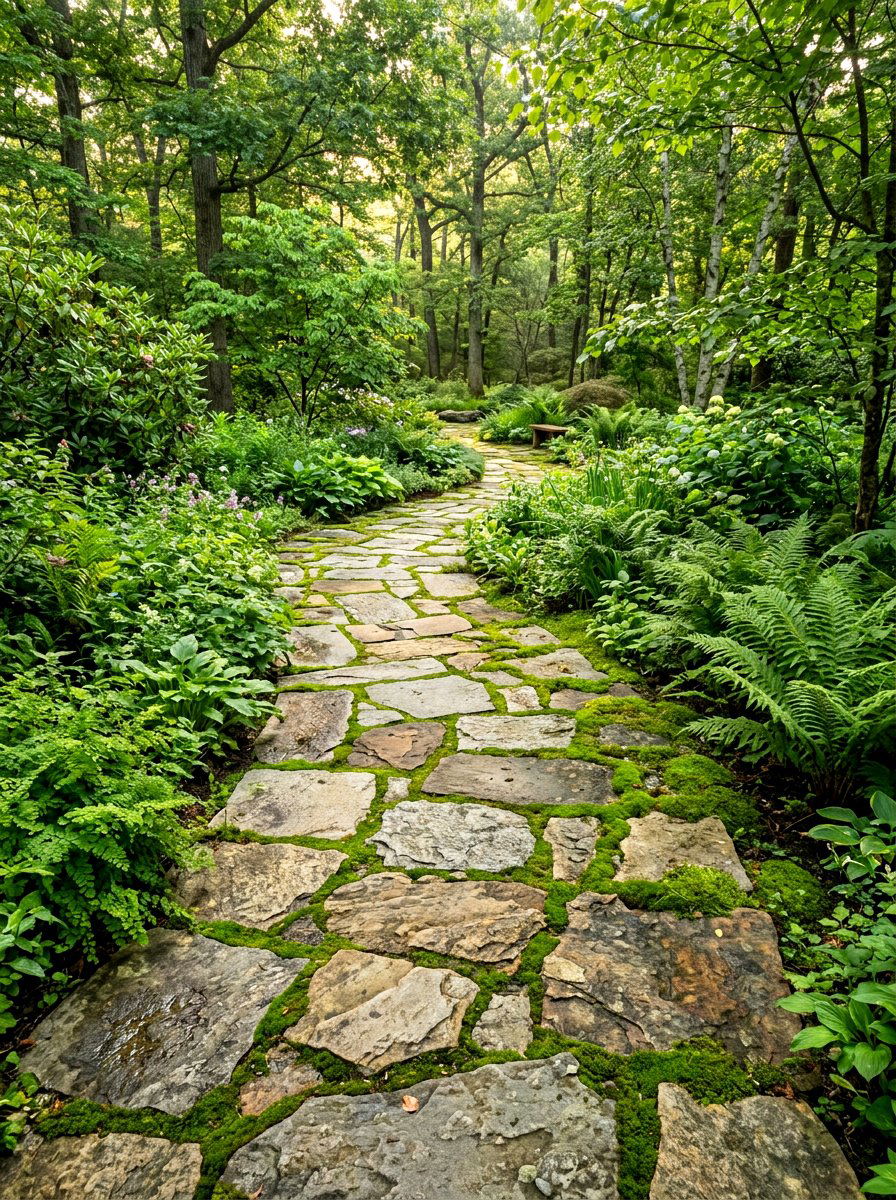
An enchanted forest aesthetic begins with the organic texture of irregular flagstone nestled into a bed of soft, green moss. This design works best in shaded areas where moisture stays in the ground to keep the moss vibrant and plush. The flat stones provide a stable surface while the greenery softens the hard edges, creating a timeless look that feels like it has been there for decades. You can use various types of flagstone ranging from slate to sandstone to match your home’s exterior. Surrounding the path with ferns and hostas enhances the woodland vibe. It is a perfect choice for side yards or deep garden escapes.
2. Modern Concrete Slab Walkway
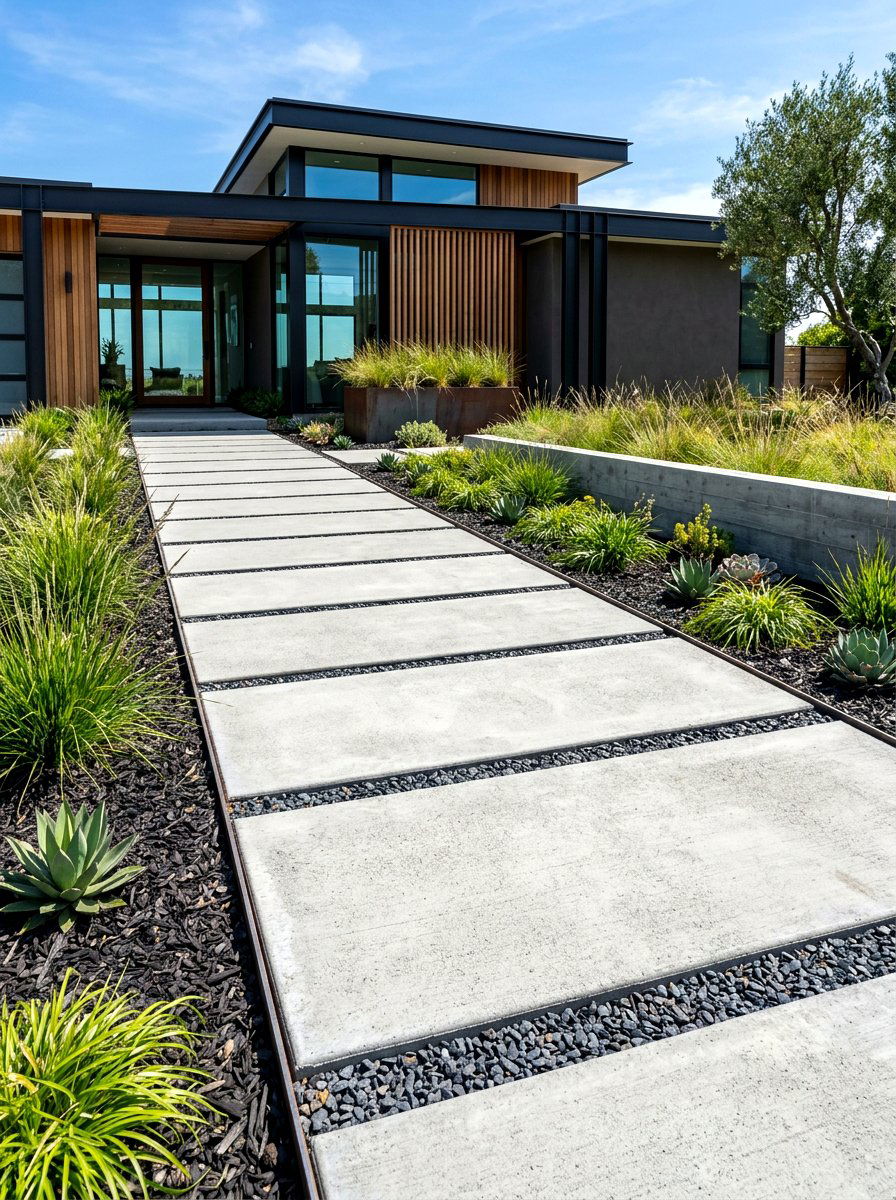
Clean lines and minimalism define the contemporary appeal of large, oversized concrete slabs arranged in a structured linear pattern. These slabs are often separated by small gaps filled with dark basalt gravel or dwarf mondo grass to create a high-contrast visual. The smooth finish of the concrete reflects light beautifully and provides a very safe, flat surface for high-traffic areas. This style pairs exceptionally well with mid-century modern or ultra-modern home architectures. To keep the look polished, you should install low-profile LED strip lighting along the edges. This architectural approach turns a simple path into a bold design statement for any front entrance.
3. Gravel And Wood Sleeper Path
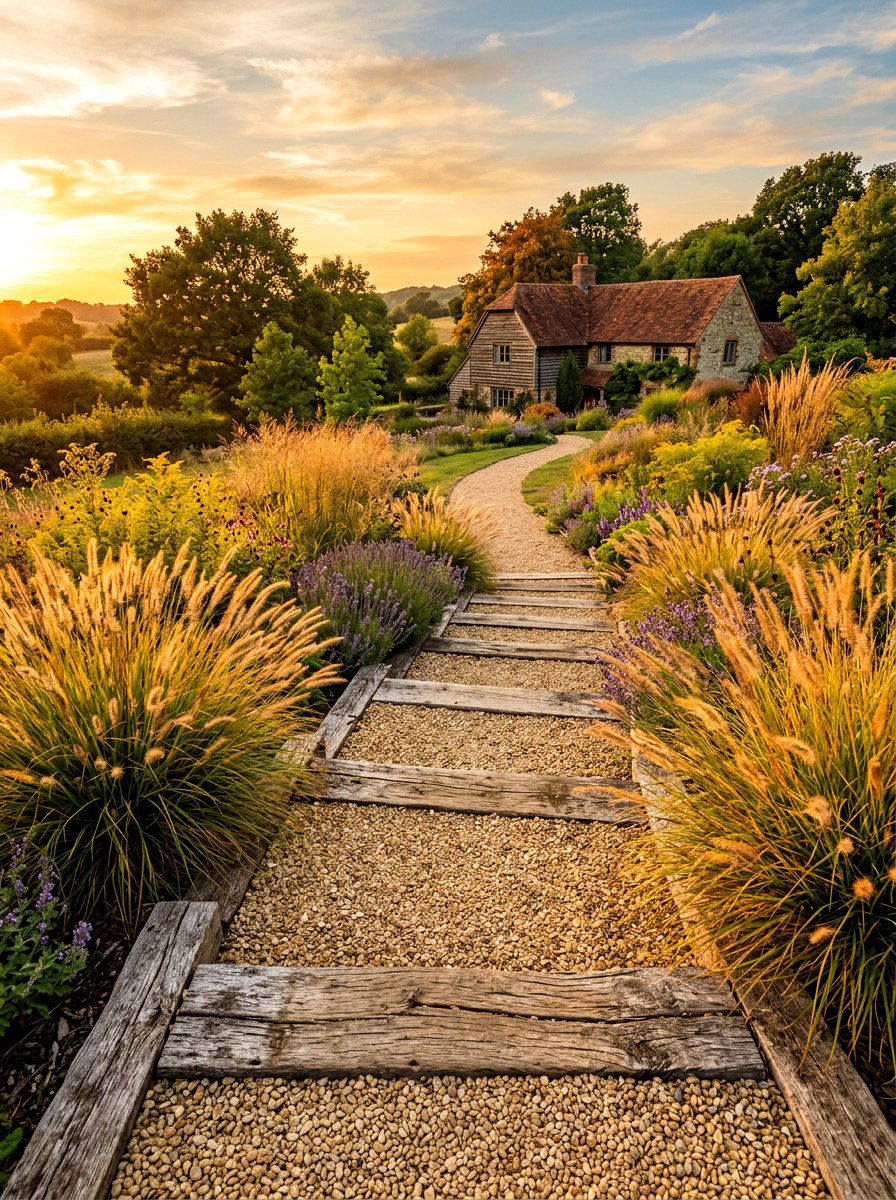
Combining the crunch of pea gravel with the sturdy warmth of reclaimed wood sleepers creates a rustic yet refined garden journey. The wood acts as a frame or ladder-style step, holding the loose gravel in place while providing a clear visual guide. This design is highly permeable, which helps with drainage during heavy rain and prevents puddles from forming. It fits perfectly in farmhouse-style landscapes or natural backyard settings. You can use cedar or pressure-treated lumber for longevity against the elements. Flanking this path with ornamental grasses like fountain grass or switchgrass adds movement and a soft texture that complements the wood.
4. Brick Herringbone Walkway
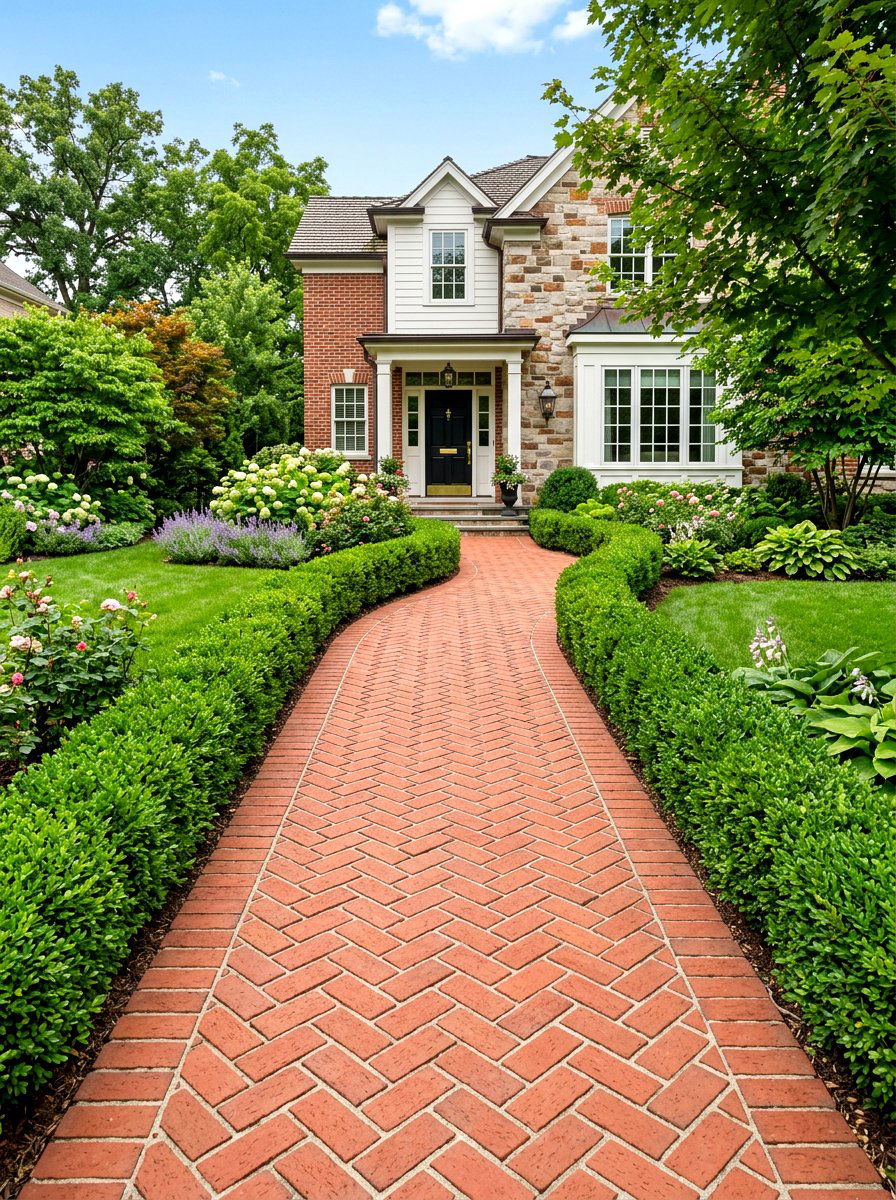
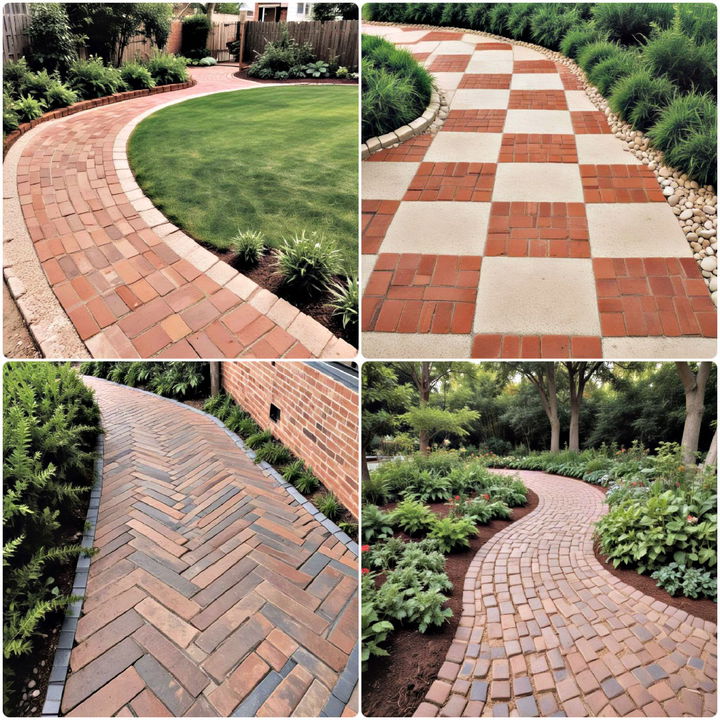
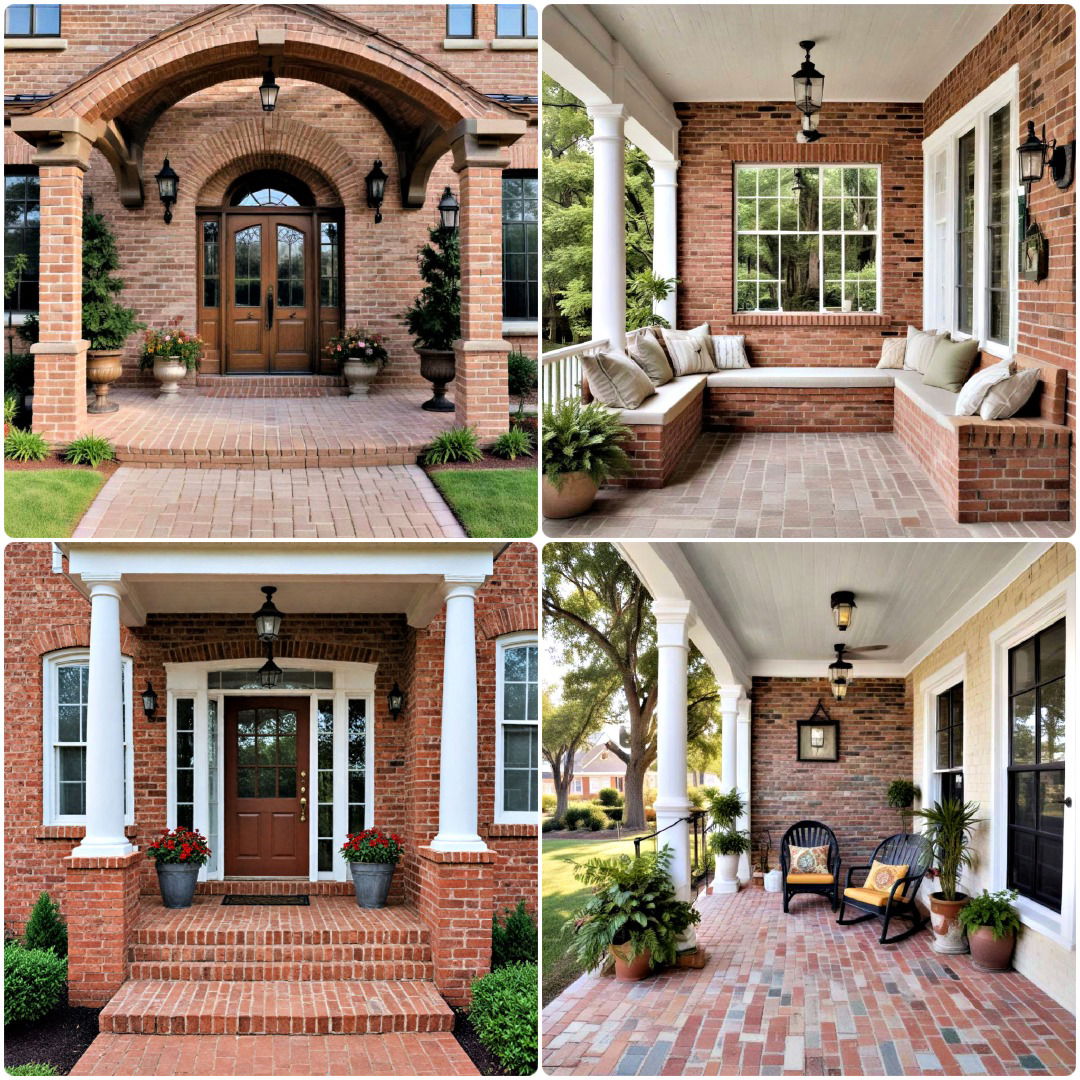
For a classic and sophisticated look, the herringbone pattern using traditional red clay bricks offers unmatched elegance and historical charm. This intricate layout provides excellent structural integrity, ensuring the walkway remains level and durable over many years of use. The warm tones of the brick create a welcoming atmosphere that feels both cozy and formal. You can border the path with a soldier course of bricks to give it a finished, professional appearance. This style is ideal for colonial or traditional homes where a sense of permanence is desired. Planting white roses or boxwood hedges alongside the bricks creates a stunning, high-end garden look.
5. Stepping Stones In Lawn
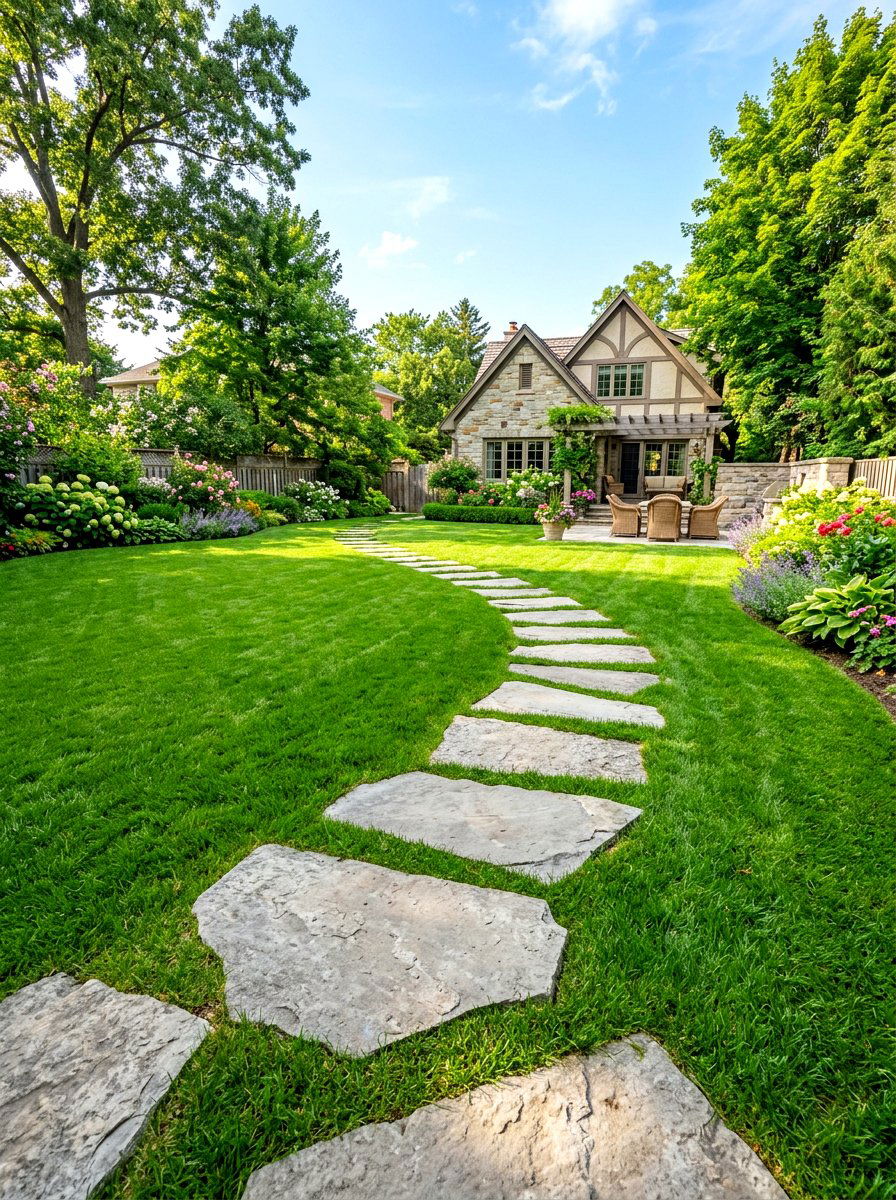
Creating a whimsical and low-impact path is easy when you place large, flat stepping stones directly into a lush green lawn. This approach allows the grass to remain the star of the show while providing a clear route to navigate the yard. It is a cost-effective solution that requires minimal digging compared to a fully paved walkway. You should space the stones based on a natural human stride for maximum comfort. This design feels very casual and works well in open backyards where you want to maintain a sense of space. Using limestone or granite slabs ensures the stones are heavy enough to stay put.
6. Lavender Lined Garden Path
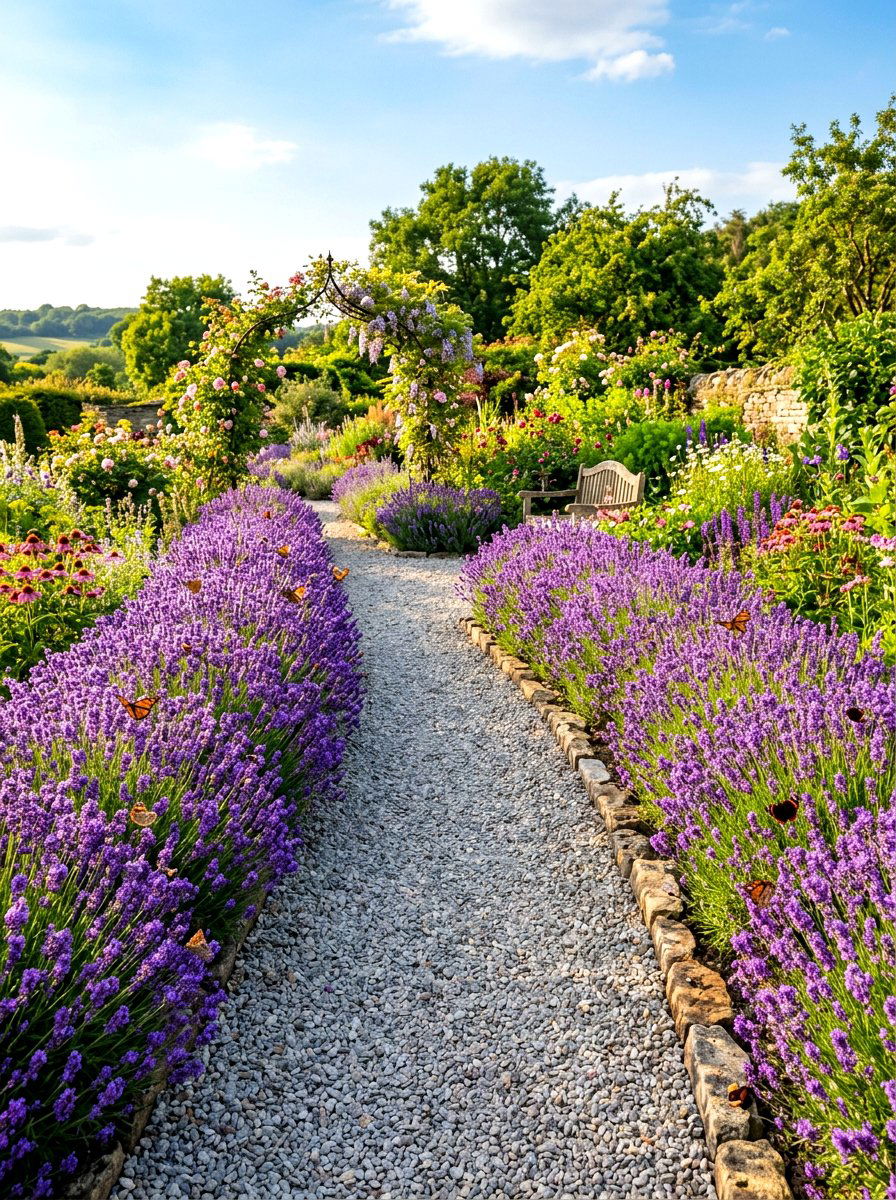
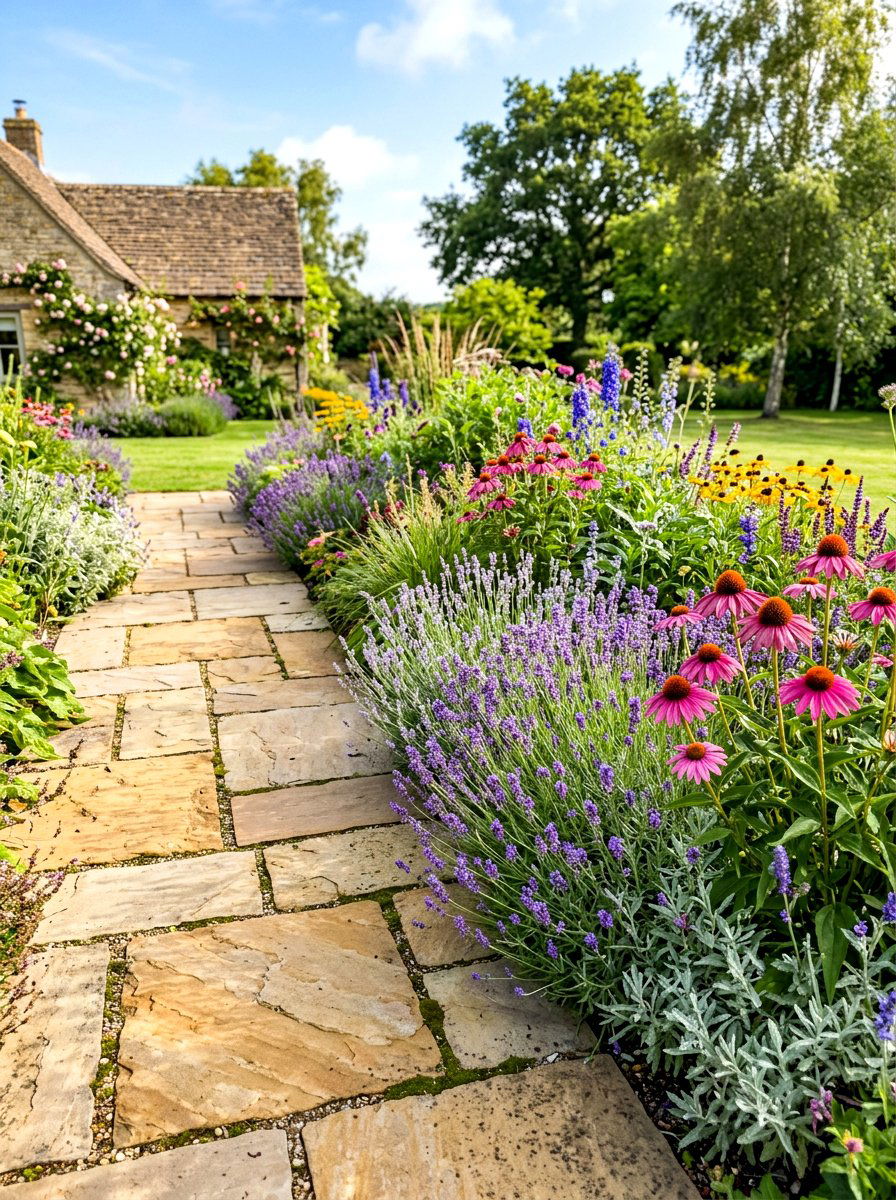
Walking through a path of aromatic purple blooms creates a sensory experience that transforms a simple garden stroll into a relaxing retreat. Lavender is a hardy perennial that provides structure and vibrant color throughout the summer months while attracting beautiful butterflies and bees. The silver-green foliage looks great even when the plants are not in full bloom. This landscaping idea works best with a light-colored stone or gravel path to make the purple flowers pop. You should plant the lavender close enough to the edge so that your legs brush against the stems as you walk, releasing their calming scent.
7. Natural Slate Walkway
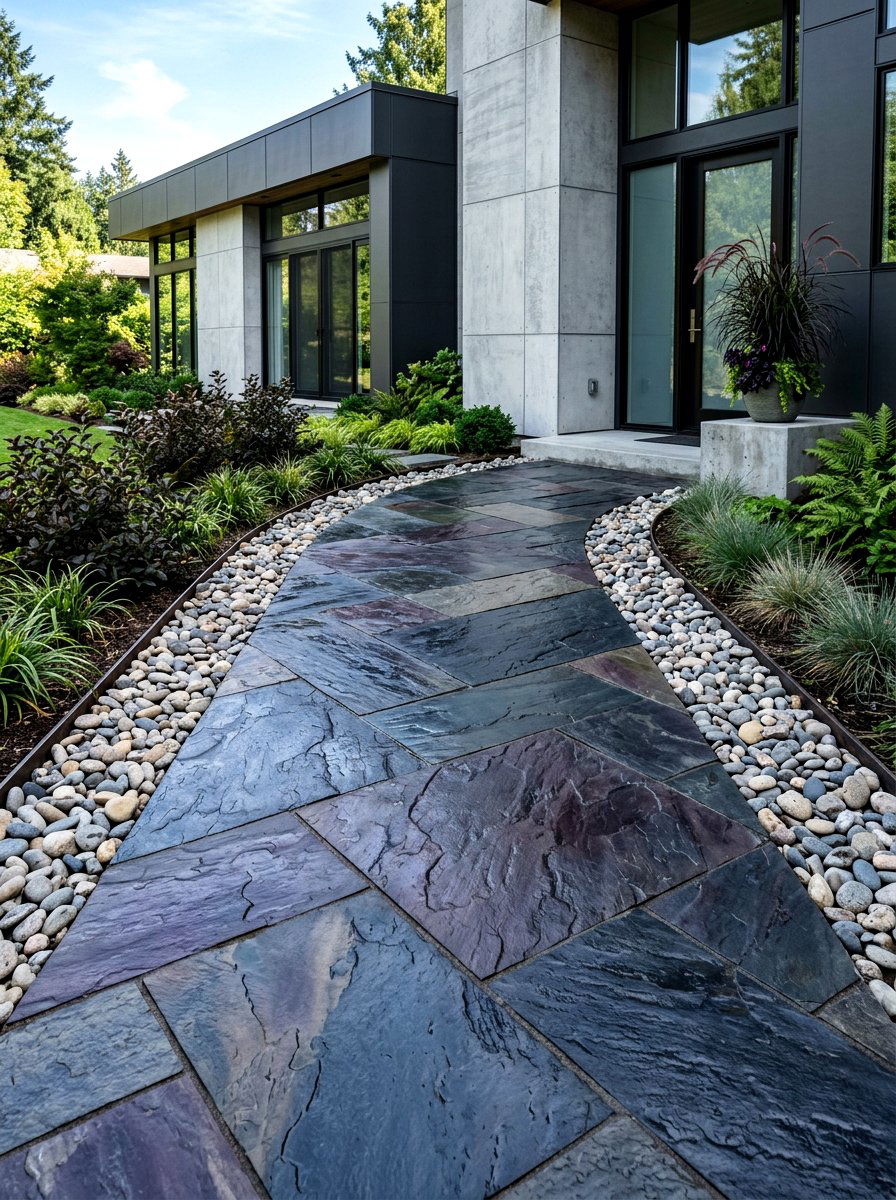
The deep blues, greys, and purples found in natural slate provide a moody and sophisticated color palette for your outdoor transition areas. Slate has a unique layered texture that offers natural slip resistance, making it an excellent choice for rainy climates. You can use large rectangular tiles for a formal look or jagged pieces for a more rugged, naturalistic feel. This material stays cool underfoot, which is a big benefit during hot summer days. Surround the slate with light grey river rocks to create a beautiful tonal contrast. Adding silver-toned outdoor lanterns along the path will highlight the slate’s natural sheen during the evening.
8. River Rock And Paver Path
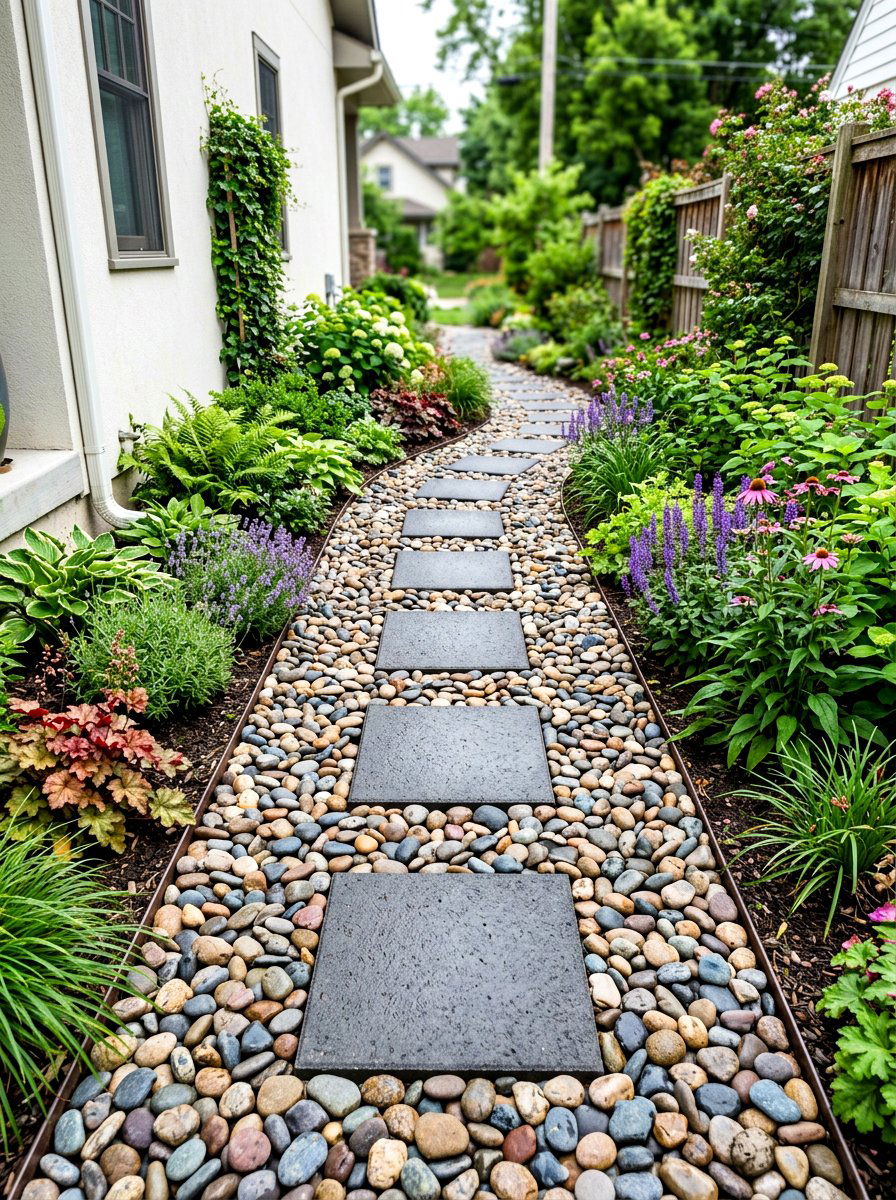
Mixing different textures is a great way to add visual depth to your landscape, and pairing smooth river rocks with solid pavers is a top choice. The pavers provide the flat walking surface while the small, rounded rocks fill the surrounding space to handle drainage and suppress weeds. This design is very flexible and can easily navigate around trees or existing garden features. Using multi-colored river stones adds a playful element, while monochromatic black or white stones create a sleek, modern vibe. This combination is particularly useful for side paths that need to be functional but also aesthetically pleasing from the street.
9. Curved Flagstone Walkway
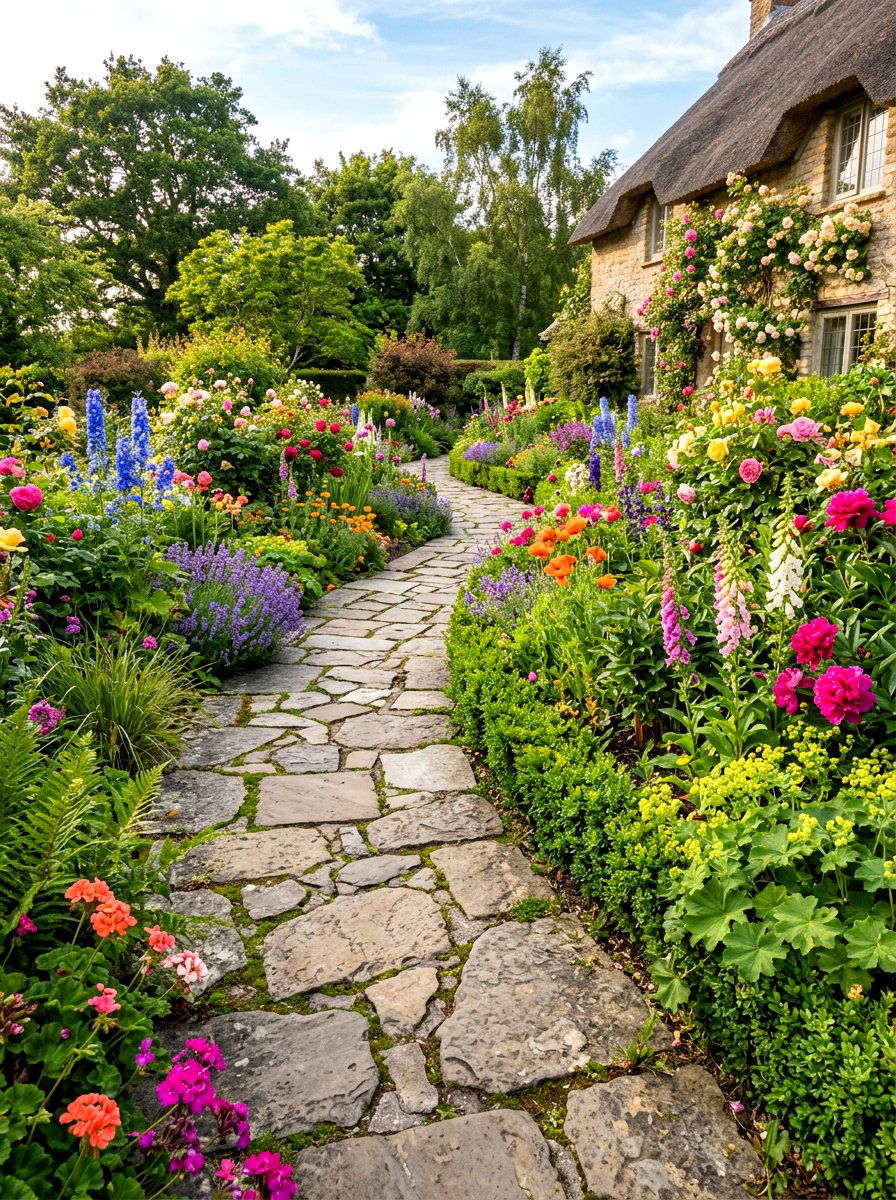
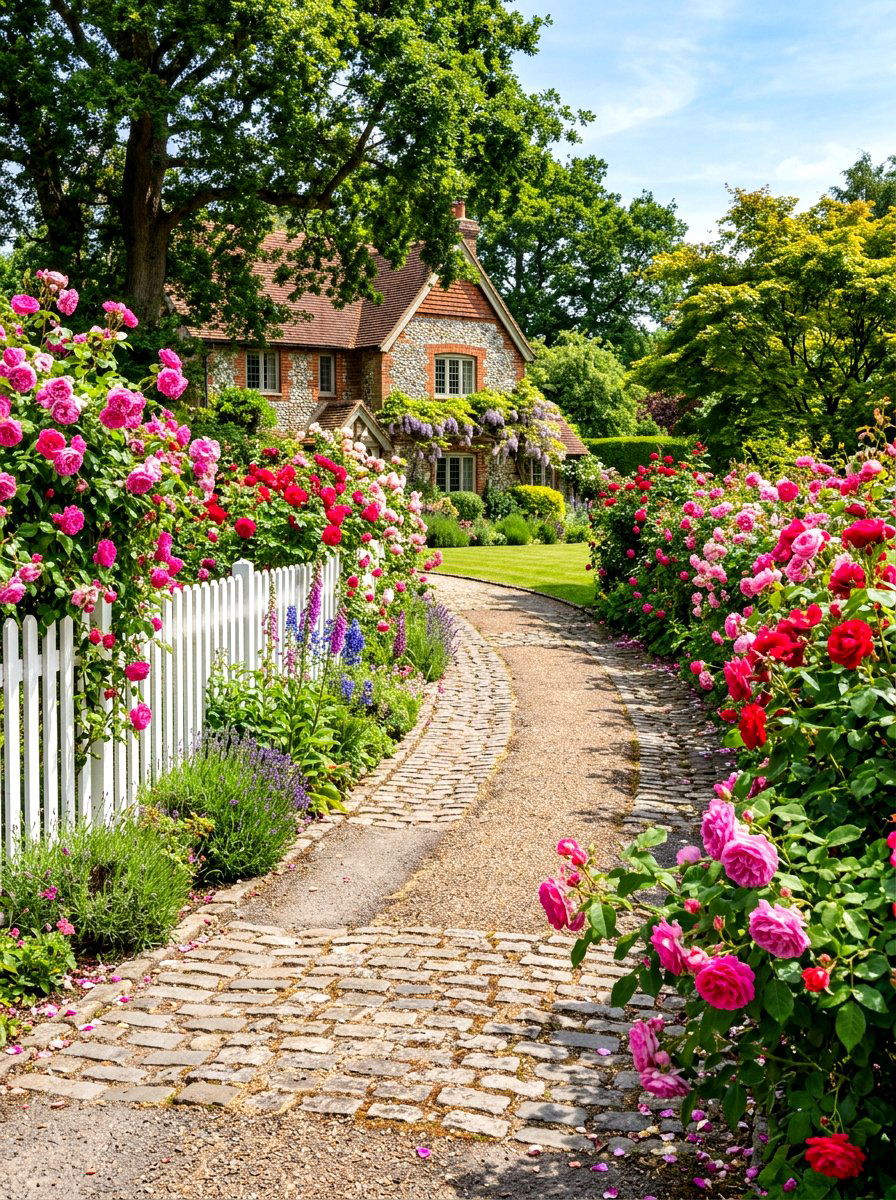
Ditching straight lines in favor of a meandering curve creates a sense of mystery and exploration in your backyard landscape. A curved path slows down the pace of the walk and allows guests to take in different views of your garden beds. Flagstone is the ideal material for this because its irregular shapes can easily follow any bend or twist. You should place taller shrubs on the outside of the curves to hide the destination, making the garden feel much larger than it actually is. This layout feels very organic and mimics the flow of nature, making it a favorite for cottage-style garden designs.

10. Contemporary Lighted Stone Path
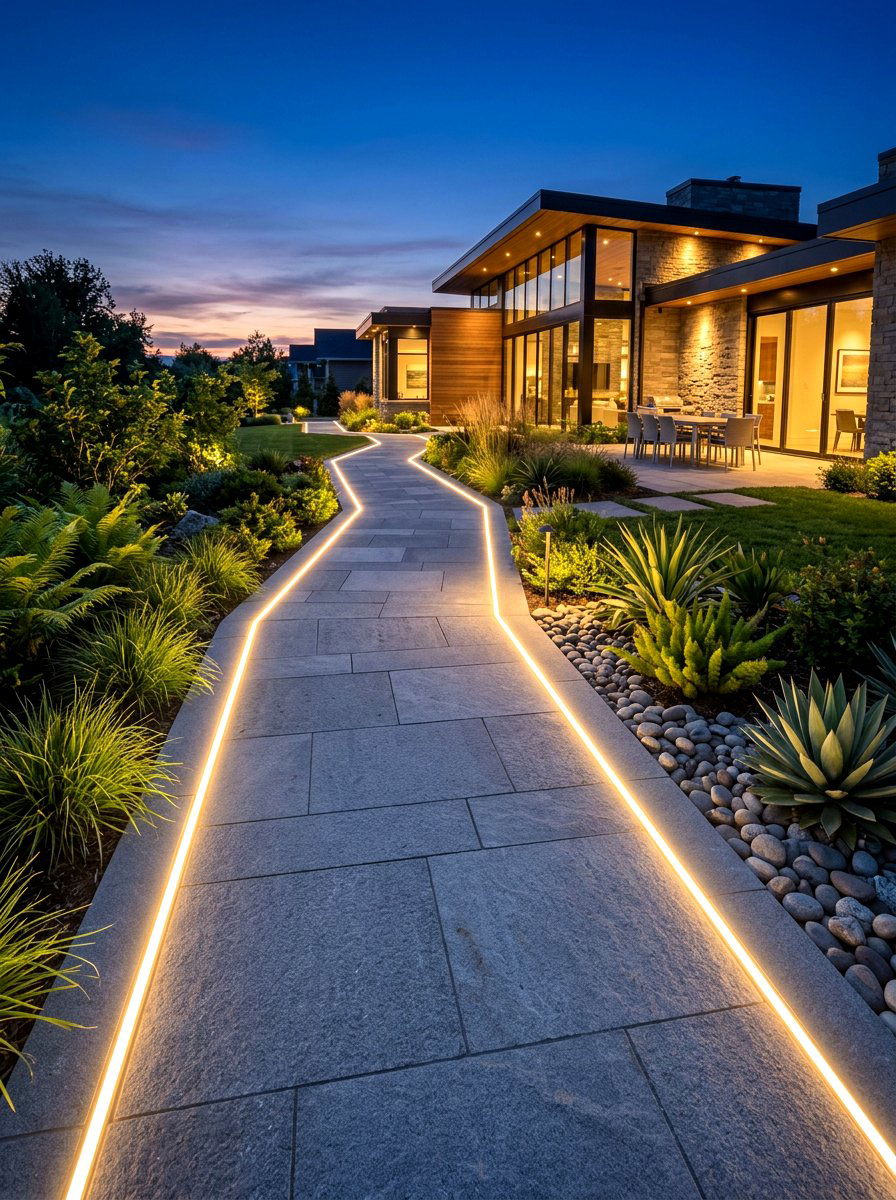
Safety meets style when you integrate high-tech lighting directly into a sleek stone walkway to guide the way at night. Recessed "puck" lights or solar-powered stone pavers create a magical glow that illuminates the ground without causing glare. This approach is perfect for long driveways or paths leading to a backyard fire pit or pool area. The lighting emphasizes the texture of the stone and adds a layer of security to your home. You can choose warm white bulbs for a cozy feel or cool blue tones for a futuristic look. This design ensures your landscaping looks just as stunning after the sun goes down.
11. Pea Gravel Path With Metal Edging
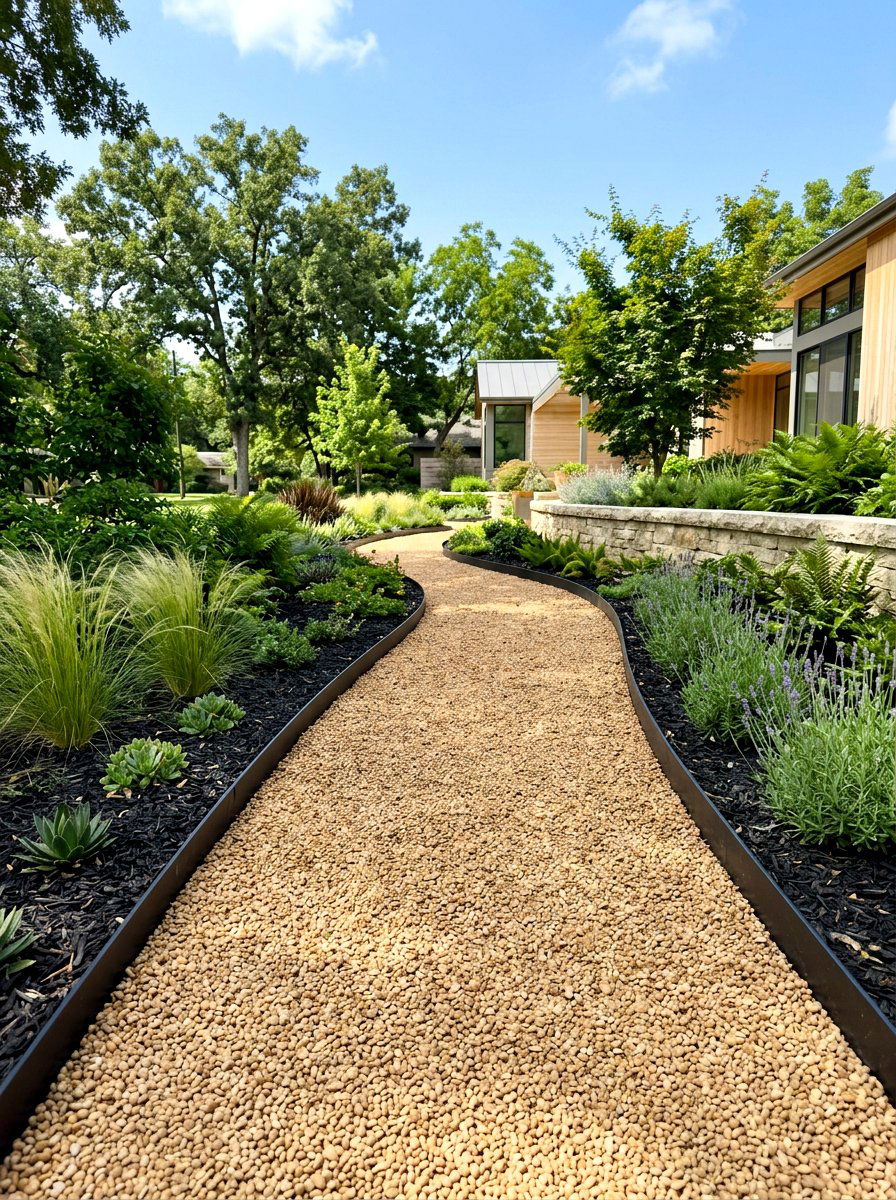
If you are looking for a clean and affordable DIY project, a pea gravel path held in place by slim metal edging is a fantastic option. The metal strips create a sharp, professional border that prevents the gravel from migrating into your flower beds or lawn. Pea gravel is easy to walk on and provides a satisfying crunching sound that warns you when visitors are approaching. This style is very popular in Mediterranean or French country garden designs. To prevent weeds, you must install a heavy-duty landscape fabric beneath the gravel. Adding a few larger accent boulders along the edges provides additional visual interest.
12. Geometric Concrete Paver Walkway
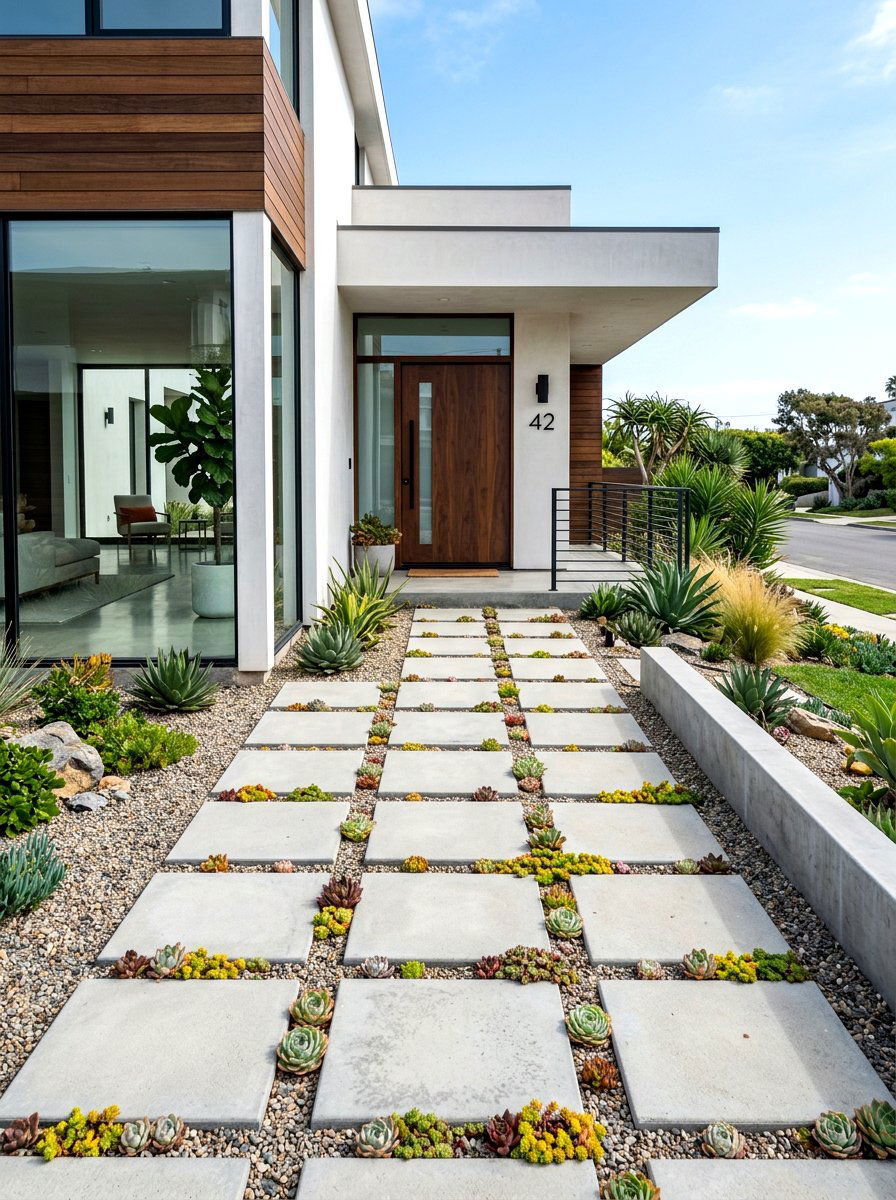
Using square or rectangular concrete pavers in a grid or staggered pattern offers a very tidy and organized look for modern homes. These pavers come in various sizes and shades of grey, allowing you to create custom designs that match your exterior color scheme. Because they are uniform in shape, installation is much faster than using natural stone. You can fill the joints with polymeric sand to prevent shifting and weed growth. This design is highly functional and provides a very stable surface for wheelchairs or strollers. Surrounding the geometric pavers with low-growing succulents adds a touch of life to the rigid structure.
13. Cottage Style Flower Border Path
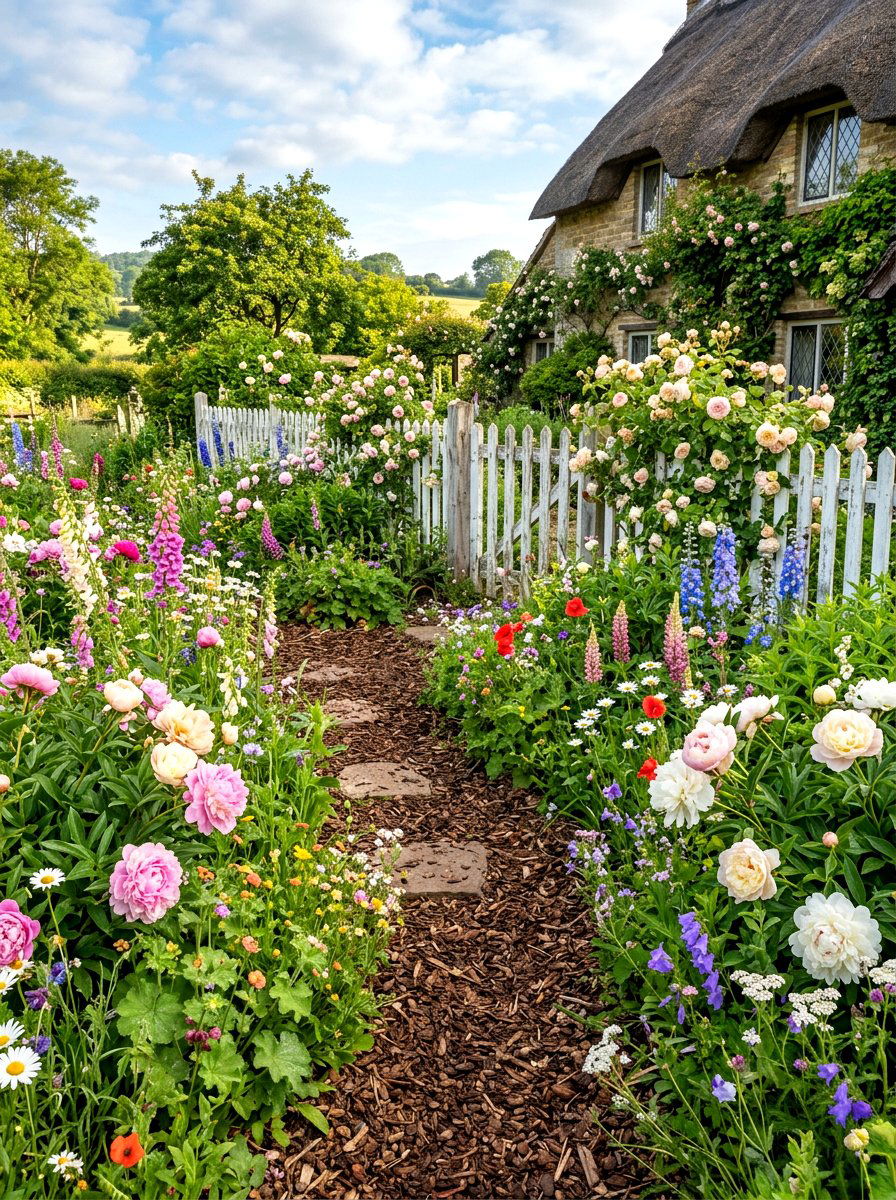
Transform a simple dirt or gravel path into a romantic wonderland by flanking it with a dense mix of colorful wildflowers and perennials. Think of foxgloves, peonies, and delphiniums spilling over the edges to create a soft, blurred boundary. This style celebrates a bit of "organized chaos" and looks best when the path itself is a natural material like bark mulch or weathered brick. The goal is to make the walkway feel like it is part of the garden rather than a separate structure. This design provides constant color changes throughout the seasons and creates a haven for local pollinators and hummingbirds.
14. Zen Garden Stone Path
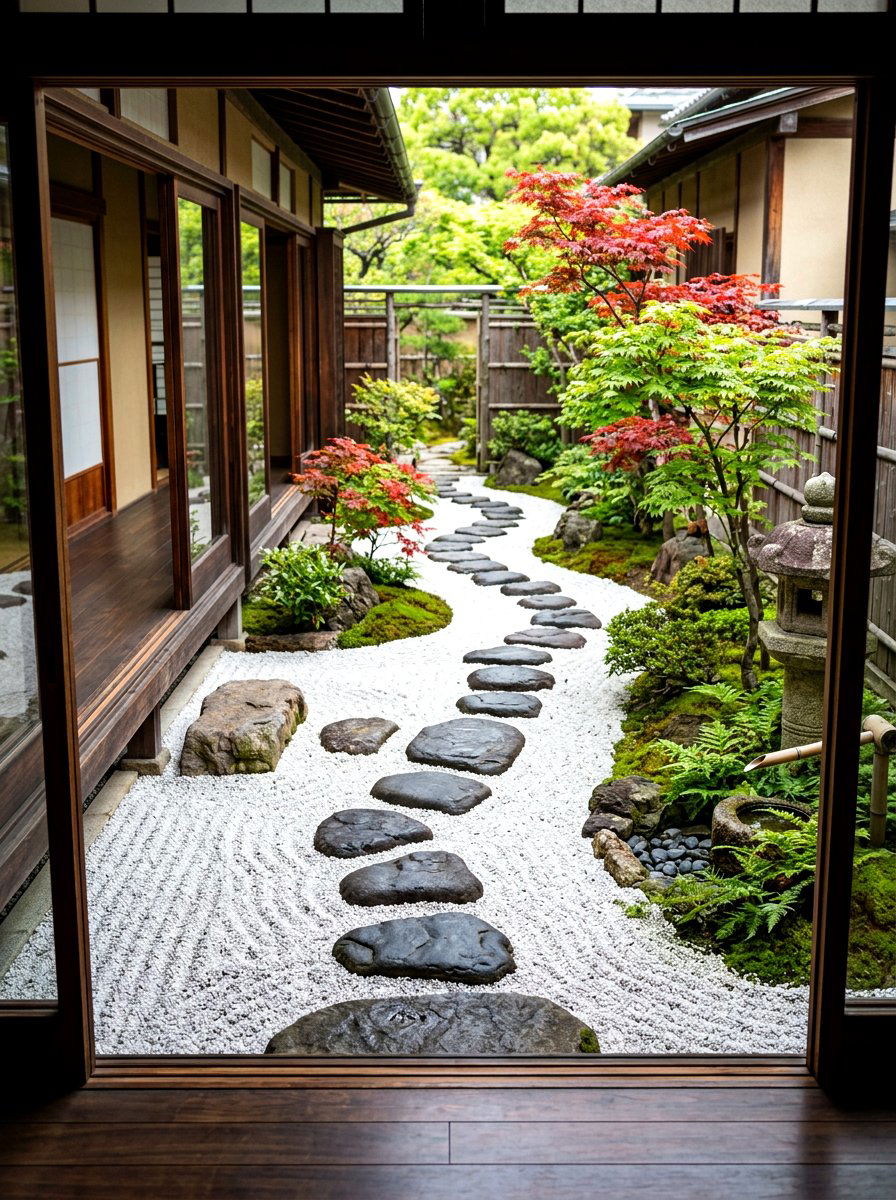
Bring a sense of peace and mindfulness to your home by creating a Japanese-inspired Zen walkway using raked sand and smooth stepping stones. Large, dark river stones are often placed in a sea of fine light-colored gravel to represent islands in an ocean. The act of raking the gravel around the stones becomes a meditative practice for the homeowner. This design is perfect for small, enclosed courtyards or quiet corners of the yard. You should include a few carefully pruned maples or bamboo plants to complete the aesthetic. The minimalist color palette and simple materials help to reduce mental clutter and promote deep relaxation.
15. Recycled Wood Pallet Walkway
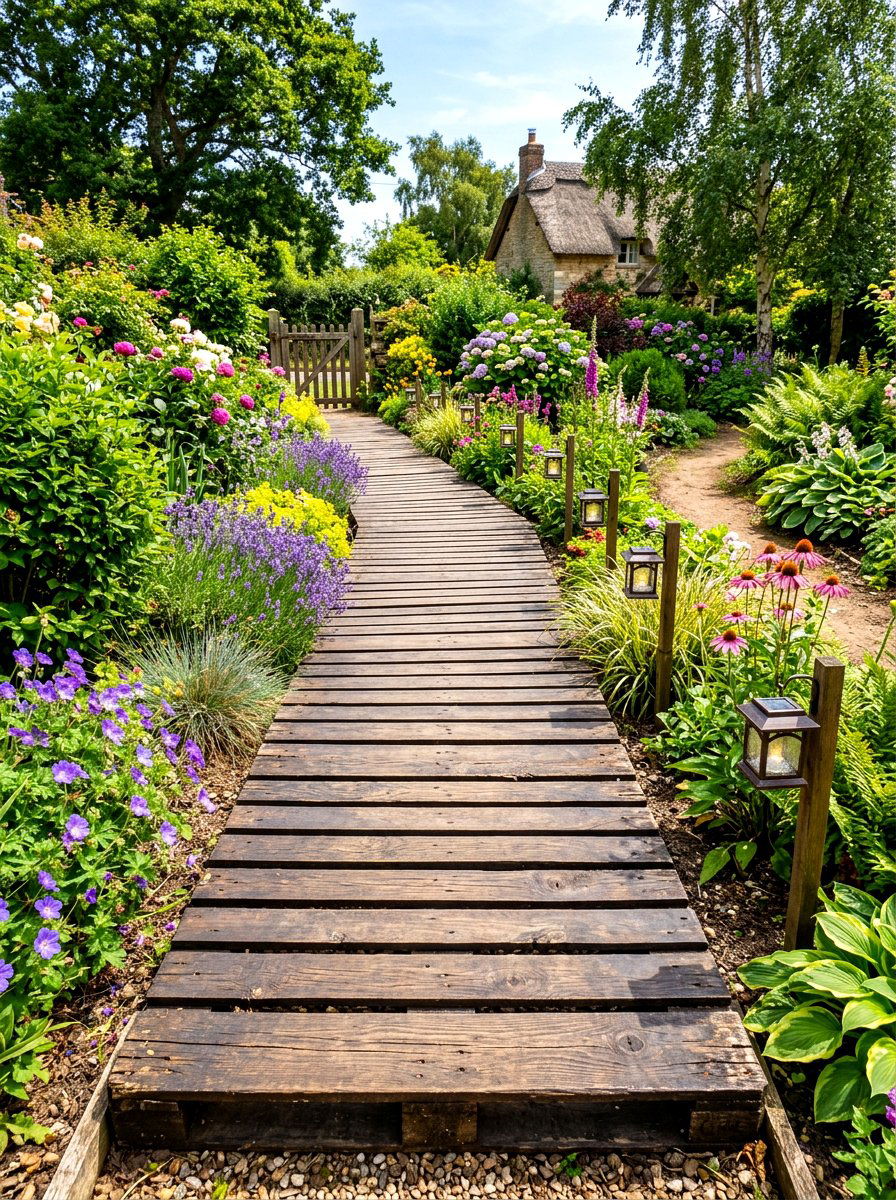
Sustainability meets creativity when you repurpose old wood pallets to create a charming boardwalk-style path through your garden. This is a very budget-friendly option that works well for muddy areas where you need to stay above the ground. You can stain the wood in different shades to create a mosaic effect or leave it natural for a weathered, rustic look. It is important to treat the wood with a waterproof sealant to prevent rot from the damp soil. This design feels very creative and personal, making it a great conversation piece for backyard gatherings. Pairing it with solar lanterns creates a lovely rustic evening ambiance.
16. Bluestone Paver Walkway
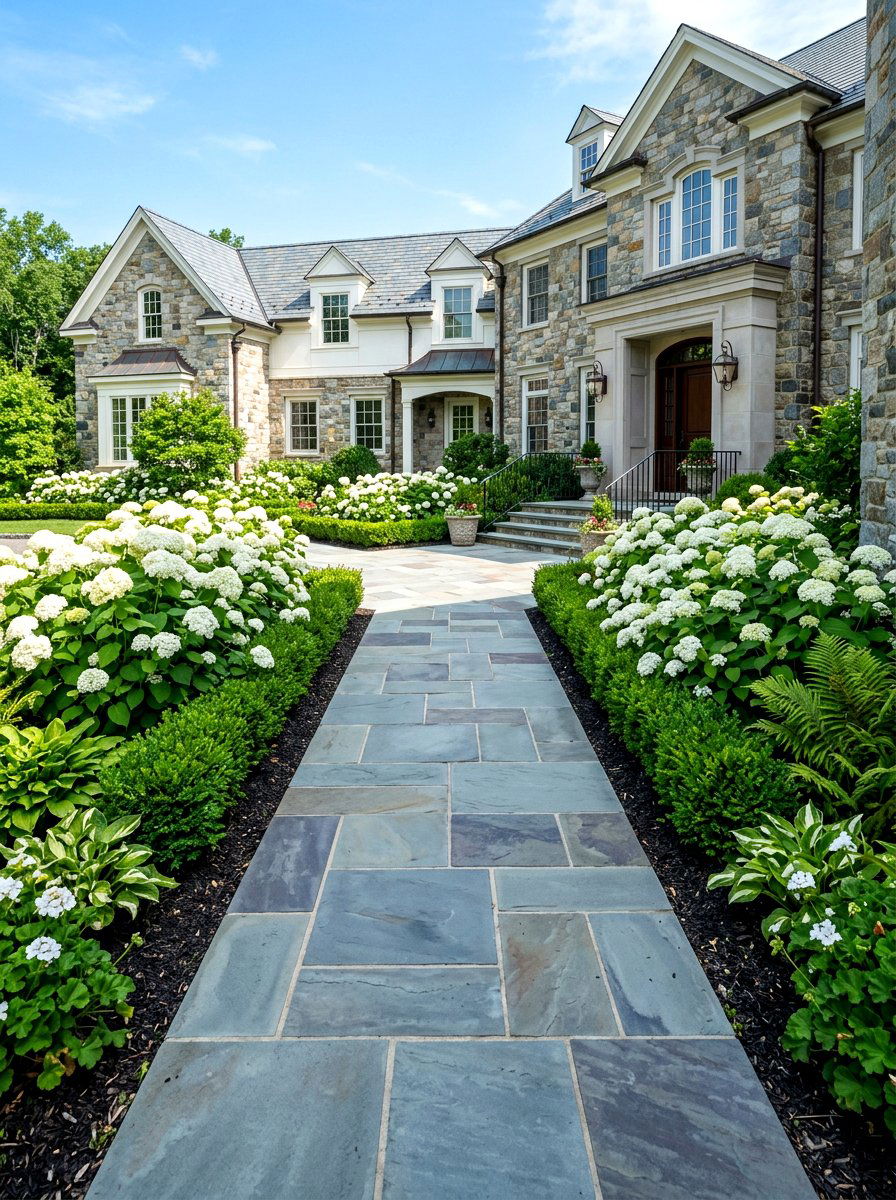
Bluestone is a premium material that offers a stunning range of cool blue and deep grey tones that look beautiful in any light. It is available in thermal finishes for a smooth surface or natural cleft for a more textured, organic feel. This stone is incredibly durable and can withstand harsh winters without cracking or fading. It is often used for formal entryways to give the home a look of luxury and prestige. You can lay bluestone in a classic ashlar pattern for a timeless architectural feel. Surrounding the blue tones with bright green boxwoods or white hydrangeas creates a sophisticated and high-contrast landscape.
17. Tropical Palm Lined Path
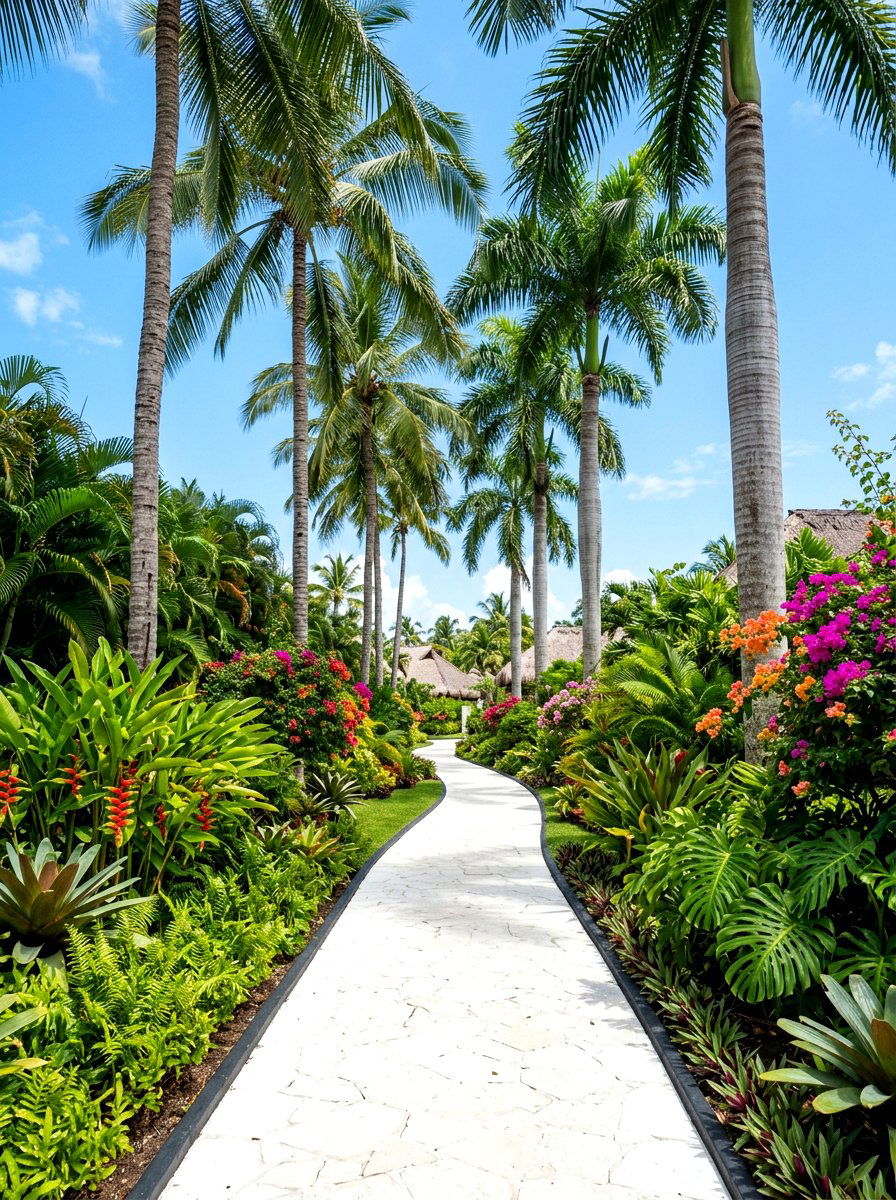
If you live in a warm climate, you can create a vacation vibe at home by lining your walkway with various palm species and lush tropical foliage. Use materials like light-colored limestone or crushed coral to reflect the sun and keep the path bright. Large-leafed plants like monstera or bird of paradise should be tucked behind the palms to create layers of greenery. This design feels like a private resort and provides plenty of shade for your walk. Adding a small water feature or fountain near the entrance of the path enhances the tropical atmosphere with the soothing sound of running water.
18. Desert Xeriscape Gravel Path
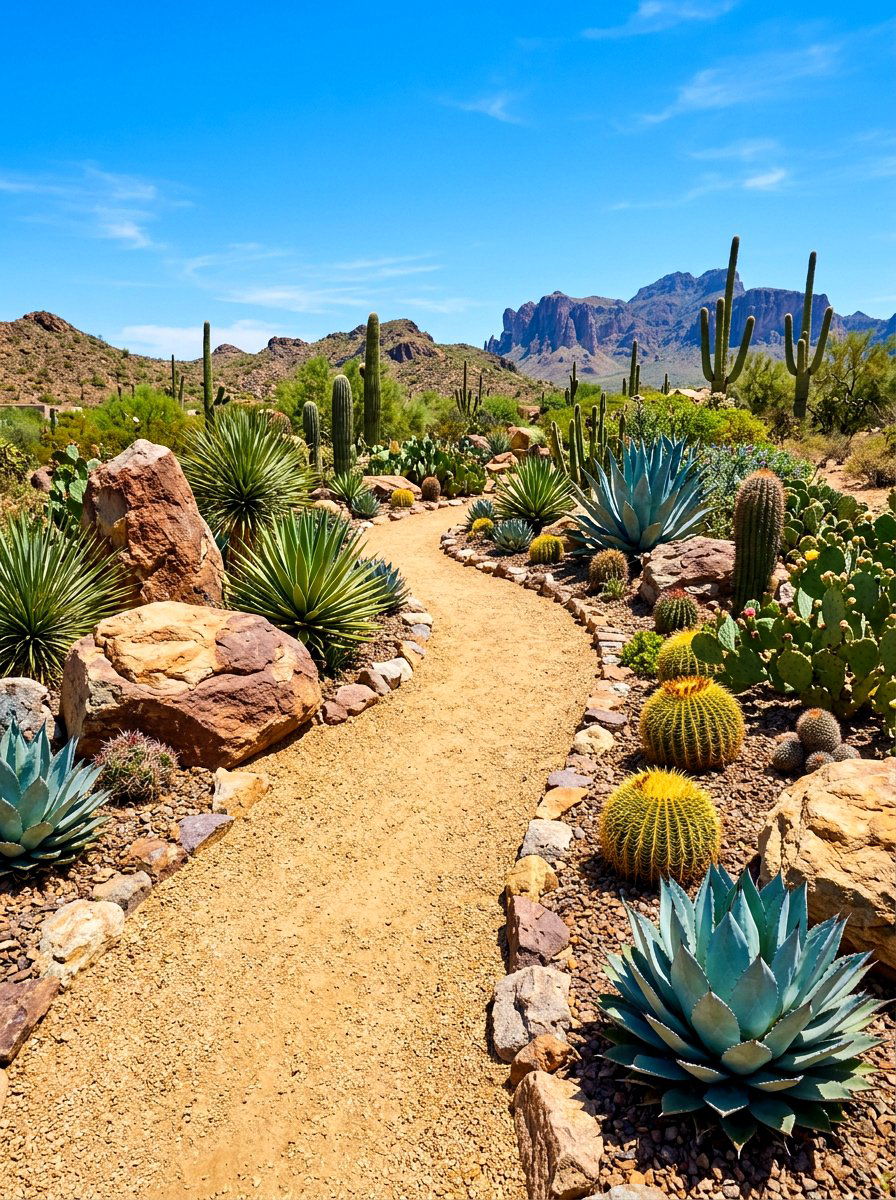
For regions with low rainfall, a xeriscape walkway using drought-tolerant materials is both practical and visually striking. Use various sizes of decomposed granite and larger ornamental boulders to create a textured desert landscape. The path should be wide and open, reflecting the vastness of the arid environment. Incorporate hardy plants like agave, yucca, and barrel cacti along the edges to add structure without needing much water. This style is very low-maintenance and stays looking great all year round. The warm earthy tones of the desert stones create a beautiful harmony with the natural light of the southwest or similar climates.
19. Cobblestone Garden Walkway
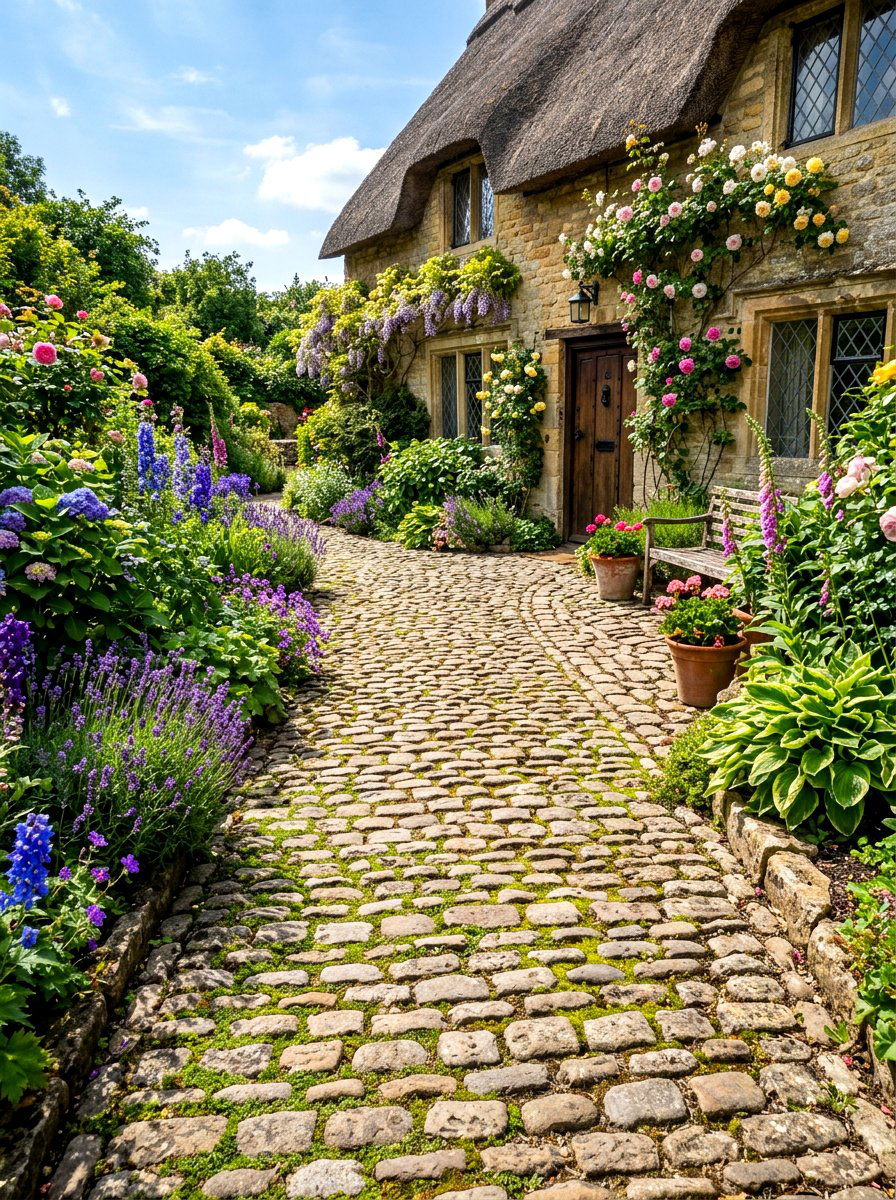
Nothing beats the old-world charm of a cobblestone path that looks like it belongs in a historic European village. These small, rounded stones are incredibly tough and provide a very unique texture underfoot. They are perfect for creating curved paths or circular landing areas at the base of steps. The irregular gaps between the stones can be filled with sand or even tiny groundcovers like creeping thyme for a "living" walkway. This design is ideal for cottage homes or traditional estates where character is more important than a perfectly flat surface. The stones develop a beautiful patina over time, only getting better with age.
20. Floating Wood Deck Walkway
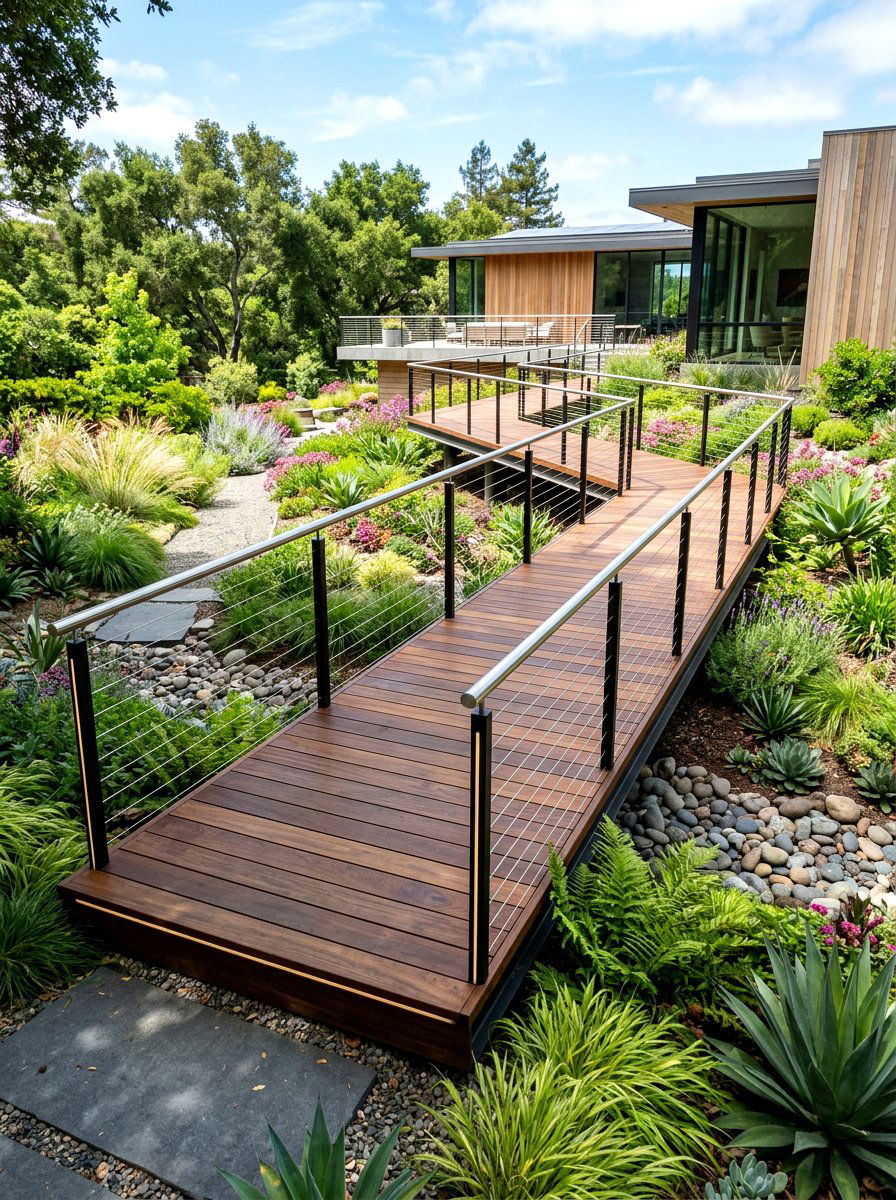
Elevate your garden experience by building a "floating" wooden walkway that sits a few inches above the ground on a hidden frame. This architectural feature creates a clean, modern look and protects the soil and plant roots beneath it. It is an excellent solution for uneven terrain or areas with sensitive drainage issues. Using high-quality woods like ipe or redwood ensures the path is long-lasting and resistant to insects. The straight lines of the deck boards contrast beautifully with the organic shapes of the surrounding plants. This design works particularly well in woodland gardens or contemporary backyards where you want a sleek, finished look.
21. Boxwood Hedge Lined Path
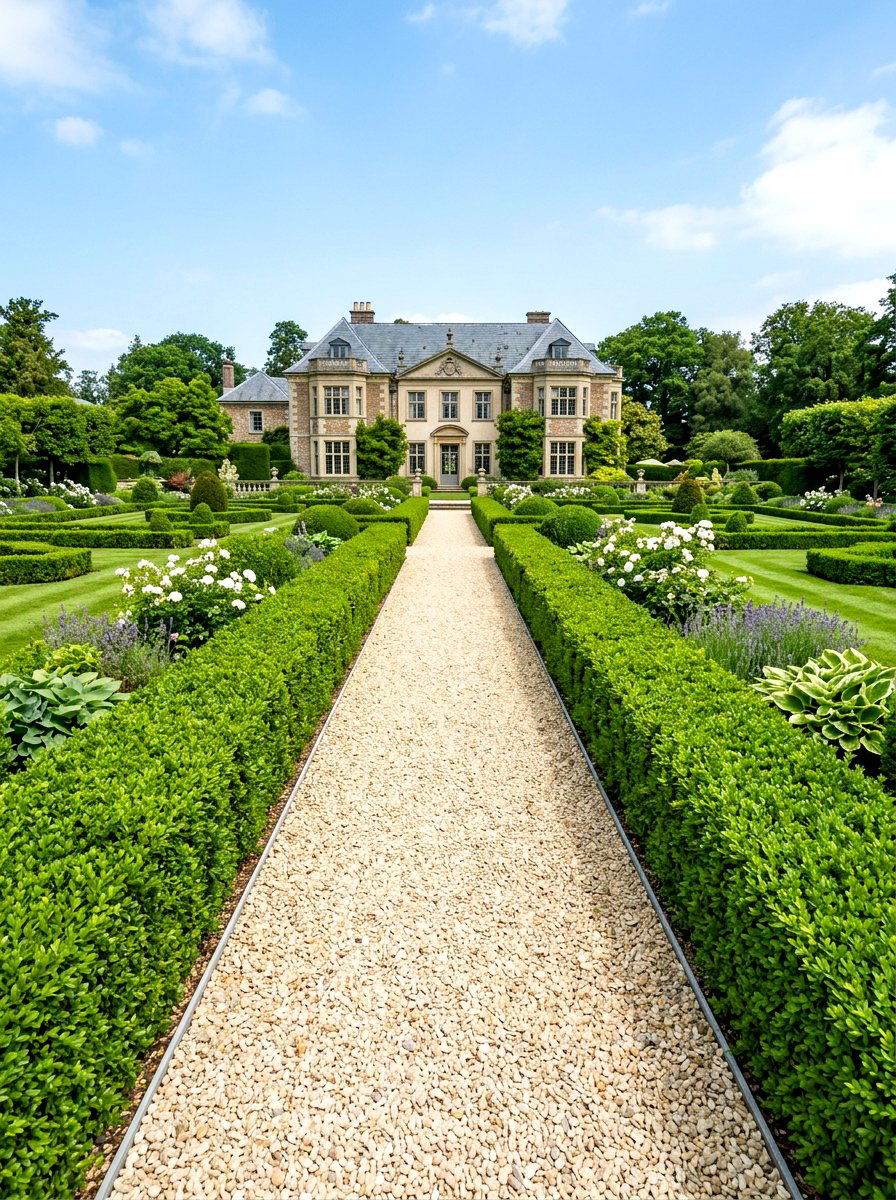
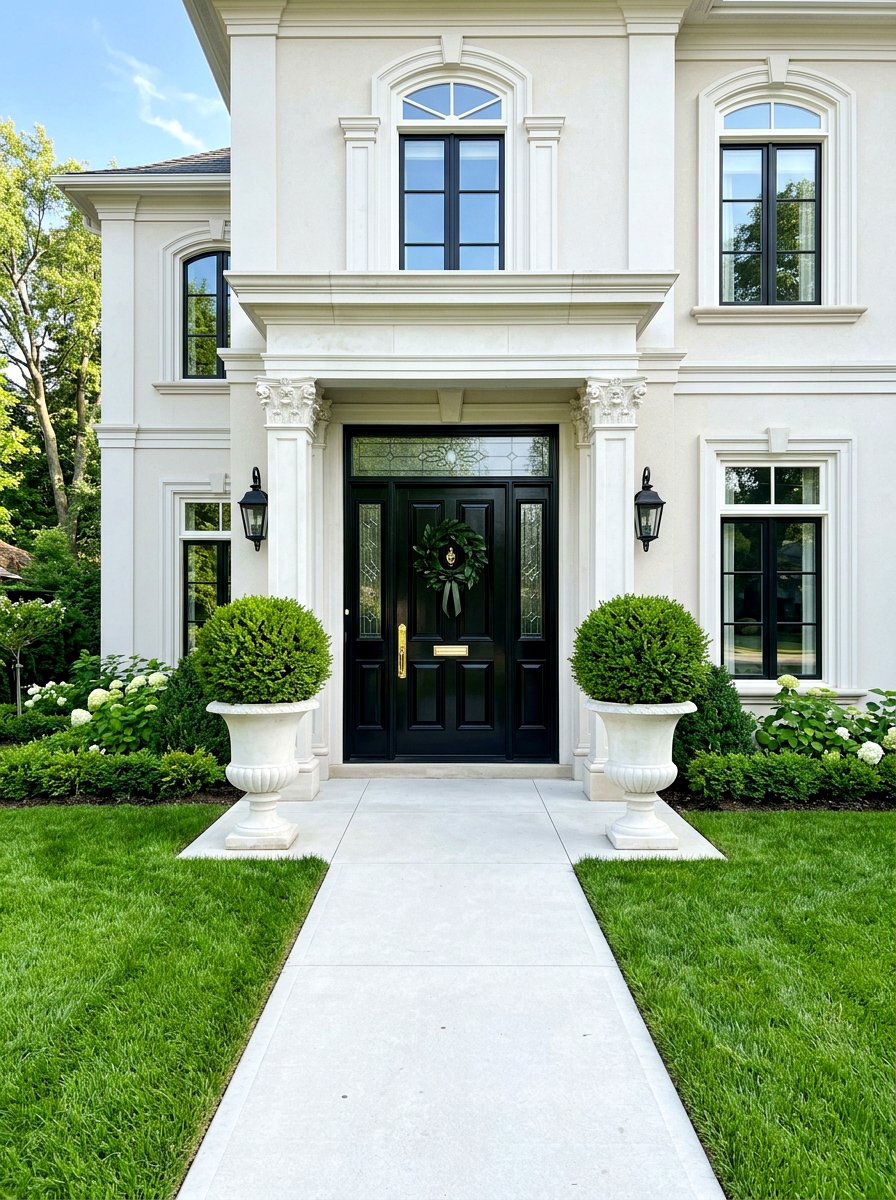
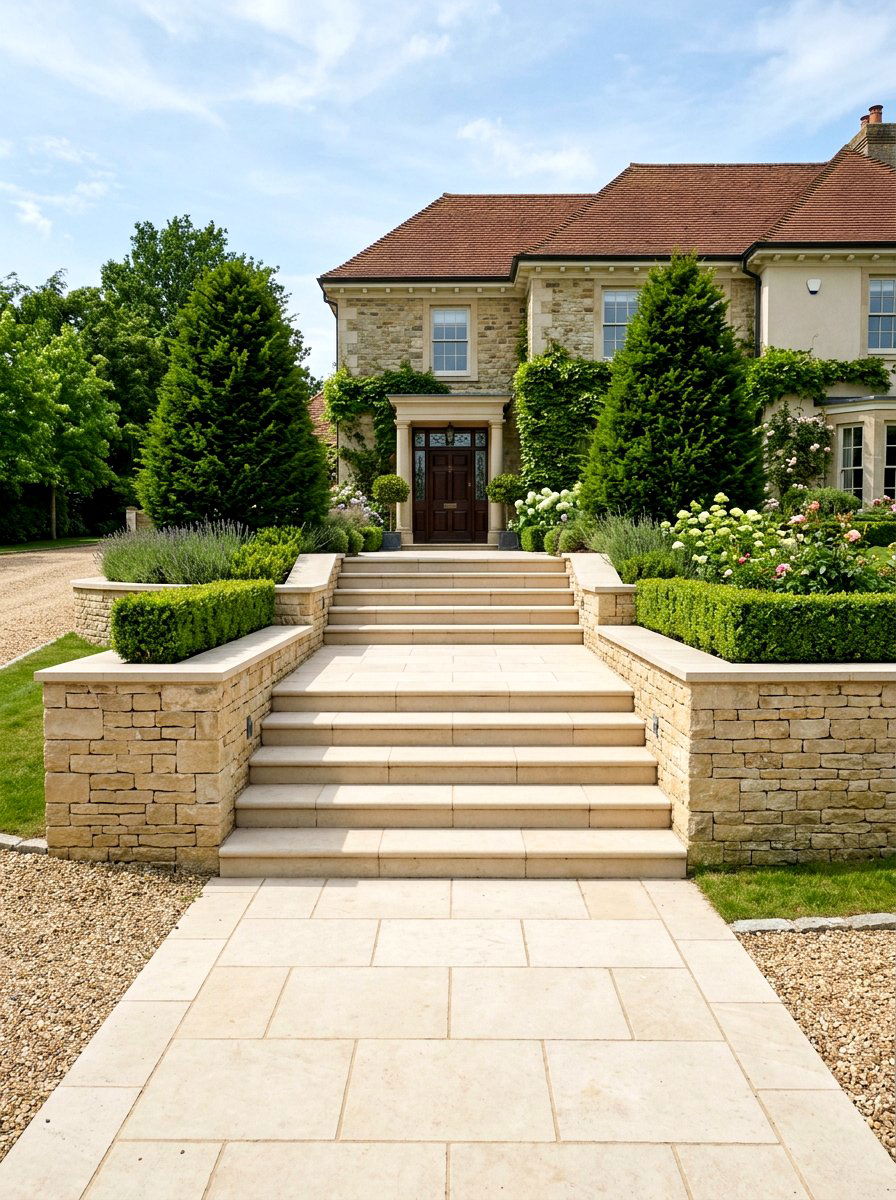
Create a sense of formality and order by bordering your walkway with perfectly manicured boxwood hedges. This classic landscaping technique provides a clear boundary and adds a green architectural element that lasts throughout the winter. It is a favorite for front walkways leading to traditional or stately homes. You can keep the hedges low to show off the path materials or let them grow taller for a more secluded feel. The dark green foliage of the boxwood makes any path material, from white gravel to red brick, stand out brilliantly. Regular trimming is required to keep this look sharp, clean, and professional.
22. Crushed Limestone Path
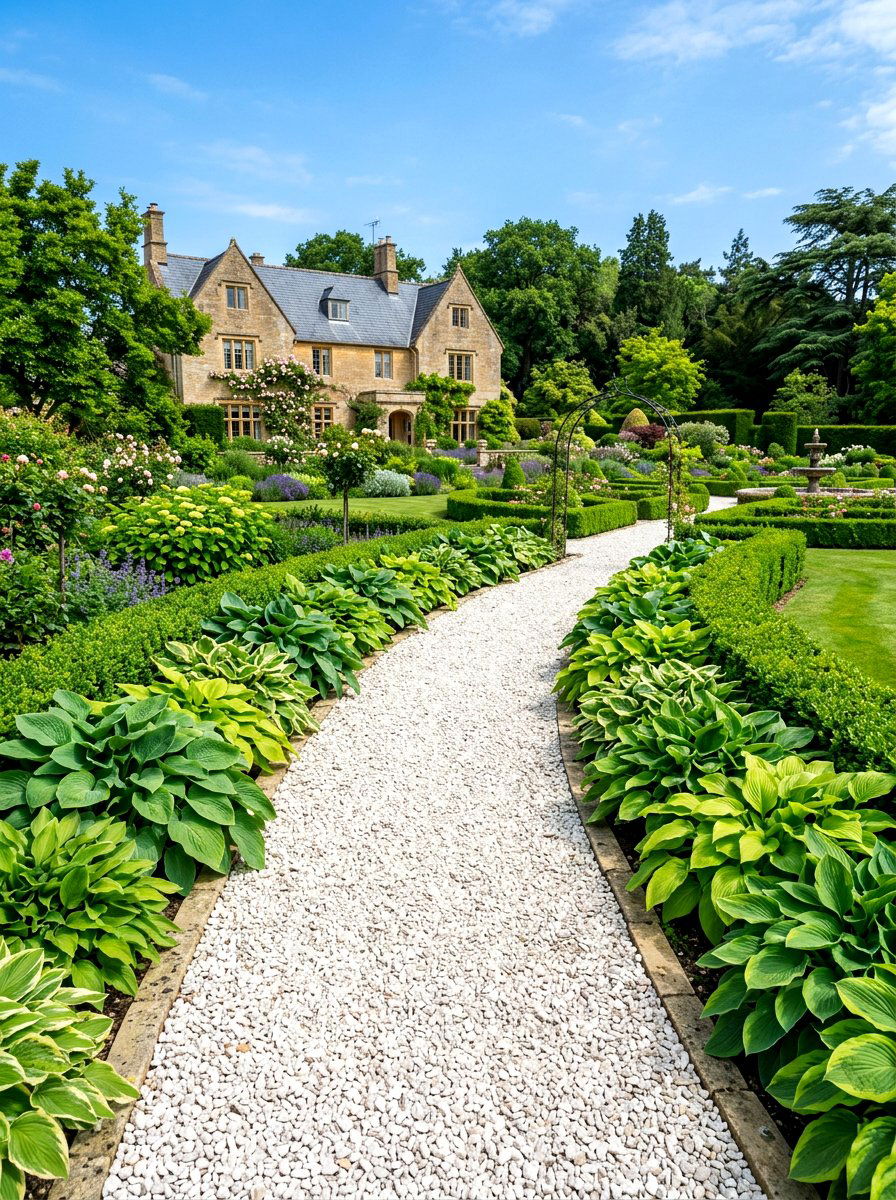
Crushed limestone offers a bright, nearly white surface that can illuminate even the darkest corners of your garden. It is a very affordable material that packs down tightly over time, creating a surface that is surprisingly easy to walk on. The cool tones of the limestone provide a crisp, clean background for vibrant green plants and colorful flowers. This style is often found in English manor gardens or formal French estates. Because it is a natural stone, it blends perfectly with other hardscaping elements like stone walls or statues. You should use a sturdy edging material to keep the white stones contained and looking tidy.
23. Travertine Outdoor Walkway
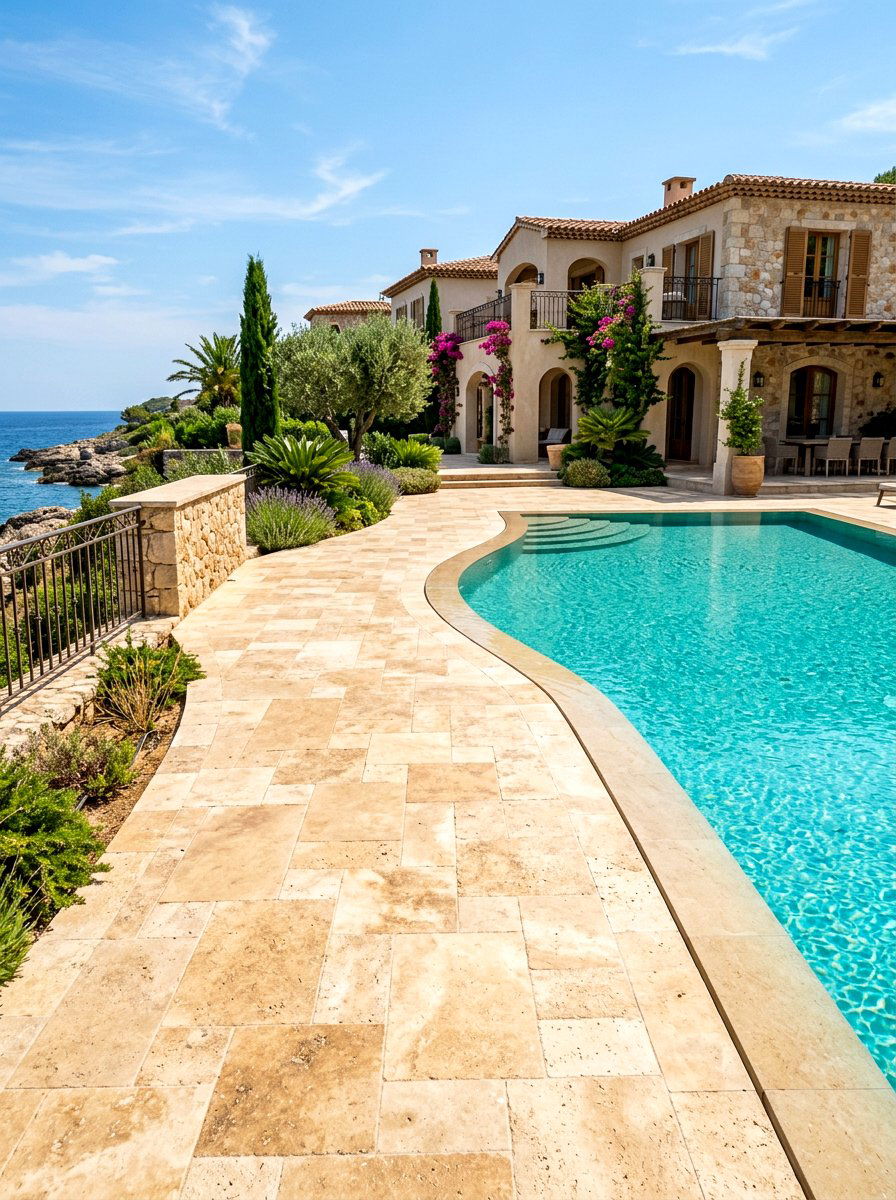
Travertine is a luxurious natural stone known for its unique pitted texture and warm, sandy color palette. It is naturally cool to the touch, making it the perfect material for walkways near pools or sunny patios. The subtle variations in tan, beige, and cream colors create a sophisticated look that feels like a high-end Mediterranean villa. Travertine is often laid in large pavers to minimize joints and create a seamless flow through the yard. It is a porous stone that allows for some water absorption, reducing the risk of puddles. Pairing travertine with olive trees or lavender creates an authentic coastal European garden aesthetic.
24. Flagstone And Thyme Path
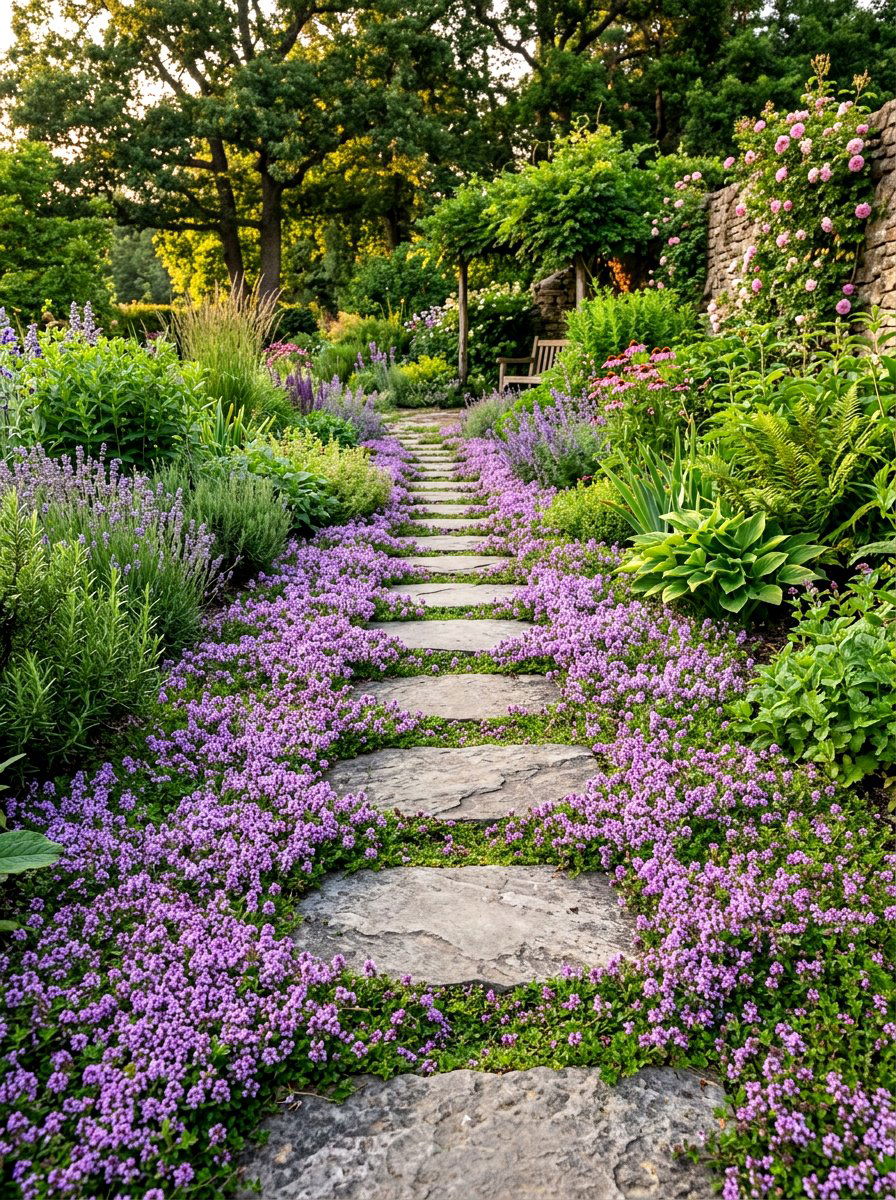
For a walkway that smells as good as it looks, try planting creeping thyme in the wide joints between natural flagstone slabs. As the thyme grows, it fills the gaps with tiny green leaves and beautiful purple flowers that release a herbal scent when stepped on. This "living" walkway is very soft and helps to blend the hard stone into the surrounding garden. It is a great alternative to traditional grout or sand and requires very little maintenance once established. This design is perfect for casual backyard paths or "secret" walkways through a vegetable garden. The combination of hard stone and soft herbs is visually stunning.
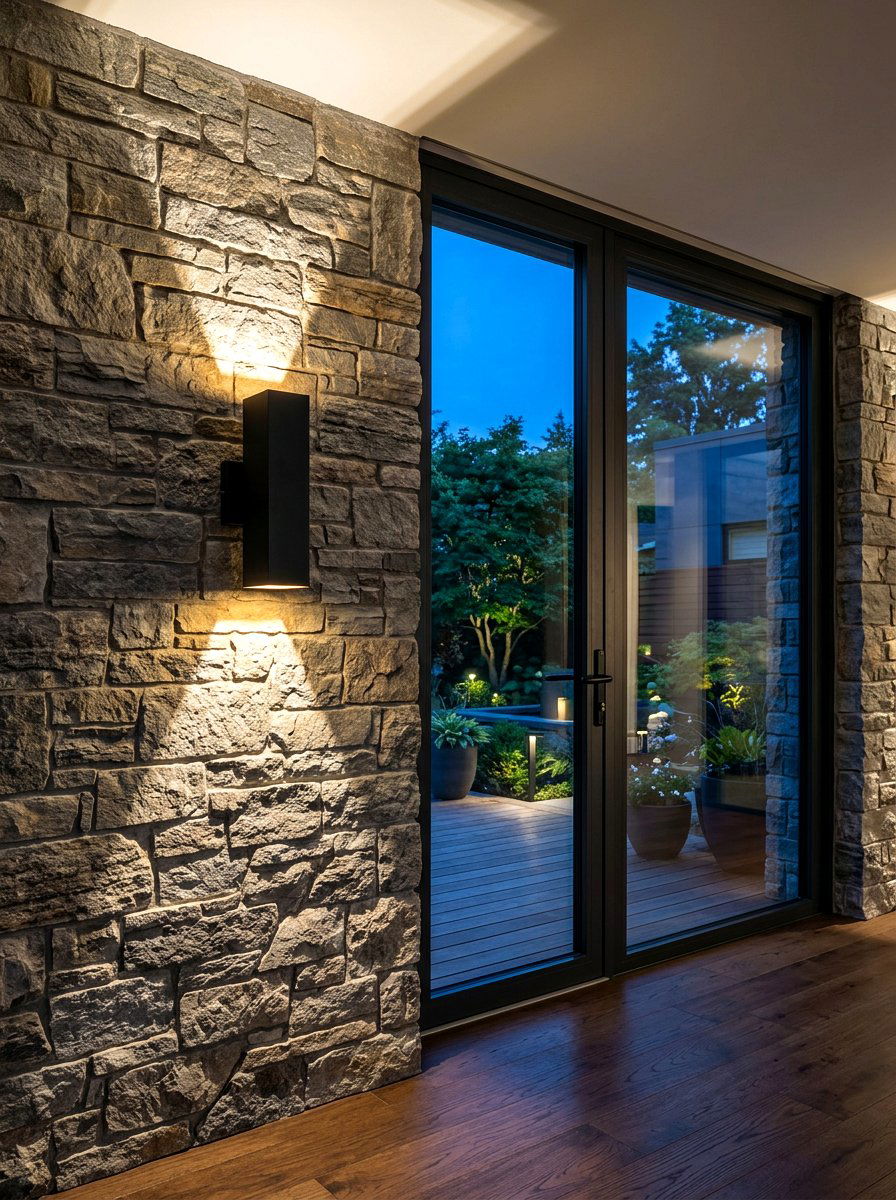
25. Redwood Boardwalk Path
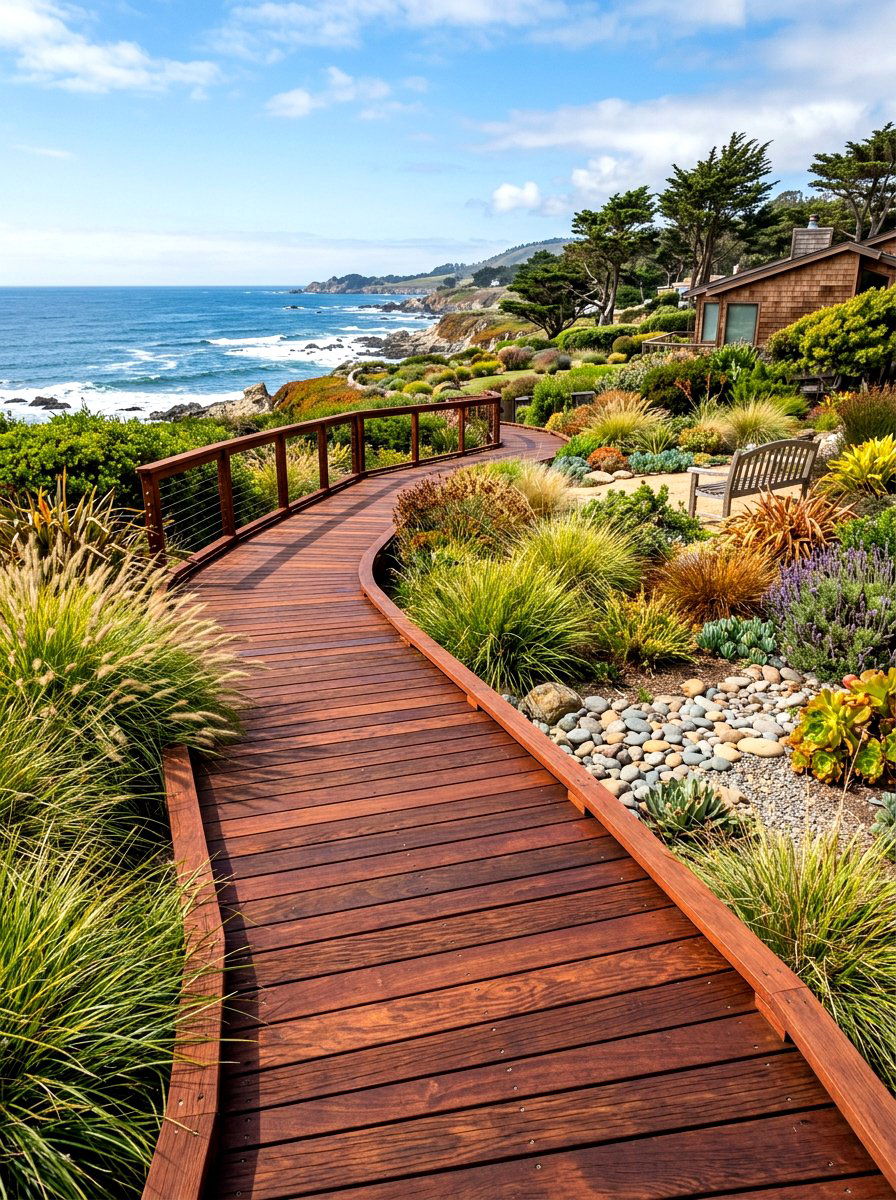
A redwood boardwalk brings a sense of coastal adventure to your backyard, reminiscent of paths through the dunes or forest preserves. Redwood is naturally resistant to decay and has a beautiful deep red hue that darkens gracefully over time. The horizontal orientation of the boards can make a narrow garden feel wider and more expansive. This type of walkway is great for bridging low-lying areas that might get soggy after a storm. It provides a warm, natural contrast to the cool greens of a backyard lawn. Adding nautical-style rope railings or low-voltage post lights can enhance the coastal boardwalk theme for your home.
26. Multi Level Stone Step Walkway
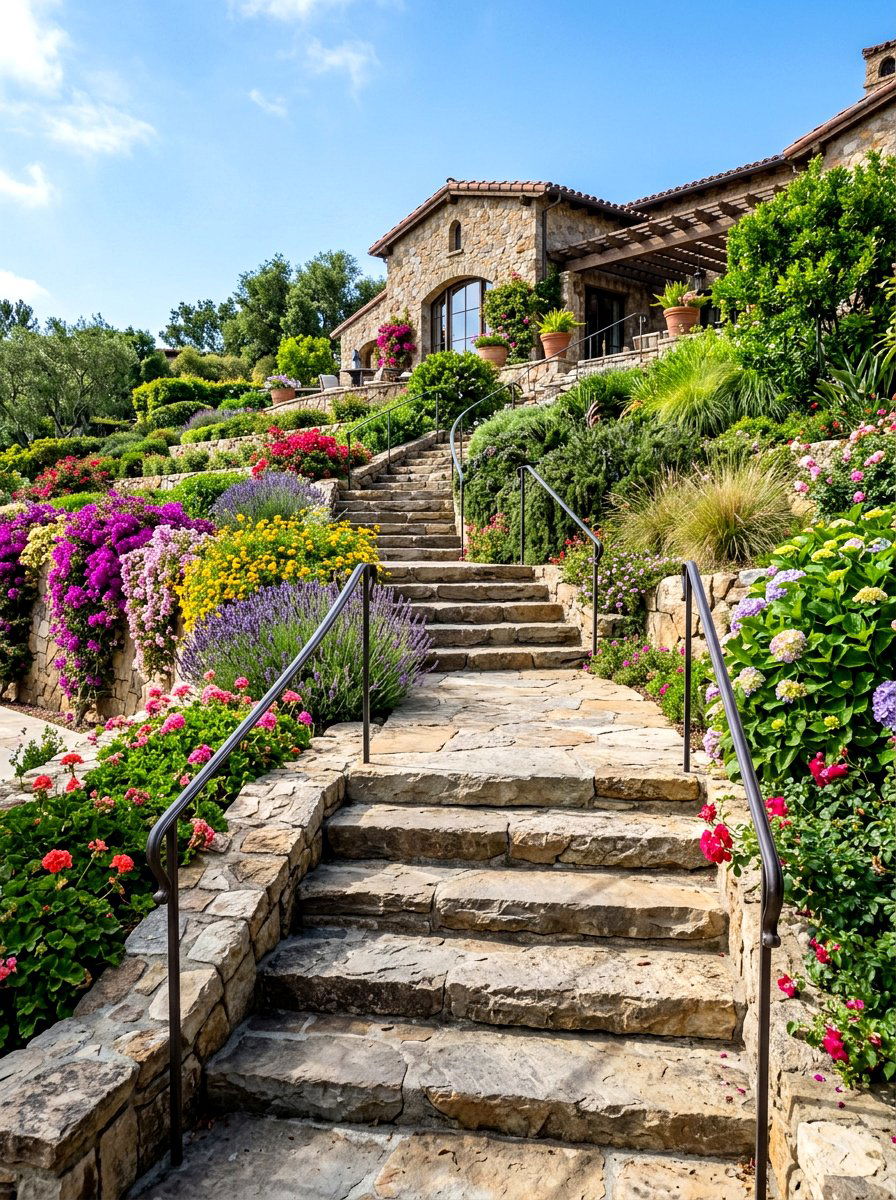
If your yard has a significant slope, a multi-level stone step walkway is the best way to handle the elevation change while adding drama. Using large slabs of natural stone as both the tread and the riser creates a sturdy and majestic staircase through your landscape. You can build small landings between sets of steps to provide places for decorative planters or seating benches. This design turns a difficult hill into a beautiful architectural feature of the property. Planting cascading flowers like creeping phlox along the edges of the steps helps to soften the stone and adds a burst of seasonal color to the hillside.
27. Permeable Grass Paver Path
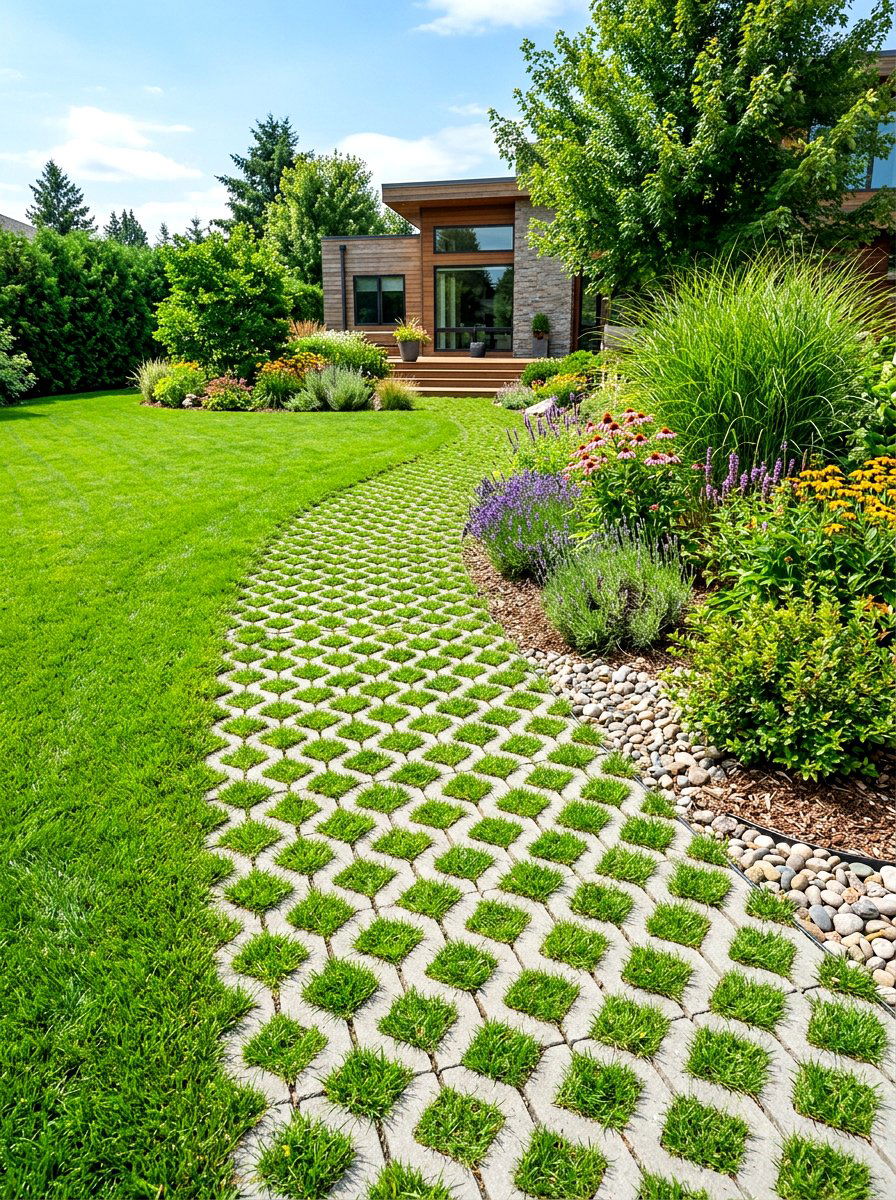
Eco-conscious homeowners are increasingly choosing permeable grass pavers that allow water to soak directly into the ground through the path. These pavers are usually a grid system made of concrete or recycled plastic that is filled with soil and grass seed. The result is a "hidden" walkway that looks like a regular lawn but can support the weight of heavy foot traffic or even a vehicle. This design is excellent for reducing runoff and keeping your yard cool during the summer. It provides a very seamless look where the walkway disappears into the rest of the landscaping, maintaining a pure and natural green aesthetic.
28. Granite Stepping Stone Walkway
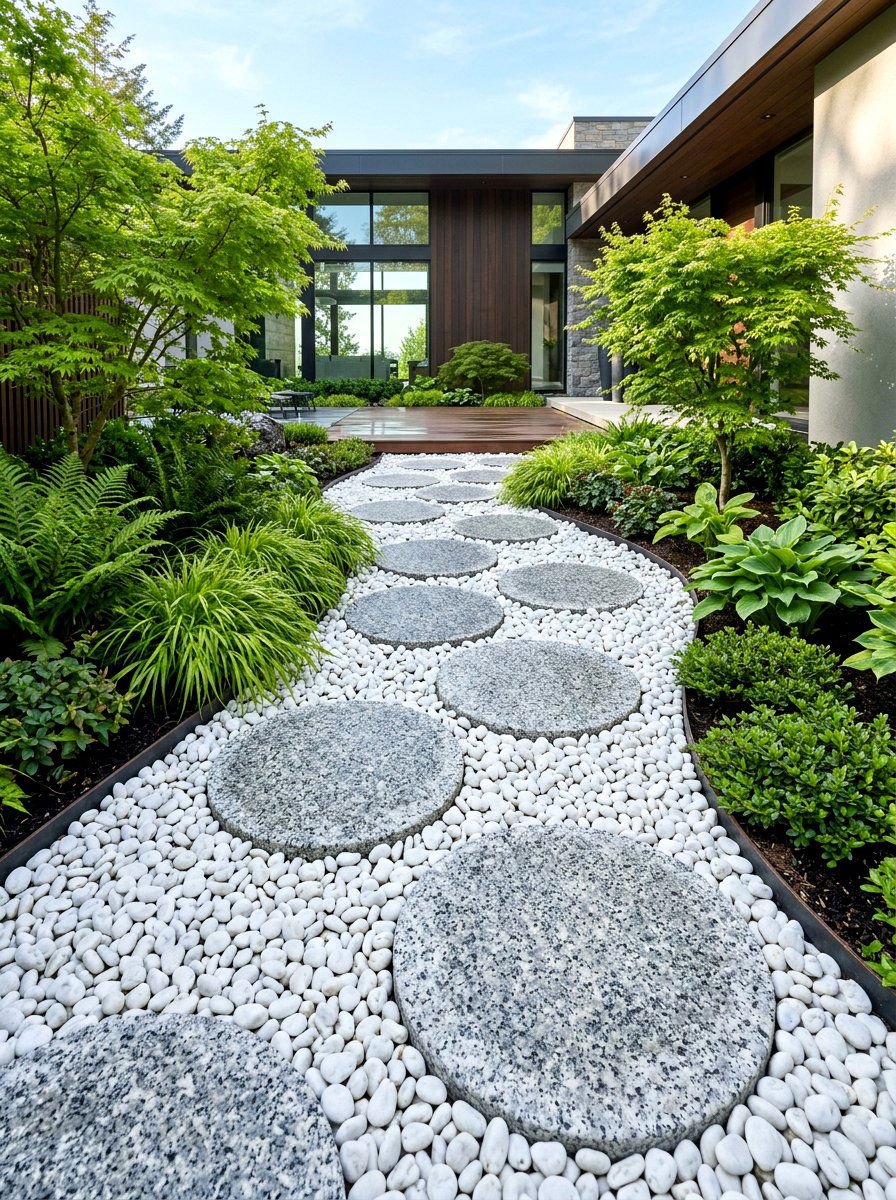
Granite is one of the hardest and most durable stones available, making it an ideal choice for a permanent and low-maintenance garden path. Large granite rounds or rectangles placed in a bed of dark mulch or white pebbles create a striking high-contrast look. The natural speckles and crystalline structure of granite catch the sunlight, giving the path a subtle sparkle. This material will not crack or weather even in extreme temperatures, ensuring your investment lasts a lifetime. It is a great choice for modern or Asian-inspired gardens where clean shapes and high-quality materials are the main focus. Granite feels solid and grounded underfoot.
29. Mediterranean Tile Path
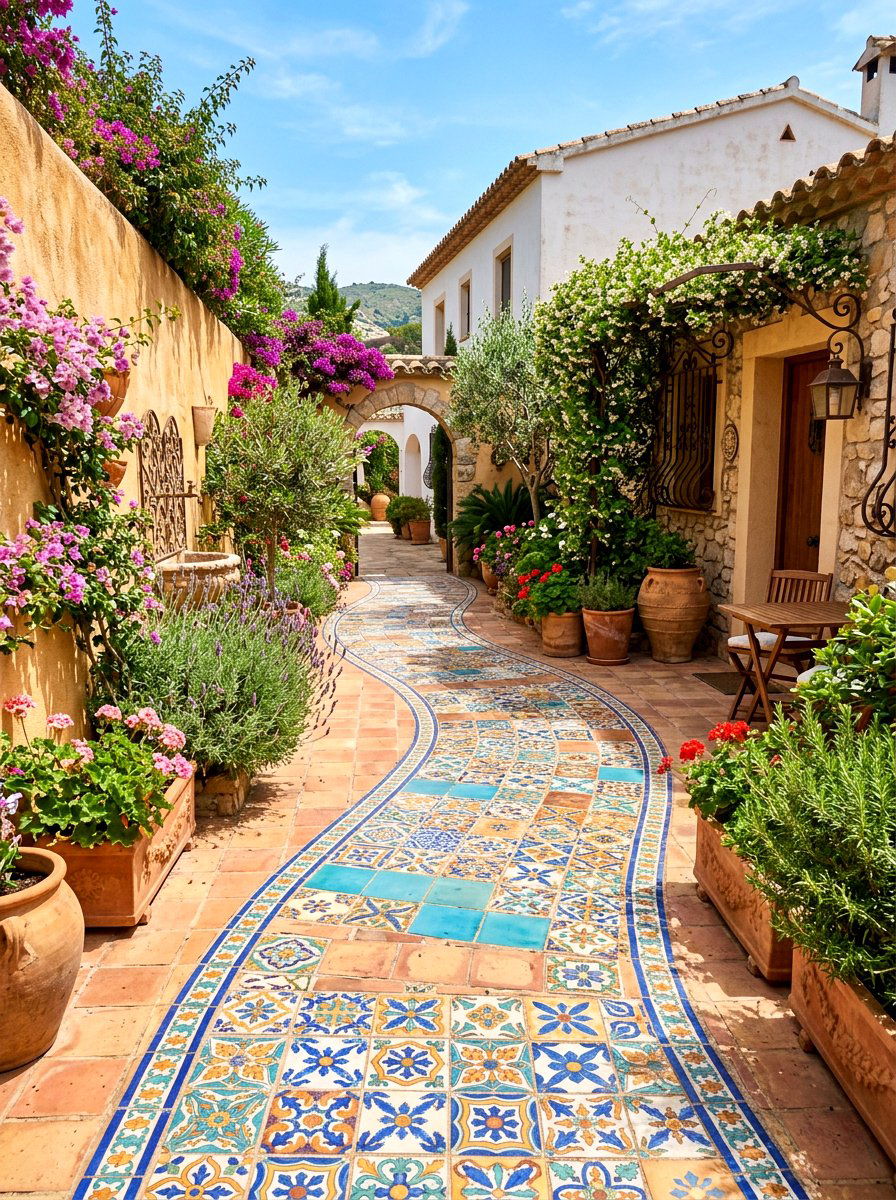
Add a splash of vibrant color and pattern to your outdoor space by using decorative Mediterranean or Moroccan ceramic tiles for your walkway. These tiles often feature intricate geometric designs in shades of blue, terracotta, and yellow. They are best used as accents within a concrete or stone path to prevent the look from becoming too overwhelming. This style is perfect for sun-drenched courtyards or paths leading to an outdoor kitchen area. The glazed surface of the tiles is easy to clean and stays looking bright for many years. Surrounding the tile with terra cotta pots filled with citrus trees completes the Mediterranean garden dream.
30. Rustic Log Slice Walkway
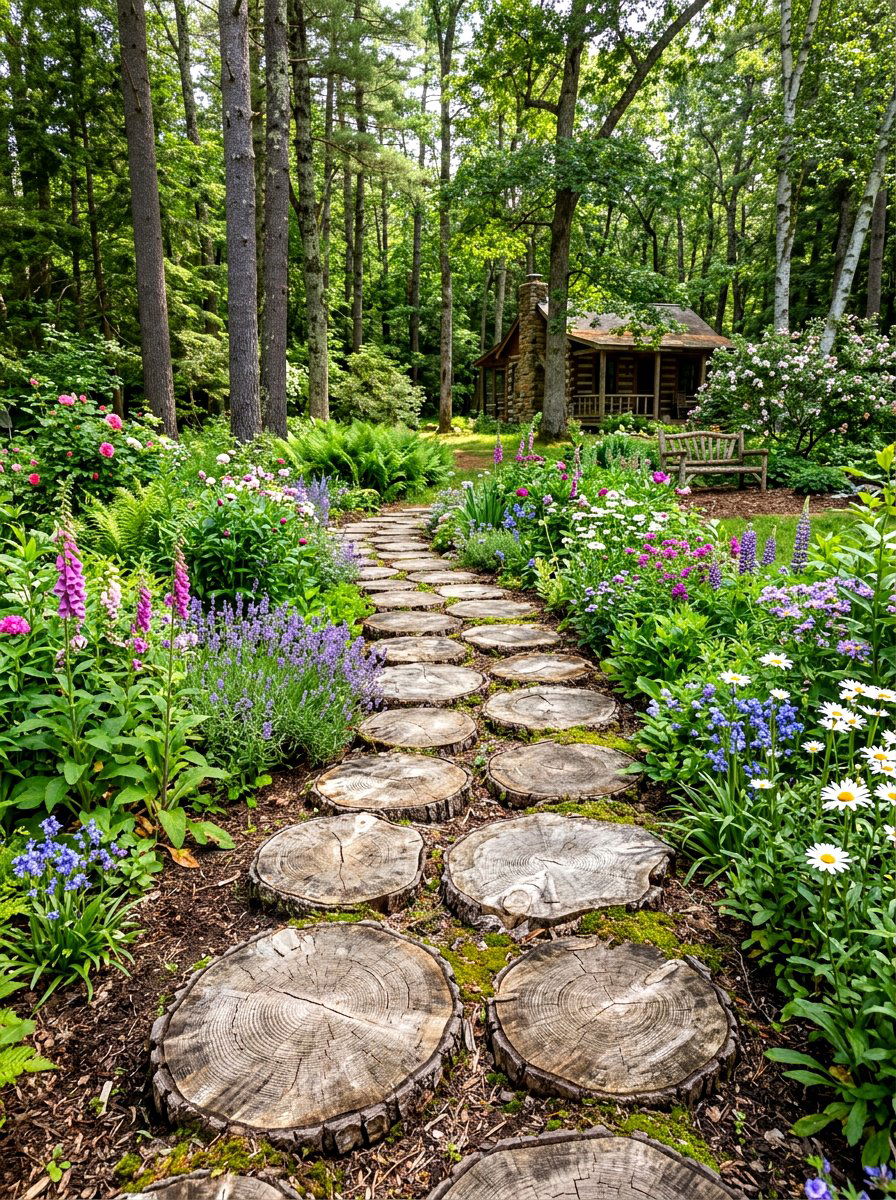
For a truly unique and natural look, you can use cross-sections of fallen trees to create a "tree cookie" or log slice path. Each slice shows off the beautiful rings and textures of the wood, making every step unique. This design is perfect for woodland properties or rustic cabins where you want the landscaping to feel as close to nature as possible. To ensure longevity, the log slices should be treated with a wood preservative and set into a bed of sand or gravel for drainage. This path is very fun for children and adds a touch of whimsical storytelling to your outdoor space, especially when surrounded by wildflowers.
Conclusion:
Selecting the perfect walkway landscaping idea is about balancing the functional needs of your home with your personal design aesthetic. A well-placed path does more than just guide your feet; it organizes your outdoor space and creates a sense of harmony between your home and nature. Whether you prefer the clean lines of modern concrete or the romantic charm of a lavender-lined trail, your choice will significantly impact your property's overall curb appeal and daily enjoyment. By considering materials, lighting, and plant pairings, you can create a durable and beautiful journey through your garden. Invest in a design that makes coming home a beautiful experience.

Related posts: