Creating a welcoming entrance starts long before someone reaches your front door. It begins at the edge of your property where your front walkway greets every visitor. This transition space serves as the literal and metaphorical handshake of your home, offering a glimpse into your personal style and architectural taste. A well-planned path does more than just provide a dry place to walk; it guides the eye, enhances curb appeal, and increases property value significantly. Whether you prefer the rustic charm of natural stone or the sleek lines of modern concrete, choosing the right material is essential for a cohesive exterior look. A thoughtful walkway should balance functionality with visual beauty while leading guests safely to your home in any weather conditions.
1. Flagstone Stepping Stone
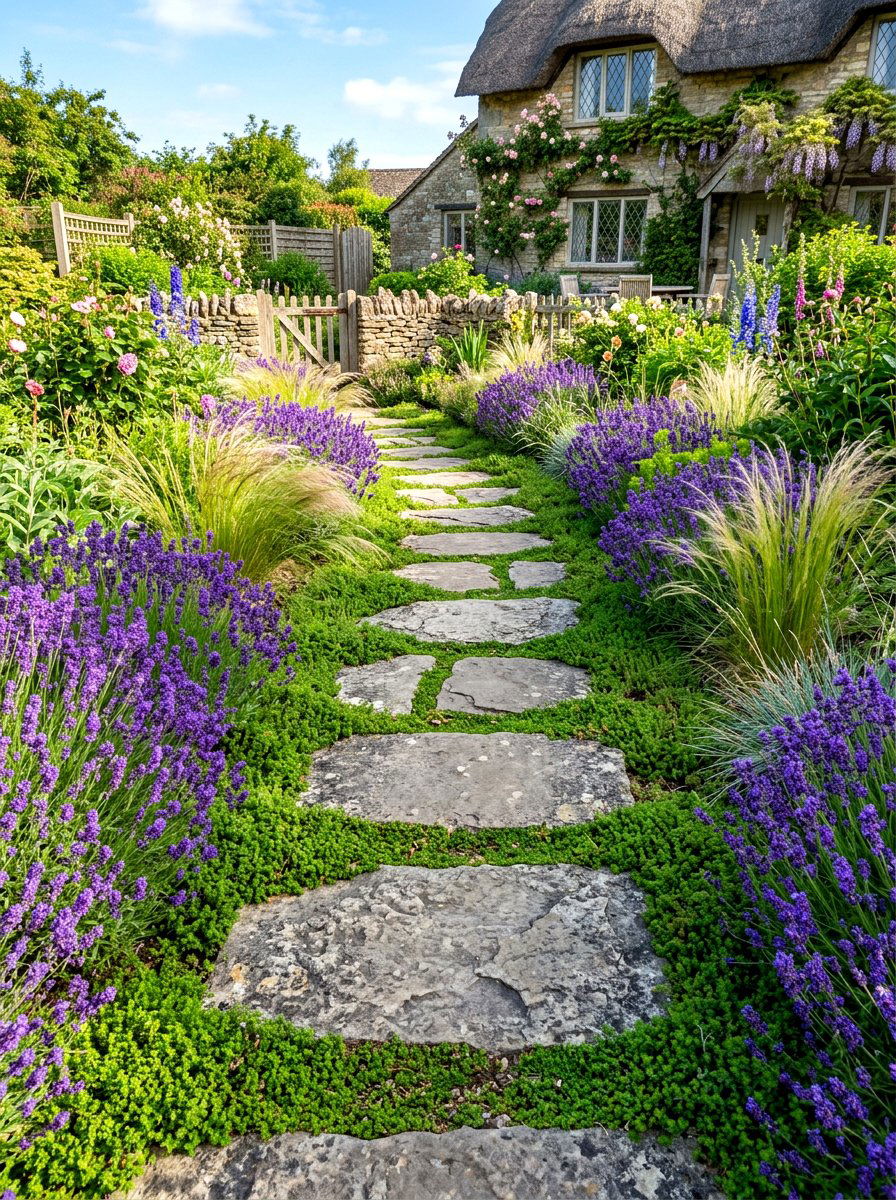
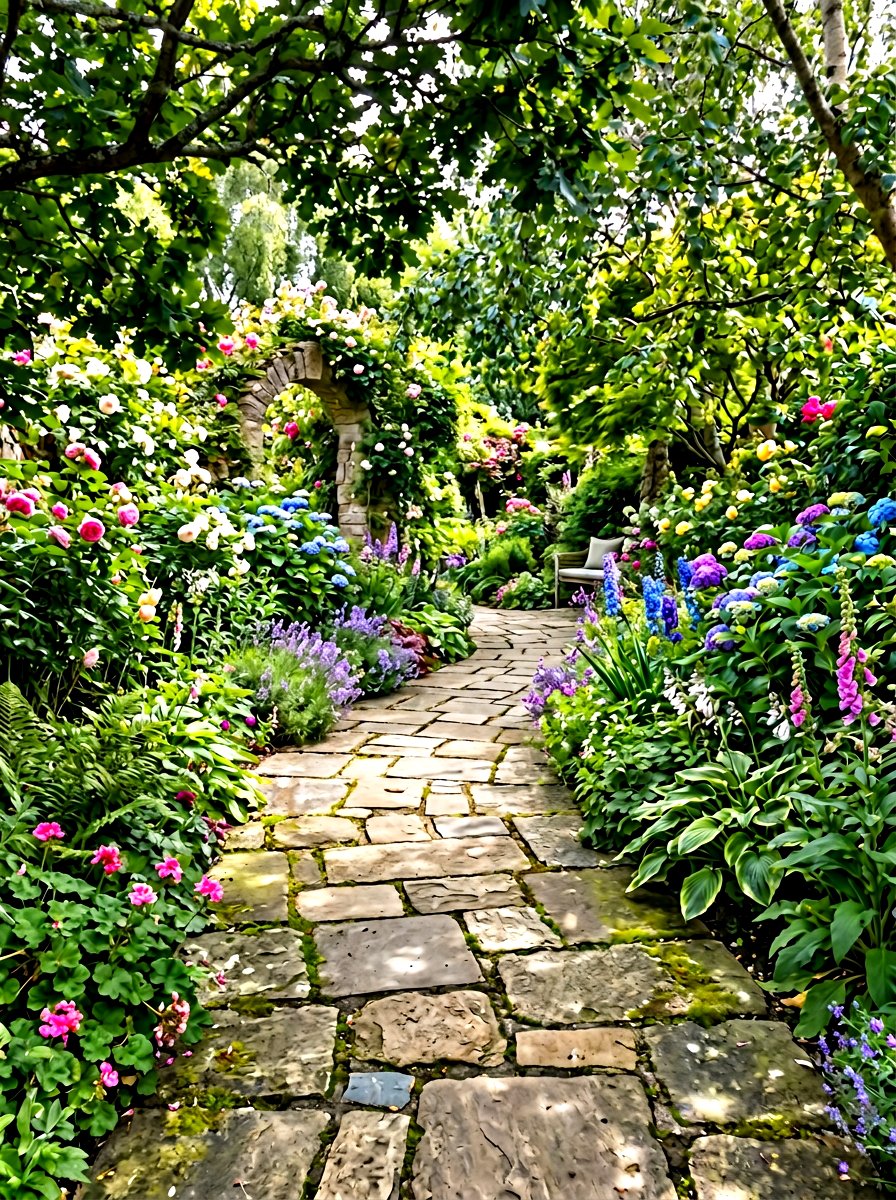
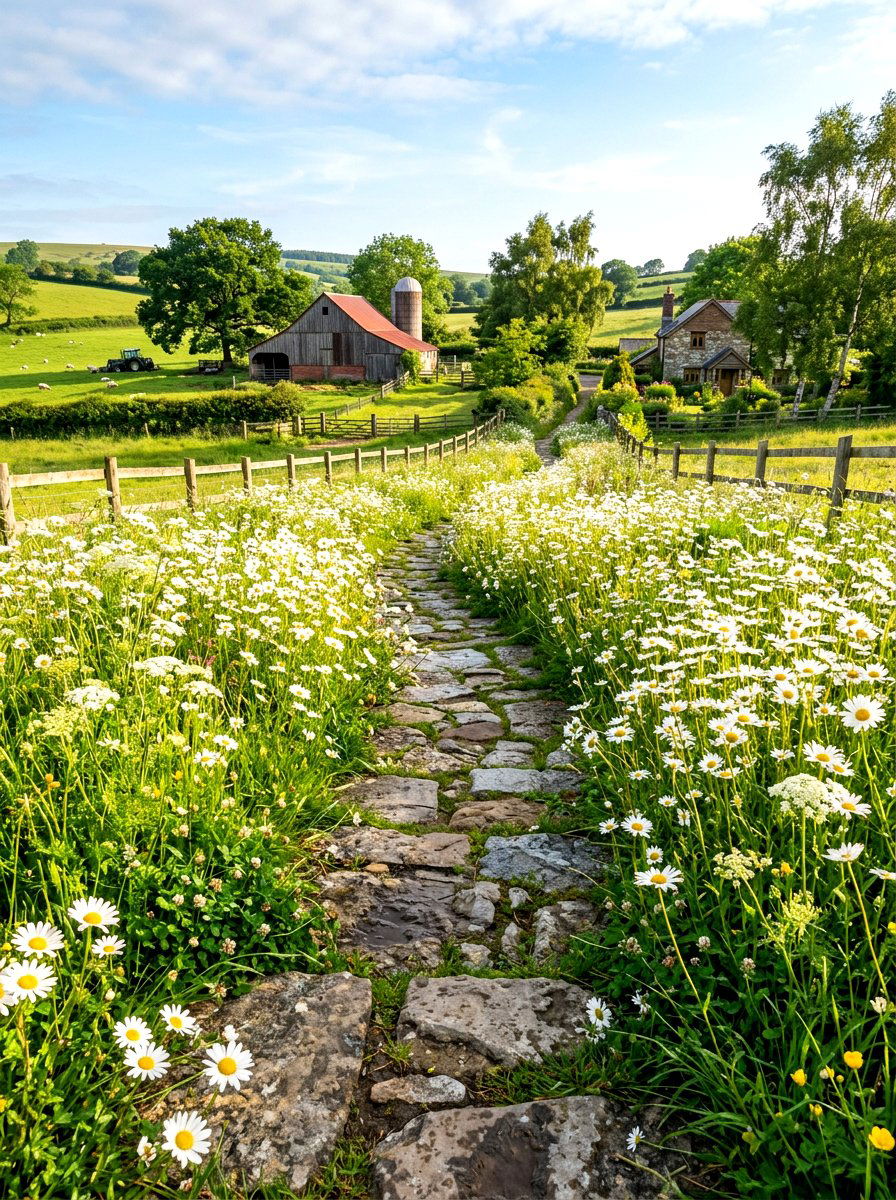
Flagstone stepping stone paths offer an organic and natural aesthetic that complements almost any landscape. These irregular pieces of flat stone are typically set into the earth or a bed of sand to create a stable walking surface. You can fill the gaps between the stones with moss, creeping thyme, or fine gravel to enhance the texture and color. This style is particularly effective for homes with a cottage or woodland vibe where straight lines might feel too rigid. Choosing larger stones ensures a more comfortable stride for guests. Flagstone is durable and weathers beautifully over time, making it a favorite for long-lasting curb appeal. It creates a relaxed journey toward the entrance.
2. Modern Concrete Slab
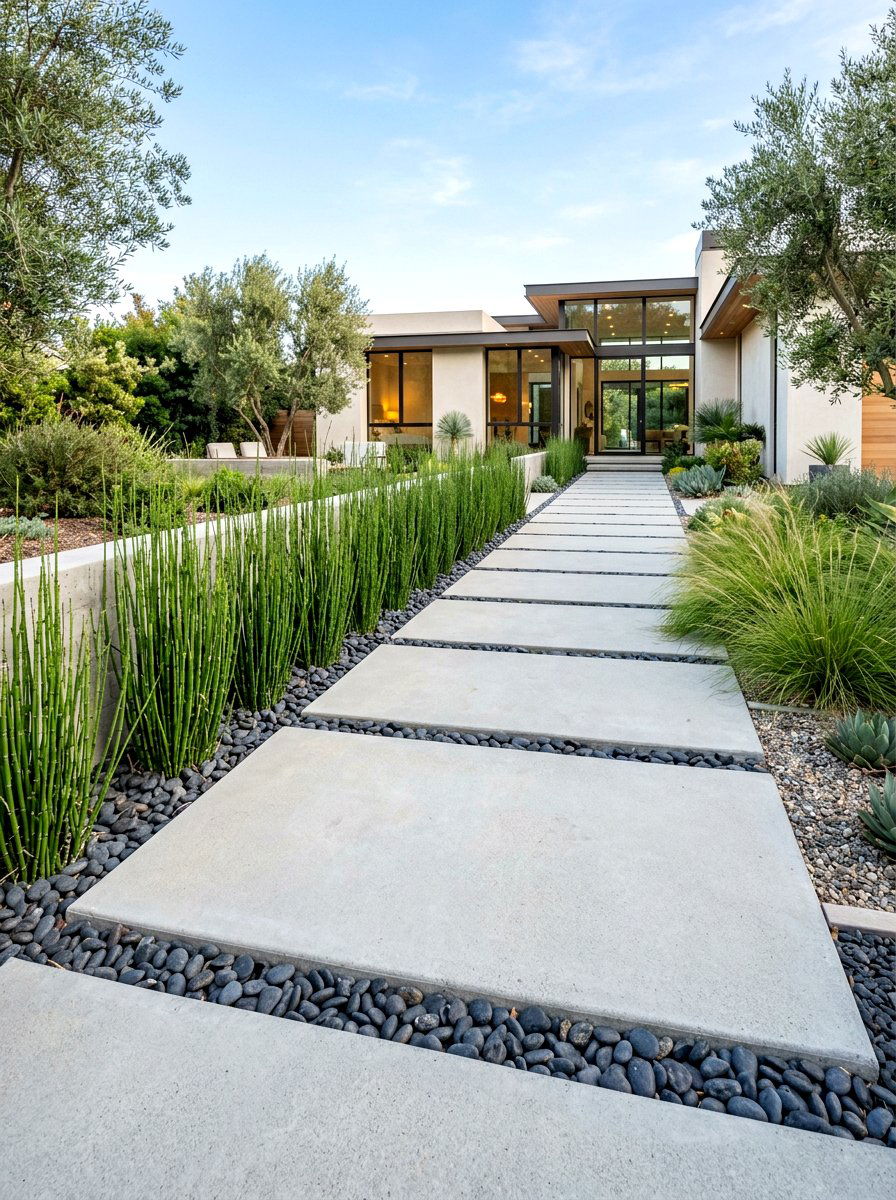
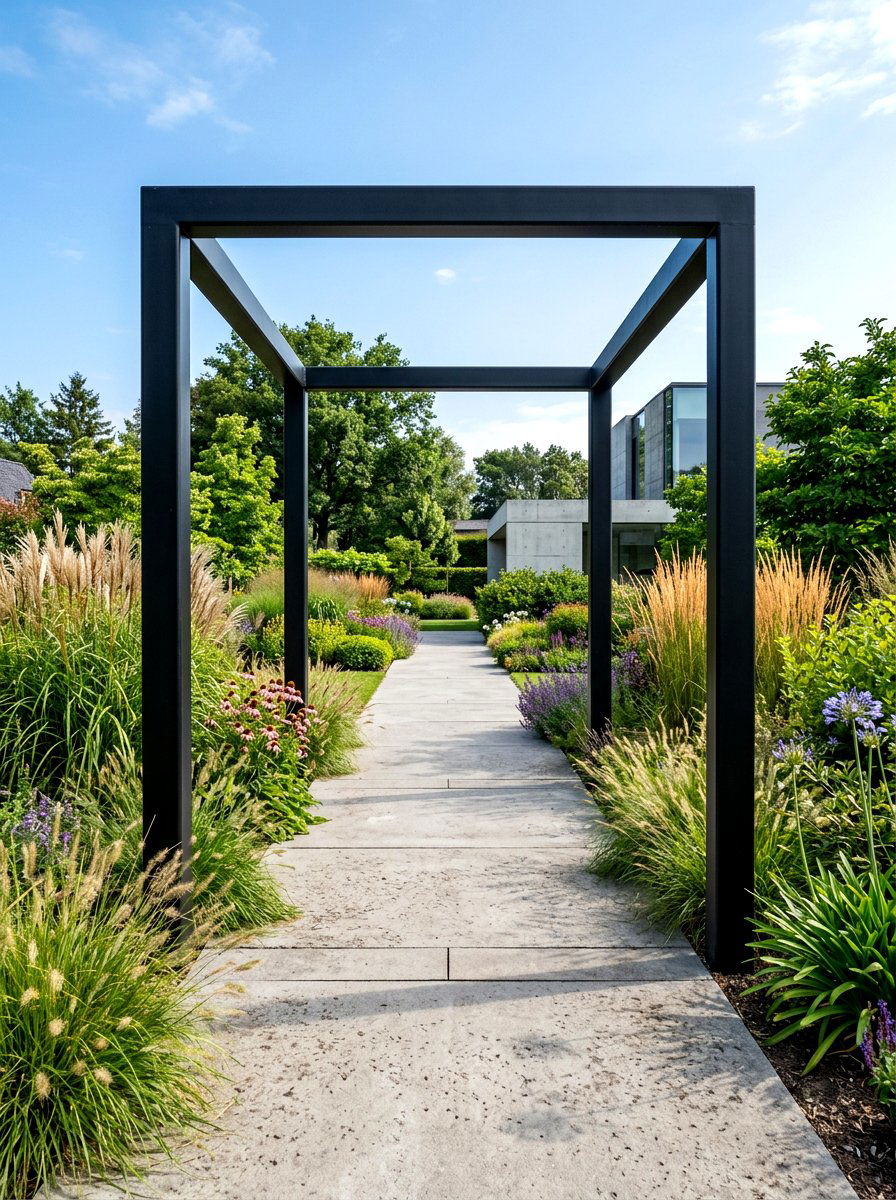
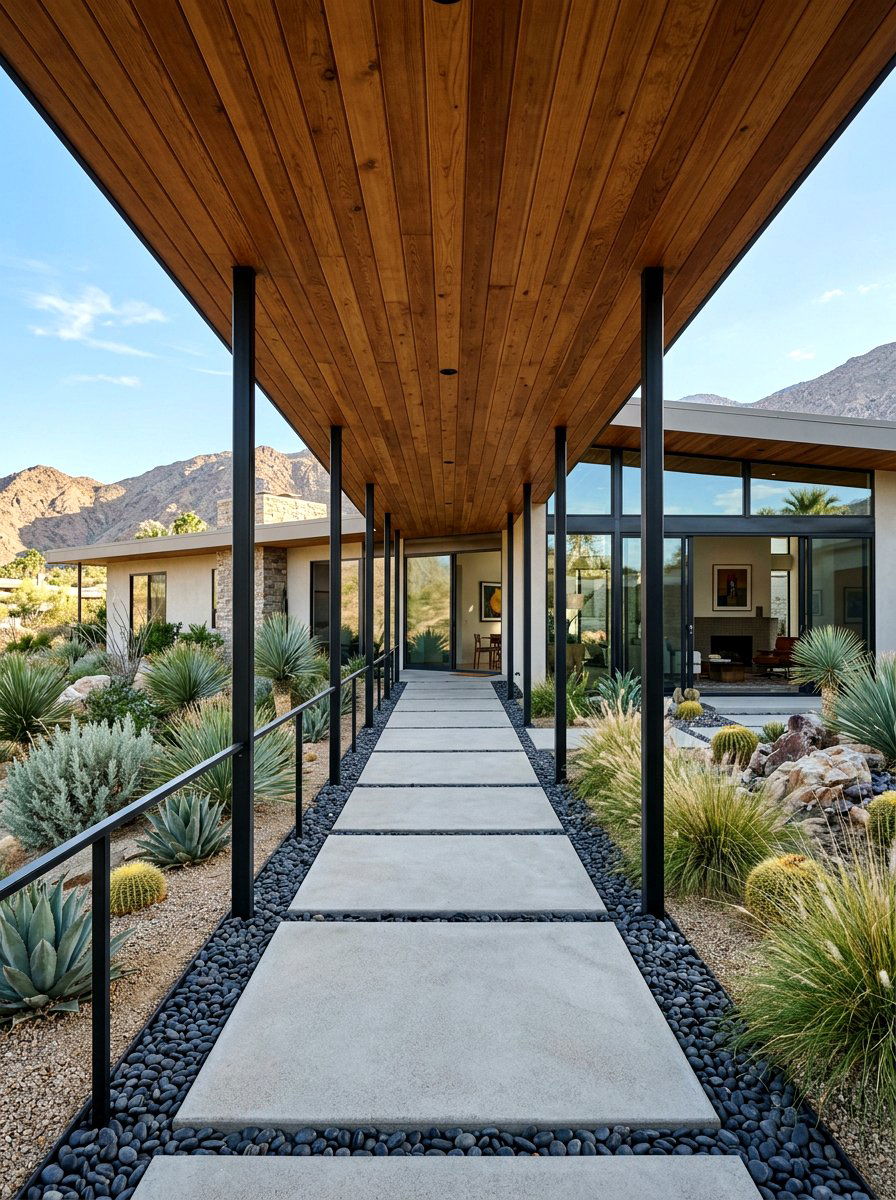
A modern concrete slab walkway uses oversized rectangular or square sections to create a clean and minimalist look. This design often features narrow gaps between the slabs filled with dark river rocks or short grass for high visual contrast. The smooth finish of the concrete provides a sophisticated feel that pairs perfectly with contemporary or industrial home architectures. Because the slabs are large, they offer a very stable and flat surface for walking, which is excellent for accessibility. You can customize the color of the concrete with stains to match your home’s trim. This arrangement emphasizes geometric precision and architectural simplicity for a very bold first impression.
3. Traditional Red Brick
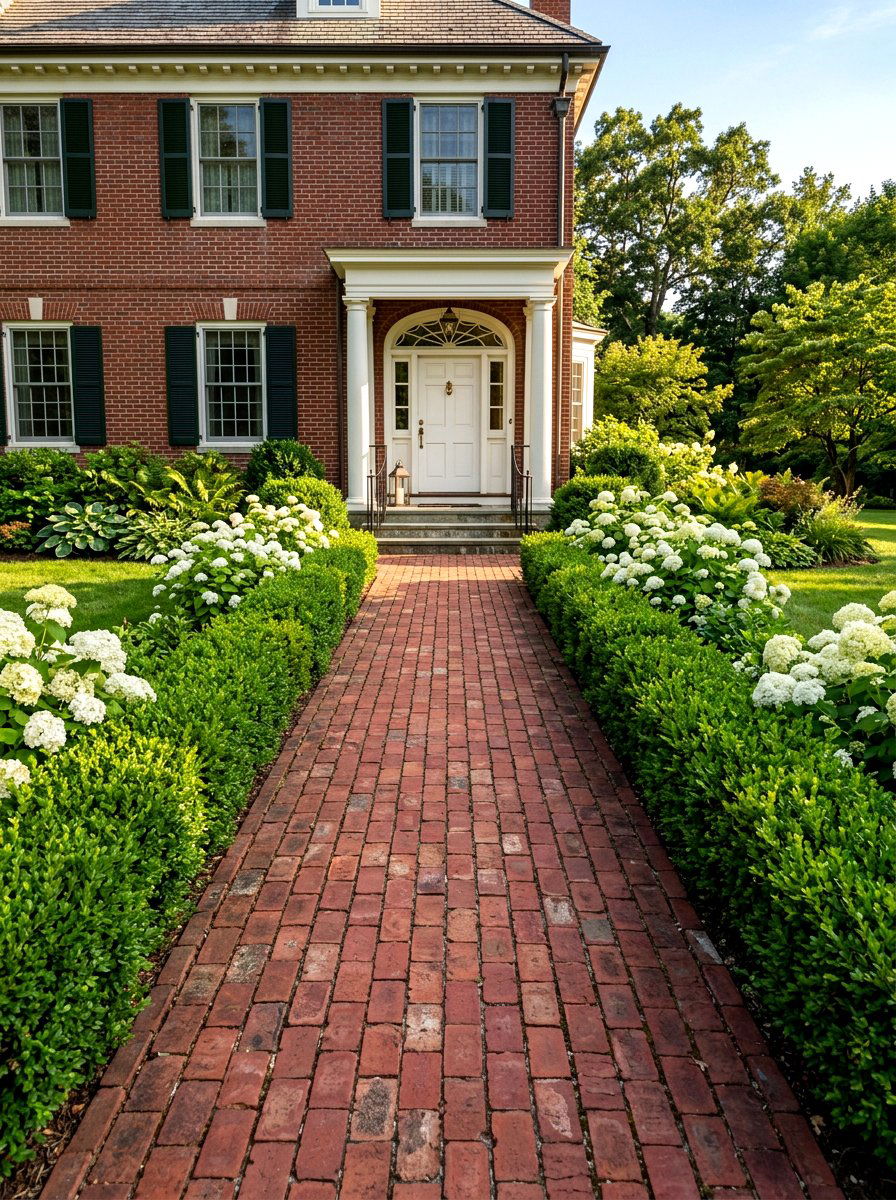
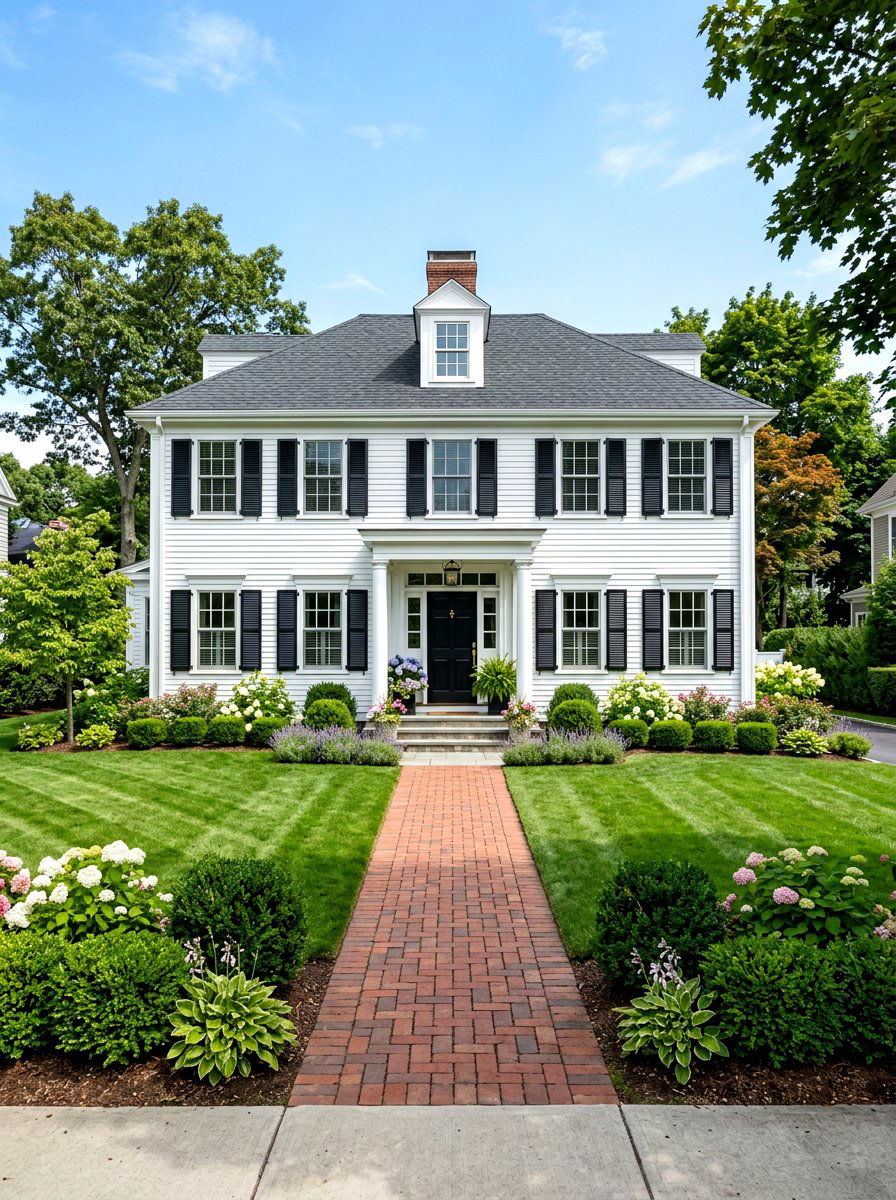
Traditional red brick remains a timeless choice for front walkways due to its classic appearance and incredible durability. Bricks can be laid in various patterns like running bond or basketweave to add subtle decorative interest to the path. The warm, earthy tones of clay bricks provide a cozy and established feel that works exceptionally well with colonial or ranch-style homes. Brick is a modular material, meaning it is relatively easy to repair if a single piece becomes damaged over the years. Edging the path with soldier-course bricks provides a finished look that prevents the inner pieces from shifting. It creates a permanent, sturdy entrance for any home.
4. Gravel With Timber
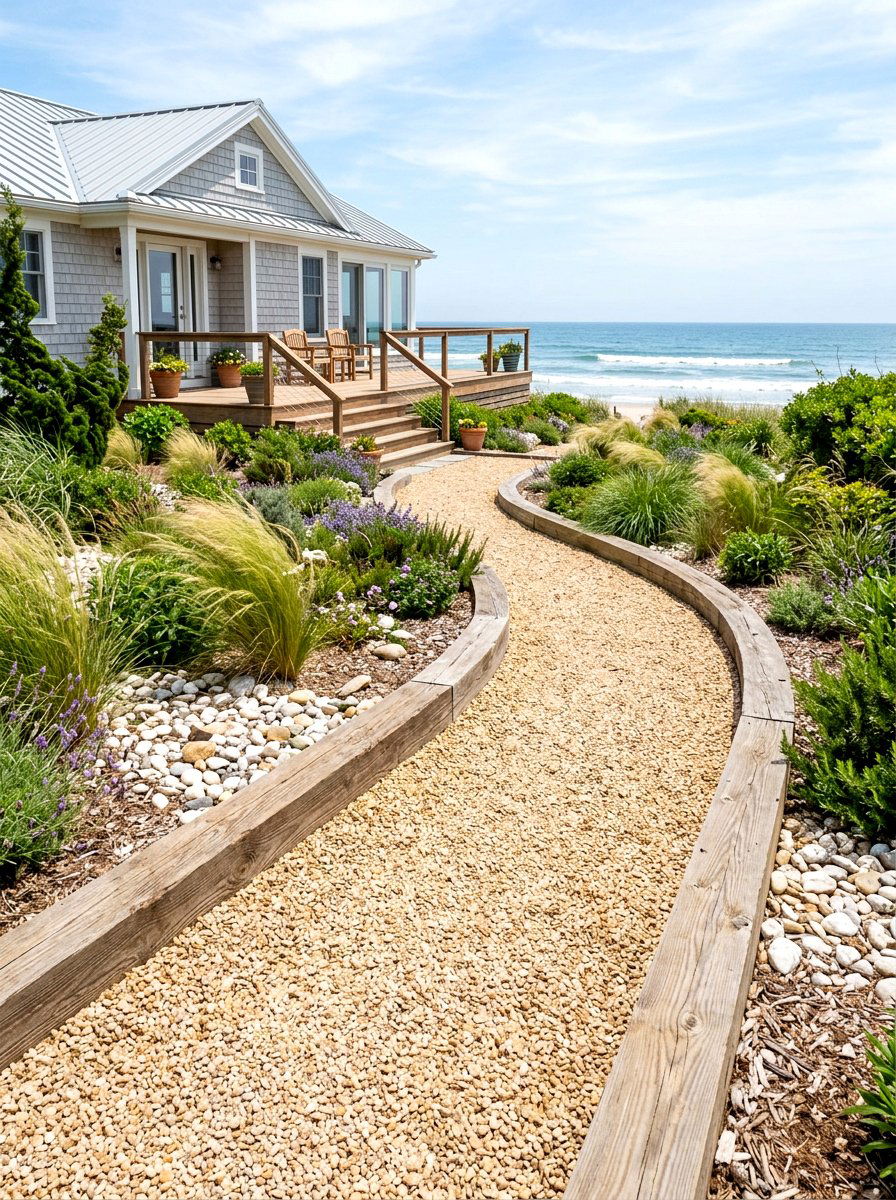
Gravel with timber borders is an affordable and charming option for homeowners seeking a more rustic or coastal vibe. The timber beams act as a structural frame that keeps the loose gravel contained and defines the shape of the path. Using crushed granite or pea gravel provides a satisfying crunch underfoot and allows for excellent water drainage during heavy rain. This type of walkway is highly flexible and can easily navigate around existing trees or garden features with gentle curves. You can choose different wood types, such as cedar or pressure-treated pine, to coordinate with your home’s exterior decking or fencing for a cohesive look.
5. Herringbone Paver Path
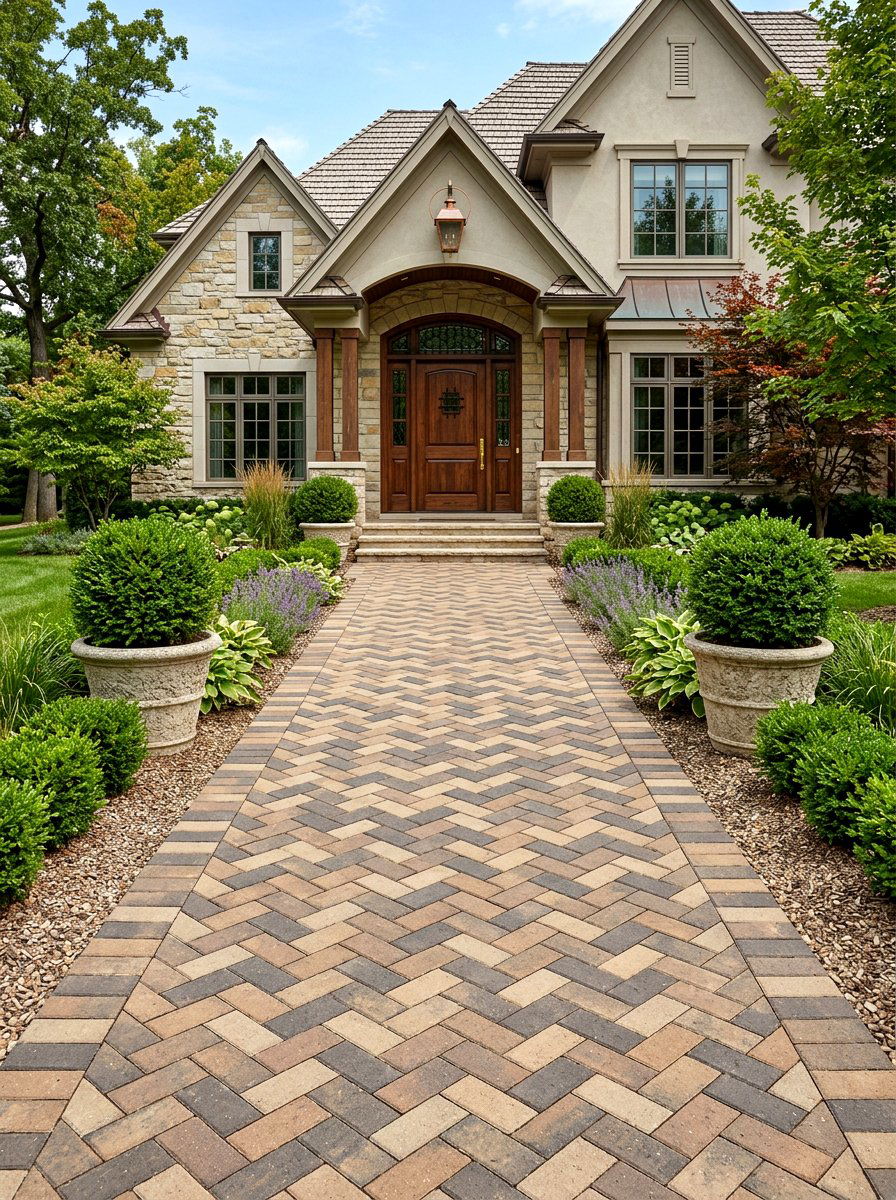
A herringbone paver path is a sophisticated design choice that uses rectangular bricks or stones laid at forty-five-degree angles. This intricate pattern is not only visually stunning but also structurally superior because the interlocking design resists shifting under foot traffic. It creates a sense of movement that leads the eye directly toward the front door, making the entryway feel more grand. Using multi-colored pavers can add depth and hide dirt effectively, while a solid color offers a more formal and structured appearance. This layout is often used in upscale residential designs to provide a high-end finish that stands out from more common straight-laid paving styles.
6. Blue Stone Walkway
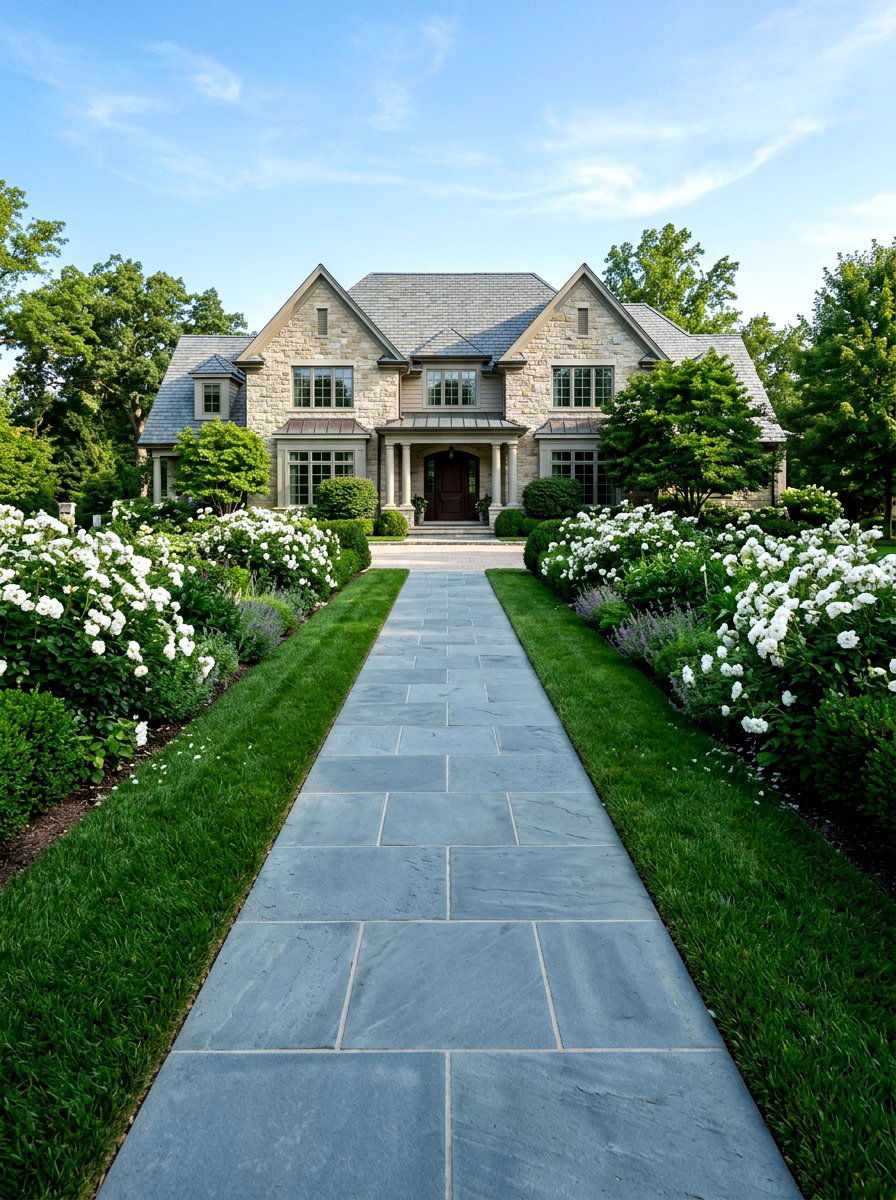
Blue stone is a premium natural material known for its gorgeous gray-blue hues and natural slip-resistant texture. A blue stone walkway can be installed using precisely cut thermal tiles for a formal look or irregular flagging for a more naturalistic feel. The cool color palette of the stone provides a beautiful contrast against green lawns and colorful flower beds. It is an extremely dense and durable material that can withstand harsh winter climates without cracking or scaling. Many homeowners choose blue stone because it adds immediate prestige and value to the property. Whether used in a straight or curved layout, it remains one of the most elegant walkway materials.
7. Curved Slate Path
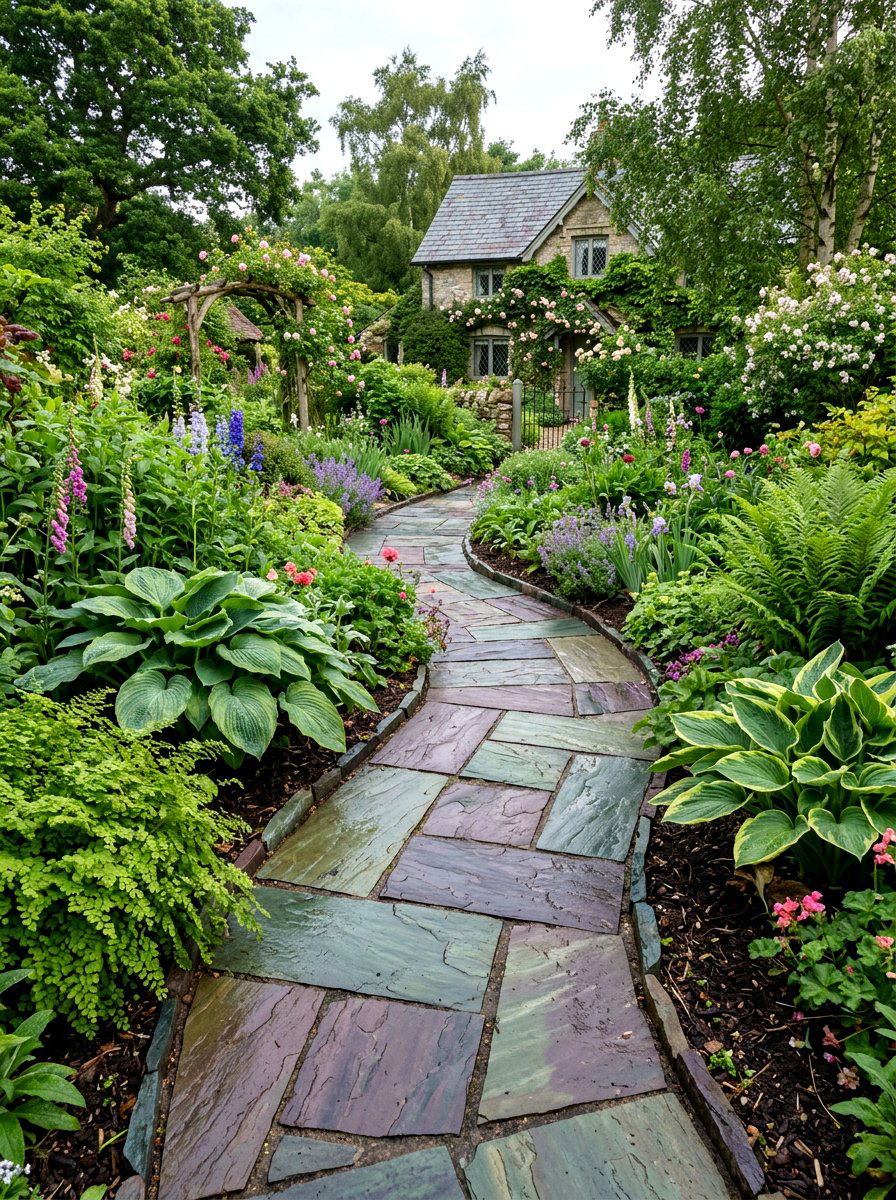
A curved slate path brings a sense of elegance and fluidity to your front yard landscaping. Slate is prized for its unique layered texture and rich colors, ranging from deep charcoal to earthy greens and purples. By designing the path with gentle curves, you create a more leisurely and inviting approach to the house compared to a rigid straight line. The natural cleft surface of the slate provides excellent traction even when the stone is wet from rain. Slate tiles are often set in a concrete base for maximum stability, ensuring the path remains level and safe for guests over many years of heavy use.
8. Natural Fieldstone Entry
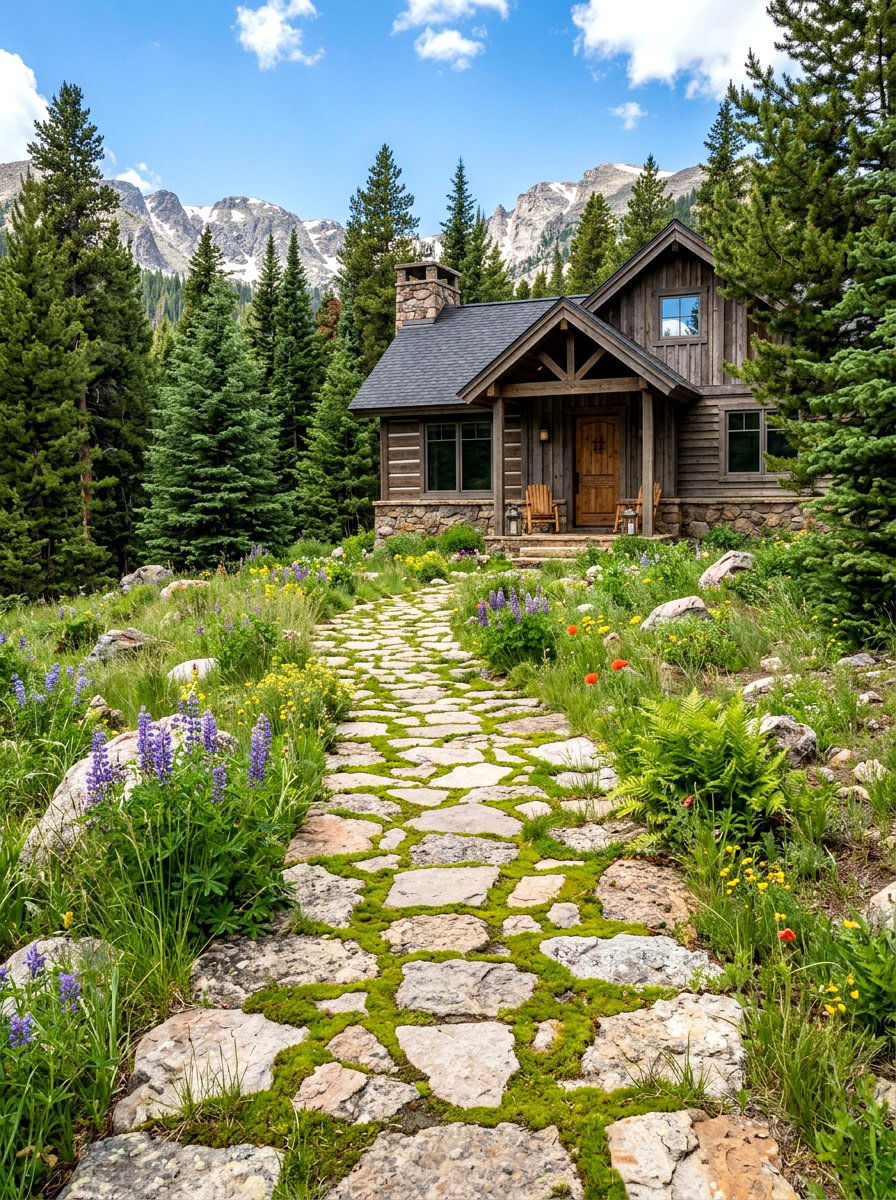
Natural fieldstone entry paths use locally sourced stones to create a walkway that feels like it has always been part of the landscape. Unlike manufactured pavers, each fieldstone has a unique shape, thickness, and color, resulting in a one-of-a-kind mosaic underfoot. This style is perfect for farmhouse, mountain-style, or rustic homes where a highly polished look might feel out of place. The stones are often fitted together tightly like a puzzle and can be mortared for a solid surface or set in stone dust for a more permeable option. Fieldstone is exceptionally durable and requires very little maintenance once the initial installation is professionally completed.
9. Modern Wood Boardwalk
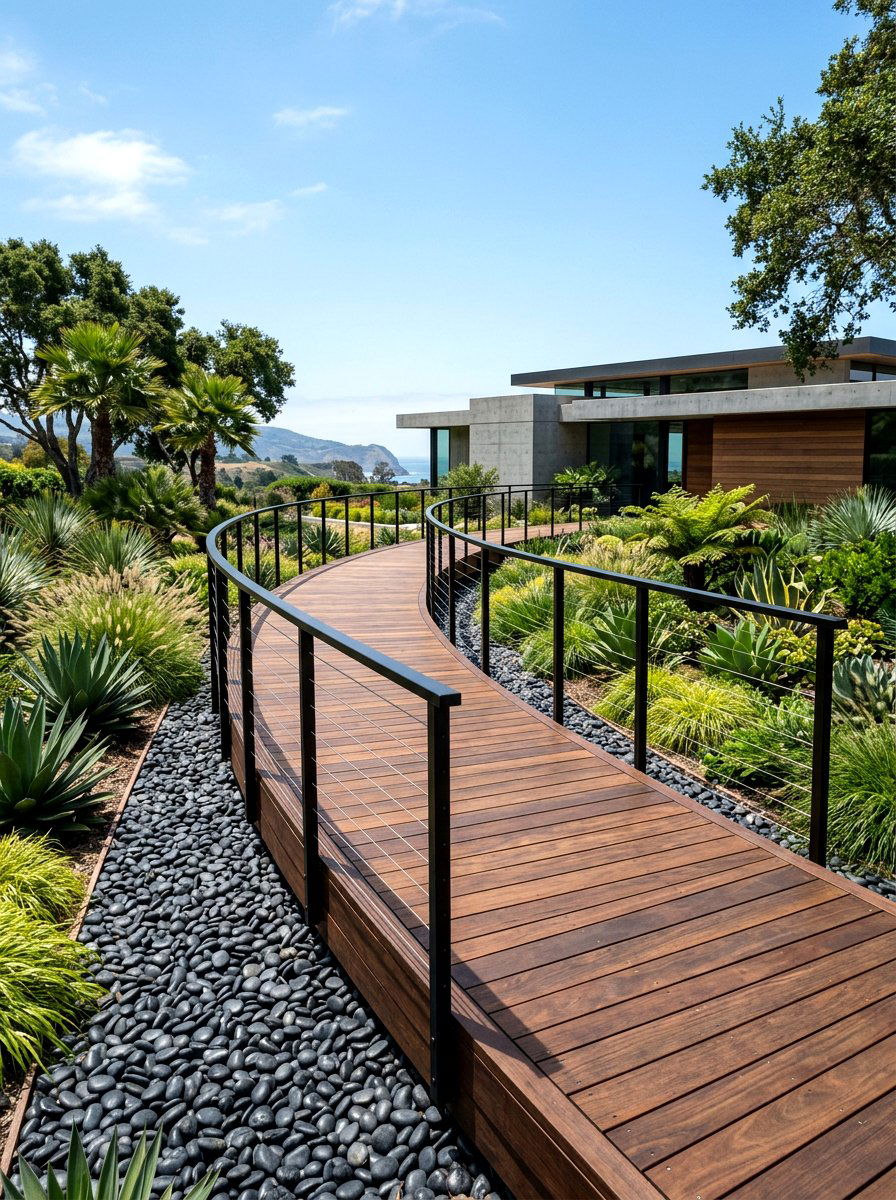
A modern wood boardwalk walkway offers a unique and warm alternative to traditional stone or concrete materials. Using durable hardwoods like Ipe or composite decking boards, you can create a raised path that floats slightly above the ground. This design is particularly useful for homes located in damp areas or on uneven terrain where a stone path might be difficult to level. The linear direction of the wood planks can be used to visually lengthen the approach to the front door. Framing the boardwalk with architectural plants like horsetail or ornamental grasses enhances the contemporary feel. It provides a soft, quiet surface that feels very high-end.
10. Cobblestone Garden Path
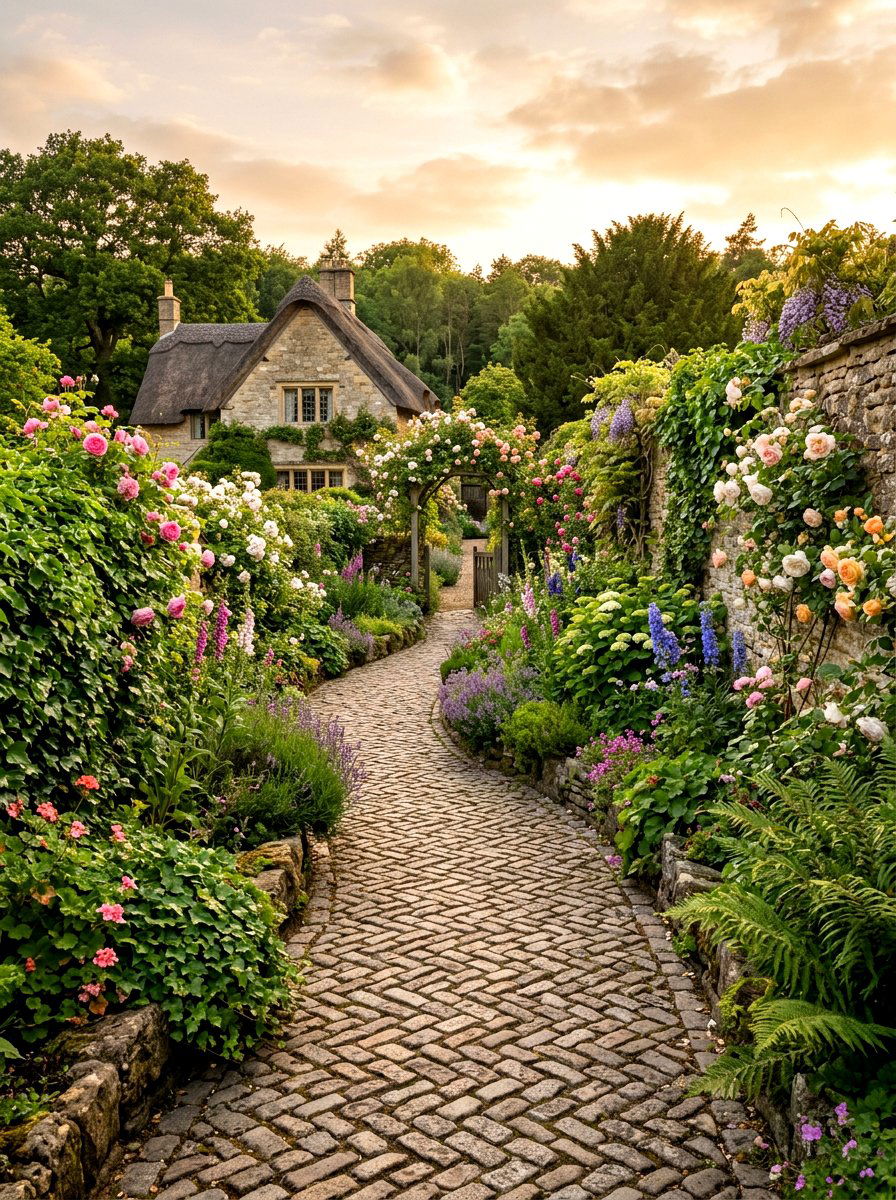
Cobblestone garden paths evoke an old-world charm that reminds visitors of historic European streets. These small, rounded or tumbled stones are typically made of granite or basalt and are extremely resistant to wear and tear. Cobblestone is an ideal material for creating traditional or cottage-style entrances that feel established and sturdy. Because the stones are small, they can easily follow tight curves and intricate garden layouts. Filling the joints with a fine sand or specialized polymeric grout prevents weed growth and keeps the stones securely in place. The uneven surface adds character and a historical weight to the front of your home that few other materials can match.
11. Pea Gravel Stepping Stone
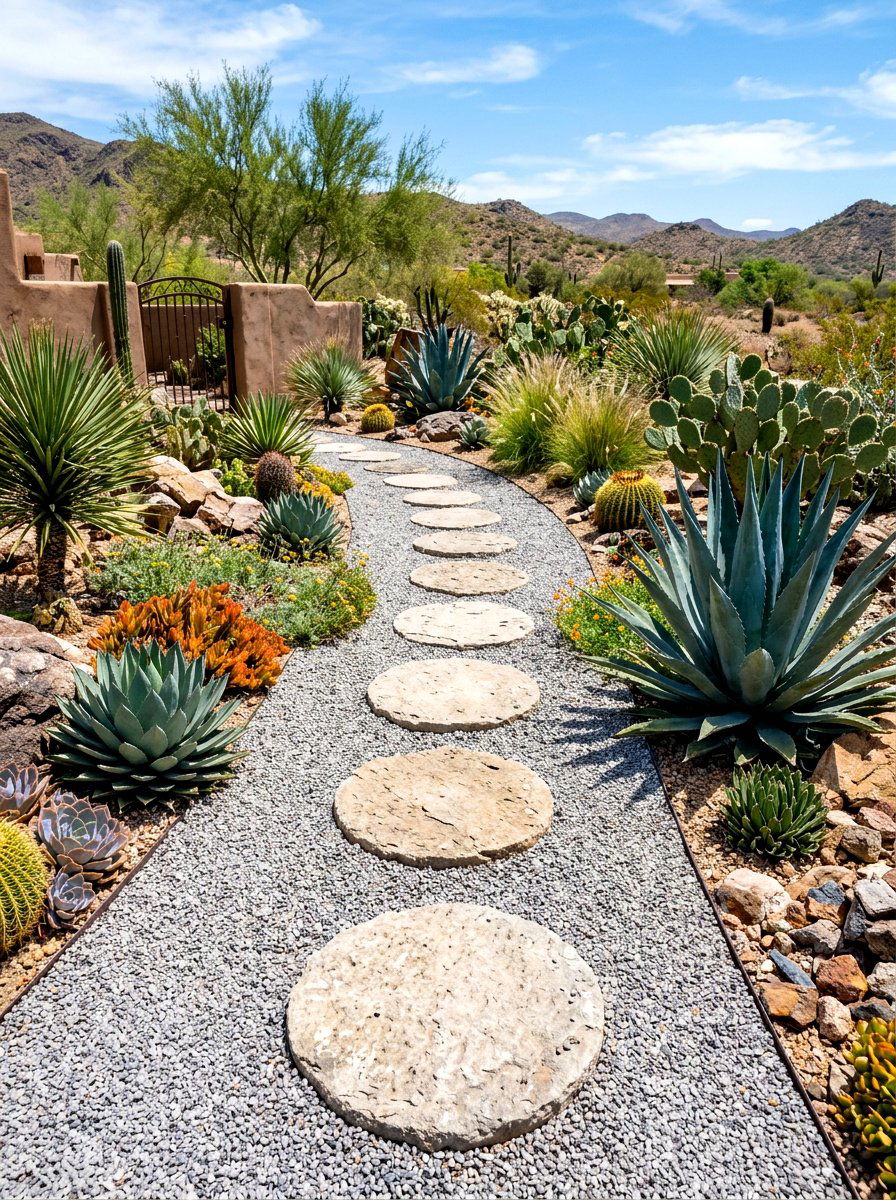
Pea gravel combined with large stepping stones creates a versatile and visually interesting walkway that is also quite budget-friendly. The small, rounded pea gravel provides a soft, permeable base that allows rainwater to soak directly into the ground. Placing large, flat stones at comfortable walking intervals ensures a stable and mud-free path for guests. You can use contrasting colors, such as dark charcoal gravel with light gray limestone steps, to create a modern and high-contrast look. This design is very easy to install as a DIY project and can be easily adjusted or expanded later. It works beautifully in relaxed, informal landscapes or drought-tolerant garden designs.
12. Checkerboard Grass Paver
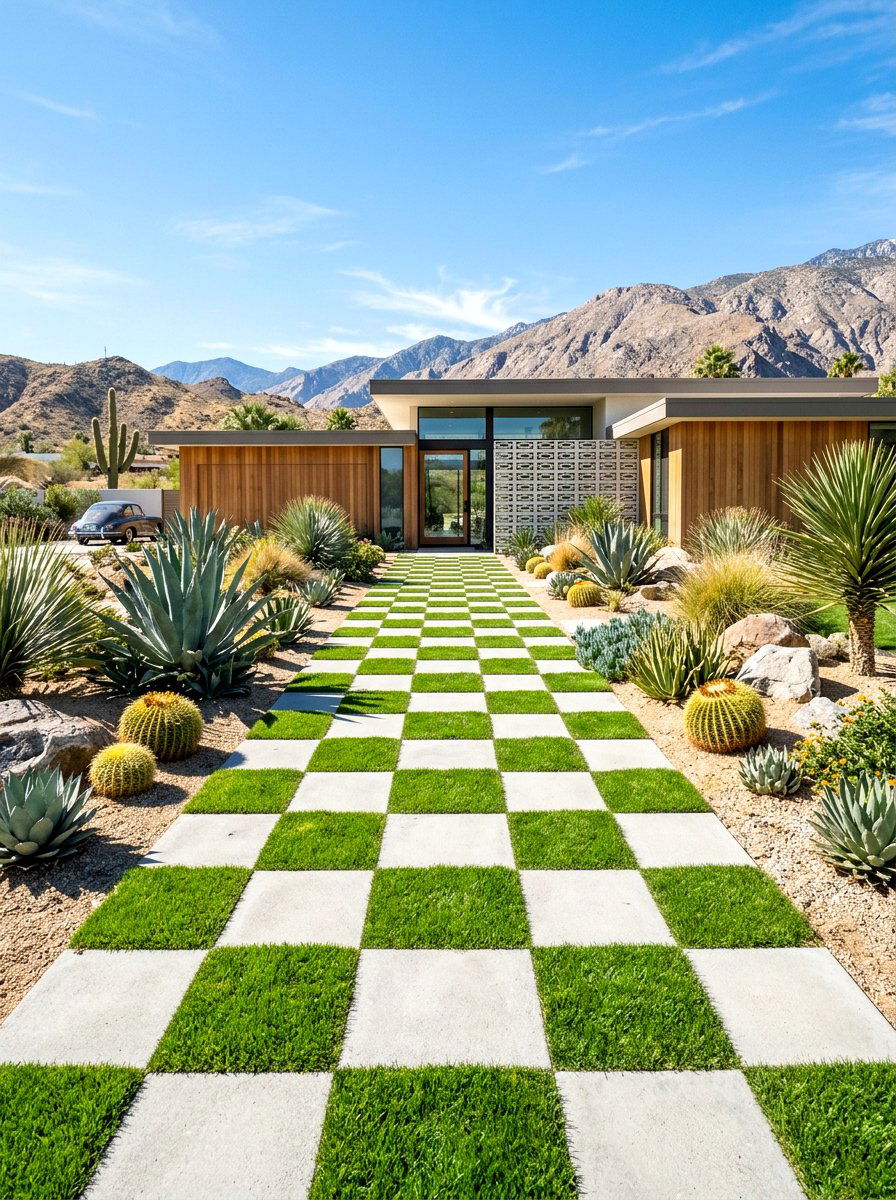
Checkerboard grass pavers utilize a grid of square concrete or stone units with open spaces for grass to grow through. This "living" walkway blurs the line between the hardscape and the lawn, creating a lush and green entrance. It is an eco-friendly choice because it reduces the amount of impermeable surface area, which helps manage stormwater runoff on your property. The grid provides enough structural support to prevent the grass from being compacted by foot traffic. This style looks particularly striking when leading to a modern or mid-century home. It requires regular mowing and watering to keep the grass looking healthy, but the visual payoff is unique.
13. Stamped Concrete Entrance
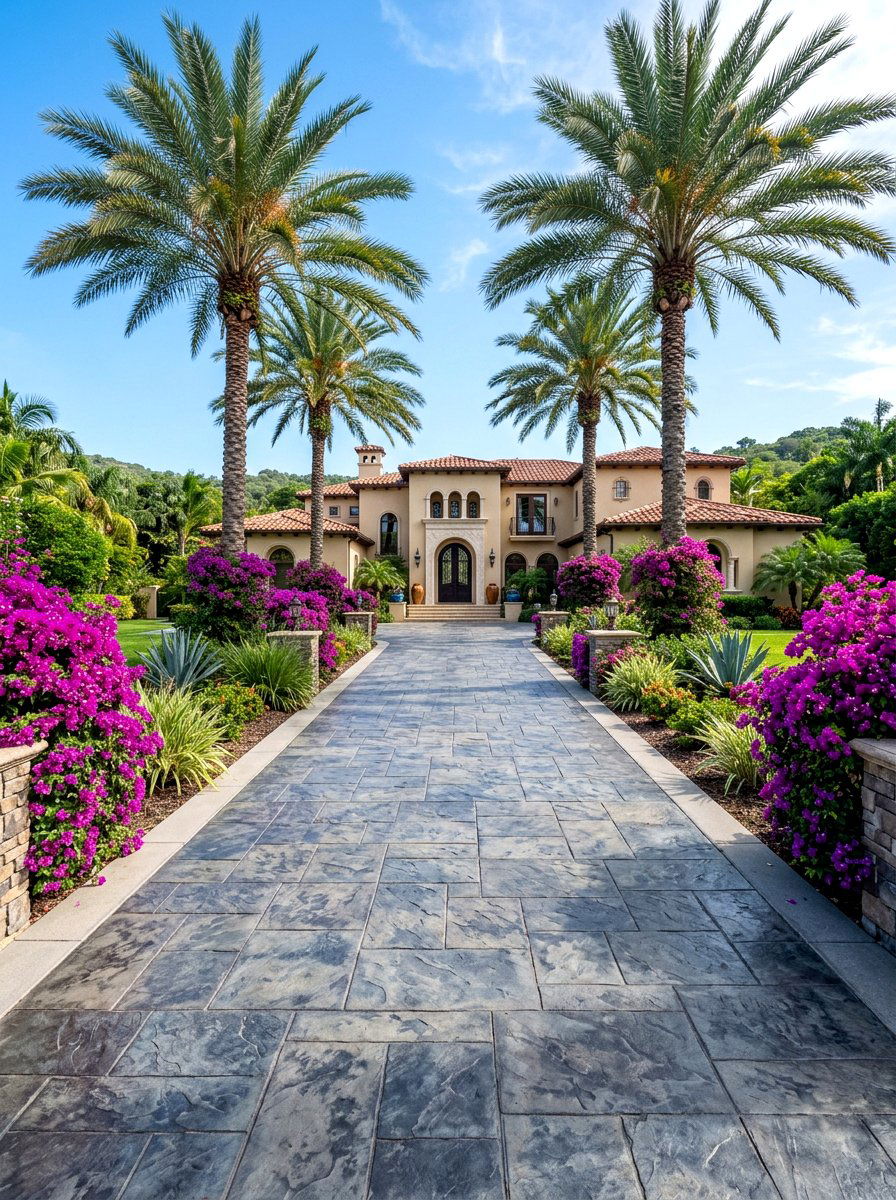
Stamped concrete allows you to achieve the look of expensive natural stone or brick at a much more accessible price point. During the pouring process, large rubber mats are pressed into the wet concrete to create realistic textures and patterns. You can choose from designs that mimic slate, flagstone, or even wood planks. Adding integral color and topical stains gives the walkway a multi-toned appearance that looks remarkably like the real thing. Because it is a continuous poured surface, you do not have to worry about weeds growing in the joints. It provides a very durable and low-maintenance solution for a busy front entrance with high traffic.
14. Zen Rock Path
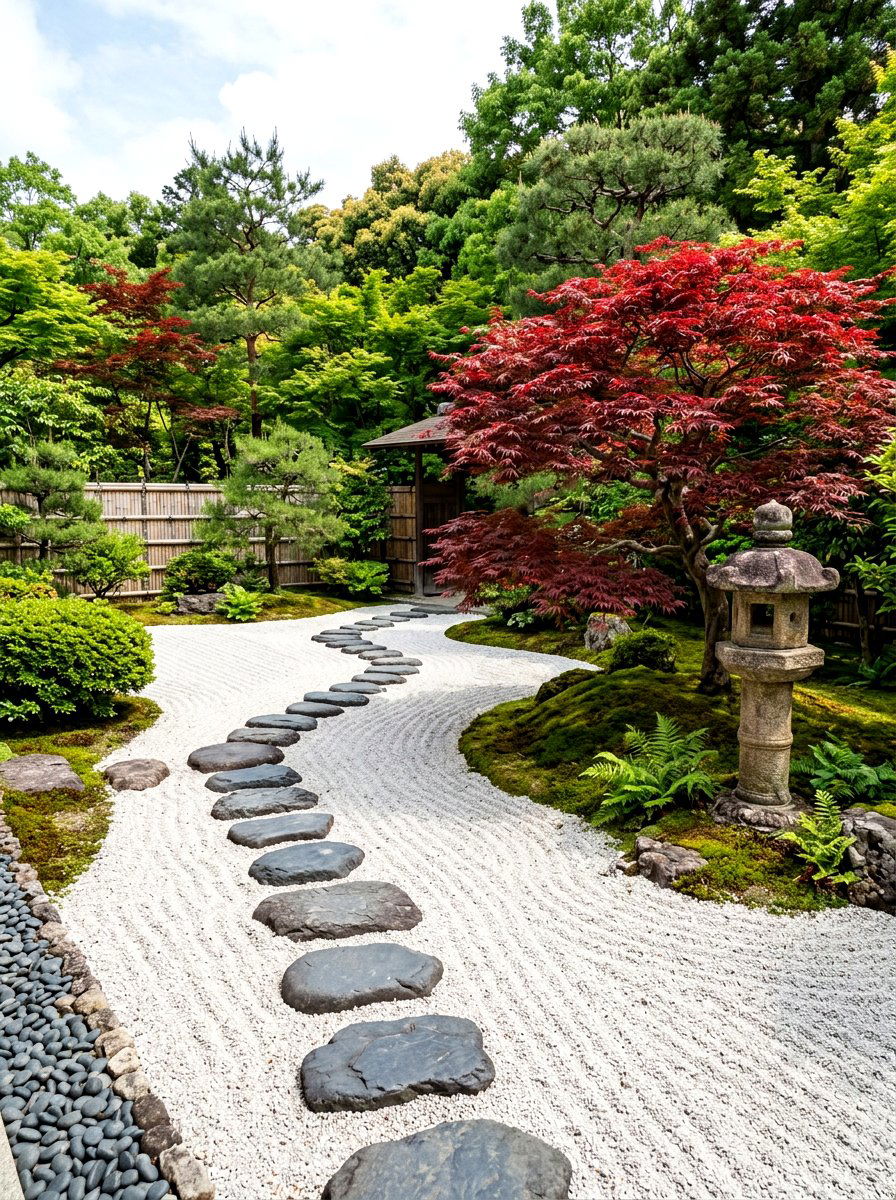
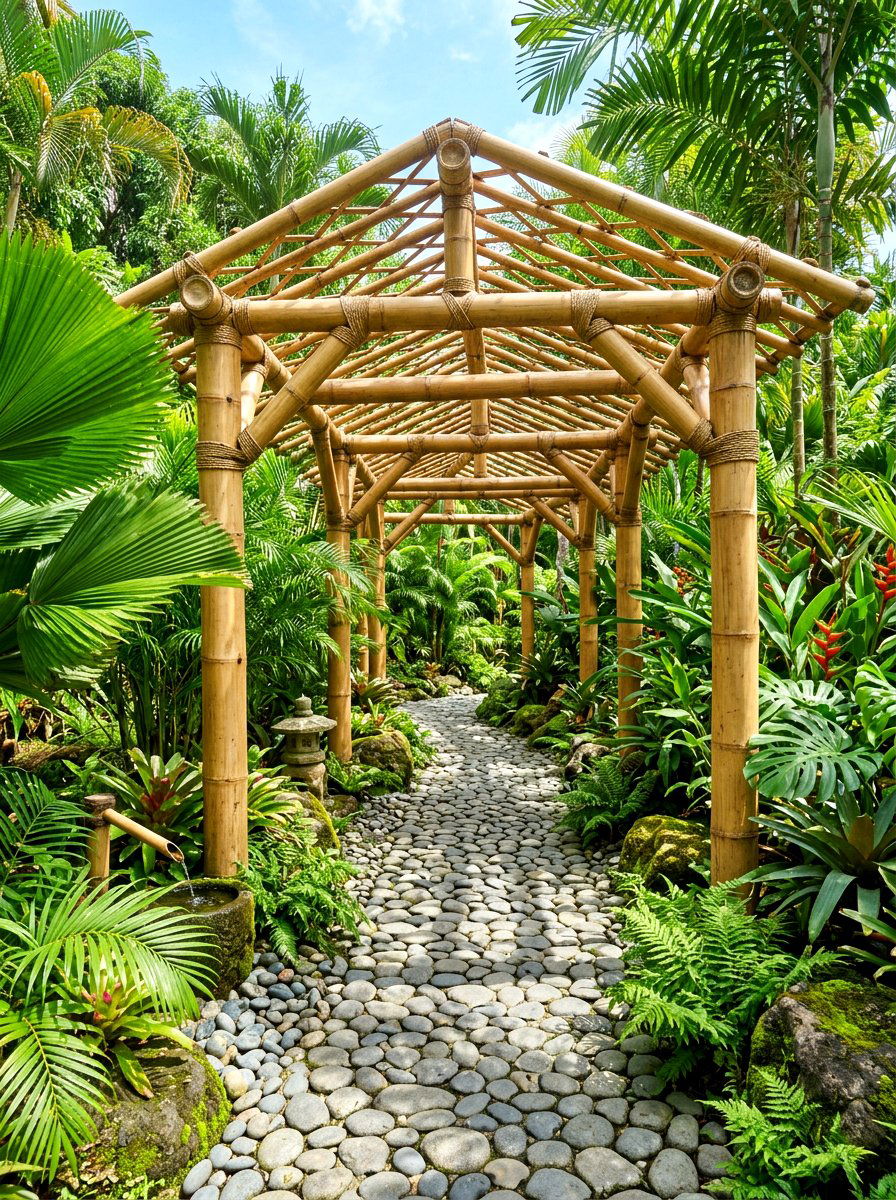
A Zen rock path focuses on simplicity and mindfulness, often featuring smooth river stones and carefully placed boulders. This design typically uses a monochromatic color palette, such as whites, grays, or blacks, to create a calm and serene atmosphere. The path may consist of large, smooth river rocks used as stepping stones set into a bed of raked gravel or smaller polished stones. Incorporating elements like low-profile Japanese maples or bamboo screens along the edges enhances the theme. This type of walkway is less about getting from point A to B and more about creating a peaceful transition from the street to your private sanctuary.

15. Terraced Stone Step
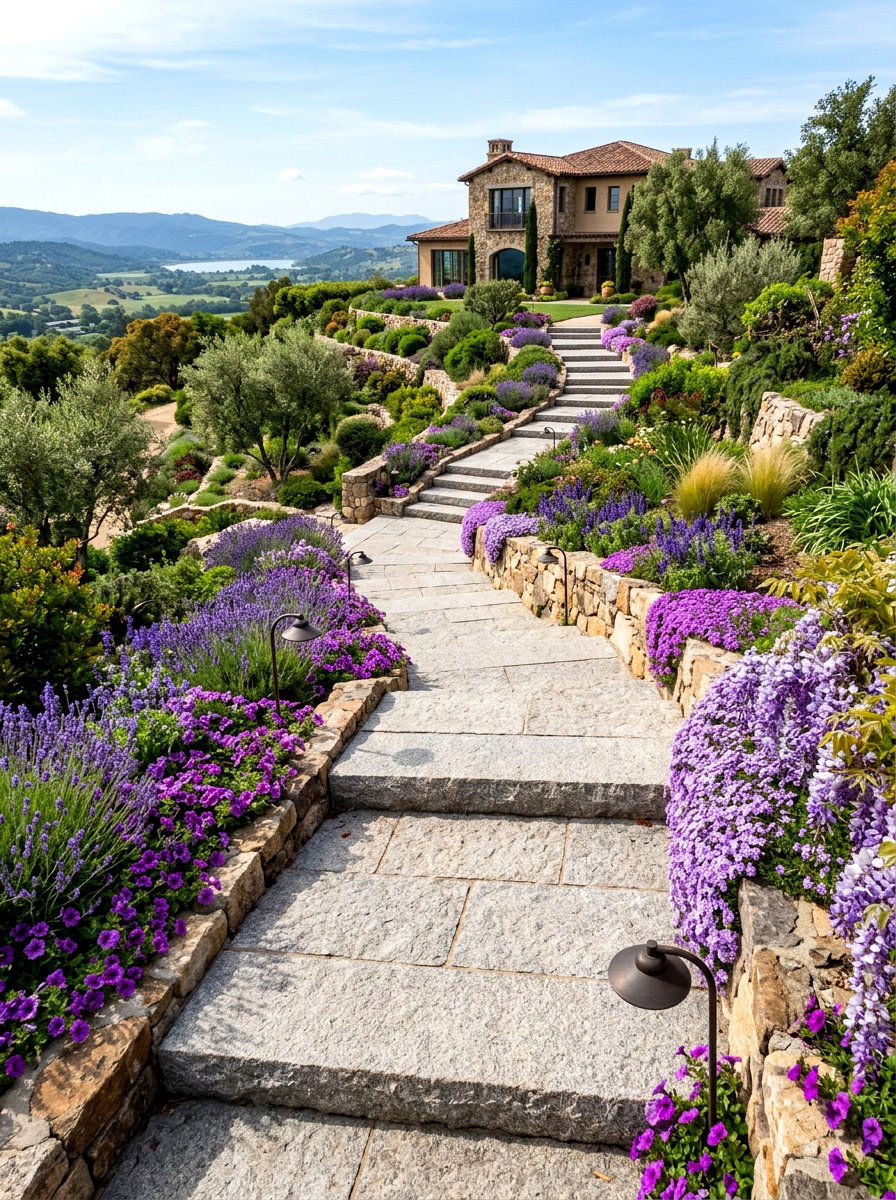
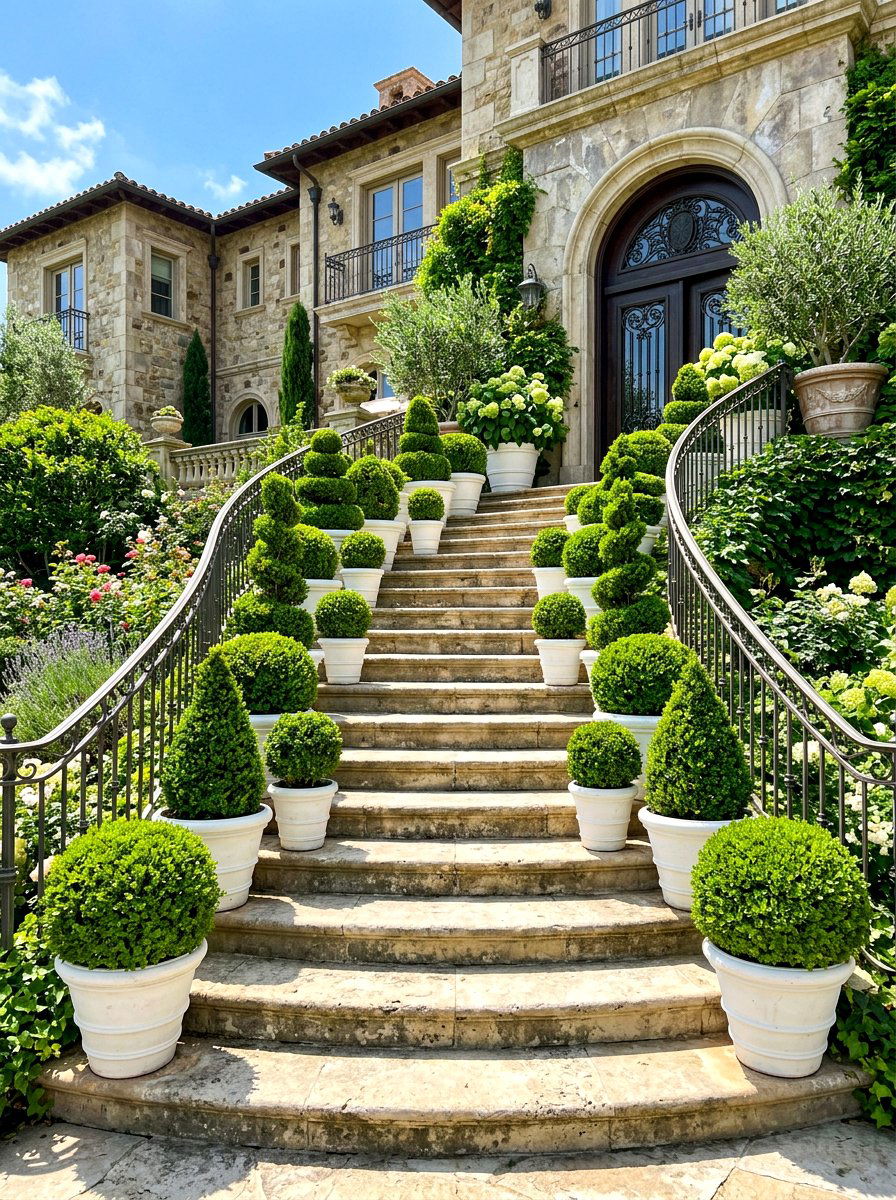
Terraced stone steps are the ideal solution for homes with a sloped front yard that requires an elevation change. Instead of a steep and dangerous slope, you can install wide, shallow stone steps that provide a grand and safe ascent to the front door. Using heavy stone blocks or thick slabs of granite ensures the steps stay in place and can handle the pressure of the surrounding soil. You can plant colorful perennials or trailing ground covers along the edges of the steps to soften the look of the heavy stone. Terracing the path creates a sense of luxury and makes the entrance feel much more substantial and architectural.
16. Permeable Paver Grid
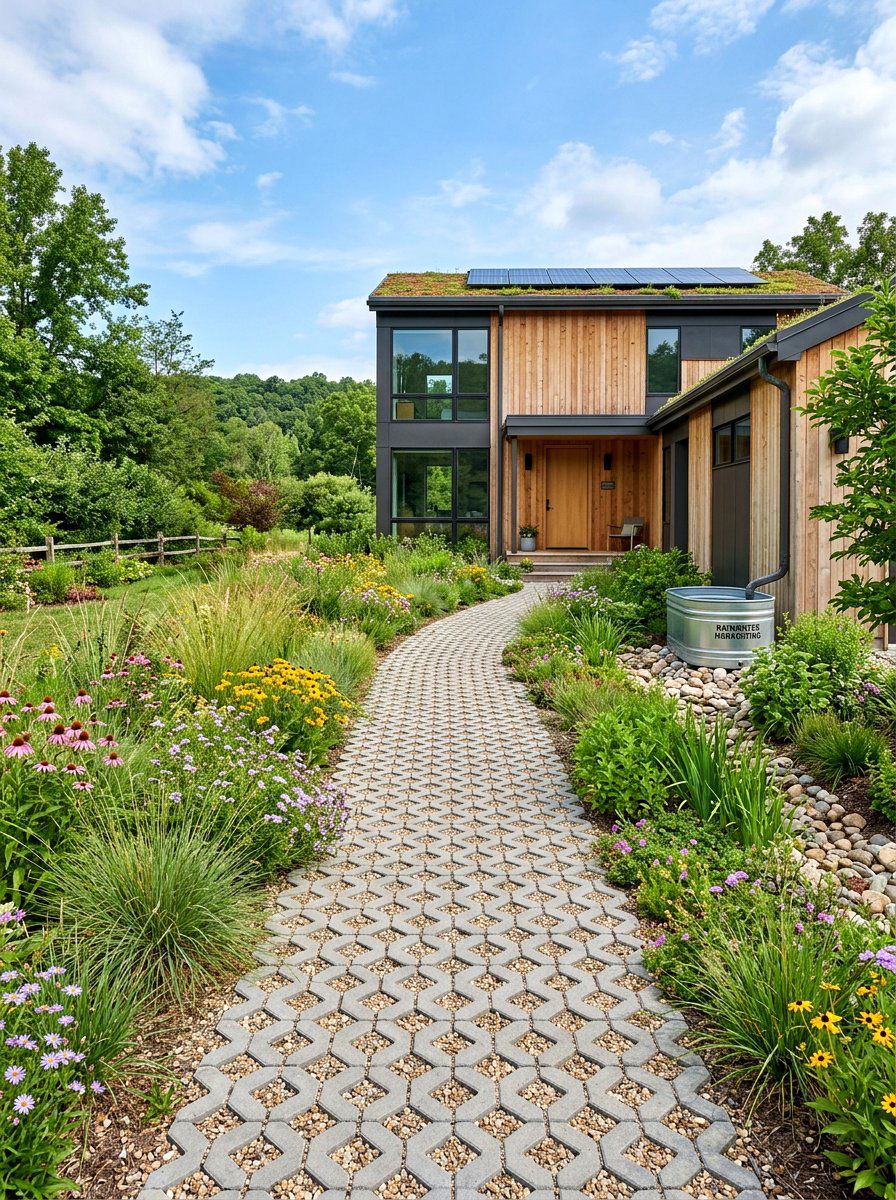
Permeable paver grids are becoming increasingly popular for homeowners who want to combine a structured look with environmentally friendly benefits. These pavers are designed with slightly larger joints that are filled with fine crushed stone instead of sand or mortar. This allows water to flow through the path and into a prepared sub-base, preventing puddles and ice buildup. These systems are incredibly durable and can handle heavy foot traffic or even light vehicles if needed. They come in a variety of modern shapes and colors, allowing you to create a sophisticated pattern that supports local water table health. It is a smart, forward-thinking choice for any modern home.
17. Brick Stone Combination
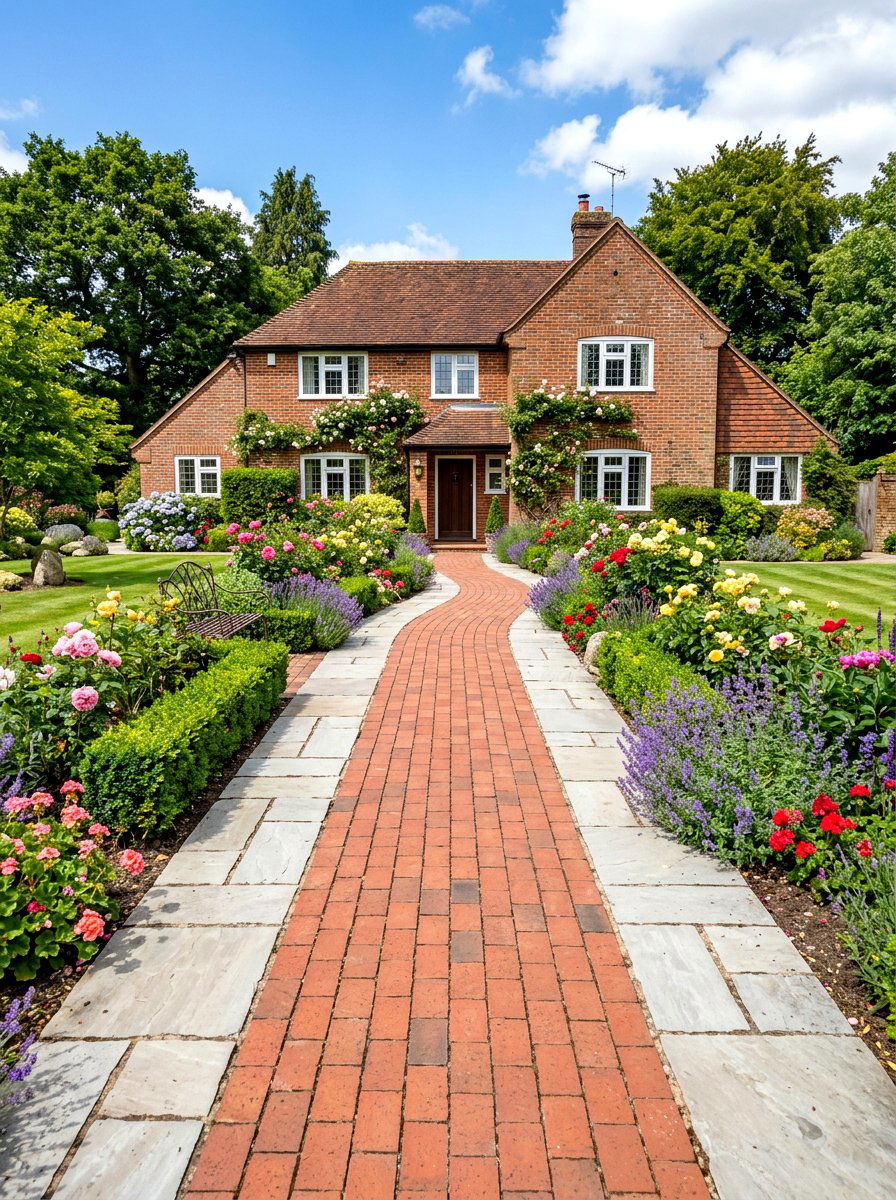
Combining brick and stone in a single walkway creates a rich, custom look that adds significant character to your home's exterior. You might use traditional red bricks for the main walking surface and frame them with a border of natural gray stone. This mix of materials breaks up the visual monotony and can be used to tie together different architectural elements of the house. For example, the brick can match the chimney while the stone complements the foundation. The contrast in textures between the smooth bricks and the rough stone provides a high-end, custom-designed feel. It is a great way to use leftover materials from other landscaping projects creatively.
18. Contemporary Concrete Paver
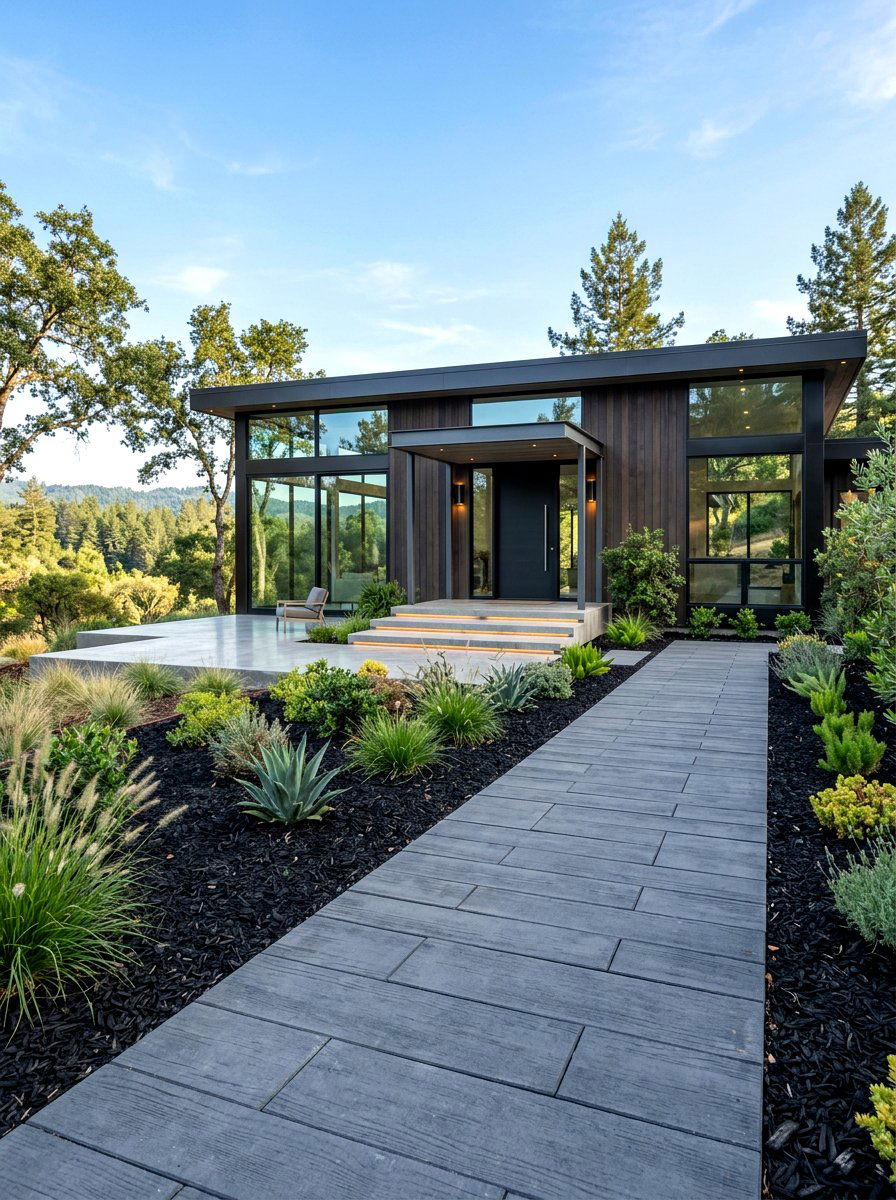
Contemporary concrete pavers are manufactured in clean, geometric shapes like long planks or large squares to suit modern tastes. Unlike traditional pavers, these often feature smooth surfaces and sharp edges for a very refined appearance. They are available in a wide range of sophisticated colors, including cool grays, deep charcoals, and warm tans. Laying these pavers in a simple linear or offset pattern emphasizes the clean lines of a modern home. Many contemporary pavers are also engineered to be fade-resistant and easy to clean. This creates a polished and professional look for the front of the house that remains crisp and attractive for decades with very little upkeep.
19. Travertine Exterior Path
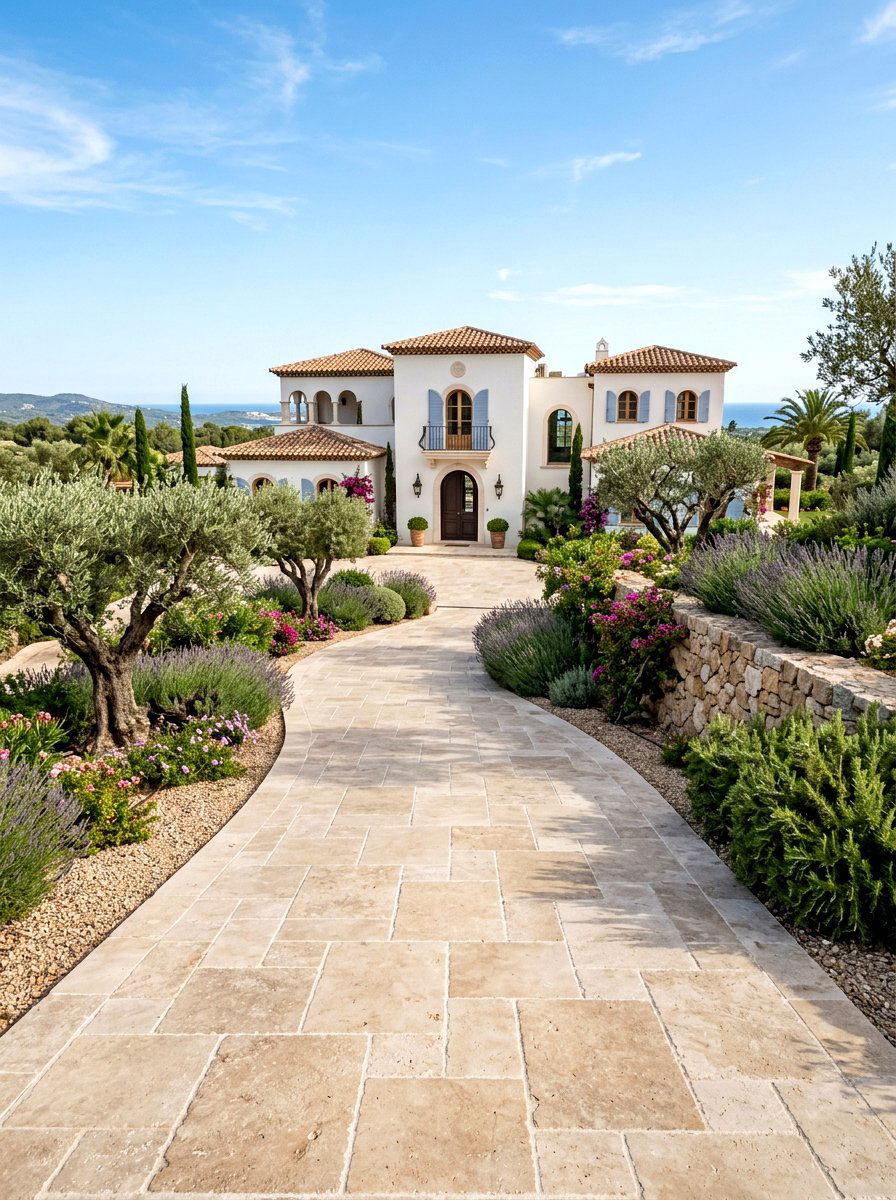
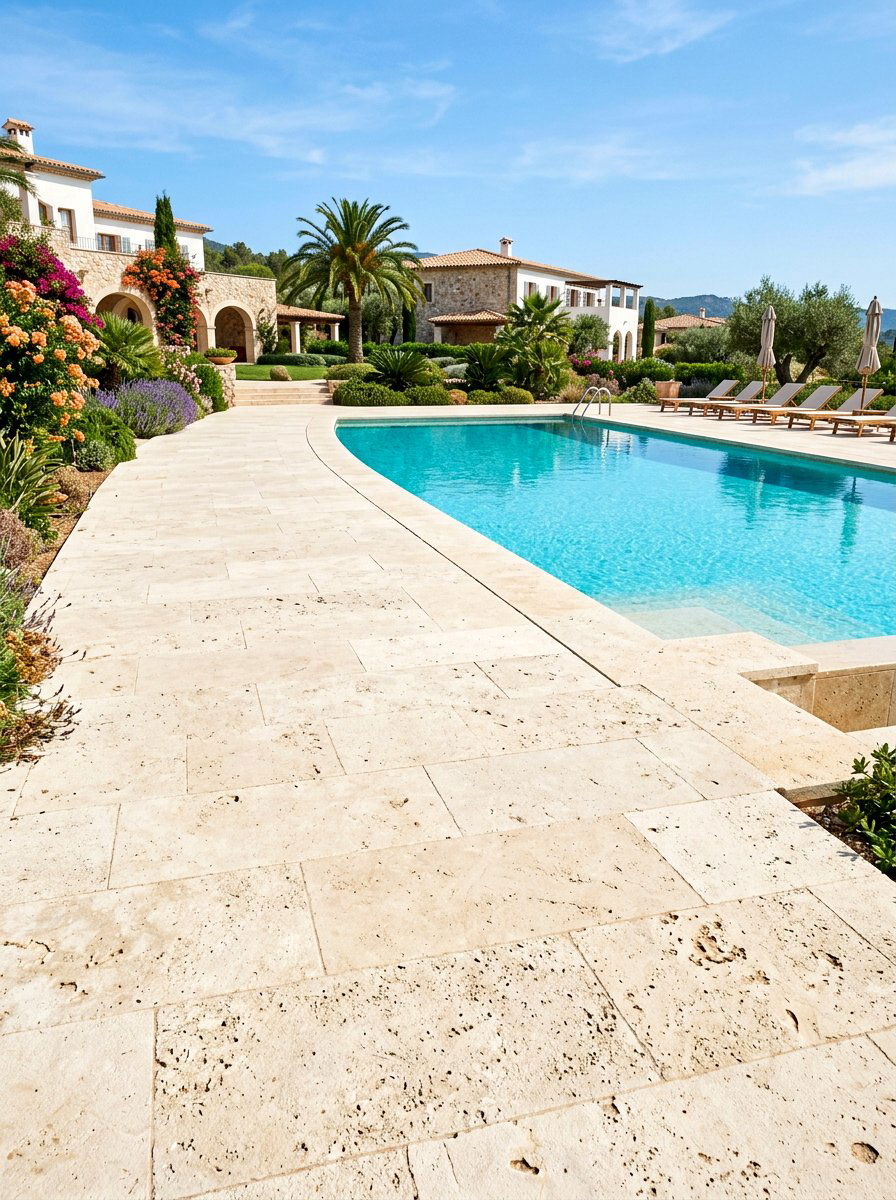
Travertine is a luxury natural stone that brings a touch of Mediterranean or high-end resort style to your front walkway. This material is naturally light in color, often featuring shades of ivory, beige, and gold, which keeps the surface cool even in direct sunlight. Travertine has a unique pitted texture that is filled and honed for a smooth walking surface that still retains its natural beauty. It is highly resistant to heat and provides a very formal and upscale aesthetic. When installed in a large-scale French pattern, it creates a stunning mosaic that elevates the curb appeal of any luxury home. It is truly a statement-making material for entrances.
20. Cottage Style Gravel
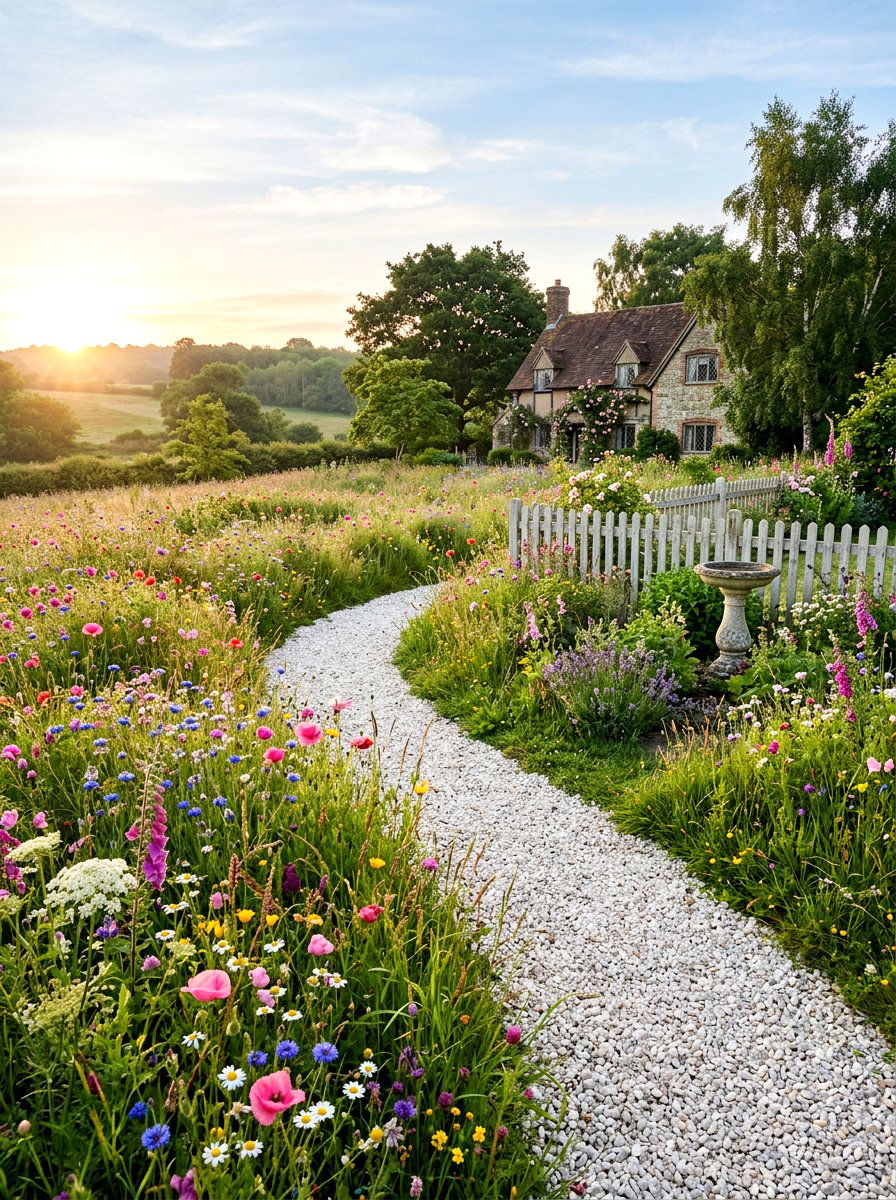
A cottage style gravel walkway is the epitome of relaxed and inviting garden design. This path typically features a mix of fine gravel and small river stones that meander through lush flower beds filled with roses and lavender. The edges of the path are often soft and undefined, allowing plants to spill over onto the gravel for a romantic look. This style is incredibly easy to maintain and can be replenished with a new layer of gravel every few years to keep it looking fresh. It provides a casual and unpretentious entrance that feels like a hidden garden path. It is perfect for smaller homes or those with informal landscaping themes.
21. Formal Straight Walkway
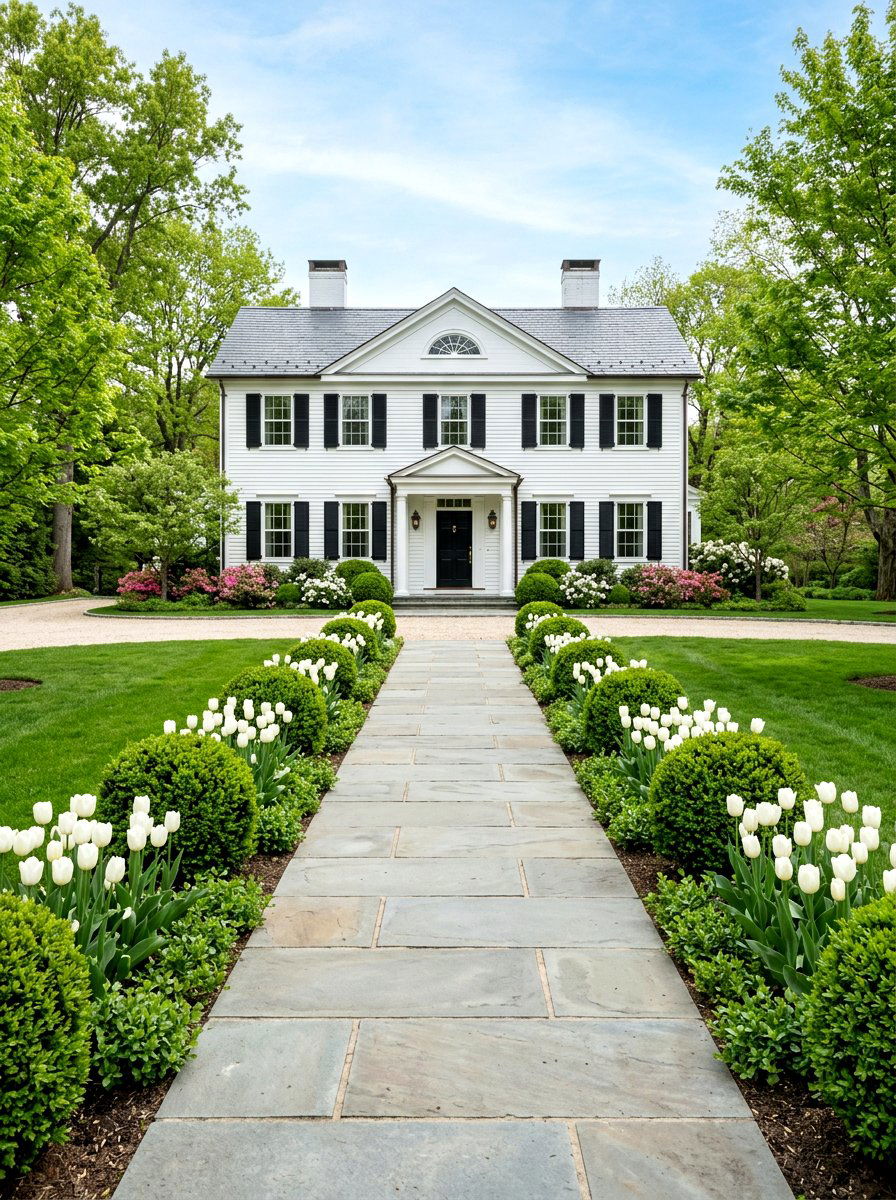
A formal straight walkway uses perfect symmetry and clean lines to lead visitors directly to the center of the front door. This design is often lined with identical hedges, such as boxwoods, or matching planters to create a sense of order and grandeur. It is the classic choice for Georgian, Colonial, or Federal-style homes where balance is a key architectural feature. Using a single material like bluestone or high-quality pavers reinforces the structured look. This type of path makes the house feel larger and more imposing by creating a strong visual axis. It is a timeless approach that conveys a sense of elegance, permanence, and traditional hospitality to all guests.
22. Floating Concrete Step
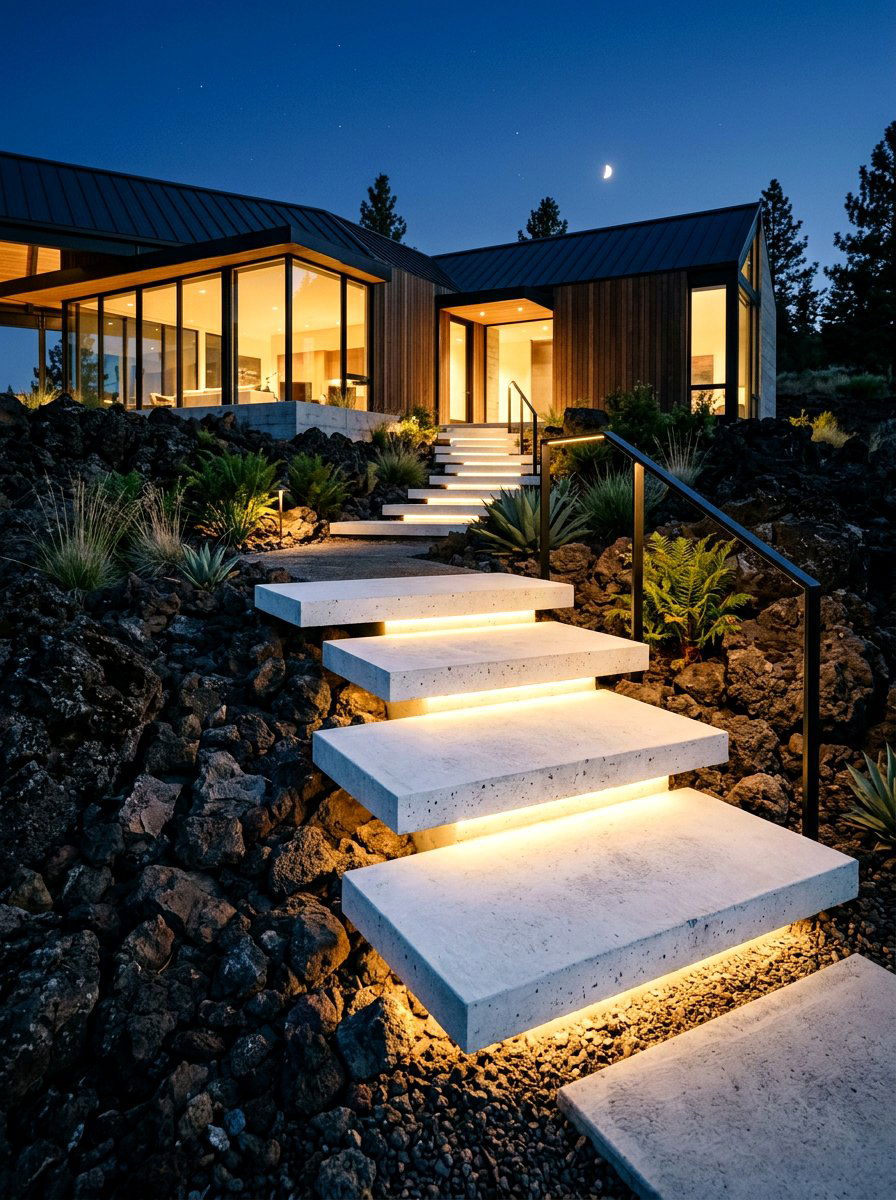
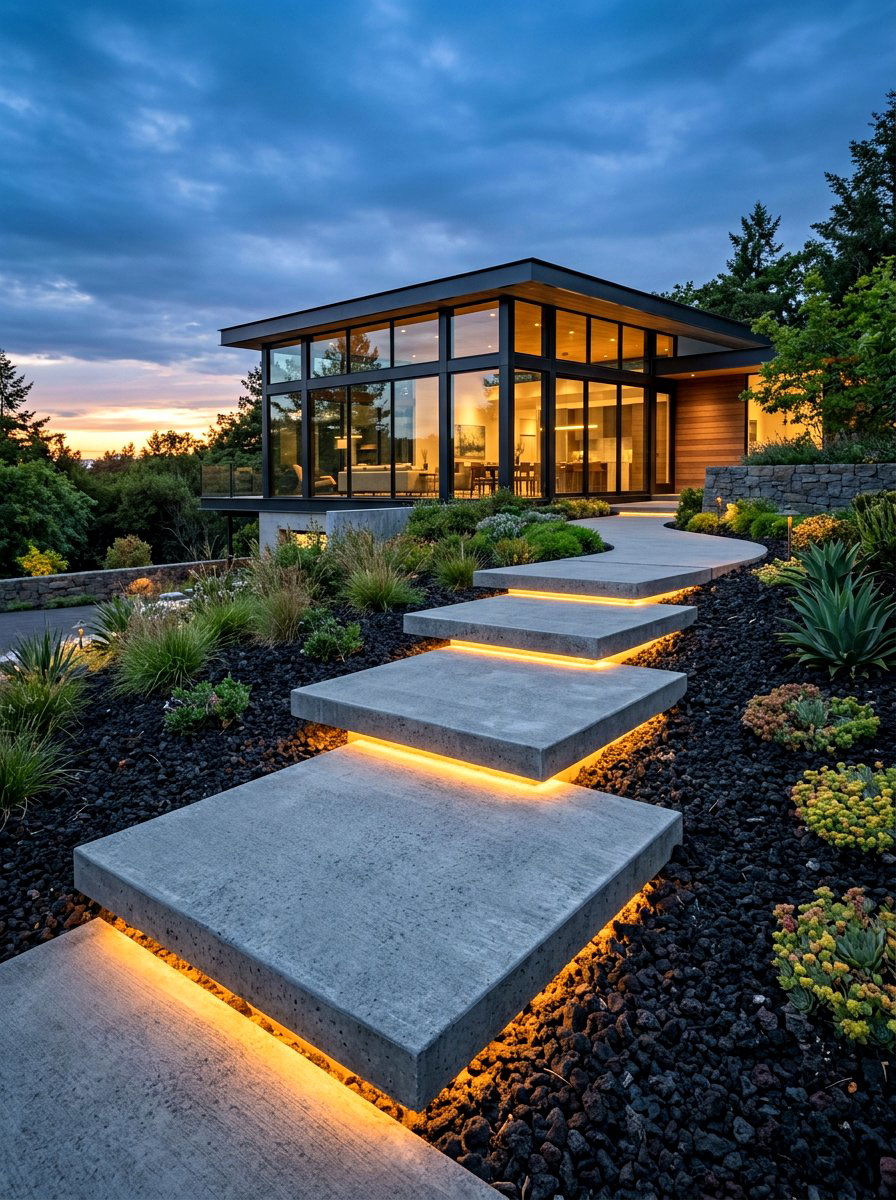
Floating concrete steps are a hallmark of modern architectural design, creating a stunning visual effect where the walkway appears to hover above the ground. These thick, heavy slabs are usually supported by a hidden recessed base, giving them a weightless appearance. This design works exceptionally well on slightly sloped terrain or when integrated with a modern lighting system that glows from beneath the steps at night. The gaps between the floating slabs are often filled with dark river rock or low-growing succulents to enhance the sculptural quality of the path. It provides a very high-end and dramatic entrance that serves as a focal point for the entire front yard.
23. Reclaimed Brick Path
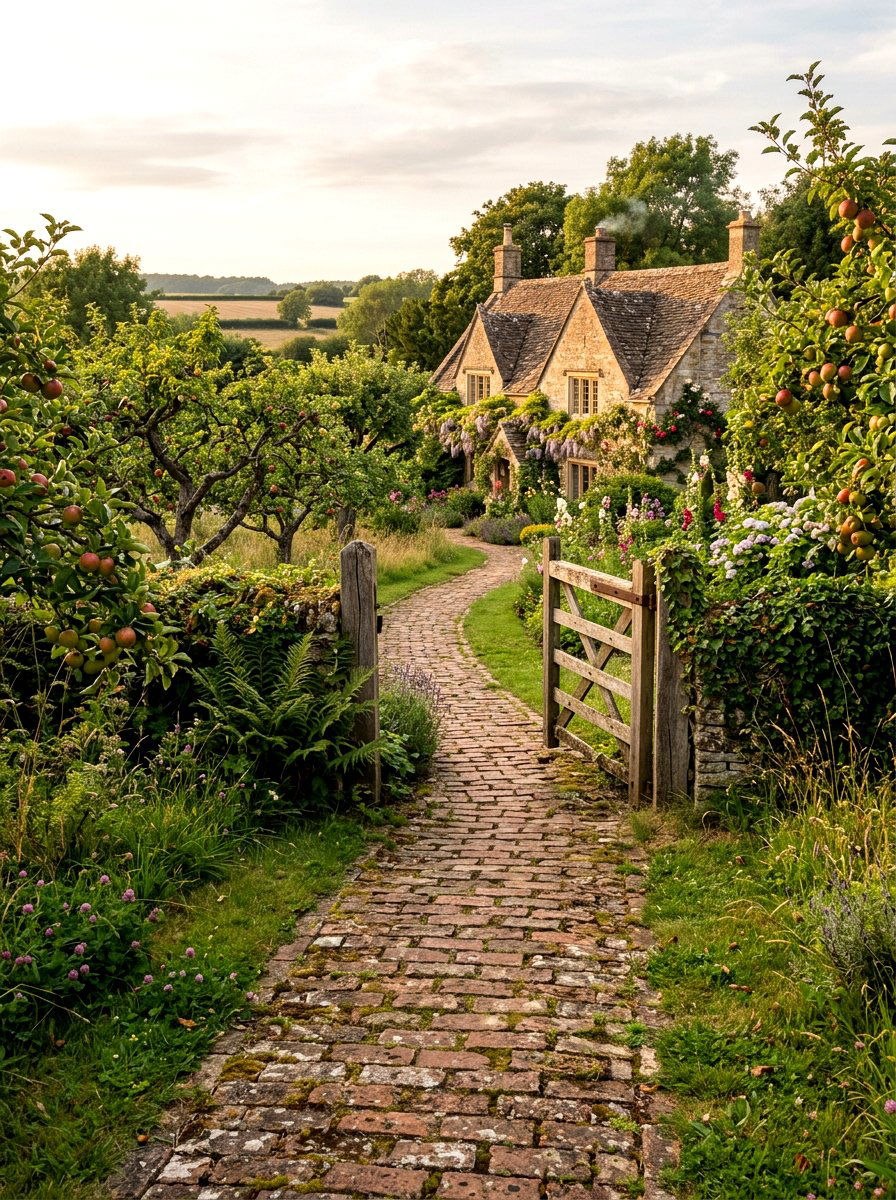
Using reclaimed bricks for a front walkway is an eco-friendly choice that adds instant history and soul to your home. These bricks are often salvaged from old buildings or streets and feature unique weathered textures and varied color tones that cannot be replicated with new materials. A reclaimed brick path feels warm and lived-in, making it a perfect match for older homes or new constructions with a vintage aesthetic. You can lay them in a traditional pattern or a more random arrangement to emphasize their antique character. This choice tells a story and provides a charming, rustic welcome that feels incredibly authentic and deeply rooted in local history.
24. River Rock Border
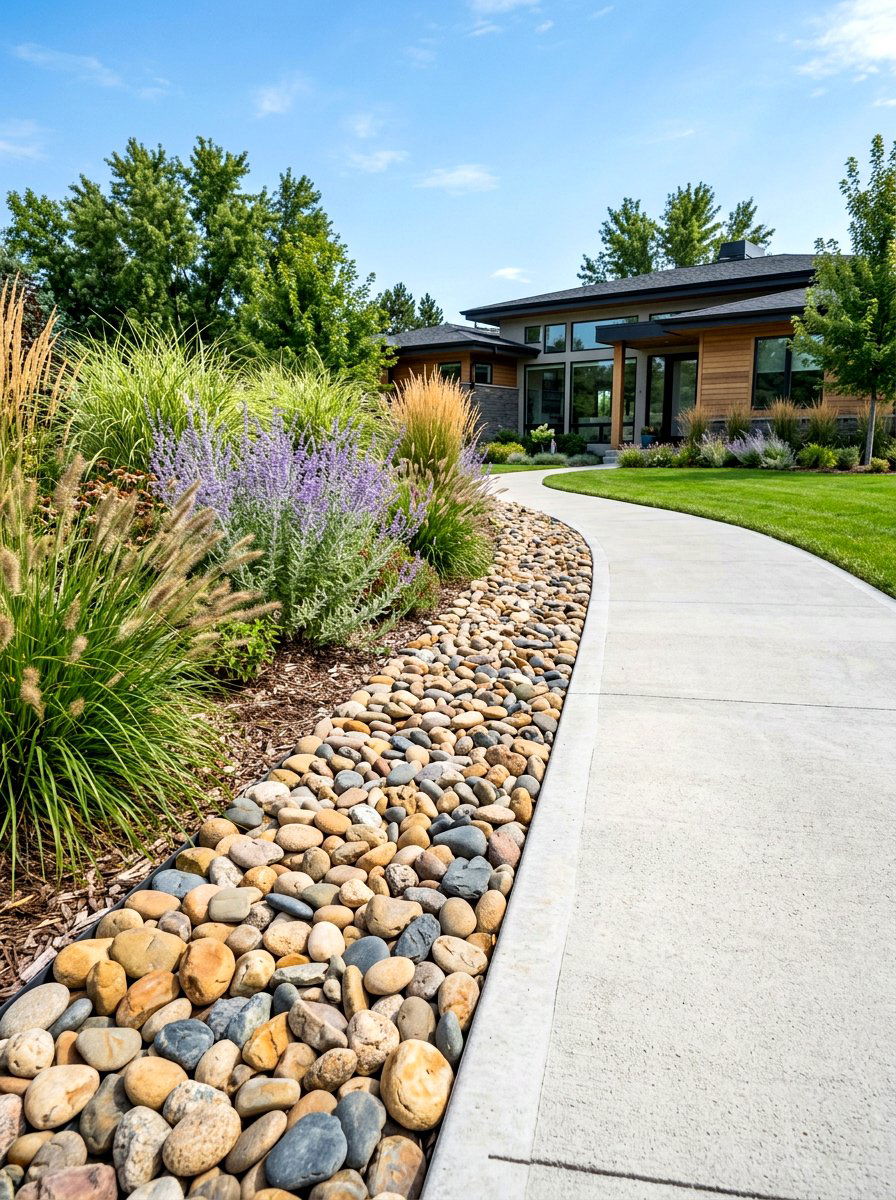
A river rock border is a beautiful way to define the edges of your walkway while adding a touch of nature and texture. Whether your main path is made of concrete, pavers, or wood, lining the sides with smooth, multi-colored river rocks creates a clean transition to the lawn or garden beds. The rocks help with drainage and prevent soil from washing onto the walkway during heavy rains. You can choose rocks in sizes ranging from small pebbles to large cobbles to match the scale of your path. This decorative element adds a layer of polish to the landscaping and makes the walkway feel like a fully integrated part of the outdoor environment.
25. Mediterranean Tile Path
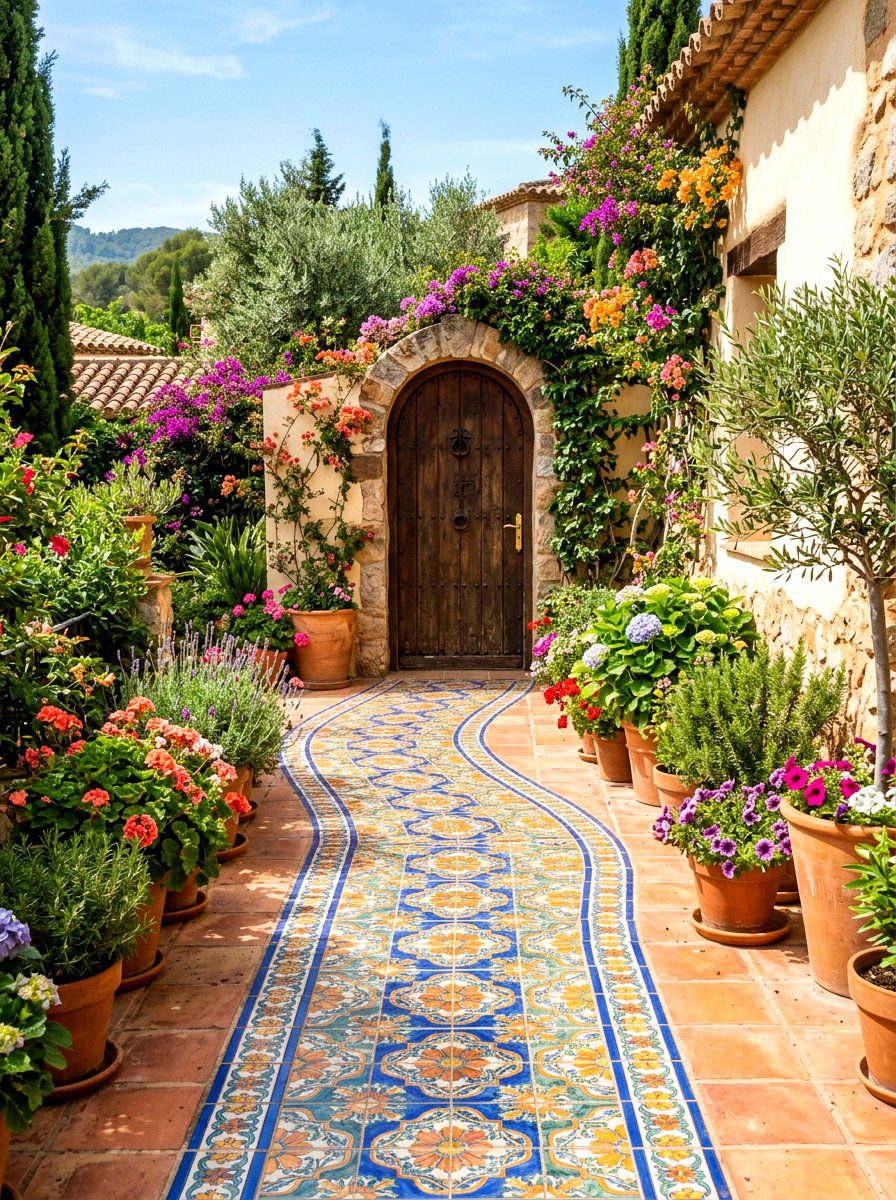
A Mediterranean tile path uses vibrant colors and intricate geometric patterns to create a bold and artistic entrance. Often featuring terra cotta tones or hand-painted ceramic accents, this style is ideal for Spanish or Italian-inspired architecture. The tiles can be used as a full surface or as decorative insets within a simpler stone or concrete path. This design choice brings a sense of warmth and energy to the front of the home, reminding visitors of sunny coastal escapes. Because some tiles can be slippery when wet, it is important to choose options with a matte or textured finish for outdoor safety. It is a colorful way to showcase your personality.
26. Dark Basalt Paver
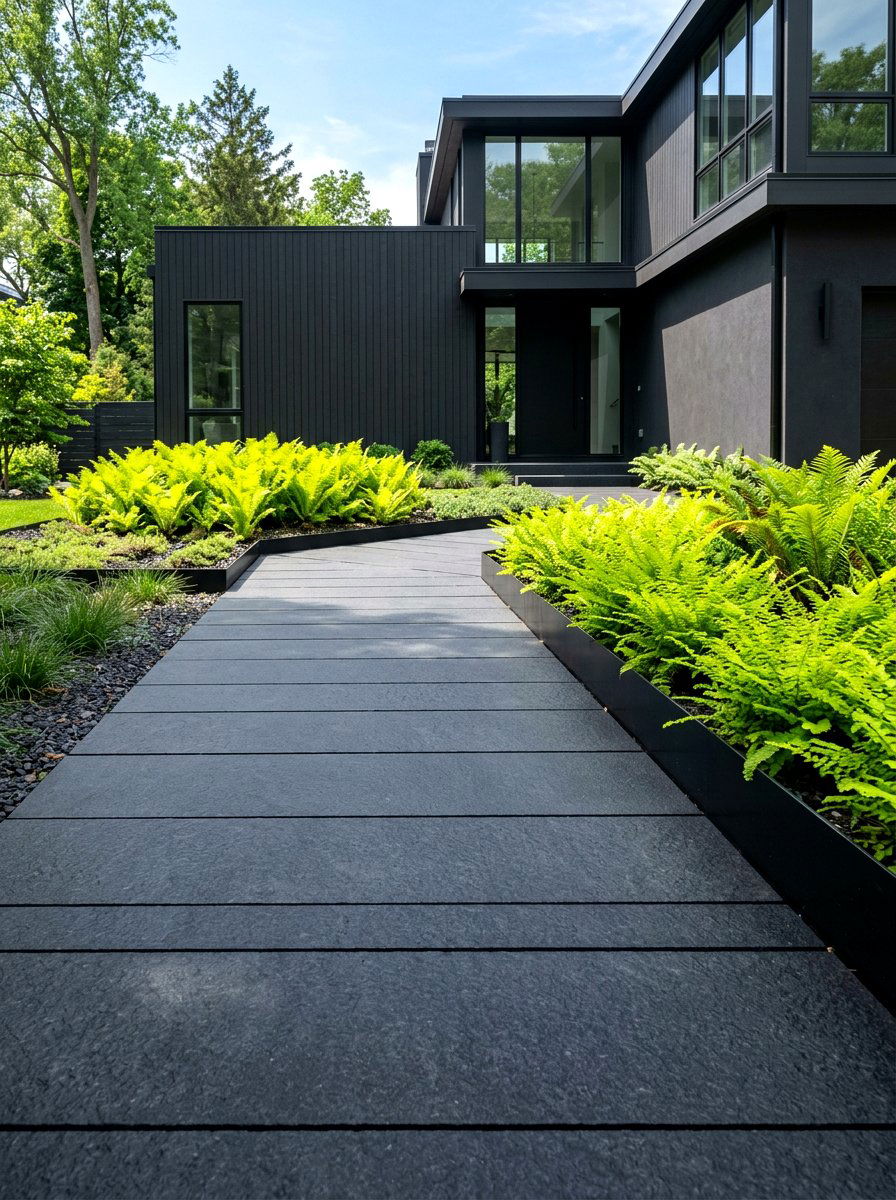
Dark basalt pavers offer a sophisticated and moody aesthetic that is becoming increasingly popular in contemporary landscape design. Basalt is a volcanic rock that is naturally dense, durable, and features a deep charcoal or black color. When wet, the color intensifies, creating a sleek and high-contrast look against green foliage. These pavers are often available in long, narrow shapes that can be laid in a modern stack-bond pattern for a very architectural feel. Because they are so dark, they hide stains and tire marks exceptionally well, making them a practical choice for walkways that are near driveways. It is a premium material that provides a very modern and expensive look.
27. Granite Plank Walkway

A granite plank walkway uses long, slender pieces of granite to create a durable and high-end path. Granite is one of the hardest natural stones available, making it virtually indestructible and resistant to scratches, stains, and extreme weather. The plank format mimics the look of wood decking but with the permanence and strength of stone. You can choose from various finishes, such as flamed or sandblasted, to ensure a non-slip surface for safe walking. The subtle speckling and natural crystal structure of the granite add a sophisticated glimmer to the entrance. This design is perfect for homeowners who want a minimalist, high-quality walkway that will last for generations.
28. Cedar Wood Path
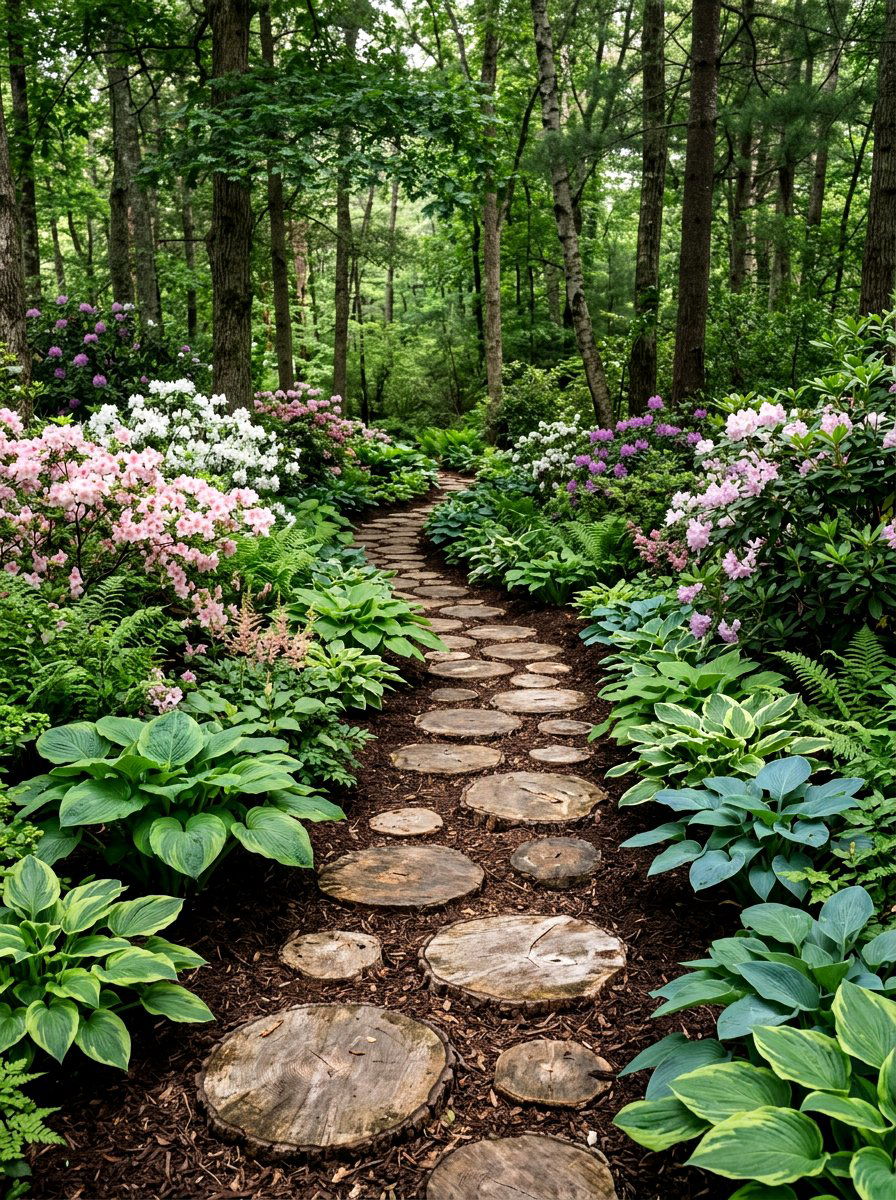
A cedar wood path provides a soft, warm, and natural entrance that blends seamlessly with a wooded or naturalistic landscape. Cedar is naturally resistant to rot and insects, making it an excellent choice for ground-contact applications like a garden walkway. You can install the wood as low-profile platforms or as individual "cookies" cut from large logs for a more whimsical, rustic look. Over time, cedar will weather to a beautiful silvery-gray color, or you can apply a stain to maintain its original warm red tones. The wood provides a much softer walking surface than stone, which is pleasant for bare feet in the summer. It creates a cozy and approachable vibe.
29. Interlocking Stone Path
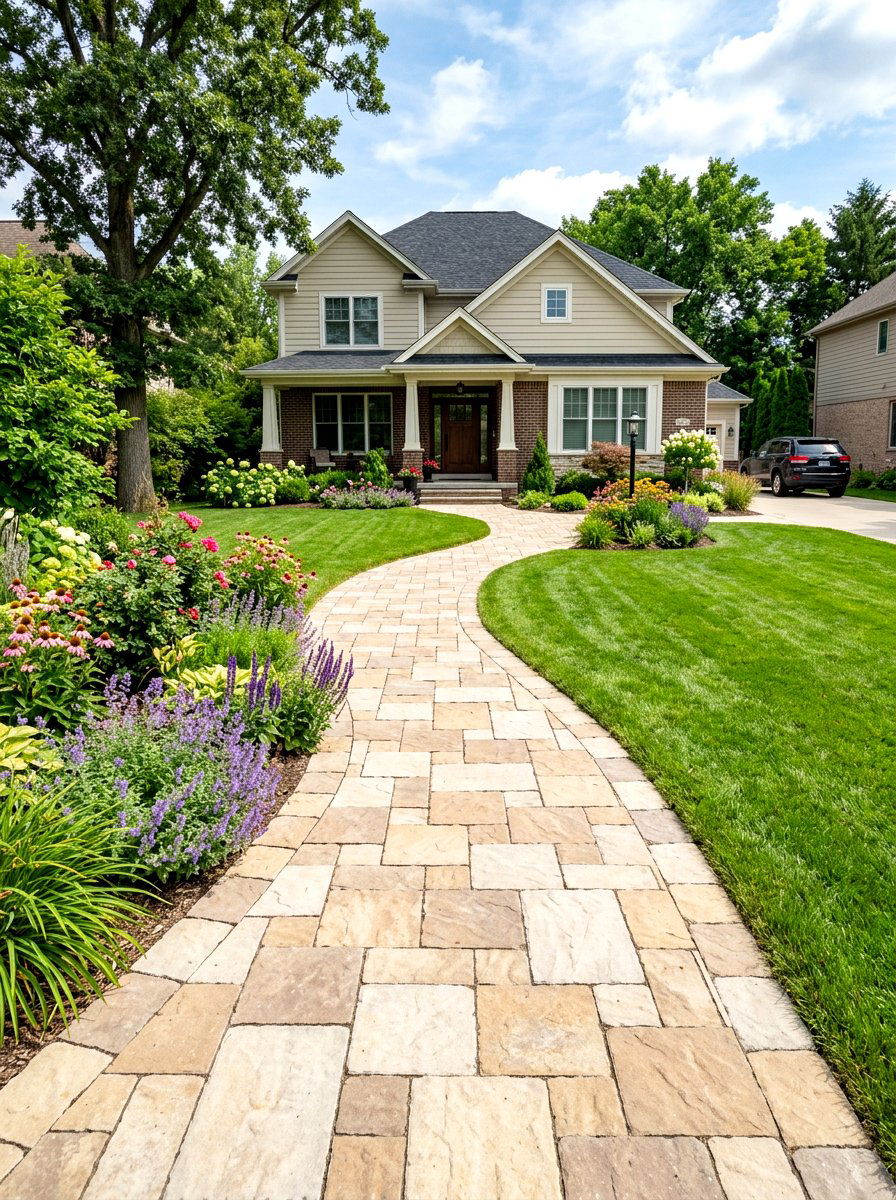
Interlocking stone paths are a practical and versatile choice that offers a high level of structural stability. These pavers are designed to fit together like a puzzle, which distributes the weight of foot traffic evenly and prevents individual stones from tilting or sinking. They are available in a massive variety of shapes, colors, and textures, allowing you to create anything from a traditional brick look to a modern stone mosaic. Interlocking paths are also easy to maintain, as any individual stone that becomes stained or cracked can be easily lifted out and replaced. This system provides a very reliable and attractive surface that can handle the rigors of daily use.
30. Large Format Paver
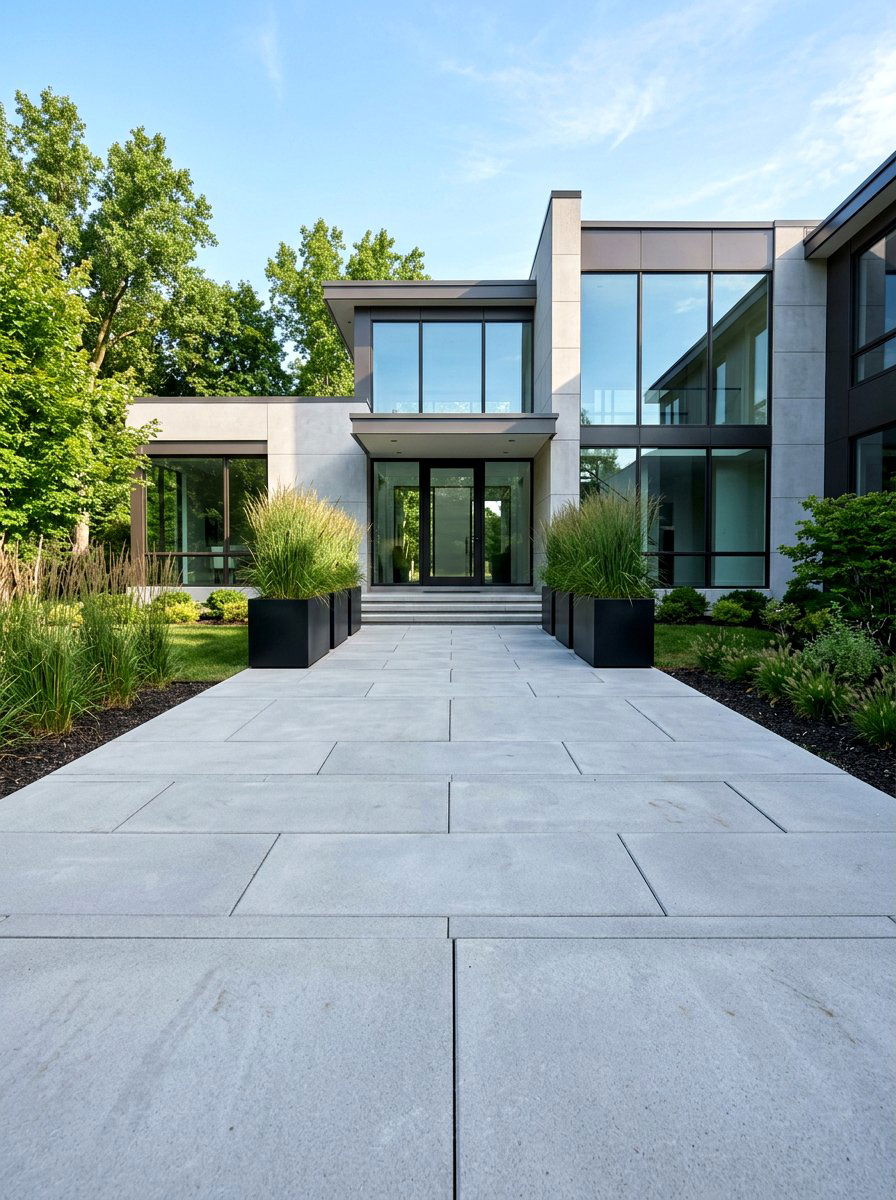
Large format pavers are oversized units that create a sleek, expansive look with fewer joint lines. These pavers can be as large as twenty-four by thirty-six inches, making the walkway feel much more open and modern. By reducing the number of joints, you create a smoother surface that is easier to shovel in the winter and less prone to weed growth. These large units are often used in a simple running bond pattern to emphasize the scale and luxury of the material. They work beautifully when leading to a grand entryway, providing a clean and uncluttered visual field that allows the architecture of the home to take center stage.
Conclusion:
Investing in a well-designed front walkway is one of the most effective ways to transform your home’s exterior and create a welcoming atmosphere. Your choice of material and layout serves as a permanent architectural feature that guides guests through your property while showcasing your unique aesthetic preferences. From the timeless appeal of traditional red brick to the bold, sculptural look of floating concrete slabs, there is a design solution for every home style and budget. Remember to consider the practical aspects of drainage, local weather conditions, and long-term maintenance when selecting your materials. A beautiful path not only boosts curb appeal but also makes every arrival feel like a special occasion.

Related posts: