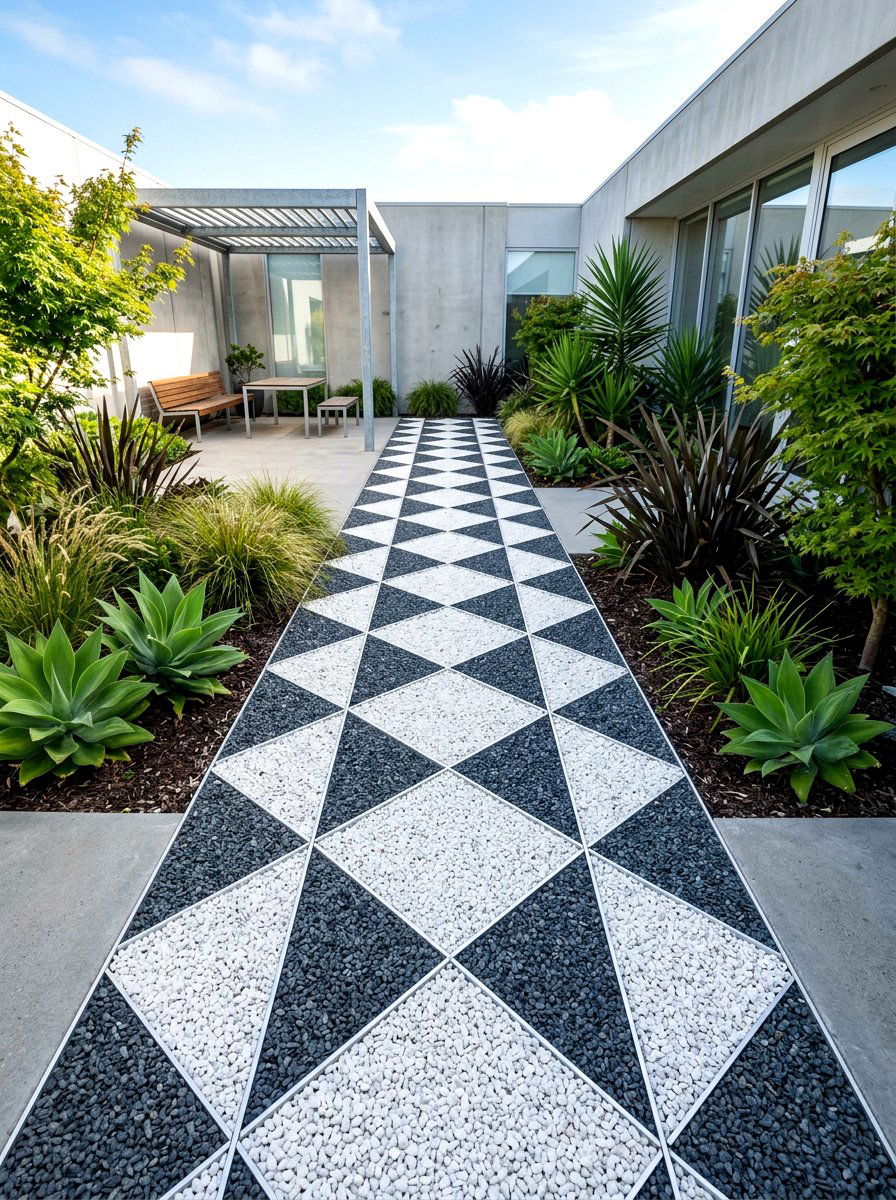
Creating a beautiful backyard often starts with how you navigate the space. Stepping paths offer a functional yet highly aesthetic way to guide guests through your garden without disturbing the delicate turf or flower beds. Whether you prefer a rustic look with natural stones or a sleek modern vibe with geometric concrete, the right path transforms your outdoor area into an inviting retreat. These paths define the layout of your landscape and add a layer of texture that grounds the entire design. In this guide, we explore thirty unique ways to incorporate stepping paths that enhance both the charm and utility of your home’s backyard environment.

1. Flagstone Walkway
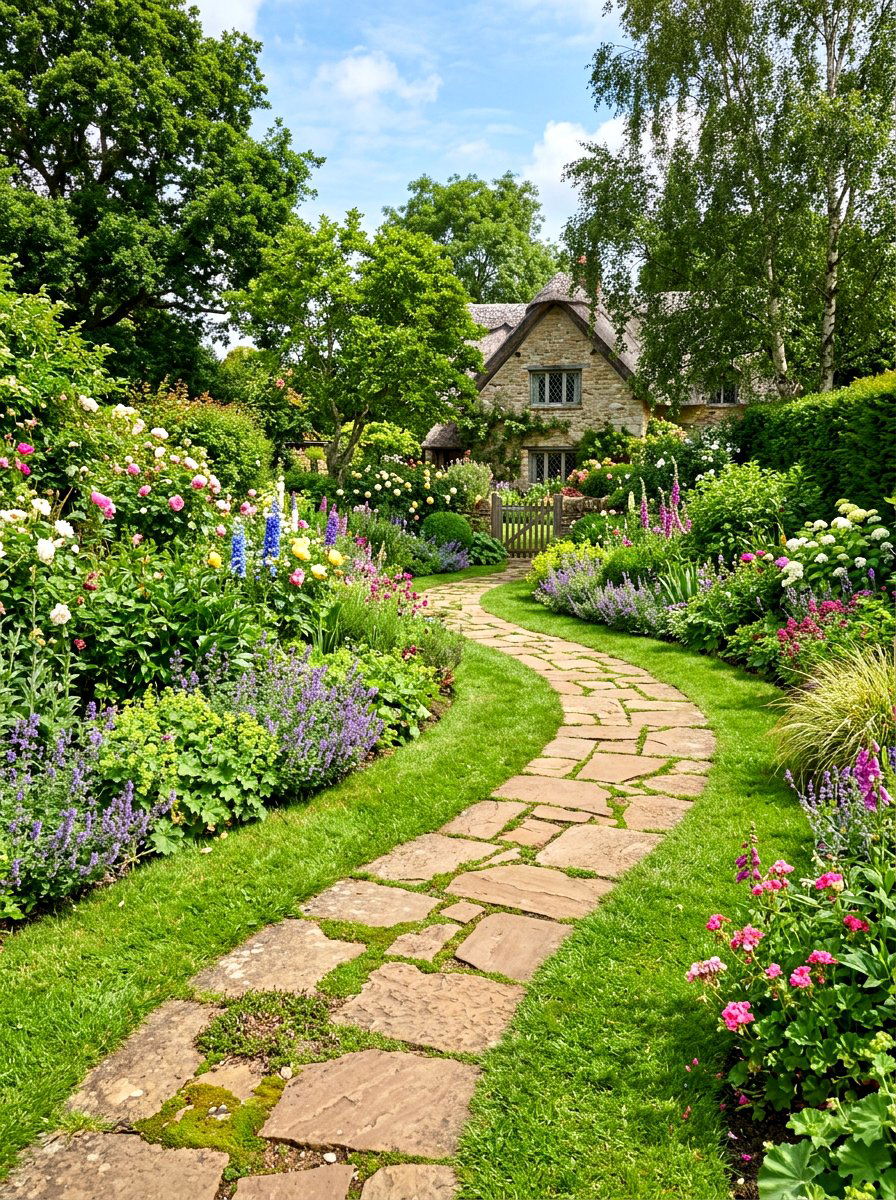
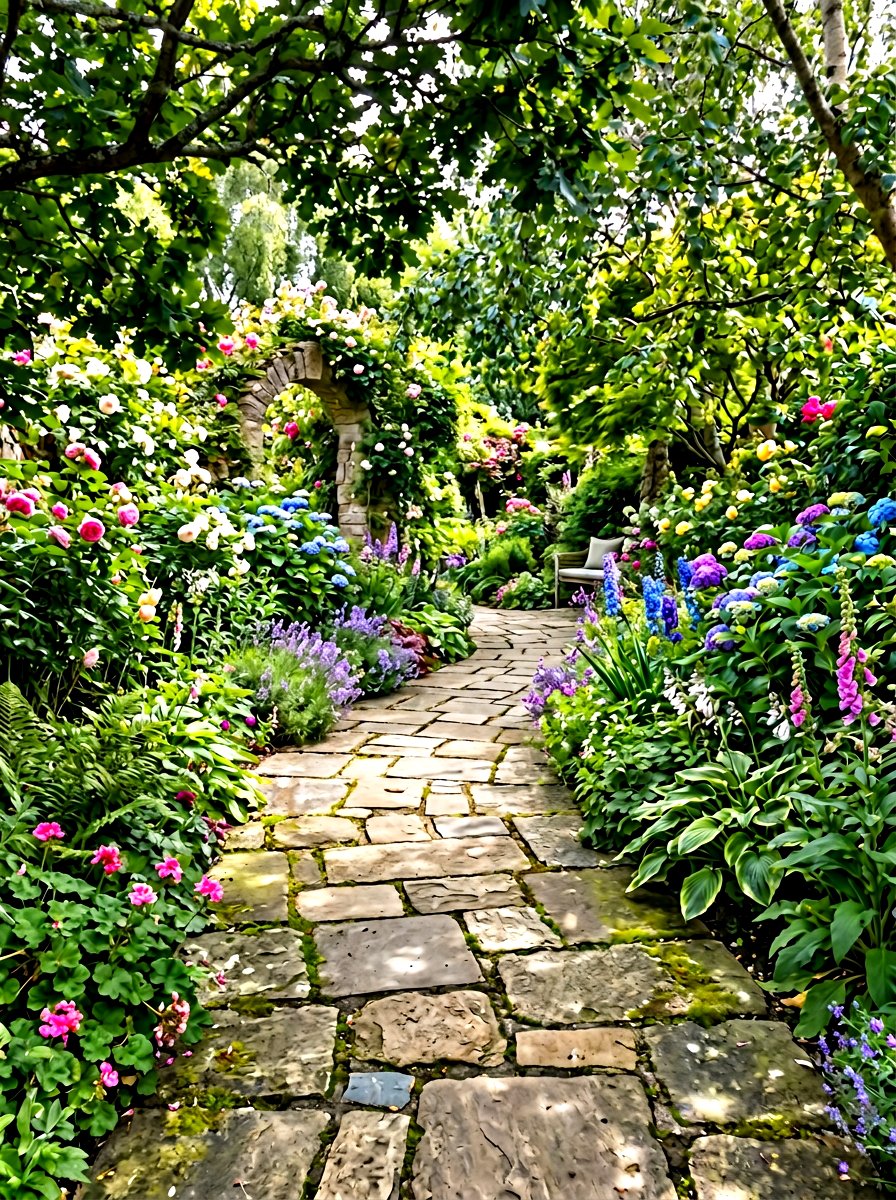
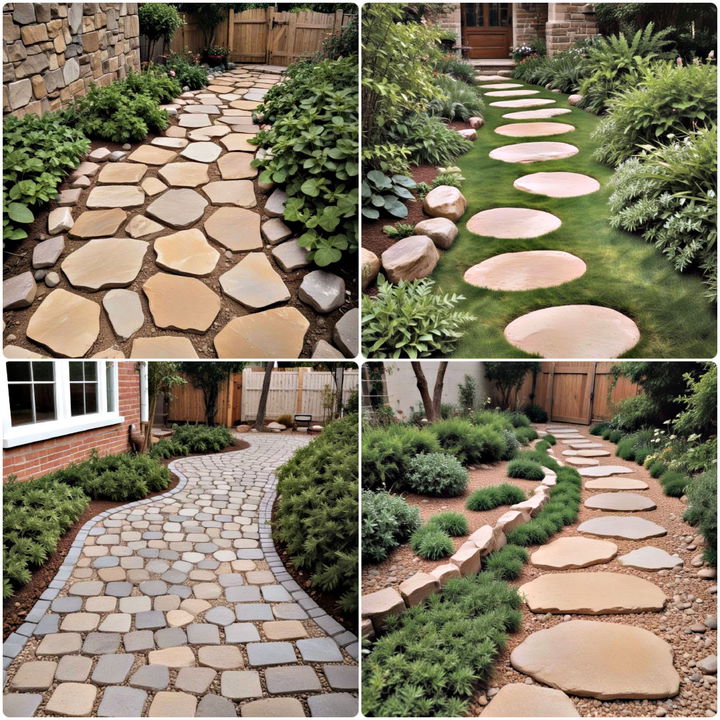
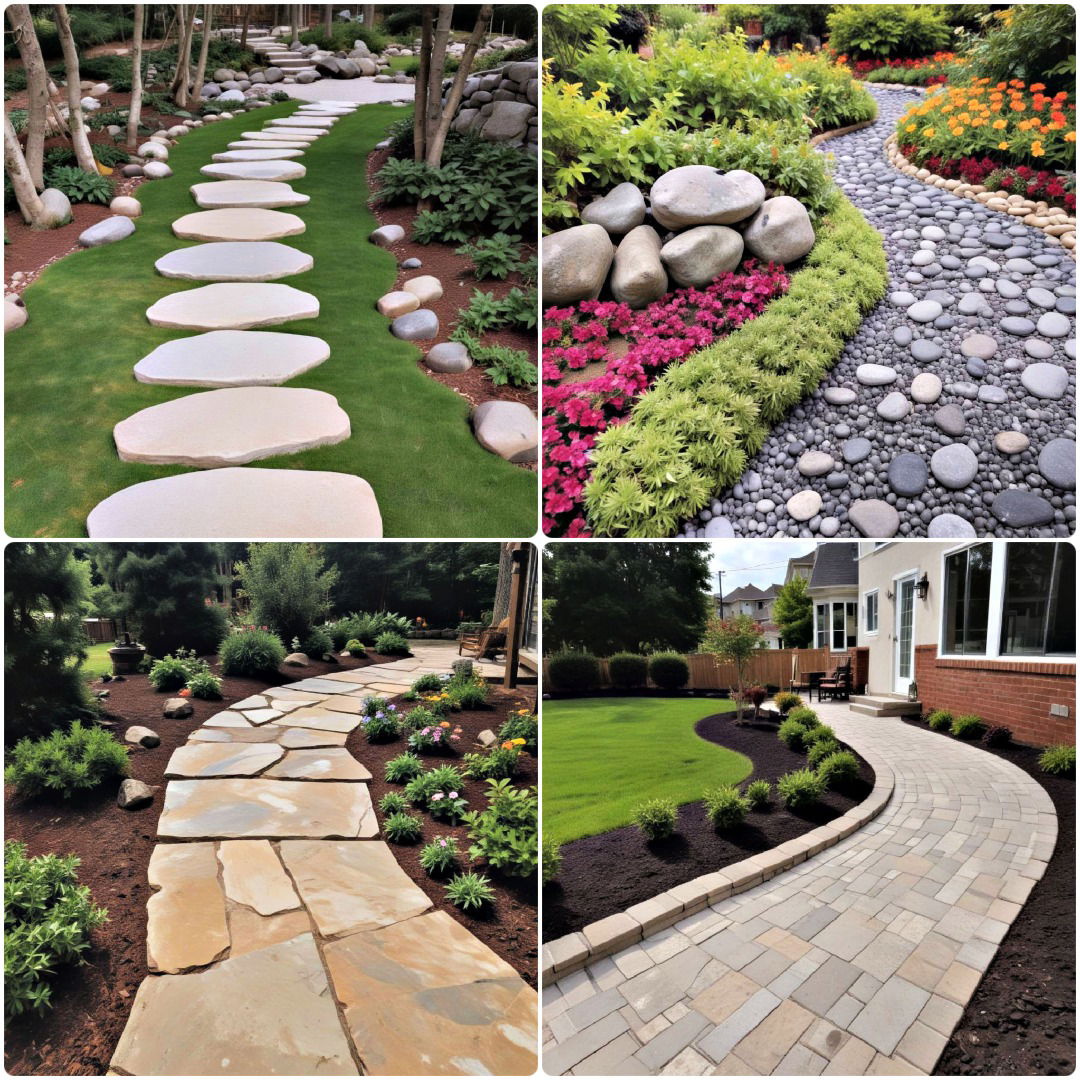
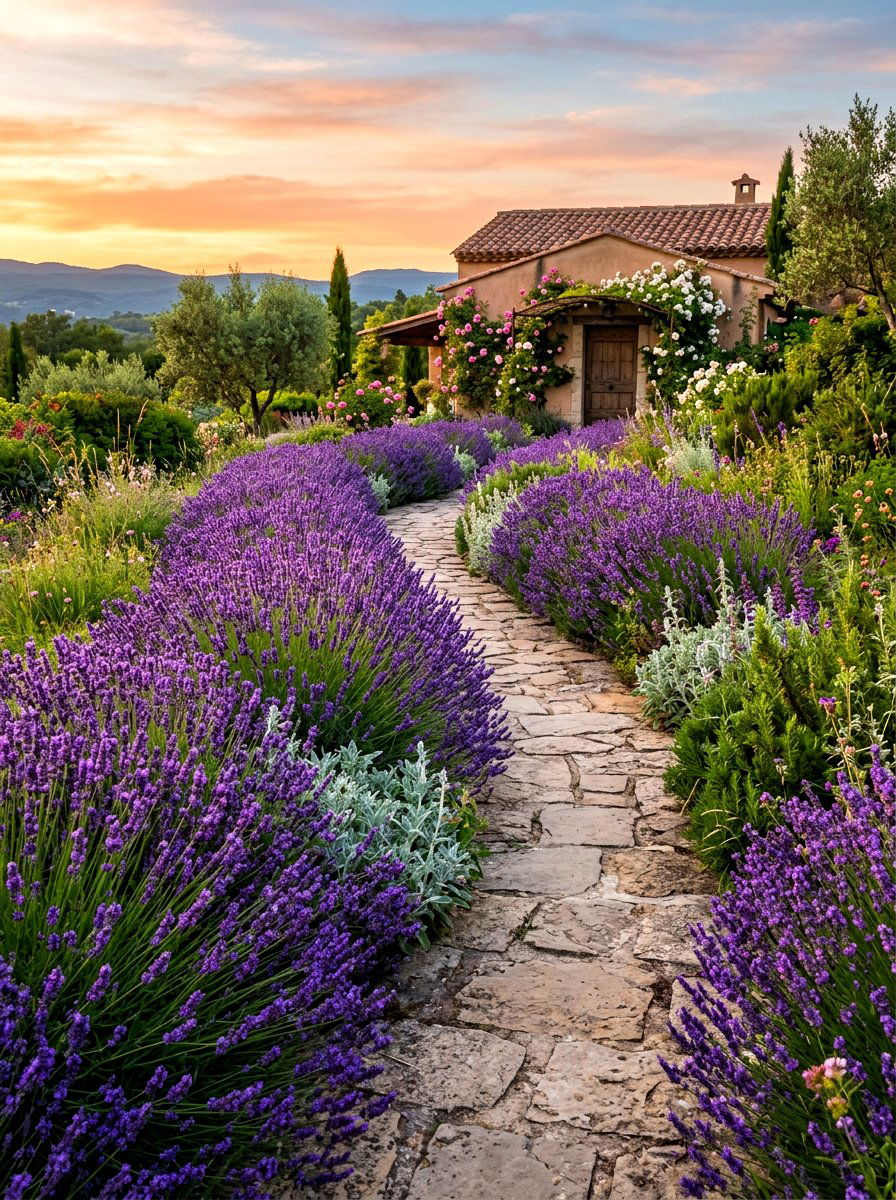
Imagine a winding trail of natural flagstones cutting through a lush green lawn or a flower-filled border. Flagstone is a classic choice for backyard paths because its irregular shapes create an organic, timeless look that fits almost any garden style. You can choose from various colors like earthy browns, cool grays, or warm tans to match your home’s exterior. The gaps between the stones can be filled with fine gravel, creeping thyme, or soft moss to soften the edges and add a touch of nature. Installing these stones provides a sturdy surface for walking while maintaining a relaxed and informal atmosphere in your outdoor living space.
2. Rectangular Concrete Paver
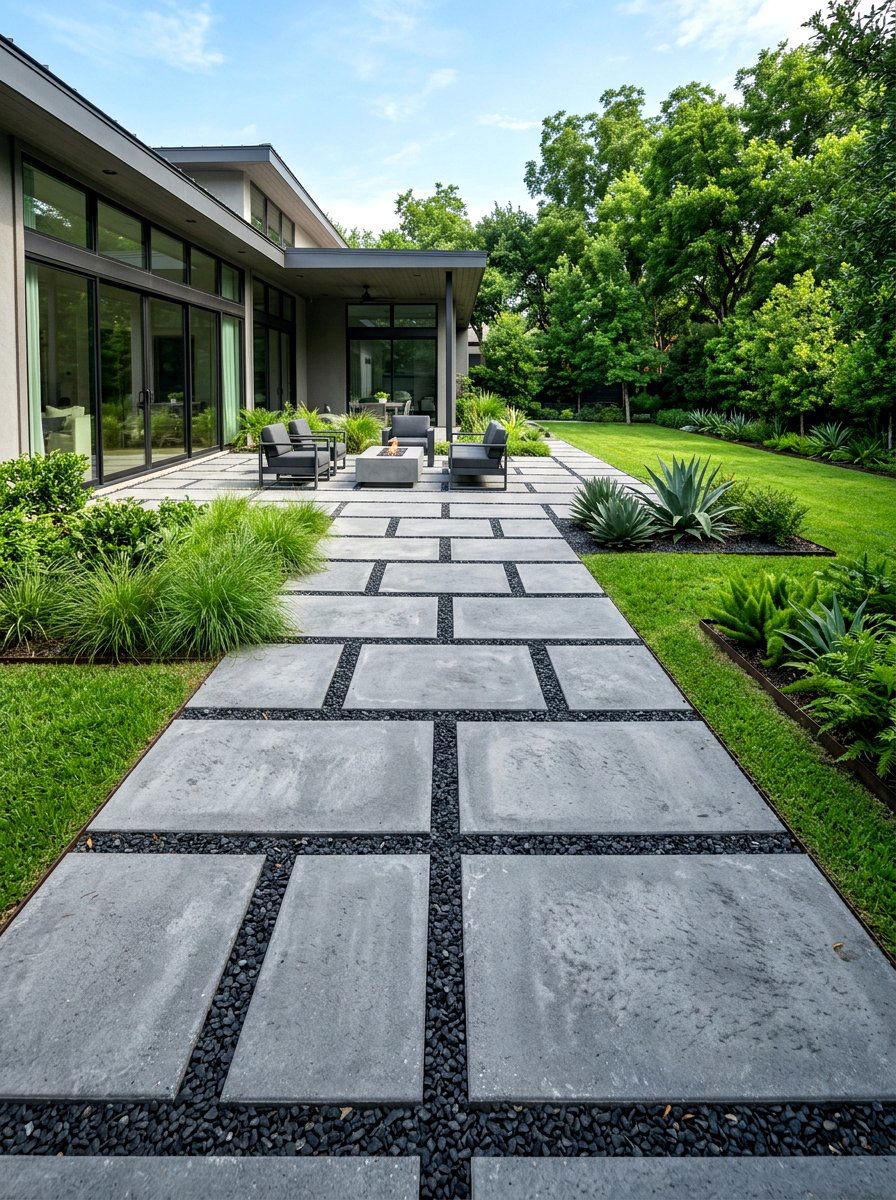
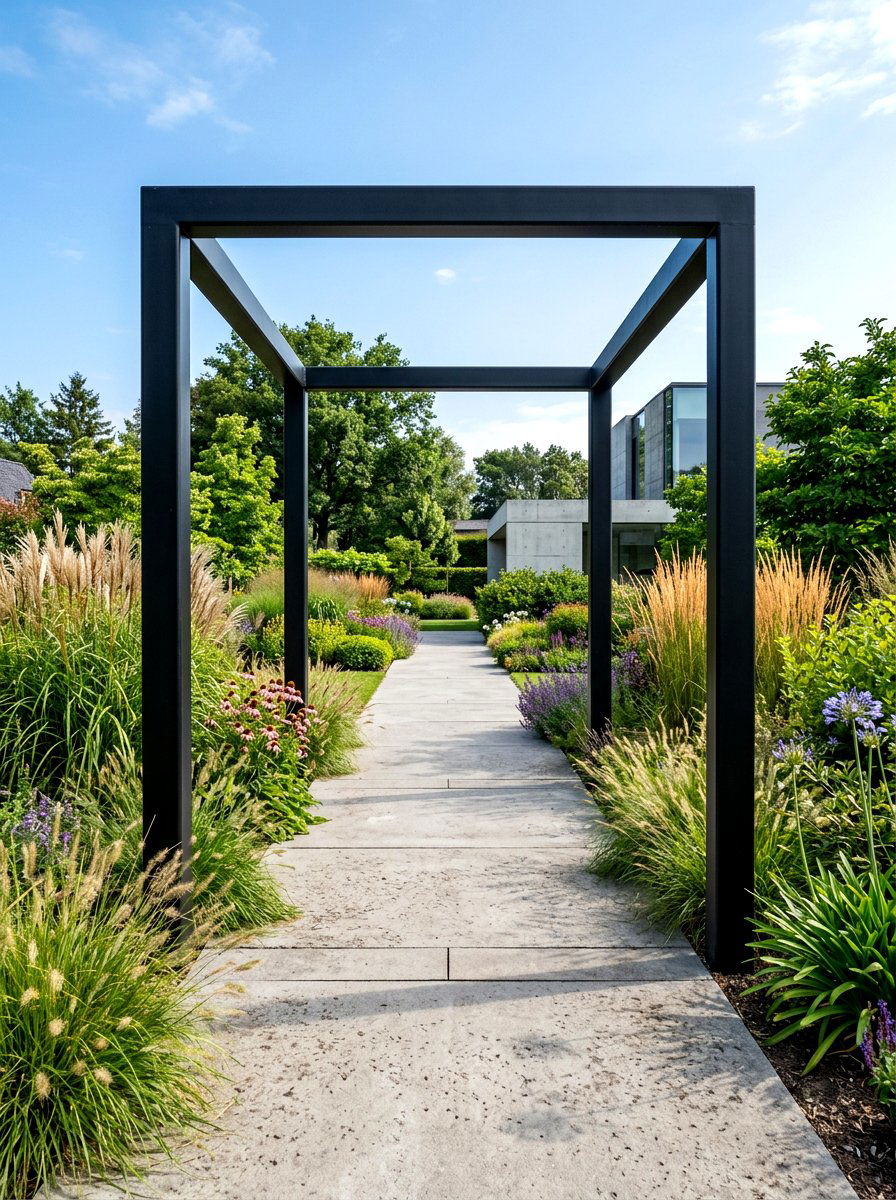
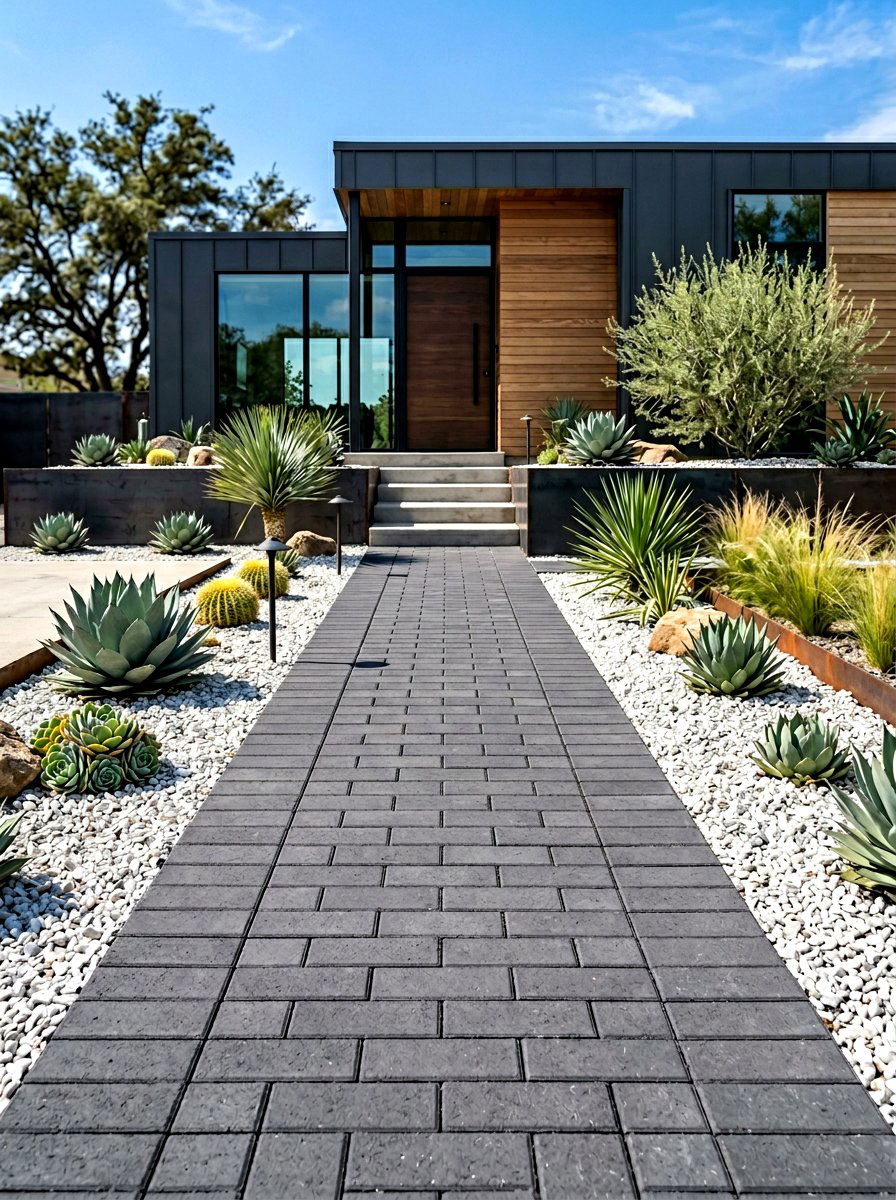
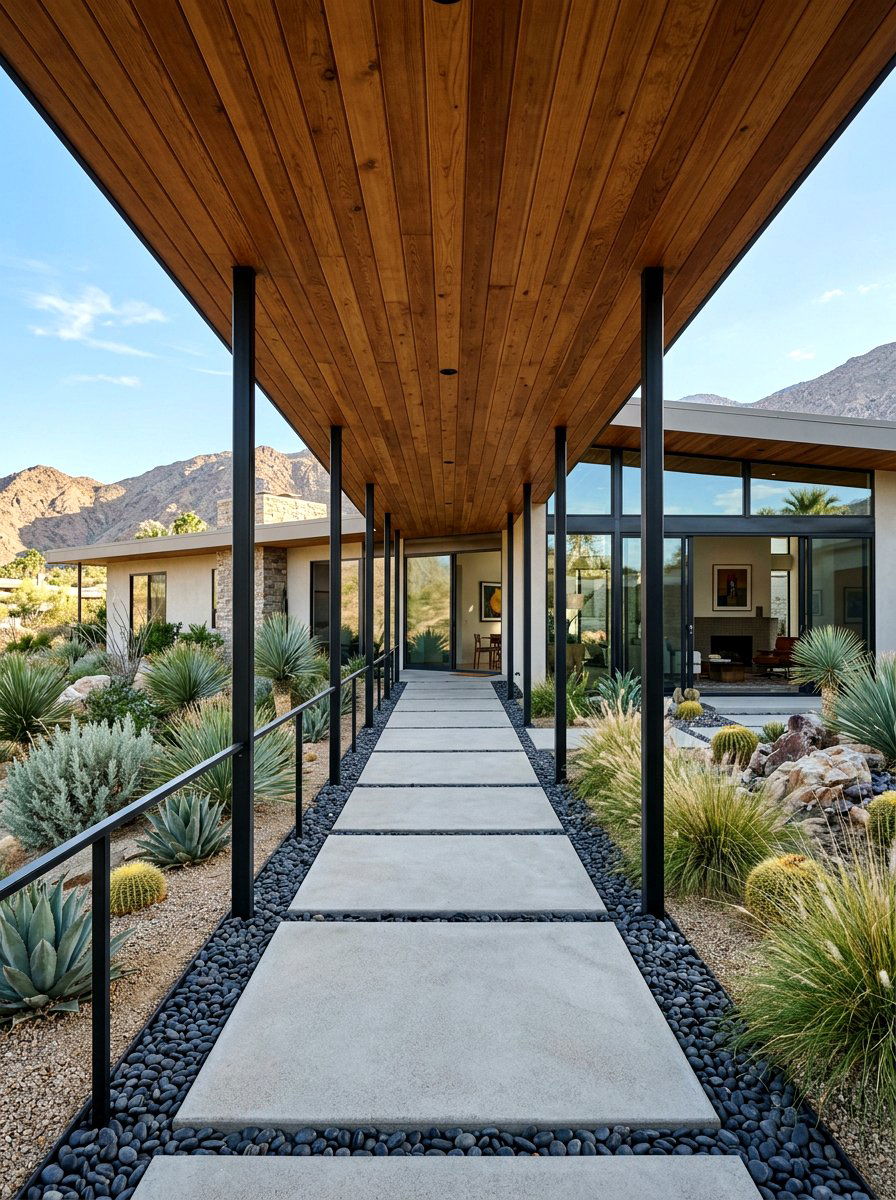
Modern landscapes often benefit from the clean lines and structured feel of rectangular concrete pavers. These oversized stones create a sophisticated, minimalist look that works perfectly in contemporary backyards or sleek urban gardens. By spacing them evenly and filling the gaps with dark basalt gravel or manicured grass, you create a high-contrast visual that draws the eye forward. Concrete pavers are incredibly durable and require very little maintenance, making them a practical choice for high-traffic areas. Their neutral gray tones provide a blank canvas that allows your colorful plants and architectural features to stand out. This approach emphasizes geometric precision and a tidy finish.
3. Natural Wood Slice
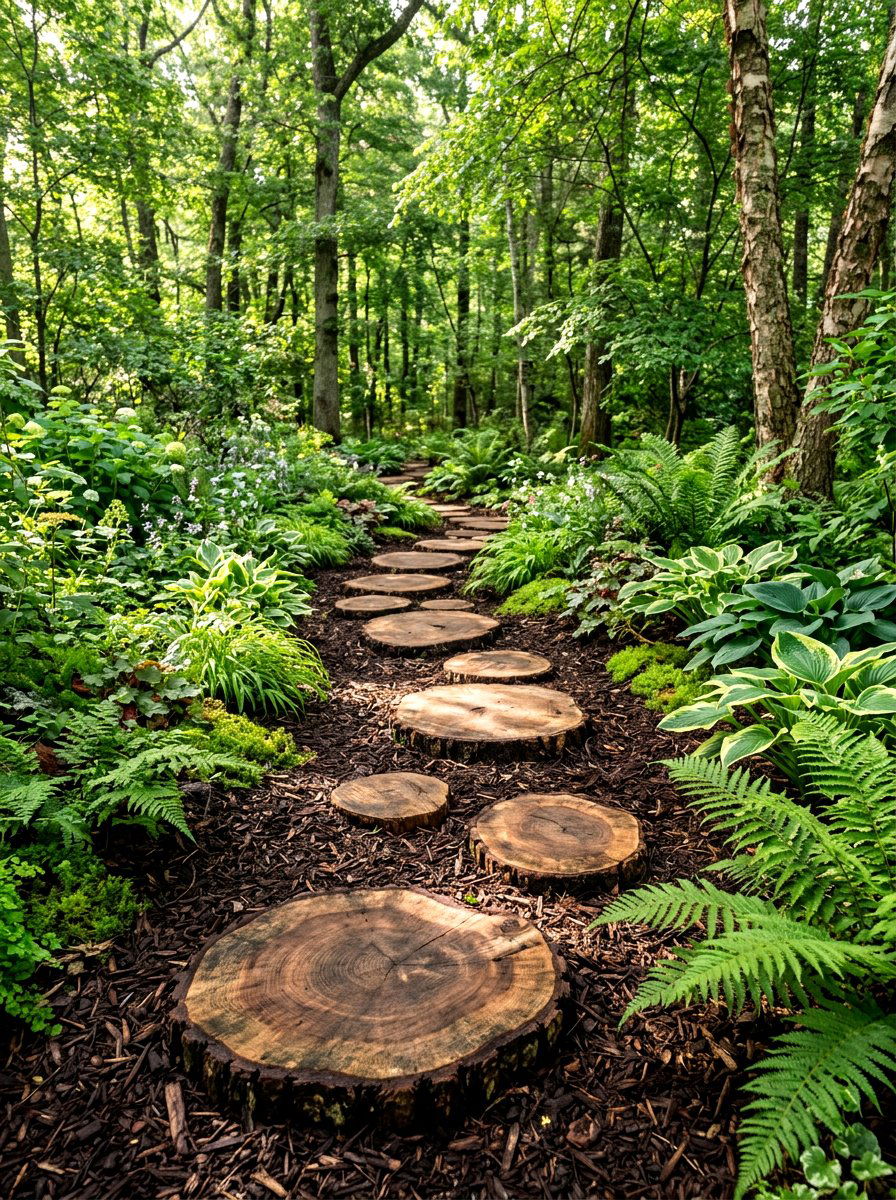
Do you want to bring a whimsical, woodland feel to your backyard? Using natural wood slices as stepping stones is an excellent way to create a rustic and eco-friendly path. These organic rounds, often cut from fallen cedar or oak trees, offer beautiful grain patterns and a warm, earthy aesthetic. They look best when nestled into a bed of mulch or wood chips, winding through a shaded garden or a play area. To ensure longevity, it is important to treat the wood slices with a weather-resistant sealant to prevent rot. This design choice feels soft underfoot and blends seamlessly into a naturalized or cottage-style landscape.
4. Slate Step Stone
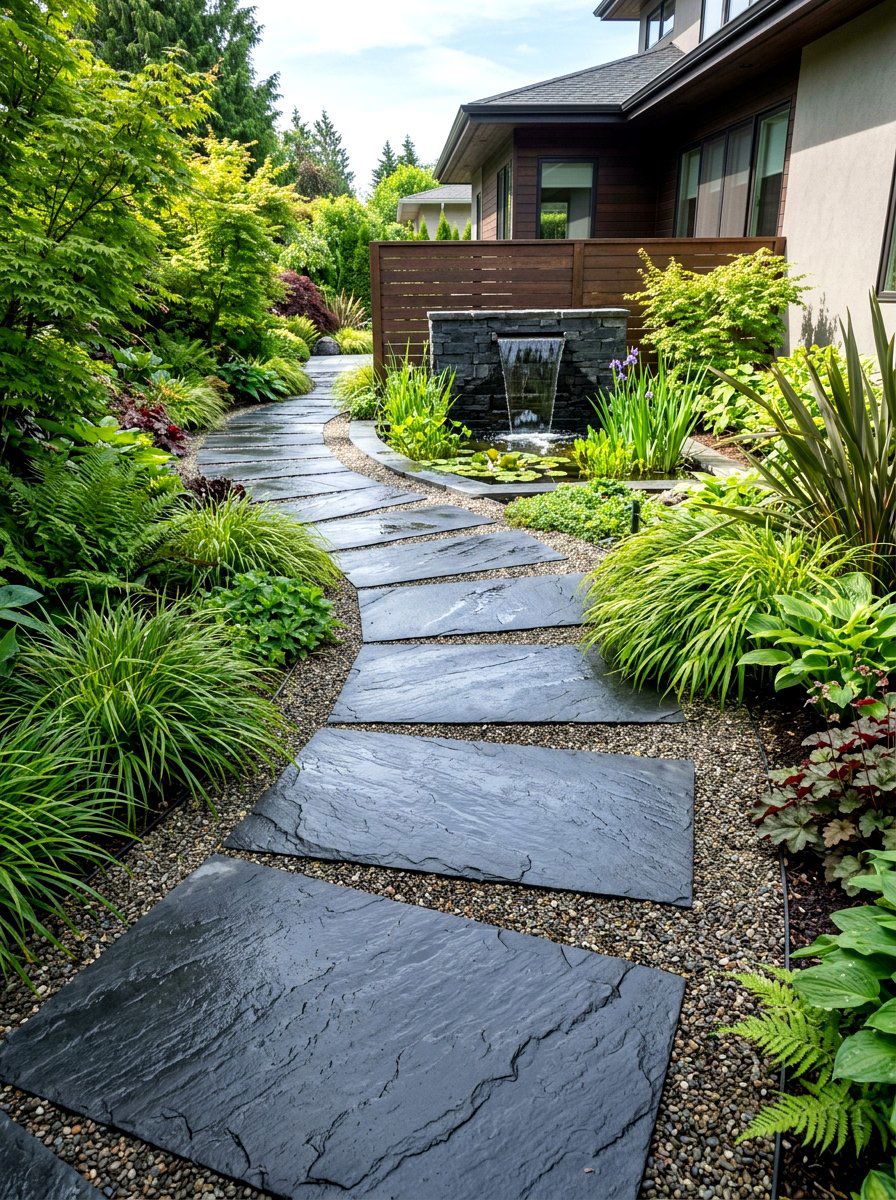
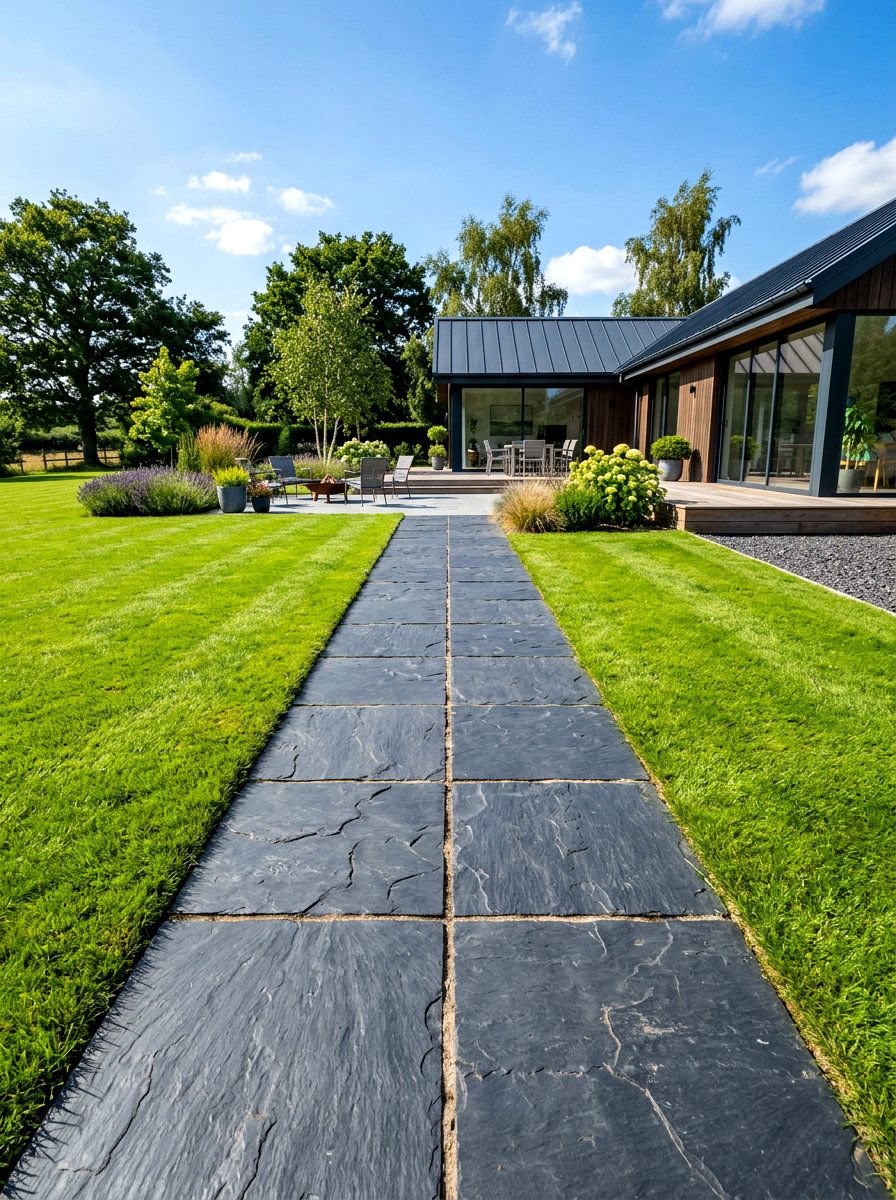
Slate is a premium material that brings a touch of elegance and rich color to any backyard path. Its naturally layered texture provides a non-slip surface, which is ideal for areas near water features or pools. You can find slate in stunning shades of charcoal, deep purple, and forest green, allowing you to create a path that feels both sophisticated and grounded. Large, flat slate slabs can be placed directly into the soil or set on a base of sand for added stability. When it rains, the colors of the slate deepen, creating a beautiful and dynamic visual effect that enhances your garden.
5. Brick Herringbone Path
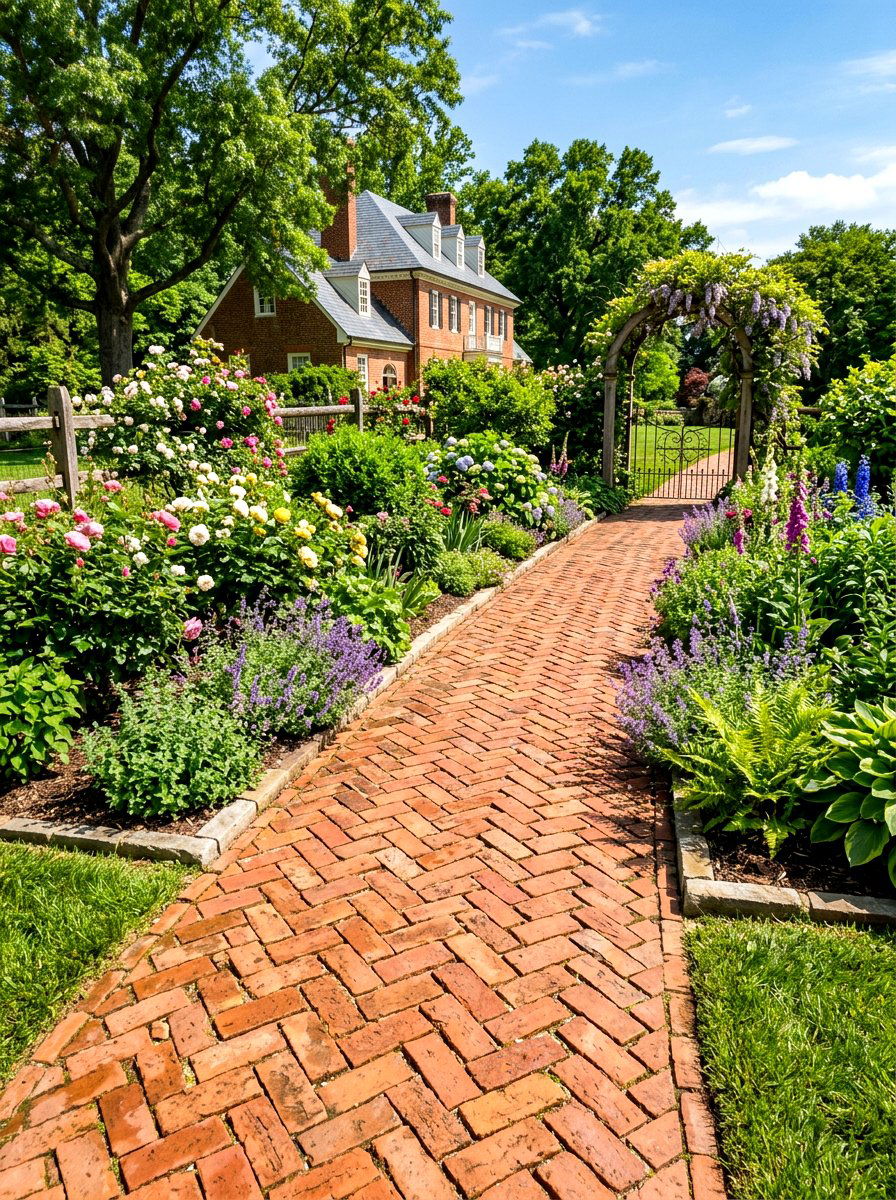
Classic red bricks arranged in a herringbone pattern offer a timeless and traditional look for a backyard walkway. This intricate layout provides excellent structural integrity and prevents the bricks from shifting over time. A brick path works wonderfully in colonial or cottage-style gardens, adding a sense of history and warmth to the landscape. You can use reclaimed bricks for an antique feel or new bricks for a sharper, more polished appearance. The rhythmic pattern of the herringbone design guides the visitor's eye along the path, making the journey through your backyard feel intentional and beautifully framed by surrounding greenery and blooms.
6. River Rock Walkway
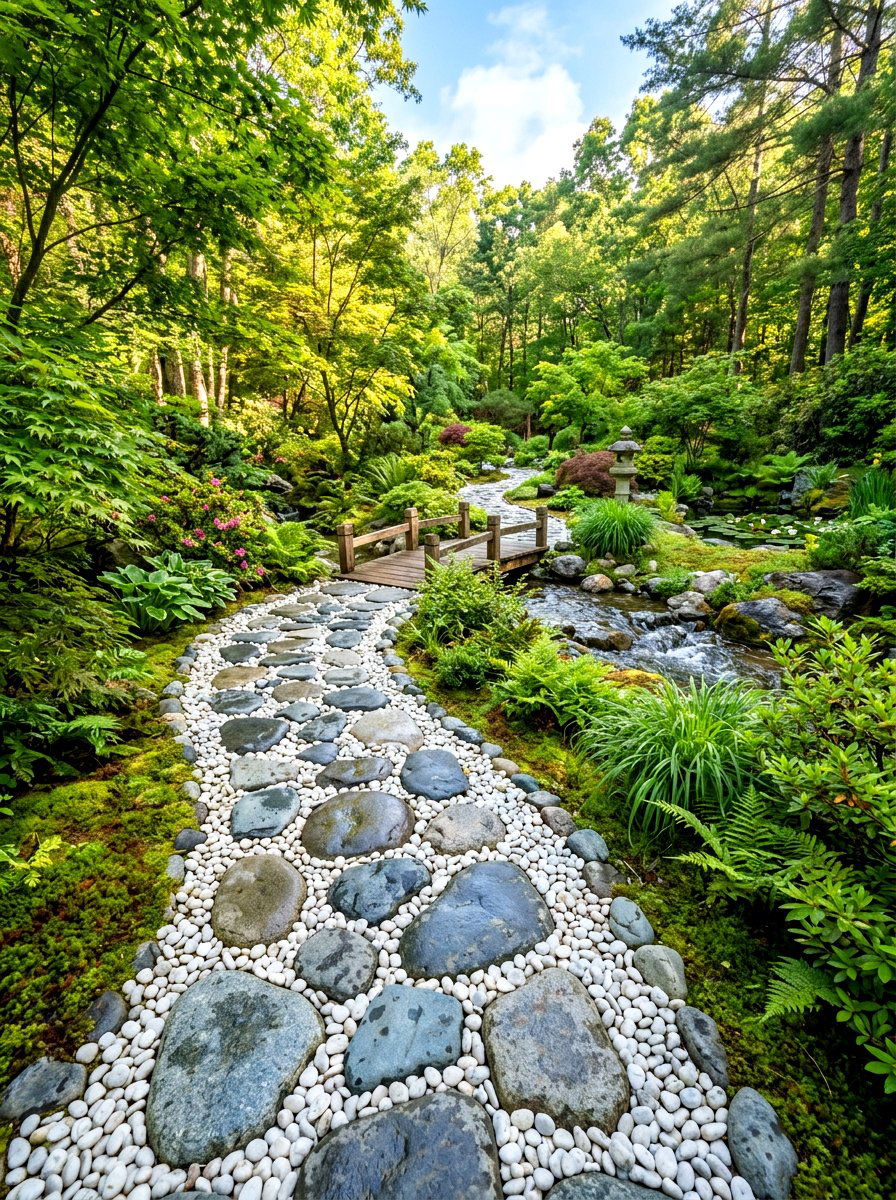
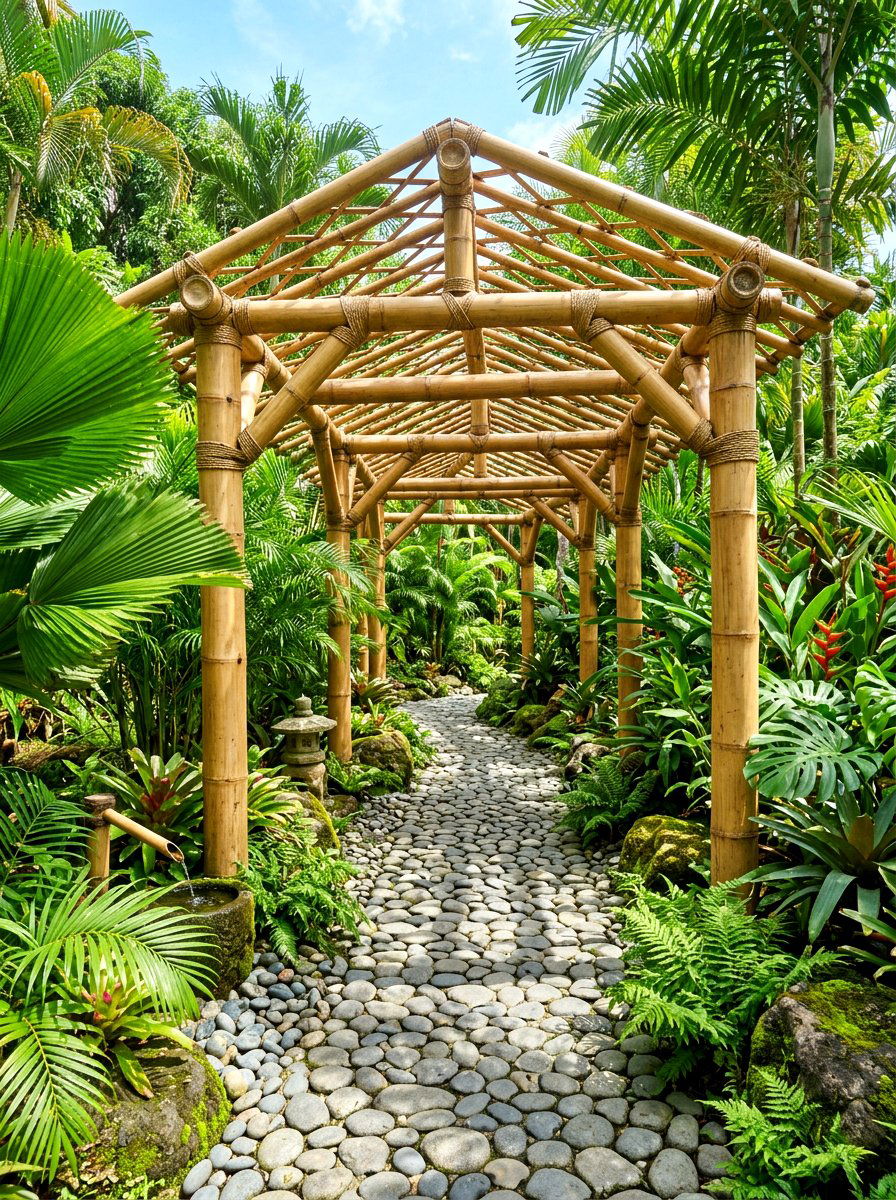
Integrating large, smooth river rocks as stepping stones creates a serene and spa-like atmosphere in your backyard. These stones are naturally rounded by water, making them comfortable to walk on while adding a unique tactile element to your garden. You can nestle the larger rocks into a bed of smaller pebbles to create a multi-textured path that handles drainage exceptionally well. This style is perfect for xeriscaping or coastal-themed yards where water conservation and natural beauty are top priorities. The varied colors of the river rocks, from milky whites to deep grays, provide a soothing and harmonious palette for your outdoor space.
7. Granite Slab Path
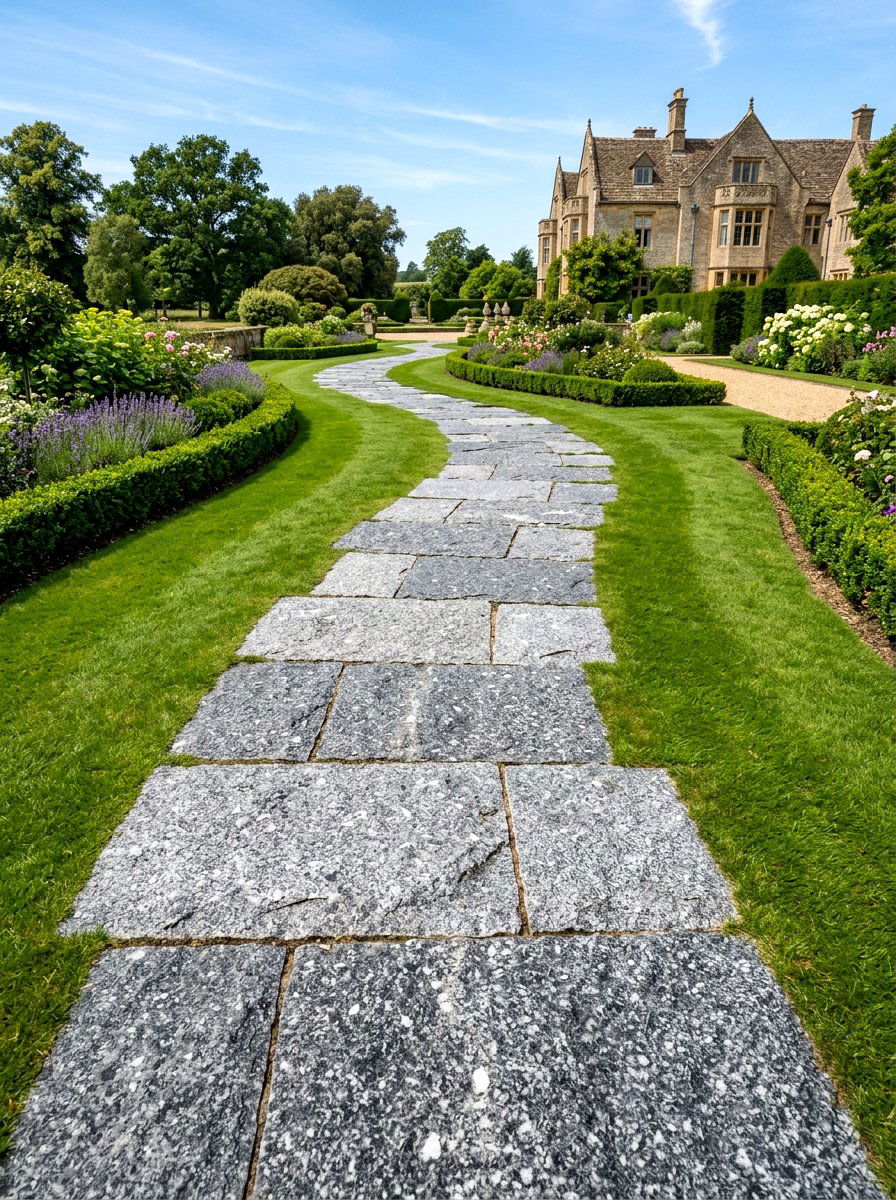
For a walkway that exudes strength and luxury, consider using large granite slabs as your primary stepping material. Granite is one of the most durable stones available, making it resistant to weathering and heavy foot traffic over many decades. Its speckled texture and subtle sparkle add a touch of sophistication to a modern or formal garden design. You can choose polished slabs for a high-end look or thermal-finished granite for a more natural, slip-resistant surface. Placing these heavy slabs with wide gaps filled with decorative gravel creates a grand and architectural statement that anchors the entire layout of your backyard landscape.
8. Gravel Inlay Paver
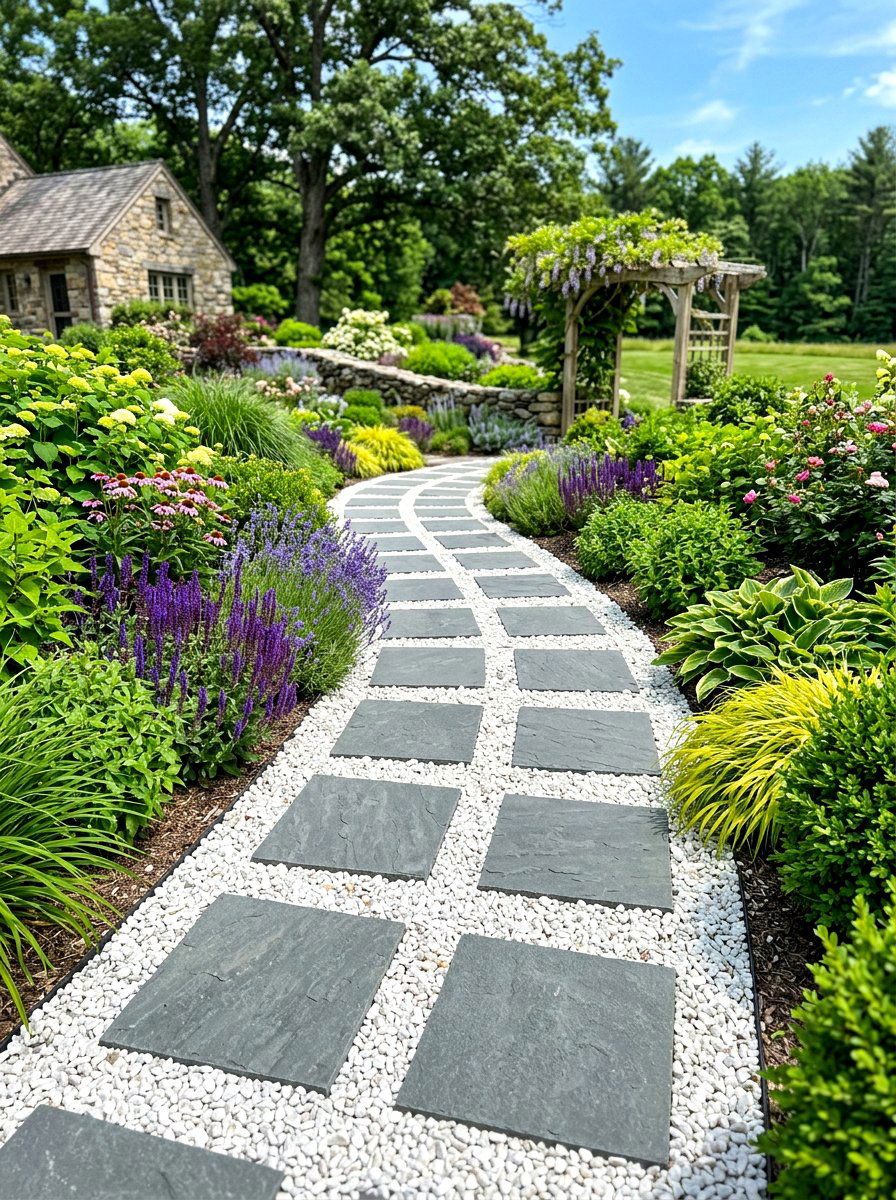
A clever way to combine materials is by using concrete or stone pavers with gravel inlays. This design involves setting larger stepping stones into a defined path and filling the surrounding space with small, crushed gravel. The contrast between the solid pavers and the loose gravel adds visual depth and a pleasant crunching sound as you walk. This style is highly functional for drainage, as it allows rainwater to permeate the ground easily. It also allows for creative patterns, such as alternating colors of gravel to highlight the path. This approach is perfect for creating a clean yet textured look in transitional garden spaces.
9. Reclaimed Timber Walk
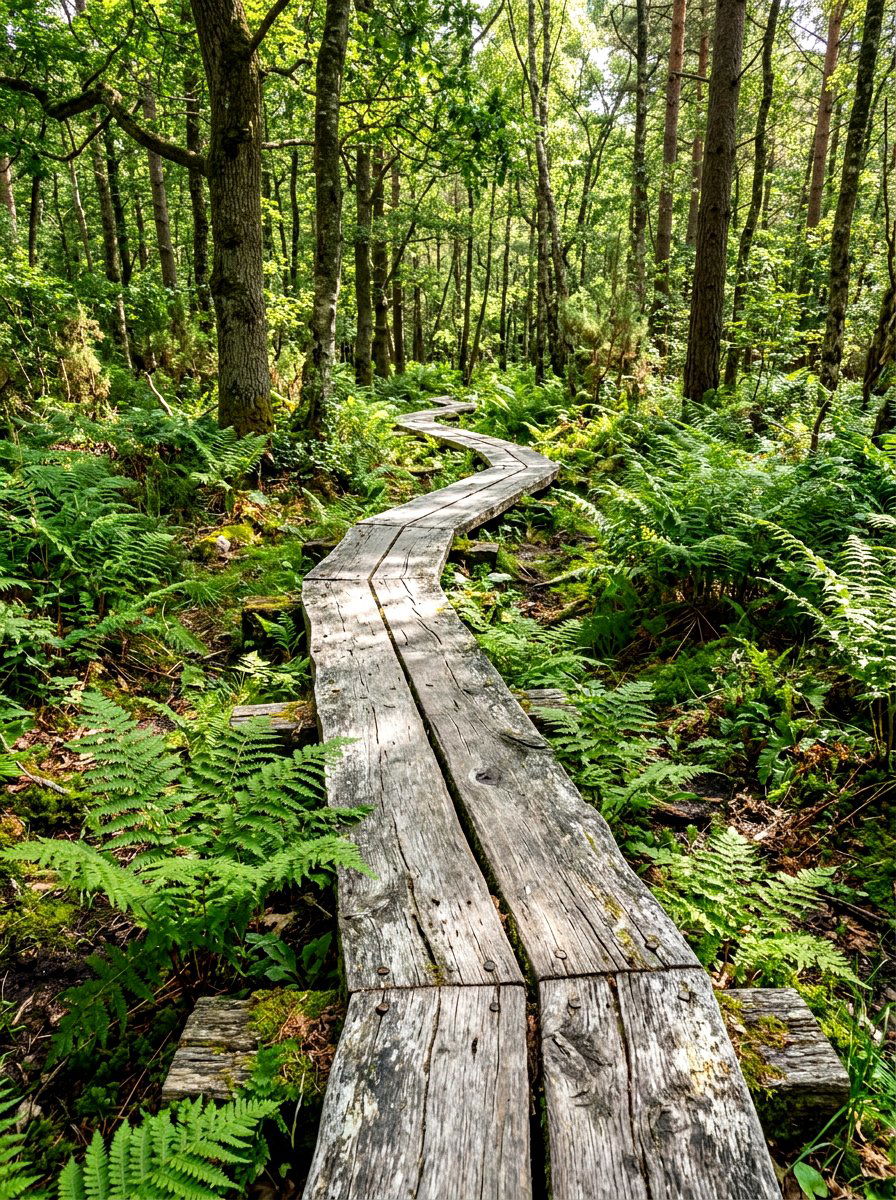
Sustainability meets style when you use reclaimed timber to build a stepping path through your backyard. Old railroad ties or salvaged barn wood can be cut into thick planks and partially buried to create a sturdy and character-filled walkway. The weathered texture and silver-gray patina of aged wood provide a beautiful contrast to vibrant green ferns and mosses. This type of path is ideal for sloped areas where the timbers can act as mini-retaining steps. It brings a rugged, adventurous spirit to the garden, making it feel like a private trail in a forest. Reclaimed timber is both environmentally friendly and visually striking.
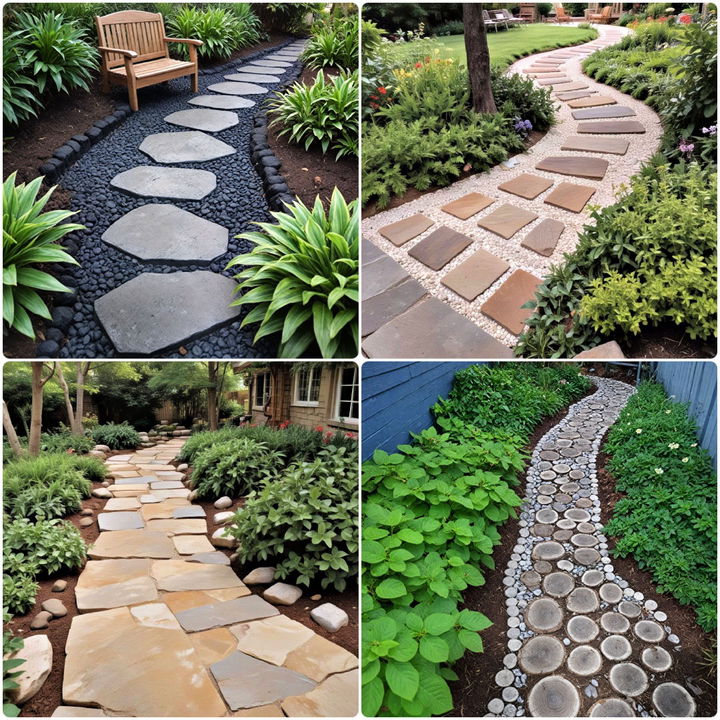
10. Cobblestone Garden Path
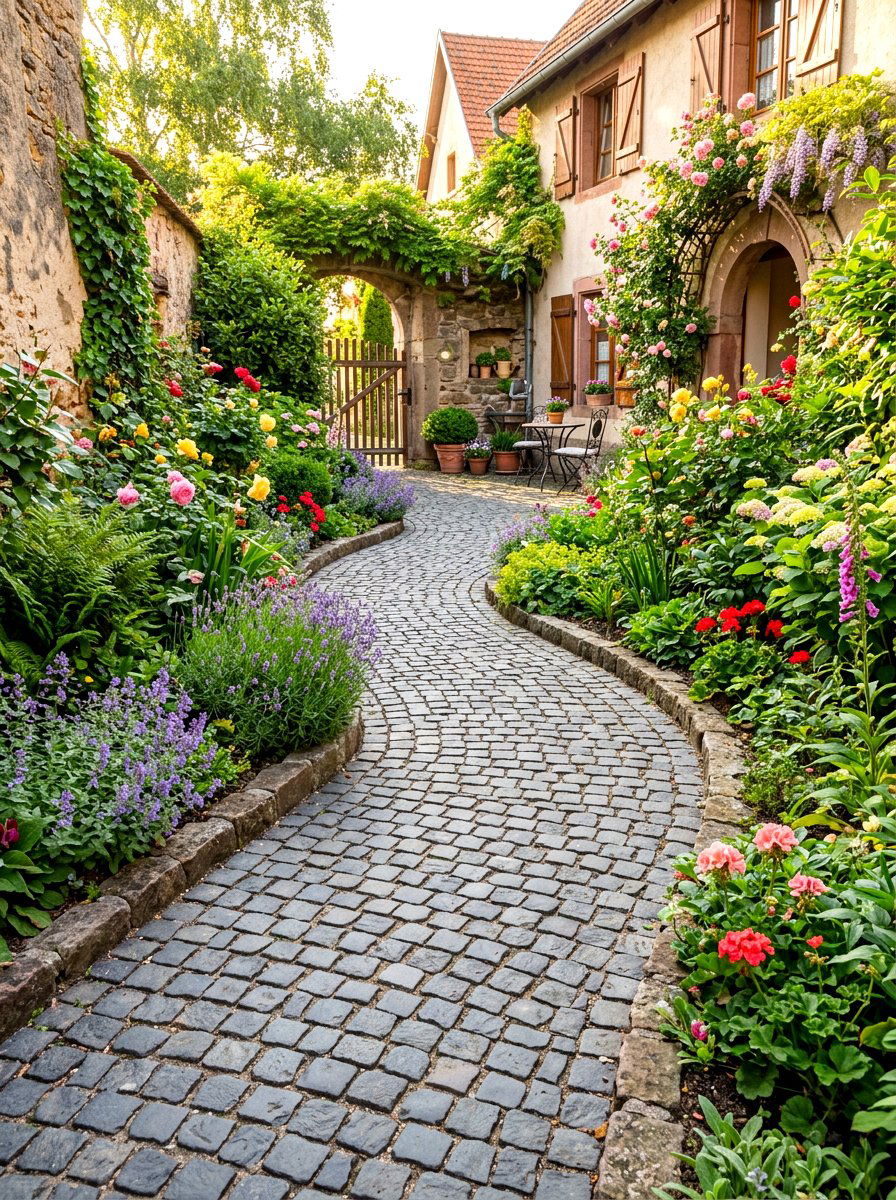
Cobblestones offer a charming, old-world aesthetic that can make any backyard feel like a European courtyard. These small, rounded stones are typically made of granite or basalt and are set close together to create a durable and textured walking surface. A cobblestone path is perfect for creating soft curves that meander around flower beds or under a pergola. Because the stones are small, they allow for great flexibility in the path’s shape, making it easy to navigate tight corners. The timeless appeal of cobblestones ensures that your garden walkway will never go out of style while providing a sturdy and reliable foundation.
11. Bluestone Stepping Stone
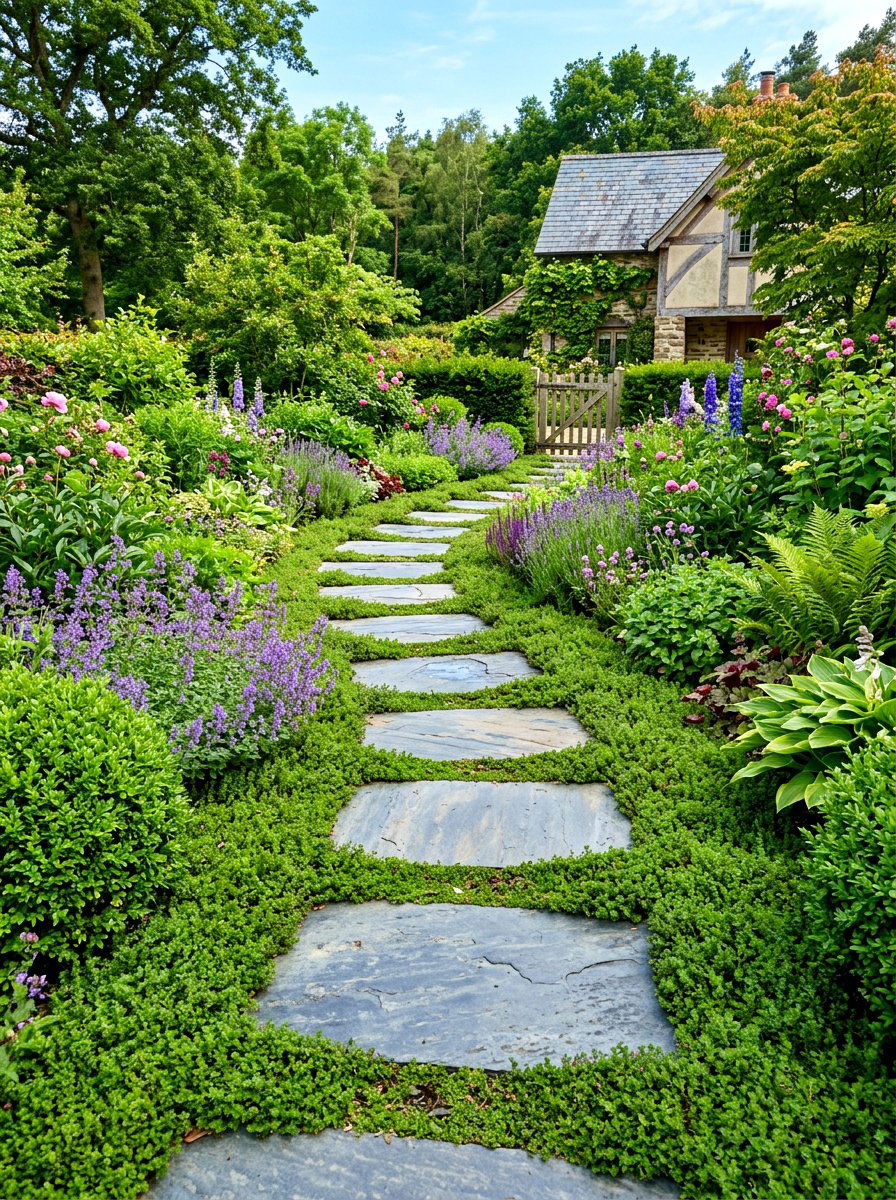
Bluestone is a popular choice among landscape designers for its stunning blue-gray hue and versatile flat surface. It can be cut into precise squares for a formal look or left in irregular "cleft" shapes for a more naturalized garden path. Bluestone stays relatively cool under the sun, making it a great option for barefoot-friendly paths in sunny backyards. When paired with vibrant green groundcovers like creeping wire vine, the cool tones of the stone pop beautifully. This material is highly durable and adds a sense of permanence and quality to your outdoor living area, working well in both traditional and modern garden themes.
12. Circular Concrete Paver
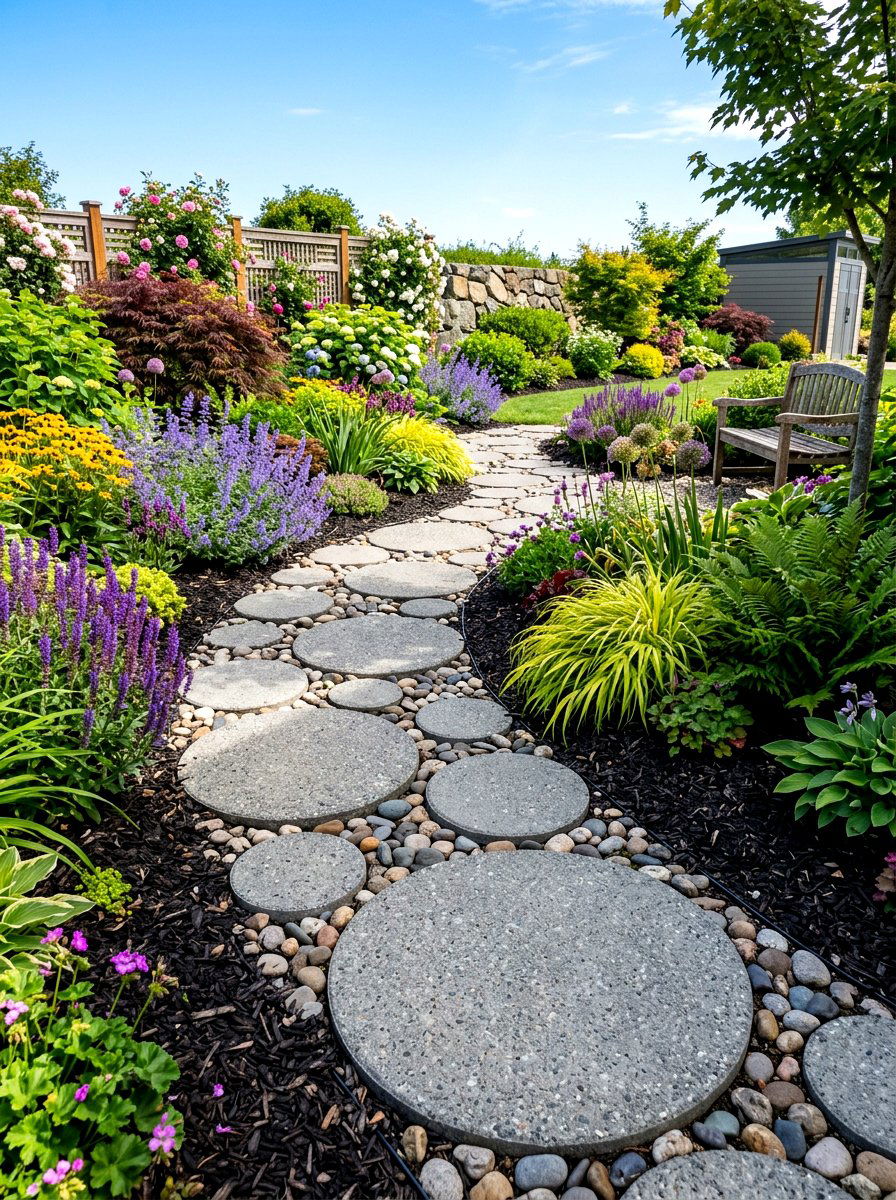
If you want to move away from rigid lines, circular concrete pavers offer a playful and modern alternative. These round stones create a "bubbly" and energetic flow through the yard, breaking up the straight edges of fences and patios. You can vary the sizes of the circles to create a more organic, stepping-stone look that feels like stones crossing a stream. Filling the spaces between the circles with dark mulch or bright white pebbles further emphasizes their unique shape. This design choice is especially effective in small backyards, as the rounded edges make the space feel less confined and more whimsical and open.
13. Red Clay Brick
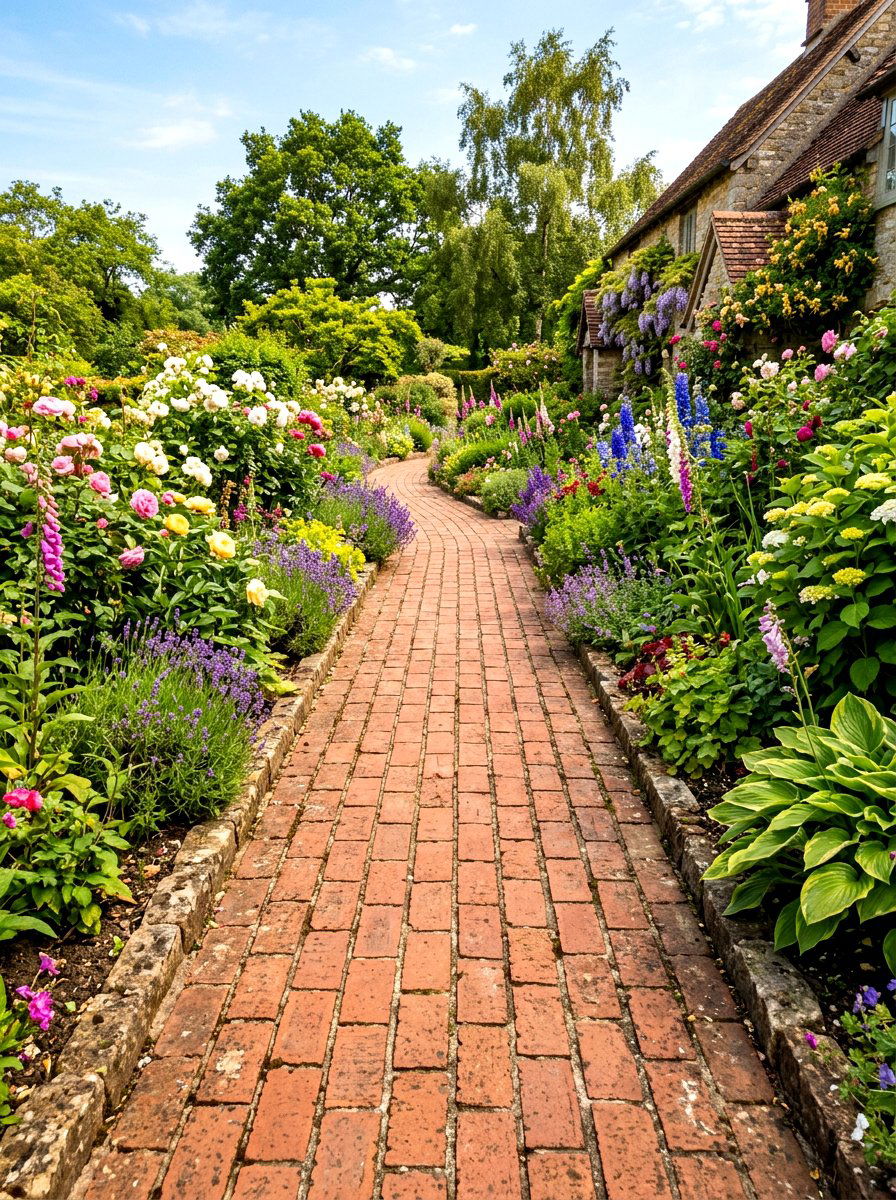
Standard red clay bricks provide a warm and inviting feel that complements almost any home exterior. Unlike complex patterns, simple linear or staggered brick layouts focus on the rich color and texture of the clay. Bricks are easy to handle and install, making them a favorite for DIY backyard projects. They age beautifully, developing a weathered look that adds character to the garden over time. You can edge a brick path with upright bricks to keep the walkway tidy and prevent soil from encroaching. The familiar look of red brick creates a cozy, traditional atmosphere that feels both comfortable and well-established in the landscape.
14. Irregular Sandstone Path
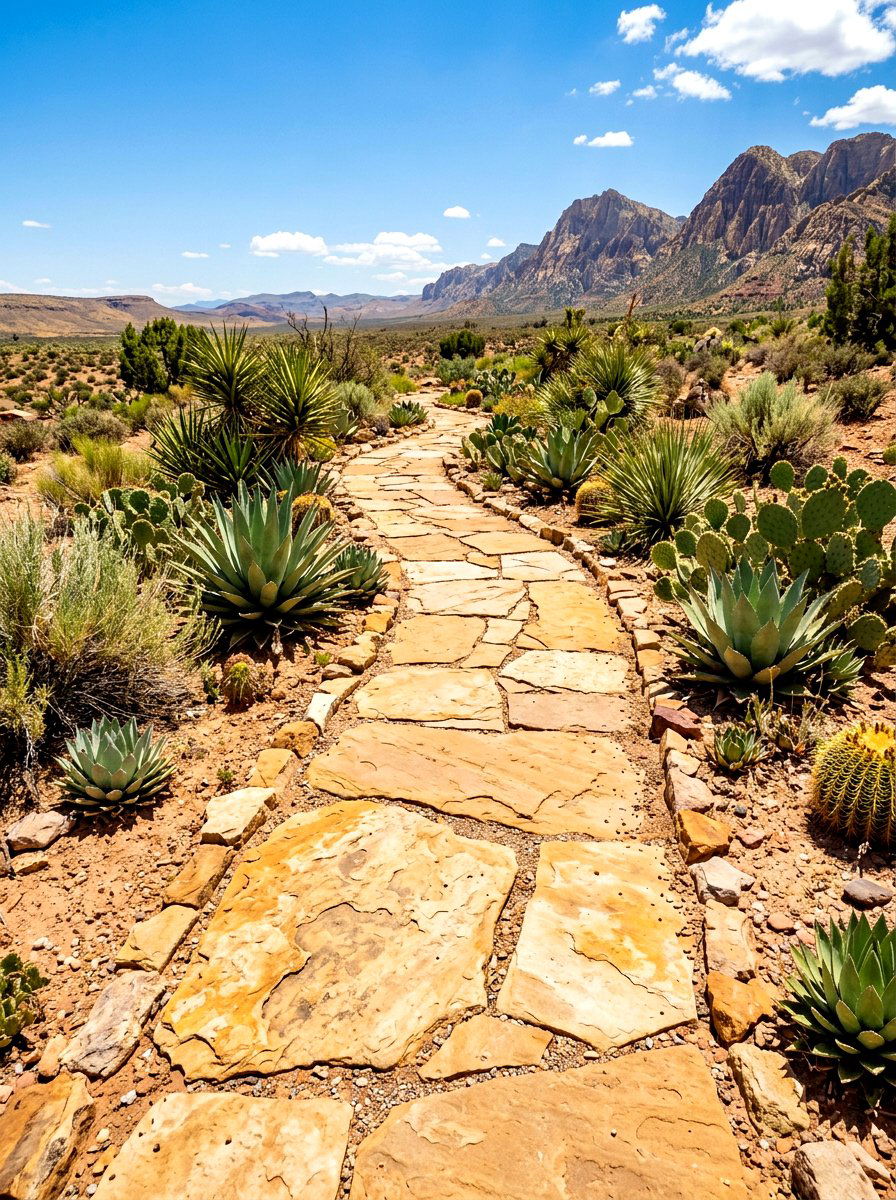
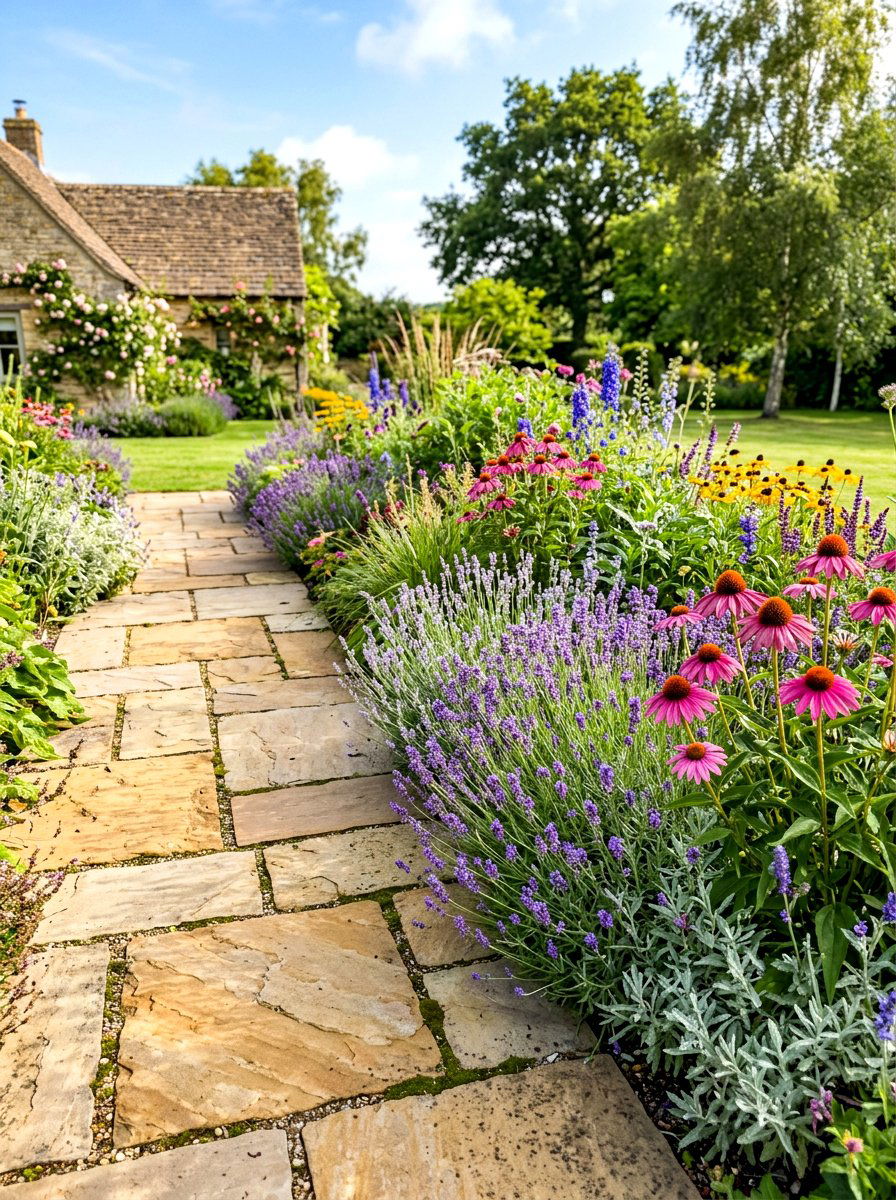
Sandstone is prized for its warm, desert-inspired tones and natural, sandy texture. Using irregular sandstone slabs allows you to create a "crazy paving" style that looks like a natural rock outcrop. The varied shades of gold, tan, and rust bring a sunny and cheerful vibe to the backyard, even on overcast days. Because sandstone is porous, it stays slip-resistant, which is a practical benefit for outdoor walkways. This material looks particularly stunning when surrounded by drought-tolerant plants, succulents, or ornamental grasses. The random shapes of the stones invite a slower pace of walking, encouraging you to admire the surrounding beauty of your garden.
15. Travertine Outdoor Tile
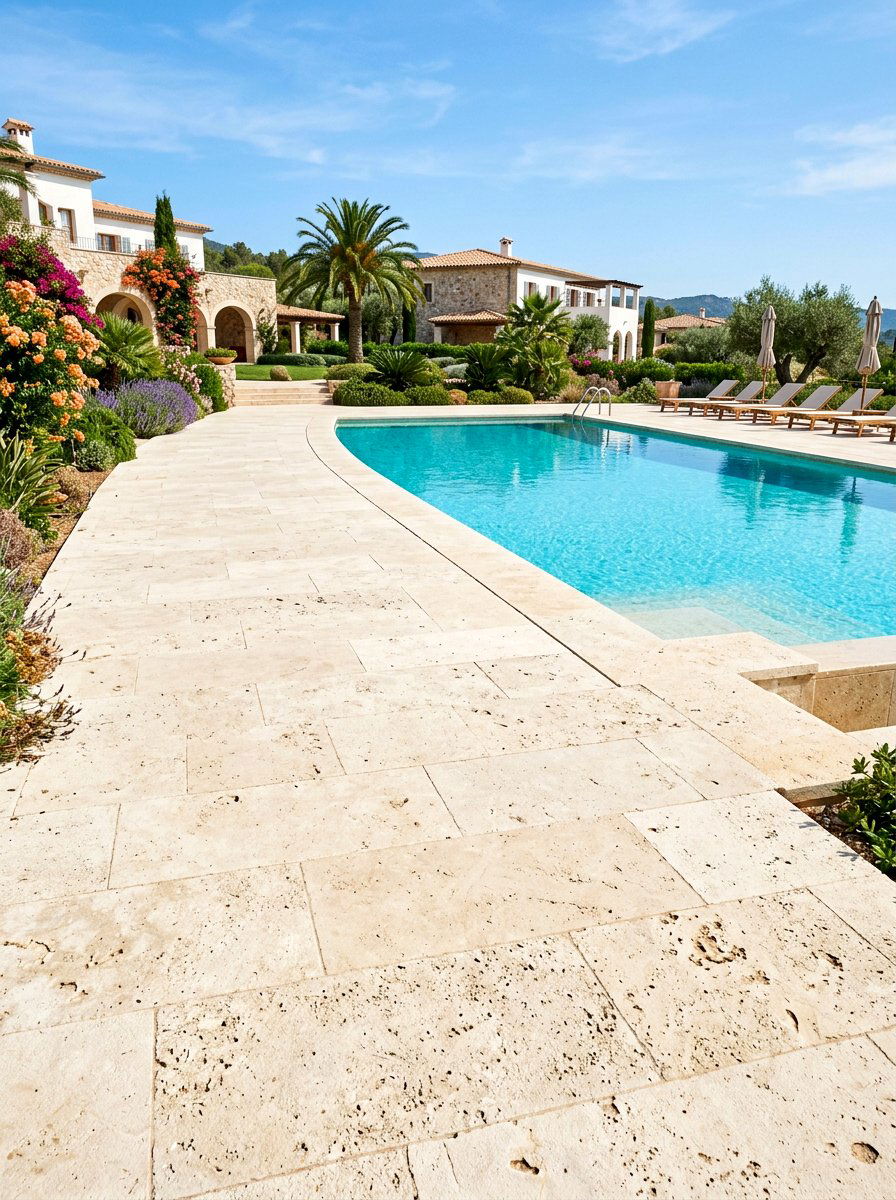
For a backyard that feels like a luxury resort, travertine outdoor tiles are an exquisite choice. Travertine is a type of limestone that features unique pits and troughs, giving it a distinct and sophisticated texture. It comes in soft shades of cream, beige, and silver that reflect light and keep the path looking bright and clean. These tiles are often used in larger formats to create a smooth and seamless transition between a patio and the rest of the garden. While travertine is high-end, its durability and timeless beauty make it a worthwhile investment for a polished and elegant outdoor space that impresses every guest.
16. Grass Gap Paver
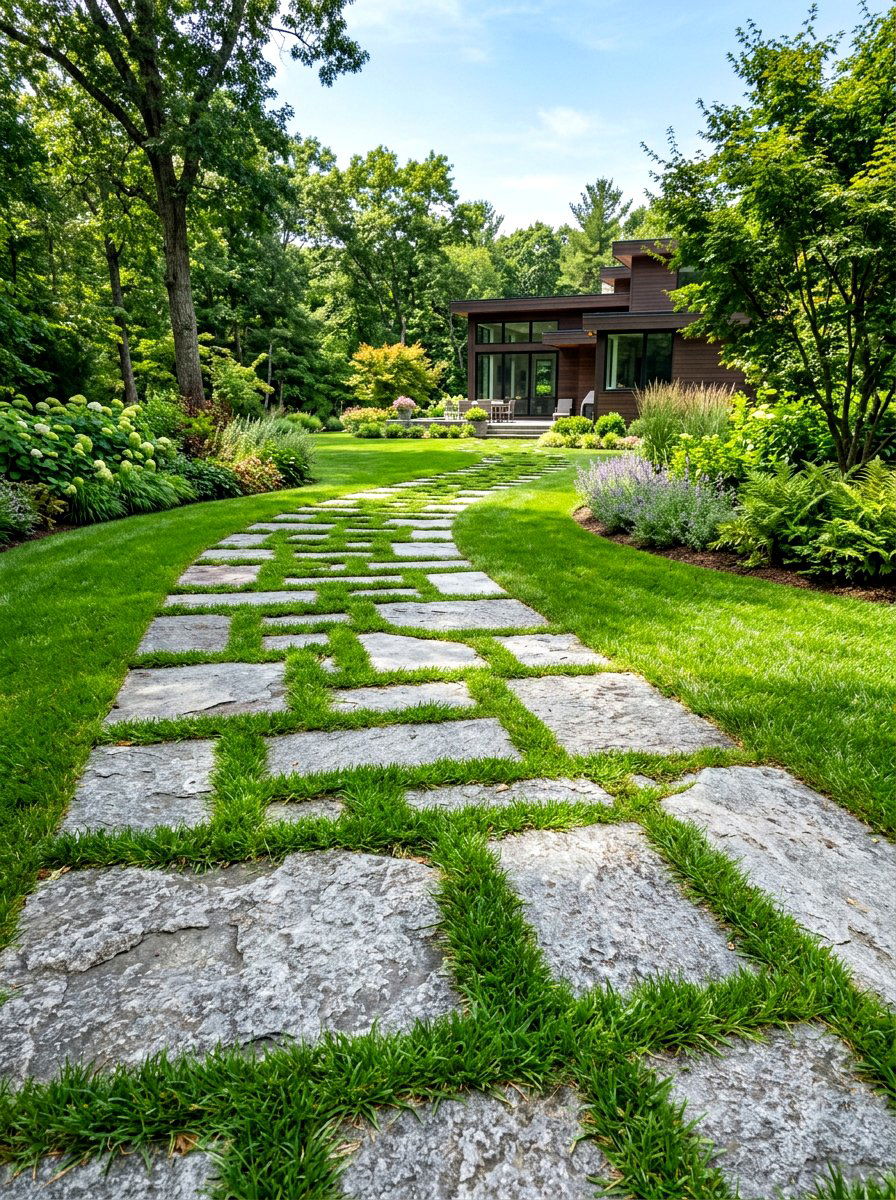
Integrating nature directly into your walkway is easy with grass gap pavers. This design features large stone or concrete slabs with intentional wide gaps where grass or low-growing herbs can flourish. The result is a "living" path that softens the hardscape and blends perfectly with a lush lawn. This style is excellent for maintaining a green look while providing a solid surface for walking. It also helps with water absorption, as the soil between the stones allows rain to soak directly into the ground. Choosing a durable grass variety ensures the path stays vibrant and can handle the occasional footstep without becoming muddy.
17. Luminescent Glow Stone
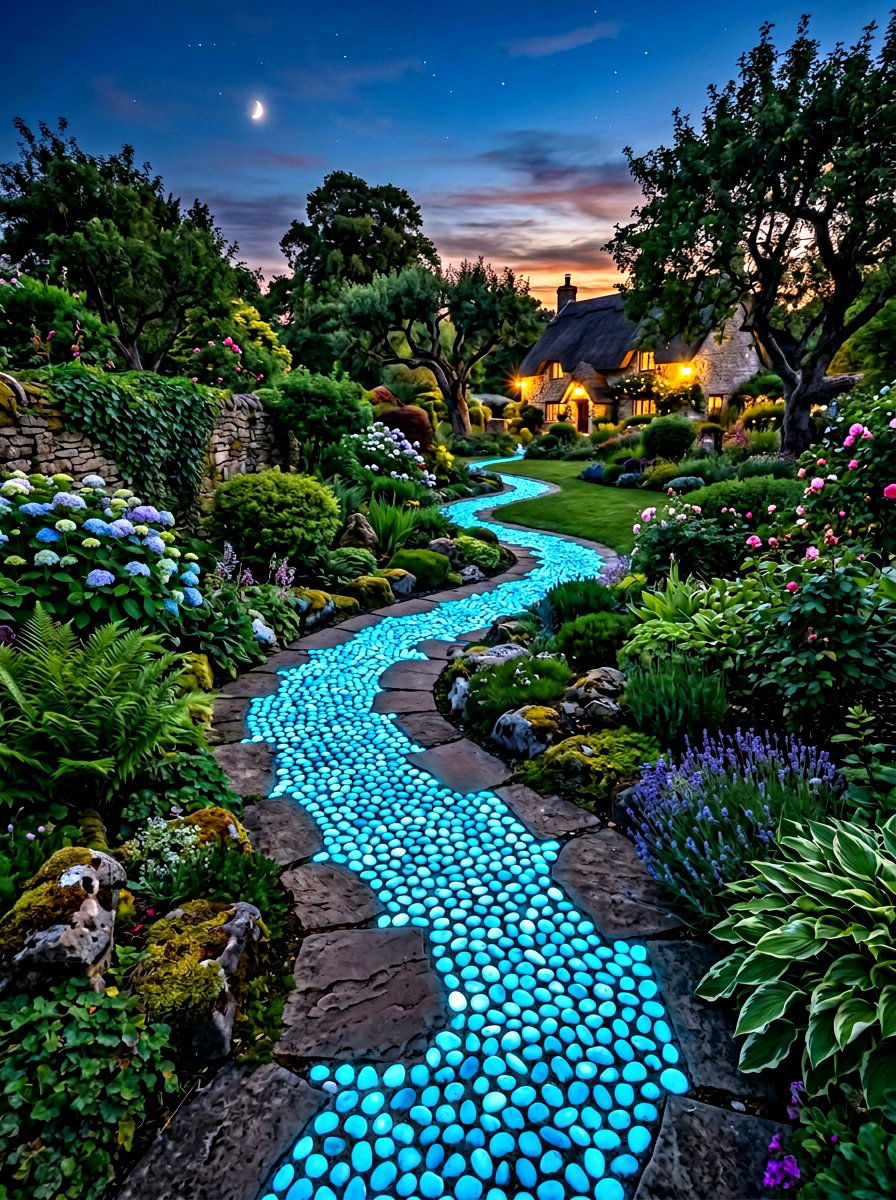
Transform your backyard into a magical evening retreat by incorporating luminescent glow stones into your stepping path. These man-made stones are embedded with photo-luminescent materials that absorb sunlight during the day and emit a soft, ethereal glow at night. You can scatter these small glowing pebbles between larger pavers or use glow-in-the-dark concrete steppers. This functional and decorative feature provides a safe way to navigate the garden after dark without the need for bright electric lighting. The gentle blue or green light creates a dreamlike ambiance that makes your outdoor space feel like a secret, enchanted garden long after the sun goes down.
18. Zen Garden Stepper
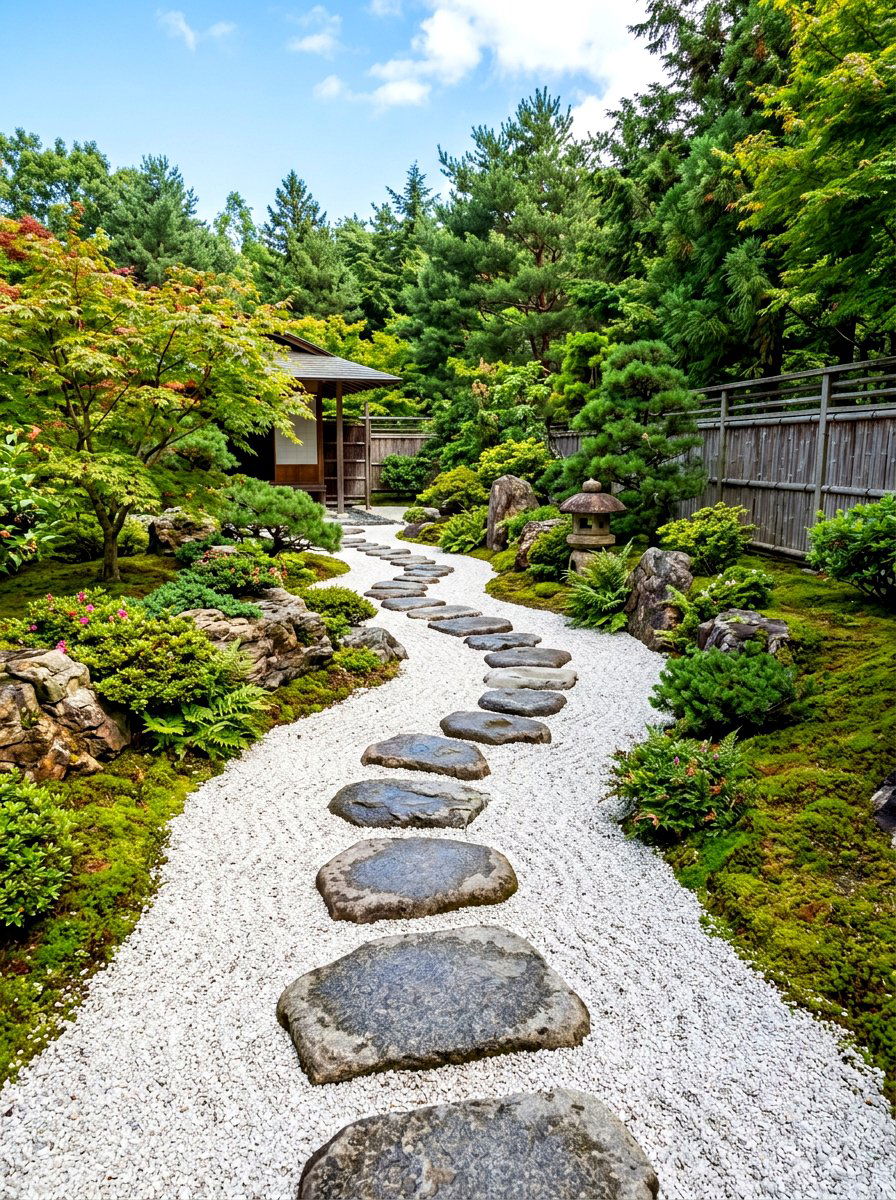
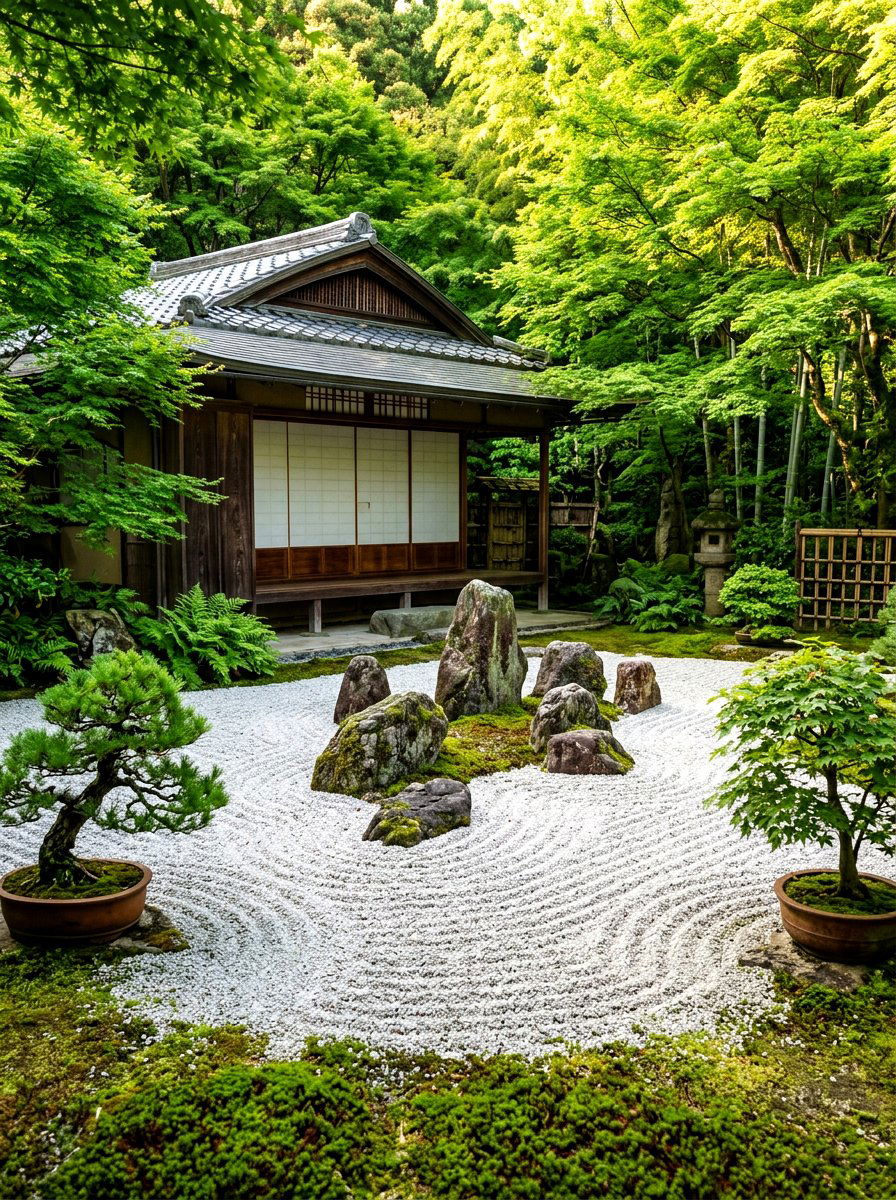
Inspired by traditional Japanese landscaping, a Zen garden stepping path focuses on simplicity and mindfulness. This design typically uses smooth, flat stones placed carefully within a bed of raked gravel or fine sand. The path often follows a gentle curve, encouraging a slow and meditative walk through the yard. Minimalist plantings, such as a single Japanese maple or clumps of bamboo, frame the walkway without cluttering the view. The contrast between the solid stones and the fluid patterns in the gravel creates a sense of peace and balance. This style is perfect for creating a quiet corner in your backyard dedicated to relaxation.
19. Mosaic Pebble Path
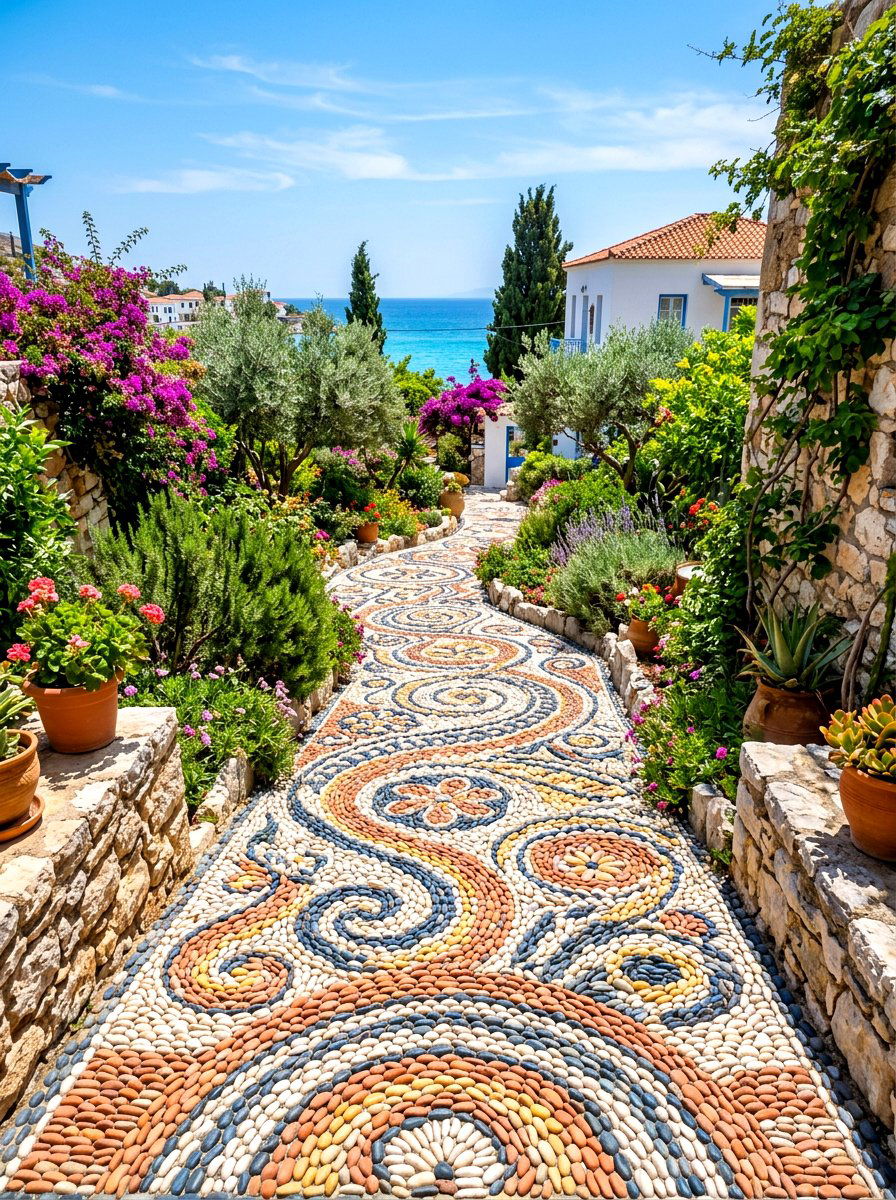
A mosaic pebble path allows you to treat your backyard walkway as a canvas for artistic expression. By embedding small, colorful pebbles into a mortar base, you can create intricate patterns, swirls, or even floral designs. This labor-intensive technique results in a one-of-a-kind feature that adds immense personality and detail to the garden. While it takes more time to install than standard pavers, the final look is a stunning work of art that serves as a focal point. Mosaic paths work well in Mediterranean or eclectic garden styles, where texture and hand-crafted details are celebrated. It is a durable and visually captivating choice for any homeowner.
20. Limestone Flagging Walk
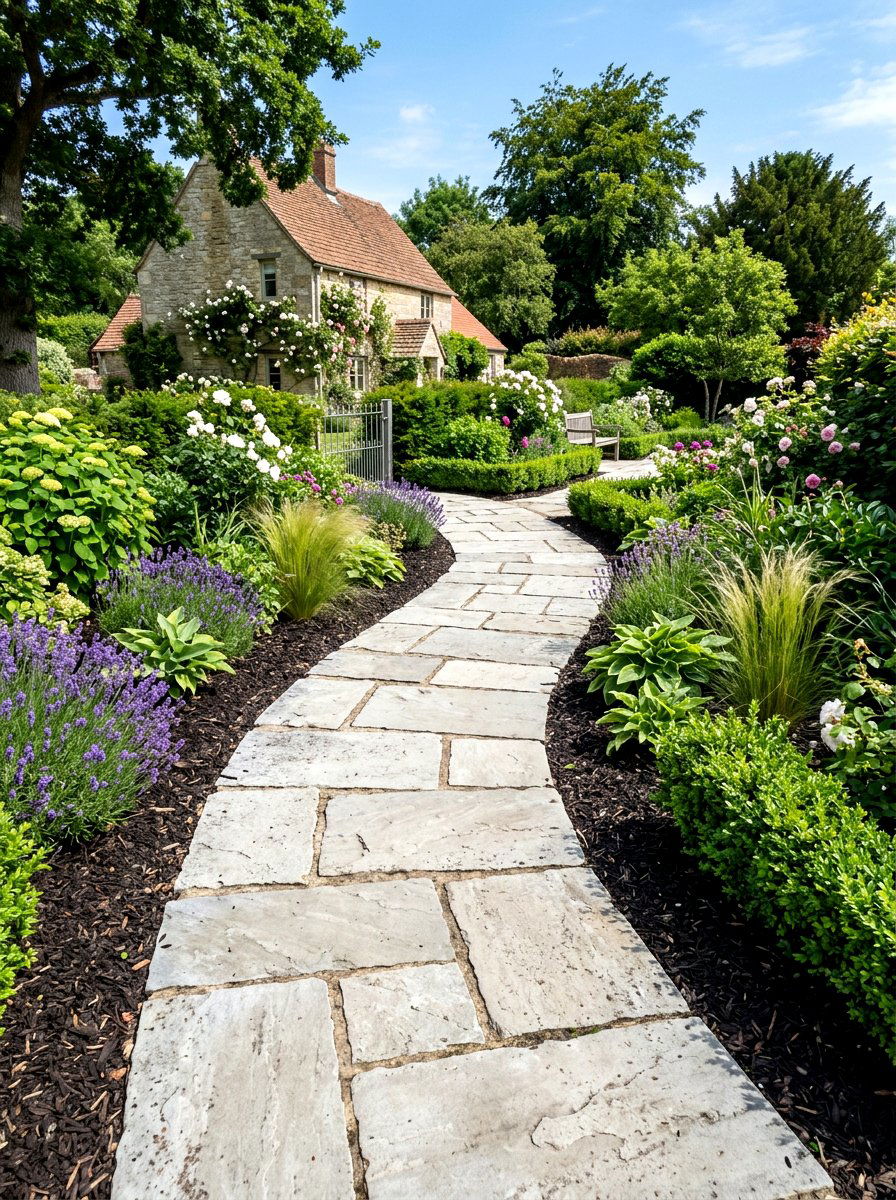
Limestone flagging offers a bright and clean aesthetic with its pale grays and off-white tones. The stones are typically flat with slightly irregular edges, providing a natural yet sophisticated look for a backyard path. Limestone is a very hard stone that stands up well to the elements and provides a stable surface for walking. Its light color helps to brighten up shaded areas of the garden, making them feel more spacious and inviting. When used as a stepping path through a dark mulch or soil, the limestone pieces stand out vividly, creating a clear and stylish route that guides you through your outdoor sanctuary.
21. Fieldstone Garden Path
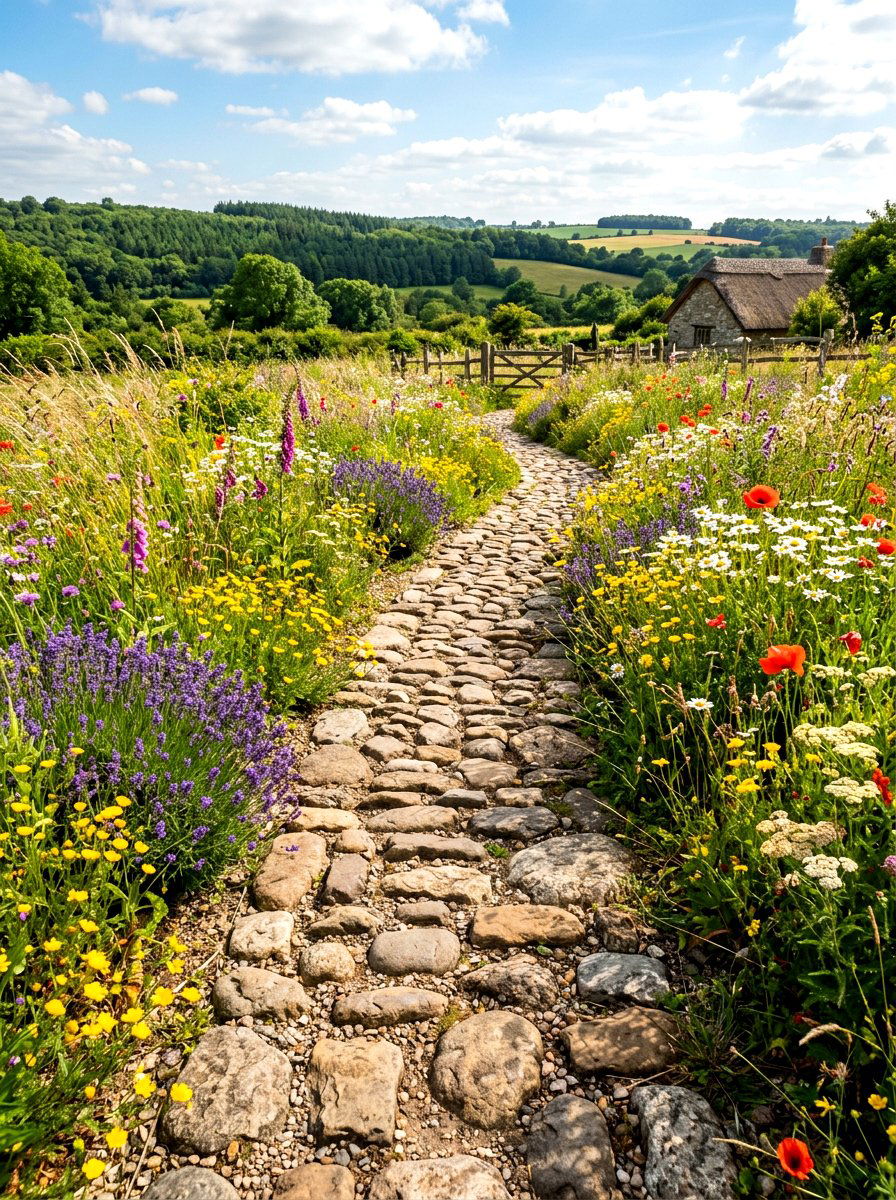
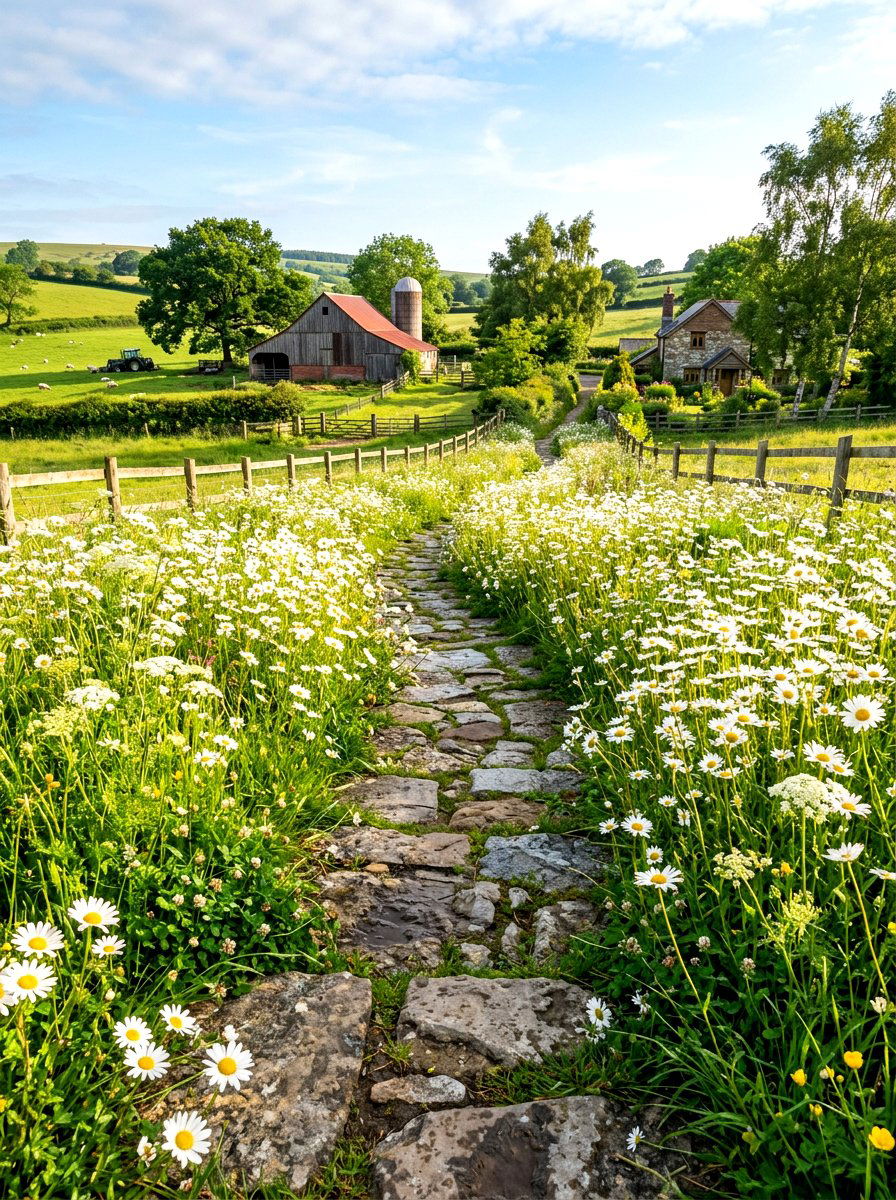
Fieldstone is perhaps the most authentic material for a rustic backyard walkway because the stones are often sourced directly from the local landscape. These stones are usually rounded and come in a variety of sizes and earthy colors, giving the path a rugged and "untouched" appearance. A fieldstone path looks best when it meanders through a wildflower meadow or a wooded corner of the yard. Because the stones aren't perfectly flat, they add a bit of an adventure to the walk, making the garden feel more natural and less manicured. This is a cost-effective and charming way to embrace the local geology in your design.
22. Geometric Paver Layout
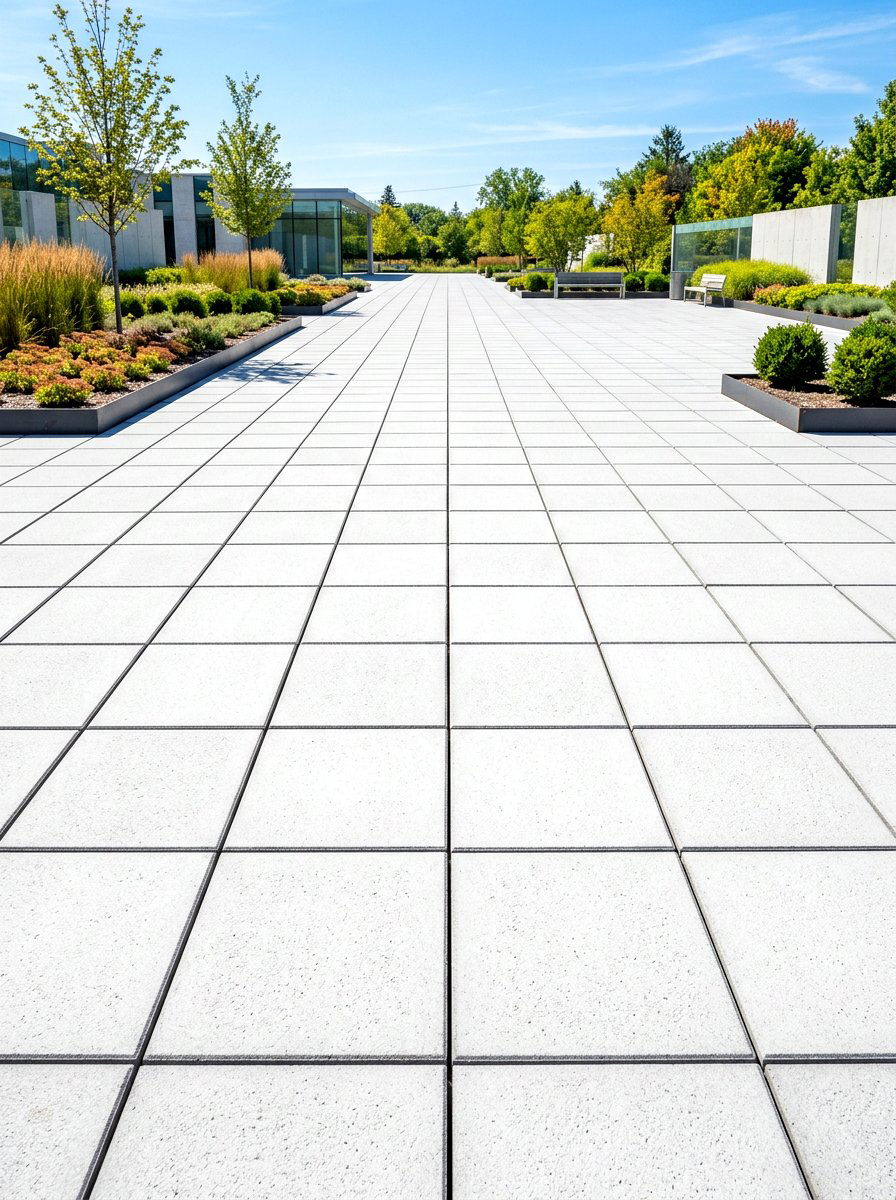
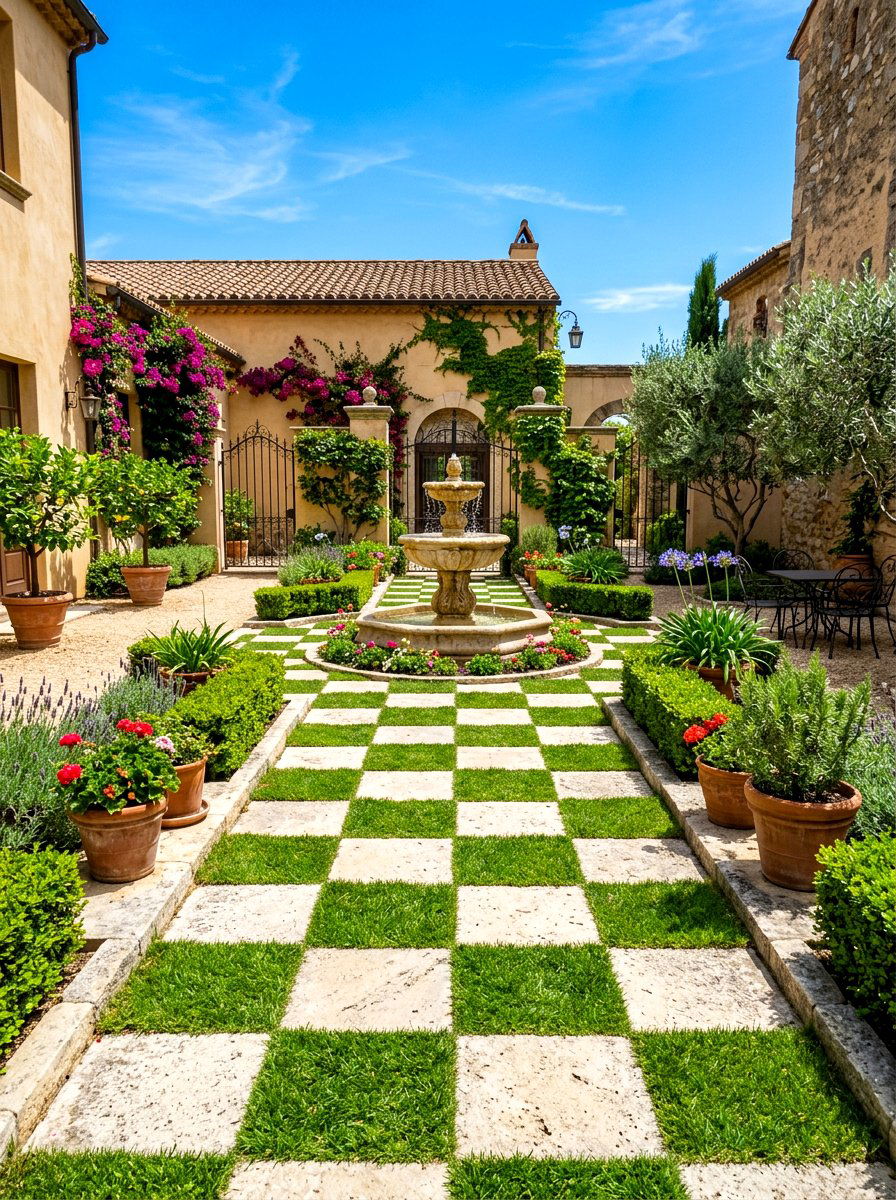
For those who love order and symmetry, a geometric paver layout provides a crisp and modern look. This involves using square or rectangular pavers arranged in a precise grid or a repeating pattern. The uniformity of the stones creates a sense of structure that can help organize a busy backyard landscape. To keep the look interesting, you can alternate between different sizes of the same stone or use contrasting colors for a checkerboard effect. This design approach works exceptionally well alongside modern architecture and minimalist plant choices. It creates a clean, professional finish that feels intentional and highly organized, offering a perfect balance to organic garden elements.
23. Decomposed Granite Walkway
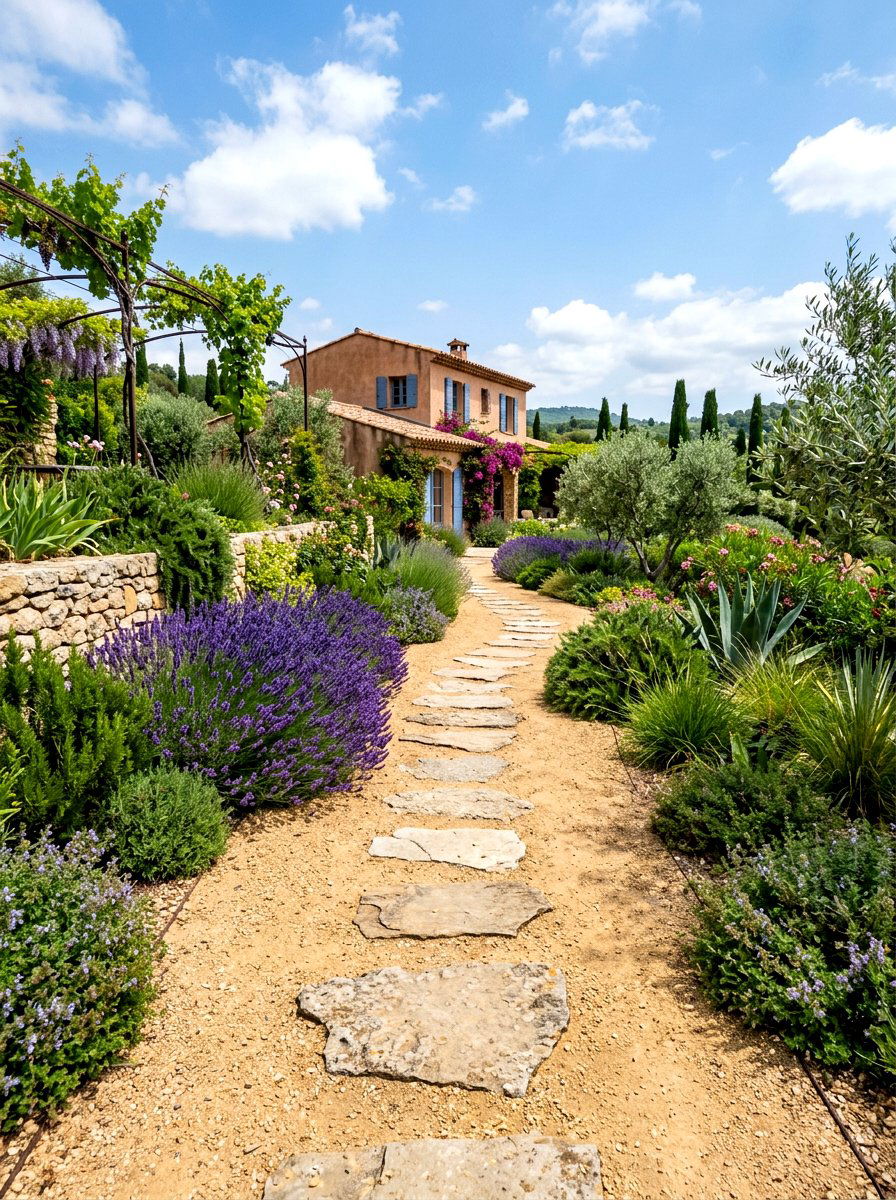
Decomposed granite, or DG, is a versatile and affordable material for creating a soft-edged stepping path. It consists of very fine granite particles that pack down to create a firm but permeable surface. You can place larger stepping stones within a DG base to give the path more structure and a solid place to step. DG comes in various shades, including gold, tan, and gray, allowing you to customize the look to match your backyard's color palette. It provides excellent drainage and a natural, relaxed feel that works well in Mediterranean or Southwest-style gardens. The crunch of the granite underfoot adds a pleasant sensory experience.
24. Mossy Flagstone Path
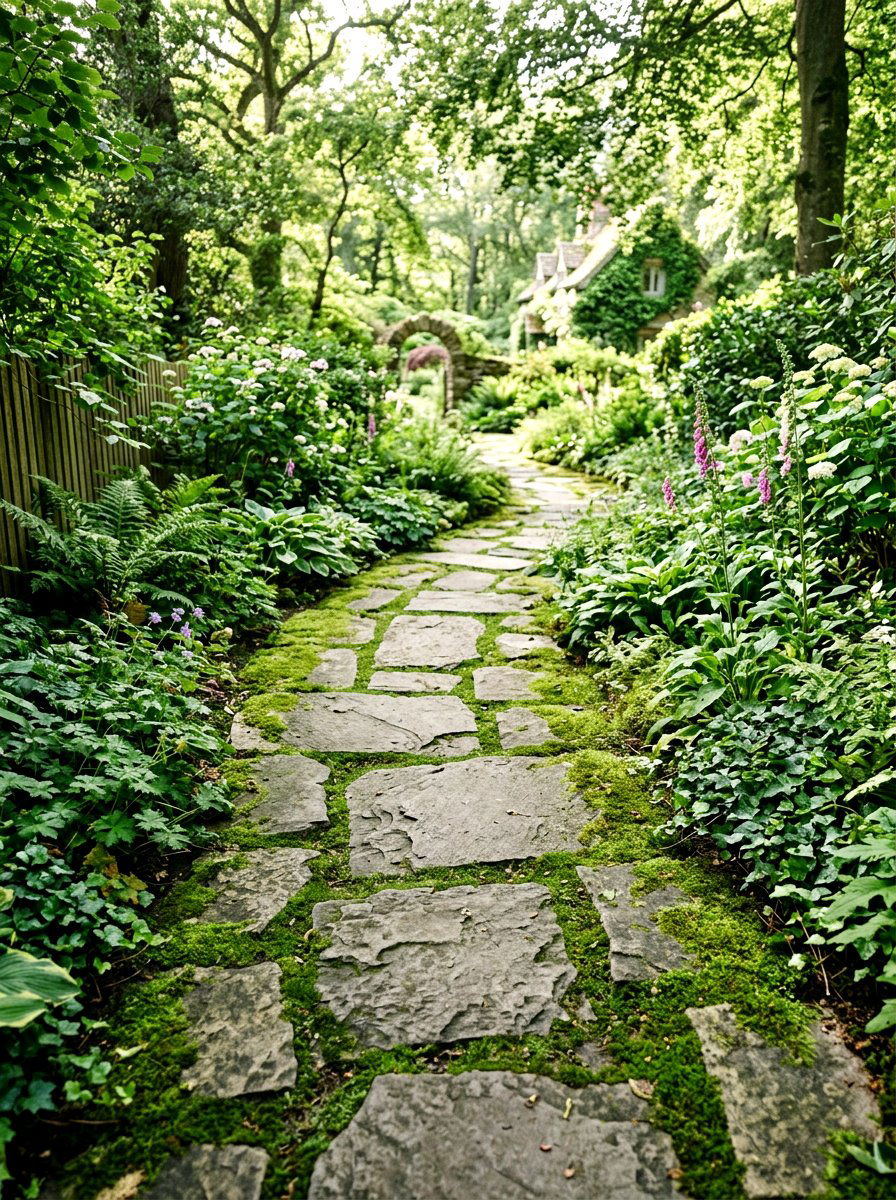
A mossy flagstone path is the ultimate choice for creating a lush, fairytale atmosphere in a shaded backyard. By planting varieties of moss or low-growing groundcovers like "Baby's Tears" in the joints between large flagstones, you create a soft, green carpet that cushions the stone. This living path feels incredibly cool and refreshing, making it a favorite for secret garden nooks or damp areas of the yard. The moss helps to blur the lines between the hard stone and the surrounding earth, making the walkway feel like it has been there for centuries. It is a beautiful way to bring more life into your landscape design.

25. Interlocking Stone Paver
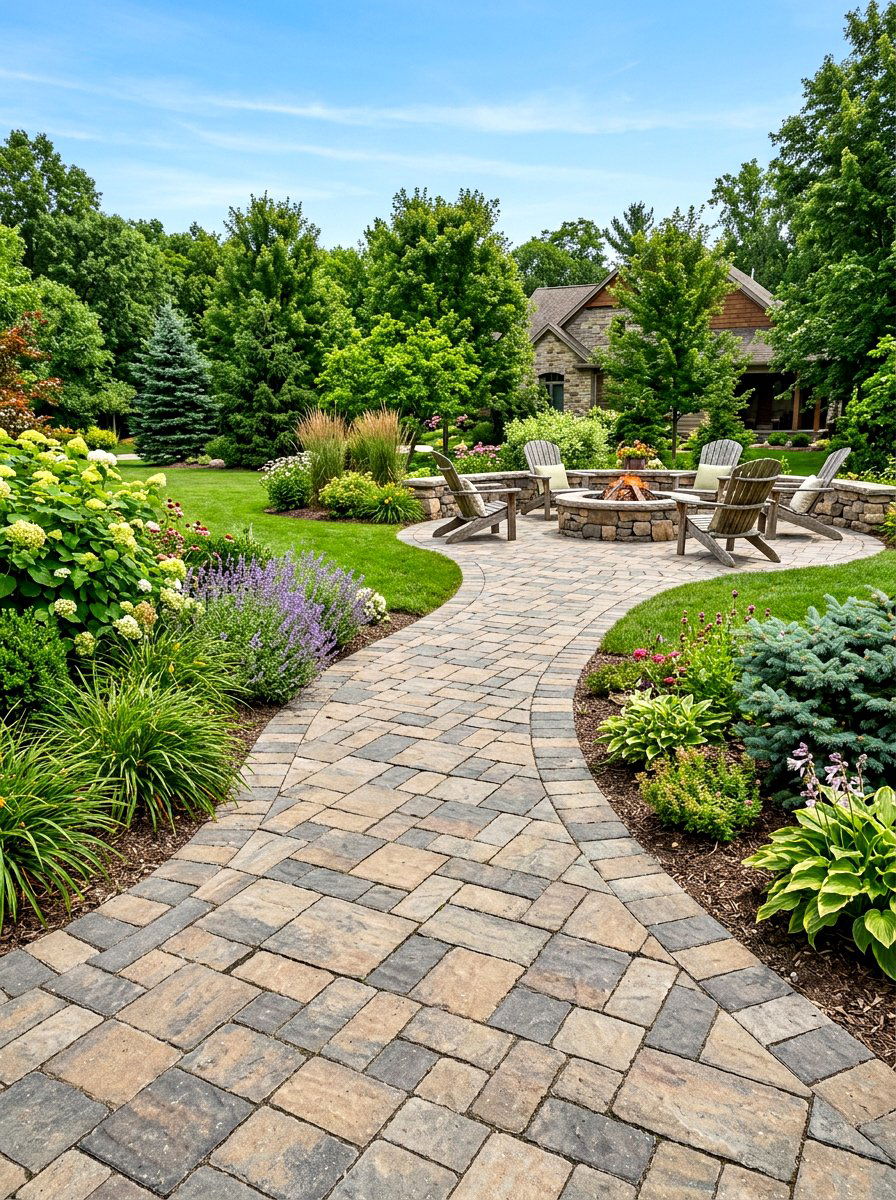
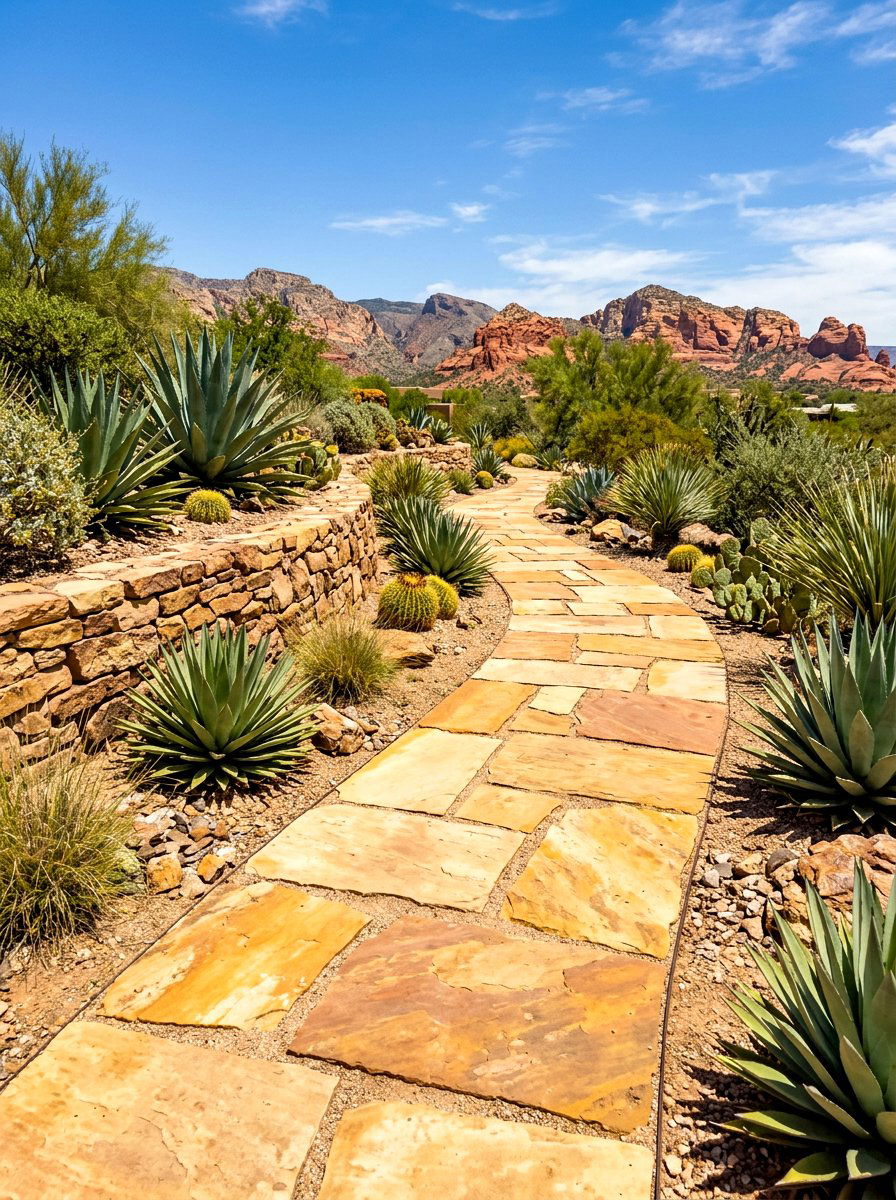
Interlocking stone pavers are designed for maximum durability and ease of installation. These stones feature edges that fit together like a puzzle, creating a very stable surface that won't shift or sink even with heavy use. They are available in an endless array of colors, textures, and shapes, from those that mimic natural stone to those with a more industrial look. Using interlocking pavers for a stepping path allows you to create a very clean and consistent walkway that connects different zones of your backyard, such as a patio and a fire pit area. Their strength makes them a practical choice for long-lasting backyard beauty.
26. Basalt Stepping Stone
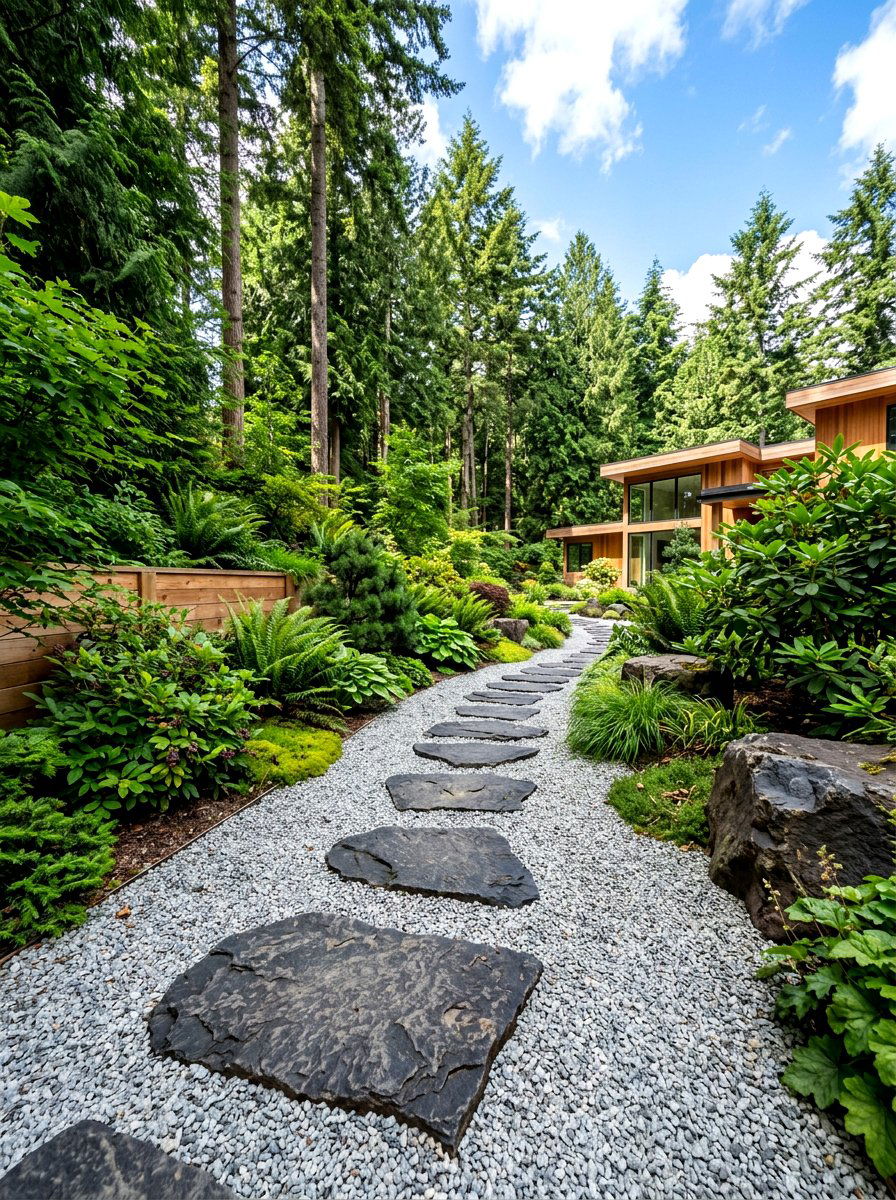
Basalt is a volcanic rock that brings a dramatic, dark gray or black color to the garden landscape. Its dense and heavy nature makes it an incredibly sturdy material for stepping stones. Often cut into thick, organic slabs, basalt steppers provide a bold contrast against green foliage or light-colored gravel. This material is a staple in modern and Pacific Northwest-style gardens, where it reflects a cool and moody aesthetic. Because basalt is non-porous and very hard, it remains looking pristine for years with almost no maintenance required. Its dark, sleek appearance adds a layer of modern luxury and natural drama to any backyard walkway.
27. Terracotta Tile Path
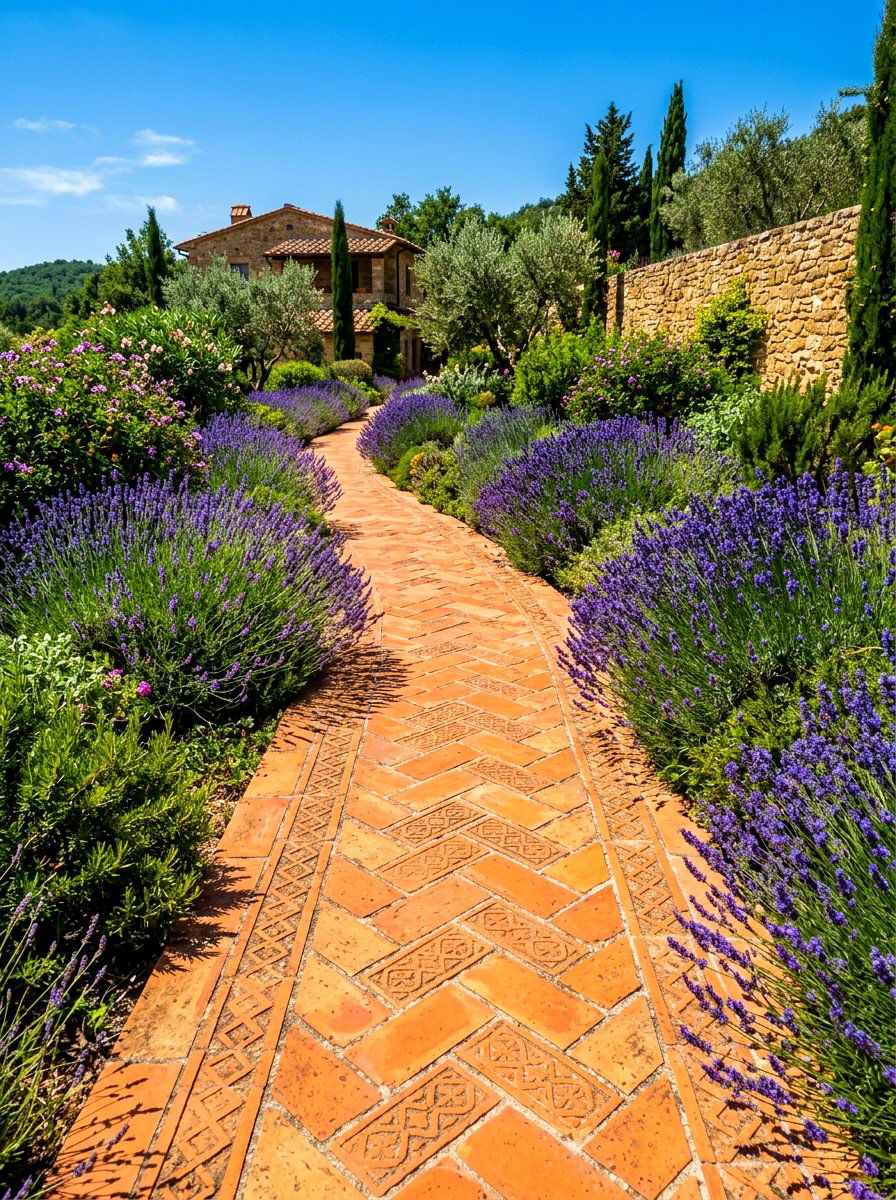
Terracotta tiles offer a warm, Mediterranean charm that can instantly brighten up a backyard. These clay-based tiles feature rich orange and red tones that pair beautifully with turquoise accents and terracotta pots filled with lavender or citrus trees. A terracotta path feels sunny and inviting, making it perfect for a garden that receives plenty of natural light. Because the tiles are uniform in shape, they are easy to lay in straight lines or decorative patterns. To ensure they last in colder climates, it is important to select frost-proof terracotta tiles. This material brings an old-world, artisanal feel to your outdoor living space that is truly unique.
28. Porous Paving Stone
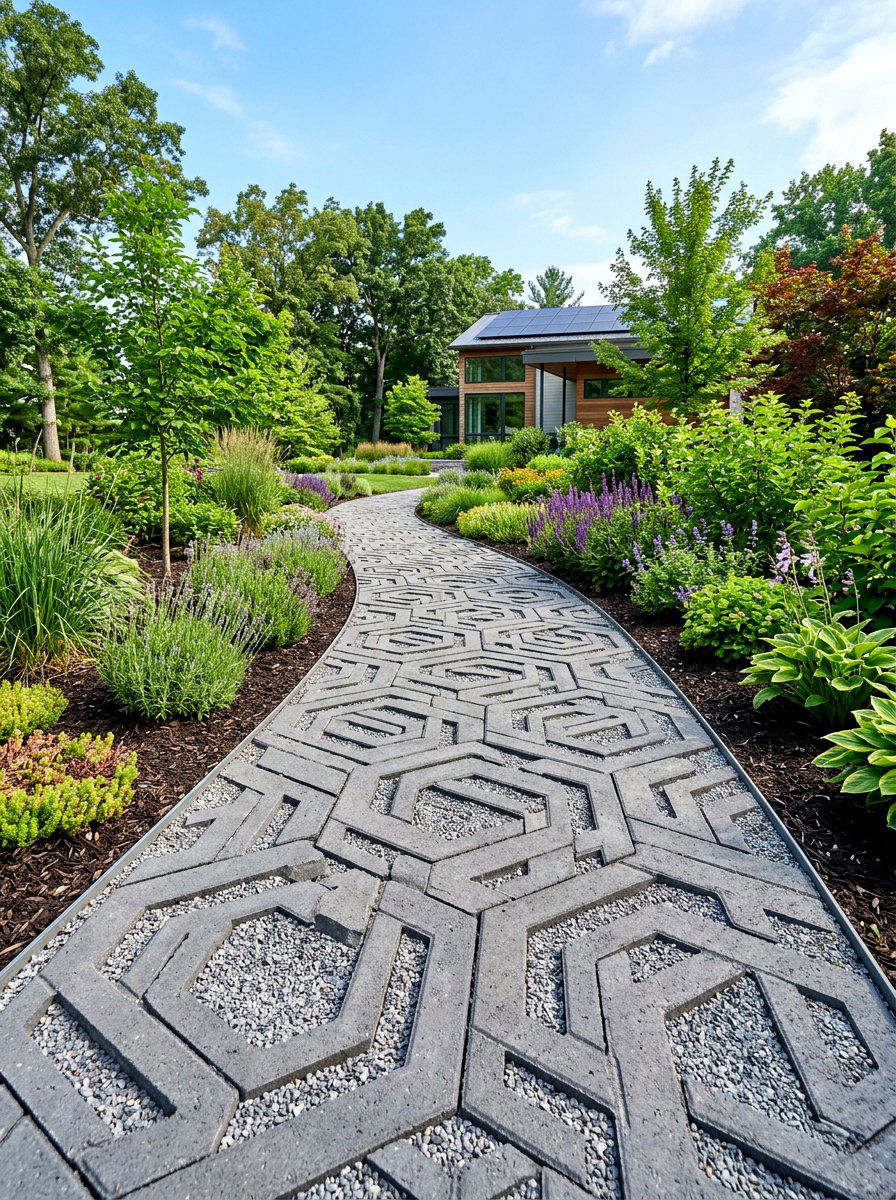
In an era of sustainable design, porous paving stones are a smart and eco-friendly choice for backyard paths. These stones are manufactured to allow water to filter through the surface and into the soil below, reducing runoff and preventing puddles from forming. They often come in modern, geometric shapes and neutral colors that fit well with contemporary home designs. By using porous pavers, you are helping to recharge the local groundwater while maintaining a clean and dry walking surface. This functional benefit doesn't come at the expense of style, as these pavers offer a sleek and polished look that enhances the overall aesthetic of your yard.
29. Floating Concrete Step
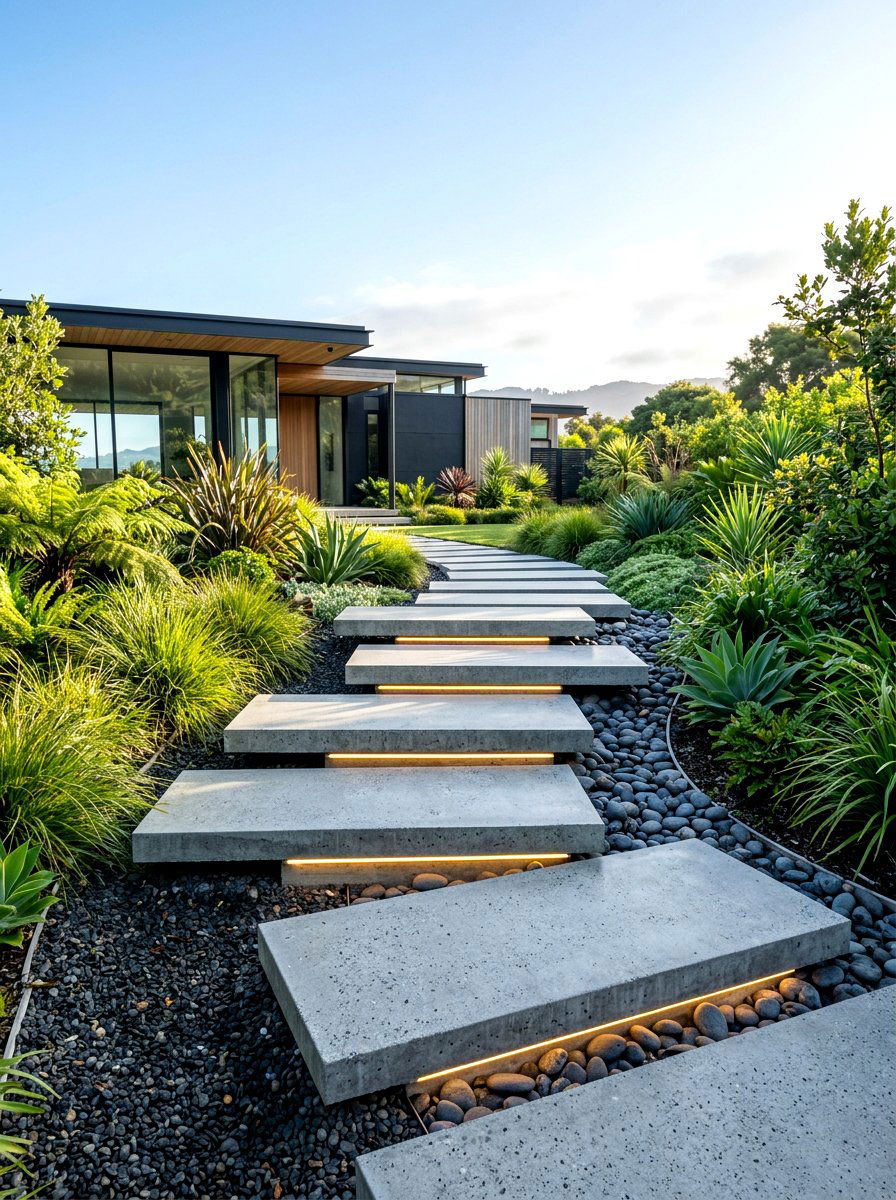
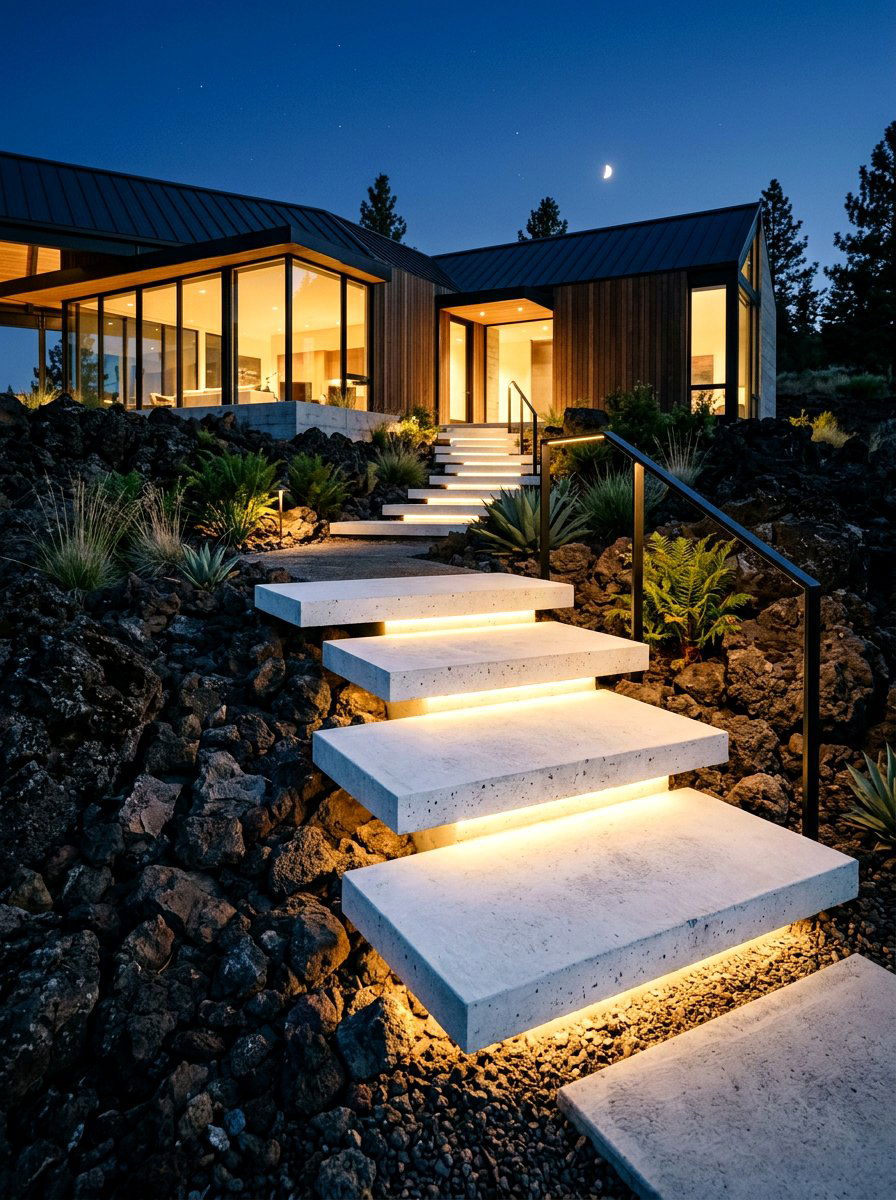
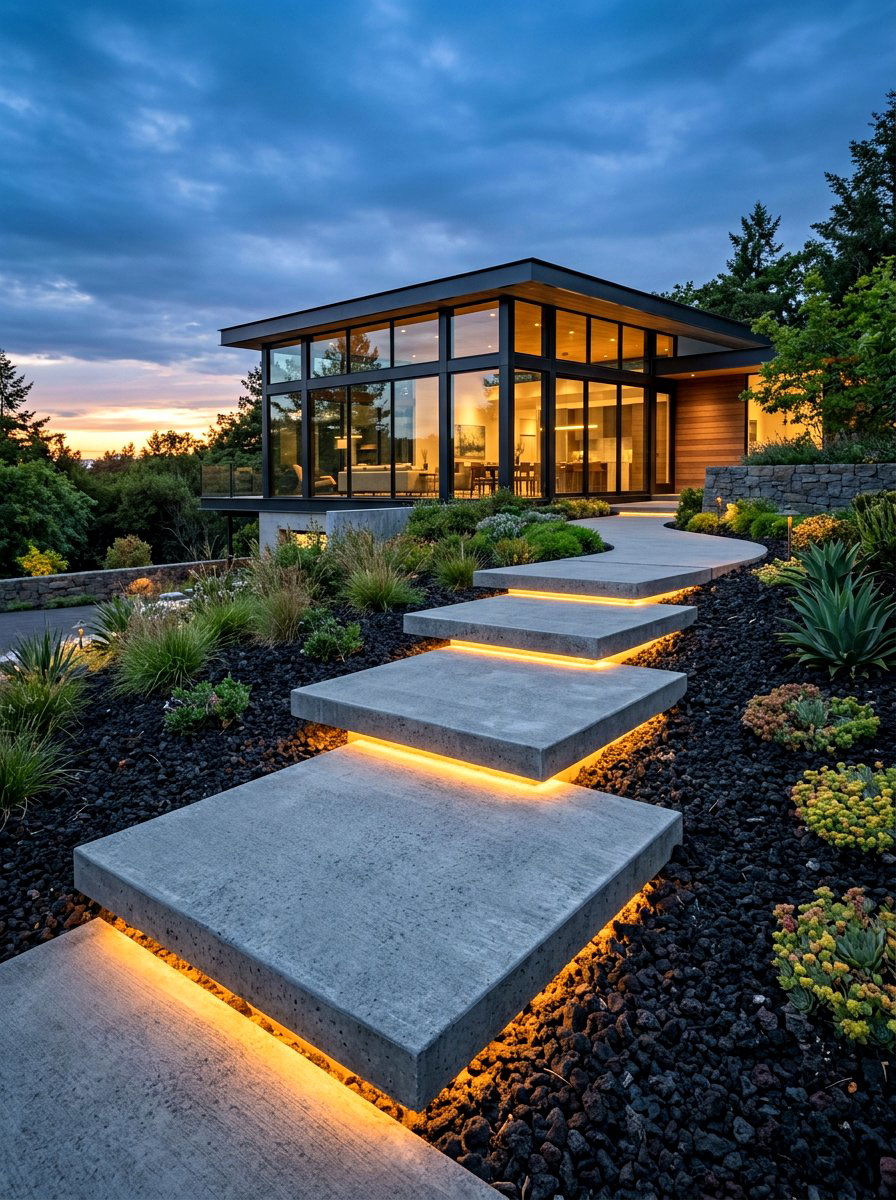
Floating concrete steps create a high-impact, architectural look that is perfect for modern or sloping backyards. These oversized concrete slabs are often cantilevered or set on a recessed base to give the illusion that they are hovering above the ground or a bed of gravel. This design emphasizes horizontal lines and open space, making the garden feel more expansive and airy. Floating steps are often paired with hidden LED lighting underneath the lip of the stone to create a stunning glow at night. This sophisticated approach to a stepping path turns a simple walkway into a dramatic design feature that anchors the entire backyard landscape.
30. Quartzite Garden Walk
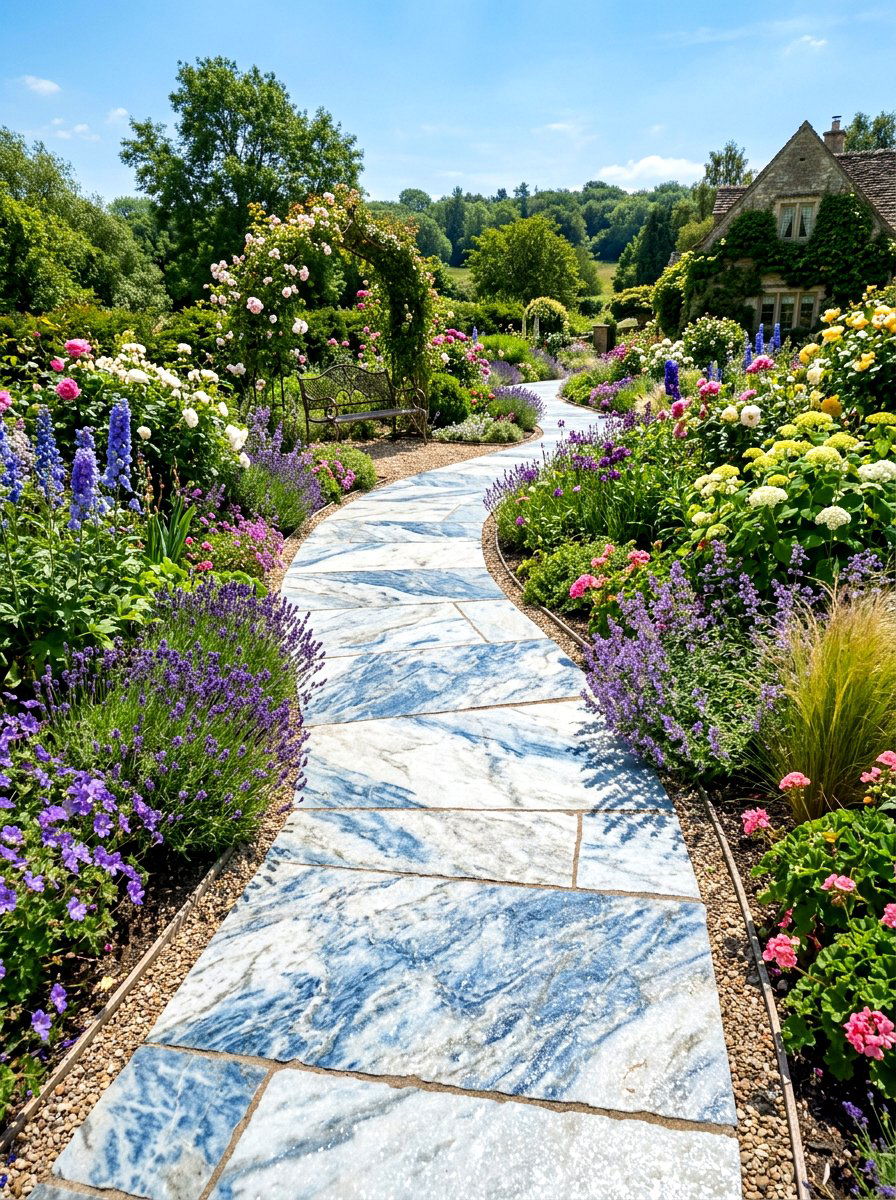
Quartzite is a natural stone known for its incredible hardness and beautiful, crystalline appearance. It often features shimmering flecks and a wide range of colors, from snowy whites to soft blues and earthy pinks. Using quartzite slabs as stepping stones adds a touch of natural brilliance to your garden, as the stone catches the sunlight throughout the day. Its smooth but textured surface provides excellent grip, making it both a safe and stunning choice for a walkway. A quartzite path feels luxurious and refined, offering a permanent and high-quality solution for guiding guests through your most prized garden beds and outdoor seating areas.
Conclusion:
Designing a stepping path is one of the most rewarding ways to personalize your backyard and improve its overall flow. Whether you are drawn to the rugged beauty of fieldstone, the classic appeal of red brick, or the futuristic glow of luminescent stones, each choice contributes to the unique story of your home's outdoor space. A well-placed path does more than just keep your feet dry; it invites exploration, creates visual interest, and ties together the various elements of your landscape design. By considering the materials, textures, and layout, you can create a viral-worthy garden path that offers lasting beauty and functionality for years.

Related posts: