Creating a beautiful and functional outdoor space often begins with the simple addition of a well-designed walkway that guides guests through your greenery. Stepping stones offer a versatile and relatively easy way to transform a plain lawn or muddy corner into a charming journey through your backyard landscape. Whether you prefer the rustic look of natural river rocks or the sleek lines of modern geometric pavers, these paths provide both structure and visual interest. By choosing the right materials and layout, you can enhance your home's curb appeal while protecting your grass from heavy foot traffic throughout the changing seasons.
1. Natural Flagstone Walkway
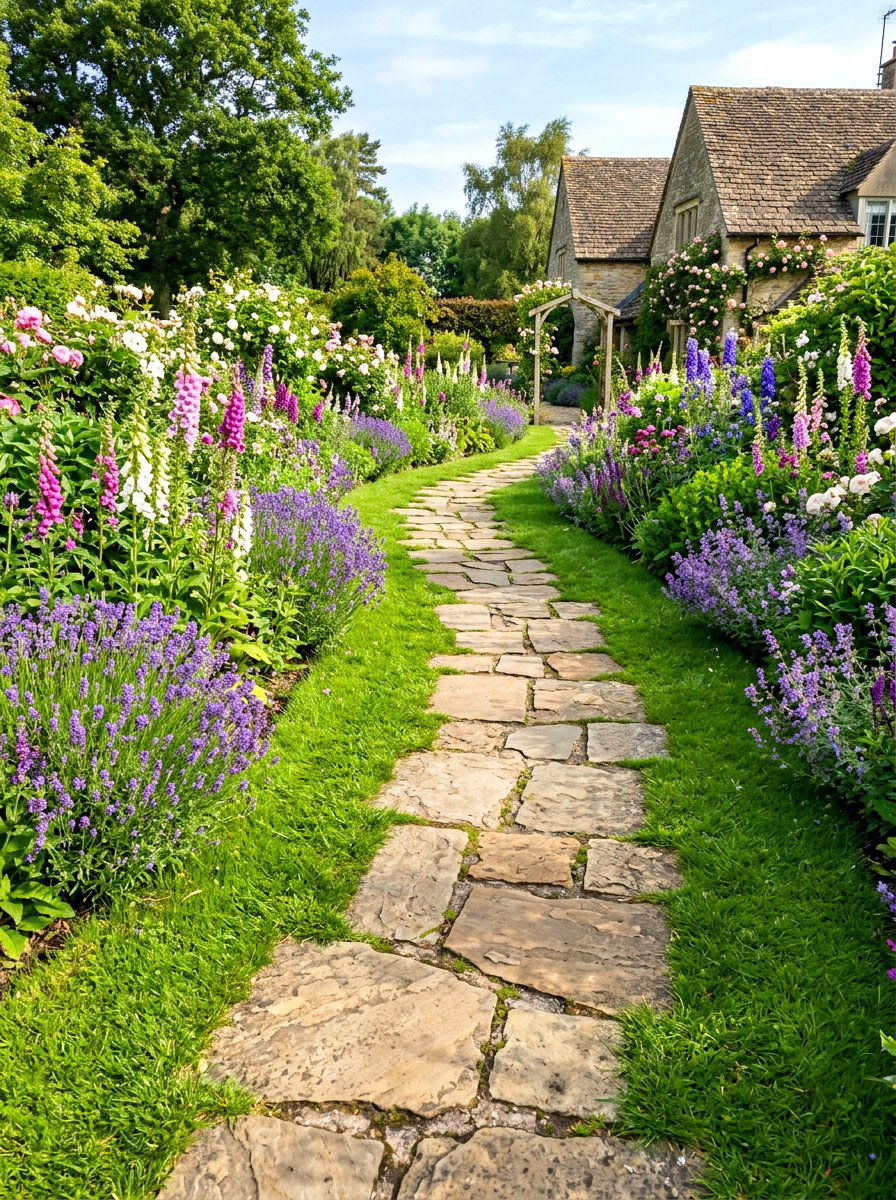
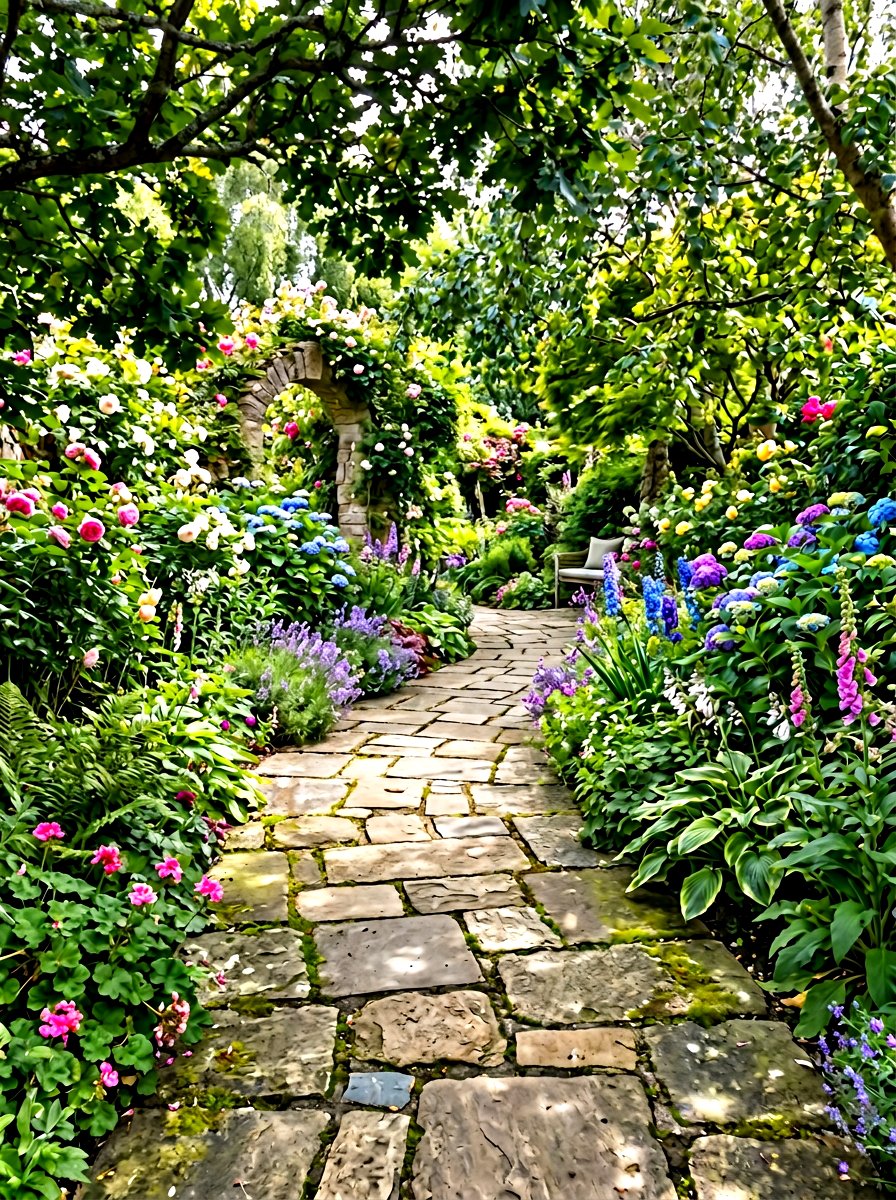
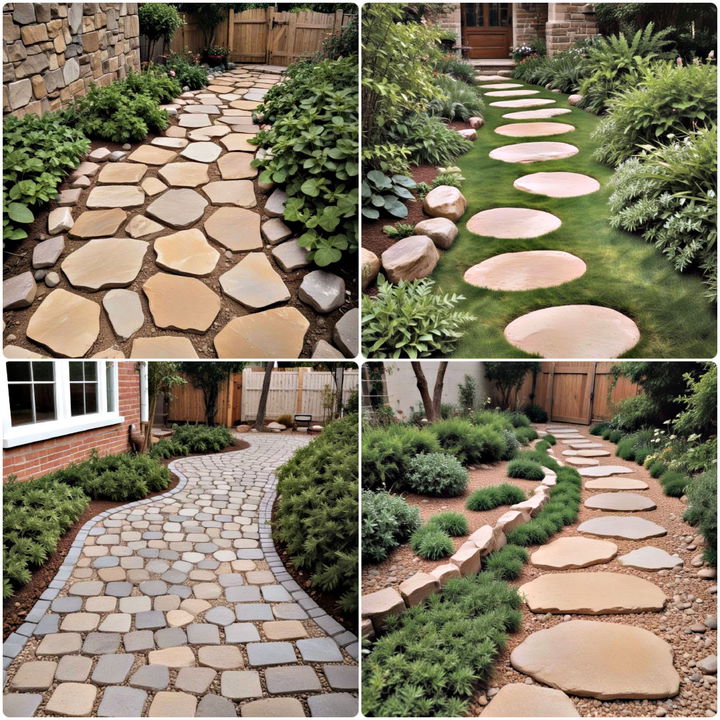
A natural flagstone walkway offers a timeless and organic look that blends seamlessly with any traditional or cottage-style garden. These irregular stones are prized for their unique shapes and earthy tones, ranging from warm tans to cool grays. To create this design, you should excavate the path area and lay the stones in a puzzle-like fashion, ensuring they are level with the ground for easy mowing. Filling the gaps with small pebbles or low-growing moss enhances the rustic appeal and provides excellent drainage. This style creates a meandering feel that encourages visitors to slow down and enjoy the surrounding floral displays and lush shrubbery.
2. Circular Concrete Path
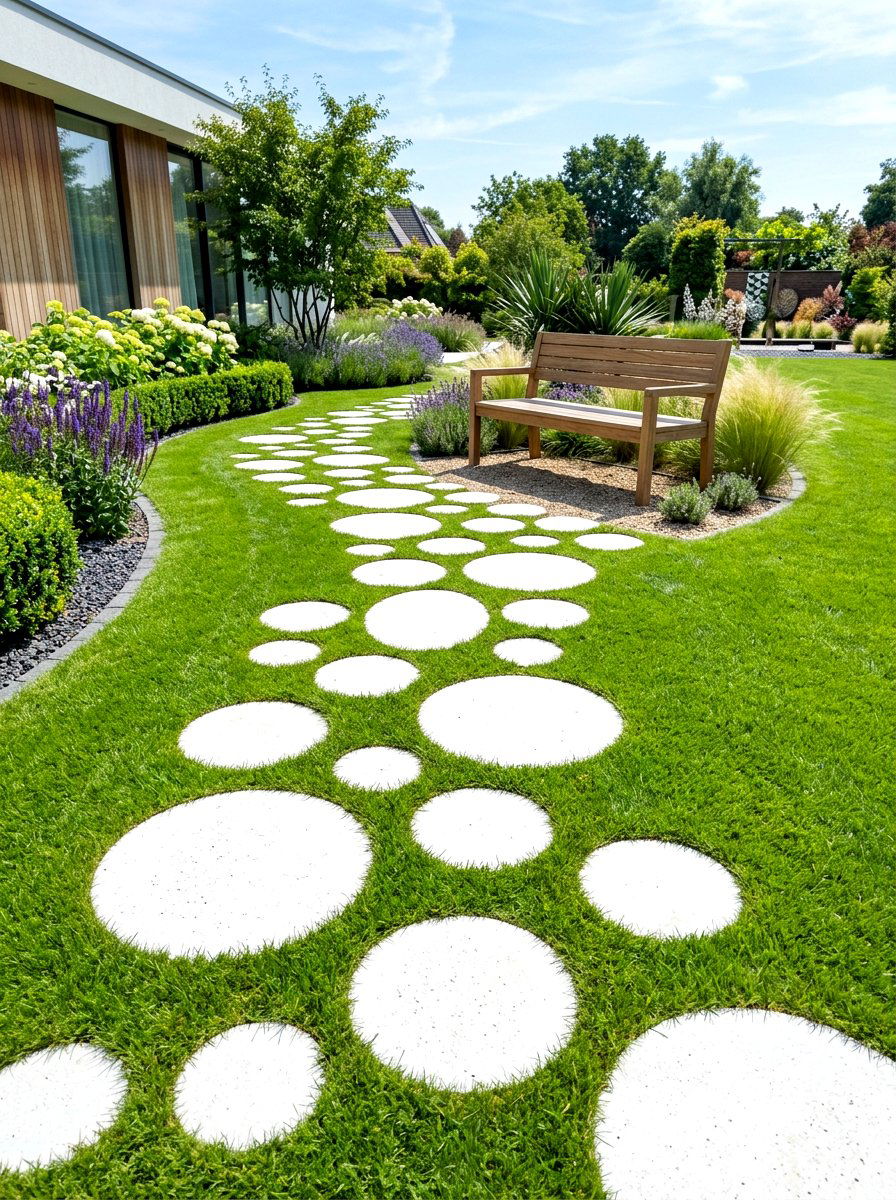
Using circular concrete pavers provides a whimsical and playful atmosphere that breaks up the rigid lines often found in suburban backyards. This design relies on perfectly round stones of varying sizes placed at comfortable walking intervals across a lush green lawn. The circular motif adds a sense of movement and can make a small yard feel much more expansive and thoughtfully planned. For a modern twist, you can choose precast concrete discs with a smooth finish or create custom textured surfaces using leaf imprints. This layout is particularly effective for connecting a patio to a secret garden corner or a dedicated play area for children.
3. Modern Slate Walkway
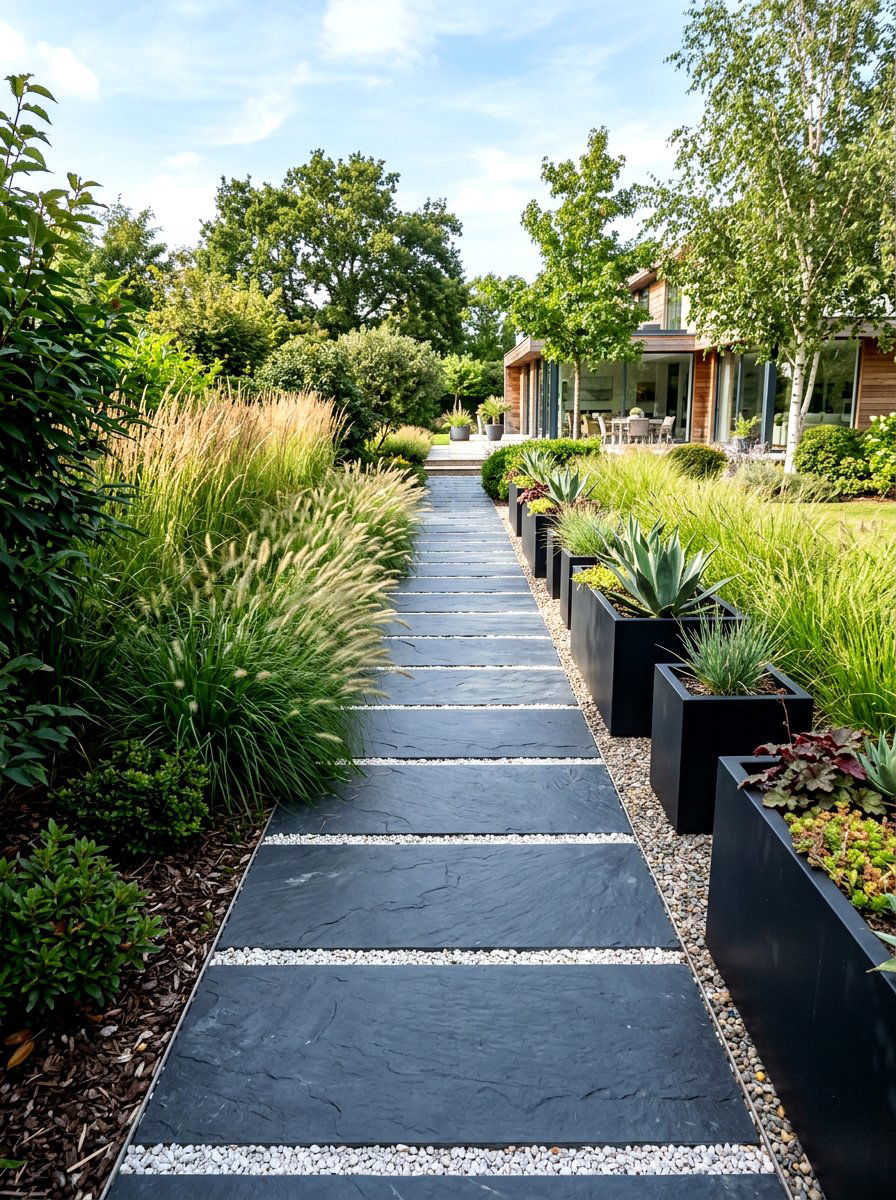
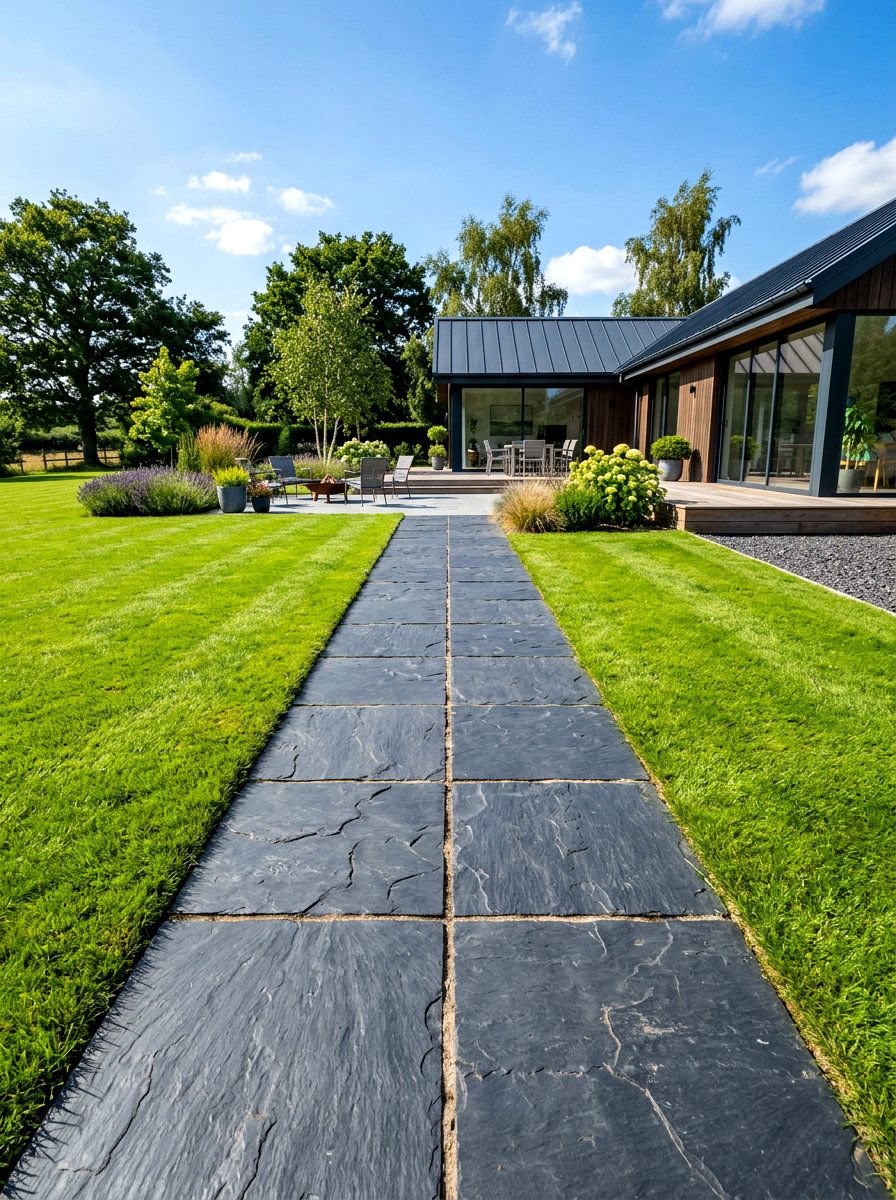
A modern slate walkway utilizes the sophisticated, dark tones of natural slate to create a high-contrast look against bright green grass or white gravel. These rectangular slabs are typically laid in a straight, architectural line to emphasize the length of the garden and provide a clean, minimalist aesthetic. Slate is an excellent choice for rainy climates because its naturally cleft surface provides a slip-resistant texture that remains safe to walk on when wet. The deep charcoal or blue-gray hues of the stone offer a professional finish that pairs beautifully with contemporary home designs and structured, architectural plantings like ornamental grasses or boxwood hedges.
4. Rustic Wood Path
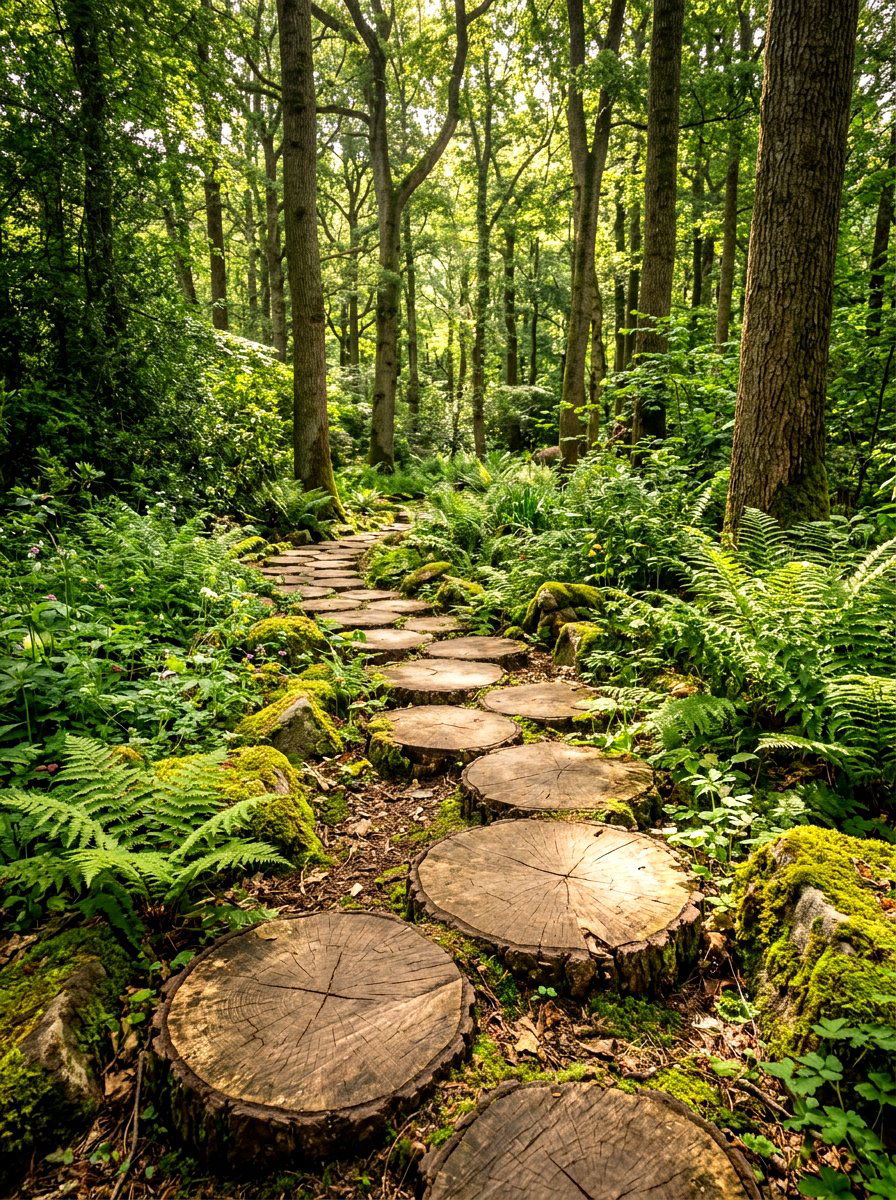
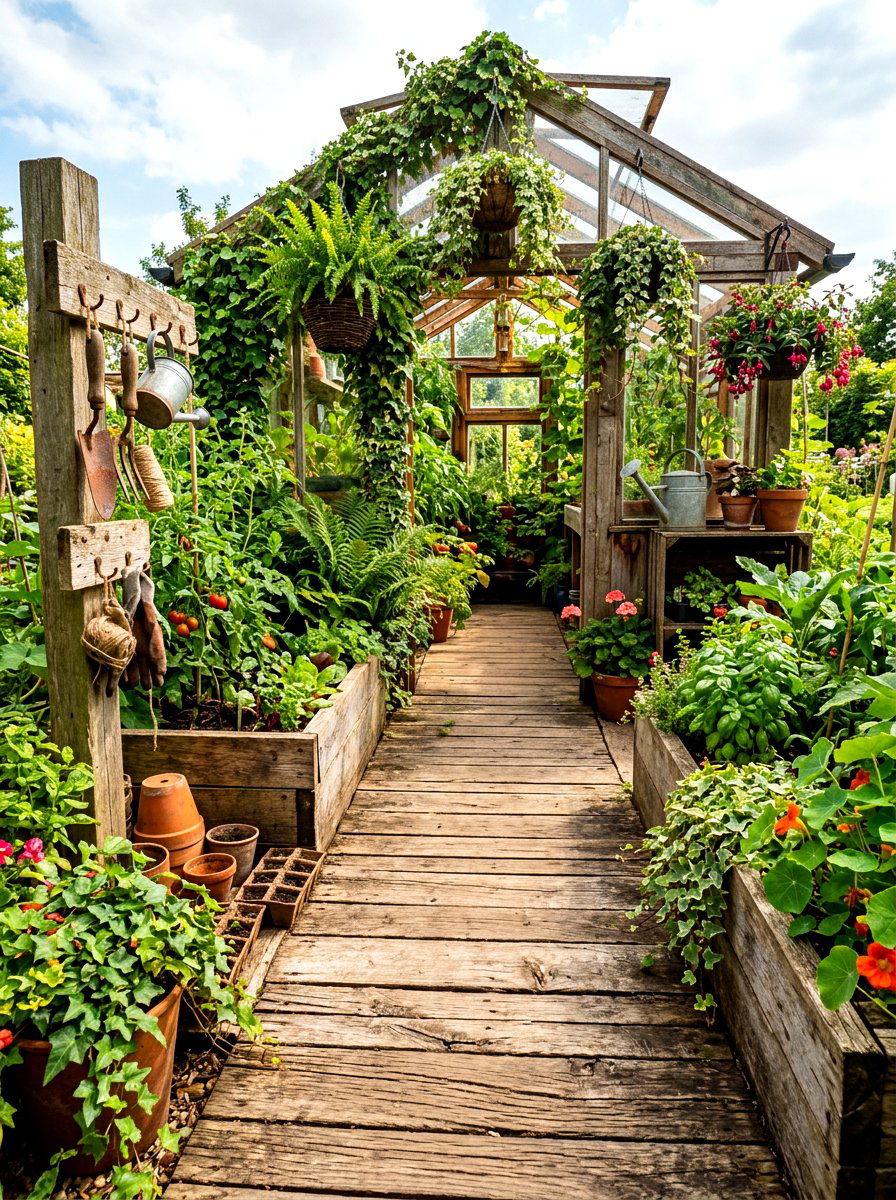
If you want to bring an enchanted forest vibe to your backyard, a rustic wood path using reclaimed timber or log slices is a perfect choice. This design features cross-sections of fallen trees or durable cedar planks set into the earth to form a tactile and warm walking surface. To ensure longevity, the wood should be treated with a weather-resistant sealant and placed on a bed of sand or fine gravel to prevent rot. This style looks most at home in shaded areas under large trees or winding through a woodland-themed garden filled with ferns and shade-loving perennials. It provides a soft, natural transition between different zones.
5. Gravel Edged Stone
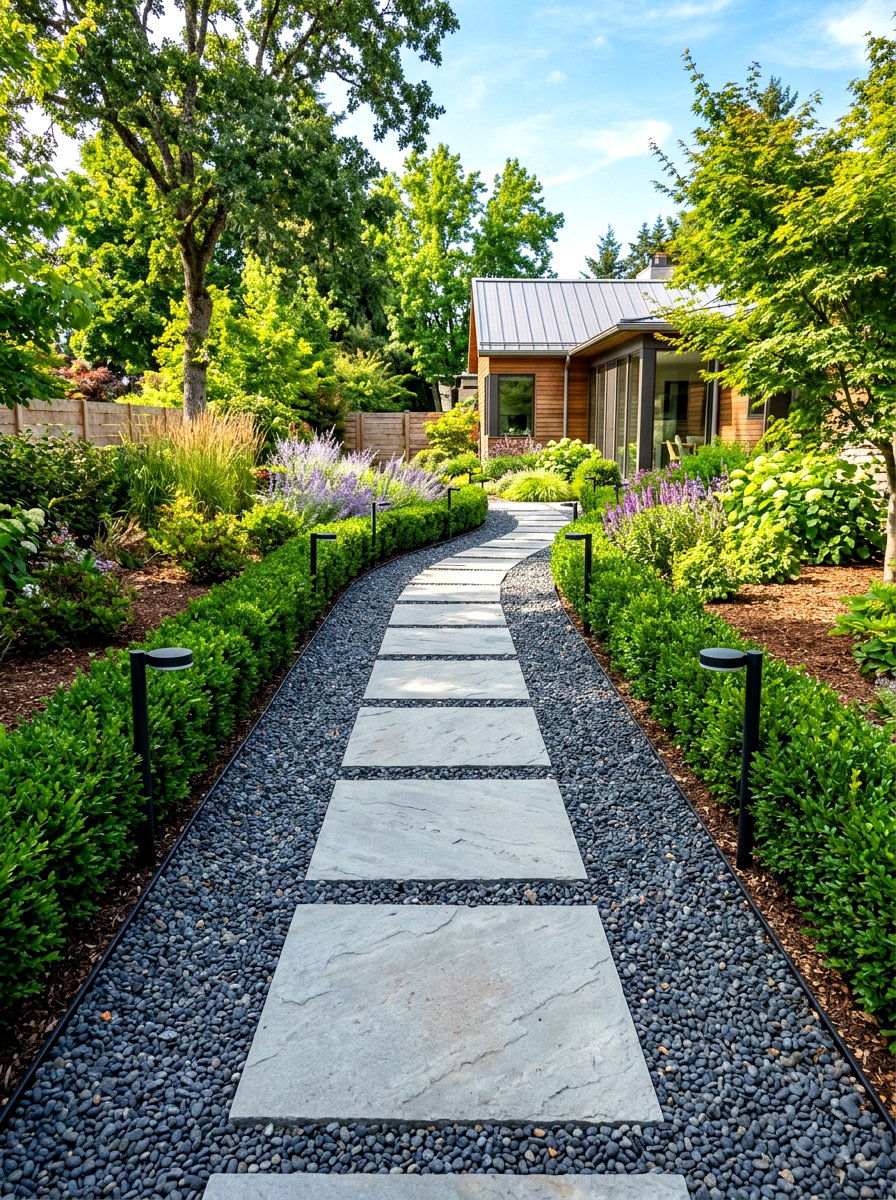
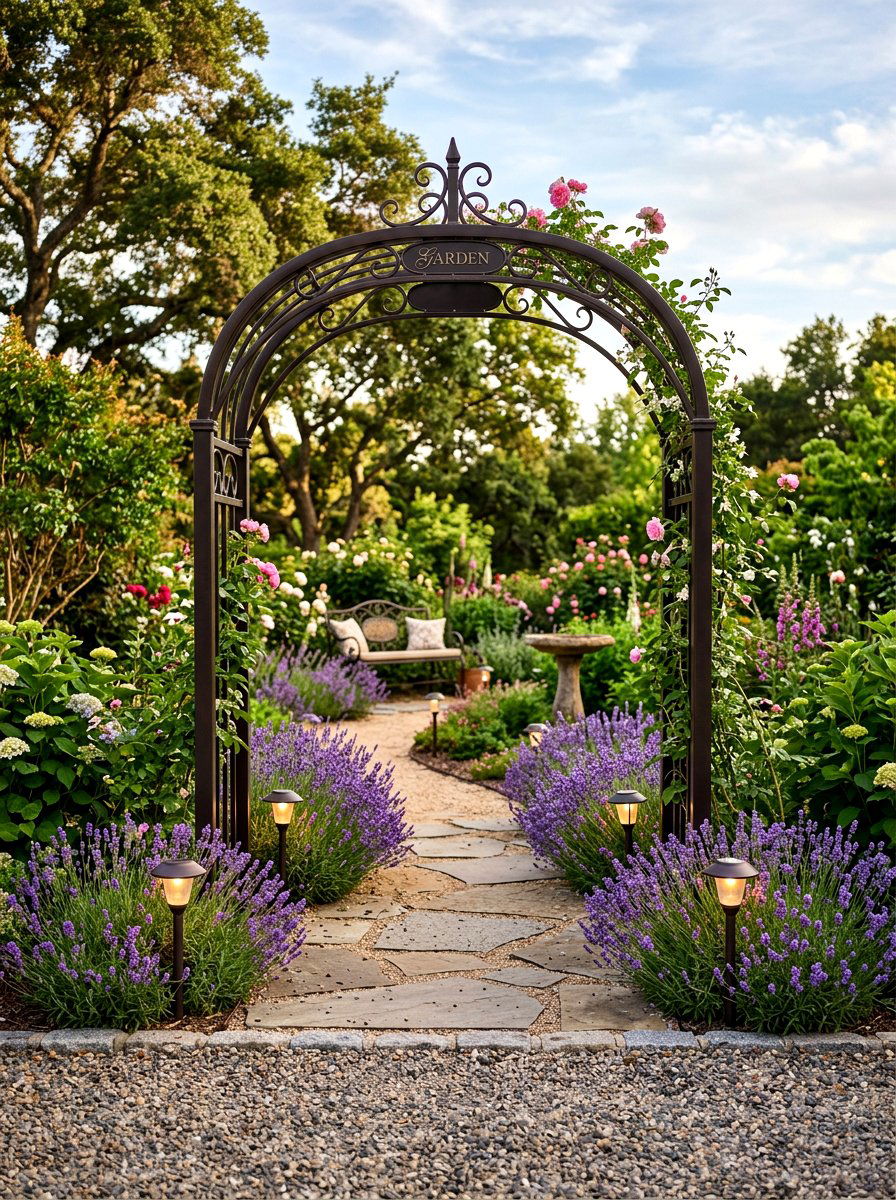
Combining large stepping stones with a gravel border is a smart way to define your walkway while solving common drainage issues in the yard. This design involves laying heavy rectangular pavers as the primary walking surface and surrounding them with a thick layer of contrasting pea gravel or crushed granite. The stones provide a solid footing, while the gravel allows rainwater to seep into the ground quickly, preventing puddles from forming. This multi-textured approach adds a professional, landscaped look that works well in both traditional and modern settings. You can use dark stones with light gravel for a bold, eye-catching visual contrast.
6. Checkerboard Paver Garden
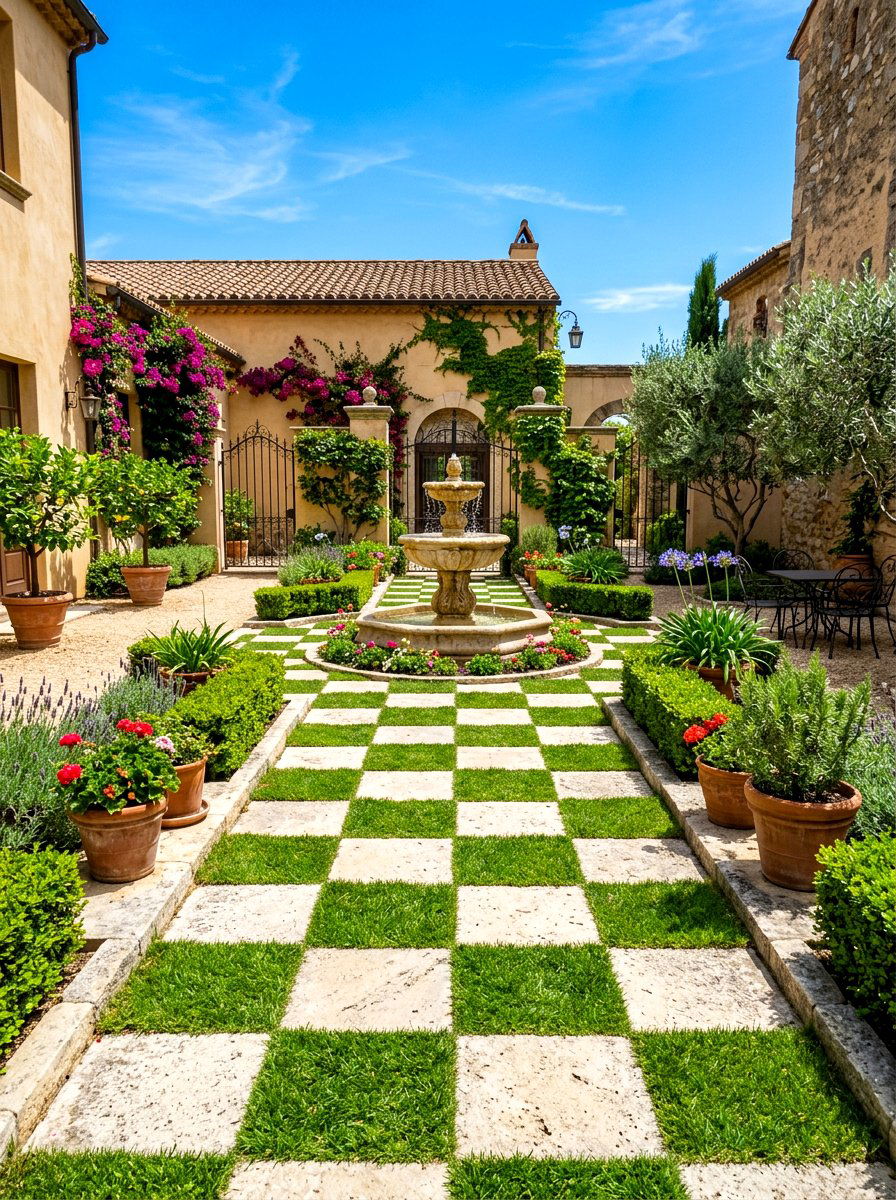
A checkerboard paver garden creates a formal and highly structured look by alternating square stone pavers with patches of vibrant green grass or low-profile herbs. This classic Mediterranean-inspired design is perfect for a courtyard or a sunny spot where you want to create a sense of order and elegance. Using light-colored limestone or white concrete squares makes the pattern pop against the dark soil or emerald lawn. In addition to being visually striking, this layout provides a stable walking surface that is easy to navigate. It is an ideal choice for a primary path leading from a back door to a central seating area or gazebo.
7. River Rock Mosaic
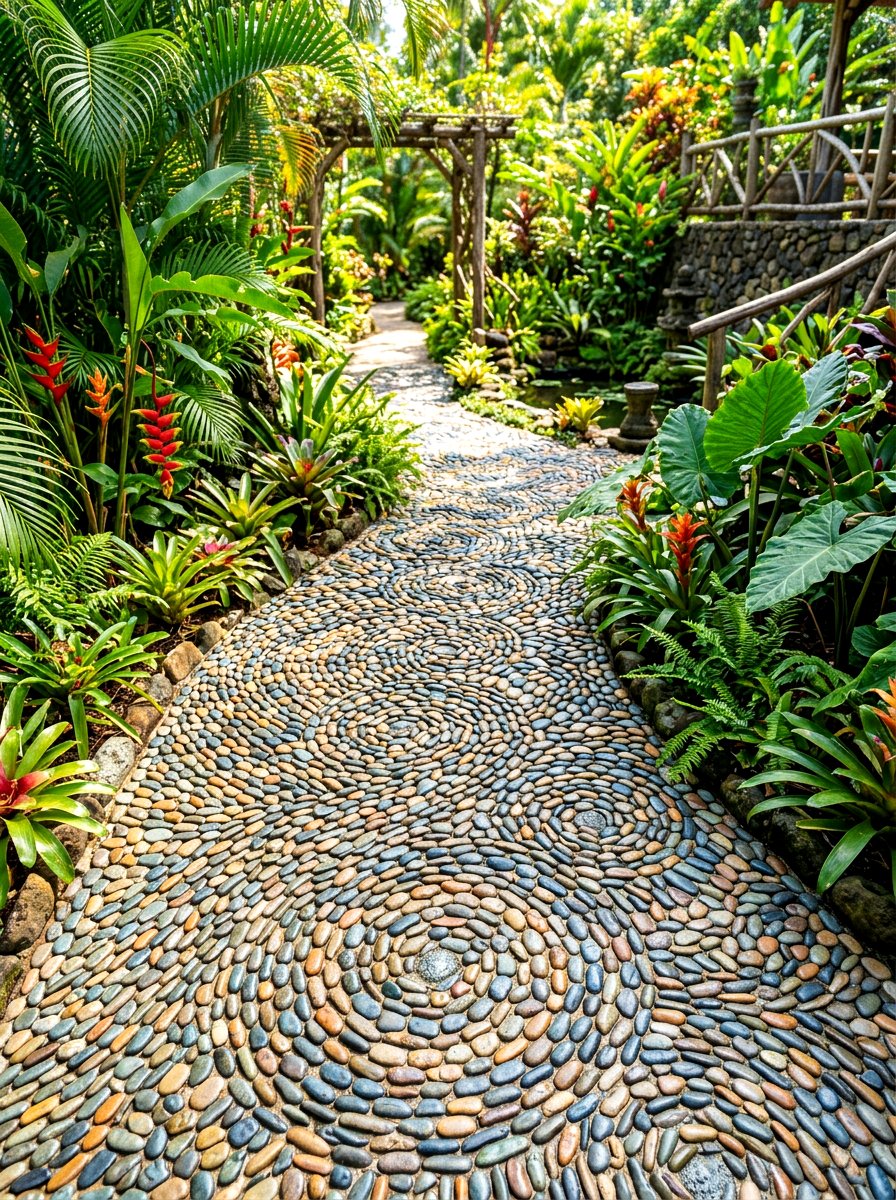
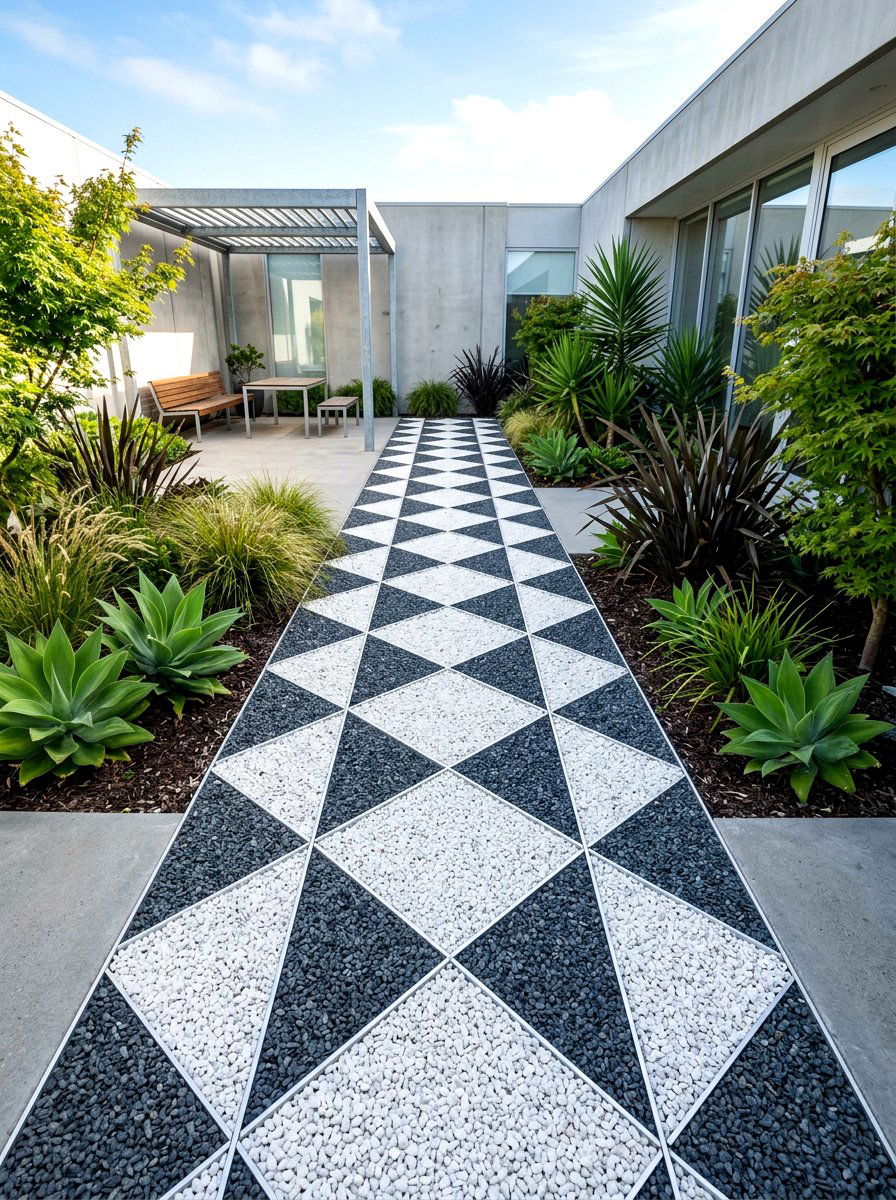
For those who appreciate handcrafted art, a river rock mosaic path turns a functional walkway into a stunning focal point for the entire backyard. This design involves setting smooth, multi-colored river stones into a bed of wet mortar to create intricate swirls, floral patterns, or geometric shapes. The variation in stone sizes and natural colors — from deep blacks to creamy whites — allows for endless creativity and a highly personalized garden feature. While this project requires more time and effort than laying simple slabs, the result is a durable and unique piece of art that will impress guests and provide a beautiful texture underfoot.
8. Geometric Grid Path
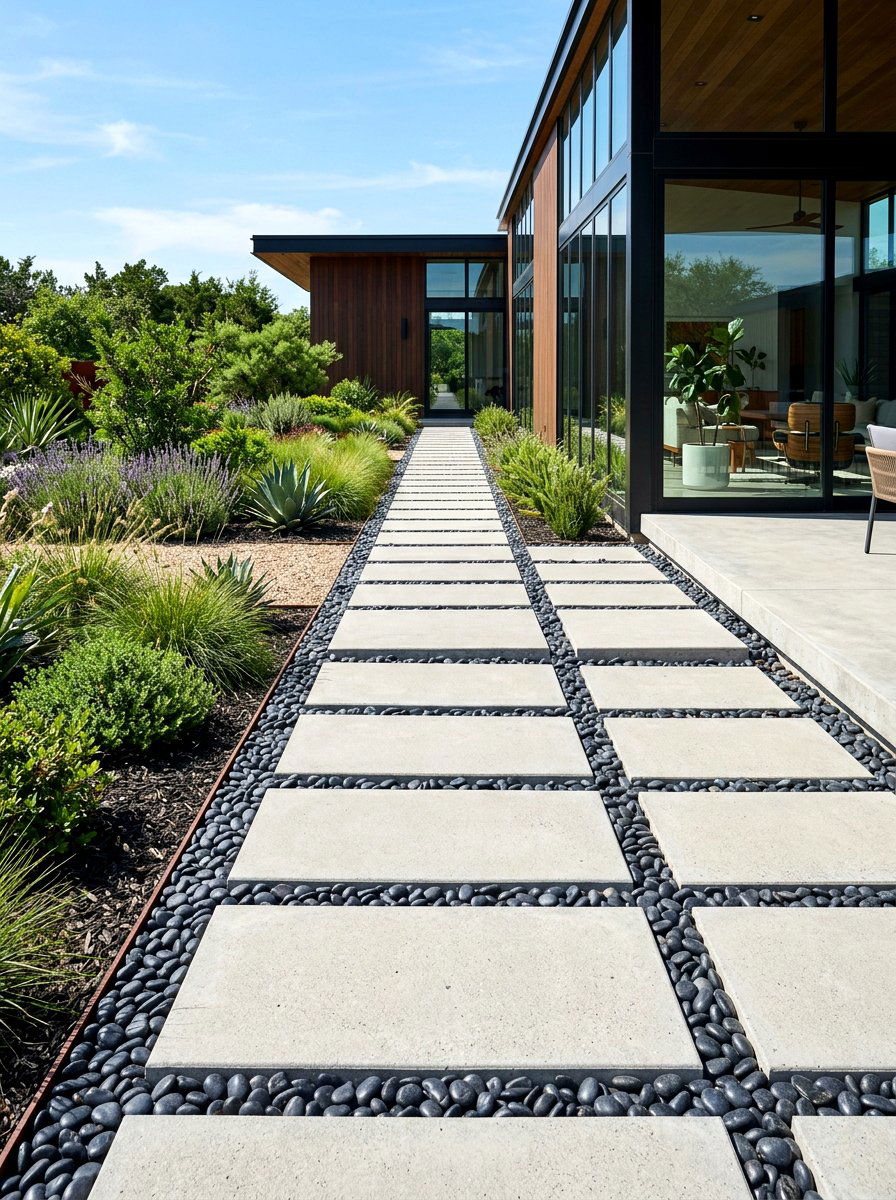
A geometric grid path is the ultimate choice for homeowners seeking a sleek, contemporary look that complements minimalist architecture and modern landscaping. This design uses identical square or rectangular pavers arranged in a precise, repeating grid pattern with consistent gaps in between. Filling these gaps with dark polished pebbles or a contrasting ground cover like black mondo grass adds to the sharp, clean lines of the walkway. The symmetry of this layout creates a sense of calm and organization, making it perfect for side yards or paths that run parallel to a modern home’s exterior. It offers a very tidy and sophisticated appearance.
9. Reclaimed Brick Walkway
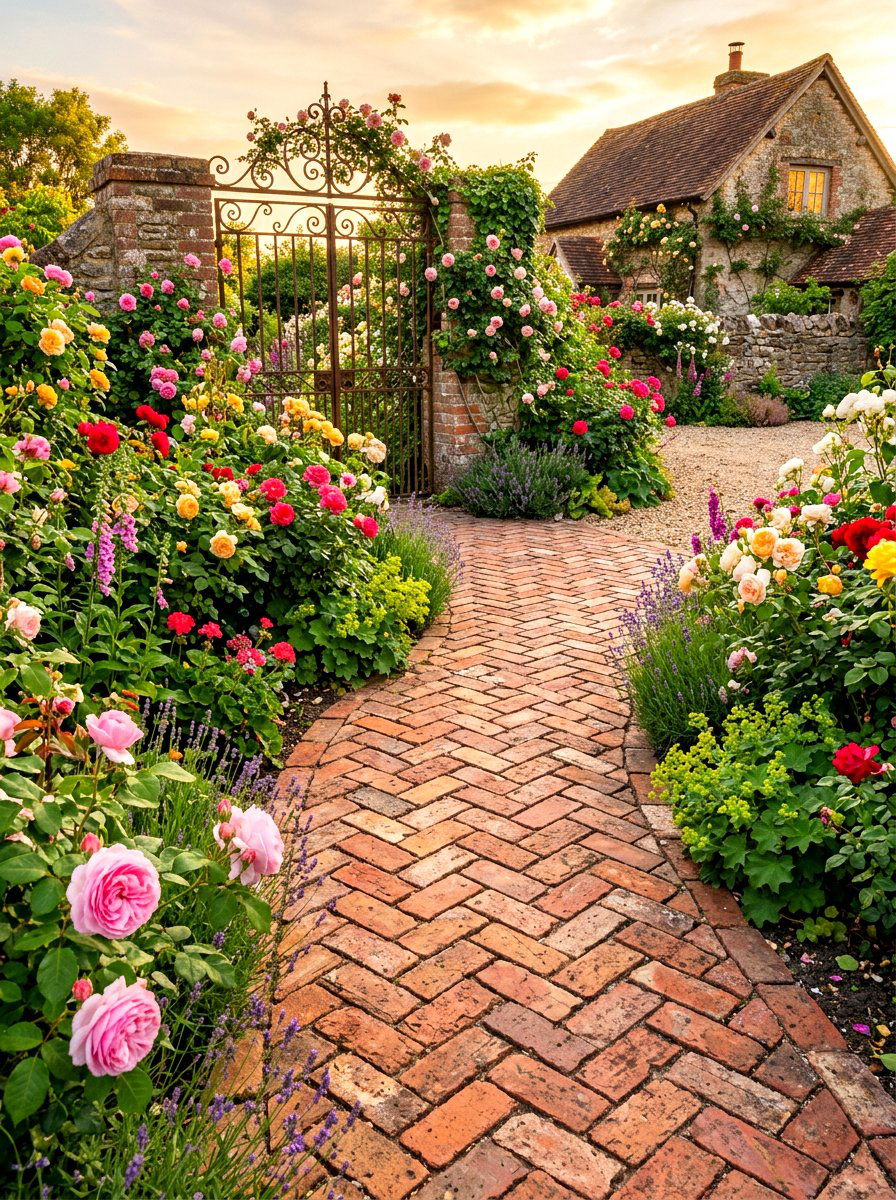
A reclaimed brick walkway brings a sense of history and warmth to your outdoor space by using salvaged materials from older structures or patios. These bricks can be laid in various patterns, such as herringbone or basketweave, to create a textured and durable path that feels like it has been there for decades. The varying shades of red, orange, and brown in old bricks provide a rich color palette that complements lush greenery and colorful flower beds. This eco-friendly design is not only budget-friendly but also adds a soulful, lived-in character to cottage gardens, historic homes, or traditional backyard retreats.
10. Grass Inlay Path
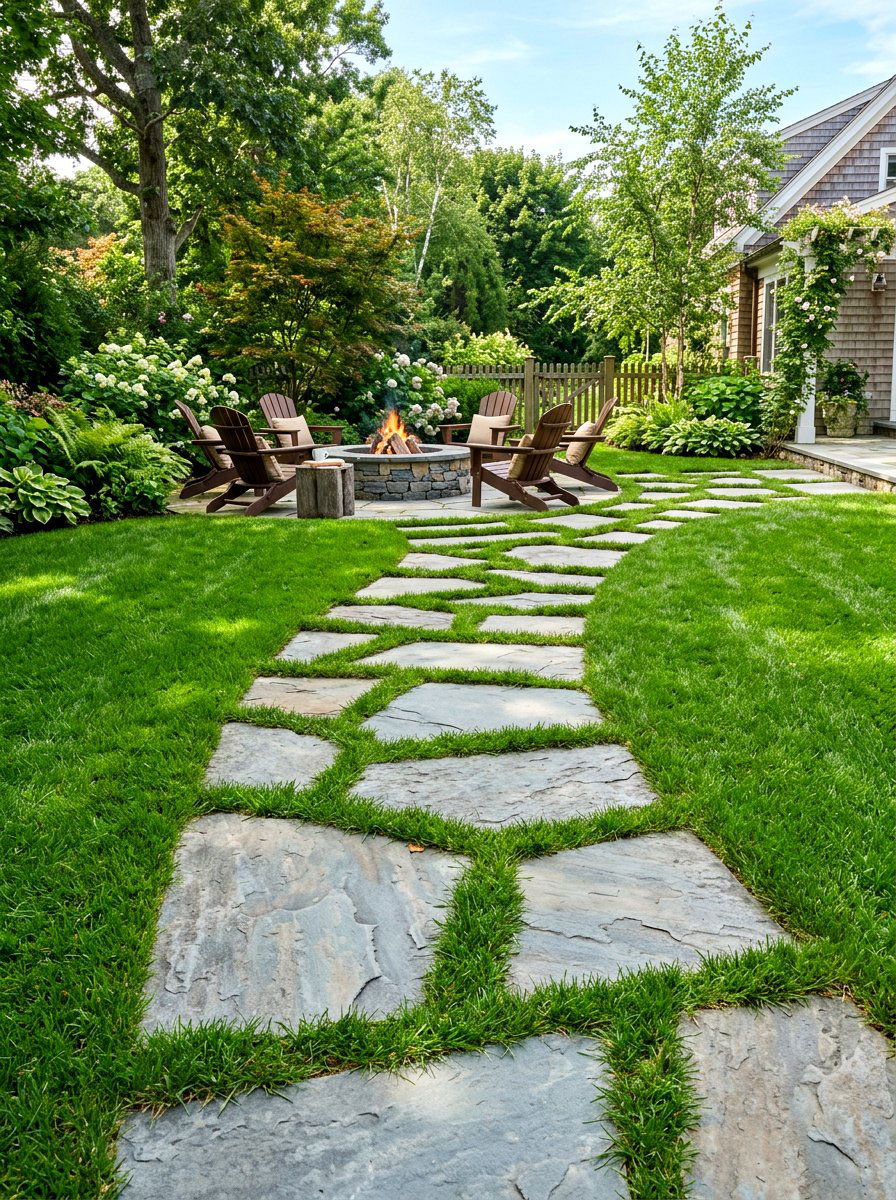
The grass inlay path is a subtle and integrated design where large stepping stones are set directly into an existing lawn with wide gaps between them. This approach allows the beauty of the well-maintained grass to remain the star while providing a clean and dry place to step. It is a fantastic option for minimalist landscapes where you want to maintain as much green space as possible. To achieve the best look, the stones should be buried just deep enough so the lawnmower can pass safely over them. This style creates a seamless flow and a very natural, "floating" appearance that is extremely inviting.
11. Oversized Granite Step
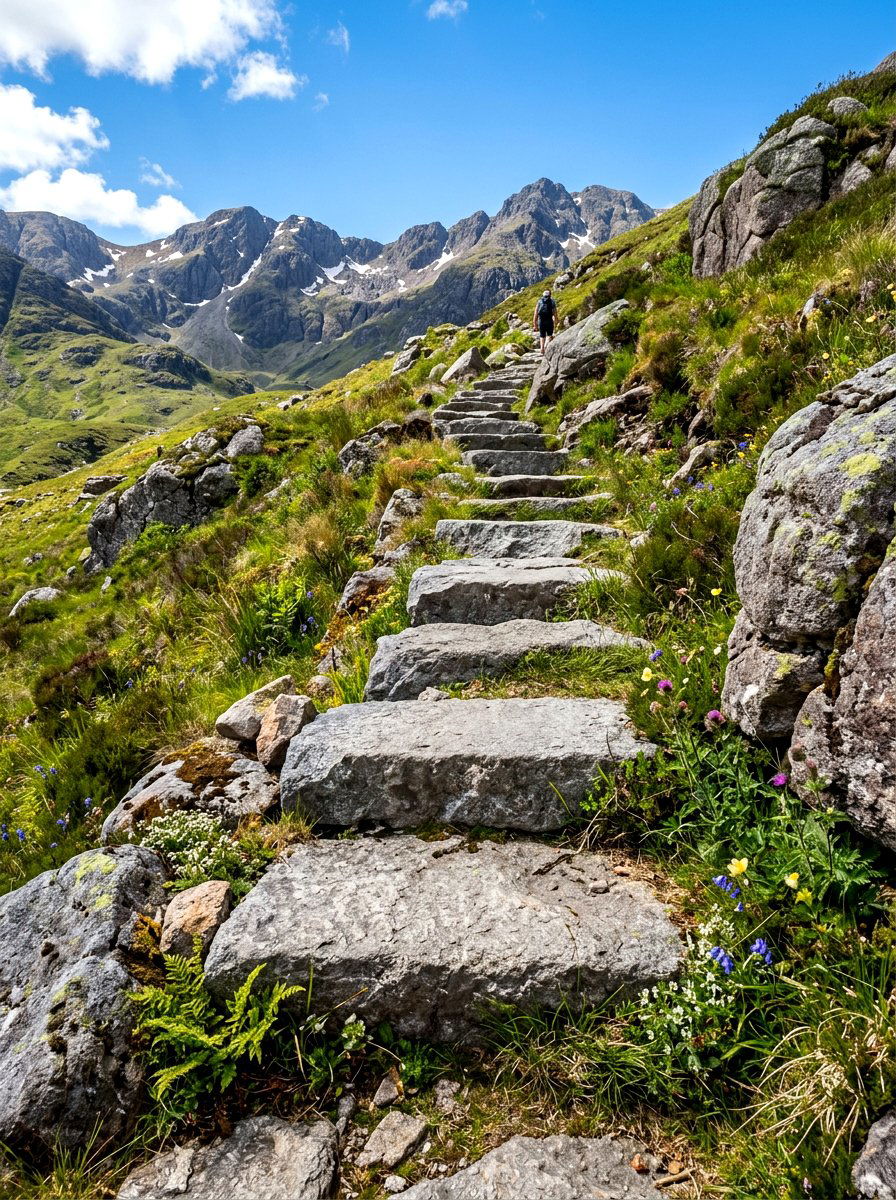
Using oversized granite steps creates a grand and monumental feel in the backyard, making even a short path feel significant and permanent. Granite is one of the most durable materials available, capable of withstanding extreme weather and heavy use without cracking or fading over time. These large, heavy slabs are typically used in a staggered layout to create a rugged, mountain-inspired trail through a sloped or rocky part of the garden. The natural gray or pinkish flecks in the stone catch the light beautifully, providing a subtle sparkle. This design works exceptionally well as a transition from a stone patio to a wilder, naturalized area.
12. Zen Japanese Walkway
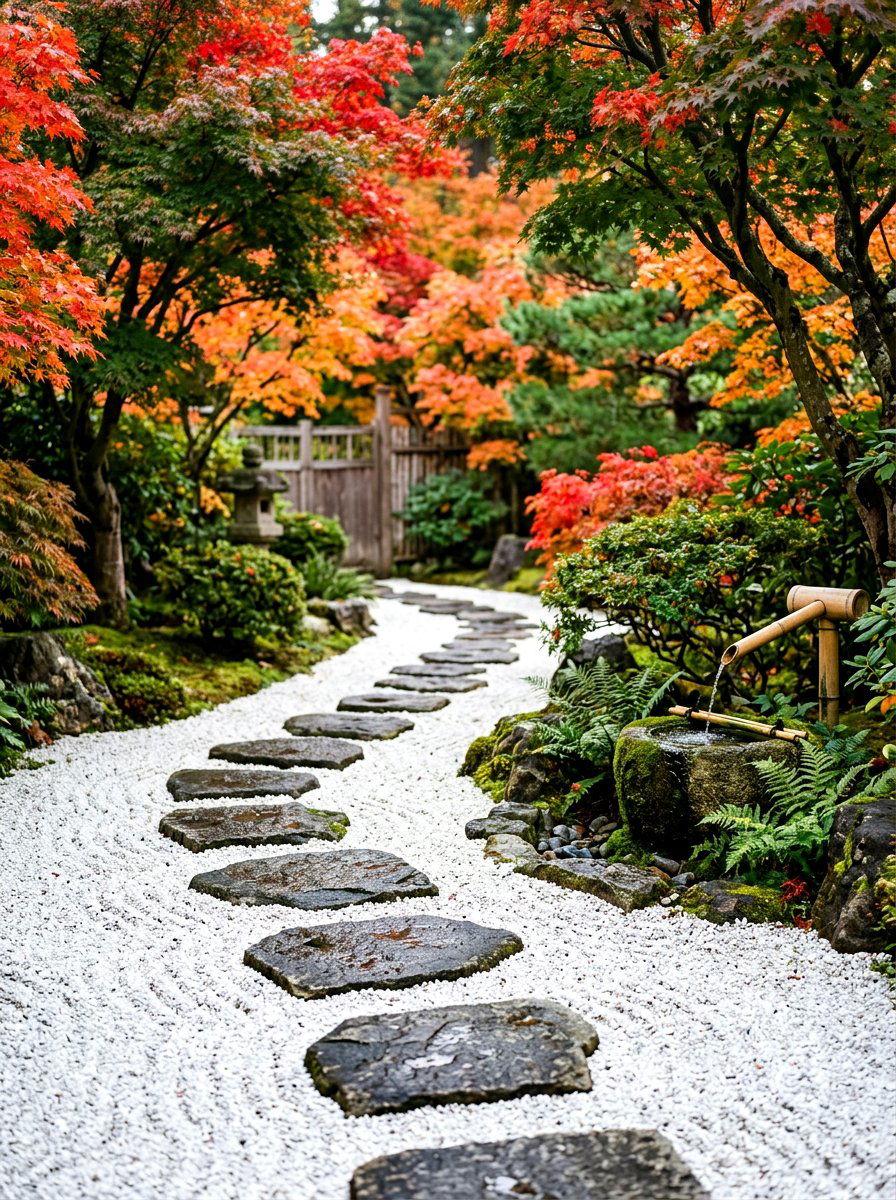
A Zen Japanese walkway focuses on the principles of balance, simplicity, and natural beauty to create a tranquil garden path that promotes mindfulness. This design often uses flat, irregular stones called "tobi-ishi" that are carefully spaced to encourage a slow and deliberate walking pace. The stones are typically surrounded by raked gravel or lush moss, creating a peaceful contrast between hard and soft elements. Incorporating a slight curve in the path adds a sense of mystery, as the full destination is not immediately visible. This style is perfect for a quiet corner of the yard dedicated to relaxation, meditation, or a small water feature.
13. Moss Covered Stone
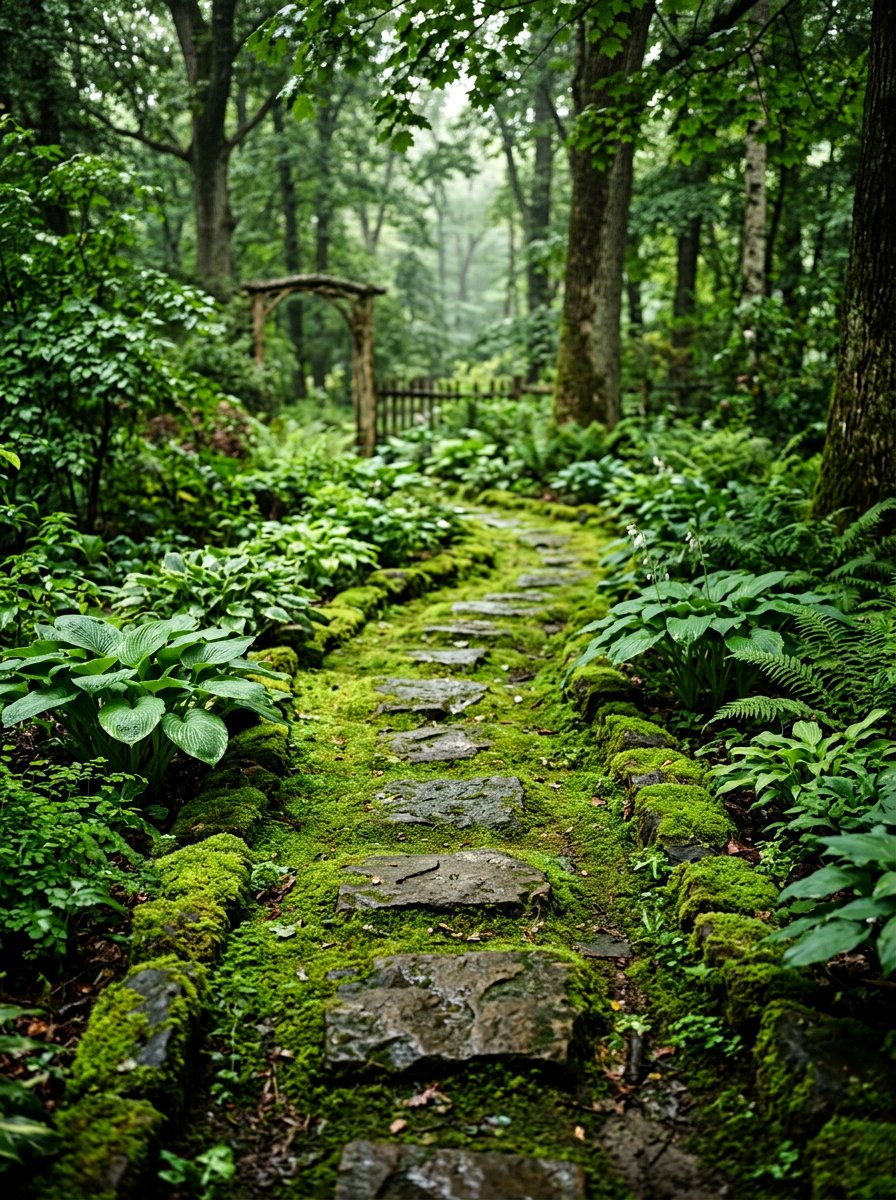
A moss-covered stone path is the perfect solution for shaded, damp areas of the yard where grass struggles to grow and traditional paving feels too harsh. This design features weathered, porous stones that are partially buried and encouraged to grow a carpet of soft green moss in the joints and over the edges. The result is a soft, velvety texture that feels wonderful underfoot and looks like something out of a fairy tale. Using stones with a high lime content can help the moss thrive. This type of walkway is incredibly low-maintenance once established and brings a deep sense of age and serenity to the garden.
14. Floating Lawn Paver
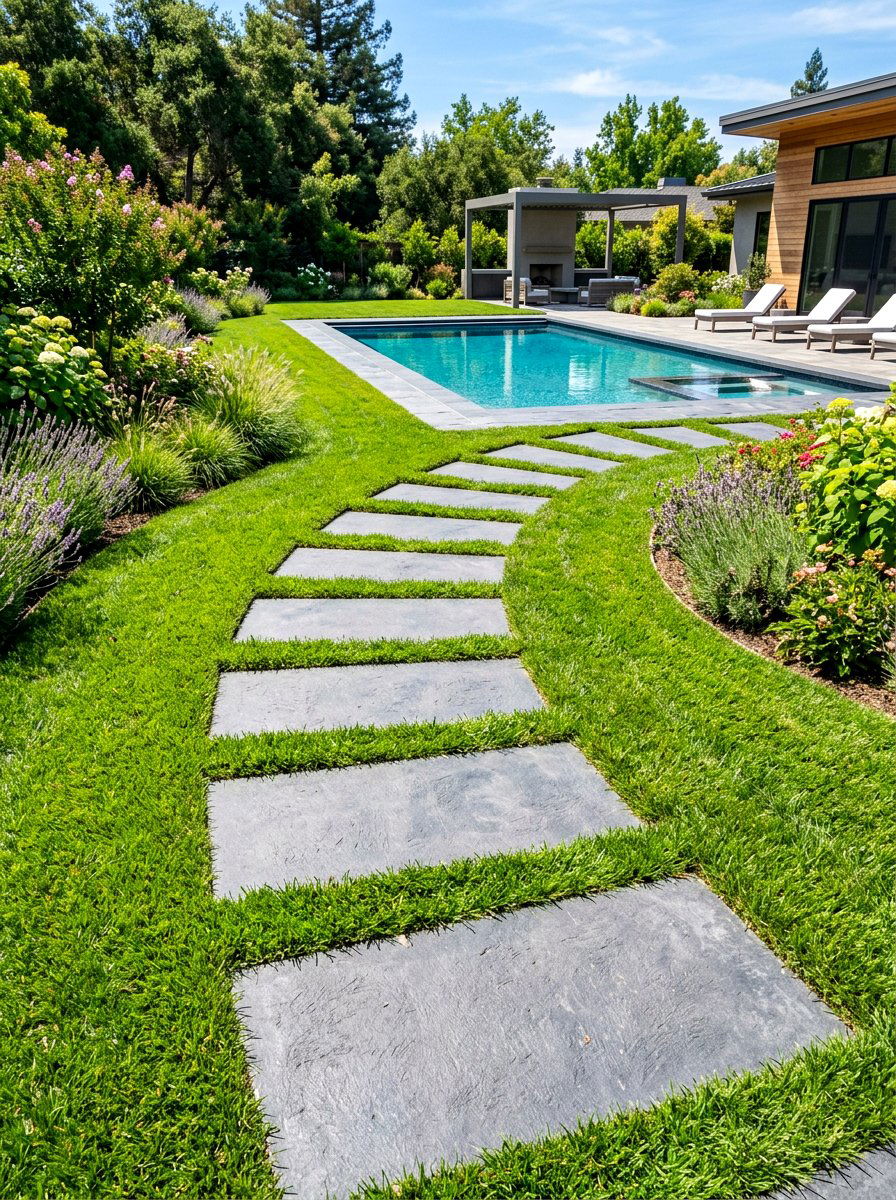
The floating lawn paver design uses thick, rectangular concrete slabs that are elevated slightly above the soil line to give the illusion of floating over the grass. This modern technique is highly popular in high-end landscape design because it adds a sense of luxury and architectural depth to the backyard. By leaving wide, even gaps between each slab, you allow the grass to grow densely around them, which softens the hard edges of the concrete. This style is particularly effective when used for long, straight paths that lead toward a dramatic garden focal point, such as a large sculpture, a fire pit, or a pool.
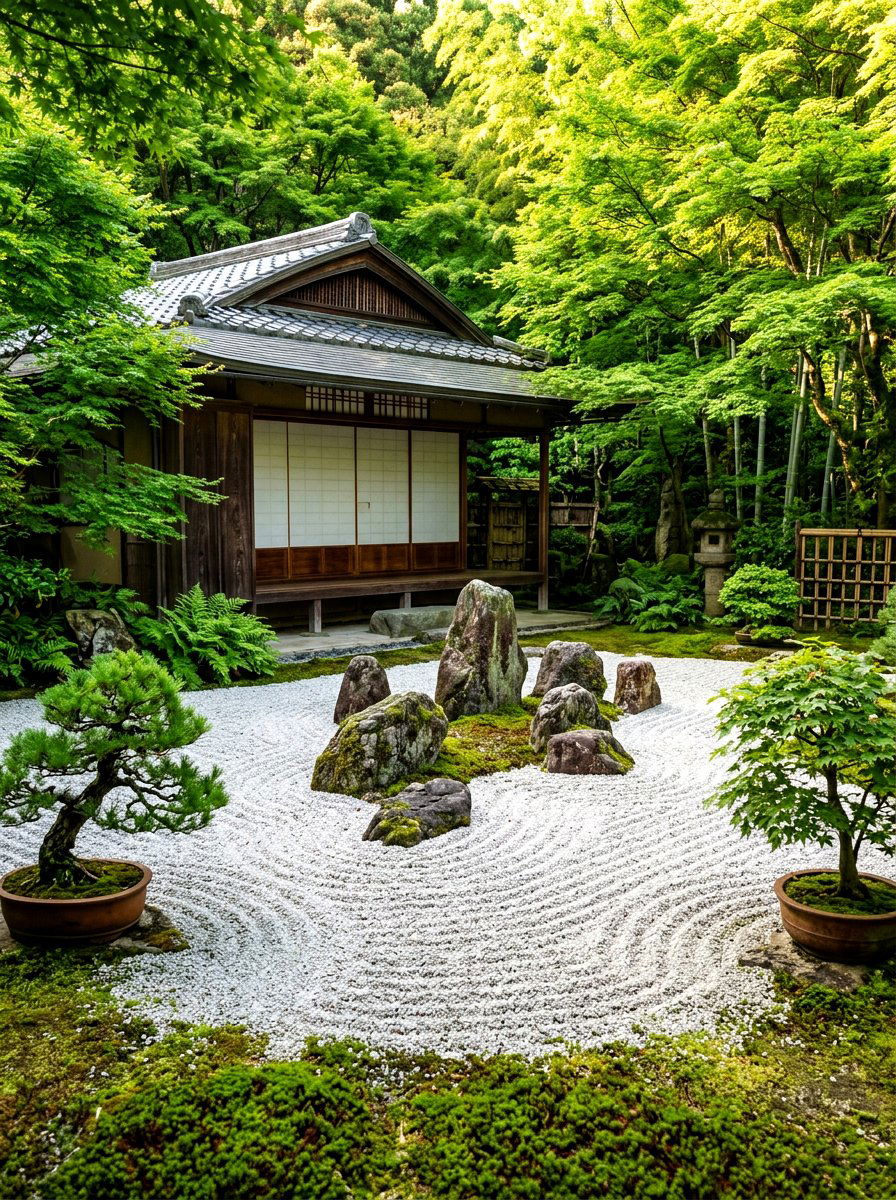

15. Pea Gravel Walkway
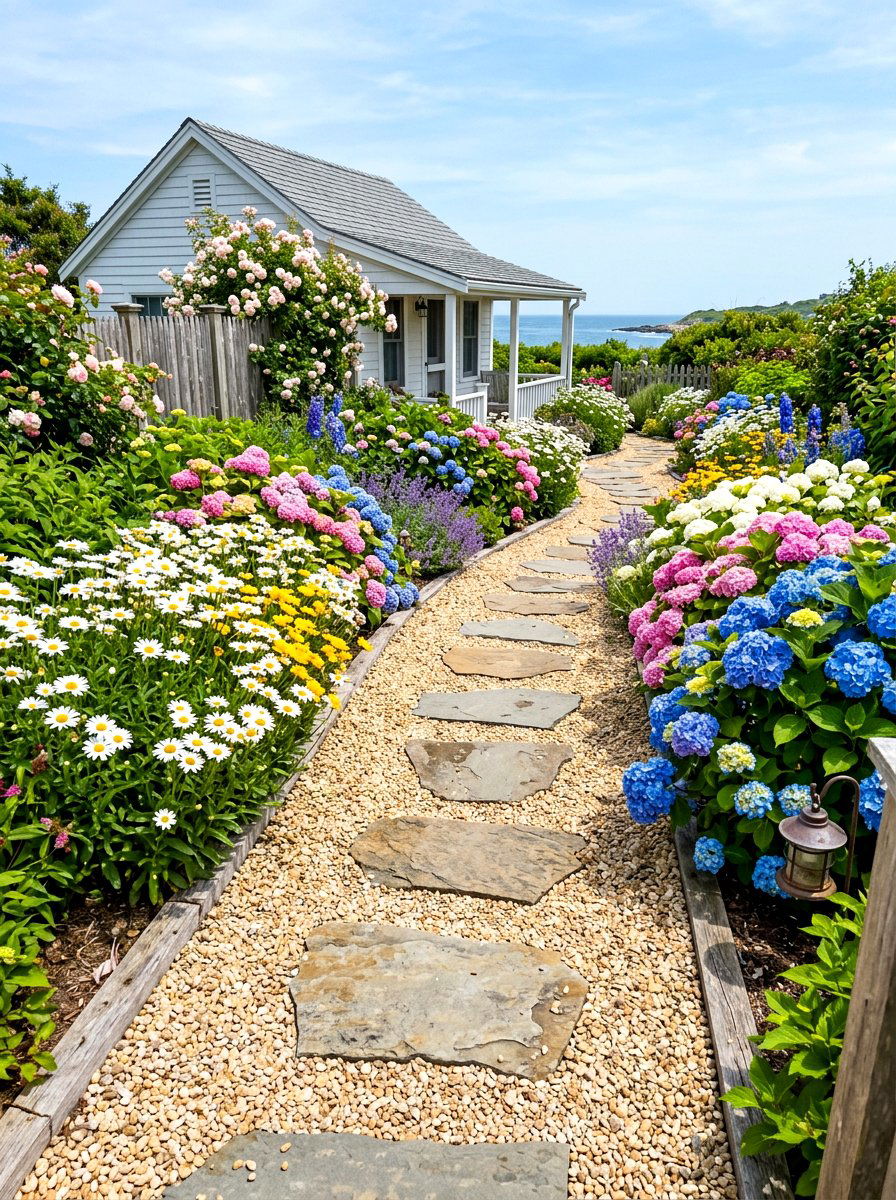
A pea gravel walkway combined with large stepping stones provides a classic, coastal, or cottage feel that is both affordable and highly functional for many yards. The small, rounded stones of the pea gravel are comfortable to walk on and produce a satisfying crunching sound that alerts you to visitors. Setting large, flat stones into the gravel ensures a stable and level walking surface while the surrounding loose stone provides excellent drainage. This design is very forgiving for DIYers, as it does not require precise leveling of the soil. It works beautifully when bordered by overflowing flower beds and vintage-style garden edging.
16. Tree Slice Path
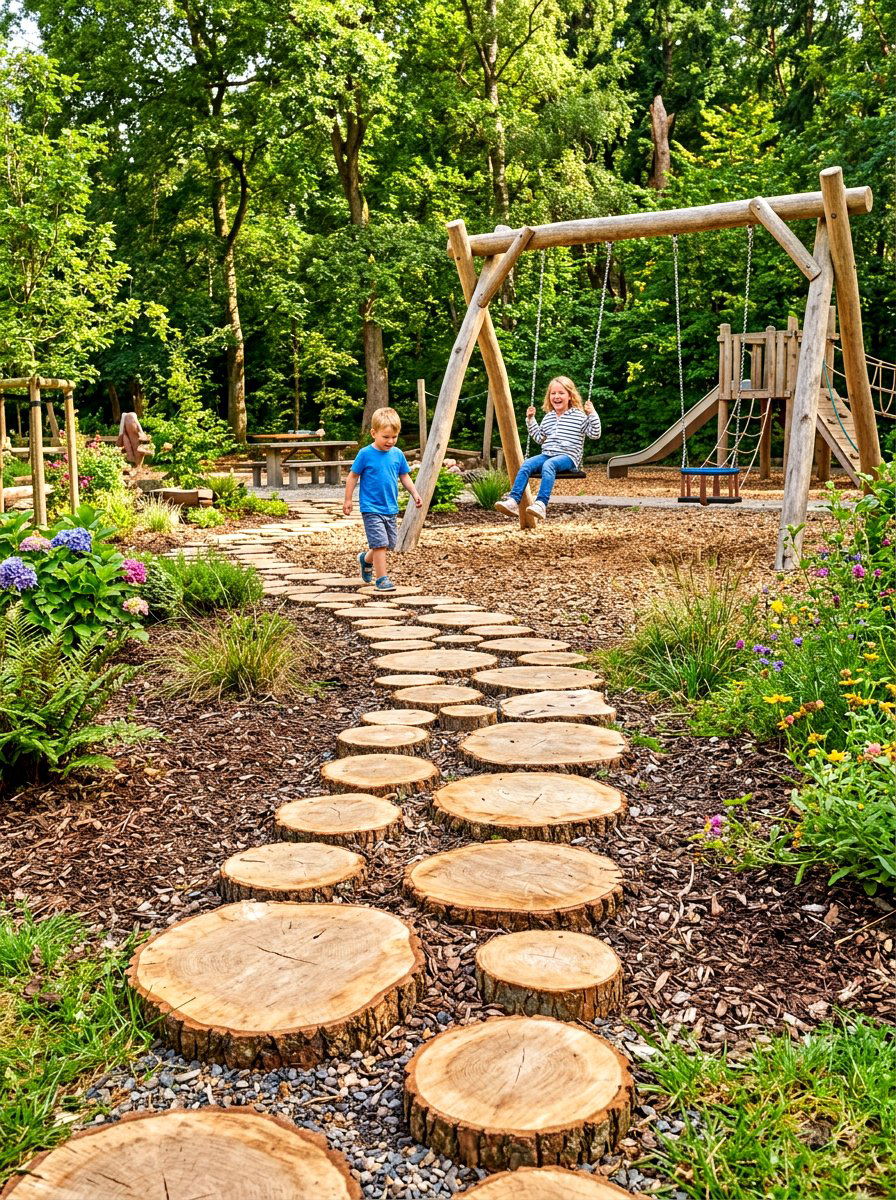
A tree slice path utilizes cross-sections of logs, often called cookies, to create a natural and whimsical walkway that celebrates the beauty of raw wood. This design is incredibly charming and works well in informal gardens, play areas, or as a path leading to a rustic shed or workshop. Each wood slice displays unique growth rings and bark patterns, adding a highly organic and individual touch to the landscape. To prevent the wood from becoming slippery when wet, you can apply a clear anti-slip coating. This path style is a great way to repurpose a tree that had to be removed from your property.
17. Hexagonal Stone Path
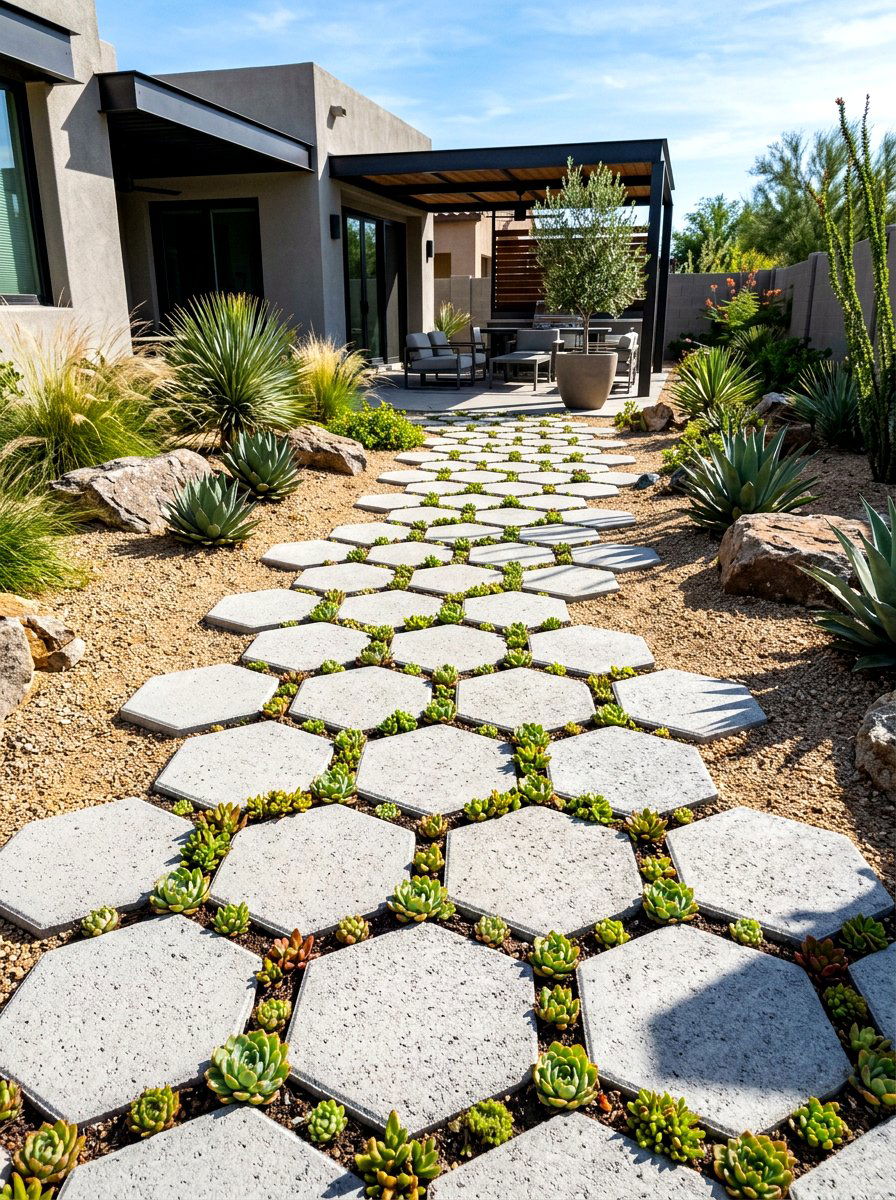
The hexagonal stone path is a trendy and stylish choice that uses six-sided pavers to create a honeycomb-like pattern across the ground. This geometric design offers a unique visual rhythm that is more interesting than standard squares but still maintains a clean and organized look. Hexagonal stones can be laid tightly together for a solid surface or spaced out with grass or gravel in between for a more airy feel. This layout is particularly popular in contemporary desert-style landscapes or modern mid-century gardens. The repeating angles create a dynamic sense of direction and add a sophisticated, designer touch to any backyard renovation project.
18. Classic Cobblestone Path
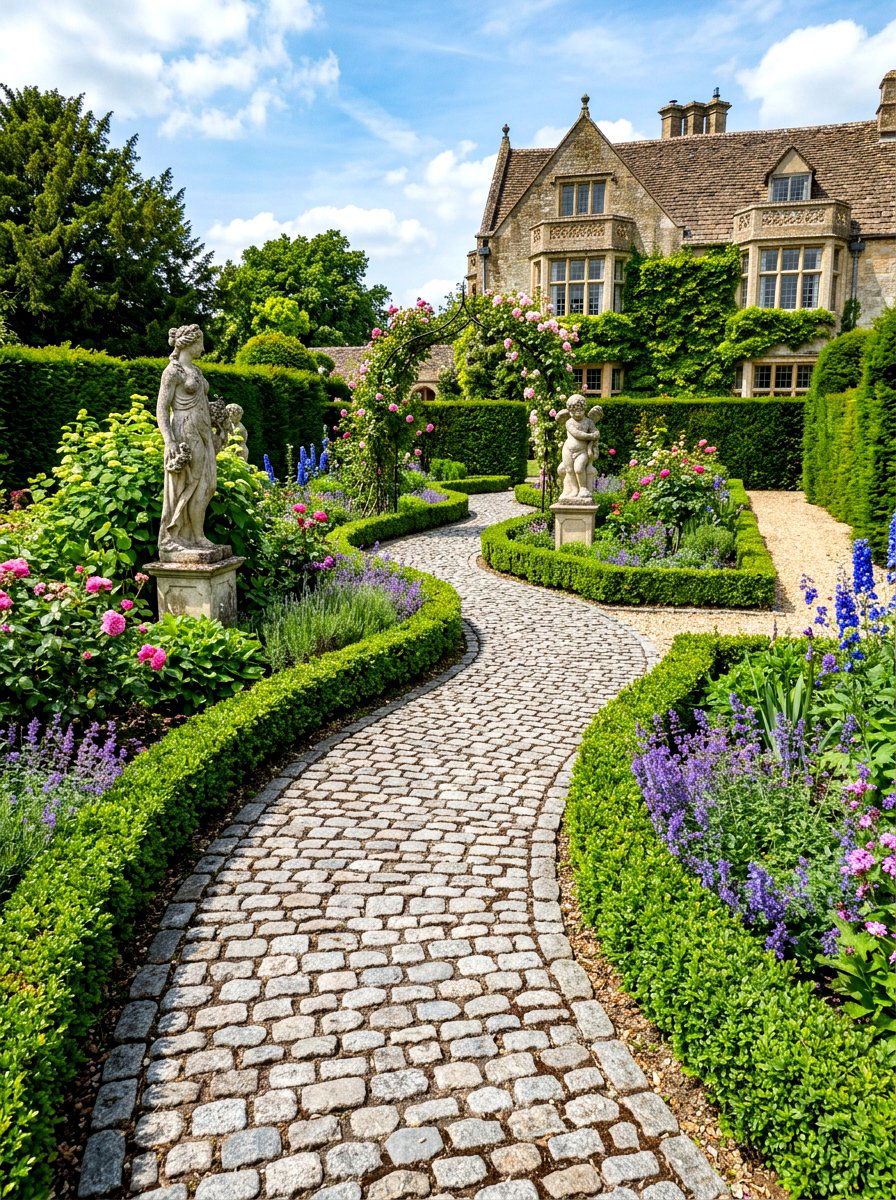
A classic cobblestone path evokes the charm of old European streets and brings a sense of timeless elegance and durability to your home’s exterior. Cobblestones are typically small, rounded, or rectangular stones made of granite or basalt that are hand-set into a bed of sand or mortar. This design is incredibly tough and can handle everything from heavy foot traffic to garden carts without shifting. The uneven surface of the stones provides a rustic texture that looks beautiful when wet and develops a lovely patina over the years. It is an ideal choice for formal gardens or paths leading to a traditional brick home.
19. Polished Limestone Walkway

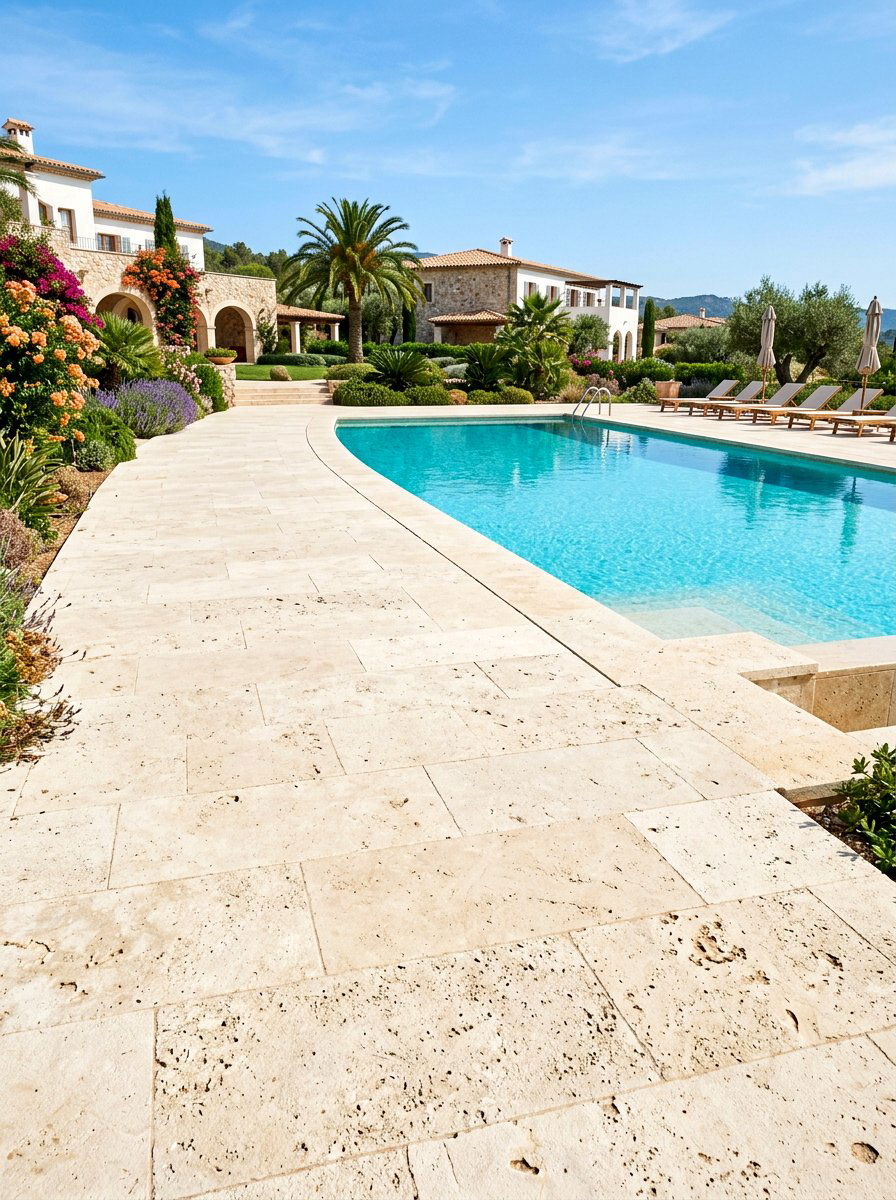
A polished limestone walkway offers a bright and upscale look that can instantly refresh a dark or dated backyard area. Limestone is known for its light cream, beige, or white tones, which reflect sunlight and make the surrounding plants appear even more vibrant and healthy. Using large-format slabs with a honed finish provides a smooth and sophisticated surface that is perfect for bare feet during the warm summer months. Because limestone is a natural material, it remains cooler than concrete or asphalt under the sun. This design is often used around swimming pools or as a luxury transition between a covered porch and the lawn.
20. Textured Sandstone Path
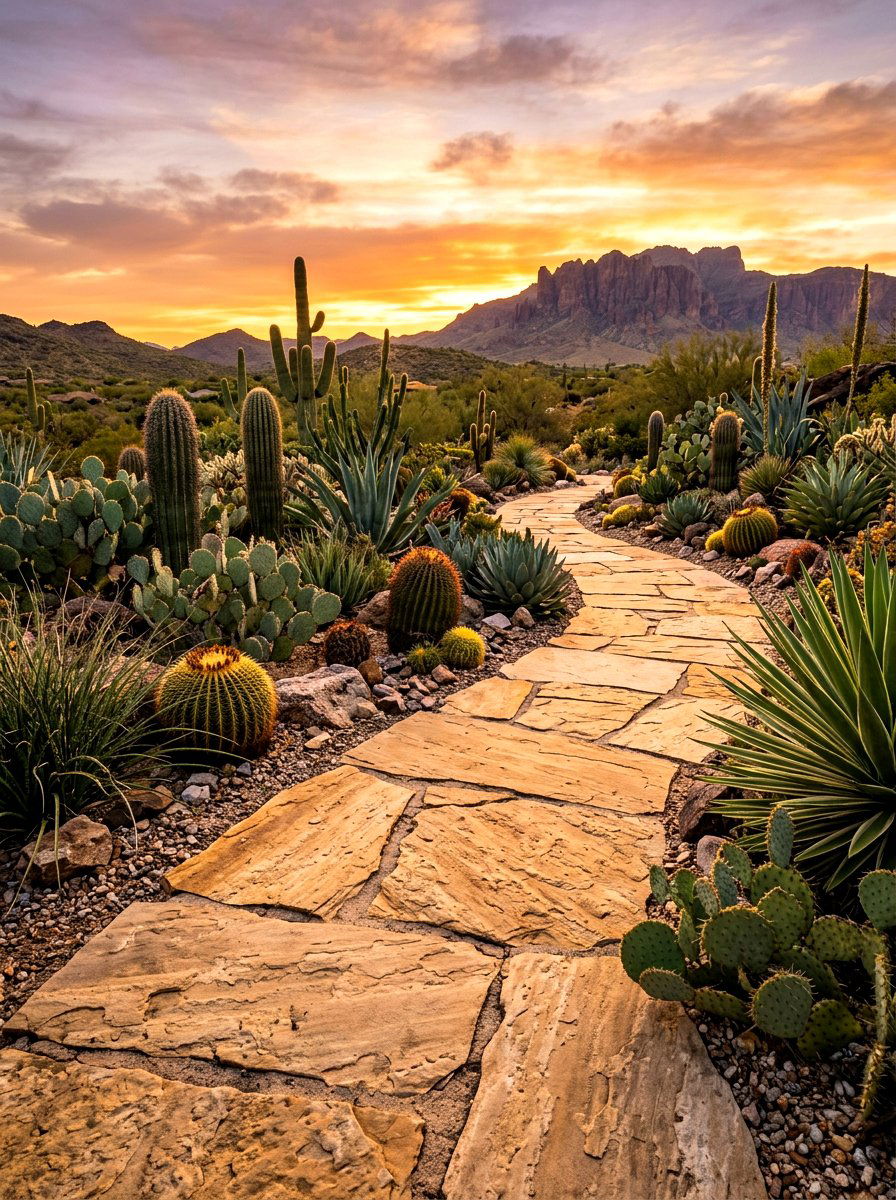
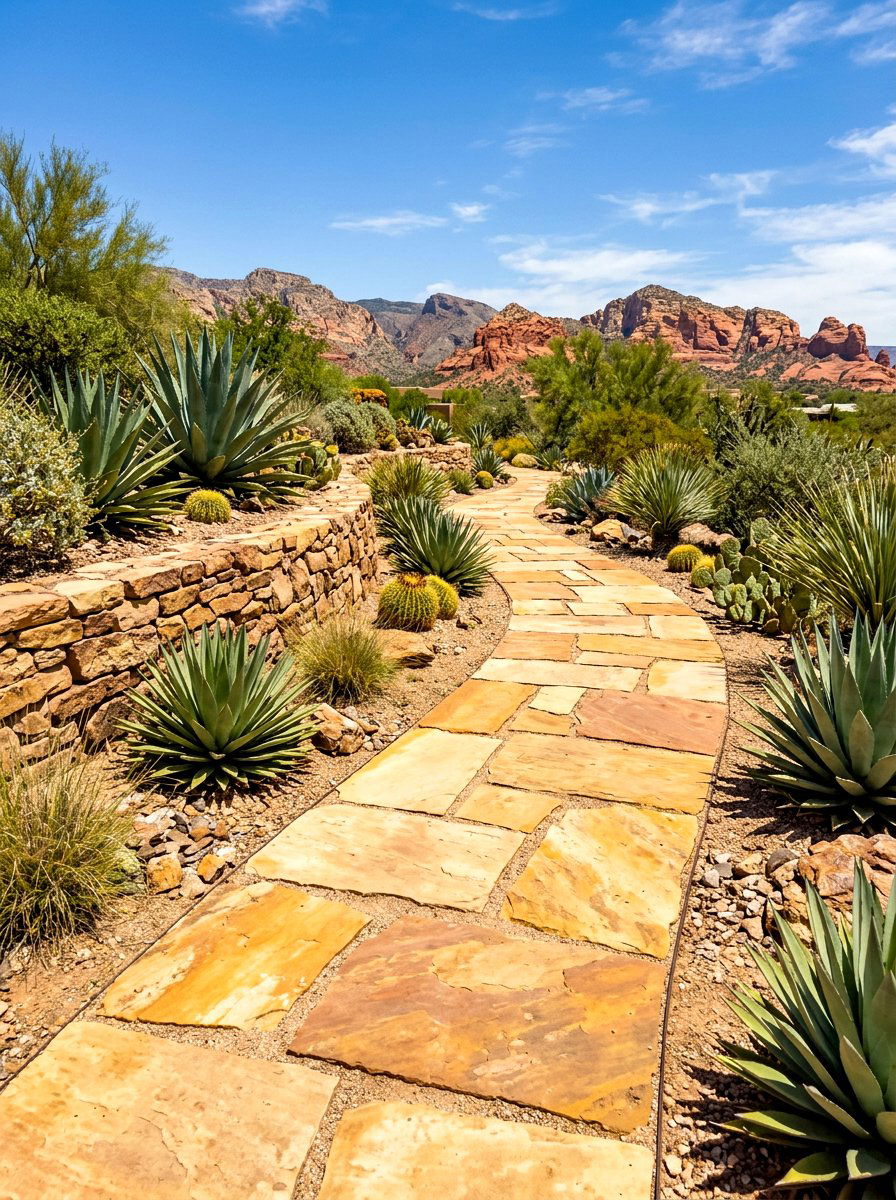
A textured sandstone path brings warm, desert-inspired colors and a beautiful natural grain to your outdoor walking spaces. Sandstone is a highly versatile material that comes in shades of gold, rust, and tan, making it a perfect match for gardens with plenty of succulents or warm-toned flowers. The natural texture of the stone provides excellent grip, while the layered look of the sediment adds visual depth to each individual step. This design is often used in tiered gardens or sloped yards because it provides a rugged and sturdy feel. It pairs exceptionally well with weathered wood furniture and rusted metal garden ornaments.
21. Painted Garden Stone Path
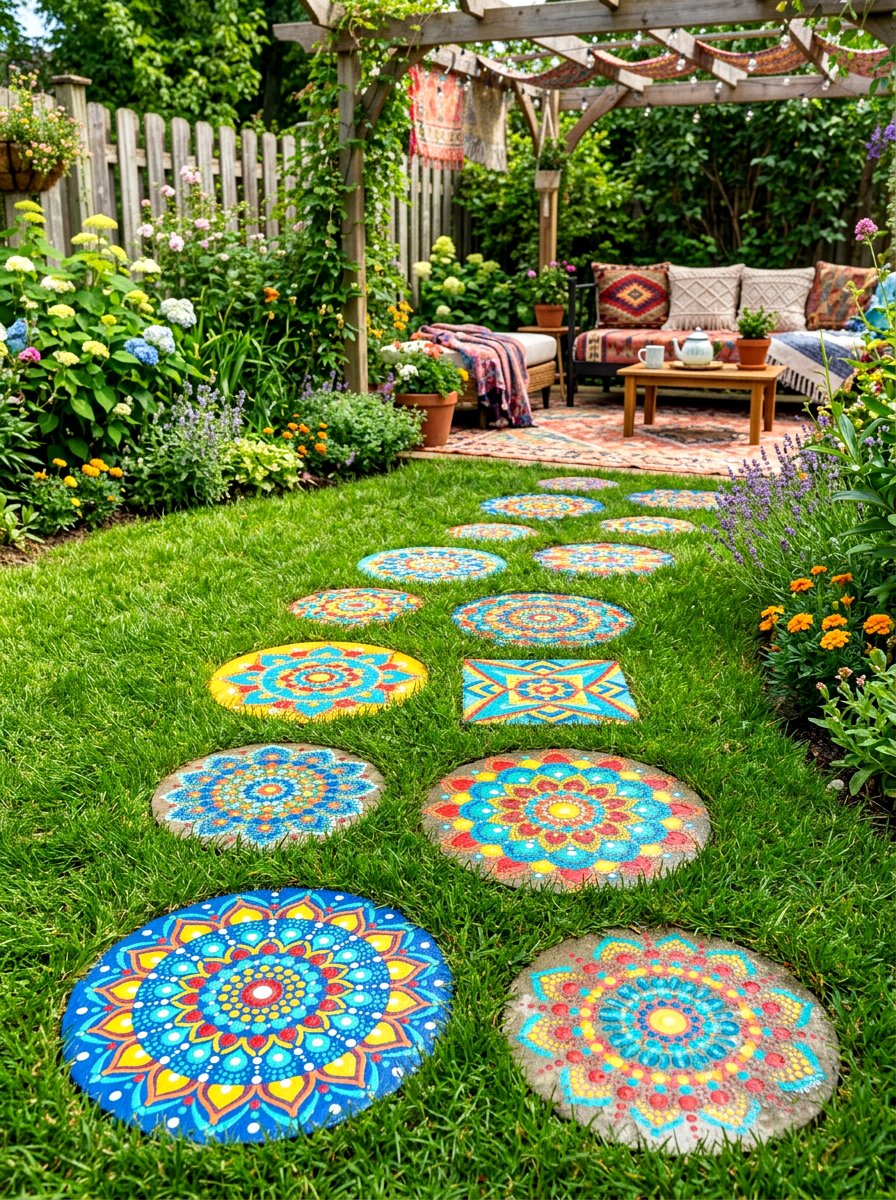
A painted garden stone path is a fun and creative DIY project that allows you to add a burst of color and personality to your backyard. You can use standard concrete pavers as a blank canvas and apply weather-resistant outdoor paint to create vibrant patterns, mandalas, or even faux-mosaic designs. This approach is perfect for family gardens or whimsical backyard spaces where you want to express your artistic side. Once the paint is dry, a clear outdoor sealer should be applied to protect the artwork from the elements and foot traffic. This colorful walkway can brighten up a shady corner or serve as a unique conversation starter.
22. Sustainable Rubber Path
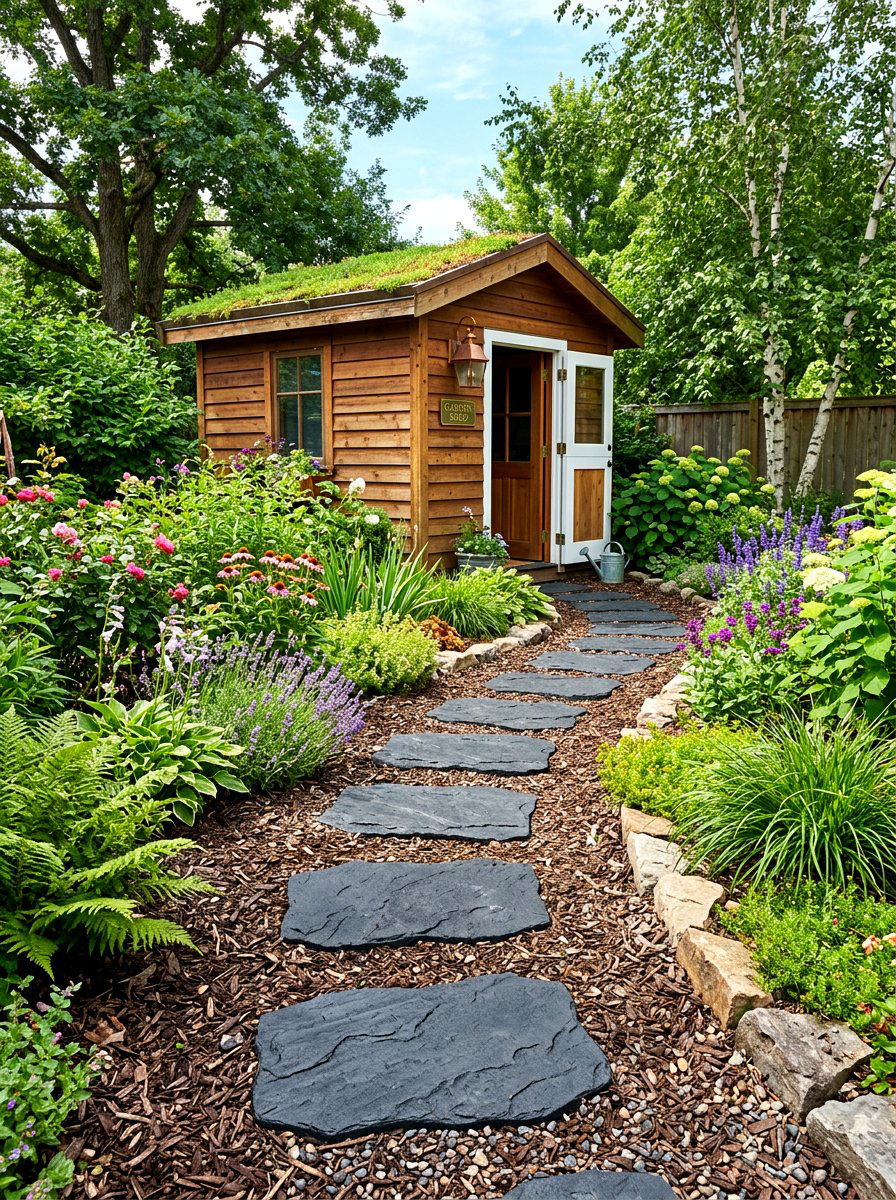
A sustainable rubber path uses stepping stones made from recycled tires, offering an eco-friendly and incredibly durable alternative to traditional stone or concrete. These pavers are often designed to look like natural slate or wood, providing a realistic aesthetic with the added benefit of being lightweight and easy to install. Rubber stepping stones are soft underfoot, making them a safe and comfortable choice for paths near children 's play areas or for elderly family members. They are also resistant to cracking in freezing temperatures and won' t rot or attract insects. This modern material choice shows a commitment to sustainability while maintaining a beautiful and functional yard.
23. Elegant Blue Stone Path
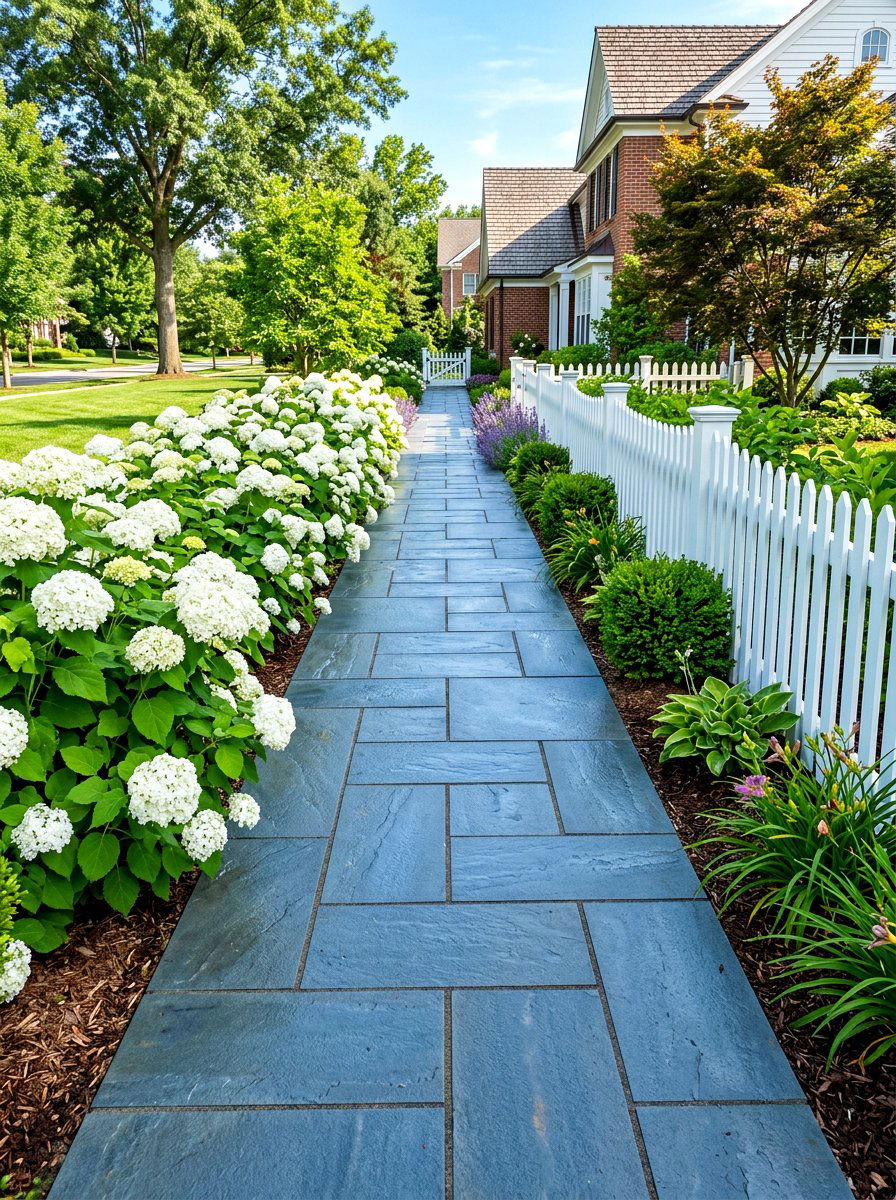
An elegant blue stone path features the stunning, deep blue and gray tones of natural flagstone sourced from specific regions, providing a high-end and cohesive look. These stones are often cut into precise rectangular shapes and laid in a tight, seamless pattern to create a smooth and formal walkway. The cool color palette of blue stone provides a sophisticated backdrop for white flowers and silvery foliage, creating a very calm and serene garden atmosphere. This material is highly prized by landscape architects for its durability and its ability to maintain its rich color even after years of exposure to the sun and heavy rain.
24. Natural Log Path
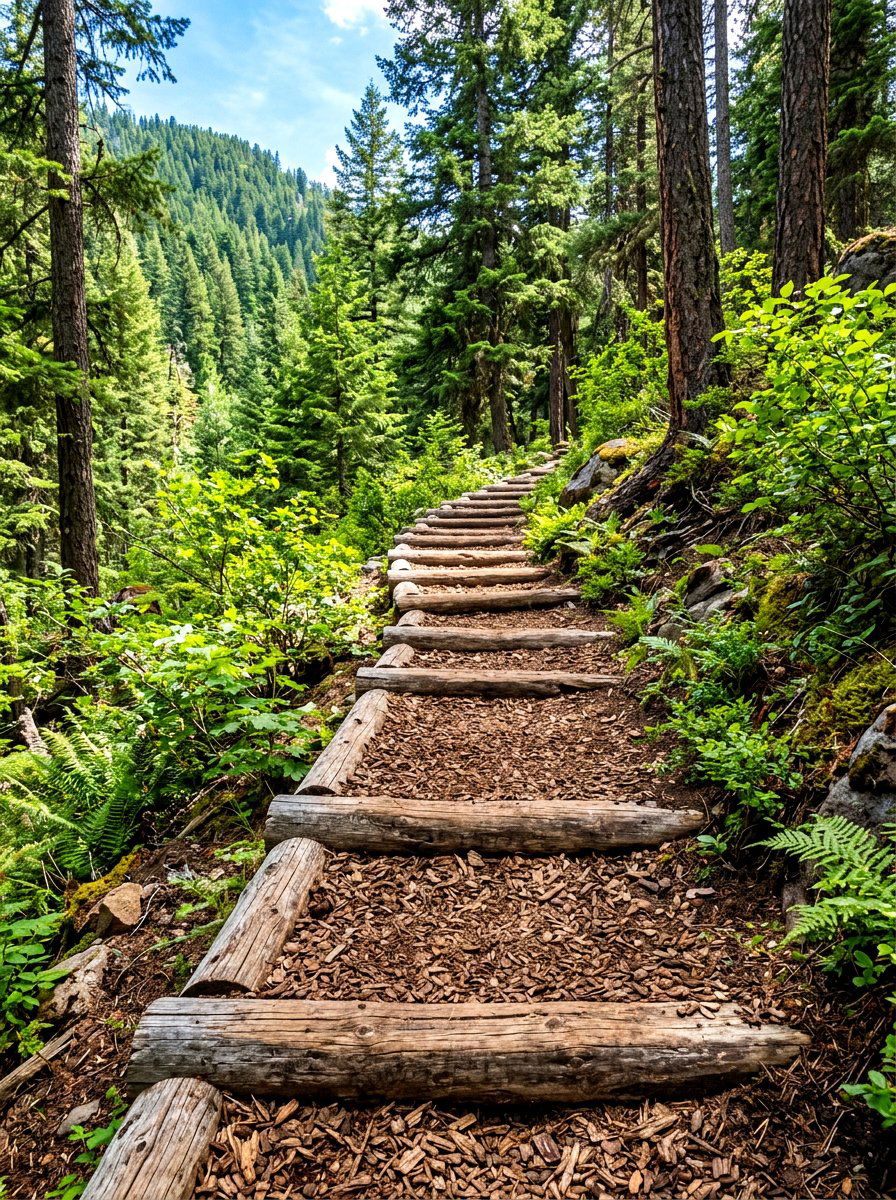
The natural log path is a creative and budget-friendly way to use timber to define a walkway through a rustic or wilder part of your property. Instead of flat slices, this design uses long, half-buried logs to create a stepped or bordered path that feels like a natural extension of the forest floor. Filling the center of the path with wood chips or pine needles completes the organic look and provides a soft, cushioned surface for walking. This style is particularly effective on hillsides or in gardens with a naturalized, informal planting scheme. It encourages a sense of adventure and discovery as you explore the outer edges of the yard.

25. Crushed Stone Walkway
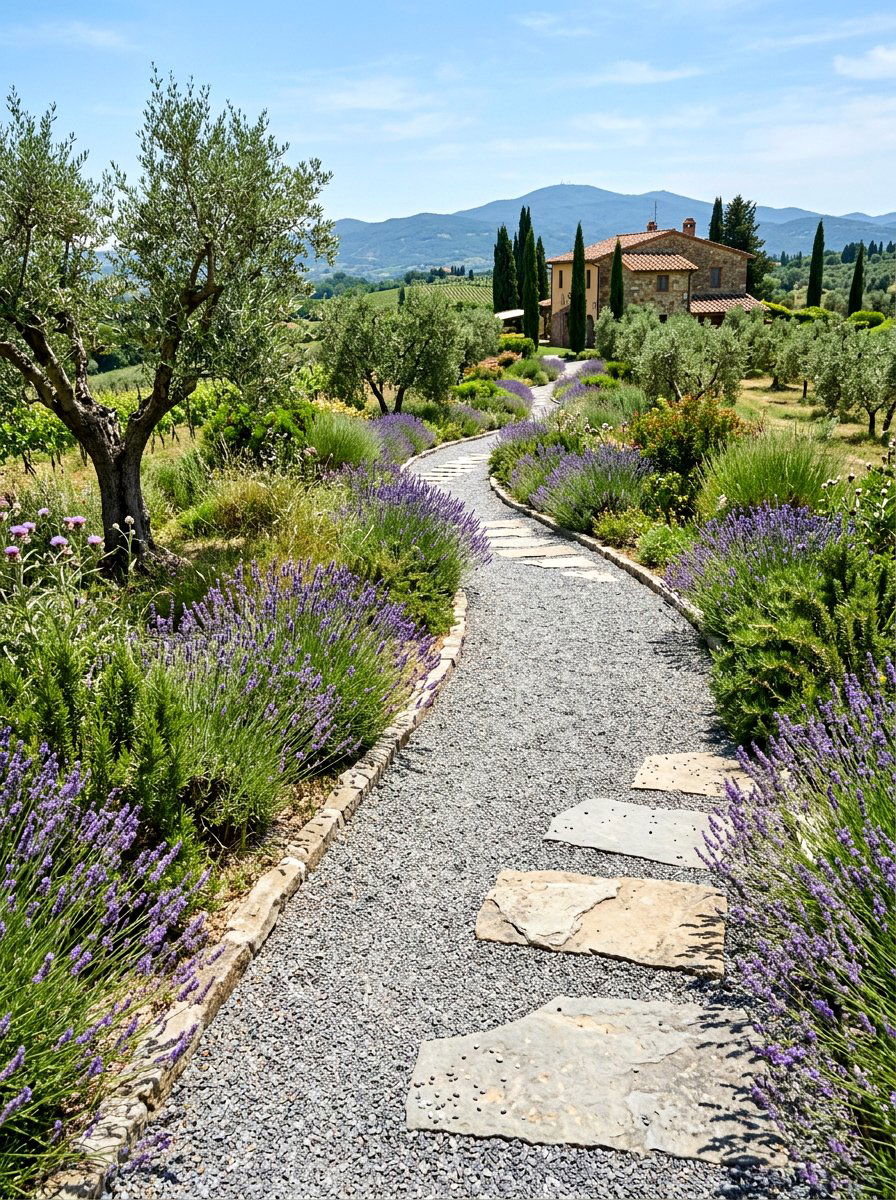
A crushed stone walkway uses finely ground rock, such as decomposed granite or crushed limestone, as the primary material for a low-profile and highly permeable path. This design is perfect for areas with heavy rainfall because it allows water to pass through instantly, preventing erosion and runoff. To add structure and stability, you can place large, flat stepping stones at regular intervals throughout the crushed stone. The fine texture of the rock creates a neat and tidy appearance that works well in Mediterranean or Southwestern-style landscapes. It is a very versatile and easy-to-maintain option that can be shaped into beautiful, flowing curves.
26. Luminous Night Path
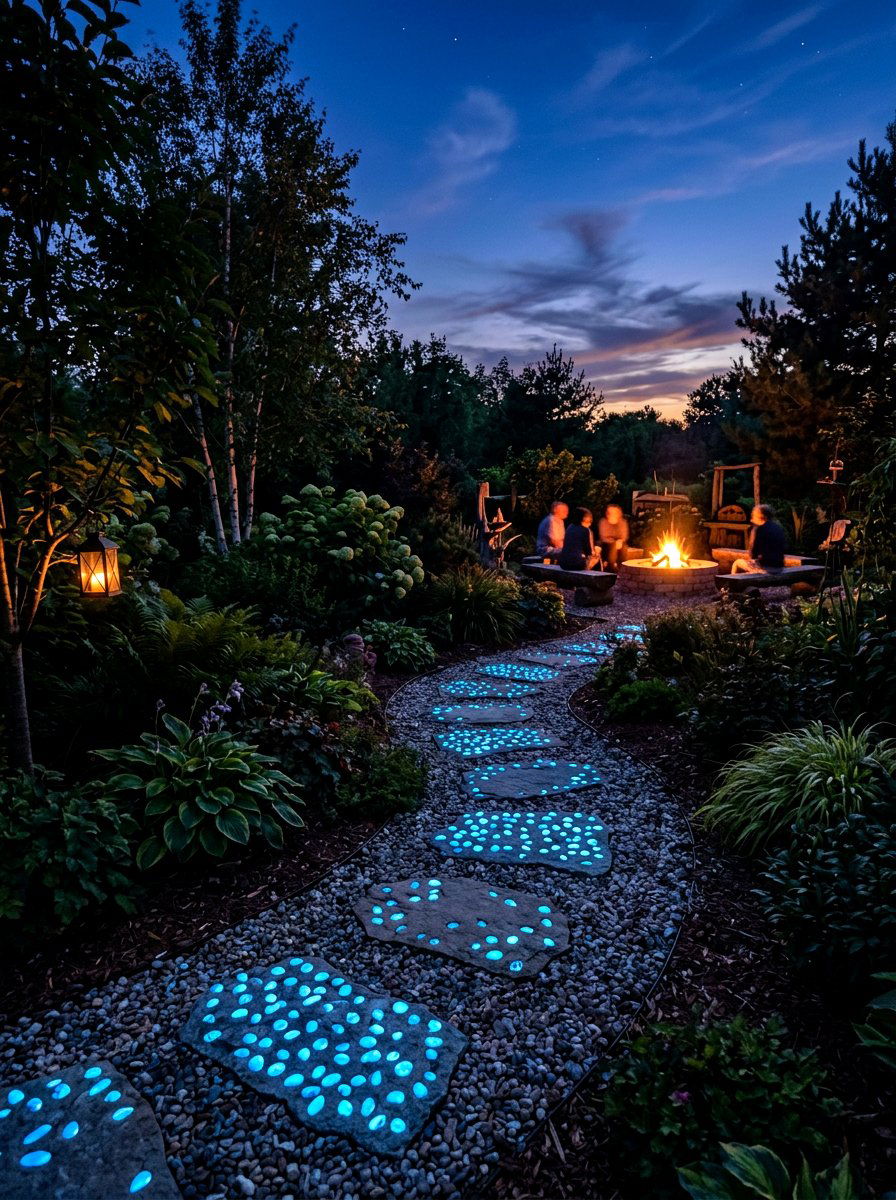
A luminous night path incorporates glow-in-the-dark pebbles or solar-powered lighting directly into the stepping stones to create a magical and safe walkway after sunset. This innovative design involves mixing photo-luminescent stones into concrete pavers or placing small solar LEDs along the edges of a stone path. During the day, the walkway looks like a traditional stone path, but at night, it emits a soft, ethereal glow that guides your way through the garden. This is a fantastic feature for backyards used for evening entertaining or for paths leading to a backyard fire pit or stargazing area. It adds a touch of modern wonder to the yard.
27. Leaf Impression Stone Path
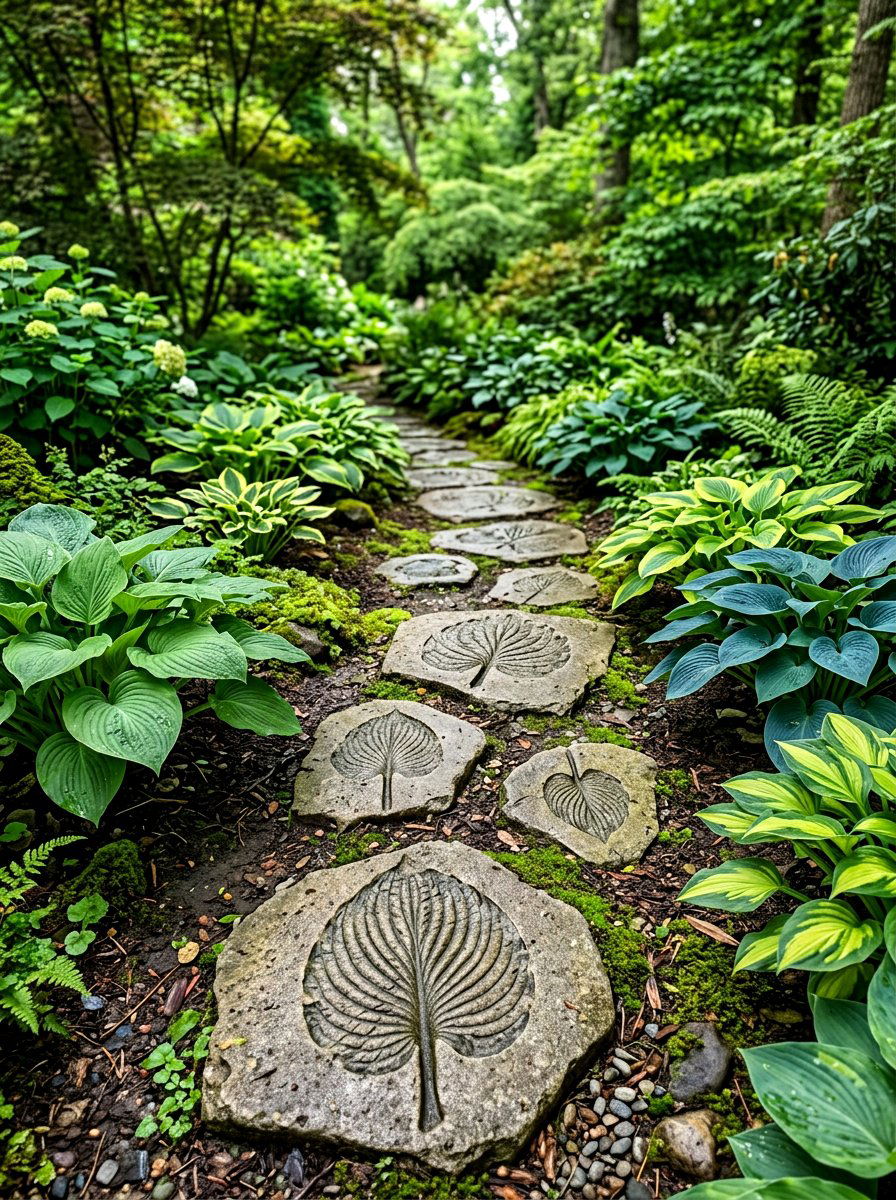
The leaf impression stone path is a beautiful, nature-inspired design where large, real leaves are pressed into wet concrete to create detailed and permanent botanical imprints. This technique allows you to capture the intricate veins and shapes of hosta, rhubarb, or maple leaves, turning each stepping stone into a unique piece of cast-stone art. These stones can be left in their natural gray concrete color or stained with earthy pigments to make the leaf patterns stand out even more. This type of walkway feels deeply connected to the garden and is a wonderful way to commemorate your favorite plants in a functional and artistic way.
28. Smooth Travertine Walkway
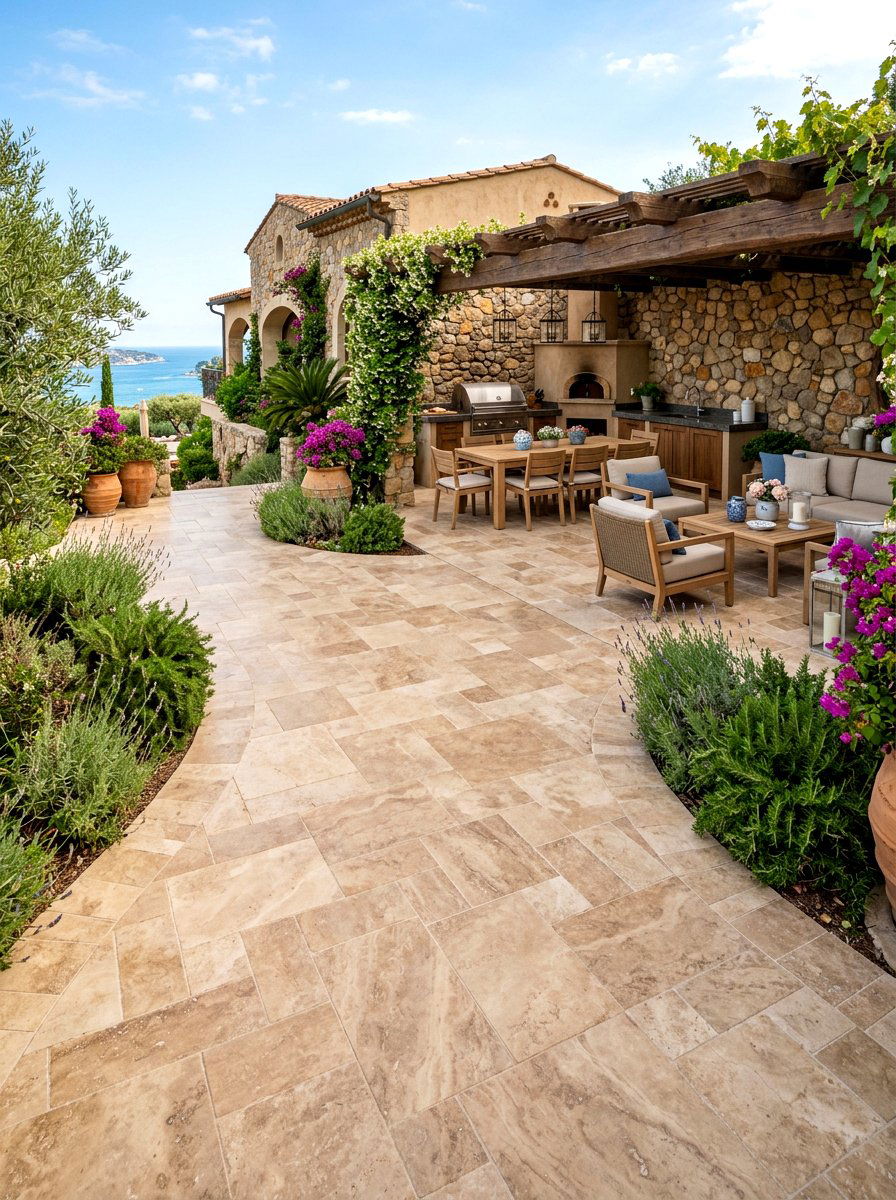
A smooth travertine walkway brings the luxury and warmth of natural Italian stone to your backyard, offering a timeless and elegant surface for your most important paths. Travertine is a type of limestone that features unique pits and textures, which are often filled and honed to create a silky-smooth finish that feels incredible on bare feet. The cream, walnut, and gold tones of the stone create a bright and airy feel that is perfect for a Mediterranean-themed patio or a sunny poolside retreat. Despite its delicate appearance, travertine is a very hard and durable material that can withstand the elements and maintain its beauty for decades.
29. Dark Basalt Path
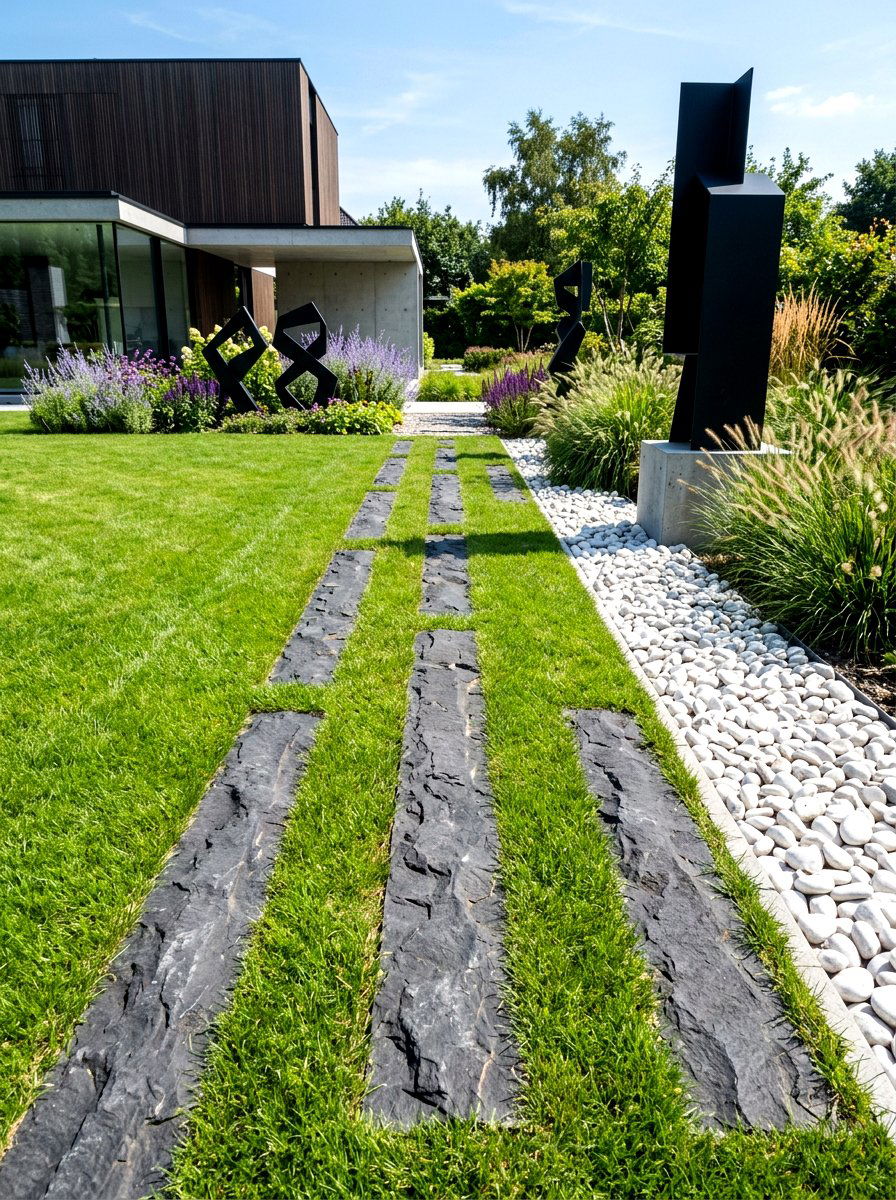
A dark basalt path utilizes the striking, volcanic beauty of charcoal-colored stone to create a dramatic and modern walkway that stands out in any landscape. Basalt is an incredibly dense and hard-wearing material that often comes in rectangular planks or irregular slabs with a slightly textured surface. The deep black or dark gray color of the stone provides a stunning contrast against light-colored gravel or bright, flowering ground covers like creeping phlox. This design is highly favored in contemporary and minimalist gardens because it offers a very clean, architectural look that feels grounded and permanent. It is a bold choice that makes a big statement.
30. Pebble Inlay Walkway
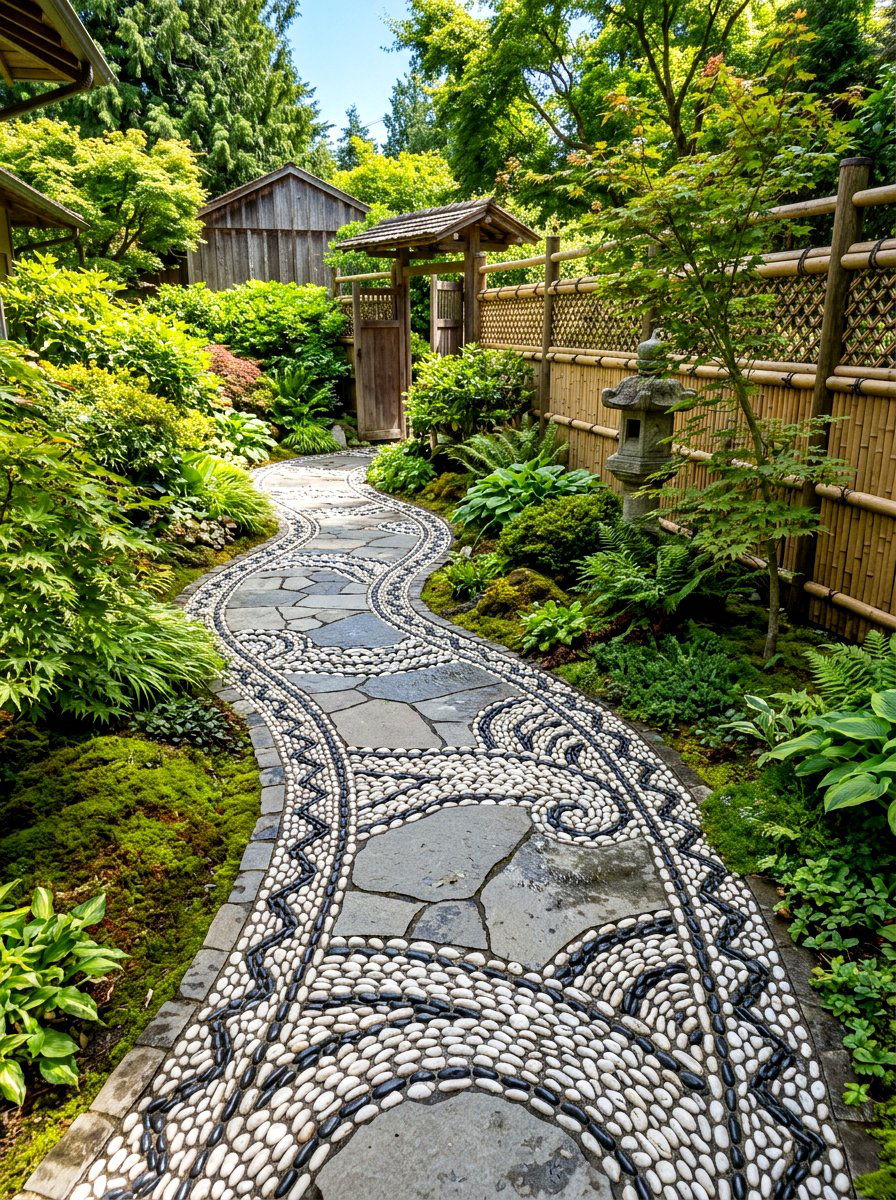
A pebble inlay walkway combines the stability of large stone slabs with the intricate detail of hand-placed river pebbles set into the borders or gaps. This design allows you to create beautiful borders of contrasting colors, such as white pebbles around dark gray slate, adding a layer of texture and craftsmanship to the path. The small pebbles can also be used to fill in irregular spaces where a large stone won't fit, ensuring the entire path looks finished and intentional. This style is highly customizable and can be adapted to fit everything from a formal garden entry to a relaxed, coastal-themed side yard path.
Conclusion:
Transforming your backyard with a thoughtfully designed stepping stone path is one of the most rewarding home improvement projects you can undertake. These walkways do much more than just provide a place to walk; they define the flow of your outdoor space, create visual focal points, and add a layer of texture that ties your landscaping together. Whether you choose the rustic charm of reclaimed materials or the crisp lines of modern concrete, a well-placed path invites exploration and enjoyment of your garden year-round. By selecting the right style for your home's architecture, you can create a viral-worthy landscape that enhances your lifestyle.

Related posts: