Transforming a shaded backyard into a lush sanctuary often starts with the timeless elegance of ferns. These ancient plants bring a unique texture and a sense of prehistoric mystery to any outdoor space. Whether you are dealing with a damp corner or a dry, shady spot under a large oak tree, there is a fern variety perfectly suited for the job. Ferns offer an incredible range of colors, from the deep forest greens of the Christmas fern to the shimmering silver hues of the Japanese painted fern. By incorporating these feathery fronds into your landscape, you create a cooling effect that feels refreshing during hot summer months. This guide explores creative ways to layer these plants, use them in containers, or build dedicated structures that highlight their graceful form and resilient nature in your home garden.
1. Woodland Fern Garden
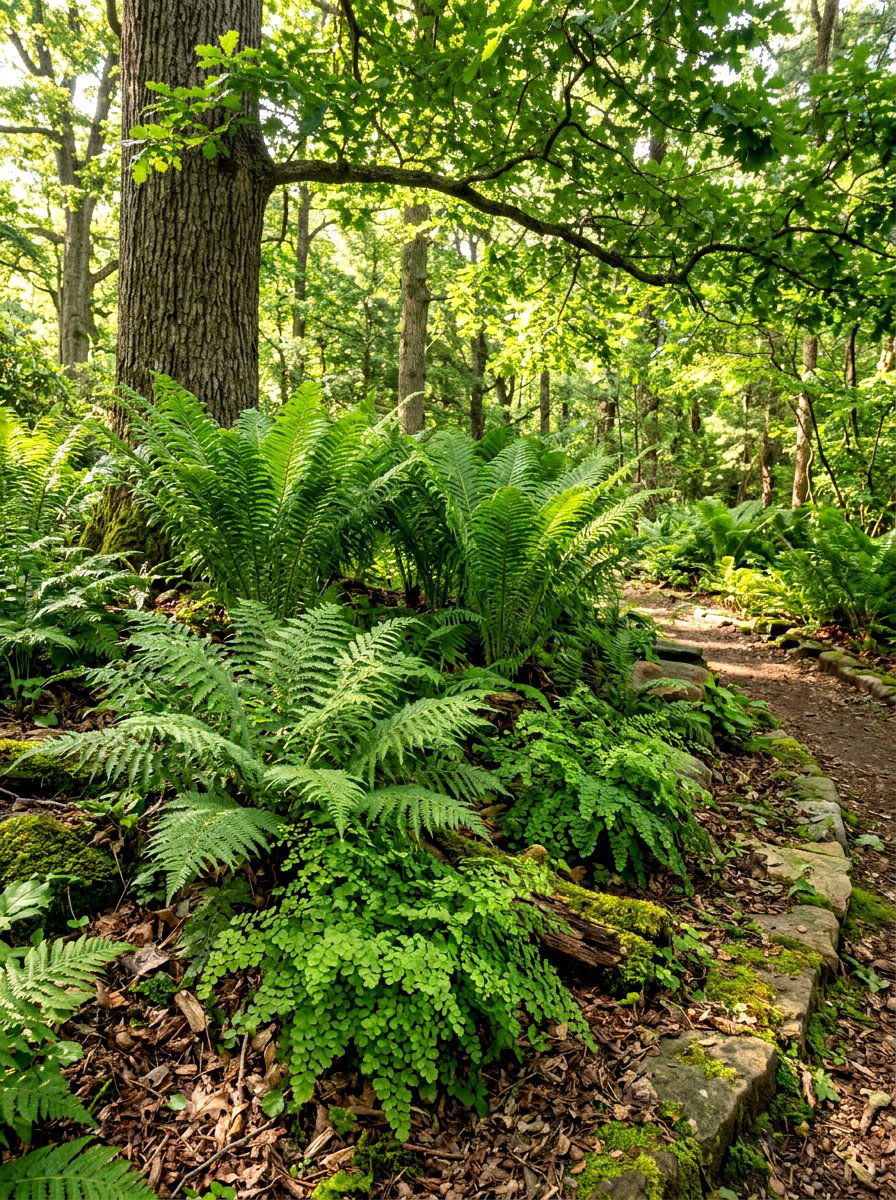
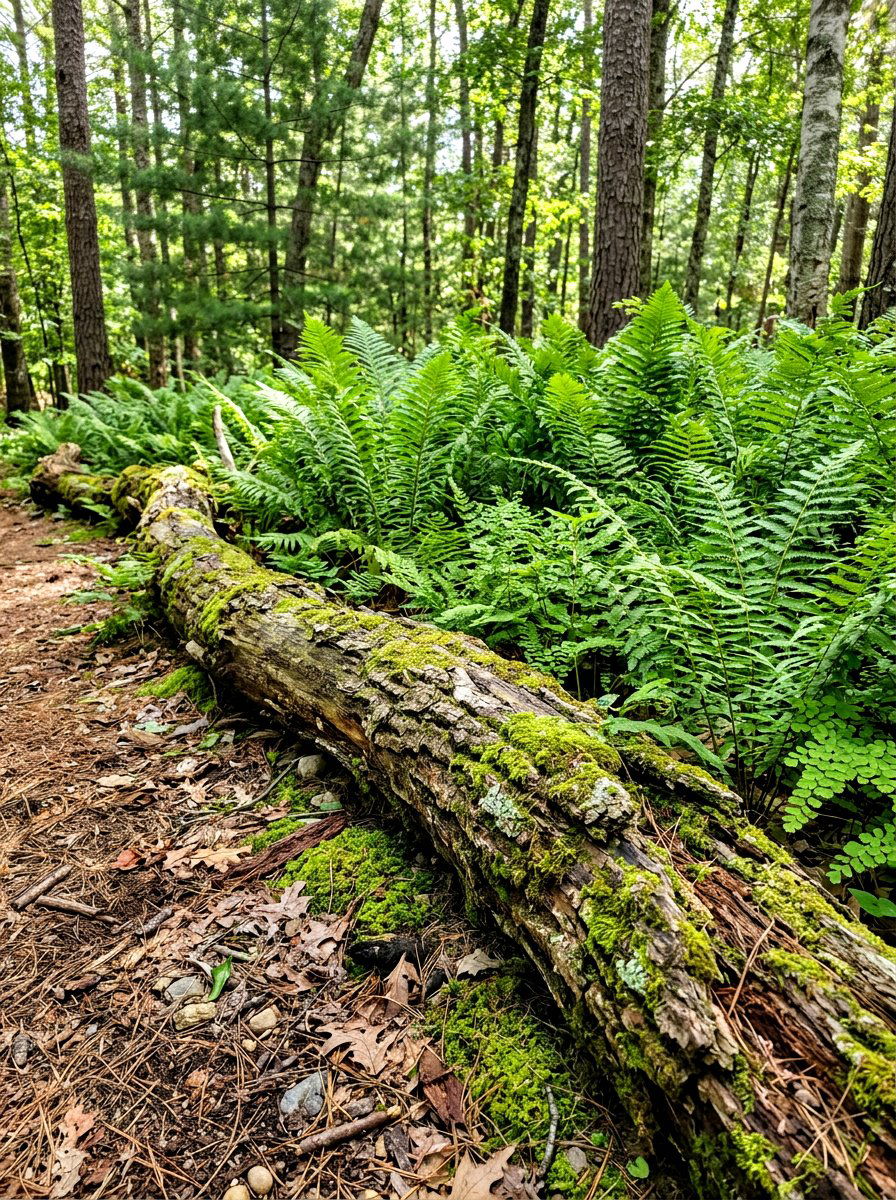
A naturalistic woodland setting is perhaps the most authentic way to showcase these ancient plants in your backyard. By mimicking a forest floor, you can layer various heights of ferns under a canopy of deciduous trees. Use tall ostrich ferns at the back to provide a sense of vertical scale and drama. In the middle ground, place medium-sized lady ferns to fill the space with soft, feathery textures. Finally, finish the front edges with low-growing maidenhair ferns that delicately spill over the soil. Adding a thick layer of leaf mulch helps retain moisture and provides the rich, organic nutrients these plants crave. This approach creates a serene, immersive environment that feels like a hidden forest retreat.
2. Vertical Fern Wall
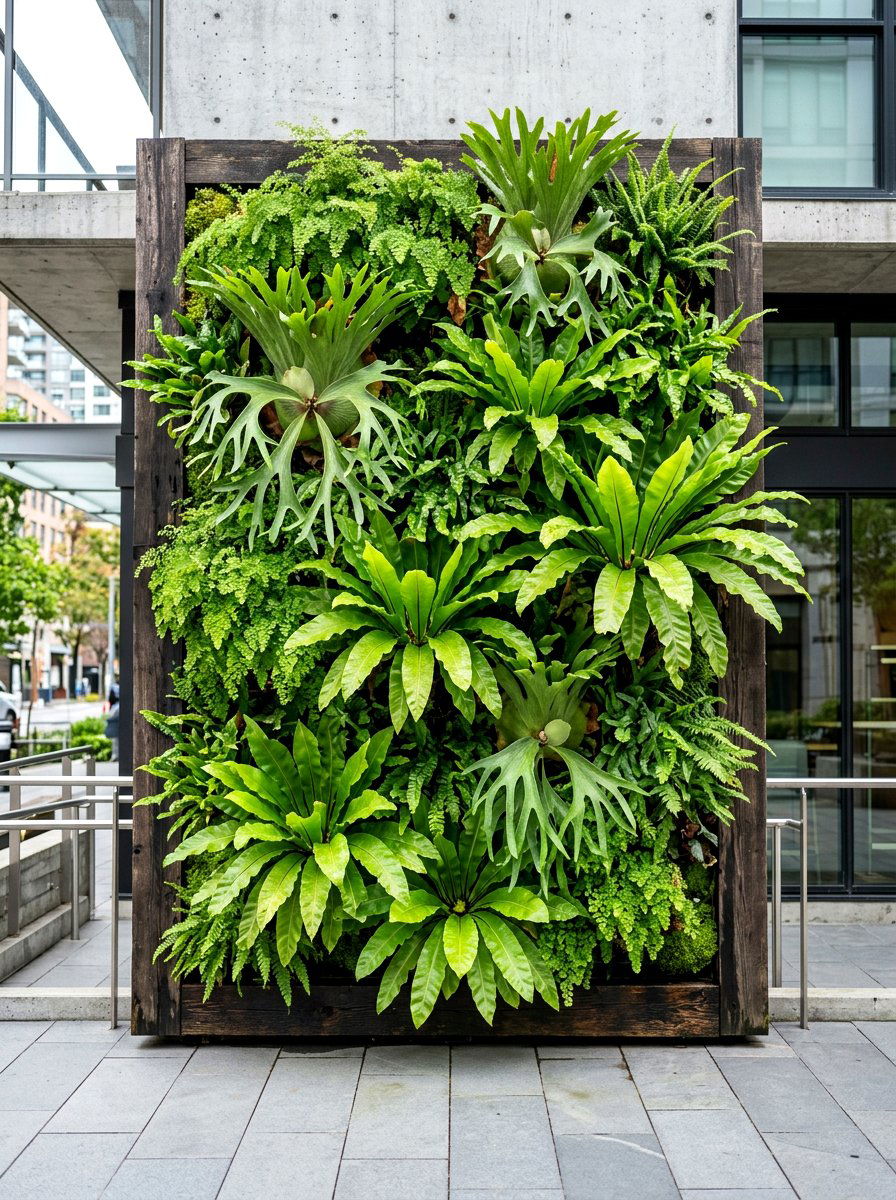
Creating a living wall of greenery is an excellent solution for small urban gardens or narrow side yards. You can install a modular felt pocket system or a wooden pallet frame to house a variety of epiphytic ferns. Staghorn and bird's nest ferns are particularly well-suited for vertical growth because they naturally cling to trees in the wild. Ensure the wall is located in a spot that receives bright, indirect light but remains shielded from harsh afternoon sun. Regular misting is essential to keep the humidity high around the fronds. This vertical arrangement transforms a flat, boring fence or exterior wall into a lush, breathing tapestry of various green shades and complex textures.
3. Fern Stumpery
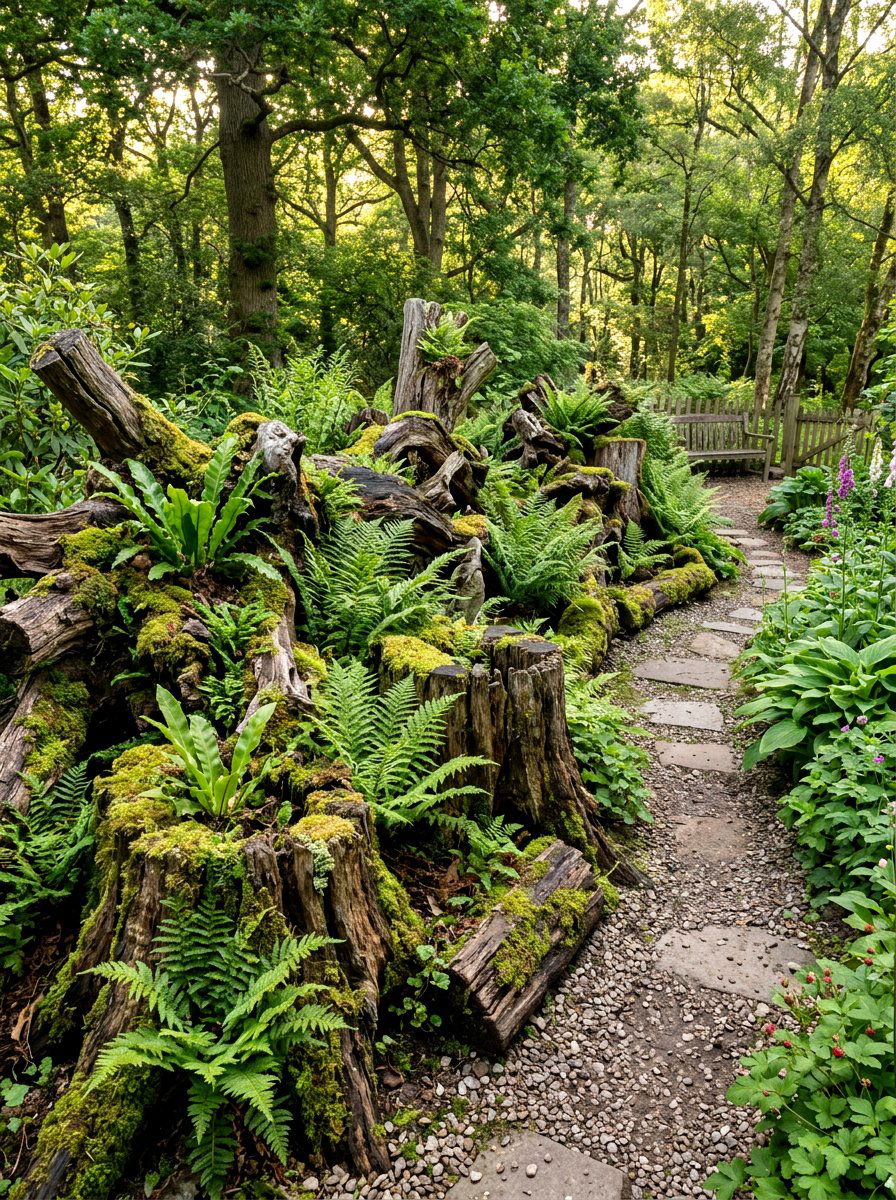
A stumpery is a Victorian-style garden feature that uses upturned logs, roots, and stumps to create a rugged landscape for shade-loving plants. Ferns are the stars of this design because their delicate fronds contrast beautifully against the dark, decaying wood. You can tuck small varieties like the common polypody into the natural crevices of the stumps where pockets of soil have gathered. As the wood slowly breaks down over the years, it provides a steady source of nutrients for the ferns. This design not only adds a touch of historical whimsy to your garden but also provides a vital habitat for beneficial insects and local wildlife in a very natural way.
4. Tropical Fern Landscape
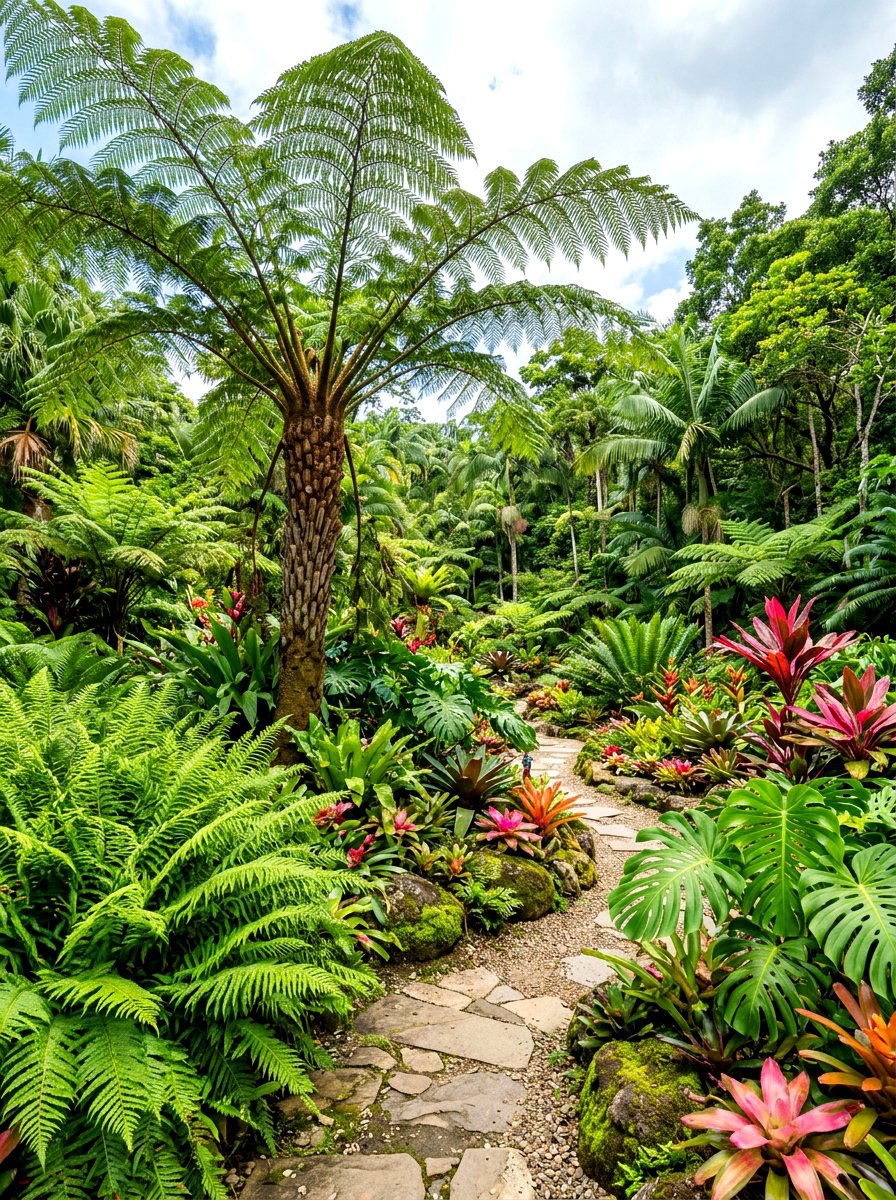
If you live in a warmer climate, you can create an exotic jungle atmosphere by using large-scale tropical ferns. The Australian tree fern is a magnificent focal point, growing a thick trunk and a wide canopy of massive fronds. Surround the base of these giants with Kimberly Queen ferns to add density and a deep green color palette. Incorporating large-leafed plants like hostas or caladiums alongside the ferns will enhance the tropical aesthetic through contrasting foliage shapes. This type of garden thrives on high humidity and consistent watering, so installing a simple drip irrigation system is a smart move. The result is a bold, architectural space that feels like a private island getaway.
5. Shady Fern Patio
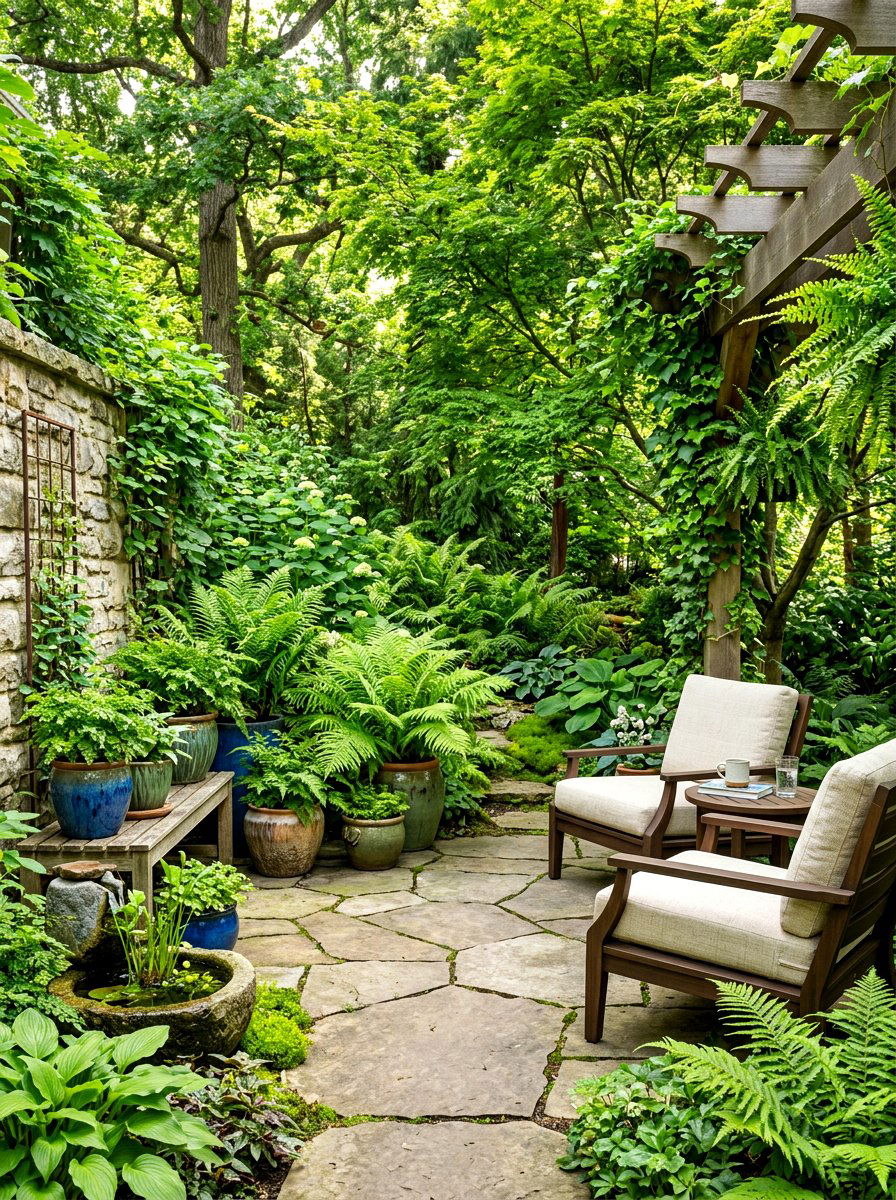
Turning a shaded patio into a green oasis is easily achieved by grouping ferns in various ceramic pots and planters. Use different heights and styles of containers to create visual layers around your seating area. Place a large Boston fern in a tall pedestal planter to draw the eye upward and provide a sense of enclosure. Mix in some autumn ferns to introduce coppery tones that shift to green as the season progresses. Because patios are often close to the house, you will be able to enjoy the intricate patterns of the fronds up close. This setup is perfect for those who want a low-maintenance garden that can be easily rearranged.
6. Japanese Fern Garden
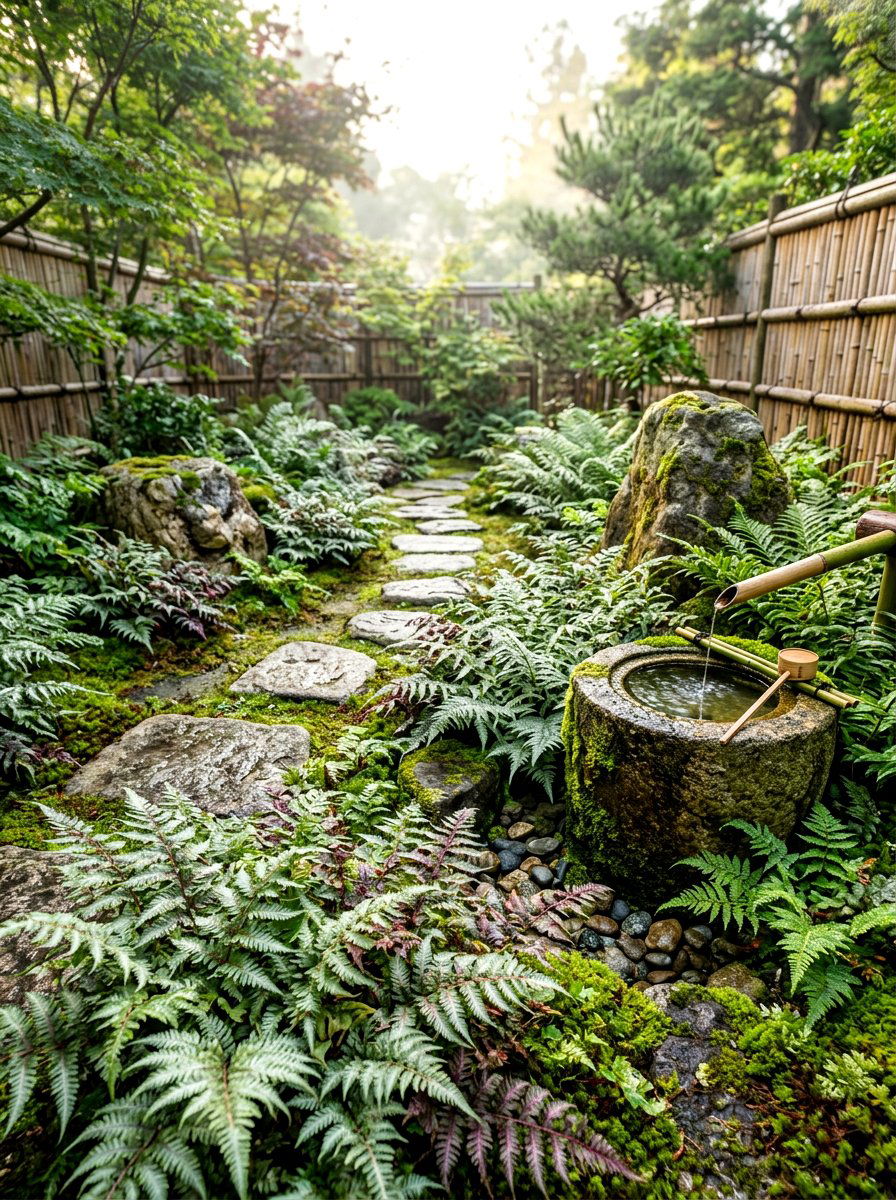
A Japanese-inspired garden focuses on serenity, balance, and the subtle beauty of foliage rather than bright flowers. Ferns are essential here, especially the Japanese painted fern with its unique silvery-purple fronds. Pair these with carefully placed moss-covered stones and a simple stone basin to create a focal point of quiet reflection. Use the structural form of the holly fern to provide a dark green, leathery contrast against the delicate texture of the painted varieties. Keeping the design minimalist allows the individual shapes of the ferns to stand out clearly. This style of gardening encourages a slow, mindful appreciation of nature and provides a very peaceful atmosphere for relaxation.
7. Fern Rock Garden
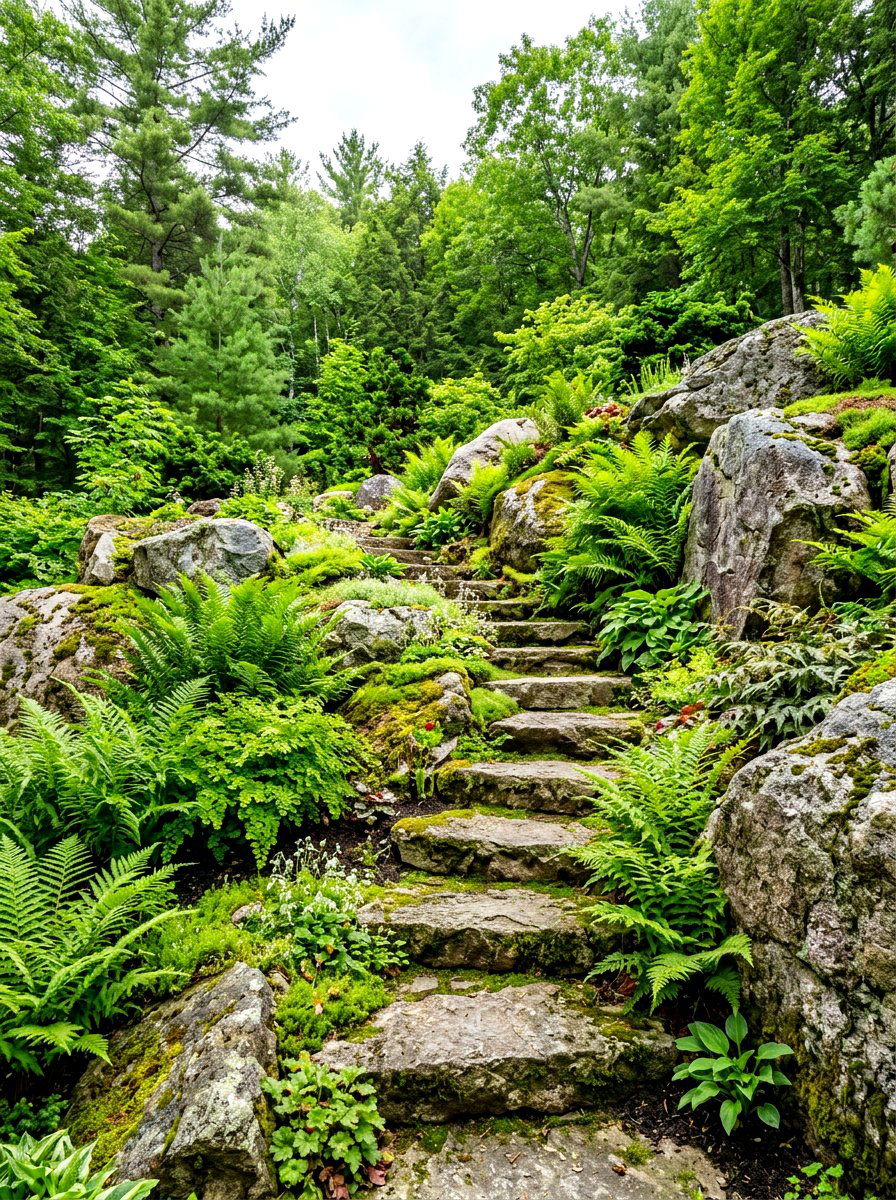
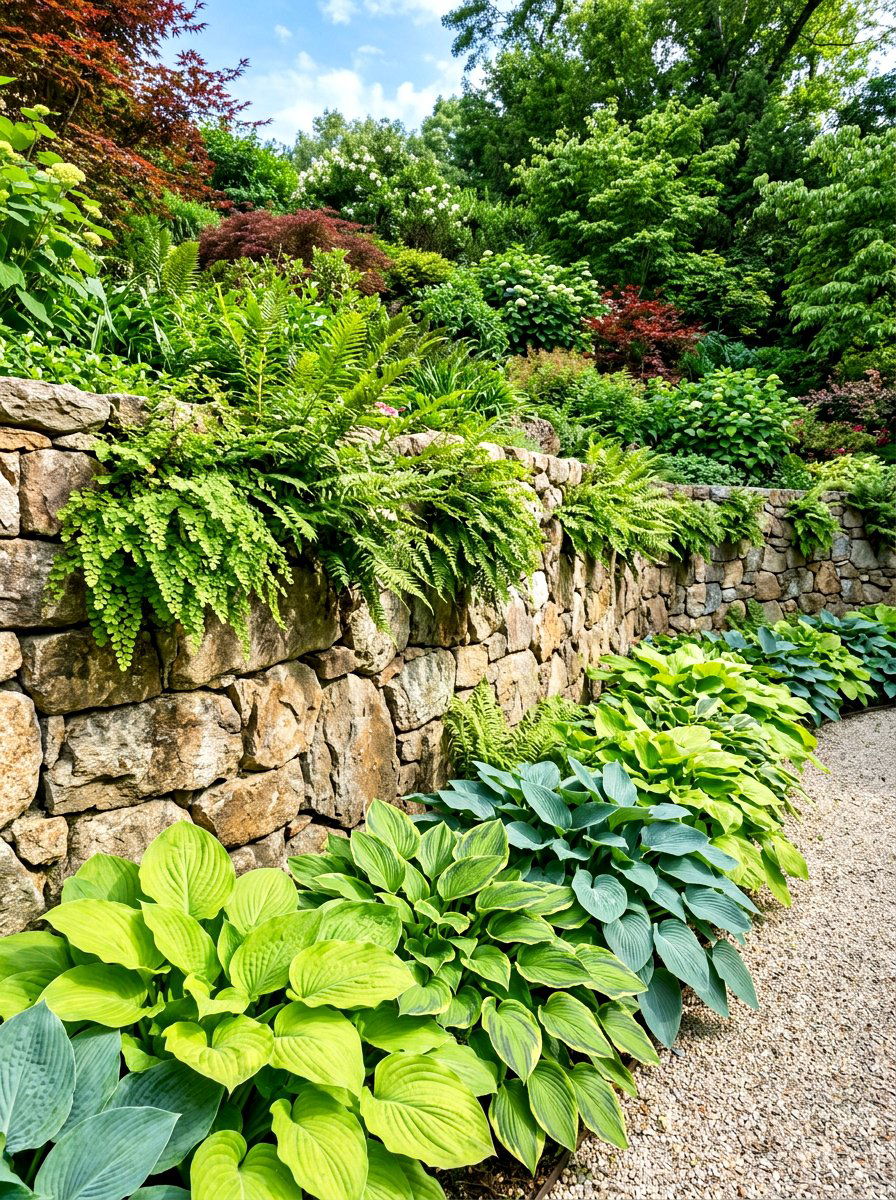
While most people associate rock gardens with sun-loving succulents, a shaded rockery is the perfect home for many hardy fern species. Use large, weathered limestone or granite boulders to create different elevations and small microclimates. Tuck the resilient wall rue or the maidenhair spleenwort into the narrow gaps between the rocks where moisture tends to linger. These smaller ferns appreciate the cool root run provided by the stones. The combination of hard, grey rock and soft, emerald greenery creates a timeless look that works well in both modern and traditional landscapes. Ensure the soil mix is gritty enough to provide the excellent drainage that many rock-dwelling ferns require.
8. Fern Pond Border
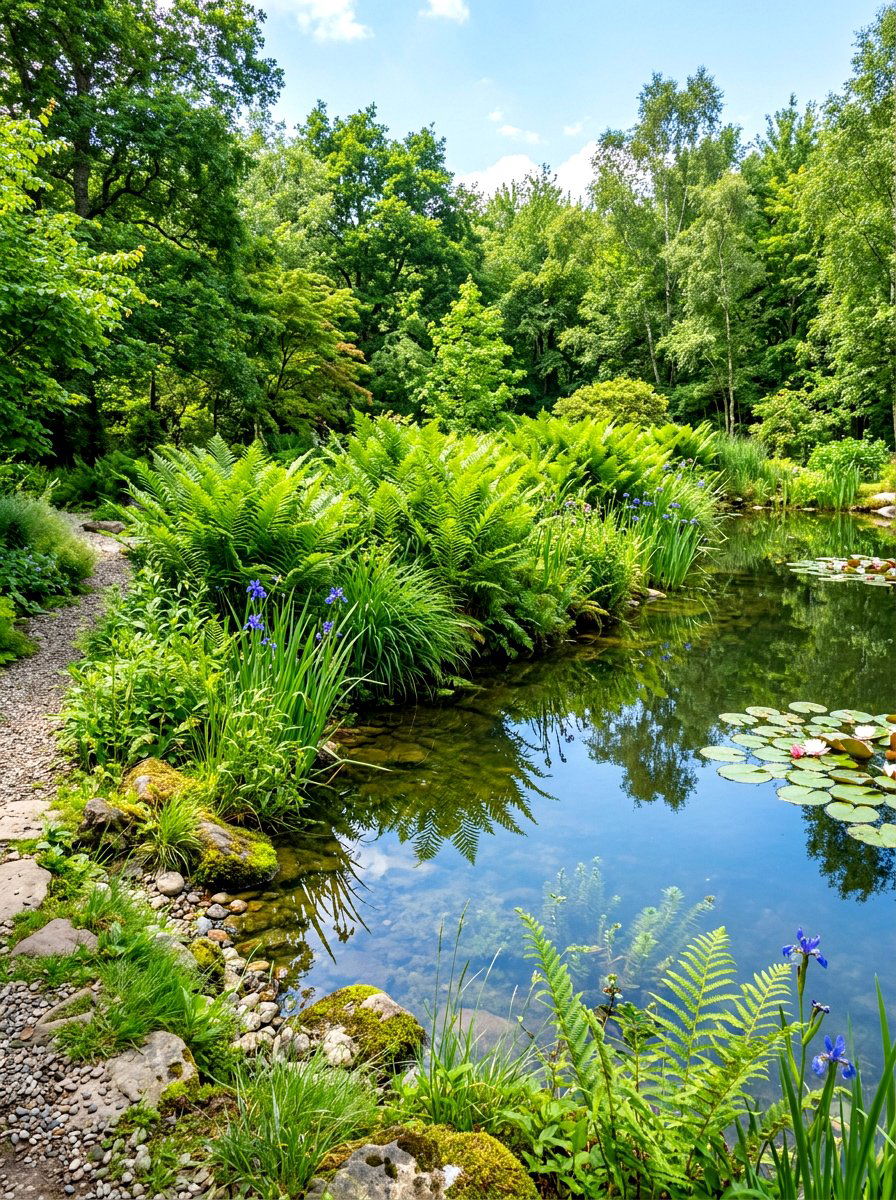
Ferns are the natural choice for softening the hard edges of a backyard pond or a man-made stream. Varieties like the royal fern and the sensitive fern actually prefer the damp soil found near water sources. Plant them right at the water's edge so their fronds can hang over the surface and reflect in the water. This creates a seamless transition between the land and the aquatic environment. The moisture from the pond provides the high humidity that ferns love, keeping them lush even during the hottest days of summer. Adding some floating aquatic plants will complete the look and create a balanced ecosystem that attracts frogs and dragonflies.
9. Hanging Fern Basket
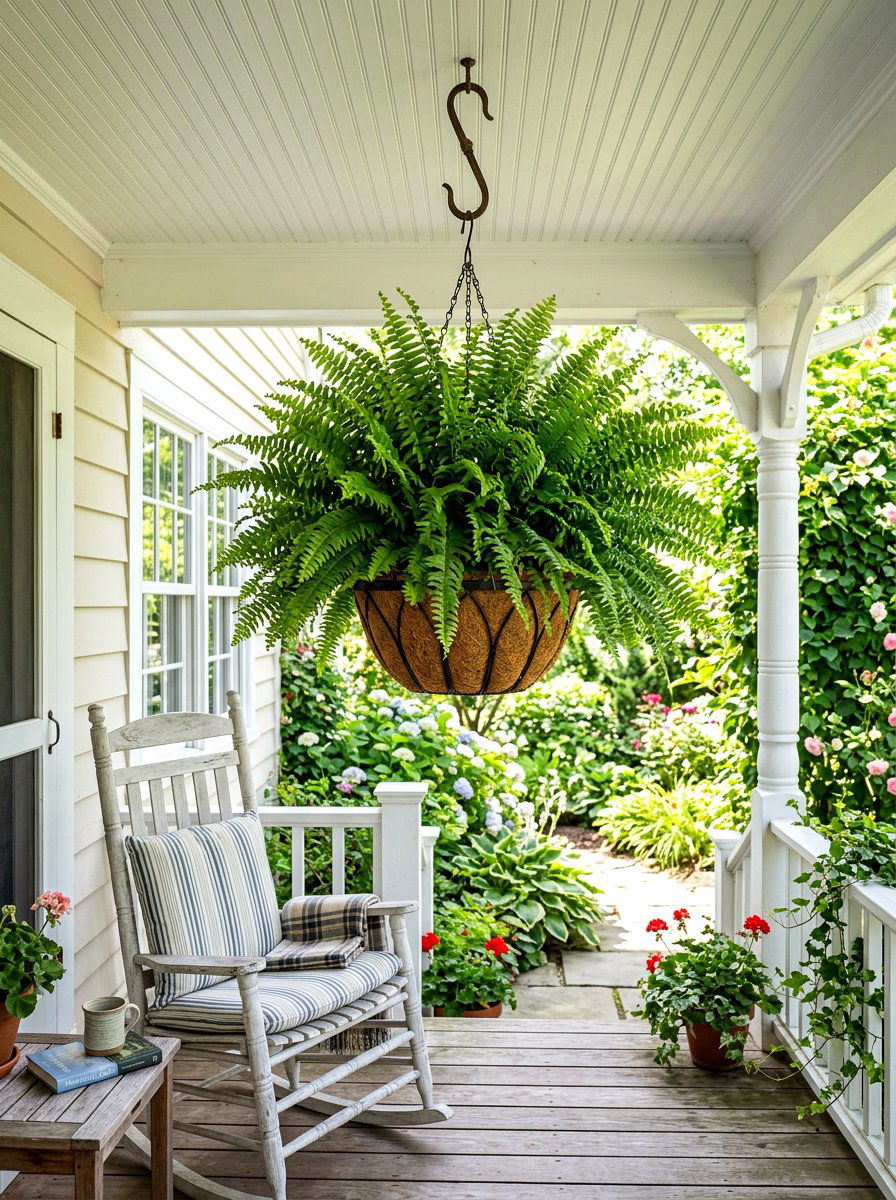
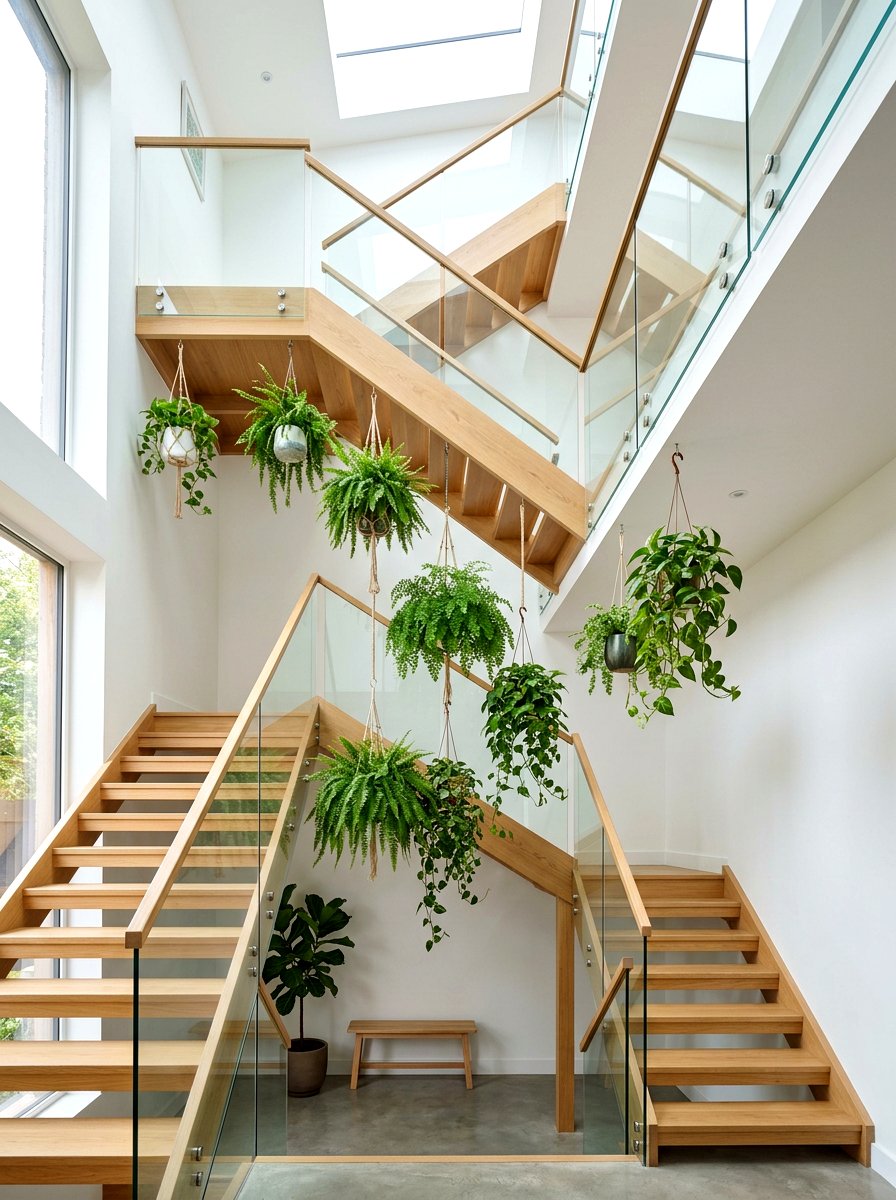
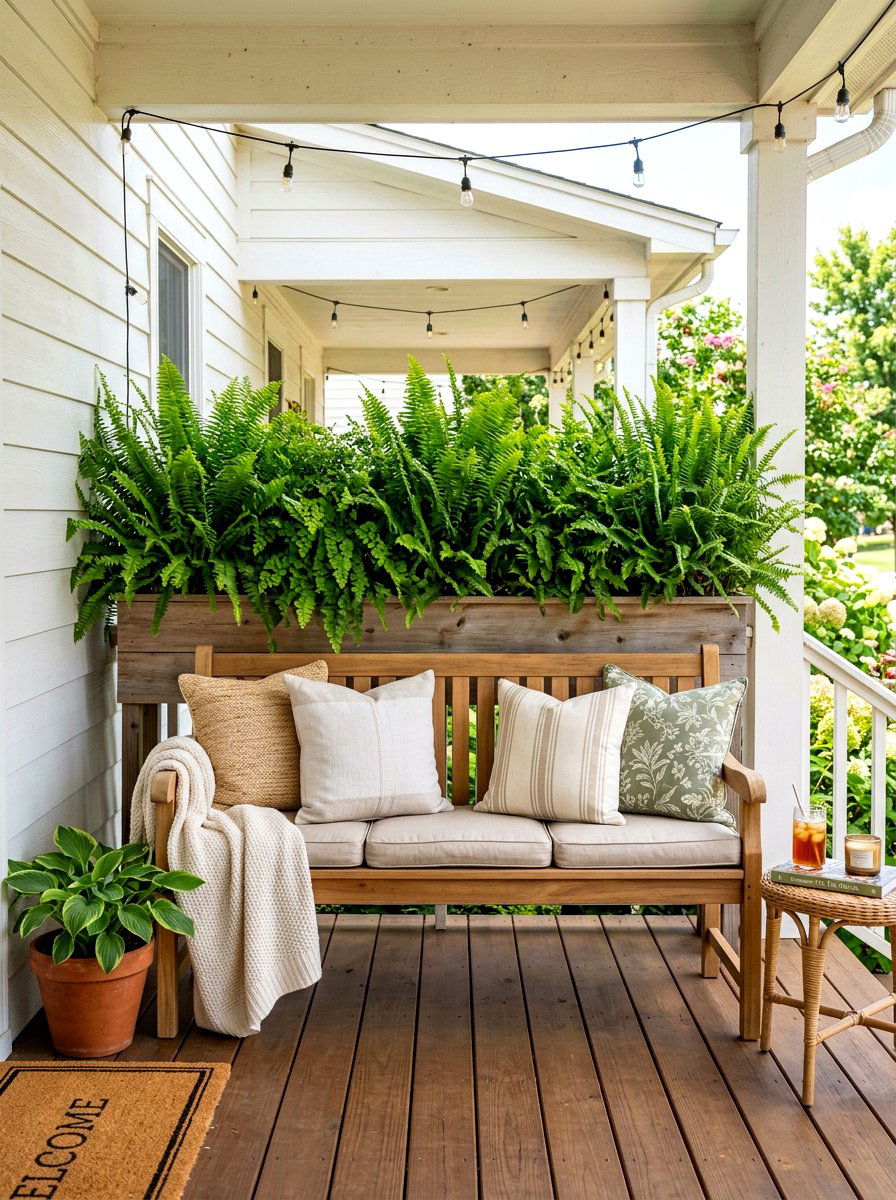
Hanging baskets filled with ferns provide a wonderful way to add greenery at eye level on a porch or under a pergola. The classic Boston fern is a favorite for this application because its long, arching fronds create a full, spherical shape that hides the container. You can also experiment with the asparagus fern for a more airy and delicate appearance that catches the slightest breeze. It is important to remember that hanging plants dry out faster than those in the ground. Using a coco-fiber liner helps retain moisture, but you should still check the soil daily during the summer. These suspended gardens bring a soft, romantic feel to any outdoor living area.
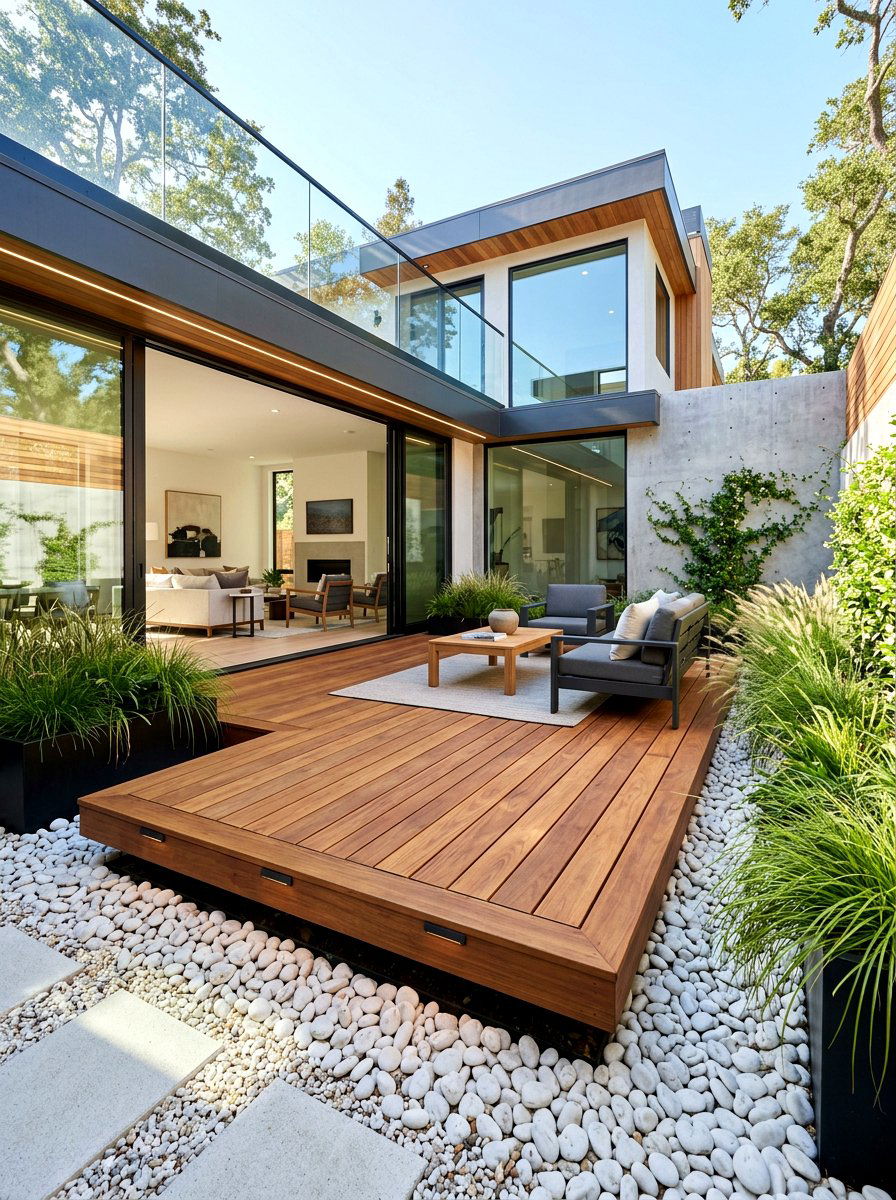
10. Fern Container Garden
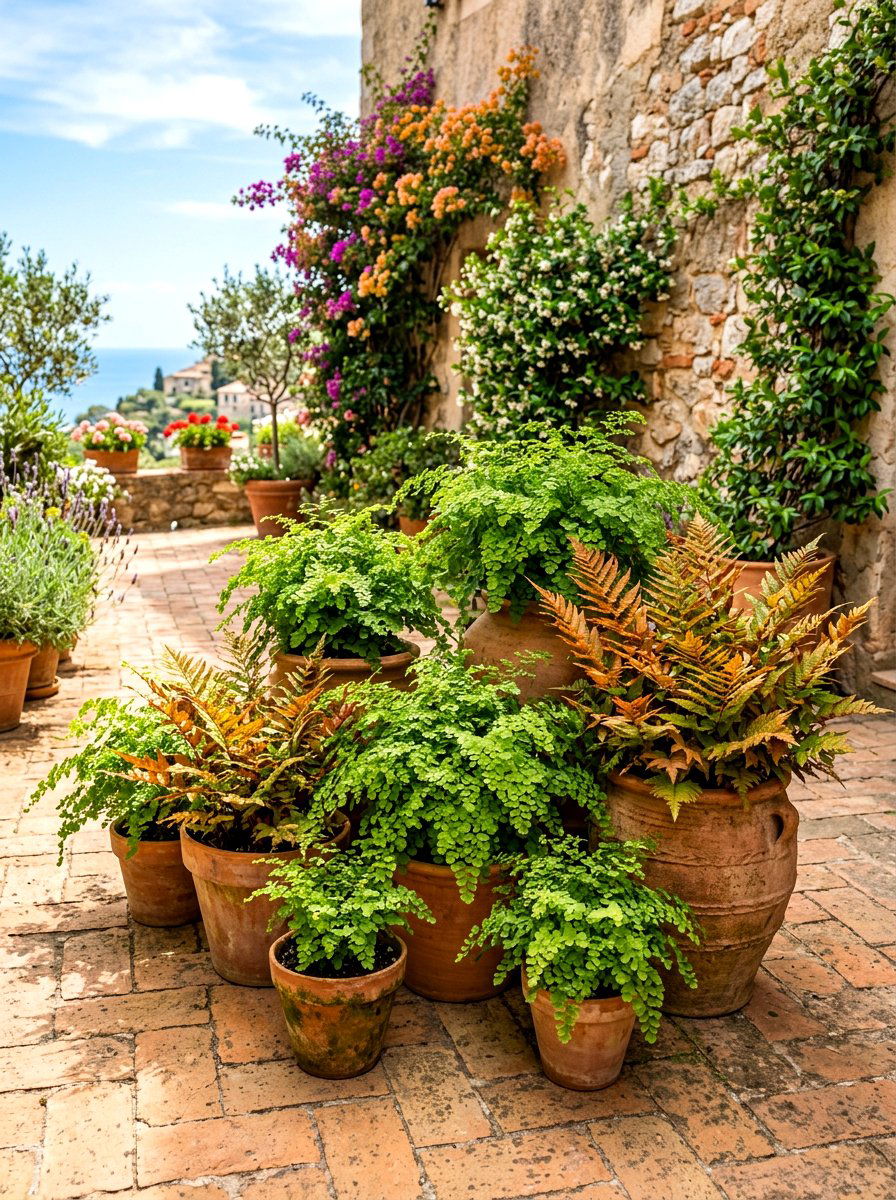
Designing a dedicated container garden for ferns allows you to control the soil quality and moisture levels perfectly. Choose a collection of pots in a single color, like matte black or terracotta, to create a cohesive look. Inside these pots, you can grow more demanding varieties like the maidenhair fern, which requires very specific humidity levels. By grouping the containers closely together, the plants create their own humid microclimate, which helps them thrive. This approach is ideal for renters or those with limited ground space who still want a diverse collection of plants. You can easily move the pots to follow the shade as the seasons change throughout the year.
11. Modern Fern Courtyard
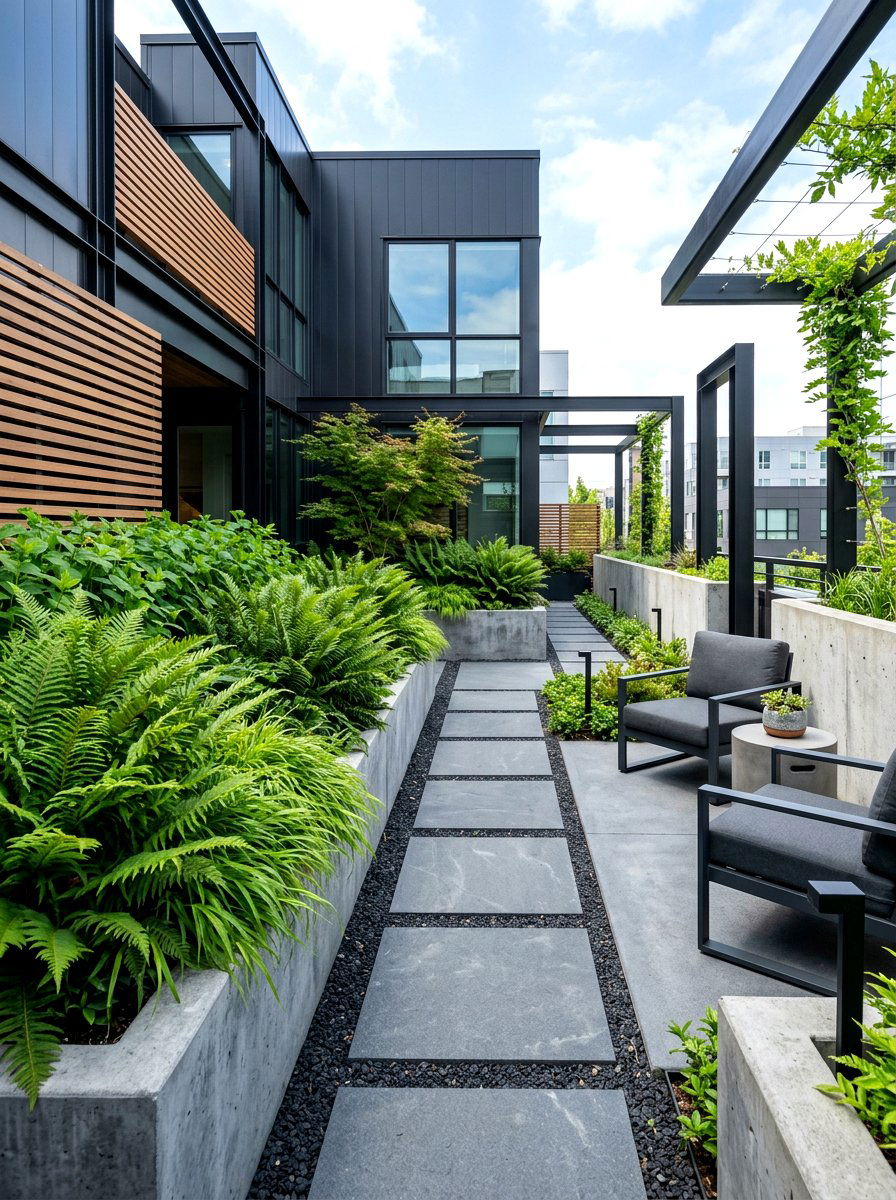
In a modern courtyard with clean lines and hard materials like concrete or steel, ferns provide a much-needed organic touch. Use the architectural form of the sword fern planted in long, linear troughs to emphasize the geometry of the space. The repeating pattern of the upright fronds creates a sophisticated and structured look that complements contemporary architecture. Keep the color palette simple with varying shades of green to maintain a minimalist feel. This type of design is often low-maintenance once the irrigation is set up correctly. The contrast between the rigid man-made elements and the soft, moving ferns creates a dynamic and visually interesting outdoor room for entertaining guests.
12. Native Fern Garden
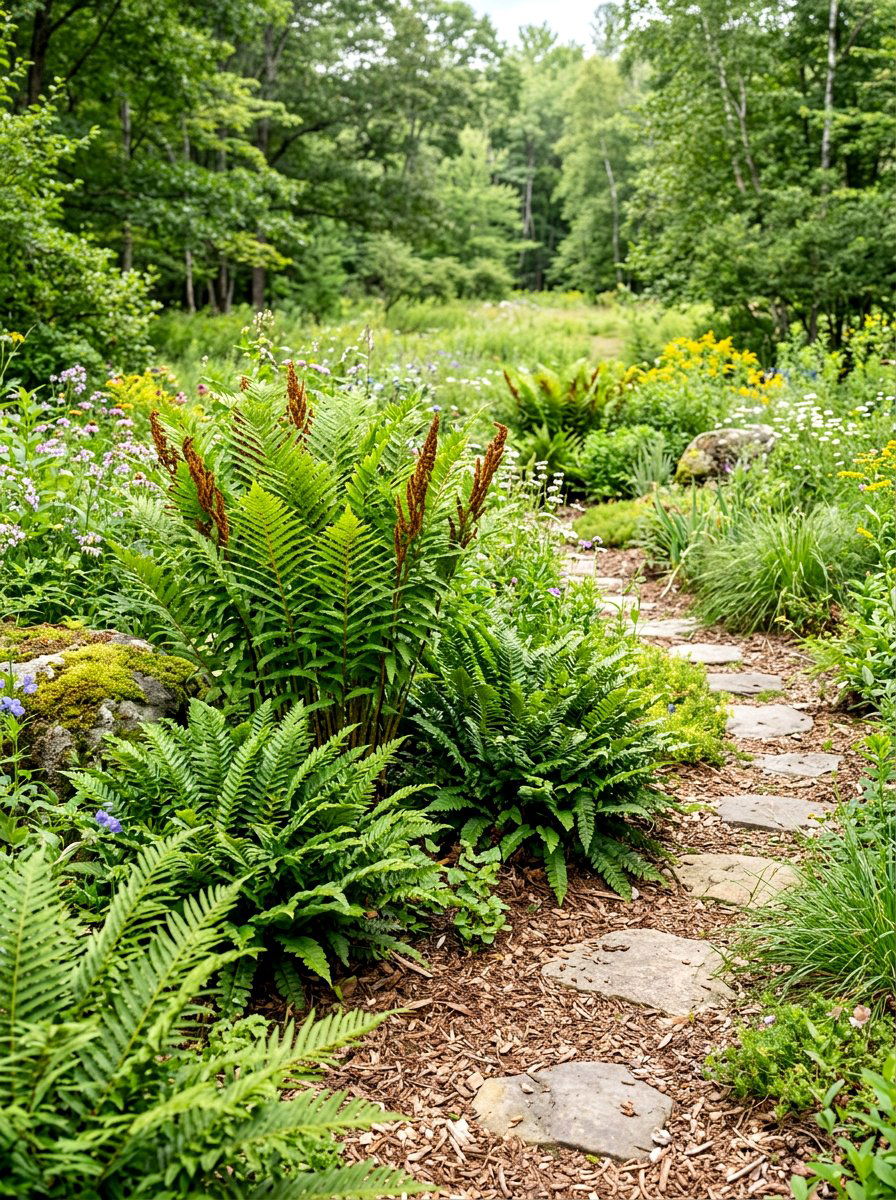
Choosing native ferns for your landscape is a sustainable way to ensure your garden thrives with minimal intervention. Native species like the Christmas fern or the cinnamon fern are already adapted to your local climate and soil conditions. They provide essential food and shelter for local insects and birds, helping to boost biodiversity in your backyard. These ferns are often more resistant to local pests and diseases compared to exotic varieties. Creating a native-focused area allows you to celebrate the natural beauty of your specific region. Once these plants are established, they generally require less supplemental watering and no chemical fertilizers, making them a very eco-friendly choice for any gardener.
13. Fern Ground Cover
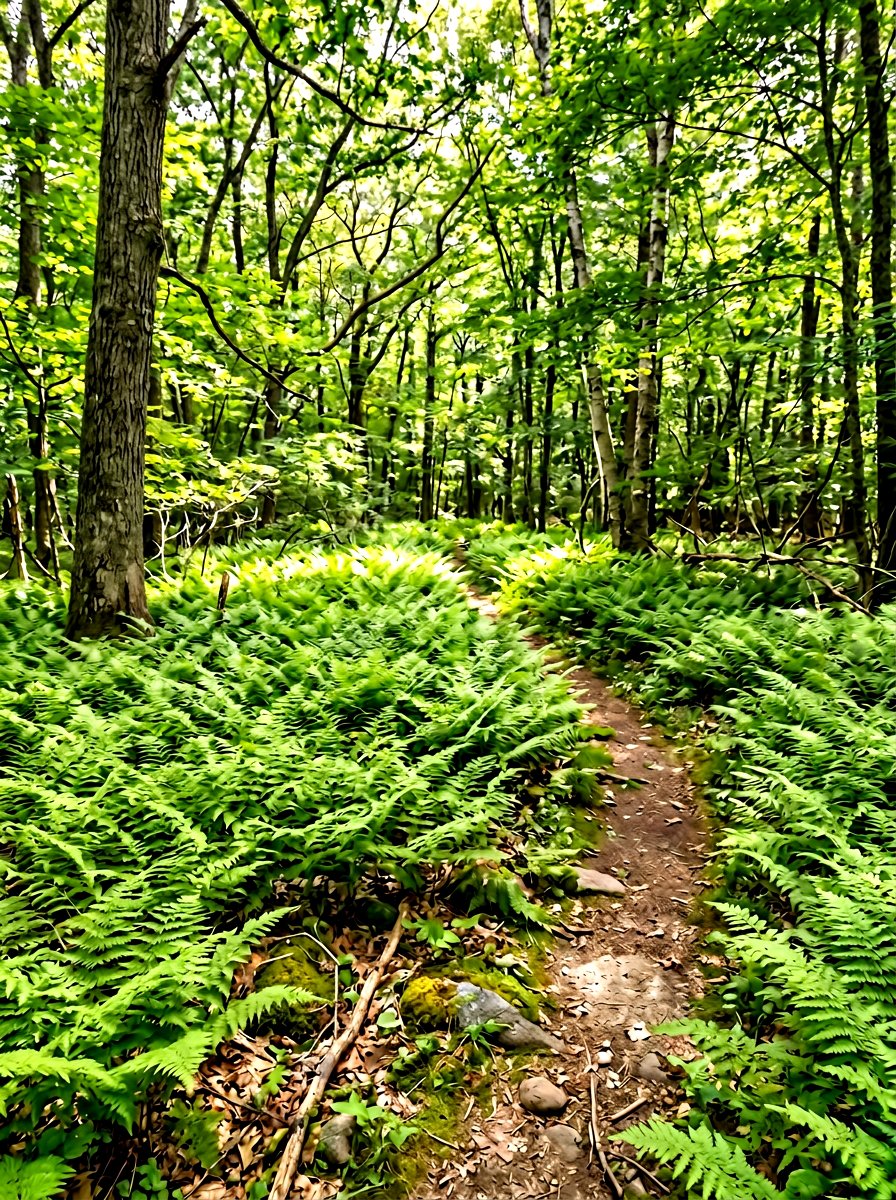
Using ferns as a ground cover is a brilliant way to fill large, shady areas where grass struggles to grow. The hay-scented fern is particularly effective for this because it spreads quickly via underground rhizomes to create a dense carpet of green. It releases a pleasant fragrance when crushed, adding a sensory layer to your garden walk. This thick mat of foliage helps to suppress weeds and prevents soil erosion on sloped areas. Because ferns are generally deer-resistant, they are a practical choice for rural properties where local wildlife might otherwise feast on your plants. A sea of swaying green fronds provides a soft, undulating texture that looks beautiful year-round.
14. Indoor Fern Decor
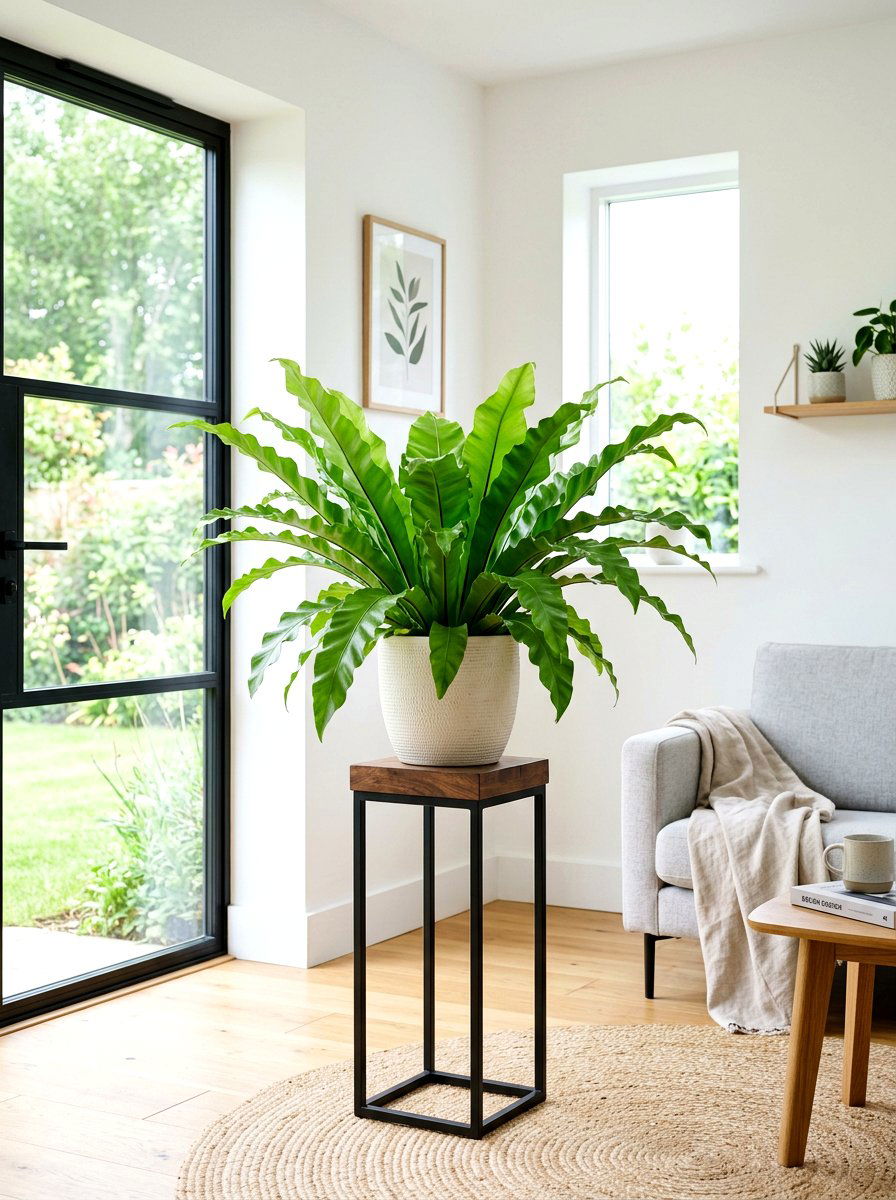
Bringing the beauty of ferns inside your home can significantly improve your interior design and air quality. A large bird's nest fern makes a stunning focal point on a side table or a dedicated plant stand in a bright room. The glossy, un-lobed leaves offer a different aesthetic compared to the typical feathery fern look. Place your indoor ferns in a bathroom or kitchen where natural humidity is higher due to steam. If your home is dry, sitting the pots on a tray filled with pebbles and water can help increase local moisture levels. These plants add a vibrant, life-affirming energy to your living spaces and help connect your home to the outdoors.
15. Fern Pathway Border
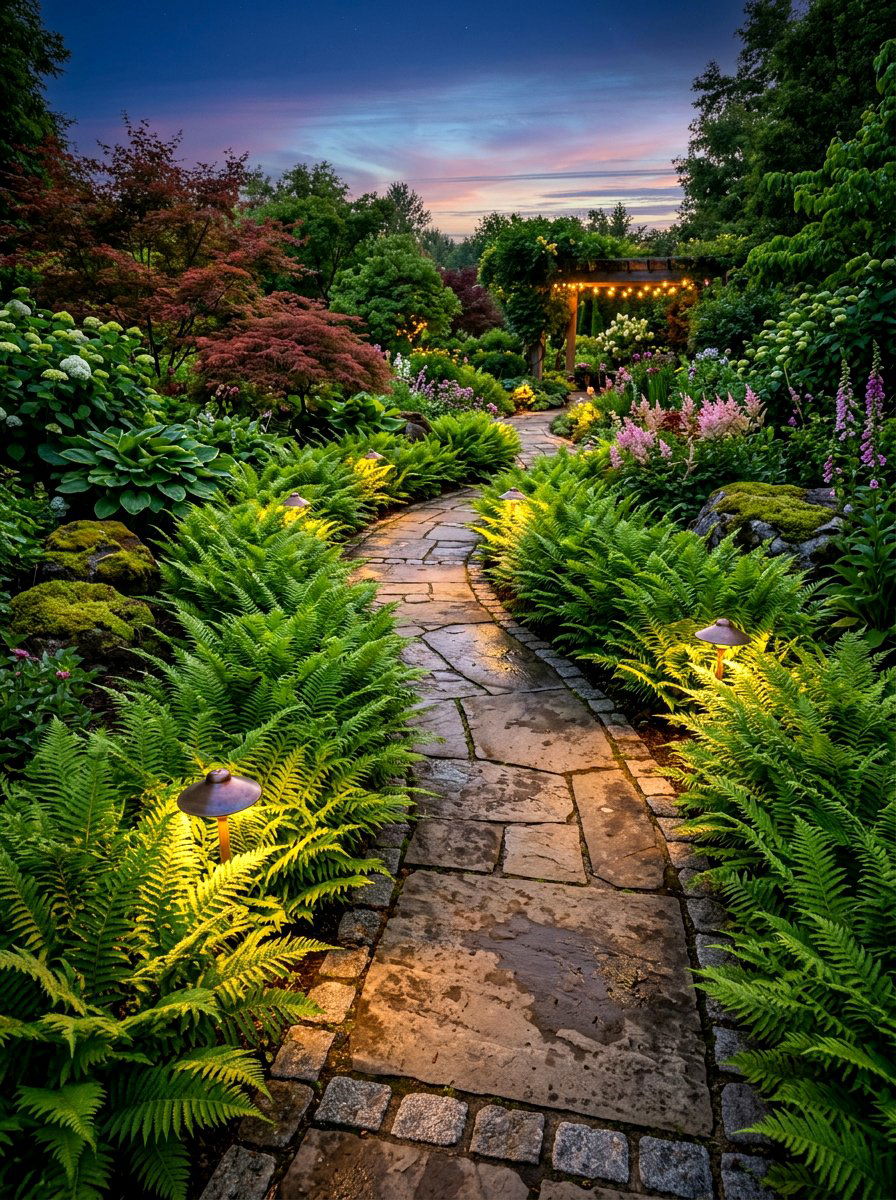
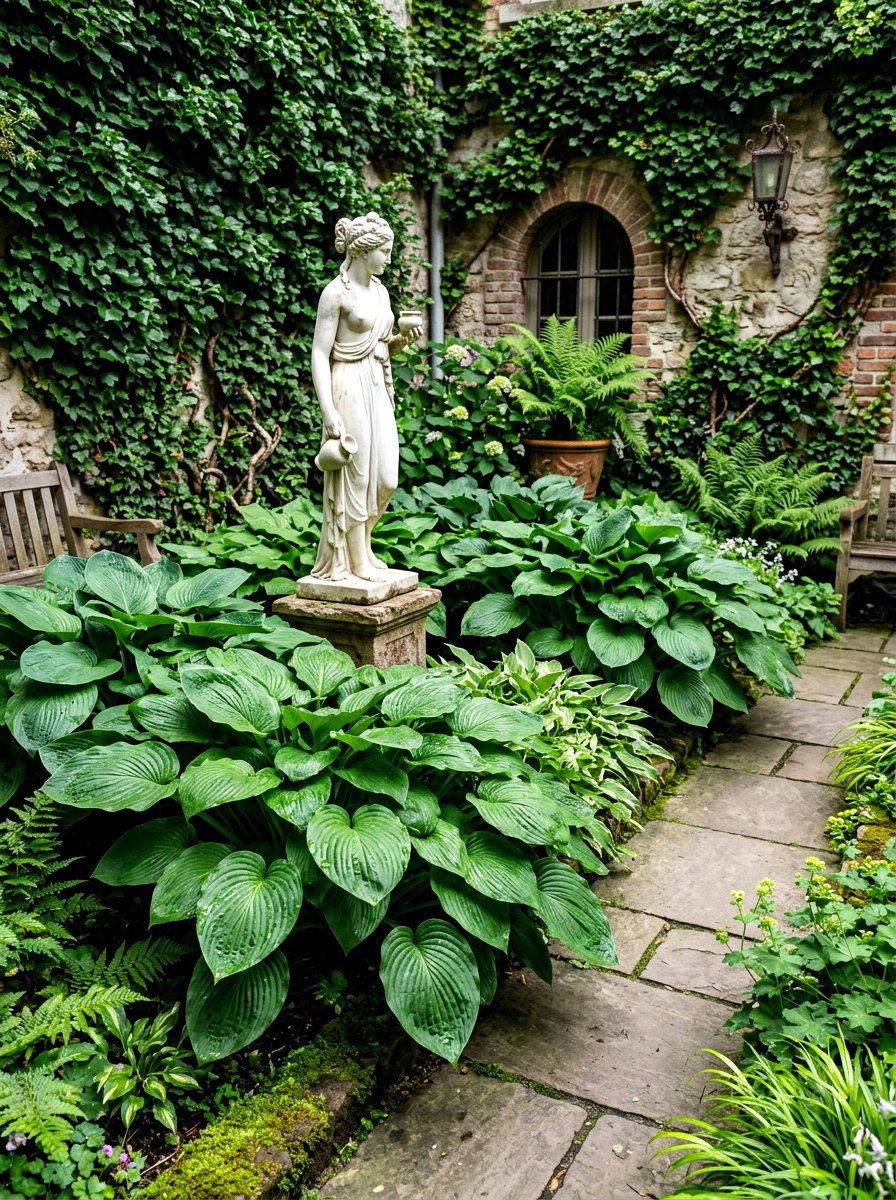
Lining a garden path with ferns creates an enchanting journey through your outdoor space. Use the soft shield fern to edge a winding brick or stone walkway, allowing the fronds to gently brush against your ankles as you pass. This adds a physical, tactile element to the garden experience that is very relaxing. The repeating texture of the ferns provides a visual rhythm that guides the eye along the path. In the evening, the delicate patterns of the leaves are highlighted by low-voltage path lighting, creating beautiful shadows on the ground. This simple design choice turns a functional walkway into a lush, atmospheric feature that feels like a secret passage.
16. Victorian Fernery
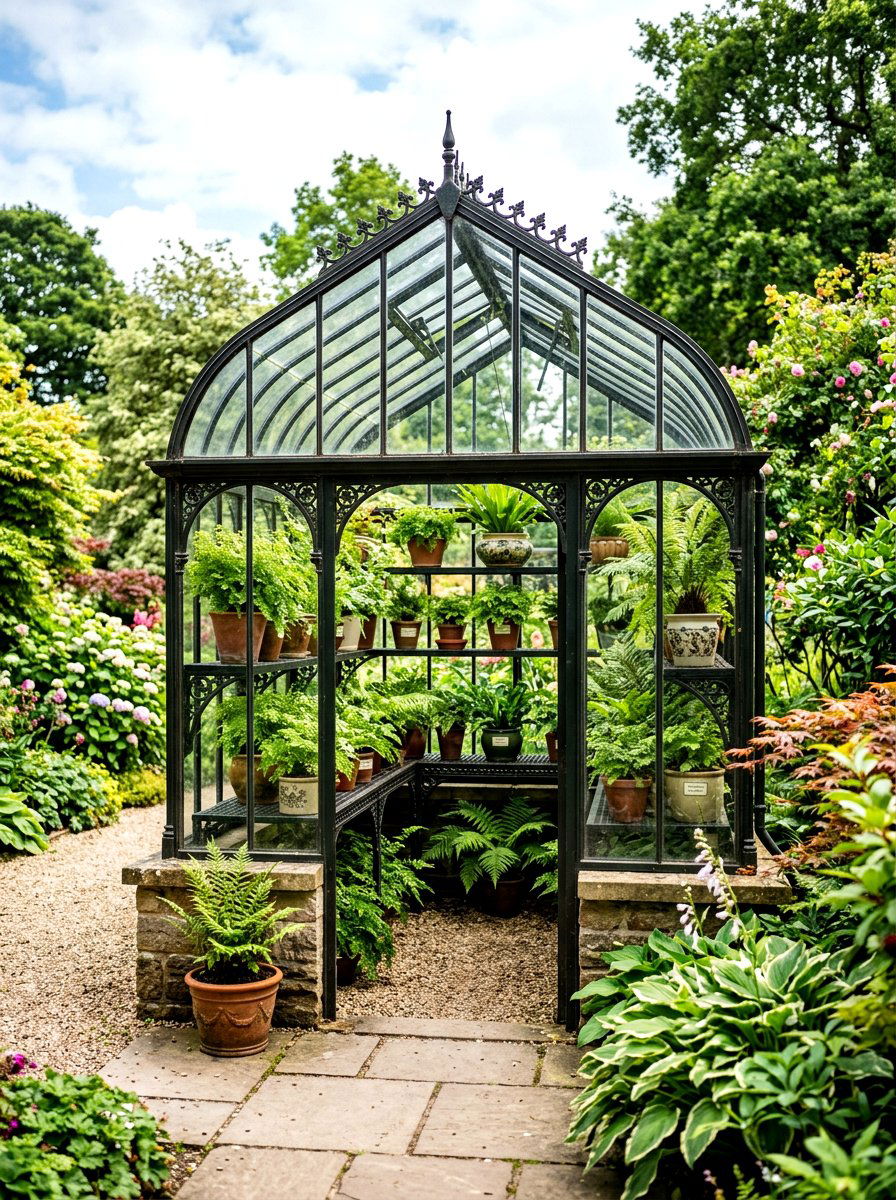
A Victorian fernery is a structured garden area, often enclosed by glass or ornate ironwork, designed specifically to showcase rare fern collections. You can recreate this look on a smaller scale by using a decorative wardian case or a small greenhouse kit in a shady spot. Inside, arrange a variety of delicate ferns like the silver brake or the button fern on tiered wooden shelving. The enclosed environment helps trap moisture and warmth, allowing you to grow species that might be too sensitive for the open garden. This style of gardening is perfect for the serious plant collector who enjoys the historical and scientific aspects of botanical displays in their backyard.
17. Fern Stump Planter
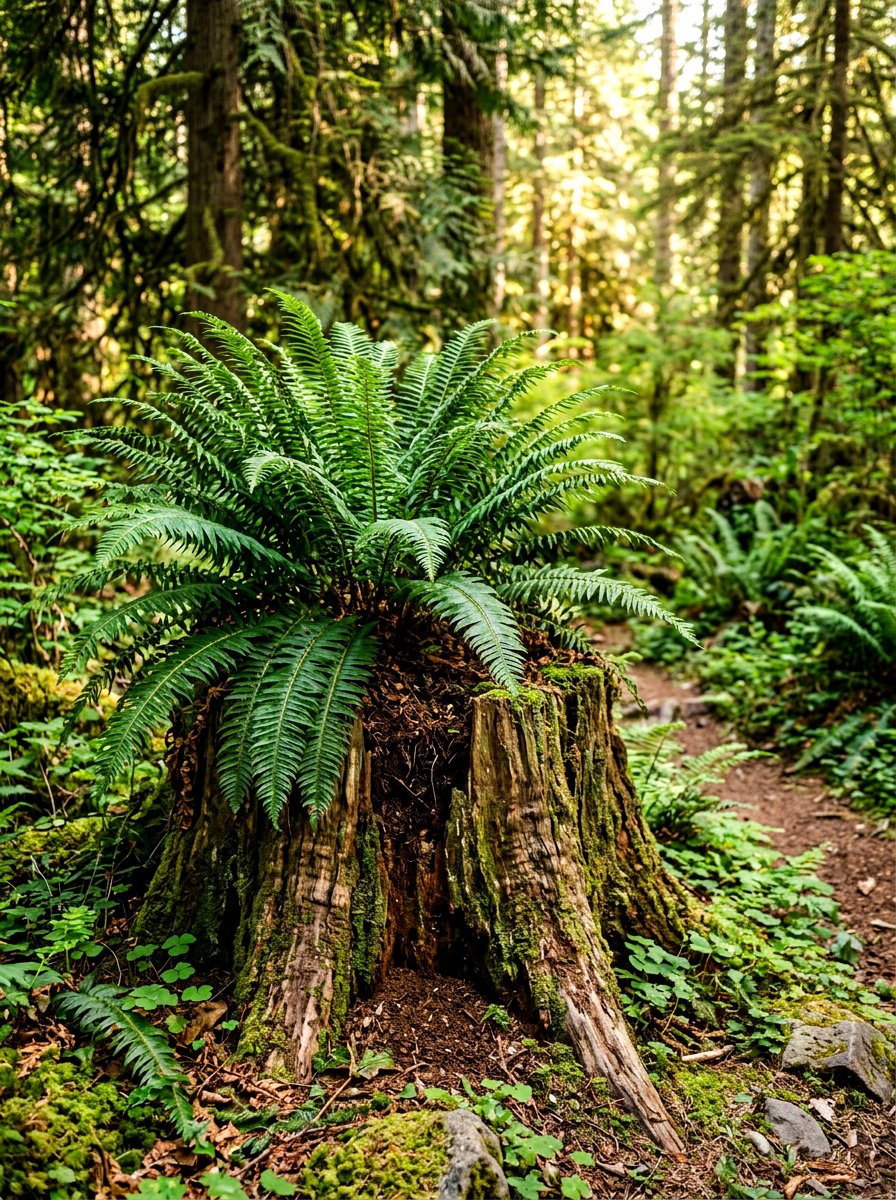
Hollowing out a natural tree stump to use as a planter is a creative way to recycle garden waste while highlighting beautiful ferns. Fill the hollowed center with a mix of peat and compost to provide a rich growing medium for a single, large specimen like a sword fern. The rough bark of the stump provides a natural, rustic container that looks much better in a woodland setting than a plastic pot. As the fern grows, its fronds will spill over the sides of the stump, eventually partially covering it in greenery. This design effectively bridges the gap between the living plants and the dead wood, creating a very cohesive and natural look.
18. Mixed Fern Border
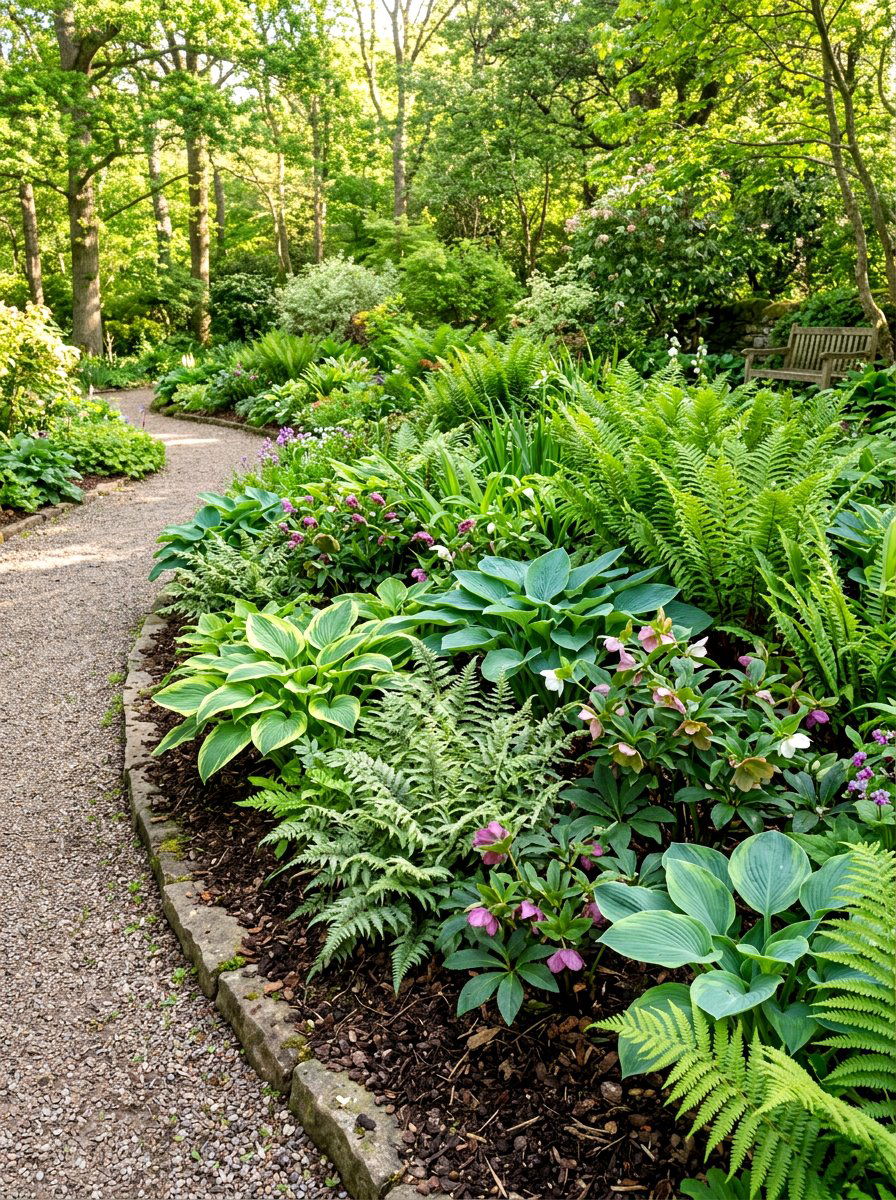
A mixed border combining ferns with other shade-loving perennials is a classic way to add variety and color to your garden. Pair the bold, dark green fronds of the holly fern with the vibrant, large leaves of chartreuse hostas for a high-contrast look. Add some bleeding hearts or hellebores to provide seasonal flowers that peek through the feathery fern foliage. The different textures and growth habits ensure that the border remains interesting even when nothing is in bloom. Using ferns as a background for flowering plants helps to anchor the design and provide a consistent green framework. This layered approach creates a rich, complex garden bed that feels very lush and full.
19. Fern Entryway Garden
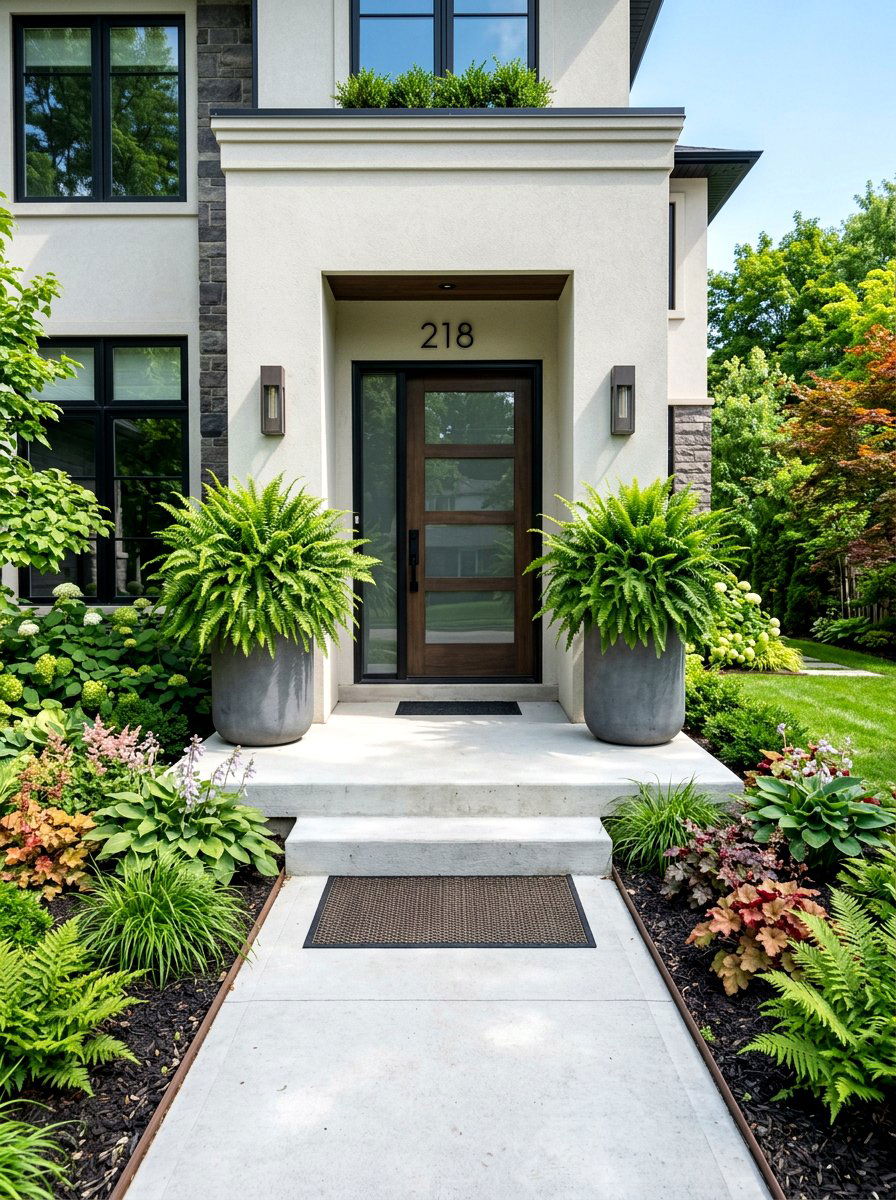
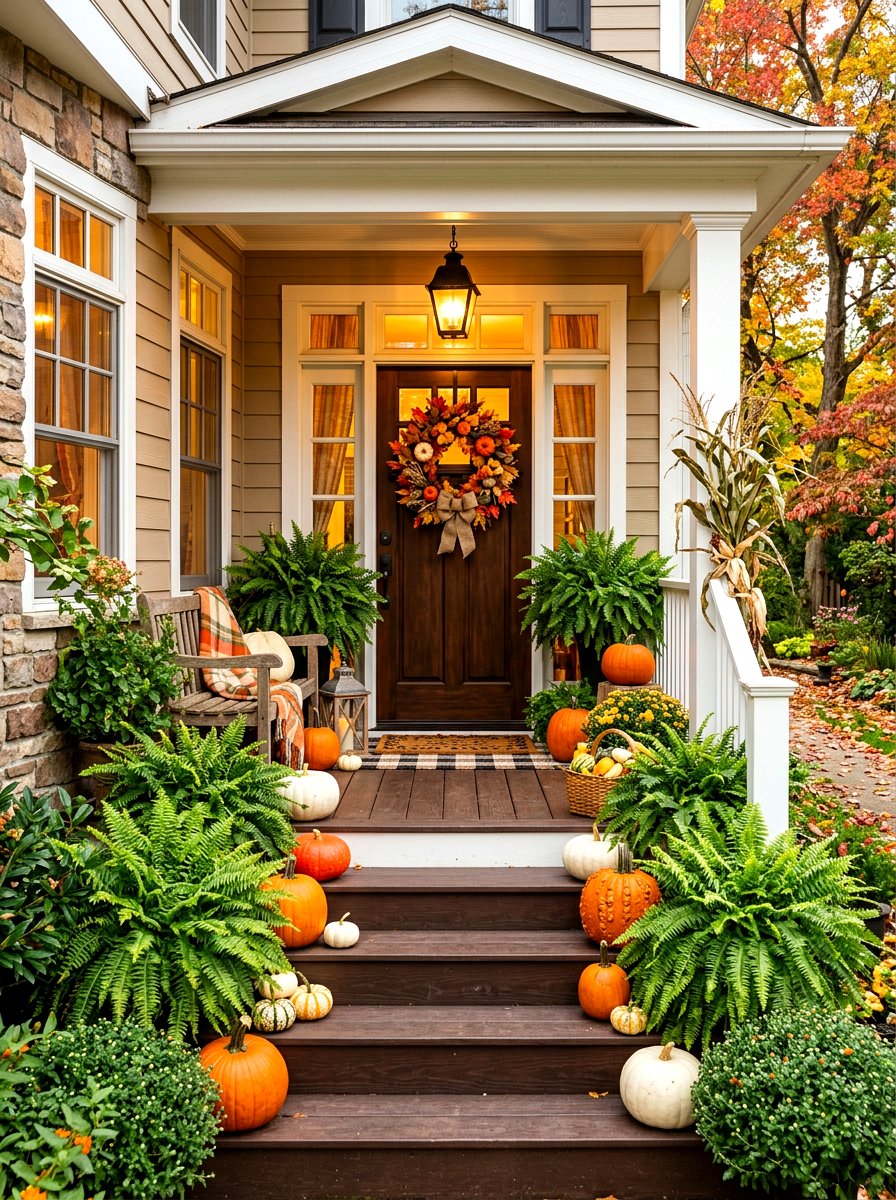
First impressions matter, and a fern-filled entryway can create a welcoming and cool atmosphere for your home. If your front porch is shaded, use large containers of Kimberly Queen ferns on either side of the door to create a sense of symmetry and grandeur. Their upright growth habit makes them look tidy and formal, which is perfect for an entrance. You can also plant a bed of shade-tolerant ferns along the foundation of the house to soften the transition between the building and the lawn. This green frame around your entry point makes the house feel more established and integrated into the surrounding landscape, providing a serene greeting for every visitor.
20. Miniature Fern Terrarium
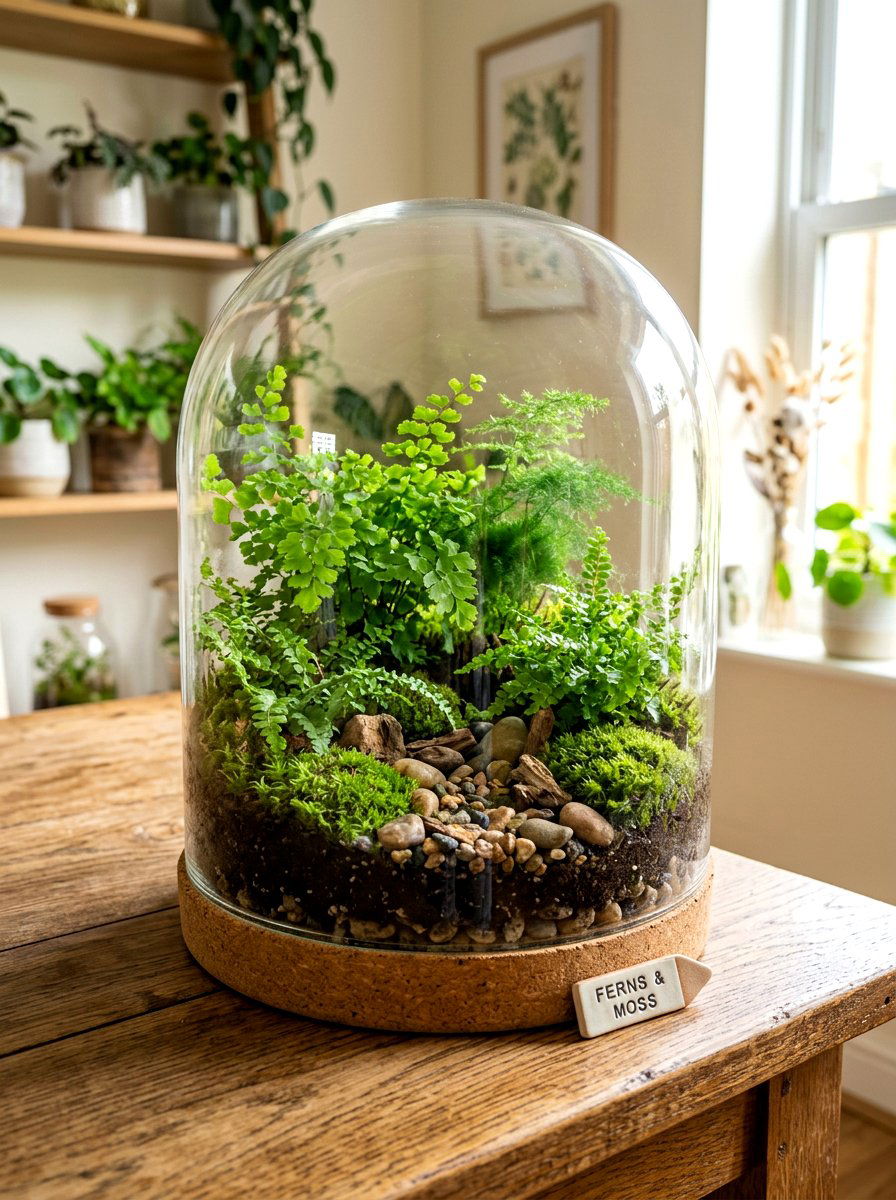
For those who love intricate details, a miniature fern terrarium is a wonderful way to bring the garden to a tabletop. Use a glass bowl or a geometric terrarium to house tiny species like the lemon button fern or the mossy-looking selaginella. These small-scale environments are easy to maintain because the glass enclosure helps cycle moisture, requiring very little watering. You can add small decorative stones, pieces of driftwood, or even miniature figurines to create a tiny forest scene. These little worlds are fascinating to look at and make excellent gifts for fellow plant lovers. They provide a focused way to appreciate the incredible complexity of fern fronds on a much smaller scale.
21. Fern Window Box
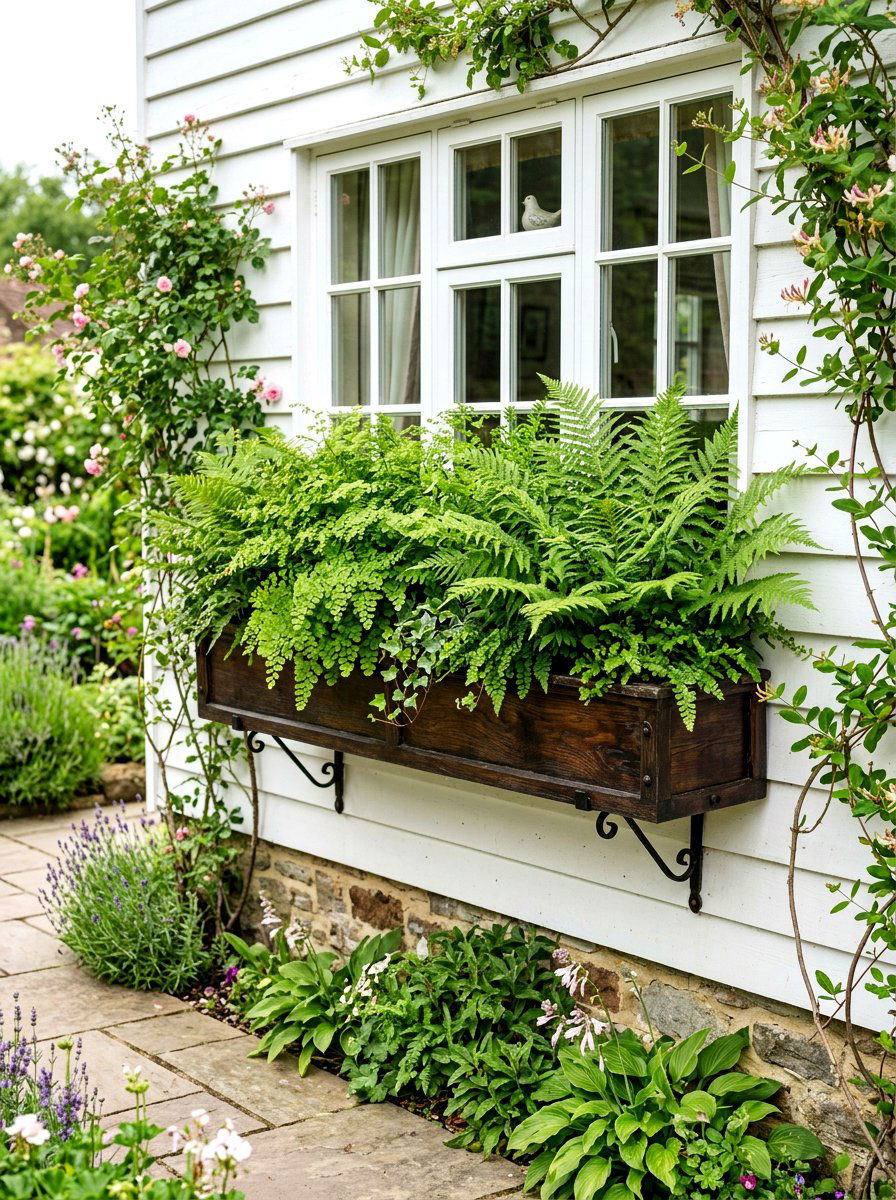
Window boxes aren't just for sunny petunias; they can be transformed into lush fern displays for the shaded side of your house. Use a mix of trailing and upright varieties to create a full and balanced arrangement. The maidenhair fern looks beautiful when it can softly spill over the front edge of the box. Combine it with the more structured wood fern in the center to provide some height and substance. Because window boxes are highly visible from both inside and outside, they provide a constant connection to nature throughout the day. Ensure the boxes have good drainage holes to prevent the soil from becoming waterlogged during heavy rains or over-watering.
22. Raised Fern Bed
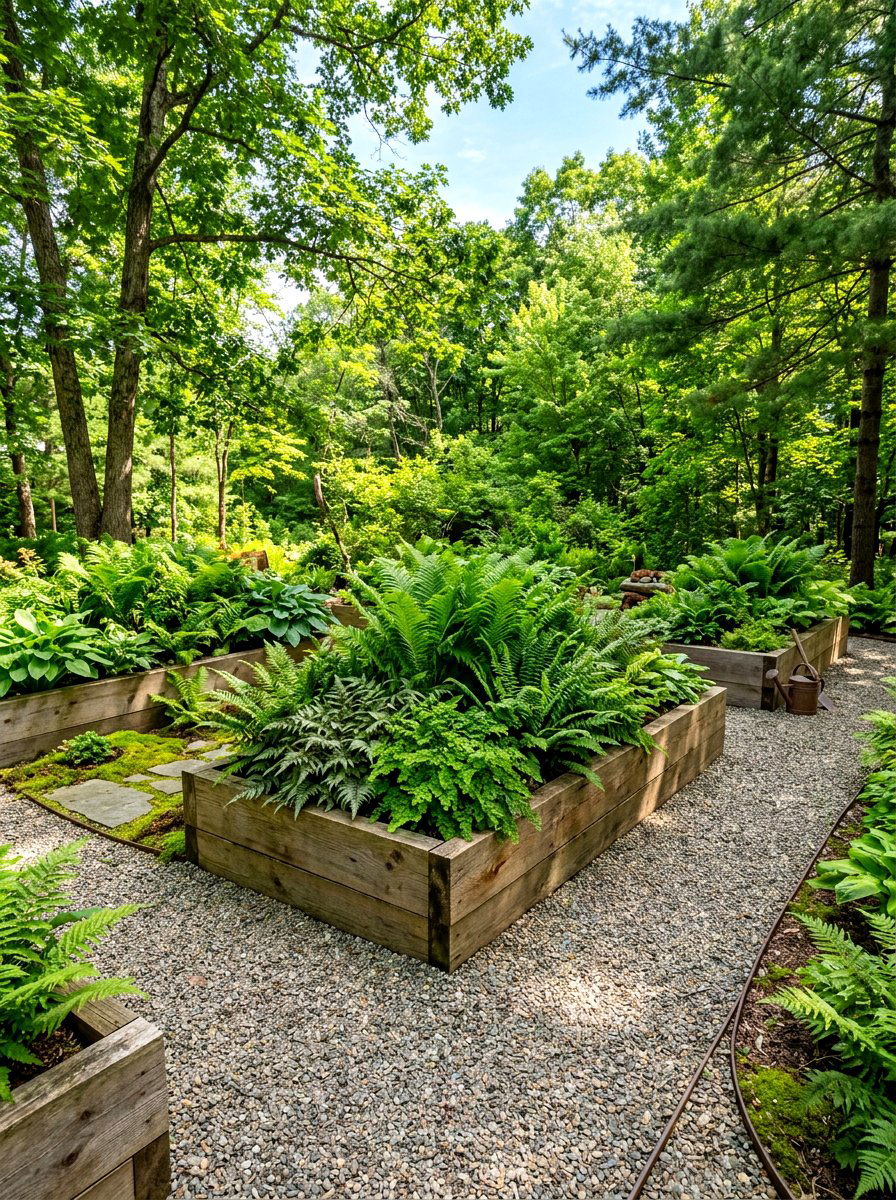
Building a raised bed specifically for ferns is an excellent way to manage soil quality and drainage in areas with poor ground conditions. Use natural materials like cedar or stone to construct the bed, which helps it blend into the garden aesthetic. Raising the plants closer to eye level allows you to appreciate the unfurling of the new fronds, known as fiddleheads, in the spring. This is also a great solution for older gardeners who want to enjoy their hobby without having to bend down to the ground. You can easily install an automatic mister on a timer to keep the ferns perfectly hydrated throughout the hot summer months.
23. Fern Waterfall Garden
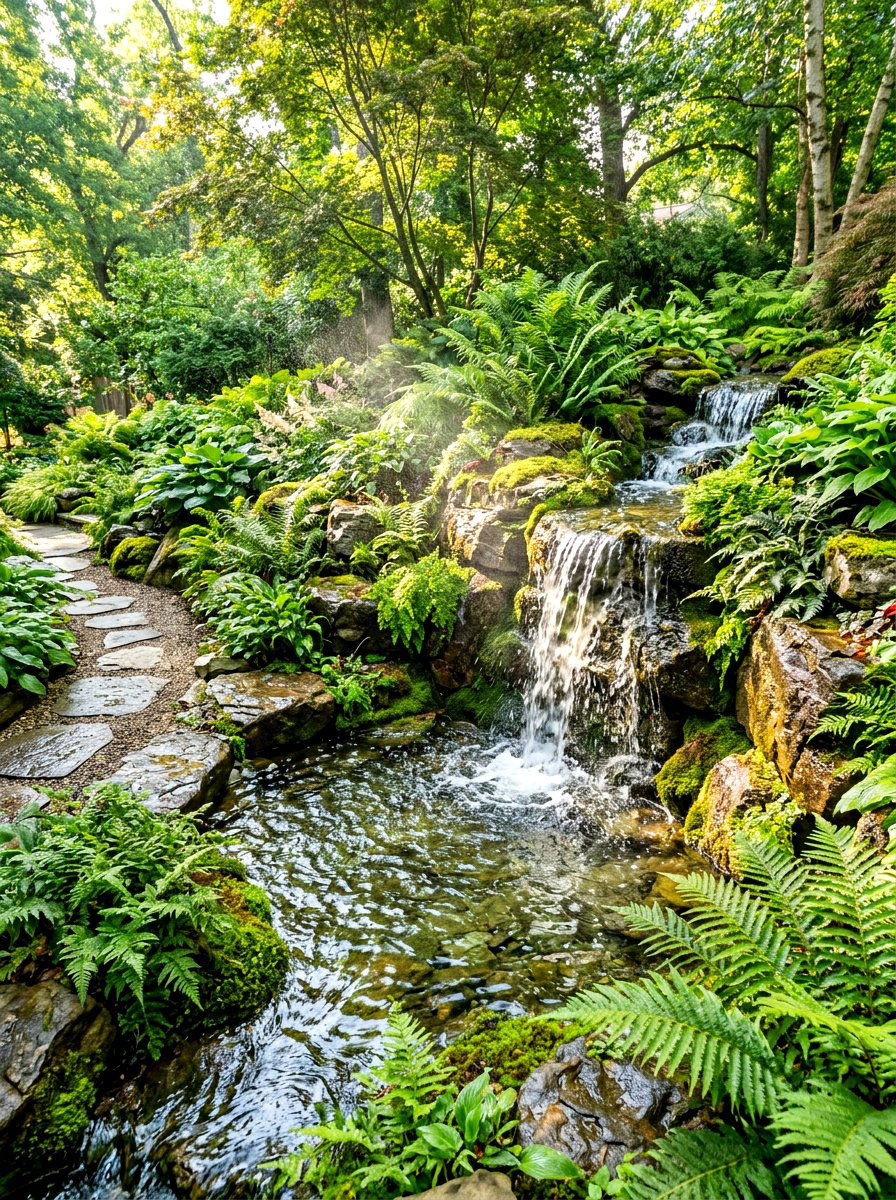
The sound of falling water combined with the lush appearance of ferns creates the ultimate sensory experience in a garden. If you have a backyard waterfall or fountain, plant ferns in the damp areas where the spray naturally falls. The constant moisture and high humidity will cause the ferns to grow with incredible vigor and deep green color. Varieties like the lady fern thrive in these splash zones and will quickly colonize the rocks around the water feature. This combination of movement, sound, and vibrant greenery turns a standard water feature into a truly magical destination within your landscape that feels significantly cooler than the rest of the yard.
24. Fern Gravel Garden
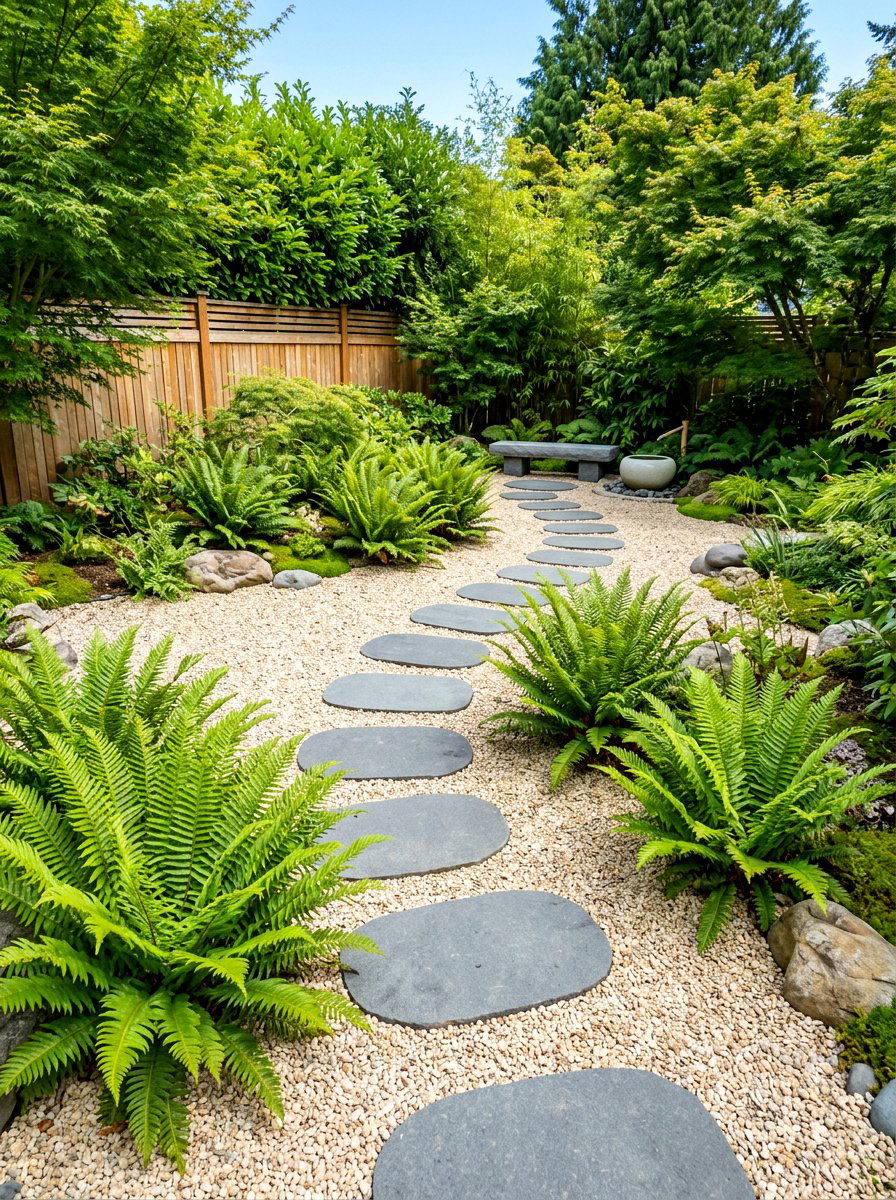
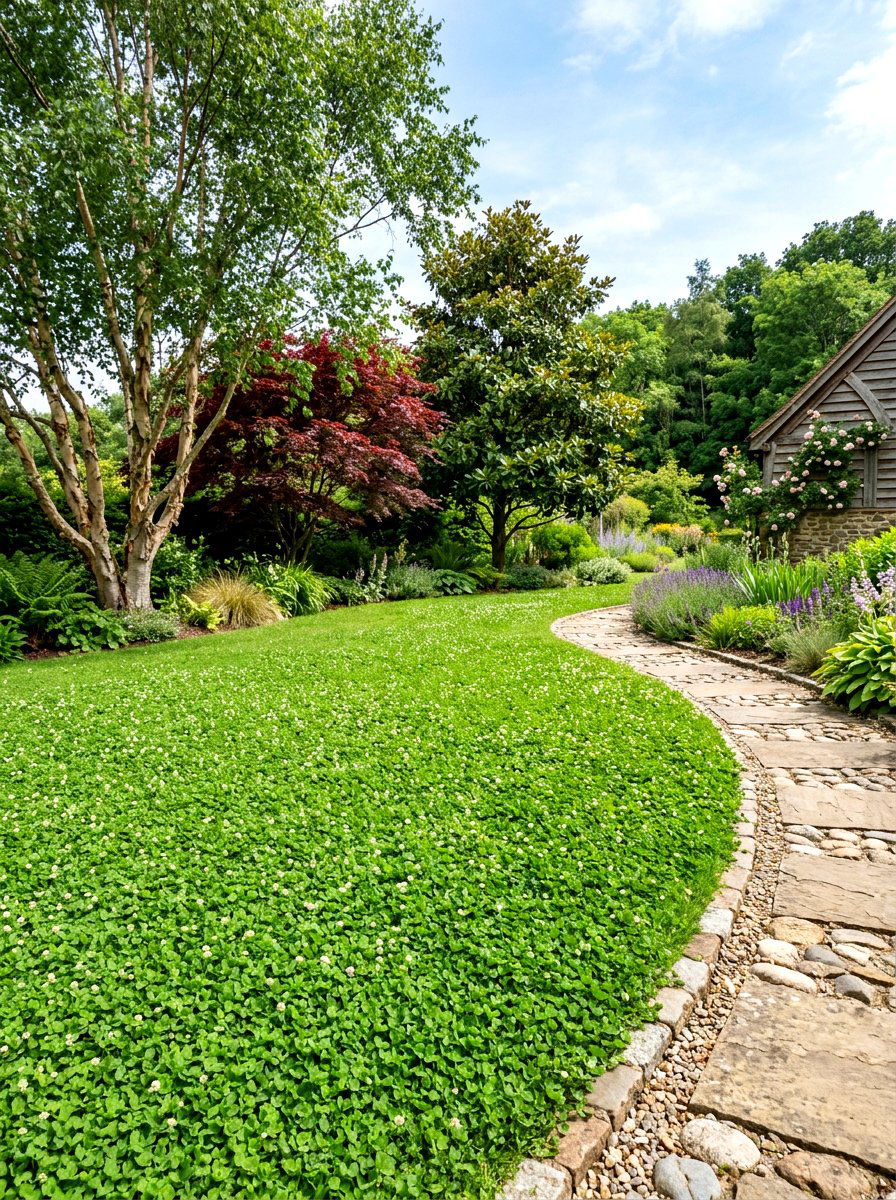
While it sounds counterintuitive, some hardy ferns can look stunning when incorporated into a shaded gravel garden. Use a layer of light-colored pea gravel as a mulch to provide a clean and modern backdrop for the dark green fronds. This style works particularly well with the structured forms of the western sword fern or the deer fern. The gravel helps to keep the roots cool and moisture-consistent while preventing weeds from taking over. This low-maintenance approach is perfect for a small courtyard or a side garden where you want a tidy, professional look. The contrast between the crunch of the gravel and the soft swaying of the ferns is very satisfying.
25. Moss And Fern Garden
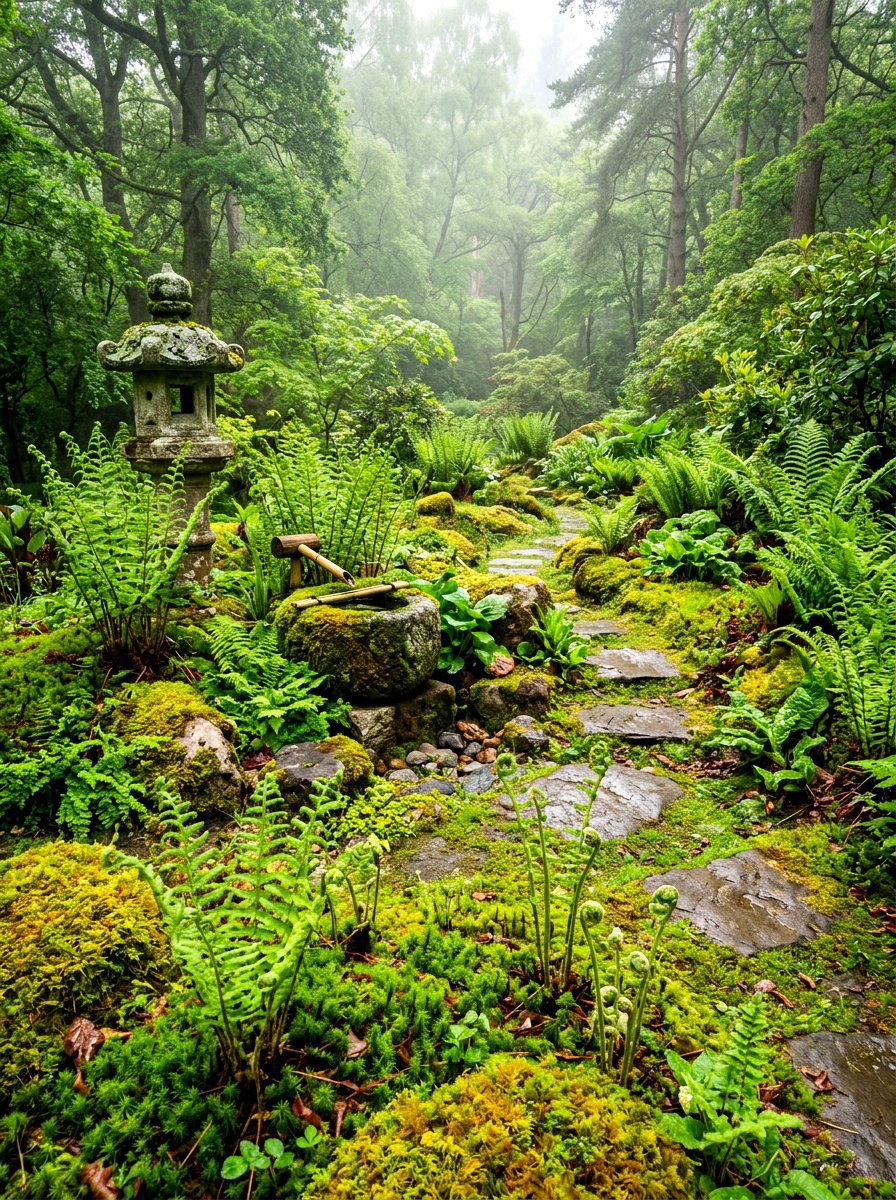
Moss and ferns are the perfect companions, as both thrive in the same moist, shady conditions. You can create a velvety green carpet of moss and then "plug in" various ferns to add height and texture. This combination creates a very soft, cushioned look that feels like an ancient, untouched glen. Use a variety of mosses, such as sheet moss and cushion moss, to create an undulating ground plane. Tuck small ferns like the licorice fern into the mossy patches for a natural and integrated appearance. This type of garden is very low-maintenance once established, as the moss acts as a living mulch that keeps the soil cool and moist.
26. Fern Privacy Screen
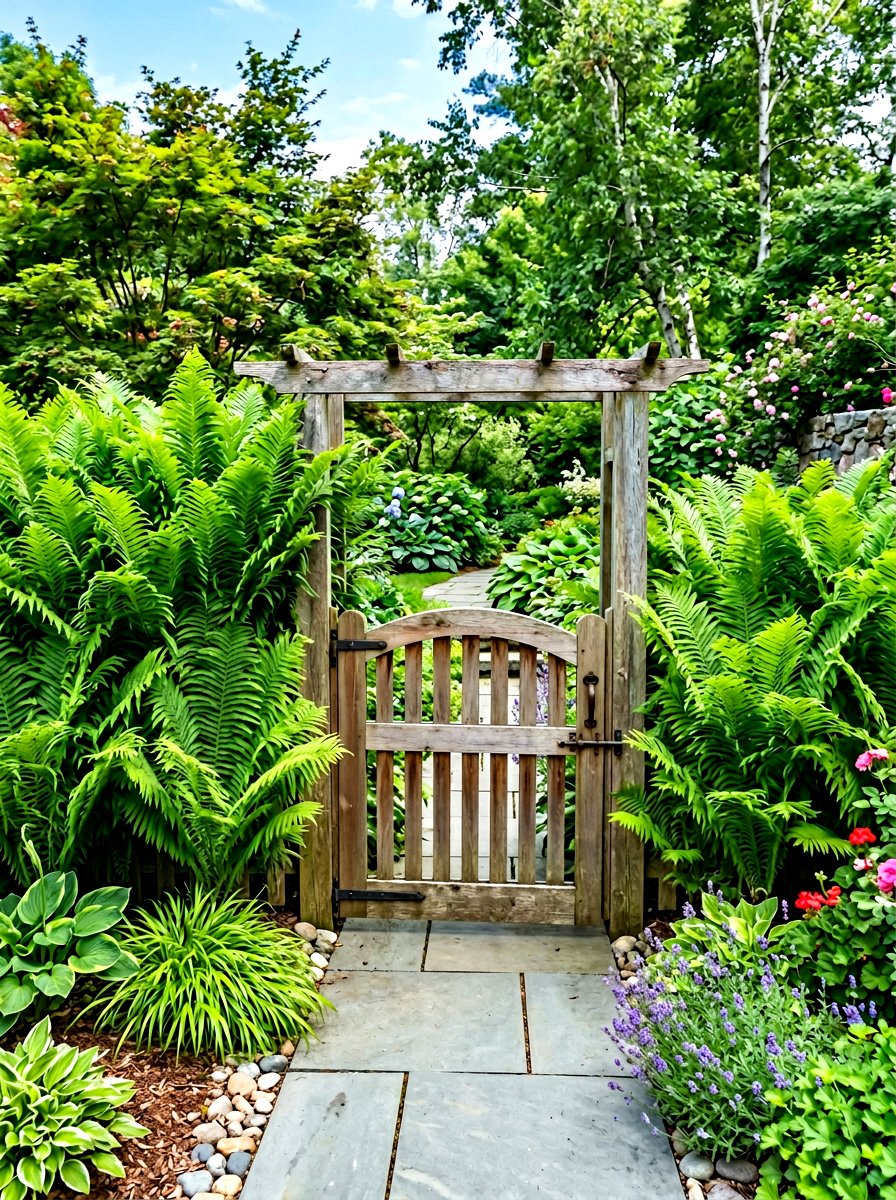
If you need a natural screen to block a neighbor's view or hide a trash can area, tall ferns can be a beautiful solution. Ostrich ferns are ideal for this purpose because they can grow up to five feet tall and spread to form a dense thicket. Plant them in a double row to create a lush, green wall that provides privacy without feeling heavy or imposing like a wooden fence. The feathery texture of the fronds allows light and air to pass through, keeping the area feeling open and breezy. This living screen changes with the seasons, providing a fresh burst of bright green every spring as the new fronds rapidly emerge.
27. Under Tree Fern Bed
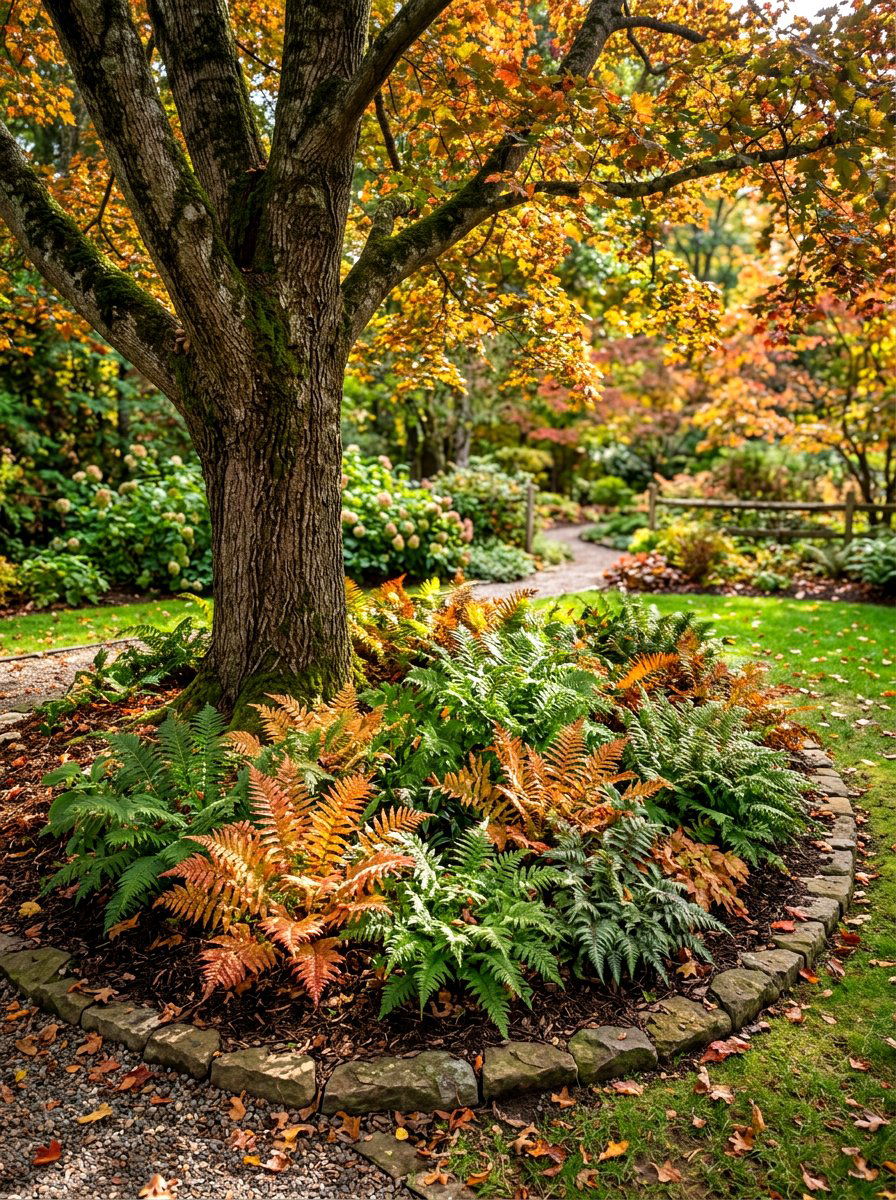
Many people struggle to grow anything under large shade trees because of the dense canopy and competing root systems. Ferns are one of the few plants that can thrive in these challenging conditions. Focus on tough, drought-tolerant species like the autumn fern or the Christmas fern for these spots. It is helpful to add a few inches of high-quality compost before planting to give them a good start. Be sure to water them regularly during the first year until they are fully established and can compete with the tree's roots. This transforms a bare, dusty area under a tree into a lush and inviting green circle of soft, beautiful texture.
28. Fern Gazebo Garden
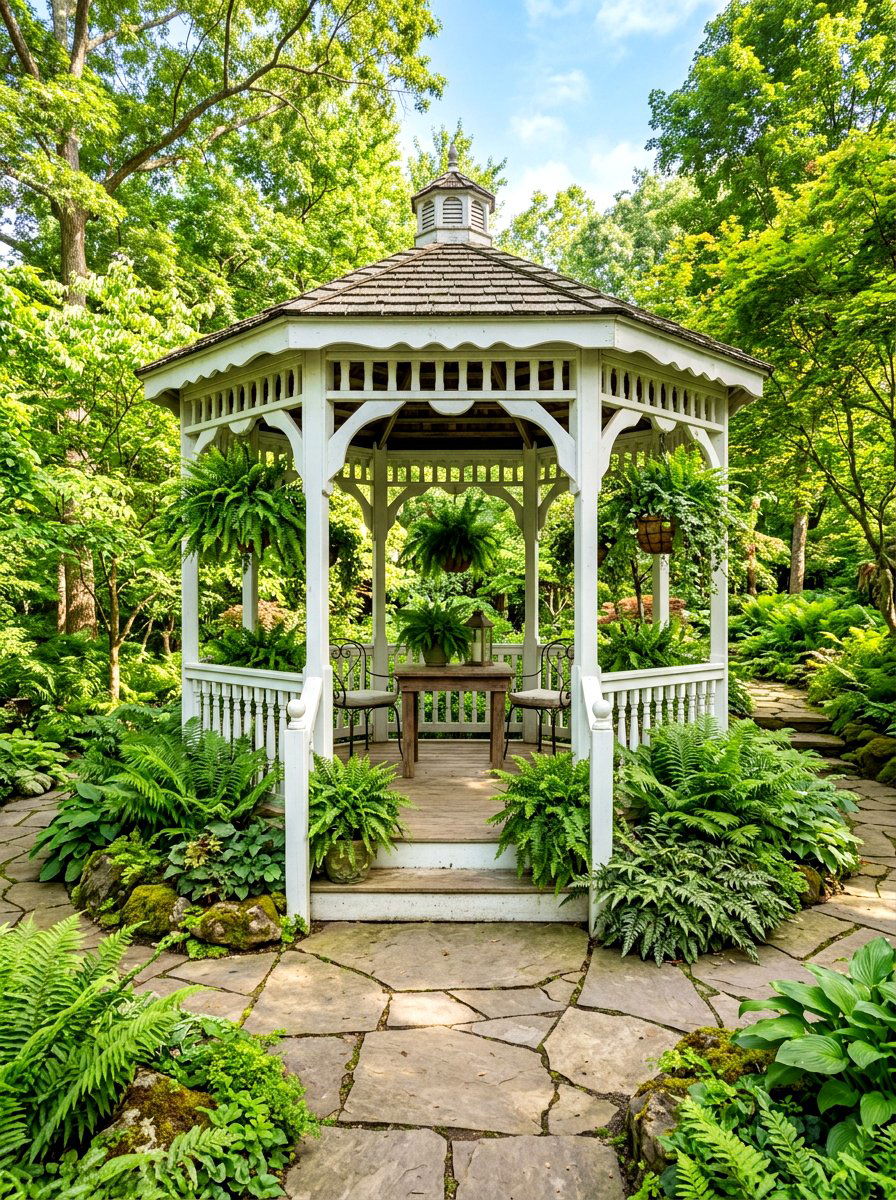
A gazebo or a garden pavilion provides a perfect structural frame for a dedicated fern collection. Plant large, arching ferns around the base of the structure to anchor it into the landscape. You can also hang baskets of Boston ferns from the rafters to create a sense of living wallpaper. This arrangement makes the gazebo feel like a true sanctuary where you can sit and be completely surrounded by greenery. The shade provided by the gazebo roof helps protect the plants from direct sun, keeping them looking healthy and vibrant. This is a wonderful spot for a morning coffee or an afternoon read, surrounded by the calming presence of nature.
29. Hardy Fern Garden
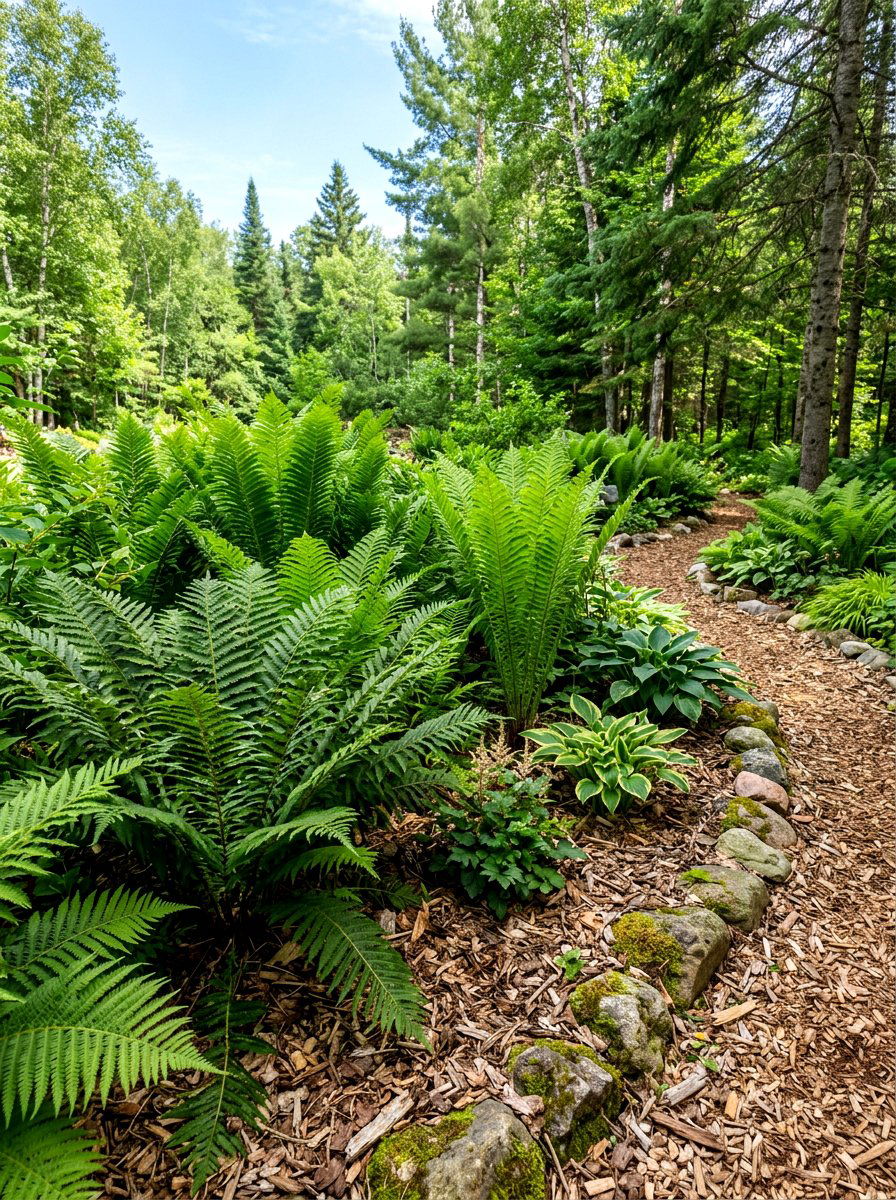
For those living in colder climates, focusing on hardy ferns ensures your garden remains beautiful year after year despite freezing temperatures. Many ferns, like the ostrich fern and the male fern, are incredibly resilient and can survive harsh winters with ease. These deciduous varieties will die back to the ground in late autumn and then return with a spectacular display of new growth in the spring. By choosing plants rated for your specific hardiness zone, you avoid the heartbreak of losing plants to frost. These hardy species are often very low-maintenance once established, requiring only a simple cleanup of old fronds in the early spring before the new fiddleheads appear.
30. Fern Specimen Garden
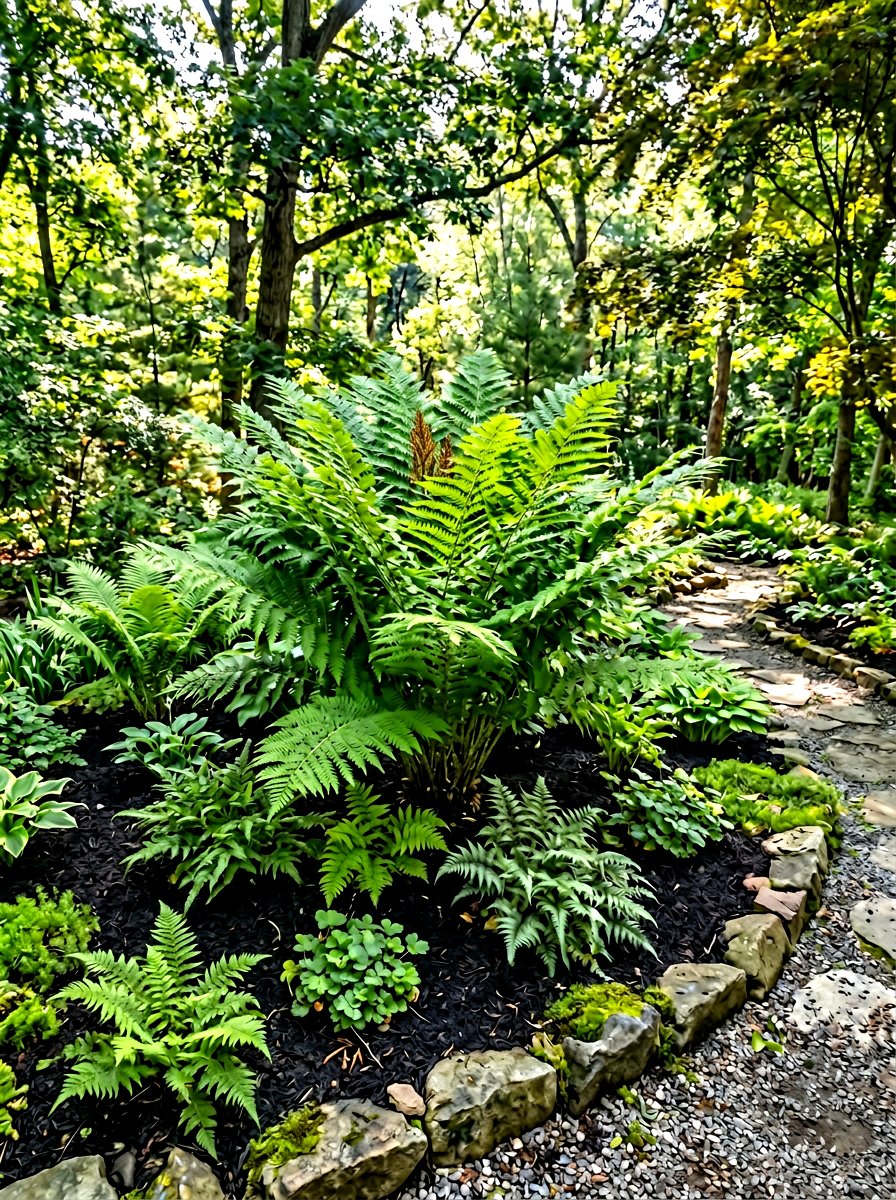
Sometimes, less is more, and a single, perfectly placed specimen fern can have a huge impact on your garden design. Choose an unusually large or rare variety, like a mature royal fern or a unique cultivar of the lady fern, and give it a prominent spot where it can be admired from all sides. Surround it with a simple ground cover or a layer of mulch to ensure there is no visual clutter competing for attention. This focused approach allows you to appreciate the architectural beauty and intricate details of a single plant. It works well as a focal point at the end of a garden path or in the center of a small, shaded lawn area.
Conclusion:
Ferns are truly the unsung heroes of the shaded landscape, offering a level of versatility and beauty that few other plants can match. From the grand scale of tree ferns to the tiny details of a terrarium, these ancient species provide endless opportunities for creative expression in your home. By understanding their needs for moisture and shade, you can build a thriving garden that feels cooling, serene, and deeply connected to the natural world. Whether you choose a formal modern look or a wild woodland aesthetic, ferns will bring a timeless elegance to your outdoor space. Start small with a few containers or go bold with a full-scale stumpery; the choices are limited only by your imagination. Embrace the lush green world of ferns and watch your shaded garden transform into a vibrant, living masterpiece that you will enjoy for many years to come.

Related posts: