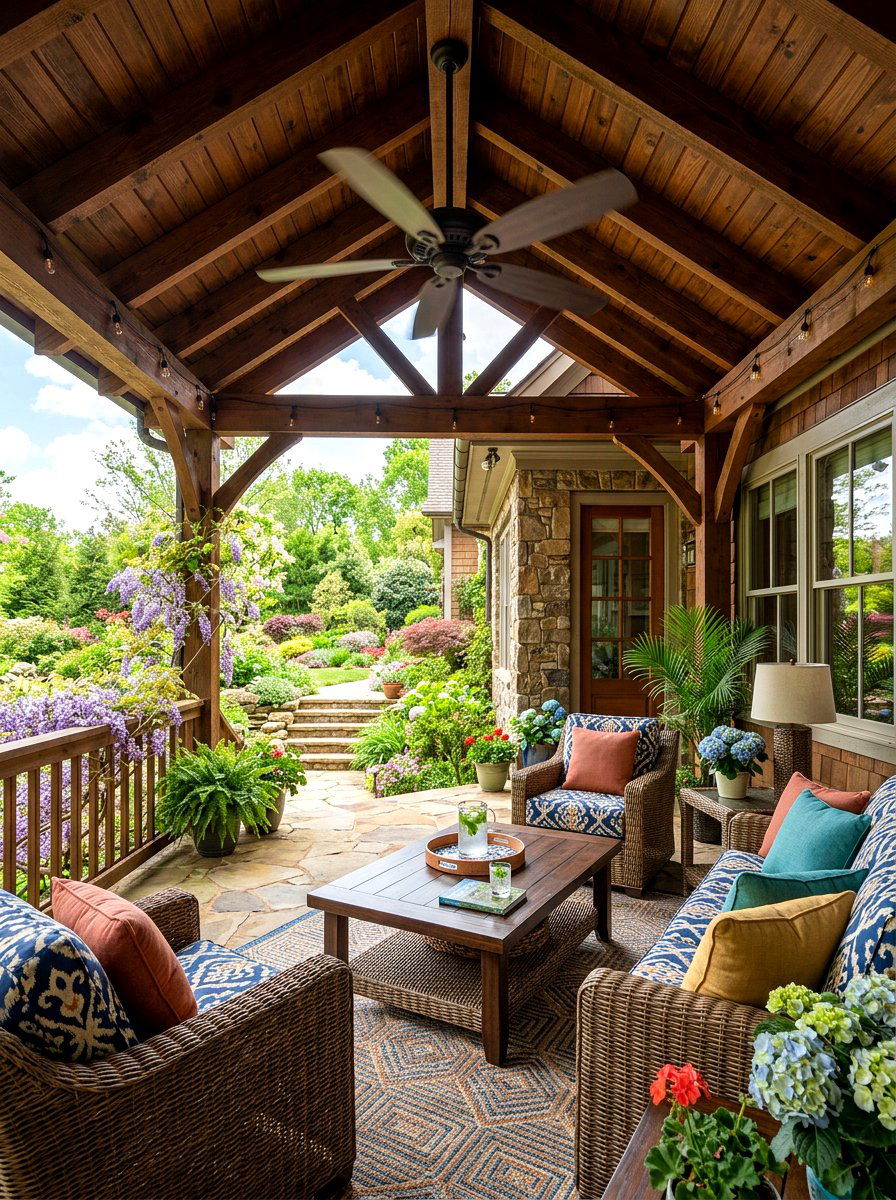
Summer is the ultimate season for transformation, offering a unique opportunity to turn your outdoor space into a lush sanctuary that reflects your personal style. As the sun lingers longer in the sky and the evening air turns pleasantly warm, your garden becomes more than just a patch of grass; it evolves into a vital extension of your living home. Whether you are dealing with a sprawling backyard or a compact urban balcony, the potential for creativity is truly limitless during these sun-drenched months. From the soothing sounds of trickling water to the vibrant colors of blooming perennials, a well-planned summer landscape provides a perfect backdrop for relaxation, entertaining, and connecting deeply with nature's beauty.
1. Native Plant Garden
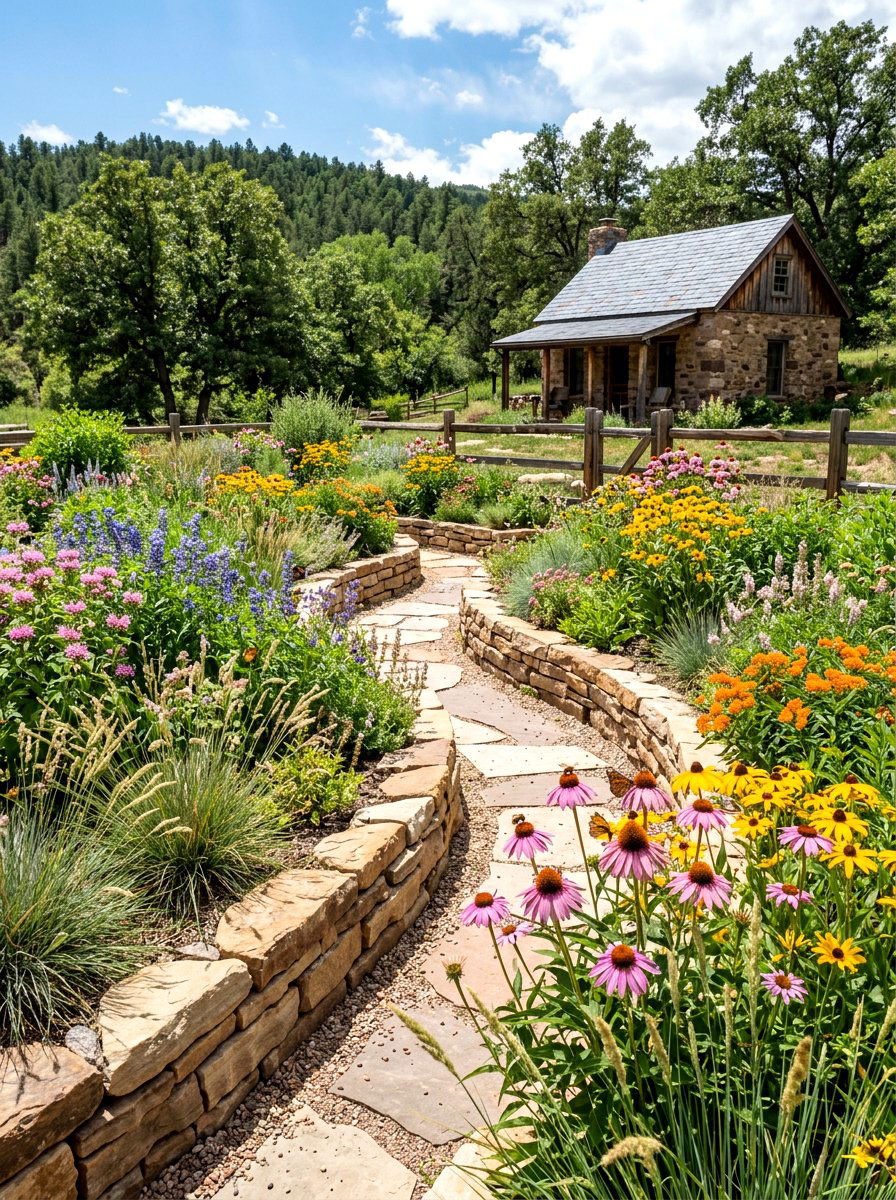
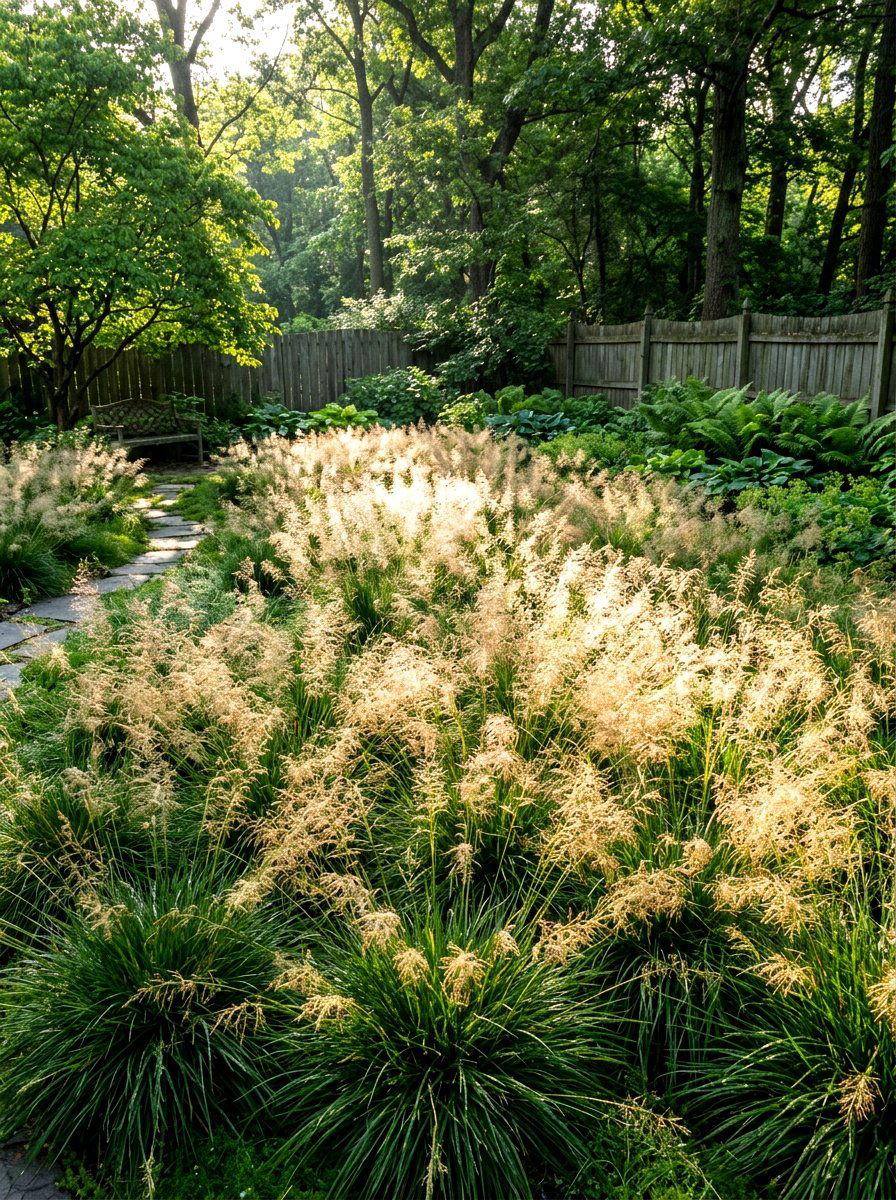
Selecting plants that naturally thrive in your local environment is a brilliant way to create a resilient and low-maintenance summer landscape. These indigenous species have adapted over centuries to your specific soil conditions and climate patterns, meaning they require significantly less water and supplemental fertilizer than exotic varieties. By incorporating a diverse array of native grasses and wildflowers, you are not only ensuring a beautiful aesthetic but also providing essential habitats for local birds and beneficial insects. This sustainable approach reduces your gardening workload, allowing you more time to simply enjoy the sights and sounds of a flourishing, self-sustaining ecosystem that feels perfectly integrated into the surrounding regional geography.
2. Wellness Garden Retreat
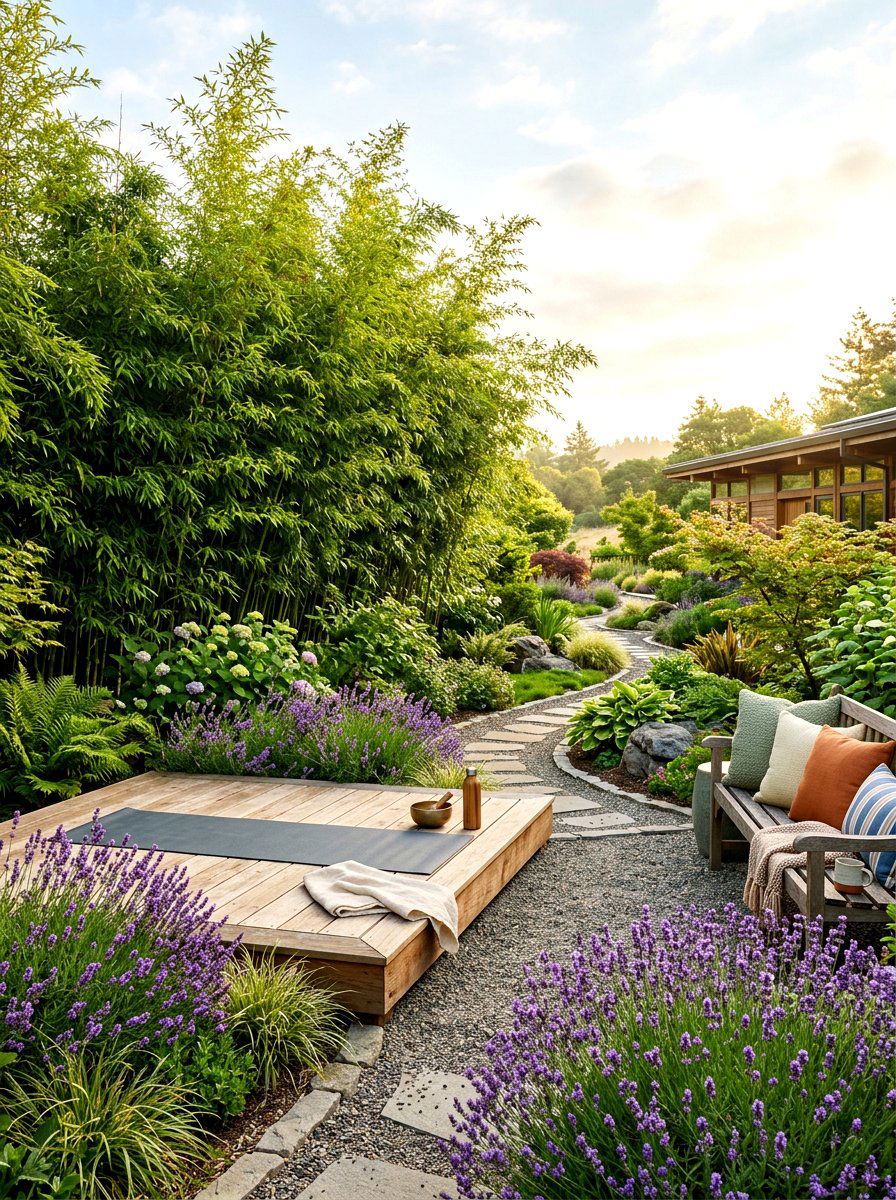
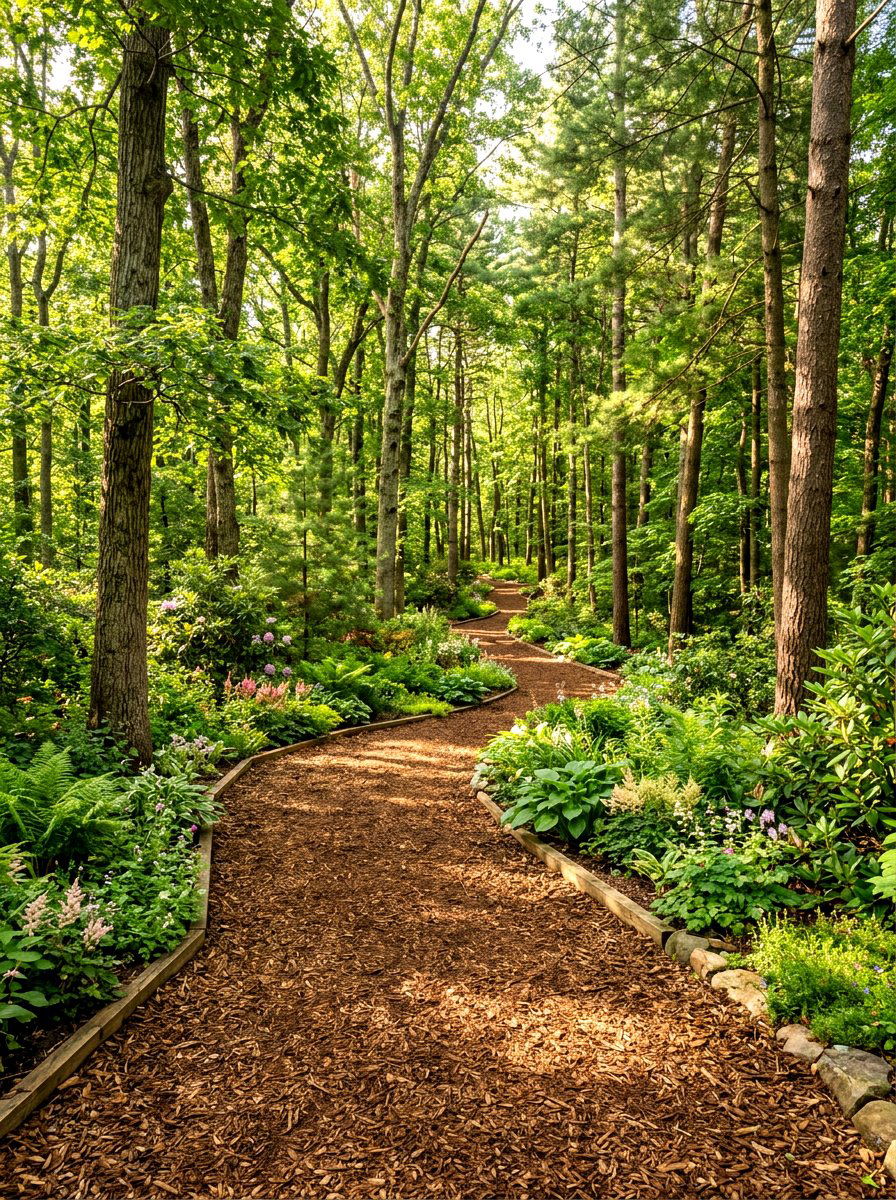
Creating a dedicated space for mental health and relaxation is a major trend for homeowners looking to find peace within their own property. A wellness garden retreat often features soft textures, calming scents like lavender or jasmine, and secluded seating areas designed for quiet contemplation or morning yoga. Using natural materials like wood and stone helps ground the space, while strategically placed tall grasses or bamboo can provide a sense of privacy from the outside world. This intimate sanctuary acts as a personal buffer against daily stress, encouraging you to step away from screens and breathe in the fresh summer air while surrounded by soothing greenery and gentle movement.
3. Edible Foraging Garden
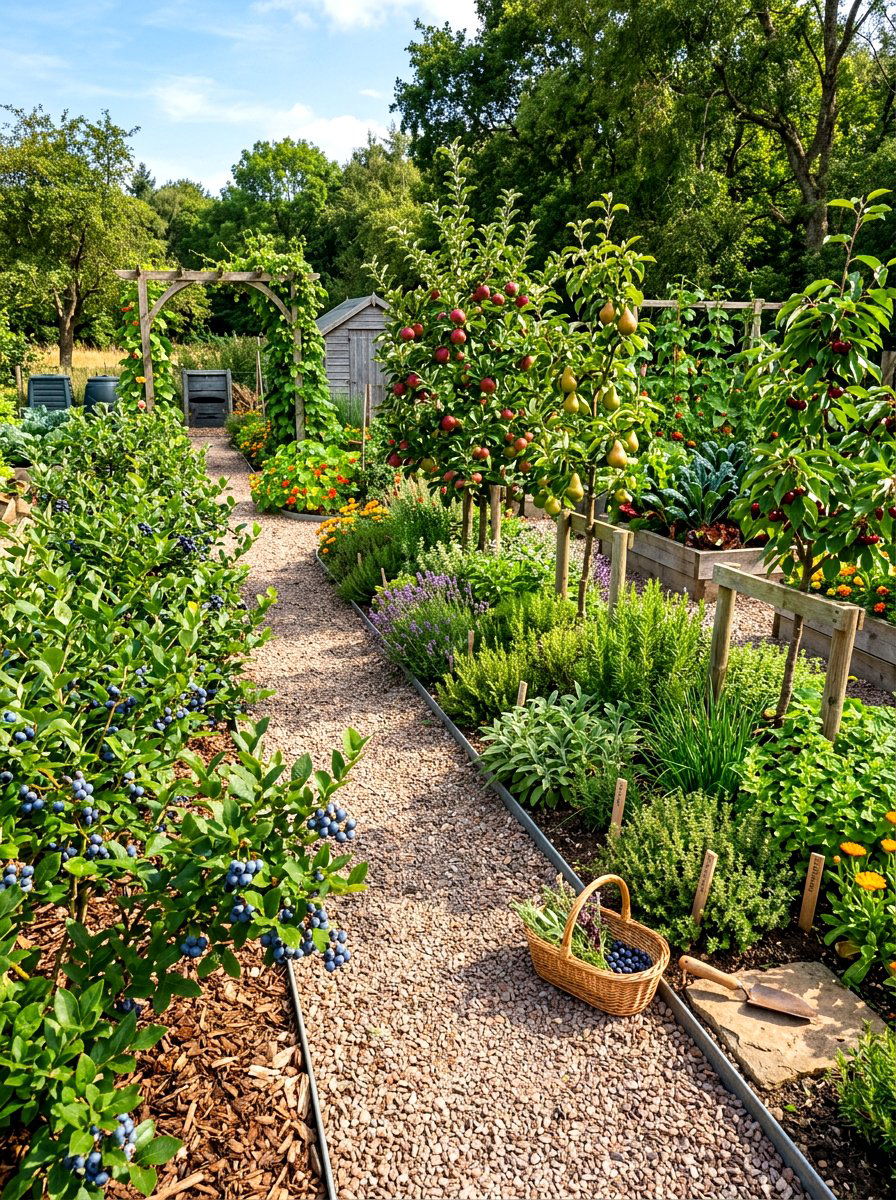
Mixing beauty with utility is the core philosophy behind a foraging garden, where edible plants are integrated directly into your ornamental landscaping. Imagine walking through your yard and picking fresh blueberries from a hedge or harvesting fragrant herbs tucked between your flowering perennials. This approach turns your backyard into a functional pantry that provides fresh, organic produce throughout the summer months. Fruit-bearing shrubs, dwarf citrus trees, and climbing grapevines not only provide food but also add interesting textures and structures to your garden layout. It is an engaging way to involve the whole family in gardening while enjoying the rewarding taste of home-grown fruits and greens.
4. Rock Garden Landscape
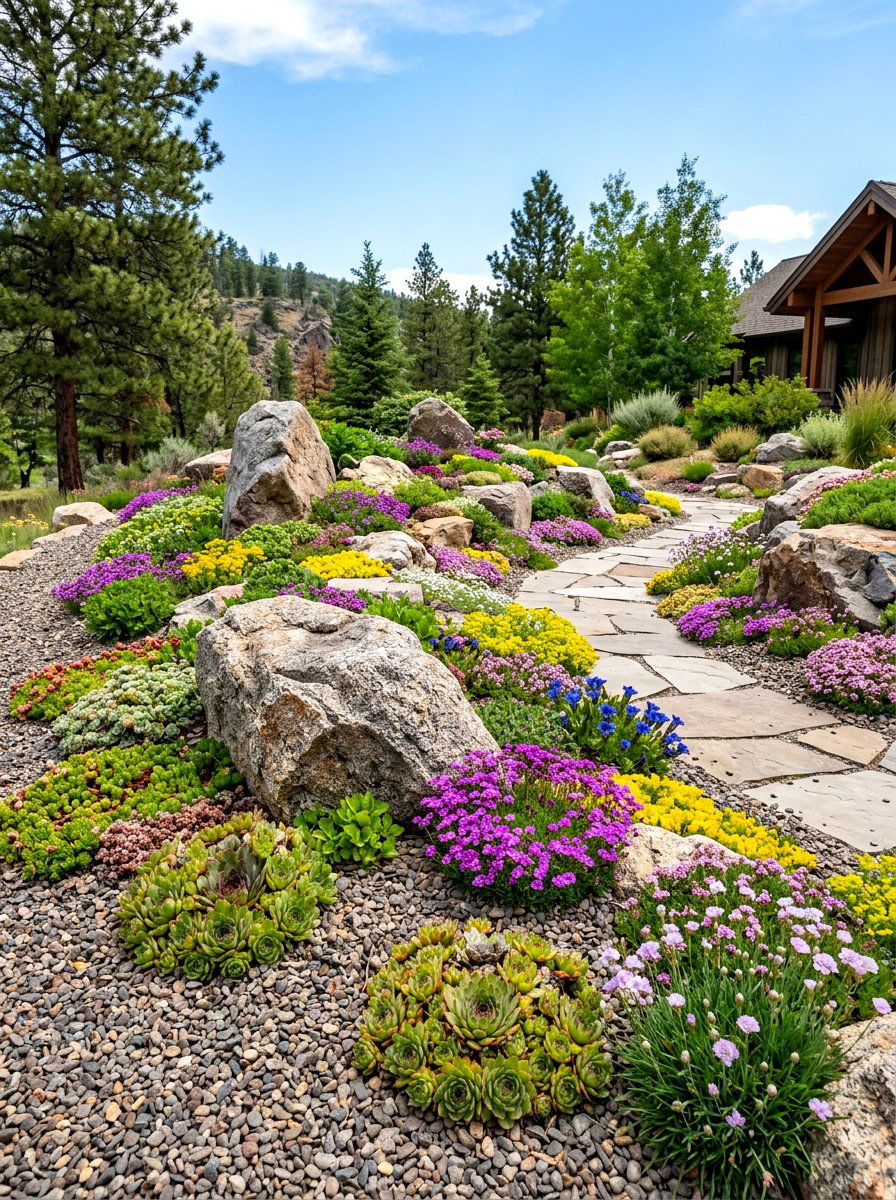
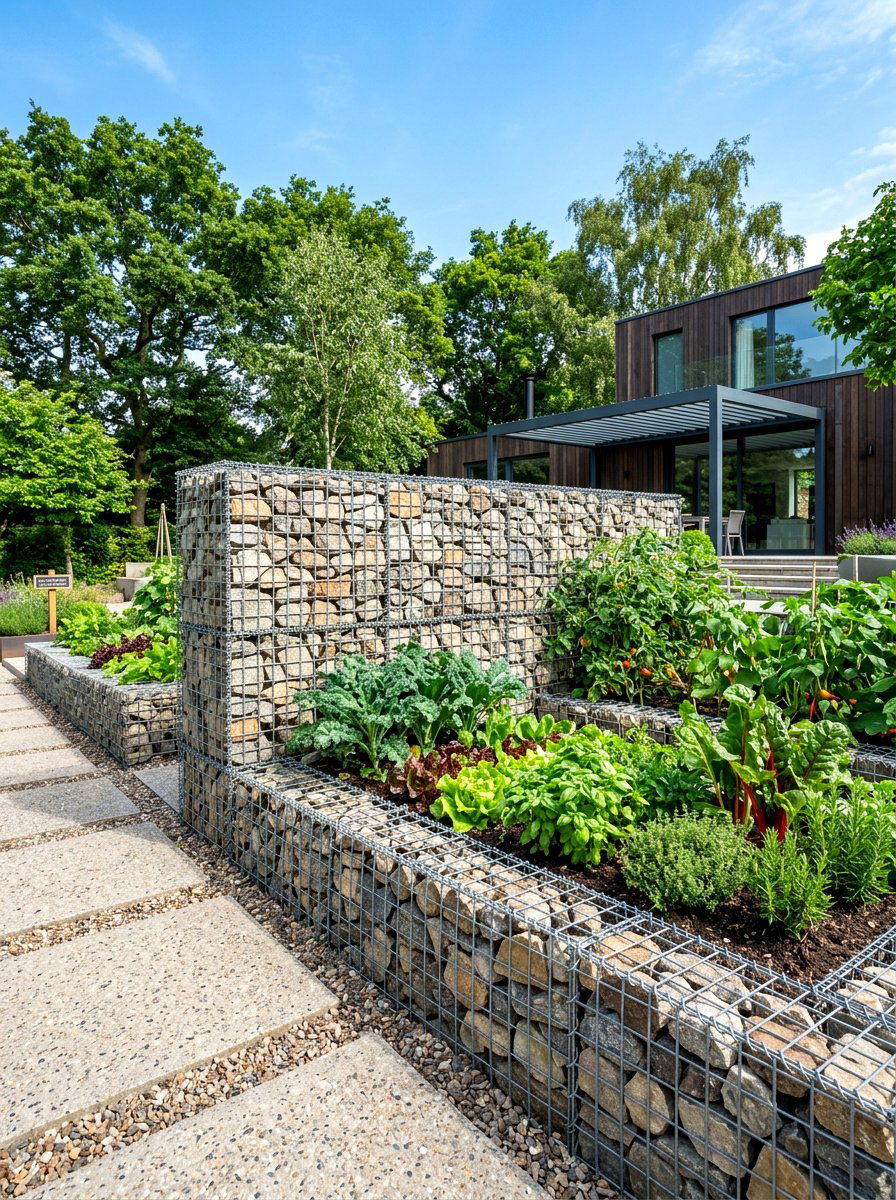
Utilizing various sizes of stones and boulders can add incredible architectural interest and a sense of permanence to any outdoor area. Rock gardens are particularly effective on sloped terrain where they can help prevent soil erosion while providing a rugged, naturalistic aesthetic. You can tuck drought-tolerant alpines, succulents, and small tufted grasses into the crevices between the stones to create a miniature landscape that requires very little upkeep. The contrast between the hard, grey surfaces of the rocks and the soft, vibrant foliage of the plants creates a visually striking focal point. This design choice is perfect for those seeking a modern yet earthy feel in their summer backyard.
5. Living Privacy Fence
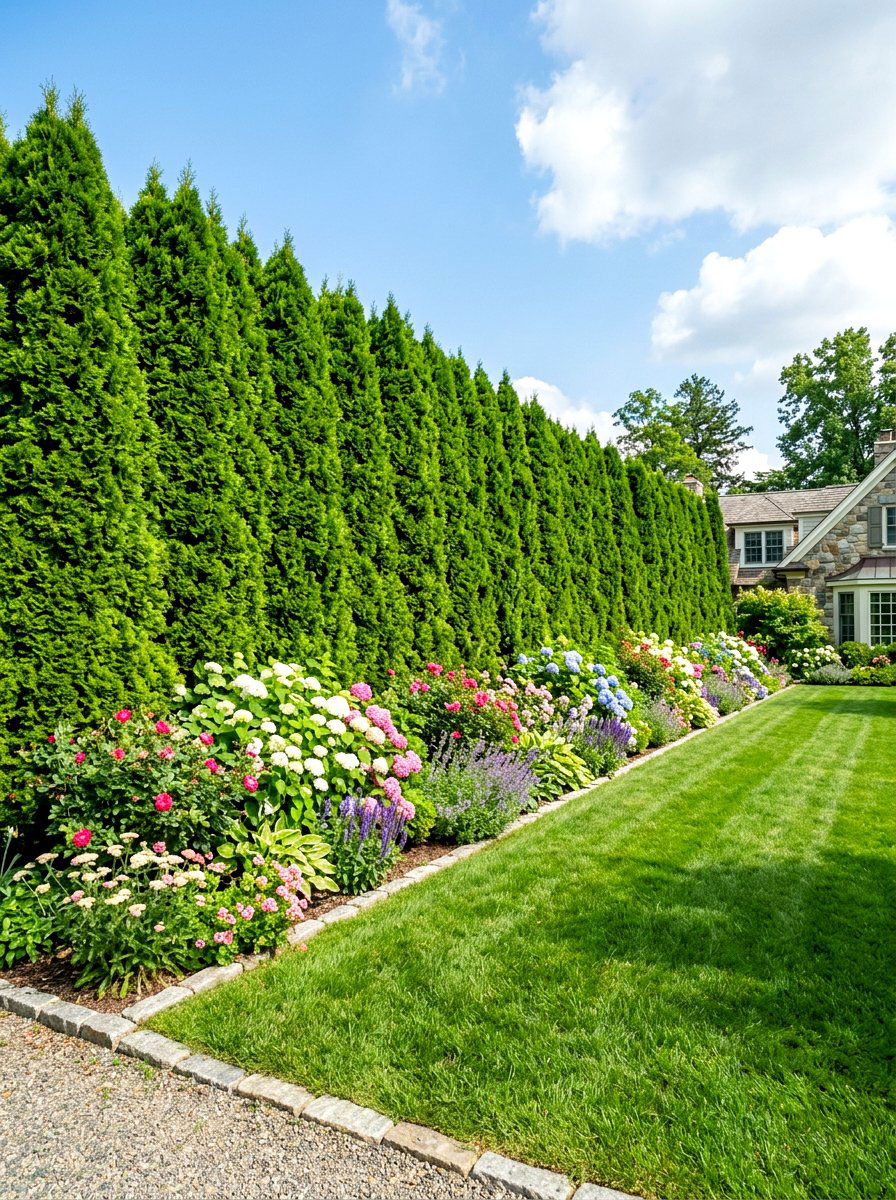
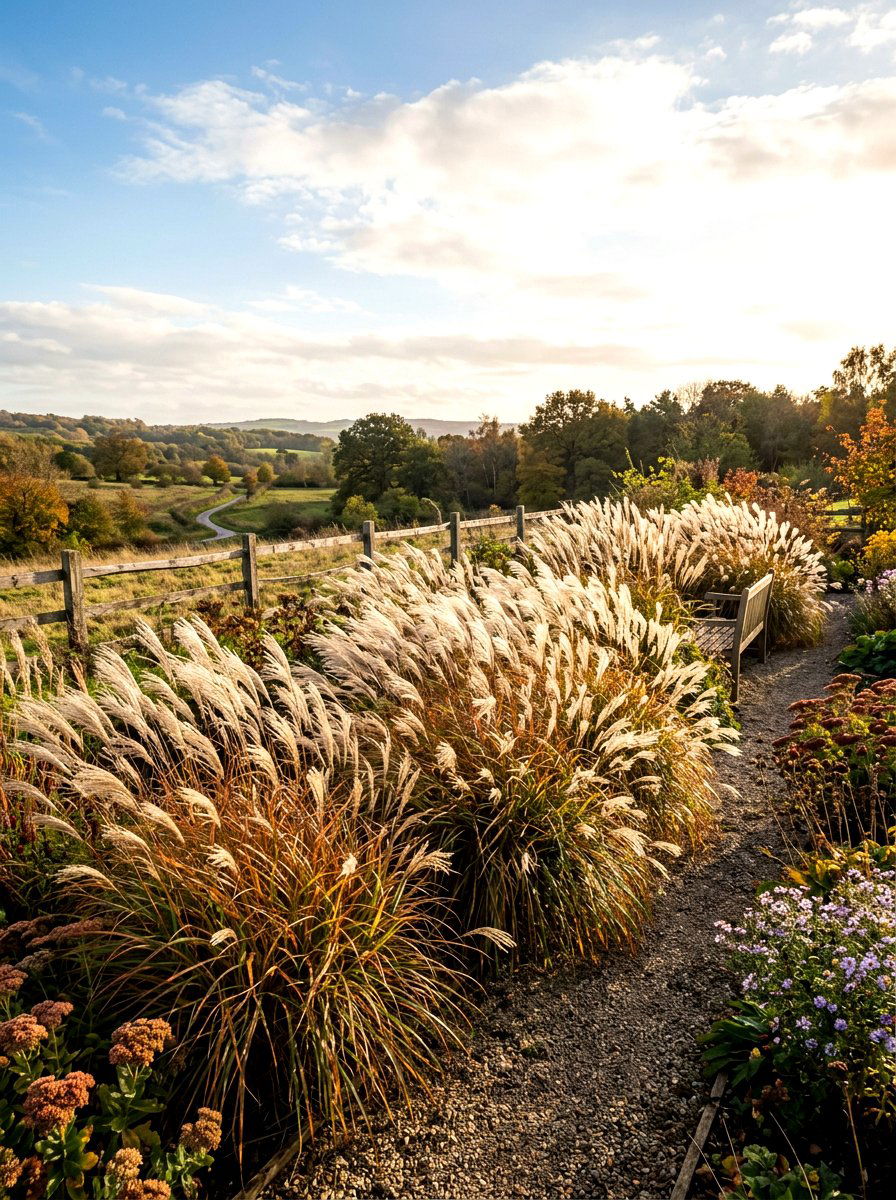
Swapping traditional wooden or metal fencing for a lush wall of greenery can make your garden feel much more expansive and vibrant. A living fence consists of densely planted shrubs, tall evergreens, or even espaliered fruit trees that grow together to form a solid, natural barrier. This organic approach to privacy provides a soft, textured backdrop for your other plants while muffling neighborhood noise and providing a windbreak. Popular choices like arborvitae, laurel, or even tall ornamental grasses offer year-round interest and a sense of seclusion. It transforms your property boundary into a thriving habitat that contributes to the overall cooling effect of your summer landscape.
6. Teal Accent Garden
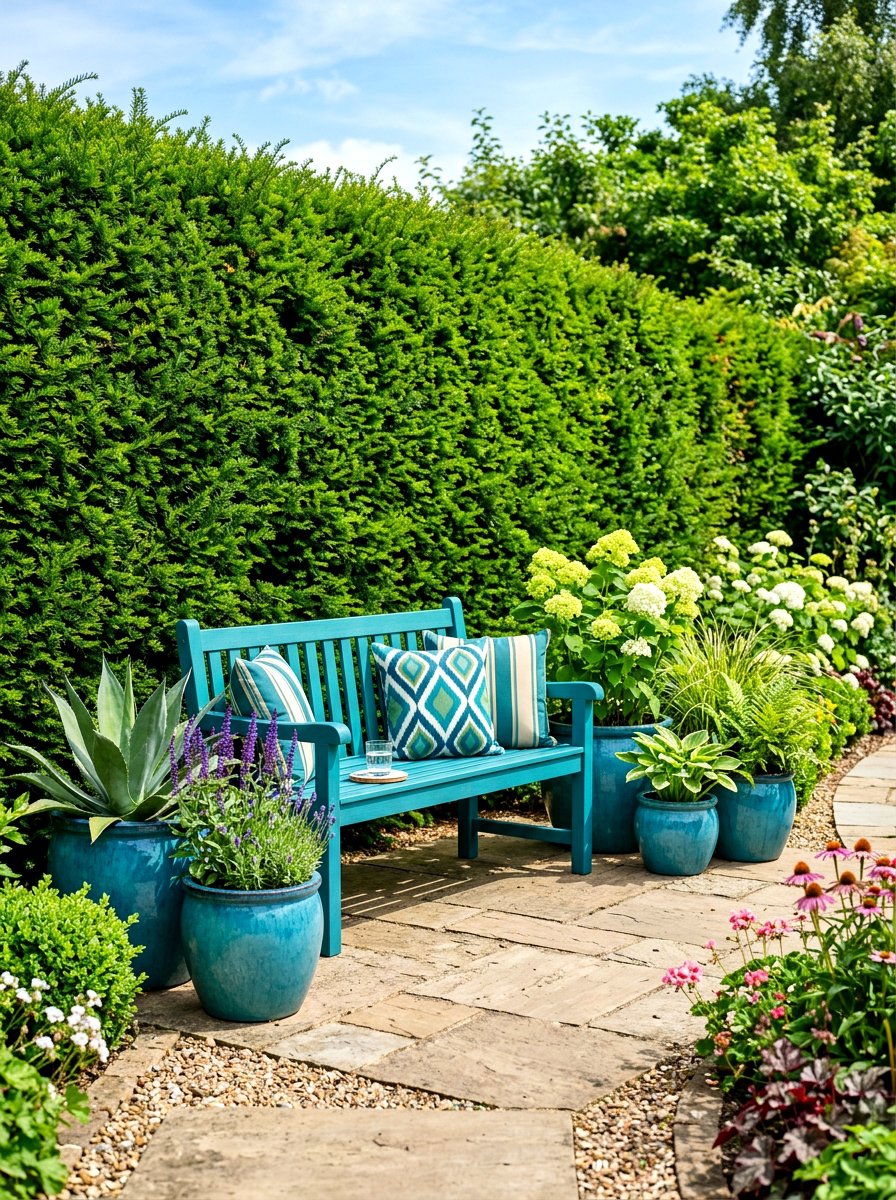
Incorporating bold colors like teal into your garden furniture, pots, and decor can instantly modernize and energize your outdoor living space. This refreshing shade of blue-green mimics the cooling sensation of water, making it a perfect choice for the hot summer months. Whether you choose to paint a wooden bench, install a mosaic tiled wall, or simply add vibrant outdoor cushions, teal pops beautifully against the natural green foliage. This color trend helps define different zones within your garden and creates a cohesive, high-end look that feels both trendy and timeless. It is an easy way to inject personality and a sense of fun into your landscape.
7. Sustainable Container Garden
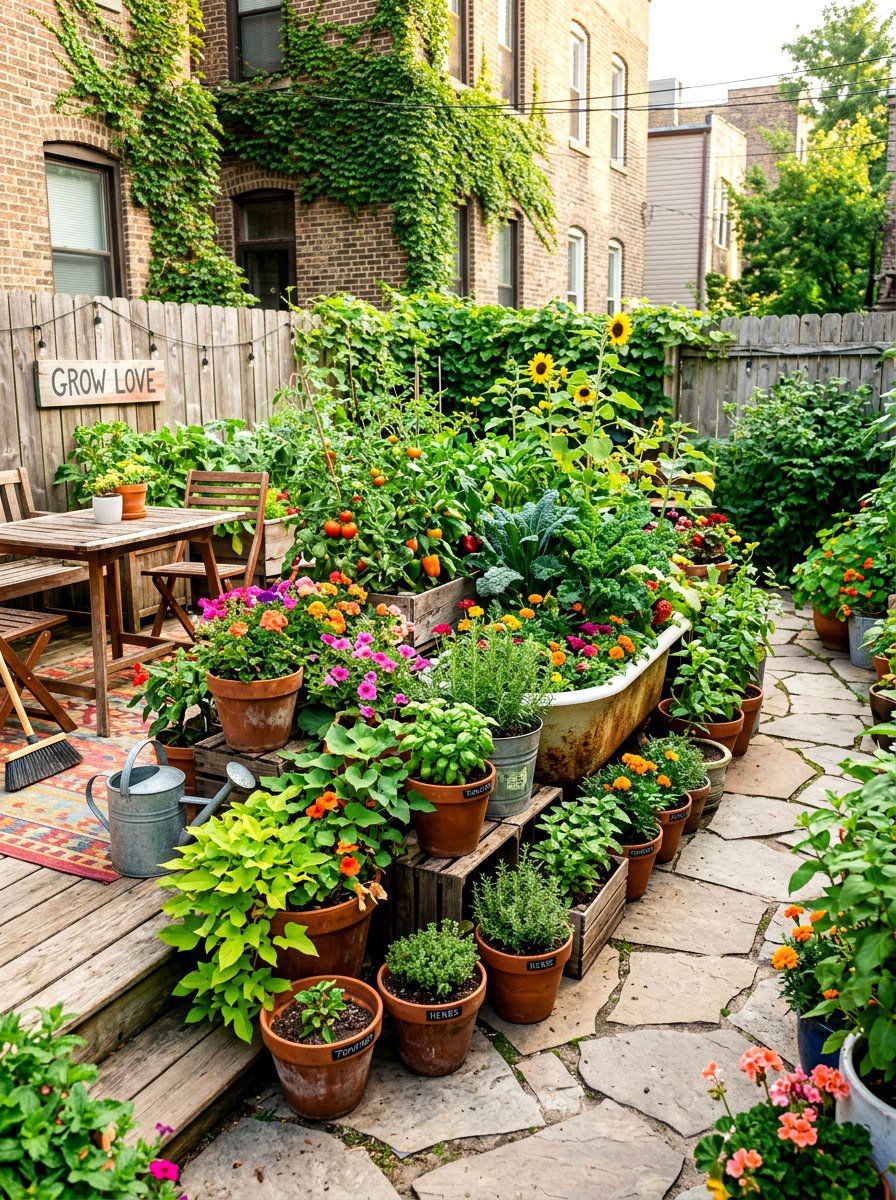
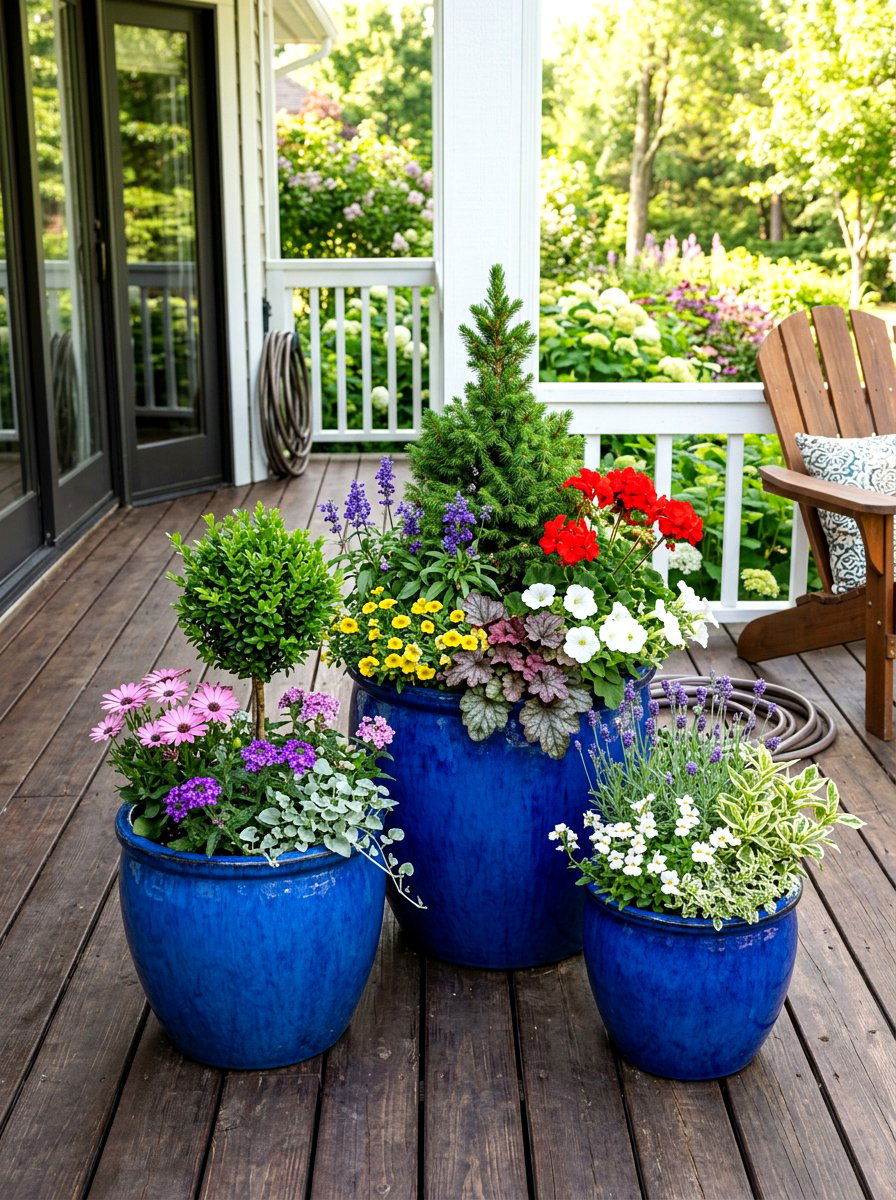
For those with limited space, a container garden offers a flexible and creative way to bring life to patios, balconies, and entryways. Using a variety of pots in different shapes and materials allows you to experiment with height and texture while moving plants around as the sunlight changes. To keep it sustainable, consider using self-watering containers or recycled materials that reduce waste and help conserve moisture during the heat of the day. You can grow everything from bright annual flowers to compact vegetable varieties in these portable planters. This method makes gardening accessible to everyone, regardless of the size of their yard or the quality of their soil.
8. Outdoor Kitchen Station
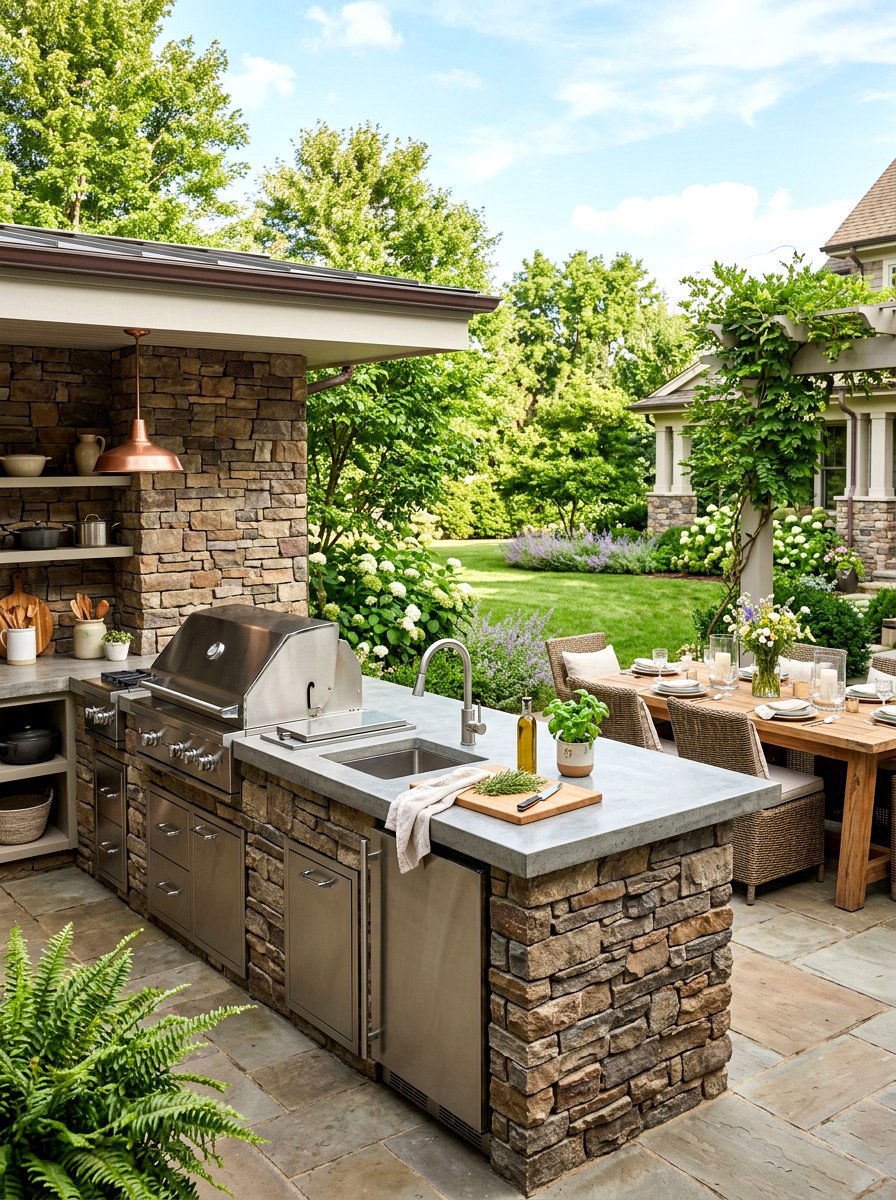
Taking the cooking experience outside is one of the most popular ways to enhance the functionality and value of your home. A well-designed outdoor kitchen station can range from a simple built-in grill area to a full culinary setup with a pizza oven, sink, and prep counters. By placing this feature near your dining area, you create a seamless flow for entertaining guests while keeping the heat of cooking out of the house. Durable materials like stainless steel and stone ensure the space can withstand the elements, while overhead lighting allows the party to continue long after the summer sun has set.
9. Modern Fire Pit
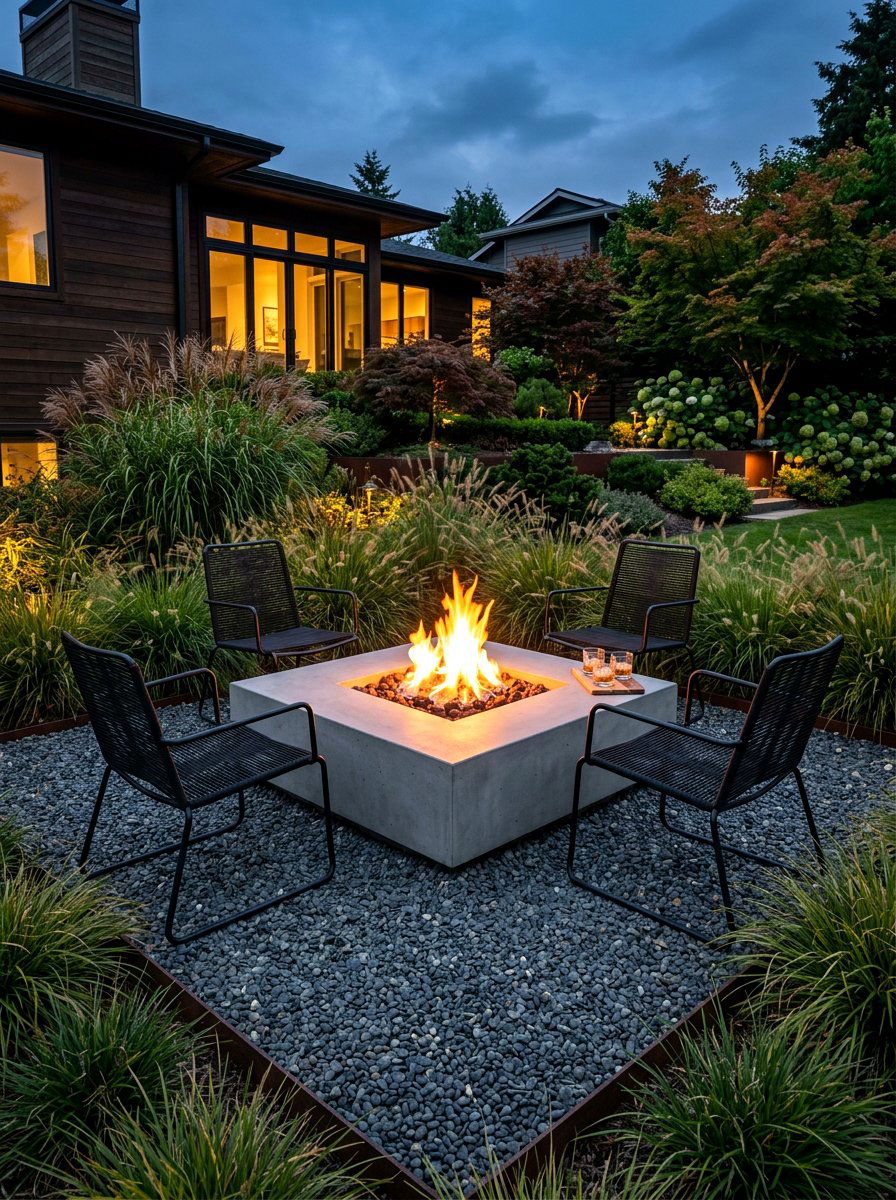
A fire pit serves as a natural gathering spot that extends the usability of your garden well into the cooler summer evenings. Modern designs often feature clean lines and materials like poured concrete, steel, or natural stone that double as a sculptural element when not in use. Whether you prefer a traditional wood-burning pit or a convenient propane-fueled version, the flickering flames create a cozy and inviting ambiance for friends and family. Surrounding the area with comfortable chairs or a built-in bench makes it the perfect place for roasting marshmallows, sharing stories, and enjoying the peaceful atmosphere of your backyard after dark.
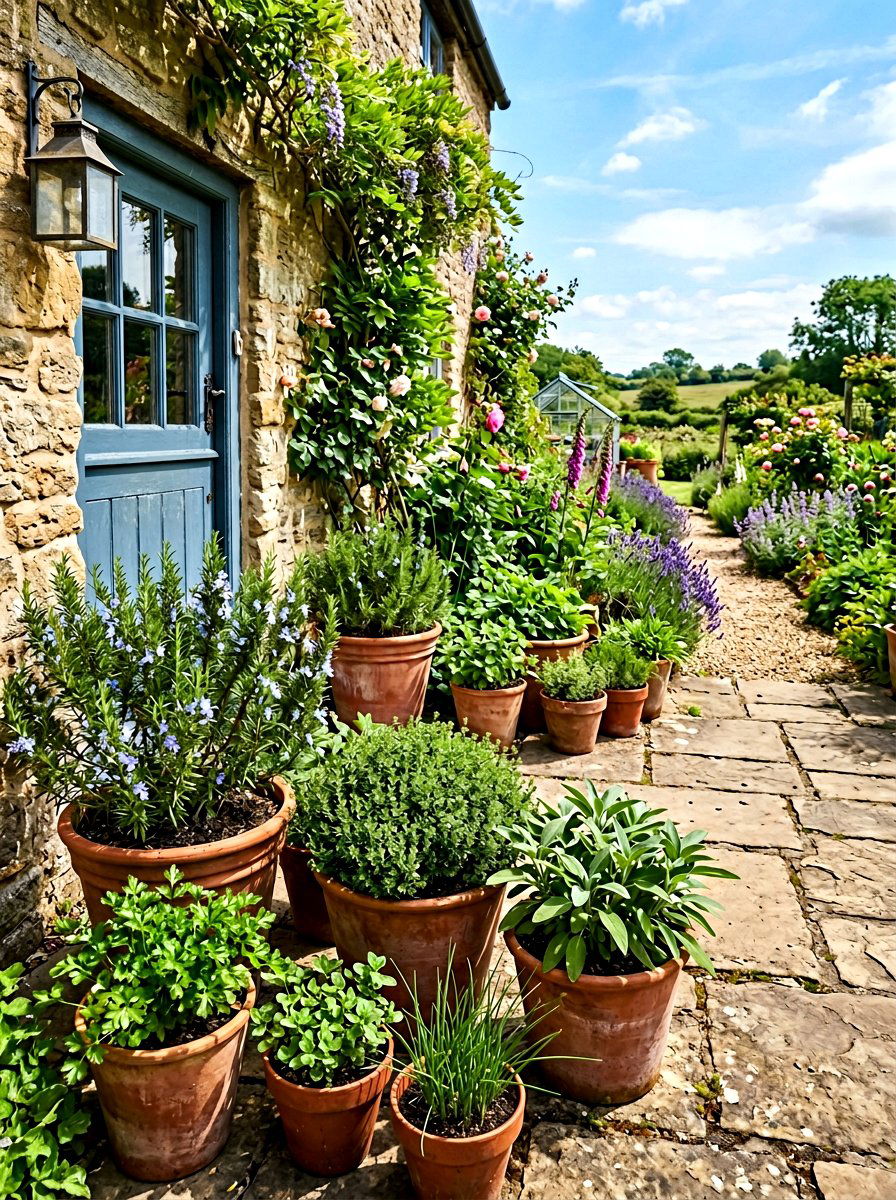
10. Tiered Water Fountain
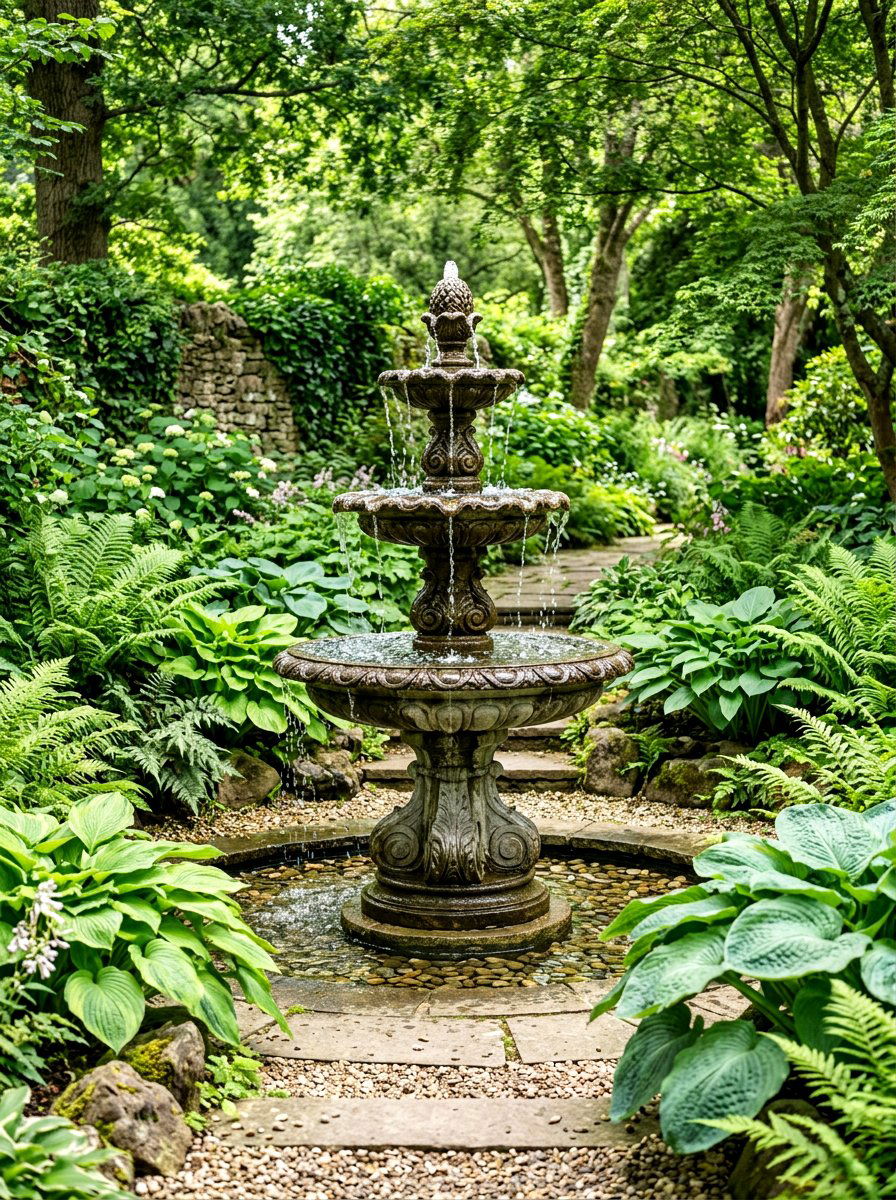
The sound of trickling water can instantly lower the perceived temperature of your garden and mask unwanted background noise from the street. A tiered water fountain provides a classic and elegant focal point that draws the eye and invites local birds to visit for a quick drink. These features come in a wide range of styles, from traditional stone basins to contemporary metal structures that fit any design aesthetic. Placing a fountain near a seating area or a bedroom window allows you to enjoy the therapeutic auditory benefits throughout the day. It adds a sophisticated layer of sensory appeal that completes the summer garden experience.
11. Vertical Wall Garden
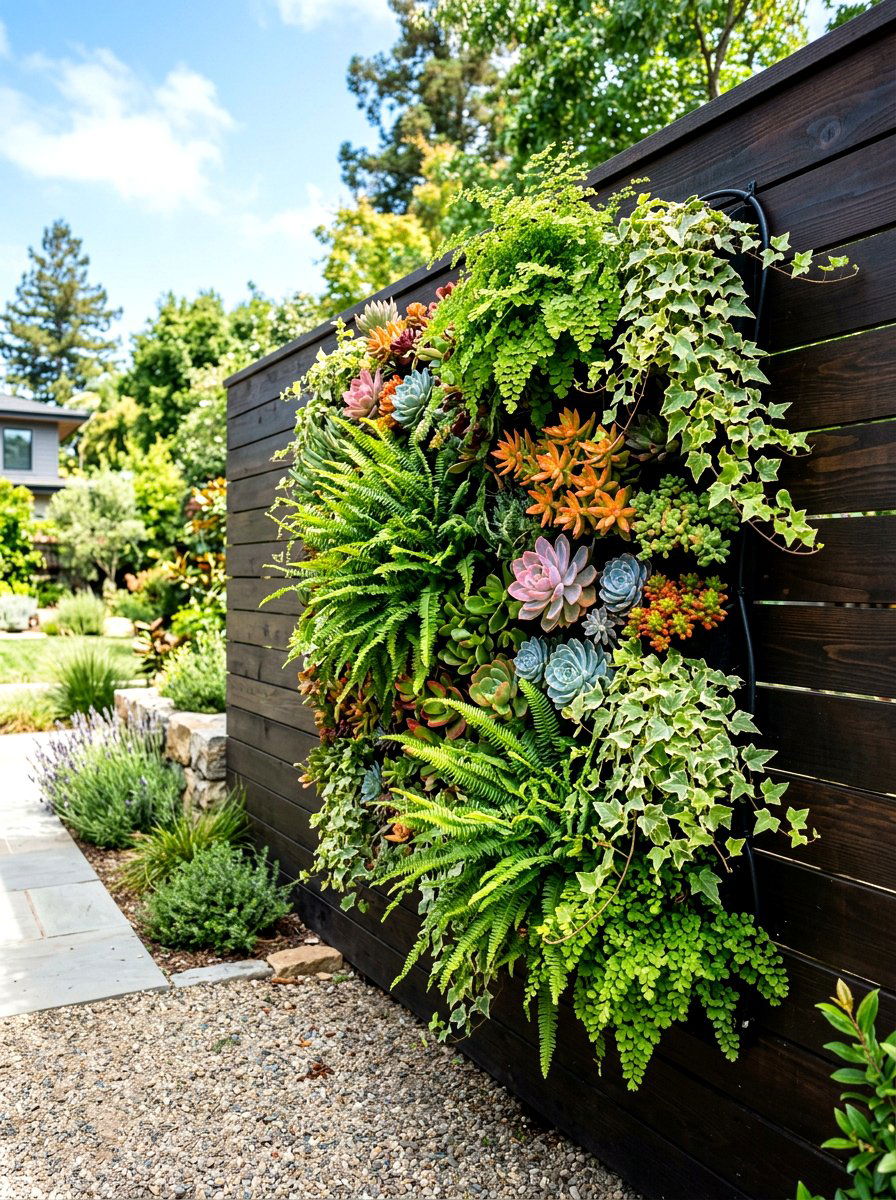
Maximizing vertical space is an ingenious solution for small gardens or for adding a lush backdrop to a plain exterior wall. Vertical wall gardens, also known as living walls, utilize specialized planting pockets or modular frames to support a variety of small plants and succulents. This technique allows you to grow a large number of plants in a very small footprint, creating a stunning tapestry of color and texture. Beyond the visual appeal, these green walls provide natural insulation for your home and help purify the air in urban environments. It is a modern, space-saving way to bring high-impact greenery into your daily outdoor life.
12. Natural Wildflower Meadow
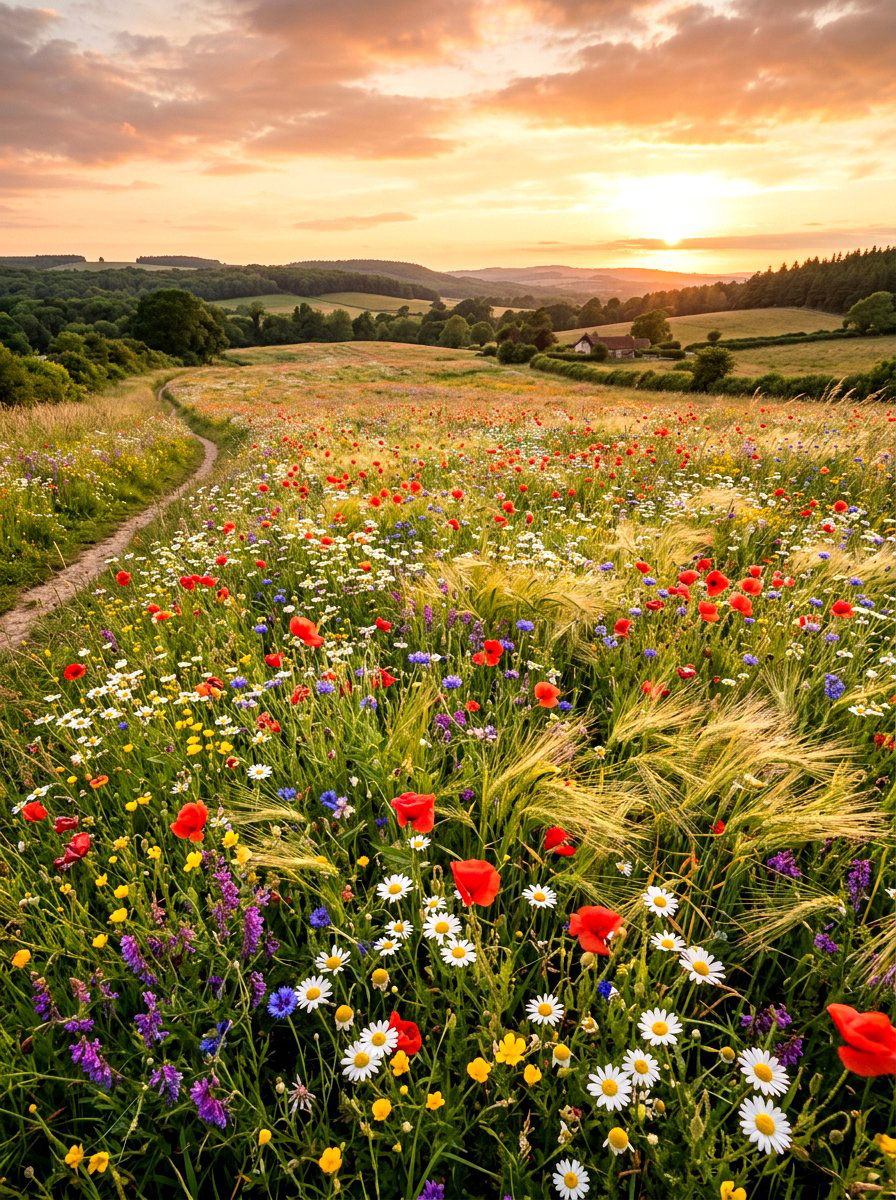
If you want to move away from the high-maintenance requirements of a manicured lawn, a natural wildflower meadow is a gorgeous and eco-friendly alternative. By sowing a mix of native annual and perennial flower seeds, you can create a dynamic landscape that changes color and height throughout the summer. This style of gardening supports a vast array of pollinators and requires very little mowing or watering once established. The tall, swaying stems and vibrant blooms provide a romantic, prairie-like feel that looks stunning in large open spaces. It encourages a more relaxed and observational relationship with the natural world right outside your back door.
13. Cottage Flower Border
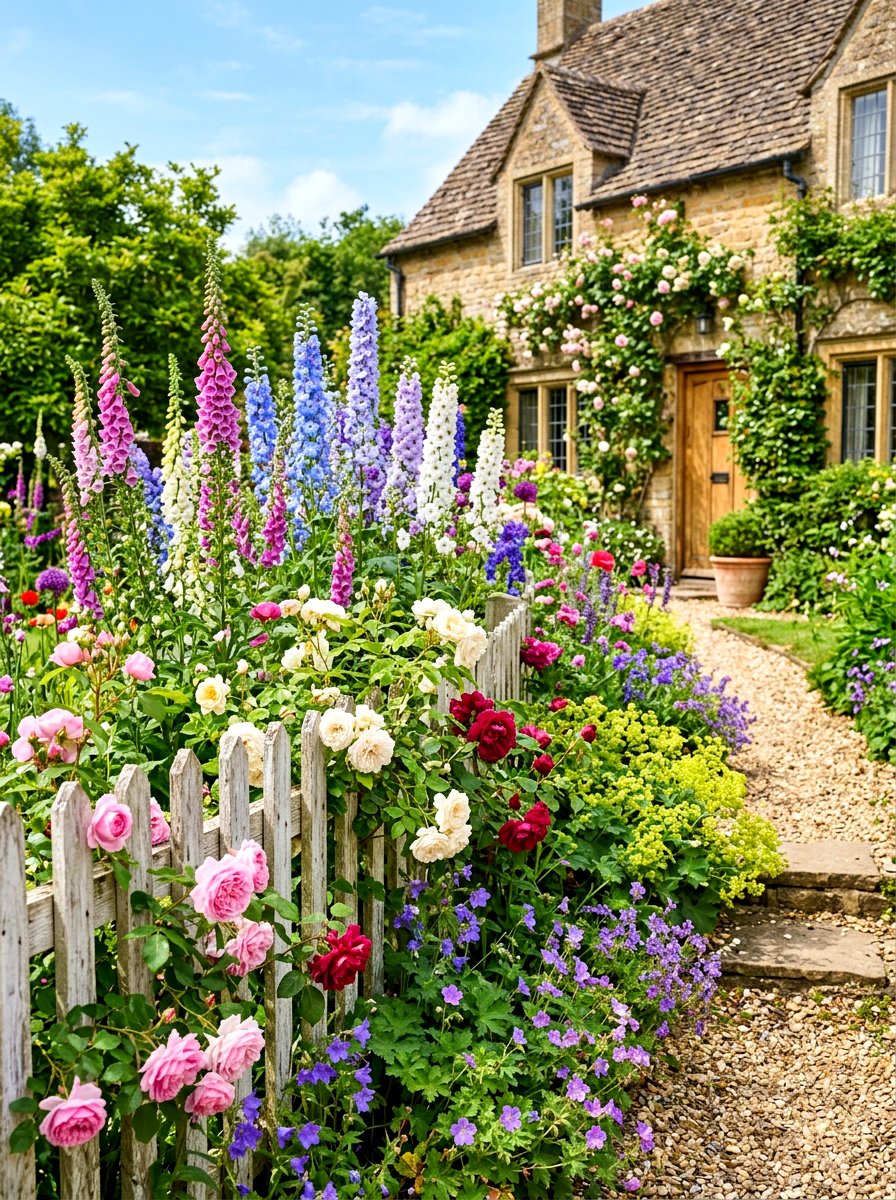
A classic cottage garden border is characterized by a dense, informal planting of colorful flowers that spill over onto pathways and lawns. This charming style focuses on a mix of heights and varieties, including roses, delphiniums, foxgloves, and lavender, creating a layered and fragrant display. The goal is to achieve a look that feels effortless and bountiful, with very little bare soil visible between the plants. These borders provide a constant source of fresh-cut flowers for your home while attracting a steady stream of butterflies and bees. It is a timeless design choice that brings a sense of nostalgia and whimsy to any summer garden.
14. Mediterranean Gravel Patio
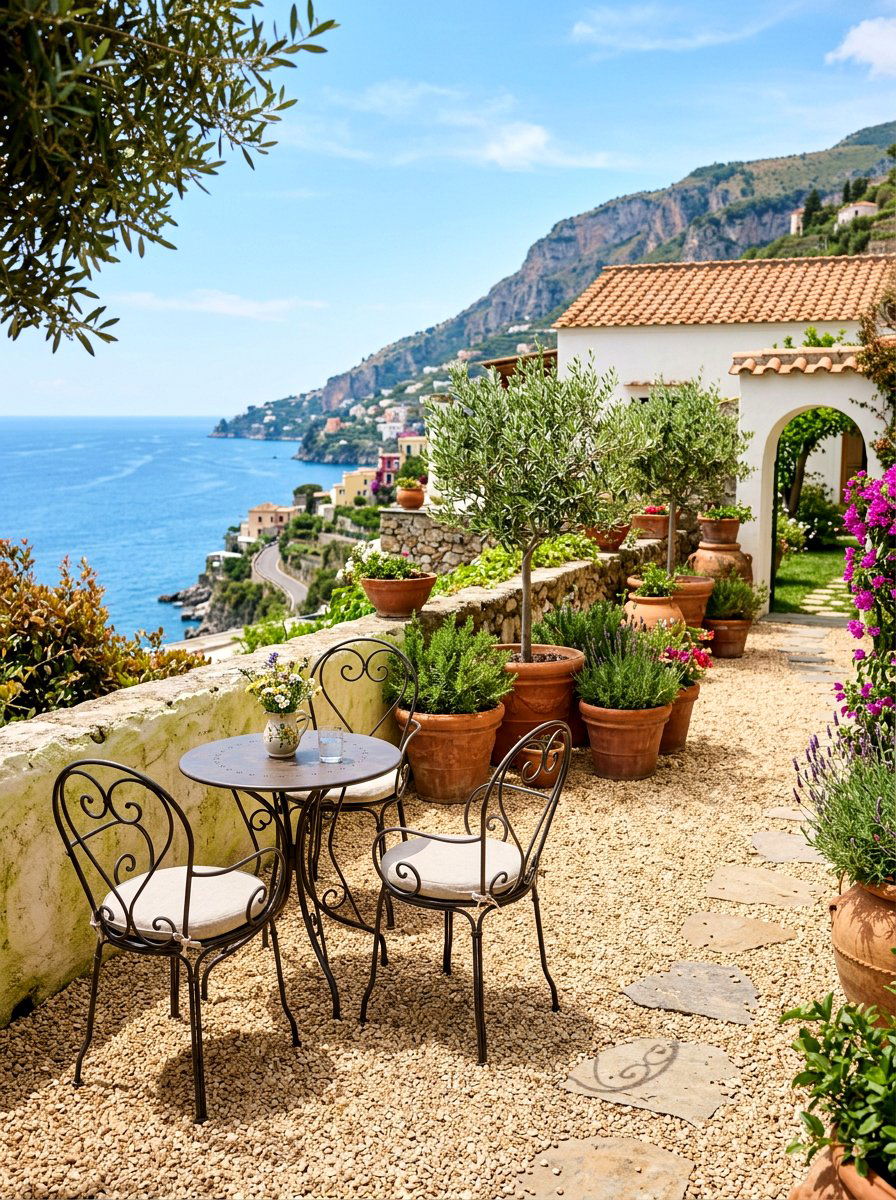
Creating a low-maintenance and stylish outdoor area is easy with a Mediterranean-inspired gravel patio. Using light-colored pea gravel or crushed stone provides a permeable surface that stays cool underfoot and allows water to soak into the ground. Surround the area with terracotta pots filled with lavender, rosemary, and olive trees to complete the coastal European aesthetic. This type of patio is perfect for setting up a casual dining table or a group of bistro chairs, offering a relaxed spot for morning coffee or evening wine. It is a cost-effective way to transform an unused corner into a functional and beautiful Mediterranean retreat.
15. Tropical Backyard Oasis
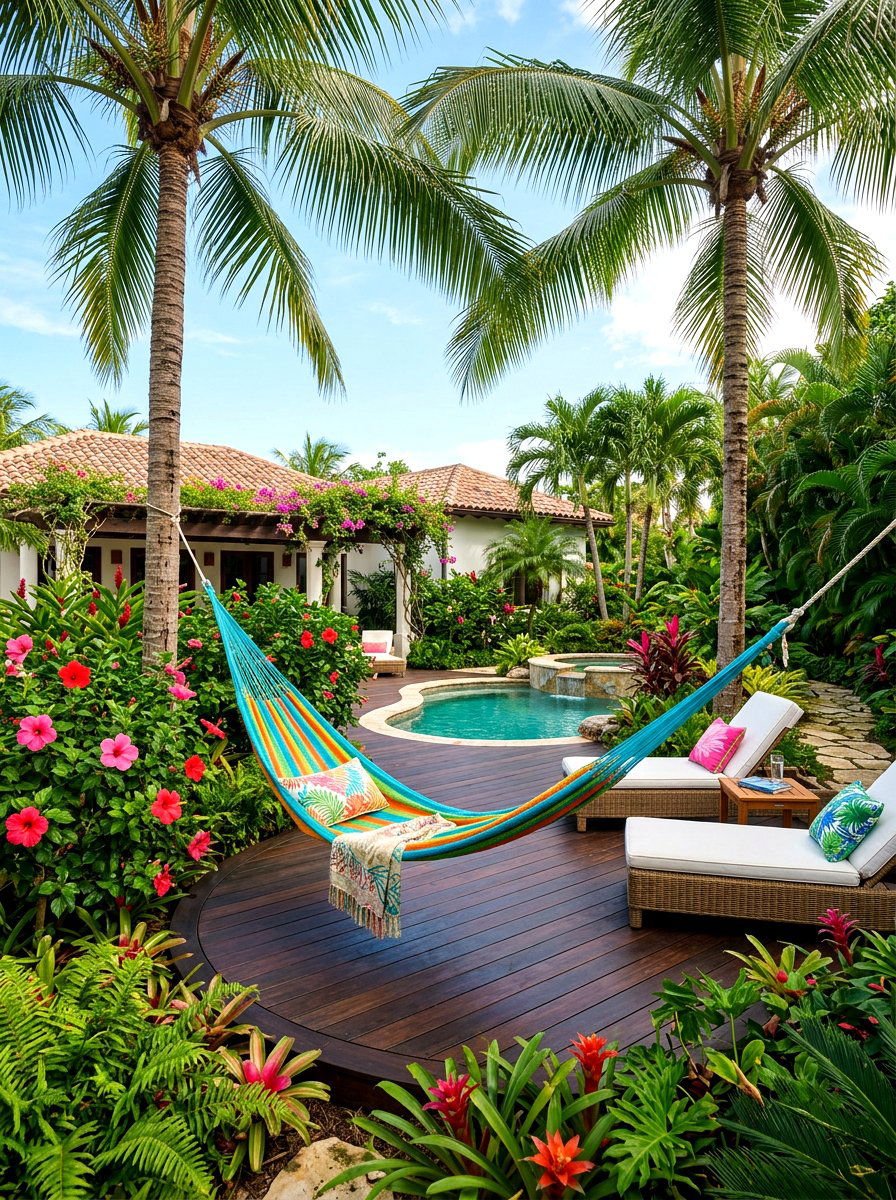
You can recreate the feeling of an exotic vacation by incorporating large-leafed plants and bold colors into your summer garden design. Tropical species like canna lilies, hibiscus, and hardy palms thrive in the heat and humidity of the season, providing a dramatic and lush appearance. To enhance the oasis vibe, use vibrant outdoor rugs, bamboo furniture, and colorful hammocks that invite you to lounge and relax. This maximalist approach to planting creates a dense canopy of foliage that offers natural shade and a sense of escape. It is a fantastic way to make your backyard feel like a private resort where you can unwind.
16. Moon Garden Lighting
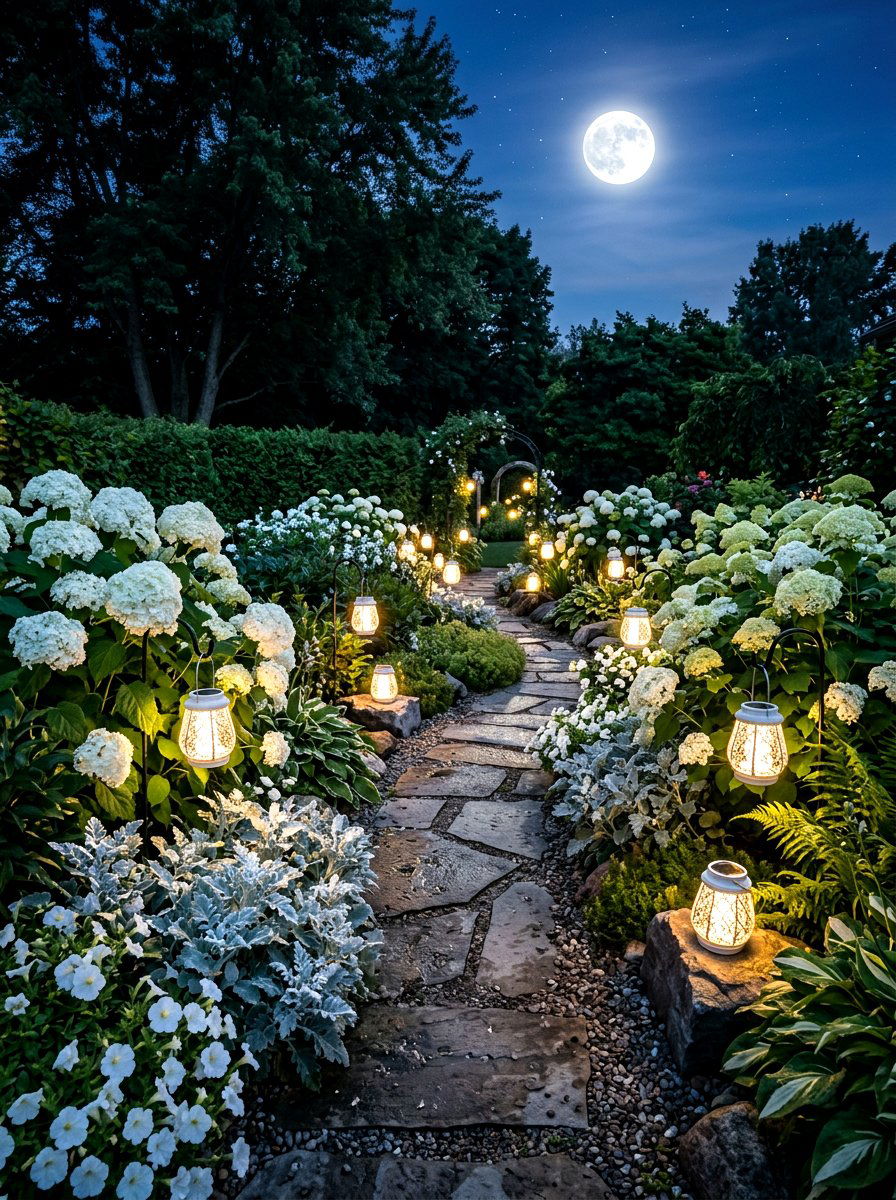
A moon garden is specifically designed to be enjoyed at night, featuring plants with white or silver foliage and pale flowers that glow under the moonlight. To enhance this ethereal experience, subtle lighting is key, using low-voltage LED path lights, solar lanterns, or string lights draped through the trees. These lights highlight the architectural shapes of the plants and create a safe pathway for evening strolls. Fragrant flowers like moonflowers or evening primrose, which open after dusk, add a sweet scent to the night air. It turns your garden into a magical, tranquil space that stays beautiful long after the bright sun has disappeared.
17. Pollinator Friendly Habitat
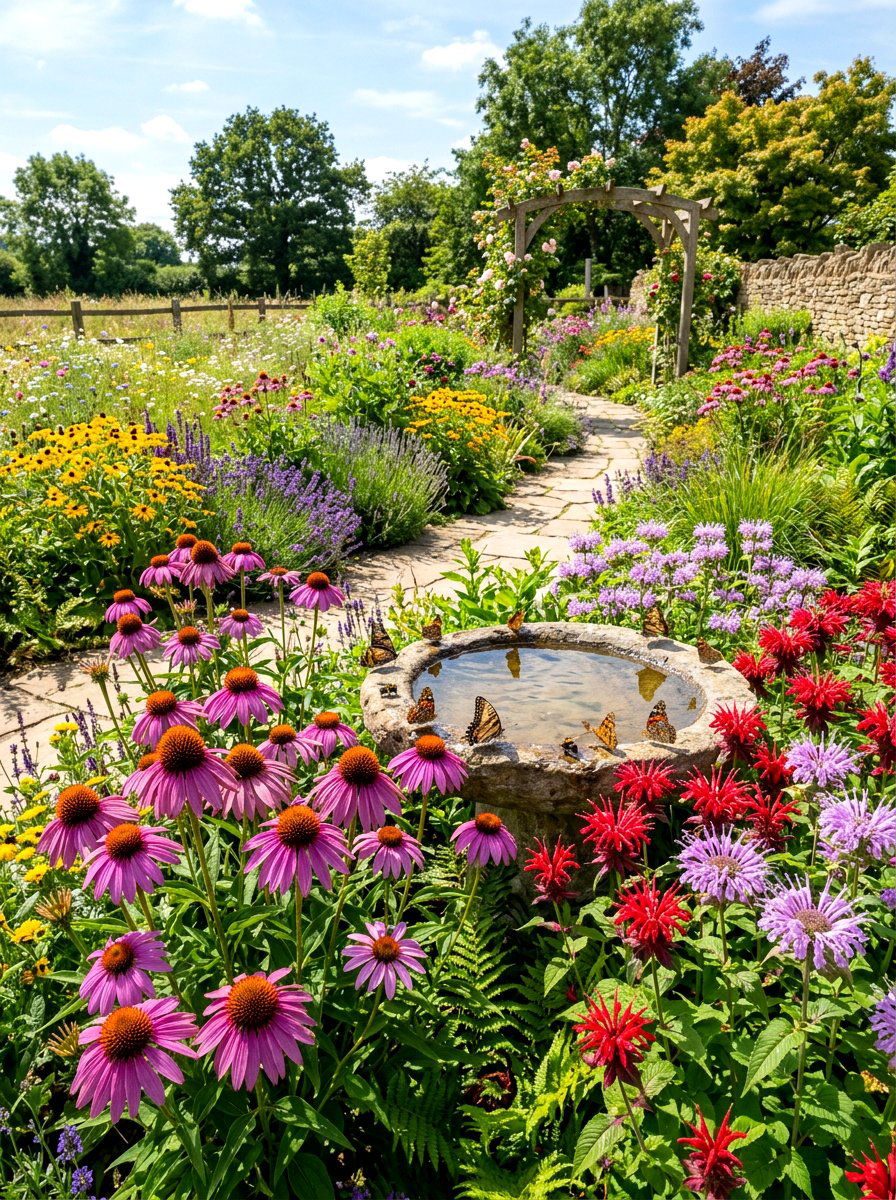
Dedicated space for bees, butterflies, and hummingbirds is essential for a healthy ecosystem and adds vibrant life to your summer landscape. A pollinator-friendly habitat focuses on planting a variety of nectar-rich flowers in large clusters, making it easier for insects to find their food. Incorporating a mix of bloom shapes and sizes ensures that different species of pollinators can access the nutrients they need. Adding a small water source like a shallow bird bath with stones for perching allows these visitors to stay hydrated. This purposeful design choice results in a garden that is constantly buzzing with activity and contributes to local environmental conservation.
18. Kids Nature Playzone
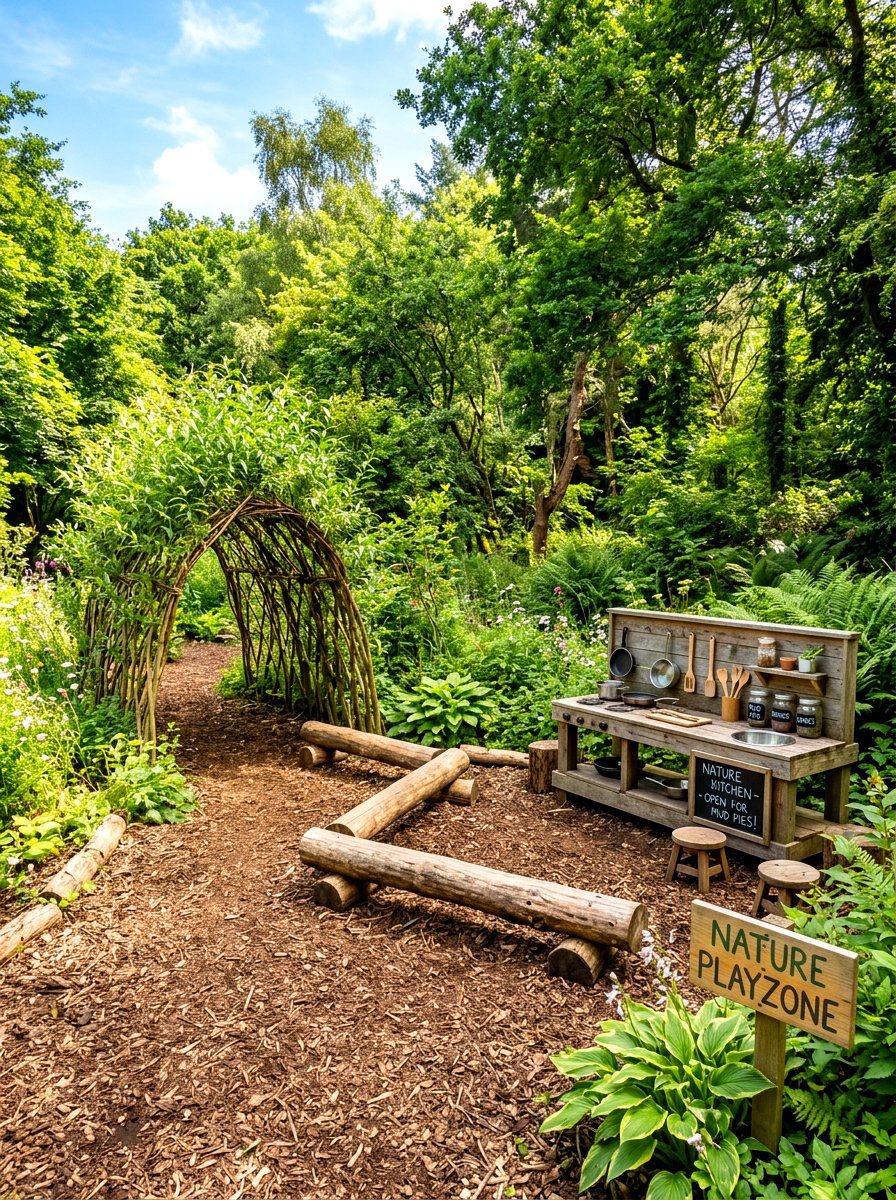
Designing a specific area for children to explore the outdoors encourages a lifelong love for nature and provides hours of summer entertainment. A nature playzone might include a willow tunnel, a sensory garden with touchable plants like lamb's ear, and a simple wooden mud kitchen. Using natural materials like logs for balance beams and large stones for climbing creates a safe and imaginative environment that blends seamlessly with the rest of the landscape. This area allows kids to get their hands dirty, observe insects, and learn about how plants grow. It is a wonderful way to make the garden a destination for every member of the family.
19. Upcycled Planter Display
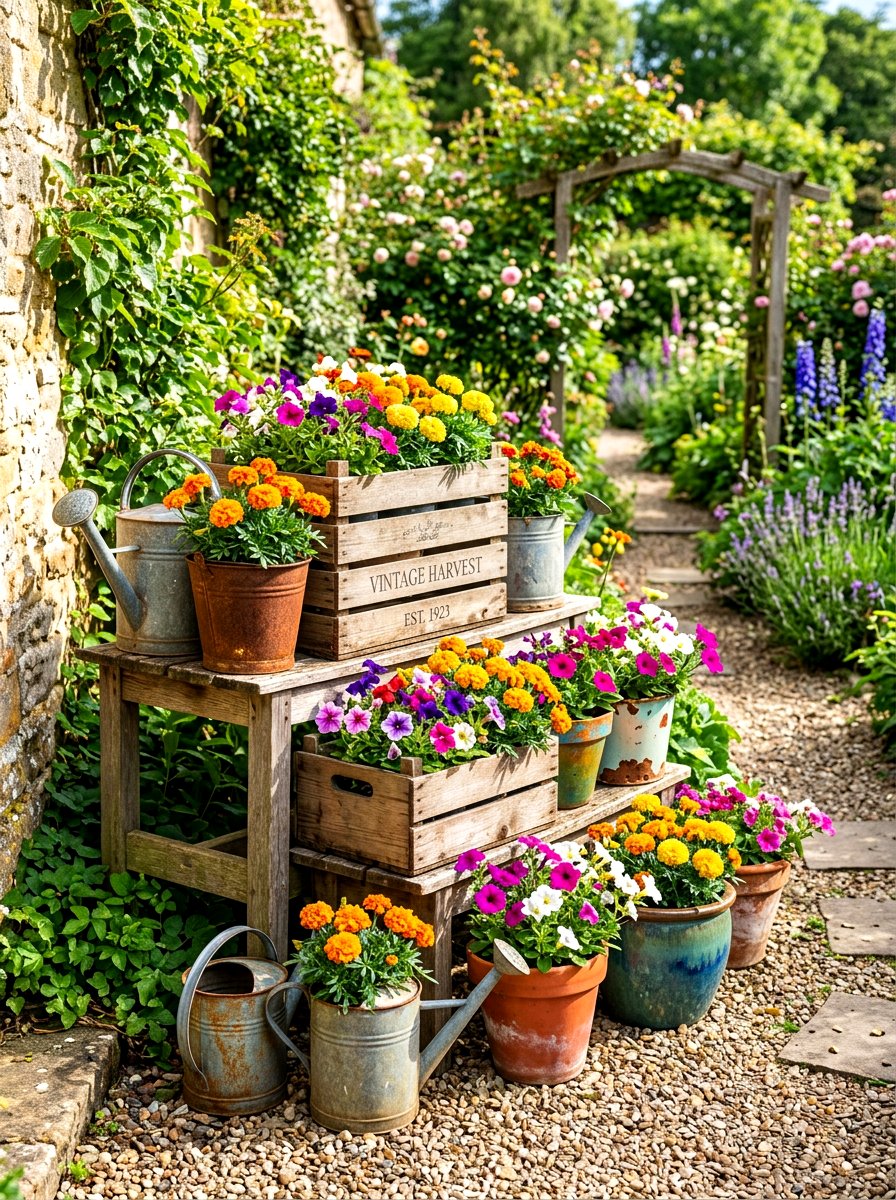
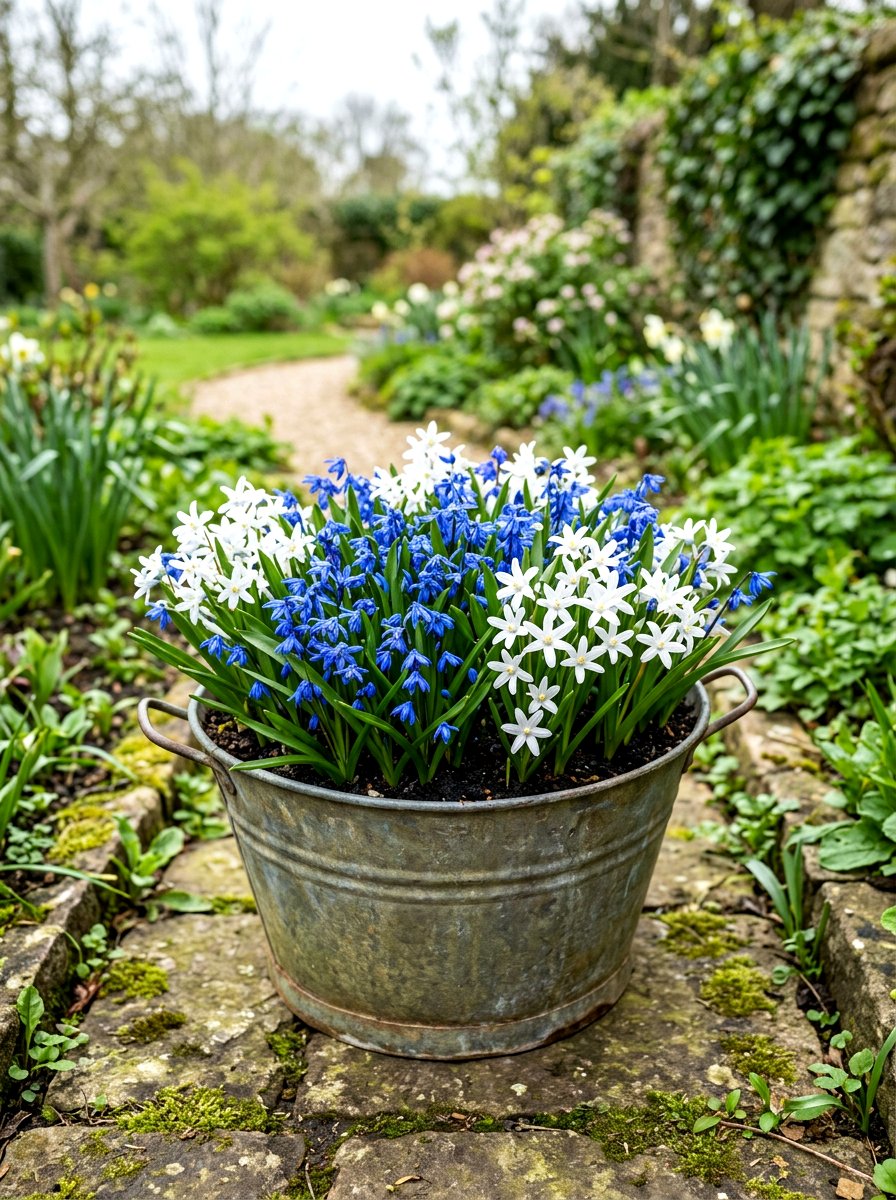
Using reclaimed items as planters is a creative and budget-friendly way to add unique character and a touch of history to your garden. Old wooden crates, vintage metal buckets, and even discarded ceramic teapots can be given a second life when filled with colorful annuals or succulents. By arranging these upcycled pieces in groups on a tiered shelf or along a garden path, you create a charming and eclectic focal point. This approach not only keeps items out of the landfill but also allows you to express your individual personality through your gardening. It proves that a beautiful landscape does not always require expensive new materials.
20. Zen Meditation Corner
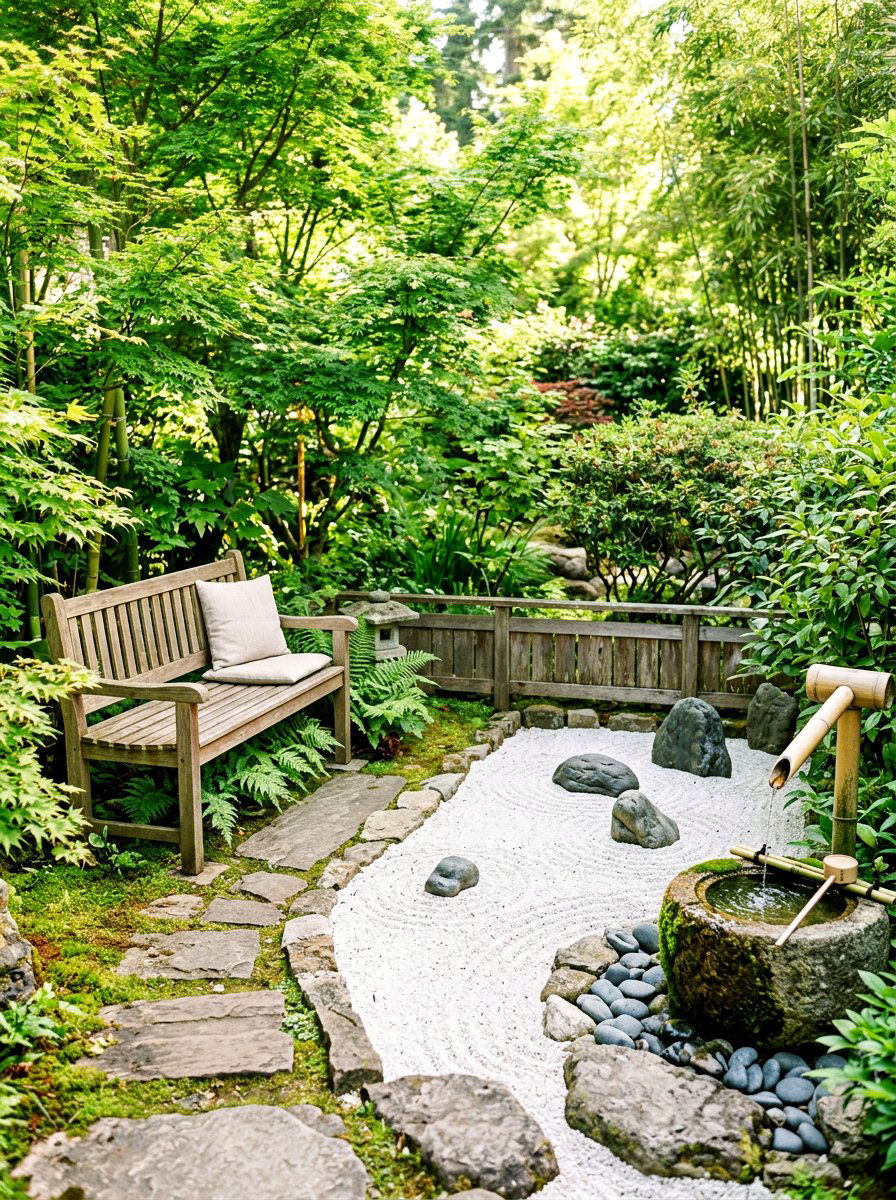
A quiet corner of the garden dedicated to silence and reflection can be a powerful tool for reducing stress and finding inner peace. A Zen-inspired space often features minimalist elements like raked sand, smooth river rocks, and a simple wooden bench or a comfortable outdoor cushion. Incorporating a slow-moving water feature or the gentle sound of bamboo wind chimes adds to the calming atmosphere. Surrounding the area with shades of green and avoiding cluttered planting helps clear the mind and focus the senses. This intentional space provides a sanctuary for daily mindfulness and a deep connection to the quiet rhythms of the natural world.
21. Drought Tolerant Xeriscape
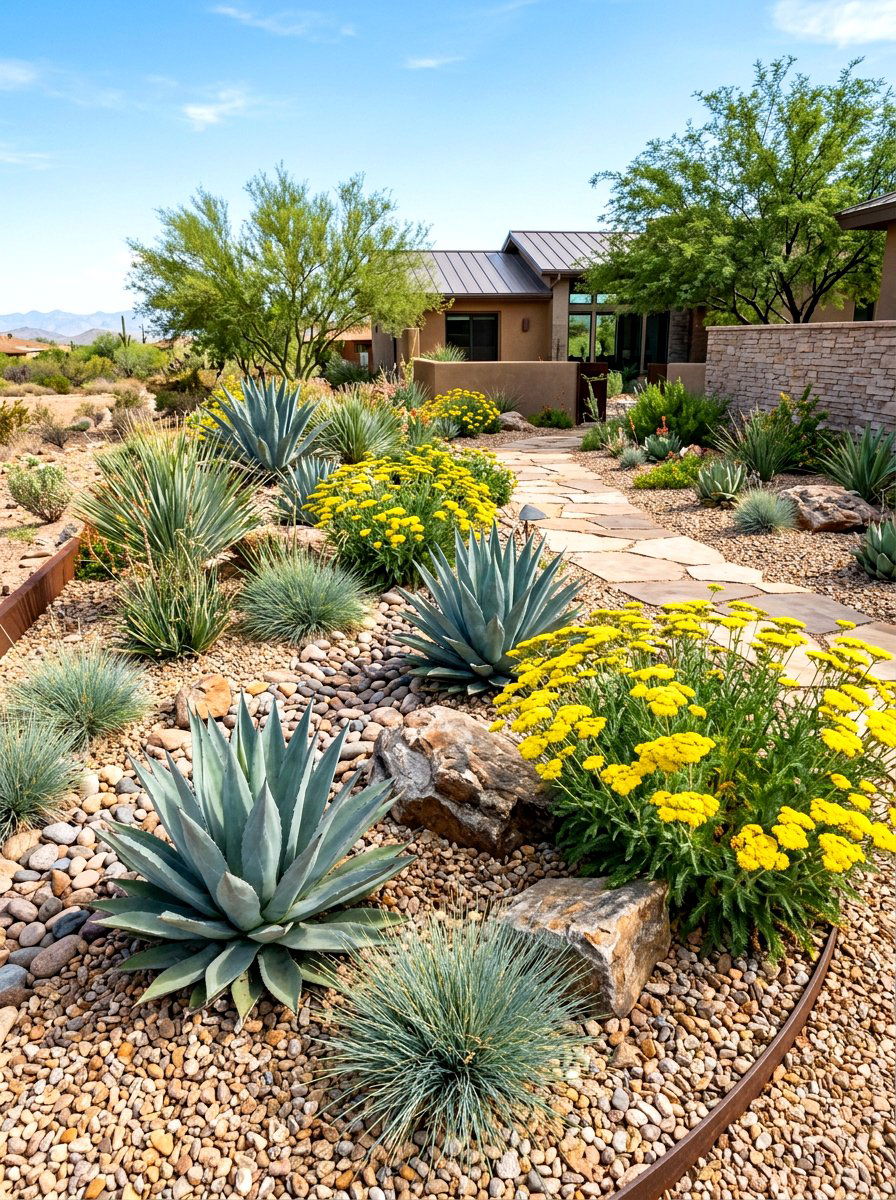
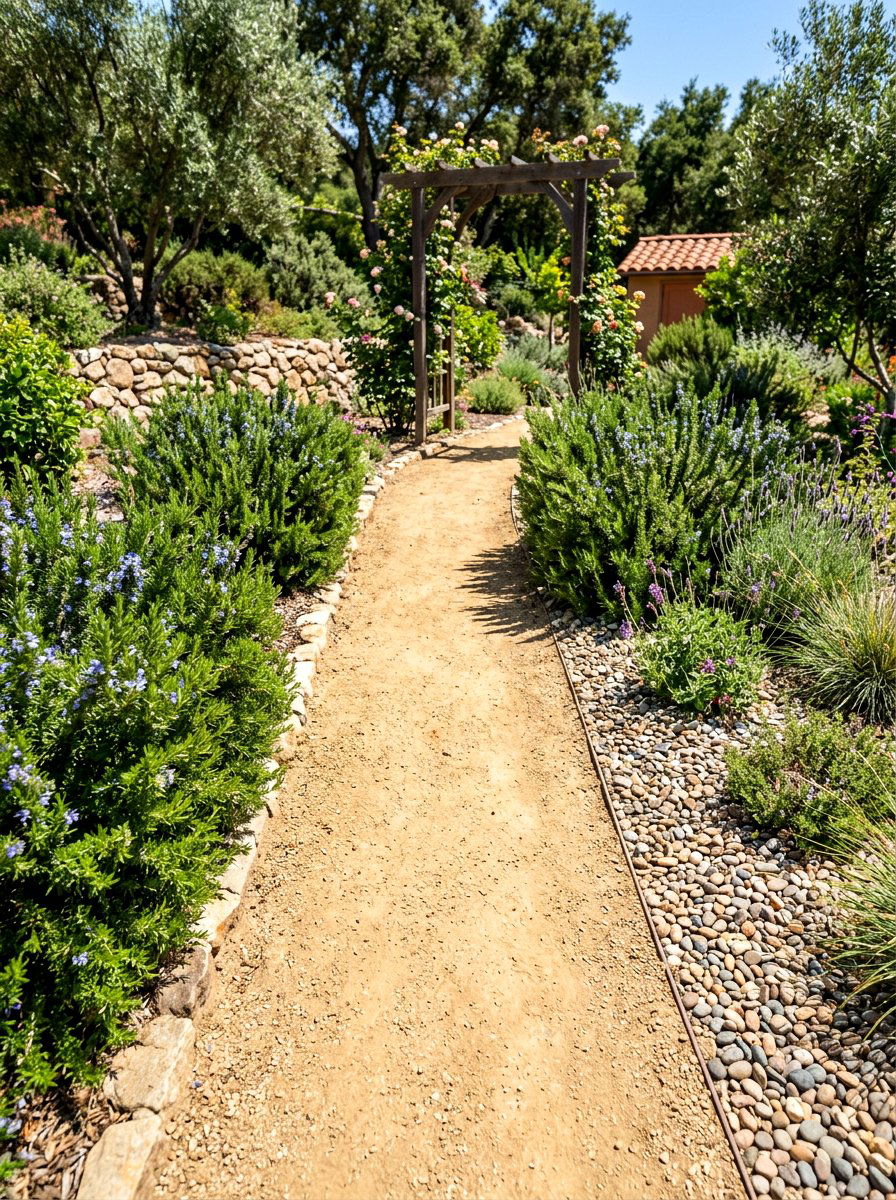
Designing a garden that thrives with minimal supplemental water is a smart and sustainable choice for modern homeowners. Xeriscaping focuses on using plants that are naturally adapted to dry conditions, such as agaves, yarrows, and various species of ornamental grasses. By grouping plants with similar water needs together and using thick layers of mulch to retain soil moisture, you can significantly reduce your water bill. This style of gardening often utilizes gravel or decorative stone instead of traditional lawn, creating a clean and contemporary look. It is an environmentally responsible way to maintain a beautiful and vibrant landscape even during the hottest summer months.
22. Shady Pergola Lounge
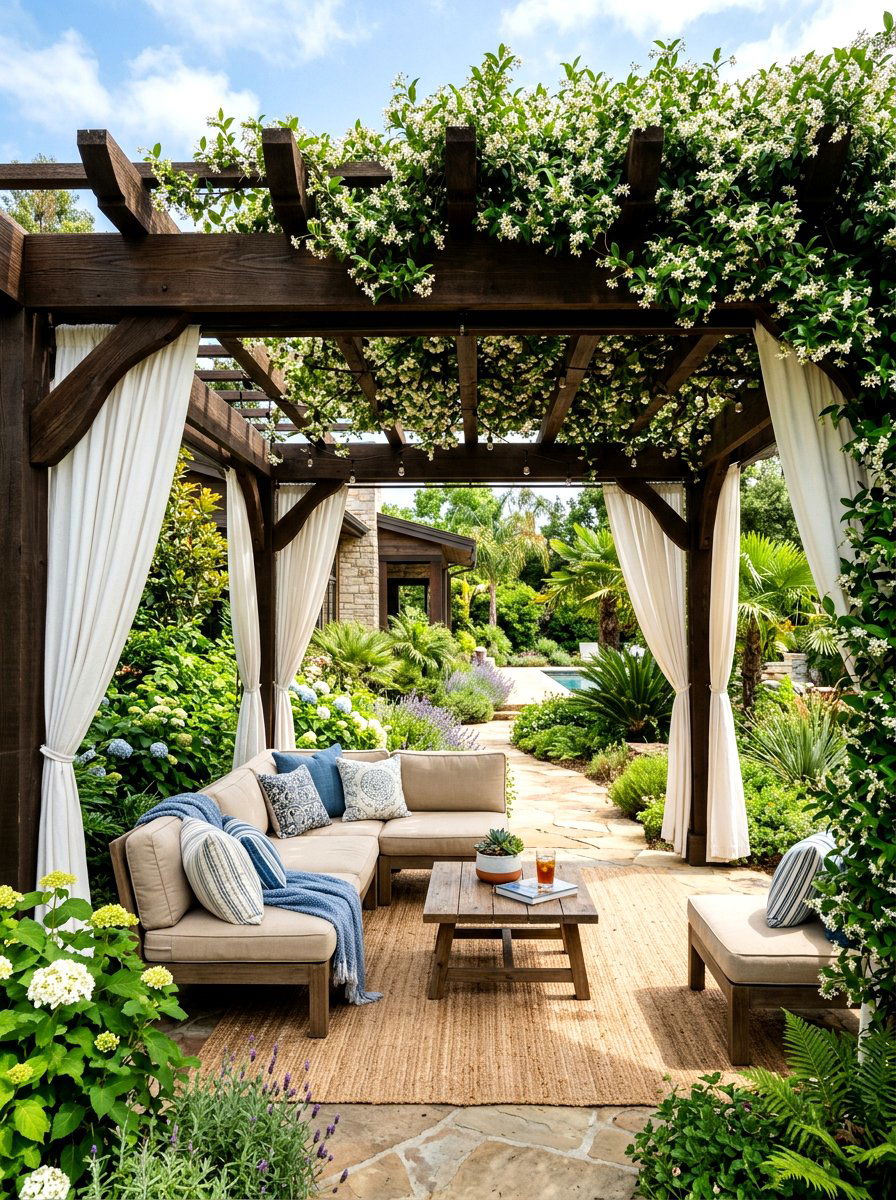
A pergola provides a sophisticated architectural structure that offers much-needed shade from the intense summer sun while adding height to your garden design. You can train climbing plants like wisteria, jasmine, or honeysuckle to grow over the rafters, creating a fragrant and leafy canopy that naturally cools the area below. Furnishing the space with comfortable outdoor sofas and a low coffee table turns it into a luxurious lounge area for reading or entertaining. Hanging a ceiling fan or installing outdoor curtains can further enhance the comfort and privacy of the space. It serves as a beautiful transition between the indoors and the lush outdoor environment.
23. Backyard Hammock Nook
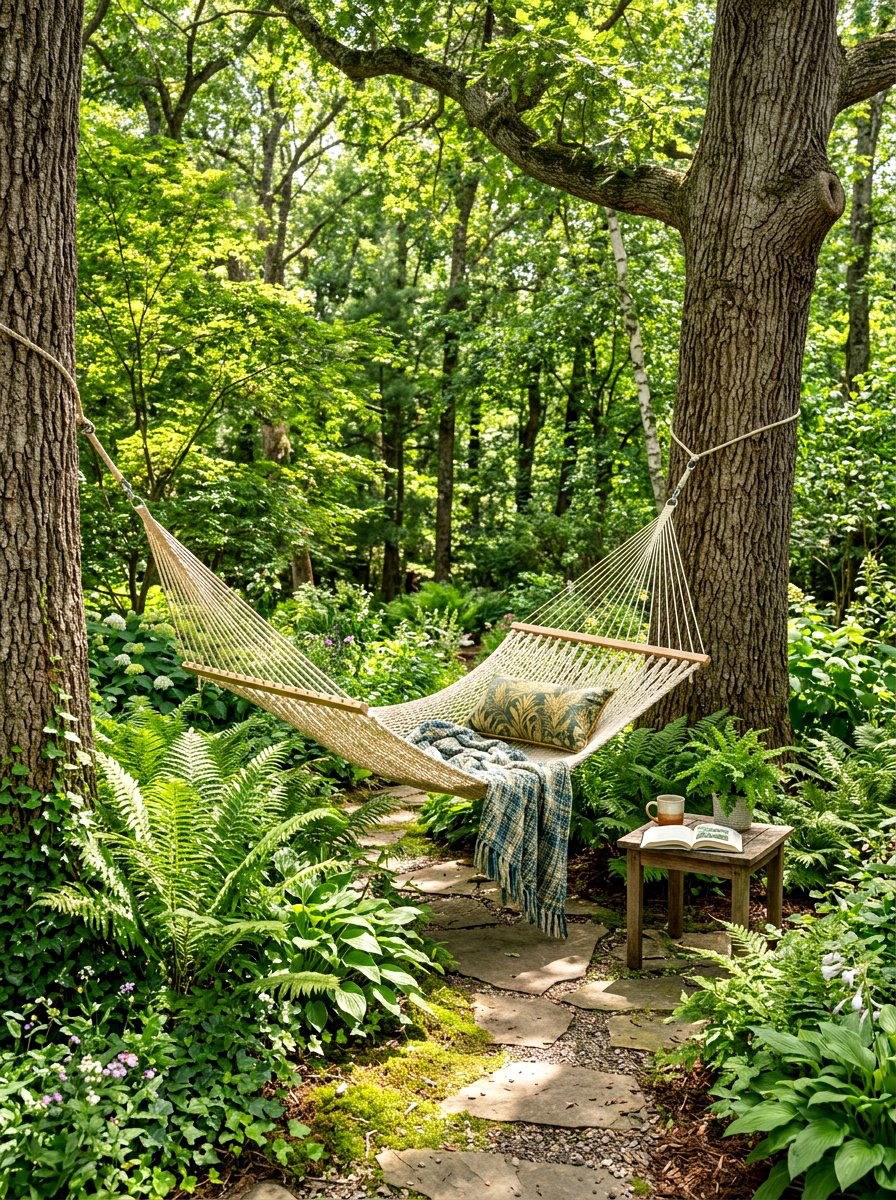
Nothing says summer relaxation quite like a hammock tucked away in a quiet, shaded corner of your garden. Whether you hang it between two sturdy trees or use a standalone metal frame, a hammock provides a comfortable spot for an afternoon nap or a leisurely book. Surrounding the nook with tall ferns or flowering shrubs creates a sense of enclosure and privacy from the rest of the yard. This simple addition transforms a small patch of grass into a destination for rest and recovery. It is a cost-effective way to enhance the leisure potential of your landscape and encourage a slower pace of life.
24. Raised Vegetable Bed
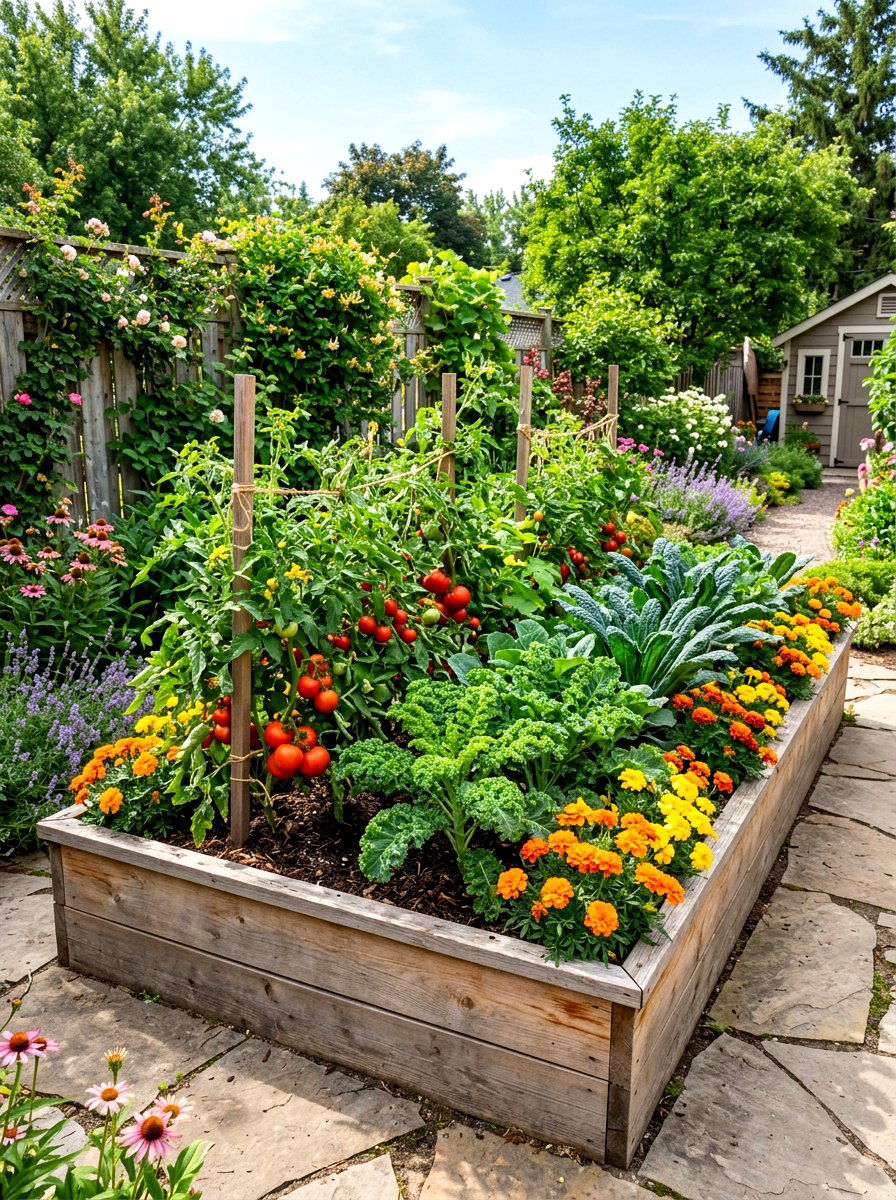
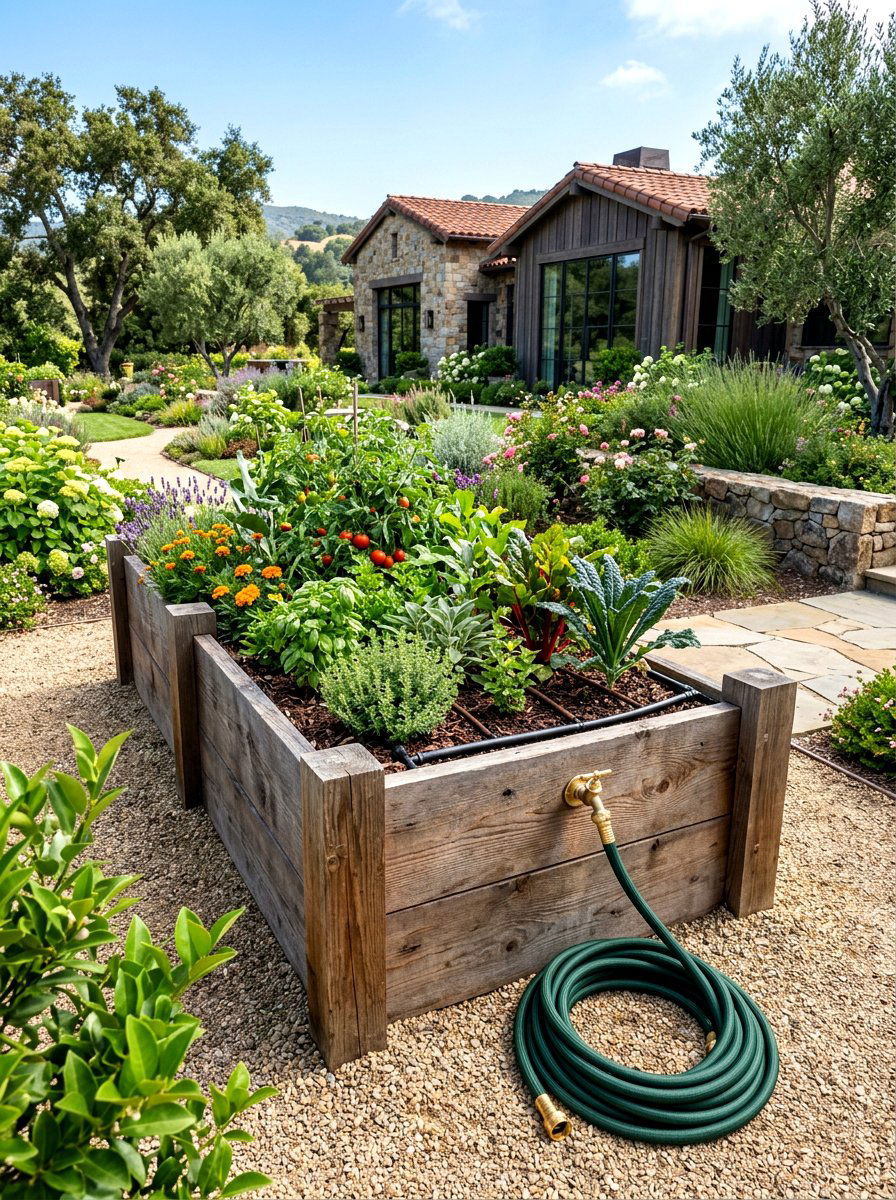
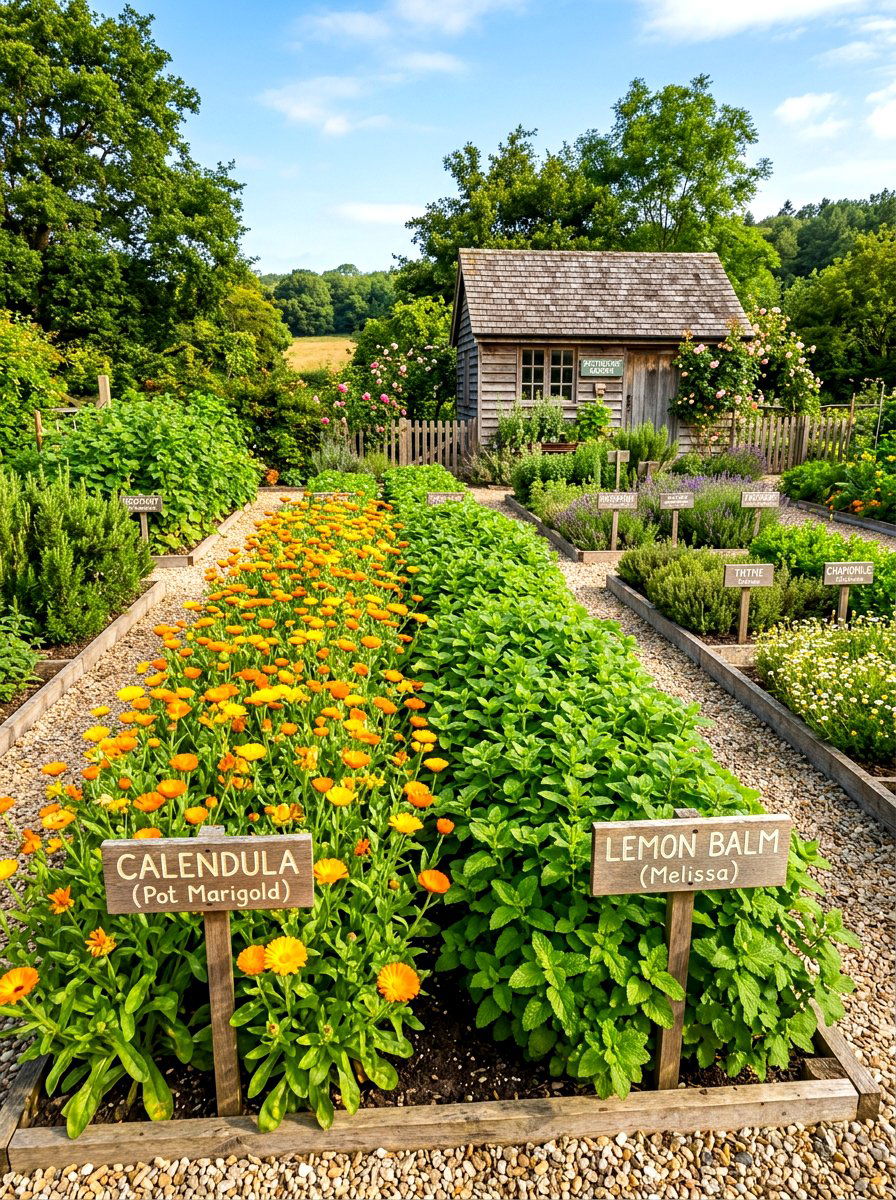
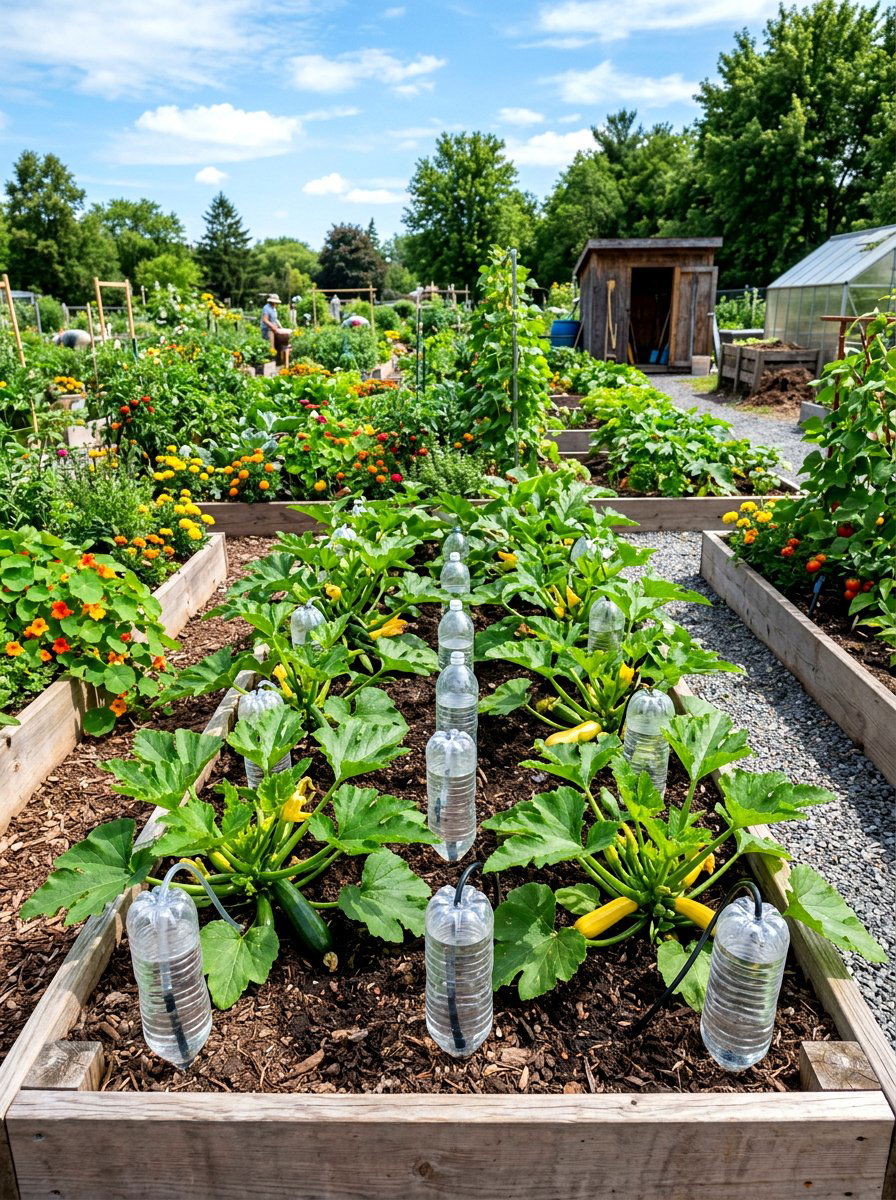
Growing your own food in raised beds is an efficient and ergonomic way to enjoy a productive kitchen garden during the summer. These elevated structures allow for better soil drainage, fewer weeds, and easier access for planting and harvesting without straining your back. You can build beds from cedar, stone, or even recycled plastic to match the style of your home and surrounding landscape. Planting a mix of tomatoes, peppers, and cucumbers alongside marigolds to deter pests creates a functional and visually appealing display. It provides a sense of accomplishment and the unmatched flavor of fresh produce picked just steps from your kitchen door.
25. Stone Garden Path
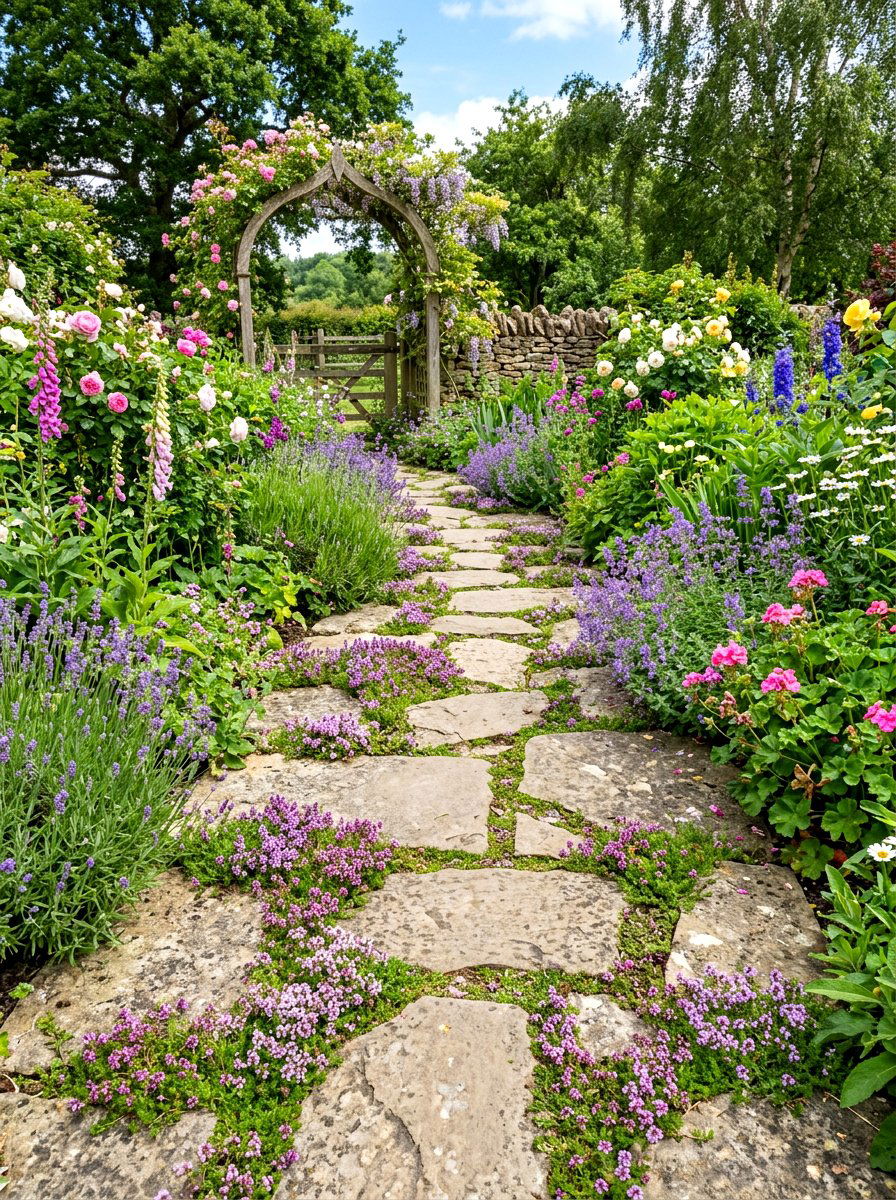
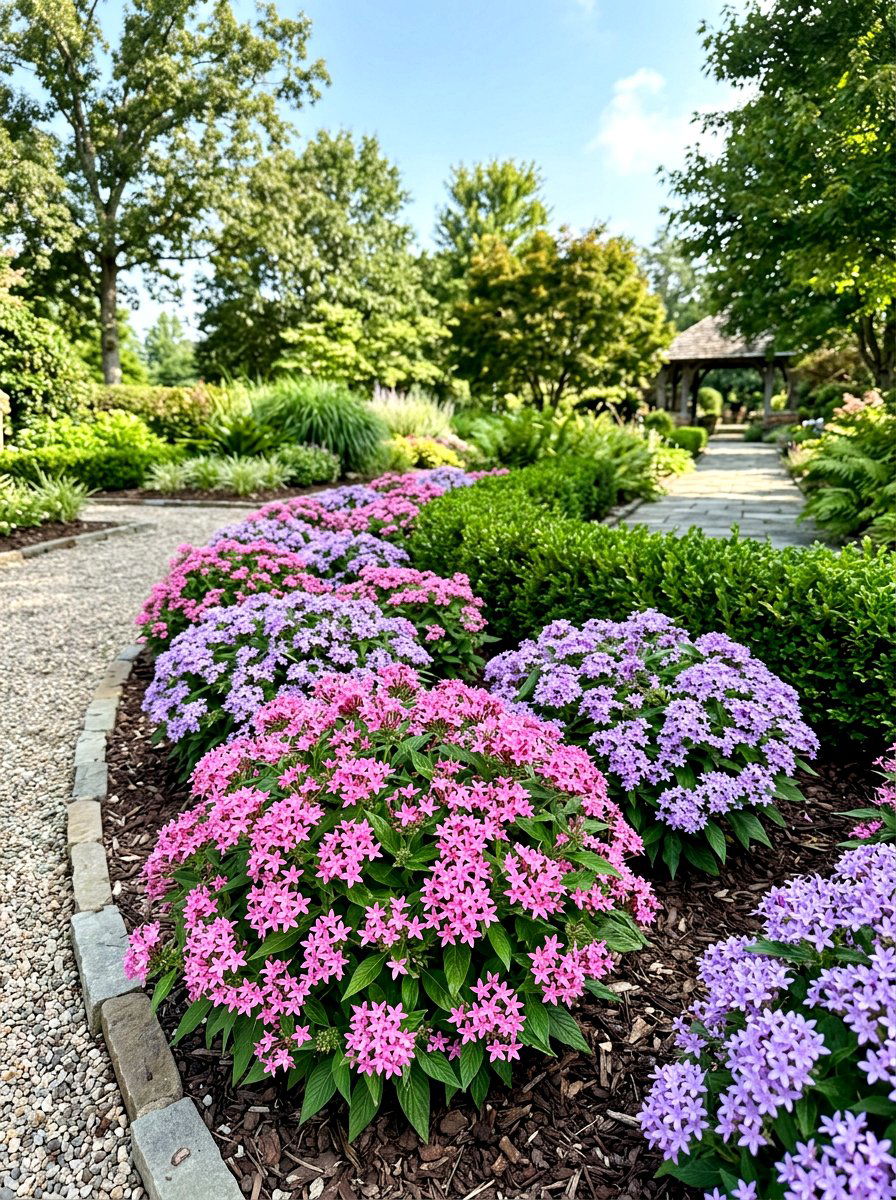
A well-defined pathway adds structure to your garden and guides visitors through different areas of your outdoor space. Using natural flagstone or stepping stones creates a rustic and organic look that feels like it has always been part of the landscape. You can plant low-growing groundcovers like creeping thyme or moss between the stones to soften the edges and add a pleasant scent when stepped upon. These paths protect your lawn from heavy foot traffic and provide a safe, stable surface for walking even after a summer rain. It is a practical and aesthetic feature that improves the overall flow and organization of your yard.
26. Flower Cutting Garden
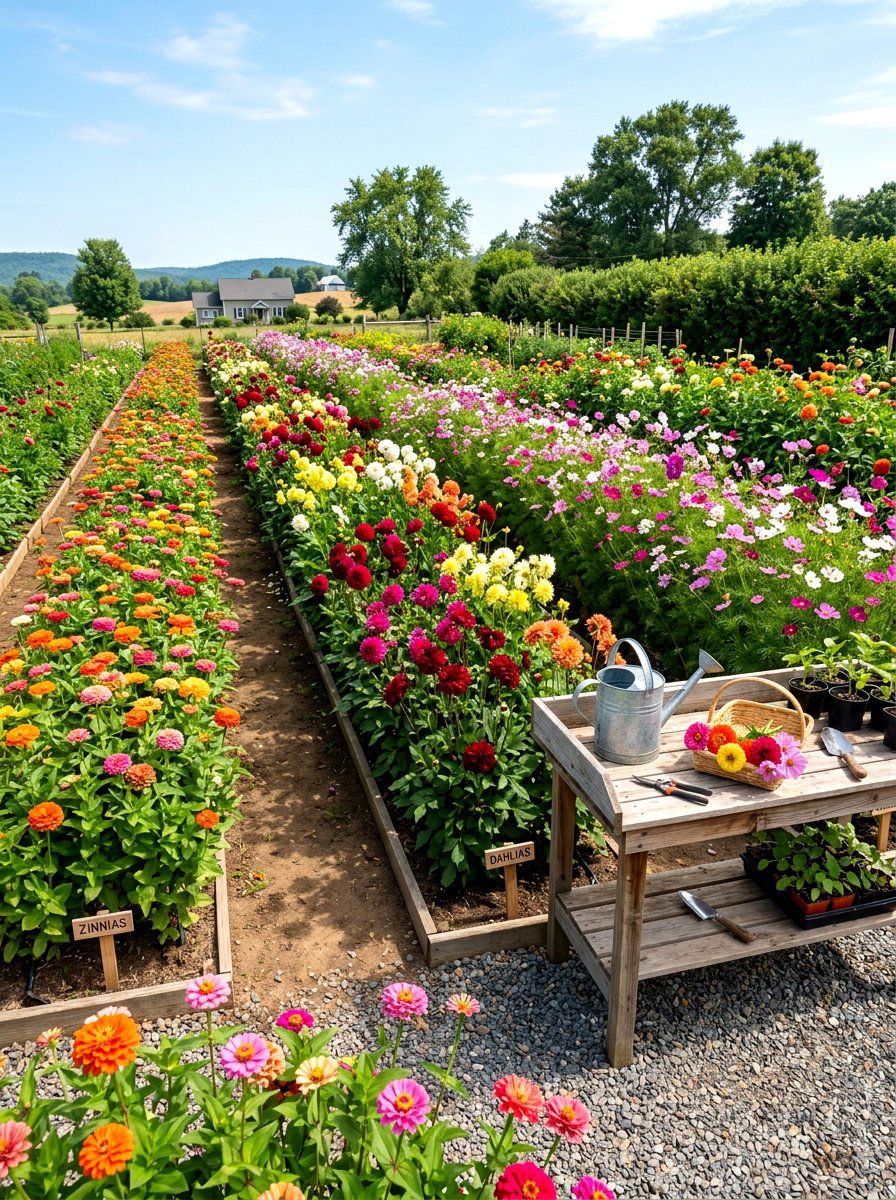
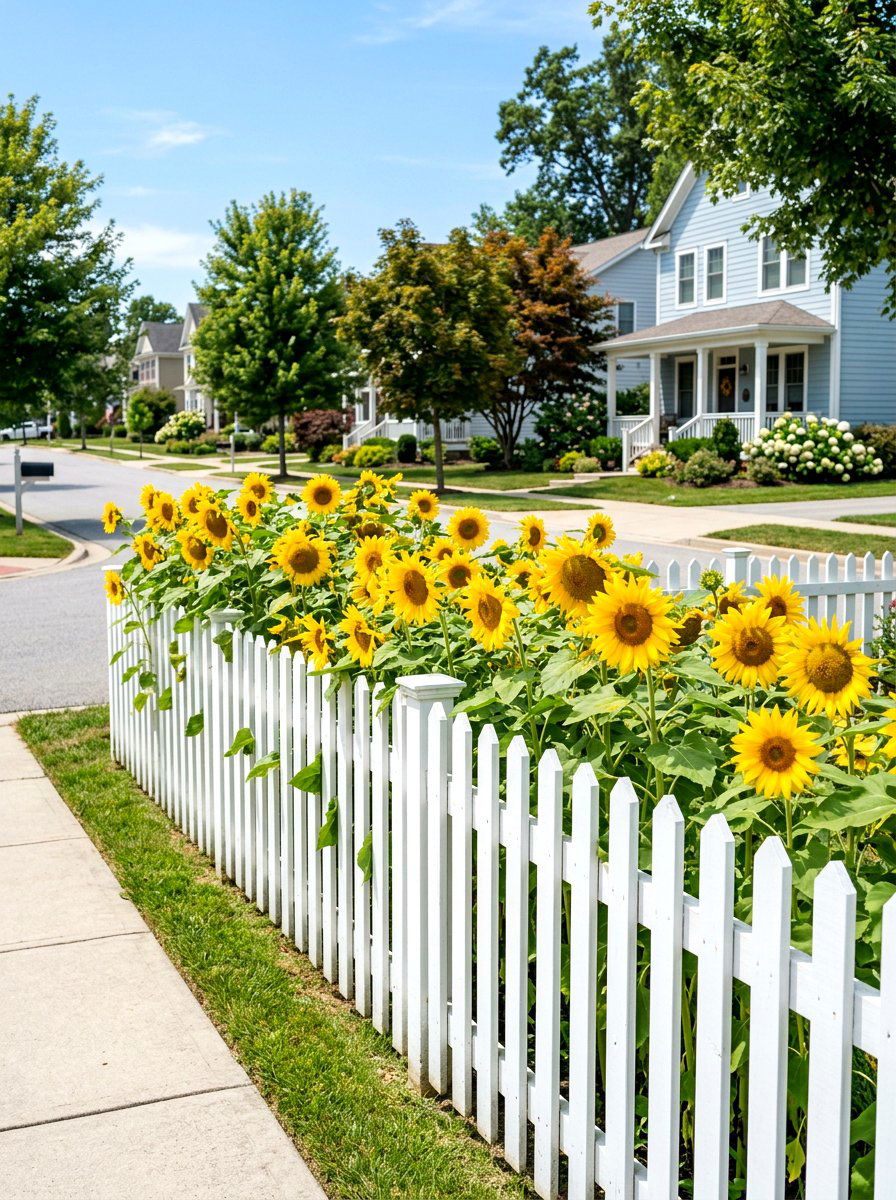
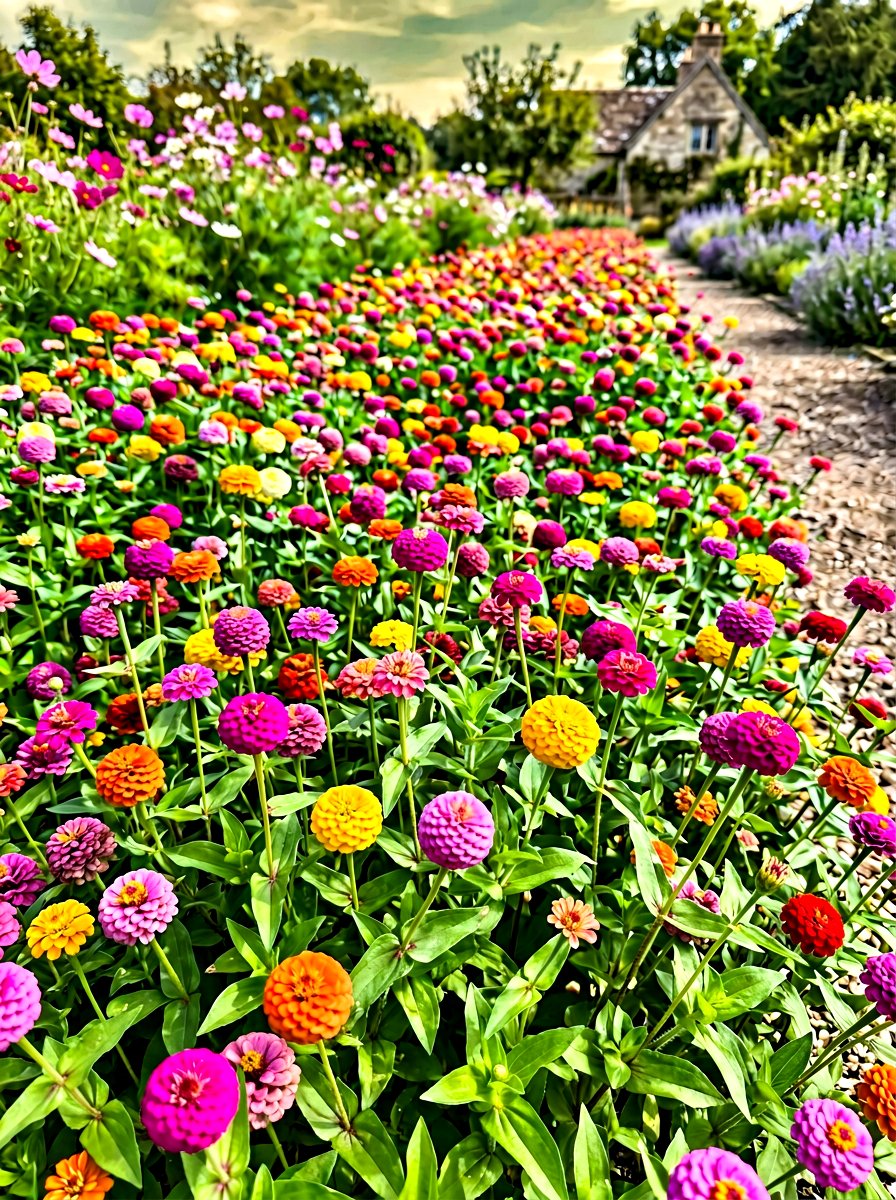
A dedicated space for growing flowers specifically for indoor arrangements ensures that you always have a fresh bouquet to brighten your home. Focus on varieties with long stems and a long vase life, such as zinnias, dahlias, cosmos, and sunflowers, which thrive in the summer heat. By planting these in rows like a traditional vegetable garden, you make it easy to access the blooms for regular harvesting. This approach allows you to experiment with different colors and textures without worrying about disrupting the look of your main ornamental borders. It is a rewarding way to bring the beauty and fragrance of your garden inside.
27. Culinary Herb Spiral
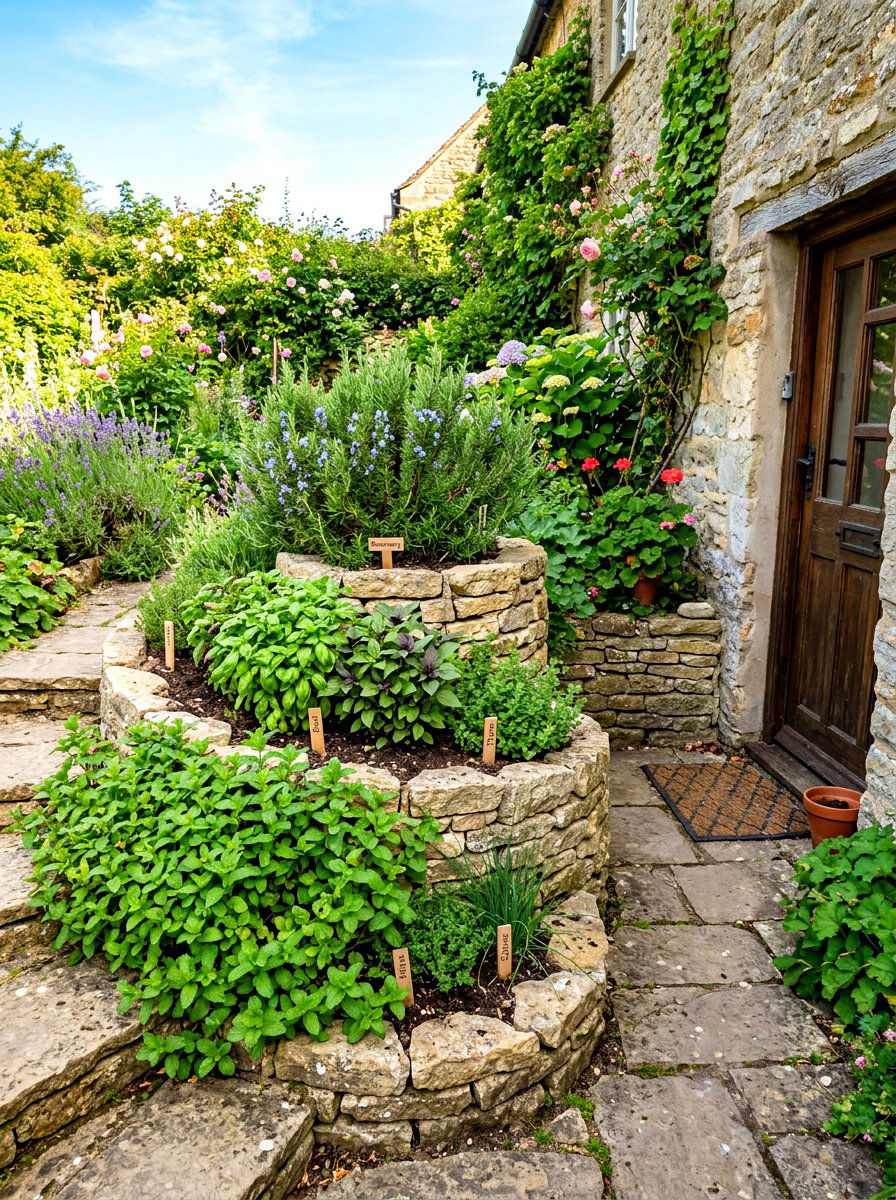
A herb spiral is a space-saving and visually interesting way to grow a wide variety of culinary plants in a very small footprint. This circular, tiered structure uses stones or bricks to create different microclimates, with drought-loving herbs like rosemary and thyme at the top and moisture-loving herbs like parsley and mint at the bottom. The spiral design adds a unique architectural element to your garden while keeping all your favorite seasonings within easy reach of the grill or kitchen. It is an efficient use of vertical space and a great way to introduce kids to the different scents and flavors of fresh garden herbs.
28. Cedar Window Box
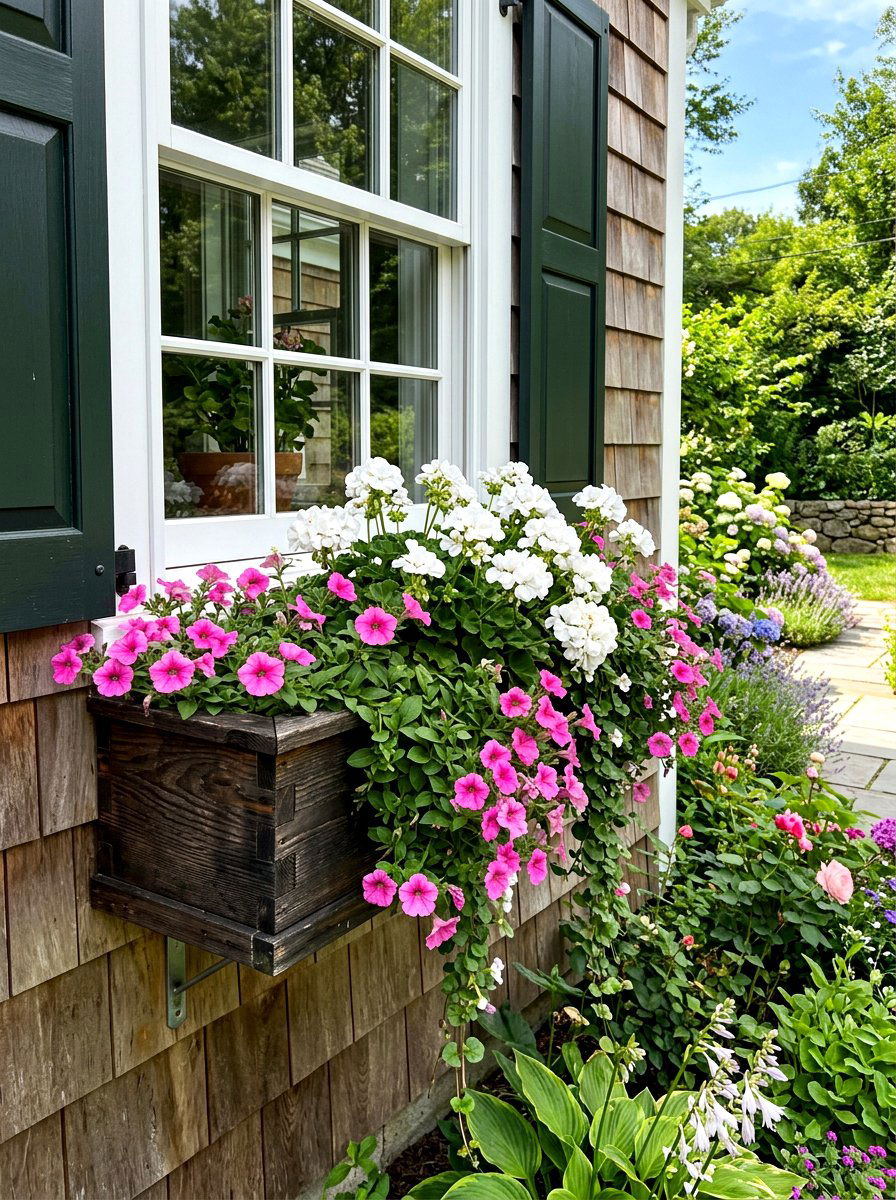
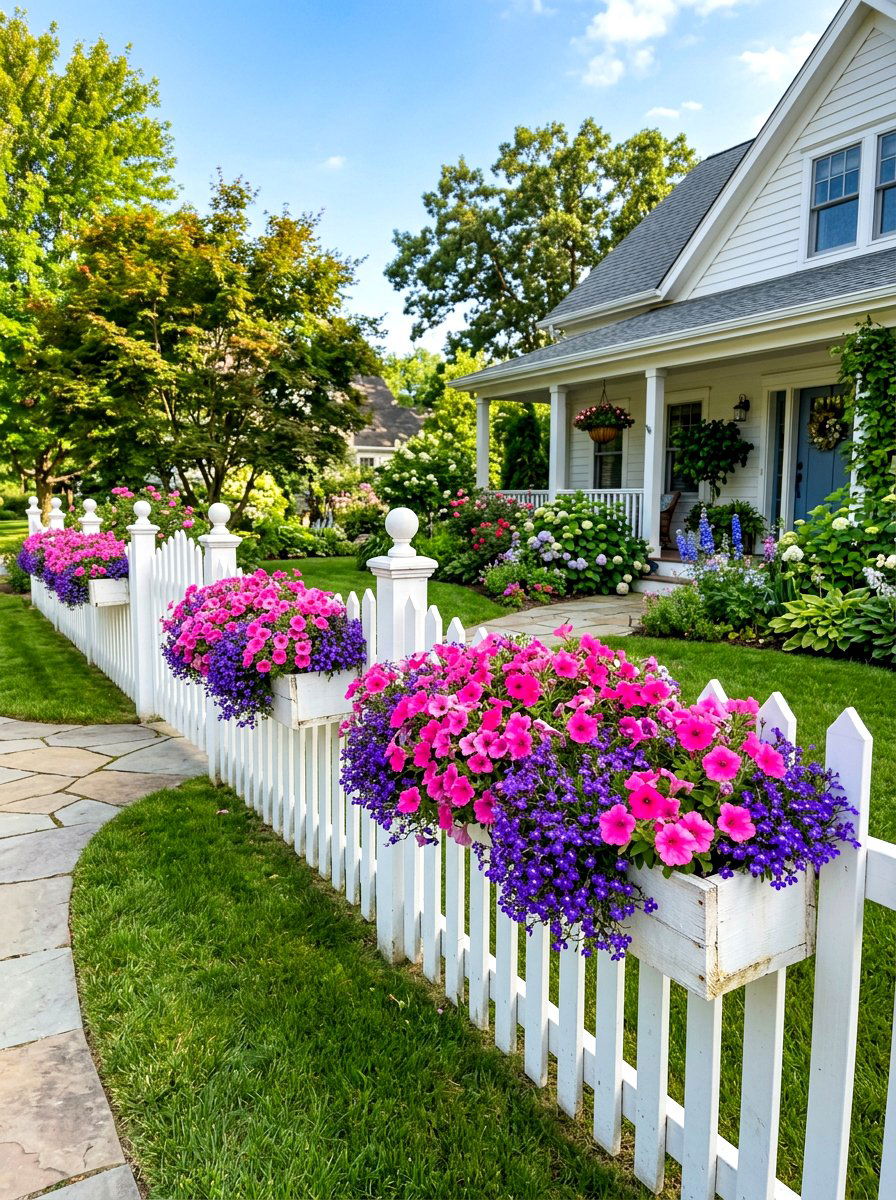
Adding window boxes filled with trailing flowers and vibrant foliage is an easy way to boost the curb appeal of your home instantly. Cedar is an excellent material choice for these planters because it is naturally resistant to rot and insects, ensuring they last for many summer seasons. You can mix upright plants like geraniums with trailing varieties like sweet potato vine or petunias to create a full and cascading effect. This vertical interest draws the eye upward and makes the exterior of your house feel more inviting and lush. It is a simple weekend project that provides a big visual impact for a small investment.
29. Modern Sculpture Focal Point

Incorporating a piece of art into your landscape can provide a sophisticated focal point and spark conversation among guests. Modern sculptures made from materials like weathered steel, glass, or smooth stone add a sense of culture and personality to your garden design. Whether you choose a large abstract piece or a series of smaller elements tucked among the plants, art helps define the mood and style of the outdoor space. Placing a sculpture at the end of a pathway or in the center of a circular lawn draws the eye and creates a professional, curated look that feels both intentional and unique to your home.
30. Alfresco Dining Area
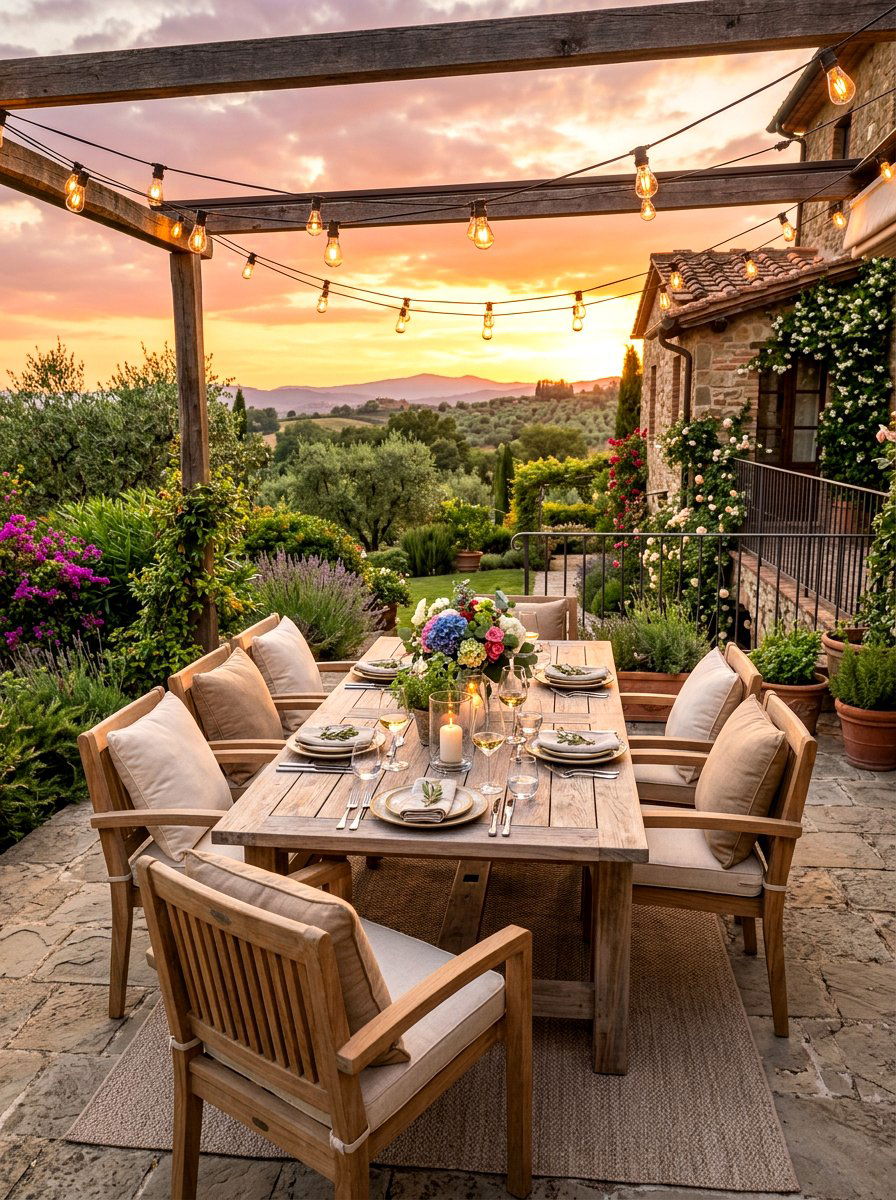
Creating a dedicated spot for outdoor meals is the ultimate way to enjoy the warm summer weather with family and friends. A large wooden table surrounded by comfortable chairs and placed under a shade tree or umbrella serves as the heart of your outdoor entertaining space. Adding a durable outdoor rug and string lights overhead creates a cozy atmosphere that mimics the comfort of an indoor dining room. This area allows you to host dinner parties, casual barbecues, or simple morning brunches while surrounded by the sights and sounds of nature. It is a functional and inviting feature that maximizes the enjoyment of your summer garden.
Conclusion:
Designing a summer garden is a deeply rewarding journey that allows you to connect with nature while enhancing the beauty and functionality of your home. By thoughtfully incorporating elements like native plants, comfortable seating, and soothing water features, you create a space that nourishes both the environment and your own well-being. Whether you choose a minimalist modern look or a lush, blooming cottage style, the key is to build a landscape that reflects your personality and supports your lifestyle. As your garden grows and evolves through the seasons, it becomes a living testament to your creativity and a sanctuary where memories are made under the warm summer sun.

Related posts: