As the summer sun begins to fade and the air takes on a crisp, refreshing chill, your outdoor space undergoes a magical transformation. Embracing the transition into autumn is one of the most rewarding times for any home gardener or landscape enthusiast. It is a season defined by rich, earthy tones and a unique opportunity to prepare for the coming year while enjoying nature 's final burst of color. From the classic beauty of chrysanthemums to the structural elegance of ornamental grasses, there are endless ways to elevate your yard' s curb appeal. Whether you want a cozy sanctuary for gatherings or a sustainable habitat, these creative concepts help you celebrate the beauty of the harvest and bring warmth to your autumn landscape today.
1. Chrysanthemum porch display
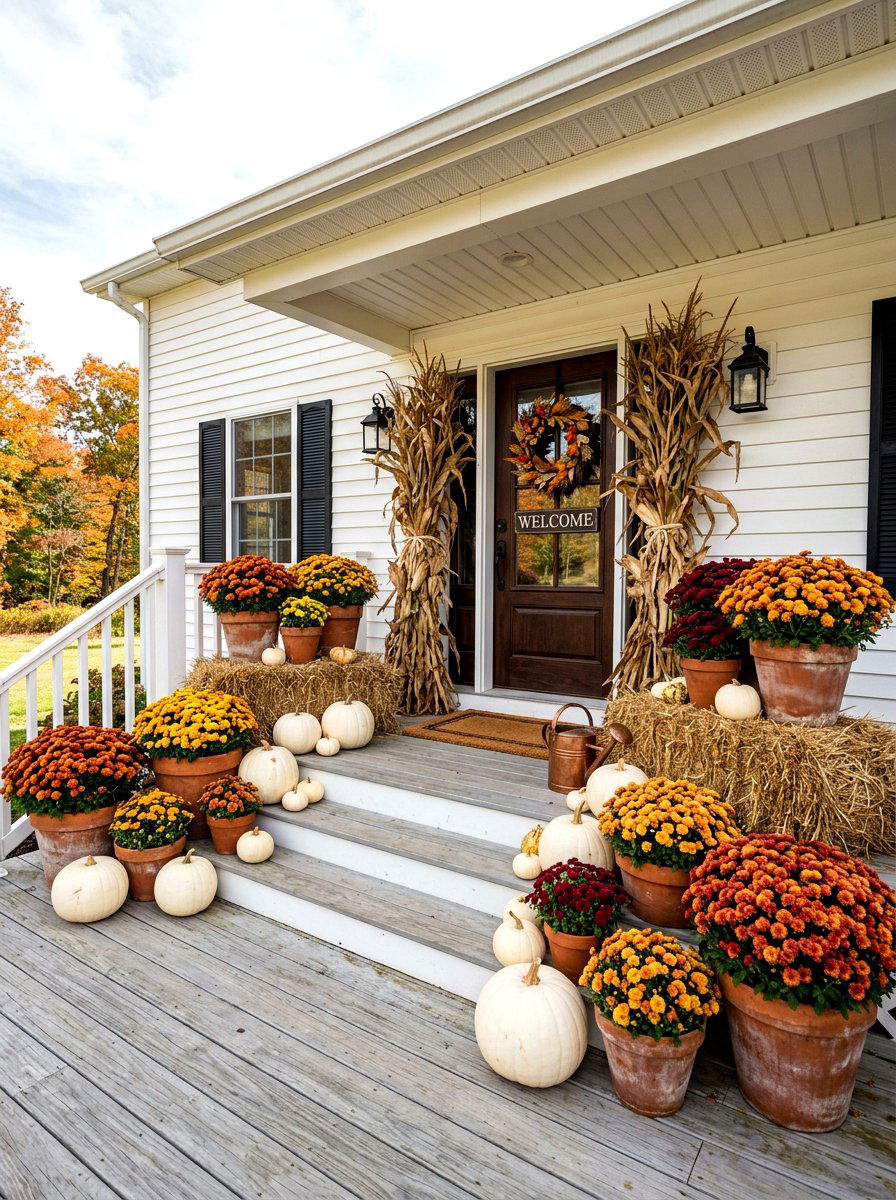
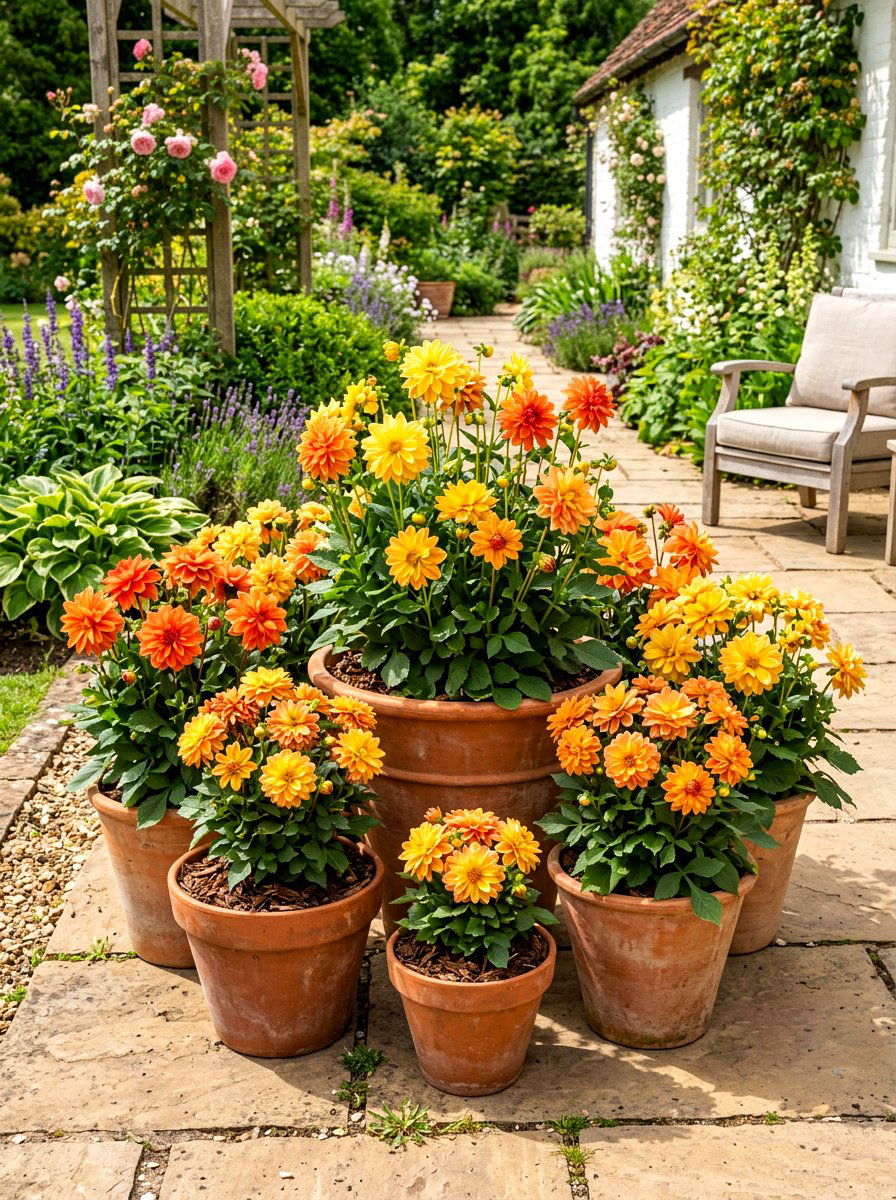
A classic chrysanthemum porch display is the ultimate way to welcome guests with vibrant seasonal energy. These hardy perennials offer a spectacular range of colors, from fiery oranges and deep burgundies to soft yellows and crisp whites. To create a professional look, try grouping various pot sizes on your front steps to add height and dimension. You can mix different shades to create a sunset effect or stick to a monochromatic palette for a more modern and sophisticated appearance. Adding natural elements like cornstalks or hay bales behind the pots provides a textured backdrop that screams autumn. These flowers thrive in the cooler air, keeping your entryway looking fresh and inviting until the first hard frost arrives.
2. Ornamental kale landscape
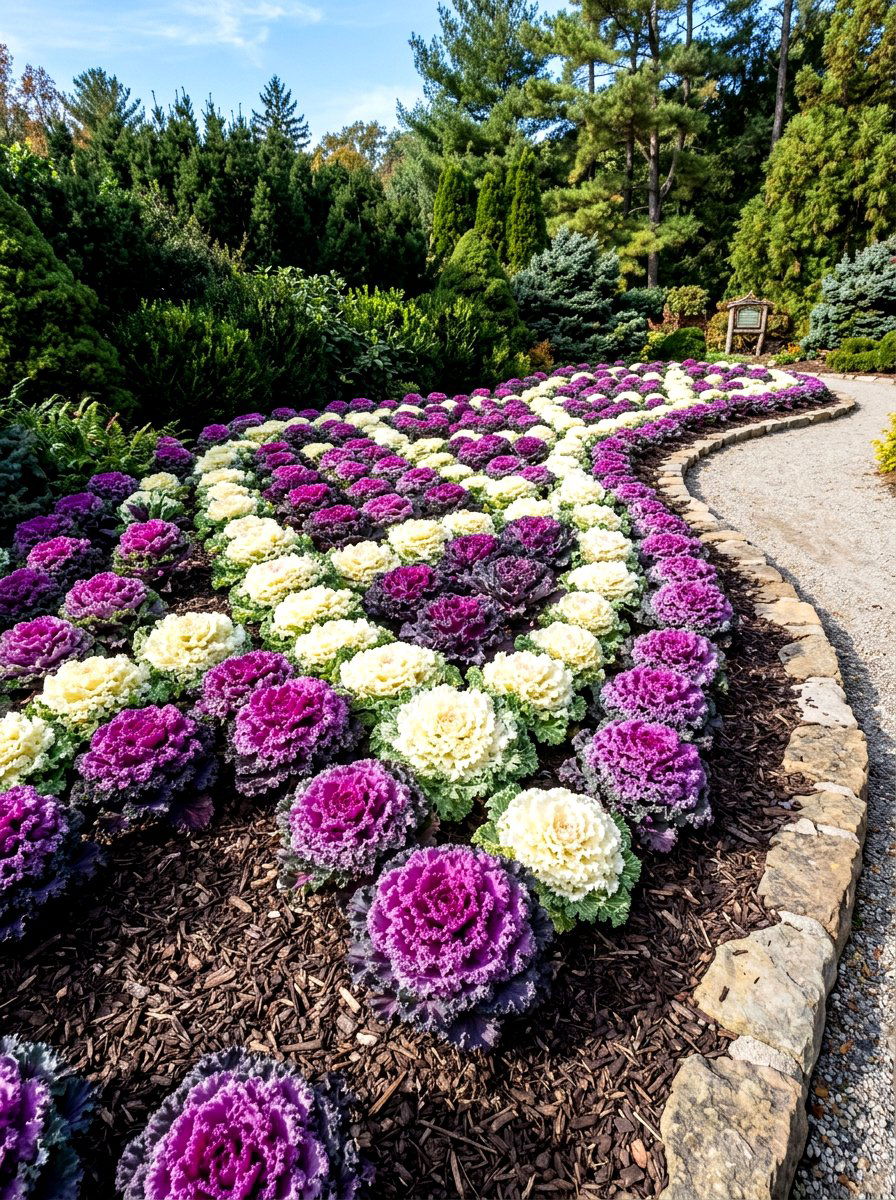
Incorporating an ornamental kale landscape into your garden beds provides incredible texture and color that lasts well into the winter months. Unlike traditional flowers, these plants are grown for their stunning ruffled leaves which come in shades of purple, rose, and creamy white. As temperatures drop, the colors of the kale actually become more intense and vibrant, making them a perfect choice for late-season interest. They look fantastic when planted in large sweeps along a garden border or tucked into the front of a shrubbery bed. Their low-growing habit and dense form provide a wonderful contrast to the taller, more wispy plants often found in a fall garden, ensuring your yard remains visually interesting.
3. Fall container garden
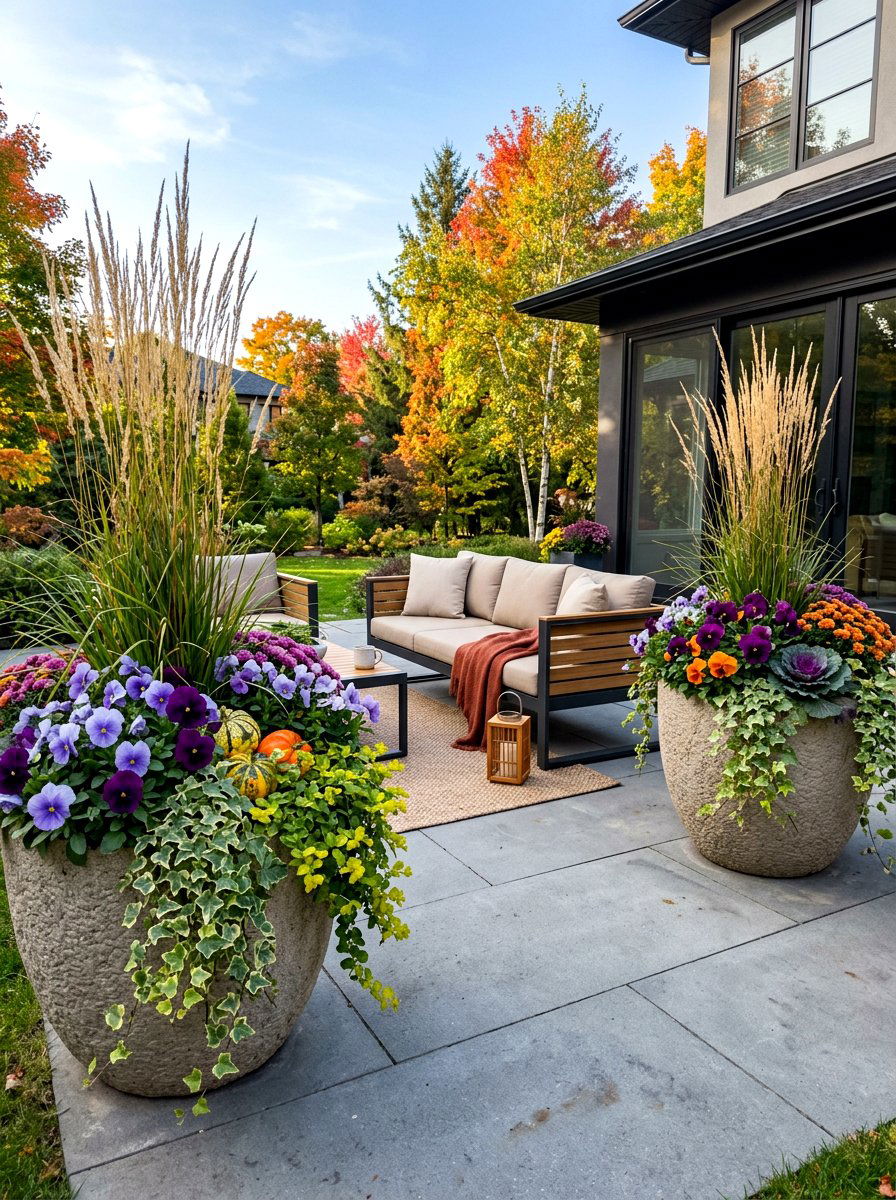
A well-designed fall container garden allows you to refresh your patio or balcony without a full landscape overhaul. The secret to a successful autumn planter is the "thriller, filler, and spiller" technique using seasonal varieties. Use a tall ornamental grass or a structural shrub like boxwood as your center focal point. Surround it with colorful fillers like pansies, violas, or celosia to add a punch of brightness. Finally, include trailing elements like ivy or creeping Jenny to soften the edges of the pot. By using weather-resistant containers in earthy tones like terracotta or dark stone, you create a cohesive look that perfectly complements the changing leaves and the overall mood of the harvest season.
4. Outdoor fire pit area
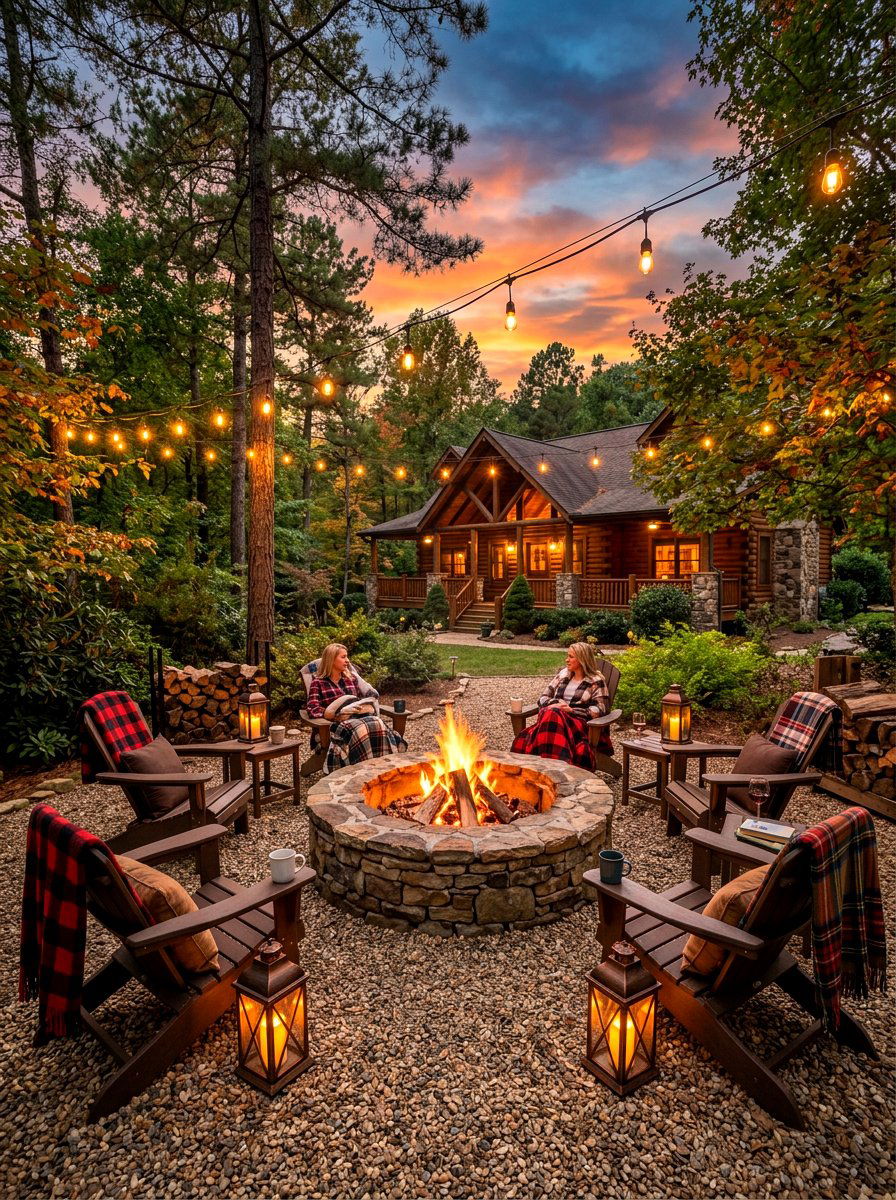
Creating an outdoor fire pit area is the perfect way to extend your time outside as the evenings get cooler. This space serves as a natural focal point for your backyard, inviting family and friends to gather for warmth and conversation. Surround a central stone or metal fire pit with comfortable Adirondack chairs or a rustic wooden bench. Adding weather-resistant cushions and a few plaid throw blankets will make the area feel like a cozy outdoor living room. You can further enhance the ambiance by placing lanterns or low-voltage path lighting around the perimeter. This functional design element transforms a simple backyard into a seasonal destination, making it the heart of your fall entertainment activities.
5. Autumn window box
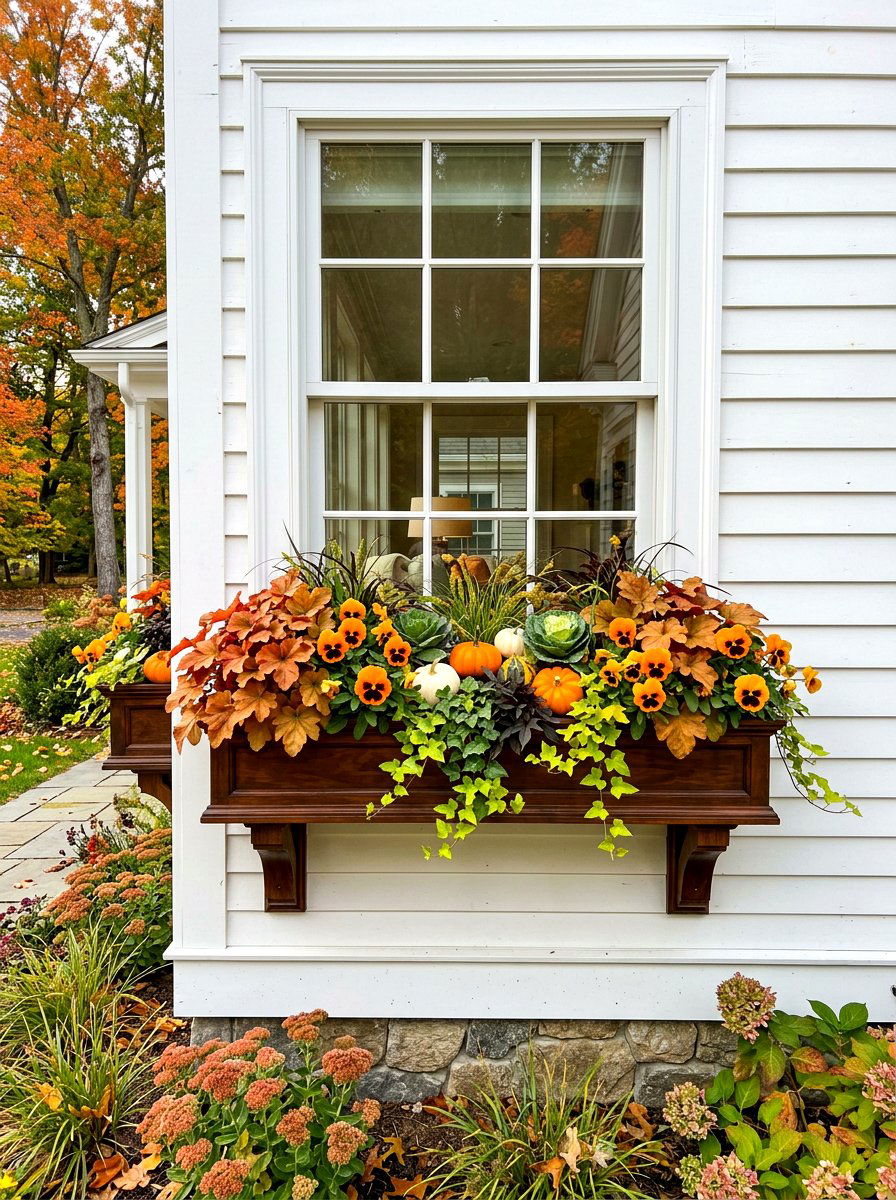
An autumn window box adds immediate curb appeal and brings a touch of seasonal charm directly to your home’s exterior. Transitioning your summer boxes involves removing spent annuals and replacing them with frost-tolerant plants like heuchera, asters, and small ornamental peppers. These boxes provide a wonderful opportunity to play with various heights and trailing textures right at eye level. To add extra flair, tuck in a few miniature pumpkins or decorative gourds among the foliage for a playful and festive touch. The combination of rich purple leaves and bright orange accents creates a striking visual against any house color. Keeping the soil moist is key to ensuring these compact displays stay lush and beautiful all season long.
6. Perennial aster border
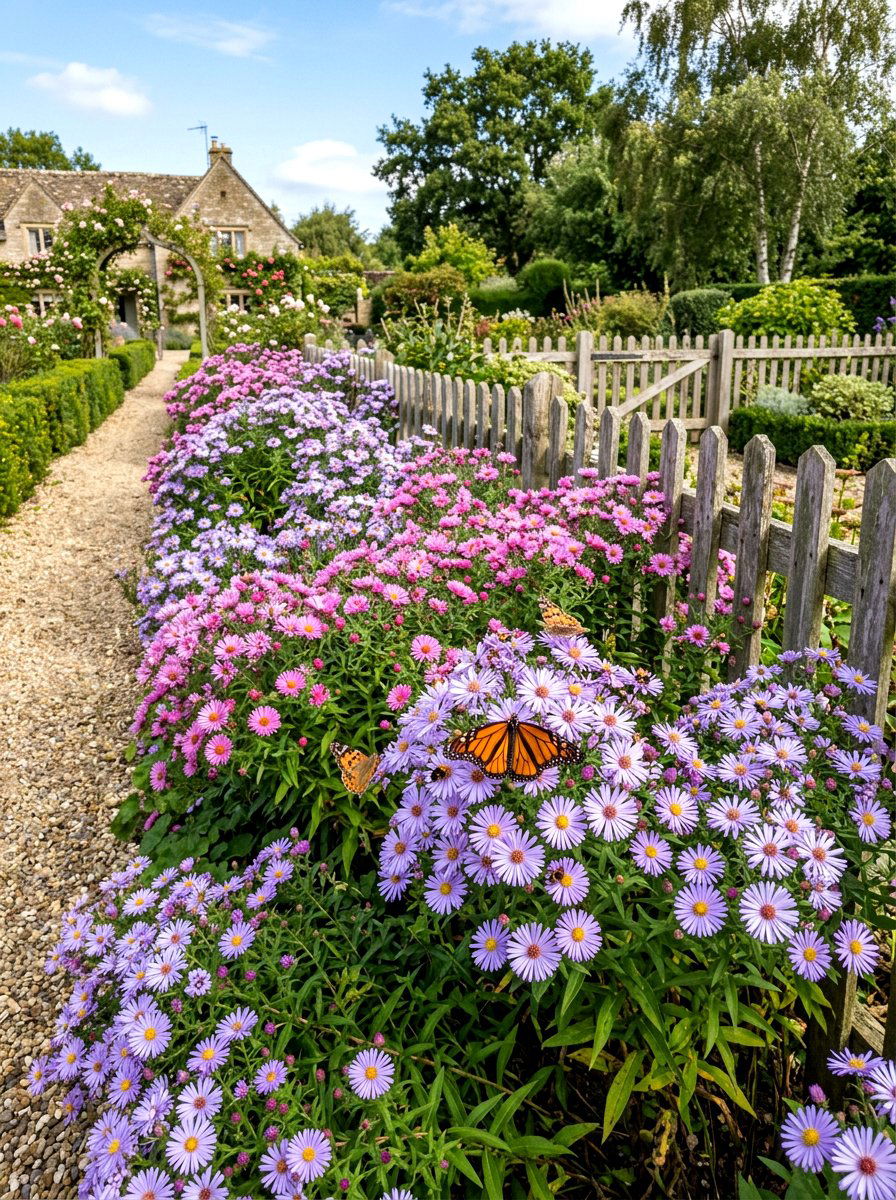
A perennial aster border is essential for any garden that needs a late-season boost of floral beauty. These star-shaped flowers bloom in stunning shades of blue, lavender, pink, and white just as other plants begin to fade. They are incredible for attracting late-season pollinators like butterflies and bees, adding movement and life to your landscape. Planting them in a long, continuous row along a fence or walkway creates a soft, cloud-like effect that balances the more rigid structures in your yard. Because they come in various heights, you can find the perfect variety for the back of the bed or as a low-growing edging plant. Their resilience and reliable blooming make them an autumn garden staple.
7. Dried hydrangea arrangement
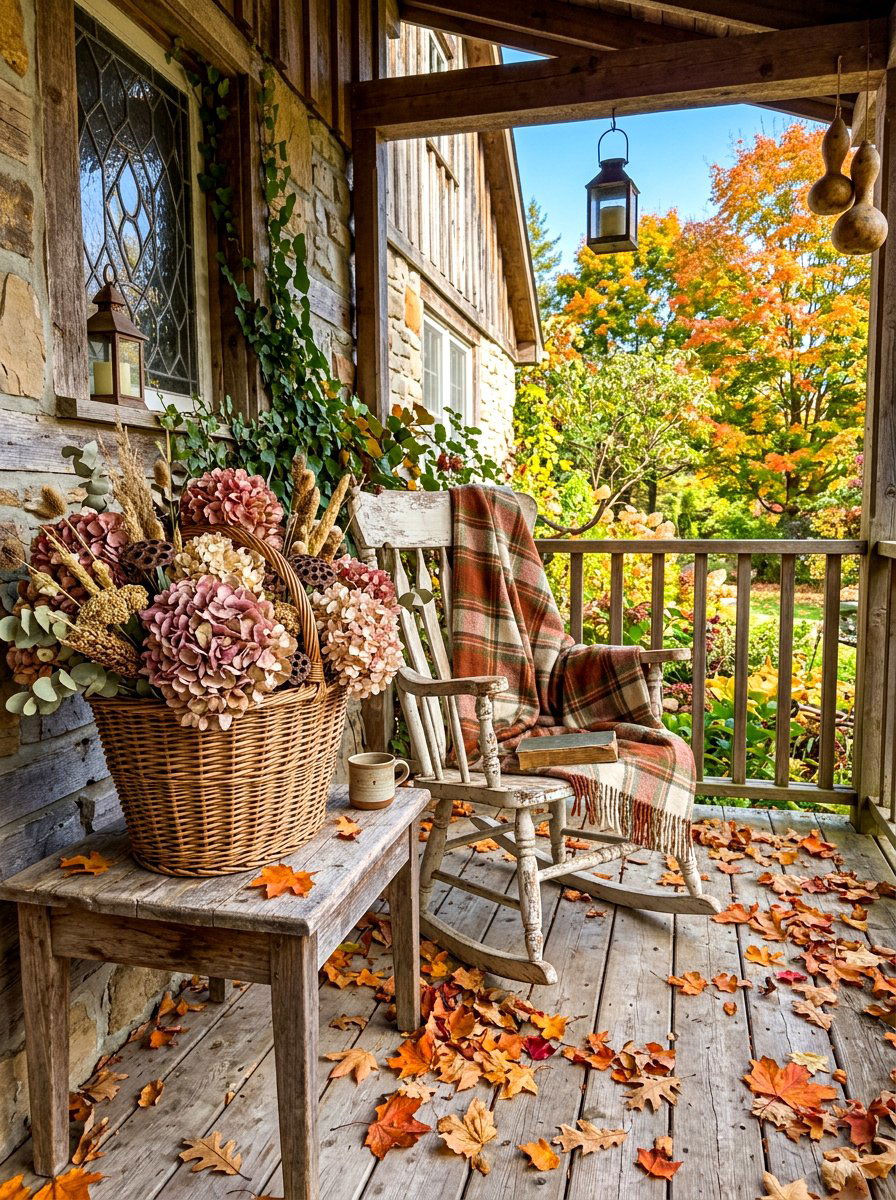
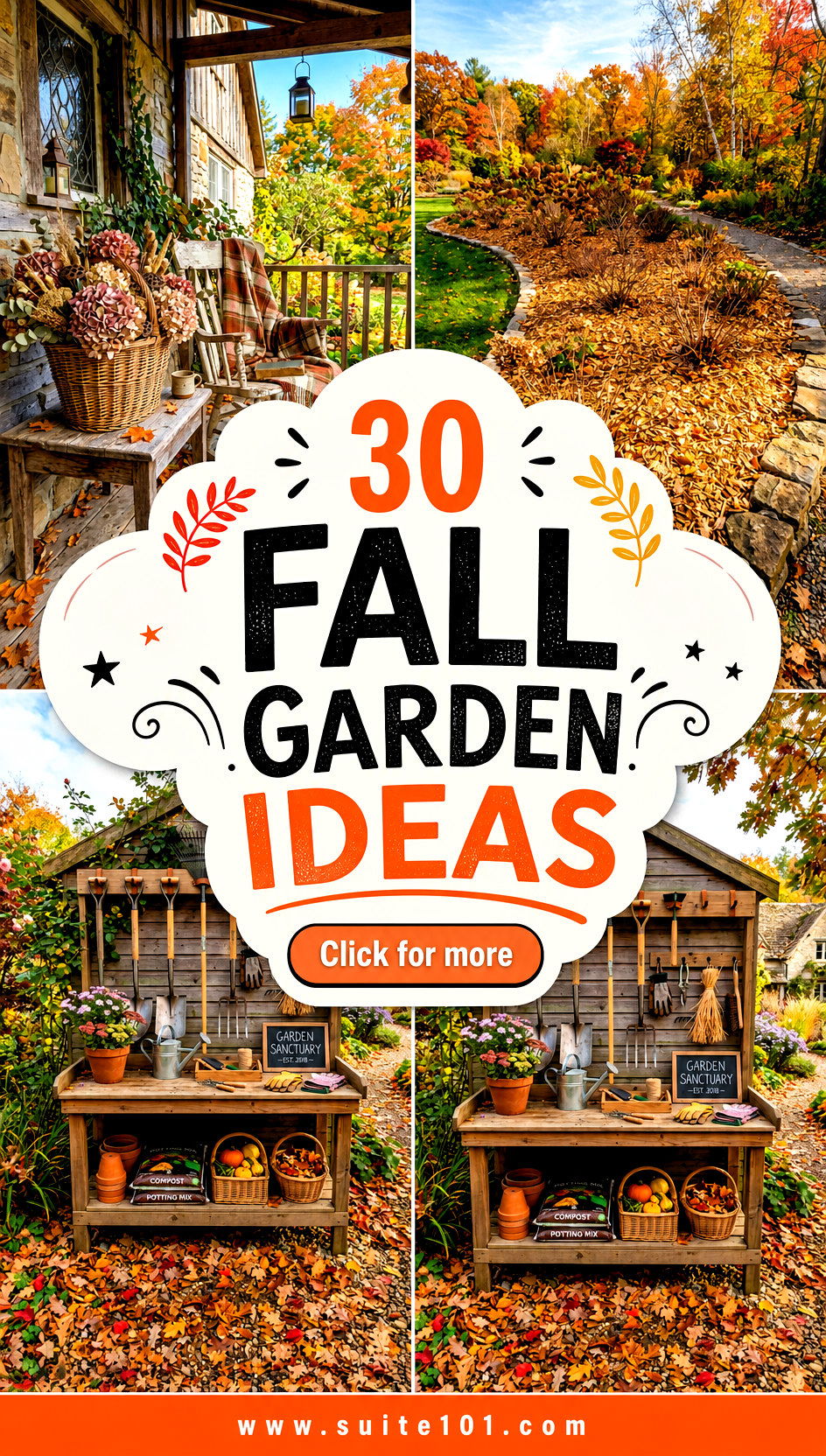
Designing a dried hydrangea arrangement for your outdoor space is a wonderful way to utilize the natural beauty of your summer blooms. As the large flower heads turn from green to a dusty pink or antique bronze, they can be harvested and used to decorate porches and sheltered patios. You can display them in large wicker baskets, vintage galvanized buckets, or even tucked into a grapevine wreath on the front door. Their papery texture and muted tones offer a vintage, rustic aesthetic that pairs beautifully with the earthy colors of fall. Because they are naturally preserved, these arrangements require almost no maintenance and will look stunning for many months, providing a bridge between summer and winter decor.
8. Pumpkin garden path
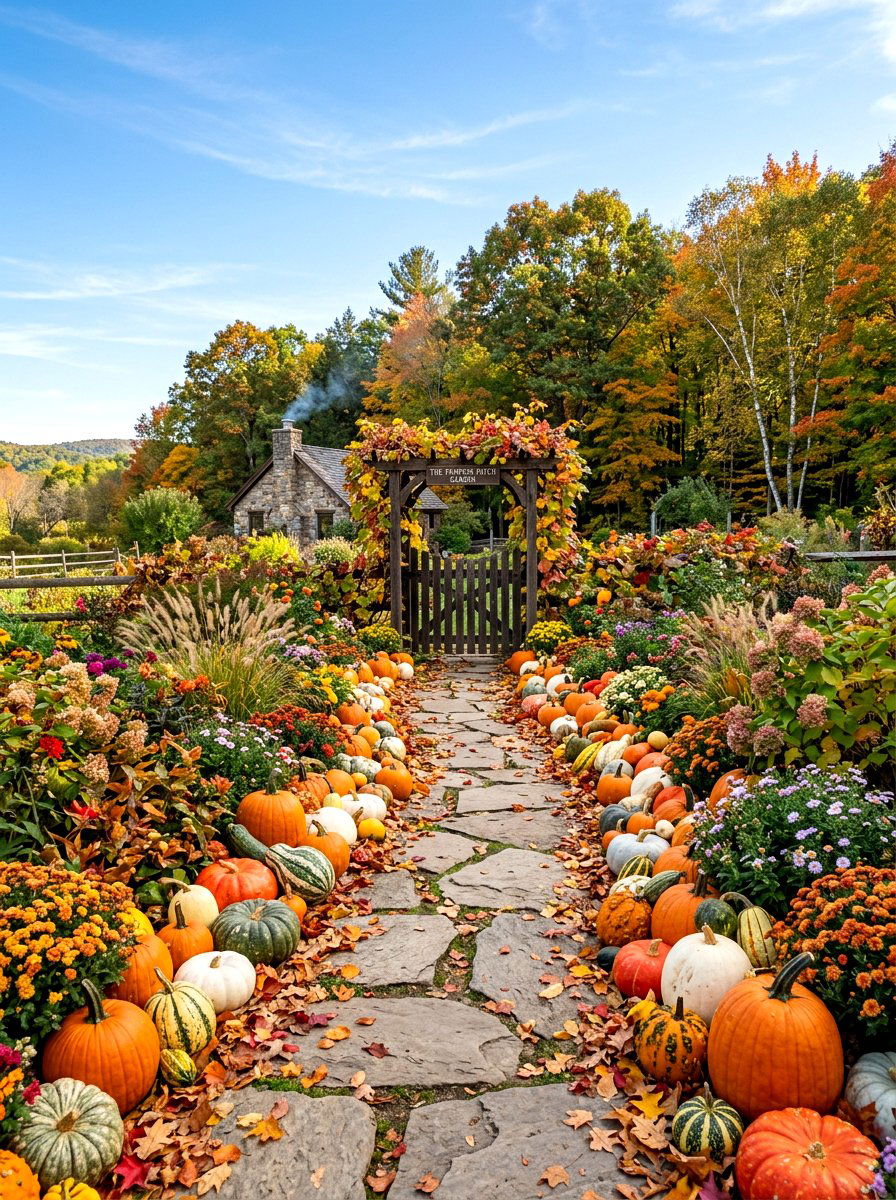
A pumpkin garden path is a whimsical and festive way to guide visitors through your autumn landscape. By lining your stone or gravel walkways with a variety of pumpkins and gourds, you create a sense of movement and celebration. Use a mix of traditional orange pumpkins, white "ghost" varieties, and bumpy heirloom gourds to add visual diversity. Stacking them in small groups at the start of the path or at turning points helps create focal nodes that draw the eye forward. This simple addition transforms a standard garden walkway into an enchanting trail that feels both intentional and organic. It is a high-impact way to decorate for the season using purely natural and biodegradable materials.
9. Fall vegetable harvest
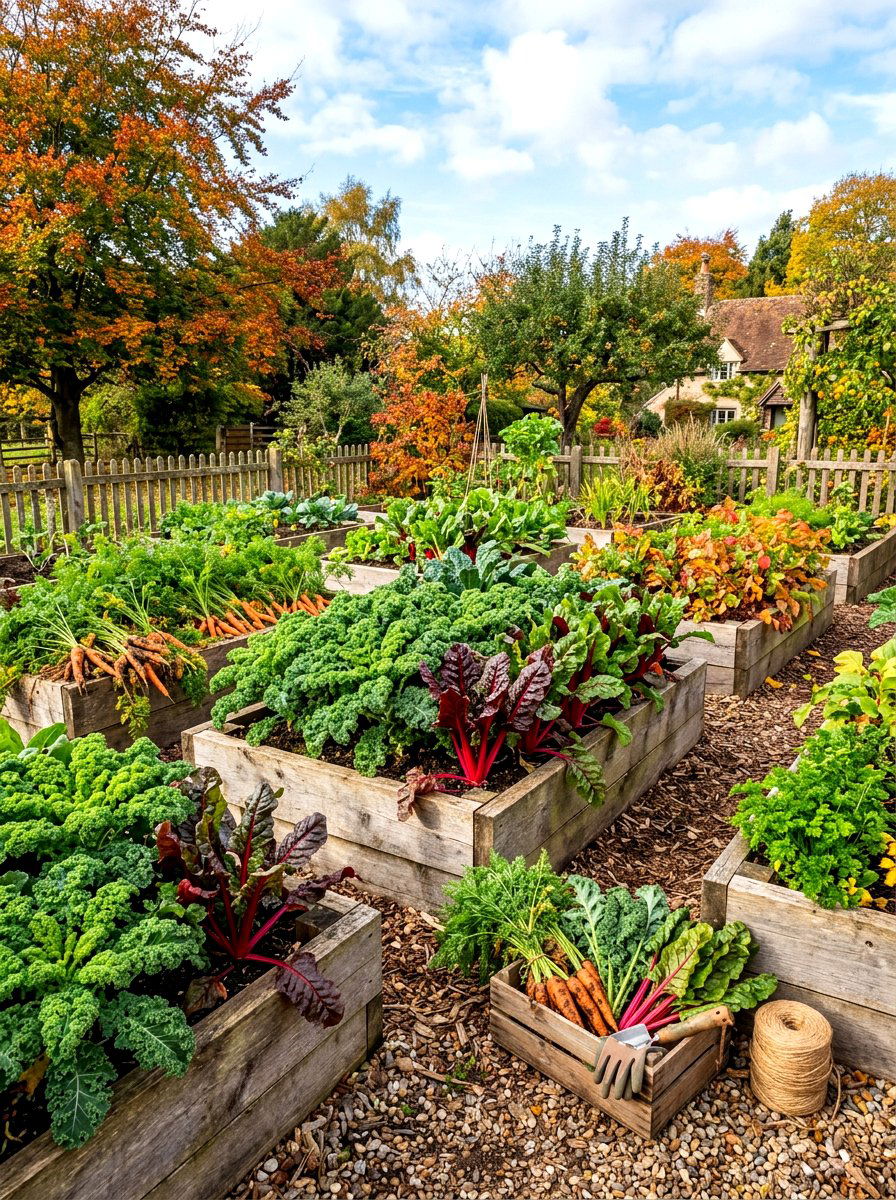
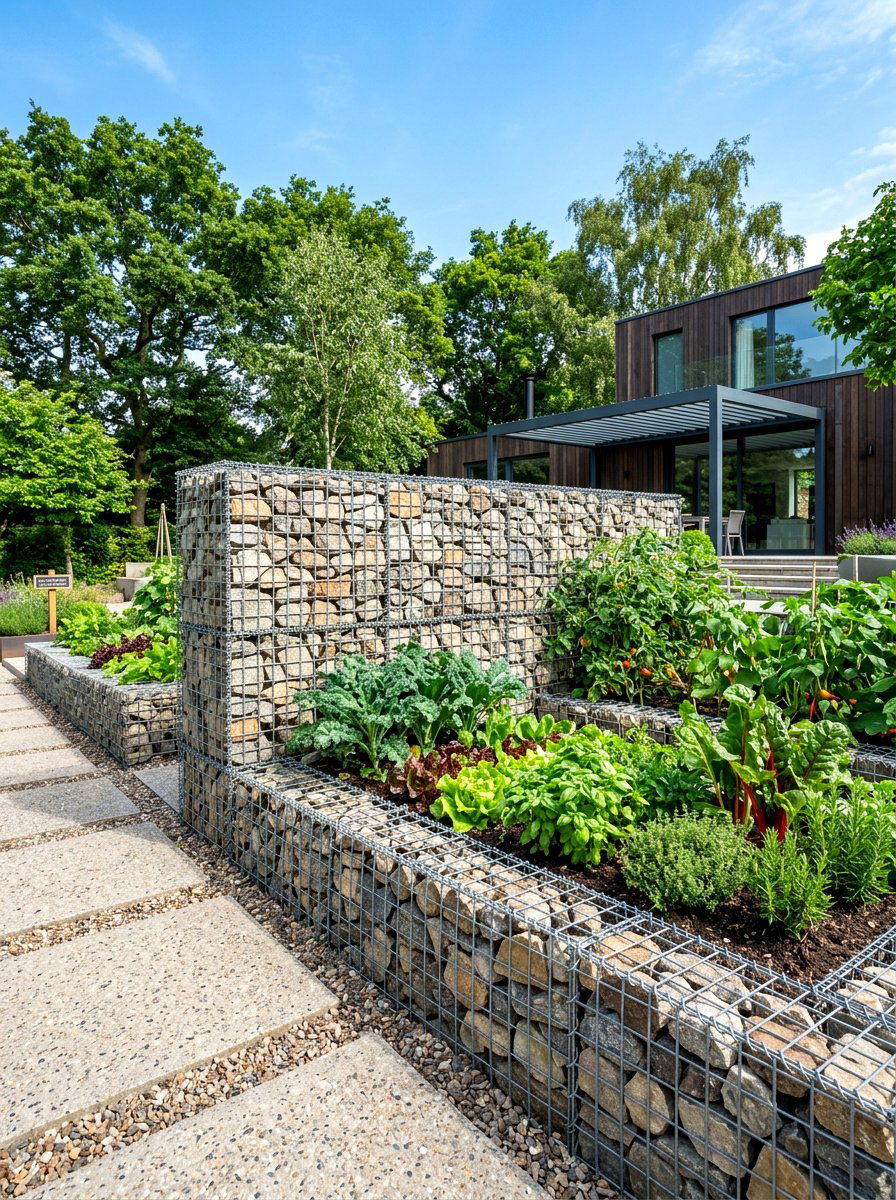
Planning a fall vegetable harvest allows you to enjoy the literal fruits of your labor during the cooler months. A dedicated edible garden bed filled with leafy greens like spinach, Swiss chard, and lettuce looks beautiful while providing fresh ingredients for your kitchen. Root vegetables like carrots and radishes thrive in the shortening days and can often be harvested well into the first frosts. To keep the area looking organized and attractive, use raised wooden beds or decorative metal troughs. Interplanting your vegetables with marigolds or herbs adds pops of color and helps with natural pest control. This functional garden space becomes a source of pride and nourishment as you head into the winter season.
10. Ornamental pepper bed
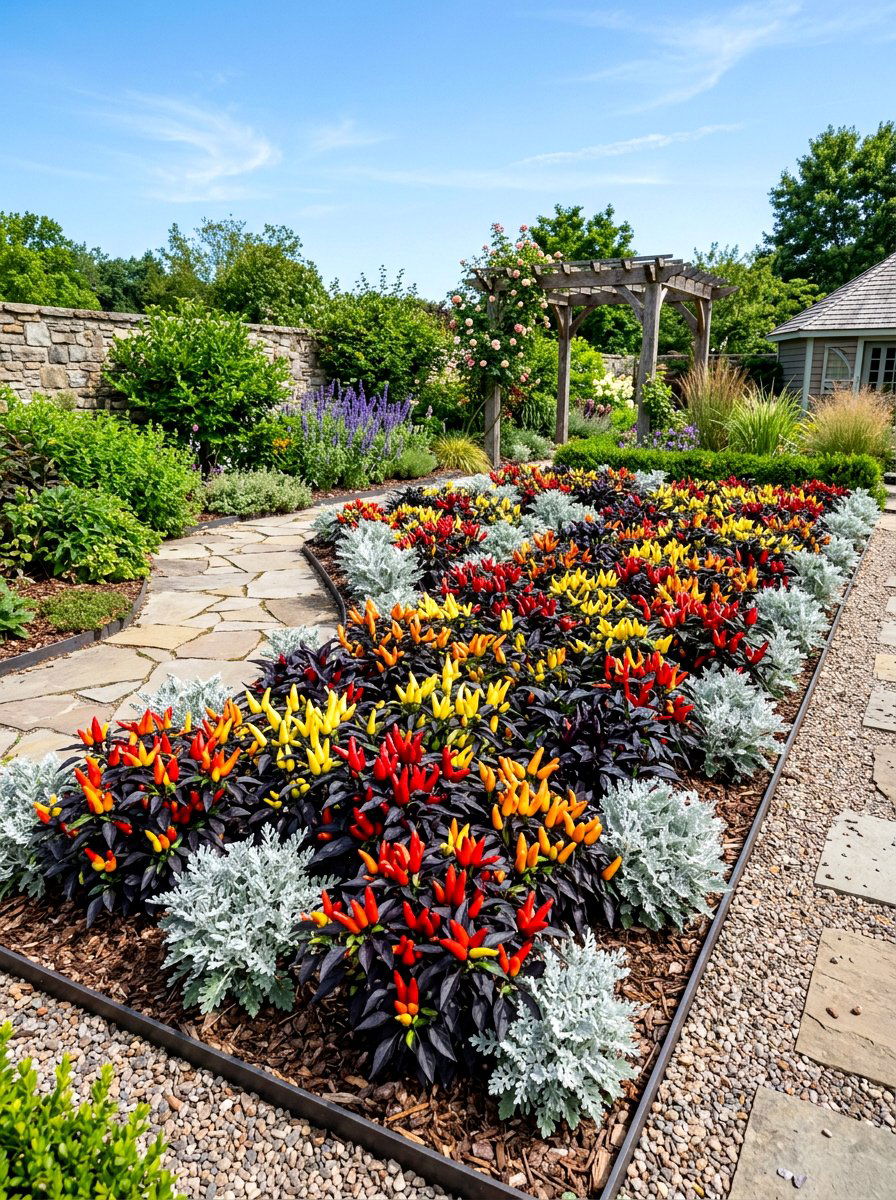
An ornamental pepper bed brings an unexpected splash of fiery color and glossy texture to your autumn garden design. these plants produce small, upright fruits in shades of red, purple, orange, and yellow that look like tiny jewels against dark green or purple foliage. They are exceptionally hardy and can withstand the fluctuating temperatures of early fall with ease. Planting them in a concentrated cluster creates a bold impact that works well in modern or tropical-themed landscapes. While most are not meant for eating, their visual appeal is unmatched for late-season brightness. They pair beautifully with silver-leaved plants like dusty miller, which helps to highlight the intense saturation of the colorful peppers' skin.
11. Autumn leaf mulch
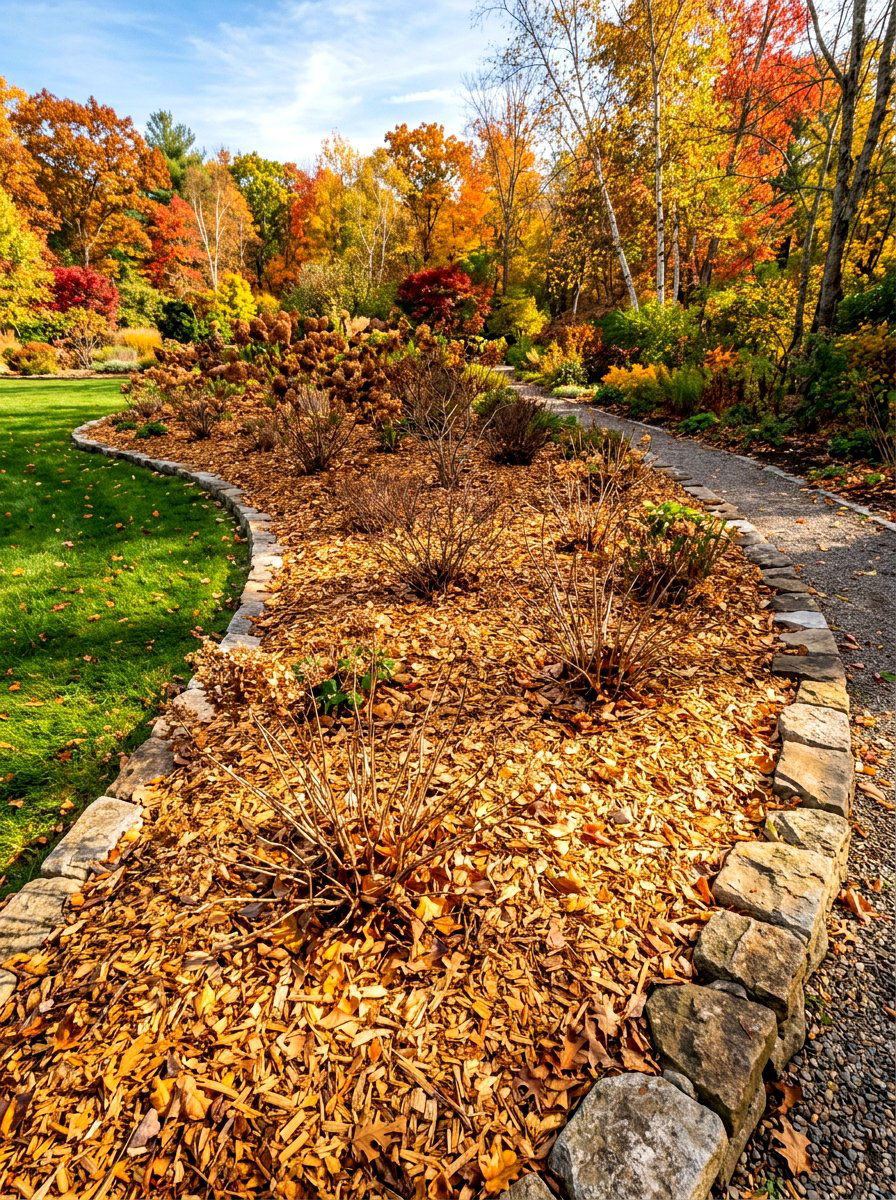
Using autumn leaf mulch is a sustainable and visually pleasing way to protect your garden beds for the winter. Instead of bagging up fallen leaves, shredding them and spreading them over your soil provides a natural insulating layer for plant roots. This golden-brown carpet creates a neat and uniform look across your landscape, tying different garden sections together. Over time, the leaves break down and enrich the soil with organic matter, improving the health of your garden for the following spring. It is a practical design choice that mimics the natural forest floor and reduces the need for synthetic fertilizers. This approach celebrates the natural cycle of the season while saving you time and effort.
12. Garden bird feeder
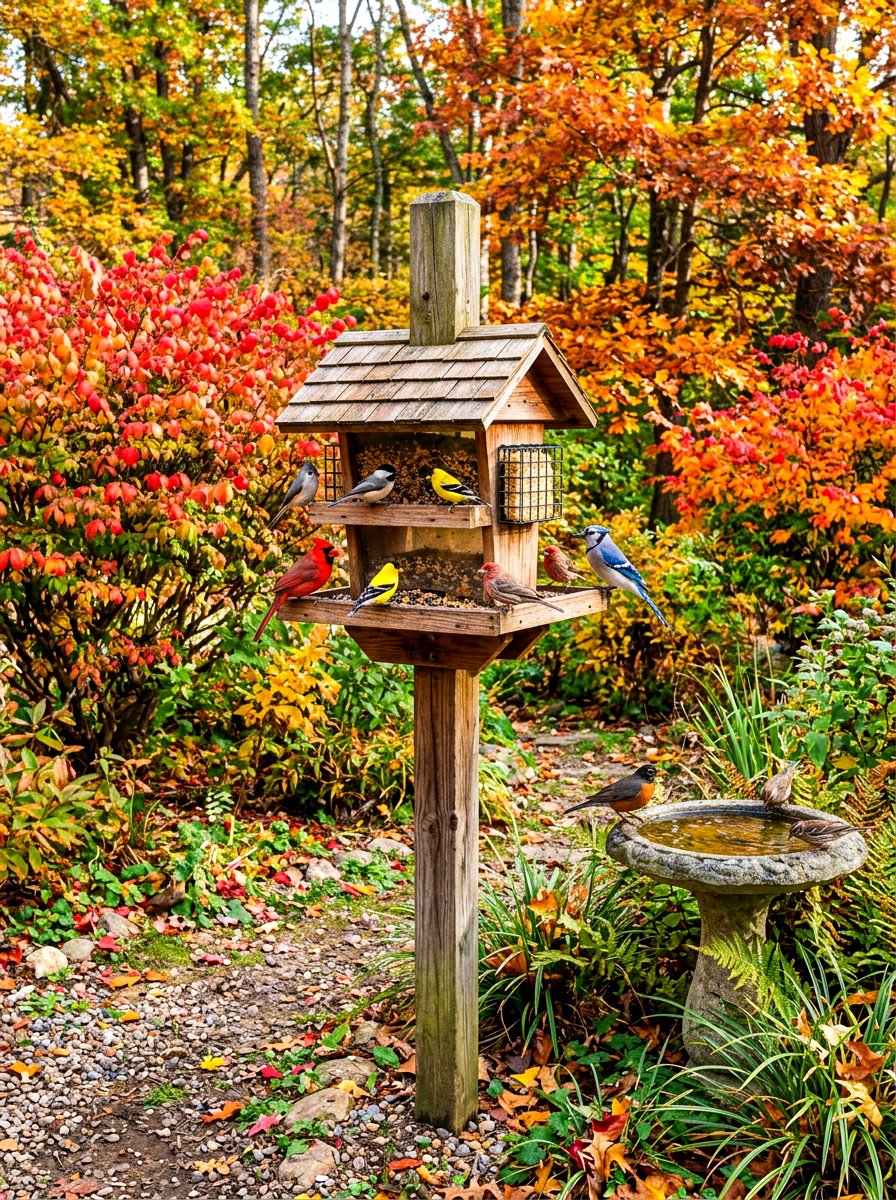
Setting up a garden bird feeder station is a delightful way to bring life and activity to your backyard during the fall. As natural food sources become scarce, local birds will flock to your yard, providing endless entertainment and movement. Choose a high-quality wooden or metal feeder that fits the style of your home and place it near a window for easy viewing. Surrounding the feeder with late-blooming shrubs or evergreens provides the birds with a sense of security and a place to perch. Including a birdbath with a small heater ensures they have access to water even as temperatures drop. This simple addition turns your garden into a sanctuary for feathered friends all season.
13. Sedum autumn joy plant
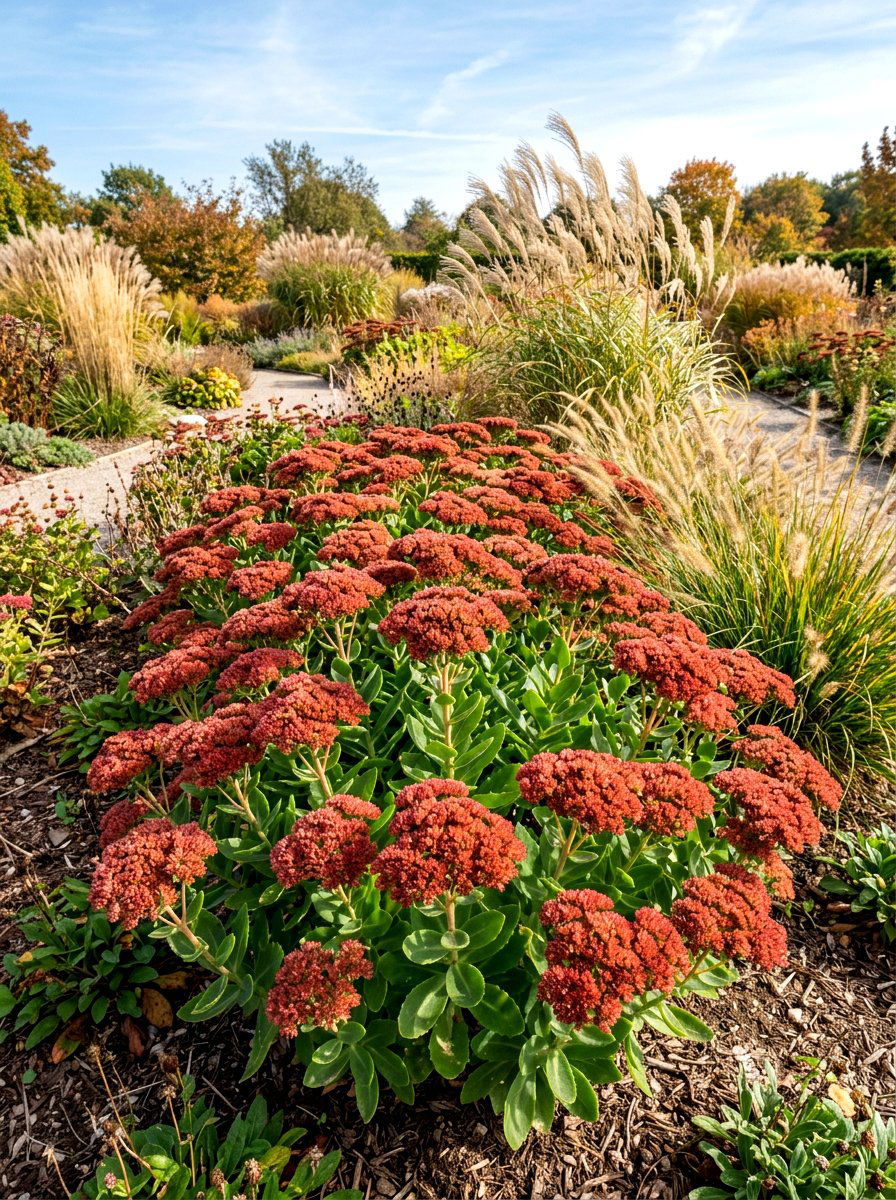
The sedum autumn joy plant is a legendary perennial that offers structure and color from late summer through the deepest parts of fall. It starts with broccoli-like green heads that slowly transition into soft pink and eventually a deep, rusty red as the weather cools. These plants are incredibly drought-tolerant and require very little maintenance, making them perfect for busy homeowners. Their thick, succulent leaves add a unique texture that contrasts well with the fine blades of ornamental grasses. Even after the flowers fade, the dried seed heads provide architectural interest throughout the winter months. Planting them in large groups creates a reliable and sturdy foundation for any professional autumn landscape design.
14. Outdoor string lights
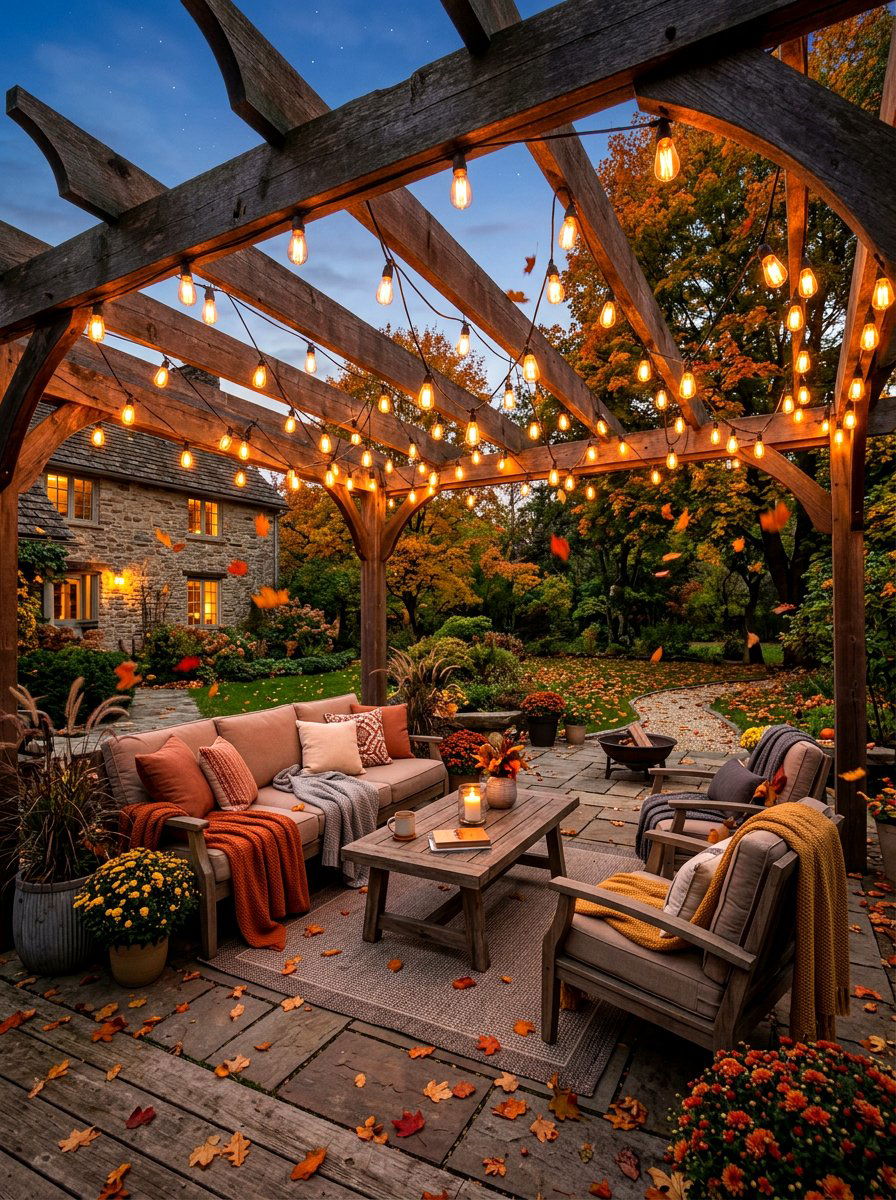
Hanging outdoor string lights is one of the most effective ways to create an enchanting and cozy atmosphere in your fall garden. As the sun sets earlier, warm-toned Edison bulbs draped across a patio or through the branches of a tree provide a soft, inviting glow. They define the boundaries of your outdoor living space and make it feel like a true extension of your home. You can wrap them around a pergola, string them along a fence line, or use them to highlight a specific seating area. The twinkling light reflecting off the changing leaves creates a magical environment for evening strolls or outdoor dinners. It is a simple lighting solution that adds immense value and charm.
15. Fall bulb planting
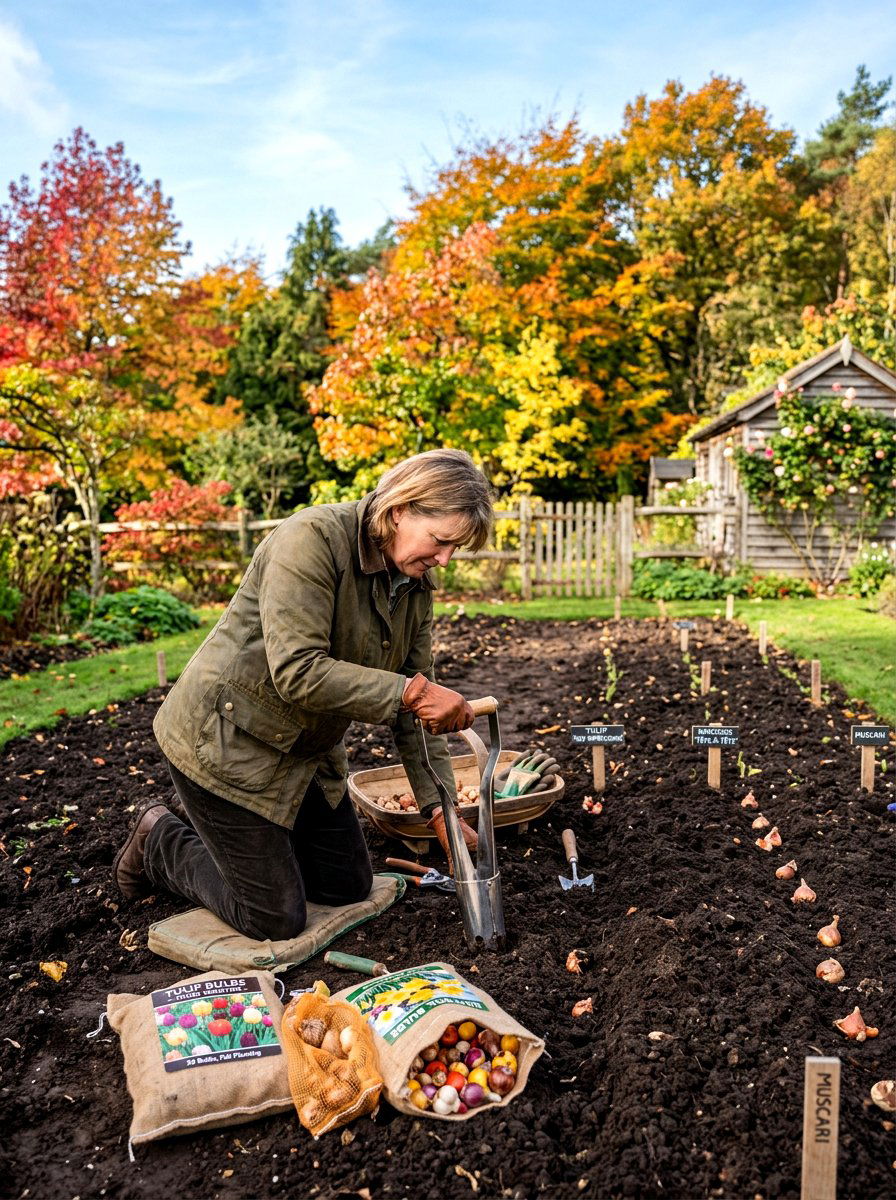
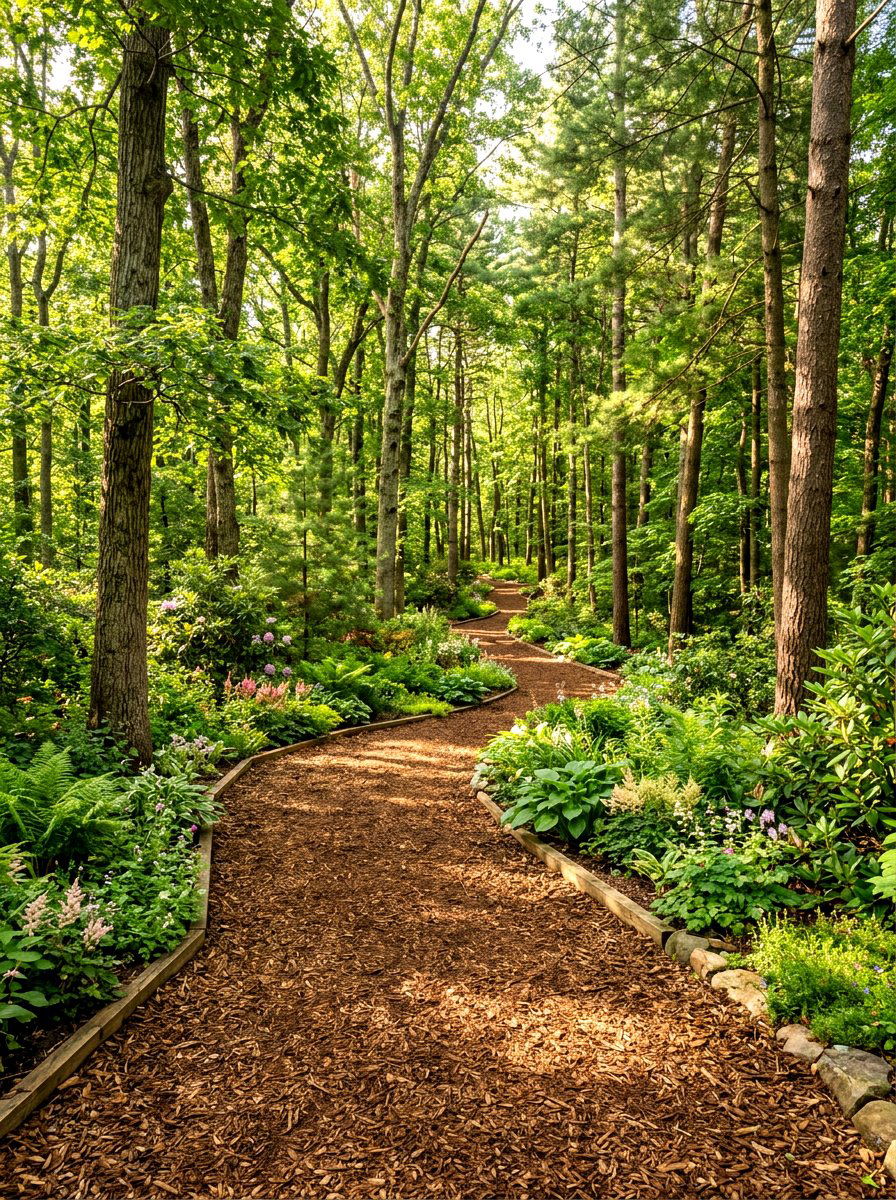
Engaging in fall bulb planting is a rewarding ritual that ensures a spectacular burst of color in the early spring. While the work happens in the autumn, the design impact is felt months later when tulips, daffodils, and hyacinths emerge from the cold ground. This is the perfect time to rethink your garden’s layout and plan for a vibrant future. Planting bulbs in large, natural-looking drifts rather than single rows creates a more professional and lush appearance. You can use a bulb planter tool to make the job easier and ensure consistent depth for better growth. This activity connects you to the rhythm of nature and gives you something wonderful to look forward to during the winter.
16. Japanese maple tree
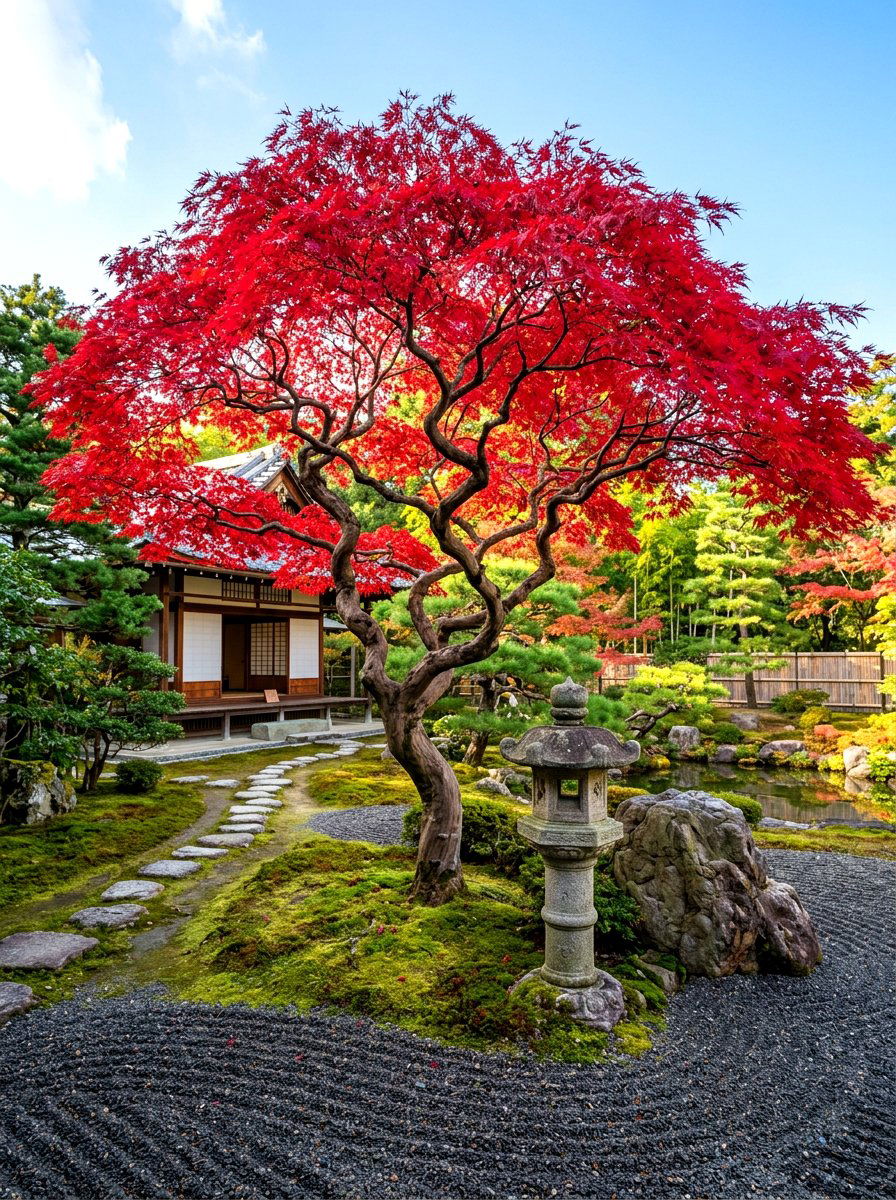
A Japanese maple tree serves as the ultimate focal point in a fall garden due to its breathtaking foliage transformation. These elegant trees are known for their delicate, lace-like leaves that turn brilliant shades of crimson, orange, and gold as autumn progresses. Their graceful, often architectural form provides a sense of sophistication and serenity to any landscape. Planting one near a water feature or against a light-colored wall helps to highlight its intricate branch structure and intense color. Because they come in various sizes, including dwarf varieties, they are suitable for both large estates and small urban courtyards. A well-placed Japanese maple is a living piece of art that defines the season's beauty.
17. Cold frame gardening
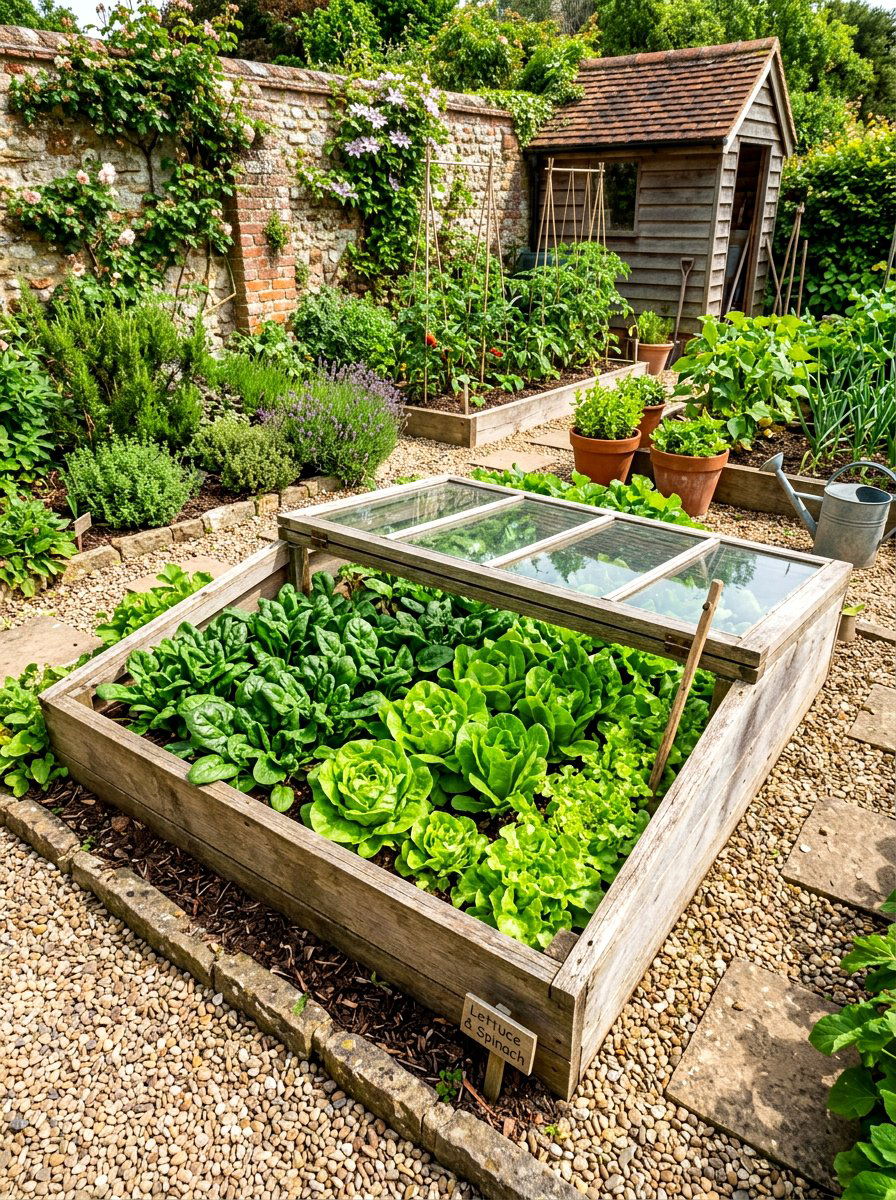
Cold frame gardening is a smart and functional way to extend your growing season well into the late fall and even winter. These simple structures, usually made of wood with a clear glass or plastic top, act like mini-greenhouses for your plants. They protect delicate crops from frost and wind while trapping the sun's warmth to keep the soil at a manageable temperature. You can use them to grow hardy greens, start seeds for the next season, or protect potted plants that are sensitive to extreme cold. Placing a cold frame in a sunny, south-facing spot ensures maximum light absorption. This practical addition to your garden shows a high level of horticultural expertise and dedication.
18. Fall patio furniture
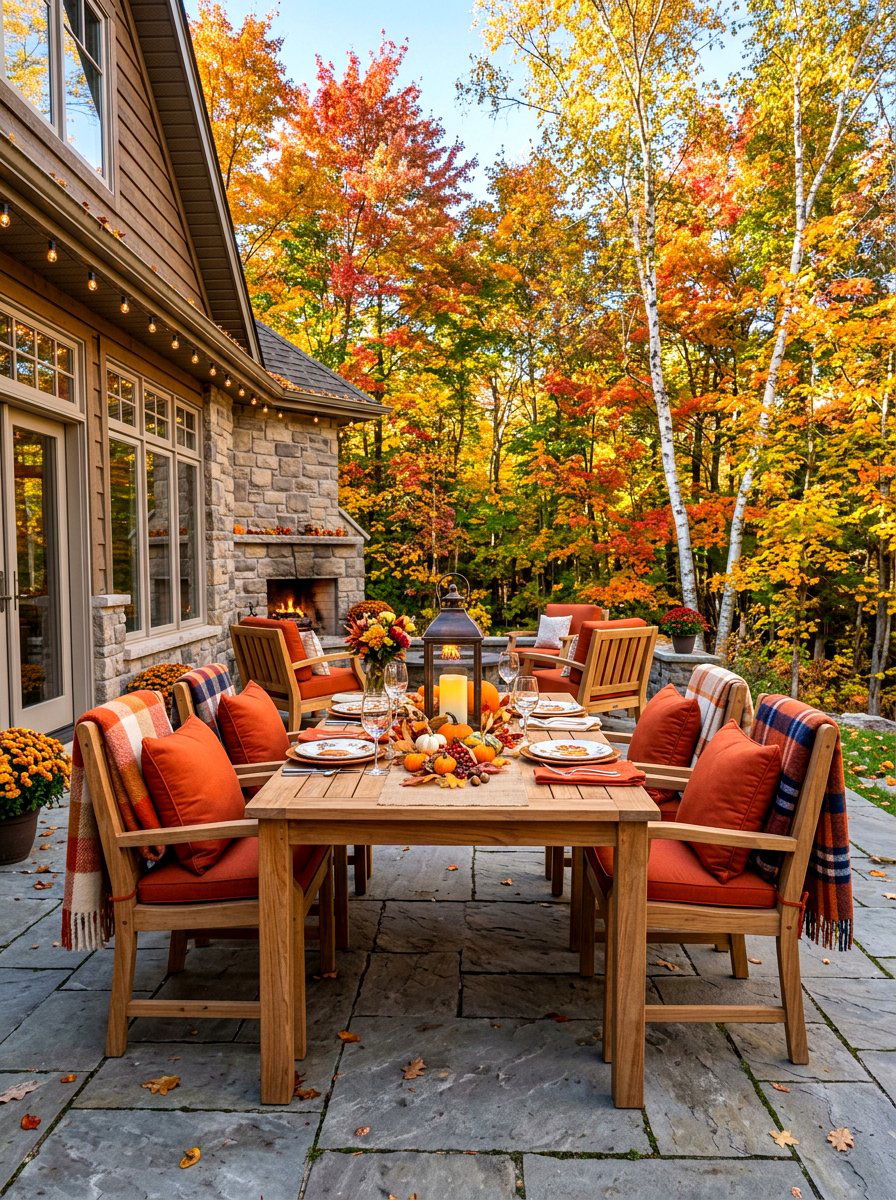
Updating your fall patio furniture involves more than just keeping it clean; it is about creating a seasonal retreat. Swap out light, summery fabrics for heavier textures like wool, faux fur, or thick canvas in rich autumnal colors. Adding a large outdoor rug in a neutral or earthy pattern can help define the space and keep feet warm on cool stone or wood. If you have a wooden table, consider a rustic runner and a centerpiece made of natural elements like pinecones or dried wheat. This shift in styling encourages you to spend more time outdoors, enjoying the fresh air in total comfort. It transforms your patio into a functional and stylish room for the season.
19. Vertical garden wall
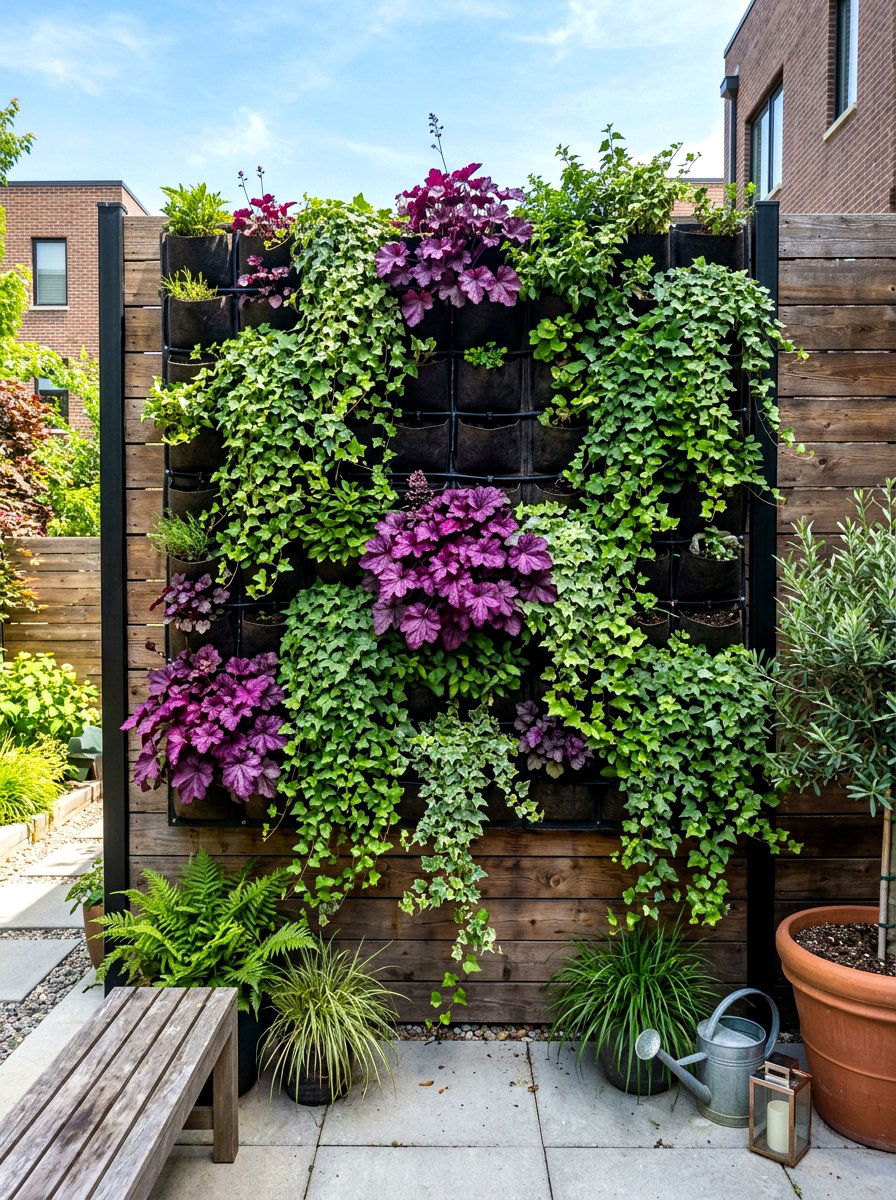
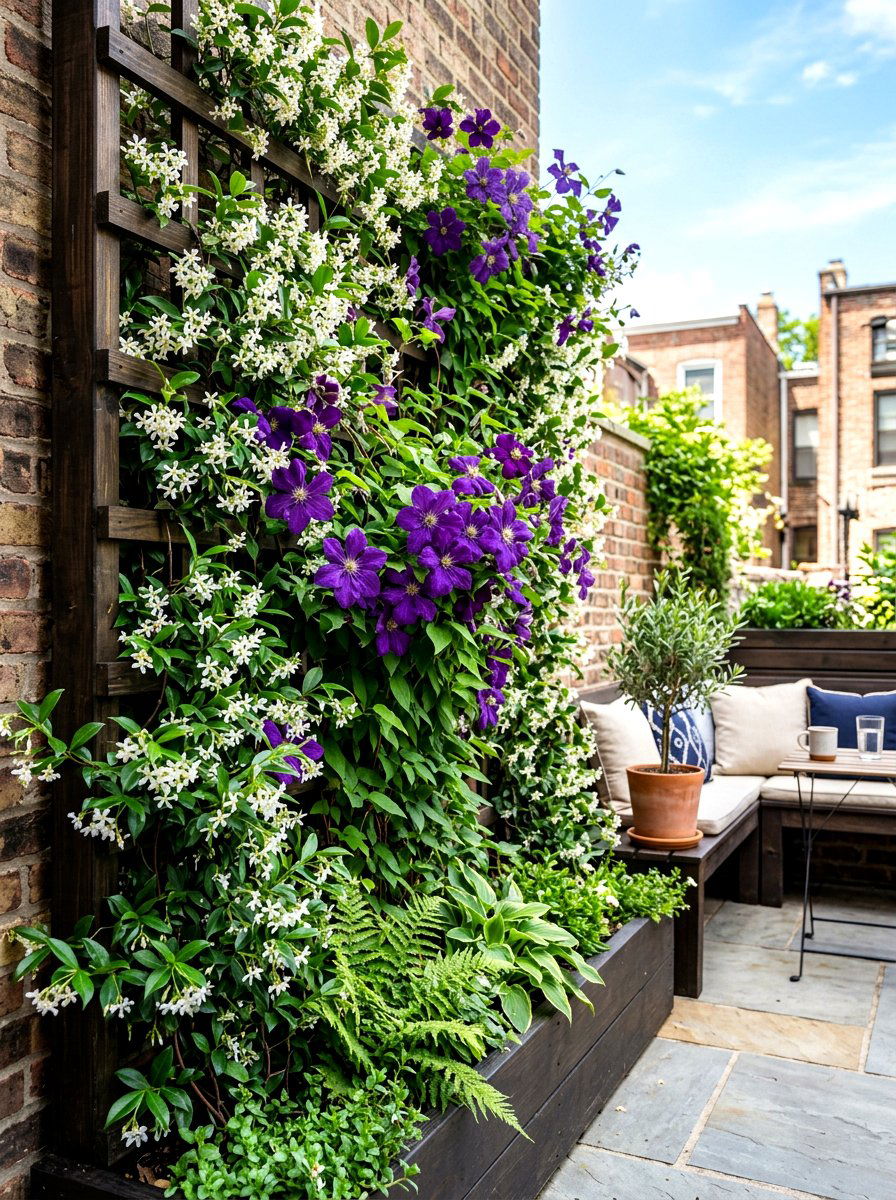
A vertical garden wall is a brilliant solution for adding greenery and texture to small outdoor spaces or bare exterior walls. During the fall, you can fill your wall planters with cold-hardy varieties like ivy, heuchera, and trailing violas. These plants create a lush tapestry of color that stays vibrant even as the rest of the garden goes dormant. Using a mix of foliage colors, such as deep burgundy and lime green, adds depth and visual interest to the vertical display. This design approach maximizes your growing area and provides a stunning backdrop for outdoor gatherings. It is a modern and space-saving way to celebrate the textures of the autumn season in any size yard.
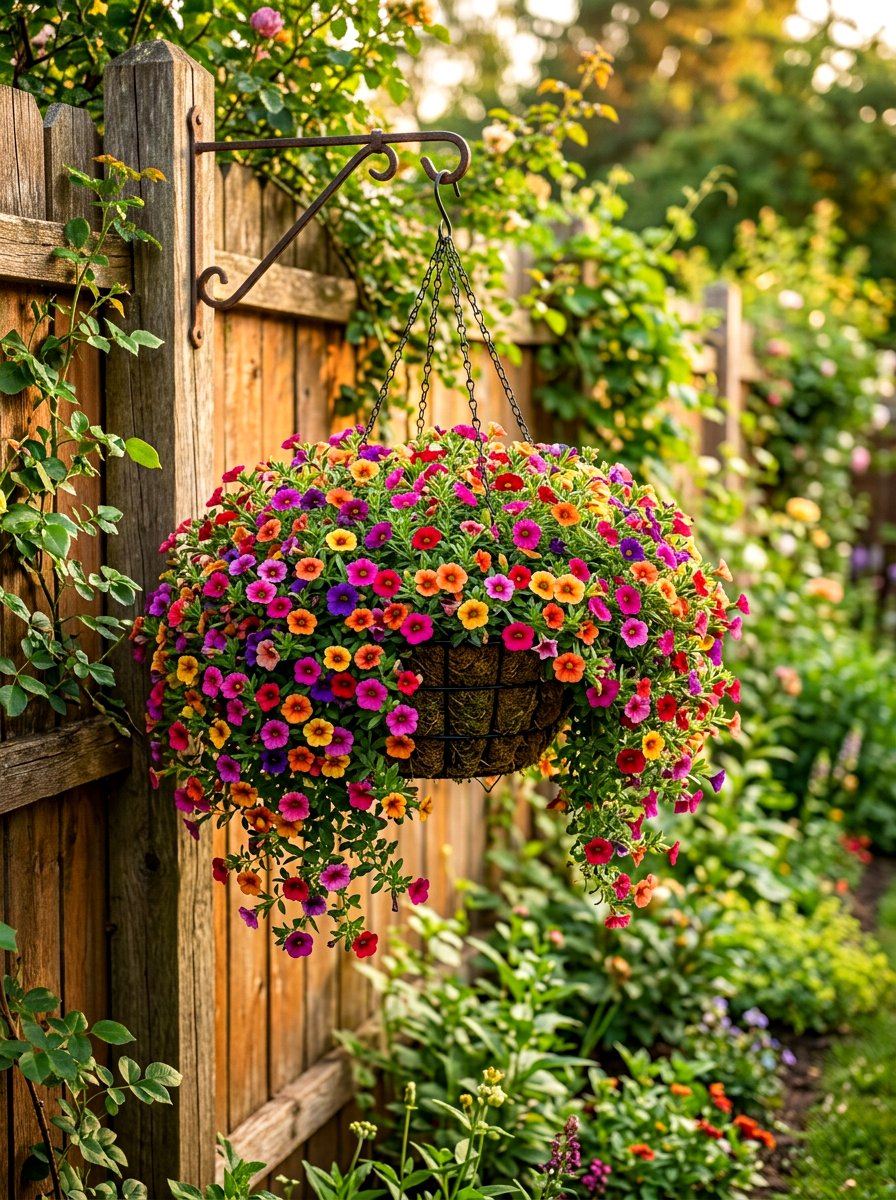
20. Herb garden drying
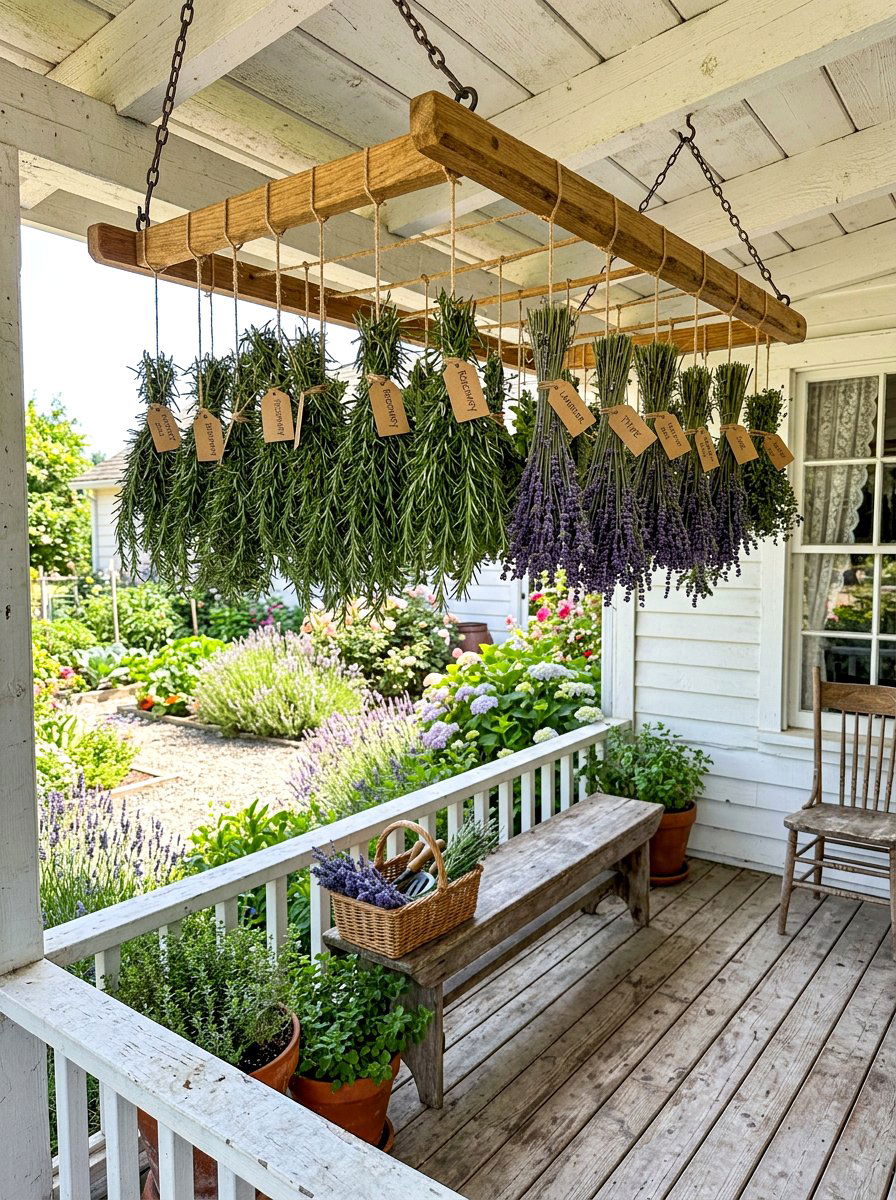
An herb garden drying station is both a functional and decorative addition to your kitchen garden area or back porch. As the growing season ends, harvesting and drying herbs like rosemary, thyme, sage, and lavender allows you to preserve the flavors of summer. You can create a simple drying rack using a rustic wooden frame and wire mesh, or simply hang small bundles of herbs upside down with twine. The sight of these bundles hanging in the breeze adds a farmhouse-style charm to your garden space while releasing a wonderful fragrance. It is a rewarding way to transition your garden efforts into the kitchen, ensuring your autumn meals are filled with homegrown taste.
21. Tall ornamental grass
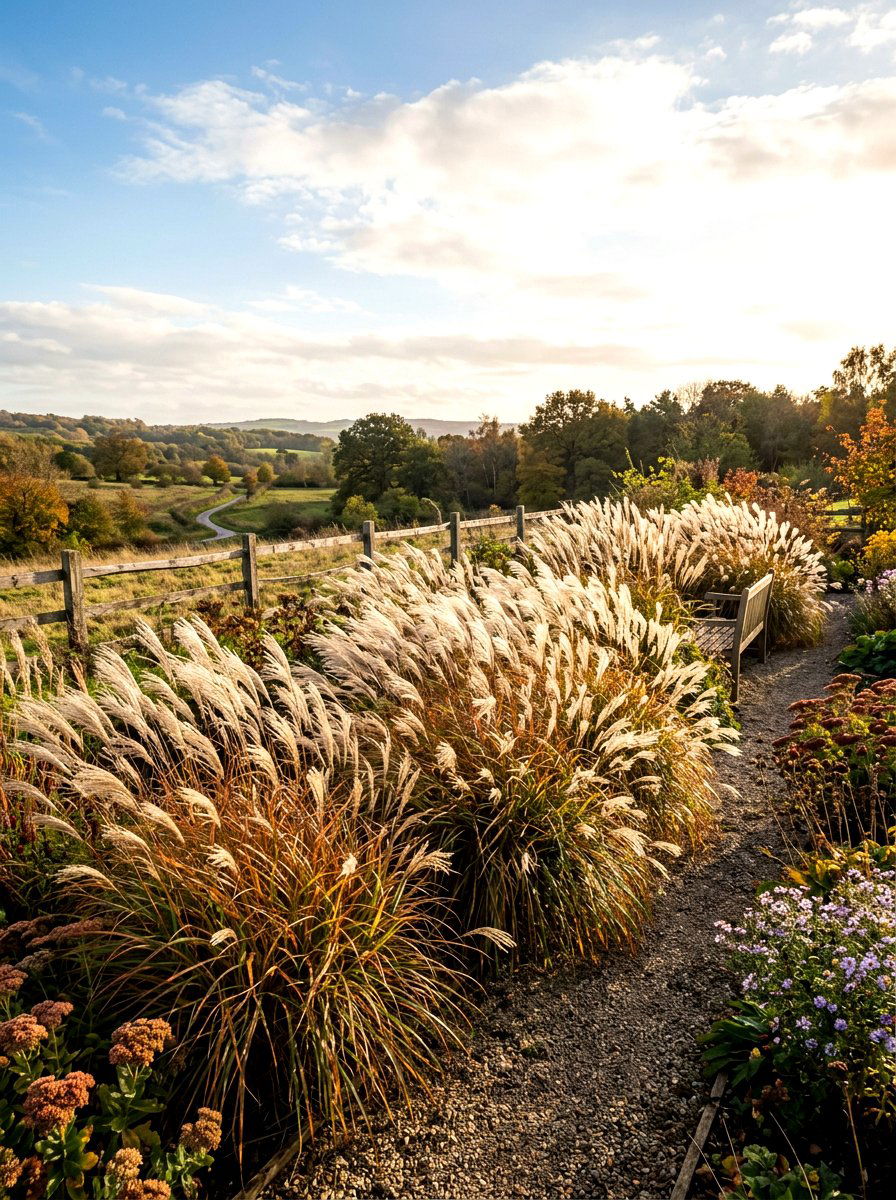
Tall ornamental grass provides essential movement and sound to the autumn landscape as the blades sway in the wind. Varieties like Miscanthus or switchgrass reach their peak beauty in the fall, producing feathery plumes that catch the golden afternoon light. These grasses add a sense of height and drama to garden beds, acting as a soft screen or a background for shorter perennials. Their tan, copper, or silvery tones perfectly complement the warm colors of falling leaves. Unlike many other plants, ornamental grasses maintain their structure throughout the winter, providing visual interest and a habitat for small birds. They are low-maintenance giants that bring a professional, layered look to any large outdoor area.
22. Rustic garden bench
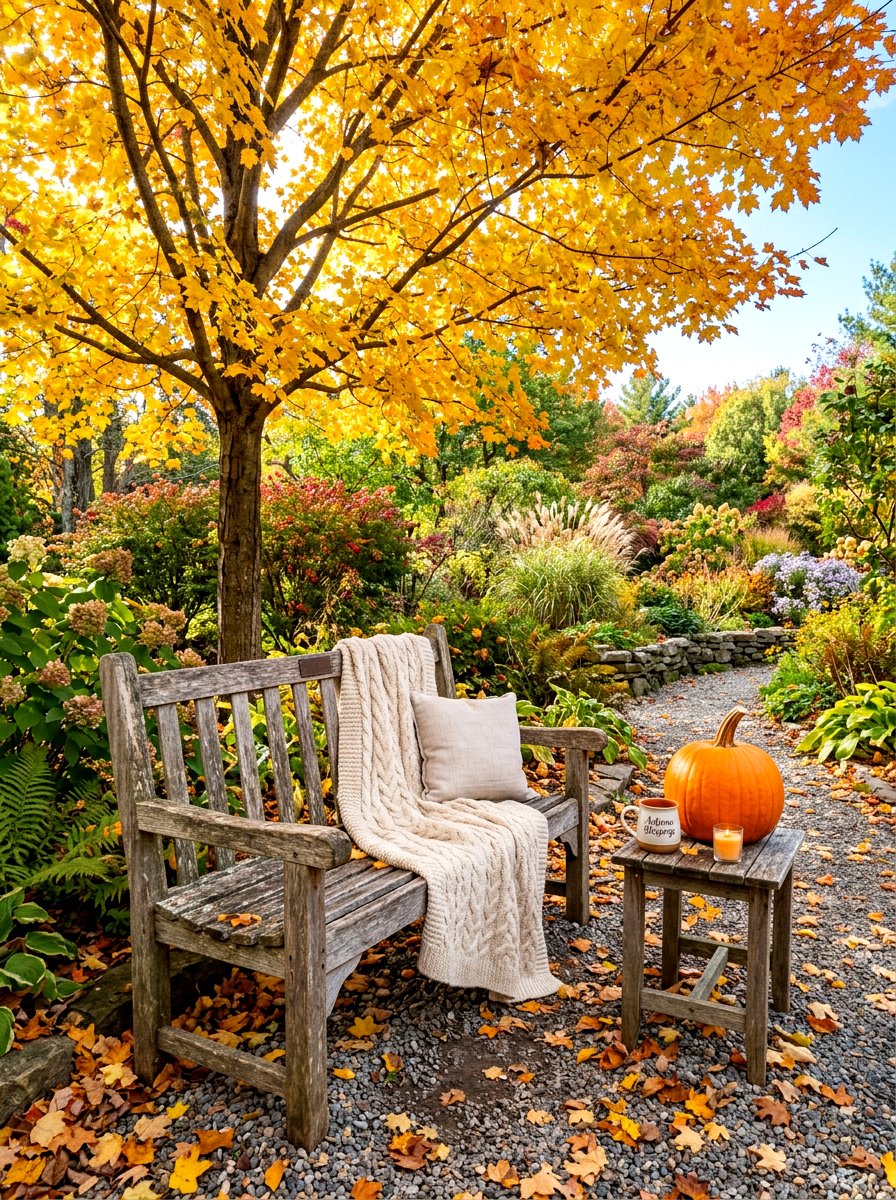
Placing a rustic garden bench in a quiet corner of your yard creates a perfect spot for reflection during the autumn months. A weathered wooden or wrought iron bench tucked under a large tree or at the end of a path offers a destination within your landscape. To make it more inviting for fall, add a couple of outdoor pillows and a warm throw blanket. This simple setup encourages you to slow down and enjoy the changing colors of the canopy above. Surrounding the bench with potted mums or low-growing asters ties the seating area into the overall garden design. It is a timeless and simple way to enhance the emotional appeal of your outdoor space.
23. Fall flower bouquet
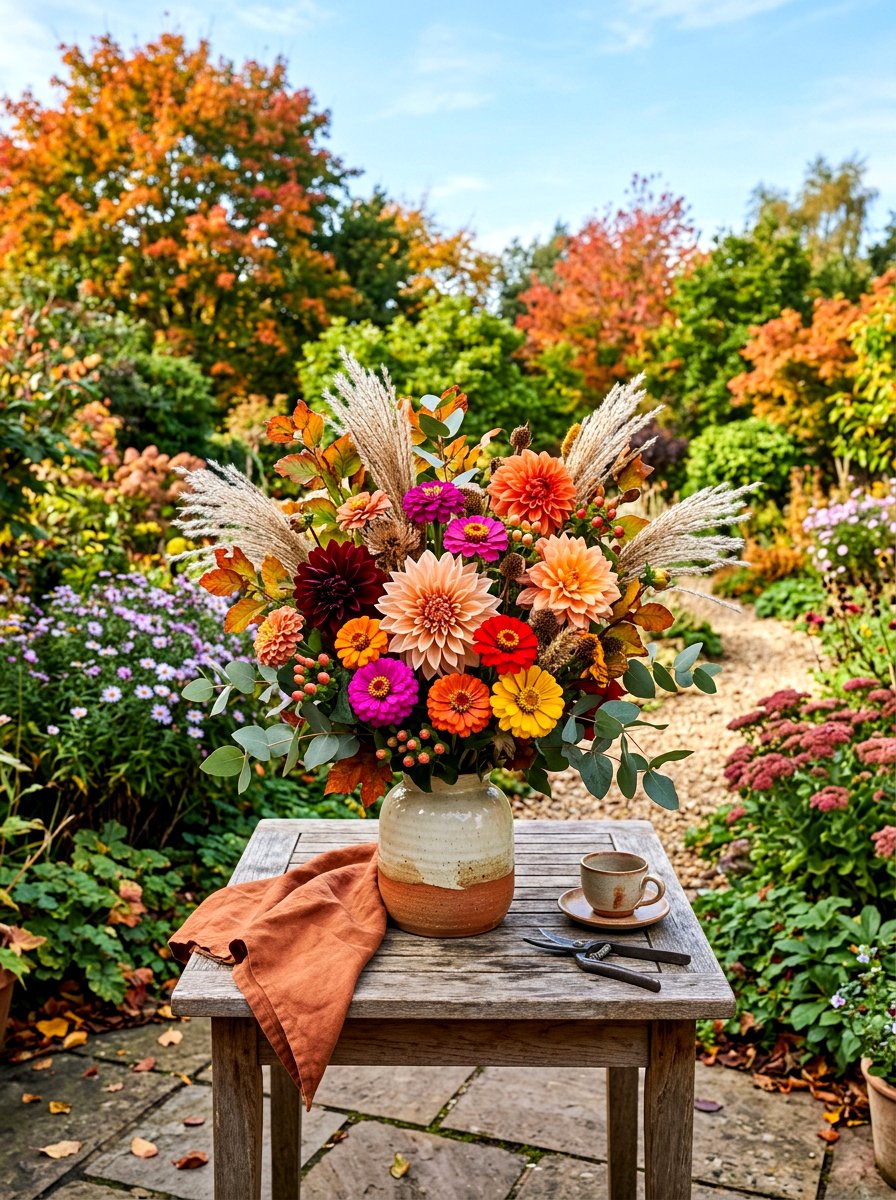
Creating a fall flower bouquet from your own garden is a wonderful way to bring the beauty of the outdoors inside. Look for late-blooming zinnias, marigolds, and dahlias to provide bold splashes of color. You can supplement these with interesting foliage like eucalyptus, dusty miller, or even colorful branches from your shrubs. Adding textured elements like dried seed heads or ornamental grass plumes gives the arrangement a professional, high-end look. These bouquets make excellent centerpieces for harvest dinners or thoughtful gifts for neighbors. By harvesting your own flowers, you are making the most of your garden's final bloom and creating a direct connection between your landscape and your home’s interior decor.
24. Backyard harvest table
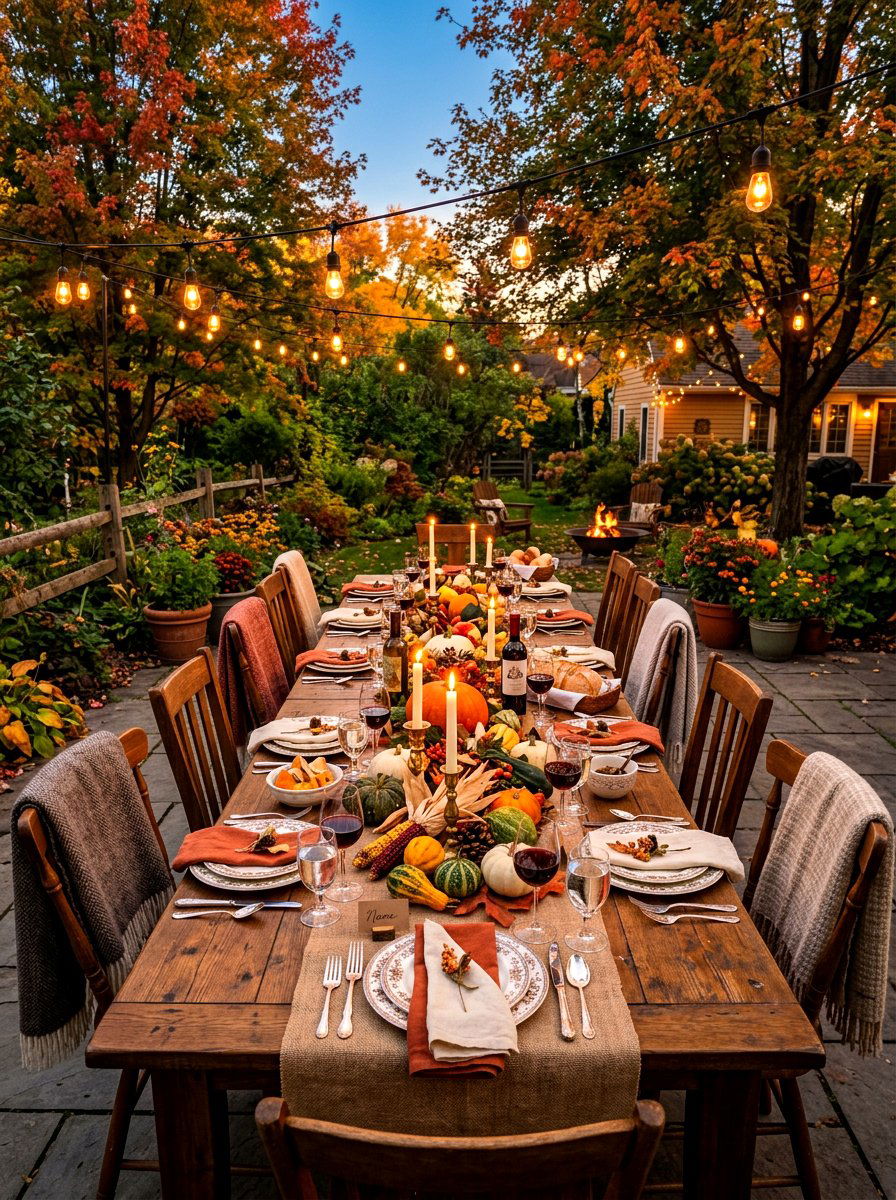
A backyard harvest table is the ultimate setting for celebrating the season with friends and family over a meal. Choose a long wooden table and style it with a rustic burlap runner and a variety of pumpkins and gourds as a natural centerpiece. Using ceramic plates in earthy tones and adding small sprigs of rosemary to each napkin creates an elegant yet approachable look. Hanging a few lanterns or string lights above the table provides the perfect ambiance for evening dining. This setup celebrates the abundance of the season and turns your garden into a functional social hub. It is a beautiful way to create lasting memories in the comfort of your own outdoor sanctuary.

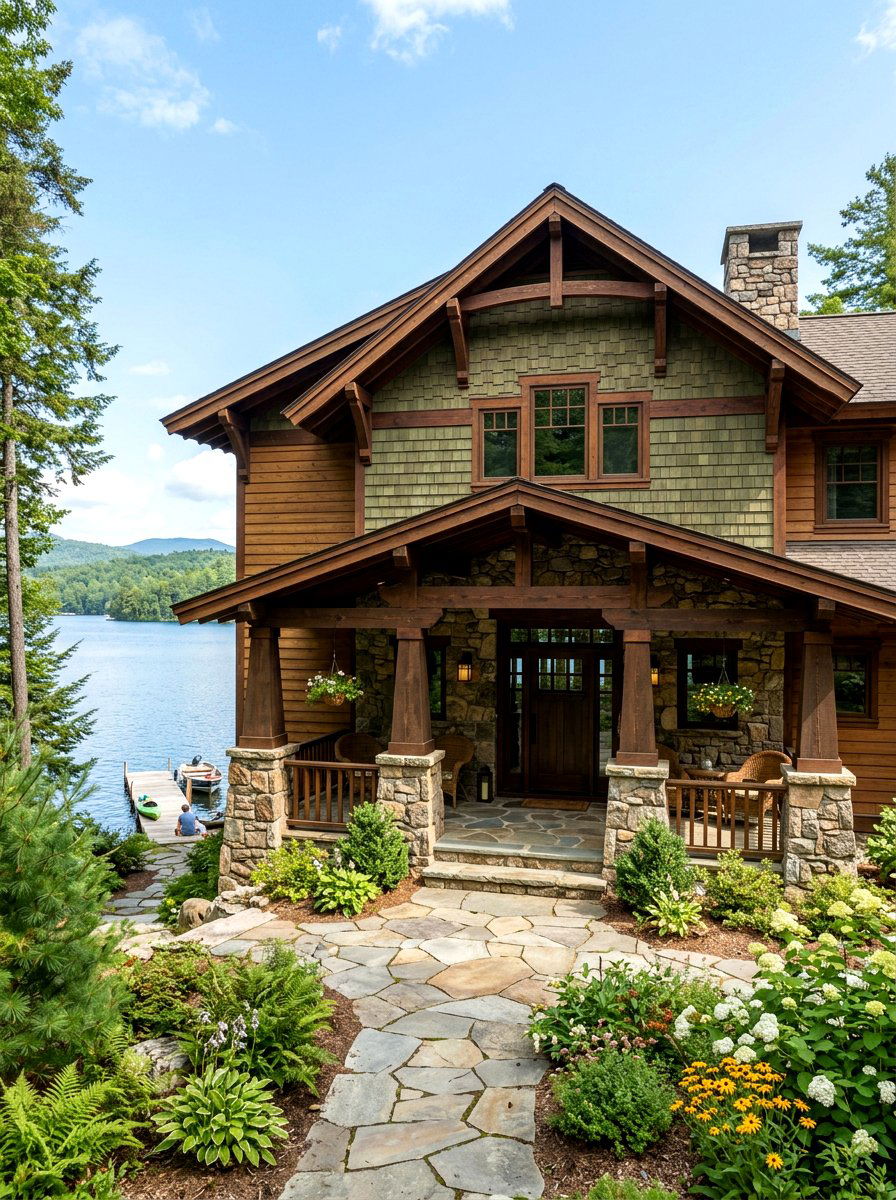
25. Fall perennial pruning
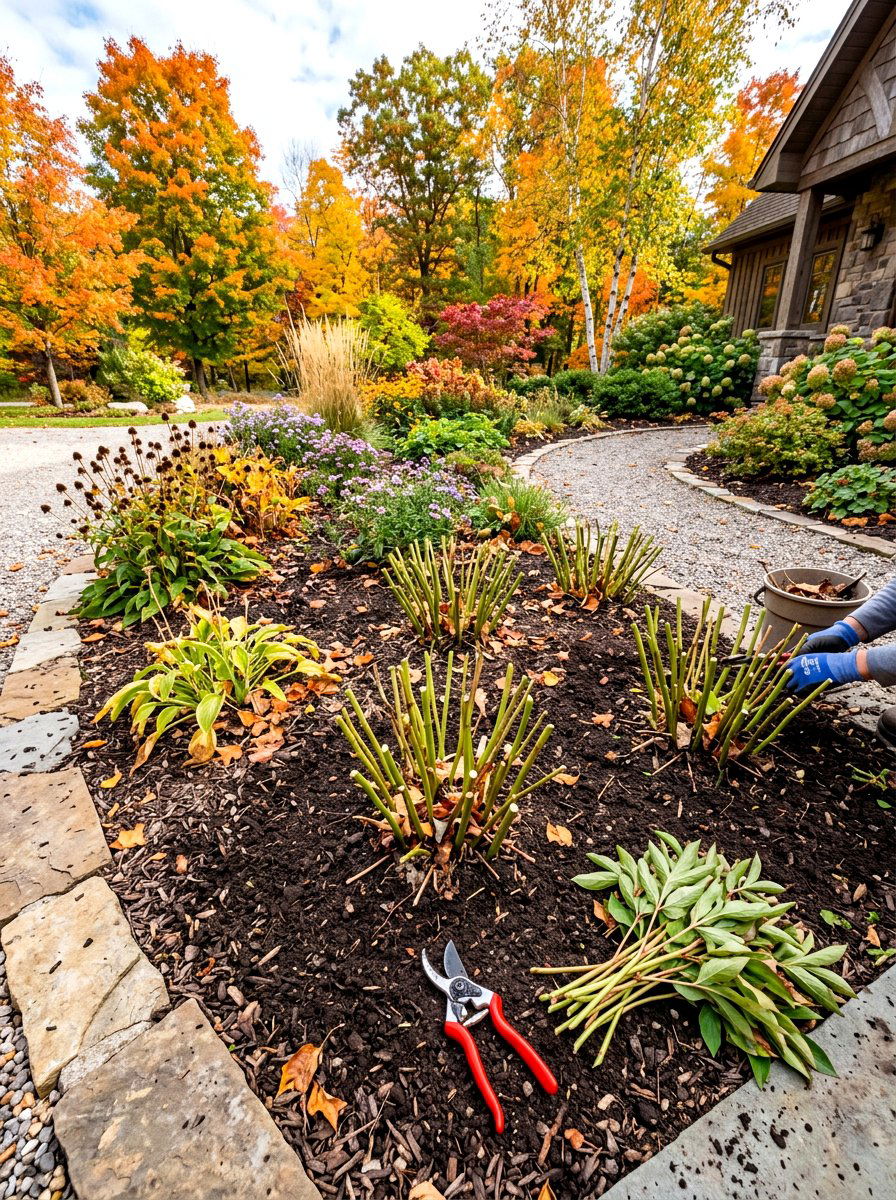
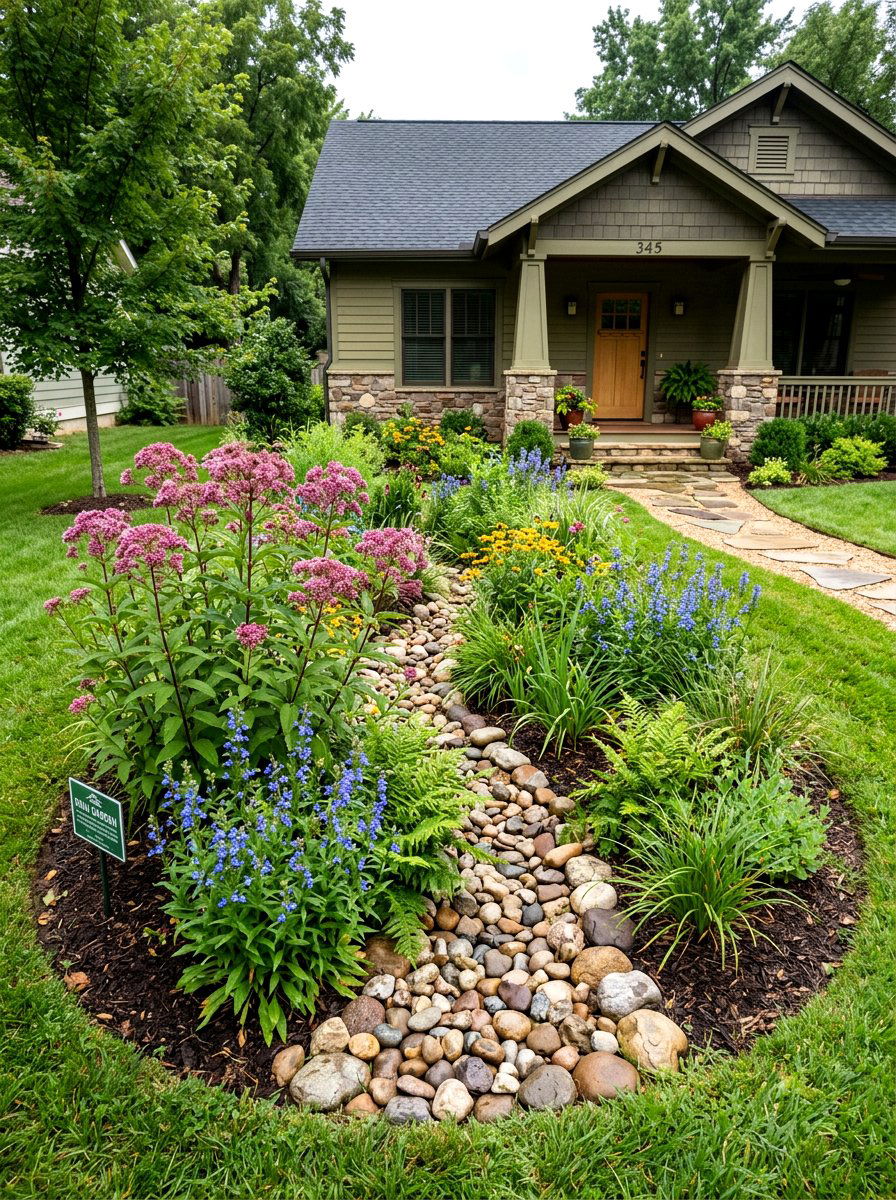
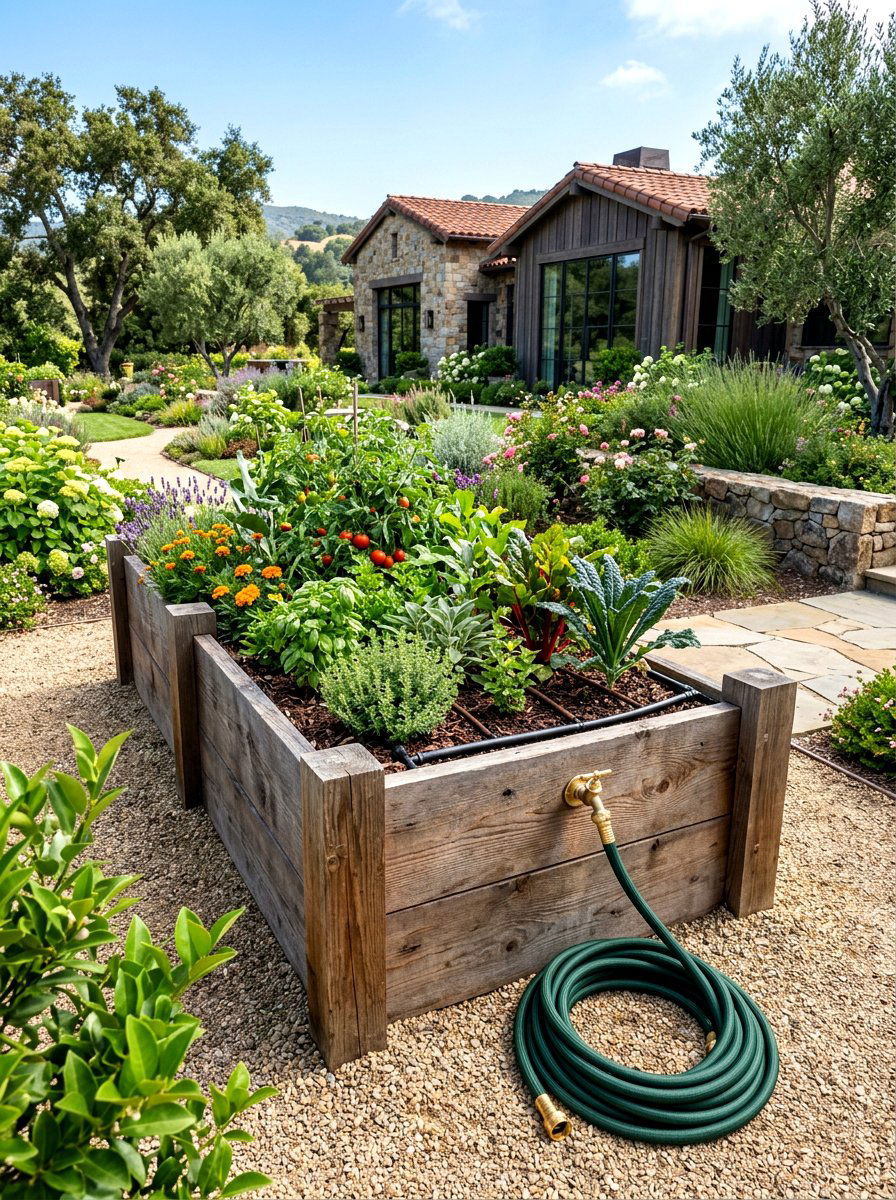
Engaging in fall perennial pruning is an important maintenance task that keeps your garden looking tidy and healthy. While some plants should be left for winter interest or bird food, others benefit from being cut back after the first frost. Removing dead foliage from plants like hostas or peonies prevents pests and diseases from overwintering in the debris. Using sharp, clean bypass pruners ensures clean cuts that heal quickly. This practice gives you a chance to inspect your plants and prepare the beds for a clean start in the spring. A well-pruned garden in the fall looks organized and intentional, showing a high level of care and expertise in your overall landscape management.
26. Garden tool storage
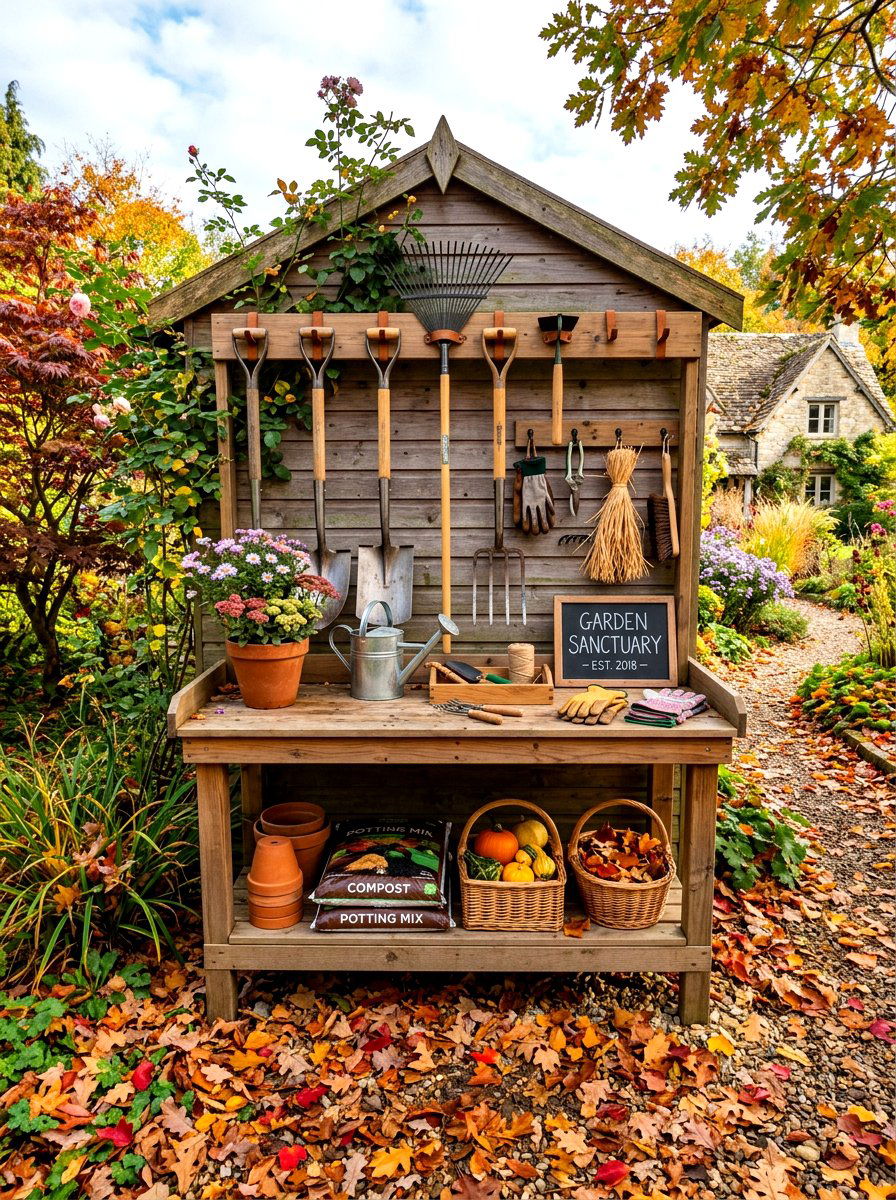
Organizing your garden tool storage is a practical fall project that ensures your equipment stays in top condition for next year. As the heavy gardening season winds down, take the time to clean, sharpen, and oil your shovels, pruners, and rakes. A dedicated potting bench or a small garden shed with hooks and shelves keeps everything off the ground and easy to find. This is also the perfect time to drain and store garden hoses to prevent damage from freezing temperatures. By creating an orderly system for your tools, you are investing in the long-term success of your garden. A clean and organized storage area reflects a professional approach to gardening and makes spring tasks much easier.
27. Potted pansy arrangement
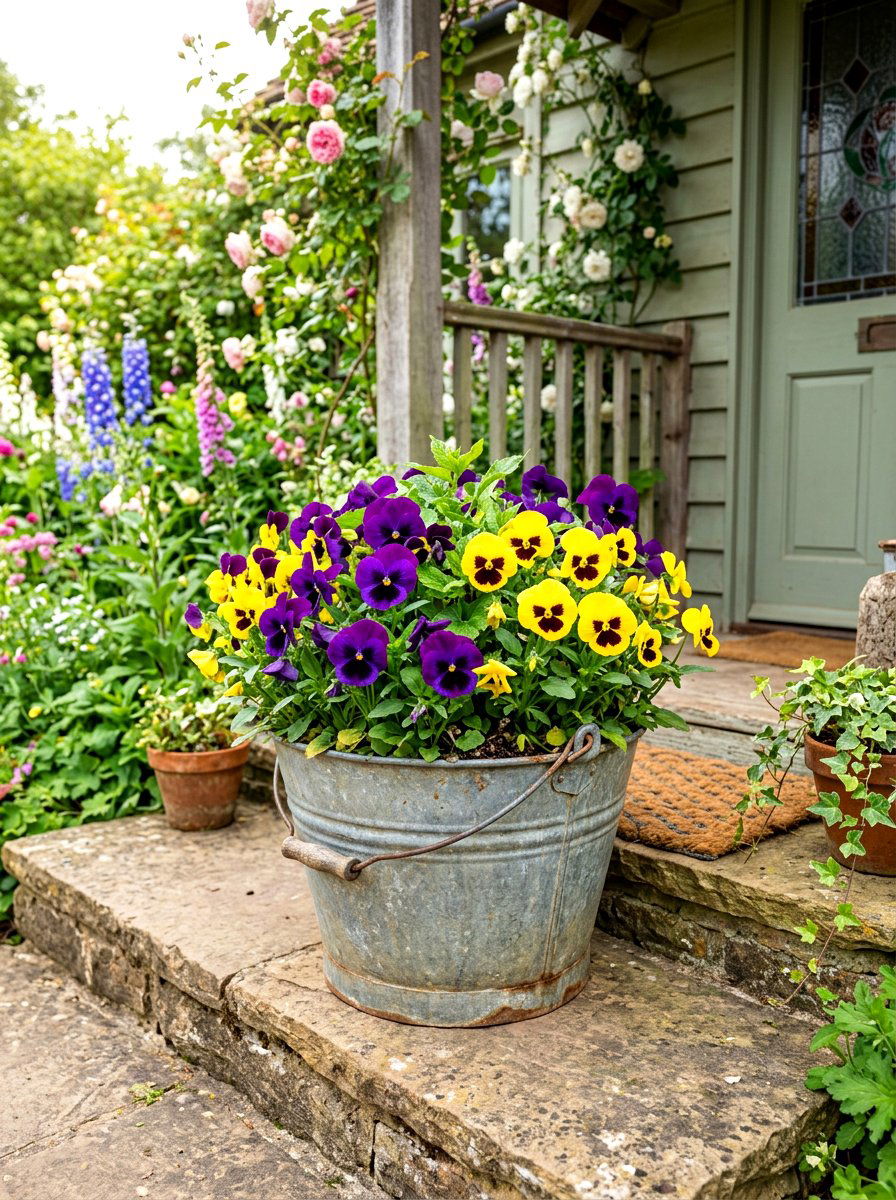
A potted pansy arrangement is a resilient and cheerful way to maintain garden color as the temperatures begin to drop. Pansies are incredibly cold-hardy and can often survive light frosts, making them the perfect choice for late-season containers and flower beds. They come in a vast array of colors, from deep velvety purples to bright, sun-like yellows, often with interesting "faces" in the center. Planting them in a vintage washbasin or a cluster of small terracotta pots adds a touch of cottage-style charm to your patio. They are low-growing and compact, which makes them ideal for filling in gaps left by summer annuals. Their bright blooms provide a much-needed lift during gray, overcast autumn days.
28. Autumn stone walkway
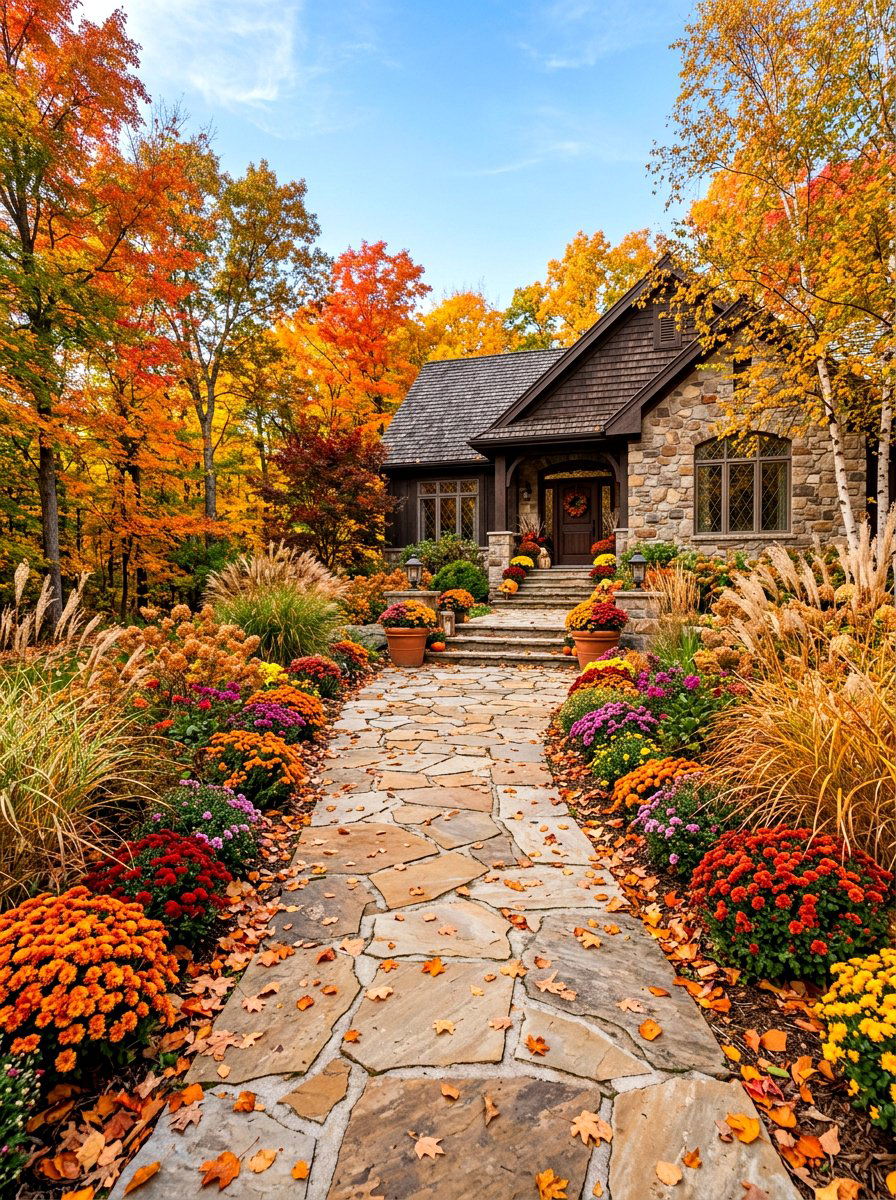
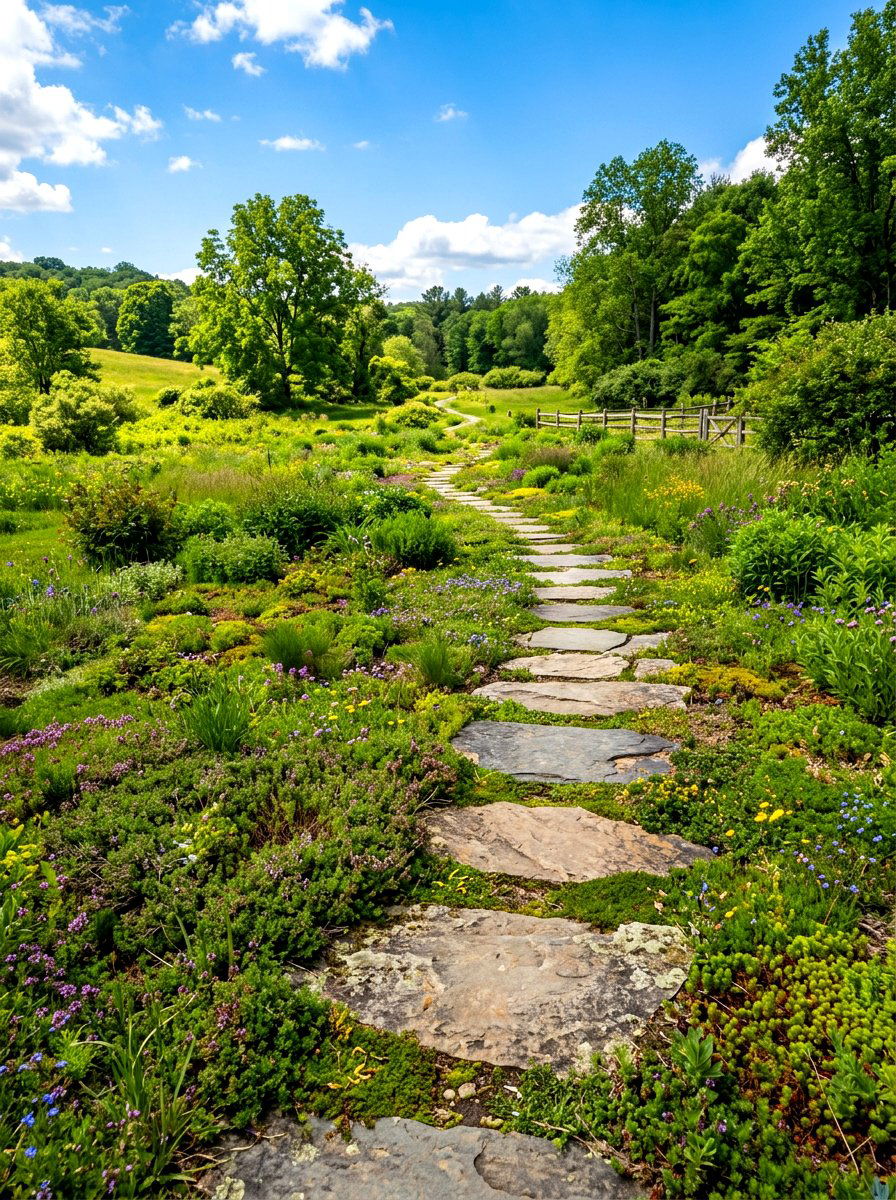
Updating or installing an autumn stone walkway adds structure and a sense of permanence to your seasonal garden landscape. Using natural flagstone or rustic pavers in warm shades of tan, gray, or brown complements the surrounding fall foliage beautifully. A well-defined path guides the eye through the garden and provides a safe, stable surface for walking during wet autumn weather. You can plant low-growing thyme or moss between the stones to soften the edges and add a touch of greenery. This hardscaping element serves as the backbone of your garden design, anchoring the more fluid planting beds. A beautiful walkway makes your outdoor space feel more complete and professional throughout every season of the year.
29. Wildlife friendly garden
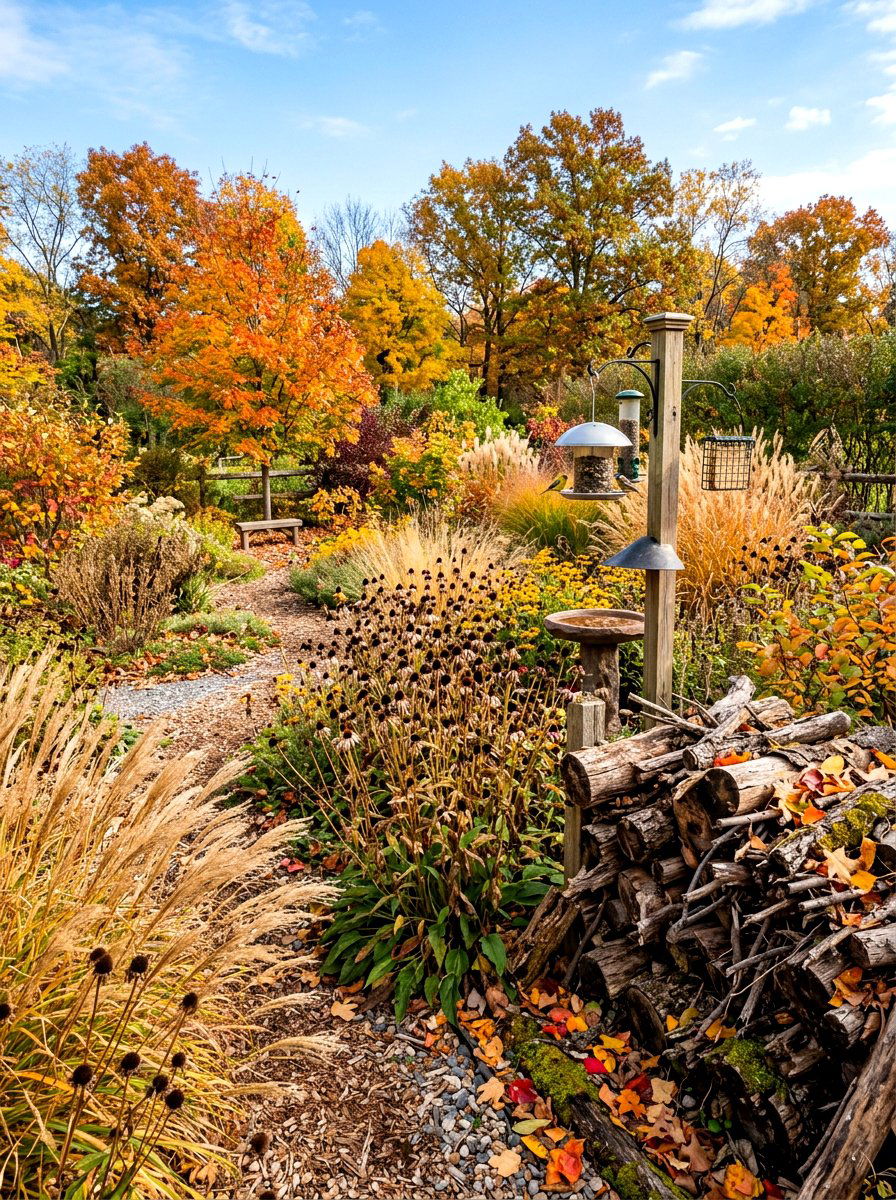
Creating a wildlife friendly garden in the fall involves making intentional choices that support local birds, bees, and small mammals. Leaving the seed heads on plants like echinacea and sunflowers provides a vital food source for birds during the lean months. Piling up some fallen logs or leaving a patch of native grasses offers shelter for beneficial insects and hibernating amphibians. Avoiding the use of harsh chemicals ensures a healthy ecosystem for all visitors to your yard. This approach to gardening is not only sustainable but also brings a sense of life and purpose to your landscape. Watching the natural world thrive in your backyard is a deeply rewarding experience that connects you to the environment.
30. Garden composting bin
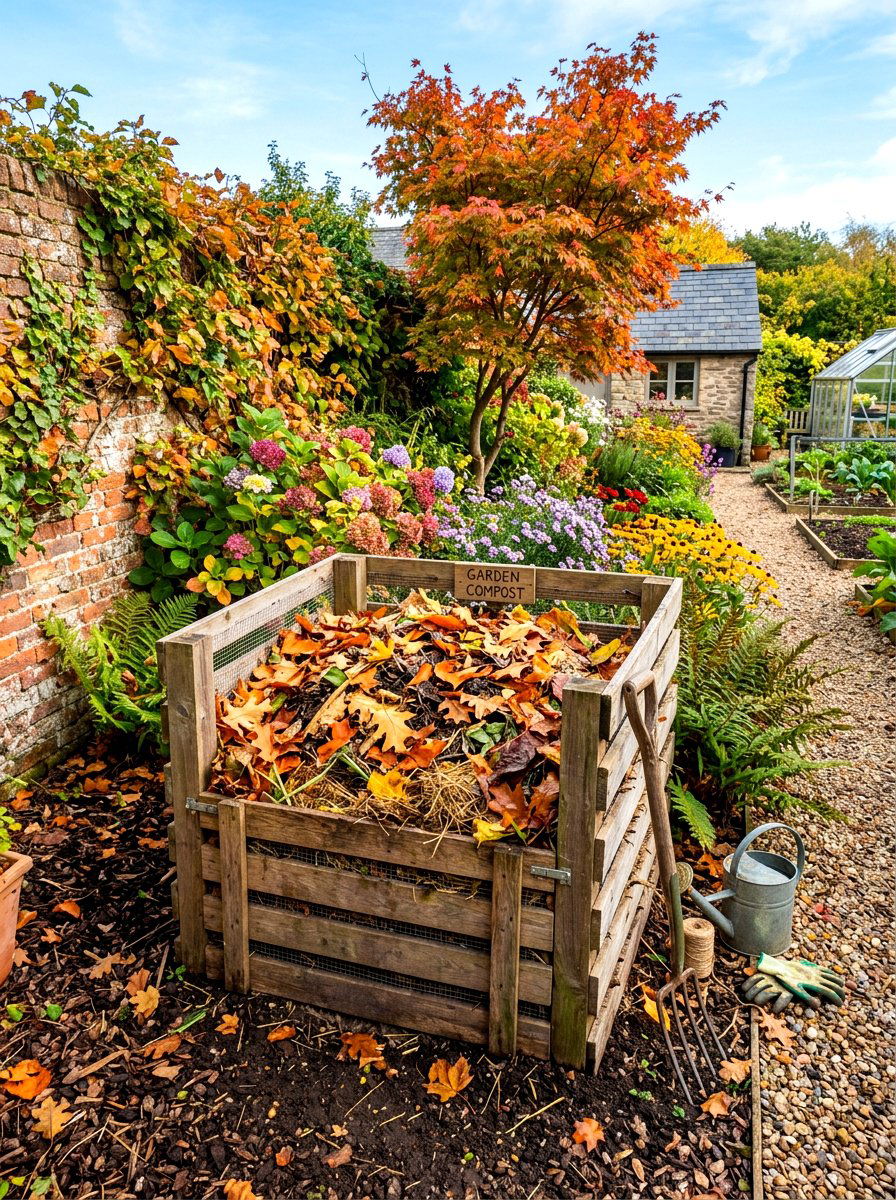
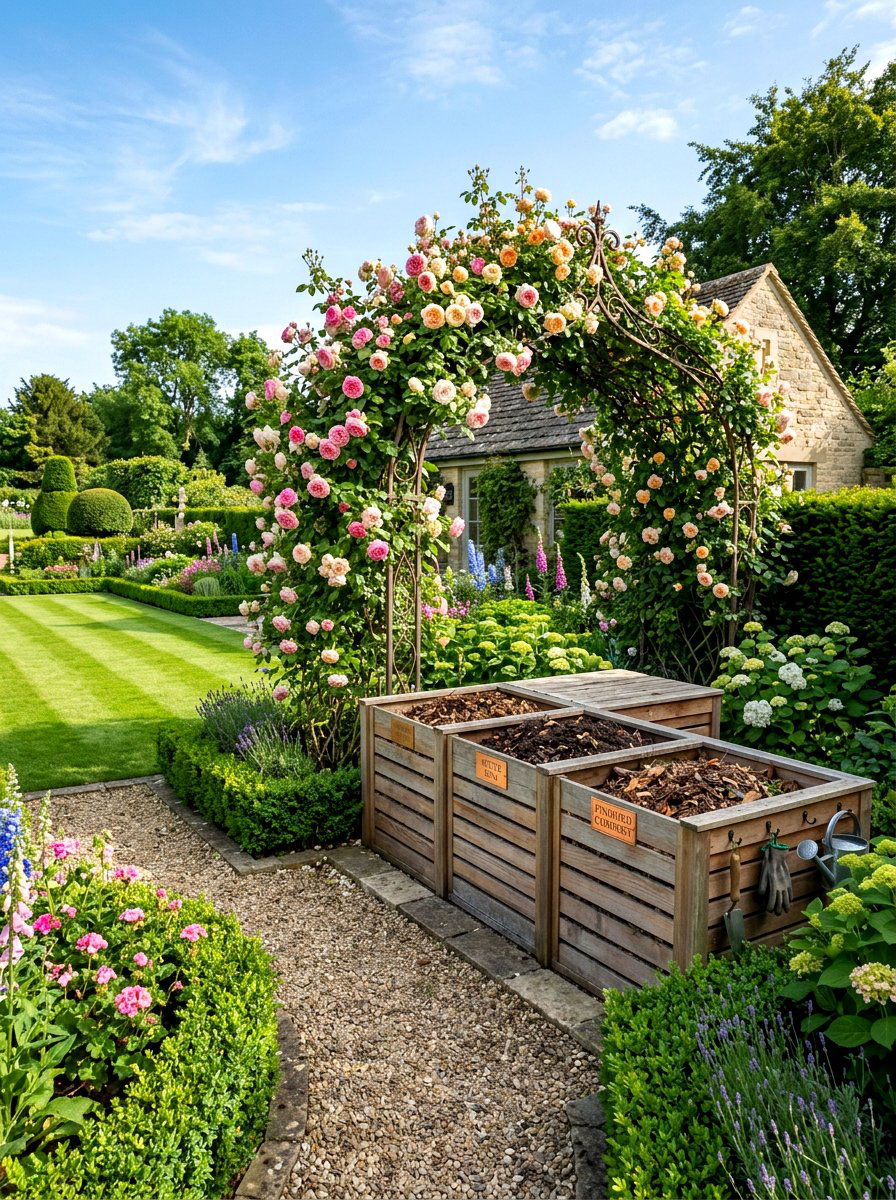
Setting up a garden composting bin is the perfect way to recycle your autumn garden waste into nutrient-rich soil for the future. As you clear out spent annuals and rake up fallen leaves, these materials can be added to your compost pile along with kitchen scraps. A well-managed bin or tumbler keeps the process organized and prevents it from becoming an eyesore in your yard. Over the winter, these materials will break down, creating "black gold" that you can use to enrich your garden beds in the spring. This sustainable practice reduces waste and improves the health of your soil naturally. It is a sign of a truly dedicated and environmentally conscious gardener who values the full cycle.
Conclusion:
The transition into the autumn season offers a unique opportunity to reimagine your outdoor space with warmth, texture, and sustainable practices. By incorporating a variety of cold-hardy plants, cozy seating areas, and thoughtful lighting, you can create a landscape that is both beautiful and functional. Whether you are focusing on a vibrant front porch display or a wildlife-friendly backyard sanctuary, each element contributes to a cohesive and inviting atmosphere. Embracing these creative garden concepts allows you to celebrate the natural cycles of growth and rest while enhancing your home's curb appeal. As the days grow shorter, your garden becomes a true sanctuary for relaxation, gathering, and connection with nature’s final, spectacular show.

Related posts: