Building a sustainable lifestyle often starts right in your own backyard with a dedicated space for recycling organic waste into nutrient-rich soil. Composting is a rewarding practice that significantly reduces your carbon footprint while providing your plants with the essential vitamins they need to thrive. Whether you live on a sprawling rural property or in a compact urban apartment, there is a perfect setup that fits your specific needs and aesthetic preferences. Transforming kitchen scraps and yard trimmings into "black gold" is a magical process that connects you deeply with the natural cycle of growth and decay. Having an organized station makes the entire process much more efficient and enjoyable for every gardener.
1. Backyard Cedar Wood Bin
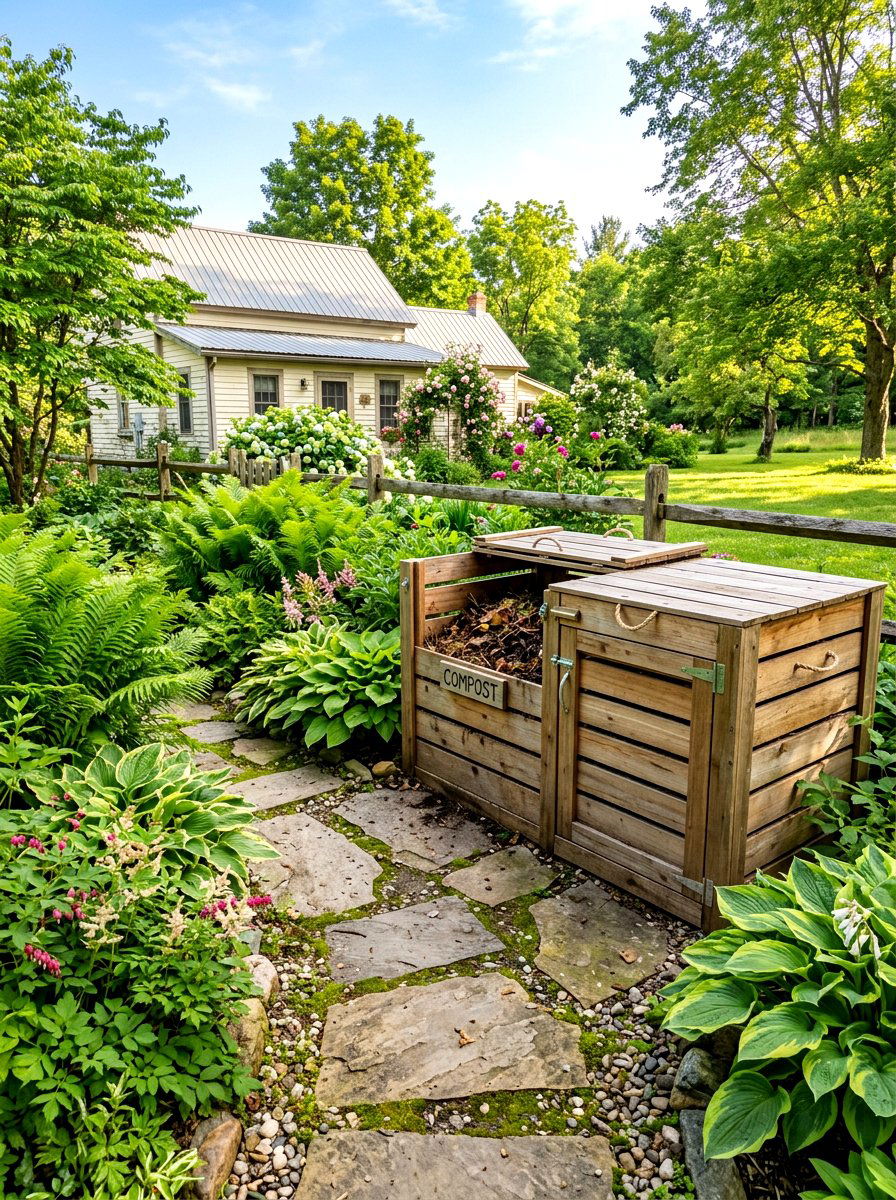
Cedar is a popular choice for garden structures because it naturally resists rot and insects without the need for harsh chemicals. A backyard cedar wood bin provides a beautiful, rustic look that blends seamlessly with traditional landscaping and garden beds. These bins often feature removable front slats, making it much easier to turn the organic material and harvest the finished soil from the bottom. The warm tones of the wood age gracefully over time, turning a silvery grey that looks stunning against green foliage. Investing in high-quality cedar ensures your station lasts for many years while maintaining a clean and organized appearance in your outdoor living space.
2. Three Bin Composting System
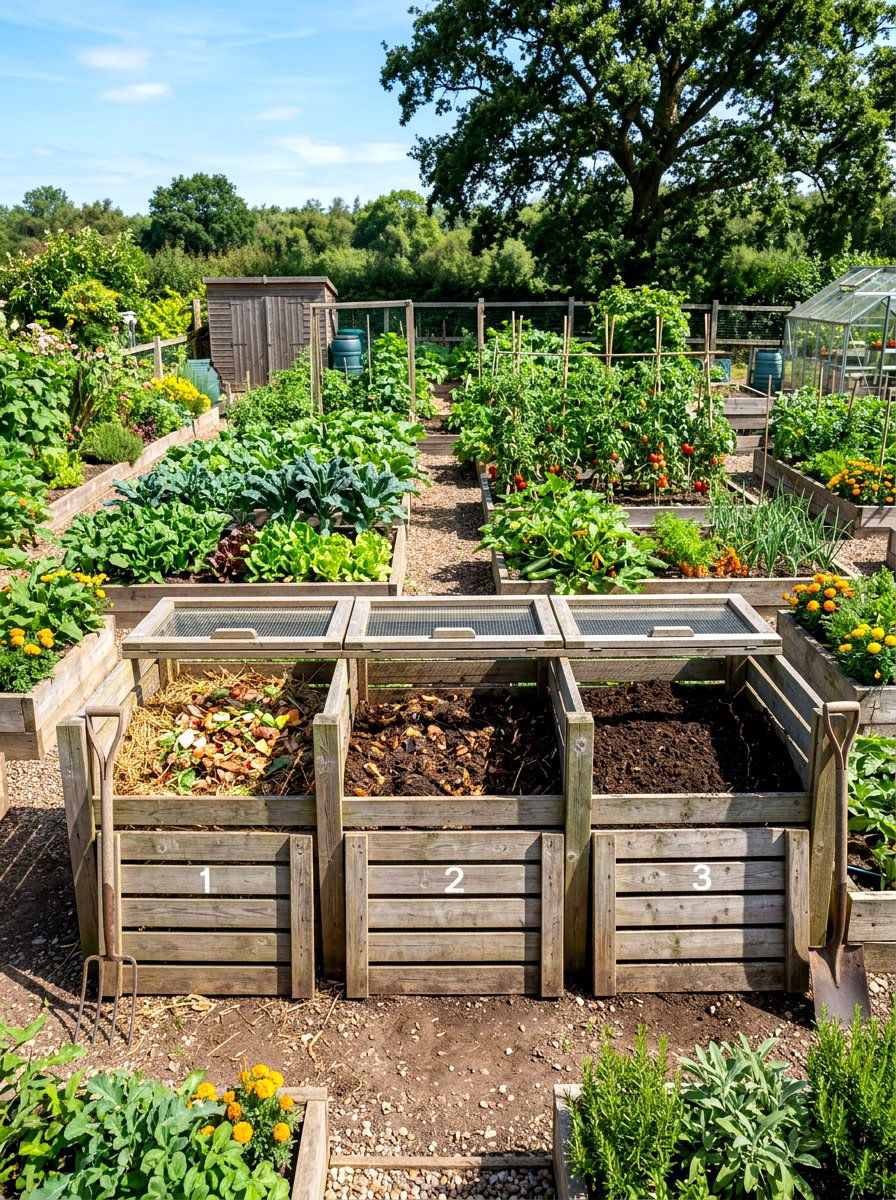
Serious gardeners often prefer a three bin composting system because it allows for a continuous cycle of waste processing and maturation. The first bin is usually reserved for fresh kitchen scraps and green waste, while the second bin holds material that is actively decomposing and heating up. Finally, the third bin contains the finished product that is ready to be screened and spread across your flower beds or vegetable patches. This organized approach keeps the messy stages of decay contained and helps you manage large volumes of organic matter efficiently. It is a functional powerhouse that ensures you never run out of high-quality fertilizer for your home garden.
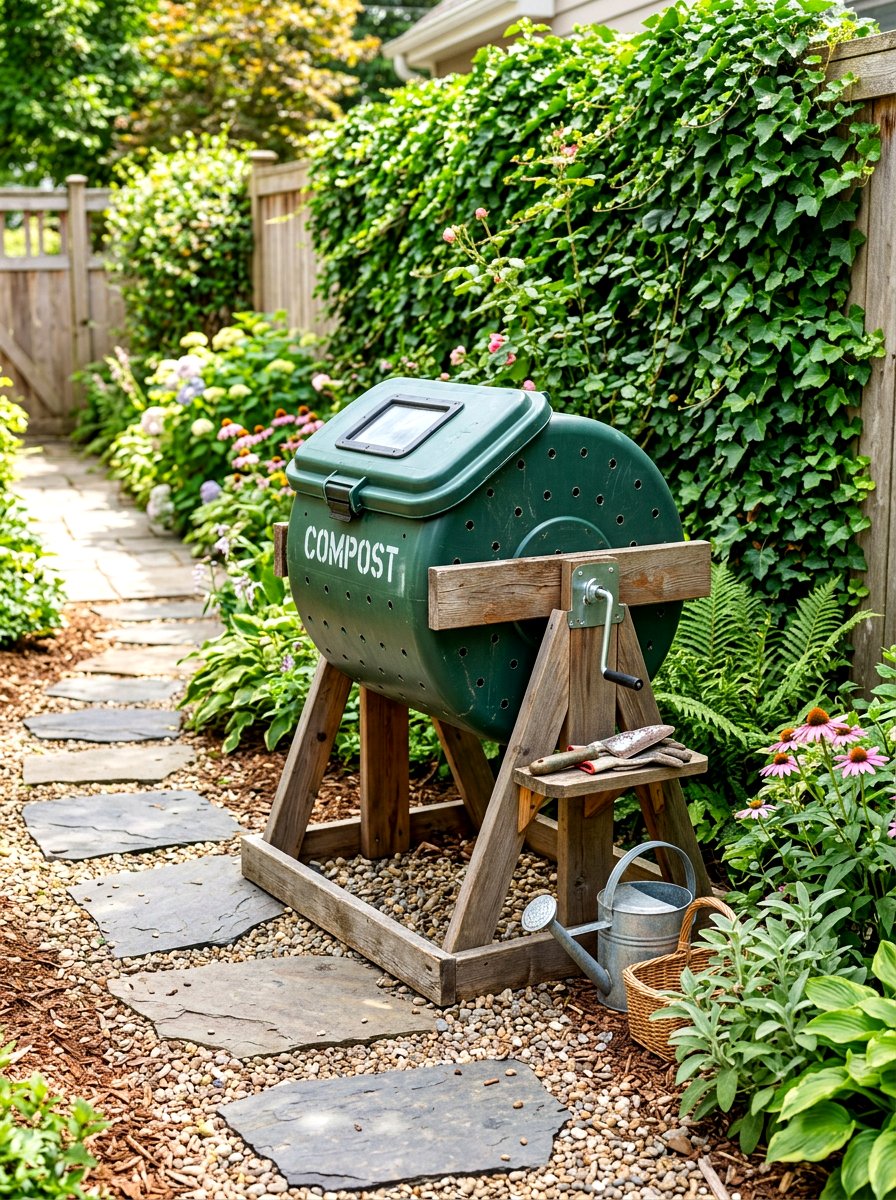
3. Plastic Tumbler Composter
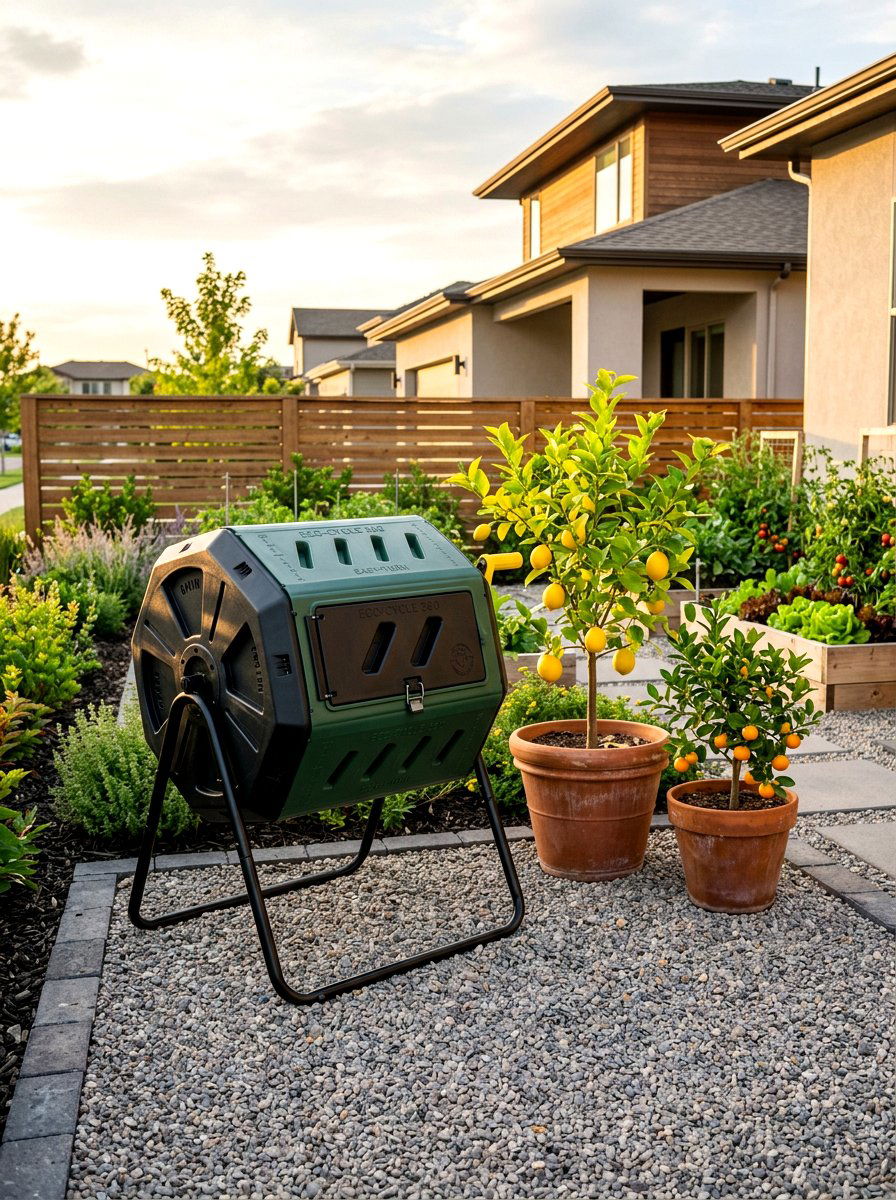
If you have limited space or want to avoid the physical labor of turning a heavy pile with a pitchfork, a plastic tumbler composter is an excellent solution. These elevated drums are mounted on a sturdy frame, allowing you to rotate the entire contents with a simple turn of a handle. The sealed design helps retain heat and moisture, which accelerates the decomposition process significantly compared to open piles. Many models feature dual chambers, so you can fill one side while the other side finishes curing. Their compact footprint makes them ideal for suburban backyards where a traditional open pile might feel too intrusive or messy.
4. Worm Farm Tower
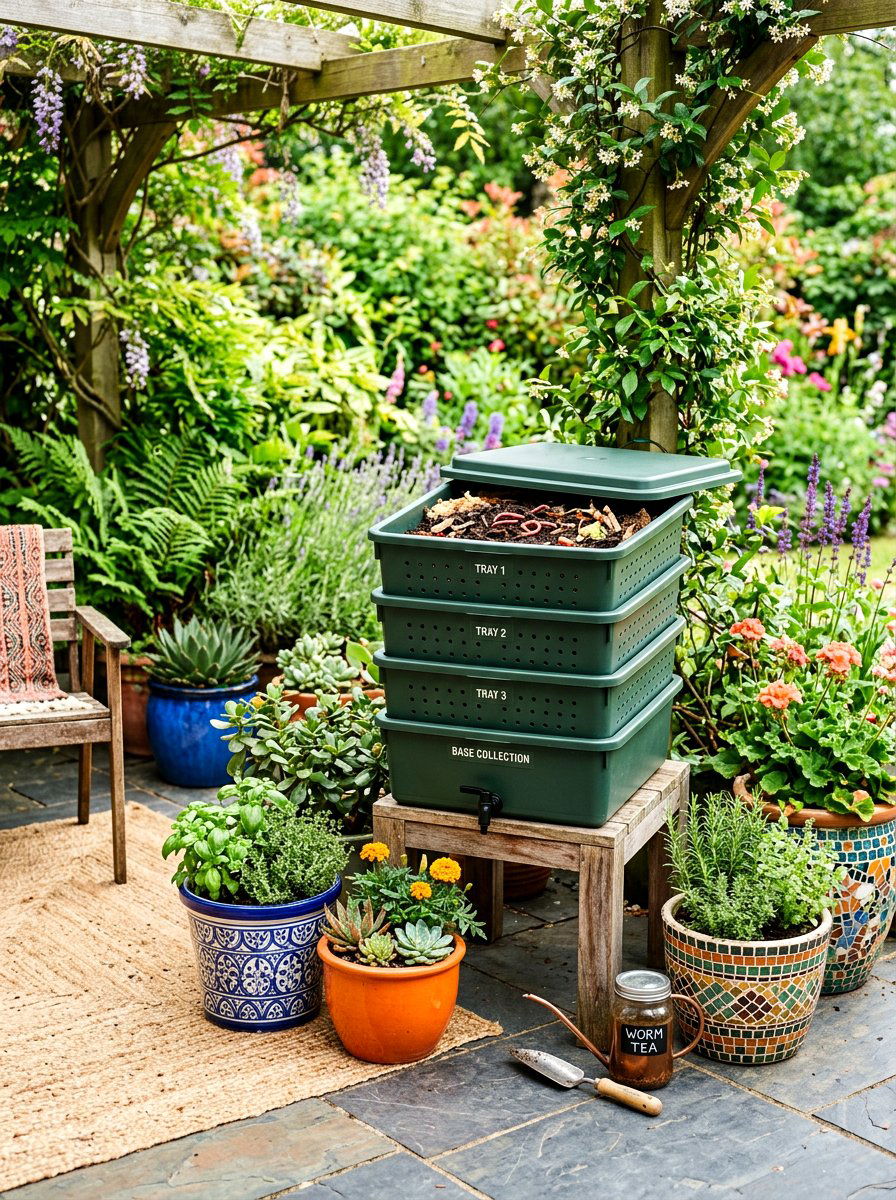
Vermicomposting is a fascinating process that uses specialized earthworms to break down food scraps into incredibly rich castings. A worm farm tower typically consists of several stackable trays that allow the worms to migrate upward as they finish consuming the waste in the lower levels. This vertical design is space-efficient and can even be kept in a garage or utility room if outdoor temperatures are too extreme. The liquid byproduct, often called "worm tea, " is a potent liquid fertilizer that your houseplants and vegetables will absolutely love. It is a quiet, odorless, and highly efficient way to manage your household food waste throughout the year.
5. Recycled Wood Pallet Bin
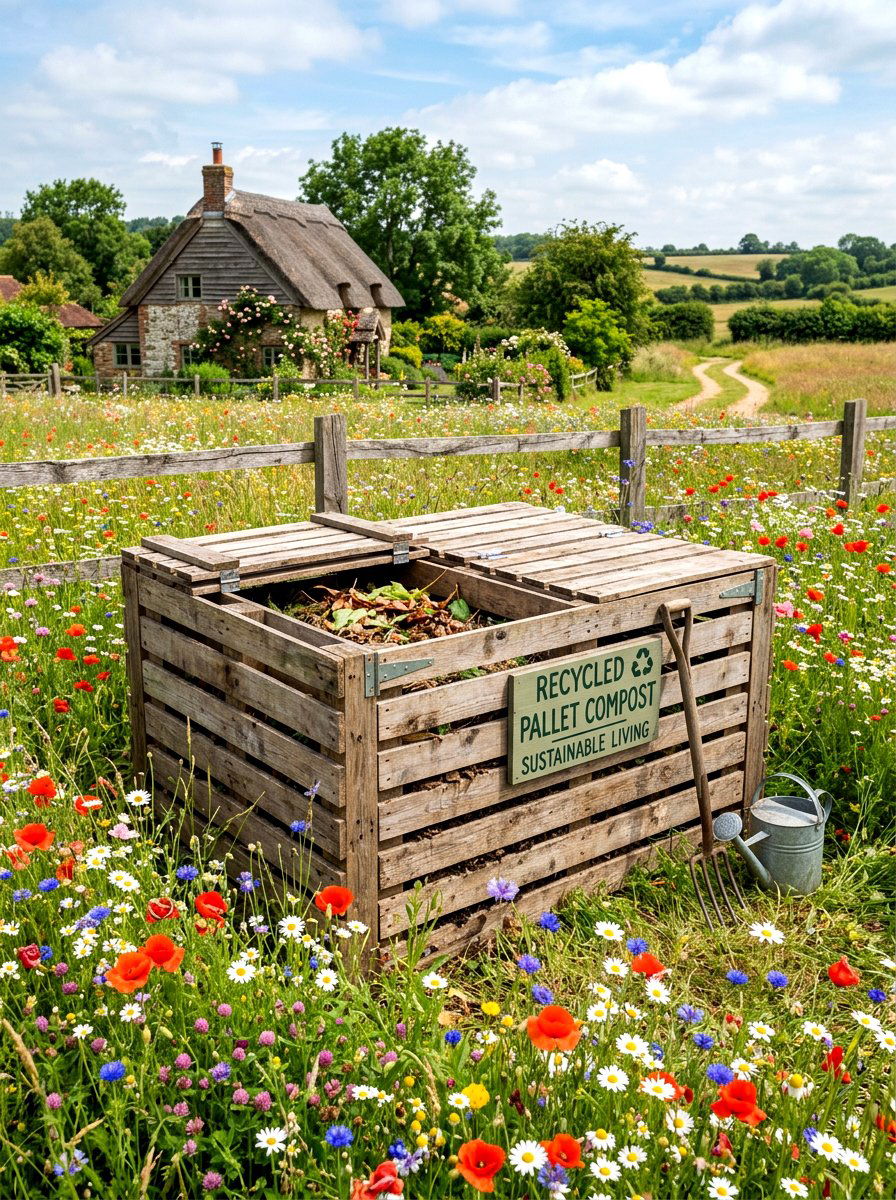
For a budget-friendly and eco-conscious project, a recycled wood pallet bin is a fantastic option that requires minimal tools and construction skills. By simply lashing four pallets together, you create a sturdy enclosure that provides excellent airflow for the aerobic bacteria necessary for composting. You can paint or stain the exterior to match your garden fence or leave the wood natural for a more rugged, industrial aesthetic. This DIY approach is highly customizable, allowing you to add more bins as your gardening needs grow over time. It is a wonderful way to give a second life to shipping materials while improving your local soil health.
6. Hidden Garden Compost Pile
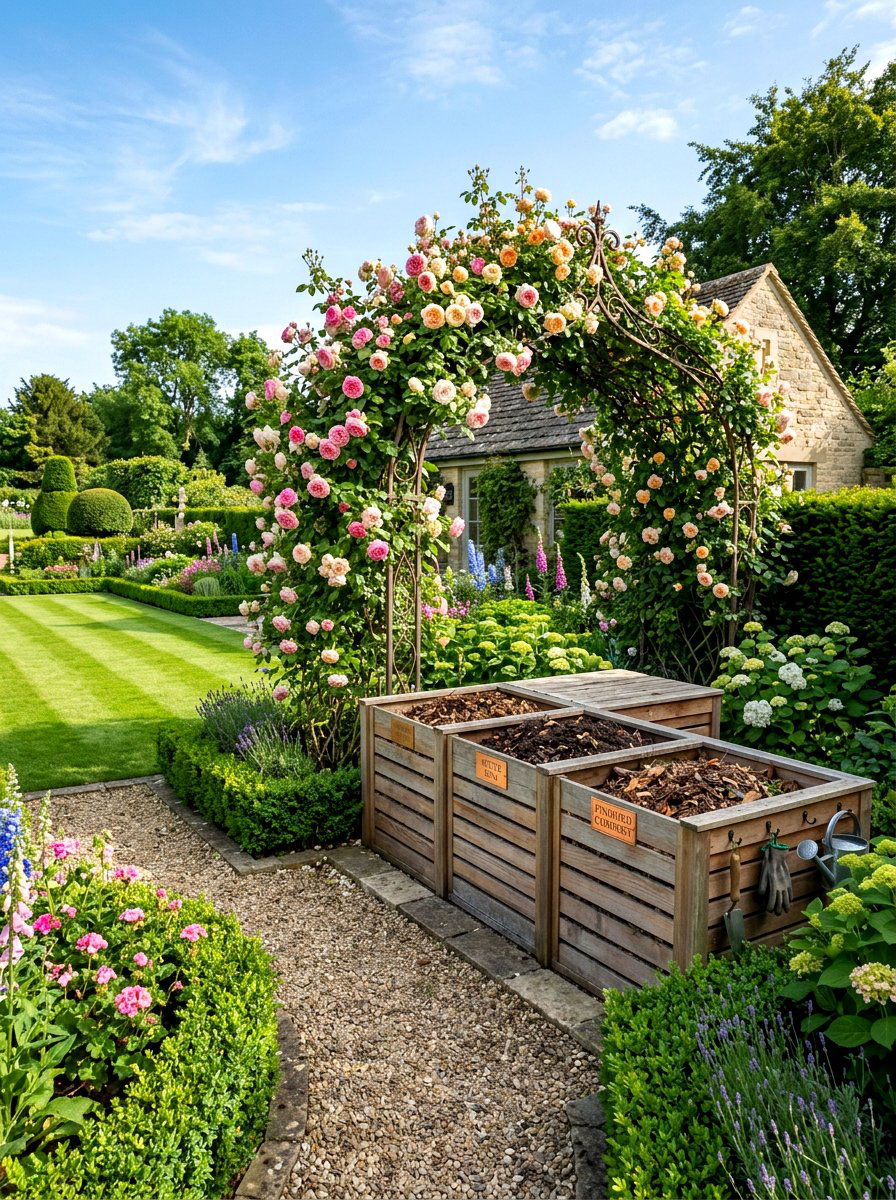
Sometimes the best design is the one you cannot see, making a hidden garden compost pile perfect for manicured landscapes. You can tuck your station behind a decorative trellis, a tall hedge, or a beautiful stone wall to keep the functional area out of sight. This approach allows you to maintain a formal garden aesthetic while still reaping the benefits of onsite waste processing. By selecting a secluded corner, you also minimize any potential visual clutter near your outdoor seating or entertaining areas. Using natural screening materials ensures the station feels like an integrated part of the environment rather than a separate utility.
7. Concrete Block Composting Station
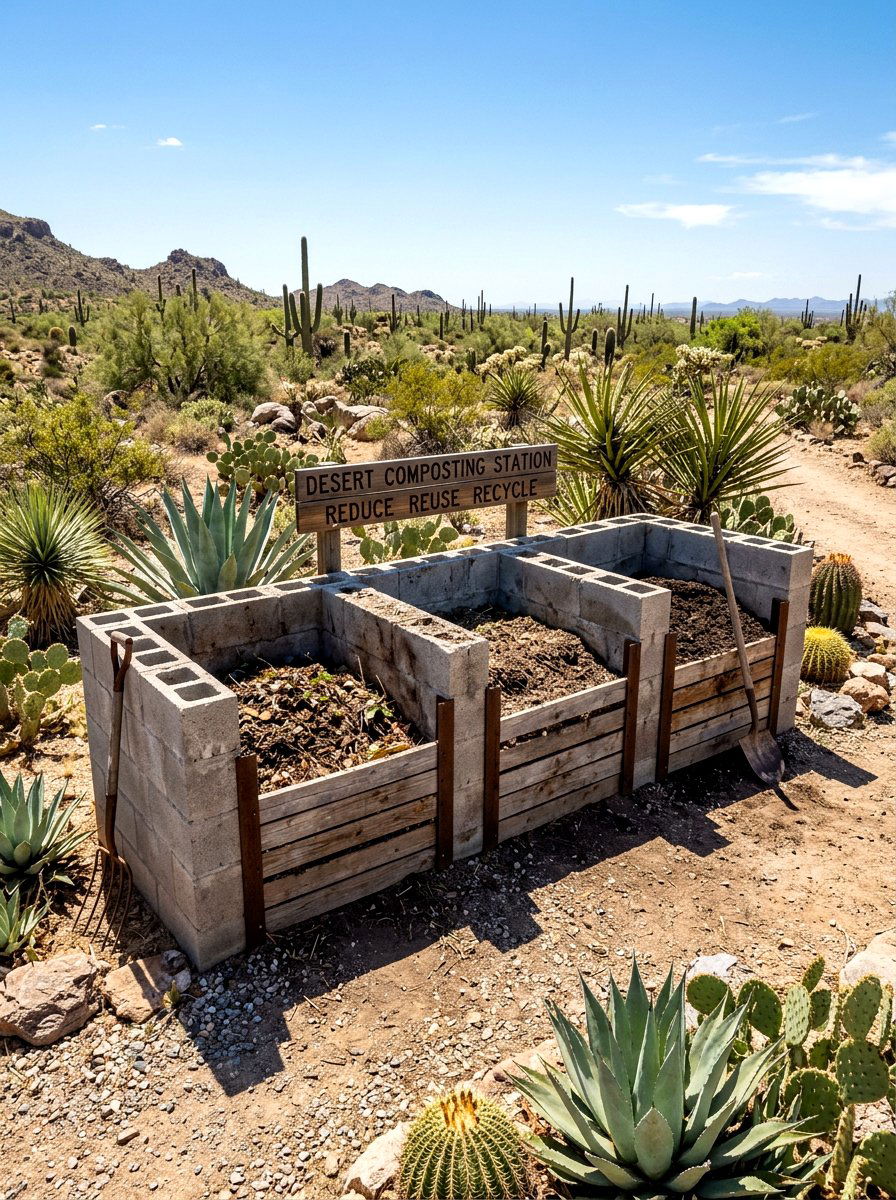
If you are looking for a permanent and heavy-duty solution, a concrete block composting station offers unmatched durability and thermal mass. The thick walls help retain the heat generated by the microbial activity, which is especially beneficial for gardeners in colder climates who want to keep the process moving. These blocks are easy to stack without mortar, giving you the flexibility to adjust the size or shape of the bins as needed. The industrial look can be softened by planting trailing vines or flowers around the perimeter. It is a rugged, low-maintenance choice that will withstand heavy use and harsh weather for decades.
8. Modern Black Metal Composter
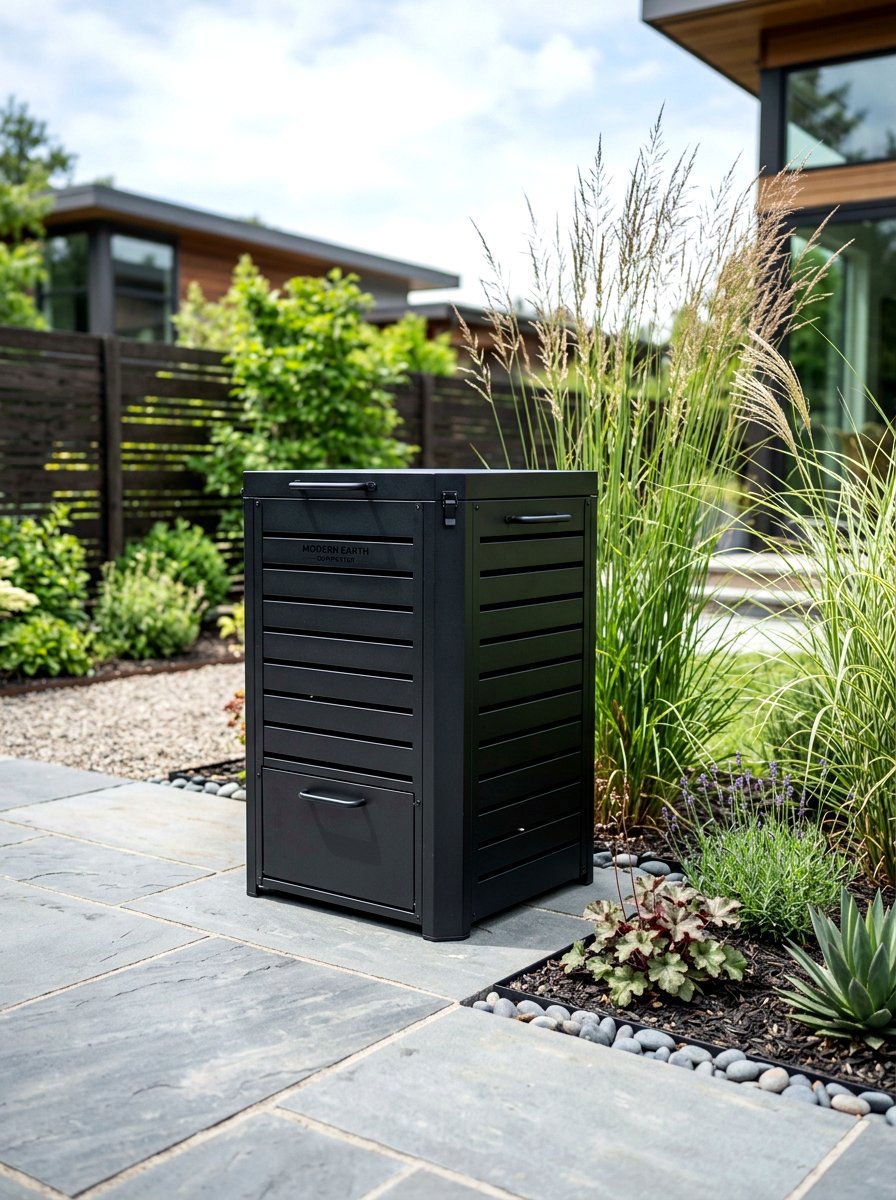
A modern black metal composter offers a sleek and sophisticated look that complements contemporary home architecture and minimalist garden designs. These bins are often made from powder-coated steel, which is resistant to rust and provides a clean, geometric silhouette in your backyard. The dark color helps absorb sunlight, increasing the internal temperature of the pile and speeding up the breakdown of organic matter. Many modern versions include ventilated panels that ensure proper oxygen flow while keeping the contents securely contained from pests. This choice is perfect for homeowners who prioritize high-end design and want their utility areas to look just as polished as their interiors.
9. Indoor Bokashi Bucket System
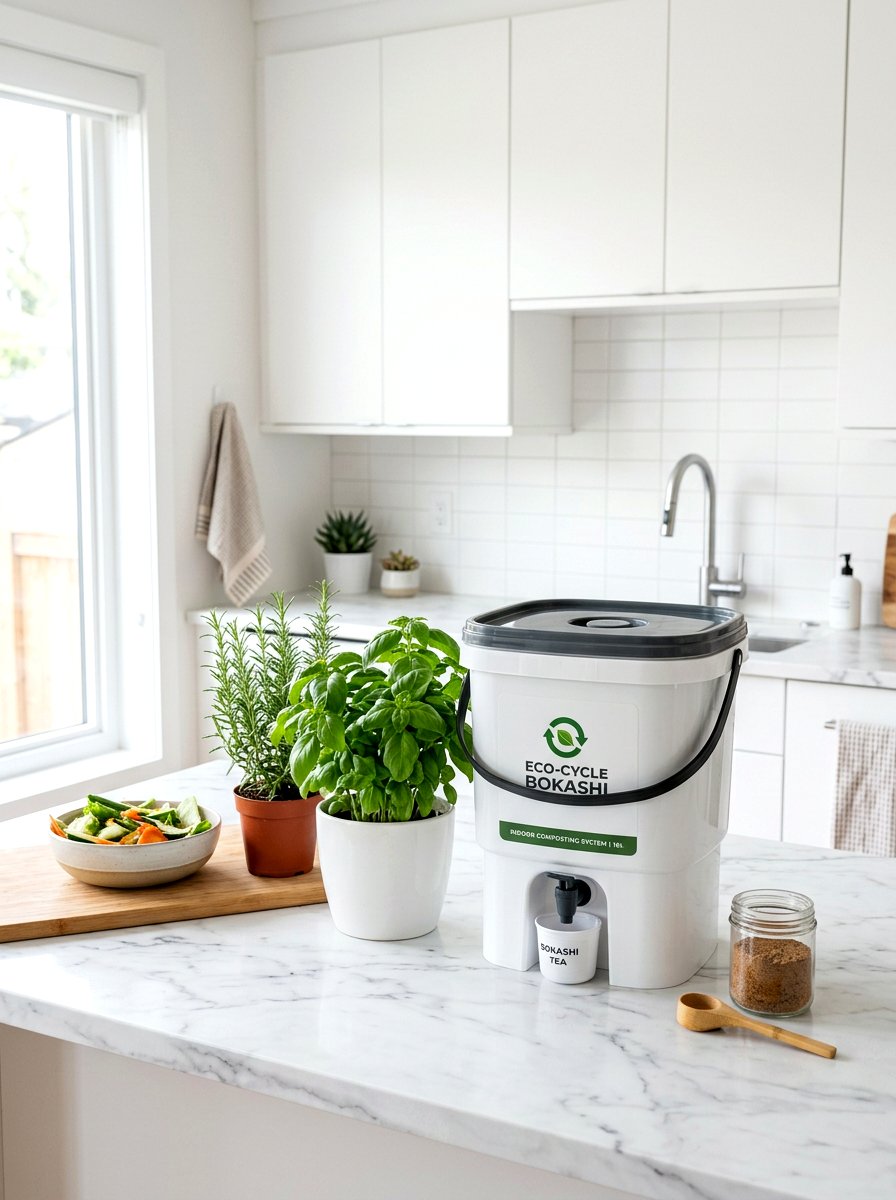
Bokashi is a Japanese method of fermenting organic waste using a specialized bran infused with beneficial microbes. An indoor bokashi bucket system is unique because it can handle meat and dairy scraps, which are typically avoided in traditional outdoor composting piles. The airtight bucket fits easily under the kitchen sink or in a pantry, making it the ultimate solution for apartment dwellers or those with very small yards. Once the fermentation process is complete, the waste is buried in the soil or added to an outdoor bin to finish breaking down. It is a fast, clean, and highly effective way to process kitchen waste.
10. Woven Willow Compost Bin
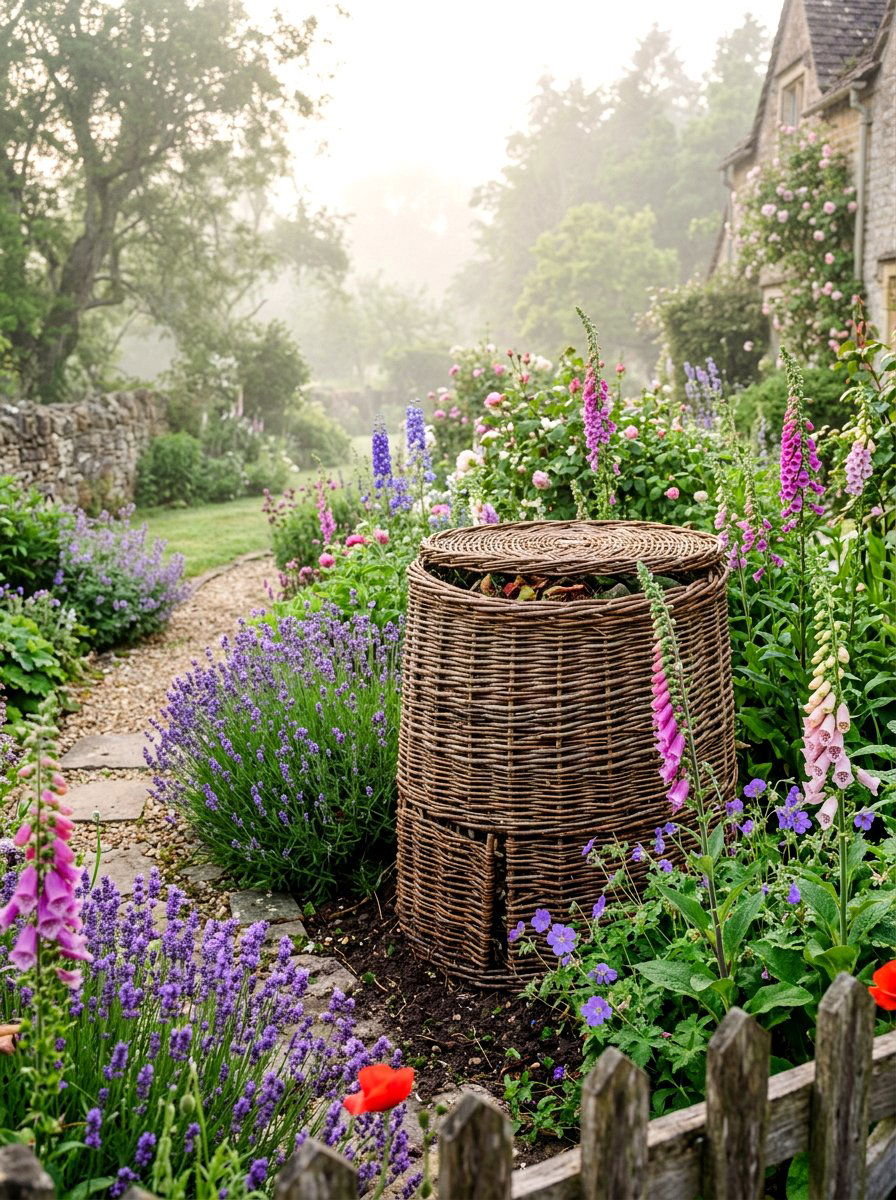
A woven willow compost bin adds a beautiful, artisanal touch to any cottage-style garden or natural landscape. These enclosures are crafted using traditional basketry techniques, creating a breathable structure that allows for excellent aeration of the composting materials. The organic texture of the willow branches blends perfectly with flowers and shrubs, making the bin look like a sculptural element rather than a trash receptacle. While they may not last as long as stone or metal, their biodegradable nature means they can eventually be composted themselves. It is an environmentally friendly choice that celebrates traditional craftsmanship and natural materials in the home garden.
11. Trench Composting Area
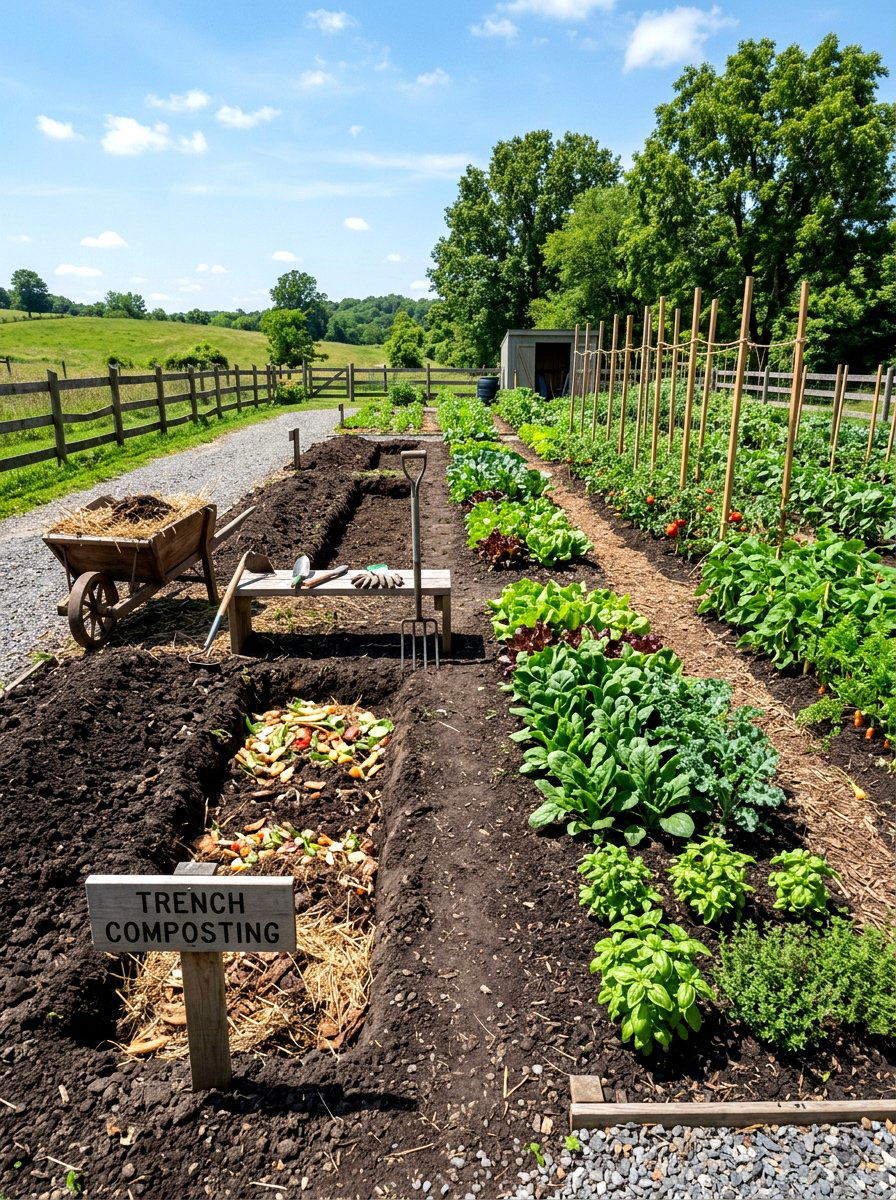
Trench composting is perhaps the simplest and most discreet method available for enriching your garden soil directly. You simply dig a trench between rows of vegetables or flowers, fill it with kitchen scraps, and cover it back up with soil. Over time, the organic matter decomposes underground, providing nutrients directly to the root zones of your plants without the need for a standing bin. This method is completely invisible, eliminates odors, and requires no turning or maintenance once the waste is buried. It is an excellent technique for busy gardeners who want to improve their soil quality with the least amount of effort possible.
12. Underground Garbage Can Composter
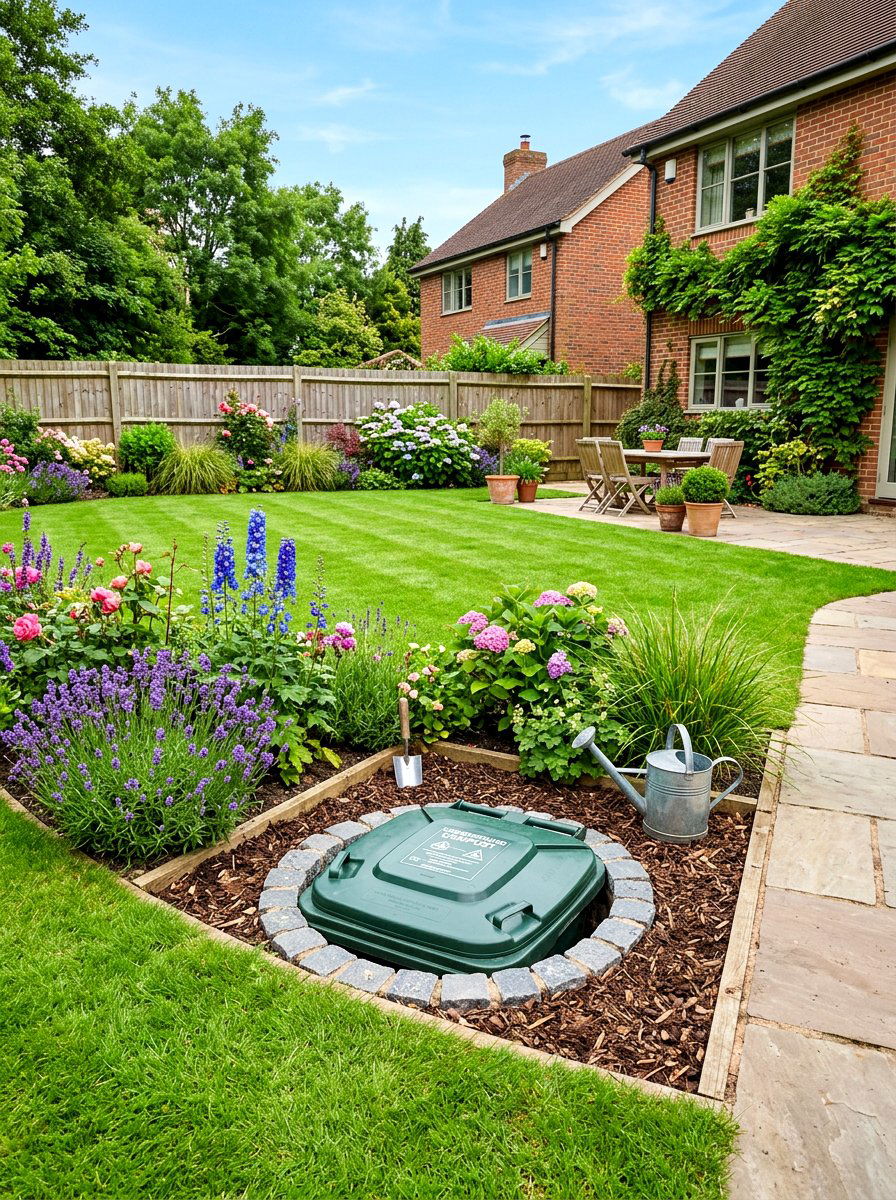
If you are concerned about pests or limited space, an underground garbage can composter offers a clever and secure way to manage waste. By burying a perforated plastic or metal bin in the ground, you allow earthworms and soil microbes easy access to the food scraps while keeping the mess hidden. The surrounding soil provides natural insulation, which helps maintain a steady temperature for decomposition throughout the changing seasons. Only the lid remains visible at the surface, making it easy to drop in scraps while keeping your garden looking tidy. This "digester" style is particularly effective for small families with consistent kitchen waste.
13. Kitchen Counter Scrap Container
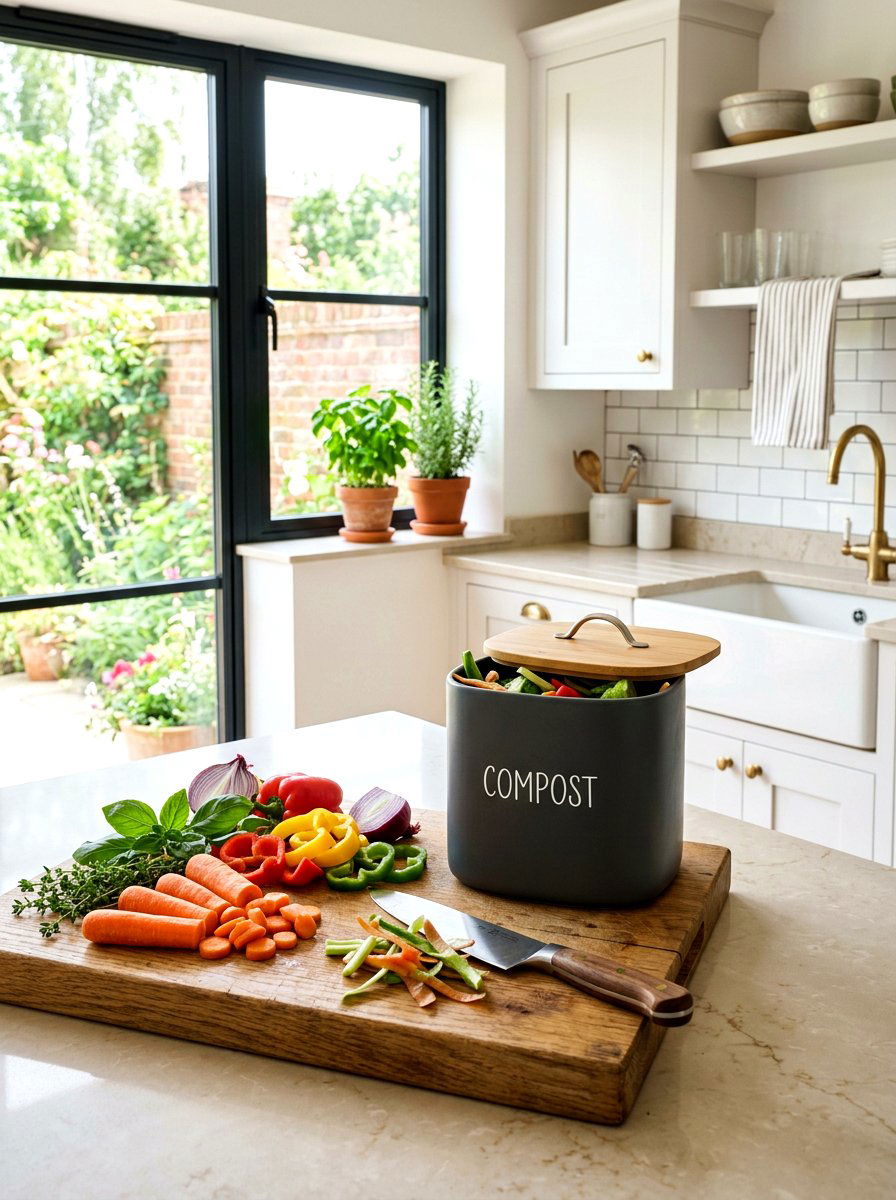
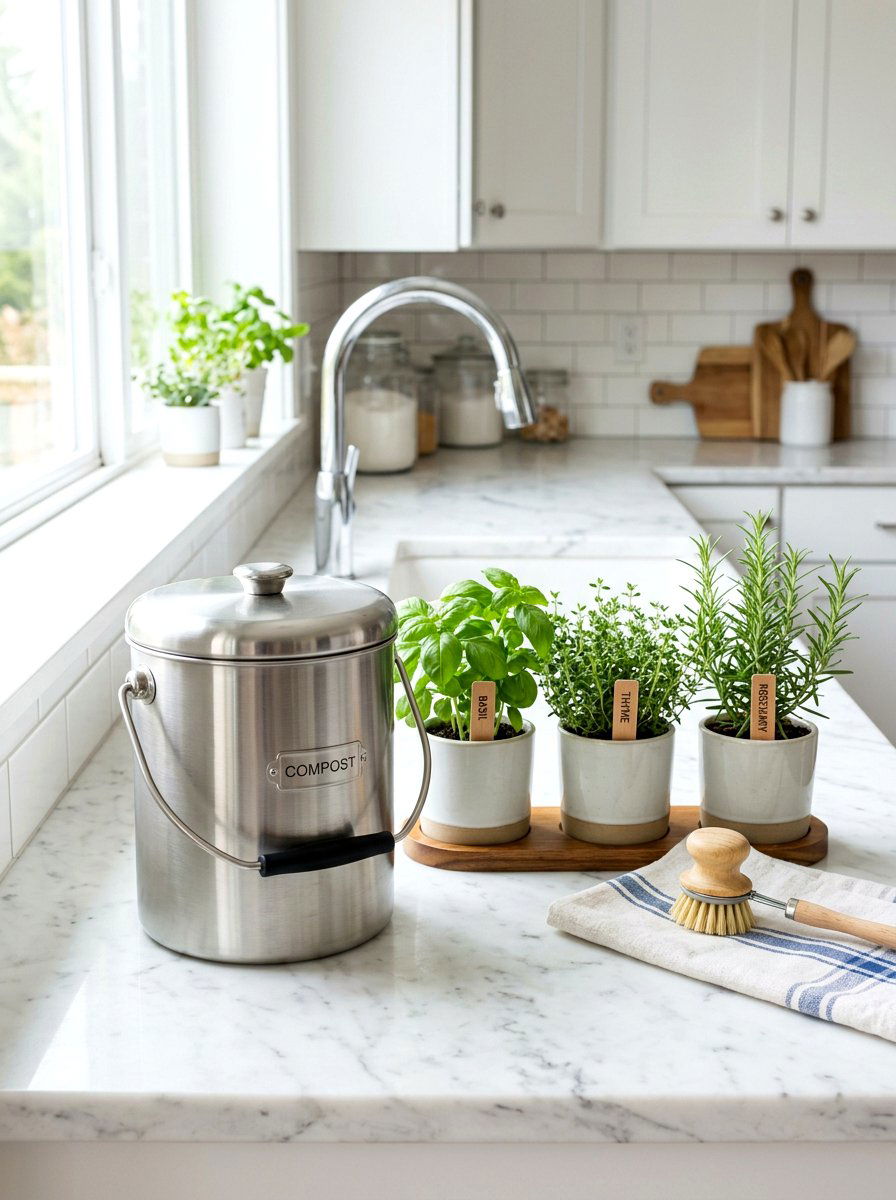
Every successful composting journey begins right at the source with a high-quality kitchen counter scrap container. Modern designs feature charcoal filters in the lid to neutralize any odors, allowing you to keep the bin right where you prep your meals. You can find stylish options in stainless steel, ceramic, or bamboo that look like a decorative canister rather than a waste bucket. Having a dedicated and attractive spot for peels and cores makes it much more likely that you will consistently separate your organics from the trash. It is a small but essential component of a functional and sustainable home kitchen routine.
14. Rotating Drum Compost Station
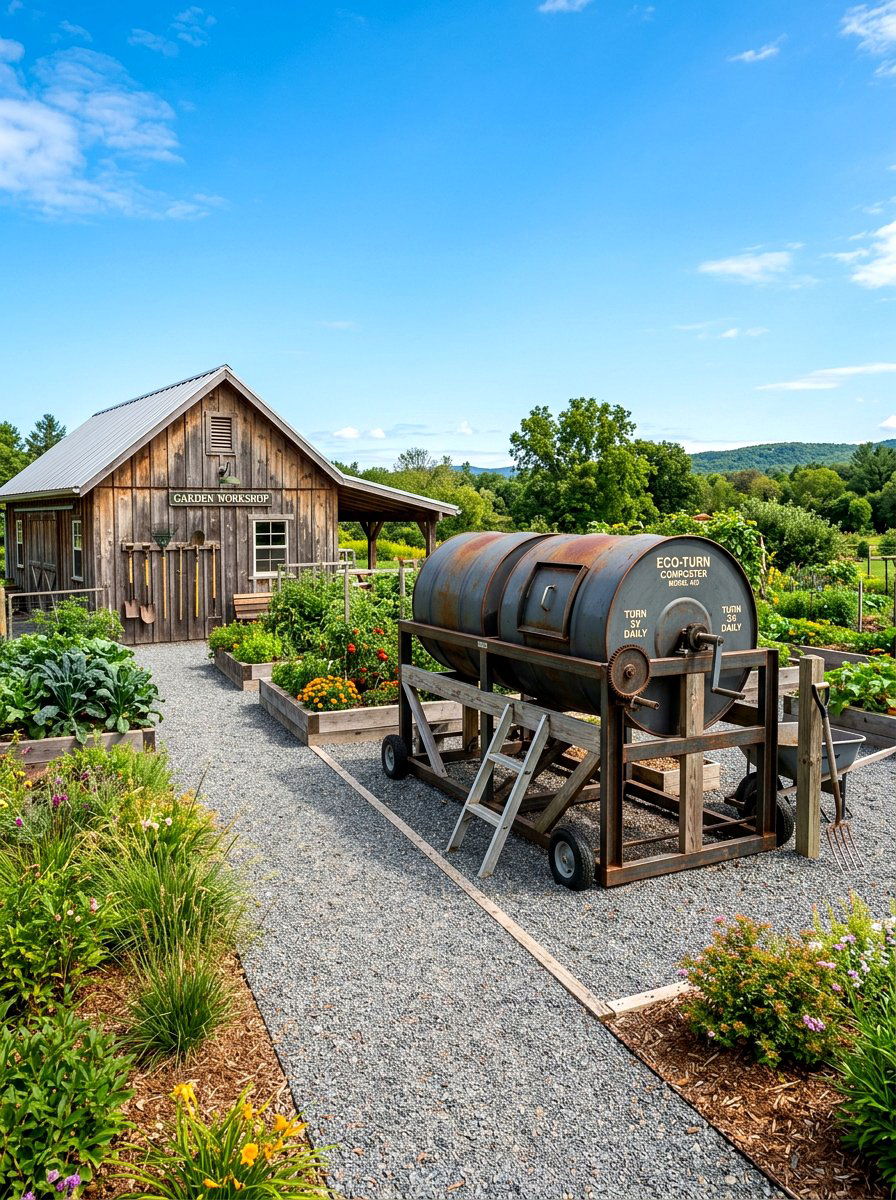
A rotating drum compost station is designed for maximum efficiency and ease of use in residential settings. These large, horizontal cylinders are mounted on axles, making it incredibly simple to mix the contents by hand or with a mechanical crank. The movement ensures that oxygen is evenly distributed throughout the pile, which is the key to preventing bad smells and accelerating decomposition. Many drums are made from high-density polyethylene that can withstand years of exposure to the elements without degrading. This type of station is ideal for those who produce a lot of garden waste and want a fast turnaround for their soil.
15. Wire Mesh Leaf Mold Bin
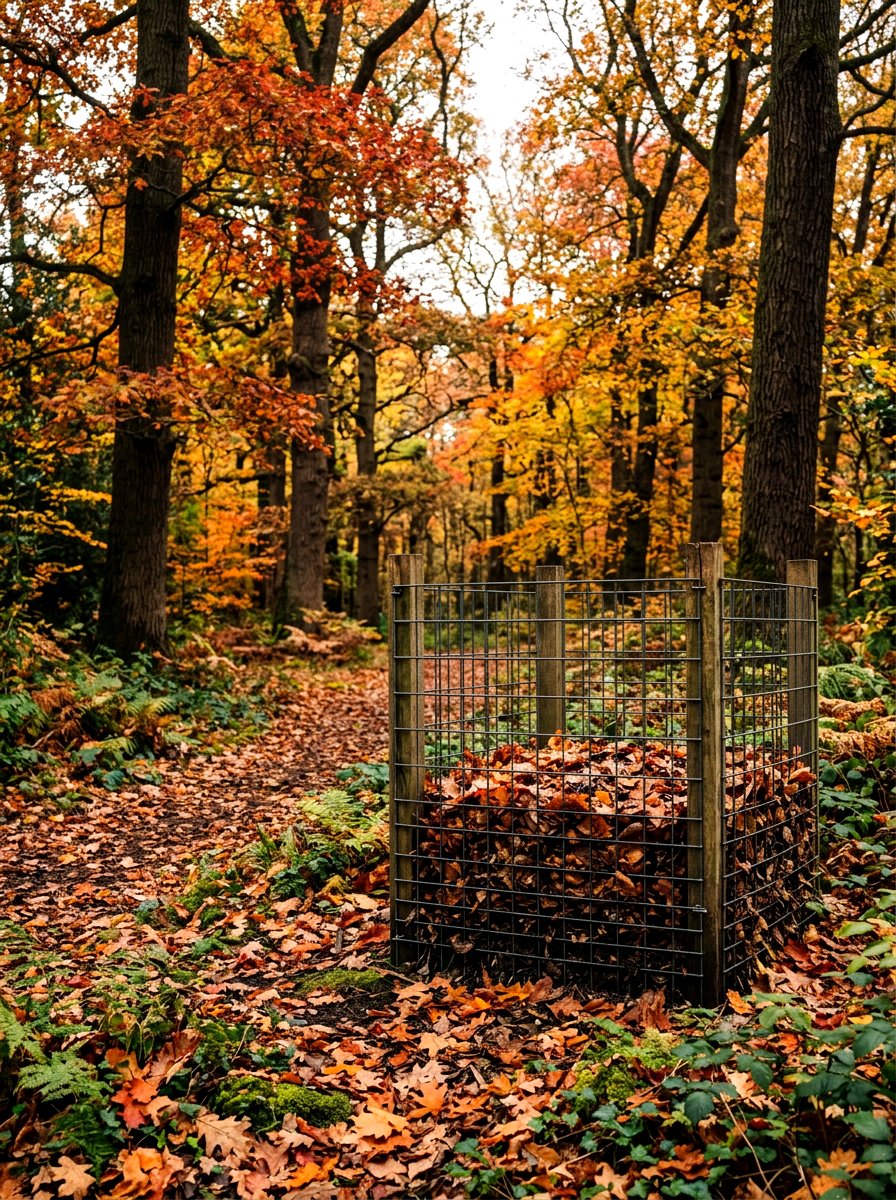
If your property is filled with deciduous trees, a wire mesh leaf mold bin is a dedicated way to handle the annual autumn bounty. Leaf mold is a specific type of compost made entirely from decomposed leaves, resulting in a dark, crumbly material that is excellent for moisture retention. The simple wire cylinder allows plenty of rain and air to penetrate the pile, which is exactly what the fungi need to break down the tough leaf fibers. Unlike traditional compost, leaf mold takes a bit longer to process, but the results are a gardener's dream. It is a low-cost and highly effective seasonal solution.
16. Decorative Lattice Compost Enclosure
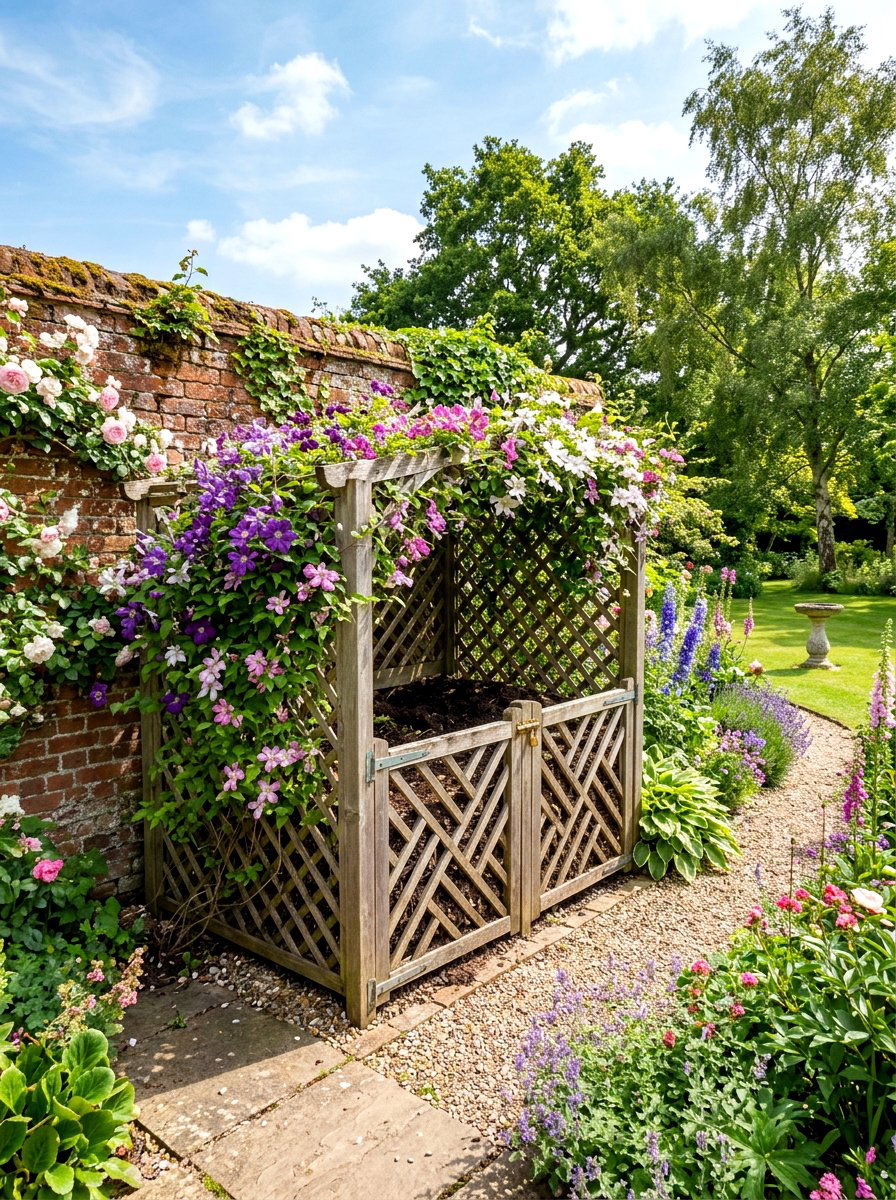
A decorative lattice compost enclosure offers a stylish way to mask your composting bins while still providing the necessary airflow for the process. You can use prefabricated lattice panels made of wood or vinyl to build a small fence or box around your existing bins. This design allows you to grow climbing plants like jasmine or clematis over the structure, turning a functional utility area into a beautiful garden feature. The gaps in the lattice ensure that your compost stays well-ventilated, preventing the pile from becoming anaerobic and smelly. It is a perfect blend of high-end garden design and practical organic recycling.
17. Double Chamber Tumbling Bin
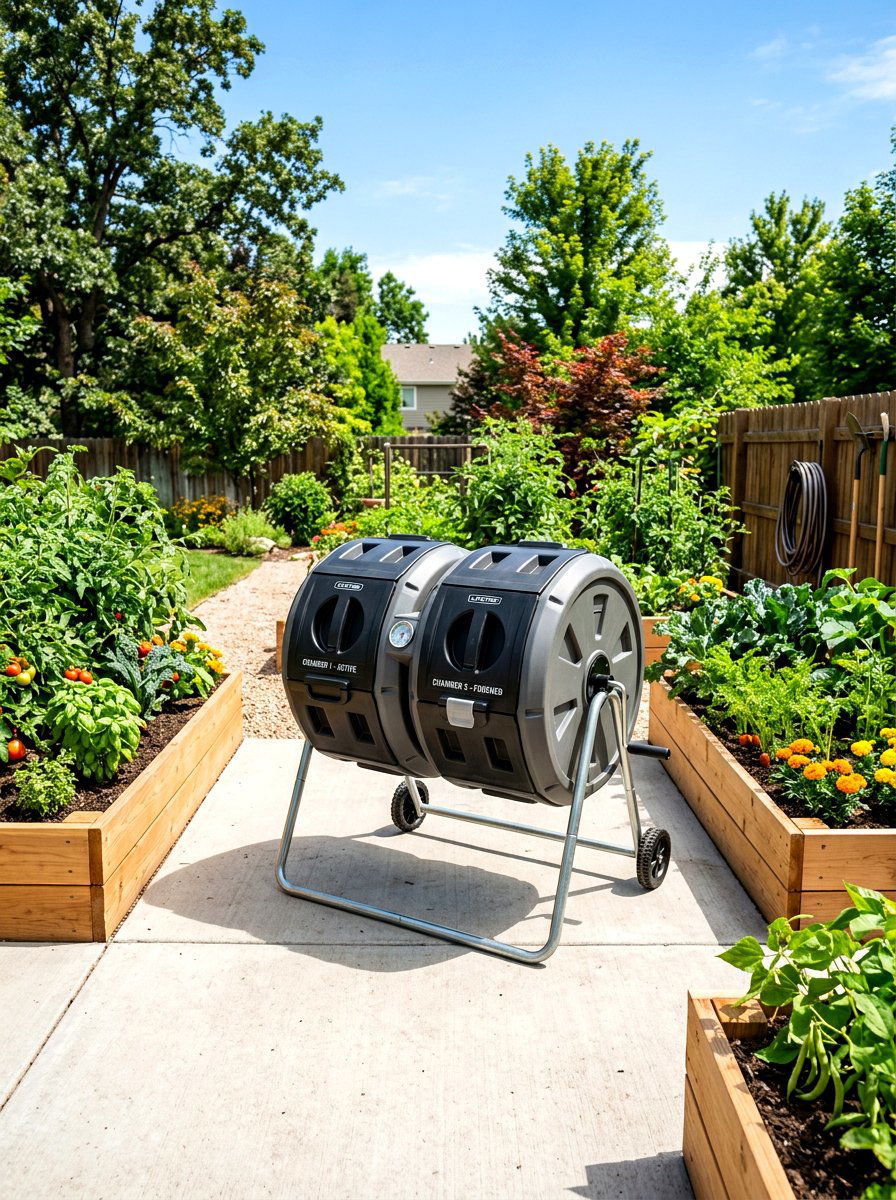
A double chamber tumbling bin is the ultimate choice for continuous composting without any downtime between batches. This design features two separate compartments within a single rotating unit, allowing you to "cook" one batch while actively adding new waste to the other. Once the first side is full, you stop adding to it and let it finish decomposing while you begin filling the second side. By the time the second side is full, the first side should be ready to use in your garden. This systematic approach ensures a steady supply of fresh compost and eliminates the waiting period common with single-bin systems.
18. Upcycled Plastic Barrel Composter
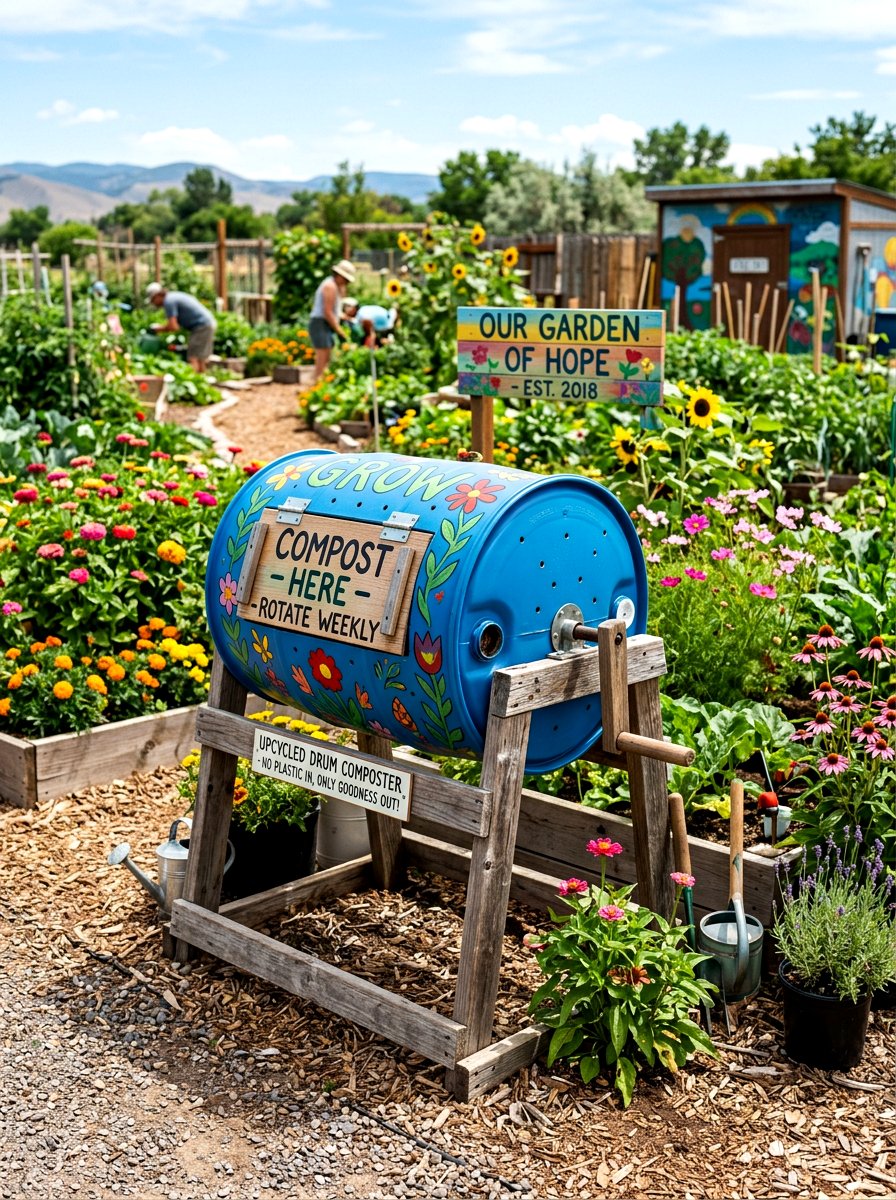
Upcycling a large plastic food-grade barrel into a composter is an affordable and sustainable DIY project that works remarkably well. By drilling holes for ventilation and adding a sturdy door for access, you can create a durable bin that holds a significant amount of waste. These barrels are often available for low prices from local food processors, making this an accessible option for budget-conscious homeowners. You can set them upright as a stationary bin or mount them horizontally to create a DIY tumbler. Using existing materials reduces waste in the manufacturing cycle while helping you build a more productive and healthy backyard garden.
19. Stackable Garden Compost Crates
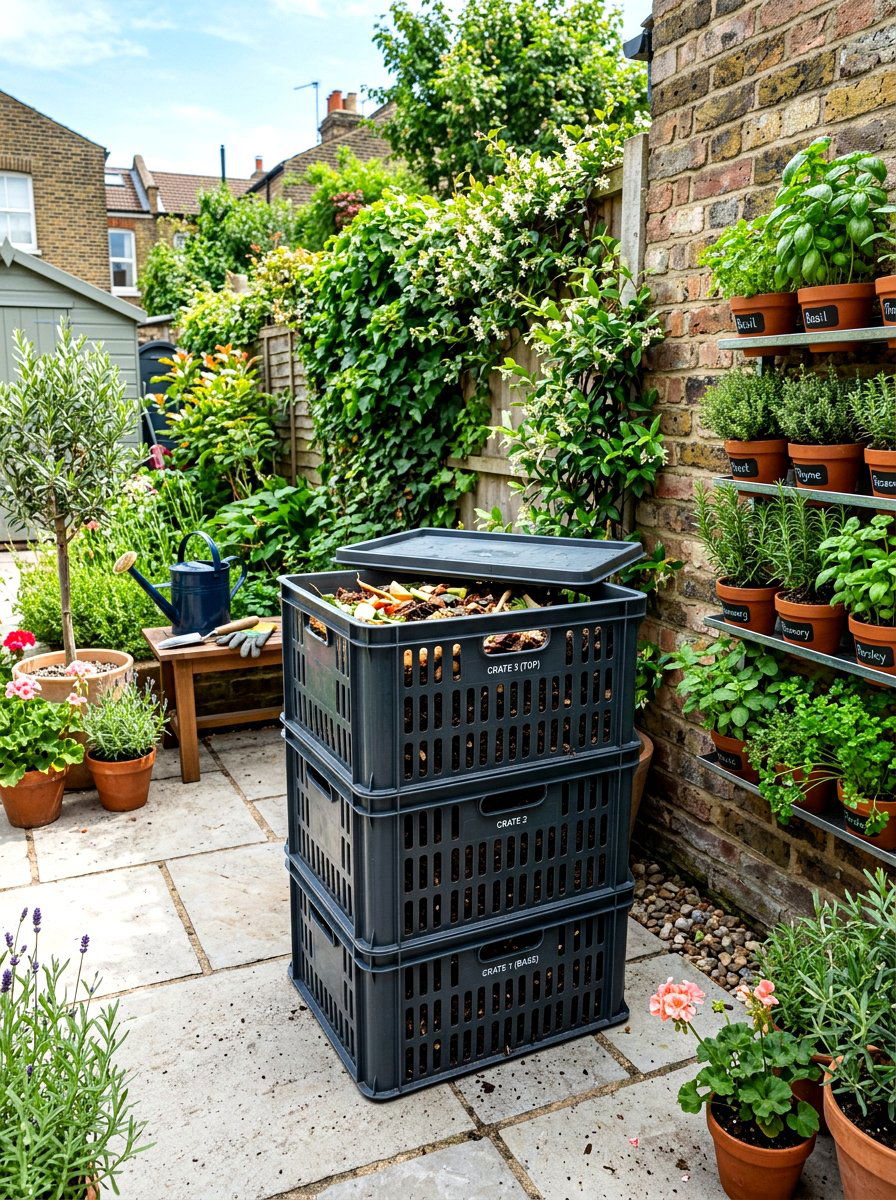
Stackable garden compost crates are a modular and flexible option that can grow along with your landscaping projects. These crates are designed to fit securely on top of one another, allowing you to adjust the height and volume of your station as needed. When it is time to turn the pile or harvest the finished soil, you can simply unstack the sections and move them to a new spot. This portability is a huge advantage for renters or those who like to reconfigure their garden layout frequently. The open-slat design of the crates ensures that the pile stays oxygenated and breaks down quickly.
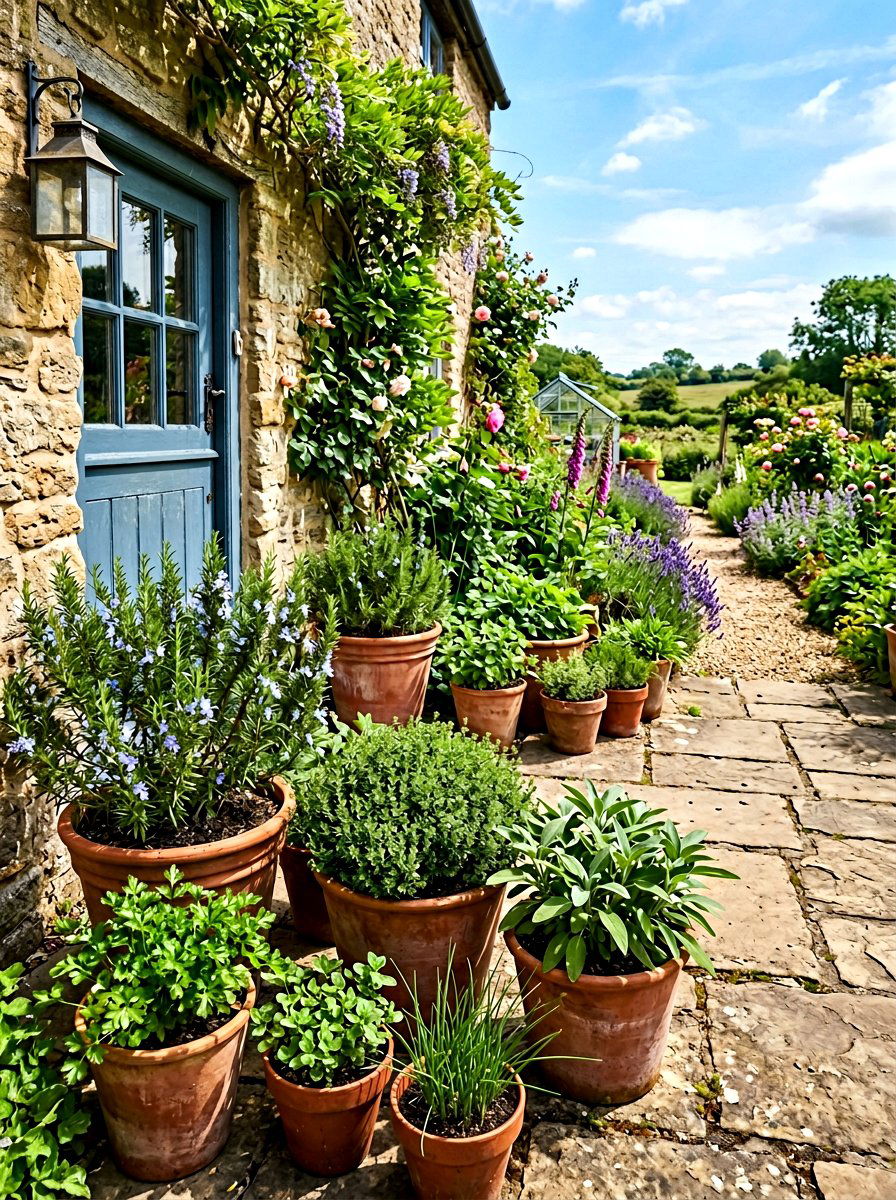
20. Brick Garden Compost Pit
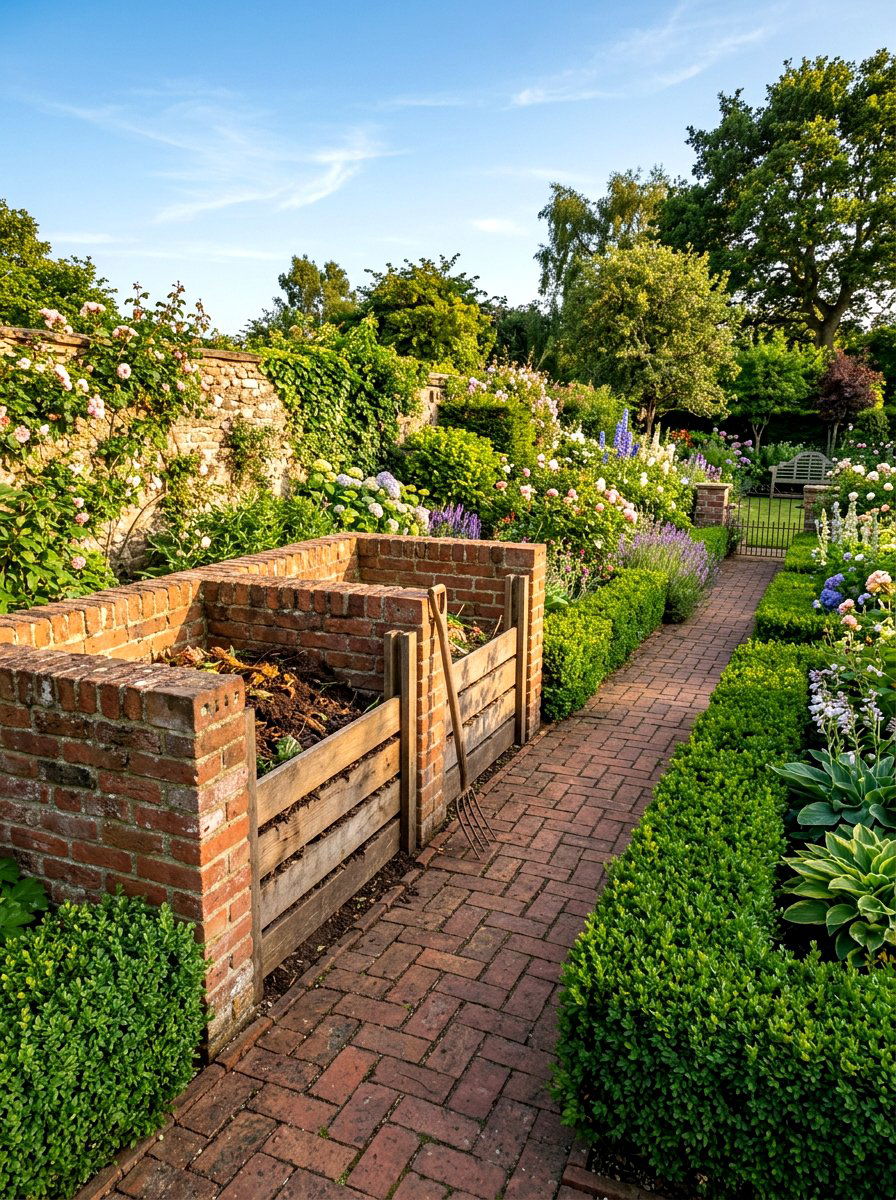
A brick garden compost pit provides a permanent, classic look that pairs beautifully with traditional brick homes or paved patio areas. You can use leftover bricks from a construction project to build a three-sided enclosure that is both sturdy and visually appealing. The gaps between the bricks can be varied to control the amount of airflow reaching the center of the pile. Bricks also have excellent thermal properties, helping to regulate the temperature of the compost during the hot summer months and cold winters. It is a timeless design choice that adds a sense of history and stability to your outdoor garden space.
21. Subpod In Ground Worm Bin
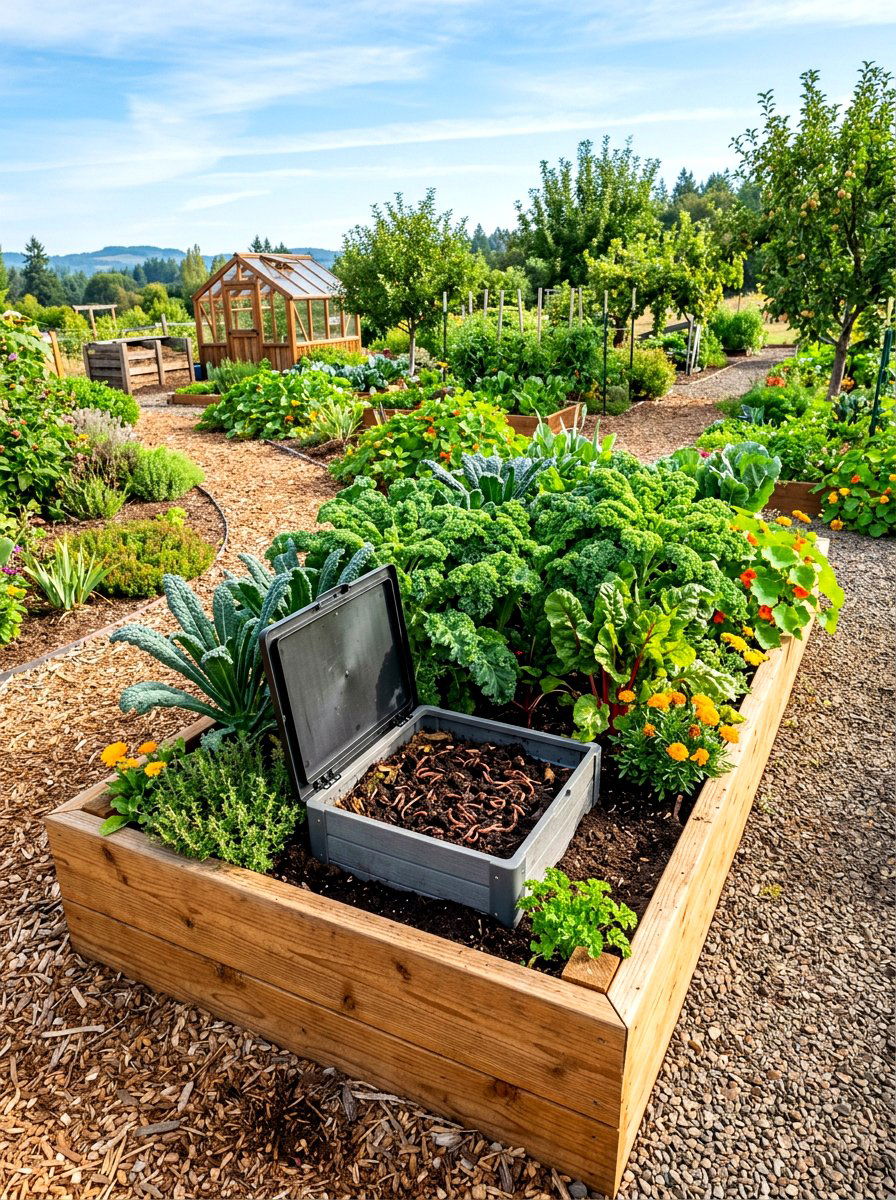
The Subpod is a revolutionary in-ground worm bin that integrates directly into your raised garden beds or landscaping. This system allows worms to move freely between the composting unit and the surrounding soil, aerating and fertilizing your plants as they go. Because it is buried, the station is naturally insulated from extreme heat and cold, creating a stable environment for the worm colony to thrive. The top of the bin often doubles as a comfortable garden bench, making it a multifunctional piece of furniture. It is a sleek, modern, and highly efficient way to close the nutrient loop right where your plants grow.
22. Large Scale Farm Compost Bay
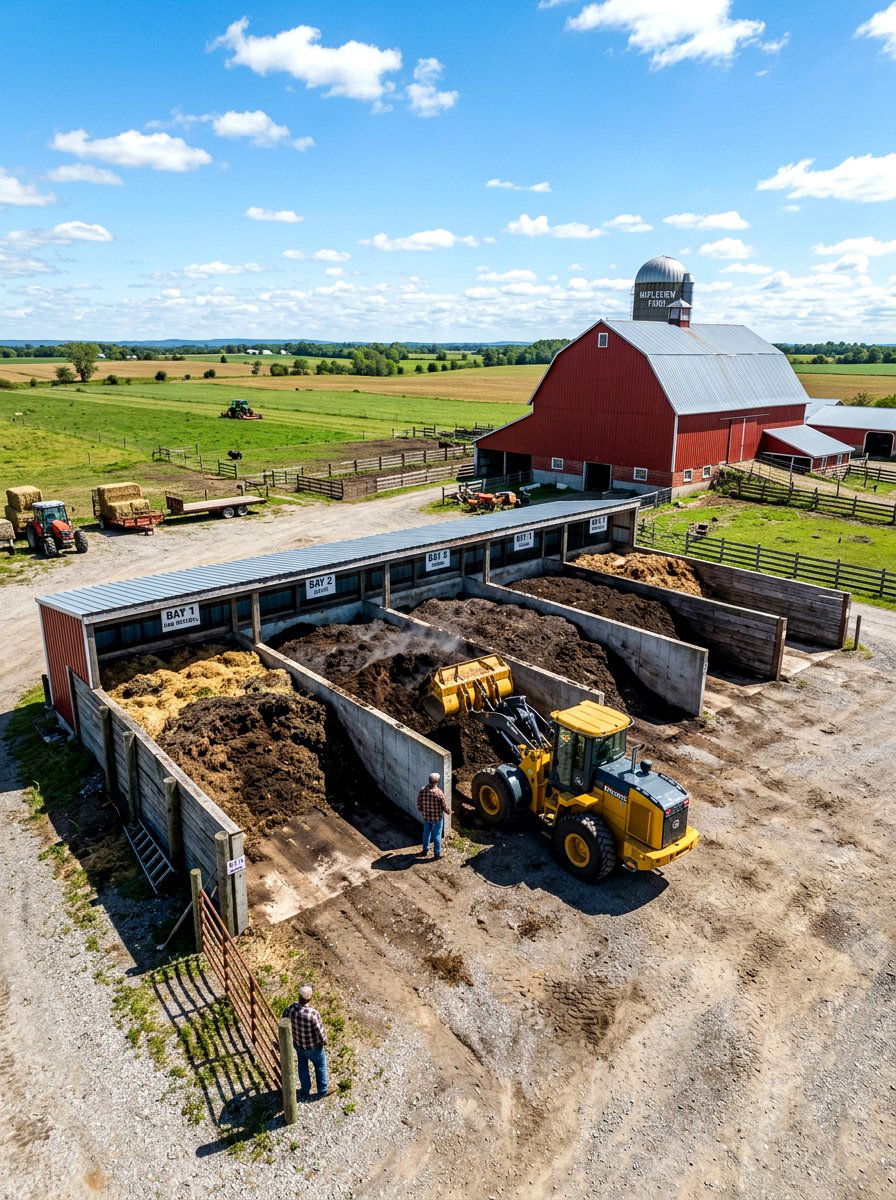
For those with large properties or hobby farms, a large scale farm compost bay is necessary to handle the volume of manure and bedding. These bays are typically constructed with heavy timber posts and thick planks to withstand the weight of the material and the use of tractor loaders. Multiple bays allow for efficient turning and moving of the piles as they progress through different stages of decomposition. This industrial-strength setup is essential for managing a productive farm and ensuring that all animal waste is recycled back into the land. It represents a commitment to large-scale sustainability and regenerative agricultural practices at home.
23. Urban Balcony Compost Bin
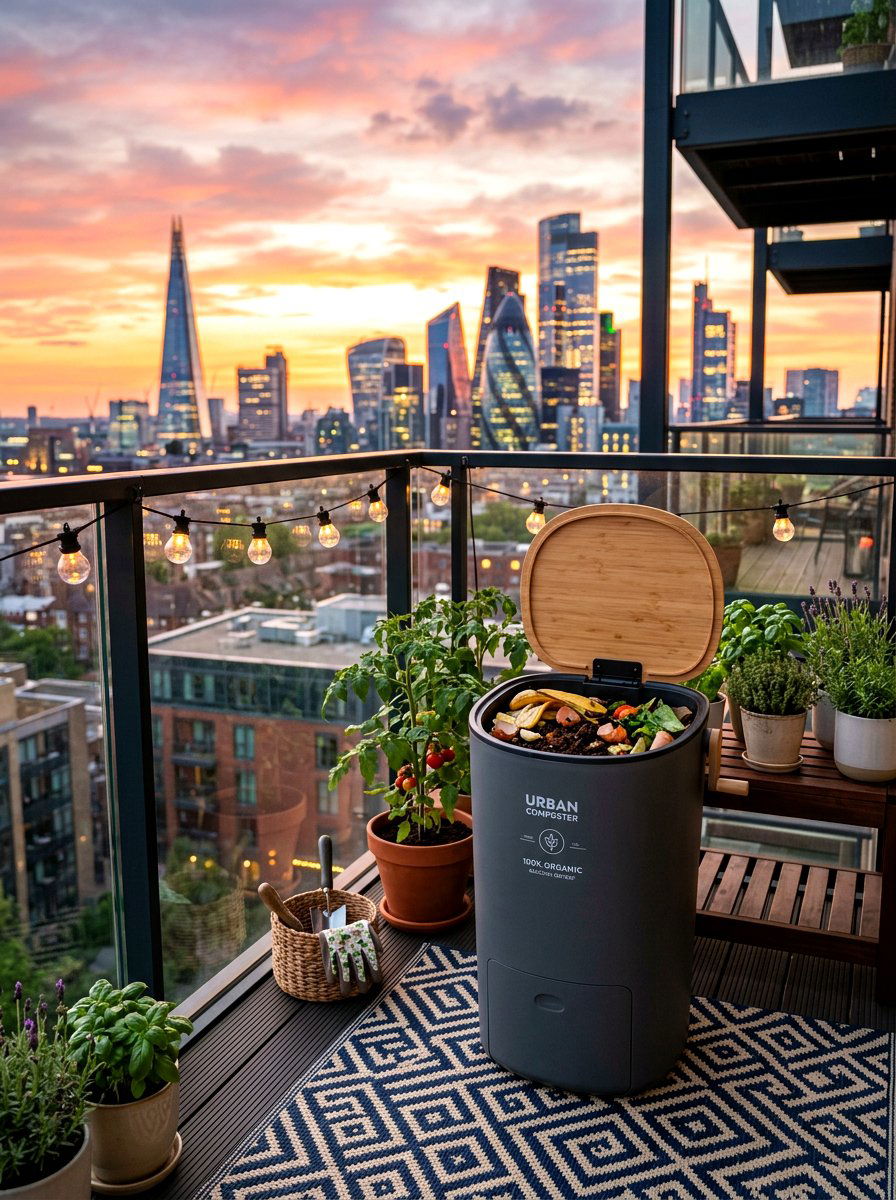
Living in a high-rise apartment does not mean you have to skip out on the benefits of composting. An urban balcony compost bin is specifically designed to be compact, leak-proof, and completely odorless to suit close-quarters living. These small units often utilize bokashi or vermicomposting methods to quickly process food scraps without attracting pests or bothering neighbors. Many models feature stylish designs that look like high-end outdoor furniture or decorative planters, blending in perfectly with your balcony decor. It is an empowering way for city dwellers to take responsibility for their waste and grow beautiful potted gardens using their own homemade soil.
24. Repurposed Trash Can Composter
A repurposed trash can composter is one of the most cost-effective ways to start your composting journey with minimal effort. By simply taking an old plastic or metal garbage can and drilling several rows of ventilation holes, you create a functional bin. The lid keeps the contents secure from rain and critters, while the height makes it easy to add kitchen scraps without bending over. To turn the compost, you can simply lay the can on its side and roll it around the yard for a few minutes. It is a practical and clever solution for anyone looking to try composting without a large initial investment.
25. Vertical Garden Compost Planter
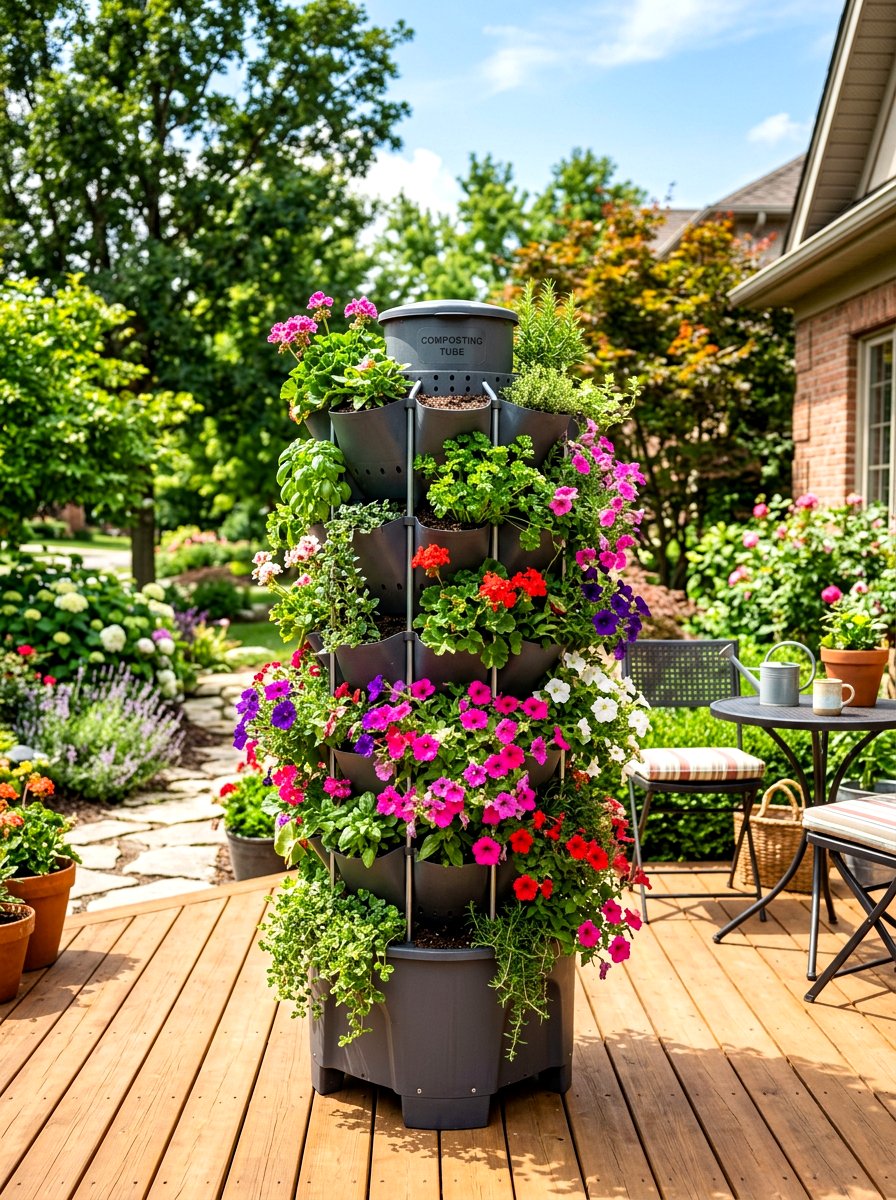
A vertical garden compost planter combines a growing tower with a central composting tube, allowing you to grow food and recycle waste in one unit. As the organic matter breaks down in the center, nutrients are leached directly into the surrounding soil pockets where your plants are growing. This "compost chimney" design is incredibly efficient for small spaces like patios or porches where every square inch counts. It creates a self-fertilizing ecosystem that requires less external input and produces a high yield of fresh herbs or leafy greens. This multifunctional design is a masterpiece of small-scale permaculture and innovative home gardening.
26. Galvanized Steel Compost Bin
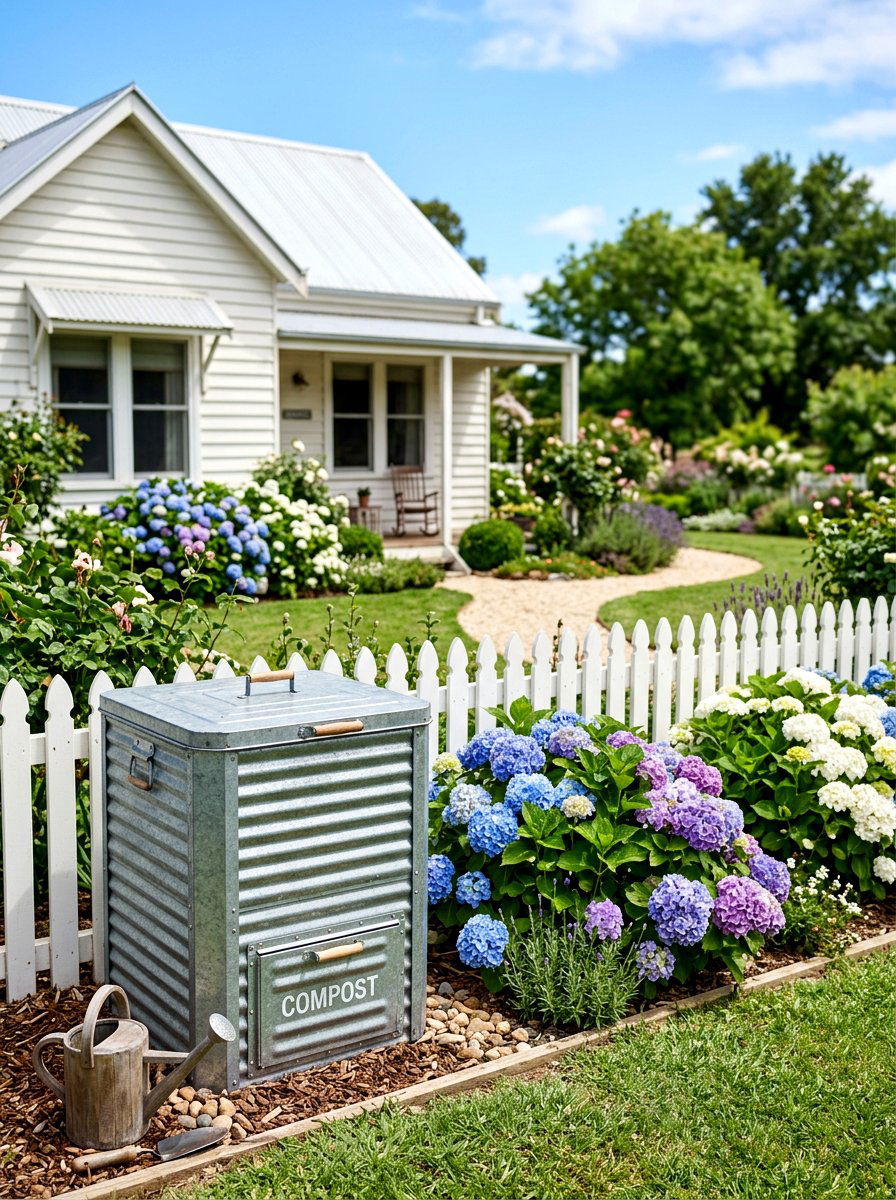
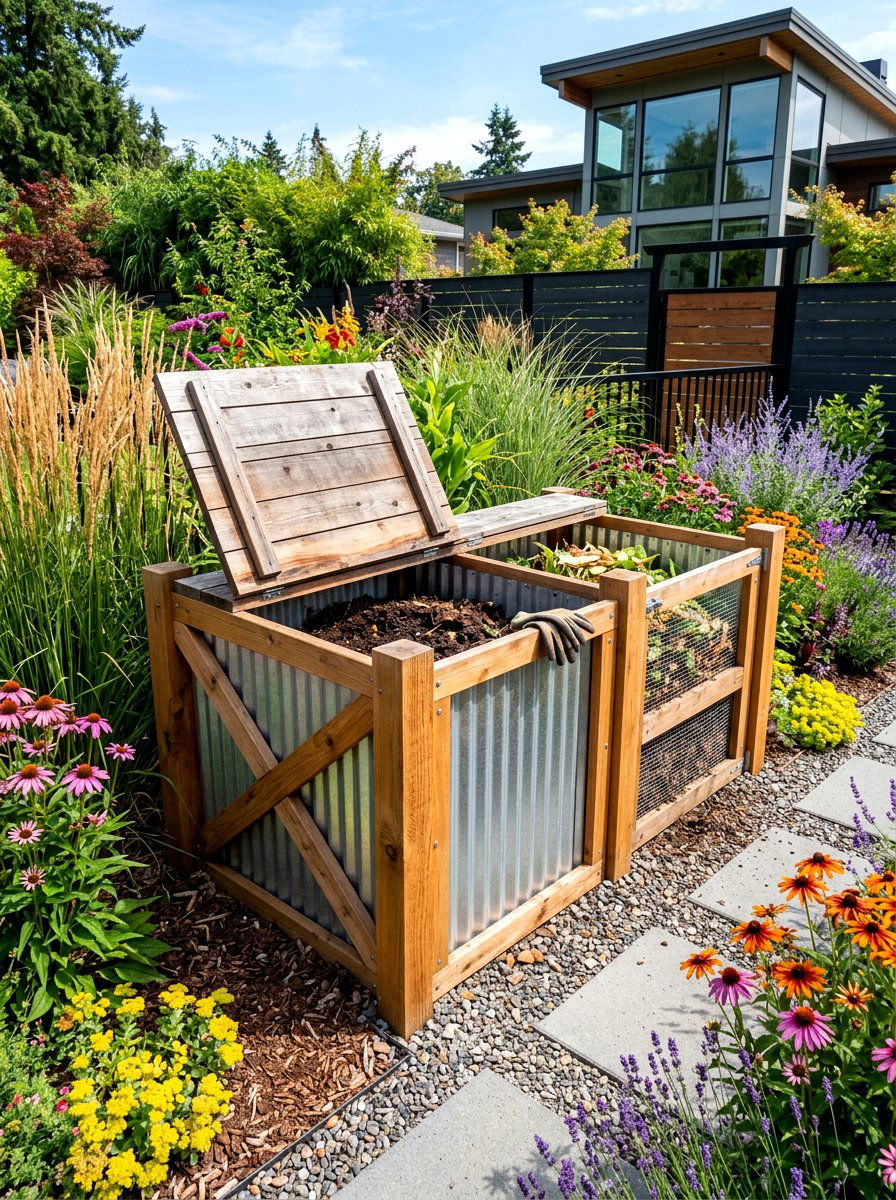
A galvanized steel compost bin offers a vintage, farmhouse aesthetic that is currently very trendy in home and garden design. The zinc coating protects the metal from rust, ensuring the bin remains functional and attractive even in wet climates. These bins are excellent at excluding rodents and other pests that might be attracted to food scraps in an open pile. The industrial look of the silver metal provides a sharp, clean contrast to the soft textures and vibrant colors of your garden plants. It is a durable, stylish, and long-lasting option for homeowners who want a utility station that doubles as a visual accent.
27. Slatted Timber Compost Bin
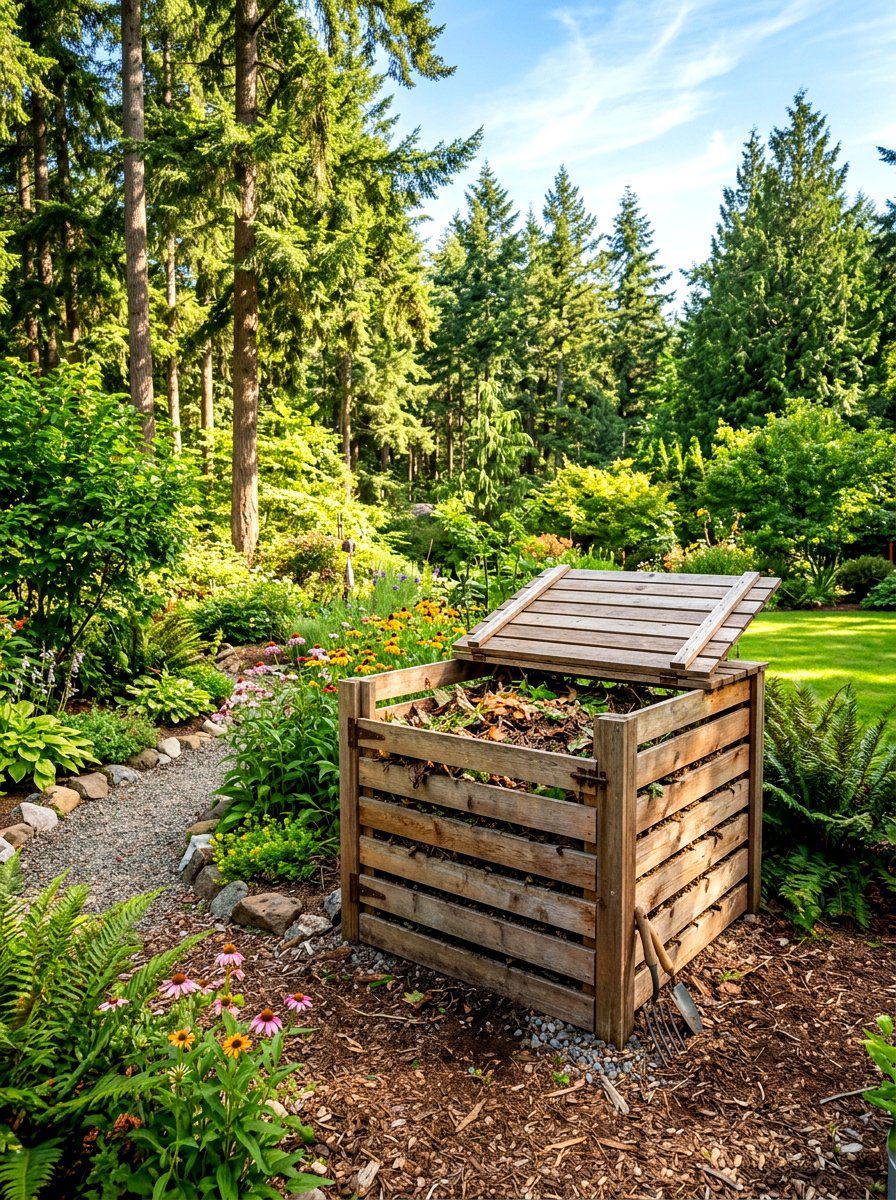
A slatted timber compost bin is the quintessential choice for a classic backyard look that emphasizes natural materials. The horizontal or vertical slats are spaced specifically to allow air to circulate through the pile while keeping the material neatly contained. You can use pressure-treated lumber for longevity or naturally resistant species like redwood or cedar for an eco-friendly approach. This design is very easy to build yourself and can be customized to fit any specific corner of your yard. The simple, honest construction feels at home in almost any garden style, from formal English estates to relaxed and wild woodland landscapes.
28. Cedar Louvered Compost Station
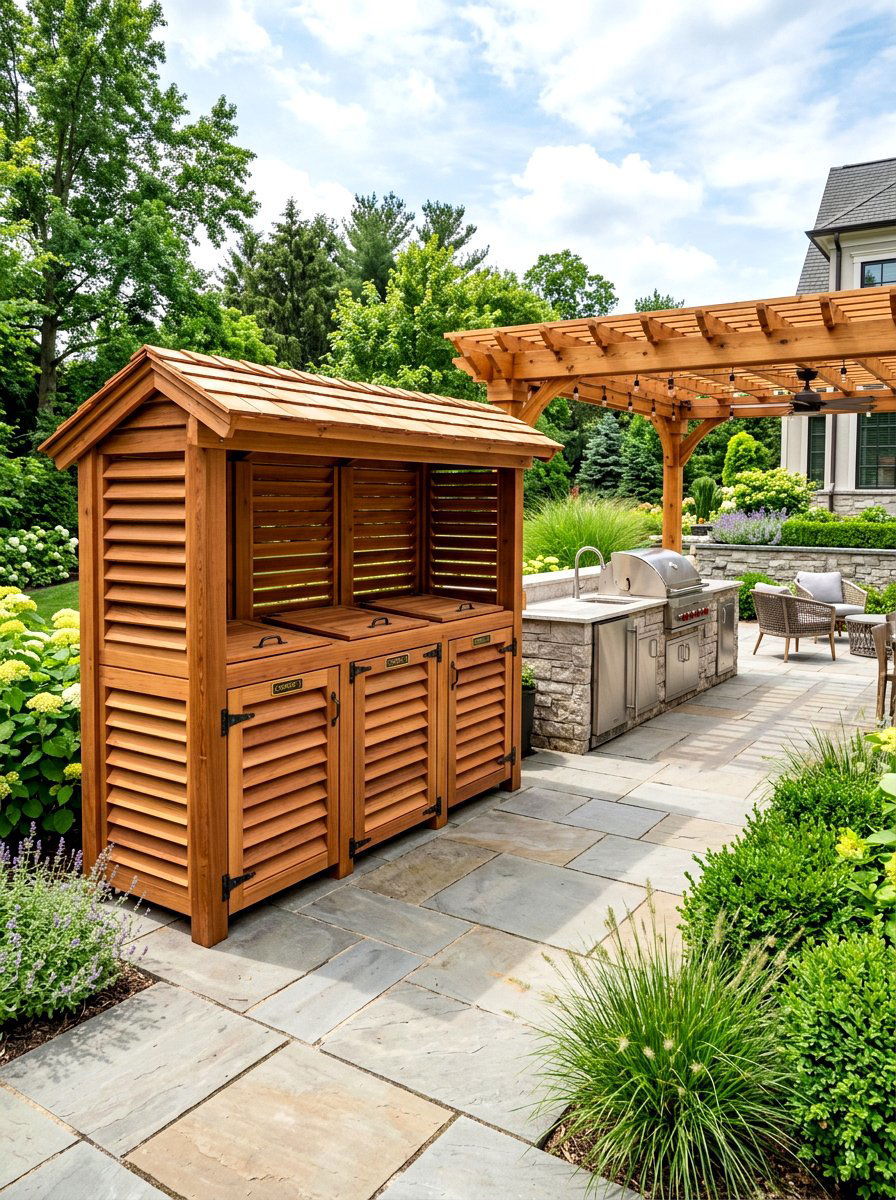
For those who want a truly high-end look, a cedar louvered compost station offers the perfect blend of ventilation and privacy. The angled slats, or louvers, allow for maximum airflow while completely obscuring the view of the decomposing material inside. This architectural detail makes the station look more like a piece of custom cabinetry or a high-end fence than a trash bin. Cedar’s natural beauty and pleasant scent make it an ideal material for a station located near a patio or outdoor kitchen. It is the ultimate choice for a luxury backyard where every detail is carefully curated for both function and high-level style.
29. Integrated Garden Bed Composter
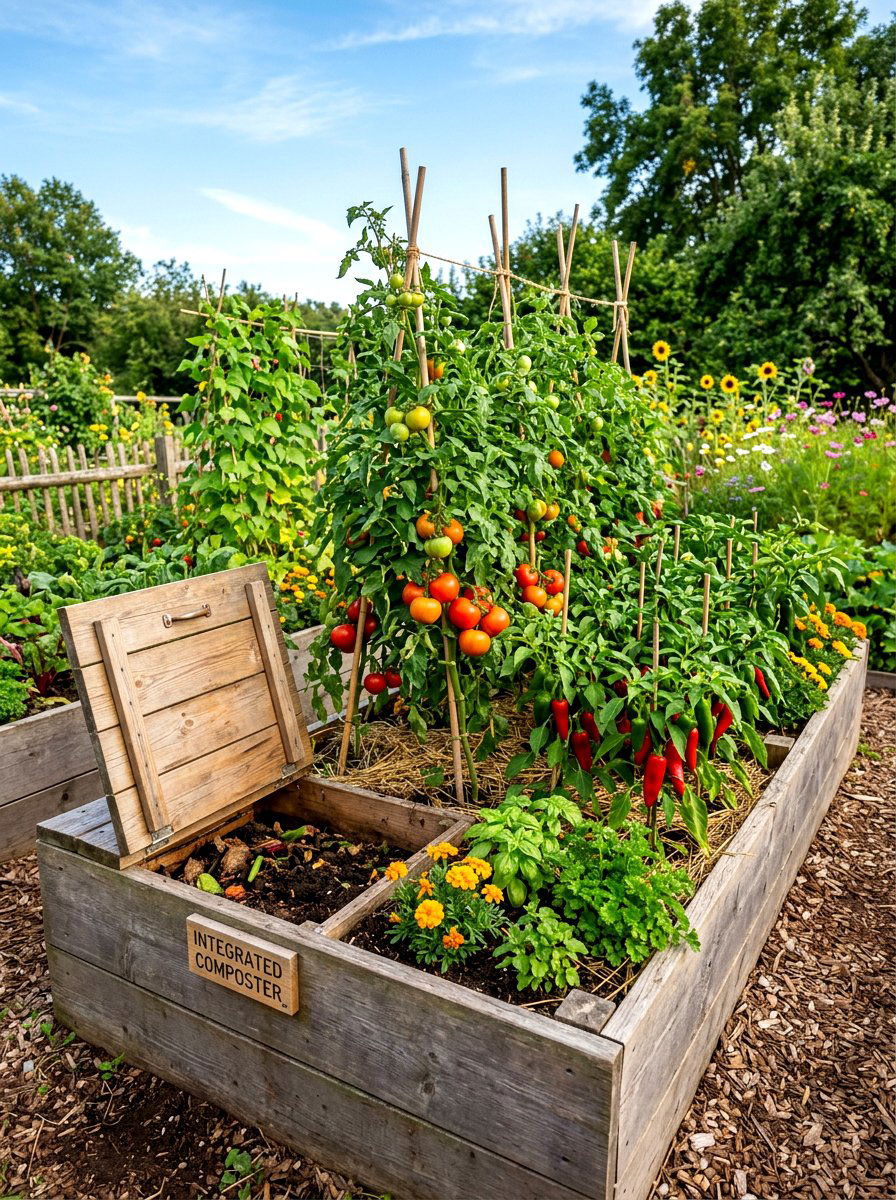
An integrated garden bed composter is a clever way to build your soil health directly within your planting areas. By installing a small composting tube or box directly into the center of a raised garden bed, you create a direct pipeline of nutrients. As you add kitchen scraps, the local worm population will travel into the bin to feed and then move back out into the bed, distributing fertilizer. This eliminates the need to transport heavy finished compost from a remote bin to your plants. It is a highly efficient, labor-saving design that keeps your vegetable garden thriving with minimal effort from the gardener.
30. Electric Kitchen Composter
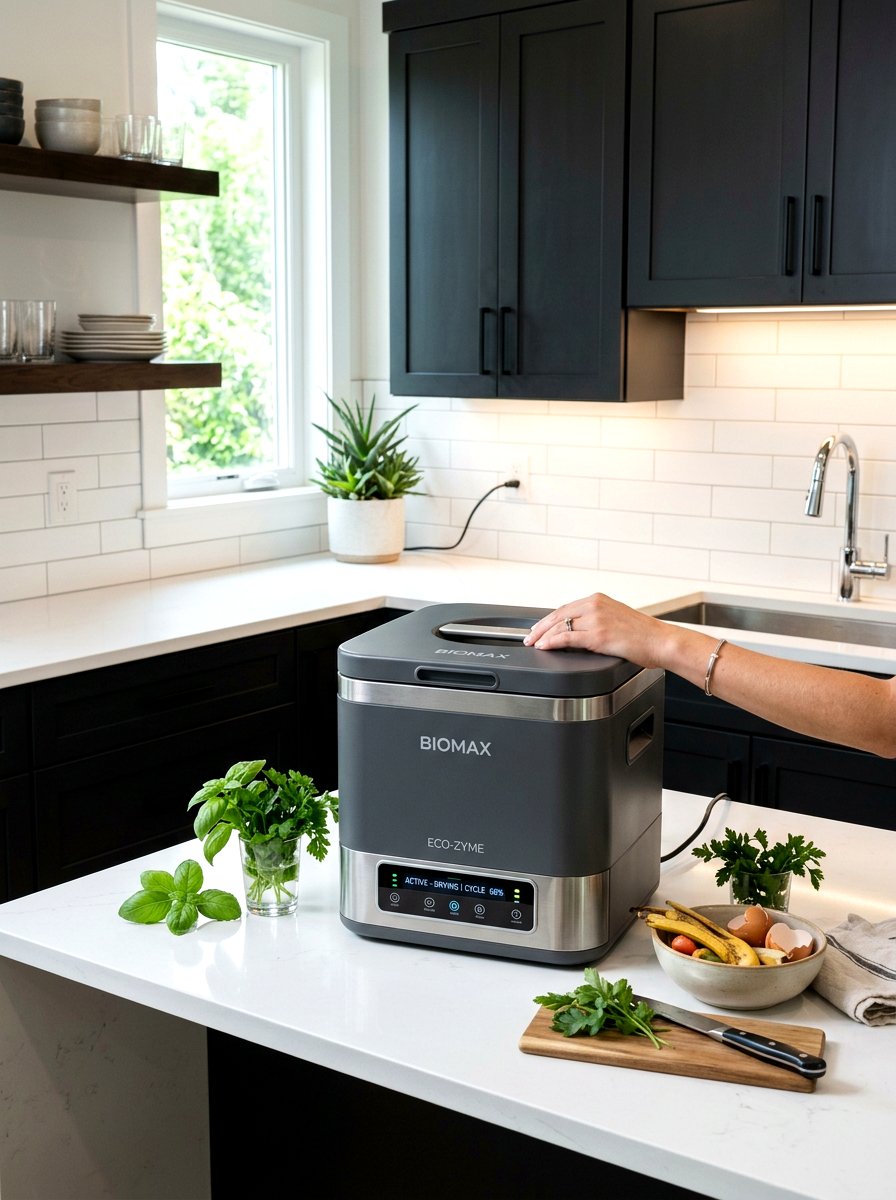
An electric kitchen composter is the most high-tech and convenient way to manage organic waste in a modern home. These small countertop appliances use heat and grinding blades to transform food scraps into a dry, shelf-stable soil amendment in just a few hours. This is an ideal solution for people who want to eliminate food waste immediately without any of the smells or maintenance associated with traditional bins. While the end product is not biologically active like traditional compost, it is an excellent fertilizer for houseplants or garden beds. It represents the cutting edge of sustainable home technology for the busy, modern eco-conscious family.
Conclusion:
Setting up a dedicated compost station is one of the most impactful steps you can take to create a more sustainable and productive home environment. From simple DIY pallet bins to high-tech electric countertop units, there is a solution that fits every lifestyle, budget, and garden size. By choosing a design that complements your outdoor aesthetic, you turn a necessary utility into a beautiful and rewarding part of your daily routine. The "black gold" you produce will transform your soil quality, leading to healthier plants and more vibrant harvests for years to come. Start your composting journey today and enjoy the deep satisfaction of working in harmony with nature's cycles.

Related posts: