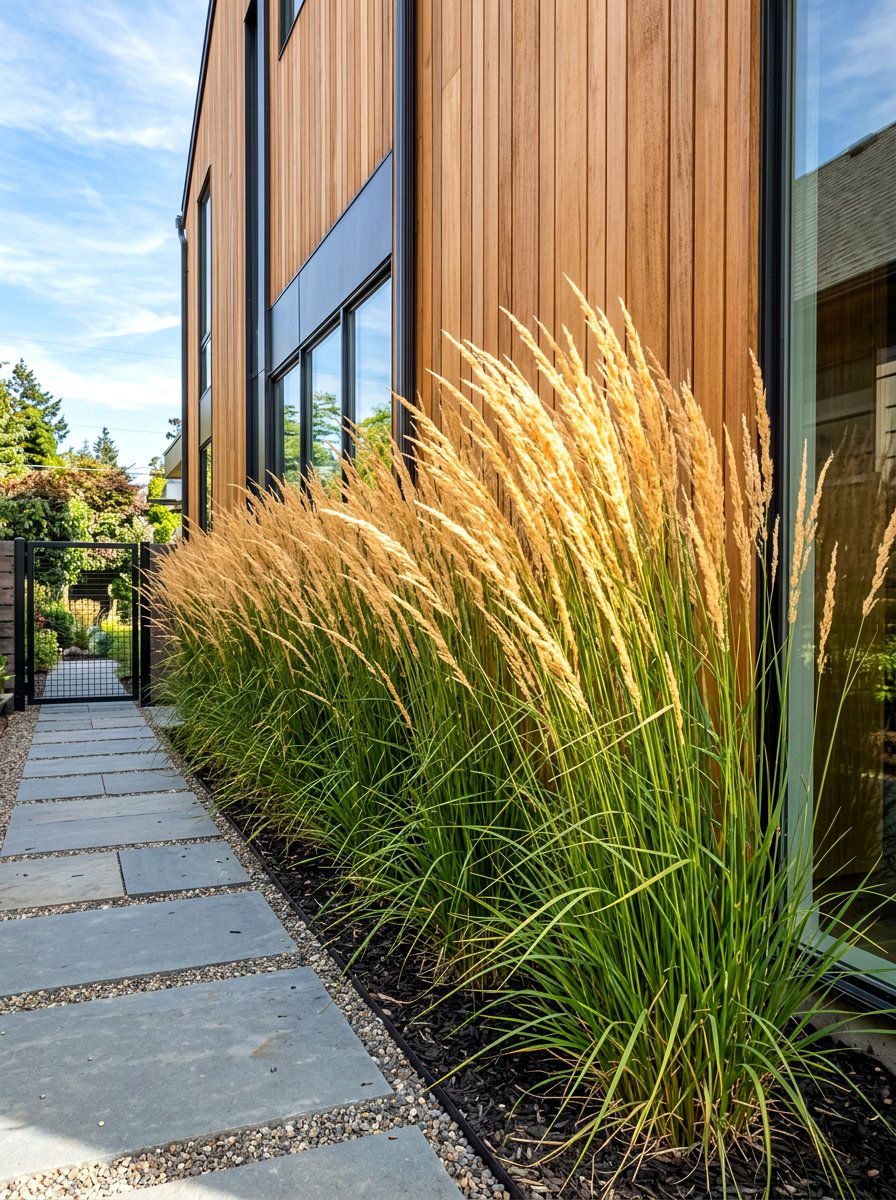
Enhancing your outdoor space often starts with the small details that provide structure and style. Concrete garden borders are one of the most durable and versatile ways to define your landscape. These permanent solutions offer a clean break between your lush lawn and colorful flower beds. Unlike plastic or wood, concrete stands the test of time against weather and lawn equipment. It provides a polished look that can be customized to match any home aesthetic. Whether you prefer modern lines or a more rustic feel, concrete allows for endless creativity. Investing in quality edging simplifies lawn maintenance and boosts your property's overall curb appeal significantly.
1. Poured Concrete Curb
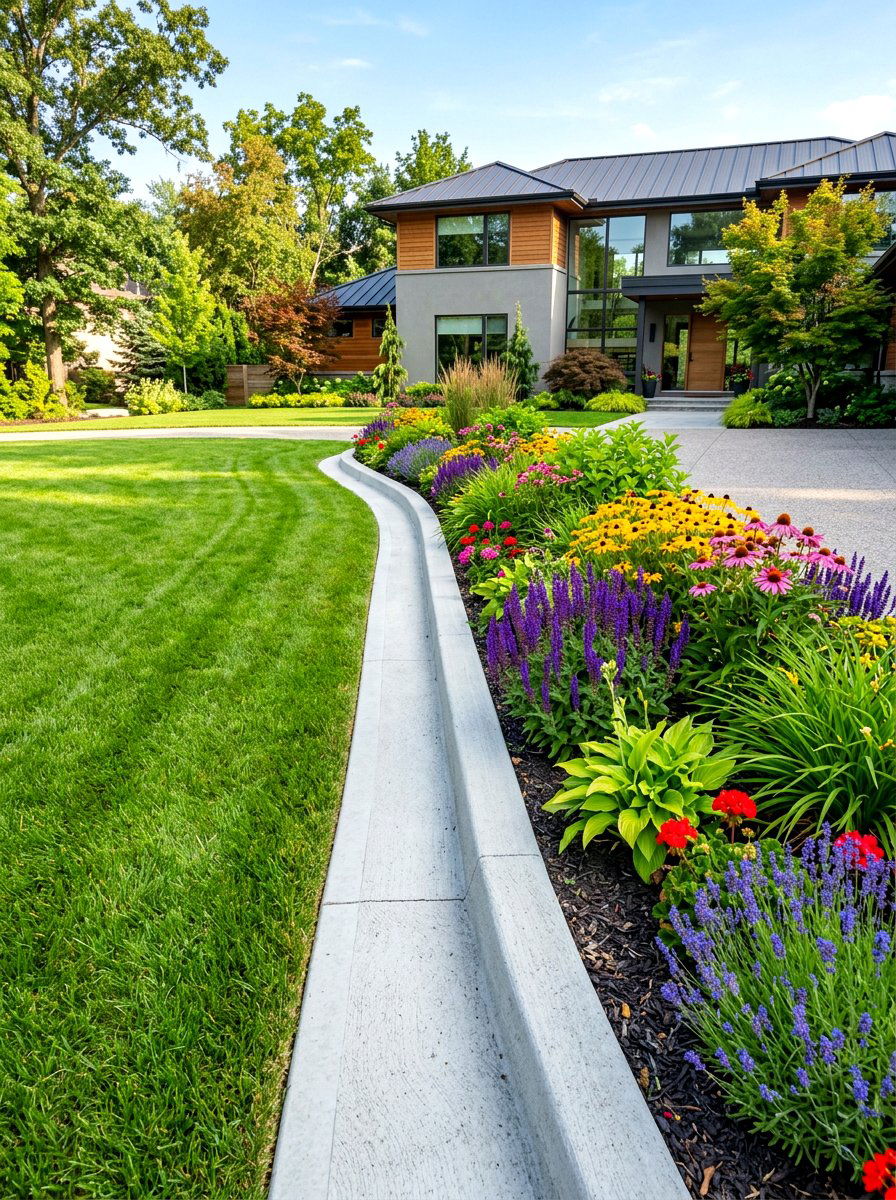
A poured concrete curb is a fantastic way to give your backyard a permanent and polished look. This method involves creating a continuous line of concrete that flows perfectly along the edges of your flower beds or lawn area. Because it is poured in place, you can easily navigate around trees, corners, and winding walkways without any gaps. It acts as a heavy-duty barrier that keeps grass from creeping into your soil and mulch. Many homeowners choose this style because it is incredibly low maintenance and can withstand various weather conditions for many years. It looks professional and adds significant value to your property.
2. Scalloped Concrete Edging
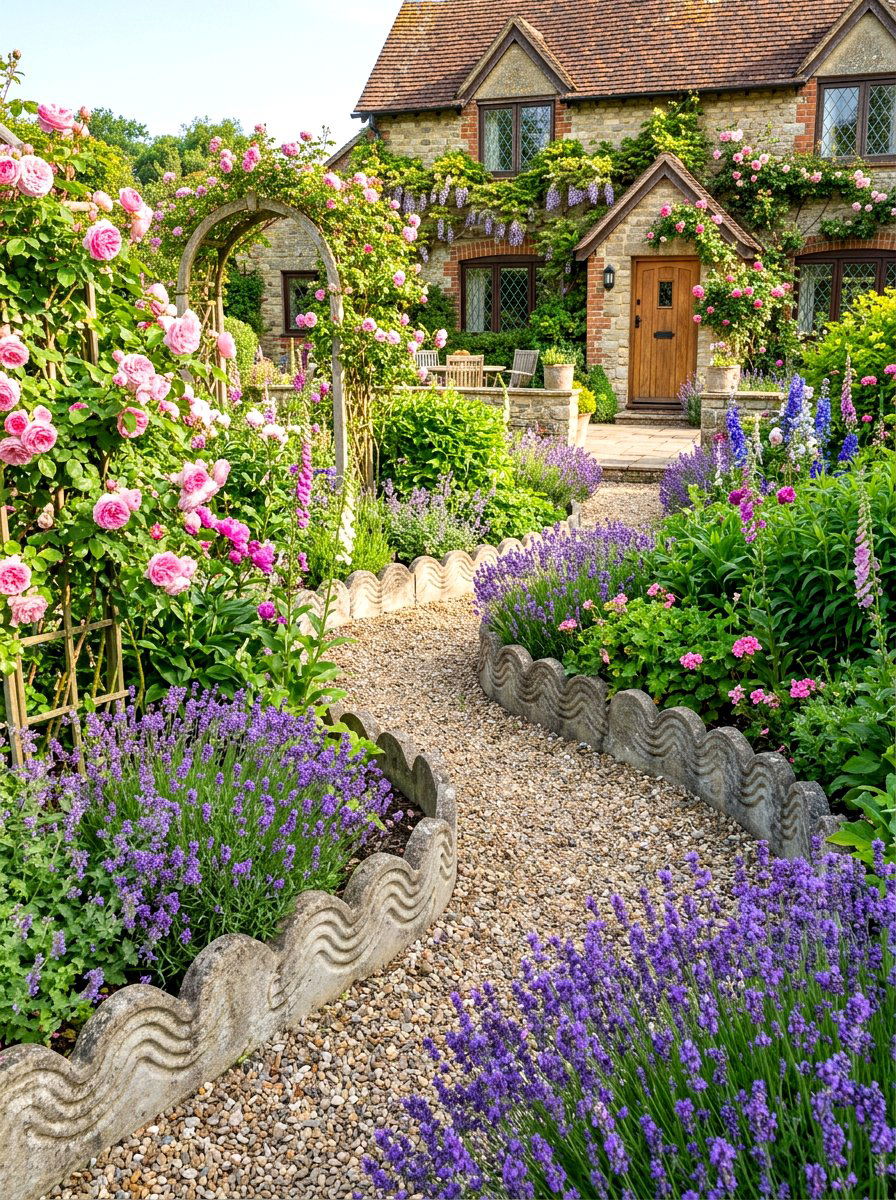
Scalloped concrete edging offers a traditional and decorative touch that brings charm to any garden bed. These precast pieces feature a rounded, wave-like top that creates a soft visual flow throughout your landscape. They are very easy to install by simply digging a shallow trench and lining the blocks up side by side. This style is perfect for cottage-style gardens or classic homes where a bit of ornamental detail is desired. The weight of the concrete keeps the pieces firmly in place even during heavy rains. It is a cost-effective way to achieve a neat and organized look for your flower borders.
3. Continuous Mow Strip
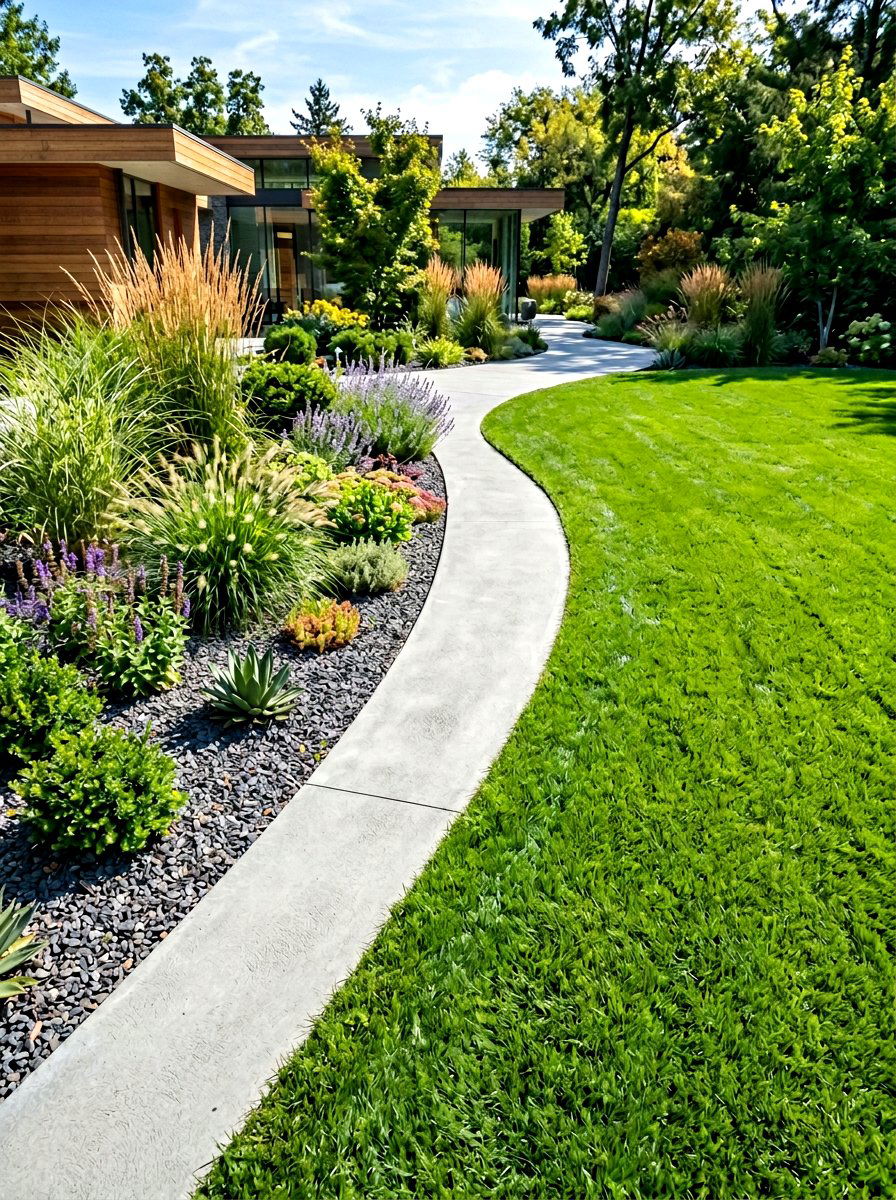
A continuous mow strip is a functional design that makes yard work much easier for homeowners. This flat concrete border sits at the same level as your lawn, allowing you to run your lawnmower wheels directly over it. By doing this, you eliminate the need for tedious string trimming along the edges of your garden beds. The wide surface area provides a clear distinction between the turf and the planting zone, preventing grass roots from invading your flowers. It creates a very clean and streamlined aesthetic that works well in both modern and traditional landscapes. This is a highly practical choice.
4. Stamped Stone Border
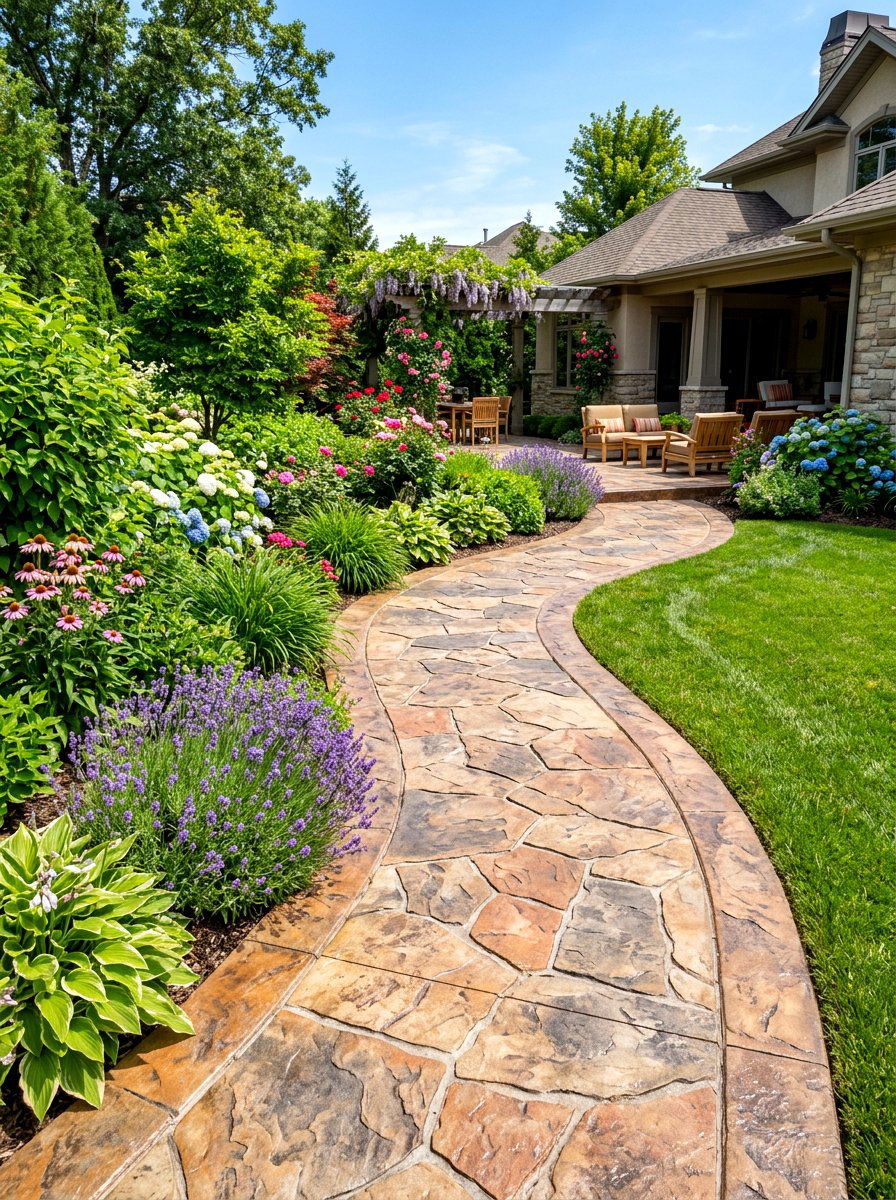
A stamped stone border allows you to achieve the high-end look of natural rock without the expensive price tag. Using special textured mats, wet concrete is imprinted with patterns that mimic flagstone, slate, or even cobblestone. This technique provides a beautiful, seamless appearance that looks like individual stones were hand-laid by a professional stonemason. You can choose from various textures to match the architectural style of your home. It is much more durable than real stone because there are no joints where weeds can grow through. This style offers a perfect blend of artistic beauty and long-lasting structural integrity.
5. Stacked Block Edging
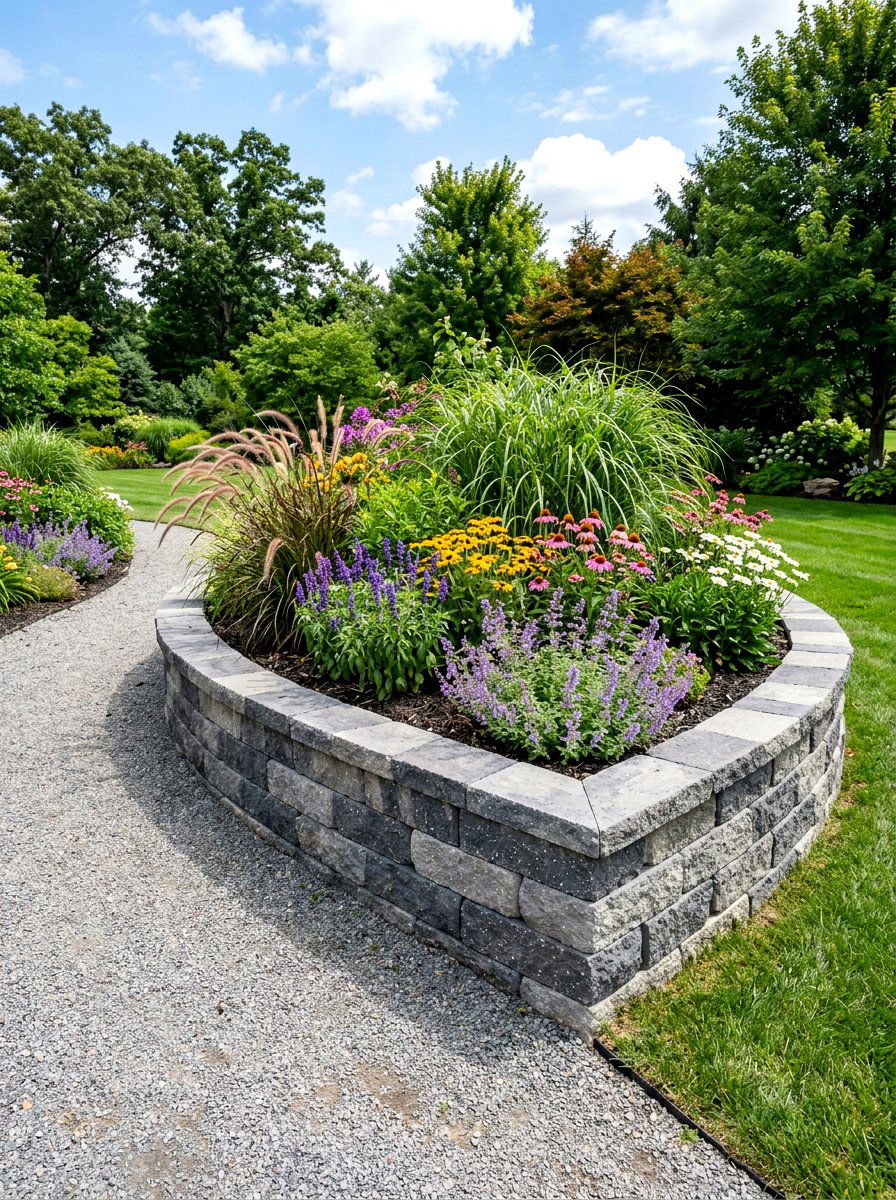
Stacked block edging is a popular choice for creating slightly raised garden beds with a sturdy, structured feel. These precast concrete blocks are designed to be layered on top of each other, allowing you to build up the height of your borders. This creates a wonderful sense of depth and dimension in your yard. The blocks come in various colors and textures, ranging from smooth modern finishes to rough, weathered looks. They are excellent for containing soil in sloped areas and preventing erosion. Using stacked blocks gives your garden a sense of permanence and architectural interest that defines the space beautifully.
6. Colored Concrete Border
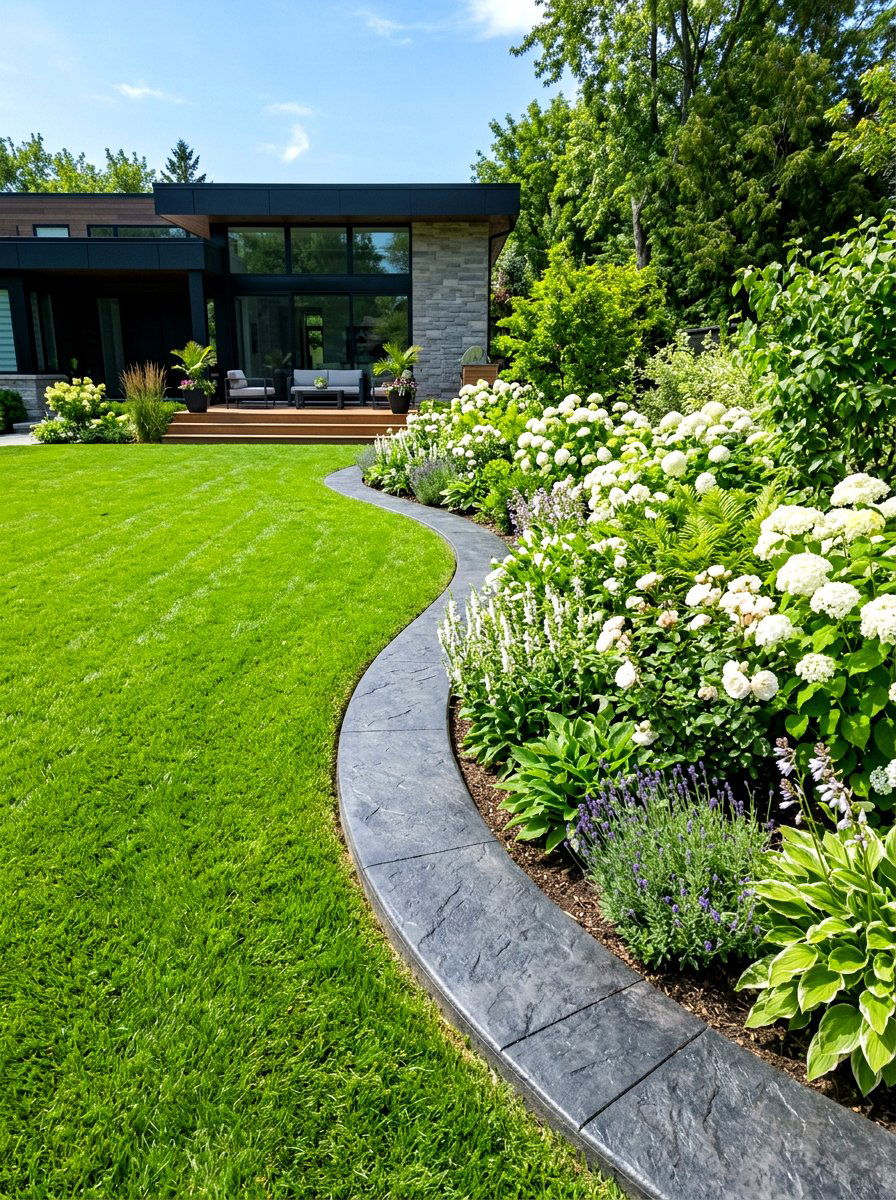
A colored concrete border is an excellent way to coordinate your landscaping with the existing palette of your home. By adding pigments directly to the concrete mix, you can achieve various shades like charcoal gray, earthy terracotta, or sandy beige. This customization ensures that your garden edging doesn 't just blend in but actively enhances the overall design theme. Colored concrete maintains its hue well over time and doesn' t require frequent painting or staining like wood. It provides a cohesive look that ties together your driveway, walkways, and flower beds. This is a vibrant way to add personality to your outdoor area.
7. Exposed Aggregate Edge
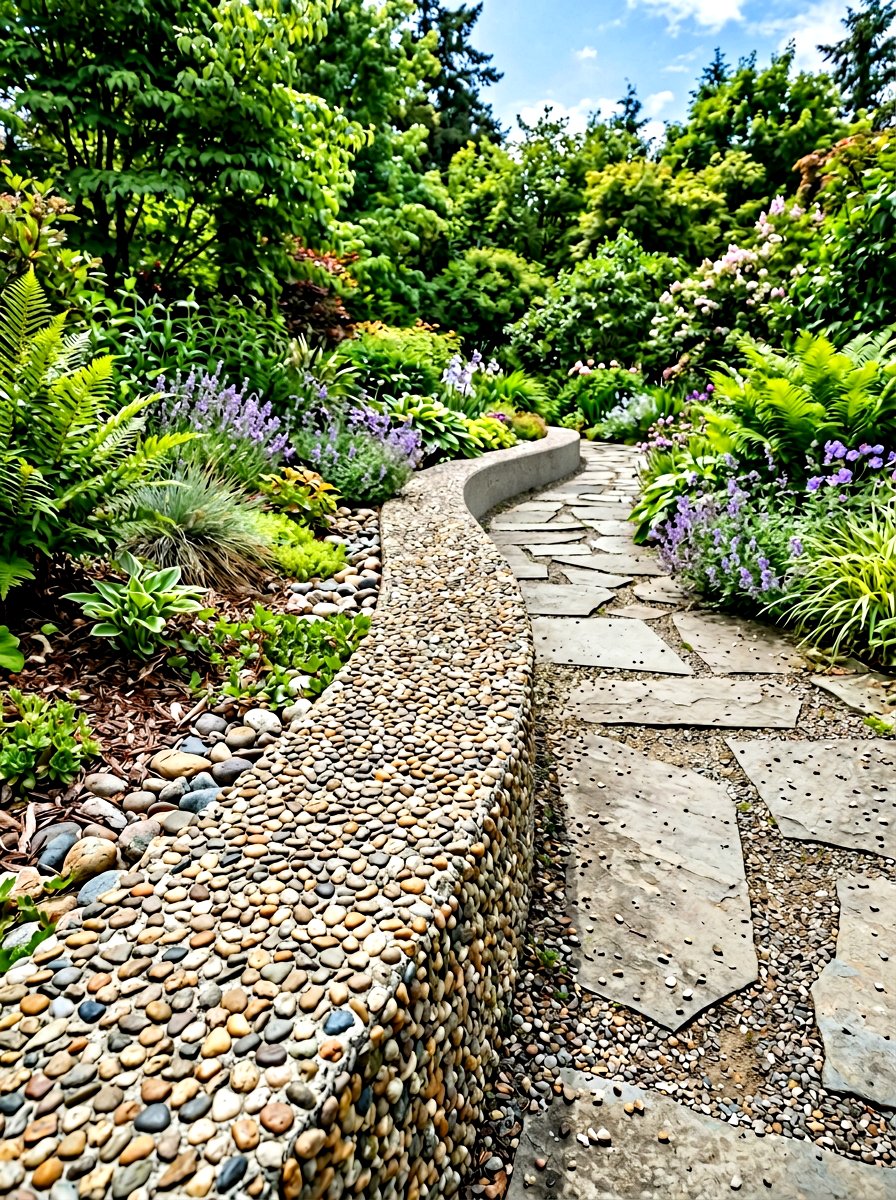
Exposed aggregate edging provides a unique and tactile texture that adds a lot of visual interest to your garden. This style is created by removing the top layer of cement paste to reveal the beautiful stones and pebbles underneath. The resulting finish is rugged and natural, making it a perfect fit for rustic or coastal-themed landscapes. It is also incredibly durable and slip-resistant, which is helpful if the border is near a walkway or pool area. The variegated colors of the aggregate help to hide dirt and wear, making it a very low-maintenance option for busy homeowners who want style.
8. Rectangular Concrete Paver
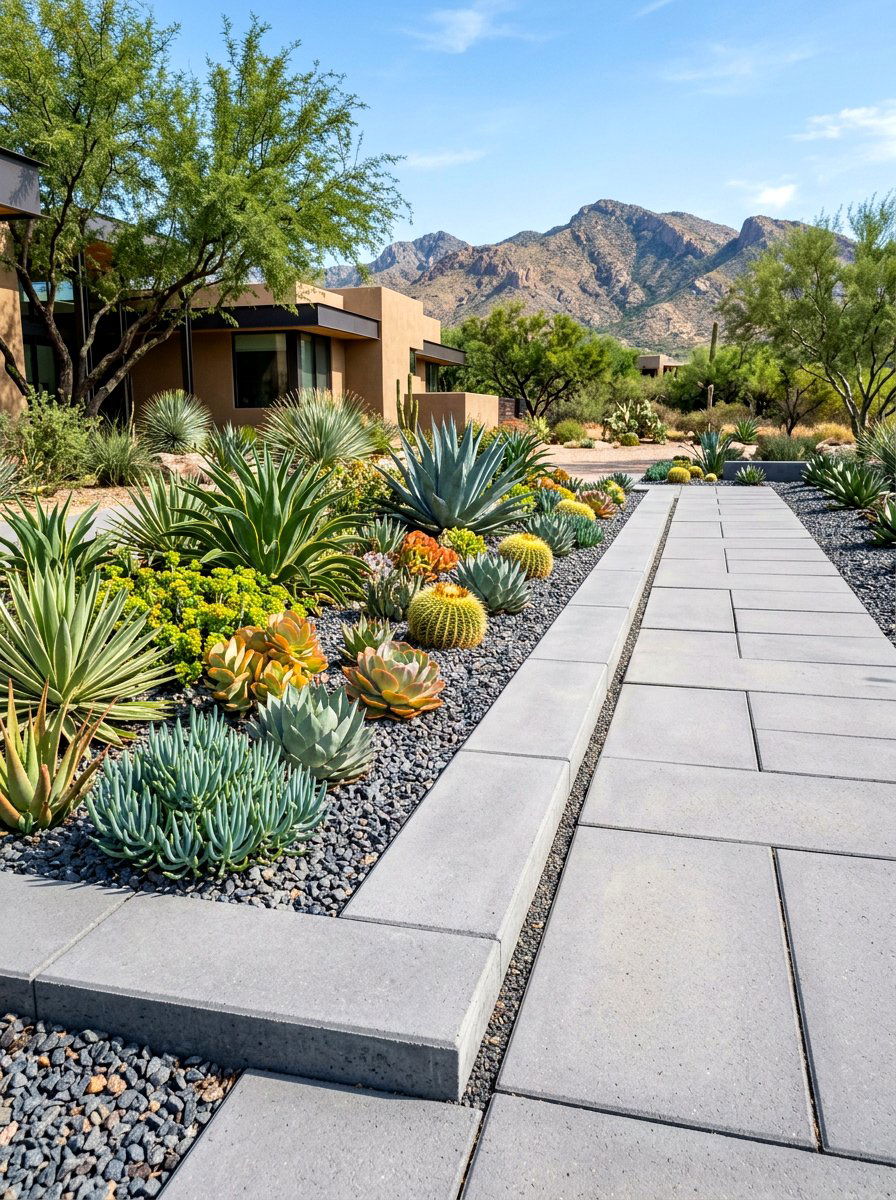
Rectangular concrete pavers offer a versatile and modern approach to garden edging that anyone can install. These uniform blocks can be laid horizontally for a wide, flat look or vertically to create a taller, more defined barrier. Their clean lines and sharp edges make them ideal for contemporary landscapes that prioritize geometric shapes and symmetry. You can find these pavers in many different sizes and colors to suit your specific garden layout. Because they are individual units, they are easy to replace if one ever gets damaged. They provide a tidy and professional finish that frames your plants perfectly.
9. Polished Concrete Strip
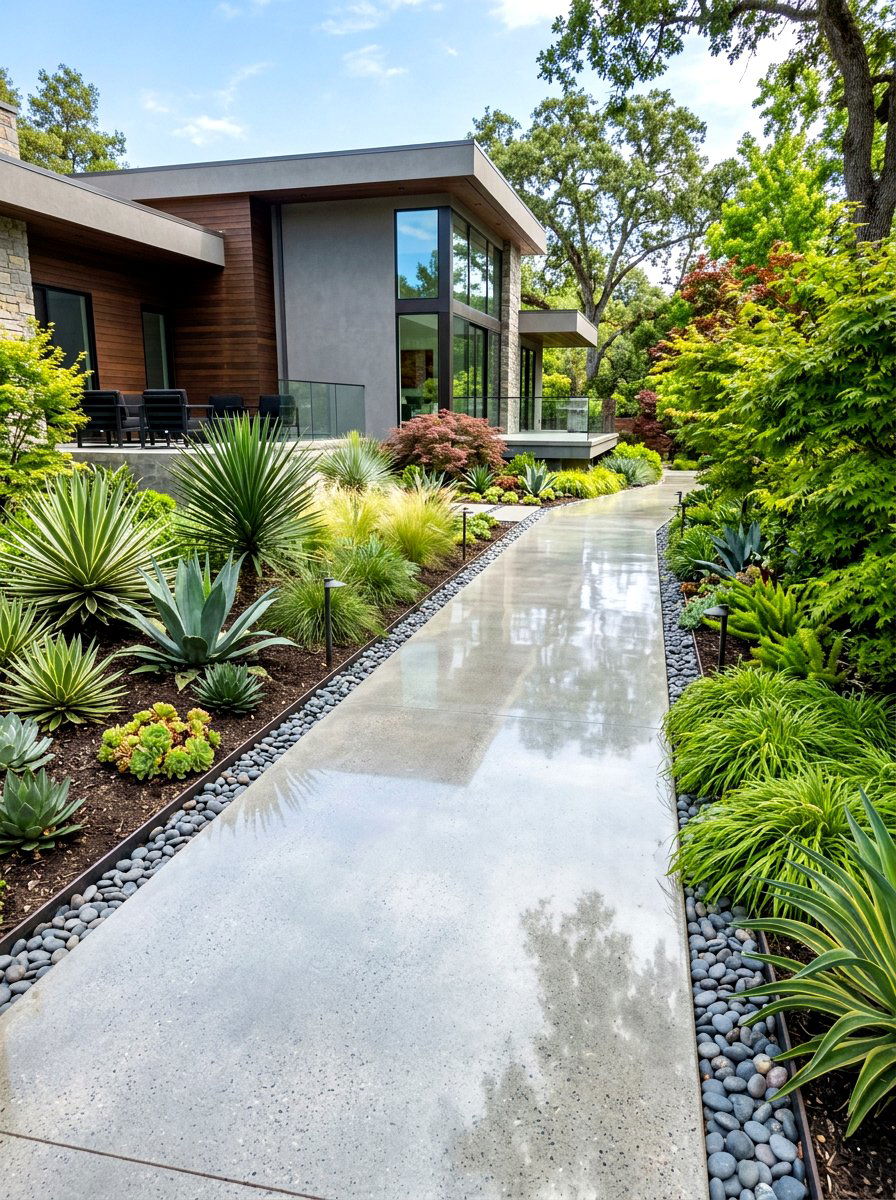
A polished concrete strip is the ultimate choice for a sleek and high-end modern garden design. This style involves grinding the surface of the concrete until it is perfectly smooth and has a slight sheen. It looks incredibly sophisticated when paired with minimalist plantings like ornamental grasses or succulents. The reflective surface can catch the light, adding a sense of luxury to your outdoor space. It is a very durable option that resists staining and is easy to clean with just a quick hose down. Polished borders create a sharp, high-contrast look against dark mulch or bright green turf.
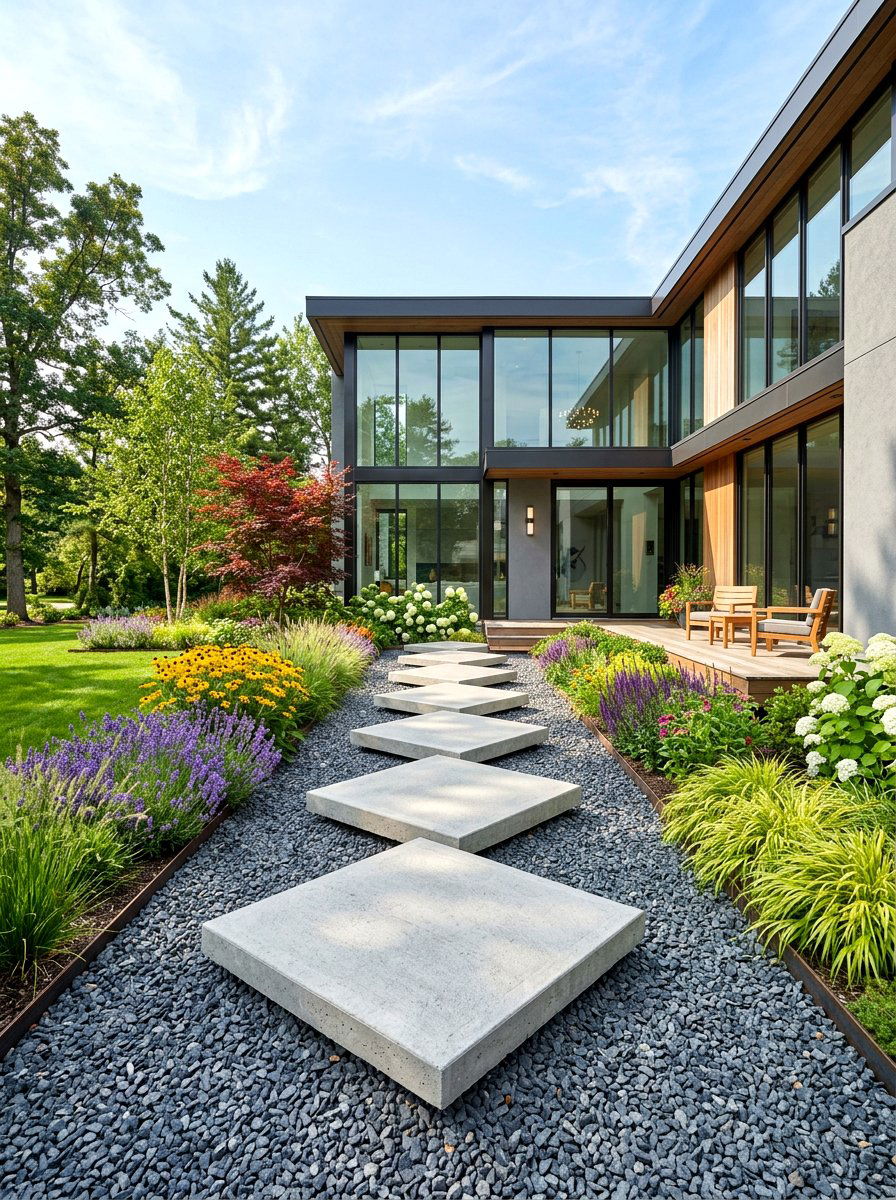
10. Faux Wood Log
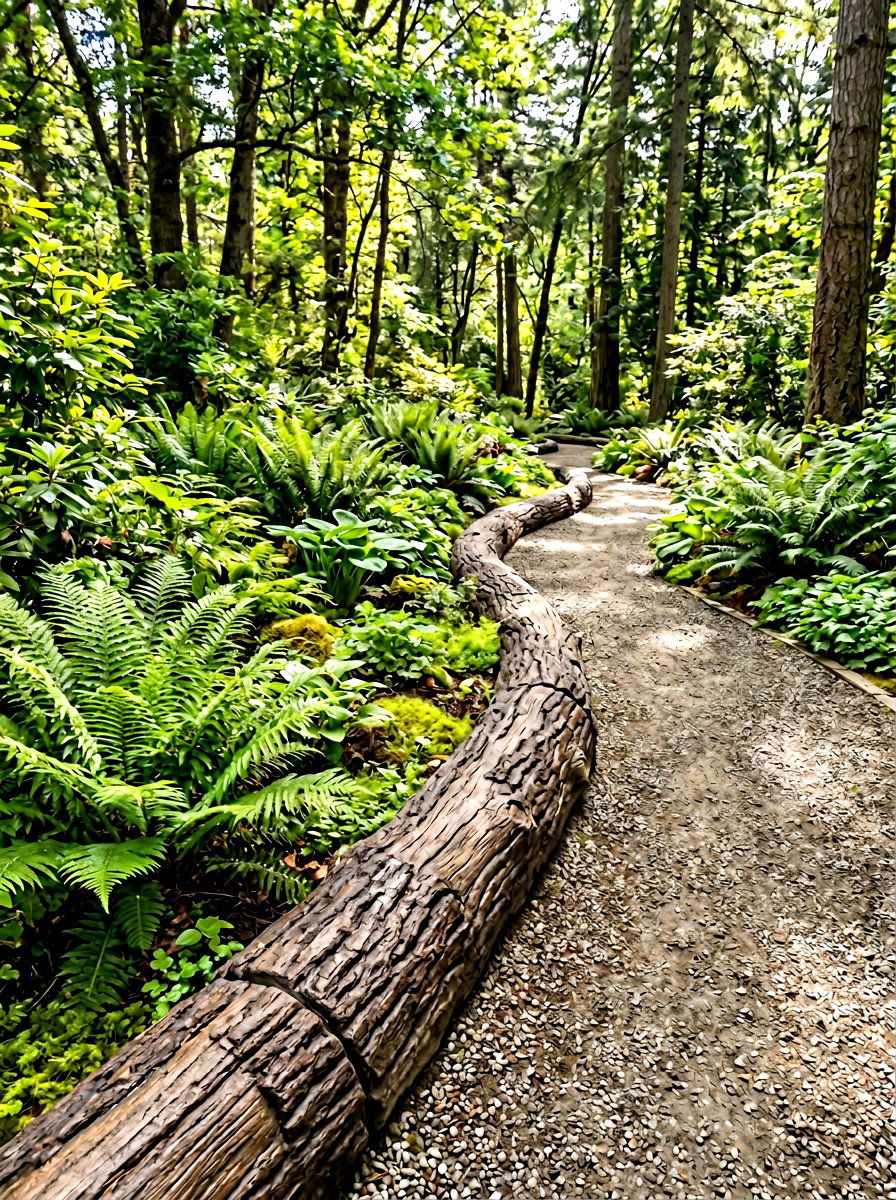
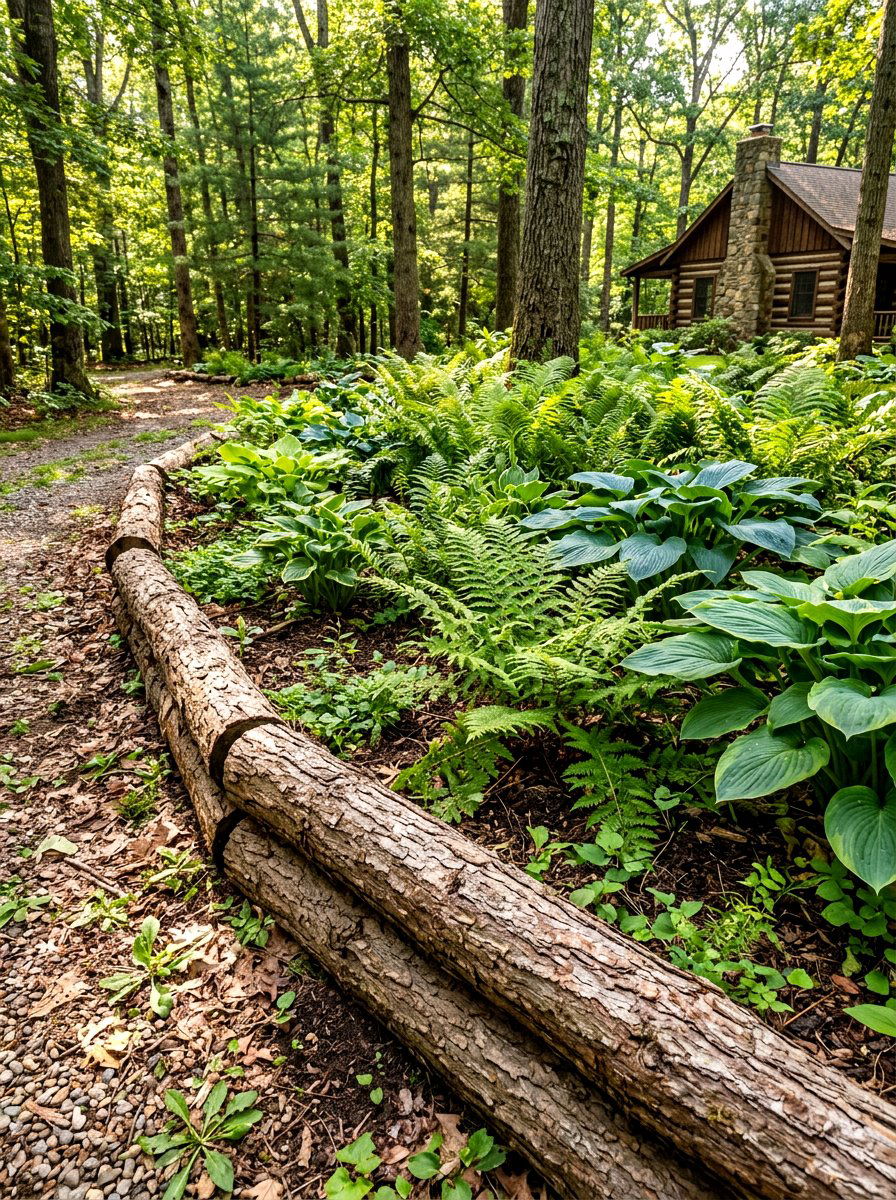
Faux wood log edging made from concrete offers the rustic beauty of timber with the incredible longevity of stone. These precast pieces are molded to look exactly like real logs, complete with bark textures and wood grain details. Unlike real wood, these concrete borders will never rot, warp, or become infested with termites. They are perfect for woodland gardens, nature trails, or rustic backyard settings. They provide a cozy and organic feel that blends seamlessly with trees and shrubs. This is a clever way to get a natural look while enjoying a maintenance-free solution for your yard.
11. Concrete Sleeper Border
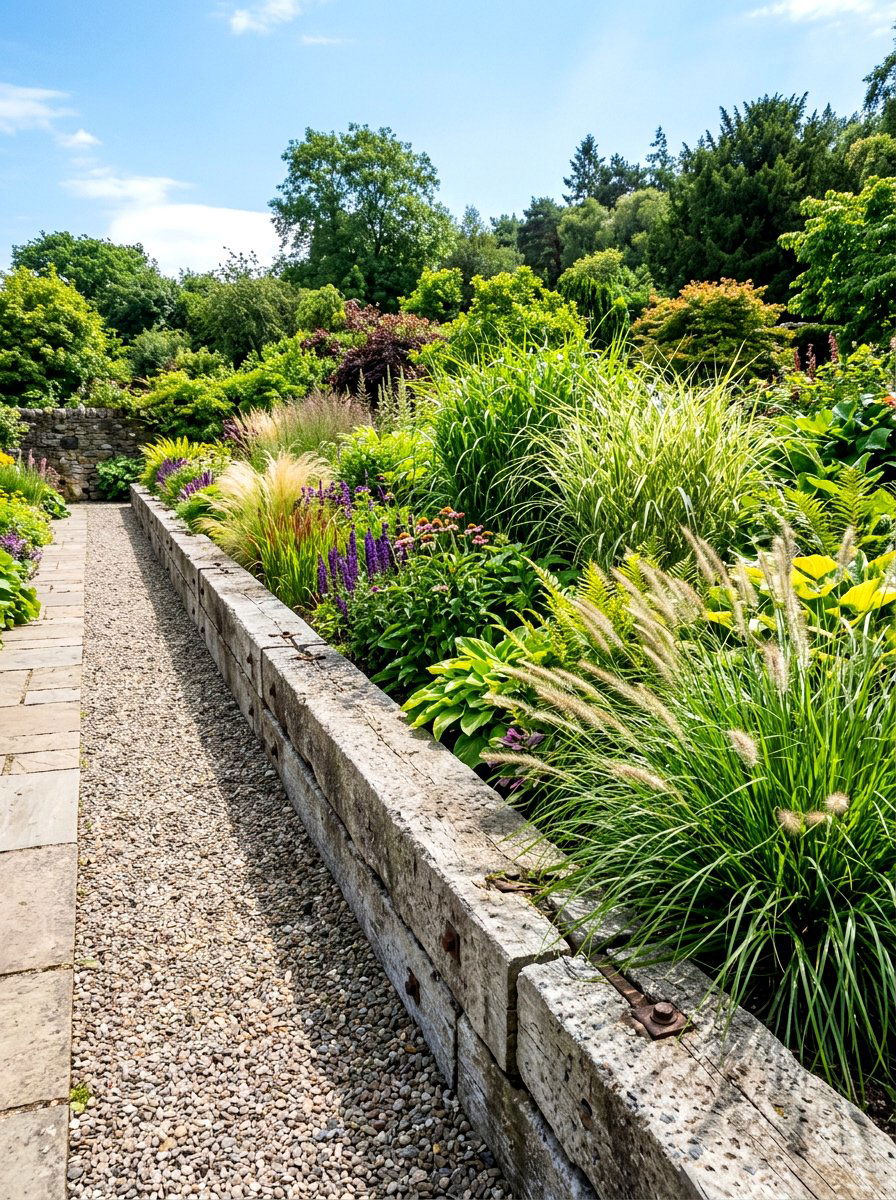
Concrete sleeper borders are inspired by industrial railway ties and bring a bold, heavy-duty look to your landscaping. These long, thick slabs are perfect for creating straight lines and defining large-scale garden beds. They have a rugged aesthetic that works well in modern or industrial-themed outdoor spaces. Because of their size and weight, they stay firmly in place and can even act as low retaining walls for slightly terraced areas. They are often available in wood-look or stone-look finishes, giving you many design options. These sleepers are built to last for decades without shifting or deteriorating in the sun.
12. Recycled Urbanite Edge
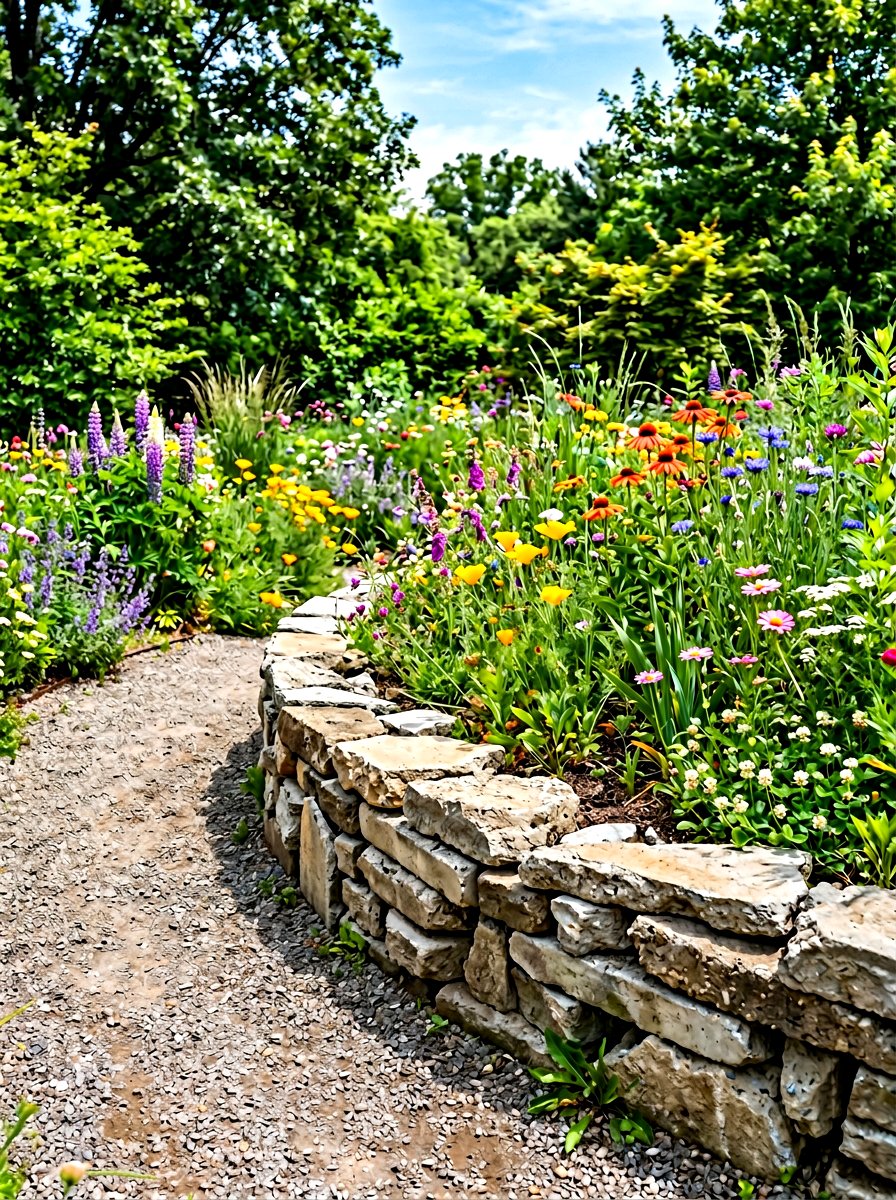
Recycled urbanite edging is an eco-friendly and creative way to use broken pieces of old concrete from sidewalks or driveways. Instead of sending these materials to a landfill, you can stack the irregular chunks to create a rustic and artistic garden border. This style is often referred to as "urbanite" and has a very charming, hand-crafted appeal. It is a great choice for sustainable gardens or "shabby chic" outdoor designs. The different shapes and sizes of the pieces add a lot of character and texture to your landscape. It is a cost-effective and environmentally conscious way to define beds.
13. Textured Fieldstone Concrete
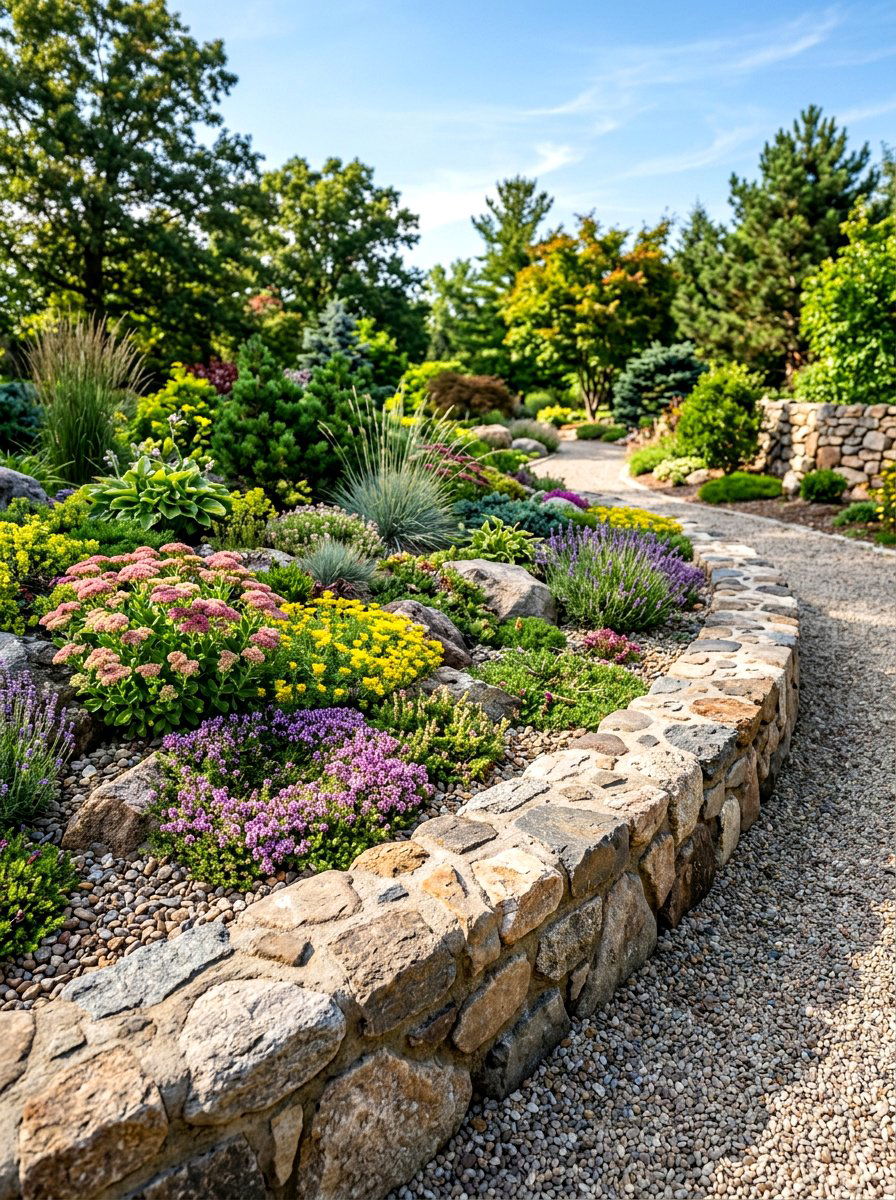
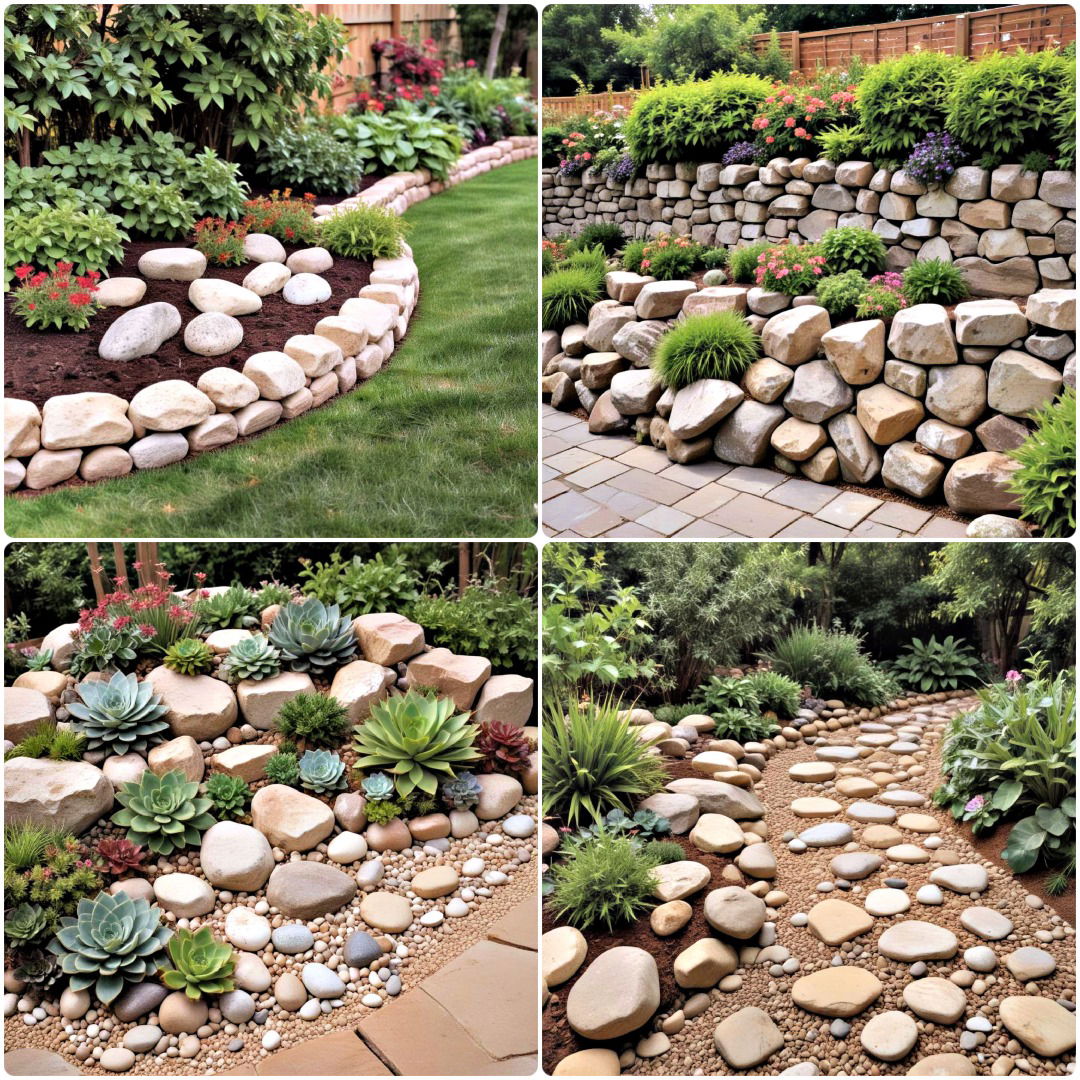
Textured fieldstone concrete edging mimics the look of natural boulders and stones found in open fields. These precast pieces are designed with irregular shapes and rough surfaces to create a very organic and wild appearance. They are excellent for rock gardens or landscapes that aim to look like a natural part of the environment. The concrete is often tinted with multiple colors to replicate the mossy or weathered look of real stone. These borders are heavy and stable, providing a strong boundary that keeps soil and mulch exactly where they belong while adding a touch of natural beauty.
14. Interlocking Concrete Brick
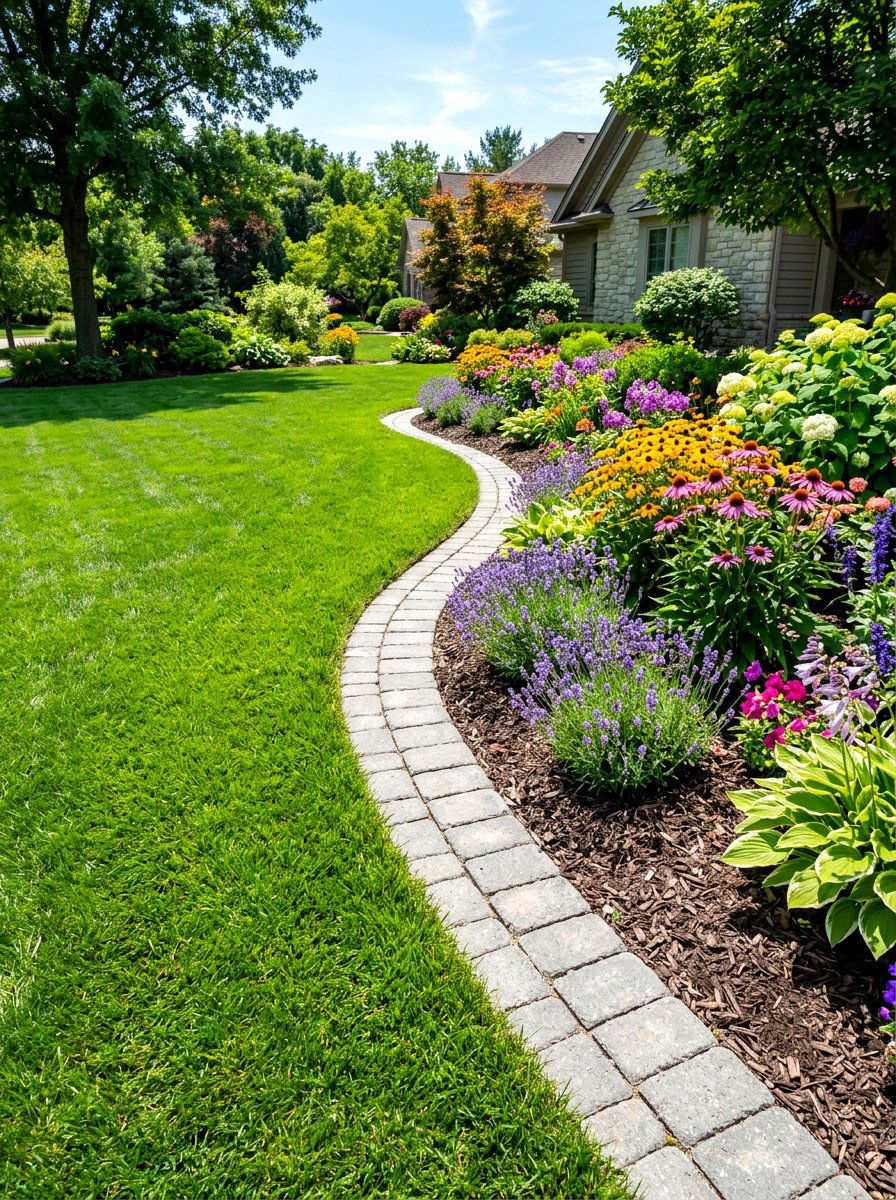
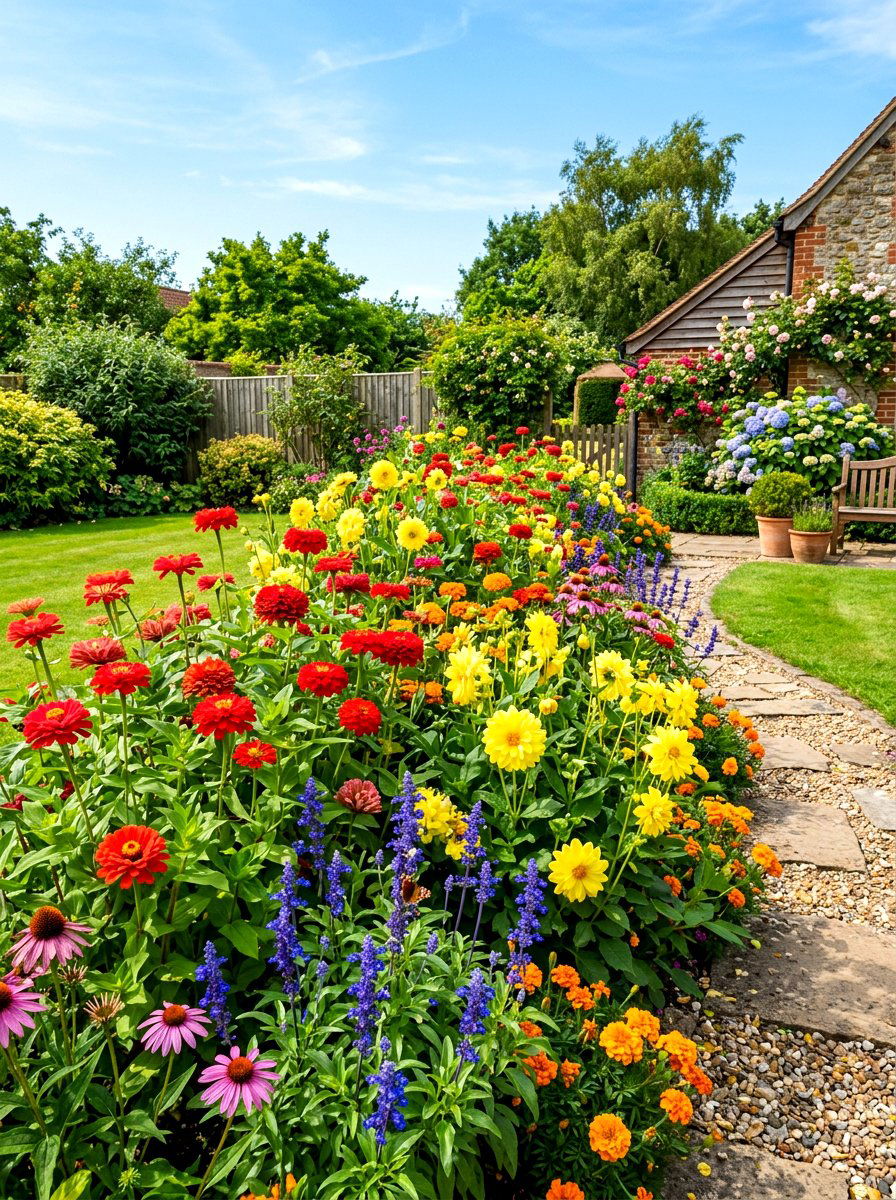
Interlocking concrete bricks provide a very secure and stable border that is easy for DIY enthusiasts to install. These bricks are designed with grooves or shapes that fit together tightly, preventing them from shifting over time. This creates a very consistent and neat line along your garden beds. They are available in various styles, from classic red brick looks to more modern gray tones. Because they lock together, they are very effective at holding back soil and resisting the pressure of tree roots. This is a reliable and timeless option for any homeowner who wants a tidy and professional-looking yard.
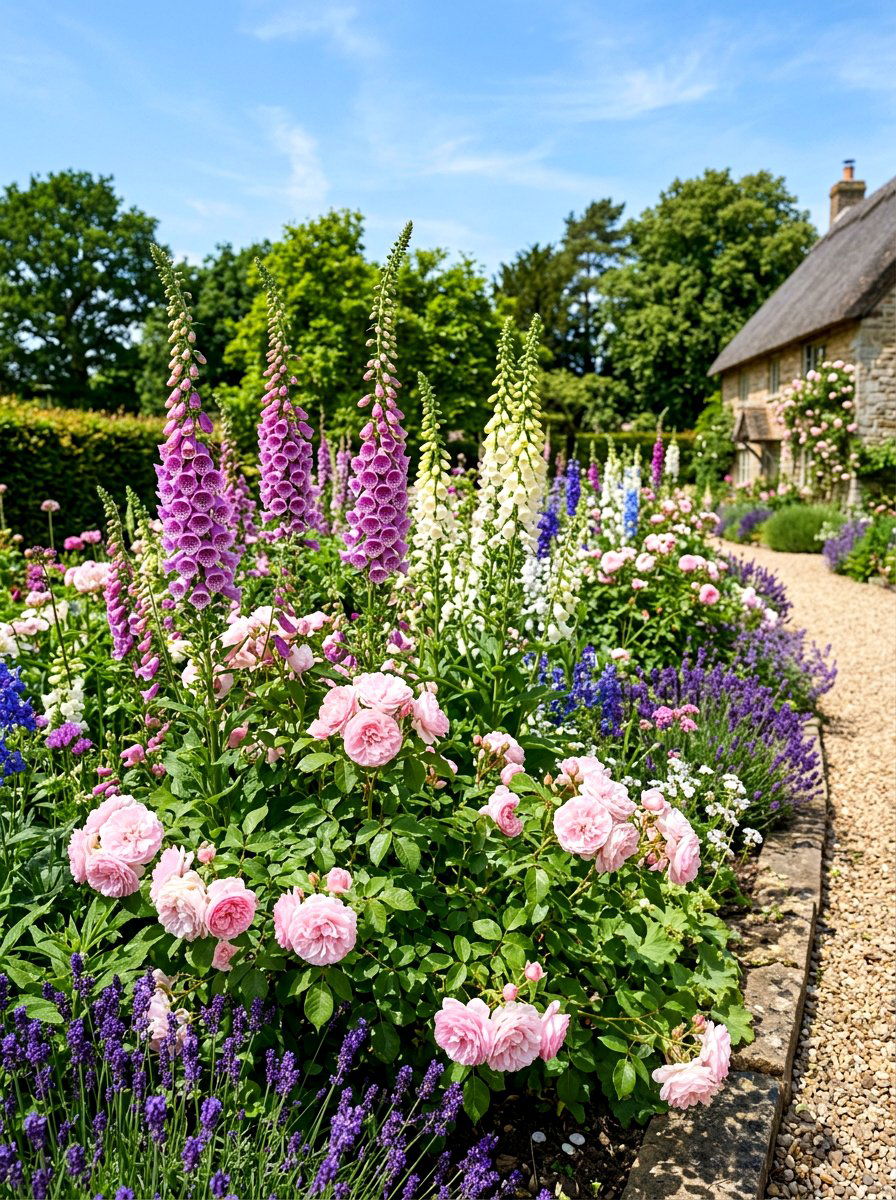
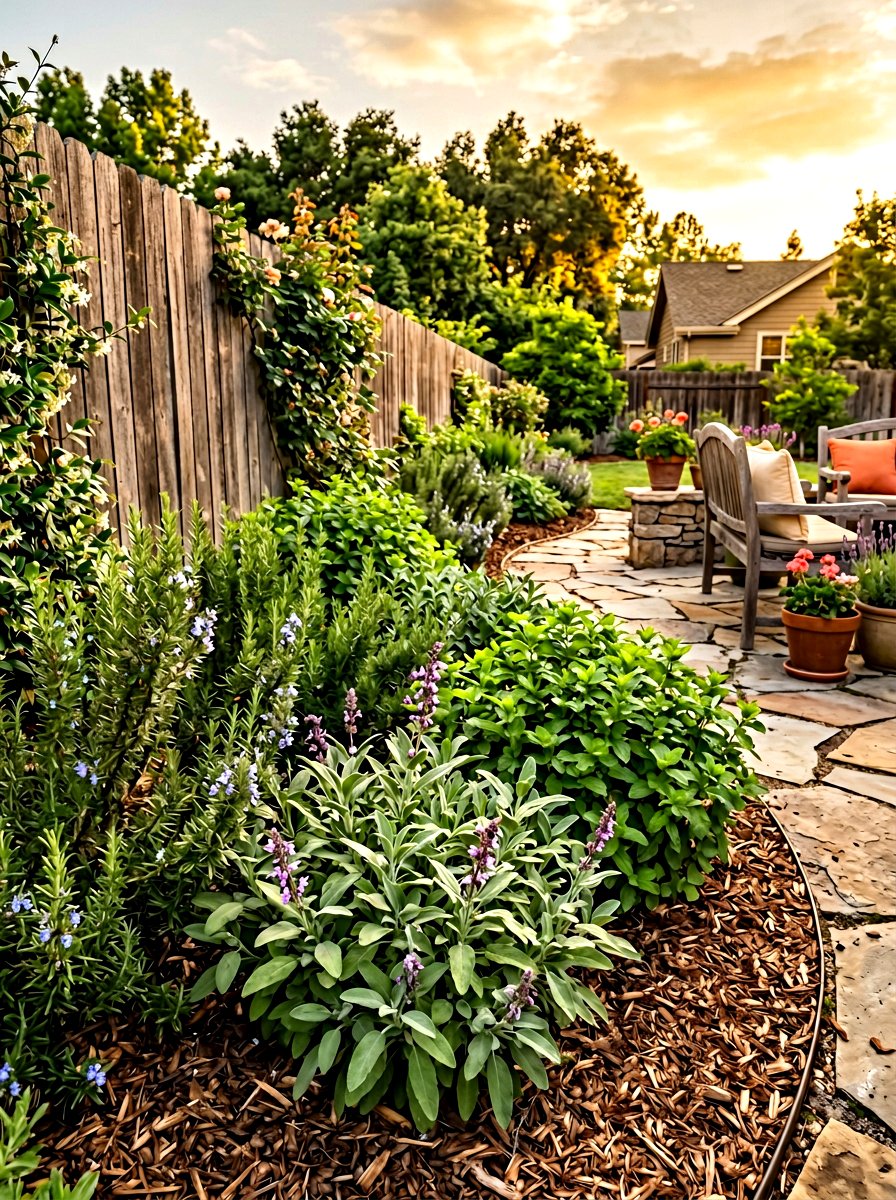
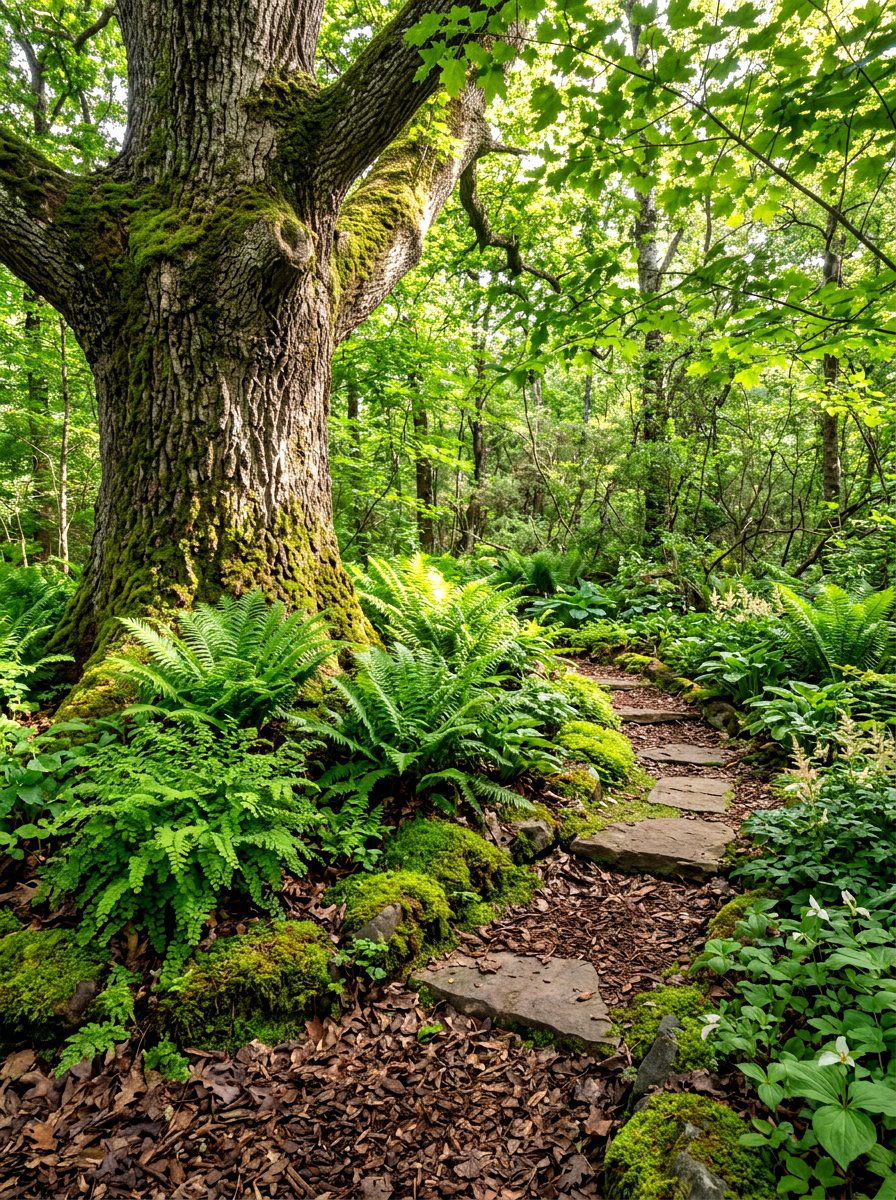
15. Geometric Tile Border
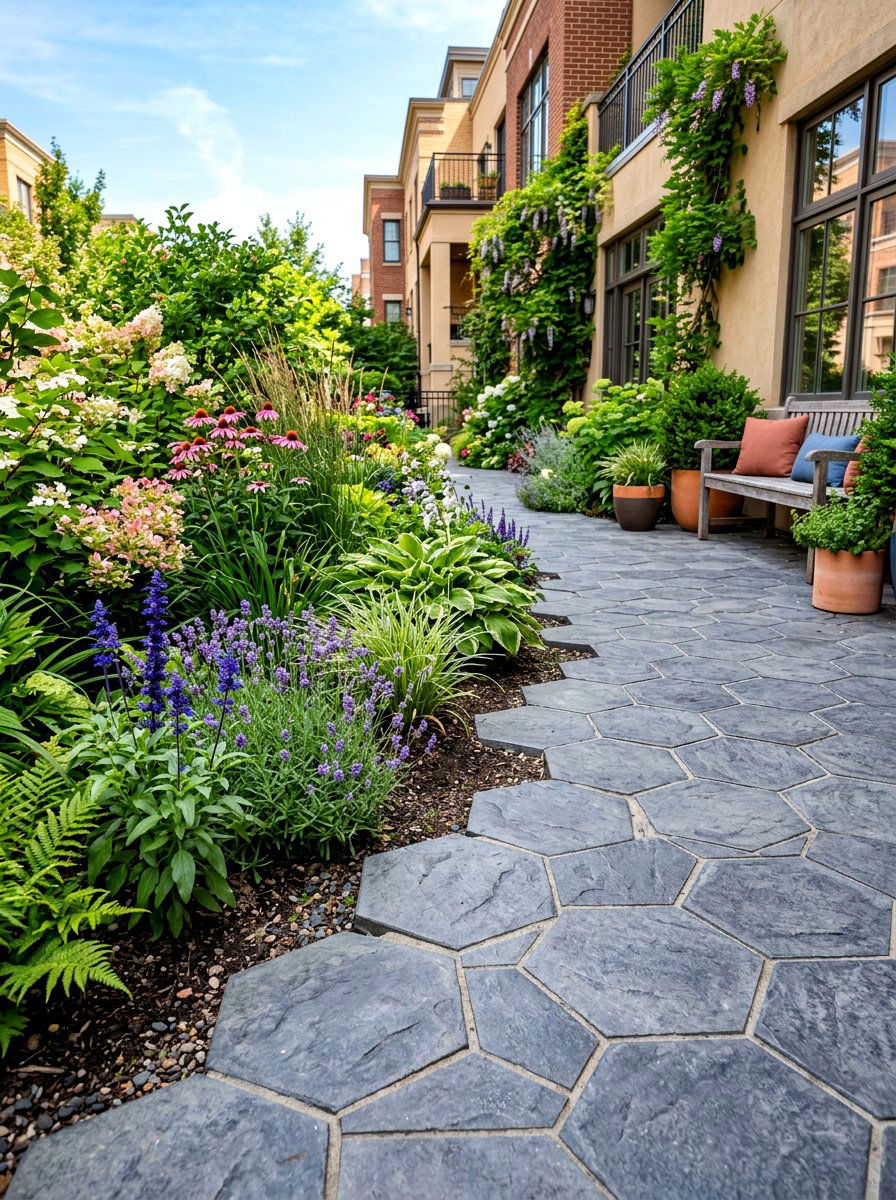
A geometric tile border uses concrete tiles with bold patterns or shapes to create a highly decorative garden edge. This style is perfect for those who want to make a statement and treat their garden border as a piece of art. You can find tiles in hexagonal, diamond, or Moroccan-inspired shapes that add a lot of personality to your space. Using these tiles creates a boutique look that is very popular in modern urban gardens. They are durable enough to handle the outdoor elements while providing a high-level design finish. It is a creative way to frame your favorite plants.
16. Oversized Concrete Slab
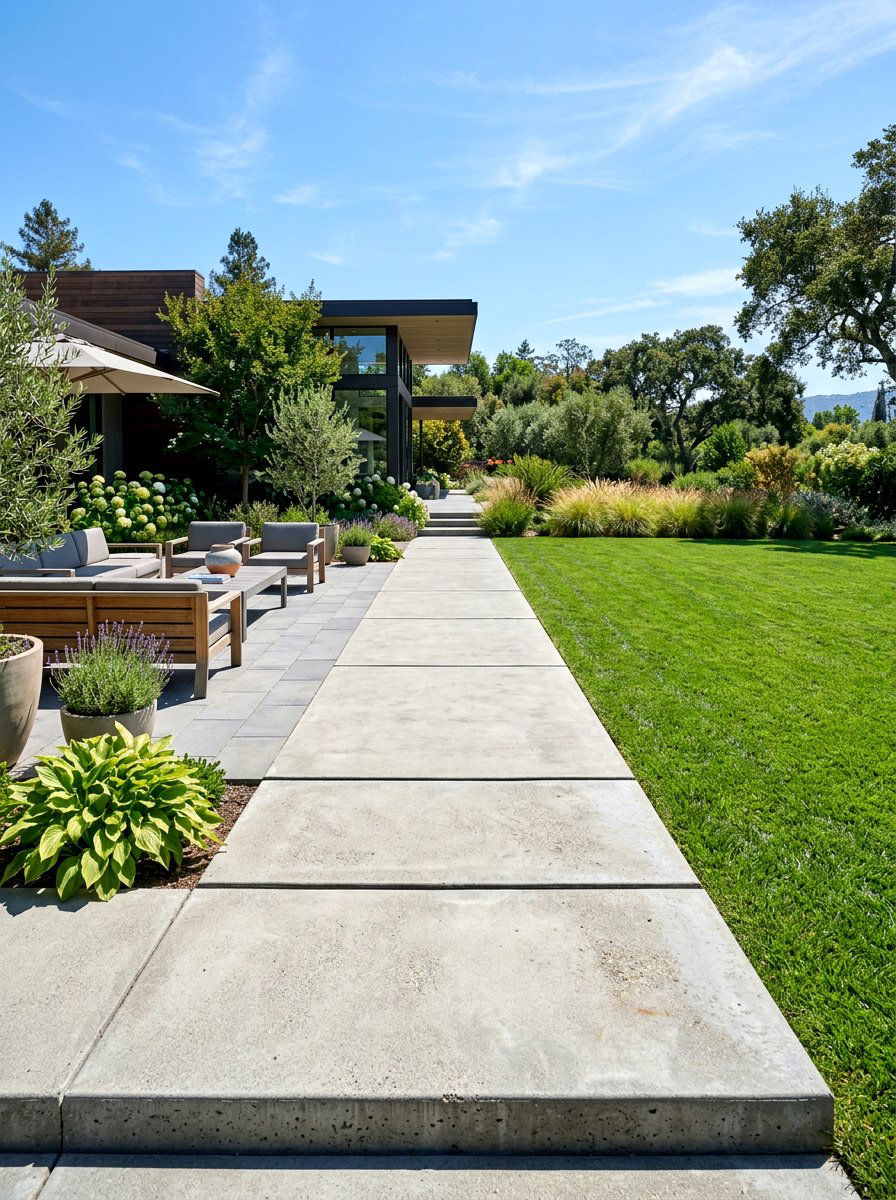
Oversized concrete slabs are a bold architectural choice for large properties and contemporary landscape designs. These wide and long pieces create a very dramatic and clean border that feels solid and permanent. They are often used to define large patio areas or expansive lawn sections. The scale of these slabs makes the garden feel more organized and expansive. Because there are fewer joints between the pieces, the overall look is very minimalist and uncluttered. They are perfect for minimalist gardens where the focus is on clean lines and open space. These slabs provide a very grounded and stable feel.
17. Decorative Rope Curbing
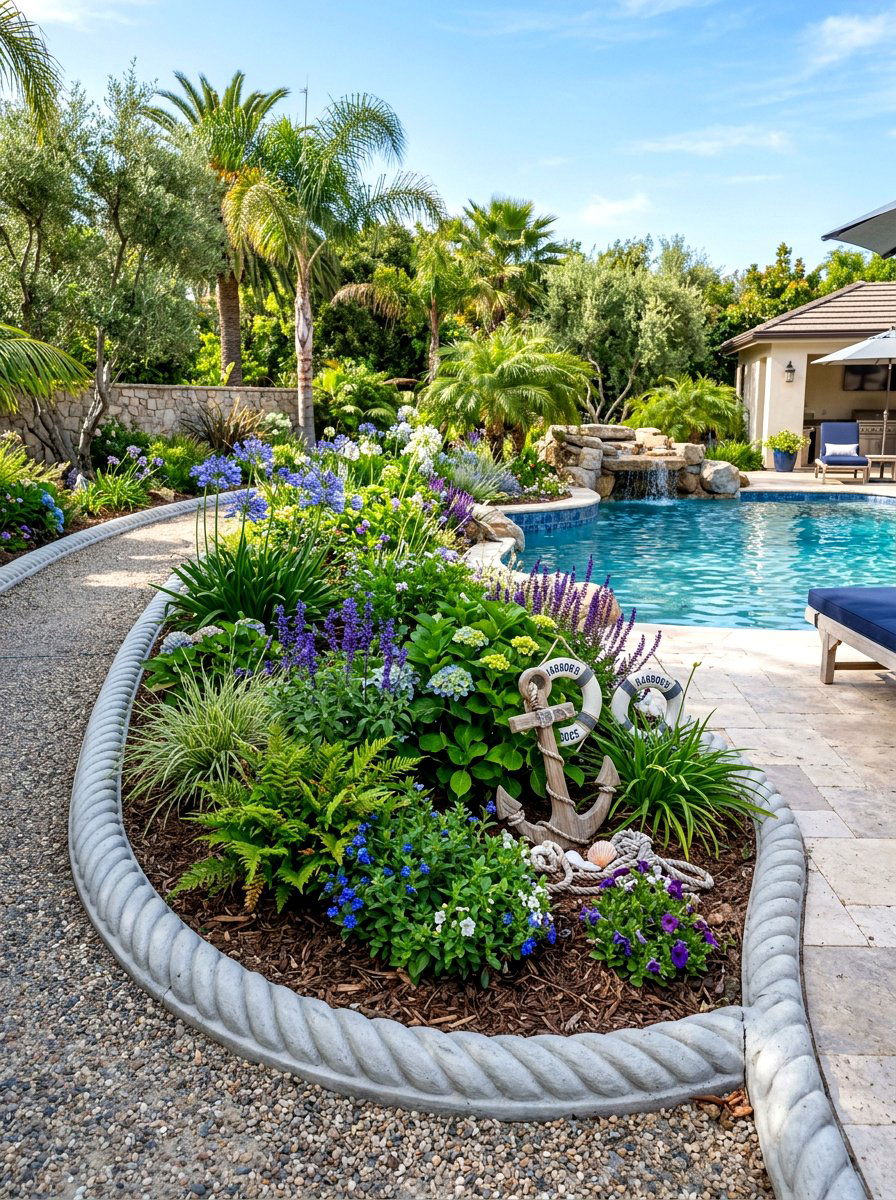
Decorative rope curbing is a unique concrete design that features a molded pattern resembling a thick, twisted rope. This ornamental style adds a touch of classic elegance and a nautical or coastal vibe to your garden. It is often used in formal landscapes or near water features and pool areas. The intricate detail of the rope pattern provides a lot of visual interest and catches the light beautifully. Because it is made of solid concrete, it is much more durable than actual rope or wood. This is a charming way to add a bit of tradition and flair to your yard.
18. Tapered Slant Edge
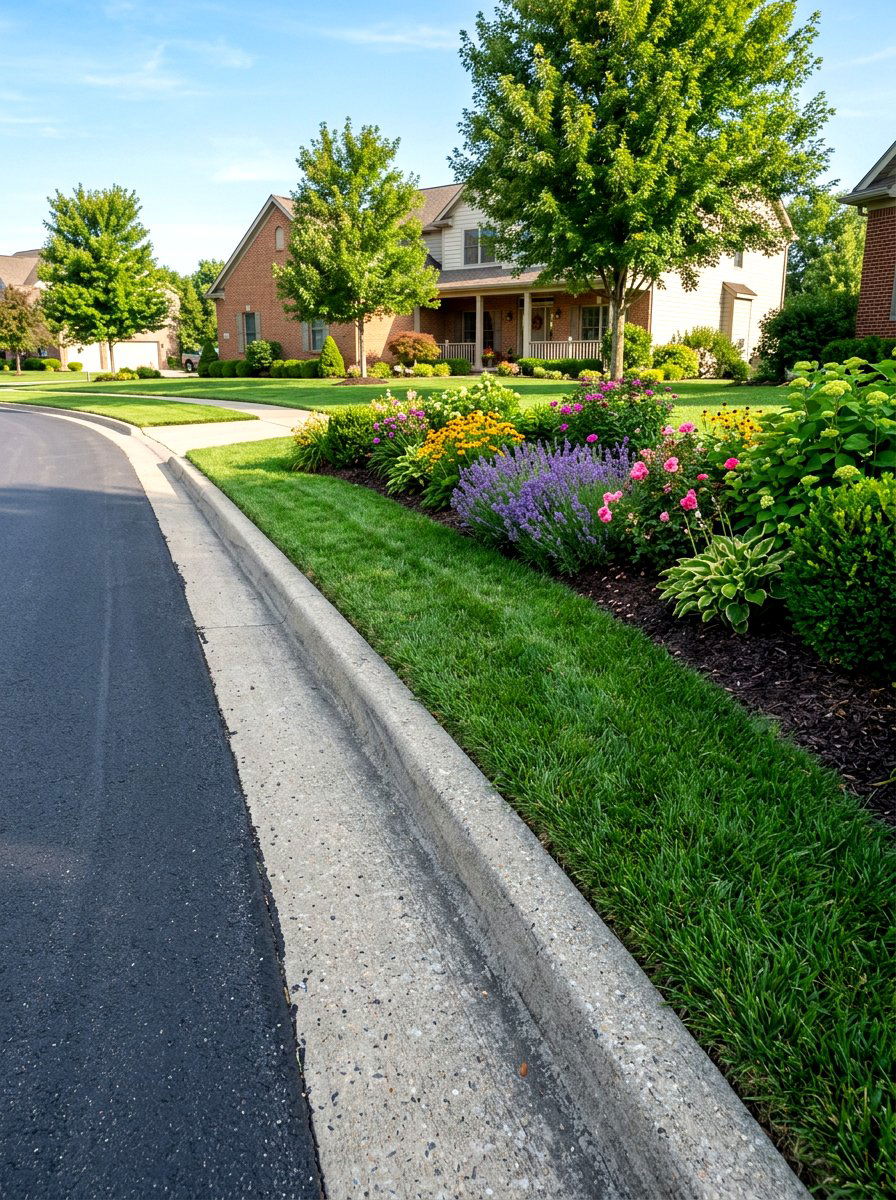
The tapered slant edge is a functional concrete border designed with a sloped front and a higher back. This specific shape is excellent for retaining mulch and soil in your garden beds while offering a clean look from the lawn side. The slope makes it easier to use a weed whacker or lawnmower right up against the edge without damaging the concrete. It provides a very professional and tidy appearance that is common in many high-end residential neighborhoods. The tapered design adds a bit of modern style to the traditional garden curb, making it a very popular and practical choice.
19. Angle Mold Border
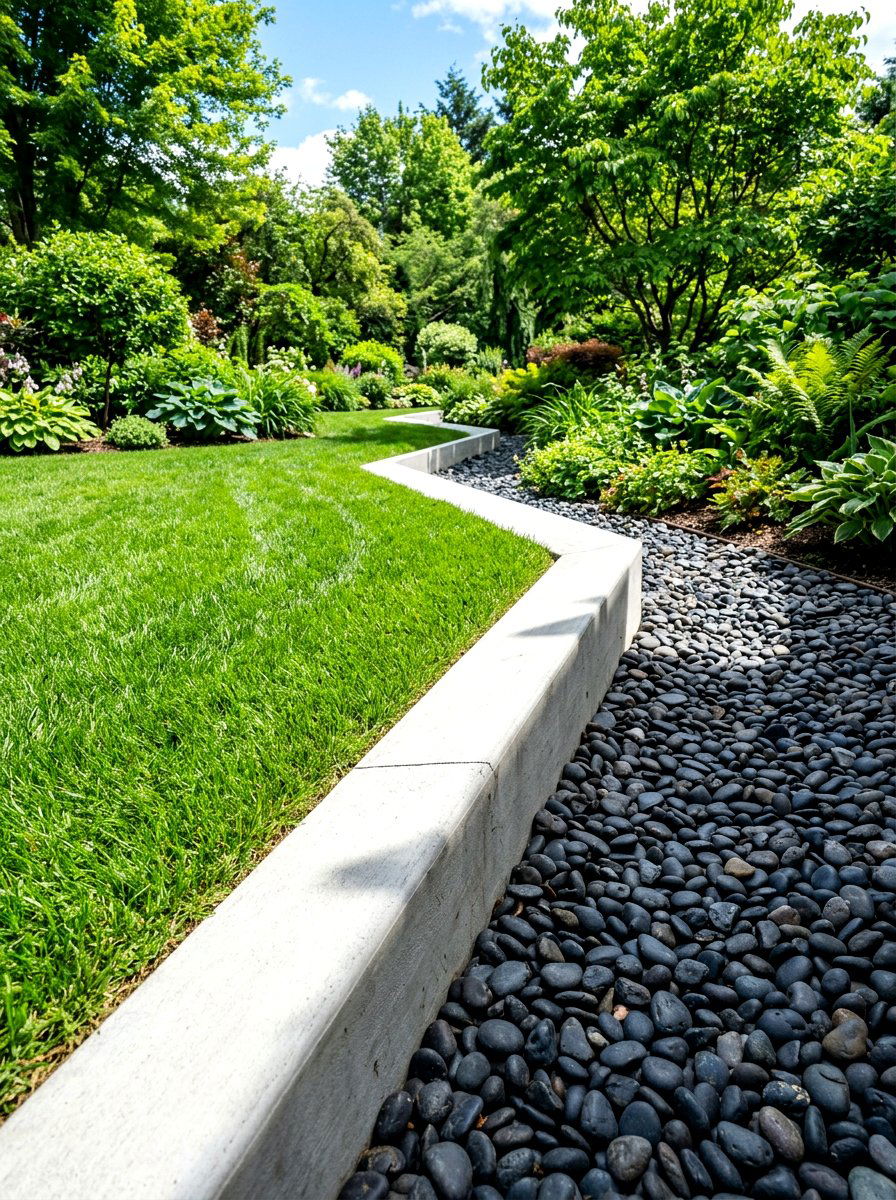
An angle mold border is a sleek and sharp concrete edging style that features a steep, slanted face. This design is perfect for creating high-contrast boundaries between different landscaping materials, such as grass and dark river rocks. The sharp angle creates a very defined line that looks great in modern and minimalist gardens. It is a very durable style that can be poured in place to follow any curve or straight line you desire. This border is also very effective at preventing grass from growing into your flower beds because of its steep and solid vertical barrier. It is stylish and functional.
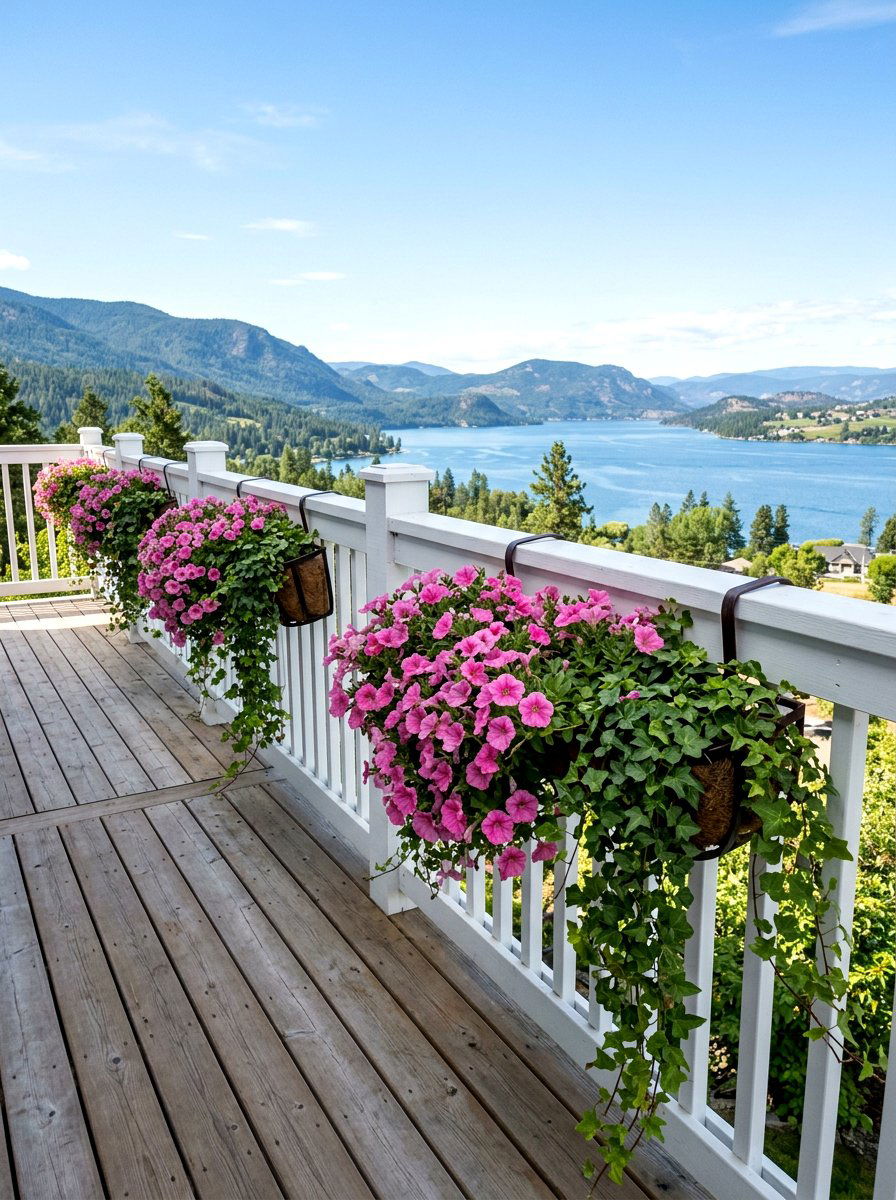
20. Victorian Style Edging
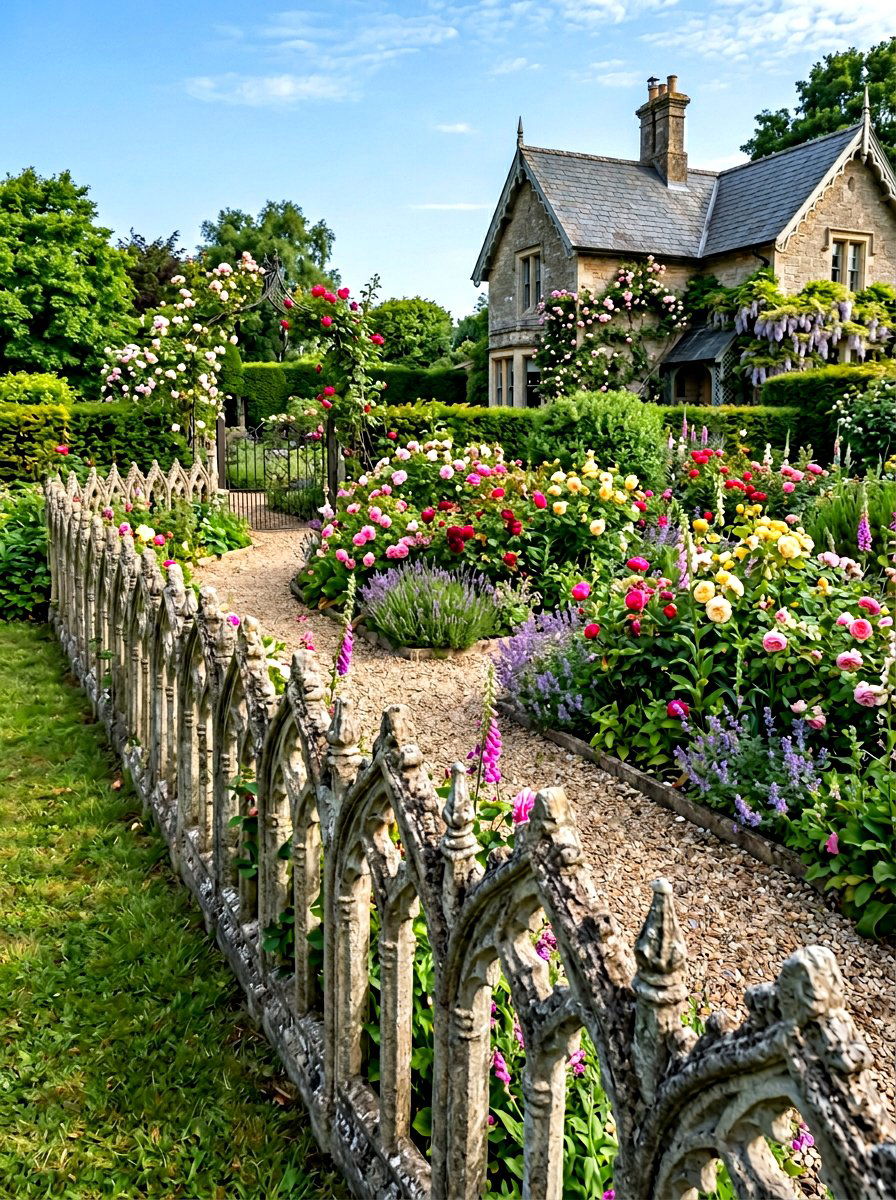
Victorian style concrete edging brings a sense of historical elegance and old-world charm to your garden. These precast pieces often feature ornate details like scrolls, fleur-de-lis, or pointed gothic arches. They are perfect for framing traditional flower gardens filled with roses, lavender, and classic perennials. This style of edging acts as a beautiful decorative frame that enhances the romantic feel of your outdoor space. While it looks delicate and artistic, the concrete construction ensures that it will last for many years without cracking or fading. It is a wonderful way to give your garden a timeless and sophisticated personality.
21. Weathered Rock Concrete
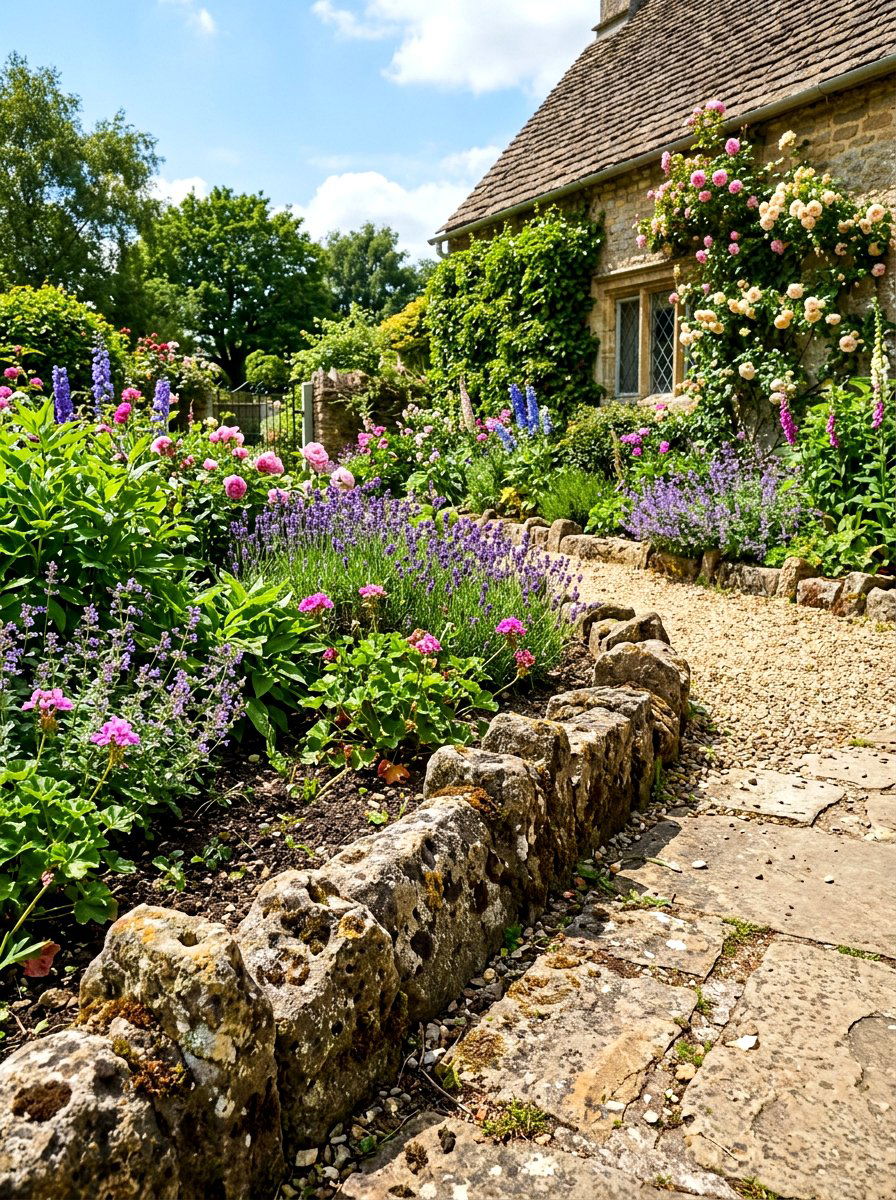
Weathered rock concrete edging is designed to look like old, aged stones that have been in place for decades. These pieces feature cracks, uneven surfaces, and varied coloring that mimic the natural aging process of real stone. This style is perfect for rustic landscapes, cottage gardens, or any space where you want a lived-in and comfortable feel. The concrete is often treated with stains that create a mossy or lichen-like appearance. It provides all the character of ancient stonework with the structural reliability of modern concrete. This is an excellent choice for a natural and relaxed garden aesthetic.
22. Minimalist Linear Border
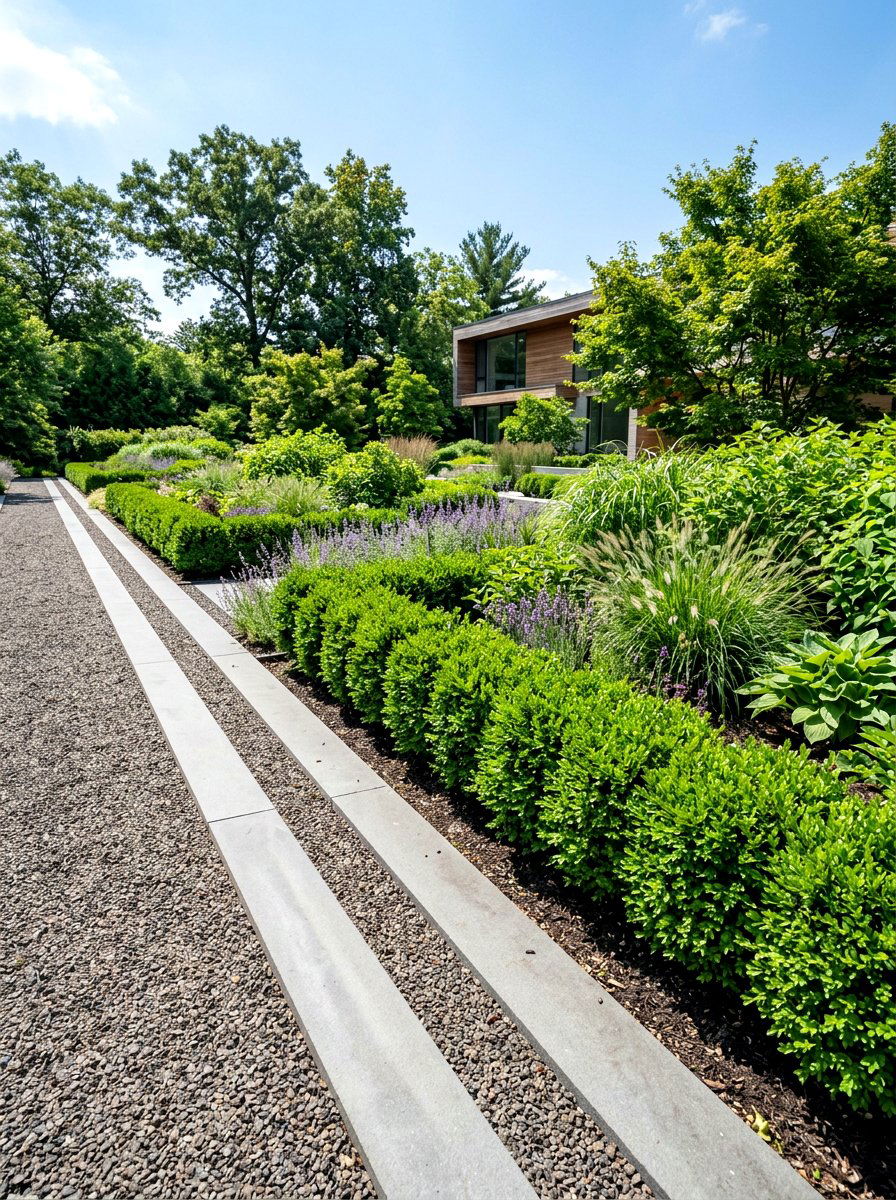
A minimalist linear border is all about simplicity and clean, straight lines. This style uses thin, rectangular concrete strips that sit slightly above the ground to create a subtle but effective boundary. It is the perfect choice for modern homes that emphasize "less is more" in their design. These borders work well with monochromatic color palettes and structured plantings like boxwood hedges. The lack of decorative flourishes allows the beauty of the plants to take center stage. This style provides a very tidy and organized look that makes any garden feel more modern and well-maintained for years.
23. Low Retaining Wall
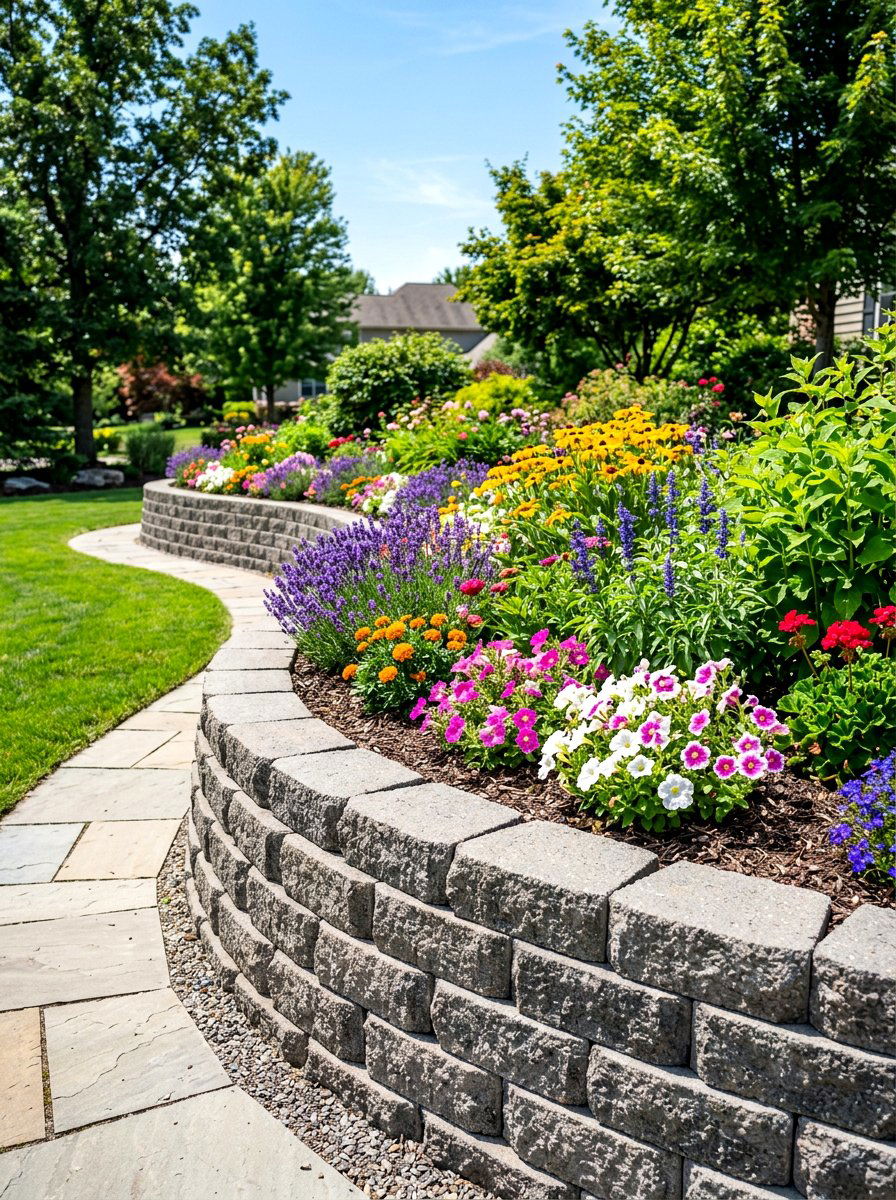
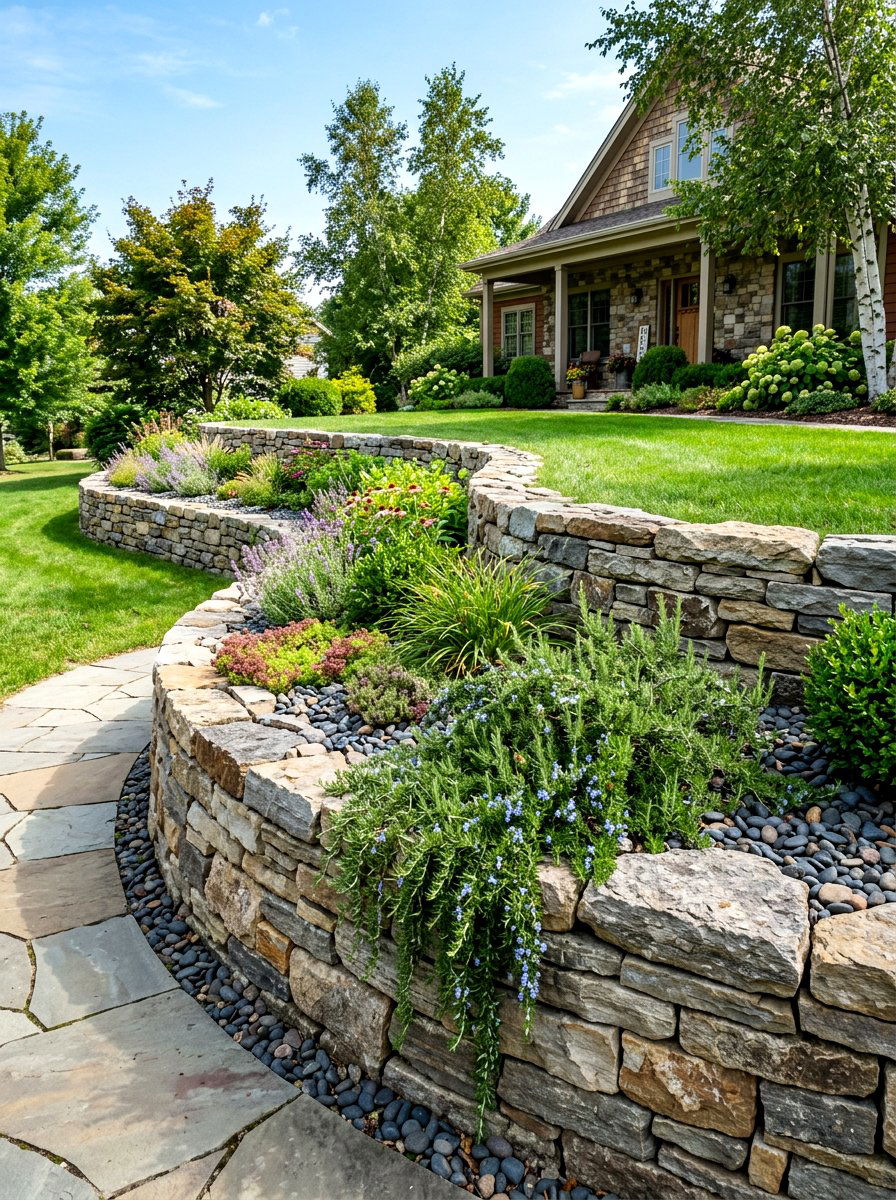
A low retaining wall made of concrete can serve as a substantial and functional garden border. This is an ideal solution for yards with small slopes or uneven terrain where you need to level out the planting beds. By raising the garden area, you create a beautiful focal point that is also easier to maintain. These walls can be built using stacked blocks or poured concrete for a seamless look. They offer a strong structural presence that defines the boundaries of your outdoor living spaces. Using a low wall also provides extra seating options for guests during backyard gatherings and parties.
24. Recessed Ground Edge
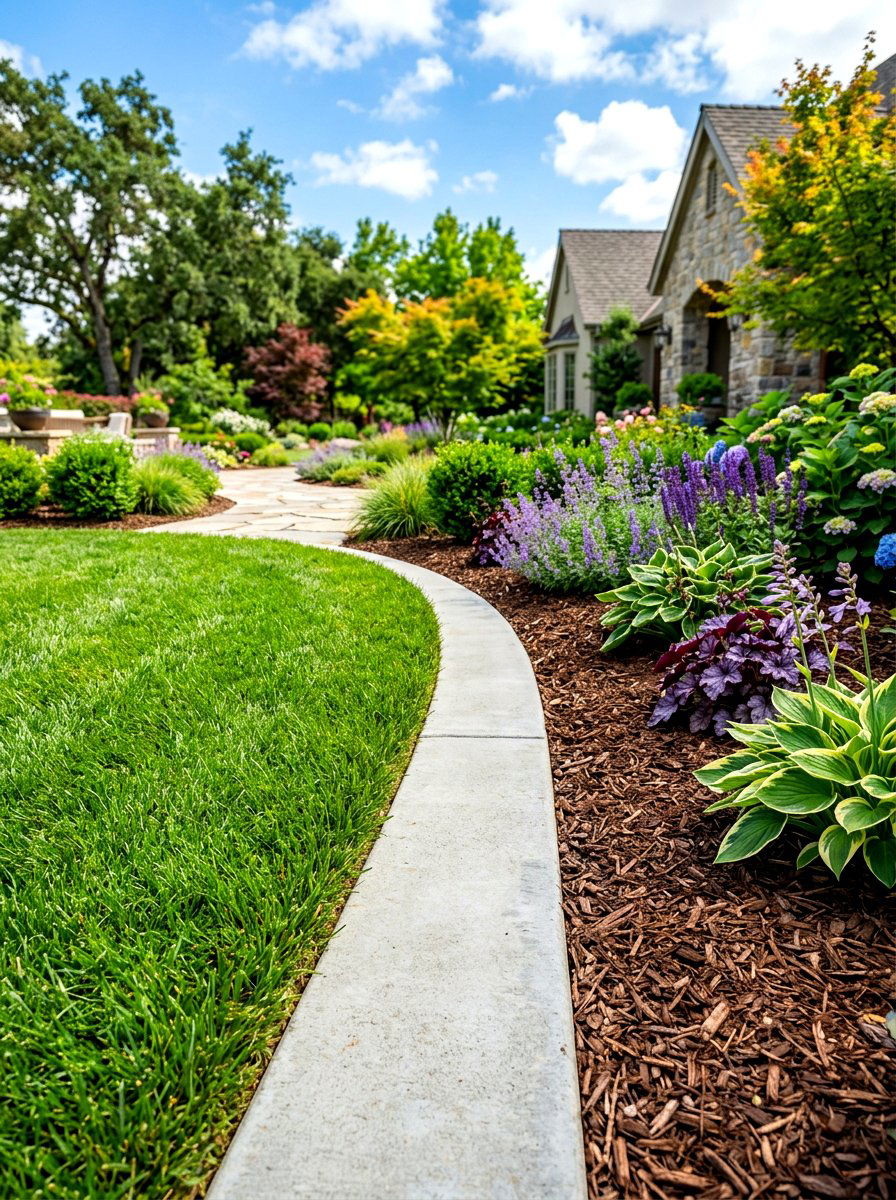
A recessed ground edge is a subtle concrete border that is installed flush with the soil and lawn. This creates a very clean transition between different areas of the yard without any vertical obstructions. It is a great choice for those who want a minimalist look where the edging is almost invisible. This style allows for the easiest lawn maintenance because you can mow directly over the entire border. It effectively keeps mulch from spreading onto the grass while maintaining a very open and airy feel in the landscape. It is a practical and understated way to organize your garden zones.
25. Industrial Concrete Beam
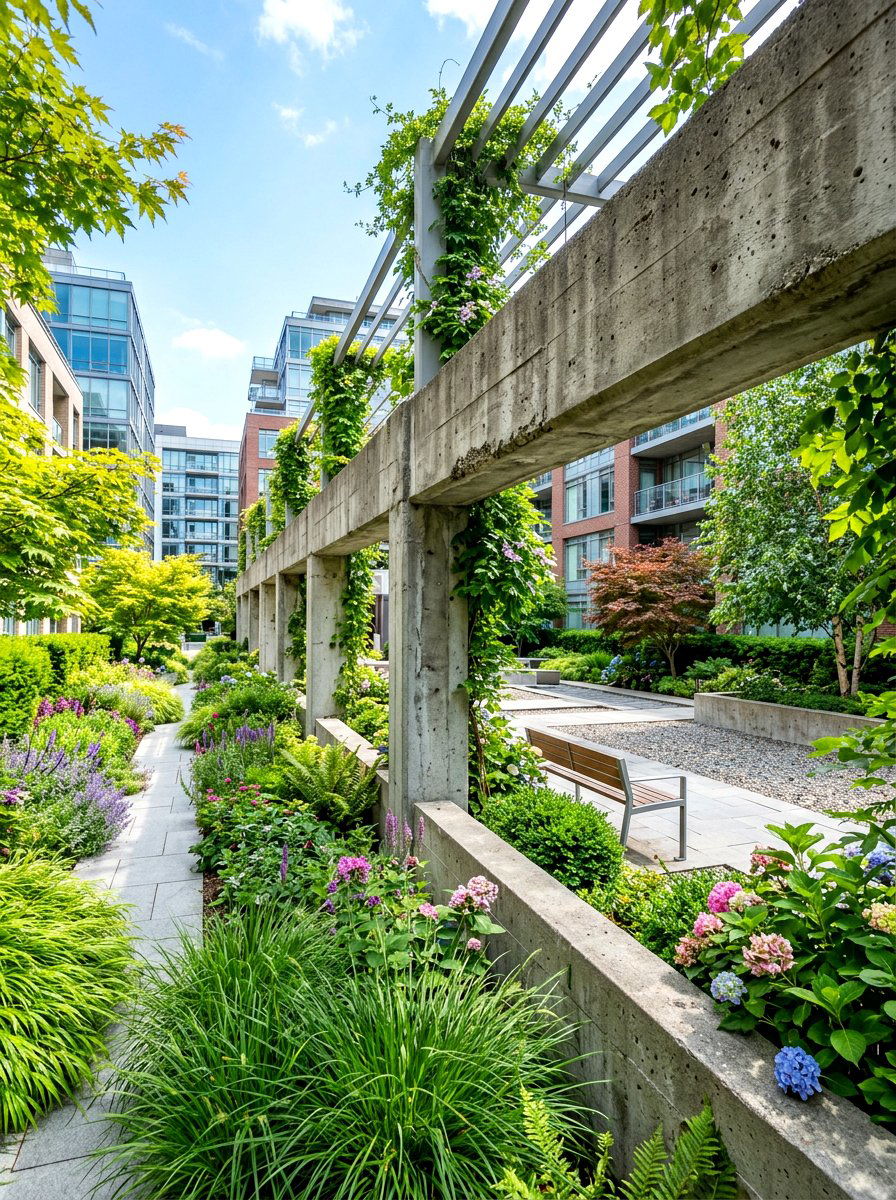
The industrial concrete beam border uses thick, heavy sections of concrete to create a very strong and masculine look. This style is inspired by modern urban architecture and works wonderfully in loft-style outdoor spaces or contemporary commercial landscapes. The raw, gray finish of the concrete provides a beautiful contrast to soft green foliage and vibrant flowers. These beams are incredibly durable and can handle a lot of wear and tear. They stay perfectly in place due to their massive weight. This is a bold design choice that adds a sense of strength and permanence to any garden or yard area.
26. Pebble Inlay Border
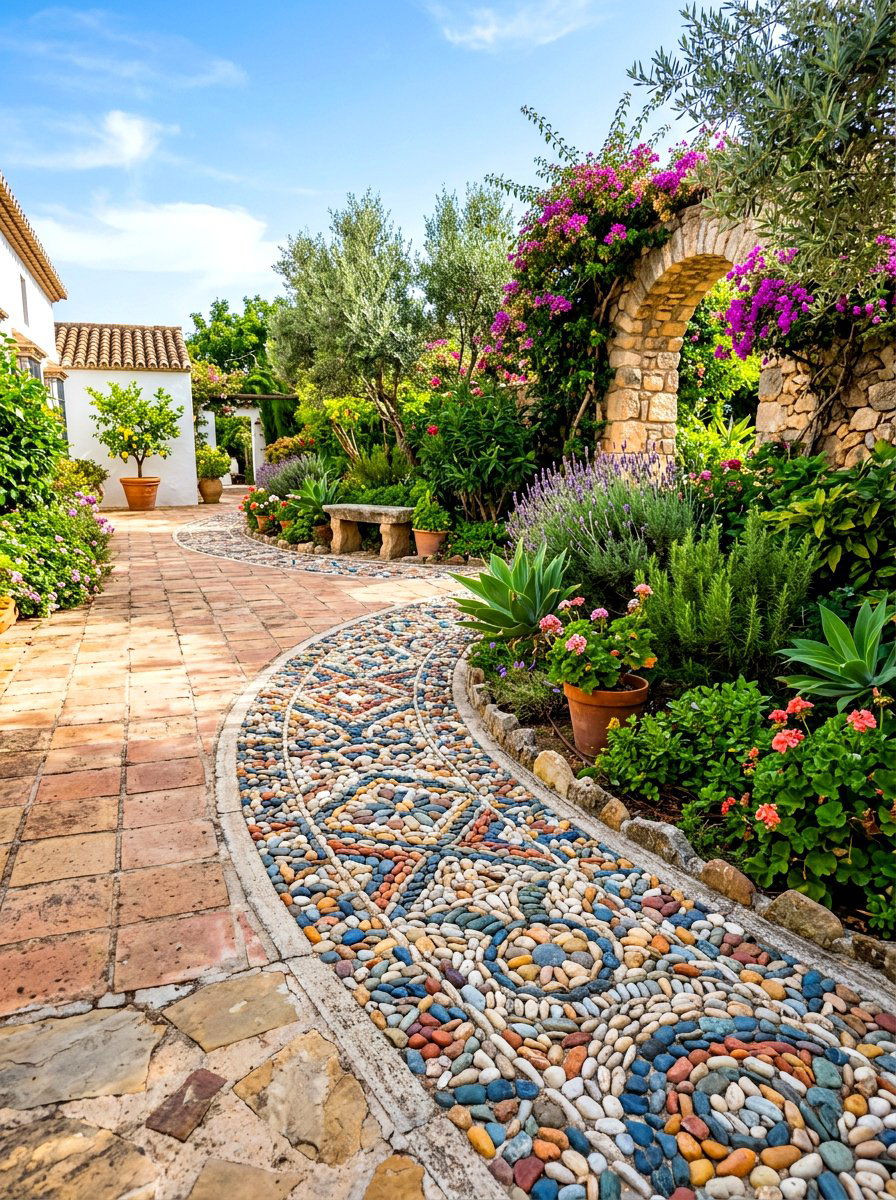
A pebble inlay border is a creative concrete design where small stones are pressed into the surface of the wet concrete. This creates a beautiful mosaic-like effect that adds a lot of color and texture to your garden edge. You can use different colors of pebbles to create patterns or a more random, natural look. This style is perfect for Mediterranean or coastal gardens where natural textures are a key element. The smooth pebbles feel nice underfoot and provide a decorative touch that is more unique than standard concrete. It is a lovely way to add handcrafted detail to your space.
27. Circular Tree Ring
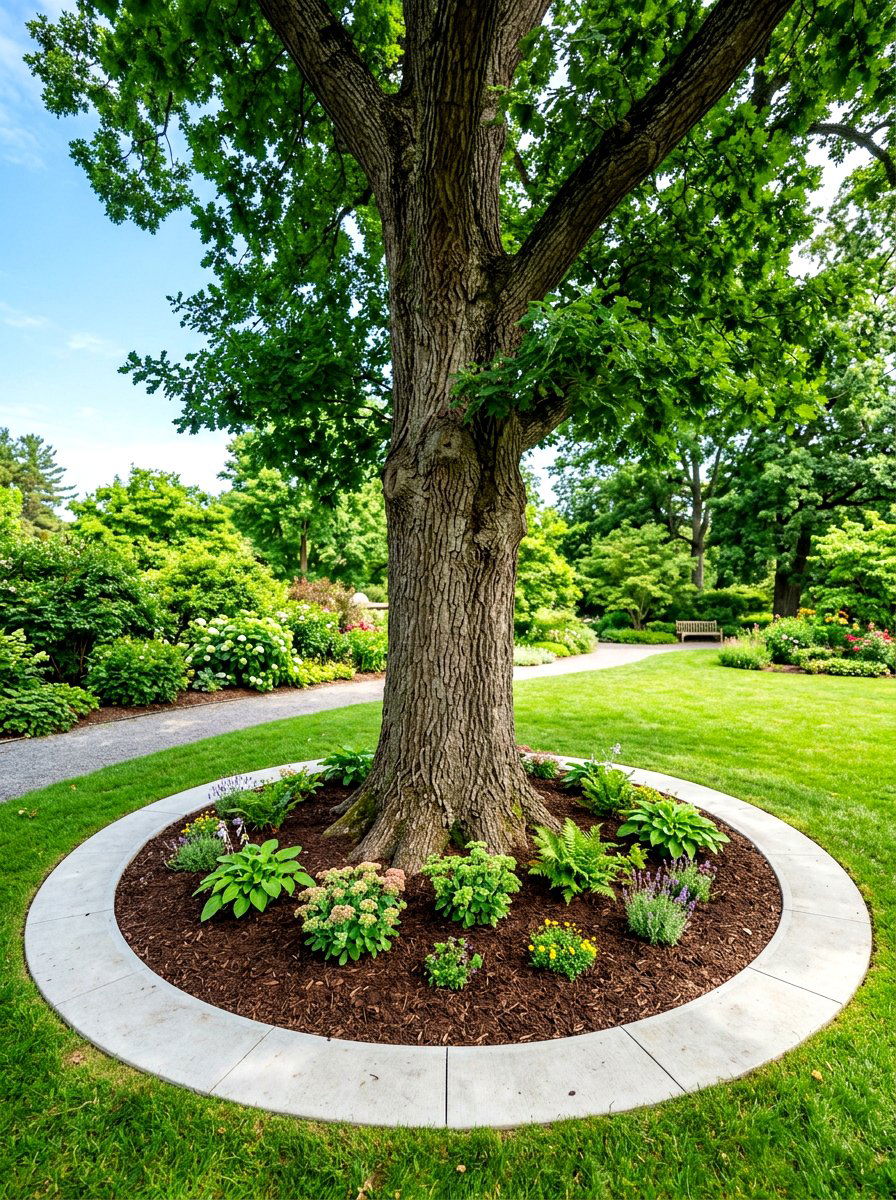
A circular tree ring made of concrete is a specific type of border designed to protect the base of your trees. This style creates a neat circle that keeps grass from growing too close to the trunk, preventing damage from lawnmowers and weed whackers. The ring can be made of individual curved blocks or a single poured piece. It provides a clean area where you can add mulch or small flowers to highlight your favorite trees. This organized look makes your entire yard feel more professional and well-tended. It is a functional and attractive solution for any landscape with mature trees.
28. Patterned Inset Divider
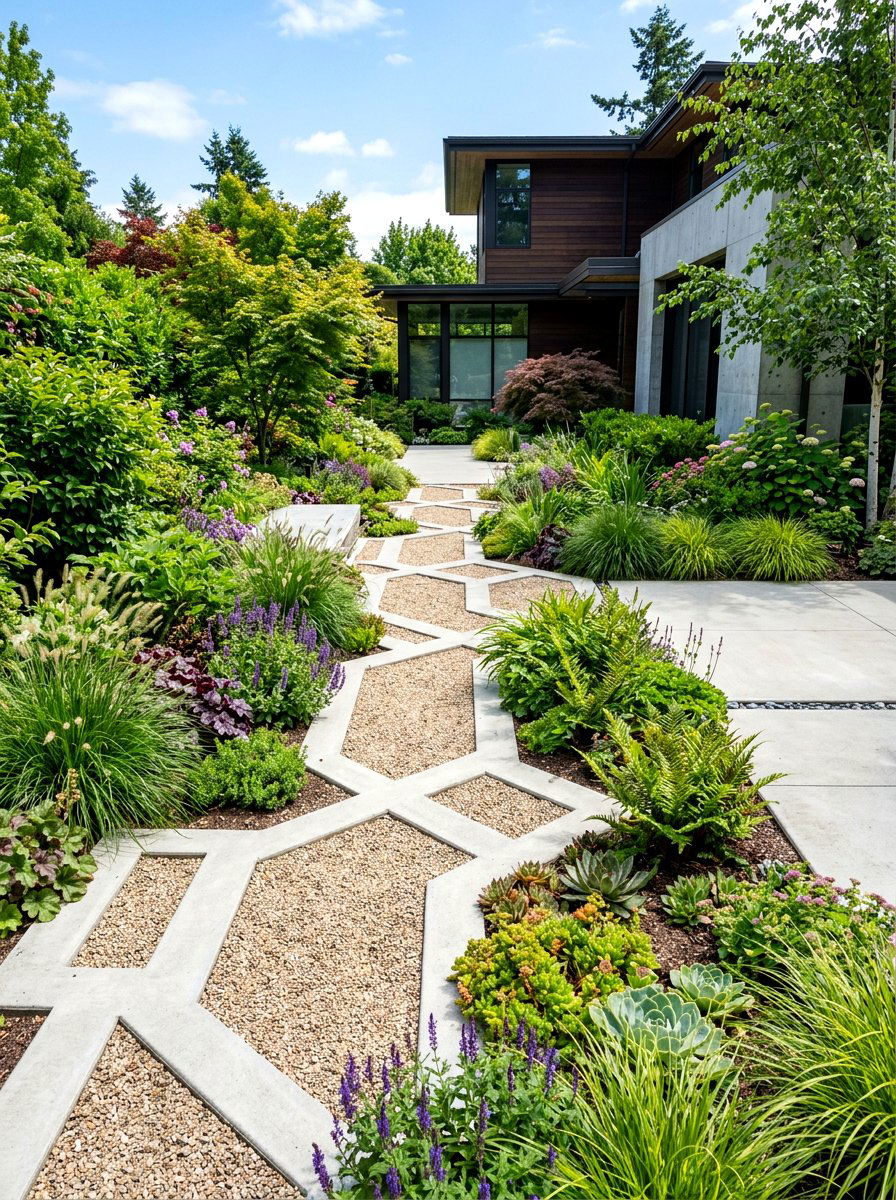
A patterned inset divider uses decorative concrete strips to separate different sections of a large garden or patio. This style involves placing the concrete borders within a larger area of gravel, mulch, or pavers to create interesting visual segments. You can use these dividers to create geometric paths or to define specific planting zones within a large garden bed. The patterns created by these concrete lines add a lot of architectural interest and help to direct the eye throughout the space. It is a very sophisticated way to manage a large landscape and make it feel more cohesive and designed.
29. Brutalist Block Edge
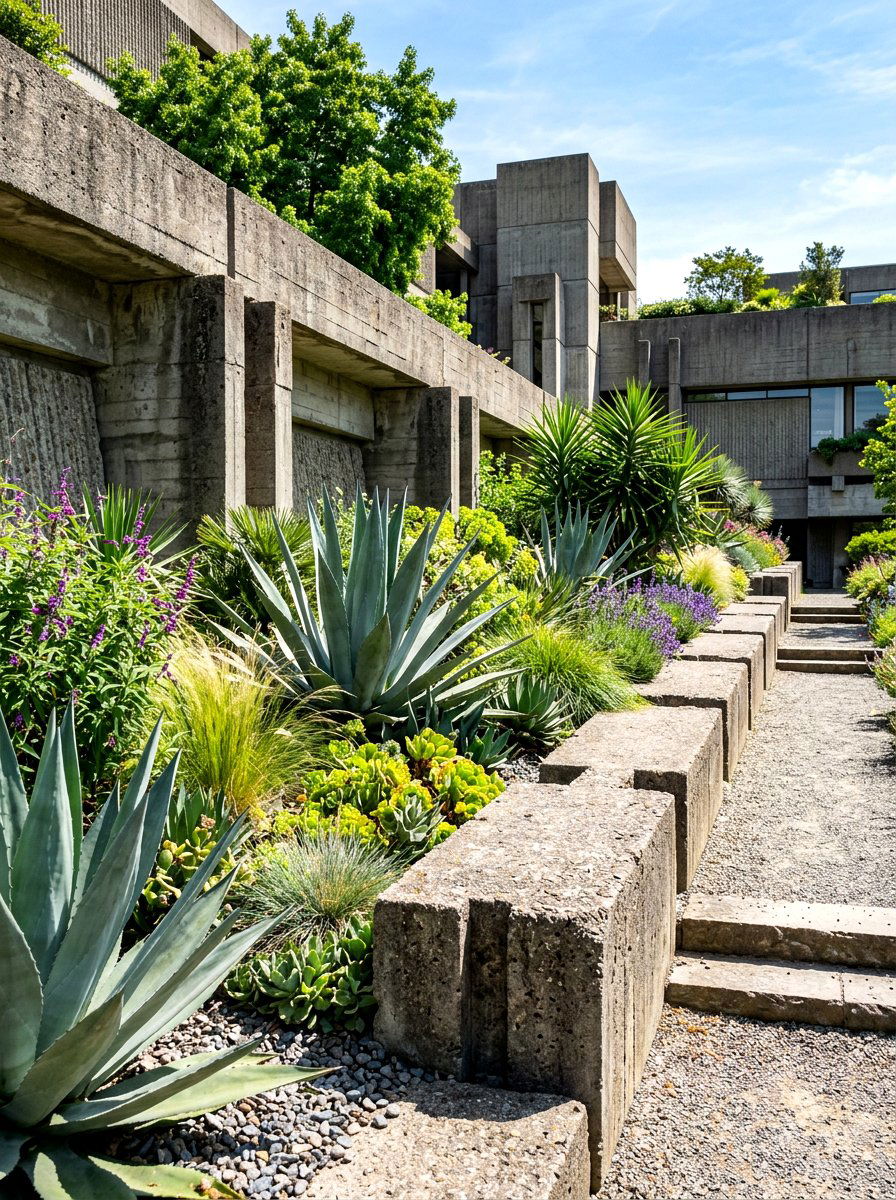
The brutalist block edge is a design style that celebrates the raw, unadorned beauty of heavy concrete blocks. This look is characterized by large, chunky shapes and a rough finish that feels very solid and grounded. It is perfect for modern landscapes that want to make a bold statement with industrial materials. These borders look great when paired with bold, architectural plants like agave or large ferns. The simplicity of the blocks creates a high-impact visual that is very trendy in contemporary outdoor design. It is a very durable and low-maintenance option for any large-scale garden project.
30. Rustic Concrete Timber
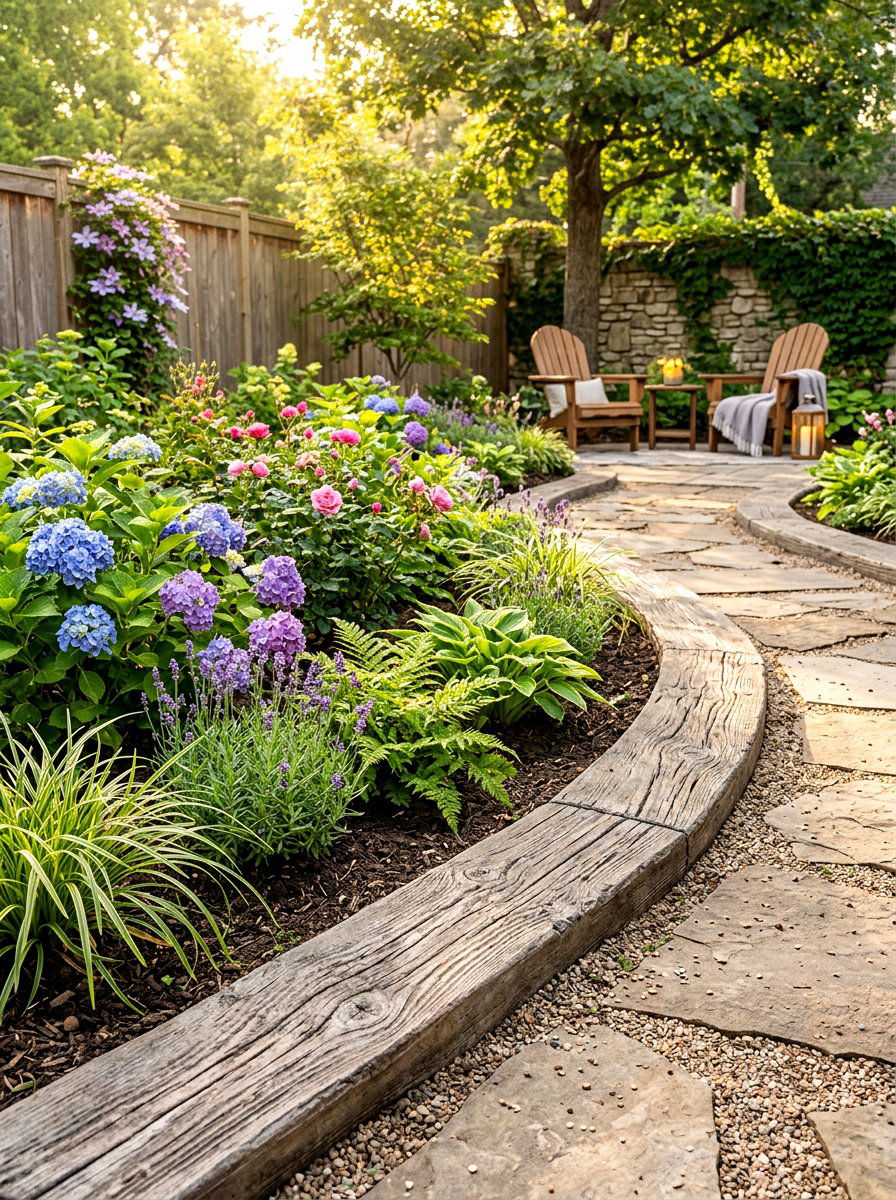
Rustic concrete timber is a specialized edging that perfectly mimics the look of old, weathered wooden planks. These precast pieces are colored with rich browns and grays to look like reclaimed wood from an old barn or pier. Unlike real timber, these concrete borders will not rot or attract insects, making them much more practical for outdoor use. They provide a warm and inviting feel that is perfect for country-style homes or cozy backyard retreats. This style adds a lot of character and a sense of history to your garden while providing a very sturdy and long-lasting boundary for your plants.
Conclusion:
Concrete garden borders are a smart and stylish investment for any homeowner looking to upgrade their landscape. They offer a level of durability and versatility that other materials simply cannot match. From modern polished strips to rustic faux wood logs, there is a concrete design to suit every taste and architectural style. By creating clean, permanent lines, these borders make your yard look professional and reduce the time you spend on maintenance. They protect your plants, contain your mulch, and boost your home's overall value. Choosing the right concrete edging will transform your garden into a beautiful, organized, and inviting outdoor sanctuary for many years.

Related posts: