Adding flowering trees to your outdoor space transforms a standard yard into a breathtaking sanctuary. These living ornaments provide a spectacular seasonal show that shifts with the weather. From the first delicate buds of early spring to the vibrant clusters of mid-summer, flowering trees offer vertical interest and soft colors. They also attract essential pollinators like bees and butterflies to your home. Choosing the right tree involves looking at your soil, sun exposure, and the overall layout of your landscape. A well-placed tree acts as a natural focal point that anchors your garden beds. It creates a sense of height and permanence that smaller perennials simply cannot achieve on their own. Let 's explore several stunning options to elevate your home' s curb appeal today.
1. Pink Cherry Blossom
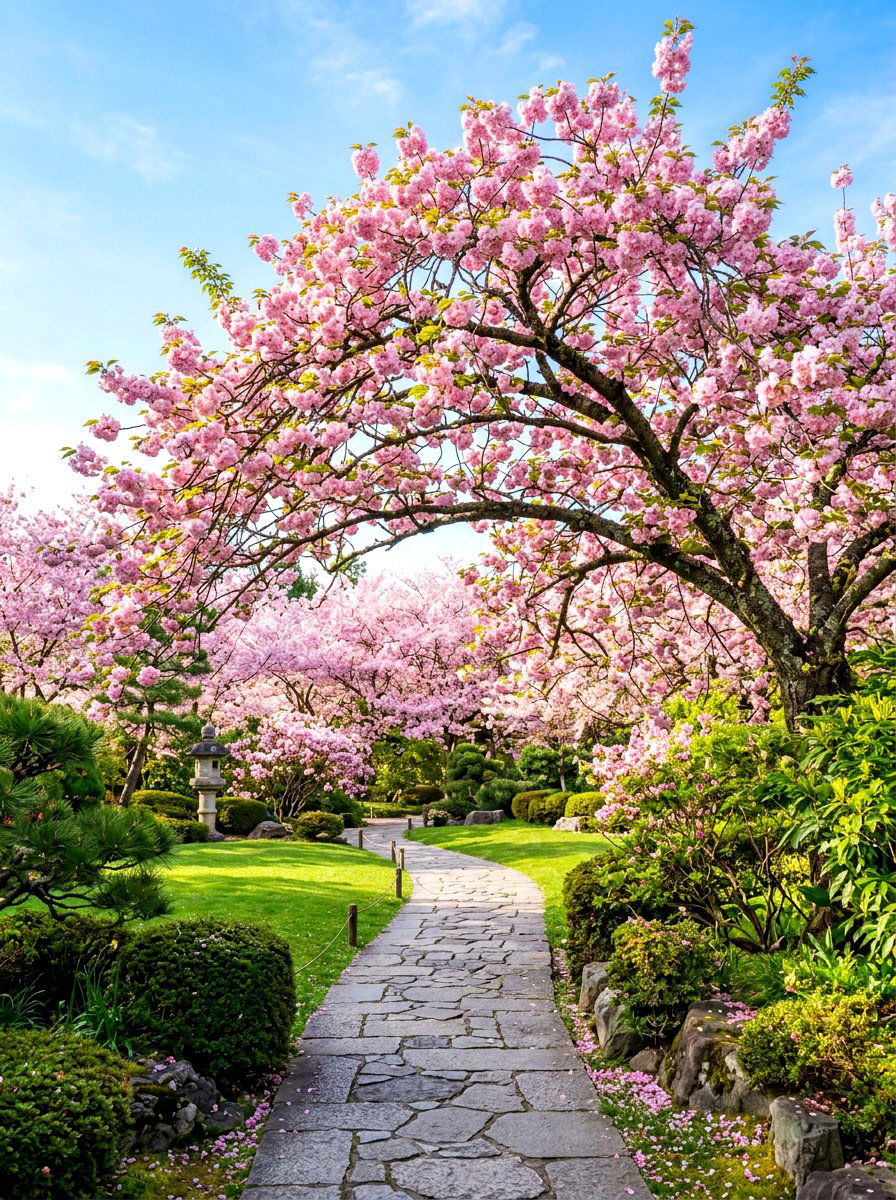
Imagine walking through a backyard where soft pink petals fall like snow onto a manicured green lawn. The pink cherry blossom tree is a classic choice for creating a romantic atmosphere in any front or backyard. You should plant these trees in a spot where they can spread their wide, arched branches freely. They look best when paired with low-growing evergreen shrubs that provide a dark green backdrop for the pale flowers. Consider adding a small stone path underneath the canopy to create a peaceful walking area. This design makes the tree feel like a deliberate destination rather than just a random planting. It truly brings a showcase of spring beauty.
2. White Magnolia Tree
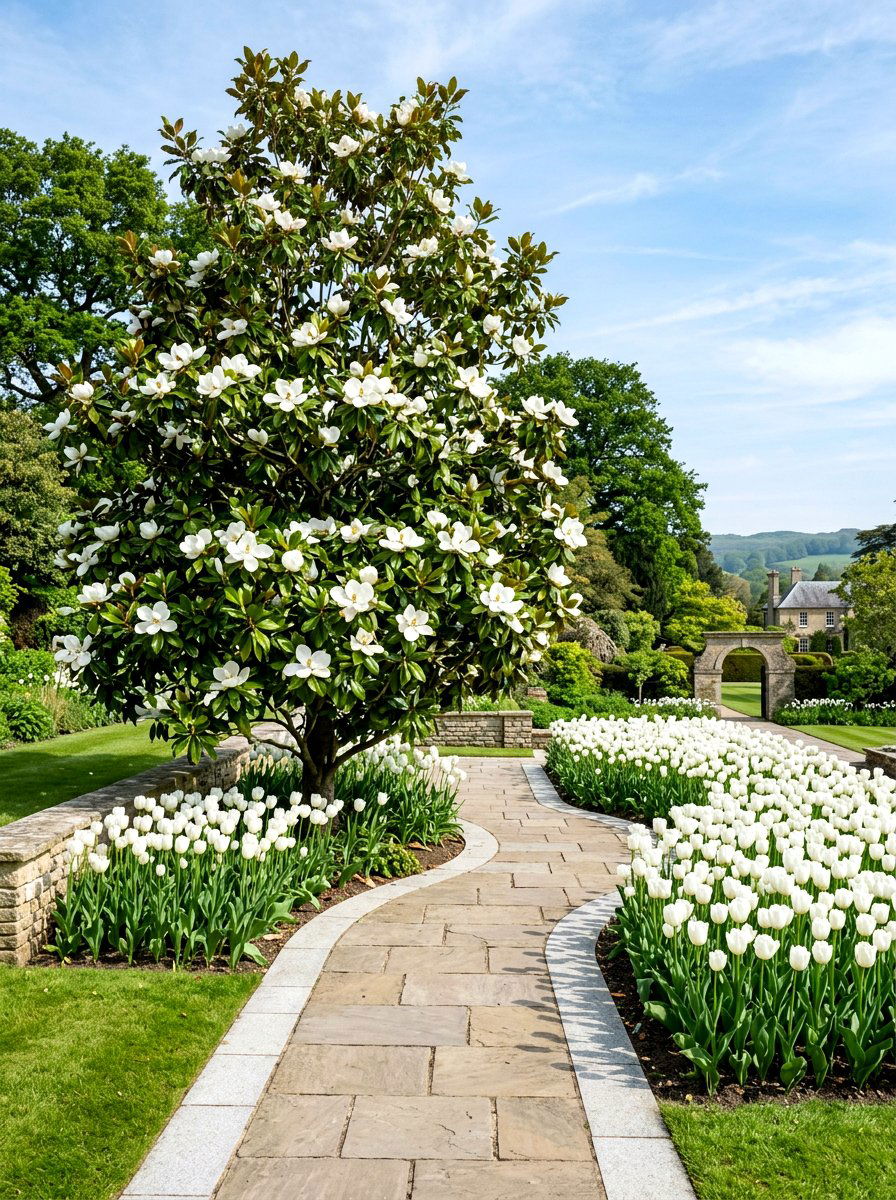
If you want a look that feels both timeless and elegant, the white magnolia tree is an unbeatable option. These trees produce large, waxy blooms that stand out beautifully against their glossy dark green foliage. In a garden layout, they work perfectly as a central focal point surrounded by simple white flowers like tulips or lilies. This monochromatic approach creates a clean and sophisticated aesthetic that boosts your home value instantly. Make sure to provide enough space for the roots to grow without hitting your house foundation. The scent of the blossoms will fill your entire yard with a fresh fragrance during the peak blooming months.
3. Purple Jacaranda Tree
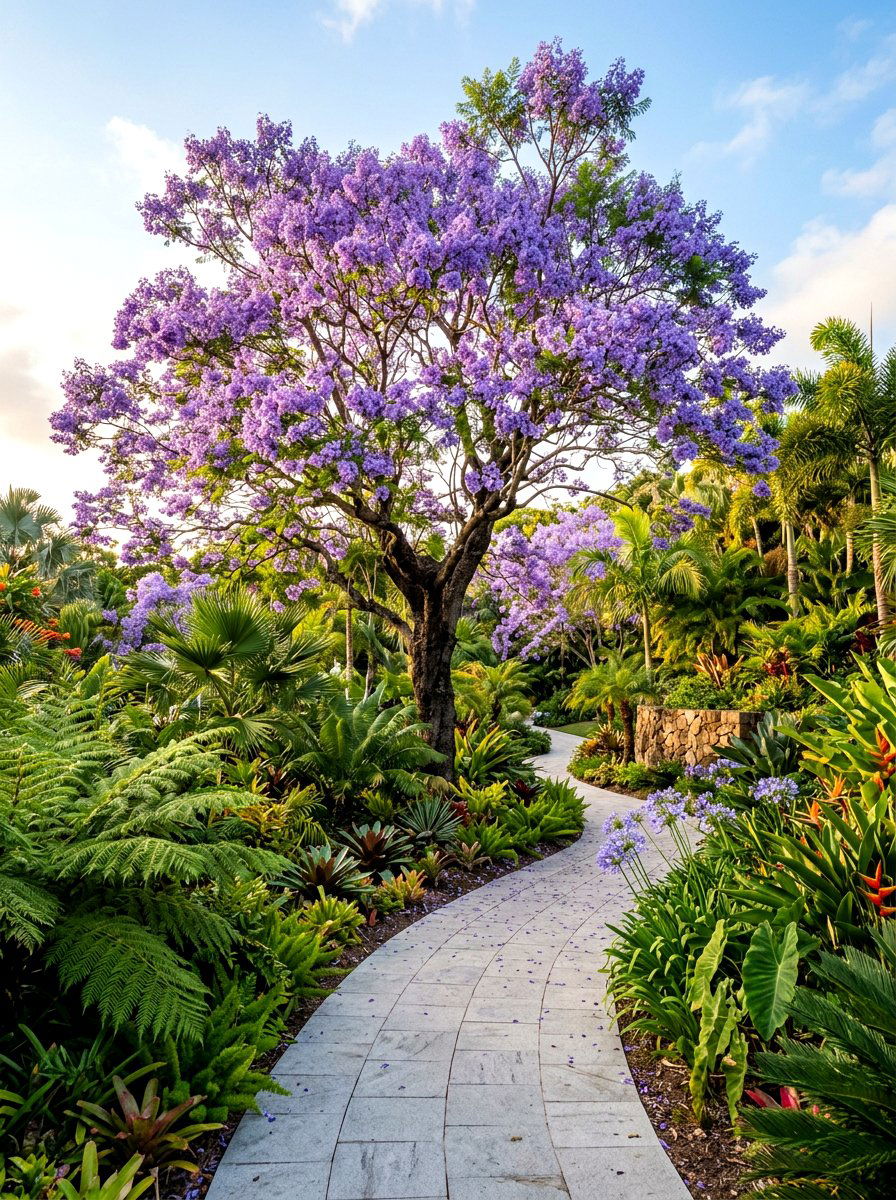
Can you picture a landscape covered in a vibrant lavender mist during the late spring season? The purple jacaranda tree is famous for its striking trumpet-shaped flowers that create a stunning purple carpet when they fall. This tree thrives in warmer climates and provides excellent shade for outdoor seating areas. To highlight its unique color, surround the base with neutral-colored gravel or light gray pavers. The feathery fern-like leaves offer a delicate texture that contrasts well with broader leaf plants. Using this tree in your garden design adds a tropical and exotic feel that is sure to capture everyone's attention from the street.
4. Yellow Golden Rain Tree
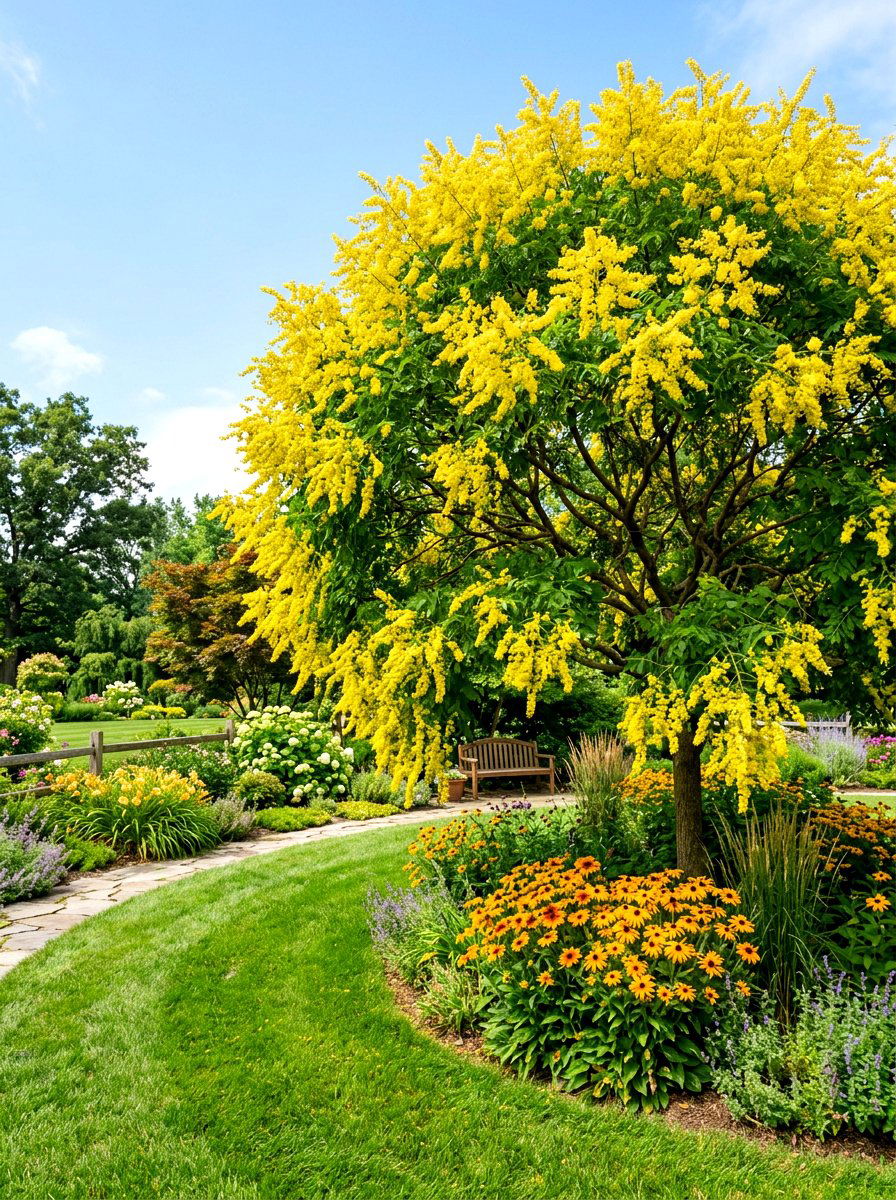
When the summer heat arrives, the yellow golden rain tree starts its magnificent display of cascading yellow flower clusters. This tree is an excellent choice for homeowners who want something different from the usual pink or white blooms. It features a rounded canopy that provides a dense patch of shade for those sunny afternoons. You can enhance this look by planting yellow perennials like black-eyed Susans or coreopsis around the base of the trunk. This creates a cohesive color story that feels warm and inviting. As the flowers fade, they turn into interesting papery seed pods that look like tiny lanterns hanging from the branches.
5. Red Crepe Myrtle
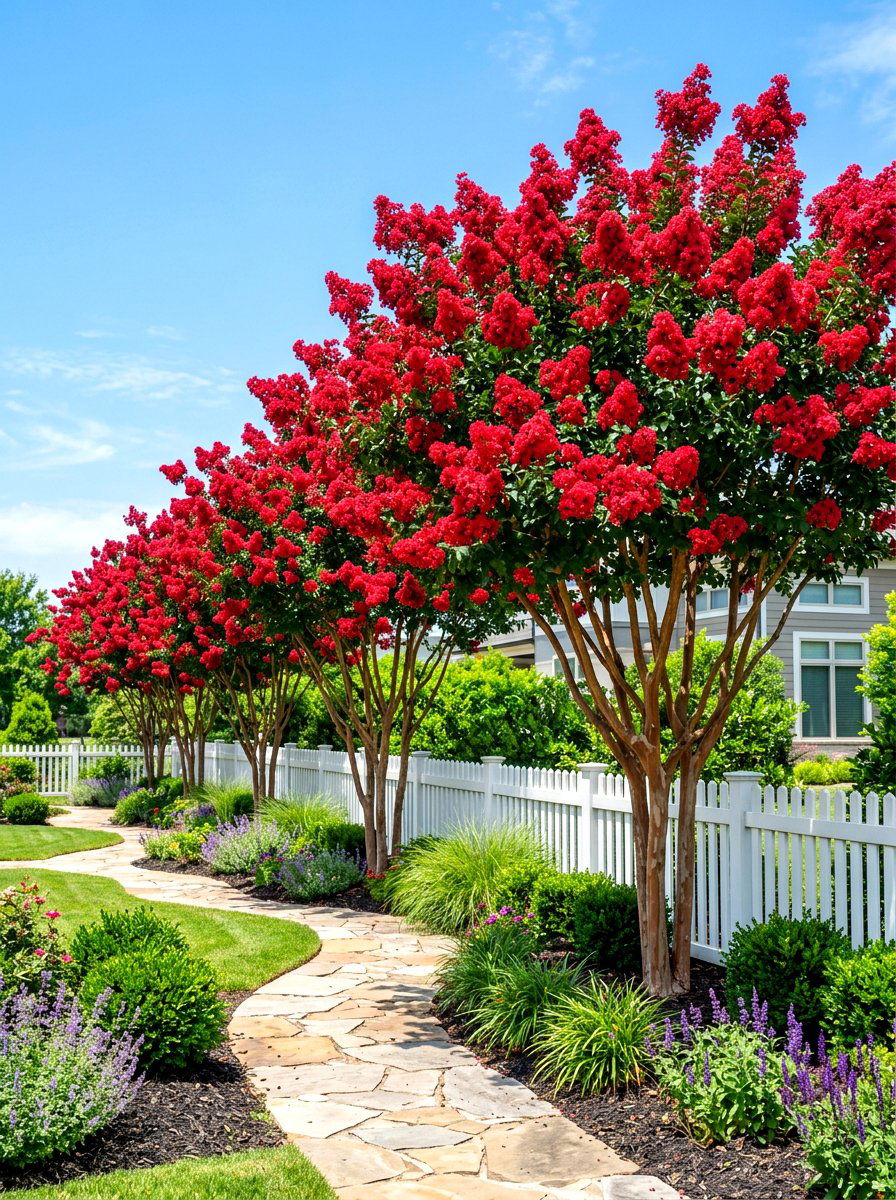
Are you looking for a tree that offers long-lasting color throughout the hottest months of the year? The red crepe myrtle is a hardy favorite that produces crinkly, bright red blossoms from mid-summer into late fall. Its multi-trunk growth habit and peeling cinnamon-colored bark add visual interest even during the winter months. To create a modern garden look, plant several of these in a row along a fence line or driveway. This creates a vibrant privacy screen that requires very little maintenance once established. The intense red color pops beautifully against a white or light gray house exterior, making your landscaping look professionally designed.
6. Blue Hydrangea Tree
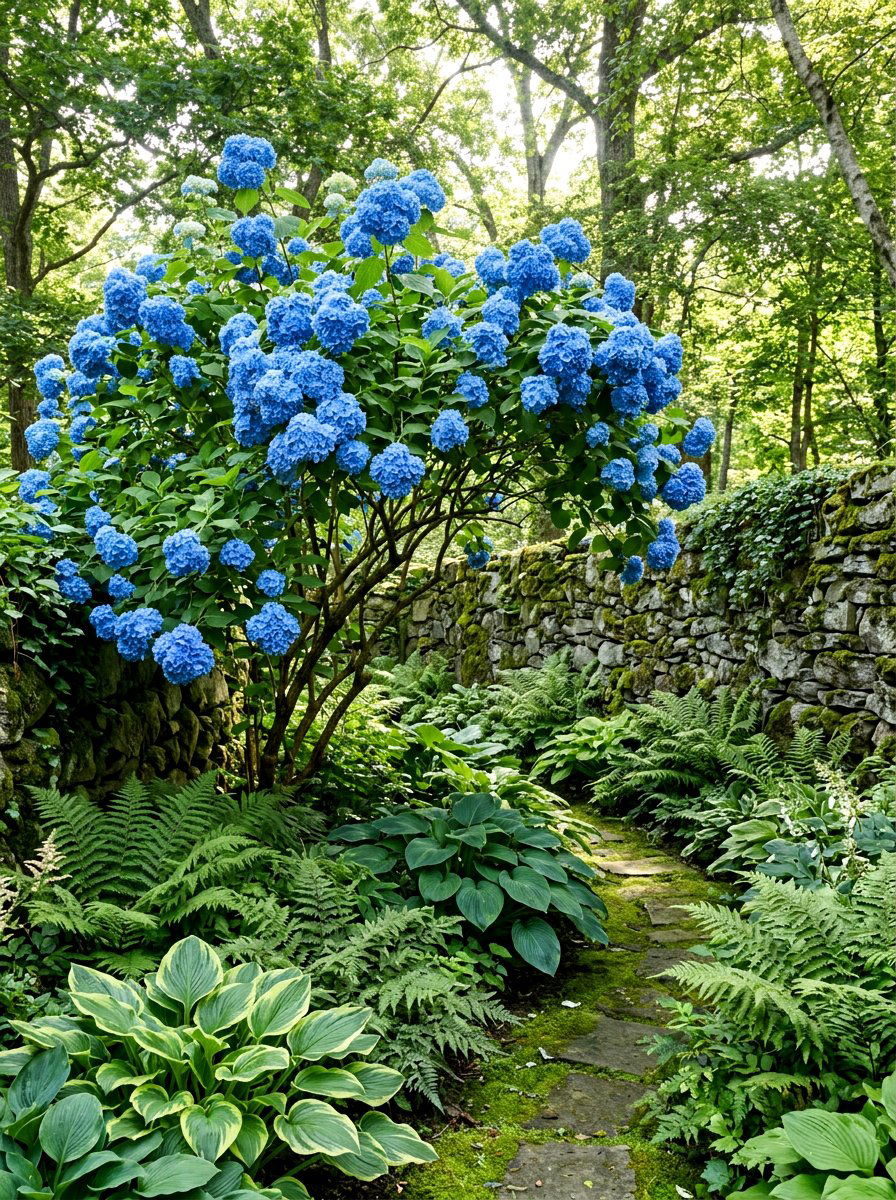
Many people are surprised to learn that you can grow hydrangeas in a tree form to add height to small gardens. The blue hydrangea tree offers massive pom-pom shaped flower heads that look incredible in a cottage-style garden setting. To keep the flowers blue, you must ensure the soil remains acidic, which can be managed with specific mulch. Surround the tree with hostas and ferns to create a lush, woodland-inspired nook in a shaded part of your yard. This setup provides a cool, serene environment that feels like a hidden escape. The large leaves of the tree help to soften the hard edges of garden walls.
7. Flowering Dogwood Tree
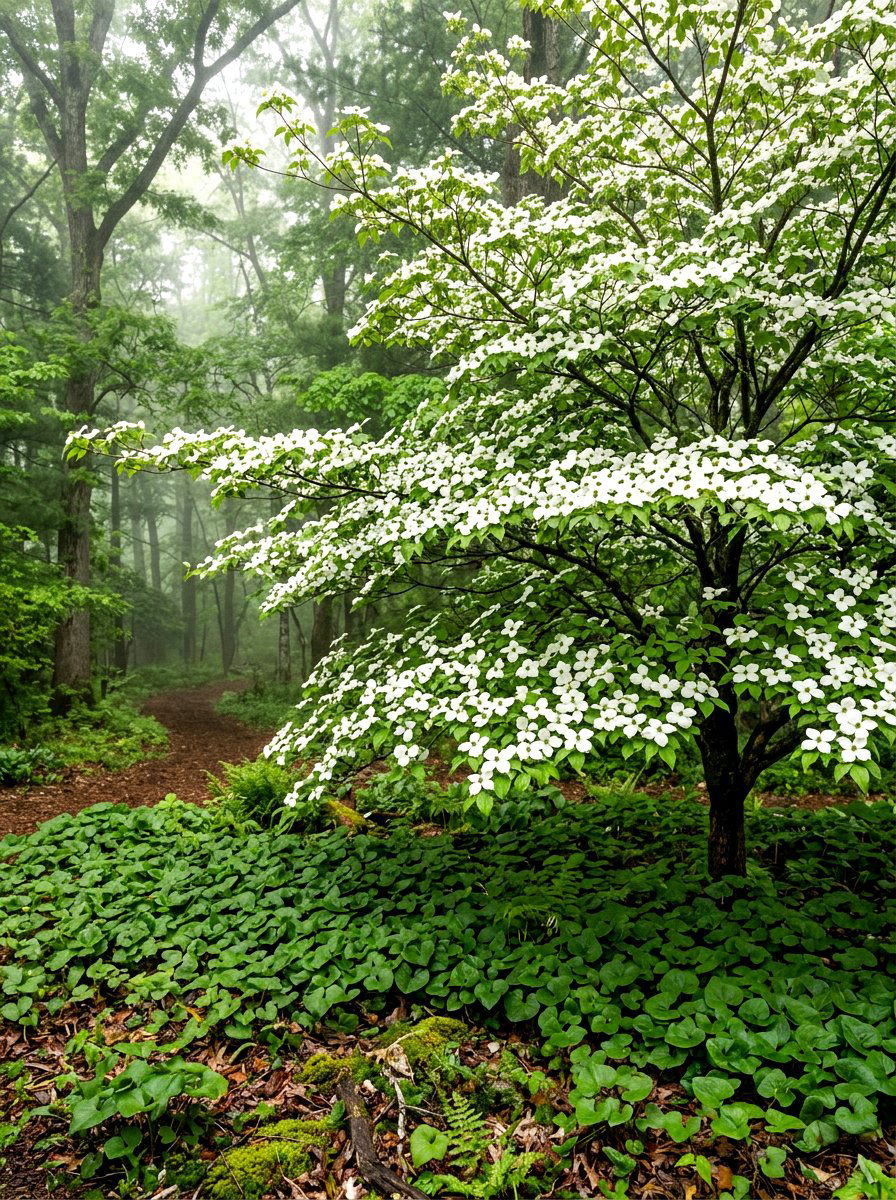
The flowering dogwood tree is a staple of North American gardens because of its graceful horizontal branching and delicate four-petal flowers. It looks most natural when planted at the edge of a wooded area or beneath larger canopy trees. You can choose between white or pink varieties depending on the color palette of your home. Underneath the tree, try planting shade-loving groundcovers like wild ginger or violets to mimic a forest floor. This layered approach adds depth to your landscape and provides a rich habitat for local birds. In the autumn, the leaves turn a deep reddish-purple, providing a second season of spectacular color.
8. Eastern Redbud Tree
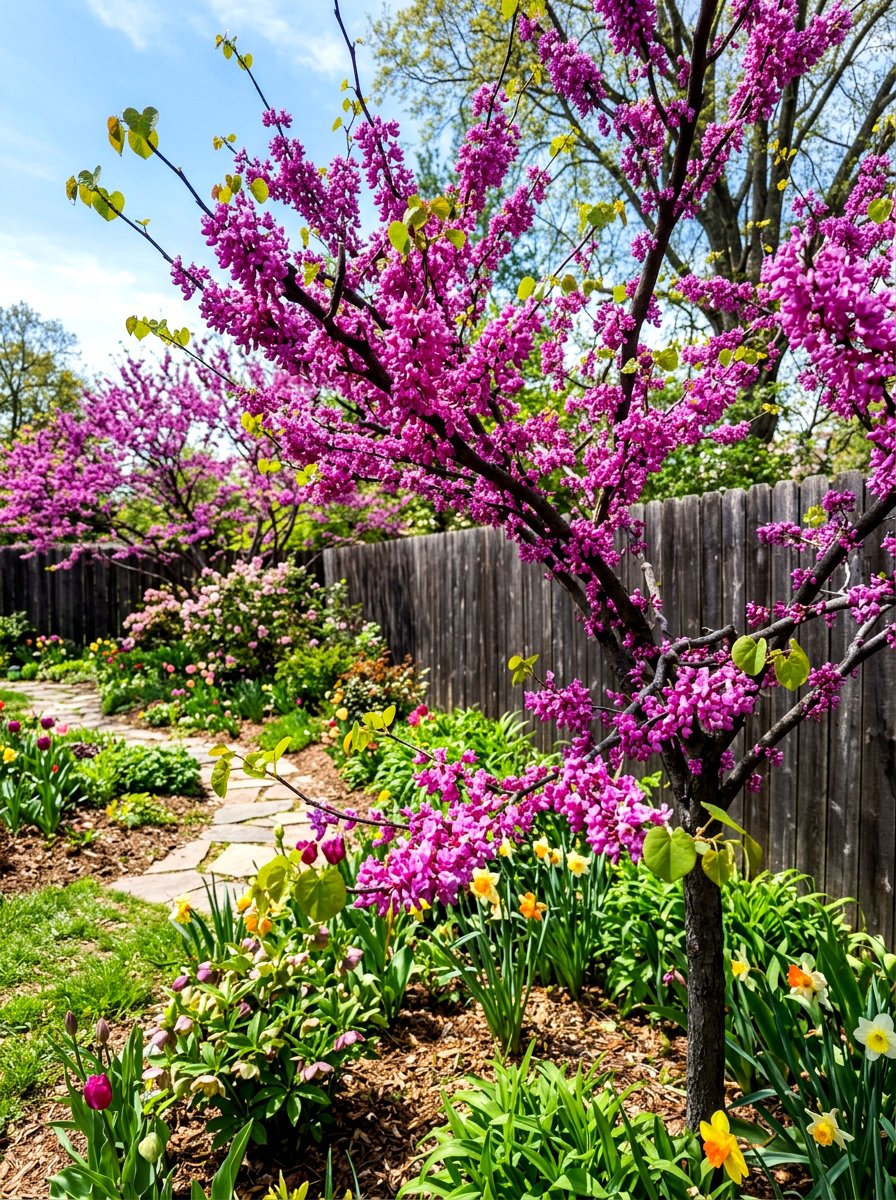
Does your garden need a burst of color before the leaves even appear in the spring? The eastern redbud tree is famous for its tiny magenta flowers that grow directly along the dark branches and trunk. This unique flowering habit creates a striking silhouette that looks like a piece of living art. The heart-shaped leaves that follow the blooms add a soft and playful texture to your garden beds. Plant this tree near a dark-colored fence to make the bright pink flowers really stand out. It stays relatively small, making it an ideal choice for urban yards or compact garden spaces that need verticality.
9. Crabapple Tree Landscaping
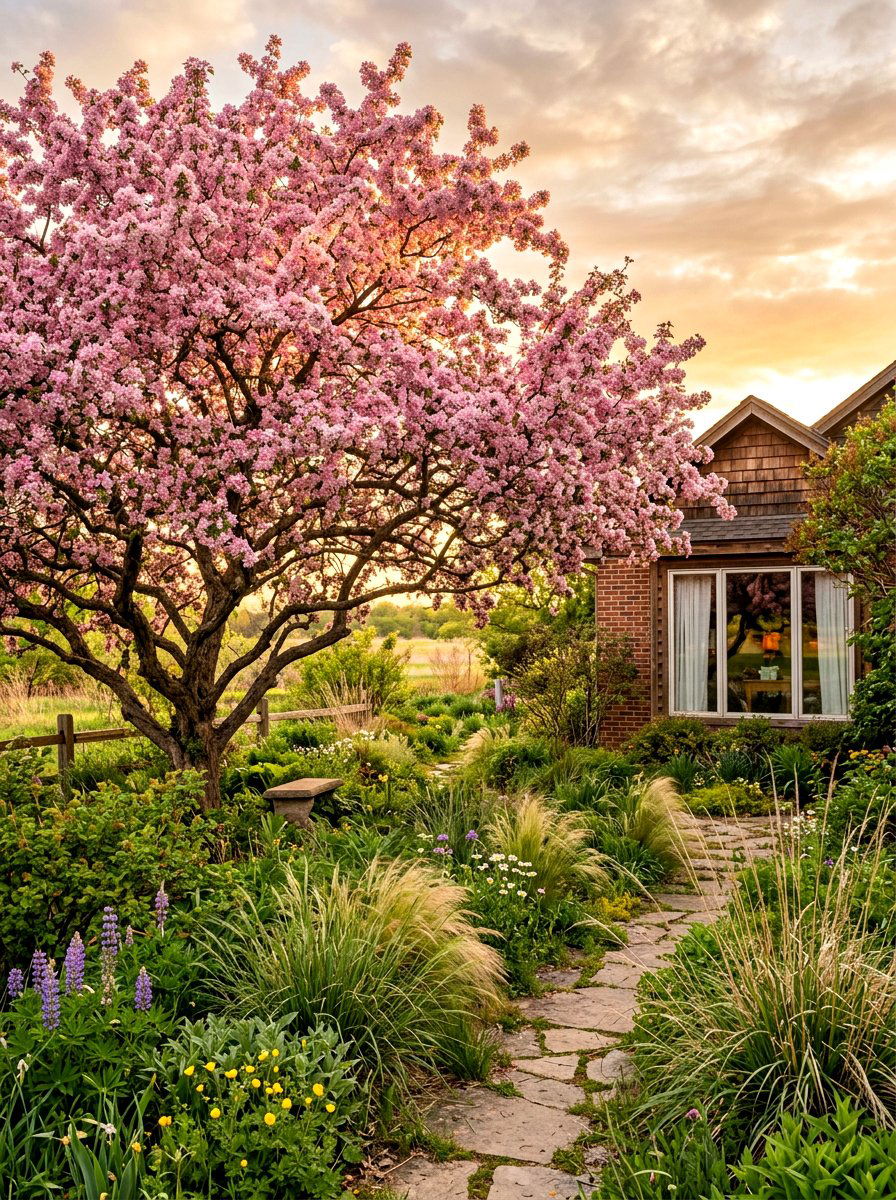
Crabapple trees are prized not just for their stunning clouds of spring blossoms but also for the colorful fruit they produce later. They come in a wide variety of colors, including white, pink, and deep rose. When designing your garden, place a crabapple tree near a window so you can enjoy the birds that come to eat the fruit in winter. Pair it with low-growing ornamental grasses to create a modern prairie look that feels natural and relaxed. The twisted branch structure of older trees adds a sense of character and age to your landscape. These trees are exceptionally hardy and adapt well to various soils.
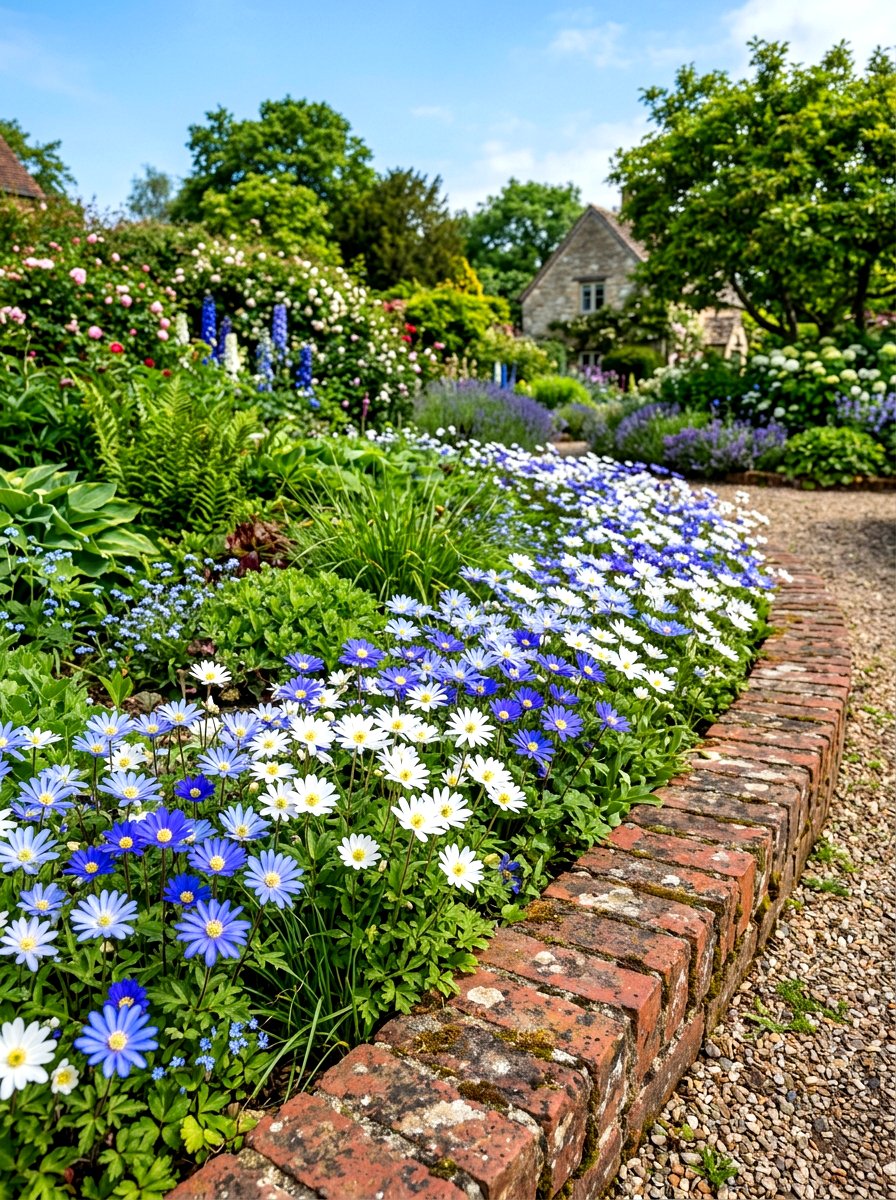
10. Saucer Magnolia Garden
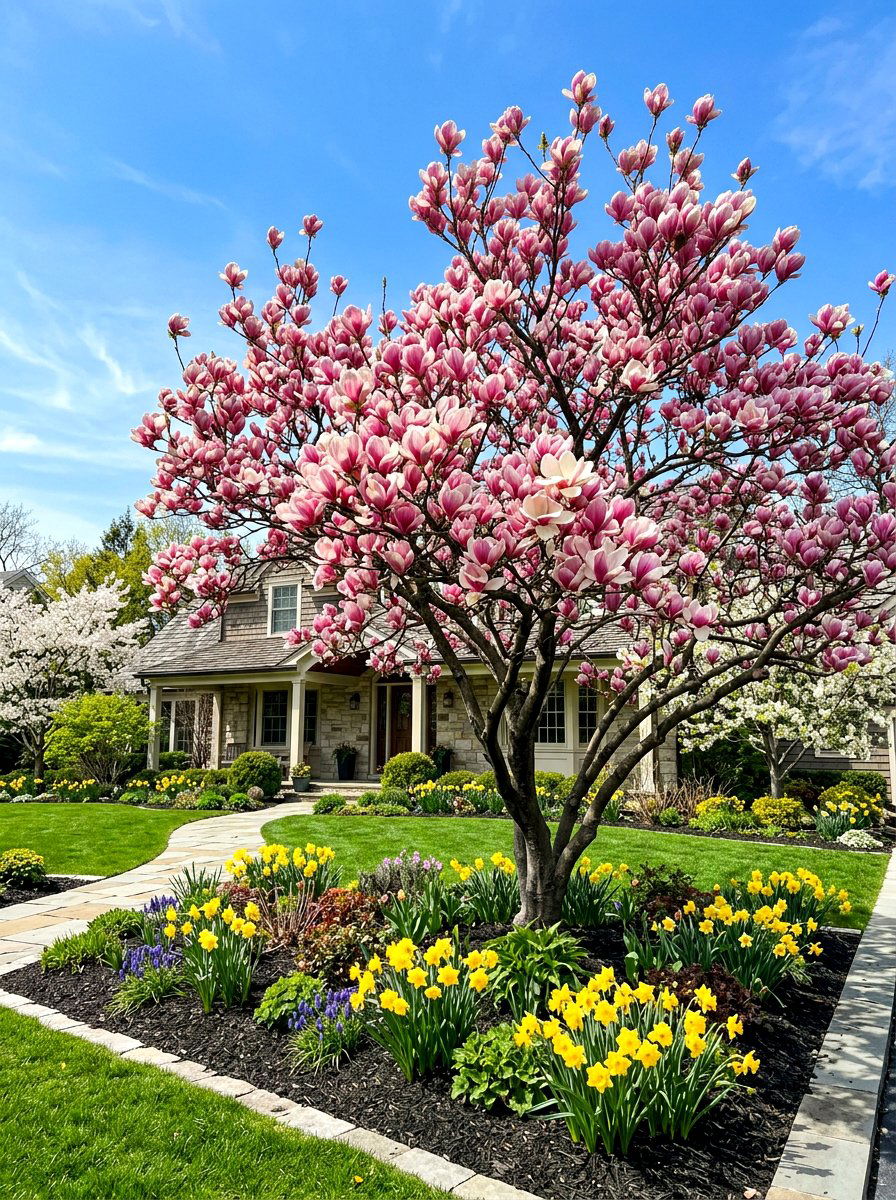
The saucer magnolia is often called the tulip tree because its massive blooms resemble giant pink and white tulips. It is one of the most dramatic flowering trees you can own, often blooming on bare branches for a high-impact look. Because the flowers are so large, this tree should be given a prominent spot in the front yard where it can be admired. Surround the base with a thick layer of dark mulch and early spring bulbs like crocuses or daffodils. This creates a multi-leveled floral display that signals the end of winter. The smooth gray bark provides a lovely contrast to the vibrant spring petals.
11. Japanese Snowbell Tree
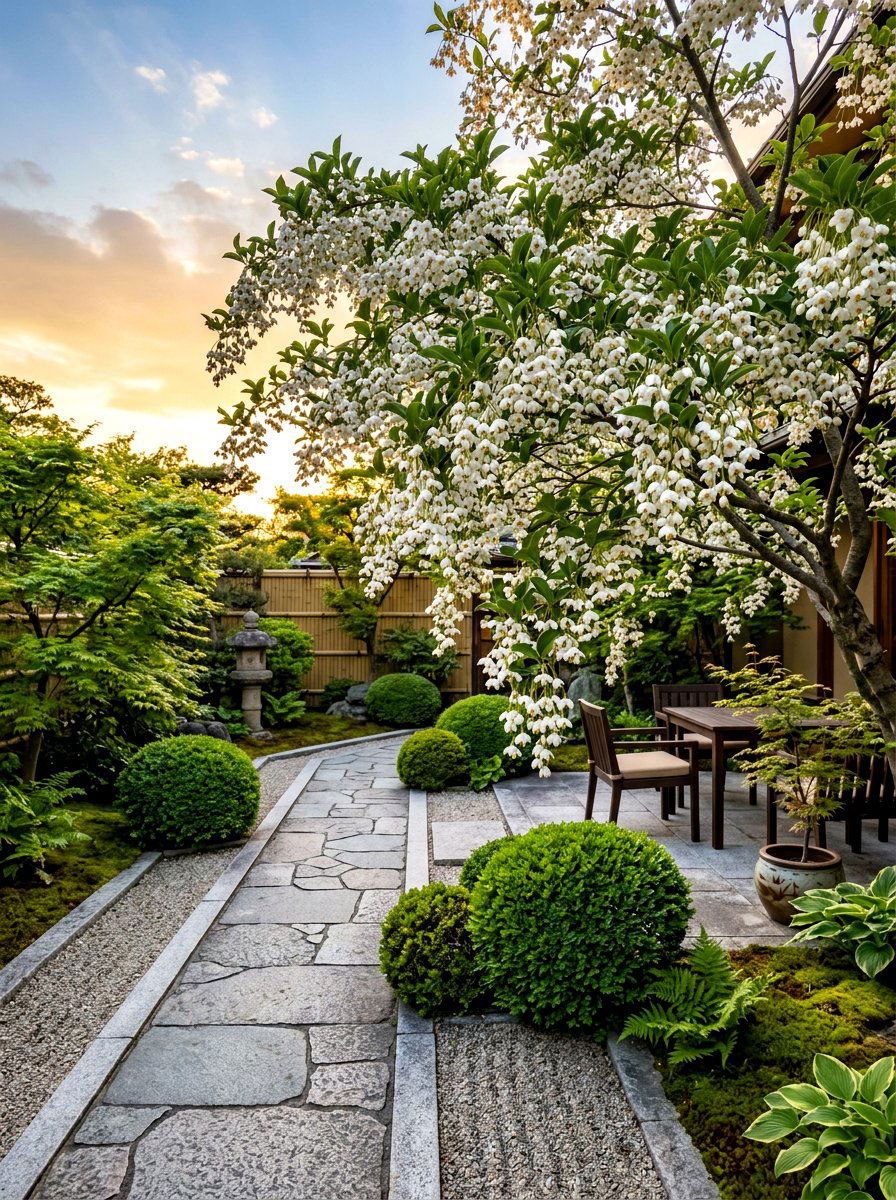
If you appreciate subtle beauty, the Japanese snowbell tree offers elegant white bell-shaped flowers that hang downward from the branches. This tree is perfect for planting near a patio or walkway where you can look up into the blossoms from below. It has a very tidy and compact growth habit, making it excellent for smaller suburban lots. You can complement its refined look by using clean-edged stone borders and minimalist plantings like boxwood spheres. The fragrance is light and sweet, adding an extra layer of enjoyment to your outdoor evening gatherings. It is a sophisticated choice for those who love a modern Zen garden.
12. Star Magnolia Landscape
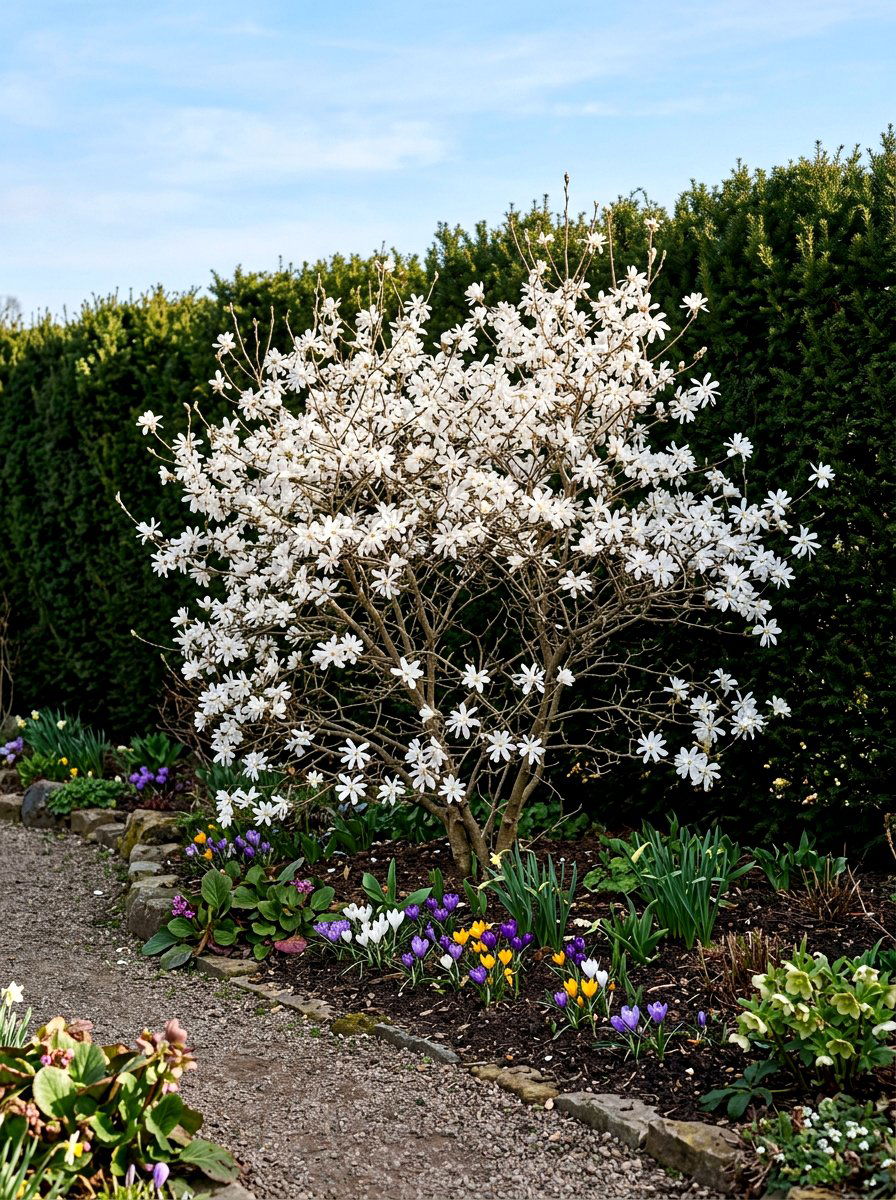
The star magnolia is typically the very first tree to bloom in the spring, offering star-shaped white flowers with many thin petals. It often grows as a large shrub or a small tree, which gives you flexibility in how you use it. Place it in a corner of your garden to brighten up a dull spot after a long winter. The fuzzy silver buds that appear in winter are also quite attractive and add texture to the dormant landscape. To make the white flowers pop, plant it in front of a dark evergreen hedge or a brick wall. This tree is incredibly resilient and easy to grow.
13. Flowering Plum Tree
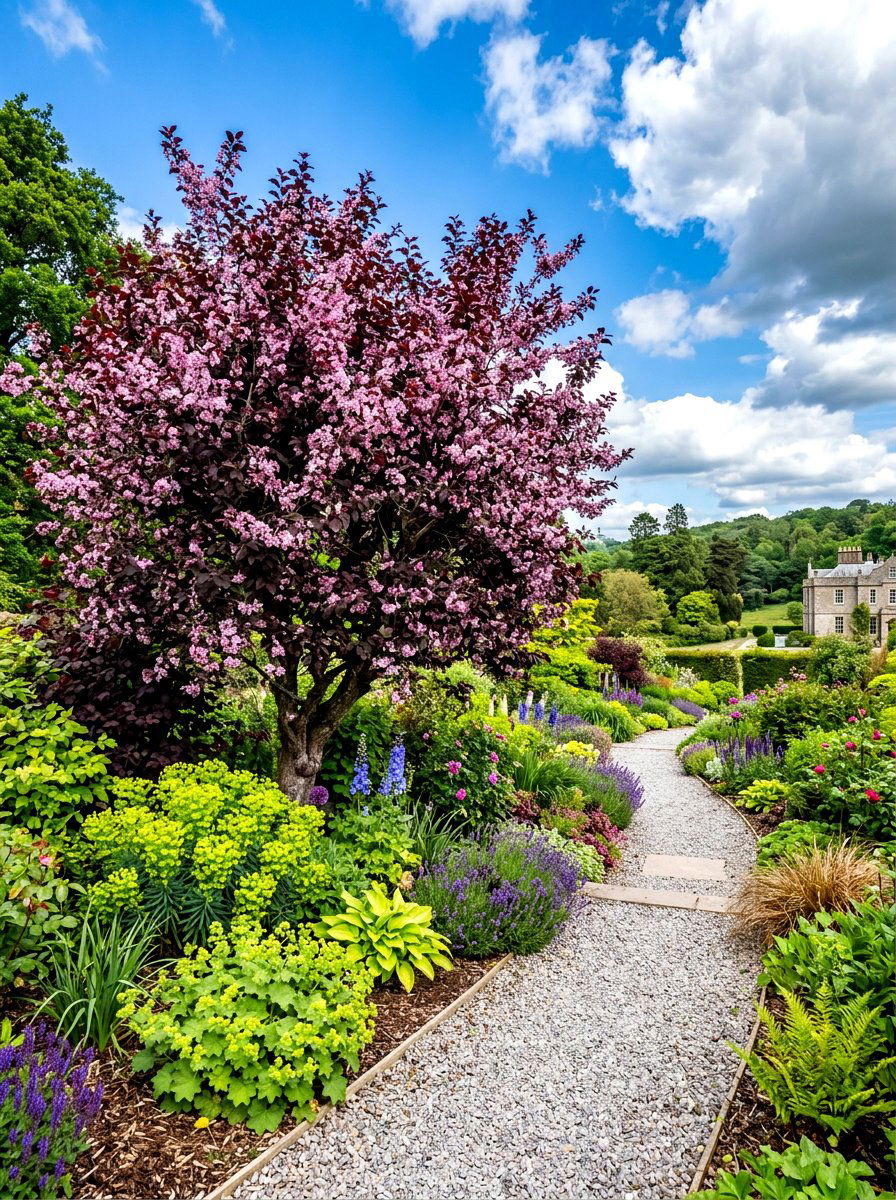
Flowering plum trees are highly sought after for their deep purple or burgundy foliage that lasts all season long. Before the leaves emerge, the tree is covered in small, fragrant pink flowers that look beautiful against the dark bark. This tree provides a permanent splash of dark color in a garden that might otherwise be mostly green. Use it to create contrast next to lime-green plants or silver-leafed perennials. It works well as a standalone specimen or as part of a mixed border planting. The dark leaves help to define the space and provide a dramatic backdrop for other flowering plants in summer.
14. Mimosa Tree Garden
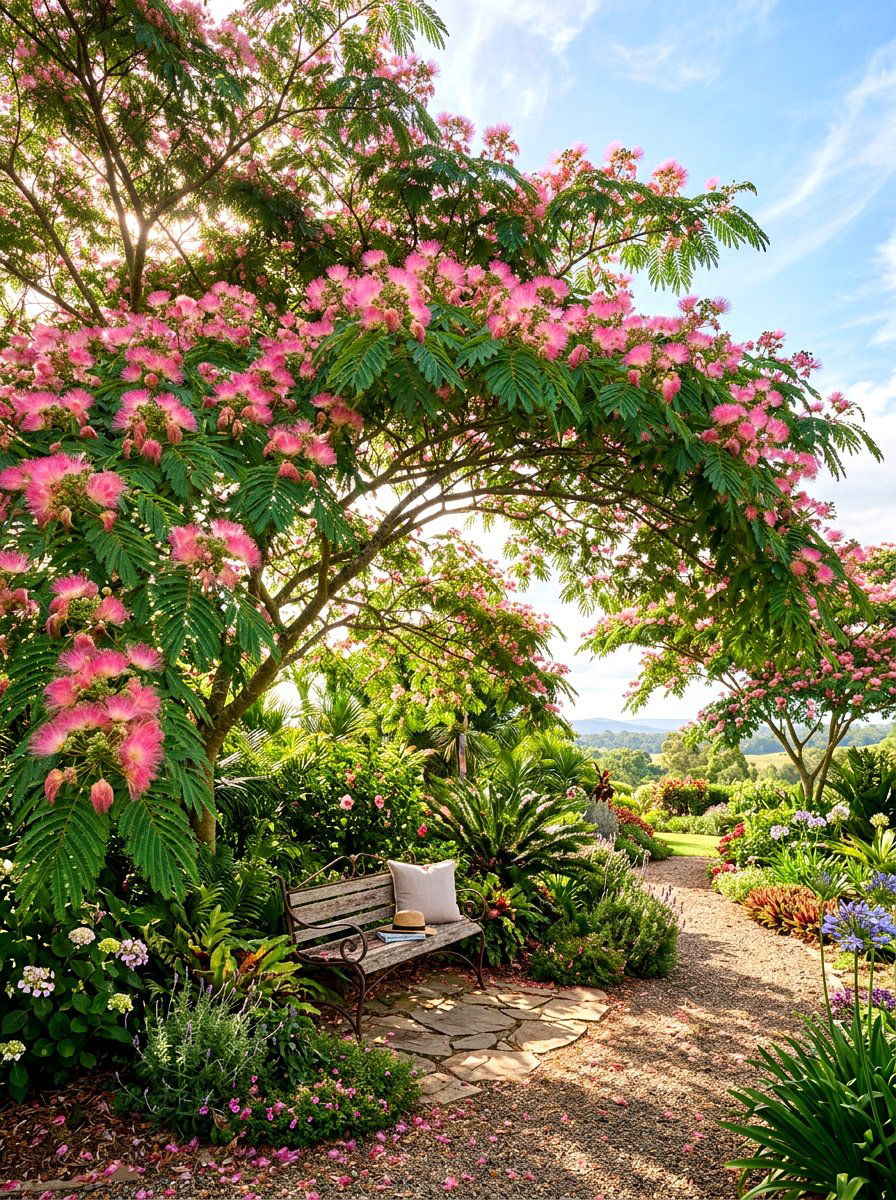
The mimosa tree features unique, puffy pink flowers that look like tiny silk threads gathered together. Its delicate, feathery foliage gives it a soft and airy appearance that filters sunlight beautifully onto the ground below. This is a great choice for creating a dappled shade garden where you can grow partial-shade perennials like bleeding hearts. The tree has a tropical look and attracts a high number of hummingbirds and butterflies to your yard. Because it has a wide, flat-topped canopy, it works exceptionally well as a natural umbrella for a garden bench or a small bistro set for morning coffee.
15. Serviceberry Tree Landscape
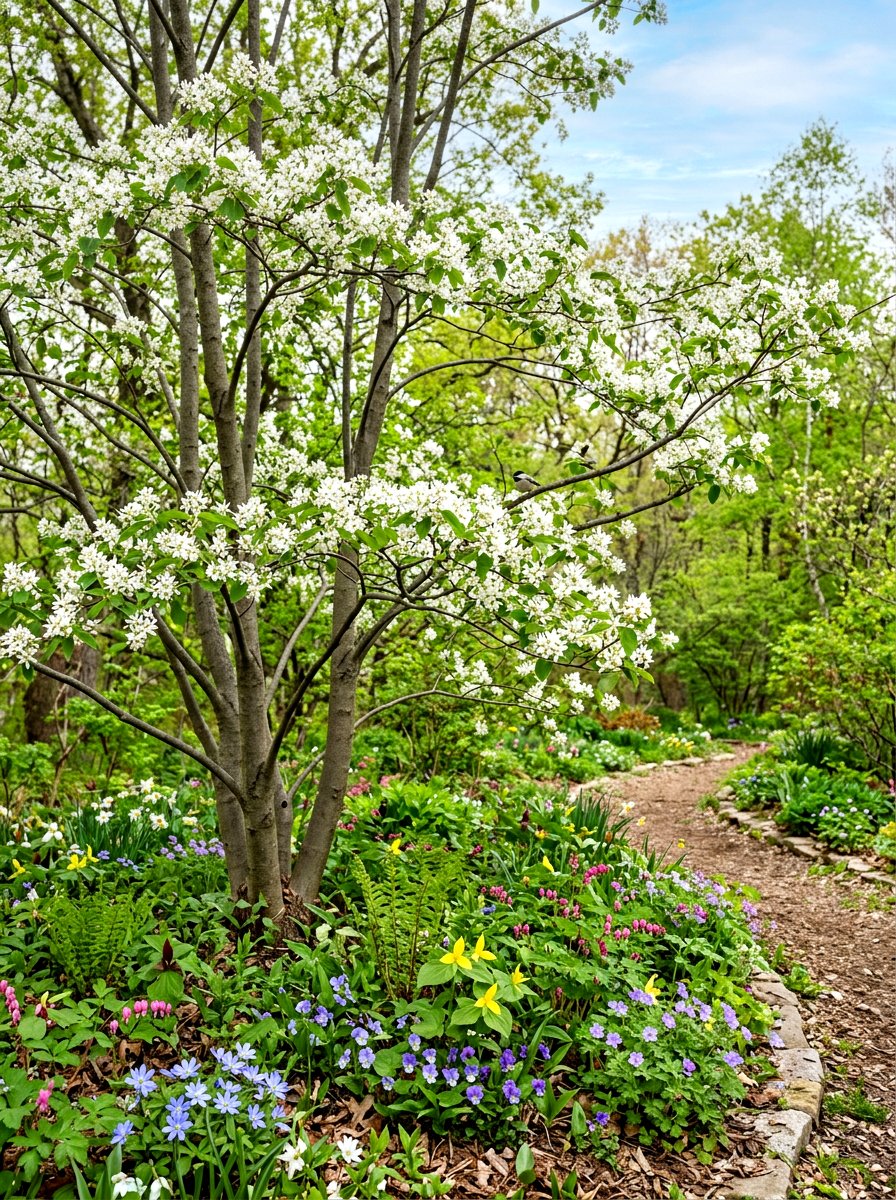
The serviceberry tree is a wonderful multi-season plant that offers white spring flowers, edible summer berries, and brilliant orange fall foliage. It often has a multi-stemmed trunk that looks great in a naturalistic or woodland garden design. You can plant these in groups to create a soft, informal screen between your yard and a neighbor's property. The berries are a favorite for local songbirds, making your garden a hub for wildlife activity. Underplant them with native wildflowers to create a low-maintenance ecosystem that looks beautiful year-round. It is a tough tree that handles different weather conditions with great ease and grace.
16. Flowering Pear Tree
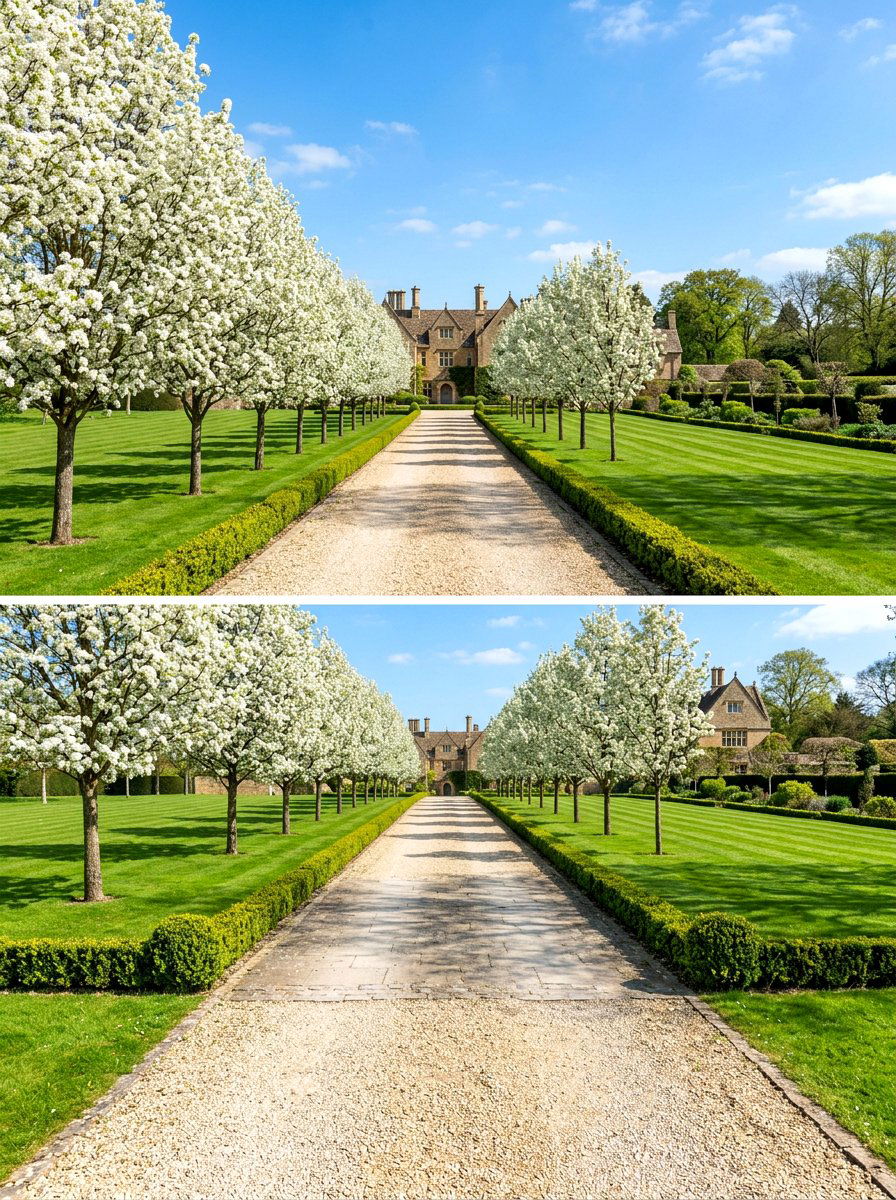
Flowering pear trees are known for their very dense clusters of bright white flowers and their perfectly symmetrical, upright shape. They are often used in formal garden designs where clean lines and repeated patterns are important. You can line a long driveway with these trees to create a grand entrance that looks spectacular every spring. The leaves are a glossy dark green and turn vibrant shades of red and purple in the late autumn. While they are fast growers, they provide instant shade and structure to a new garden. They look best when the lawn underneath is kept neatly trimmed and edged.
17. Seven Son Flower Tree
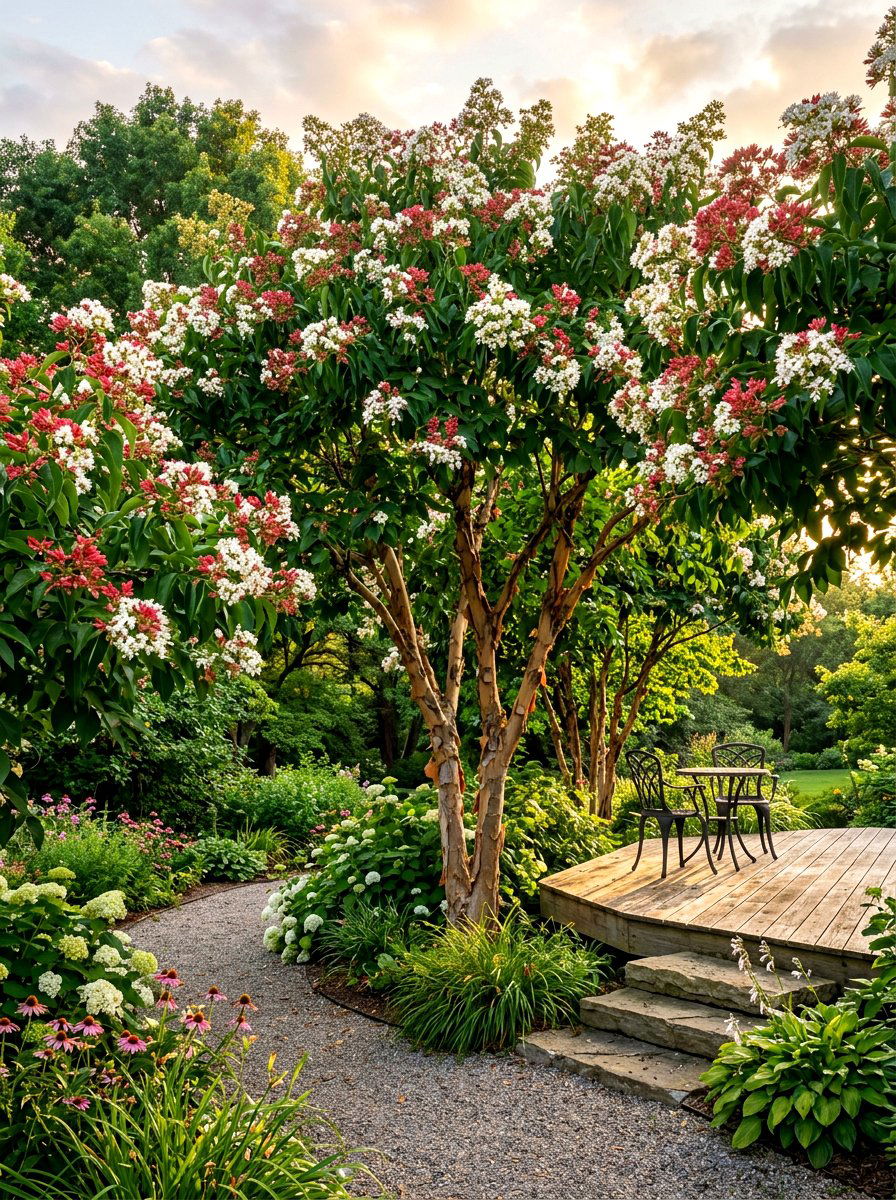
The seven son flower tree is a unique choice that blooms much later than most other flowering trees, usually in late August. It features fragrant white flower clusters followed by striking rosy-red sepals that look like a second bloom. This tree is perfect for extending the color in your garden well into the autumn season. The tan, peeling bark provides fantastic winter interest when the rest of the garden is bare. Plant it near a deck where you can enjoy the sweet scent of the flowers during the late summer evenings. It is a hardy, pest-resistant tree that adds a rare touch to any home.
18. Chaste Tree Garden
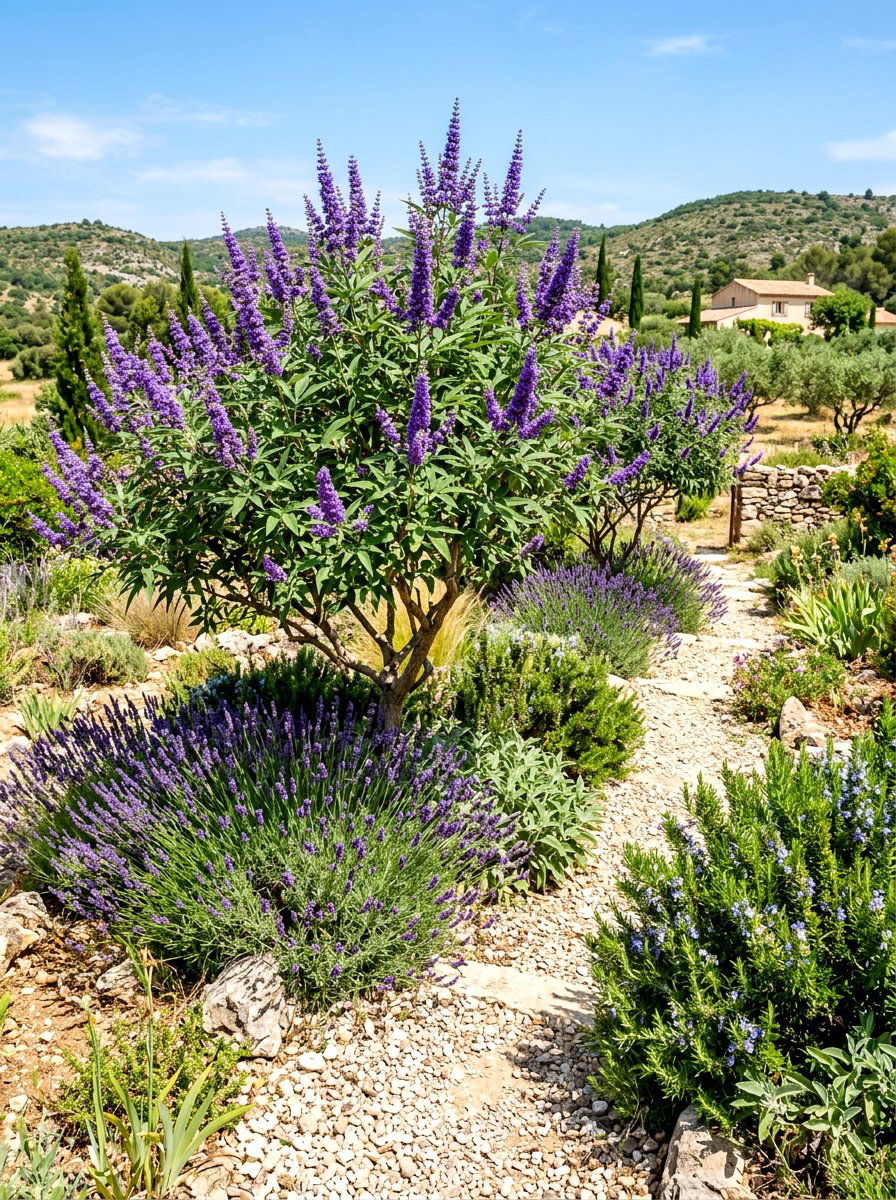
The chaste tree is a fantastic option for adding spikes of purple, blue, or pink flowers to your summer landscape. It has a growth habit that resembles a large shrub, but it can easily be pruned into a beautiful small tree. The sage-scented leaves are a grey-green color and have a distinct palm-like shape. This tree is exceptionally drought-tolerant once established, making it perfect for water-wise or xeriscape garden designs. Surround it with lavender and rosemary to create a Mediterranean-inspired garden that smells as good as it looks. It loves full sun and will bloom profusely throughout the hottest part of the year.
19. Smoke Tree Landscape
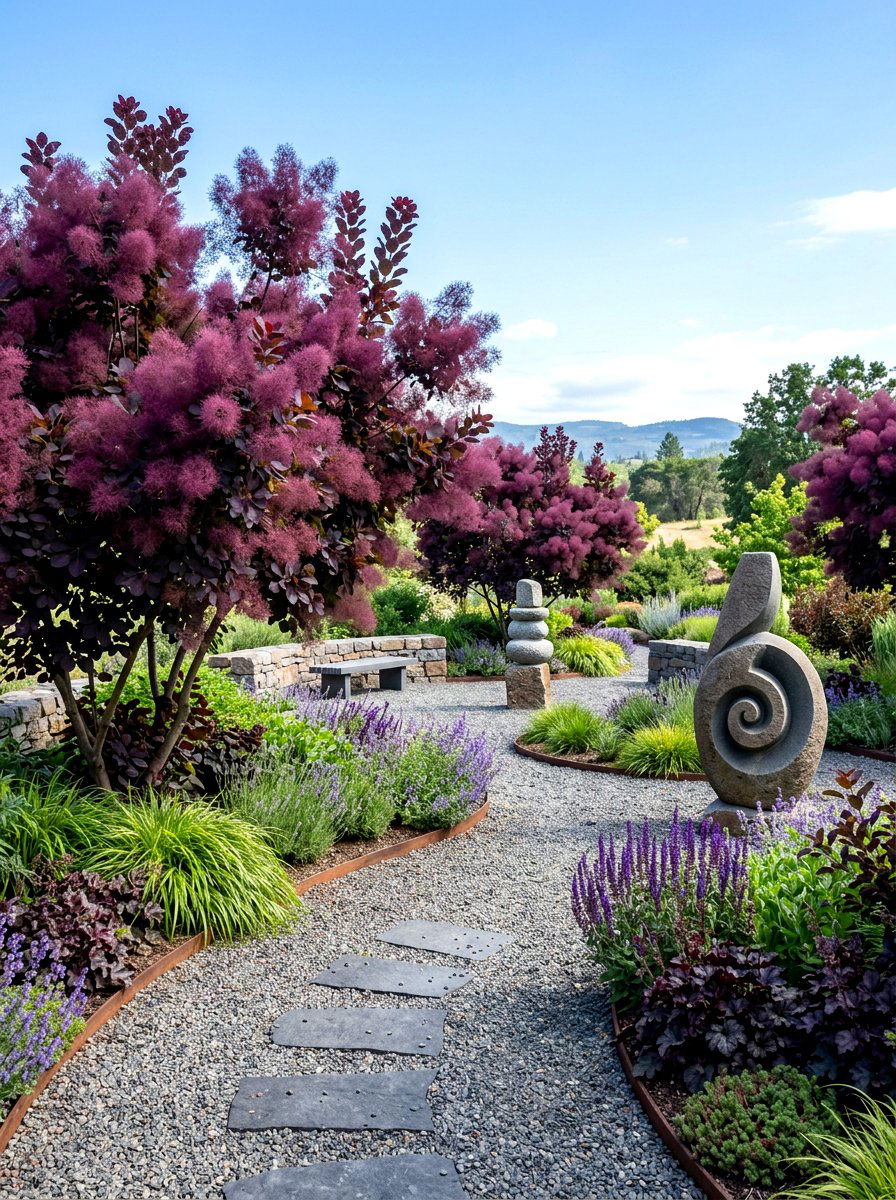
The smoke tree gets its name from the billowy, hair-like clusters that cover the plant in summer, looking like clouds of smoke. Many varieties have stunning deep purple leaves that provide a bold color statement in any garden bed. You can use the smoke tree as a high-contrast backdrop for bright yellow or orange flowers. Its unique texture makes it a favorite for modern and artistic landscape designs. It is very easy to care for and can be pruned heavily to maintain a specific size or shape. The fall color is equally impressive, with leaves turning shades of orange, red, and gold before they drop.
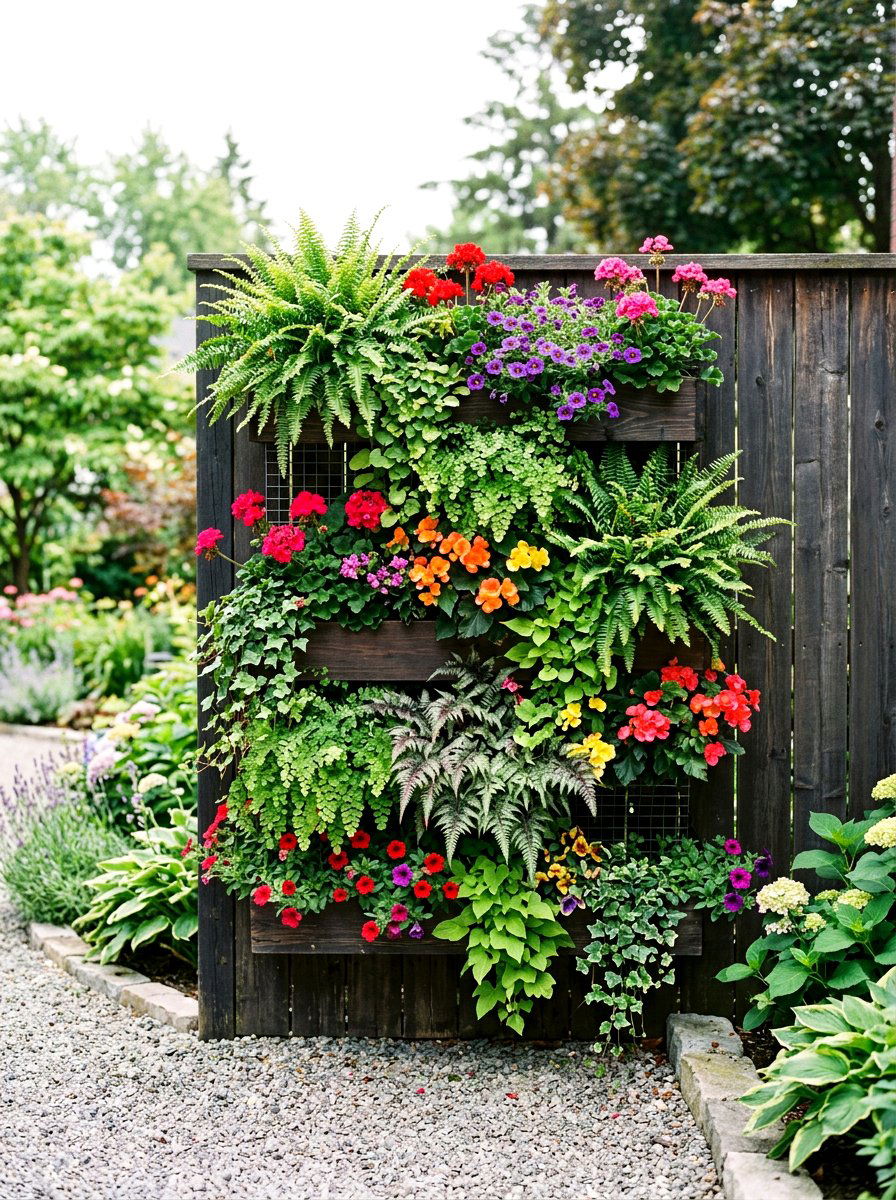
20. Witch Hazel Tree
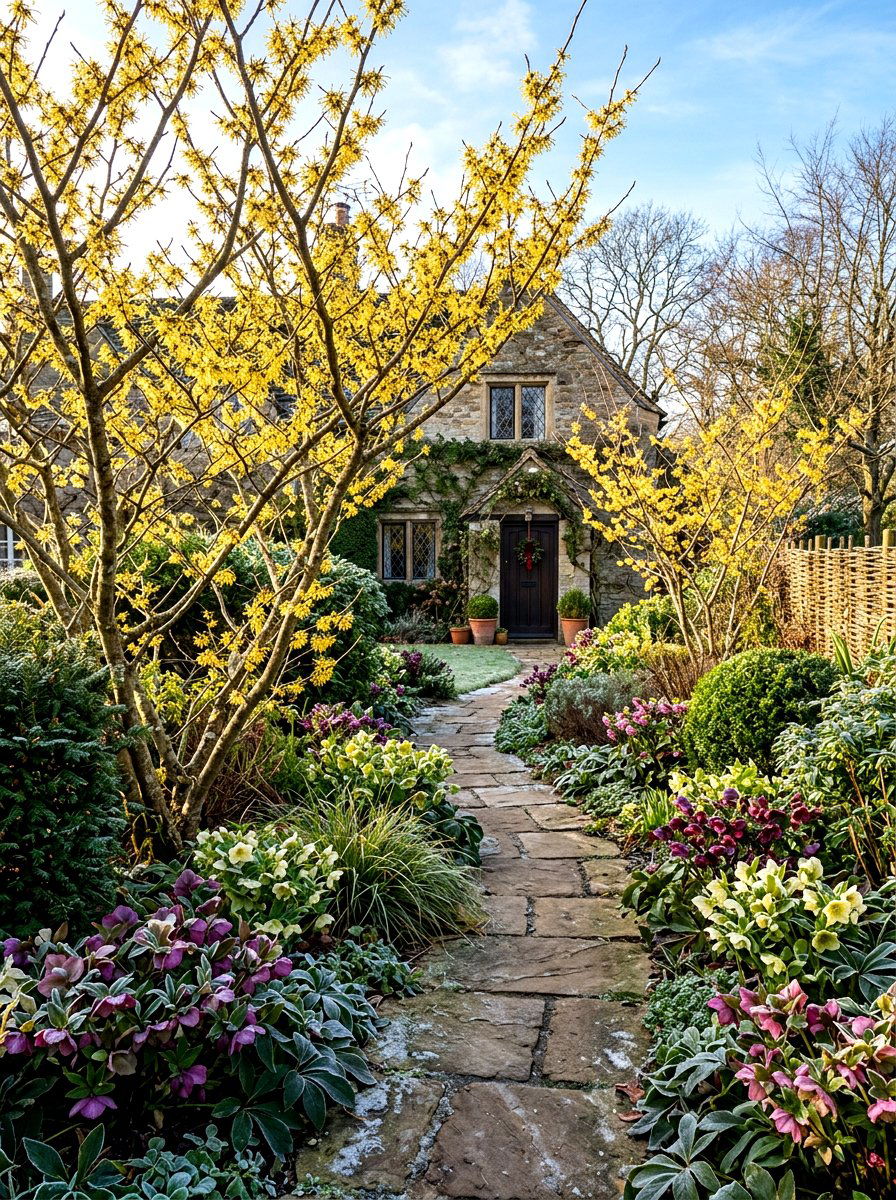
Witch hazel is a magical addition to a garden because it blooms in the dead of winter or very early spring. Its spindly, ribbon-like flowers come in shades of yellow, orange, or red and have a surprisingly spicy fragrance. This tree is essential for anyone who wants color in their yard when everything else is dormant and gray. Plant it near your front door or a frequently used path so you can appreciate the scent and flowers during the cold months. It has a lovely spreading habit and looks great paired with winter-blooming hellebores. The autumn leaves are a bright, cheerful yellow that glows.
21. Golden Chain Tree
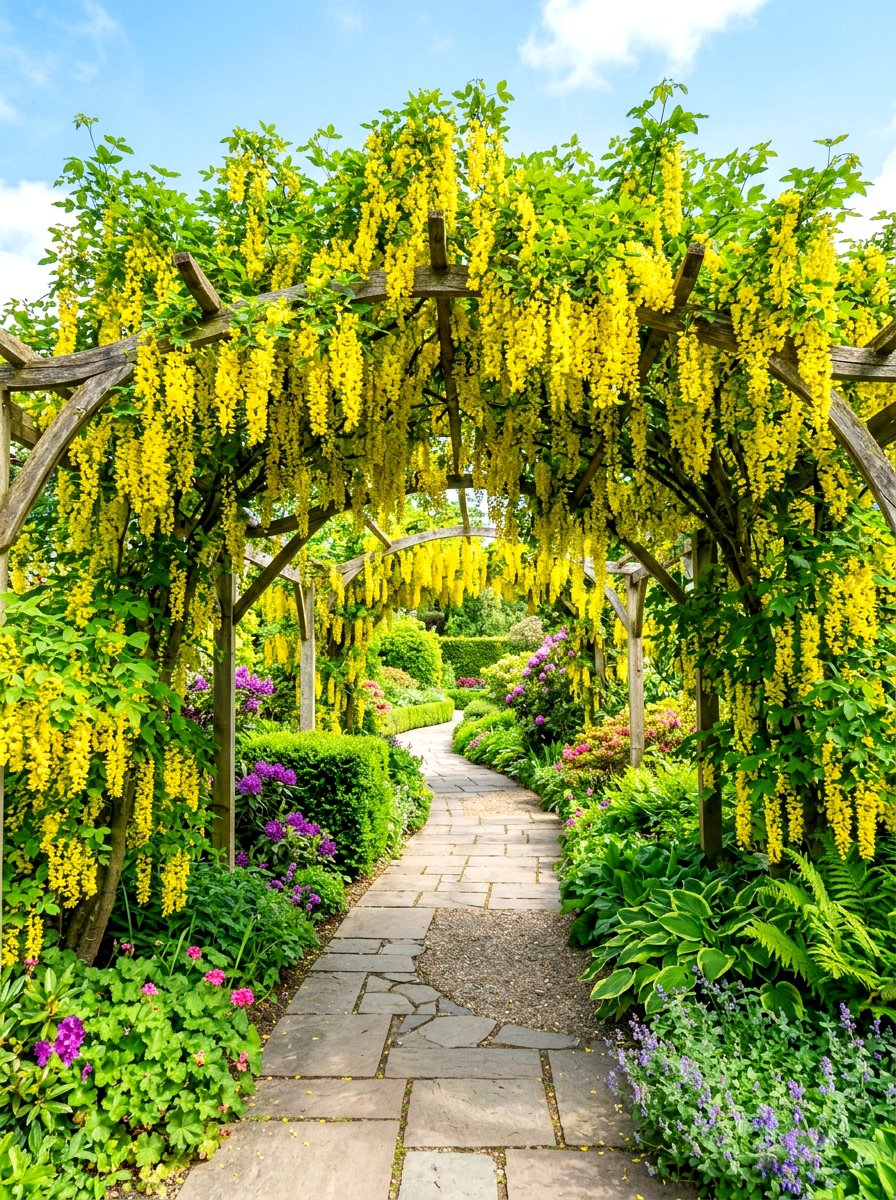
The golden chain tree is famous for its long, drooping racemes of bright yellow pea-like flowers that hang down in early summer. When in full bloom, it looks like a waterfall of gold flowing from the branches. This tree is most effective when planted where you can walk beneath it, such as over a garden arch or pergola. The bright green foliage provides a fresh look that lasts throughout the growing season. Because it is a showstopper, it should be placed in a spot where it has plenty of room to be seen from all angles. It prefers cooler climates and well-drained soil to thrive.
22. Catalpa Tree Garden
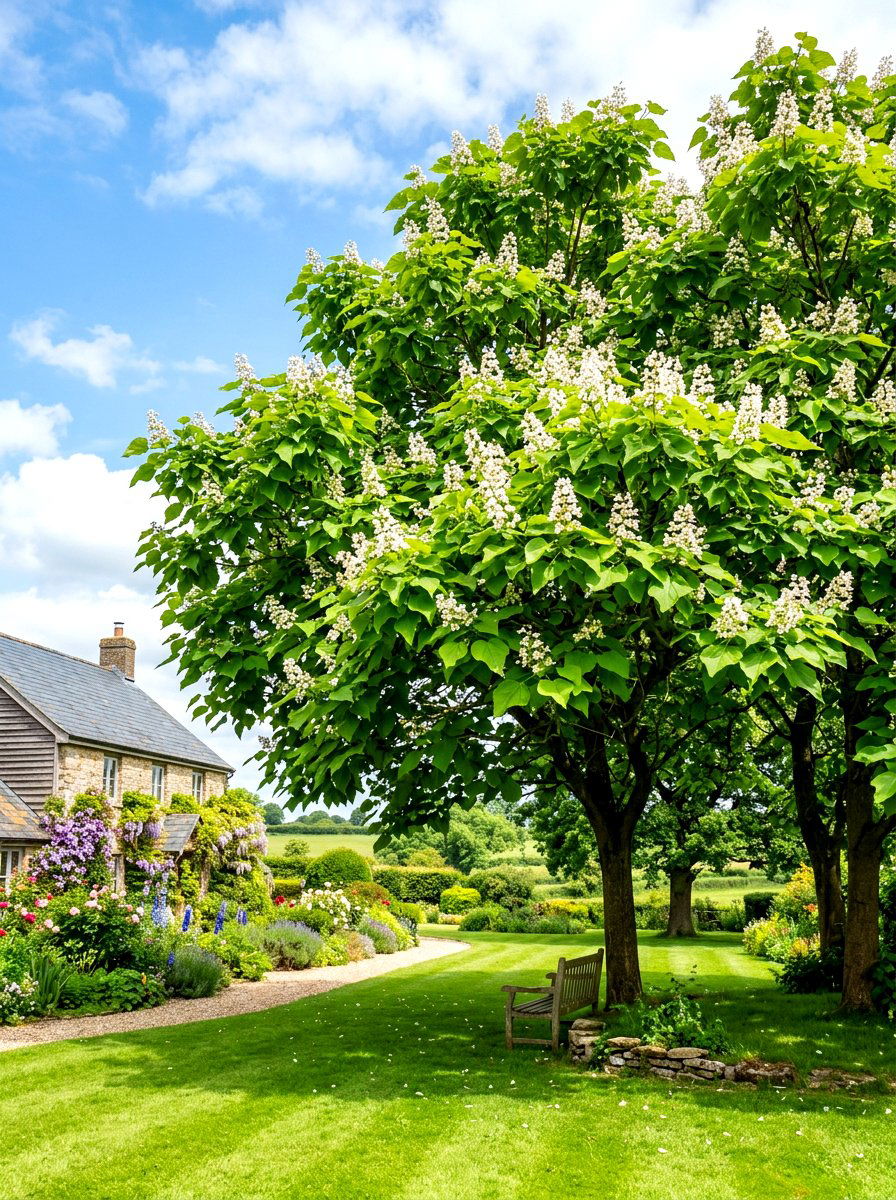
The catalpa tree is a grand choice for large gardens, featuring massive heart-shaped leaves and tall spikes of white, orchid-like flowers. Each flower has intricate purple and yellow markings inside, making them fascinating to look at up close. This tree provides very heavy shade, which is perfect for cooling down a large lawn area in the summer. It has a somewhat rugged and bold appearance that fits well with farmhouse or traditional home styles. The long, bean-like seed pods that appear in the fall add a unique architectural element to the winter landscape. It is a fast-growing tree that provides quick results.
23. Empress Tree Landscape
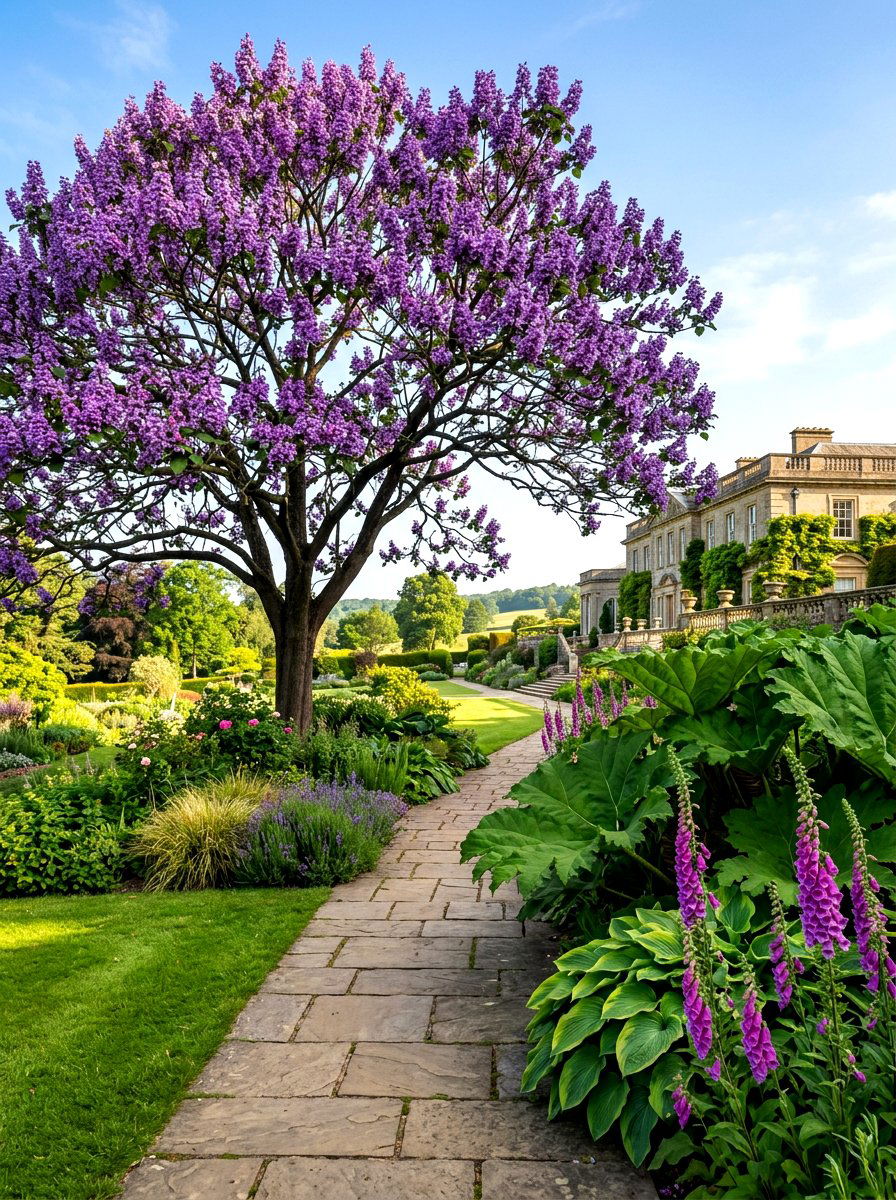
The empress tree is known for its incredible speed of growth and its massive clusters of fragrant, foxglove-shaped purple flowers. The blooms appear in early spring before the leaves, creating a very dramatic and bold look in the landscape. Its leaves can grow quite large, providing a lush and almost tropical feel to your backyard. This tree is best suited for larger properties where it has plenty of room to reach its full, impressive height. You can underplant it with bold-foliage plants like elephant ears to enhance the jungle-like aesthetic. It is a conversation starter that brings a sense of grandeur to any outdoor space.
24. Tulip Tree Garden
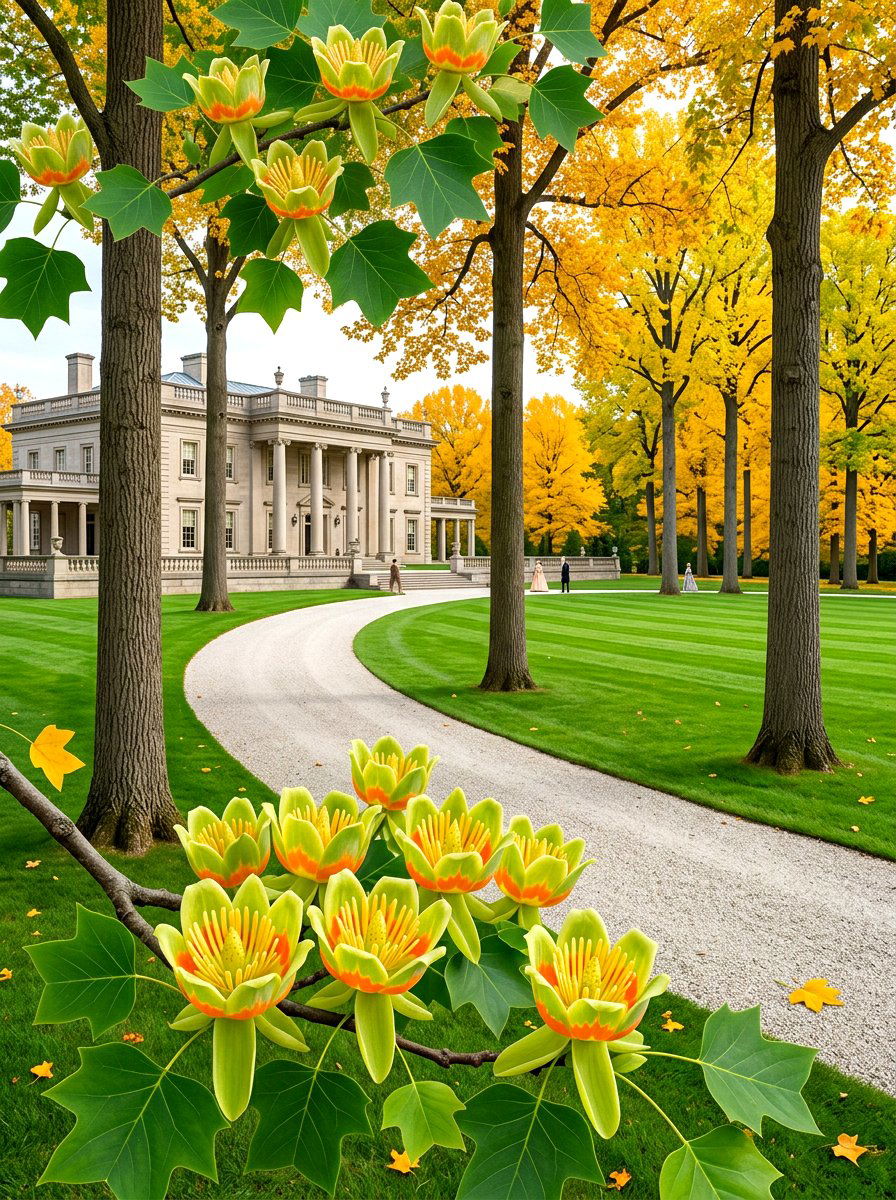
The tulip tree is one of the tallest native trees in North America and produces unique green and orange tulip-shaped flowers. Because the flowers usually bloom high up in the canopy, this tree is valued mostly for its stately height and magnificent silhouette. The leaves have a very distinct four-lobed shape that turns a brilliant, clear yellow in the autumn. It is a fantastic choice for a large estate or a deep backyard where you want to create a sense of history and permanence. The straight, tall trunk and symmetrical crown make it a beautiful architectural element in a wide-open landscape or garden.
25. Hawthorn Tree Landscape
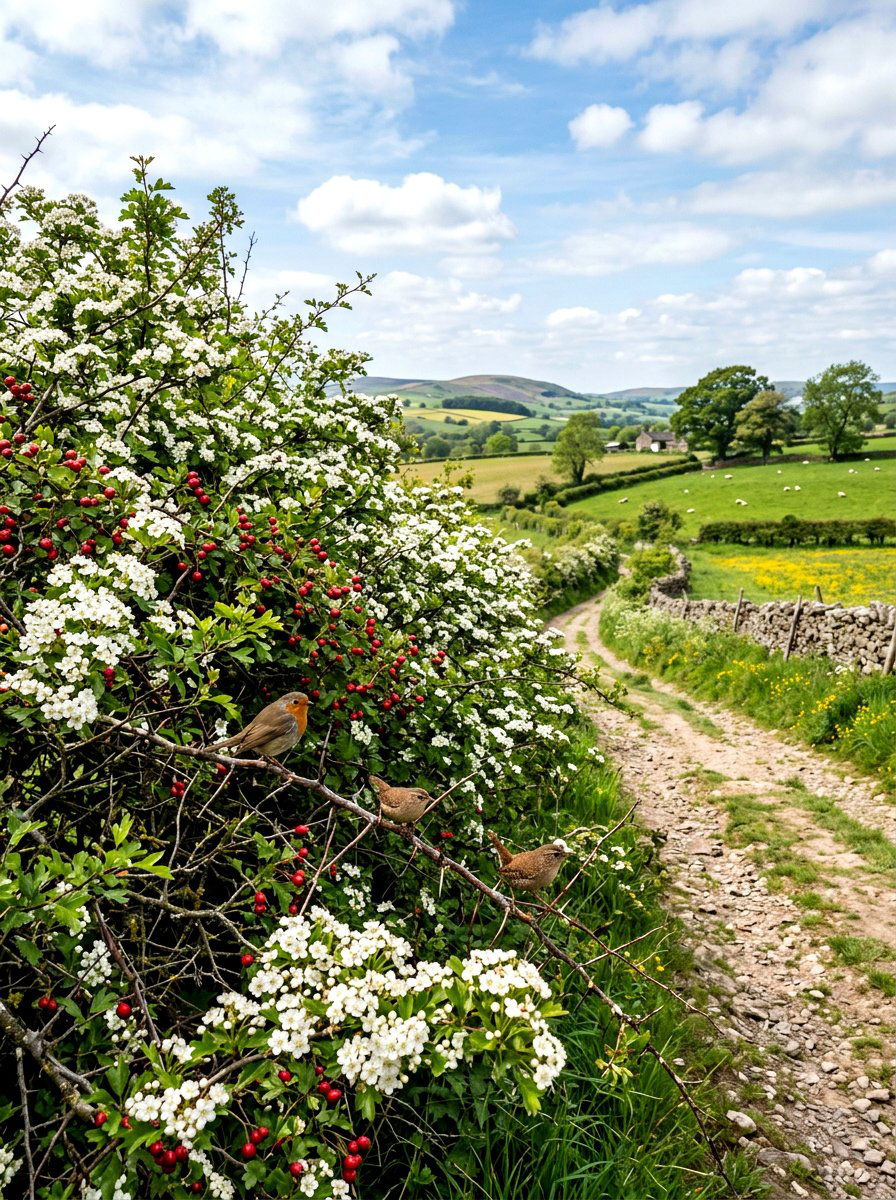
Hawthorn trees are rugged and beautiful, offering clusters of white or pink flowers followed by bright red berries that last into winter. They often have thorny branches, which makes them excellent for creating a natural, bird-friendly hedge for security and privacy. The dark green leaves are deeply lobed and provide a nice texture throughout the summer months. In a garden design, you can use a hawthorn tree to add a bit of wild, English-countryside charm to your property. They are very hardy and can tolerate tough urban conditions, including wind and poor soil. The berries provide a vital food source for birds during the cold season.
26. Japanese Stewartia Tree
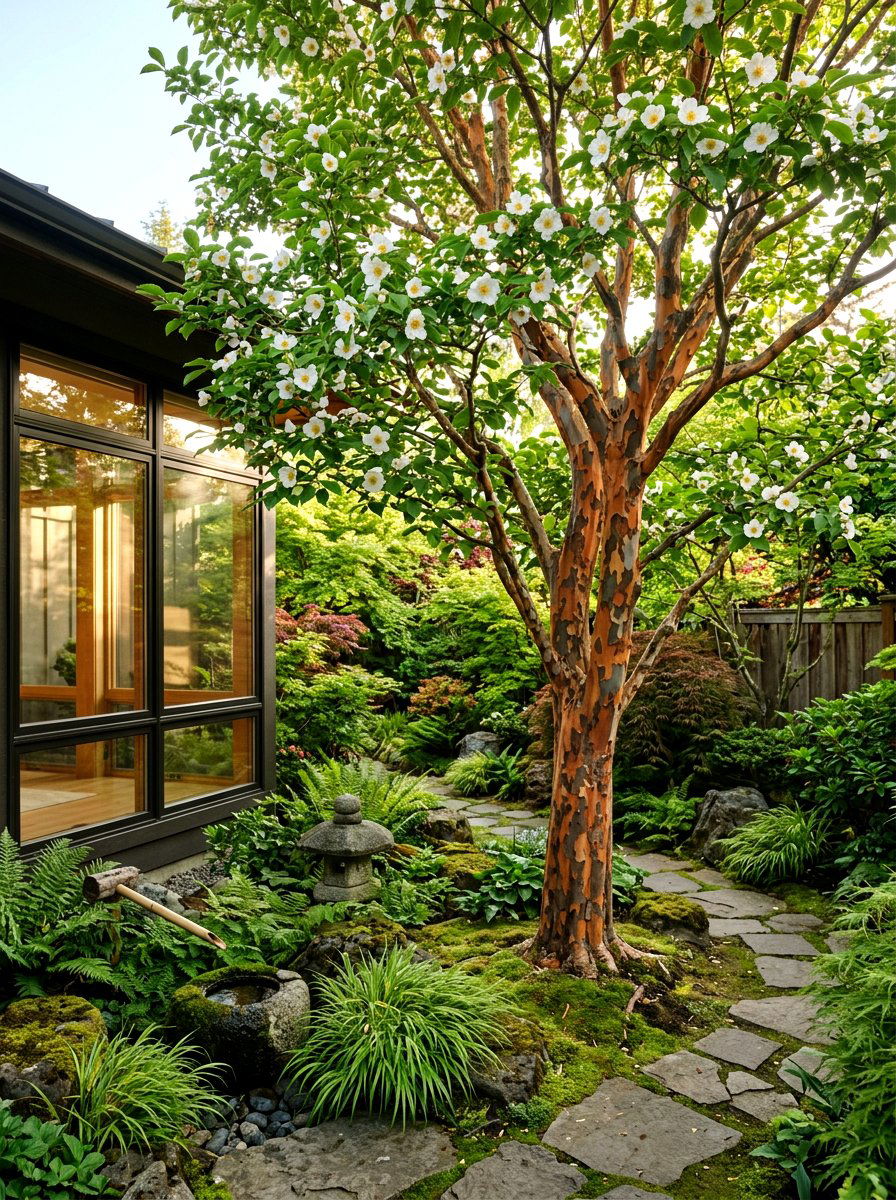
The Japanese stewartia is a connoisseur’s tree, prized for its multi-season beauty and elegant growth habit. It features delicate white flowers with yellow centers in the summer, followed by brilliant red and orange fall foliage. One of its best features is the exfoliating bark that reveals patches of pink, gray, and brown on the trunk. This creates amazing visual interest during the winter when the leaves are gone. Plant this tree in a spot where you can see the trunk clearly, such as near a glass door or window. It prefers a bit of protection from the hot afternoon sun to keep its leaves looking fresh.
27. Franklin Tree Garden
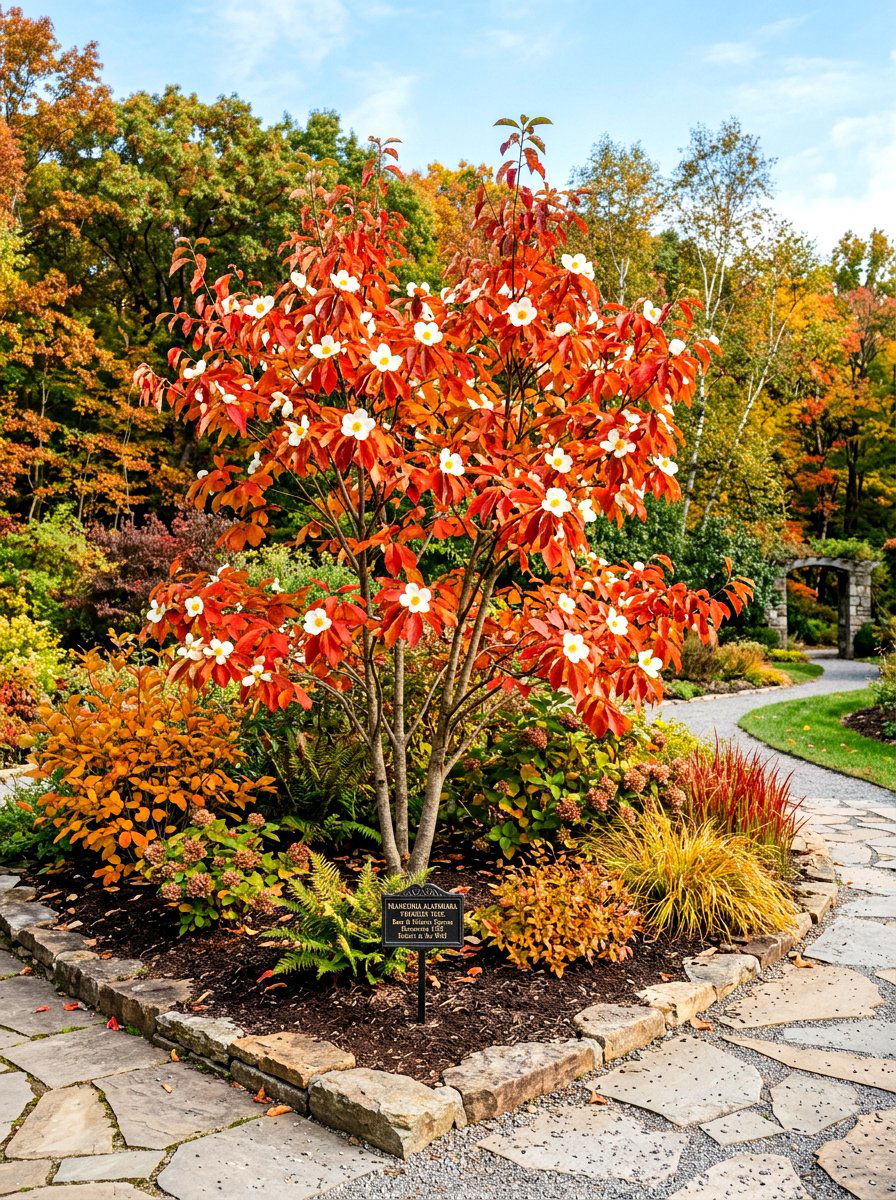
The Franklin tree is a rare and historic choice that produces large, fragrant white flowers in the late summer and early fall. It is unique because it often blooms at the same time its leaves are turning a bright, fiery red. This creates a stunning contrast between the snowy white petals and the crimson foliage. It grows as a large shrub or a small, elegantly branched tree. Because it is somewhat finicky about its soil, it is best for experienced gardeners who can provide consistent moisture and perfect drainage. Owning a Franklin tree is like having a piece of botanical history in your own garden.
28. Silver Bell Tree
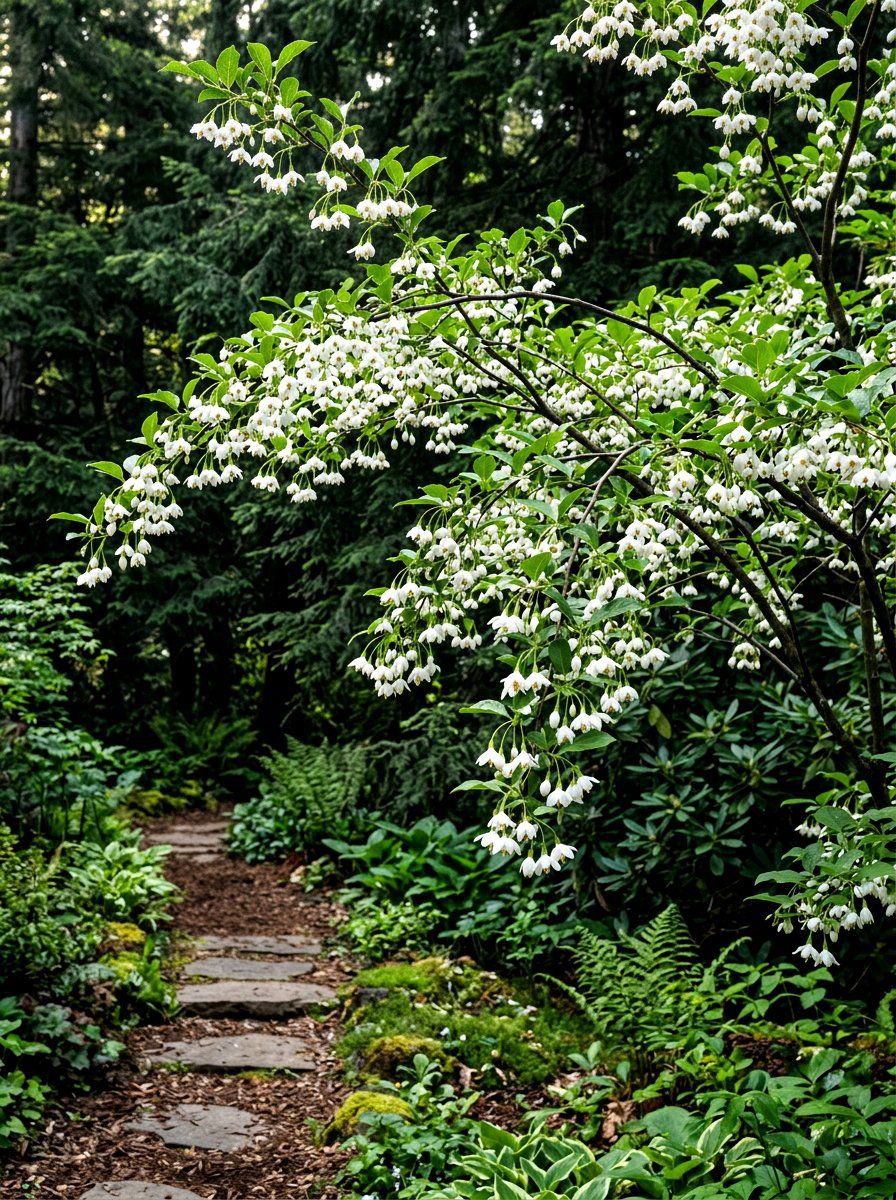
The silver bell tree is named for its charming, bell-shaped white flowers that dangle gracefully from the branches in late spring. It has a very delicate and airy appearance that works beautifully in a woodland or shade garden setting. The yellow fall color is bright and cheerful, adding another layer of interest to your landscape. This tree looks best when planted against a dark background, such as a row of evergreens or a dark-painted shed. It is a slow-growing tree that maintains a very tidy and attractive shape without much pruning. It brings a sense of quiet, understated elegance to any backyard retreat.
29. Horse Chestnut Tree
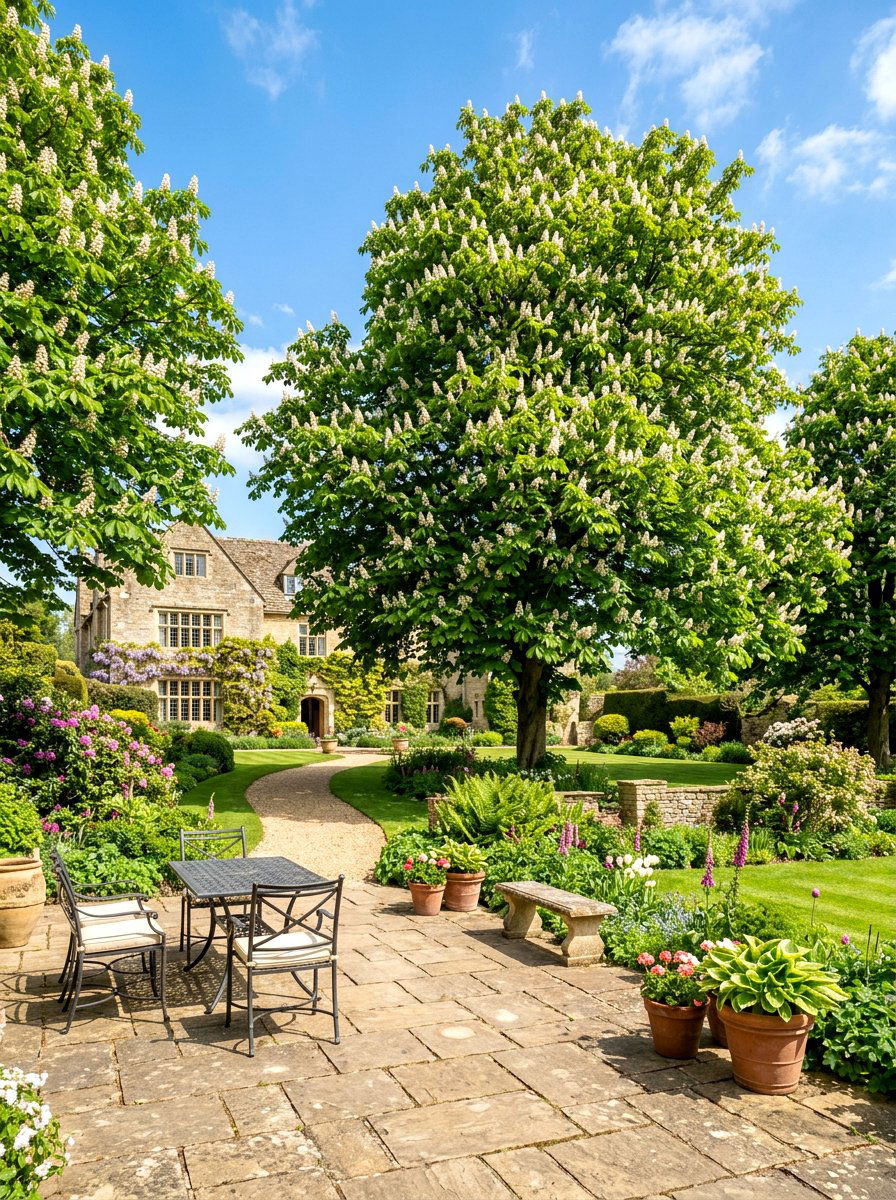
The horse chestnut tree is a magnificent specimen that produces huge, upright spikes of white or pink flowers in late spring. These "candles" of blooms cover the entire tree, making it look like it is decorated for a festival. The large, palm-shaped leaves provide dense shade, making it a favorite for planting over a large patio or a driveway. It produces large, shiny brown nuts inside prickly husks that add a touch of nature's whimsy in the fall. This tree needs plenty of space to reach its full potential and looks best in a traditional or expansive landscape. It is a truly grand flowering tree.
30. Fringe Tree Landscape
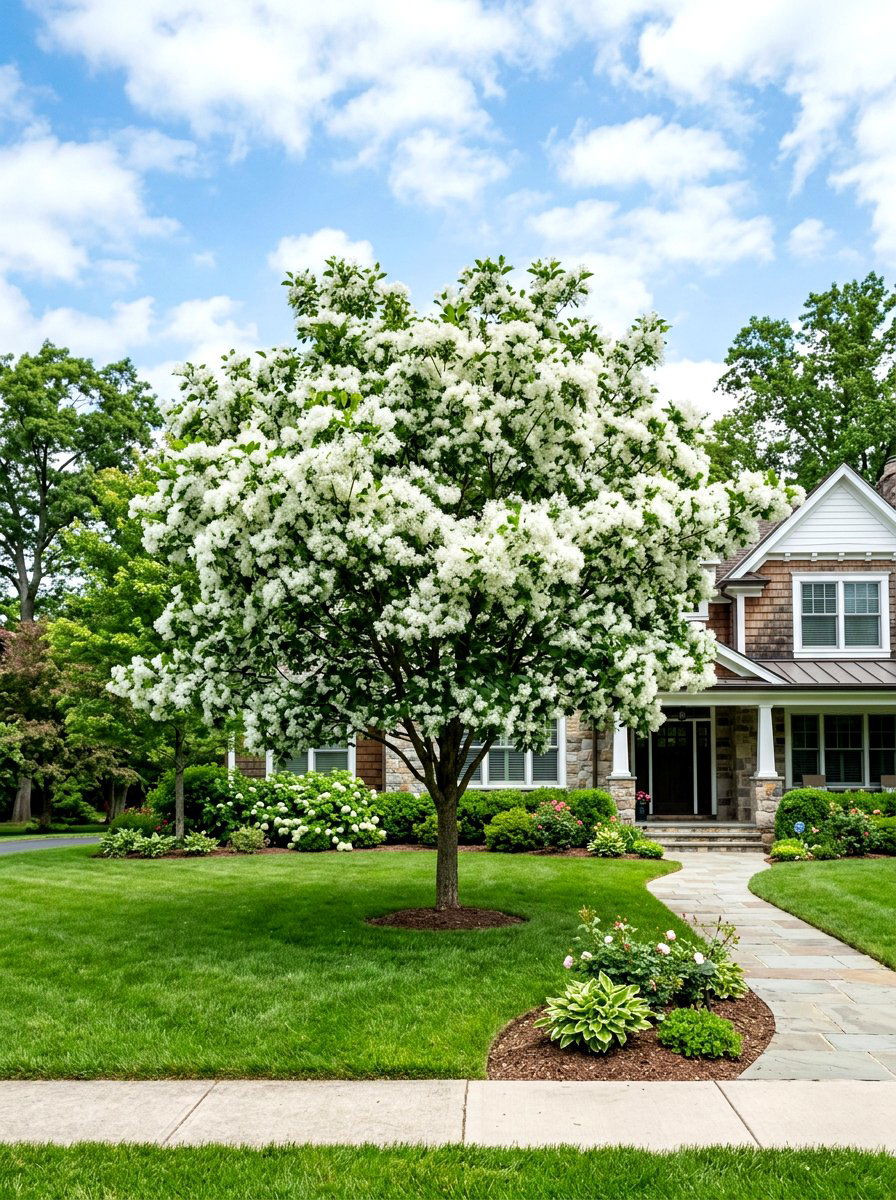
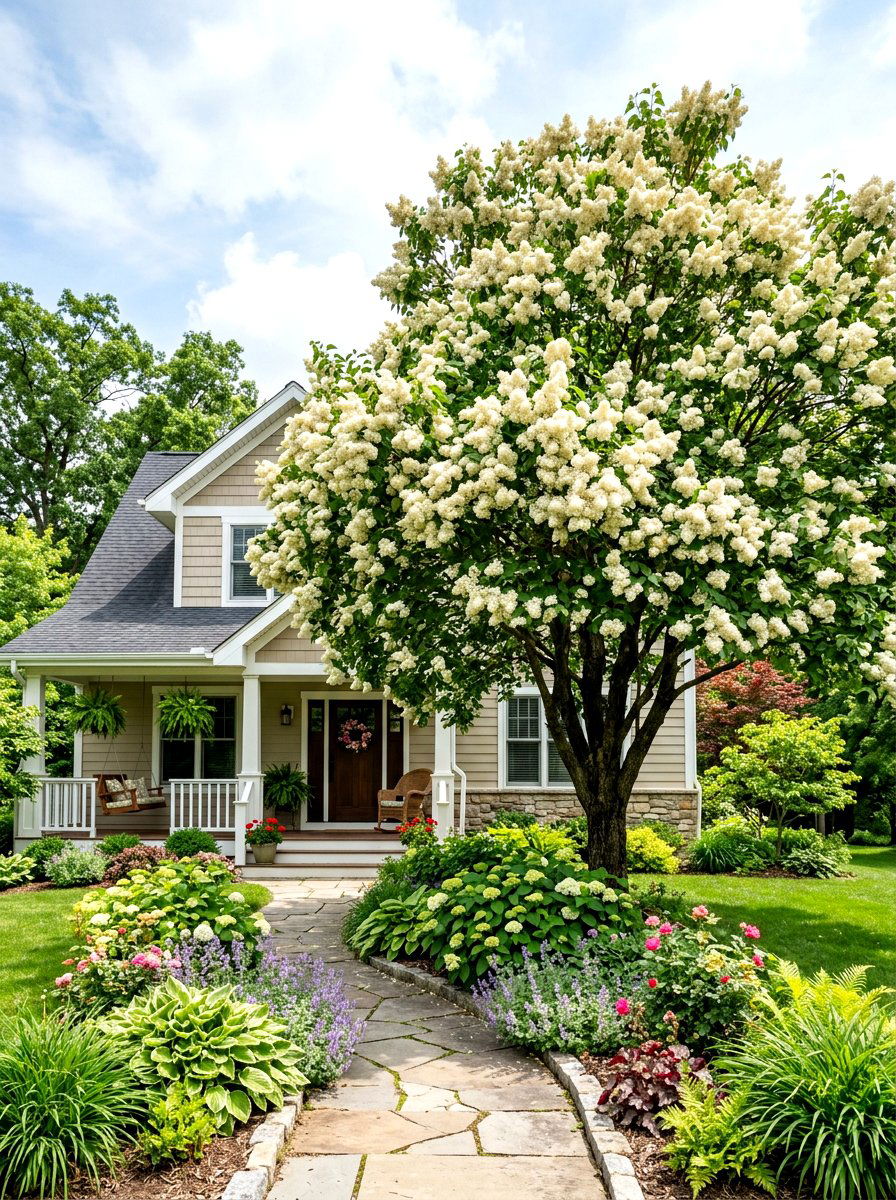
The fringe tree is often considered one of the most beautiful native trees when it is in full bloom. It produces clouds of white, fringe-like flowers that look like a soft white fleece draped over the branches. The fragrance is incredibly sweet and can be smelled from quite a distance away on a breezy day. It has a wide, spreading habit and bright green leaves that turn yellow in the autumn. This tree is very adaptable and can handle both sun and partial shade. Use it as a specimen tree in the front yard to create a stunning spring welcome for all your visitors.
Conclusion:
Adding a flowering tree to your landscape is one of the most rewarding investments you can make for your home. These trees offer a sense of changing seasons that brings life and rhythm to your outdoor living space. Whether you prefer the dramatic blooms of a magnolia or the delicate fringe of a native species, there is a tree for every style. A well-chosen tree provides shade, beauty, and a home for local wildlife for many decades to come. Take the time to plan your garden layout so that your new tree has the space and light it needs to thrive. Your garden will become a source of pride and joy throughout every season of the year.

Related posts: