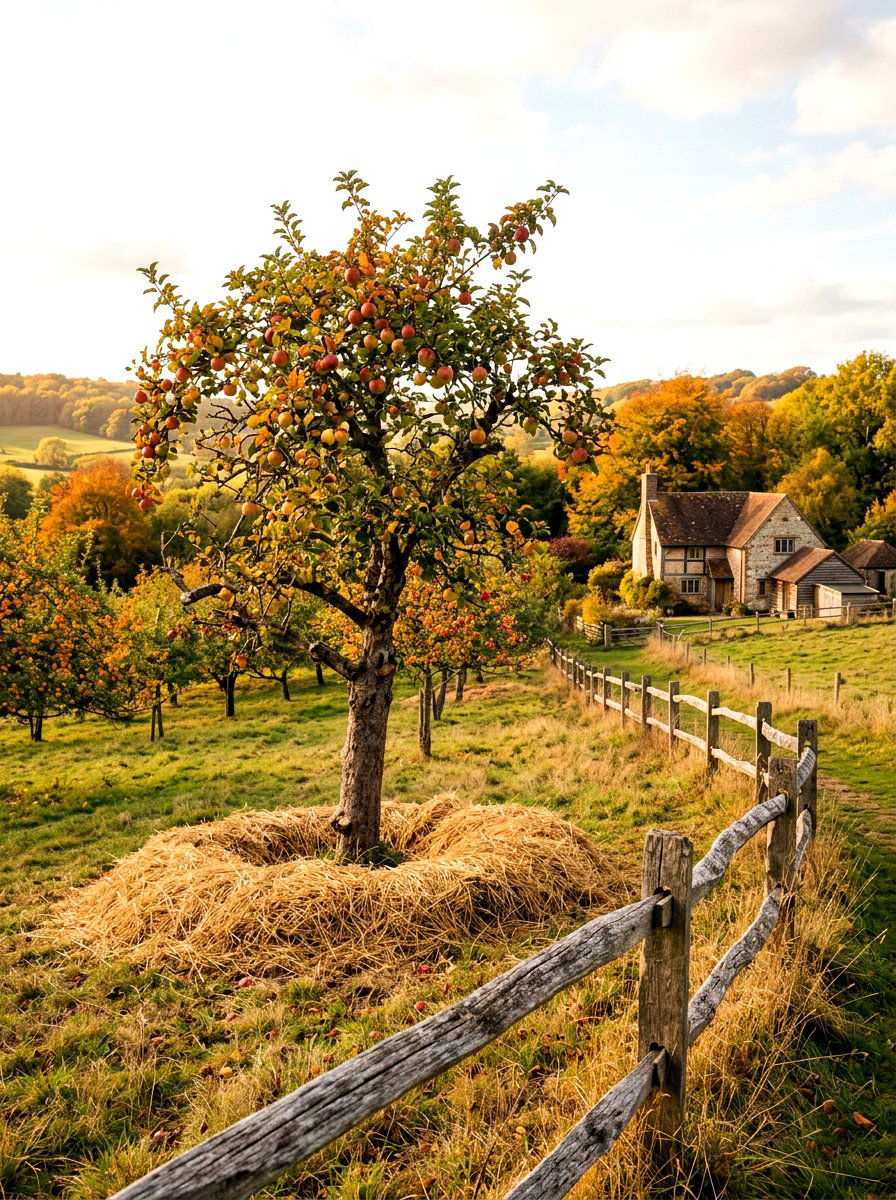
Transforming the space around your favorite trees into a beautiful flower bed is a fantastic way to elevate your landscape 's visual appeal. Tree rings serve a dual purpose by protecting the trunk from mower damage while providing a lush, colorful focal point in your yard. Whether you are working with a massive ancient oak or a delicate young sapling, these garden features add texture and depth to otherwise flat lawn areas. Selecting the right plants and edging materials ensures your tree stays healthy and thrives for years. Exploring various styles helps you find the perfect match for your home' s outdoor aesthetic and personal gardening preferences today.
1. Stone Edging Tree Ring
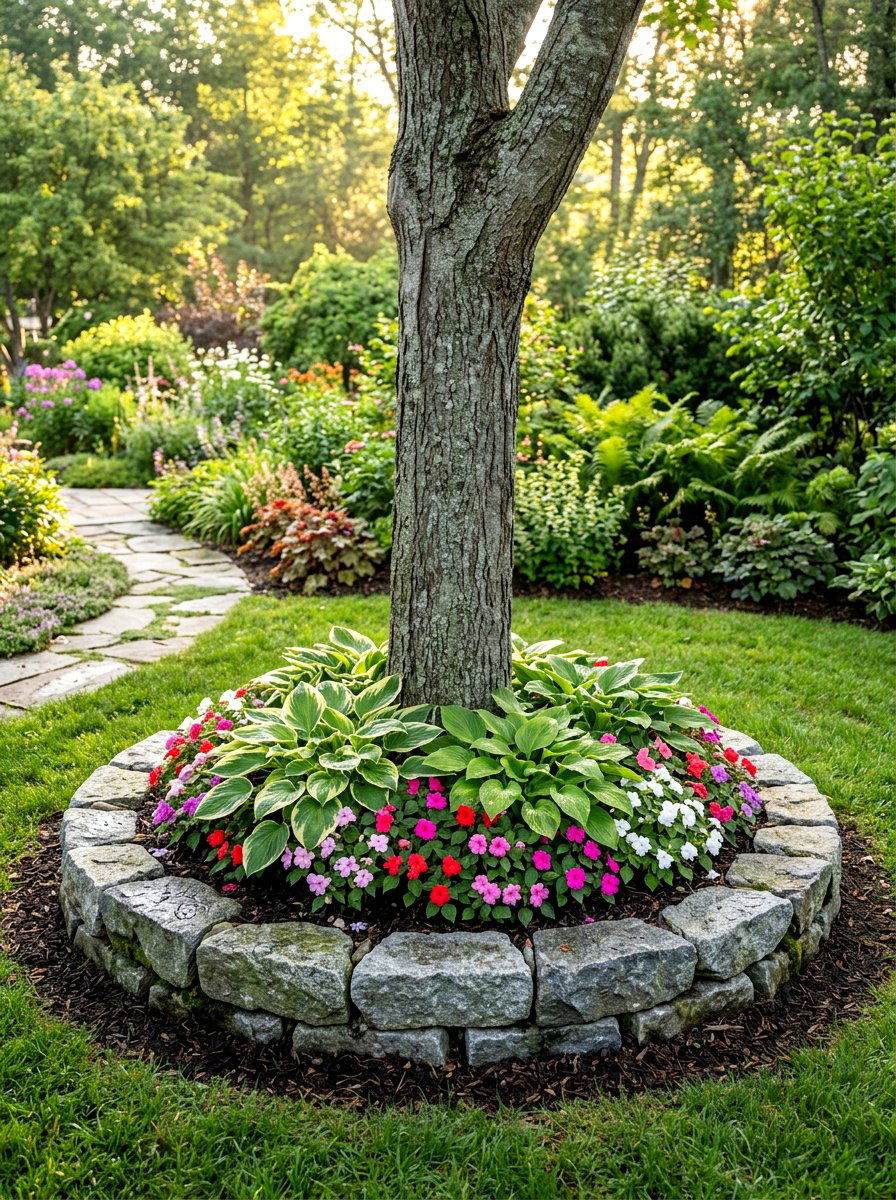
Have you ever noticed how a simple line of natural stones can completely change the vibe of your front yard? Using heavy fieldstones or smooth river rocks creates a rustic yet polished boundary for your plantings. This method is particularly popular because it blends seamlessly with the natural environment while providing a sturdy barrier against encroaching grass. You can stack the stones for a slightly raised look or keep them in a single layer for a minimalist feel. It is vital to ensure the stones do not touch the bark directly to prevent moisture rot. This classic design choice adds timeless character and a touch of organic elegance to any backyard landscape.
2. Raised Brick Tree Border
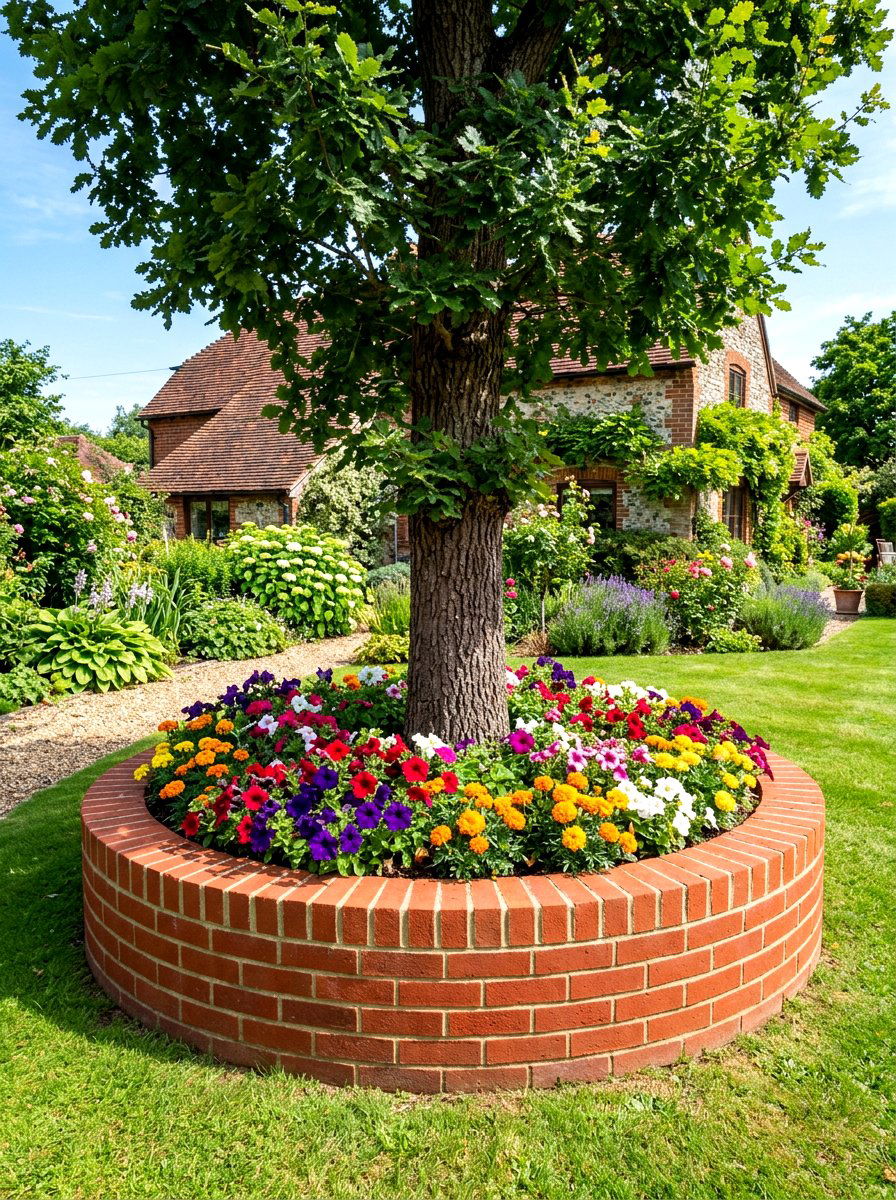
Building a raised bed with classic red bricks provides a more formal and structured appearance to your garden. This design allows you to add fresh, nutrient-rich soil without disturbing the existing roots of the tree too much. Bricks offer a clean, geometric line that complements traditional home architectures beautifully. When constructing this, consider using a dry-stack method or a light mortar for stability over time. The extra height helps the flowers stand out against the green lawn, making the tree a true centerpiece. You can match the brick color to your home’s exterior for a cohesive and well-planned look that enhances curb appeal instantly.
3. Shade Garden Under Tree
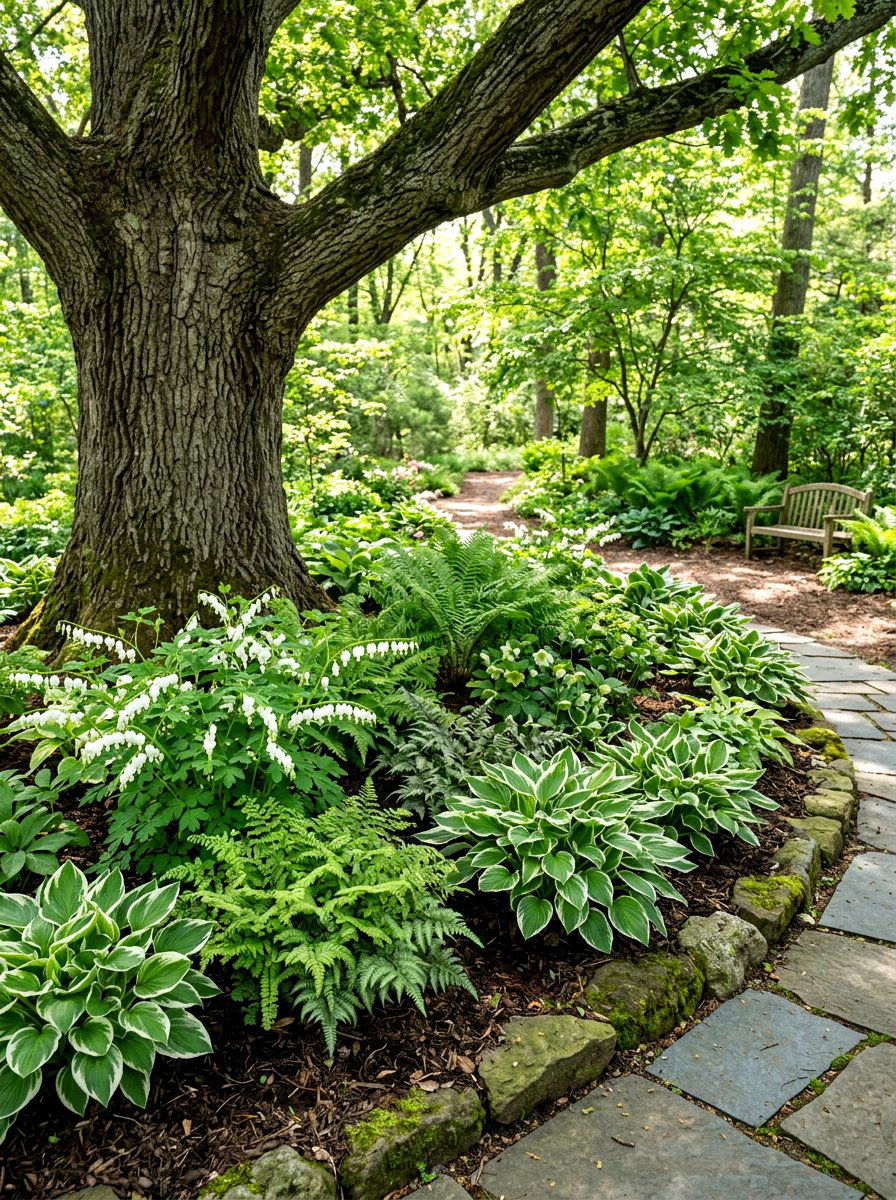
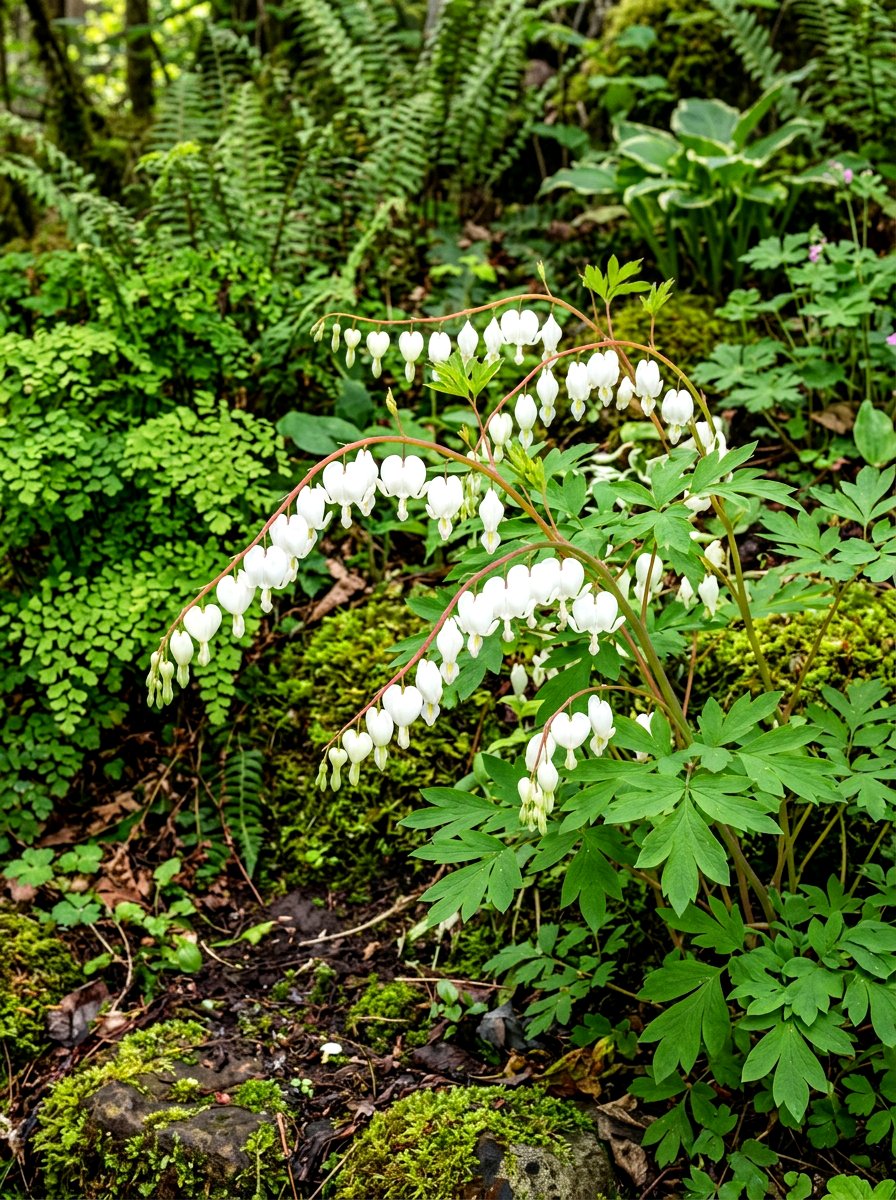
Do you have a large canopy tree that blocks most of the direct sunlight from reaching the ground? Creating a dedicated shade garden is the perfect solution for those dark, bare spots where grass refuses to grow. You can fill the ring with a variety of textures, such as delicate bleeding hearts and vibrant coral bells. These plants thrive in the dappled light provided by the leaves above, creating a lush and cooling atmosphere. Adding a thick layer of organic compost will help these woodland plants settle in quickly. This approach turns a difficult growing area into a stunning, low-maintenance sanctuary that looks beautiful throughout the entire summer season.
4. River Rock Tree Surround
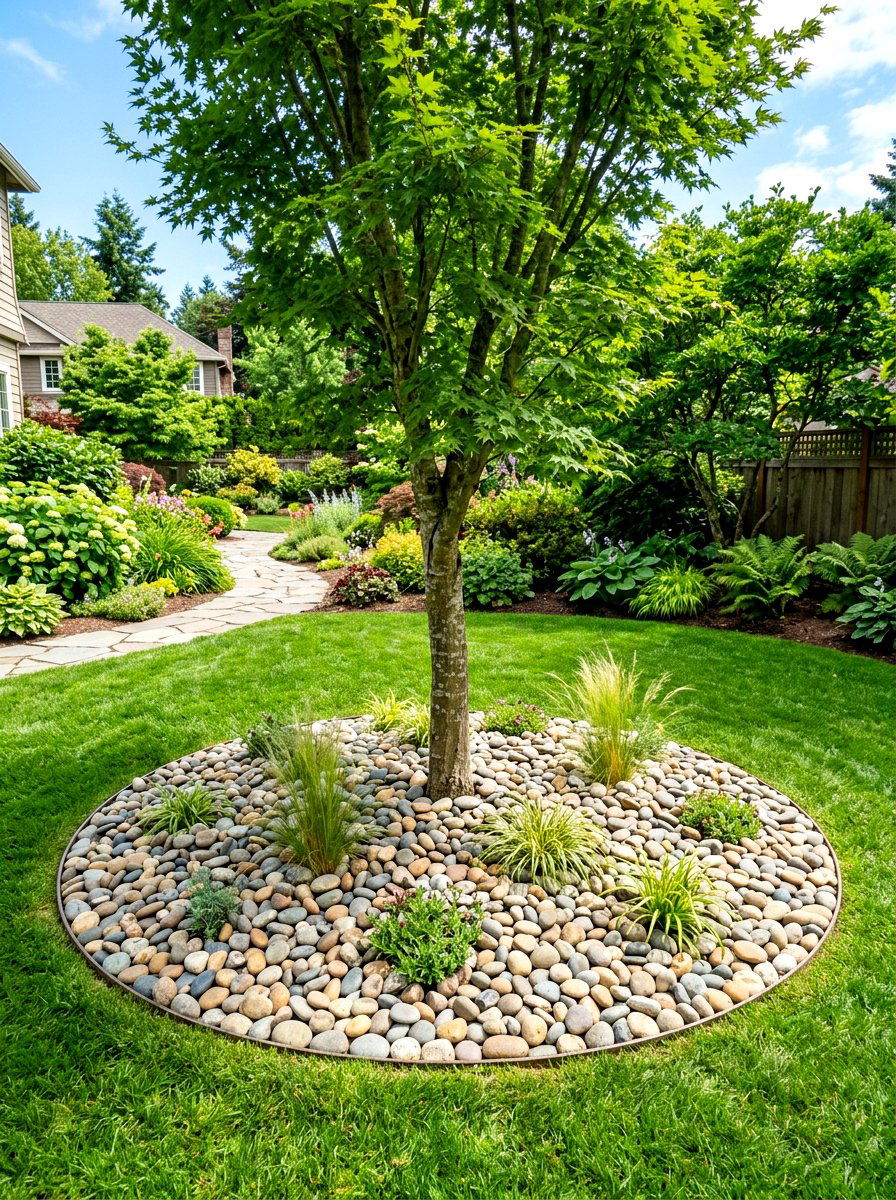
If you prefer a clean and modern look, a river rock surround might be exactly what your landscape needs. Instead of traditional mulch, using smooth, multi-colored river stones provides a permanent and attractive ground cover that does not wash away. This style works exceptionally well for drought-tolerant landscapes or minimalist modern homes. You can plant a few hardy succulents or ornamental grasses within the rocks for a pop of life. The rocks help retain soil moisture while allowing the tree's trunk to remain dry and healthy. It is a sophisticated way to define the base of a tree while keeping the maintenance levels very low for busy homeowners.
5. Two Tier Tree Ring
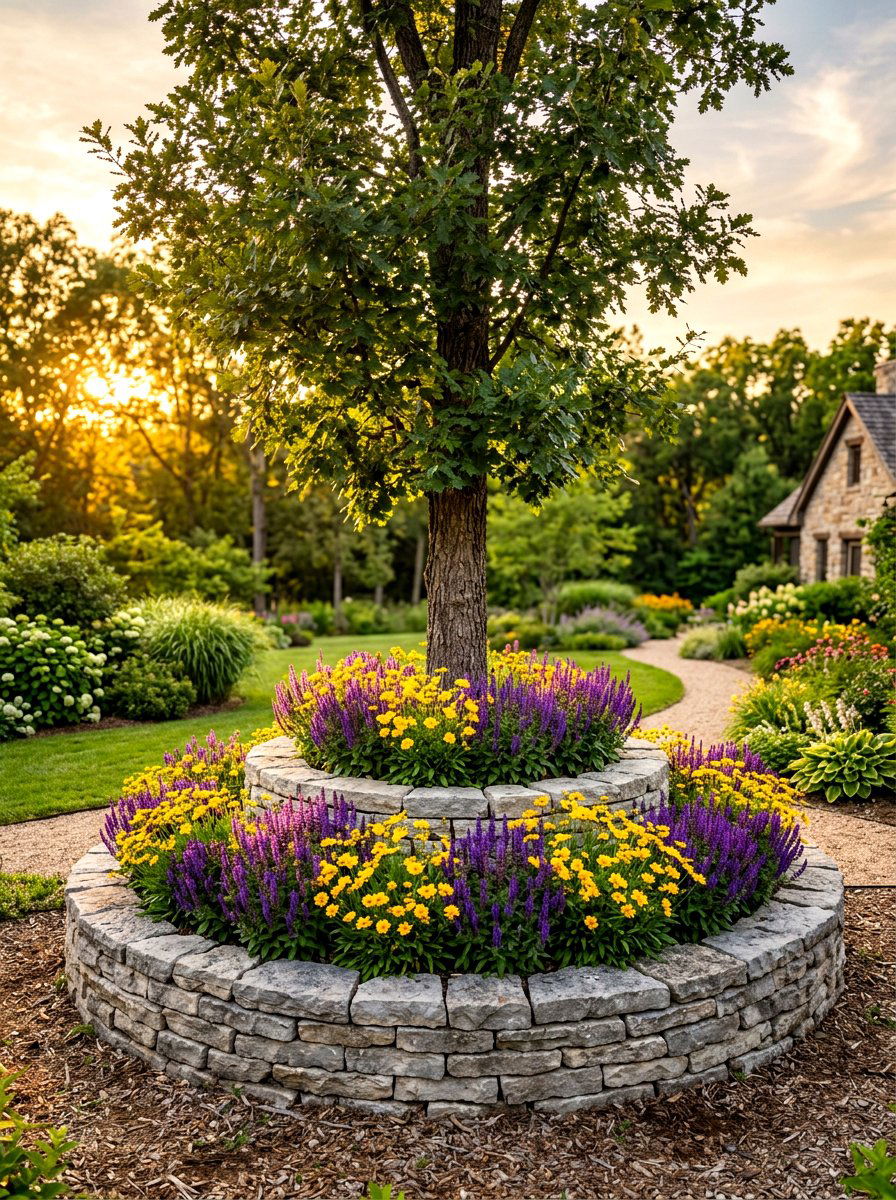
Why settle for one level when you can create a dynamic, multi-dimensional display with a two-tier tree ring? This design involves building two concentric circles of varying heights, allowing you to showcase different plant varieties. You could plant taller shrubs in the back tier and shorter, cascading flowers in the front for a waterfall effect. This structural approach adds significant architectural interest to your yard and makes the tree feel more integrated into the overall garden design. It provides a great opportunity to experiment with different colors and textures. The tiered look is especially effective on sloped properties where it can help level out the planting area effectively.
6. Hosta Tree Bed
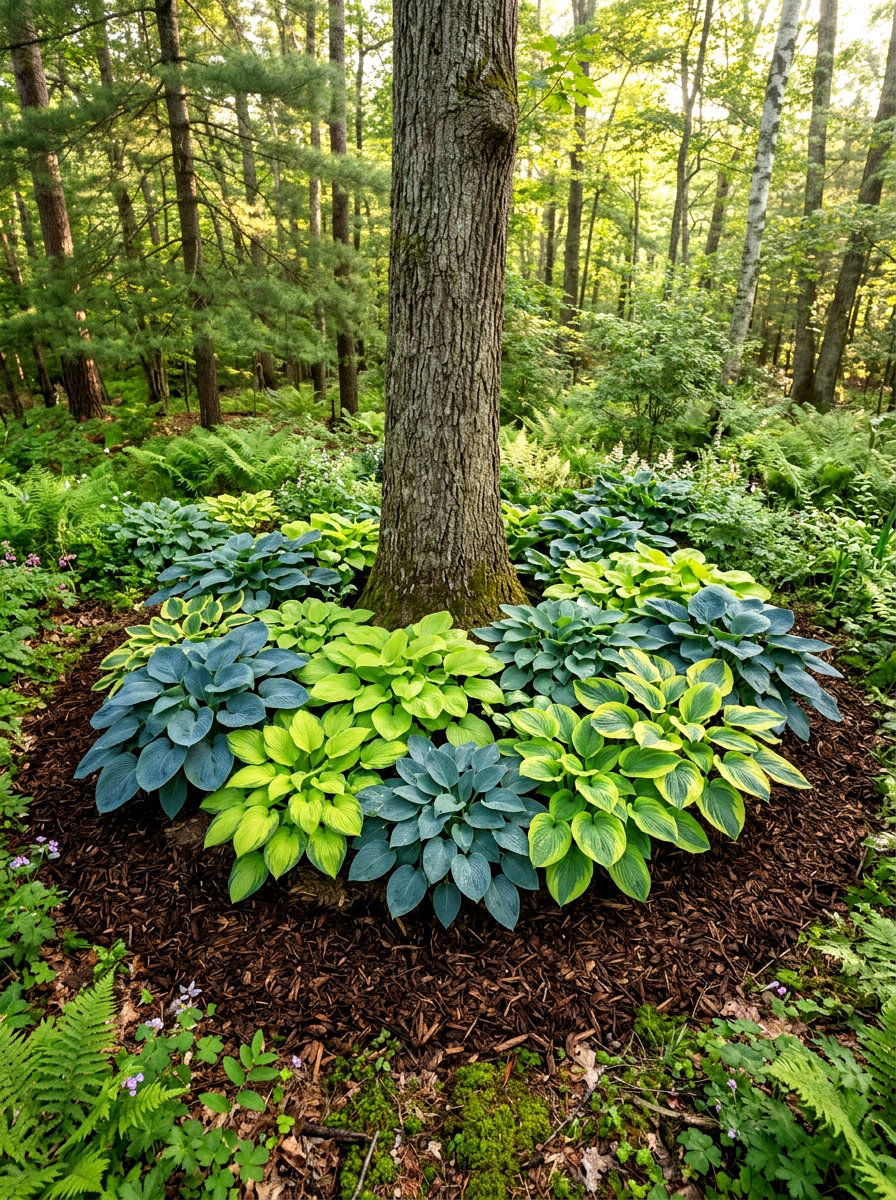
Hostas are the undisputed kings of the shade, making them the ultimate choice for a lush tree ring bed. These perennials come in an incredible range of sizes, shapes, and colors, from deep forest green to bright chartreuse. By planting a dense ring of hostas, you create a soft, leafy skirt that hides the tree's base and any exposed roots. Their large, architectural leaves provide a dramatic contrast to the rough bark of the tree trunk. Once established, they are incredibly hardy and will return bigger and better every single year. This simple yet effective design is a favorite for those who want a high-impact look with very little effort.
7. Wood Mulch Tree Ring
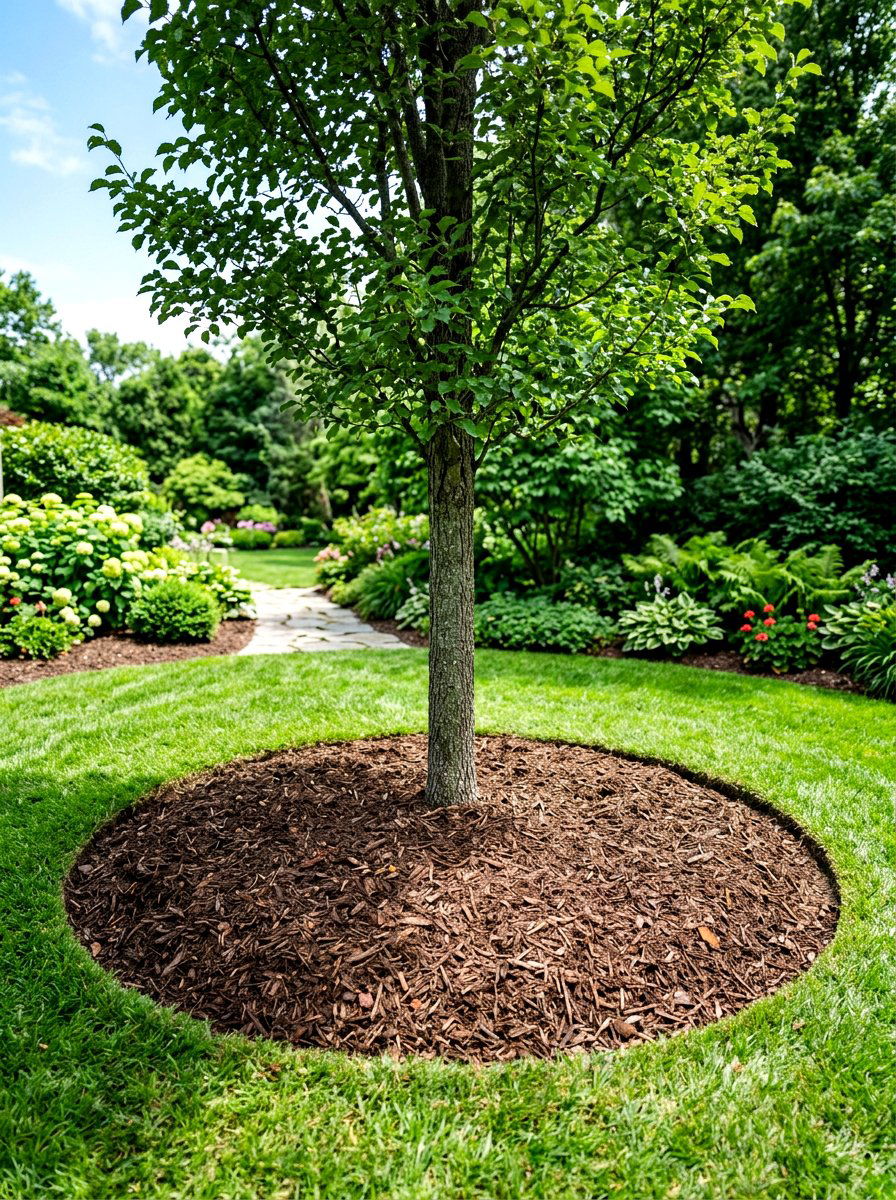
Sometimes the most effective designs are the simplest ones that let the natural beauty of the tree shine. A clean, wide circle of dark brown or black wood mulch provides a professional look while protecting the tree's root zone. This is the most budget-friendly option and is highly recommended by arborists for maintaining soil health and moisture levels. You can edge the mulch with a sharp spade cut for a crisp transition between the garden and the lawn. To keep it looking fresh, simply top off the mulch once a year. This minimalist approach is perfect for young trees that need room to grow without competition from heavy plantings.
8. Stacked Stone Tree Wall
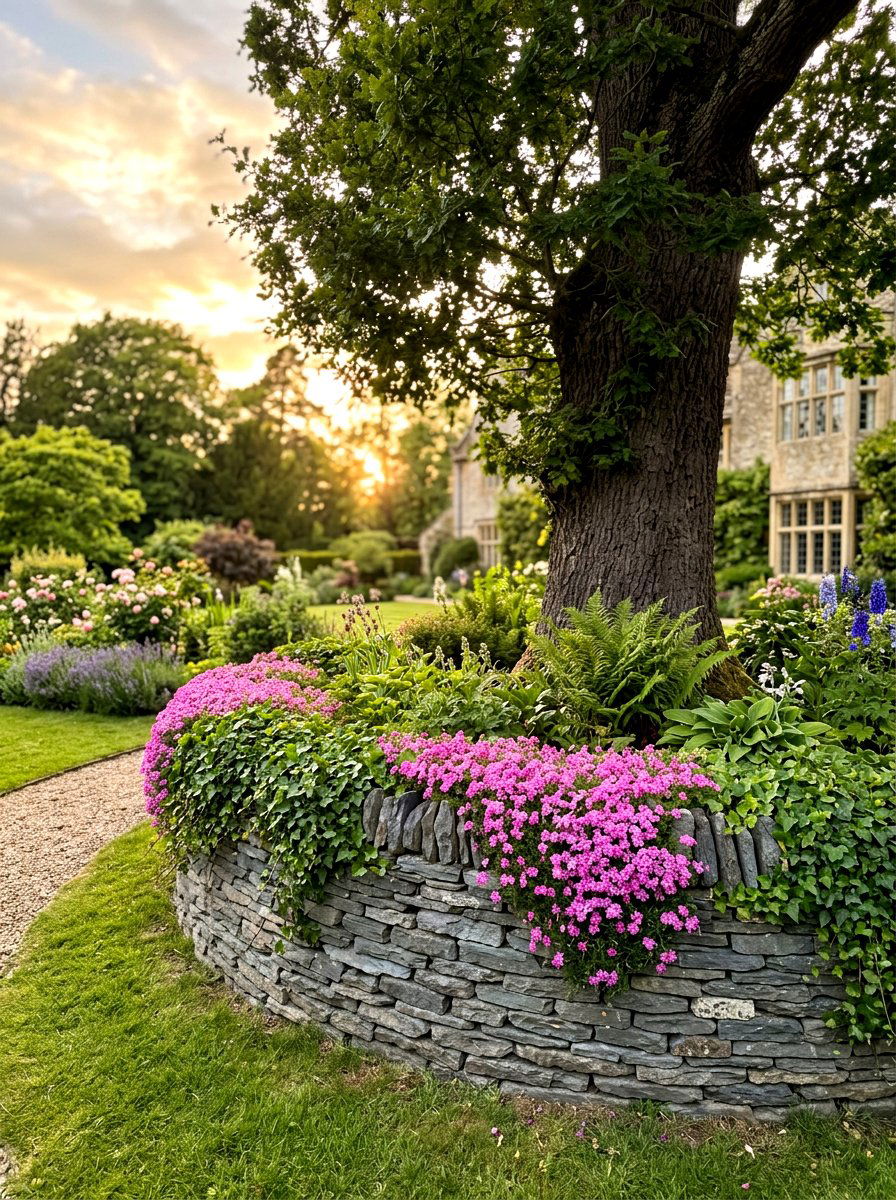
A stacked stone wall creates a sense of permanence and grandeur around a large, established specimen tree in your yard. Using flat pieces of slate or limestone allows you to build a sturdy, low wall that acts as a decorative planter. This structure can also serve as an informal seating area where guests can sit and enjoy the shade on a hot day. The natural variations in the stone provide a beautiful backdrop for trailing vines or bright perennials like creeping phlox. It is important to build the wall wide enough so that you aren 't piling too much soil against the tree' s sensitive trunk, ensuring health.
9. Wildflower Tree Bed
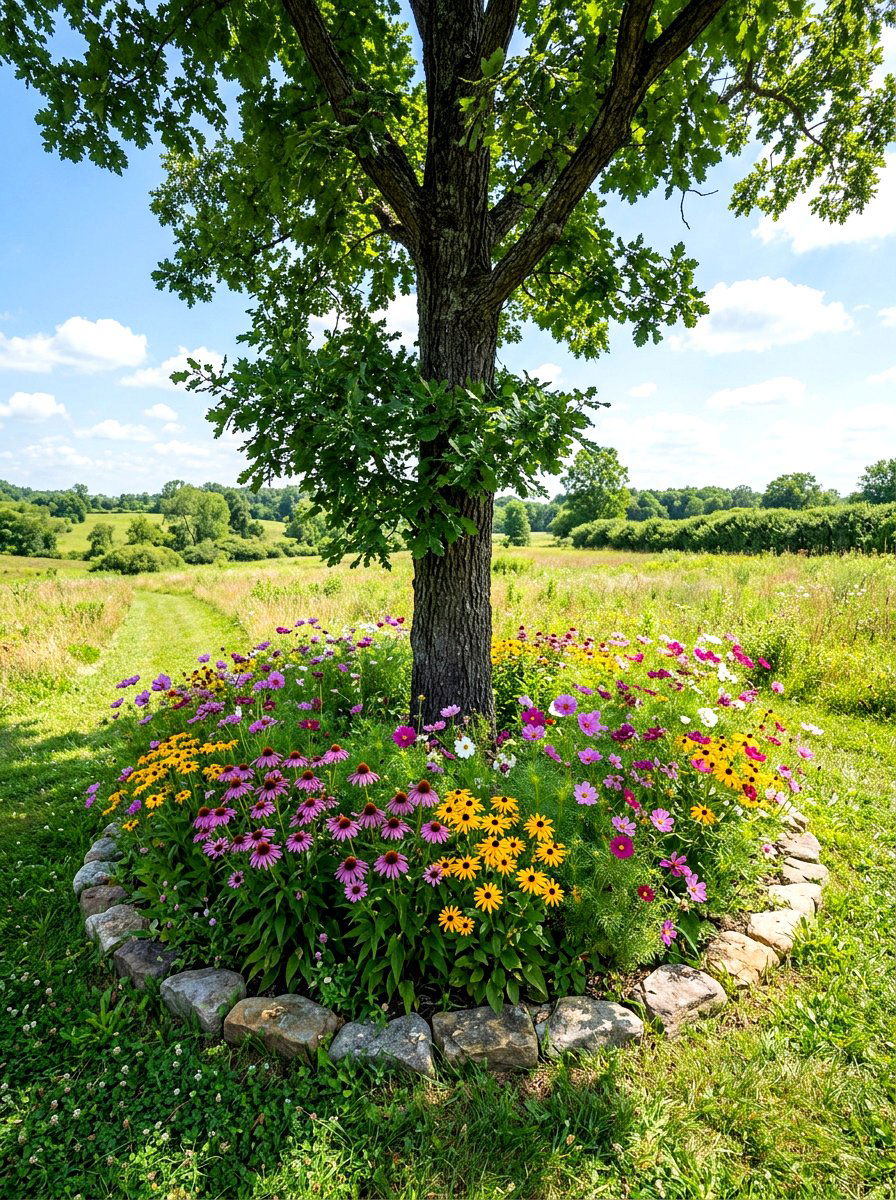
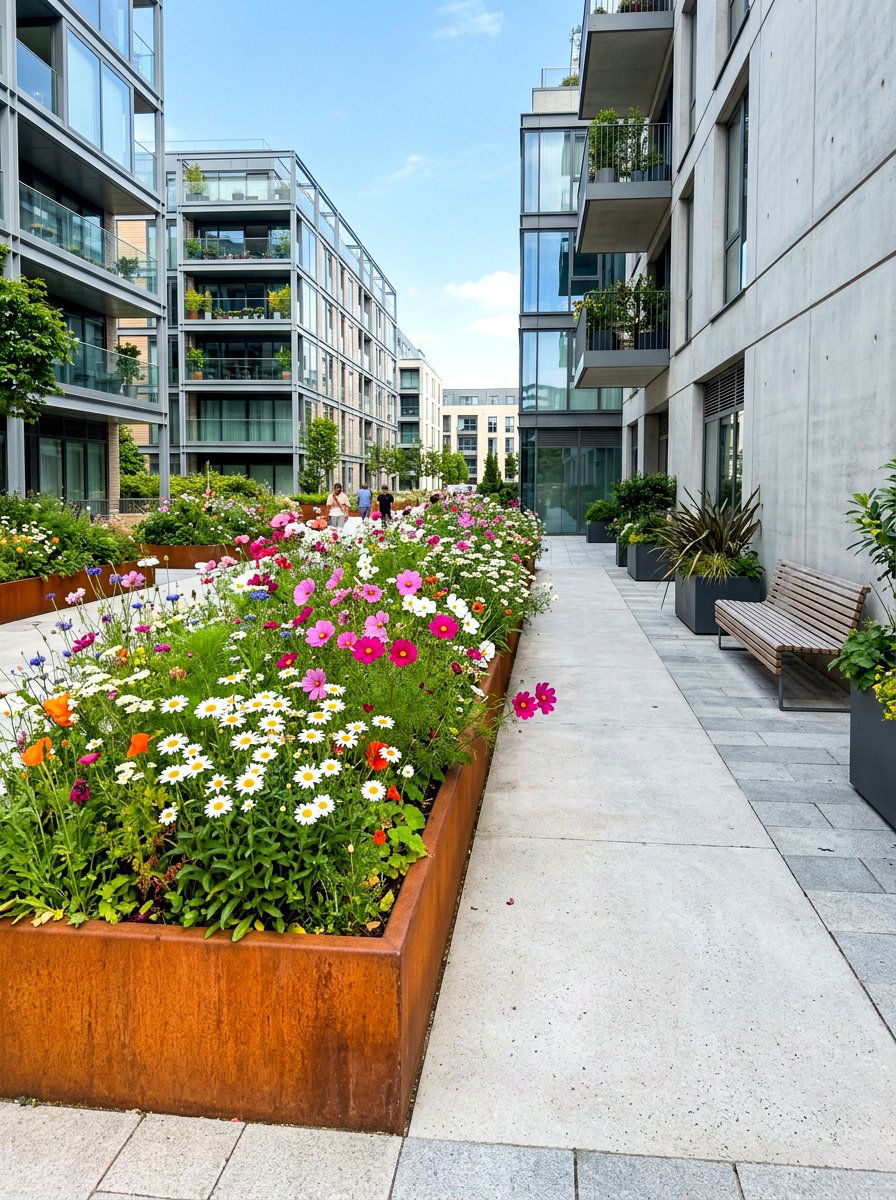
Would you like to attract more bees, butterflies, and birds to your backyard this year? Planting a wildflower ring around your tree creates a mini-meadow that supports local pollinators while looking absolutely charming and whimsical. You can use a pre-mixed seed blend or hand-pick specific varieties like coneflowers, black-eyed Susans, and milkweed. This style is naturally less formal, allowing the plants to grow and mingle in a beautiful, disorganized fashion. It is a wonderful way to bring a touch of the countryside to a suburban environment. The changing colors and heights of the flowers will keep your garden looking interesting and lively all season long.
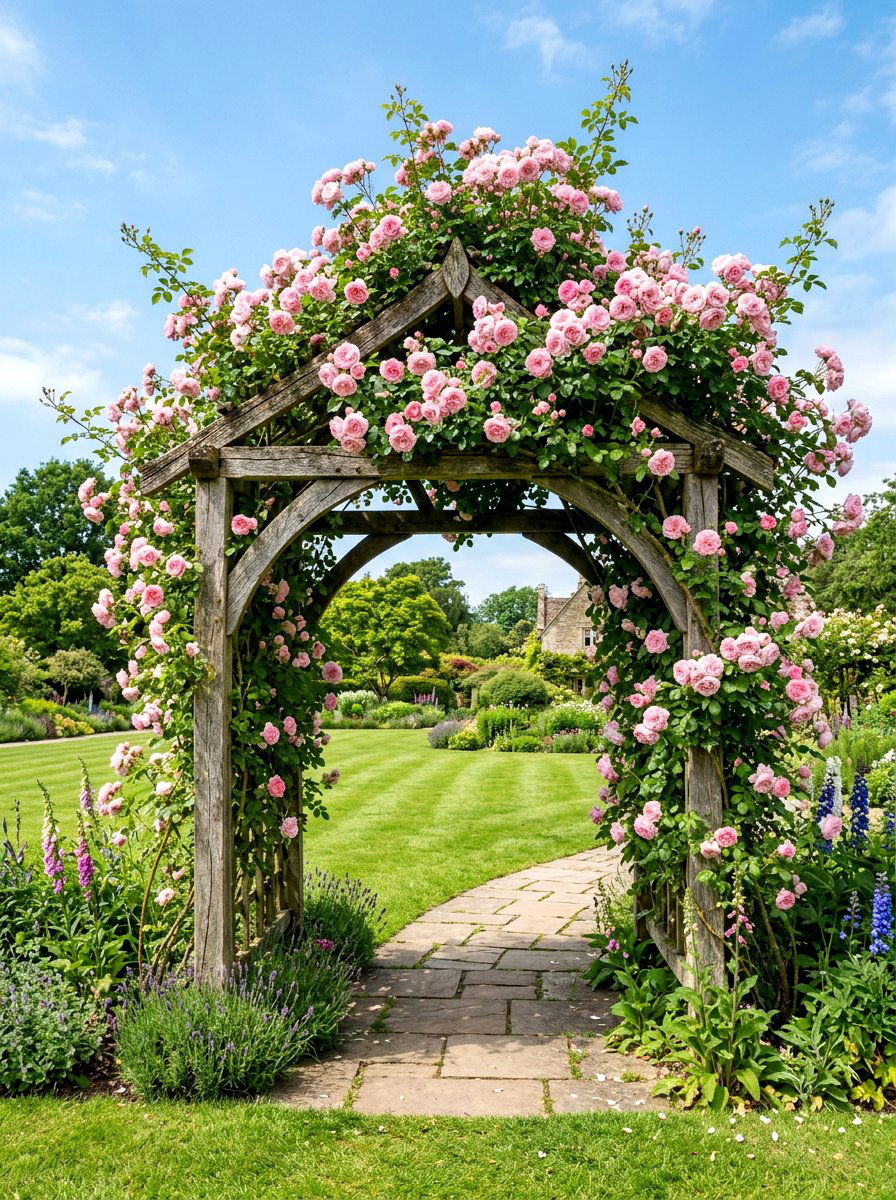
10. Succulent Tree Ring
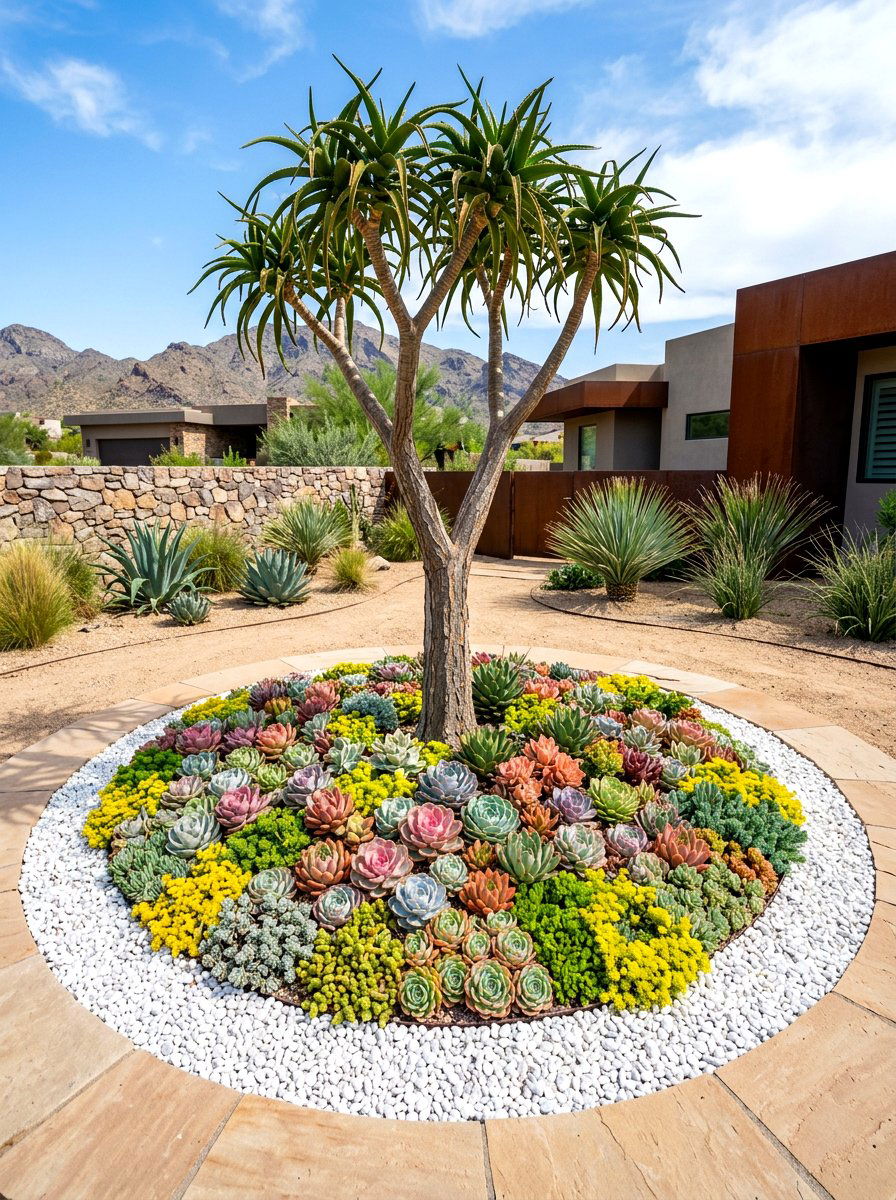
In warmer climates or dry regions, a succulent tree ring offers a trendy and water-wise alternative to traditional flower beds. Echeveria, sedum, and aloe can be arranged in a colorful mosaic pattern around the base of the tree. These plants require very little water and thrive in the well-drained soil often found at the base of large trees. Their unique shapes and fleshy leaves add a modern, sculptural element to your landscape that stands out from the neighbors. You can finish the look with a layer of fine pea gravel or crushed glass for extra sparkle. This low-maintenance design is perfect for homeowners who want maximum style with minimum watering.
11. Flagstone Tree Border
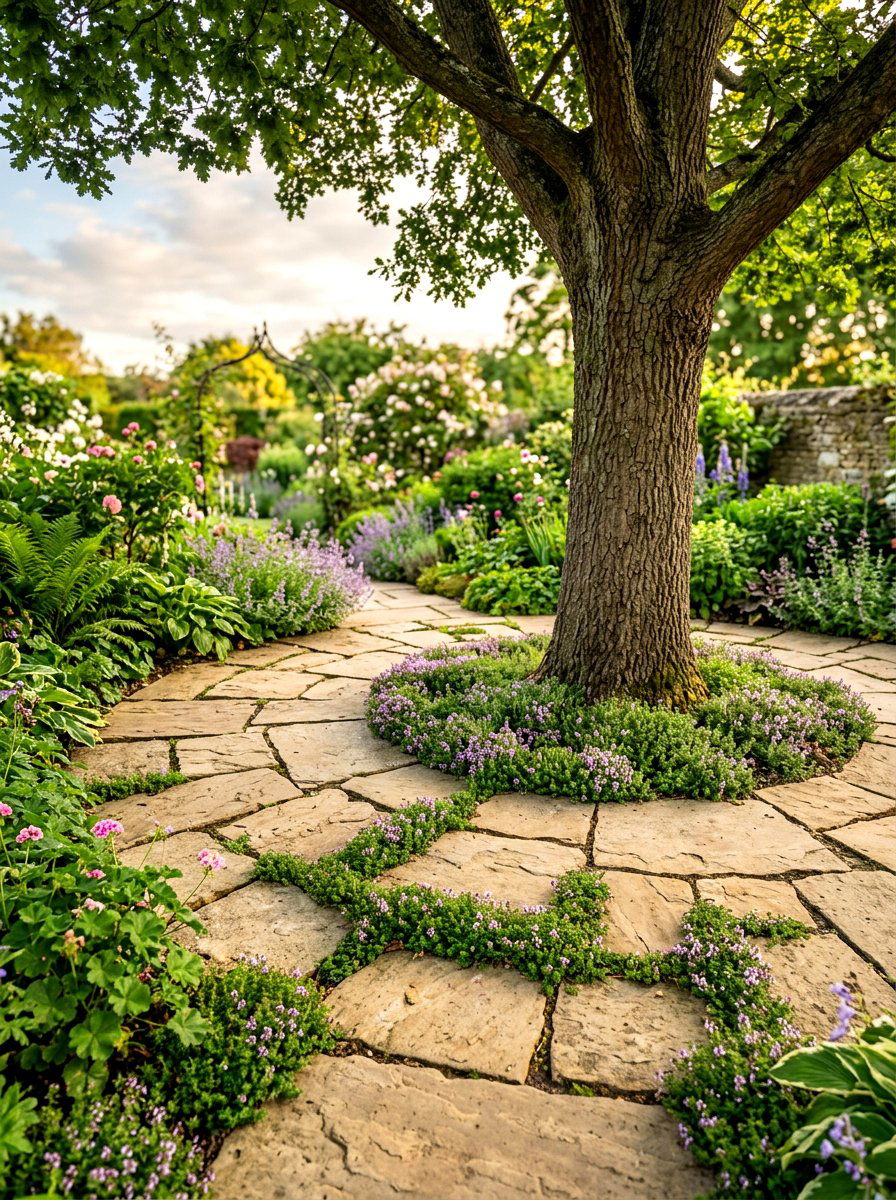
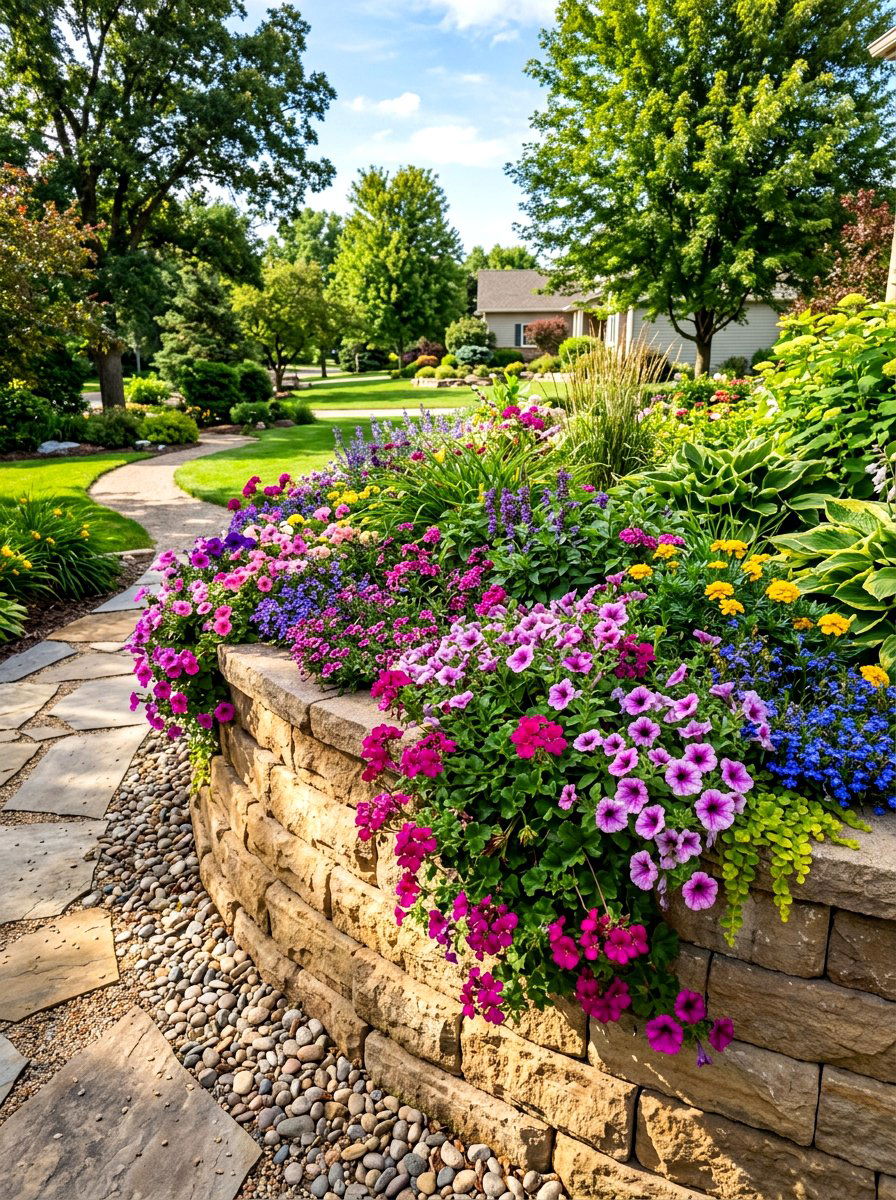
Using large, irregular flagstones to border your tree bed creates a beautiful, old-world feel that is both sturdy and stylish. These stones provide a wide, flat edge that makes it easy to trim the grass right up to the garden. You can plant creeping groundcovers between the stones to soften the look and add a touch of green. Flagstone comes in many different shades, from cool blues to warm tans, allowing you to match it to your existing patio or walkway. This border style is incredibly durable and won't shift or crack as easily as smaller materials. It gives your tree a grounded and well-established appearance that lasts for decades.
12. Lavender Tree Ring
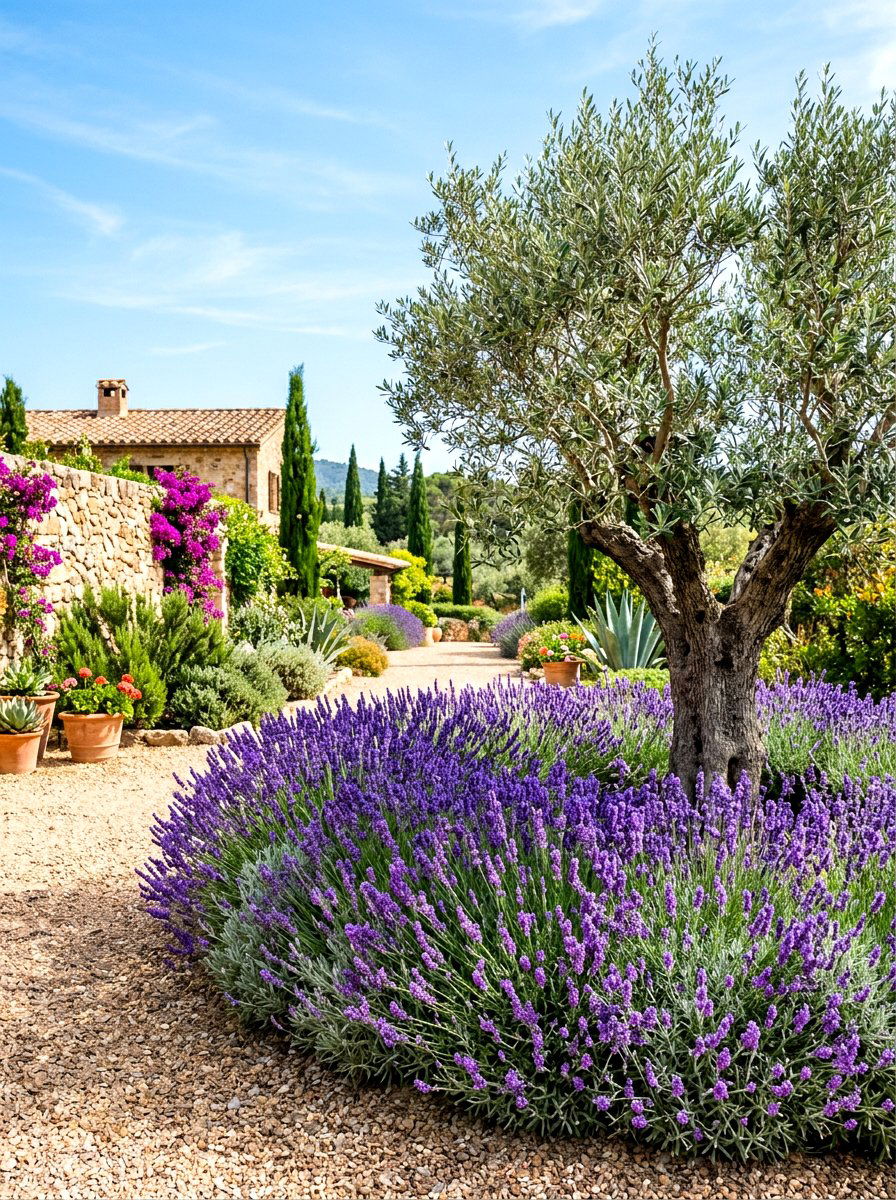
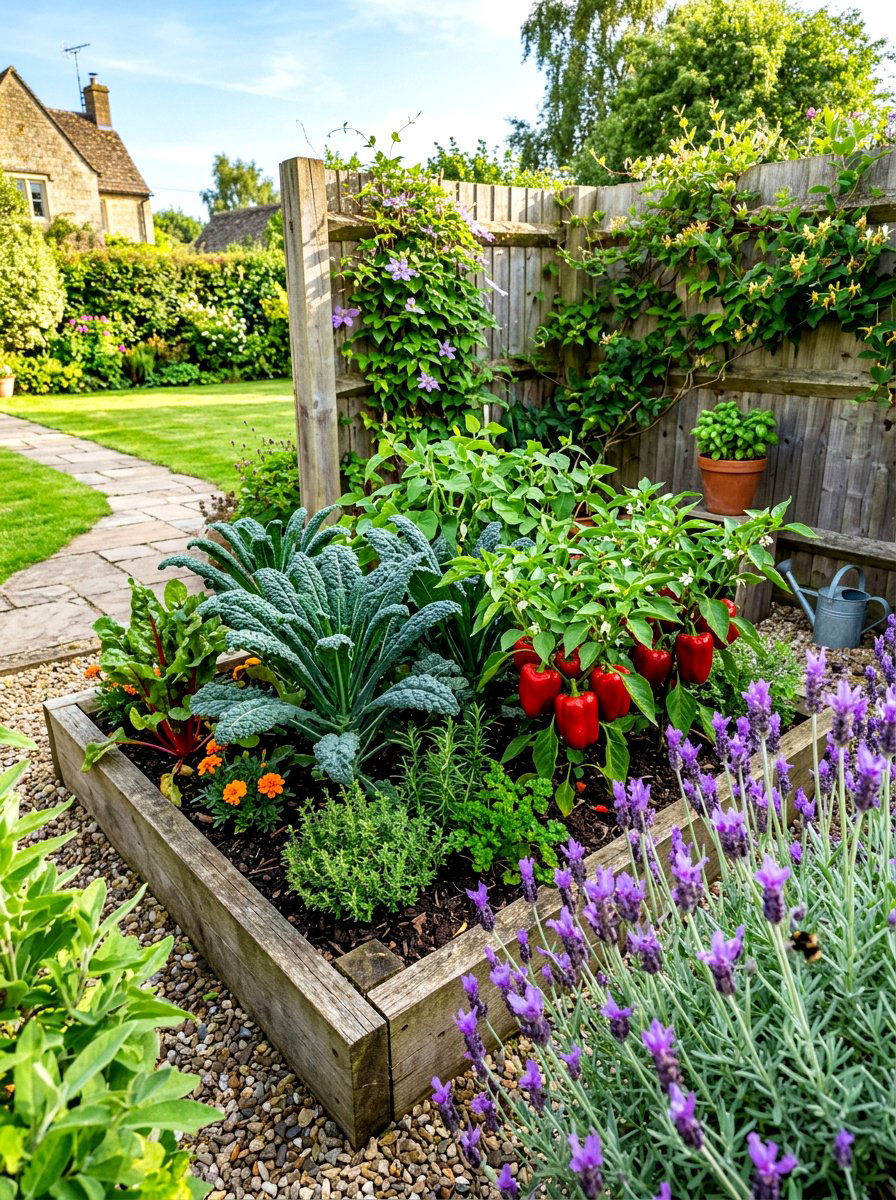
Imagine walking past your tree and being greeted by the sweet, calming scent of fresh lavender every single day. Planting a dense circle of lavender around a sunny tree provides a sensory experience like no other in the garden. The silvery-green foliage and purple flower spikes look stunning against the dark bark of a mature tree. Lavender is also known for its ability to deter pests while attracting helpful pollinators like honeybees. This plant thrives in sunny spots with excellent drainage, making it a great companion for trees in open areas. The structured, mounding habit of lavender creates a tidy and professional-looking ring that requires very little pruning.
13. Fern Tree Garden
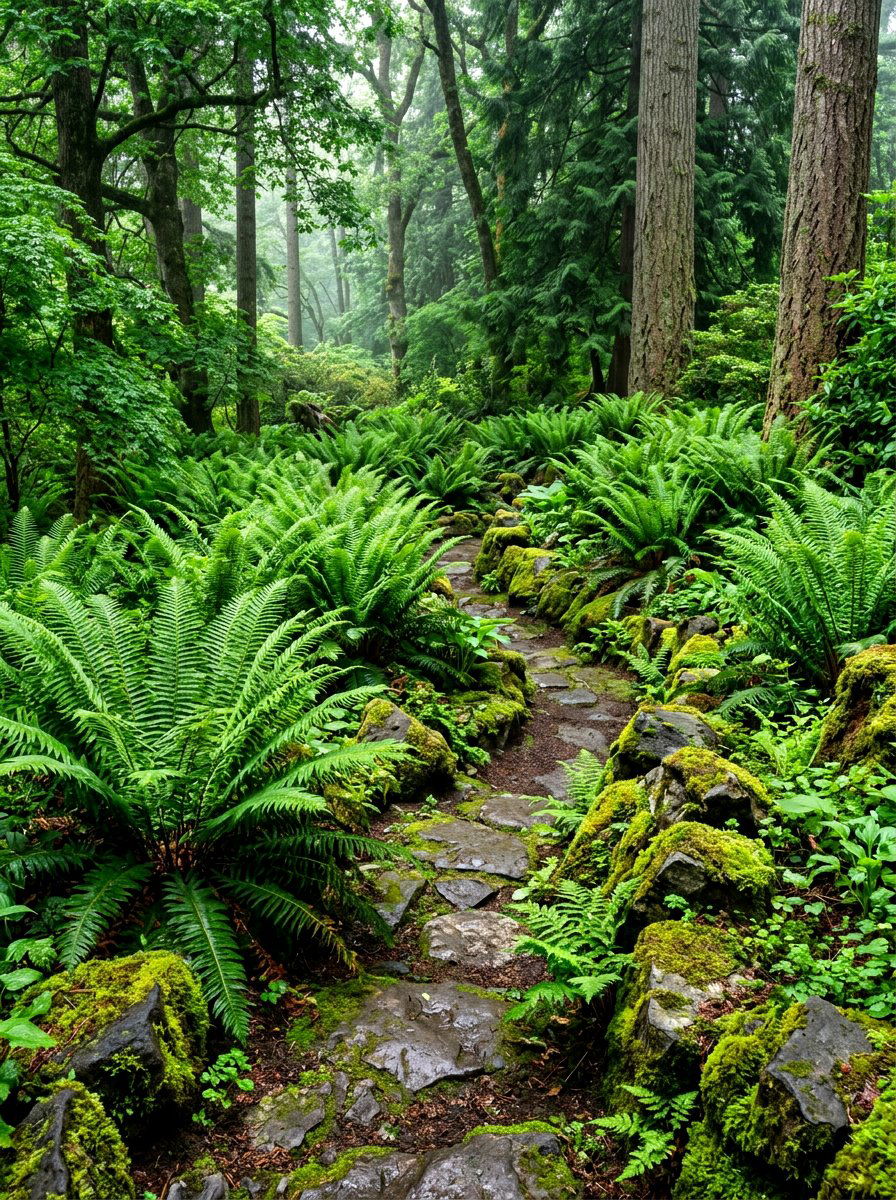
For a truly magical and woodland-inspired look, nothing beats the delicate, feathery fronds of a fern-filled tree bed. Ferns like the ostrich fern or the painted fern create a soft, prehistoric atmosphere that feels cool and refreshing on a summer afternoon. This design is best suited for damp, shaded areas where other plants might struggle to grow. You can mix in some moss-covered logs or small decorative statues to enhance the enchanted forest vibe. The way the light filters through the tree leaves and hits the ferns creates beautiful shadows and highlights. It is a quiet, contemplative garden style that brings a sense of peace to any backyard space.
14. Paver Tree Ring
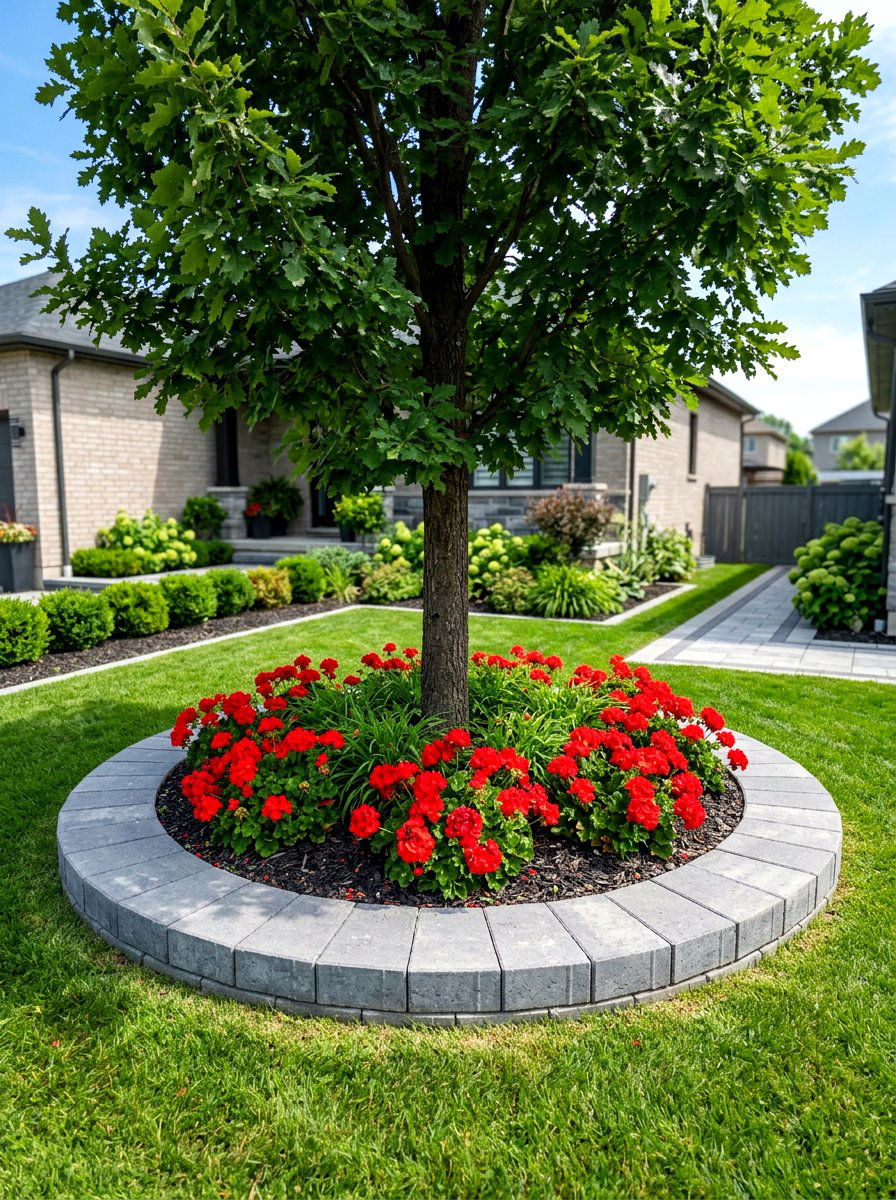
Modern concrete pavers offer a clean, uniform look that is perfect for contemporary homes and highly organized landscapes. These pavers are available in a wide variety of shapes, sizes, and colors, giving you complete creative control over the design. You can create a perfect circle or even a square border to match the lines of your house. Because they are manufactured to fit together perfectly, they provide a very stable and professional-looking edge. This prevents mulch and soil from spilling onto your lawn, keeping everything looking tidy. Pairing these pavers with colorful annuals creates a high-contrast look that really pops against a green, well-manicured grass lawn.
15. Gravel Tree Border
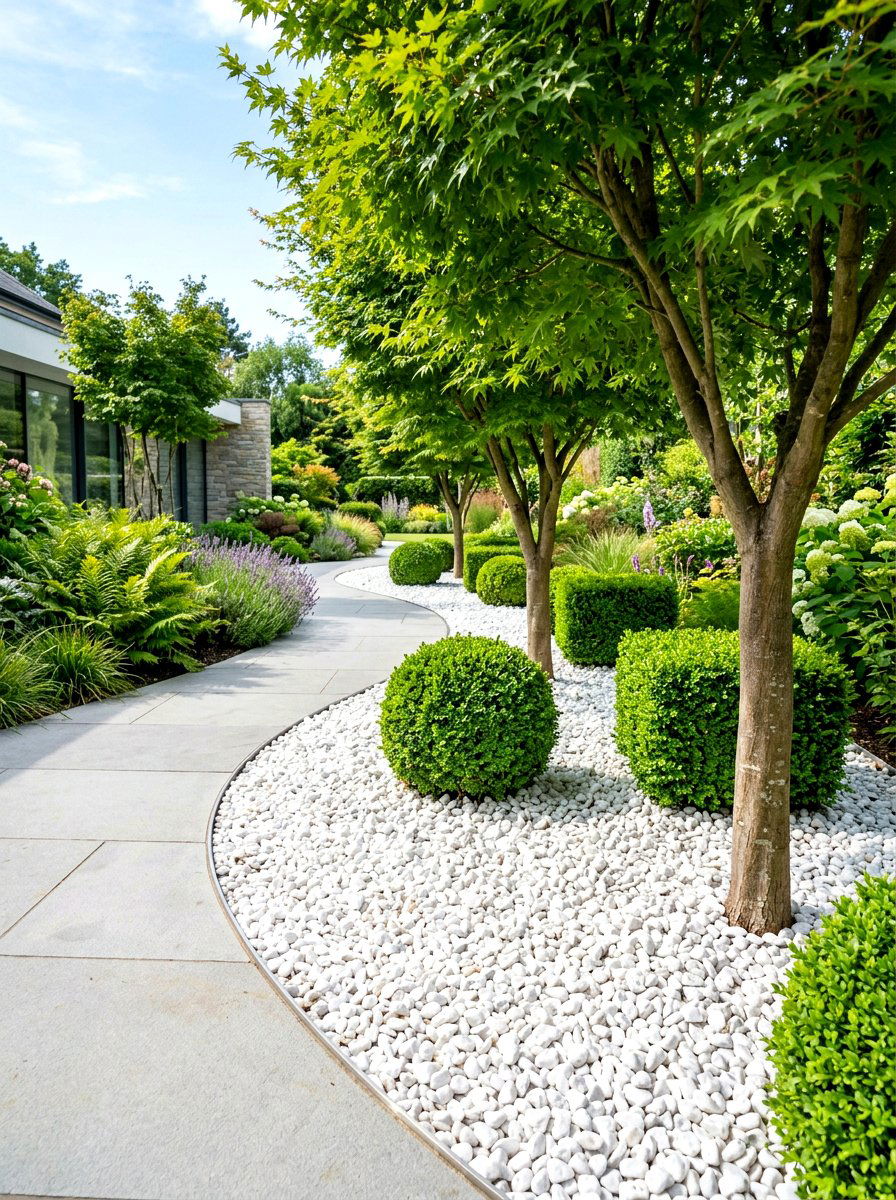
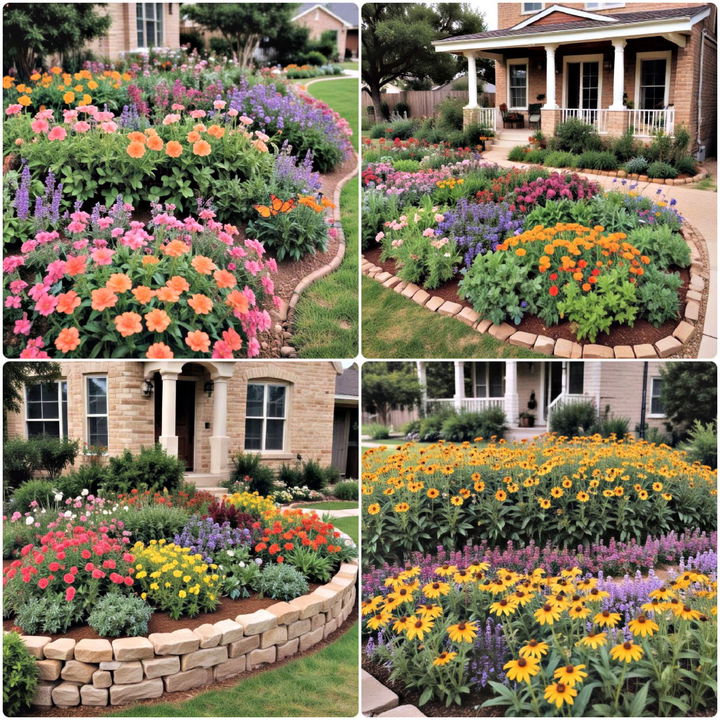
A gravel border is an excellent choice for those who want a clean, architectural finish that requires zero watering and very little weeding. Using a high-quality landscape fabric underneath the gravel prevents weeds from poking through and competing with the tree for nutrients. You can choose from various types of gravel, such as white marble chips, lava rock, or natural pea gravel. This look is very modern and works well in both minimalist and traditional garden designs. For a more organic feel, you can tuck a few hardy shrubs or boulders into the gravel. It provides a crisp, permanent boundary that remains attractive even during the dormant winter months.
16. Begonia Tree Bed
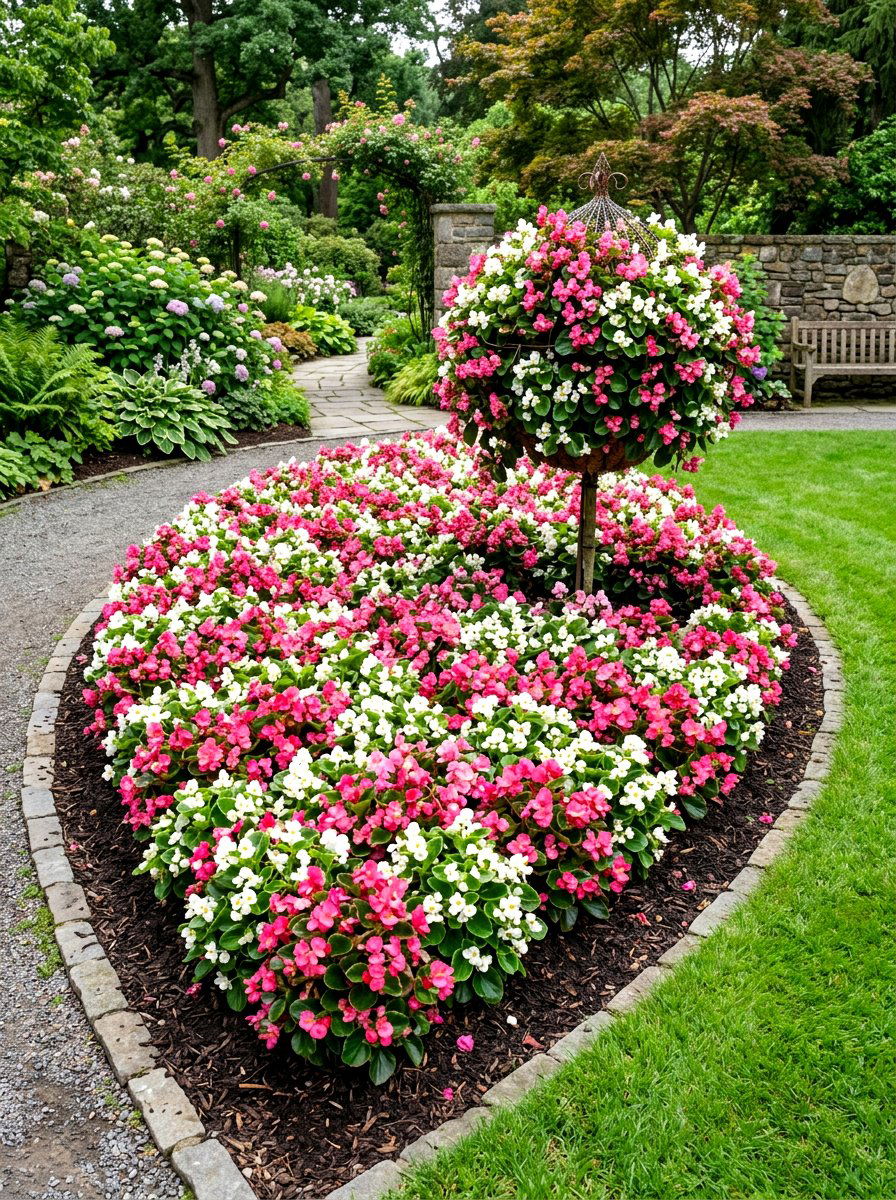
If you want constant, season-long color in a shaded area, begonias are the perfect choice for your tree ring bed. These hardworking flowers bloom non-stop from spring until the first frost, providing a bright carpet of pink, red, or white. They are very easy to care for and do not require deadheading to keep looking their best. You can choose wax begonias for a tidy look or tuberous begonias for larger, more dramatic blooms. Their glossy leaves also add a nice texture to the garden even when they are not in full flower. This is a great way to add a cheerful splash of color to the darkest corners of your yard.
17. Picket Fence Tree Ring
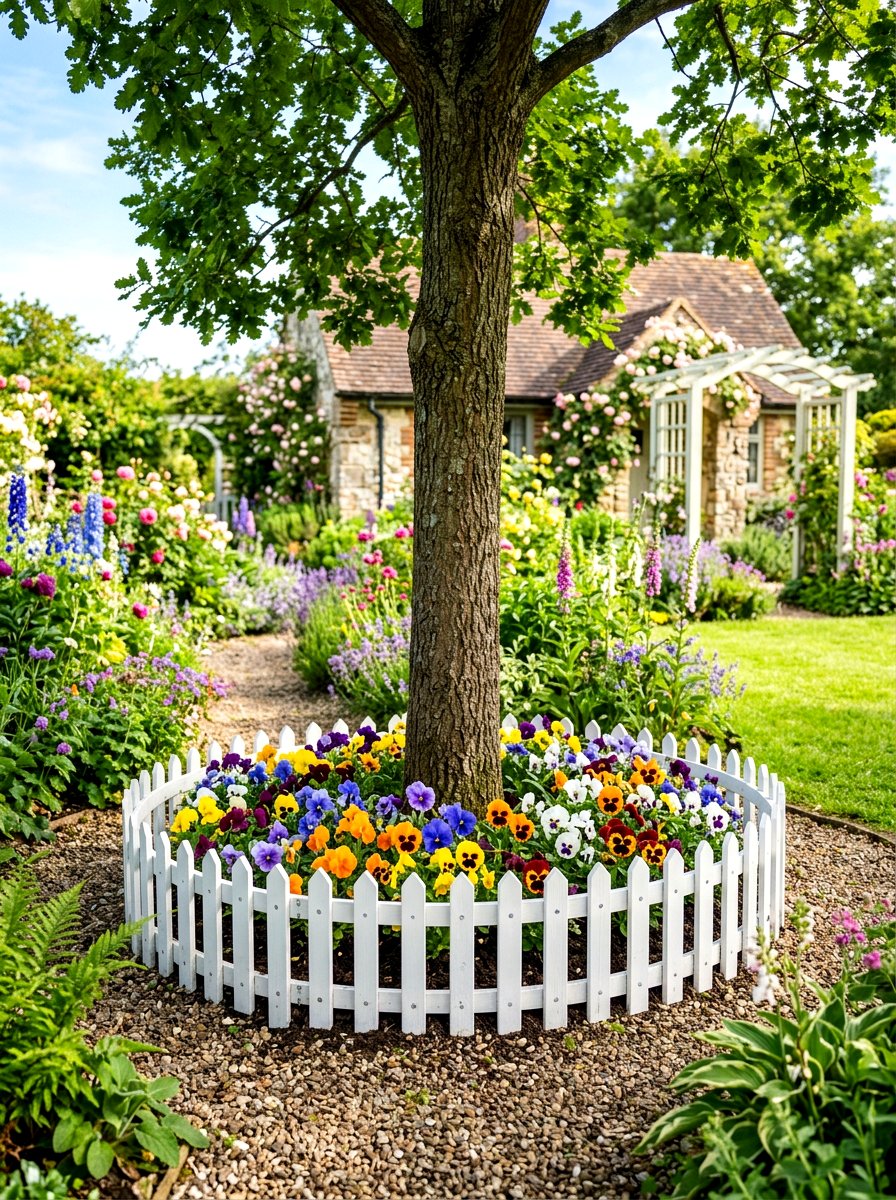
A small, decorative picket fence around your tree adds a touch of classic Americana and cottage charm to your landscape. This style is perfect for protecting young saplings from pets or children while providing a clear boundary for your flowers. You can paint the fence a crisp white to make it stand out or leave it natural for a more rustic look. Inside the fence, you can plant a mix of traditional favorites like pansies, petunias, or marigolds. This design creates a nostalgic, storybook feel that is sure to delight neighbors and visitors alike. It is a simple weekend project that adds a lot of personality to your front yard.
18. Tiered Flower Bed Tree
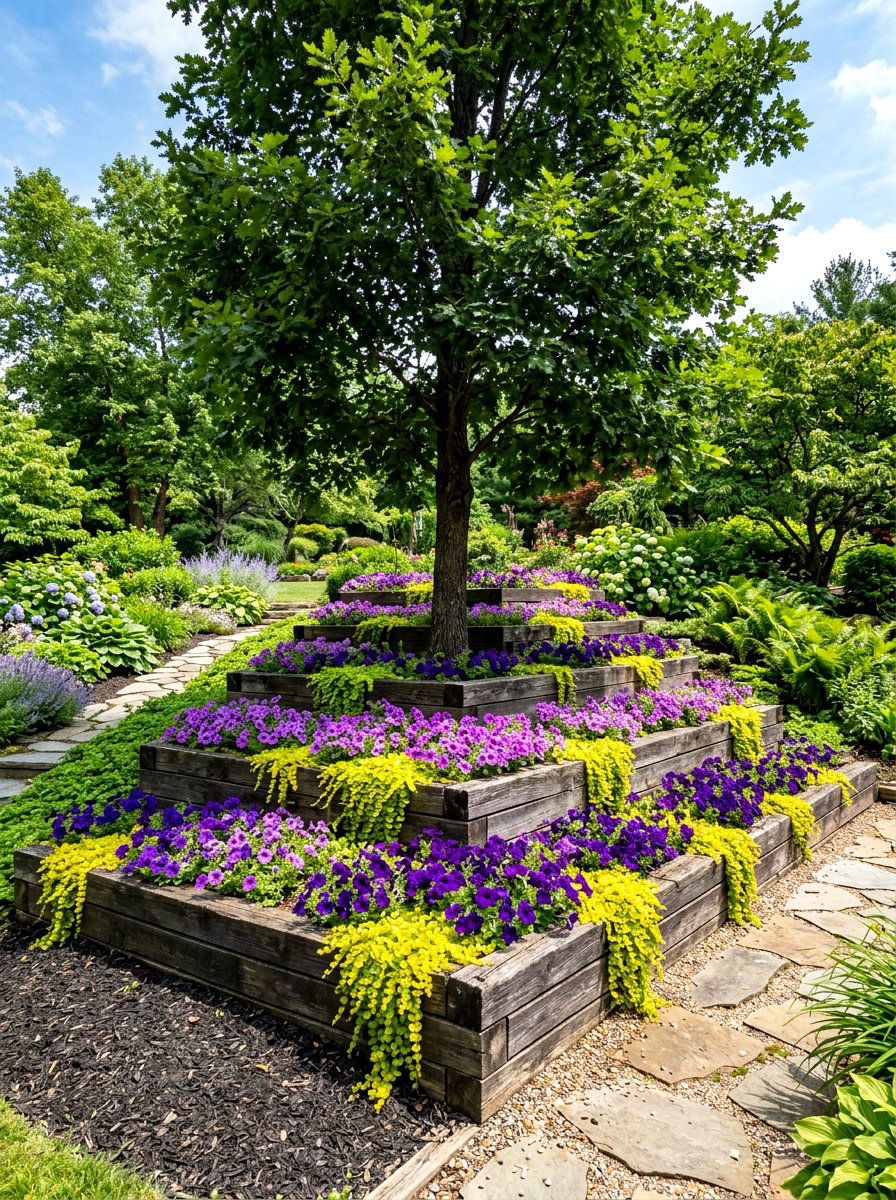
A tiered flower bed allows you to create a sophisticated, cascading look that adds vertical interest to a flat yard. By using wood or stone to create different levels, you can plant a variety of species with different height requirements. The highest level near the tree trunk could feature tall grasses, while the lower levels could be filled with trailing ivy or colorful groundcovers. This structure helps prevent soil erosion on sloped properties and ensures that every plant gets enough light and air. It turns a simple tree base into a complex and beautiful landscape feature. The layered effect creates a sense of depth that makes your garden feel much larger.
19. Woodland Tree Garden
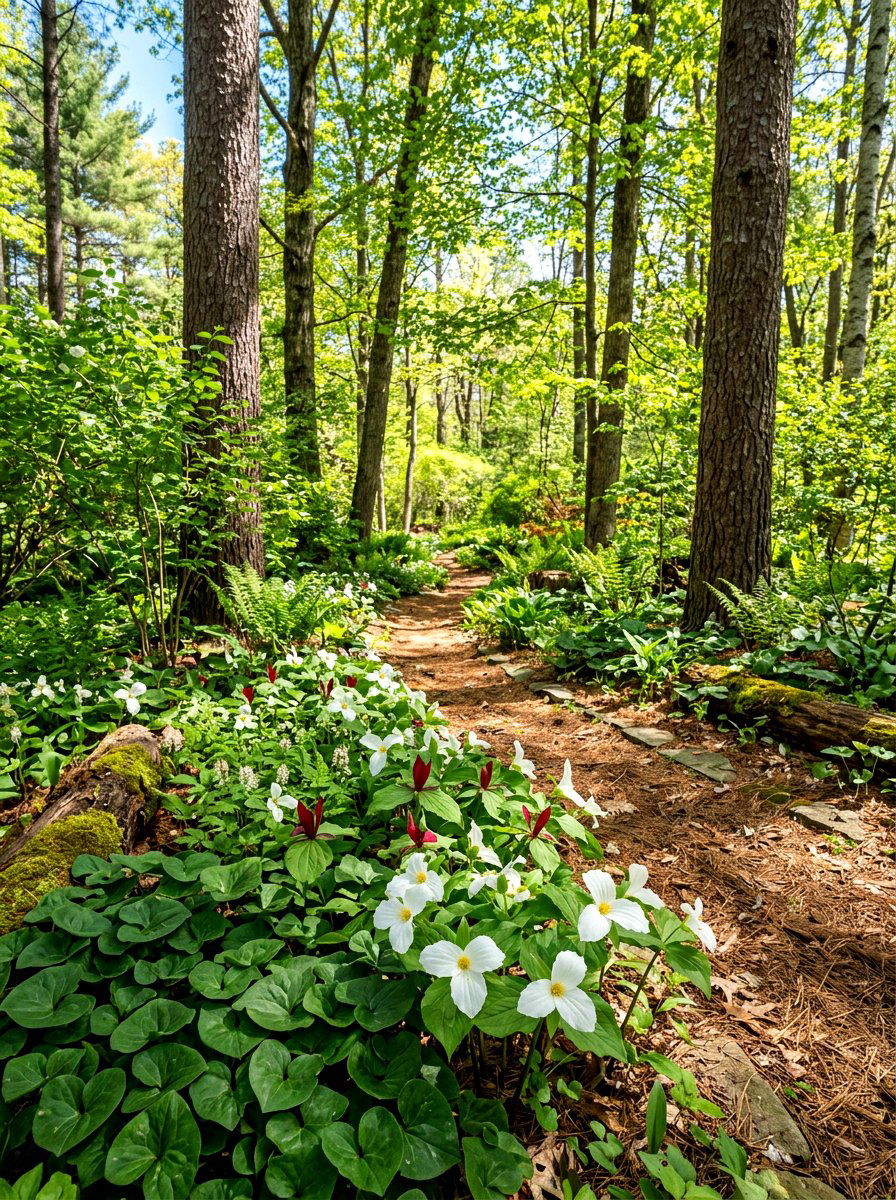
A woodland-style tree bed aims to mimic the natural beauty of a forest floor by using native plants and organic materials. You can incorporate things like fallen logs, pine needles, and native wildflowers to create a low-maintenance and eco-friendly habitat. This style is perfect for those who want a garden that feels integrated into the local environment. Native plants are often hardier and require less water and fertilizer than exotic species. You might include wild ginger, trilliums, or foamflowers for a authentic woodland look. This approach supports local wildlife and creates a quiet, naturalistic retreat right in your own backyard. It is a beautiful way to honor the native landscape.
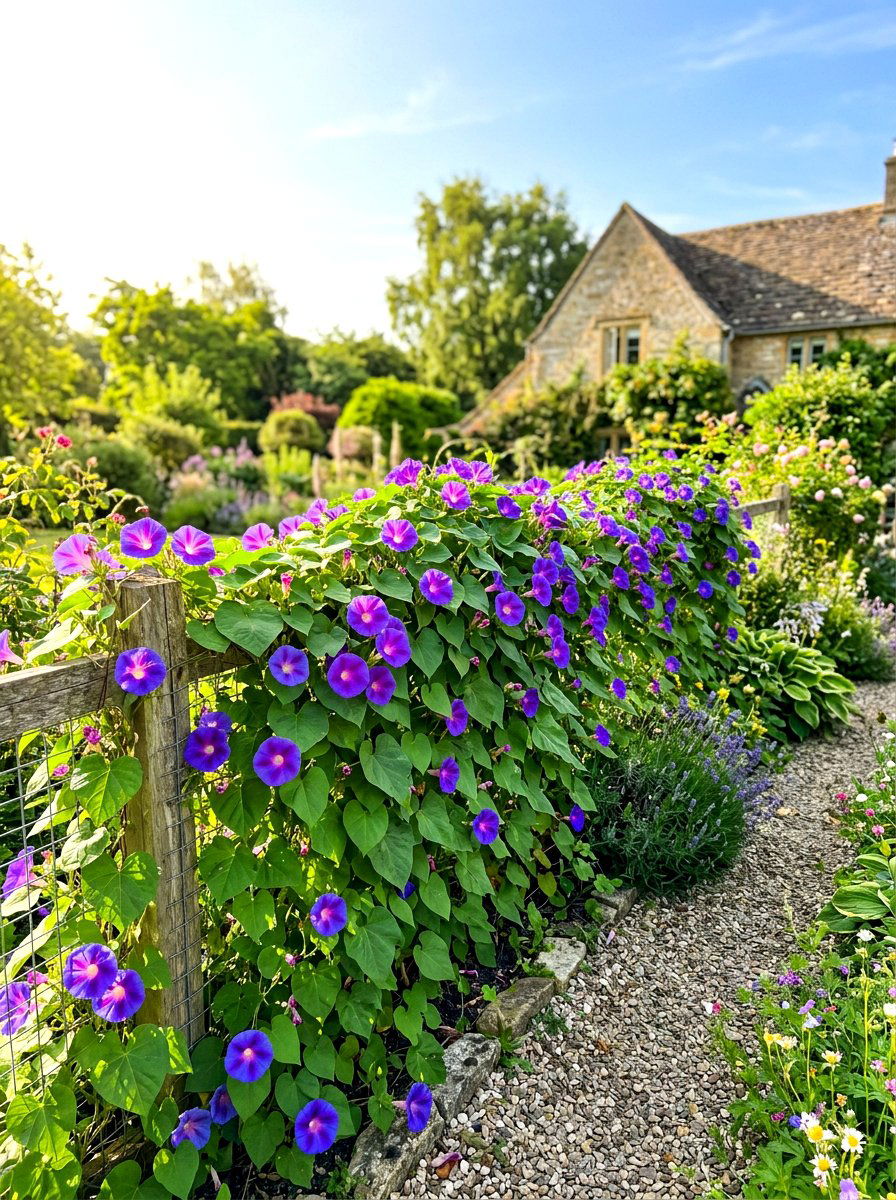
20. Cobblestone Tree Ring
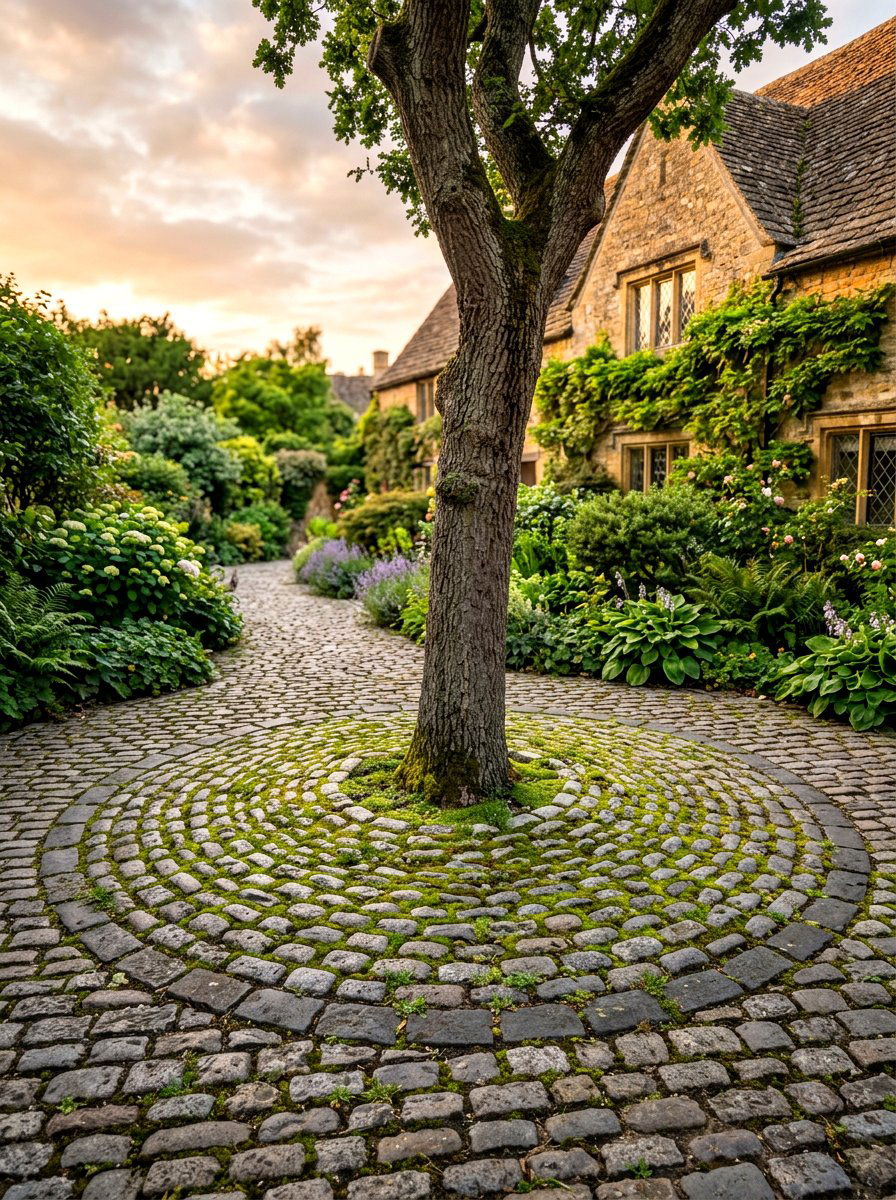
Cobblestones offer a rugged, historic look that brings a sense of European charm to your outdoor space. These thick, rounded stones are incredibly durable and provide a substantial border that won 't move over time. You can arrange them in a traditional circular pattern or create more organic, flowing lines to suit your garden' s style. The gaps between the stones can be filled with sand or a low-growing moss for an aged, established appearance. Cobblestones look especially beautiful around large, old trees with deep, furrowed bark. They provide a sturdy frame for any type of flower or shrub you choose to plant inside, creating a truly timeless and elegant garden feature.
21. Perennial Tree Border
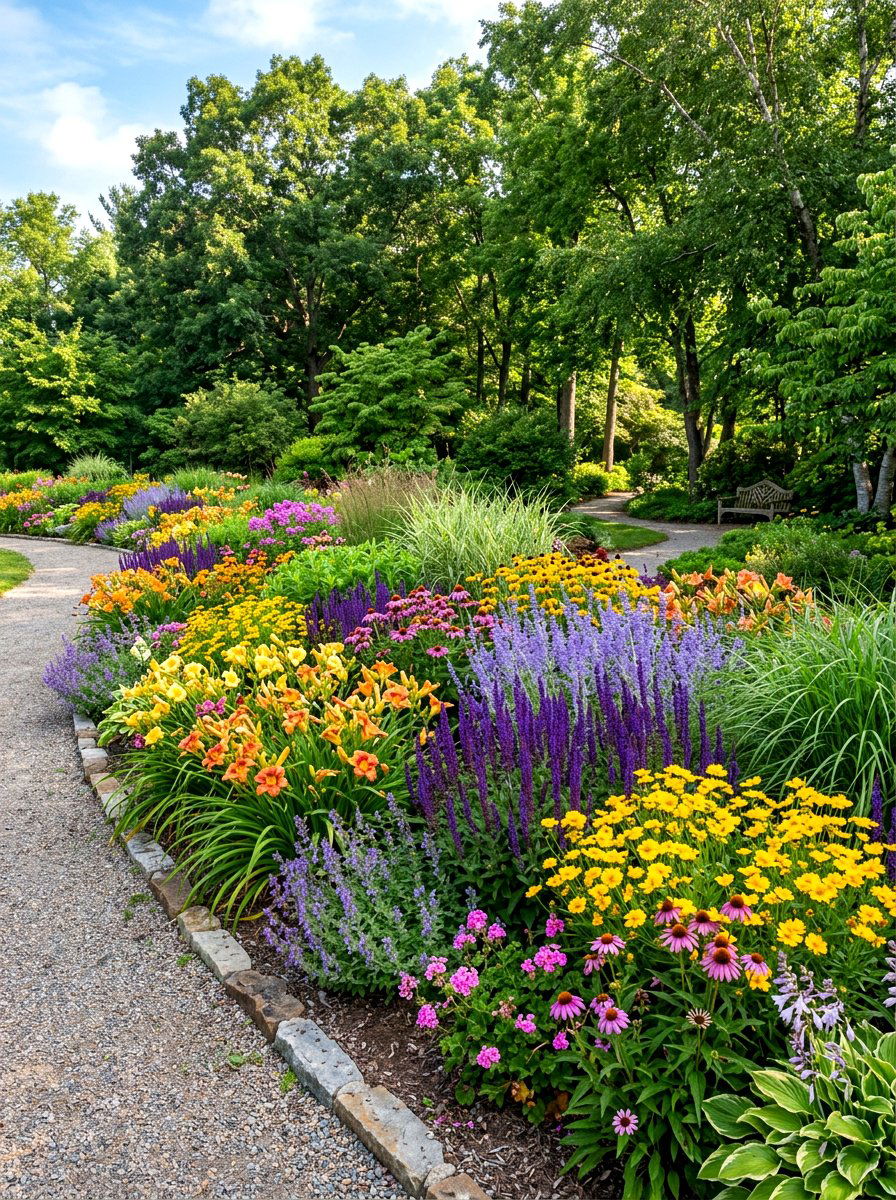
Planting a perennial border around your tree ensures that you will have beautiful flowers returning year after year without extra work. By selecting a mix of plants that bloom at different times, you can enjoy a changing display of color from spring through autumn. Think about including plants like daylilies, salvia, and coreopsis for a hardy and vibrant look. Perennials develop deep root systems that help stabilize the soil around the tree and compete effectively with weeds. This long-term investment in your landscape saves time and money in the long run. The plants will naturally spread and fill in the space, creating a dense and lush carpet of green and bloom.
22. Cottage Garden Tree Ring
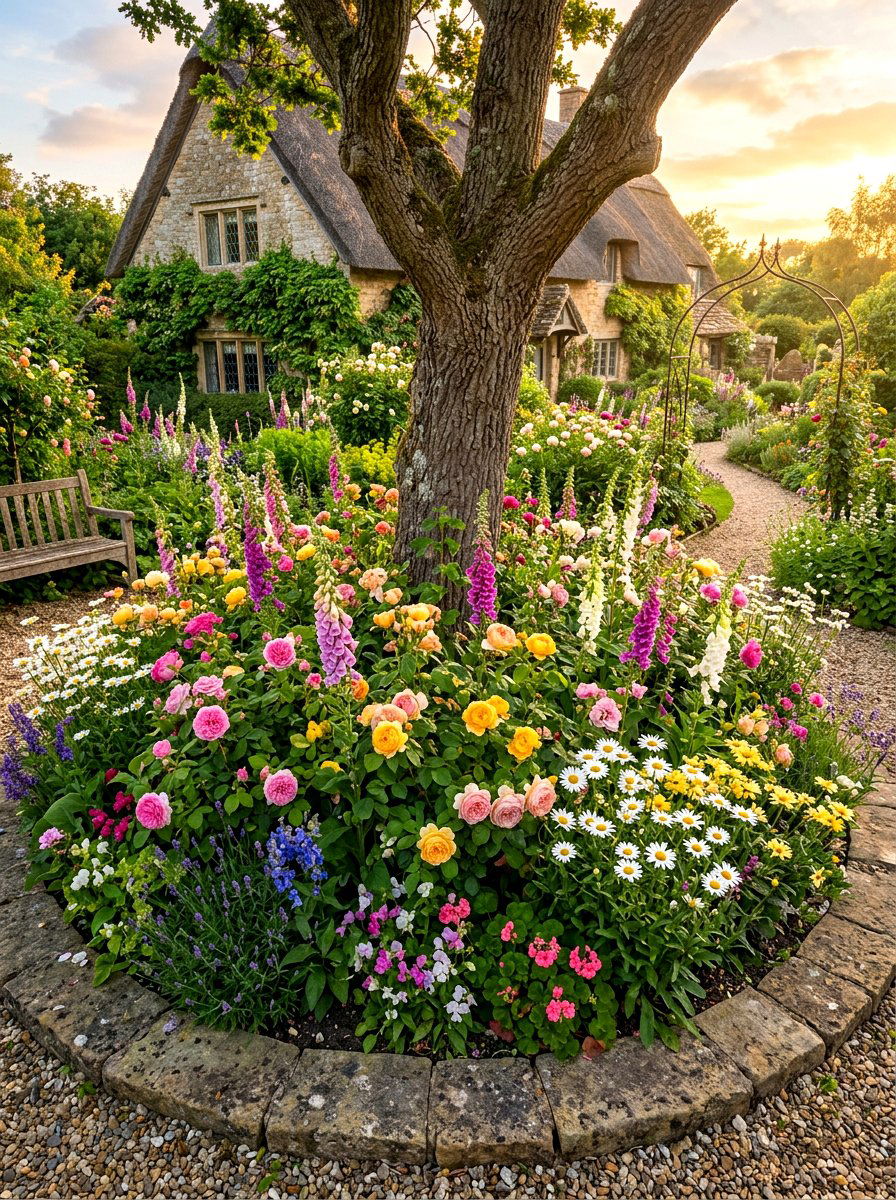
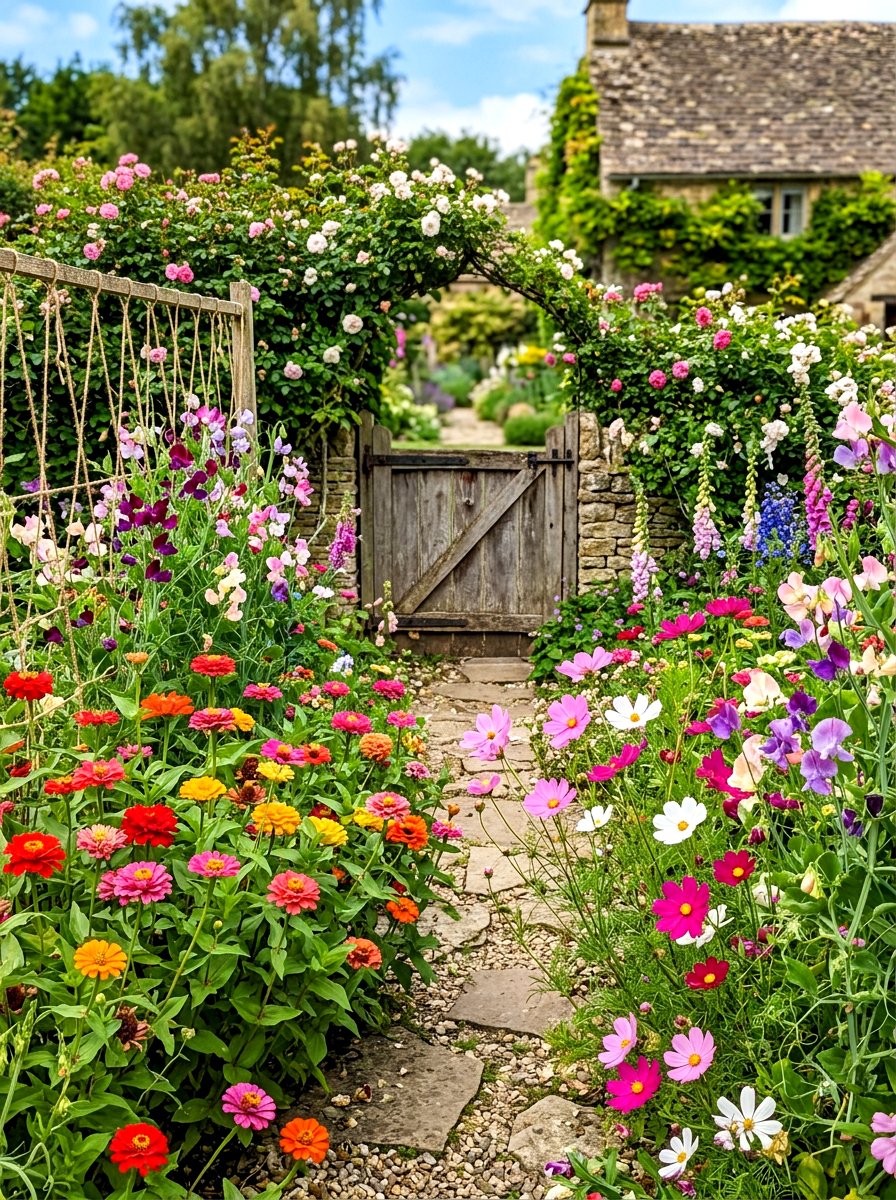
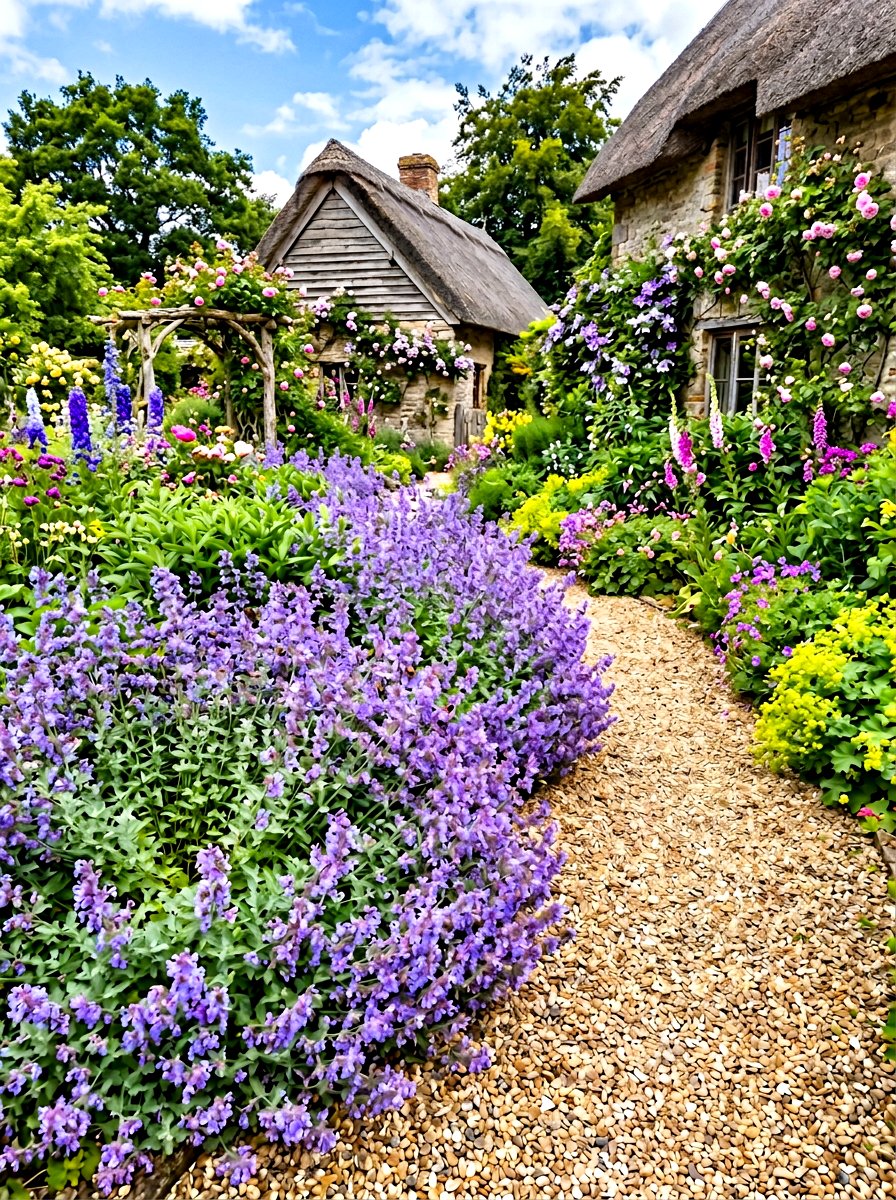
The cottage garden style is all about abundance, color, and a relaxed, informal feel around your favorite tree. You can pack the ring with a dense mix of traditional flowers like roses, foxgloves, and daisies for a romantic look. Don 't worry too much about perfect spacing; the goal is to create a lush, overflowing display that looks natural and inviting. Adding a small birdbath or a decorative garden gnome can enhance the whimsical cottage vibe. This style is perfect for those who love to spend time in their garden and don' t mind a bit of joyful chaos. The result is a vibrant, fragrant, and truly stunning focal point for any home.
23. Metal Edging Tree Ring
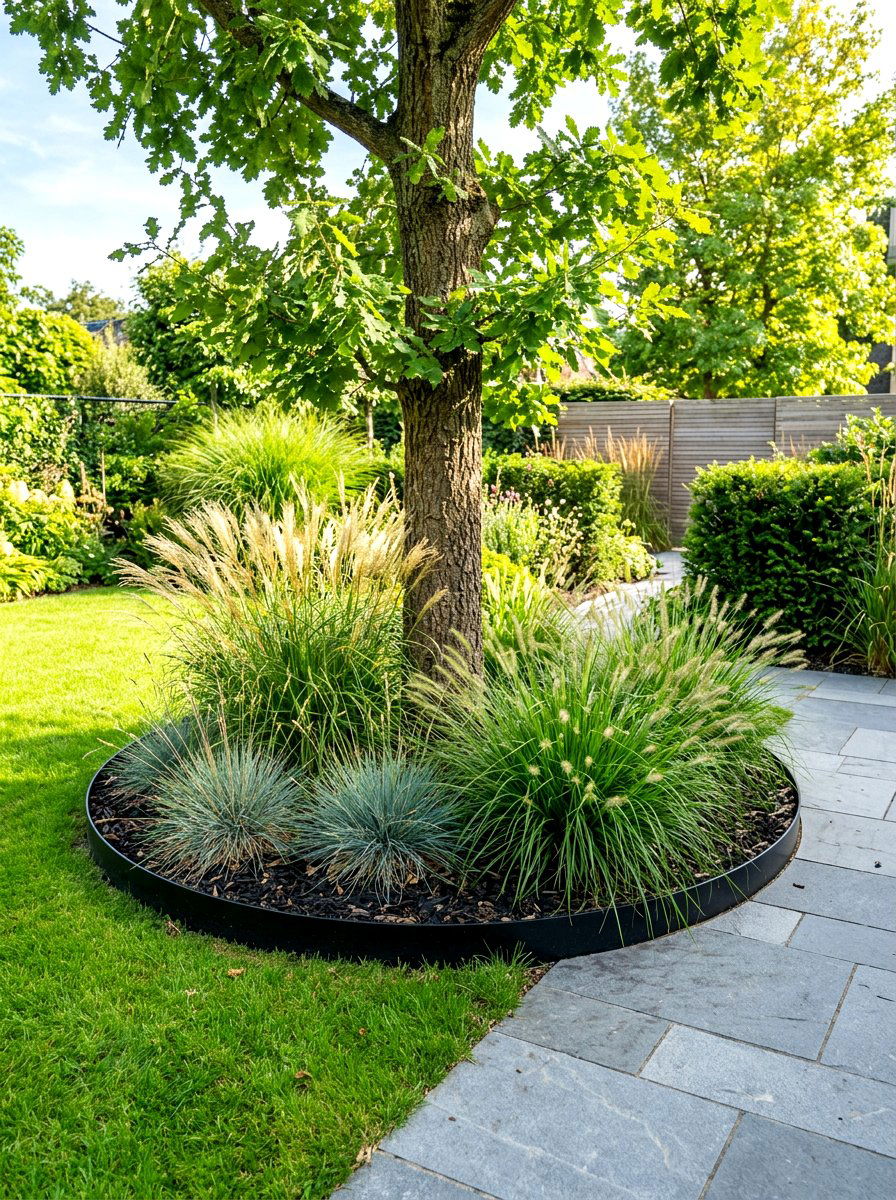
For a sleek and modern landscape, metal edging provides a thin, almost invisible boundary that keeps your flower bed looking sharp. Steel or aluminum edging is very flexible, allowing you to create perfect circles or modern geometric shapes around your tree. This material is incredibly durable and won't rot or crack like wood or plastic alternatives. It provides a clean, professional finish that is highly favored by landscape designers for contemporary homes. You can fill the bed with a single type of plant, like ornamental grasses, for a minimalist and high-impact look. This approach is perfect for those who want a tidy yard with minimal visual clutter.
24. Hydrangea Tree Bed
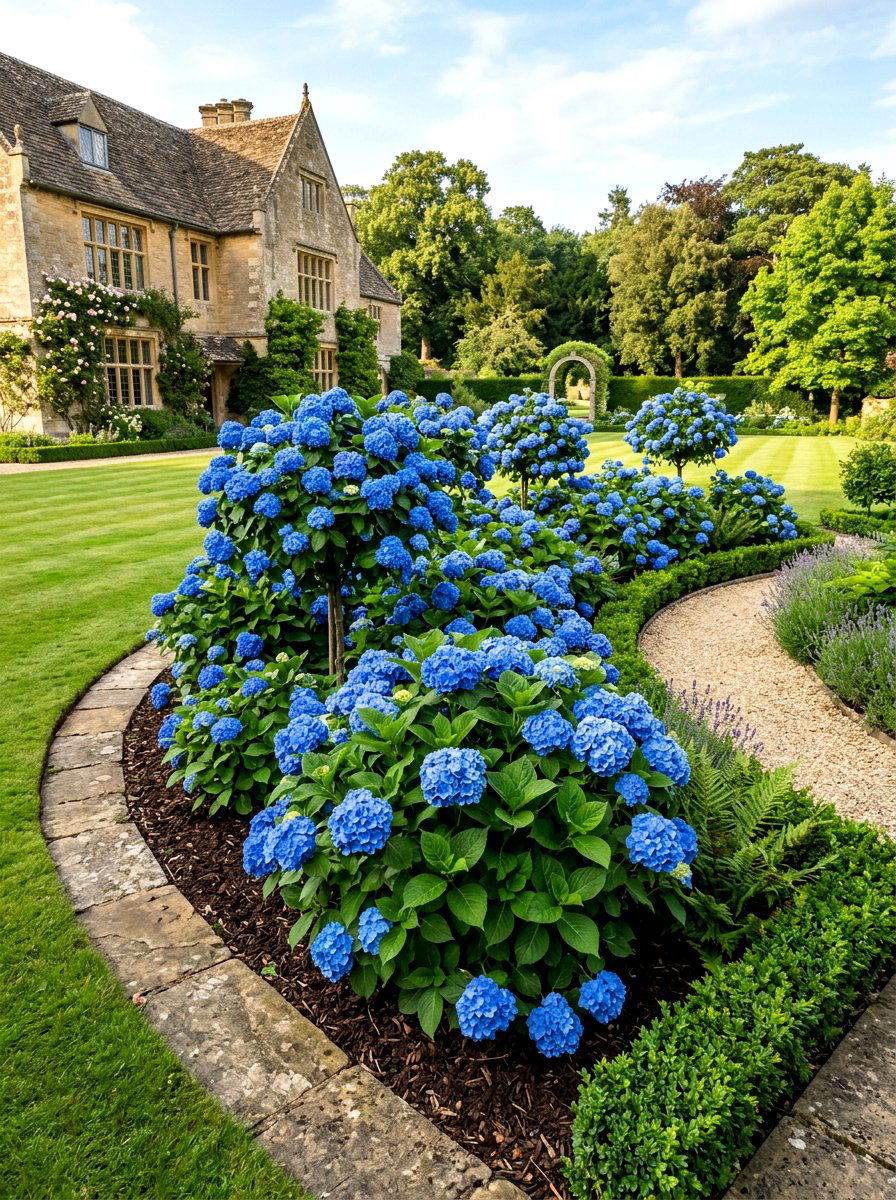
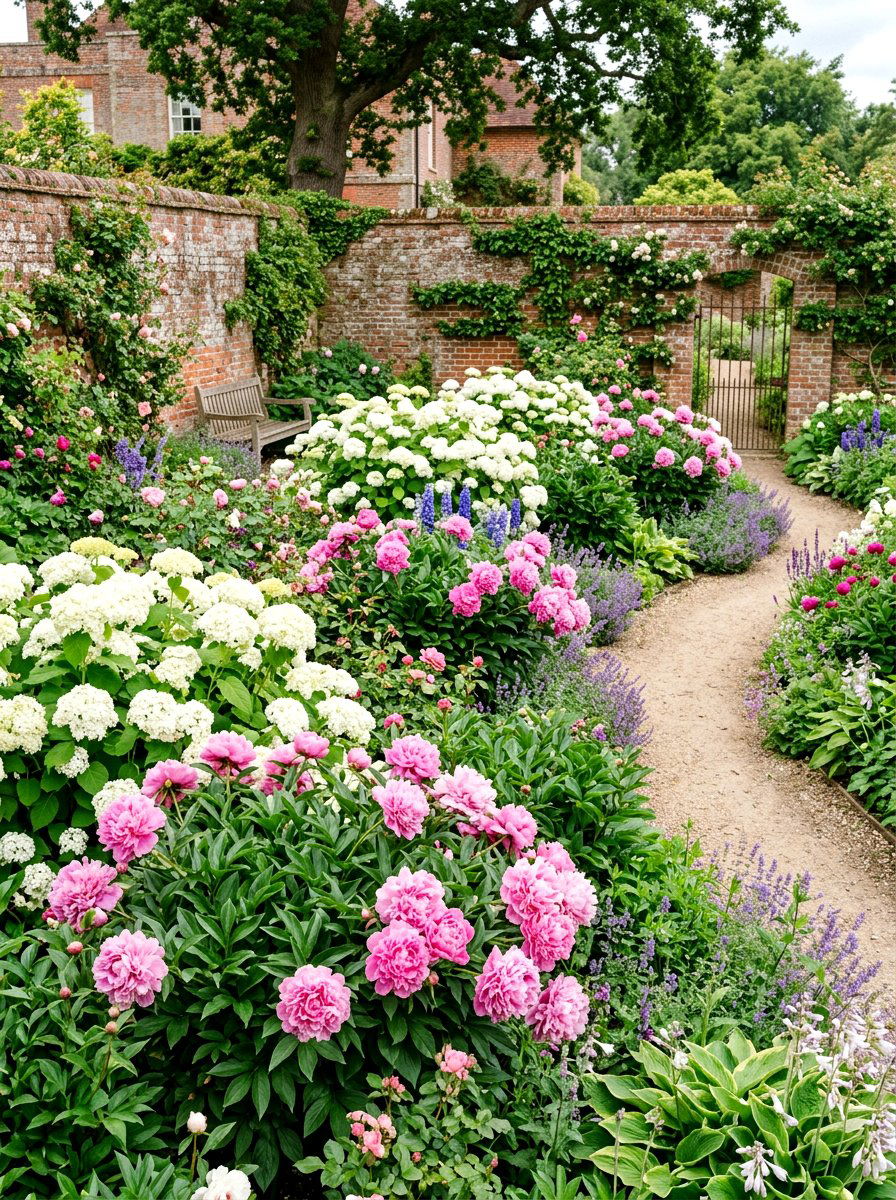
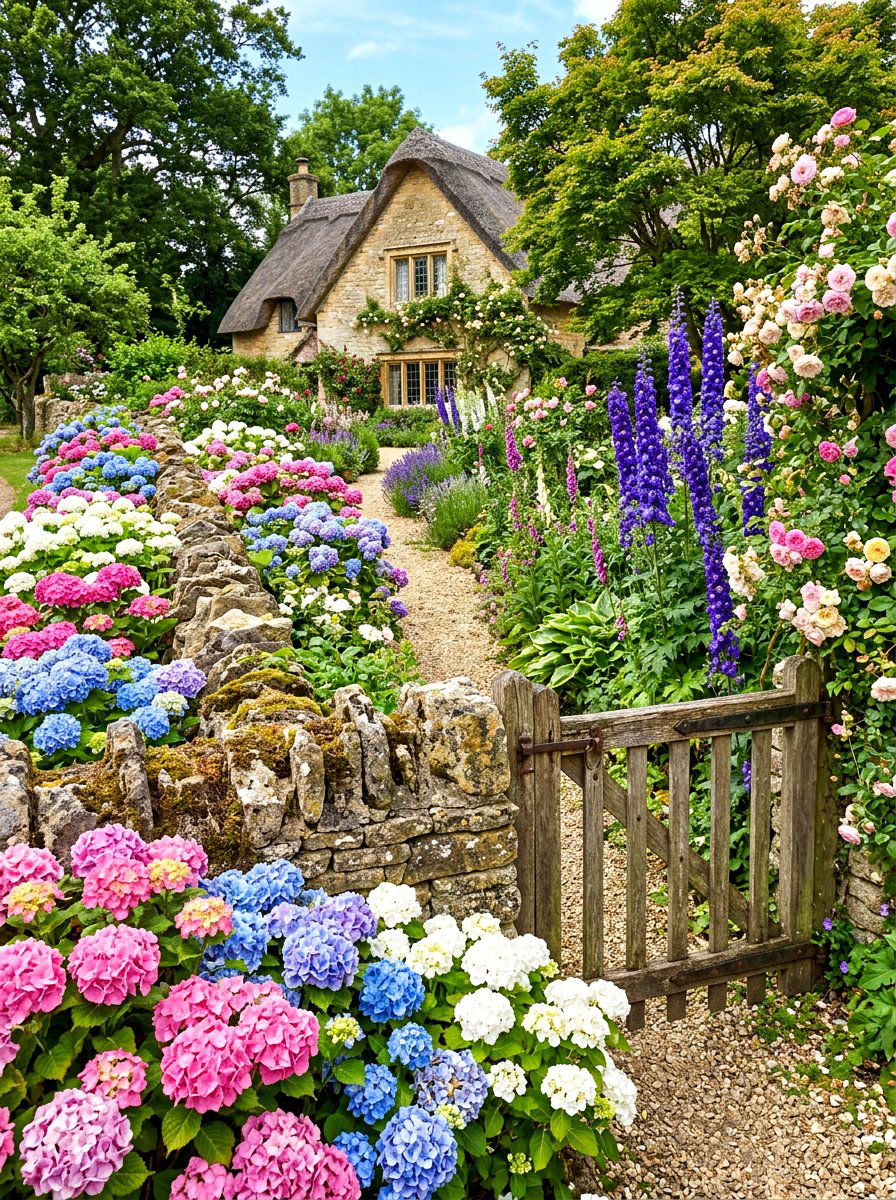
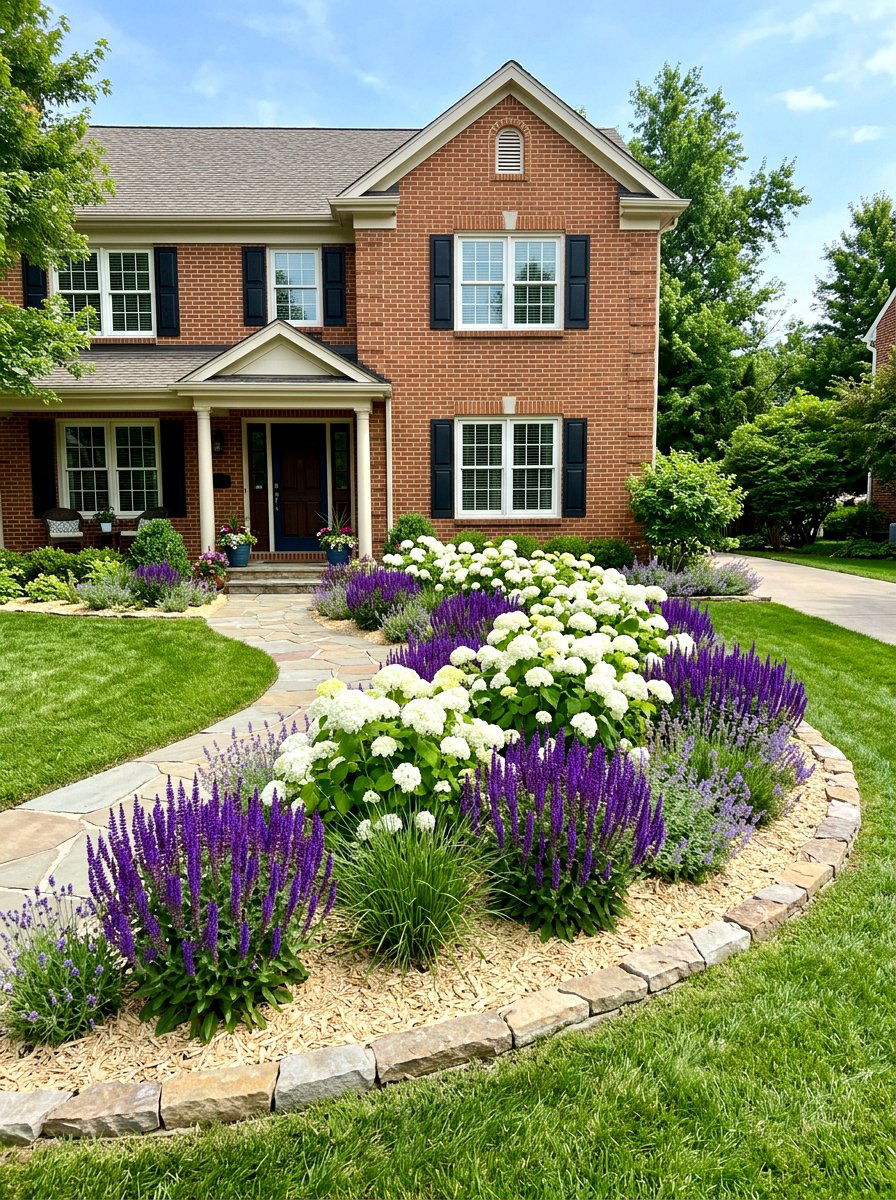
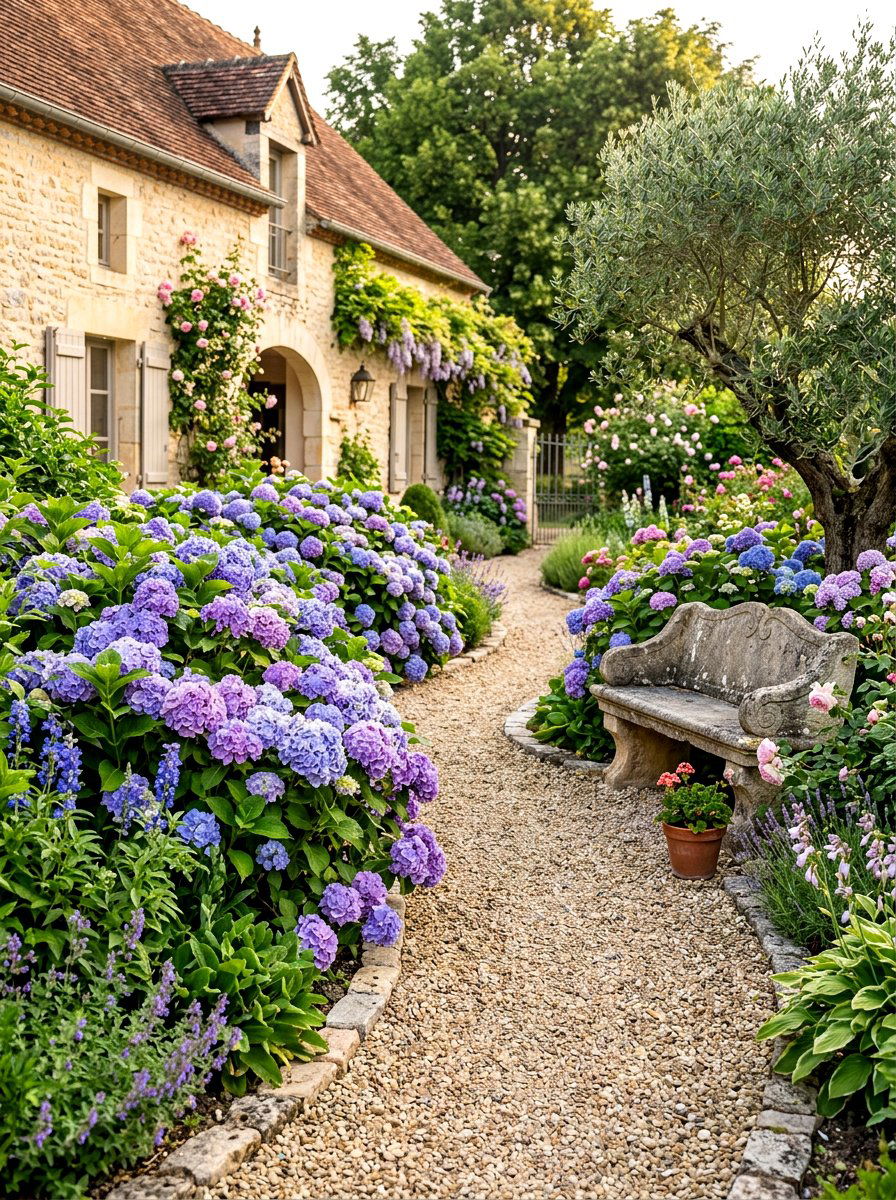
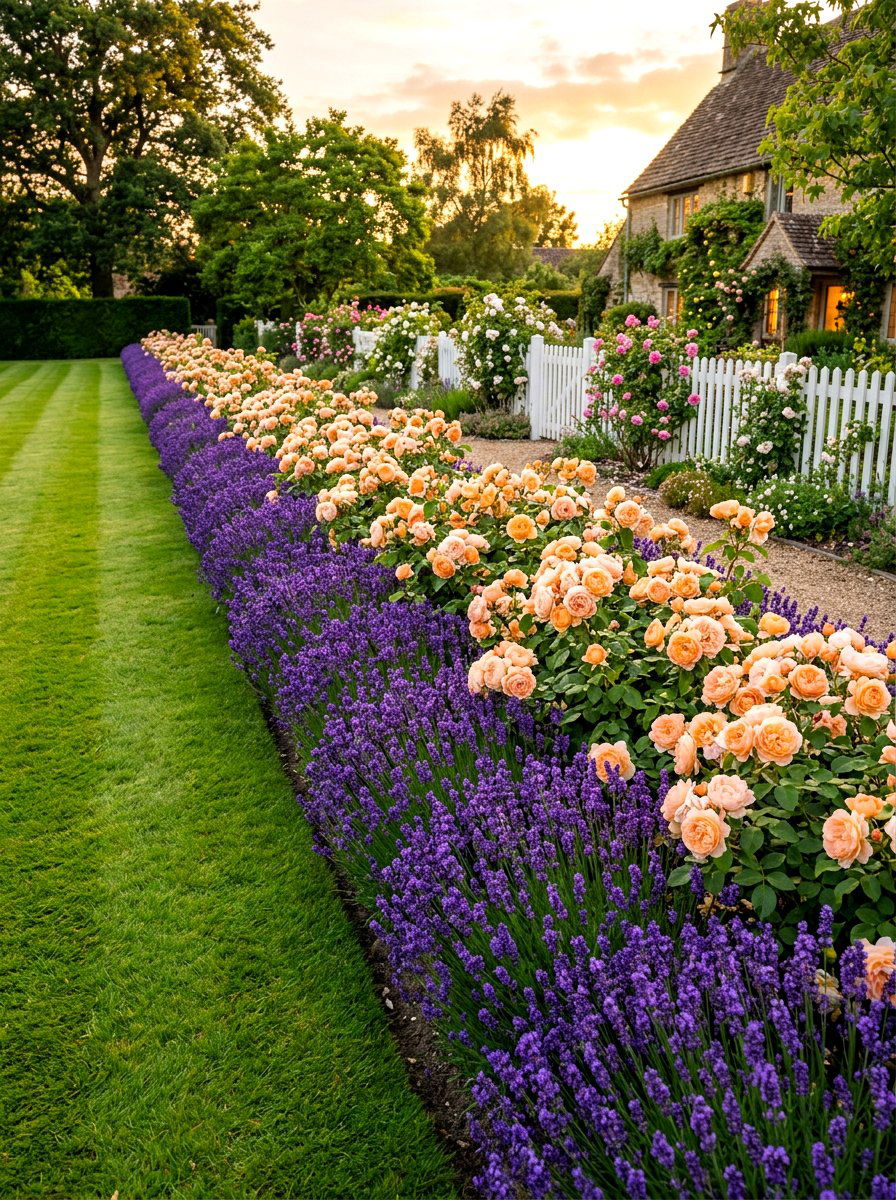
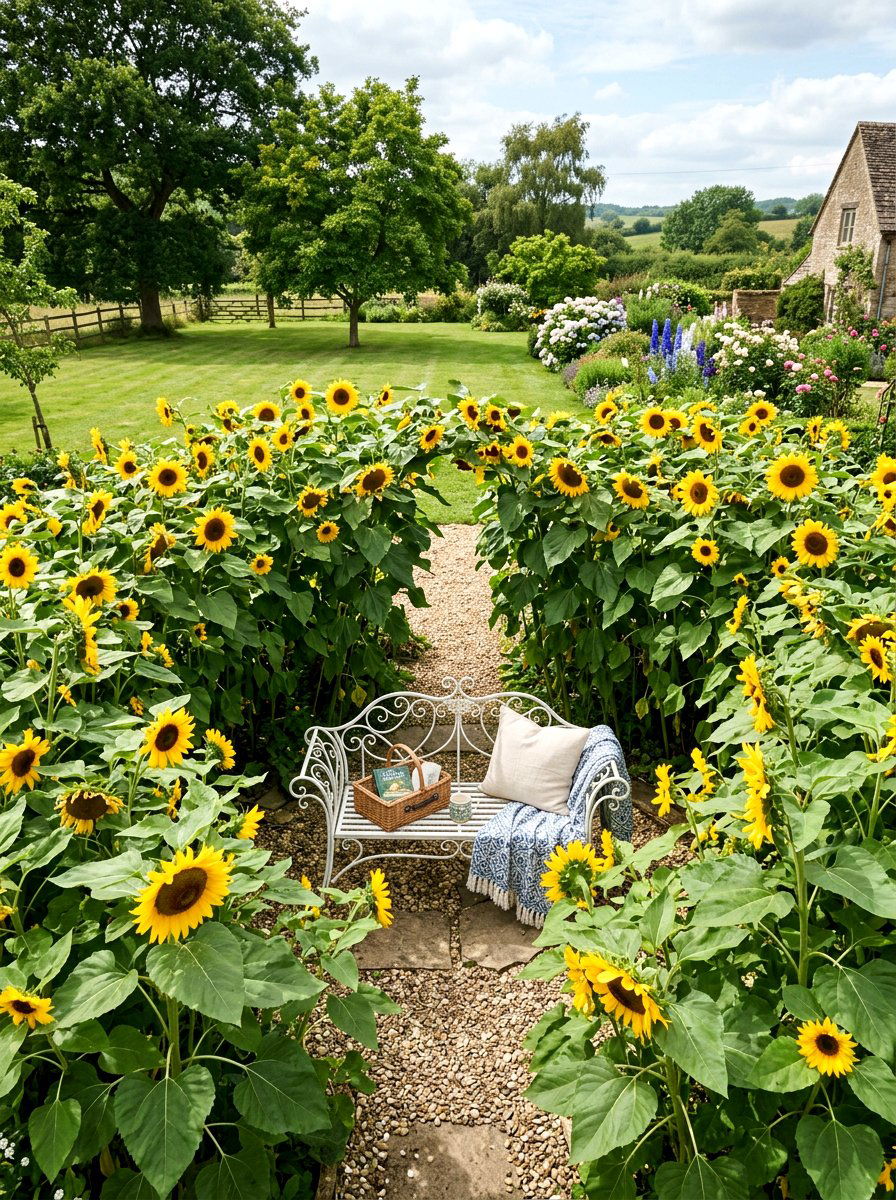
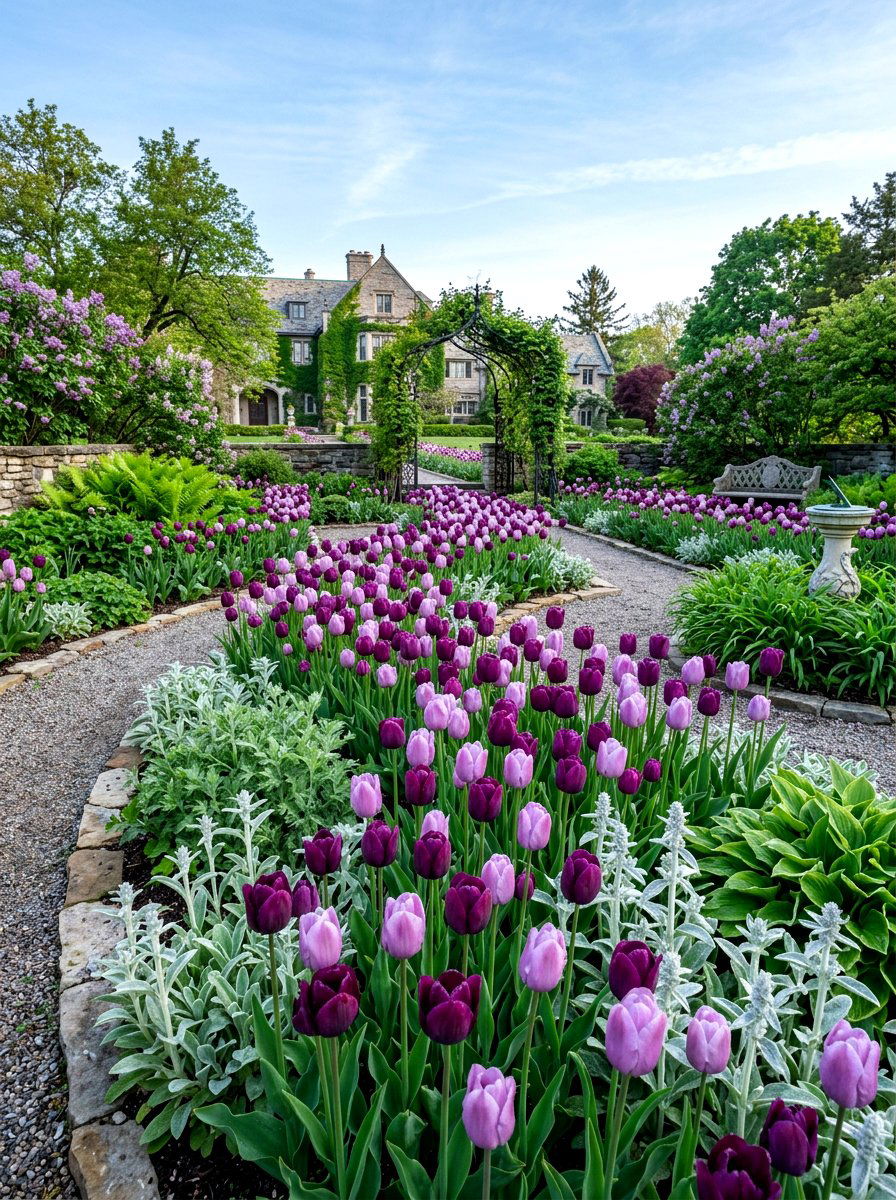
Hydrangeas are beloved for their massive, showy flower heads that come in shades of blue, pink, and white. Planting a circle of these shrubs around a large tree creates a dramatic and luxurious look that is hard to beat. Because many hydrangeas prefer partial shade, they thrive in the environment created by a large canopy tree. Their large, green leaves provide a lush backdrop even when the flowers are not in bloom. This design is perfect for creating a classic, elegant garden that feels like a professional estate. Make sure to give them enough space to grow, as these shrubs can become quite large and impressive over time.
25. Groundcover Tree Bed
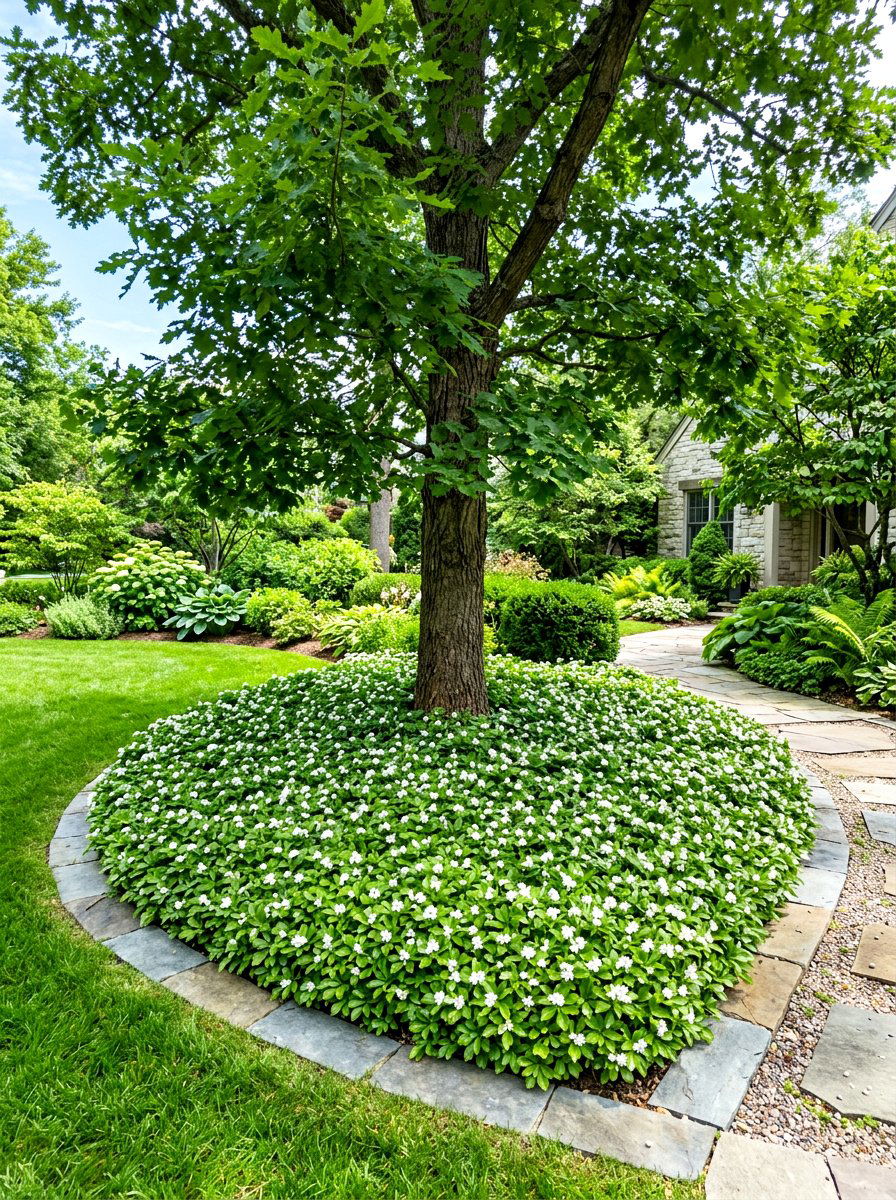
If you want a low-maintenance solution that completely covers the ground and chokes out weeds, a groundcover bed is the way to go. Plants like pachysandra, periwinkle, or creeping jenny create a thick, green carpet that looks beautiful all year long. This is an excellent choice for trees with shallow roots where you don 't want to do a lot of digging. The groundcover protects the soil from erosion and helps keep the tree' s roots cool and moist. You can even choose varieties that have small, delicate flowers for a touch of extra interest in the spring. It is a simple, effective, and very practical way to finish your landscape.
26. Concrete Tree Ring
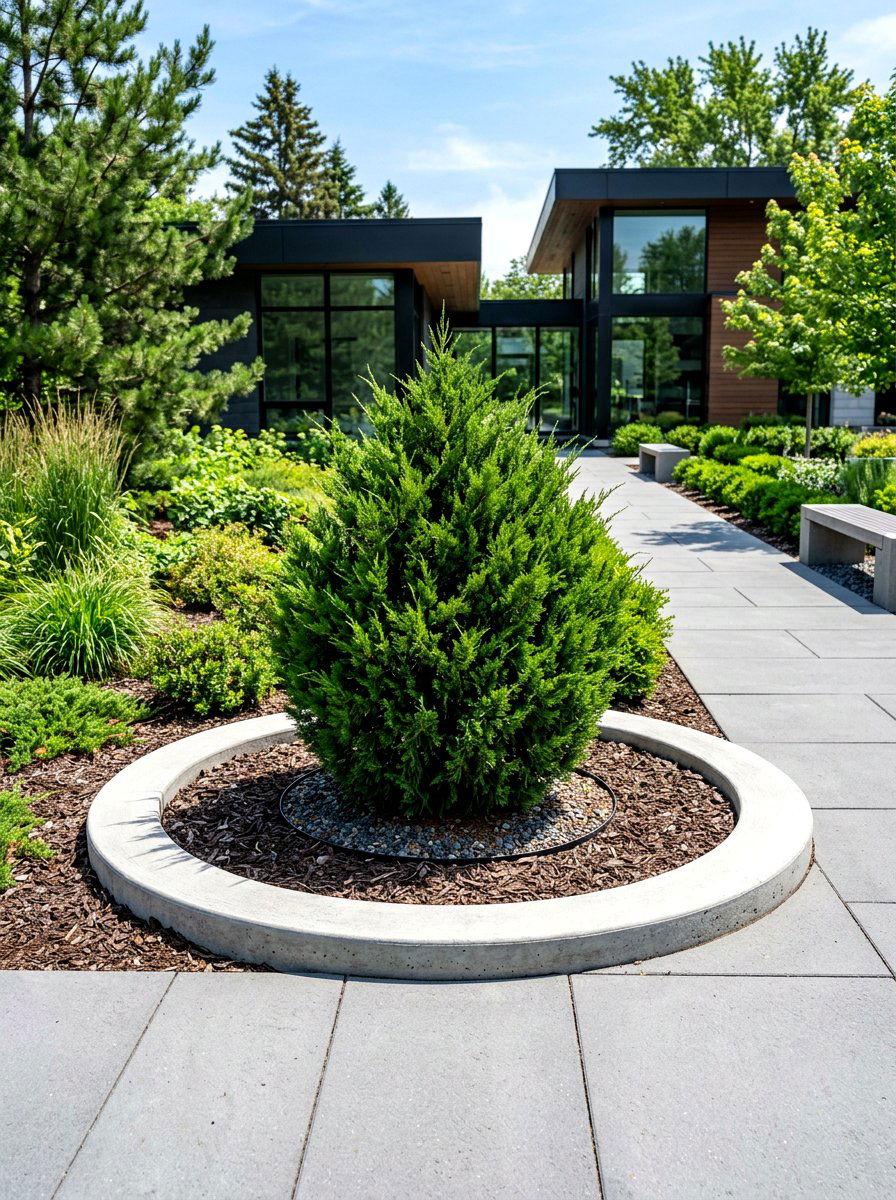
Modern concrete rings offer a clean, industrial aesthetic that is both functional and stylish for today's urban homes. You can use pre-cast concrete sections or even pour your own for a custom look that fits your tree perfectly. The smooth surface and neutral grey tones of concrete provide a great contrast to the organic shapes of plants and trees. This style is incredibly durable and can withstand all types of weather without losing its shape or color. Inside the ring, you can plant structural plants like boxwoods or even a few bright red geraniums for a pop of color. It is a sophisticated way to ground your tree in the landscape.
27. Ornamental Grass Tree Bed
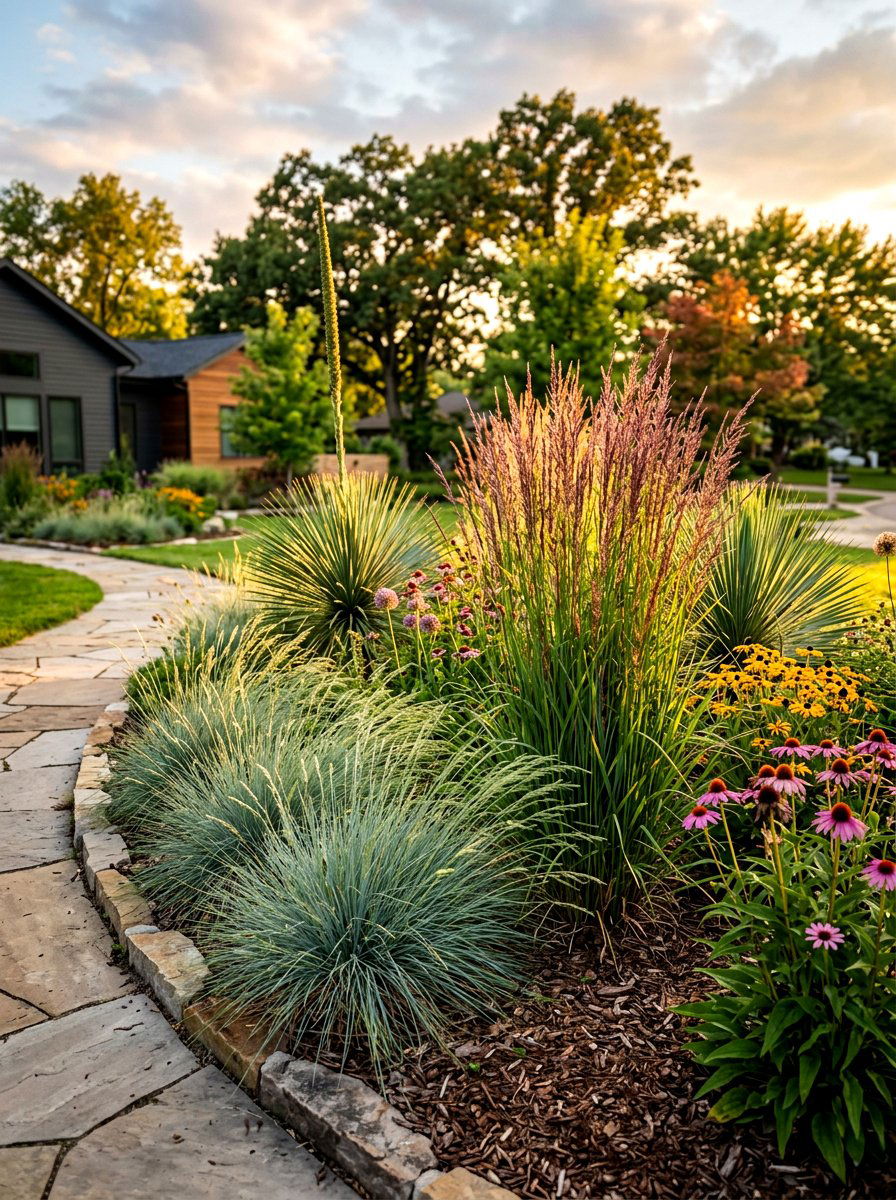
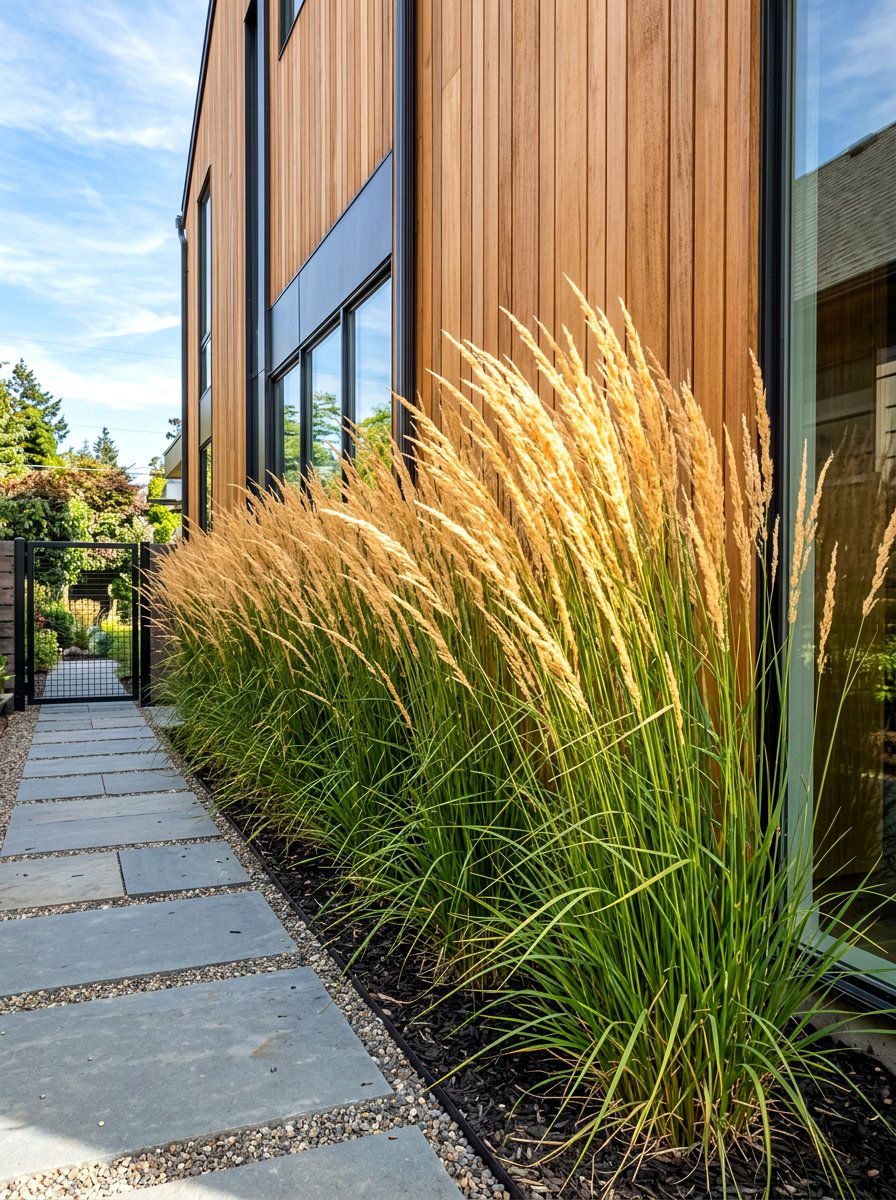
Ornamental grasses add movement, sound, and a unique texture to your garden that traditional flowers simply cannot match. Planting a ring of grasses like fescue or switchgrass creates a soft, swaying frame around your tree that looks beautiful even in the wind. These plants are generally very drought-tolerant and require very little maintenance other than a quick trim in the early spring. The golden tones of the grasses in the autumn provide a stunning contrast to the changing colors of the tree's leaves. This design is perfect for creating a modern, naturalistic landscape that feels calm and serene. The variety of heights and colors available makes it easy to customize.
28. Spring Bulb Tree Ring
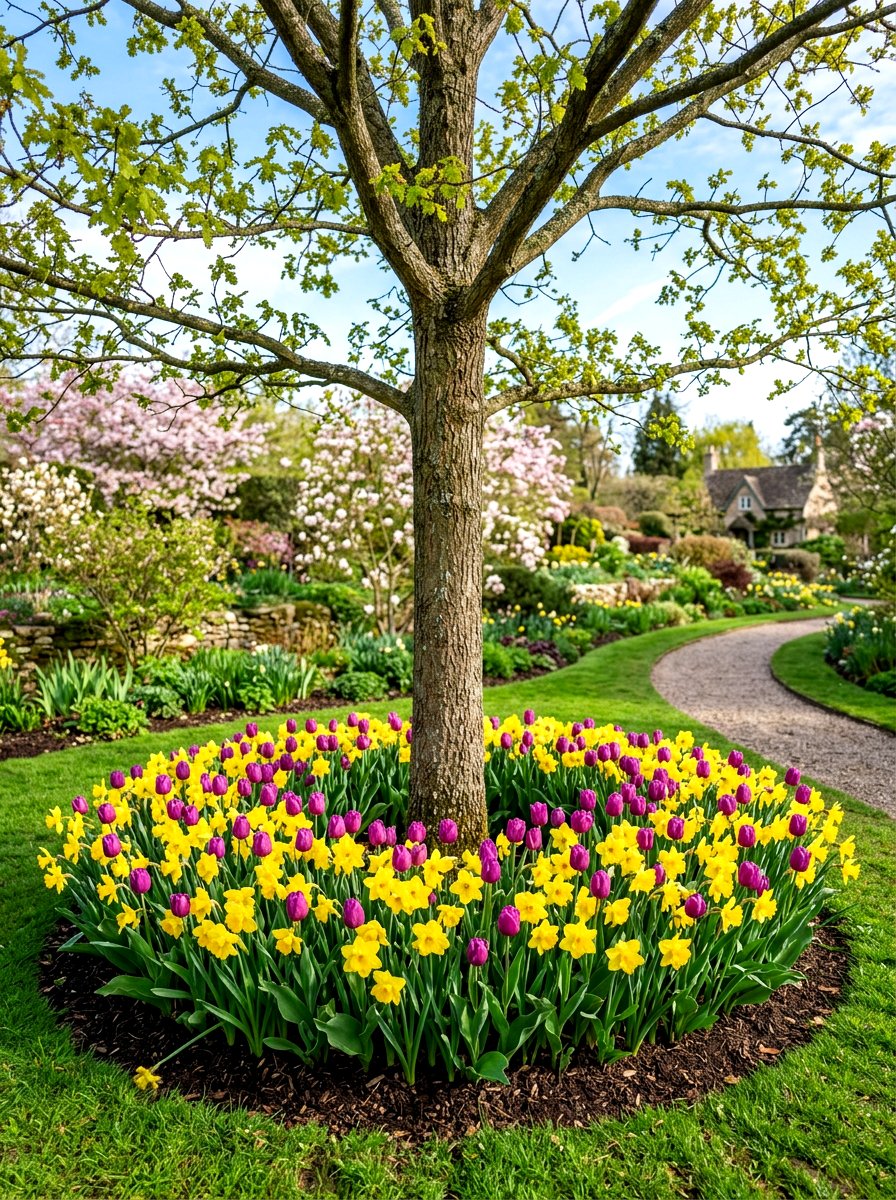
There is nothing more cheering after a long winter than seeing a ring of bright daffodils, tulips, and crocuses blooming around a tree. Planting a large number of spring bulbs in the autumn ensures a spectacular burst of color early in the next growing season. After the flowers fade, you can plant summer annuals over the top to keep the bed looking fresh. This approach gives you two different looks in the same space throughout the year. The bulbs will naturally multiply over time, making the display even more impressive with each passing spring. It is a wonderful way to celebrate the change of seasons and bring life back to your yard.
29. Cedar Log Tree Border
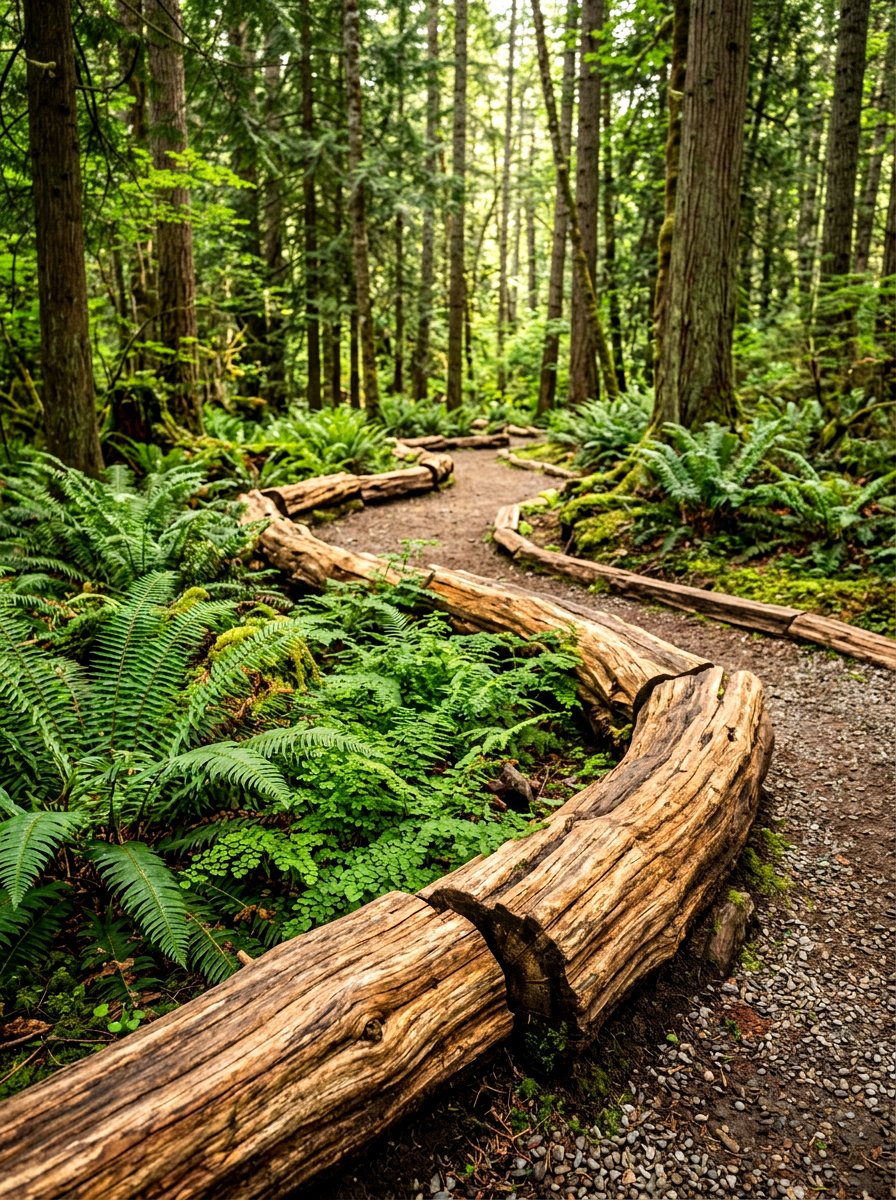
For a rustic or mountain-style landscape, using natural cedar logs to border your tree bed adds a wonderful organic touch. Cedar is naturally rot-resistant and has a beautiful, warm color that ages to a soft grey over time. You can use half-logs or smaller rounds to create a low, naturalistic boundary that feels like it belongs in the forest. This style is perfect for more informal gardens or homes located in wooded areas. Inside the logs, you can plant shade-loving perennials or even a few native ferns to complete the look. It is a budget-friendly and very charming way to define your garden space using natural materials.
30. Tropical Plant Tree Bed
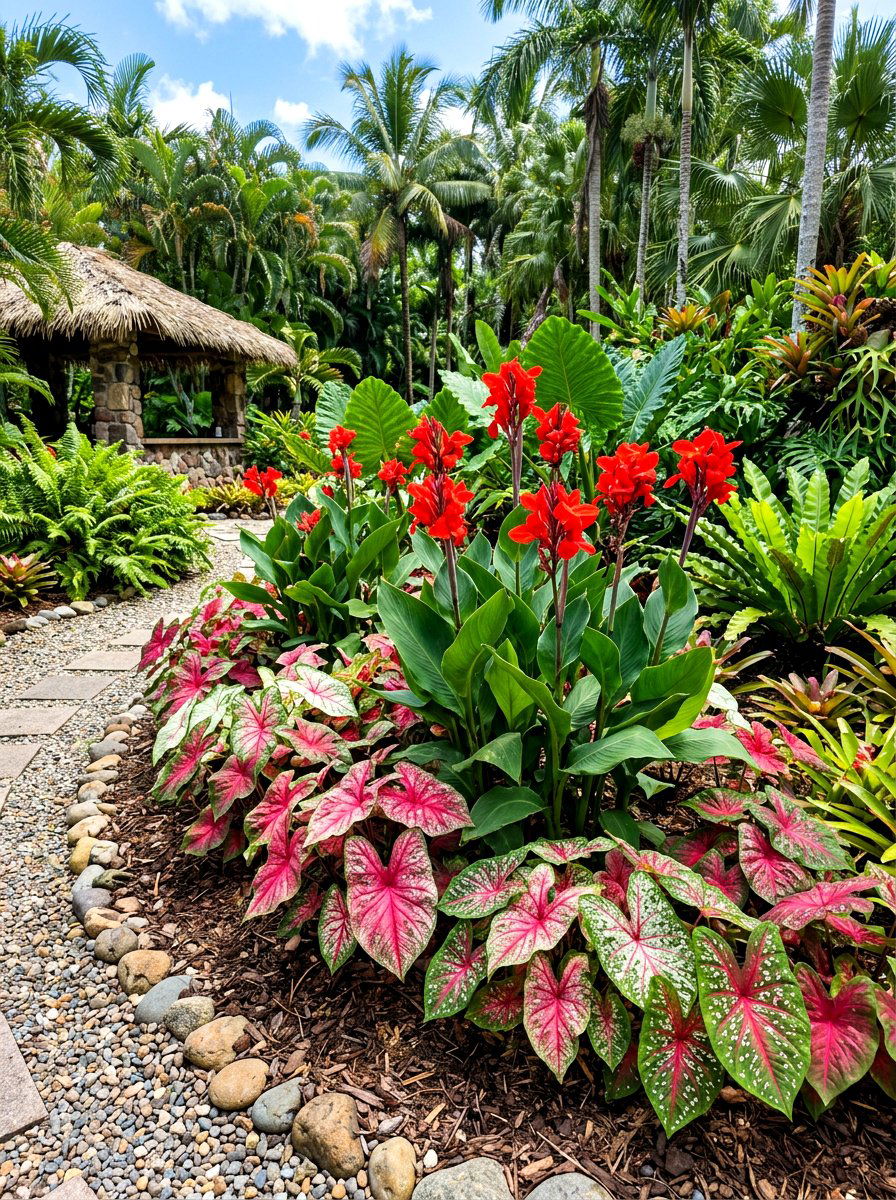
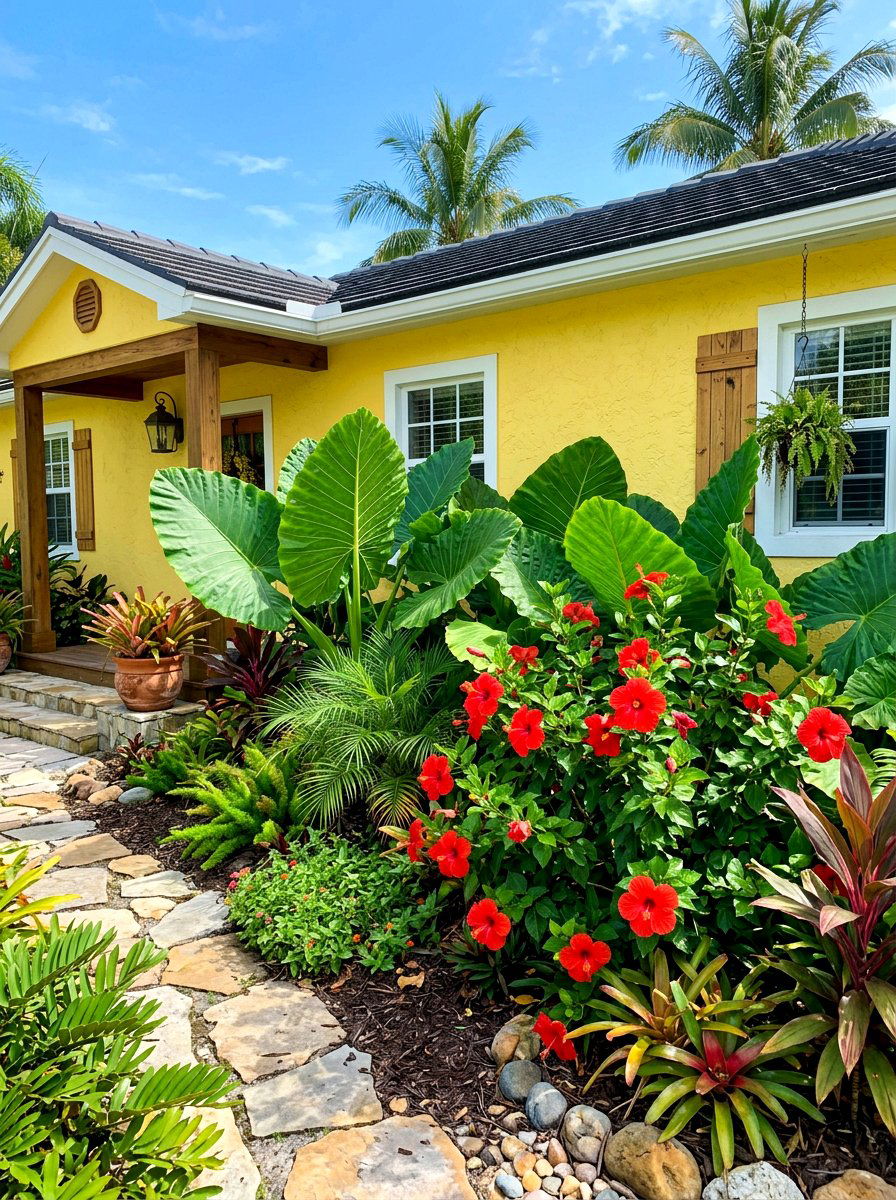
If you live in a warm climate, you can transform your tree into a tropical island by planting lush, exotic species around its base. Think about using bold plants like caladiums, canna lilies, or even small palms to create a vibrant and high-energy display. The large leaves and bright colors of tropical plants provide an instant holiday vibe right in your own backyard. These plants love the warmth and humidity often found under a large, leafy tree canopy. You can add a layer of dark mulch or decorative lava rocks to finish the look. It is a fun and creative way to make your garden feel like a private tropical retreat.
Conclusion:
Creating a tree ring flower bed is one of the most rewarding weekend projects for any homeowner looking to boost their outdoor charm. By combining functional edging with beautiful plant selections, you can solve common landscaping problems while adding value to your property. Remember to consider the specific needs of your tree, such as root depth and light requirements, before you start digging or planting. With thirty diverse styles to choose from, there is surely a design that fits your budget and skill level perfectly. Enjoy the process of watching your garden grow and evolve into a stunning natural masterpiece for everyone to admire and enjoy year after year.

Related posts: