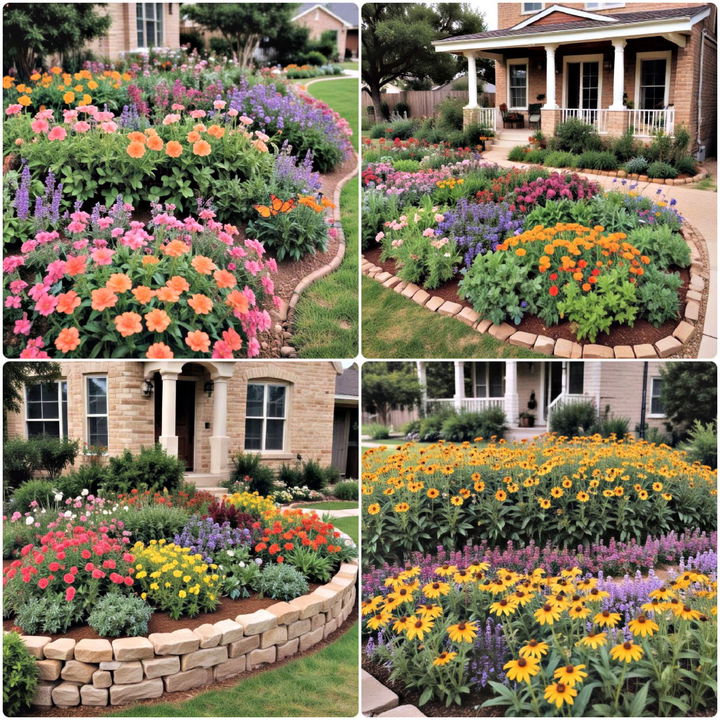
Are you ready to give your backyard a stunning makeover this season? Creating beautiful flower beds is one of the most effective ways to enhance your outdoor living space. Well-designed gardens provide a vibrant splash of color and help define different zones in your yard. Whether you are dealing with a small patio or a sprawling lawn, these ideas offer practical solutions for every home. You can focus on low-maintenance plants or create a complex botanical display. Using various textures and heights will make your landscape feel more professional and inviting. Gardening also provides a wonderful way to connect with nature right outside your back door. Let us dive into these inspiring options for your yard.
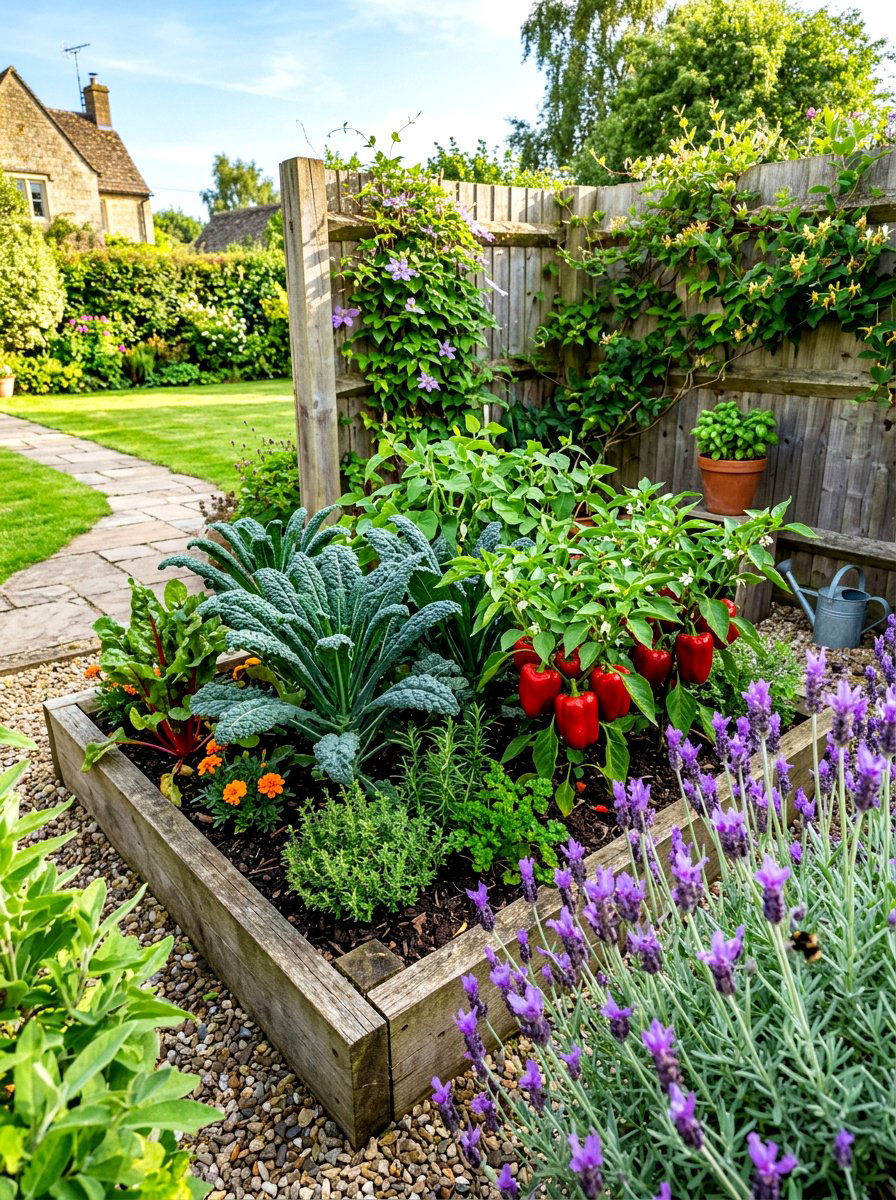
1. Raised Garden Bed
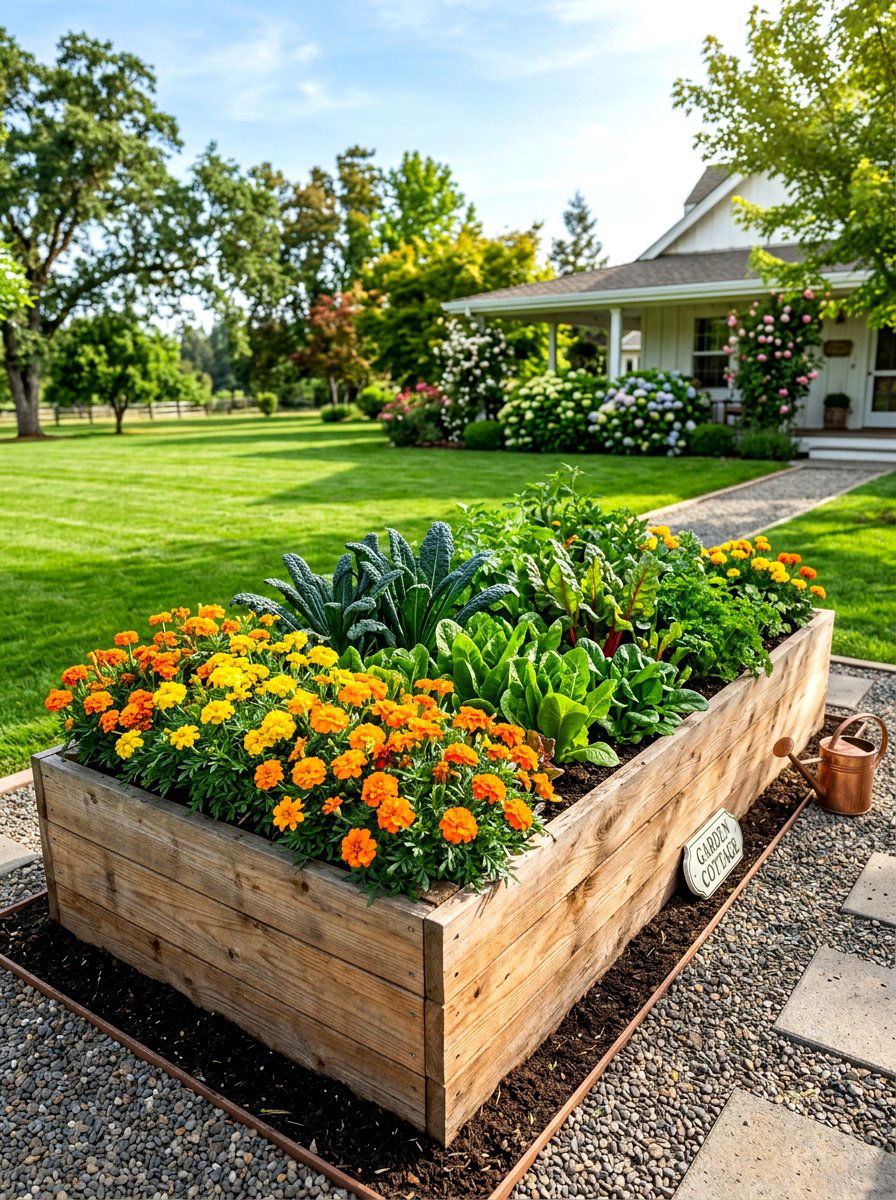
Are you looking for a way to save your back while gardening? Raised garden beds made of cedar or high-quality wood are incredibly popular for backyard layouts. These structures provide excellent drainage and help prevent soil compaction over time. You can build them at various heights to suit your physical needs and aesthetic preferences. Using wood creates a natural, warm look that blends seamlessly with most outdoor environments. Filling these beds with a nutrient-rich soil mix ensures your flowers grow vibrant and strong throughout the season. They also act as a physical barrier against common garden pests and invasive grass. This design keeps your backyard looking tidy and organized while highlighting your beautiful floral arrangements.
2. Stone Border Flower Bed
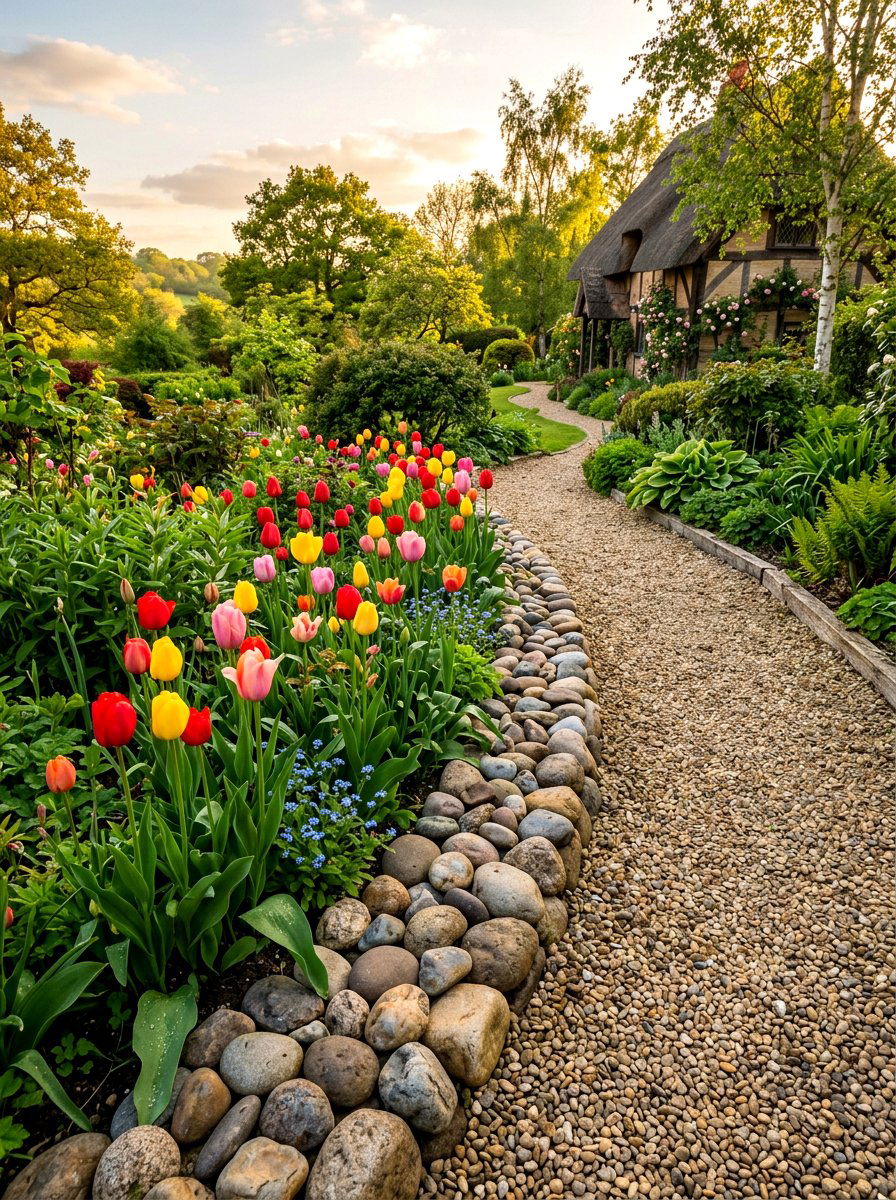
Have you considered using natural elements to define your planting areas? A stone border flower bed offers a timeless and rugged look for any backyard. You can use large boulders or flat river stones to create a clear boundary between your lawn and garden. This approach prevents grass from creeping into your blooms and keeps mulch in place. Stone borders are extremely durable and require very little maintenance over the years. They work perfectly with various home styles, from rustic farmhouses to modern estates. By choosing stones that match your home's exterior, you create a cohesive and professional landscape. This design is also great for managing slight changes in your yard’s elevation.
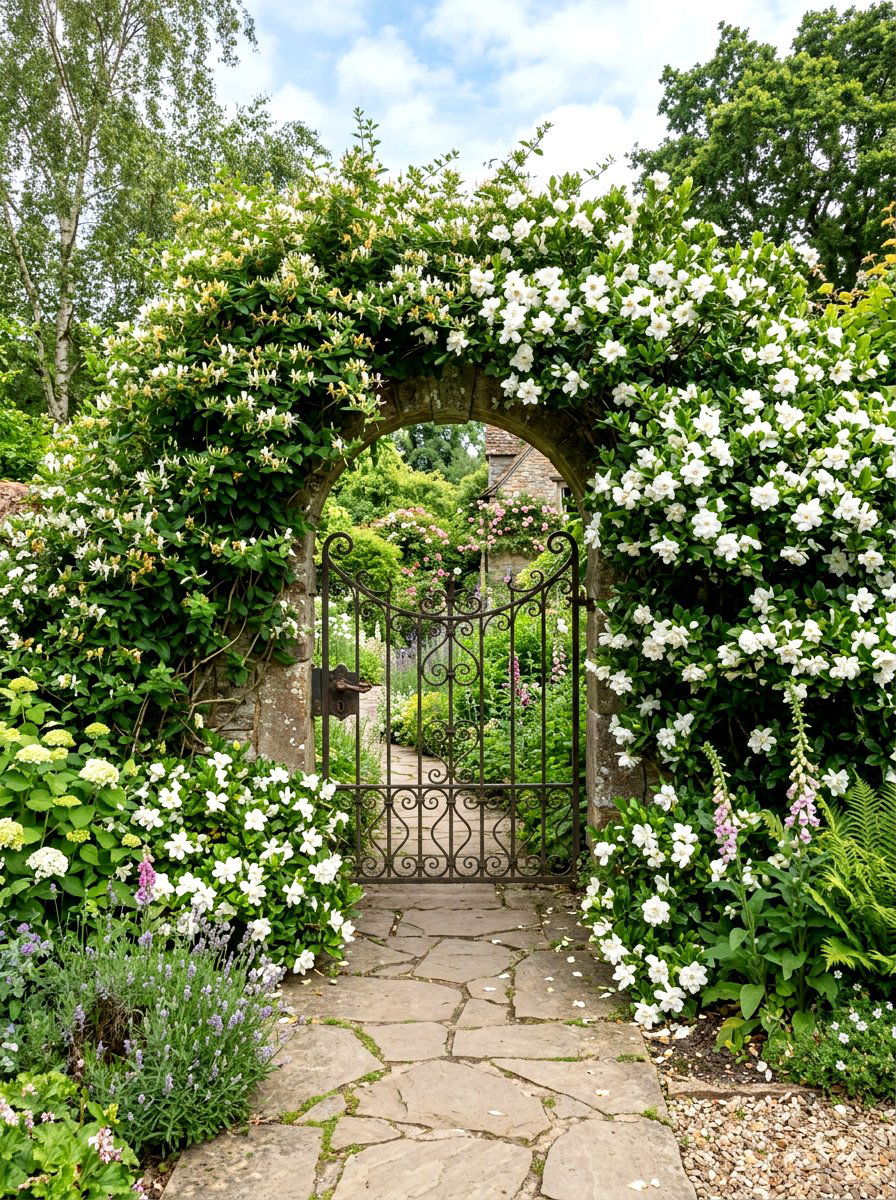
3. Cottage Garden
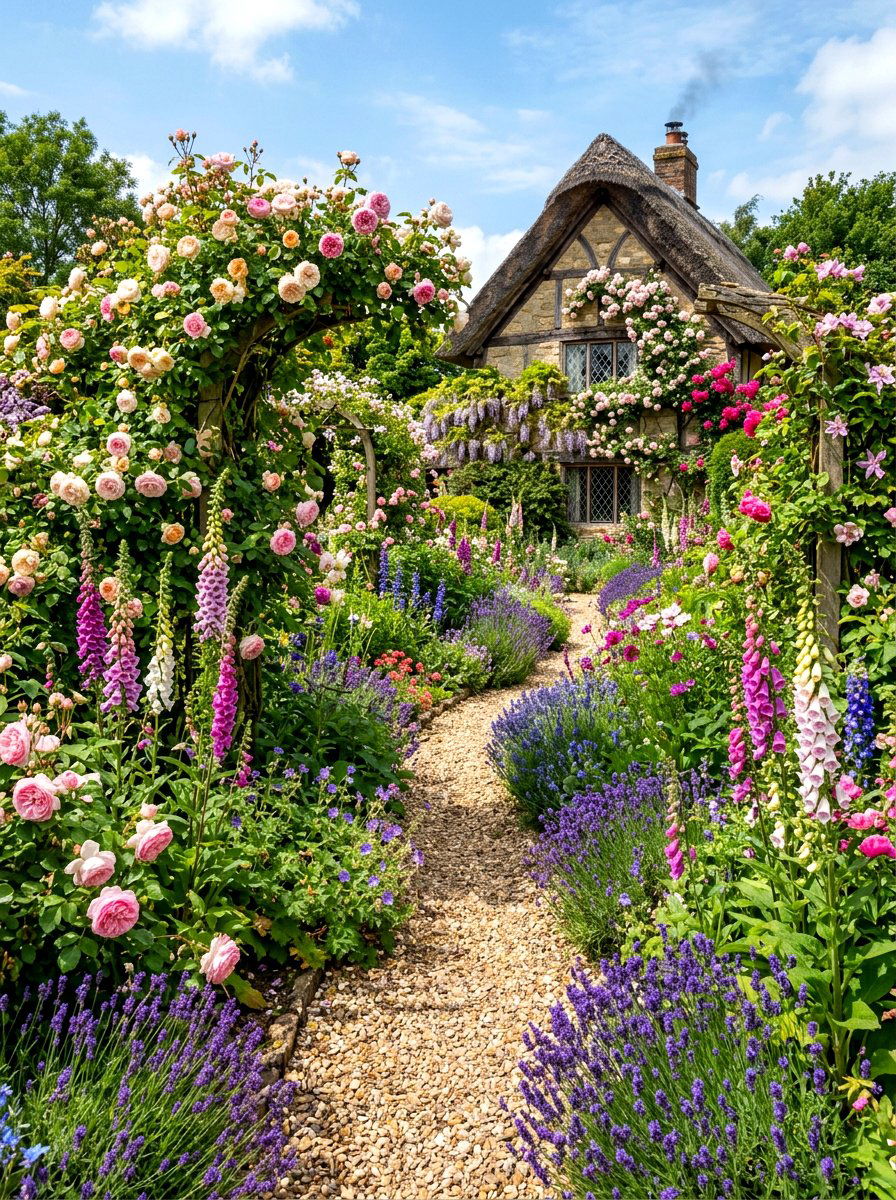
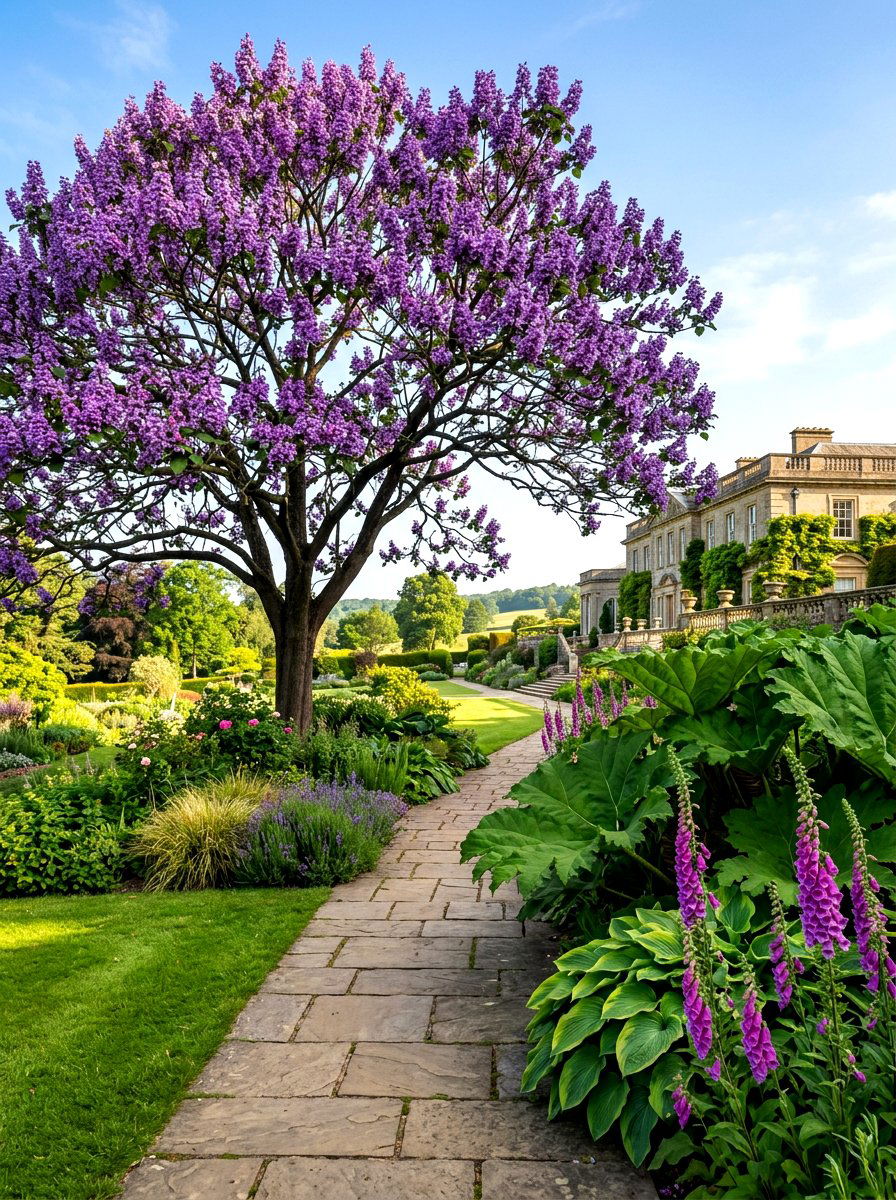
Do you love the look of a romantic and slightly wild outdoor space? A cottage garden focuses on dense plantings and a charming mix of traditional flowers. You can combine roses, foxgloves, and lavender to create a lush and fragrant environment. This style often uses informal paths made of gravel or stepping stones to guide visitors through the blooms. It is meant to look effortless and natural rather than strictly organized. The variety of colors and textures attracts plenty of butterflies and bees to your backyard. A cottage garden is perfect for anyone who wants a soft, whimsical feel that provides endless visual interest. It turns any standard backyard into a cozy and private floral escape.
4. Perennial Flower Bed
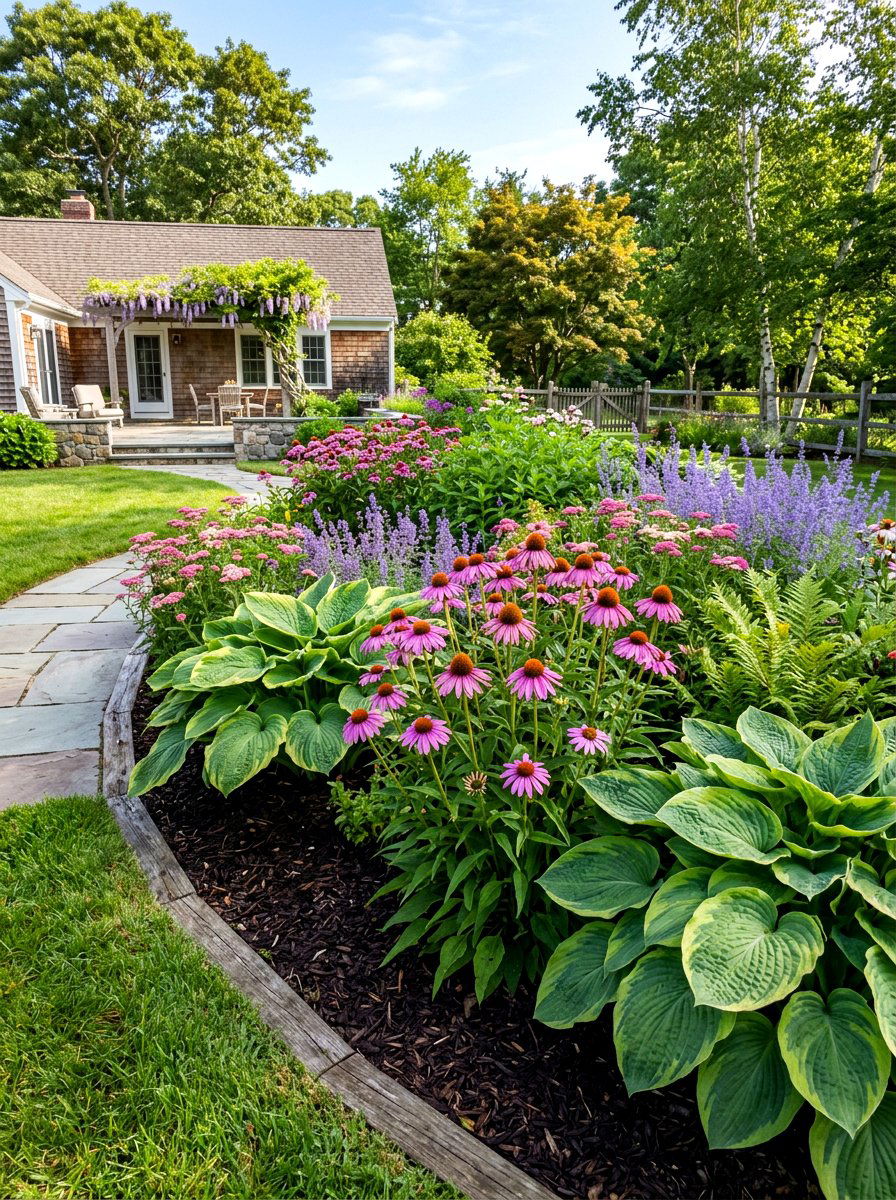
Would you like a garden that returns every year without the need for constant replanting? A perennial flower bed is a smart and sustainable choice for busy homeowners. These plants go dormant in the winter and sprout back to life every spring. You can select a variety of species that bloom at different times to ensure color throughout the season. Popular choices include coneflowers, hostas, and peonies. Once established, these beds require less water and attention than annual displays. This design allows you to invest in high-quality plants that grow larger and more beautiful over time. It provides a reliable foundation for your backyard landscaping while saving you money on new plants.
5. Shade Flower Bed
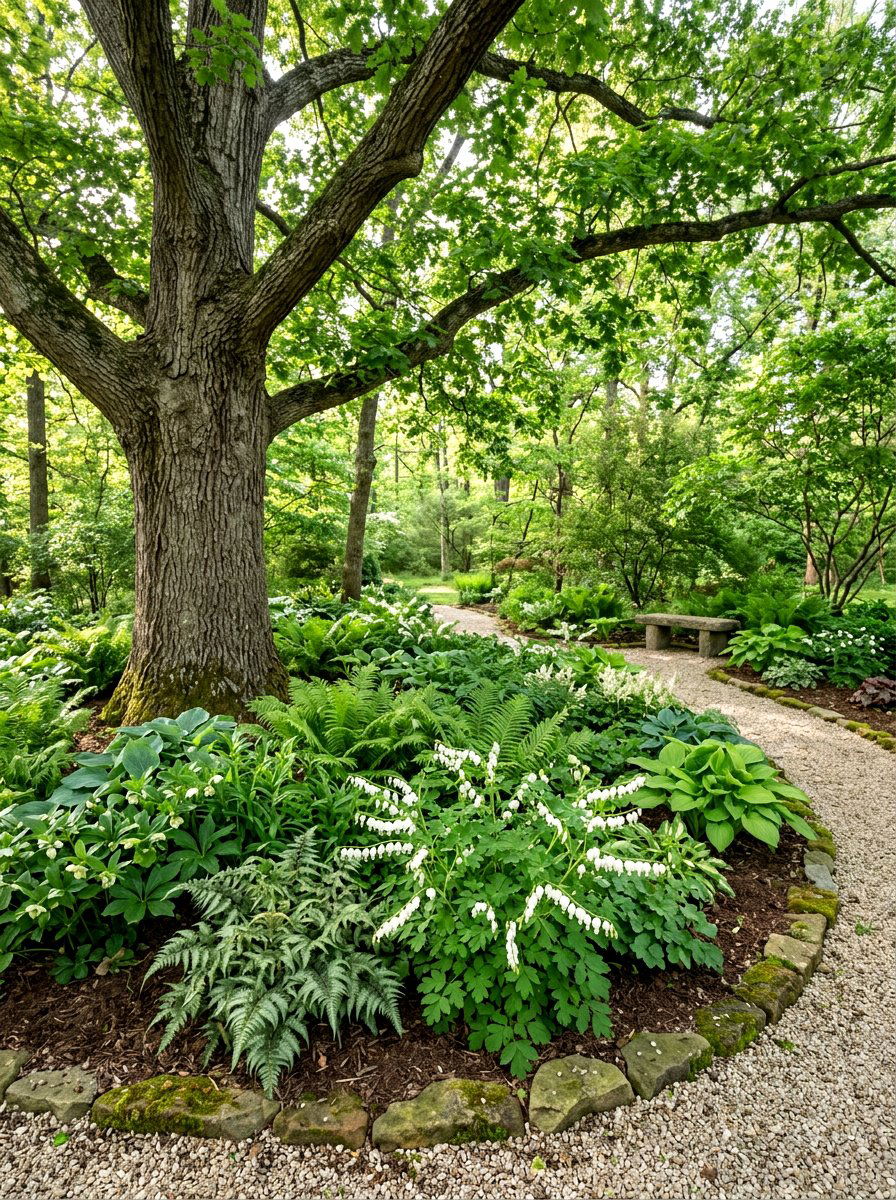
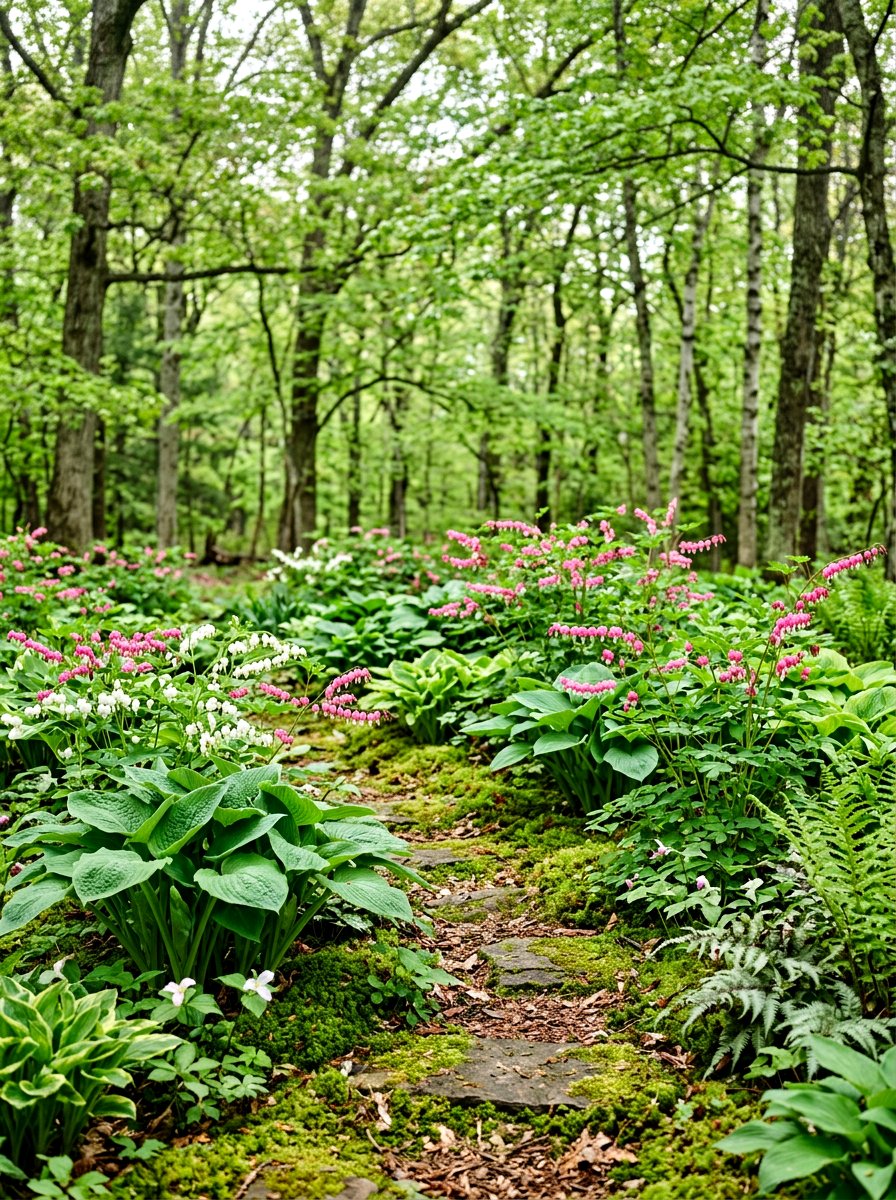
What can you do with those dark corners of your yard where grass refuses to grow? A shade flower bed is the perfect solution for areas under large trees or next to tall walls. Many beautiful plants thrive in low-light conditions, such as ferns, bleeding hearts, and colorful hostas. These beds often focus on interesting foliage shapes and various shades of green to create visual depth. You can add light-colored mulch or white flowers to brighten up the dim space. Designing for shade allows you to utilize every inch of your backyard effectively. It turns a previously neglected area into a cool and refreshing retreat during the hot summer months.
6. Corner Flower Bed
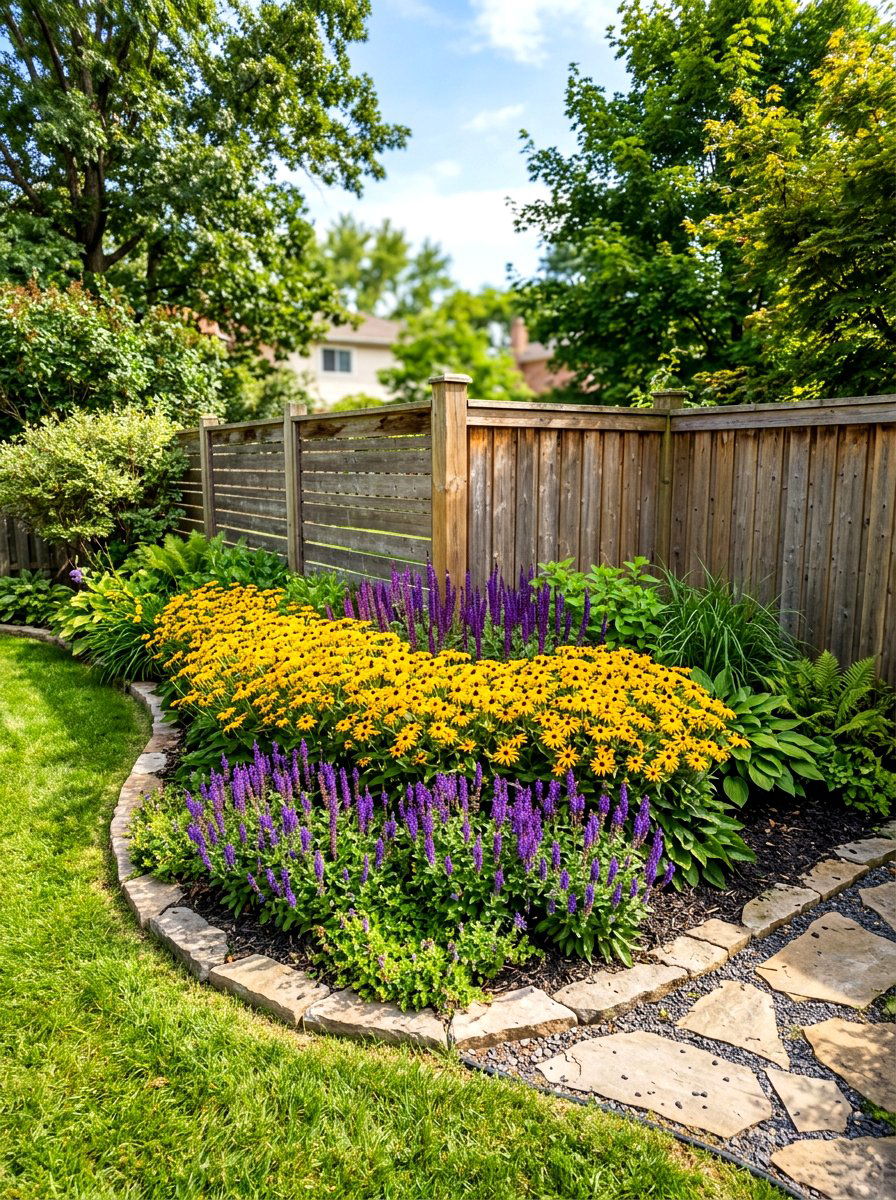
Are you trying to figure out how to fill the empty corners of your fence or patio? A corner flower bed is a fantastic way to maximize space and add a focal point. These beds are usually triangular or curved to fit snugly into a right angle. You can use a tiered approach by planting taller flowers in the back and shorter ones in the front. This creates a beautiful layered effect that draws the eye upward. Corner beds are also great for housing a small fountain or a decorative garden statue. They soften the harsh lines of a fence and make your backyard feel much more enclosed and private.
7. Island Flower Bed
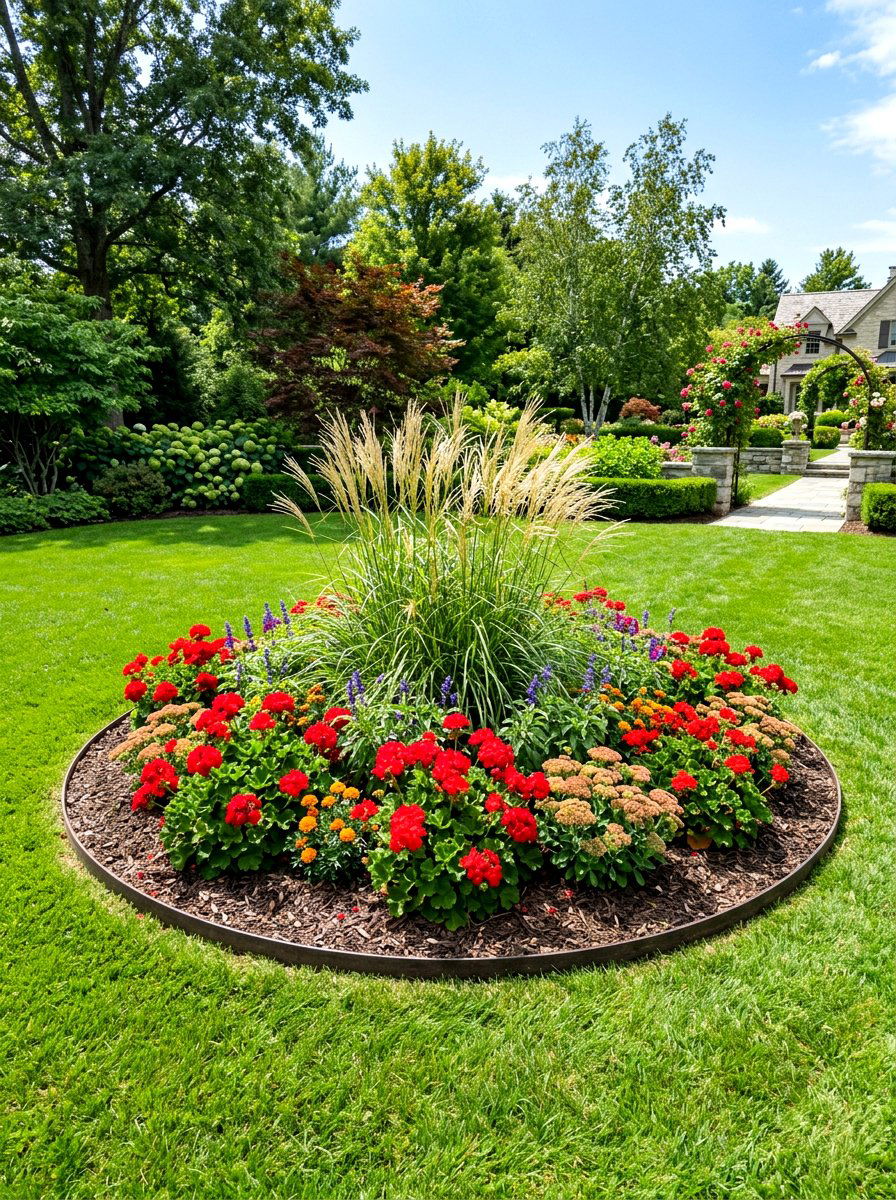
How do you transform a flat lawn into a dynamic landscape? An island flower bed is a perfect way to break up large grassy areas. These beds sit in the middle of your yard and are visible from all sides. Because they are not attached to a fence or wall, you can walk all the way around them. This allows you to plant taller flowers in the center and shorter ones at the edges. Using curved lines for the border creates a more natural and organic feel. It draws the eye toward the center of the yard. This design works well for showing off prize-winning shrubs or a mix of colorful perennials.
8. Tiered Flower Bed
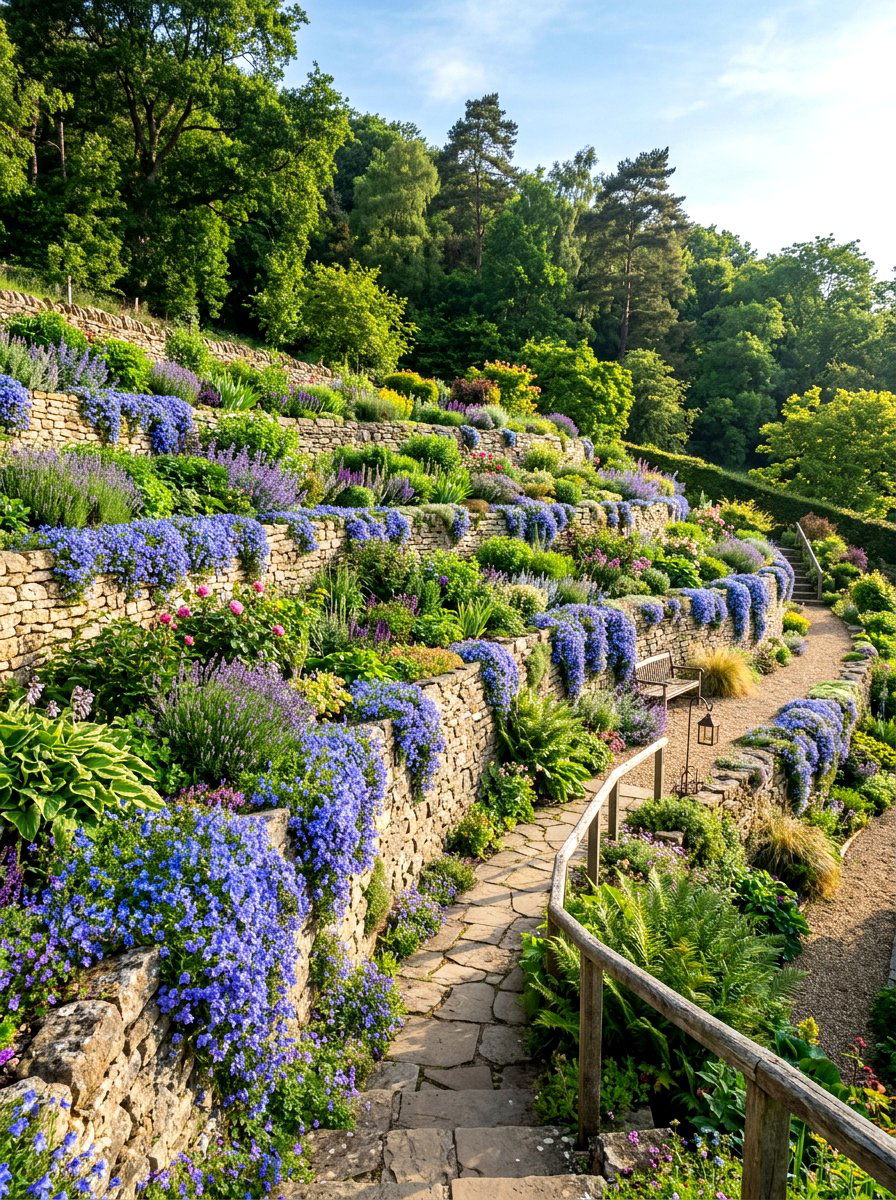
Do you have a backyard with varying elevations or a steep hill? A tiered flower bed uses multiple levels to create a dramatic and structural look. You can use timber, stone, or brick to build separate steps for your plants. This design helps prevent soil erosion on slopes while making the area much easier to maintain. Each level can host a different variety of flowers or even a mix of shrubs and groundcover. The vertical dimension adds significant visual interest and makes a small yard feel much larger. Tiered beds are excellent for creating a "wall of color" that serves as a stunning backdrop for your outdoor seating.
9. Drought Tolerant Flower Bed
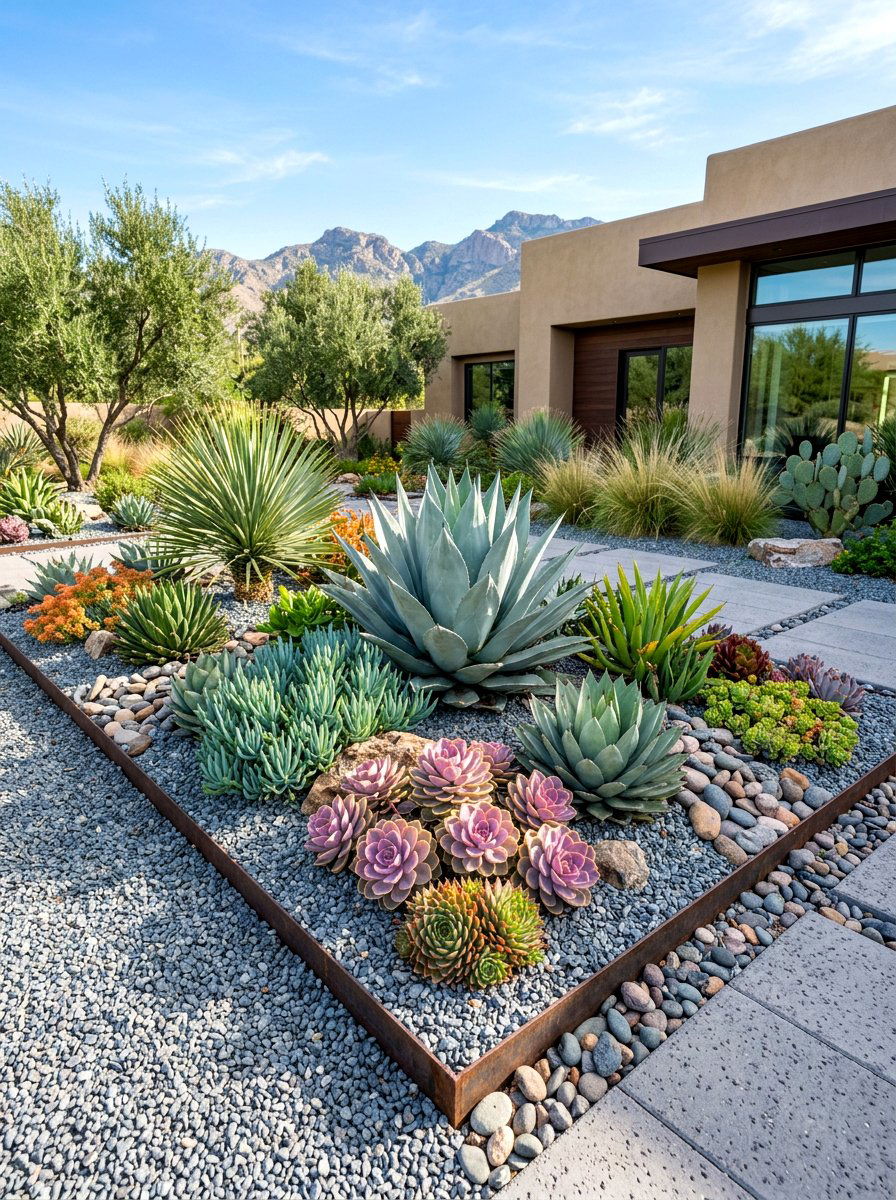
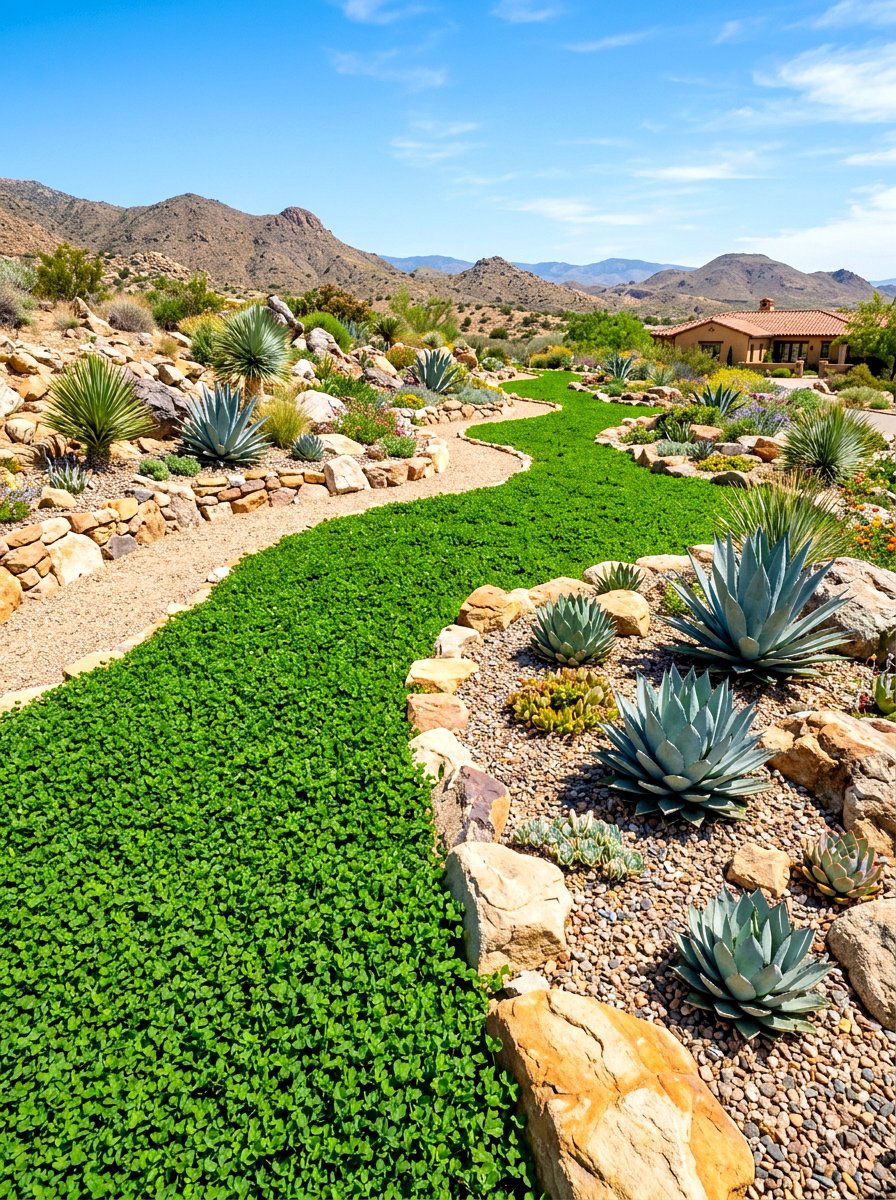
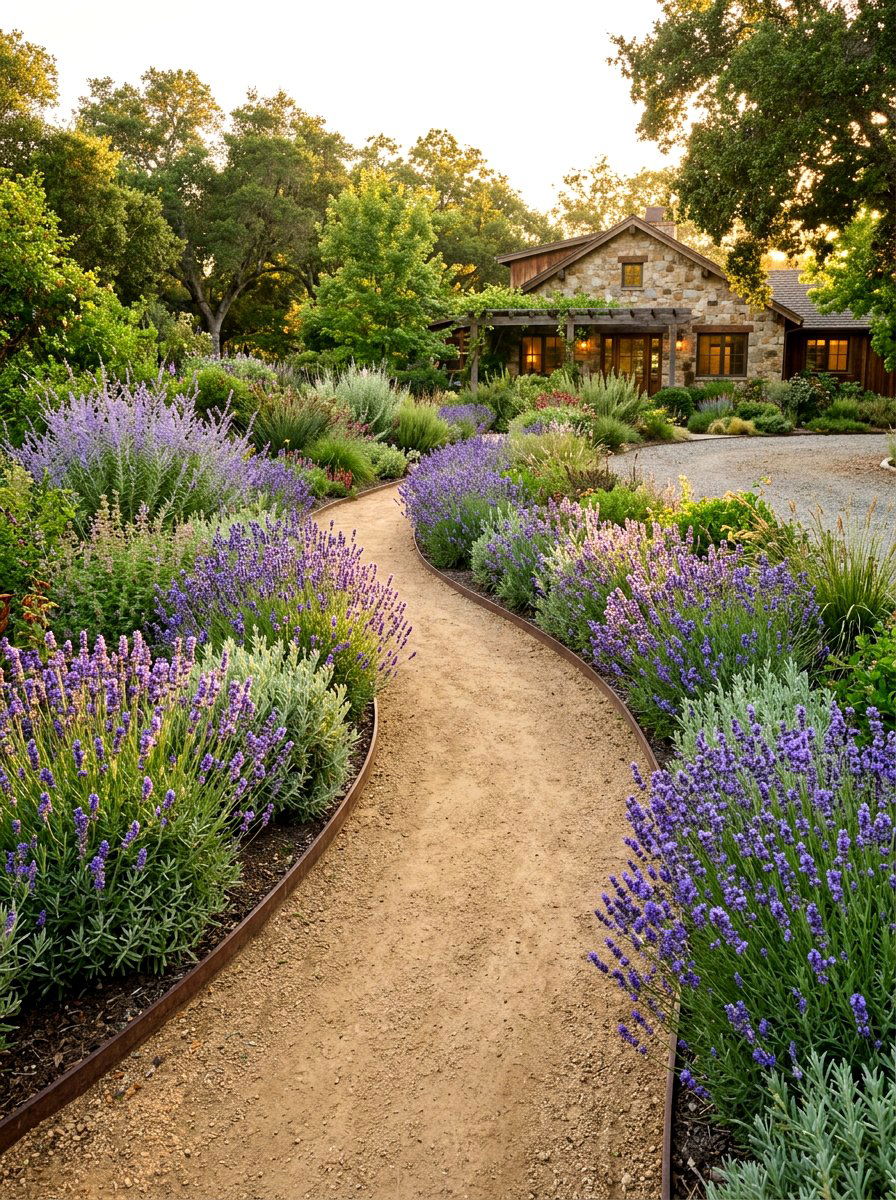
Are you looking for a way to save water while maintaining a beautiful yard? A drought-tolerant flower bed is an eco-friendly choice that uses plants adapted to dry conditions. You can choose beautiful varieties like succulents, agave, and Mediterranean herbs like rosemary or sage. These beds often incorporate decorative gravel or crushed rock instead of traditional wood mulch. This look is very modern and clean, requiring minimal irrigation once the plants are established. It is an ideal option for regions with water restrictions or for homeowners who want a low-maintenance landscape. This design proves that you can have a lush-looking garden without using excessive amounts of water.
10. Native Plant Flower Bed
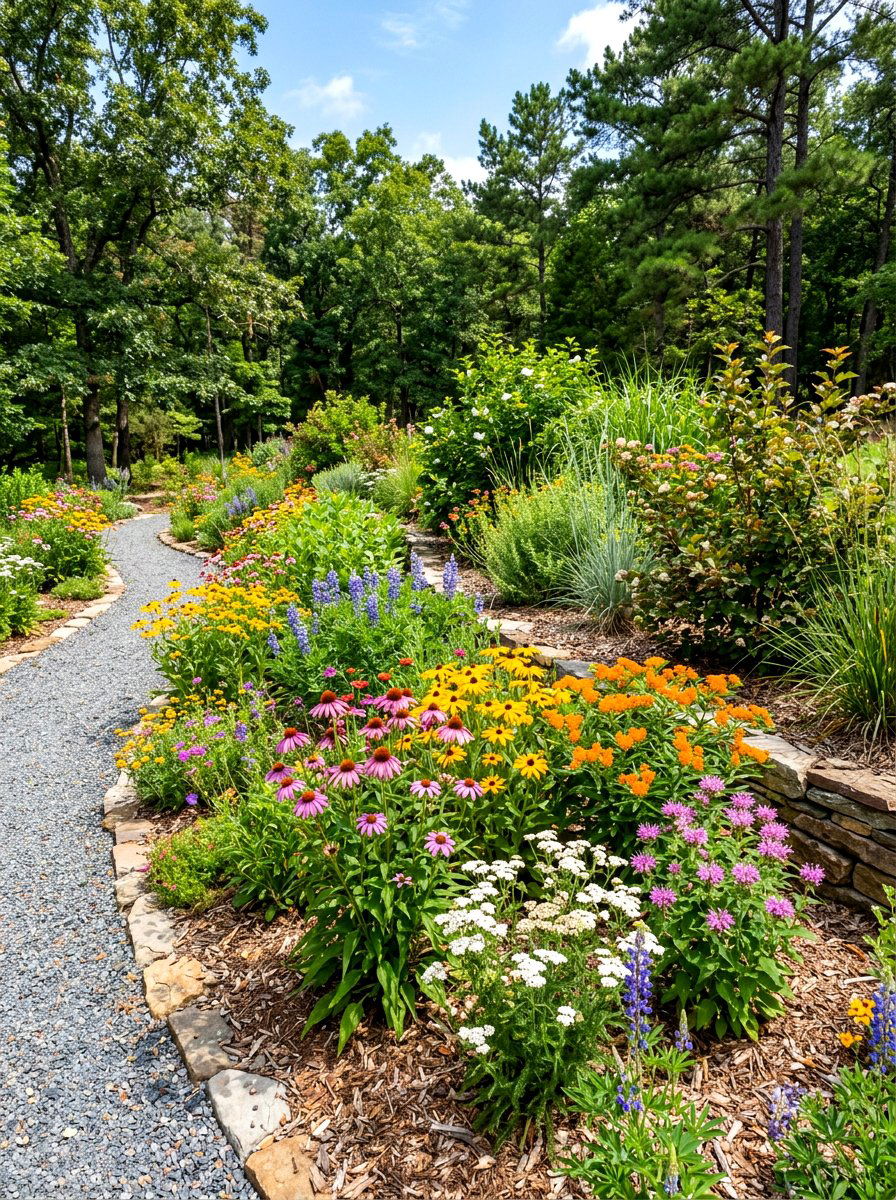
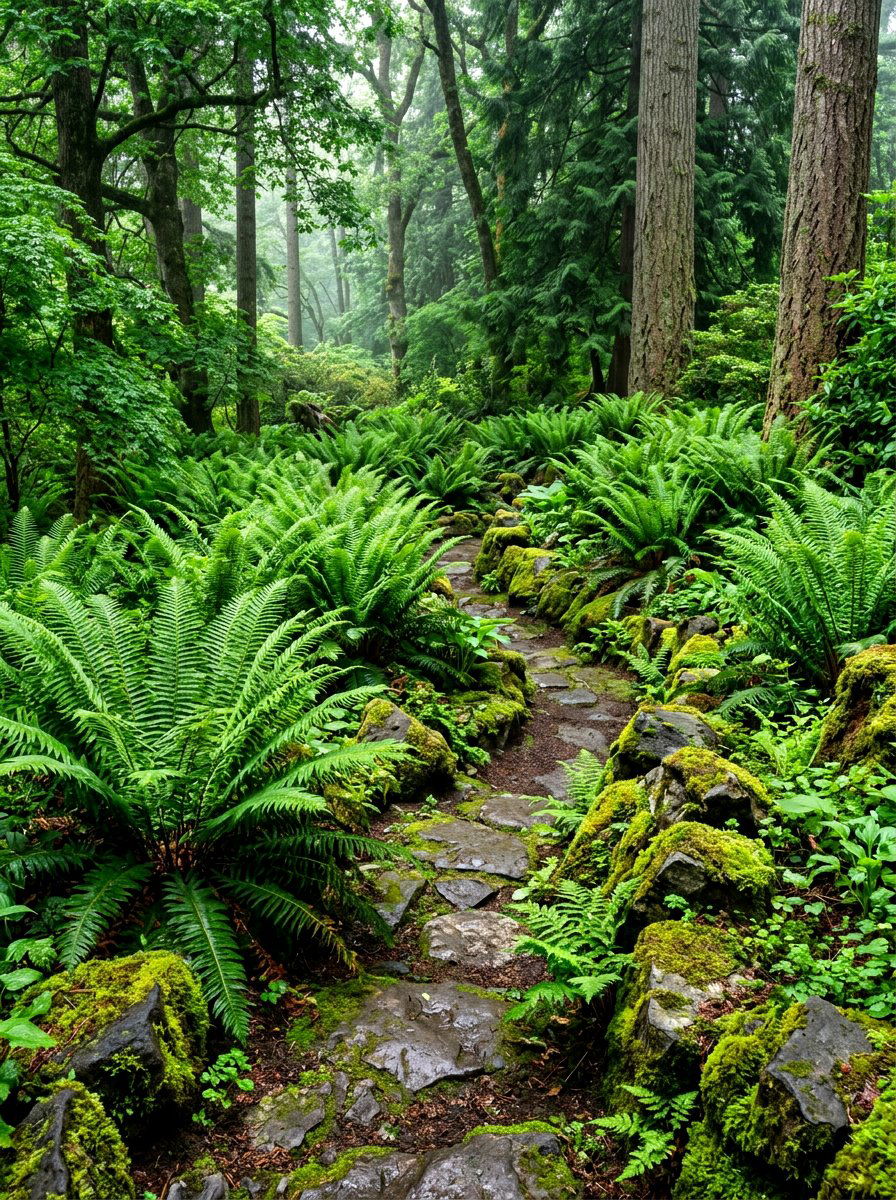
Would you like to support your local ecosystem while enjoying a hardy garden? A native plant flower bed uses species that naturally occur in your specific region. These plants are already adapted to your local soil and weather patterns, making them incredibly easy to grow. They provide essential food and habitat for local birds, butterflies, and beneficial insects. Native gardens often require fewer fertilizers and pesticides because the plants have natural defenses against local pests. This design creates a sense of place and connects your backyard to the surrounding natural landscape. It is a sustainable and beautiful way to celebrate the unique flora of your home area.
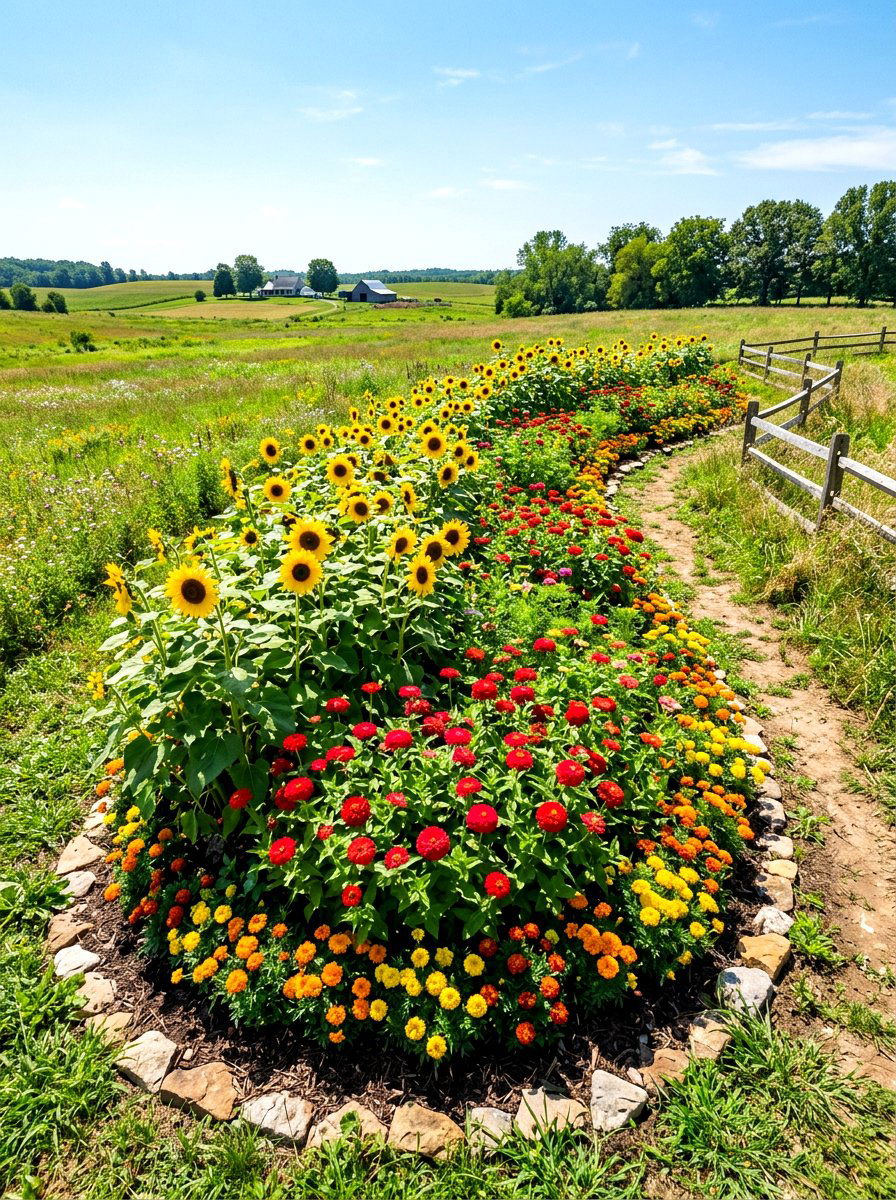
11. Cutting Garden
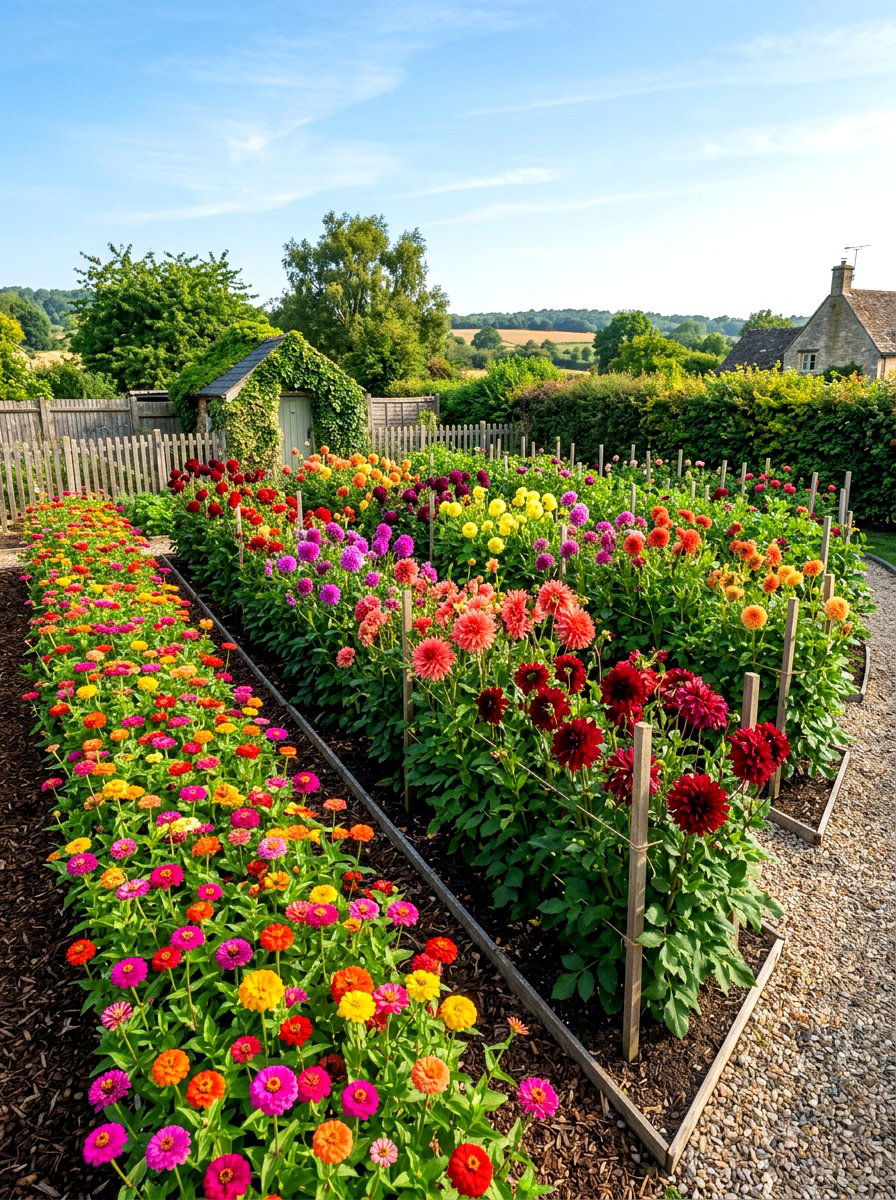
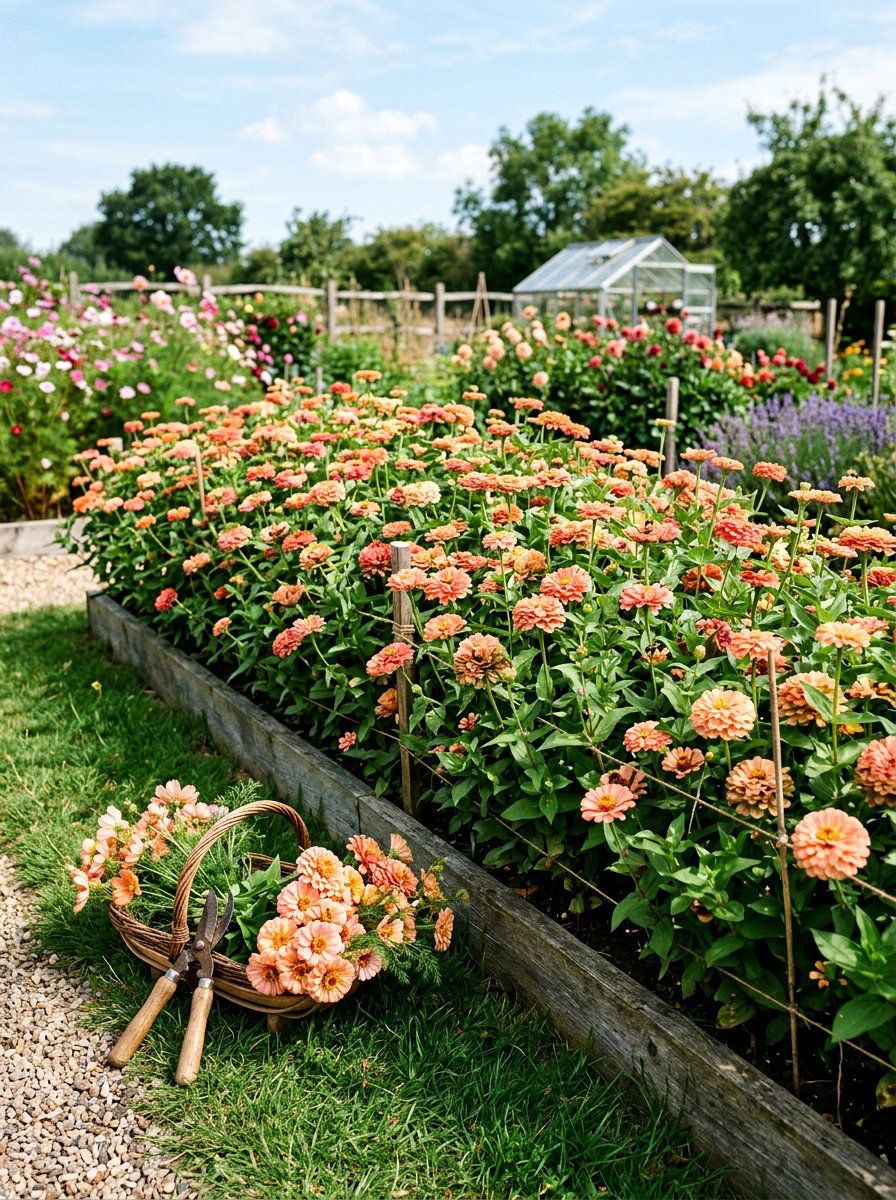
Do you enjoy having fresh floral arrangements inside your home? A cutting garden is a dedicated flower bed designed specifically for harvesting blooms. You should choose flowers with long stems and a long vase life, such as zinnias, dahlias, and sunflowers. This bed is often organized in rows to make it easy to reach every plant for pruning. While it serves a practical purpose, a cutting garden is also incredibly vibrant and attractive in the backyard. You can enjoy the beauty of the flowers outside while knowing you have a constant supply for your dining table. It is a rewarding way to bring the beauty of your garden indoors.
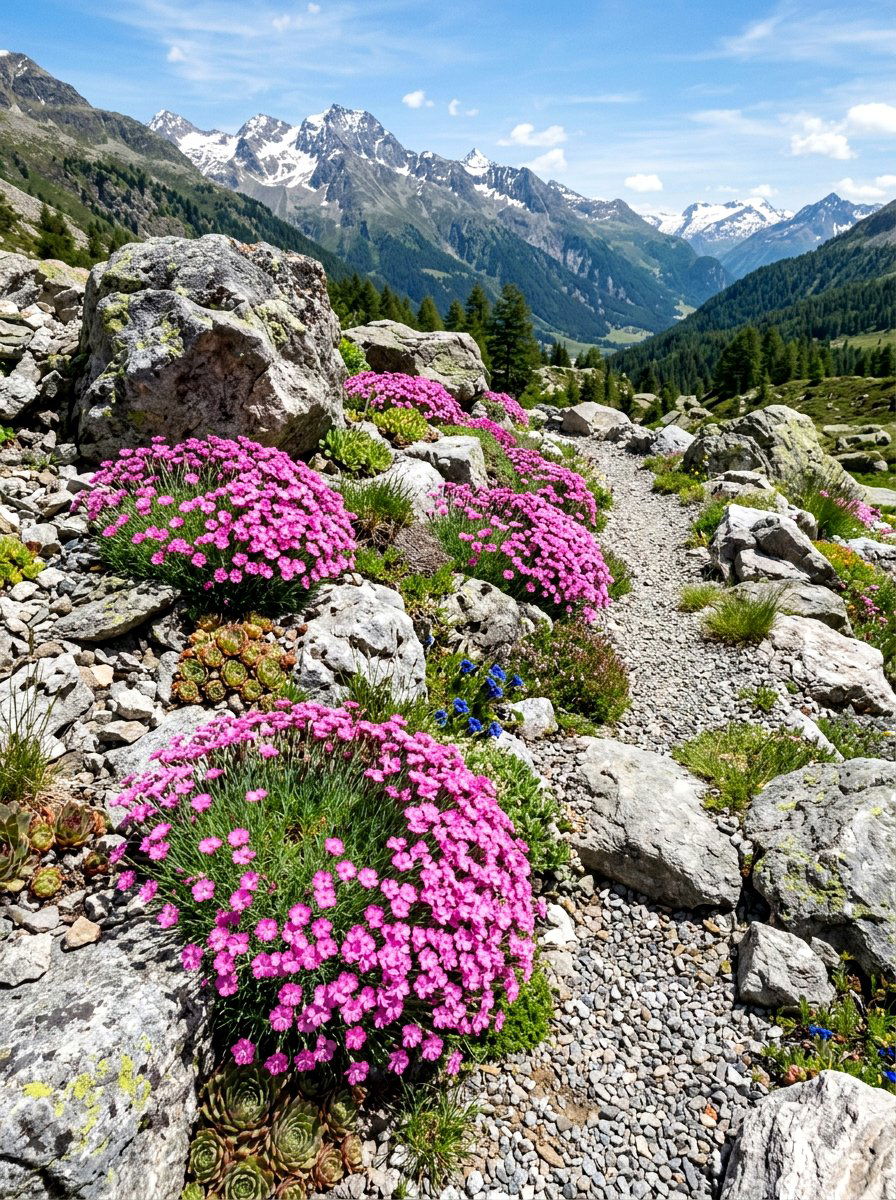
12. Rock Flower Bed
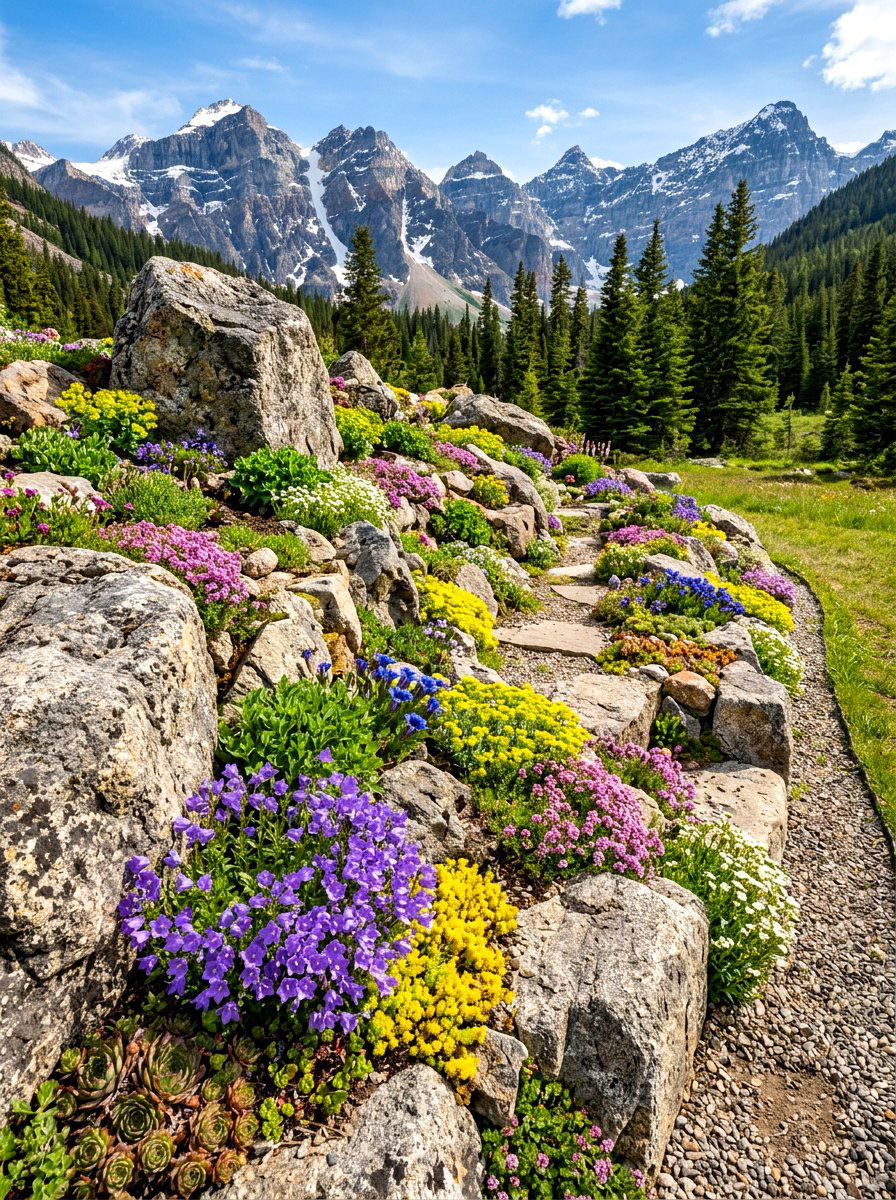
How can you combine hardscape elements with delicate blooms? A rock flower bed uses various sizes of stones and boulders as the primary structural element. You can nestle small alpine flowers or hardy groundcovers between the rocks for a natural, mountainous look. The stones help regulate soil temperature and provide a unique texture that contrasts with soft flower petals. This style is very low-maintenance and works well in areas with poor soil quality. You can use different colors of rocks to complement your home's siding or patio pavers. A rock garden adds a rugged and permanent feel to your backyard that looks good even in the winter.
13. Vertical Flower Bed
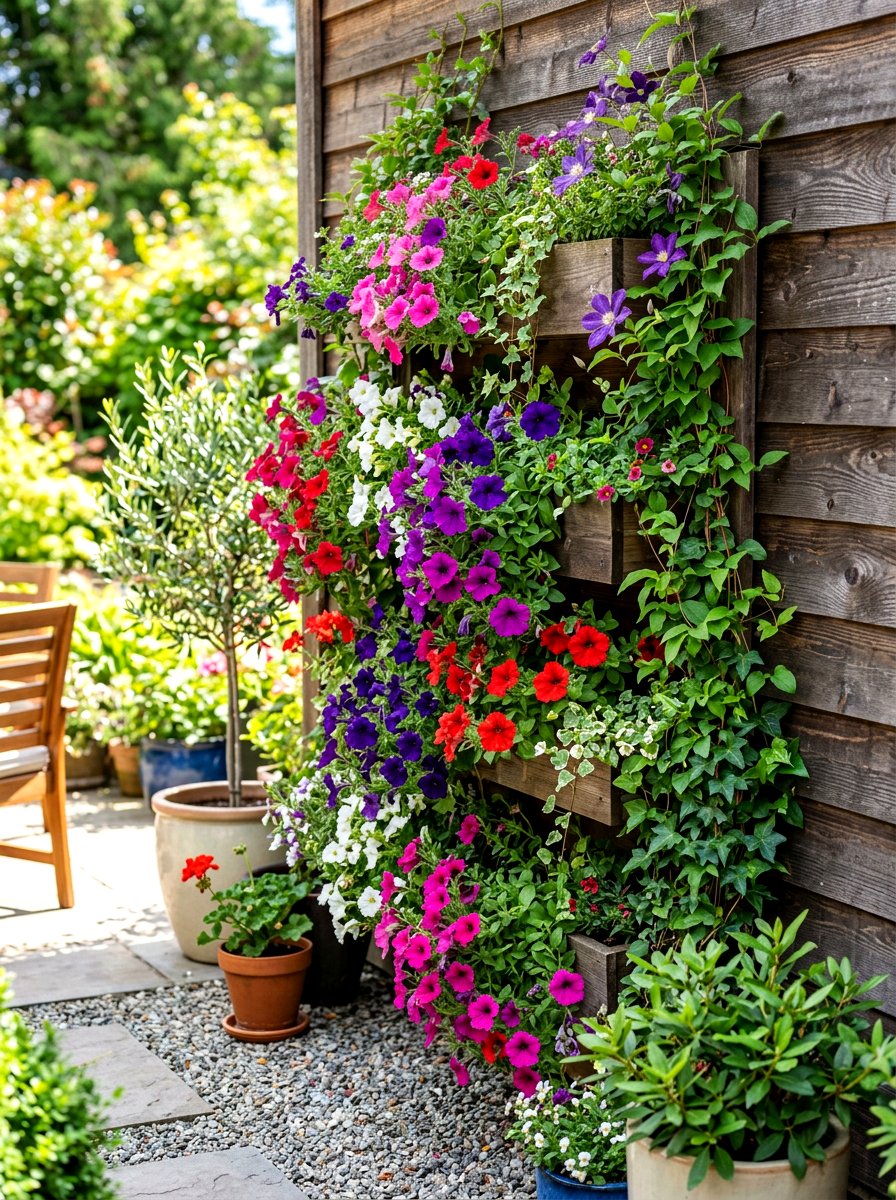
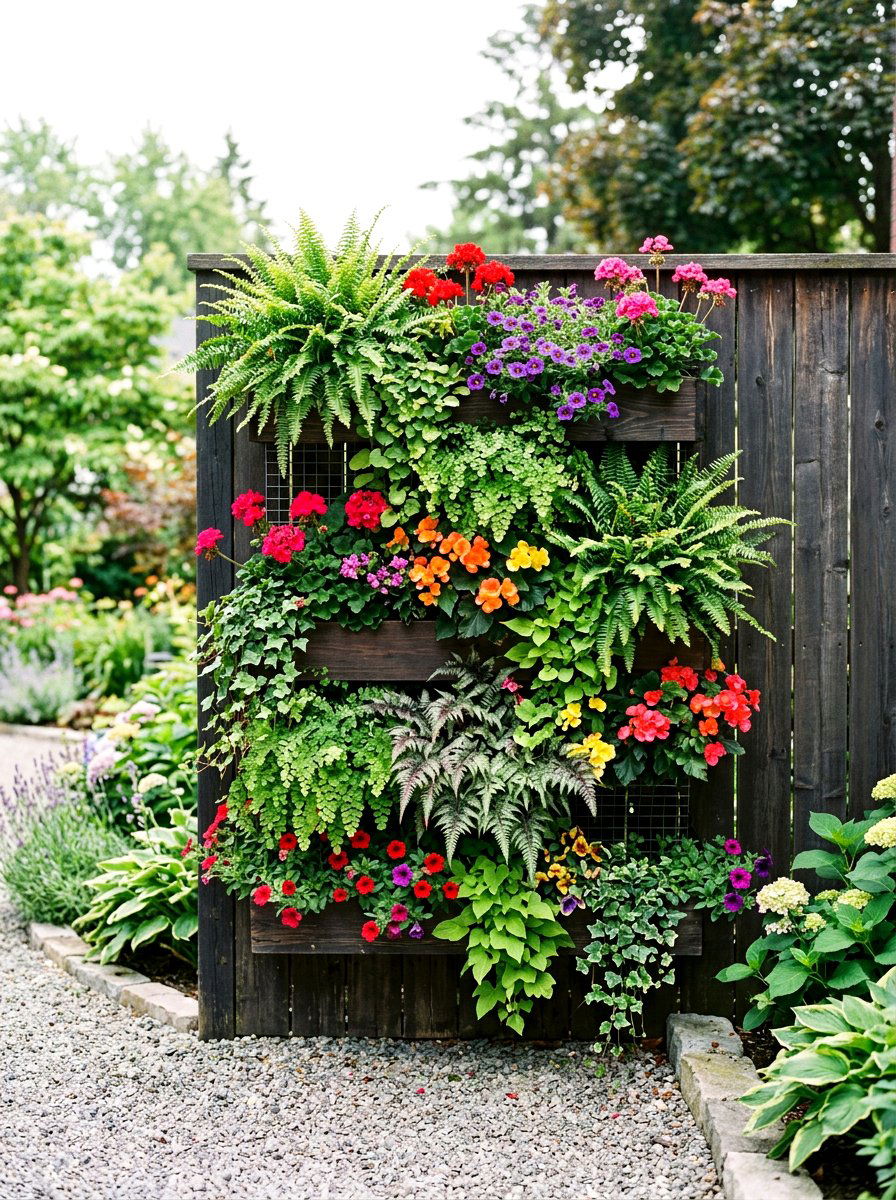
Are you working with a very small backyard or just a balcony? A vertical flower bed allows you to grow your favorite plants upward instead of outward. You can use wall-mounted planters, trellises, or stacked wooden crates to create this look. This design is perfect for trailing flowers like petunias or climbing vines like clematis. Vertical gardens take up very little floor space while adding a massive amount of greenery to your walls. They can also act as a living privacy screen between you and your neighbors. This modern approach to gardening is both functional and artistic, turning a plain wall into a lush floral masterpiece.
14. Mulched Flower Bed
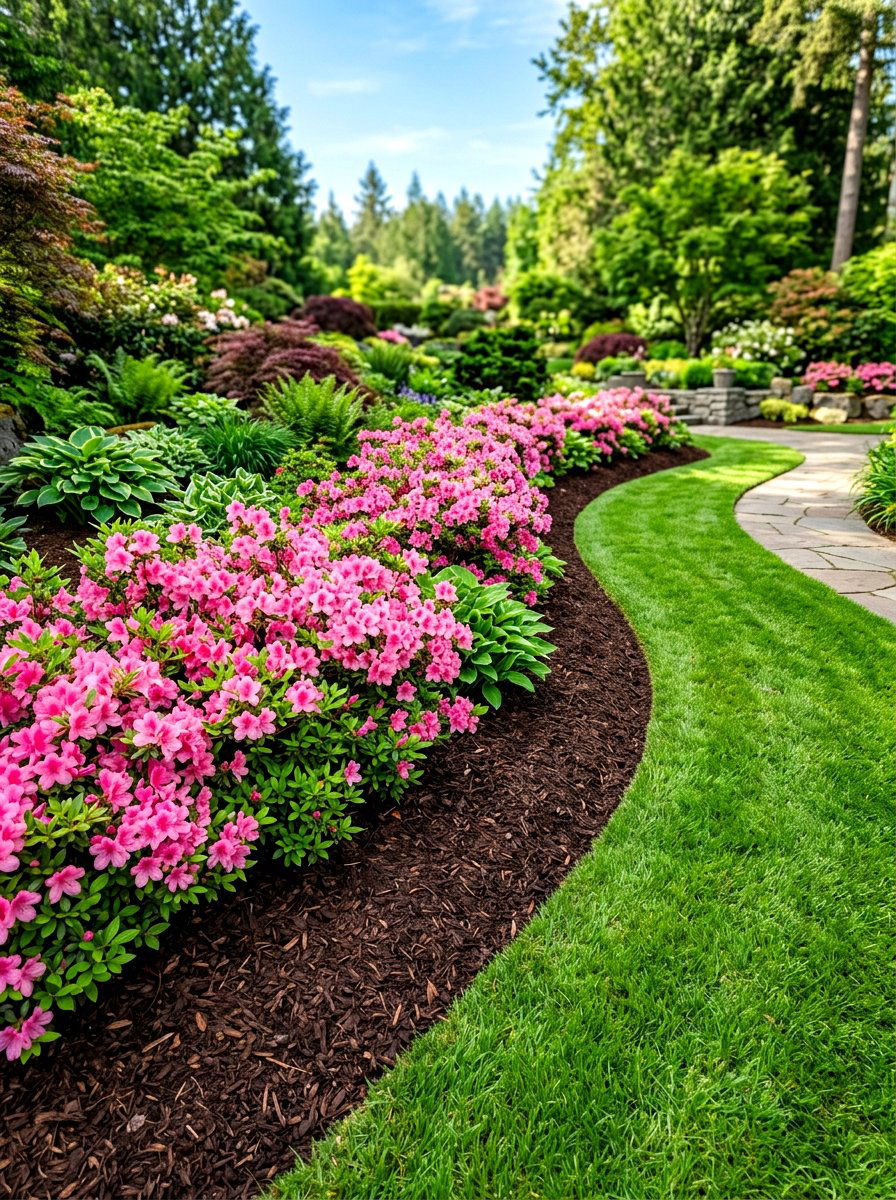
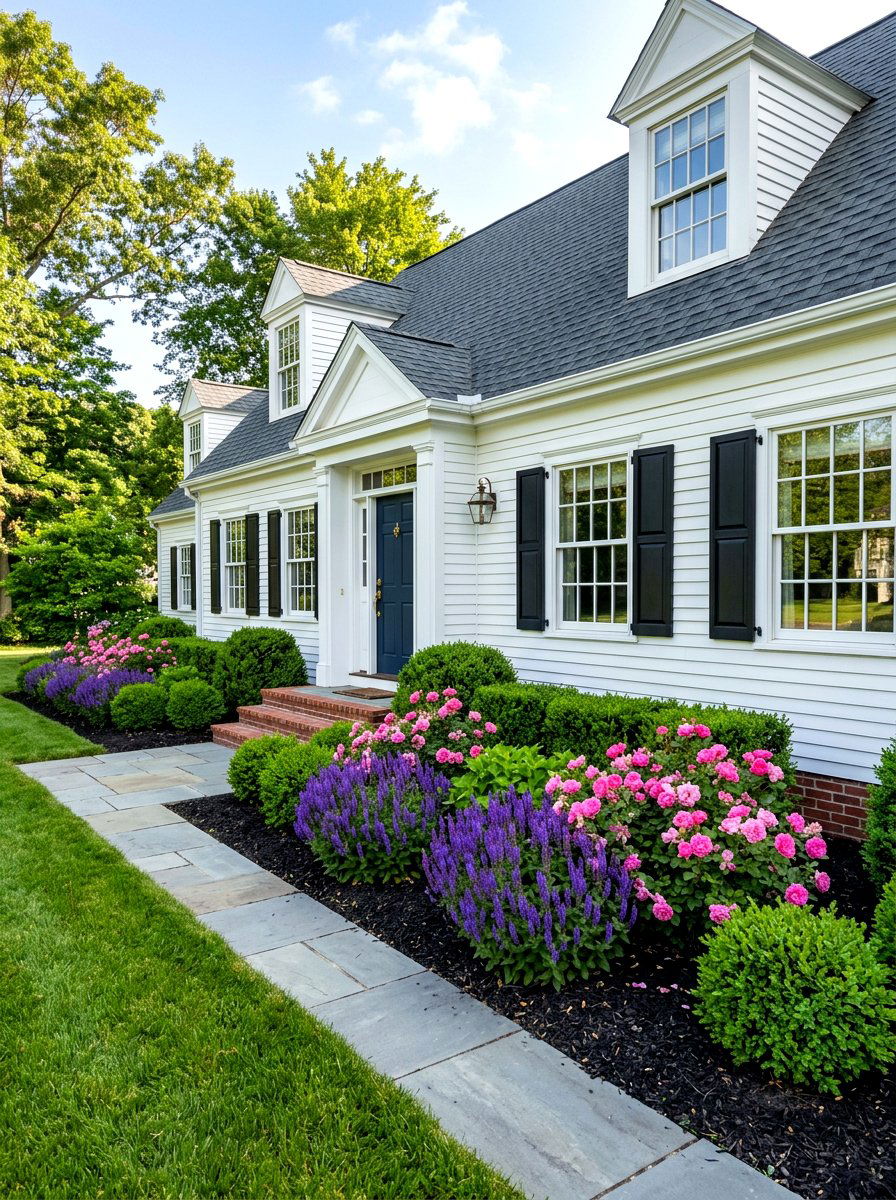
What is the secret to a professional and clean-looking garden? A mulched flower bed uses a thick layer of organic material to cover the soil around your plants. You can choose from dark brown bark, red cedar chips, or even black dyed mulch for a high-contrast look. Mulch serves several important purposes beyond just looking good. It helps the soil retain moisture, suppresses weed growth, and adds nutrients as it breaks down. A freshly mulched bed instantly makes your backyard look well-cared for and intentional. It provides a uniform background that makes the colors of your flowers pop. This is one of the easiest ways to upgrade your landscape.
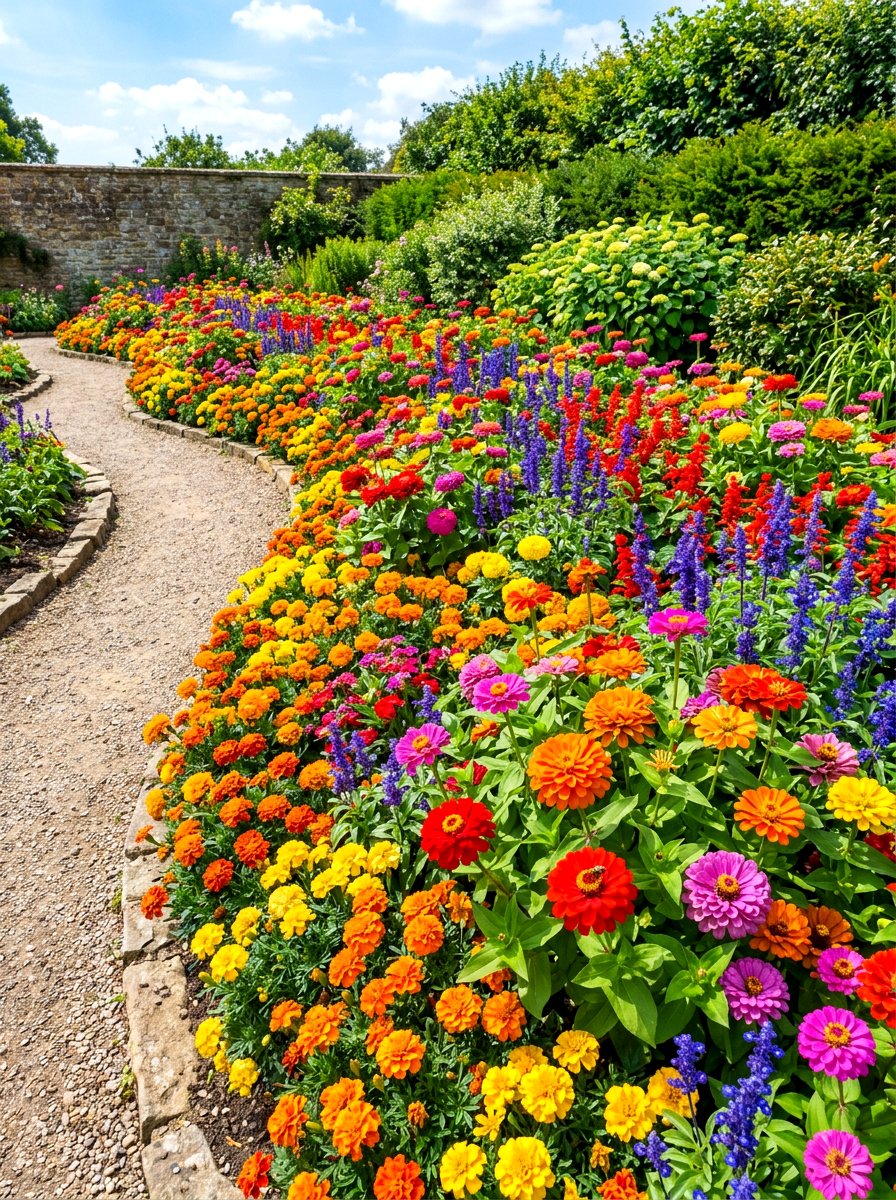
15. Annual Flower Bed
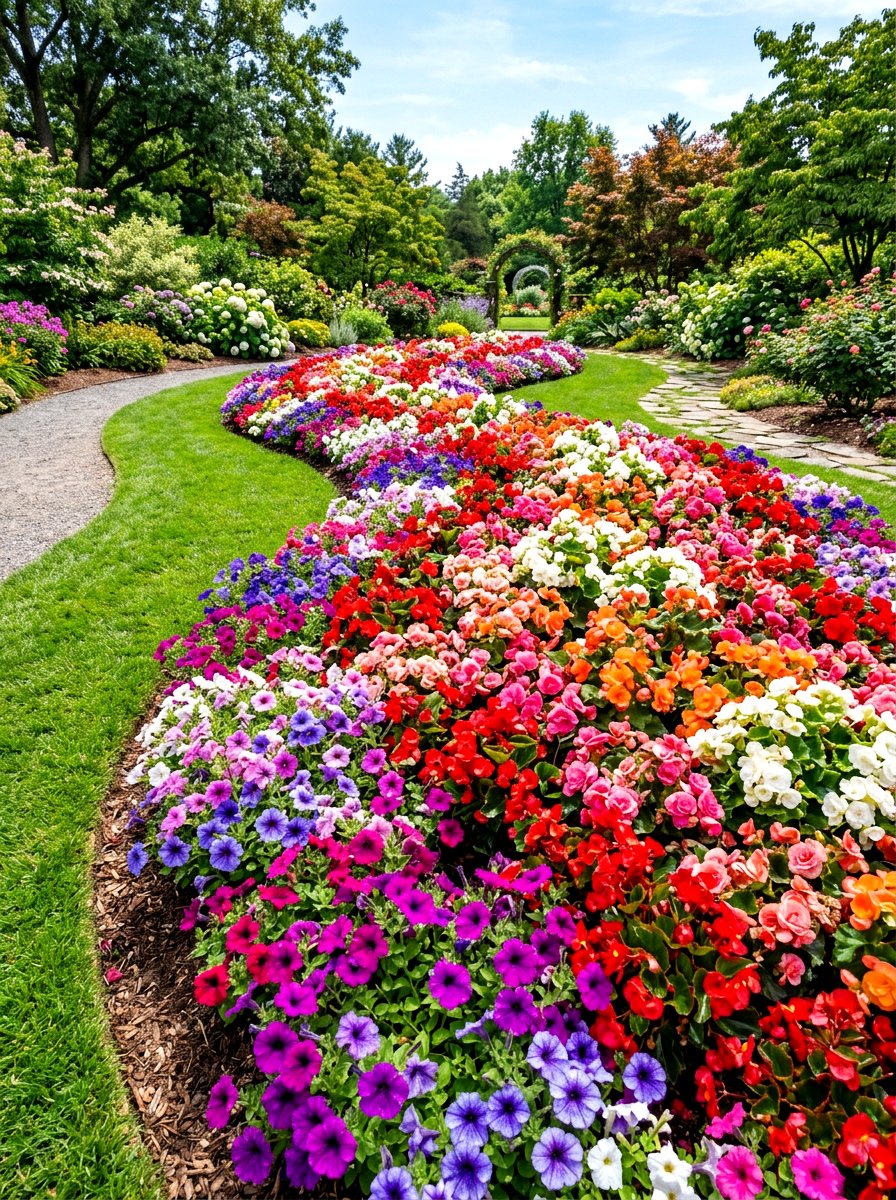
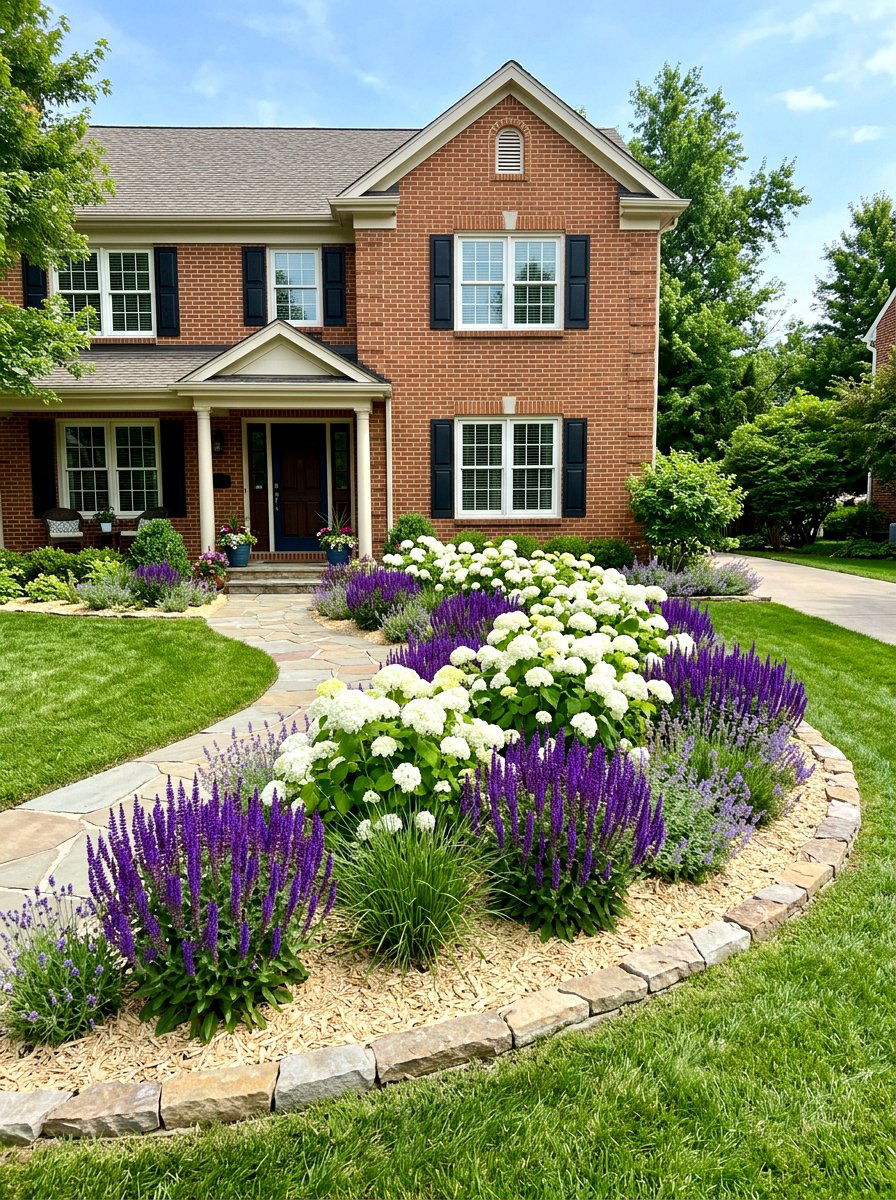
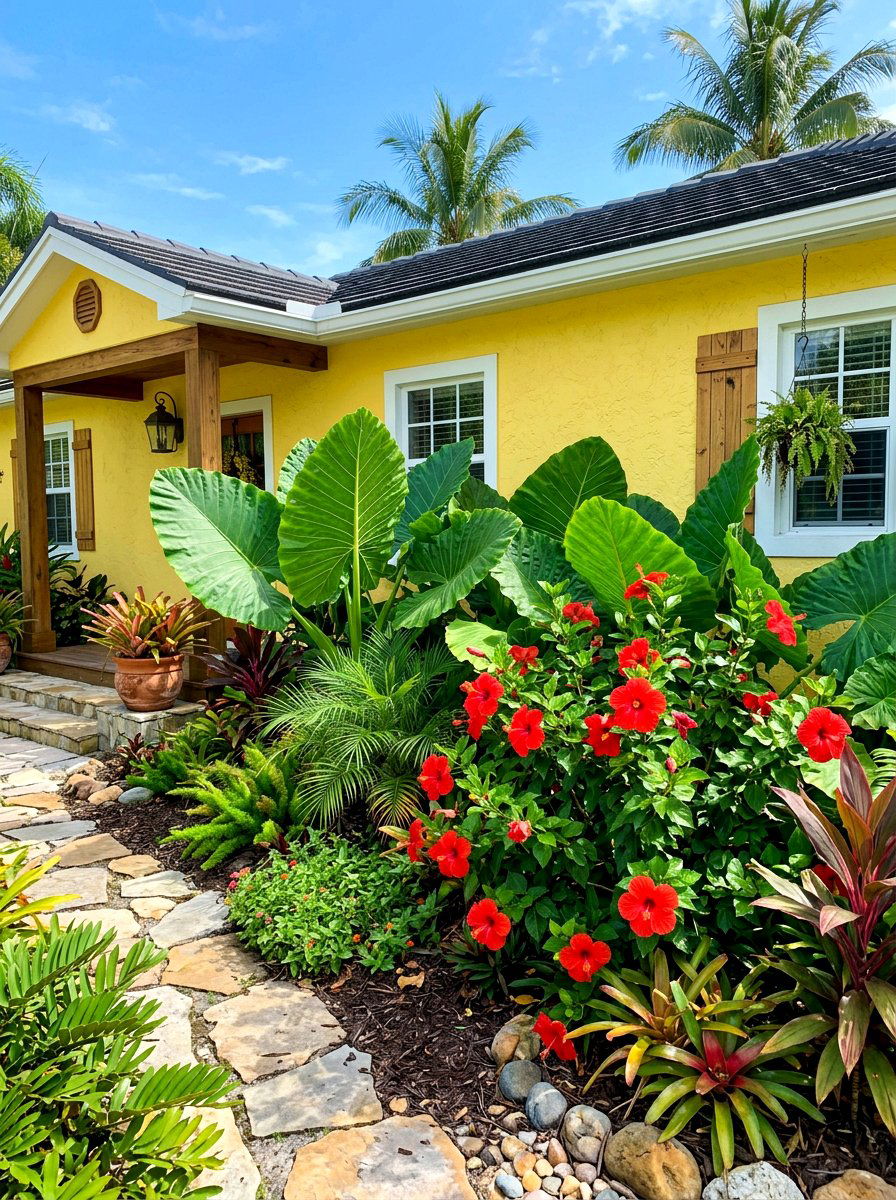
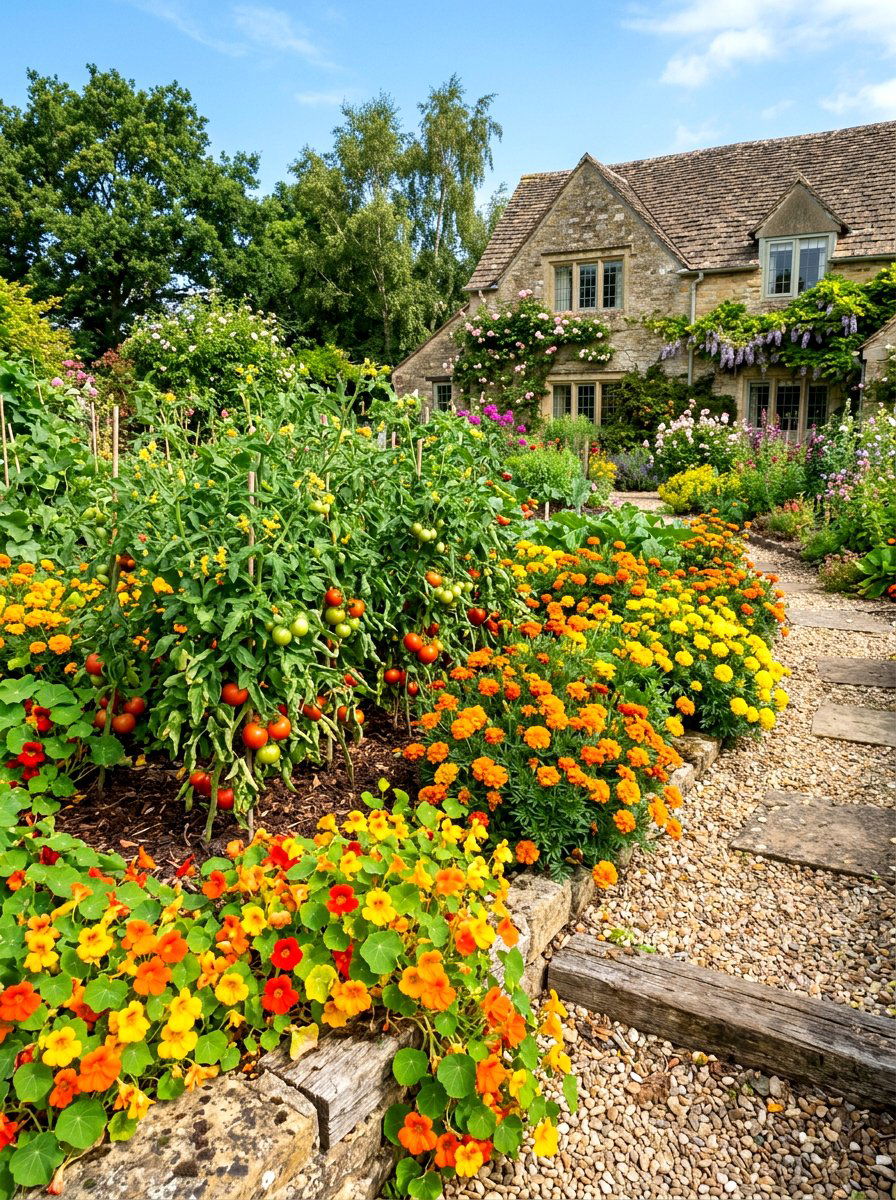
Do you like to change the look of your backyard every single year? An annual flower bed is filled with plants that complete their entire life cycle in one growing season. This allows you to experiment with different color schemes and flower varieties every spring. You can pack these beds with high-impact blooms like marigolds, begonias, and geraniums for instant color. Annuals are known for their long blooming periods, often providing flowers from spring until the first frost. This design is perfect for homeowners who enjoy the process of planting and want maximum visual impact. It ensures your backyard always feels fresh and exciting with new seasonal displays.
16. Modern Flower Bed
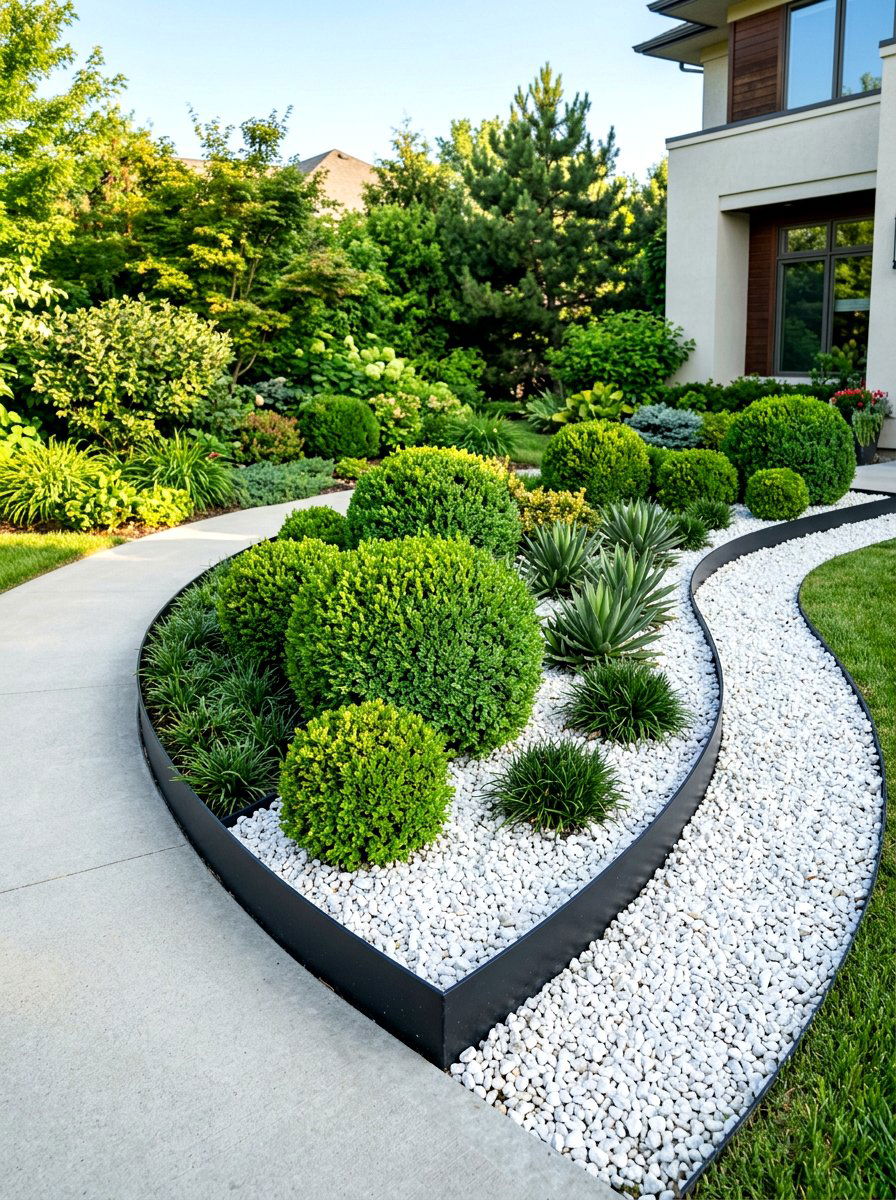
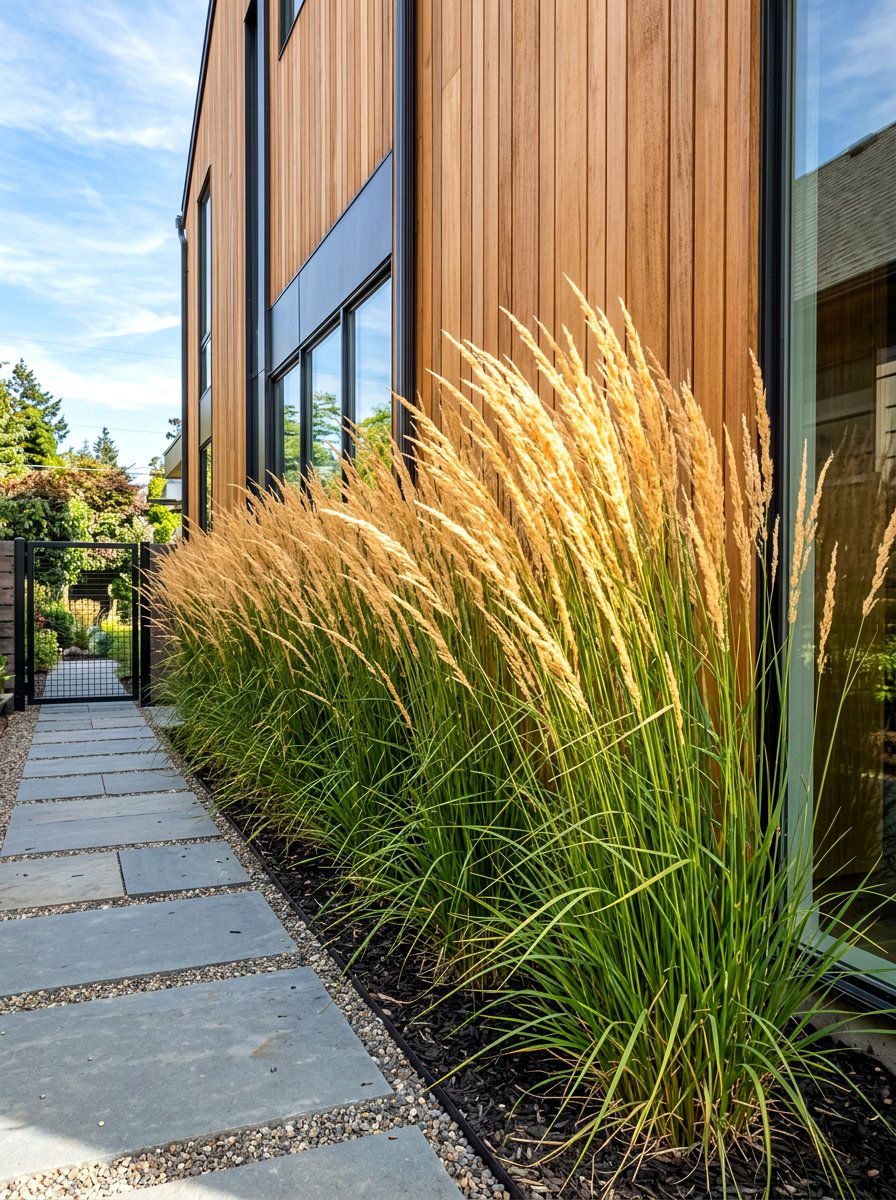
Are you a fan of clean lines and minimalist aesthetics? A modern flower bed focuses on simplicity, structure, and geometric shapes. You can use straight metal edging or smooth concrete borders to define the planting area. This style often uses a limited color palette and repeats certain plant species for a cohesive look. Ornamental grasses and structural plants like boxwood are popular choices for this design. The focus is on the architecture of the plants rather than a wild explosion of color. Modern beds look fantastic against contemporary homes and provide a sophisticated backdrop for outdoor entertaining. They are organized, tidy, and very visually striking.
17. Pollinator Flower Bed
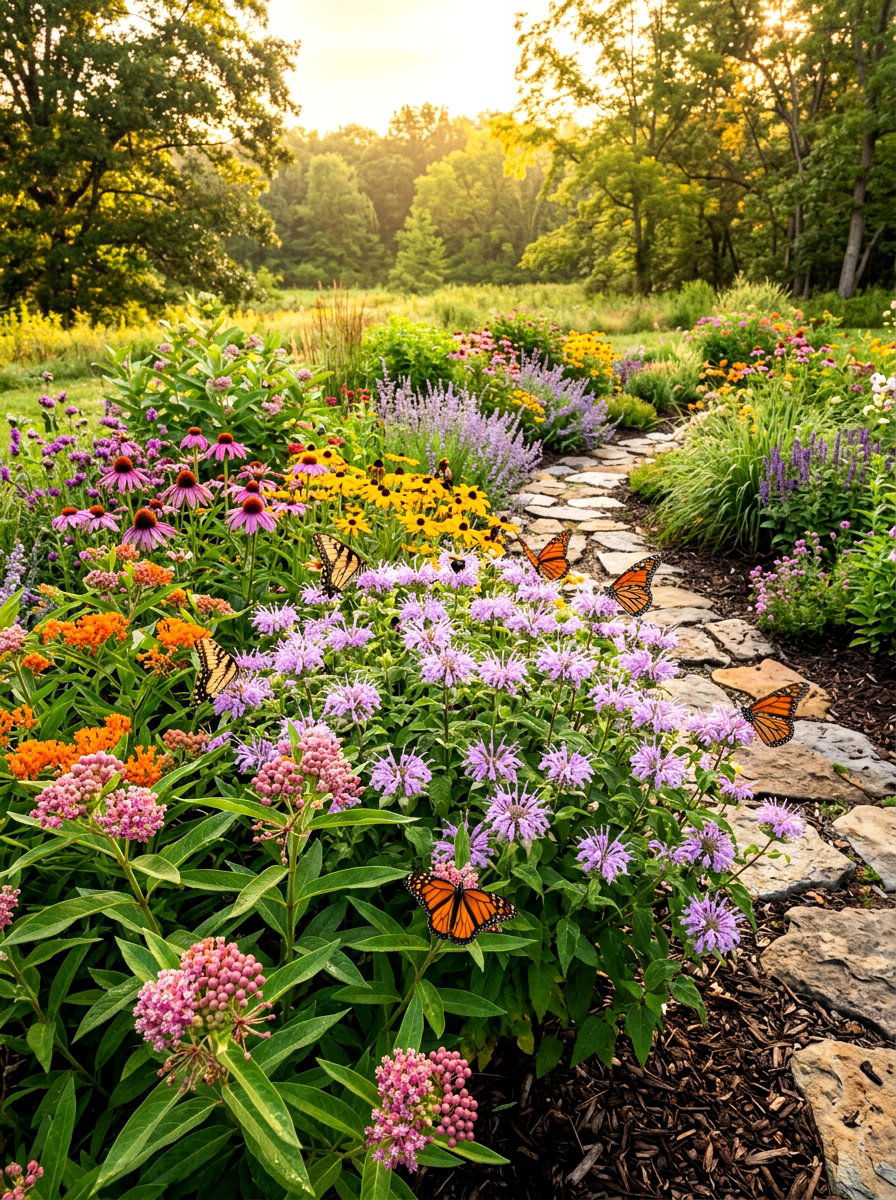
Would you like to help save the bees while beautifying your yard? A pollinator flower bed is specifically designed to attract and nourish beneficial insects. You should include a variety of nectar-rich flowers like milkweed, bee balm, and purple coneflowers. This bed should offer blooms from early spring through late fall to provide a consistent food source. Avoid using harsh chemicals in this area to keep the environment safe for your winged visitors. Watching butterflies and hummingbirds frequent your backyard adds a wonderful layer of life and movement to the space. It is a purposeful garden design that makes a positive impact on the local environment.
18. Fence Line Flower Bed
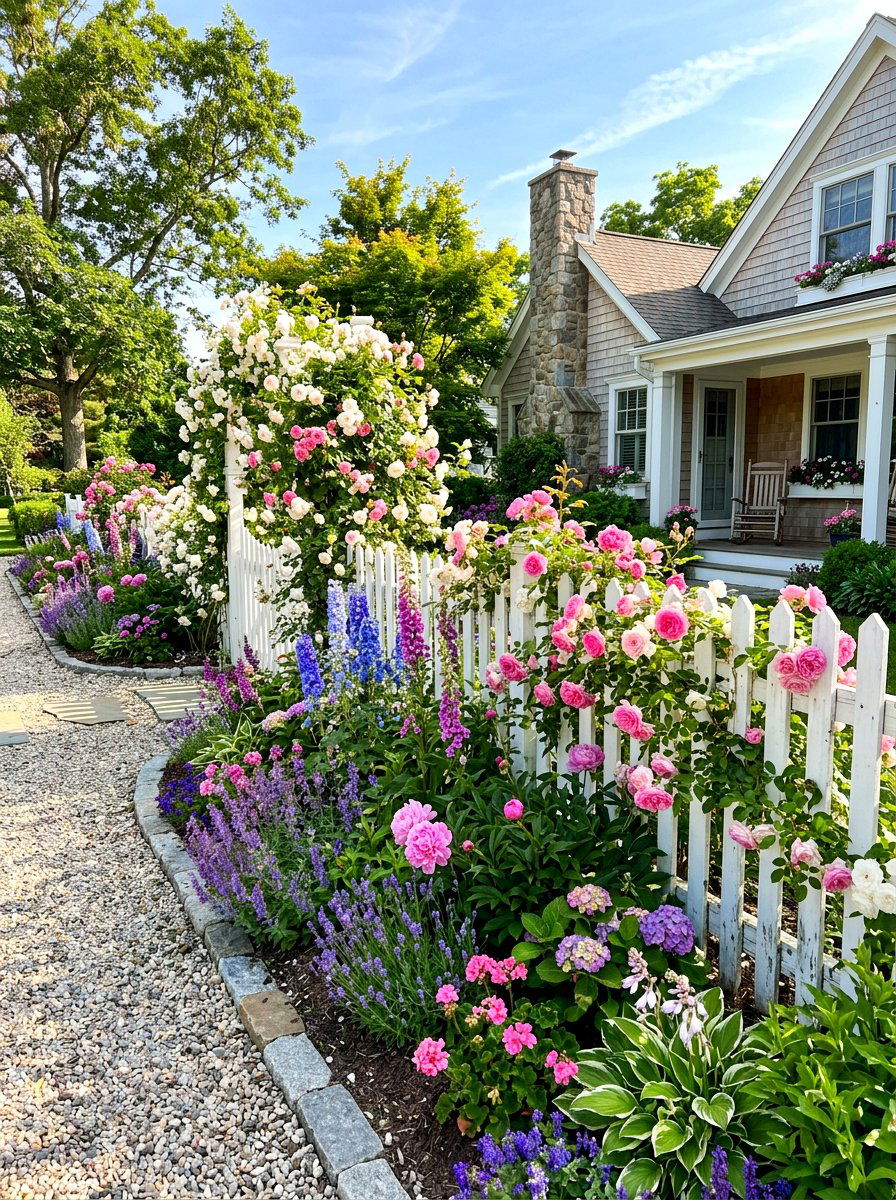
How can you make a standard wooden fence look more attractive? A fence line flower bed runs along the perimeter of your yard, softening the boundary between properties. You can plant tall shrubs or climbing roses against the fence to add height and privacy. Lower flowers can be placed in the front to create a layered and lush border. This design makes your backyard feel more like an outdoor room rather than just a fenced-in plot. It also helps to hide any imperfections in the fence and reduces the amount of lawn you have to mow. A well-planted fence line creates a beautiful frame for your entire property.
19. Tree Ring Flower Bed
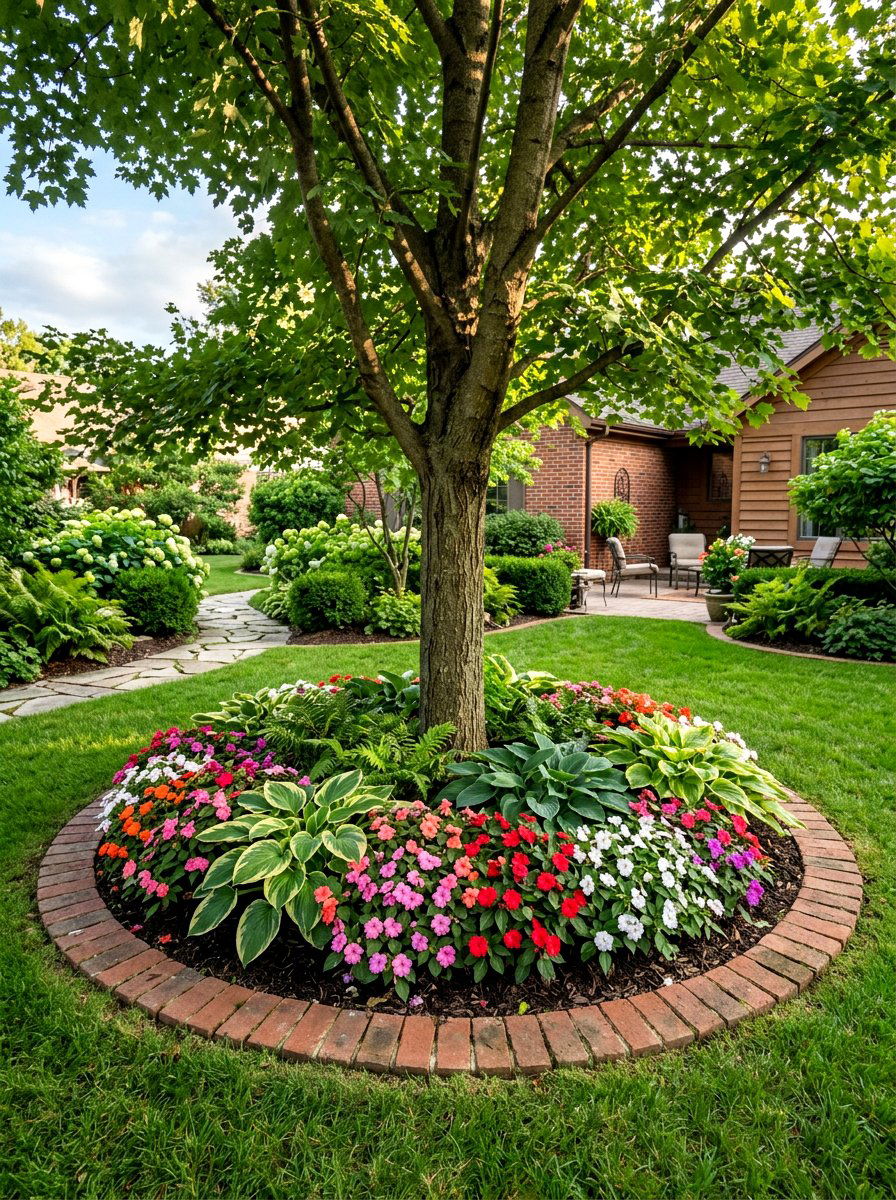
Do you have a large tree that feels a bit disconnected from the rest of your landscaping? A tree ring flower bed is a circular planting area created around the base of a trunk. You can use stones or bricks to form a neat circle and fill the interior with shade-tolerant plants. This design protects the tree roots from mower damage while adding a decorative touch to the lawn. Hostas and impatiens are excellent choices for the cooler soil found under a canopy. Be careful not to pile soil too high against the trunk to keep the tree healthy. It turns a functional part of the yard into a beautiful focal point.
20. Brick Border Flower Bed
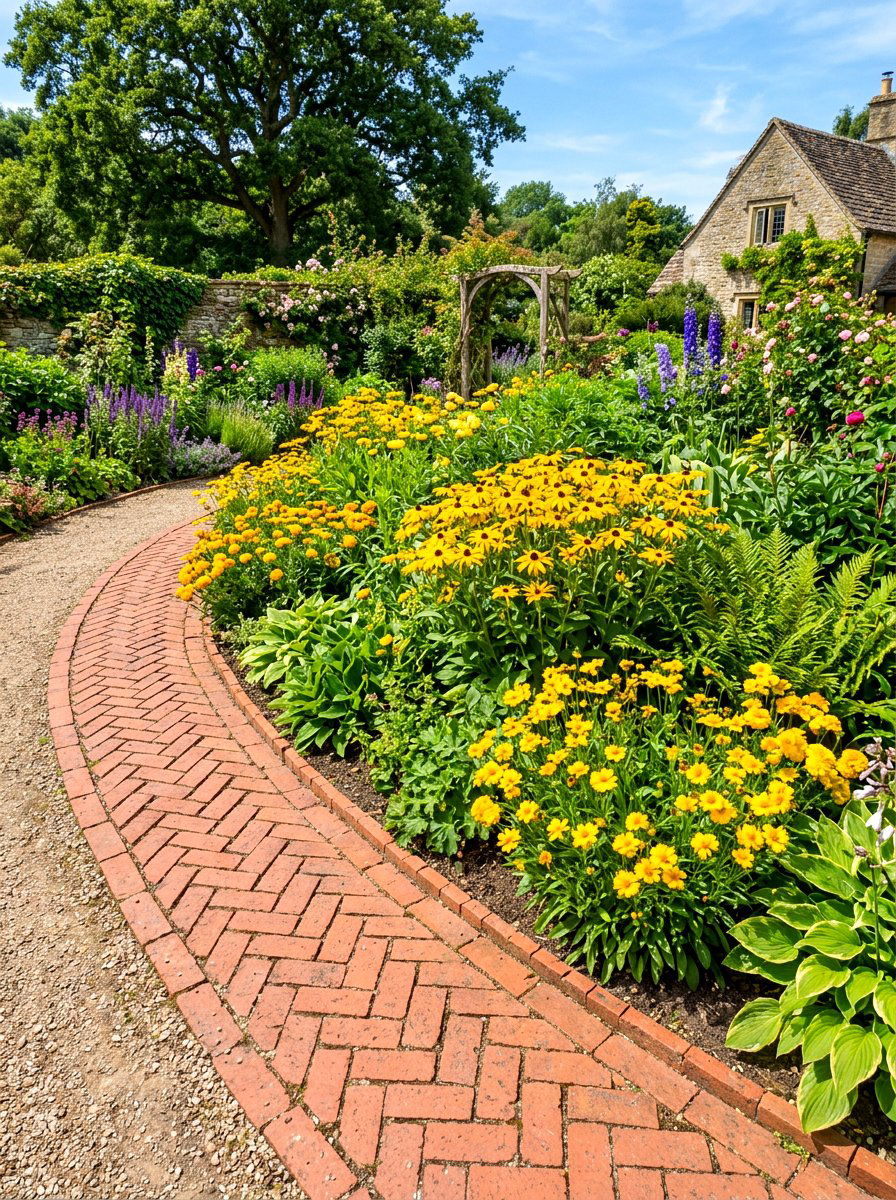
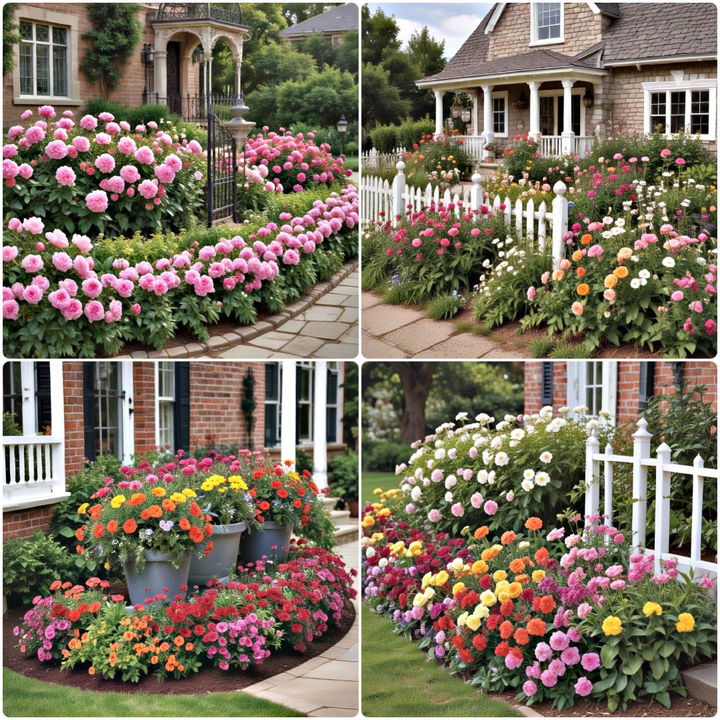
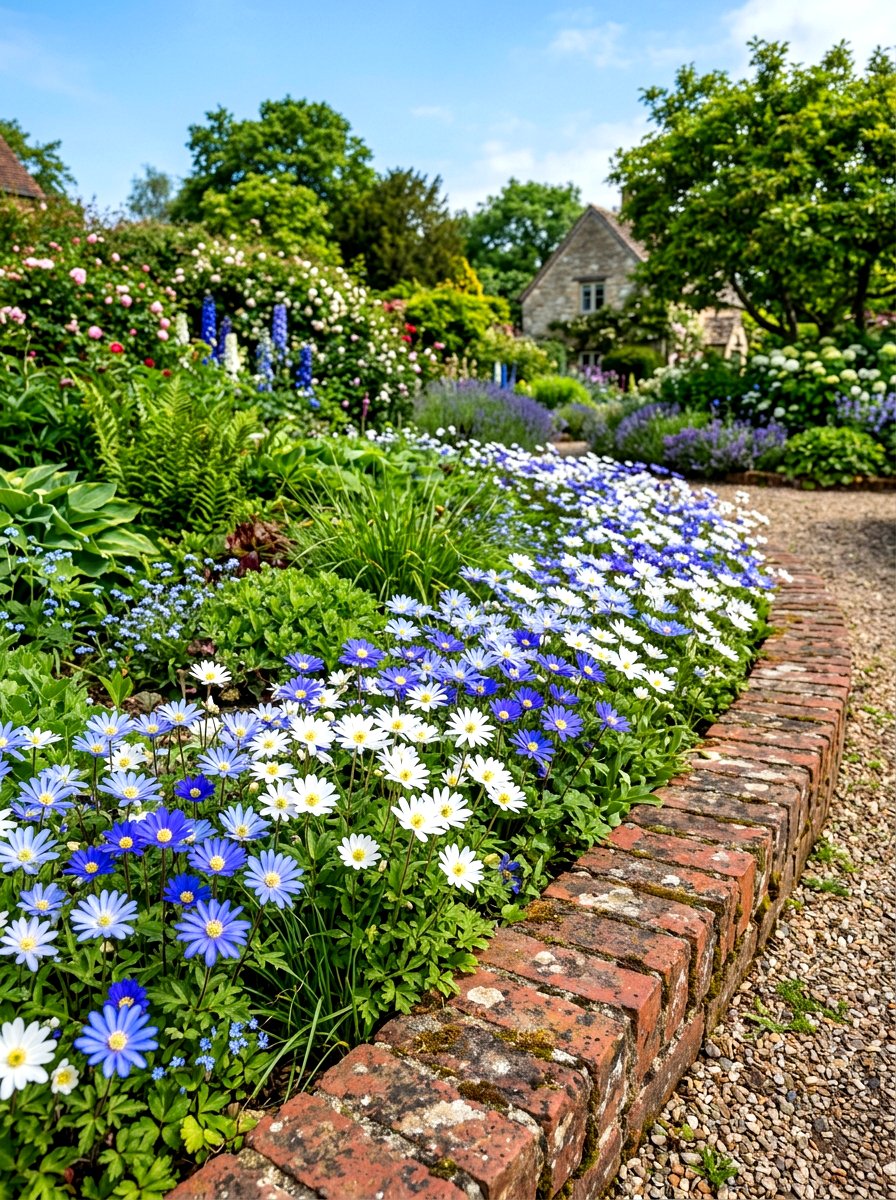
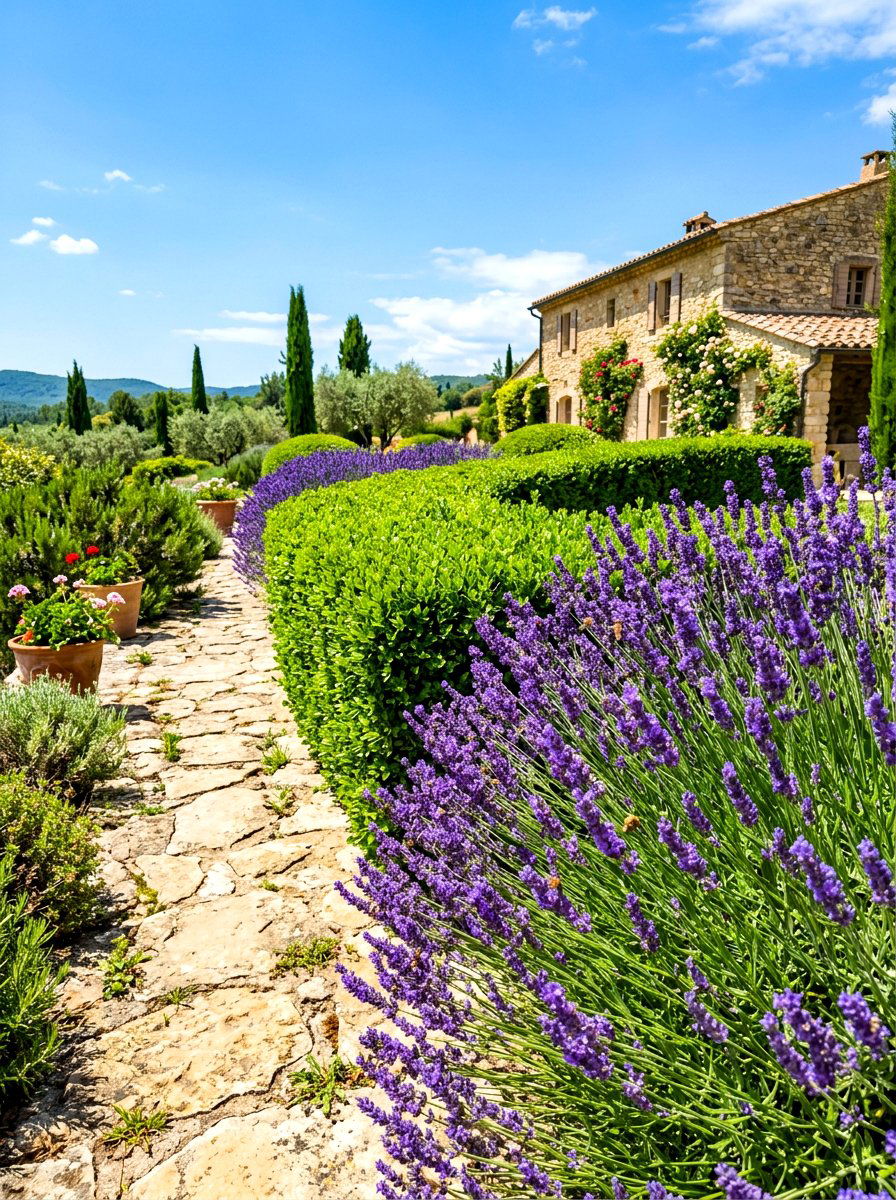
Are you looking for a classic and traditional way to edge your gardens? A brick border flower bed uses standard clay bricks to create a permanent and sturdy boundary. You can lay the bricks flat, upright, or even at an angle for a "sawtooth" effect. Brick borders offer a timeless look that pairs beautifully with historic homes or traditional architecture. They are very effective at keeping grass out and preventing mulch from washing onto your walkways. Because bricks are heavy and durable, they will stay in place for many years with minimal shifting. This design adds a sense of permanence and high-quality craftsmanship to your backyard landscaping.
21. Fragrant Flower Bed
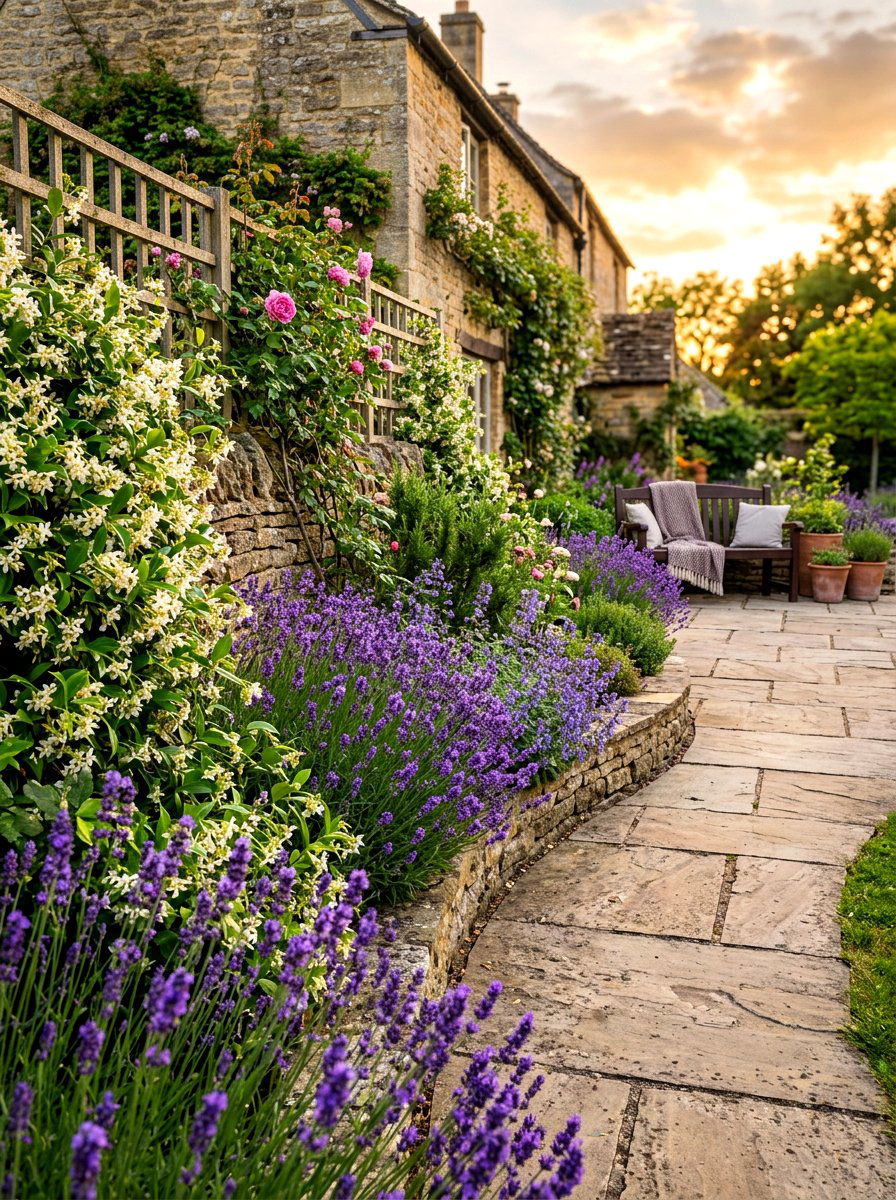
What if your garden could smell as good as it looks? A fragrant flower bed is designed with plants chosen specifically for their wonderful scents. You can include jasmine, gardenias, lilacs, and fragrant roses near your patio or seating areas. This creates an immersive sensory experience every time you step outside or open a window. Many of these flowers release their scent in the evening, making your backyard a magical place for nighttime relaxation. Including herbs like lavender and mint can add even more depth to the aroma. A scented garden turns a simple backyard into a luxurious and therapeutic retreat that delights all the senses.
22. Tropical Flower Bed
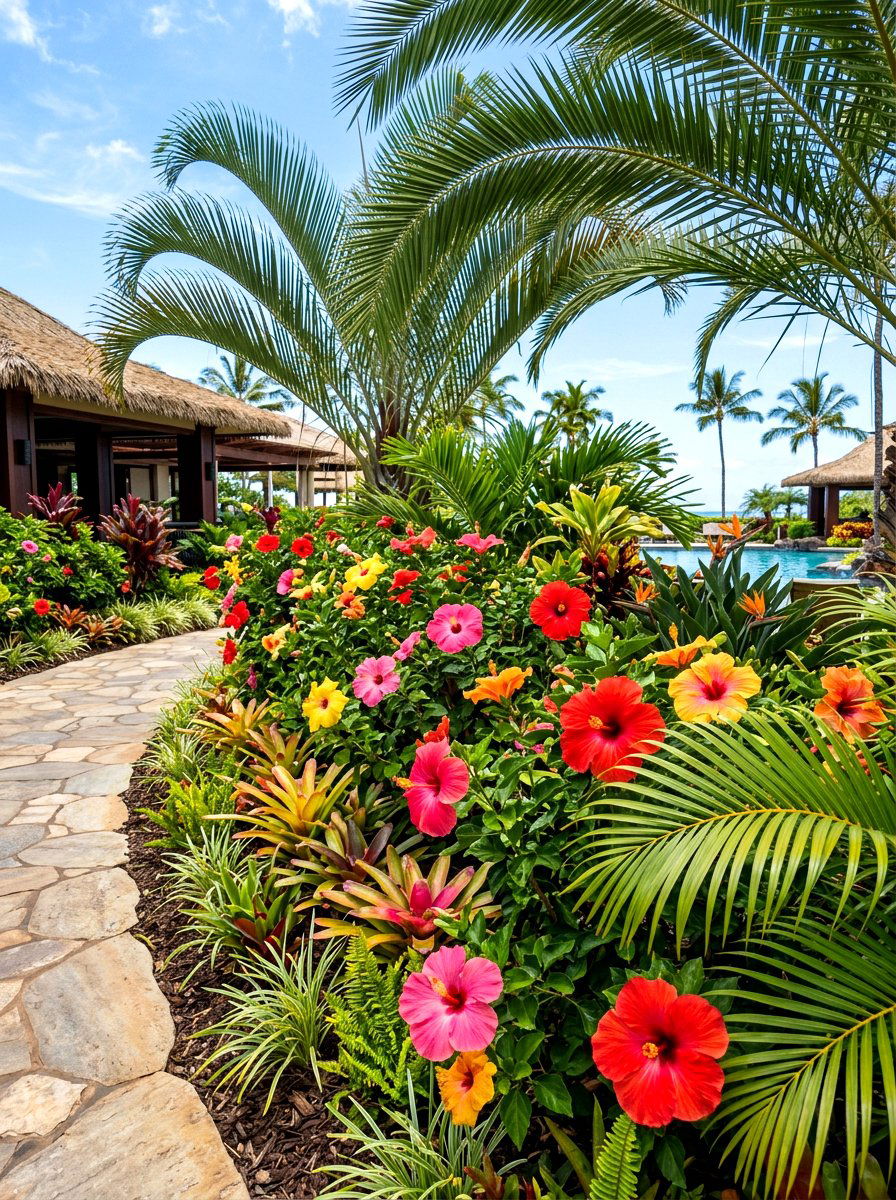
Do you want to feel like you are on vacation every time you step outside? A tropical flower bed uses bold colors and oversized foliage to create an exotic atmosphere. You can plant hibiscus, canna lilies, and bird of paradise to bring a lush island feel to your backyard. Using large-leafed plants like elephant ears adds drama and a sense of luxury. This style often incorporates bright oranges, deep reds, and vibrant yellows. Even if you live in a cooler climate, you can use potted tropicals or treat them as annuals. This design is perfect for poolside areas or near a tiki hut where you want a high-energy, fun vibe.
23. Wildflower Bed
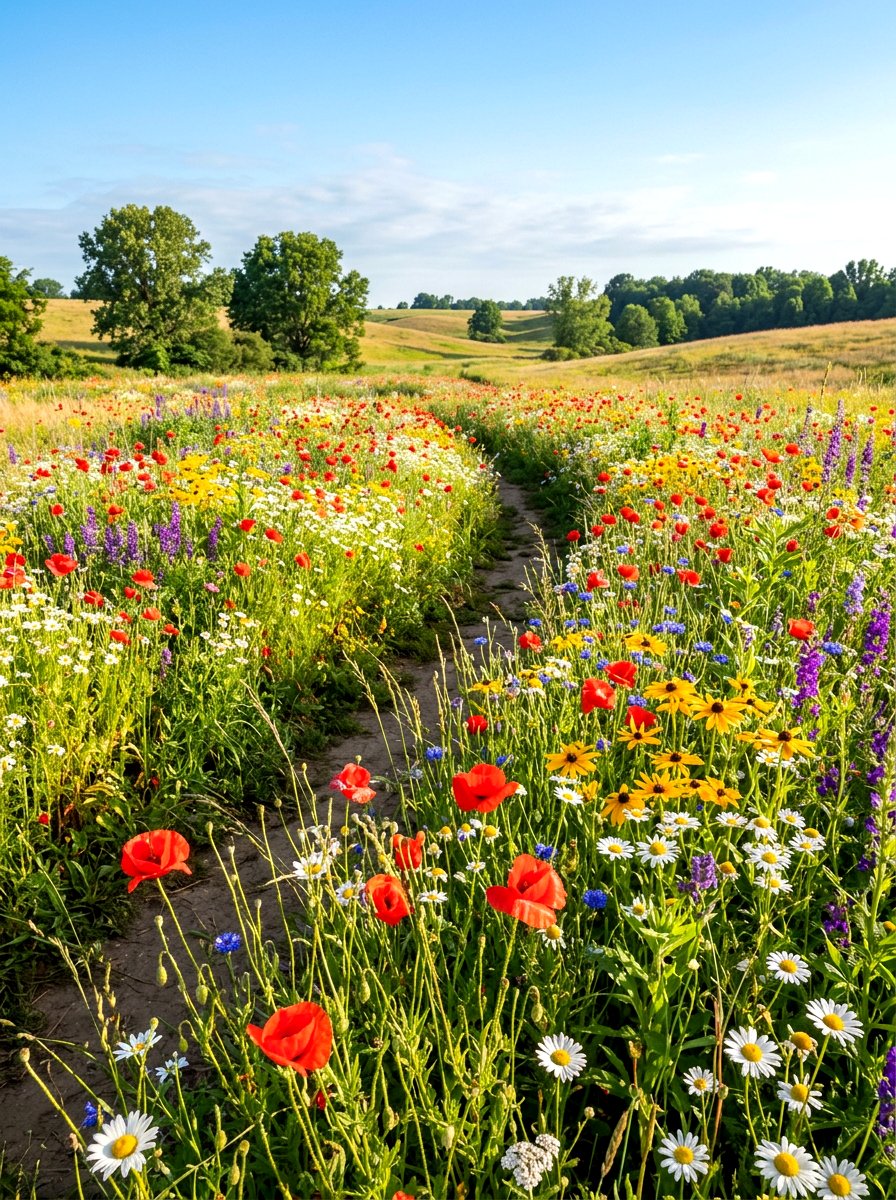
Are you looking for the ultimate low-maintenance and natural garden style? A wildflower bed involves sowing a mix of native seeds and letting them grow into a colorful meadow. This approach requires very little water or fertilizer once the seeds have germinated. Wildflower beds are incredibly charming and provide a constantly changing display as different species bloom. They are excellent for filling large, open areas of a backyard that are difficult to mow. This style is also one of the best ways to support local biodiversity and provide habitat for wildlife. It creates a relaxed and rustic feeling that celebrates the simple beauty of nature without the need for strict structure.
24. White Flower Bed
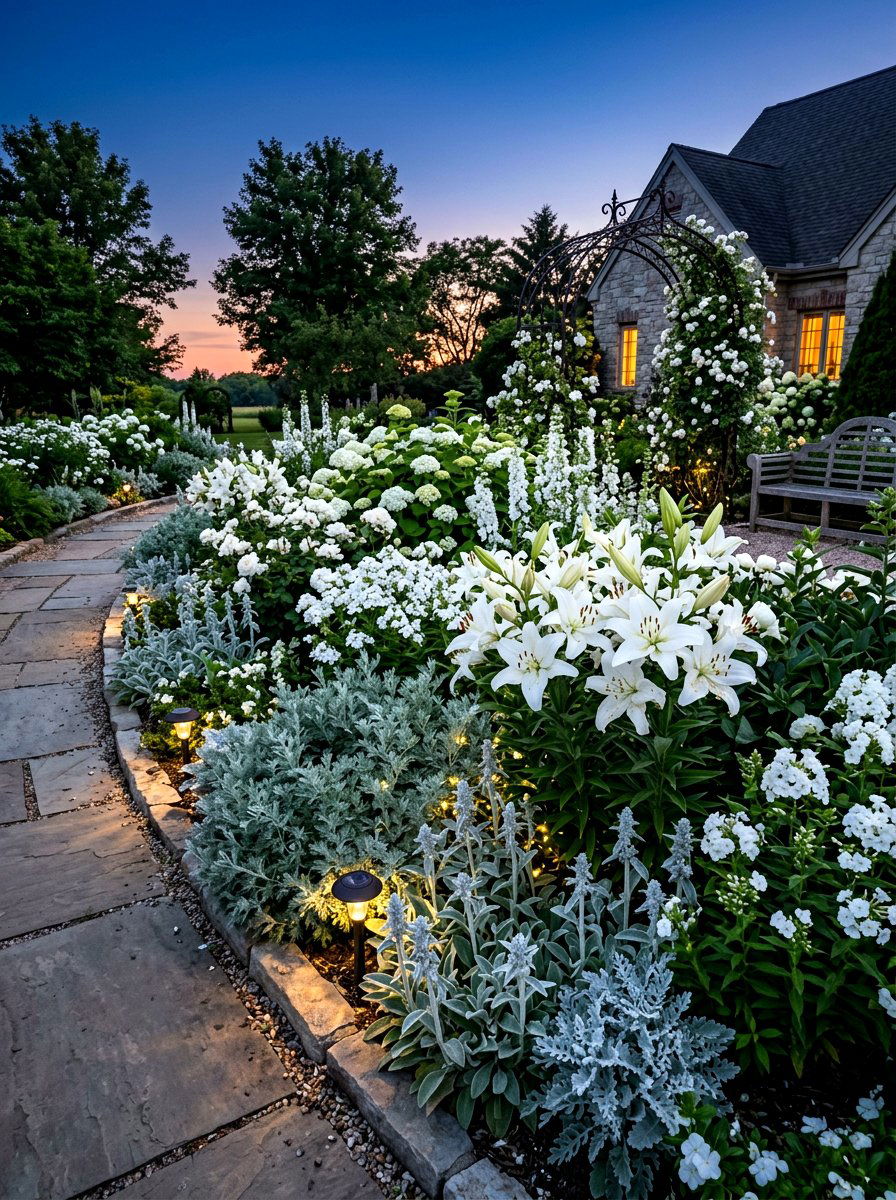
Have you ever heard of a "moon garden" that glows at night? A white flower bed uses only white blooms and silver foliage to create a luminous and elegant look. White flowers reflect the moonlight, making the garden visible and beautiful even after the sun goes down. Popular choices include white lilies, hydrangeas, and silver dusty miller. This monochrome approach is very sophisticated and creates a calm, peaceful atmosphere in the backyard. It is especially effective if you enjoy spending time outdoors in the evening. The lack of varied colors allows you to focus more on the textures and shapes of the different petals and leaves.
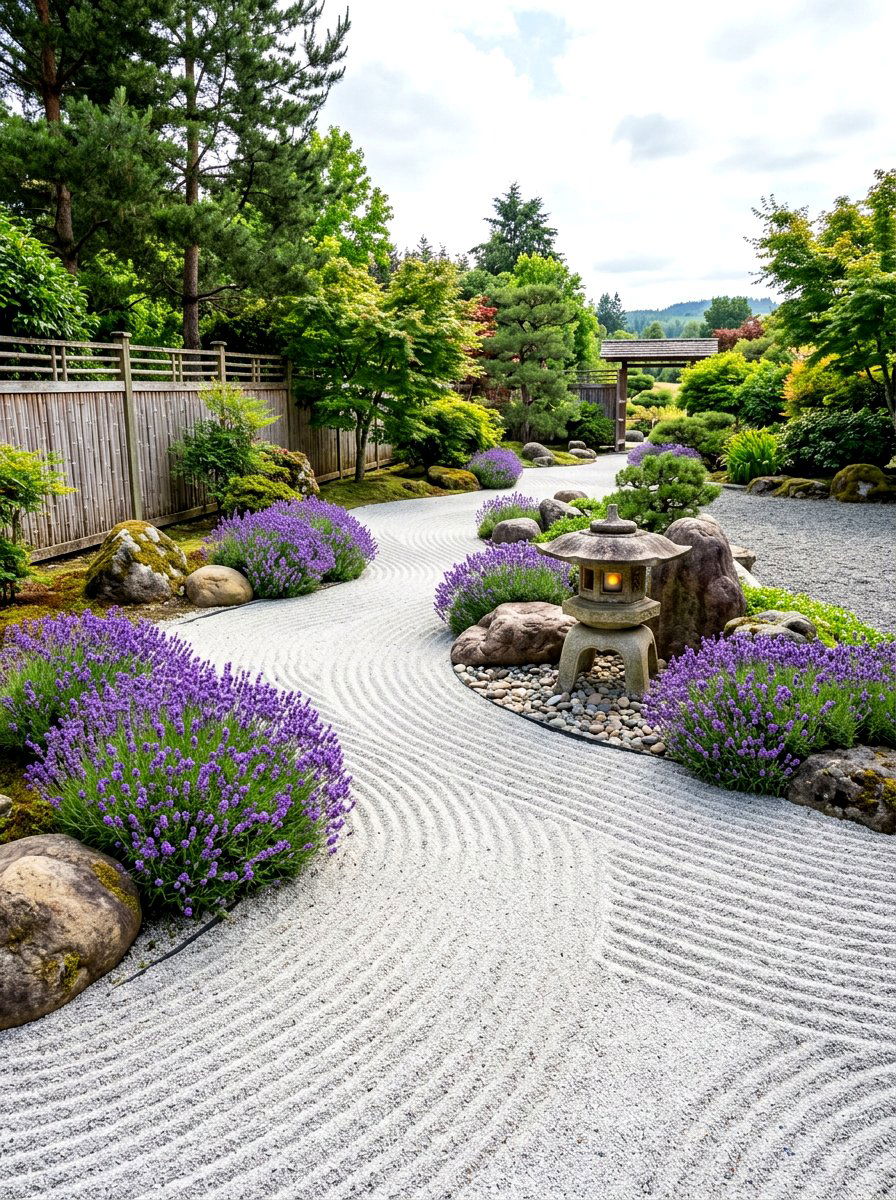
25. Small Backyard Flower Bed
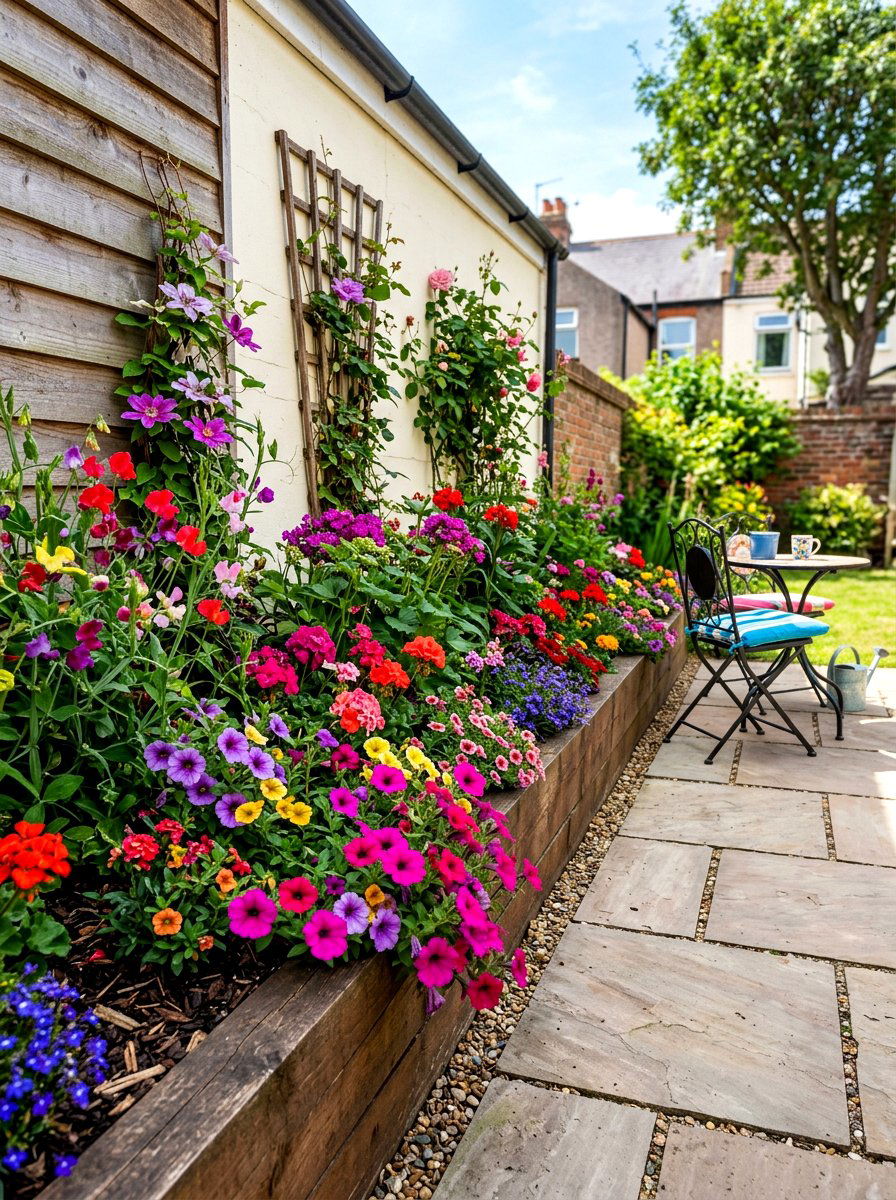
Are you worried that your tiny yard doesn't have enough room for a garden? A small backyard flower bed focuses on scale and clever use of space to add greenery without overcrowding. You can use narrow raised beds along a wall or small clusters of pots on a patio. Choosing plants that grow vertically rather than spreading horizontally helps maximize the available area. Using a consistent color palette can also make a small space feel more open and less cluttered. Even a few well-placed plants can make a massive difference in how your outdoor area feels. This design proves that you do not need a large estate to enjoy a beautiful garden.
26. Paver Flower Bed
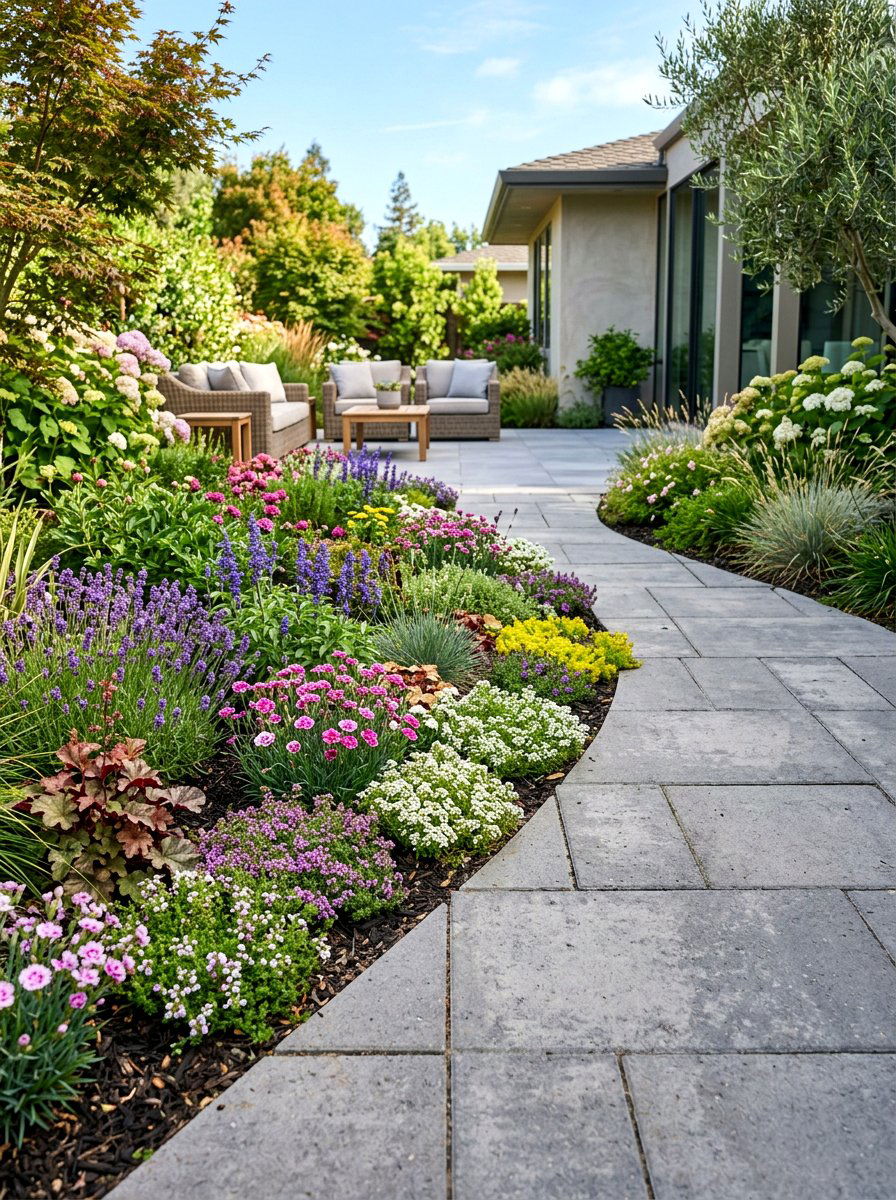
How can you integrate your patio and your garden more seamlessly? A paver flower bed is built directly into or around a paved area using the same materials as your walkway. This creates a very intentional and professional look that ties the hardscape and landscape together. You can leave small openings in your patio for "pocket plantings" or create raised planters with matching stones. This design is excellent for creating a clean and modern backyard that is easy to navigate. It allows you to have flowers right next to your outdoor dining table or seating area. The combination of hard stone and soft flowers is always visually appealing and very durable.
27. Rustic Wood Flower Bed
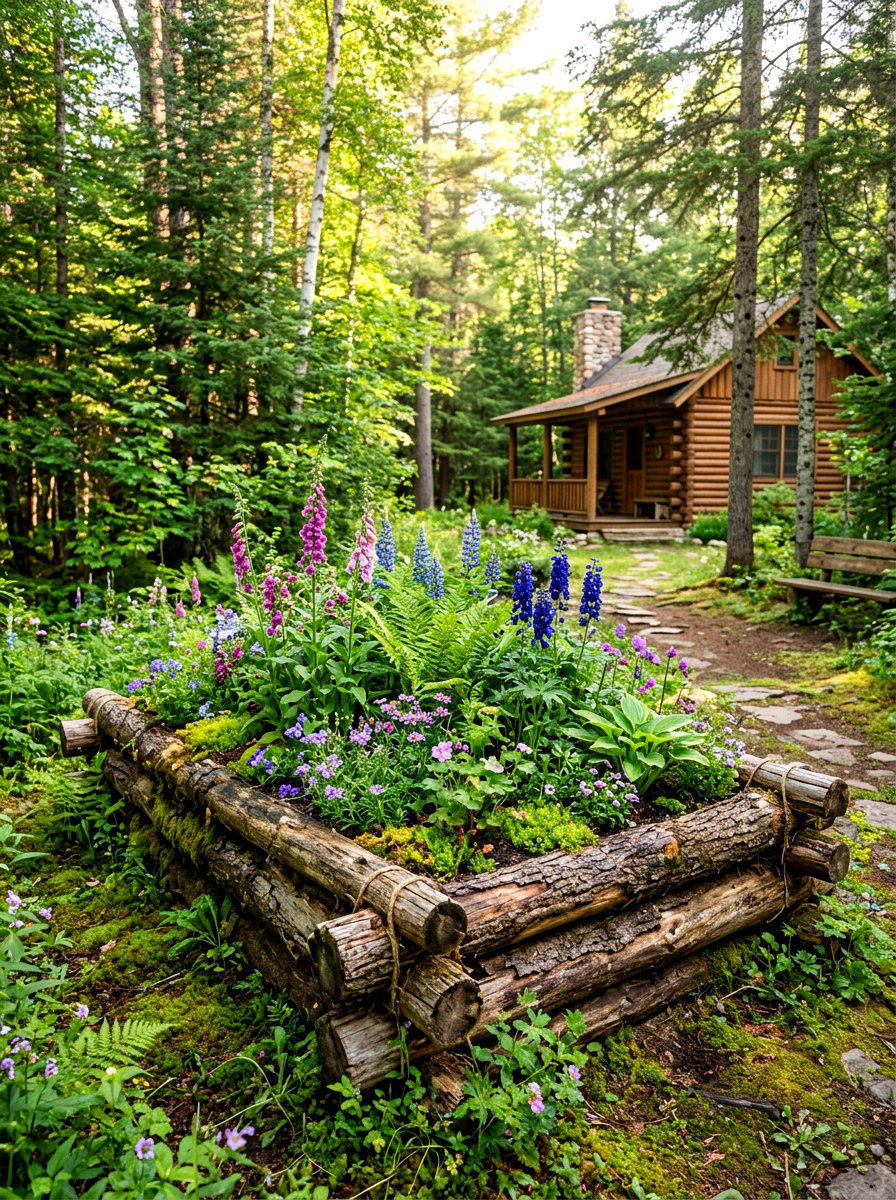
Do you want a garden that feels rugged and connected to the forest? A rustic wood flower bed uses natural logs, reclaimed timber, or even driftwood to frame your plants. This style is perfect for woodland backyards or homes with a cabin aesthetic. The wood will naturally weather over time, developing a beautiful gray patina that blends in with the environment. You can hollow out old logs to use as natural planters or stack timbers for a more structured look. This approach is often more affordable than using stone or brick. It provides a warm and organic feel that makes your garden look like it has been there for decades.
28. Sloped Flower Bed
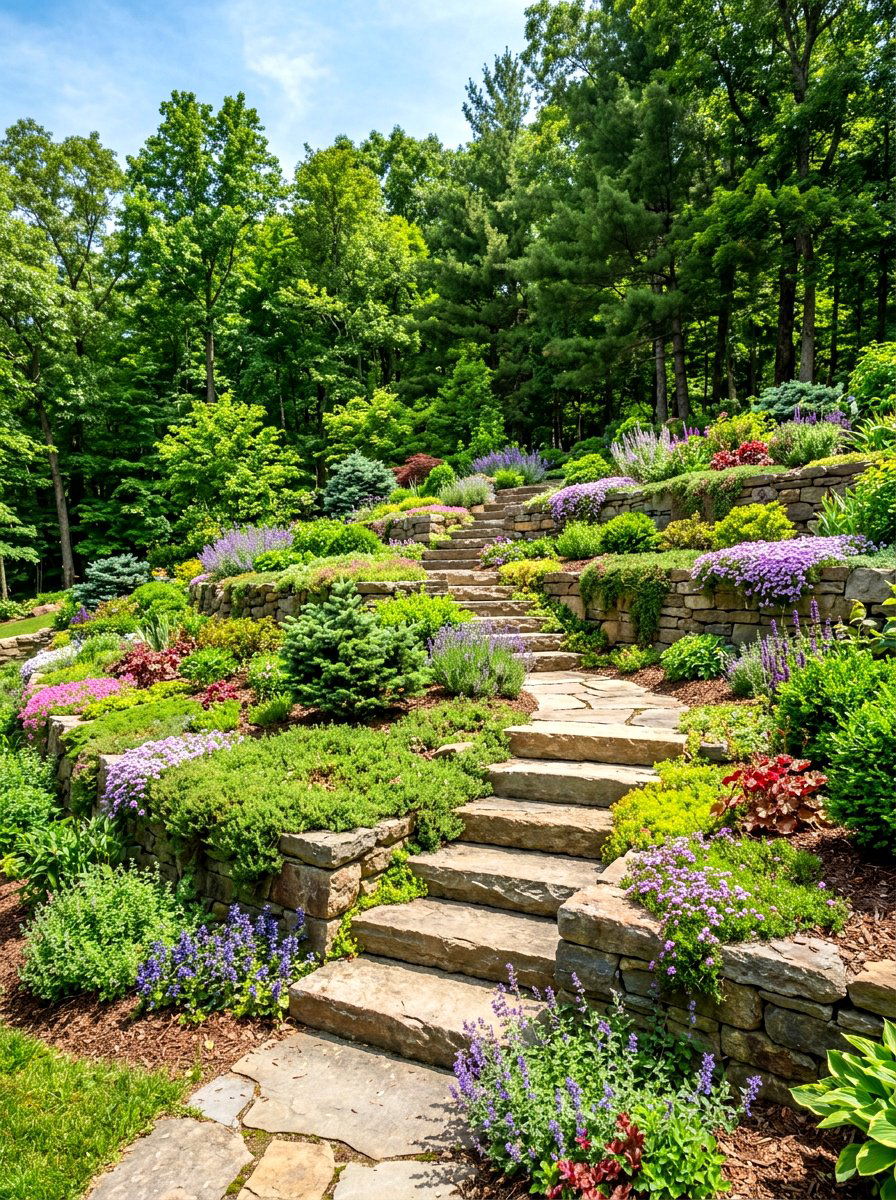
What is the best way to handle a backyard that isn't level? A sloped flower bed uses terracing or deep-rooted plants to manage the incline of your land. You can build small retaining walls to create flat planting pockets, which makes gardening much easier. For steeper slopes, groundcover plants and creeping junipers are excellent for holding the soil in place. This design prevents runoff and erosion while turning a difficult landscape feature into a beautiful asset. Adding a few large rocks can help anchor the soil and provide visual interest. A well-designed slope can become a cascading wall of flowers that looks absolutely stunning from a distance.
29. Privacy Flower Bed
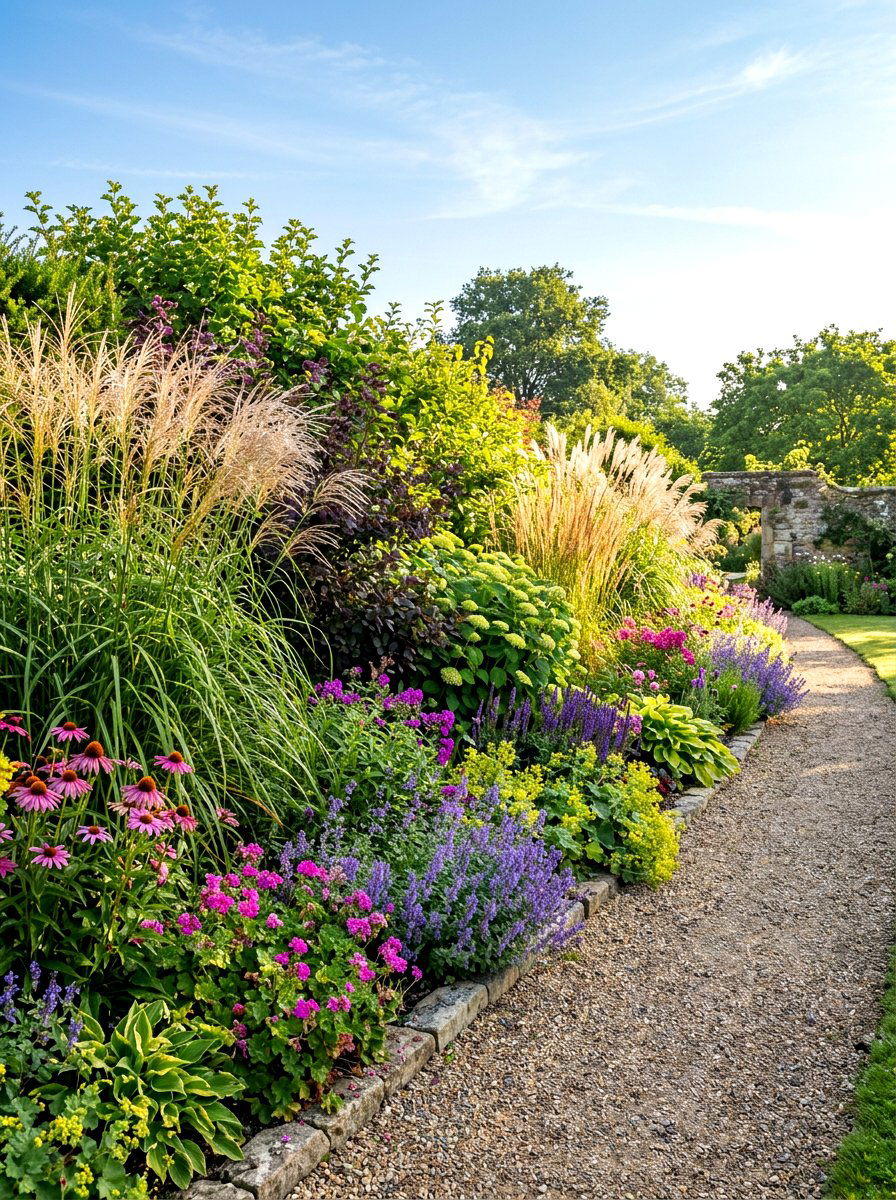
Are you looking for a way to block the view of your neighbors without building a tall wall? A privacy flower bed uses layers of tall plants and shrubs to create a living screen. You can use upright evergreens, tall ornamental grasses, or dense flowering bushes like lilacs. By planting these in a wide bed, you create a thick barrier that also absorbs noise and wind. This approach feels much softer and more welcoming than a standard wooden fence. It provides a private sanctuary in your backyard where you can relax in peace. Choosing a mix of heights and colors ensures your privacy screen is beautiful throughout every season.
30. Retaining Wall Flower Bed
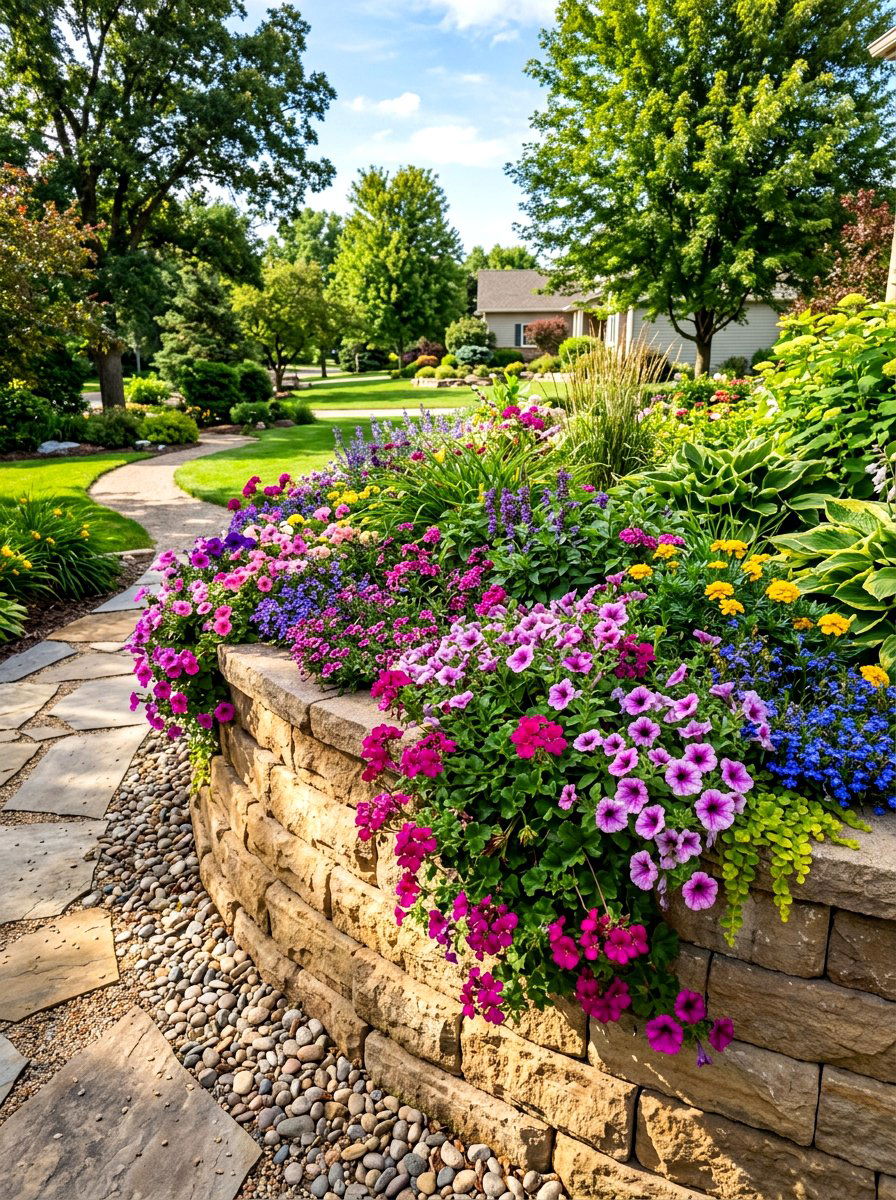
How can you add both structure and beauty to your backyard? A retaining wall flower bed serves a dual purpose by holding back soil while providing a built-in planting area. These walls are usually made of masonry block, natural stone, or heavy timbers. The top of the wall becomes a perfect ledge for trailing flowers like lobelia or creeping thyme to spill over. This design adds significant architectural interest and can be used to define different levels of a yard. It is a very permanent and high-end landscaping solution that adds value to your property. These beds are often easier to weed because they are raised above the ground.
Conclusion:
Designing the perfect backyard flower bed requires a mix of creativity and practical planning. You have seen how different materials and plant choices can completely change the look of your home. Whether you choose a modern minimalist style or a wild cottage garden, the results will be rewarding. Remember to consider your local climate and soil conditions when selecting your favorite blooms. Maintenance is also a key factor in keeping your backyard looking its absolute best throughout the year. Adding even a small planting area can significantly boost your home’s value and your daily enjoyment. We hope these diverse options inspire you to start digging and creating your dream outdoor sanctuary today.

Related posts: