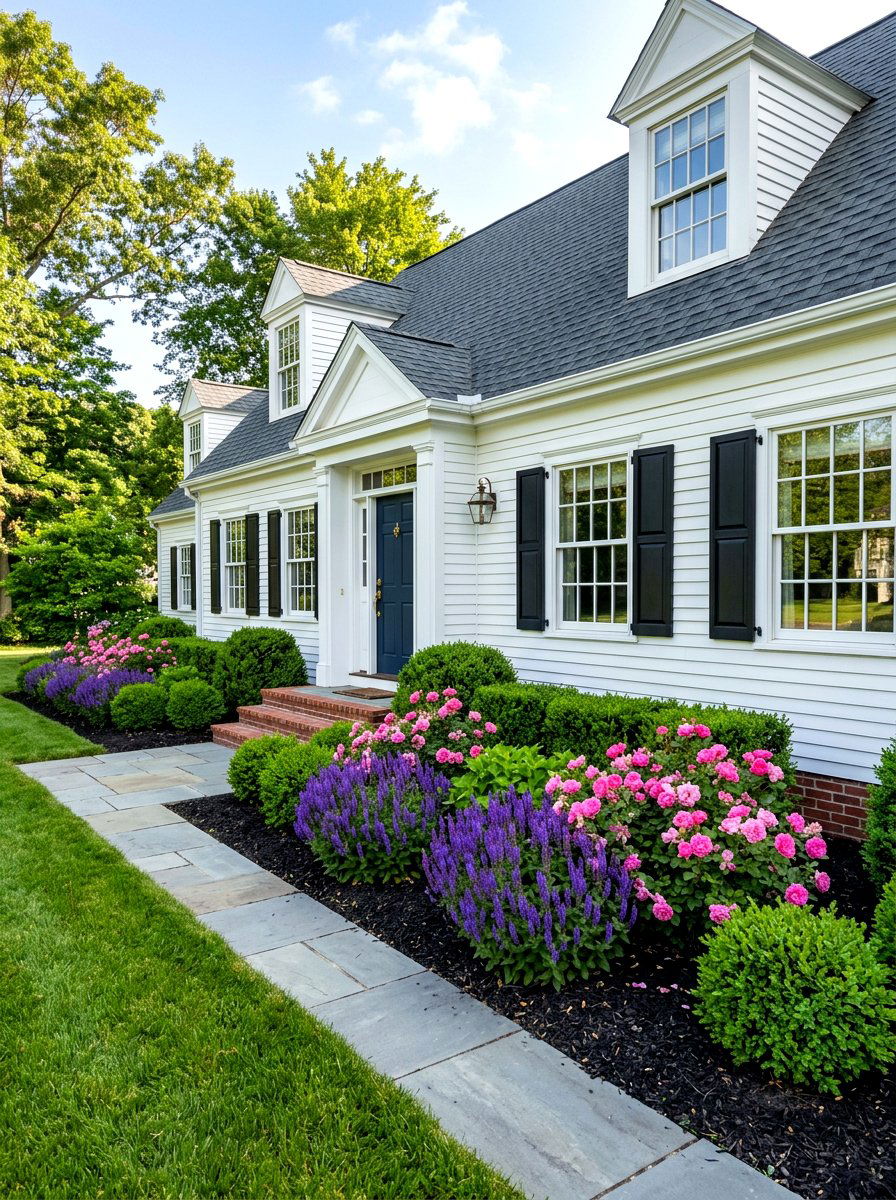
Transforming your outdoor space into a breathtaking sanctuary involves incorporating well-planned landscaping that breathes life and personality into your home. Flower beds are far more than just patches of soil; they represent an artistic canvas where nature meets personal expression. Whether you are a seasoned gardener or a complete beginner, creating a stunning floral display requires a unique blend of creativity and practical knowledge. From choosing the right color palette to understanding specific soil conditions and sunlight patterns, every detail contributes to a successful garden. A thoughtfully designed flower bed enhances curb appeal and provides a peaceful retreat for relaxation while enjoying the beauty of nature throughout the year.
1. Front Yard Flower Bed
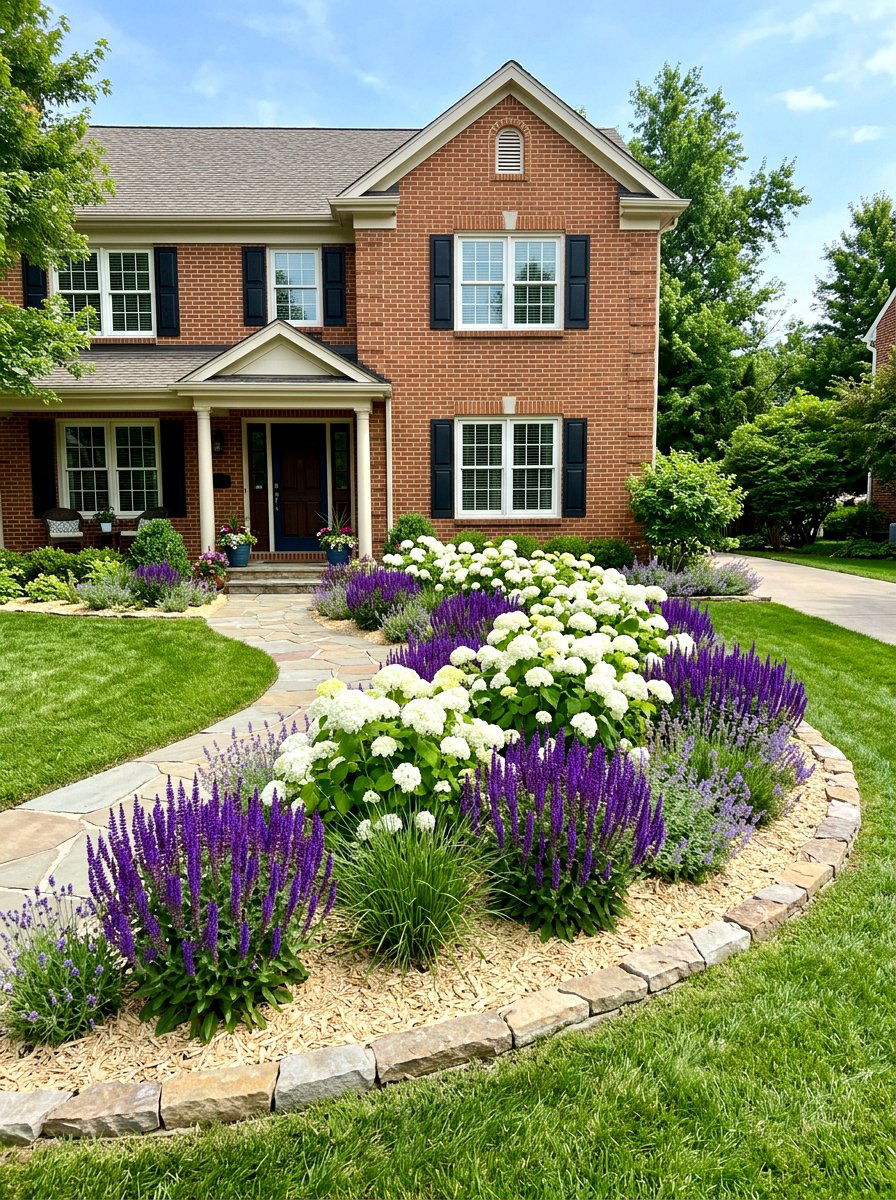
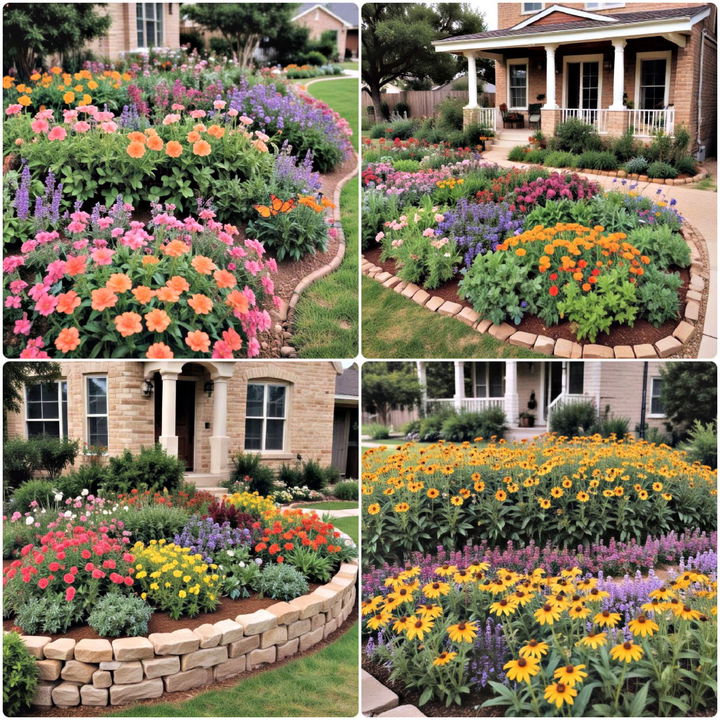
Establishing a striking entrance begins with a front yard flower bed that frames your home and welcomes guests with vibrant energy. You should focus on layering plants by height to create a sense of depth and visual interest from the sidewalk. Use evergreen shrubs as a structural backdrop to maintain greenery during winter months, while mixing in seasonal annuals for pops of color. Incorporating a mix of textures, such as soft ornamental grasses paired with bold, broad-leaved hostas, adds a professional touch to the landscape. Consider how the colors of the blooms complement your home’s exterior paint for a cohesive and polished aesthetic that looks great.
2. Raised Garden Bed
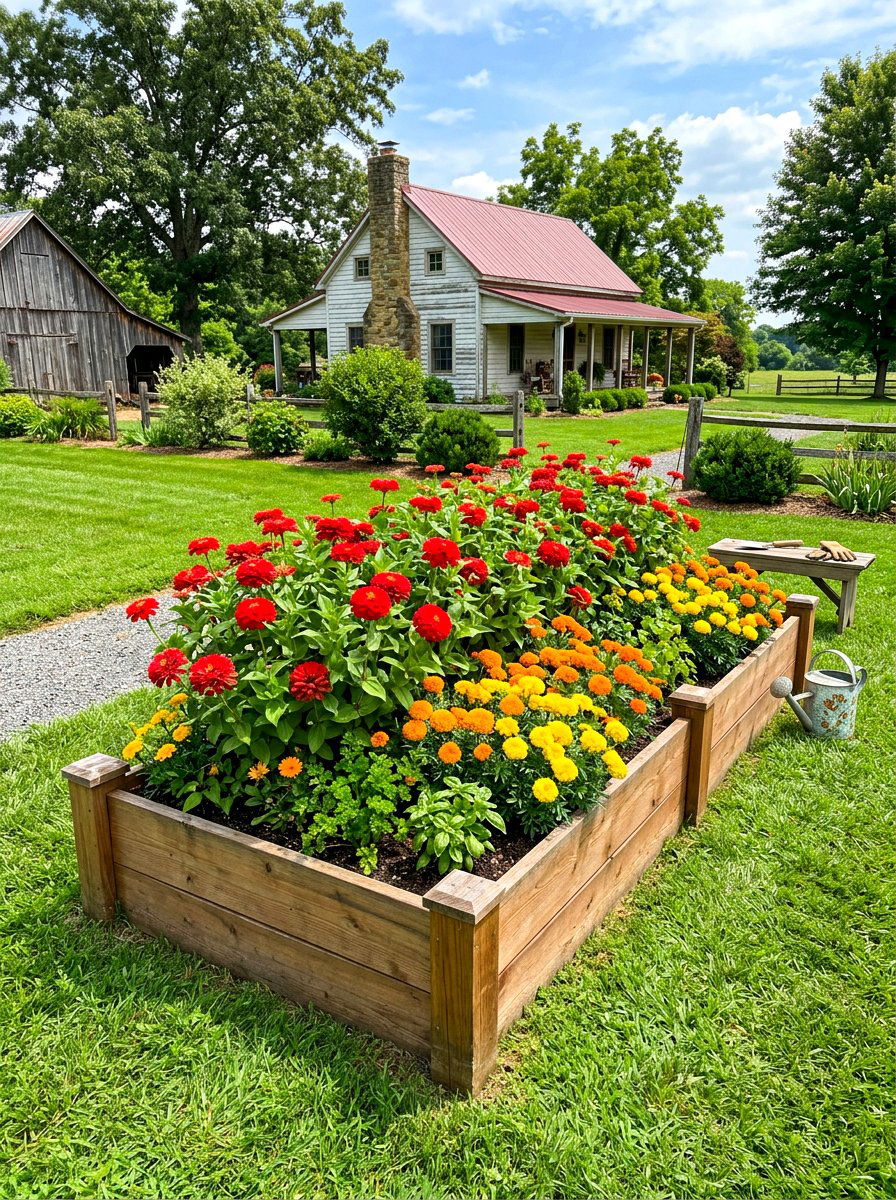
Building a raised garden bed offers a practical and stylish solution for growing flowers while improving soil drainage and accessibility. These elevated structures are perfect for defining specific areas of your lawn and keeping invasive weeds at bay with minimal effort. You can construct them using durable cedar wood, stone pavers, or even modern galvanized metal for a contemporary look. By filling them with high-quality potting soil, you ensure that your plants have the best possible environment for root growth and nutrient absorption. This setup is particularly beneficial for those with poor natural soil or anyone looking to garden without bending over too far throughout the day.
3. Rock Garden Flower Bed
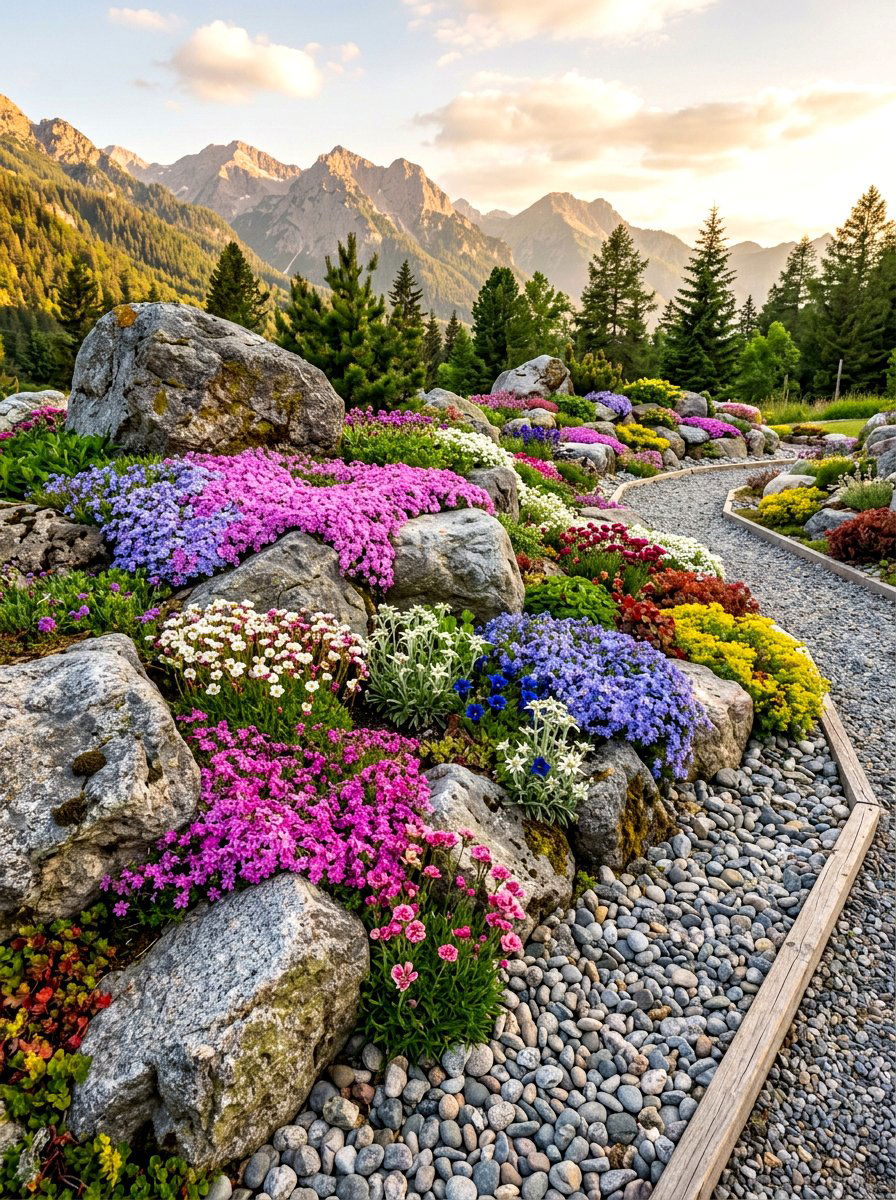
Designing a rock garden flower bed is an excellent way to add natural texture and a rugged aesthetic to your property. By combining various sizes of stones with drought-tolerant plants, you create a low-maintenance landscape that looks beautiful year-round. Use large boulders as focal points and fill the gaps with smaller river rocks and alpine flowers that thrive in rocky conditions. Creeping phlox and stonecrop are perfect choices because they gracefully spill over the edges of the rocks. This style works exceptionally well on sloped areas where traditional gardening might be difficult. It provides a stable environment that prevents erosion while looking like a natural mountain landscape.
4. Cottage Garden Flower Bed
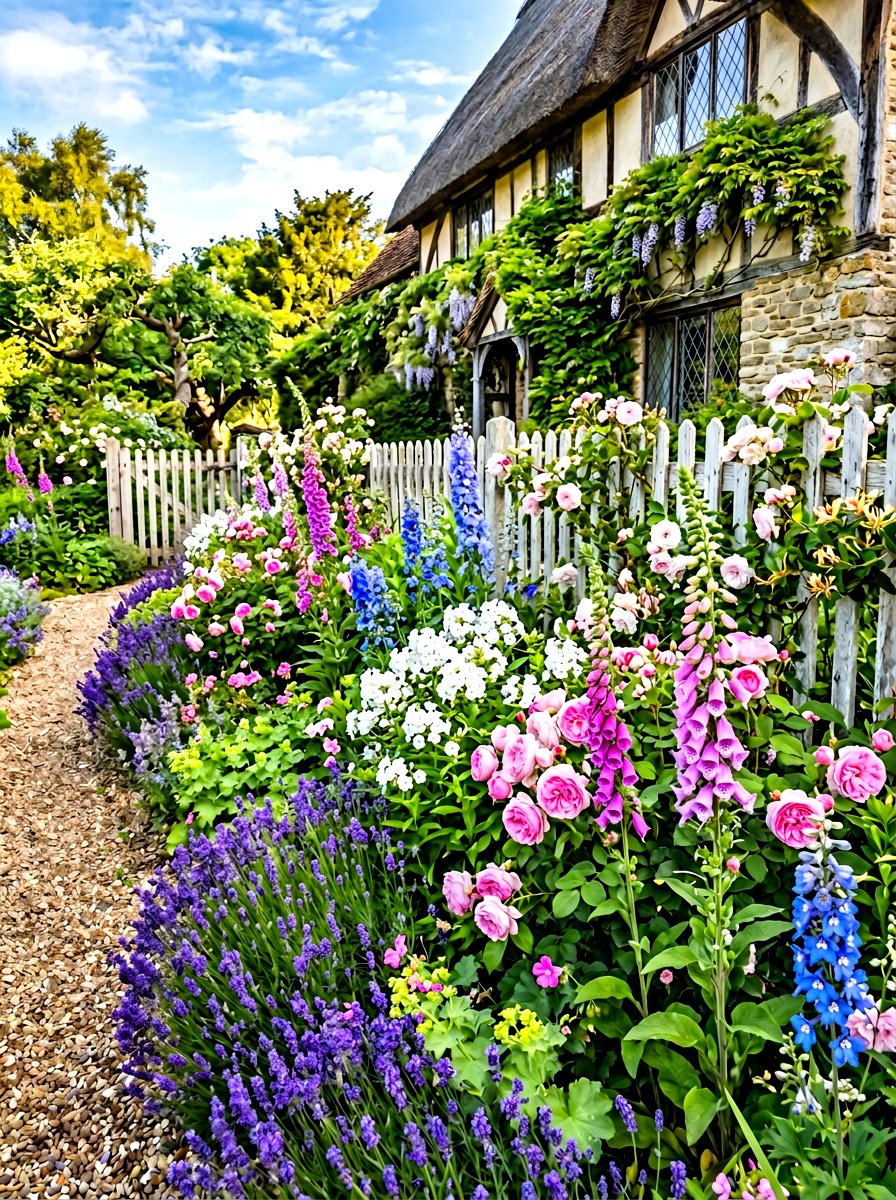
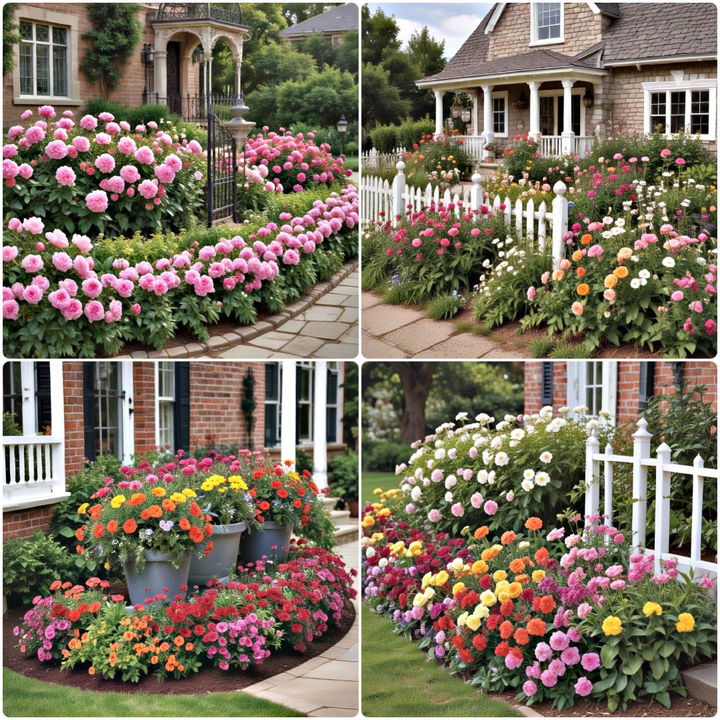
Creating a cottage garden flower bed allows you to embrace a charmingly informal and romantic style filled with dense, colorful plantings. This look is achieved by mixing classic favorites like roses, foxgloves, and lavender in a seemingly effortless arrangement. The goal is to have plants that "kiss" but do not tackle each other, creating a lush and overflowing appearance. Adding a rustic picket fence or a wooden arbor can further enhance the nostalgic atmosphere of this traditional design. Because these beds are often packed tightly, they naturally help suppress weeds. You will enjoy a fragrant and pollinator-friendly space that feels like a cozy retreat from the modern world.
5. Low Maintenance Flower Bed
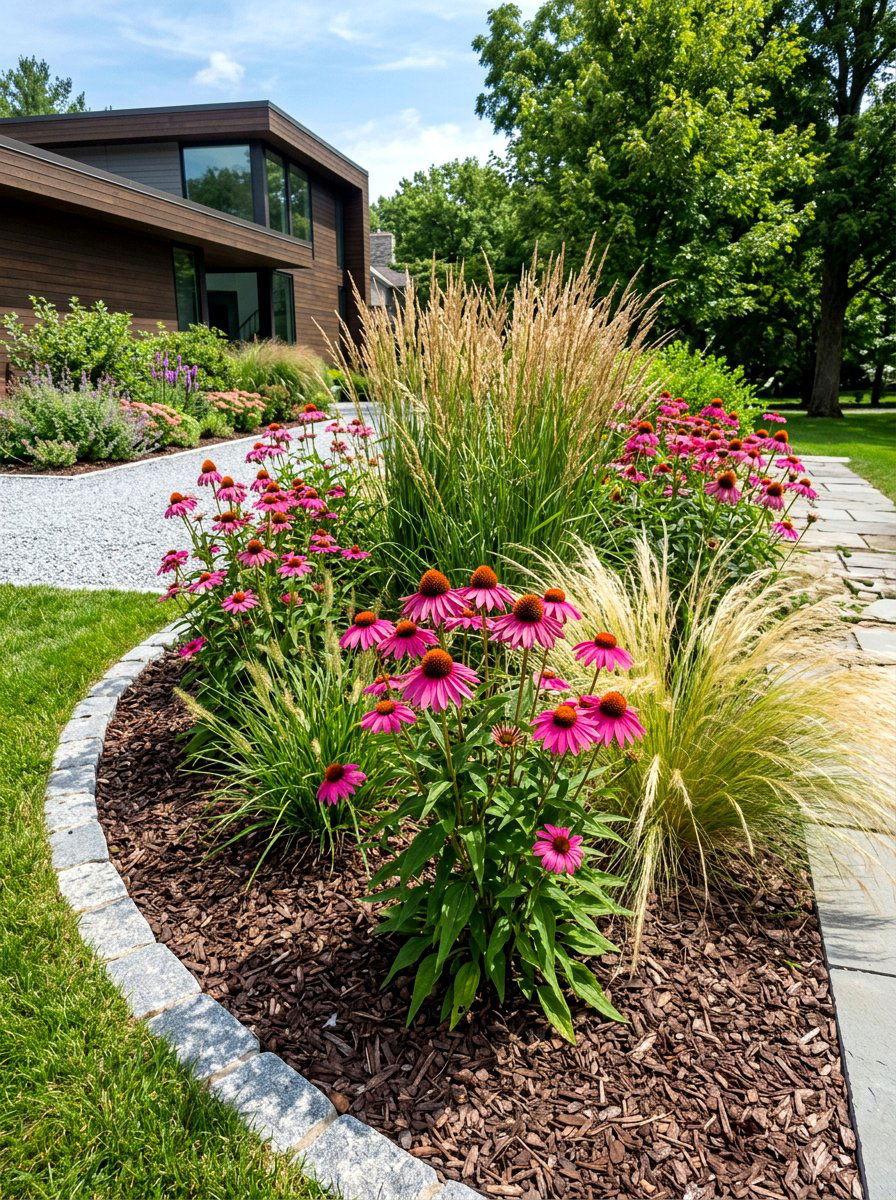
Opting for a low maintenance flower bed is the perfect solution for busy homeowners who still want a beautiful outdoor area. The secret lies in selecting hardy perennials and native plants that require very little water or pruning once they are established. Incorporating a thick layer of organic mulch helps retain moisture and prevents weeds from taking over your hard work. Consider using slow-growing shrubs and groundcovers that fill in gaps quickly to minimize the need for frequent replanting. By choosing plants that are naturally resistant to local pests and diseases, you can spend more time relaxing in your garden rather than constantly working on it.
6. Shade Flower Bed
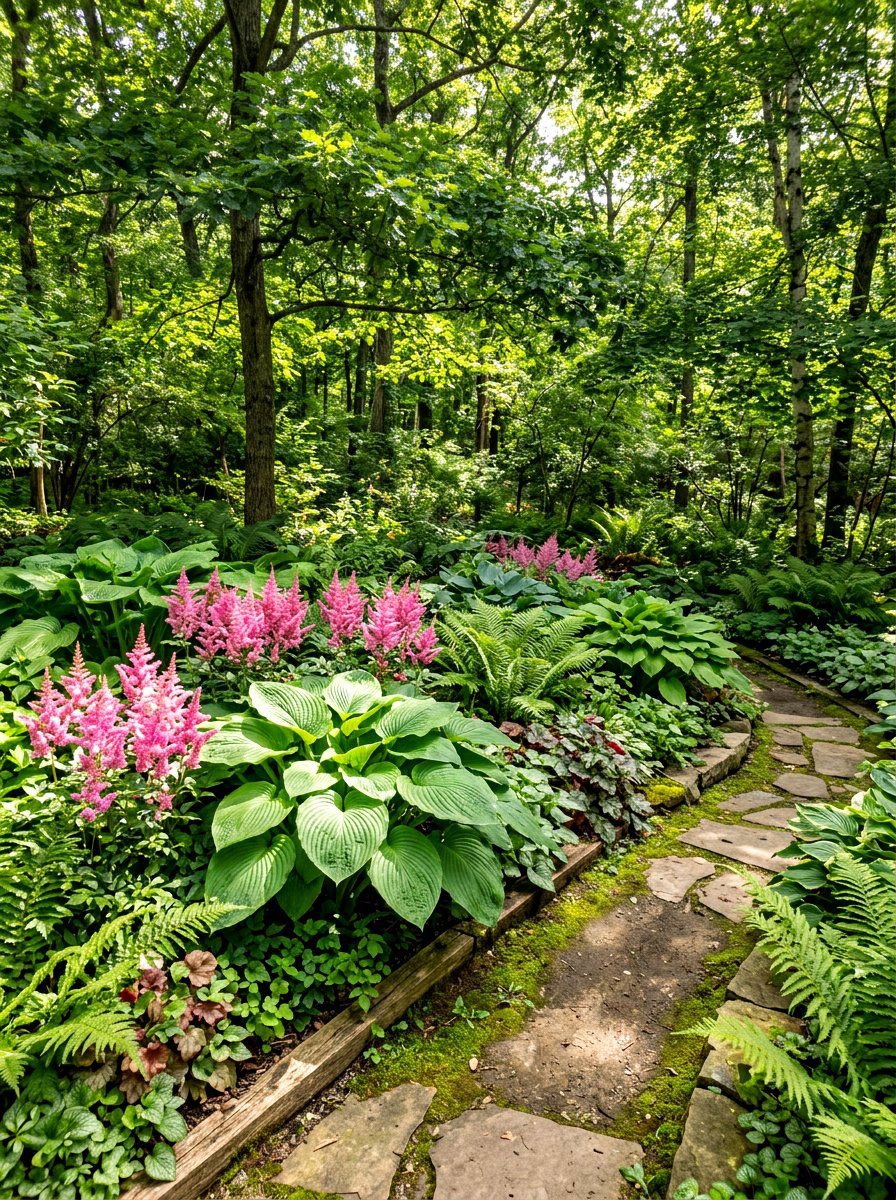
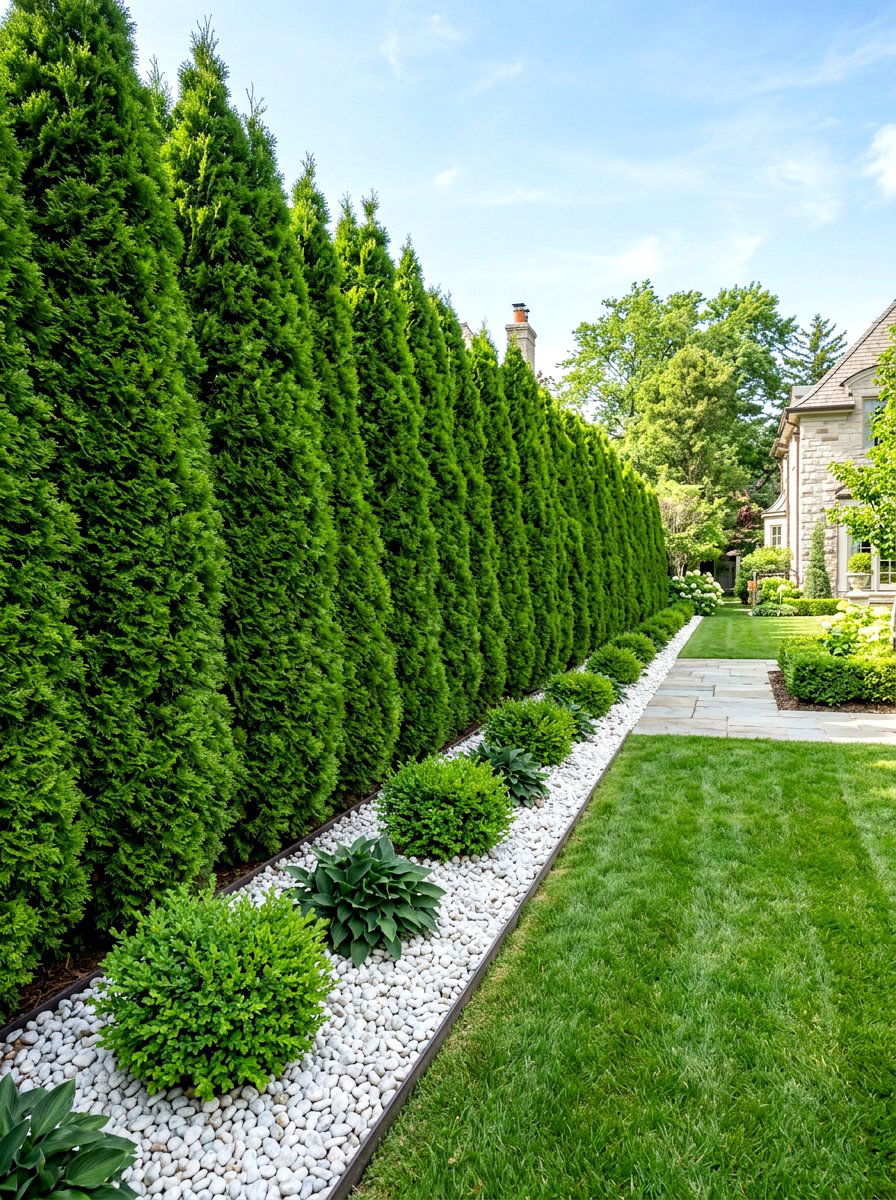
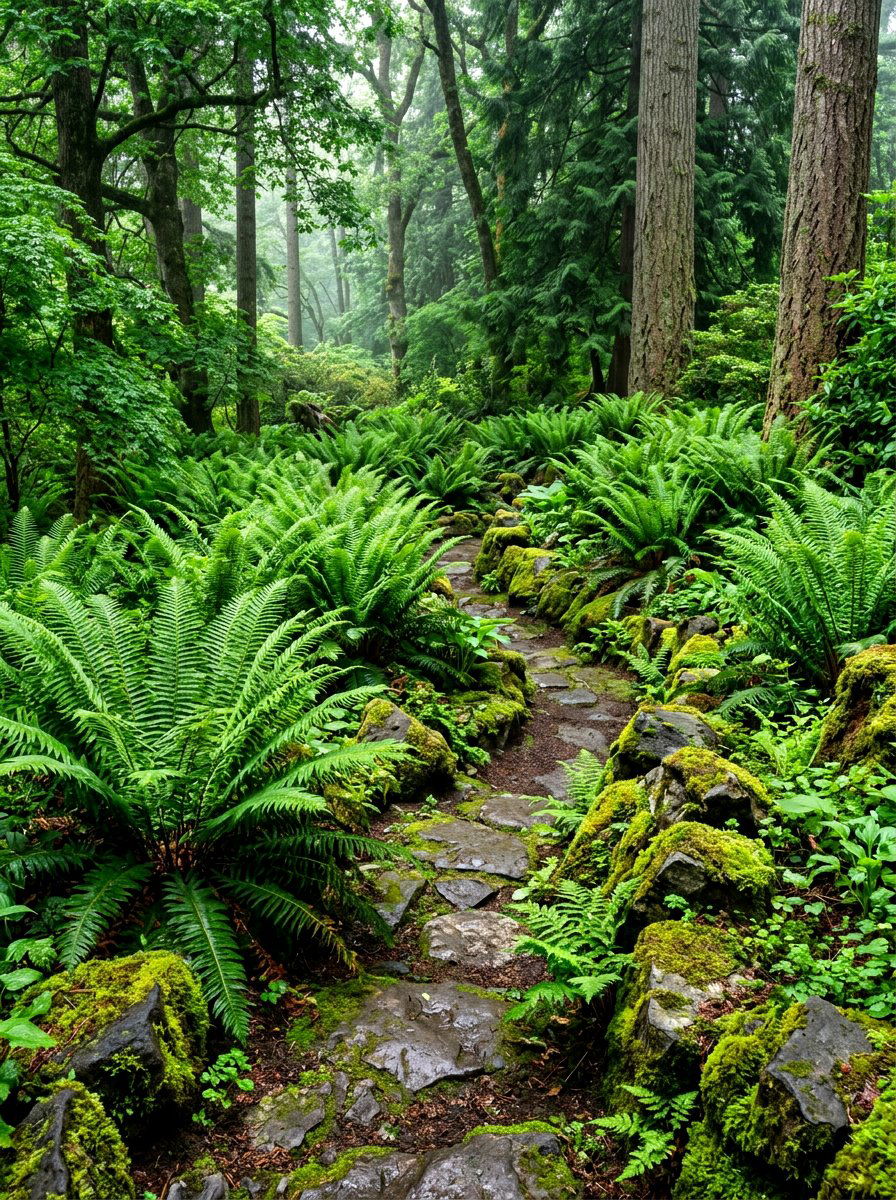
Developing a shade flower bed allows you to bring light and color to the darker corners of your yard. Many homeowners struggle with areas under large trees, but these spots are perfect for lush foliage and delicate blooms. Hostas, ferns, and astilbes are classic choices that offer a variety of textures and shades of green. You can add bright pops of color with impatiens or bleeding hearts which thrive without direct sunlight. Using light-colored mulch or decorative white stones can help reflect what little light is available, making the space feel brighter. A well-designed shade garden creates a cool and refreshing atmosphere during the hot summer months.
7. Perennial Flower Bed
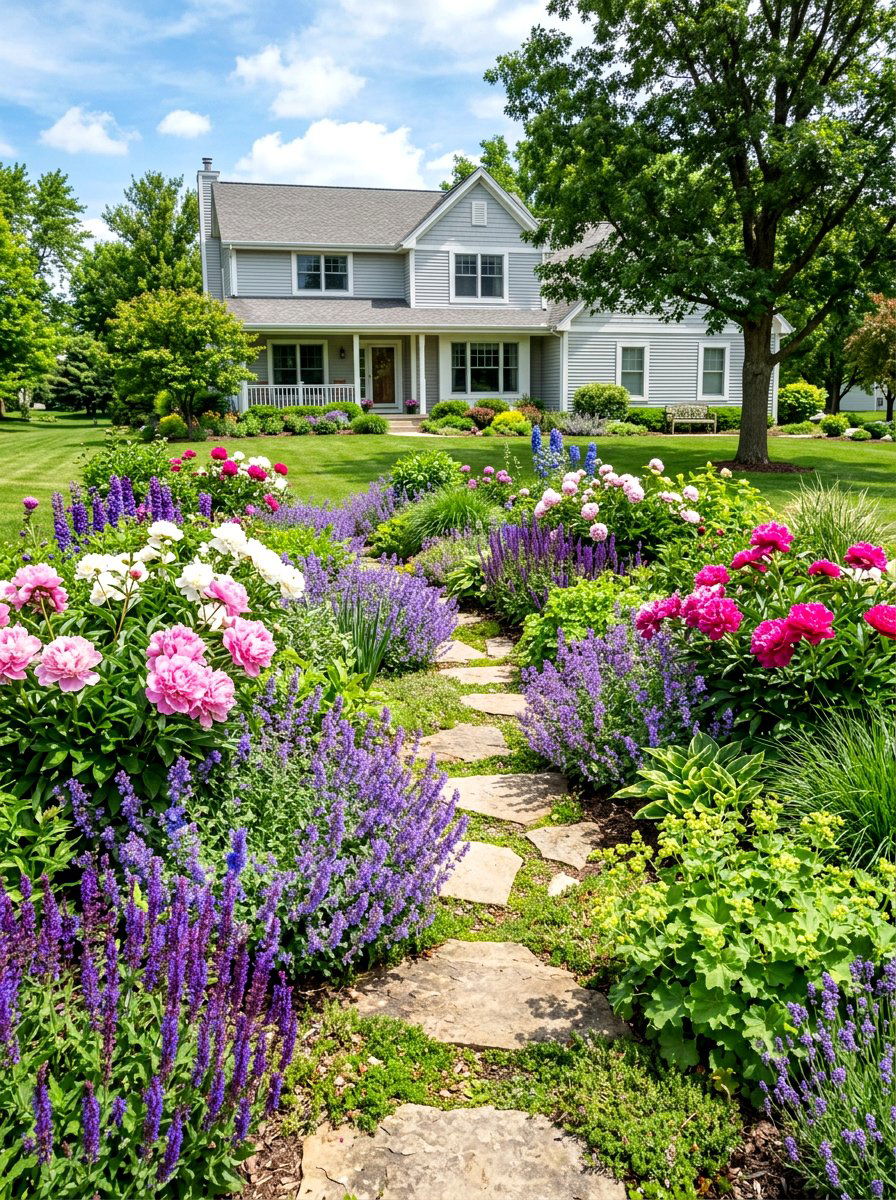
Investing in a perennial flower bed ensures that your garden returns with renewed beauty every single year without the need for replanting. These long-lasting plants form the backbone of any landscape, providing consistent structure and changing colors as the seasons progress. To keep the bed looking full, you should select varieties that bloom at different times, from early spring bulbs to late autumn daisies. Peonies, coneflowers, and daylilies are reliable options that offer stunning visual impact and require minimal care once settled. Dividing these plants every few years allows you to expand your garden for free. This sustainable approach saves time and money while building a mature landscape.
8. Flower Bed Along Fence
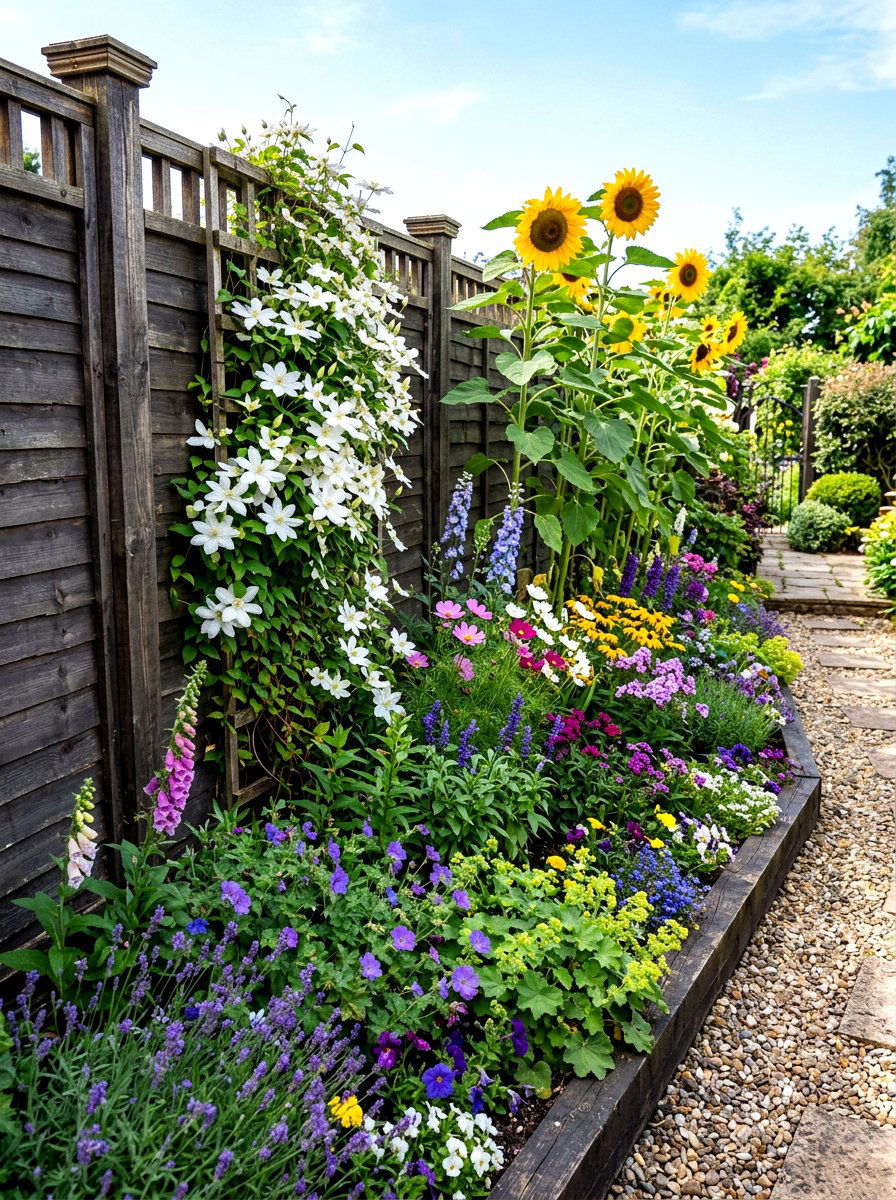
Installing a flower bed along a fence is a brilliant way to soften harsh boundary lines and add privacy to your yard. You can use the height of the fence to support climbing plants like clematis or climbing roses, which draw the eye upward. In front of the climbers, plant mid-sized shrubs and then finish with lower-growing flowers at the very edge. This tiered approach creates a lush wall of greenery that makes your outdoor space feel more enclosed and intimate. Choosing a color palette that contrasts with the fence material can make the blooms stand out vividly. It turns a functional barrier into a stunning living backdrop for your home.
9. Corner Flower Bed
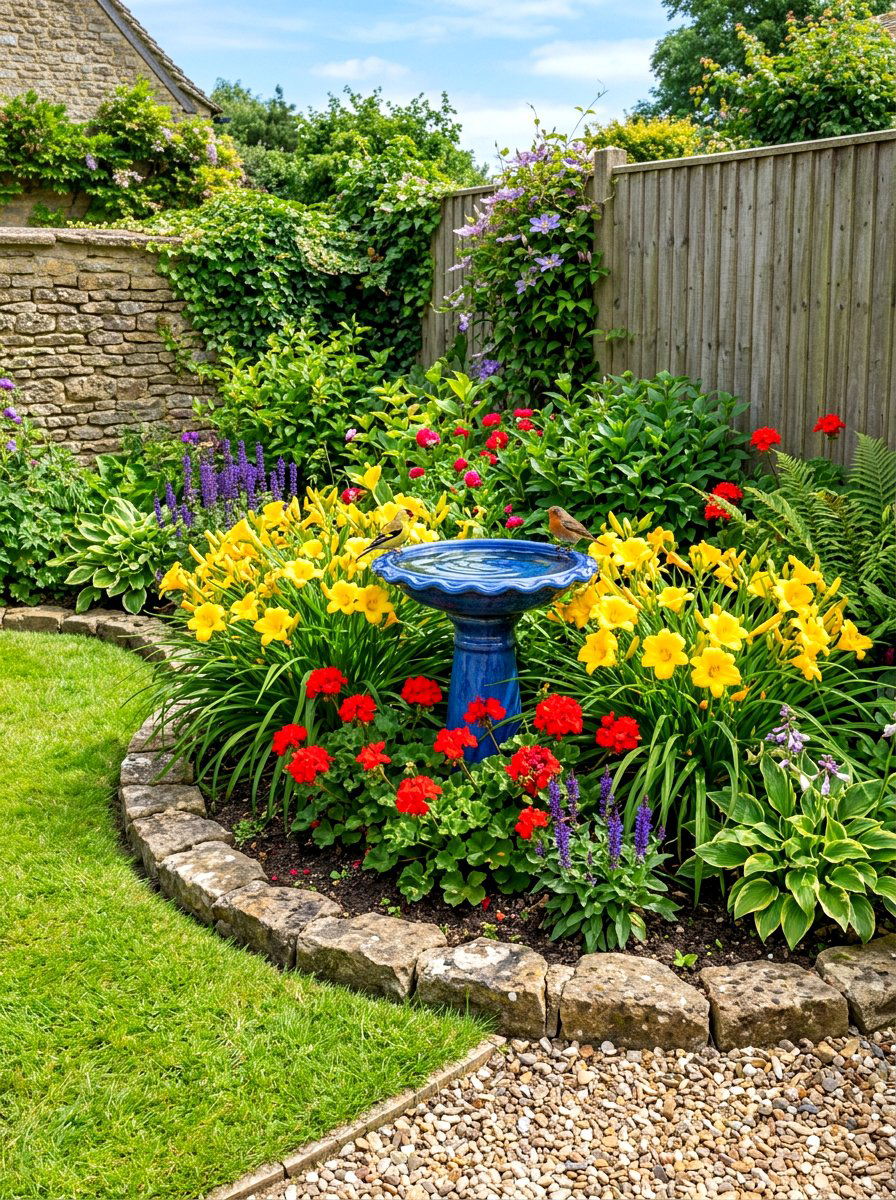
Utilizing a corner flower bed is a smart way to transform underused angles of your yard into vibrant focal points. These beds are often triangular or curved, making them perfect for softening the sharp meeting point of two fences or walls. You should place the tallest plants in the very back corner and gradually step down the heights toward the front. This creates a balanced look that is visible from multiple directions across the lawn. Adding a small birdbath or a decorative garden statue in the center can provide a charming point of interest. It is an easy way to add professional structure to a standard backyard layout.
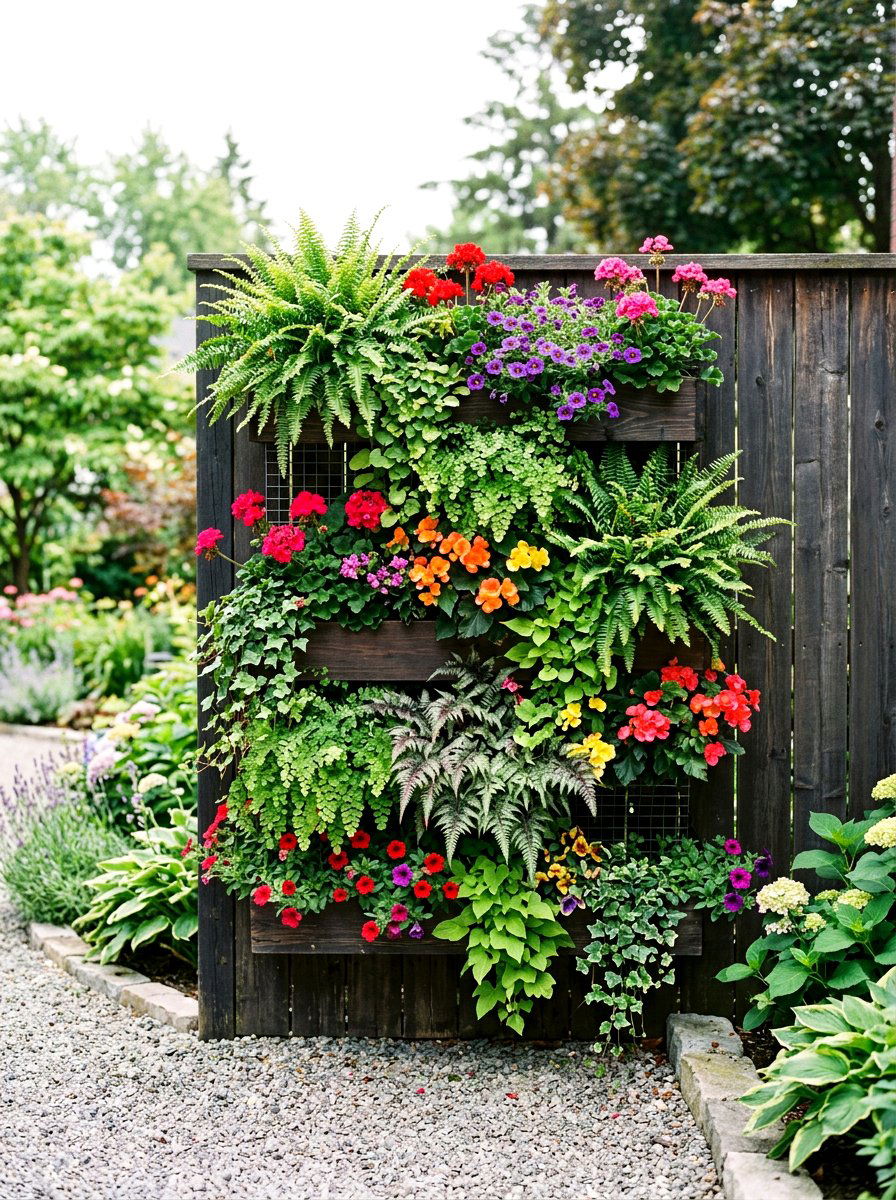
10. Flower Bed Around Tree
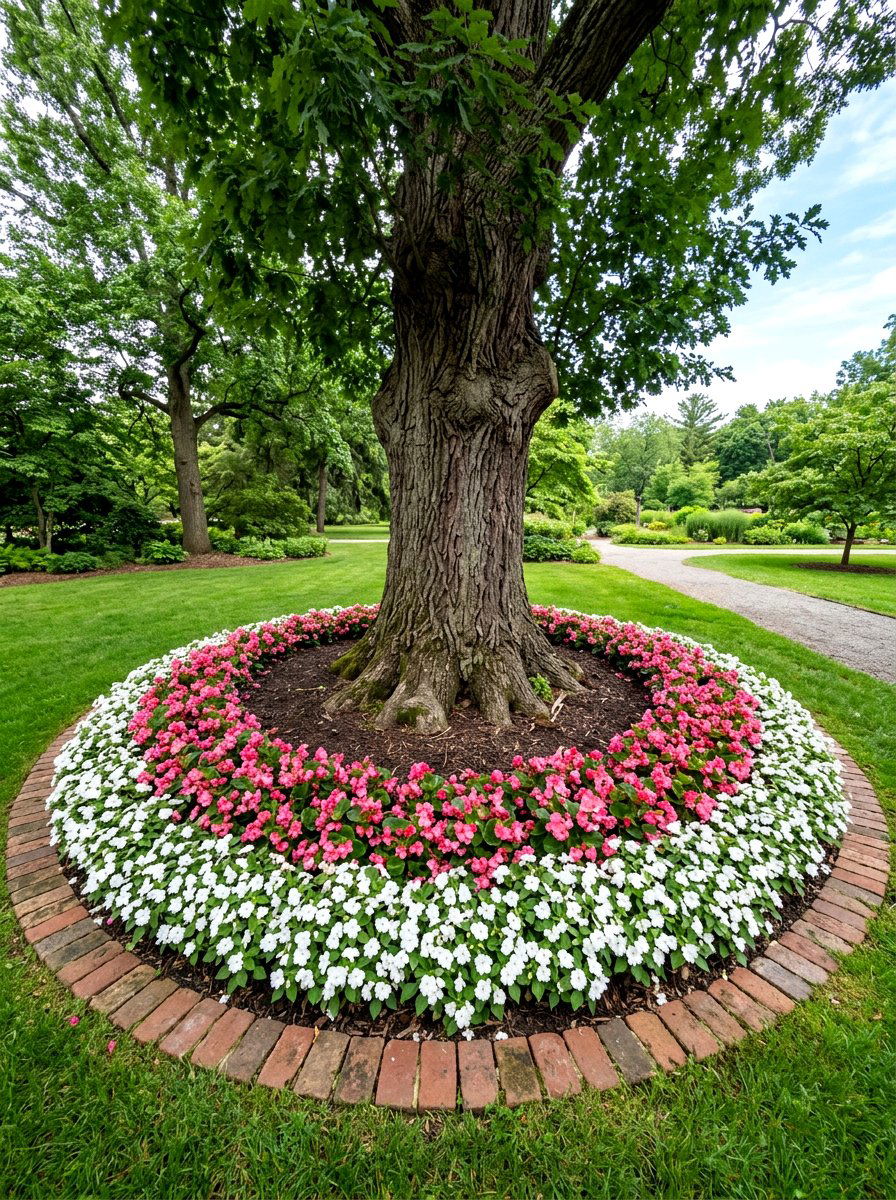
Creating a flower bed around a tree base adds a finished look to your landscape while protecting the trunk from mower damage. When planting in this area, it is crucial to choose shallow-rooted flowers that will not compete with the tree for water and nutrients. Begonias, pansies, and spring bulbs like daffodils are excellent choices for adding seasonal color without harming the tree's root system. You can use natural stone or brick edging to define the circle and keep the mulch contained. This design hides bare spots where grass often struggles to grow in the shade. It turns a plain tree into a beautifully landscaped feature that anchors the yard.
11. Circular Flower Bed
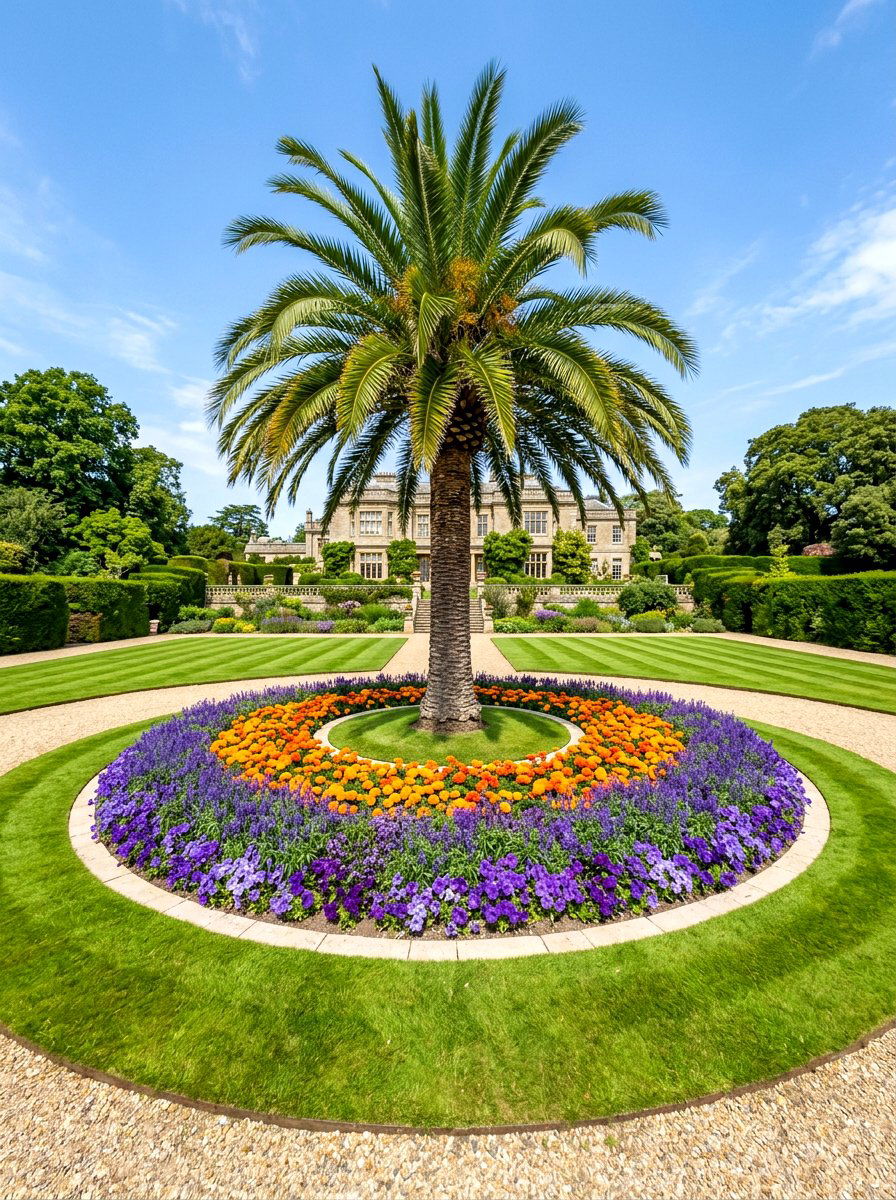
A circular flower bed serves as a stunning centerpiece for a large lawn or a wide driveway turnaround. Because it is viewed from all sides, the design must be symmetrical and appealing from every angle. You should place a tall focal point in the middle, such as a specimen shrub, an ornamental tree, or a large garden urn. Surround this central element with concentric rings of flowers in contrasting colors and heights to create a target effect. This formal arrangement adds a sense of elegance and order to your property. Regular edging is essential to maintain the crisp, clean round shape that makes this design so visually striking and professional.
12. Tiered Flower Bed
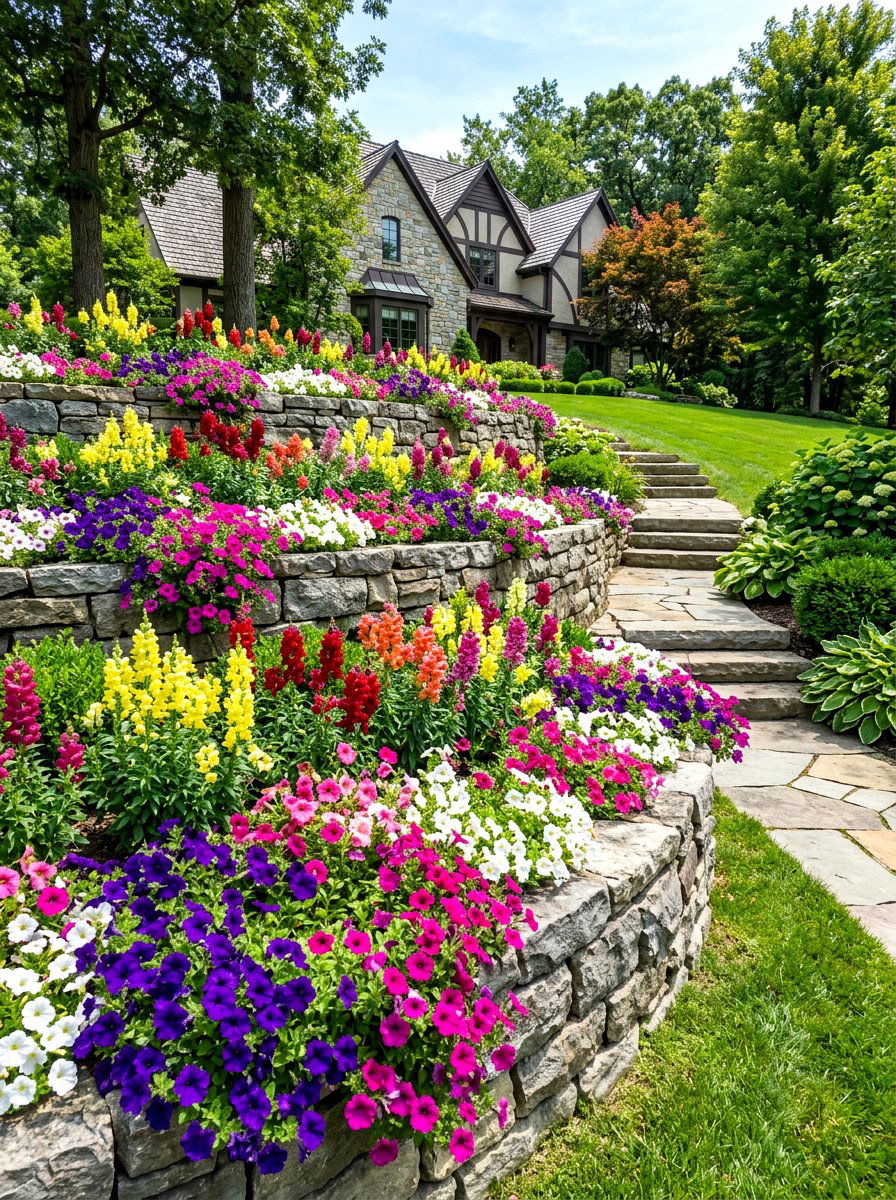
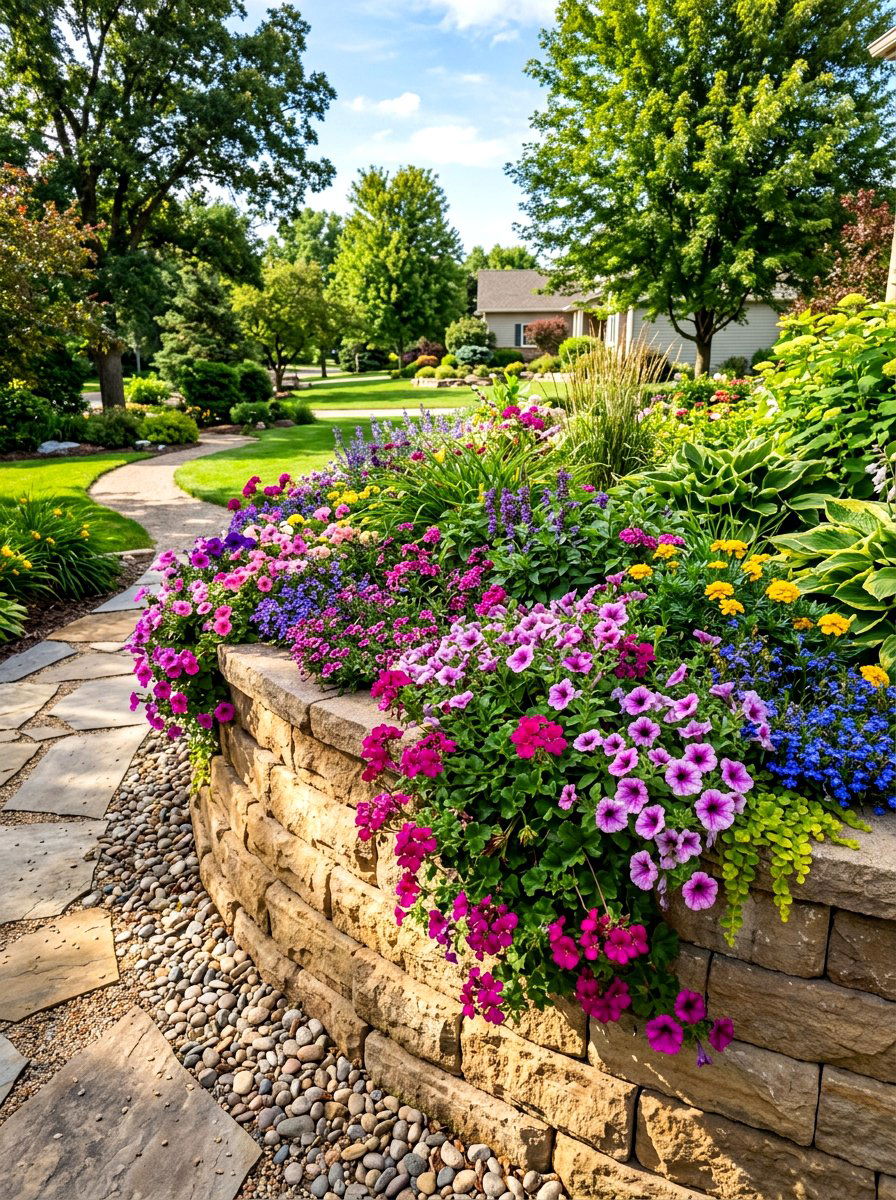
Constructing a tiered flower bed is an ideal solution for managing sloped terrain while adding architectural interest to your garden. By using retaining walls made of stone, timber, or concrete blocks, you create flat levels that are much easier to plant and maintain. Each level can feature a different theme or color scheme, providing a dramatic vertical display of flowers. This design also helps prevent soil erosion by breaking up the flow of water during heavy rain. You can plant trailing varieties on the edges so they spill over the walls, softening the hard structures. It creates a grand, stepped look that significantly increases the perceived value of your home.
13. Small Backyard Flower Bed
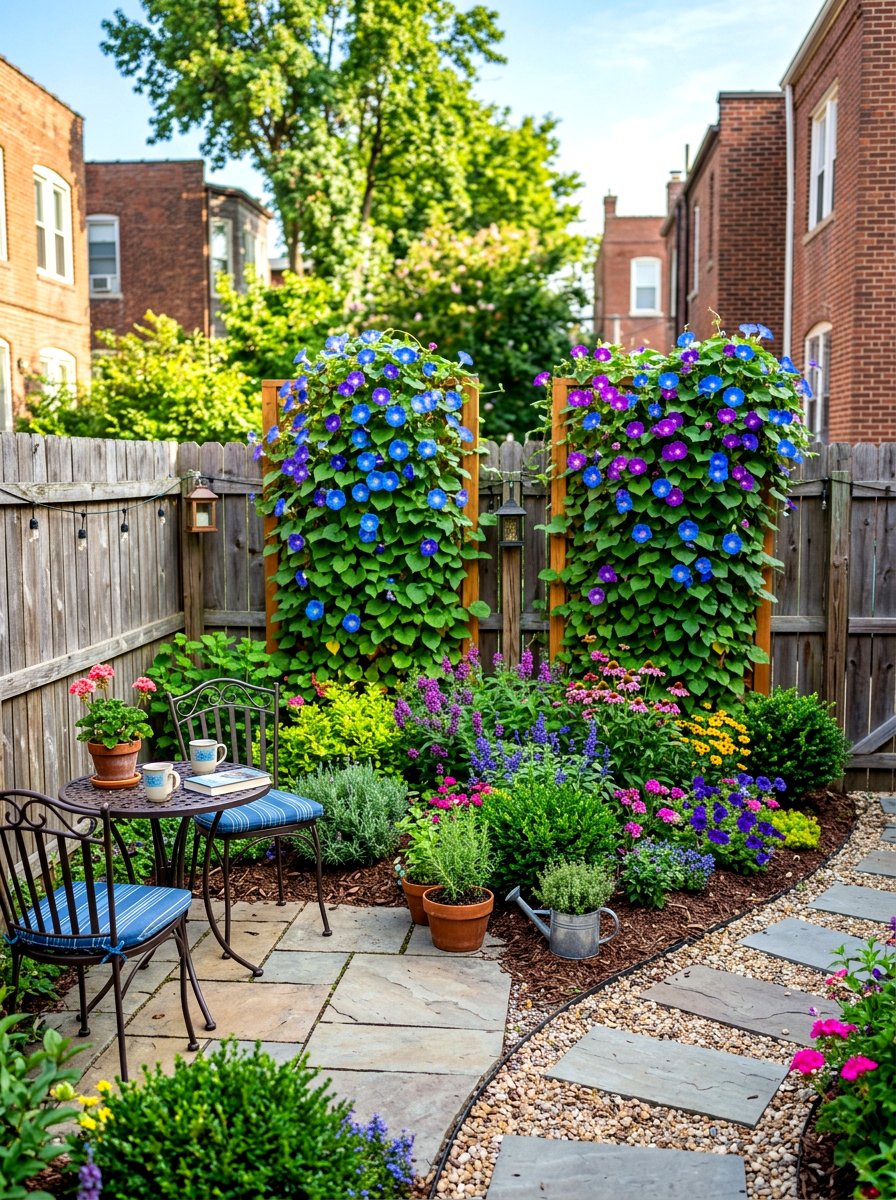
Maximizing a small backyard flower bed requires careful selection of compact plants that offer big visual impact without taking up too much room. Look for dwarf varieties of your favorite shrubs and long-blooming perennials that provide color for several months. Vertical elements, like a small trellis with morning glories, can add height without using much ground space. Using a consistent color palette can make a tiny garden feel more spacious and less cluttered. Mirrored garden decor or bright white flowers can also help open up the area. Even the smallest outdoor space can become a lush oasis with a well-organized and thoughtfully scaled flower bed design.
14. Tropical Flower Bed
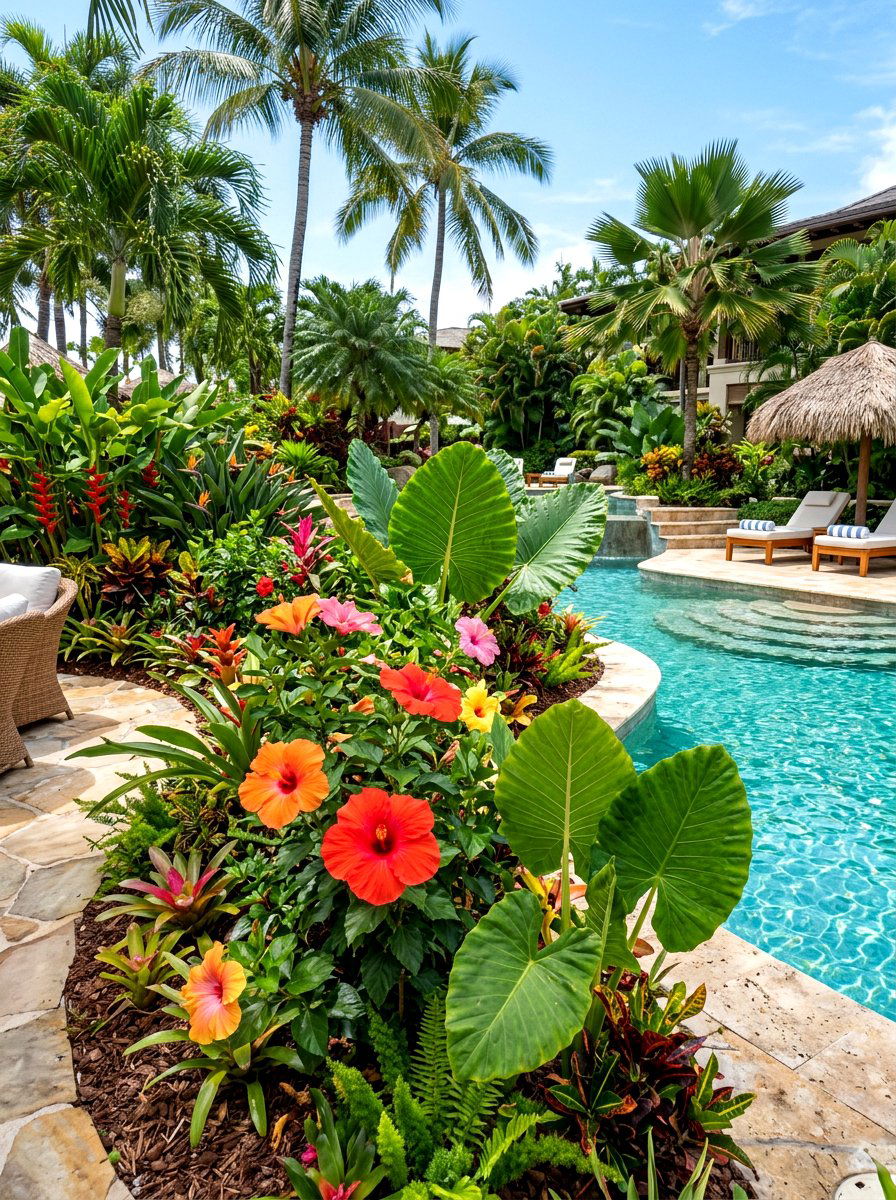
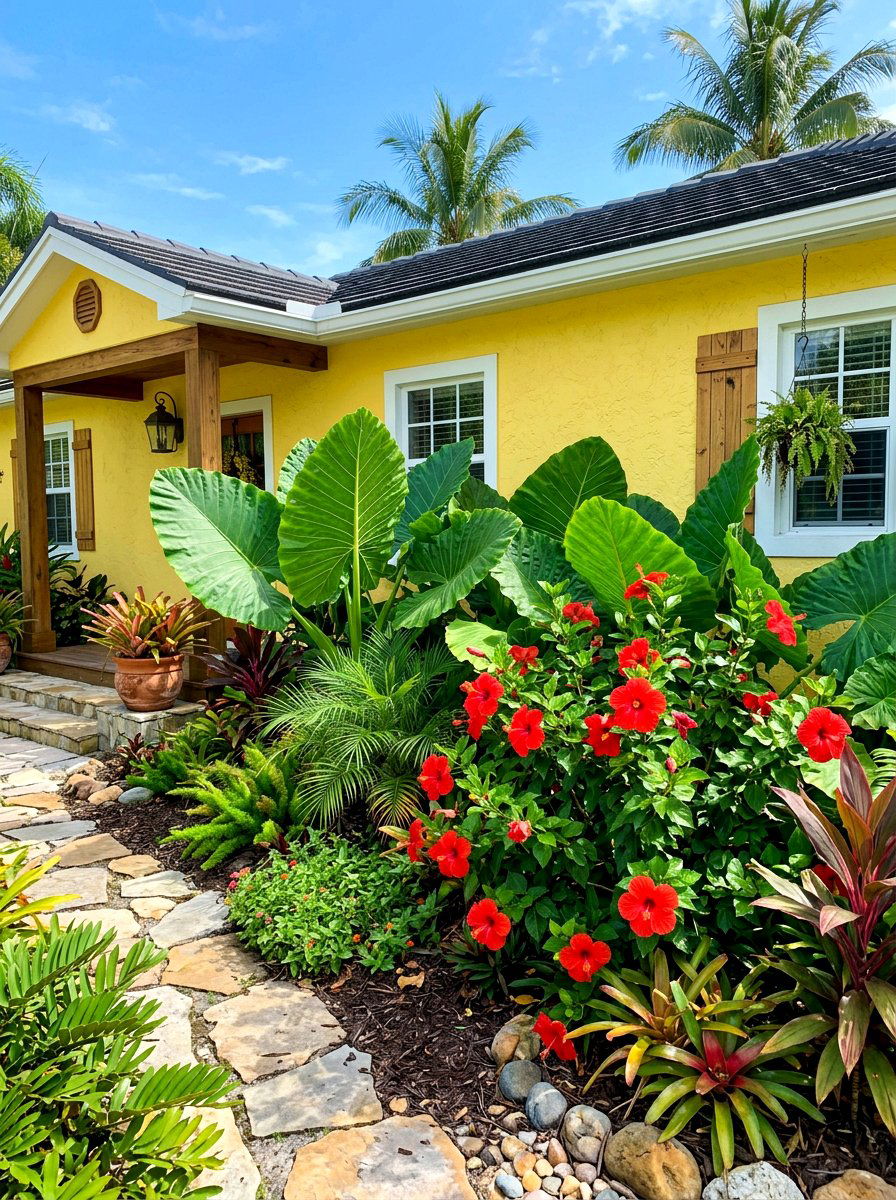
Designing a tropical flower bed brings a lush, exotic vacation vibe directly to your own backyard. You can achieve this look by using plants with oversized, dramatic foliage and bold, brightly colored blooms like hibiscus and canna lilies. Even in cooler climates, you can use hardy versions of palms and bamboos to create the necessary structure. Mixing in vibrant oranges, hot pinks, and deep yellows creates a high-energy atmosphere that feels warm and inviting. Large-leaved plants like elephant ears provide a dense backdrop that makes the smaller flowers pop. This style is perfect for poolside areas or patios where you want to create a private, jungle-like escape.
15. Butterfly Garden Flower Bed
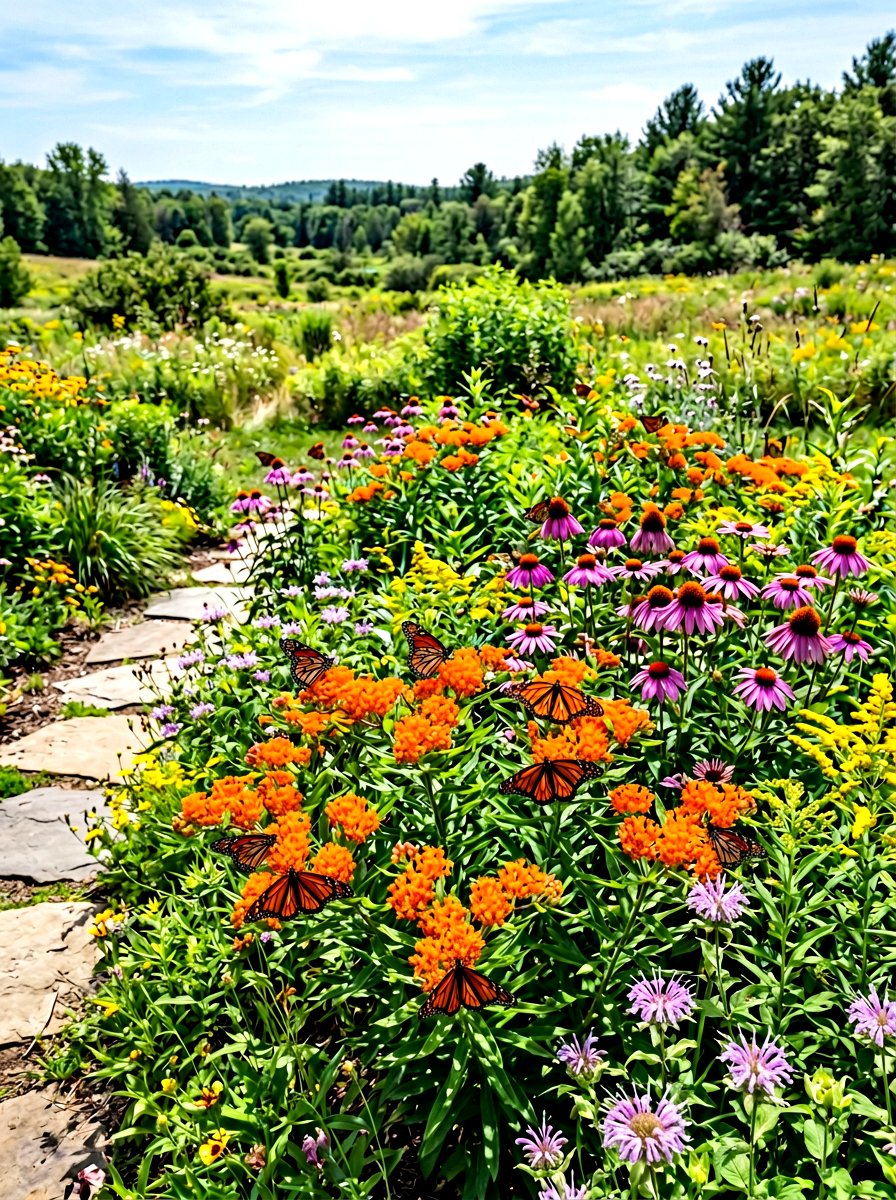
A butterfly garden flower bed is a wonderful way to support local wildlife while enjoying a yard filled with movement and color. To attract these beautiful insects, you must include a variety of nectar-rich flowers like zinnias, coneflowers, and butterfly bush. It is also important to plant host species, such as milkweed, where butterflies can lay their eggs. Grouping plants of the same color together makes it easier for butterflies to spot them from a distance. Avoid using pesticides in this area to ensure a safe environment for the pollinators. You will love watching the butterflies flutter among the blooms, bringing your garden to life in a magical way.
16. Vertical Flower Bed
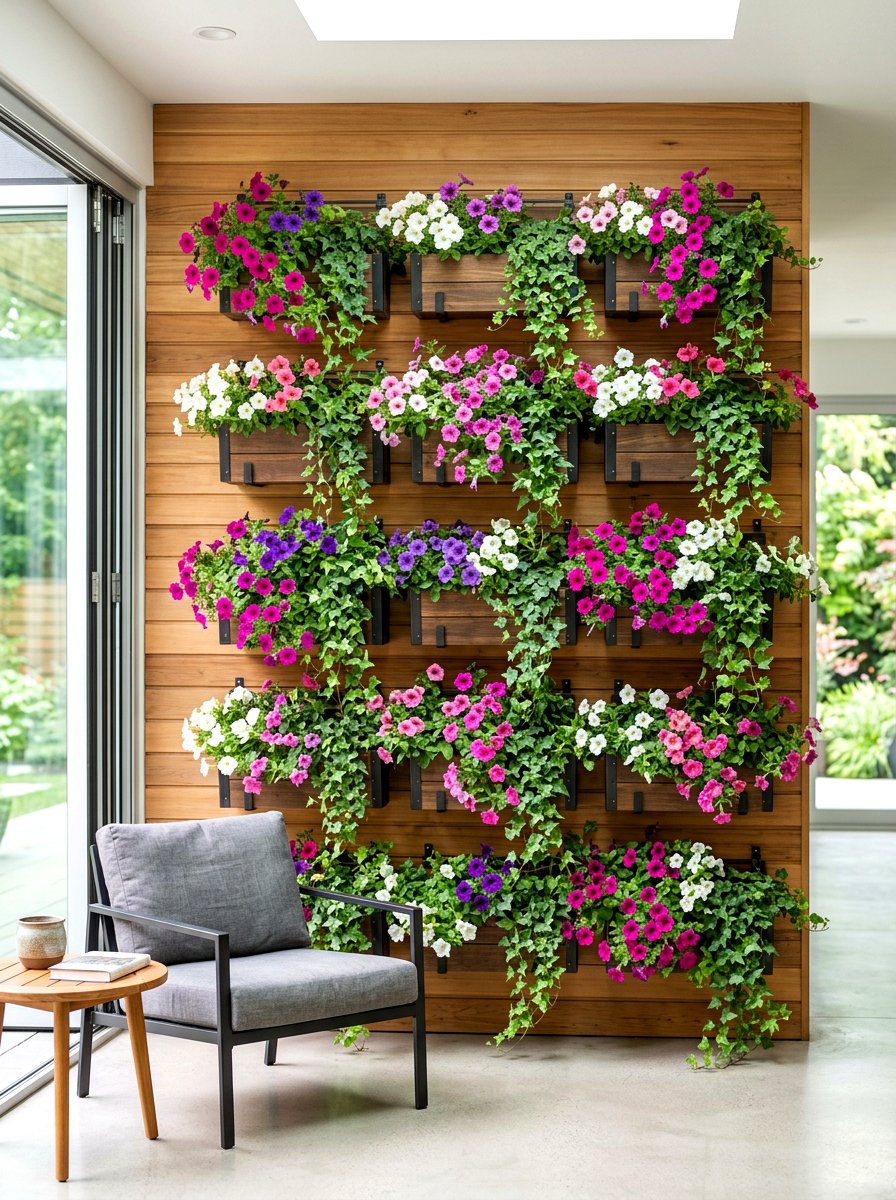
Implementing a vertical flower bed is a genius way to garden when ground space is limited or when you want to hide an ugly wall. You can use wall-mounted planters, hanging pockets, or even repurposed wooden pallets to hold your favorite flowers. Trailing plants like petunias, ivy, and lobelia are perfect for these setups as they grow downward in beautiful cascades. This type of gardening also brings the blooms closer to eye level, allowing you to enjoy their fragrance more easily. It is important to ensure these beds have adequate drainage and consistent moisture, as vertical containers can dry out faster. It creates a stunning living mural that transforms any vertical surface.
17. Window Box Flower Bed
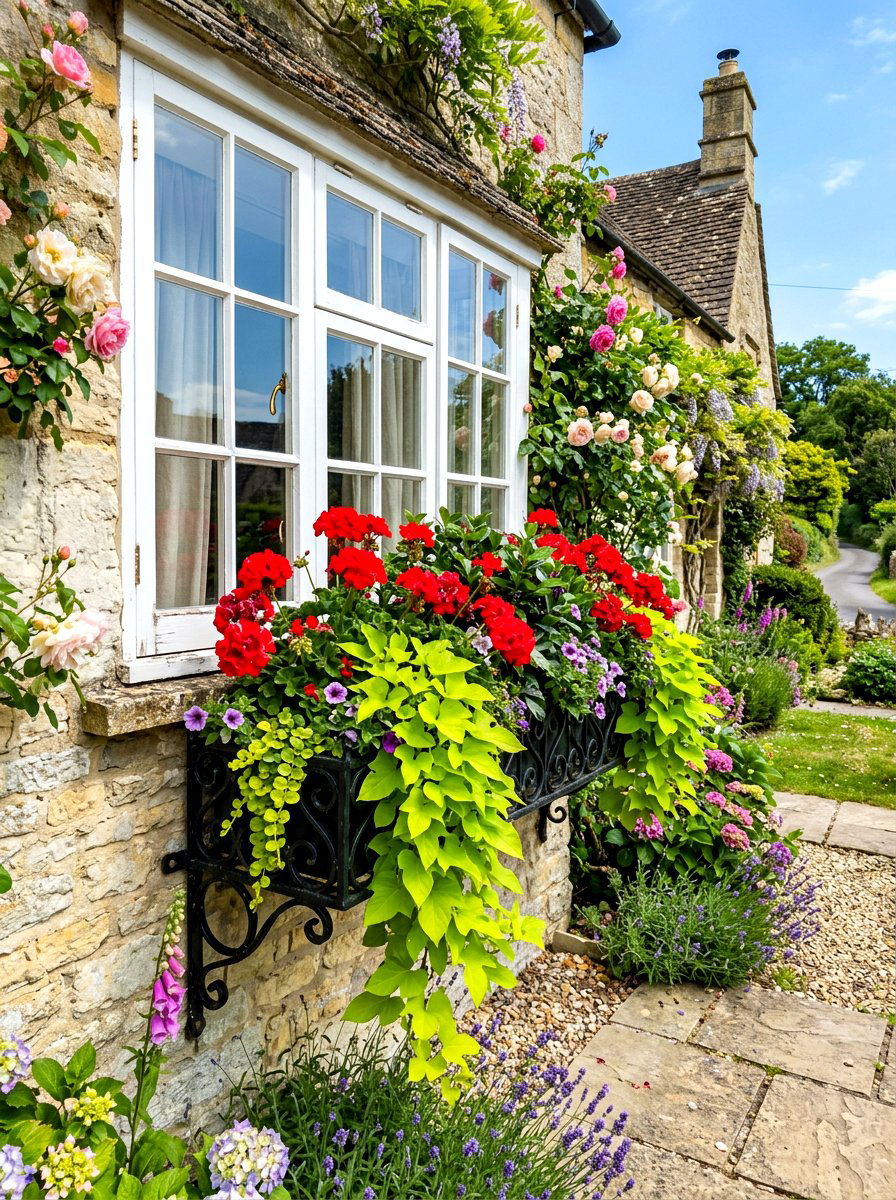
Adding a window box flower bed is a classic way to enhance the charm of your home’s exterior while bringing nature closer to your indoors. These small-scale gardens are perfect for creating a "thriller, filler, and spiller" arrangement. Choose a tall, eye-catching plant for the center, fill the space with mounding flowers, and let vines hang over the edges. Geraniums, sweet potato vines, and marigolds are popular choices that provide reliable color throughout the summer season. Because they are elevated, window boxes are easy to tend to without bending down. They add a touch of curb appeal that makes any house look more welcoming and well-cared for from the street.
18. Driveway Flower Bed
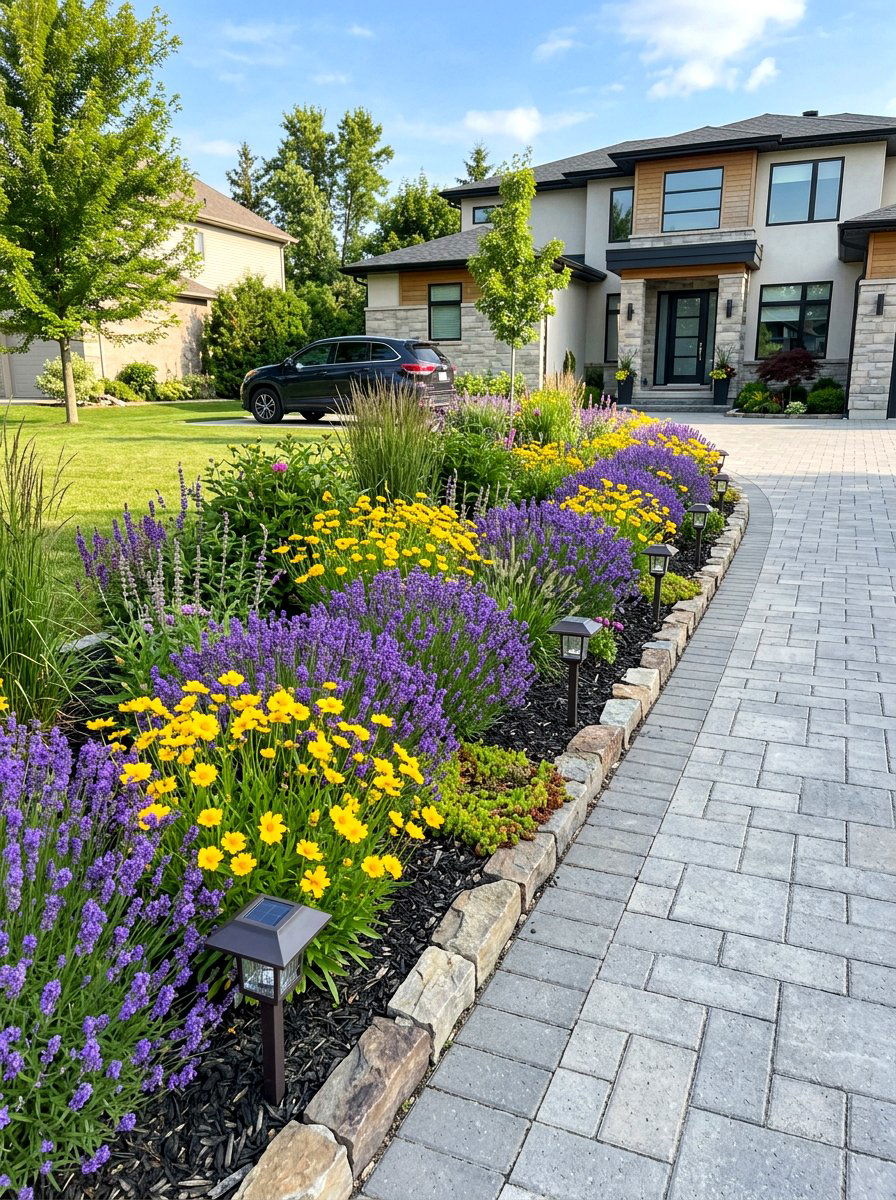
A driveway flower bed lines the path to your home, creating a beautiful transition from the street to your front door. Since these areas often face heat reflected from the pavement, it is best to choose tough, heat-tolerant plants like daylilies or lavender. Using a consistent border of low-growing flowers helps define the driveway and prevents people from accidentally stepping onto the lawn. You can incorporate decorative lighting within the bed to illuminate the path at night for safety and beauty. This simple addition makes the approach to your house feel intentional and high-end. It turns a purely functional space into an attractive part of your overall landscape design.
19. Edging Flower Bed
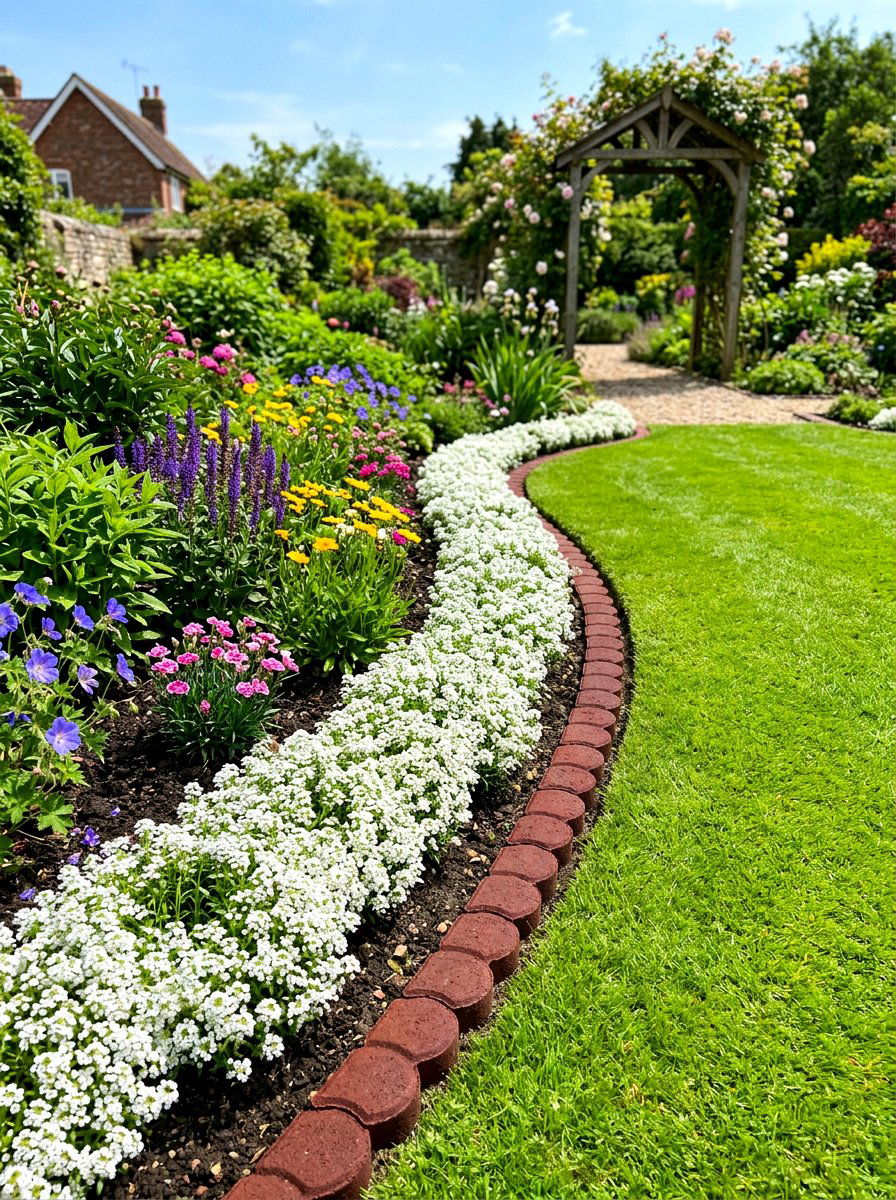
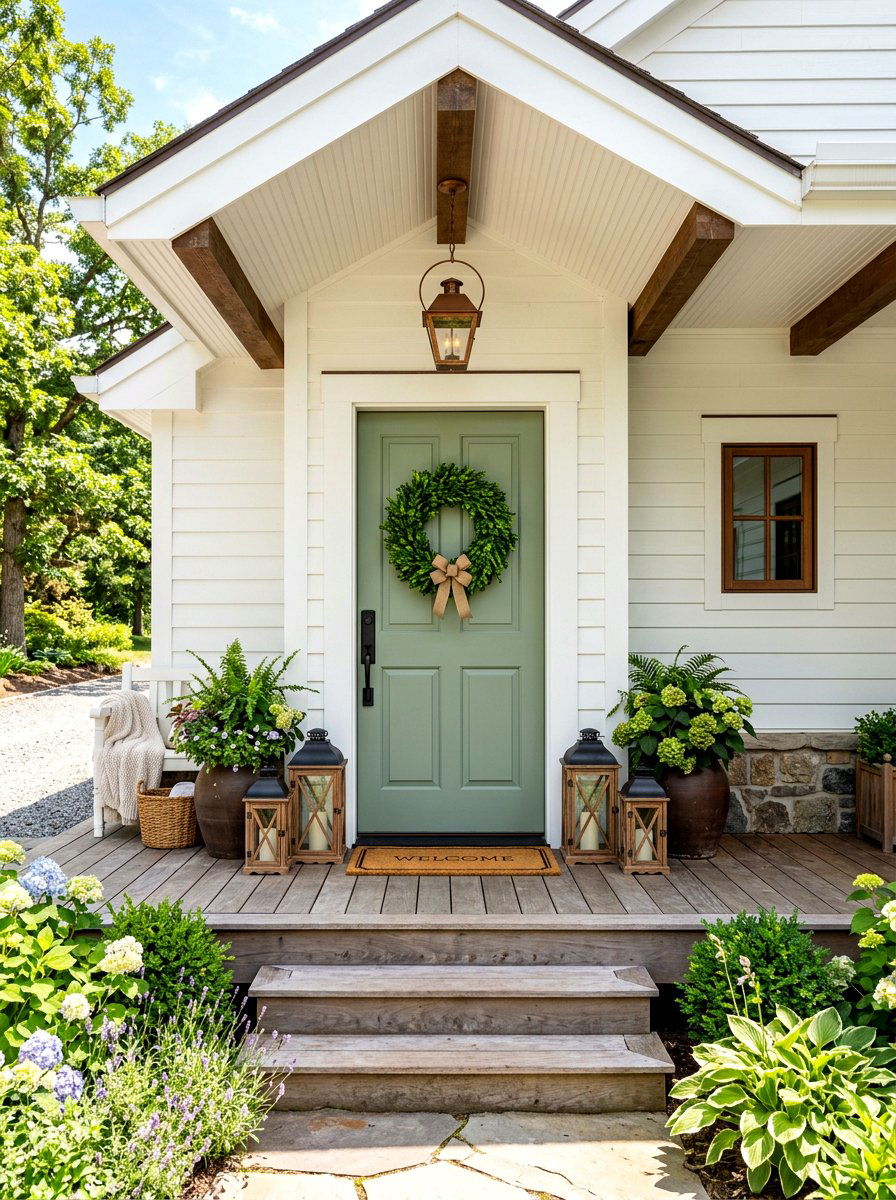
Creating an edging flower bed provides a clean and polished transition between your lawn and your garden areas. You can use low-profile plants like candytuft or thrift to create a living border that stays neat and compact. Alternatively, using physical materials like scalloped bricks, natural stones, or modern metal strips helps keep mulch in place and grass out. A well-defined edge makes it much easier to mow the lawn without damaging your delicate flowers. It gives the entire yard a structured and professional appearance that is very satisfying to look at. This small detail is often what separates a basic garden from a truly exceptional and viral-worthy landscape.
20. Wildflower Garden Bed
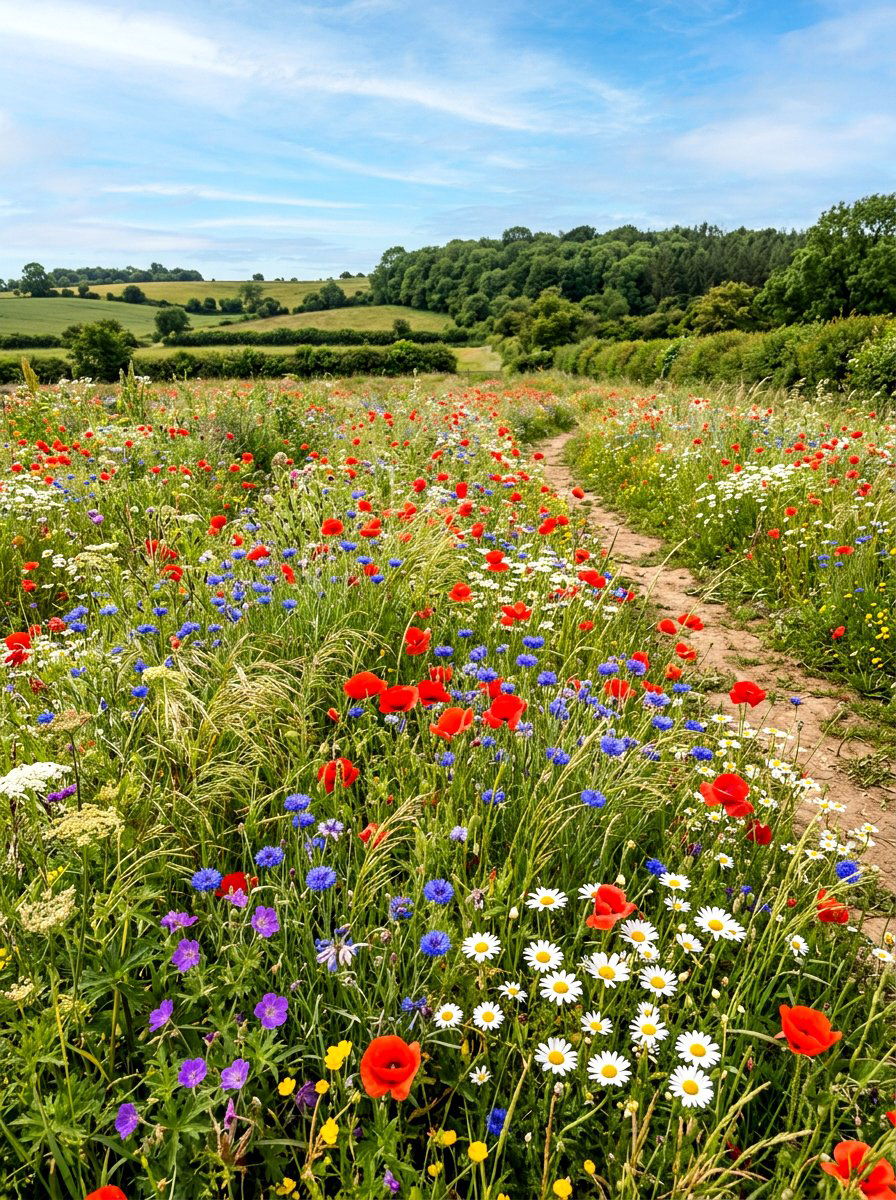
A wildflower garden bed offers a carefree and natural look that celebrates local biodiversity and requires very little maintenance once established. This style involves sowing a mix of native seeds that produce a tapestry of varied colors and textures throughout the season. Because these plants are adapted to your local climate, they are incredibly resilient and provide essential habitats for bees and birds. You should avoid a perfectly manicured look and instead let the plants grow into their natural, slightly wild forms. A simple mowed path through the middle can make the area feel like a deliberate part of the landscape. It is a beautiful, eco-friendly choice for any backyard.
21. Brick Flower Bed
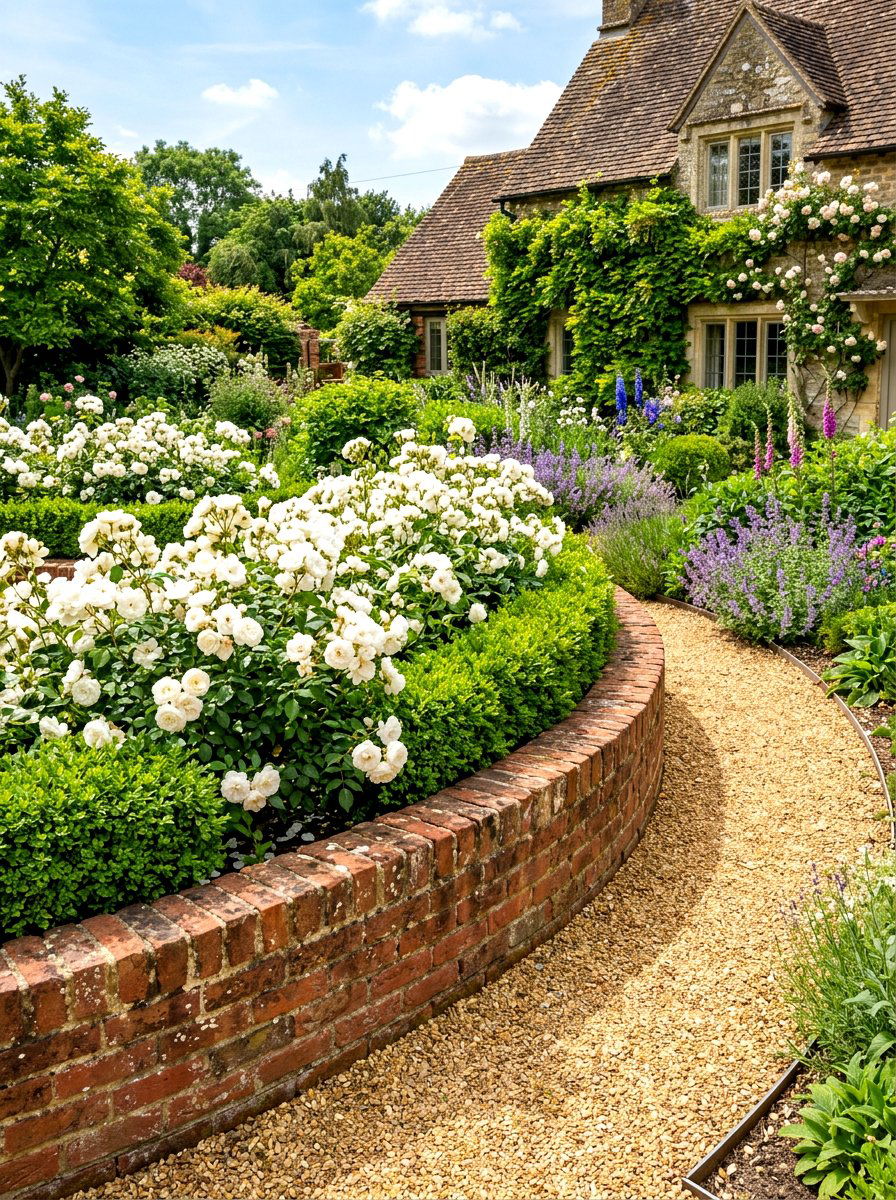
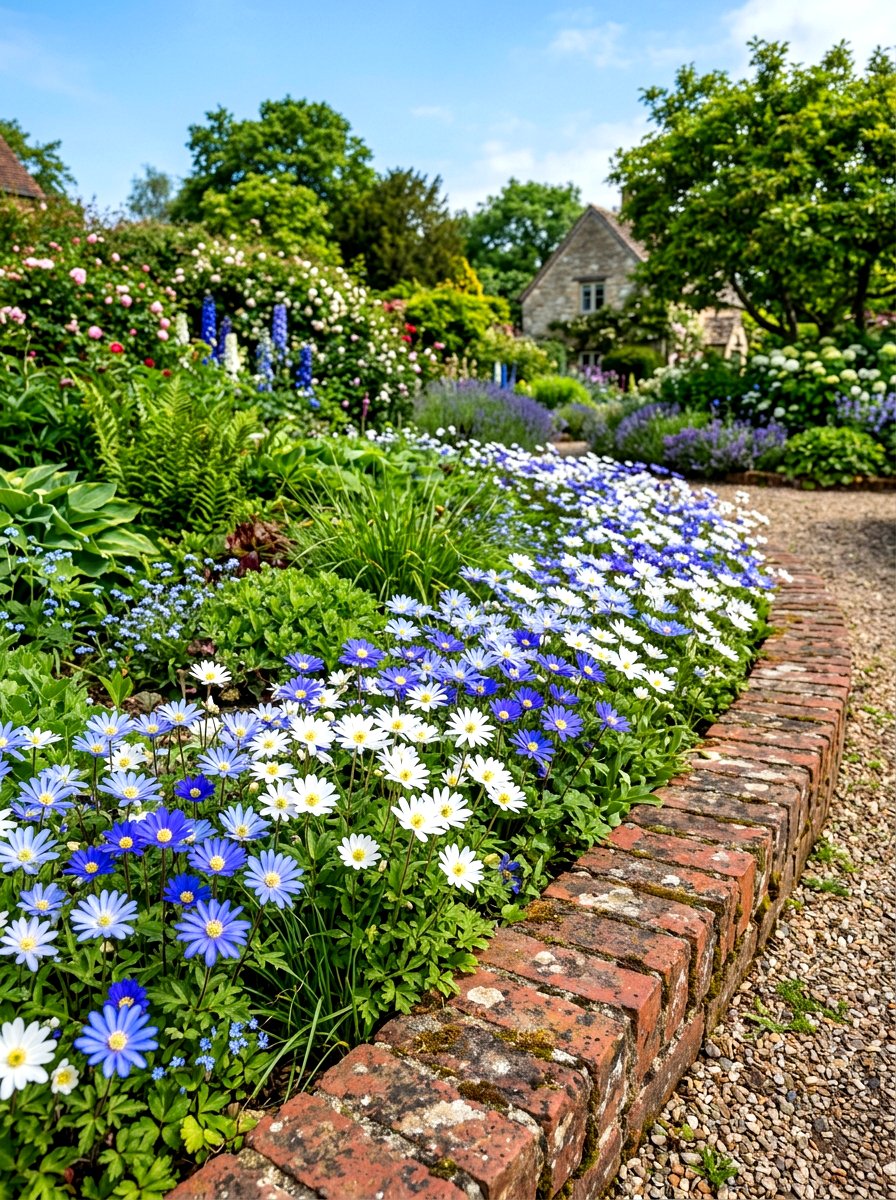
Constructing a brick flower bed adds a timeless and sturdy feel to your garden that complements traditional home architecture. You can use reclaimed bricks for a rustic, weathered look or new pavers for a crisp and modern finish. Bricks are versatile enough to create straight formal lines or gentle, sweeping curves that flow with the natural shape of your lawn. The red or tan tones of the masonry provide a warm backdrop that makes the green foliage and colorful blooms stand out. Because brick is a heavy material, these beds are durable and will stay in place for many years. It is a classic landscaping choice that never goes out of style.
22. Modern Flower Bed
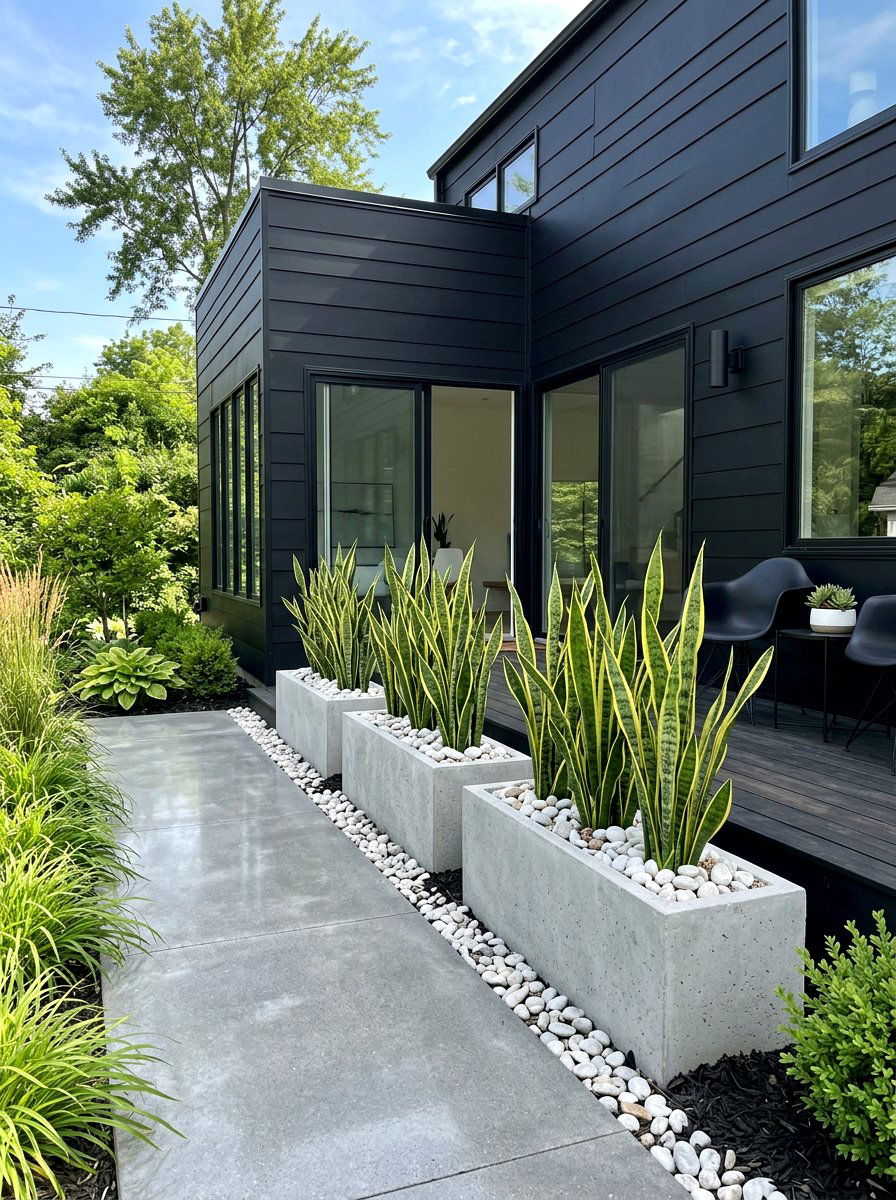
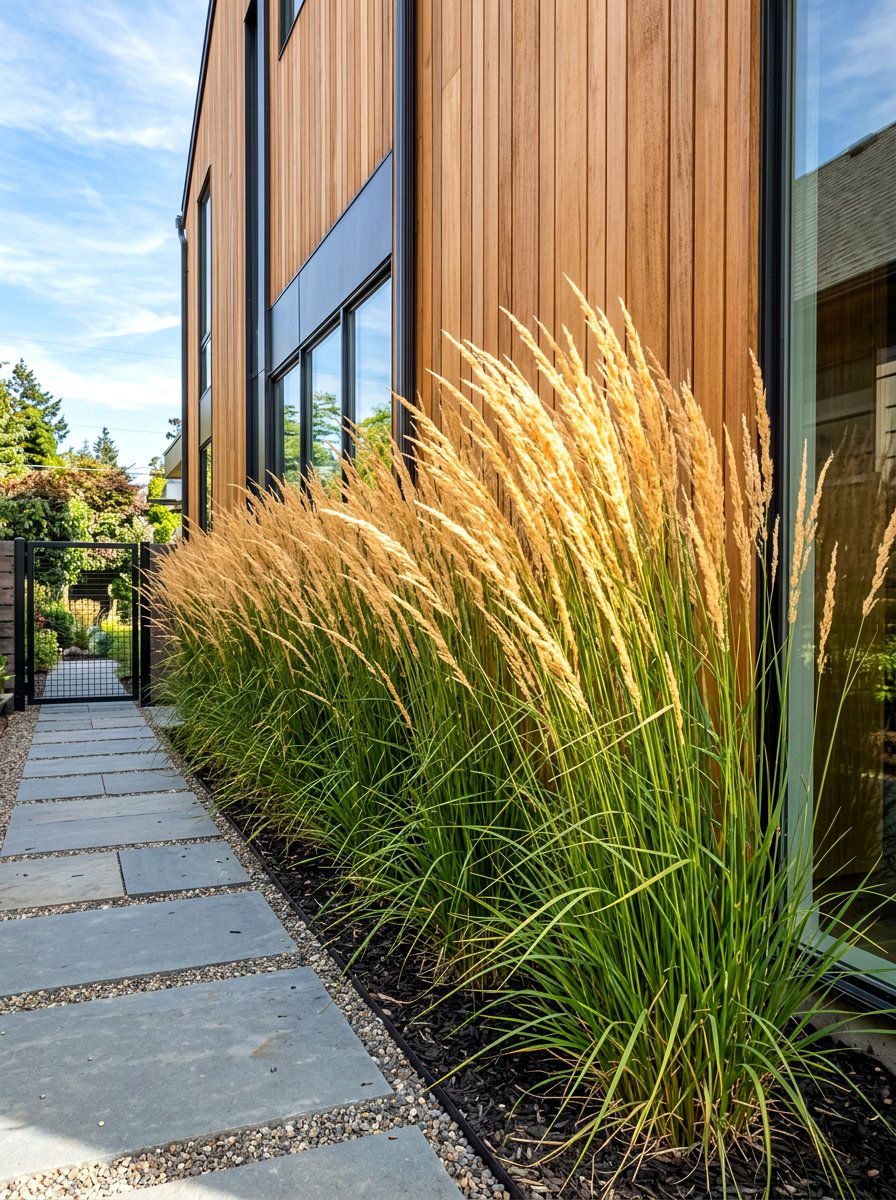
A modern flower bed focuses on clean lines, geometric shapes, and a minimalist plant palette for a sophisticated and high-end look. You might see large concrete planters, sleek metal edging, and plants arranged in repetitive patterns or neat rows. Instead of a riot of colors, this style often uses shades of green, white, and silver to create a serene and orderly atmosphere. Ornamental grasses and structural plants like boxwood or agave are common choices for their architectural form. This design works perfectly with contemporary homes and creates a clutter-free environment that is very calming. It proves that simplicity can be incredibly powerful and visually stunning in garden design.
23. Minimalist Flower Bed
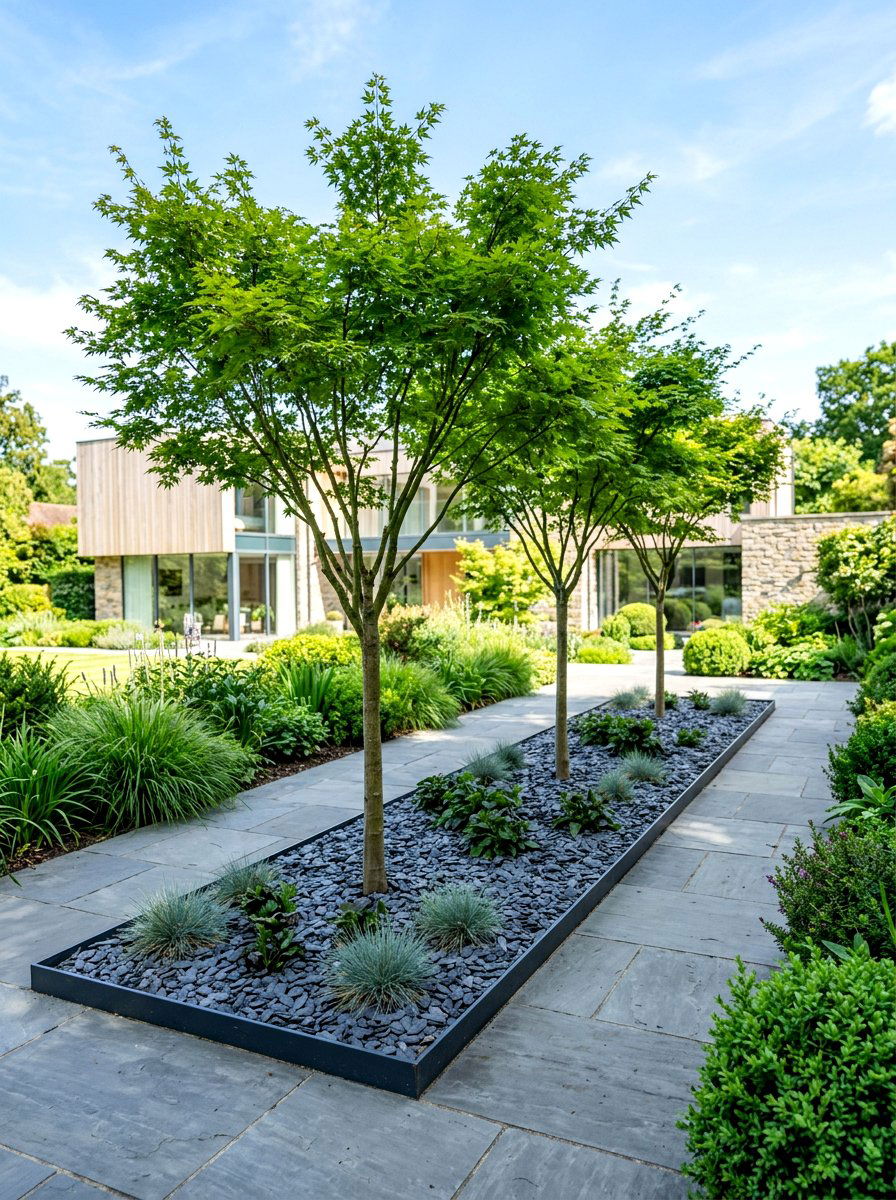
Designing a minimalist flower bed is all about quality over quantity, focusing on a few standout plants rather than a crowded collection. This approach creates a sense of space and tranquility, making it ideal for modern urban environments or small patios. You might choose one beautiful specimen tree or a single variety of flower planted in a clean, organized row. Using neutral-colored mulch or decorative gravel helps keep the focus on the plants themselves. This style is not only visually appealing but also much easier to maintain since there are fewer plants to water and prune. It results in a very deliberate and high-end look that feels very current.
24. Drought Tolerant Flower Bed
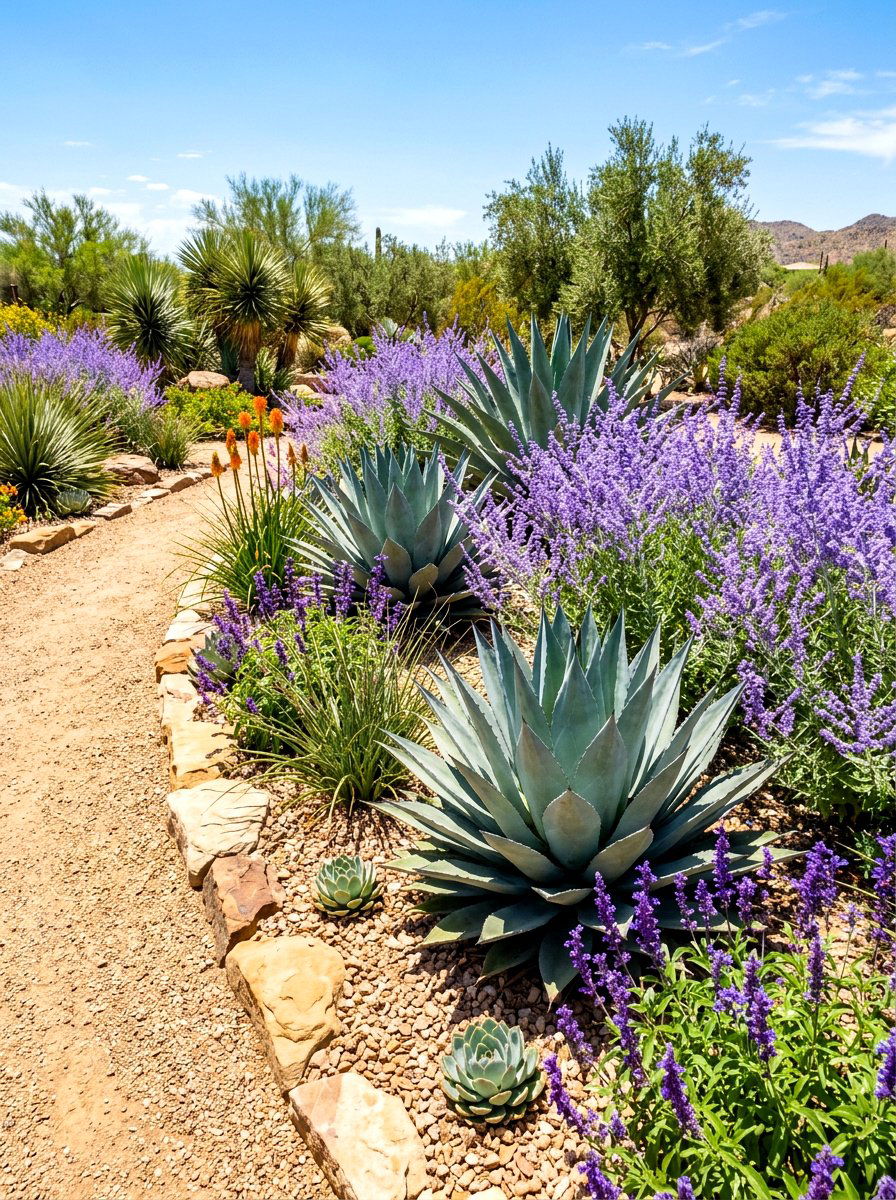
Creating a drought tolerant flower bed is a responsible and beautiful choice for areas with limited water or for gardeners who want to save on bills. This style, often called xeriscaping, uses plants like succulents, yarrow, and Russian sage that have evolved to thrive in dry conditions. By grouping these plants together, you can significantly reduce the need for supplemental irrigation once they are established. Using a gravel mulch instead of wood bark can help keep the soil cool and prevent evaporation. These gardens often have a unique, sun-drenched aesthetic that looks wonderful with natural stone accents. You will have a resilient garden that stays green even in the heat.
25. Spring Bulb Flower Bed
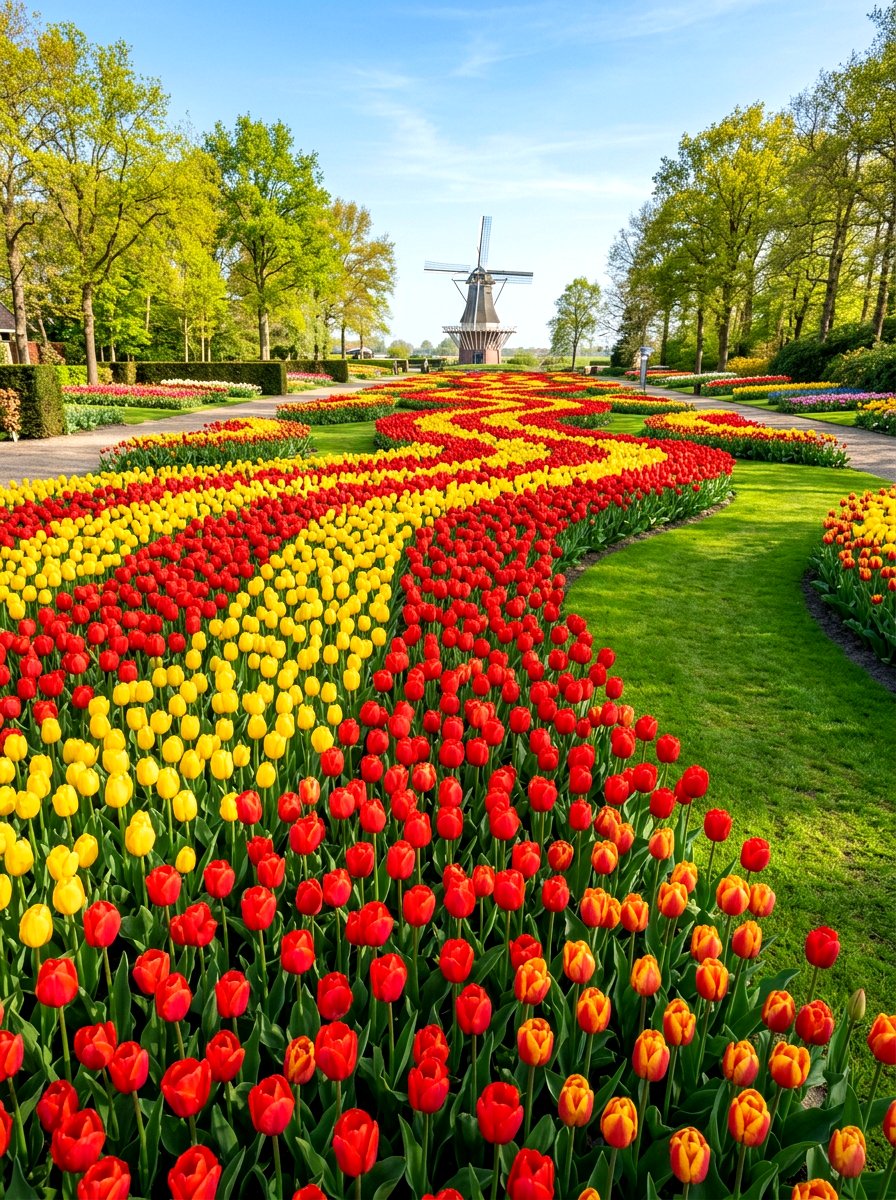
A spring bulb flower bed is the perfect way to celebrate the end of winter and the arrival of warmer weather. By planting tulips, daffodils, and crocuses in the fall, you ensure a spectacular burst of color early in the next year. You can layer bulbs at different depths to create a continuous blooming sequence that lasts for several weeks. Interplanting them with perennials that emerge later helps hide the fading bulb foliage as the season progresses. These beds provide some of the most vibrant and cheering colors of the entire year. Watching the first green shoots poke through the snow is a truly rewarding experience for every home gardener.
26. Succulent Flower Bed
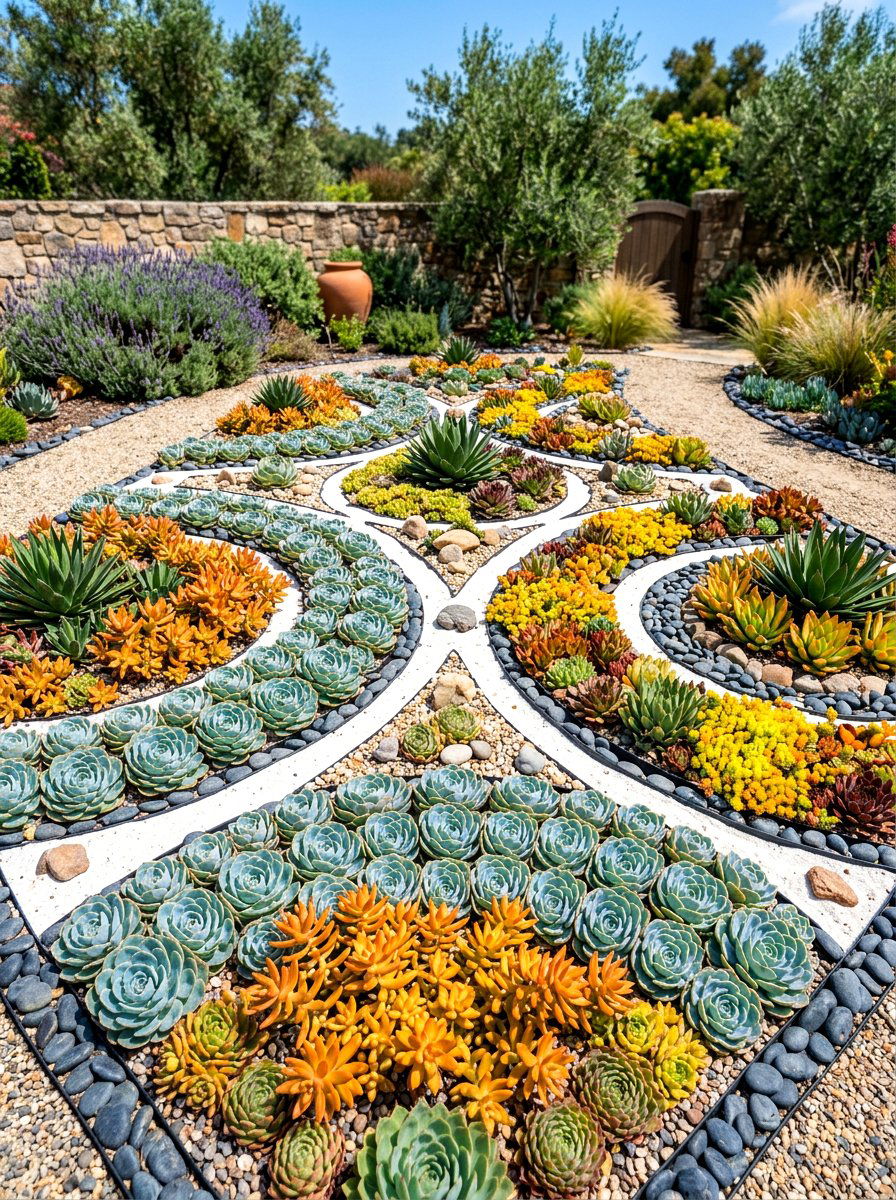
Designing a succulent flower bed allows you to play with incredible shapes, textures, and subtle color variations that other plants cannot offer. Succulents are remarkably easy to care for and look best when planted in tight groups or patterns that highlight their geometric forms. You can mix tall varieties like aloe with low-growing hens and chicks to create a layered and interesting display. Using a well-draining soil mix is essential to keep these desert-dwellers happy and healthy. Decorative rocks and sand can be used as a top dressing to complete the southwestern or modern look. These beds are exceptionally hardy and stay looking plump and vibrant even in direct sun.
27. Hummingbird Garden Bed
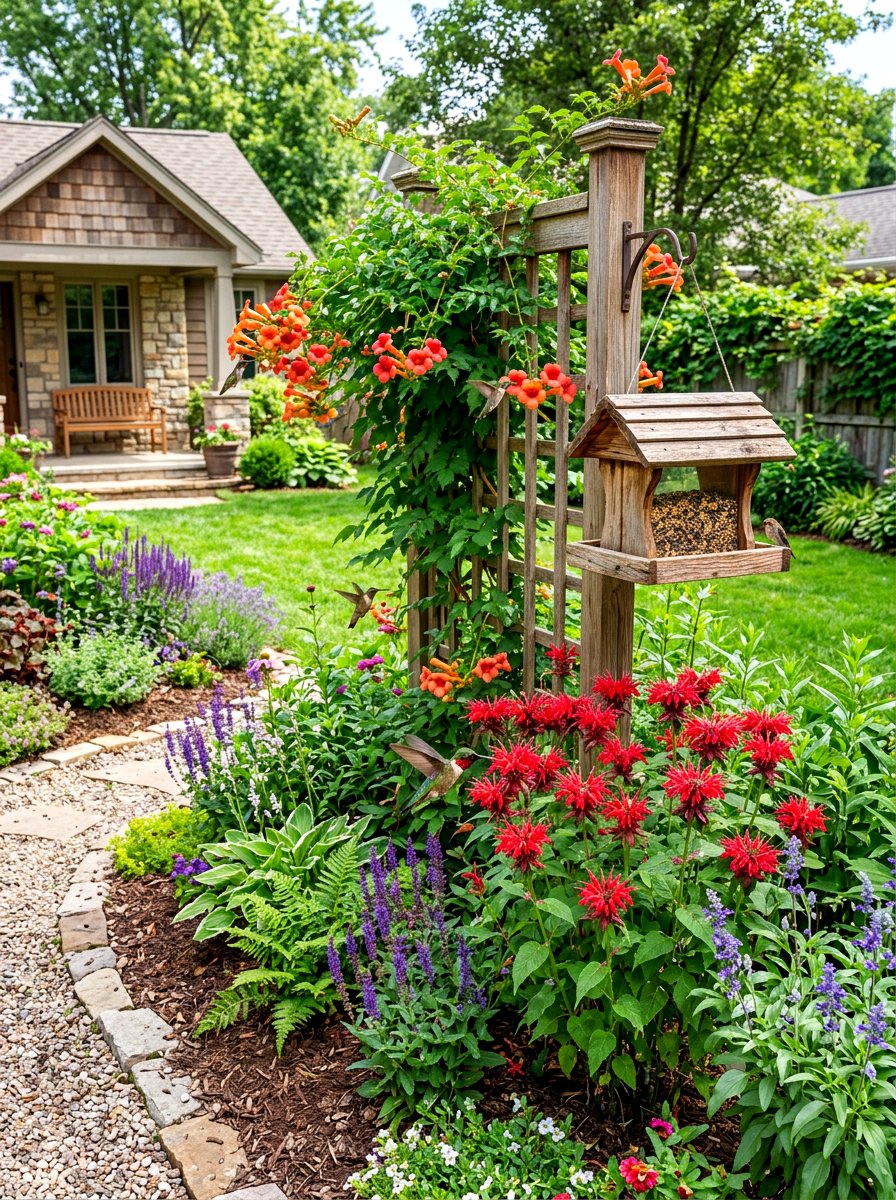
A hummingbird garden bed is specifically designed to attract these tiny, high-energy birds with bright, tubular flowers. Plants like bee balm, salvia, and trumpet vine are favorites because they provide the rich nectar that hummingbirds need. Using a mix of red and orange blooms is particularly effective, as these colors are highly visible to the birds from a distance. It is a good idea to include a small water feature or a mister, as hummingbirds love to bathe in fine sprays of water. By providing a consistent food source, you can enjoy the thrill of watching these feathered jewels dart through your garden all summer long.
28. Rustic Flower Bed
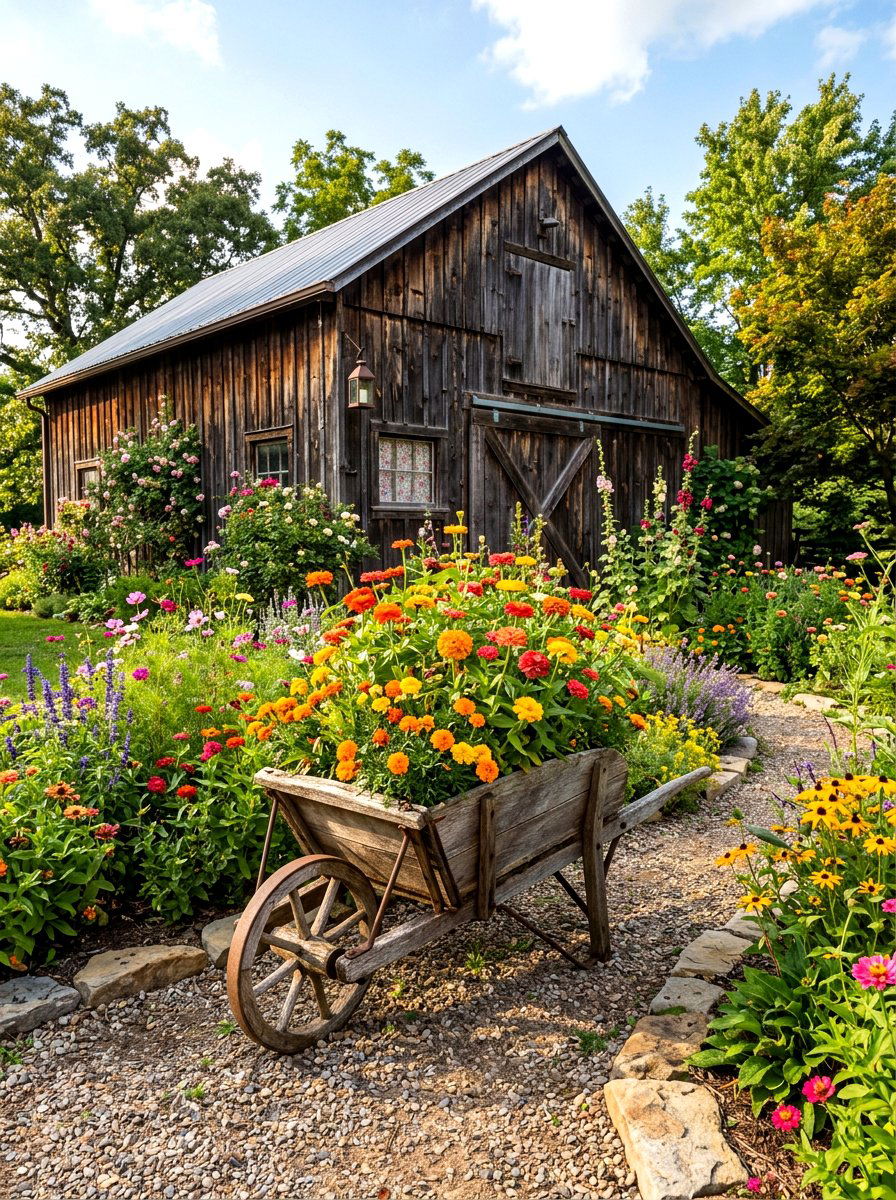
Creating a rustic flower bed involves using repurposed materials and natural elements to give your garden a lived-in, country feel. You might use old galvanized tubs, hollow logs, or even a vintage wheelbarrow as unique planters for your flowers. This style looks best with informal plantings of sunflowers, zinnias, and marigolds that have an old-fashioned charm. The key is to avoid anything that looks too perfect or manufactured; instead, embrace the beauty of weathered wood and rusted metal. It is a budget-friendly way to add personality and a sense of history to your outdoor space. This approach makes your garden feel like a personal and creative home project.
29. Fragrant Flower Bed
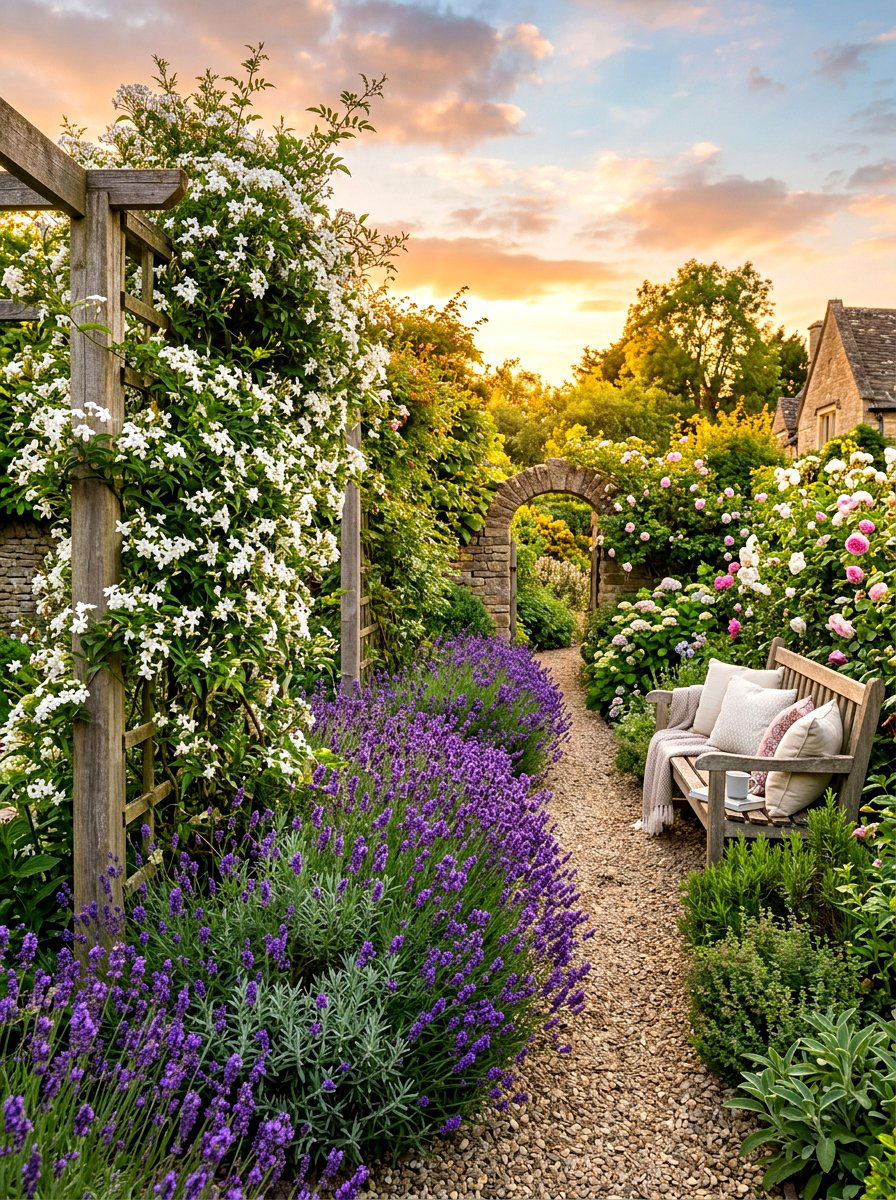
A fragrant flower bed engages more than just your eyes, filling the air with delightful scents that make your garden a sensory experience. You should place these beds near seating areas, windows, or pathways where you can best enjoy the perfume. Classic choices like jasmine, lilac, and gardenias offer powerful scents that can drift across the entire yard on a warm breeze. Herbs like rosemary and mint can also be tucked into the bed to provide a refreshing aroma when their leaves are brushed against. Planting a mix of day-blooming and night-blooming flowers ensures that your garden smells wonderful at all hours. It creates a truly immersive and relaxing environment.
30. Border Flower Bed
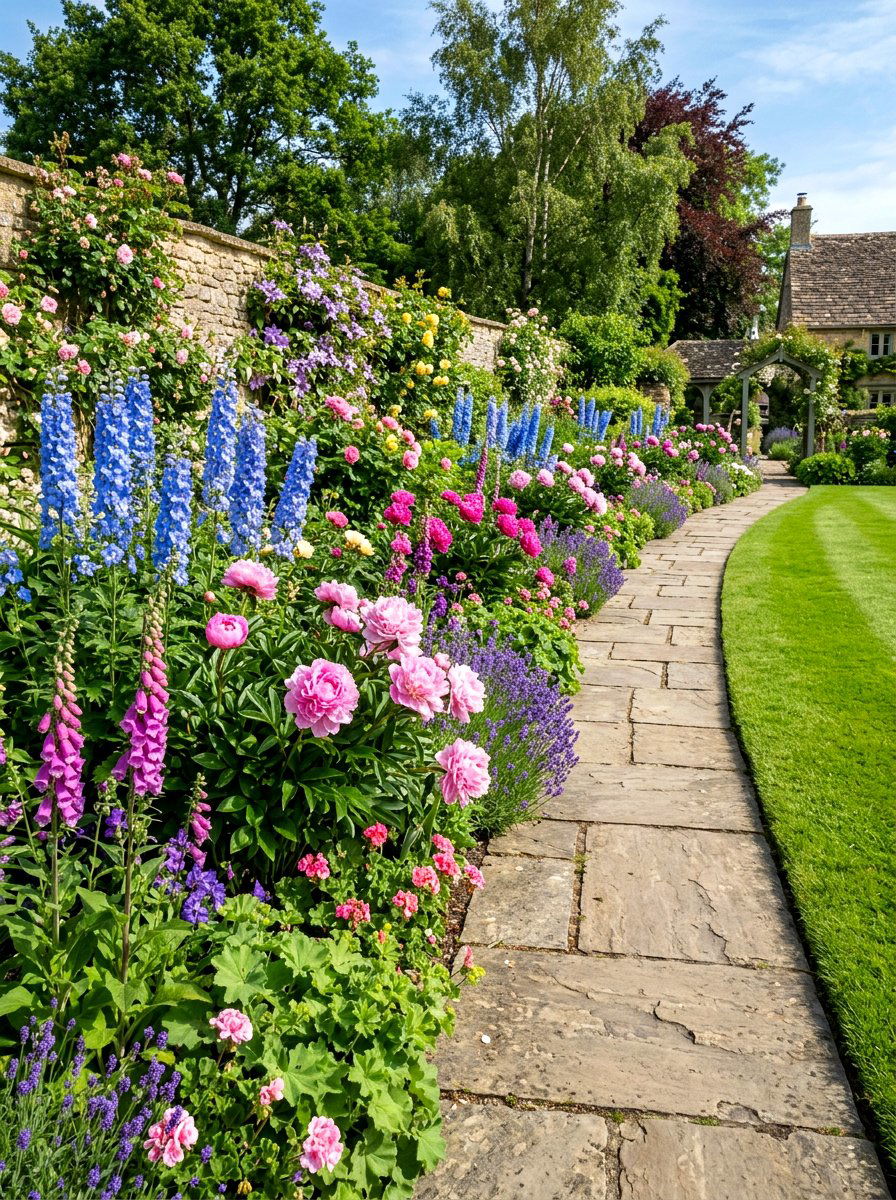
Designing a border flower bed is the traditional way to define the edges of your lawn while adding a massive amount of color and life. These long, narrow beds typically run alongside a path or at the very edge of your property line. You should follow the "tall in back, short in front" rule to ensure every plant is visible and gets enough sunlight. Mixing different flower shapes — like spiky delphiniums with rounded peonies — adds a professional level of contrast to the design. A well-maintained border bed creates a lush frame for your entire landscape, making everything look more organized. It is a timeless gardening technique that works in any yard.
Conclusion:
Planning and planting beautiful flower beds is one of the most rewarding ways to enhance your home’s outdoor appeal and create a personal sanctuary. By considering the different styles, from formal circular beds to wild and carefree cottage gardens, you can tailor your landscape to fit your lifestyle and aesthetic preferences perfectly. Successful gardening is a journey of learning what thrives in your specific environment while experimenting with new colors and textures each season. Whether you focus on attracting pollinators or creating a low-maintenance retreat, your efforts will result in a vibrant, living space that brings joy to everyone who sees it. Happy planting as you begin!

Related posts: