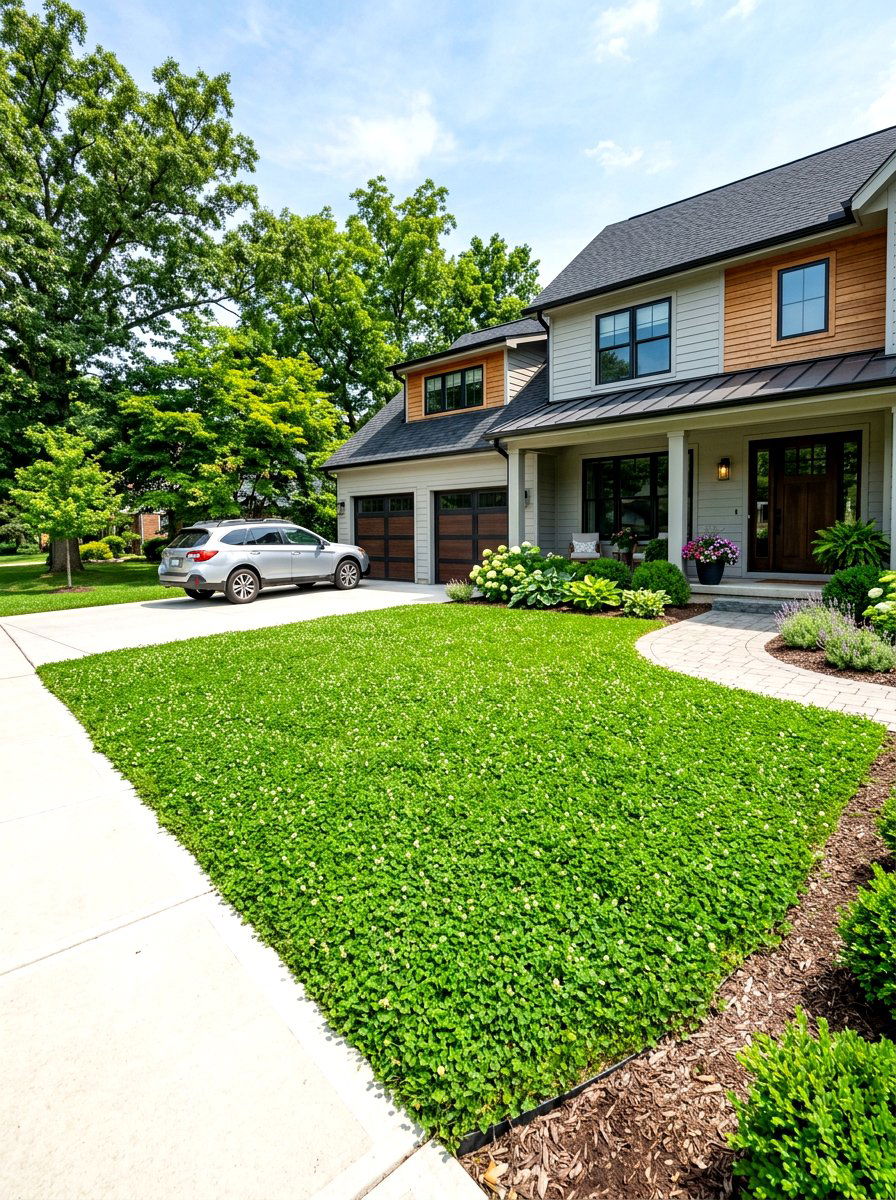
Switching to a sustainable clover lawn transforms your outdoor living space into an eco-friendly sanctuary that requires much less effort than traditional turf. Homeowners are increasingly ditching high-maintenance grass in favor of these lush, nitrogen-fixing groundcovers that stay green even during the hottest summer months. Clover naturally suppresses weeds, thrives in poor soil, and provides a soft, cushioned surface for bare feet or pets. Whether you choose the tiny leaves of microclover for a modern look or a flowering mix to support local pollinators, the aesthetic is undeniably charming and natural. This guide explores creative ways to integrate clover into your backyard landscape to achieve a beautiful, low-impact environment.

1. White Clover Backyard
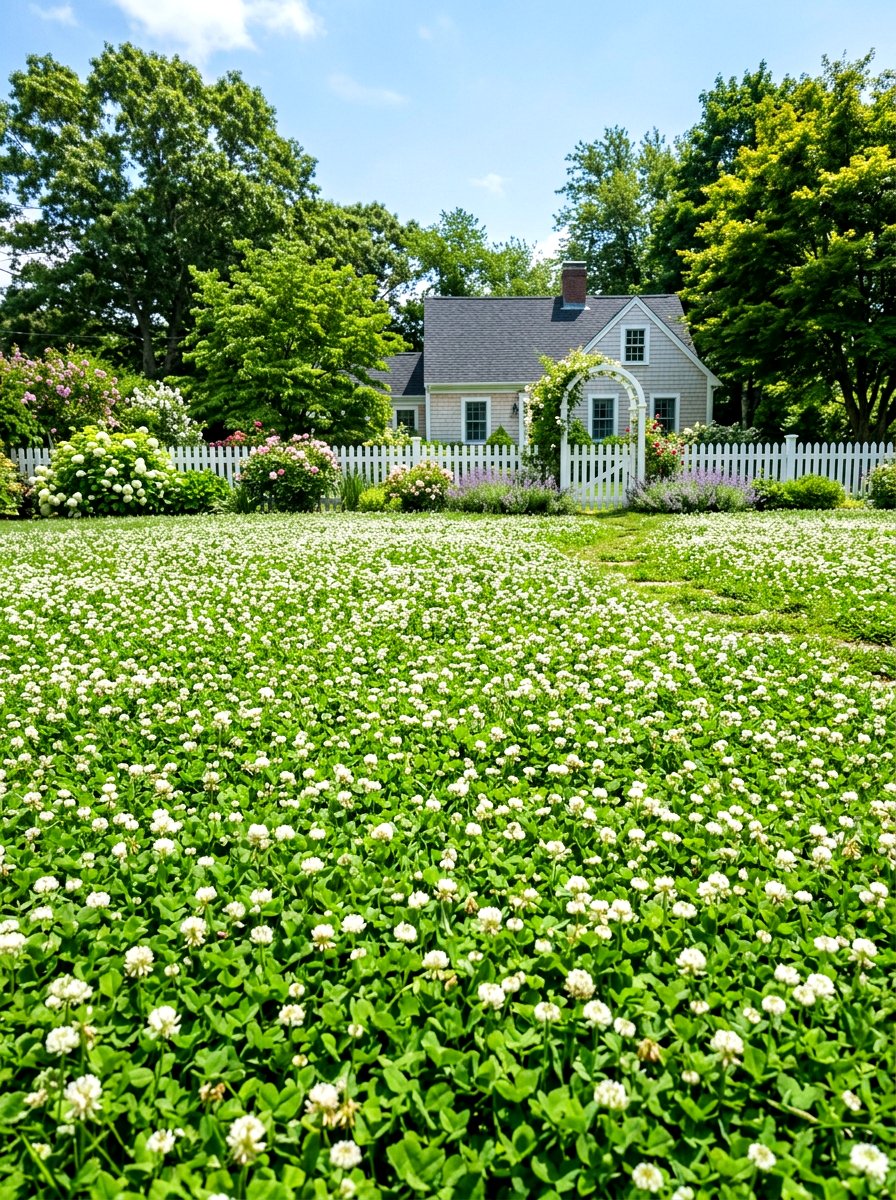
A classic white clover backyard offers a nostalgic, cottage-inspired look that remains vibrant throughout the year without needing heavy chemical fertilizers. This variety is beloved for its ability to fix nitrogen in the soil, which naturally feeds the ground and keeps neighboring plants healthy and green. The soft, rounded leaves create a dense carpet that feels wonderful underfoot, making it a perfect choice for areas where children and pets play daily. During the summer, tiny white blossoms emerge, attracting honeybees and adding a delicate texture to the landscape. This type of lawn thrives in various soil conditions and handles moderate foot traffic with ease.
2. Modern Microclover Lawn
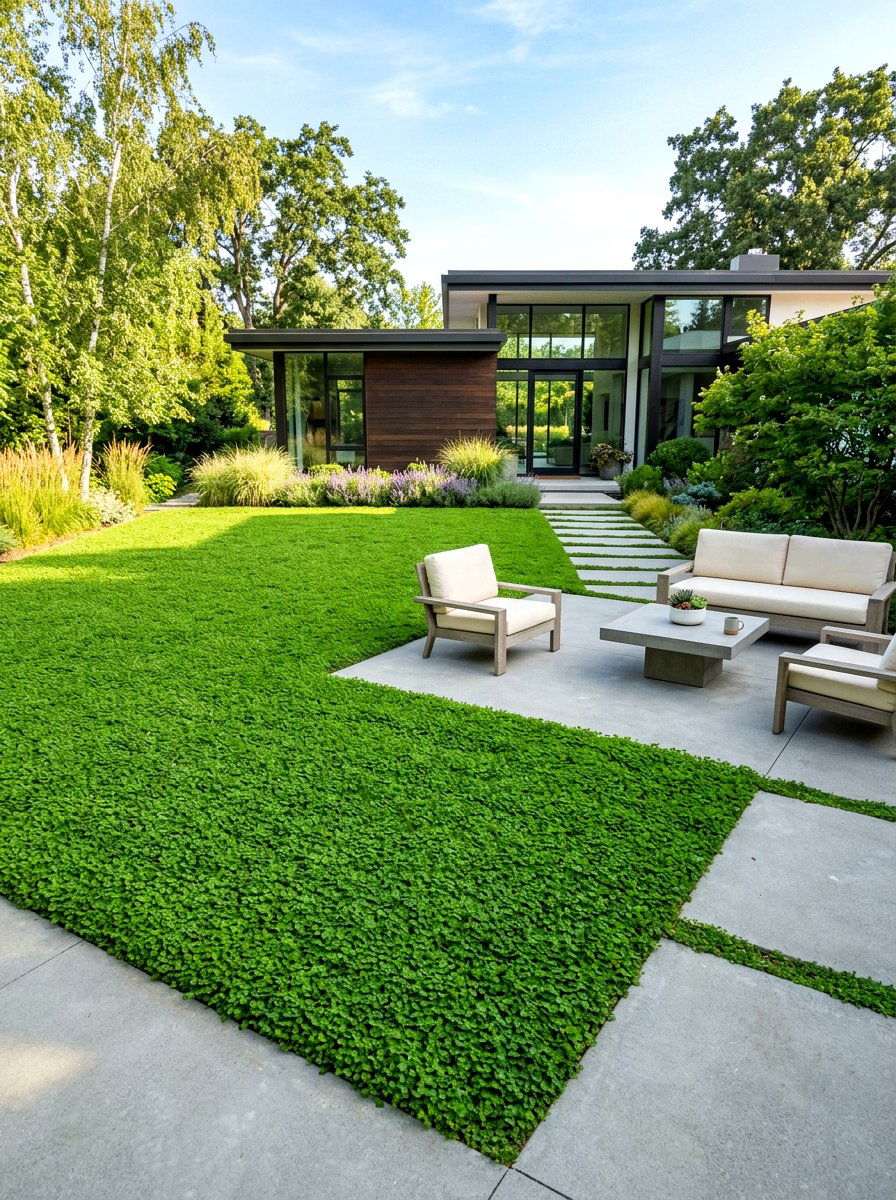
For a clean and sophisticated appearance, a modern microclover lawn provides the uniformity of traditional grass but with significantly less maintenance. Microclover features much smaller leaves than standard white clover and grows lower to the ground, which results in a manicured aesthetic that complements contemporary architecture. This variety is often bred to produce fewer flowers, making it an excellent choice for those who want a green carpet without attracting too many pollinators. It blends seamlessly with existing turf or stands alone as a lush monoculture. Because it requires less frequent mowing and watering, it is the ultimate solution for a busy, style-conscious homeowner.
3. Clover Stone Paver Walkway
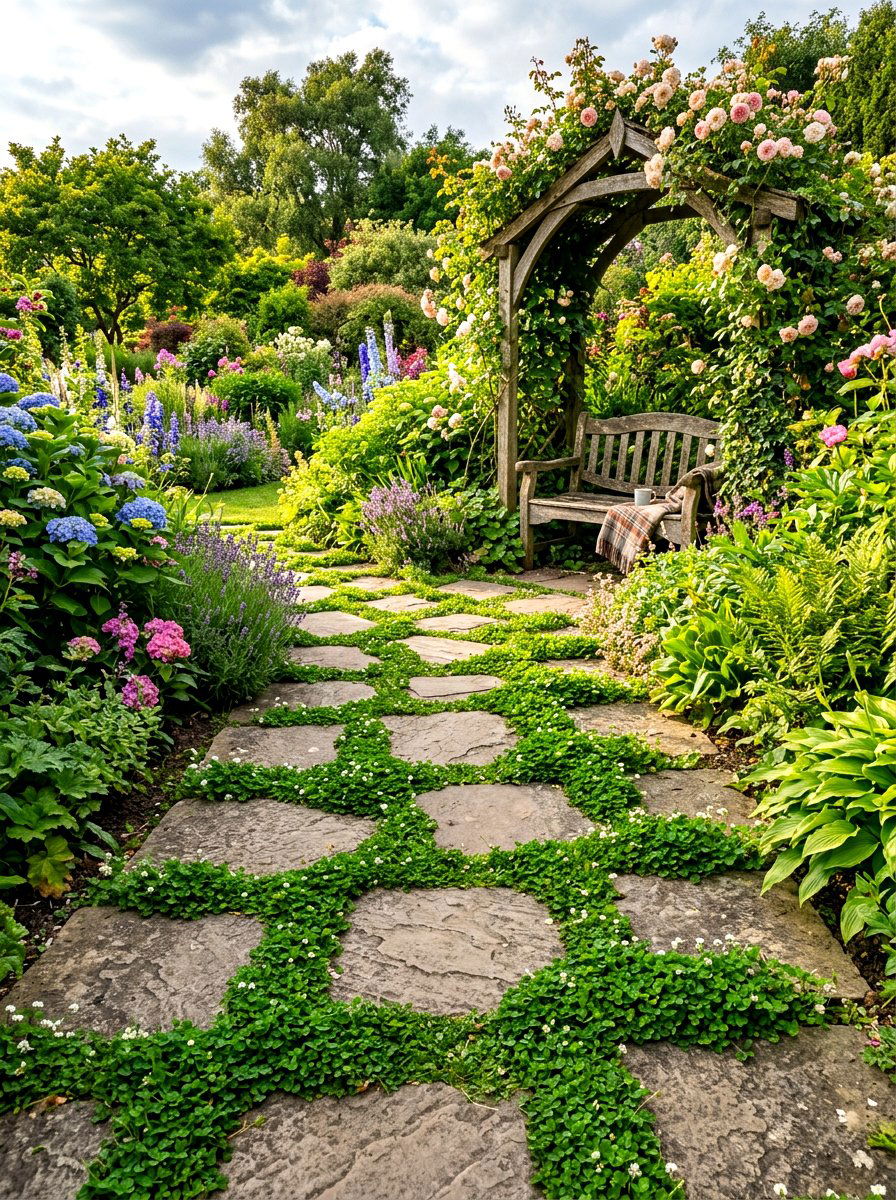
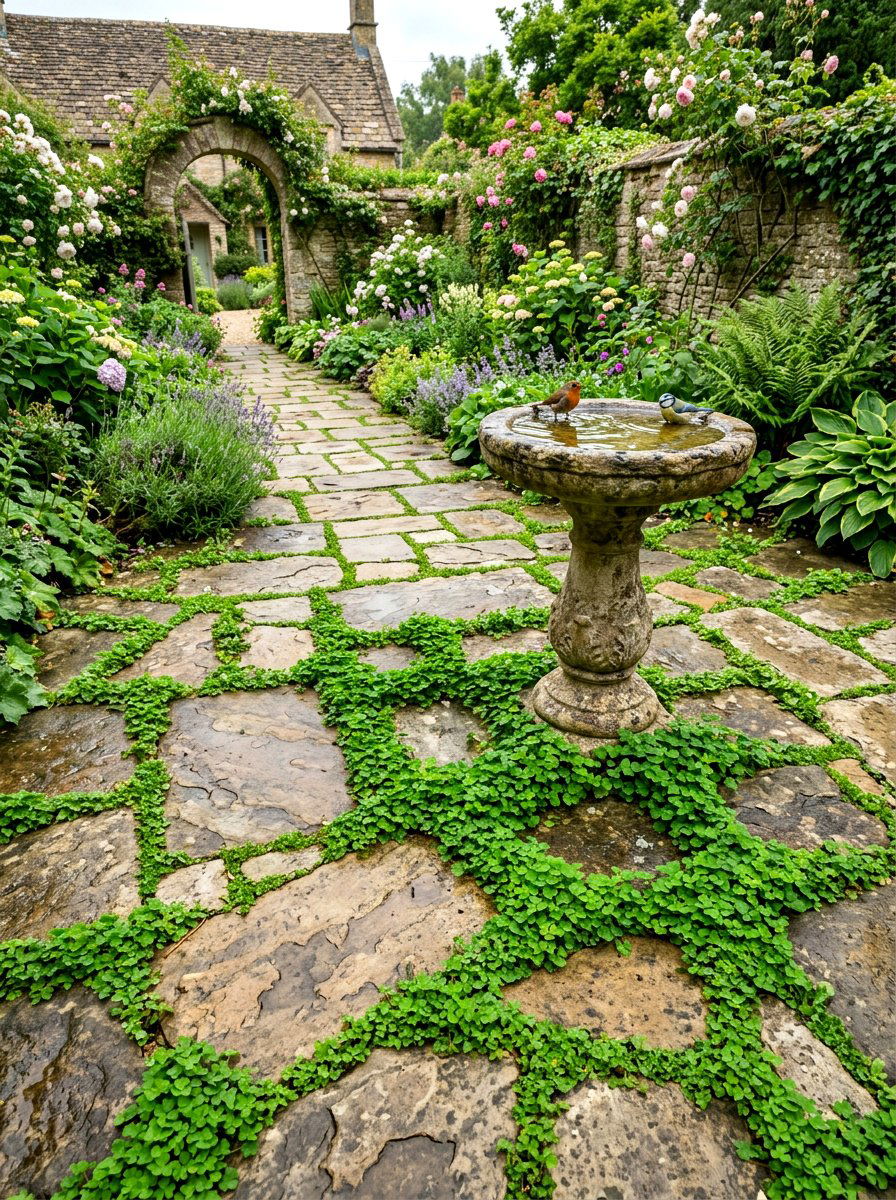
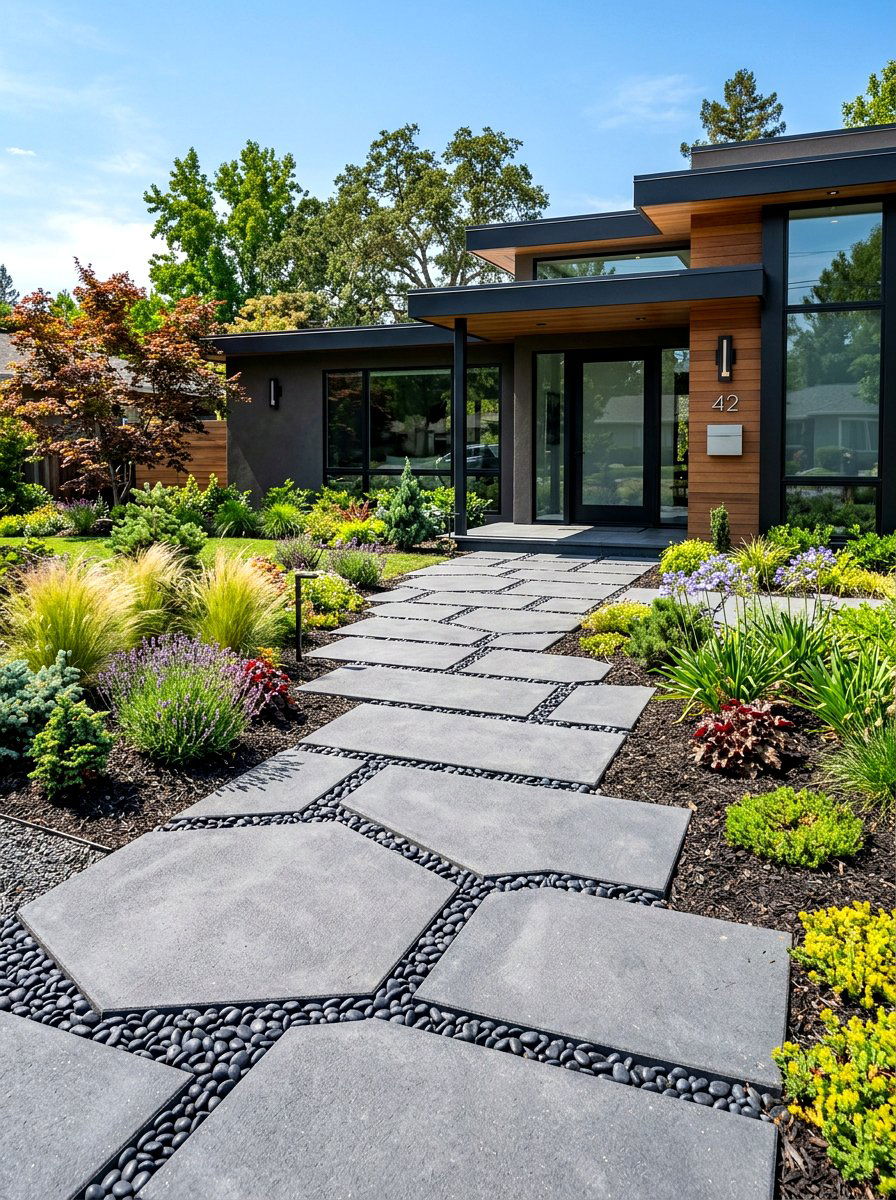
Integrating clover into a stone paver walkway adds a soft, organic element to the hardscaping of your backyard and prevents soil erosion between stones. Unlike traditional grass which often struggles in the narrow gaps between large flagstones or concrete pavers, clover thrives in these tight spaces. It creates a beautiful green "grout" that softens the edges of the path and makes the entire landscape feel more integrated with nature. This design works particularly well in high-traffic transition areas because the stones bear the weight of footsteps while the clover fills the voids. It results in a romantic, timeless look that stays lush with minimal trimming.
4. Cottage Garden Clover Meadow
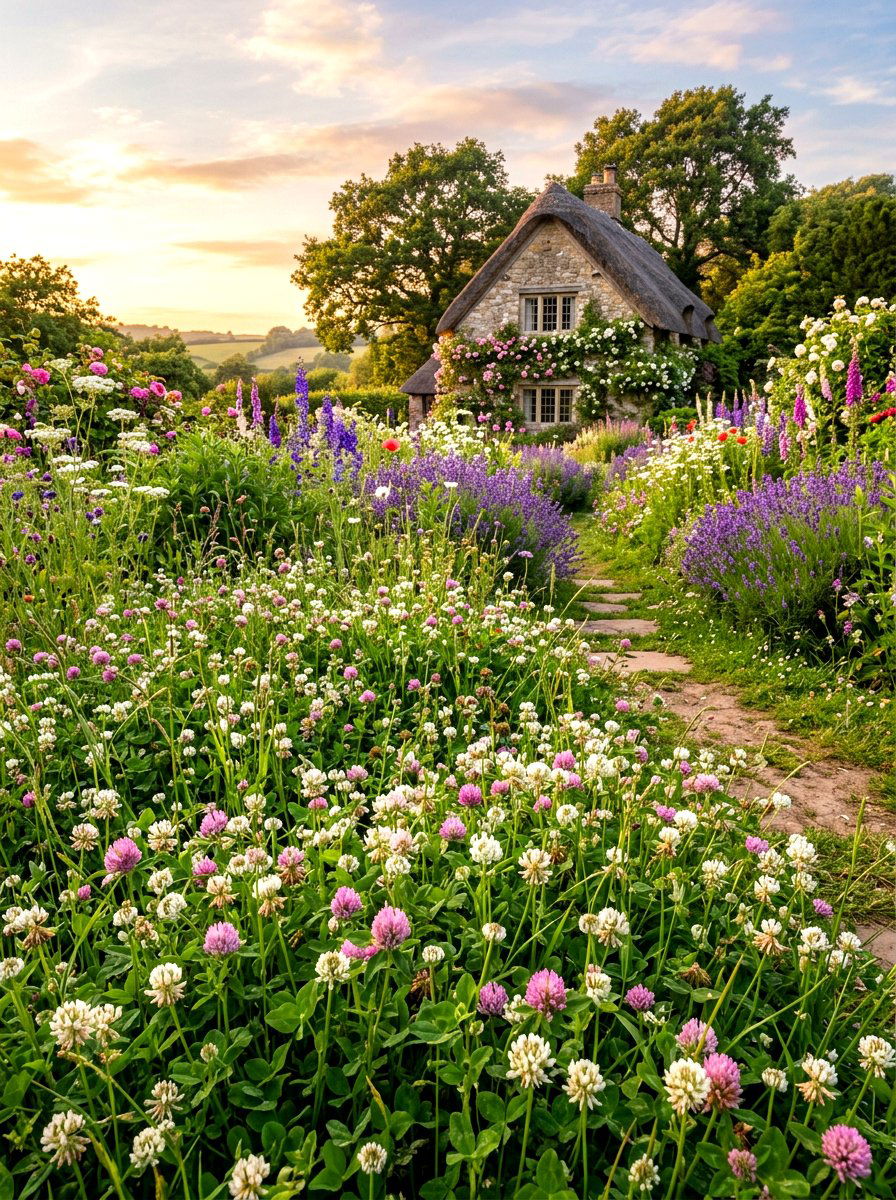
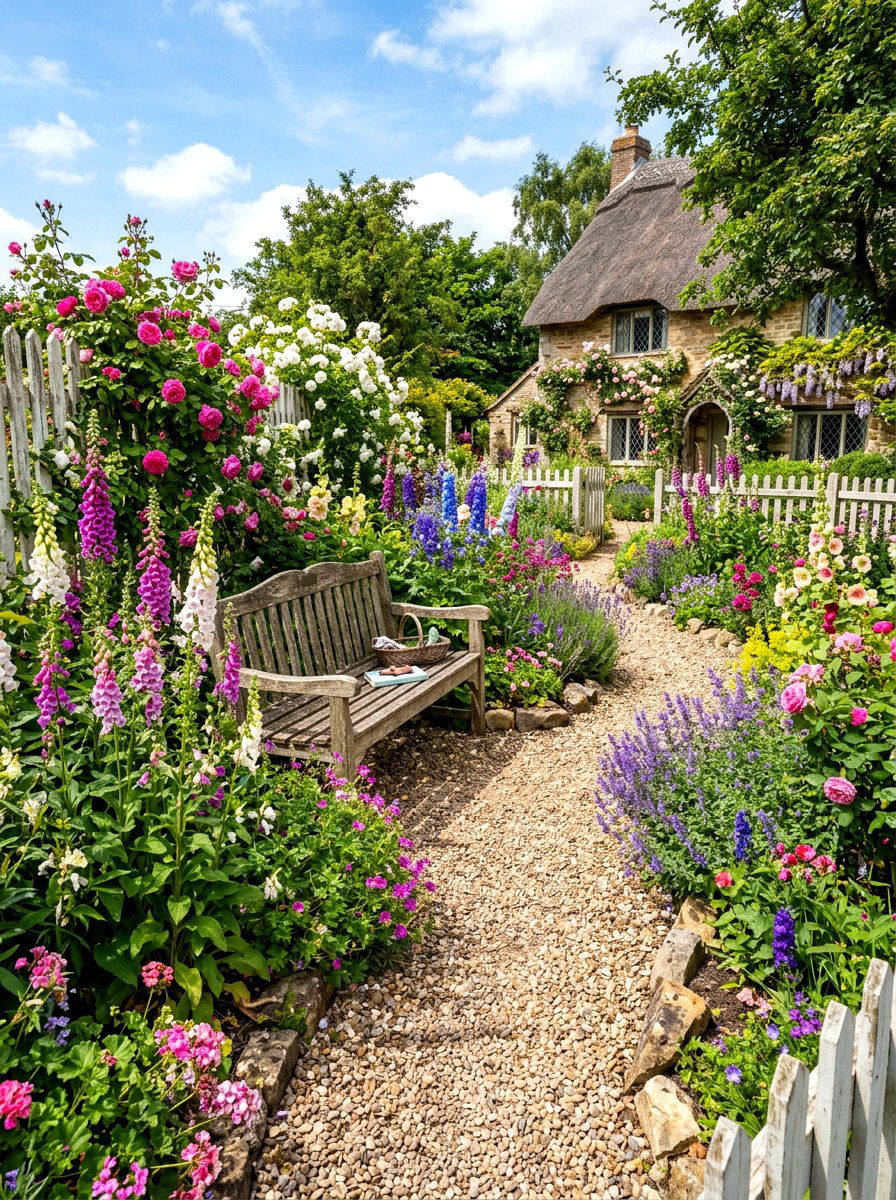
A cottage garden clover meadow embraces a wilder, more romantic aesthetic that celebrates the natural beauty of a flowering backyard landscape. This design often combines white and strawberry clover with taller perennials to create a layered, textured environment that feels like a hidden woodland escape. The clover acts as a living mulch, keeping the soil cool and moist for surrounding flowers while providing a beautiful green base. This style is perfect for larger backyards where you want to reduce mowing and encourage a diverse ecosystem of birds and butterflies. The low-growth habit of clover ensures the space remains accessible while maintaining its whimsical, unrefined charm.
5. Minimalist Backyard Microclover
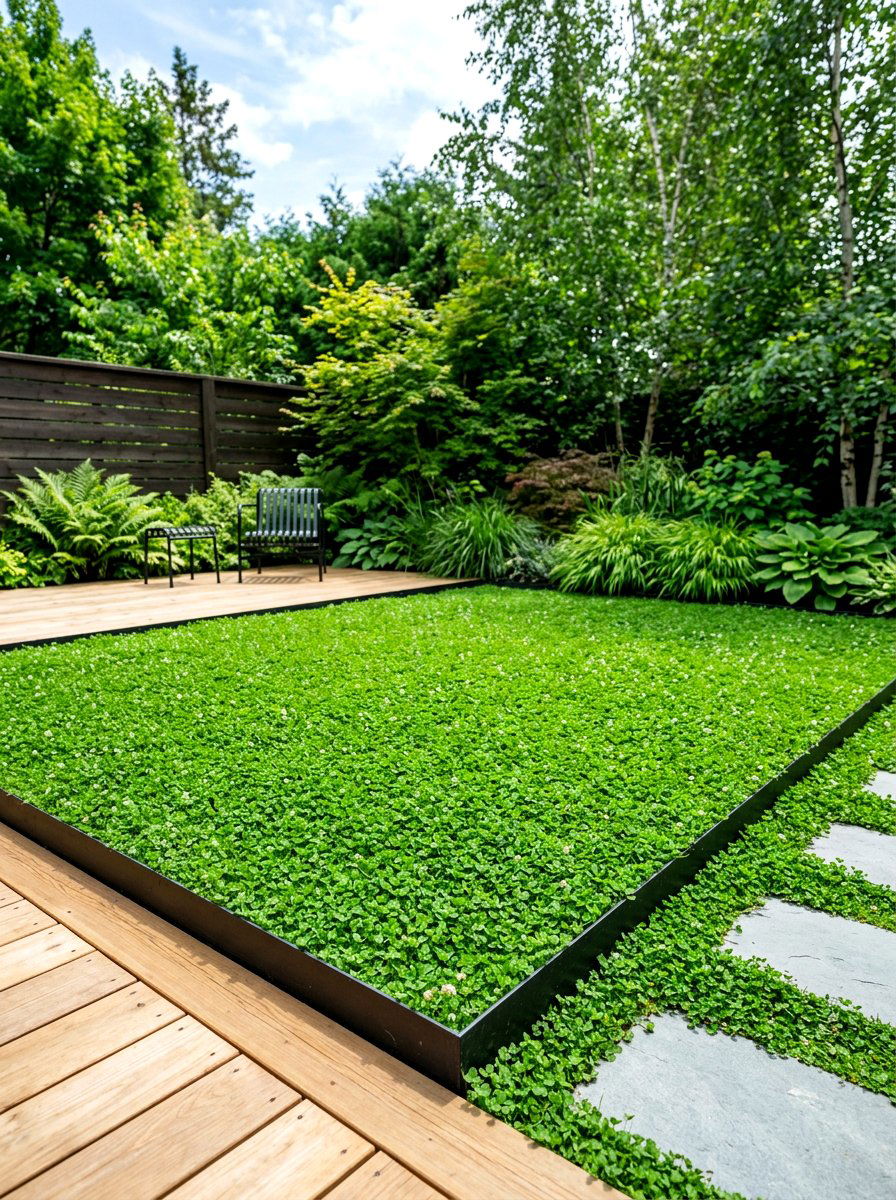
Achieving a minimalist backyard microclover look involves using a single, dense variety of low-growing clover to create a monochromatic and peaceful outdoor room. This design focuses on simplicity and clean lines, often bordering the clover with dark metal edging or smooth concrete walls to highlight the vibrant green color. Because microclover stays short and uniform, it maintains a polished look that rivals high-end golf course turf but without the ecological cost. This approach is ideal for small urban courtyards where space is limited and a clutter-free environment is essential for relaxation. The result is a calming, emerald-green floor that anchors the entire modern landscape.
6. Pollinator Garden Clover
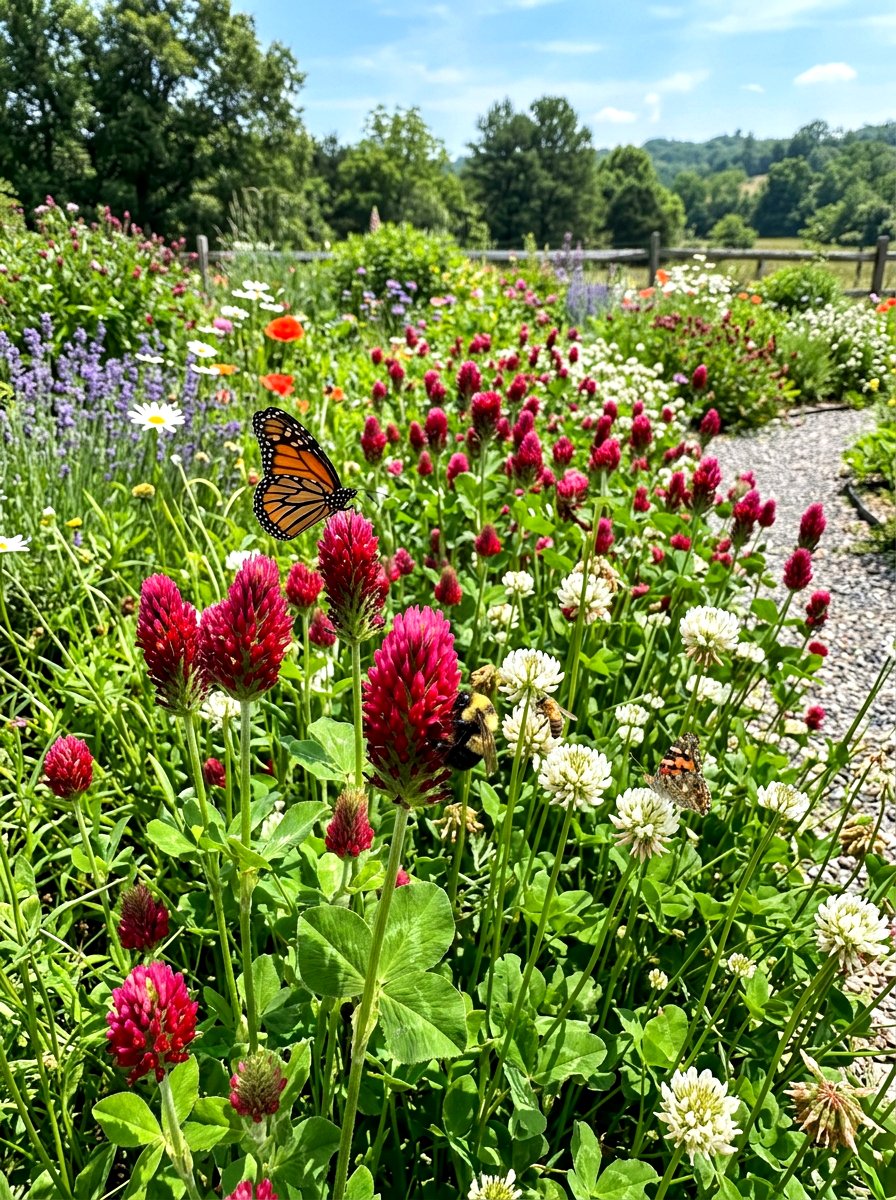
Designing a pollinator garden clover space is a wonderful way to support local wildlife while creating a backyard filled with life and movement. By selecting flowering clover varieties like red or white clover, you provide a consistent nectar source for bees, butterflies, and other beneficial insects. This type of lawn is often intentionally left slightly longer to allow the blossoms to flourish, creating a meadow-like feel that is both beautiful and functional. Pairing the clover with native nectar plants around the perimeter enhances the habitat and turns your yard into a biodiversity hotspot. It is a purposeful way to enjoy a lush, green aesthetic.
7. Drought Resistant Clover Landscaping
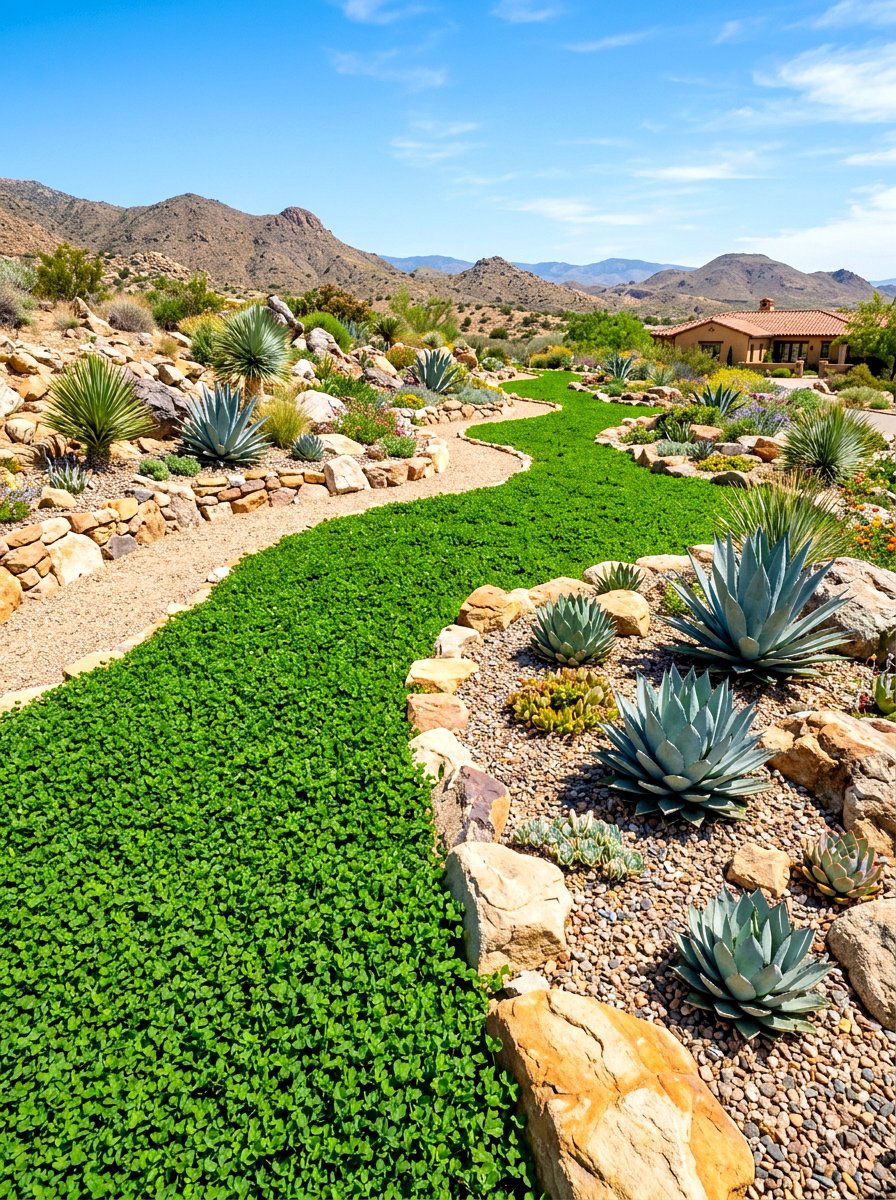
Implementing drought resistant clover landscaping is an intelligent choice for homeowners living in regions with limited water resources or strict summer irrigation bans. Clover has deep root systems that allow it to tap into moisture deep within the earth, keeping it green long after traditional grass has gone dormant and brown. This resilience makes it a cornerstone of water-wise gardening, providing a lush look without the high utility bills. By replacing thirsty turf with a hardy clover variety, you create a sustainable backyard that survives extreme heatwaves with grace. This functional landscape stays cooling and inviting throughout the summer, proving that eco-friendly choices can be stunning.
8. Mixed Clover Grass Lawn
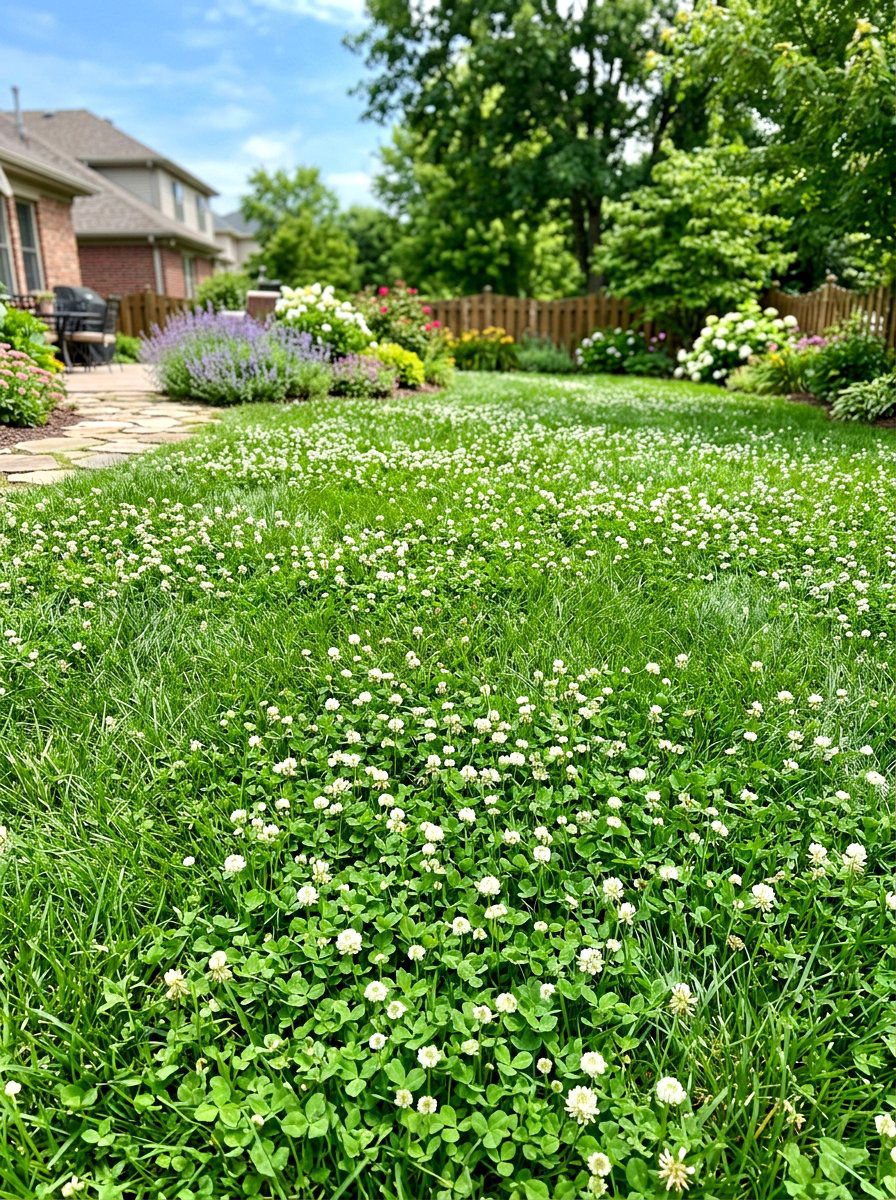
A mixed clover grass lawn offers the best of both worlds by combining the durability of traditional turf with the self-fertilizing benefits of clover. This approach was common in the early twentieth century and is making a huge comeback as homeowners seek more resilient landscapes. The clover fills in any patchy areas where grass might struggle, while the grass provides structural support for heavy activities. Because clover fixes nitrogen, it naturally feeds the grass, reducing the need for synthetic additives. The visual result is a rich, multi-toned green carpet that stays thicker and healthier than a grass-only lawn, regardless of the soil quality.
9. Small Backyard Clover
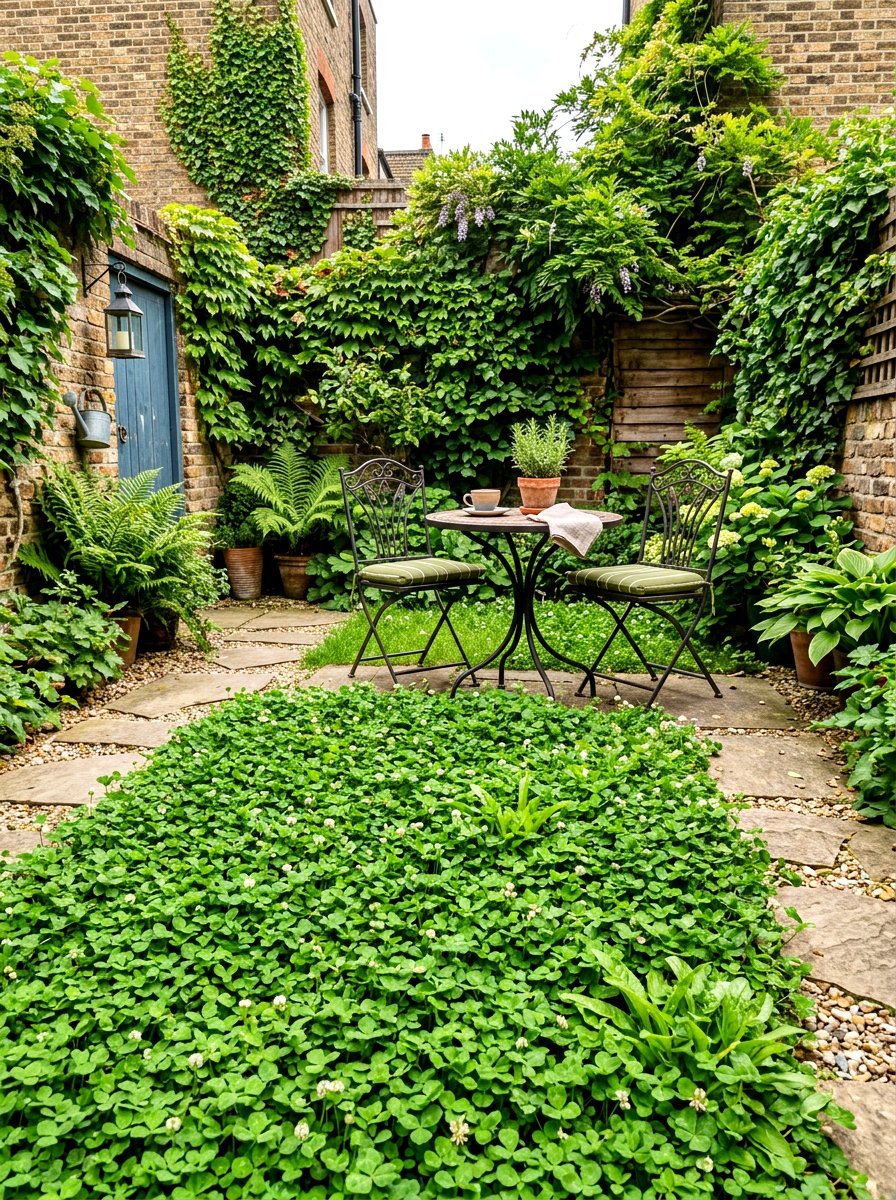
Utilizing clover in a small backyard is a smart way to maximize every square inch of green space without the need for bulky lawn equipment. In tight quarters, a traditional lawn mower can be difficult to maneuver, but a low-growing clover lawn often requires only occasional trimming with a light weed-wacker. This allows you to maintain a soft, green area for lounging even in the most compact urban settings. The fine texture of clover leaves can actually make a small space feel larger by providing a consistent, unbroken visual plane. It is an efficient and beautiful way to bring nature into a limited residential outdoor area.
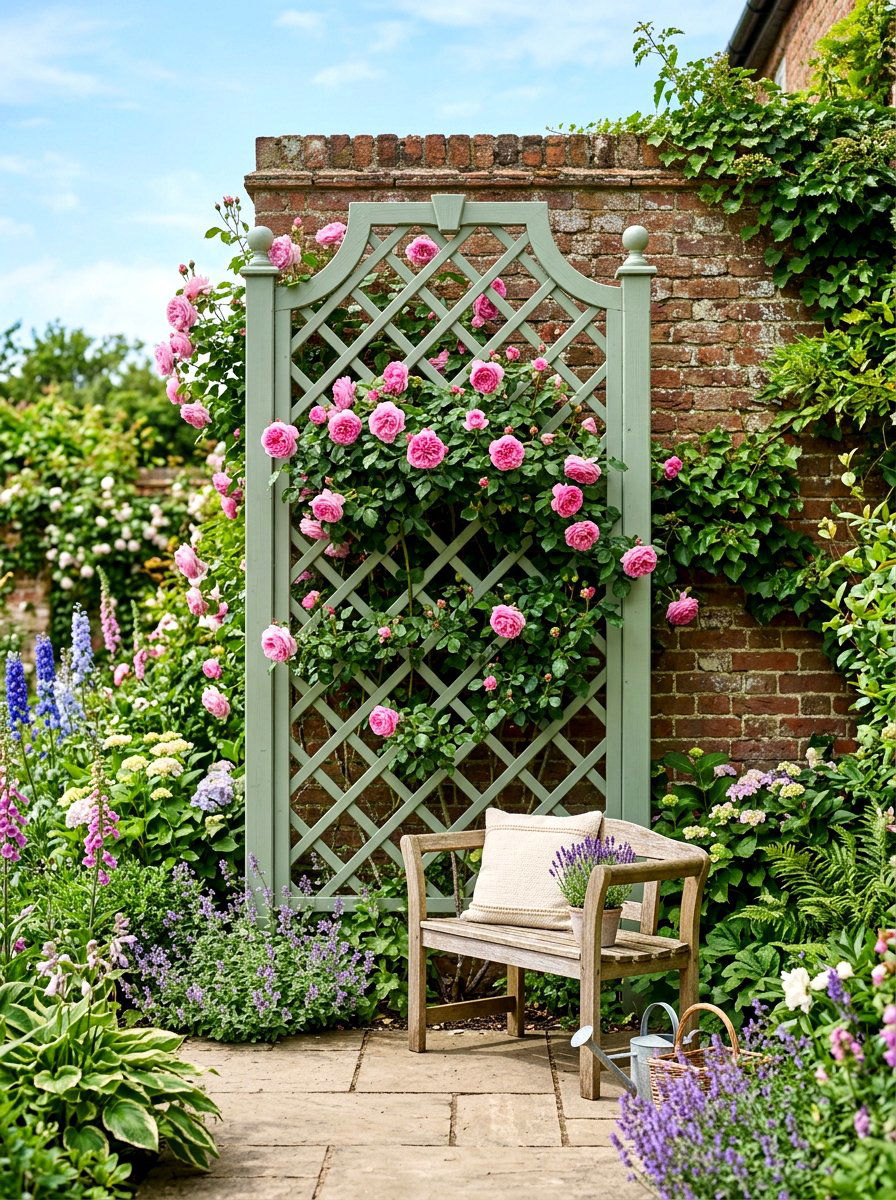
10. Shade Tolerant Clover Yard
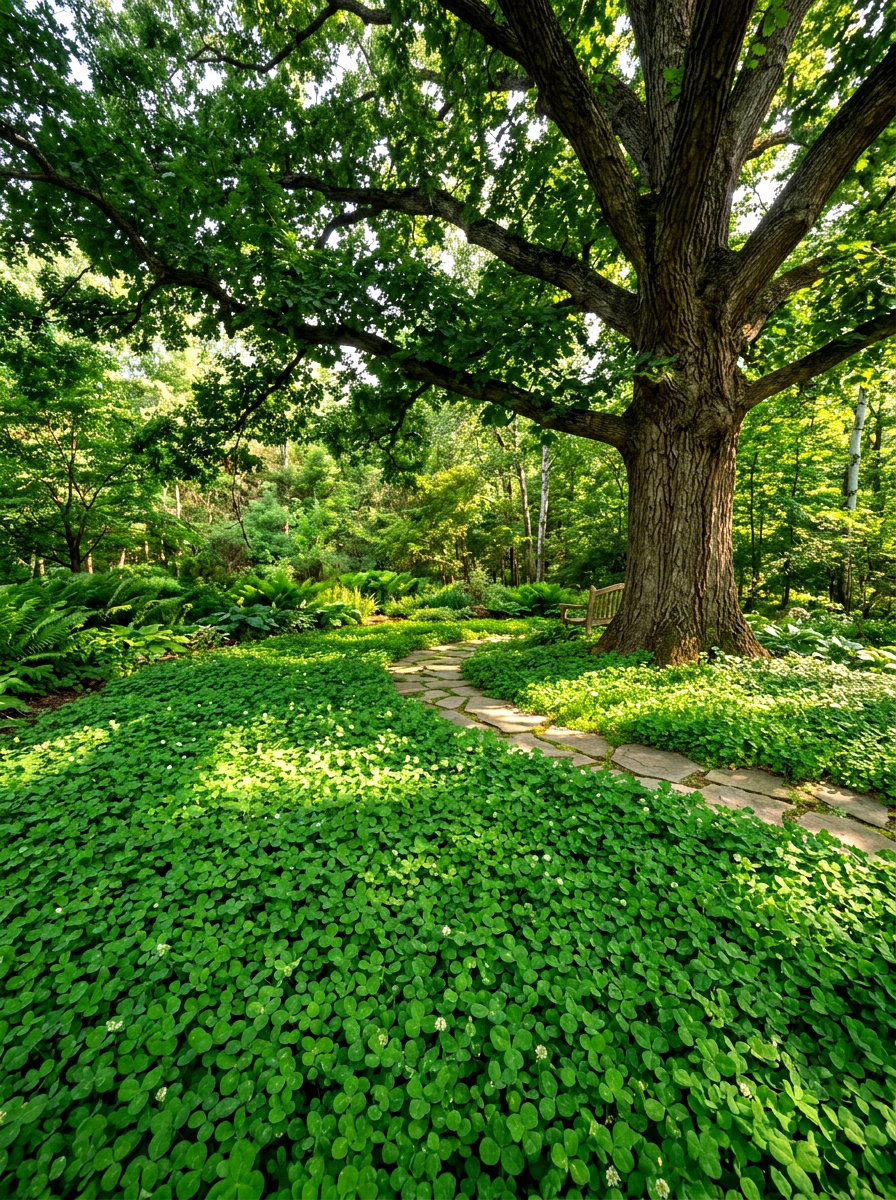
Creating a shade tolerant clover yard solves the common problem of patchy, weak grass under large trees or along the north side of a house. While many turf varieties require full sun to thrive, certain clovers like white Dutch clover are surprisingly resilient in partial shade. They can fill in those difficult "dead zones" where nothing else seems to grow, creating a soft and lush green floor. This transforms dark, forgotten corners of the backyard into inviting spaces for a reading nook or a bench. The clover’s ability to handle low light ensures your entire yard looks cohesive and well-maintained from every single angle.
11. Clover Lawn Fire Pit
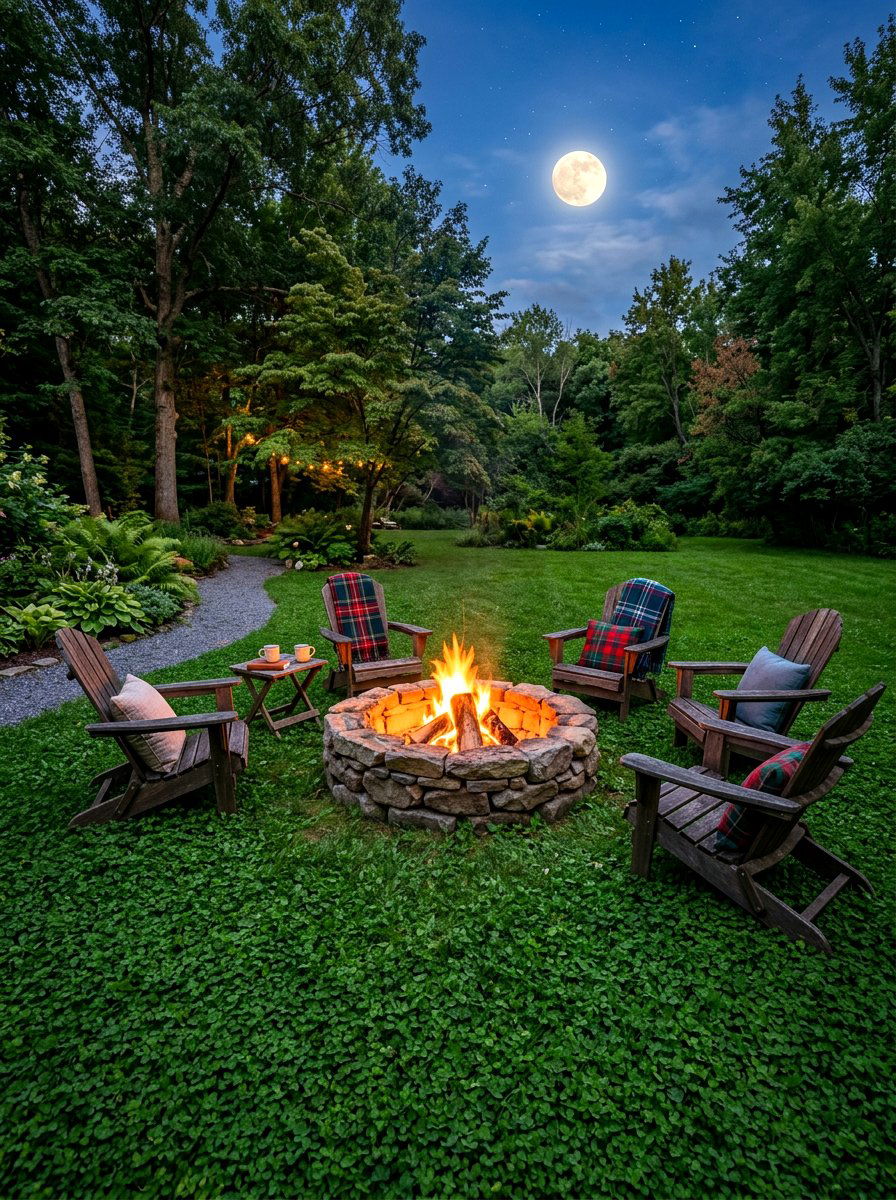
Surrounding a clover lawn fire pit area provides a soft and fire-resistant groundcover that stays cool even when the evening temperatures start to drop. Unlike dry grass, which can become a fire hazard in late summer, well-hydrated clover remains succulent and green, offering a safer perimeter for outdoor gatherings. The plush texture of the clover makes it comfortable to sit on blankets directly on the ground around the flames. This design choice creates a cozy, communal atmosphere that feels more connected to the earth. The deep green of the clover also provides a beautiful visual contrast to the orange glow of a nighttime fire.
12. Raised Garden Bed Clover
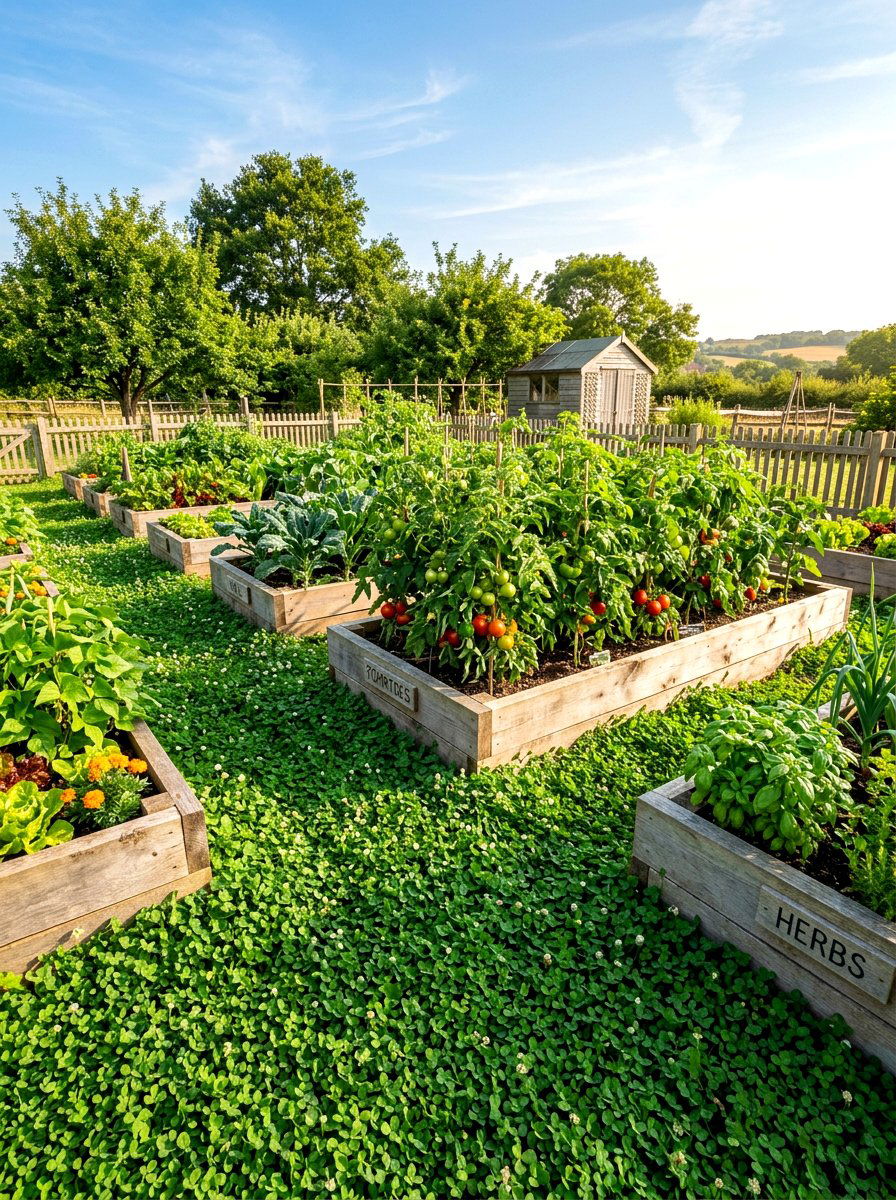
Using clover around raised garden beds is a brilliant landscaping strategy that suppresses weeds and keeps the paths between your vegetables clean and mud-free. Rather than using gravel or wood chips, which can shift or decompose, a living clover path provides a stable and attractive surface for the gardener. The clover also helps to regulate soil temperature and moisture around the base of the beds, creating a more stable microclimate for your crops. Since it is a legume, it can even help improve the general soil health of the entire garden area. It turns a functional vegetable patch into a lush and highly organized outdoor space.
13. Crimson Clover Meadow
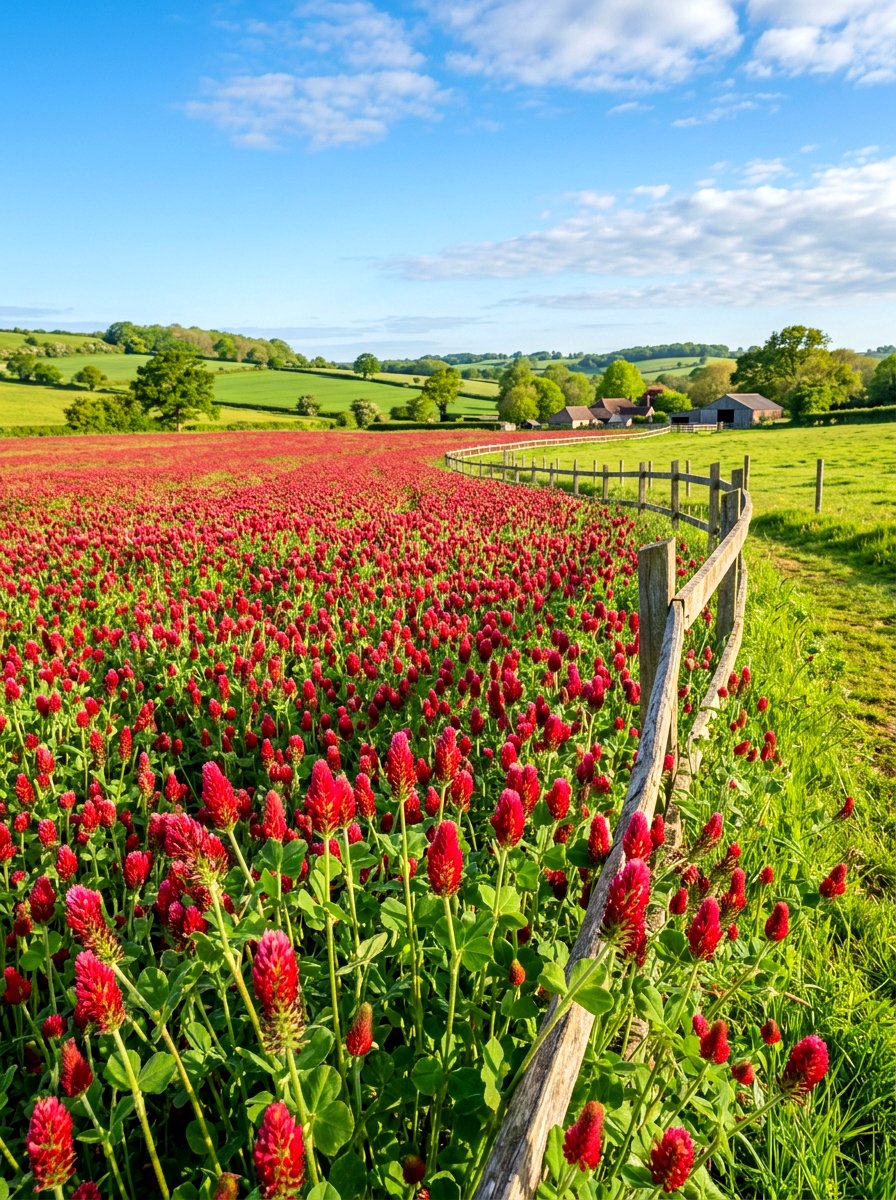
Establishing a crimson clover meadow adds a dramatic splash of color to your backyard that traditional green lawns simply cannot match. This variety produces striking, elongated red flower heads that stand taller than white clover, creating a sea of crimson during the peak blooming season. It is often used as a seasonal cover crop or a decorative meadow element that brings a bold, artistic flair to the landscape. This style is particularly effective in larger backyards or along property lines where a burst of color is desired. The unique aesthetic of red flowers against deep green foliage creates a stunning focal point for any nature-lover.
14. Checkerboard Clover Patio
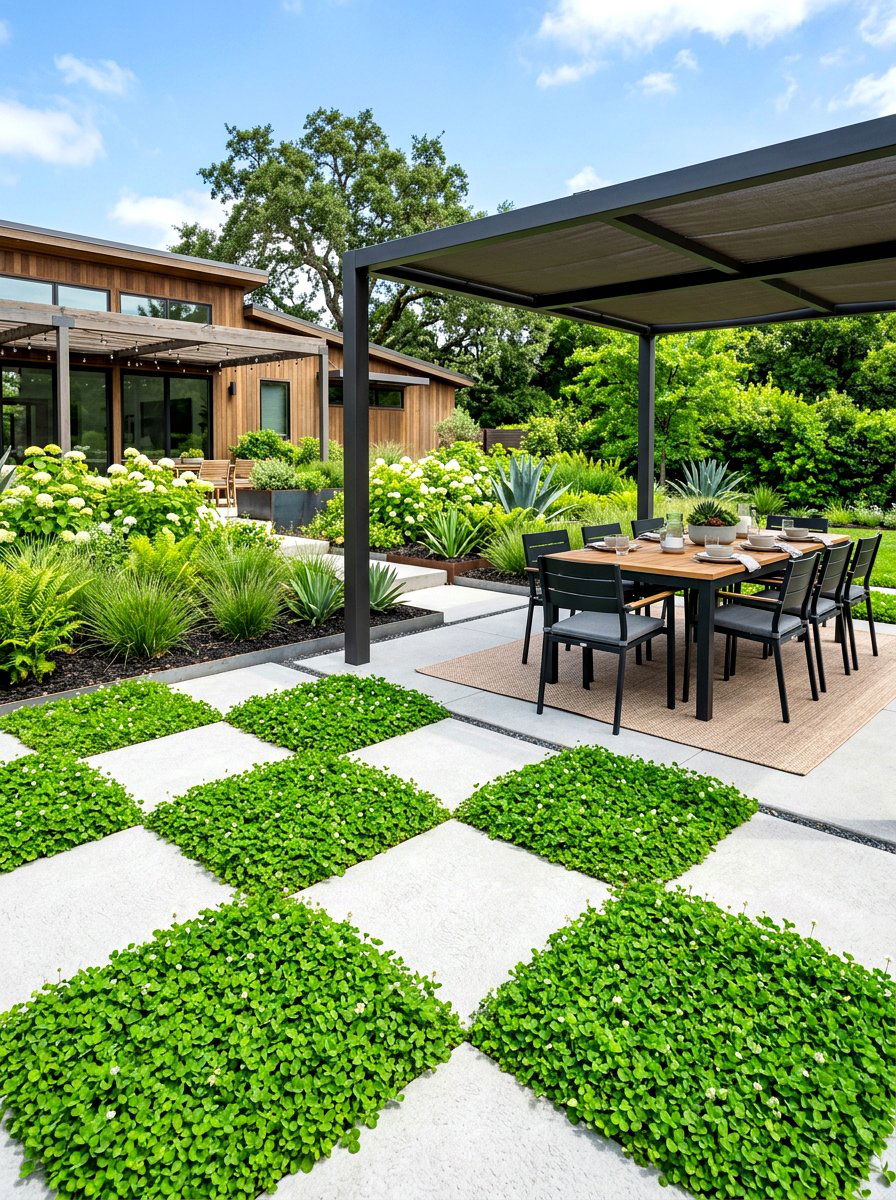
A checkerboard clover patio is a high-contrast design that alternates square concrete or stone pavers with equal-sized patches of lush green clover. This geometric layout creates a sophisticated and playful floor for an outdoor dining or lounge area. The clover softens the harsh lines of the masonry, making the space feel more like a garden room than a construction site. This pattern is excellent for drainage, as the clover sections allow rainwater to soak directly into the ground rather than pooling on the surface. It is a visually striking way to combine the functionality of a hard patio with the beauty of a natural lawn.
15. Sloped Yard Clover Planting
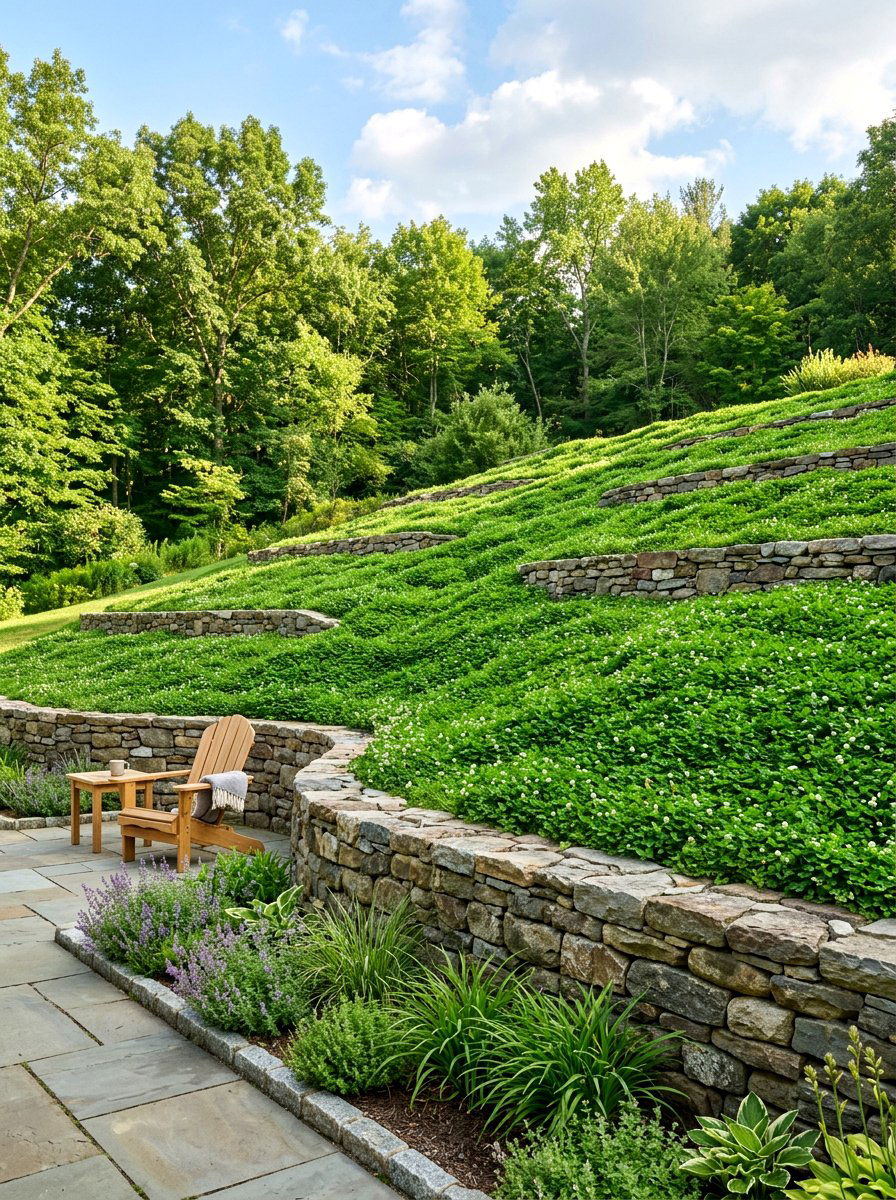
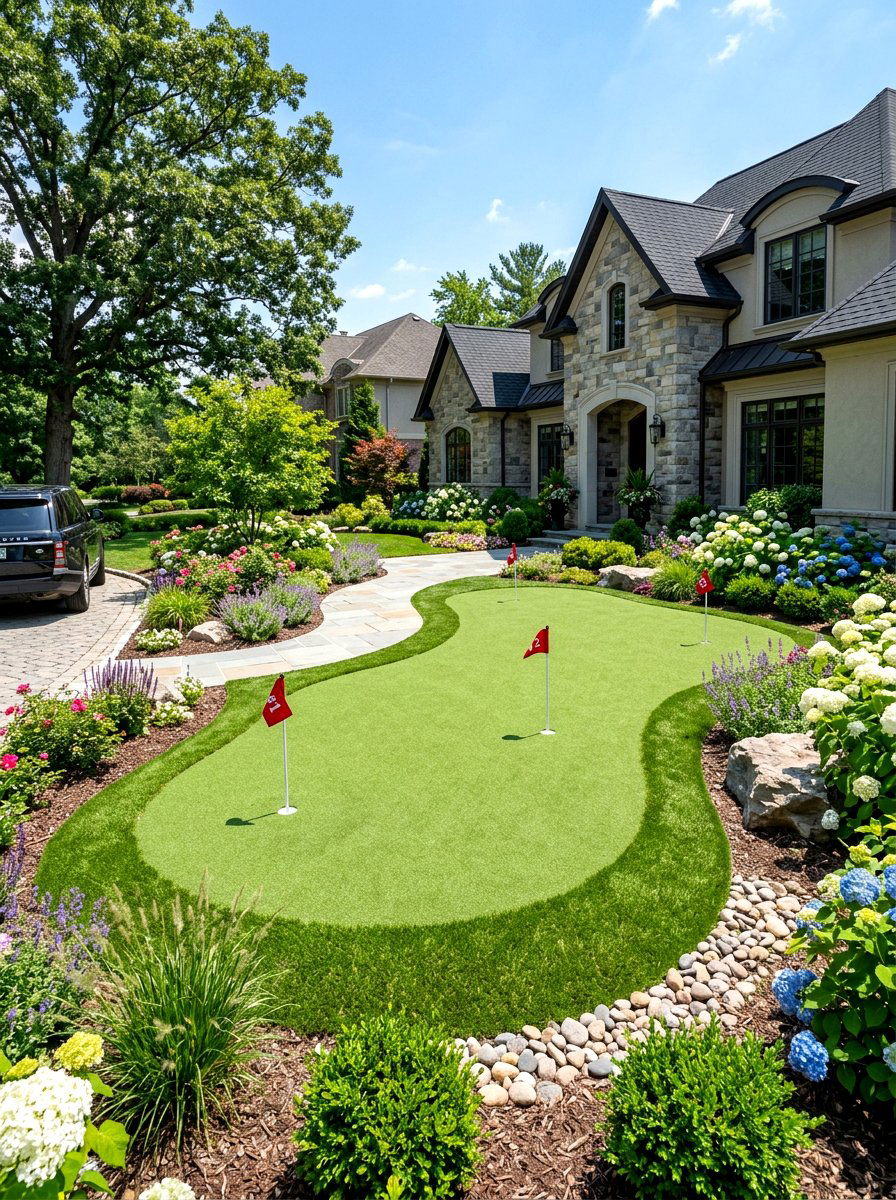
Managing a sloped yard clover planting is an effective way to deal with hillsides where mowing a traditional lawn would be difficult or dangerous. Clover has a robust and sprawling root system that helps to anchor the soil in place, significantly reducing the risk of erosion during heavy rain. Because many varieties are low-growing, you can let the clover grow naturally on the incline without ever having to haul a mower up the hill. The resulting look is a beautiful, cascading wave of greenery that covers the slope in a consistent and healthy carpet. It simplifies backyard maintenance while enhancing the overall structural integrity of the land.
16. Wildflower Clover Backyard
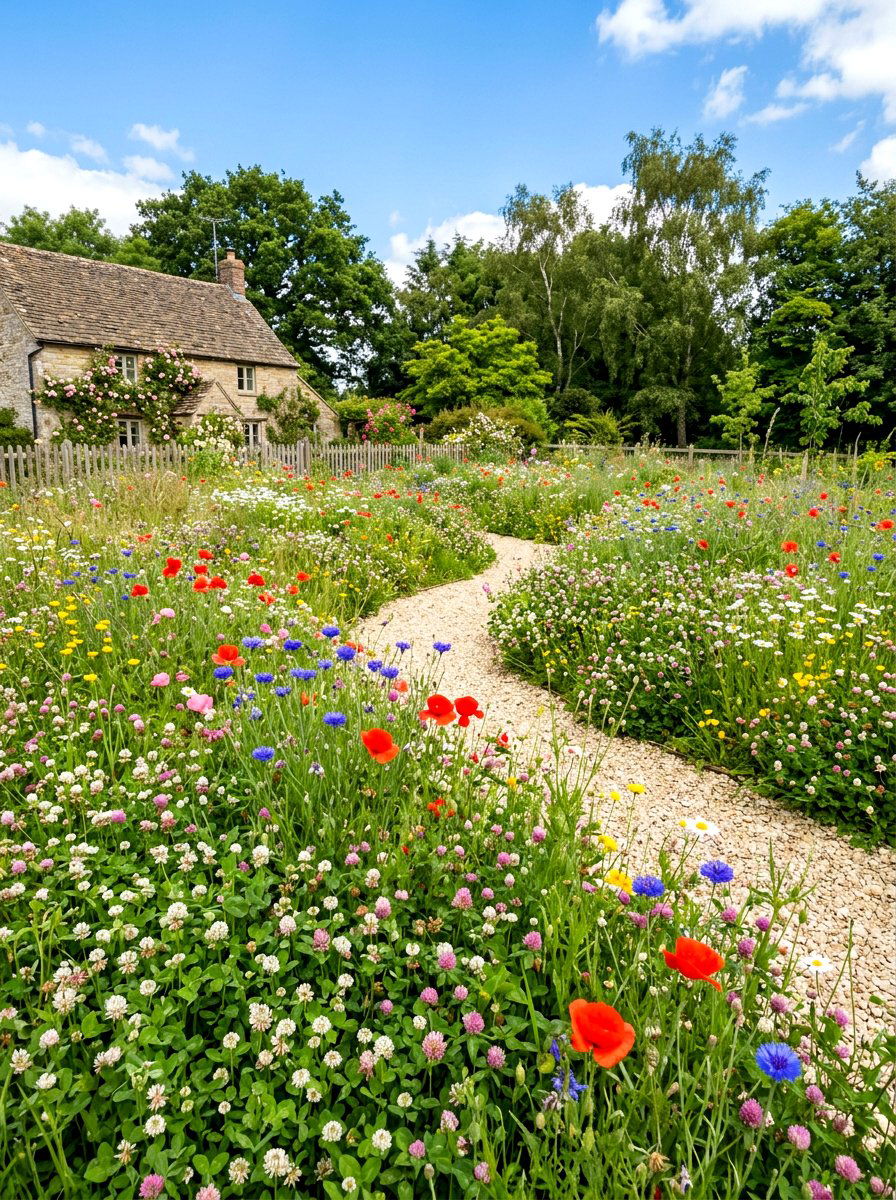
A wildflower clover backyard creates a vibrant tapestry of colors and textures that feels like a natural prairie right outside your back door. By mixing clover seeds with native wildflower varieties, you create a low-maintenance landscape that changes beautifully with the seasons. The clover provides a steady green base that prevents the area from looking sparse when the flowers aren't in bloom. This design is perfect for those who want to embrace a "no-lawn" lifestyle while still having a walkable and functional yard. It supports a healthy local ecosystem and offers endless visual interest through various heights, colors, and blooming cycles throughout the year.
17. No Mow Clover Lawn
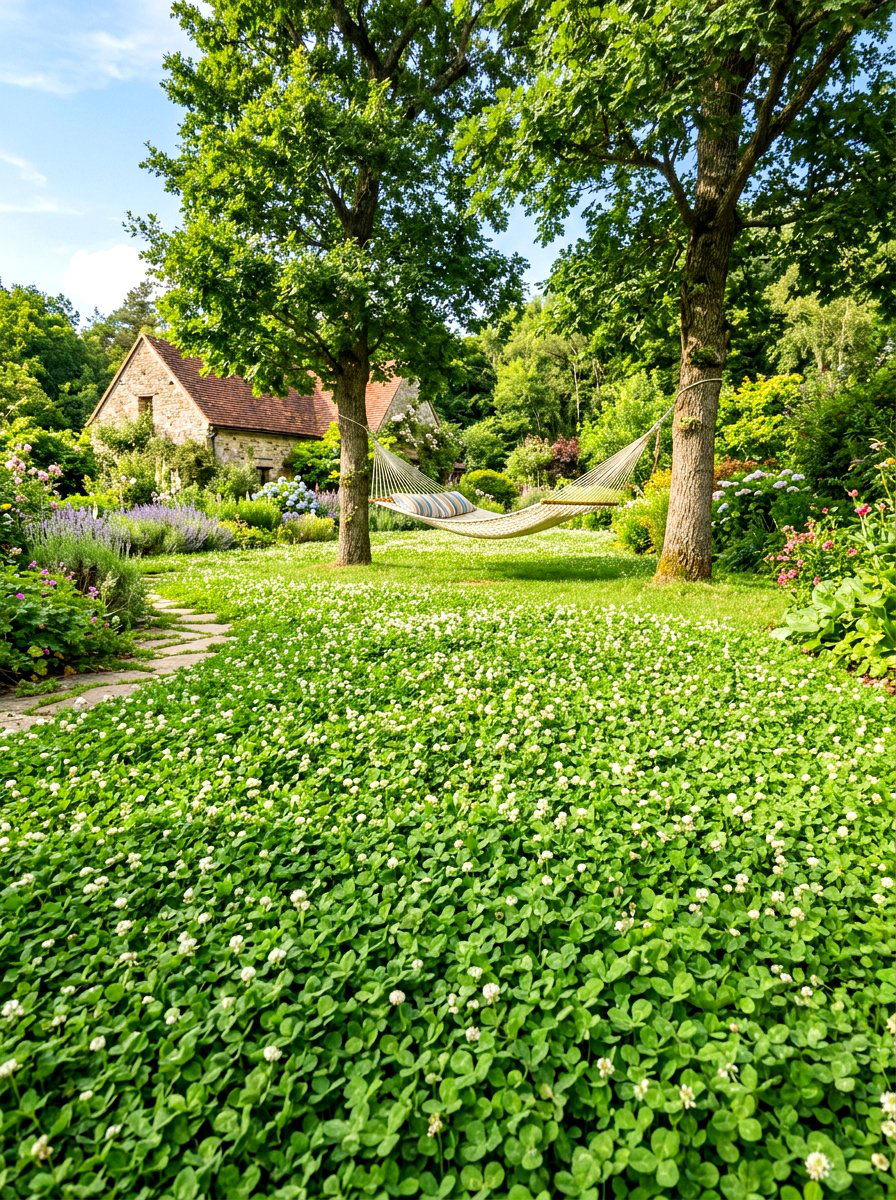
Transitioning to a no mow clover lawn is the ultimate dream for homeowners who want to spend their weekends relaxing instead of pushing a heavy machine. Many modern clover varieties, particularly microclover, naturally stop growing at a height of just a few inches. This means you can essentially "set it and forget it" once the lawn is established. The lack of mowing allows the clover to maintain its soft, rounded leaf shape and prevents the stressed look that often occurs with over-mown grass. It is a peaceful, quiet, and incredibly low-stress way to manage your backyard landscape while maintaining a beautiful and verdant green aesthetic.
18. Dog Friendly Clover Lawn
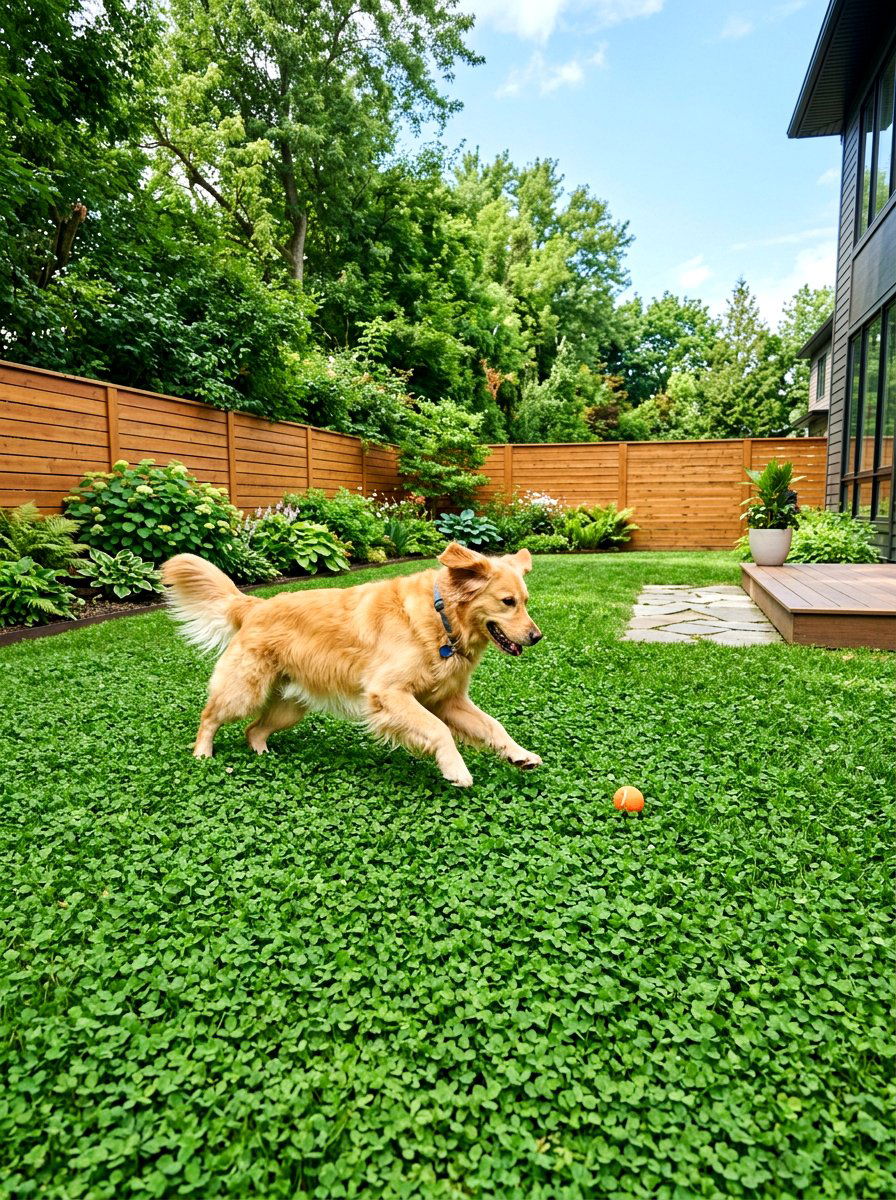
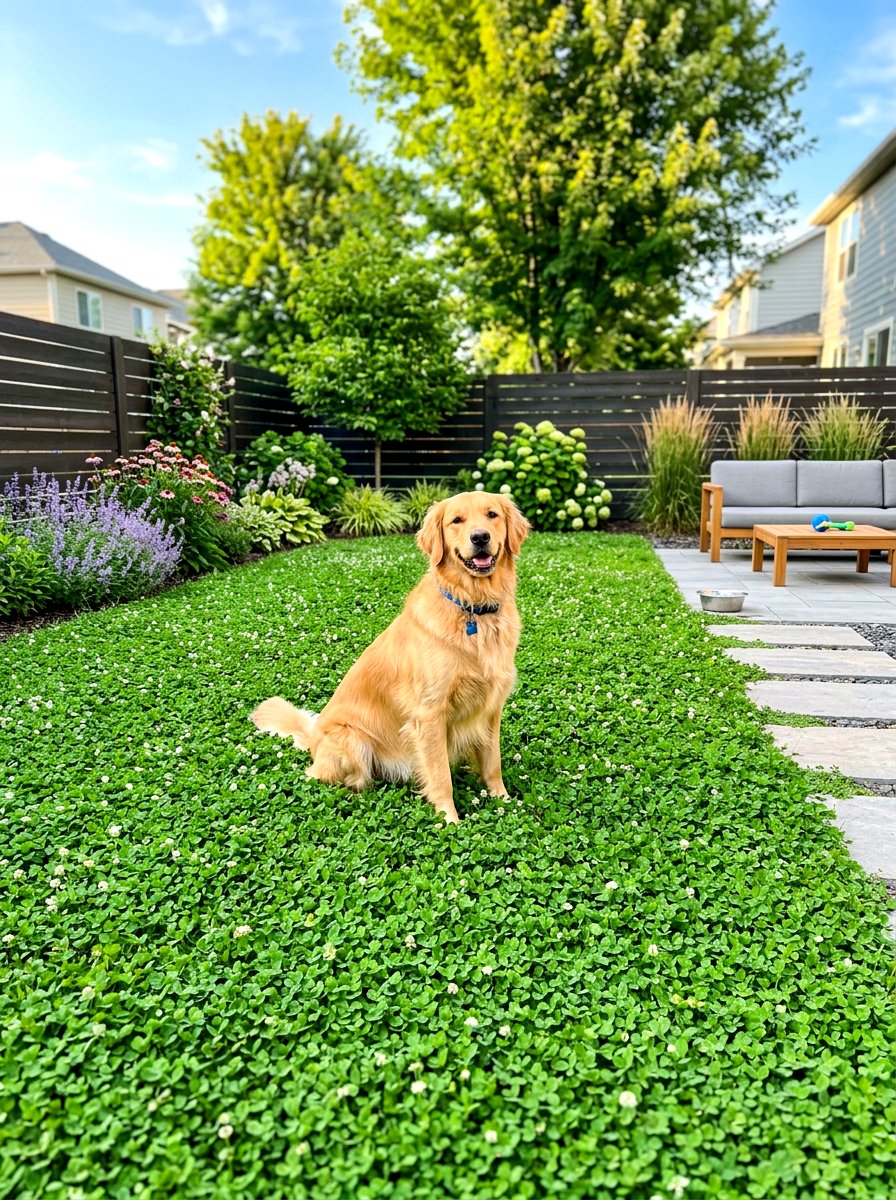
A dog friendly clover lawn is a resilient solution for pet owners who struggle with the "yellow spots" caused by dog urine on traditional grass. Clover is naturally more resistant to the high nitrogen content in pet waste, meaning it stays green and healthy even in high-use areas. The soft, cushioned texture is gentle on paws and provides a comfortable surface for dogs to run and play. Unlike some types of grass that can be itchy or harbor pests, clover is generally safe and pleasant for animals. It provides a durable and low-maintenance playground that keeps your backyard looking great despite the activity of your four-legged friends.
19. Flagstone Clover Walkway
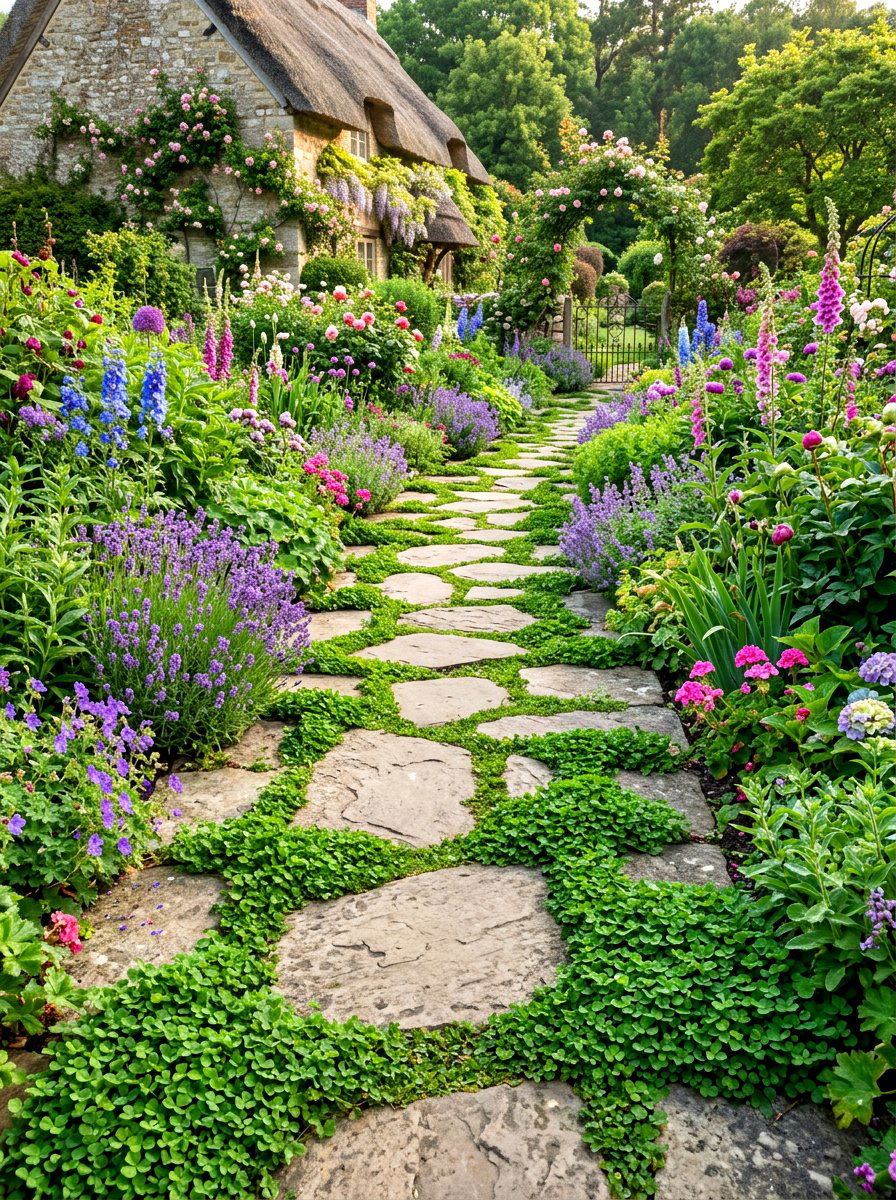
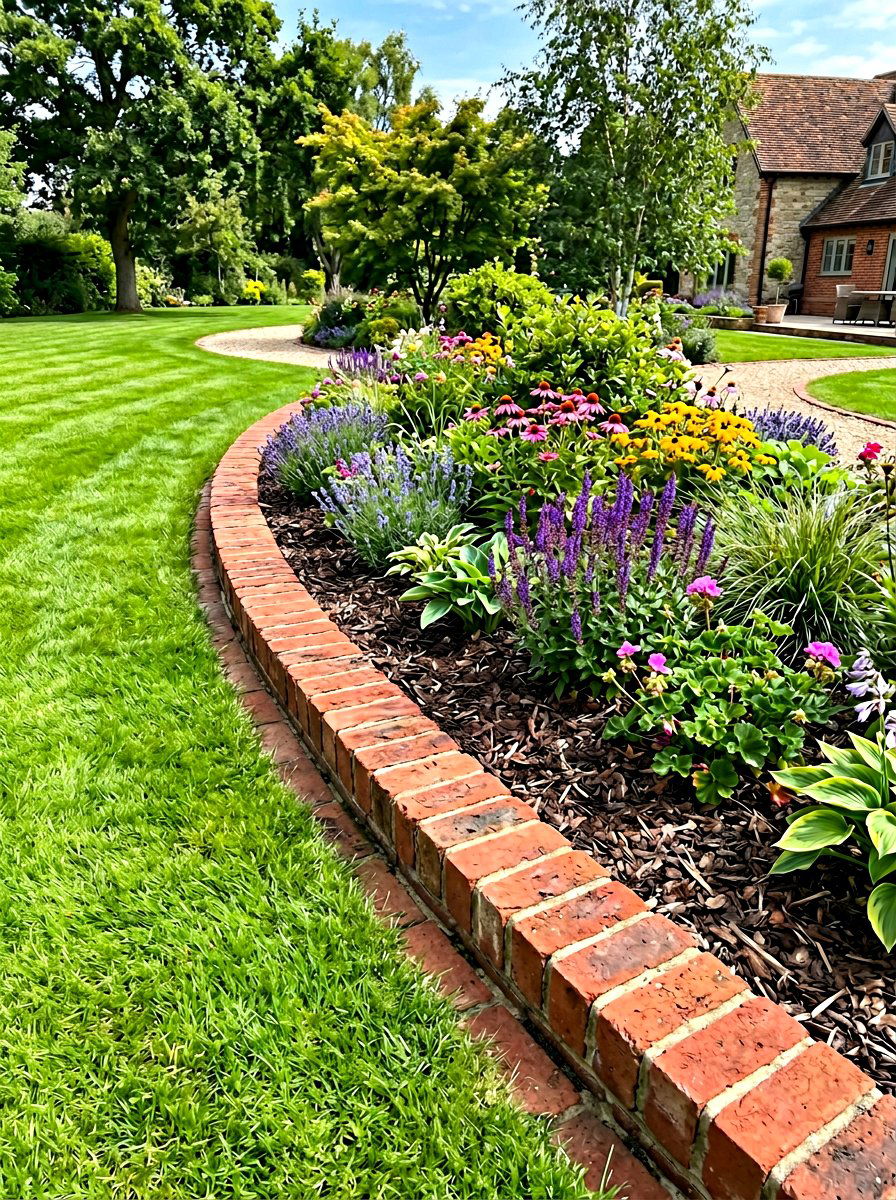
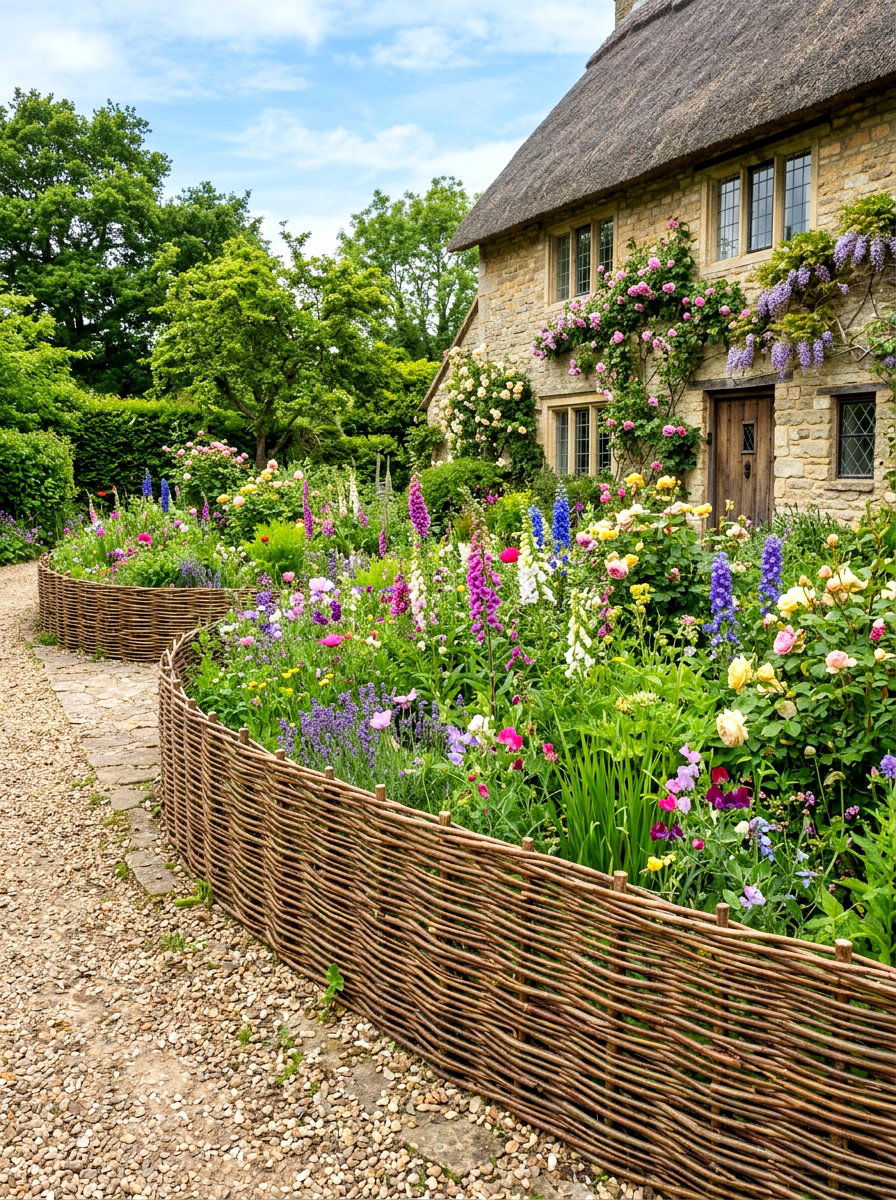
A flagstone clover walkway creates a charming and weathered look that feels like it has been part of the landscape for decades. By planting clover in the irregular gaps between natural flagstones, you create a living path that guides visitors through your garden with a soft, organic touch. The clover helps to level out the walking surface by filling in low spots and preventing the stones from shifting over time. This design is particularly beautiful in woodland or traditional cottage gardens, where a rigid concrete path might feel out of place. The vibrant green against the cool gray of the stone is a classic and sophisticated color palette.
20. Urban Backyard Clover Planting
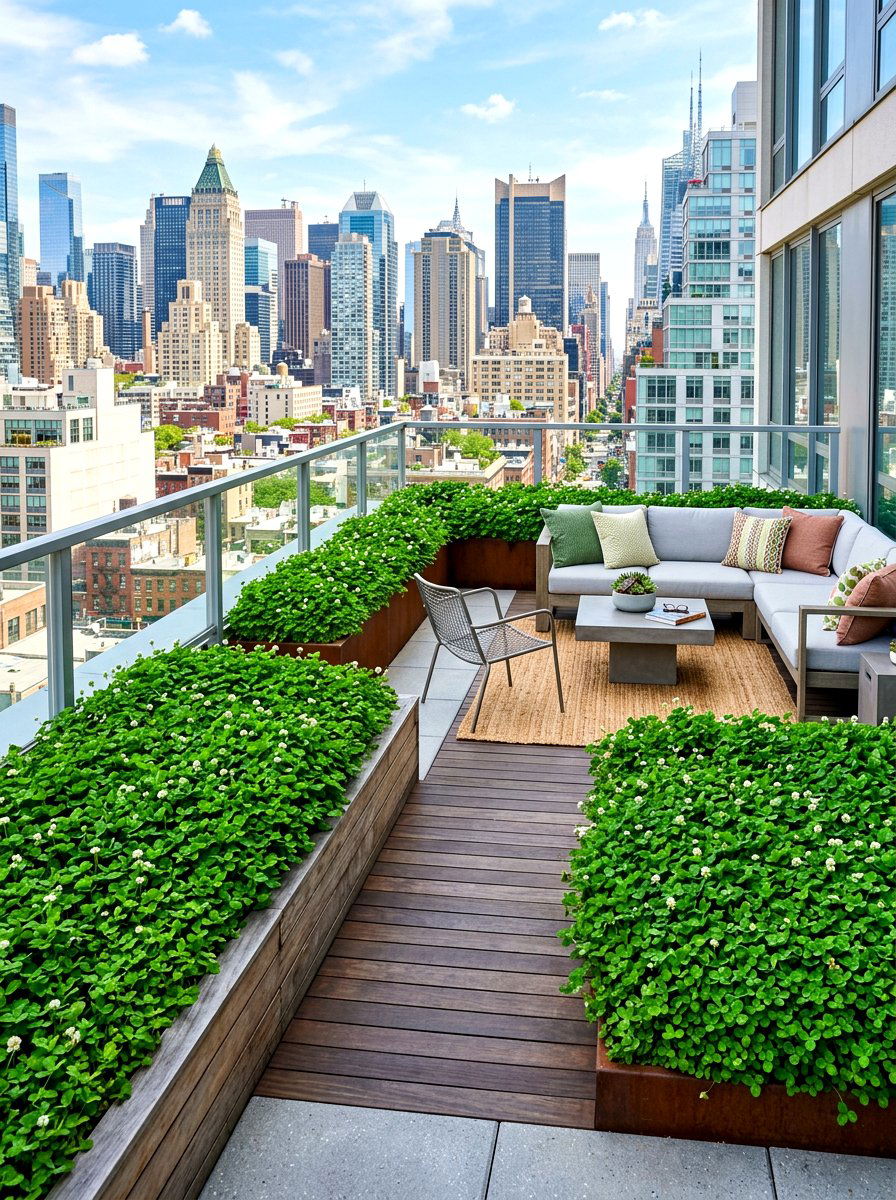
Executing an urban backyard clover planting is an ideal way to bring nature into a city environment where space and sunlight may be limited. In small city yards, the ease of maintaining clover makes it much more practical than grass, which often fails in high-walled or shady enclosures. Clover can be grown in small plots or even in large containers to create a "green rug" effect on a patio or terrace. It provides a necessary cooling effect in the urban heat island, making your private outdoor space feel significantly more comfortable. This small-scale greenery acts as a vital lungs for the home, providing fresh air and beauty.
21. Farmhouse Clover Landscape
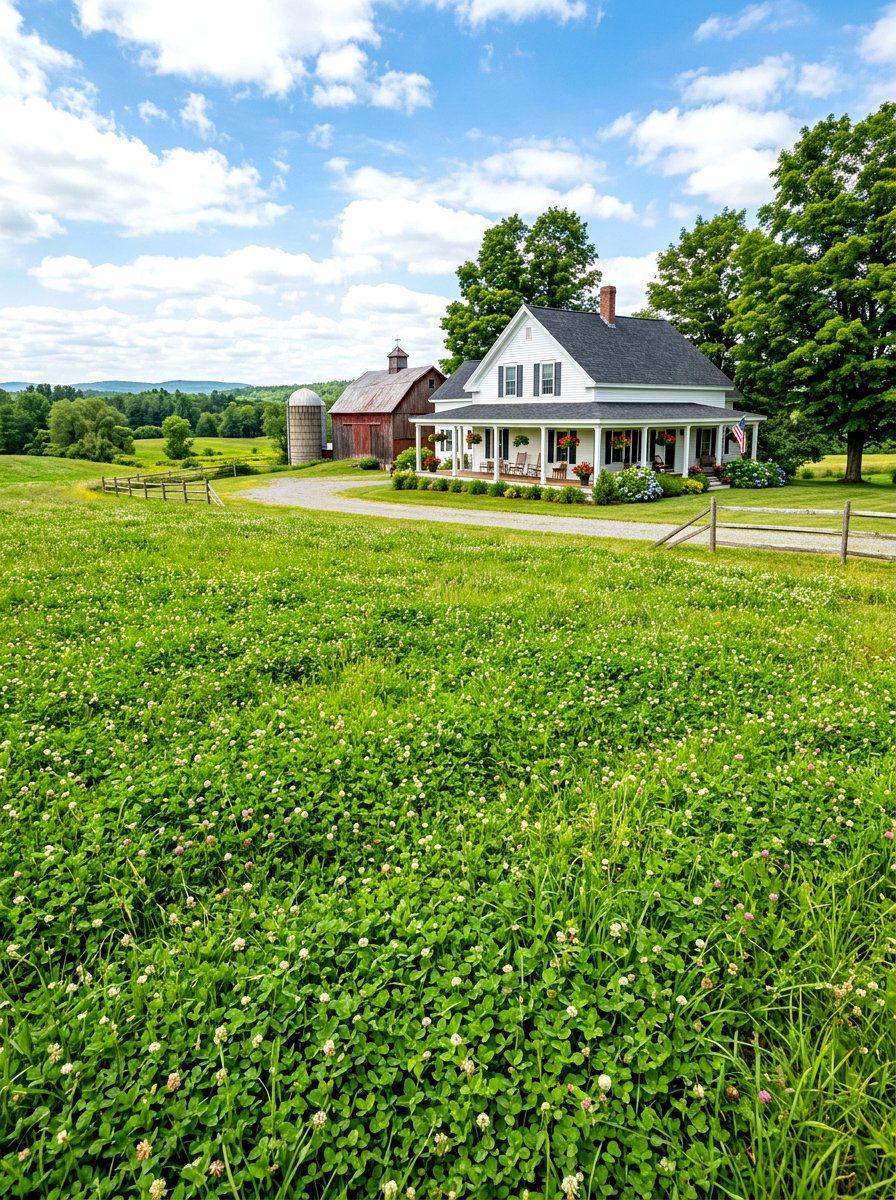
A farmhouse clover landscape perfectly complements the rustic and practical aesthetic of modern country homes. This style often features large expanses of clover mixed with traditional grasses, creating a soft and sprawling look that flows naturally into the surrounding fields or woods. The inclusion of clover reflects a simpler time when lawns were diverse and self-sustaining. Pairing this greenery with classic farmhouse elements like white picket fences, wooden barns, or gravel driveways creates a cohesive and inviting atmosphere. It is a low-effort way to maintain a large property while ensuring it looks lush, healthy, and perfectly in tune with its rural or suburban setting.
22. Zen Backyard Clover
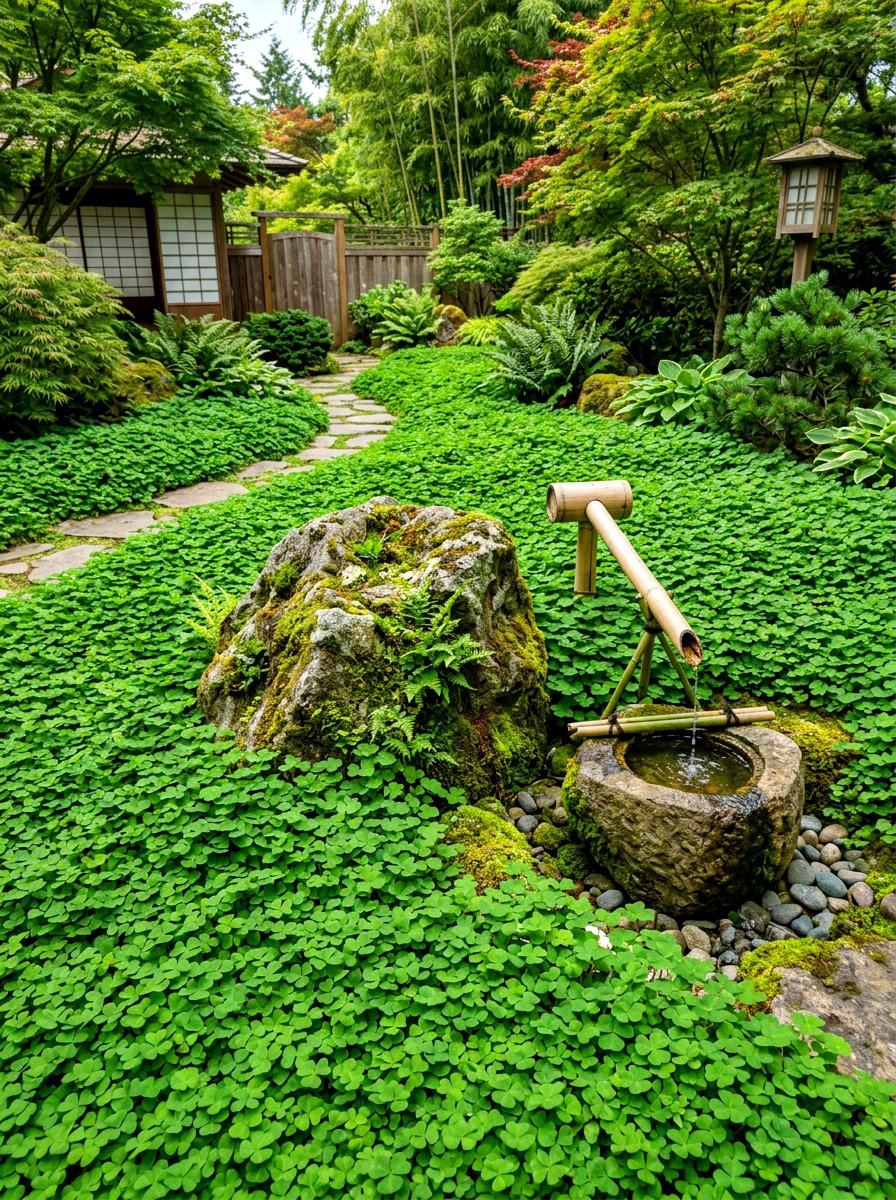
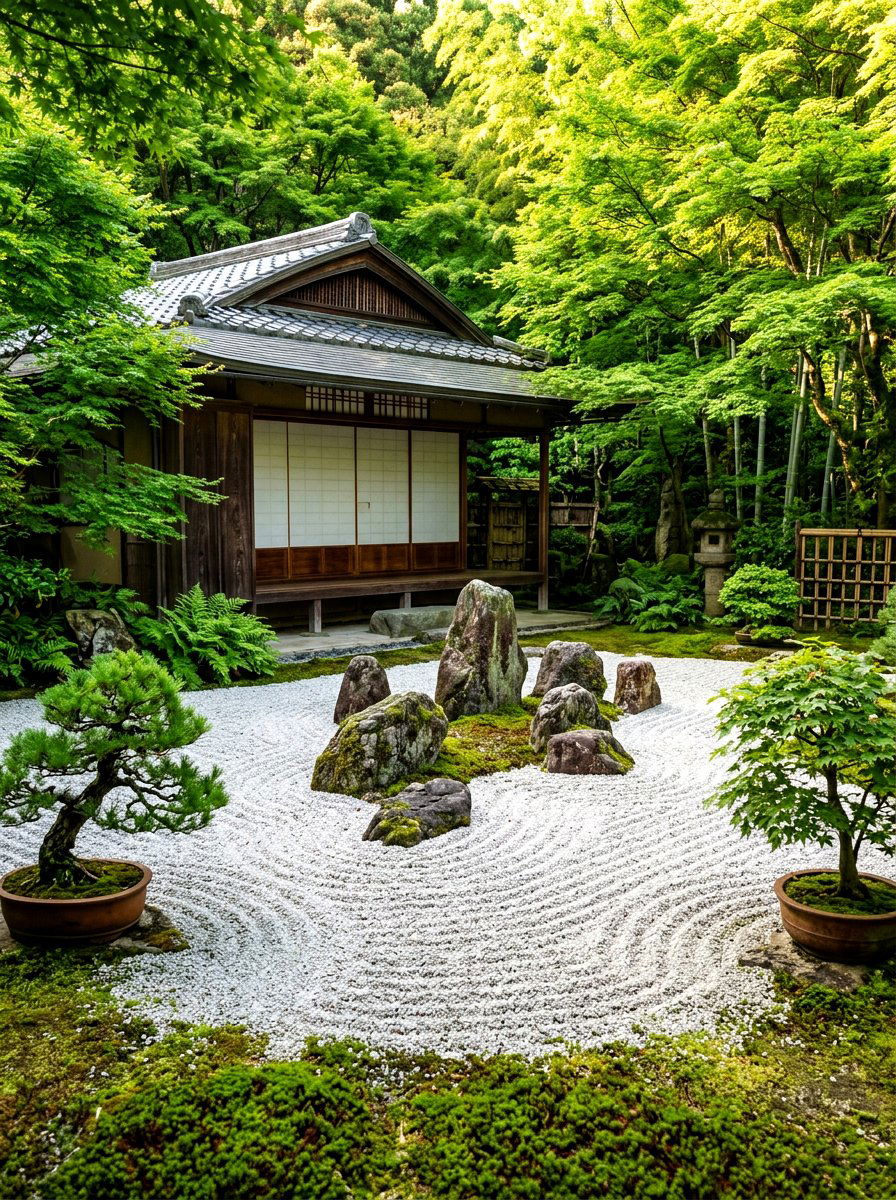
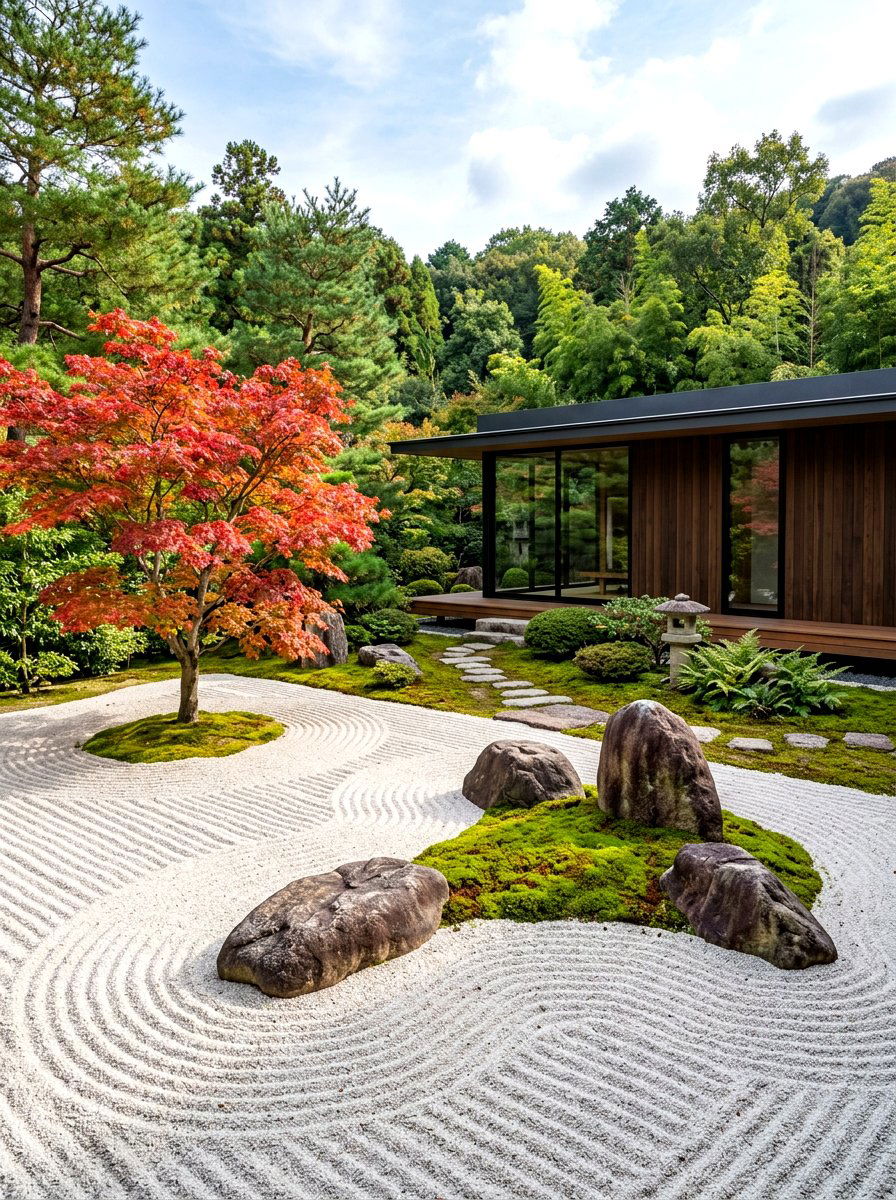
Incorporating clover into a Zen backyard provides a calming and uniform groundcover that encourages meditation and quiet reflection. The repetitive, simple pattern of the clover leaves creates a visual softness that helps to quiet the mind. In a minimalist Japanese-inspired garden, clover can serve as a lush green substitute for traditional moss, which can be difficult to grow in many climates. By surrounding a single feature, such as a large stone or a simple water basin, with a sea of emerald clover, you create a powerful focal point. The stillness of the clover lawn adds to the overall sense of peace and balance in the garden.
23. Vegetable Garden Clover Paths
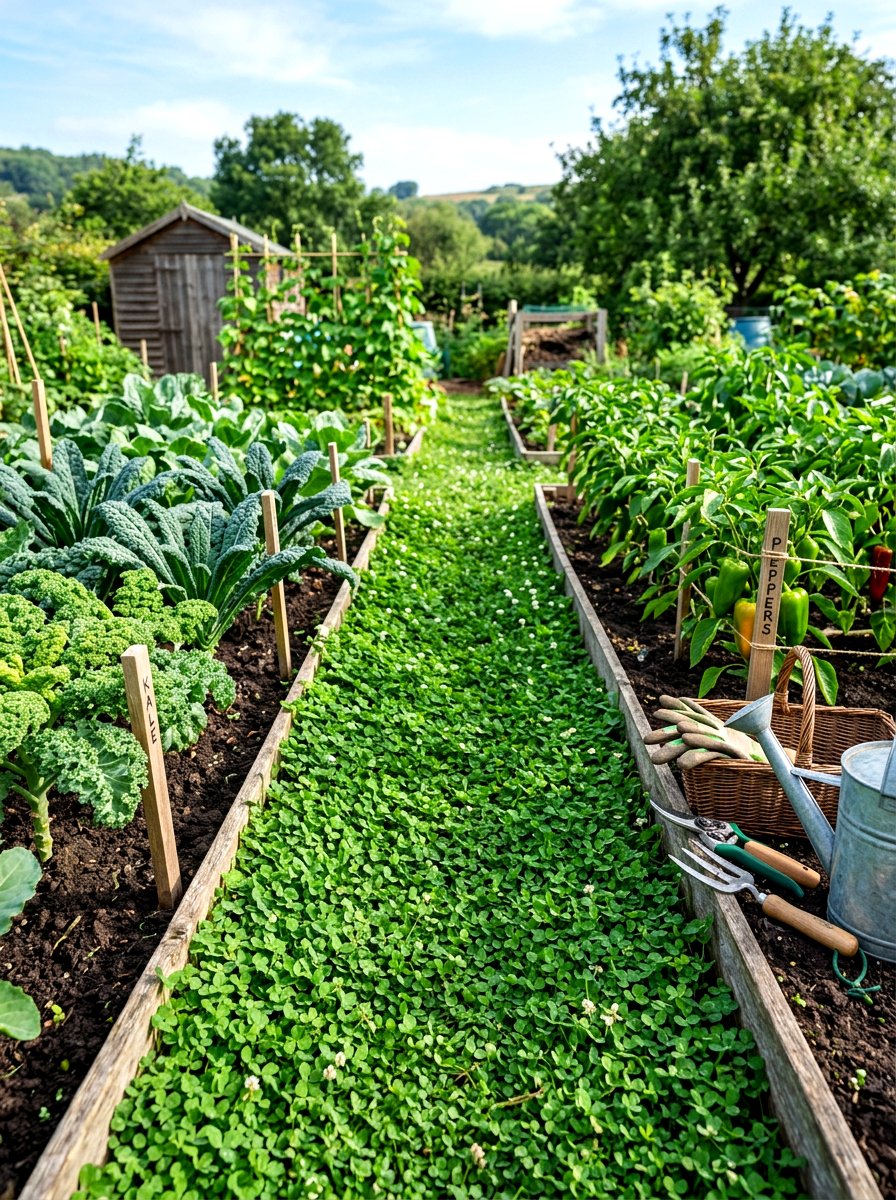
Designing vegetable garden clover paths is a practical way to keep your growing area organized and beautiful while benefiting your edible plants. These living paths act as a nitrogen source for the garden, as the clover roots interact with beneficial bacteria to enrich the soil throughout the entire plot. The clover also provides a soft surface to kneel on while weeding or harvesting, making the gardening experience much more comfortable. By keeping the paths green and growing, you also reduce the amount of dust and mud that can blow onto your crops. It is a harmonious way to integrate landscaping with food production in a backyard.
24. Kids Backyard Clover Play
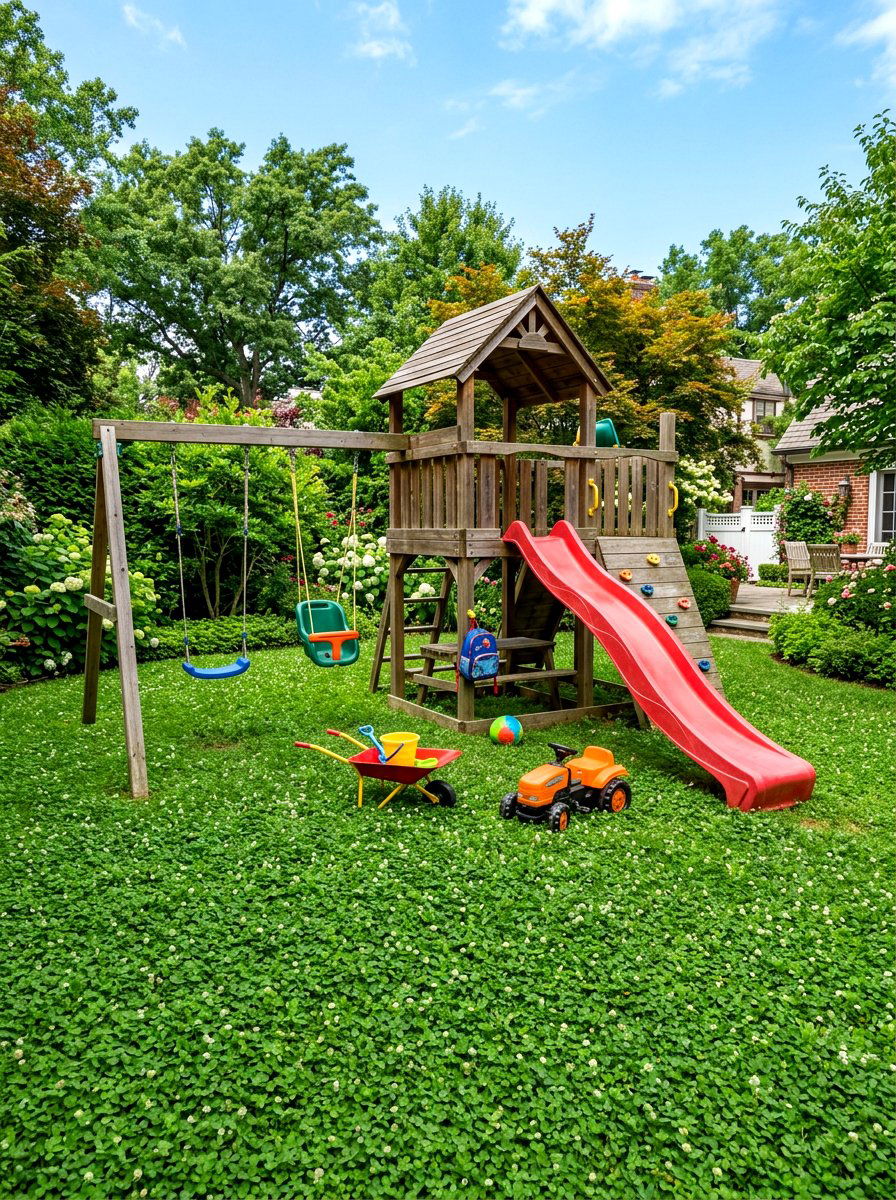
A kids backyard clover play area offers a safe, non-toxic, and incredibly soft surface for children to enjoy outdoor activities. Unlike some grasses that require regular applications of pesticides or herbicides to stay healthy, a clover lawn is naturally weed-resistant and can be maintained organically. This gives parents peace of mind while children are crawling or playing directly on the ground. The cushioned nature of clover helps to absorb the impact of small tumbles and falls, making it an ideal choice for placement under swing sets or climbing frames. It provides a healthy and vibrant environment where the next generation can connect with the natural world.
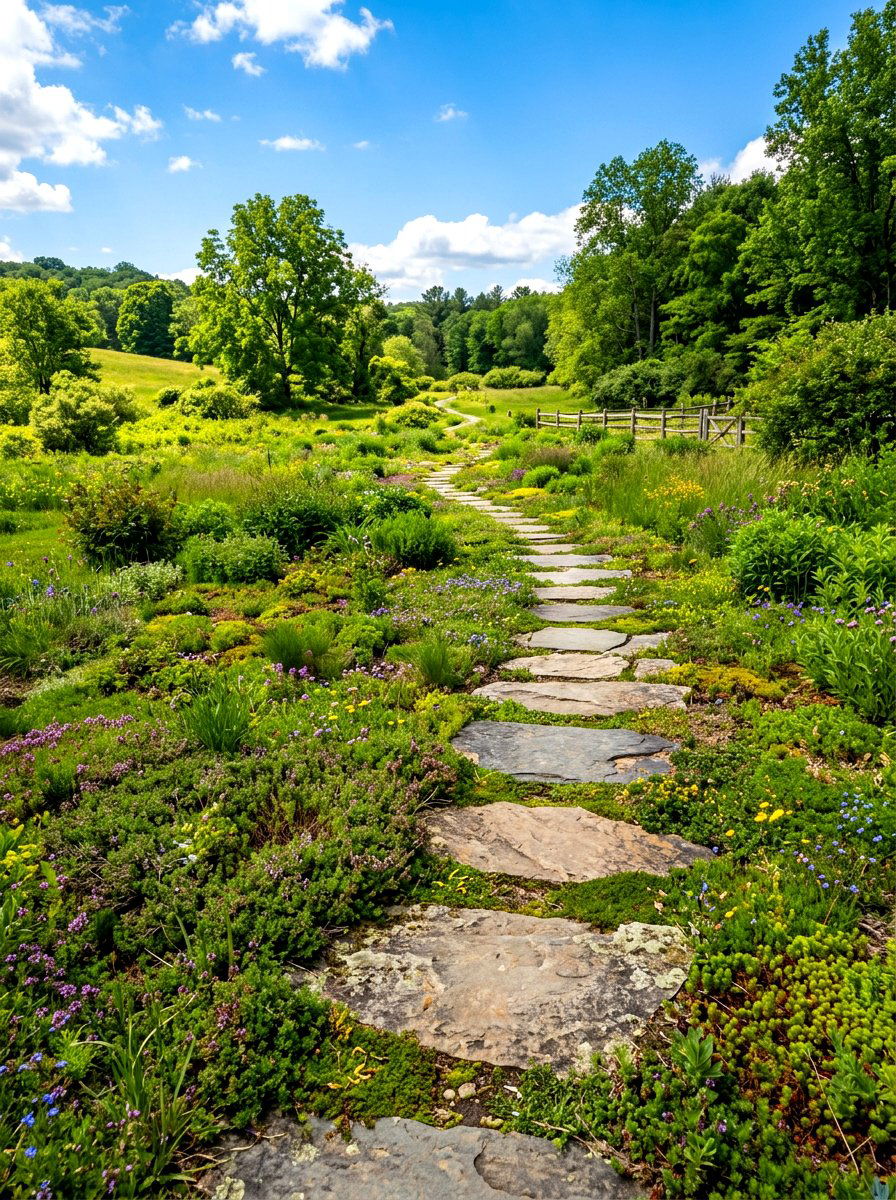
25. Multi Variety Clover Lawn
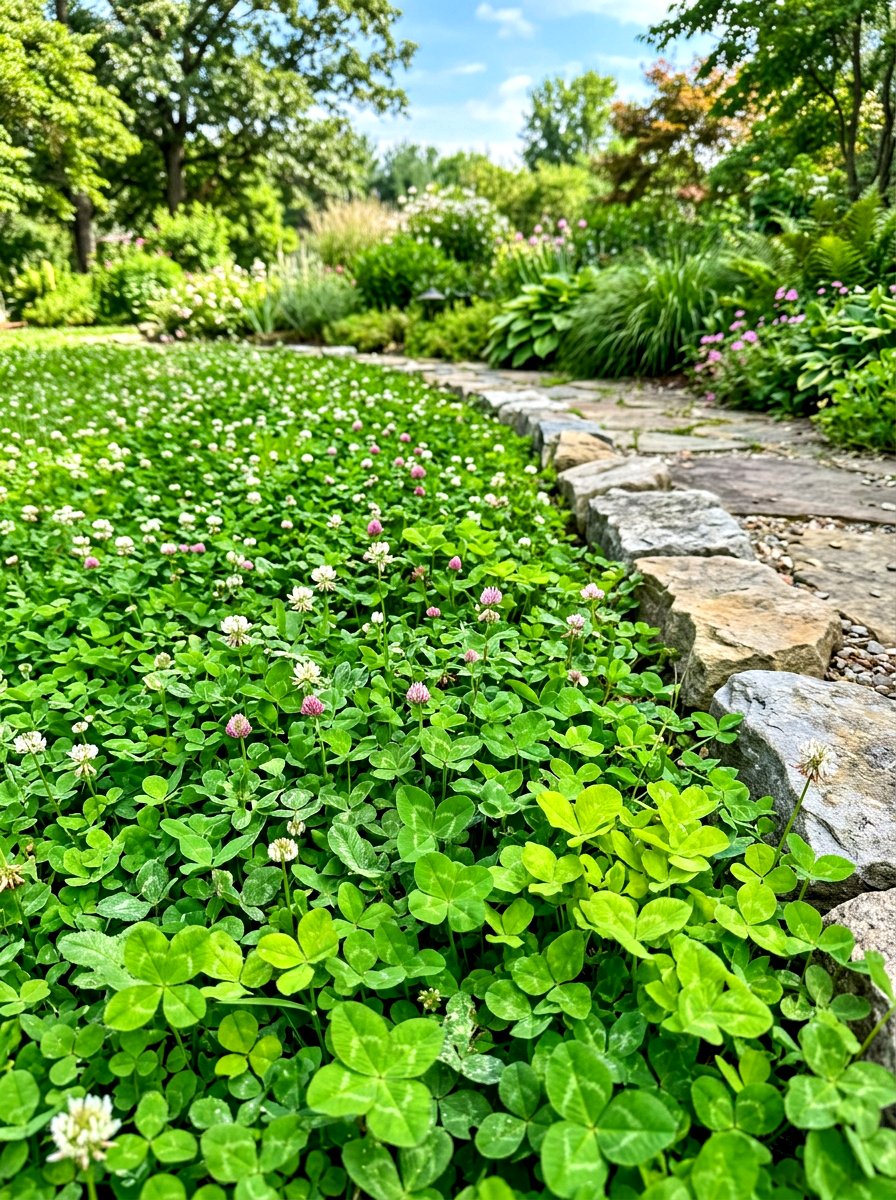
Creating a multi variety clover lawn involves mixing different types of clover, such as white, strawberry, and microclover, to create a textured and resilient landscape. This diversity ensures that if one variety struggles with a particular pest or weather condition, the others will continue to thrive and keep the lawn green. The different leaf sizes and flower colors create a rich, tapestry-like effect that is visually much more interesting than a single-species lawn. This approach maximizes the ecological benefits of the yard, providing a wider range of food for pollinators and creating a more robust soil environment. It is a beautiful celebration of backyard biodiversity.
26. Perennial Flower Clover Border
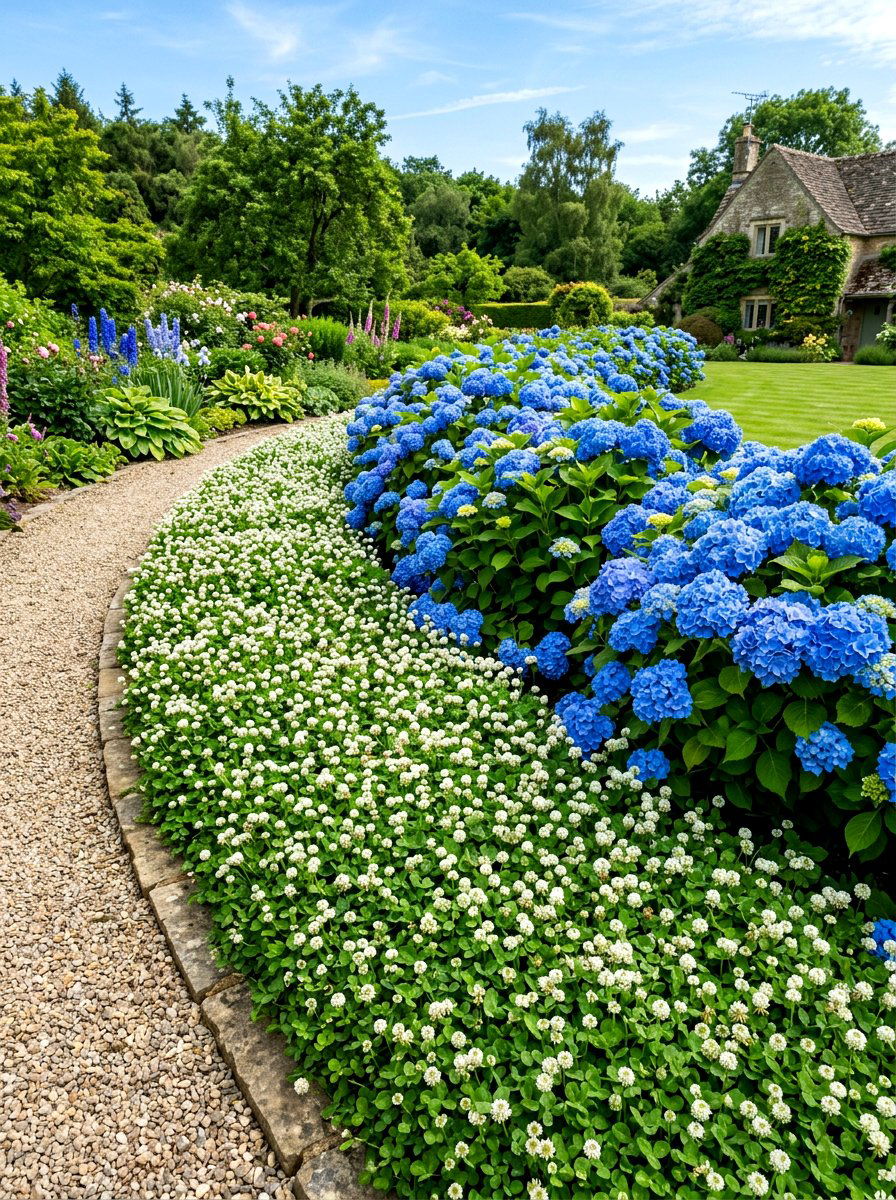
Using a perennial flower clover border is a creative way to define the edges of your property or separate different zones within the backyard. By planting a dense strip of flowering clover along the perimeter of flower beds or fences, you create a soft transition that highlights the colors of your taller plants. The clover prevents weeds from encroaching on your ornamental flowers while providing a neat and finished look to the edges of the garden. This low-maintenance border stays green and attractive all year, even after the perennials have finished their blooming cycle. It is a functional and aesthetic frame for your entire backyard design.
27. Microclover Terrace
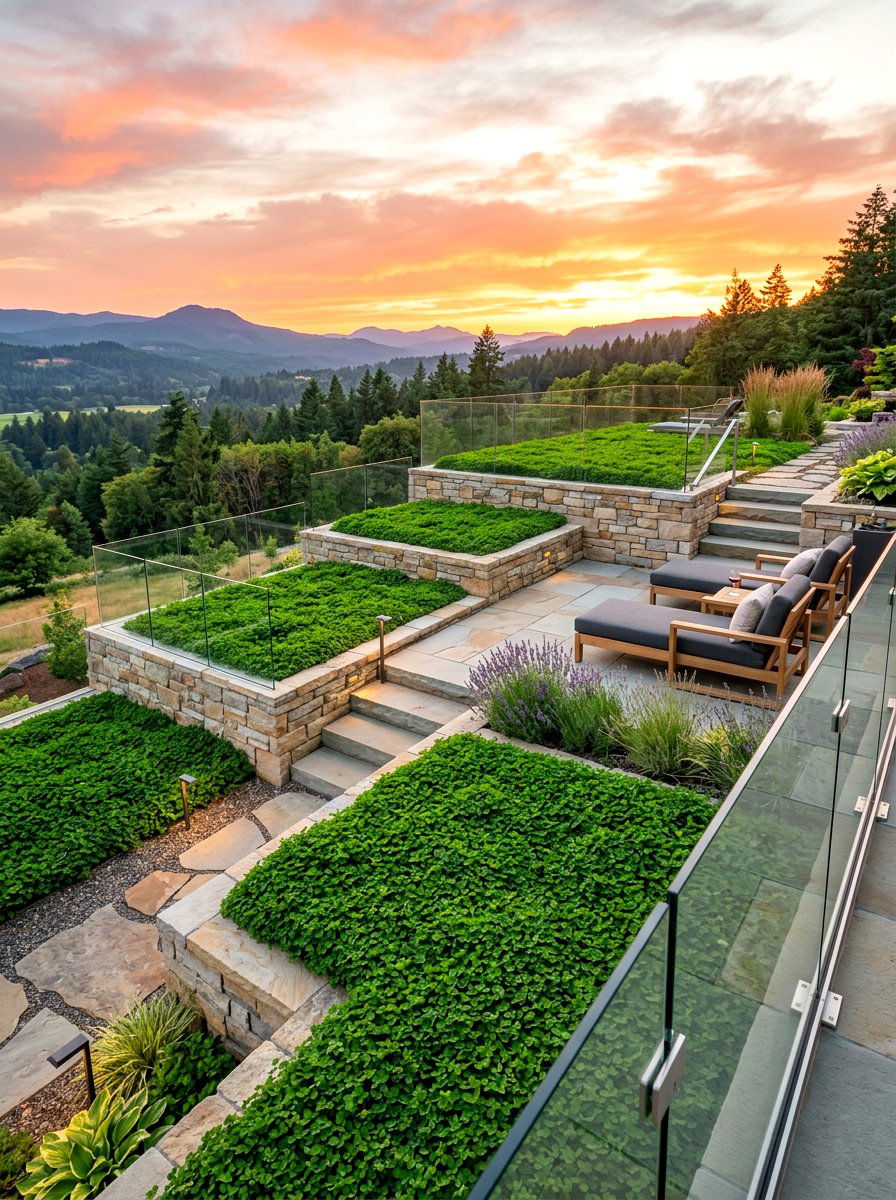
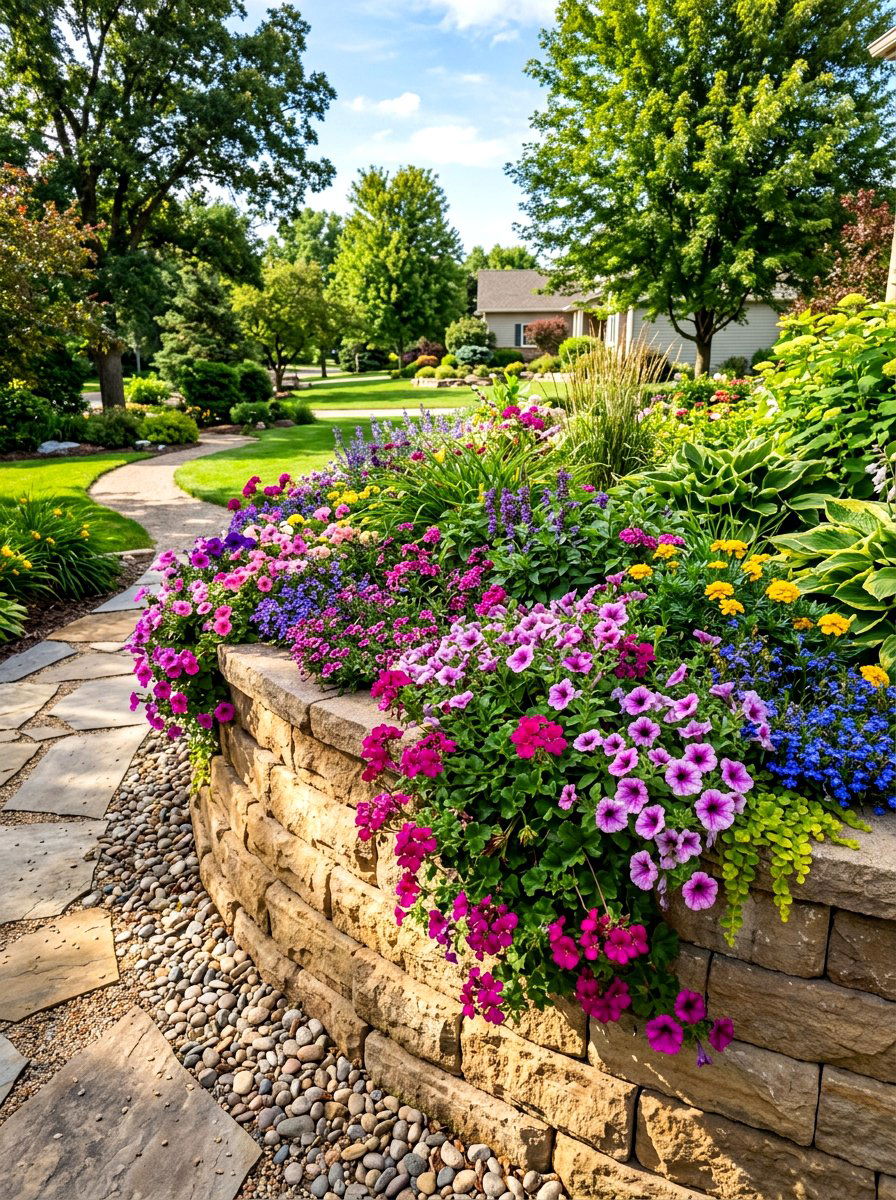
A microclover terrace brings a touch of luxury and intense greenery to elevated backyard spaces or multi-leveled landscapes. Because microclover is so dense and low-growing, it can be used on small terraced plots to create the appearance of a soft green steps or platforms. This design is particularly effective on modern properties with sharp architectural lines, as the clover provides a necessary organic softness to the structure. The deep green color of the microclover stands out beautifully against stone or wood retaining walls. It creates a lush and inviting series of outdoor "rooms" that feel both high-end and deeply connected to the natural environment.
28. Rustic Backyard Clover
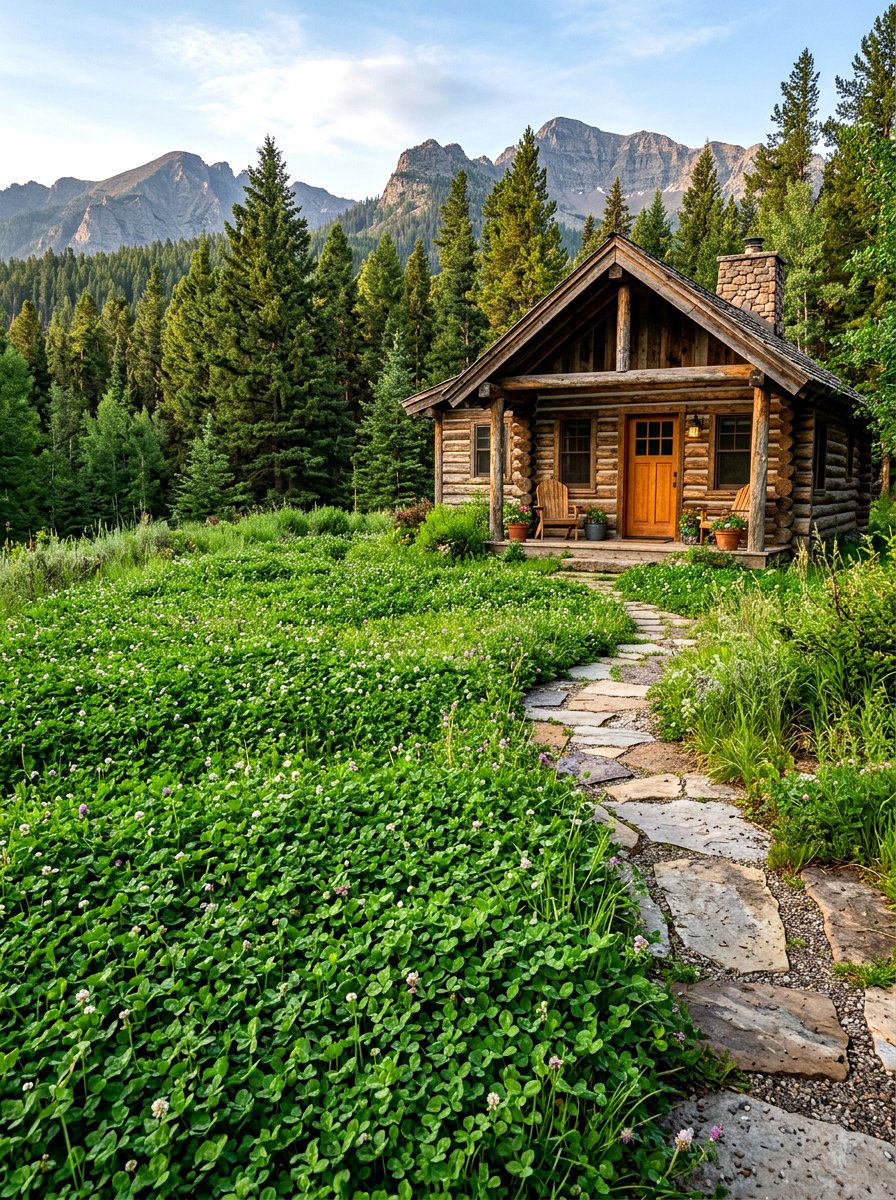
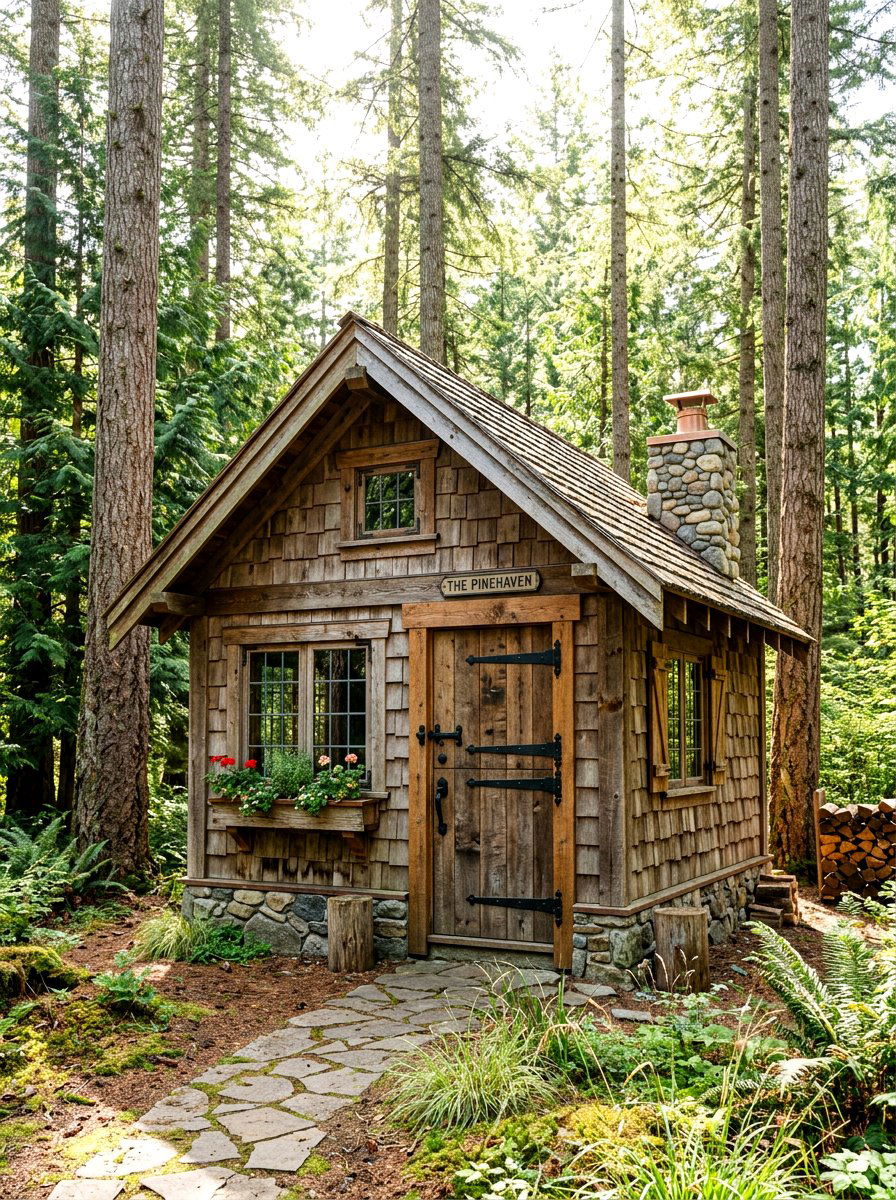
A rustic backyard clover design focuses on the unrefined and natural charm of a self-sustaining landscape that feels at home in a woodland or mountain setting. This look often includes clover growing freely around old logs, large boulders, and weathered wooden furniture. The goal is to make the yard feel like a natural clearing in the forest rather than a man-made construction. The clover’s ability to thrive with almost no intervention makes it the perfect choice for vacation homes or cabins where maintenance time is limited. It provides a beautiful and verdant backdrop for outdoor adventures, providing a soft spot to land after a long day.
29. Clover Gravel Landscape
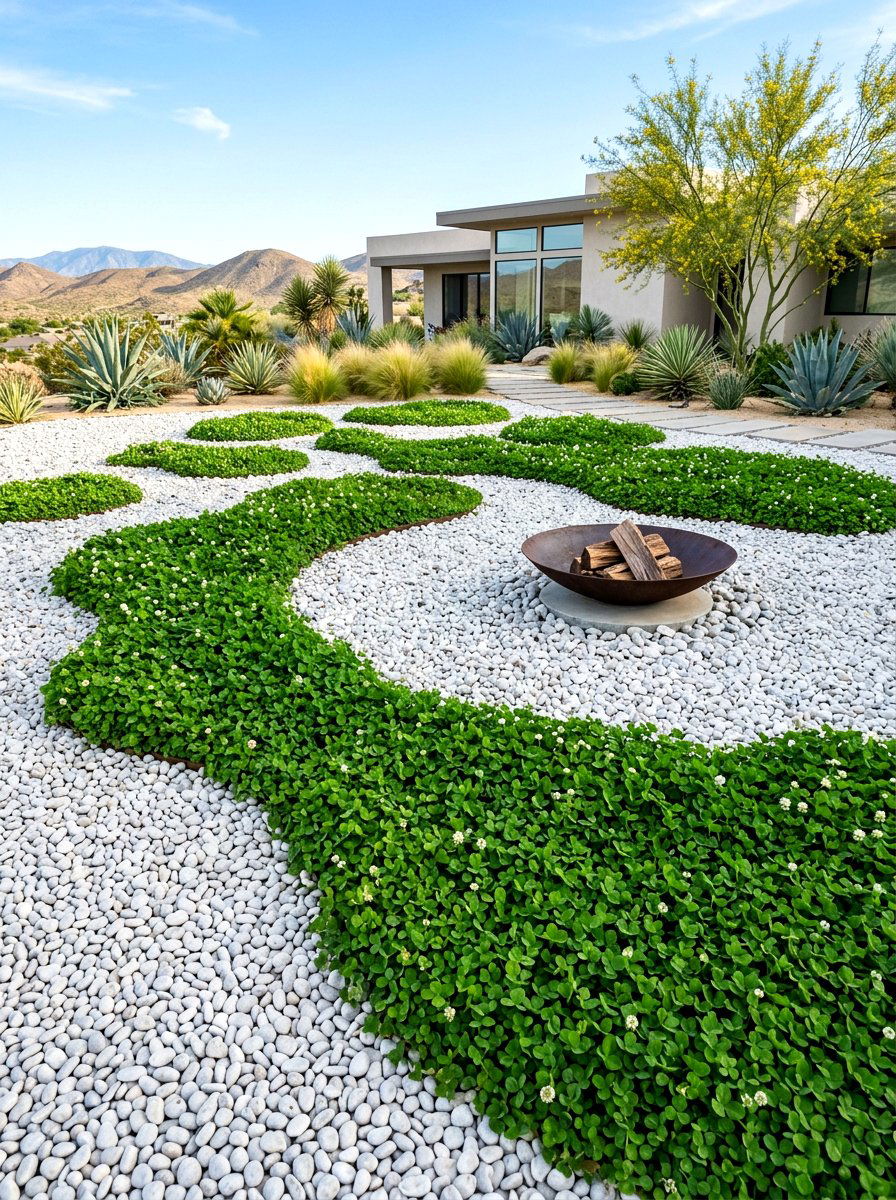
Combining clover with a gravel landscape is a modern xeriscaping technique that provides a stunning contrast between hard and soft textures. By allowing patches of clover to grow within a larger gravel or crushed stone area, you create a "desert oasis" look that is both drought-tolerant and visually interesting. The green "islands" of clover break up the expanse of stone, preventing the yard from looking too barren or hot. This design is excellent for drainage and requires very little water to maintain. It is a sophisticated way to design a backyard that is both environmentally conscious and artistically unique, proving that low-water yards can be lush.
30. Low Water Clover Yard
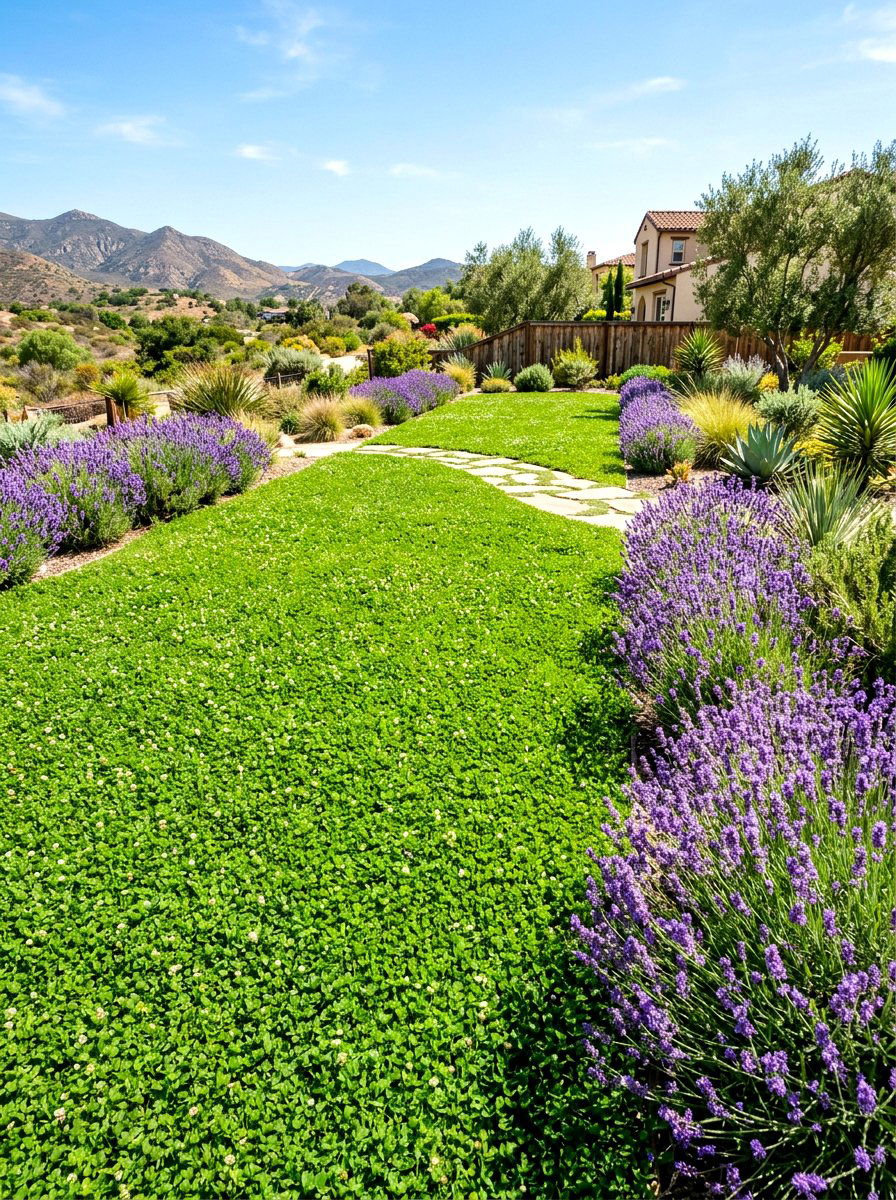
A low water clover yard is the ultimate sustainable solution for modern homeowners who want a beautiful landscape without the environmental guilt. This design prioritizes native or hardy clover varieties that can survive on rainfall alone once they are established. By eliminating the need for a complex sprinkler system, you save money and preserve a precious natural resource. The clover stays green and inviting throughout the year, providing a cooling effect on the local microclimate. This approach proves that you don’t have to sacrifice a lush, green aesthetic to be a responsible steward of the earth. It is a forward-thinking and beautiful choice for any backyard.
Conclusion:
Adopting a clover lawn is more than just a landscaping trend; it is a commitment to a more sustainable and enjoyable way of living. By choosing one of these thirty creative ideas, you can transform your backyard into a low-maintenance paradise that benefits both your family and the local environment. From the modern elegance of microclover to the wild charm of a flowering meadow, clover offers a versatile and resilient alternative to traditional grass. You will save time, money, and water while enjoying a lush, green space that remains vibrant throughout the seasons. Embrace the natural beauty of clover and create a backyard that truly thrives.

Related posts: