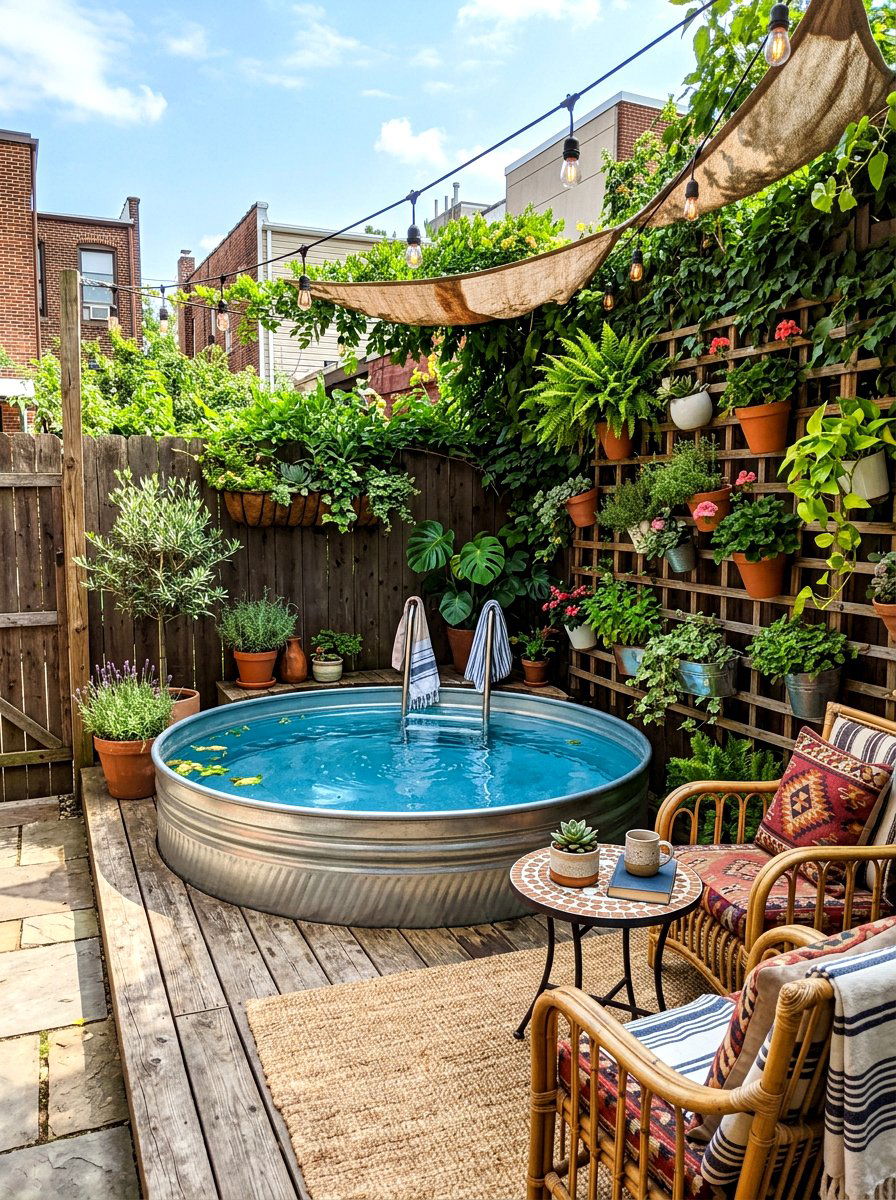
Growing your own food is a rewarding experience that connects you directly to the ingredients on your dinner plate. A pizza garden is a thematic approach to cultivation that focuses on the specific herbs and vegetables needed to create the perfect homemade pie. By grouping these plants together, you create a convenient harvest zone while adding a beautiful, functional feature to your backyard or patio. Whether you have a sprawling lawn or a tiny balcony, there are countless ways to organize your crop for maximum yield and aesthetic appeal. This guide explores creative layouts and plant combinations that will transform your gardening journey into a culinary adventure.

1. Circular Raised Bed
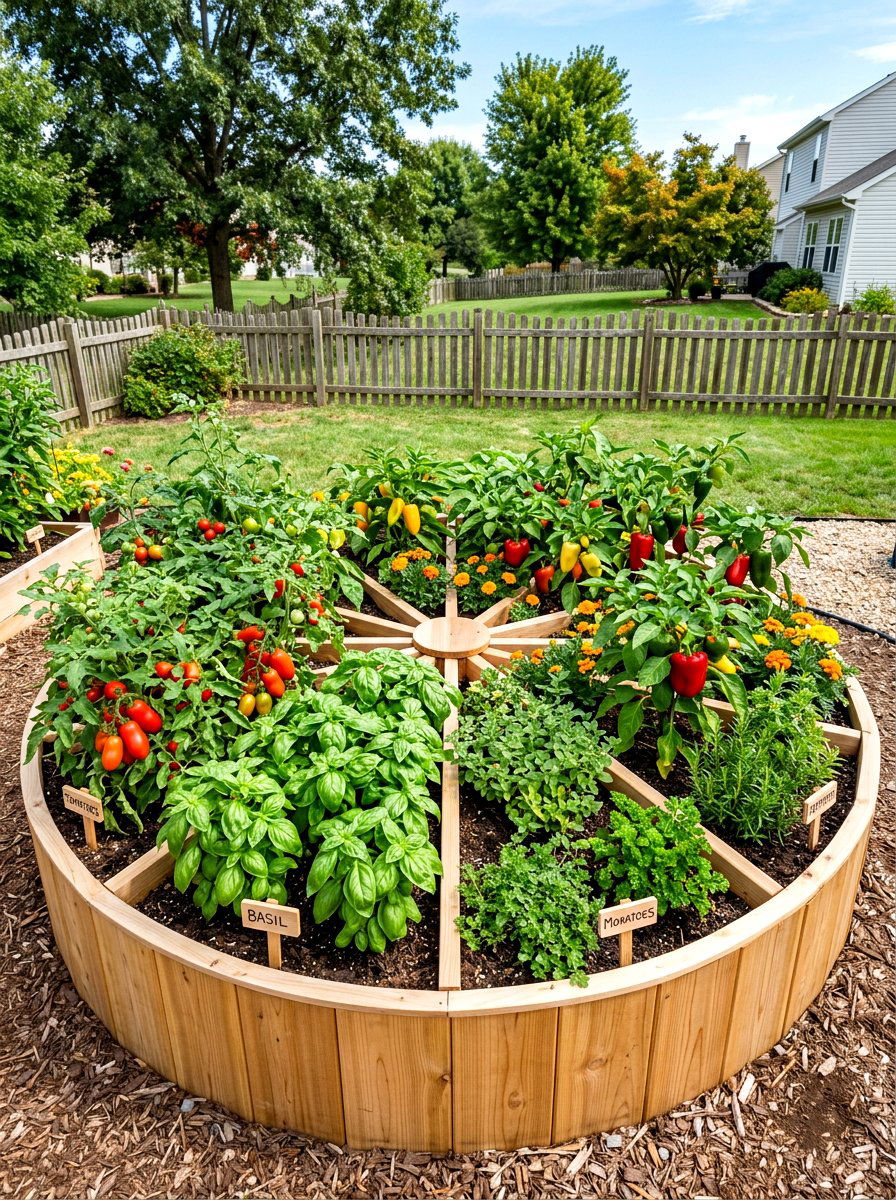
Designing a circular raised bed is perhaps the most iconic way to celebrate your love for pizza. This layout mimics the shape of a large pie, providing a whimsical yet organized structure for your crops. You can use cedar wood or decorative stones to build the perimeter, ensuring it sits about twelve inches high for better drainage. Inside, use narrow wooden slats or thin bricks to divide the circle into eight equal wedge-shaped slices. Each slice should be dedicated to a specific ingredient, such as one for Roma tomatoes and another for sweet bell peppers. This visual organization makes it incredibly easy to manage different plant needs while creating a stunning garden focal point.
2. Pizza Herb Container
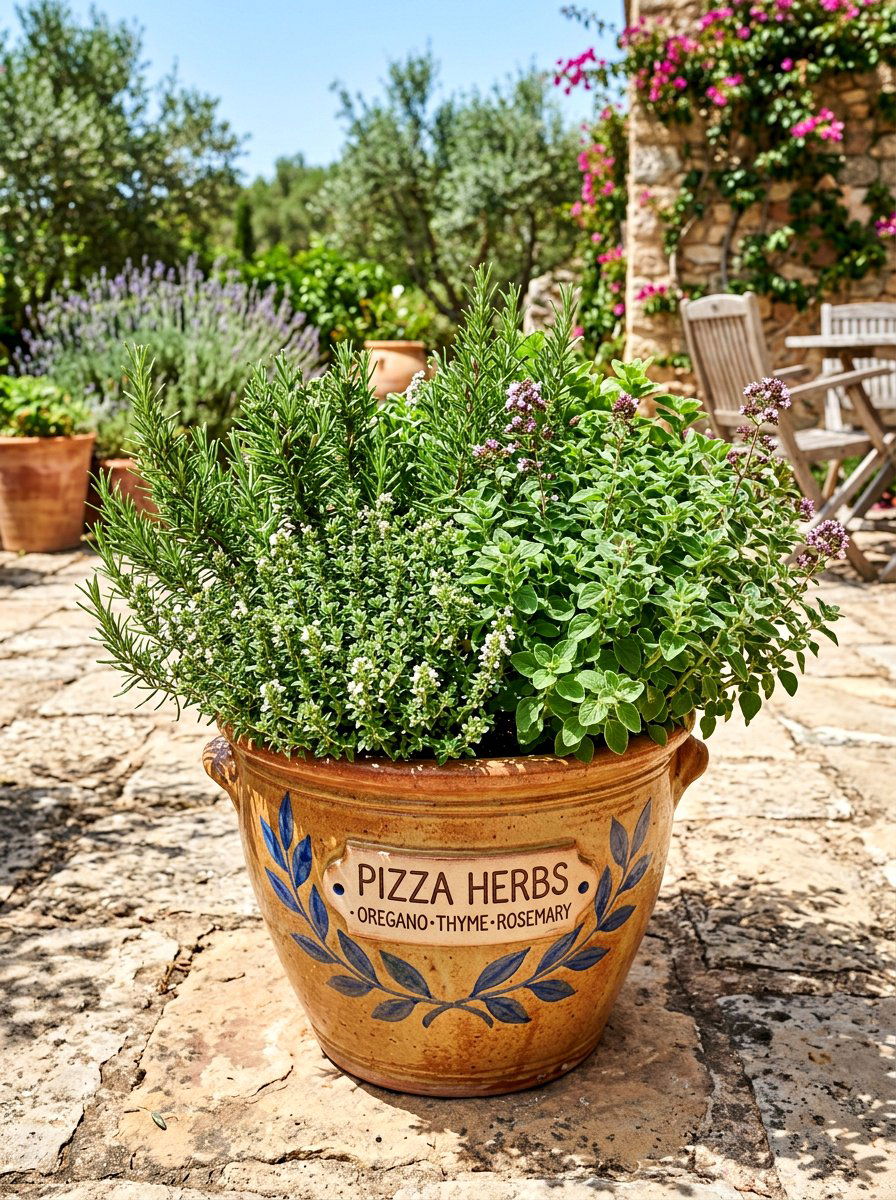
If you have limited outdoor space, a large pizza herb container is the perfect solution for your culinary needs. Choose a wide, shallow pot with excellent drainage to prevent root rot in your delicate greens. You can plant a mix of oregano, thyme, and rosemary together in this single vessel to create a portable spice station. These herbs generally share similar sun and water requirements, making them easy to maintain as a group. Placing the container right outside your kitchen door or near your outdoor grill ensures that fresh flavor is always within reach. The dense, fragrant foliage also creates a beautiful sensory experience whenever you walk past.
3. Tomato And Basil Planter
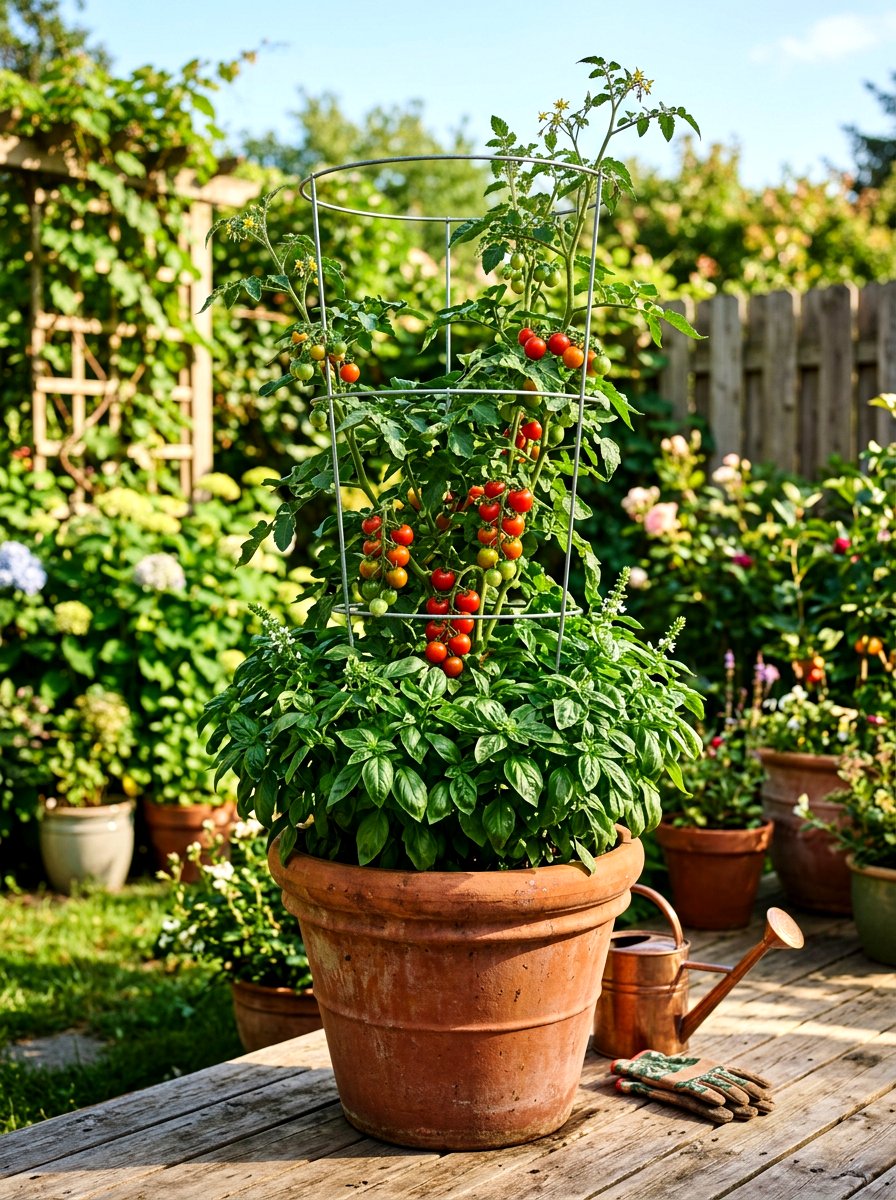
Combining tomatoes and basil in a single large planter is a classic example of companion planting that yields delicious results. The tall tomato plant provides a bit of shade for the lower-growing basil, while the basil is rumored to improve the overall flavor of the fruit. Use a sturdy cage to support the tomato vines as they grow heavy with ripening fruit. Surround the base of the tomato plant with several varieties of basil, such as Genovese or Thai, to fill in the soil gaps. This pairing not only saves space but also creates a dense, lush green look that is very attractive in any sunny corner.
4. Italian Oregano Patch
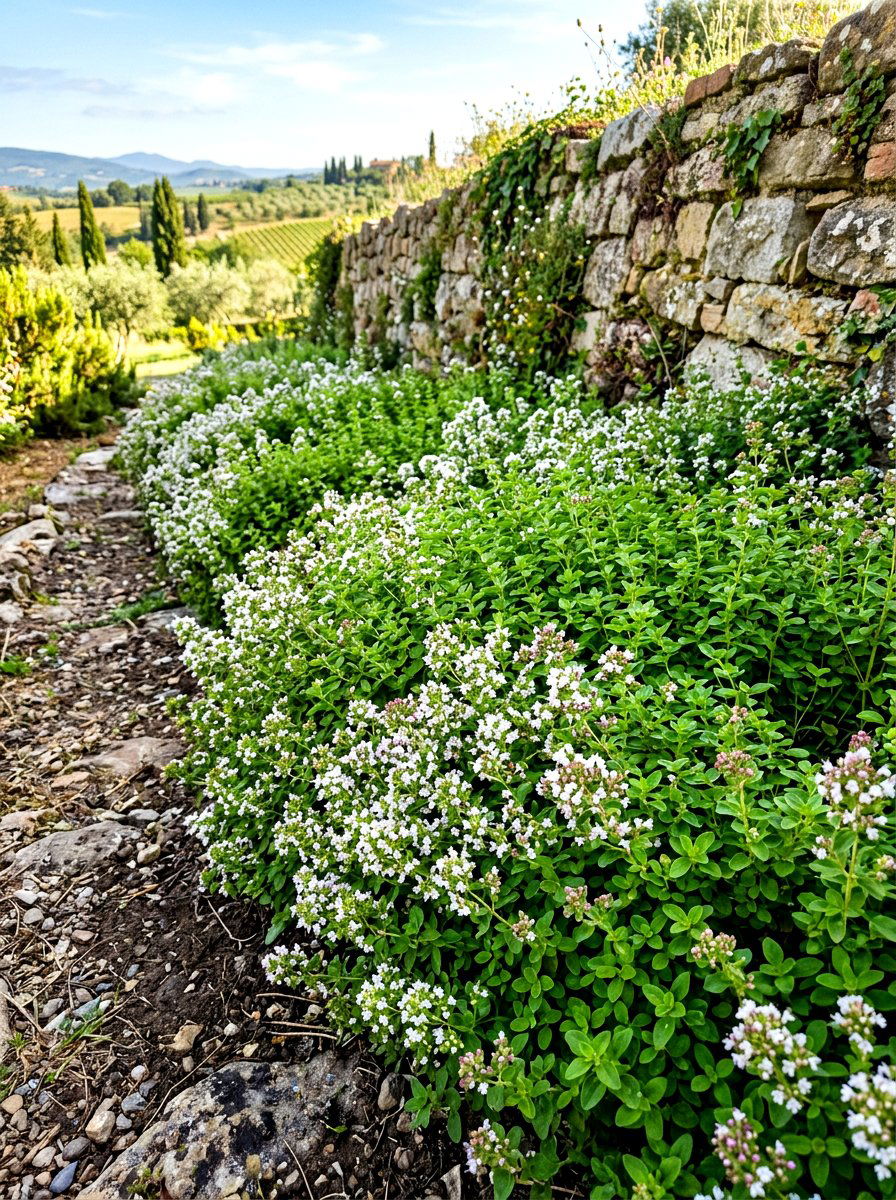
An Italian oregano patch is an essential component for anyone serious about making authentic red sauce from scratch. This hardy perennial is low-growing and spreads easily, making it an excellent ground cover for the edges of your garden beds. It thrives in full sun and requires very little maintenance once the roots are established in well-drained soil. You can harvest the small, flavorful leaves throughout the summer to use fresh or dry them for year-round cooking. The tiny white flowers it produces in late summer attract beneficial pollinators, which helps the health of your entire vegetable garden. It is a reliable and fragrant addition.
5. Bell Pepper Garden Bed
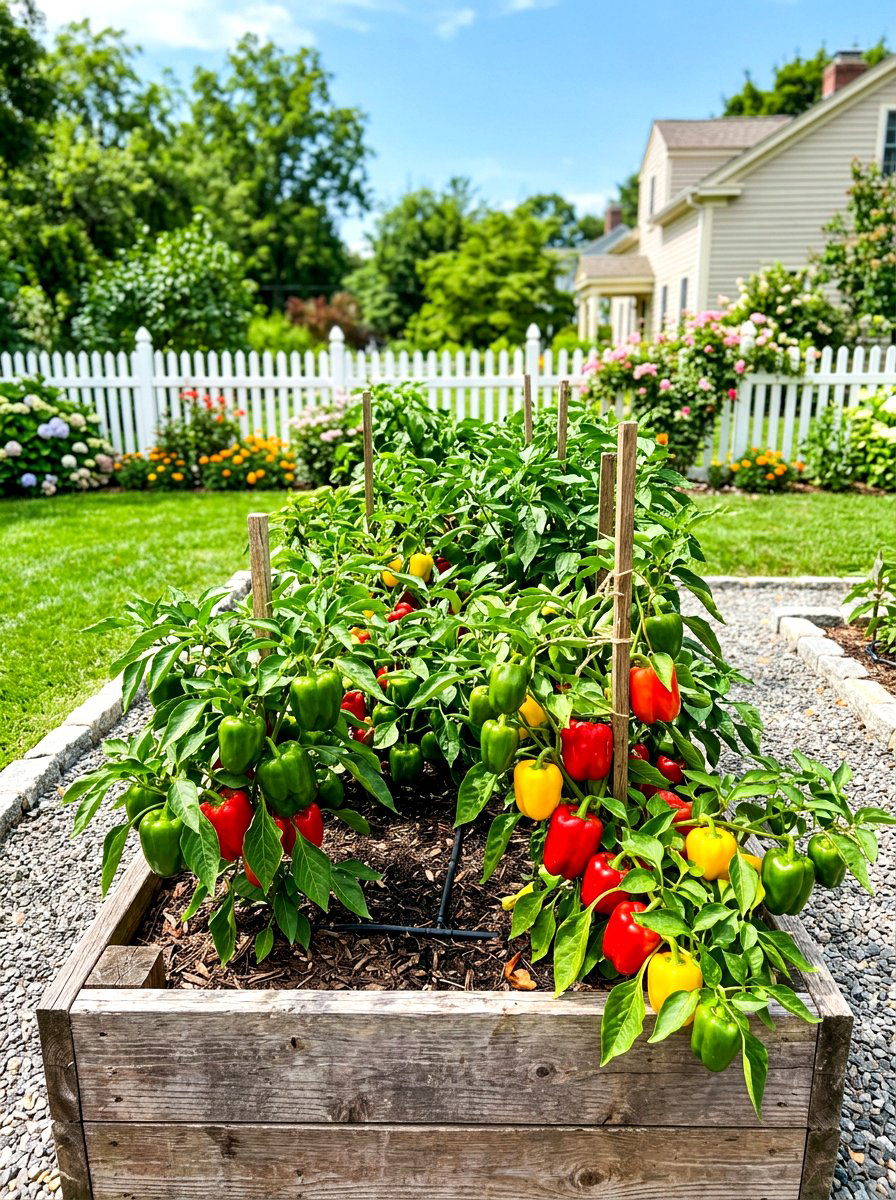
Creating a dedicated bell pepper garden bed allows you to grow a vibrant rainbow of toppings for your homemade pizzas. Peppers love heat and consistent moisture, so placing them in a sunny, sheltered spot ensures a heavy harvest of crunchy fruit. You can plant a mix of green, red, and yellow varieties to add visual interest and different flavor profiles to your meals. Space the plants about twelve to fifteen inches apart to allow for proper airflow and to prevent the spread of common garden pests. Using organic mulch around the base of the plants will help retain soil moisture during the hottest months of summer.
6. Wheel Shaped Herb Garden
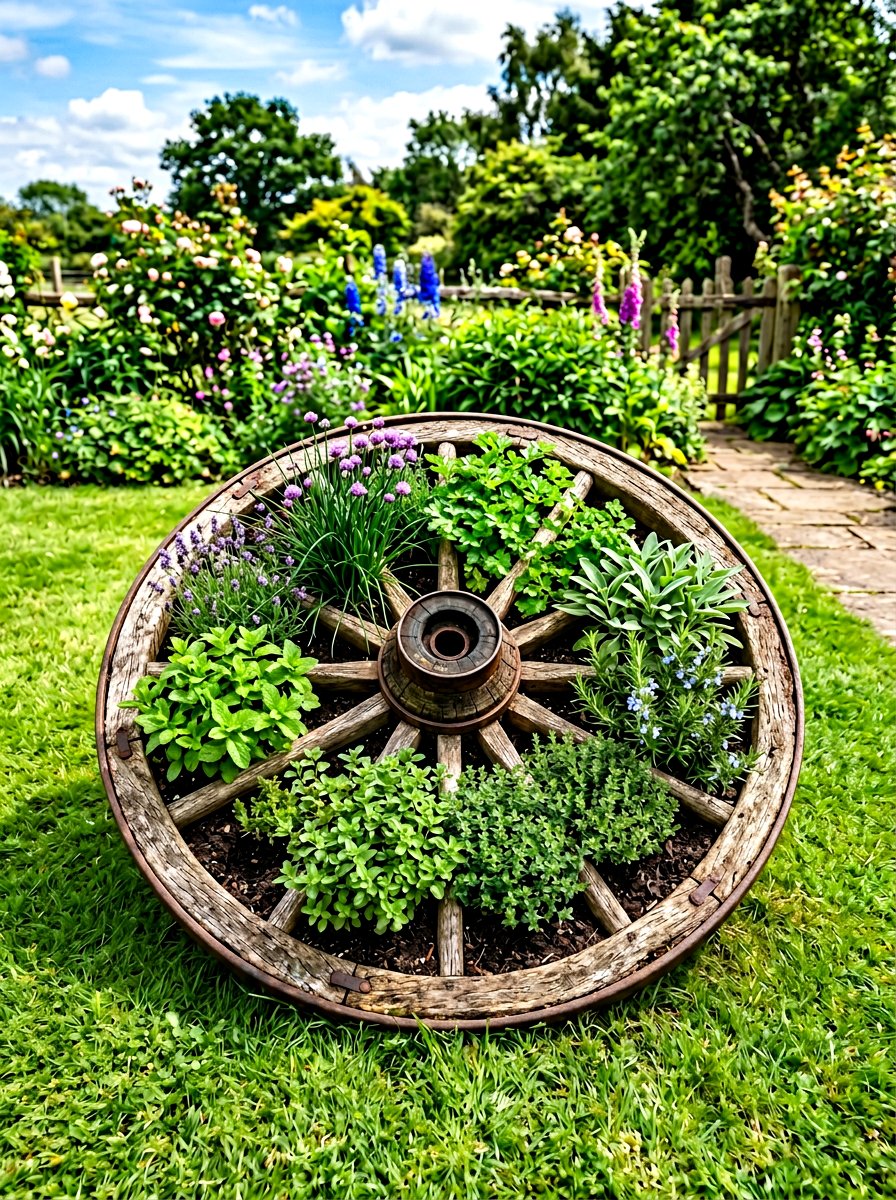
A wheel shaped herb garden uses an old wagon wheel or a similar structure to create distinct planting zones for your toppings. This rustic design is perfect for a farmhouse-style backyard and provides a very clear visual boundary for each herb variety. Place the wheel flat on the ground and fill the spaces between the spokes with high-quality potting soil mixed with compost. Plant different herbs like chives, parsley, and marjoram in separate "spoke" sections to keep them from overcrowding each other. This layout is not only functional but also acts as a conversation piece that adds character and charm to your landscape design.
7. Pizza Garden For Kids
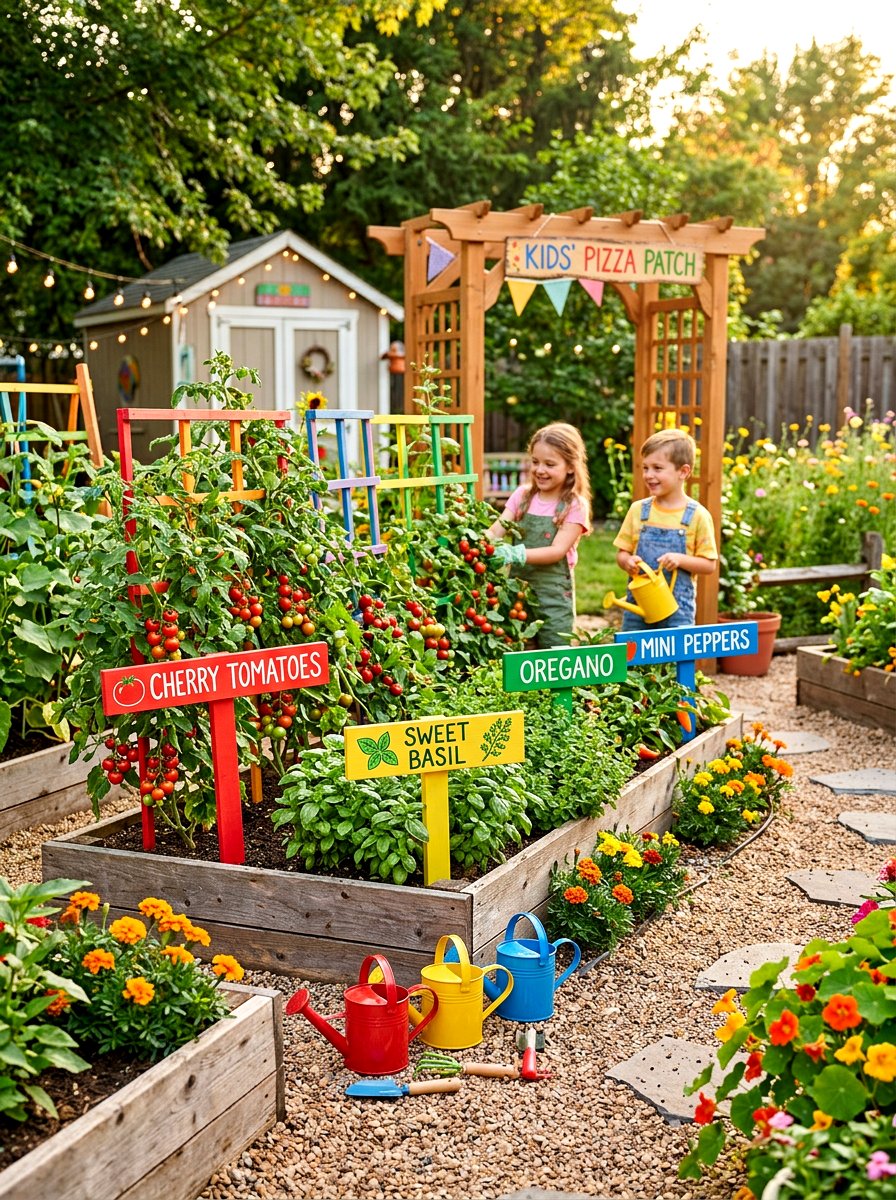
Designing a pizza garden for kids is a fantastic way to introduce children to the wonders of nature and healthy eating. Use colorful labels and small, manageable tools to make the experience interactive and fun for little hands. Choose fast-growing varieties like cherry tomatoes and mild peppers that children can easily pick and snack on while they work. You can even create a small seating area nearby where they can watch their plants grow and learn about the life cycle of vegetables. Engaging kids in the process of growing their own food encourages a sense of pride and a lifelong interest in gardening and nutrition.
8. Vertical Herb Wall
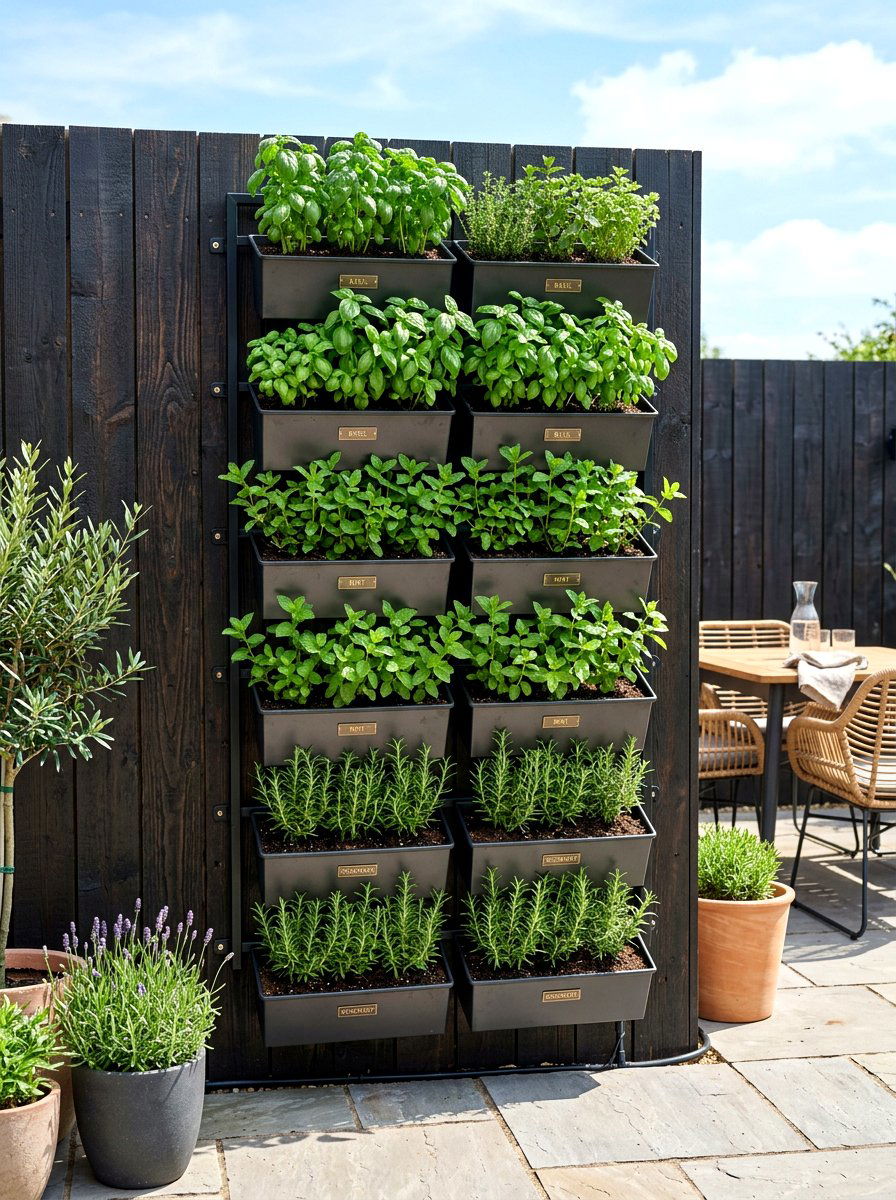
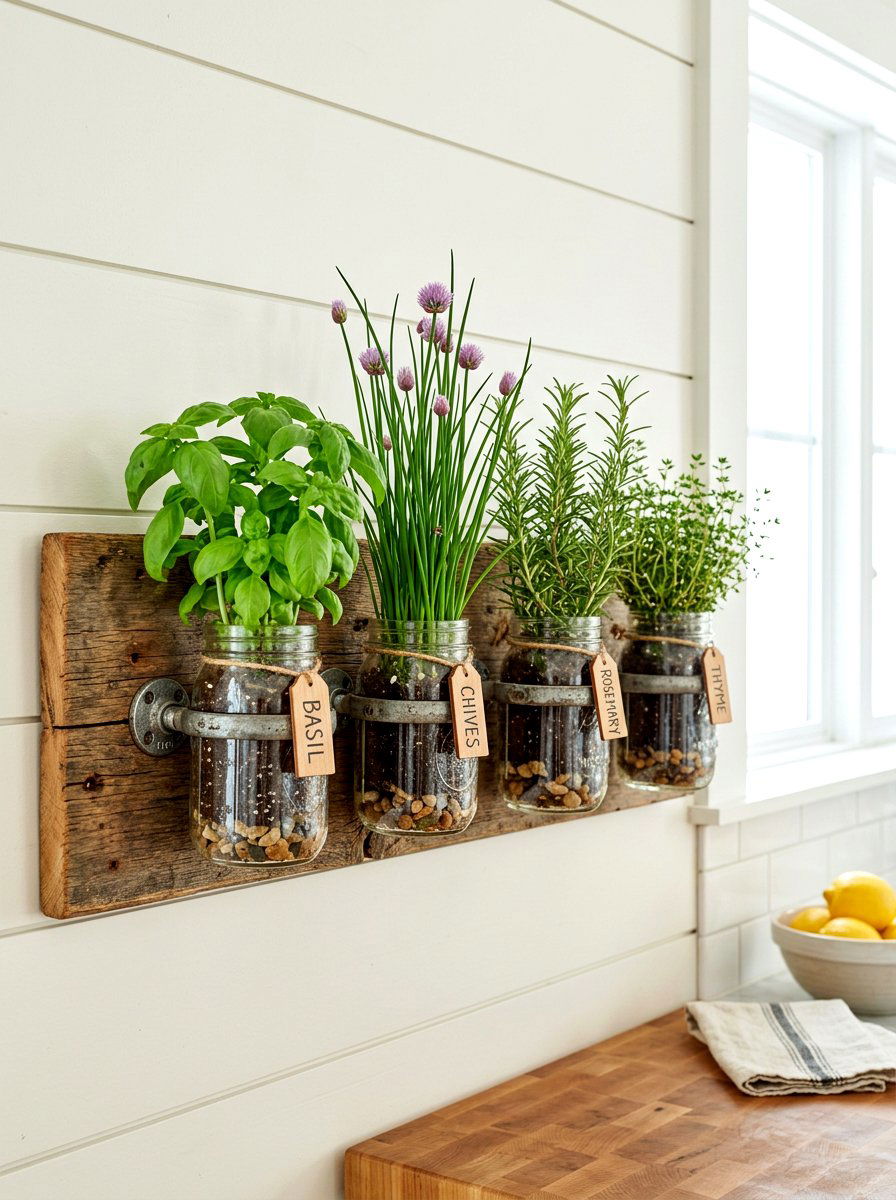
A vertical herb wall is an ingenious way to maximize a small footprint while keeping your pizza seasonings organized and accessible. You can use wall-mounted planters, repurposed wooden pallets, or specialized pocket systems to grow a variety of herbs vertically. This setup is ideal for balconies or small patios where floor space is a premium and sunlight hits the walls directly. Plant trailing varieties of rosemary or mint alongside upright basil and parsley for a diverse and lush appearance. Not only does this provide fresh ingredients, but it also acts as a living privacy screen that dampens noise and softens the look of hard structures.
9. Roma Tomato Patch
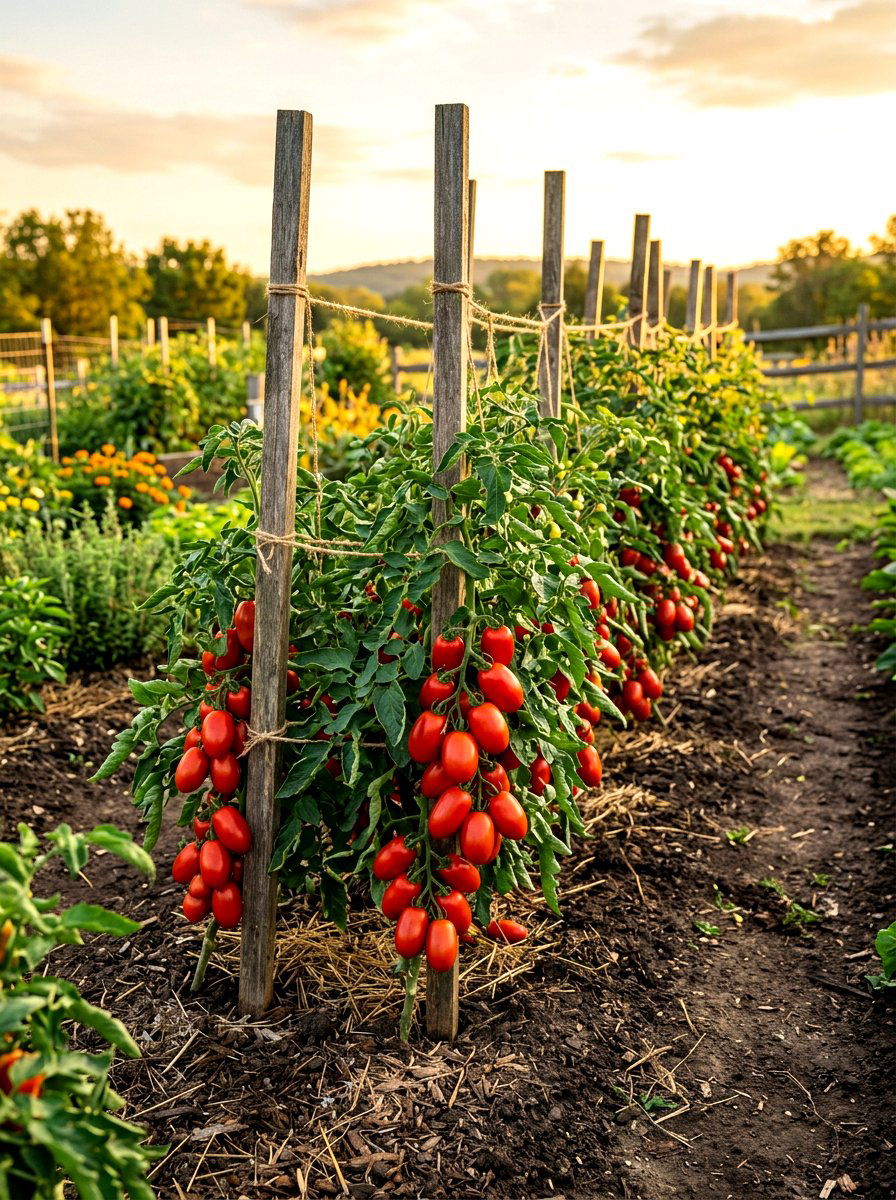
Establishing a Roma tomato patch is vital for those who prefer to make their own thick and hearty pizza sauce. Roma tomatoes are prized for their meaty texture and low water content, which makes them the gold standard for cooking down into sauces. These plants are often determinate, meaning they grow to a certain height and produce their fruit all at once, making them perfect for bulk canning. Give them plenty of sun and a regular watering schedule to ensure the fruit develops without cracking. Staking the plants is necessary to keep the heavy clusters of tomatoes off the ground and away from hungry pests.

10. Sweet Basil Garden
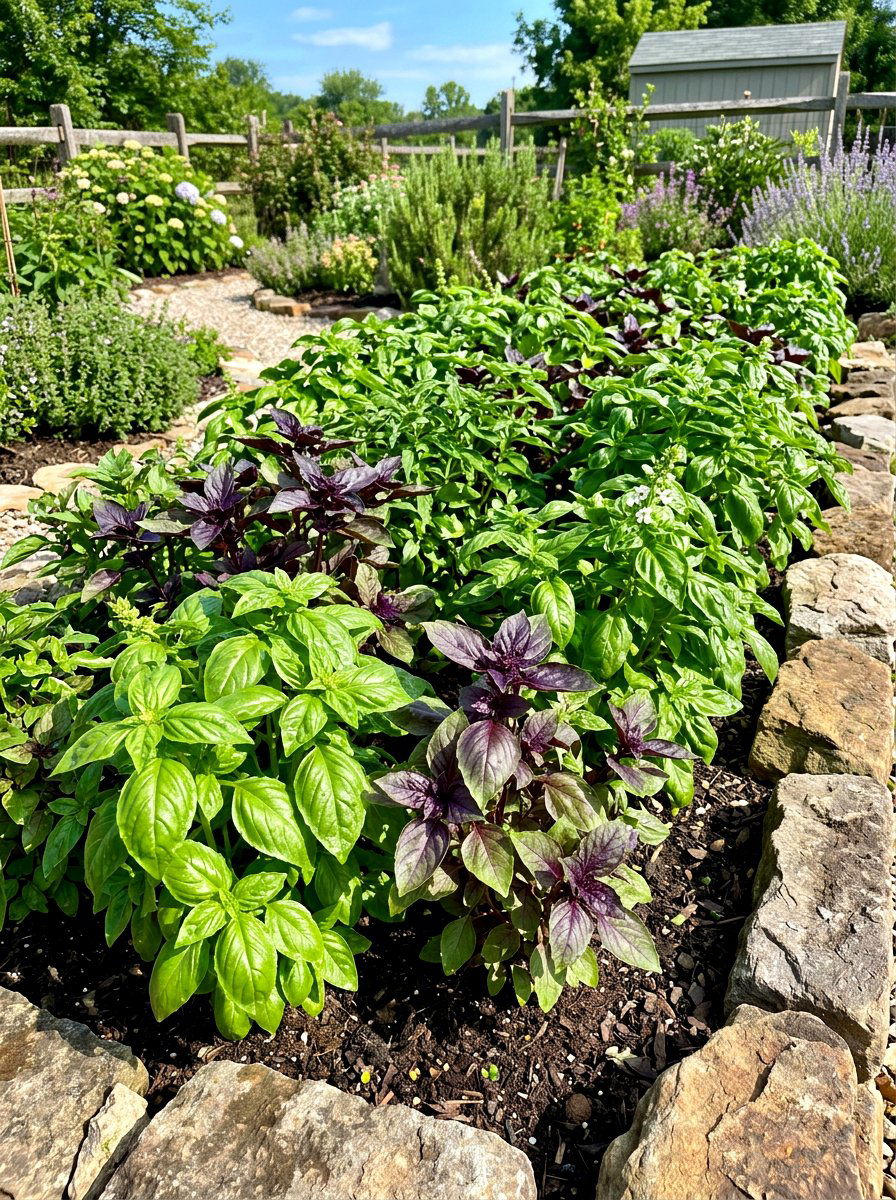
A sweet basil garden provides an abundance of the most critical herb for any Margherita-style pizza or fresh pesto topping. This heat-loving annual thrives in the middle of summer and produces large, aromatic leaves that are best used immediately after picking. To encourage a bushier plant, regularly pinch back the tops of the stems and remove any flower buds that start to form. This prevents the plant from going to seed and keeps the leaves tasting sweet rather than bitter. Planting several different varieties, such as purple opal or lemon basil, adds diverse colors and scents to your garden beds and your kitchen.
11. Fresh Garlic Bed
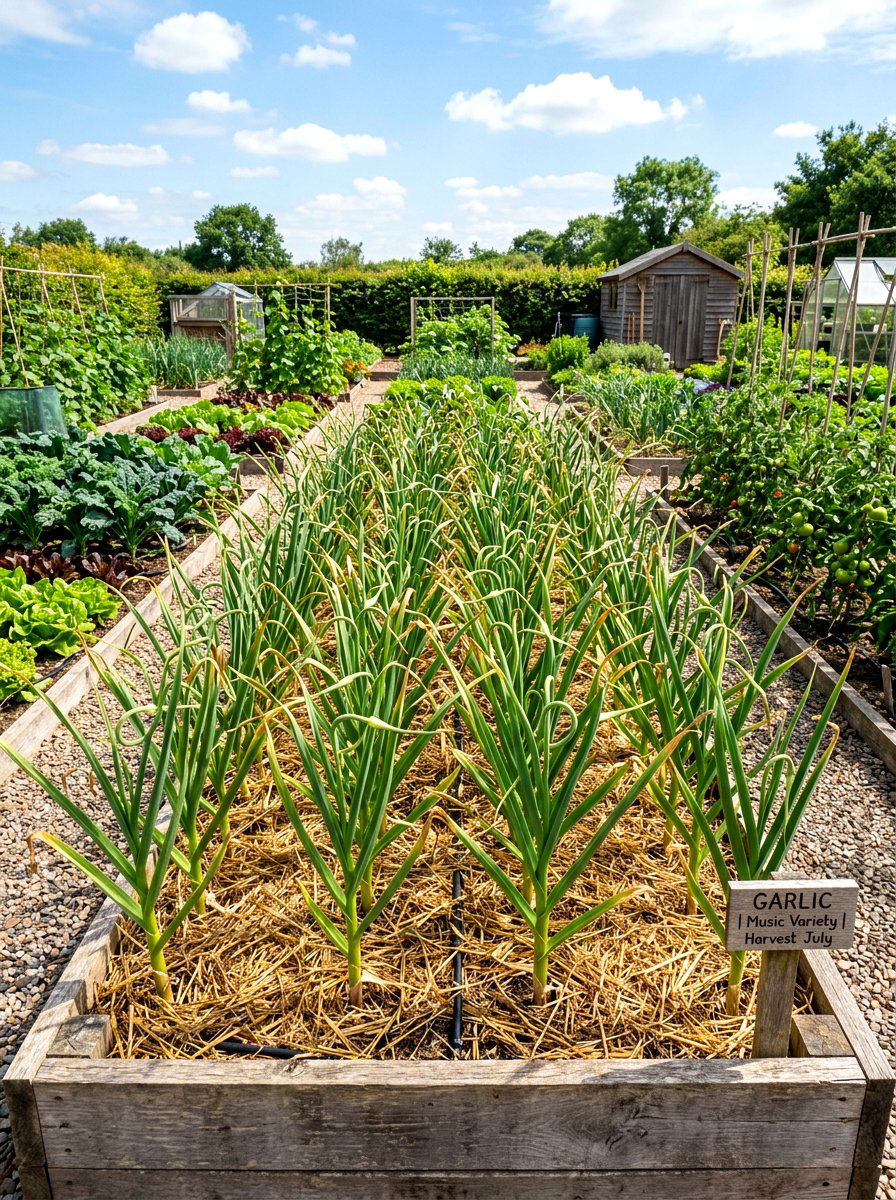
A fresh garlic bed is a long-term investment that rewards the patient gardener with incredibly pungent and flavorful cloves. Garlic is typically planted in the autumn and harvested the following summer, making it a great crop for year-round garden utilization. It requires well-drained soil and a period of cold weather to develop the individual bulbs properly. Once the tops begin to turn yellow and flop over in July, it is time to dig them up and cure them in a dry place. Homegrown garlic has a much more intense flavor than store-bought versions, providing the perfect kick for your white pizzas or garlic-infused oils.
12. Red Onion Garden
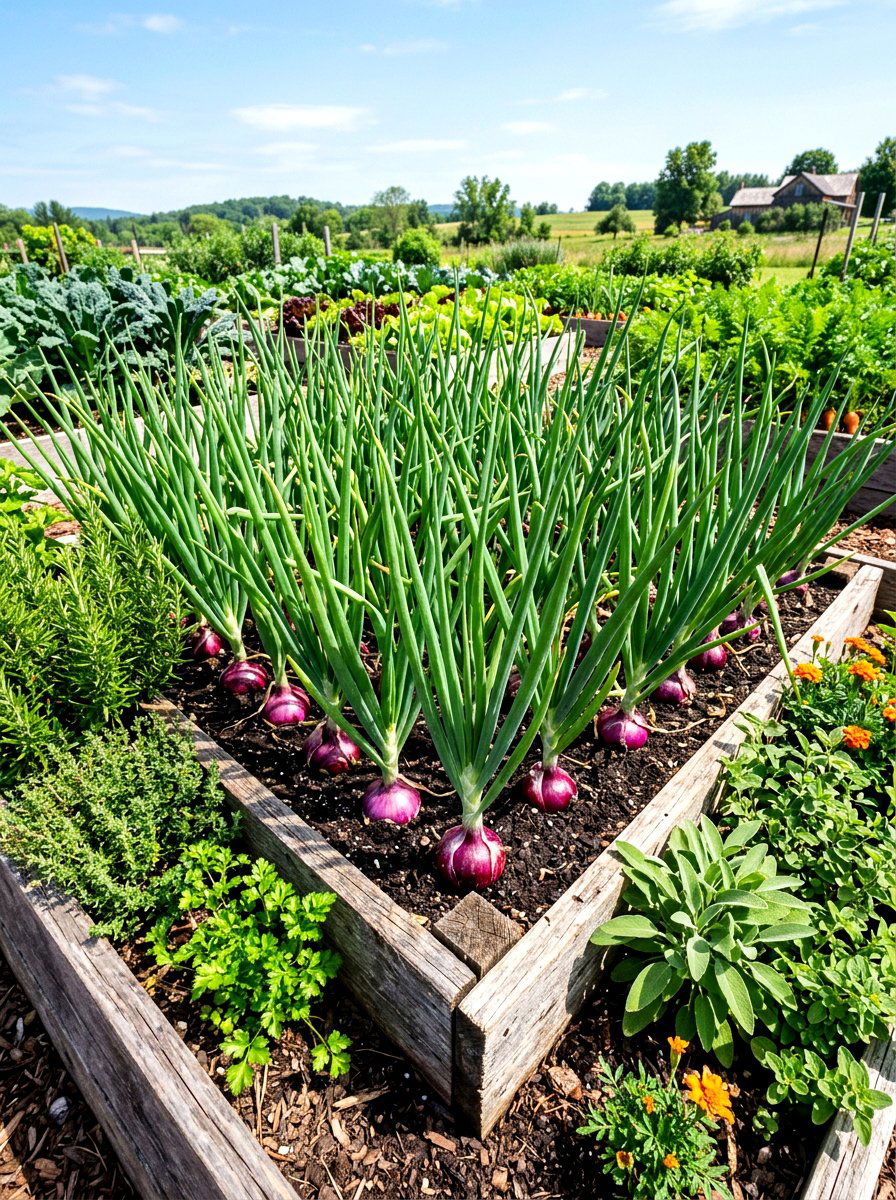
Growing a red onion garden ensures you always have a sweet and colorful topping ready for your favorite barbecue chicken or veggie pizza. Onions are relatively easy to grow from sets or seeds and do not take up much vertical space, making them great for intercropping. They prefer loose, sandy soil that allows the bulbs to expand without resistance as they mature over several months. You can harvest some early as spring onions or let them fully develop for a stronger flavor and longer storage life. Their upright, spiky foliage adds a unique architectural element to your garden beds that contrasts beautifully with broad-leafed plants.
13. Herb Garden Pallet Planter
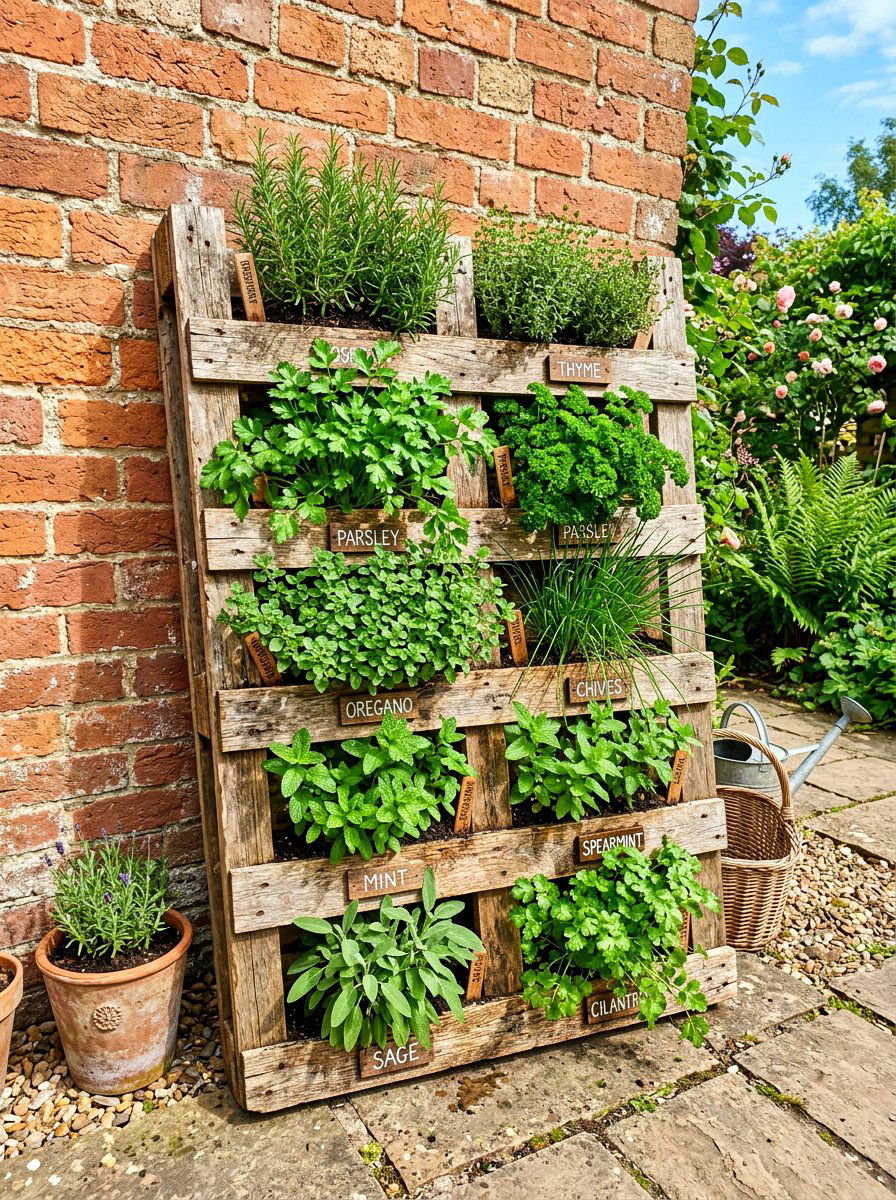
The herb garden pallet planter is a popular DIY project that repurposes old materials into a functional and stylish growing space. By adding backing and landscape fabric to the interior of a wooden pallet, you create several horizontal rows for planting herbs. This vertical orientation is perfect for leaning against a fence or a sunny wall in a small urban backyard. Paint or stain the wood to match your outdoor decor and use chalk markers to label each row with the herb's name. It is a cost-effective way to grow a massive amount of oregano, basil, and parsley in a very confined area.
14. Mini Pizza Garden Pots
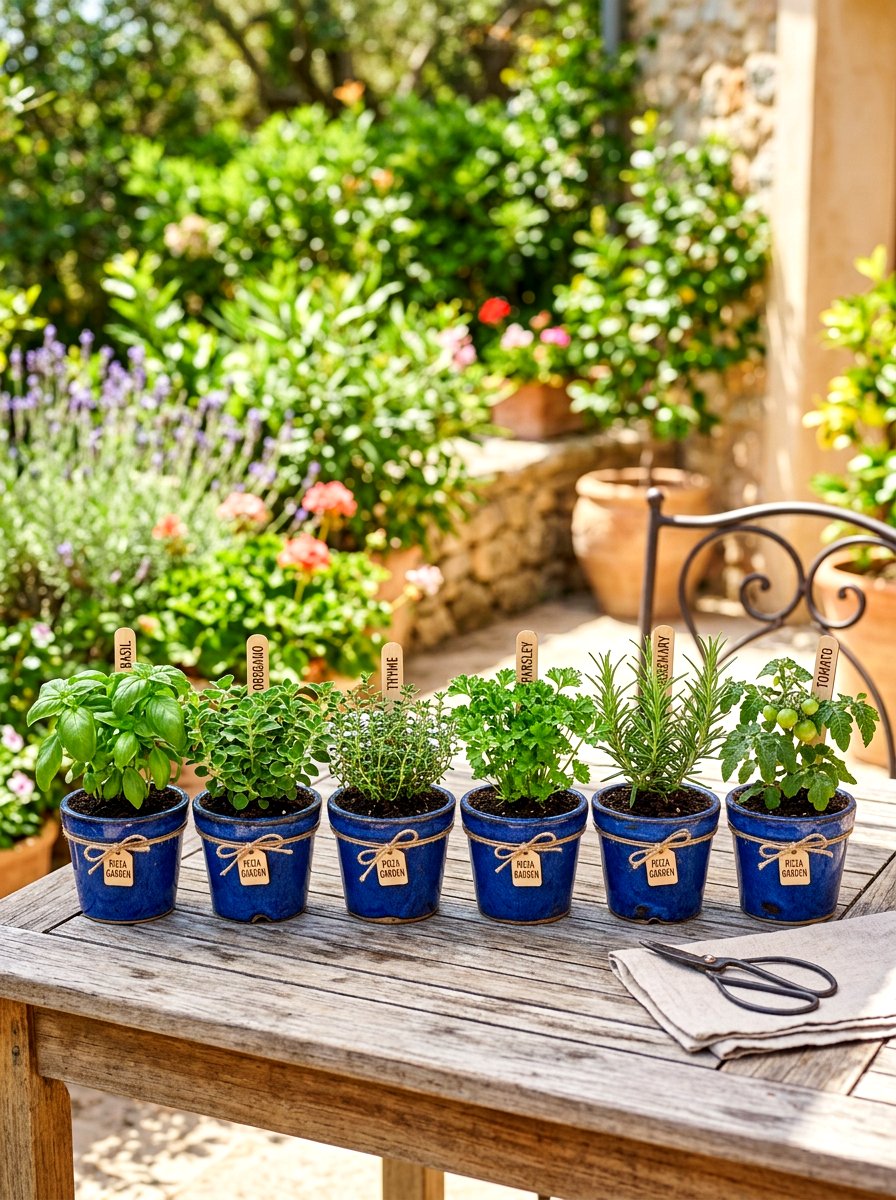
Mini pizza garden pots are individual containers that allow you to customize your growing environment for each specific plant type. You can use a collection of matching ceramic or terracotta pots to create a cohesive look on a patio table or a sunny windowsill. This method is excellent for beginners who want to start small and learn the specific needs of each plant one at a time. It also allows you to move the pots around to catch the best sunlight throughout the day. Using high-quality potting mix and liquid fertilizer will keep these small-scale gardens productive and healthy throughout the entire growing season.
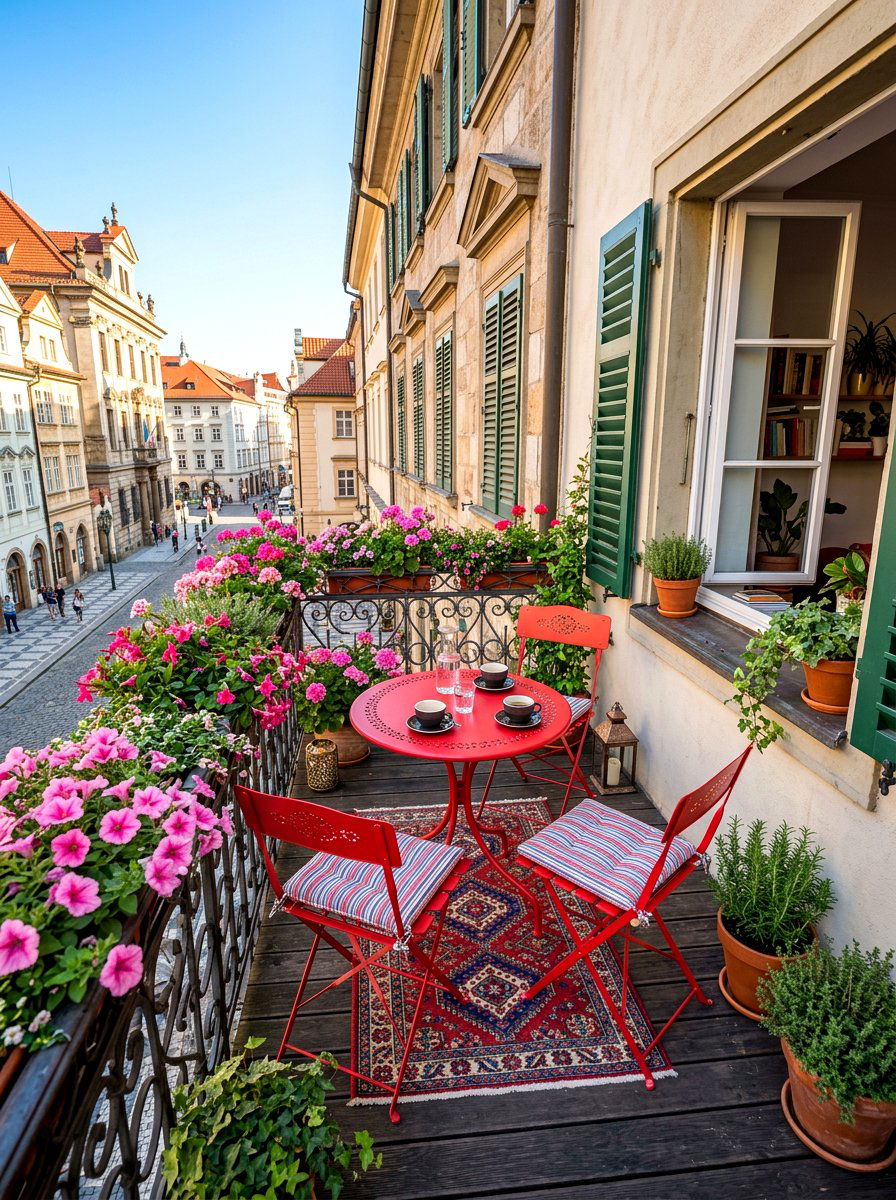

15. Backyard Pizza Oven Landscape
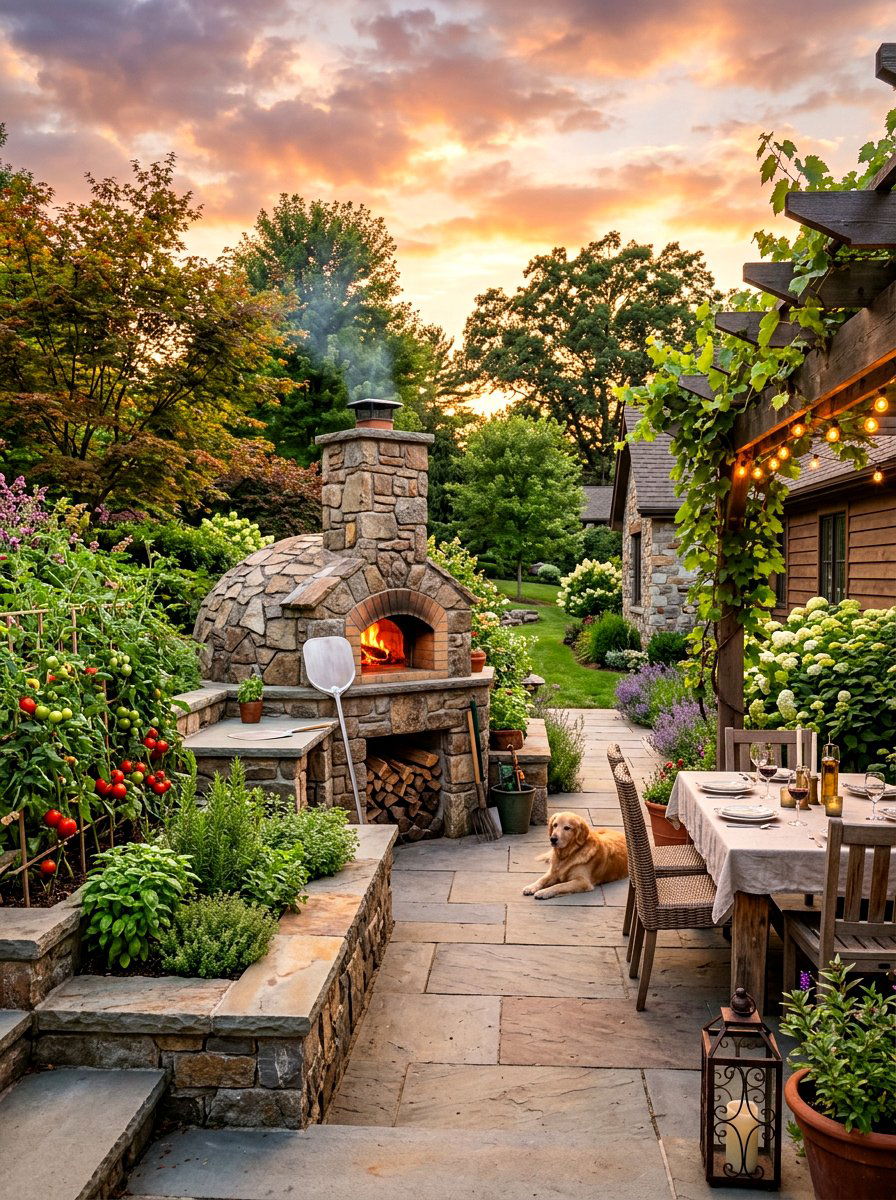
Integrating your crops into a backyard pizza oven landscape creates a seamless transition between the garden and the kitchen. Surround your outdoor oven with raised beds filled with herbs and vegetables so you can harvest toppings directly as you cook. This layout emphasizes the farm-to-table experience and makes entertaining guests much more interactive and exciting. Consider planting fragrant rosemary and lavender near the seating area to enhance the ambiance with their natural perfumes. The heat from the oven can even help create a microclimate that allows Mediterranean herbs to thrive. This design turns your cooking area into a beautiful and productive outdoor sanctuary.
16. Italian Parsley Bed
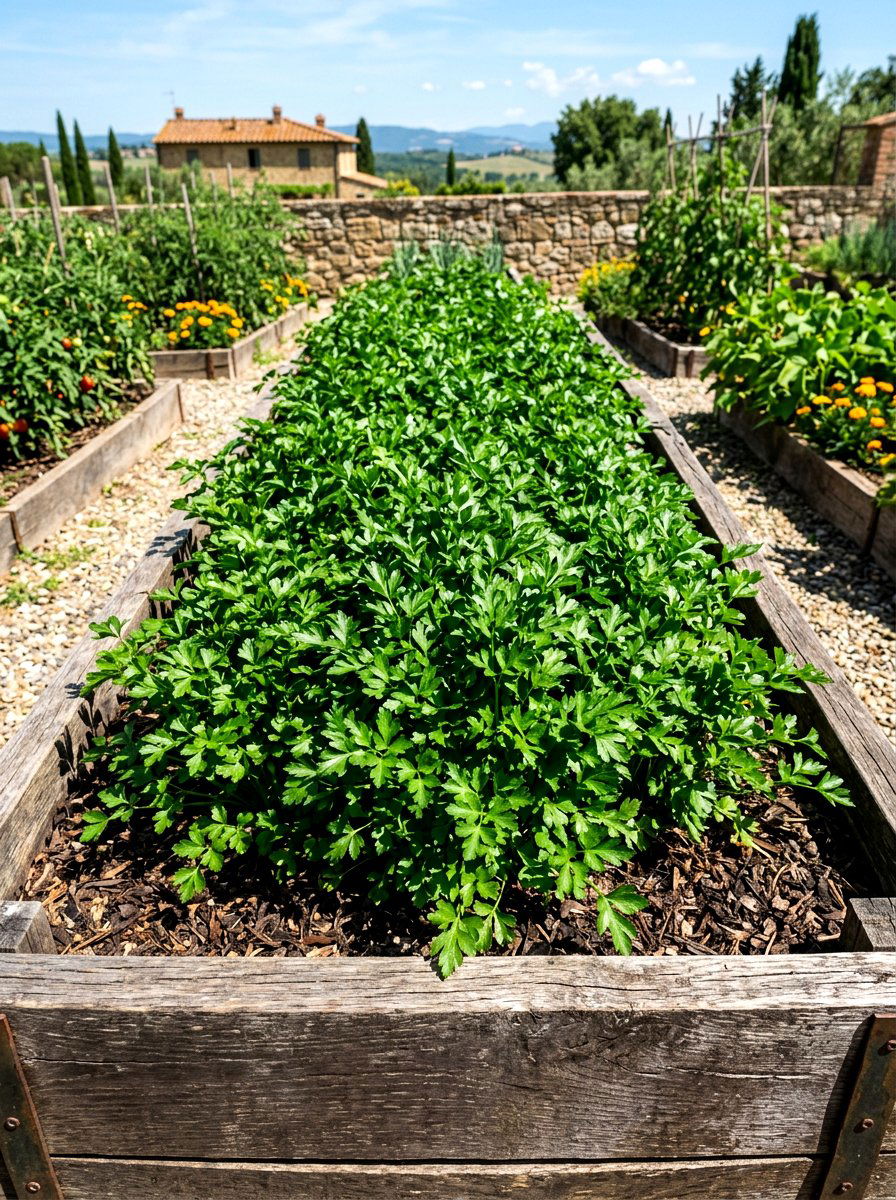
An Italian parsley bed offers a continuous supply of this versatile herb that adds a fresh, clean finish to any hot pizza. Flat-leaf parsley is generally preferred over curly varieties for cooking because it has a more robust flavor and a smoother texture. This biennial plant is quite hardy and can often survive light frosts, providing greens well into the late autumn months. It grows best in rich, moist soil and can handle a bit of afternoon shade in hotter climates. Regular harvesting of the outer stems encourages the plant to produce new growth from the center, ensuring a lush and productive patch all summer.
17. Thyme And Rosemary Garden

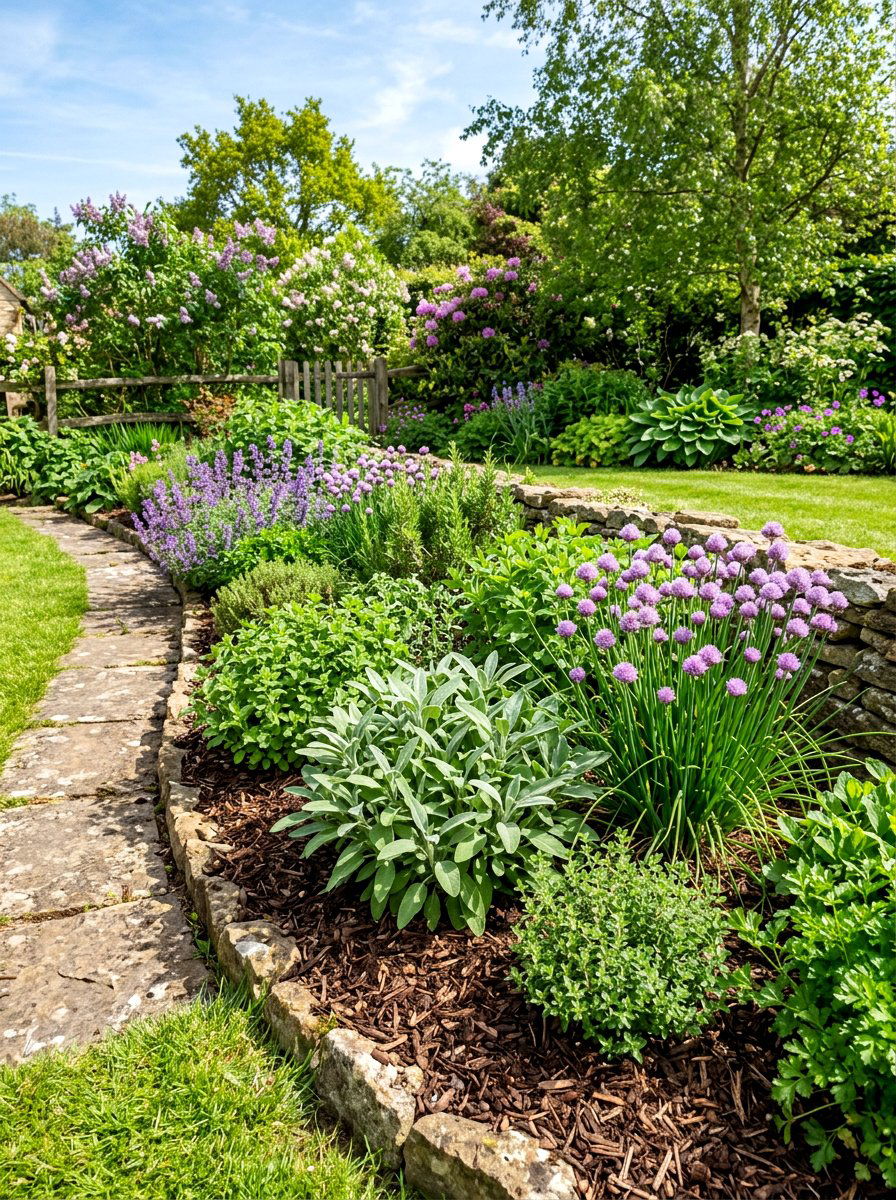
A thyme and rosemary garden combines two of the most fragrant and woody herbs used in Mediterranean-inspired pizza recipes. Both plants prefer well-drained, slightly sandy soil and can tolerate periods of drought once their root systems are established. Rosemary can grow into a large, upright shrub that provides structure to your garden, while thyme creates a low, dense mat of tiny leaves. They look beautiful planted together along a sunny walkway or in a rock garden where their scents are released when brushed against. These perennial herbs are reliable performers that will return year after year, providing flavor for many seasons of homemade meals.
18. Jalapeno Pepper Patch
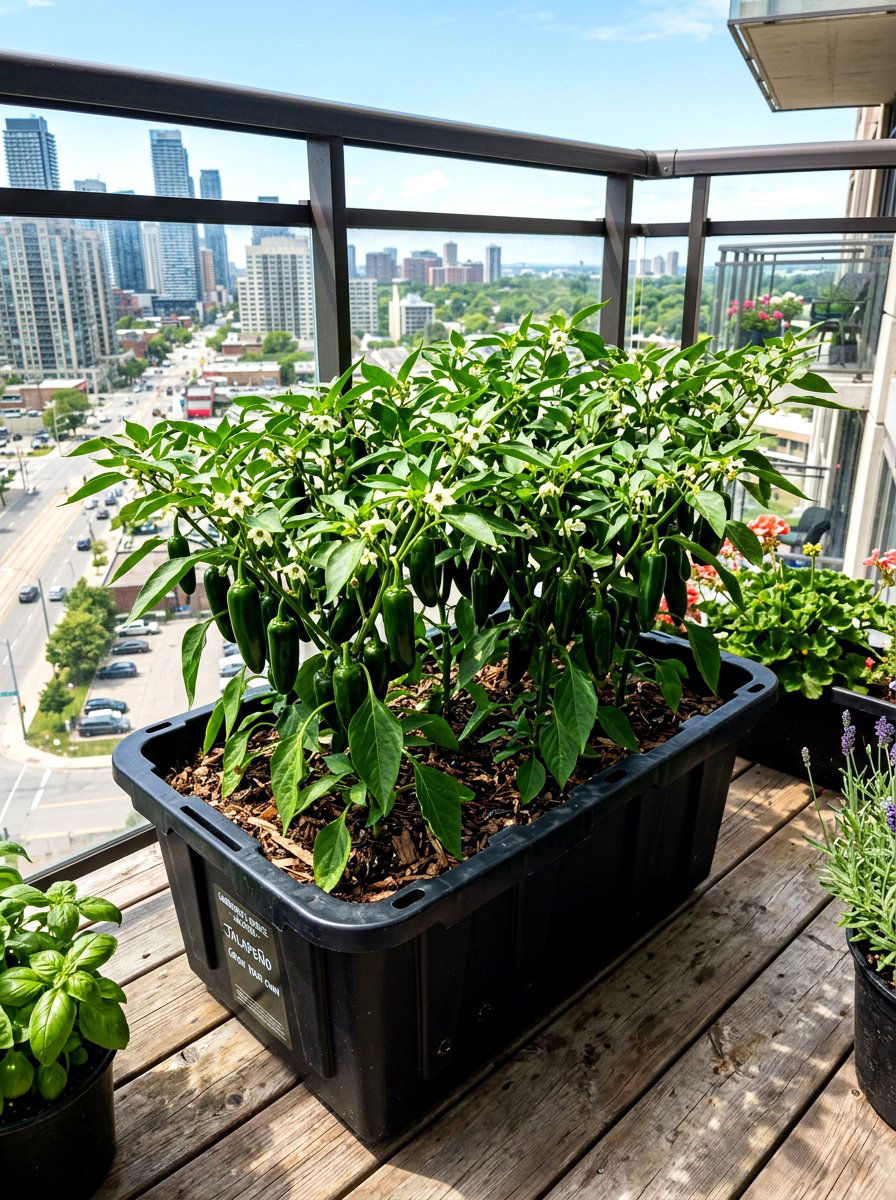
For those who enjoy a bit of spice, a jalapeno pepper patch is a must-have addition to your backyard vegetable plot. These productive plants produce small, dark green peppers that can be harvested early for mild heat or left to turn red for a sweeter, spicier flavor. They grow best in containers or raised beds where the soil stays warm and the drainage is excellent. You can easily preserve any extra harvest by pickling them or drying them into flakes for later use. The glossy leaves and bright fruit make the plants an attractive addition to your landscape while providing a functional ingredient for your kitchen.
19. Raised Bed Pizza Slice Layout
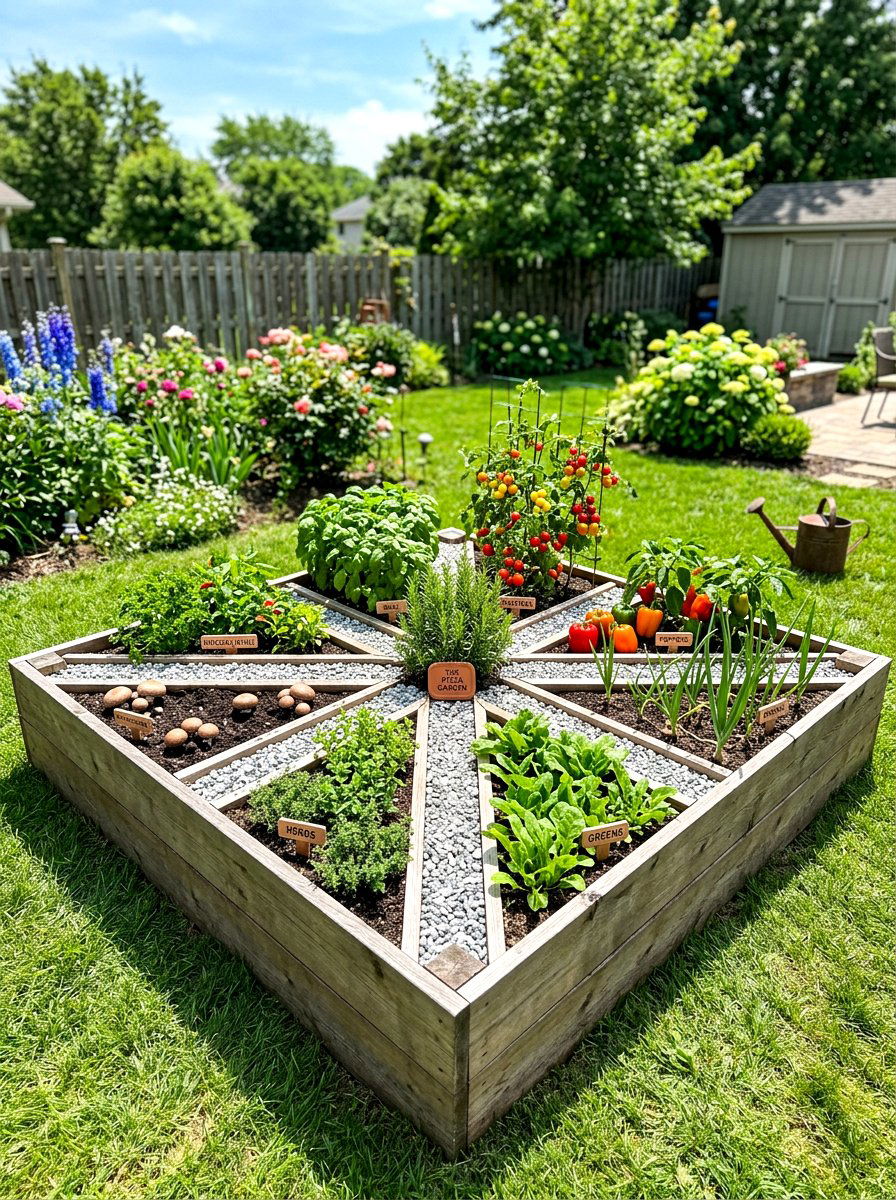
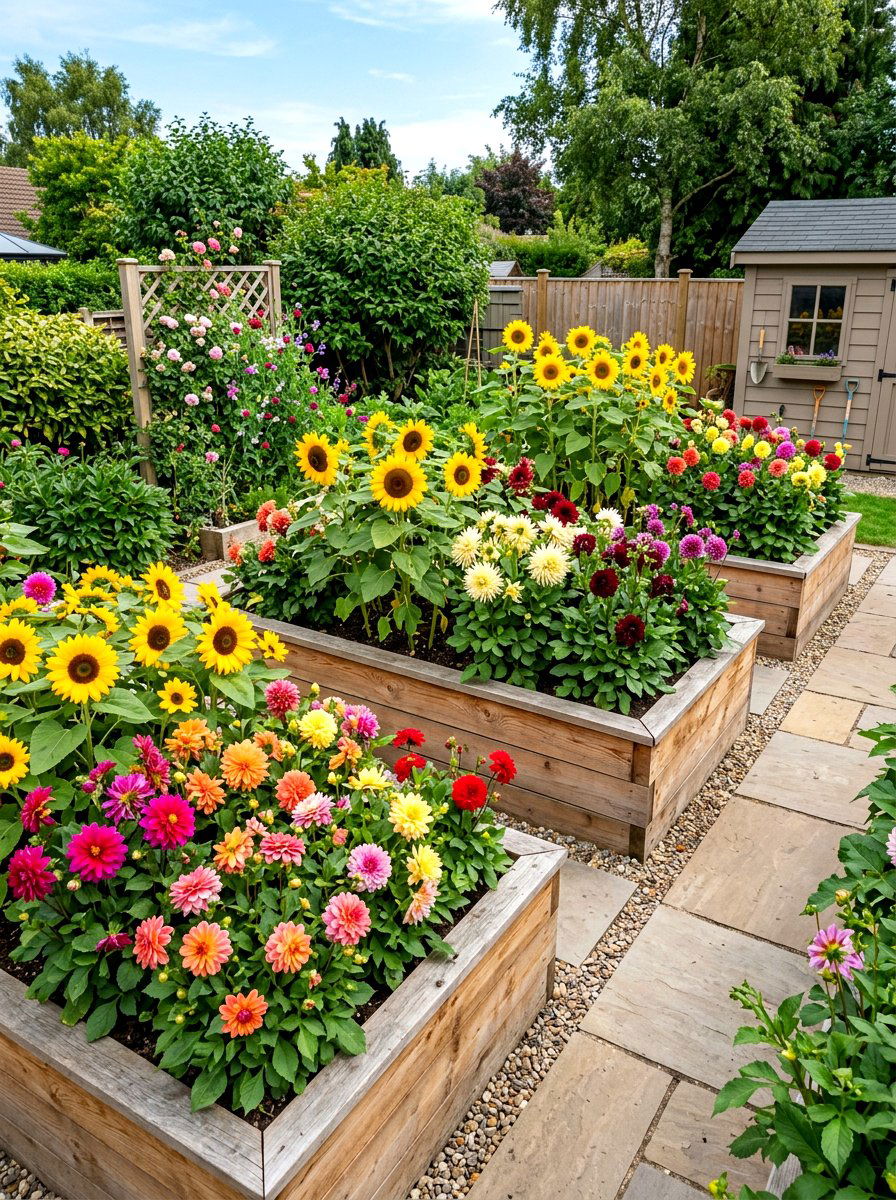
The raised bed pizza slice layout uses triangular planting zones within a square or rectangular frame to organize your crops. This geometric design is highly efficient for spacing and allows you to reach all your plants without stepping on the soil and compacting it. You can use different heights for the various "slices" to add visual depth and to give taller plants like tomatoes more room to grow. This method works well for those who want a modern and tidy look in their garden while still following a fun theme. It is a practical and creative way to maximize the production of your favorite toppings.

20. Greenhouse Pizza Garden
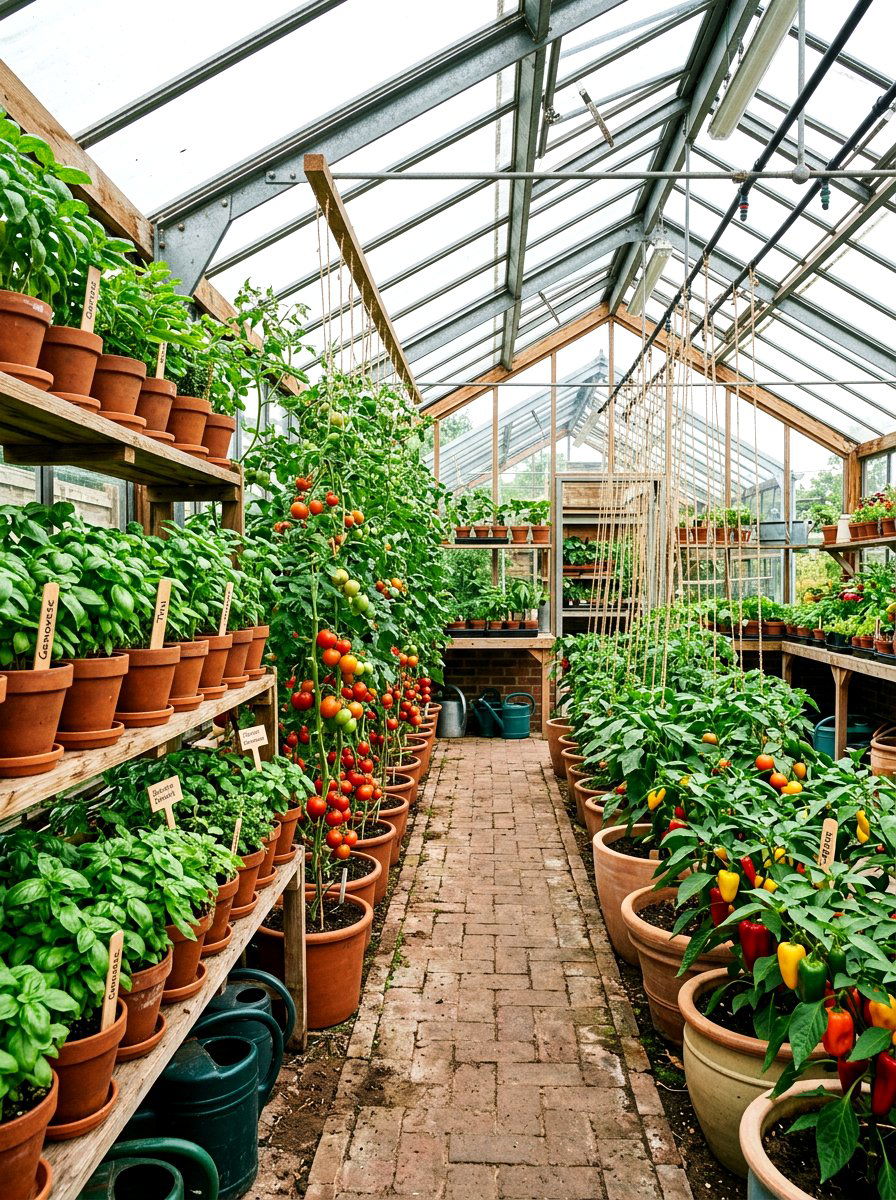
A greenhouse pizza garden allows you to extend your growing season and harvest fresh ingredients even when the weather is cool. The controlled environment of a greenhouse protects delicate plants like basil and peppers from unexpected frosts and heavy winds. You can start your seeds much earlier in the spring and keep your tomato plants producing later into the autumn months. Using vertical space with hanging pots and shelves inside the greenhouse maximizes your yield and keeps the space organized. It is a fantastic option for dedicated gardeners who want to enjoy the taste of a fresh, homegrown pizza throughout the entire year.
21. Window Box Herb Garden
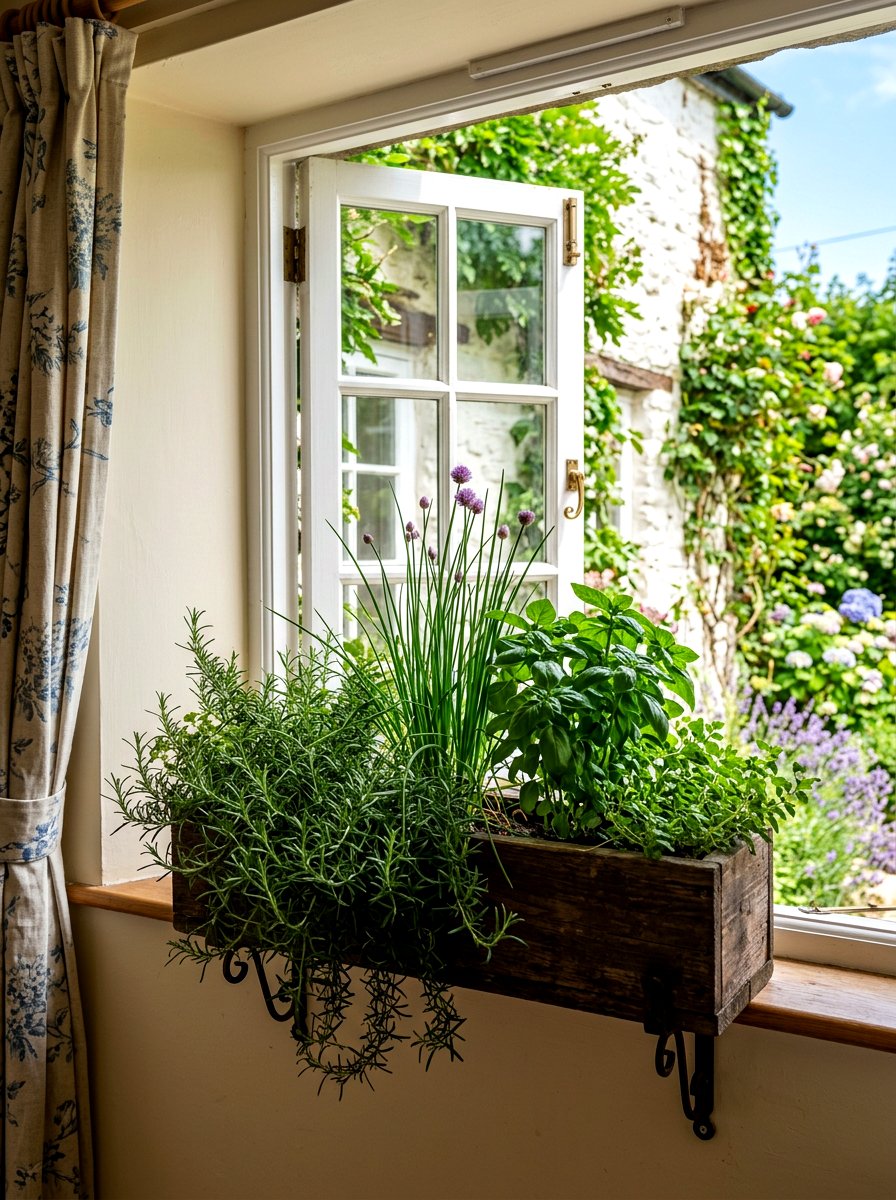
A window box herb garden is a classic and charming way to keep your favorite pizza seasonings right where you need them. These long, narrow planters fit perfectly on a windowsill or can be attached to a deck railing for easy access. They are ideal for growing low-profile herbs like chives, oregano, and dwarf varieties of basil that won't block your view. Ensure the window box has adequate drainage holes and is filled with a lightweight potting mix to keep the plants healthy. The proximity to the kitchen makes it effortless to snip fresh herbs as you assemble your dough and sauce for dinner.
22. Hanging Basket Cherry Tomatoes
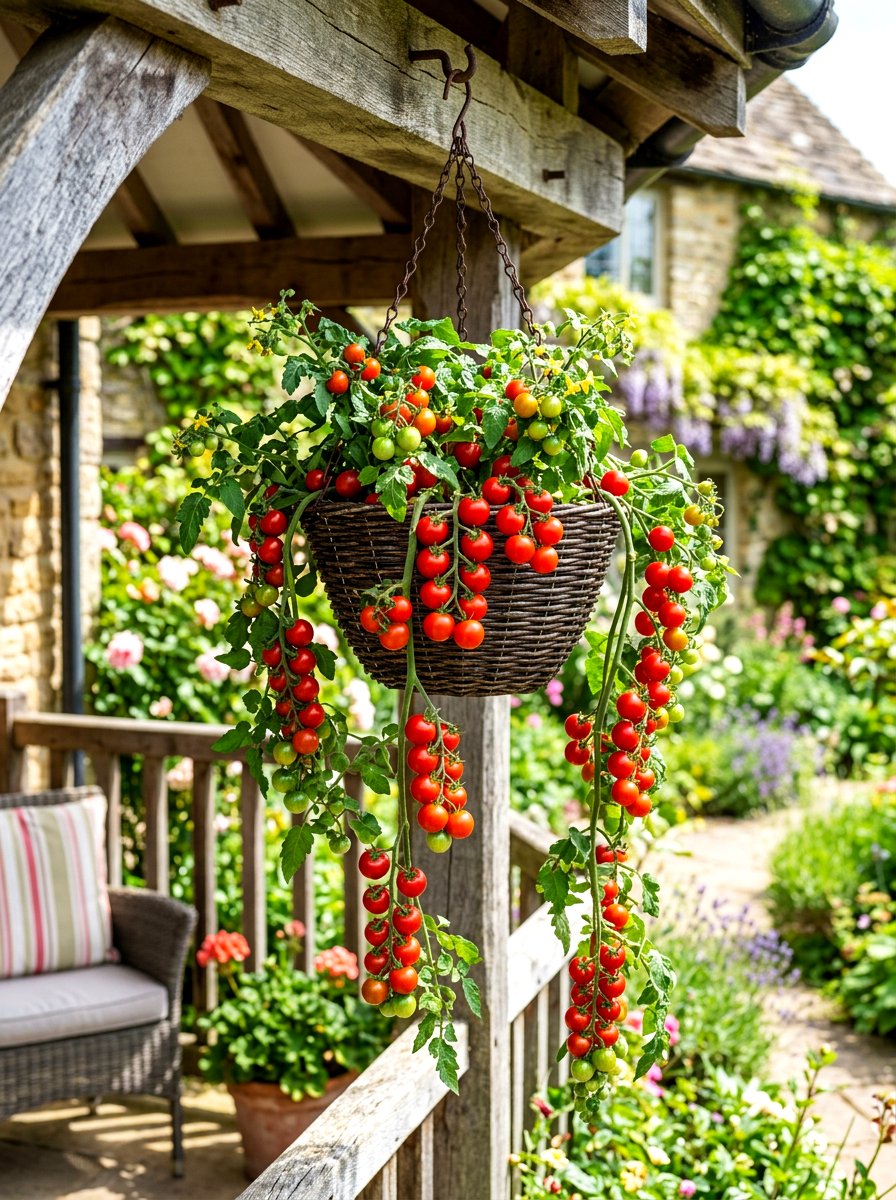
Hanging basket cherry tomatoes are a space-saving innovation that brings the garden up to eye level and keeps fruit off the ground. Certain varieties, like Tumbling Tom, are specifically bred to cascade over the sides of a basket, creating a beautiful display of red or yellow fruit. This method is perfect for porches or balconies where ground space is limited but vertical room is plentiful. Hanging baskets require more frequent watering and fertilizing because they dry out faster than traditional garden beds. The easy access to the ripening fruit makes harvesting a simple and enjoyable task while adding a pop of color to your home.
23. Spiral Herb Garden
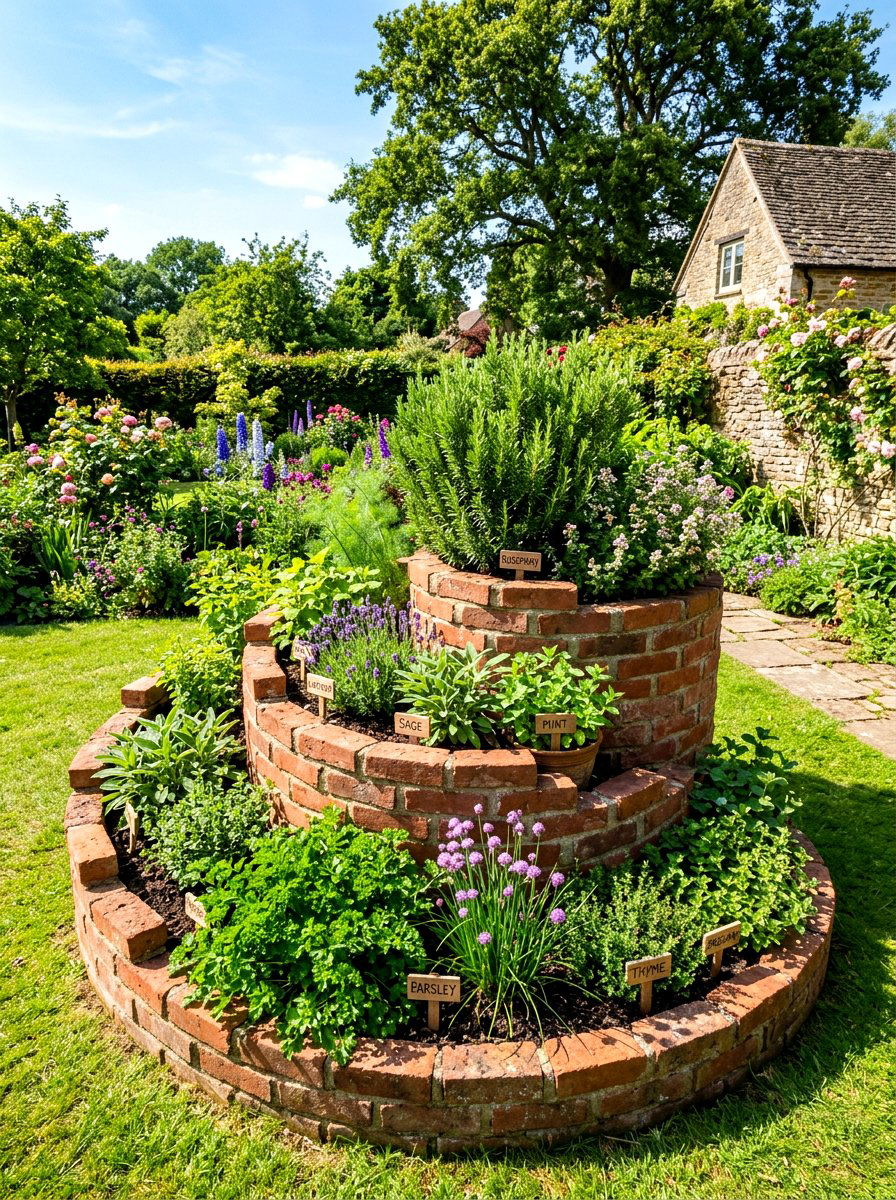
A spiral herb garden is a permaculture design that uses a stone or brick spiral to create different microclimates for various plants. The top of the spiral is the driest and sunniest spot, making it perfect for rosemary and thyme, while the bottom is cooler and moister for parsley and chives. This architectural feature adds a stunning visual element to your backyard while being highly functional for plant health. It allows you to grow a wide variety of herbs in a very small circular footprint. The varying heights and textures of the herbs as they follow the spiral create a lush, artistic focal point.
24. Pizza Topping Vegetable Garden
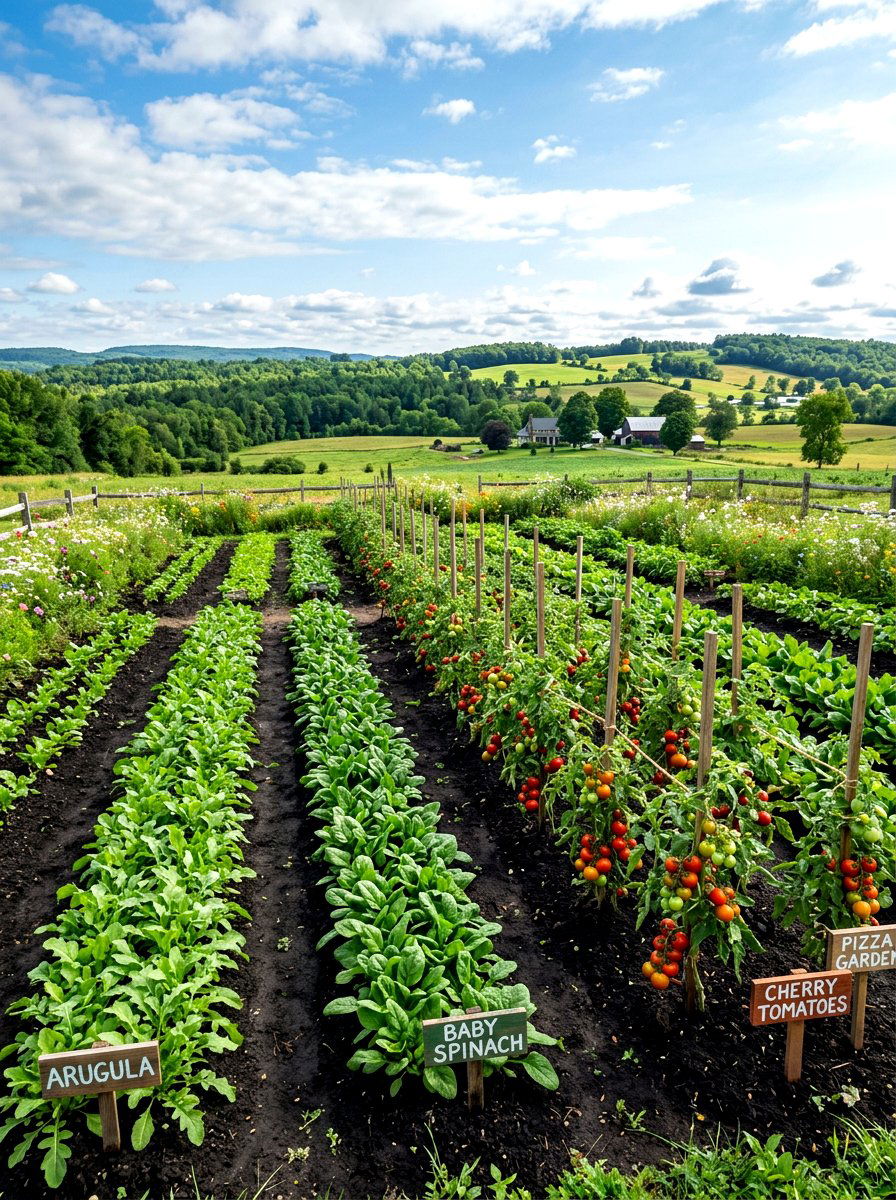
A general pizza topping vegetable garden focuses on variety, allowing you to experiment with different flavor combinations for every meal. You can include unique items like arugula for a peppery bite after baking or even baby spinach for a healthy, leafy addition. Planting a few rows of different vegetables ensures that you always have something new to try on your homemade crust. Consider adding some edible flowers like nasturtiums for a gourmet look that will impress your guests. This versatile garden approach is perfect for the adventurous cook who loves to push the boundaries of traditional pizza recipes with fresh, seasonal ingredients.
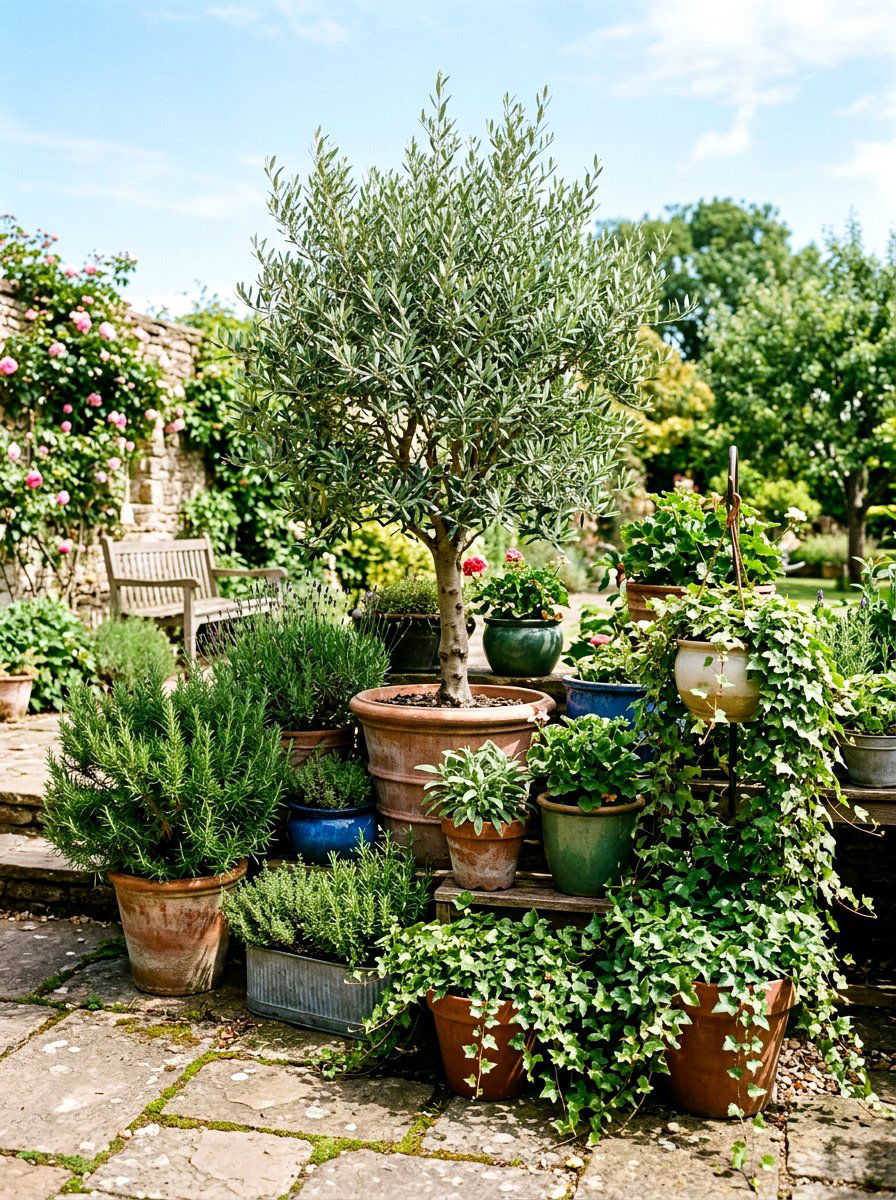
25. Patio Pizza Herb Collection
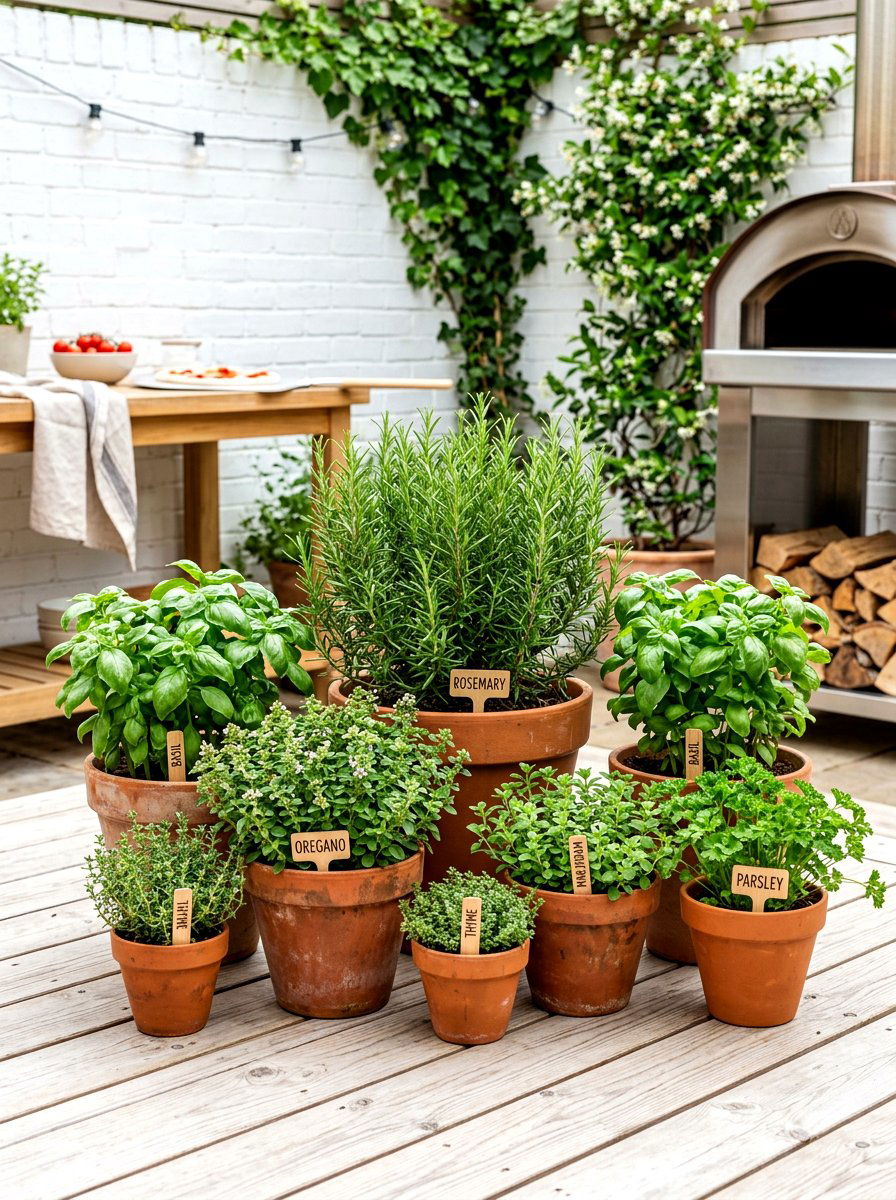
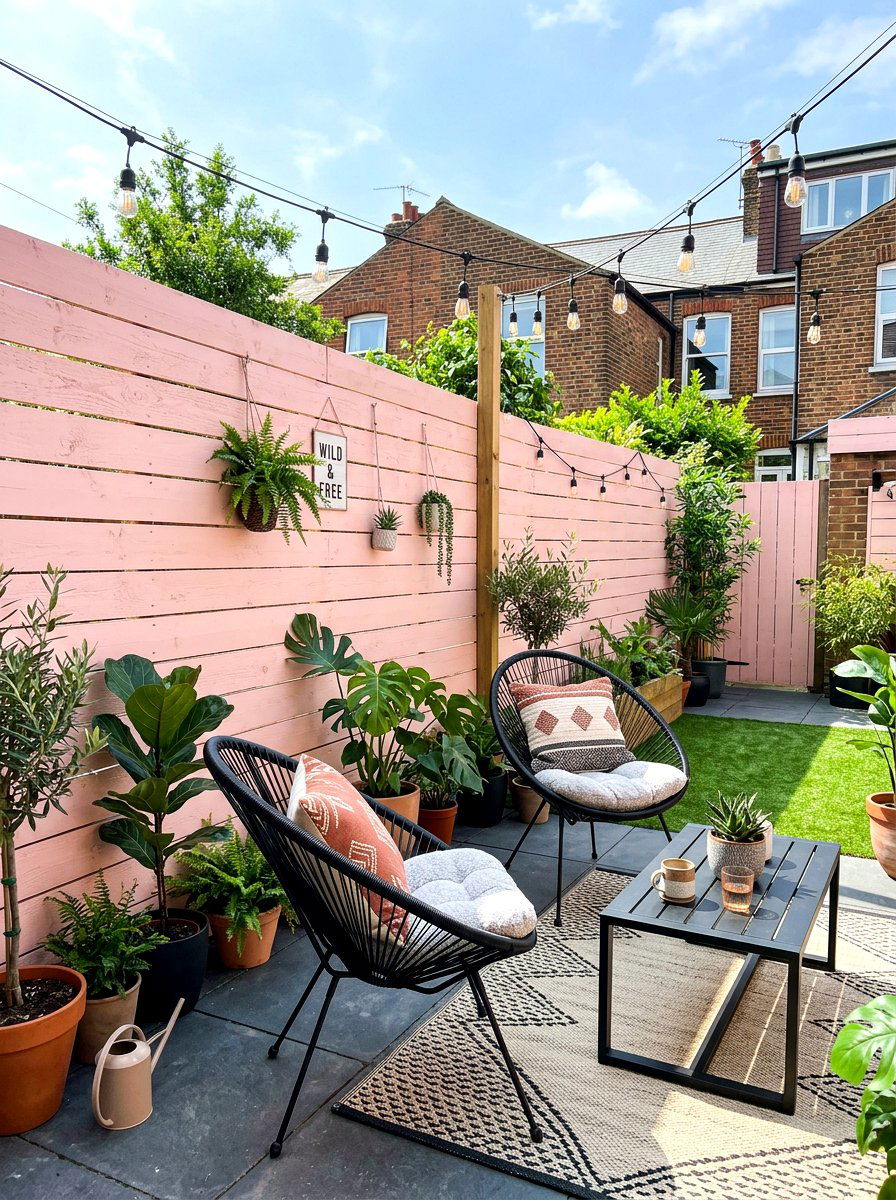
The patio pizza herb collection is an assortment of individual pots grouped together to create a lush, green corner on your outdoor living space. By using pots of different sizes and materials, you add texture and visual interest to your patio decor while keeping your plants organized. This modular approach allows you to swap out plants as the seasons change or move them into the shade during intense heat. It is a flexible and manageable way to maintain a productive garden without the need for a permanent backyard plot. The fragrance of the mixed herbs creates a relaxing and inviting atmosphere for your outdoor dining.
26. Organic Pizza Garden
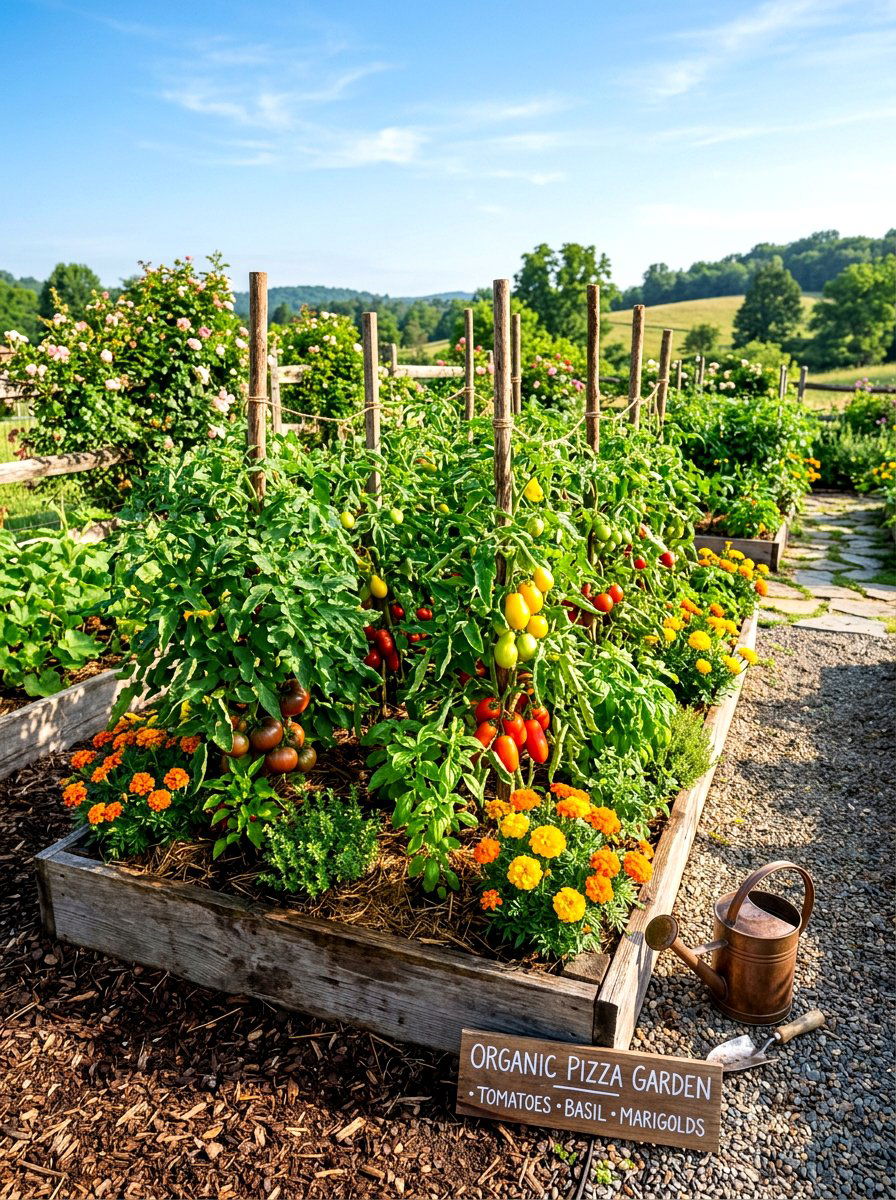
An organic pizza garden focuses on natural growing methods to ensure your toppings are as healthy and flavor-filled as possible. Use compost, aged manure, and organic fertilizers to enrich the soil without the use of harsh synthetic chemicals. This approach encourages a healthy ecosystem of beneficial insects and soil microbes that help your plants thrive. Companion planting, such as placing marigolds near your tomatoes, can help deter pests naturally while adding a splash of bright color. Choosing heirloom seeds ensures that you are growing varieties with the best traditional flavors, making your homemade pizzas truly stand out from any store-bought or frozen options.
27. Potted Tomato And Pepper Garden
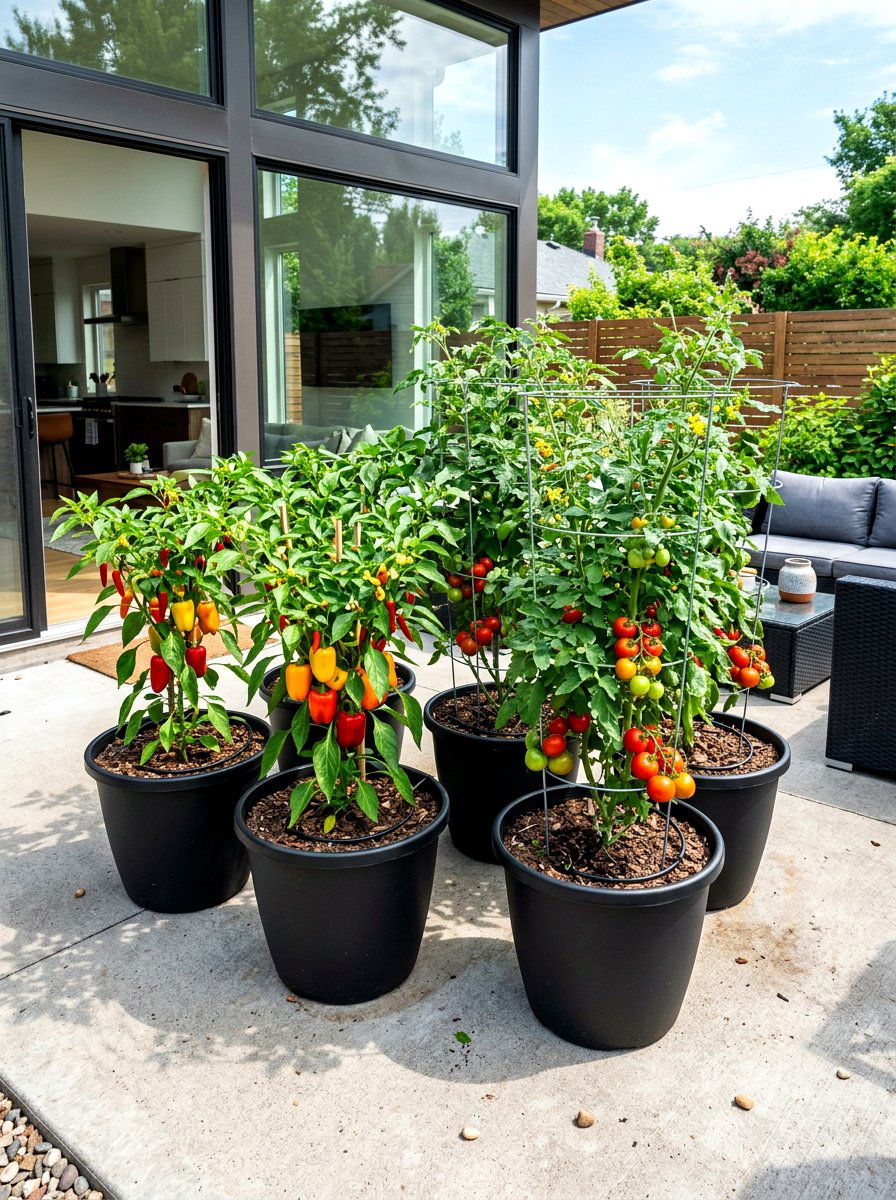
A potted tomato and pepper garden is a great way to grow these sun-loving heavy hitters on a deck or concrete patio. Choose large containers, at least five gallons in size, to provide enough room for the extensive root systems of these productive plants. Using self-watering pots can help maintain the consistent moisture levels that tomatoes and peppers need to prevent blossom end rot and fruit cracking. This method also allows you to control the soil quality perfectly, which can be difficult in areas with heavy clay or sandy earth. The upright growth of these plants adds height and lush greenery to your outdoor space.
28. Small Space Pizza Garden
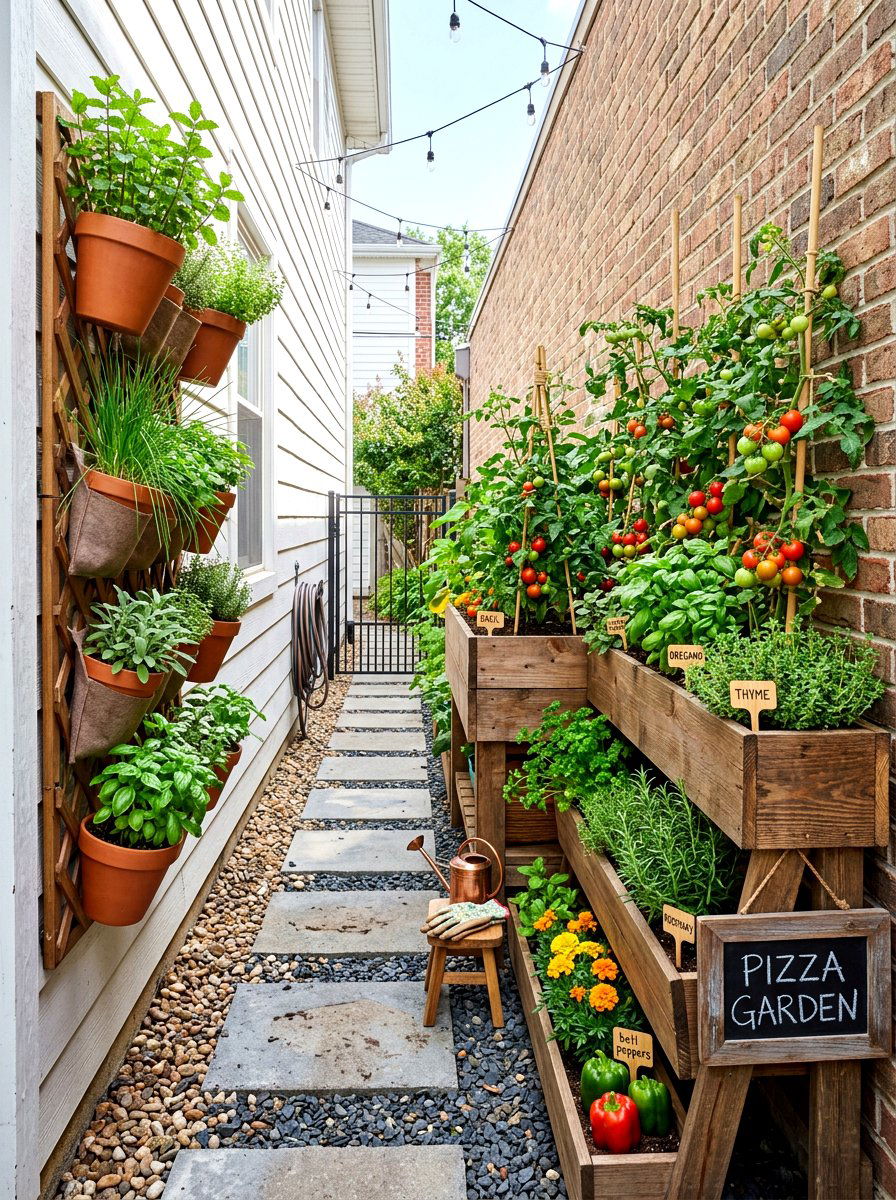
A small space pizza garden utilizes every available inch, from vertical wall space to narrow corner plots, to grow a complete meal. Using tiered planters or corner-shaped raised beds can help you squeeze a surprising amount of production into a tiny urban yard. Focus on high-yield, compact varieties like dwarf tomatoes and slow-bolting herbs to get the most value from your limited area. This approach proves that you don't need a massive estate to enjoy the benefits of fresh, homegrown produce. With a bit of creative planning and the right tools, any sunny spot can become a productive and beautiful source for your pizza ingredients.
29. Culinary Herb Garden Layout
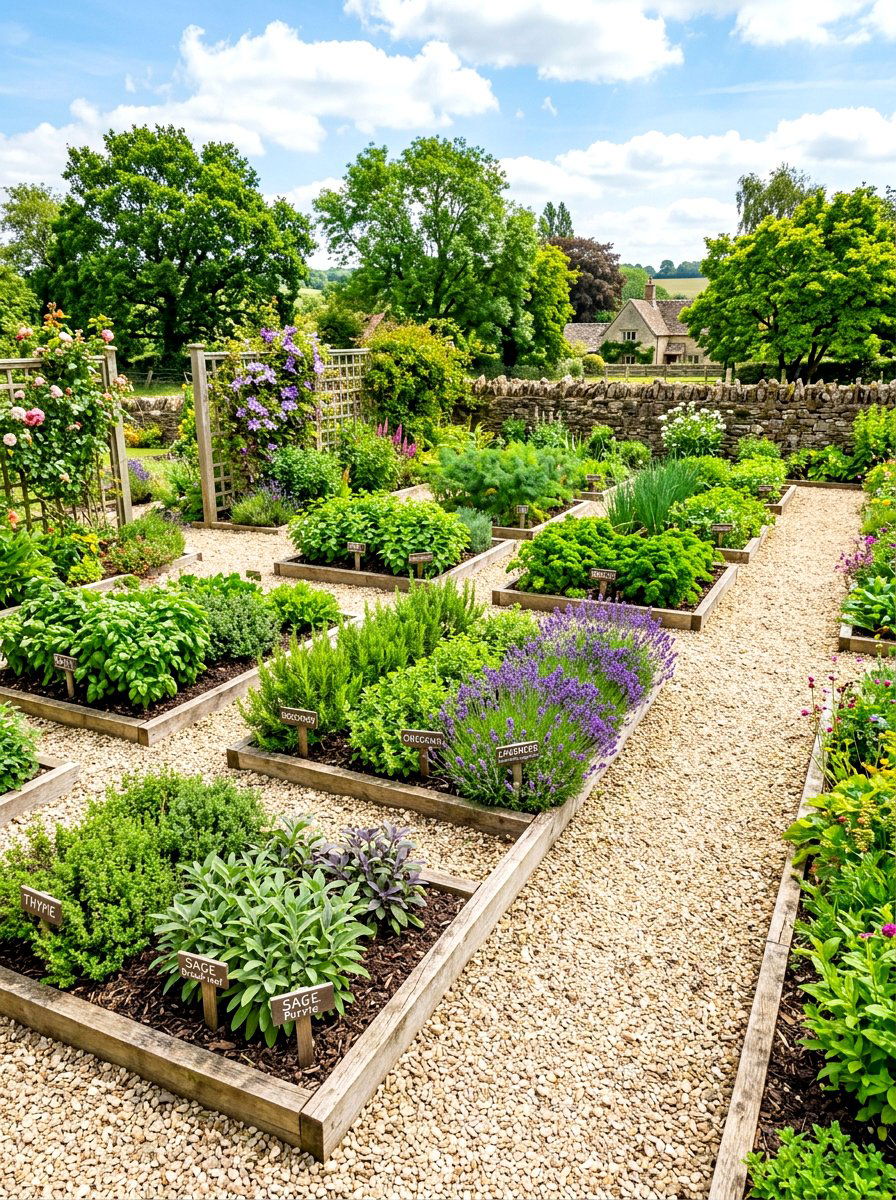
The culinary herb garden layout focuses on organization and ease of use for the home chef. Group your plants by their water and light needs to make daily maintenance simple and efficient. For example, keep the thirsty herbs like basil and parsley together in one section and the drought-tolerant ones like oregano and rosemary in another. Using gravel or brick paths between the planting zones keeps your feet clean and provides easy access for harvesting even after a rainstorm. This logical arrangement not only helps the plants grow better but also makes your time spent in the garden more relaxing and productive as you cook.
30. Pizza Garden Stepping Stones
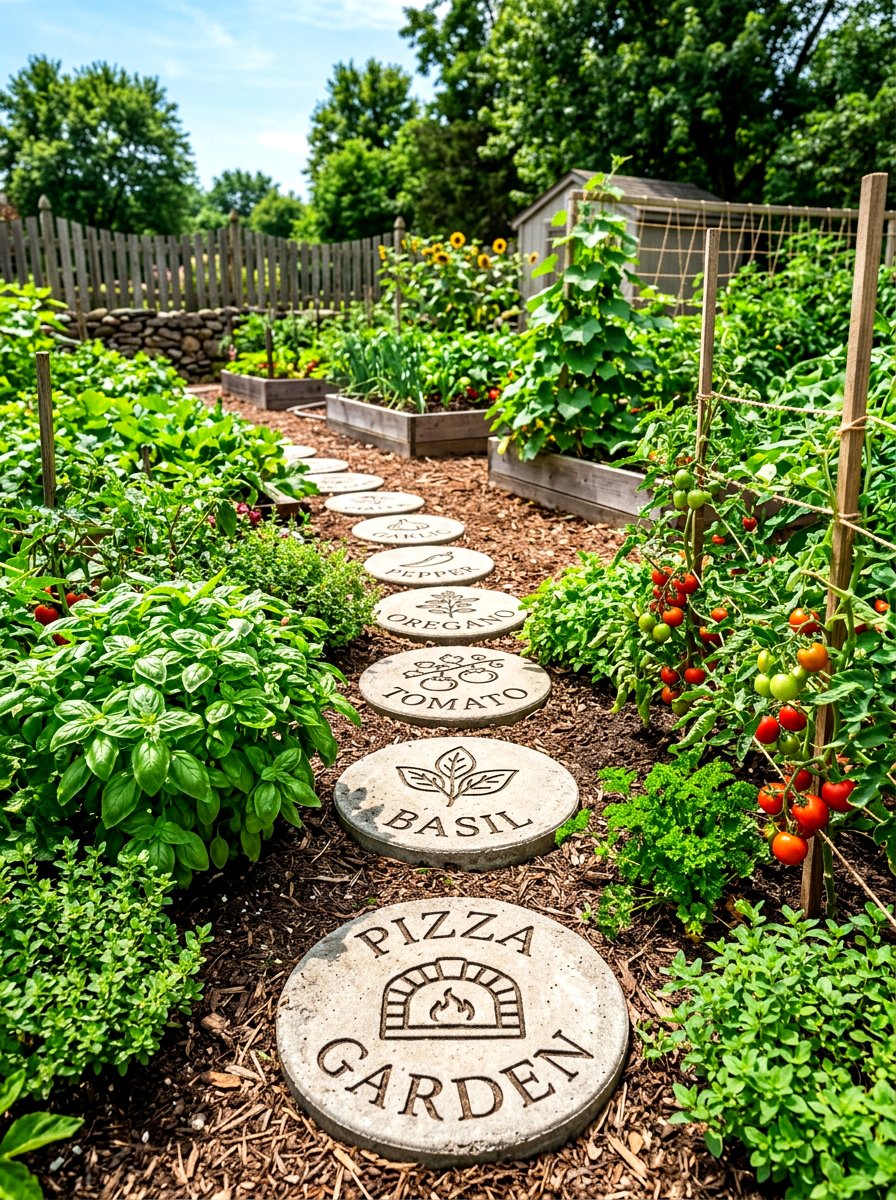
Incorporating pizza garden stepping stones into your layout adds a decorative and practical element to your vegetable plot. You can use custom-made stones that feature pizza-themed designs or herb names to guide you through the rows. These stones provide a stable place to walk, preventing you from stepping on the soil and damaging the delicate roots of your plants. They also add a sense of whimsy and personality to the garden, making it a more inviting space for children and guests. The combination of functional paths and thematic decor ties the entire design together, creating a cohesive and delightful backyard experience that celebrates your culinary passion.
Conclusion:
Creating a pizza garden is an incredibly fulfilling way to combine your passion for gardening with your love for fresh, homemade meals. Whether you choose a classic circular layout or a space-saving vertical wall, the key is to select high-quality plants that thrive in your specific environment. By growing your own tomatoes, peppers, and herbs, you ensure that every slice of pizza you serve is packed with vibrant flavor and nutritional value. This thematic approach not only provides a continuous harvest of delicious toppings but also adds a beautiful and conversation-starting feature to your outdoor living space. Start small, experiment with different designs, and enjoy the delicious rewards of your labor.

Related posts: