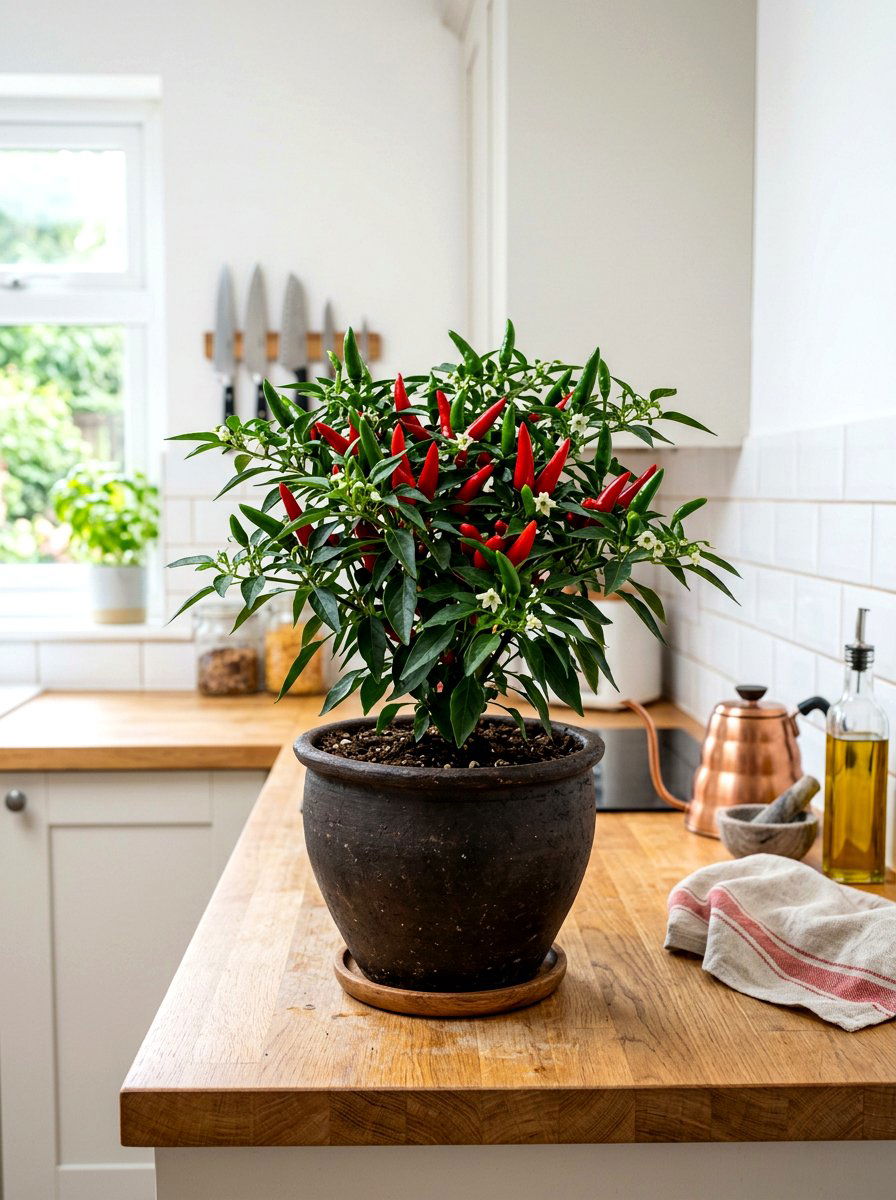
Creating a landscape that serves both aesthetic and functional purposes has become a leading trend for modern homeowners looking to maximize their outdoor spaces. Transforming a standard backyard into a lush, edible paradise allows you to enjoy fresh, organic produce while enhancing the visual appeal of your property. This approach, often called foodscaping, integrates traditional ornamental plants with fruits, vegetables, and herbs to create a cohesive ecosystem. Whether you have a sprawling estate or a compact suburban lot, edible landscaping offers endless opportunities to grow your own food in a way that feels intentional and stylish. By choosing the right plant varieties and layouts, you can build a sustainable sanctuary that provides a bountiful harvest and a relaxing retreat for your entire family to enjoy year-round.
1. Vegetable Garden Raised Beds
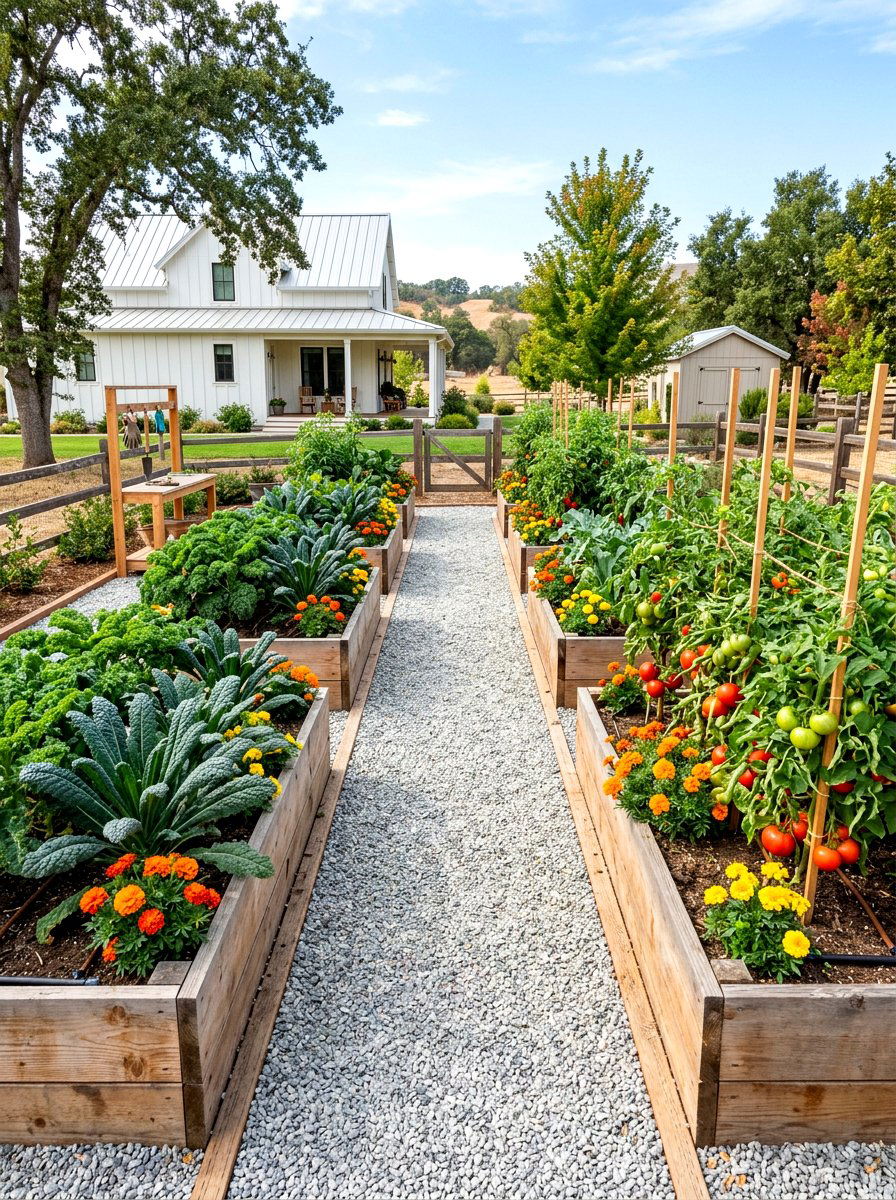
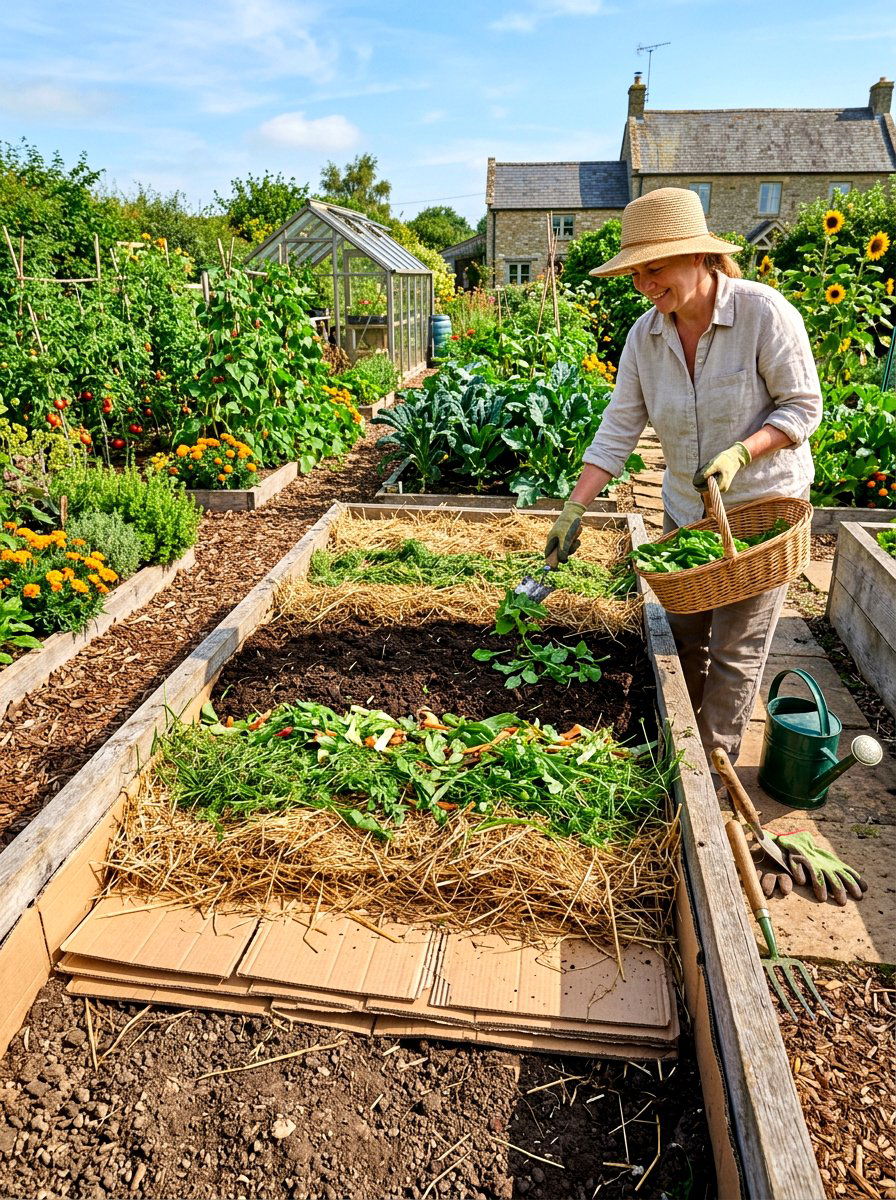
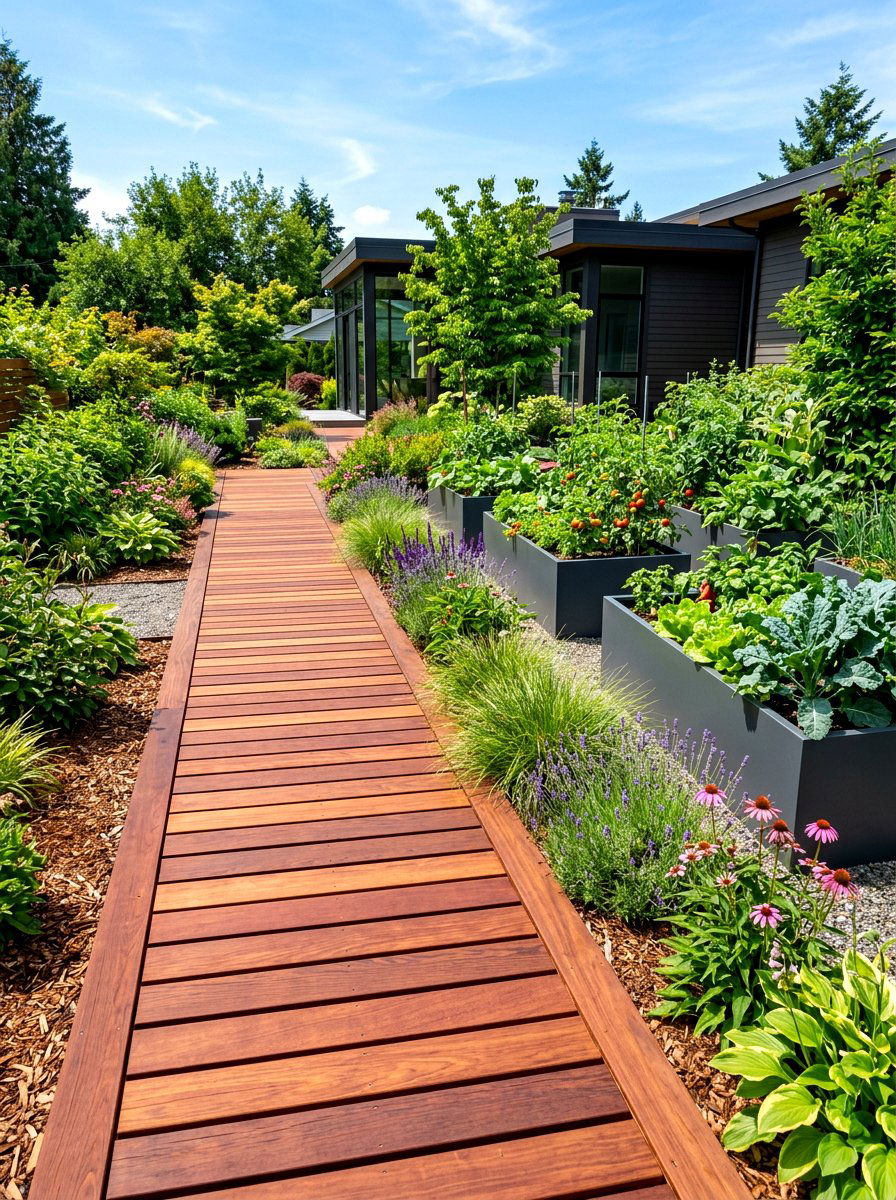
Have you ever dreamed of walking out to your backyard and plucking fresh vegetables from a perfectly organized garden? Vegetable garden raised beds are an excellent way to maintain a tidy and productive food source while keeping your yard looking professional. By using high-quality materials like cedar or stone, you can create a structural element that defines the layout of your landscape. These elevated containers offer superior drainage and allow you to control the soil quality for optimal plant growth. You can arrange them in symmetrical patterns to create a formal aesthetic or scatter them for a more relaxed, cottage-style look. They make gardening more accessible by reducing the need to bend over constantly during maintenance.
2. Fruit Tree Espalier
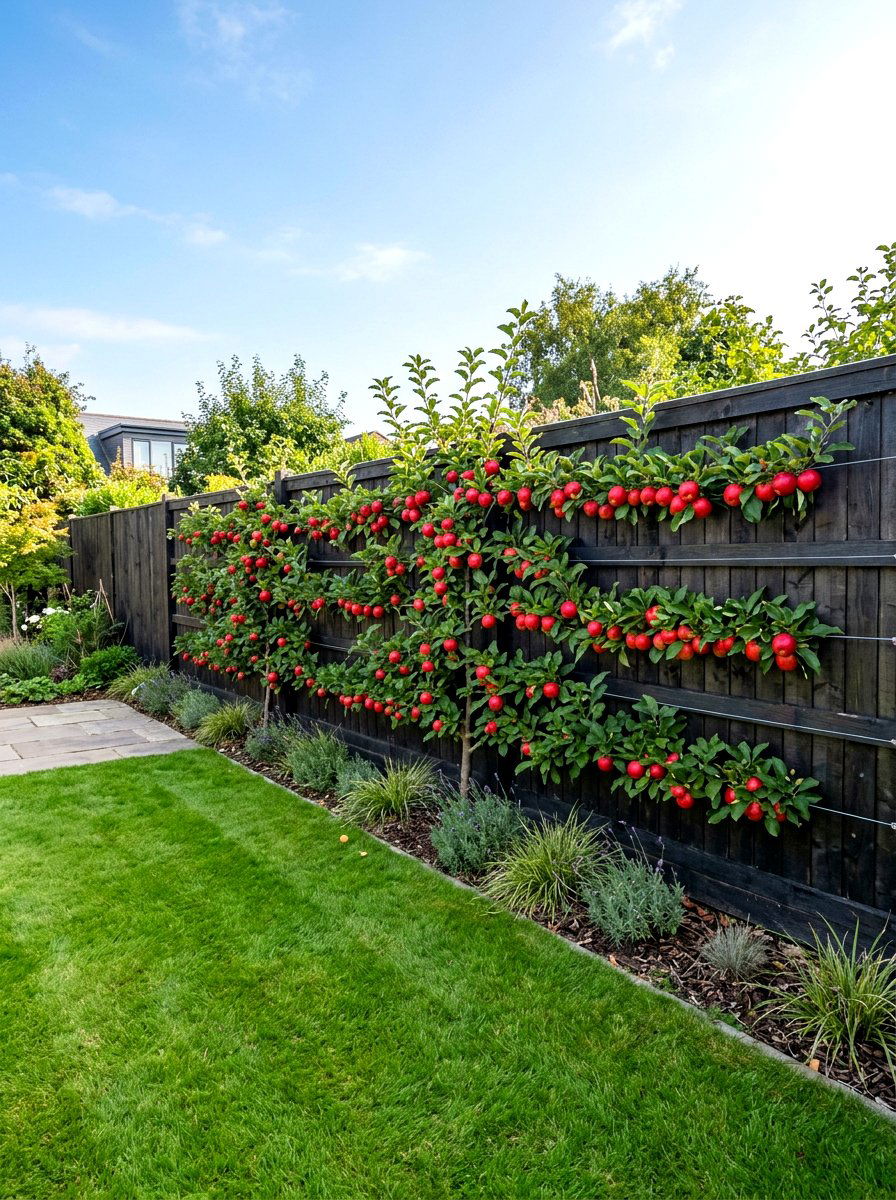
Imagine walking along your garden fence and seeing fruit trees growing flat against the wood like a living piece of art. Fruit tree espalier is a clever technique that involves training branches to grow along a flat plane, making it perfect for narrow spaces or boundary walls. This method turns standard apple or pear trees into sophisticated architectural features that save space without sacrificing fruit production. By pruning and tying branches to a trellis or wire support, you create a beautiful geometric pattern that looks stunning throughout the seasons. In the spring, the wall is covered in delicate blossoms, while the summer brings ripening fruit within easy reach. It is a brilliant way to maximize vertical growing space.
3. Berry Hedge Border
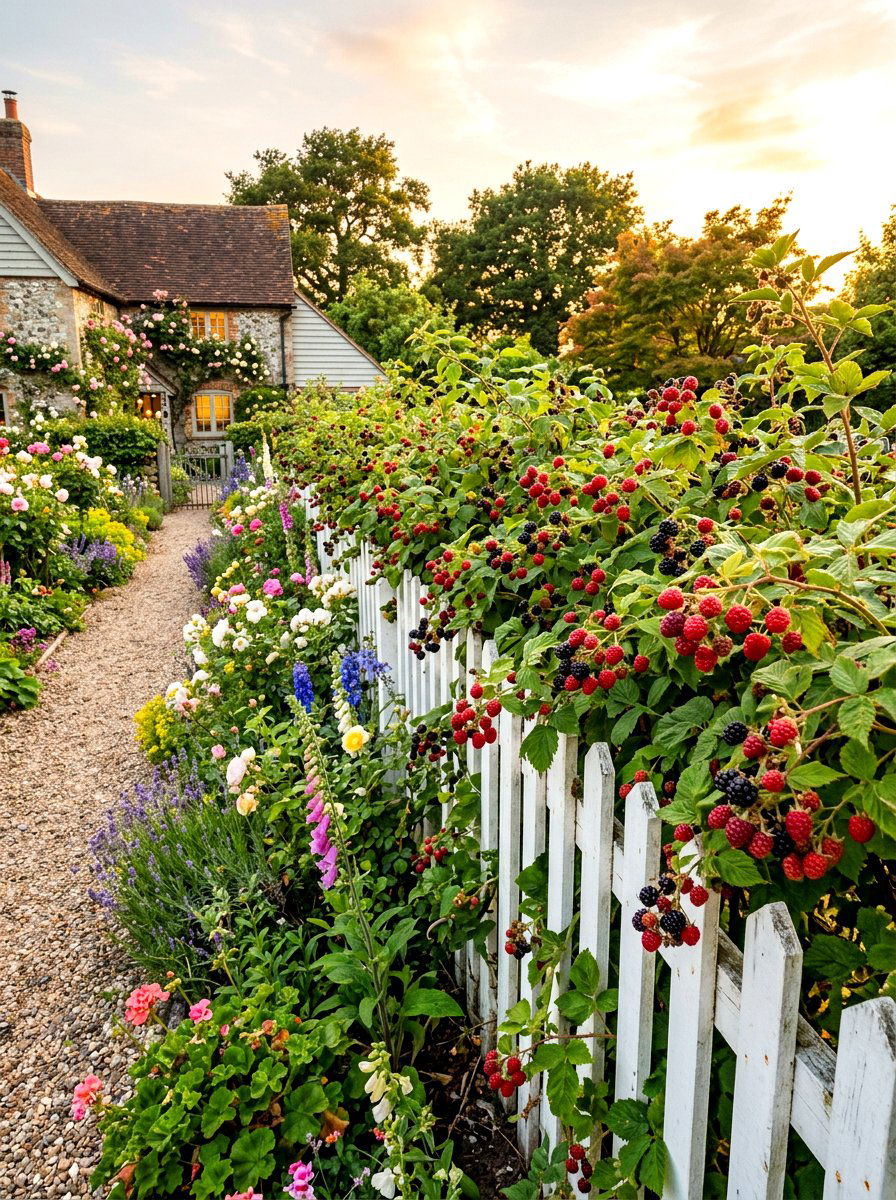
Replacing a traditional privet or boxwood hedge with a berry hedge border is a fantastic way to add both privacy and snacks to your yard. Shrub-like plants such as blackberries, raspberries, or elderberries can be planted in a dense line to create a natural screen that looks lush and wild. These plants provide excellent texture and privacy while rewarding you with sweet fruit during the warmer months. A well-maintained berry hedge attracts beneficial birds and pollinators, adding life and movement to your backyard environment. You can choose thornless varieties for a kid-friendly garden or keep the brambles for a more secure natural barrier. It is a functional and beautiful way to define your property lines.
4. Herb Garden Walkway
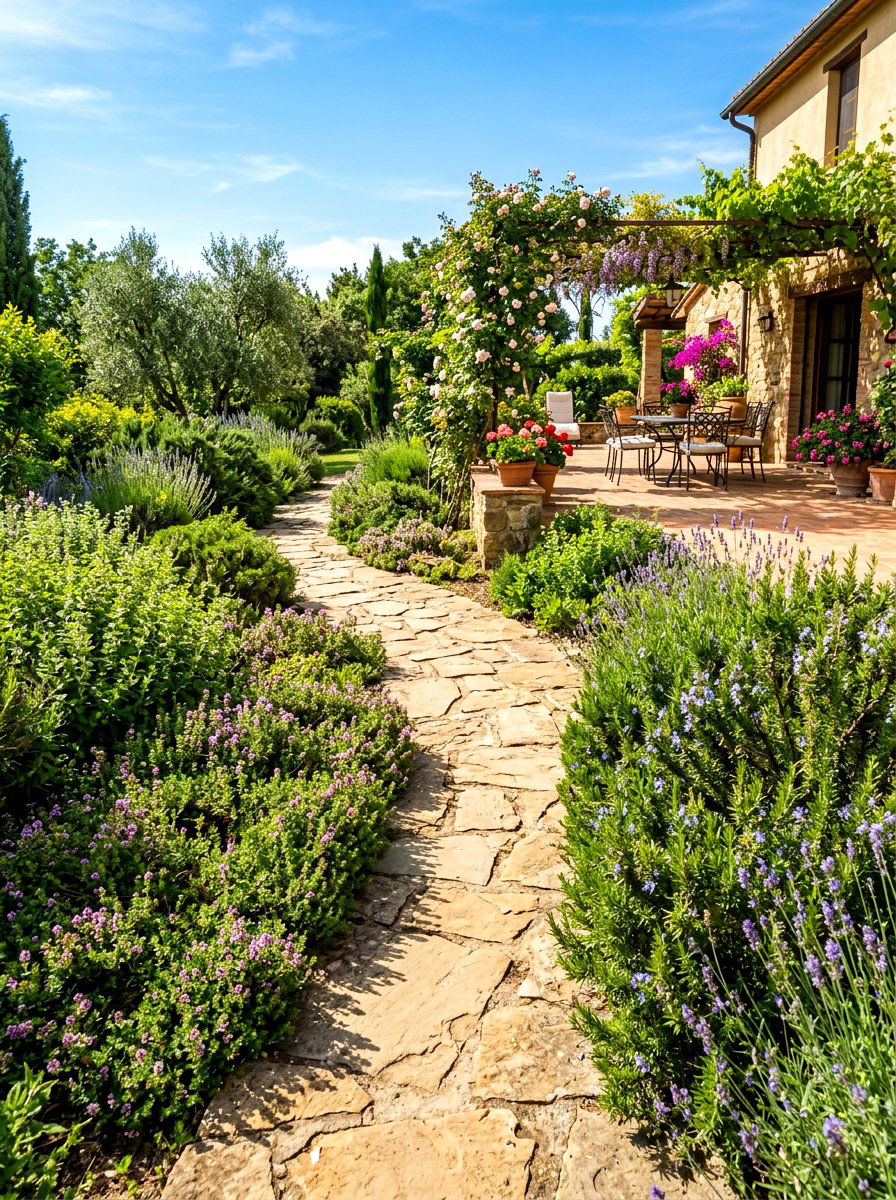
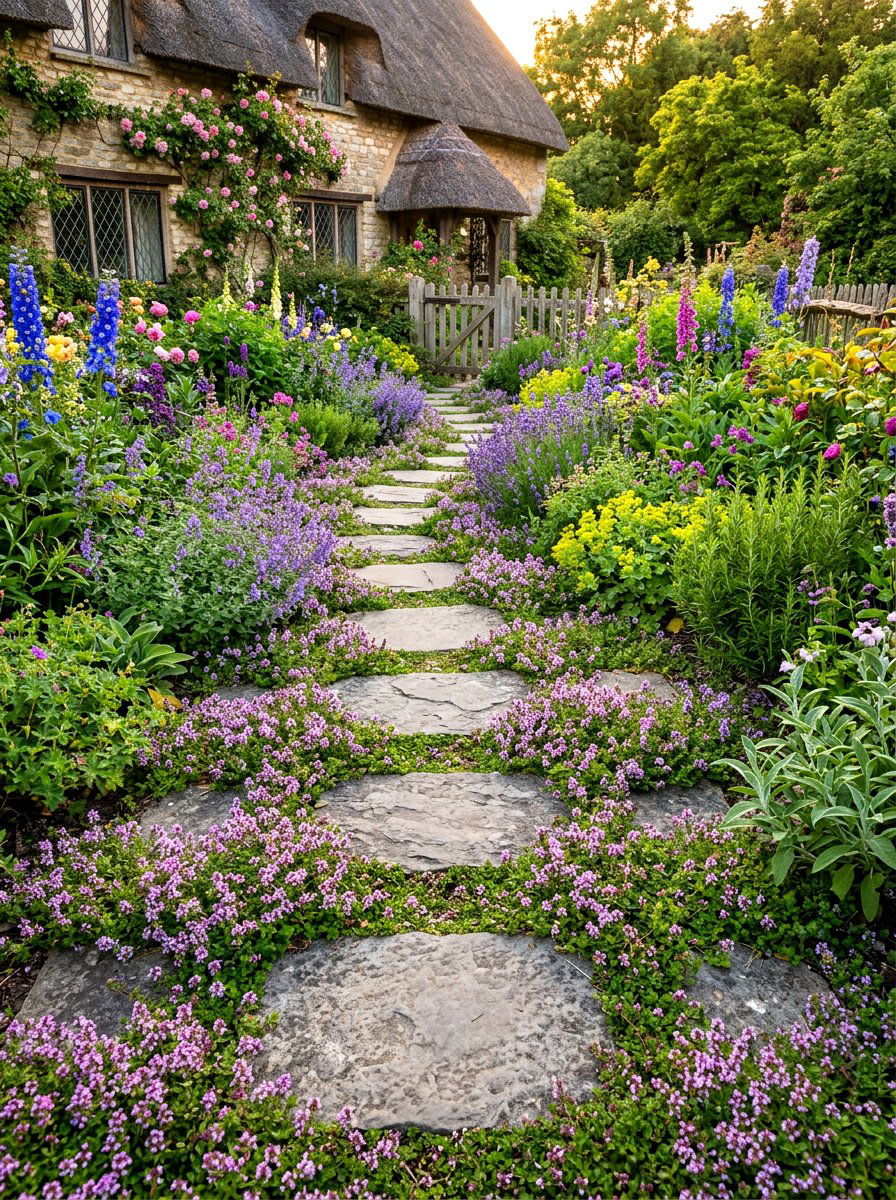
What if every step you took in your garden released a burst of refreshing fragrance from the plants beneath your feet? A herb garden walkway utilizes aromatic plants like thyme, oregano, and chamomile planted between pavers or along the edges of a stone path. This design choice turns a simple transition area into a sensory experience that welcomes visitors with natural scents. Herbs are incredibly hardy and often thrive in the sunny, well-drained conditions found alongside garden paths. You can harvest fresh sprigs for cooking as you walk to your patio or deck. The different textures and colors of various herbs create a layered, organic look that softens the hard edges of stone or brick walkways.
5. Edible Flower Border
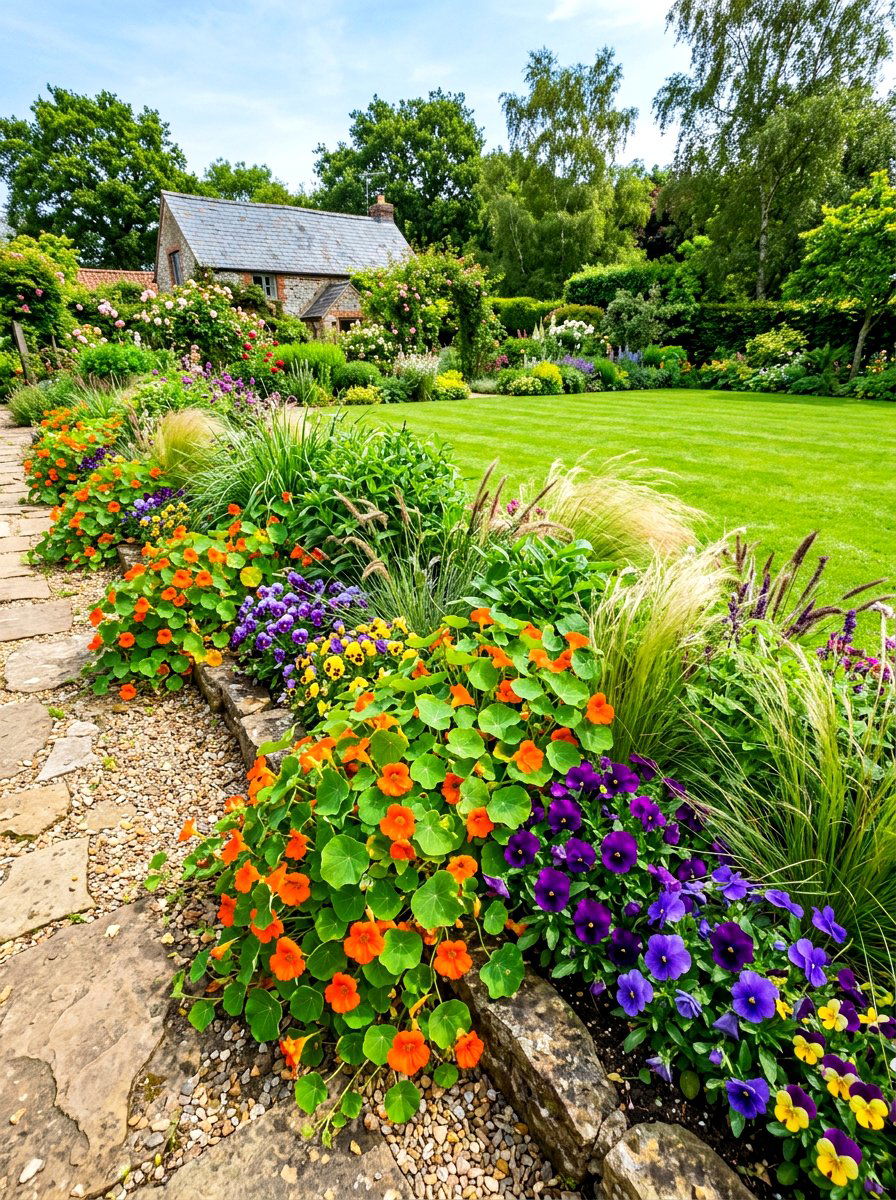
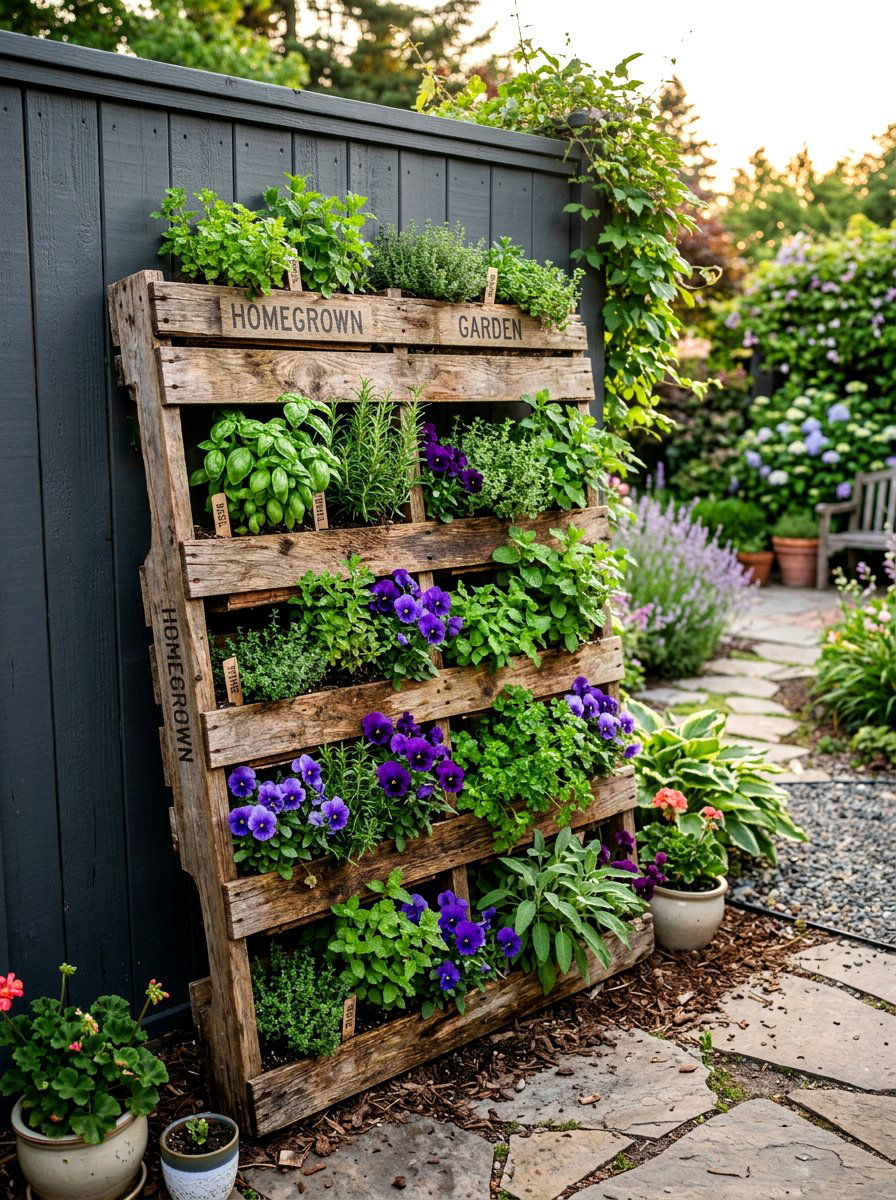
Many people do not realize that their flower beds can be just as delicious as they are beautiful to look at. An edible flower border combines traditional ornamentals with varieties like nasturtiums, pansies, and calendula that are safe to consume and add color to salads. These plants serve a dual purpose by attracting essential pollinators to your garden while providing a pop of vibrant color along the edges of your lawn. Planting them in clusters creates a lush, abundant look that mimics a traditional English cottage garden style. Edible flowers are often easy to grow and can be used as garnishes or in herbal teas. This approach ensures that every square inch of your flower bed is useful.
6. Vertical Vegetable Garden
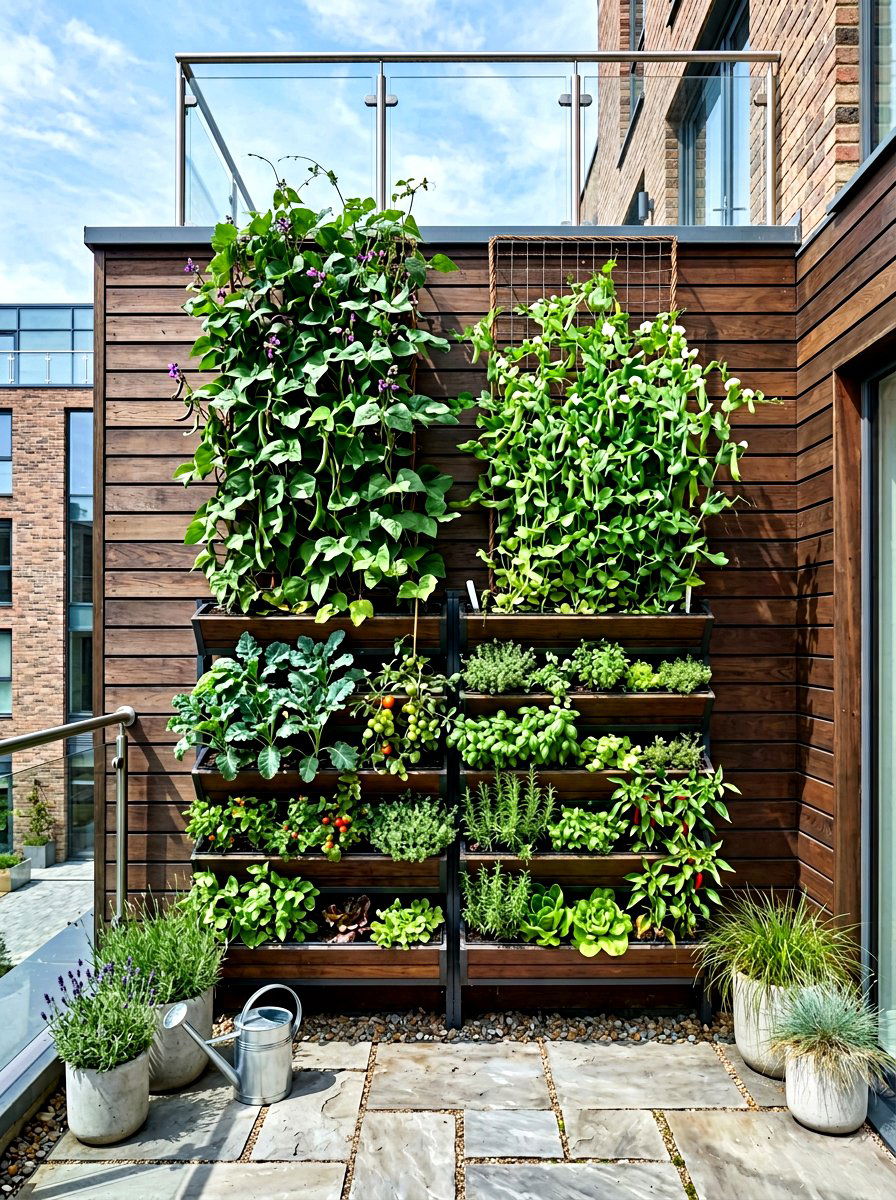
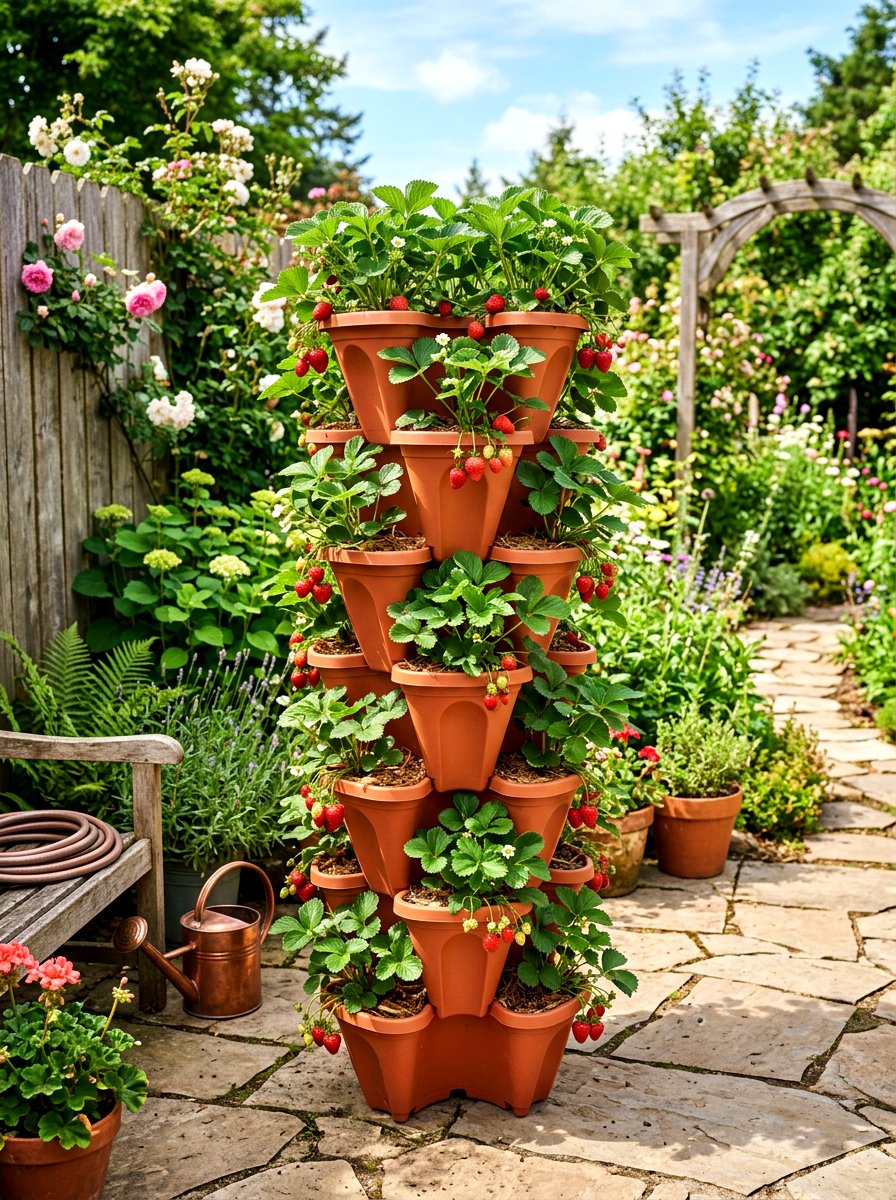
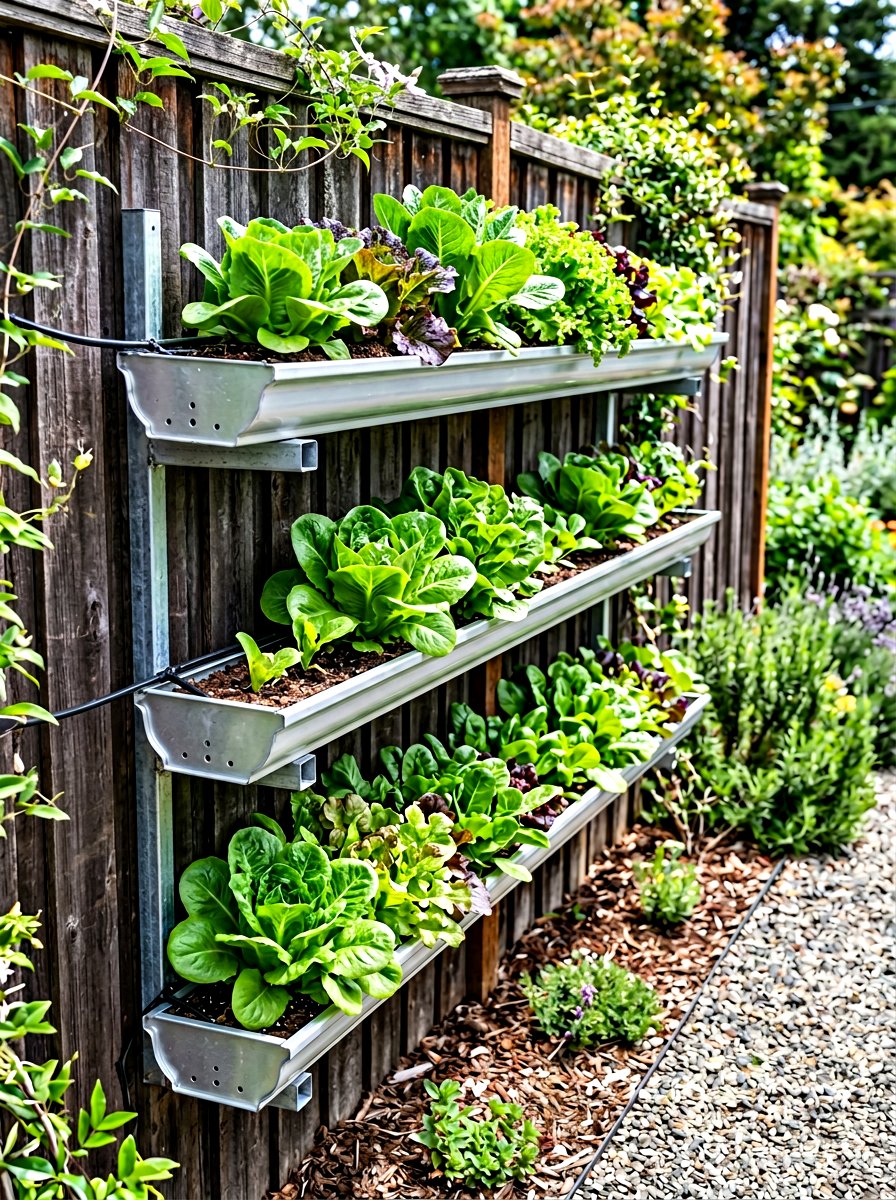
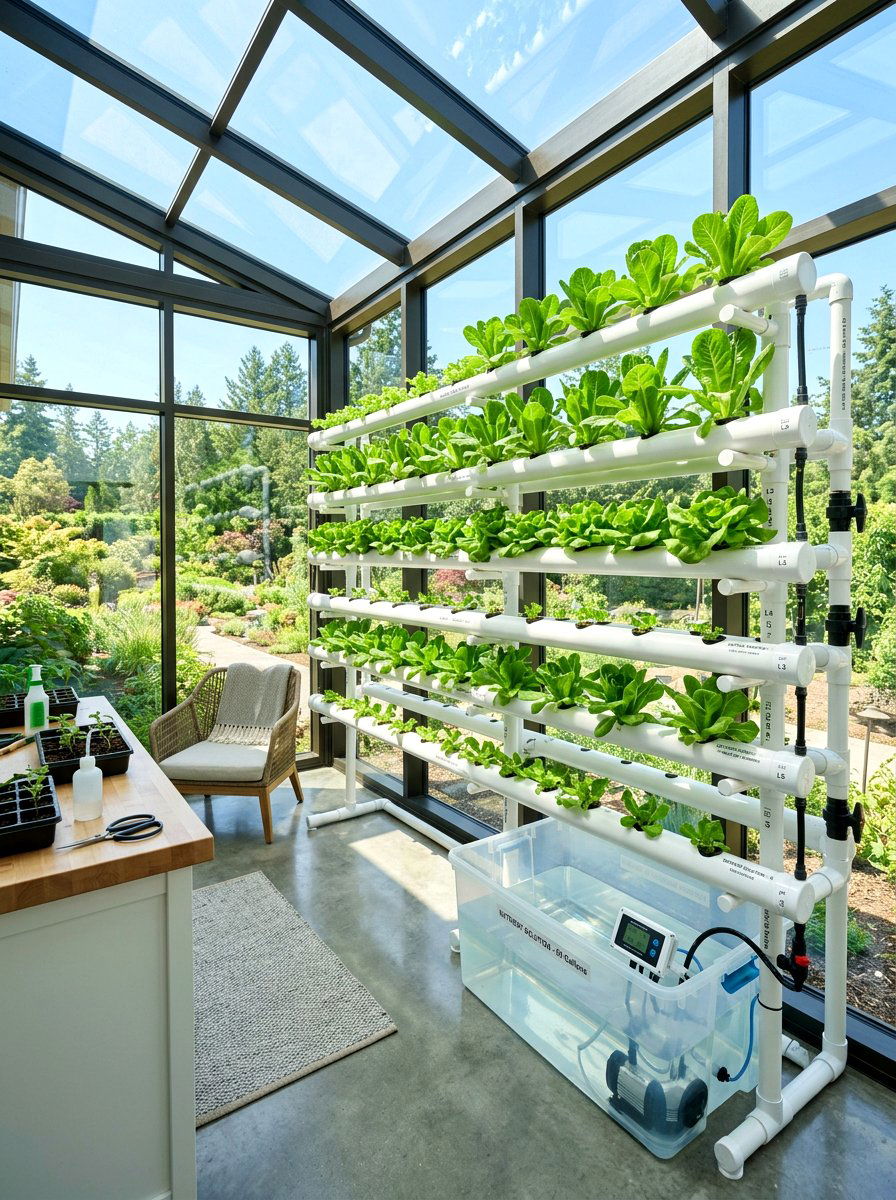
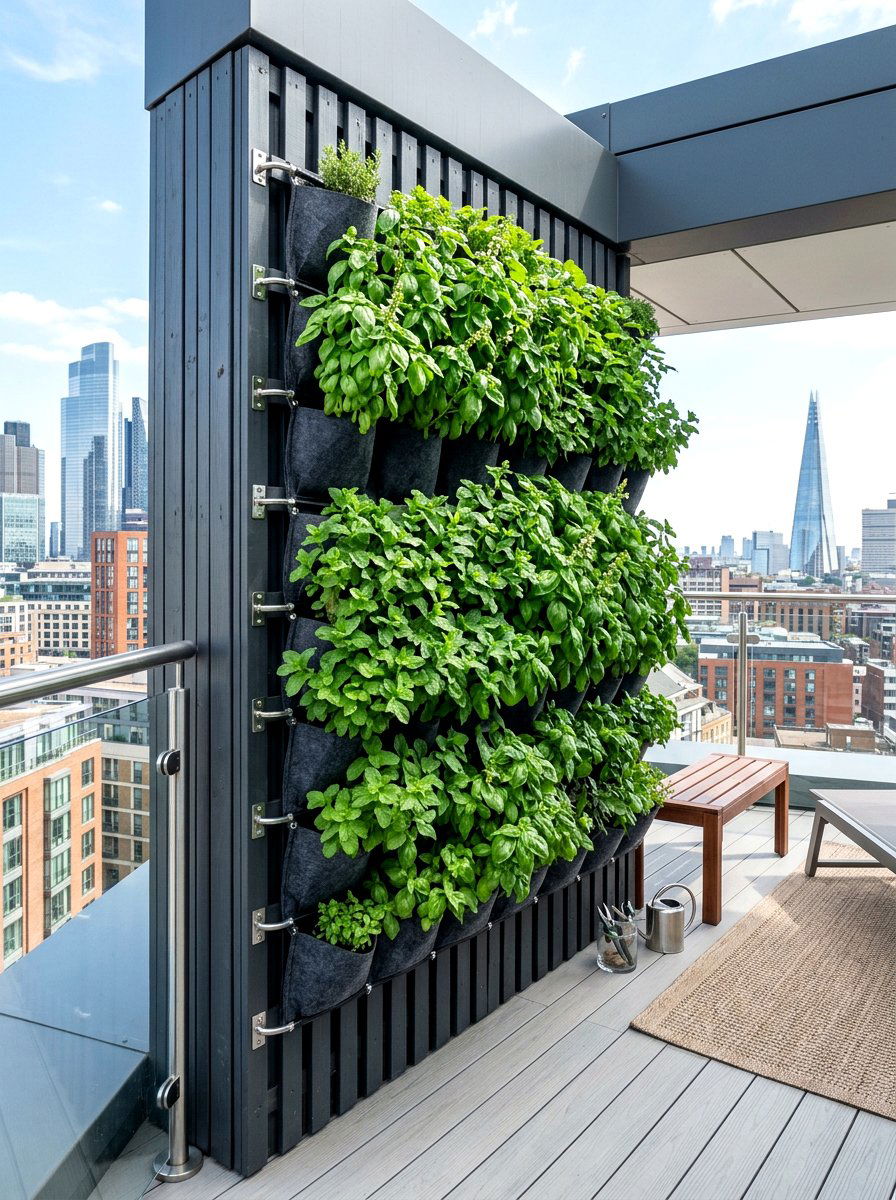
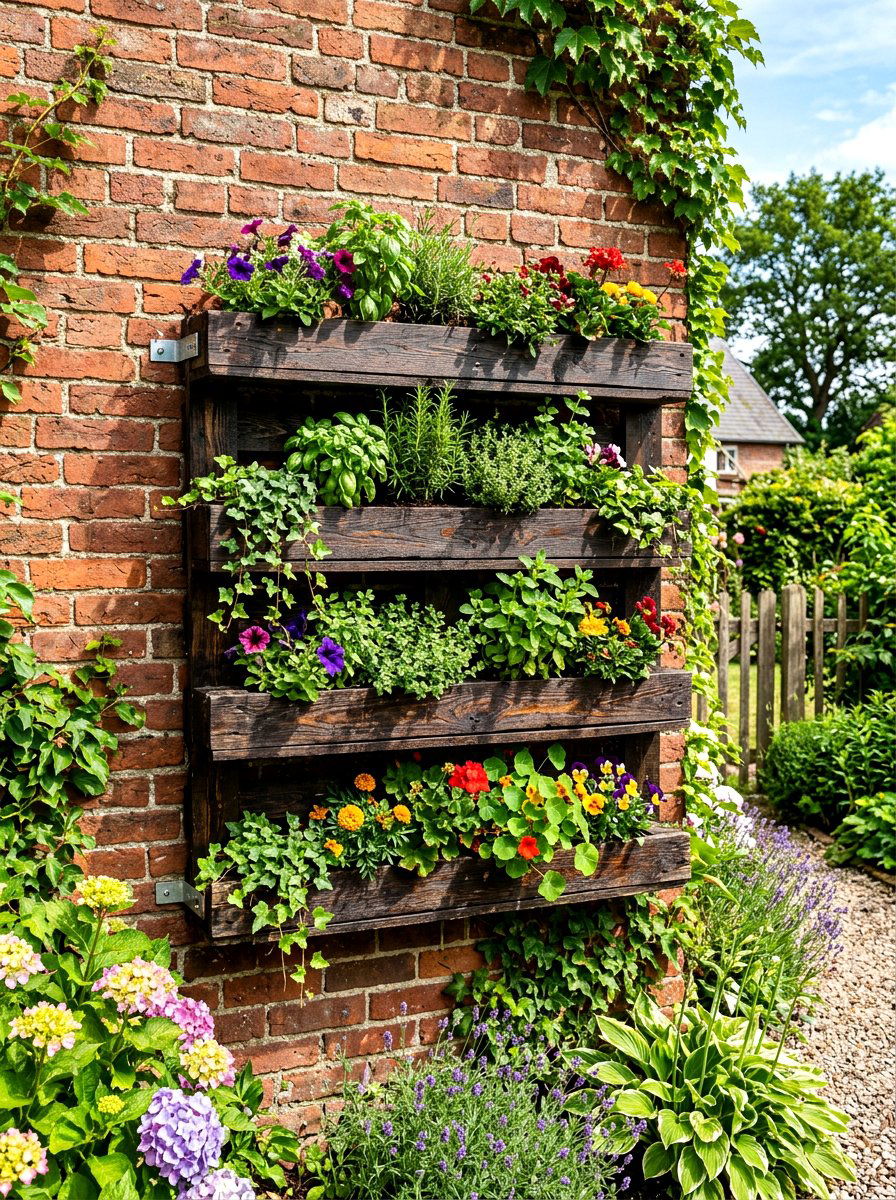
When ground space is limited, the only way to go is up, and a vertical vegetable garden is the perfect solution. Using wall-mounted planters, trellises, or vertical towers, you can grow climbing plants like peas, beans, and cucumbers in a very small footprint. This design concept turns a bare wall or fence into a lush, green tapestry that provides a significant amount of food for your household. Vertical gardens also help prevent pests and diseases by keeping foliage off the ground and improving air circulation around the plants. They serve as a stunning focal point on a patio or balcony, proving that you do not need a massive yard to enjoy a productive and healthy garden.
7. Grape Vine Pergola
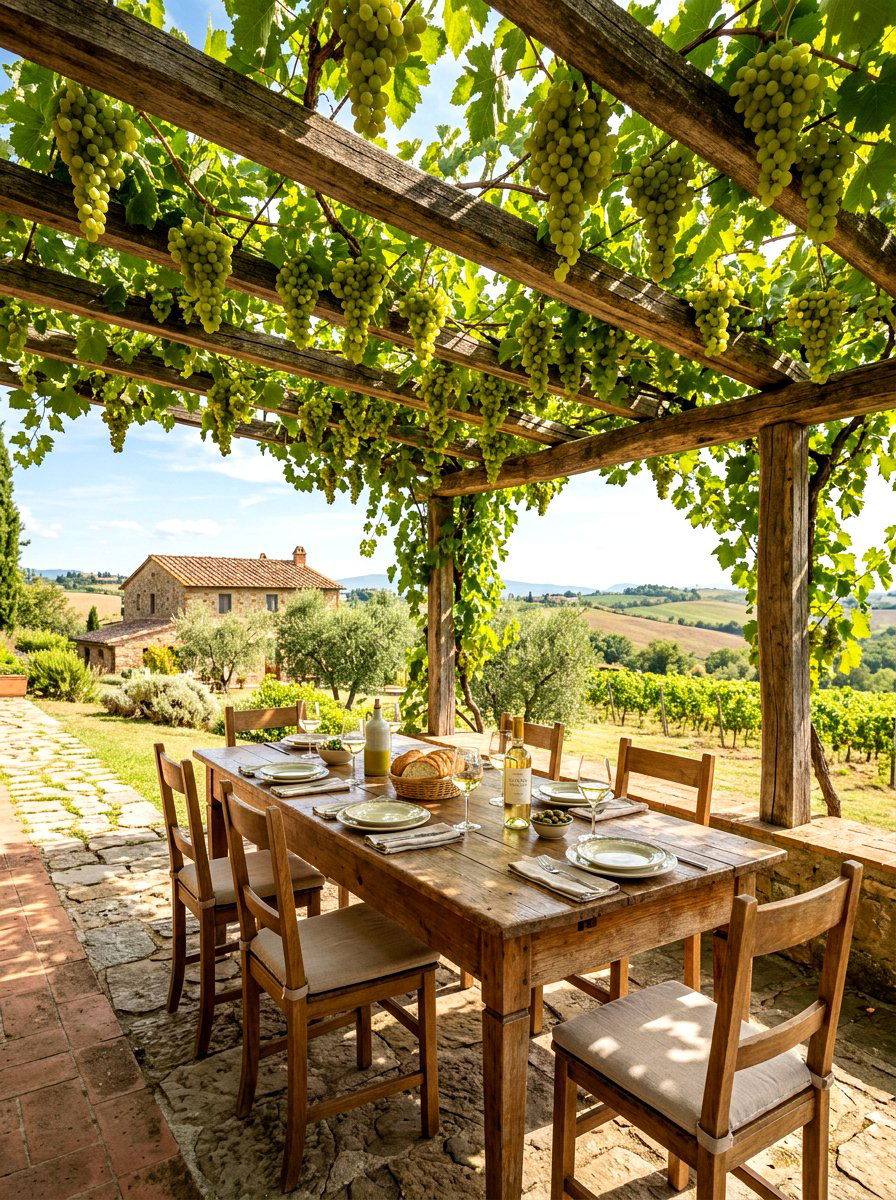
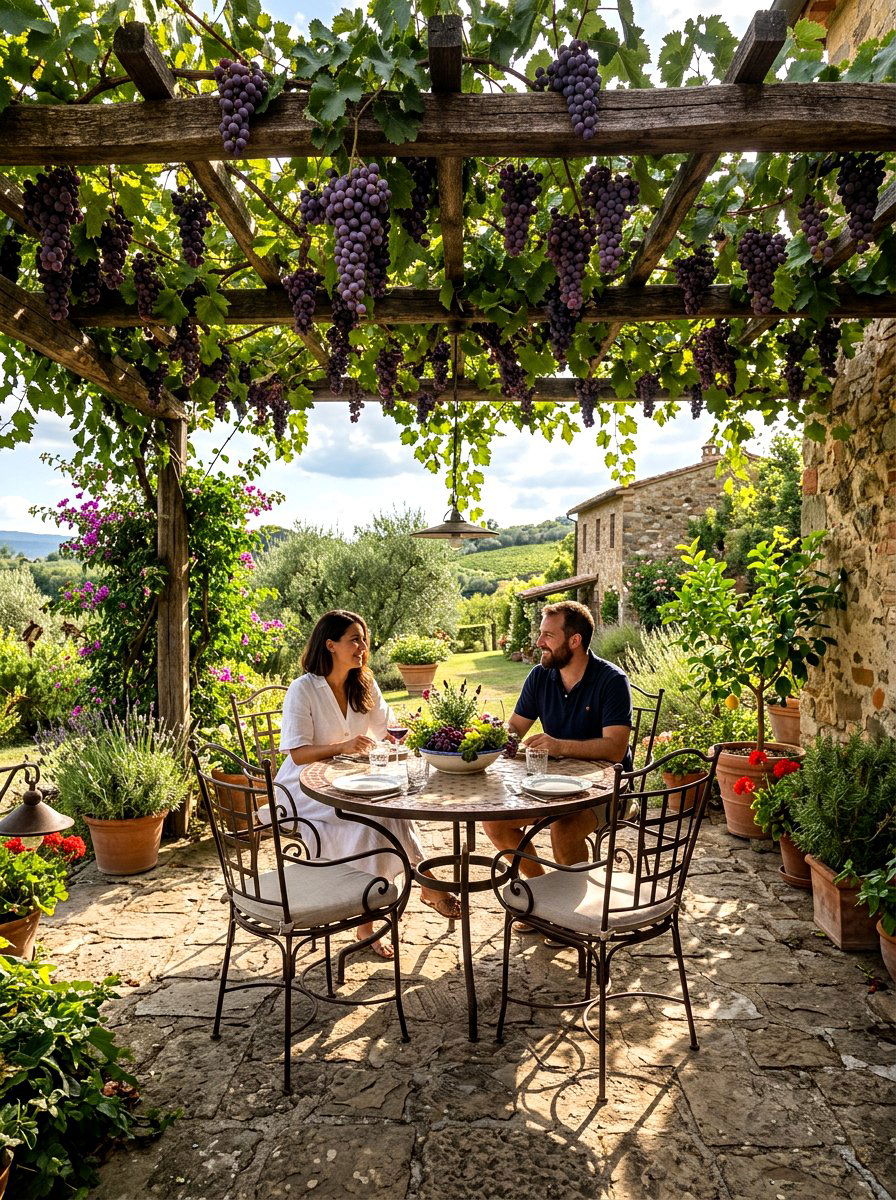
There is nothing quite as romantic as sitting under a heavy canopy of grape vines on a warm summer afternoon in your own backyard. A grape vine pergola provides essential shade for your outdoor seating area while also producing clusters of sweet, juicy grapes for your family to enjoy. The woody vines grow quickly and drape elegantly over wooden or metal beams, creating a natural ceiling that feels like a Mediterranean escape. This design integrates your food source directly into your living space, making it easy to harvest fruit while relaxing outside. The changing leaves provide beautiful autumn color, and the sturdy vine structure adds architectural interest to the landscape even during the quiet winter months.
8. Potager Garden
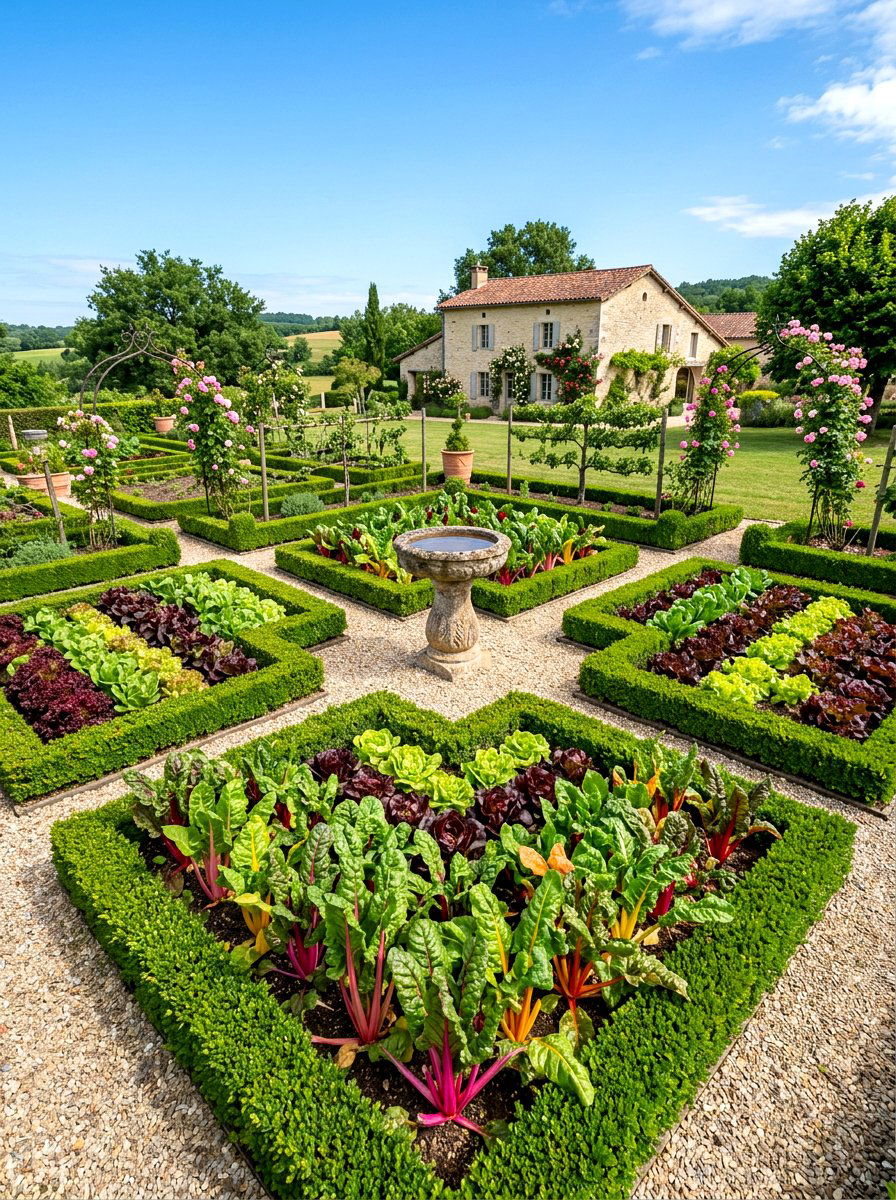
A potager garden is a traditional French kitchen garden that blends beauty with utility by arranging vegetables, herbs, and flowers in a decorative pattern. Unlike a standard row garden, the potager is designed to be visually appealing year-round, often featuring symmetrical beds and ornamental focal points like birdbaths or sundials. You can mix different colors of kale, lettuce, and chard to create a colorful foliage display that looks more like a formal garden than a vegetable patch. This style of landscaping encourages you to spend more time in the garden because it feels like an outdoor room rather than a chore. It is the ultimate expression of how edible plants can create a sophisticated and inviting backyard environment.
9. Backyard Fruit Orchard
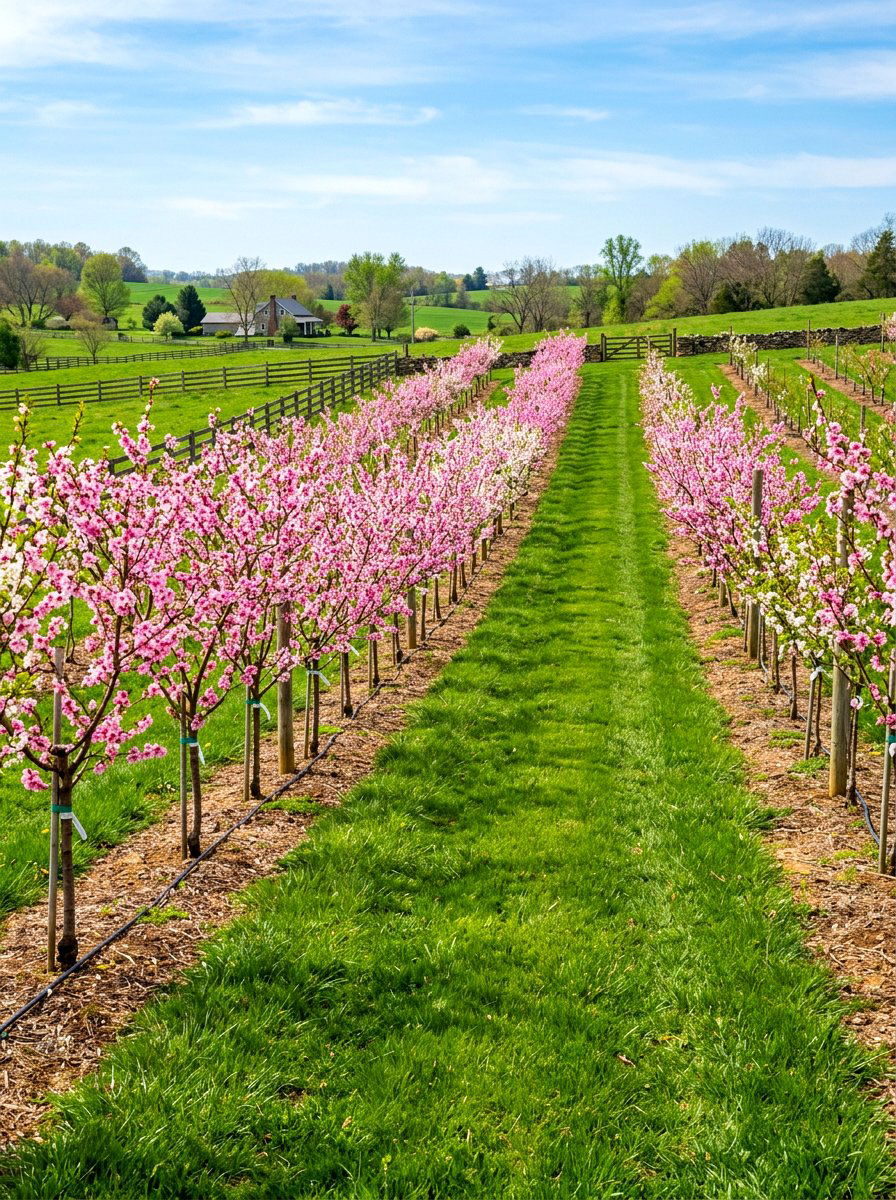
Creating a dedicated backyard fruit orchard is a long-term investment that provides a lifetime of fresh harvests and seasonal beauty for your home. By planting a variety of fruit trees like peaches, cherries, and plums, you can create a mini-forest that offers shade and privacy. Modern dwarf and semi-dwarf varieties make it possible to fit multiple trees even in a medium-sized suburban backyard. During the spring, the orchard becomes a cloud of white and pink blossoms, filling the air with a sweet scent and attracting local bees. As the trees mature, they provide a sense of permanence and structure to your landscape. It is a rewarding way to transform an open lawn into a productive woodland.
10. Strawberry Groundcover
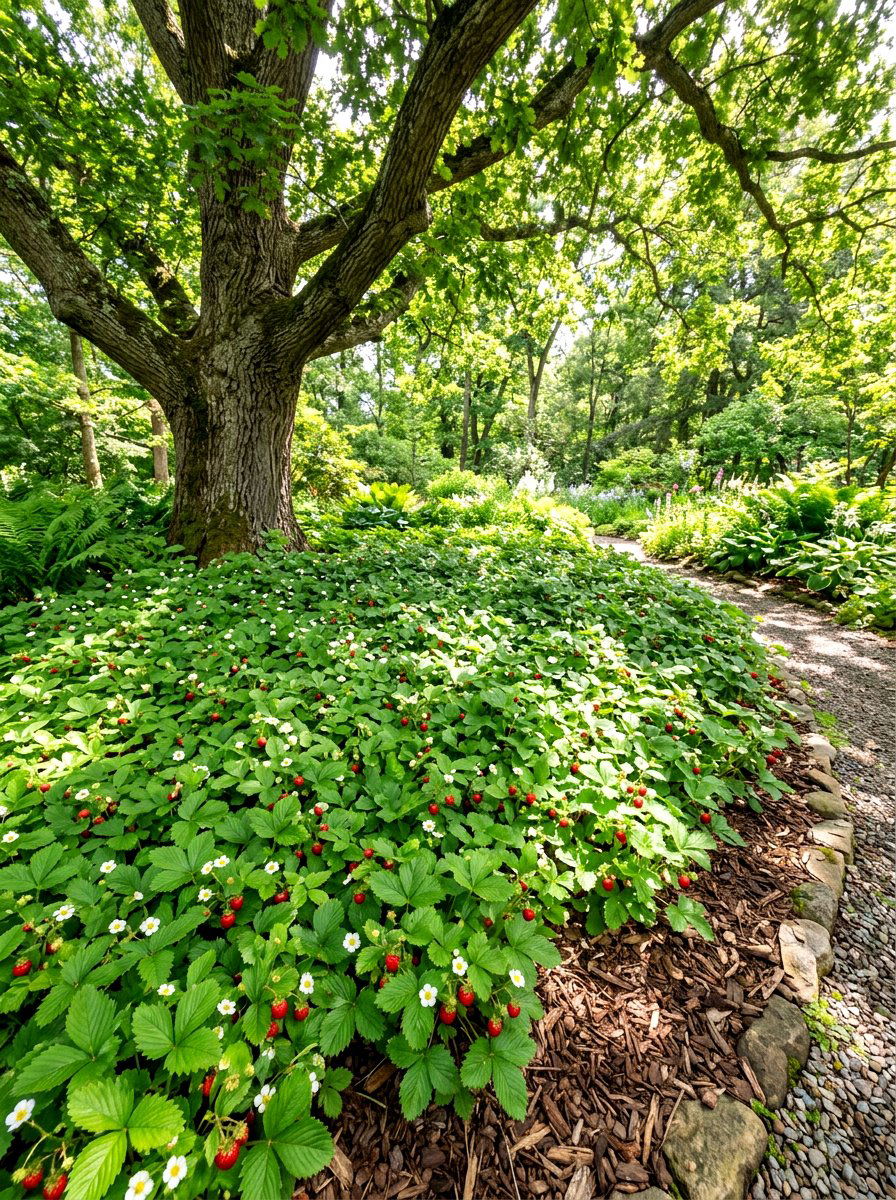
If you are looking for a way to fill in gaps between taller plants or replace a section of lawn, a strawberry groundcover is an ideal choice. Low-growing strawberry plants spread quickly through runners, creating a thick carpet of green leaves that smothers weeds and protects the soil. In the late spring and early summer, the white flowers turn into bright red berries that sit just above the foliage. This edible carpet looks charming along the edges of garden beds or under the canopy of fruit trees. Strawberries are perennials, meaning they will return every year to provide more fruit with very little maintenance. It is a clever way to add more food production to unused spaces.
11. Blueberry Shrub Hedge
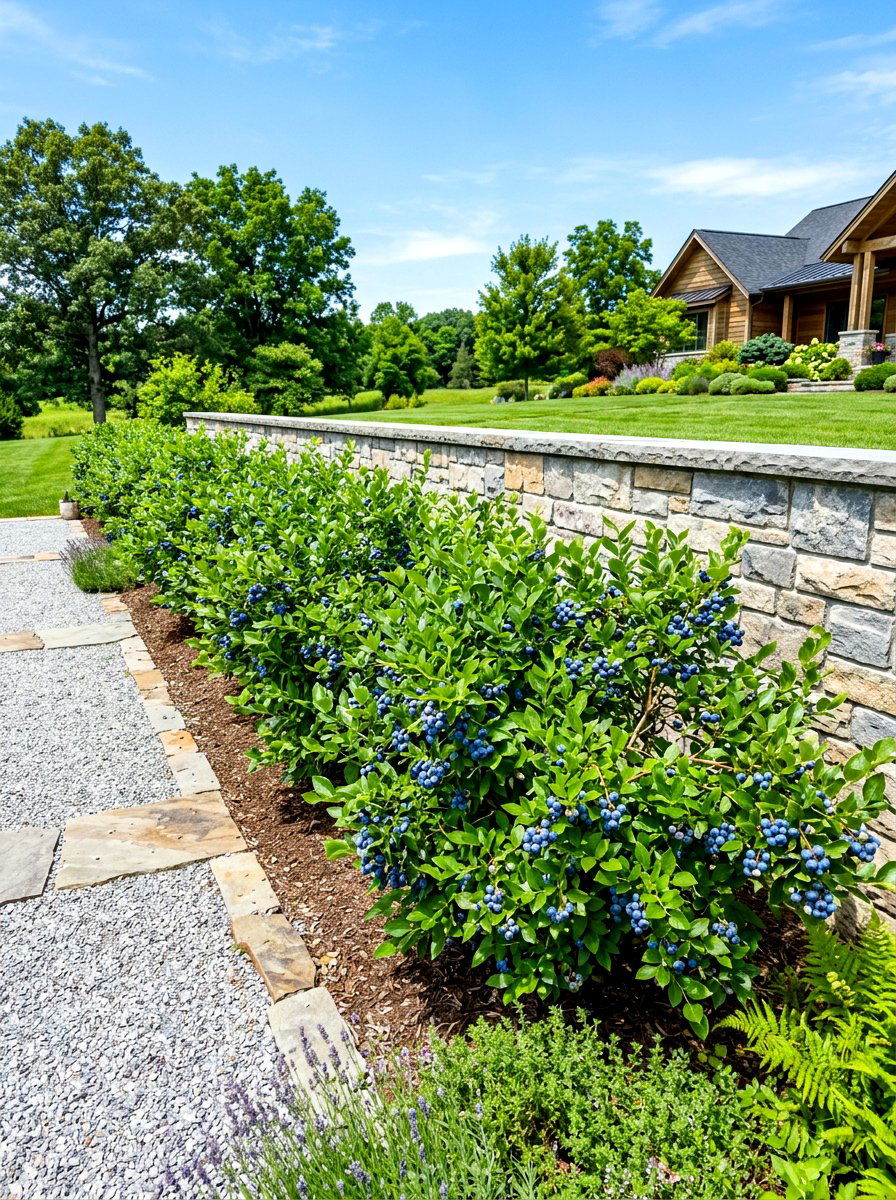
Blueberry shrubs are among the most versatile plants for edible landscaping because they offer multi-season interest and delicious fruit for your family. A blueberry shrub hedge provides a neat, upright structure with delicate white flowers in the spring and deep blue berries in the mid-summer. One of the best features of these plants is their stunning autumn foliage, which turns a brilliant shade of crimson or orange. They thrive in acidic soil and can be pruned into a formal shape or allowed to grow naturally for a softer look. Planting them in a row creates a productive barrier that separates different areas of your yard while providing nutrient-dense snacks for everyone to enjoy.
12. Herb Spiral
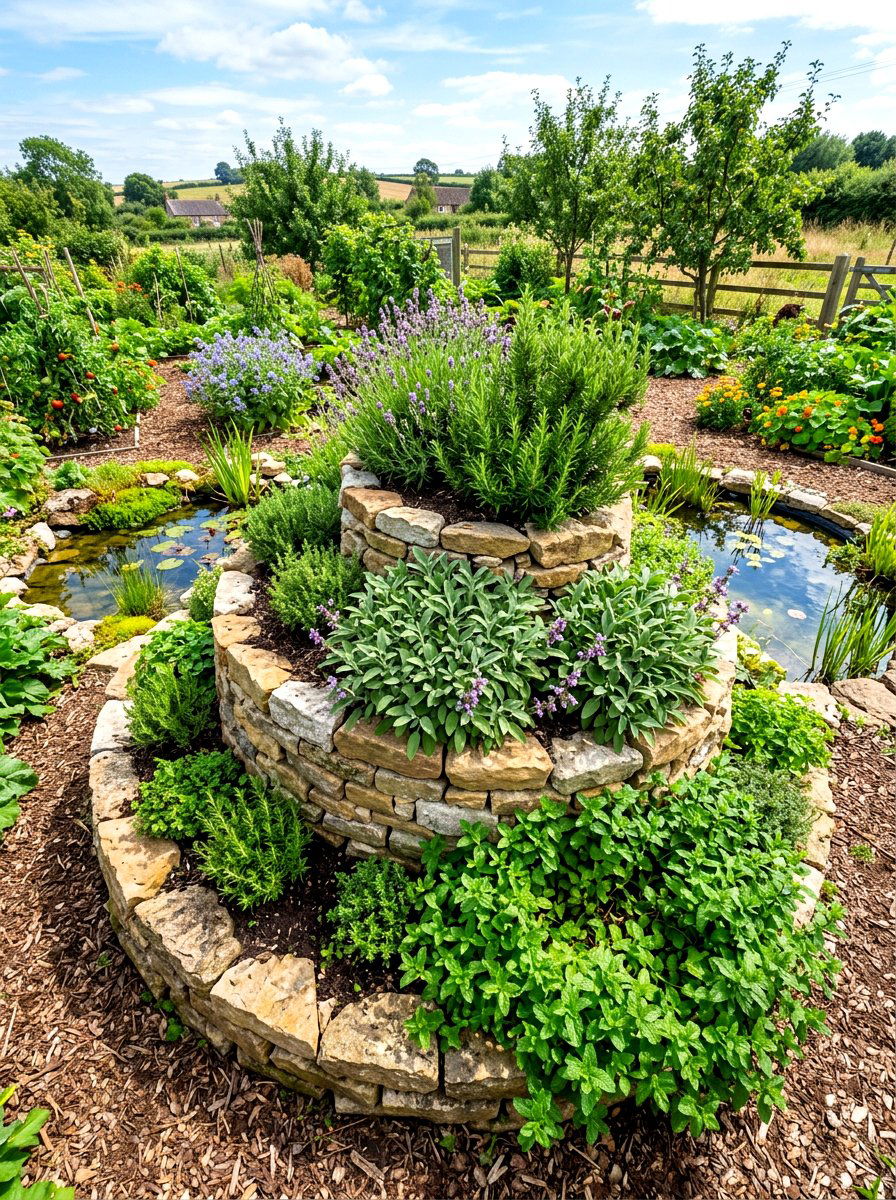
A herb spiral is a brilliant permaculture design that allows you to grow a variety of herbs with different needs in one compact, attractive feature. The spiral shape creates various microclimates, with sun-loving, drought-tolerant herbs like rosemary and sage at the top and moisture-loving herbs like mint and parsley at the bottom. This vertical structure adds a unique sculptural element to your backyard and is often built using stones, bricks, or recycled materials. Because the plants are arranged in a circle, everything is within easy reach from any side, making harvesting incredibly efficient. It is a great conversation piece that demonstrates how thoughtful design can maximize the productivity of even the smallest garden space.
13. Dwarf Fruit Tree Patio
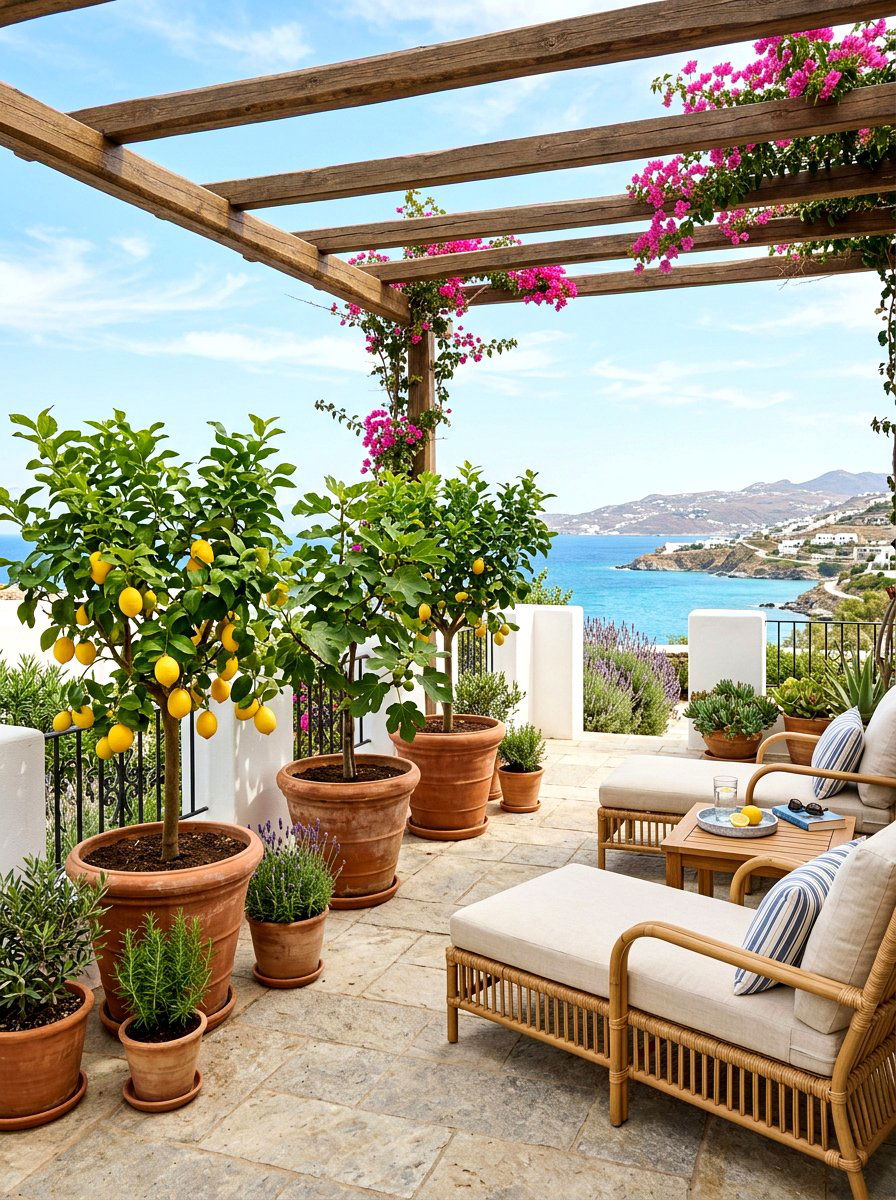
You do not need a massive lawn to enjoy homegrown fruit when you utilize the concept of a dwarf fruit tree patio garden. Many varieties of citrus, apples, and figs have been specifically bred to thrive in large containers, making them perfect for paved outdoor areas. Placing these trees in stylish pots allows you to move them around to follow the sun or protect them during harsh winter weather. A collection of potted fruit trees can create a lush, tropical feel around your seating area, providing both fragrance and shade. This approach is ideal for renters or those with small urban yards who still want to experience the joy of picking fresh fruit from their own tree.
14. Asparagus Patch
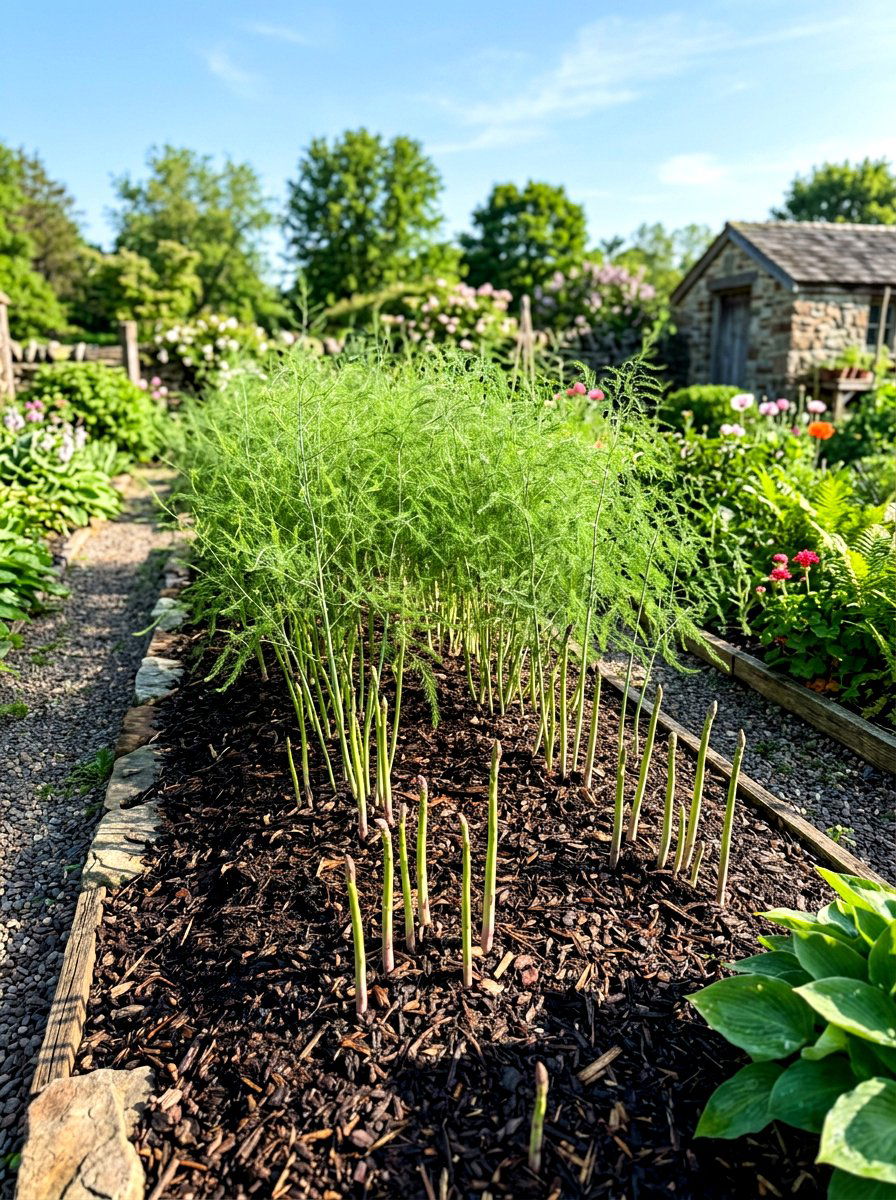
Establishing an asparagus patch is a wonderful way to add a permanent, low-maintenance vegetable to your backyard landscape that returns faithfully every spring. While asparagus takes a few years to become fully established, the wait is rewarded with tender spears that taste far better than store-bought versions. Once the harvest season ends, the plants grow into tall, feathery fronds that add a unique soft texture to your garden beds. These fern-like plumes look beautiful swaying in the wind and can serve as a delicate backdrop for shorter flowers or herbs. Because asparagus is a perennial, it stays in the same spot for decades, making it a reliable and structural part of your edible backyard plan.
15. Rhubarb Garden Border
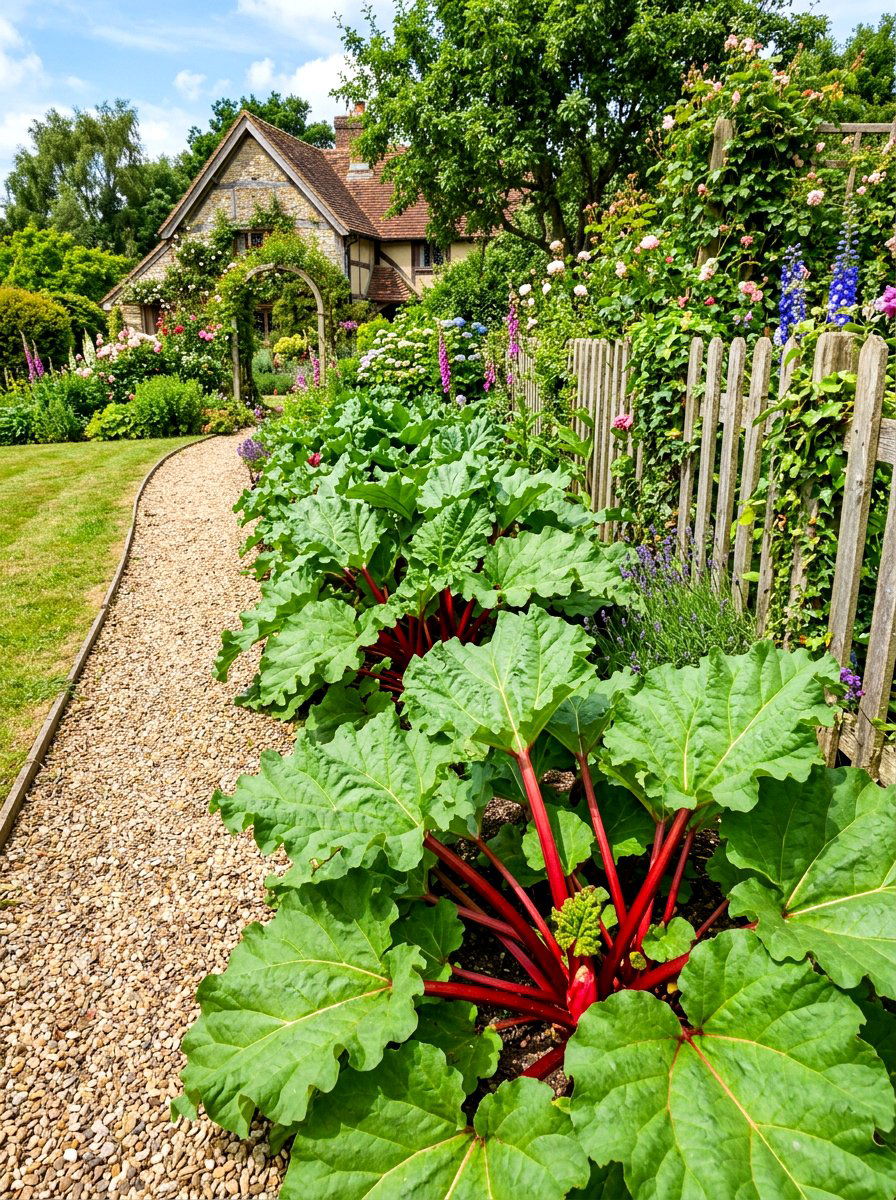
With its giant, architectural leaves and bright red stalks, a rhubarb garden border adds a bold and dramatic look to any backyard design. Rhubarb is an incredibly hardy perennial that thrives in a variety of conditions and requires very little attention once it is planted. The large, textured foliage provides excellent ground cover, helping to keep the soil cool and suppress weeds around the edges of your garden. Planting rhubarb in a row creates a striking visual boundary that separates the lawn from your vegetable beds or patio. While only the stalks are edible, they are prized for their tart flavor in pies and preserves. It is a plant that truly combines visual impact with culinary value.
16. Backyard Tea Garden
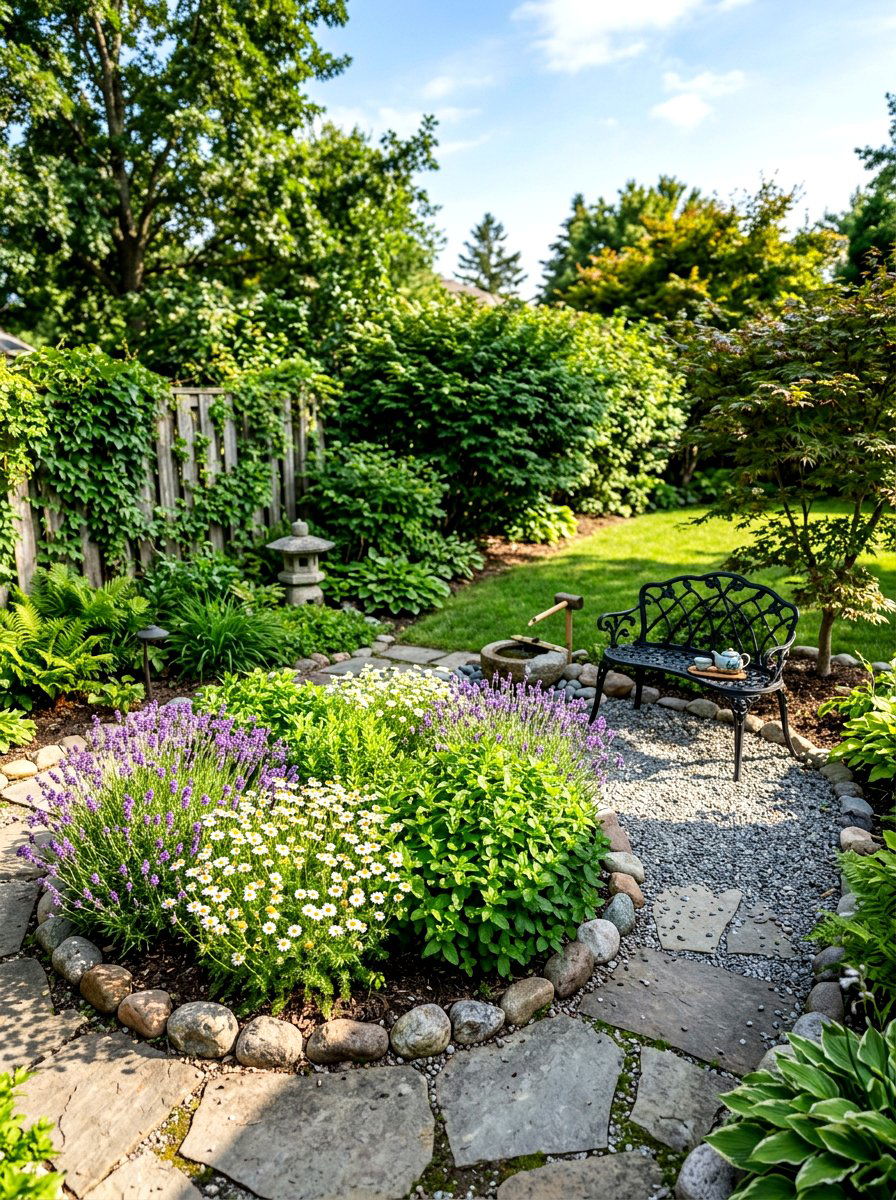
Imagine spending your afternoons in a quiet corner of your yard filled with plants specifically chosen for brewing your own fresh herbal teas. A backyard tea garden can include varieties like lemon balm, peppermint, chamomile, and lavender, all arranged in a relaxing and beautiful layout. This specialized garden space often features a small bench or bistro set where you can sit and enjoy the calming aromas of the foliage. Many tea herbs are perennials that spread easily, creating a lush and fragrant environment that requires minimal upkeep. Choosing plants with different textures and heights ensures the tea garden looks as good as it smells. It is a perfect sanctuary for relaxation and sustainable living.
17. Salad Green Container Garden
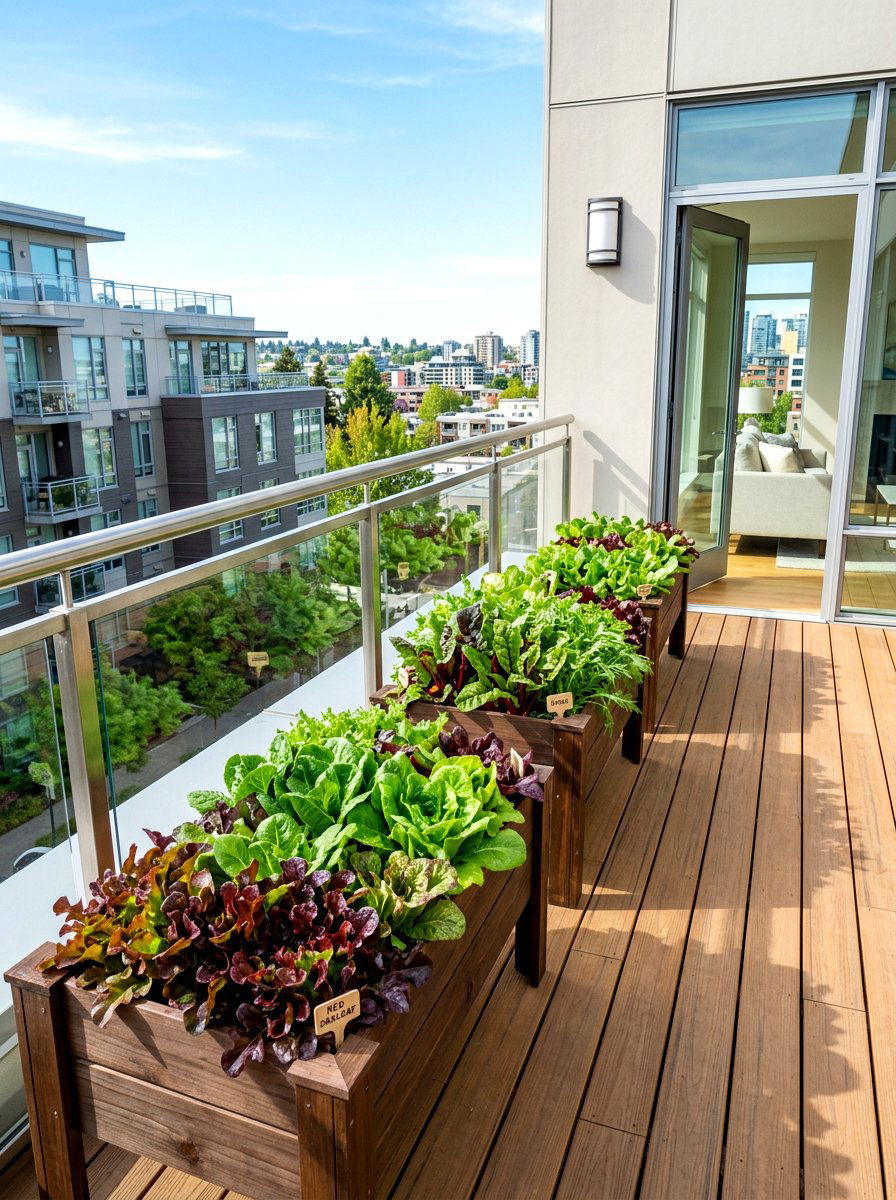
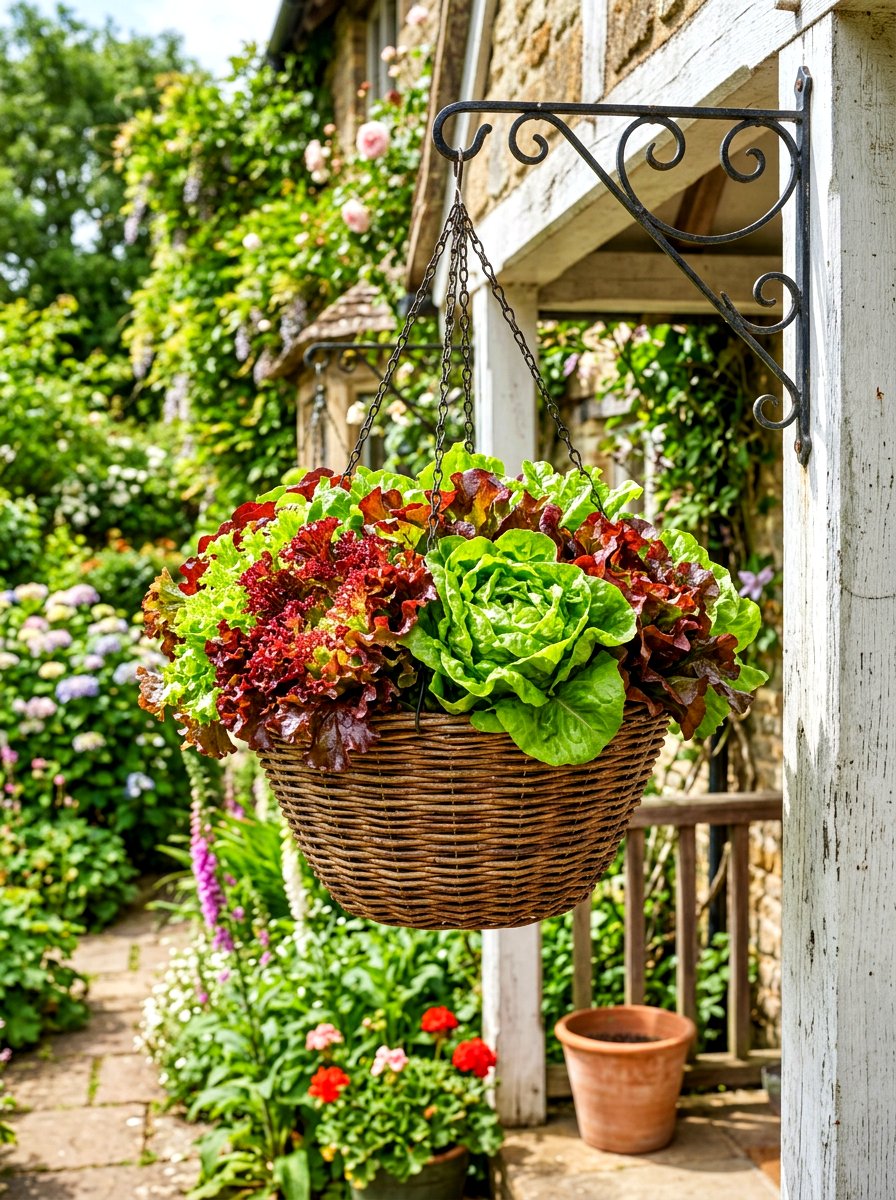
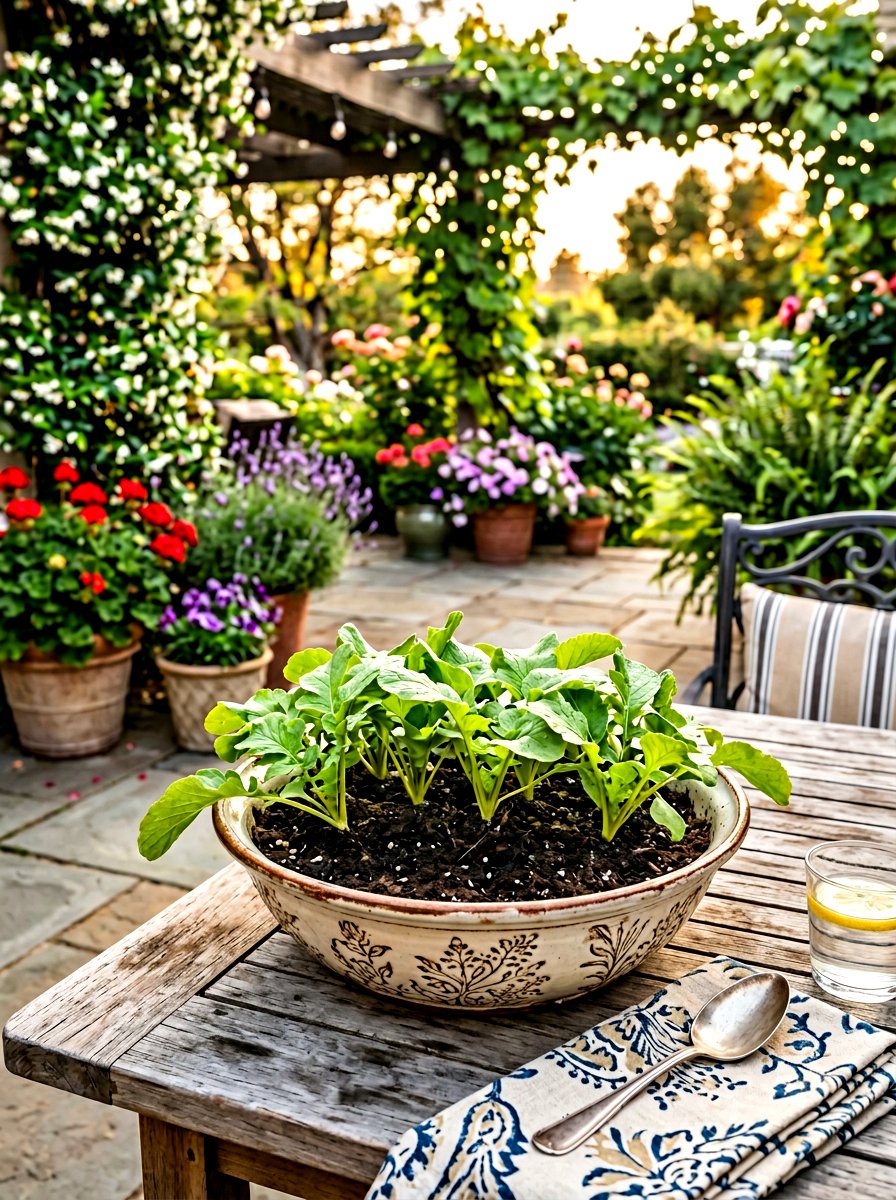
A salad green container garden is one of the easiest ways to start edible landscaping, especially if you have limited space or want your food close to the kitchen. Using shallow troughs or wide pots, you can grow a colorful variety of lettuces, spinach, and arugula that look like a vibrant green arrangement. By selecting "cut and come again" varieties, you can harvest fresh leaves for your meals while the plants continue to grow throughout the season. Placing these containers on a patio or deck makes it incredibly convenient to grab ingredients for a quick dinner. The different leaf shapes and colors, from deep reds to bright limes, create a beautiful and edible display.
18. Mushroom Log Shade Garden
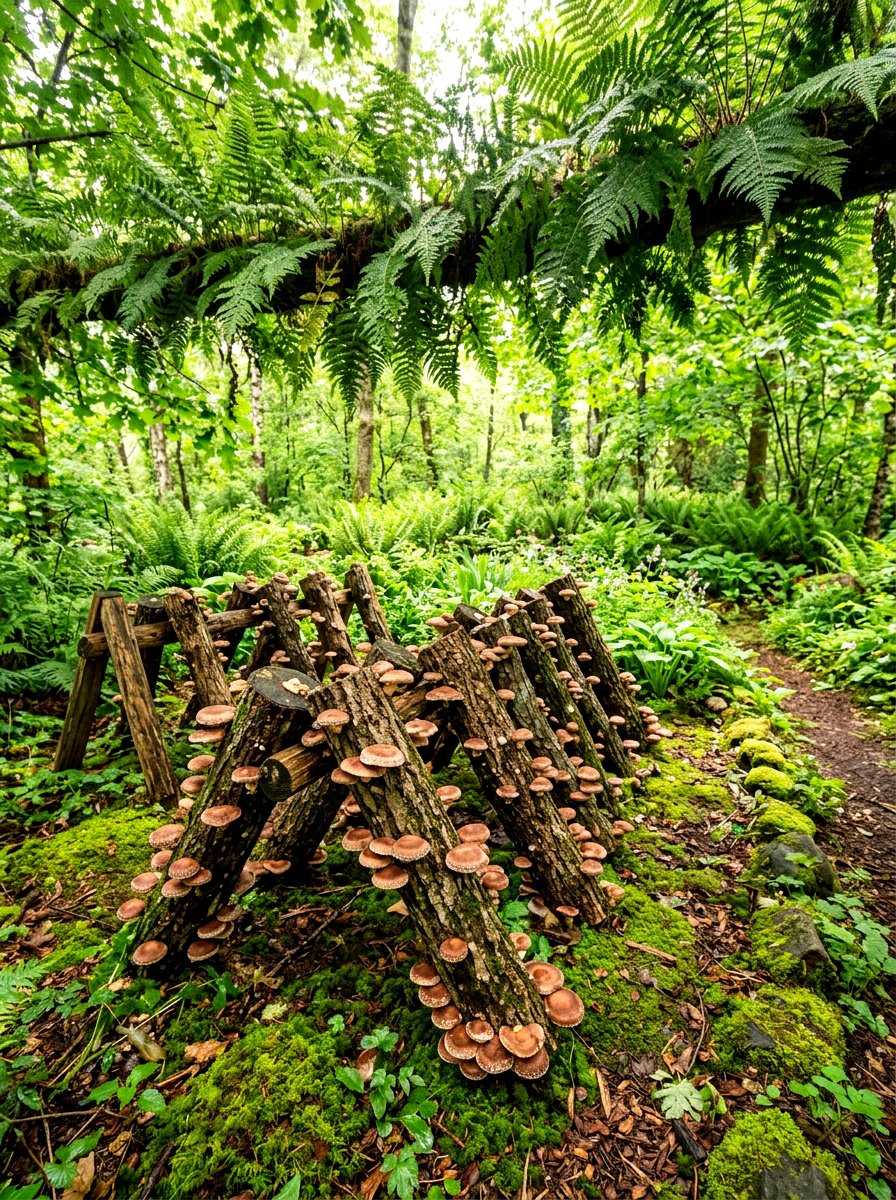
If you have a shaded area under a large tree where most plants struggle to grow, a mushroom log shade garden is a creative and productive solution. By inoculating hardwood logs with mushroom spores like shiitake or oyster, you can transform a dark corner of your yard into a unique food-producing feature. These logs can be stacked in a decorative "crib" style or stood upright to create an interesting fungal forest look. Mushrooms thrive in damp, shady conditions and will provide multiple harvests over several years as the logs decompose. This approach adds an element of mystery and natural beauty to your landscape while utilizing a space that might otherwise remain empty or overgrown.
19. Edible Living Fence
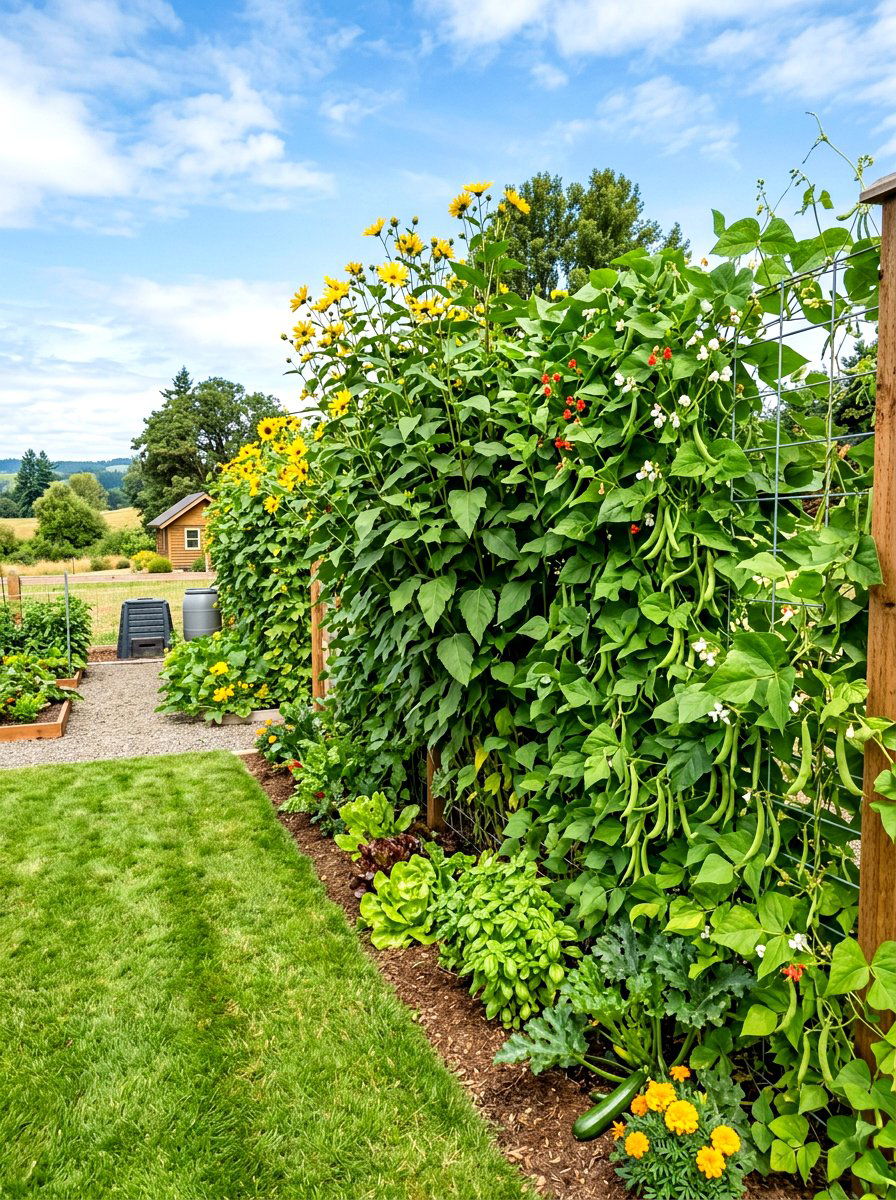
An edible living fence is a smart way to create a functional barrier that also provides a continuous harvest for your household. By planting tall, upright edibles like sun-chokes, corn, or climbing beans on a sturdy wire frame, you can build a seasonal wall that blocks views and looks incredibly lush. For a more permanent solution, consider planting a row of espaliered fruit trees or columnar apples that grow straight up without taking up much horizontal space. This design replaces cold, hard fencing with a vibrant, productive boundary that changes with the seasons. It is an environmentally friendly way to gain privacy while contributing to your family's food security and adding green beauty.
20. Kitchen Garden Raised Beds
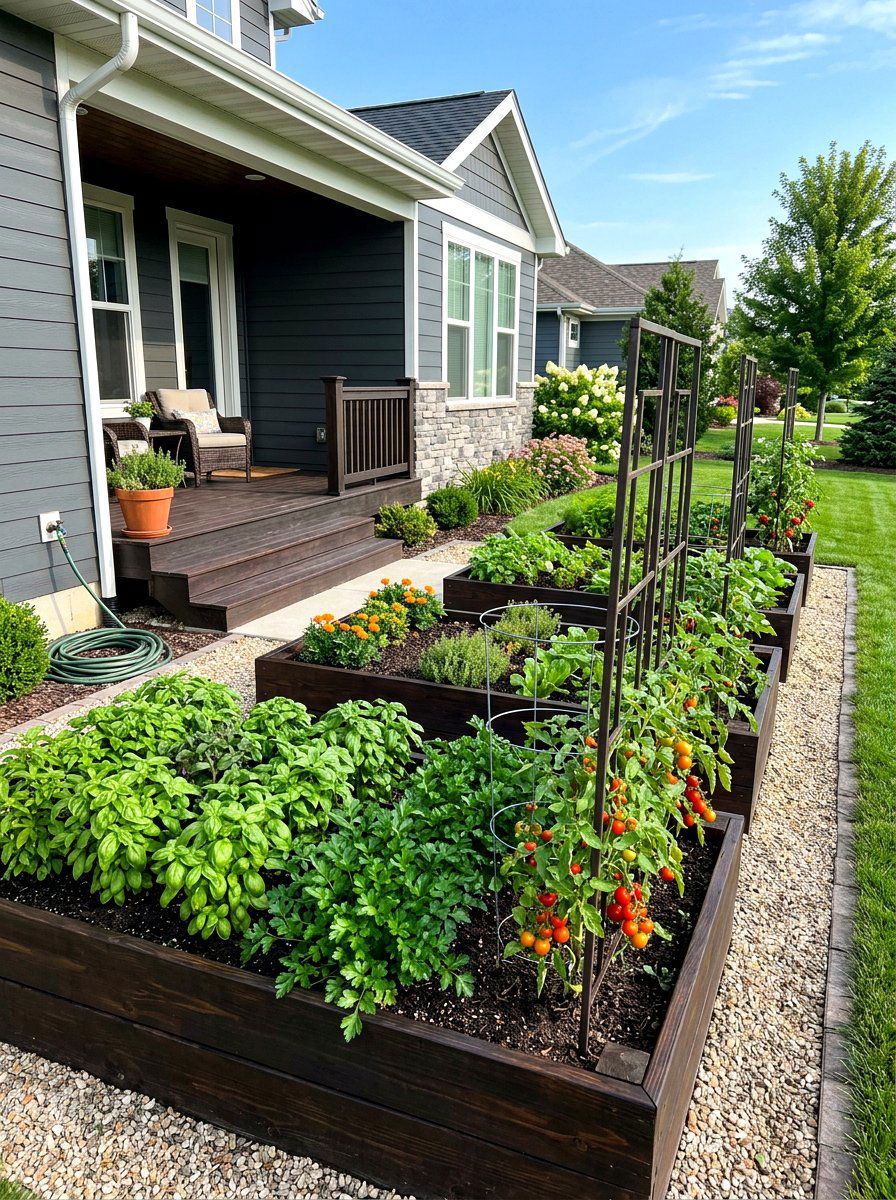
Positioning kitchen garden raised beds just steps away from your back door ensures that you will actually use the fresh produce you grow. This design focuses on convenience and accessibility, often featuring a mix of the most commonly used culinary herbs and quick-growing vegetables. By using attractive wooden frames or modern metal beds, you can integrate these gardens seamlessly into your patio or deck design. You can plant colorful chard, fragrant basil, and cherry tomatoes to create a sensory experience right outside your kitchen window. Having your garden in high-traffic areas also makes it easier to spot pests or watering needs, ensuring your plants stay healthy and productive with very little extra effort.
21. Lavender Garden Walkway
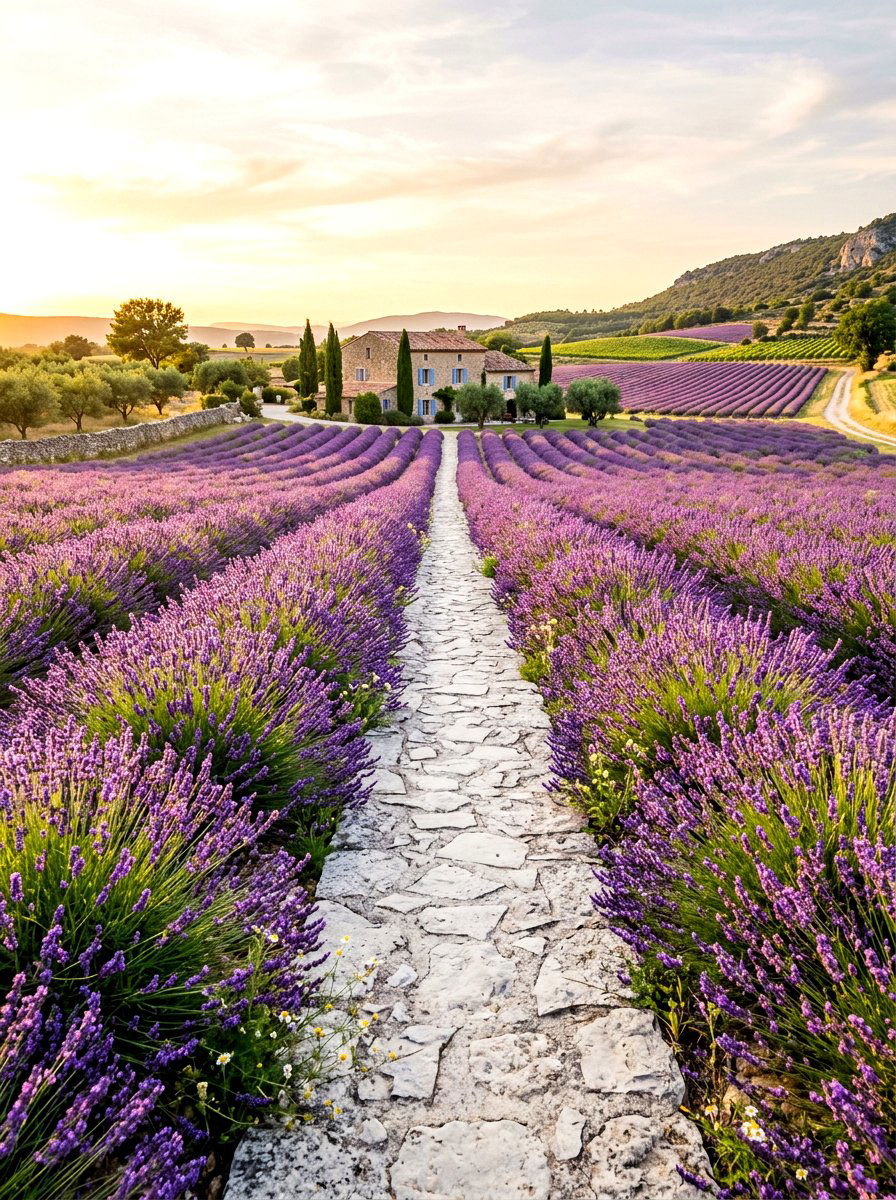
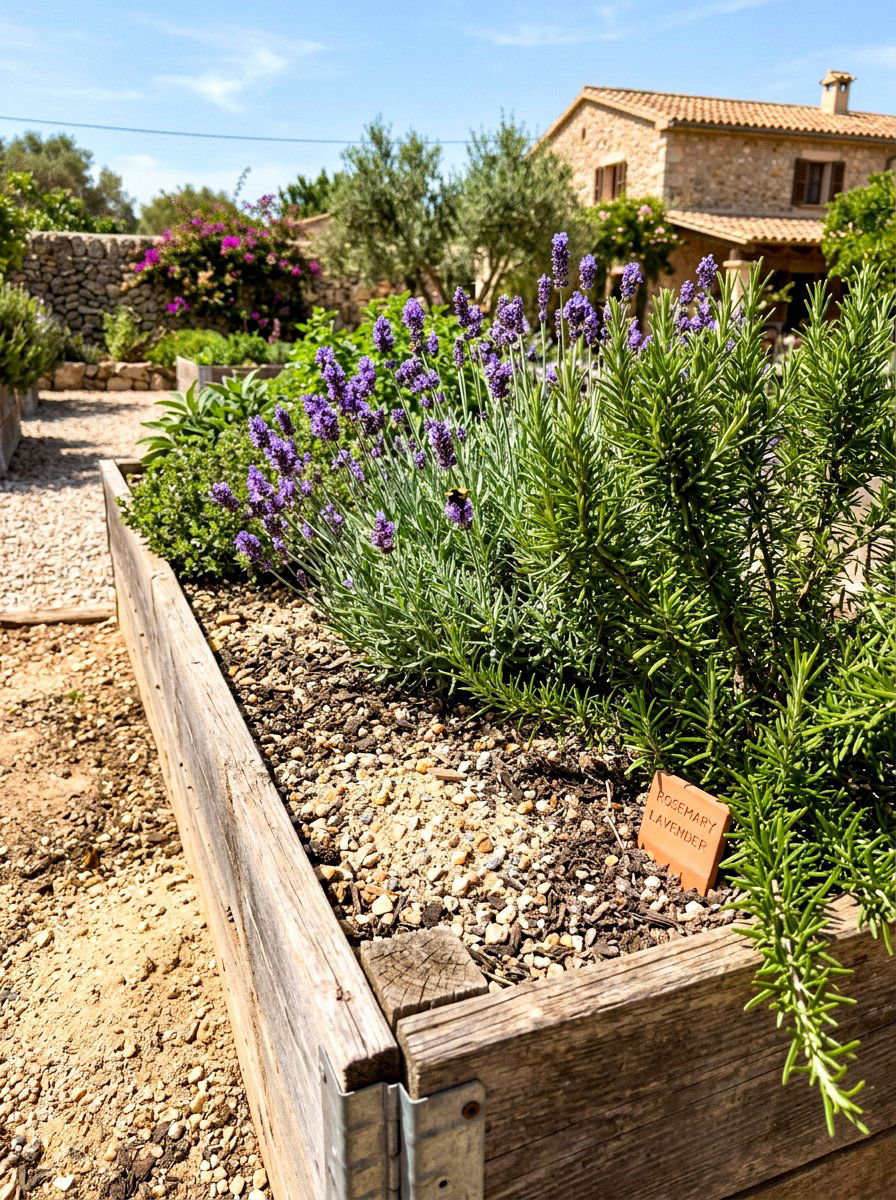
There is nothing quite like the sight and scent of a lavender garden walkway to make your backyard feel like a luxurious Mediterranean retreat. Planting lavender in long, straight rows along a stone path creates a soft, purple border that hums with the sound of happy bees during the summer. Lavender is a hardy, drought-tolerant perennial that thrives in sunny spots and provides a consistent structure to your landscape year-round. Not only are the flowers beautiful to look at, but they are also edible and can be used in baking or dried for sachets. This design adds a sense of elegance and calm to your outdoor space while providing a versatile and fragrant harvest.
22. Fig Tree Corner
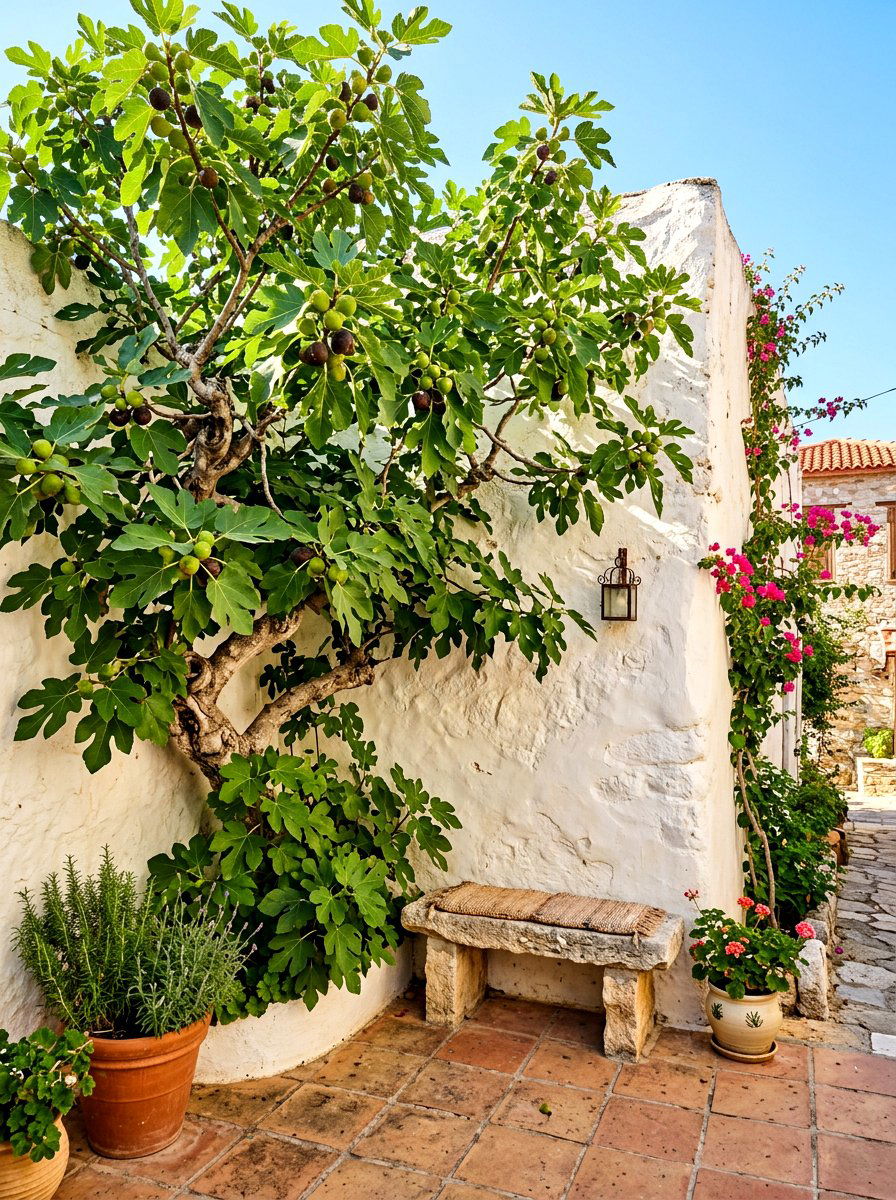
A fig tree corner can turn an unused or awkward part of your yard into a lush, tropical-looking oasis with very little work. Fig trees are known for their large, lobed leaves that provide deep shade and a unique architectural presence in the landscape. Because they can be pruned to stay relatively small, they fit perfectly into a sunny corner against a house wall or fence, where they can benefit from reflected heat. In the late summer, the tree will be laden with sweet, sun-ripened fruit that is a true luxury to pick fresh. Pairing the tree with a small bench or some decorative stones creates a cozy, Mediterranean-inspired nook that feels like a private escape.
23. Lemon Tree Citrus Grove
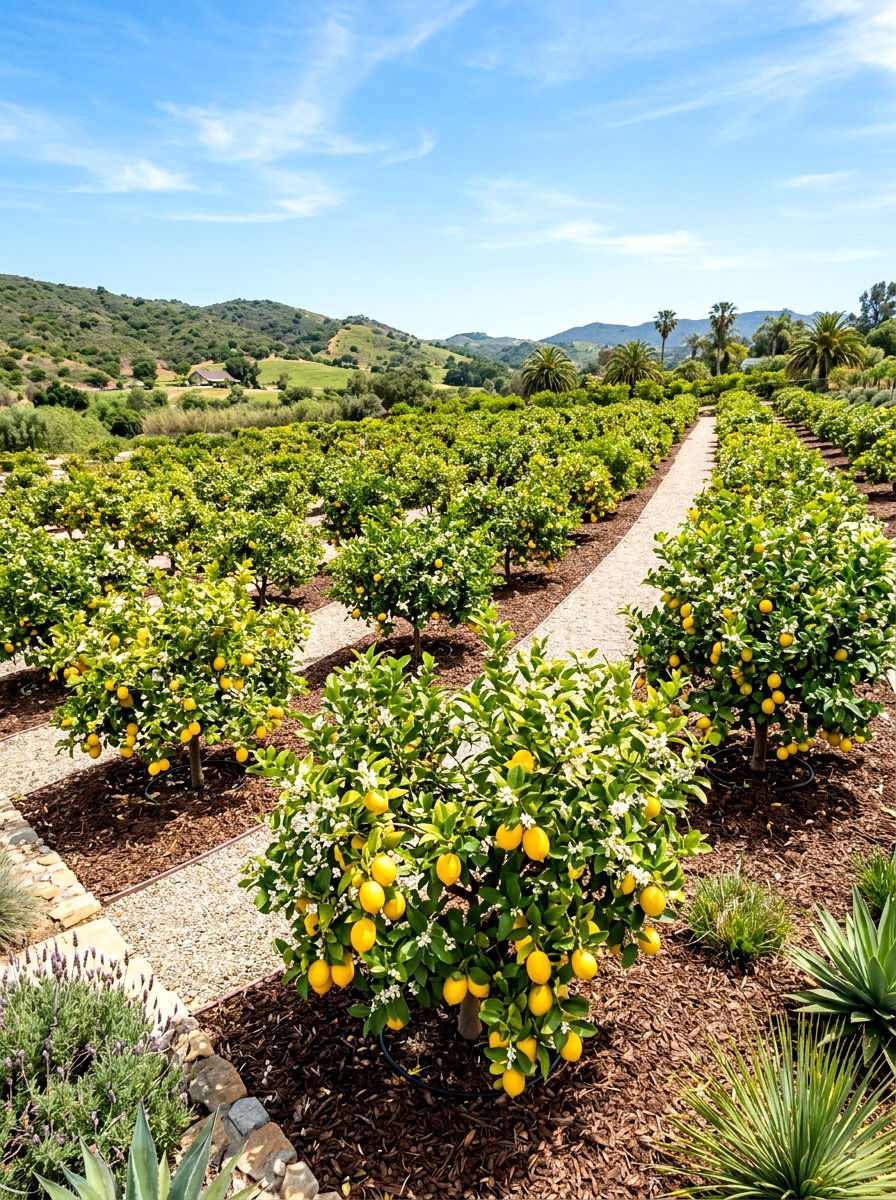
If you live in a warmer climate, a lemon tree citrus grove is a fantastic way to add bright color and incredible fragrance to your backyard. Even in cooler regions, many gardeners use large pots for citrus so they can be moved indoors during the winter. A row of lemon trees provides glossy green leaves year-round and bursts into fragrant white blossoms before producing vibrant yellow fruit. The scent of citrus blossoms is one of the most refreshing aromas you can have in a garden. Arranging these trees along a sunny wall or around a patio creates a cheerful and productive environment that brings a taste of the sunshine right to your doorstep.
24. Tomato Trellis Wall
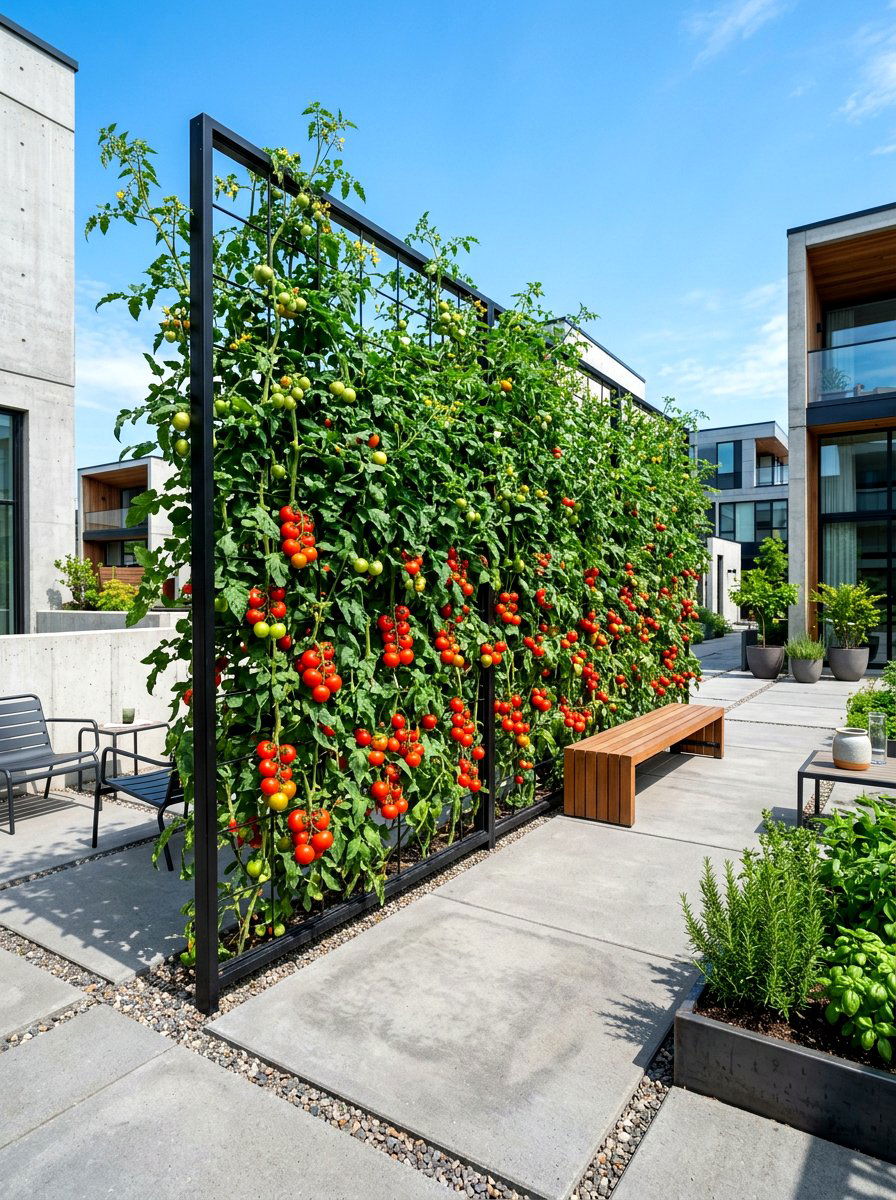
A tomato trellis wall is a brilliant way to grow one of the most popular garden vegetables while keeping your backyard looking neat and organized. By using a sturdy wire grid or a wooden lattice attached to a fence or wall, you can train indeterminate tomato varieties to grow vertically. This method saves a huge amount of ground space and makes it much easier to see and harvest the ripening fruit. The wall of green leaves and clusters of red, yellow, and orange tomatoes creates a beautiful backdrop for your outdoor living area. Growing tomatoes vertically also improves airflow around the plants, which helps prevent common diseases and ensures a healthier, more abundant harvest.
25. Artichoke Architectural Planting
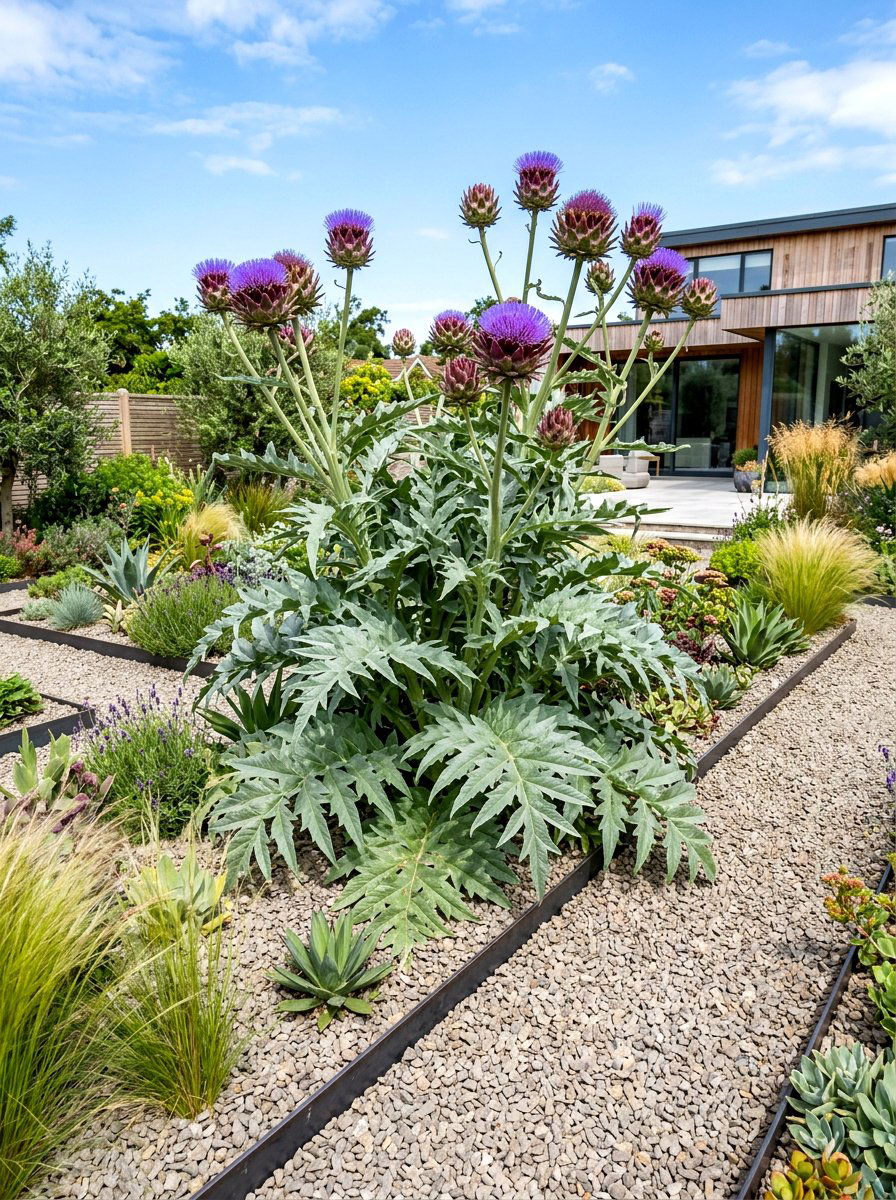
If you want to add a bold, dramatic focal point to your backyard, look no further than an artichoke architectural planting. Artichokes are stunning perennials with large, silvery-green jagged leaves that can grow up to four feet wide, making them look more like an ornamental sculpture than a vegetable. When left to bloom, they produce massive, vibrant purple thistle-like flowers that attract pollinators from all over the neighborhood. Planting a few artichokes in a prominent spot or along a border adds an instant sense of sophistication and height to your garden design. They are tough plants that can withstand heat and provide a unique, gourmet harvest that is always a treat for the kitchen.
26. Nut Tree Canopy
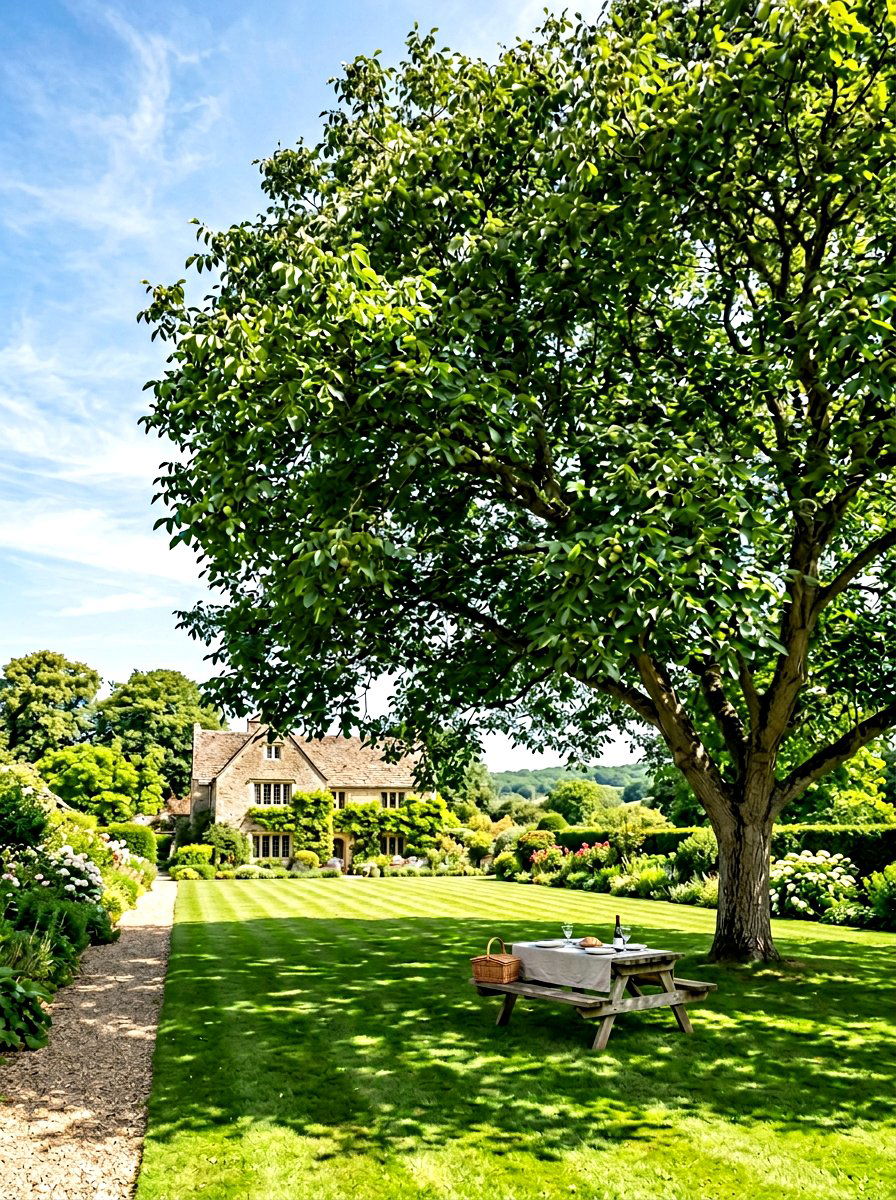
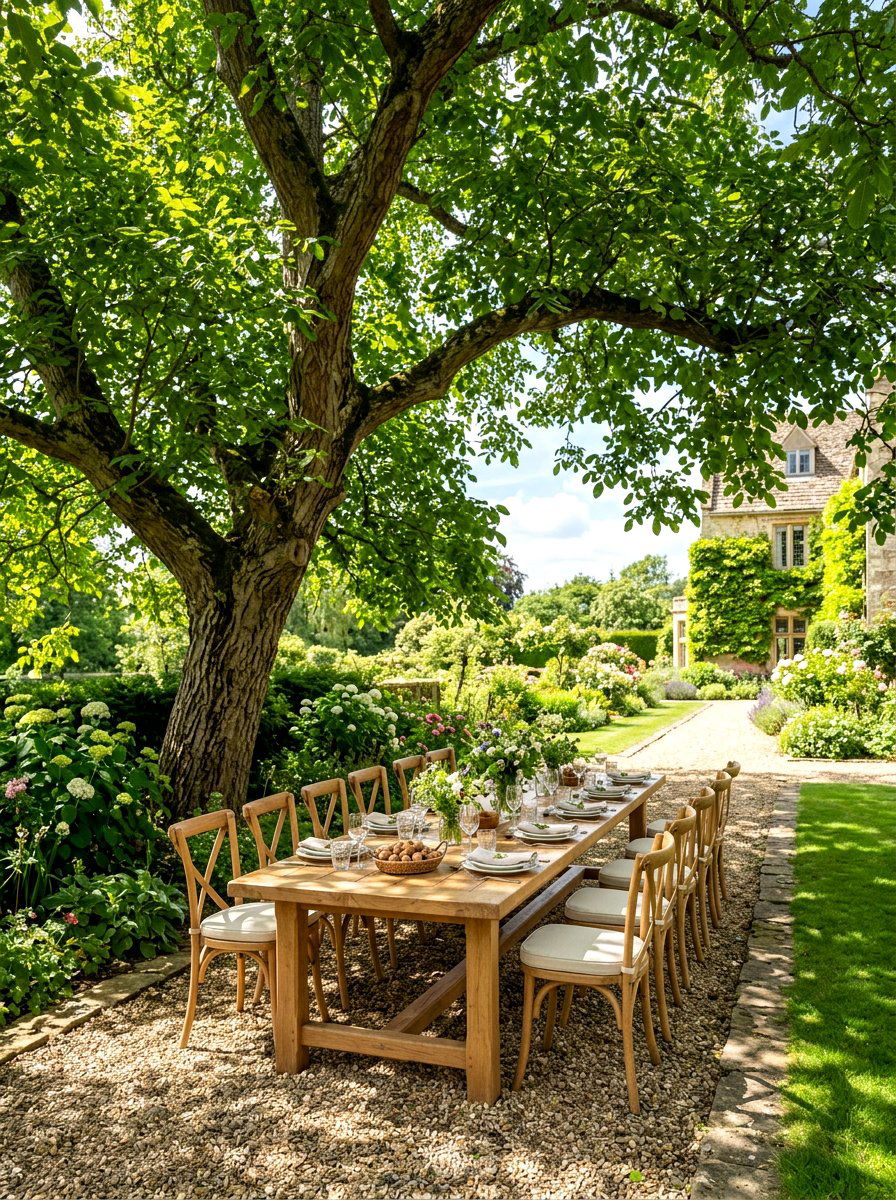
Creating a nut tree canopy is a wonderful way to provide long-term shade and a valuable food source for your backyard environment. Trees like hazelnut, walnut, or pecan grow to be majestic landscape features that anchor the entire design of your outdoor space. While they take longer to mature than vegetables, the eventual harvest of high-protein nuts is well worth the wait. In the meantime, the large canopy offers a cooling retreat during hot summer days and provides a habitat for local birds and squirrels. Planting a nut tree gives your garden a sense of history and permanence, ensuring that your landscape remains productive and beautiful for many generations to come in your home.
27. Culinary Herb Window Box
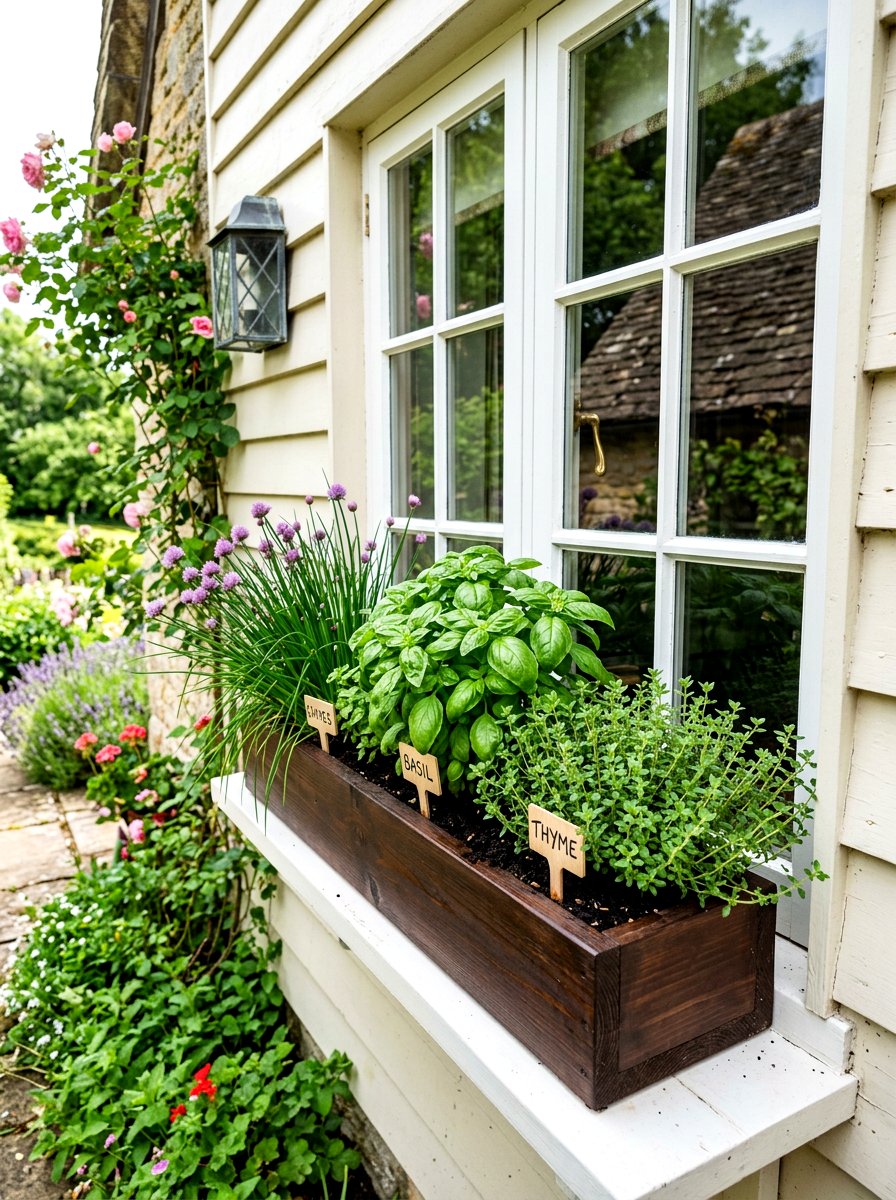
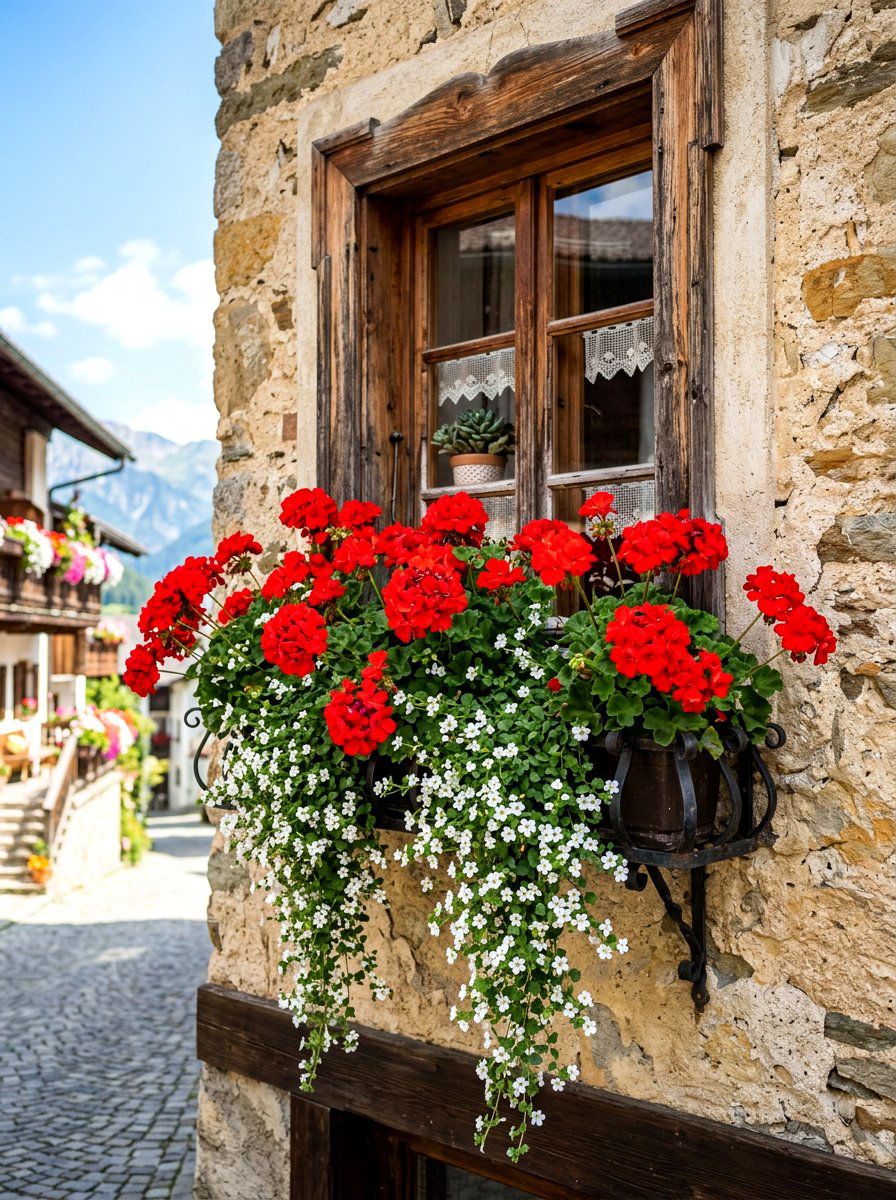
A culinary herb window box is the perfect solution for homeowners who want fresh flavors within arm 's reach but have very little outdoor space. Mounting a decorative planter just outside your kitchen window allows you to harvest basil, thyme, rosemary, and chives without even stepping outside. This small-scale edible landscaping idea adds a charming, cottage-style look to your home' s exterior while providing a constant supply of seasonings. Herbs often have beautiful textures and colors, so you can arrange them to create a miniature landscape that changes through the seasons. It is a simple yet effective way to bring the benefits of a garden directly into your daily cooking routine and home life.
28. Root Vegetable Garden Plot
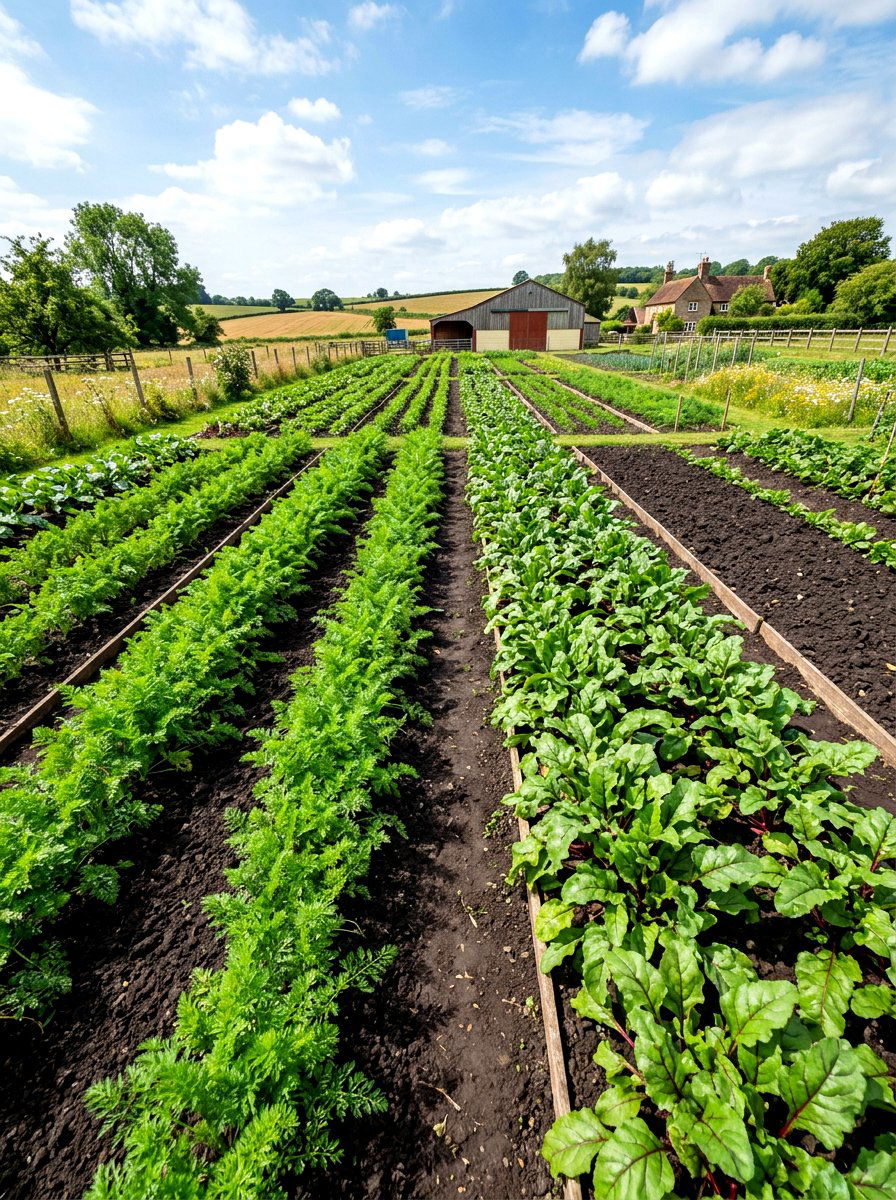
Designing a dedicated root vegetable garden plot allows you to grow staples like carrots, beets, and radishes in a way that looks intentional and tidy. By grouping these plants in a single area with loose, sandy soil, you can ensure they have the perfect conditions to grow long and straight. The feathery tops of carrots and the colorful stems of beets create a lovely, textured groundcover that looks great even before the harvest. You can plant them in patterns or rows to create a structured look within your backyard. Root vegetables are often hardy and can be harvested well into the autumn, providing a long season of fresh food for your family to enjoy.
29. Cold Frame Garden
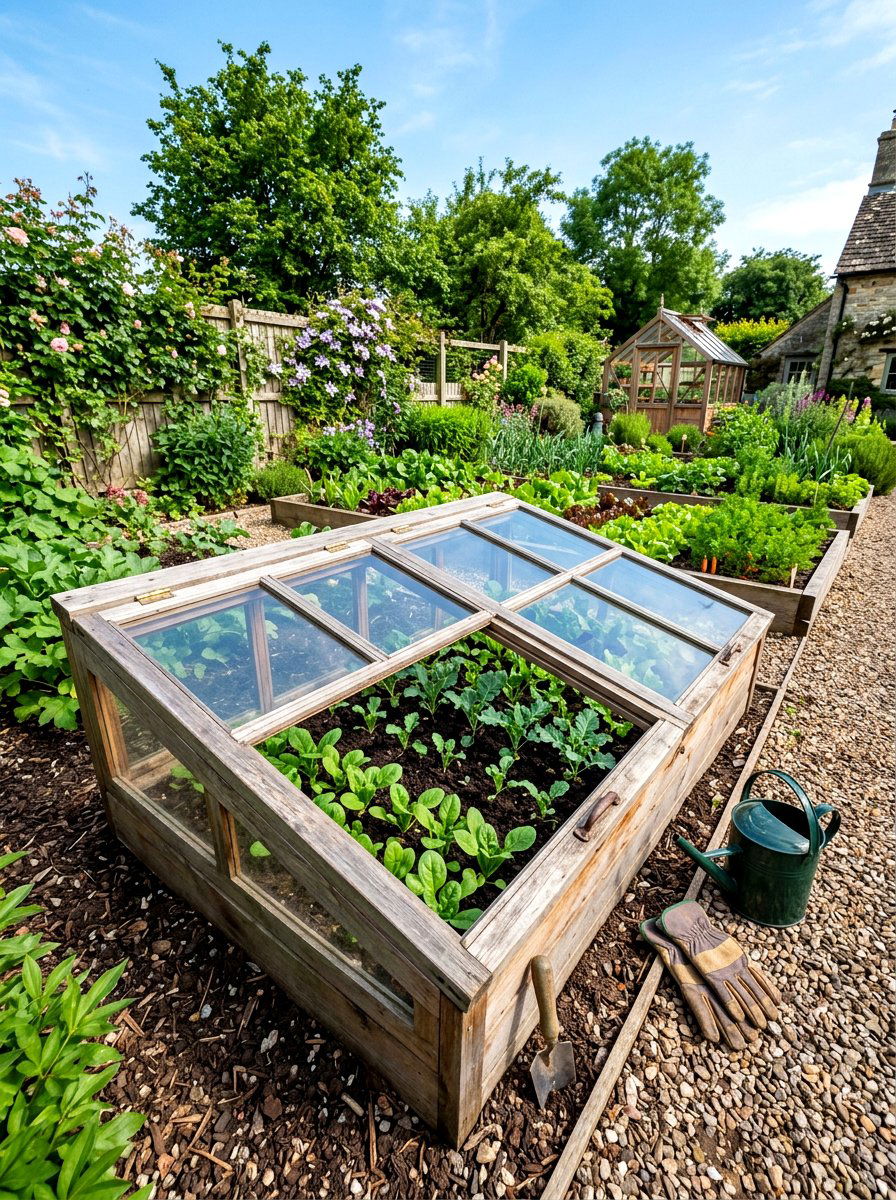
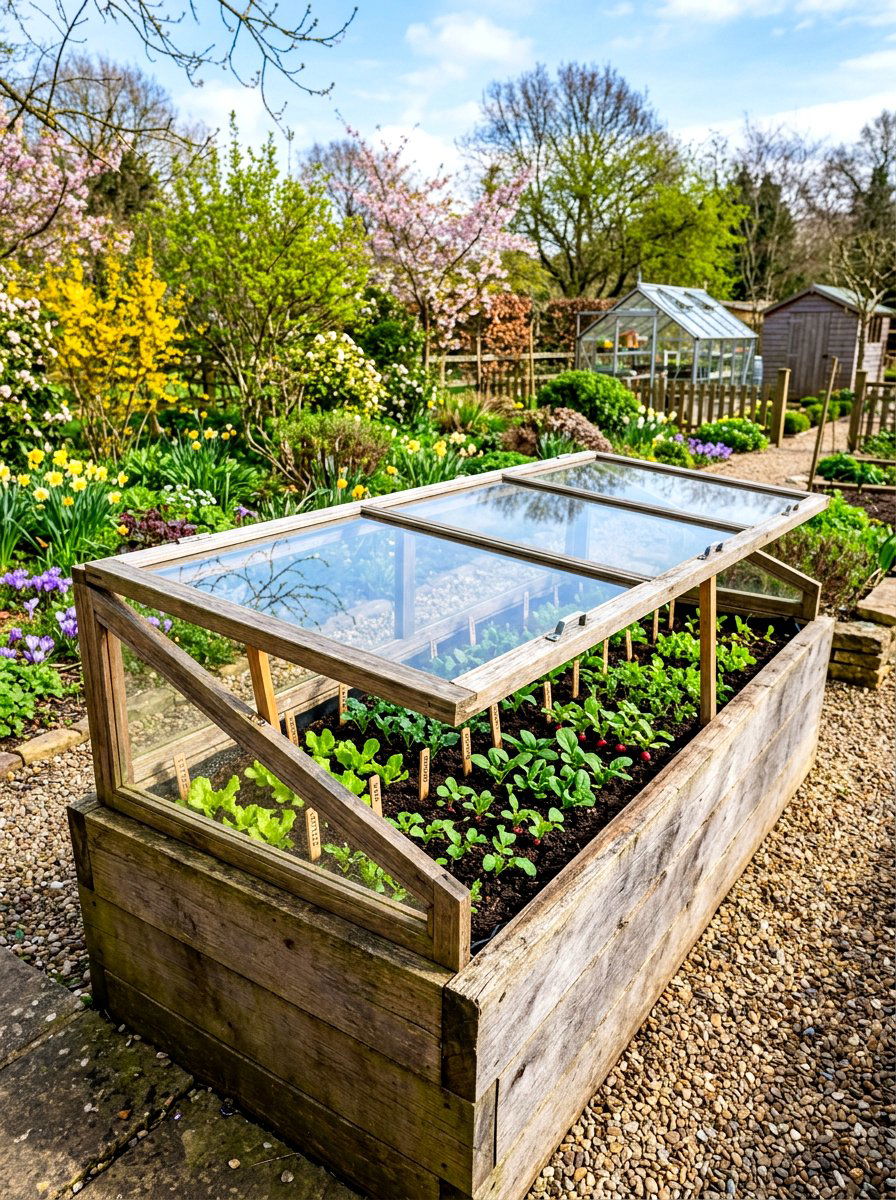
A cold frame garden is an essential feature for anyone looking to extend their growing season and enjoy fresh greens even when the weather turns chilly. These simple structures consist of a low wooden frame with a transparent glass or plastic lid that traps solar heat, acting like a miniature greenhouse. Placing a cold frame in a sunny spot in your backyard allows you to start seeds earlier in the spring and keep harvesting spinach or kale late into the winter. This practical addition to your landscape can be designed to match your existing raised beds for a cohesive look. It is a functional and smart way to maximize the productivity of your edible backyard.
30. Keyhole Garden
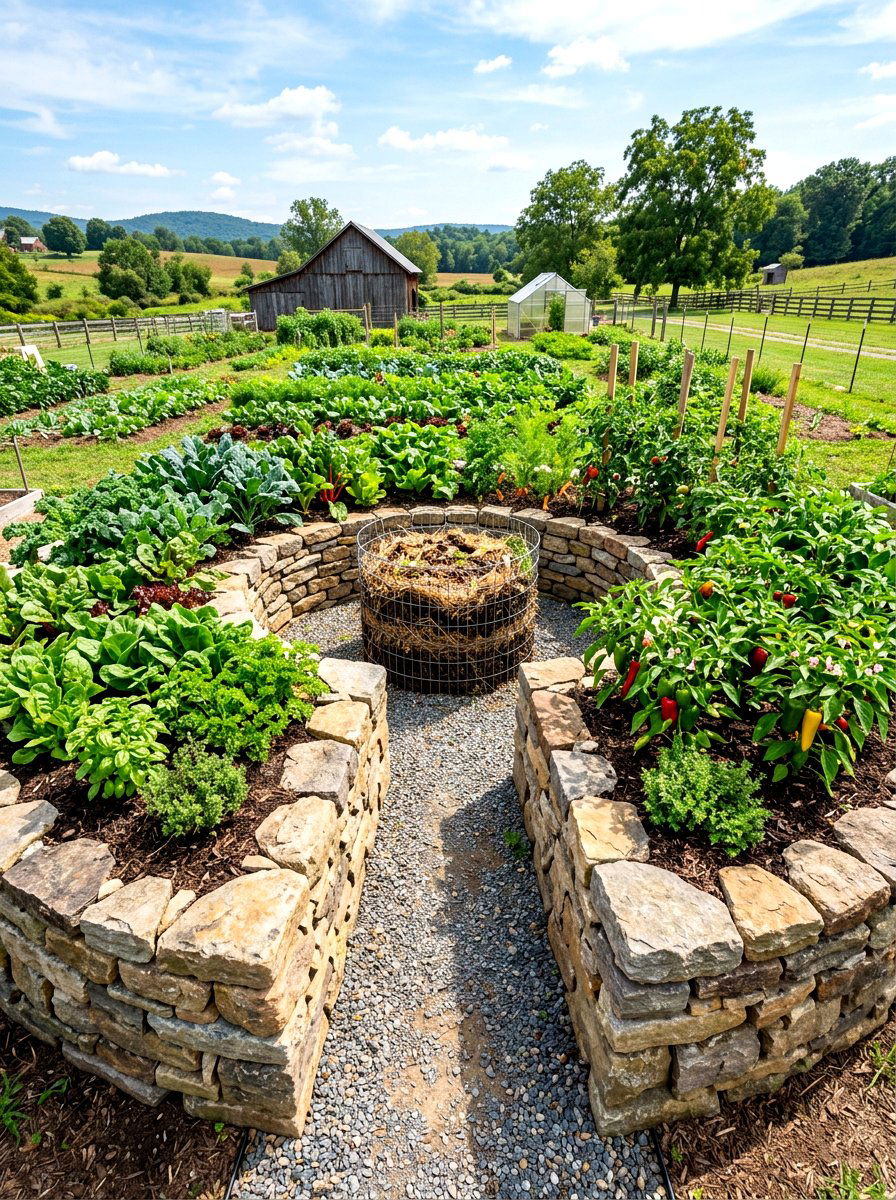
A keyhole garden is a unique and highly efficient circular raised bed that incorporates a central composting basket to feed your plants naturally. The design features a small notch, like a keyhole, that allows you to walk into the center to easily reach all parts of the garden for planting and harvesting. This sustainable landscaping idea is perfect for dry climates as the central compost holds moisture and slowly releases nutrients directly into the root zone of your vegetables. The circular shape and mounded soil create an interesting visual focal point in the backyard. It is a brilliant example of permaculture that turns kitchen scraps into a lush, productive garden bed with very little effort.
Conclusion:
Embracing edible backyard landscaping is a transformative way to connect with nature while enhancing the value and beauty of your home. By integrating fruit trees, berry bushes, and vibrant vegetable plots into your yard, you create a living ecosystem that nourishes both the body and the soul. Whether you choose the structured elegance of a potager garden or the space-saving brilliance of a vertical herb wall, the result is a landscape that works for you. This sustainable approach to gardening reduces your reliance on grocery stores and ensures that your family has access to the freshest, most flavorful produce possible. Start small and watch as your backyard flourishes into a bountiful, edible sanctuary for all.

Related posts: