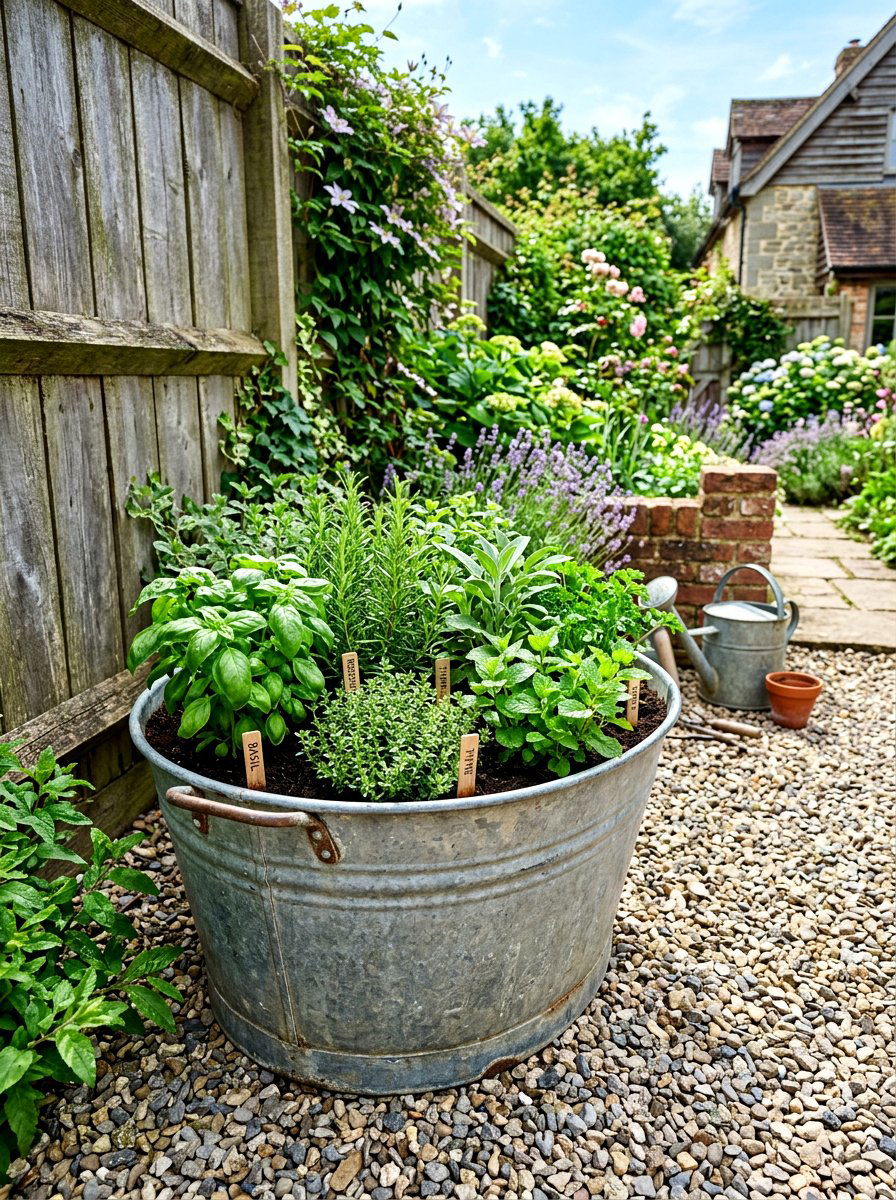
Transforming your rooftop into a lush herb garden is a rewarding way to maximize urban space while enhancing your culinary life. Many city dwellers find that rooftops offer the perfect amount of sunlight for sun-loving Mediterranean herbs like rosemary and thyme. Beyond the practical benefits of having fresh ingredients, these green spaces provide a peaceful retreat from the busy city below. Building a garden in the sky requires some planning regarding wind, weight, and water access. However, the result is a beautiful and fragrant oasis that improves air quality and supports local pollinators. This guide explores creative ways to organize your rooftop plants for maximum impact and beauty.
1. Vertical herb garden wall
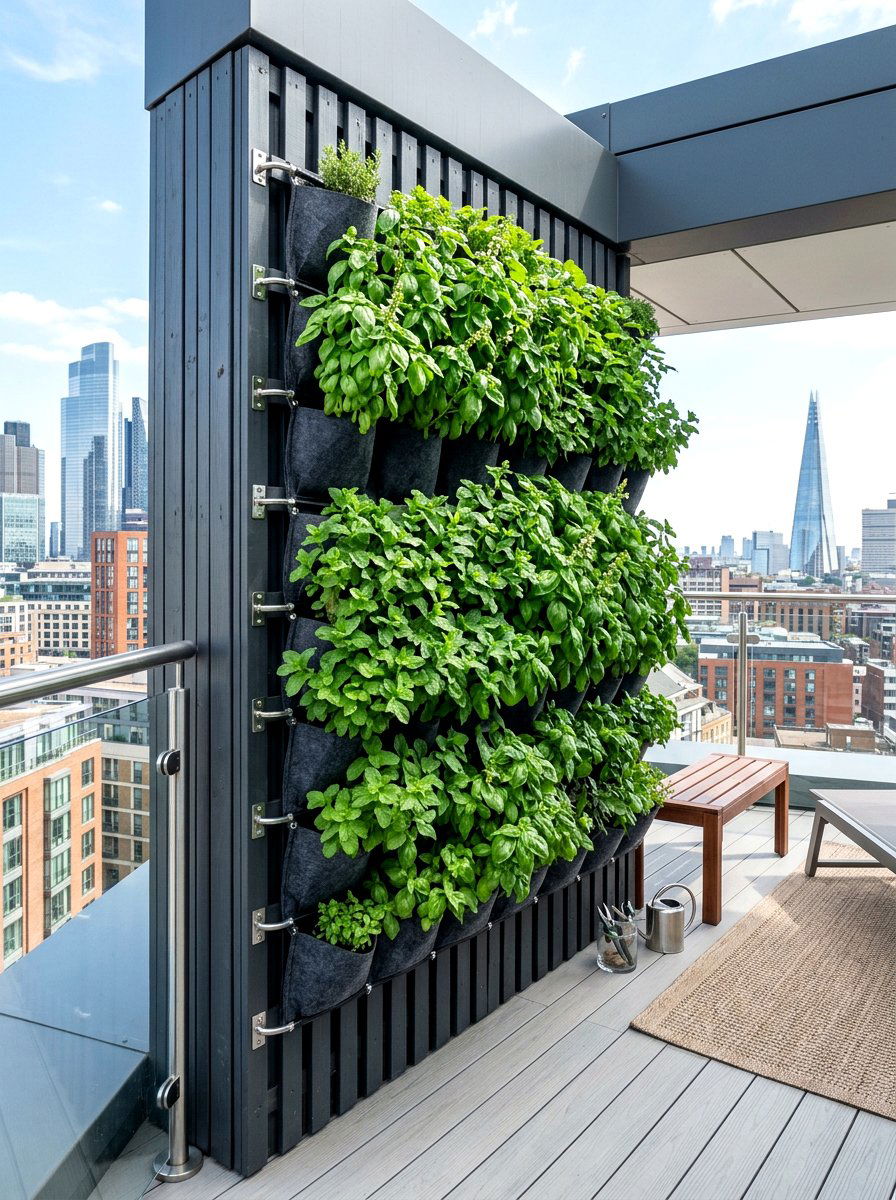
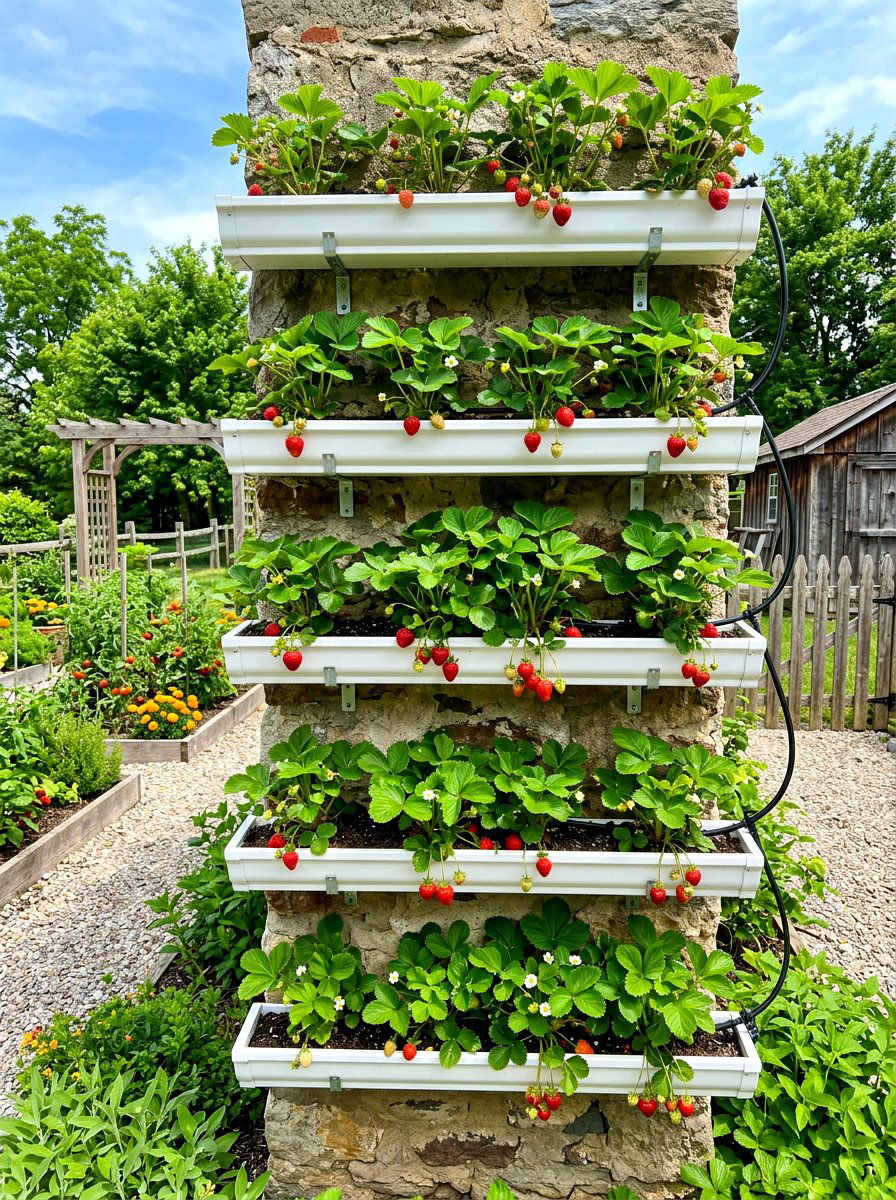
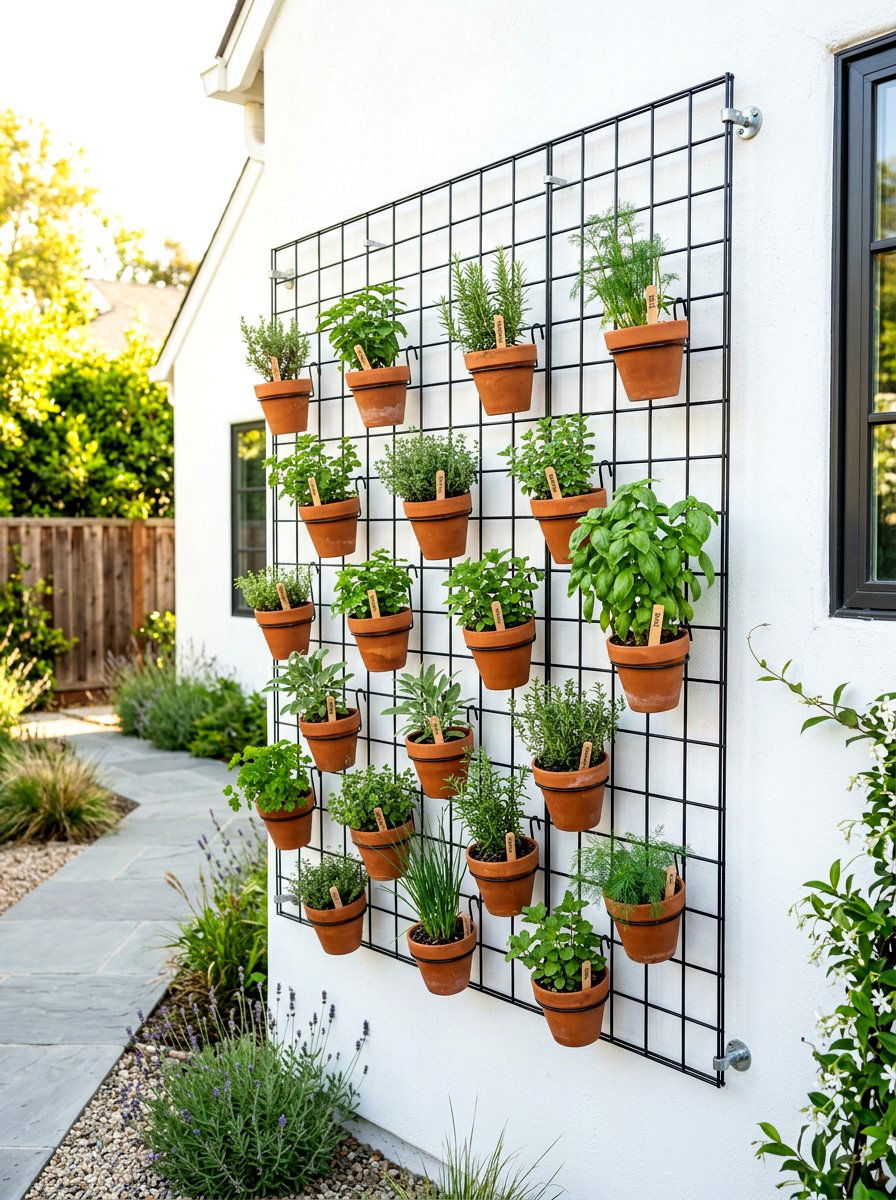
Installing a vertical herb garden wall is a brilliant way to save floor space on a small rooftop. You can use felt pockets, wooden slats, or metal grids to secure your favorite herbs at eye level. This setup allows for excellent air circulation, which helps prevent fungal issues in humid urban environments. Most vertical systems are lightweight, making them safe for roof structures that have weight limitations. You should place moisture-loving herbs like parsley and mint at the bottom where water naturally settles. Sun-drenched herbs like oregano thrive better at the top where light is most intense. This living wall also acts as natural insulation for your building.
2. Raised herb garden bed
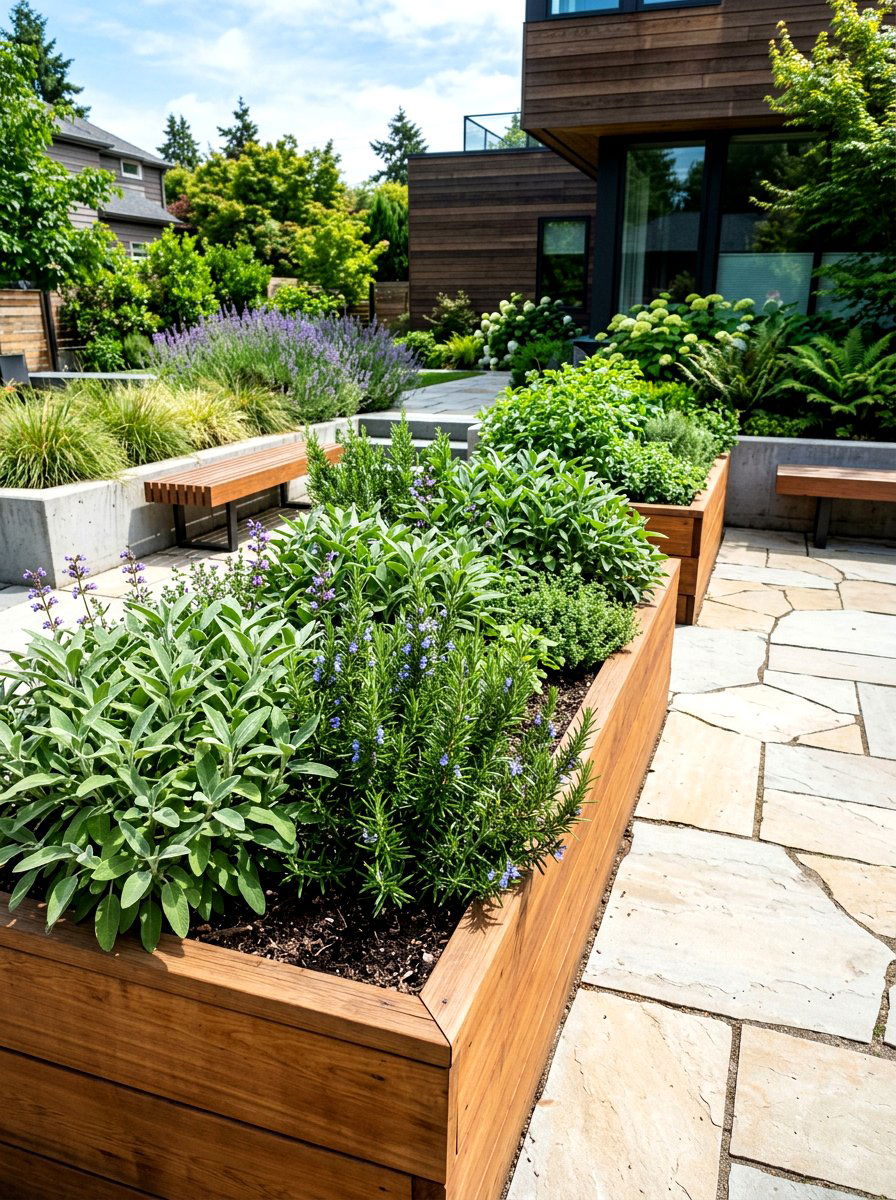
A raised herb garden bed provides the depth necessary for deep-rooted plants while keeping your rooftop organized. These beds are usually constructed from cedar or recycled plastic to ensure they remain lightweight and weather-resistant. By elevating the soil, you provide better drainage and prevent the roof surface from retaining too much moisture. You can fill these beds with a high-quality potting mix specifically designed for edible plants to ensure high yields. Strategic placement of raised beds can also help define different zones on your rooftop, such as a dining area or a lounging spot. It is a practical solution for growing large quantities of basil, sage, and cilantro.
3. Potted herb garden containers
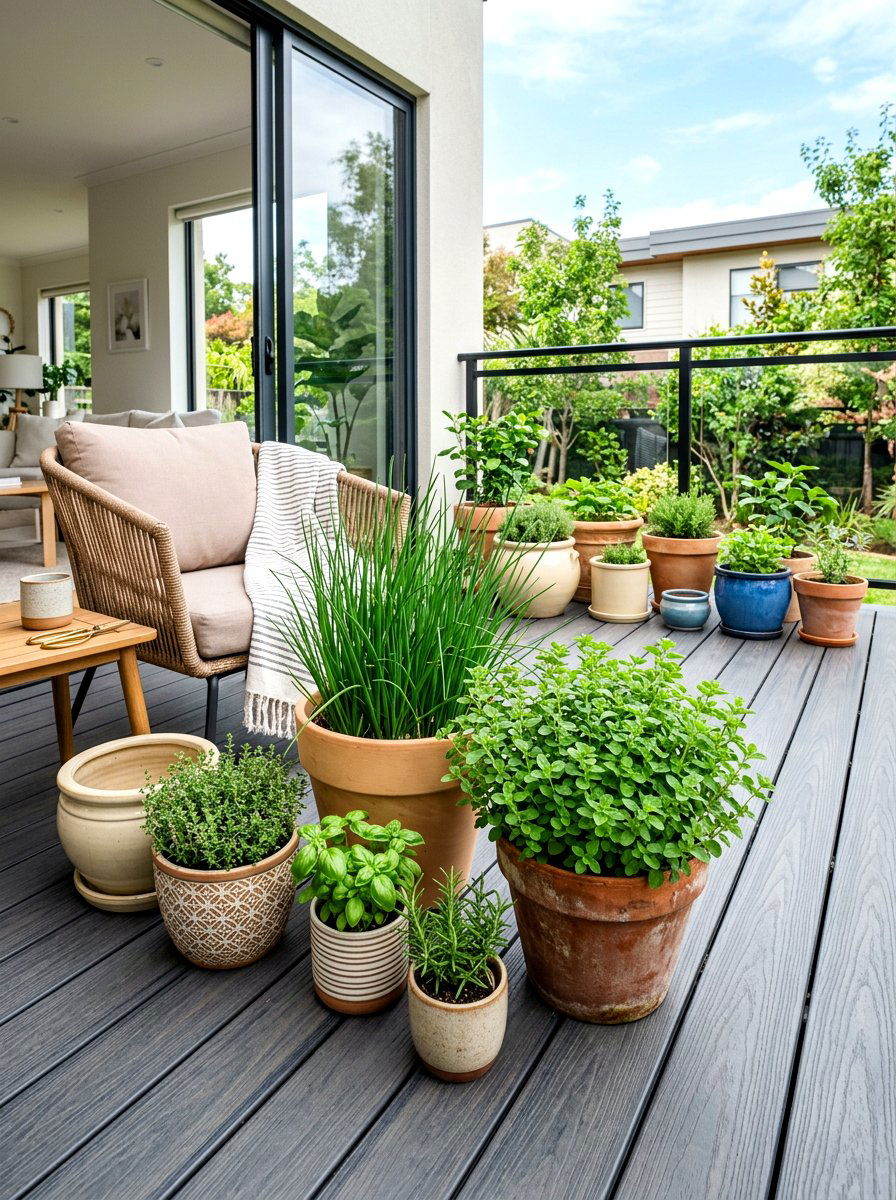
Using potted herb garden containers offers the ultimate flexibility for urban gardeners who like to rearrange their space. You can choose from various materials like terracotta, ceramic, or lightweight fiberglass to match your personal style. Pots allow you to control the soil environment for each specific herb, which is helpful since rosemary prefers dry soil while chives need more moisture. Large pots can serve as anchors in the corners of your rooftop, while smaller ones can be grouped on tables. During extreme weather or winter months, portable containers are easy to move indoors or to a sheltered area. They provide a clean and modular look for any deck.
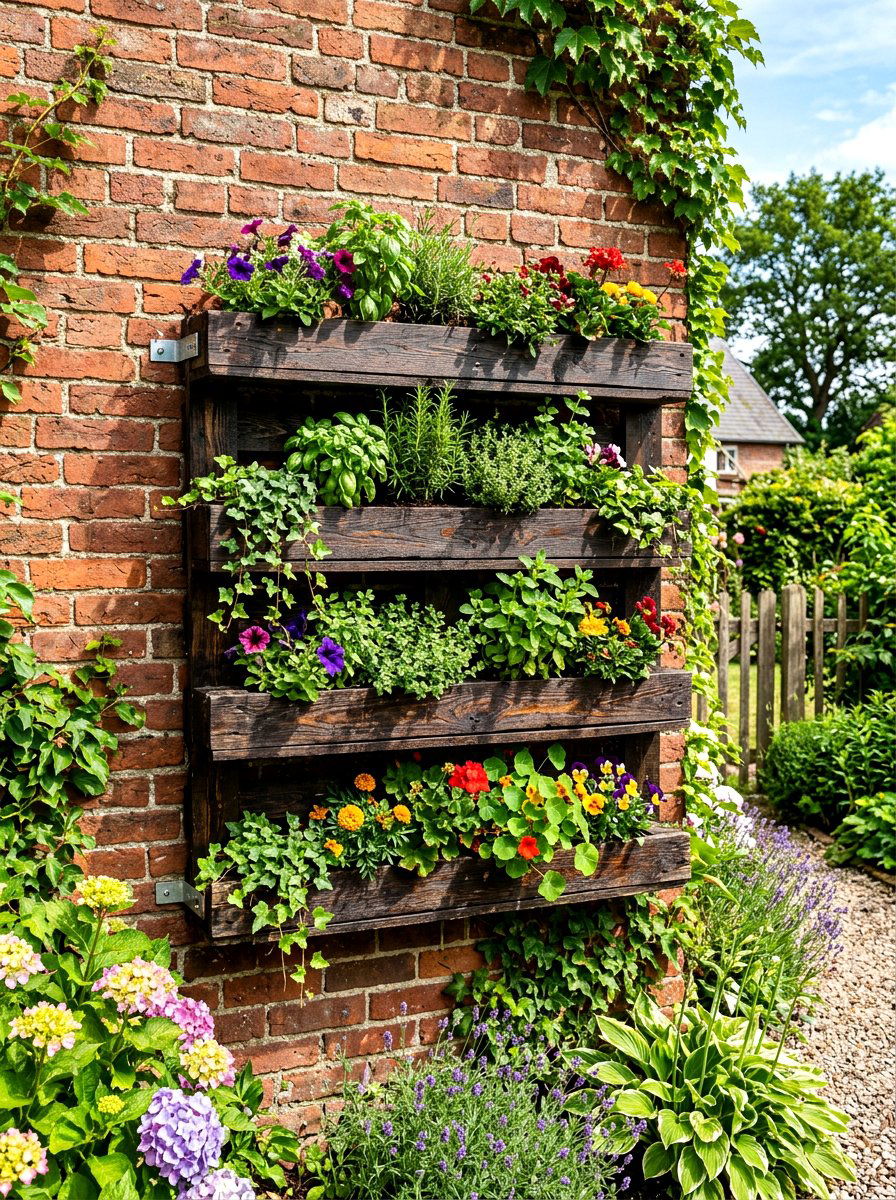
4. Pallet herb garden planter
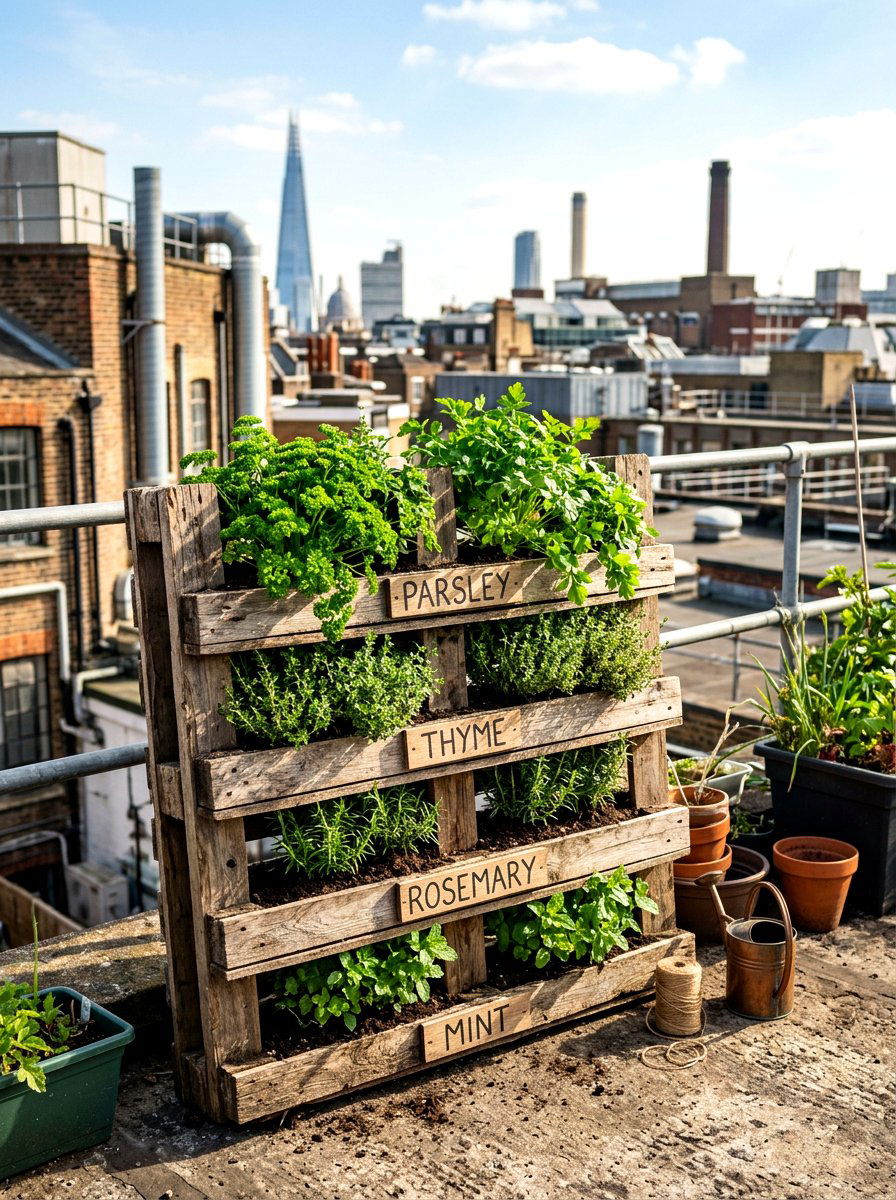
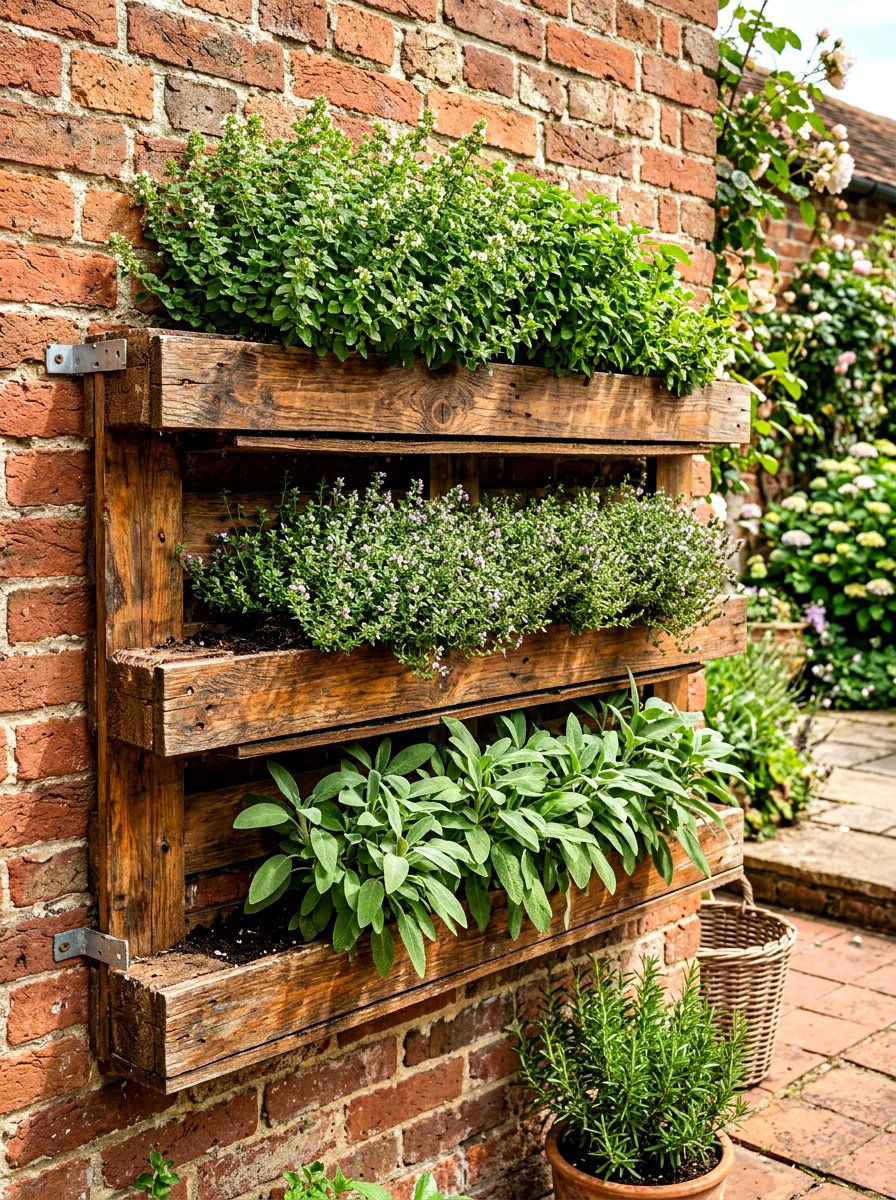
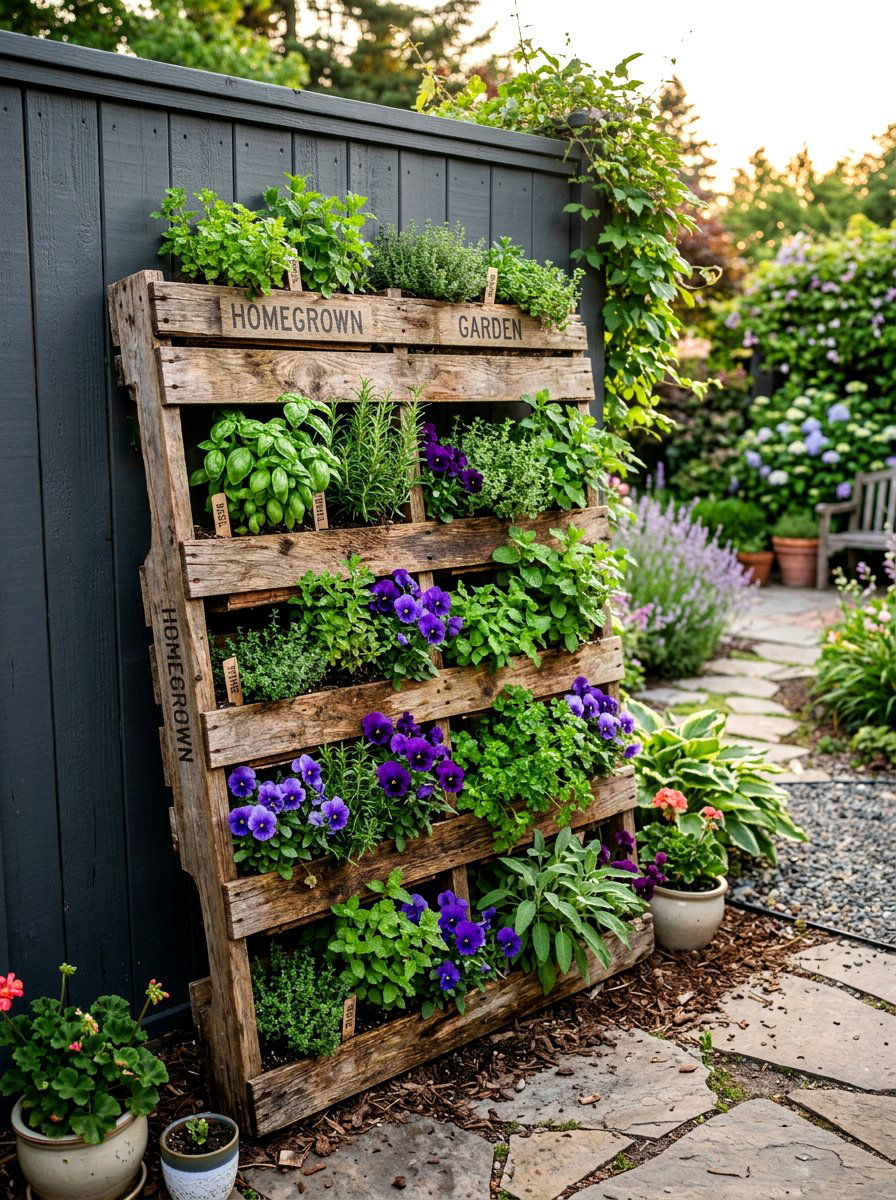
A pallet herb garden planter is an eco-friendly and cost-effective project that adds a rustic charm to your rooftop oasis. You can easily repurpose a heat-treated wooden pallet by adding landscaping fabric to create individual planting rows. This vertical approach is perfect for growing smaller herbs like thyme and marjoram without taking up valuable walking space. Painting or staining the wood can help it withstand the harsh sun and wind common on rooftops. Make sure to lean the pallet against a sturdy wall or secure it firmly to prevent it from tipping over during a storm. It is a great way to recycle materials while growing fresh food.
5. Railing herb garden box
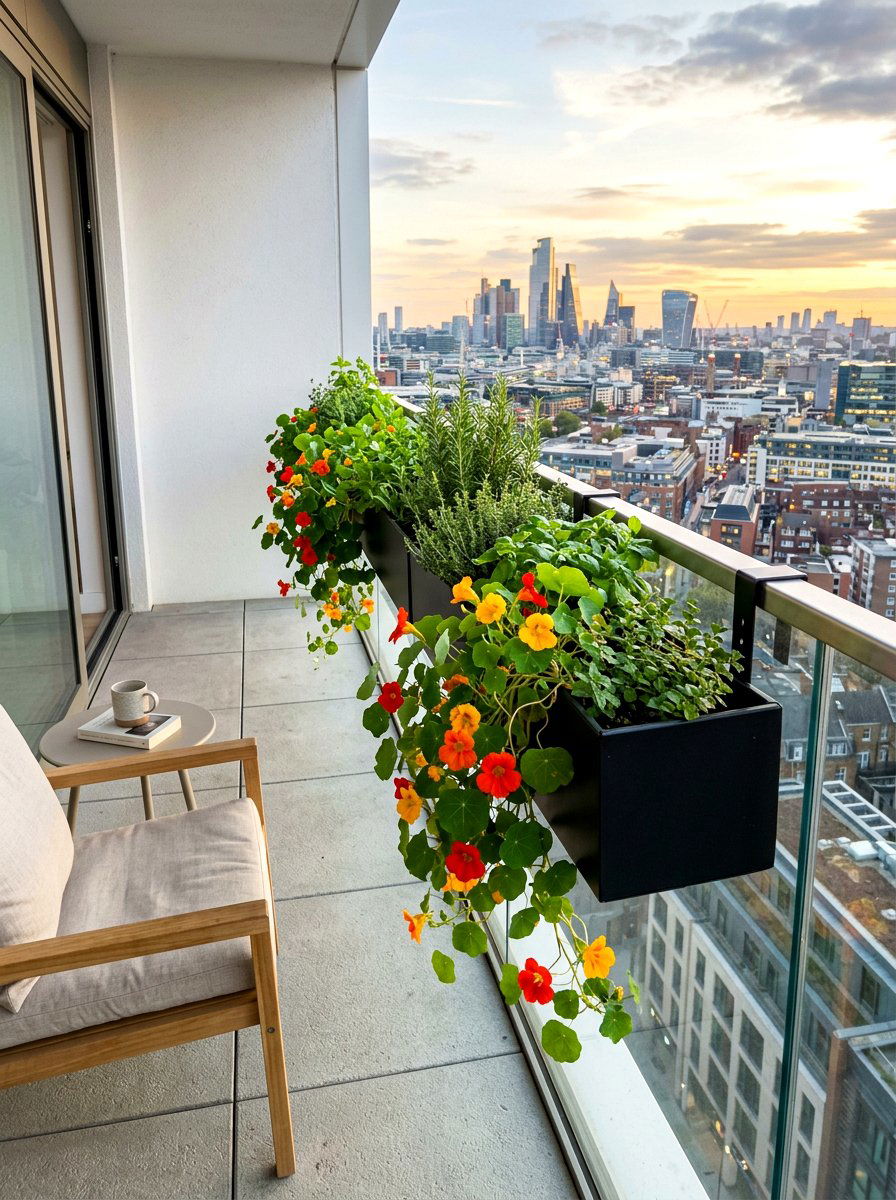
A railing herb garden box is a space-saving essential for rooftops with perimeter fences or safety railings. These long, narrow containers hook directly onto the rail, utilizing the outermost edges of your outdoor area. They are perfect for trailing herbs like creeping thyme or nasturtiums, which can spill over the sides for a beautiful visual effect. Because they sit higher up, these boxes often catch more sunlight than floor-level planters. You should ensure the brackets are securely fastened to handle the weight of wet soil and wind resistance. This placement keeps your culinary herbs within easy reach whenever you are grilling or entertaining guests outdoors.
6. Hanging herb garden baskets
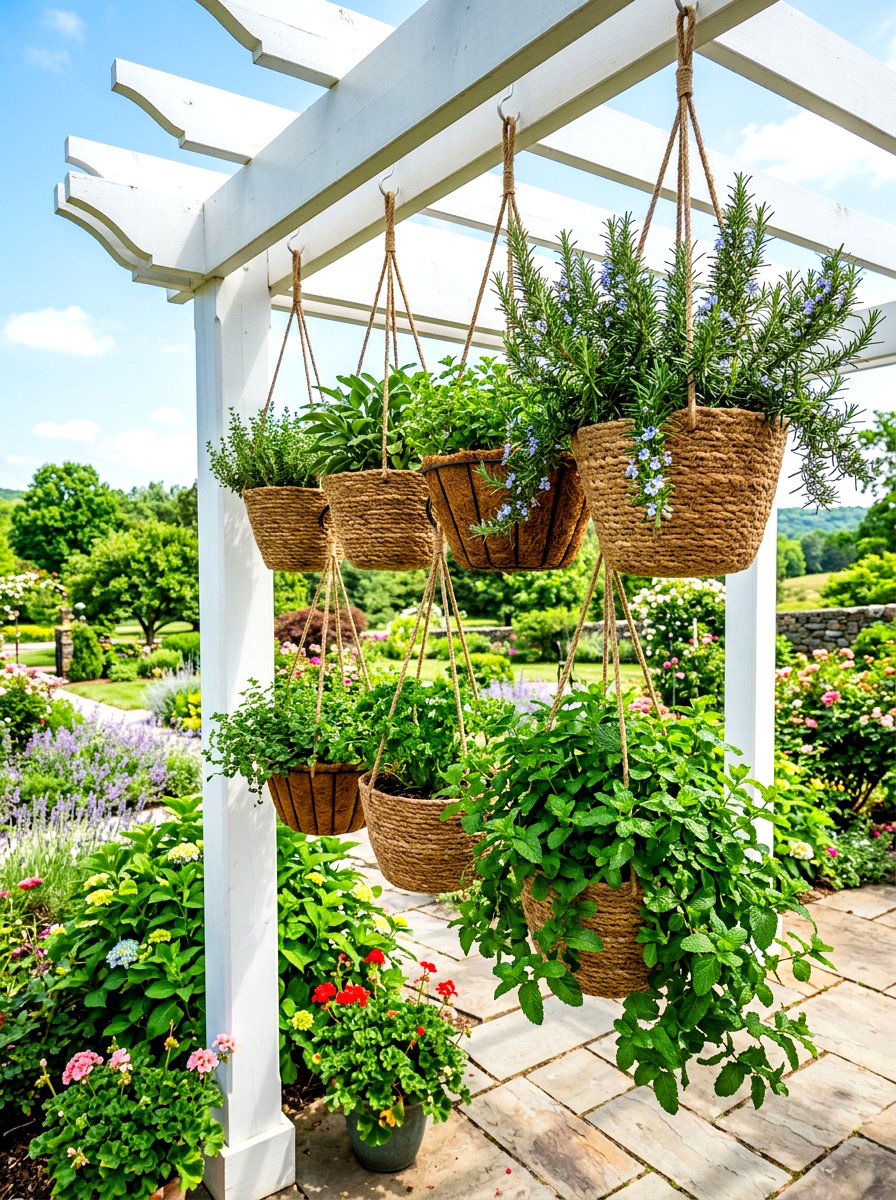
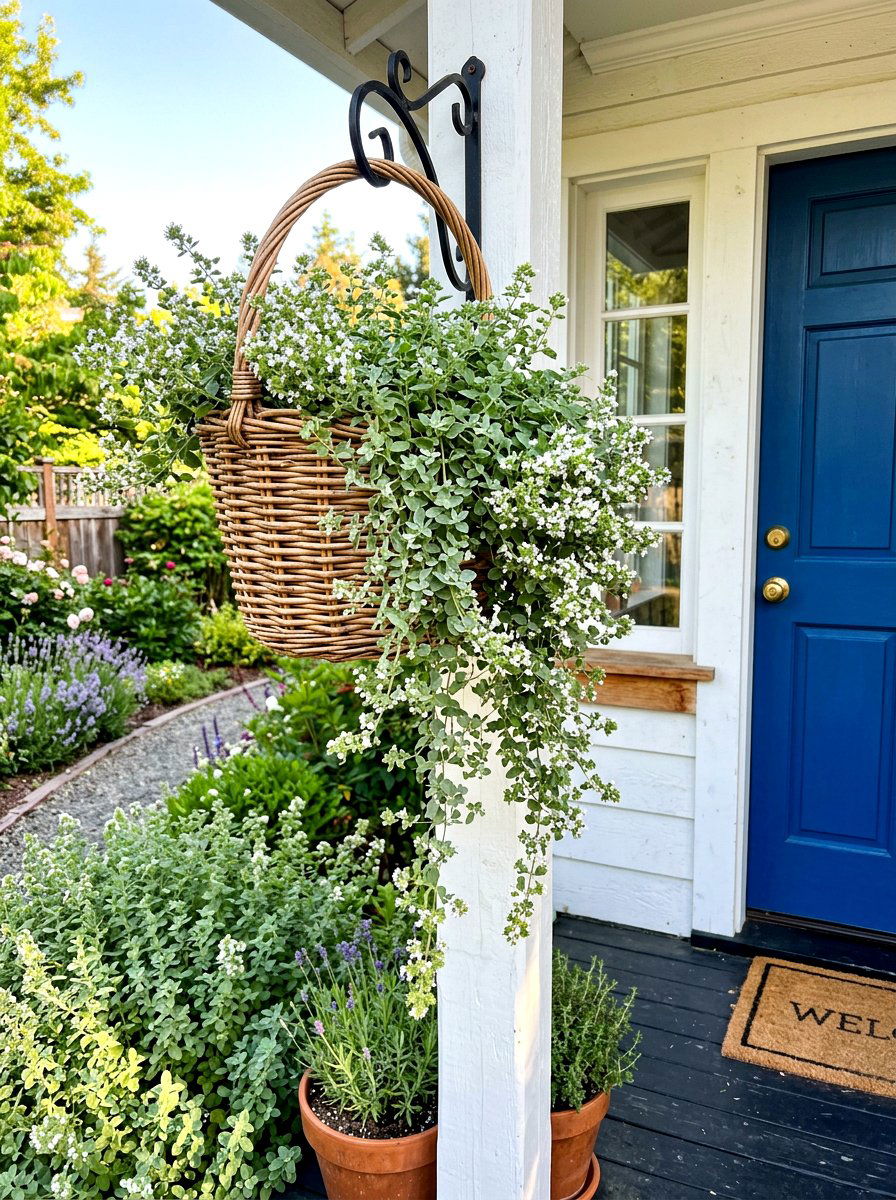
Hanging herb garden baskets add a lovely layer of greenery at different heights, creating a more immersive outdoor experience. These baskets are ideal for rooftops with pergolas or overhead beams where you can safely suspend plants. Herbs with a cascading growth habit, such as certain varieties of rosemary or mint, look stunning when they overflow from a hanging container. Using coco coir liners helps with moisture retention, which is crucial on windy rooftops that tend to dry out quickly. Be mindful of the weight and ensure your hanging hardware is rated for outdoor use. These suspended gardens help draw the eye upward and make the space feel larger.
7. Tiered herb garden rack
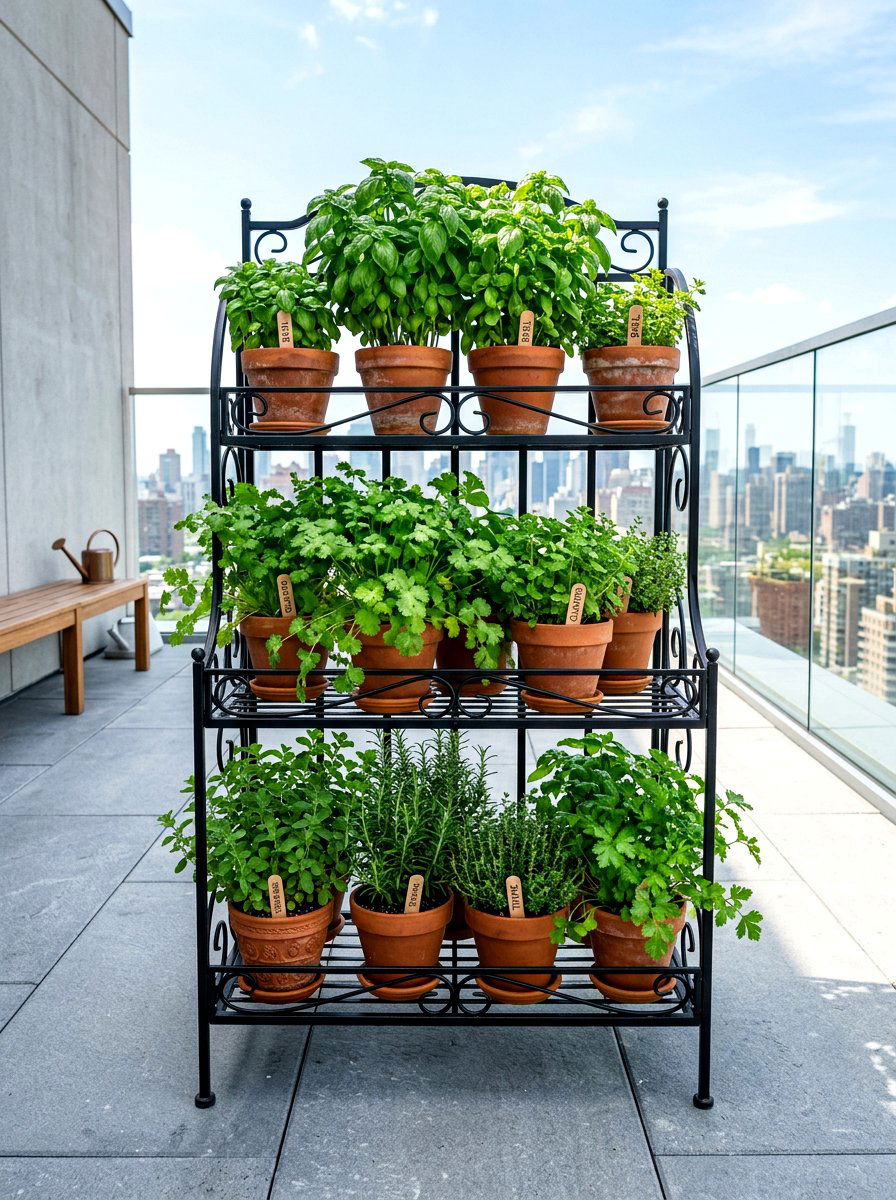
A tiered herb garden rack is a fantastic organizational tool that allows you to display a diverse collection of plants in a small footprint. These multi-level stands create a waterfall effect of greenery, making it easy to see and harvest every herb. You can place the sun-hungry herbs on the top tier and the more delicate ones on the shaded lower levels. This vertical arrangement also makes watering more efficient, as excess water from the top can sometimes drip down to the plants below. Metal or wooden racks are durable choices that can withstand the elements. They provide a structured, tidy appearance that complements modern rooftop architecture.
8. Wood herb garden crate
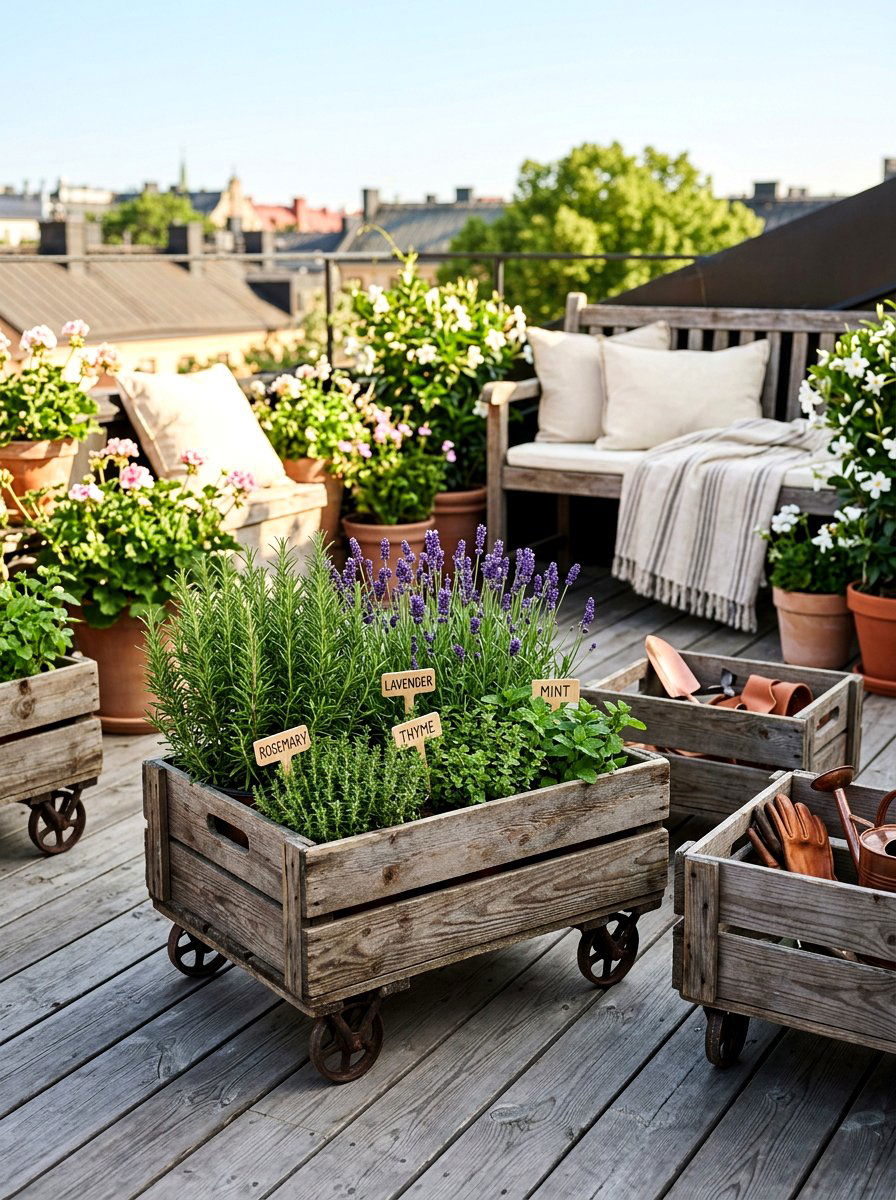
A wood herb garden crate offers a vintage and cozy aesthetic that works well in any urban setting. You can group several crates together to create a modular garden that looks like a mini farm in the sky. These crates are deep enough for most herbs and can be lined with plastic to protect the wood from rot. Adding wheels to the bottom of the crates makes them mobile, allowing you to chase the sun as the seasons change. Using reclaimed wood gives the garden a sustainable story and a unique texture. This style of gardening is very approachable for beginners who want a simple and effective setup.
9. Deck herb garden planters
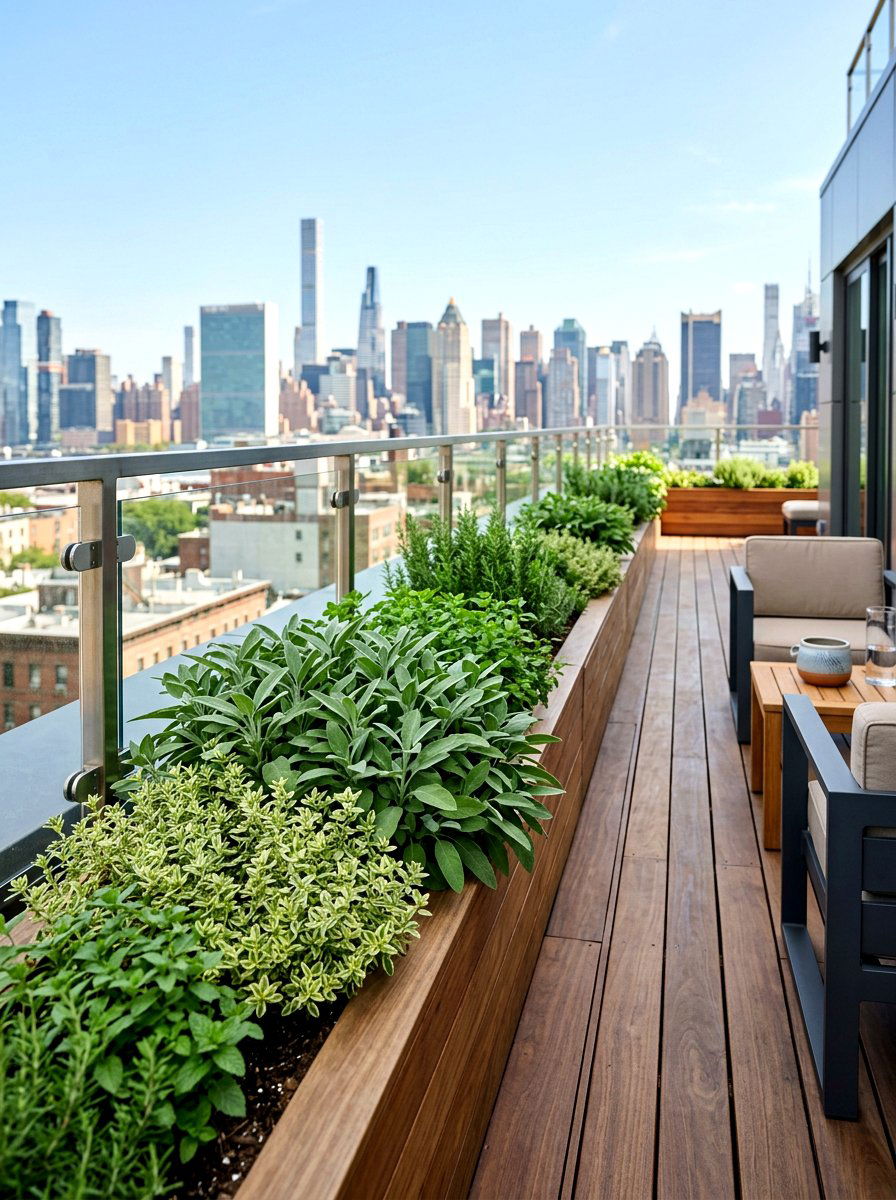
Integrated deck herb garden planters create a seamless and professional look for rooftops with wooden or composite flooring. These built-in units can be designed to match the surrounding decking material, making the garden feel like a permanent part of the architecture. You can use them to create low walls that offer a bit of privacy from neighboring buildings. Since these are often larger than individual pots, they hold more soil and stay hydrated longer. Including a mix of textures, such as soft parsley next to woody rosemary, creates a beautiful contrast. This approach is perfect for those who want a high-end, contemporary outdoor living space.
10. Rooftop herb garden lights
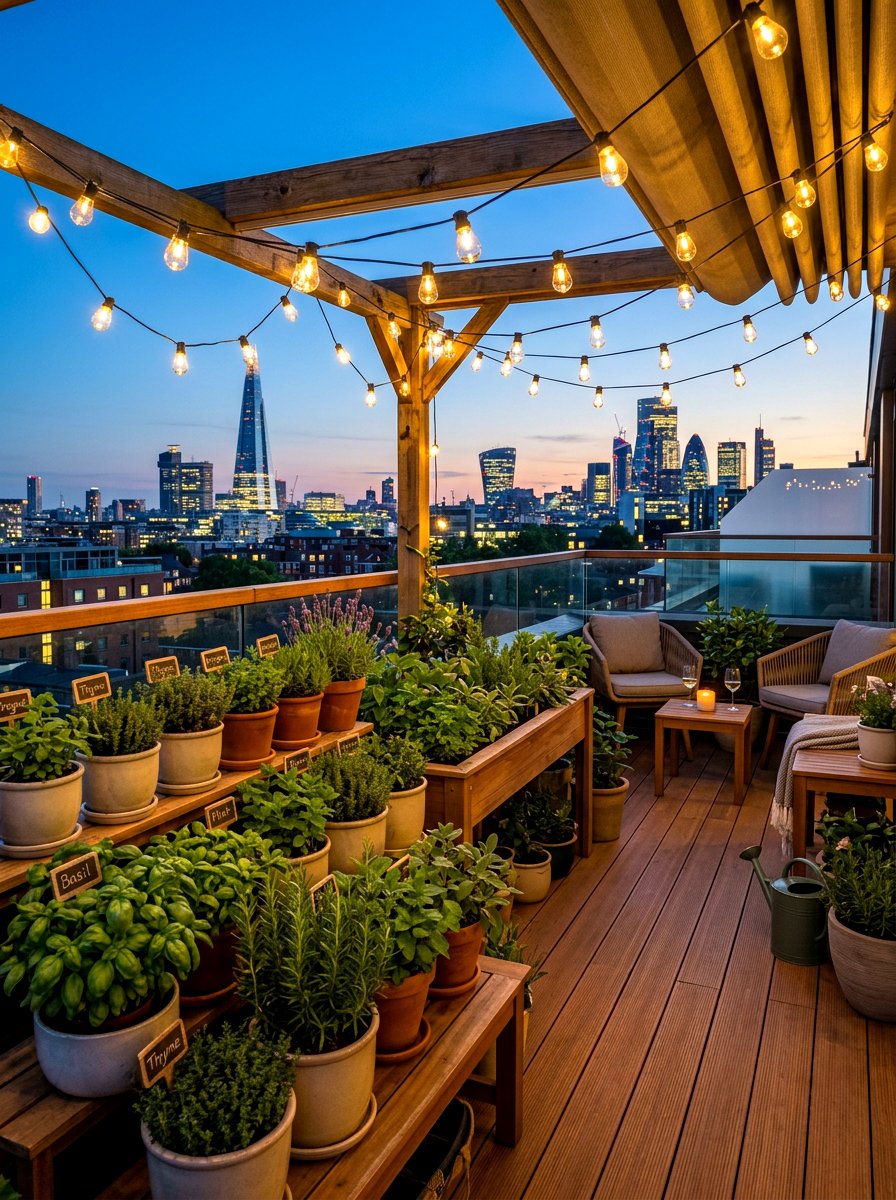
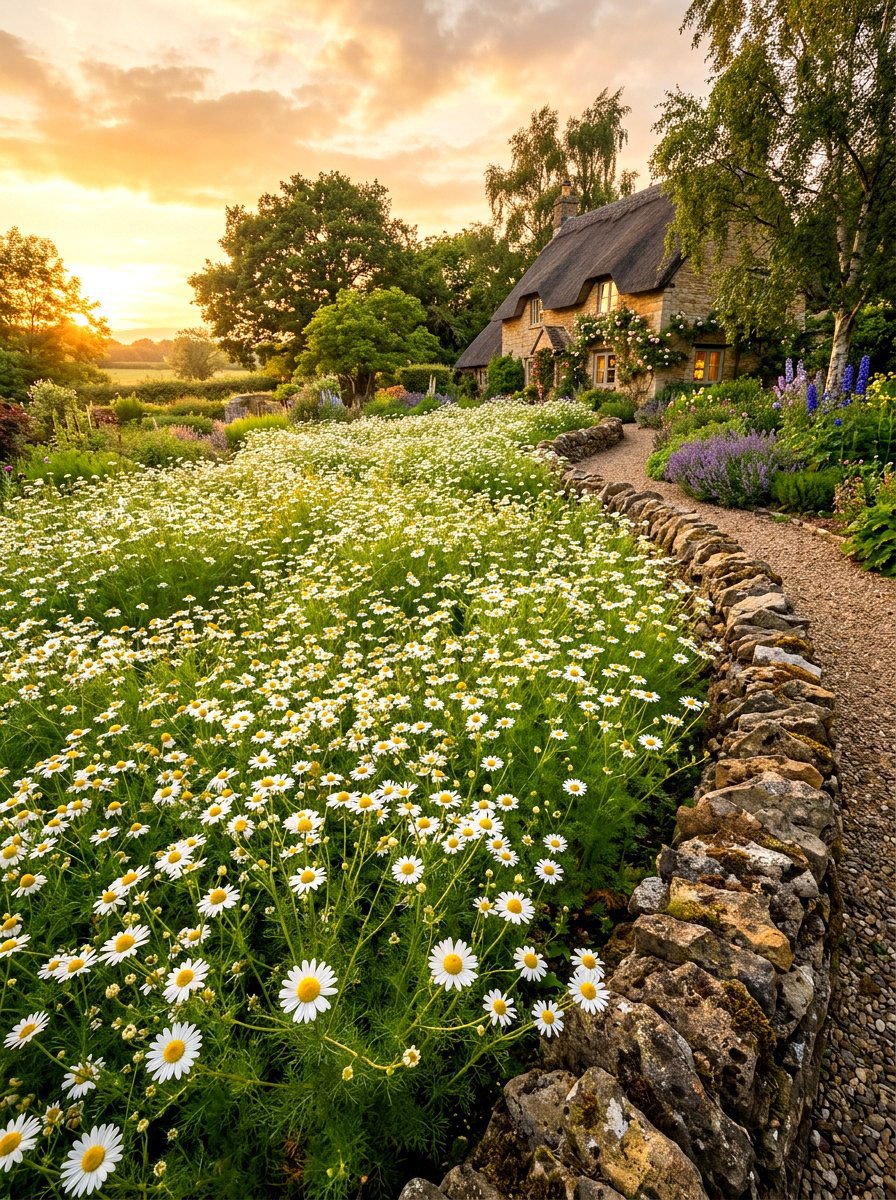
Adding rooftop herb garden lights ensures that your green space remains functional and beautiful long after the sun goes down. String lights draped over your planters or small solar-powered spotlights can highlight the texture of the leaves and stems. Proper illumination makes it safer to harvest fresh herbs for late-night dinners or evening cocktails. Warm white lights create a cozy ambiance, while colored LEDs can add a modern flair to your rooftop party. You should choose weather-rated fixtures that can handle rain and wind exposure. Lighting not only enhances the visual appeal but also turns your herb garden into a tranquil nighttime sanctuary for relaxation.
11. Automatic herb garden watering
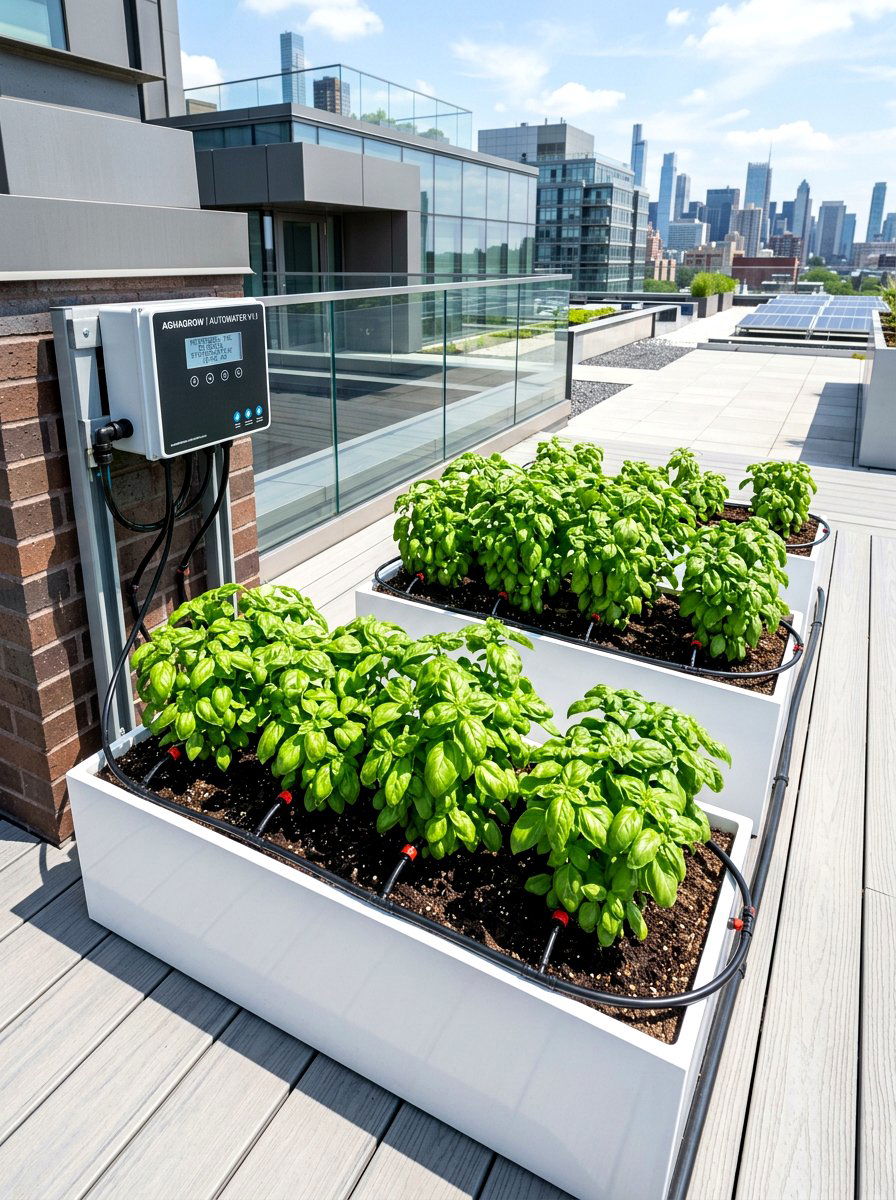
An automatic herb garden watering system is a lifesaver for rooftop gardeners who have busy schedules or travel frequently. Drip irrigation kits are easy to install and can be connected to a simple timer on your outdoor faucet. These systems deliver water directly to the roots, which reduces evaporation and prevents water waste. On a rooftop, where the sun and wind can dry out soil in hours, consistent moisture is key to keeping herbs like basil healthy. You can customize the flow for each pot, ensuring that succulents get less water than thirsty leafy greens. This technology ensures your garden thrives with minimal daily effort.
12. Small rooftop herb garden
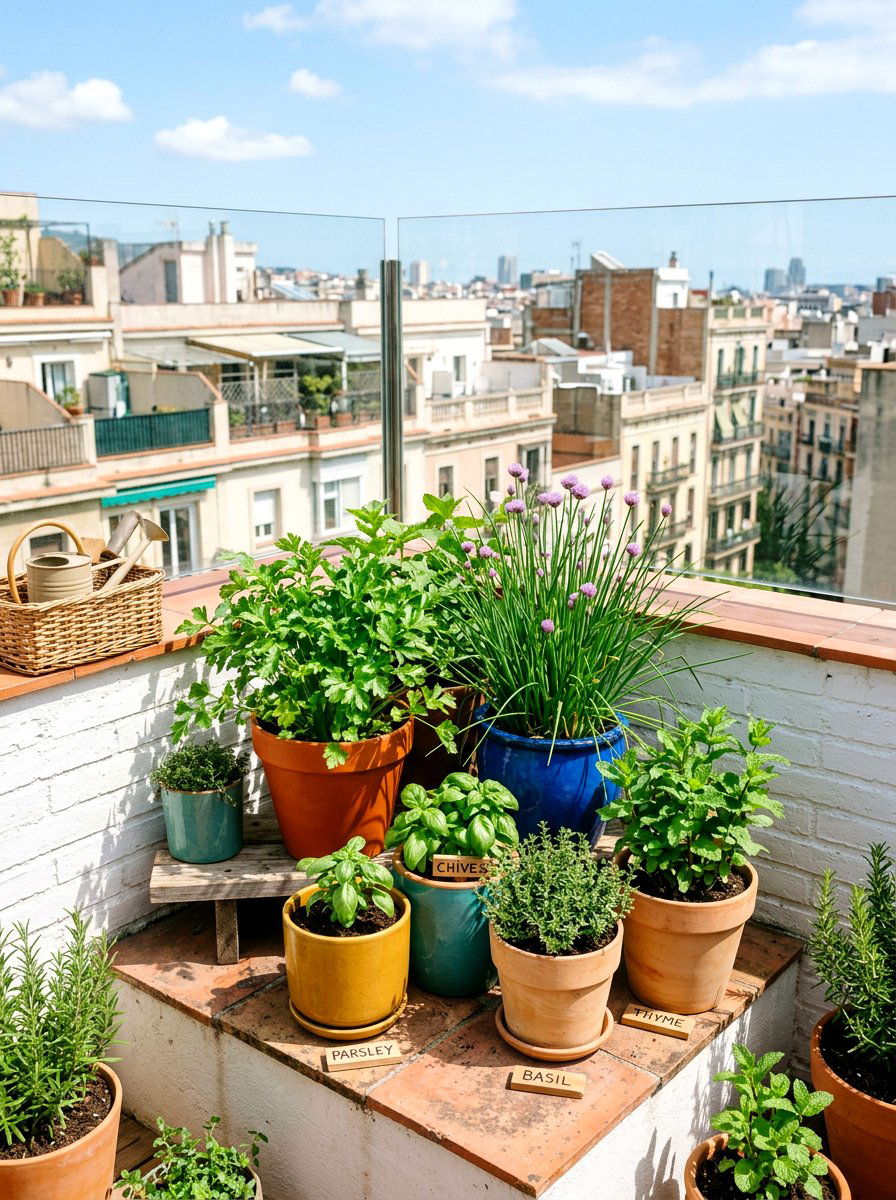
Creating a small rooftop herb garden requires a focus on efficiency and high-yield plants. You can use a single multi-pocket planter or a few well-placed pots to grow all the essentials for a gourmet kitchen. Focus on herbs that you use most often, such as chives, parsley, and cilantro, which don 't require massive amounts of space. Using light-colored containers can help reflect heat and keep the soil cooler during the peak of summer. Even a tiny corner of a roof can become a productive zone with the right planning. This proves that you don' t need a massive terrace to enjoy the benefits of fresh gardening.
13. Concrete herb garden planters
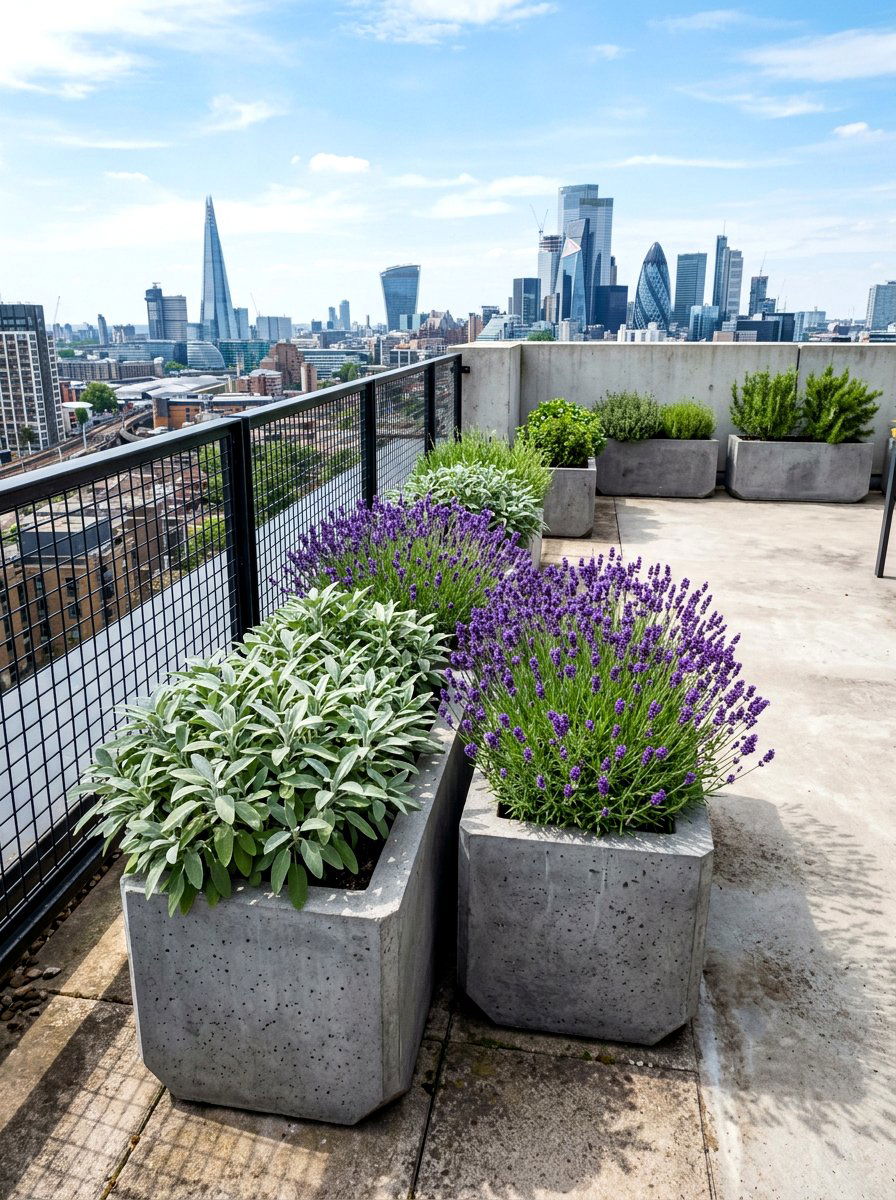
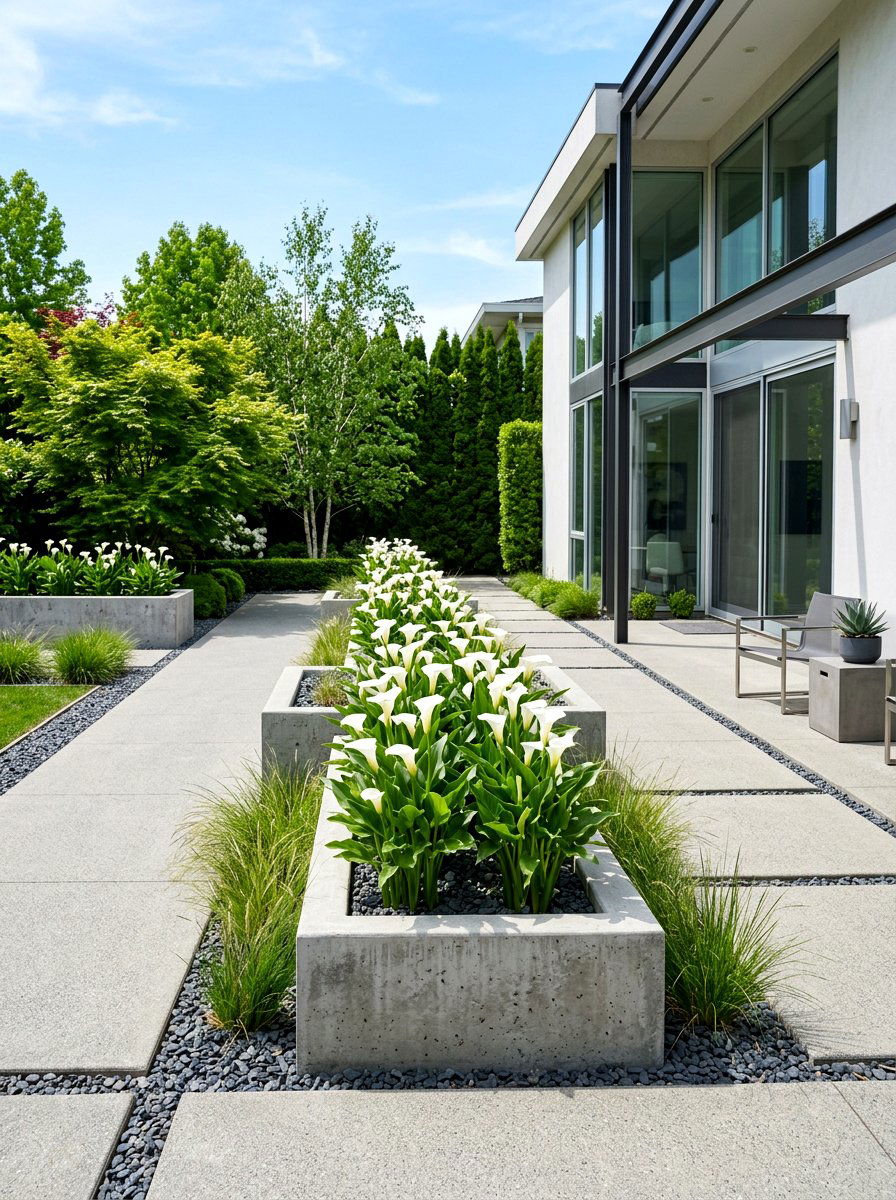
Concrete herb garden planters provide an industrial and modern look that is incredibly durable against high winds. These heavy containers are unlikely to tip over during storms, making them a safe choice for exposed rooftop locations. The thick walls of concrete pots offer good insulation for plant roots against temperature fluctuations. You can find them in various geometric shapes, from long troughs to sleek cylinders, which help create a clean and structured garden layout. They develop a beautiful patina over time, adding character to your outdoor space. Concrete pairs exceptionally well with the green and silver tones of Mediterranean herbs like sage and lavender.
14. Woven herb garden baskets
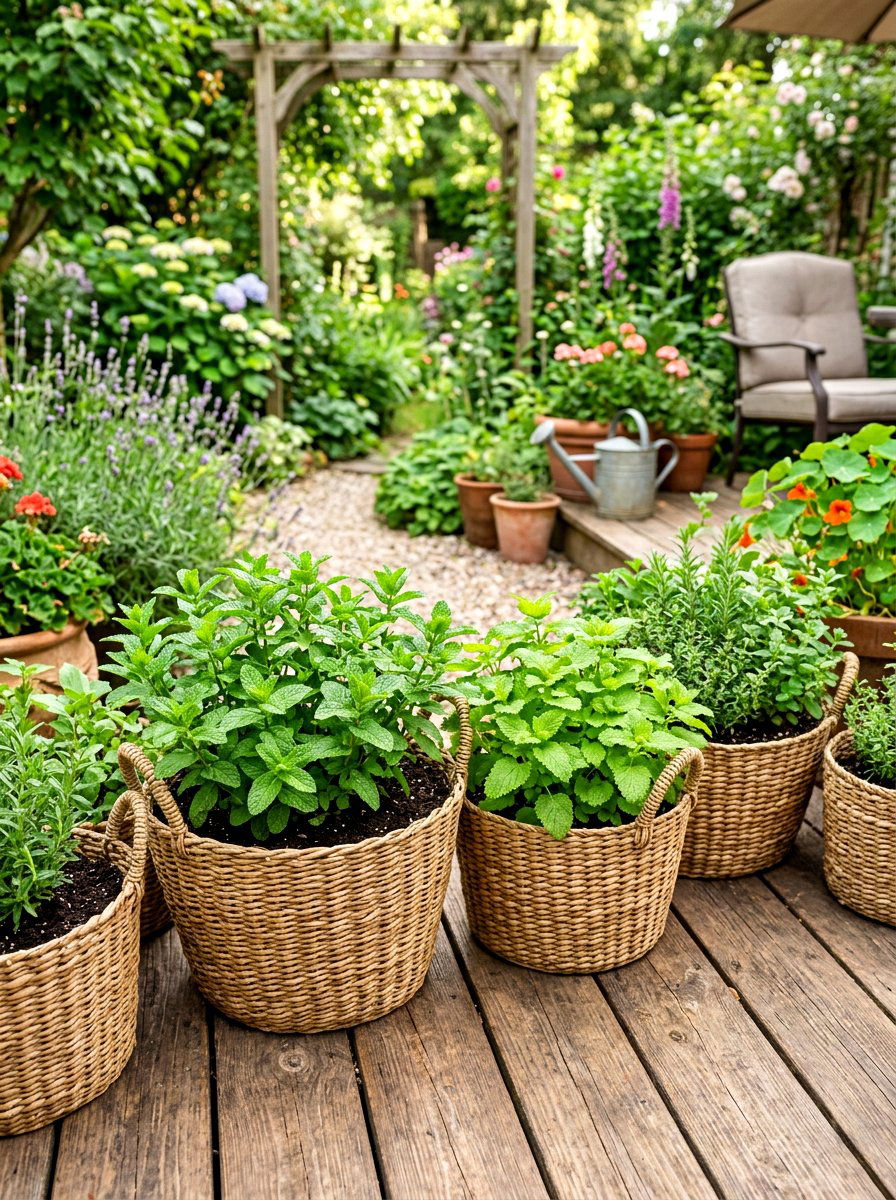
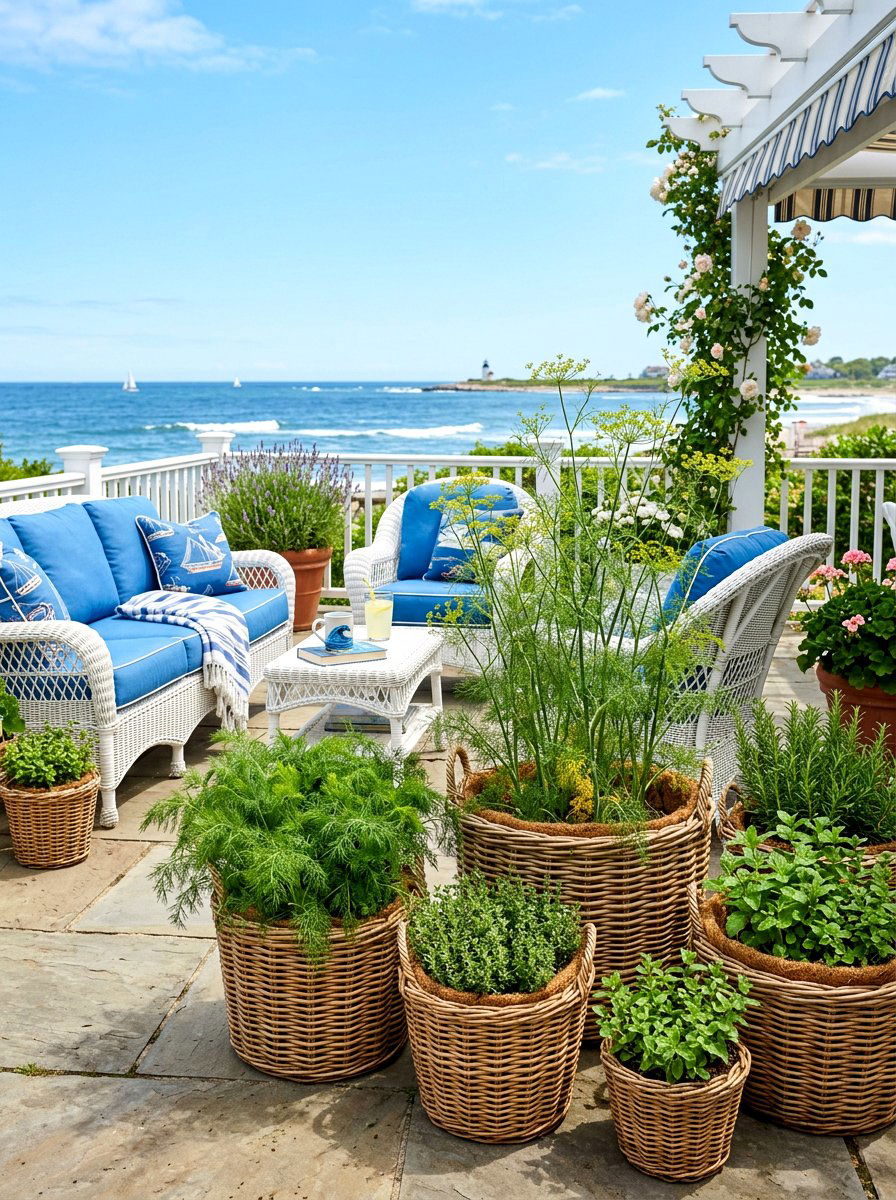
Woven herb garden baskets bring a touch of natural texture and warmth to a sterile rooftop environment. These baskets are usually lined with plastic or landscape fabric to hold the soil while allowing for some breathability. They are perfect for creating a bohemian or cottage-style garden in the middle of the city. Because they are lightweight, they are easy to move around as needed for cleaning or maintenance. You can mix and match different sizes and weave patterns to create a visually interesting display. These containers work best for low-growing herbs that won 't overshadow the intricate details of the basket' s hand-crafted design.
15. Herb garden privacy screen
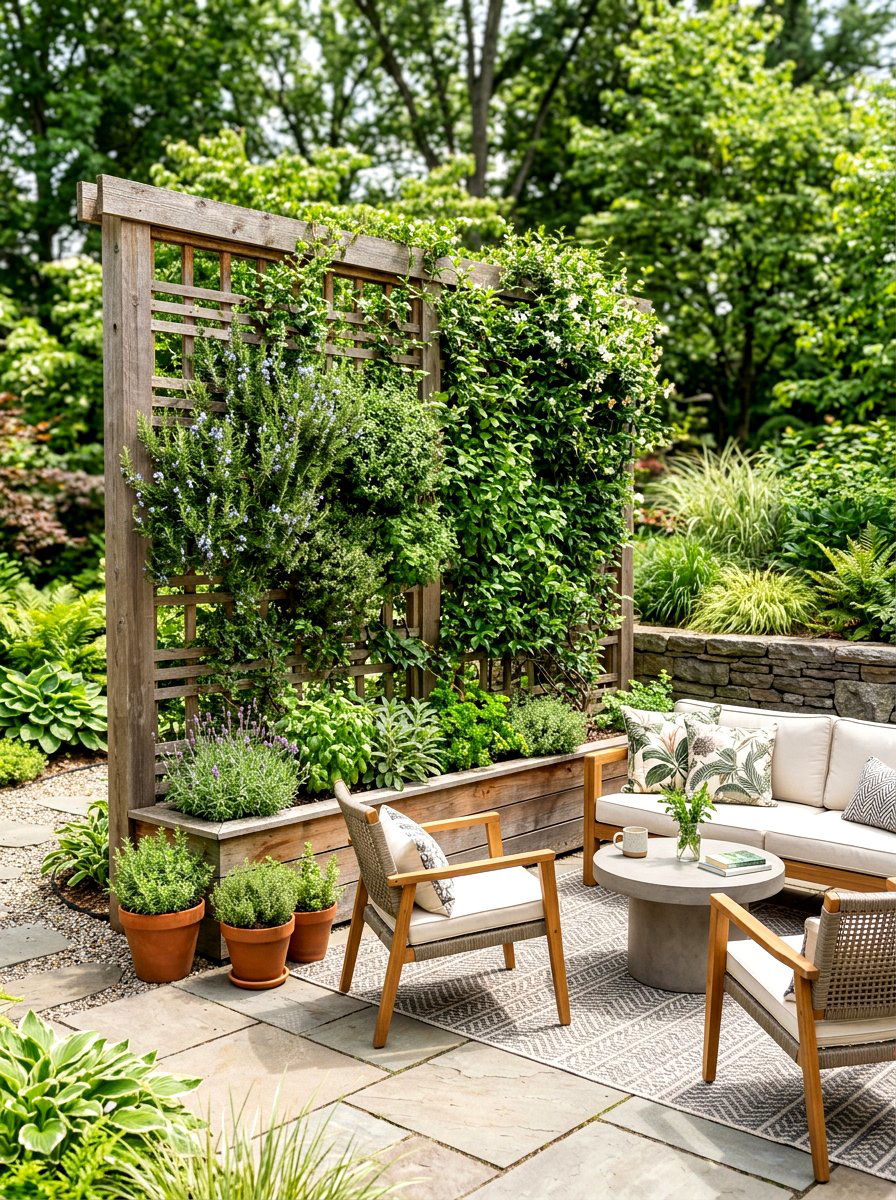
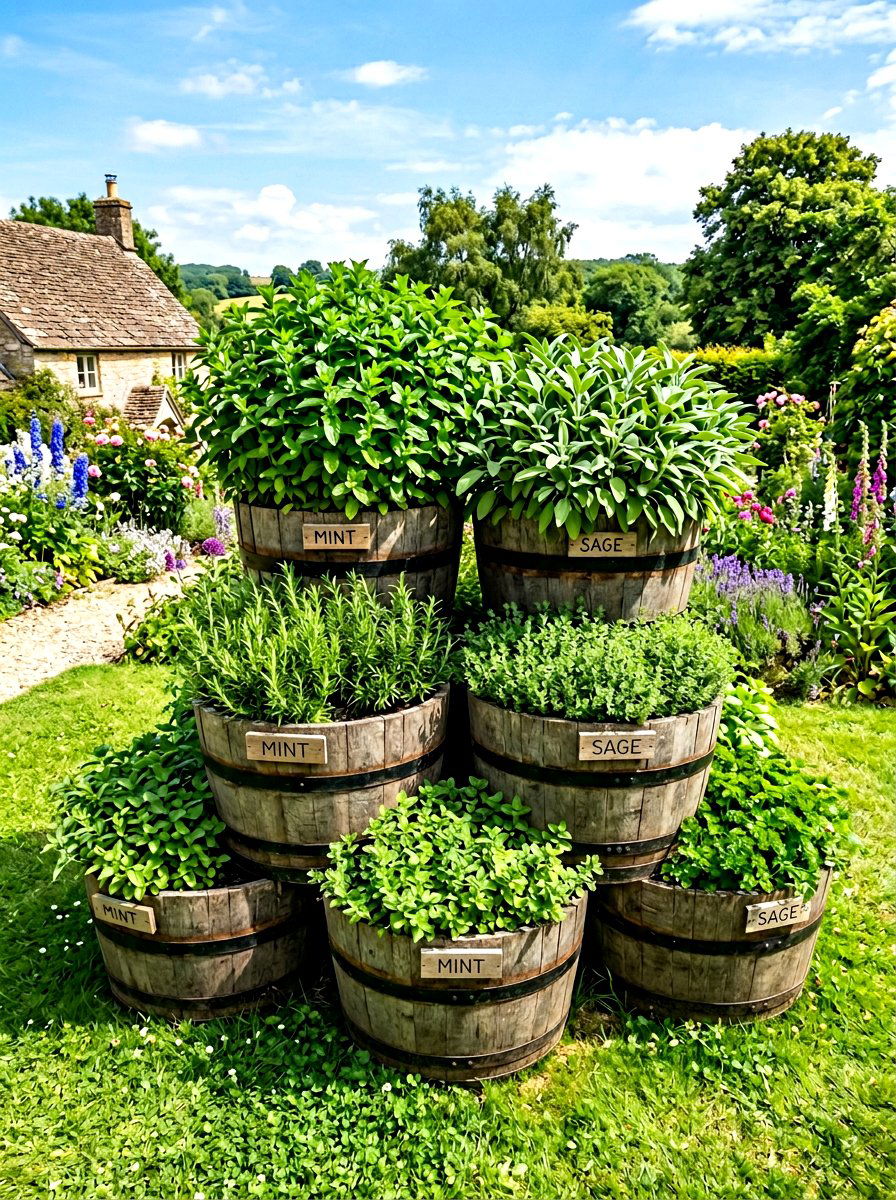
A herb garden privacy screen serves a dual purpose by blocking the view of neighbors while providing a vertical growing space. You can use a tall trellis or a specialized wall unit to grow climbing herbs or tall plants like rosemary and fennel. This living screen creates a more intimate and secluded feel for your rooftop lounge area. It also acts as a windbreak, protecting more delicate potted plants from strong gusts. By choosing fragrant herbs like jasmine or lavender for the screen, you can also enjoy a wonderful aroma whenever you are outside. It is a smart way to maximize function in a limited space.
16. Outdoor herb garden station
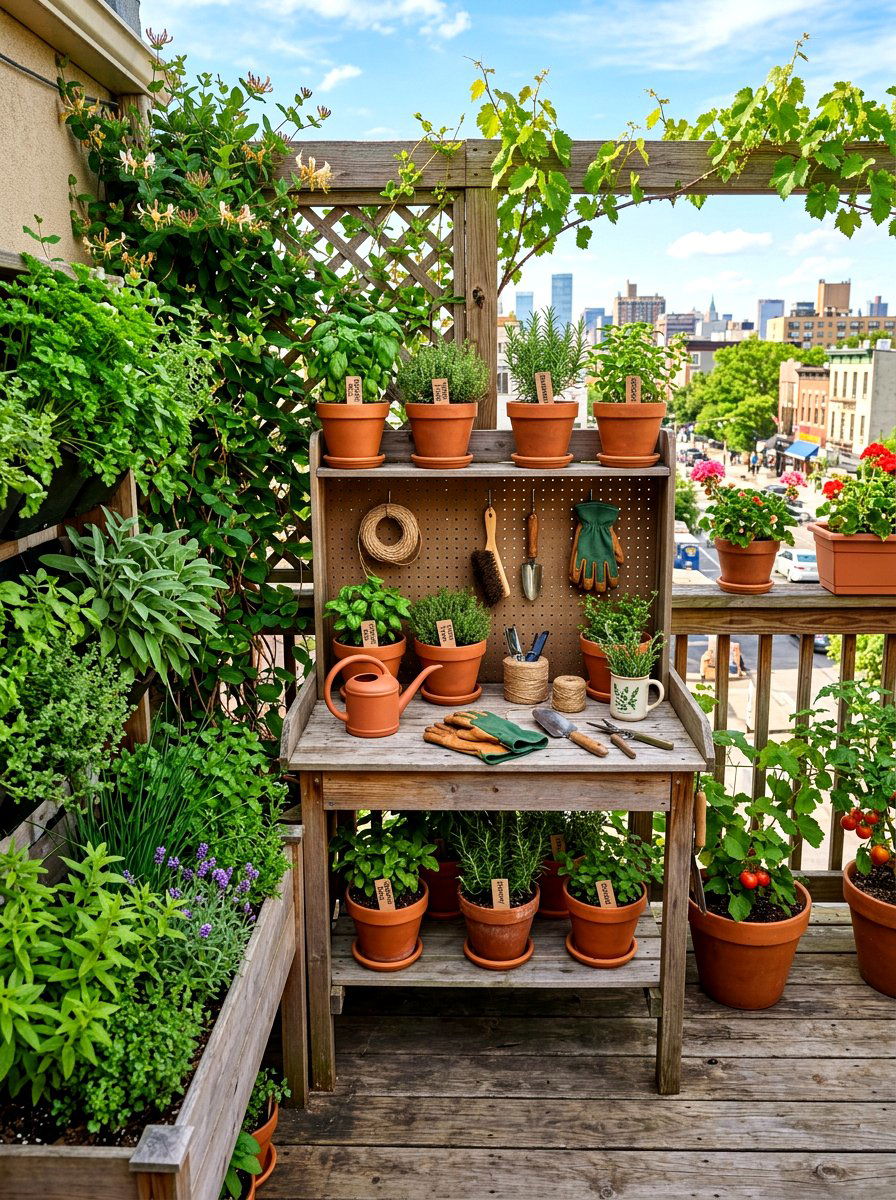
Designing an outdoor herb garden station simplifies the process of planting, harvesting, and maintaining your rooftop greenery. You can set up a dedicated potting bench with storage for soil, trowels, and watering cans right next to your plants. Having a workspace in the garden prevents you from making a mess inside your home when it is time to repot or prune. This station can also double as a serving area when you are entertaining, allowing guests to pick their own garnishes for drinks. A well-organized station makes gardening feel like a hobby rather than a chore. It keeps all your tools organized and accessible.
17. Minimalist herb garden layout
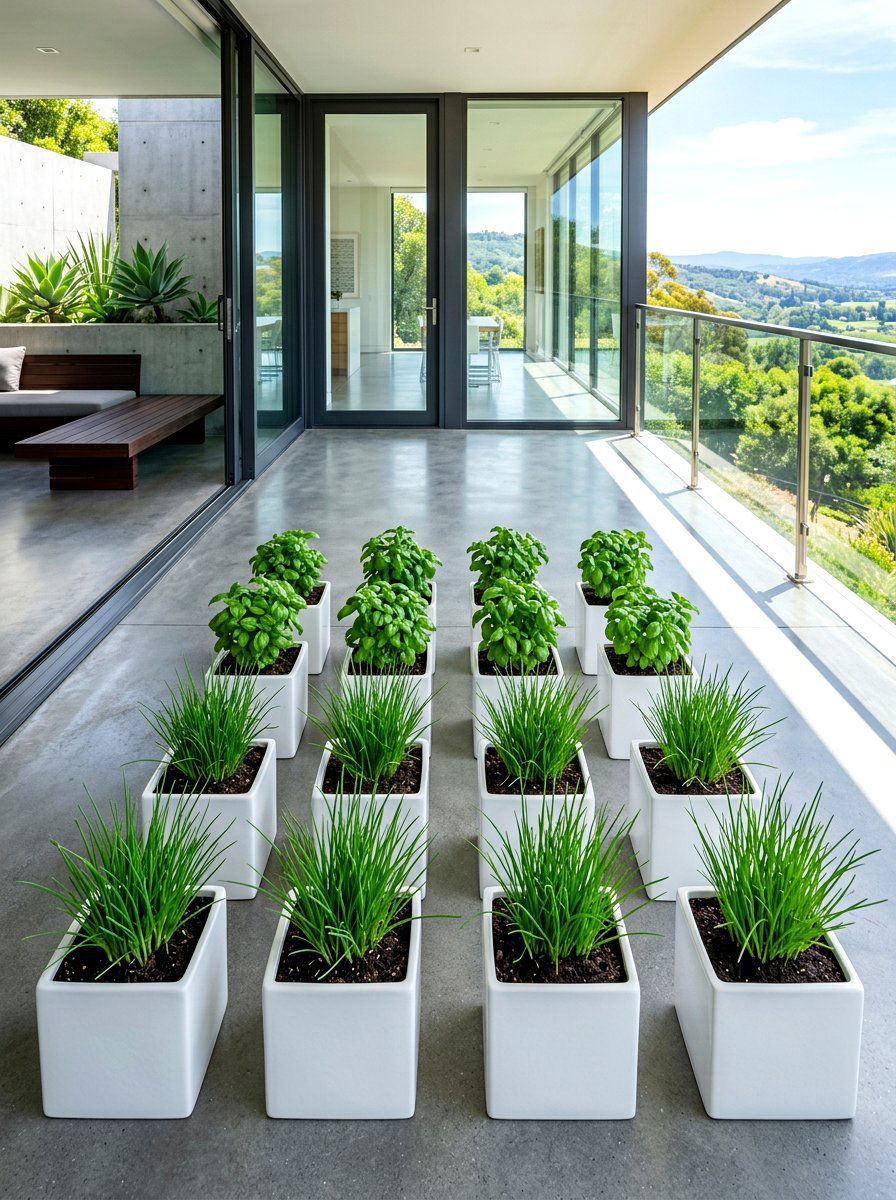
A minimalist herb garden layout focuses on clean lines and a limited color palette to create a sophisticated look. You might choose identical white or black pots and arrange them in a perfect grid to emphasize order and symmetry. This style works best with herbs that have a neat growth habit, such as boxwood basil or chives. Avoiding clutter allows the natural beauty of the plants to become the focal point of the rooftop. This approach is ideal for modern urban apartments where the architecture is sleek and simple. It creates a calming environment that feels organized and intentional, providing a great escape from city chaos.
18. Herb garden greenhouse cabinet
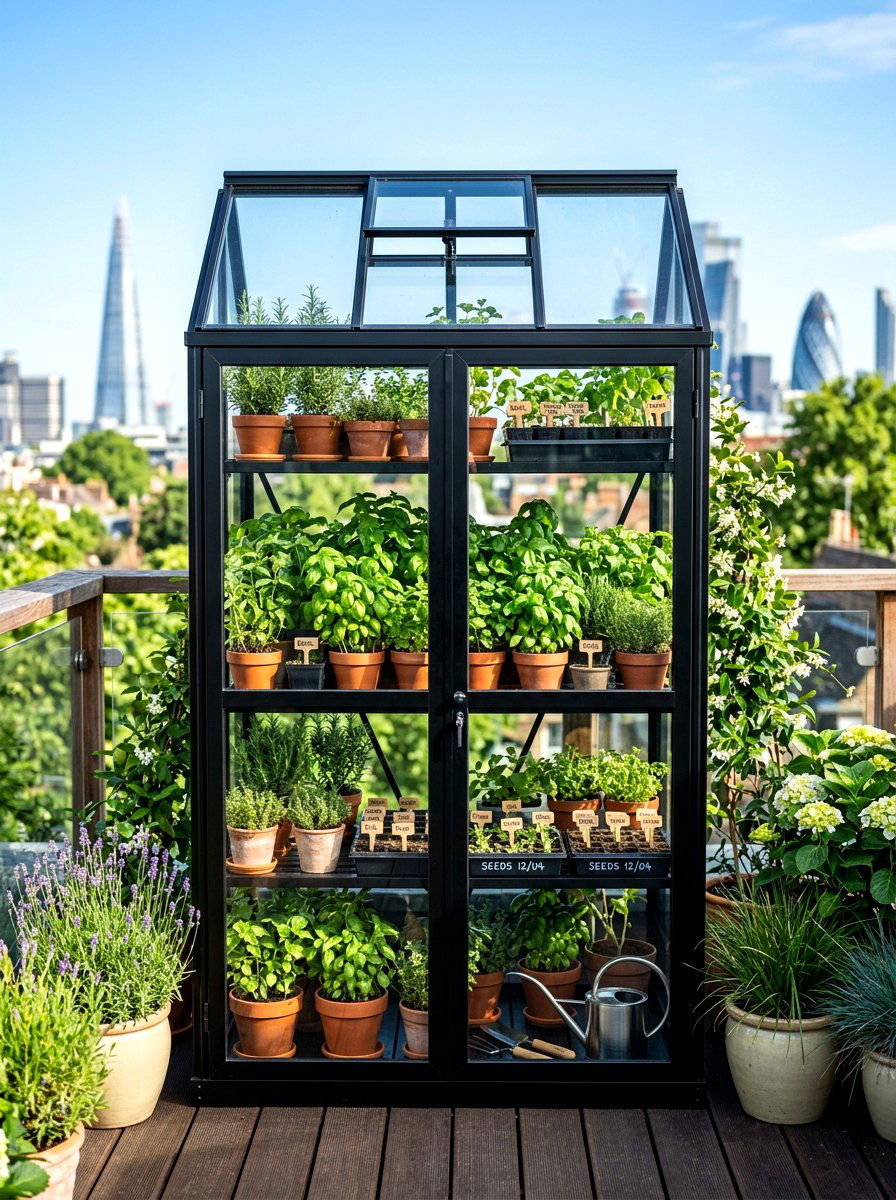
A herb garden greenhouse cabinet is essential for extending your growing season and protecting plants from harsh rooftop winds. These glass or polycarbonate structures trap heat, allowing you to start seeds earlier in the spring and keep herbs alive later into the fall. Small, upright cabinets take up very little floor space while providing multiple shelves for your pots. They are perfect for sensitive herbs like basil that dislike cool nights or sudden temperature drops. Many models have adjustable vents to prevent overheating during the day. A greenhouse cabinet also keeps pests away and adds a touch of classic garden elegance to your urban rooftop.
19. Metal herb garden containers
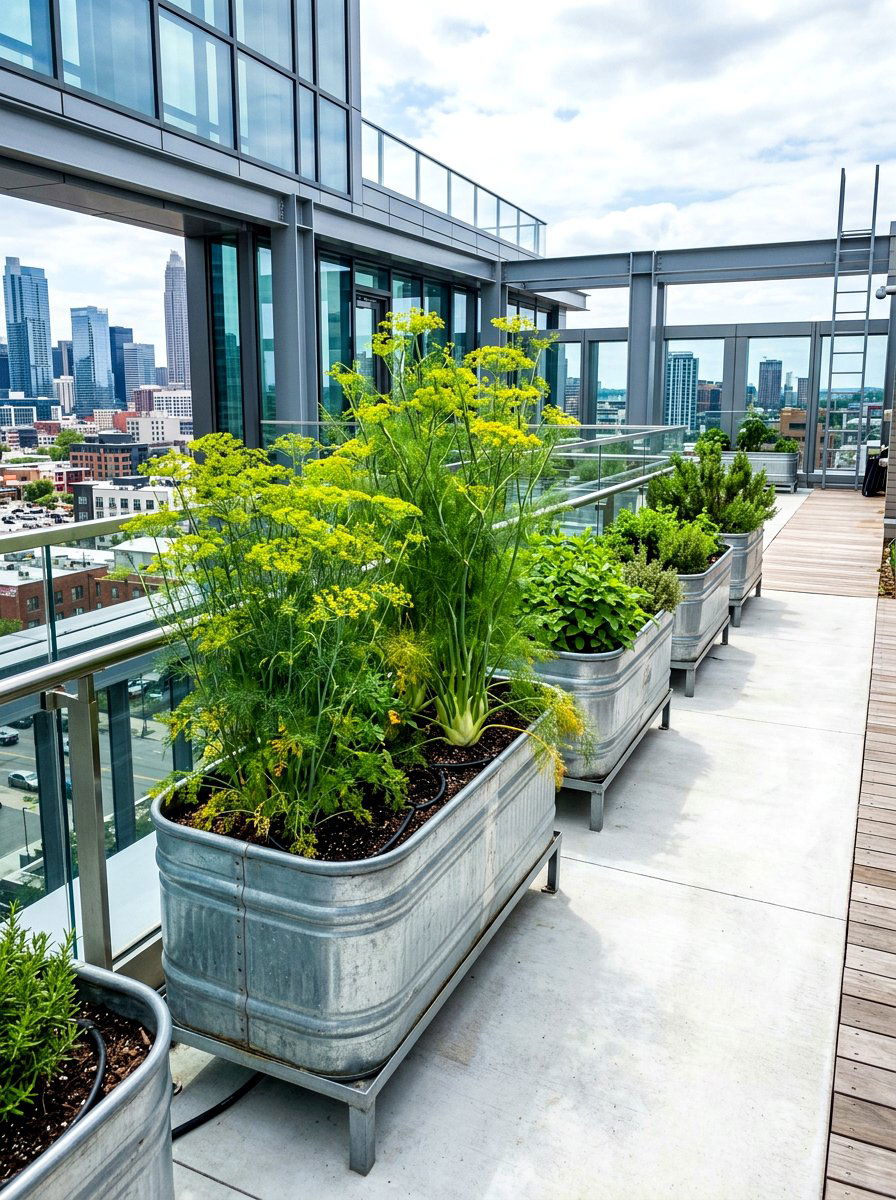
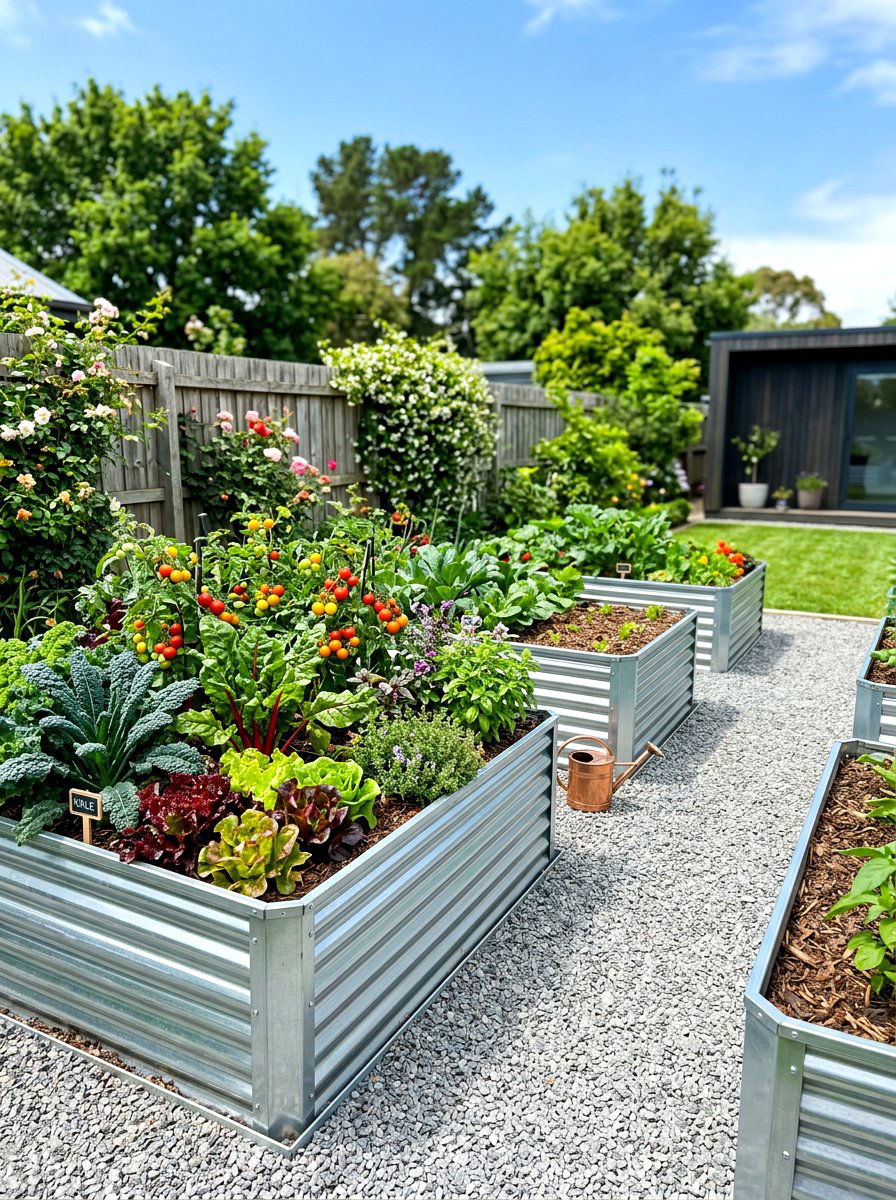
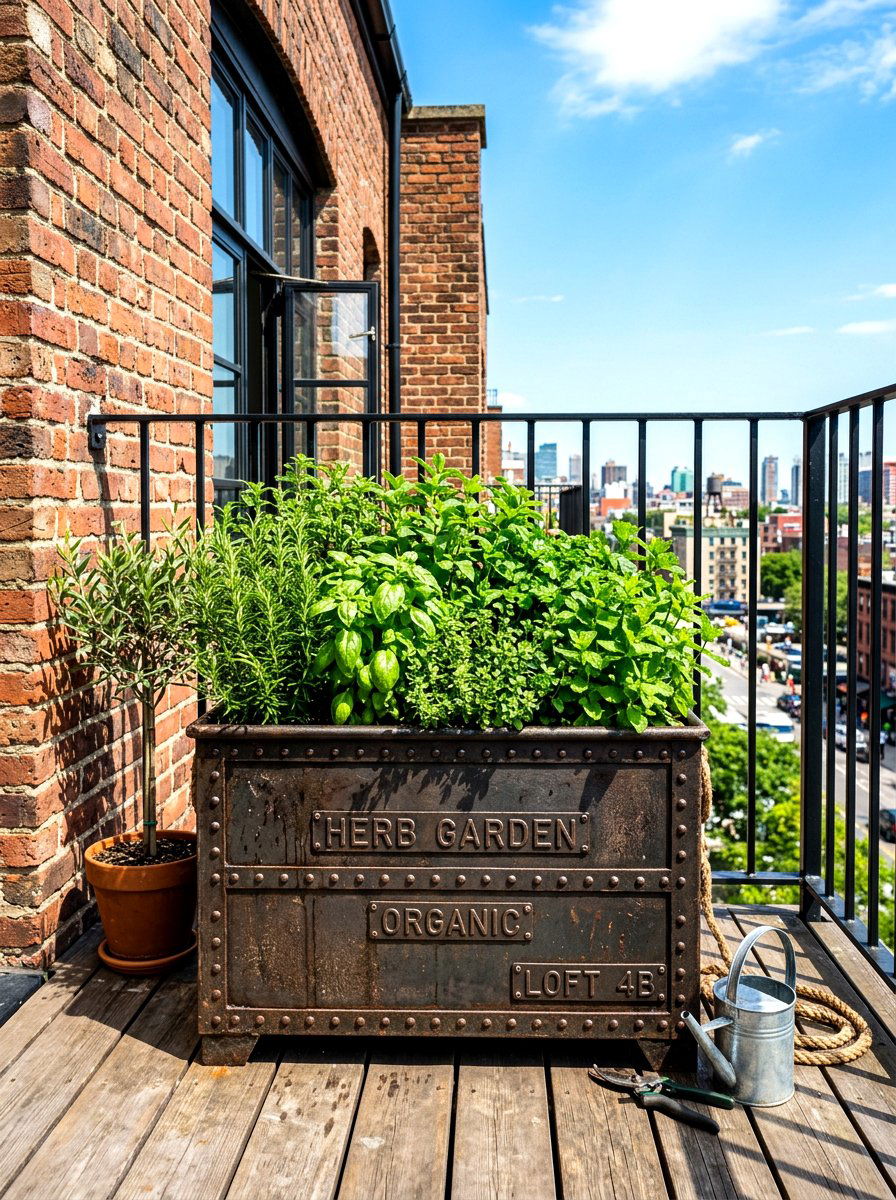
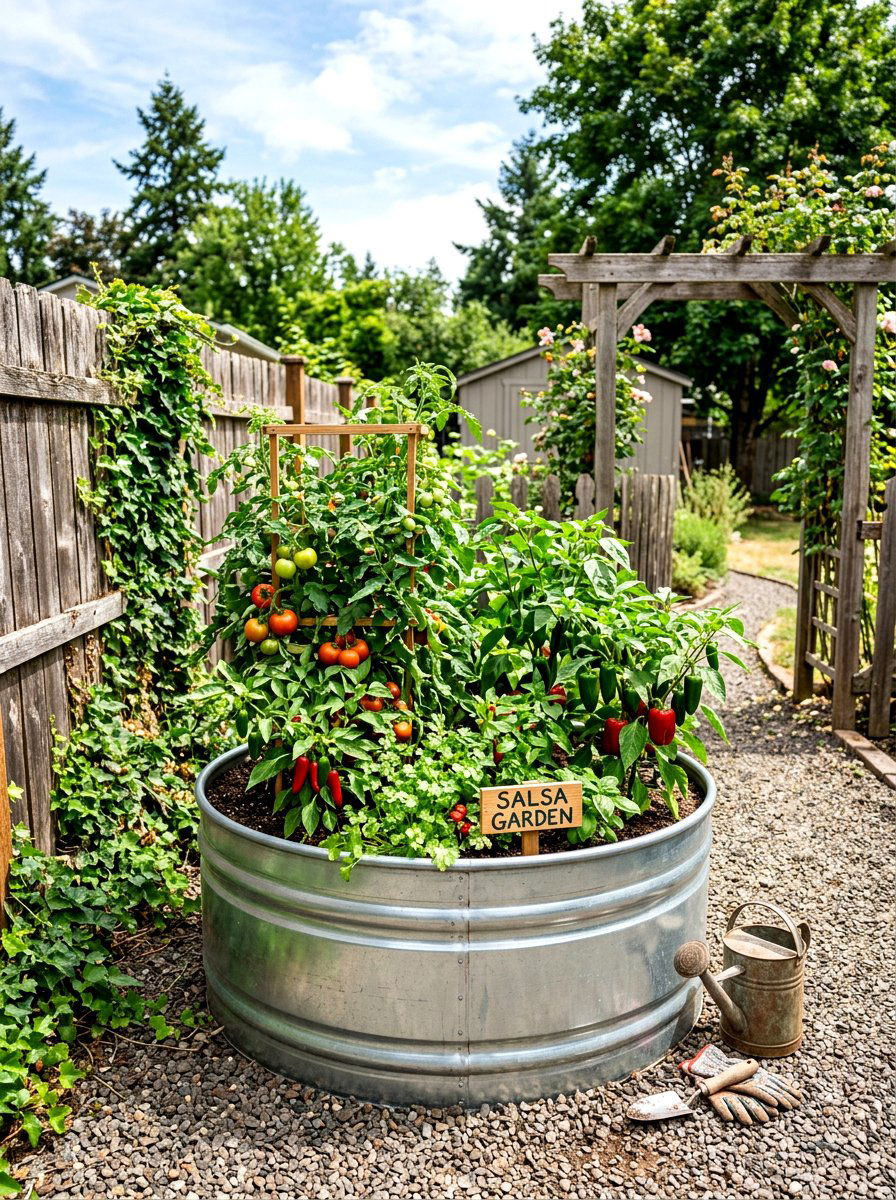
Metal herb garden containers, such as galvanized steel troughs, provide a trendy and durable option for rooftop gardening. They are lightweight yet strong enough to hold a large volume of soil for deep-rooted herbs like dill or lovage. The metallic finish reflects the city skyline and adds a touch of modern industrial style to your deck. You should ensure these containers have proper drainage holes and a liner to prevent the metal from overheating in direct sun. Over time, galvanized metal develops a matte gray finish that looks great in any setting. These containers are easy to clean and can last for many years.
20. Circular herb garden bed
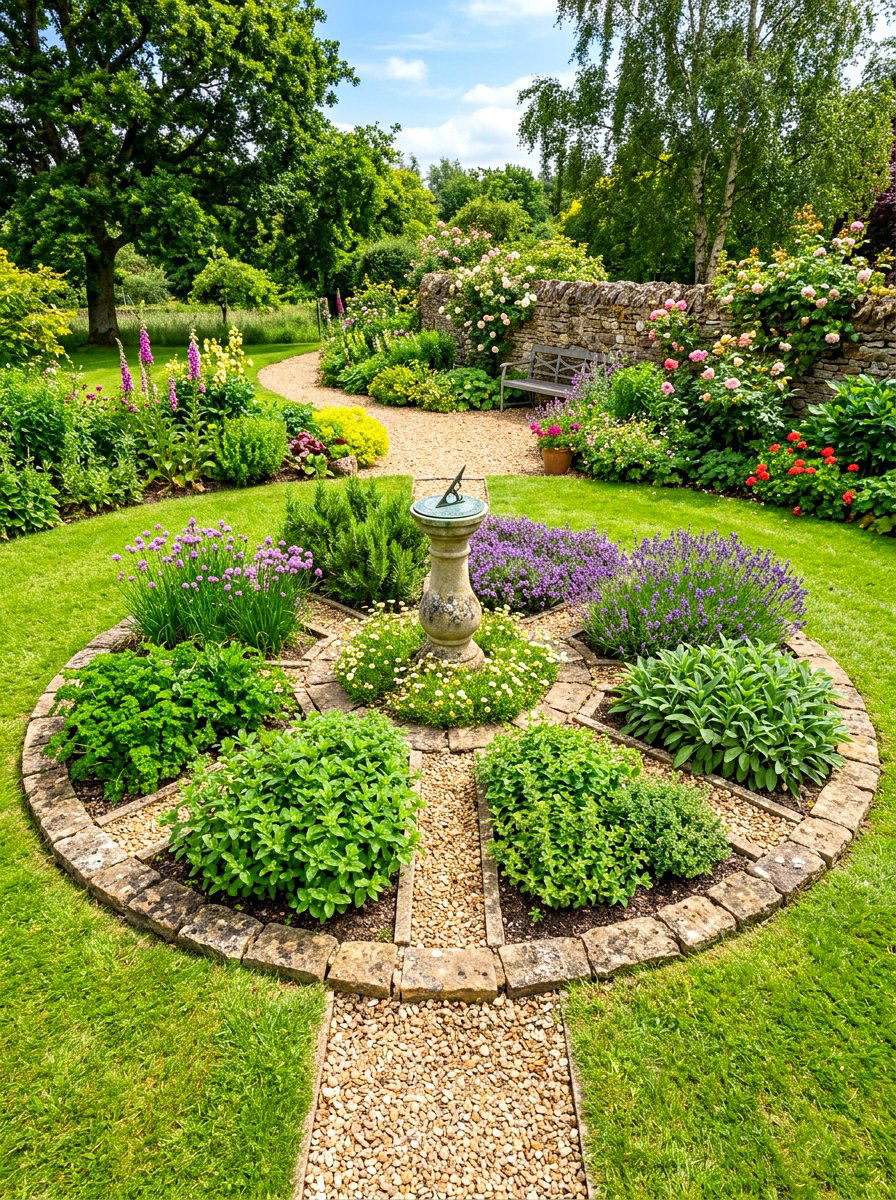
A circular herb garden bed, often called a herb wheel, is a classic design that looks stunning from a high-vantage point. You can divide the circle into wedges, planting a different herb in each section to keep them organized and prevent one from taking over. This geometric shape provides a soft contrast to the straight lines of most rooftop structures. You can build the border from bricks, stones, or even flexible landscape edging. Placing a decorative element like a sundial or a birdbath in the center creates a beautiful focal point. It is a traditional gardening technique that translates perfectly to a modern rooftop environment.
21. Rooftop herb garden seating
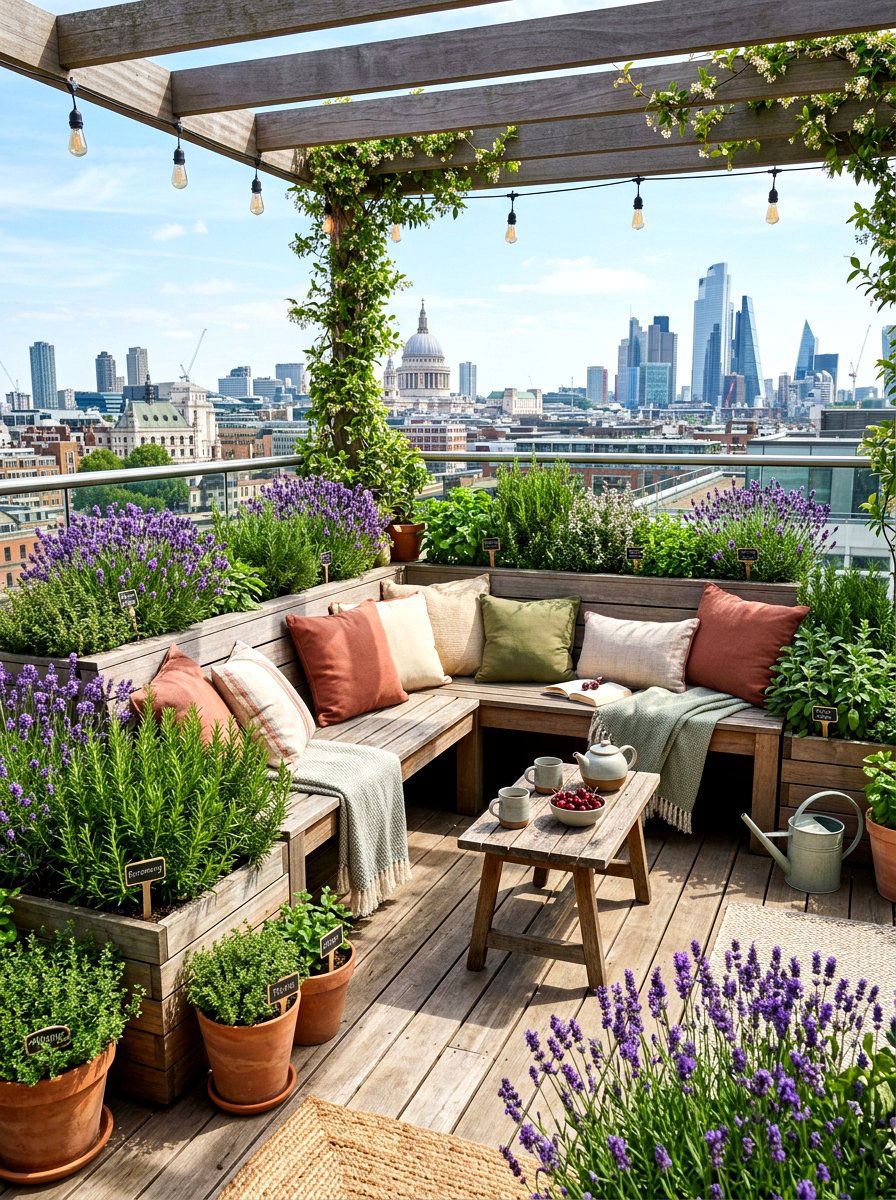
Integrating rooftop herb garden seating allows you to fully immerse yourself in the fragrance and beauty of your plants. Built-in benches surrounded by herb-filled planters create a cozy nook for reading or drinking coffee. When you sit close to the herbs, you can easily brush against them, releasing their essential oils into the air. Choose durable outdoor cushions that complement the green tones of your garden. This setup encourages you to spend more time outdoors and makes your garden a true living space. It is the perfect way to turn a functional food source into a luxury relaxation zone for yourself and guests.
22. Herb garden wind shield
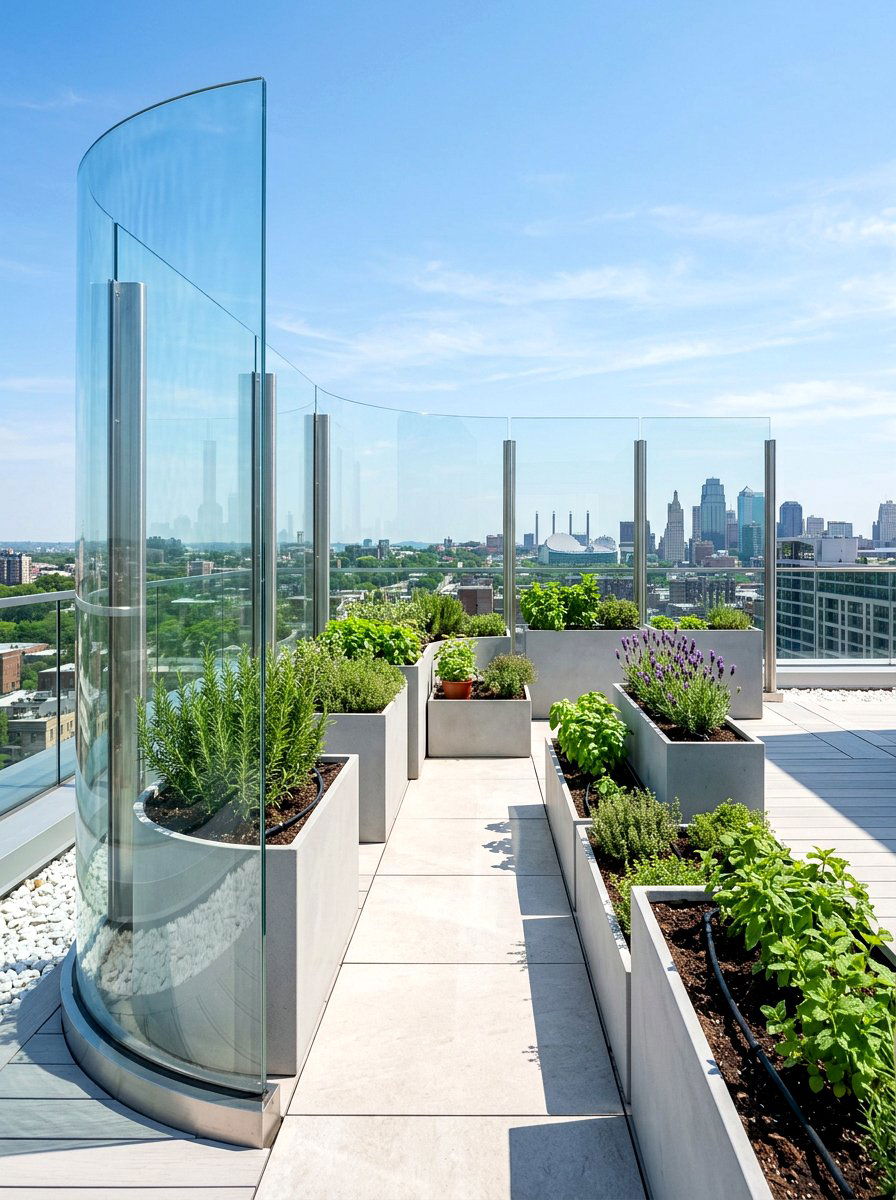
A herb garden wind shield is a practical addition for rooftops located in high-rise buildings or coastal areas. Strong winds can quickly dry out soil and damage the delicate leaves of herbs like cilantro or basil. You can use tempered glass panels, decorative lattice, or tall planters to create a protected microclimate for your garden. This shield not only helps your plants thrive but also makes the rooftop more comfortable for people. By reducing the wind speed, you can maintain higher humidity levels around your pots. A well-designed windbreak can also be a stylish architectural feature that adds value to your overall rooftop design.
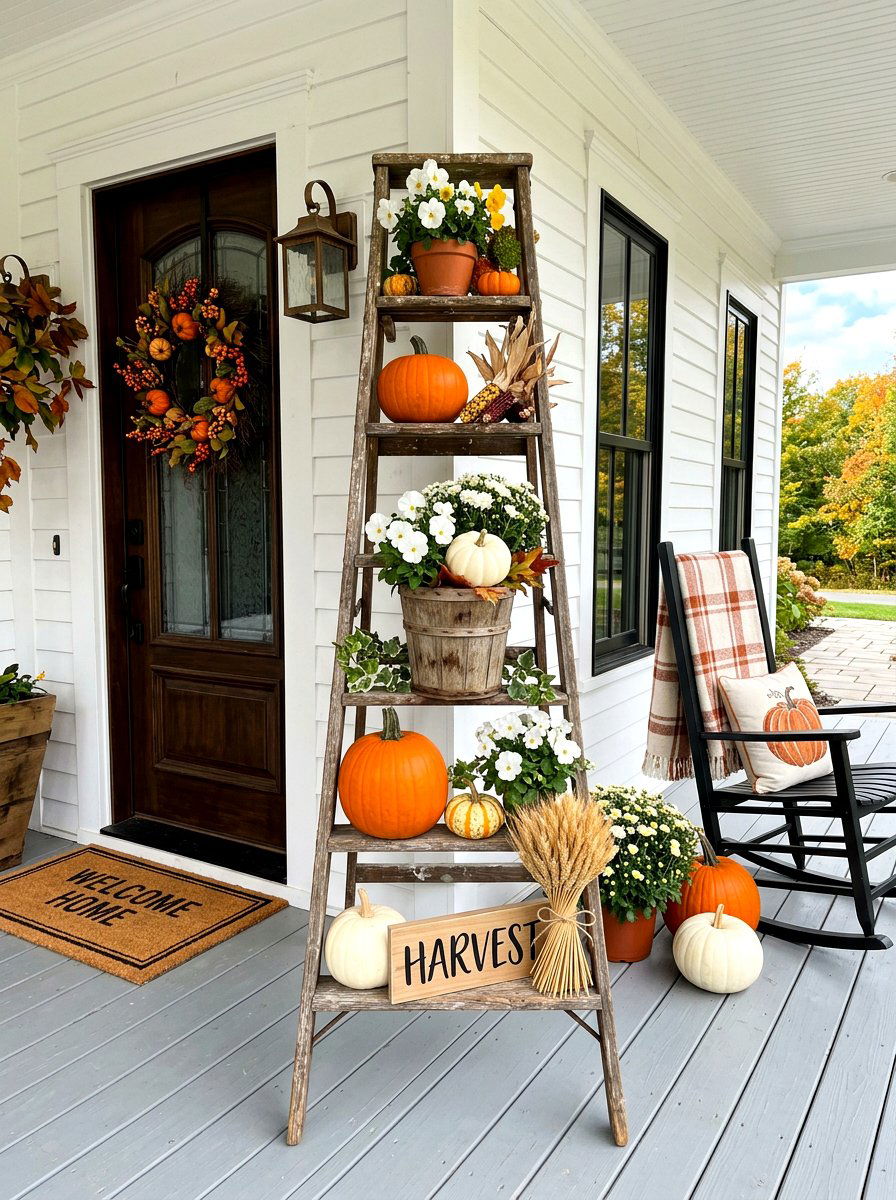
23. Ladder herb garden stand
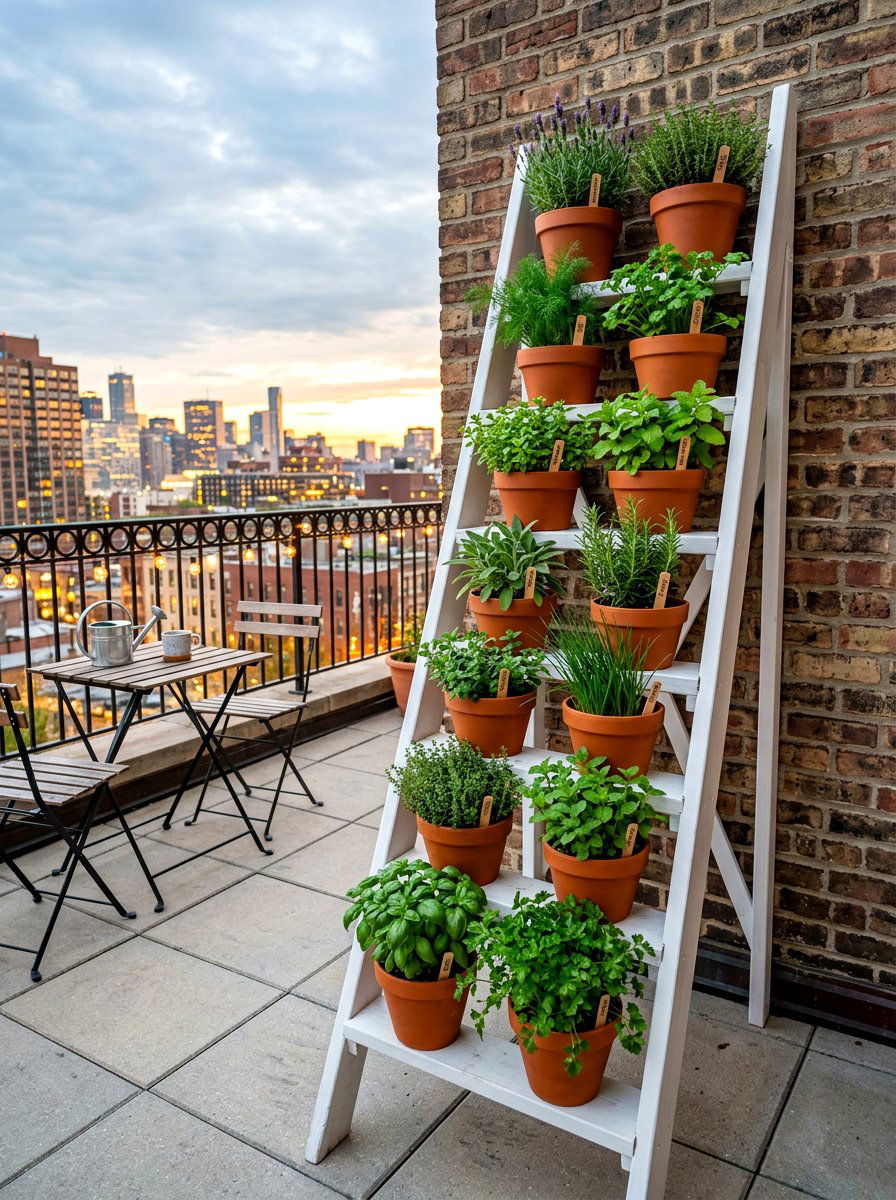
A ladder herb garden stand is a versatile and charming way to display your collection of pots vertically. You can lean a wooden or metal ladder against a wall and place pots on each rung to create a tiered effect. This is an excellent solution for renters who cannot drill into walls but want a vertical garden. It makes the most of vertical height without taking up much floor area. You can easily move the ladder to different parts of the roof depending on the sun's position. Painting the ladder a bright color can add a fun pop of personality to your green rooftop oasis.
24. Mediterranean herb garden pots
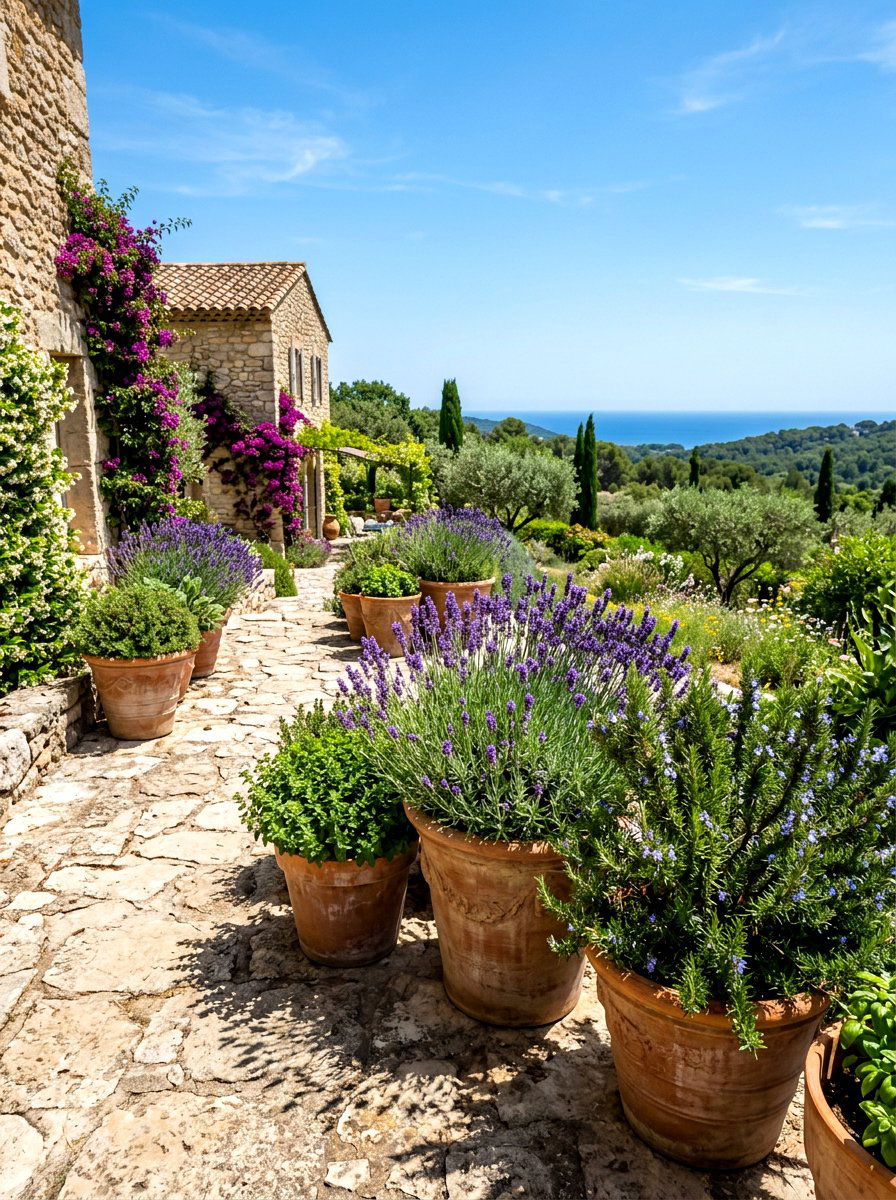
Creating Mediterranean herb garden pots involves grouping plants that love hot, dry conditions and rocky soil. Rosemary, thyme, lavender, and oregano are the perfect candidates for this setup as they thrive in the intense sun found on rooftops. Use terracotta pots, which are porous and allow the soil to breathe, mimicking their natural environment. This style of garden requires less frequent watering once established, making it a low-maintenance option for busy urbanites. The silver-green foliage and purple flowers of these herbs provide a sophisticated and timeless look. The scent of lavender and rosemary will make your rooftop feel like a vacation in southern Europe.
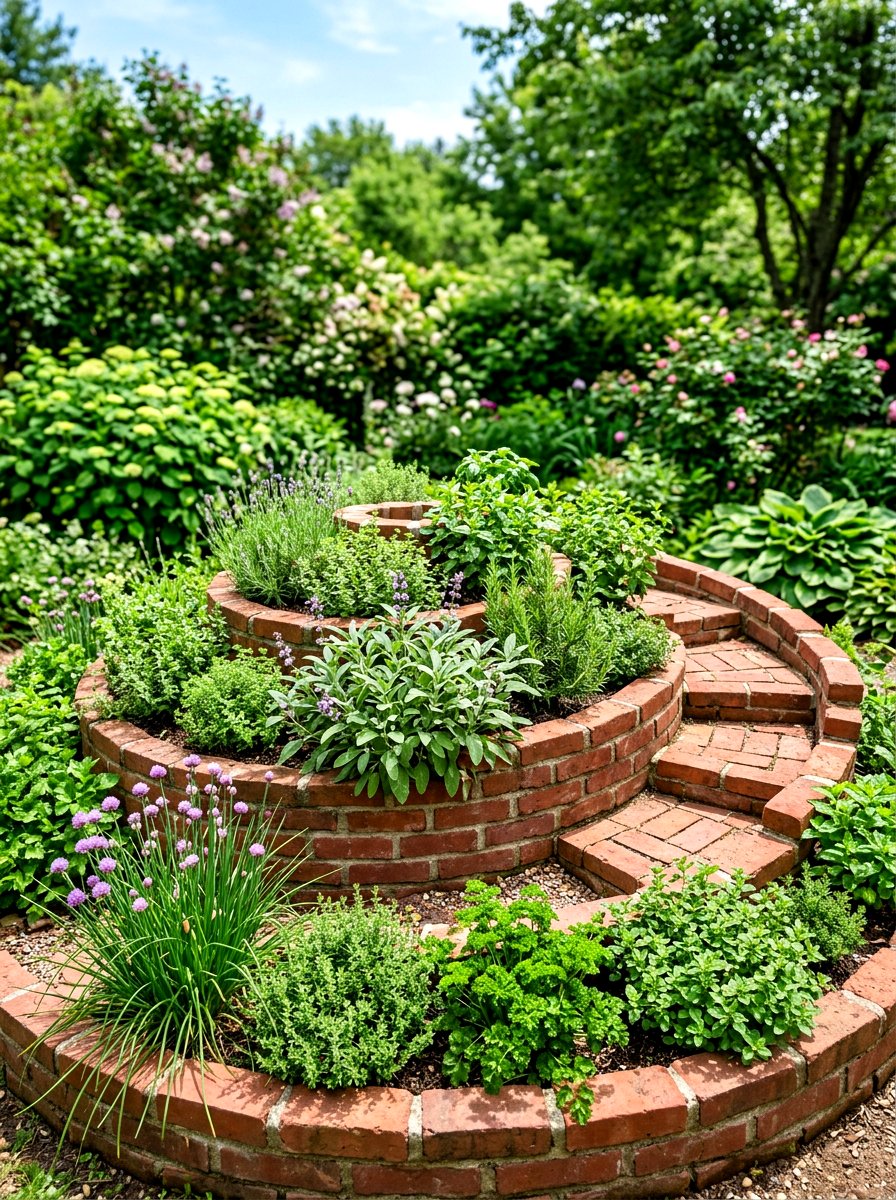
25. Perennial herb garden layout
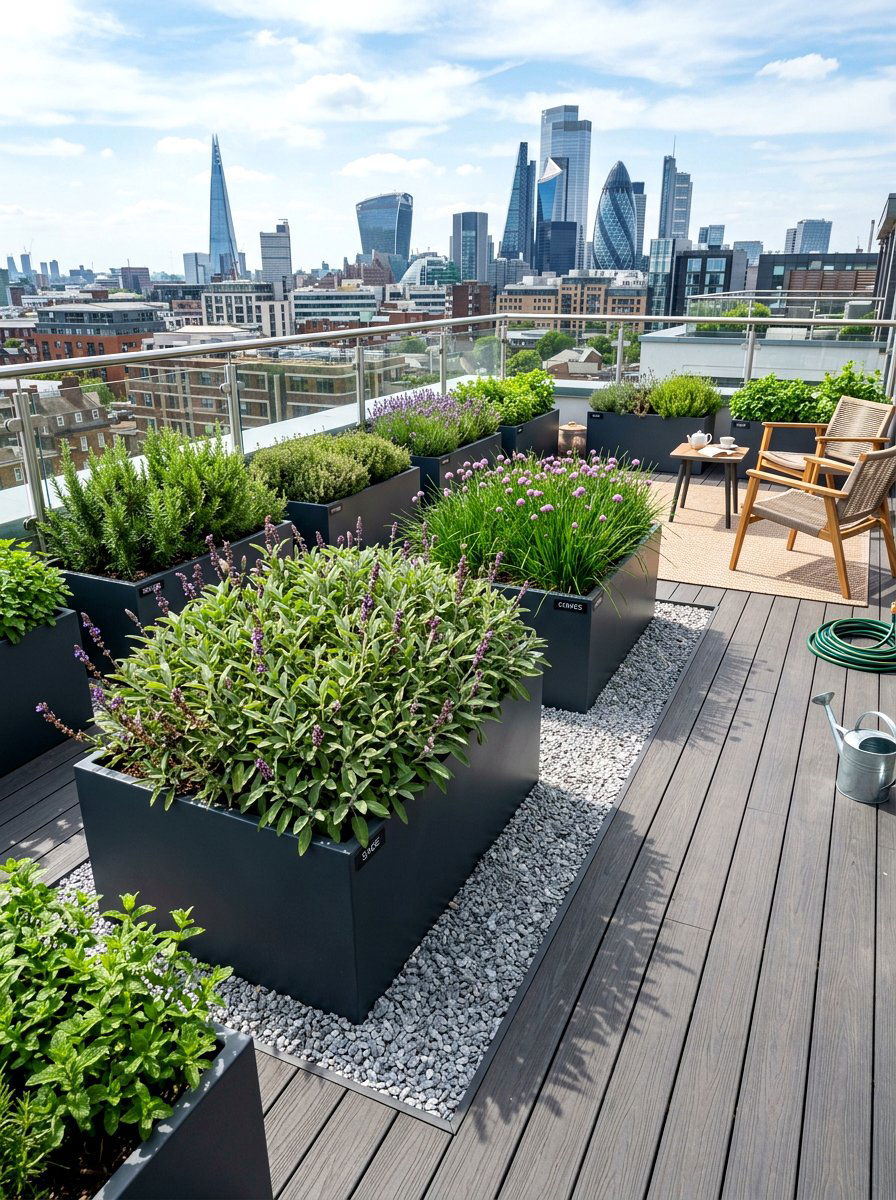
A perennial herb garden layout focuses on plants that come back year after year, providing a permanent green structure for your roof. Herbs like sage, chives, and mint are hardy and can survive the winter in most climates if their pots are protected. By using larger, insulated containers, you give these plants the space they need to grow their root systems over time. This approach is more sustainable as you don't have to buy new plants every spring. Mixing perennials with a few annuals like basil gives you the best of both worlds. A permanent garden becomes more beautiful and productive as the plants mature.
26. Window herb garden box
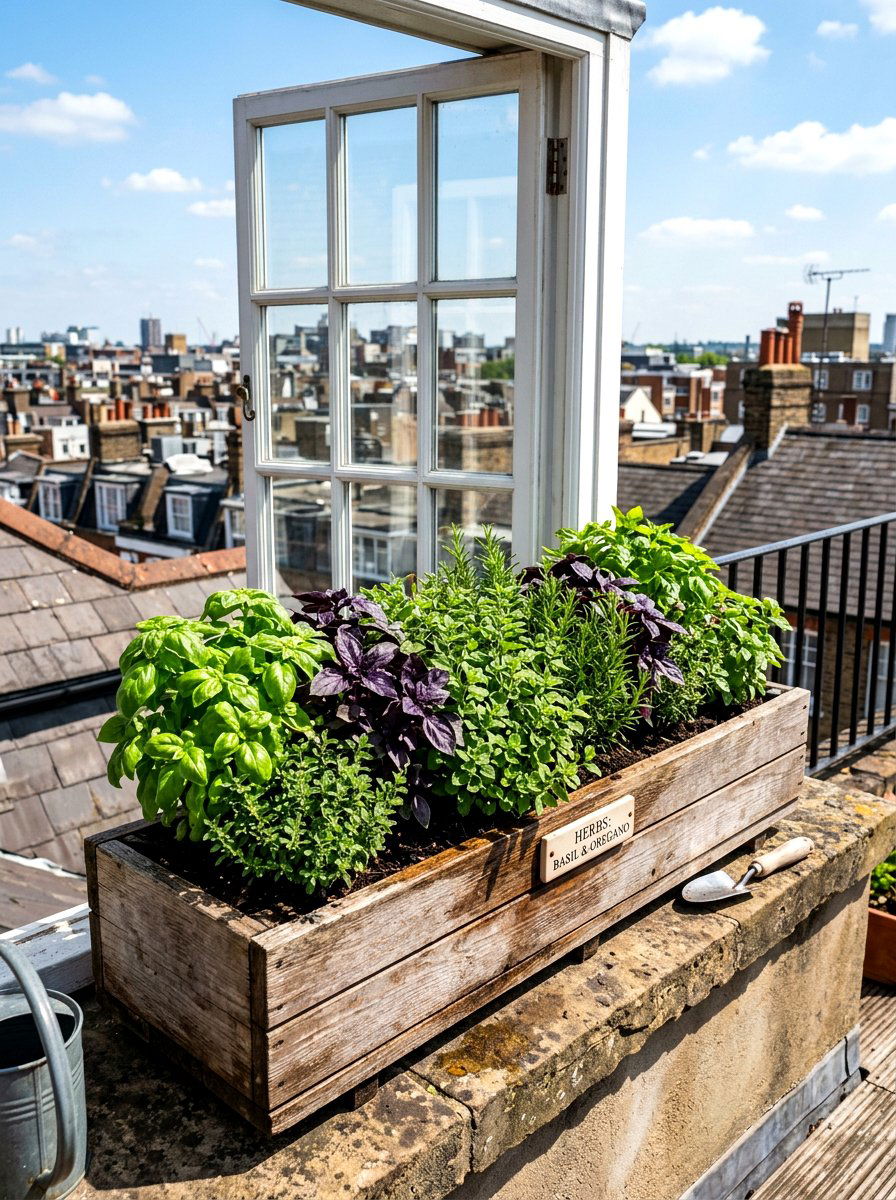
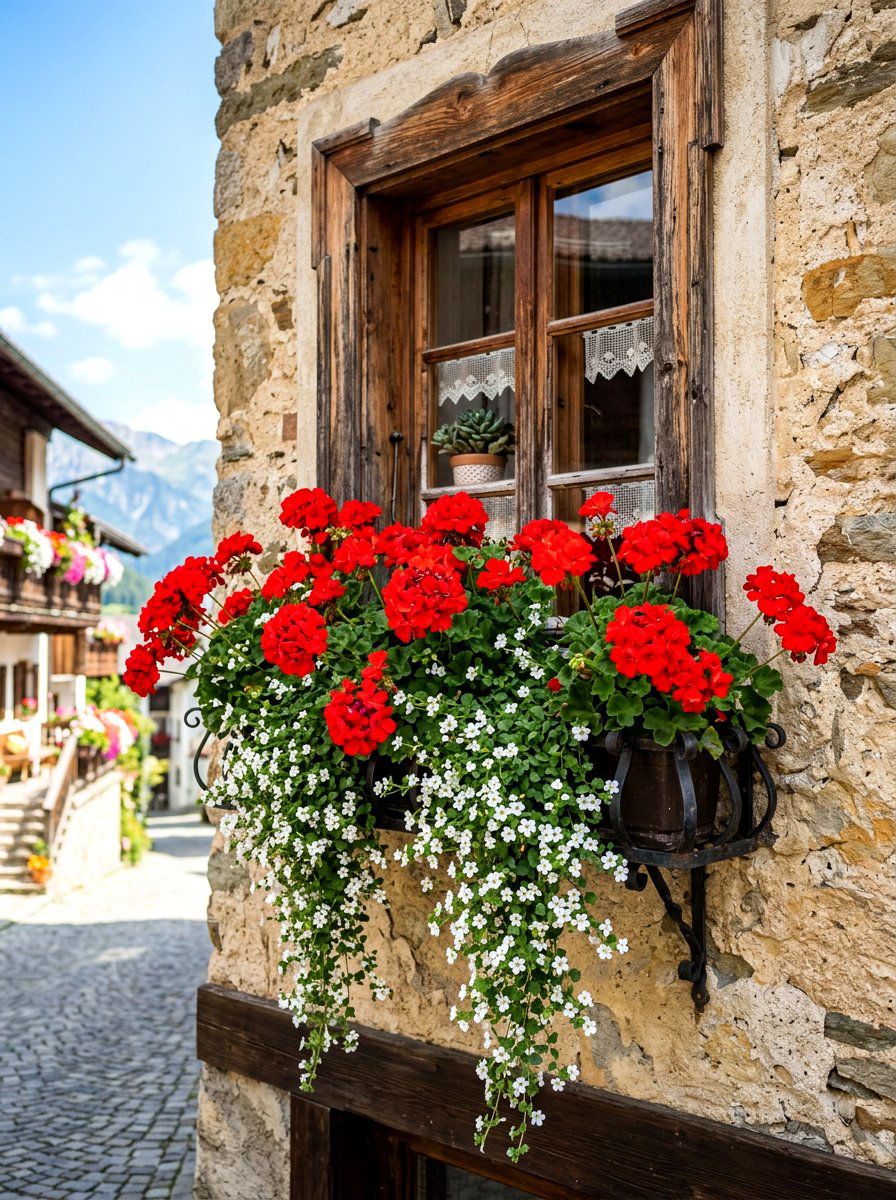
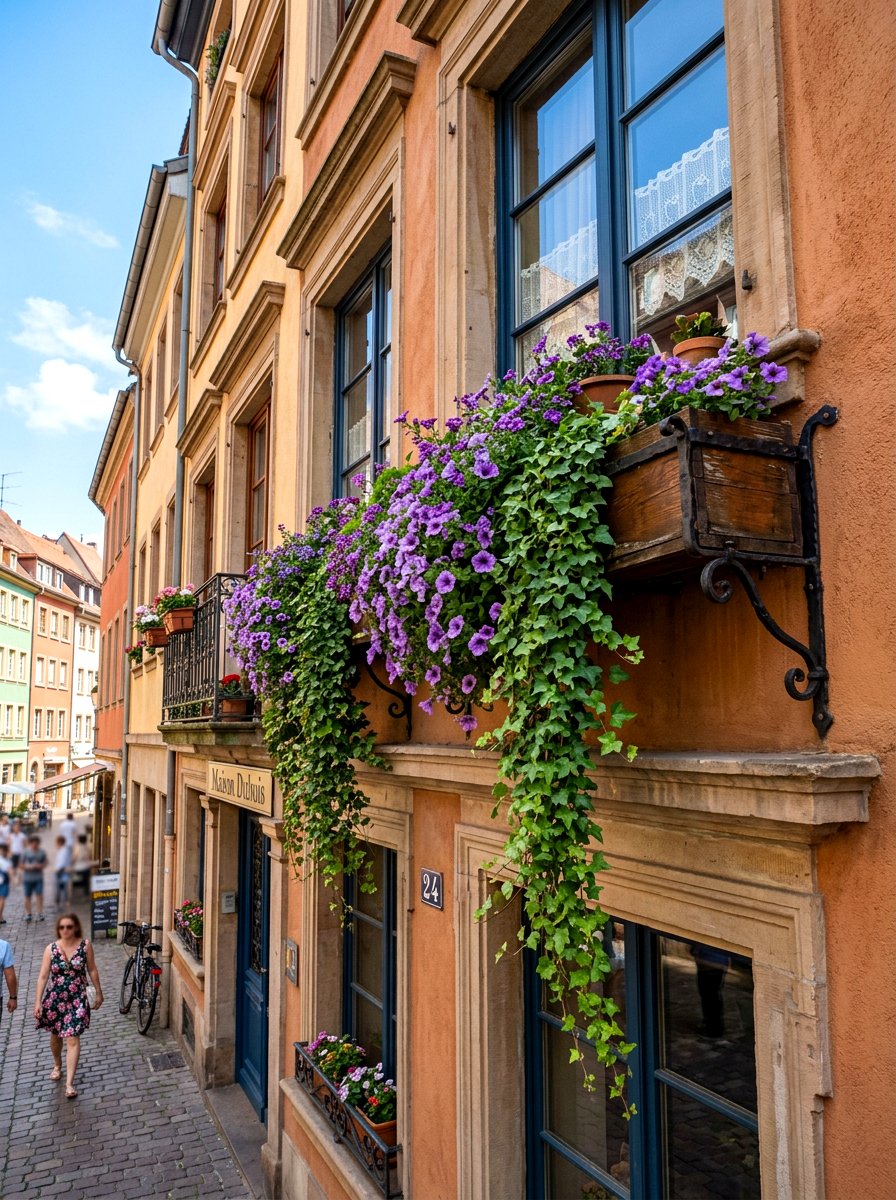
A window herb garden box is a smart way to utilize the ledge of your rooftop access door or a surrounding structure. These boxes bring the garden closer to your indoor living space, making it even easier to grab a few leaves while cooking. They are usually narrow and designed to fit securely on a ledge, using every available inch of space. Because they are often sheltered by the building, they might offer a slightly more protected environment for delicate herbs. You can plant a variety of colorful herbs like purple basil or golden oregano to create a beautiful view from both sides of the glass.
27. Mobile herb garden cart
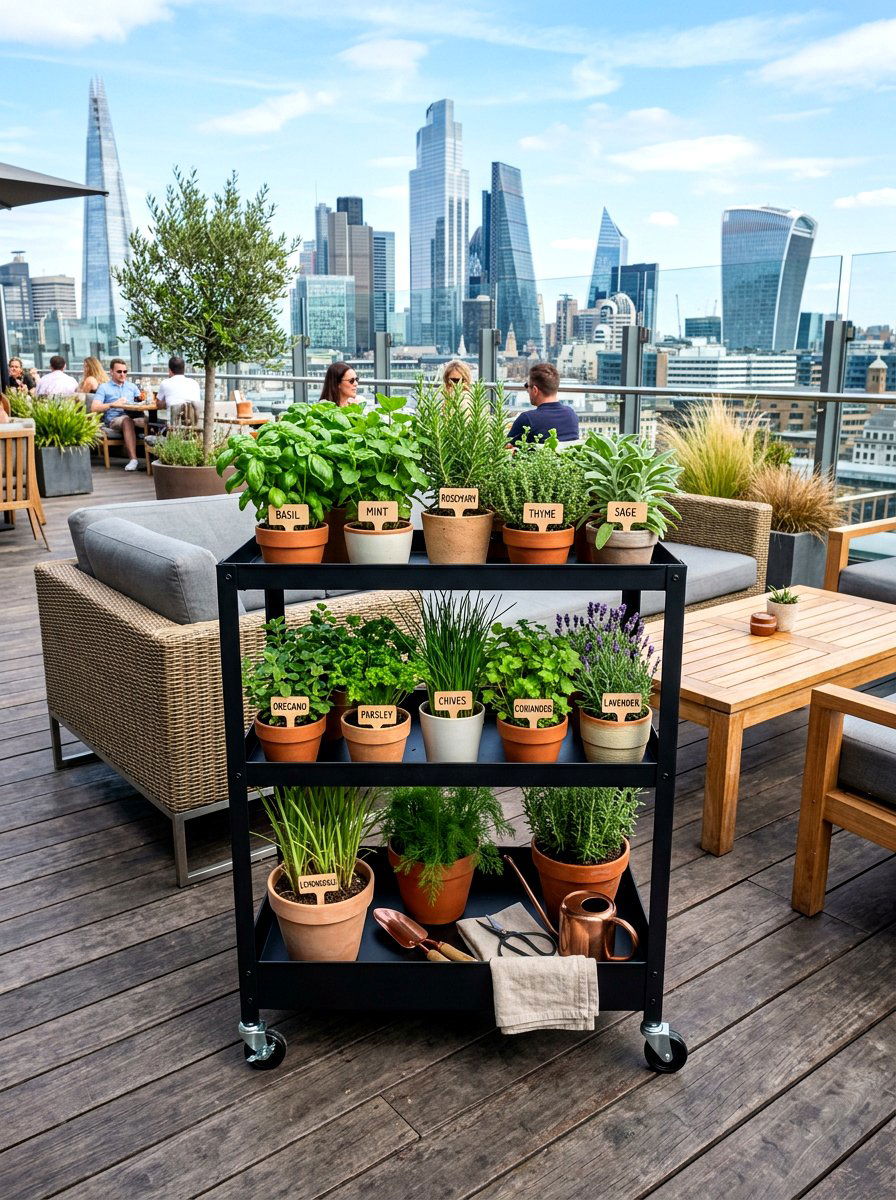
A mobile herb garden cart offers the ultimate convenience for a dynamic rooftop that is used for multiple activities. You can use a vintage bar cart or a heavy-duty utility trolley to hold all your favorite herbs in one place. When you are hosting a dinner party, you can roll the herbs next to the table for fresh garnishes. If a storm is coming, you can easily move the entire cart to a sheltered corner or inside the building. This mobility allows you to experiment with different sun exposures throughout the day to see where your herbs grow best. It is a playful and practical gardening solution.
28. Stone herb garden planter
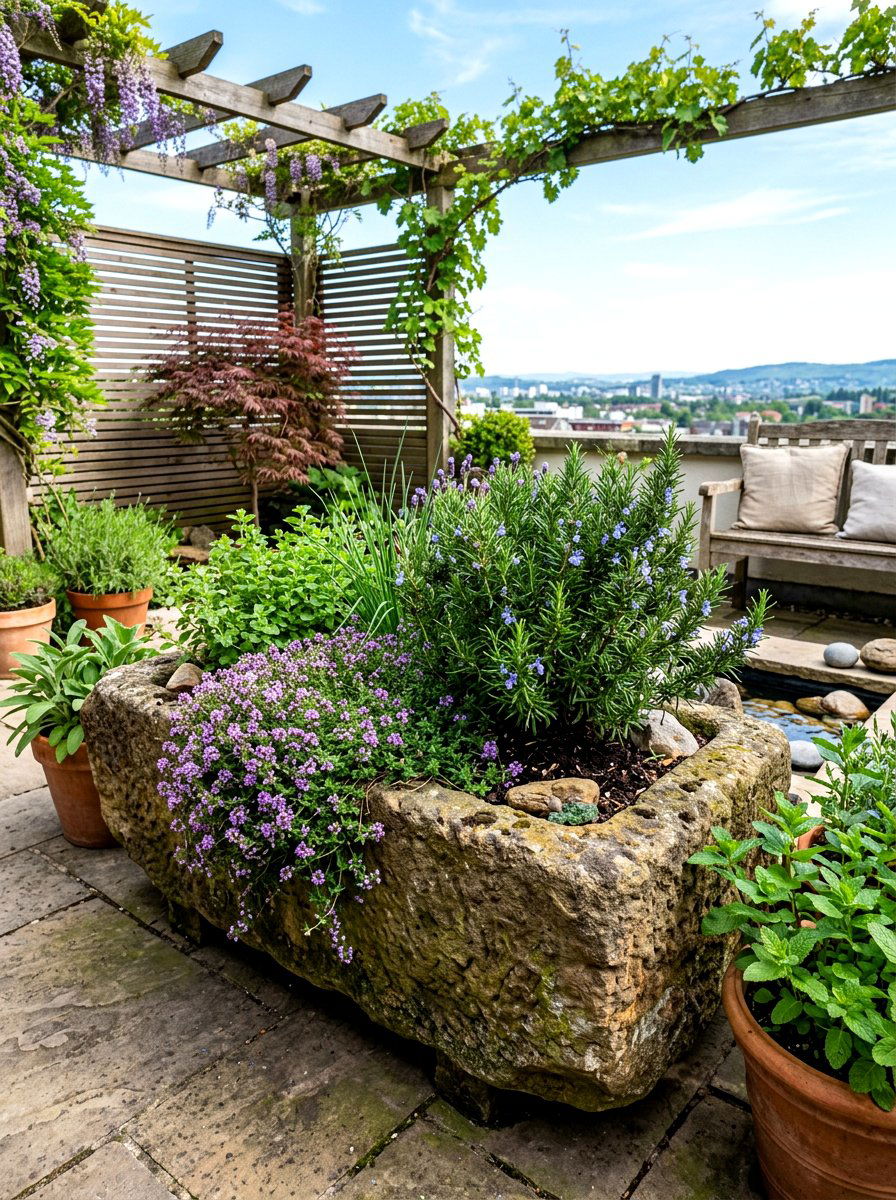
A stone herb garden planter adds a natural and grounded feel to a high-altitude rooftop. Whether you use carved stone troughs or build a small wall from stacked slate, the weight and texture of stone provide a beautiful contrast to soft green herbs. Stone has excellent thermal mass, meaning it stays cool during the day and releases heat slowly at night, which can benefit plant roots. These planters are incredibly durable and will not fade or crack in the sun. They work particularly well for a Zen-inspired garden or a rugged, naturalistic landscape. Stone is a timeless material that adds a sense of permanence to your roof.
29. Sustainable herb garden setup
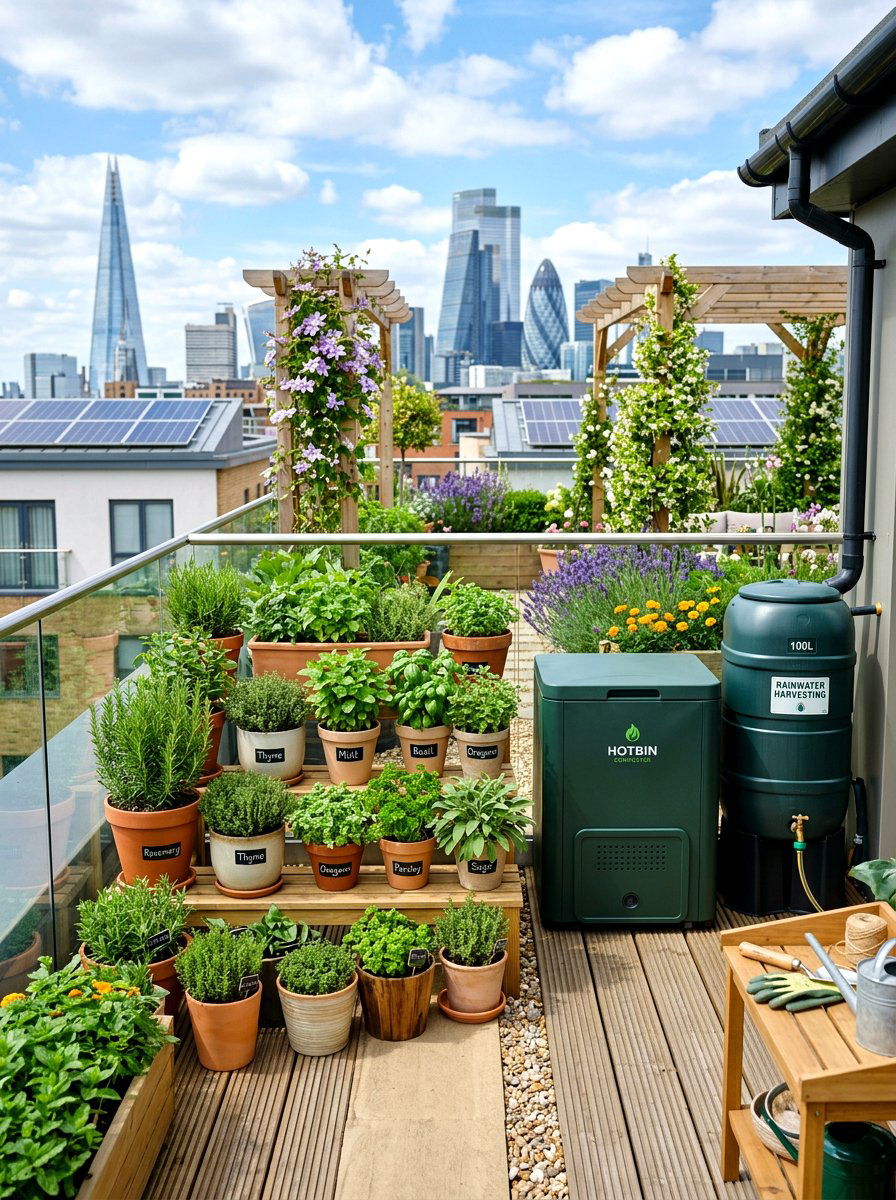
A sustainable herb garden setup focuses on eco-friendly practices like composting and water conservation. You can include a small worm bin or a compact compost tumbler to turn kitchen scraps into nutrient-rich soil for your herbs. Collecting rainwater in a barrel is another great way to reduce your environmental impact while keeping your plants hydrated. Using organic seeds and avoiding chemical pesticides ensures that your herbs are healthy for you and the local bee population. A sustainable rooftop garden shows that it is possible to live in harmony with nature even in the middle of a bustling city. It is a rewarding and responsible choice.
30. Shade herb garden herbs
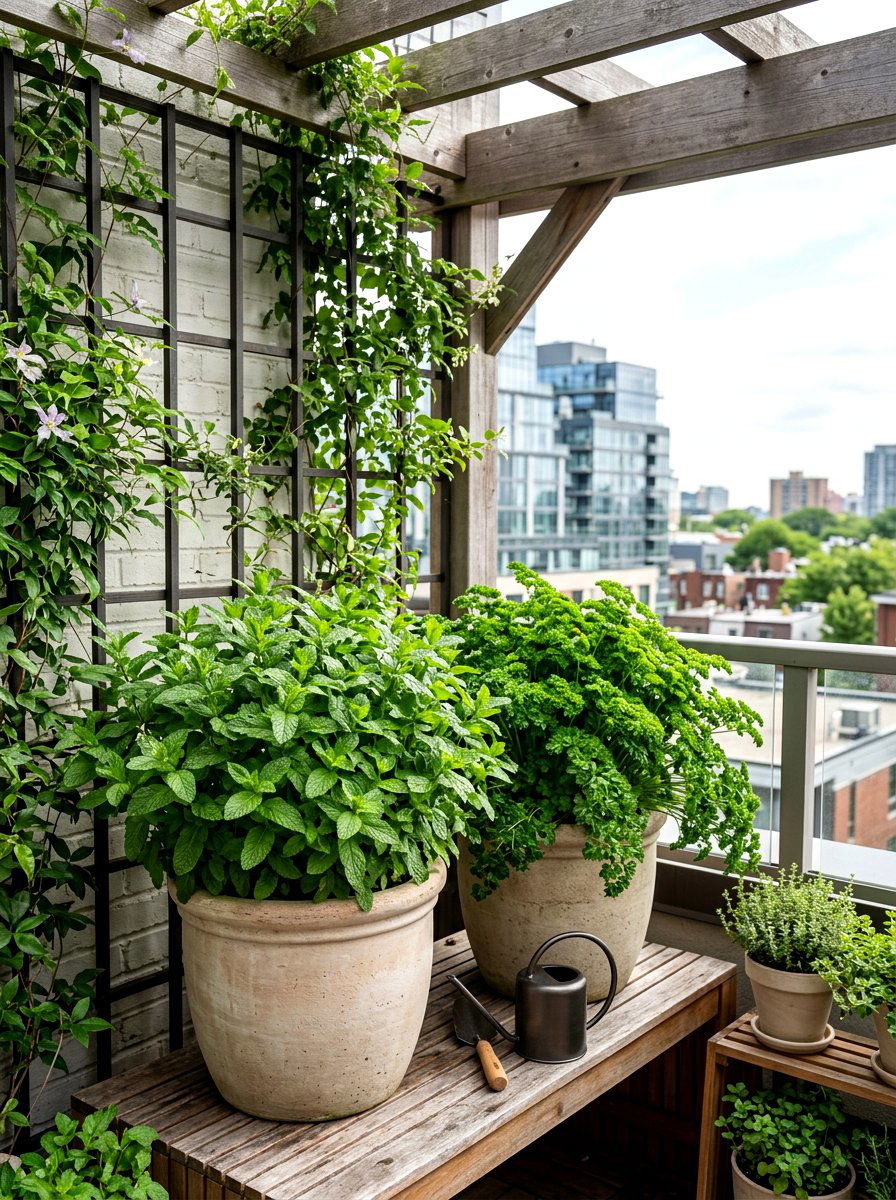
Finding the right shade herb garden herbs is crucial if your rooftop is partially blocked by taller neighboring buildings. While many herbs love sun, plants like mint, parsley, chives, and lemon balm can actually thrive in partial shade. These plants often have thinner leaves and appreciate the break from the intense afternoon heat found on rooftops. You can use light-colored pots to help bounce whatever light is available back onto the plants. Grouping shade-tolerant herbs together makes watering easier since they generally prefer mooser soil than sun-loving varieties. This allows you to have a productive garden even if your roof isn't in constant direct sunlight.
Conclusion:
A rooftop herb garden is much more than a simple collection of edible plants; it is a lifestyle upgrade for urban dwellers. By utilizing vertical spaces, choosing durable containers, and selecting the right plant varieties, you can turn any roof into a flourishing green sanctuary. These gardens provide fresh, organic flavors for your kitchen while offering a peaceful place to reconnect with nature. Whether you prefer a modern minimalist look or a rustic DIY aesthetic, there are endless ways to customize your space. With a little planning and care, your rooftop can become the most beautiful and productive part of your home for years to come.

Related posts: