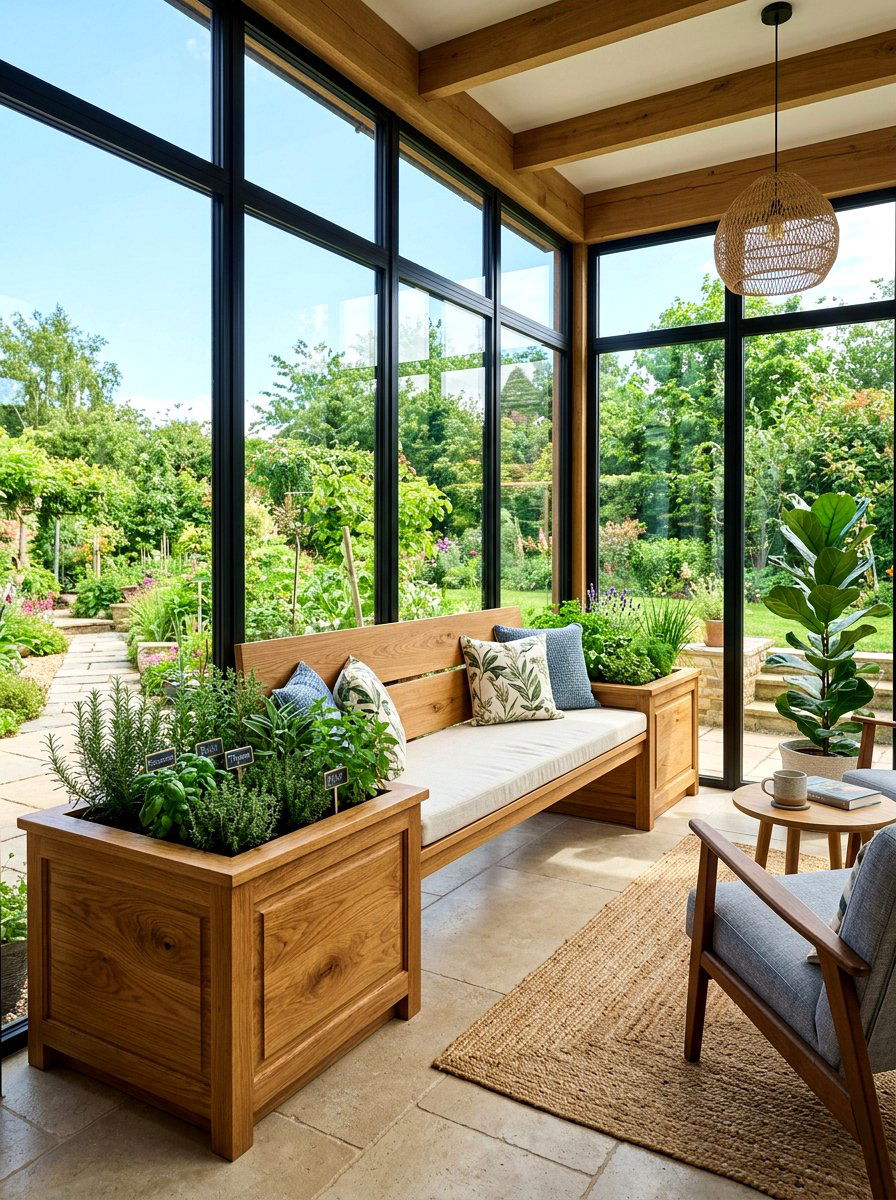
Transforming your patio into a lush, fragrant sanctuary with a functional herb garden is one of the most rewarding home projects you can undertake. Whether you have a sprawling deck or a compact balcony, growing your own culinary essentials like basil, rosemary, and mint adds immediate value to your cooking and aesthetic appeal to your outdoor living space. These garden setups range from space-saving vertical structures to charming upcycled containers that reflect your personal style. Beyond the convenience of fresh harvests, a patio herb garden creates a sensory experience filled with earthy aromas and vibrant textures. In this guide, we explore thirty creative ways to integrate herbs into your patio design for a beautiful, edible oasis.
1. Vertical Herb Wall
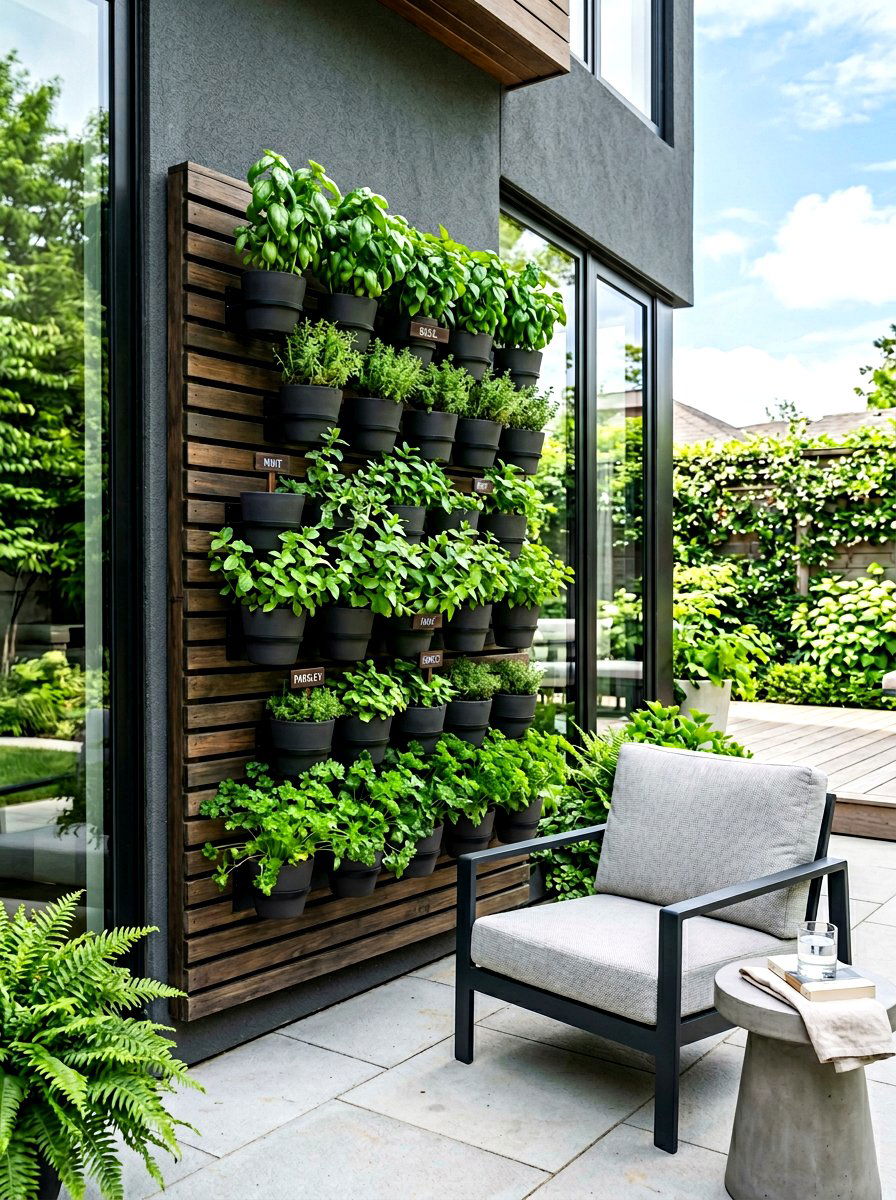
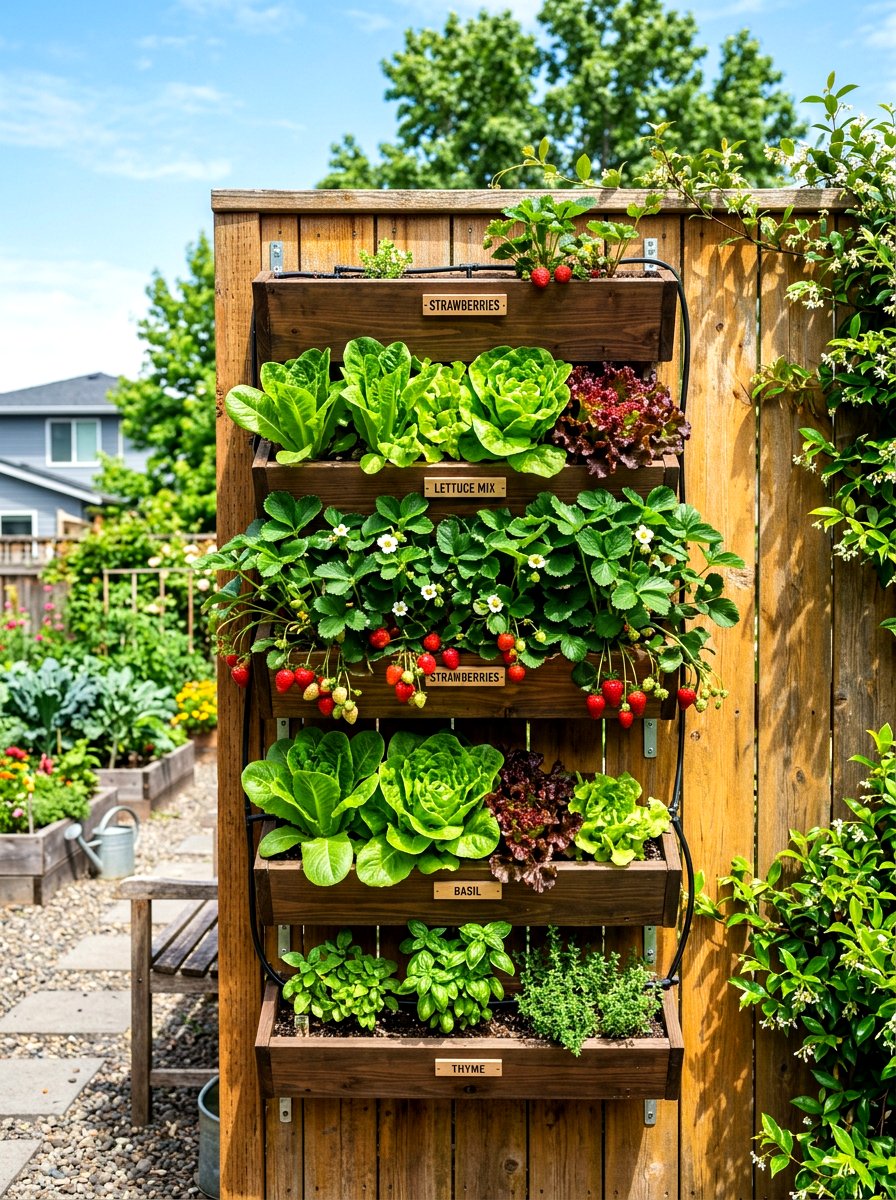
A vertical herb wall is the ultimate solution for small patios where floor space is a premium. By utilizing your fence or an exterior wall, you can create a living tapestry of greenery that doubles as a stunning focal point. This design often features a sturdy wooden frame or a metal grid system where individual pots or long troughs are securely mounted at varying heights. Imagine the convenience of stepping outside to snip fresh cilantro or chives from a wall of lush, thriving plants. This vertical approach not only maximizes your growing area but also improves air circulation around the herbs, which helps prevent common fungal diseases while keeping the foliage within easy reach.
2. Tiered Plant Stand
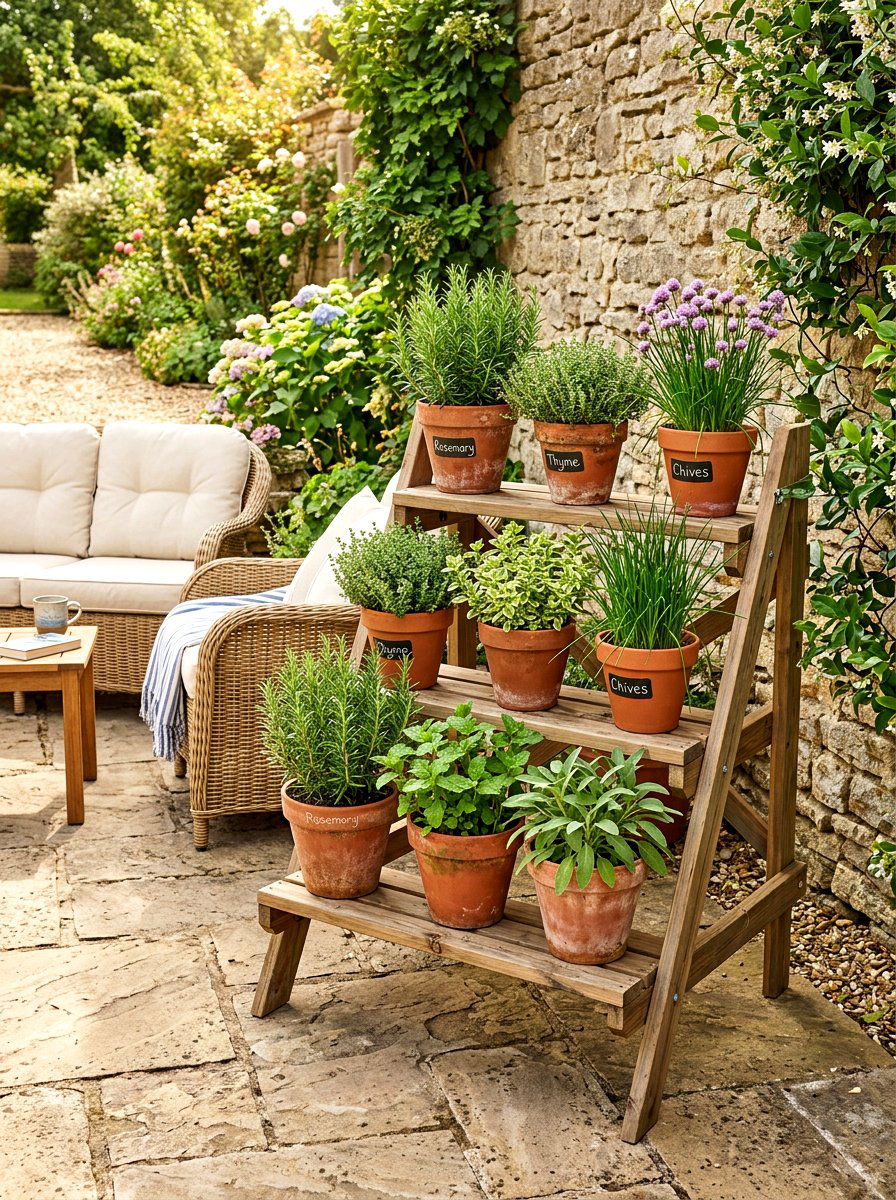
Using a tiered plant stand allows you to display a diverse collection of herbs in a concentrated, organized manner. This design concept works exceptionally well in corner spaces, turning a neglected area into a cascading waterfall of different leaf shapes and shades of green. You can choose from classic wrought iron stands for a traditional look or modern wooden A-frame structures for a more contemporary vibe. The multiple levels ensure that every plant receives adequate sunlight, preventing larger herbs from shading out the smaller ones. This setup is perfect for grouping herbs with similar light requirements together, making your daily watering and maintenance routine much more efficient and visually satisfying.
3. Hanging Herb Planter
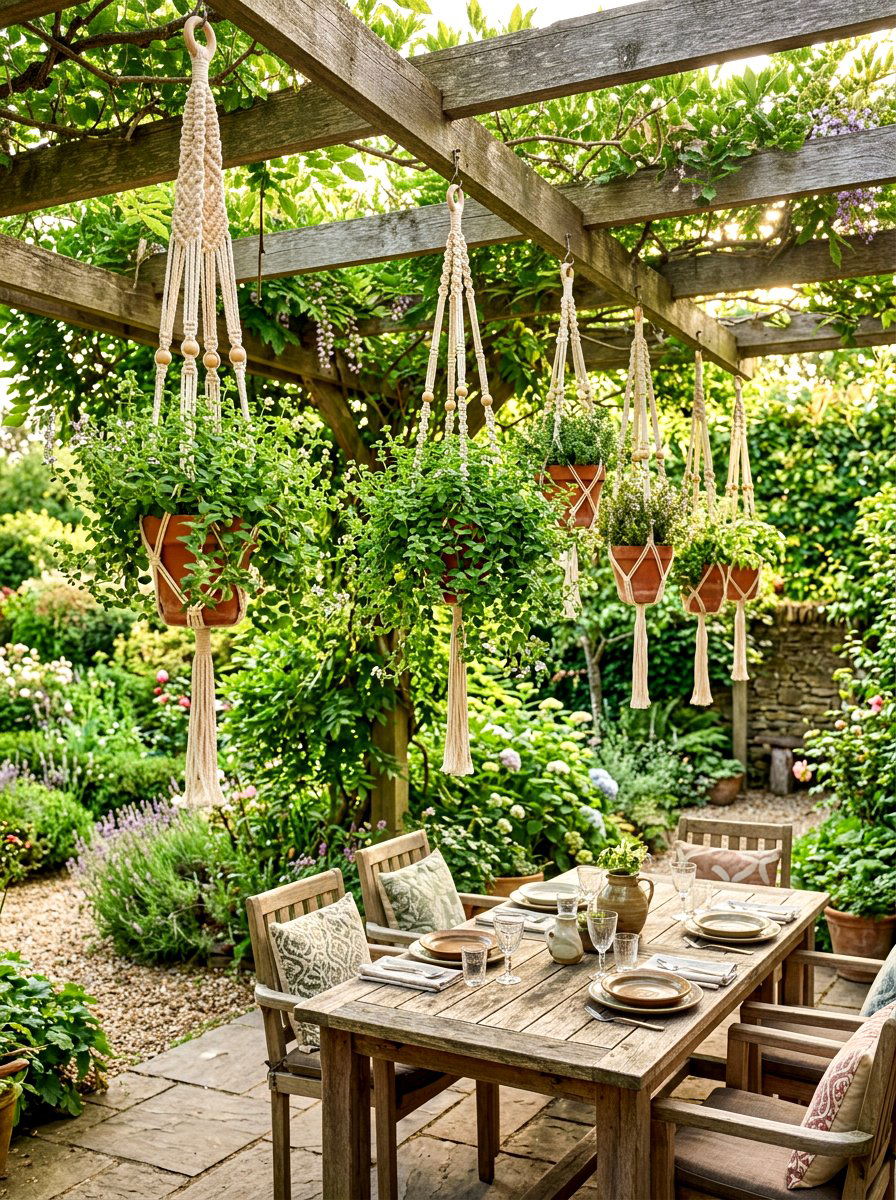
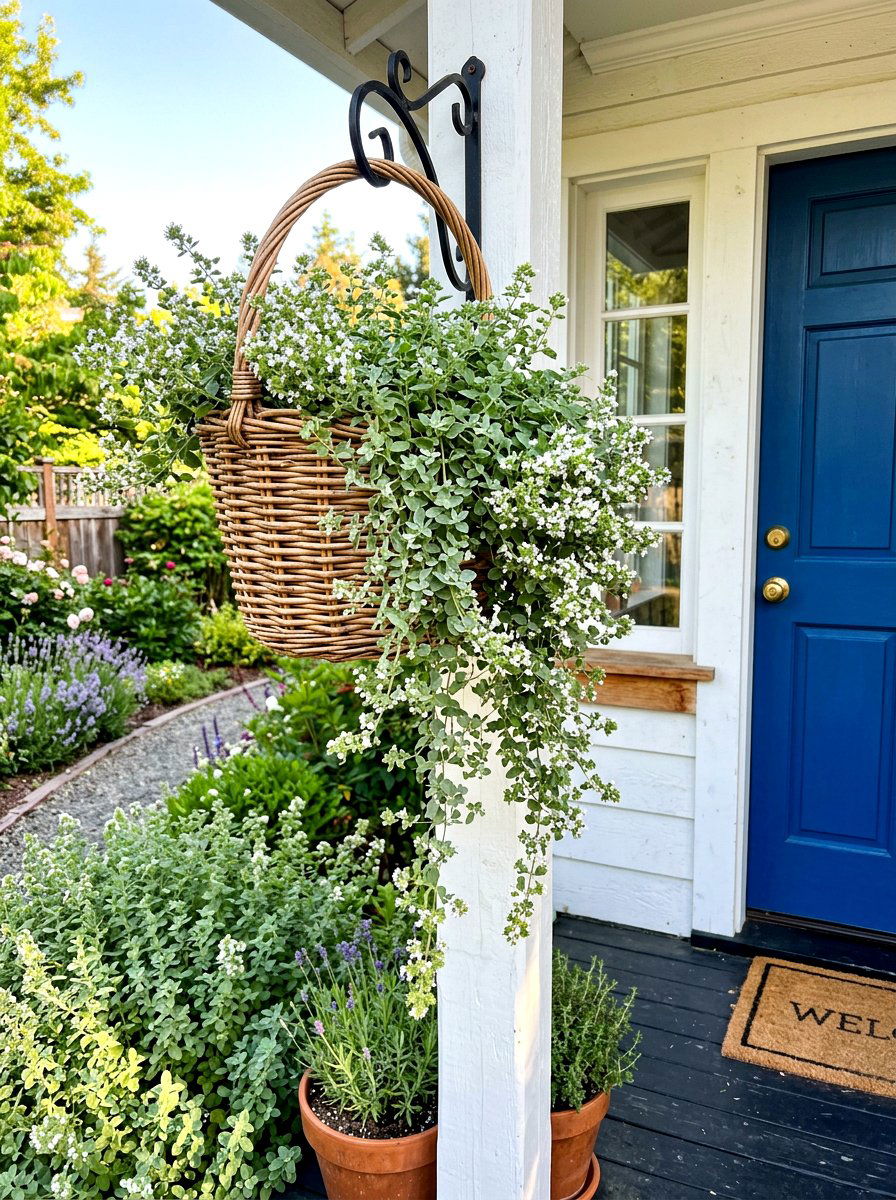
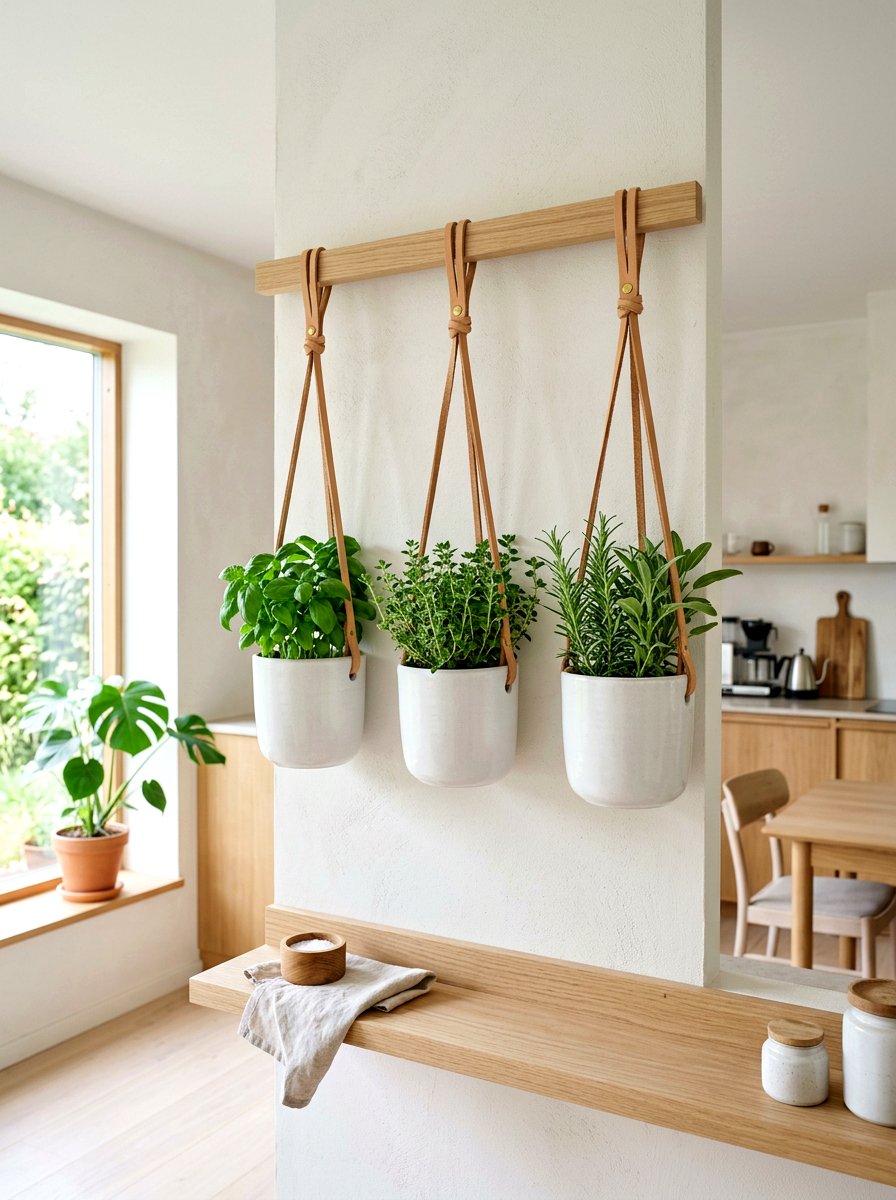
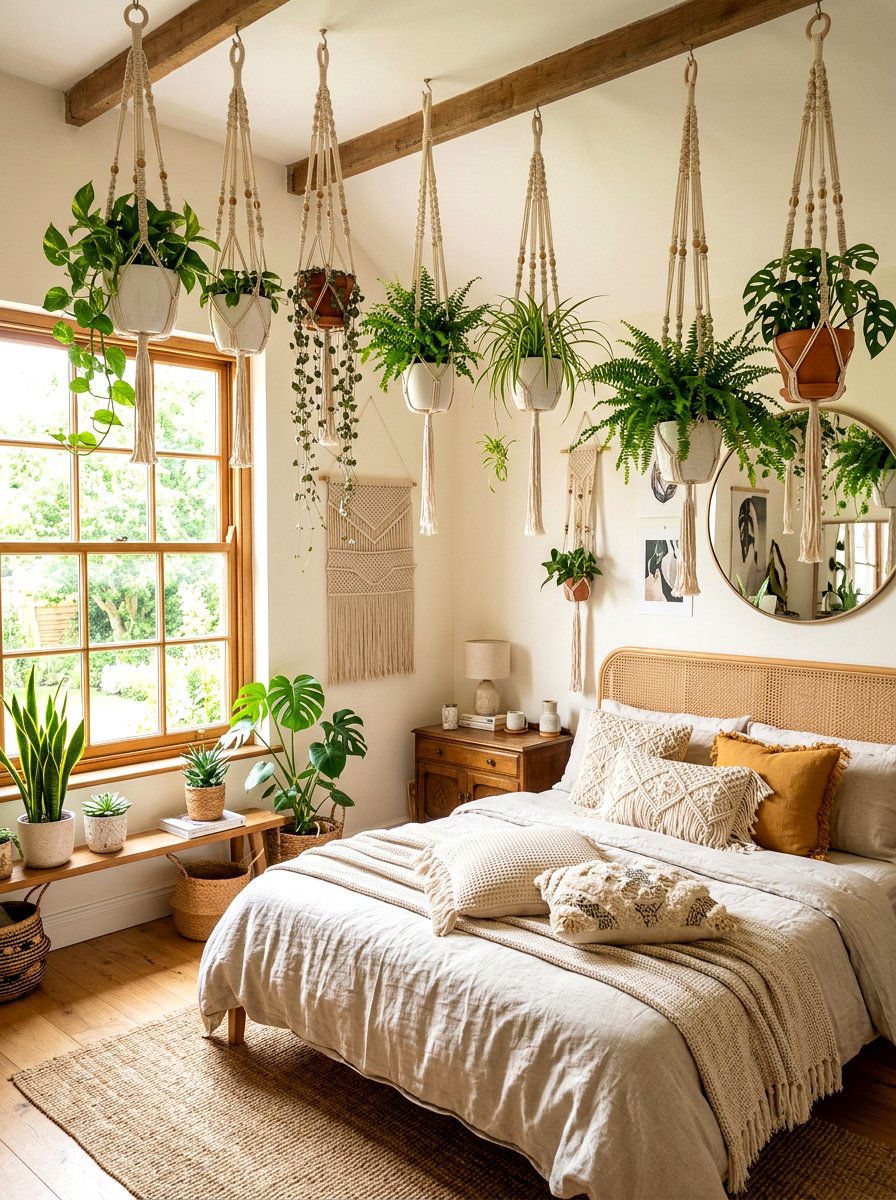
Hanging herb planters are fantastic for adding visual interest at eye level while keeping your patio floor completely clear. You can suspend these from a pergola, an overhanging roofline, or even sturdy wall brackets to create a floating garden effect. These planters are particularly effective for trailing herbs like creeping thyme or prostrate rosemary, which will gracefully spill over the edges of the pots. Using macramé hangers adds a bohemian touch, while sleek ceramic bowls offer a minimalist aesthetic. This design not only protects your precious herbs from ground-dwelling pests but also ensures they catch the breeze, wafting their delightful scents throughout your entire outdoor seating area.
4. Railing Herb Box
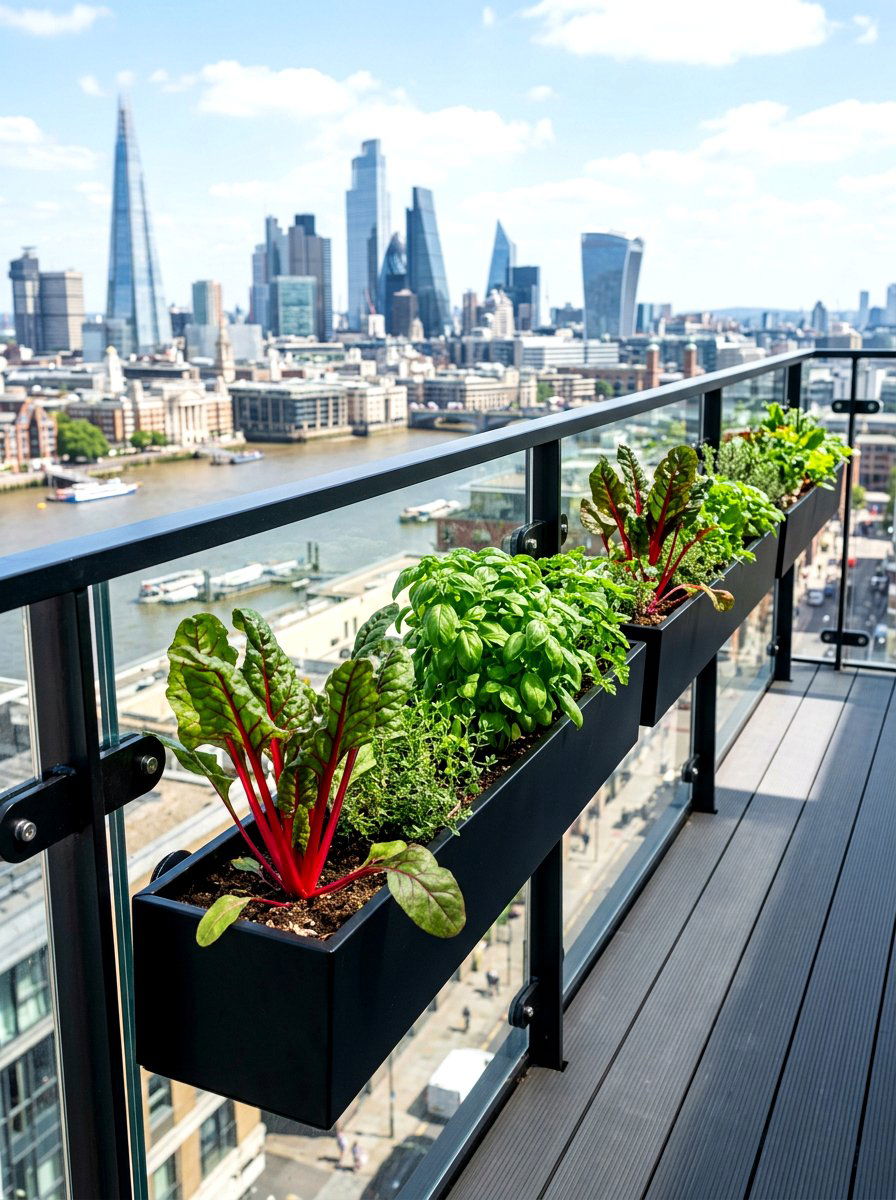
Railing herb boxes are essential for balcony owners or anyone with a fenced patio who wants to utilize every inch of available space. These long, narrow containers sit securely atop or hang from the side of your railings, putting your herbs at the perfect height for harvesting. This design helps define the perimeter of your outdoor space while providing a natural privacy screen if you plant taller varieties like dill or lemongrass. Because they are elevated, railing boxes often receive excellent sunlight throughout the day. It is important to choose weather-resistant materials like cedar or high-quality plastic to ensure your railing garden remains durable and attractive through all seasons.
5. Pallet Garden
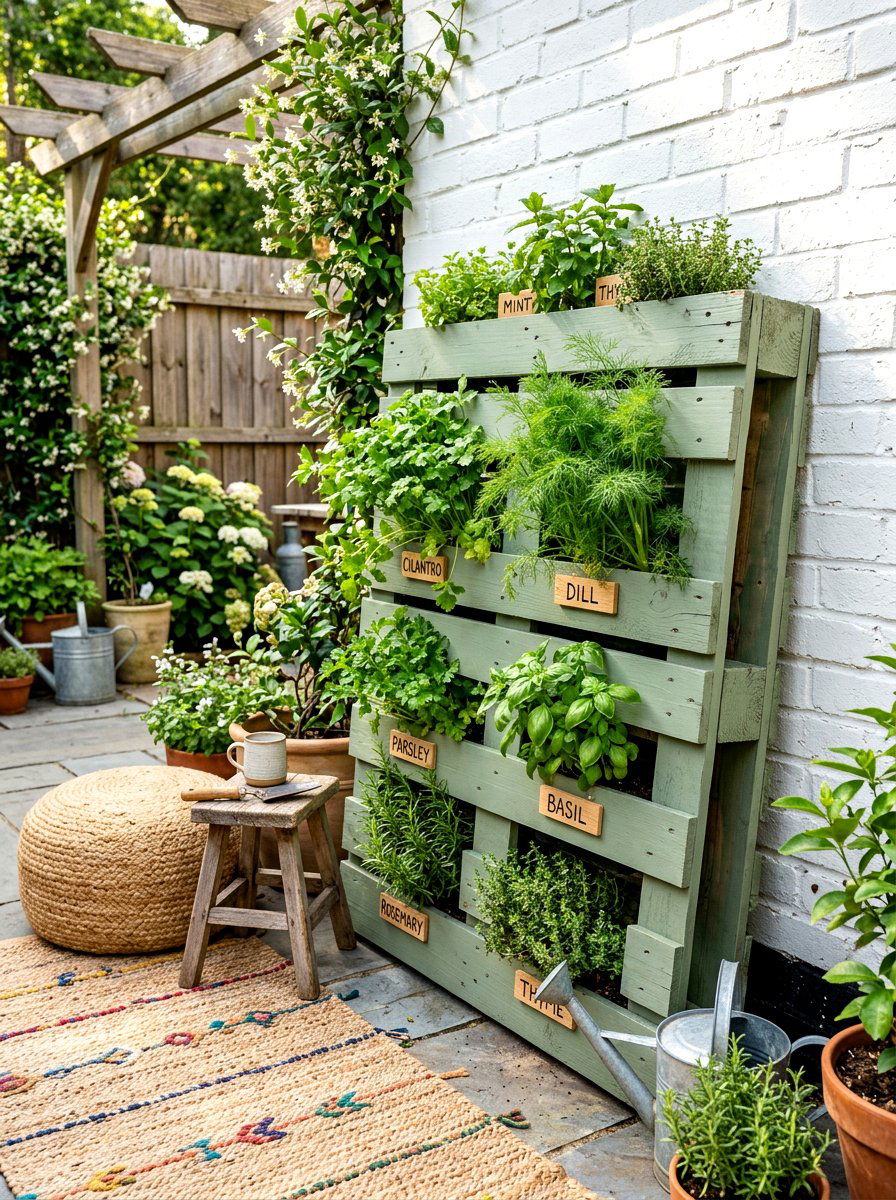
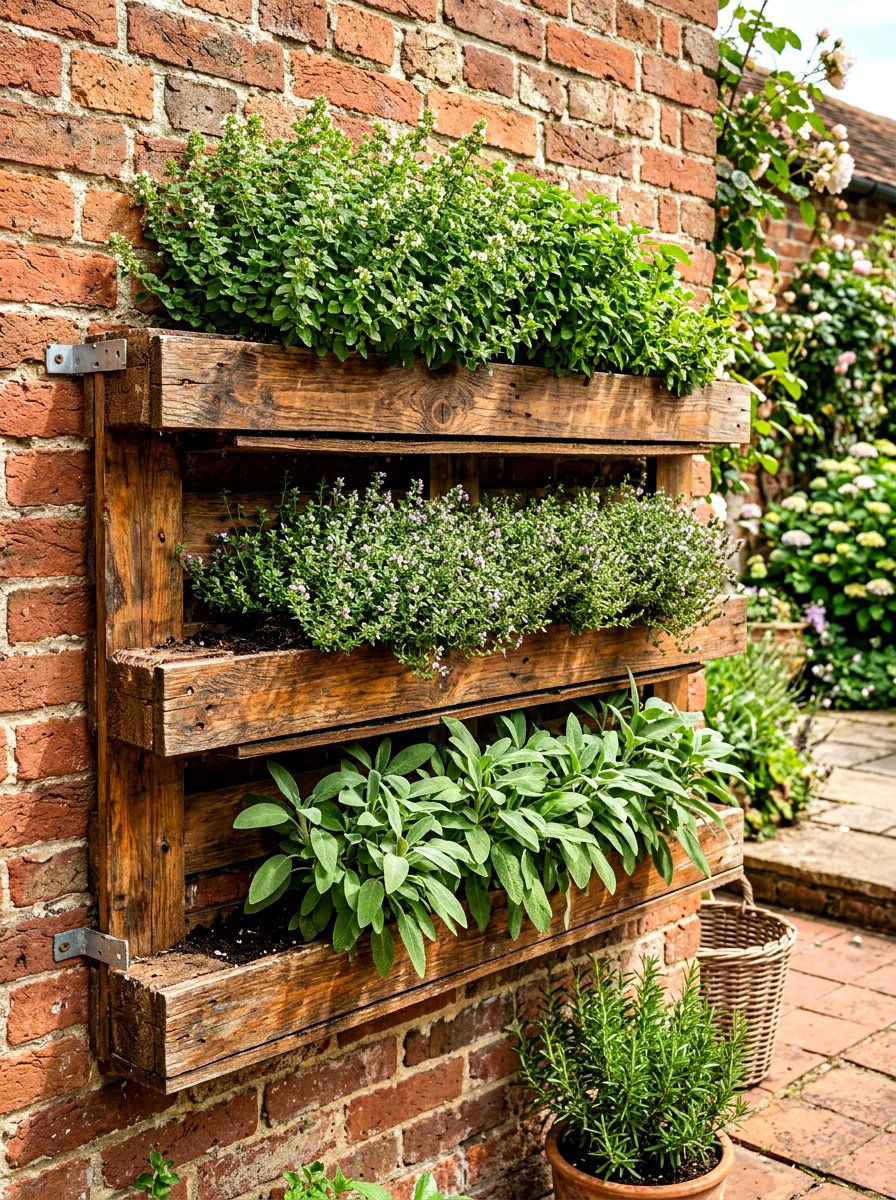
An upcycled pallet garden offers a rustic, eco-friendly way to organize your herb collection with minimal cost. By standing a wooden pallet upright and sealing the bottom of the slats with landscape fabric, you create natural planting pockets for a wide variety of herbs. This full-design idea looks incredible against a brick wall or a wooden fence, adding a touch of farmhouse charm to your patio. You can paint the pallet to match your outdoor furniture or leave it natural for a more weathered look. This compact vertical system is ideal for keeping invasive herbs like mint contained while still allowing them plenty of room to spread their roots.
6. Herb Container Garden
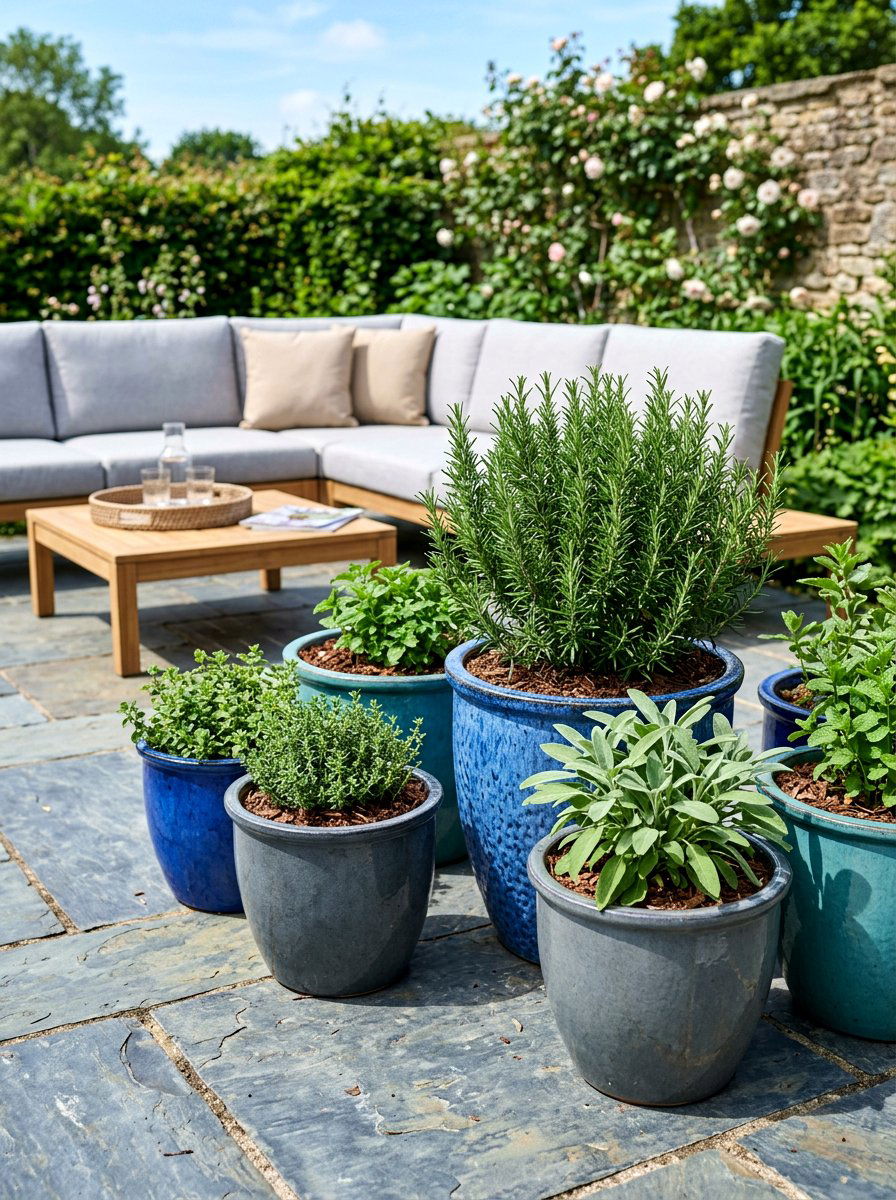
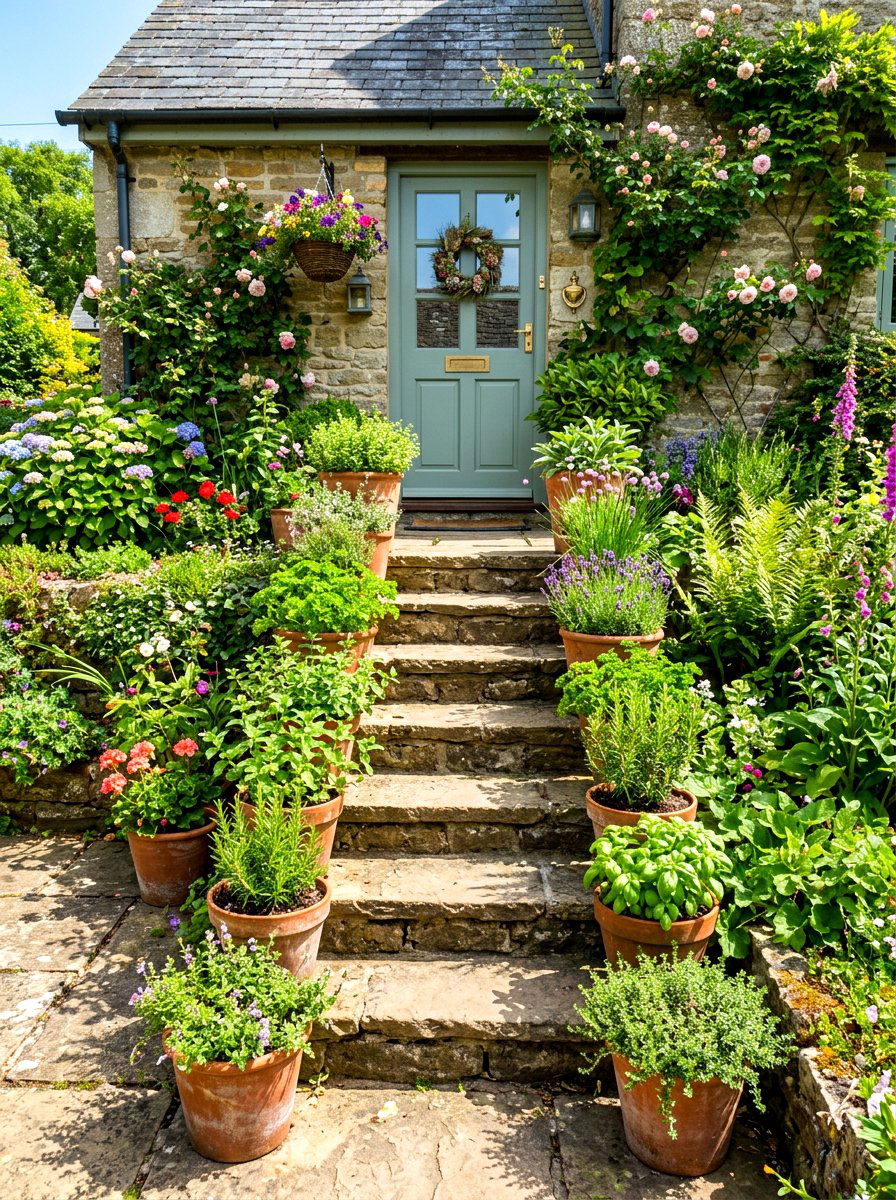
A classic herb container garden relies on the art of grouping different sizes and styles of pots to create a curated, intentional look. Instead of a single lonely pot, you arrange a collection of terracotta, ceramic, and stone containers of varying heights on your patio. This method allows you to tailor the soil and moisture levels for each specific herb, which is crucial for plants with different needs like moisture-loving parsley and drought-tolerant sage. By clustering these pots together, you create a humid microclimate that helps the plants thrive during hot summer days. This flexible design can be easily rearranged whenever you want to refresh your patio’s layout.
7. Window Box Herbs
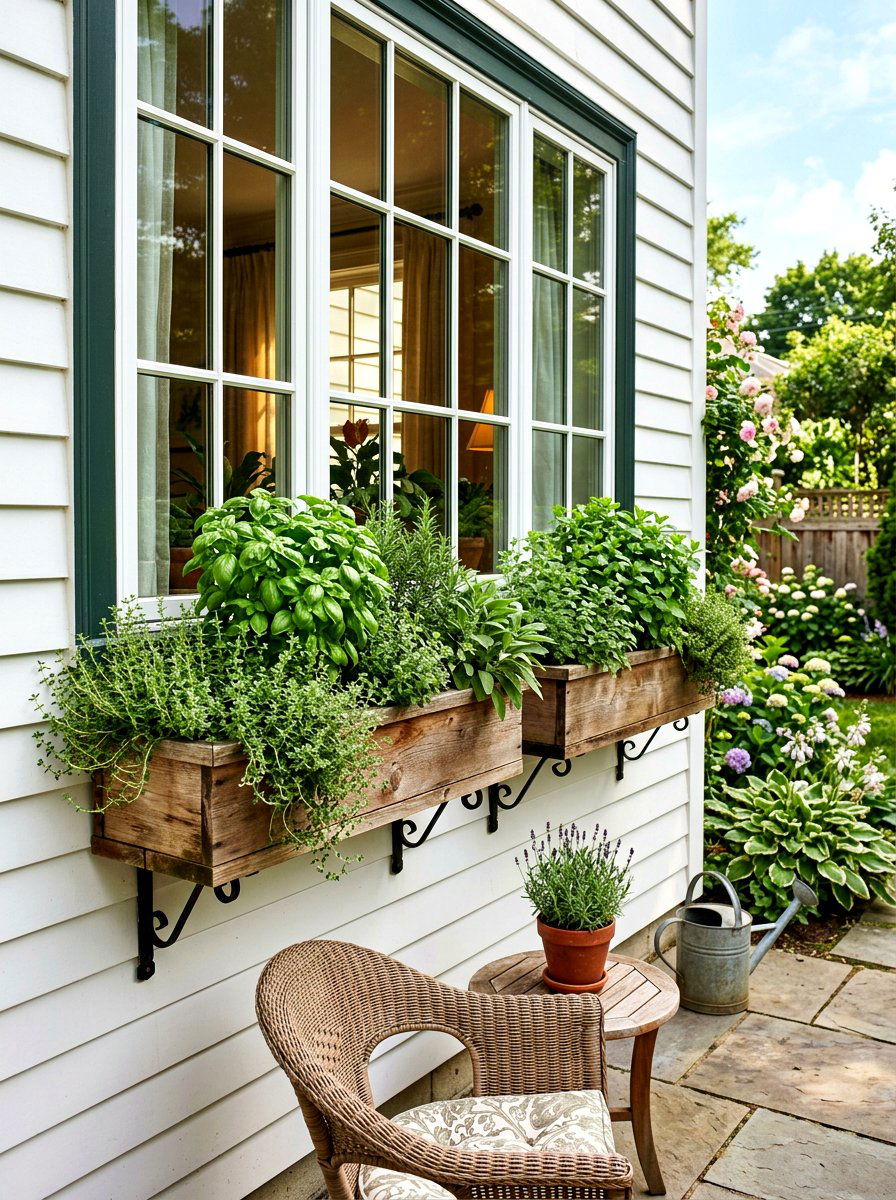
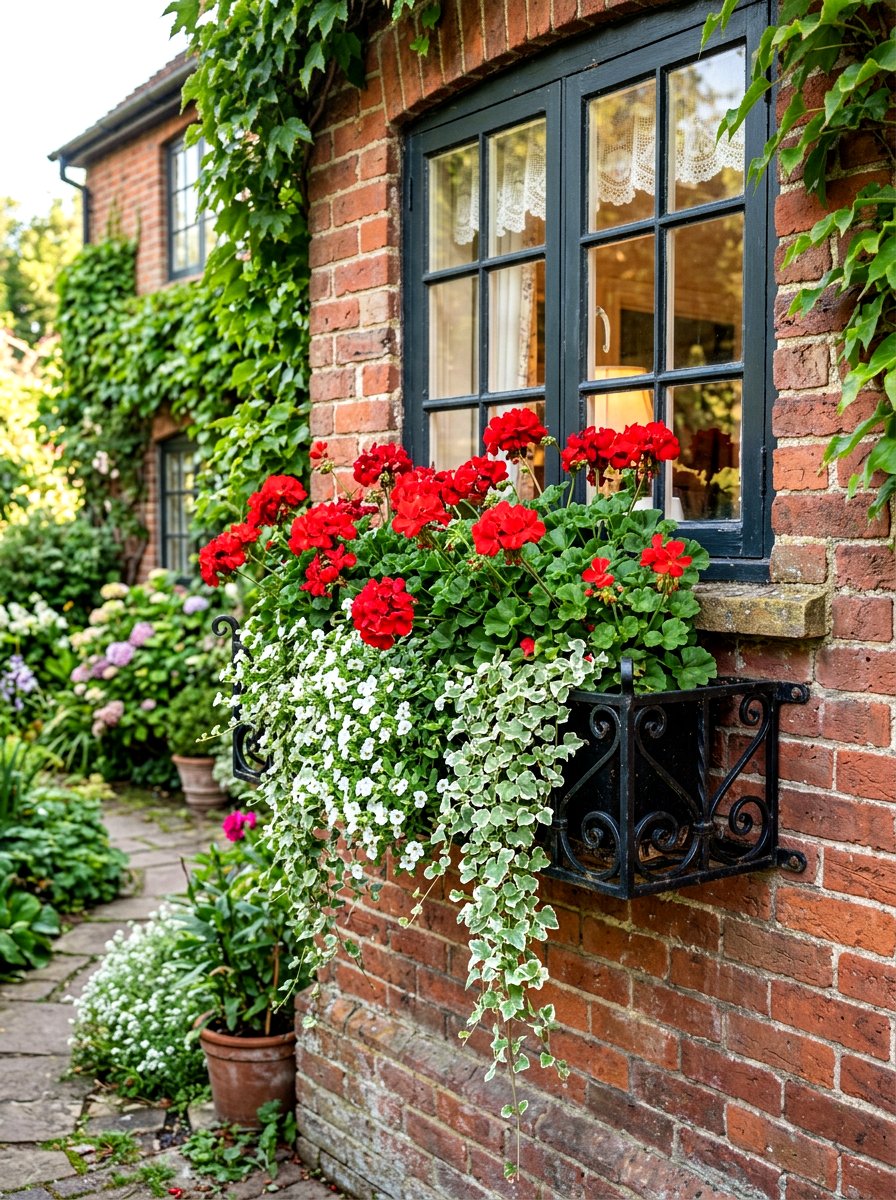
Window box herbs bring the beauty and utility of the garden directly to your home 's exterior, even if you don' t have a traditional garden bed. These long planters are usually mounted just below a window or along a low patio wall, creating a seamless transition between your indoor and outdoor spaces. This setup is incredibly practical for the home chef, as you can often reach out and grab what you need without even stepping fully outside. When designing your window box, consider a mix of upright herbs like basil in the center flanked by trailing oregano or marjoram to create a full, professional-looking arrangement that enhances your home’s curb appeal.
8. Mason Jar Herb Garden
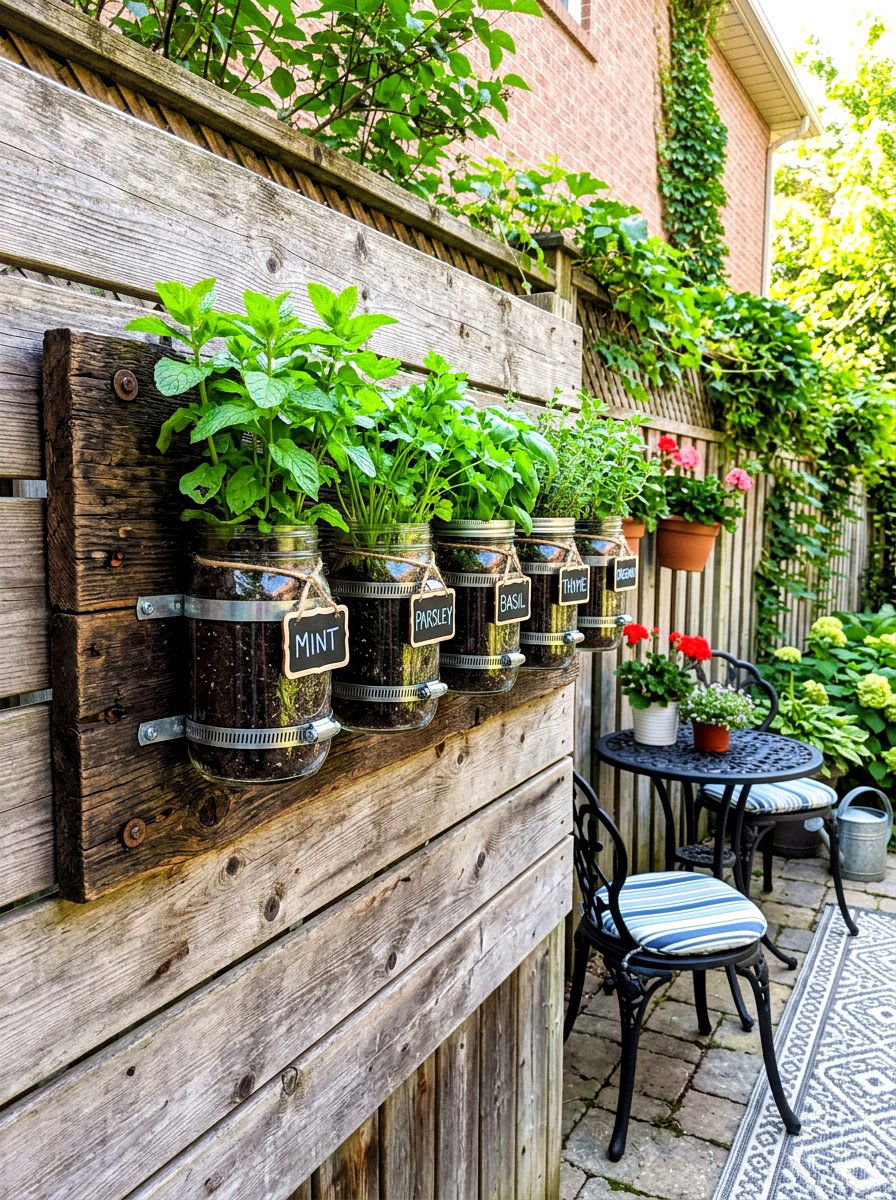
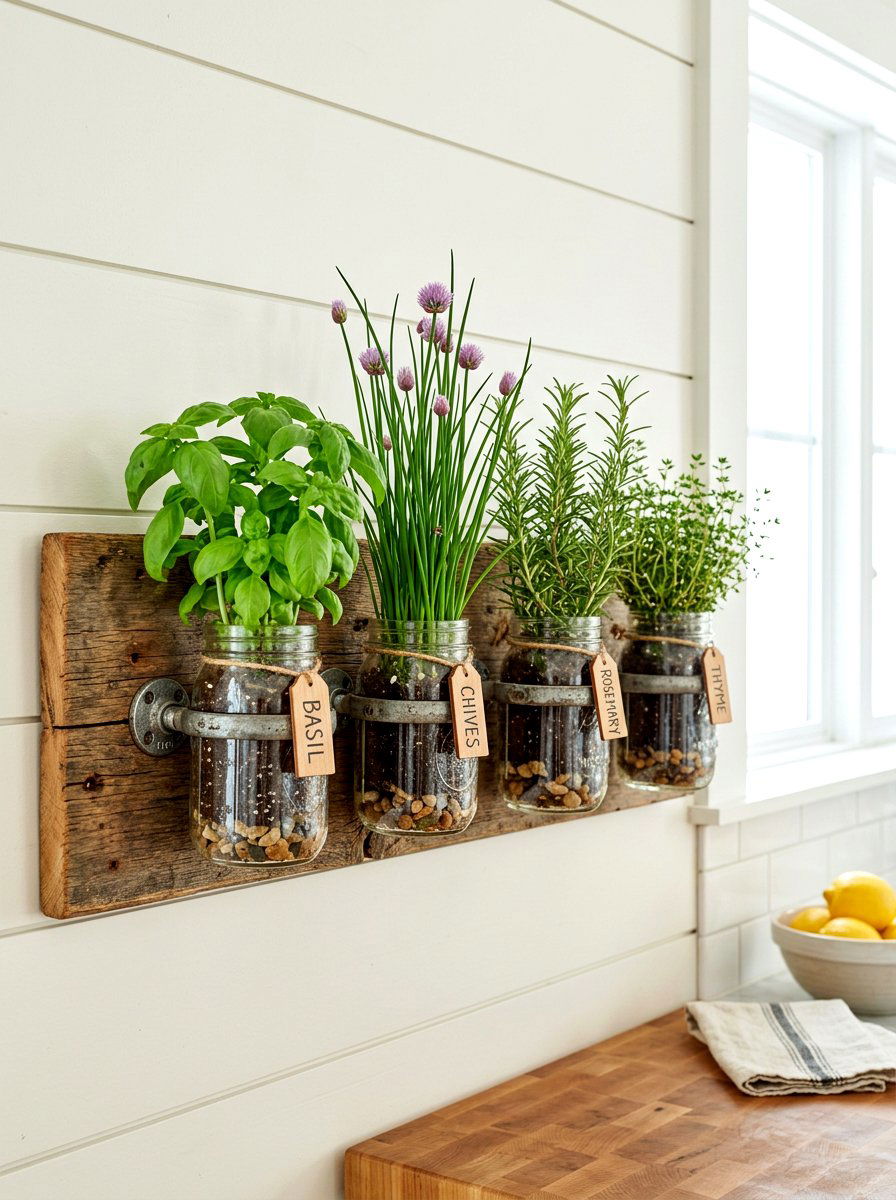
A mason jar herb garden is a charming and nostalgic way to grow small batches of herbs on a patio table or a dedicated wall shelf. This design is perfect for those who enjoy a DIY aesthetic and want to keep their herbs close for quick garnishes. For the best results, you can mount the jars onto a reclaimed wood board using metal pipe clamps, creating a sleek, industrial-style vertical display. Since mason jars don't have drainage holes, it is essential to use a layer of pebbles at the bottom to prevent root rot. This miniature garden looks particularly beautiful when the sunlight catches the glass, highlighting the vibrant green stems.
9. Stepping Stone Herb Border
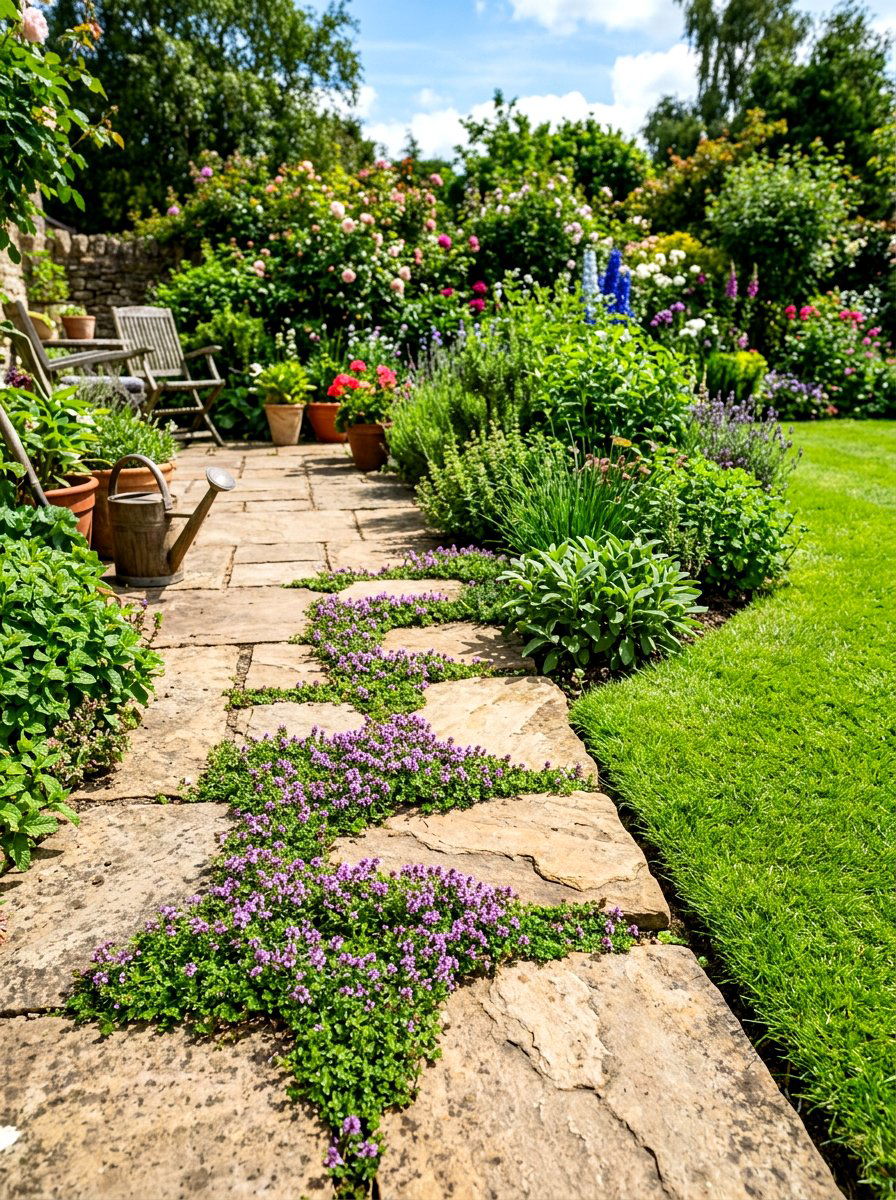
A stepping stone herb border integrates your garden directly into the floor of your patio, creating a living pathway that smells amazing when walked upon. By planting low-growing, durable herbs like creeping thyme or chamomile between large flagstones or pavers, you turn a functional walkway into a fragrant feature. These "walk-on" herbs are incredibly resilient and release their essential oils every time they are lightly brushed by a foot or a chair leg. This design softens the hard lines of a stone patio and creates a lush, grounded feel. It is a brilliant way to fill the gaps in your hardscaping while adding a layer of edible beauty.
10. Herb Spiral
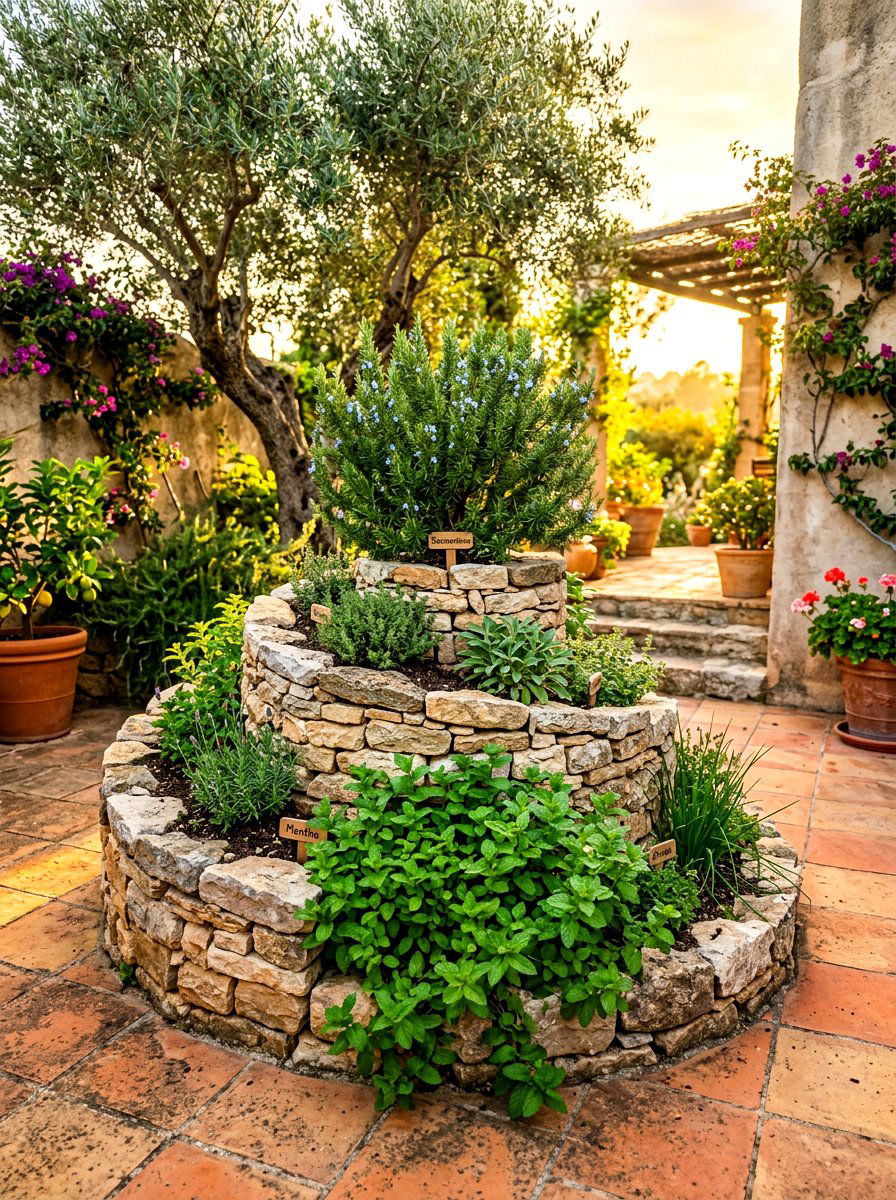
An herb spiral is a brilliant permaculture design that uses a vertical corkscrew shape to create different microclimates within a small footprint. Built from stones, bricks, or even wood, the spiral rises from the ground, allowing you to plant sun-loving, dry-soil herbs like rosemary at the top. As the spiral winds down, the soil stays moisture-rich and shaded, which is perfect for herbs like mint or chives at the base. This three-dimensional structure is a stunning architectural element for any patio, providing a large harvest area while taking up very little horizontal space. It truly turns your herb garden into a piece of functional outdoor art.
11. Ladder Herb Display
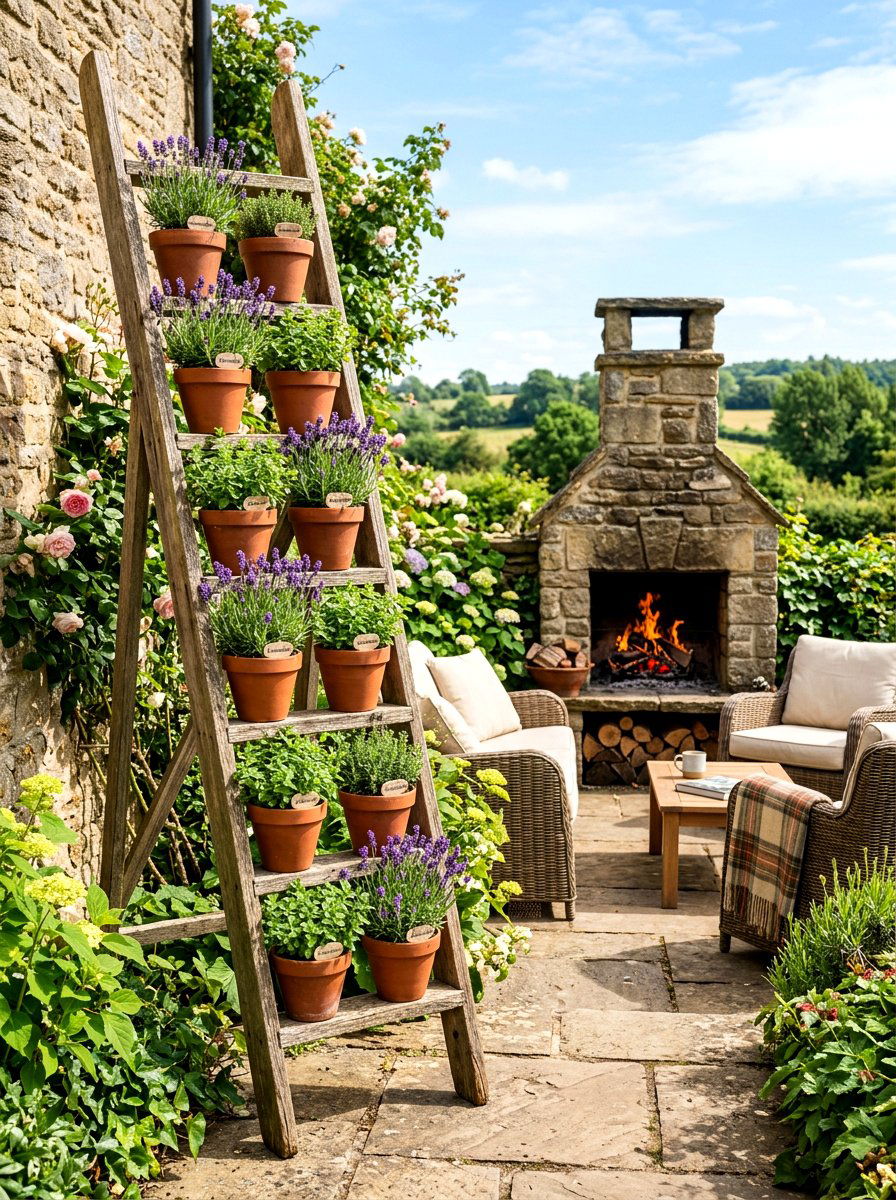
A ladder herb display is a stylish and portable way to add verticality to your patio without any permanent installation. You can repurpose an old wooden step ladder or purchase a sleek, modern shelving unit designed specifically for plants. Each rung of the ladder acts as a shelf for individual herb pots, creating a clear hierarchy of greenery. This design is highly effective for sun-tracking; you can easily move the entire unit to follow the light as the seasons change. It also creates a wonderful sense of depth, as the layers of plants overlap to form a dense wall of aromatics that makes your patio feel like a private garden nook.
12. Wall Mounted Herb Pots
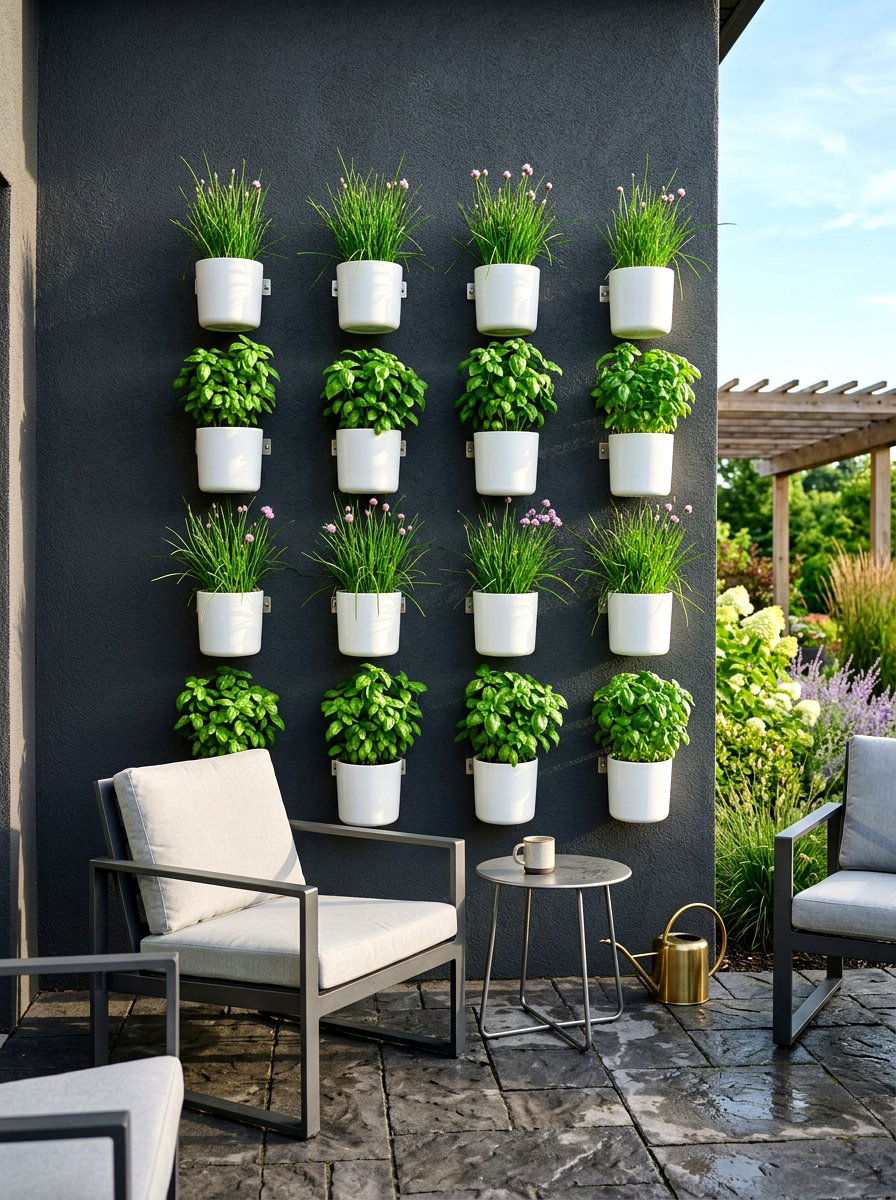
Wall mounted herb pots allow you to treat your patio walls like a gallery, showcasing your favorite herbs in a clean and modern way. By using individual ring brackets or specialized wall planters, you can create geometric patterns or a simple grid of fresh ingredients. This design is particularly useful for keeping your herbs away from pets and curious toddlers while keeping them at a comfortable height for maintenance. Using matching pots creates a sophisticated, uniform look, while a mix of different colors and textures can feel more eclectic and playful. It is a fantastic way to add life to a boring blank wall or a dull fence.
13. Self Watering Herb Planter
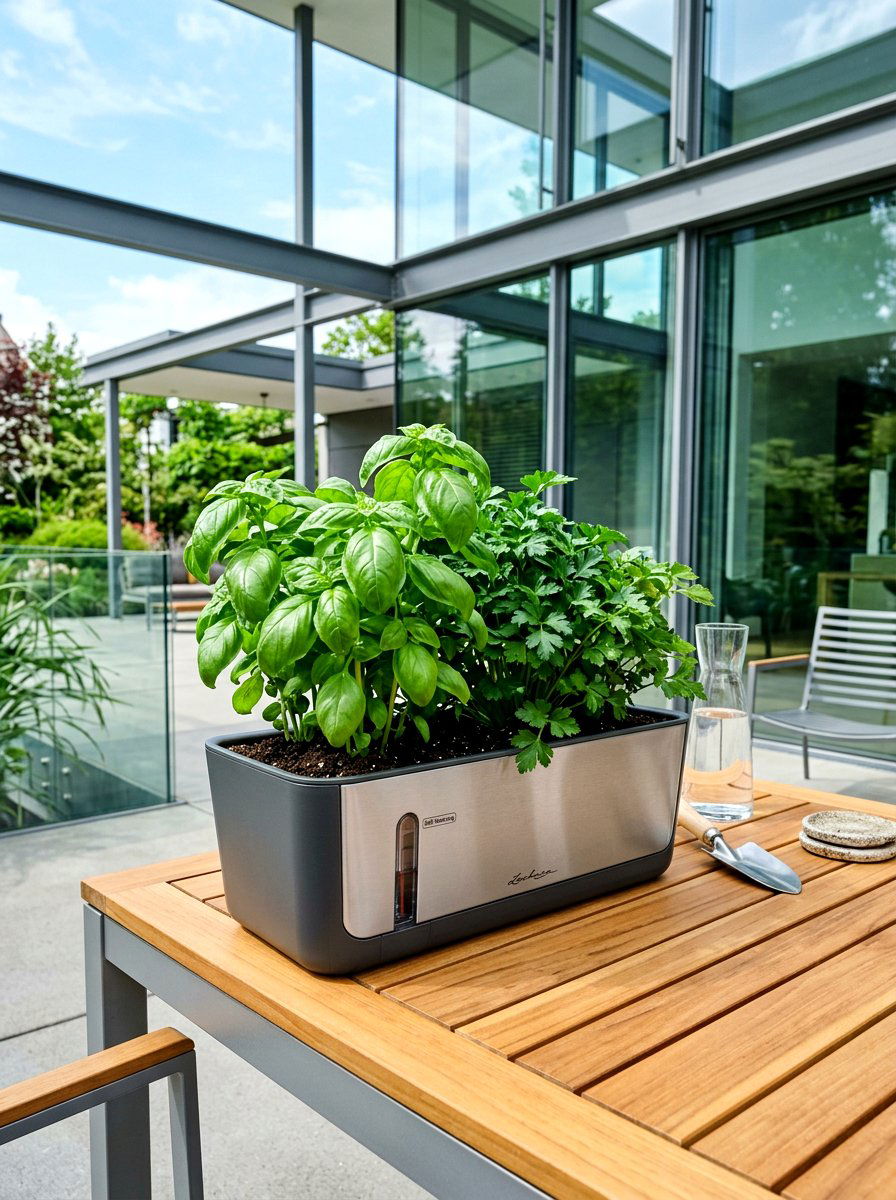
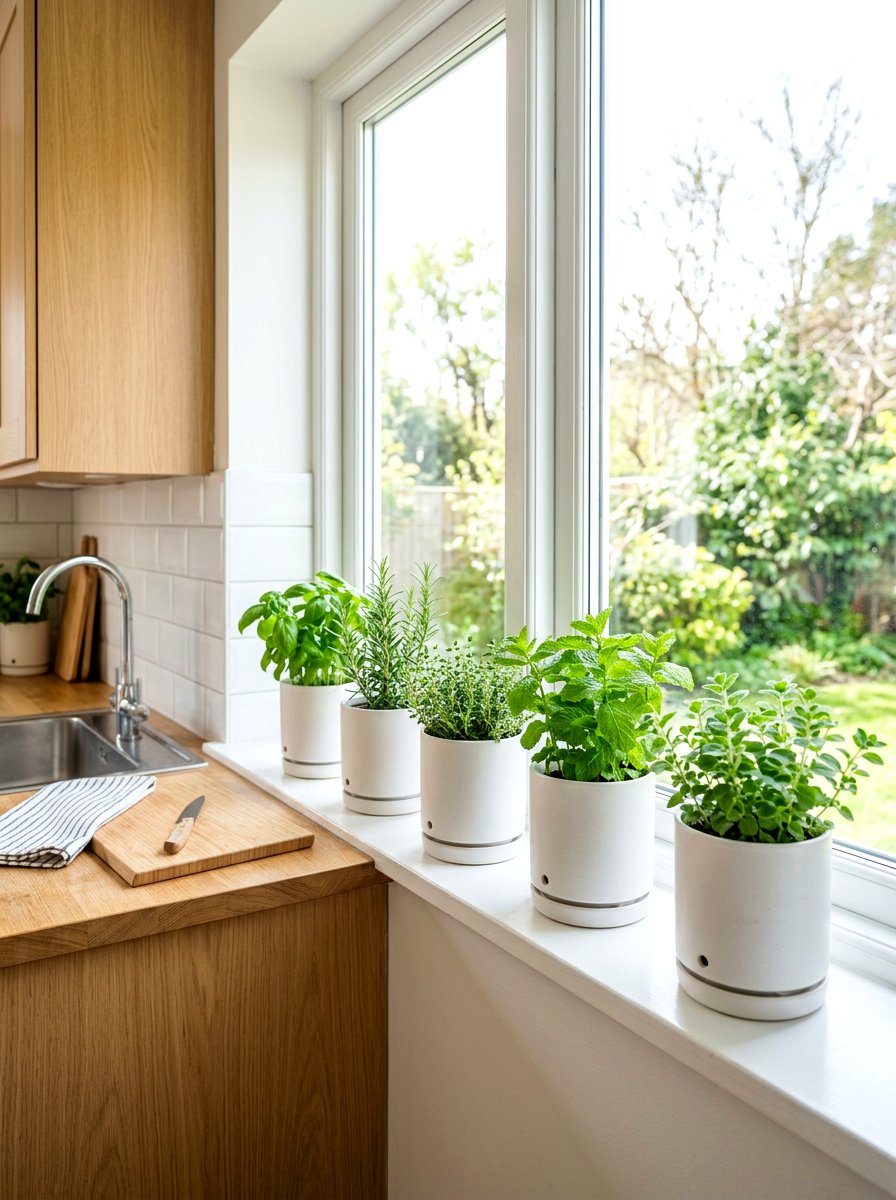
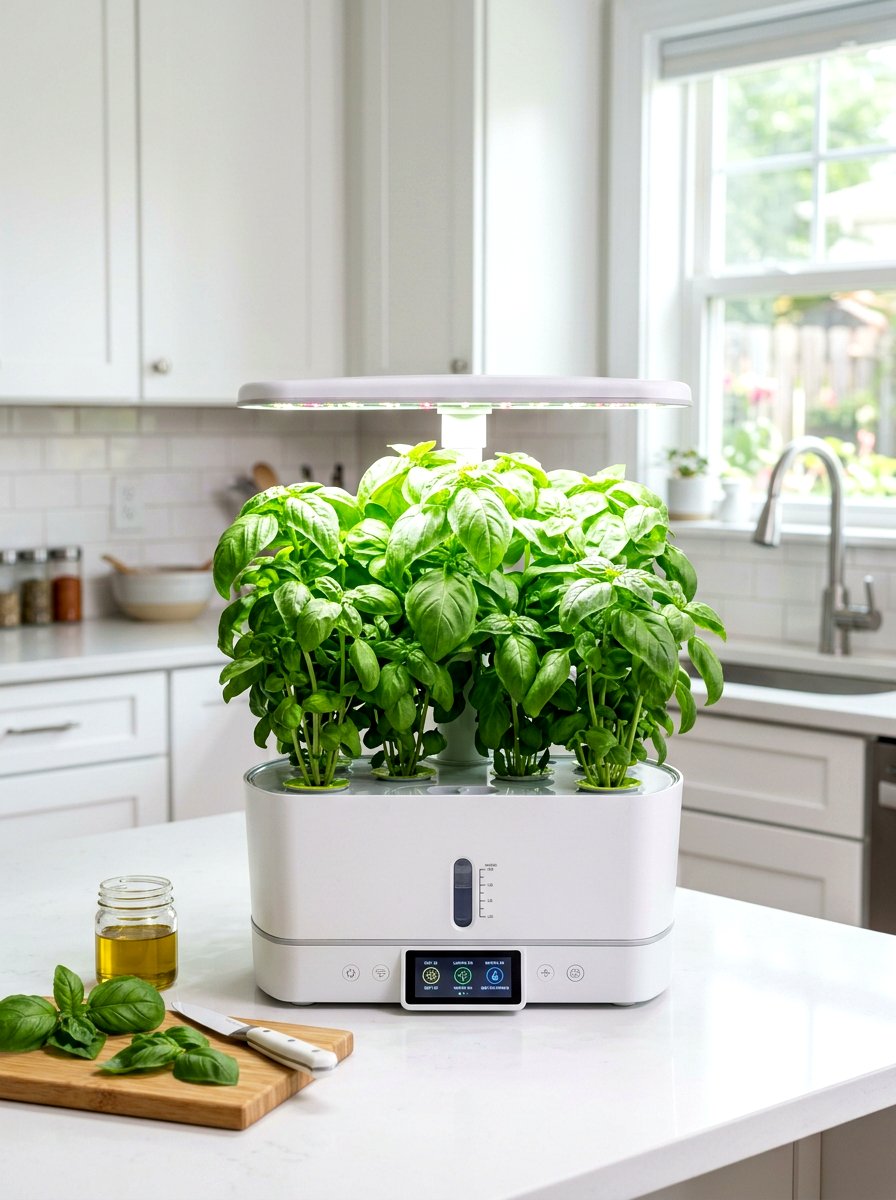
Self watering herb planters are a game-changer for busy patio gardeners who want a thriving garden without the daily chore of watering. These innovative containers feature a built-in reservoir at the base that provides a consistent moisture level to the roots via capillary action. This design is perfect for moisture-loving herbs like basil, mint, and cilantro, which can wilt quickly in the summer heat if the soil dries out. Many of these planters have a sleek, modern appearance that fits perfectly with minimalist or contemporary patio furniture. They offer peace of mind during vacations, ensuring your culinary garden remains lush and productive even when you are away for a few days.
14. Raised Bed Herb Garden
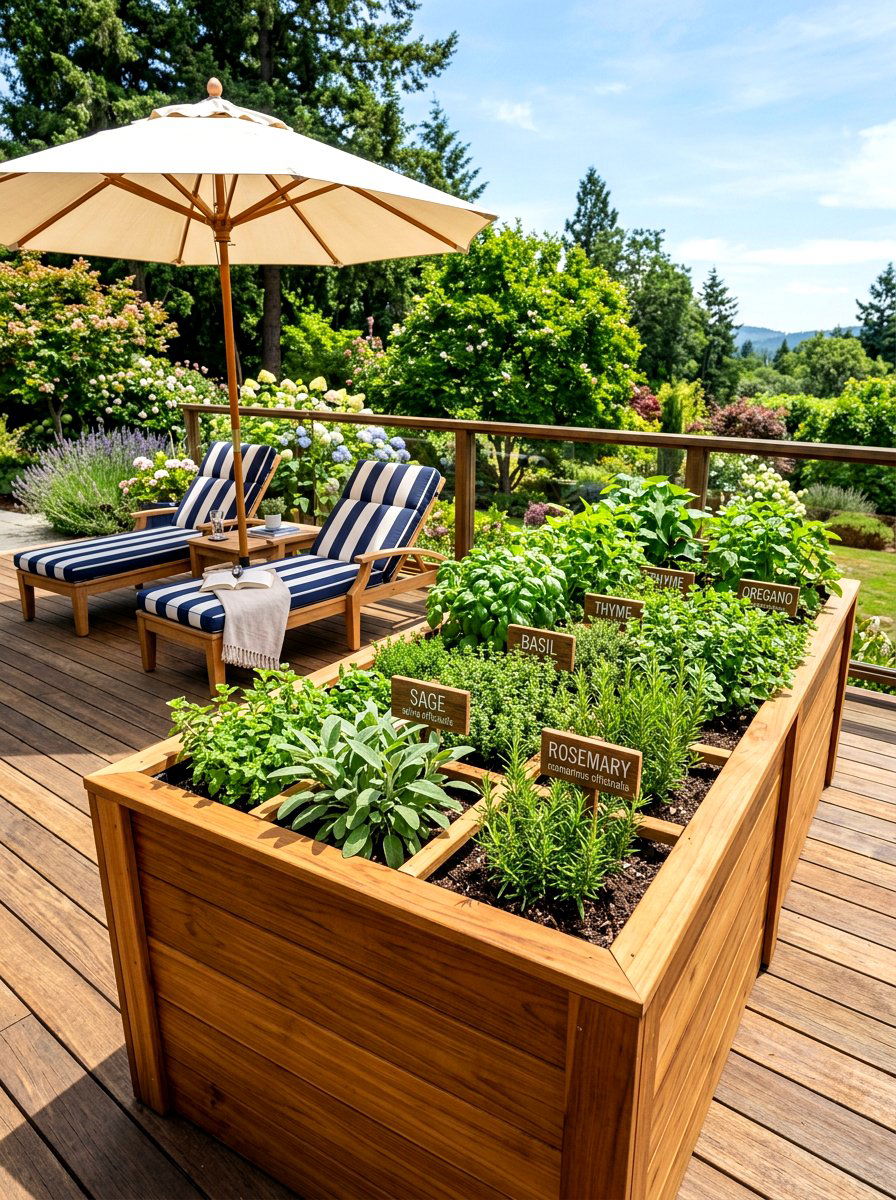
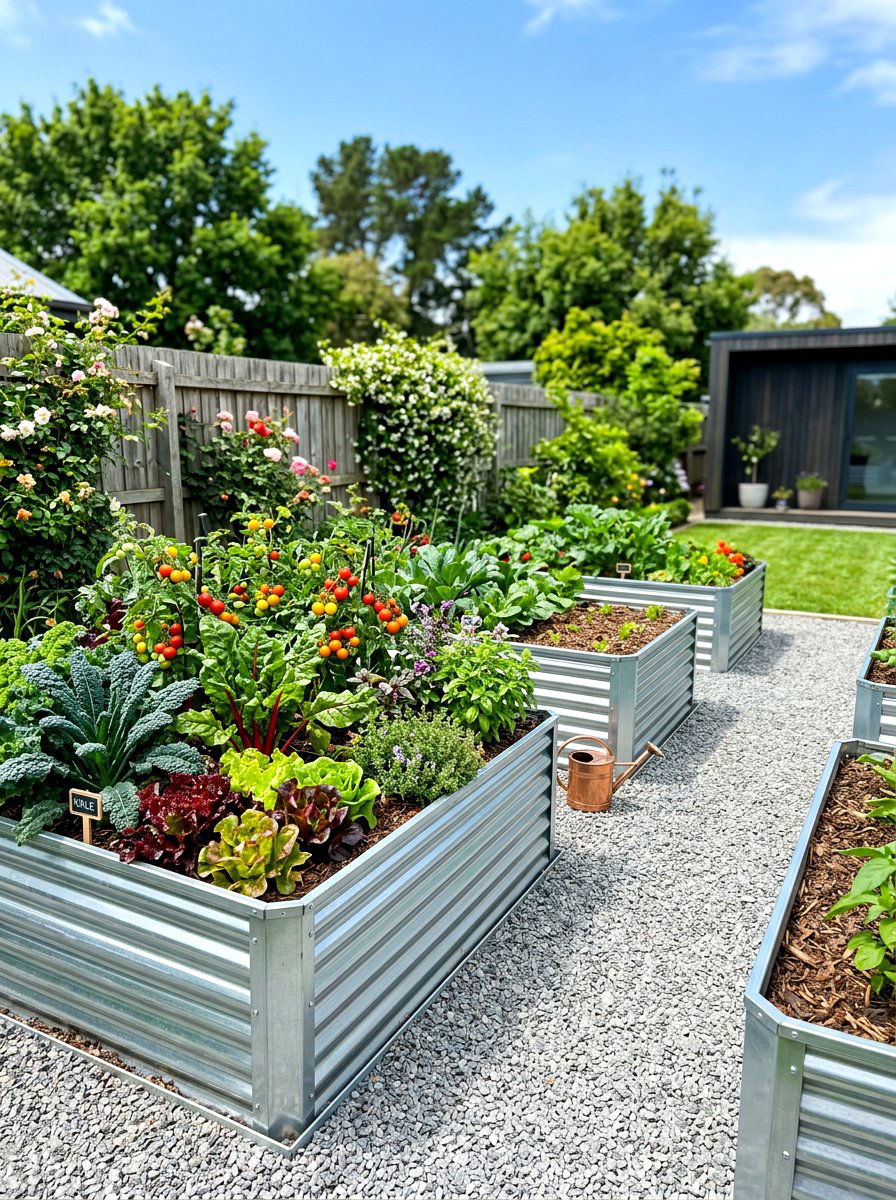
A raised bed herb garden brings the traditional garden plot up to a comfortable waist-high level, making it much easier on your back and knees. On a patio, these are often constructed as "planter tables" made from rot-resistant cedar or durable composite materials. This design allows for deep soil, which is ideal for herbs with extensive root systems like large rosemary bushes or sprawling sage. Because the soil is contained, you have total control over the drainage and nutrient content, leading to much healthier and faster-growing plants. A large raised bed can act as a natural room divider on your patio, separating your dining area from your lounging space.
15. Mobile Herb Cart
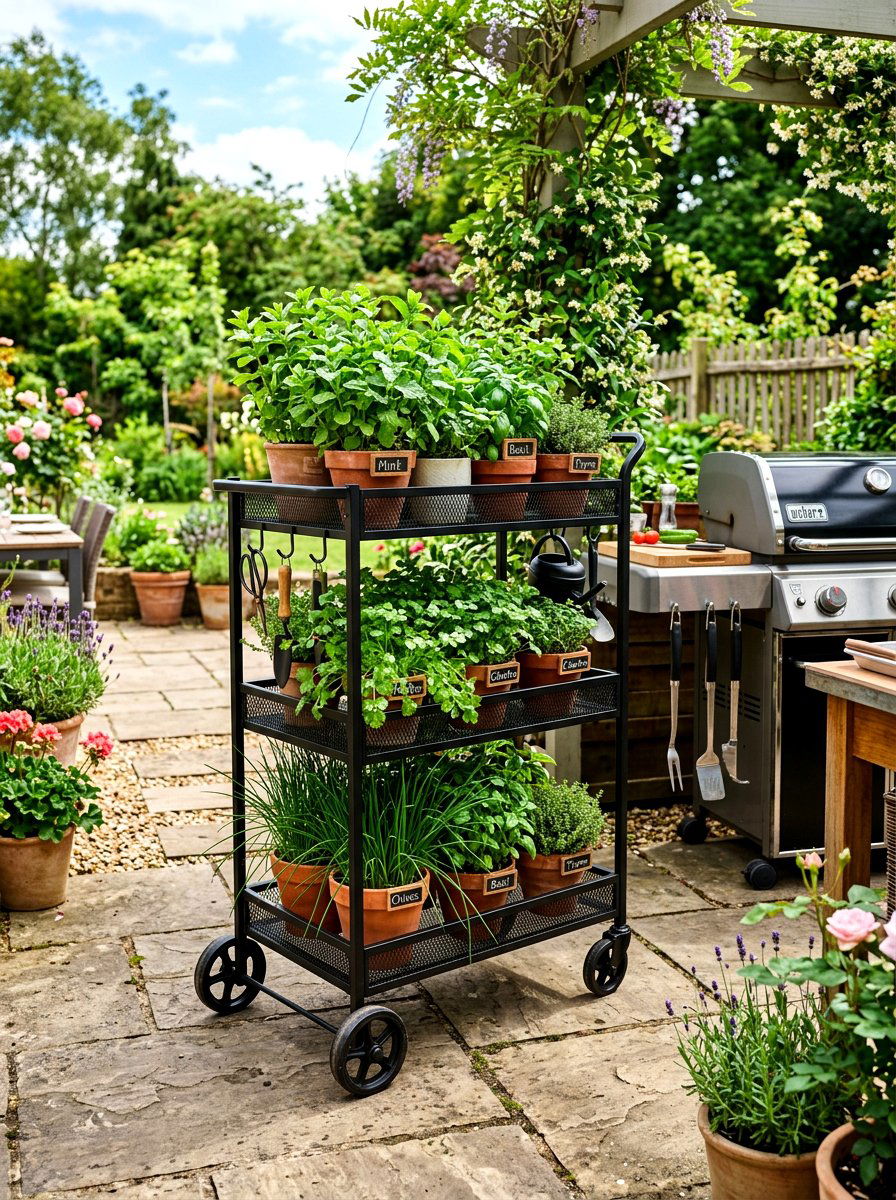
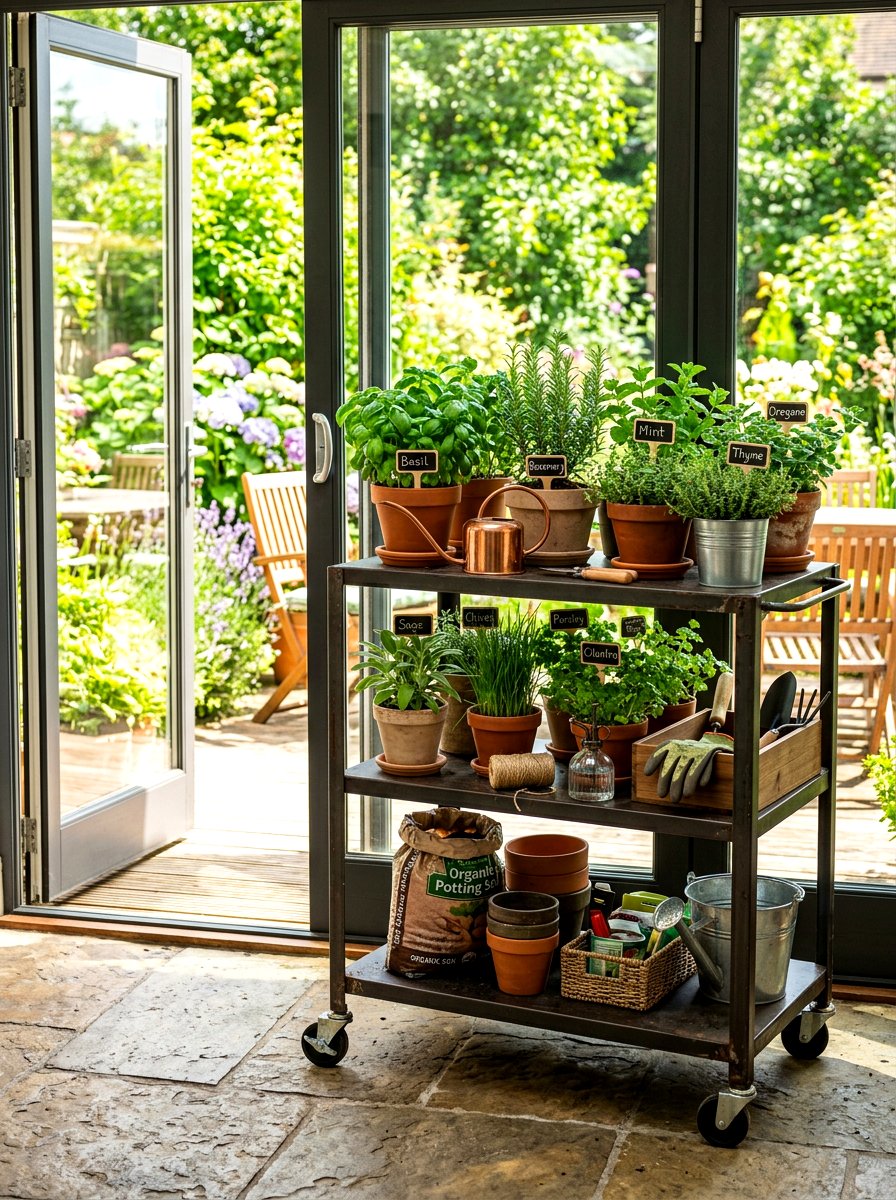
A mobile herb cart provides the ultimate flexibility for patio gardening, allowing you to wheel your entire collection into the sun or shade as needed. This design often utilizes a repurposed bar cart or a heavy-duty utility trolley with multiple shelves. You can stock the top shelf with your most frequently used herbs like basil and parsley, while using the lower shelves for larger pots or gardening supplies like snippers and watering cans. This is an excellent solution for patios that receive uneven sunlight throughout the day. When entertaining guests, you can simply roll the cart next to your outdoor kitchen or dining table for an interactive harvesting experience.
16. Clay Pot Herb Tower
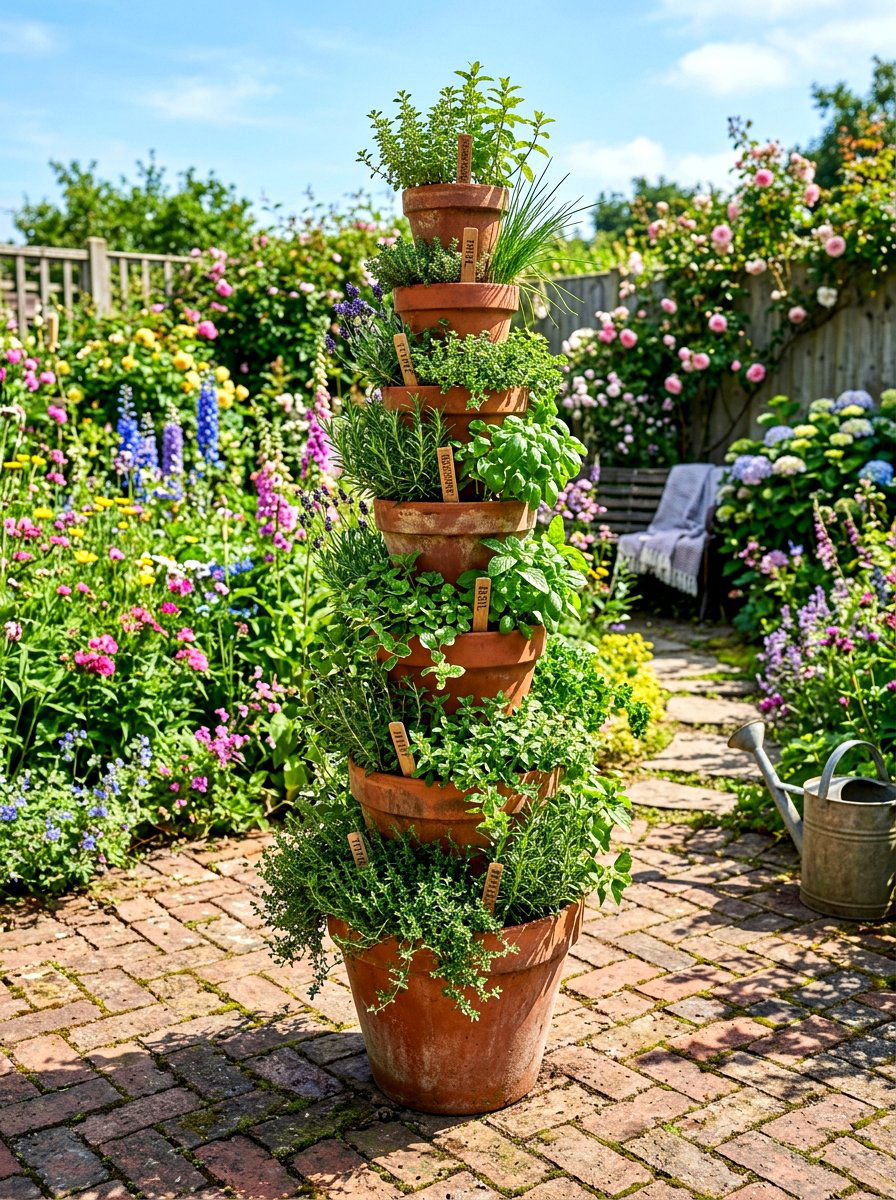
The clay pot herb tower is a whimsical and space-saving design that uses physics to stack multiple terracotta pots on top of each other. By threading different sized pots onto a central sturdy rebar stake, you create a tall, tapering column of herbs that looks like a sculpture. The largest pot sits at the base, with progressively smaller pots stacked above it, each tilted slightly to allow room for planting. This vertical arrangement is perfect for Mediterranean herbs that love the excellent drainage provided by terracotta. It creates a stunning visual statement in the middle of a patio or tucked into a corner, maximizing your harvest in a very small footprint.
17. Chalkboard Herb Pots
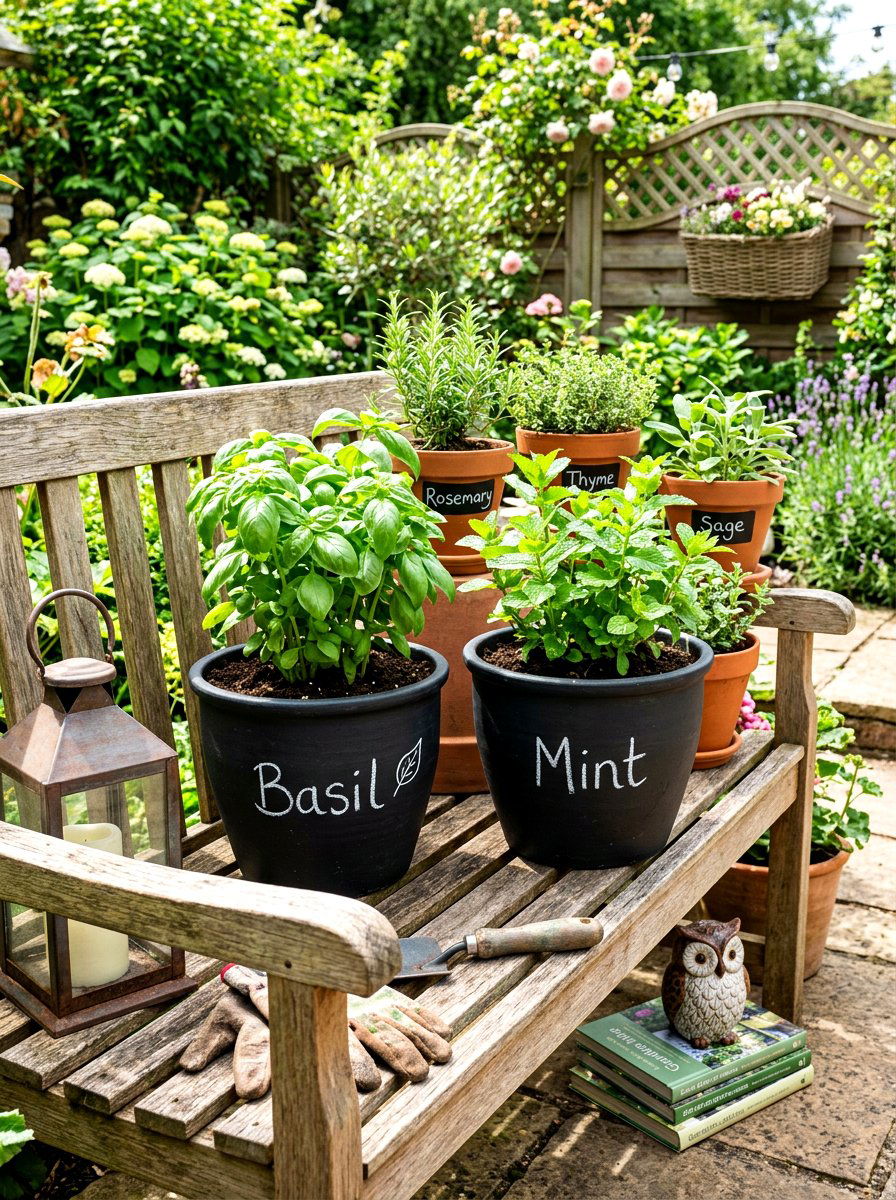
Chalkboard herb pots are a functional and stylish way to keep your patio garden organized while adding a touch of personalized charm. By painting the surface of your ceramic or terracotta pots with specialized chalkboard paint, you can easily label each herb with its name or even specific care instructions. This design is particularly helpful if you are growing several varieties of the same herb, like lemon basil and Thai basil. It also makes for a great conversation starter during patio gatherings, as guests can see exactly what is growing. The matte black finish of the chalkboard paint provides a beautiful, high-contrast backdrop that makes the vibrant green foliage pop.
18. Upside Down Herb Planter
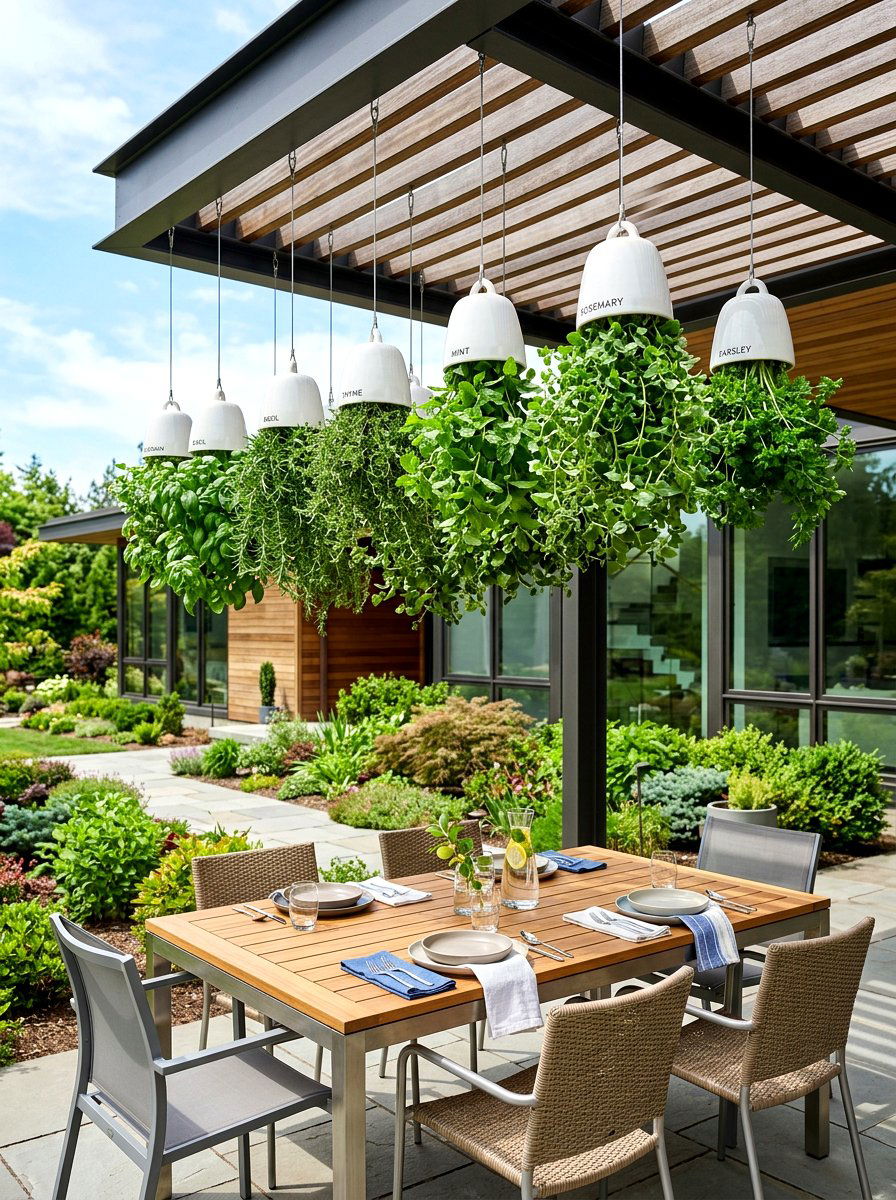
An upside down herb planter is a unique and space-saving way to grow herbs like tomatoes or peppers, though it works exceptionally well for certain herbs too. These specialized containers are hung from a high point on your patio, with the plant growing out of a hole in the bottom. This gravity-defying design helps prevent soil-borne diseases and eliminates the need for staking or support. It also keeps the plants well away from ground pests and maximizes air circulation. While it might look unusual at first, it is a highly efficient way to utilize vertical space and adds an interesting, modern architectural element to your outdoor living area.
19. Gutter Herb Garden
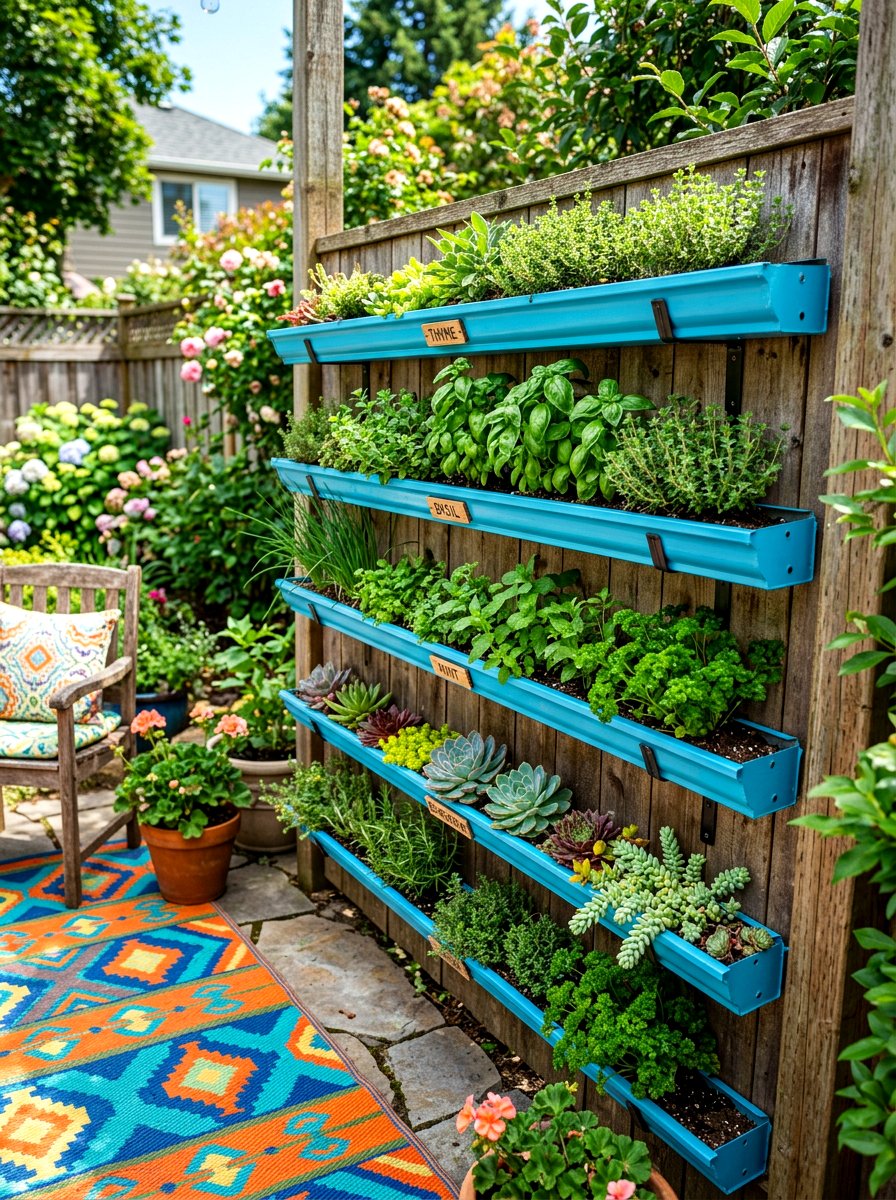
A gutter herb garden is a brilliant example of creative repurposing that results in a sleek, narrow planting system. By mounting sections of vinyl or metal rain gutters horizontally along a wall or fence, you create long, continuous planting troughs. This design is perfect for growing shallow-rooted herbs like lettuce, chives, and various types of thyme. You can stack multiple rows of gutters on top of each other to create a massive wall of edibles that takes up almost zero floor space. Painting the gutters in a bold color can turn this simple DIY project into a striking modern art installation that provides a constant supply of fresh flavors.

20. Pocket Herb Wall
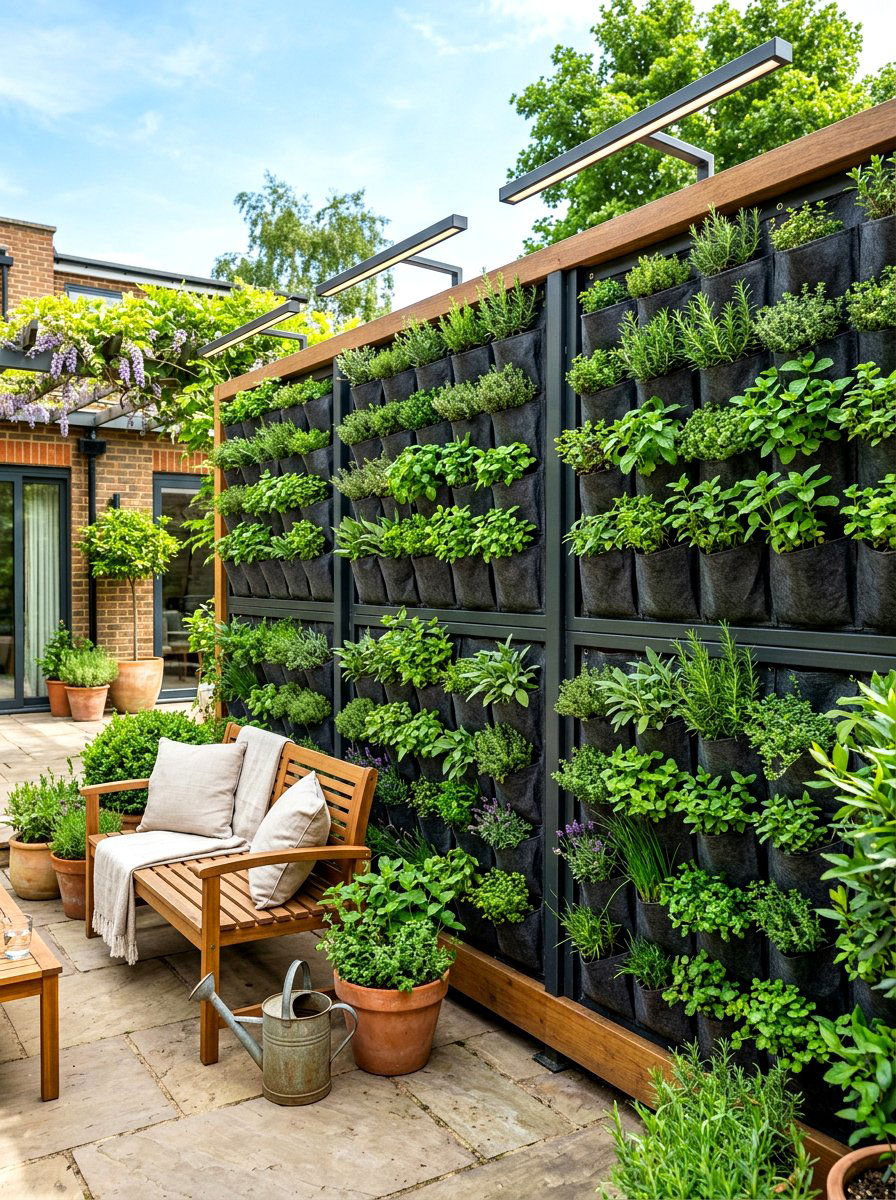
A pocket herb wall uses soft, breathable fabric pockets to house your herbs, creating a vertical garden that feels like a living blanket of greenery. These modular systems can be easily attached to any vertical surface and are often made from recycled felt or heavy-duty landscape fabric. This design is excellent for root health, as the porous material allows for "air pruning" and prevents the plants from becoming root-bound. Because the pockets are individual, you can easily swap out plants if one has finished its season. This setup is perfect for creating a lush, dense look that instantly softens the appearance of hard patio walls or fences.
21. Tin Can Herb Garden
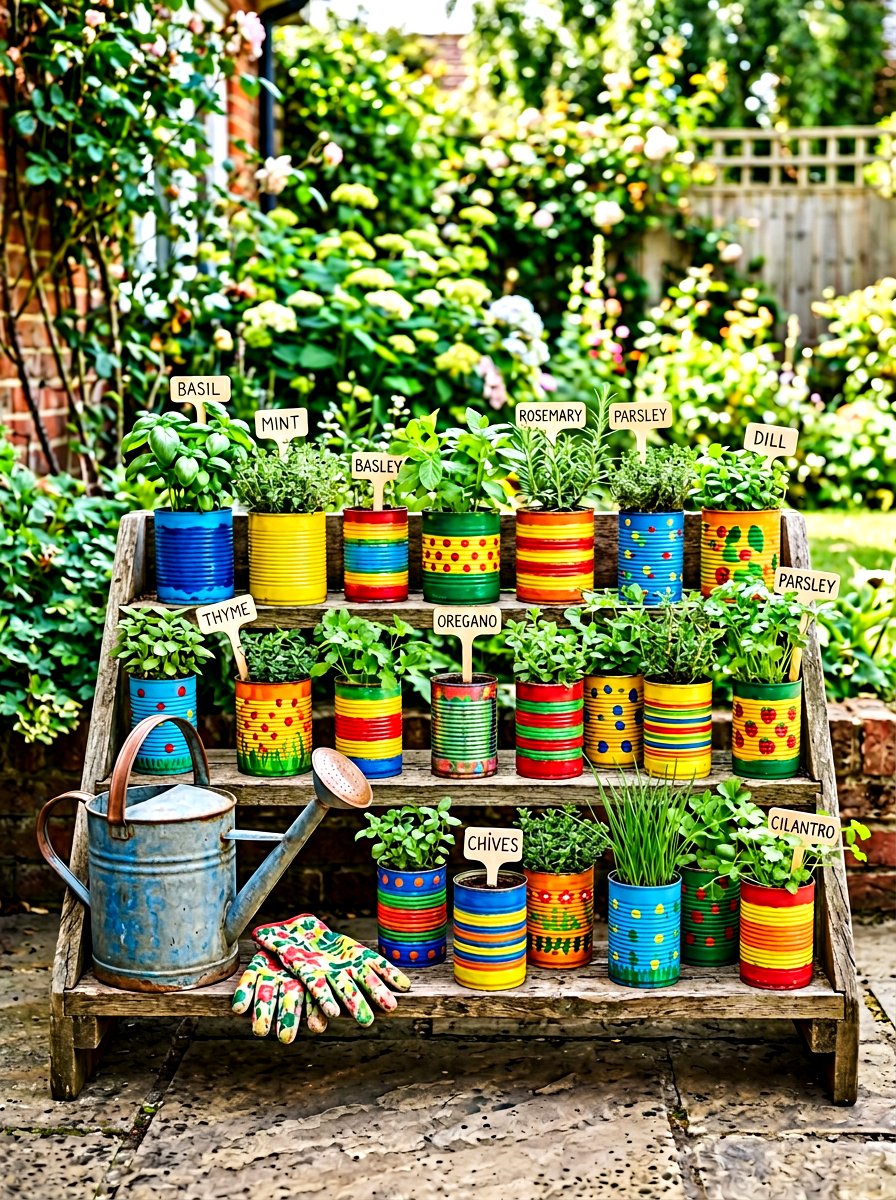
The tin can herb garden is a budget-friendly and charmingly eclectic way to bring life to your patio. By cleaning and repurposing large soup or coffee cans, you can create a series of small, uniform planters that look great when grouped together. You can leave the metal natural for an industrial, rustic vibe or paint them in bright, cheerful colors to match your patio cushions. Drilled drainage holes and a simple coat of clear sealant will ensure these little pots last through the season. These can be placed on a table as a centerpiece or mounted to a wooden board for a cute, vertical DIY wall display.
22. Woven Basket Herb Planter
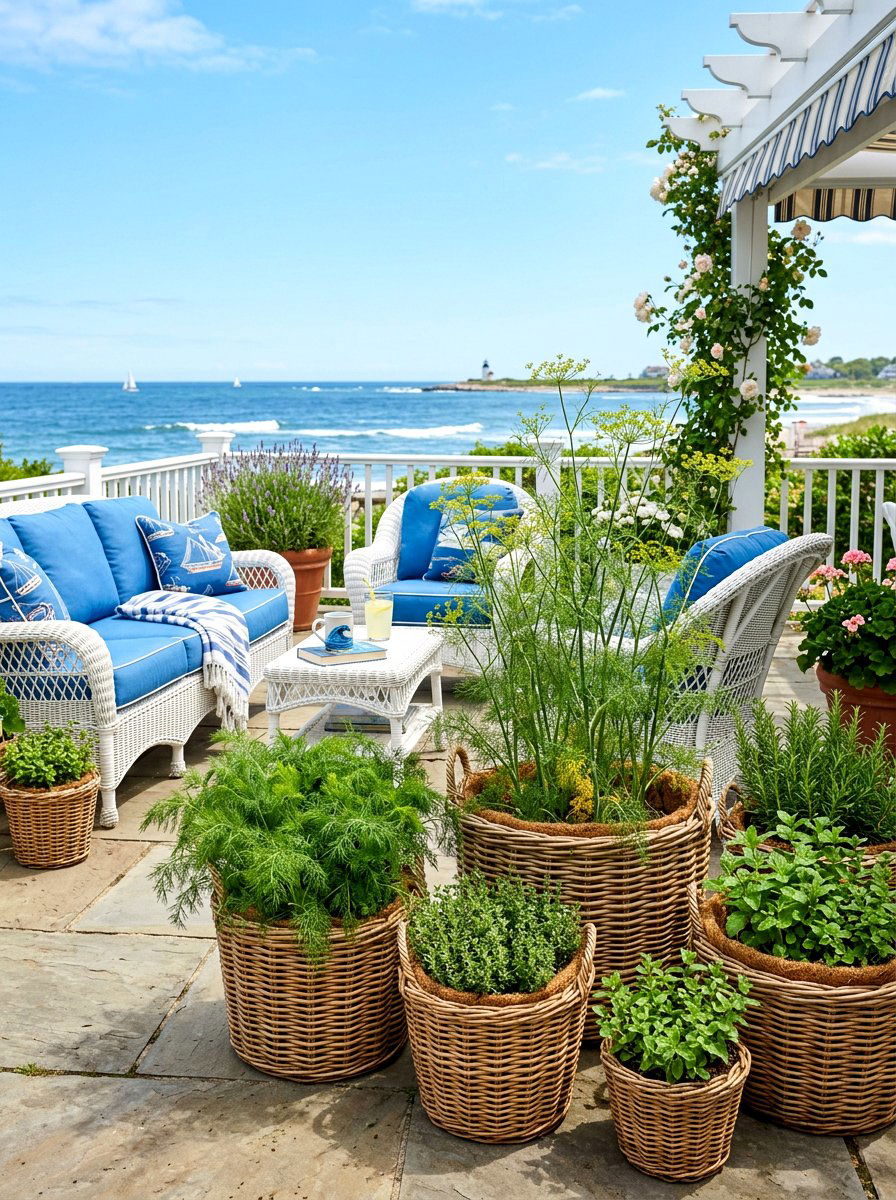
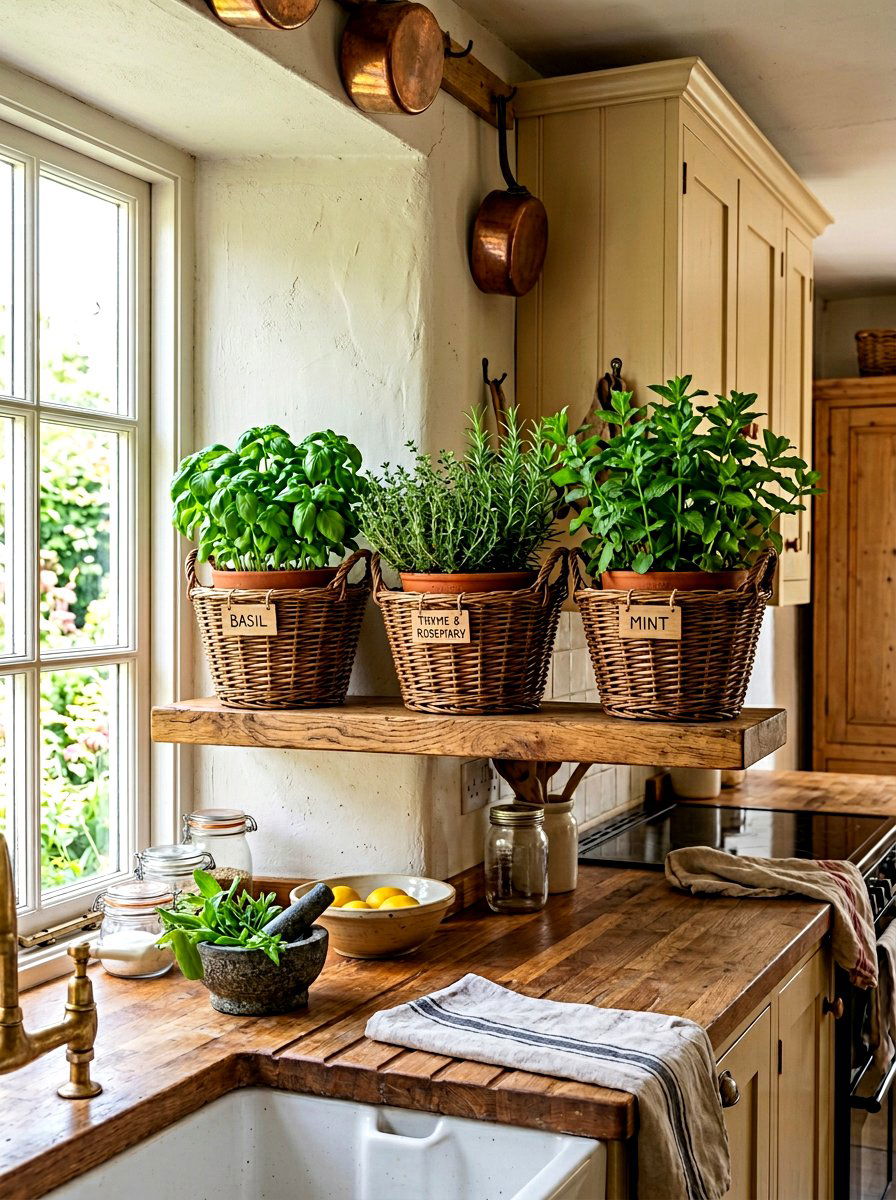
Woven basket herb planters bring a soft, natural texture to your patio that balances out the hard surfaces of stone or wood. Using various sizes of wicker or seagrass baskets as outer containers for your herb pots creates a cozy, cottage-inspired atmosphere. It is important to line the baskets with plastic or use a tray inside to protect the fibers from rotting over time. This design looks particularly beautiful when filled with soft, feathery herbs like dill or fennel. The neutral tones of the baskets complement almost any patio decor and provide a warm, inviting feel that makes your herb garden look like a curated part of your outdoor furniture.
23. Wooden Herb Crate
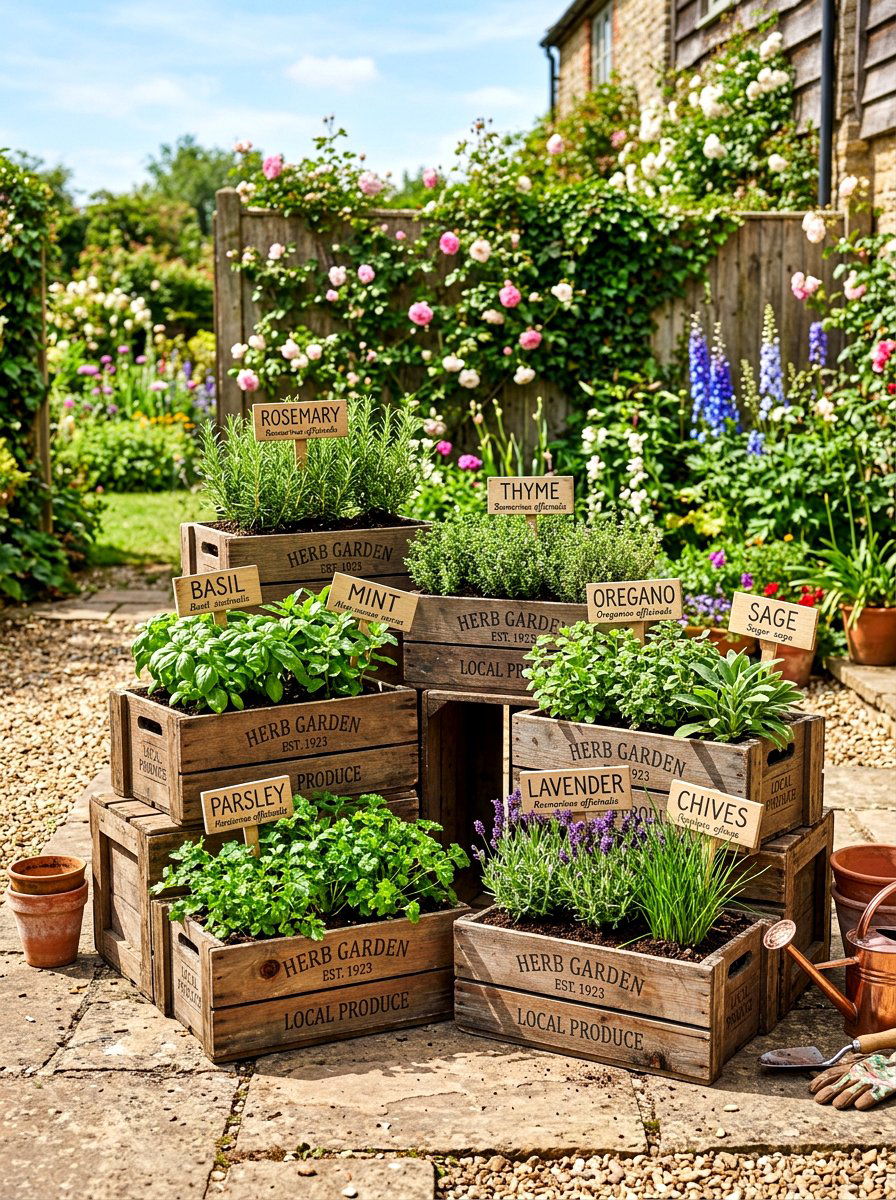
Using vintage-style wooden crates for your herb garden adds an instant sense of history and character to your patio. These deep boxes are perfect for housing multiple herbs together, creating a mini "garden in a box. " You can stack the crates on their sides to create shelving or use them as large, floor-standing planters. The wood provides a natural insulation for the roots, helping to keep them cool during the peak of summer. This design idea is incredibly versatile; you can add wheels to the bottom of the crates for easy movement or use them to create a tiered display that feels like a rustic farmer's market right in your backyard.
24. Minimalist Concrete Herb Pots
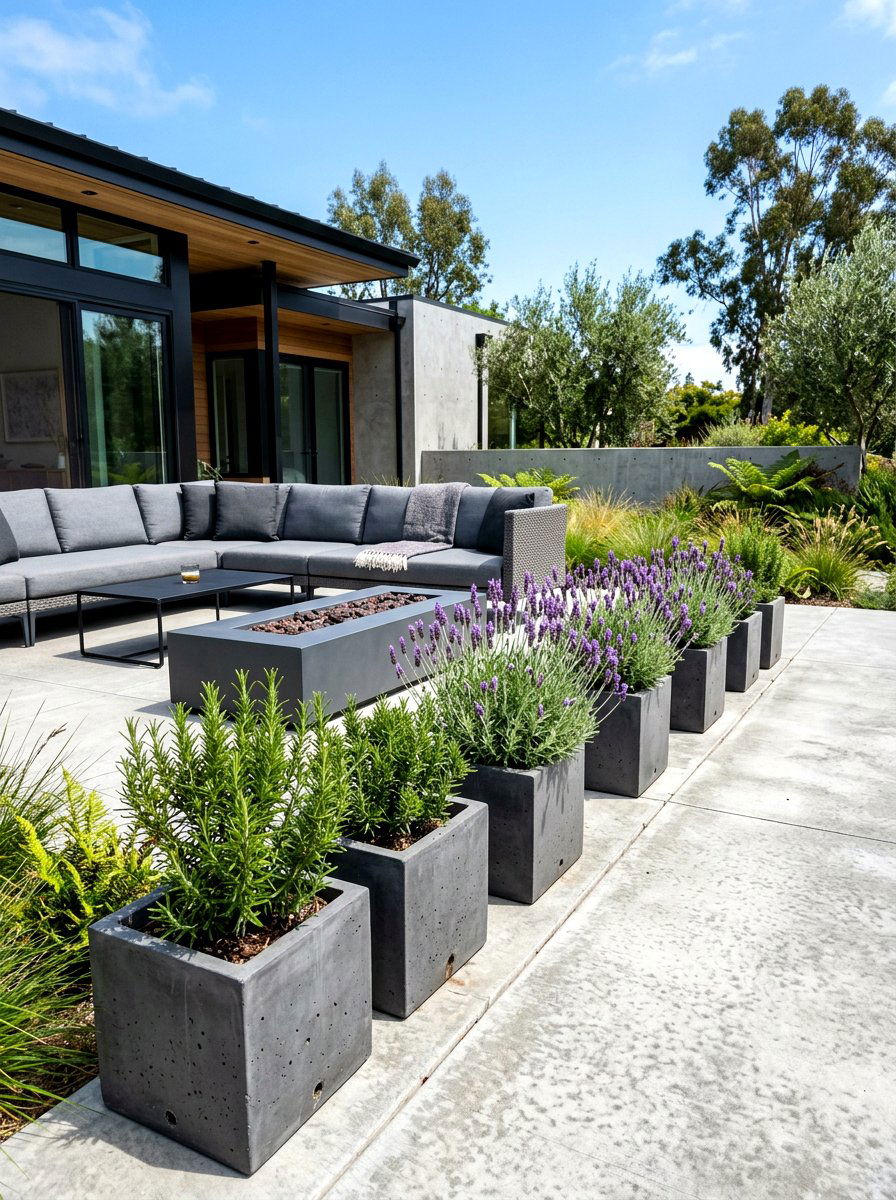
Minimalist concrete herb pots are the go-to choice for a modern, industrial patio design. The heavy, architectural look of concrete provides a stable and durable home for your herbs, while its neutral gray color allows the focus to remain entirely on the vibrant green foliage. These planters are often cast in sleek geometric shapes like cylinders or cubes, which look stunning when arranged in a clean row along a patio edge. Concrete is also excellent at retaining moisture and protecting roots from temperature fluctuations. This design choice conveys a sense of permanence and high-end style, making your herb garden feel like a deliberate part of the home's architecture.
25. Galvanized Tub Herb Garden
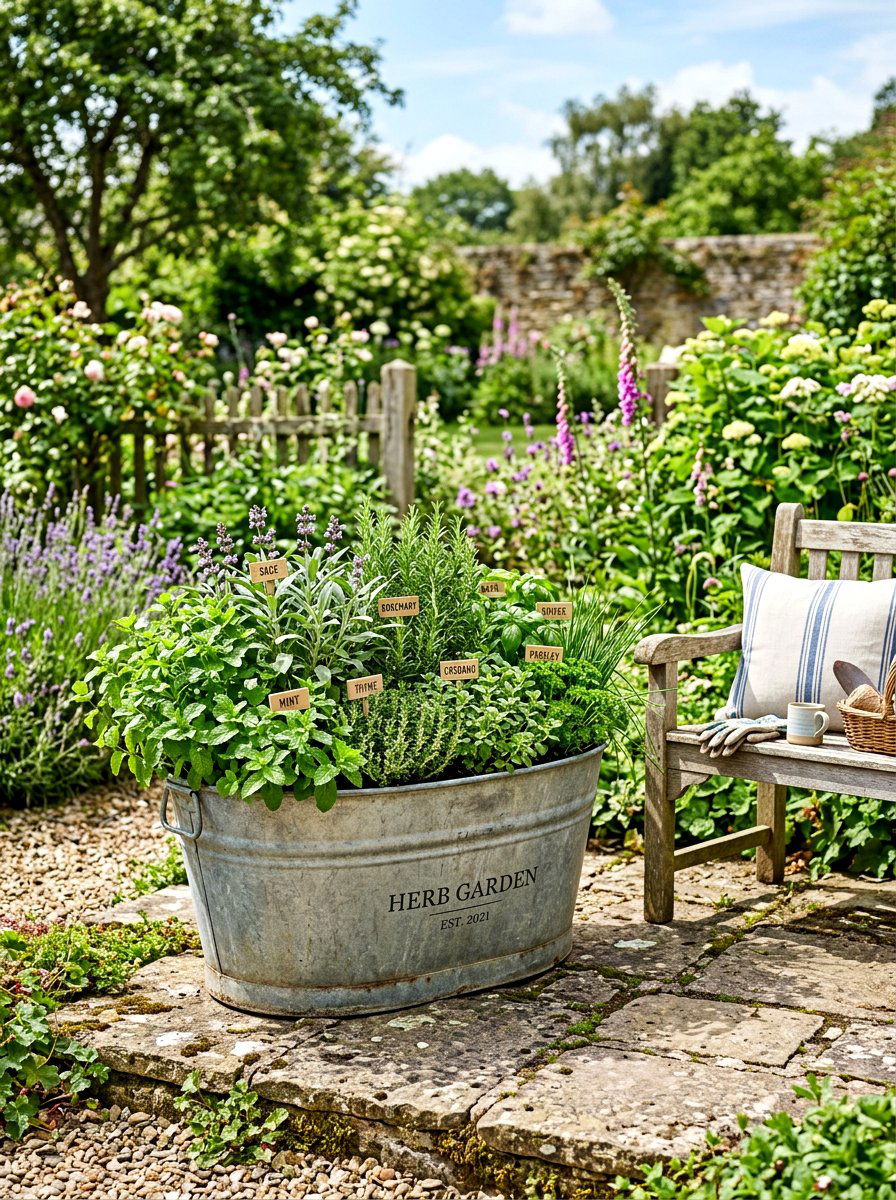
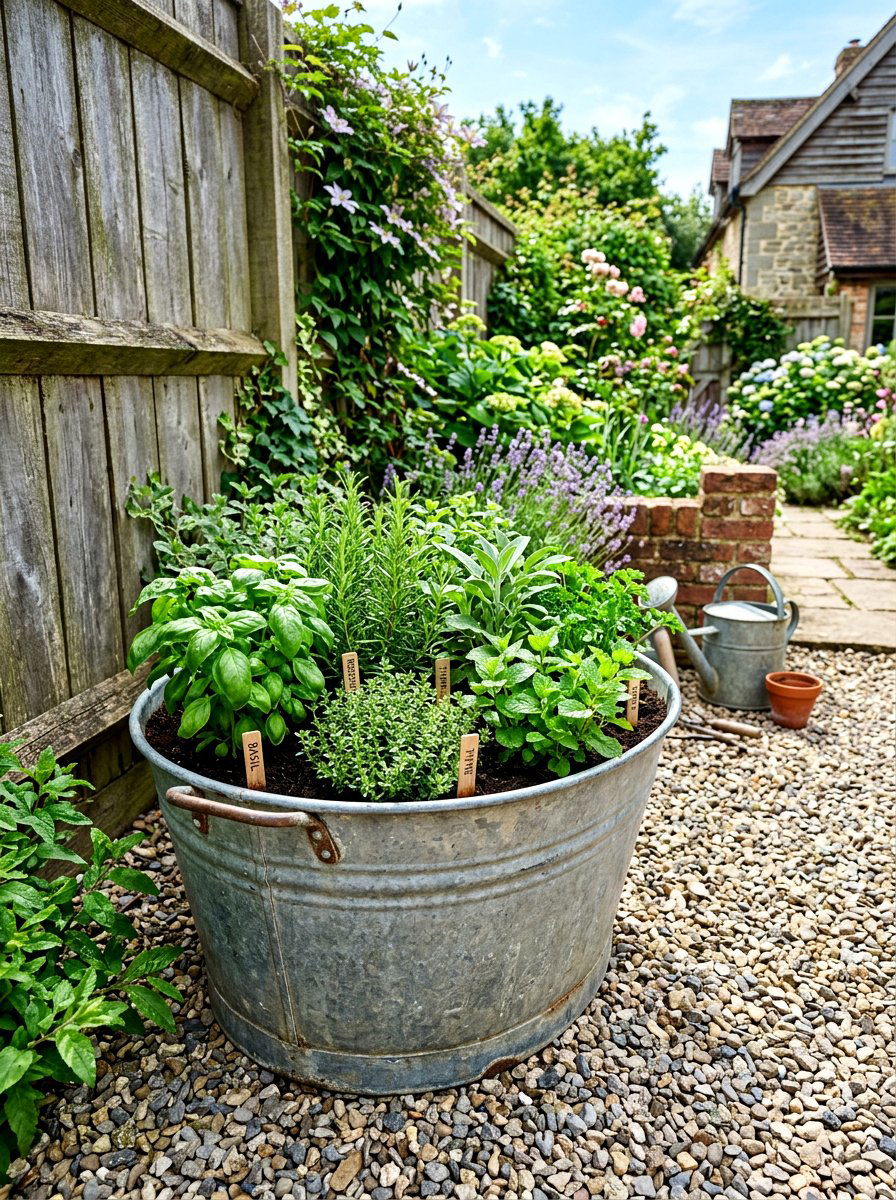
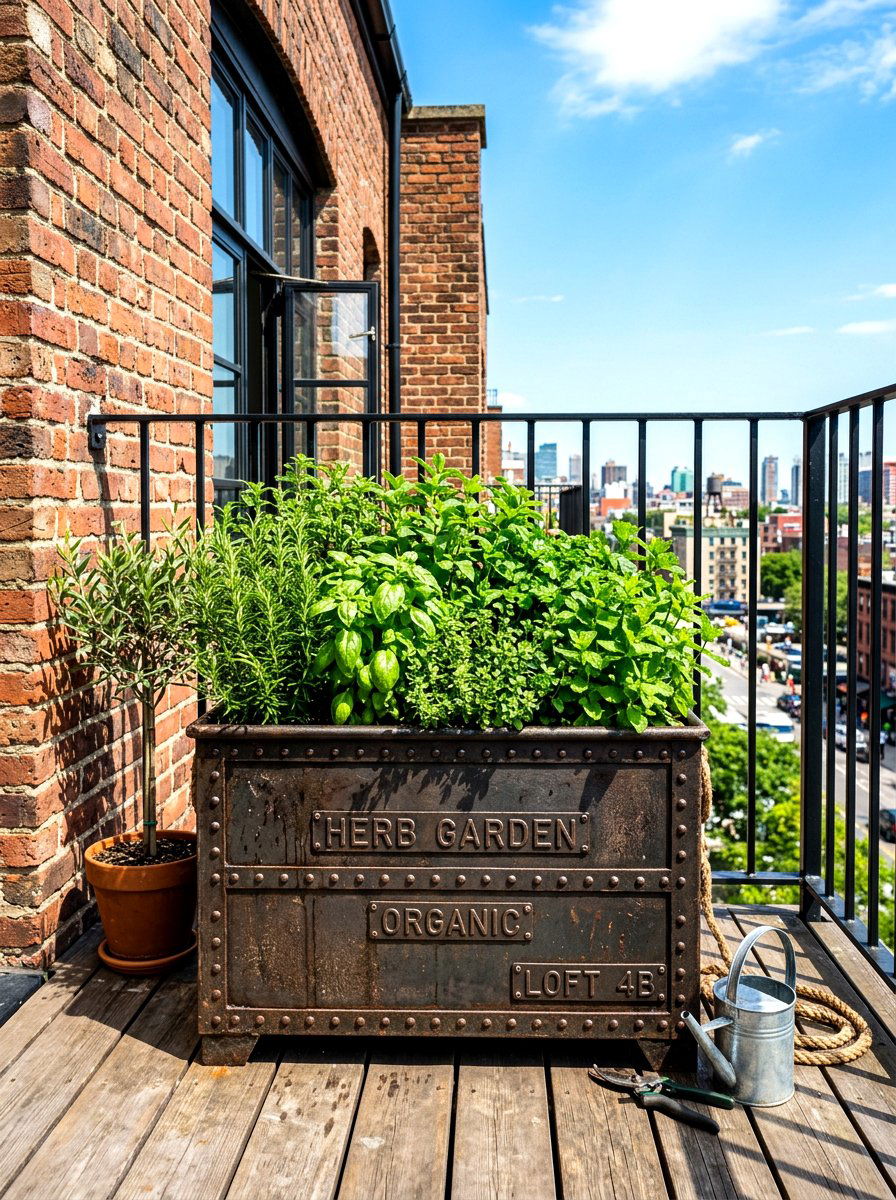
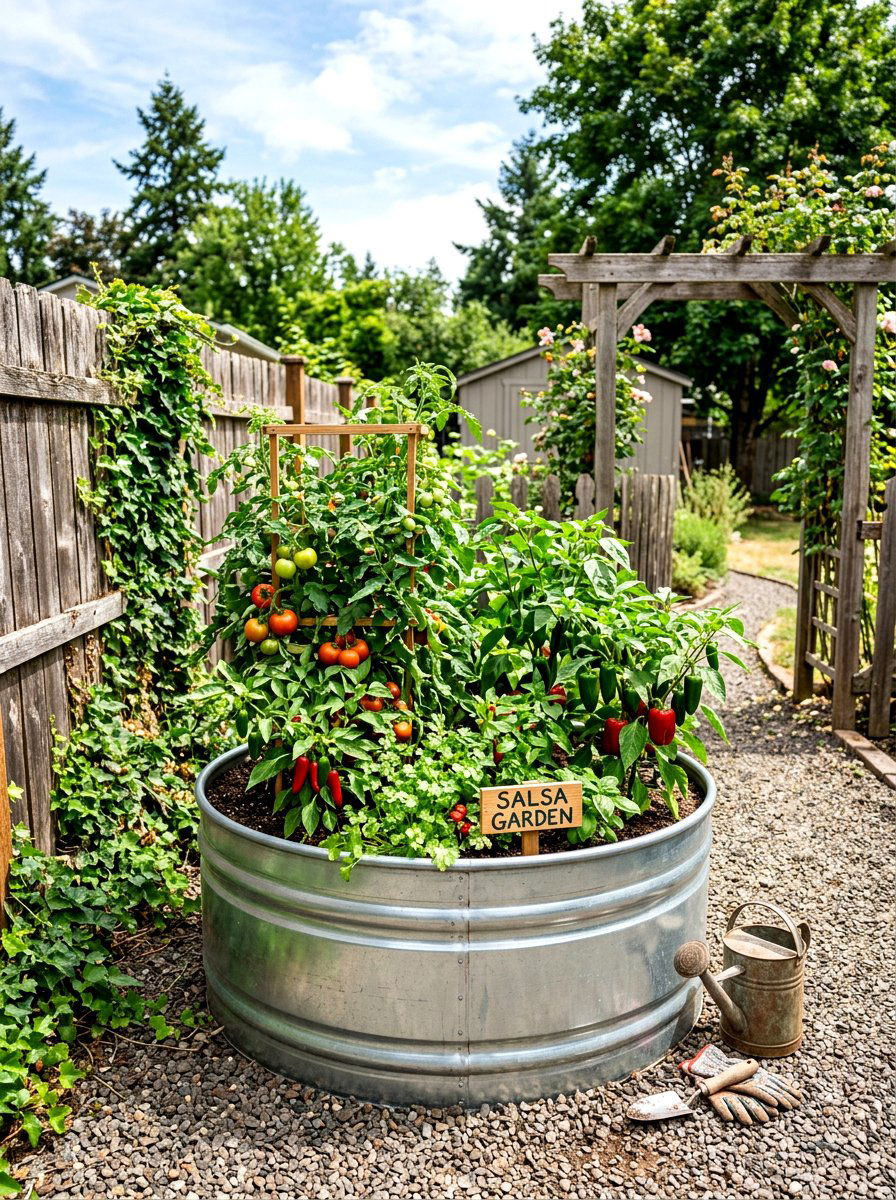
A galvanized tub herb garden is a classic choice for those who love the farmhouse or industrial aesthetic. These large metal basins are incredibly durable and provide a generous amount of planting space for a diverse herb collection. Because they are deep, you can plant larger perennials like rosemary and lavender alongside annuals like basil. To ensure success, you must drill several drainage holes in the bottom and consider adding a layer of gravel. The reflective surface of the galvanized steel can help keep the soil slightly warmer in the spring, while the large volume of soil prevents the plants from drying out too quickly during the summer heat.
26. Bench With Built In Herb Planter
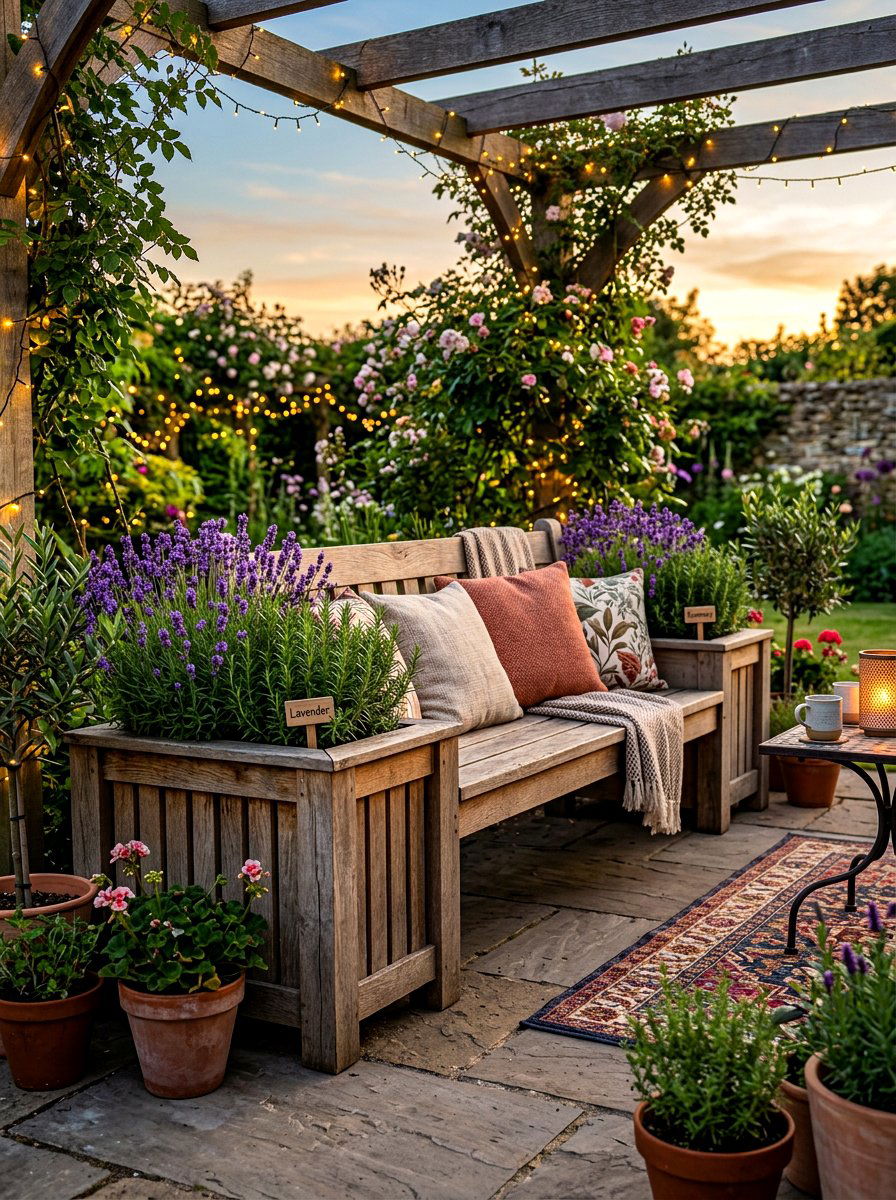
A bench with a built-in herb planter is the ultimate way to integrate your garden into your patio furniture. This dual-purpose design features planting boxes at the ends or even along the back of the seating area, allowing you to be literally surrounded by the scent of fresh herbs while you relax. This is a brilliant space-saving solution for small patios where every piece of furniture must work double duty. Imagine sitting down with a book and having the fragrance of lavender or lemon balm wafting around you. This setup makes harvesting incredibly convenient and ensures that your garden is always a part of your daily outdoor experience.
27. Tea Tin Herb Garden
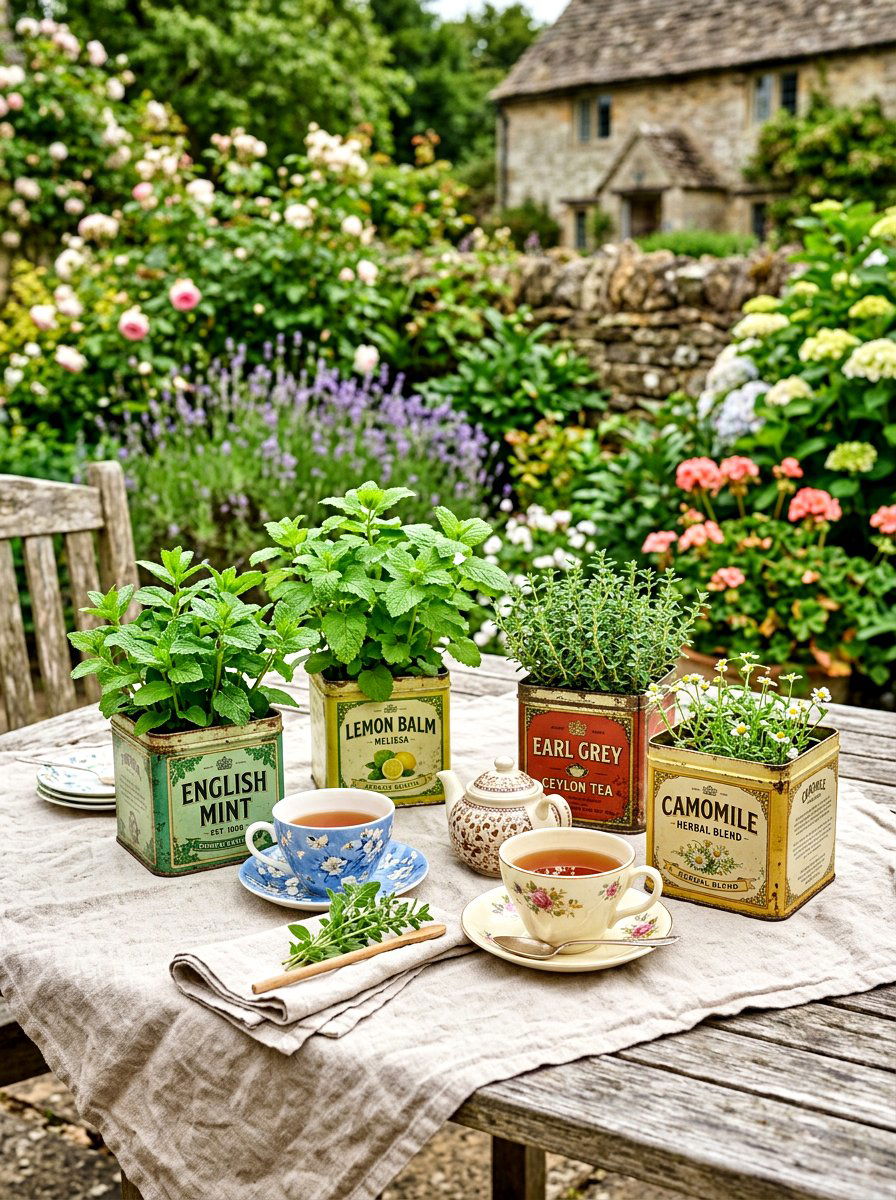
Repurposing vintage or colorful tea tins is a delightful way to grow a "tea garden" right on your patio table. These small, decorative containers are the perfect size for individual herbs that you might use for brewing, such as mint, chamomile, or lemon verbena. This miniature design is incredibly charming and makes for a wonderful tabletop display during outdoor tea or coffee time. Because the tins are small, they are easy to move inside if the weather turns cold. It is essential to provide adequate drainage by poking holes in the bottom, but otherwise, these little tins offer a unique and whimsical way to celebrate your love for both gardening and tea.
28. Shoe Organizer Herb Garden
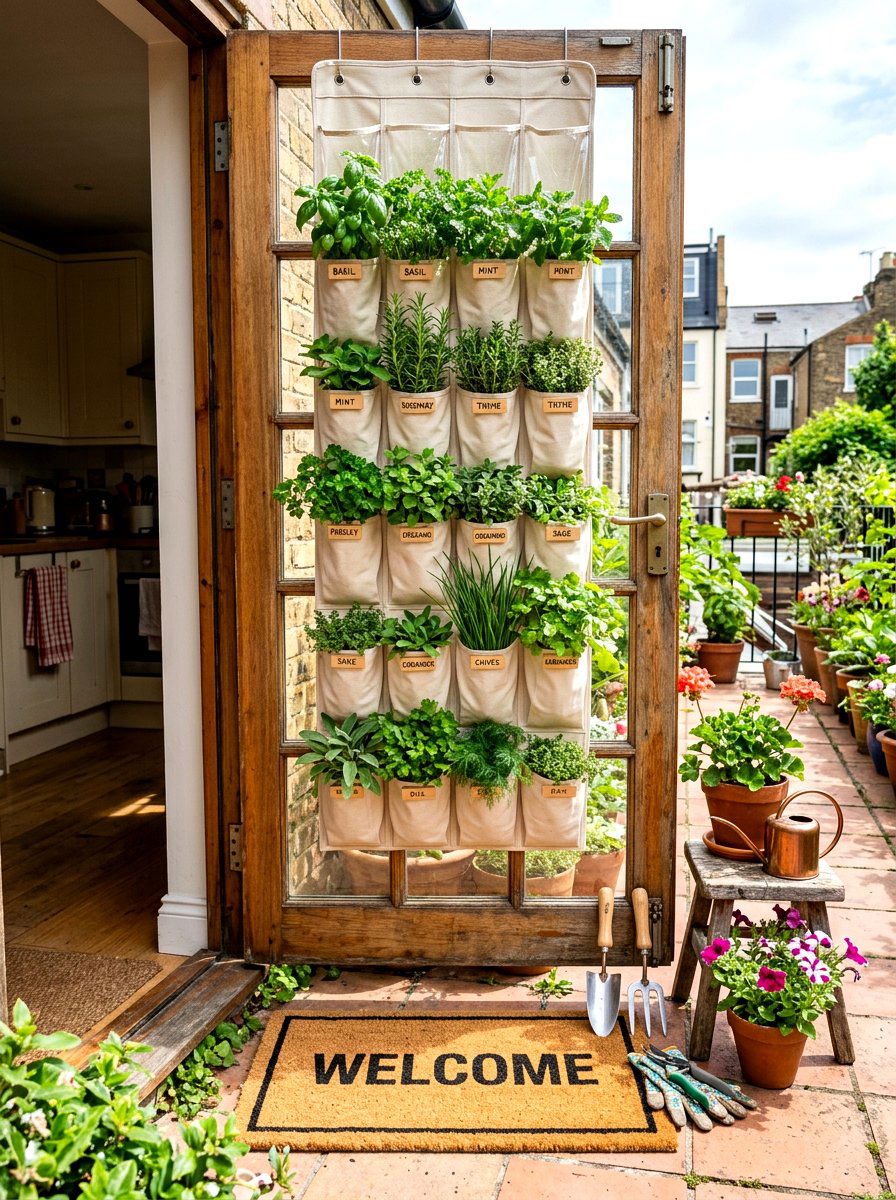
An over-the-door shoe organizer is a surprisingly effective and low-cost vertical herb garden for a patio fence or wall. The individual pockets are perfectly sized for small herb plants, and the fabric material allows for excellent drainage and airflow. This design is ideal for creating a massive wall of herbs on a very tight budget. You can fill each pocket with potting soil and a different herb, creating a colorful and organized grid of edibles. This is a particularly good solution for renters, as the organizer can be easily hung and removed without leaving permanent marks. It’s a clever way to turn a common household item into a thriving garden.
29. Birdbath Herb Garden
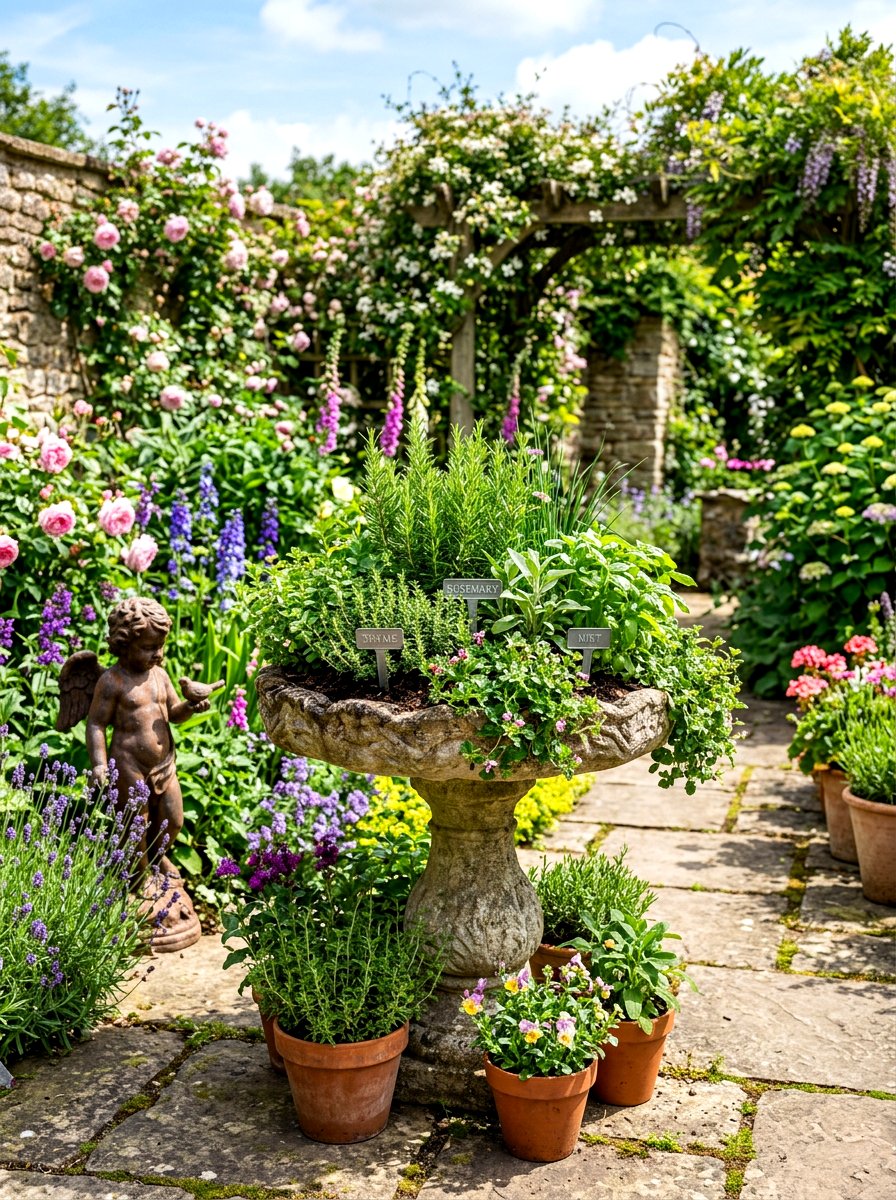
Turning a retired birdbath into an herb garden is a creative way to give a second life to an old garden feature while creating a stunning patio focal point. The shallow basin of the birdbath is perfect for herbs that don't mind a bit of crowding, like thyme, oregano, and chives. By filling the basin with high-quality potting soil and a mix of upright and trailing herbs, you create a beautiful, elevated "island" of greenery. This design keeps your herbs at a perfect height for easy snipping and adds an elegant, classical touch to your patio decor. It is a unique conversation piece that combines sculptural beauty with practical garden utility.
30. Herb Edge Pathway
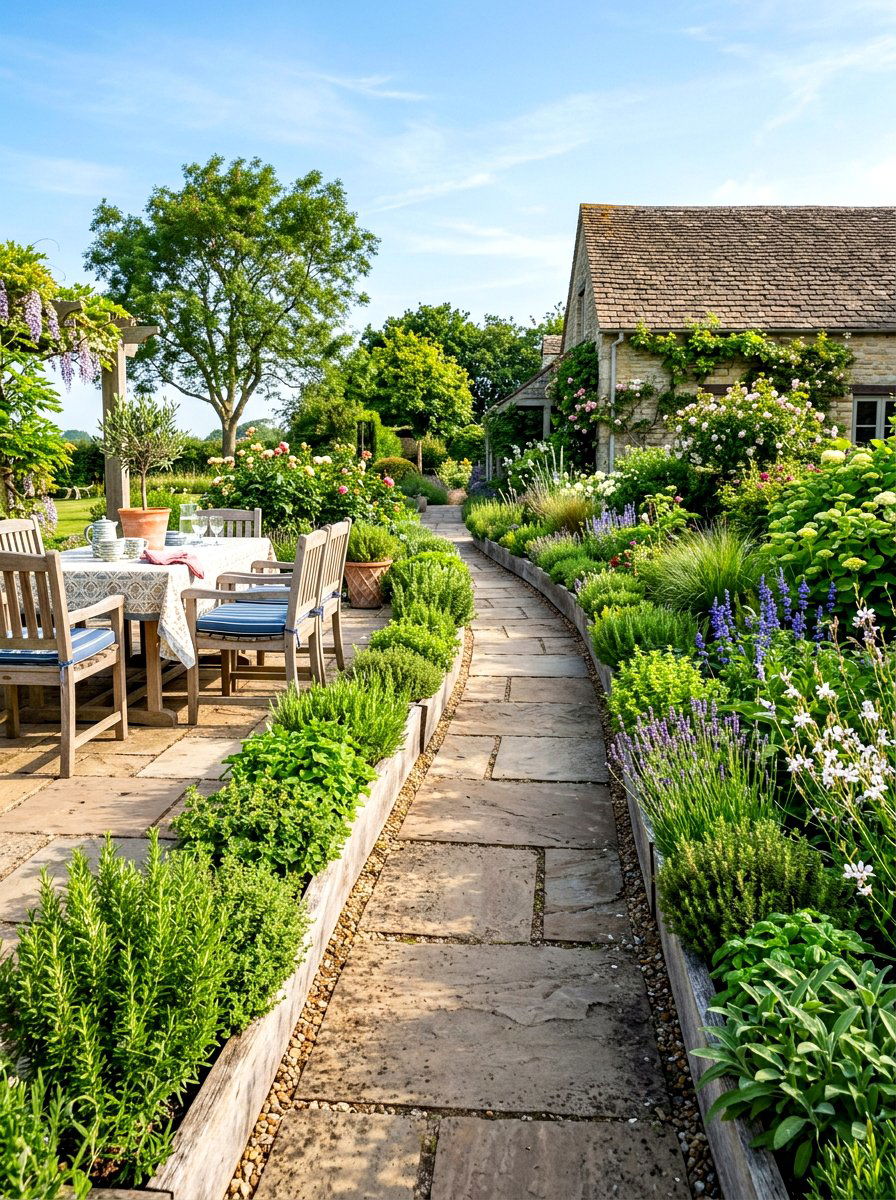
An herb edge pathway uses long, low planters to line the edges of your patio, creating a fragrant transition between your hardscaping and the rest of your yard. This design defines the boundaries of your outdoor living space and ensures that you are greeted by the smell of rosemary or sage every time you enter the area. By using uniform troughs or a series of matching pots, you can create a clean, professional look that frames your patio perfectly. This setup also helps to deter pests like mosquitoes if you plant citronella or lemongrass along the perimeter, making your outdoor dining and relaxation much more comfortable and enjoyable.
Conclusion:
A patio herb garden is more than just a source of fresh ingredients; it is a transformative element that brings life, aroma, and beauty to your outdoor sanctuary. By choosing a design that fits your space — whether it is a vertical wall, a mobile cart, or a collection of upcycled containers — you create an environment that encourages both culinary creativity and relaxation. The joy of harvesting your own organic herbs just steps from your kitchen is a luxury that any homeowner can enjoy. We hope these thirty diverse ideas inspire you to start your own patio garden journey today. With a little planning and regular care, your patio will soon become a thriving, fragrant oasis that you and your guests will absolutely love to spend time in throughout the growing season.

Related posts: