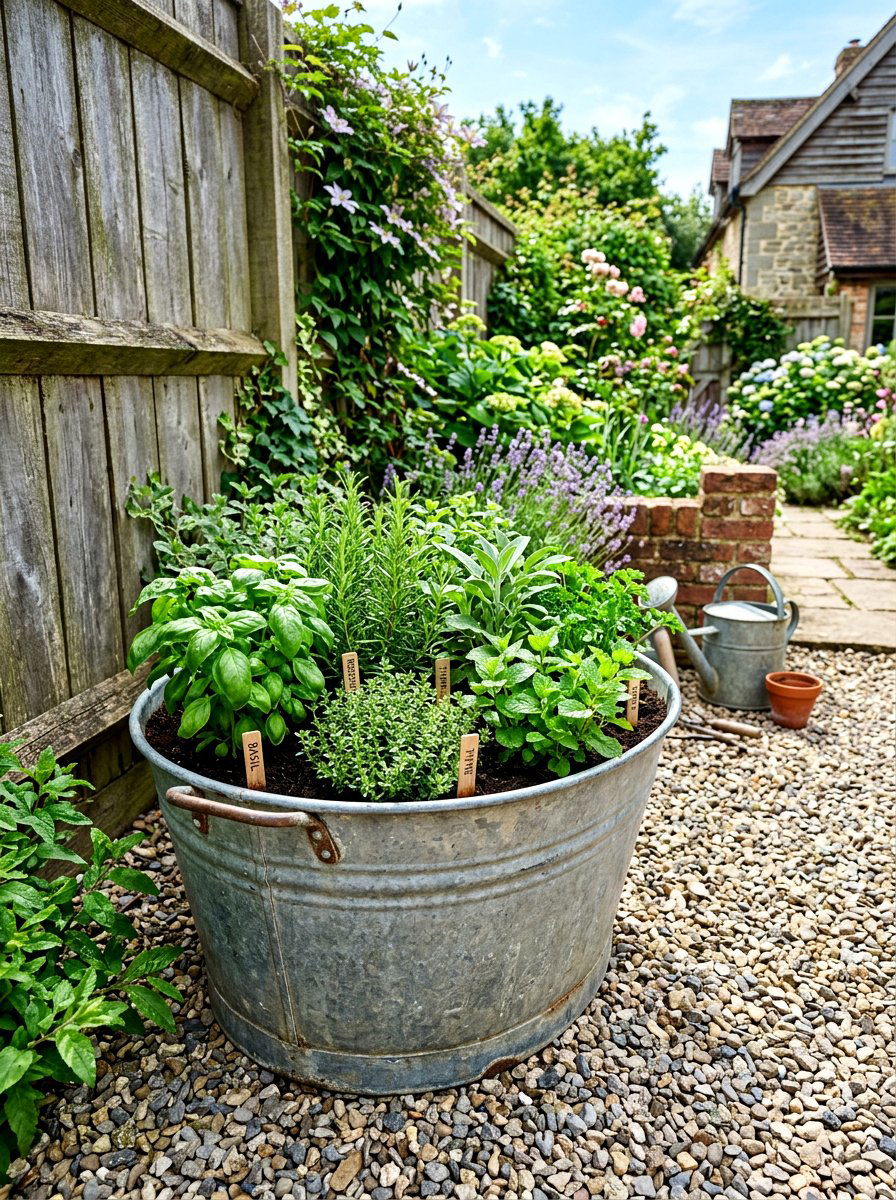
Creating a productive outdoor space starts with choosing the right structure to house your favorite vegetables, herbs, and edible flowers. Raised beds are a favorite among modern gardeners because they offer superior drainage, better soil control, and a much cleaner look than traditional inground rows. Whether you are working with a sprawling backyard or a tiny urban patio, these elevated setups provide a defined area for cultivation while reducing the physical strain of bending over. By lifting your plants off the ground, you also create a natural barrier against common garden pests and invasive weeds. These thirty curated concepts showcase how diverse and beautiful a functional kitchen garden can actually be for any homeowner today.
1. Metal Raised Garden Bed
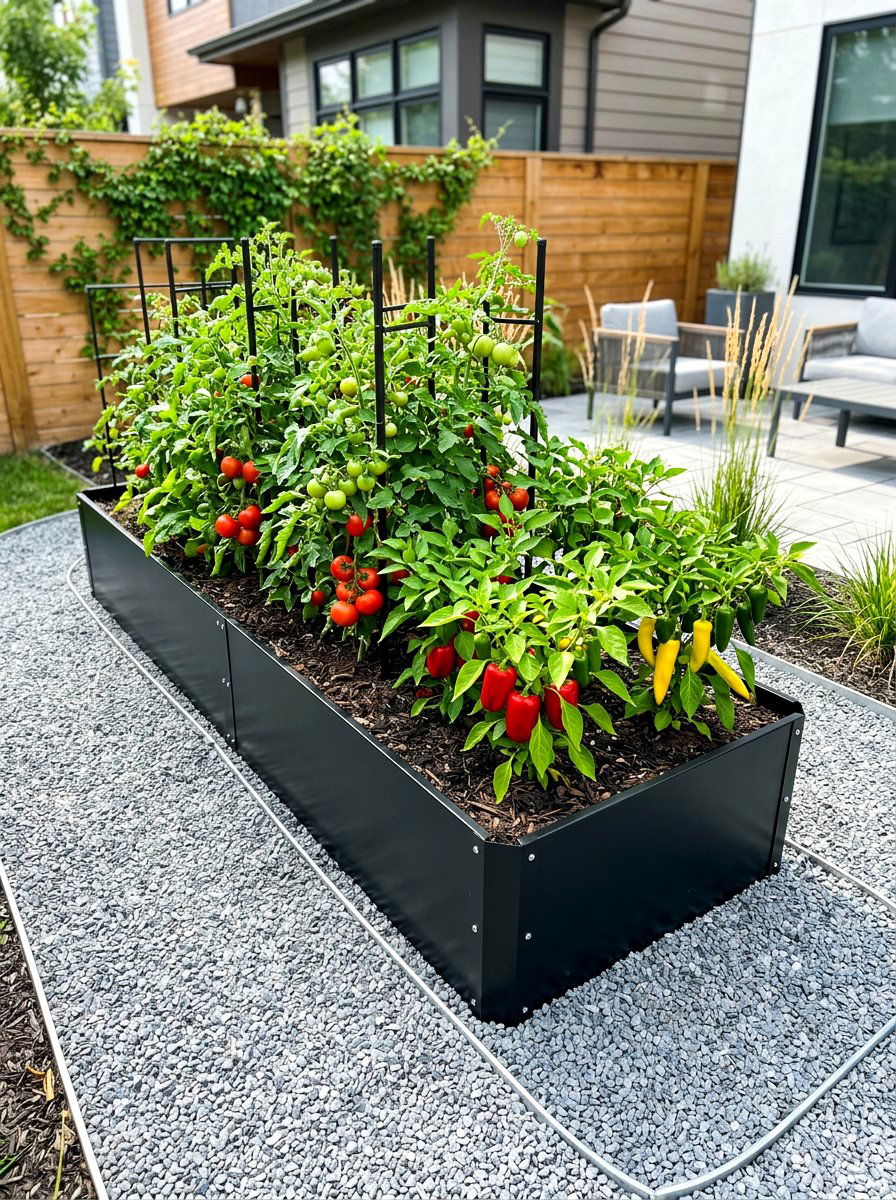
Have you ever considered the sleek, industrial appeal that a dark metal frame brings to a lush green backyard? Metal garden beds are incredibly popular right now because they are durable, rot-resistant, and provide a sharp contrast against organic textures. These containers often come in modular kits, allowing you to customize the length and height to fit your specific yard layout perfectly. When paired with light-colored gravel paths, the dark metal pops, creating a very professional and organized appearance. You can grow heavy feeders like tomatoes or peppers here easily since the metal helps the soil warm up quickly in the early spring months.
2. U Shaped Kitchen Garden
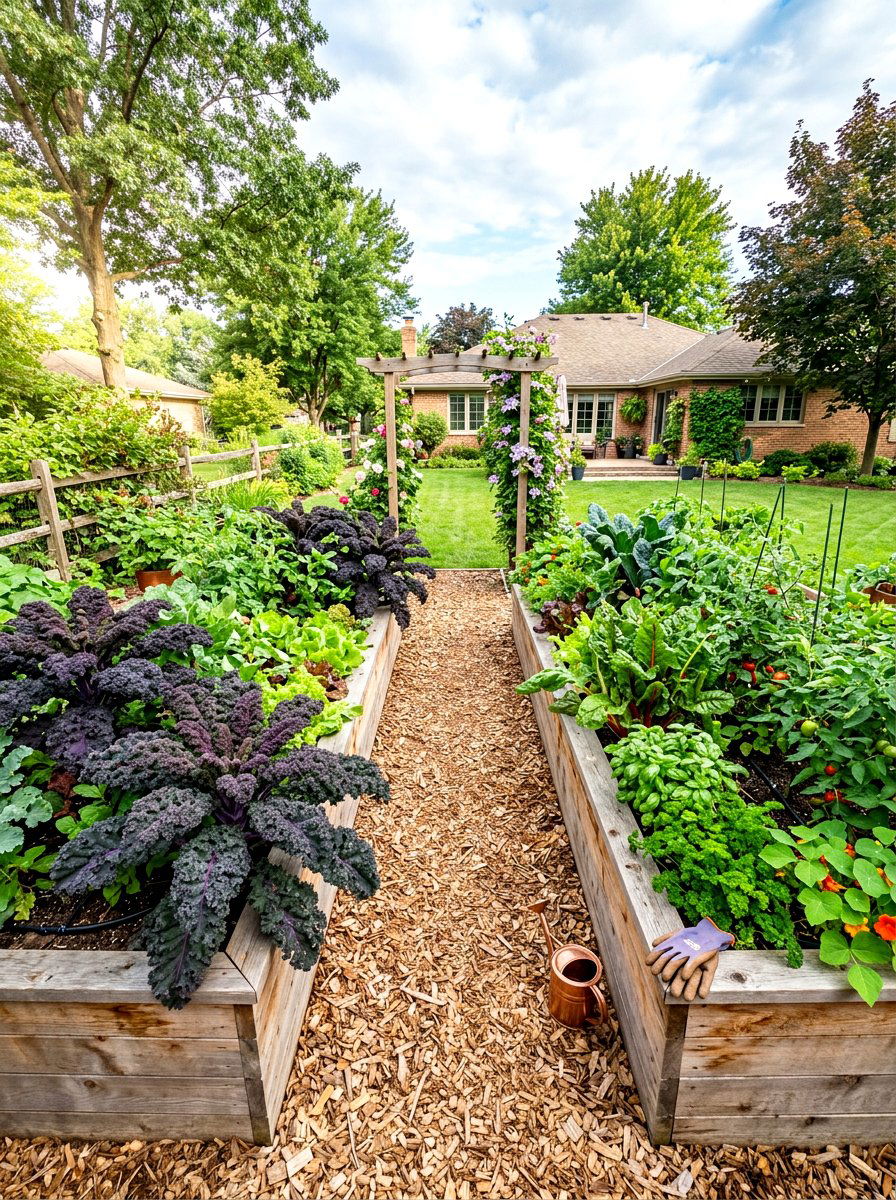
What if you could reach every single plant in your garden without ever having to step onto the soil? A U-shaped layout is one of the most efficient designs for serious vegetable growers because it maximizes the reachable surface area from a single central path. This design creates a cozy, immersive feeling where you are literally surrounded by your harvest as you work. The internal walkway is usually finished with wood chips or stepping stones to keep your feet dry and clean. It works beautifully for larger yards where you want a substantial growing zone that still feels intimate and manageable for daily harvesting.
3. Cedar Wood Vegetable Planter
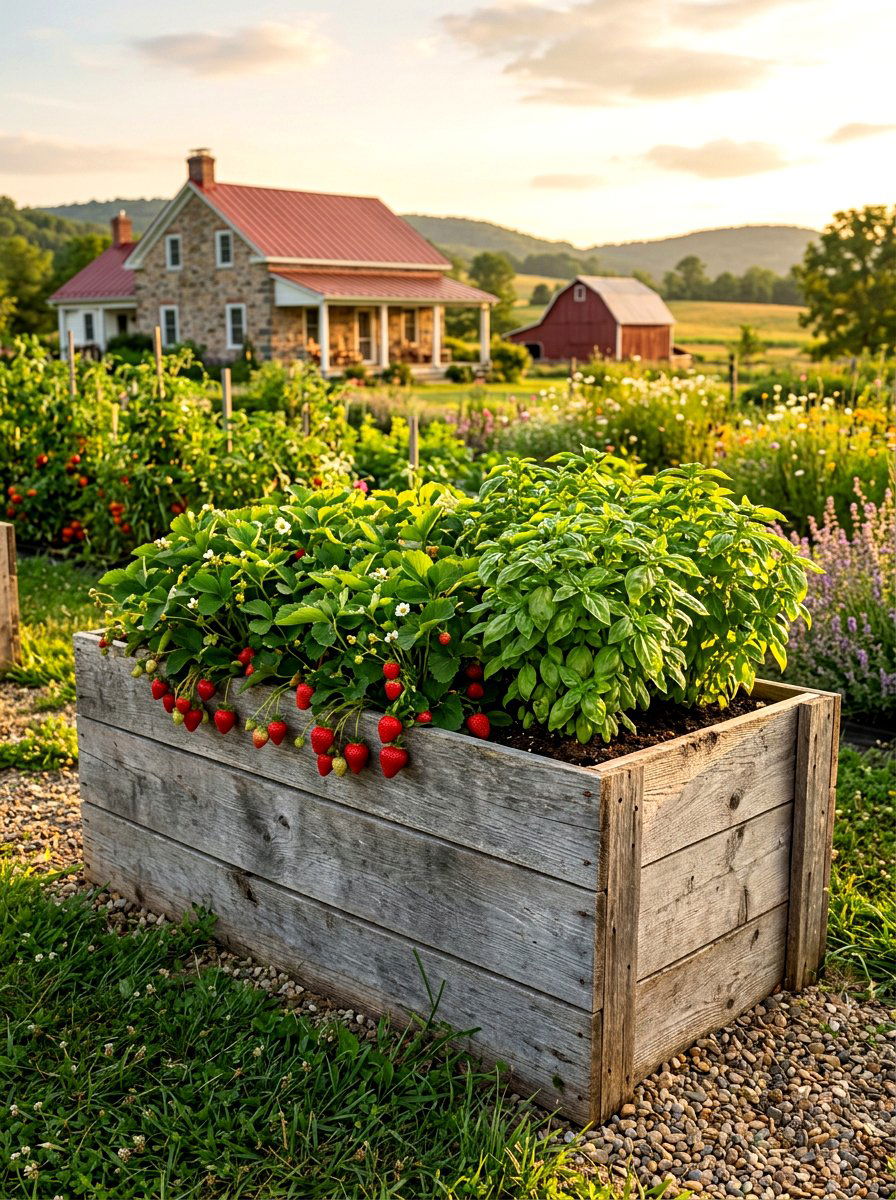
Natural wood remains a timeless choice for anyone wanting a warm, organic feel that blends seamlessly with a traditional landscape. Cedar is particularly valued for its natural oils that resist decay and insects without the need for harsh chemical treatments. These planters age beautifully over time, turning a soft silvery gray that looks stunning alongside bright red strawberries or deep purple kale. Building these beds with thick, sturdy planks ensures they can hold the weight of wet soil for many years to come. They anchor a backyard space with a sense of permanence and classic craftsmanship that many modern materials simply cannot replicate.
4. Tiered Vegetable Garden Bed
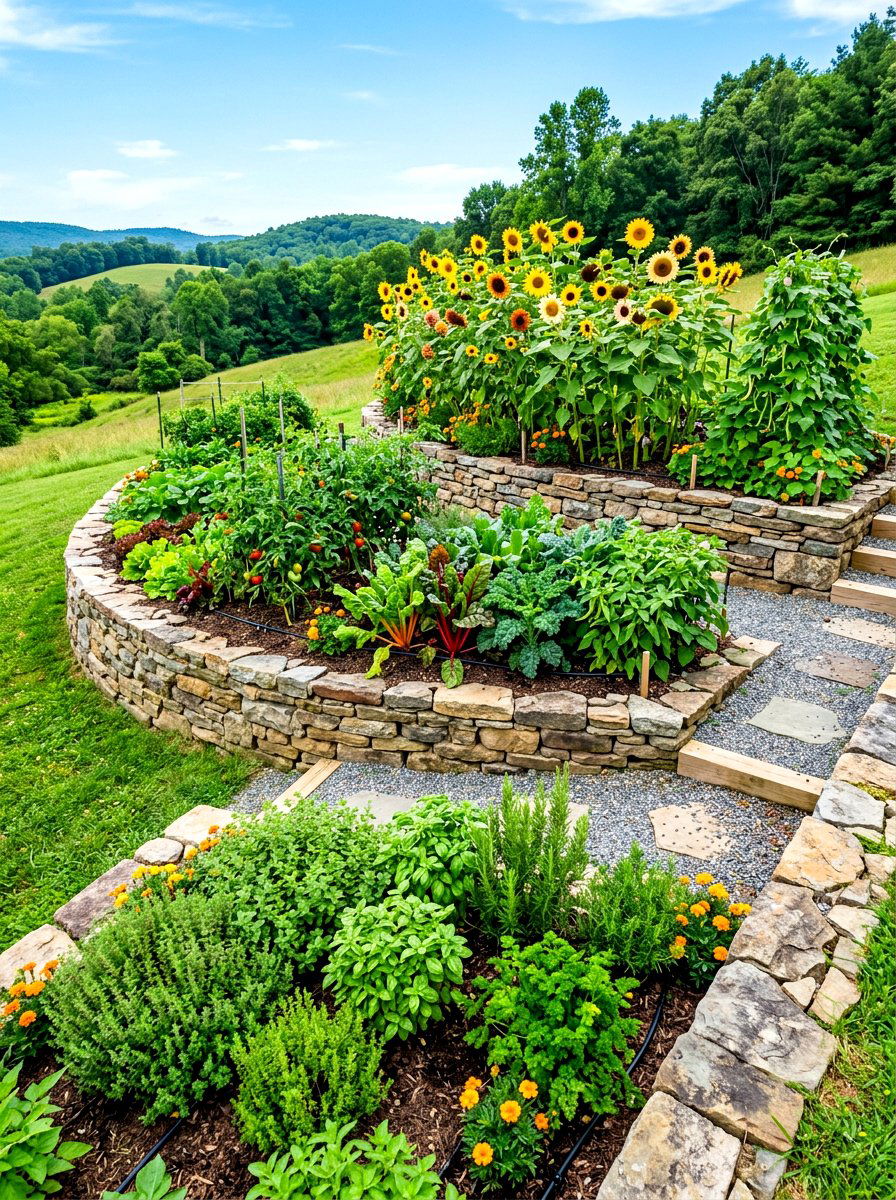
Are you dealing with a sloped yard or just looking to add some dramatic vertical interest to your outdoor living area? Tiered beds allow you to plant different varieties at various heights, which is great for visual depth and optimizing sunlight exposure. You might place taller crops like corn or sunflowers in the back tier while keeping low-growing herbs and flowers in the front. This arrangement makes it much easier to see everything at a glance and helps prevent smaller plants from being shaded out by larger ones. It creates a lush, cascading waterfall effect of greenery that serves as a stunning focal point.
5. Raised Bed With Trellis
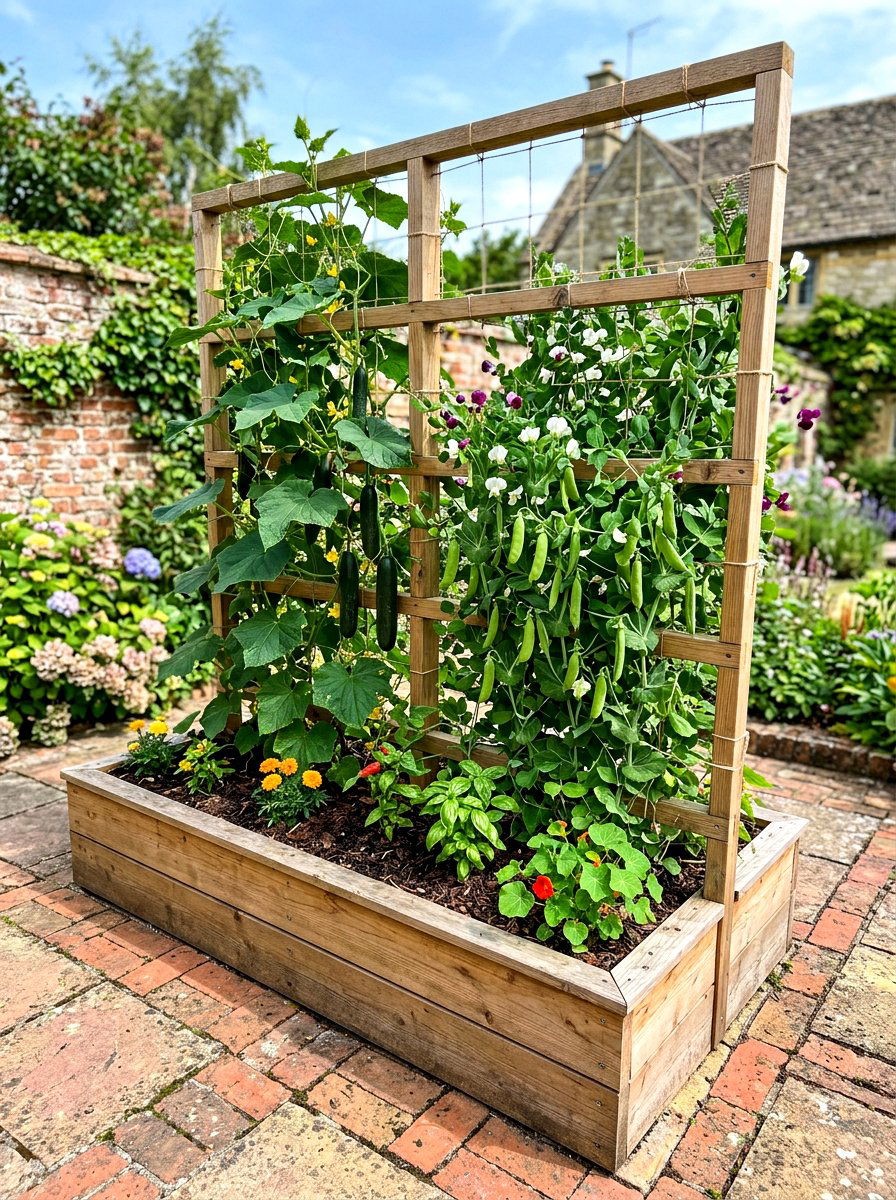
Integrating a vertical support system directly into your garden frame is a brilliant way to save ground space while growing climbing vines. A sturdy wooden or wire trellis attached to the back of a raised bed allows cucumbers, pole beans, and peas to head toward the sky. This not only keeps the fruit off the damp soil but also improves air circulation, which significantly reduces the risk of fungal diseases. Beyond the practical benefits, a green wall of climbing plants adds a sense of privacy and architectural beauty to your yard. It transforms a simple garden box into a three-dimensional living sculpture.
6. Modern Concrete Garden Bed
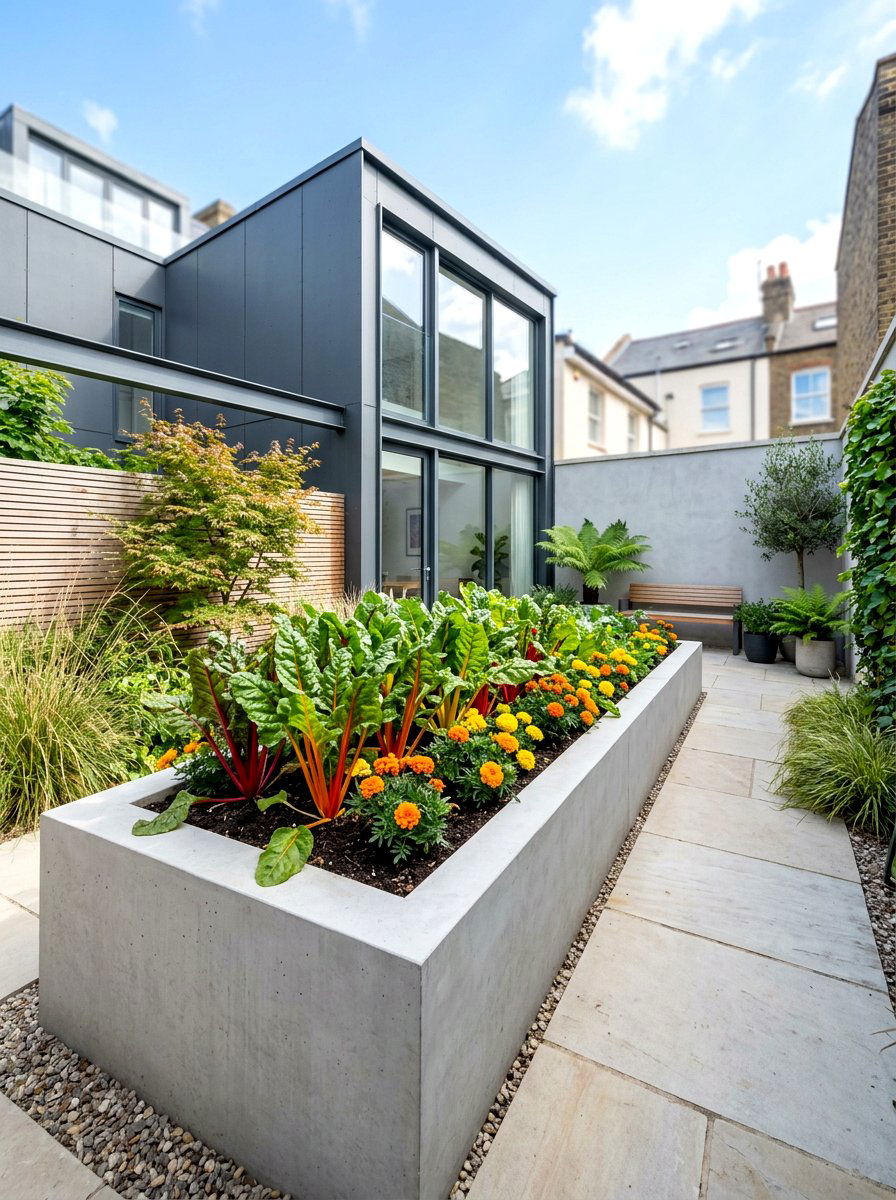
For those who prefer a minimalist or contemporary aesthetic, cast-concrete beds offer a clean and permanent solution that lasts for decades. The smooth, light-colored surface of concrete provides a neutral backdrop that makes the vibrant colors of swiss chard or marigolds really stand out. These structures are incredibly heavy and stable, meaning they won't shift or warp over time regardless of the weather conditions. You can even design them with wide top edges that serve as a built-in bench for sitting while you prune. It is a high-end look that brings a sense of sophisticated urban design to a backyard garden.
7. Corrugated Steel Planter
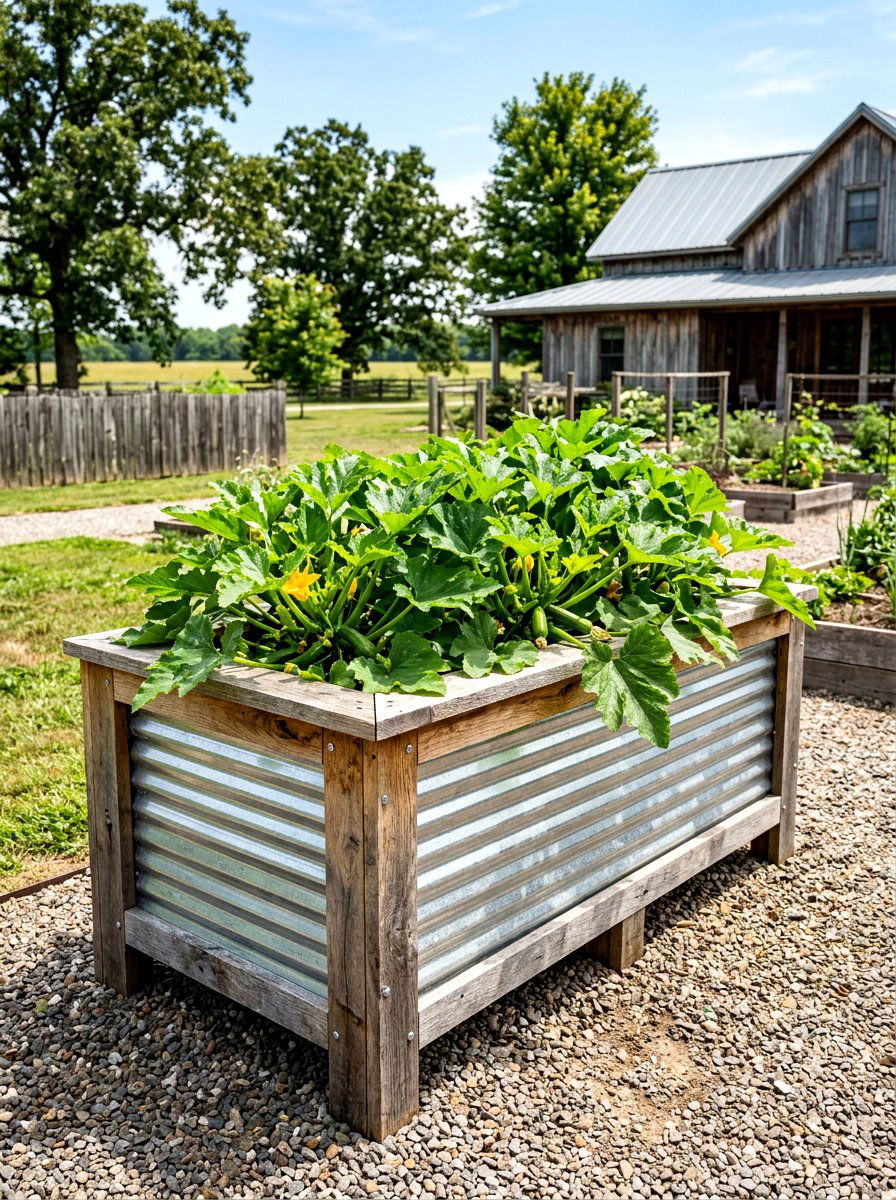
Corrugated steel brings a rustic, farmhouse vibe to the garden while offering incredible strength and a very long lifespan for the grower. These silver or galvanized panels are often framed with wood to soften the edges and add a touch of traditional warmth to the design. The textured surface of the steel reflects light in interesting ways and adds a unique industrial character to the landscape. Because steel is relatively thin, these beds provide more internal growing space than thick timber or stone walls. They are a cost-effective way to get a lot of planting depth without a bulky external footprint in your yard.
8. Brick Raised Garden Bed
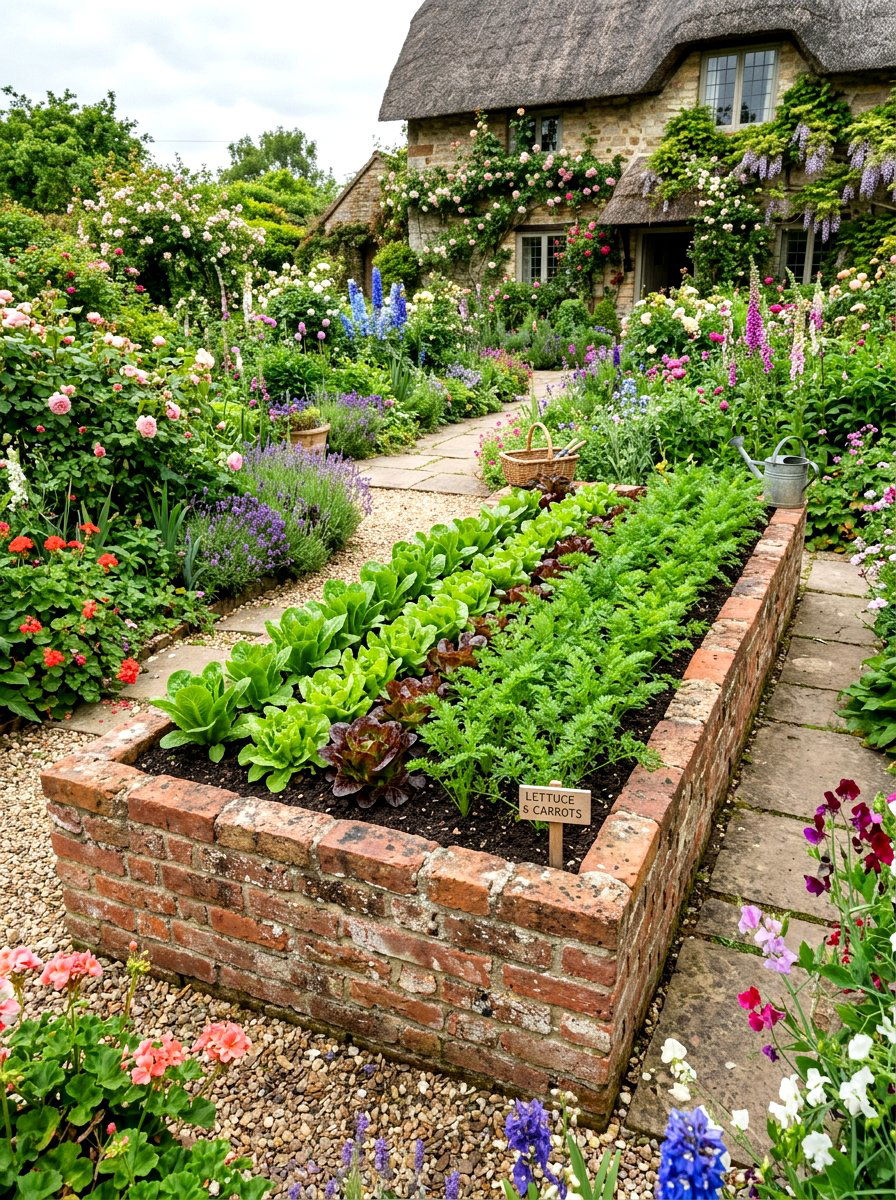
Brick is a classic building material that provides a sense of history and charm, especially in older neighborhoods or traditional cottage gardens. Using reclaimed bricks can add even more character, with varied colors and textures that look like they have been there for generations. The thermal mass of the bricks helps to regulate soil temperature, keeping roots cooler in the summer and warmer during the frosty nights. Because you can lay bricks in various patterns, you have complete creative control over the final shape and style of your garden. It is a permanent, beautiful choice for an elegant and structured potager.
9. Woven Willow Garden Bed
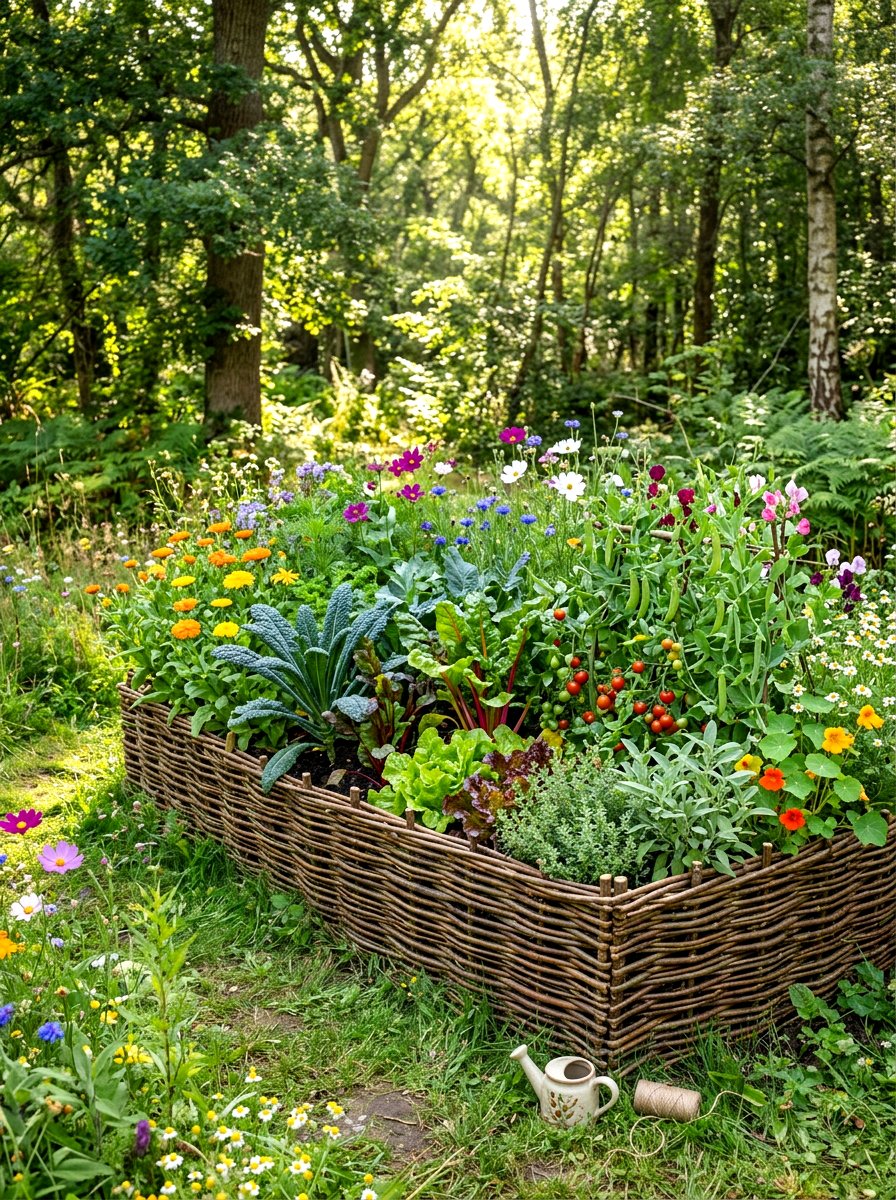
Traditional wattle fences made from woven willow or hazel branches offer a whimsical and eco-friendly alternative to rigid wooden or metal frames. This ancient technique creates a soft, rounded appearance that feels perfectly at home in a naturalistic or forest-style garden setting. The organic texture of the branches complements the wild growth of heirloom vegetables and wildflowers beautifully. While these beds may not last as long as stone or steel, they are easy to repair and completely biodegradable at the end of their life. They provide a unique, handcrafted look that celebrates traditional gardening skills and natural, sustainable materials.
10. Stone Raised Garden Bed
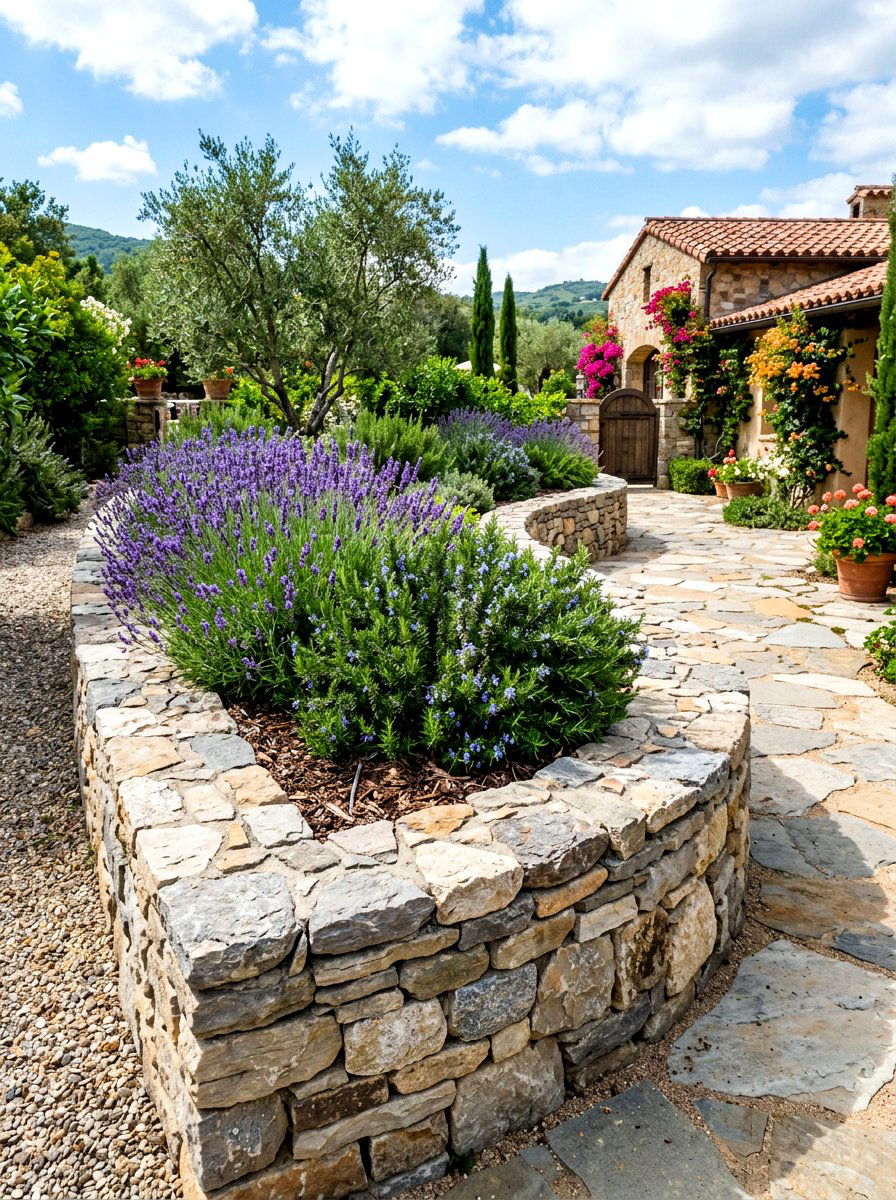
Natural stone provides a rugged and indestructible boundary for your kitchen garden that looks like it was plucked directly from the earth. Whether you use flat flagstones, rounded river rocks, or stacked fieldstones, the result is a textured and visually heavy structure that anchors the landscape. Stone beds are excellent for retaining moisture and providing a stable environment for perennials like rosemary or asparagus. The gaps between the stones can even be planted with tiny alpines or succulents for an extra layer of detail. It is a premium choice that increases property value while offering a timeless, Mediterranean-inspired garden aesthetic.
11. Tall Ergonomic Garden Bed
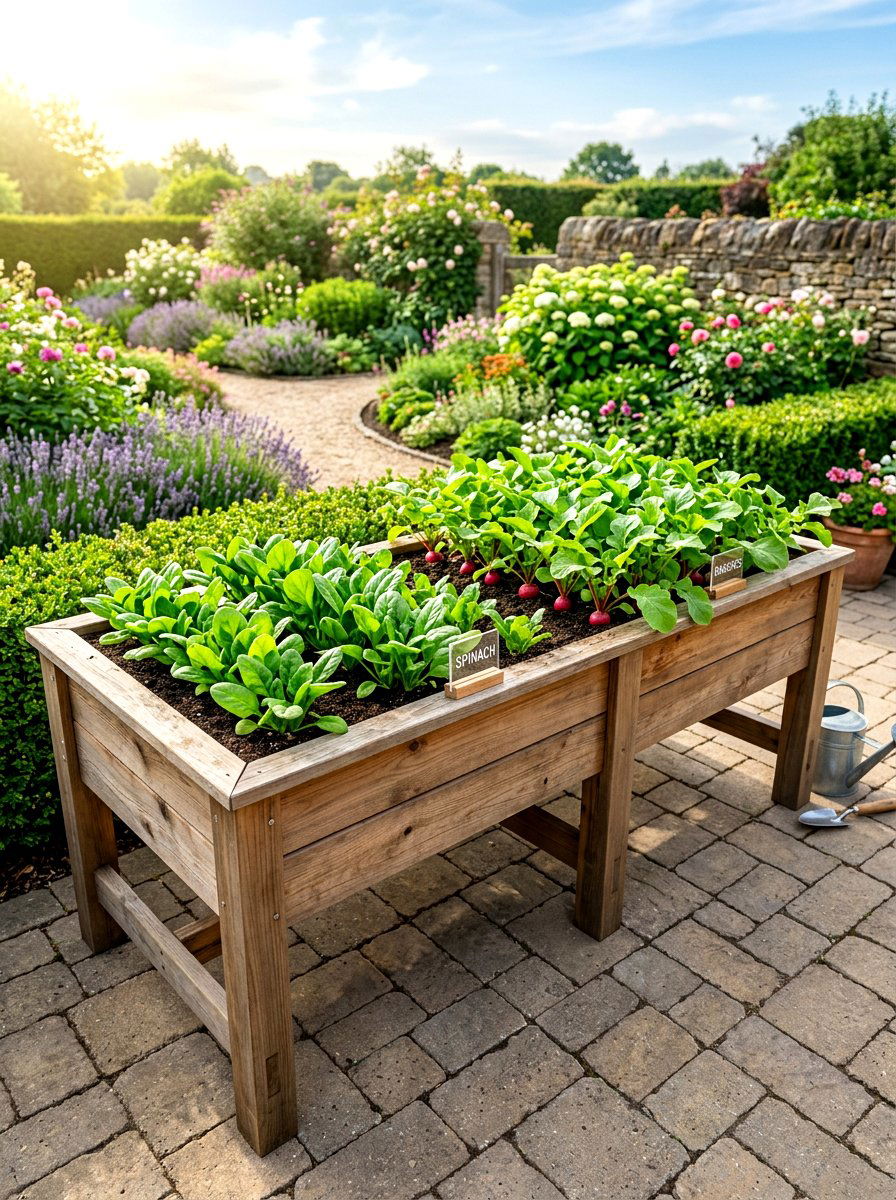
If you find that traditional gardening causes strain on your back or knees, a waist-high bed is the perfect solution for comfort. These extra-tall structures allow you to stand comfortably while weeding, planting, and harvesting your favorite greens without any painful bending. They are also excellent for keeping curious dogs or rabbits away from your precious seedlings without the need for extra fencing. Designing these beds with a deep soil reservoir ensures that even large plants like peppers or eggplants have plenty of room to grow. It makes the hobby of gardening accessible and enjoyable for people of all ages and physical abilities.
12. Raised Bed With Bird Netting
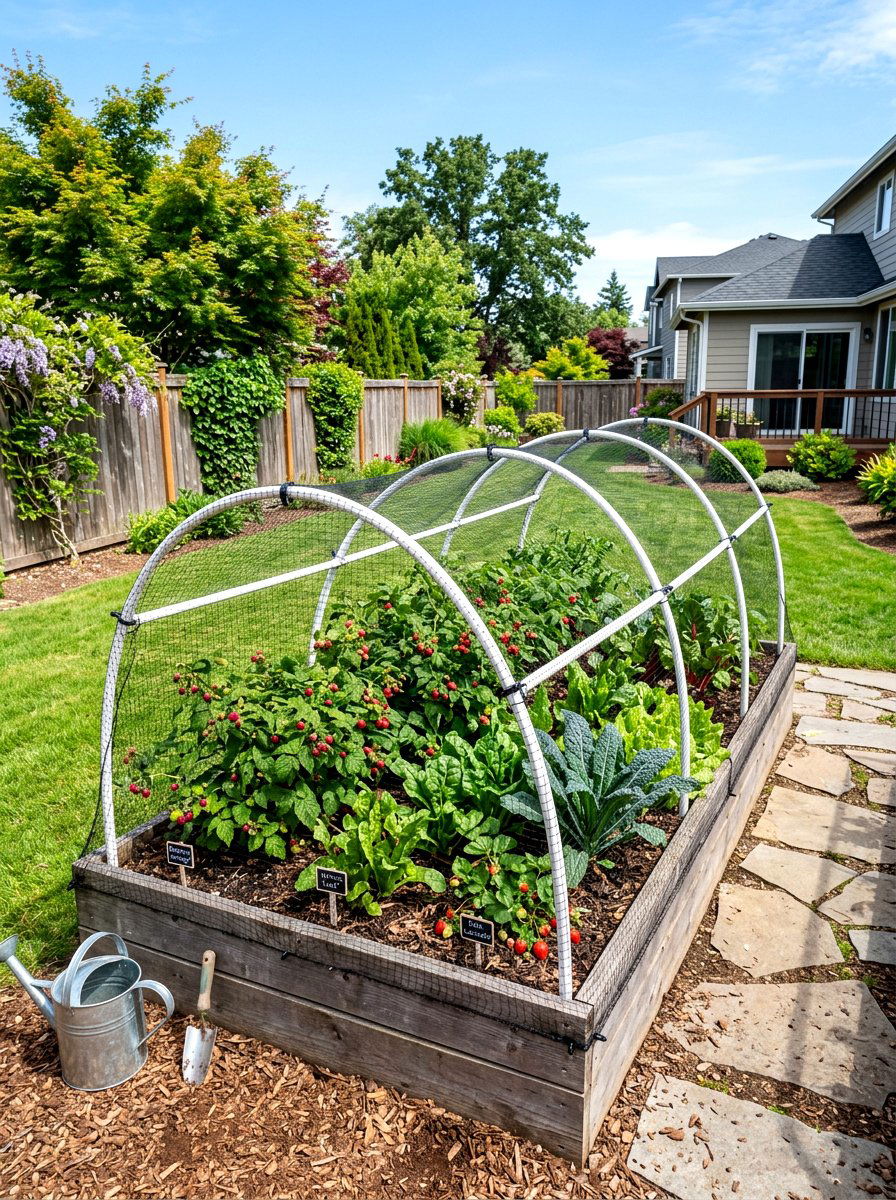
Protecting your hard-earned harvest from hungry birds and squirrels is much easier when the protection is built right into the bed. You can create a simple frame using PVC pipe or wooden hoops that sits directly on top of your raised garden structure. Stretching a fine mesh netting over this frame allows sunlight and rain to reach the plants while keeping the local wildlife at bay. This setup is particularly useful for berry bushes or leafy greens that are frequently targeted by garden visitors. It provides a tidy, professional look compared to loosely draping netting over individual plants in a messy fashion.
13. Self Watering Garden Bed
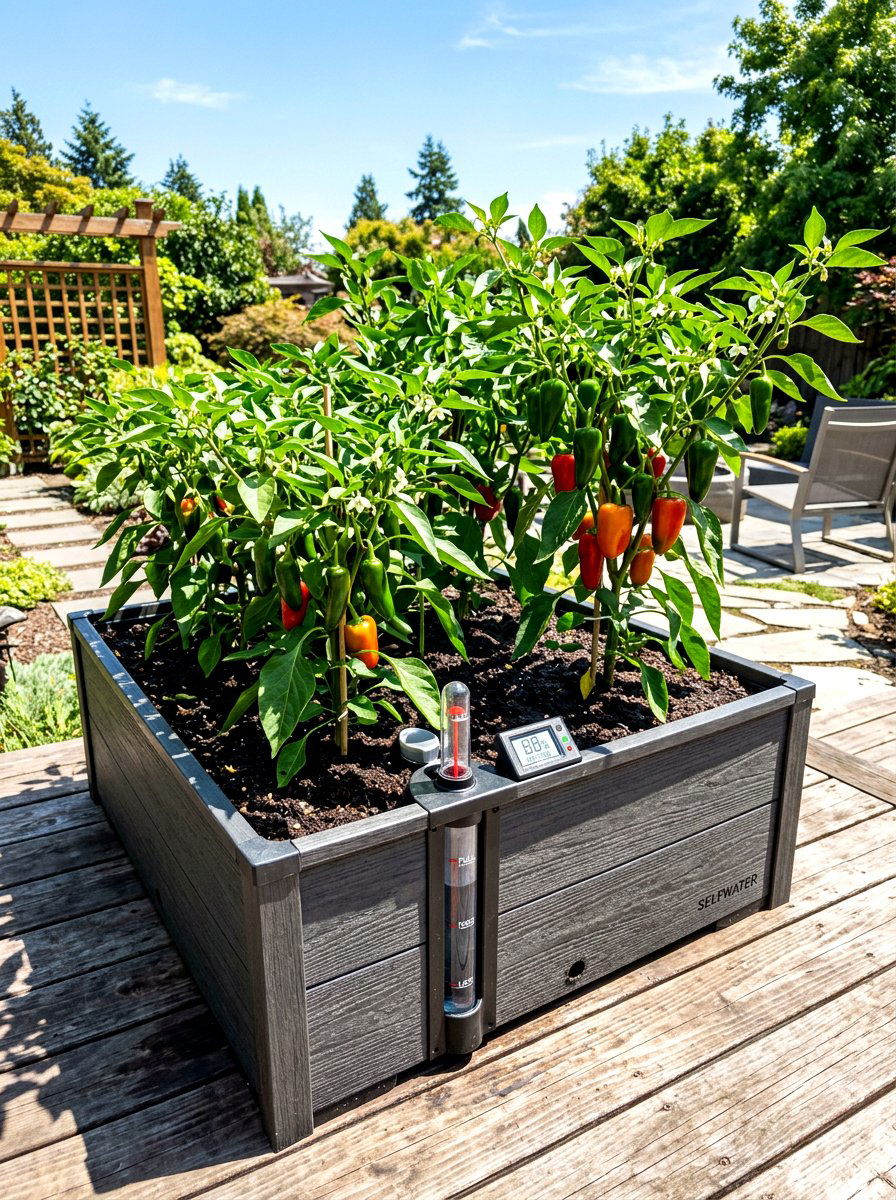
Maintaining consistent moisture levels is one of the biggest challenges in gardening, but a self-watering system built into the base solves this. These beds feature a hidden reservoir at the bottom that wicks water up into the soil as the plants need it. This sub-irrigation method encourages deep root growth and prevents the soil surface from drying out too quickly in the hot sun. It is a fantastic option for busy homeowners who might forget to water daily or for those living in particularly arid climates. You simply fill the reservoir once a week, and the garden takes care of the rest for you.
14. Small Space Kitchen Garden
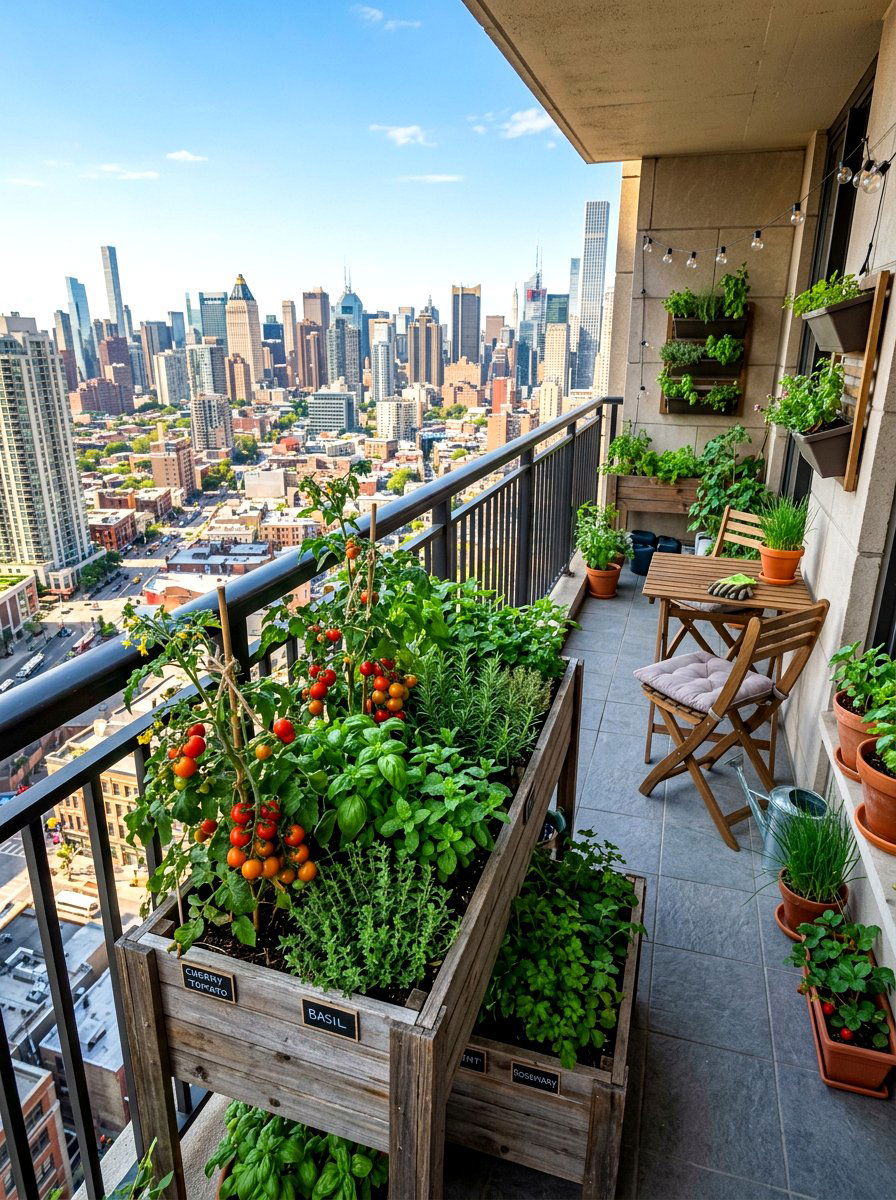
You do not need a massive yard to enjoy the benefits of fresh produce when you use a compact, tiered, or vertical setup. A small square bed placed on a sunny patio or balcony can hold a surprising variety of herbs, lettuces, and dwarf vegetable varieties. By focusing on high-yield plants that grow upward rather than outward, you can maximize every inch of available space. Using high-quality potting soil ensures that your plants get all the nutrients they need in a confined environment. This approach proves that urban dwellers can still participate in the farm-to-table movement right from their own small outdoor living area.
15. L Shaped Garden Bed
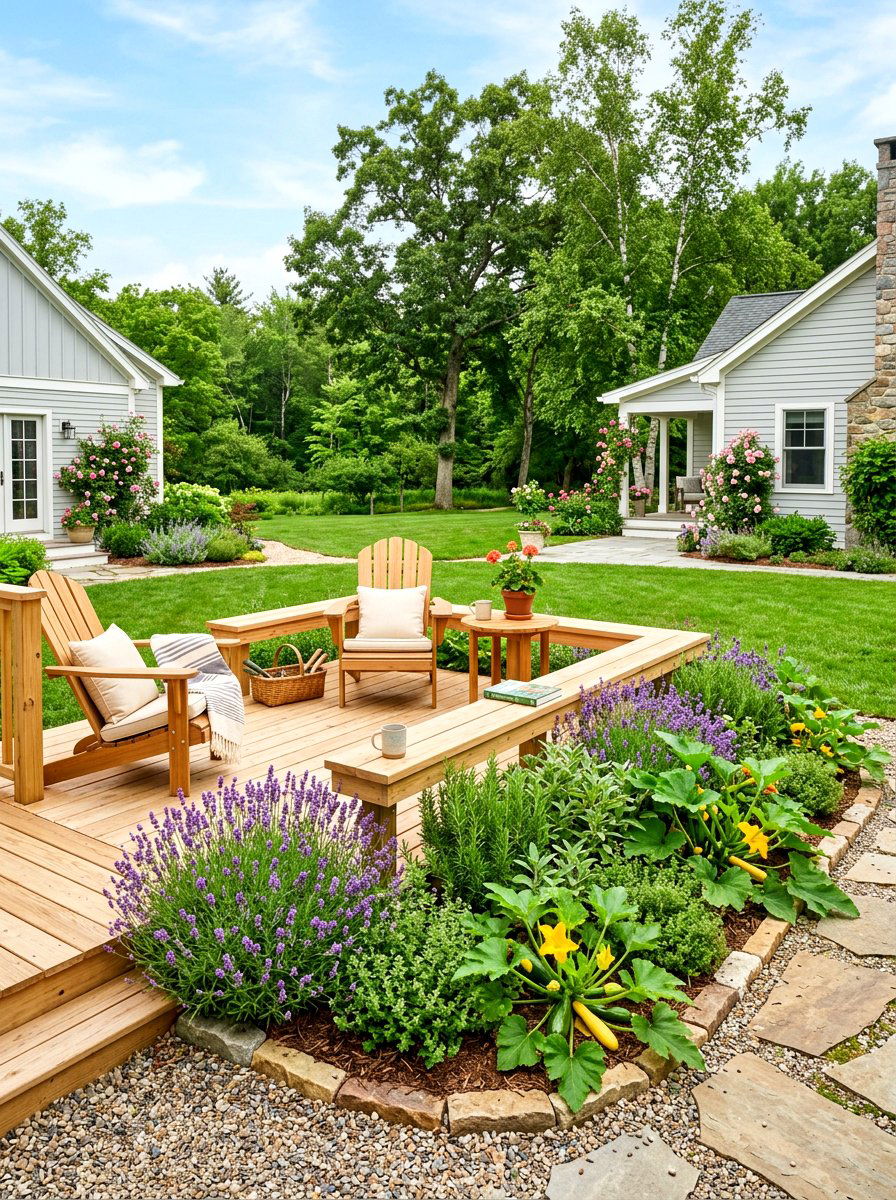
An L-shaped configuration is a brilliant way to tuck a productive garden into a corner or along the edge of a deck. This layout provides two distinct growing zones that are both easily accessible from a single exterior corner, making maintenance very simple. It frames an outdoor space beautifully, acting as a living green border that defines the transition between a patio and the lawn. You can use the long side for larger crops and the shorter side for a dedicated herb collection or cutting flowers. It is a versatile shape that fits many suburban backyard footprints while providing plenty of room for a diverse harvest.
16. Tiered Herb Garden Bed
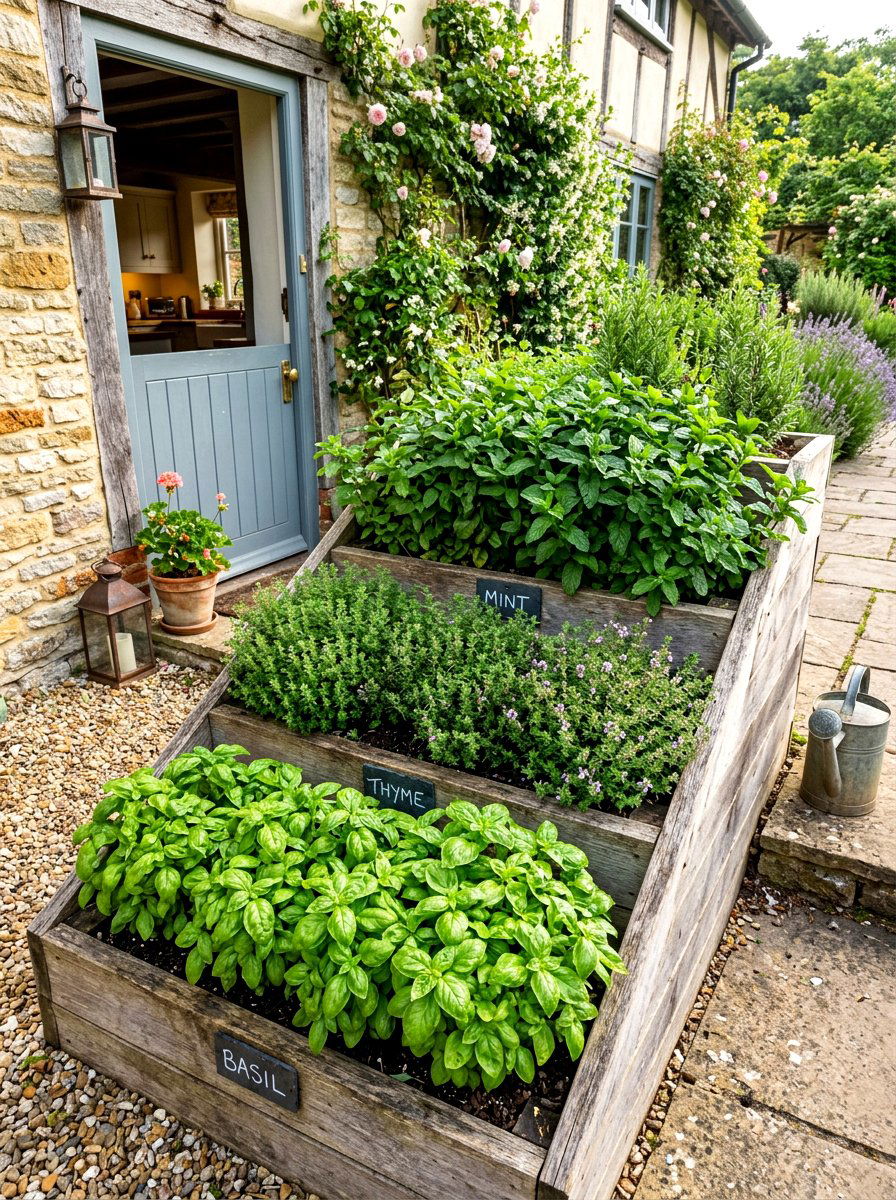
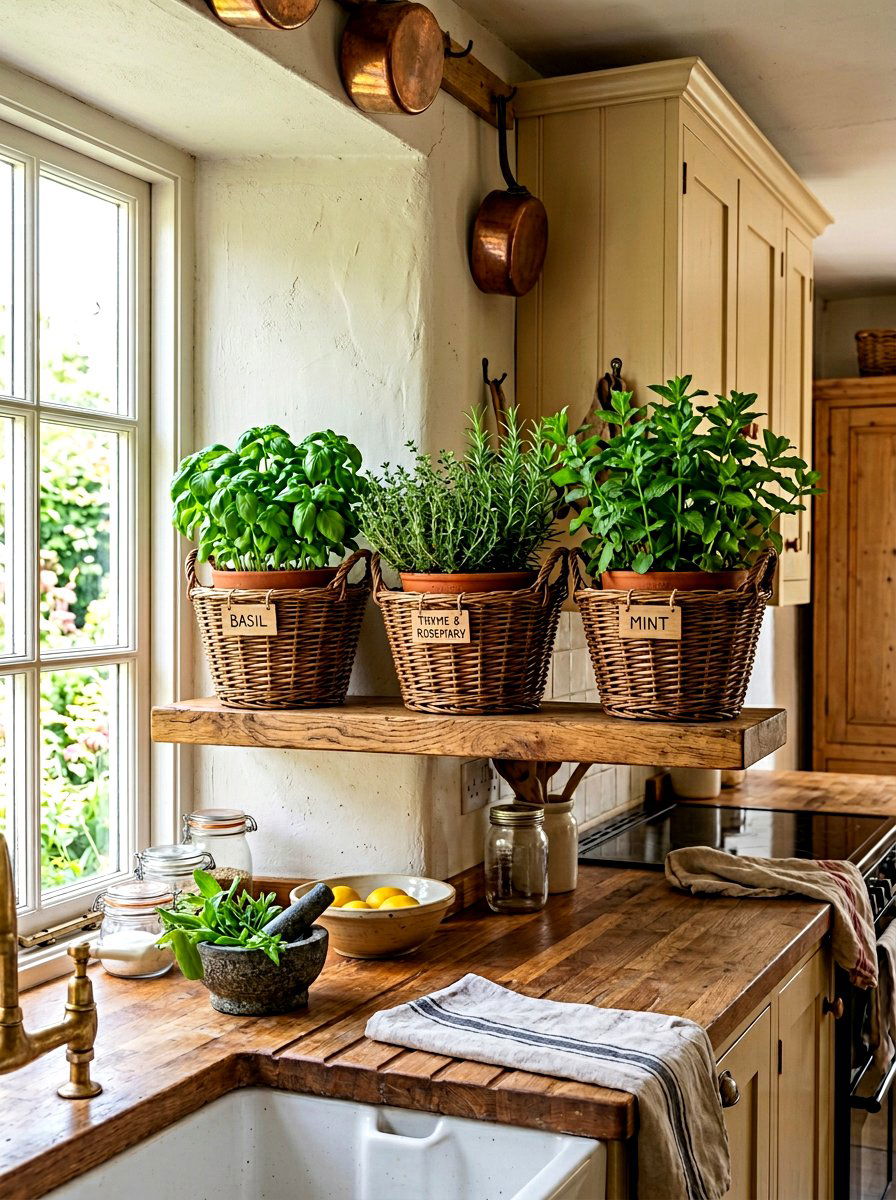
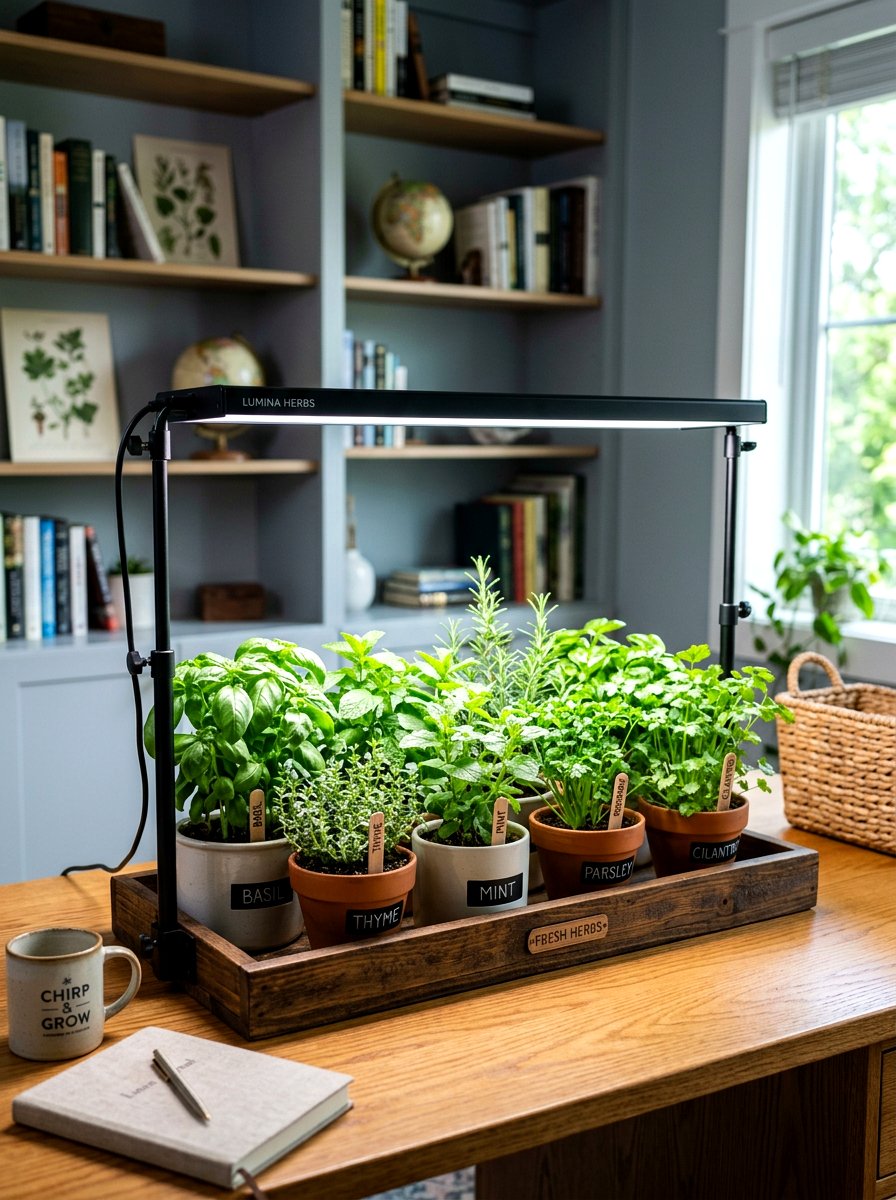
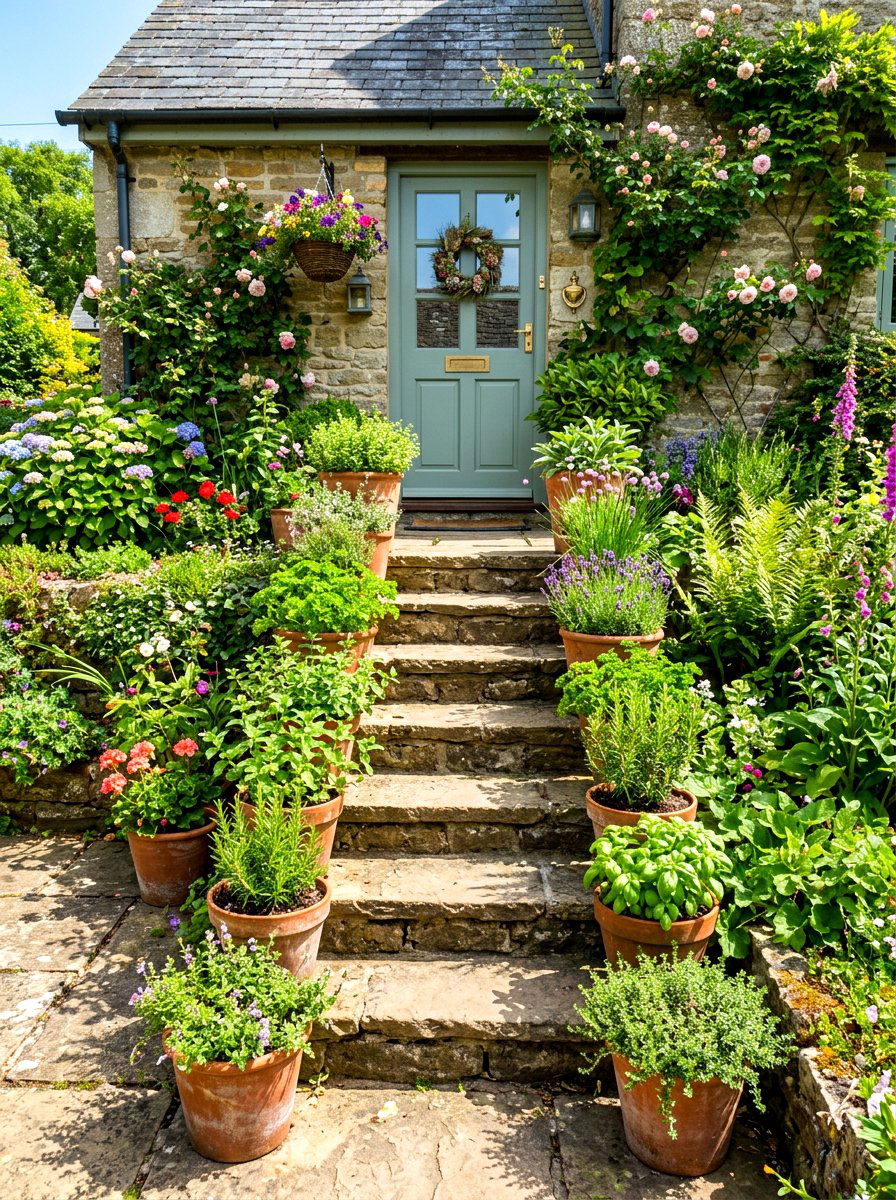
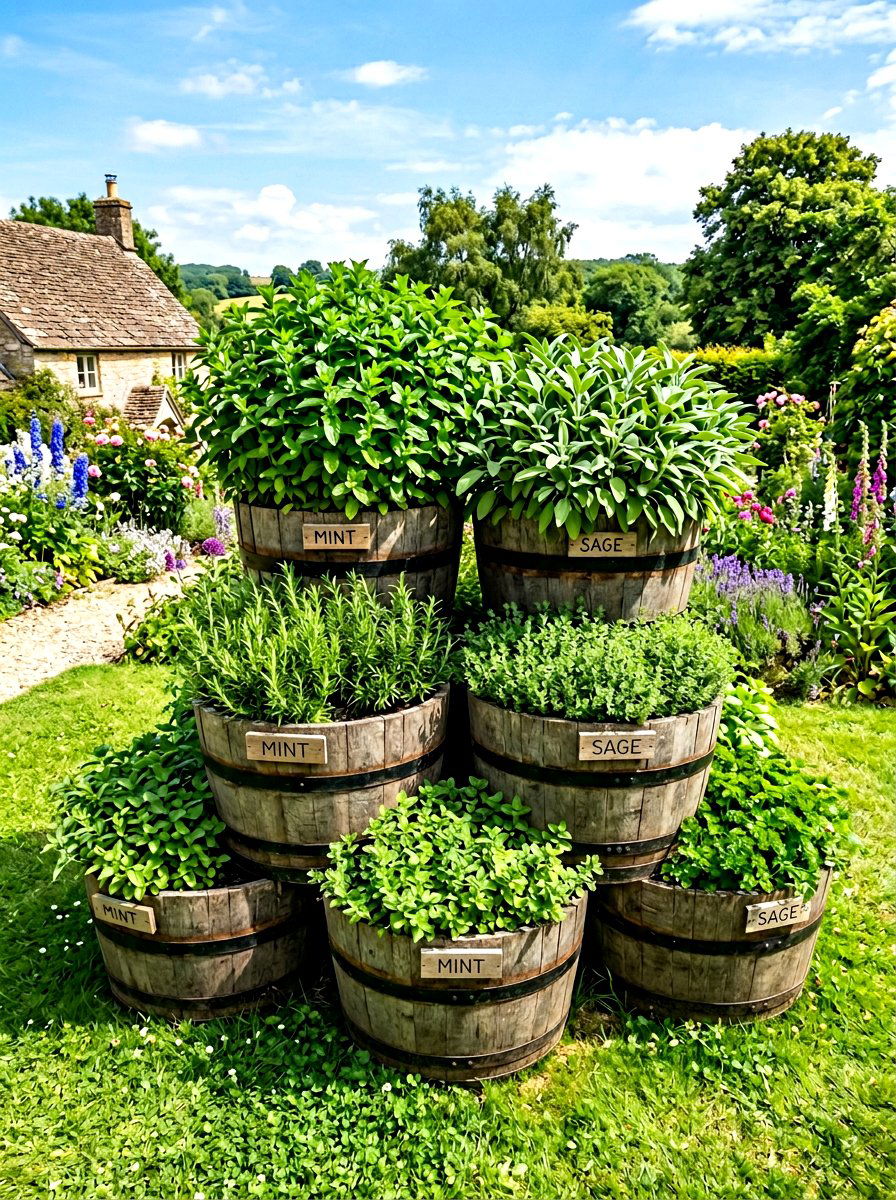
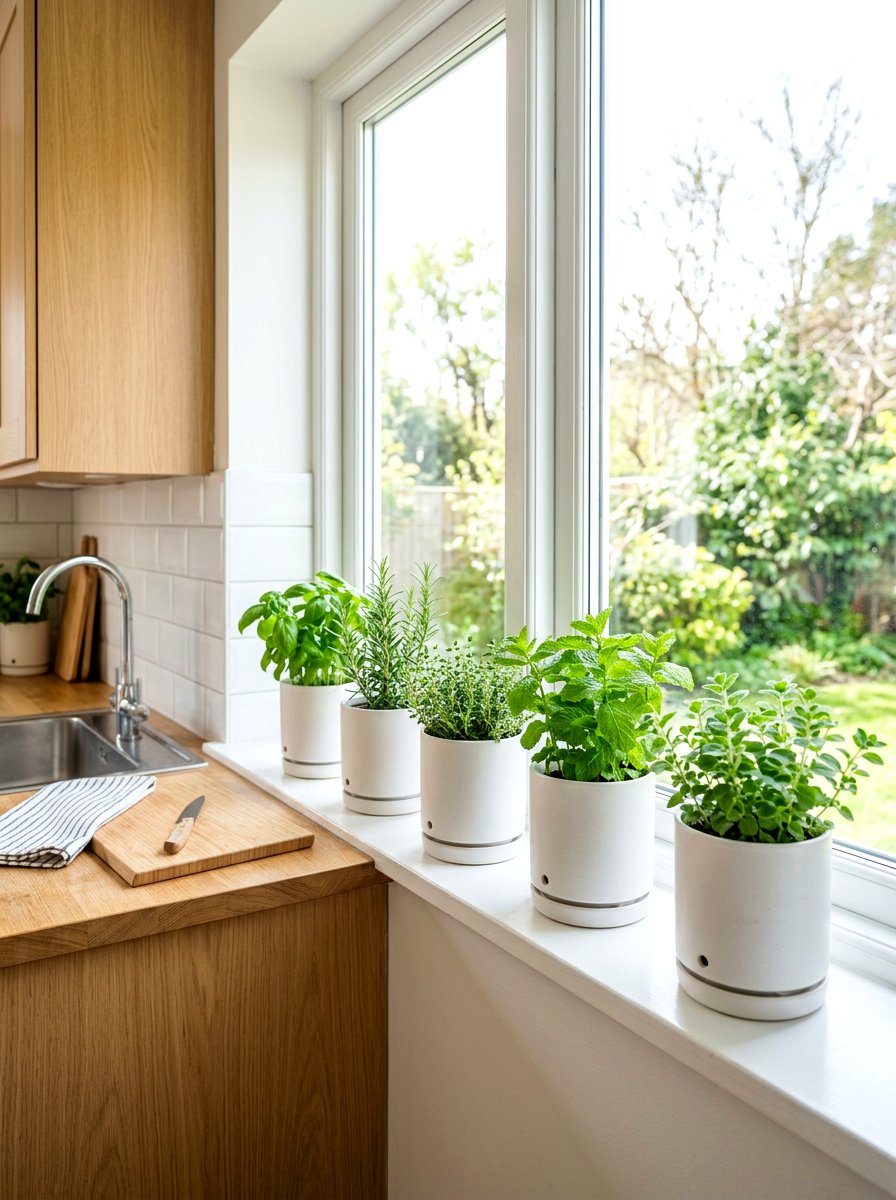
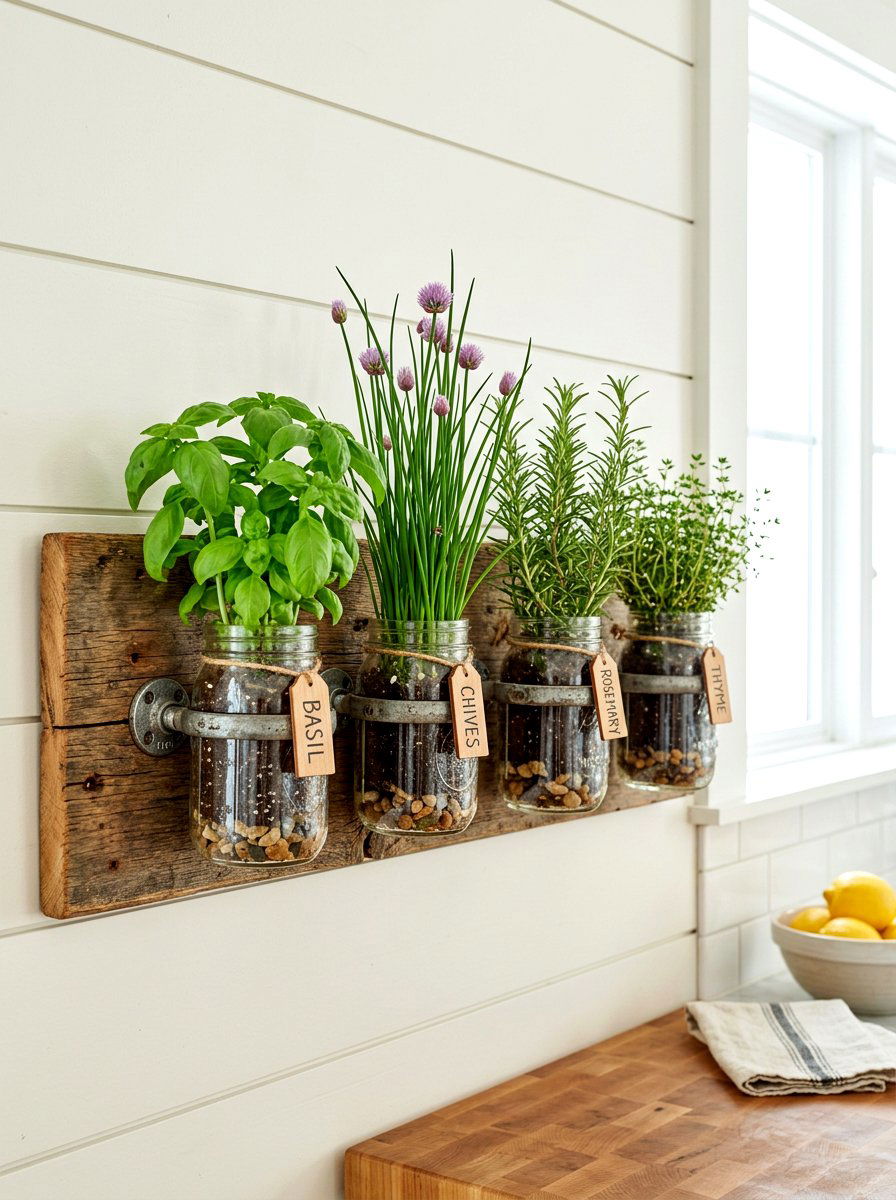
Herbs often have different drainage and sunlight needs, which makes a tiered or stepped bed an ideal home for a culinary collection. You can place drought-loving herbs like rosemary and thyme on the higher, drier levels while keeping moisture-loving mint or parsley lower down. This arrangement creates a beautiful staircase of scents and textures that is both functional and highly decorative near a kitchen door. The vertical height makes it very easy to snip a few sprigs of basil or cilantro while you are in the middle of cooking a meal. It is a compact and fragrant addition to any home garden.
17. Greenhouse Raised Garden Bed
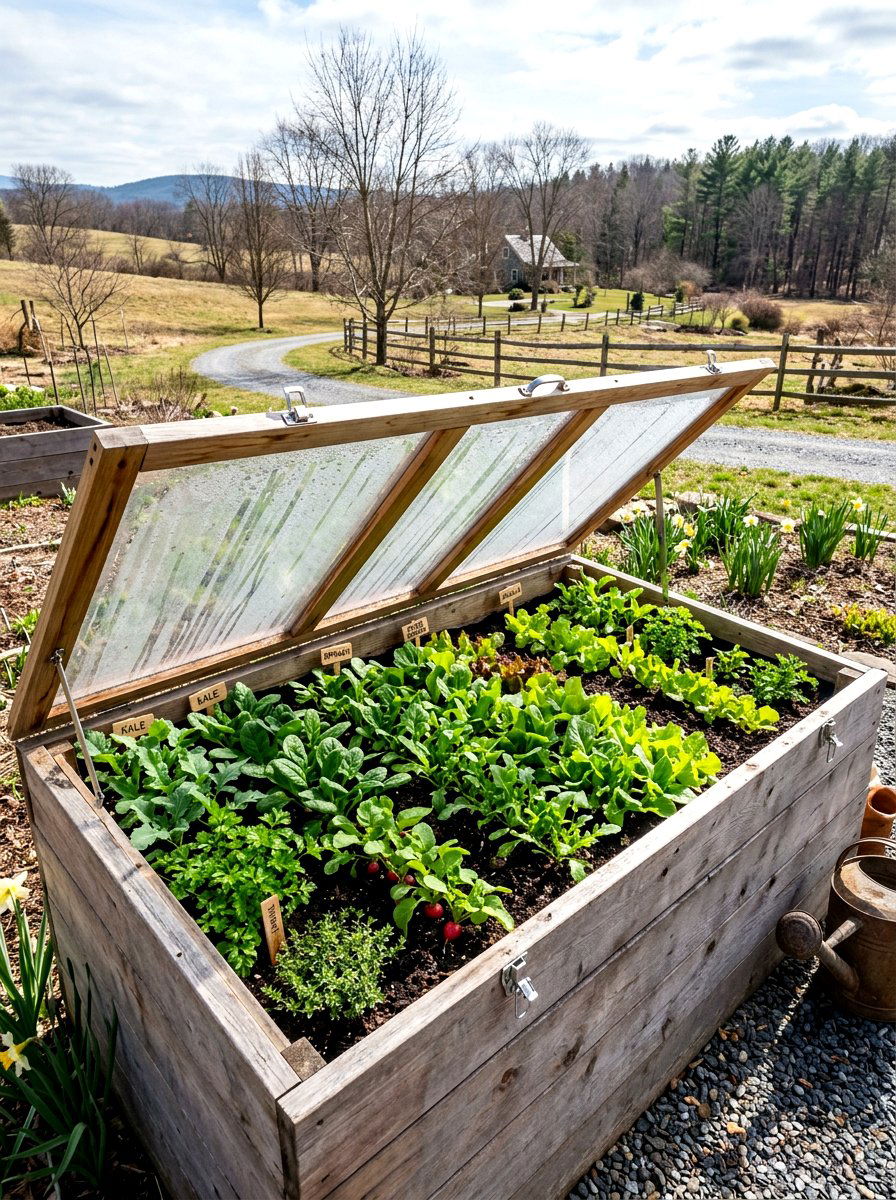
Combining a raised bed with a removable cold frame or clear plastic cover creates a mini-greenhouse that extends your growing season significantly. This setup allows you to start seeds weeks earlier in the spring and keep hardy greens growing well into the chilly winter months. The raised sides hold in the heat from the soil, while the clear top traps solar energy to create a warm microclimate. It is a game-changer for gardeners in northern climates who want to maximize their annual productivity. The covers can usually be propped open for ventilation on warm days or removed entirely during the peak of summer.
18. Vertical Raised Garden Bed
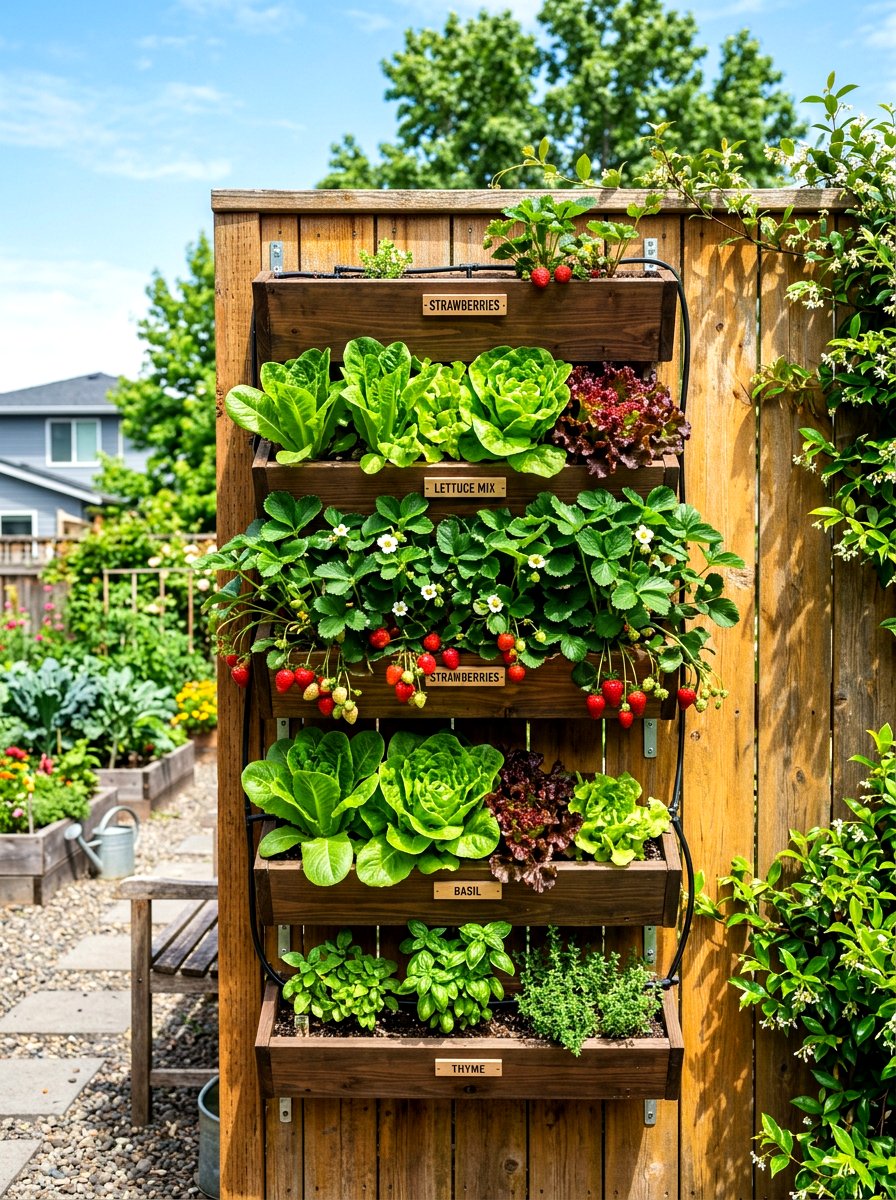
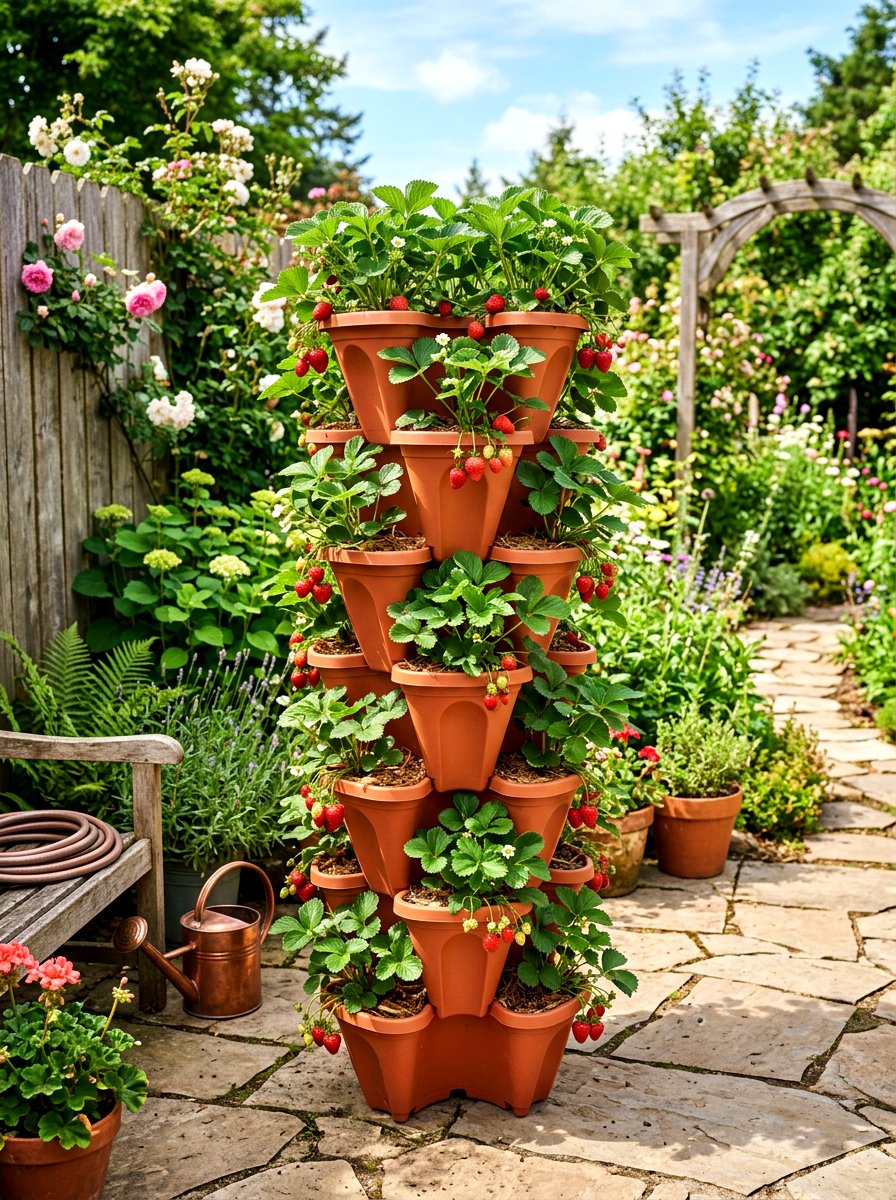
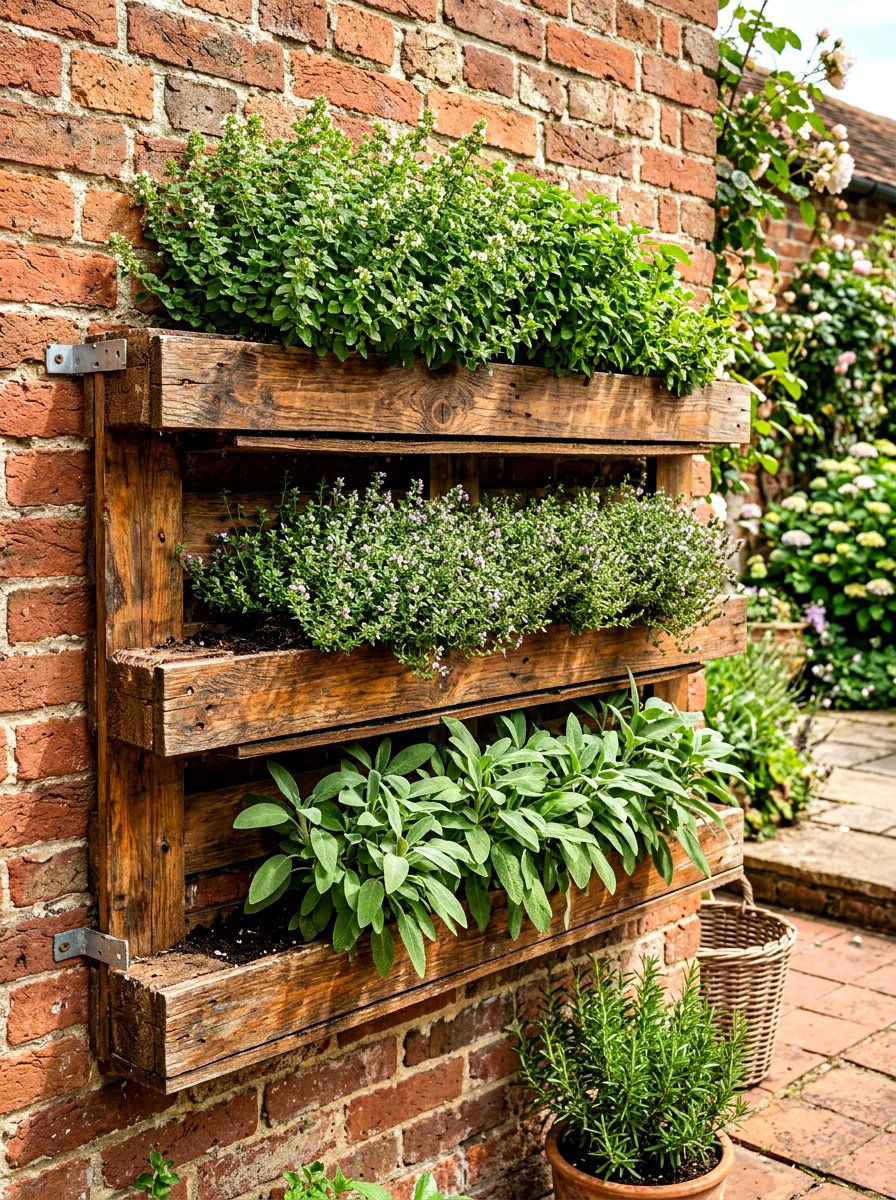
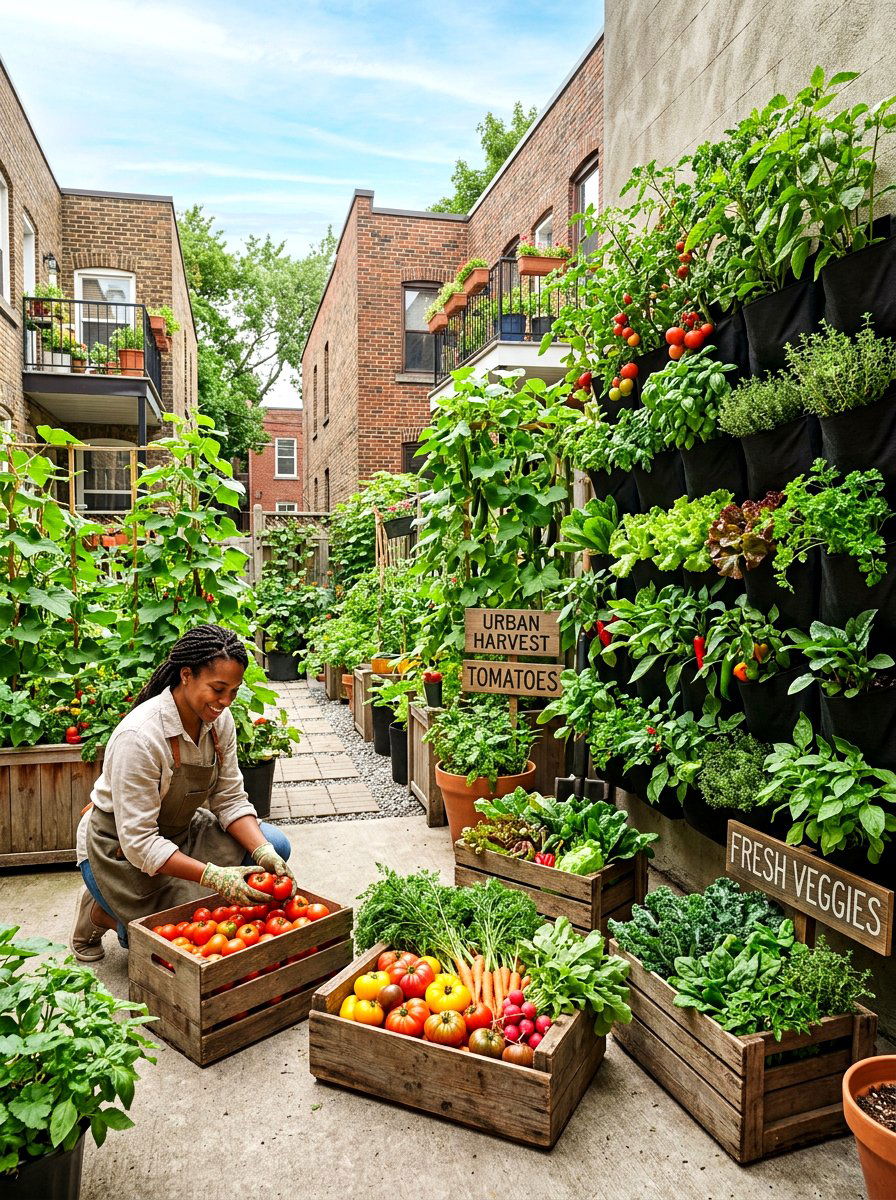
When ground space is at a premium, building your garden upward with stacked troughs or wall-mounted pockets is the most efficient strategy. A vertical raised system can turn a bare fence or a sunny exterior wall into a lush tapestry of edible plants and flowers. This method is particularly effective for shallow-rooted crops like strawberries, loose-leaf lettuce, and various kitchen herbs that don't require much soil depth. It keeps the plants at eye level, making it easy to spot pests and monitor growth without ever having to look down. It is a modern, space-saving solution that brings greenery into the smallest of urban environments.
19. Square Foot Garden Bed
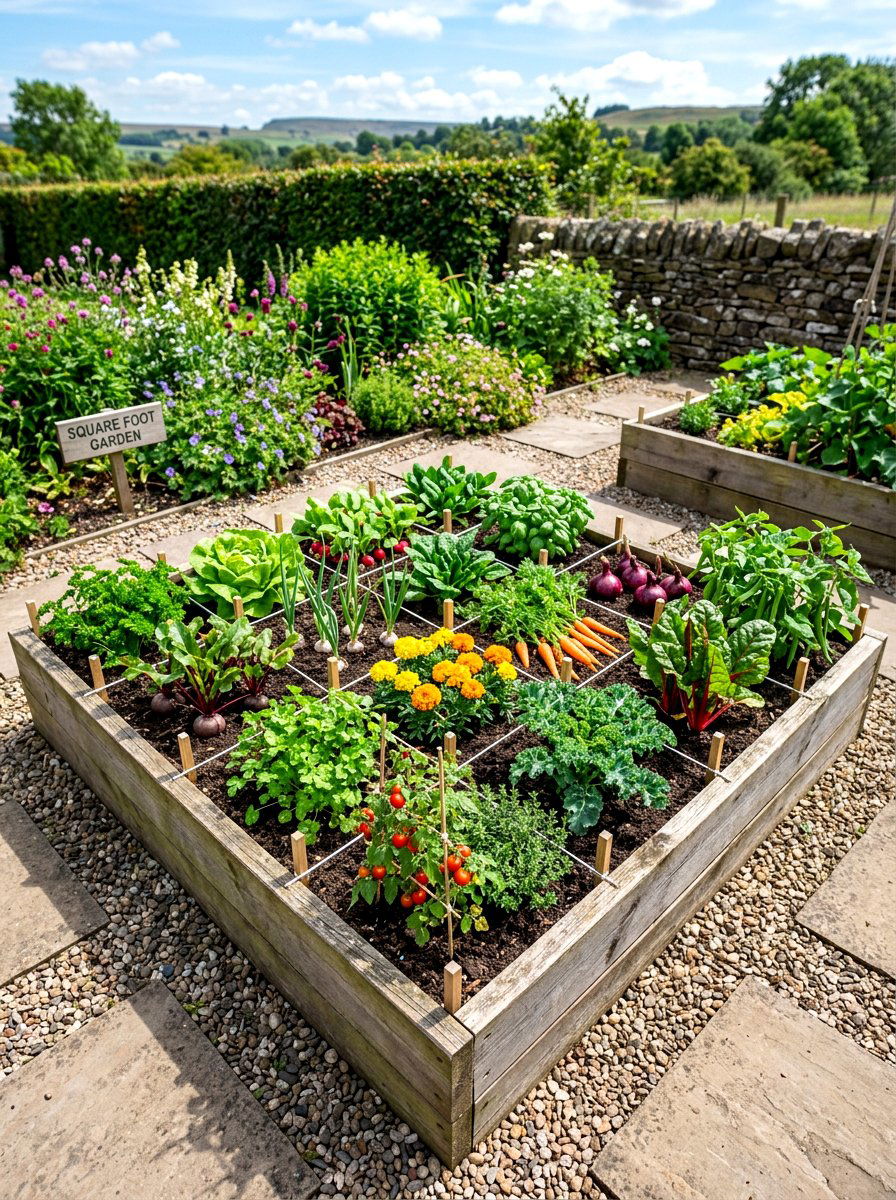
Efficiency is the core principle of the square foot gardening method, where a raised bed is divided into a precise one-foot grid. This structured approach allows you to plant a specific number of different crops in each square, preventing overcrowding and reducing wasted space. It is an excellent system for beginners because it provides clear guidelines on exactly how much to plant and where. The grid itself can be made from thin wood strips or even simple string stretched across the top of the bed. It results in a very tidy, patchwork-style garden that produces an incredible amount of food from a very small footprint.
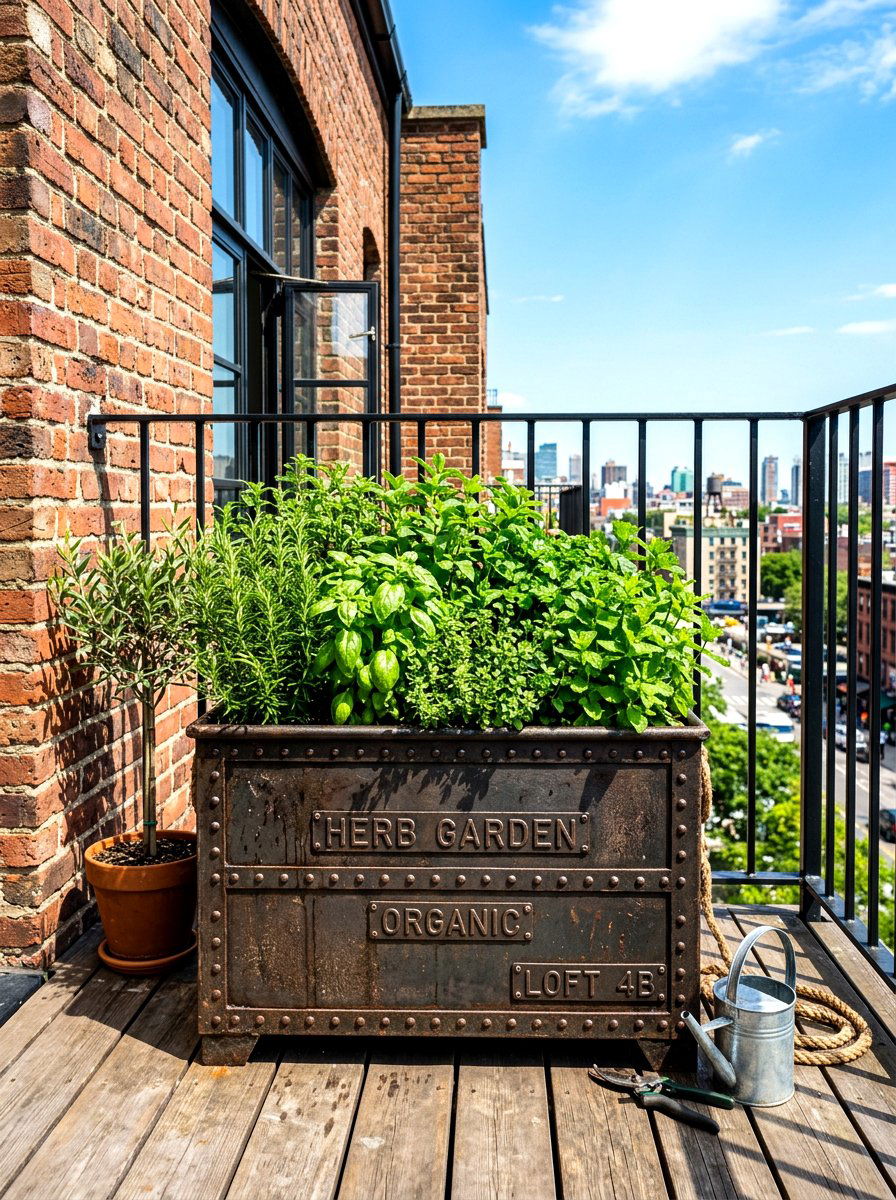
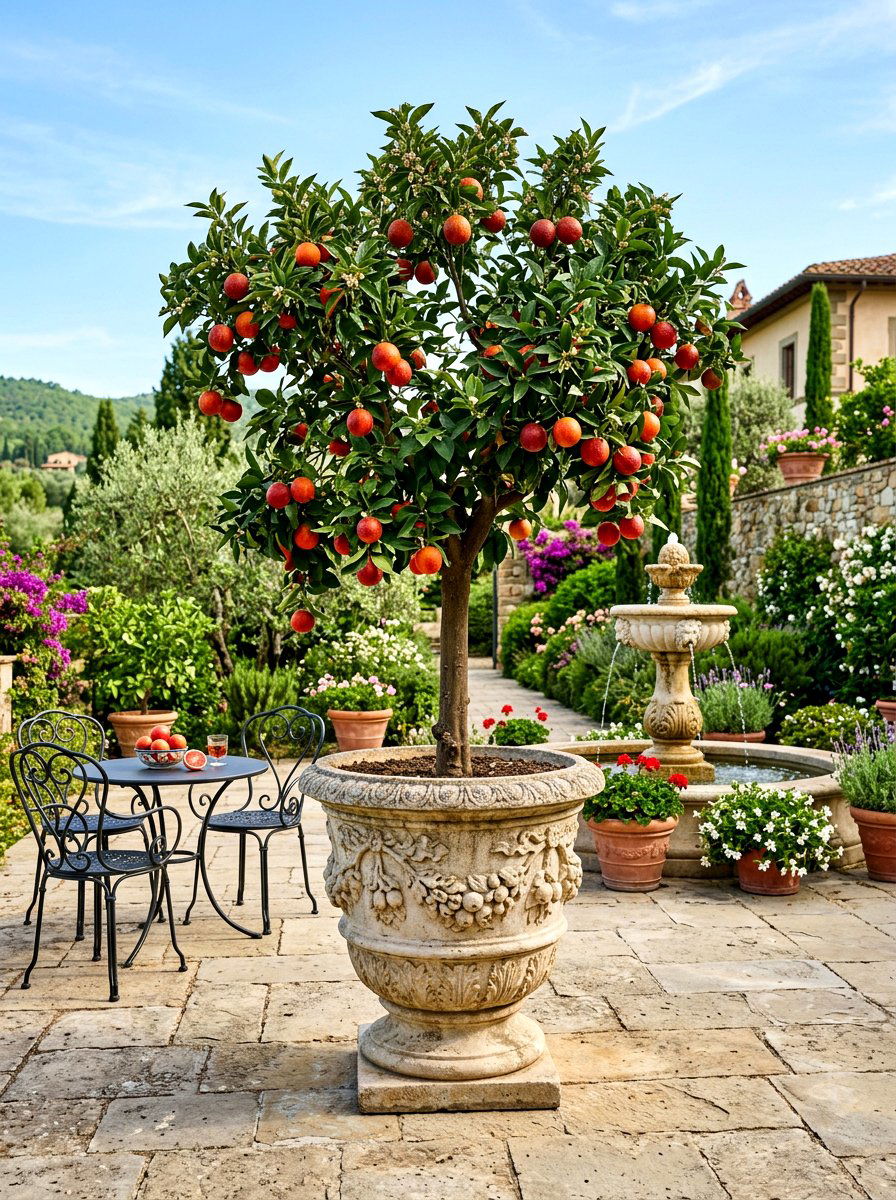
20. Enclosed Kitchen Garden
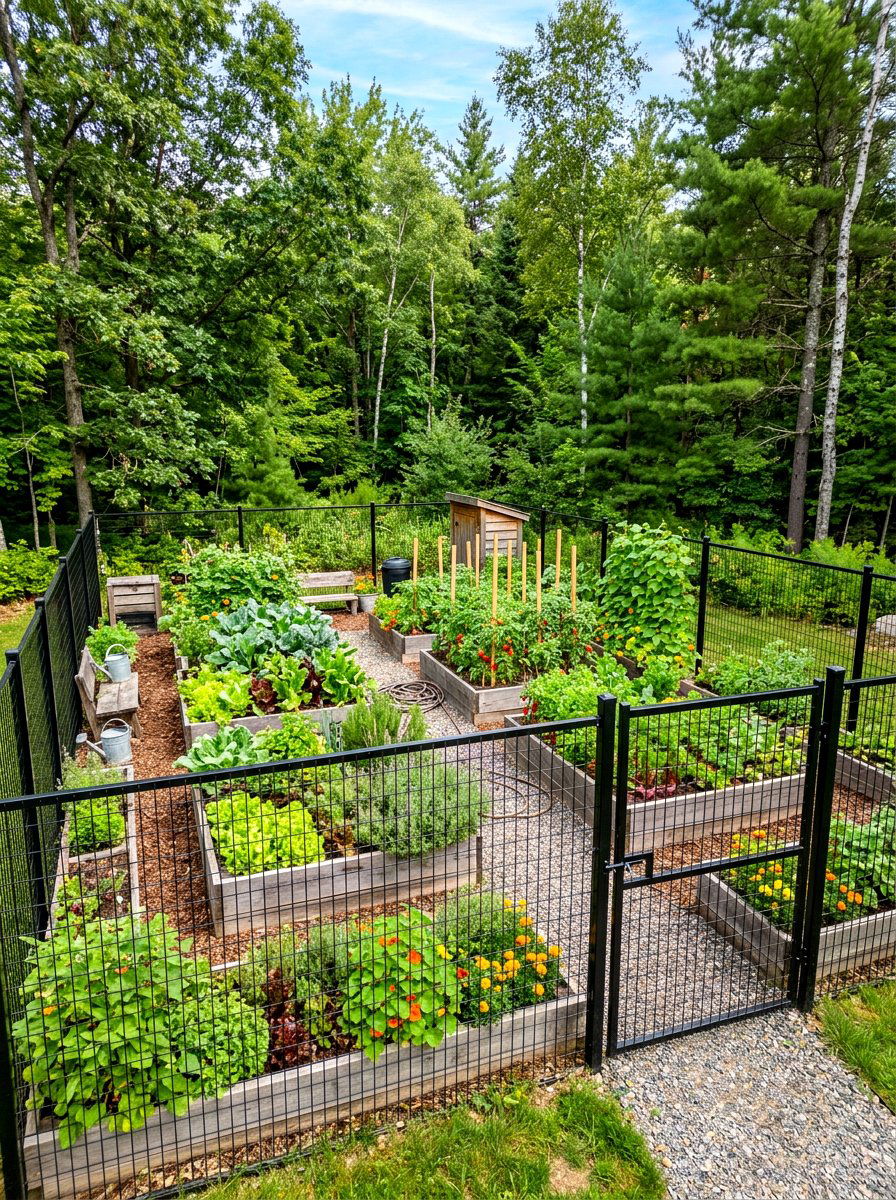
If you live in an area with high pressure from deer or other large animals, an enclosed garden structure is a necessity. This involves building a tall fence or a walk-in cage directly around your raised beds to create a secure growing sanctuary. Using black wire mesh makes the enclosure almost invisible from a distance, allowing the beauty of the plants to remain the primary focus. Inside, you can have multiple beds with wide paths between them for easy access and a comfortable working environment. It creates a private, protected "room" in the garden where you can grow whatever you like without any fear of loss.
21. Cottage Style Garden Bed
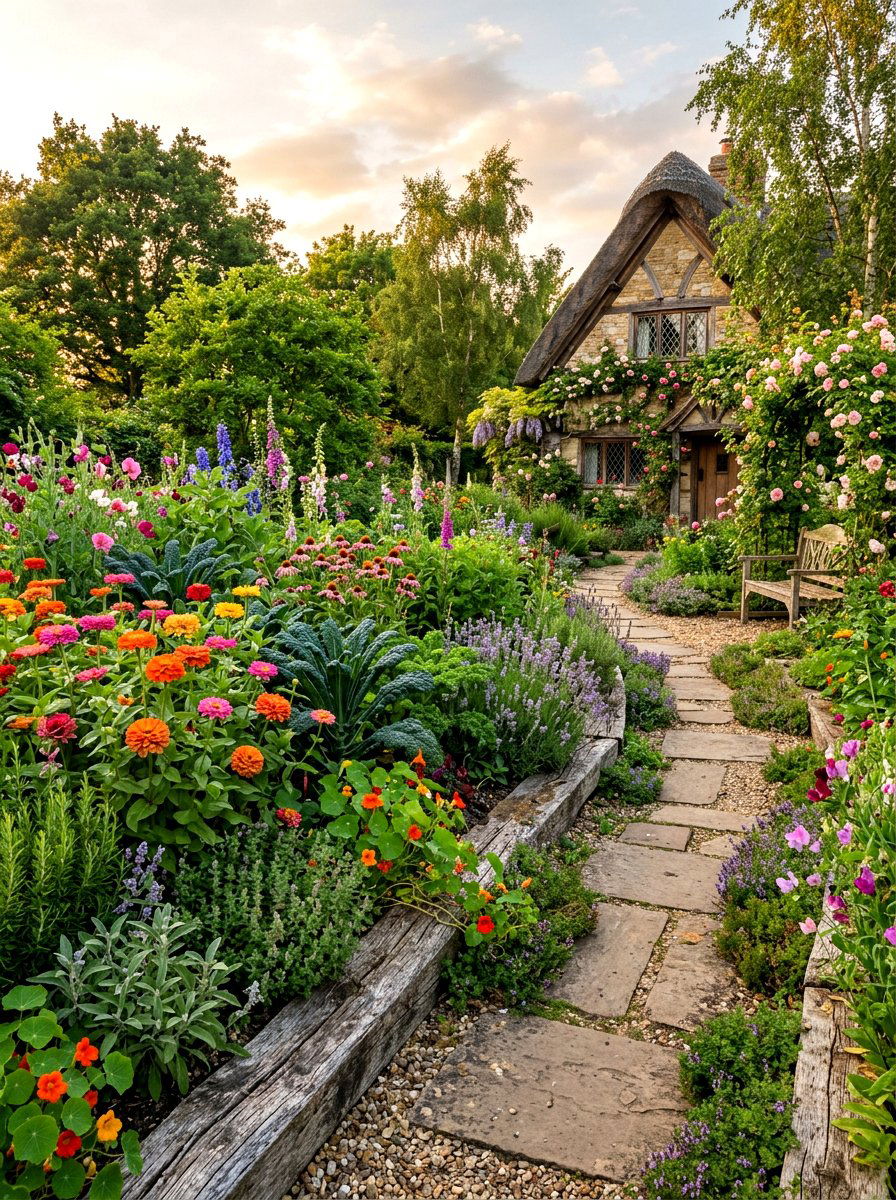
A cottage kitchen garden focuses on a beautiful, romantic jumble of vegetables, herbs, and old-fashioned flowers like marigolds and zinnias. The raised beds are often made from weathered wood or rustic stone to enhance the "found" and historical feeling of the space. Instead of strict rows, the plants are allowed to spill over the edges, creating a lush and abundant look that feels very welcoming. This style encourages biodiversity by mixing edible crops with pollinator-friendly blooms that help keep the garden healthy and vibrant. It is a charming approach that prioritizes visual delight and a connection to nature alongside its productive function.
22. Modular Metal Garden Bed
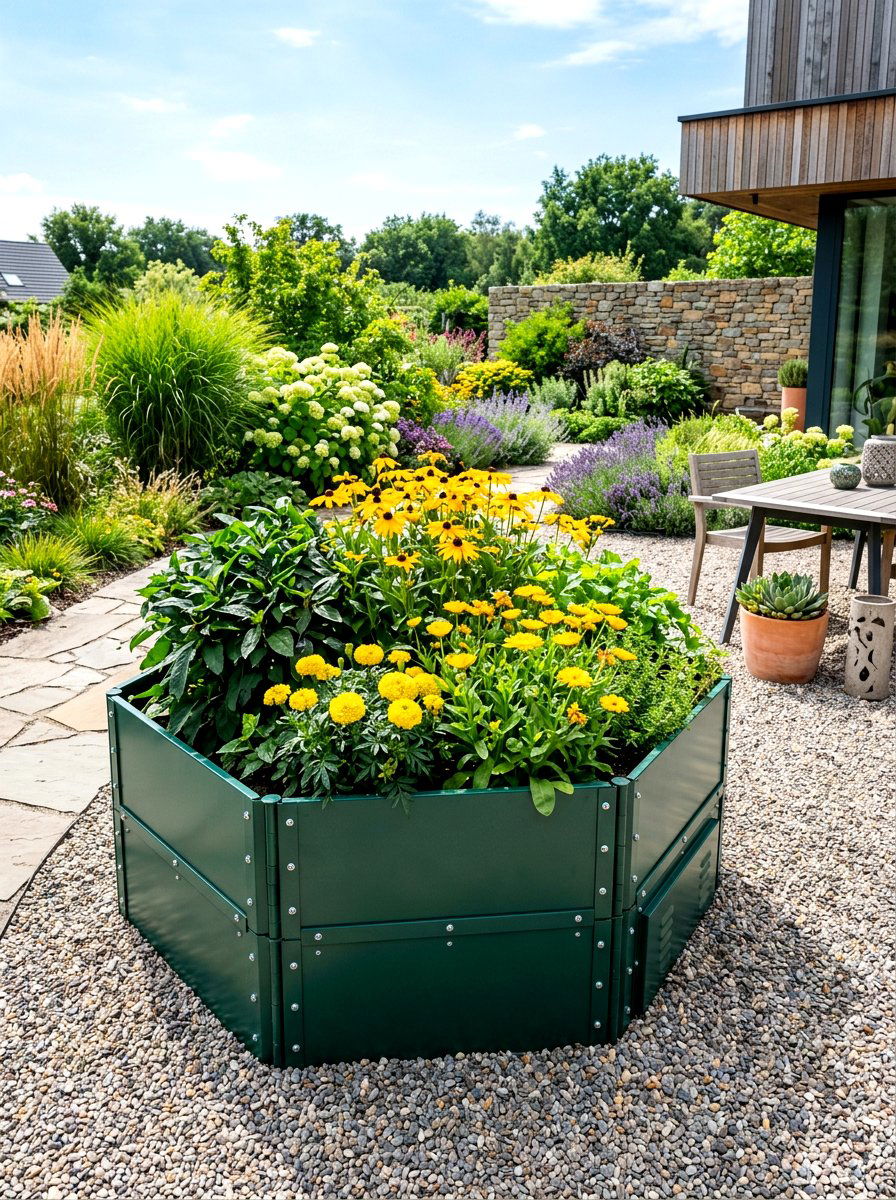
Modular systems allow you to experiment with different shapes and sizes by simply rearranging the metal panels into new configurations. You can create long rectangles, compact squares, or even unique hexagons depending on the available space in your yard and your personal preference. These kits are usually lightweight and easy to assemble with basic tools, making them a great weekend project for any DIY enthusiast. The ability to add or remove sections as your gardening goals change provides a level of flexibility that permanent structures cannot offer. It is a smart, adaptable choice for someone who wants their garden to grow along with their experience level.
23. Painted Wood Garden Bed
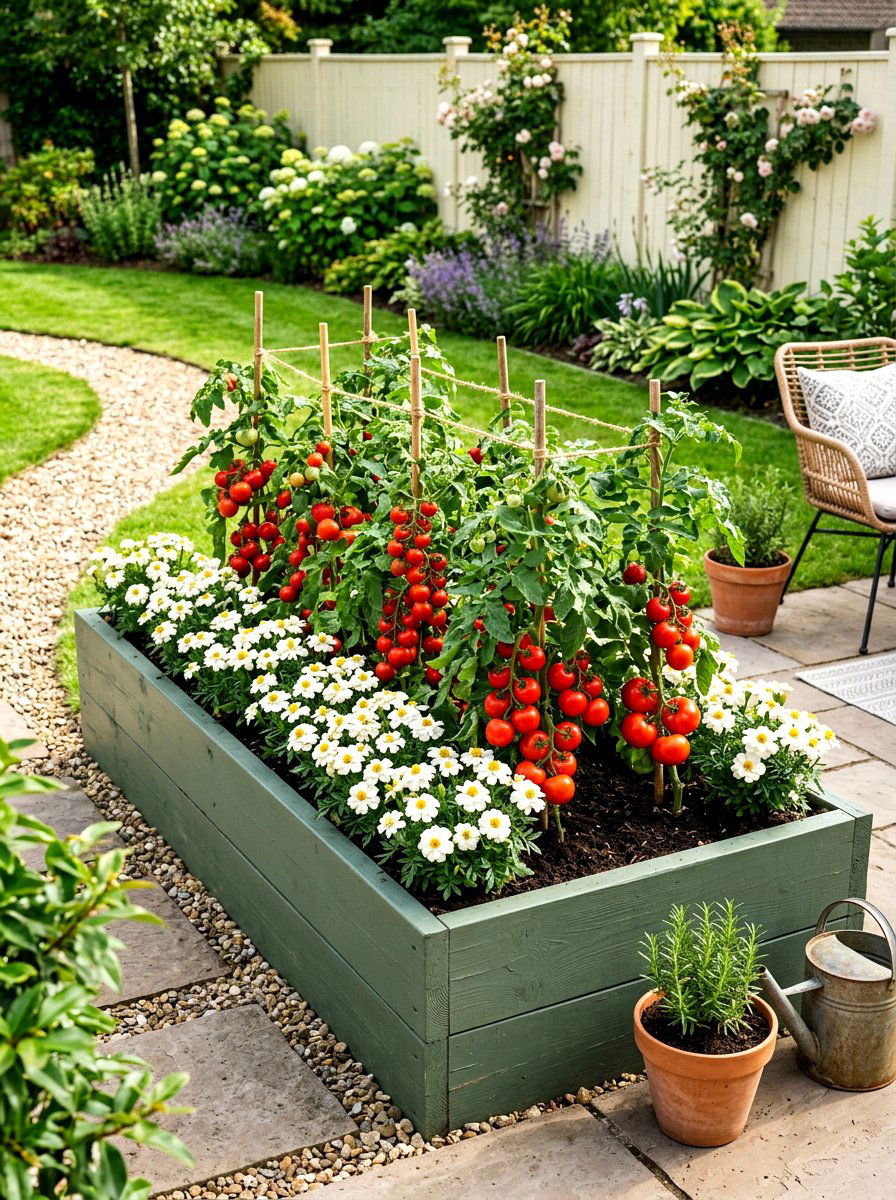
Adding a pop of color to your garden frames is an easy way to express your personal style and brighten up the landscape. Painting your wooden raised beds in a deep navy, a soft sage green, or even a bold terracotta can completely change the mood of your backyard. The paint also provides an extra layer of protection for the wood, helping it to last longer against the elements and moisture. You can coordinate the colors with your home's exterior trim or patio furniture for a cohesive and professionally designed look. It turns a standard garden box into a custom piece of outdoor decor that looks great year-round.
24. Raised Bed With Seating Ledge
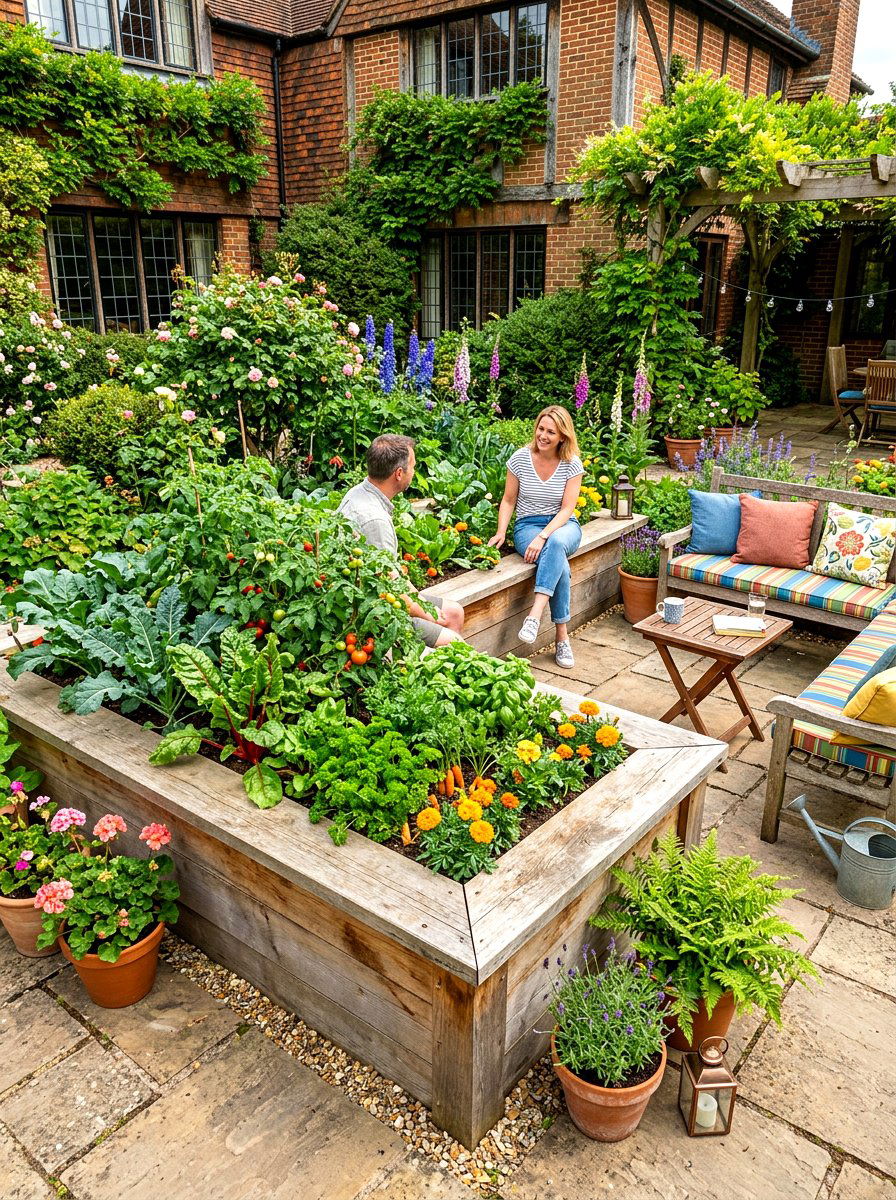
Why not make your garden a place for relaxation as well as production by adding a wide wooden ledge around the top? A flat, sturdy cap on your raised bed provides a comfortable place to sit while you are weeding or simply enjoying the sunset. It also serves as a convenient spot to set down your garden tools, a basket of harvested veggies, or even a cup of coffee. This dual-purpose design integrates the garden into your social living space, making it a natural gathering spot for friends and family. It transforms the act of gardening into a more social and comfortable experience for everyone involved.
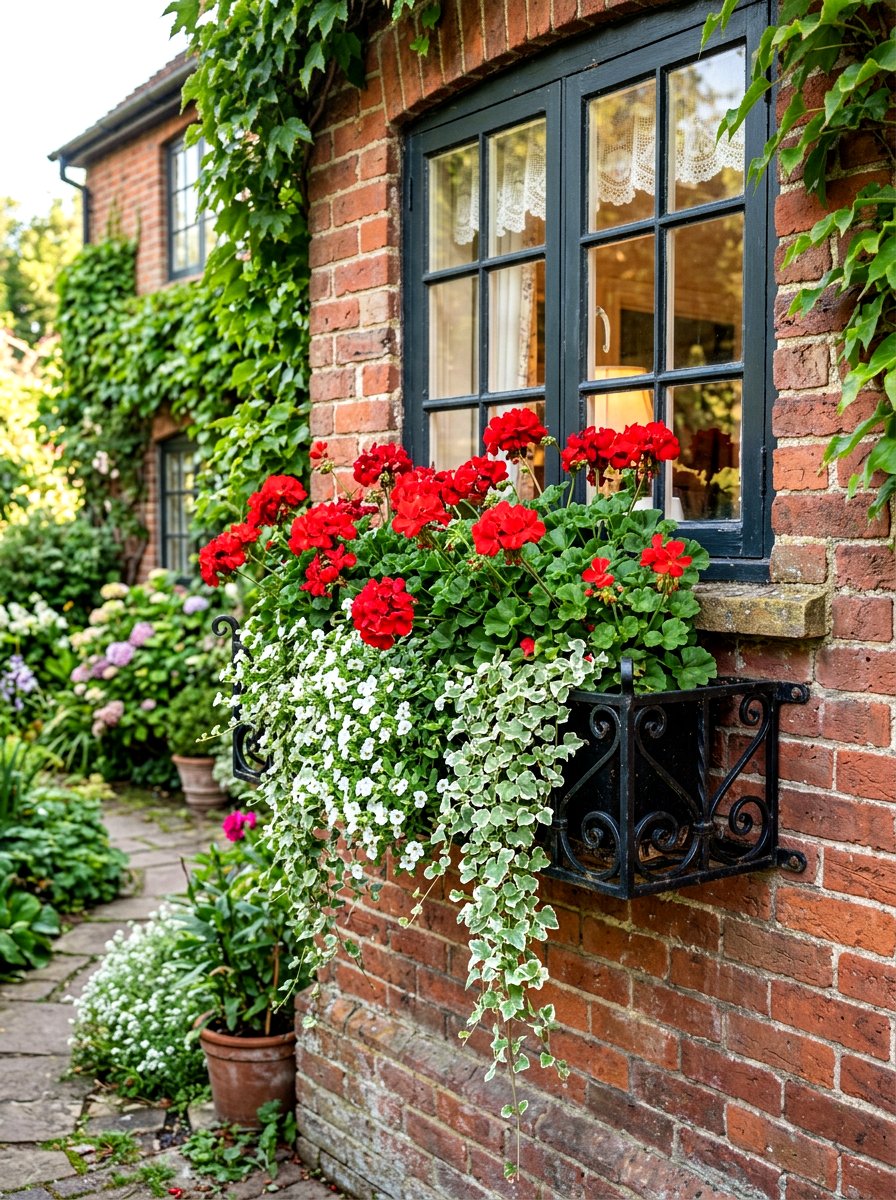
25. Circular Raised Garden Bed
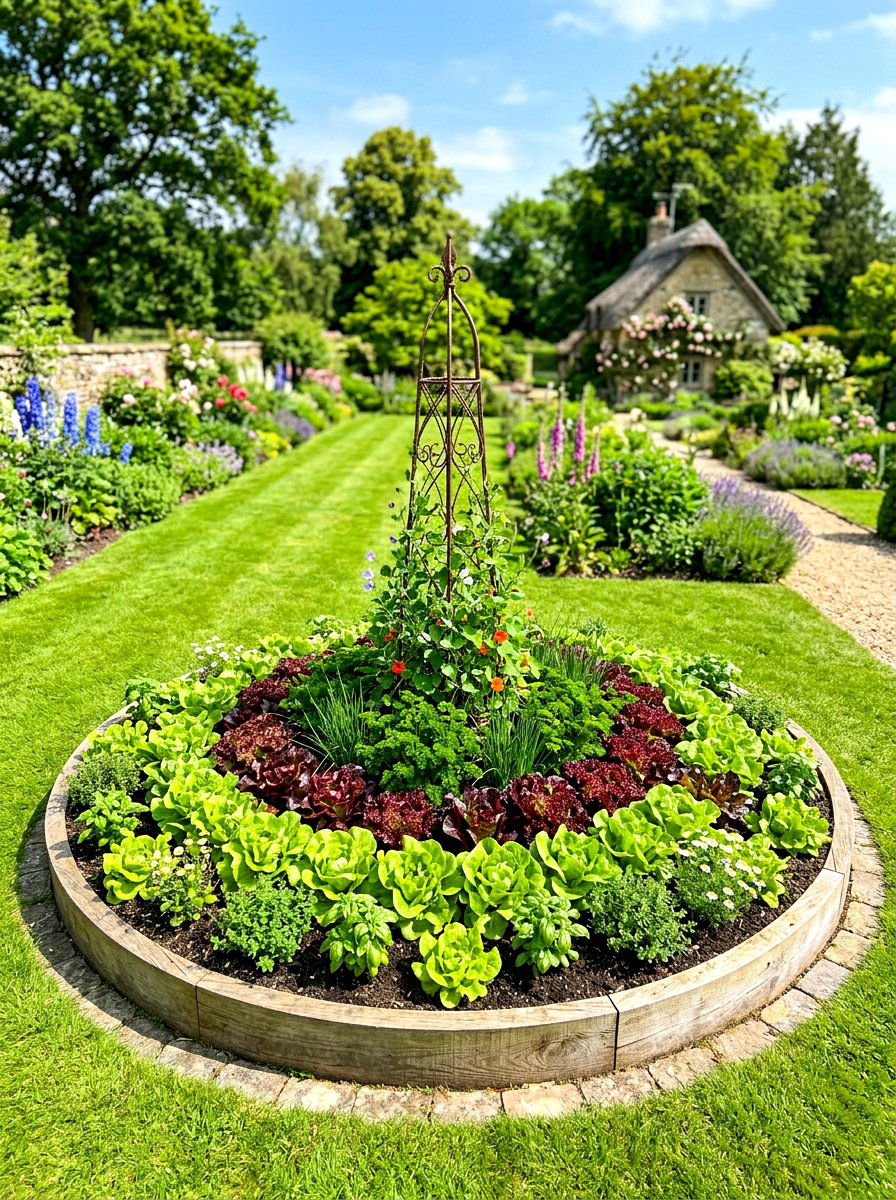
Breaking away from traditional straight lines, a circular raised bed adds a soft, organic flow to the landscape and creates a unique focal point. These round structures can be built using flexible metal edging, curved masonry, or even vertical wooden stakes driven into the ground. A circular shape is naturally very strong and provides equal access to the plants from all sides without any hard corners. You can plant a tall "thriller" in the center, like a blueberry bush or a flowering trellis, and surround it with concentric rings of colorful vegetables. It is an artistic and unexpected way to organize a productive kitchen garden.
26. Keyhole Garden Bed
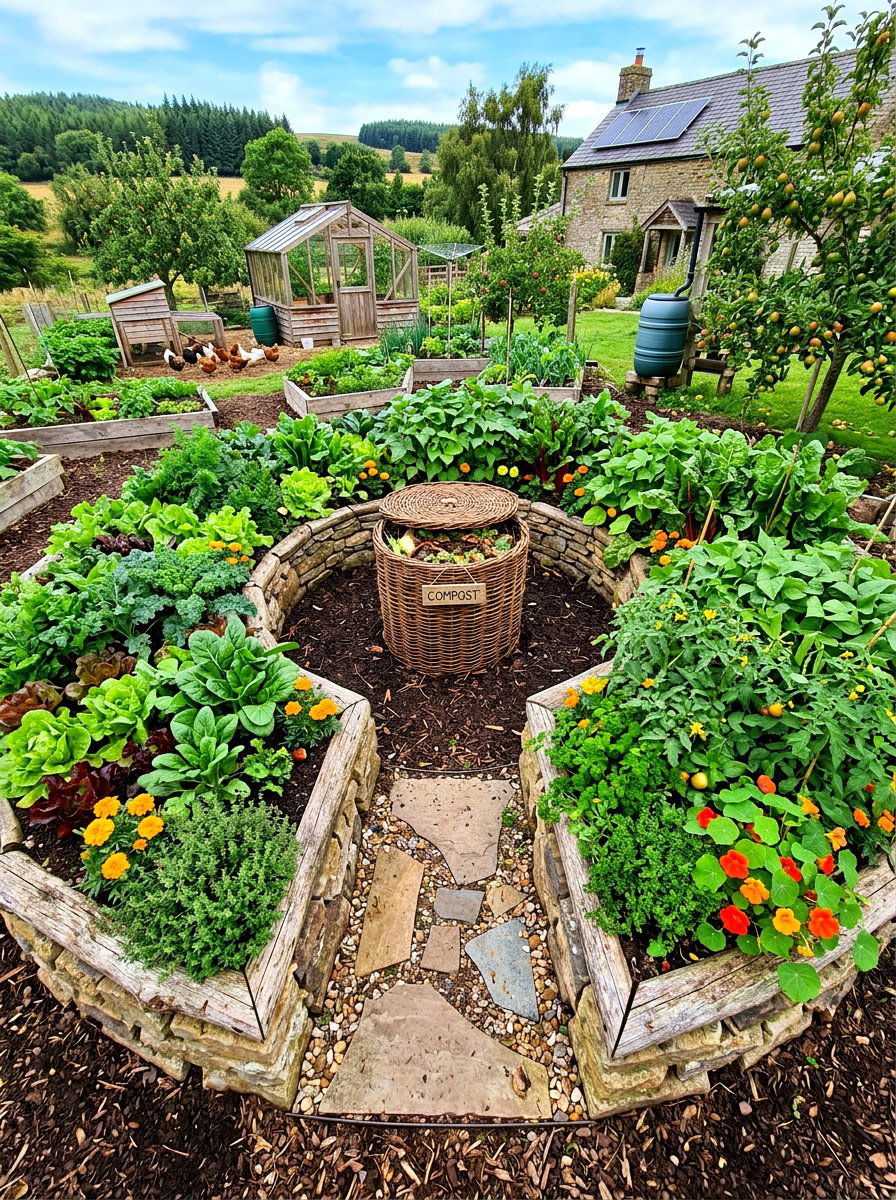
A keyhole garden is a brilliant circular design that includes a notched path leading to a central composting basket. You drop your kitchen scraps directly into the middle, and the nutrients slowly leach out into the surrounding soil as they decompose. This self-fertilizing system is incredibly efficient and sustainable, making it a favorite for gardeners who want to minimize their environmental impact. The sloping soil surface provides excellent drainage and allows you to plant a large variety of crops in a very small area. It is a functional and educational feature that turns garden waste into a valuable resource for your growing plants.
27. Galvanized Stock Tank Garden
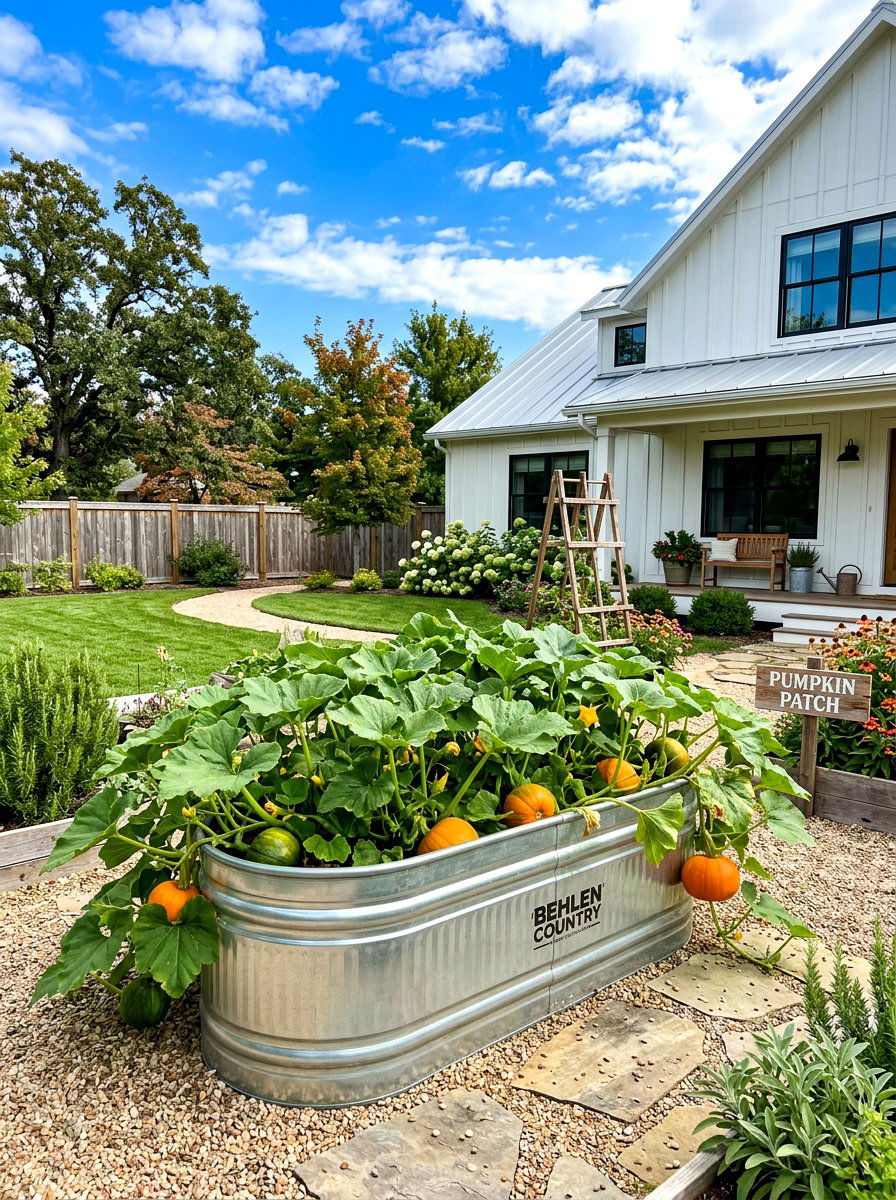
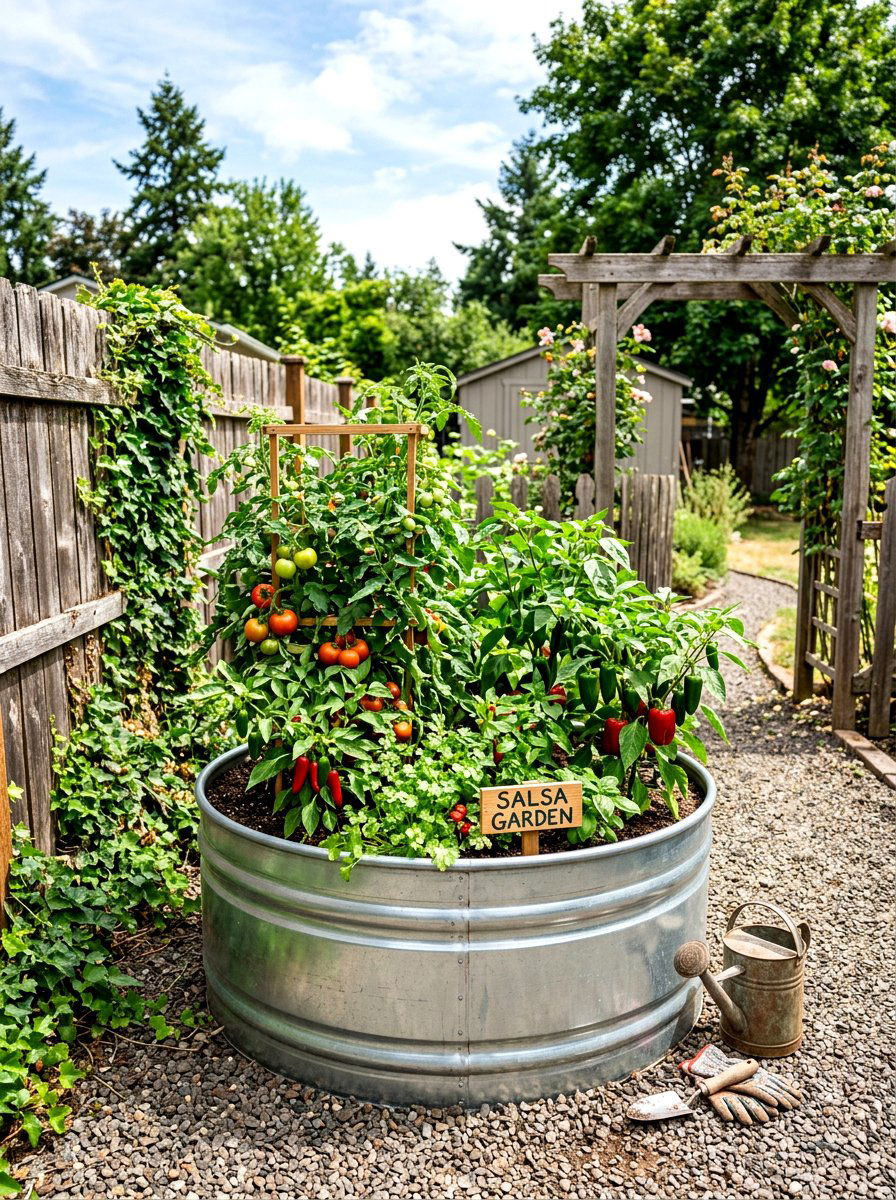
Repurposing large metal livestock water troughs into garden beds is a popular trend for those who love a modern farmhouse or industrial look. These stock tanks are incredibly deep and durable, providing a massive amount of soil volume for heavy-duty plants like pumpkins or large tomato varieties. Because they are pre-made, there is no assembly required beyond drilling a few drainage holes in the bottom before filling them with soil. Their shiny silver finish looks fantastic against a backdrop of dark green foliage or a bright wooden fence. They are a quick and stylish way to set up a productive garden with minimal effort and high visual impact.
28. Raised Bed With Cold Frame
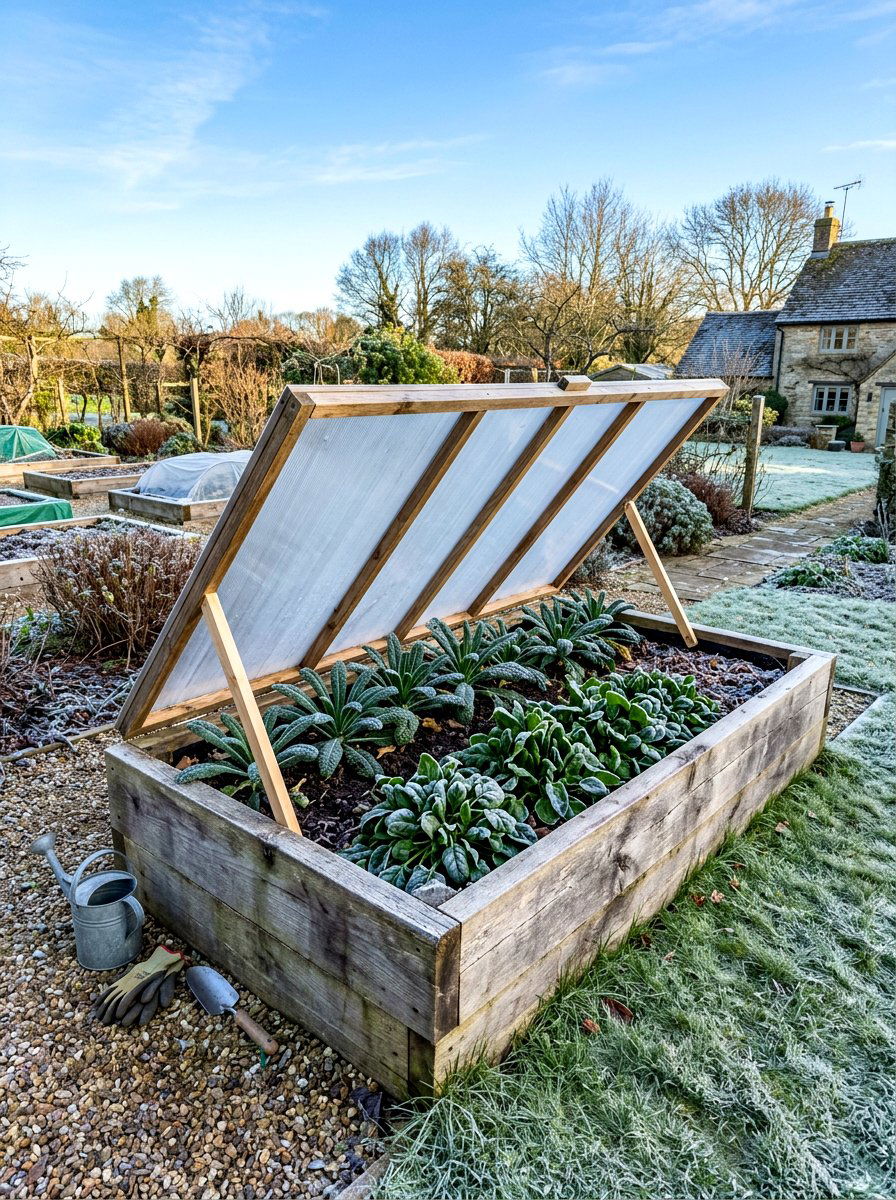
Attaching a slanted glass or polycarbonate lid to your raised bed creates a protected environment that acts as a bridge between the seasons. This cold frame setup protects tender young seedlings from late spring frosts and keeps cold-hardy greens like spinach crisp through the first snows of winter. The clear top can be hinged for easy access and propped open on sunny days to prevent the plants from overheating. It is a traditional and highly effective tool for any serious food grower who wants to maximize their yearly output. Having this protection built directly into the bed keeps the garden looking tidy and professional throughout the year.
29. Integrated Irrigation Garden Bed
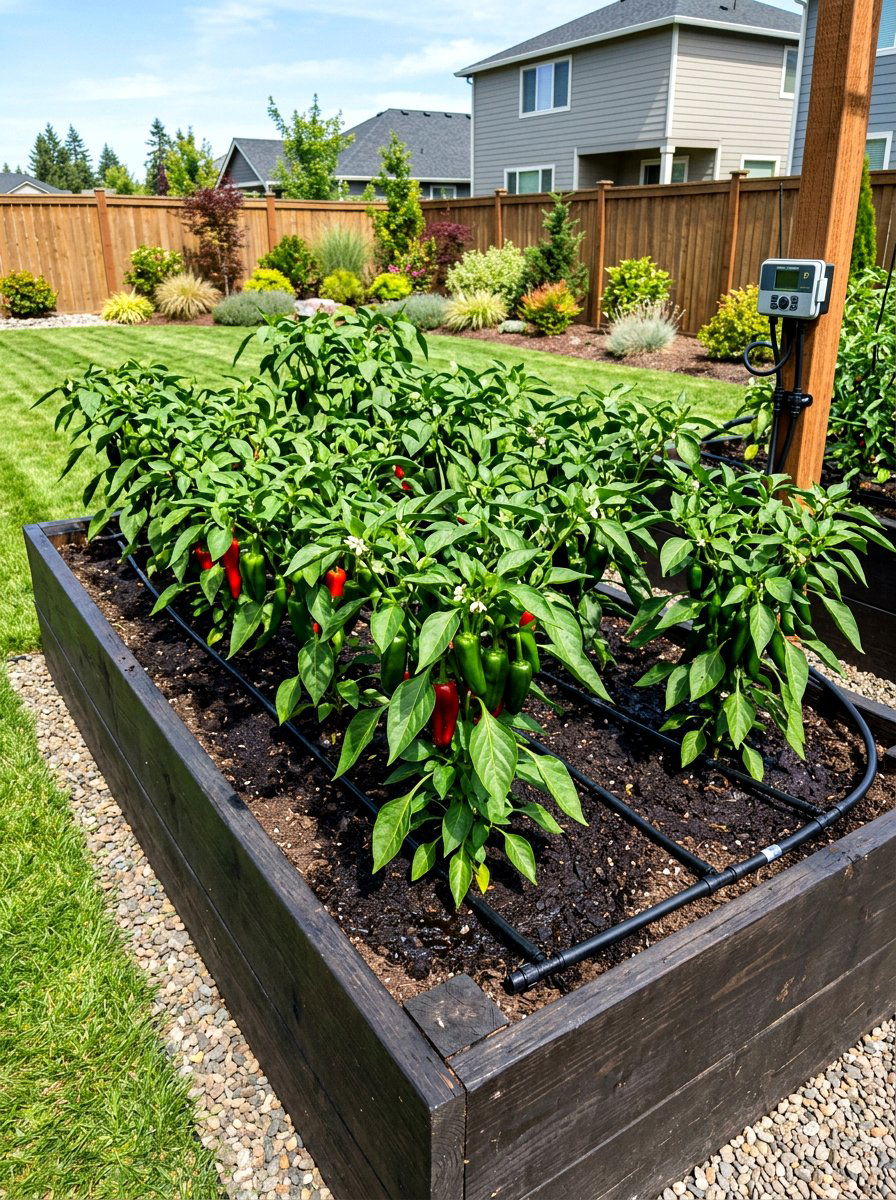
Installing a dedicated drip irrigation system or soaker hoses inside your raised beds ensures that your plants receive deep, consistent watering right at the roots. You can hide the main lines along the inside edges of the frame to keep the garden looking clean and free of messy hoses. Connecting the system to an automatic timer takes the guesswork out of maintenance, allowing your garden to thrive even when you are away on vacation. This targeted watering method also saves a significant amount of water by reducing evaporation and runoff compared to traditional overhead sprinklers. It is a smart investment for a healthy and high-yielding kitchen garden.
30. Formal Parterre Kitchen Garden
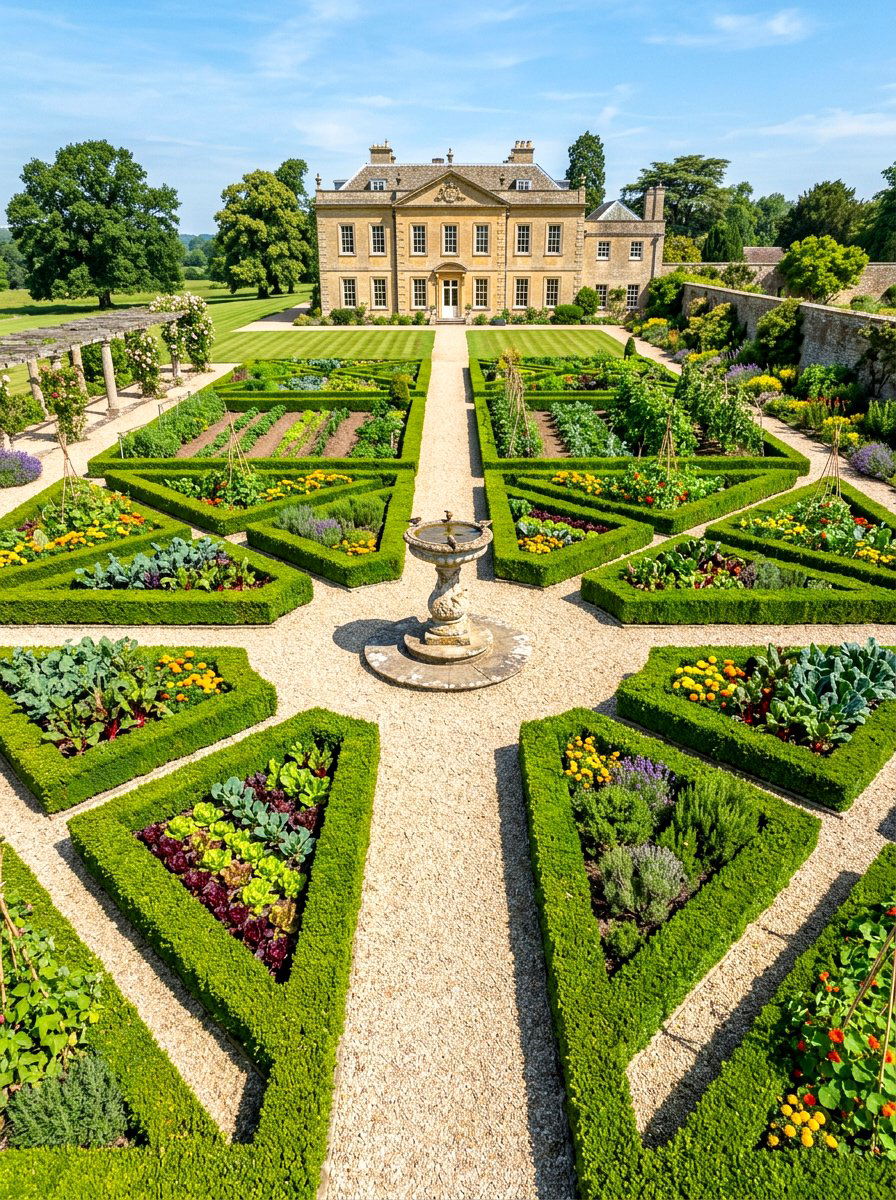
For a truly grand and organized look, you can arrange multiple raised beds in a symmetrical pattern reminiscent of traditional European estate gardens. This formal layout often features matching boxes separated by wide, manicured paths made of gravel, brick, or even short-mown turf. Central features like a sun dial, a birdbath, or a large climbing obelisk help to anchor the design and provide a clear sense of balance. This approach treats the kitchen garden as a major architectural feature of the property rather than just a hidden utility area. It is a stunning way to showcase your love for gardening with a sense of elegance and timelessness.
Conclusion:
Investing time and creativity into your kitchen garden design will yield rewards far beyond the fresh vegetables you harvest each season. A well-planned raised bed system organizes your outdoor space, makes maintenance much more manageable, and adds significant aesthetic value to your home. Whether you prefer the rustic charm of woven willow or the modern precision of modular metal, there is an elevated gardening solution for every style and skill level. By elevating your crops, you create a healthier environment for your plants and a more comfortable experience for yourself as a gardener. May these diverse ideas inspire you to build a flourishing and beautiful sanctuary that provides fresh, organic food for your table all year long.

Related posts: