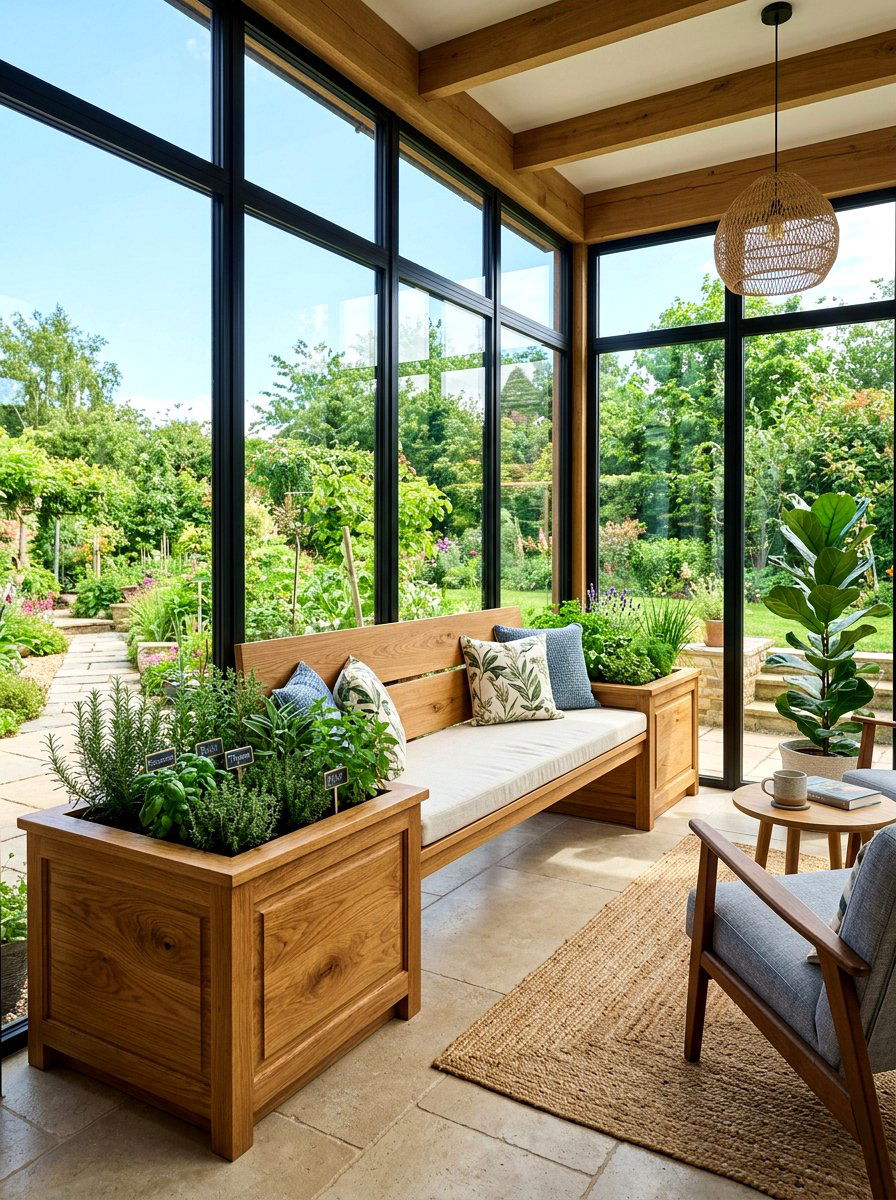
Starting a container herb garden is the perfect way to bring fresh flavors and vibrant greenery into your home without needing a massive backyard. Whether you have a tiny apartment balcony or a spacious sunlit kitchen, these portable gardens offer incredible flexibility and style. Growing herbs in pots allows you to control the soil quality, moisture levels, and sunlight exposure for each specific plant. From aromatic rosemary to versatile basil, having an edible oasis at your fingertips transforms your daily cooking experience. This guide explores creative ways to organize your containers, ensuring your herbs thrive while enhancing your home decor. Let’s dive into these practical and beautiful solutions for every aspiring indoor or outdoor gardener.
1. Vertical Tiered Herb Planter
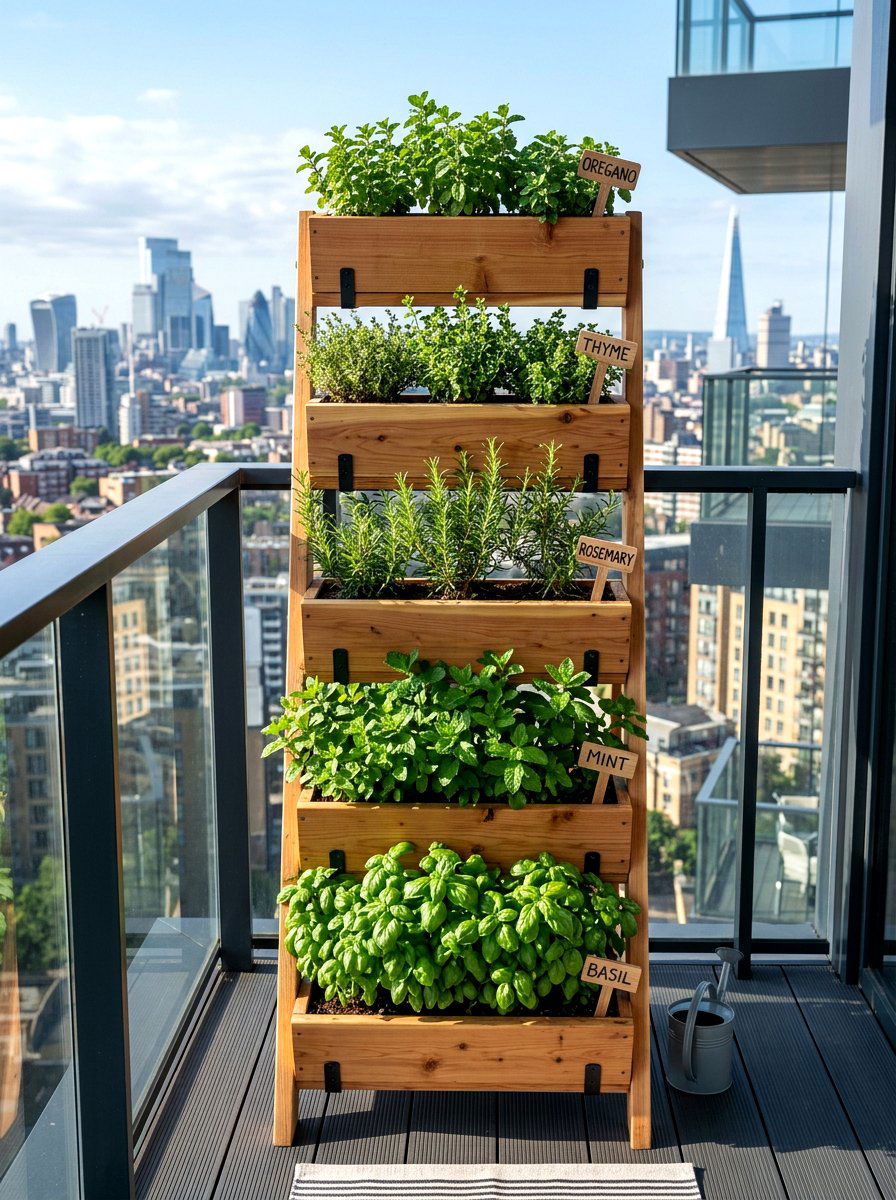
Have you ever wondered how to maximize a small balcony footprint while still growing a diverse selection of fresh kitchen herbs? A vertical tiered herb planter is the ultimate space-saving solution that stacks multiple growing levels into one elegant, upright structure. These towers allow you to plant moisture-loving herbs like mint at the bottom and sun-seeking varieties like rosemary at the very top. The cascading effect of green foliage creates a lush living wall that serves as a stunning focal point for any outdoor area. Using high-quality cedar or durable plastic ensures the structure remains stable against the elements. This setup makes harvesting easy since everything is positioned at a comfortable reaching height for the gardener.
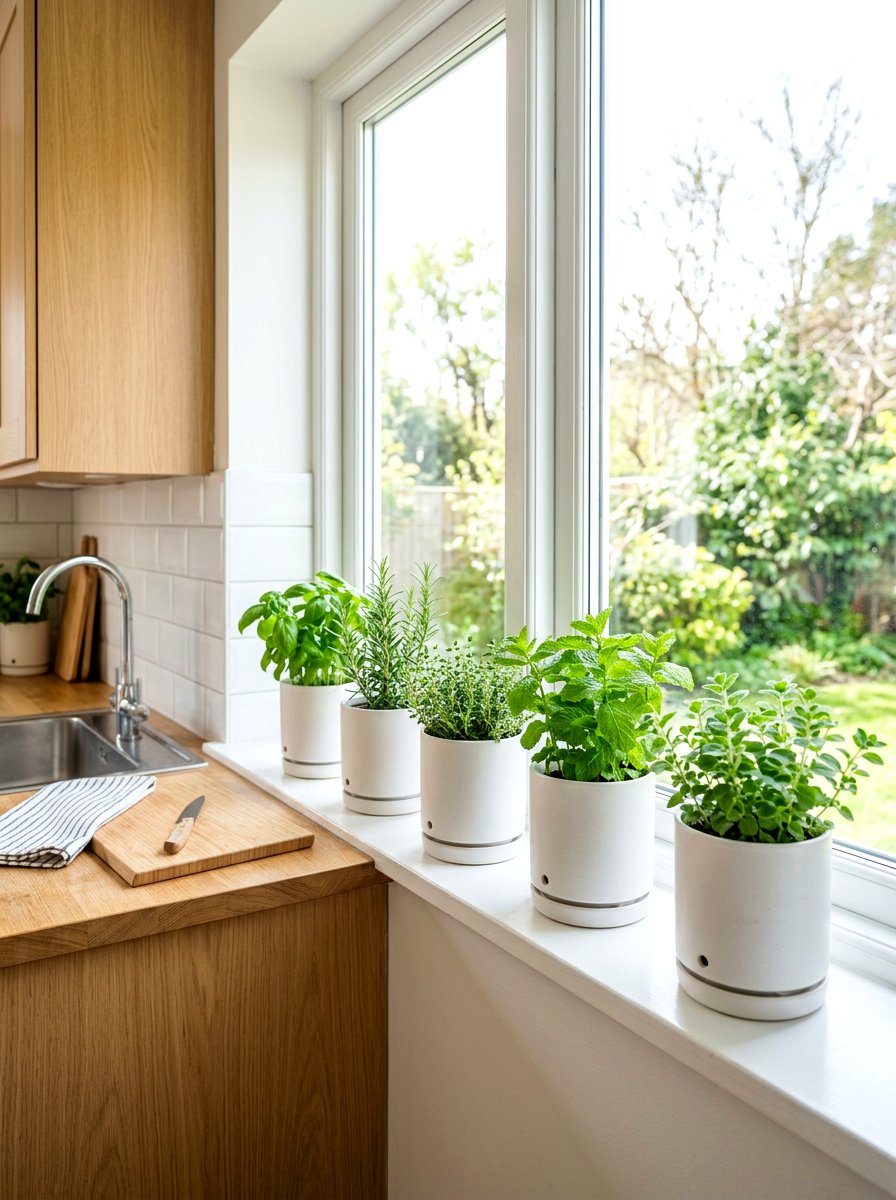
2. Kitchen Windowsill Herb Garden
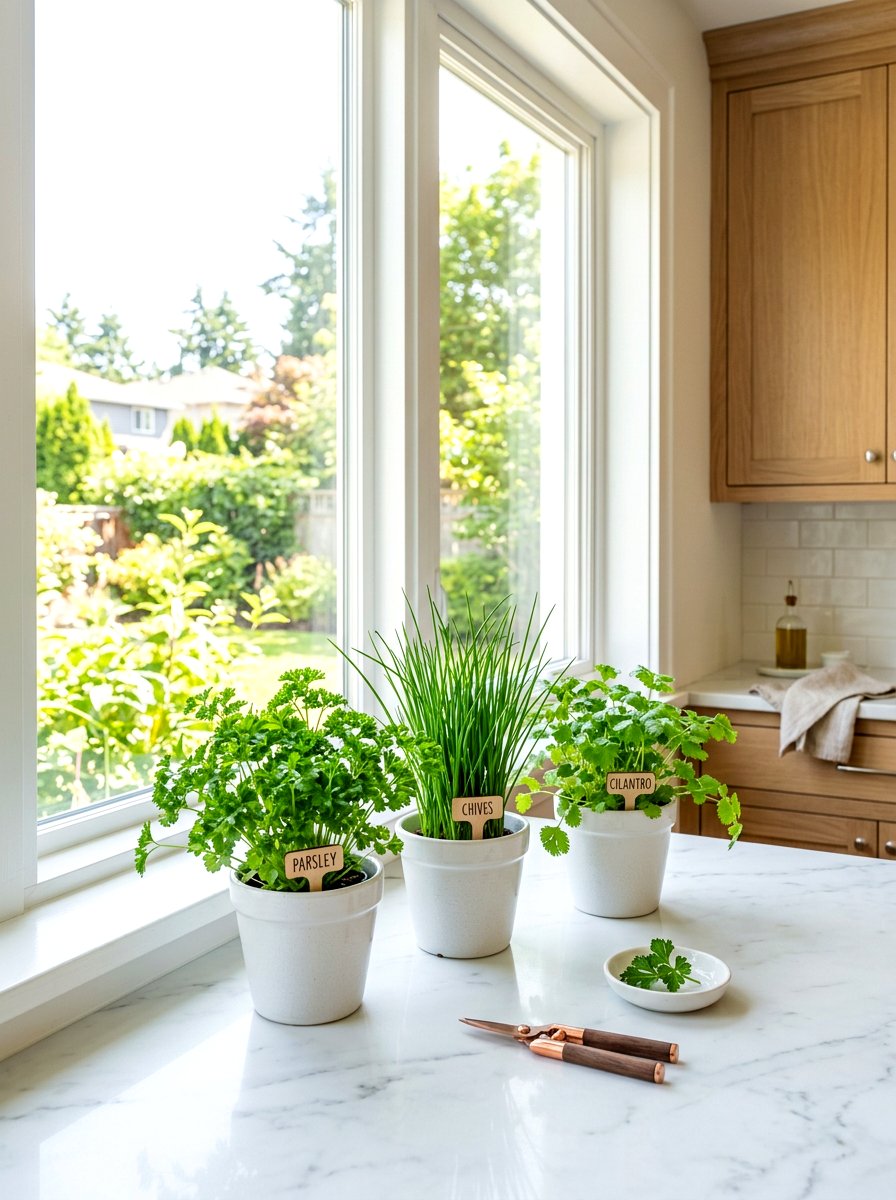
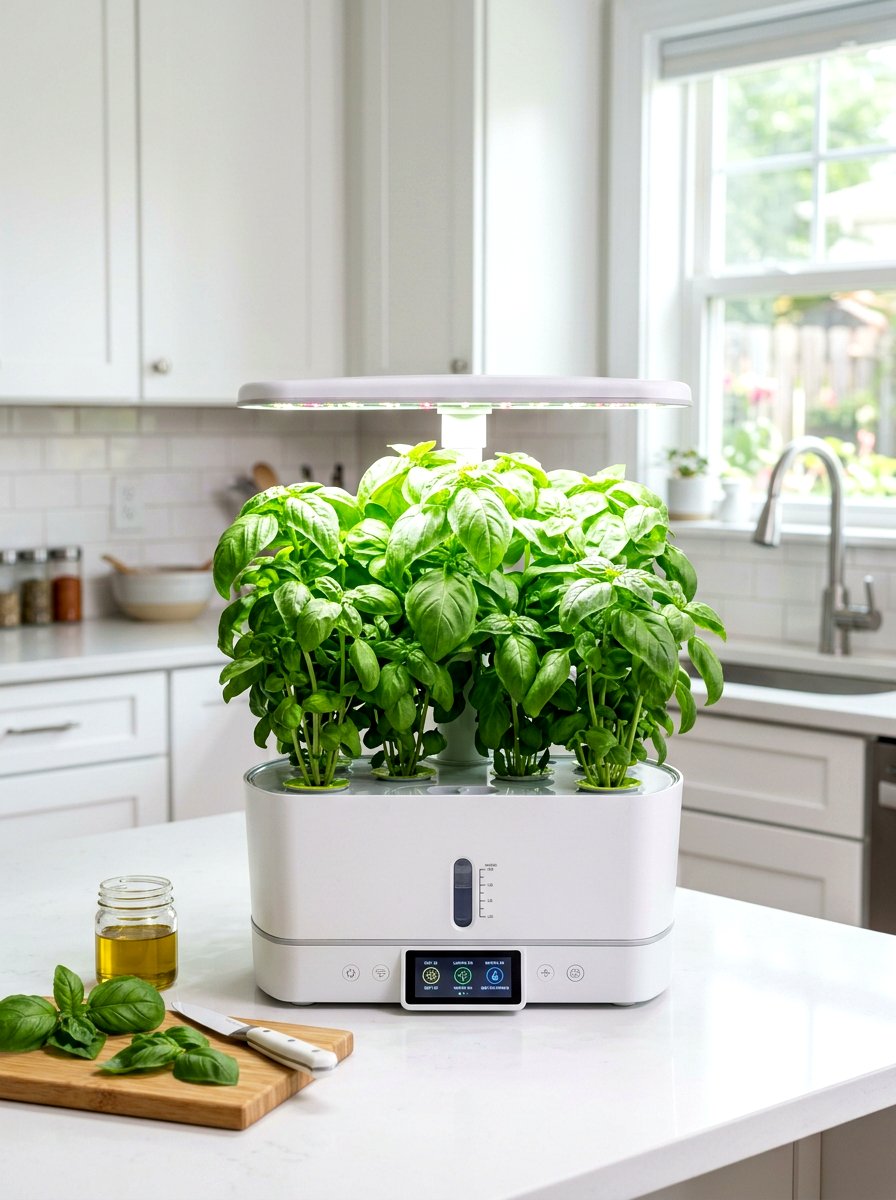
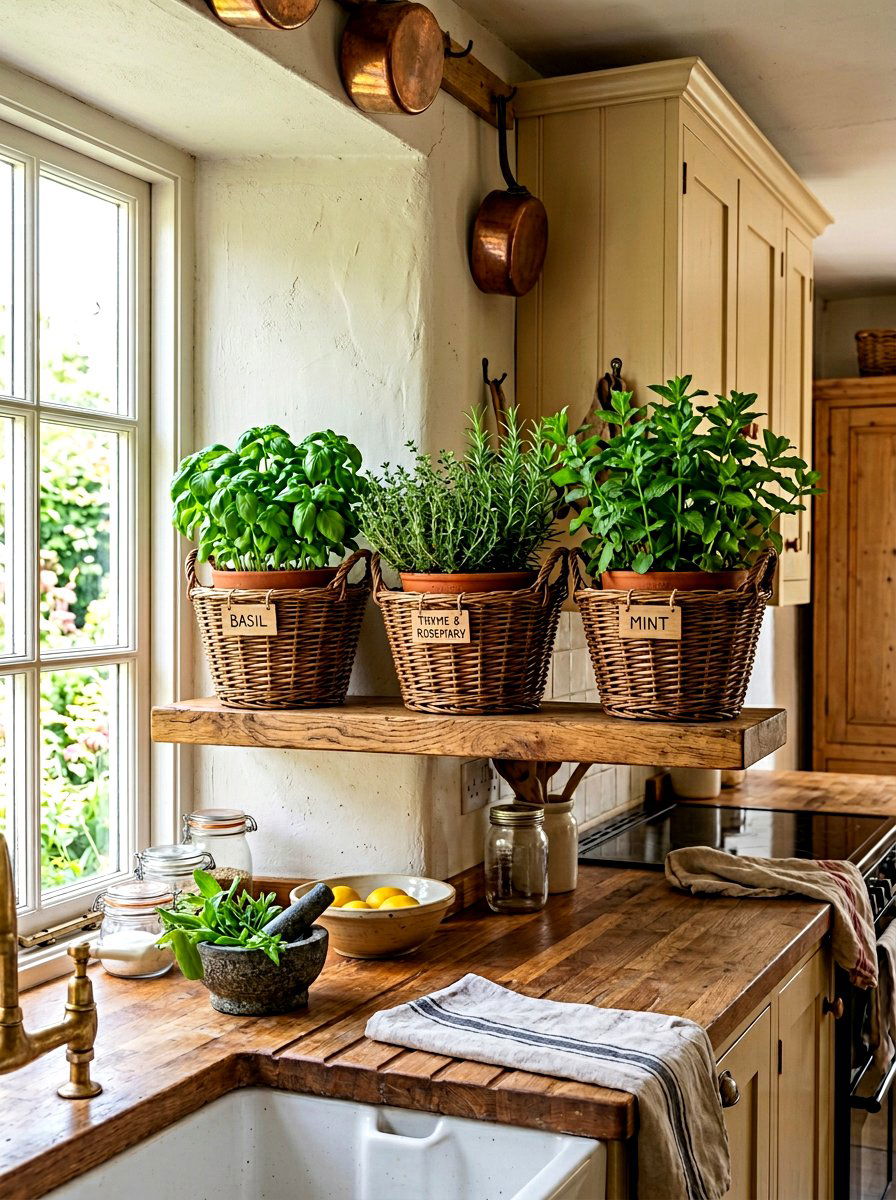
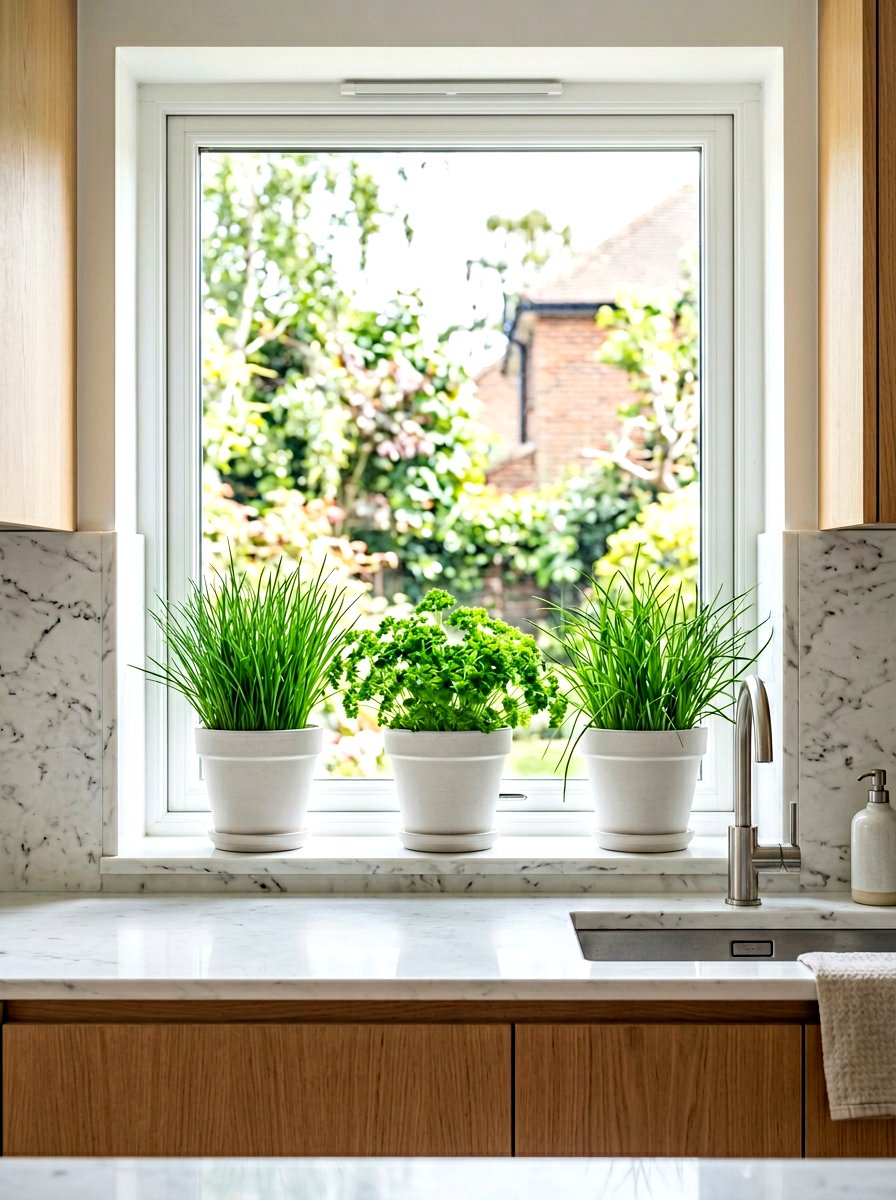
Is there anything more convenient than snipping fresh basil or cilantro right from your windowsill while you are preparing a delicious evening meal? A kitchen windowsill herb garden utilizes the natural light of your home to keep culinary essentials within arm’s reach at all times. By choosing uniform ceramic pots or sleek glass jars, you can create a cohesive look that complements your interior design style. Ensure your window receives at least six hours of bright sunlight daily to keep your plants healthy and productive throughout the year. Placing a tray underneath the pots will protect your surfaces from water damage while maintaining a neat and organized appearance.
3. Mason Jar Wall Herb Garden
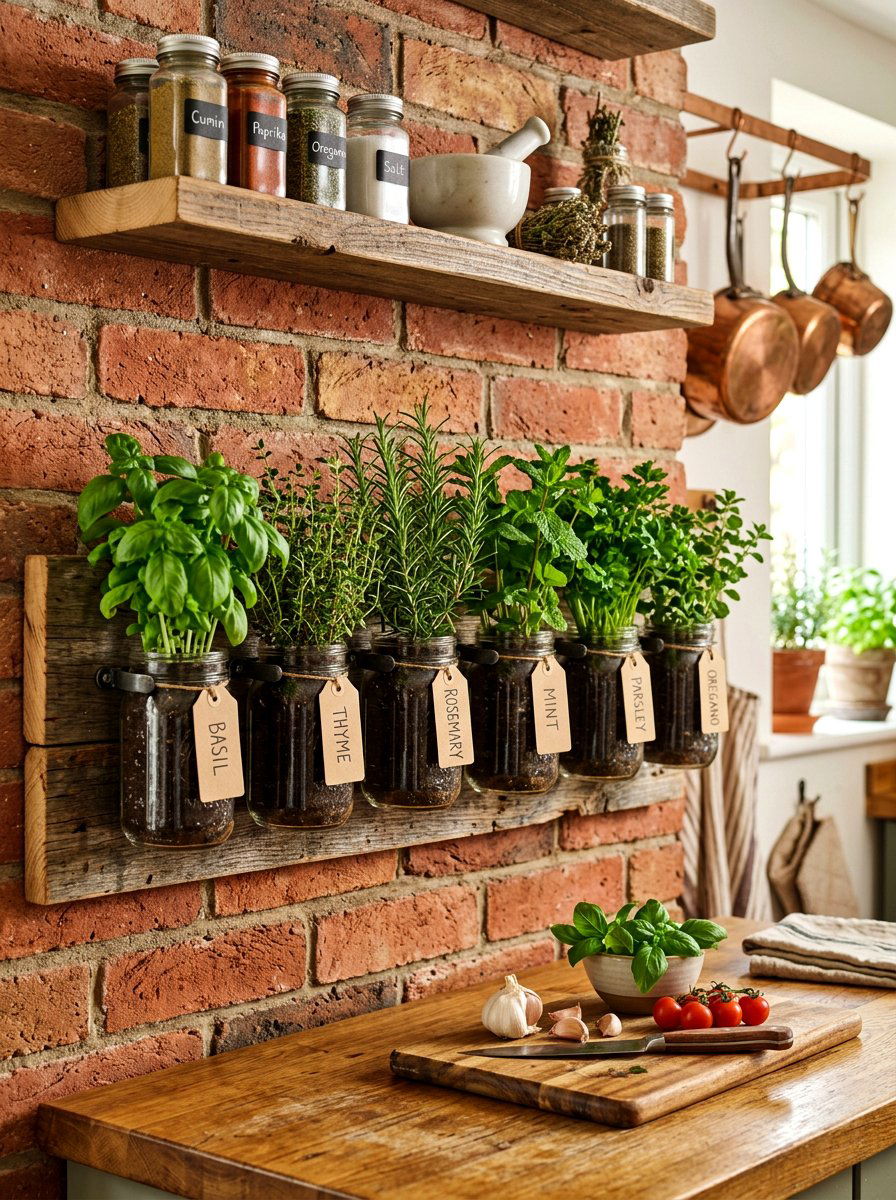
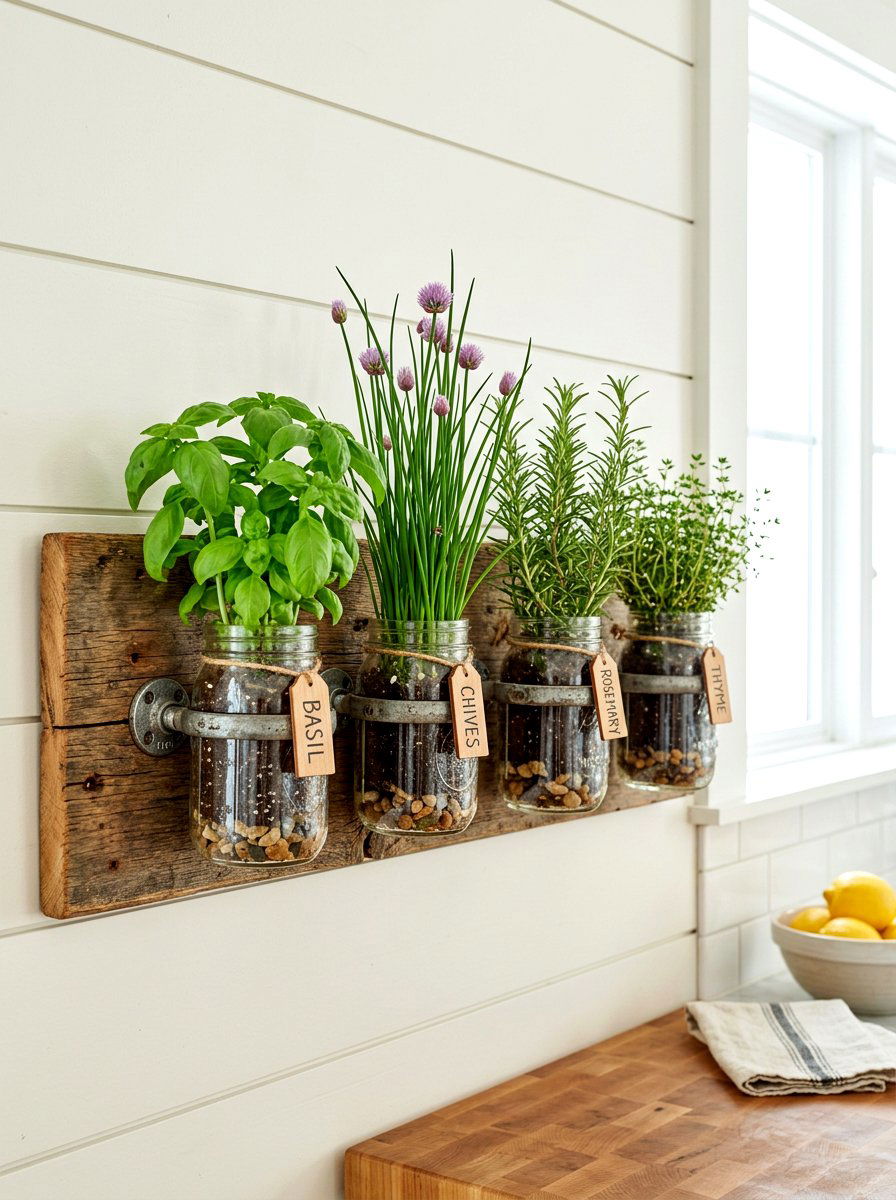
Do you want to turn a bare kitchen wall into a functional piece of art that also provides fresh seasonings? Mounting mason jars onto a reclaimed wood board creates a rustic and charming herb display that saves valuable counter space in smaller homes. Each jar is securely fastened with metal clamps, allowing you to easily remove them for cleaning or replanting when necessary. Adding a layer of small pebbles at the bottom of the glass jars is crucial for drainage since they lack traditional holes. This vertical arrangement works beautifully for lighter herbs like parsley and chives, providing a pop of green against a wooden or brick background.
4. Hanging Herb Basket
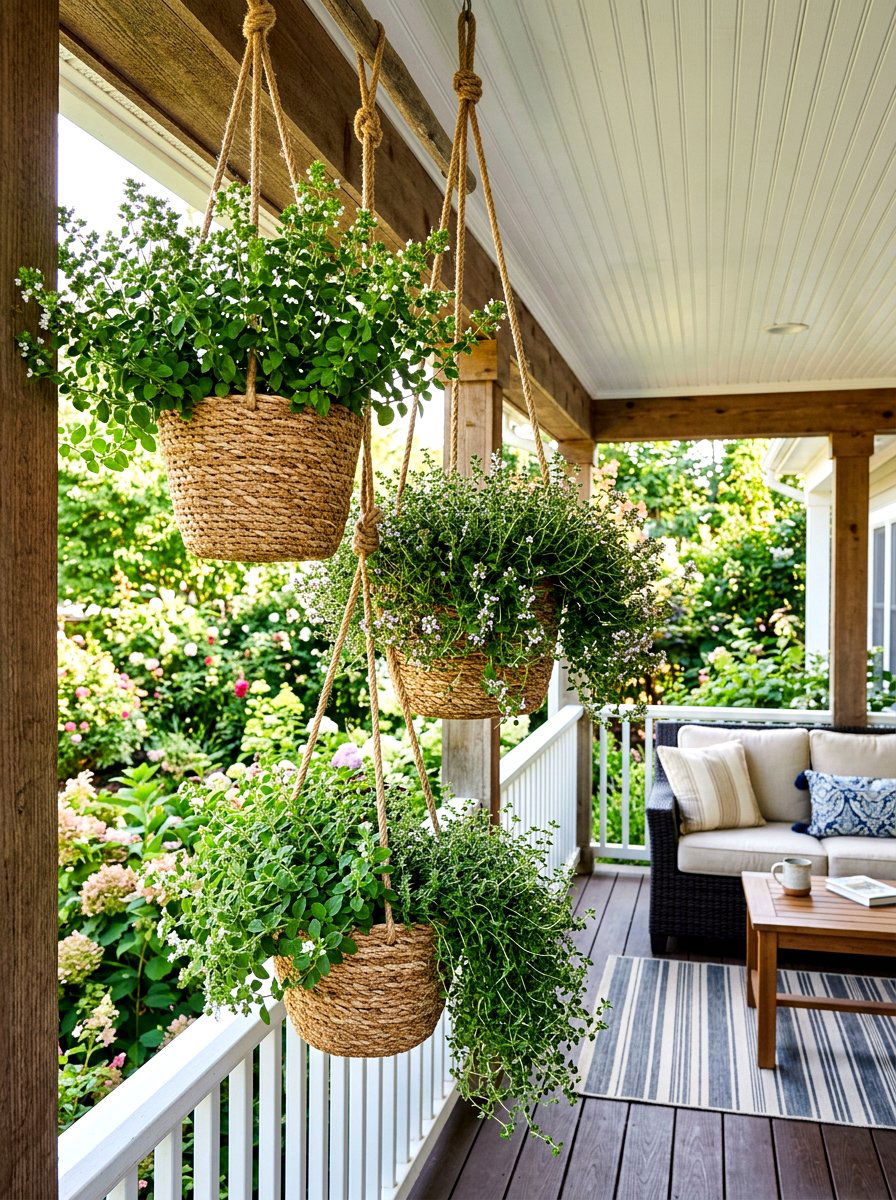
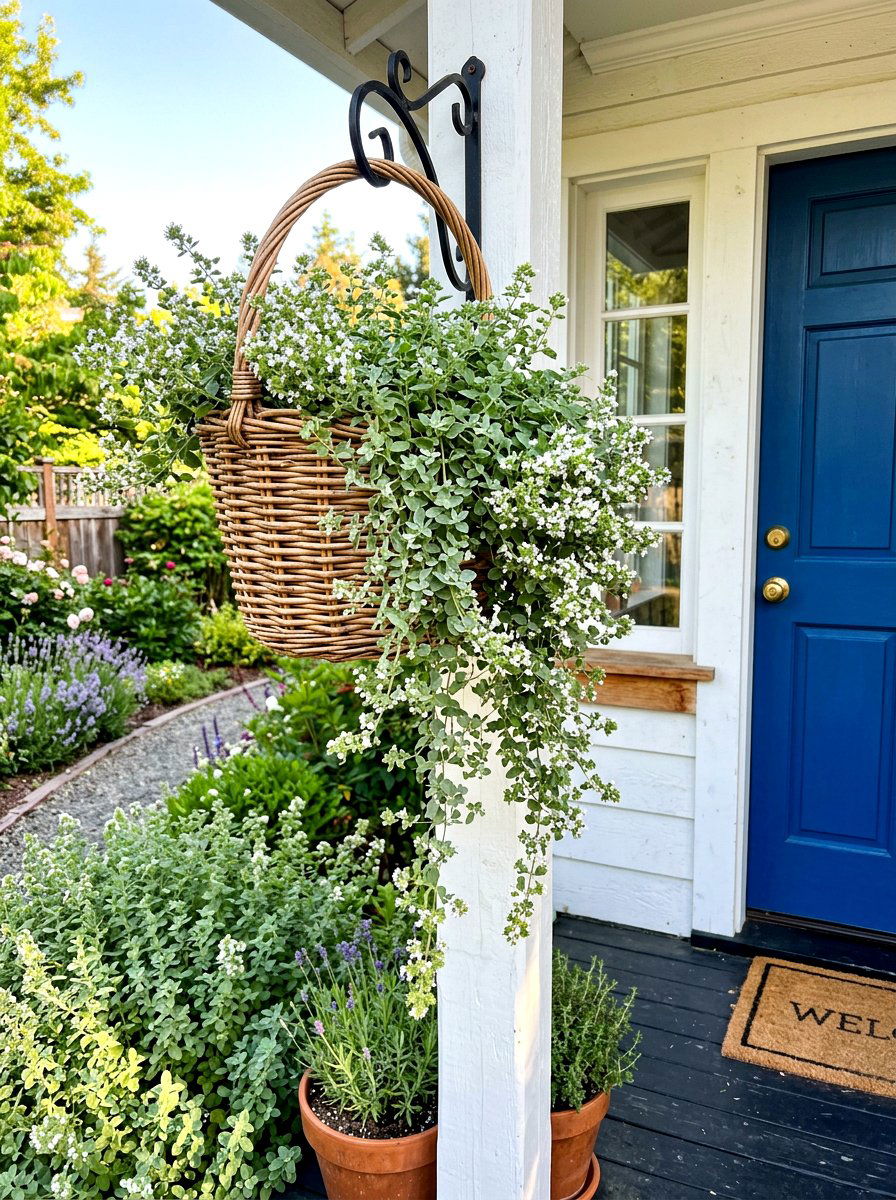
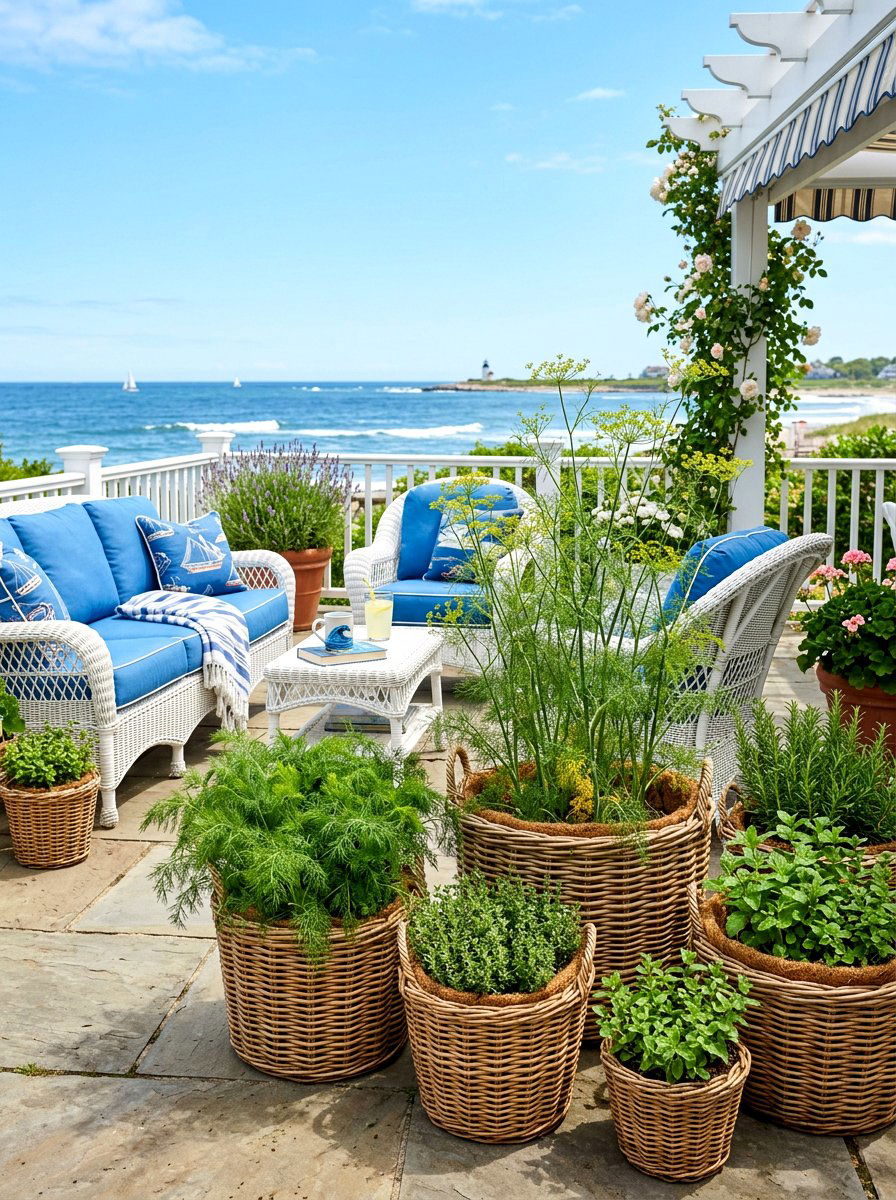
Imagine a beautiful series of woven or wire baskets suspended from your porch ceiling, filled with trailing herbs that catch the breeze. Hanging herb baskets are fantastic for creating visual interest at eye level while keeping your plants away from ground-dwelling pests and curious pets. You can use coco coir liners to help retain moisture, which is essential for hanging containers that tend to dry out more quickly. Herbs with a spreading habit, such as creeping thyme or oregano, look spectacular as they spill over the edges of the baskets. This method adds a whimsical, garden-like atmosphere to any patio or sunroom, making the most of your overhead space.
5. Recycled Tin Can Herb Pot
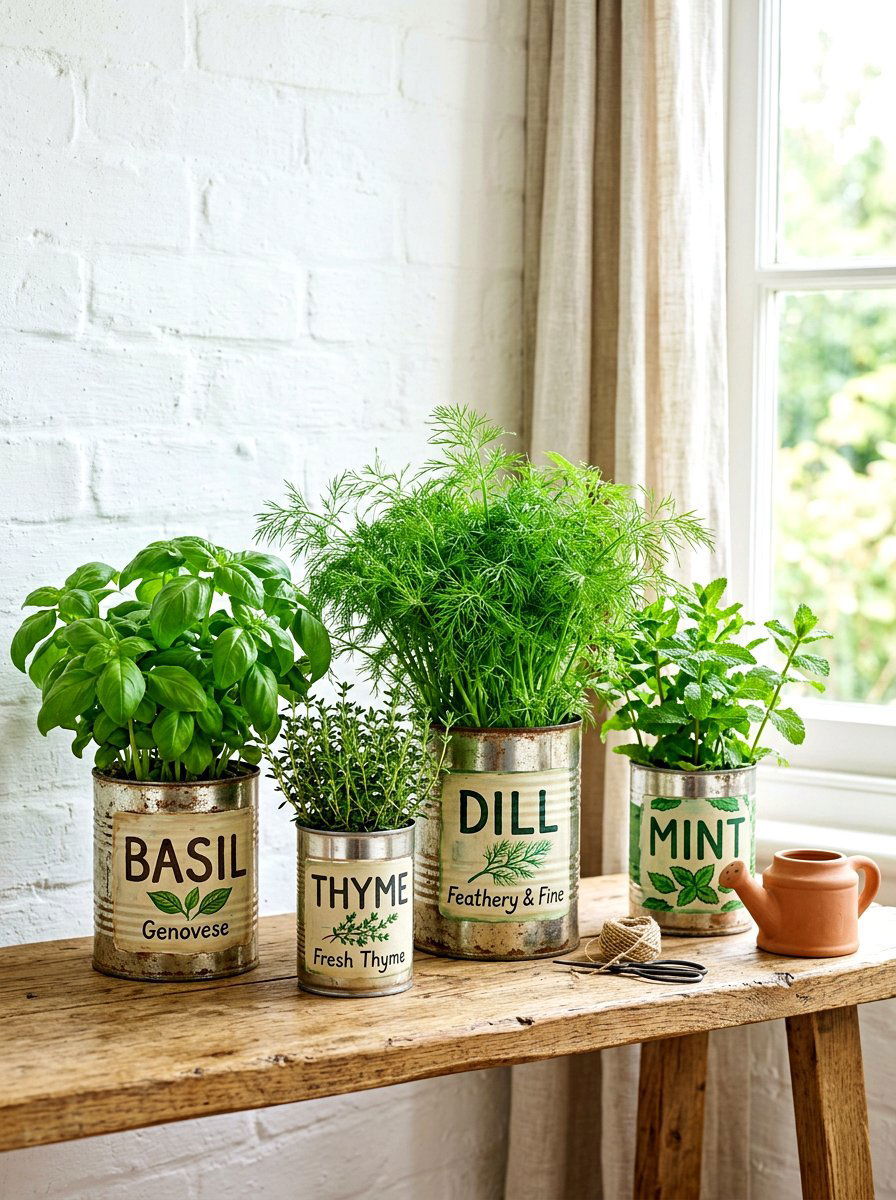
Are you looking for an eco-friendly way to start your garden while adding a vintage, industrial touch to your home decor? Upcycling old tin cans into herb pots is a budget-friendly project that looks surprisingly stylish when grouped together on a sunny shelf. You can leave the metal with its natural patina for a rustic look or paint them in bold colors to match your kitchen. Just remember to drill a few drainage holes in the bottom and smooth out any sharp edges before adding your potting soil and seedlings. These small containers are perfect for individual herbs, making it easy to move them around based on their light needs.
6. Wooden Pallet Herb Wall
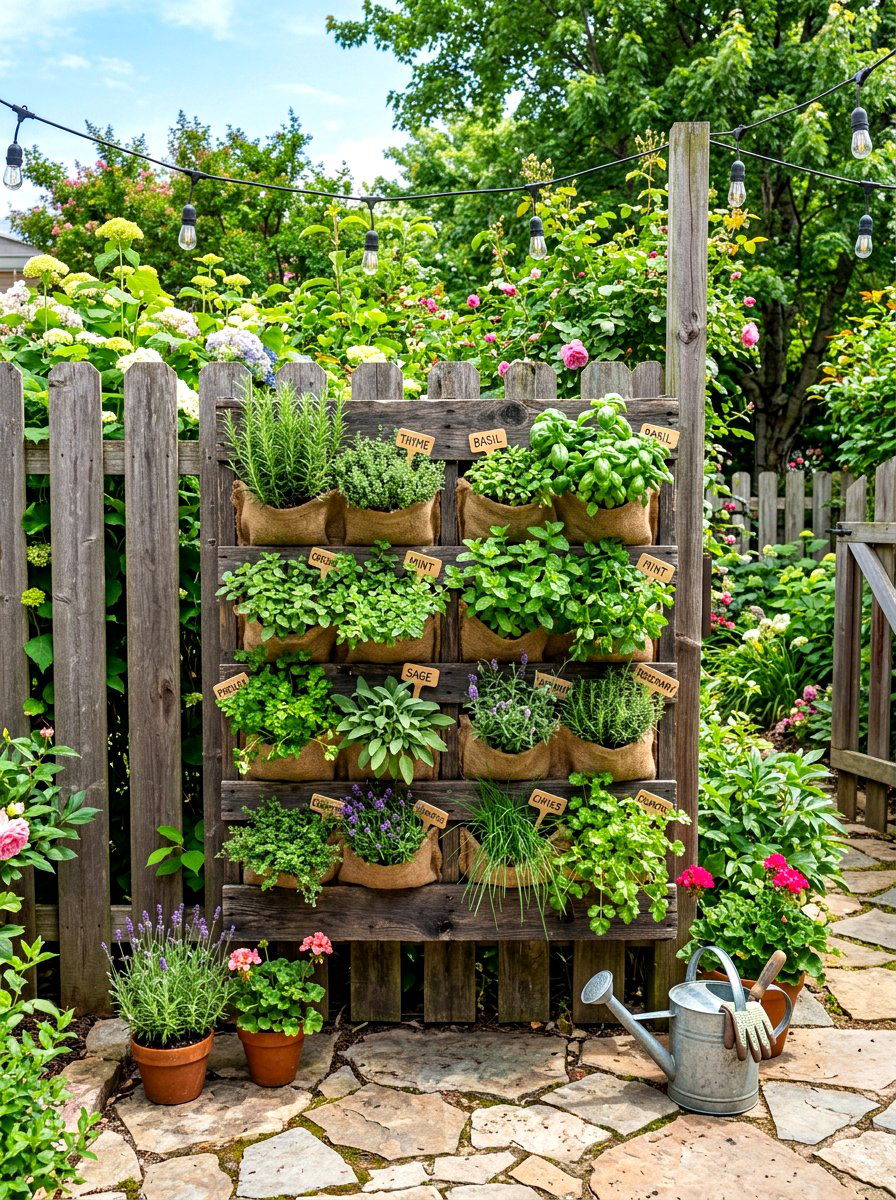
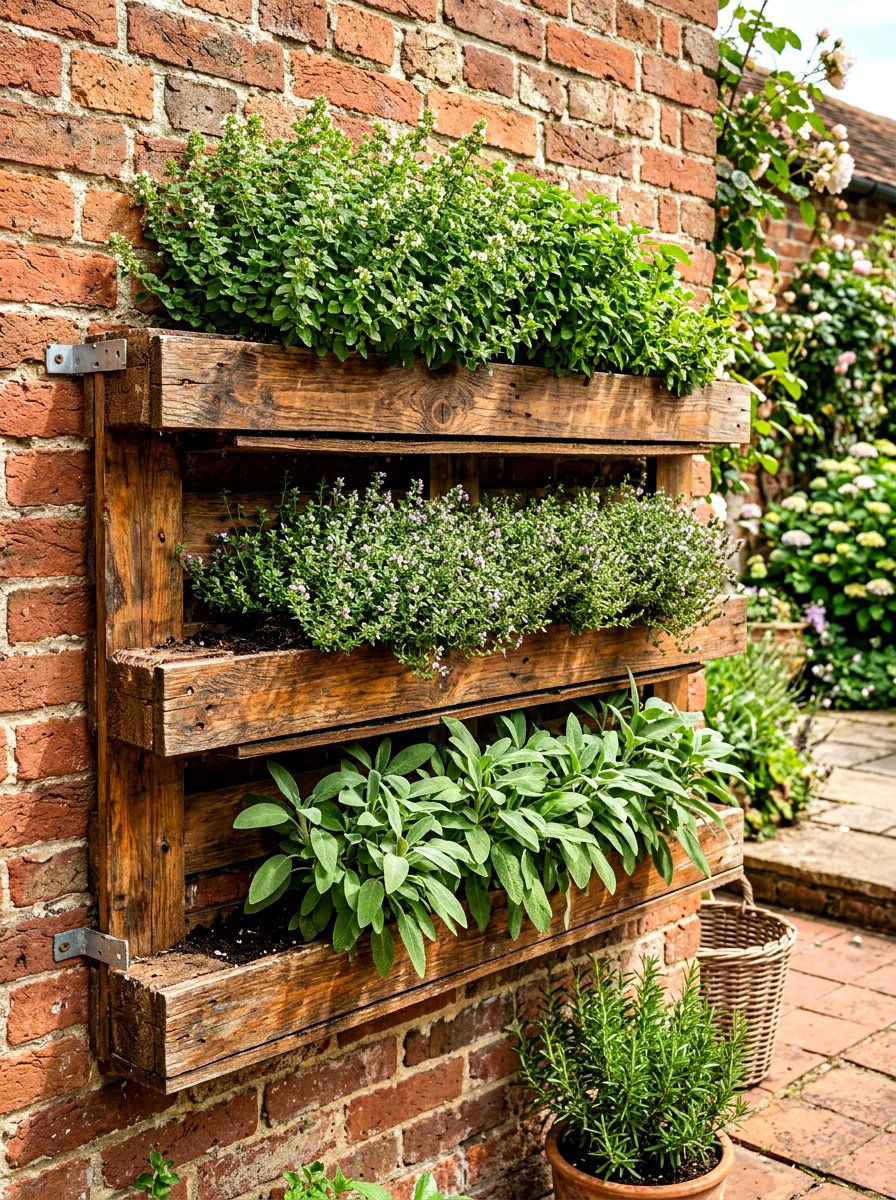
Why not repurpose a common shipping pallet to create a massive, budget-friendly vertical garden that covers an entire section of your fence? A wooden pallet herb wall provides numerous narrow planting pockets, allowing you to grow a vast variety of herbs in a very small footprint. You can line the interior with landscape fabric to hold the soil in place while ensuring proper aeration for the roots. Painting the pallet a crisp white or a dark charcoal can make the vibrant green leaves of your basil and mint stand out even more. This DIY project is a favorite for urban gardeners who want a high-impact, edible landscape on their patio.
7. Galvanized Steel Trough Garden
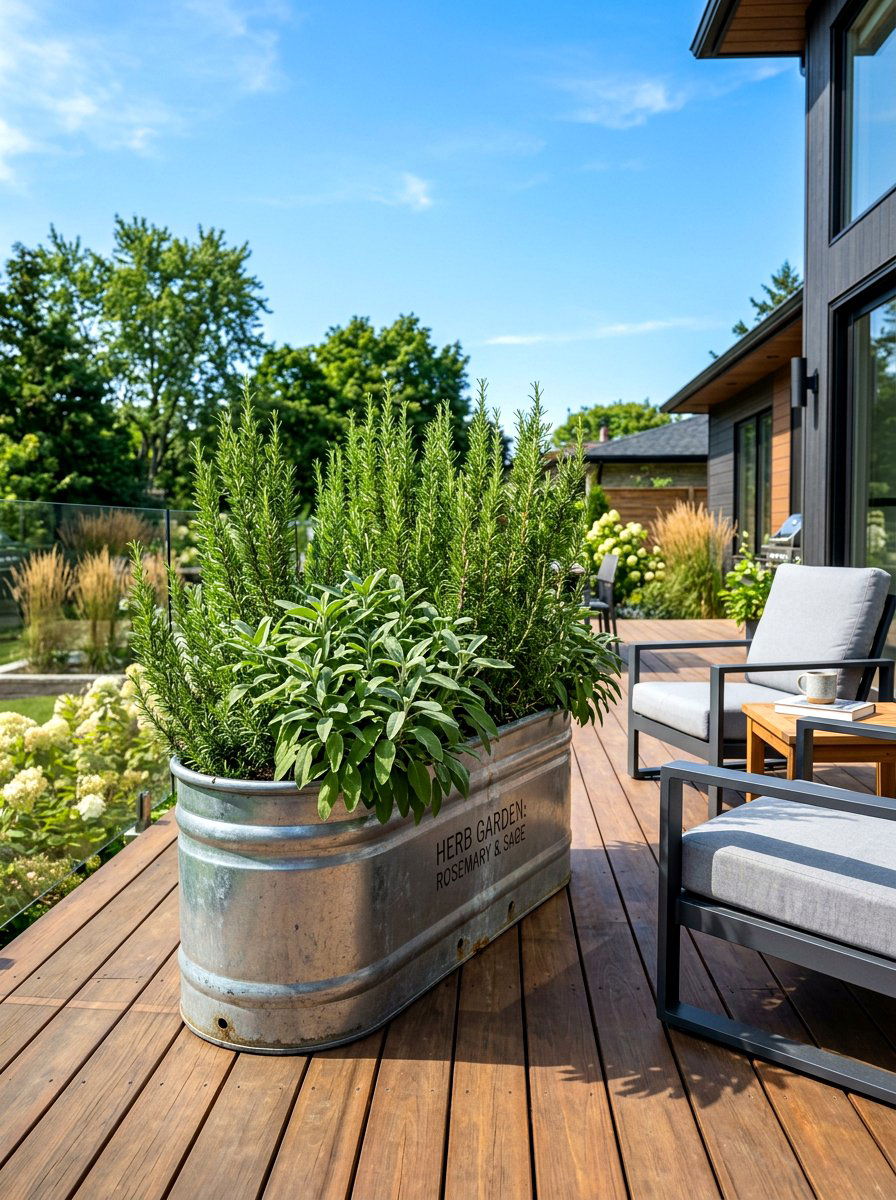
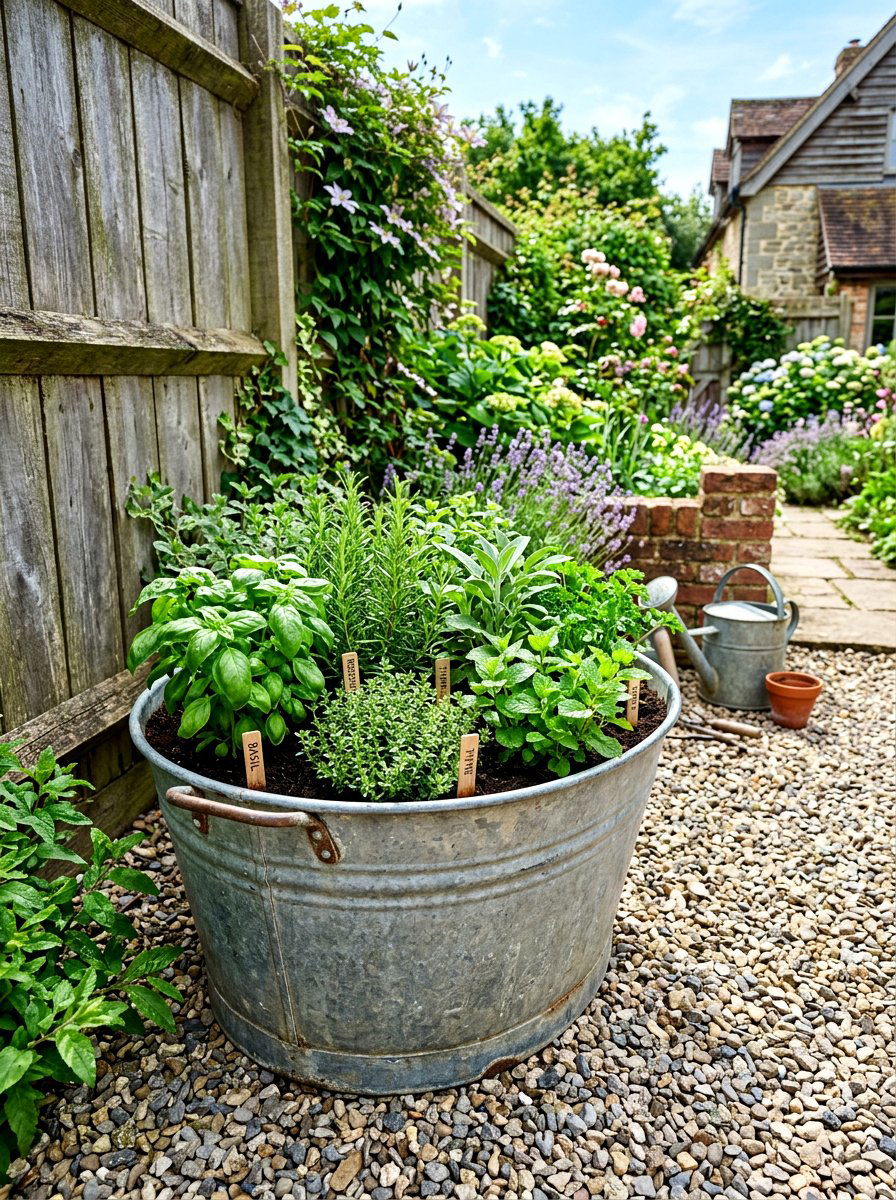
If you love the modern farmhouse aesthetic, a large galvanized steel trough is an excellent choice for a communal herb container. These sturdy metal basins provide plenty of room for deep-rooting herbs like rosemary and sage to spread out and thrive together. Because the metal can heat up in direct sun, it is wise to place these troughs in a spot that gets morning light but some afternoon shade. The silver finish of the steel creates a beautiful contrast with the soft textures of different herb varieties, making it a stylish addition to any deck. Ensure you drill sufficient drainage holes to prevent the soil from becoming waterlogged during heavy rains.
8. Modern Ceramic Herb Pot
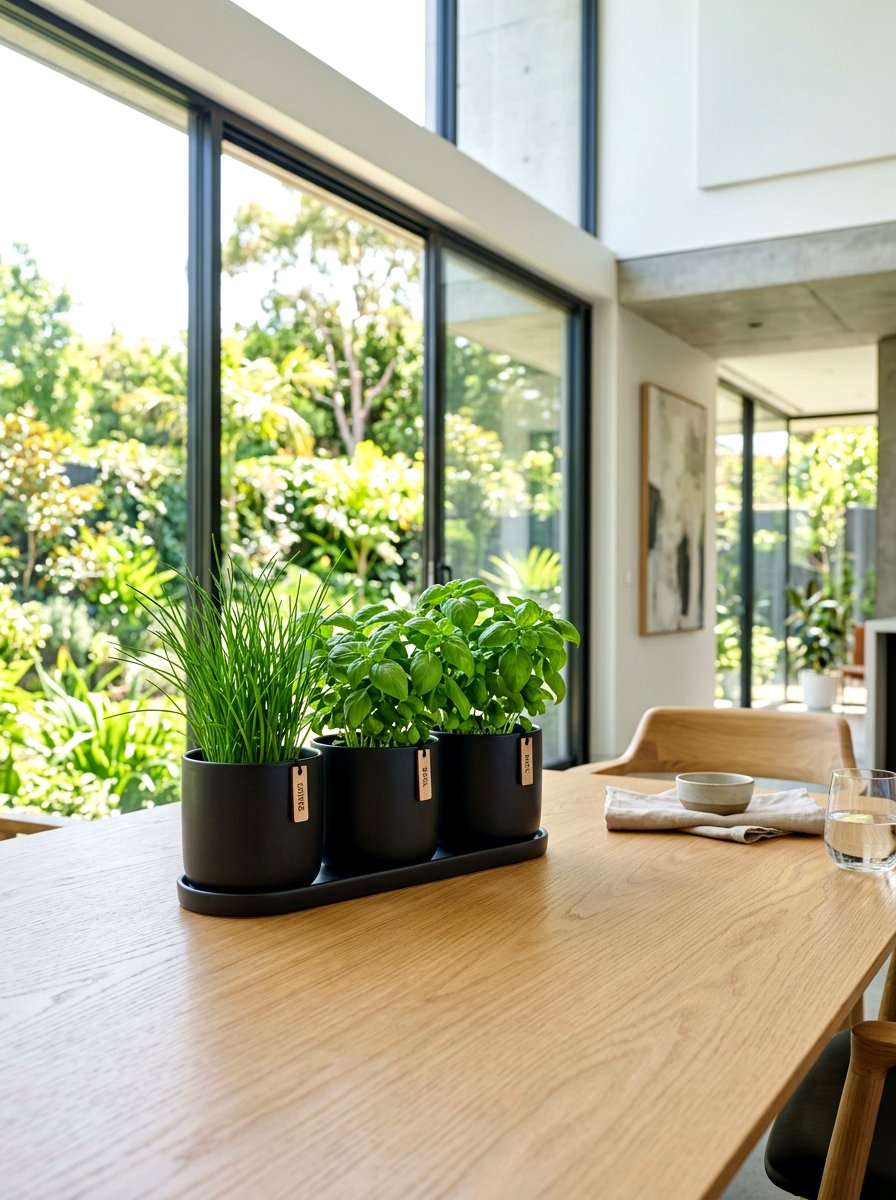
Minimalist design lovers often prefer the clean lines and smooth finishes of modern ceramic herb pots to house their indoor greenery. These pots typically come in neutral tones like matte black, soft grey, or crisp white, allowing the natural beauty of the plants to shine. Many modern designs include integrated saucers or hidden self-watering reservoirs, which keep your countertops dry and your plants perfectly hydrated. Grouping three or five pots of varying heights creates a sophisticated vignette on a dining table or a side console. High-quality ceramic provides excellent insulation for the roots, protecting them from the temperature fluctuations often found near windows or doors.
9. Ladder Style Herb Garden
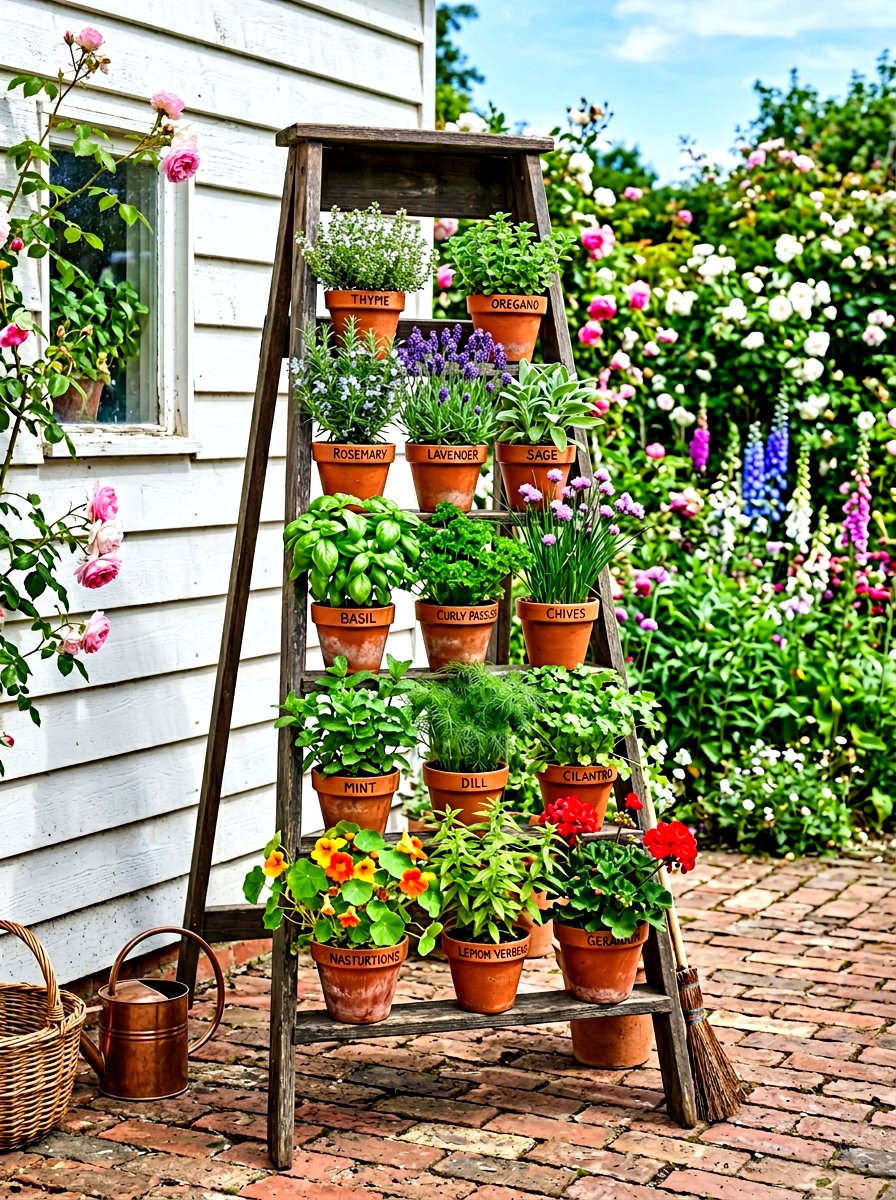
A wooden ladder shelf offers a unique way to display your herb collection by using vertical levels to showcase different plant varieties. This setup is particularly effective because it allows light to reach every pot without the higher plants shading the ones sitting on the lower rungs. You can use a vintage wooden ladder for a cottage feel or a sleek metal version for a more contemporary look in your garden. Placing larger, bushier herbs at the bottom and smaller, delicate ones at the top creates a balanced visual hierarchy. This mobile structure can be easily moved to follow the sun or brought inside during the colder winter months.
10. Stacked Terra Cotta Herb Tower
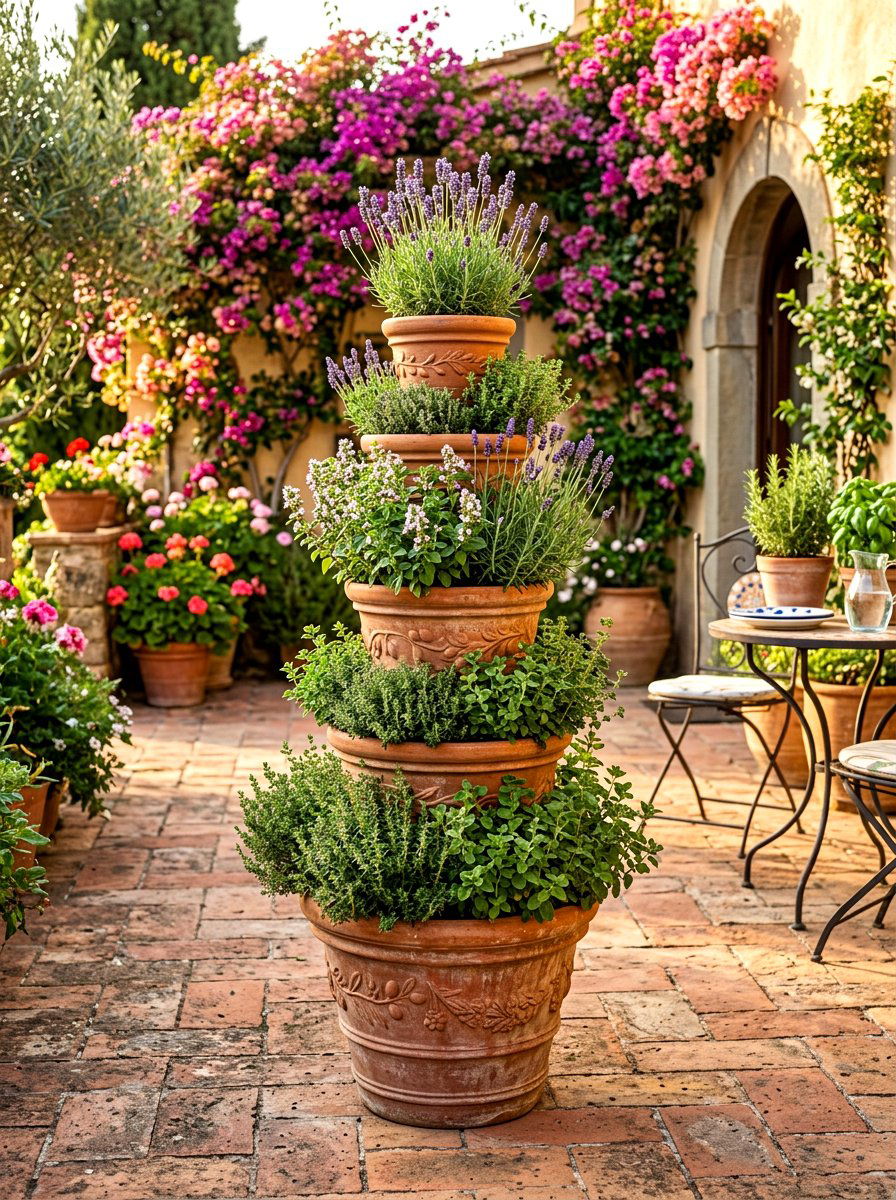
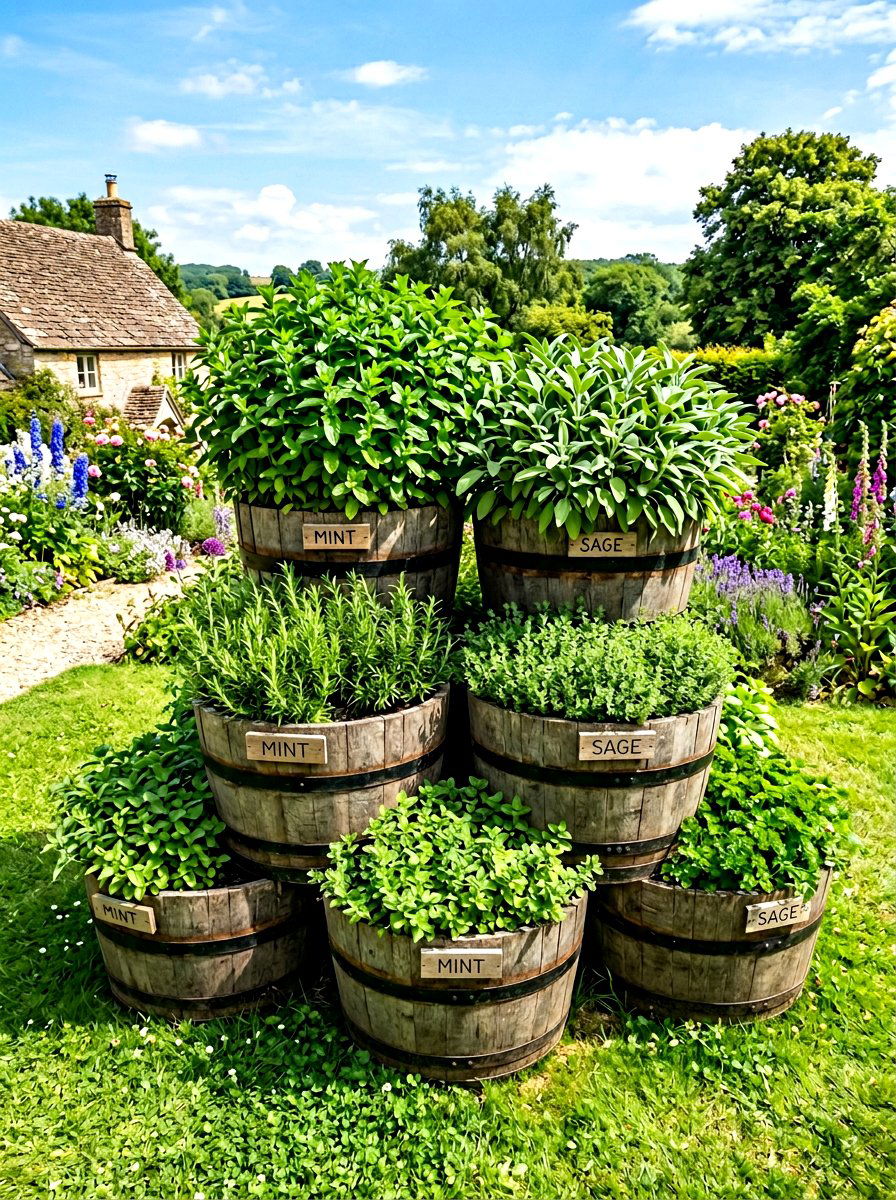
Creating a stacked terra cotta tower is a classic gardening trick that adds architectural height and a Mediterranean vibe to your patio. By nesting different sizes of pots on top of one another, you create multiple planting rings for a variety of aromatic herbs. The porous nature of terra cotta allows the soil to breathe, which is ideal for Mediterranean herbs like lavender, thyme, and oregano that prefer drier conditions. This vertical tower acts as a beautiful sculpture in your garden while providing a surprisingly large amount of growing space. It is a space-efficient way to grow a complete herb collection in a single, eye-catching circular footprint.
11. Self Watering Herb Planter
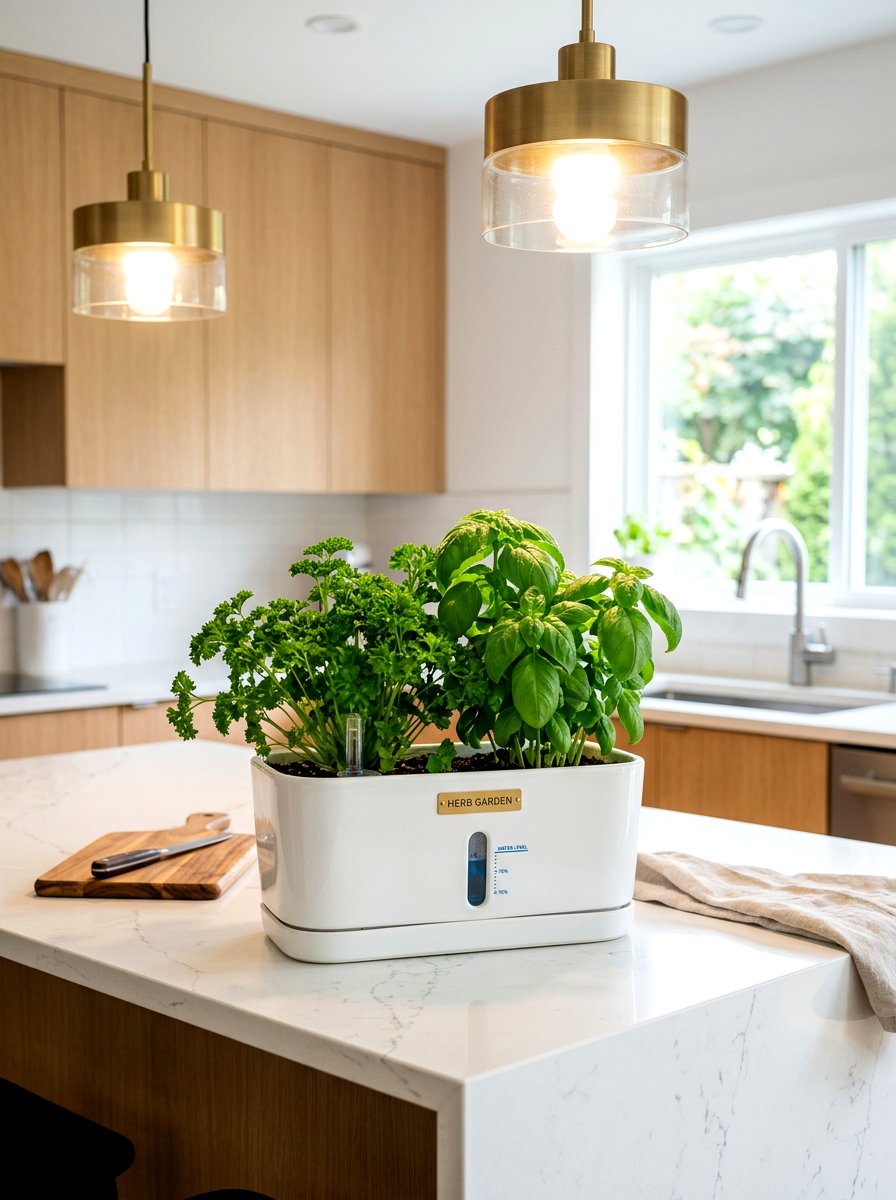
Busy homeowners often worry about keeping their delicate herbs hydrated, but a self-watering planter takes the guesswork out of daily plant maintenance. These containers feature a built-in reservoir at the base that allows the plants to wick up moisture as they need it through their roots. This system prevents the common problem of overwatering while ensuring your herbs never wilt during a particularly hot afternoon or a long weekend away. You can find these functional pots in various styles, from sleek plastic to sophisticated wicker-wrapped designs that look great on any porch. They are especially beneficial for moisture-loving herbs like chives, parsley, and various types of fresh mint.
12. Chalkboard Label Herb Pot
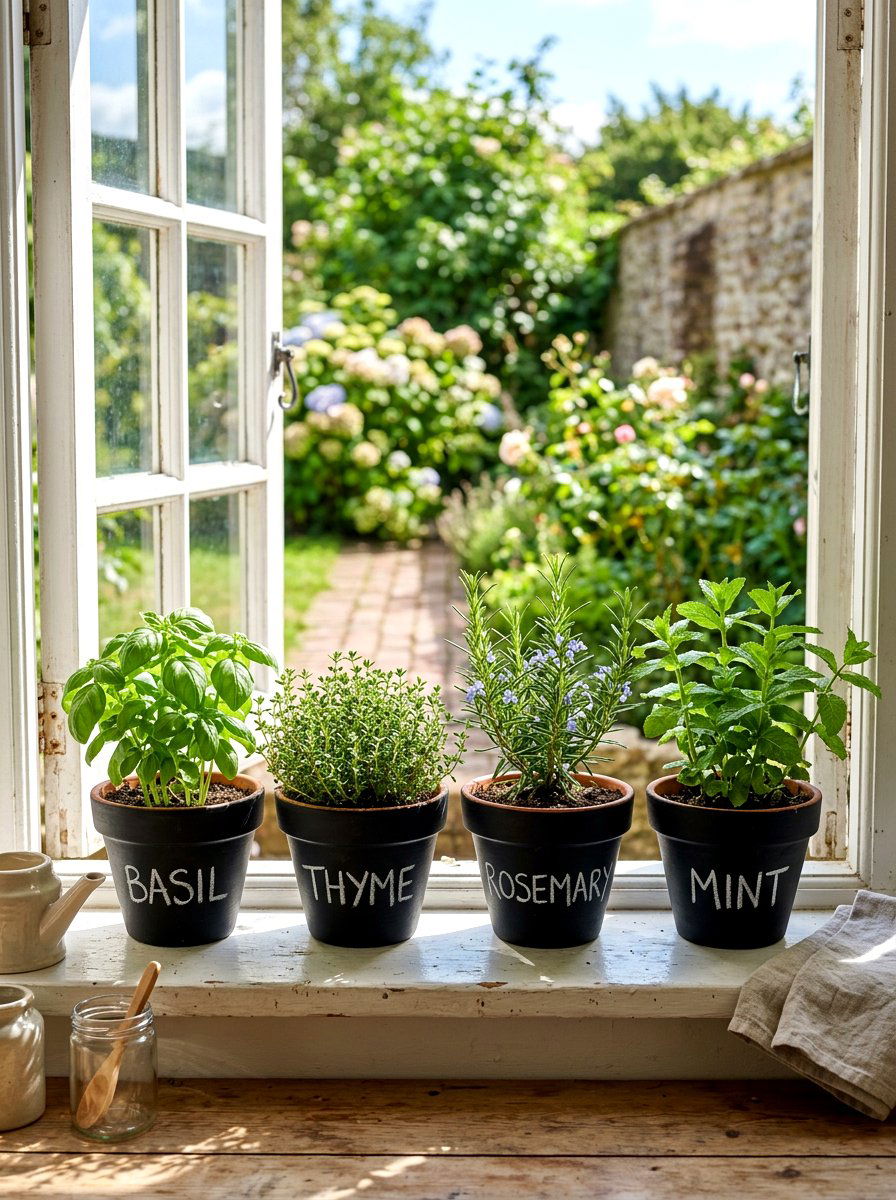
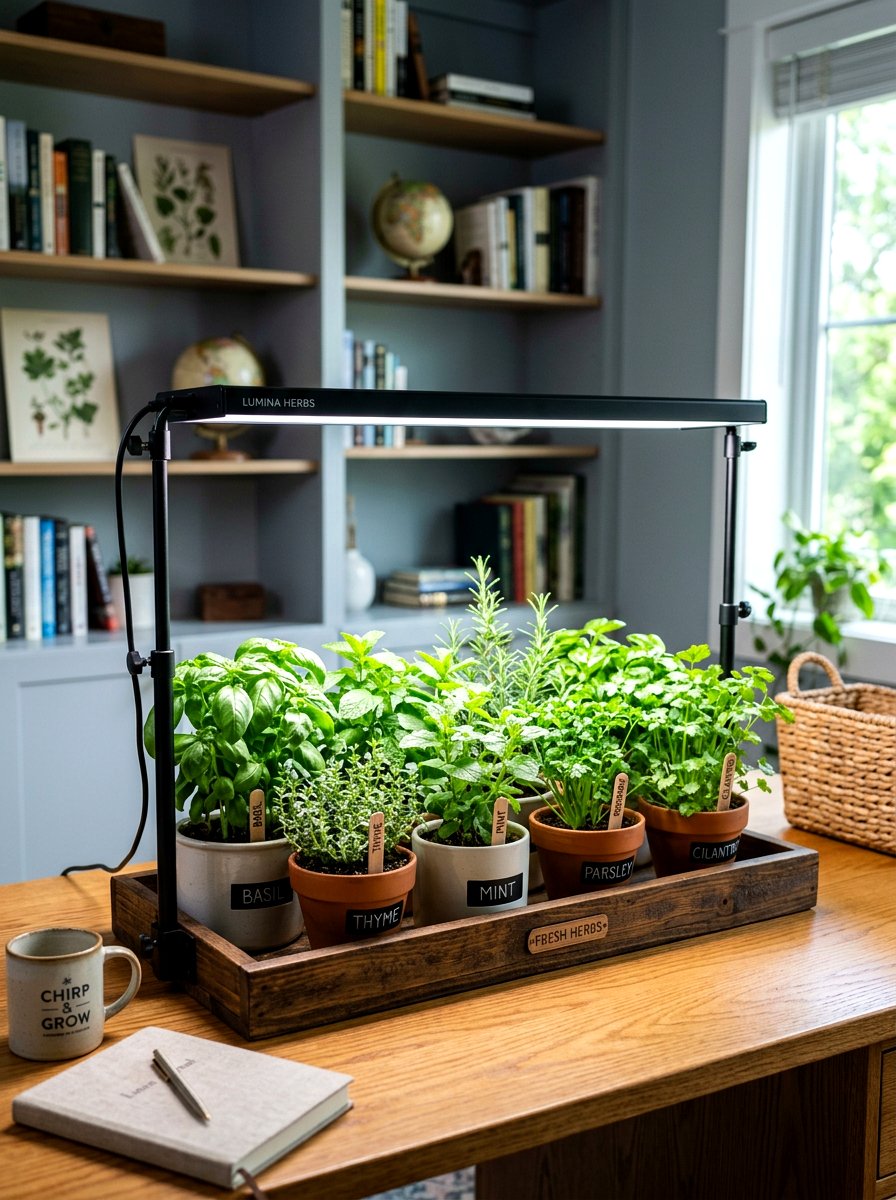
Do you often find yourself forgetting which green sprout is which before they are fully grown and ready for the kitchen? Painting a small section of your pots with chalkboard paint allows you to label your herbs clearly while adding a playful, custom touch. These interactive containers are perfect for families with children who want to learn about gardening and identifying different plant species. You can easily erase and rewrite the names whenever you decide to rotate your herb selection for a new season or recipe. The black chalkboard contrast against terra cotta or white ceramic looks incredibly sharp and organized on any kitchen countertop or garden shelf.
13. Floating Shelf Herb Garden
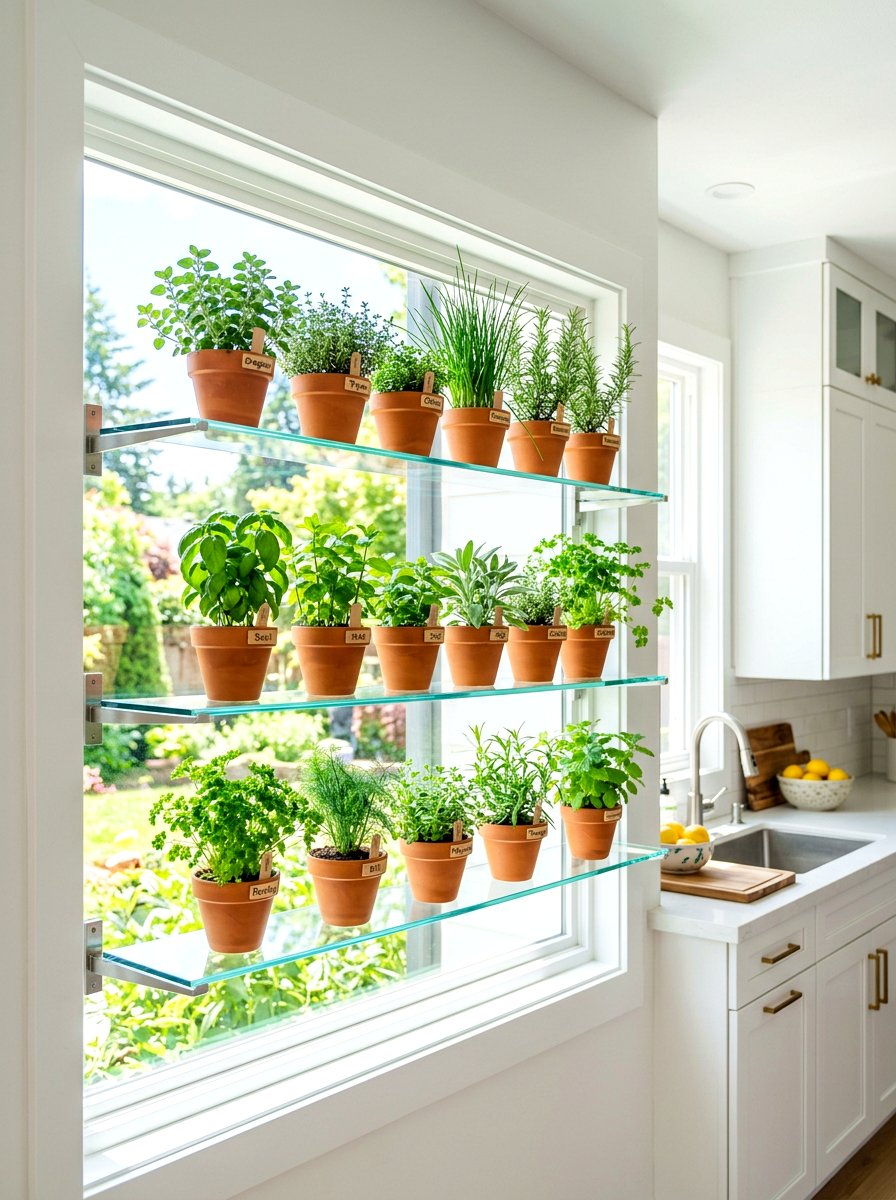
If you are struggling with limited floor and counter space, why not install a series of floating shelves across a sunny window? A floating shelf herb garden turns your vertical wall space into a productive growing area without cluttering the main walkway of your home. You can use clear acrylic shelves for a nearly invisible look or thick wooden planks to add warmth and texture to the room. Placing your herbs on these elevated platforms keeps them safe from pets while ensuring they receive the maximum amount of direct sunlight possible. This clean, organized arrangement makes your indoor garden feel like a deliberate and stylish part of your home architecture.
14. Woven Seagrass Herb Basket
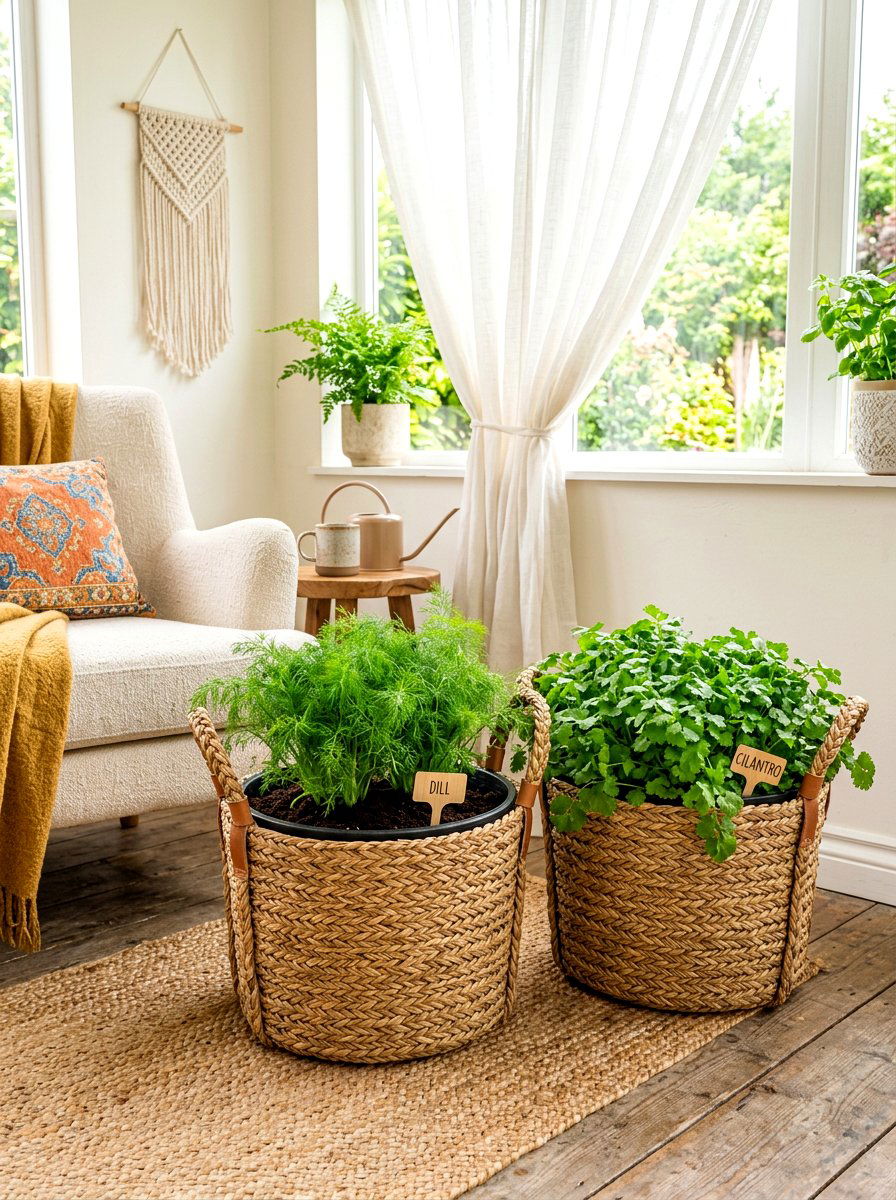
For those who enjoy a bohemian or coastal interior style, woven seagrass baskets provide a soft and organic container option for herbs. These textured baskets bring a sense of warmth to your space and pair beautifully with the delicate, feathery leaves of dill or cilantro. To protect the natural fibers, it is best to place a plastic liner or a hidden pot inside the basket to catch any excess water. The lightweight nature of these baskets makes them easy to move around the house to follow the best light throughout the day. They look particularly charming when grouped in a corner of a sun-drenched breakfast nook or a covered porch.
15. Minimalist Concrete Herb Pot
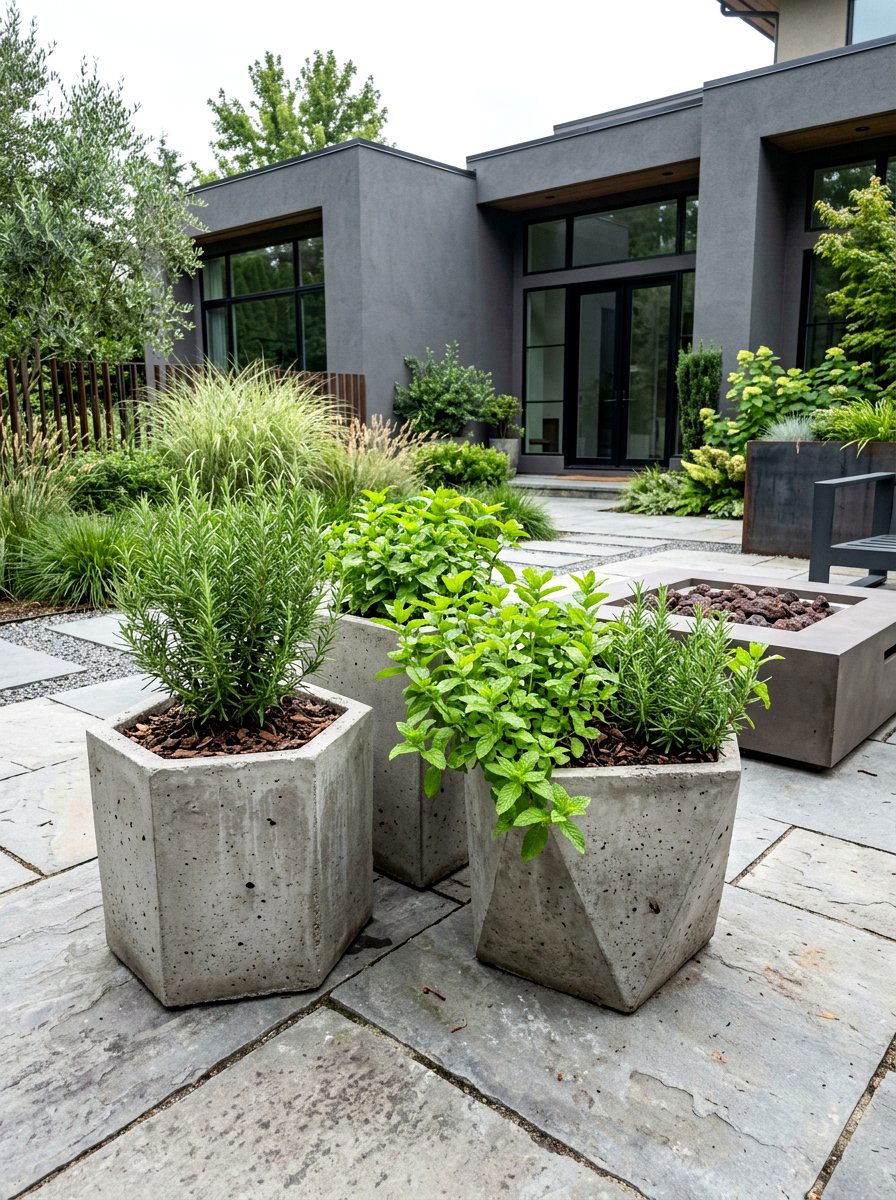
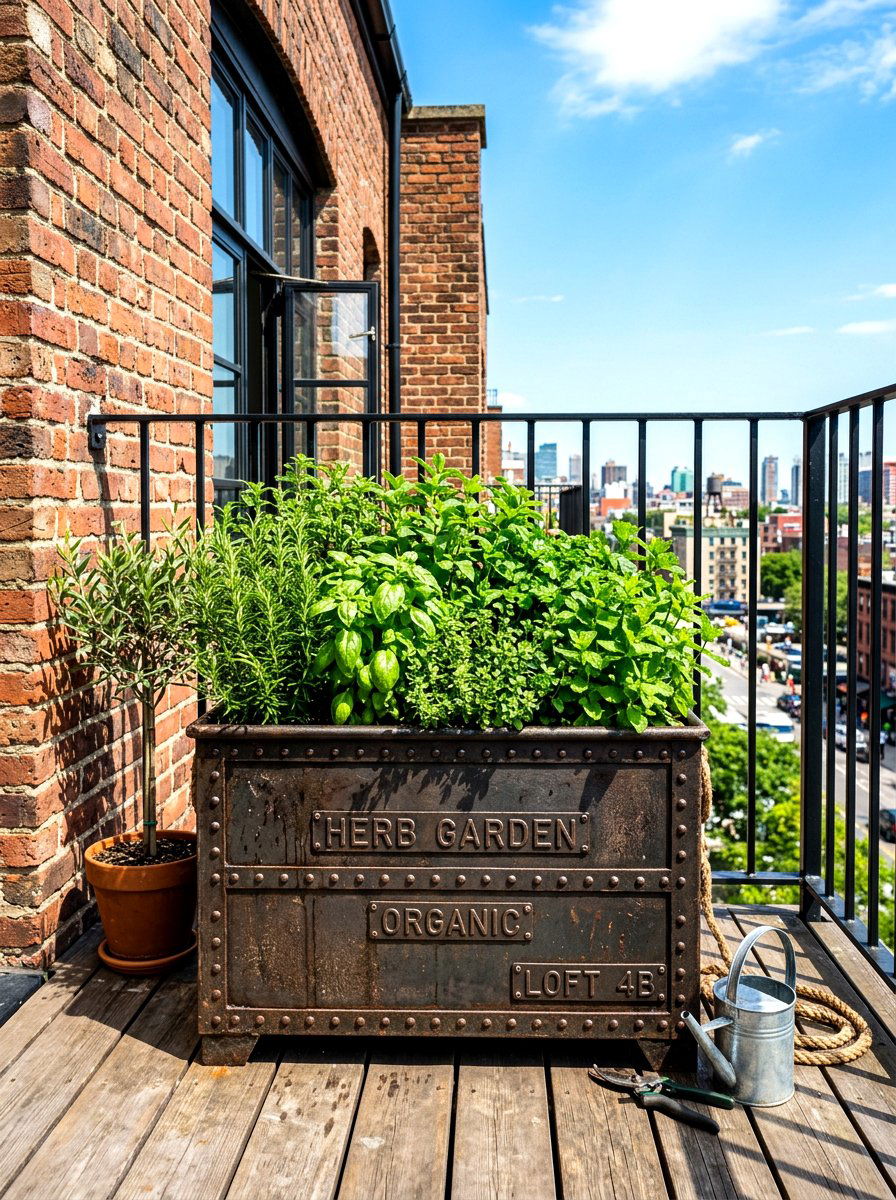
Concrete herb pots are a favorite for contemporary homes due to their heavy, industrial feel and neutral, stony texture that complements green foliage. These durable containers are excellent for outdoor use as they can withstand strong winds without tipping over, protecting your precious herbs. The thick walls of a concrete pot provide great temperature regulation for the soil, keeping the roots cool during the peak heat of the summer. You can find these pots in geometric shapes like cylinders or cubes to create a very structured and architectural look in your garden. Their raw, unfinished appearance adds a sophisticated and modern edge to any minimalist patio or urban balcony.
16. Window Box Herb Garden
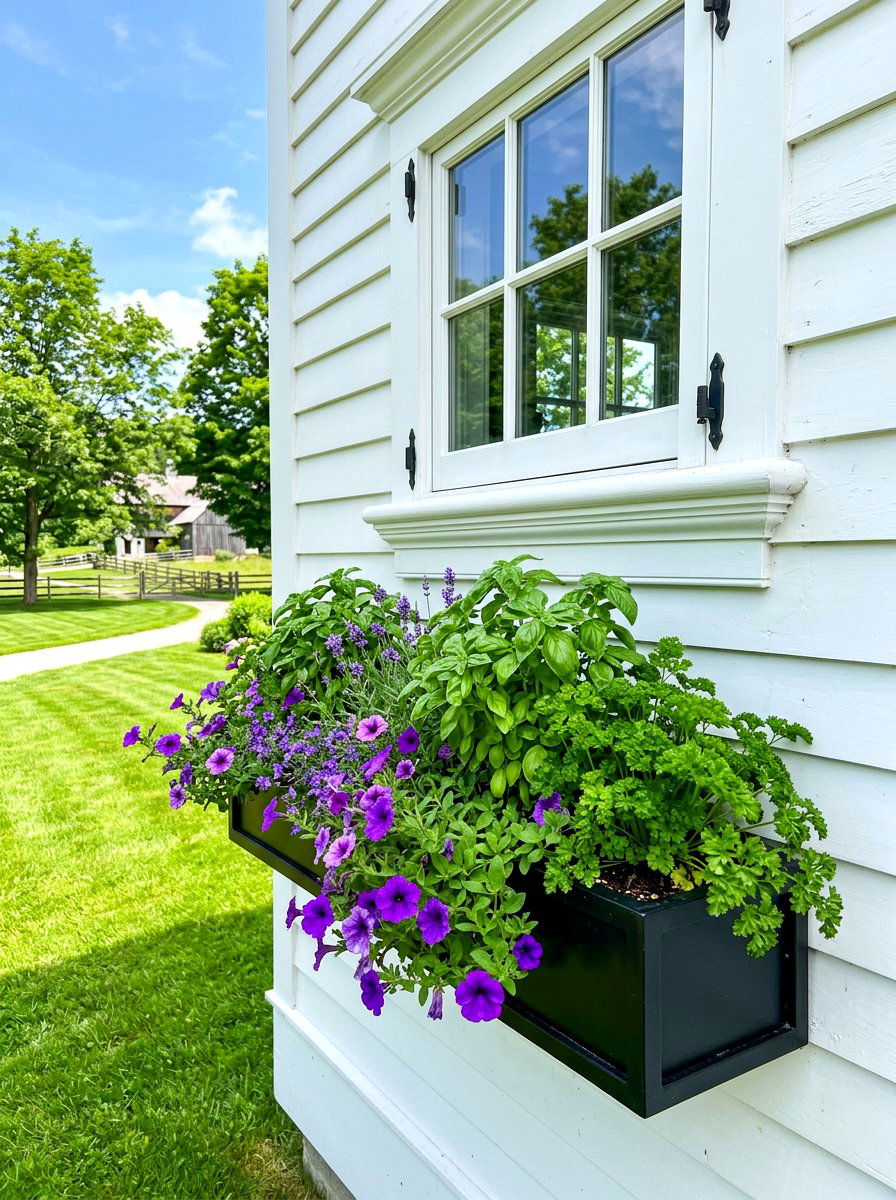
A classic window box is a timeless way to add curb appeal to your home while keeping your most-used herbs just a reach away. These long, rectangular containers can be mounted directly under a kitchen window or hung from a deck railing to save valuable floor space. You can mix and match different textures, such as the spiky leaves of rosemary paired with the soft, round leaves of sweet basil. Window boxes provide a generous amount of soil, which helps the plants stay hydrated longer than small individual pots would. They create a lush, overflowing look that makes your home feel welcoming and full of life throughout the growing season.
17. Vintage Tea Tin Herb Garden
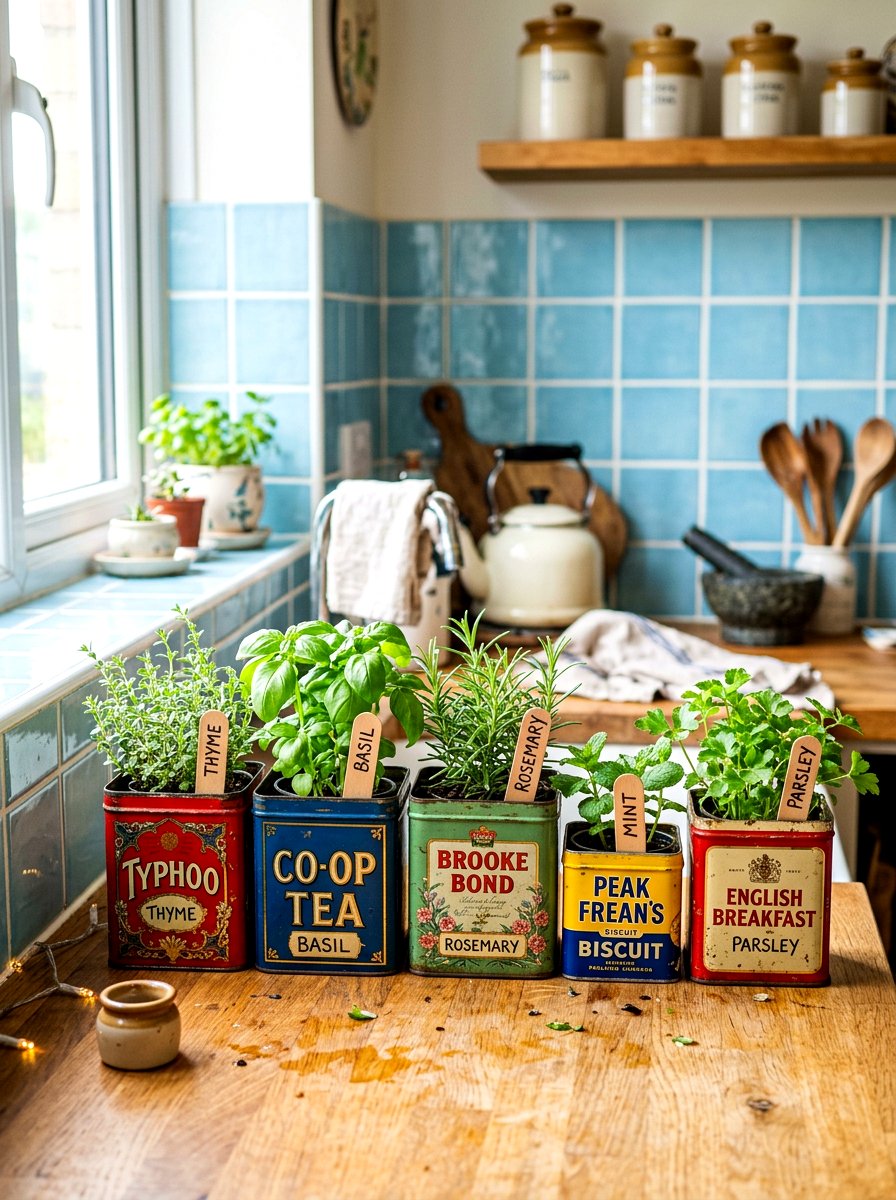
Repurposing vintage tea tins into small herb containers is a wonderful way to add historical charm and a splash of color to your kitchen. These colorful tins often feature beautiful typography and intricate patterns that look fantastic when lined up on a shelf or a windowsill. Because they are relatively small, they are best suited for herbs that don't mind a confined root space, such as chives or small varieties of basil. Be sure to add a layer of gravel at the bottom to assist with drainage, as drilling through vintage metal can be difficult. These charming containers make excellent gifts for friends who love both tea and fresh cooking.
18. Rolling Cart Herb Garden
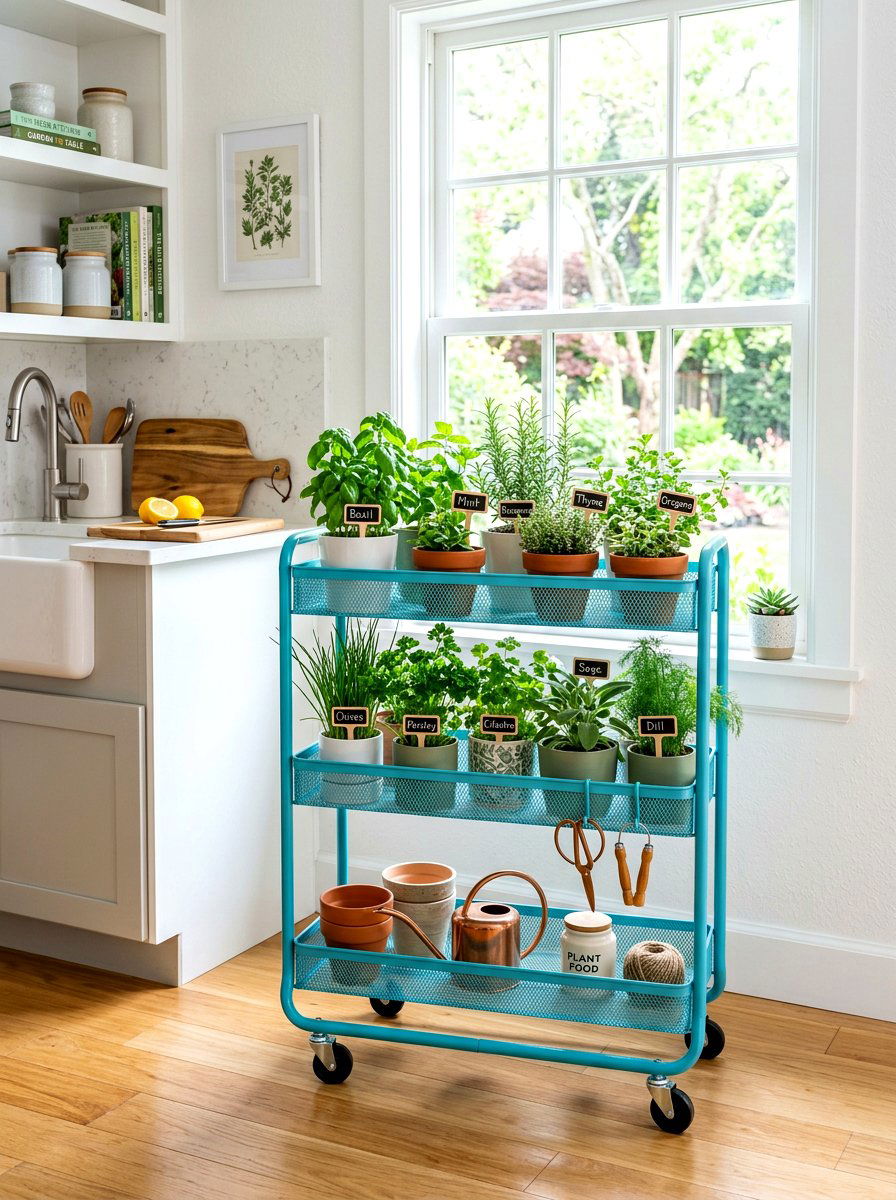
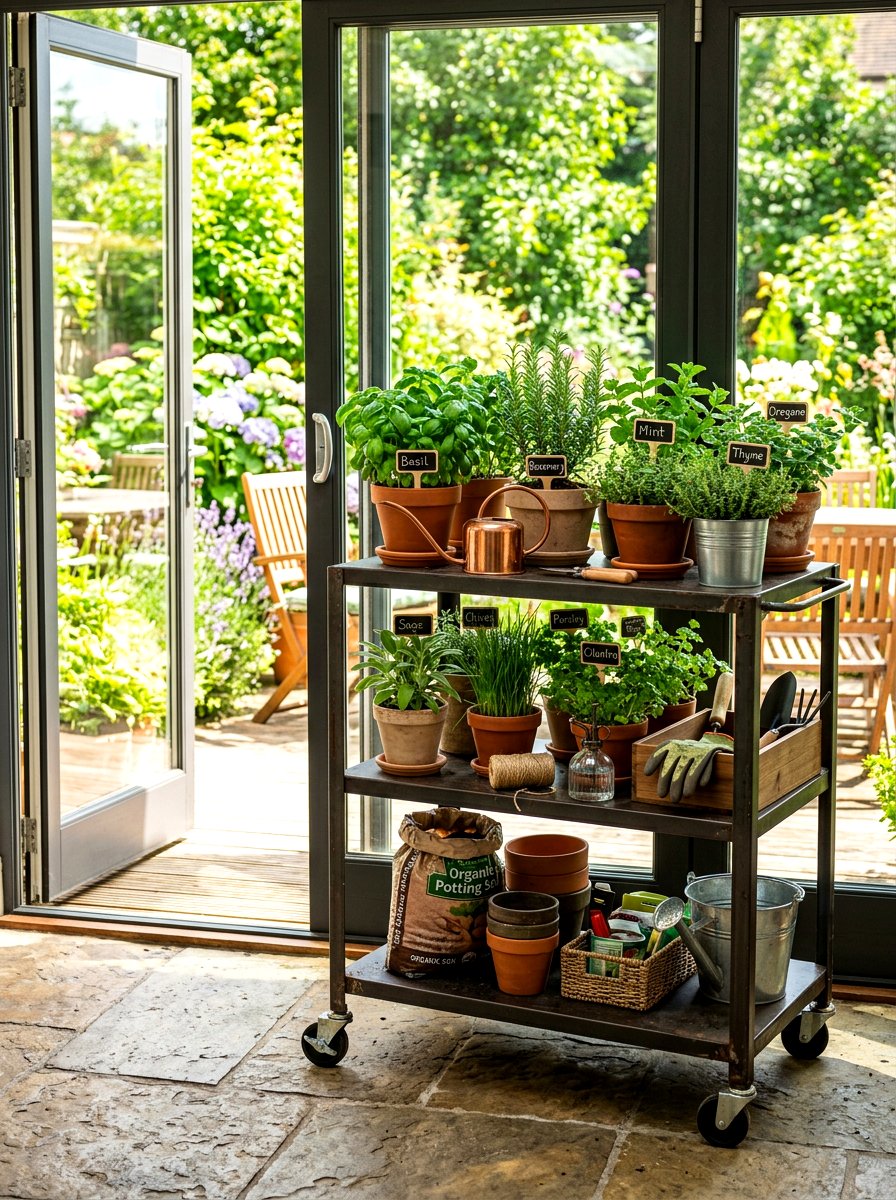
A rolling cart herb garden offers the ultimate flexibility for gardeners who need to move their plants between the sun and shade. Using a three-tiered metal utility cart allows you to organize your herbs by their light requirements, with sun-lovers on top and shade-tolerant ones below. When you are cooking a big meal, you can simply roll the entire garden right next to your prep station for instant access. This mobile solution is also perfect for apartment dwellers who may need to bring their plants inside during extreme weather or unexpected frosts. It keeps your herb collection organized, portable, and visually appealing in any room of the house.
19. Gutter Herb Planter
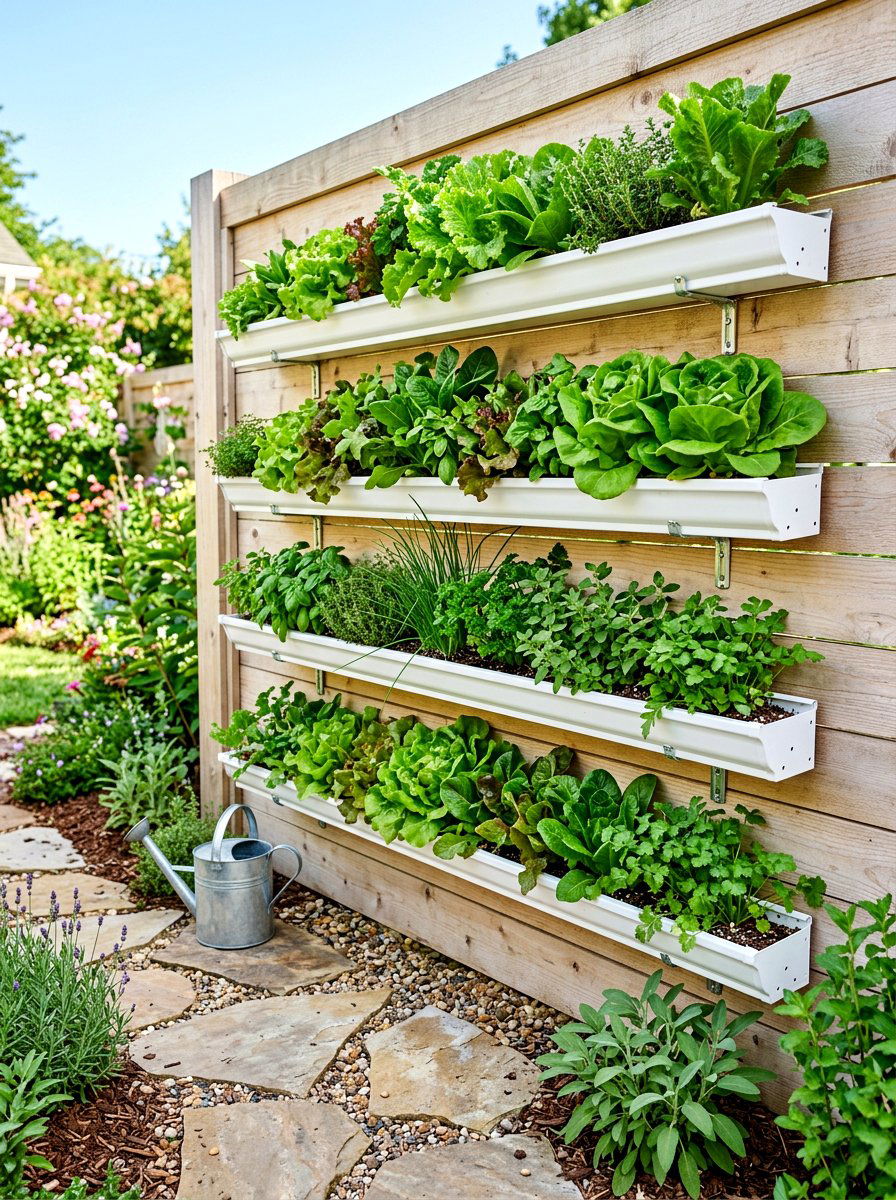
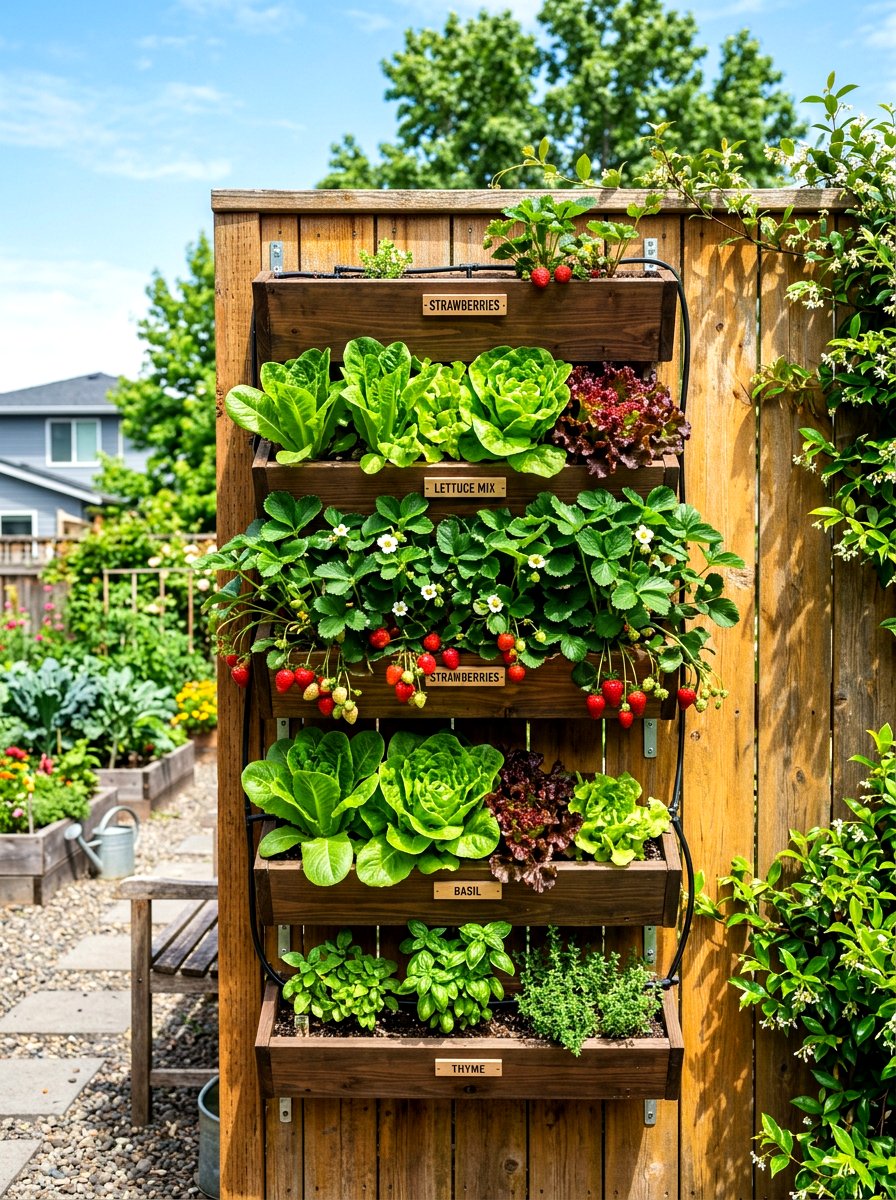
Have you ever thought about using sections of vinyl or metal rain gutters to create a long, narrow garden along a fence? Gutter herb planters are an incredibly cost-effective way to grow a massive amount of herbs in a horizontal line without taking up any ground. These shallow containers are perfect for herbs with small root systems, such as lettuce, spinach, and various types of low-growing kitchen herbs. Mounting several rows of gutters above one another creates a striking green wall effect that can provide enough herbs to feed a whole family. They are easy to install and can be painted to match your home’s exterior for a seamless look.

20. Copper Pot Herb Garden
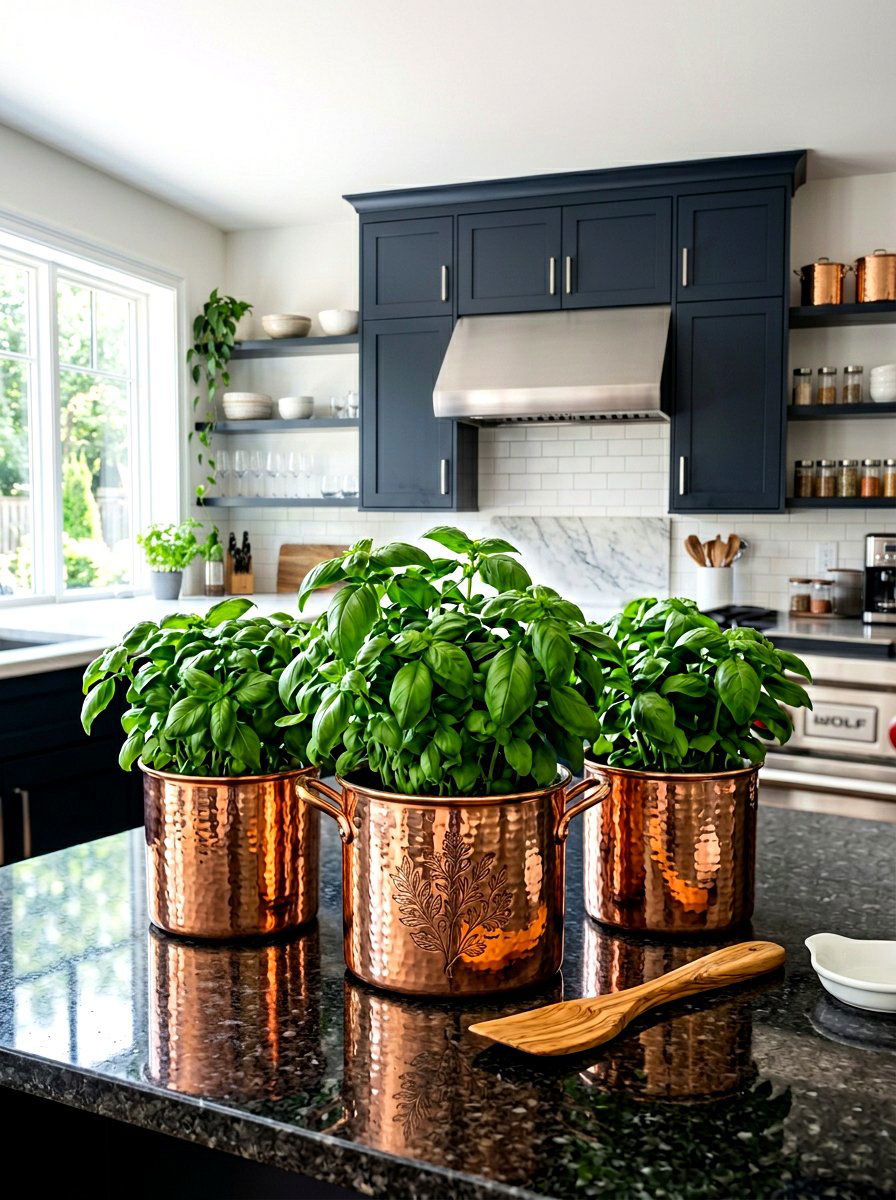
Copper pots bring a luxurious and warm glow to any herb garden, reflecting the sunlight and adding a touch of elegance to your decor. These metallic containers develop a beautiful patina over time, or they can be polished to maintain a bright, reflective shine in your kitchen. Copper is naturally antimicrobial, which can help keep the soil healthy for your plants, though you should ensure they are lined if the copper is not food-safe. The rich, reddish-orange hue of the metal provides a stunning contrast to the deep greens and purples of various basil and sage varieties. Using copper pots makes your herb garden feel like a high-end design feature in your home.
21. Balcony Railing Herb Planter
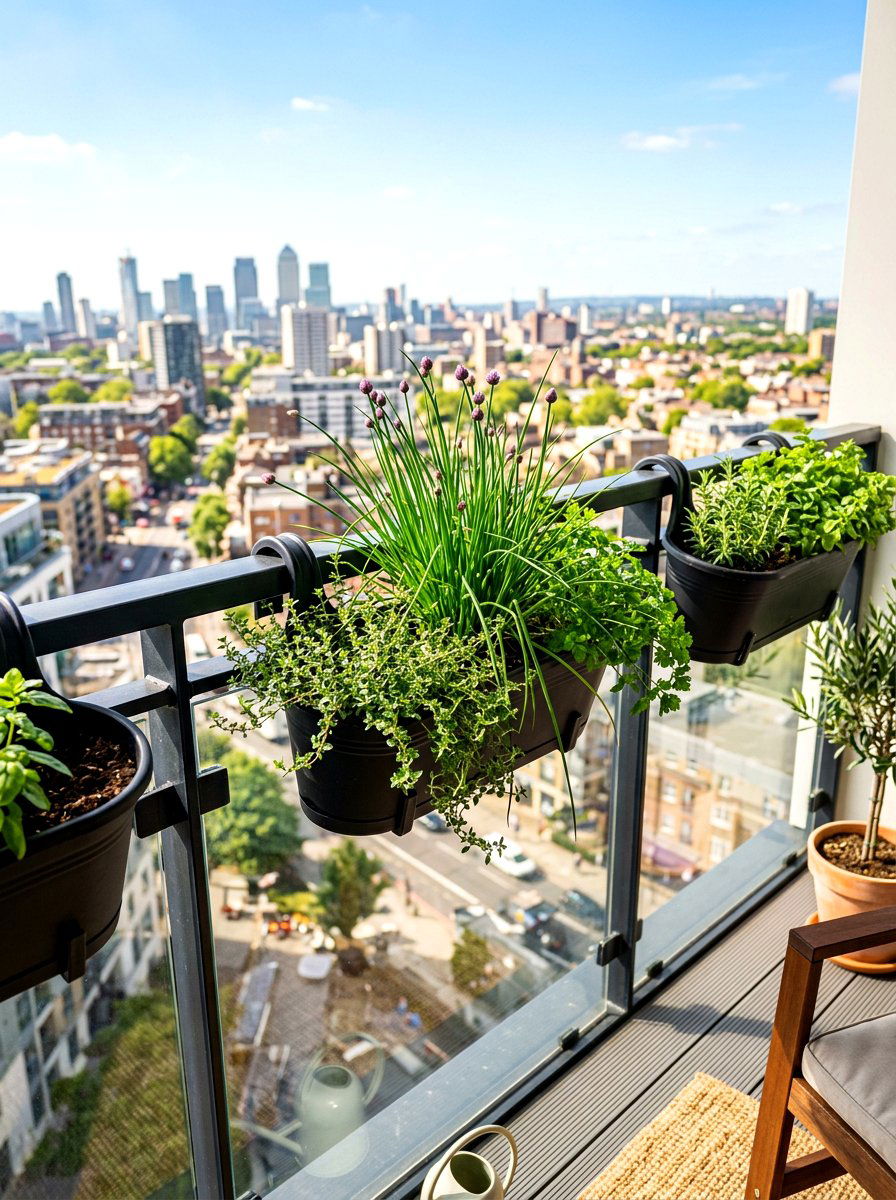
Maximizing the space on your balcony is easy when you utilize the railing with specially designed saddle-style or hook-on herb planters. These containers sit securely on top of the rail, allowing your herbs to soak up the maximum amount of sun while leaving the floor clear. This arrangement creates a beautiful "green border" around your outdoor living space, providing both privacy and a delightful aroma. Many railing planters are made from weather-resistant materials that won't fade or crack under intense sun exposure throughout the summer months. It is a smart way for city dwellers to turn a small outdoor area into a productive and relaxing urban garden oasis.
22. Strawberry Jar Herb Garden
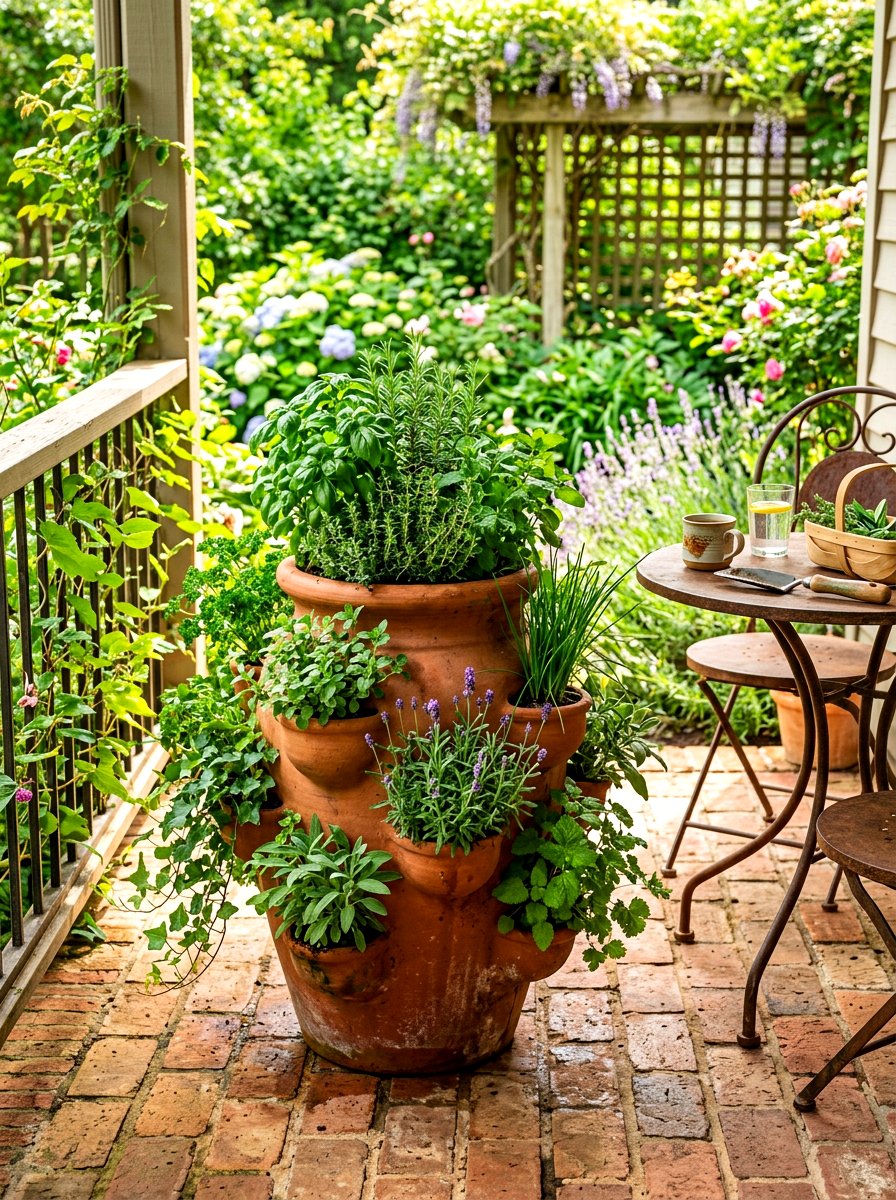
The classic strawberry jar, with its multiple side pockets, is a brilliant container for a mixed herb garden that looks like a living sculpture. You can plant a different type of herb in each opening, such as thyme in one pocket, oregano in another, and a large rosemary bush at the top. This vertical design ensures that each plant has its own space to grow without competing for room in the main central column. The cascading greenery coming from the sides of the jar creates a very lush and abundant appearance on a patio or porch. It is a fantastic conversation piece that provides a wide variety of flavors in one compact pot.
23. Pocket Fabric Herb Planter
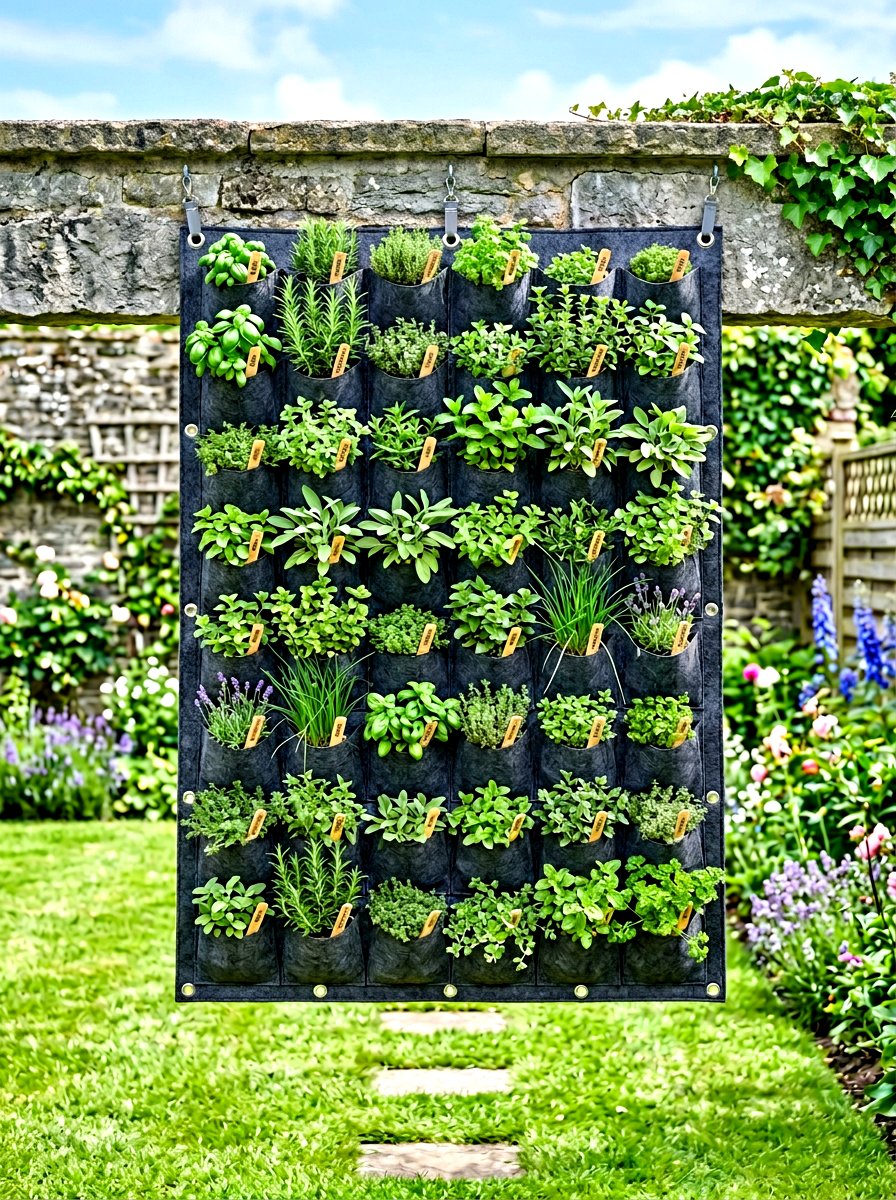
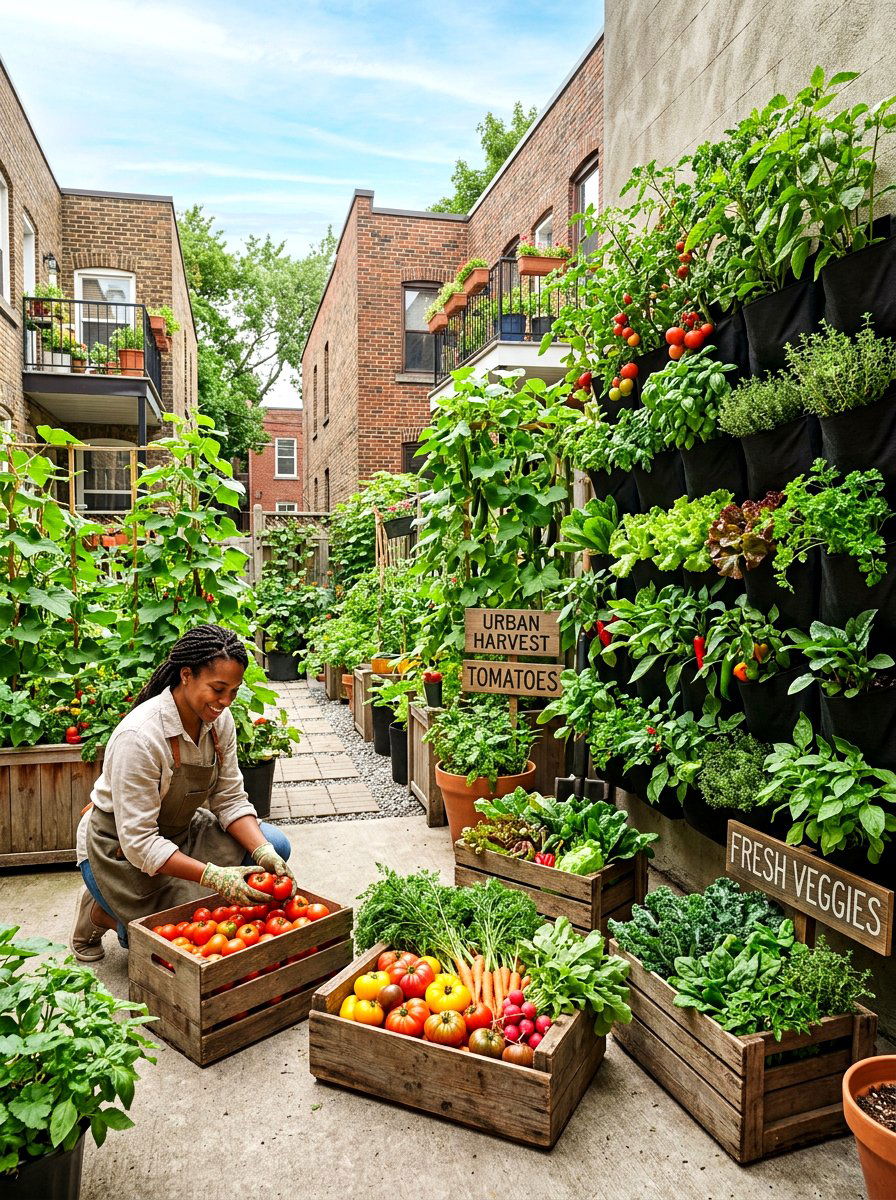
Fabric pocket planters are a lightweight and breathable alternative to heavy plastic or ceramic pots, making them perfect for hanging on walls or fences. The felt-like material allows for excellent air circulation around the roots, preventing them from becoming root-bound and promoting healthy, vigorous growth. These vertical organizers can hold dozens of individual herb plants, turning a flat vertical surface into a sprawling, lush tapestry of edible greenery. Because the fabric is porous, these planters dry out faster, so they are best suited for herbs that appreciate well-drained soil and regular watering. They are a great choice for renters because they are so easy to install and remove.
24. Wooden Crate Herb Garden
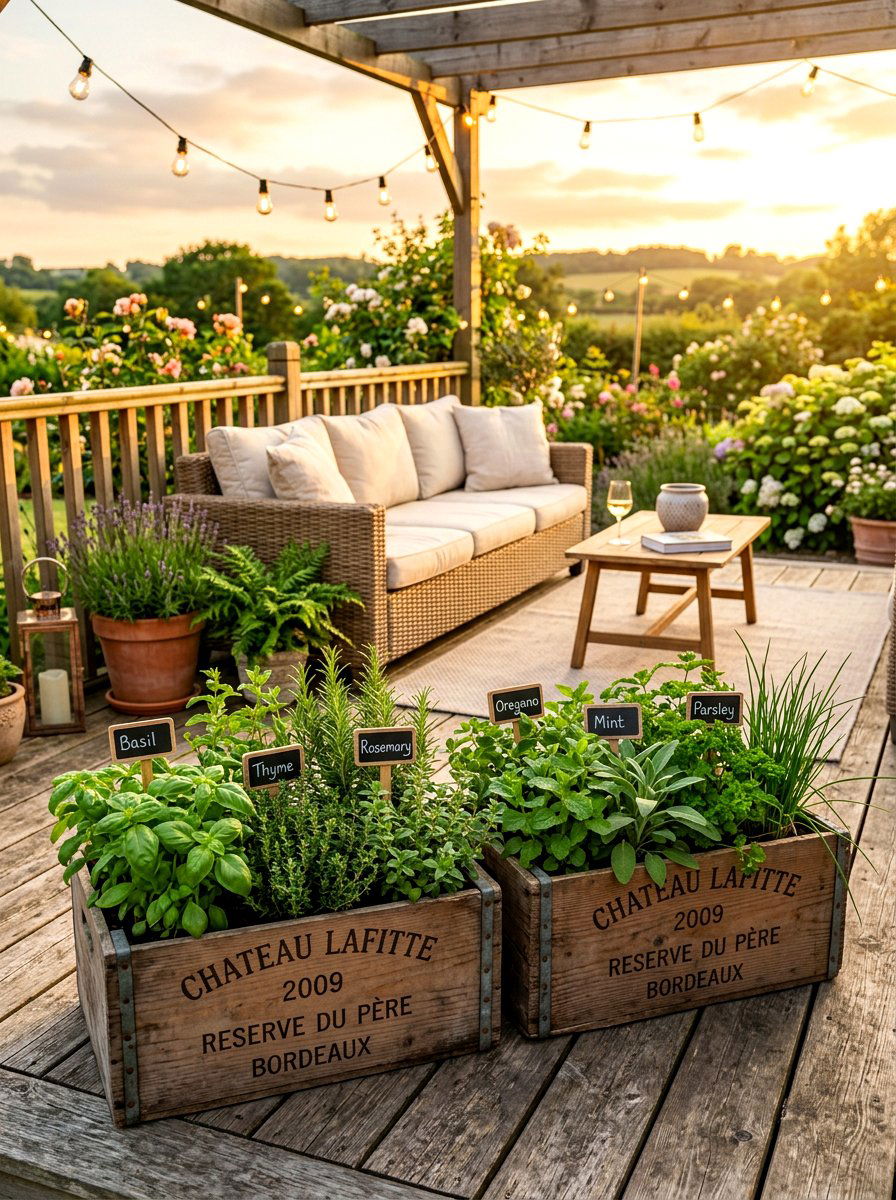
Using old wooden wine or fruit crates as herb planters adds a rustic, salvaged charm to your garden or kitchen floor. These wide, shallow containers provide a generous amount of surface area, allowing you to create a beautiful "patch" of mixed herbs in one spot. You can line the crates with plastic or landscape fabric to protect the wood from moisture and prevent soil from leaking through the slats. The natural wood grain looks lovely when paired with the organic shapes of different herb leaves, creating a very cozy and grounded atmosphere. These crates are easy to move and can be stacked to create different levels of interest on your patio.
25. Colander Herb Planter
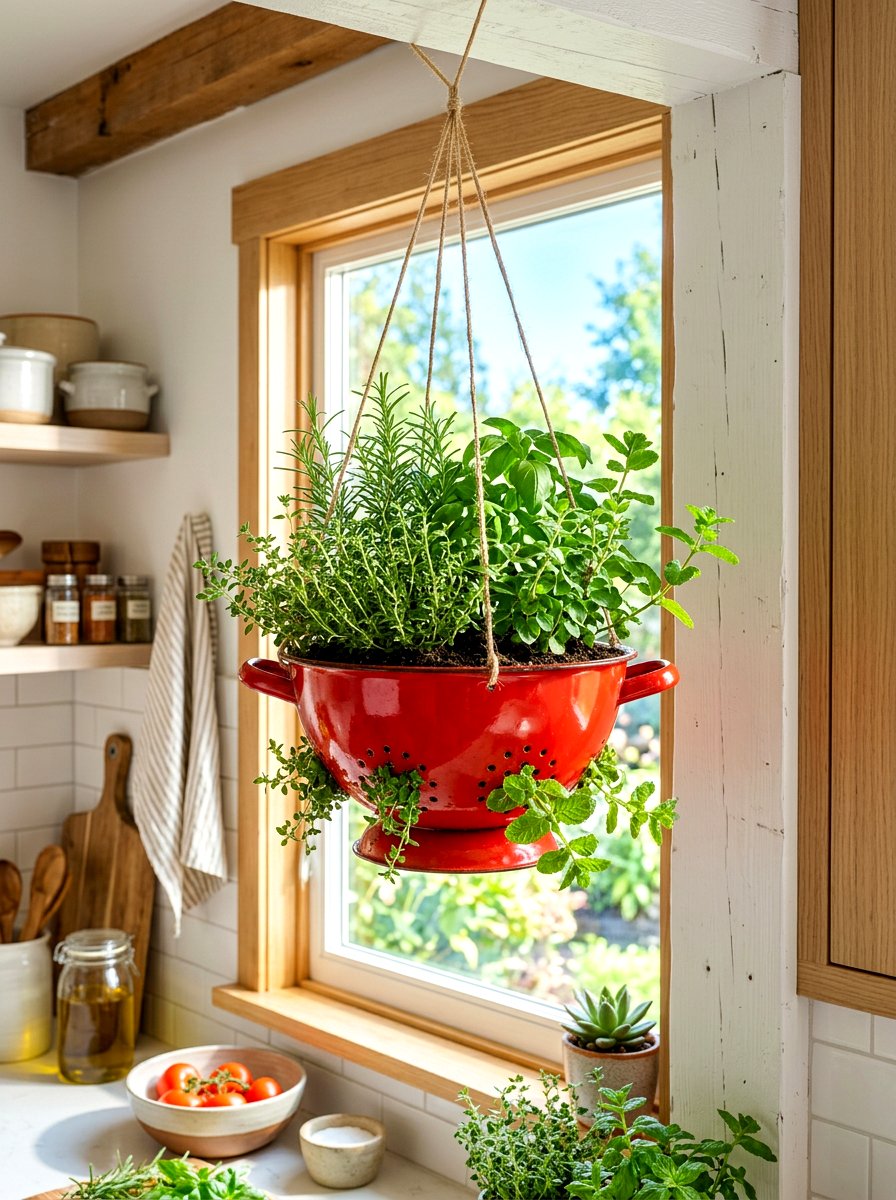
A vintage metal colander makes an surprisingly effective and whimsical herb planter because it already features dozens of built-in drainage holes. These kitchen-themed containers look adorable when hung from a hook or placed on a sunny counter, signaling the edible nature of the plants. You can line the colander with a bit of moss or a coffee filter to keep the soil from washing out while still allowing water to flow freely. The bright colors of enamel colanders, like cherry red or sky blue, can add a cheerful pop to your herb garden display. It is a creative way to repurpose old kitchenware into something functional and beautiful for your home.
26. Glass Cloche Herb Garden
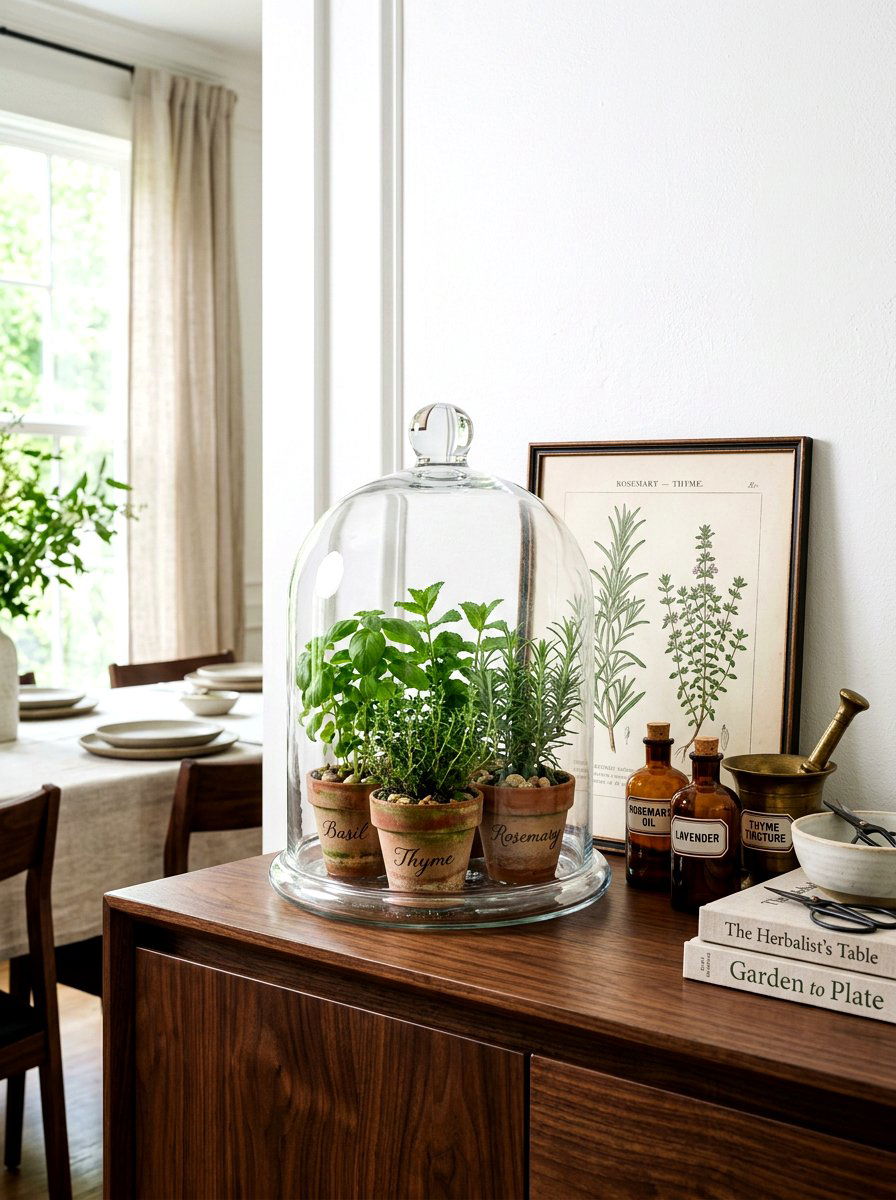
Placing a glass cloche over your herb pots creates a miniature greenhouse effect that is perfect for starting seeds or protecting delicate indoor plants. The glass dome traps moisture and warmth, providing a humid environment that certain herbs like cilantro or parsley might appreciate during the dry winter months. Beyond its functional benefits, a cloche adds a sophisticated, apothecary-style look to your herb display, making it feel like a curated botanical collection. This setup works best on a bright windowsill where the glass can catch the light without overheating the plants inside. It is an elegant way to showcase your favorite herbs as a decorative centerpiece on a dining table.
27. Mid Century Modern Herb Stand
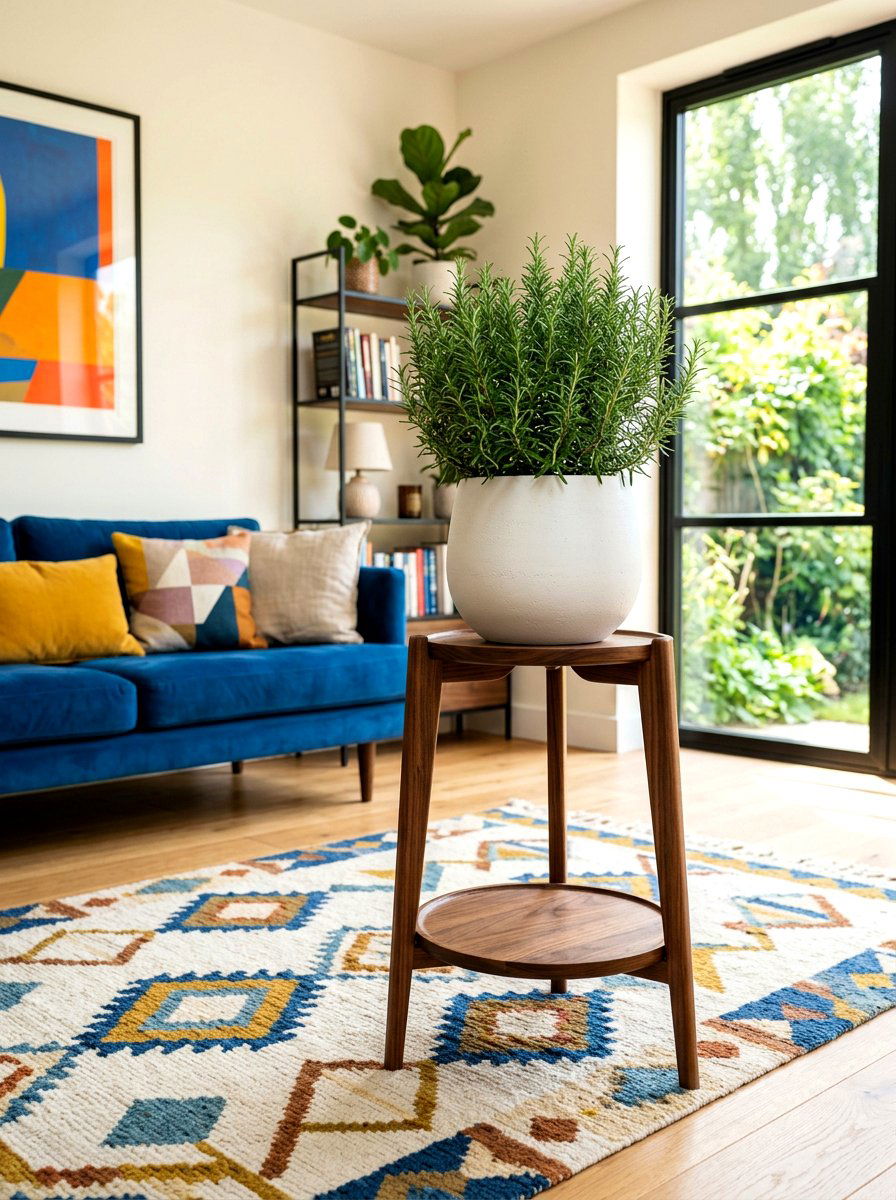
A mid-century modern plant stand can elevate your herb garden, literally and figuratively, by placing your pots at a stylish height. These stands often feature tapered wooden legs and simple ceramic pots, creating a clean and timeless look that fits perfectly in any contemporary living room. Raising your herbs off the floor not only looks better but also helps them catch more light if they are placed near a tall window. You can use a single large stand for a statement plant or a tiered version to hold a variety of different kitchen herbs. This design-forward approach treats your edible garden as a key piece of furniture in your home.
28. Industrial Pipe Herb Garden
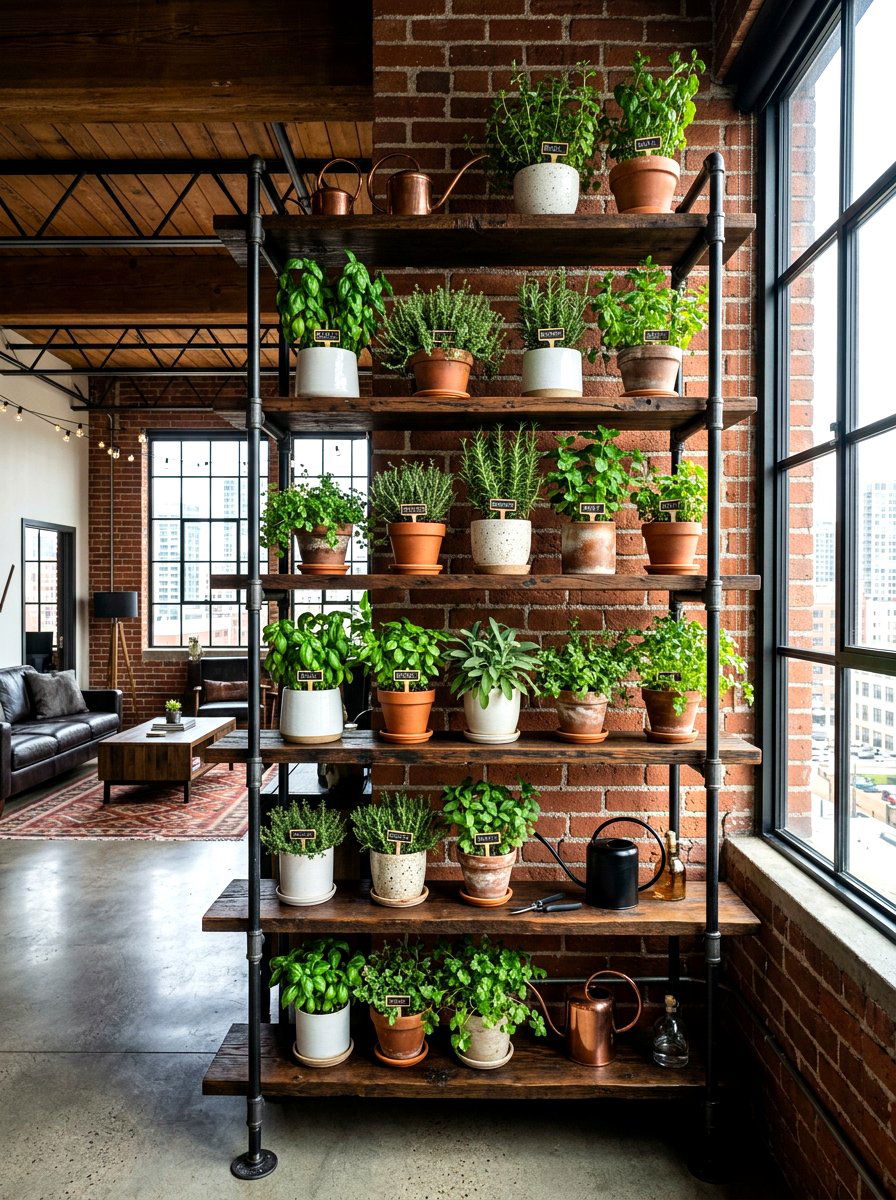
If you enjoy the raw look of industrial design, you can build a custom herb garden using black iron pipes and wooden planks. This sturdy structure can be mounted to a wall or built as a freestanding unit, providing a rugged and modern frame for your plants. The contrast between the cold metal pipes and the soft, organic green herbs creates a very trendy and urban aesthetic in a kitchen or loft. You can hang pots from the pipes using S-hooks or rest them on the wooden shelves for a more traditional look. This DIY project is highly customizable, allowing you to fit the garden into any awkward corner or empty wall space.
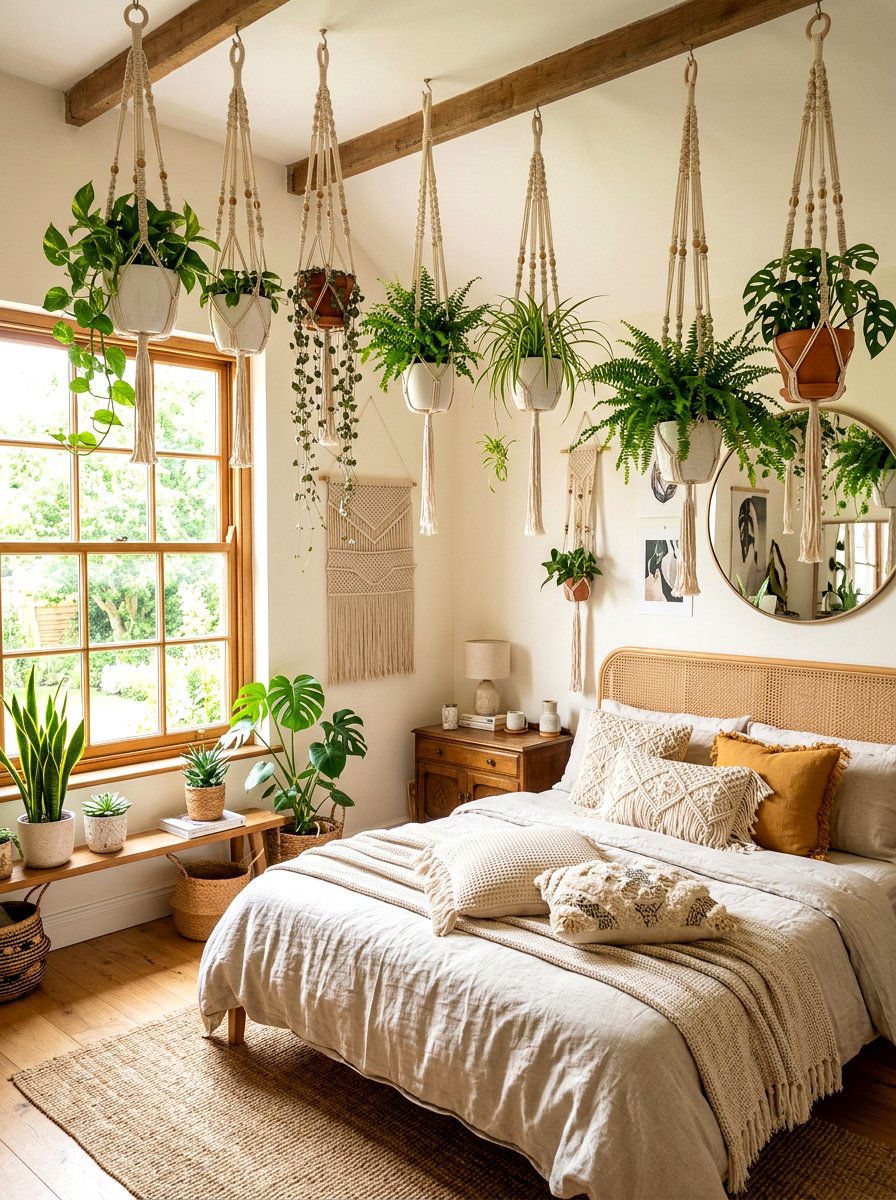
29. Macrame Hanging Herb Garden
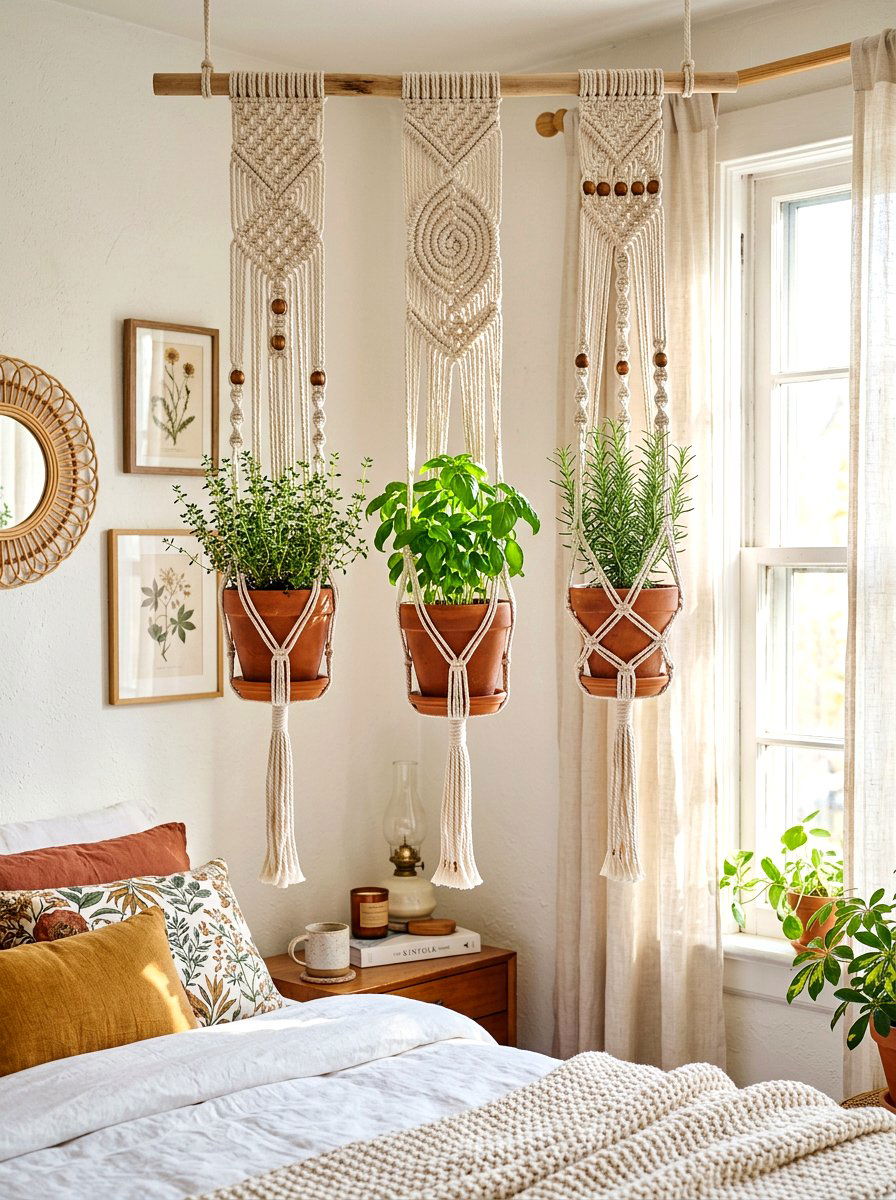
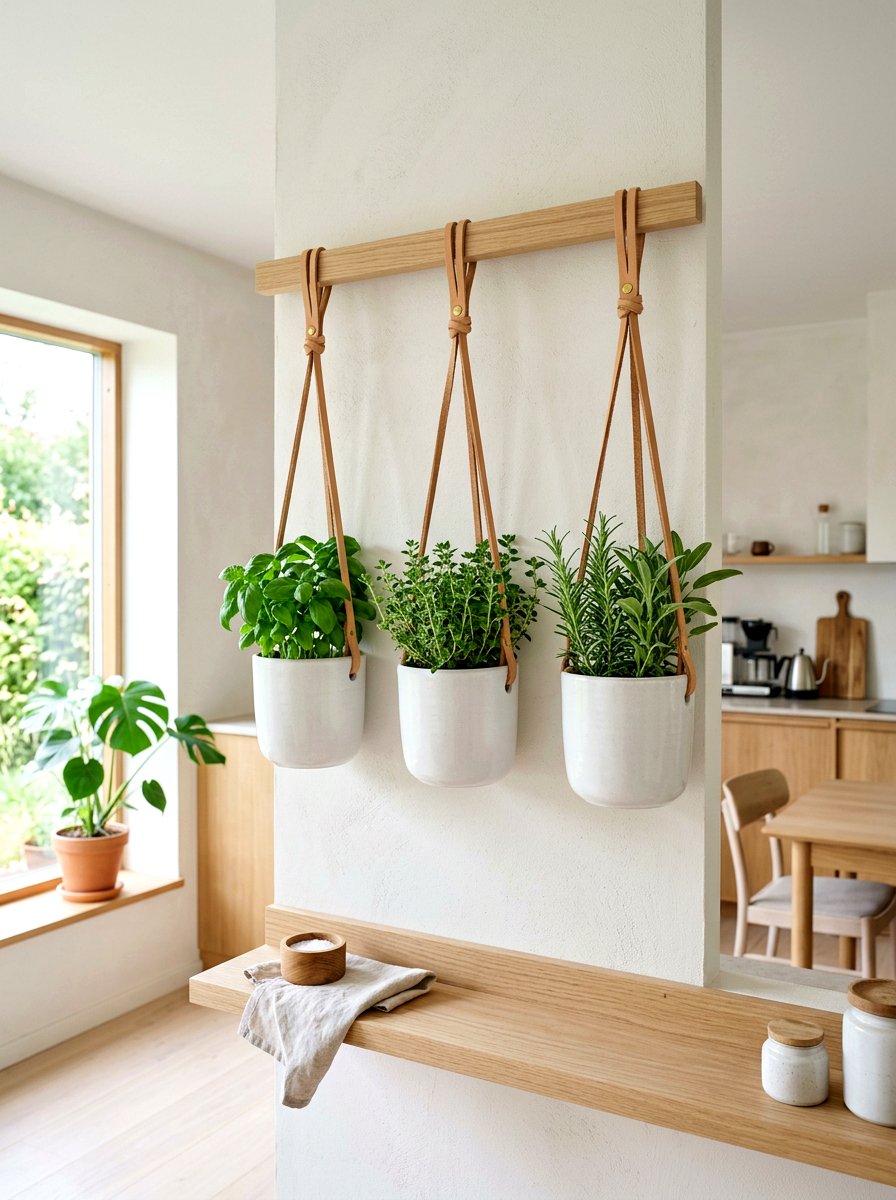
For a touch of 1970s retro flair, a macrame hanging herb garden uses knotted ropes to suspend your favorite pots from the ceiling or a wall hook. These intricate textile hangers add a soft, handmade texture to your room and allow your herbs to dangle gracefully in front of a sunny window. This method is excellent for keeping plants away from surfaces and creates a sense of depth and layers in your interior design. You can use different colored cords to match your decor, or stick with natural cotton for a clean, boho-chic look. The swaying green leaves in a macrame hanger bring a sense of calm and nature into any living space.
30. Outdoor Staircase Herb Pots
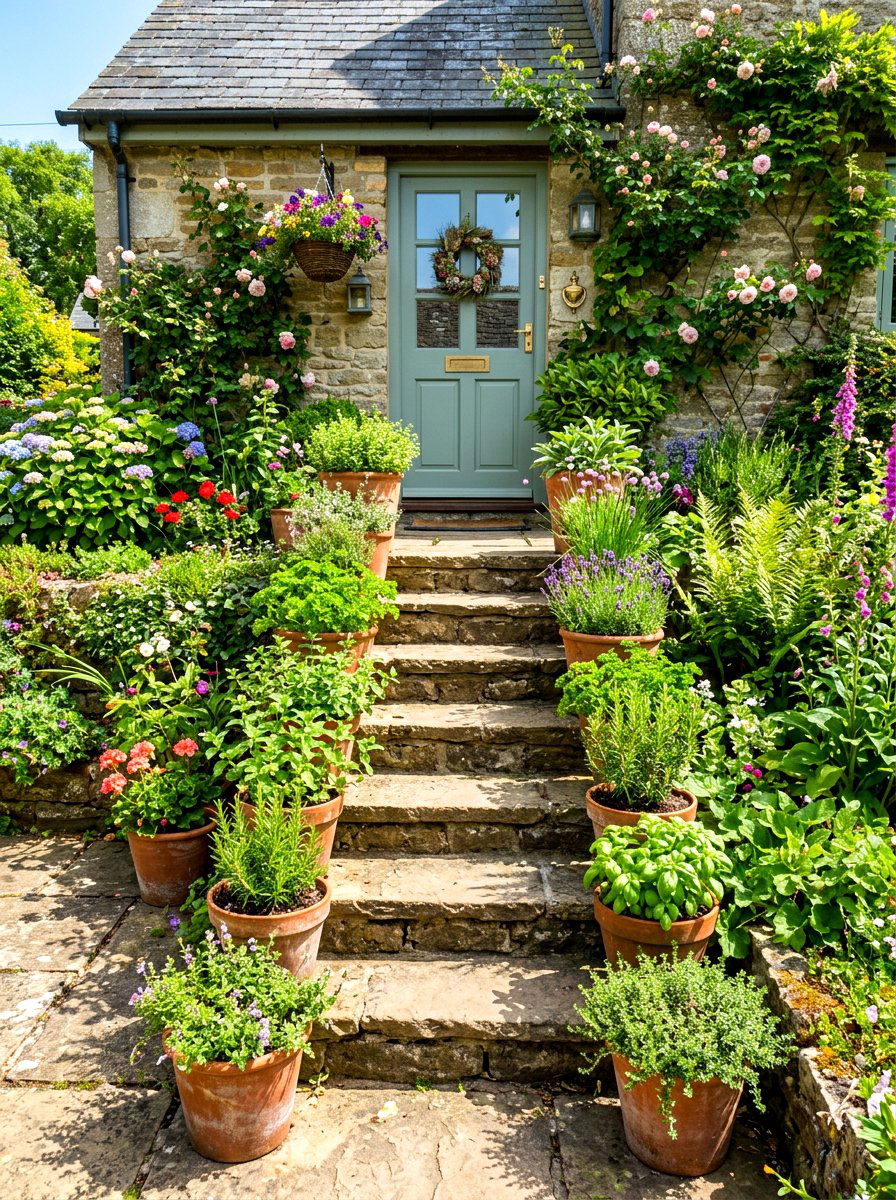
If you have an outdoor staircase leading to your porch, placing an herb pot on each step is a wonderful way to greet guests with a fresh aroma. This arrangement utilizes otherwise unused space and creates a beautiful, cascading effect of greenery that follows the path to your front door. You can use matching pots for a formal look or a collection of mismatched containers for a more casual and eclectic cottage garden feel. Placing herbs like lavender or mint on the stairs ensures that you release their delightful scent every time you brush against them as you walk by. It is a simple yet high-impact way to beautify your home's entryway.
Conclusion:
Creating a container herb garden is a simple yet transformative project that brings nature, flavor, and beauty directly into your daily life. Whether you choose to build a massive vertical wall or simply place a few charming pots on your kitchen windowsill, the benefits are immediate and rewarding. These versatile gardening ideas prove that you don't need a lot of space to cultivate a thriving and productive edible landscape. By selecting the right containers and following basic care tips, you can enjoy a continuous harvest of fresh, aromatic herbs all year round. We hope these creative suggestions inspire you to start your own herbal oasis and elevate your home cooking today.

Related posts: