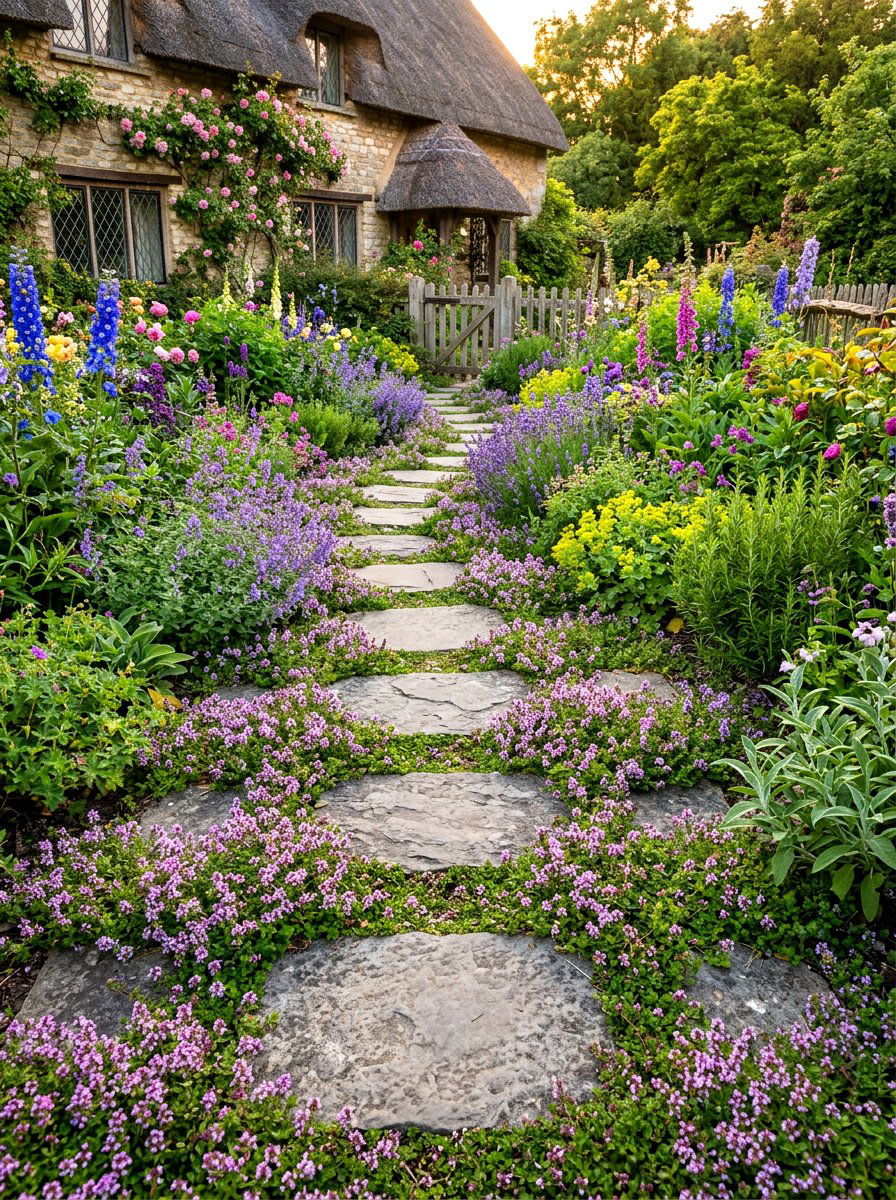
Starting an organic vegetable garden is one of the most rewarding ways to transform your backyard into a productive sanctuary. When you grow your own food, you gain full control over what goes into your soil and eventually onto your dinner plate. This journey into sustainable living allows you to enjoy the freshest flavors while reducing your carbon footprint significantly. Whether you have a sprawling suburban lot or a tiny apartment balcony, there is a perfect organic gardening method waiting for you. This guide explores thirty unique ways to set up your space for maximum harvest and visual beauty. Let us dive into these inspiring layouts that will make your home more self-sufficient and vibrant.
1. Raised Bed Garden
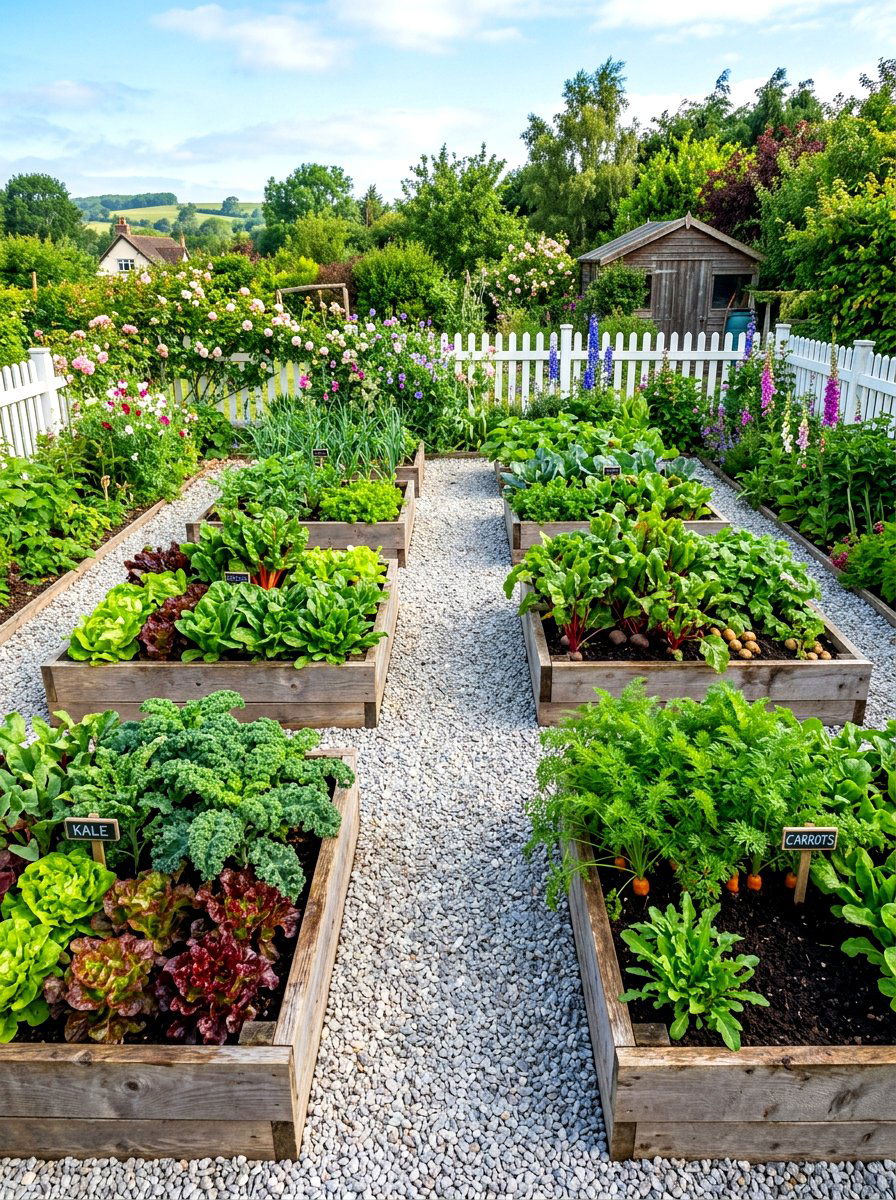
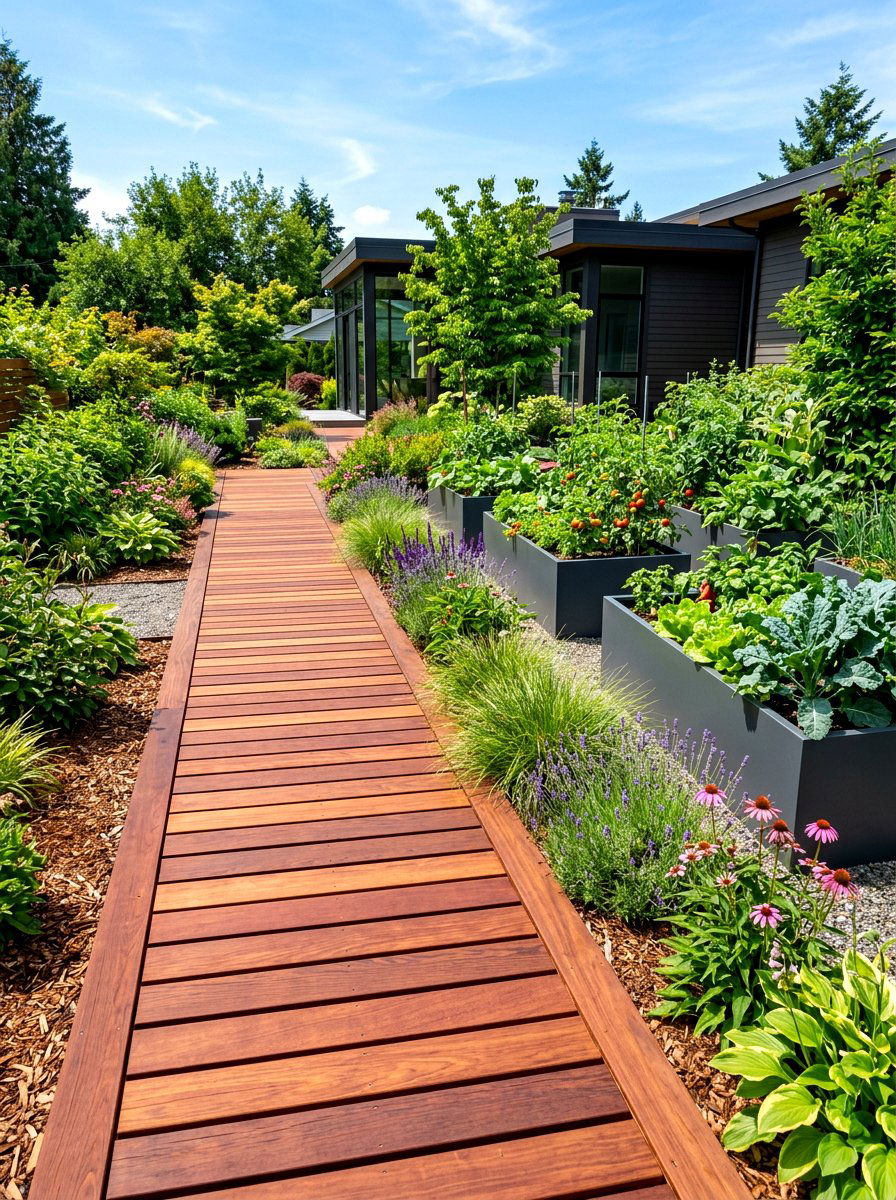
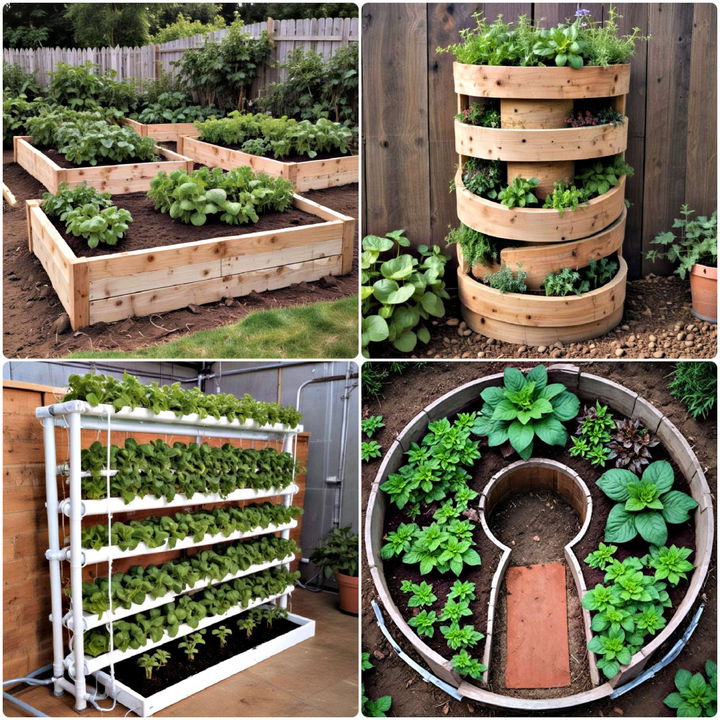
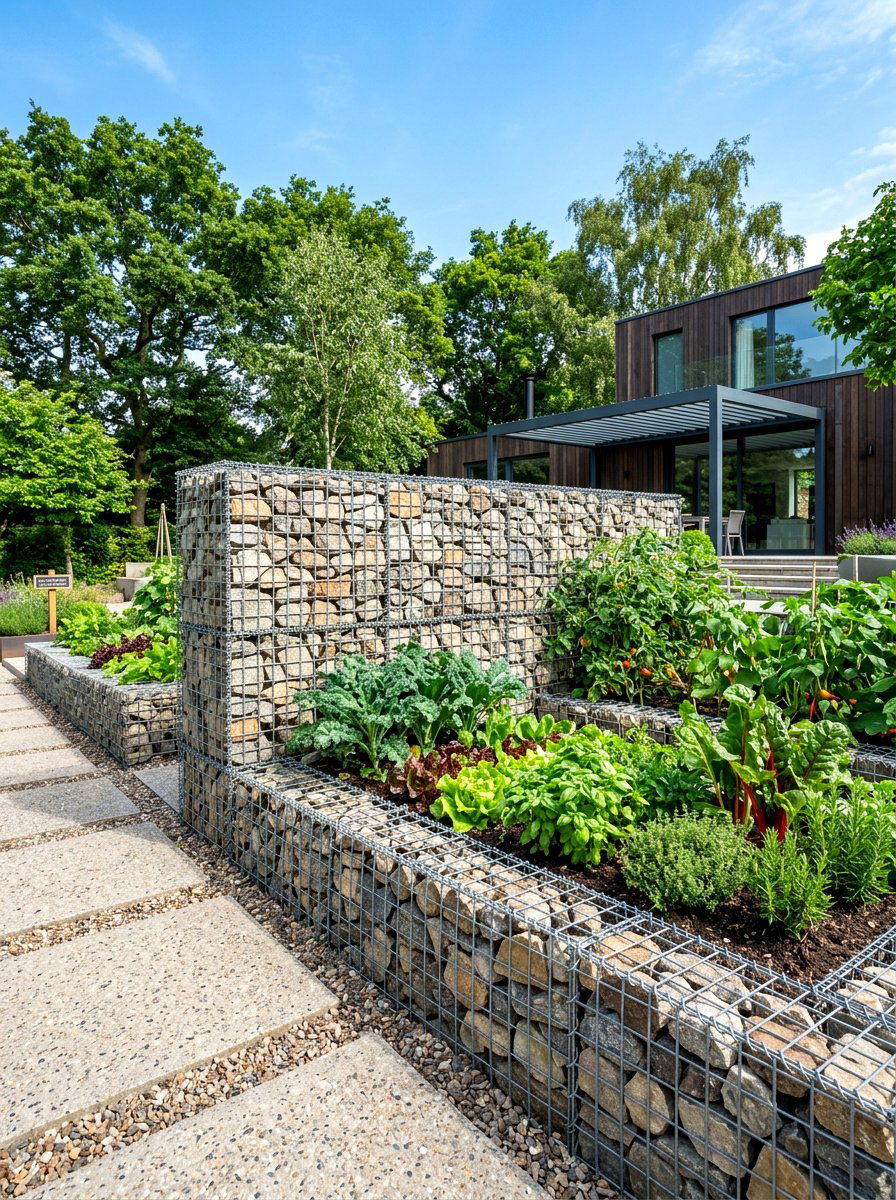
Have you ever struggled with poor soil quality or back pain while tending to your plants? A raised bed garden offers a perfect solution by elevating your growing area above the natural ground level. These structures are typically built from cedar or stone and filled with high-quality organic compost and topsoil. This setup provides excellent drainage and allows the soil to warm up faster during the early spring months. Because you are not stepping on the soil, it remains loose and airy, which is ideal for root development. You can easily manage weeds and pests within these defined borders, making your gardening experience much more organized and highly productive throughout the entire growing season.
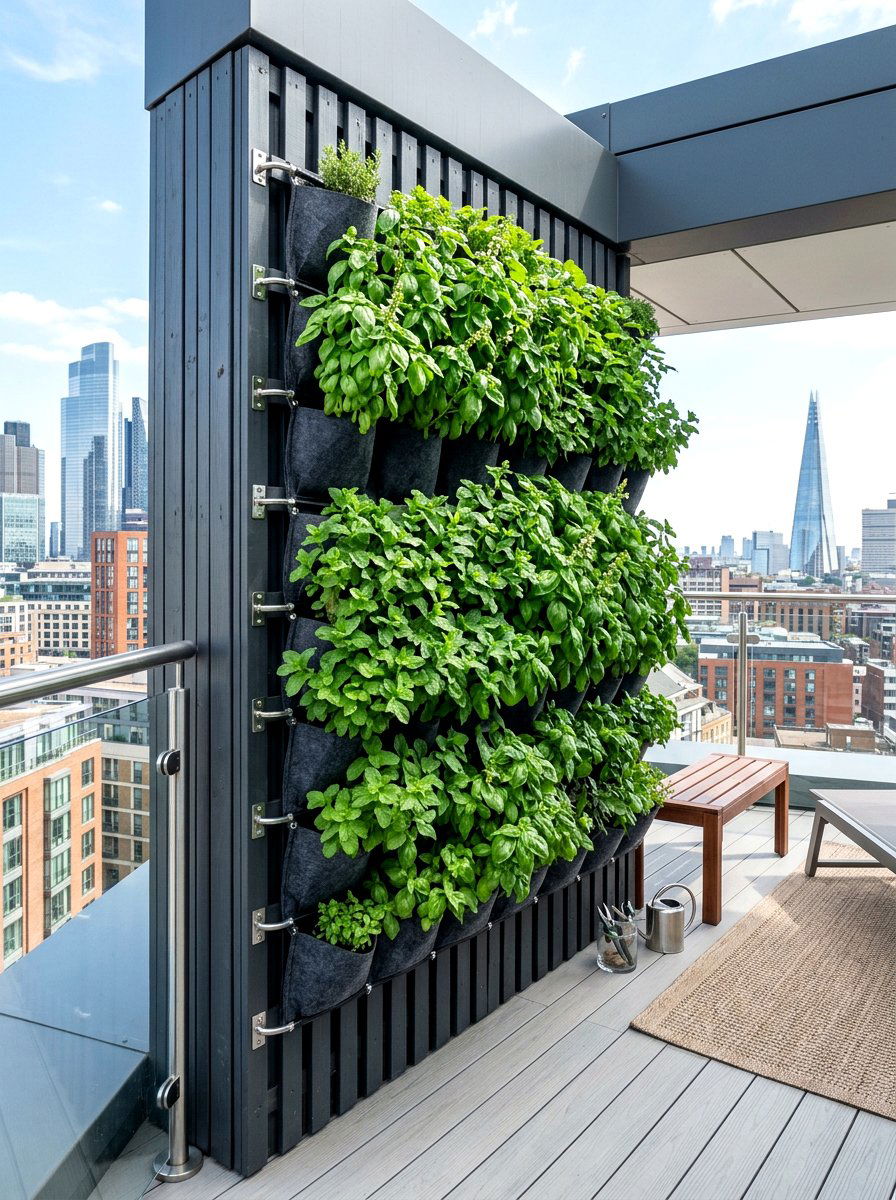
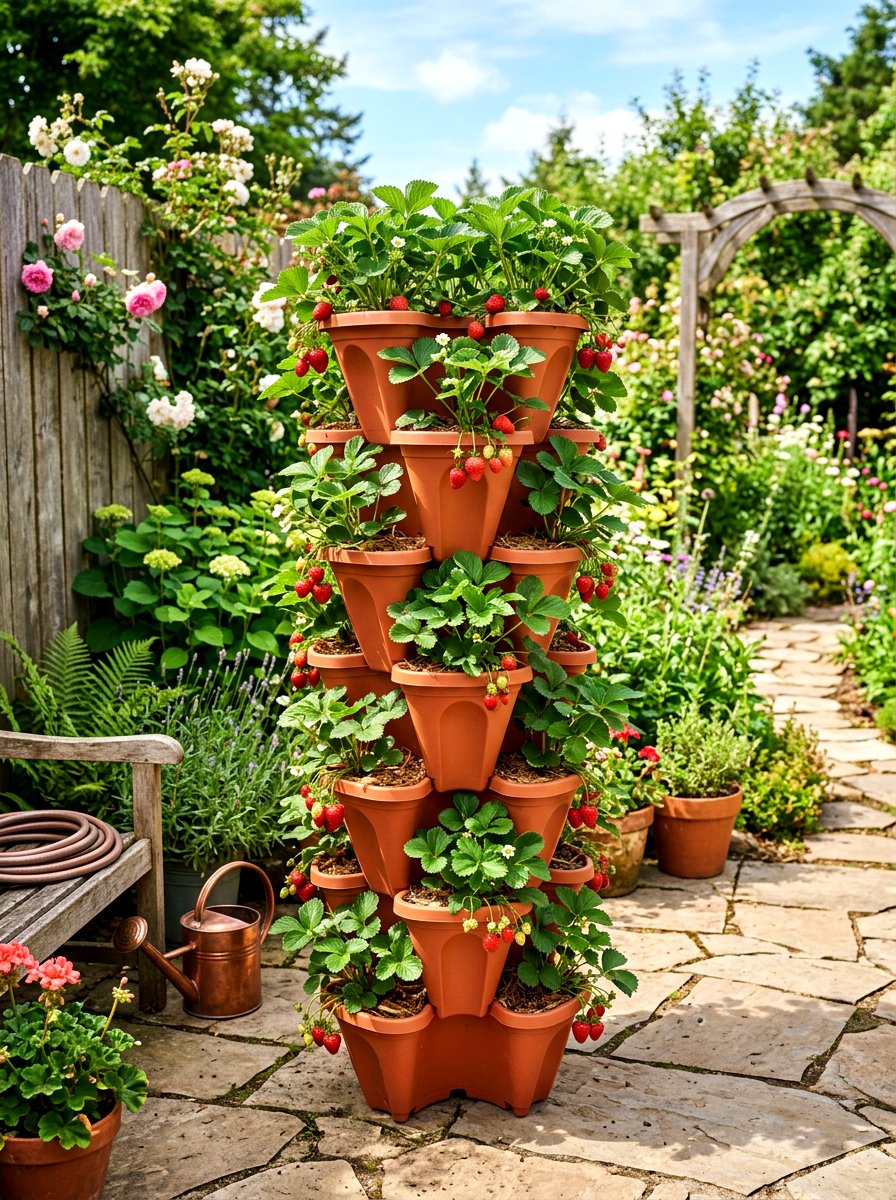
2. Vertical Vegetable Garden
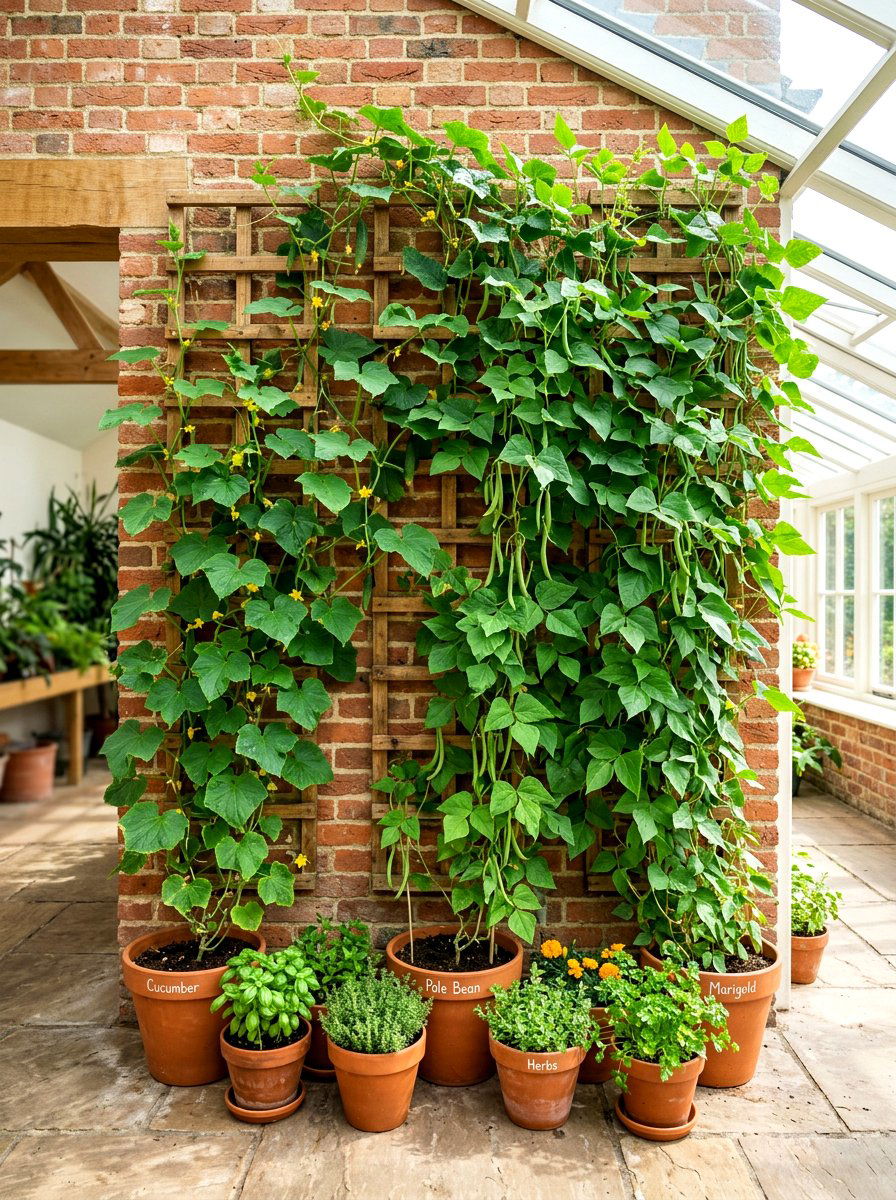
What if you could grow a massive amount of food using only a sliver of ground space? A vertical vegetable garden utilizes walls, fences, and specialized towers to move your harvest upward rather than outward. This approach is fantastic for small urban spaces or balconies where every square inch matters. By using trellises, hanging pockets, or stacked planters, you can cultivate vining crops like cucumbers, pole beans, and even certain types of small squash. Vertical systems improve air circulation around your plants, which naturally reduces the risk of fungal diseases. It also makes harvesting much easier since your vegetables are at eye level, saving you from constant bending and reaching.
3. Container Vegetable Garden
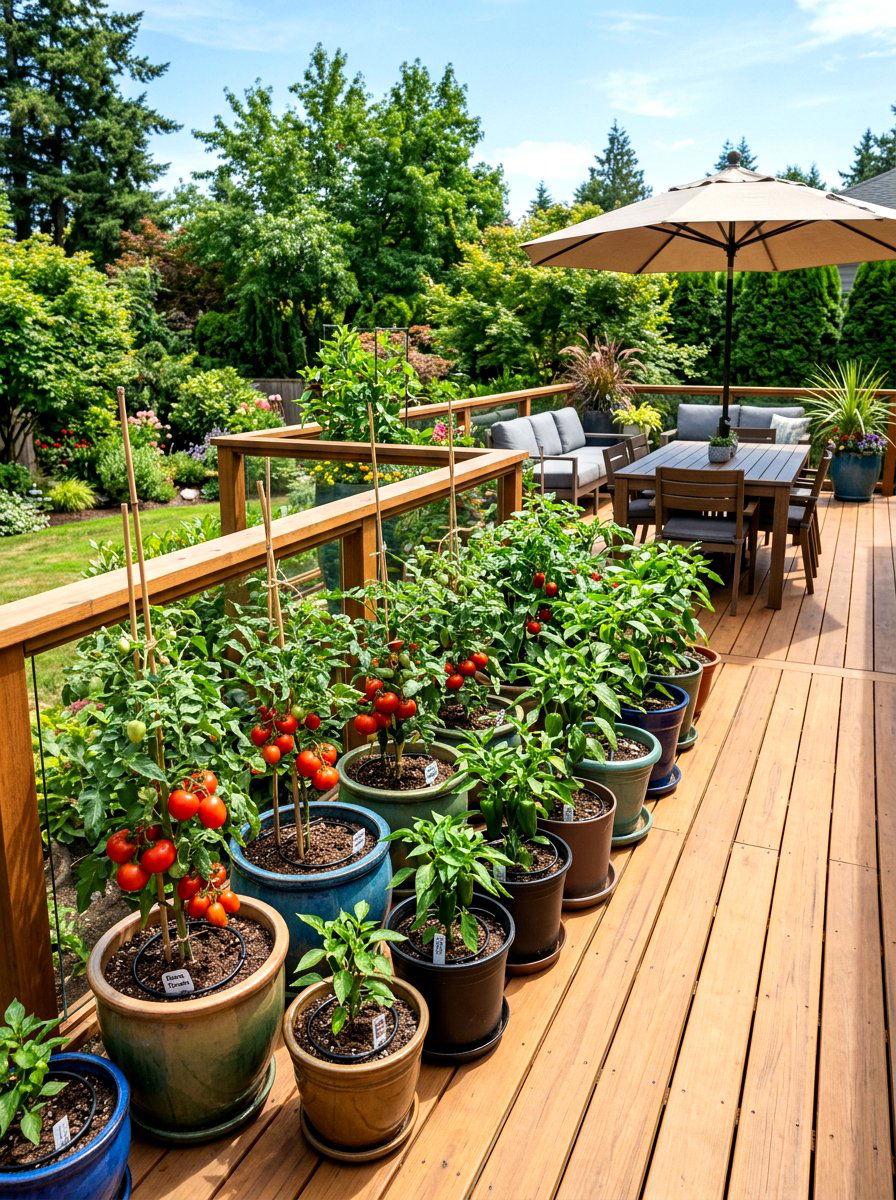
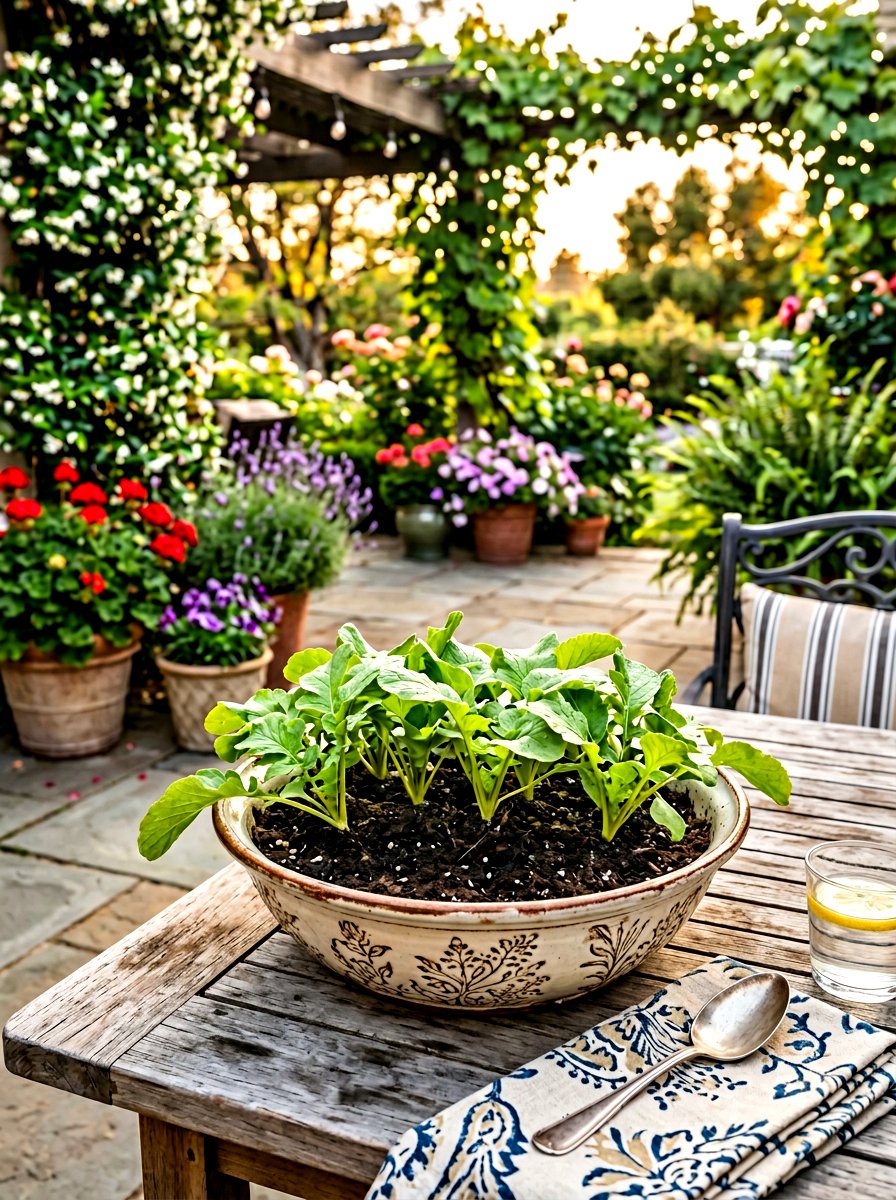
Are you looking for a flexible way to grow fresh produce without committing to a permanent garden plot? A container vegetable garden allows you to plant almost anything in pots, buckets, or decorative barrels. This method is incredibly versatile because you can move your plants around to follow the sun or protect them from harsh weather. Large pots are perfect for tomatoes and peppers, while shallow trays work beautifully for lettuce and radishes. Using a high-quality organic potting mix ensures your plants get the nutrients they need without the risk of soil-borne pests. It is an excellent choice for renters or anyone with limited outdoor space who wants a portable harvest.
4. Companion Planting Layout
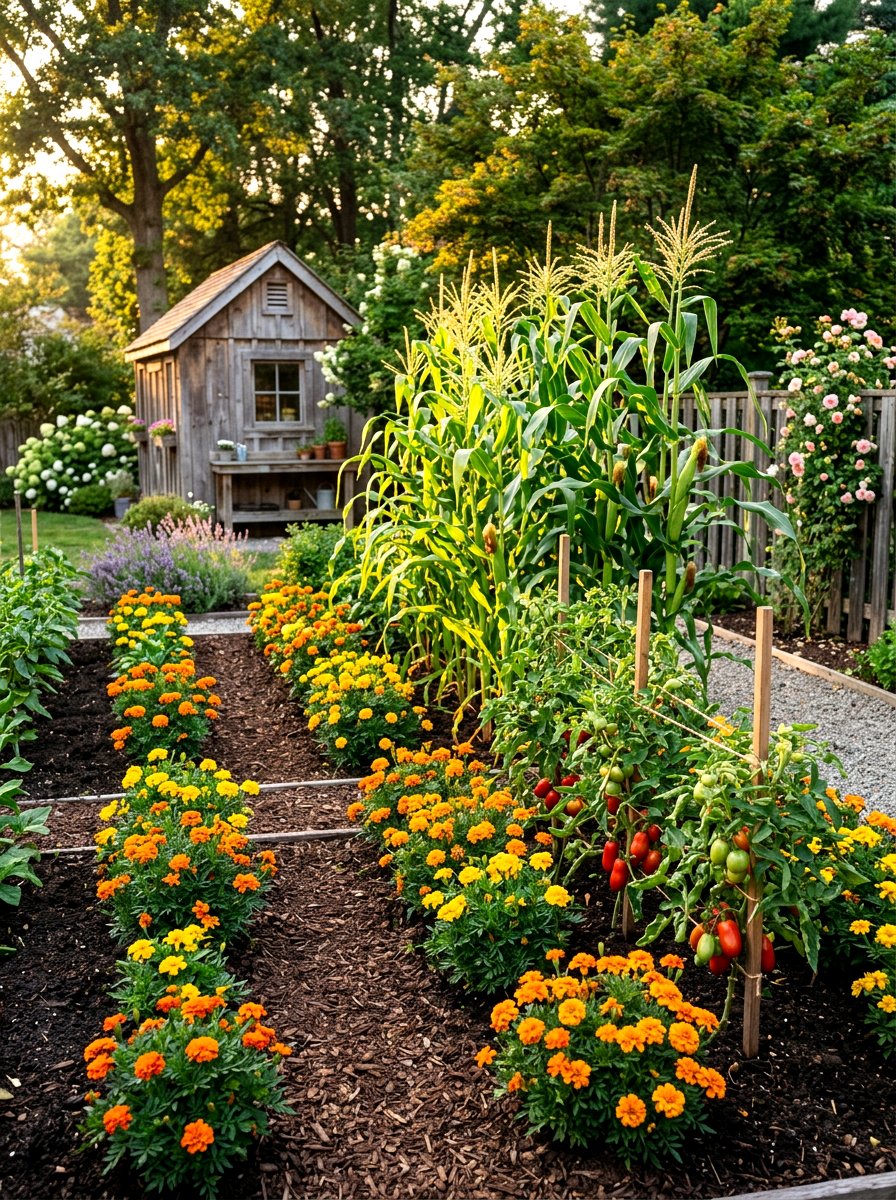
Did you know that certain plants can actually help each other grow better when placed side by side? A companion planting layout is a strategic organic method that uses natural relationships to deter pests and improve yields. For example, planting marigolds near tomatoes can help repel harmful nematodes, while basil can improve the flavor of your tomato harvest. Tall plants like corn can provide shade and support for climbing beans, creating a mini-ecosystem in your backyard. This style of gardening mimics nature by increasing biodiversity and reducing the need for chemical interventions. It creates a beautiful, bustling garden filled with various textures and colors that support local pollinators.
5. Keyhole Garden
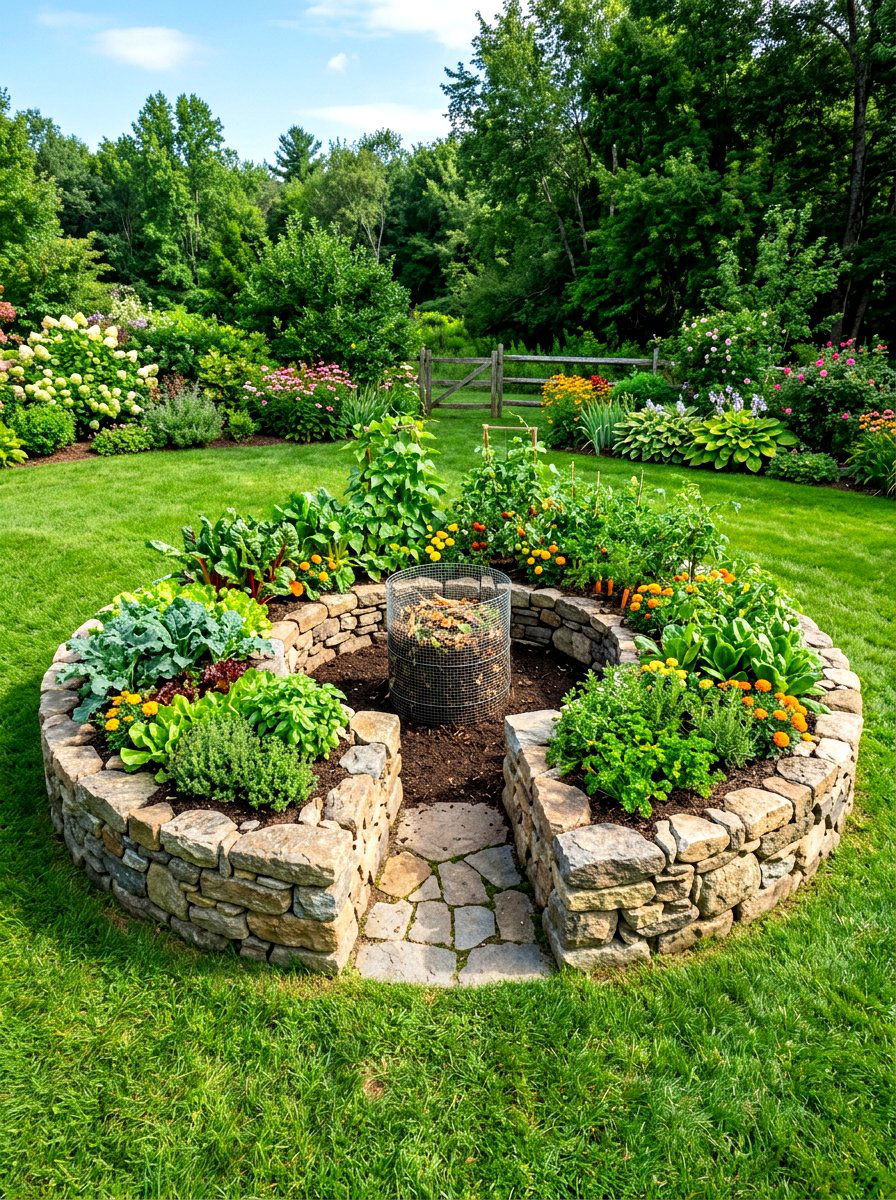
Have you seen the clever design of a keyhole garden that combines composting and growing in one circular structure? This African-inspired garden features a central composting basket surrounded by a raised planting bed with a small notch for access. As you add kitchen scraps and water to the center, nutrients slowly leach into the surrounding soil, feeding your vegetables directly at the root level. This self-fertilizing system is incredibly efficient and sustainable, making it perfect for areas with poor soil or limited water resources. The circular shape holds moisture exceptionally well and looks like a beautiful focal point in any landscape. It is a brilliant example of functional, permaculture-based design.
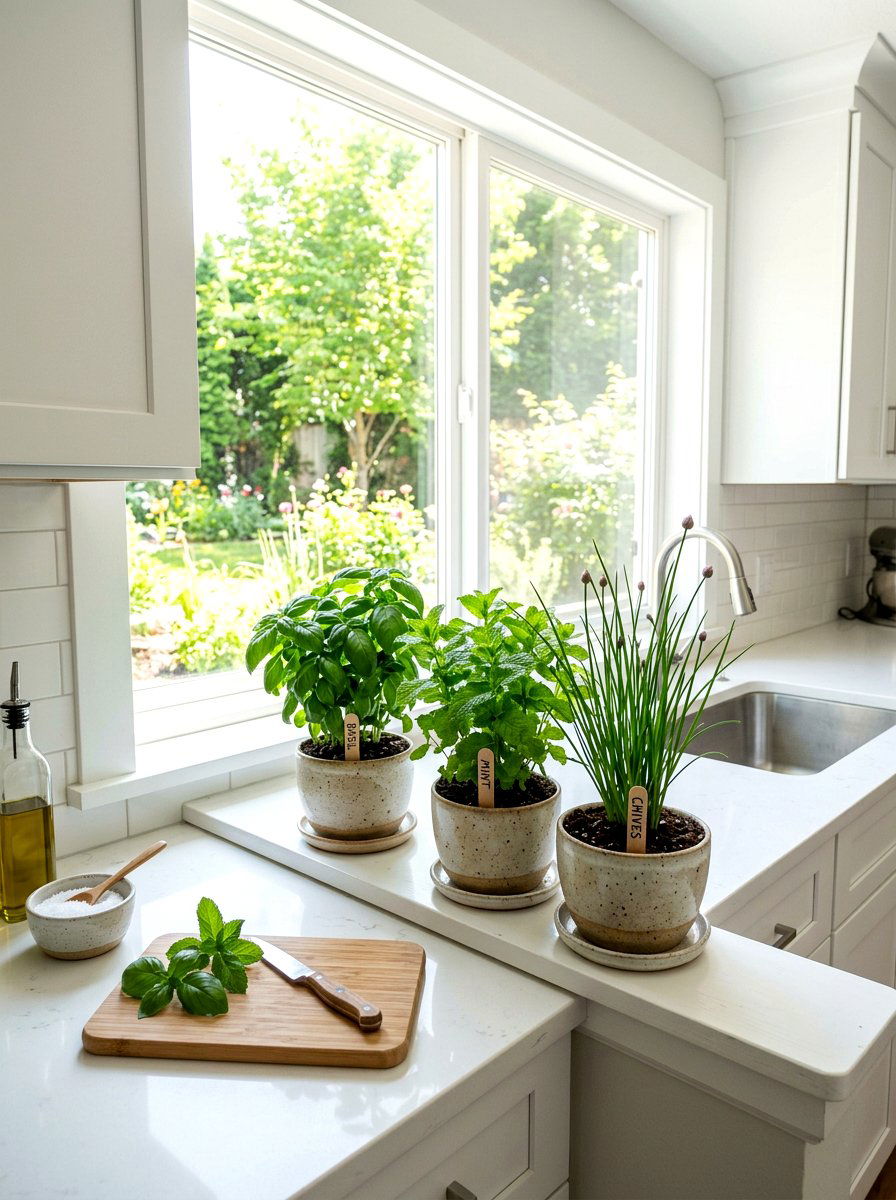
6. Kitchen Herb Garden
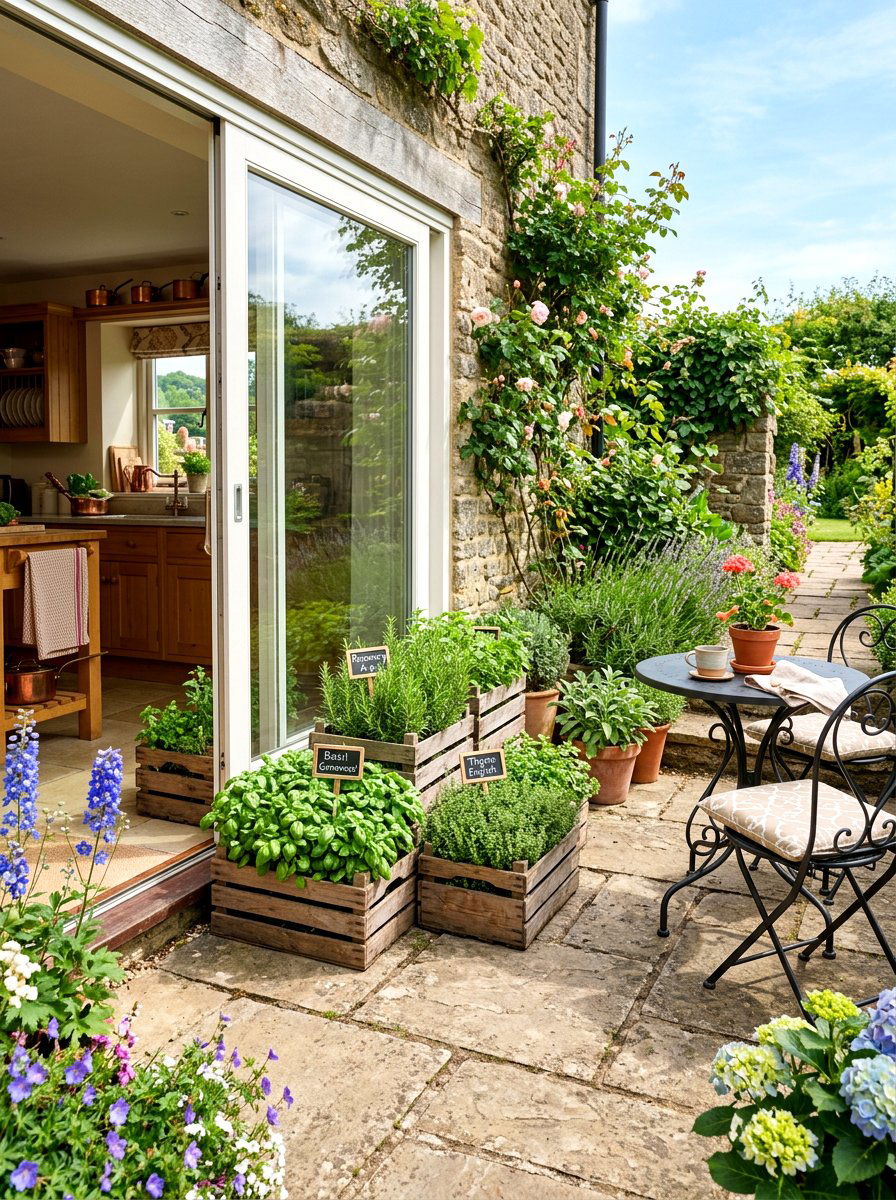
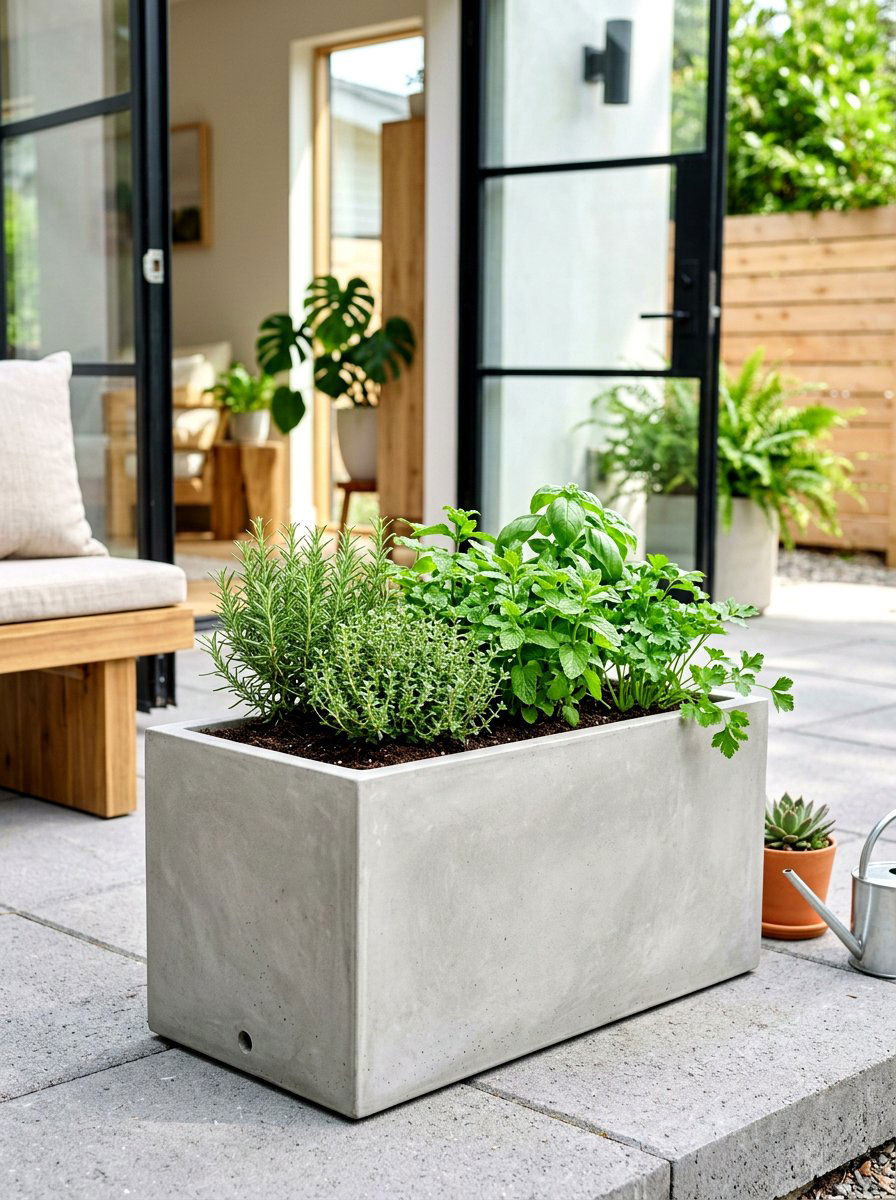
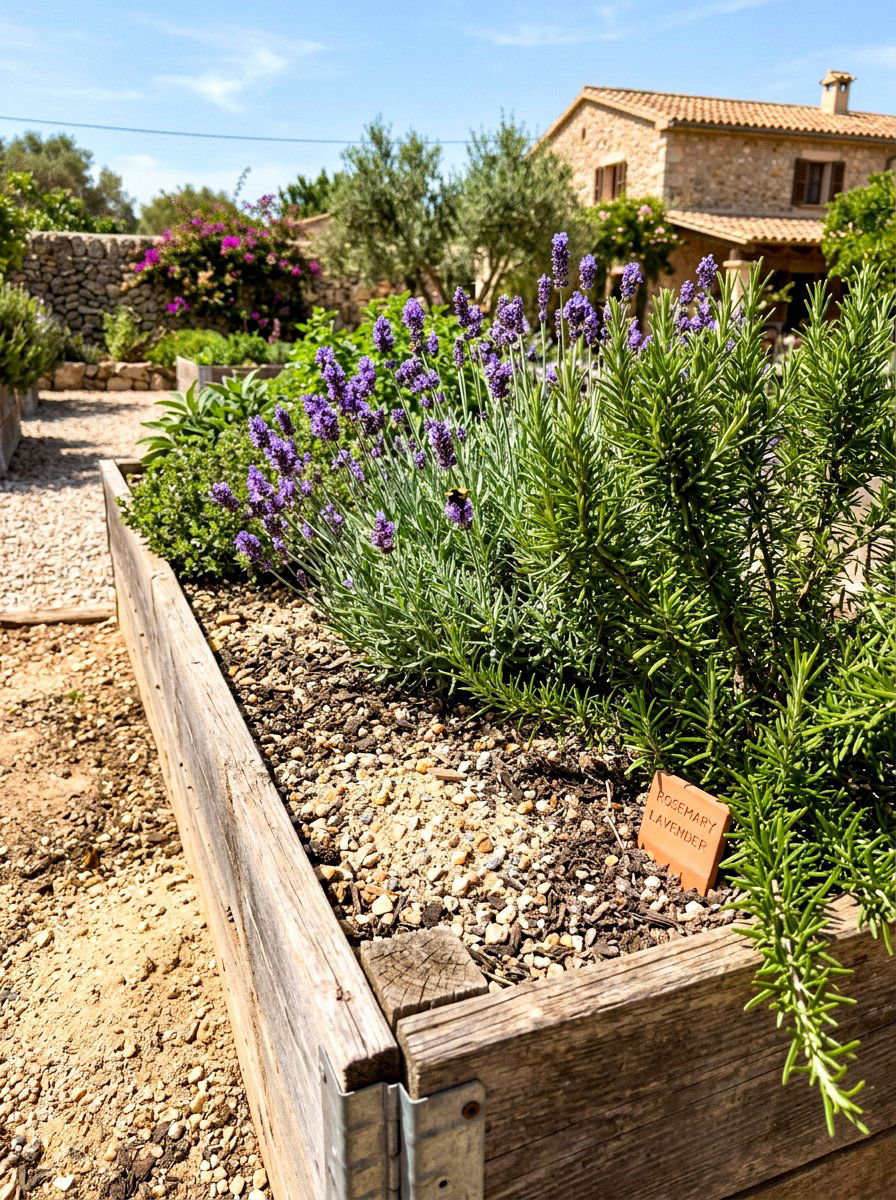
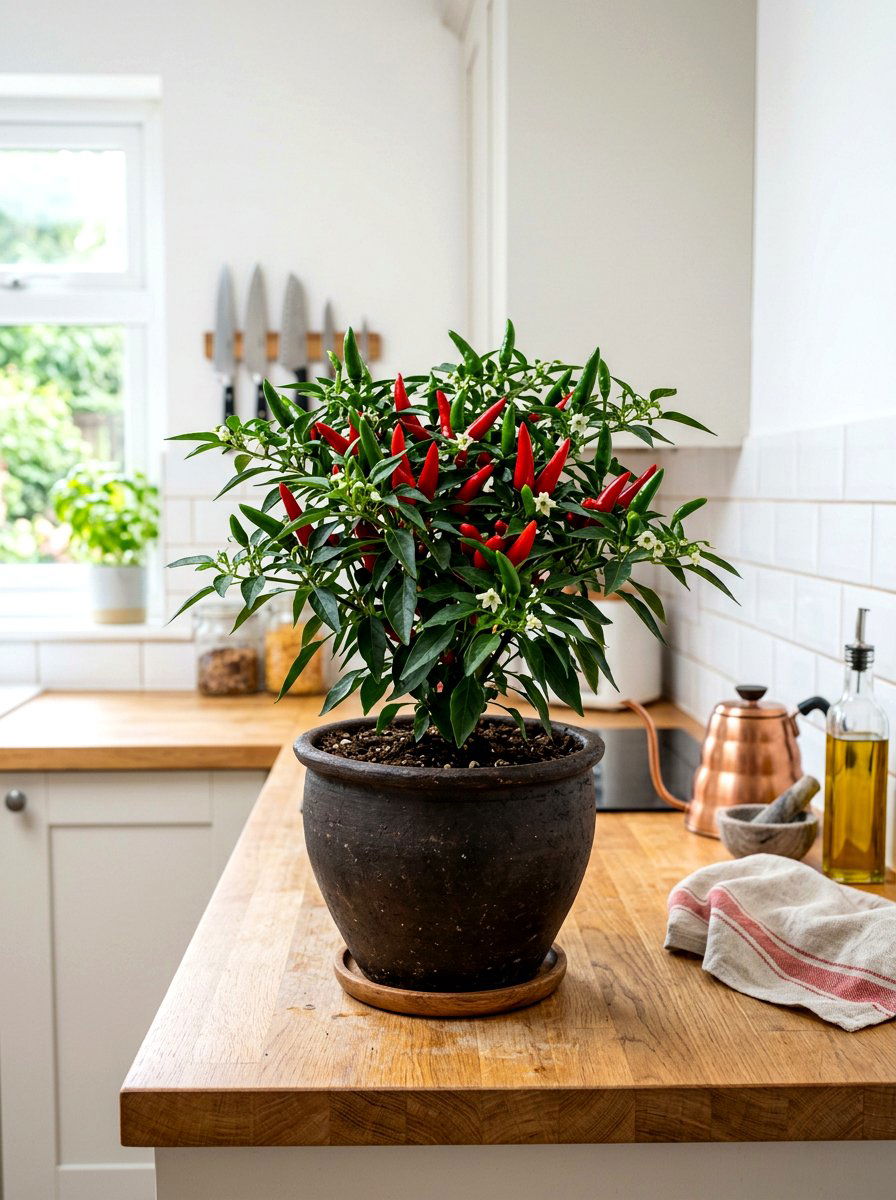
Imagine stepping just a few feet away from your stove to snip fresh basil or rosemary for your evening meal. A kitchen herb garden is designed for ultimate convenience and is typically located right outside the back door or on a sunny windowsill. These gardens focus on high-rotation plants like parsley, chives, mint, and thyme that you use frequently in your daily cooking. By keeping them close to the house, you are much more likely to maintain and use them regularly. These plants often have delightful scents that enhance your outdoor living area. A dedicated herb space ensures you always have organic, flavorful additions ready to elevate your culinary creations.
7. Greenhouse Vegetable Garden
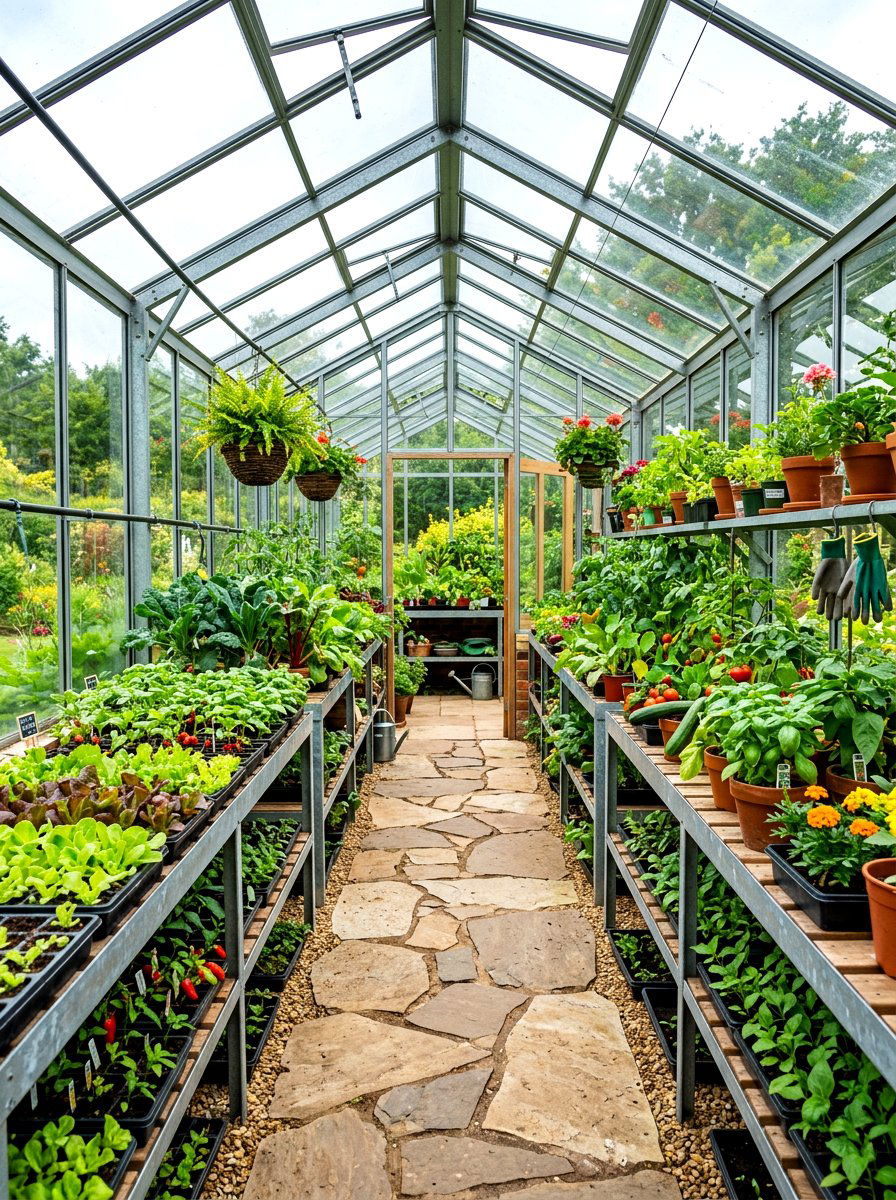
Would you like to enjoy fresh, organic vegetables even when the ground is covered in frost or snow? A greenhouse vegetable garden provides a controlled environment that extends your growing season significantly by trapping solar heat. You can start your seeds much earlier in the spring and keep hardy greens growing well into the late autumn months. This structure protects delicate plants from extreme wind, heavy rain, and hungry garden pests that might otherwise destroy your hard work. Inside, you can set up benches or tiered shelving to maximize the vertical space. It is a dream setup for serious gardeners who want to achieve year-round food production in any climate.
8. Square Foot Gardening
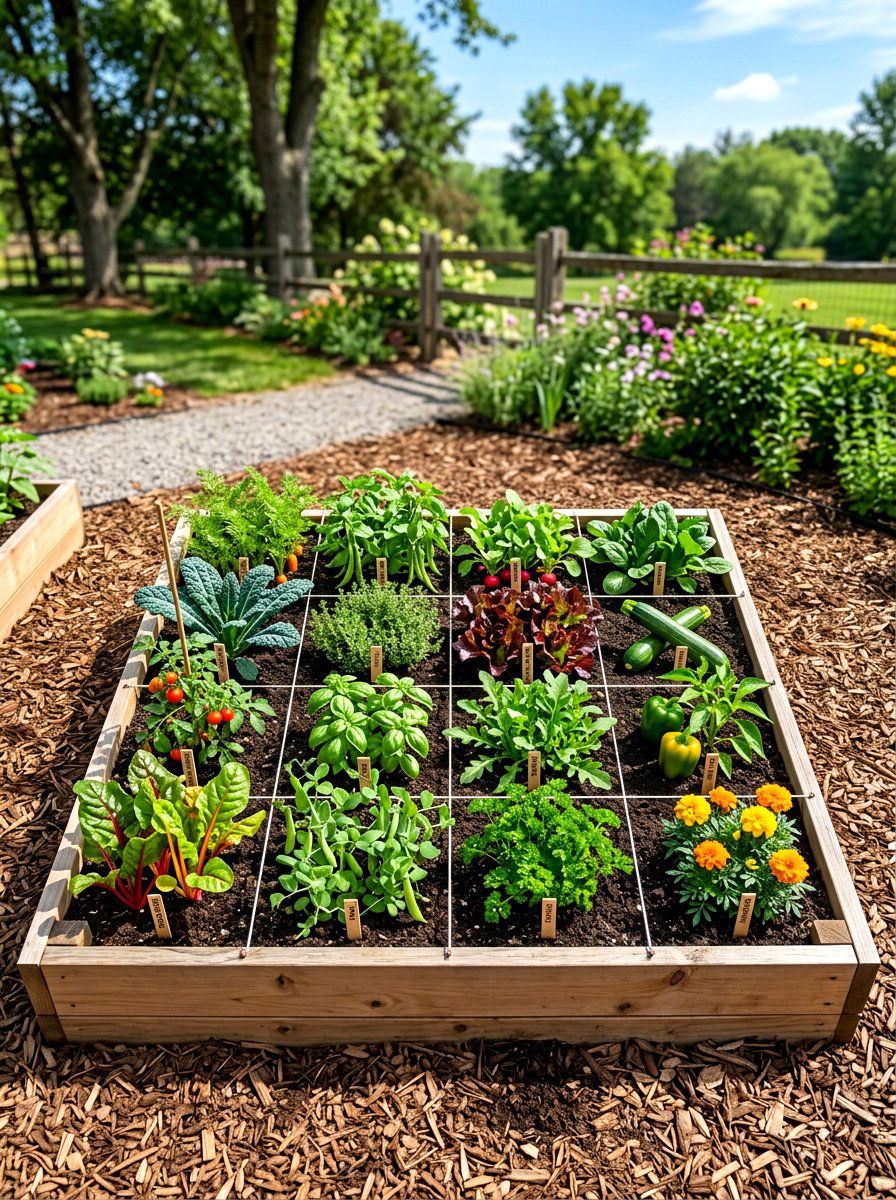
Are you tired of wasting space and seeds in long, traditional rows that are difficult to manage? Square foot gardening is a highly organized system where you divide your garden beds into a grid of one-foot squares. Each square is planted with a specific number of plants based on their size, ensuring that every inch of soil is utilized efficiently. This method drastically reduces the amount of weeding required because the plants eventually form a dense canopy that shades out unwanted growth. It is perfect for beginners because it provides a clear, easy-to-follow plan for spacing and crop rotation. You can grow a surprisingly large variety of food in a very small area.
9. Edible Landscaping
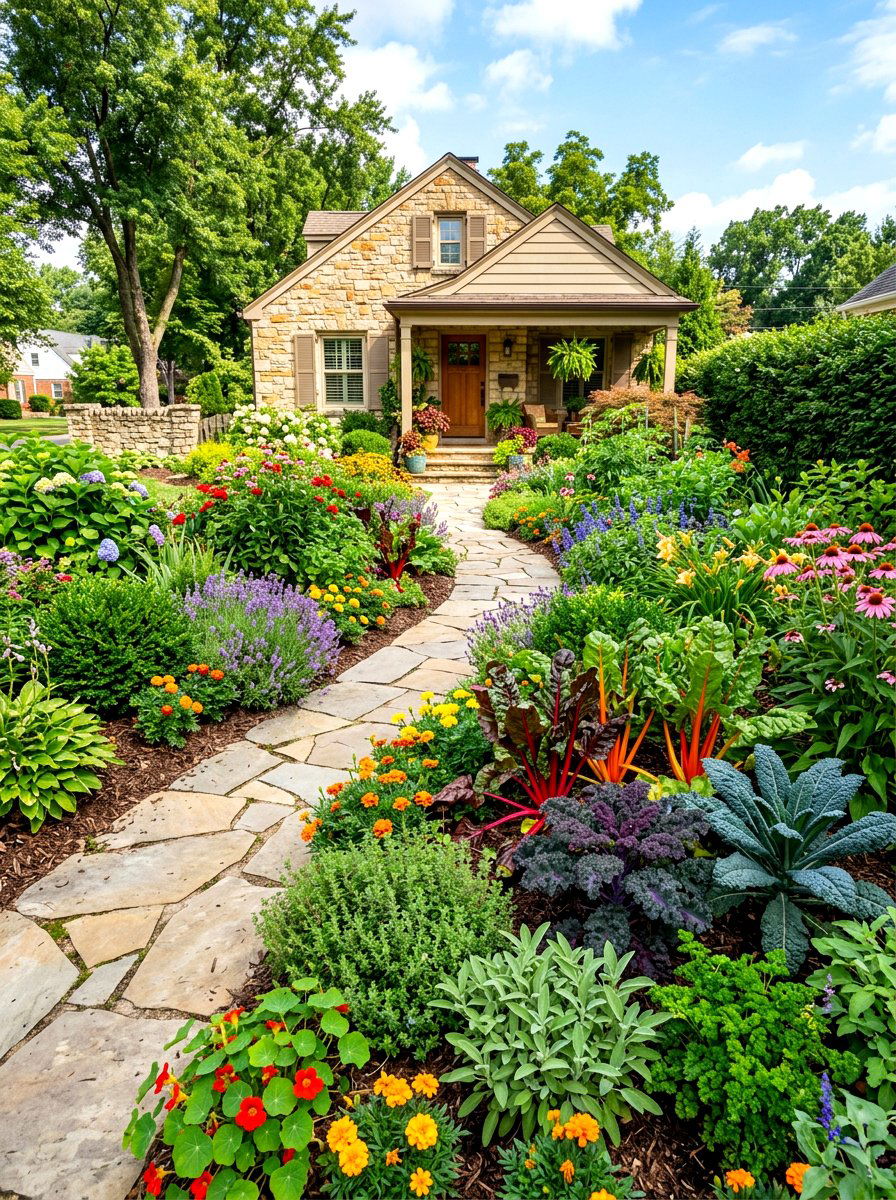
Why settle for a purely ornamental yard when you can integrate food production directly into your beautiful flower beds? Edible landscaping is the art of replacing traditional shrubs and flowers with attractive vegetable varieties and fruit-bearing plants. You can use colorful kale as a border, tuck red-veined Swiss chard among your perennials, or grow blueberry bushes as a privacy hedge. This approach makes your garden both functional and visually stunning without needing a separate, hidden vegetable patch. It encourages you to walk through your garden daily and appreciate the beauty of food. Integrating edibles into your existing landscape is a sustainable way to maximize your property's productivity and charm.
10. Rooftop Vegetable Garden
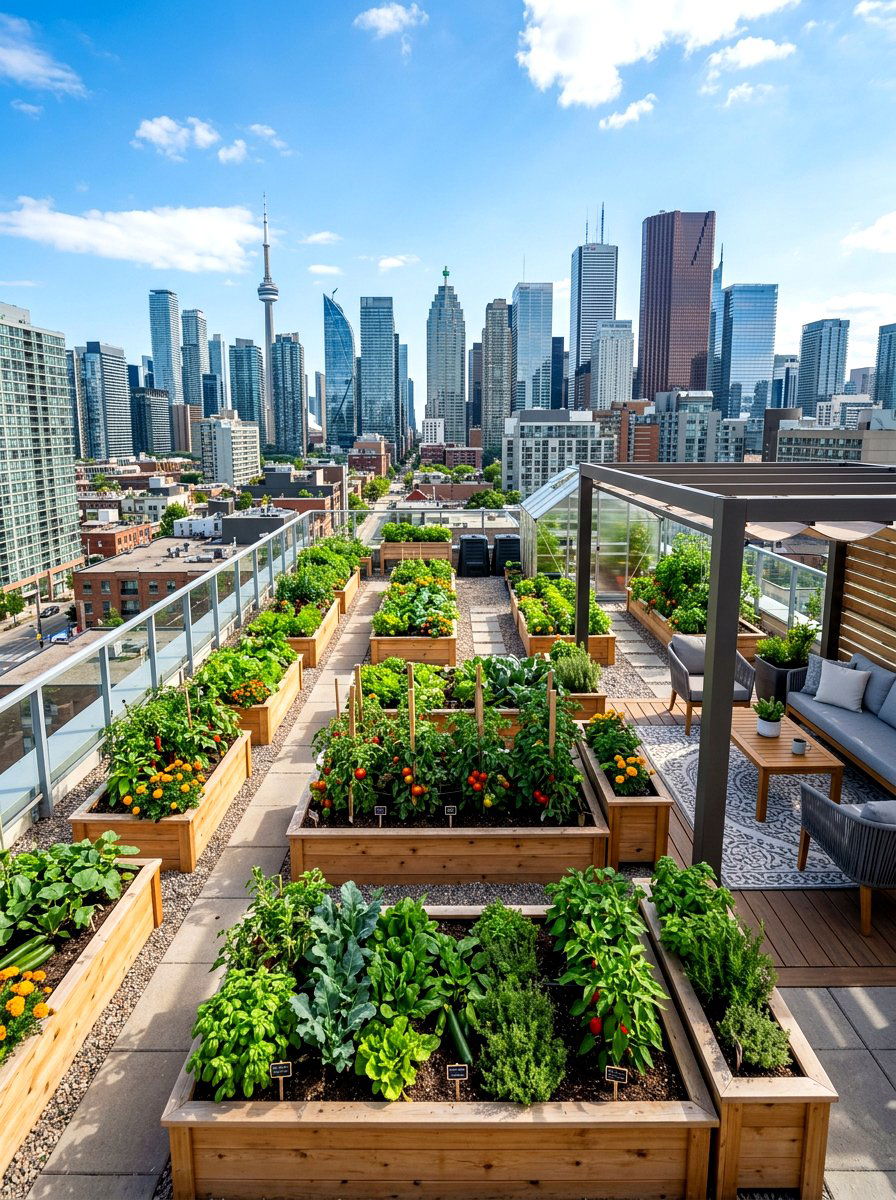
Do you live in a city and dream of having your own private green space among the tall buildings? A rooftop vegetable garden turns unused flat surfaces into thriving organic oases that help cool your building and provide fresh food. This environment usually gets plenty of sunlight, which is perfect for sun-loving crops like eggplants and peppers. You will need to use lightweight containers and a specialized soil mix to manage the weight load on the structure. Wind protection and consistent watering are essential in these elevated spots. Growing your own food on a roof is a powerful way to practice urban agriculture and enjoy a peaceful escape from the busy city life.
11. Tiered Garden Bed
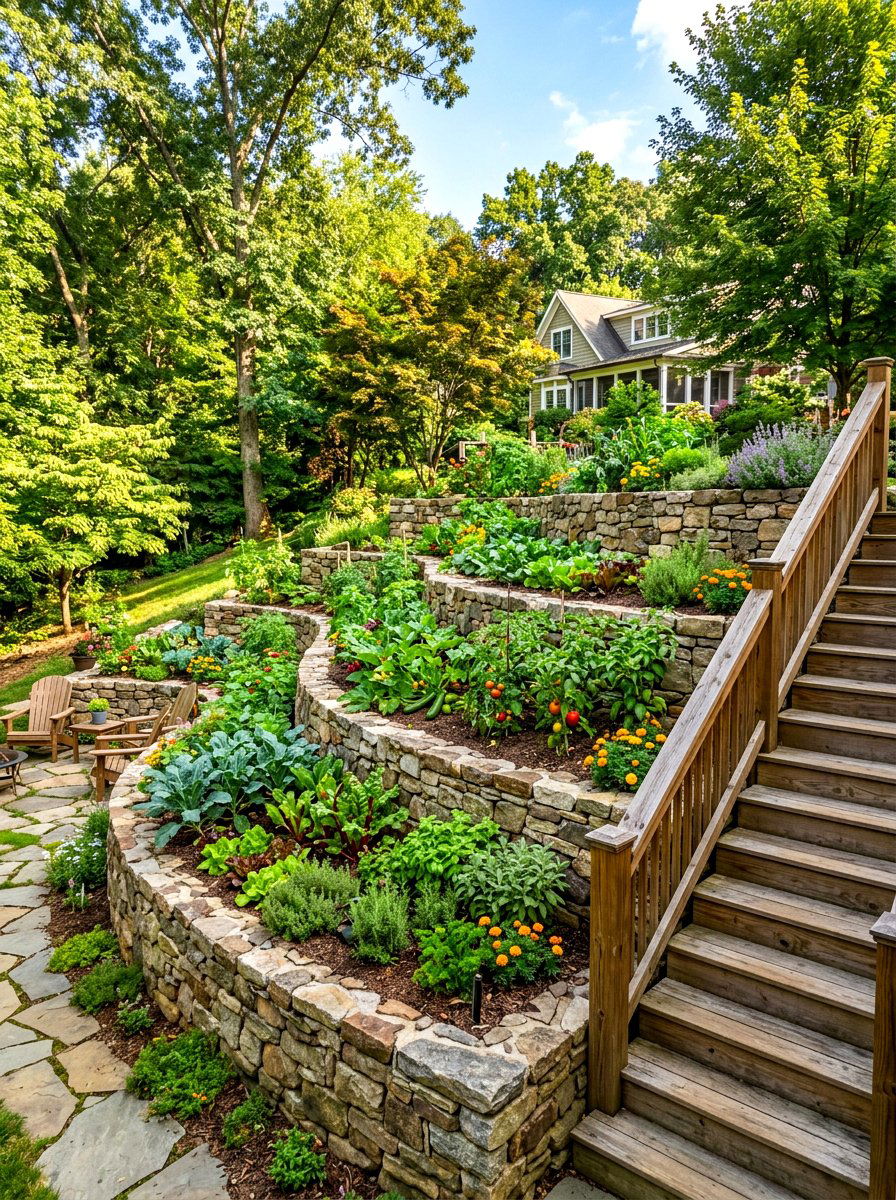
Have you ever wondered how to make a sloped yard more productive and easier to navigate for gardening? A tiered garden bed uses a series of stepped levels to create flat planting areas on uneven terrain, preventing soil erosion. These beds act like a staircase for your vegetables, with each level providing a unique microclimate for different types of crops. The top tiers often drain faster and stay warmer, while the bottom levels retain more moisture. This architectural design adds a lot of visual depth and structure to your backyard. It turns a difficult landscape challenge into a stunning, multi-layered harvest zone that is much easier to plant and maintain.
12. Pallet Vegetable Garden
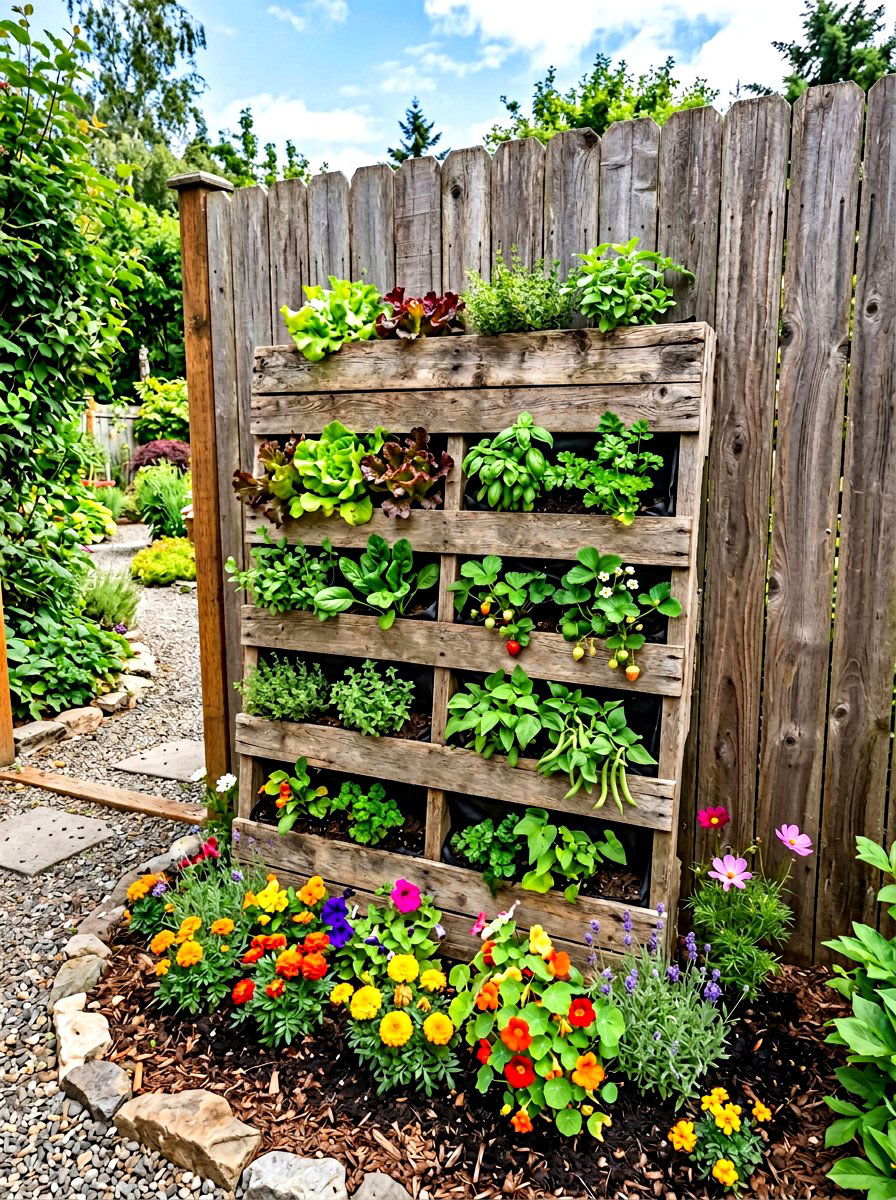
Are you looking for a budget-friendly way to start a vertical garden using recycled materials from your local area? A pallet vegetable garden repurposes old wooden shipping pallets into rustic, upright planters that are perfect for shallow-rooted crops. You simply staple landscape fabric to the back and bottom, fill the internal slots with soil, and plant through the slats. This setup is ideal for growing various types of lettuce, strawberries, and low-growing herbs. It is a fantastic project for DIY enthusiasts who want to save money while creating a unique visual feature. Just make sure the pallets are heat-treated rather than chemically preserved to keep your organic garden safe and healthy.
13. Self Watering Garden Bed
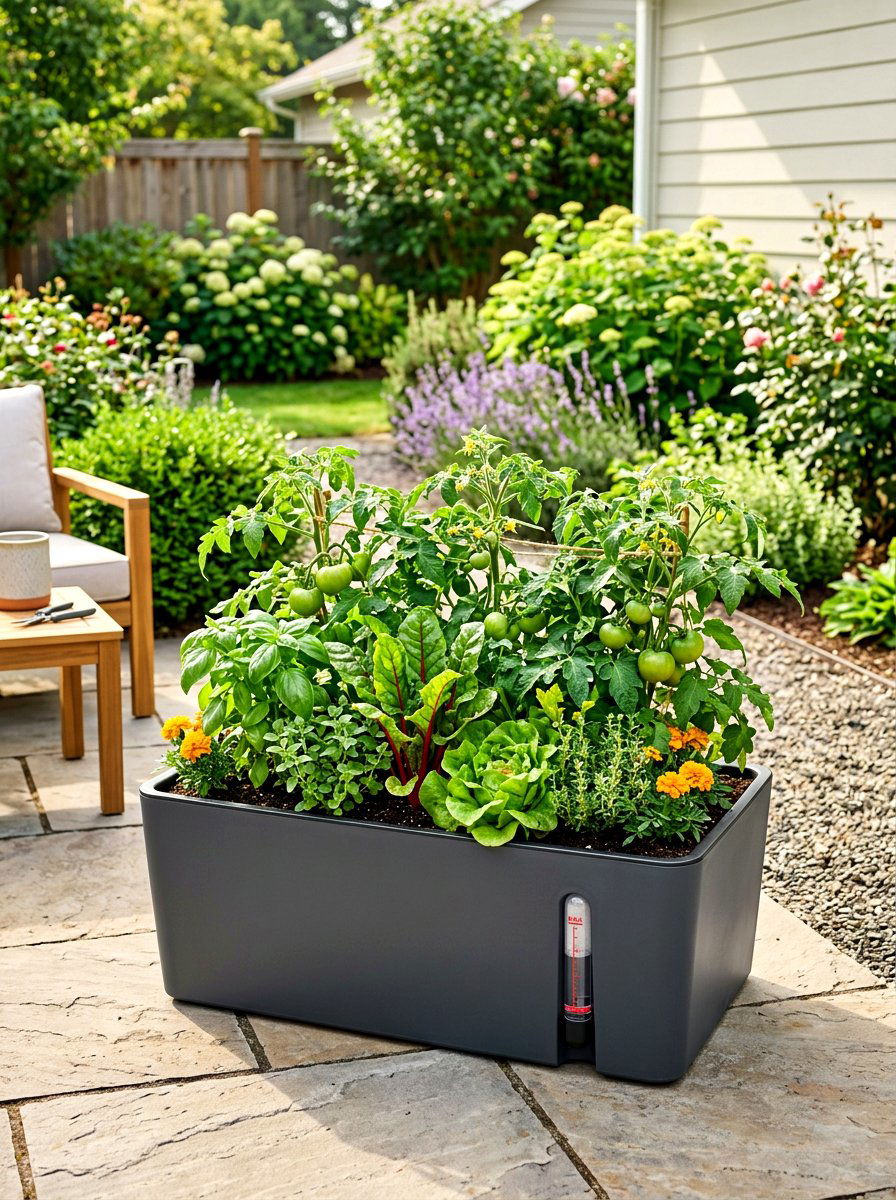
Do you worry about your plants drying out during a hot summer weekend while you are away from home? A self watering garden bed, often called a wicking bed, features a built-in reservoir at the bottom that provides consistent moisture. Water is drawn upward through the soil via capillary action, reaching the roots exactly when the plants need it most. This system is incredibly water-efficient because it significantly reduces evaporation from the surface of the soil. It is an ideal solution for busy people or those living in drought-prone regions who want to maintain a thriving garden. Your vegetables will grow faster and stay much healthier with this steady, reliable water supply.
14. Cold Frame Garden
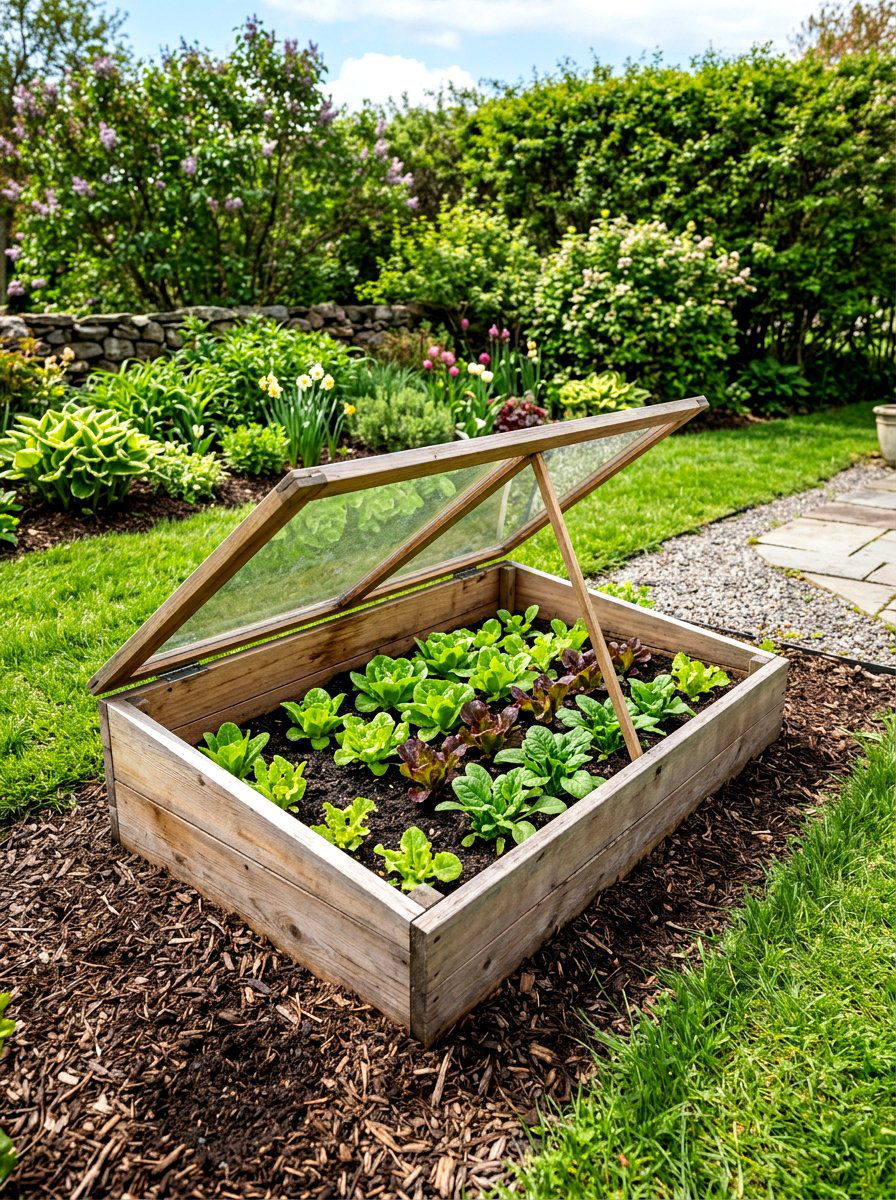
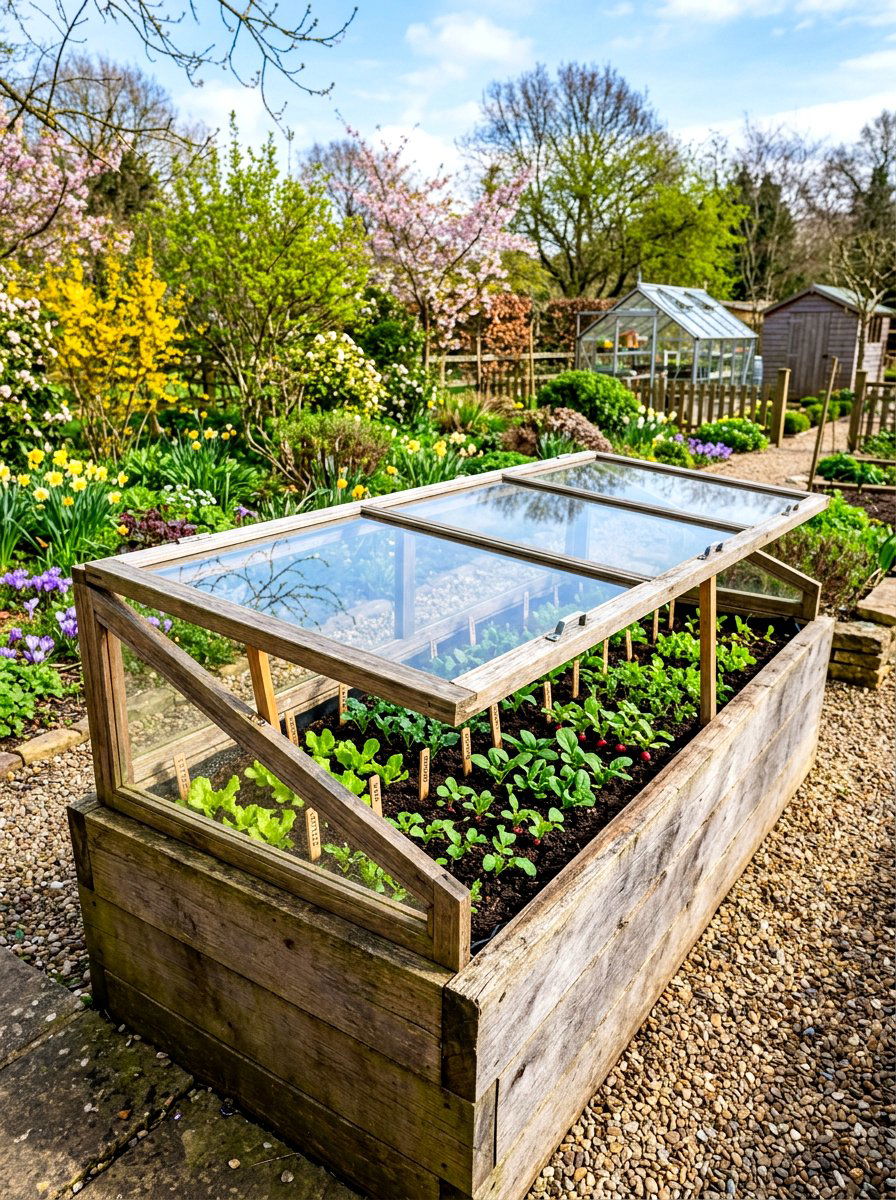
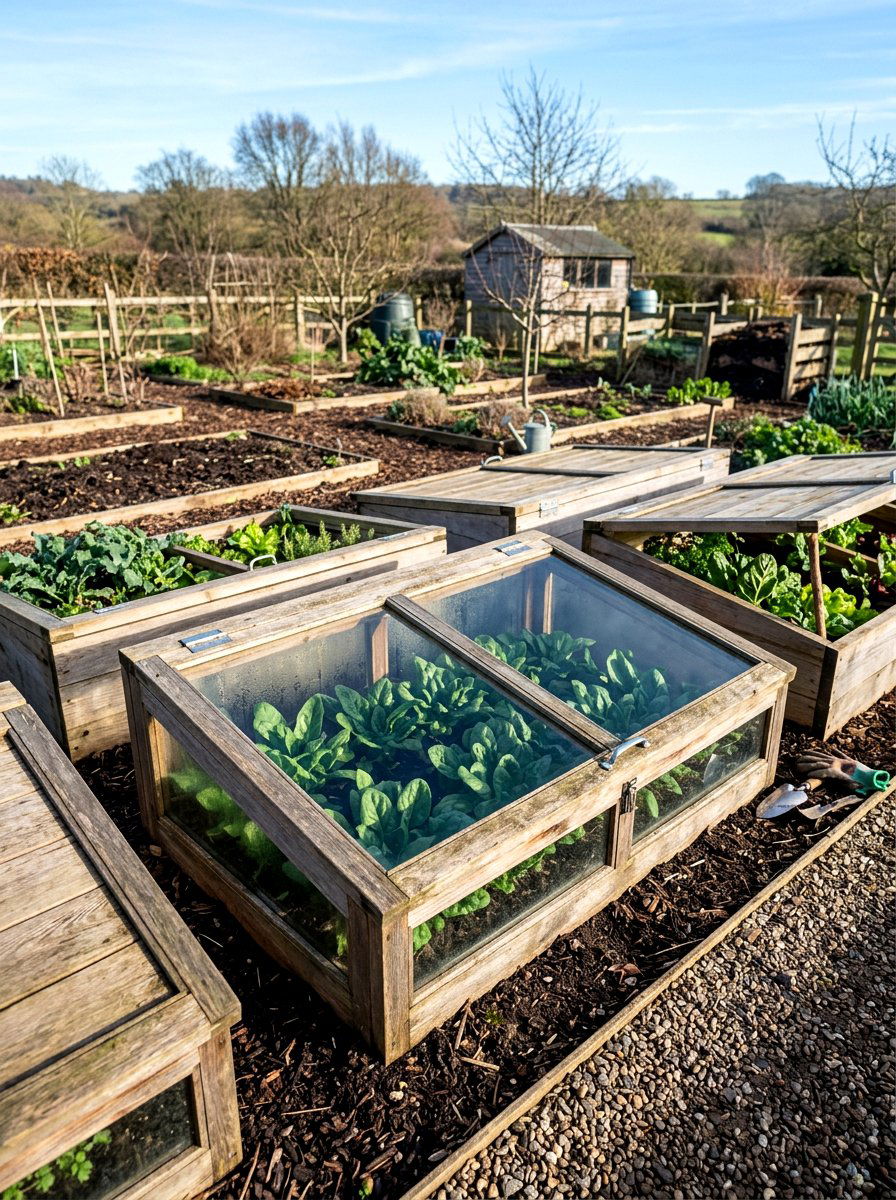
What if you could protect your young seedlings from the biting spring wind without building a full-sized greenhouse? A cold frame garden is essentially a low wooden box with a transparent glass or plastic lid that sits directly on the ground. It acts like a mini-greenhouse, protecting cool-season crops like spinach and carrots from frost while harnessing the warmth of the sun. You can easily vent the box on sunny days by propping the lid open to prevent overheating. This simple structure is one of the most effective ways to get a head start on the gardening season. It is a must-have for any organic gardener looking to maximize their yearly harvest.
15. Hoop House Garden
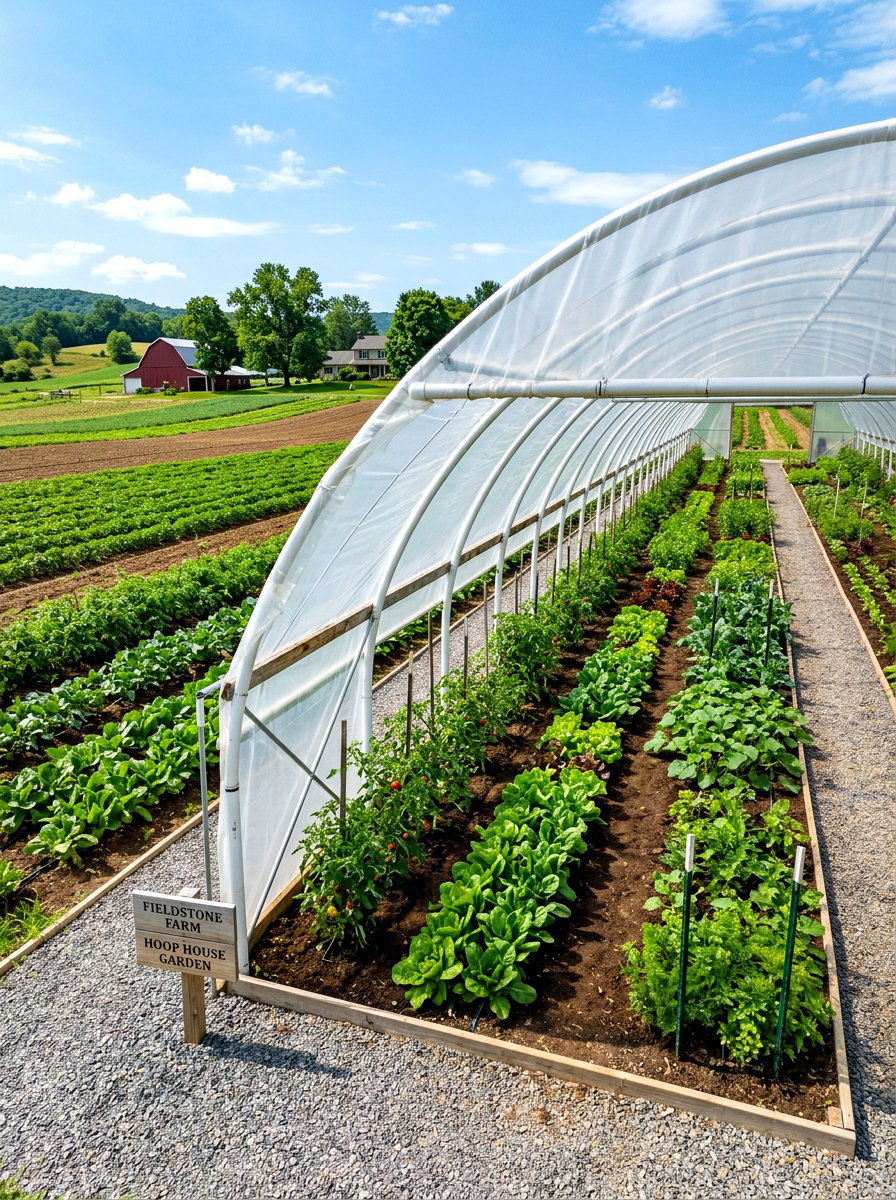
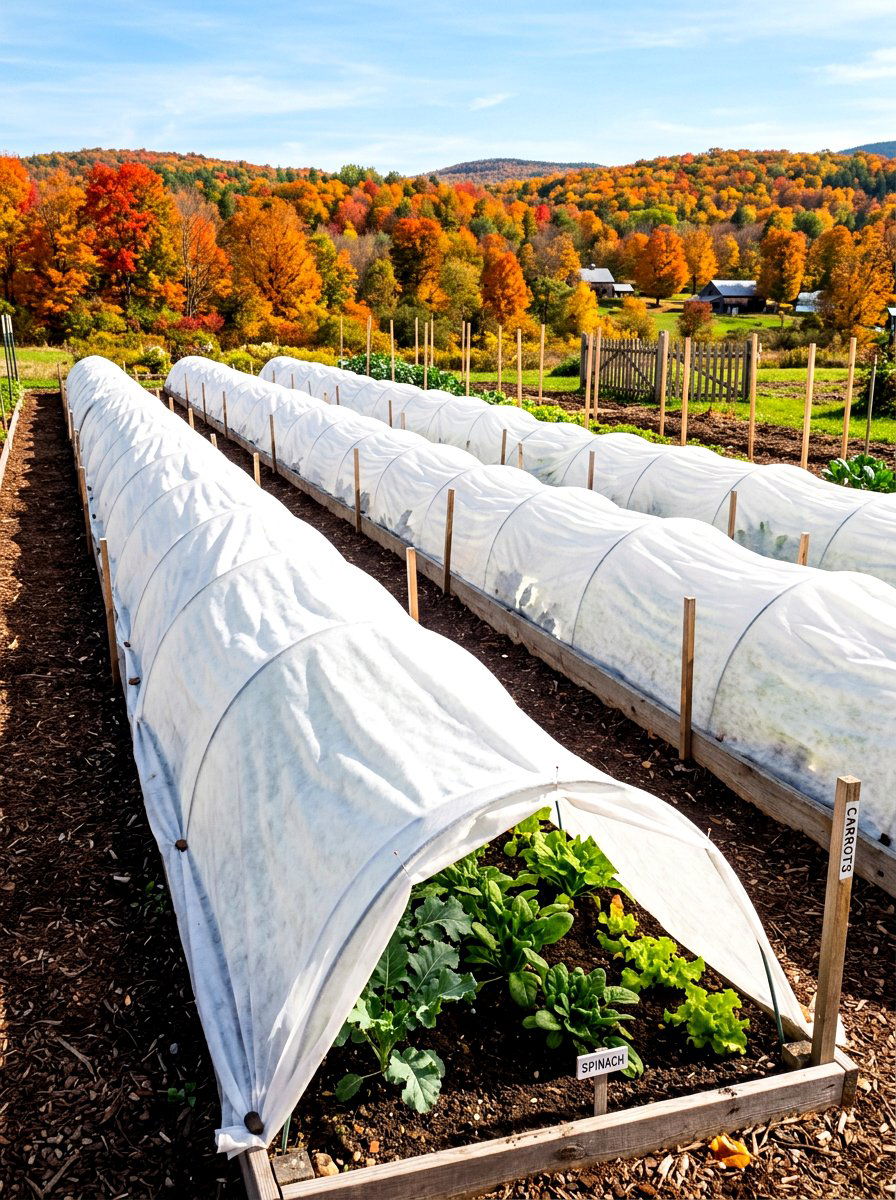
Are you searching for a temporary and affordable way to protect a large area of your garden from harsh weather? A hoop house garden uses flexible PVC or metal pipes bent into arches and covered with heavy-duty greenhouse plastic. This simple structure creates a protected tunnel that keeps your soil warm and your plants shielded from heavy rain or light snow. It is perfect for covering long rows of vegetables like tomatoes or kale to extend their productivity into the late fall. Because it is lightweight, you can easily move it to different parts of your garden each year. It is a practical and highly effective tool for any serious home food producer.
16. Potager Garden
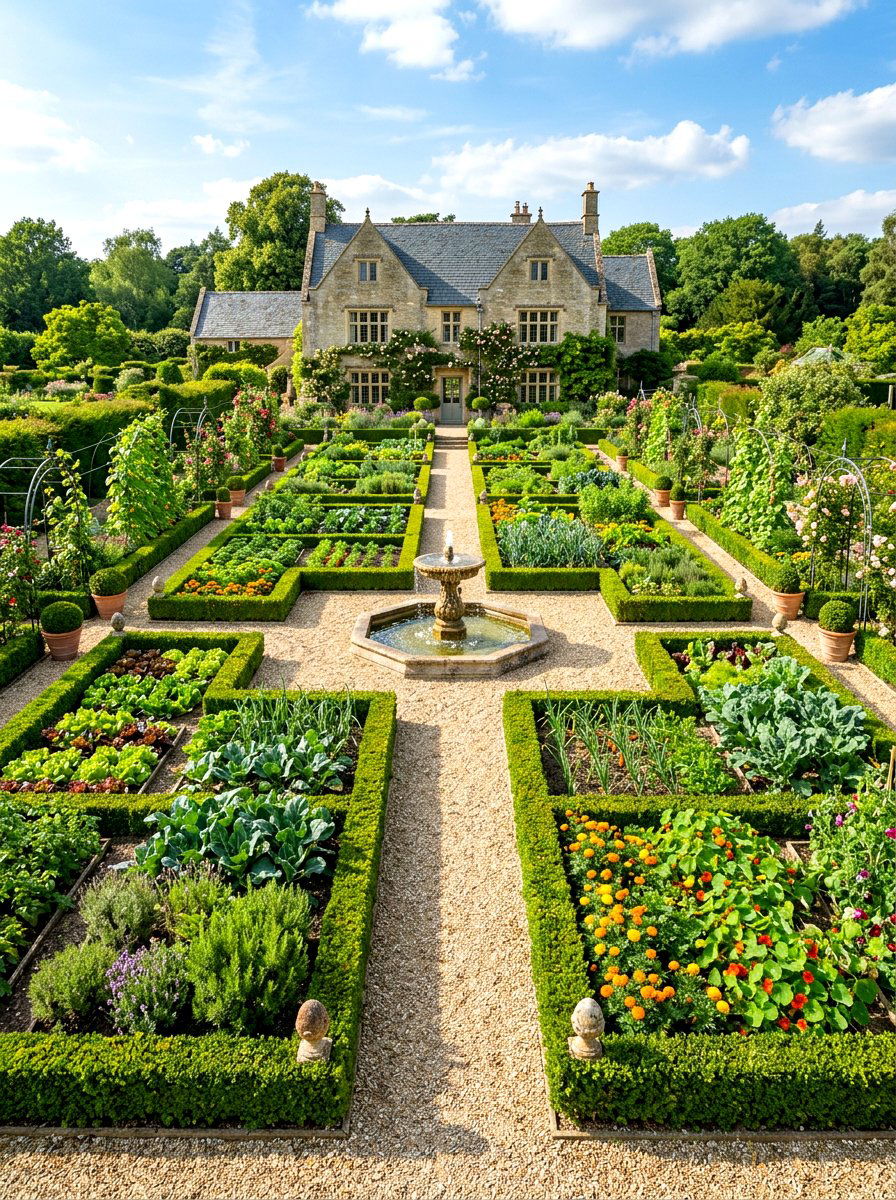
Have you ever dreamed of a garden that looks like a formal French estate but provides food for your table? A potager garden is a traditional kitchen garden that blends beauty and utility by arranging vegetables and herbs in geometric patterns. These gardens often include gravel paths, boxwood hedges, and central focal points like a birdbath or a sundial. The goal is to create a space that is as lovely to walk through as it is productive to harvest from. By mixing textures and leaf colors, you can create a living tapestry that changes throughout the seasons. It is the ultimate expression of style and sustainability for a sophisticated backyard landscape.
17. Straw Bale Garden
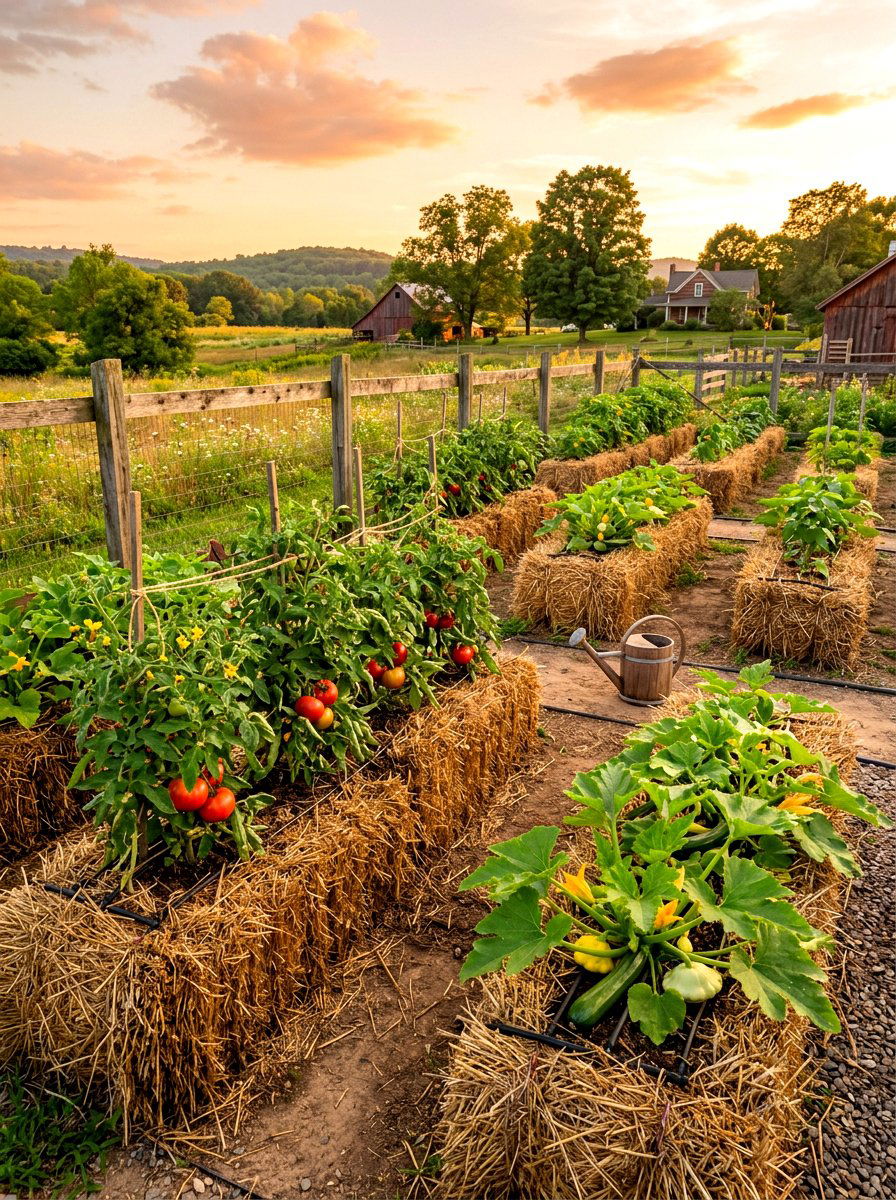
What if you could grow a garden without any soil at all and avoid the hard work of digging? A straw bale garden uses conditioned bales of straw as both the growing medium and the container for your plants. As the straw slowly decomposes from the inside, it releases heat and nutrients that help your vegetables thrive with very little maintenance. This method is perfect for areas with extremely poor soil or for people who have difficulty bending down to ground level. Once the season is over, the remaining straw makes excellent compost for your other garden beds. It is an innovative, low-cost way to grow a huge amount of organic produce.
18. Hydroponic Vegetable Garden
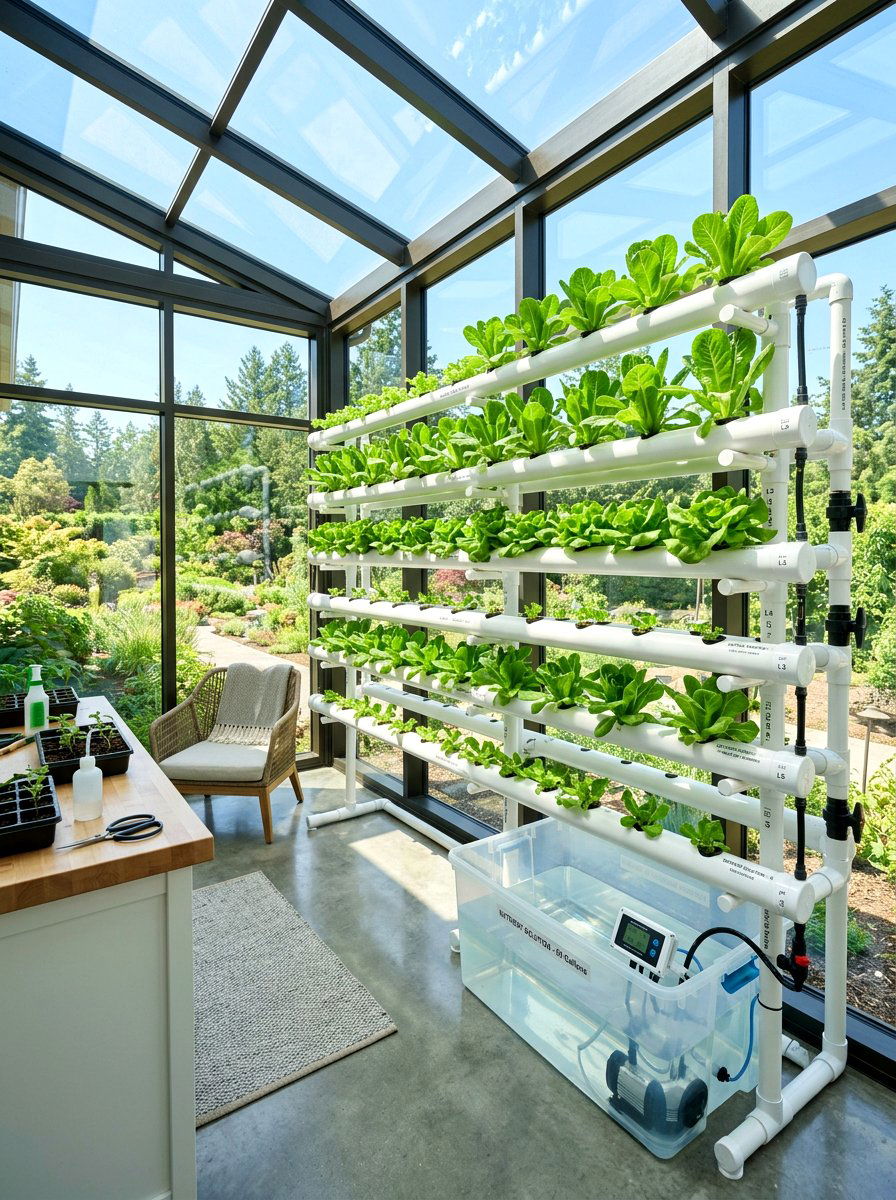
Are you interested in a high-tech way to grow vegetables using only water and natural mineral nutrients? A hydroponic vegetable garden eliminates the need for soil entirely, allowing you to grow food in clean, efficient systems indoors or out. Plants are grown in a nutrient-rich water solution, which often leads to much faster growth rates and significantly higher yields. This method is perfect for urban dwellers who have no access to a yard but want to enjoy fresh greens all year round. Many modern systems are designed to be compact and stylish, fitting perfectly into a kitchen or a small balcony. It is the future of sustainable, space-saving organic food production.
19. Window Box Vegetable Garden
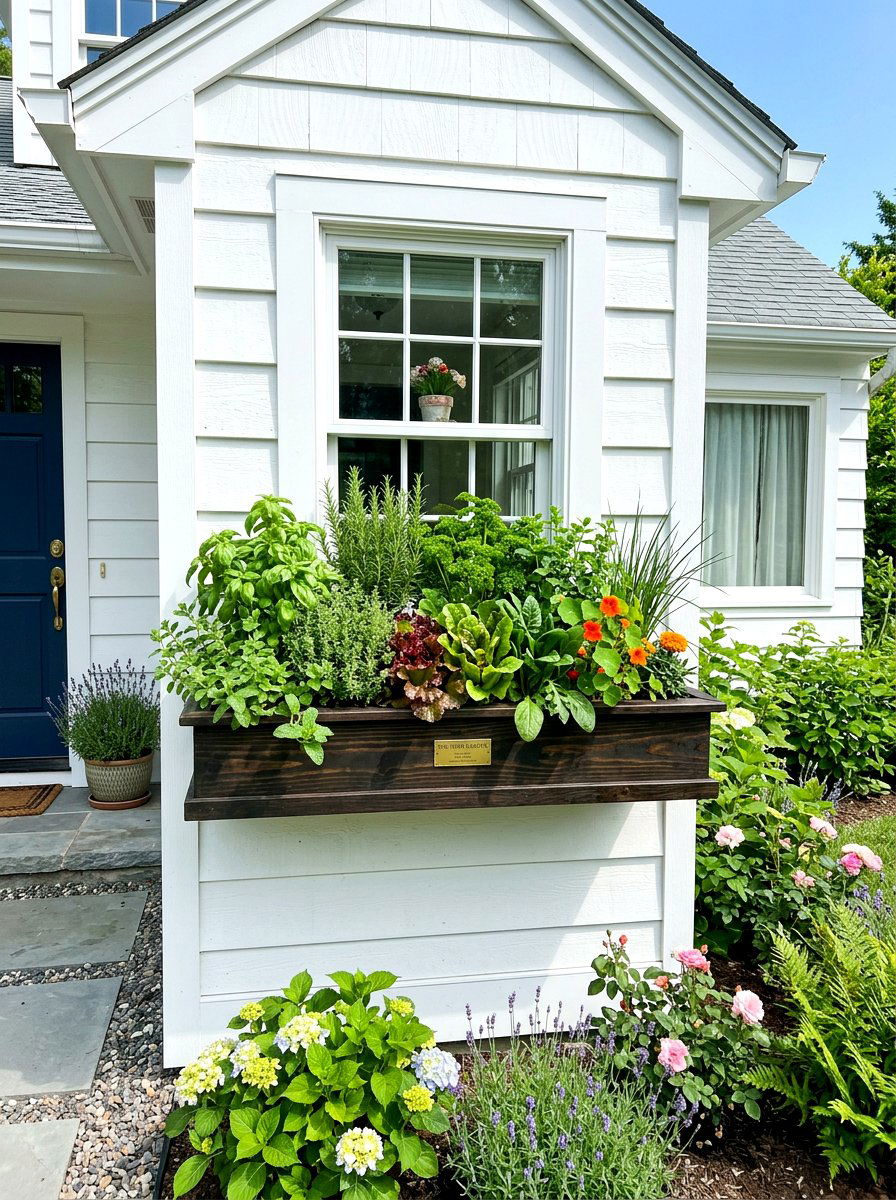
Can you imagine looking out your window and seeing a lush row of fresh greens and herbs ready for picking? A window box vegetable garden is a charming and practical way to utilize the sunniest spots on the exterior of your home. These small, narrow planters are ideal for compact vegetable varieties like baby kale, radishes, and various culinary herbs. They add a splash of living color to your home's facade while providing a convenient source of nutrition. Because they are elevated, they are generally safer from ground-dwelling pests like rabbits or slugs. It is a delightful way for anyone with limited space to enjoy the many benefits of organic gardening.
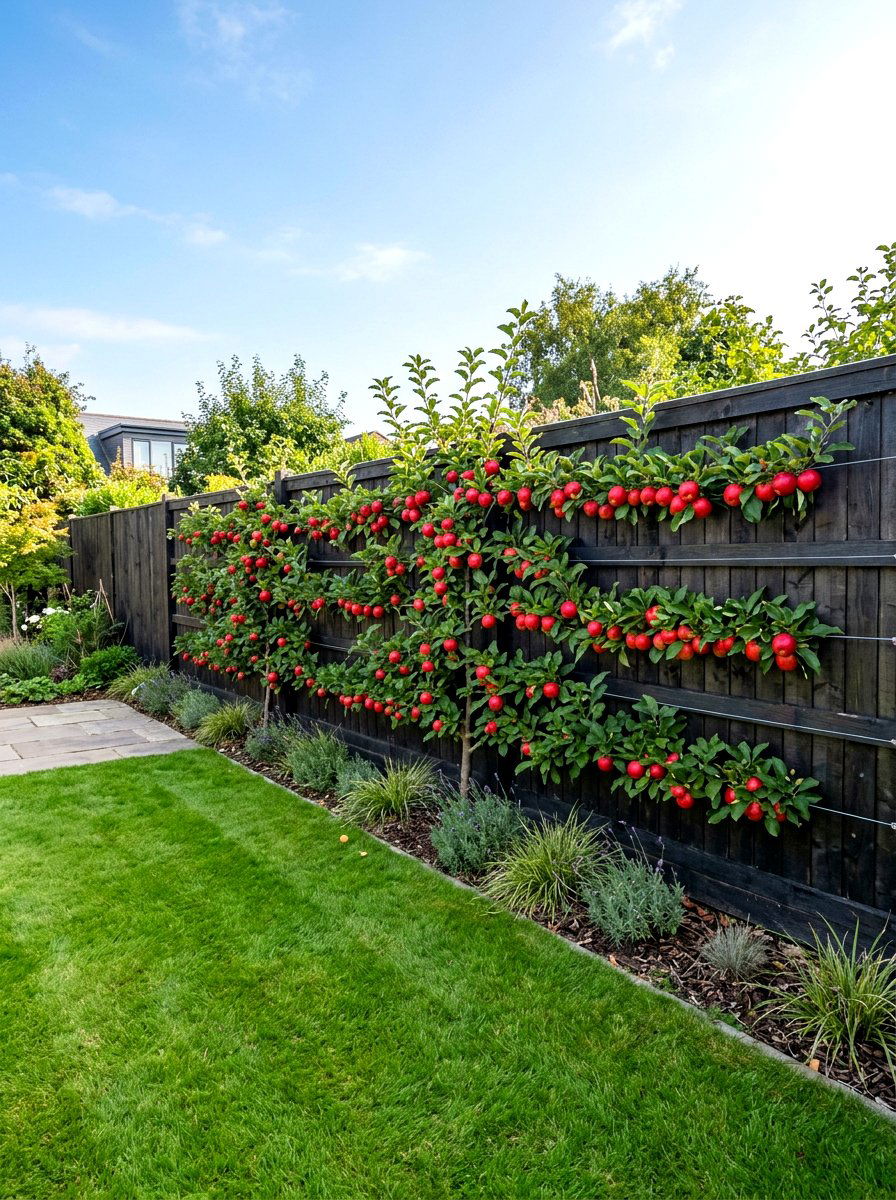
20. Balcony Vegetable Garden
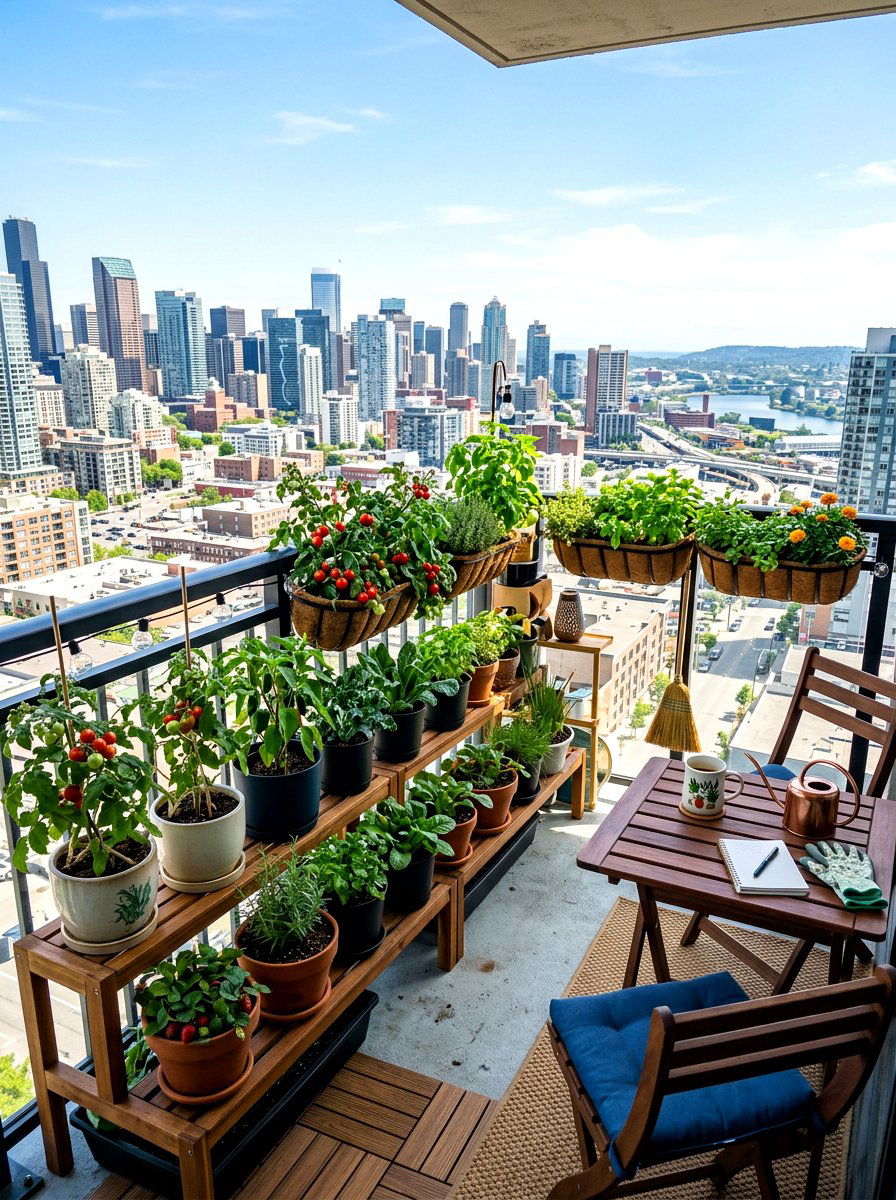
Do you think your small apartment balcony is too tiny to produce a meaningful amount of fresh, organic food? A balcony vegetable garden proves that you can grow a surprising variety of crops by using vertical space and smart container choices. You can hang pots from the railing, use tiered plant stands, or install a small wall-mounted trellis for climbing peas. Choosing dwarf or "patio" varieties of your favorite vegetables ensures they will stay a manageable size for the limited space. This little urban jungle provides a peaceful retreat and a sense of accomplishment. It is a wonderful way to connect with nature even if you live high above the street.
21. Trellis Vegetable Garden
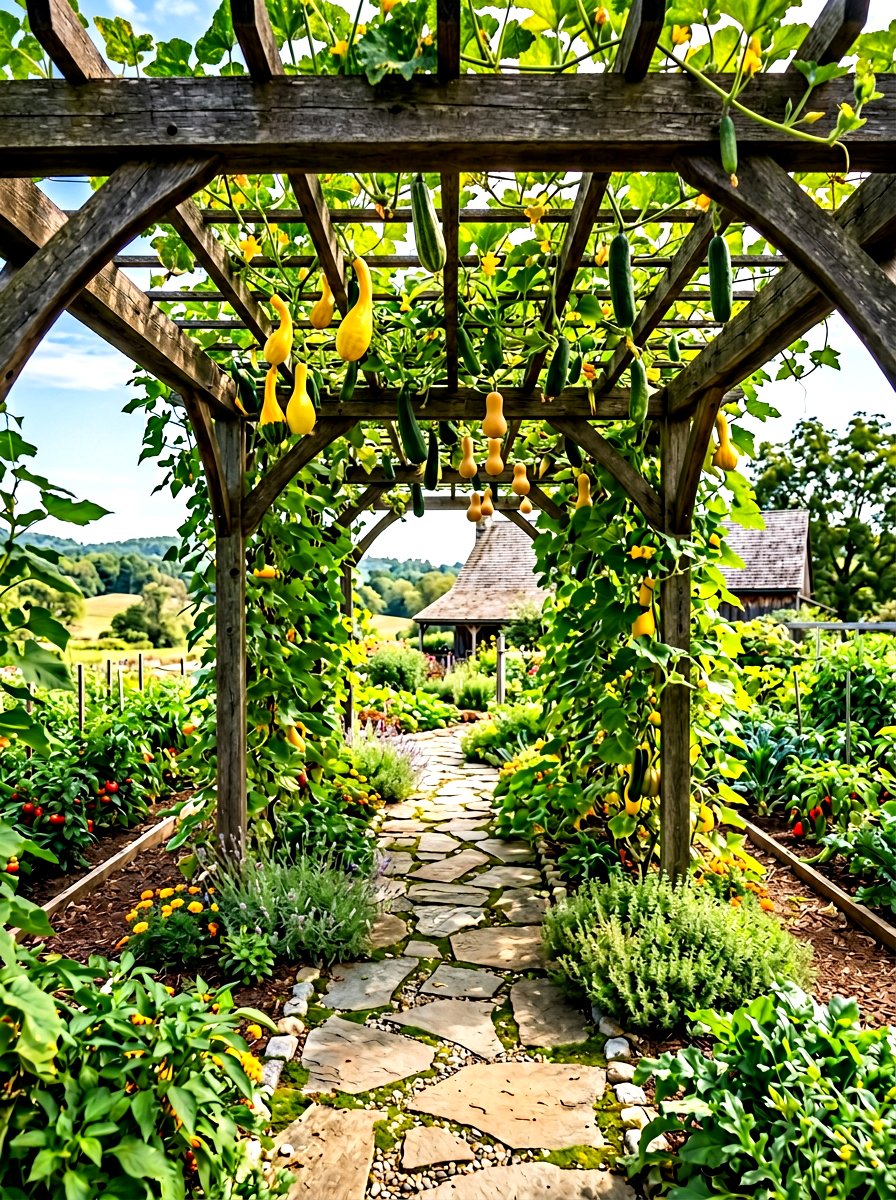
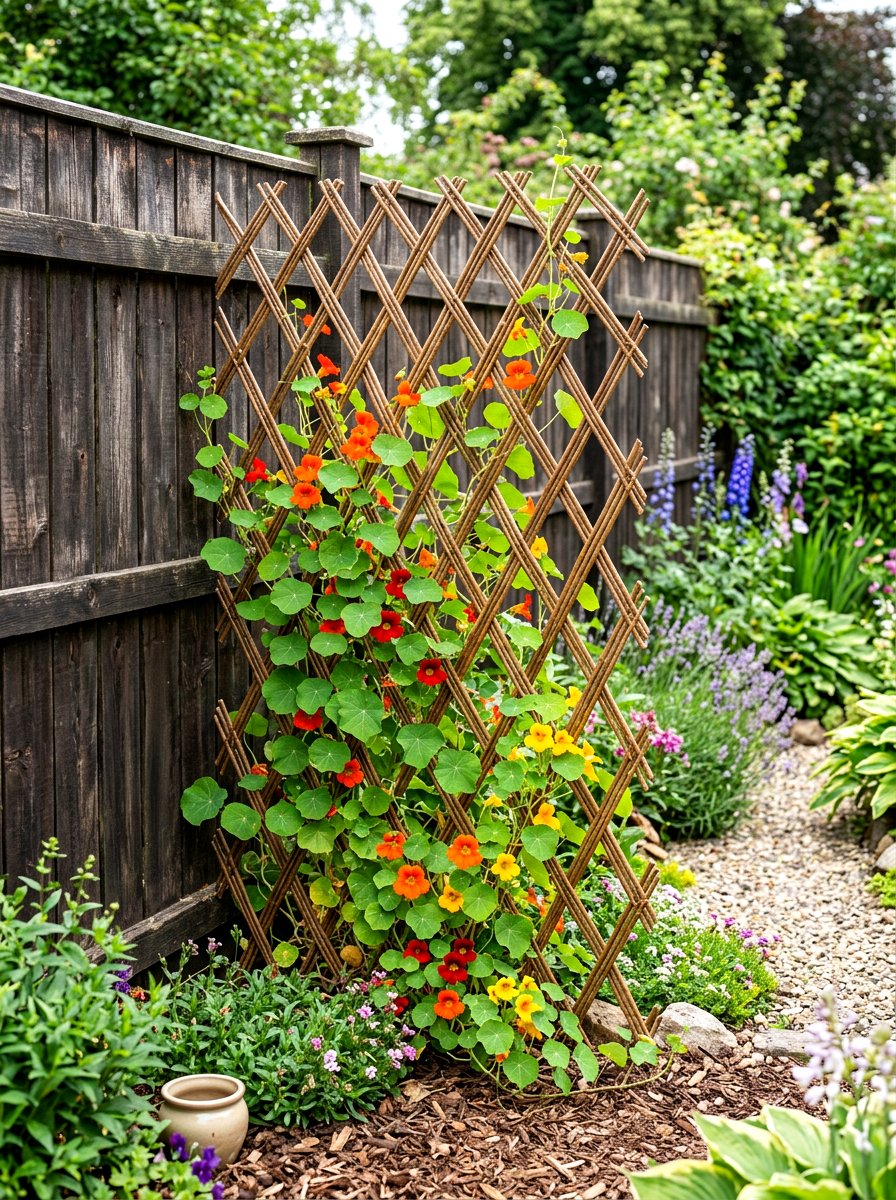
What if you could turn your plain garden fence into a wall of hanging vegetables and beautiful green foliage? A trellis vegetable garden uses sturdy structures to support heavy, climbing plants like squash, melons, and indeterminate tomatoes. This setup keeps the fruit off the ground, which prevents rot and makes it much harder for pests to reach your harvest. It also creates a stunning visual backdrop for your garden and can even provide a bit of natural privacy from neighbors. By growing upward, you leave more room on the ground for smaller crops like carrots and onions. It is a highly efficient and attractive way to organize your organic backyard plot.
22. In Ground Garden Row
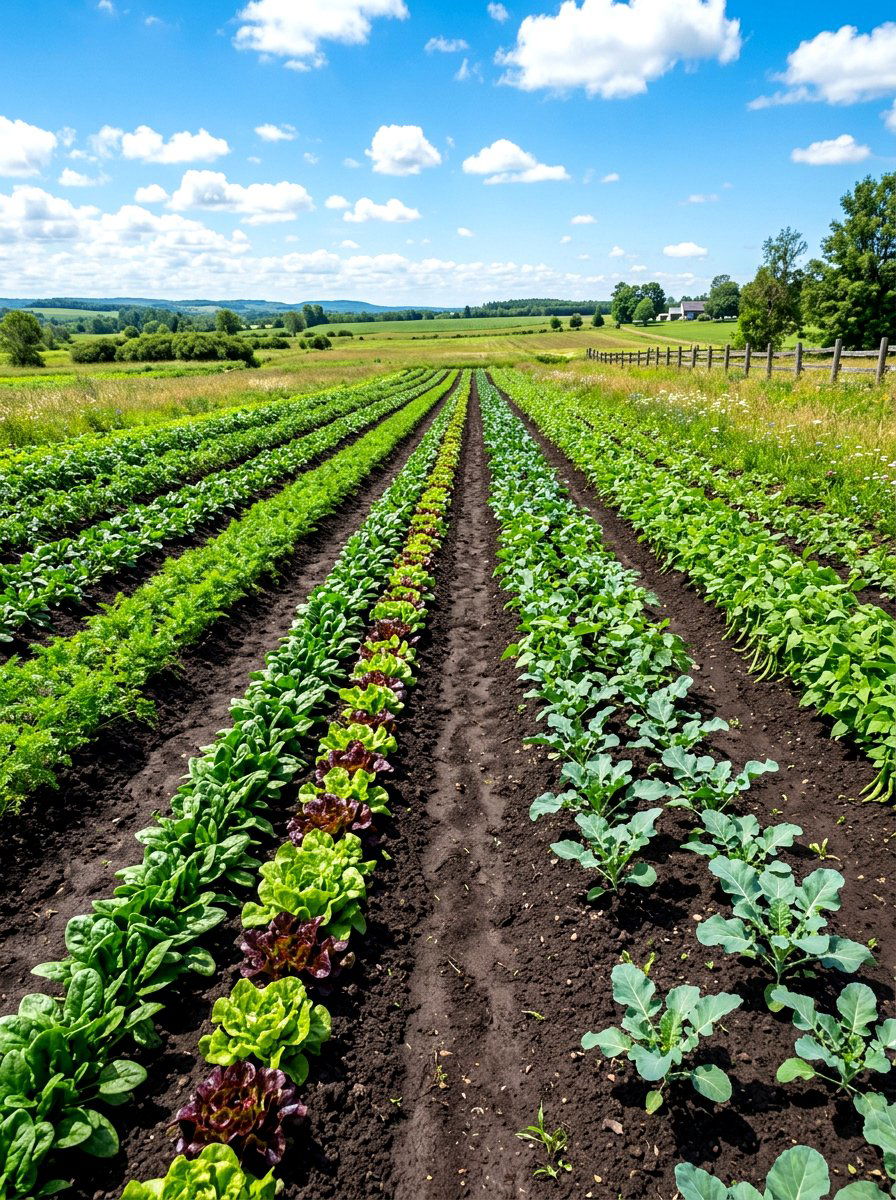
Are you looking for the most traditional and cost-effective way to plant a large volume of organic vegetables? An in ground garden row involves digging directly into your backyard soil and creating long, straight lines for your crops. This method is best suited for those who have naturally good soil and plenty of flat space to work with. It allows you to use simple tools like hoes and rakes for maintenance and makes it easy to install irrigation lines. You can practice crop rotation easily in this wide-open layout to keep the soil healthy over many years. It is a classic gardening style that has fed families for generations across the world.
23. Hugelkultur Garden Bed
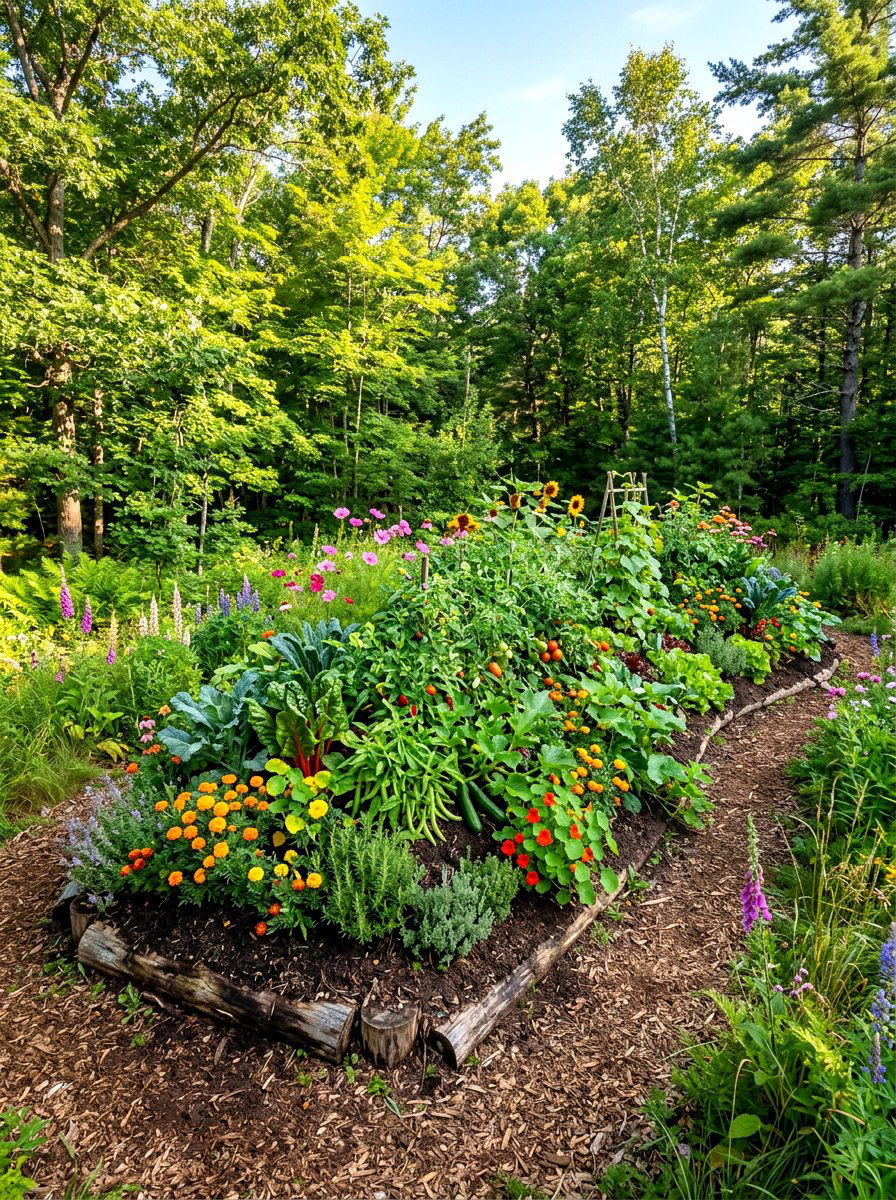
Have you heard of the ancient German technique that uses buried wood to create a self-watering and self-fertilizing garden? A hugelkultur garden bed is a mound created by piling up old logs, branches, and leaves, then covering them with a thick layer of soil. As the wood slowly decays over several years, it acts like a giant sponge that holds a massive amount of moisture for your plants. It also releases a steady stream of nutrients, meaning you rarely need to add fertilizer to the bed. This sustainable method is an excellent way to use up yard waste while creating a highly productive growing area. It is permaculture at its very best.
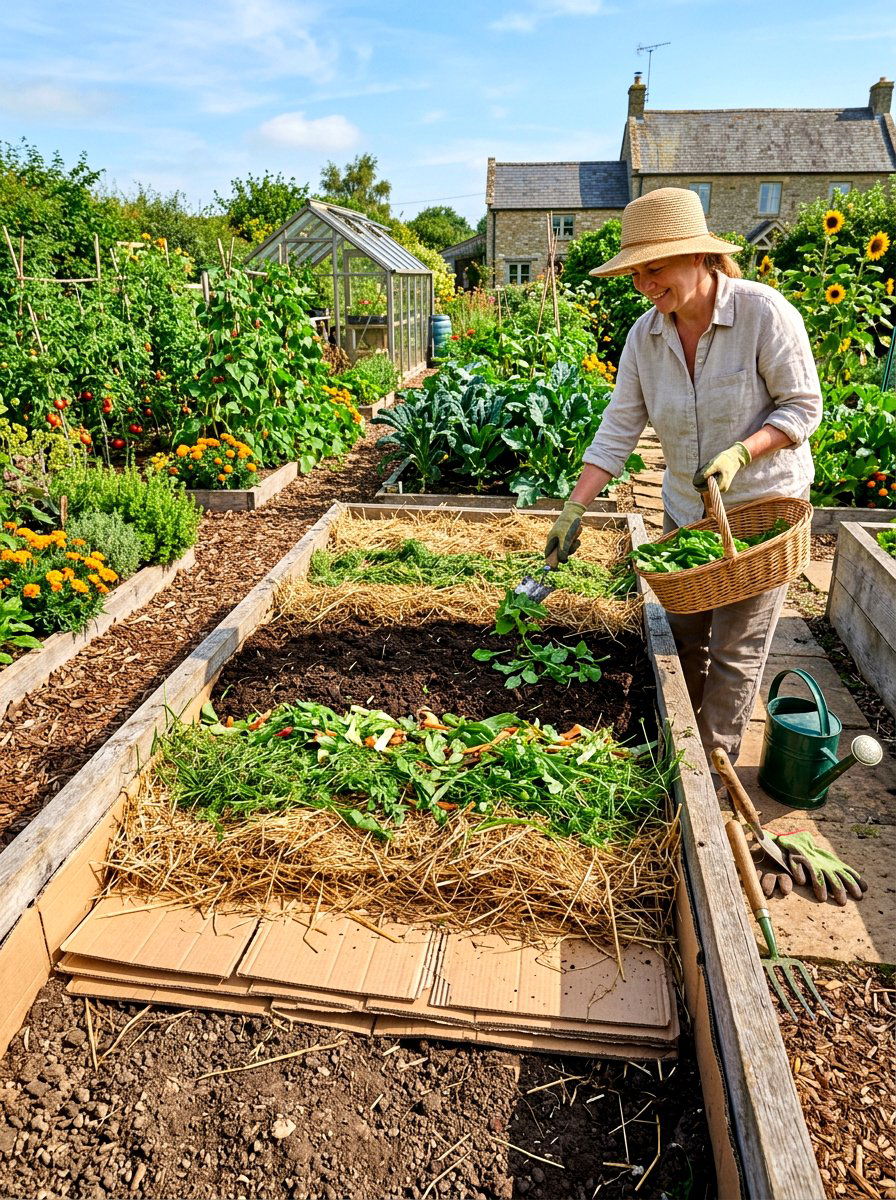
24. No Dig Garden
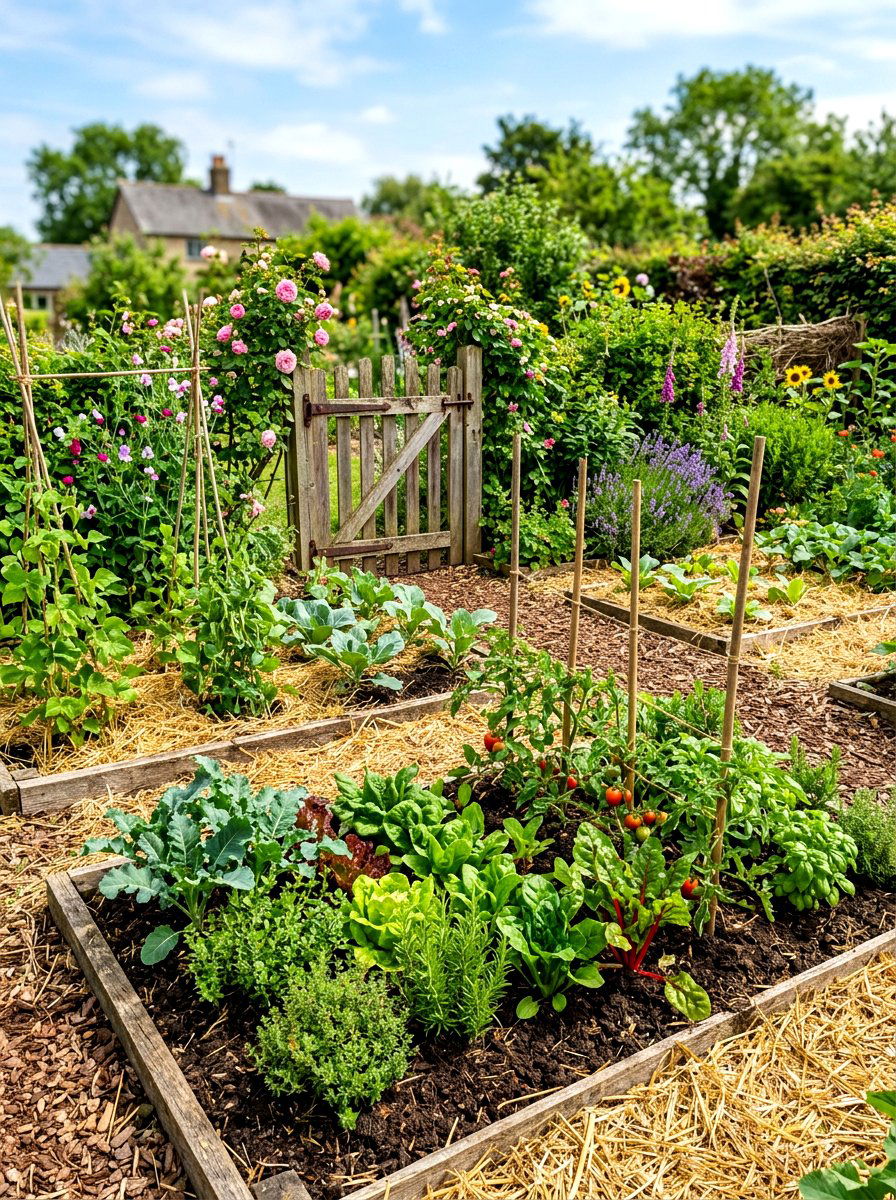
Are you tired of the back-breaking labor involved in tilling the soil every single spring before you can plant? A no dig garden is a regenerative method that focuses on building soil health by layering organic materials on top of the ground. You simply place cardboard over your grass or weeds and add thick layers of compost and mulch on top. This protects the delicate soil biology and prevents dormant weed seeds from being brought to the surface where they would sprout. Your vegetables will grow in a rich, dark environment that gets better every year without any heavy lifting. It is a peaceful and highly effective way to garden sustainably.
25. Gutter Vegetable Garden
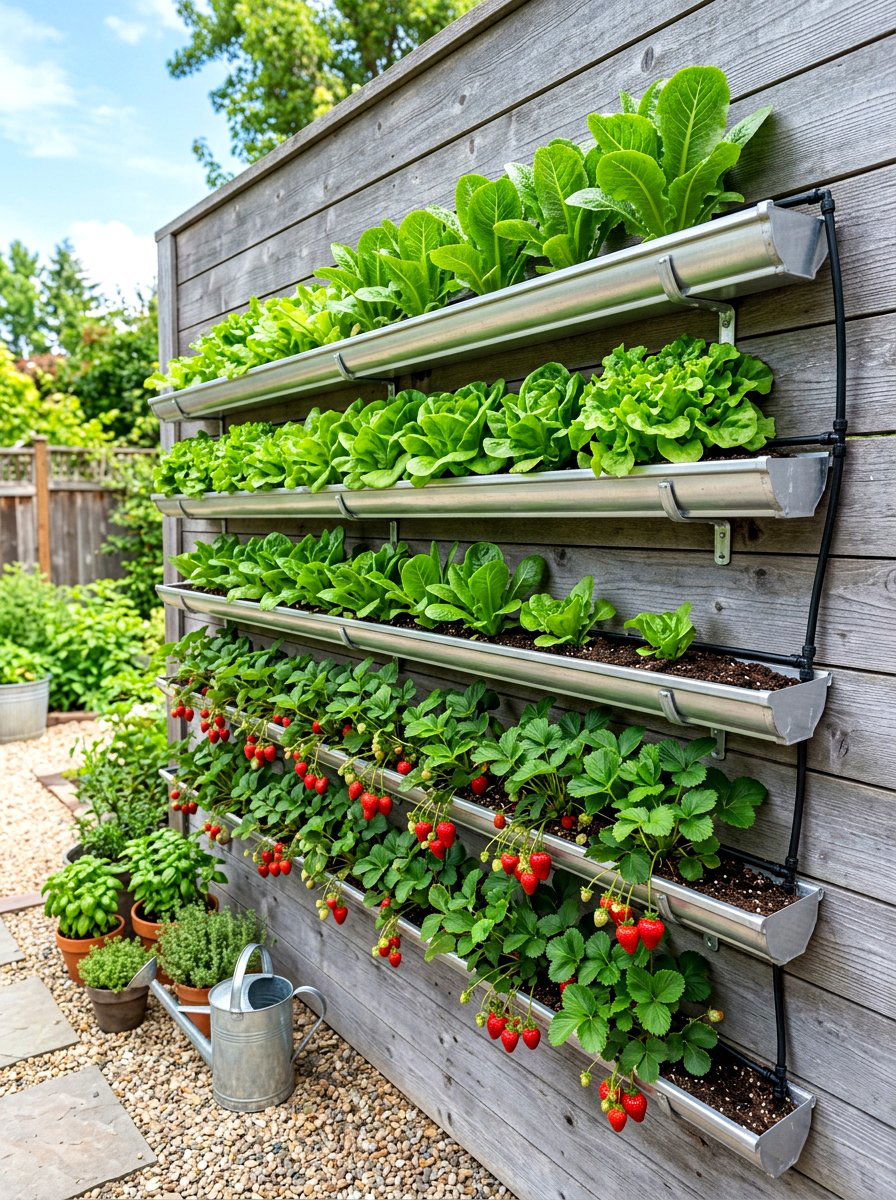
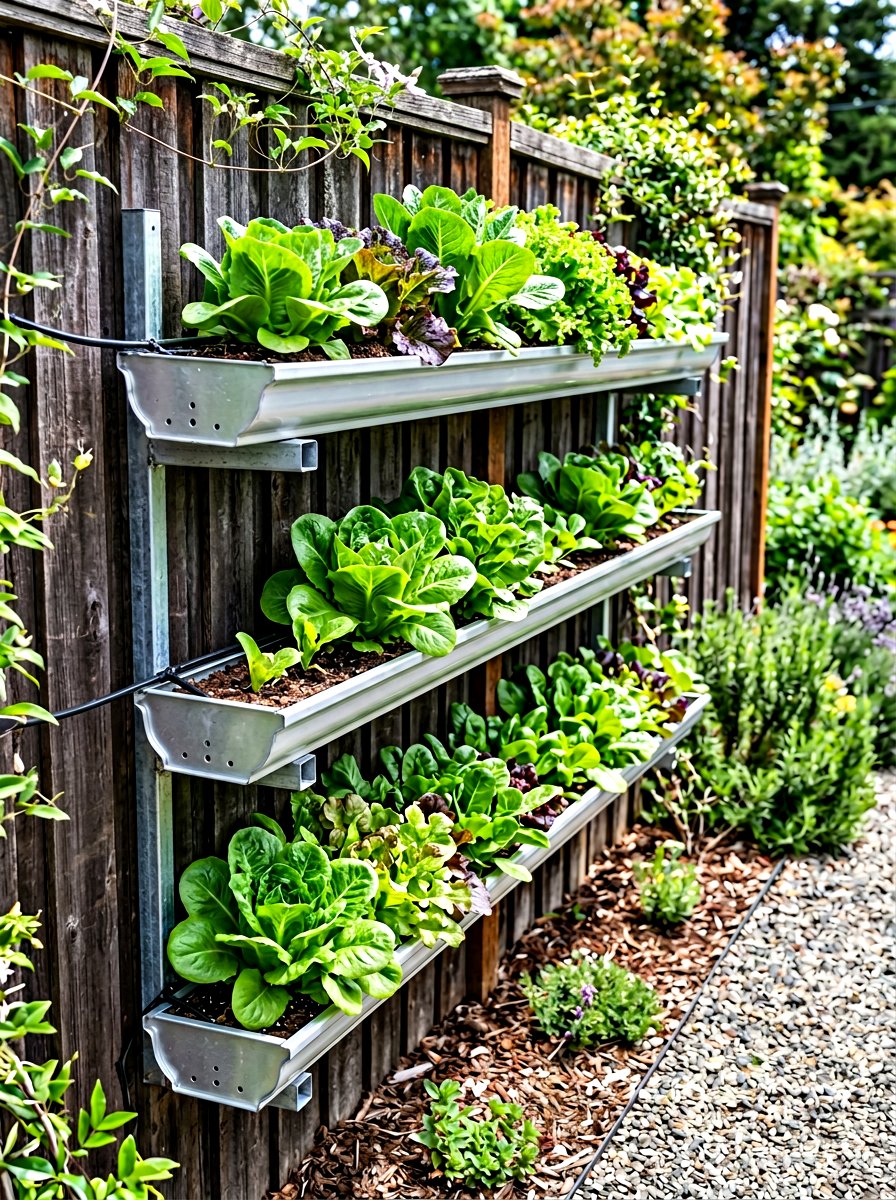
Did you know that you can turn a simple piece of household hardware into a productive and stylish garden? A gutter vegetable garden uses sections of vinyl or metal rain gutters mounted to a wall or fence to create narrow planters. This setup is perfectly sized for growing rows of succulent strawberries, spinach, or various types of loose-leaf lettuce. It is an incredible space-saver that keeps your produce clean and away from many ground-level garden pests. Because they are shallow, these gutters drain very well and are easy to replant throughout the season. It is a clever and modern DIY solution for anyone with a sunny wall and limited ground area.
26. Hanging Vegetable Garden
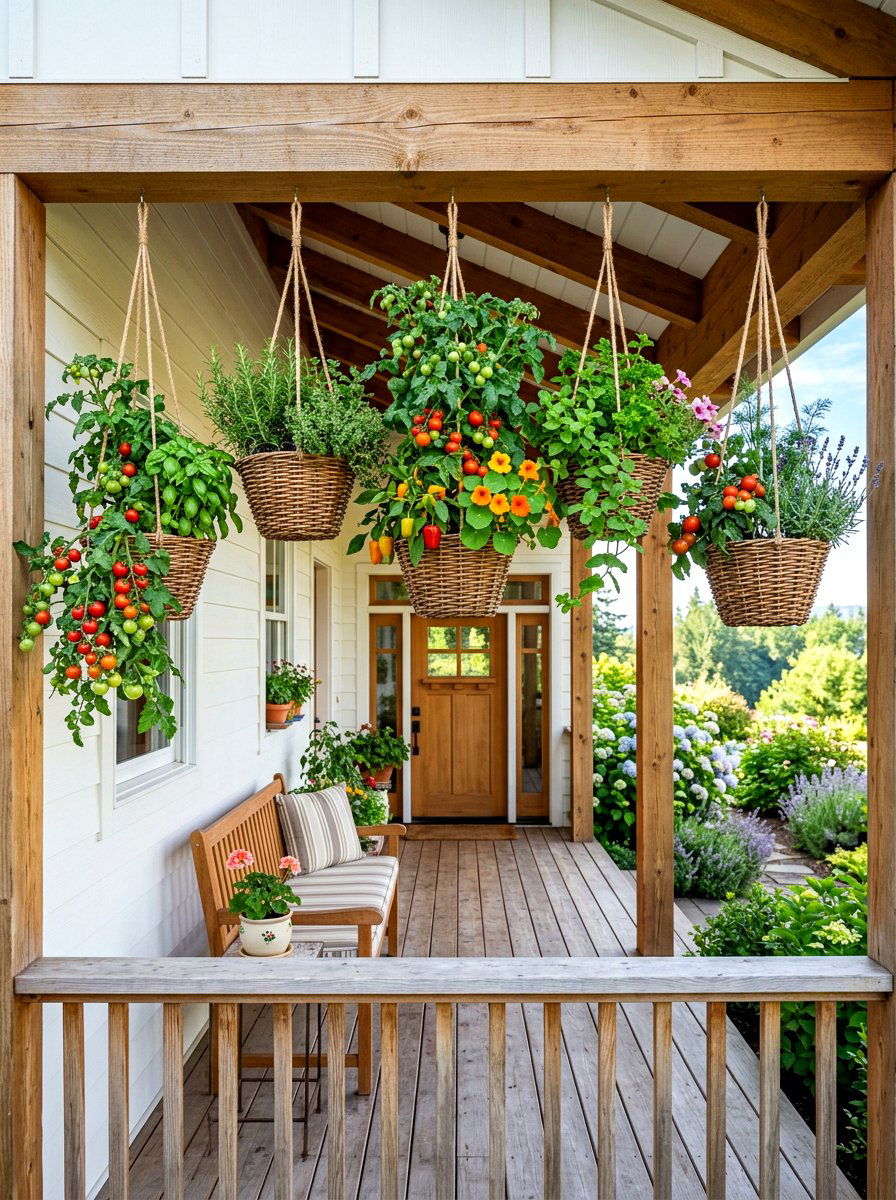
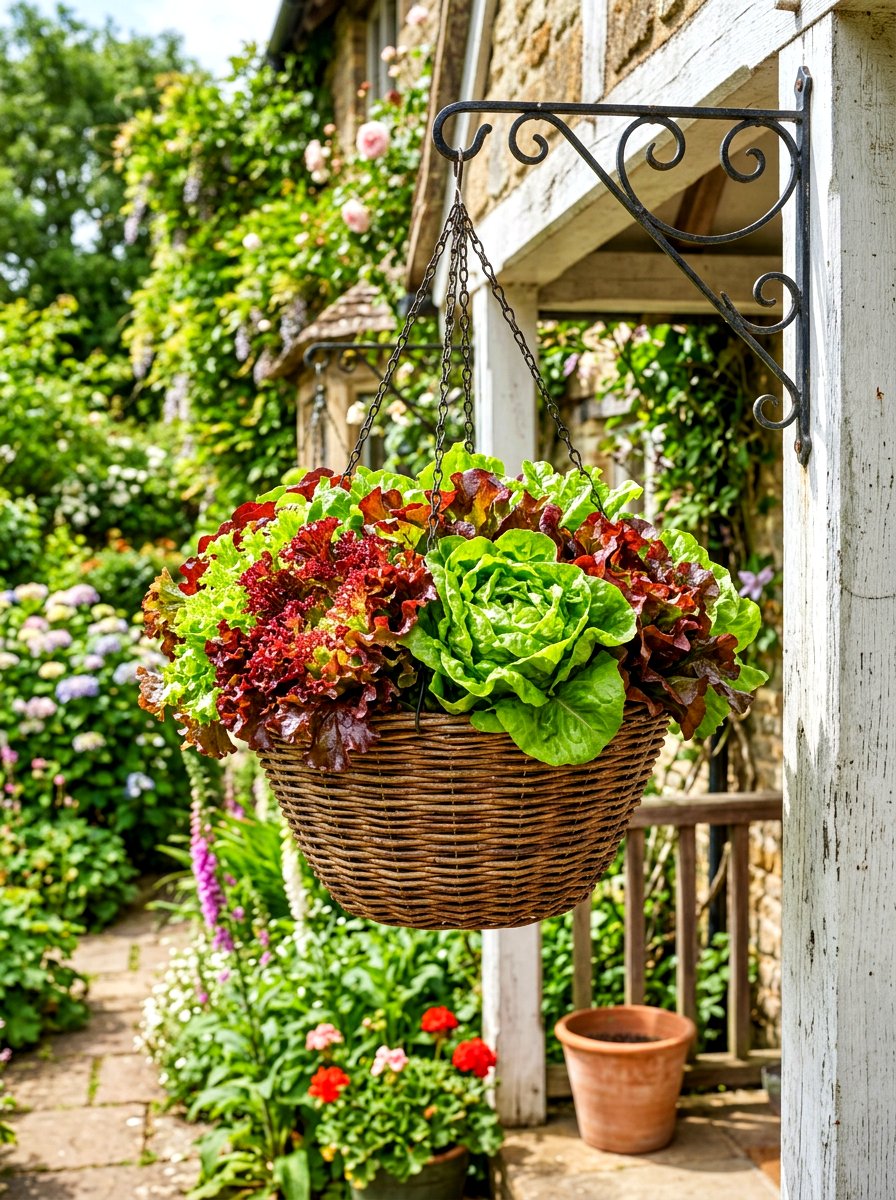
What if you could harvest fresh tomatoes and peppers from decorative baskets hanging right on your front porch? A hanging vegetable garden utilizes overhead space to grow food in suspended pots or specialized upside-down planters. This approach is fantastic for keeping your plants away from pets and curious wildlife that might try to nibble on your harvest. It also provides excellent air circulation, which helps keep your plants healthy and free from common fungal issues. Cherry tomatoes, trailing herbs, and strawberries look beautiful when they spill over the edges of a hanging container. It is a whimsical and highly practical way to integrate food production into your outdoor living space.
27. Tower Vegetable Garden
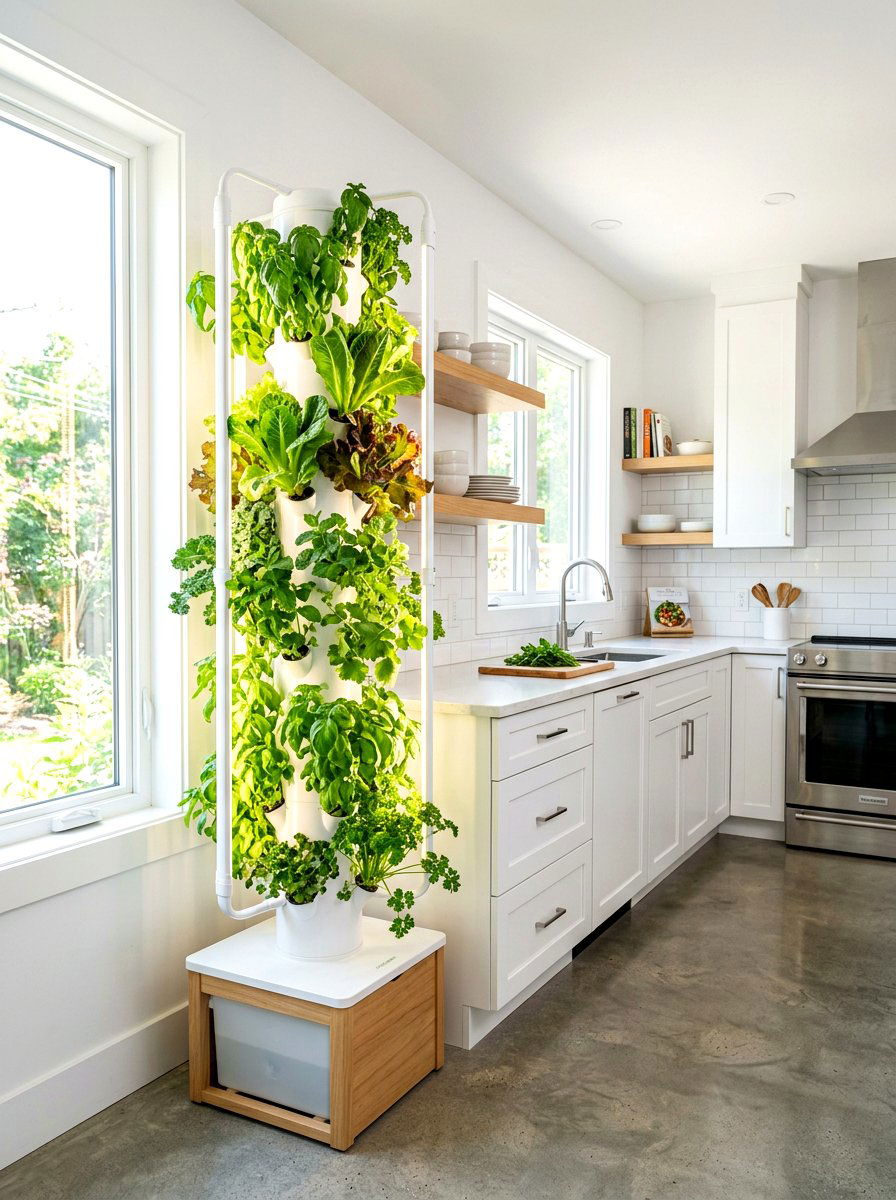
Are you looking for a futuristic and highly efficient way to grow dozens of plants in just a few square feet? A tower vegetable garden is a vertical, aeroponic or hydroponic system that cycles water and nutrients through a tall, central column. You can grow a massive variety of leafy greens, herbs, and even small fruiting plants in a very small footprint. Many of these towers are self-watering and include built-in lights for indoor use, making them perfect for year-round gardening in any environment. They are incredibly easy to maintain and provide a stunning conversation piece for your home. This is high-yield organic gardening designed for the modern, space-conscious world we live in.
28. Raised Trough Garden
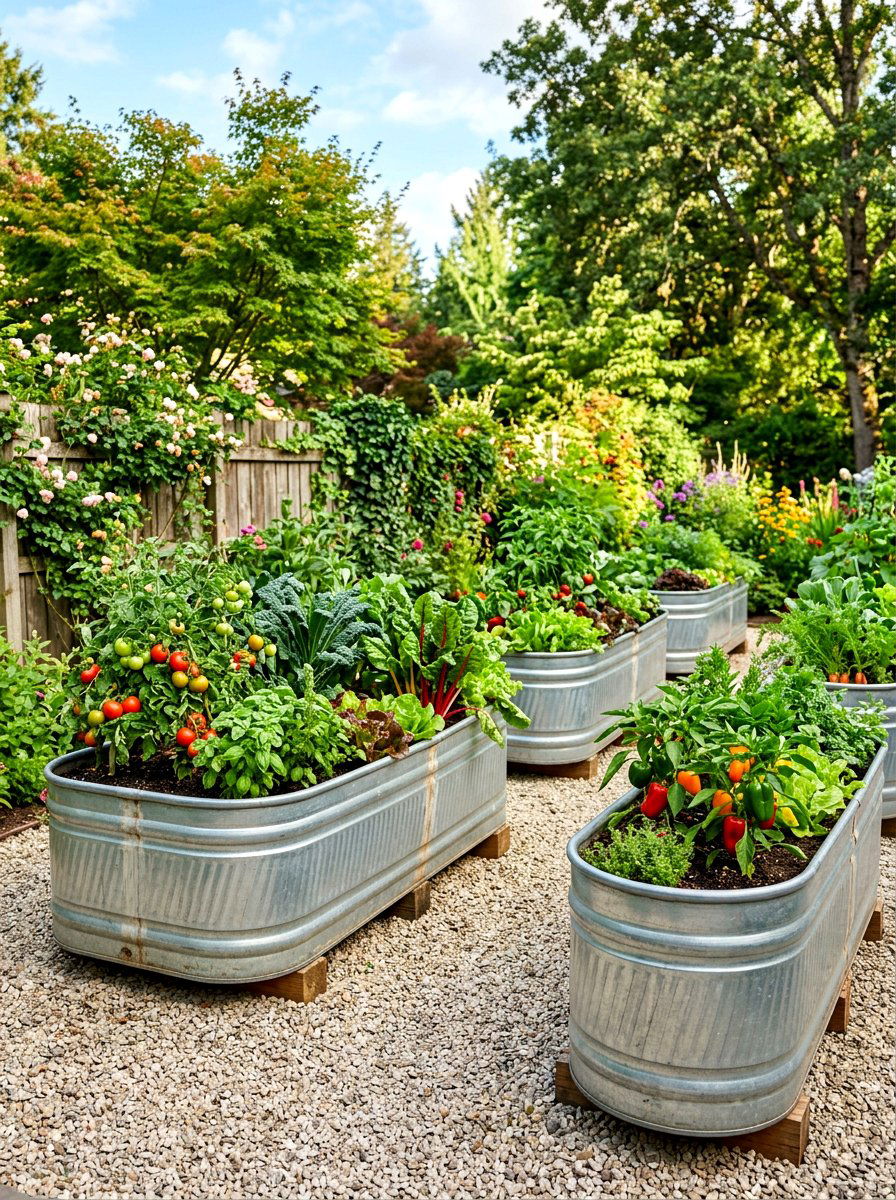
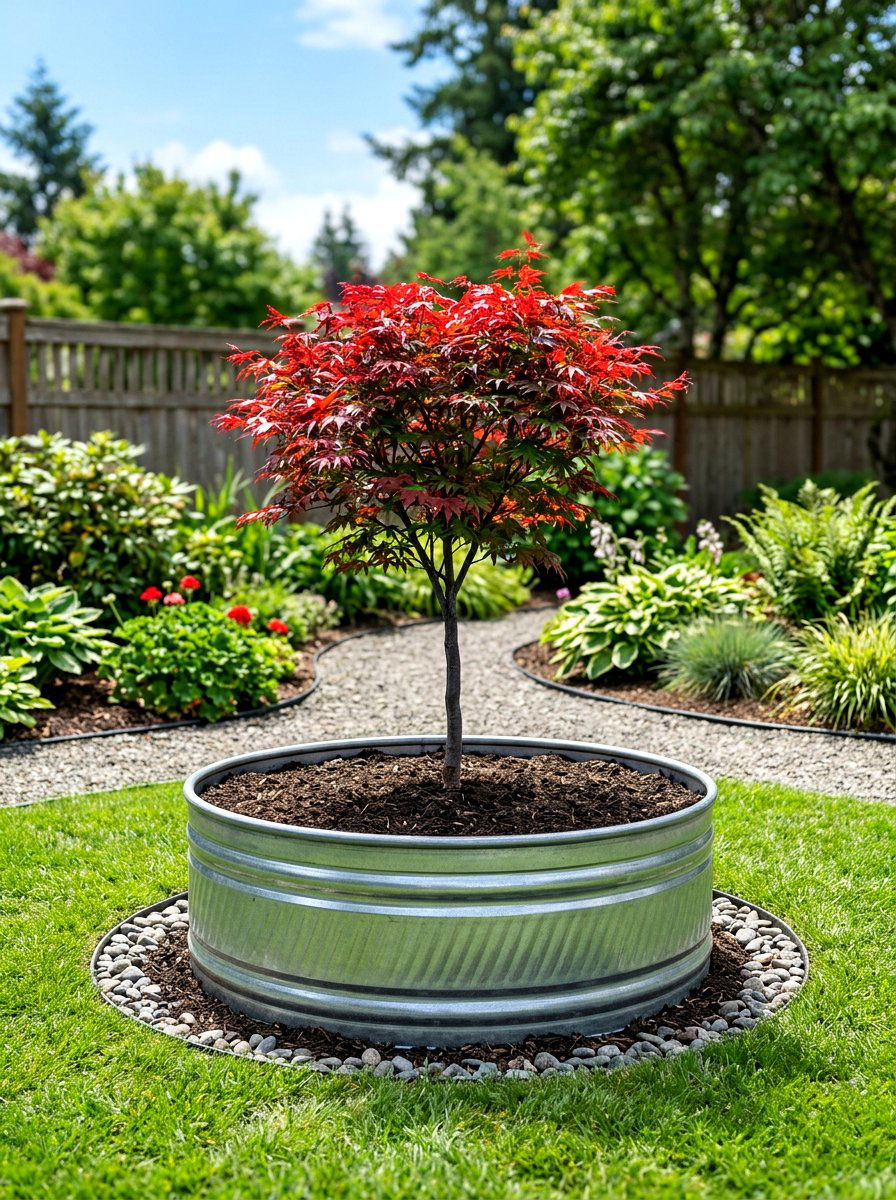
Have you considered using industrial-style metal troughs to create a modern and durable vegetable garden in your yard? A raised trough garden repurposes galvanized steel stock tanks into large, deep planters that are perfect for almost any crop. These containers are built to last for decades and add a clean, contemporary look to your landscape design. Because they are tall, they provide a very comfortable working height that is easy on your back and knees. The metal helps warm the soil quickly in the spring, giving your plants a great head start. It is a stylish and low-maintenance way to create a permanent and highly productive organic vegetable patch.
29. Corner Vegetable Garden
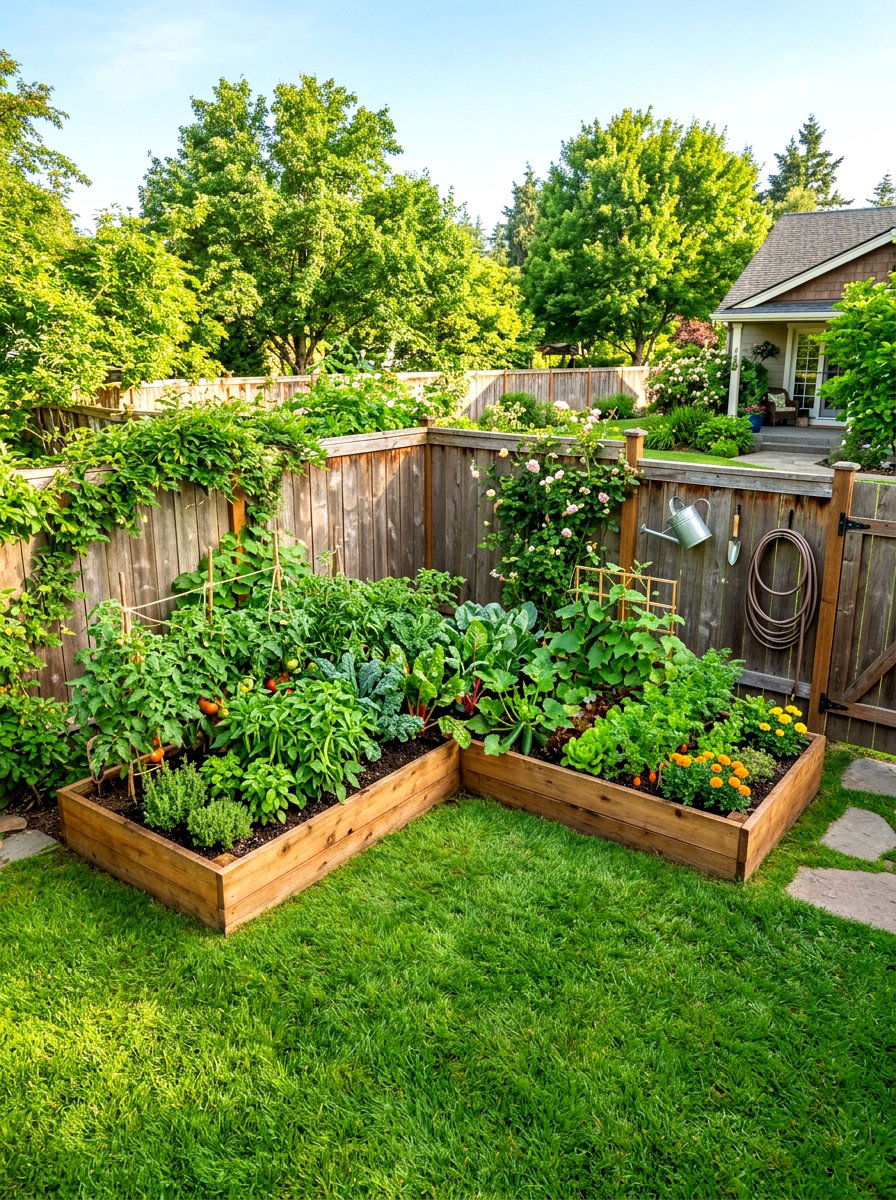
Do you have an awkward, unused corner in your yard that you would like to transform into something useful? A corner vegetable garden utilizes these often-overlooked spaces by installing L-shaped raised beds or tiered shelving units. This design maximizes your available footprint without interfering with the open areas of your lawn or patio. It creates a cozy and focused growing zone that can be easily fenced off if you need to keep out pets. By choosing the right plants for the sunlight levels in that specific corner, you can turn a dead space into a vibrant source of fresh food. It is a smart way to optimize your outdoor property's potential.
30. Indoor Vegetable Garden
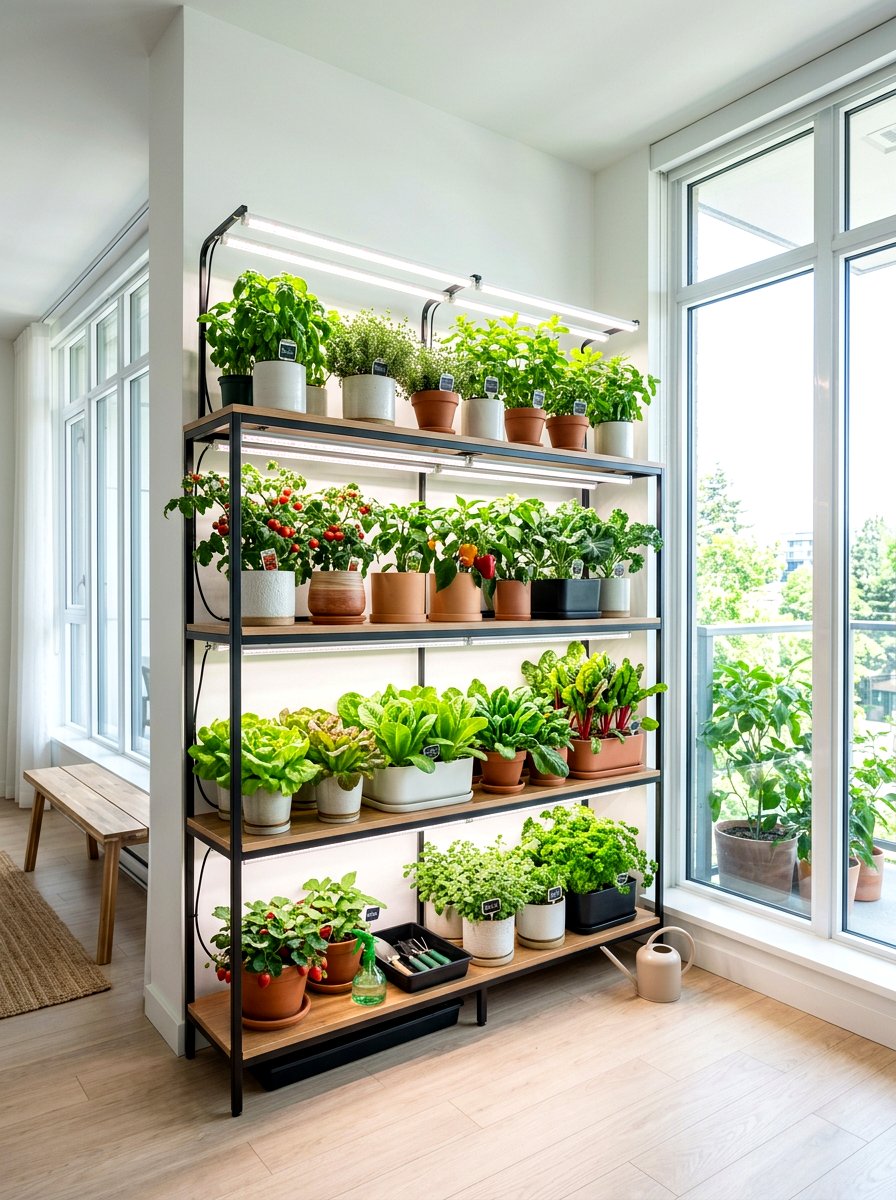
Would you love to grow your own organic food even if you have absolutely no outdoor space or yard? An indoor vegetable garden brings the joy of harvesting fresh produce right into your kitchen or living room using grow lights. You can set up a small shelving unit with LED panels to grow microgreens, herbs, and even dwarf varieties of tomatoes and peppers all year long. This setup allows you to control every aspect of the environment, from temperature to moisture levels, ensuring a perfect harvest every time. It is a wonderful way to improve your indoor air quality and enjoy the beauty of living greenery throughout the dark winter months.
Conclusion:
Embarking on an organic vegetable gardening journey is a transformative experience that connects you more deeply with the food you eat. By choosing the right layout for your specific space and lifestyle, you can ensure a successful and enjoyable harvest every single season. Whether you prefer the structured elegance of a potager garden or the high-tech efficiency of a vertical tower, there is a method here to suit your needs. Remember that the key to a thriving organic garden is patience, consistent care, and a willingness to learn from nature. As you watch your seeds sprout and turn into a bountiful feast, you will find immense satisfaction in your self-sufficiency. Start small, stay curious, and enjoy the many health benefits of growing your own fresh, chemical-free vegetables right at home.

Related posts: