Growing your own food is a rewarding experience, but sharing your hard-earned harvest with the local bird population can be incredibly frustrating for any gardener. Protecting your berries, currants, and stone fruits requires more than just luck; it requires a physical barrier that keeps pests out while letting sunlight and rain in. This is where a well-planned structure becomes essential for your outdoor space. Whether you have a sprawling backyard or a compact urban patch, there are many ways to build a protective enclosure. You can choose from various materials like timber, metal, or even lightweight plastic to suit your specific gardening needs and personal style preferences today.
1. Walk In Fruit Cage
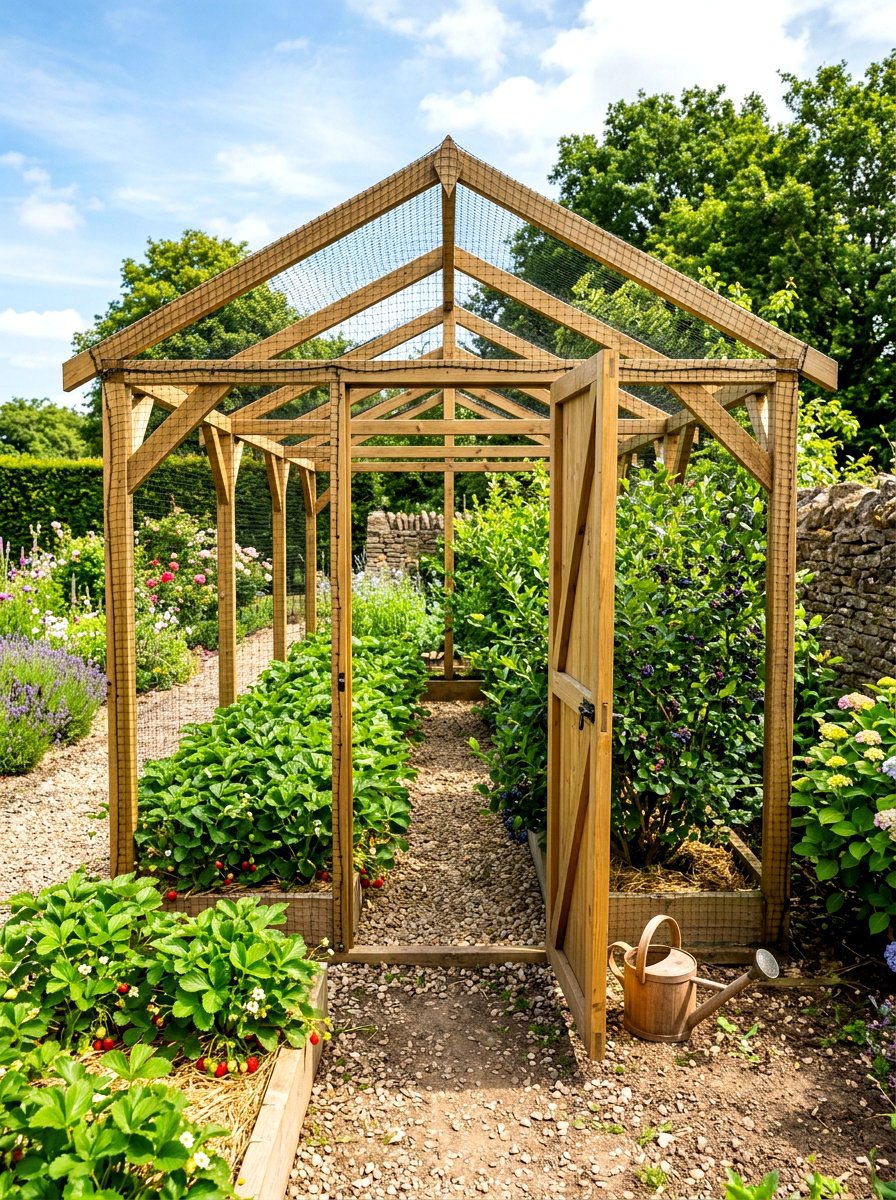
Imagine stepping into a dedicated sanctuary where your berries are safe from every hungry bird in the neighborhood. A walk-in fruit cage offers the ultimate convenience because you can stand upright while harvesting your crops. These structures usually feature a sturdy frame made of wood or metal and are covered in high-quality netting. Having enough headroom makes maintenance tasks like pruning and weeding much more comfortable for any gardener. You can customize the height to accommodate taller bushes like raspberries or redcurrants easily. This setup transforms your garden into a professional-looking orchard while ensuring that every piece of fruit actually reaches your kitchen table without being pecked by local wildlife.
2. Timber Fruit Cage
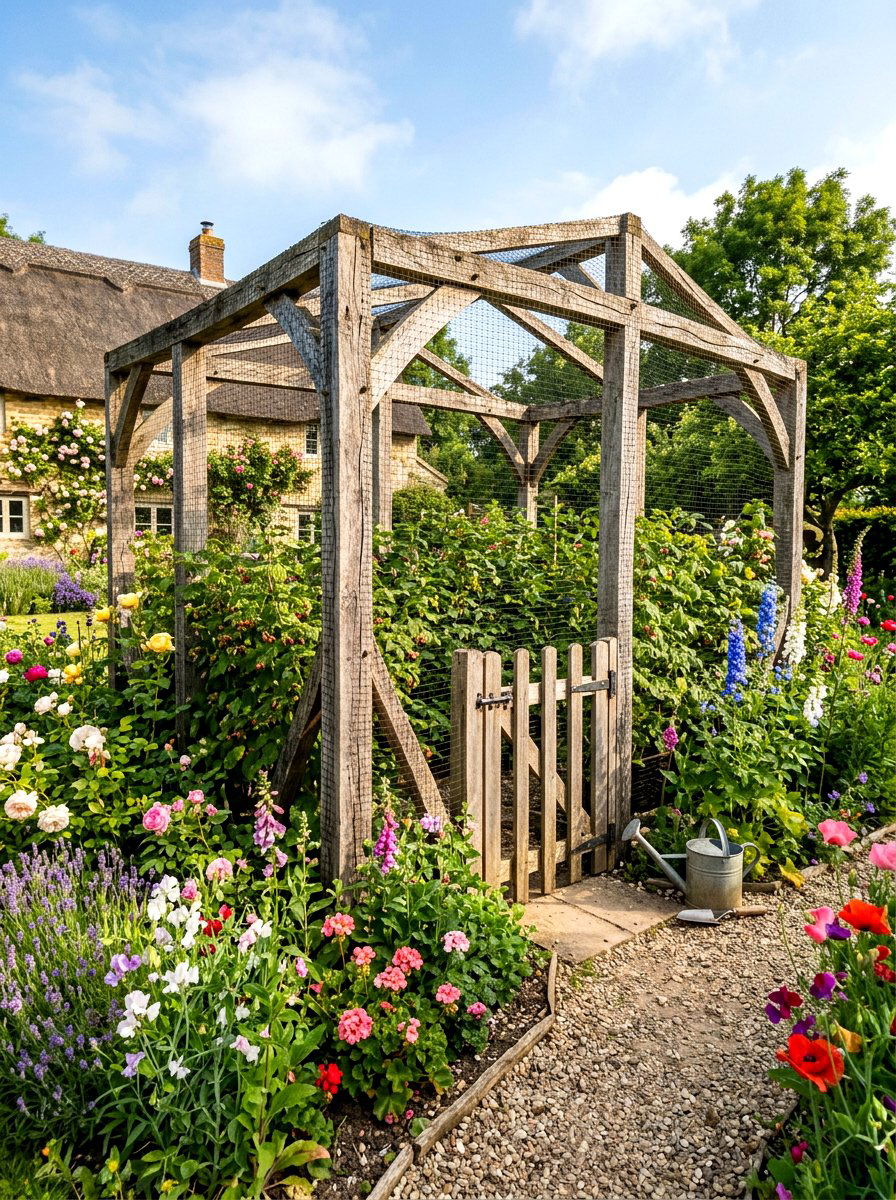
Do you love the look of natural materials that blend seamlessly with a traditional garden aesthetic? A timber fruit cage provides a rustic and warm appearance that metal structures simply cannot replicate. These cages are typically constructed from pressure-treated wood to ensure they withstand the elements for many years. The thick wooden posts offer a sense of permanence and stability, making them perfect for large kitchen gardens. You can even paint or stain the wood to match your existing garden furniture or sheds. This type of enclosure is ideal for creating a structured growing area that looks like a beautiful architectural feature rather than just a functional piece of equipment.
3. Metal Fruit Cage
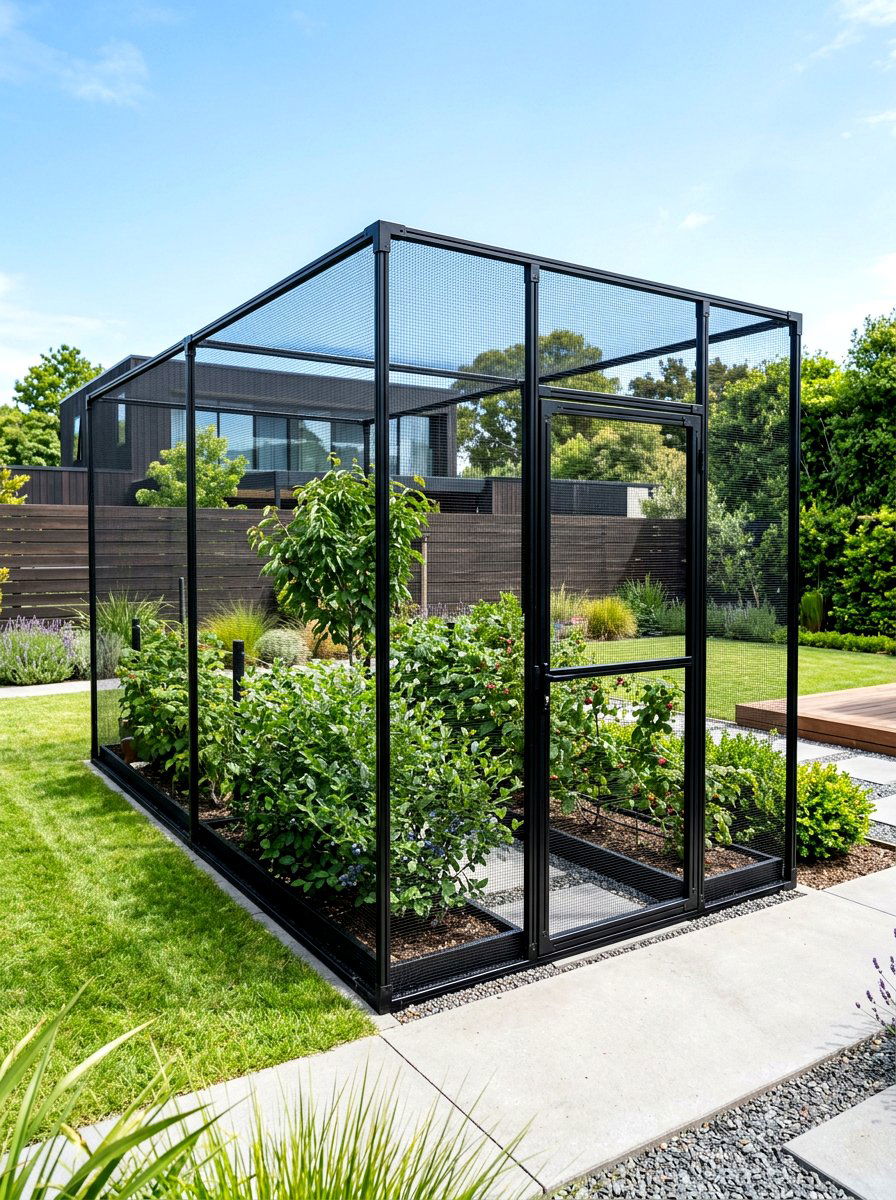
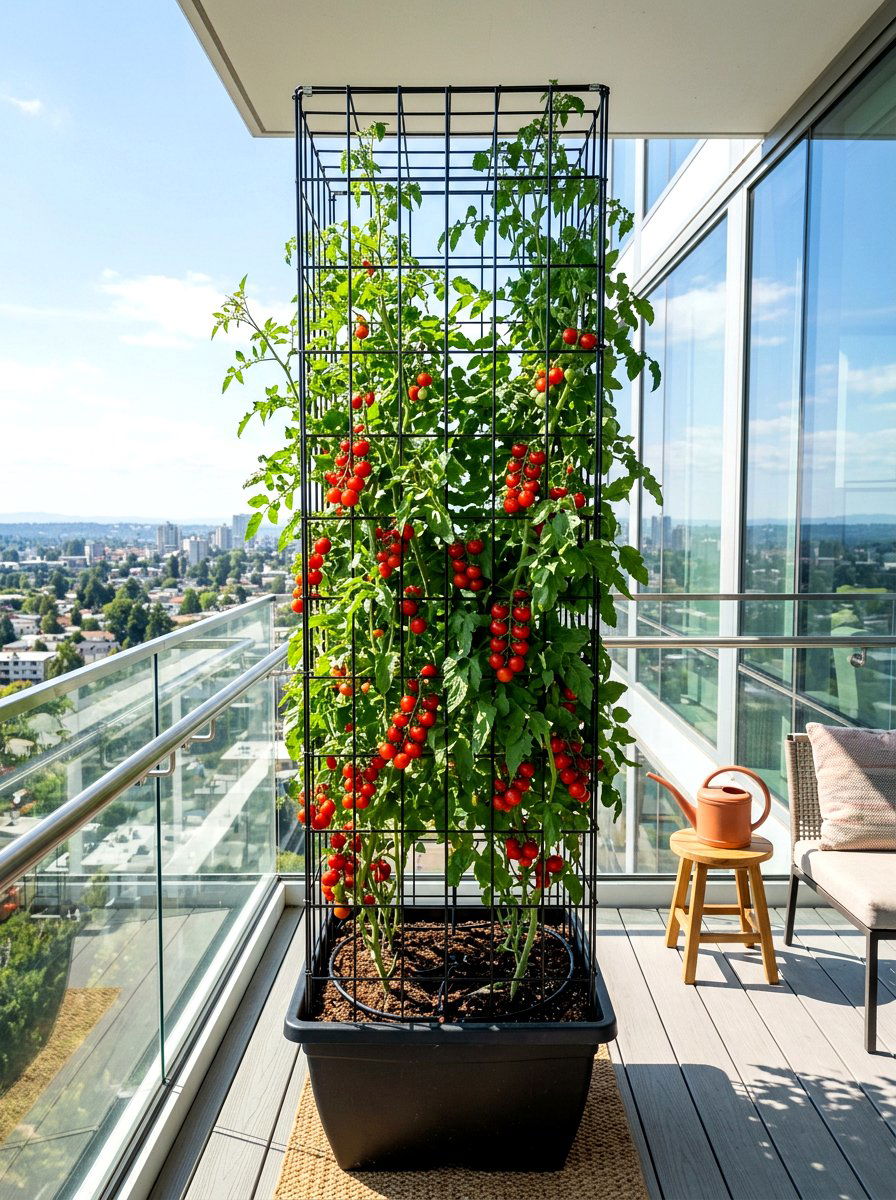
Are you looking for a modern and low-maintenance solution for your berry patches? A metal fruit cage is often the preferred choice for gardeners who want durability and a clean, minimalist look. These structures are usually made from lightweight aluminium or heavy-duty galvanised steel, both of which are resistant to rust and corrosion. Many models come with a sleek black powder-coated finish that practically disappears against the greenery of your plants. The slim profiles of the metal poles allow for maximum visibility and light penetration. This setup is incredibly easy to assemble and provides a very secure environment for your high-value crops throughout the entire growing season.
4. Raised Bed Fruit Cage
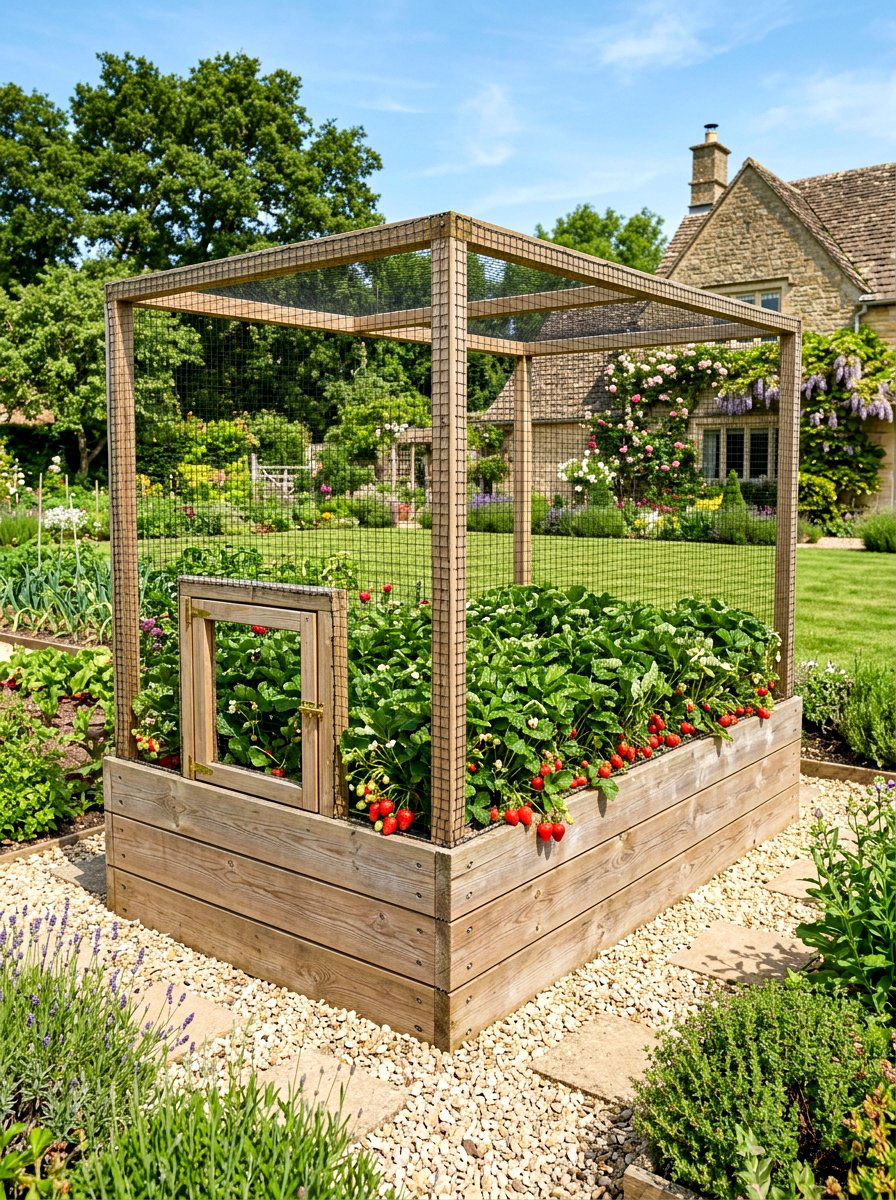
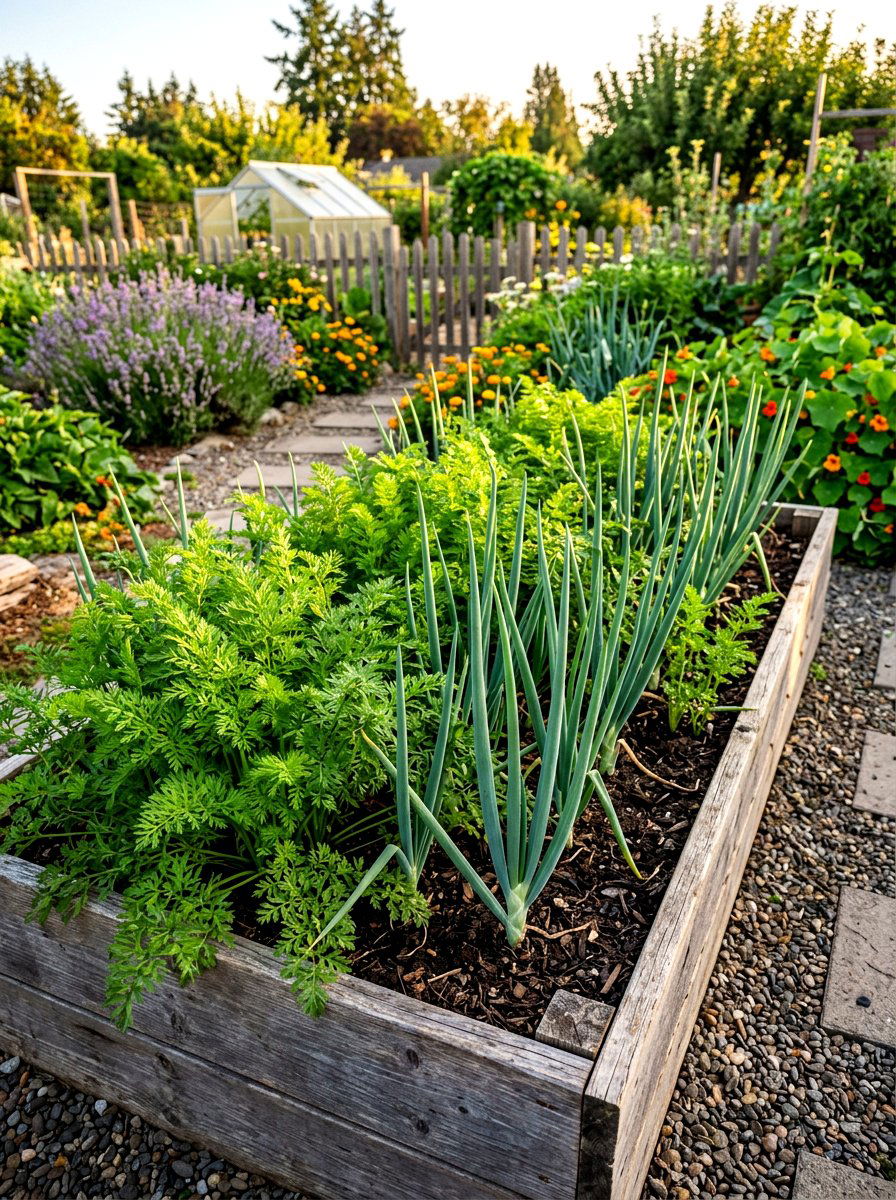
How can you combine the benefits of organized planting with total crop protection in a small space? A raised bed fruit cage is a brilliant solution that integrates a protective netting frame directly onto your existing garden boxes. This design keeps your growing area tidy while preventing ground-level pests like rabbits from reaching your delicious fruits. You can build a custom frame that sits perfectly on top of the timber walls, making it easy to access your plants without bending down too far. This approach is particularly effective for intensive gardening styles where every square inch counts. It creates a controlled microclimate that helps your plants thrive and produce more.
5. Decorative Fruit Cage
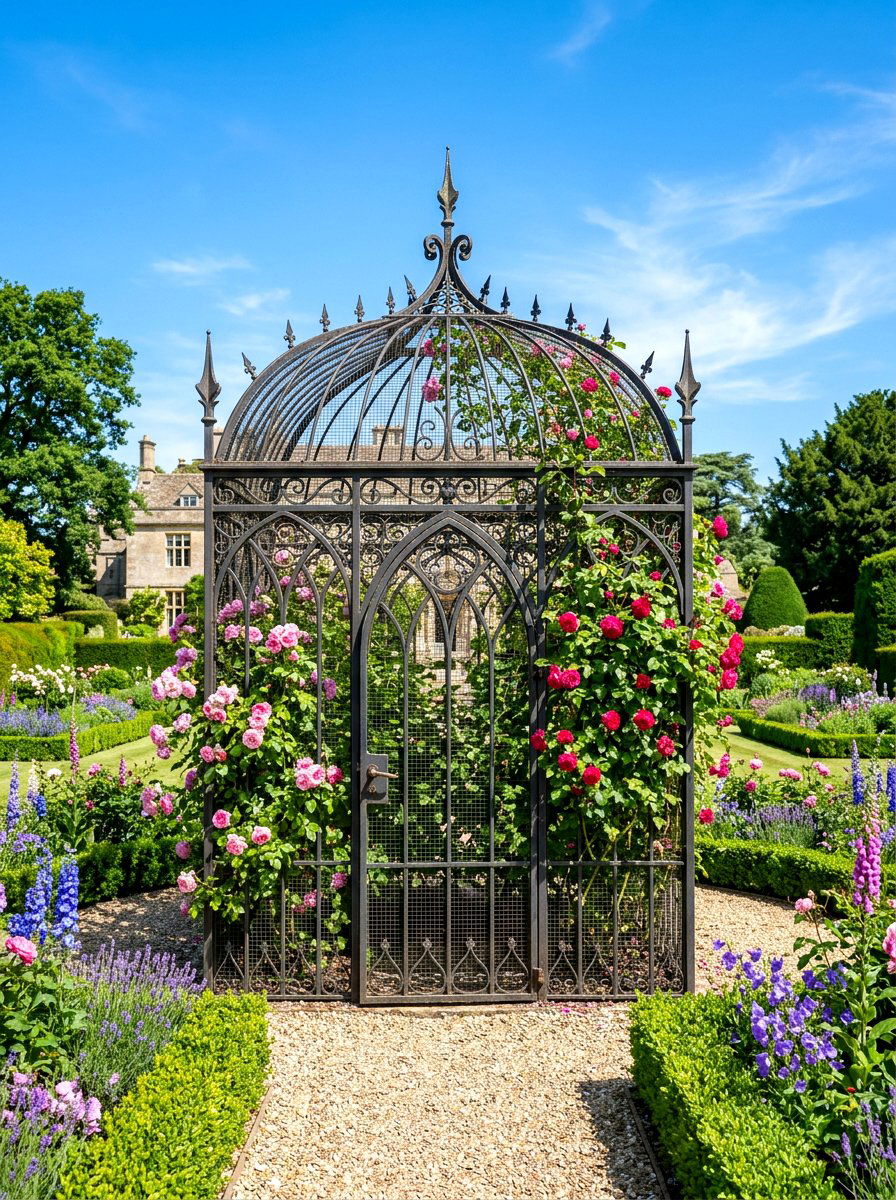
Why settle for a purely functional structure when you can have a stunning focal point in your backyard? A decorative fruit cage often features elegant architectural details like domed roofs, gothic arches, or ornate finials. These enclosures serve as beautiful garden ornaments while providing essential protection for your soft fruits. They are perfect for formal gardens or cottage-style landscapes where aesthetics are just as important as productivity. You can grow climbing roses or clematis around the base to further integrate the cage into your floral displays. This design choice proves that high-yield gardening can be sophisticated and visually appealing for any homeowner who values style.
6. Lean To Fruit Cage
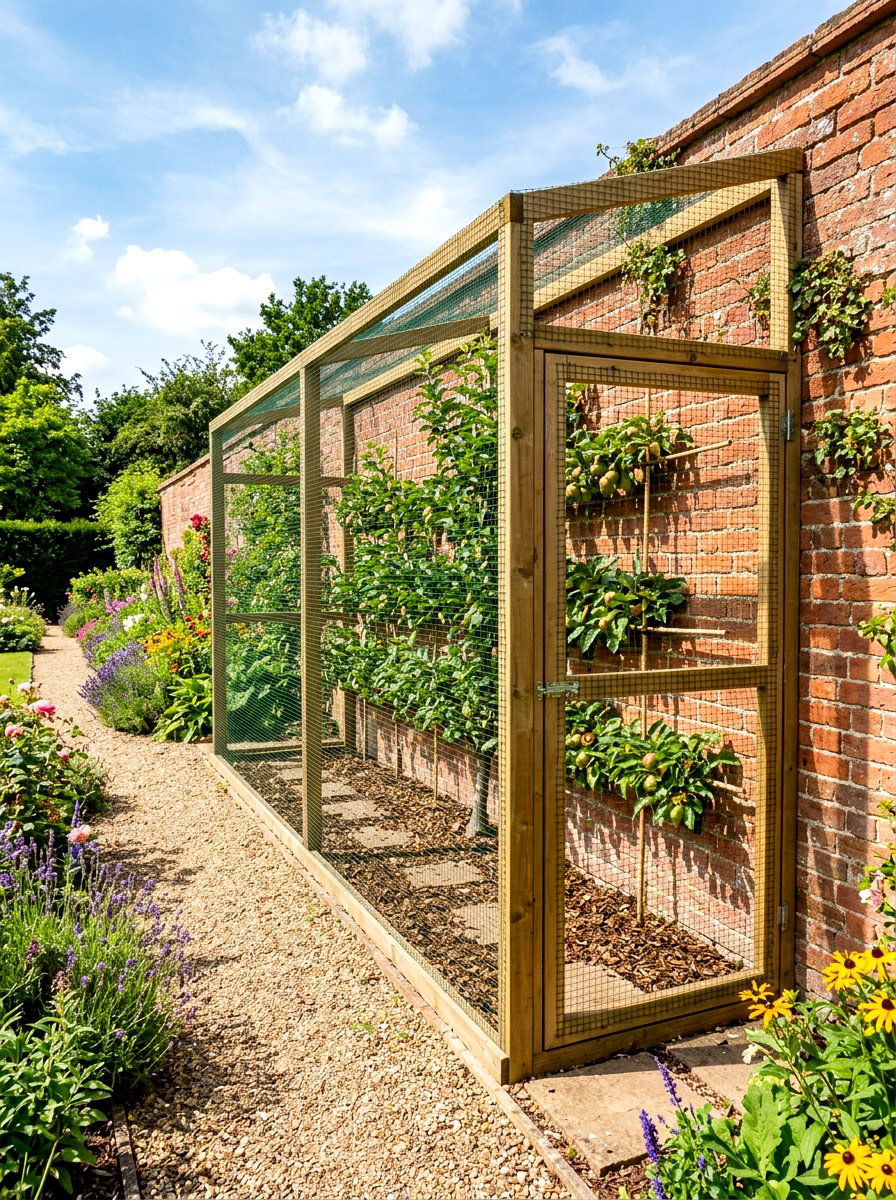
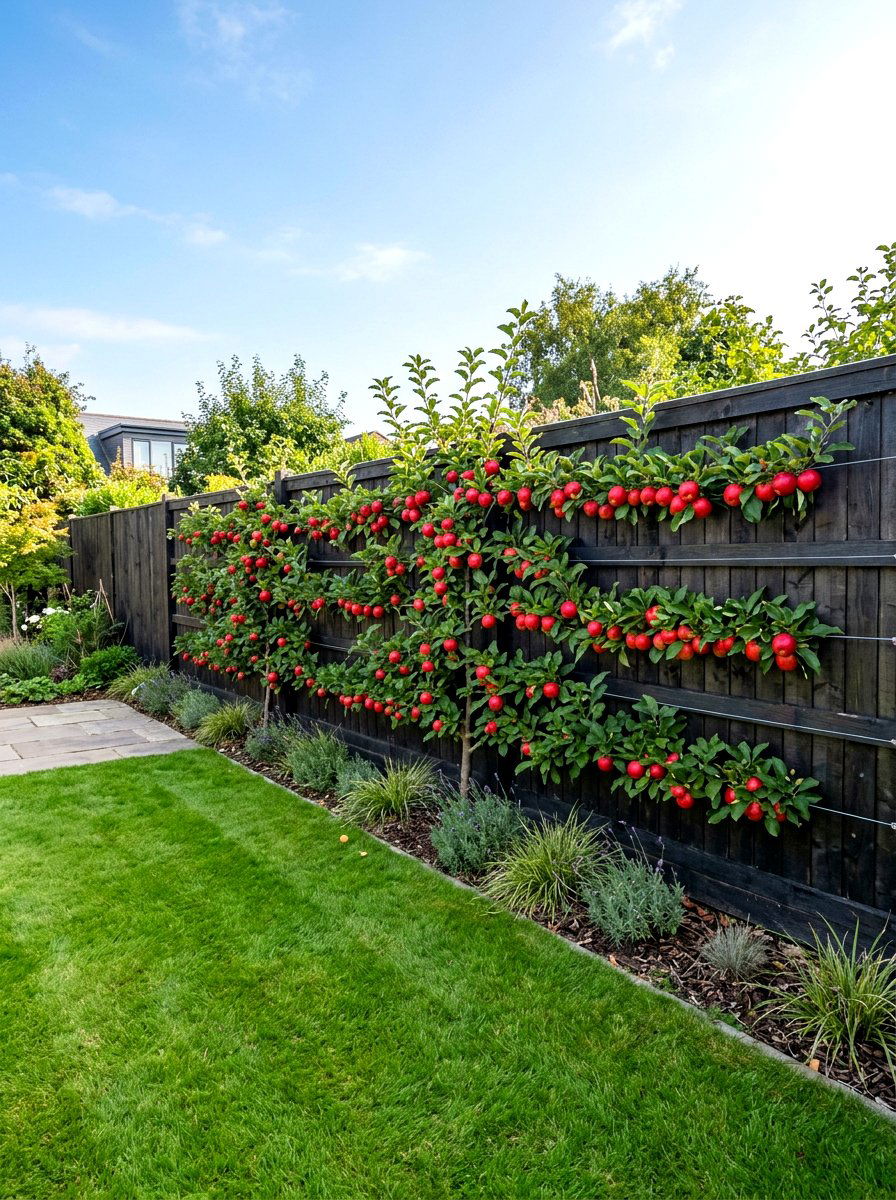
What if you have limited space and need to maximize every inch of a sunny wall or fence? A lean-to fruit cage is a space-saving design that uses an existing structure as one of its sides. This layout is perfect for growing wall-trained fruits like fan-shaped cherries or espaliered apples. By attaching the netting frame directly to your house or garden wall, you create a protected corridor for your plants. This setup often benefits from the heat-retaining properties of the wall, which can help your fruit ripen faster in cooler climates. It is a smart, efficient way to integrate a productive orchard into a narrow side garden.
7. Wall Mounted Fruit Cage
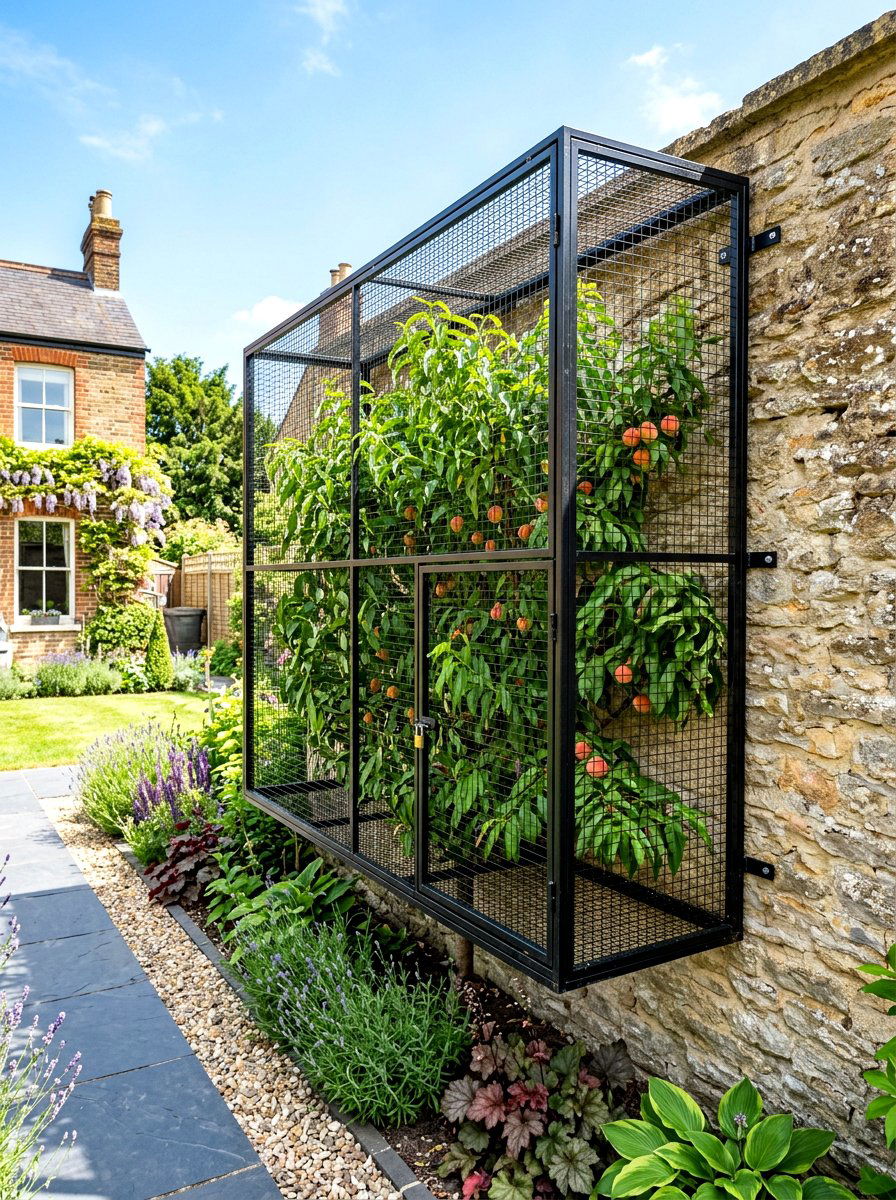
Can you imagine a protection system that seems to float against your garden boundary? A wall-mounted fruit cage is specifically designed for trees and bushes that are grown flat against a vertical surface. Instead of a full four-sided box, this structure consists of a frame that projects outward from the wall and is covered in mesh. It provides a slim, unobtrusive barrier that protects your peaches or nectarines from birds while maintaining a clean look. This design is excellent for urban gardens where ground space is a premium. It allows you to utilize vertical growing techniques while keeping your harvest completely safe from any airborne intruders.
8. Pot Fruit Cage
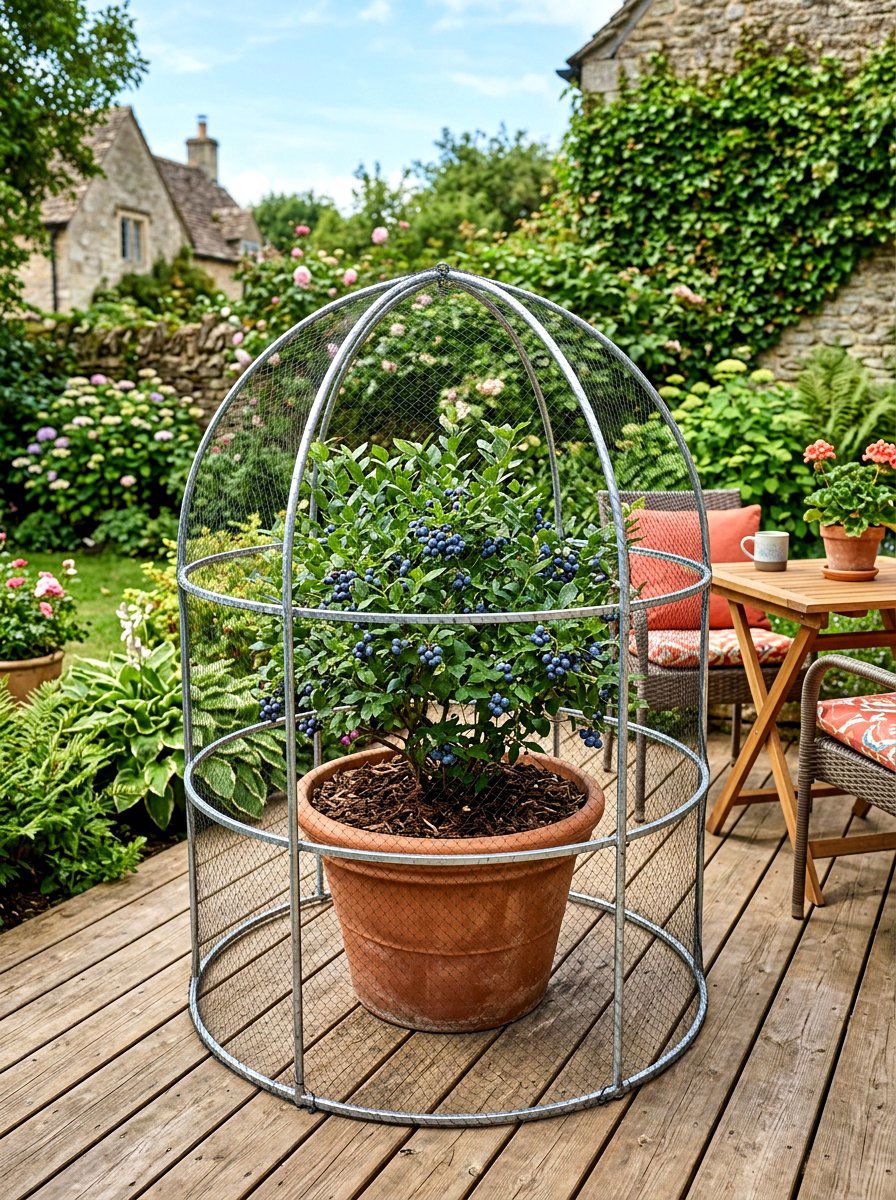
Do you enjoy growing blueberries or strawberries in containers on your patio or balcony? A pot fruit cage is a compact and portable solution designed to fit over individual planters or small clusters of pots. These mini-enclosures often use circular or square frames that can be easily moved as your plants grow or as the sun moves across your deck. They are perfect for protecting high-value crops that require specific soil conditions found only in containers. This setup ensures that even the smallest garden can be productive and pest-free. You can easily remove the netting during the off-season or when you want to show off your plants.
9. Berry Fruit Cage
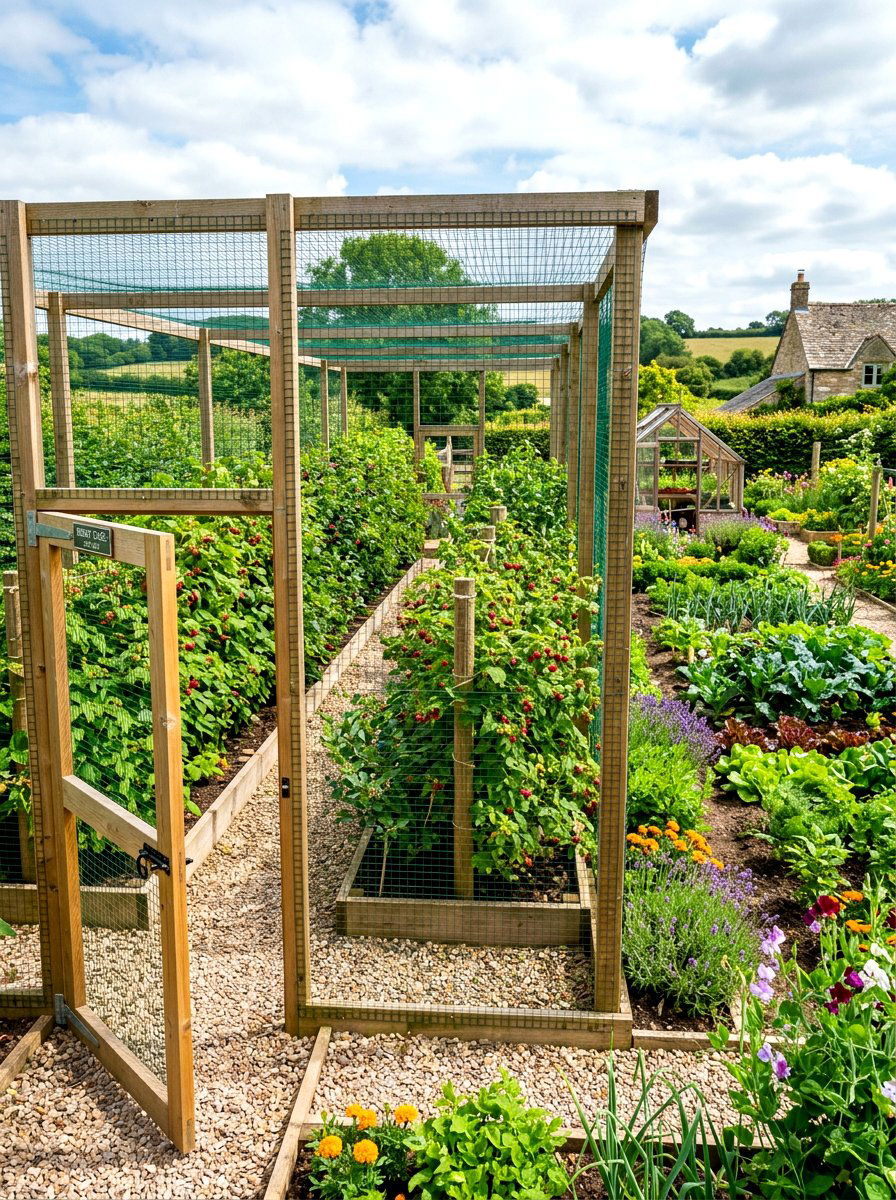
How do you protect a diverse collection of soft fruits like currants, gooseberries, and blackberries all at once? A berry fruit cage is a specialized enclosure designed to house multiple rows of different berry varieties in one organized space. These cages are usually large enough to allow for easy cross-pollination while keeping out the birds that love these sweet treats. By grouping your berry bushes together, you can streamline your watering and fertilizing routines within a single protected zone. This design often features different mesh sizes to target specific pests. It is the ultimate dream for anyone who wants to become self-sufficient in summer fruit production.
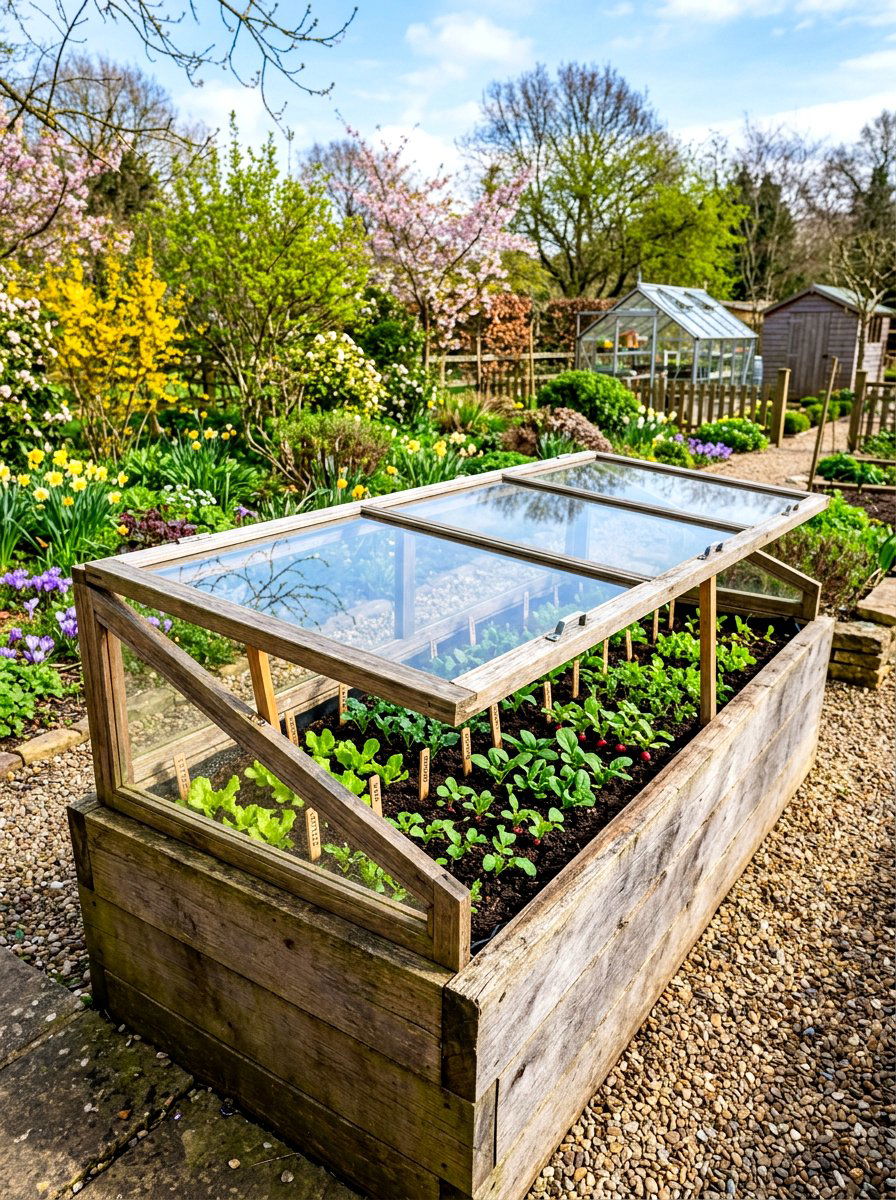
10. Strawberry Fruit Cage
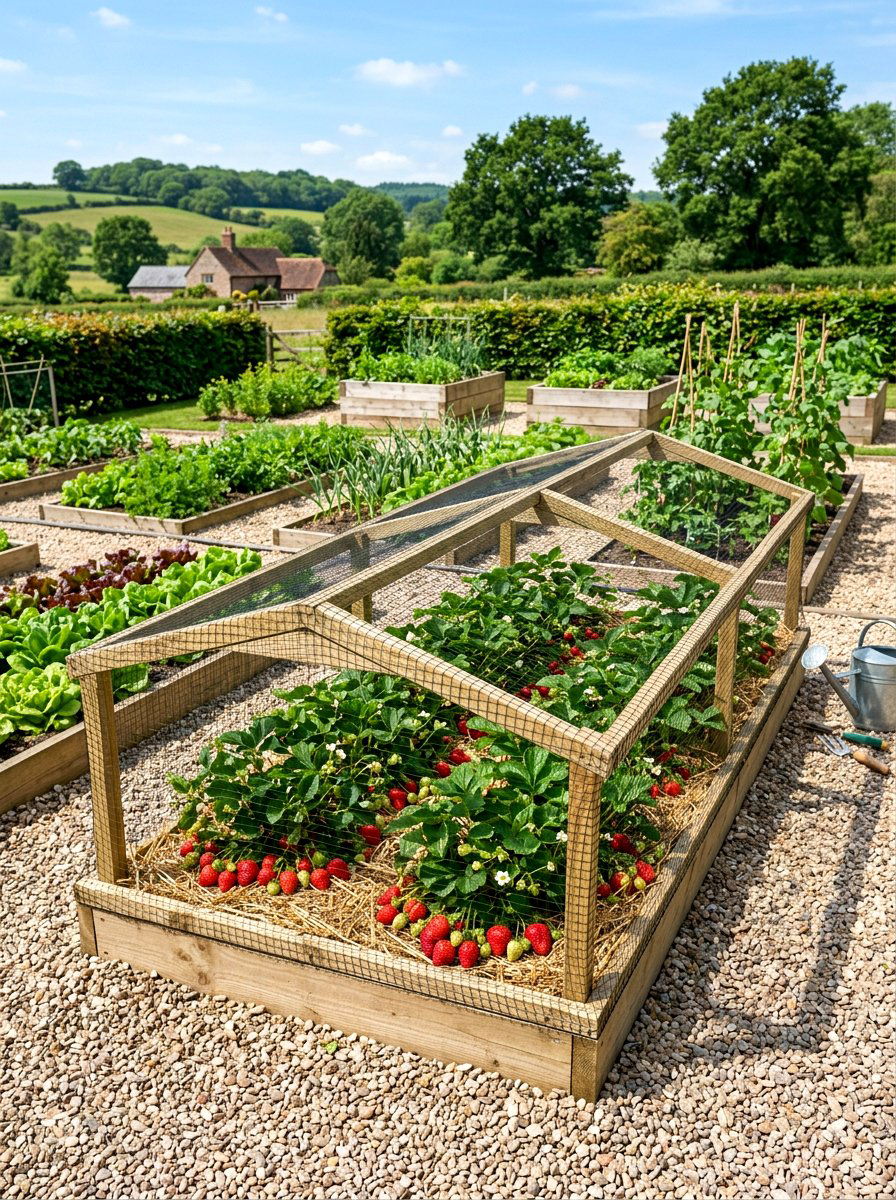
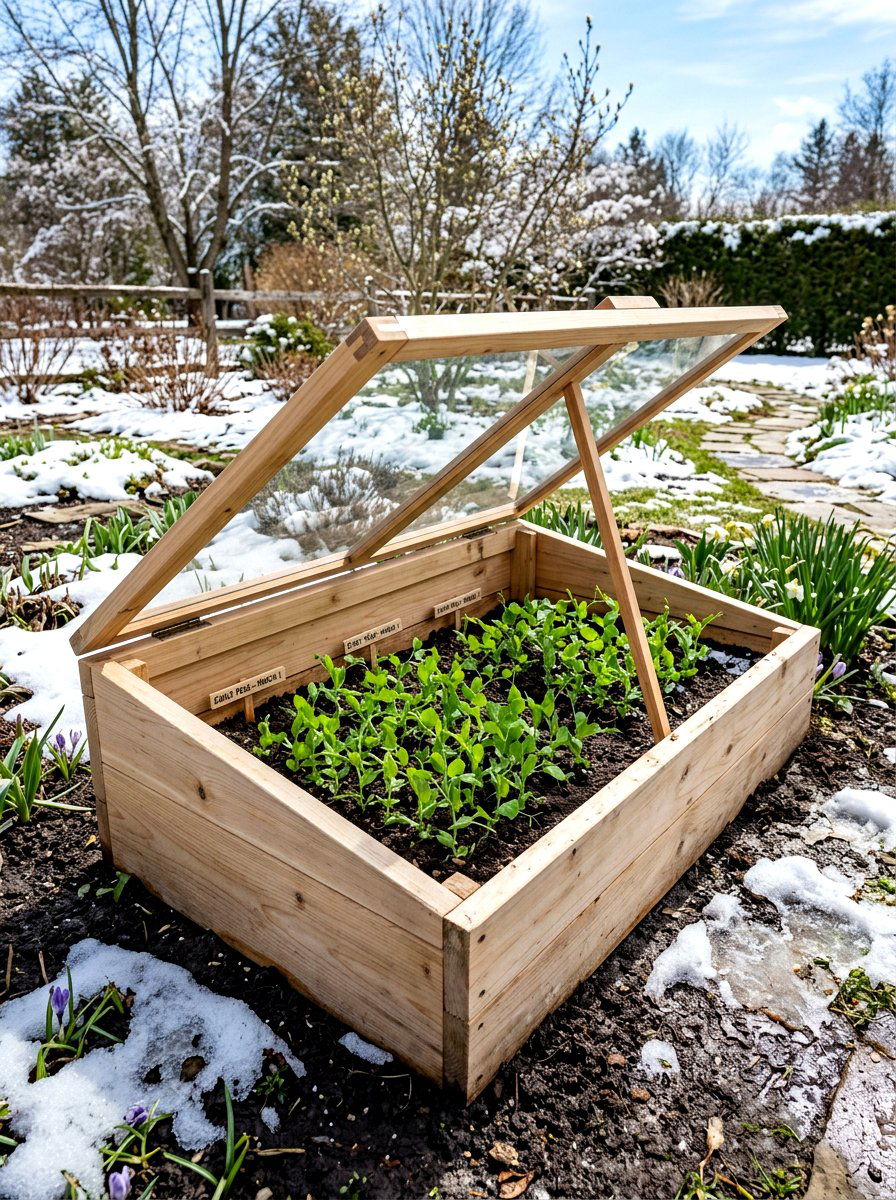
Are you tired of finding your best strawberries half-eaten just as they turn perfectly red? A strawberry fruit cage is a low-profile enclosure specifically tailored to the crawling habit of these popular plants. Because strawberries grow close to the ground, these cages do not need to be tall, which makes them very unobtrusive in the landscape. Many designs feature removable top panels or hinged lids for easy picking and maintenance throughout the summer. This setup also helps keep the fruit off the soil, reducing the risk of rot and slug damage. It is an essential tool for anyone serious about harvesting a bumper crop of sweet berries.
11. Blueberry Fruit Cage
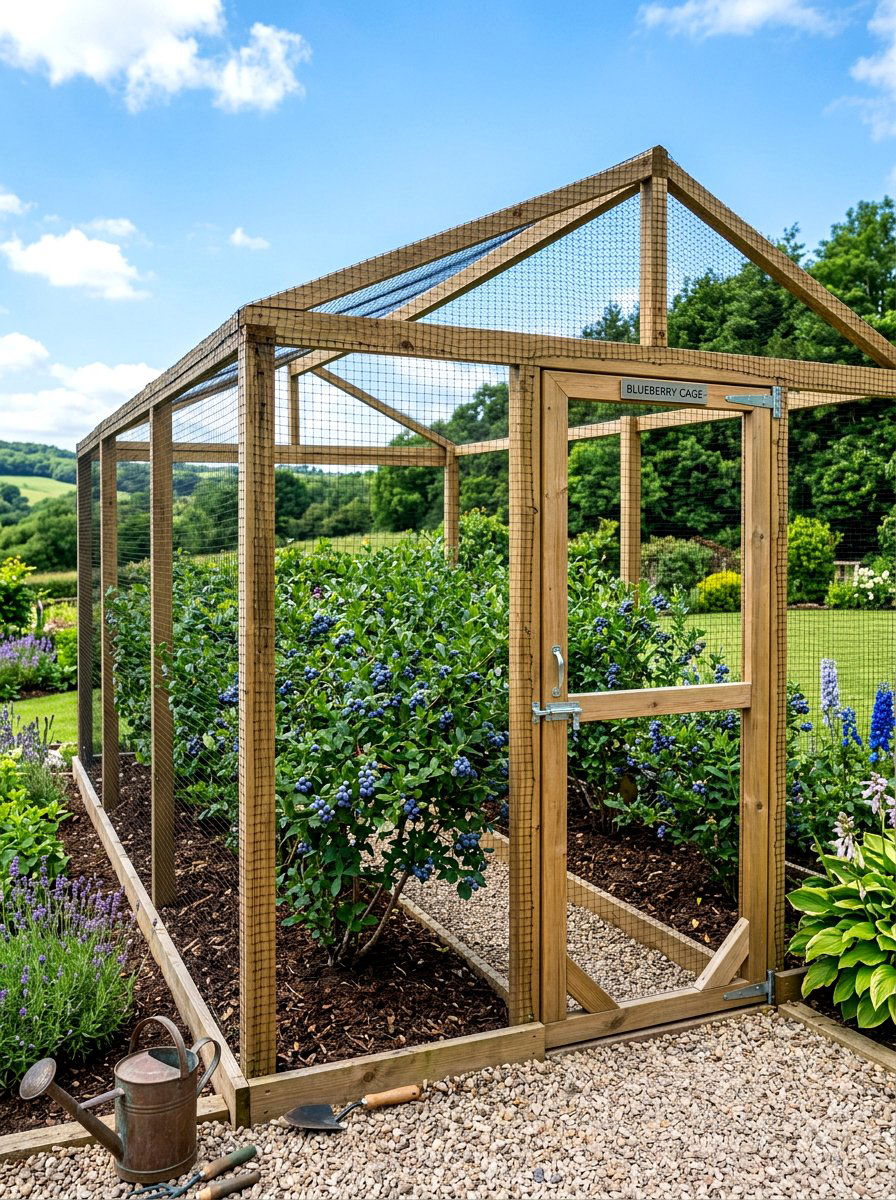
Did you know that birds can strip a blueberry bush of its entire crop in just a few hours? A blueberry fruit cage is a must-have because these berries often need to stay on the bush for several weeks after turning blue to reach peak sweetness. These cages are typically medium-height to accommodate the upright growth of blueberry shrubs. Using a fine mesh netting ensures that even smaller birds cannot squeeze through to reach the ripening fruit. Because blueberries thrive in acidic soil, these cages are often placed over dedicated beds. This structure allows you to wait for the perfect moment to harvest your sweetest, juiciest berries.
12. Raspberry Fruit Cage
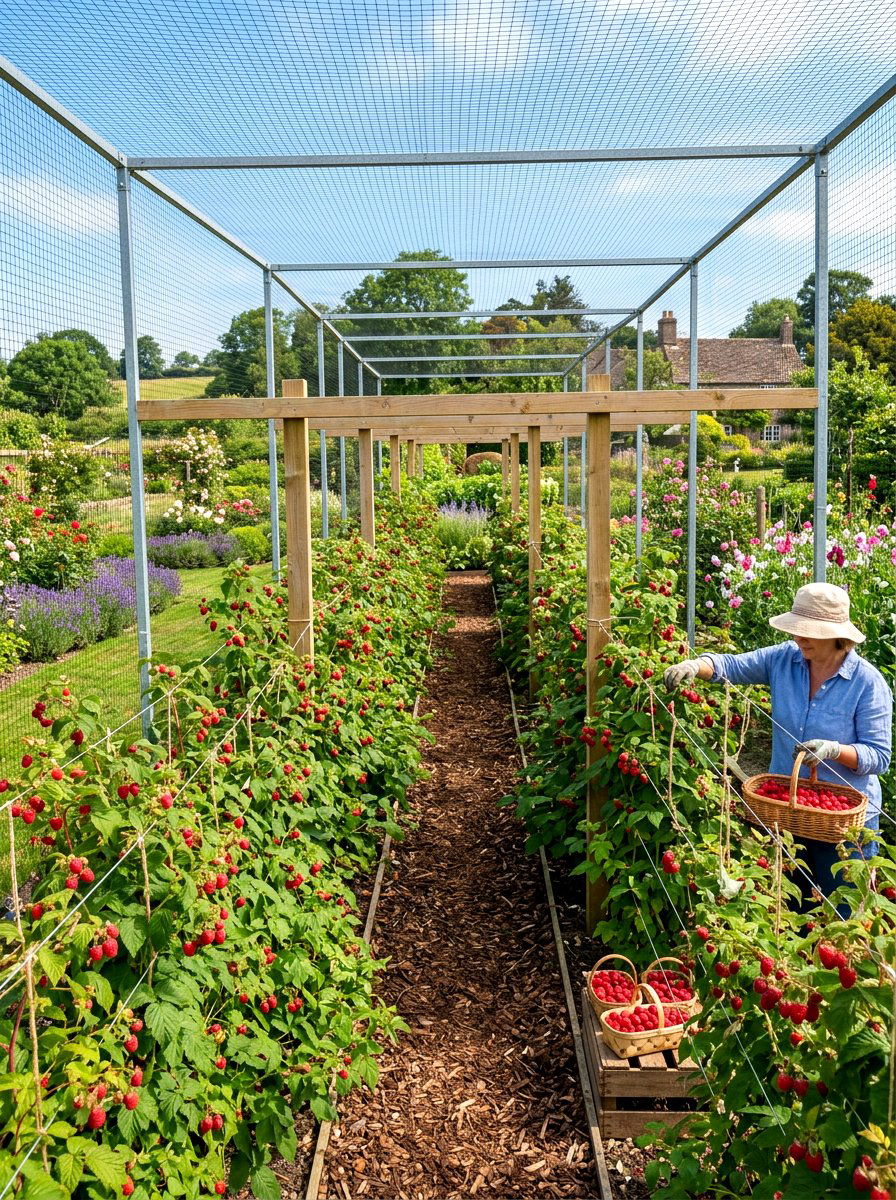
How can you manage the tall, rambling canes of raspberries while keeping them safe from greedy birds? A raspberry fruit cage is designed with extra height to accommodate the vertical growth of both summer-fruiting and autumn-fruiting varieties. These enclosures often include internal wire supports or trellises to keep the canes upright and organized. By enclosing the entire row, you prevent birds from landing on the top of the canes and pecking at the fruit. This setup makes harvesting much easier, as you can walk down the rows without getting tangled in messy netting. It is a practical solution for maintaining a high-yielding and tidy raspberry patch.
13. Victorian Fruit Cage
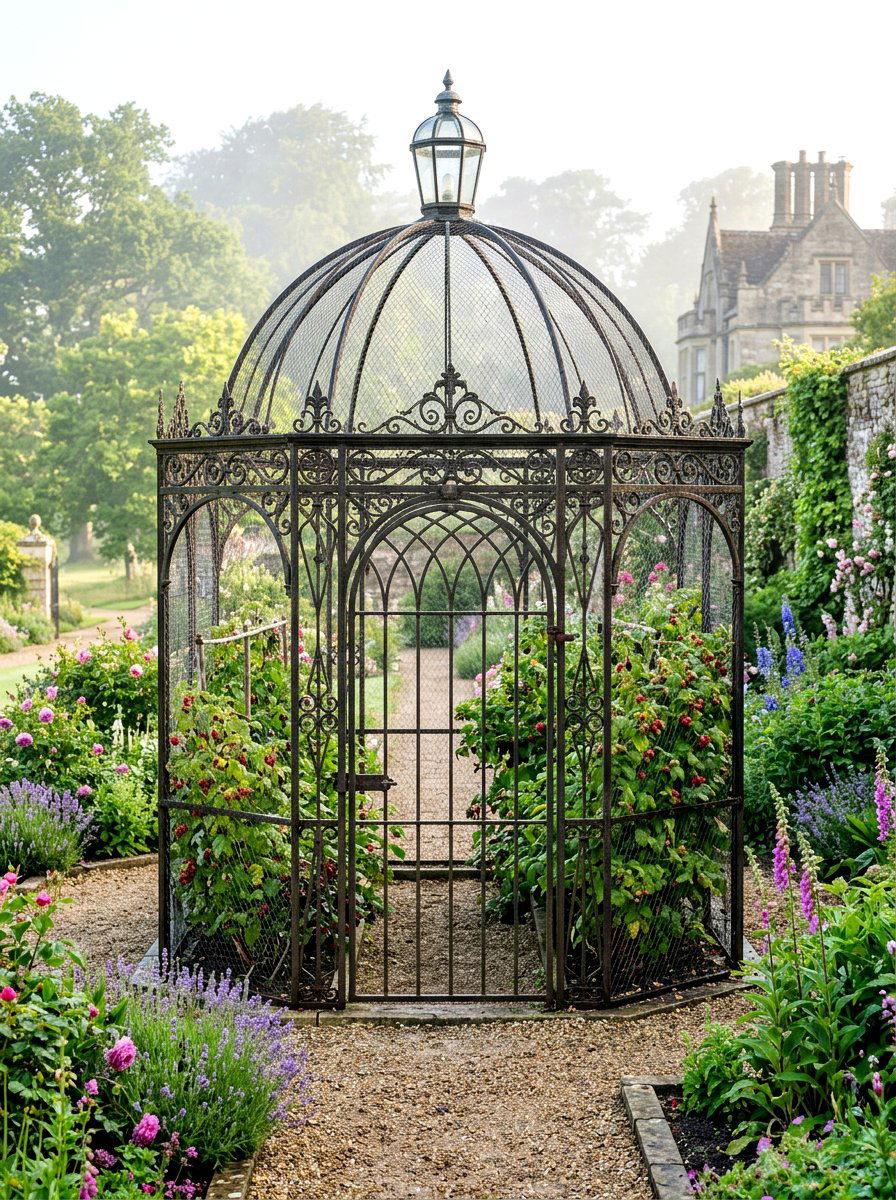
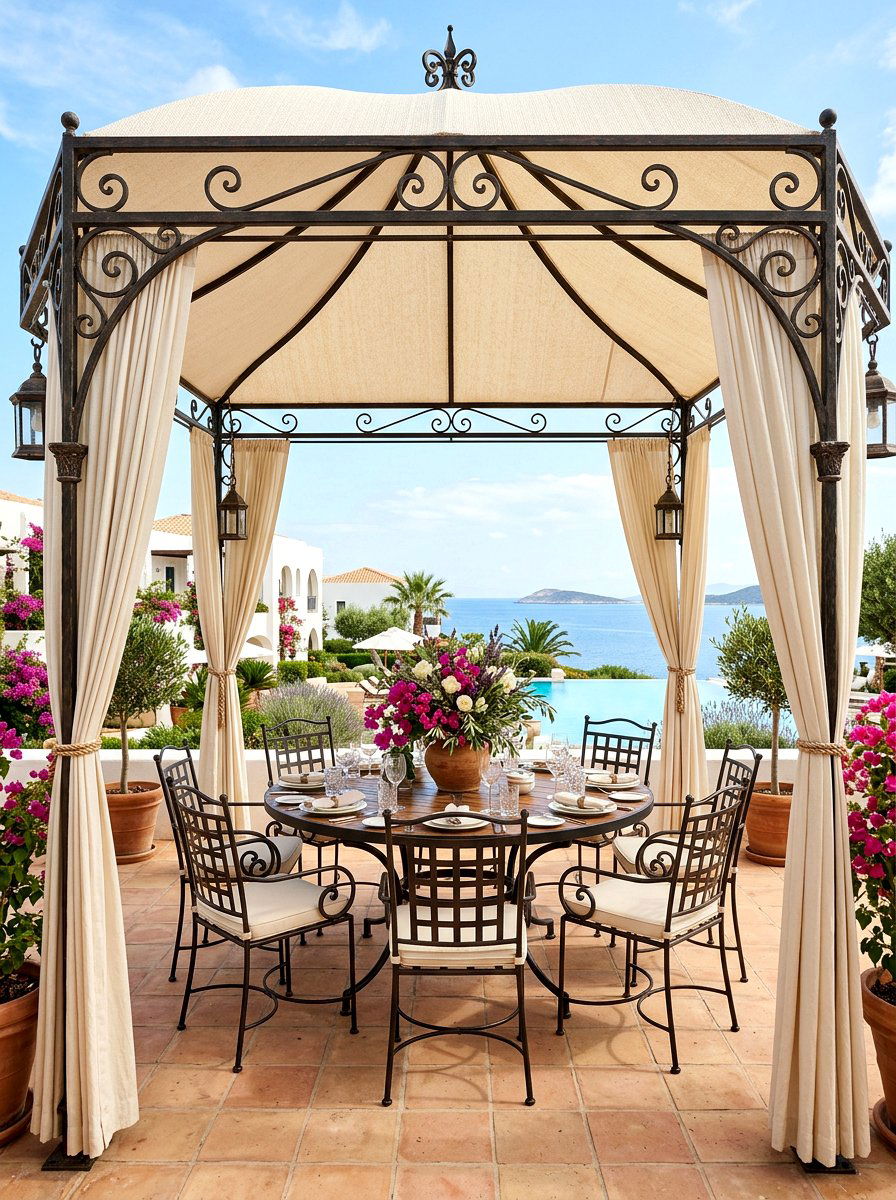
Do you want your garden to feel like a classic English estate with timeless architectural beauty? A Victorian fruit cage adds an elegant touch to any landscape while serving a very practical purpose. These cages often feature decorative finials, curved rooflines, and ornate ironwork that elevate the look of your backyard. They are perfect for gardeners who want to combine aesthetics with functionality without compromising on style. You can grow a variety of traditional soft fruits inside these beautiful enclosures. The classic design ensures that your garden remains a focal point of the property throughout the year. It is a wonderful investment for long-term food security and visual appeal.
14. Modern Fruit Cage
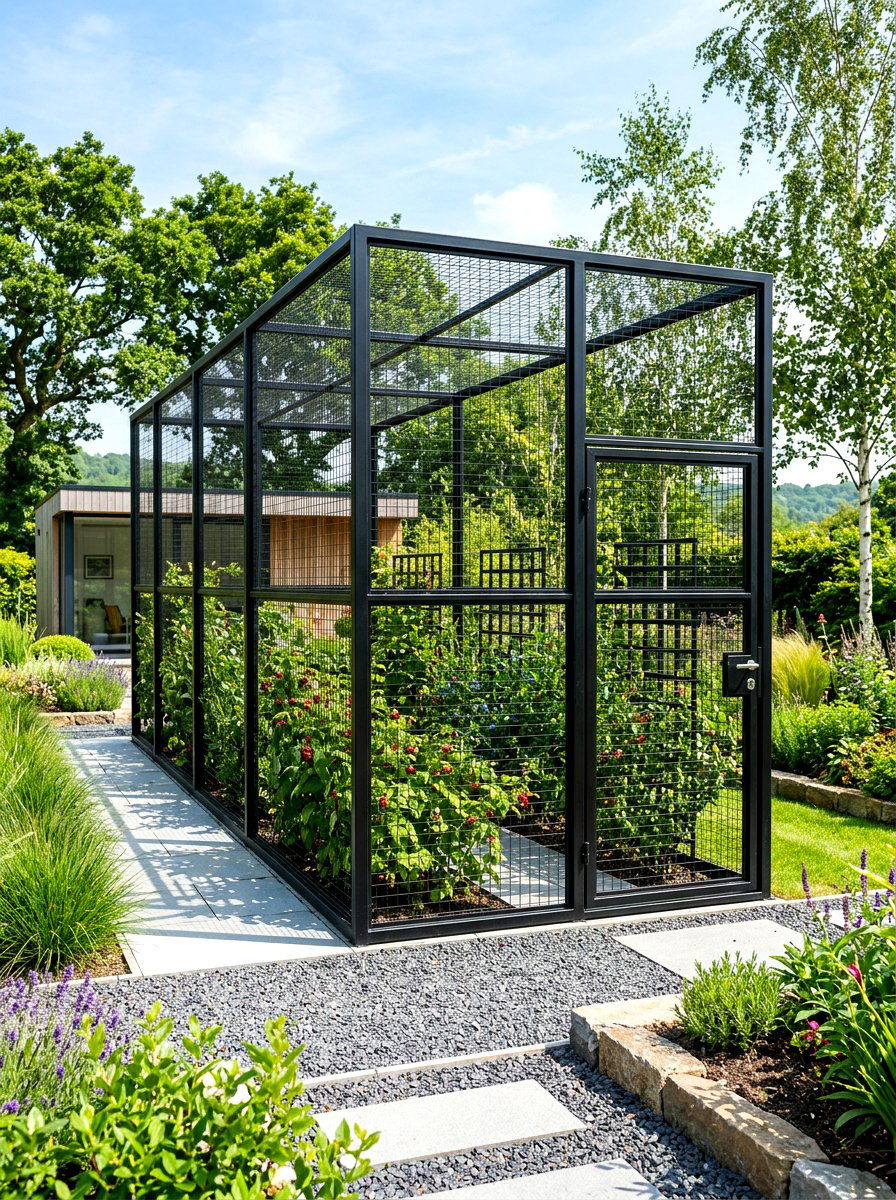
Are you a fan of the industrial-chic look with clean lines and high-performance materials? A modern fruit cage utilizes contemporary design elements like slim black steel frames and high-tension wire mesh. These structures are built to be almost invisible from a distance, allowing the natural beauty of your plants to take center stage. They often feature innovative door latches and modular designs that can be expanded as your garden grows. This style is perfect for modern homes with minimalist landscaping where traditional wooden structures might feel out of place. It provides a sophisticated and professional environment for growing premium organic fruit right in your own backyard.
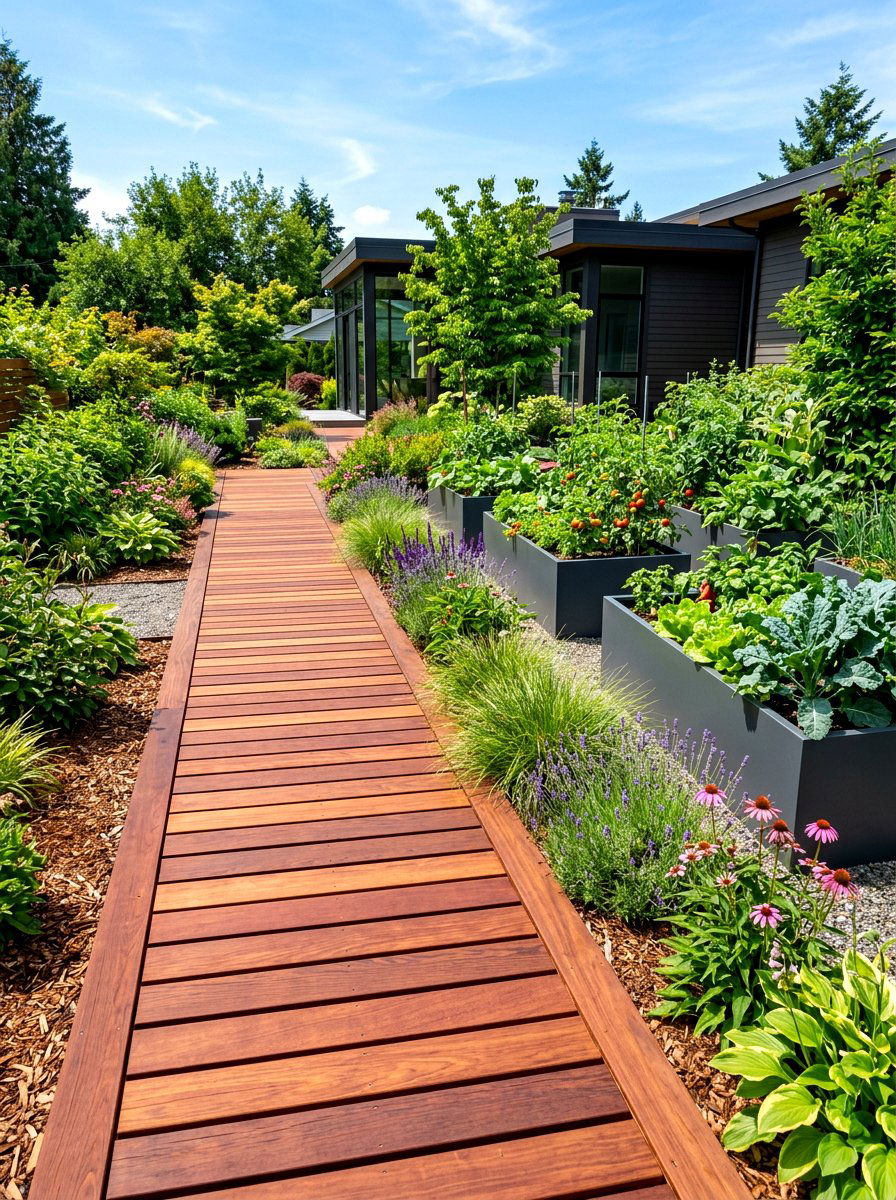
15. DIY Fruit Cage
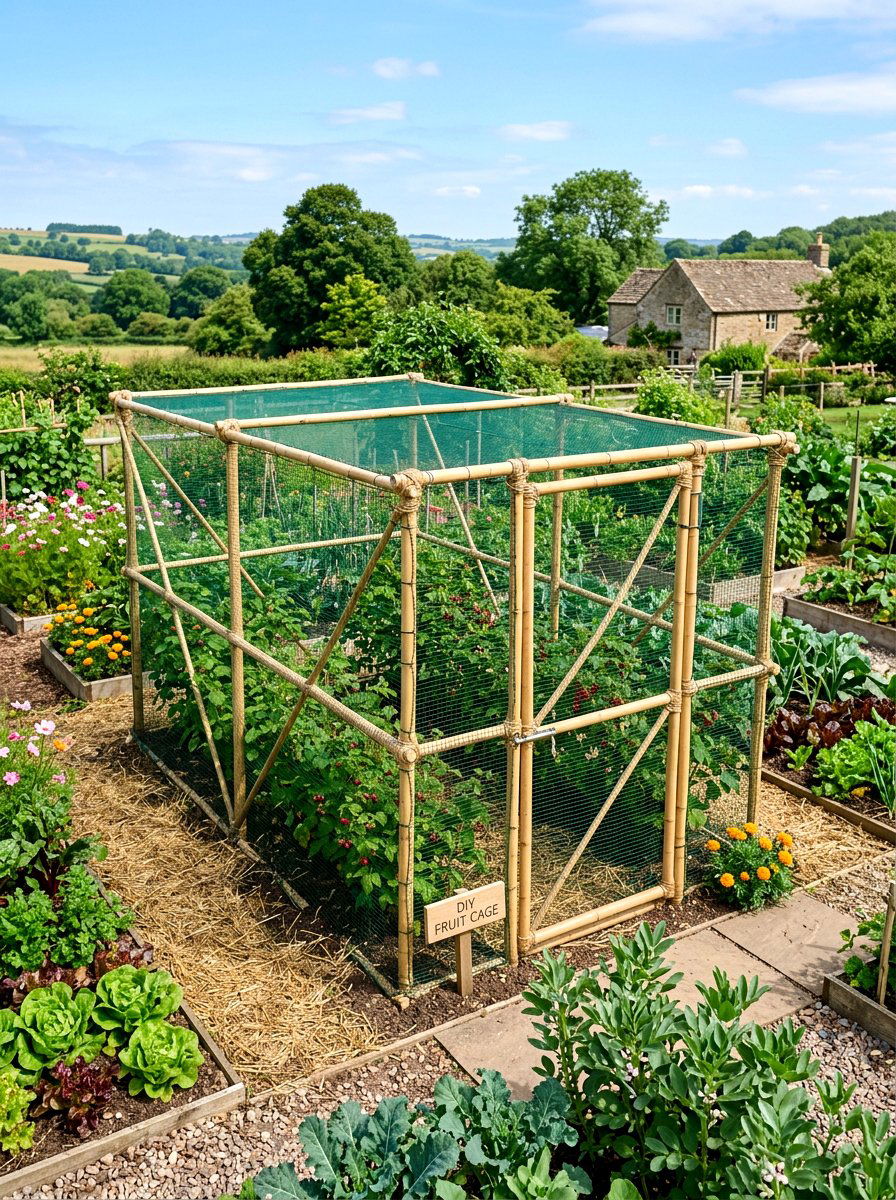
Have you ever thought about building your own custom protection system using simple materials from the hardware store? A DIY fruit cage allows you to tailor the dimensions and style exactly to your garden's unique layout. Many people use affordable materials like wooden stakes, bamboo poles, or even heavy-duty garden wire to create a sturdy frame. You can then drape high-quality netting over the top and secure it with staples or zip ties. This approach is highly cost-effective and gives you the satisfaction of creating something functional with your own hands. It is a great weekend project for any resourceful gardener looking to save money.
16. PVC Fruit Cage
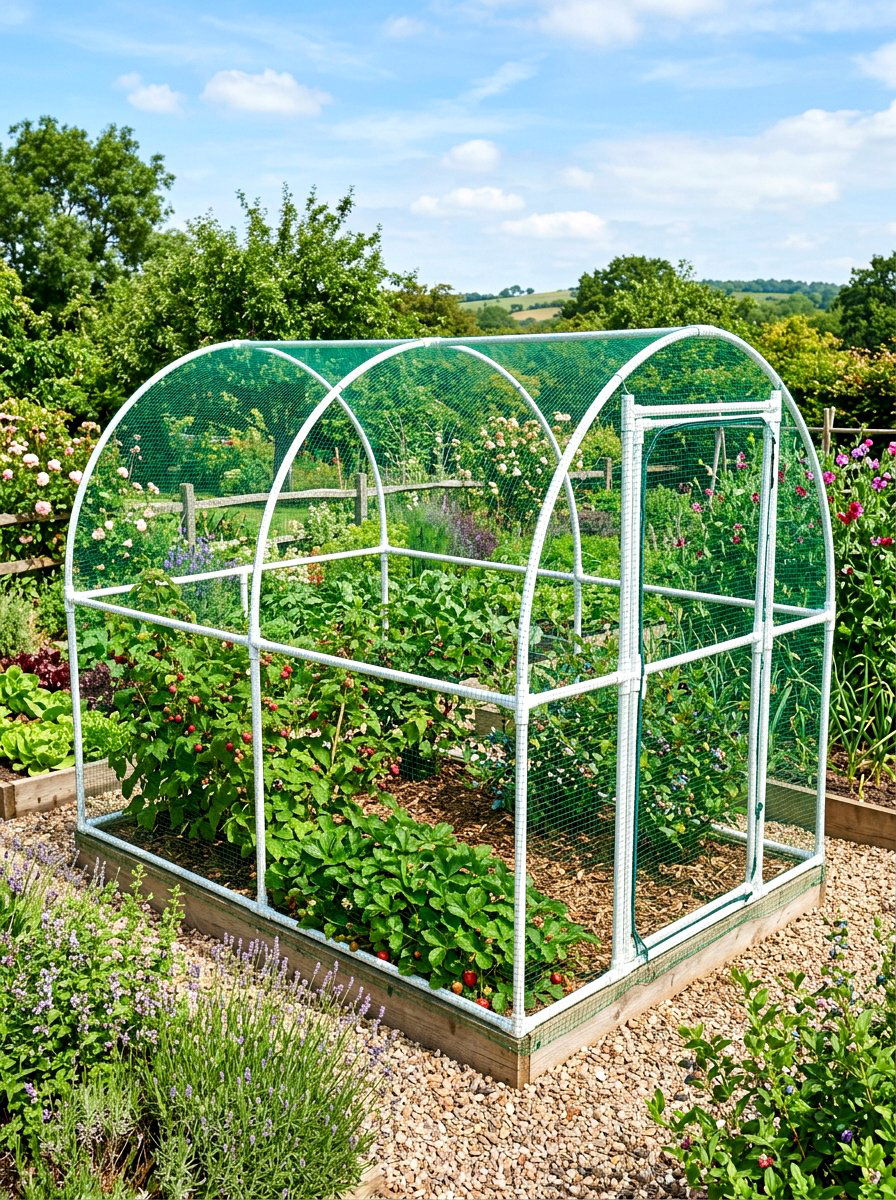
Are you looking for a lightweight and versatile material that is easy to work with for your garden projects? A PVC fruit cage uses plastic piping for the frame, which makes the entire structure incredibly easy to move and assemble. These cages are excellent for temporary or seasonal use because they can be dismantled and stored away during the winter months. The smooth surface of the PVC prevents the netting from snagging or tearing over time. You can easily create custom shapes like hoops or tall rectangles by using various plastic connectors. This is an affordable and practical choice for beginners or those with changing garden layouts.
17. Arched Fruit Cage
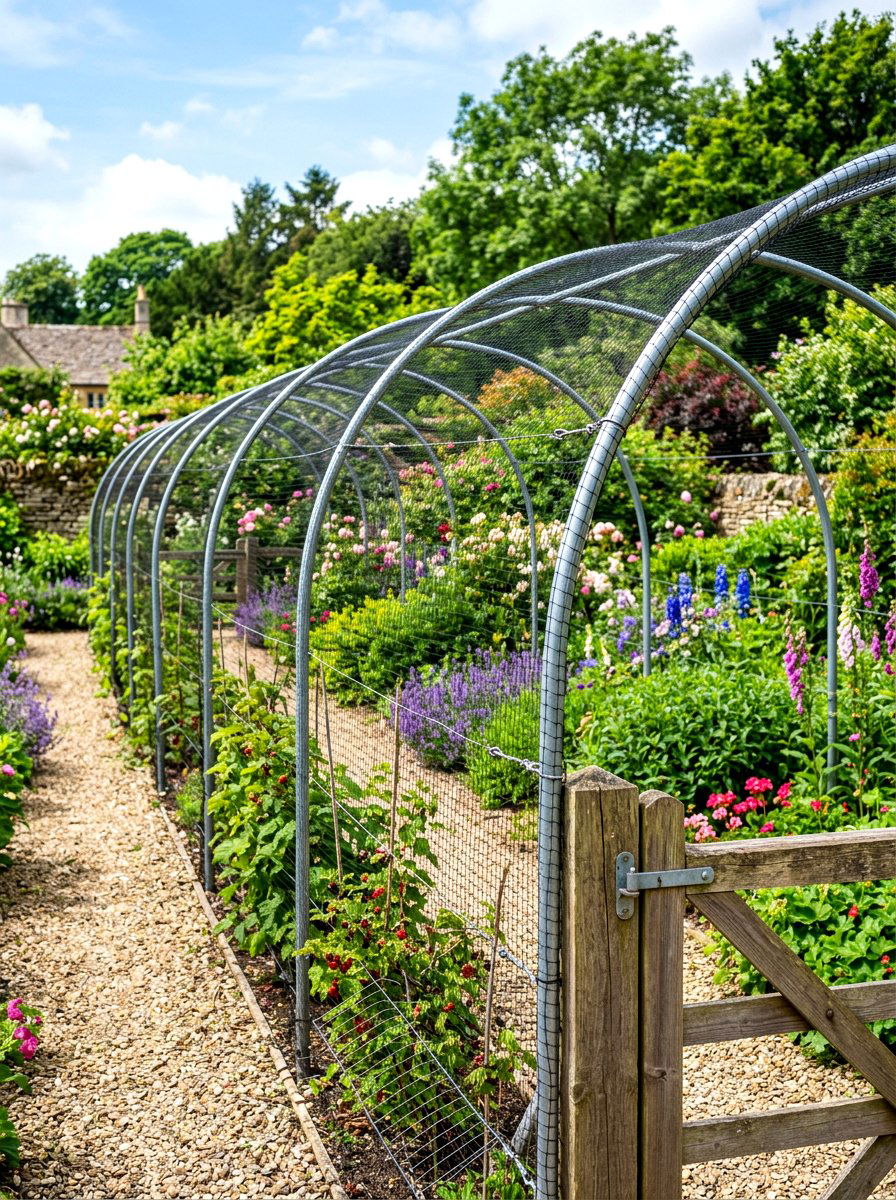
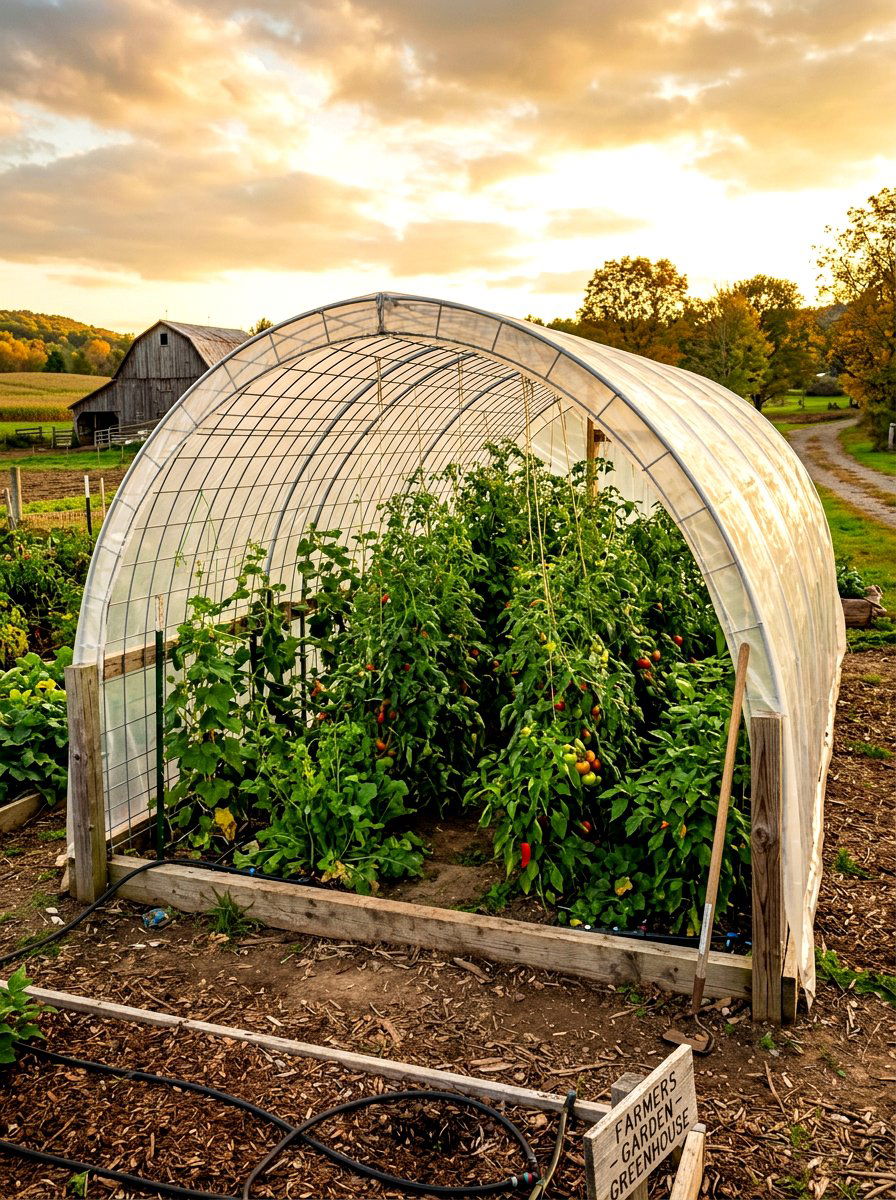
Why use flat surfaces when a graceful curve can add so much character to your vegetable plot? An arched fruit cage features a rounded roofline that provides a soft, organic look while being very structurally sound. This design is particularly good at shedding rain and snow, preventing the netting from sagging under heavy weight. These tunnels are often used for long rows of fruit bushes or over raised beds to create a walk-through experience. The height of the arch allows for excellent air circulation, which is vital for preventing fungal diseases in your plants. It is a stylish and efficient way to protect your garden.
18. Fruit Cage Netting
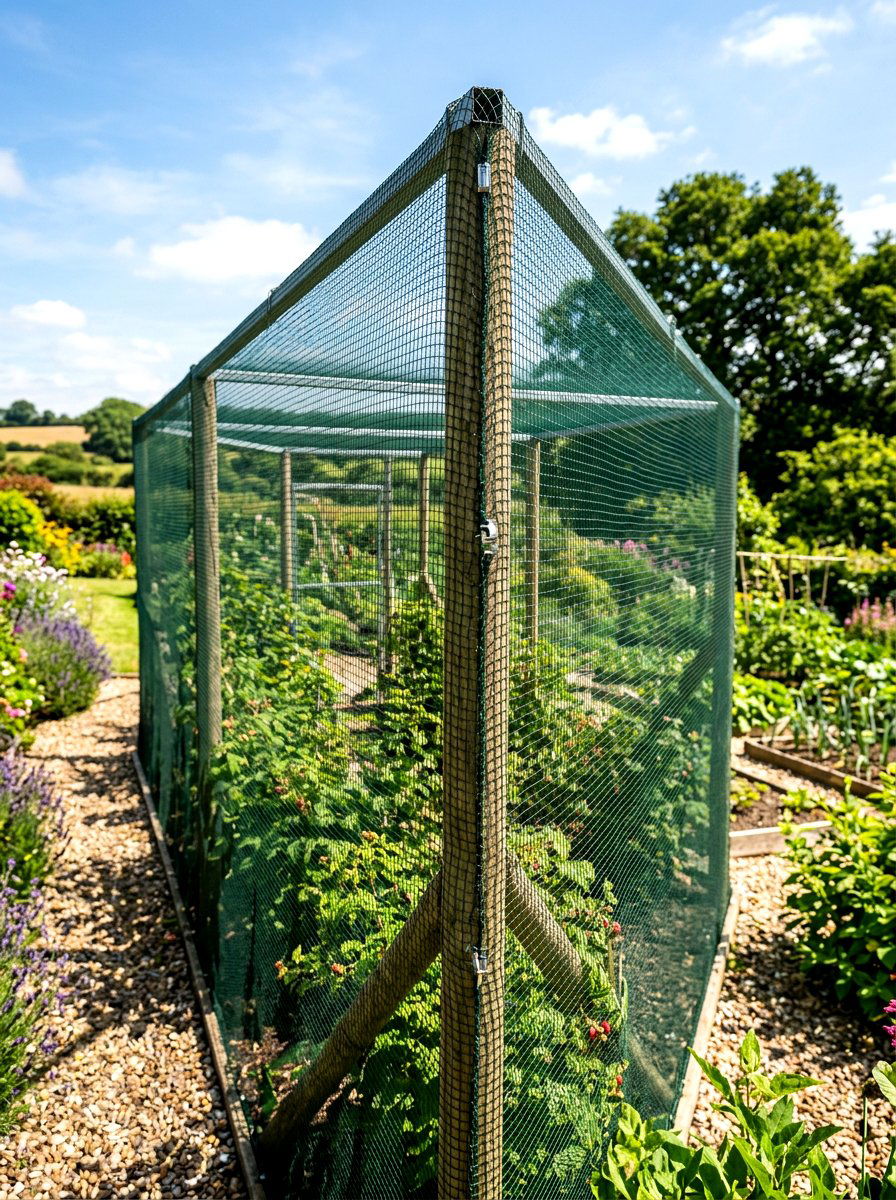
What is the most important component of any protective structure when it comes to keeping out specific pests? Fruit cage netting comes in various hole sizes and materials to target different threats, from large birds to tiny butterflies. Choosing a high-quality, UV-stabilized mesh ensures that your barrier will not degrade under the sun's harsh rays. Some nets are designed specifically to be "bird-safe, " meaning they have a smaller mesh size that prevents wings from getting tangled. You can also find heavy-duty options that provide extra protection against rabbits or deer. Investing in the right netting is the secret to a long-lasting and effective fruit enclosure system.
19. Small Fruit Cage
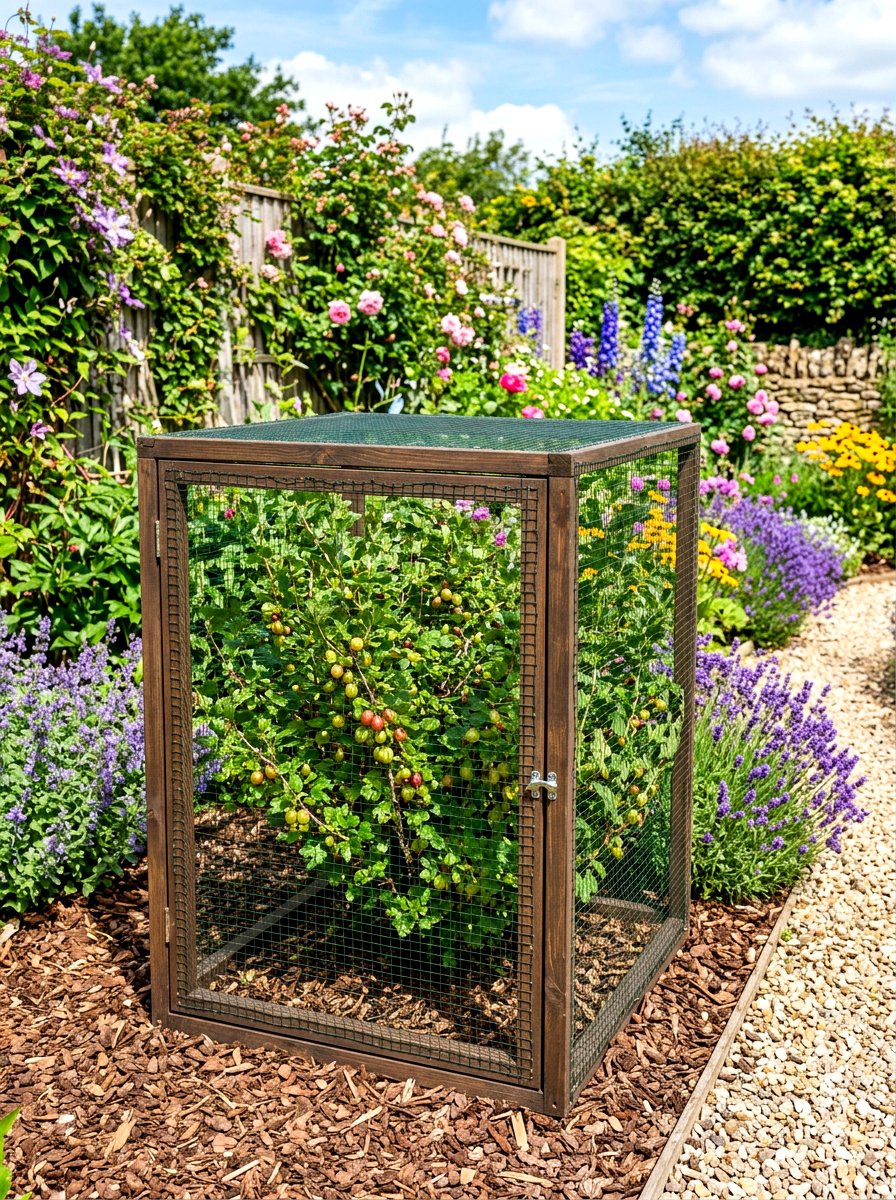
How can you protect a single valuable plant or a tiny patch of berries without taking over your whole yard? A small fruit cage is a focused solution for gardeners with limited space or those who only grow a few select varieties. these compact structures are often designed to be portable, allowing you to move them from one plant to another as different fruits ripen. They are perfect for a single gooseberry bush or a small cluster of strawberry plants. Despite their size, they provide the same high level of protection as their larger counterparts. This setup is a smart way to start your fruit-growing journey.
20. Large Fruit Cage
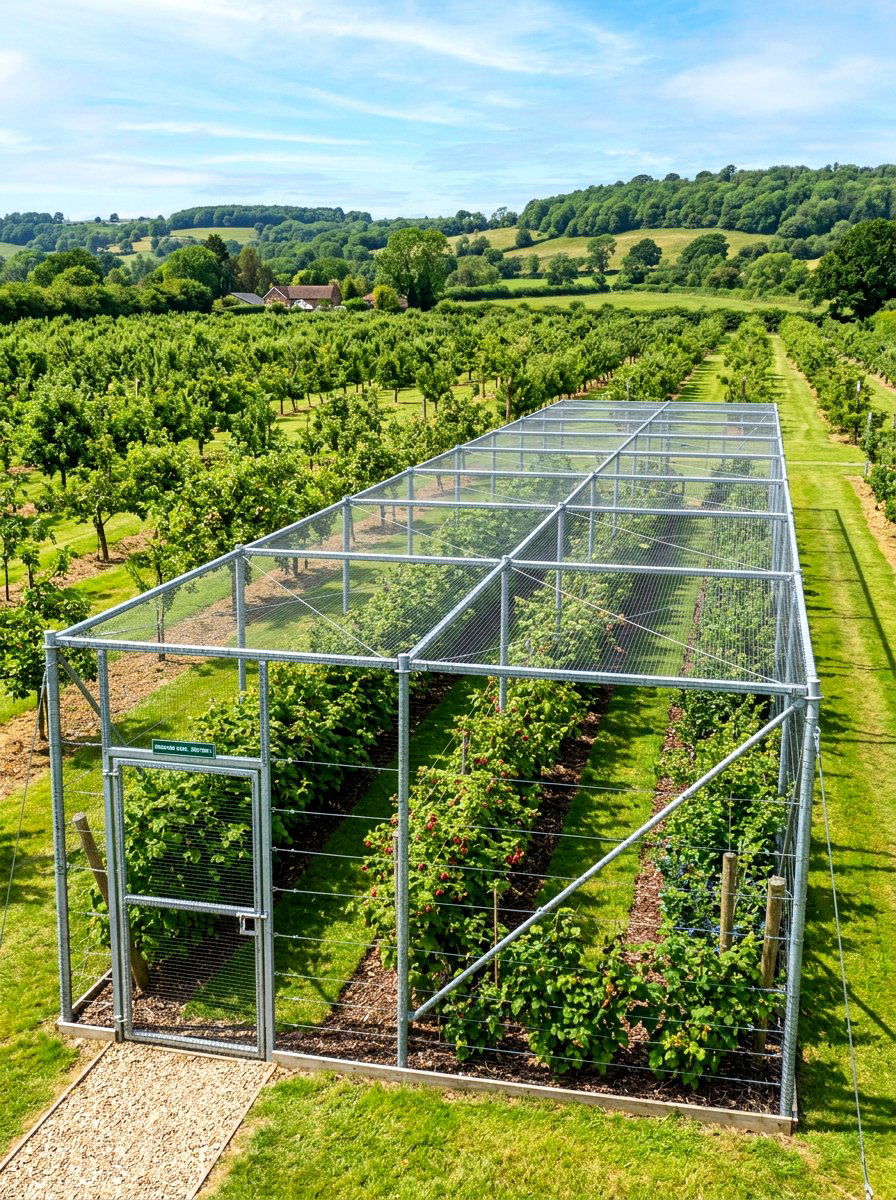
Do you have a massive garden and a dream of being completely self-sufficient with your fruit production? A large fruit cage provides a vast, enclosed area where you can grow an entire orchard of berries, dwarf trees, and vegetables. These professional-grade structures often feature multiple internal sections and walk-in doors for easy access to every plant. They are built to last for decades and provide a permanent solution for serious food growers. Having such a large protected space allows you to experiment with many different varieties and maximize your yield. It is a significant investment that pays off with baskets of fresh fruit every season.
21. Portable Fruit Cage
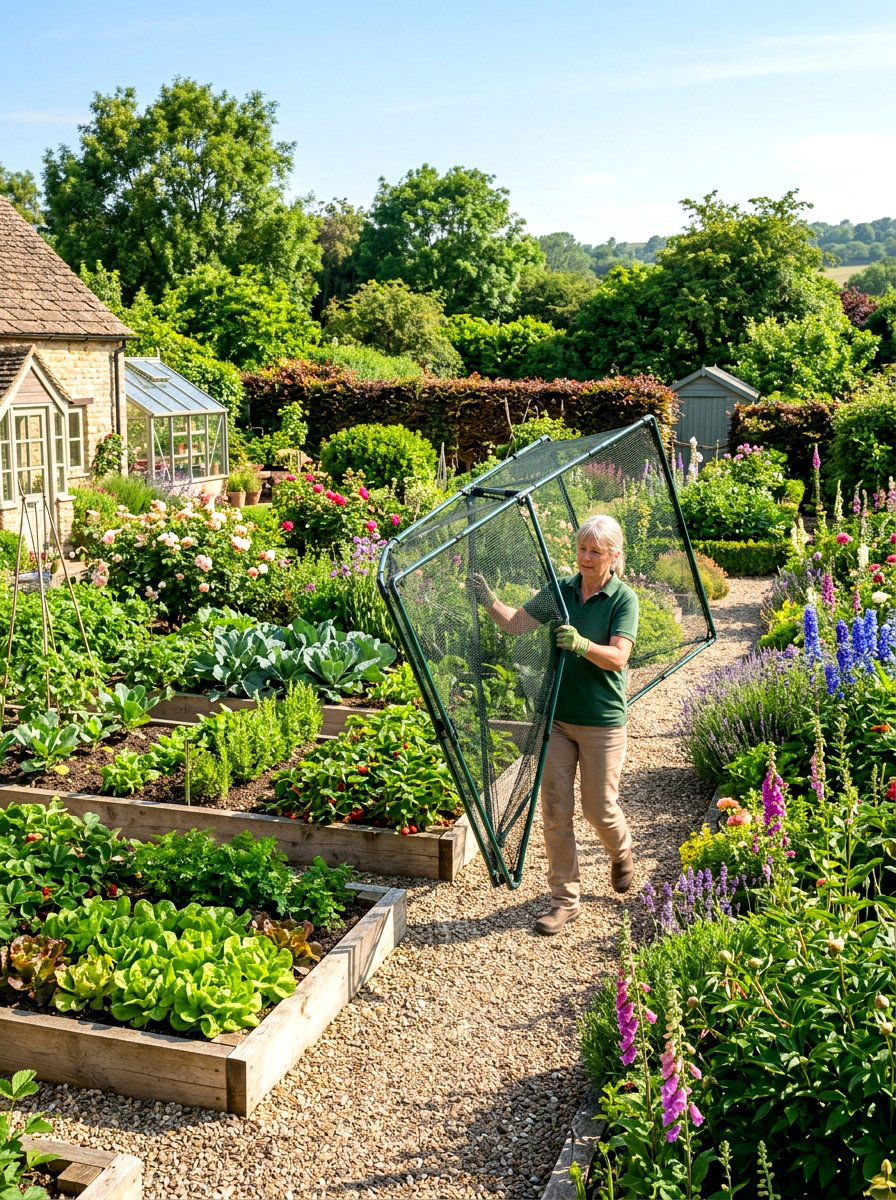
What if you need a protection system that can move around your garden as the seasons change? A portable fruit cage is designed with lightweight frames and easy-to-carry handles, making it perfect for rotating crops. This flexibility is great if you practice crop rotation or if you want to protect different plants at various stages of their growth. Many of these designs use "pop-up" technology or simple snap-together frames that can be set up in minutes. They are ideal for protecting strawberries in the spring and then moving over to the brassicas in the fall. This versatility makes them a favorite for busy and adaptable gardeners.
22. Foldable Fruit Cage
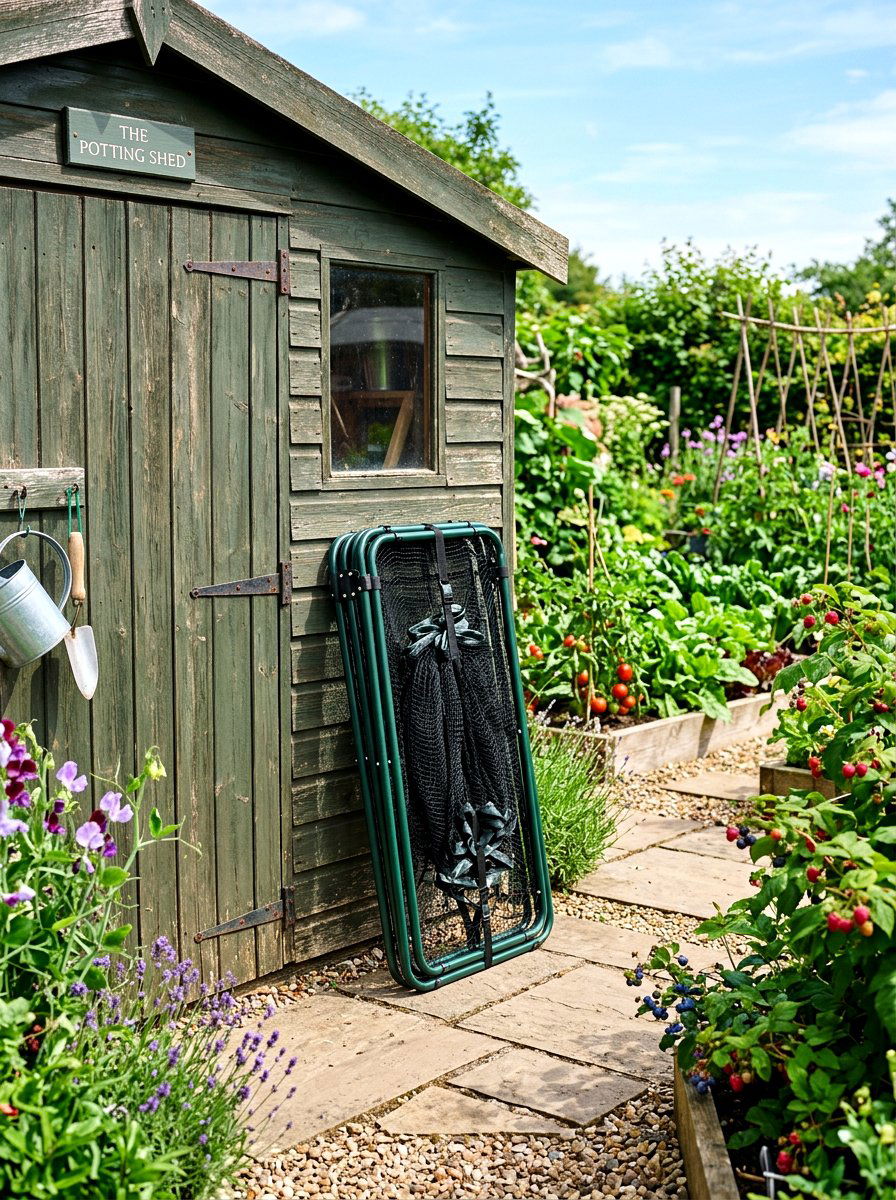
Are you short on storage space during the winter months when your garden is dormant? A foldable fruit cage is a clever design that collapses into a flat or compact shape for easy stowing in a shed or garage. These structures often use hinged joints or flexible materials that allow them to expand and contract without any tools. They provide an instant solution for bird protection whenever you need it most. When the harvest is over, you simply fold it up and put it away until next year. This is a perfect choice for urban gardeners who need to keep their outdoor areas tidy and uncluttered.
23. Pop Up Fruit Cage
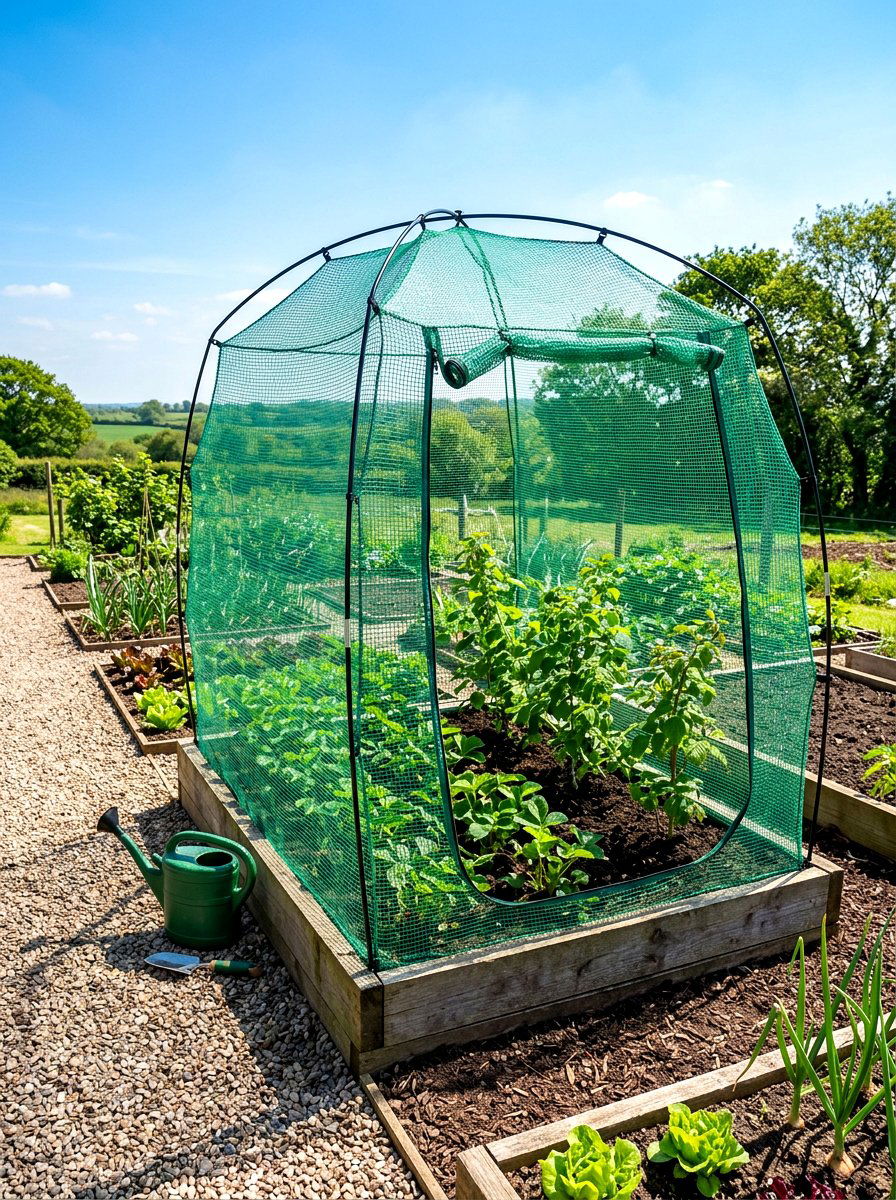
How can you get instant protection for your plants without any complicated assembly or heavy lifting? A pop-up fruit cage is a one-piece structure that springs into shape the moment you take it out of its storage bag. These cages use flexible spring-steel frames that are pre-covered with high-quality netting for maximum convenience. They are perfect for protecting sudden gluts of fruit or for providing a quick barrier if you notice birds starting to take an interest in your crops. You can peg them down to the soil for stability against the wind. This is the fastest and easiest way to secure your garden harvest today.
24. Permanent Fruit Cage
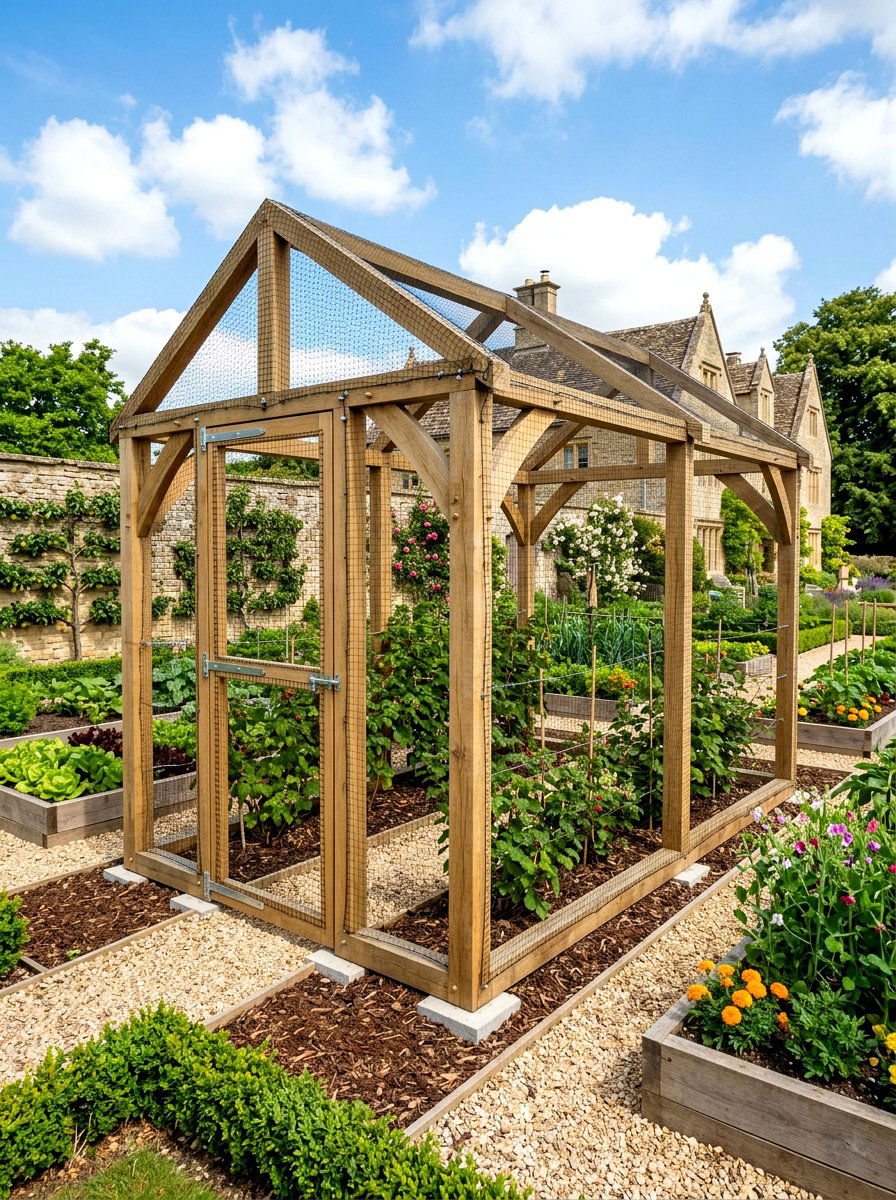
Do you want a robust structure that stays in your garden all year round and becomes part of your landscape? A permanent fruit cage is built using heavy-duty materials like thick timber or thick-walled steel pipes. These enclosures are often sunk into the ground or bolted to concrete footings to ensure they can withstand storms and heavy snow loads. They provide a reliable, long-term environment for perennial fruits like currants and raspberries that don't move from year to year. A permanent cage often includes professional features like sturdy doors and specialized roof netting. This setup is the gold standard for dedicated and experienced home orchardists.
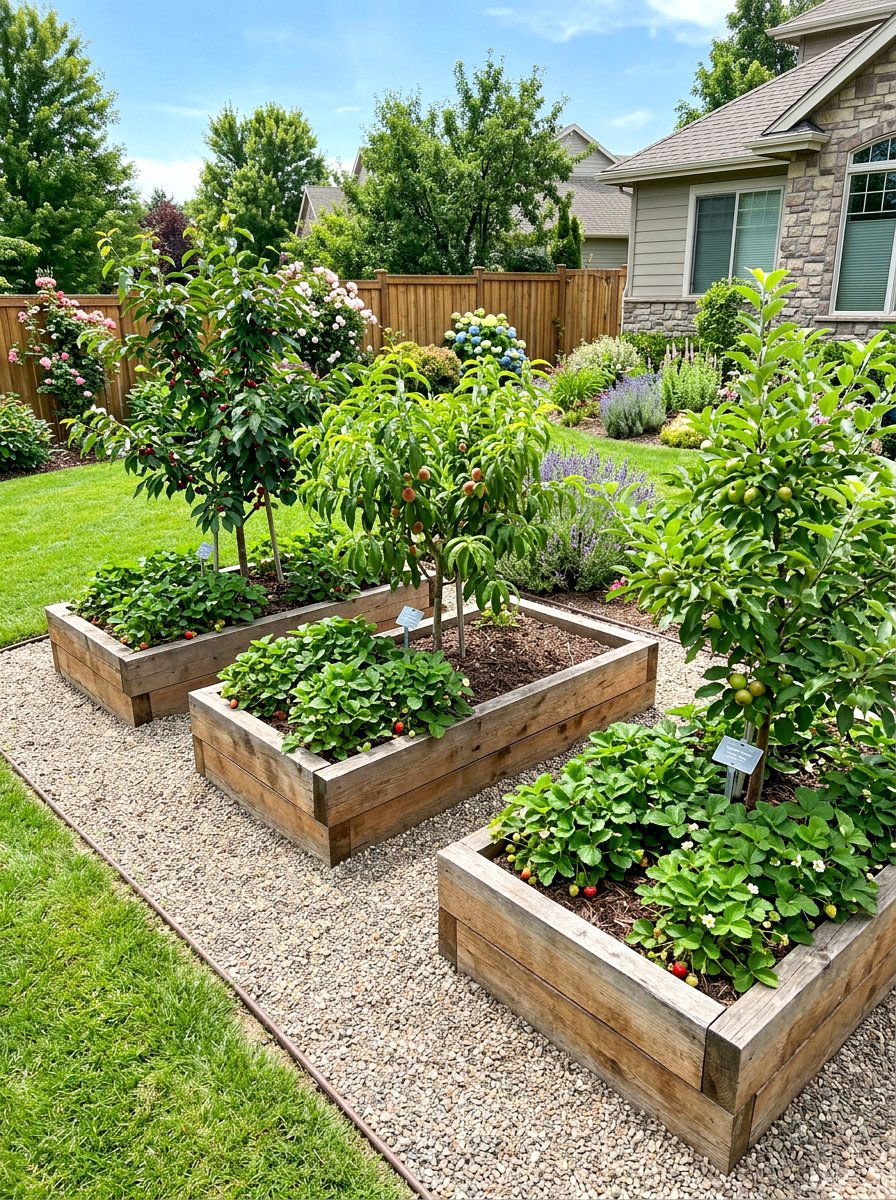
25. Hexagonal Fruit Cage
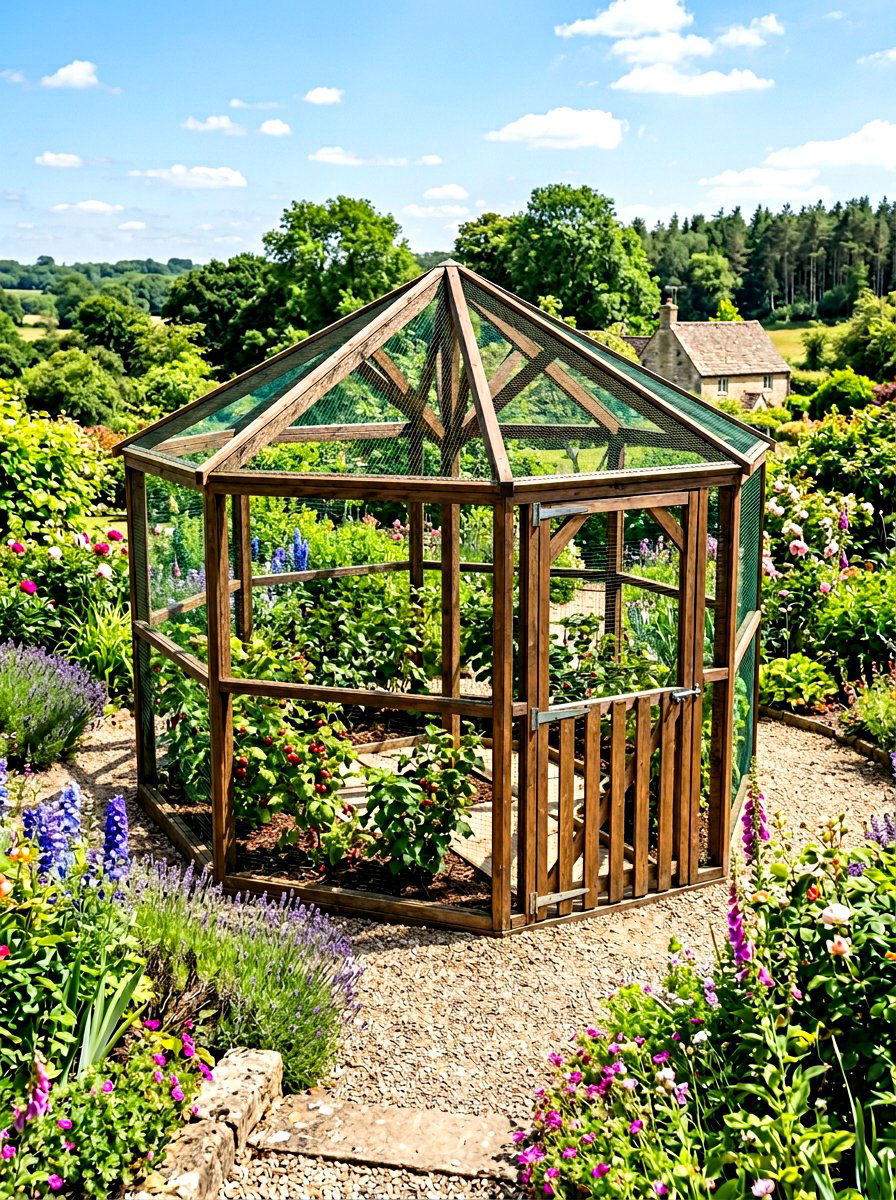
Why stick to squares and rectangles when a unique shape can add so much visual interest to your yard? A hexagonal fruit cage offers a beautiful geometric design that works perfectly as a central feature in a garden. The six-sided layout provides a very strong and stable structure that can handle wind from any direction effectively. It is often used for a single large fruit tree or a circular arrangement of berry bushes. The interesting angles create a more dynamic look than traditional cages, making it a favorite for those who love high-end garden design. It is a sophisticated way to keep your produce safe and stylish.
26. Greenhouse Style Fruit Cage
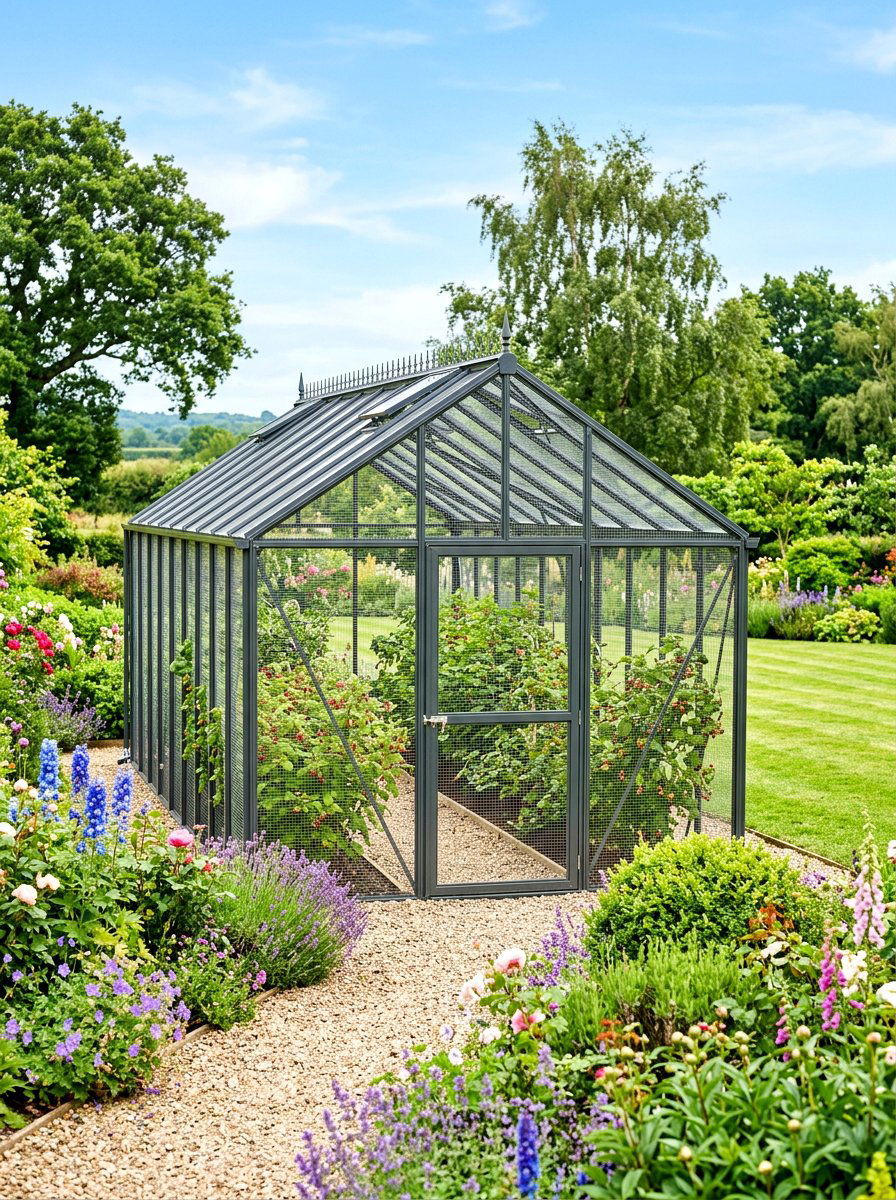
Can you imagine a structure that looks like a beautiful greenhouse but is actually a high-tech fruit enclosure? A greenhouse-style fruit cage uses a traditional glasshouse frame but replaces the glass panels with fine mesh netting. This provides the architectural beauty of a greenhouse while allowing for full ventilation and natural rainfall to reach your plants. It is a perfect middle ground for gardeners who want a high-end look and maximum protection from pests. You can even include internal shelving or potting benches to make it a multi-functional space. This design is truly the ultimate luxury for a modern and productive kitchen garden.
27. Cedar Fruit Cage
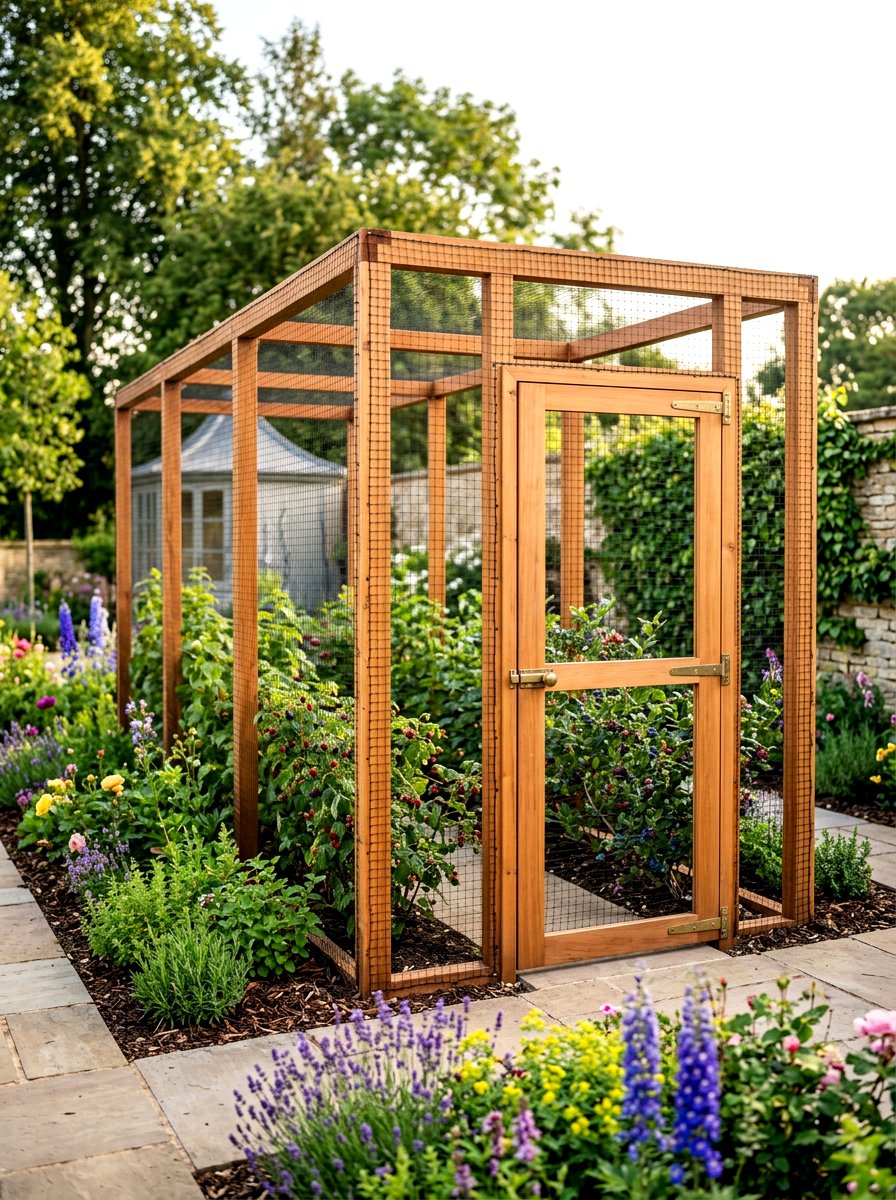
Do you value high-quality materials that naturally resist rot and insects while looking absolutely stunning? A cedar fruit cage is crafted from premium wood that turns a beautiful silvery-grey over time if left untreated. Cedar is famous for its durability in outdoor environments, making it an excellent choice for a long-lasting garden structure. The natural oils in the wood provide a pleasant scent and additional protection against the elements. These cages are often handcrafted with attention to detail, featuring mortise and tenon joints for extra strength. It is a high-end choice for those who want their garden to reflect quality and timeless natural beauty.
28. Black Metal Fruit Cage
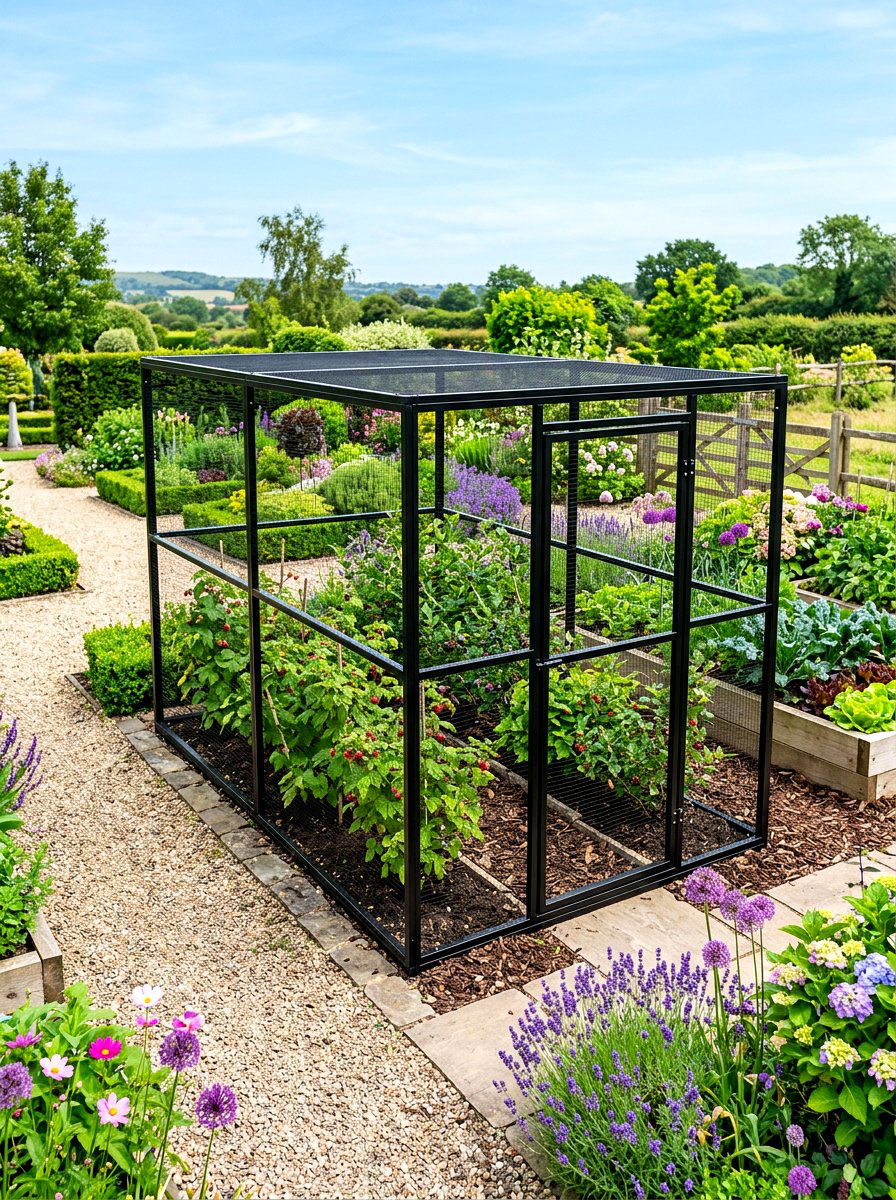
Are you looking for a structure that provides a clean, professional appearance without being a distraction in your landscape? A black metal fruit cage uses powder-coated steel or aluminium poles that create a very sophisticated and unified look. The dark color helps the frame blend into the shadows of the plants, making the netting almost invisible to the naked eye. These cages are often available in modular kits that allow you to create long tunnels or large walk-in enclosures. The durable finish ensures that the metal stays looking new for many years with very little maintenance. It is a smart and stylish modern choice.
29. Mesh Fruit Cage
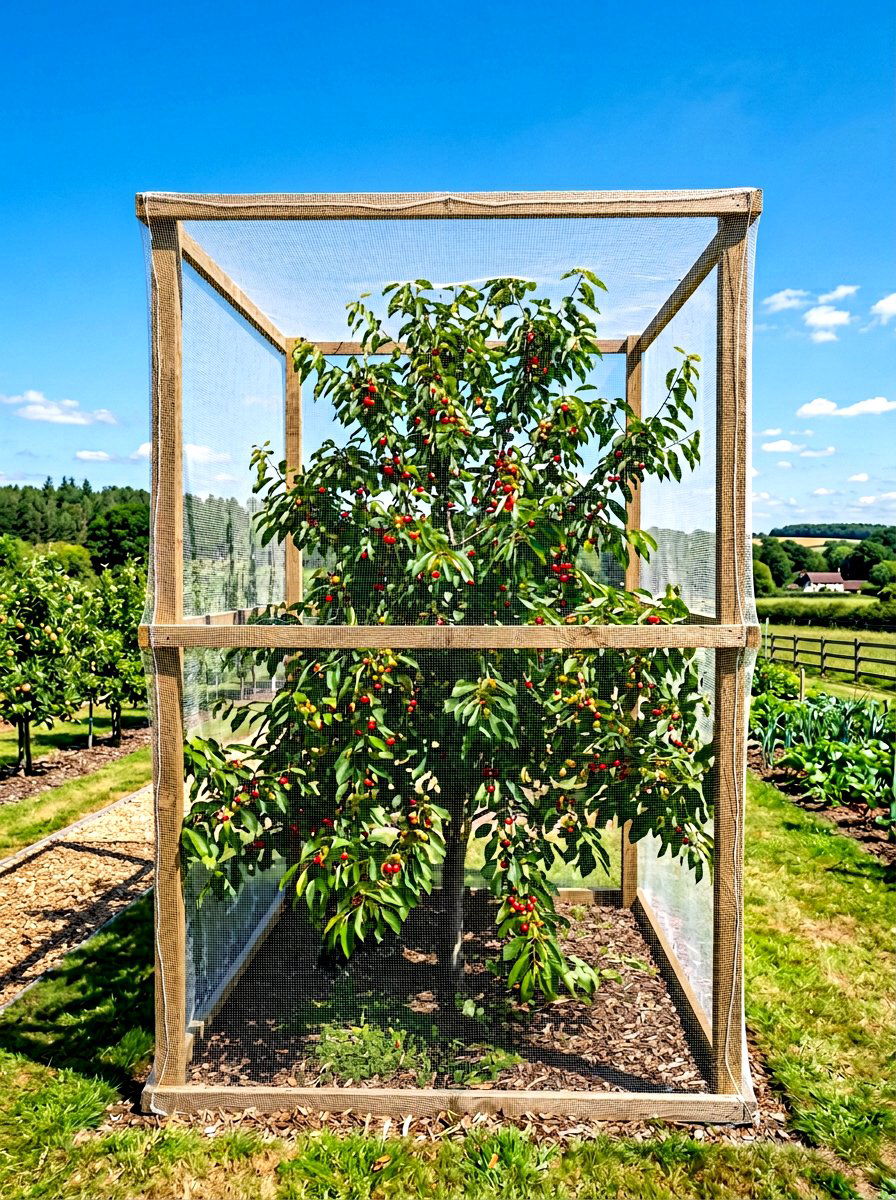
What if you need to protect your plants from more than just birds, such as small insects or butterflies? A mesh fruit cage uses a much tighter weave than standard bird netting, providing a complete barrier against a wider range of pests. This is particularly useful for protecting fruits like cherries from fruit flies or strawberries from slugs and snails. The fine mesh still allows for plenty of sunlight and air circulation, ensuring your plants stay healthy and vibrant. It is a specialized solution for gardeners who face specific pest challenges in their local area. This setup guarantees a pristine and undamaged harvest every time.
30. Low Level Fruit Cage
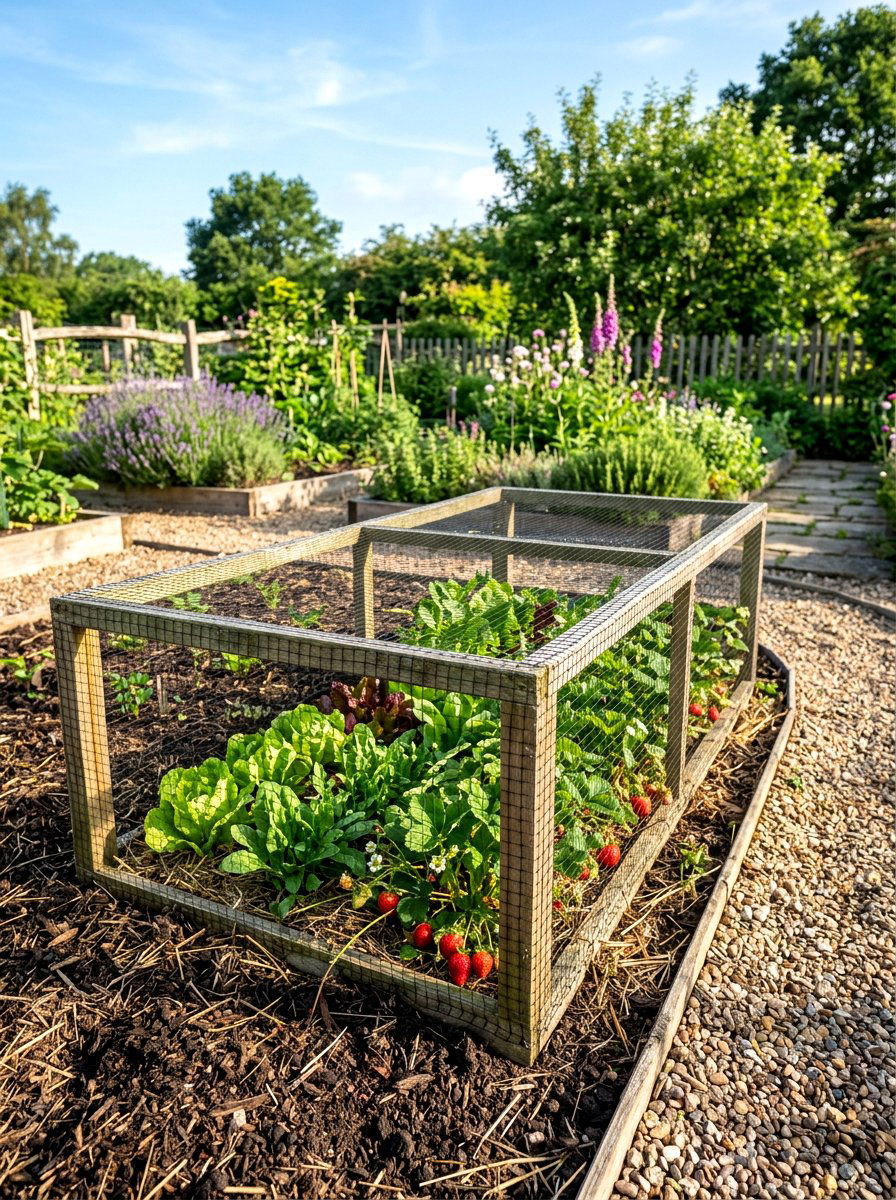
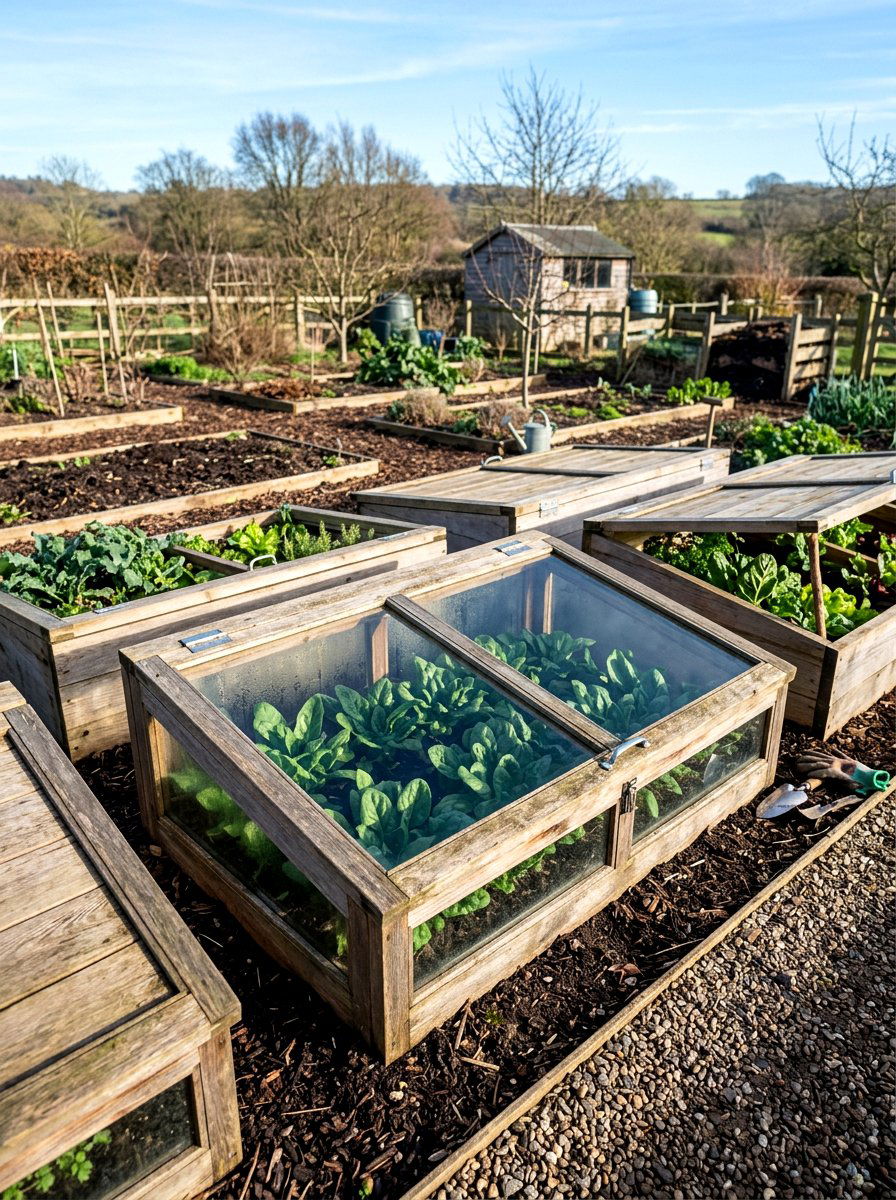
Do you have a variety of low-growing crops that don 't need a massive walk-in structure to stay safe? A low-level fruit cage is a practical and unobtrusive design that sits just a few feet off the ground. These are perfect for salad greens, strawberries, or young seedlings that are vulnerable to birds and rabbits. Because they are low to the ground, they don' t block views or cast long shadows over the rest of your garden beds. Many models feature easy-access panels so you can tend to your plants without having to move the entire cage. It is an efficient and effective way to manage small-scale produce.
Conclusion:
Investing in a well-designed protective structure is one of the smartest moves any fruit gardener can make for their harvest success. From the classic elegance of Victorian timber designs to the sleek functionality of modern metal frames, there is a cage to suit every style and budget. By choosing the right size and material, you can ensure your berries and trees thrive without the constant threat of bird damage. These cages not only protect your food but also add organization and architectural beauty to your outdoor living space. Your garden will look more professional, and you will finally enjoy the full bounty of your hard work.

Related posts: