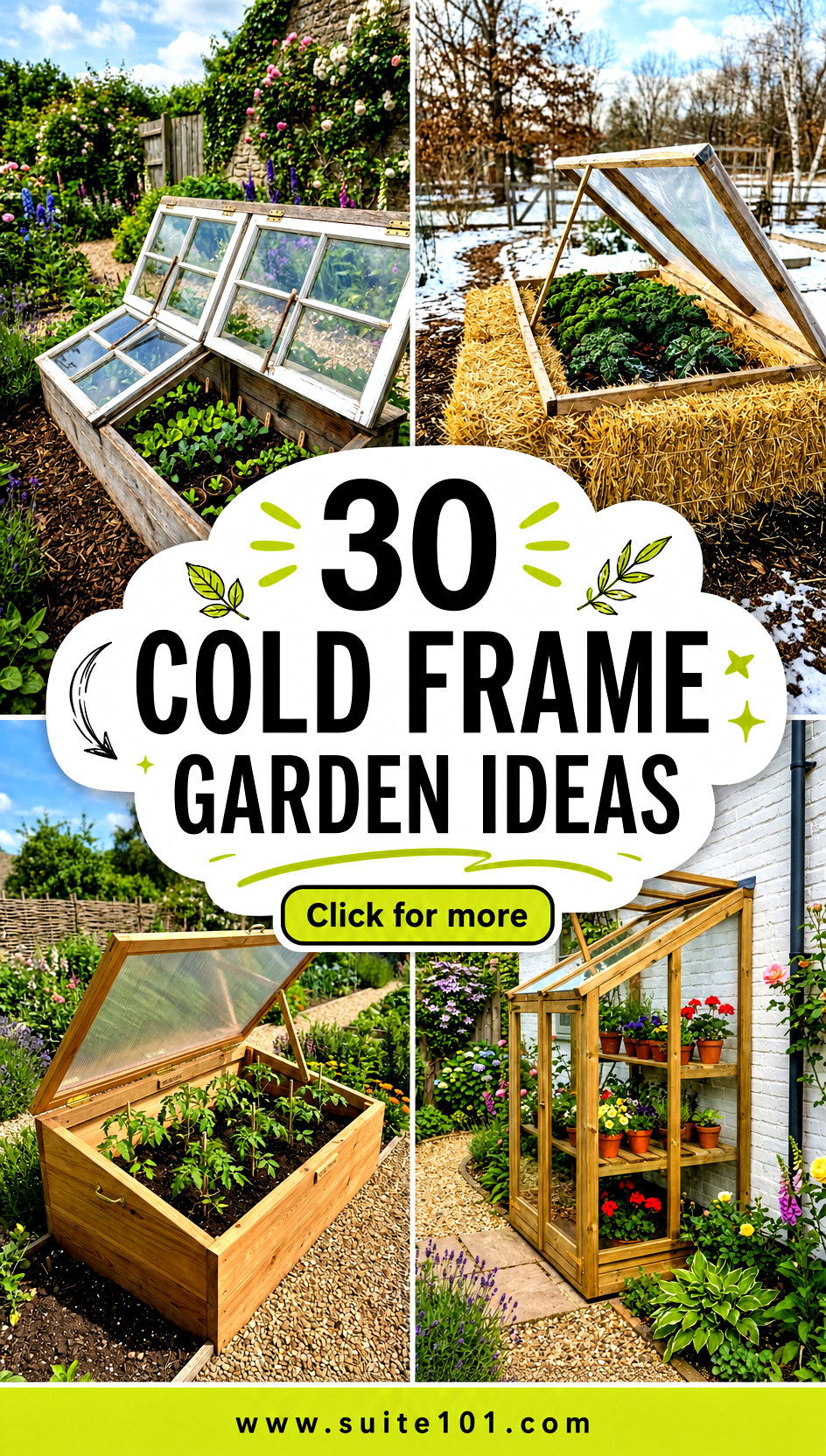
Cold frames are incredible tools for any gardener looking to beat the frost and start their growing season early. These simple structures act like miniature greenhouses by trapping solar energy and protecting sensitive plants from harsh winds. Whether you are a beginner or a seasoned pro, adding a cold frame to your backyard setup can drastically increase your harvest yields. They are perfect for hardening off young seedlings before they move to the main garden beds. You can build them from various materials like old windows, wood, or even straw bales. This flexibility makes them an affordable and effective way to garden throughout the colder months of the year.
1. Wood Cold Frame
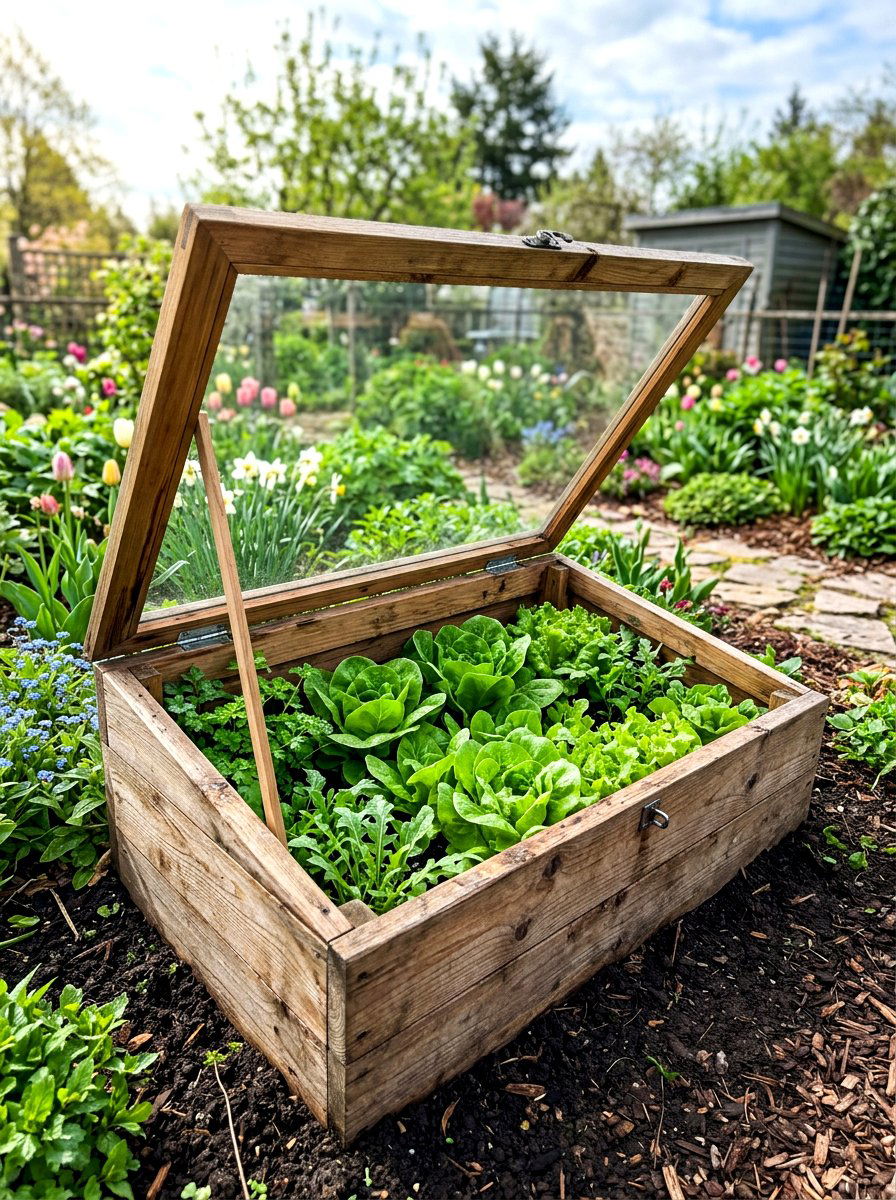
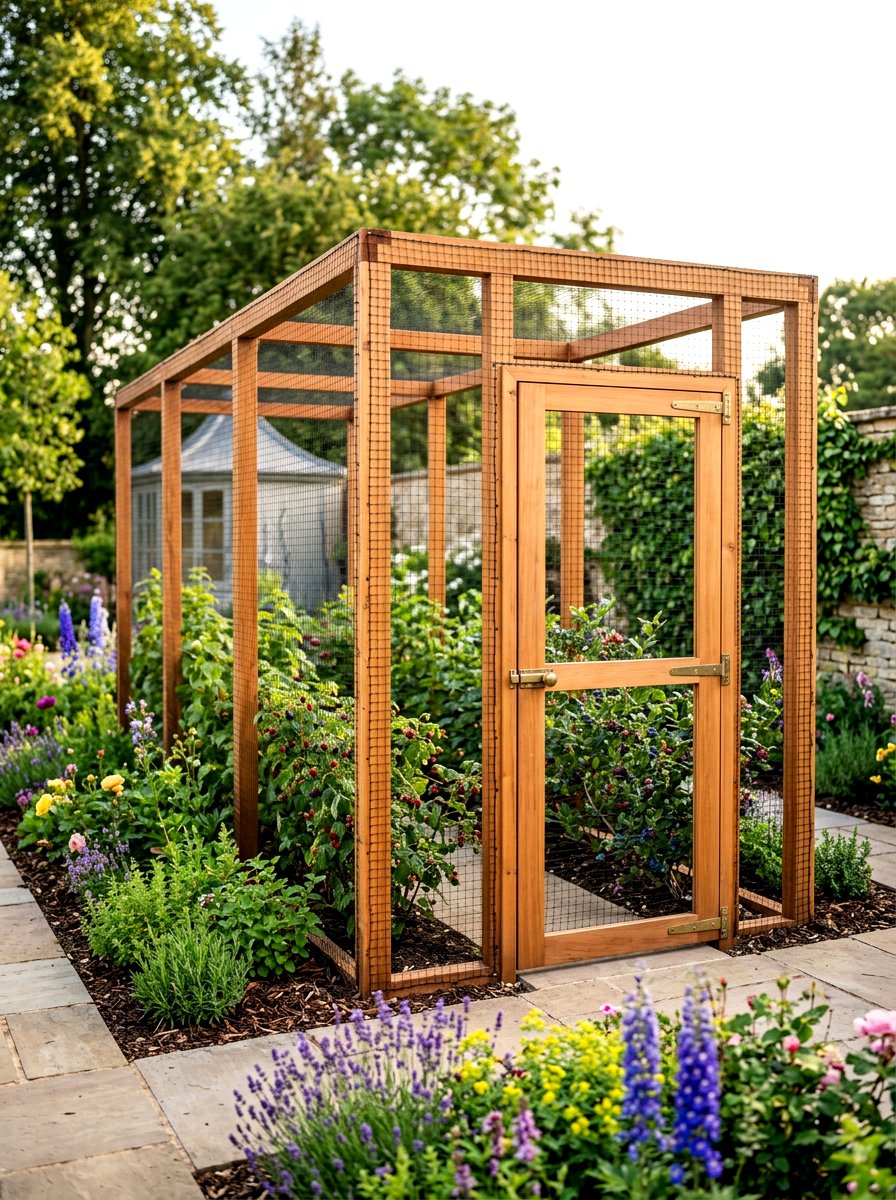
Wood is a classic choice for building a sturdy and reliable cold frame that lasts for many years. Most gardeners prefer using rot-resistant lumber like cedar or redwood to ensure the frame stays strong in wet soil. The thick wooden walls provide excellent insulation for your plants during chilly spring nights. You can easily attach a clear lid made of glass or plastic to the top using simple metal hinges. This setup allows you to prop the lid open on sunny days to prevent overheating. A wooden frame looks natural in any garden setting and blends well with existing raised beds or backyard fences. It is a timeless solution.
2. Recycled Window Cold Frame
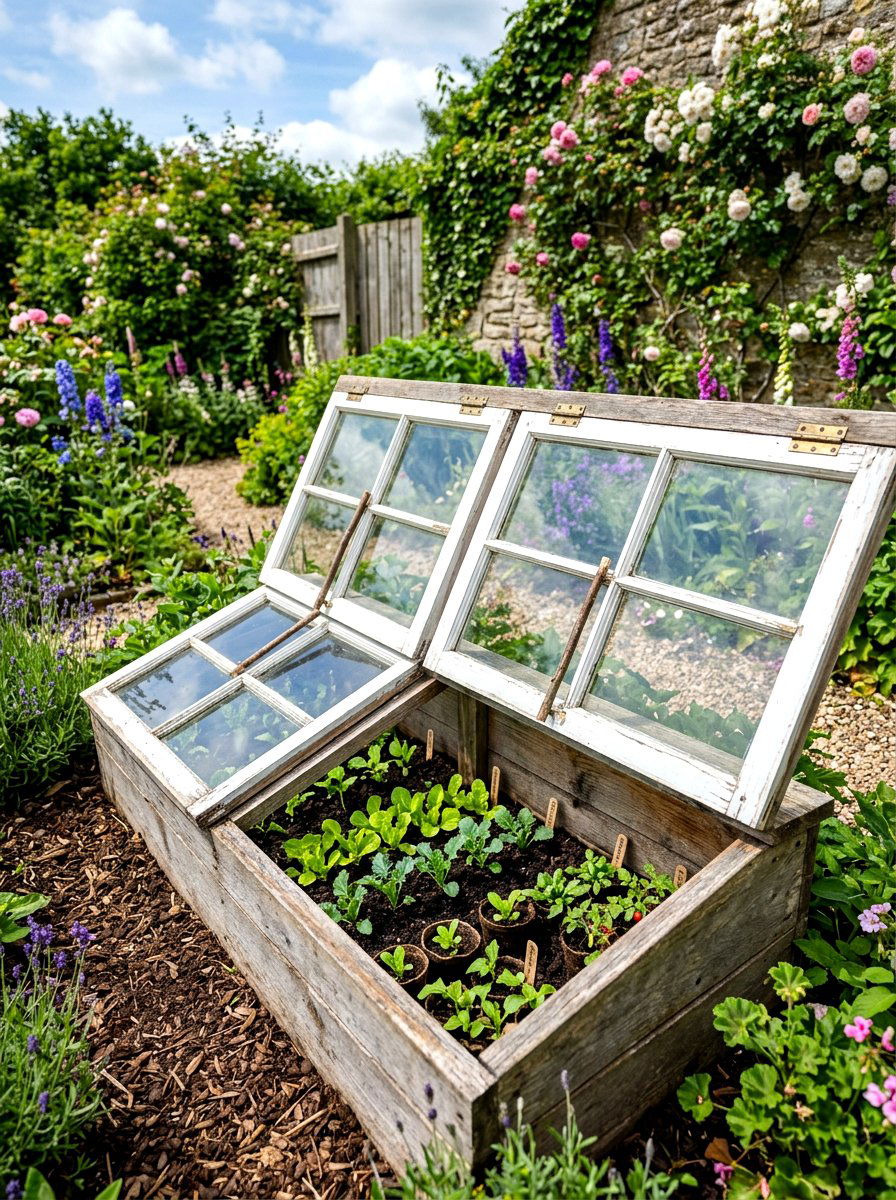
Using old windows is a brilliant way to recycle materials while creating a functional garden structure. The heavy glass from a vintage window pane provides a durable and transparent lid that effectively traps heat inside. You can build a simple wooden box to match the dimensions of your salvaged window for a perfect fit. The weight of the glass often helps keep the lid securely in place during windy weather. It adds a charming, rustic aesthetic to your garden that feels both historical and practical. This method is incredibly cost-effective because it repurposes items that might otherwise end up in a landfill or a local scrapyard.
3. Straw Bale Cold Frame
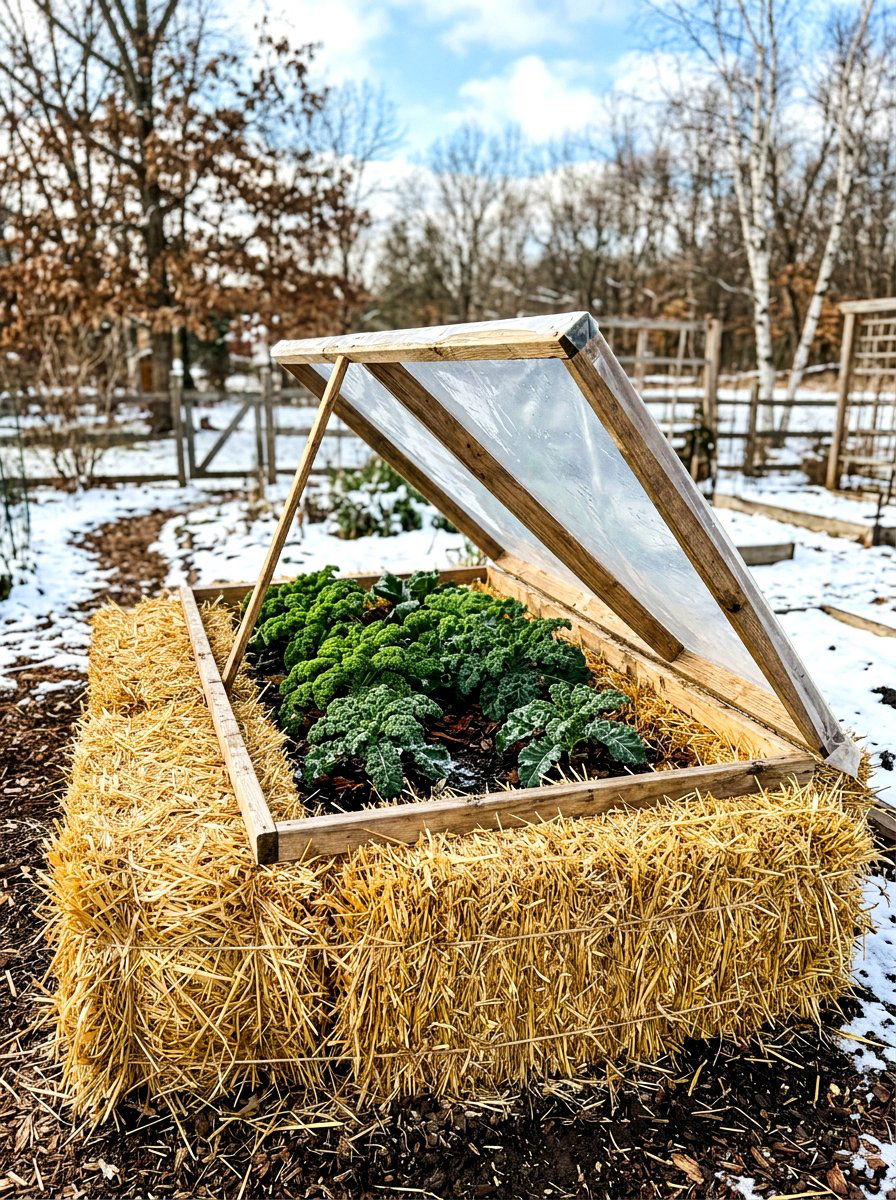
Straw bales offer a quick and temporary solution for protecting plants without needing any permanent construction. You simply arrange the bales in a rectangular shape directly on the ground to form thick, insulating walls. Placing a clear sheet of plastic or an old glass door over the top creates a cozy environment for your greens. The straw provides exceptional thermal insulation, keeping the interior significantly warmer than the outside air. Once the spring season ends, you can compost the straw or use it as mulch in your garden beds. This approach is perfect for gardeners who need a fast setup during unexpected late-season frost events.
4. Concrete Block Cold Frame
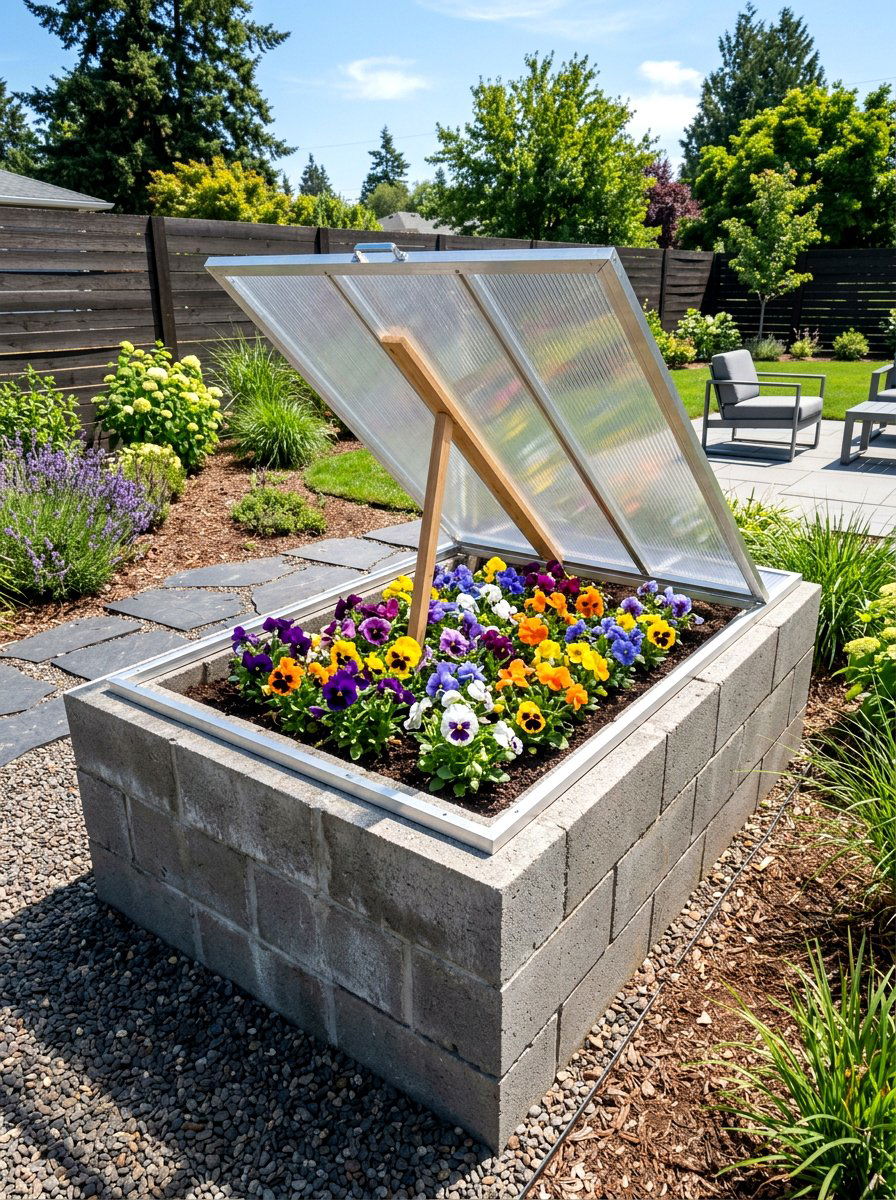
Concrete blocks are excellent for building a heavy-duty cold frame that resists rot and pests. These blocks absorb heat from the sun during the day and slowly release it back to the plants at night. This thermal mass helps maintain a stable temperature inside the structure even when the sun goes down. You do not need mortar to stack the blocks, making this a very easy and adjustable project. Simply place a clear lid over the top of the block perimeter to finish the build. The gray texture of the concrete creates a modern and industrial look that contrasts beautifully with lush green garden plants.
5. Polycarbonate Cold Frame
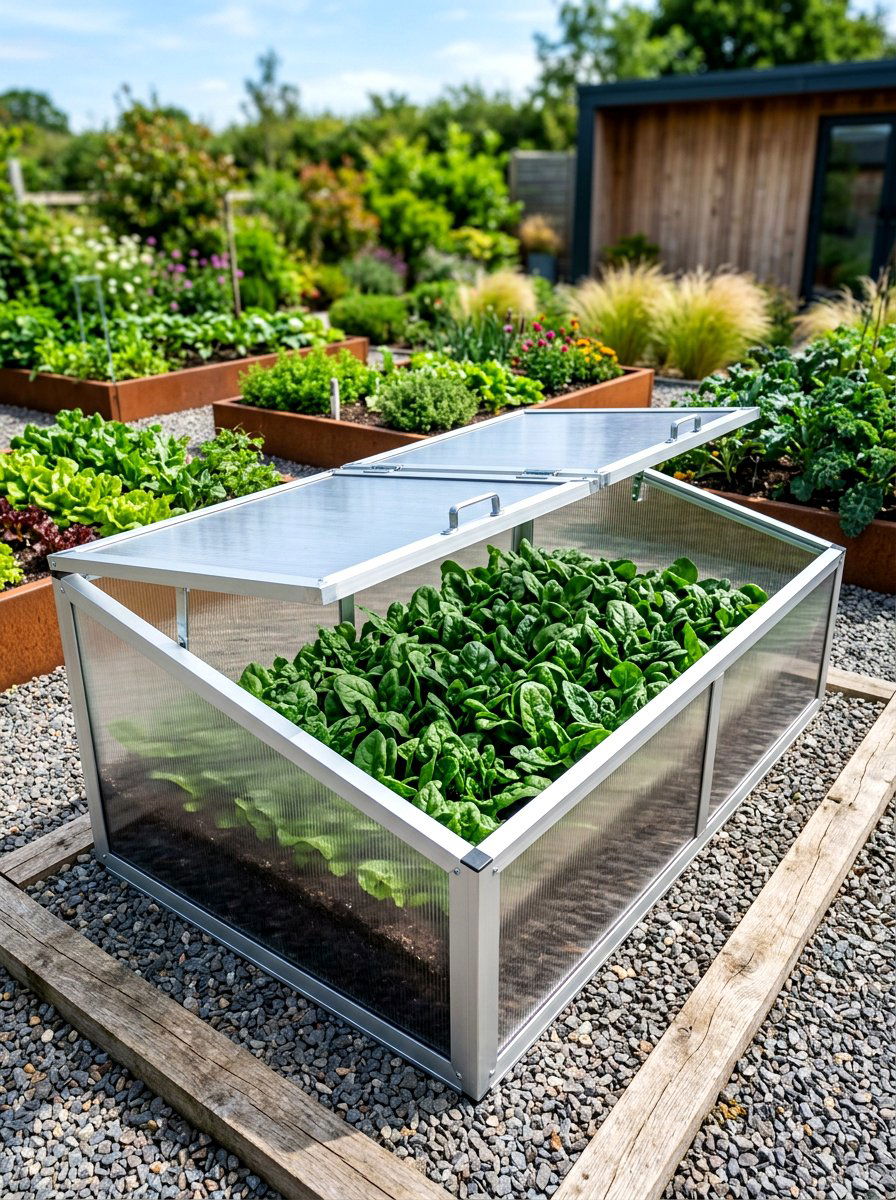
Polycarbonate panels are a modern alternative to glass that offers high durability and light transmission. These panels are virtually unbreakable and much lighter than traditional glass panes, making the lid easy to lift. Most high-quality polycarbonate is treated to resist yellowing from the sun over time. The twin-wall construction of many panels provides an extra layer of air insulation for superior warmth. You can frame these panels with lightweight aluminum or wood to create a sleek and professional-looking structure. This material is ideal for regions with heavy snowfall because it can withstand significant weight without cracking. It provides a very clean and contemporary look.
6. Brick Cold Frame
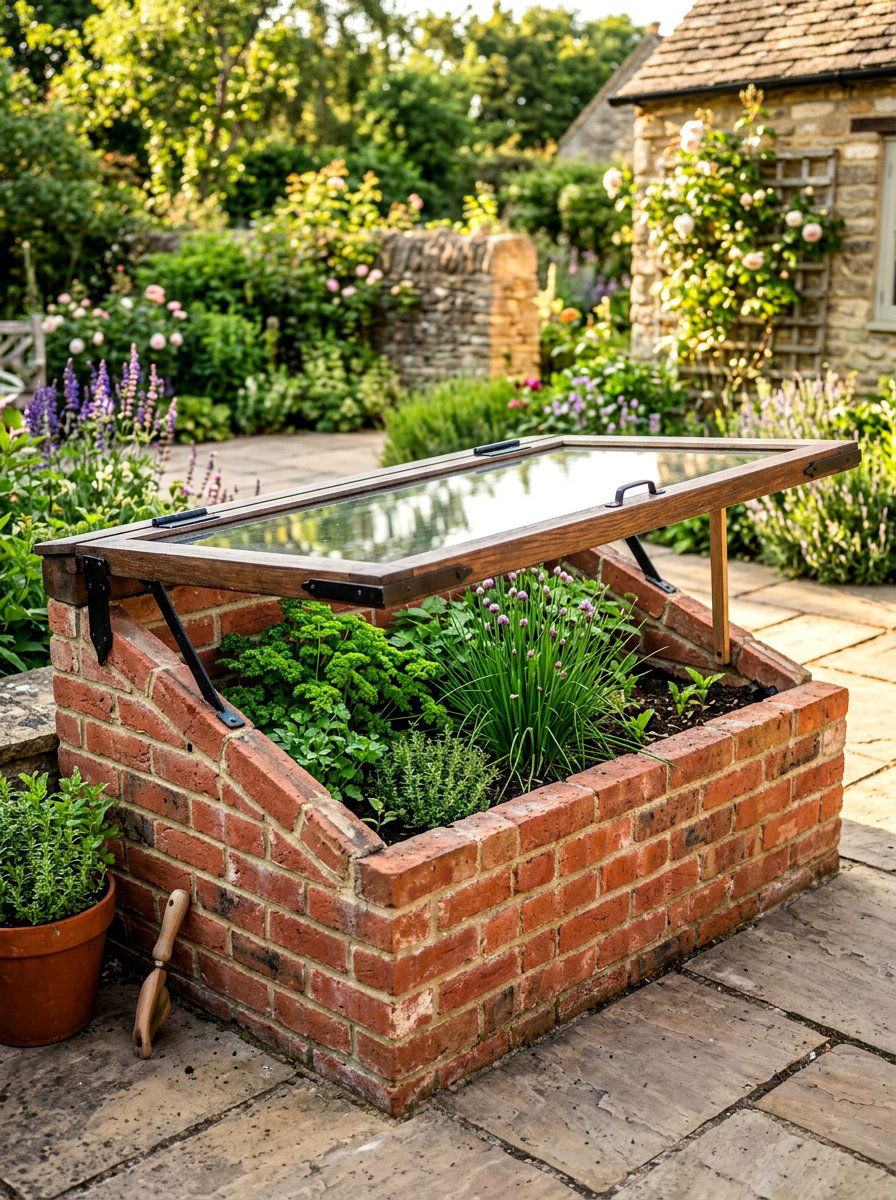
Brick structures provide a permanent and elegant look to your garden while offering fantastic heat retention. Like concrete, bricks act as a thermal battery by soaking up solar energy throughout the daylight hours. You can build a low brick wall to create a beautiful and fixed growing area for your favorite perennials or winter vegetables. Matching the brickwork to your home's exterior creates a cohesive and well-designed landscape. A hinged glass lid on top allows for easy access and ventilation whenever the weather warms up. This is a great choice for a kitchen garden located near a patio or a frequently used outdoor walkway.
7. Portable Cold Frame
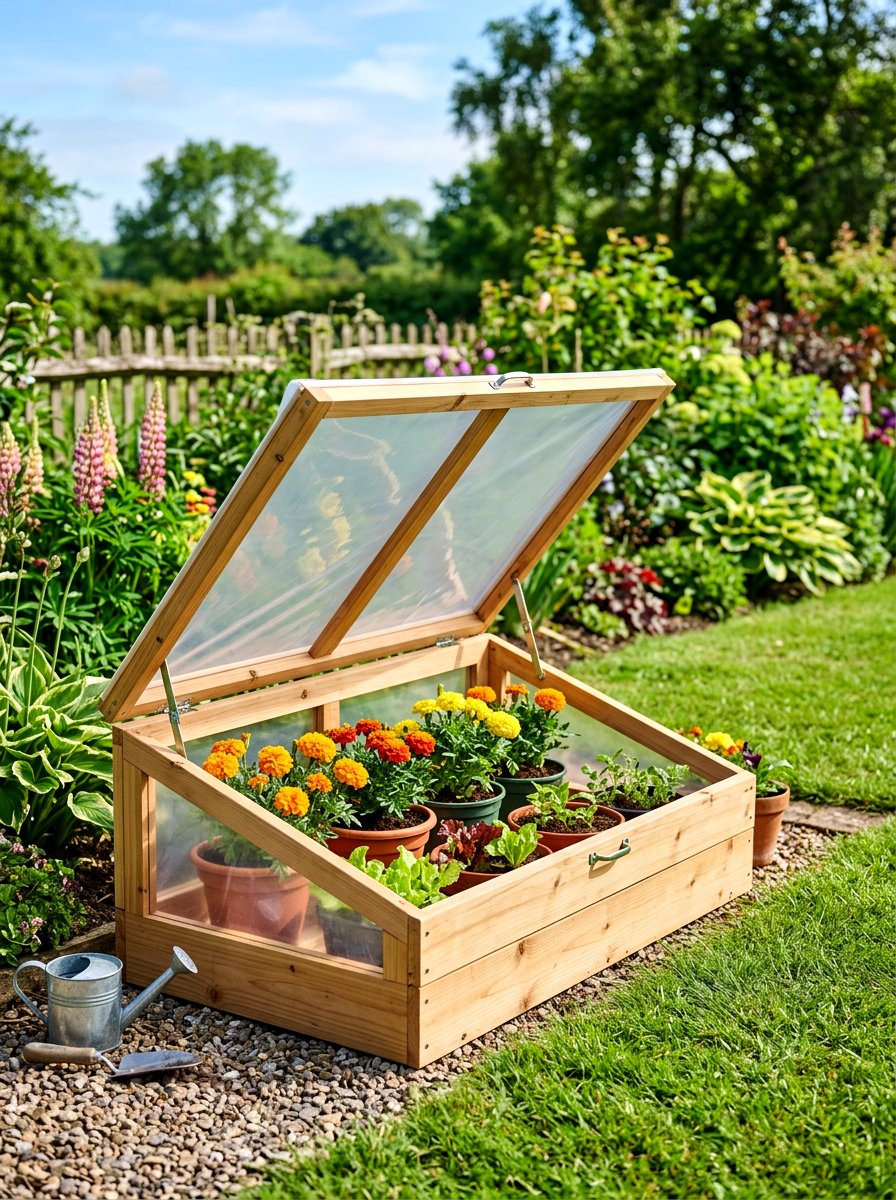
Portable frames are perfect for gardeners who need flexibility in their outdoor space throughout the year. These structures are usually made from lightweight materials like thin wood or plastic piping covered with clear sheeting. You can easily move the frame from one part of the garden to another as different crops need protection. When the weather stays warm, you can fold the frame flat or store it in a garden shed to save space. This is an excellent option for protecting specific plants that are sensitive to early spring chills. Its mobility makes it a versatile tool for any growing season or plant variety.
8. Raised Bed Cold Frame
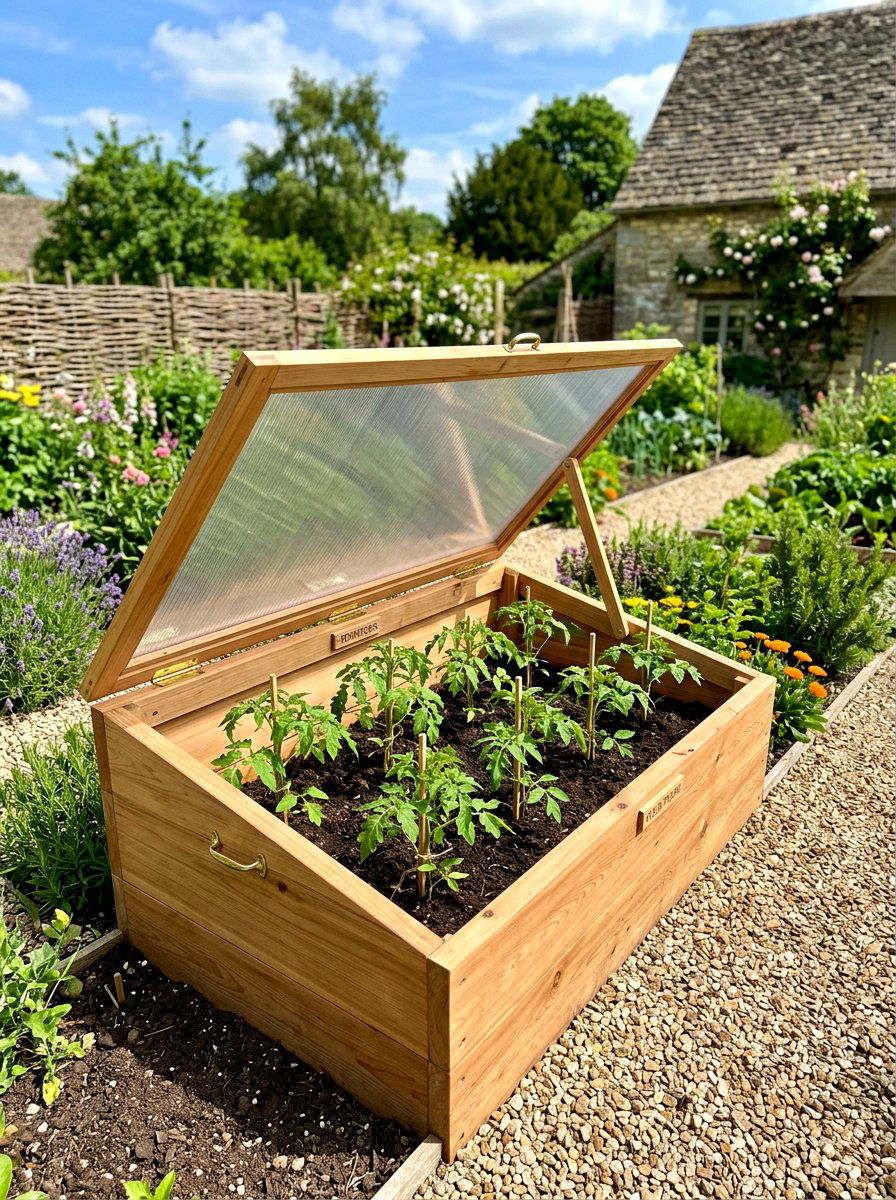
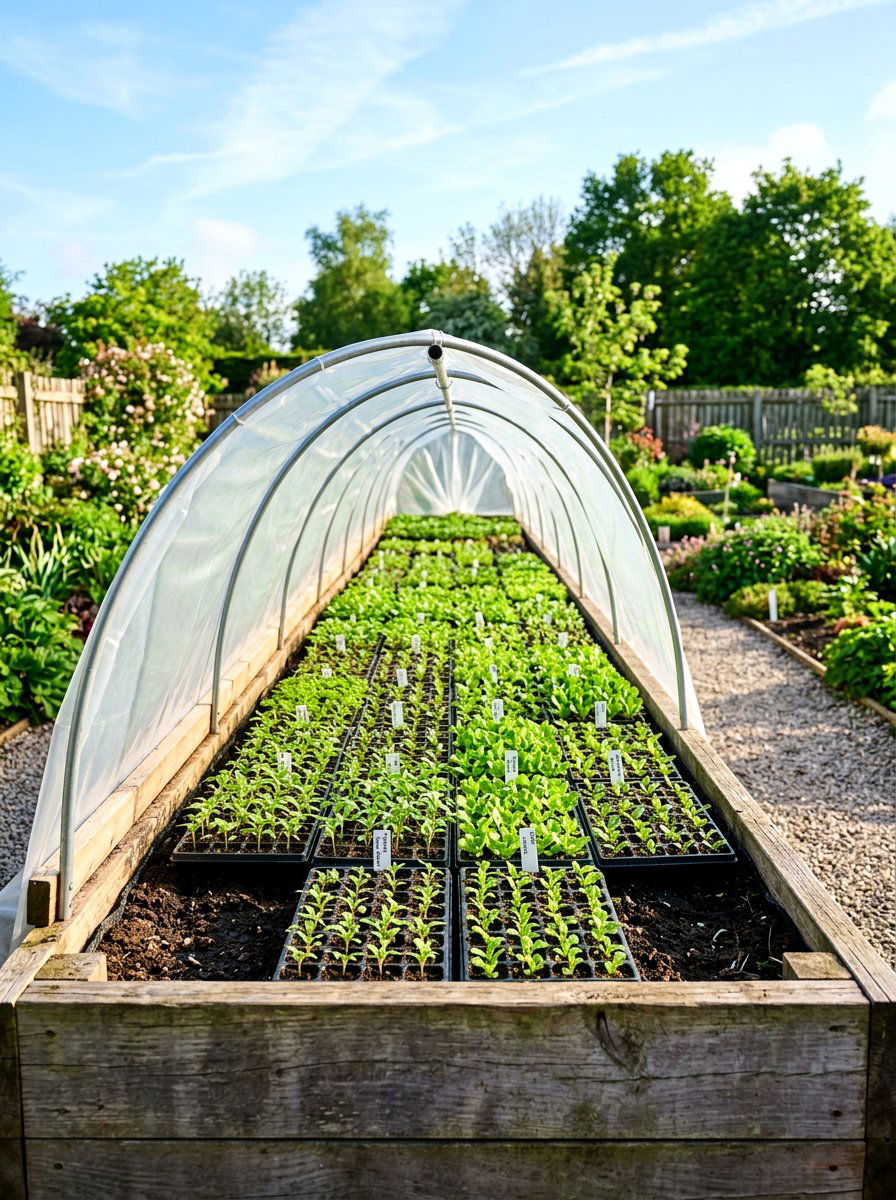
Fitting a cold frame directly onto an existing raised bed is a smart way to maximize your garden's productivity. You can build a custom-sized wooden topper with a slanted lid that rests perfectly on the edges of your bed. This setup keeps the plants at a comfortable working height while protecting them from the elements. It also prevents ground pests from reaching your young seedlings as they grow. The soil in raised beds tends to warm up faster than the ground, providing an extra boost for your crops. It is a seamless way to integrate season extension technology into your current backyard garden layout.
9. Sunken Cold Frame
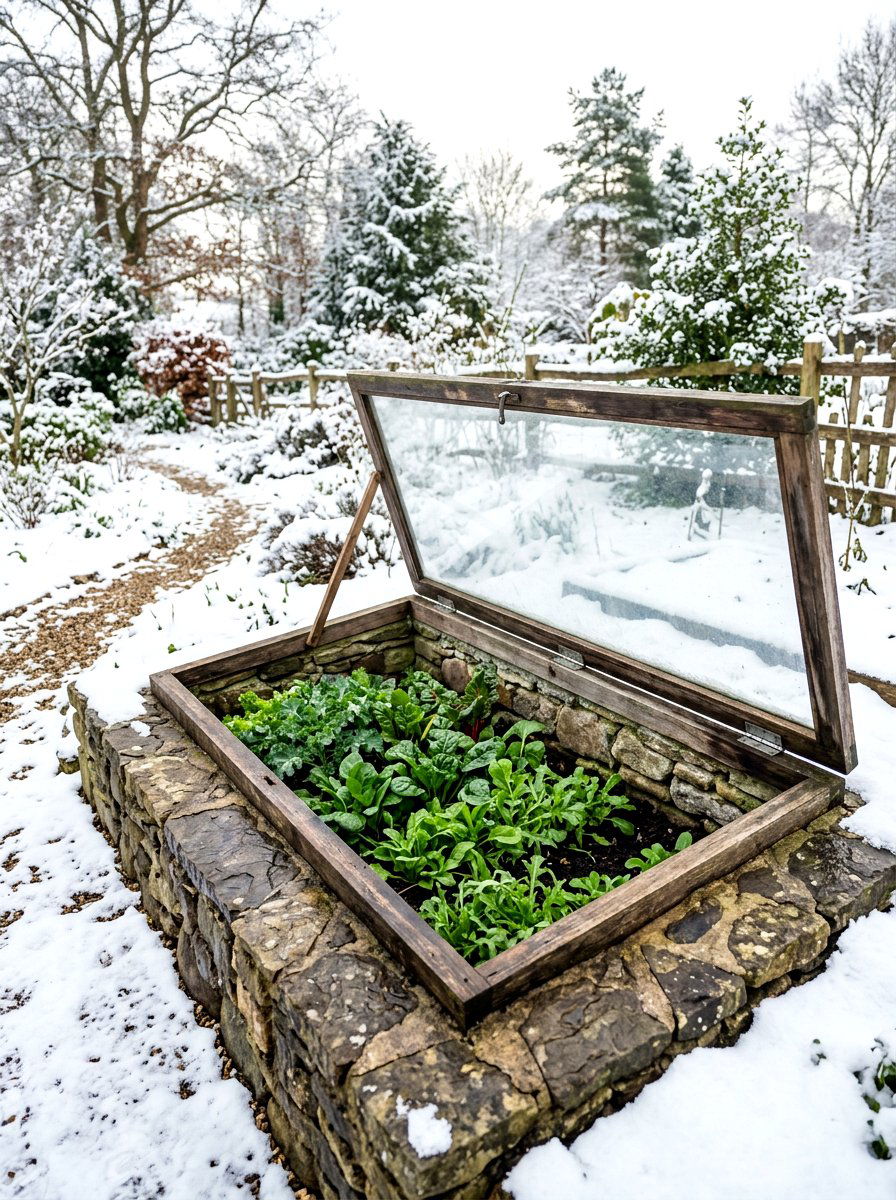
A sunken frame involves digging a shallow pit into the ground to take advantage of the earth's natural insulation. By placing your plants below the soil line, you protect them from biting winds and extreme temperature swings. The walls of the pit can be lined with wood or stone to prevent soil collapse. A clear lid is then placed at ground level to capture sunlight and warm the air inside the pit. This method is particularly effective in very cold climates where surface temperatures drop significantly at night. It is a traditional technique that has been used for centuries to grow winter salad greens.
10. Lean To Cold Frame
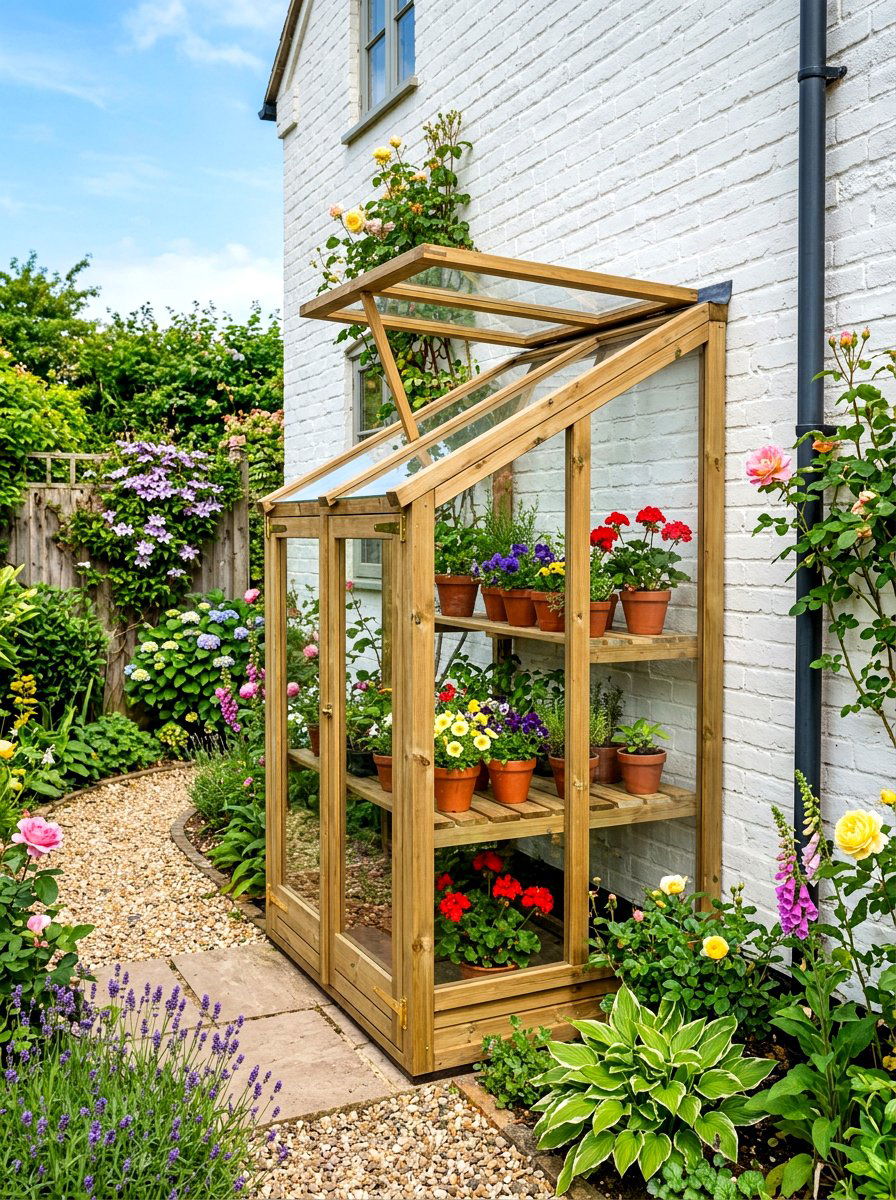
Lean-to structures are designed to rest against the side of a house or a garden wall. This positioning allows the frame to benefit from the heat radiating off the building's exterior. The south-facing side of a home is the ideal spot for a lean-to because it receives the most sun during the winter. These frames usually have a steep slope to help rain and snow slide off easily. Because they utilize an existing wall, they require fewer materials to build than a free-standing structure. They are perfect for small yards or narrow side paths where space is at a premium for gardening.
11. Hoop House Cold Frame
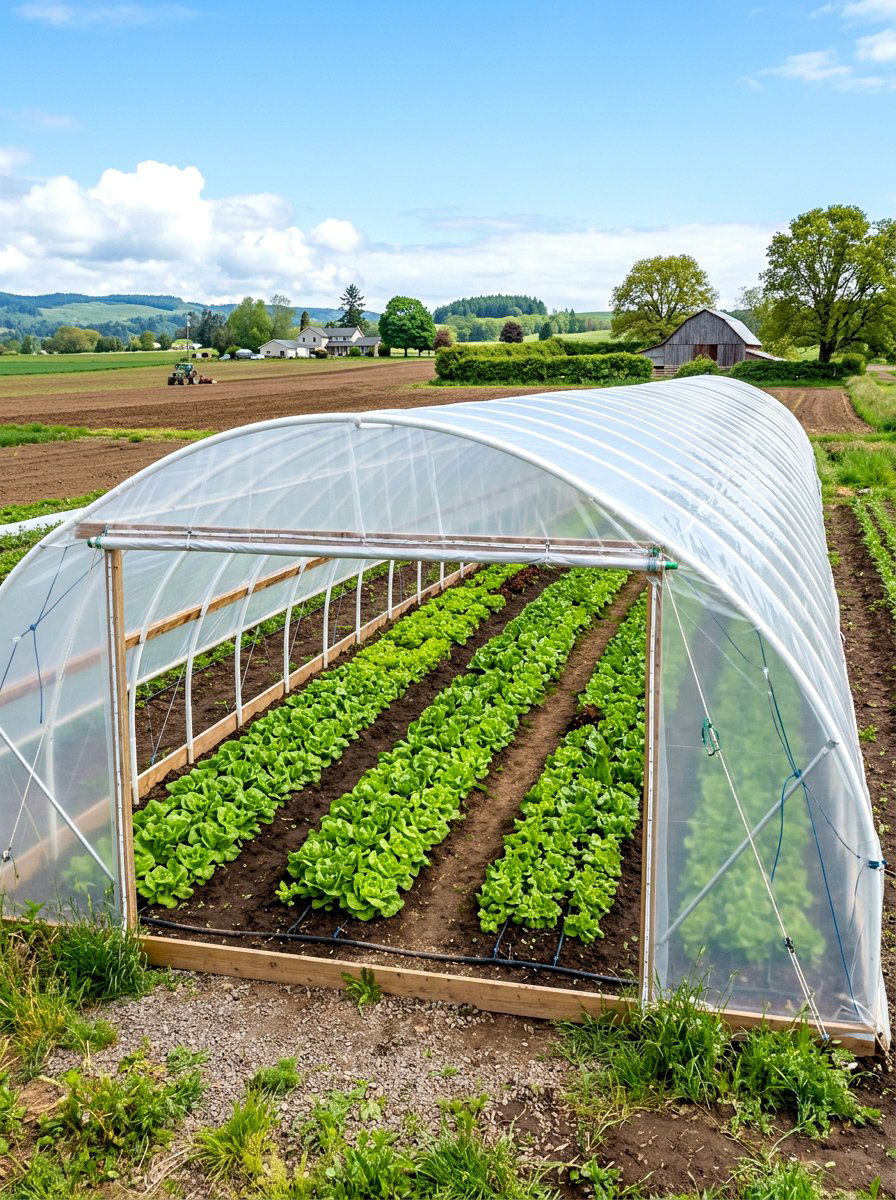
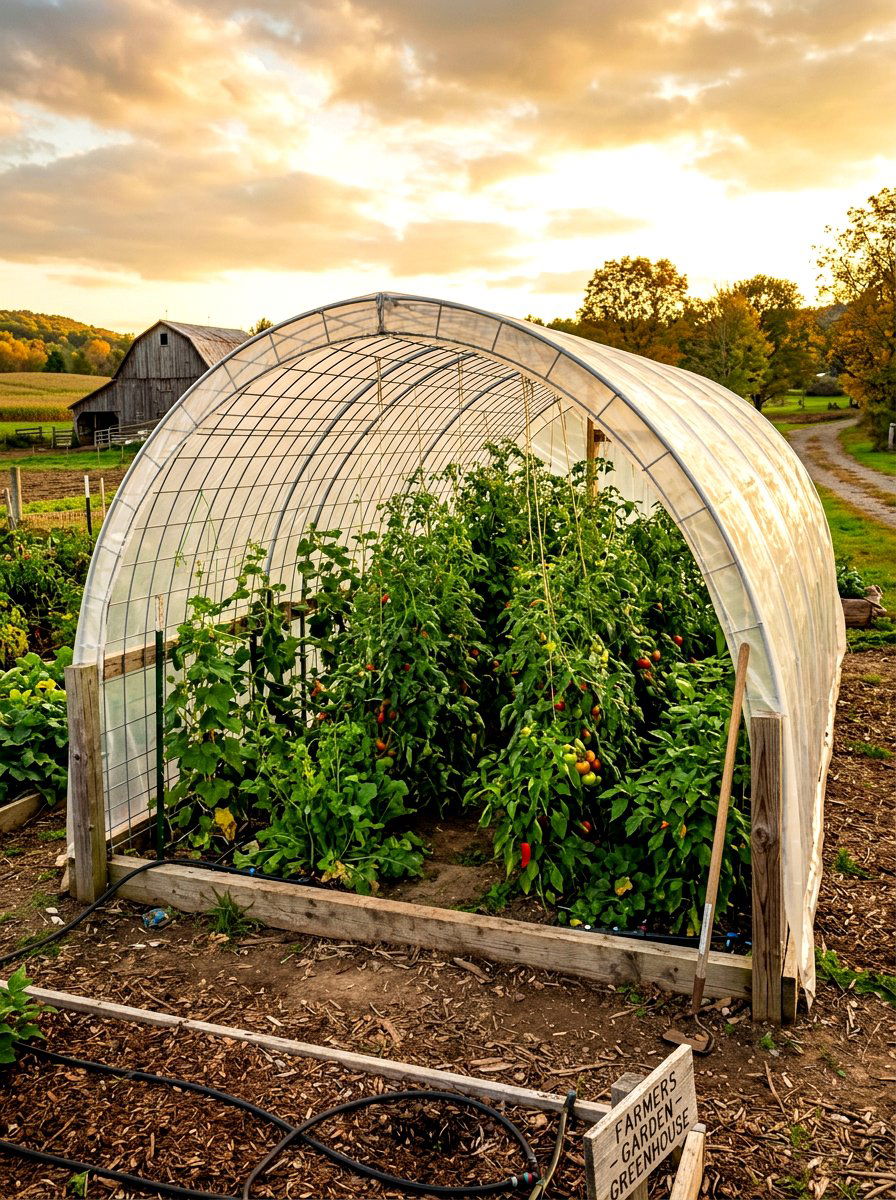
Hoop houses use flexible piping to create a curved roof structure that is covered in clear greenhouse plastic. The arched shape provides plenty of vertical space for taller plants like kale or small shrubs. These structures are very easy to assemble and can cover a large area of your garden quite affordably. The plastic sheeting is typically held in place with clips, allowing you to roll up the sides for ventilation. This design is excellent for creating a protected tunnel over long rows of crops. It is a popular choice for farmers and serious home gardeners who want to grow high volumes of food.
12. Wood Pallet Cold Frame
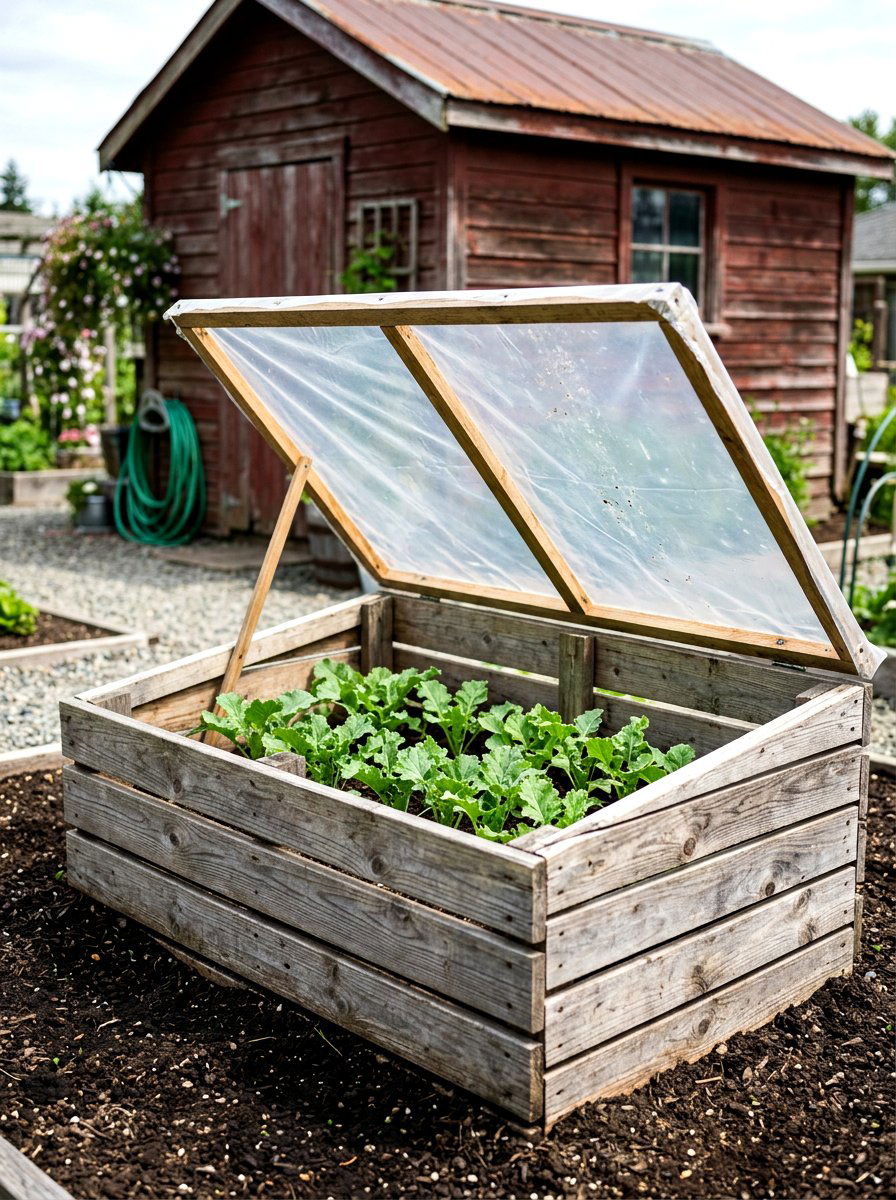
Repurposing wooden pallets is a budget-friendly way to build a functional cold frame for your backyard. You can disassemble the pallets to use the slats for the walls of your growing box. The weathered look of pallet wood adds a rustic and organic feel to your garden landscape. Make sure to use pallets that are heat-treated rather than chemically treated for safety around edible plants. You can top the pallet frame with a simple sheet of heavy-duty plastic or an old window pane. This project is perfect for DIY enthusiasts who enjoy building useful garden tools from free or low-cost reclaimed materials.
13. Victorian Cold Frame
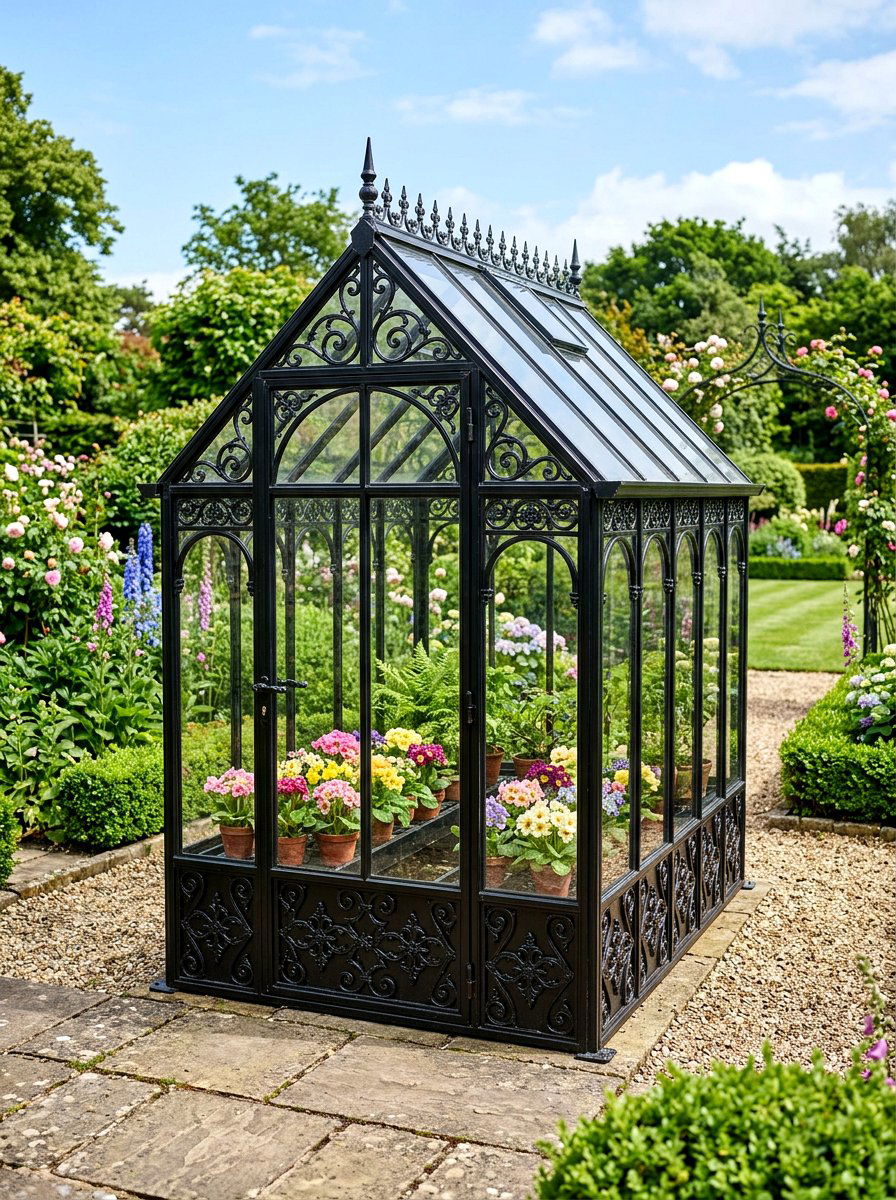
Victorian styles emphasize both beauty and function with ornate details and high-quality materials. These frames often feature peaked roofs and decorative metalwork that make them a focal point in the garden. They are usually built with traditional glass panes and rot-resistant wood like teak or cedar. This type of structure is perfect for a formal garden or a historical home setting. While they might be more expensive to build or buy, they provide a stunning aesthetic that enhances the overall value of your property. They are often used for displaying prized alpine plants or delicate flowers that require extra protection from winter rain.
14. Automatic Vent Cold Frame
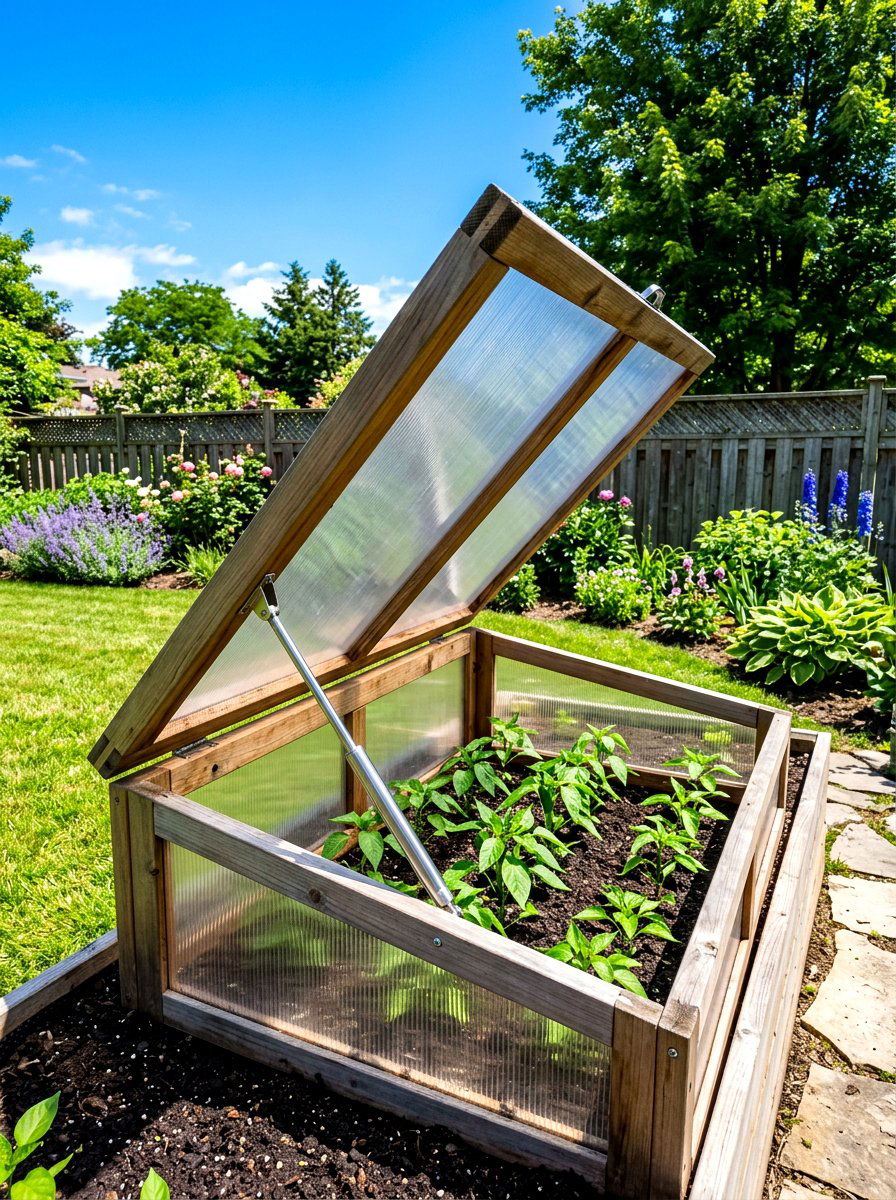
Adding an automatic vent opener to your cold frame is a game-changer for busy gardeners. These clever devices use a wax-filled cylinder that expands in the heat to push the lid open without electricity. As the temperature cools down in the evening, the lid slowly closes on its own to trap the heat inside. This prevents your plants from wilting or cooking on unexpectedly sunny days when you are away from home. It ensures a consistent environment for your crops with very little manual effort on your part. This upgrade is well worth the investment for maintaining healthy and stress-free plants throughout the spring.
15. PVC Pipe Cold Frame
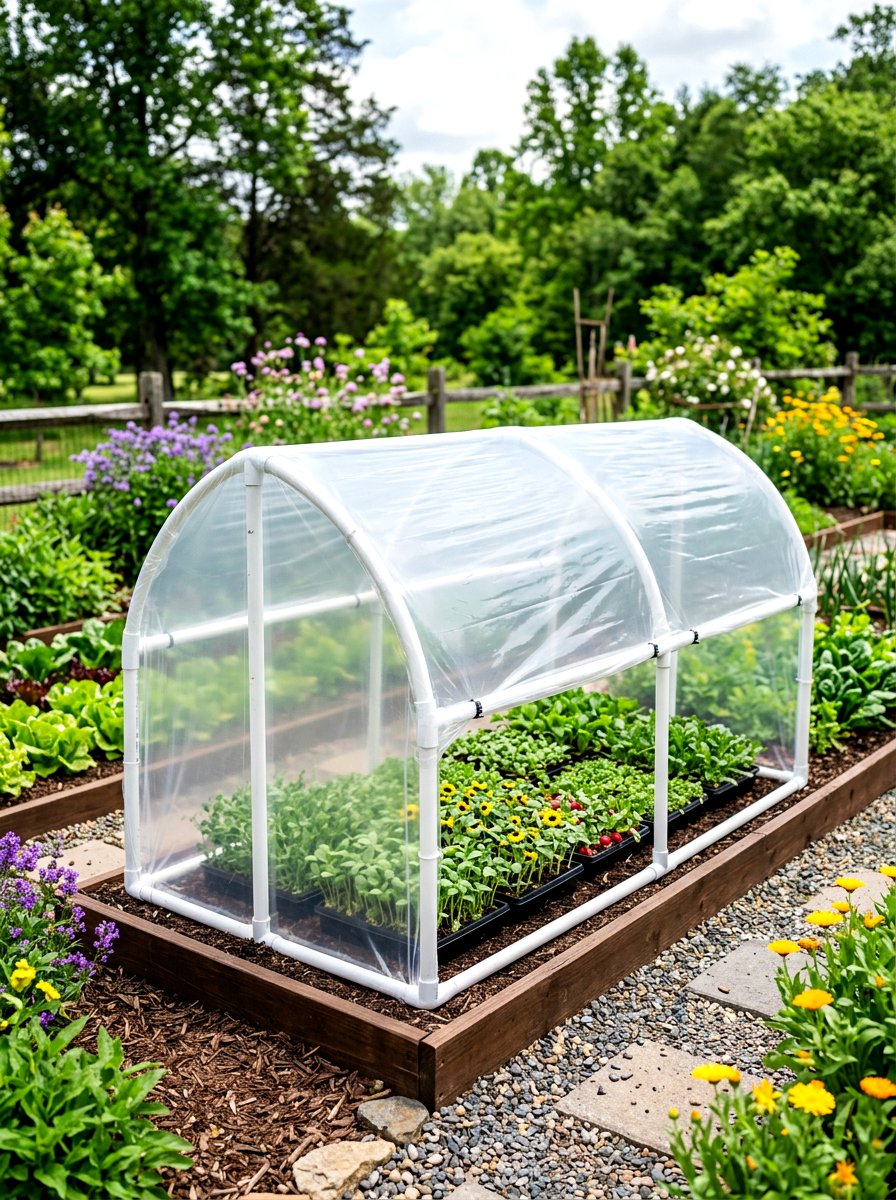
PVC piping is a versatile and inexpensive material for building a lightweight garden frame. You can use standard connectors to create a box or a peaked roof shape that suits your specific needs. The white pipes are easy to cut and assemble without any specialized tools or skills. Covering the PVC skeleton with clear polyethylene plastic creates an effective and waterproof shelter for your plants. This type of frame is very easy to disassemble and store when it is not in use during the summer. It is a practical solution for anyone who wants a custom-sized structure on a very tight and limited budget.
16. Stone Cold Frame
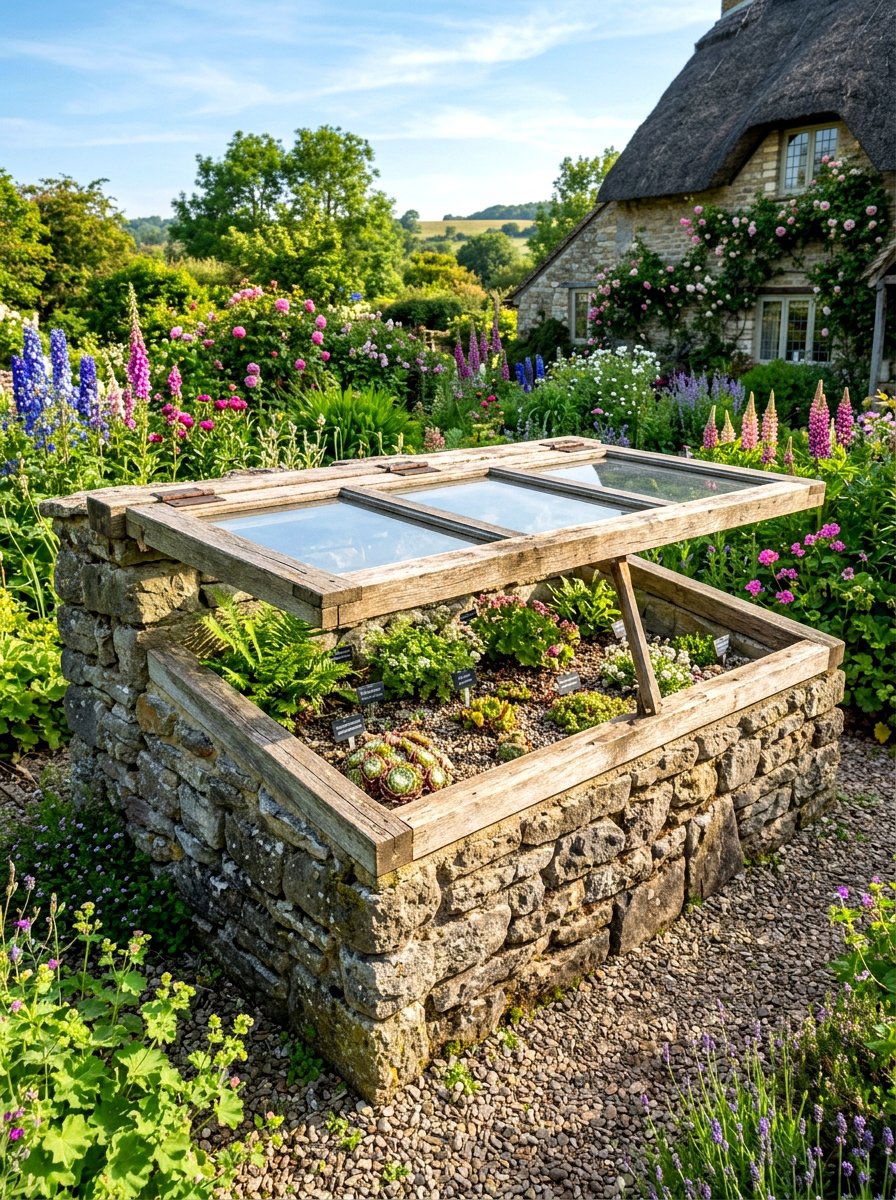
Building a frame with natural stone creates a permanent structure that looks like it belongs in the landscape. Stone walls provide massive thermal stability by capturing heat during the day and radiating it back at night. You can use dry-stack techniques or mortar to create a beautiful and rugged garden feature. The variations in stone color and texture add visual interest and a sense of permanence to your backyard. A heavy glass lid with a wooden frame can be placed on top to complete the look. This is an ideal choice for a cottage-style garden where natural materials are used throughout the entire design.
17. Cedar Cold Frame
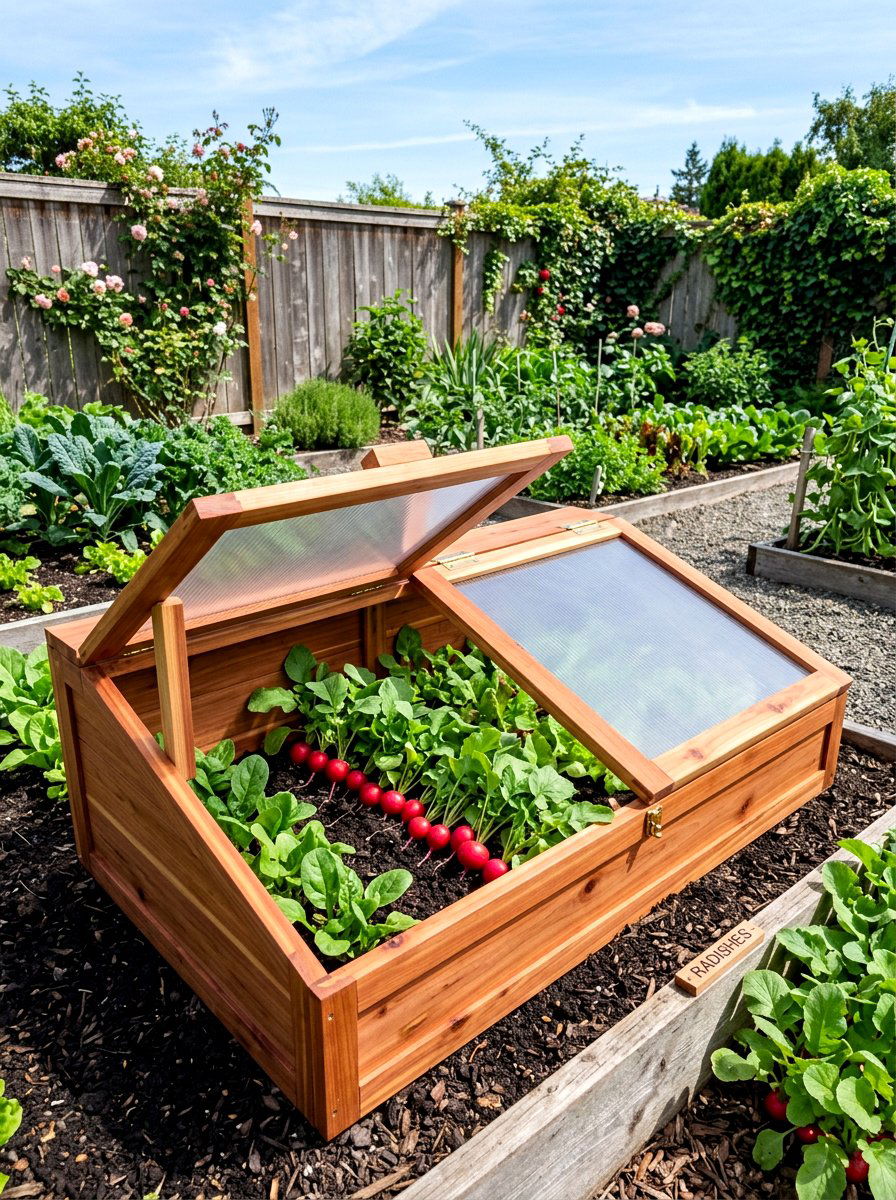
Cedar is the gold standard for garden lumber because of its natural resistance to rot, decay, and insects. A cedar frame will last for decades even when it is in direct contact with damp garden soil. The wood has a beautiful reddish hue that eventually weathers to a sophisticated silvery gray. Cedar also has a wonderful scent and does not require any chemical treatments to remain durable. This makes it a very safe choice for growing organic vegetables and herbs for your family. Investing in cedar ensures that your cold frame remains a functional and attractive part of your garden for a long time.
18. Fold Down Cold Frame
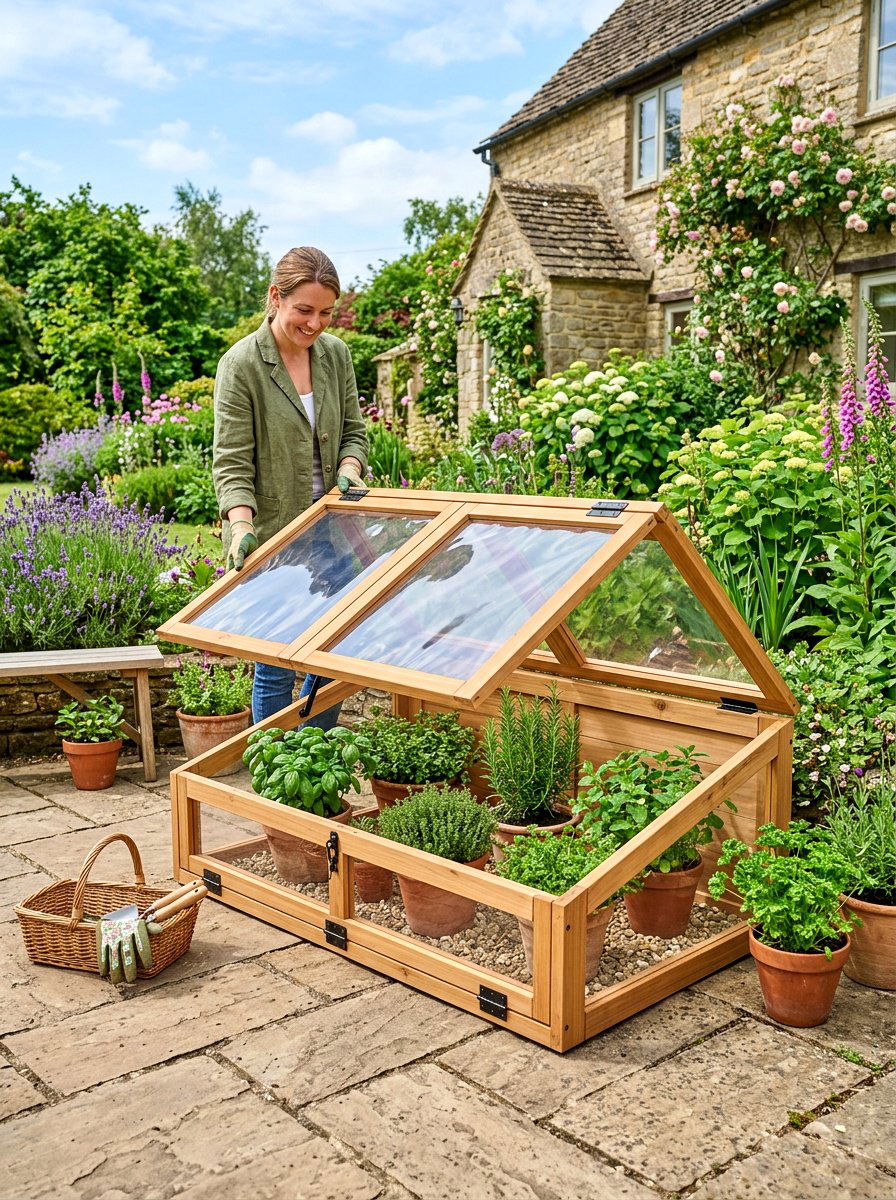
A fold-down design is perfect for gardeners who want to maximize their space when the frame is not in use. This type of structure usually features hinges that allow the walls to collapse flat against the ground or a wall. You can easily set it up in seconds when a frost warning is issued and tuck it away when the sun returns. It is often made from lightweight wood or metal frames with flexible plastic coverings. This versatility makes it a great choice for small patios or multi-use garden areas. It provides immediate protection without requiring a permanent footprint in your beautiful backyard landscape.
19. Double Wall Cold Frame
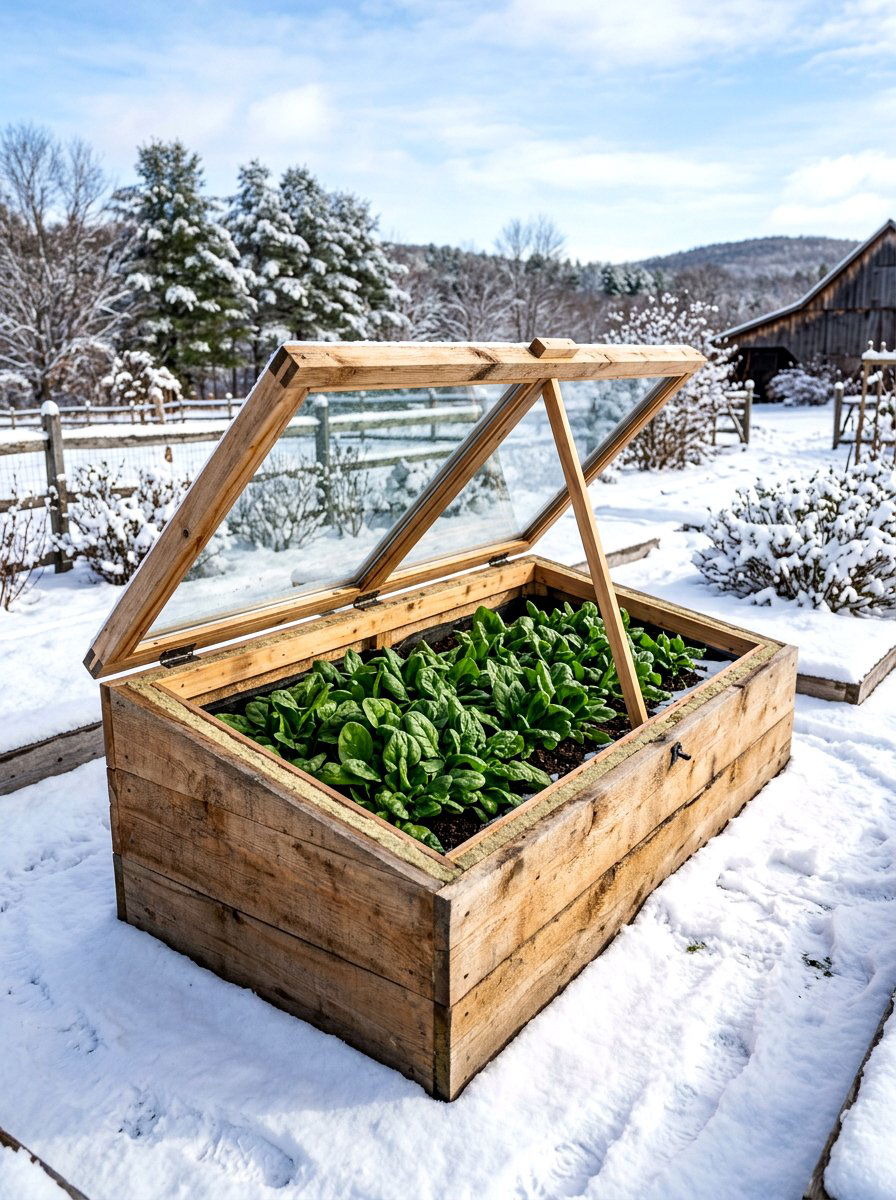
Double-wall construction provides the ultimate insulation for gardening in extremely cold northern climates. This involves building two layers of walls with an air gap or insulation material tucked in between them. You can use double-pane glass or twin-wall polycarbonate for the lid to prevent heat loss through the top. This setup creates a very stable microclimate that can keep plants alive even when temperatures drop well below freezing. It is a serious tool for dedicated winter gardeners who want to harvest fresh greens throughout the entire year. The extra effort in construction pays off with much higher survival rates for your most sensitive winter crops.
20. Lettuce Cold Frame
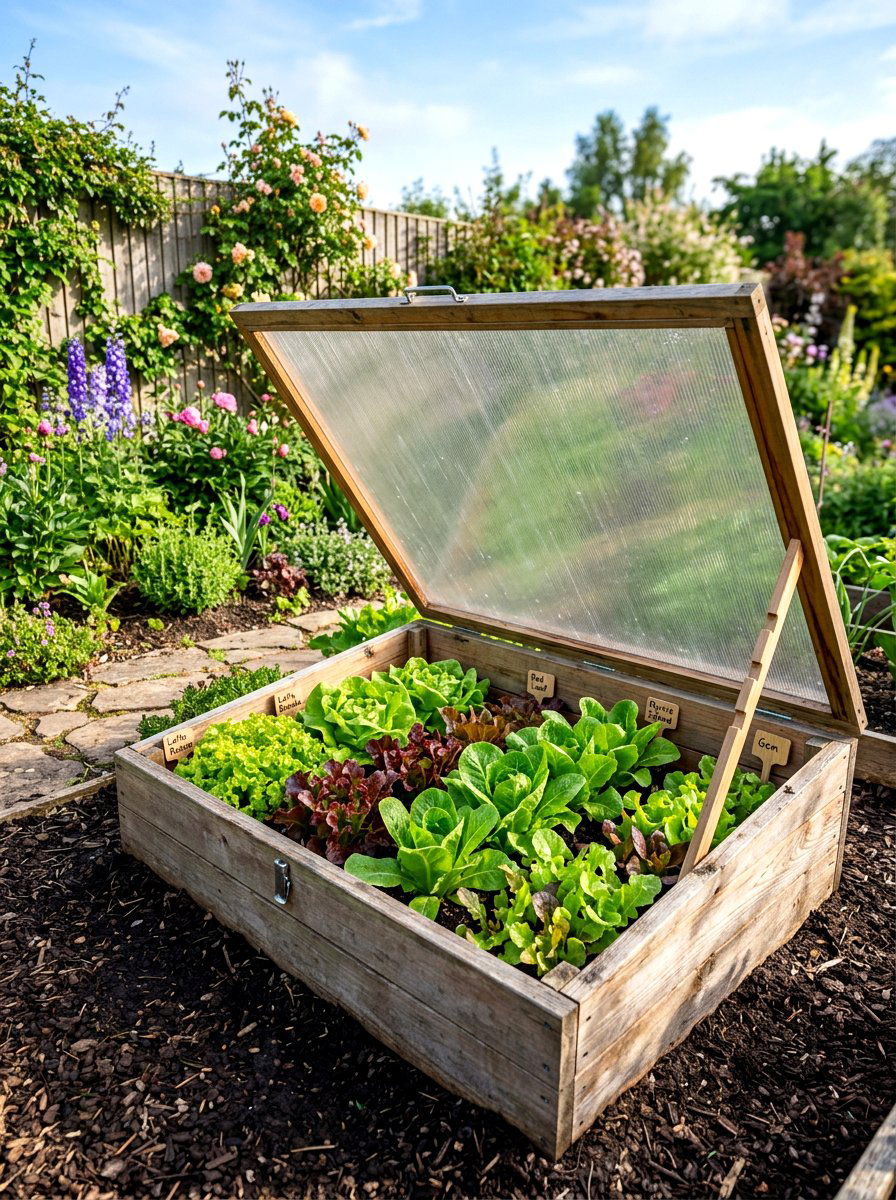
Designing a frame specifically for growing lettuce allows you to enjoy fresh salads long after the first frost. Lettuce is a cool-season crop that thrives in the protected and humid environment of a cold frame. You can plant various varieties like butterhead, romaine, and loose-leaf types in late summer for a fall harvest. The frame protects the tender leaves from being damaged by ice or heavy winter rains. Because lettuce stays relatively low to the ground, the frame does not need to be very tall. This makes it easy to tuck into a small corner of your garden or even on a sunny patio area.
21. Seedling Cold Frame
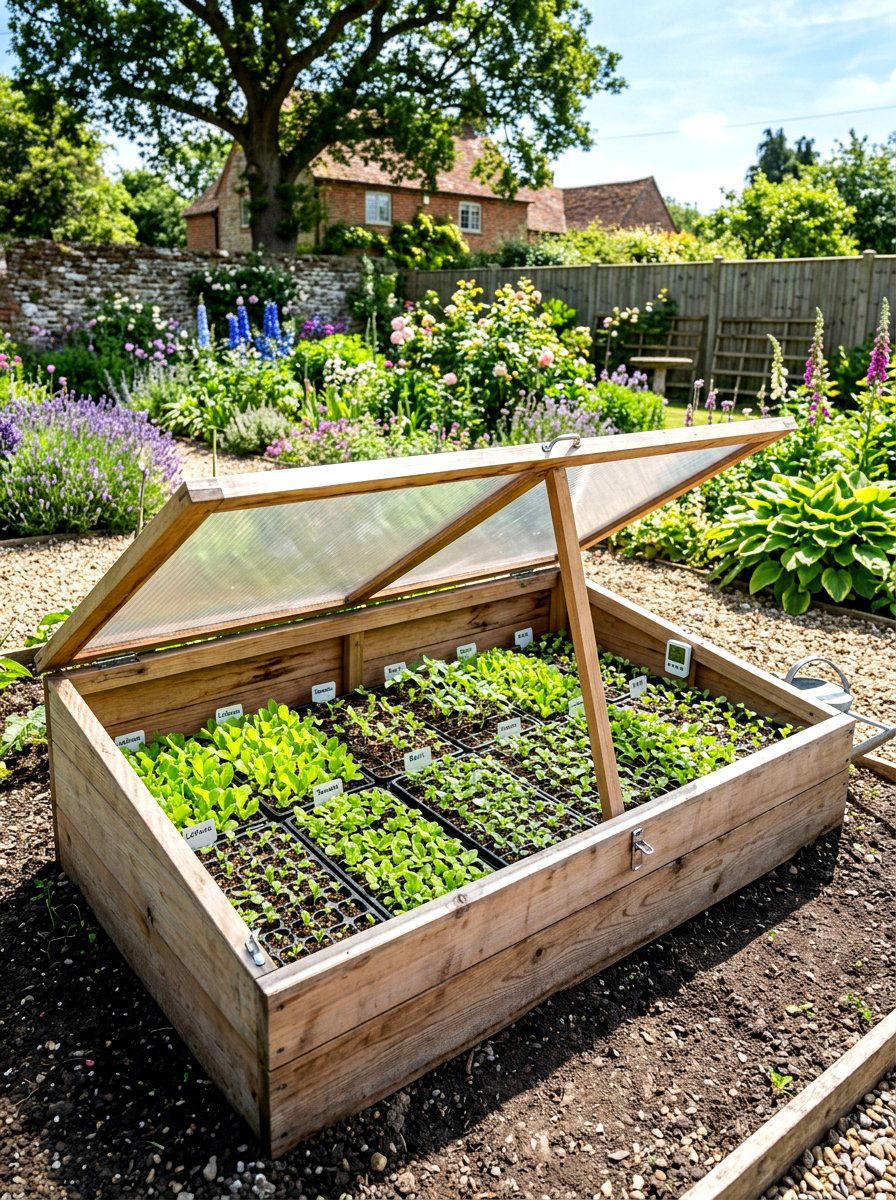
A seedling frame is an essential tool for "hardening off" young plants before they are transplanted into the garden. This process involves gradually exposing indoor-grown seedlings to outdoor conditions like wind and direct sun. The cold frame provides a sheltered transition zone where you can control the temperature and airflow. By propping the lid open a little more each day, you strengthen the plants without shocking them. This results in much healthier and more resilient vegetables that are ready to grow vigorously once they hit the soil. It is a vital step for any gardener who starts their own seeds indoors during late winter.
22. Terrace Cold Frame
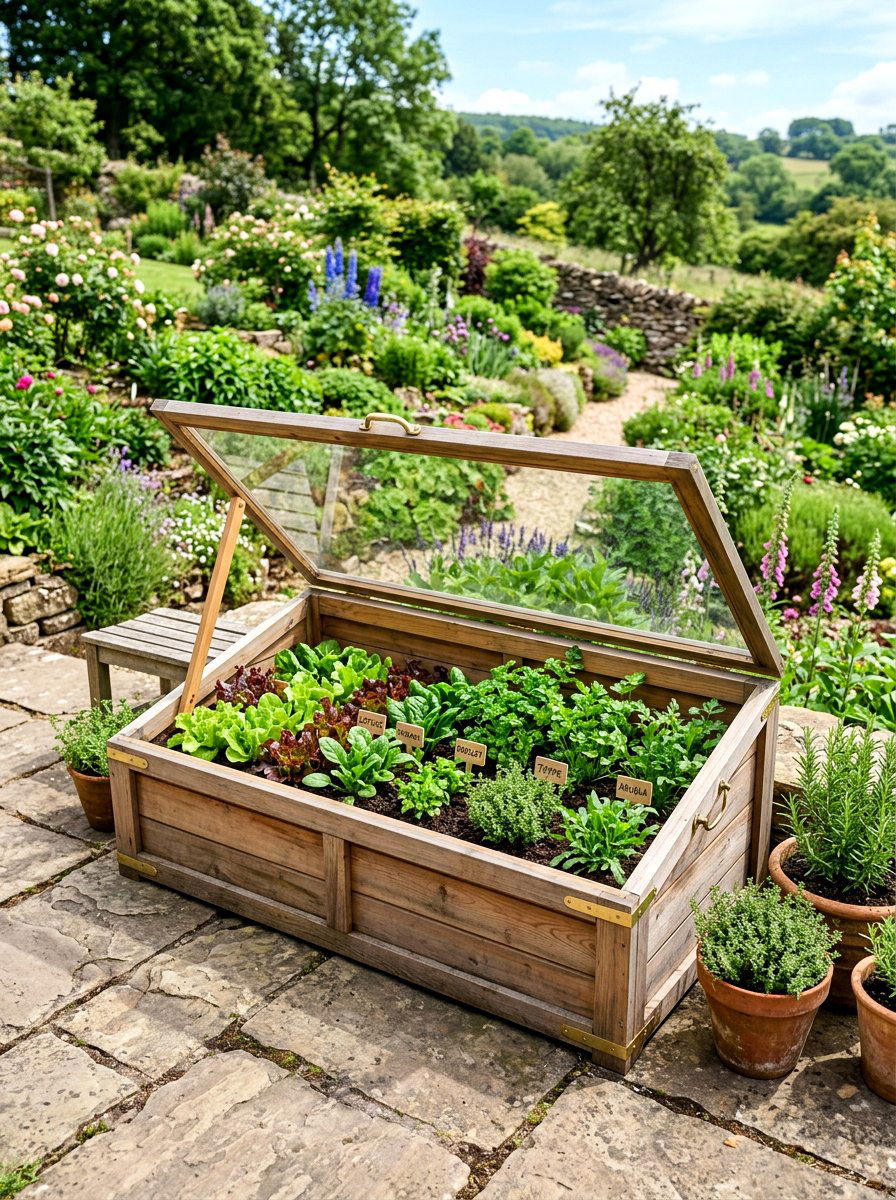
Terrace gardening often requires specialized structures that fit into narrow or stepped outdoor spaces. You can build a custom cold frame that matches the width of your terrace levels for a neat and organized look. These frames help protect delicate potted plants or small vegetable patches from high-altitude winds and cold nights. Using clear lids allows you to maintain a bright and airy feel on your terrace while keeping your plants cozy. It is a great way to extend your growing area to vertical or sloped parts of your property. This approach makes efficient use of every square inch of available sunny space in your yard.
23. Balcony Cold Frame
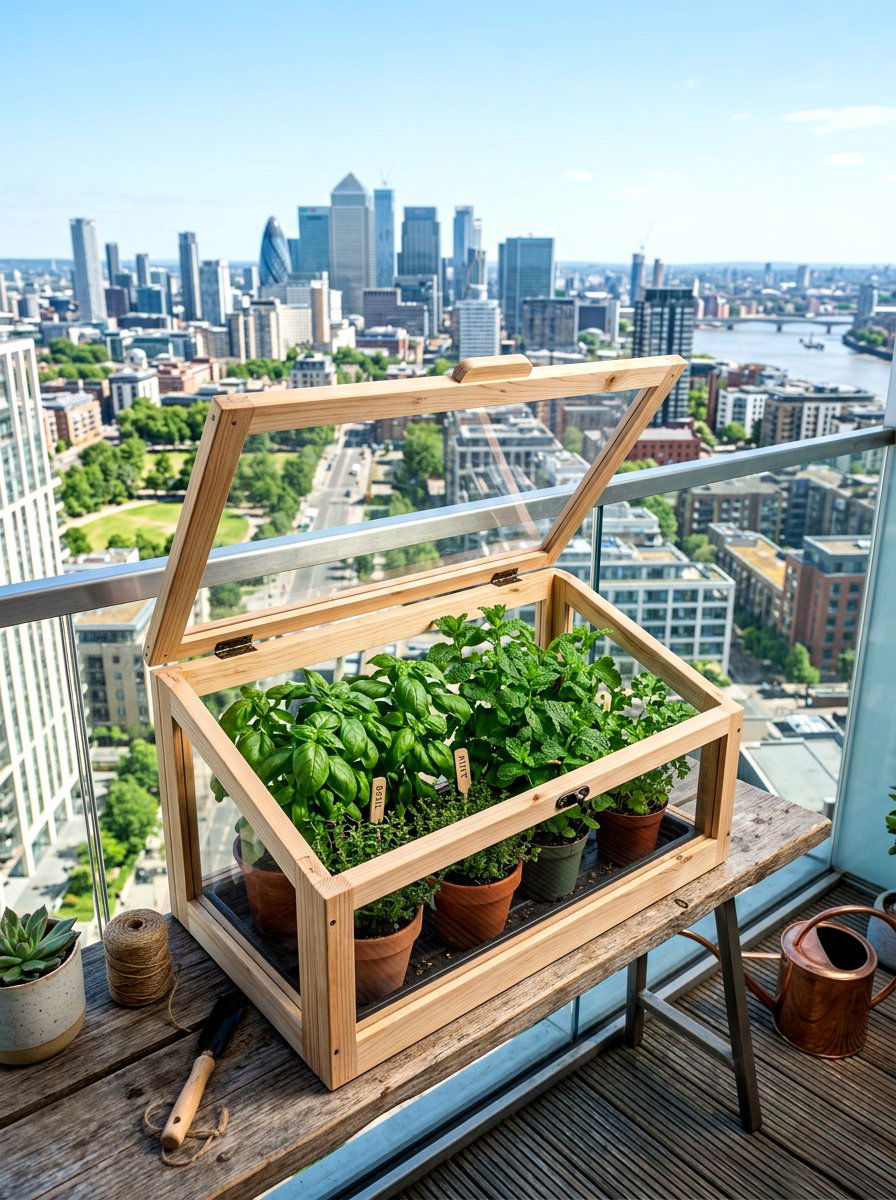
Even urban gardeners with only a balcony can benefit from a compact and well-designed cold frame. A small, table-top version can sit on a balcony floor or a shelf to grow herbs and greens. These frames are usually made from lightweight plastic or wood with clear acrylic panels for safety. They allow you to start your balcony garden weeks earlier than your neighbors who rely on the weather. A balcony frame also protects plants from the drying effects of wind that often occurs on higher floors. It is a stylish and practical way to bring a bit of nature and fresh food to city living.
24. Winter Cold Frame
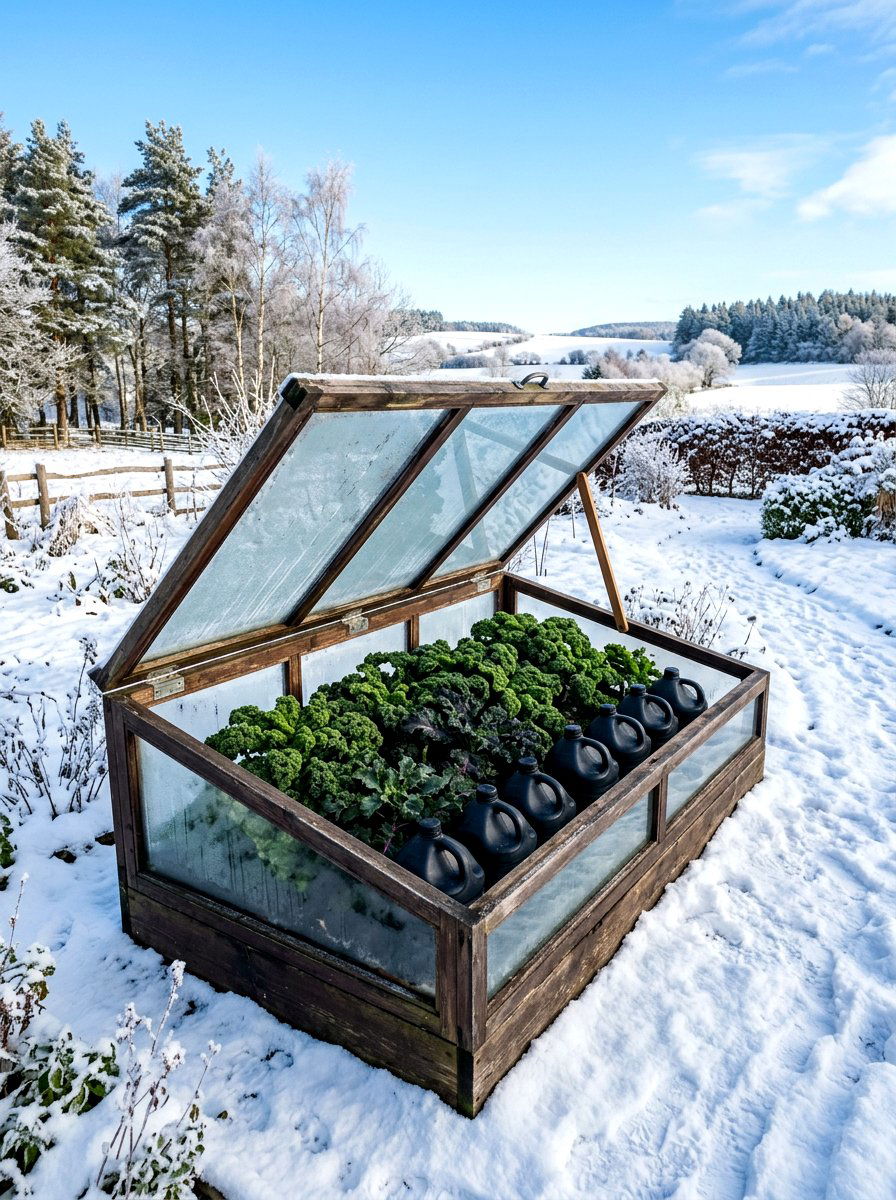
A winter-specific frame is built with heavy insulation and a steep lid angle to capture the low winter sun. The goal is to keep the soil from freezing so that hardy crops like kale, spinach, and carrots can survive. You can add "thermal mass" like dark-colored jugs of water inside the frame to absorb heat during the day. Covering the frame with an old blanket on exceptionally cold nights provides an extra layer of protection. This type of gardening requires choosing the most cold-tolerant varieties available. It turns your backyard into a productive winter pantry that provides fresh vitamins during the darkest months of the year.
25. Spring Cold Frame
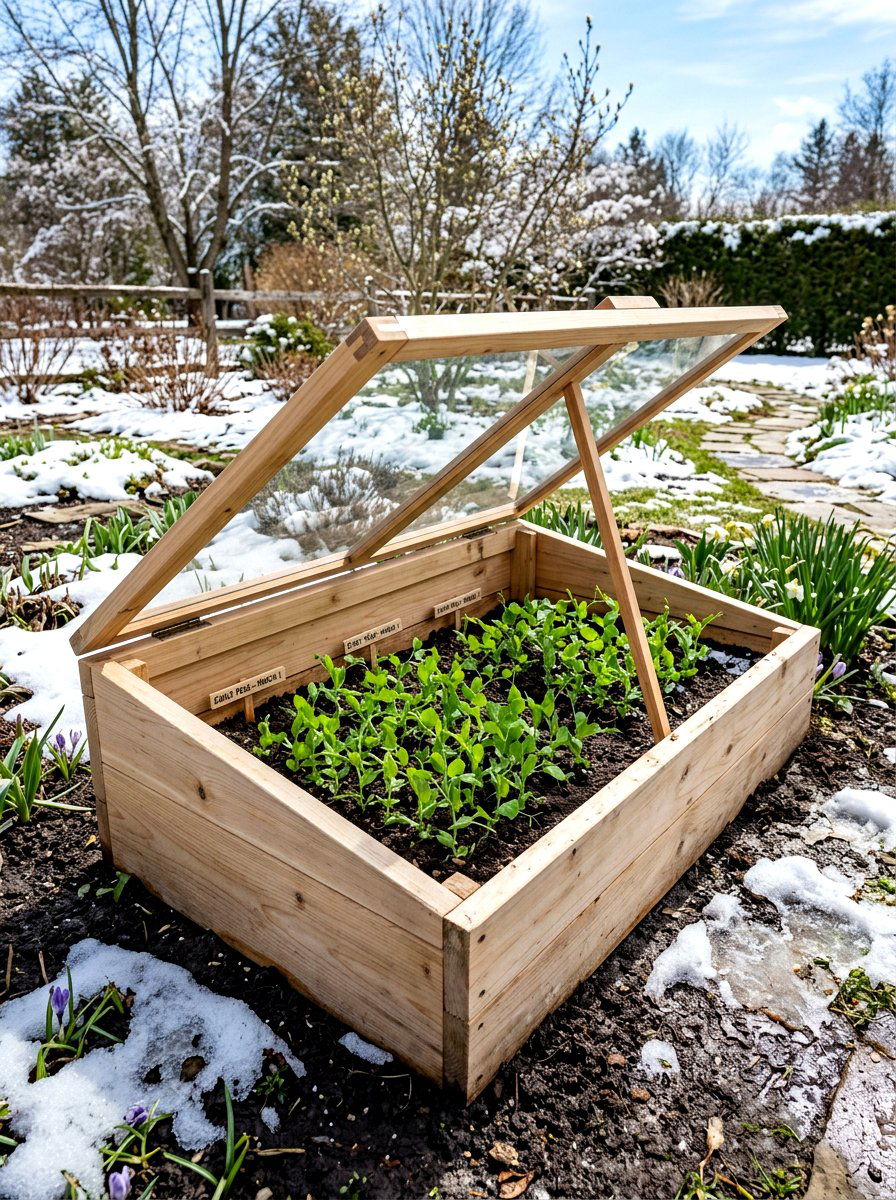
Spring frames are used primarily to jump-start the growing season by warming the soil several weeks early. By placing the frame over a garden bed in late winter, you trap solar heat and melt any lingering snow. This allows you to sow seeds for peas, radishes, and spinach much sooner than usual. The frame also protects early blossoms on fruit trees or shrubs from late spring frosts that could ruin the harvest. Once the weather stays consistently warm, the frame can be removed to let the plants grow freely. It is the ultimate tool for the impatient gardener who is ready to get growing.
26. Garden Cloche
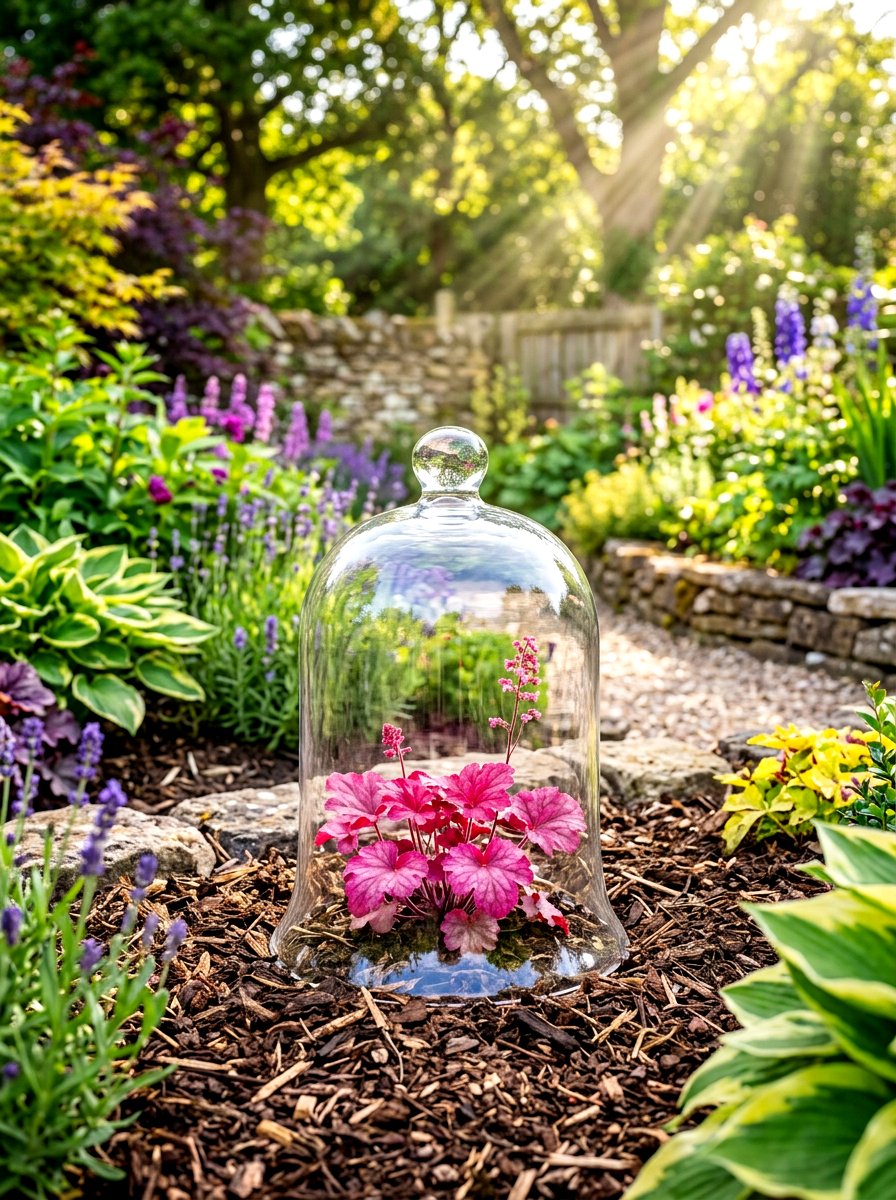
A cloche is essentially a very small, bell-shaped cold frame designed to protect an individual plant. While traditional cloches were made of glass, modern versions are often made of clear plastic or even recycled bottles. They are perfect for protecting a single expensive perennial or a newly transplanted tomato plant. Cloches are easy to move around and can be placed exactly where they are needed most. They create a tiny greenhouse environment that keeps the soil warm and the humidity high for the plant inside. It is a simple and effective way to give specific plants a little bit of extra care and attention.
27. Cold Frame Bench
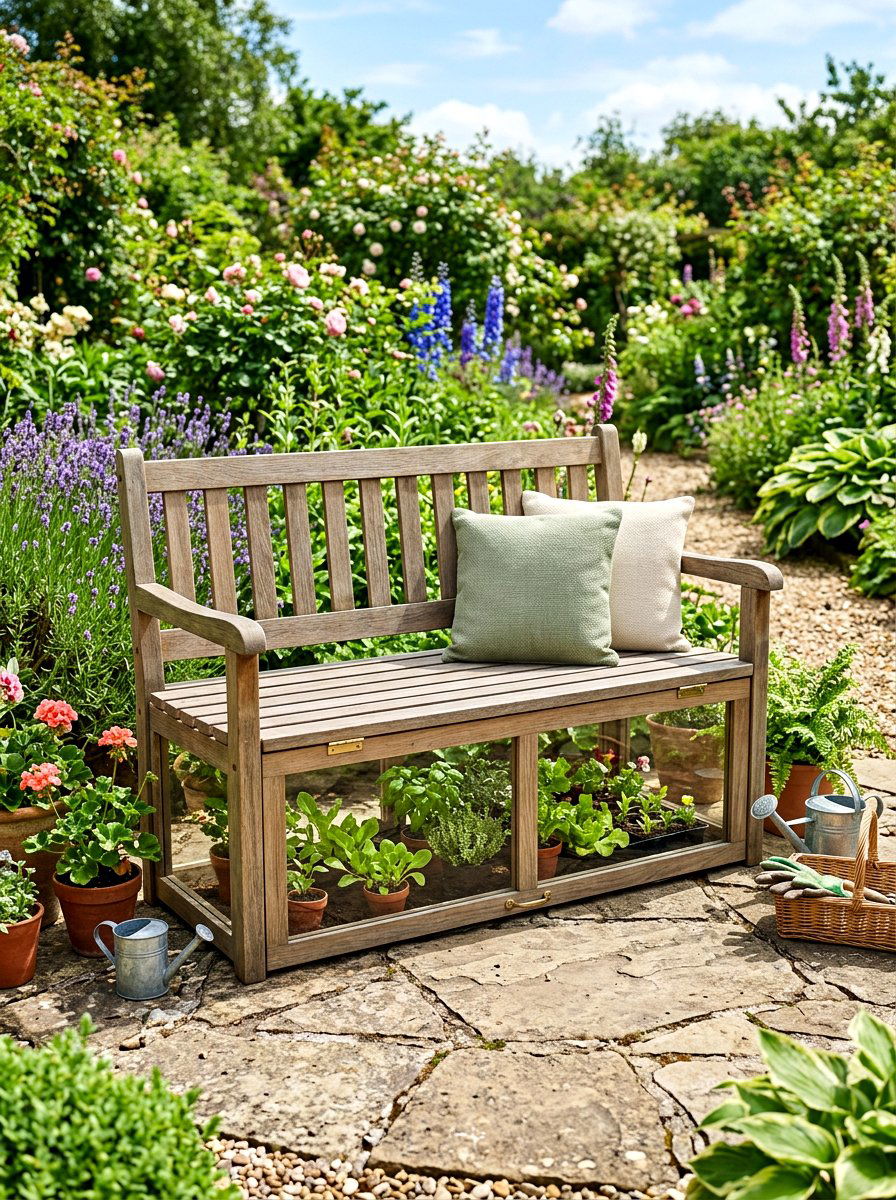
Combining a garden bench with a cold frame is a clever way to create a multi-functional piece of furniture. The area under the seat can be enclosed with clear panels to house young plants and seedlings. This design saves space in small gardens while providing a comfortable place to sit and enjoy your outdoor area. The wooden structure of the bench provides natural insulation for the plants tucked away underneath. It is a beautiful and practical addition to any patio or garden path. This project shows how functional garden tools can also be integrated into your home's outdoor decor and seating arrangements.
28. Vertical Cold Frame
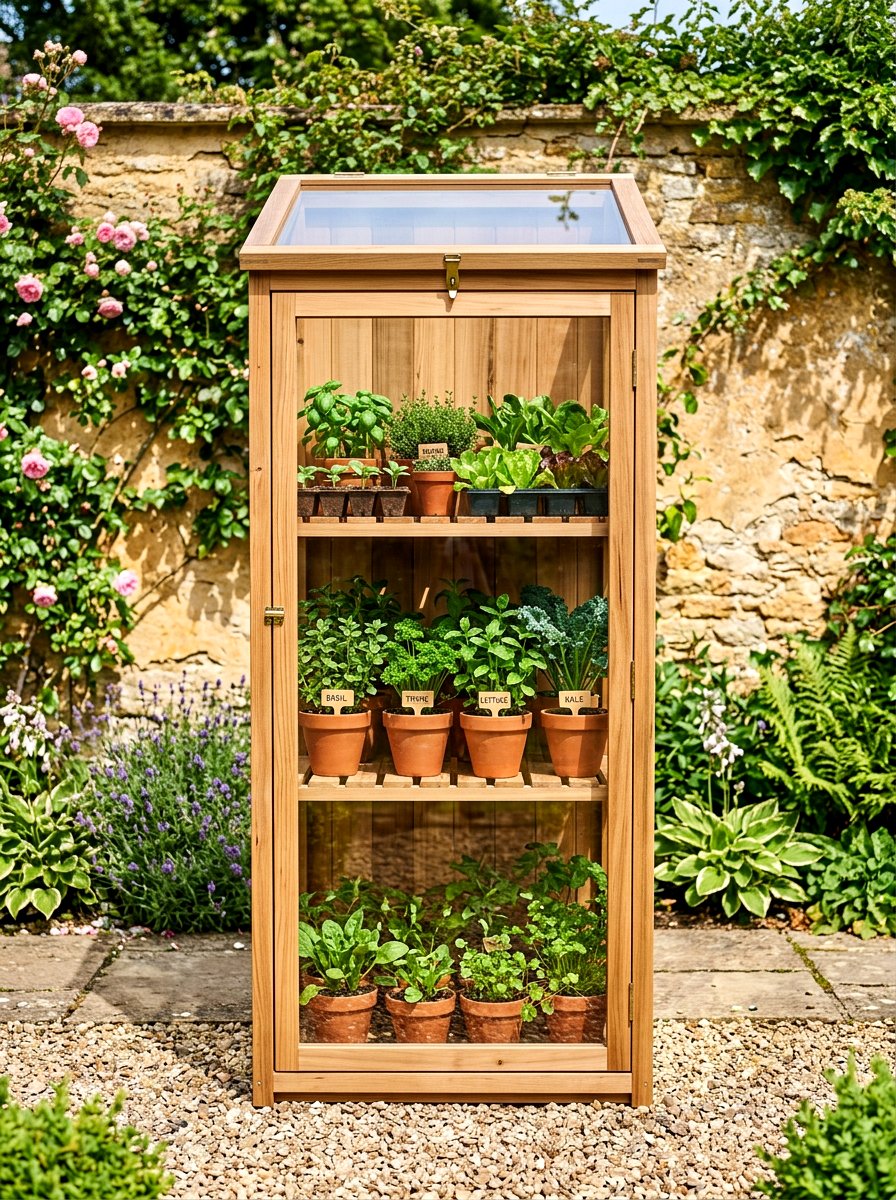
A vertical cold frame uses shelves to grow multiple layers of plants in a small footprint. This is essentially a mini-greenhouse that stands upright with a clear door on the front. It is perfect for stacking trays of seedlings or small pots of herbs in a sunny spot. The vertical design takes advantage of the warm air that rises, keeping the top shelves even toastier. You can place this against a south-facing wall to maximize heat absorption from the sun. It is an excellent choice for anyone with limited ground space who still wants to grow a significant variety of early-season crops.
29. Aluminum Cold Frame
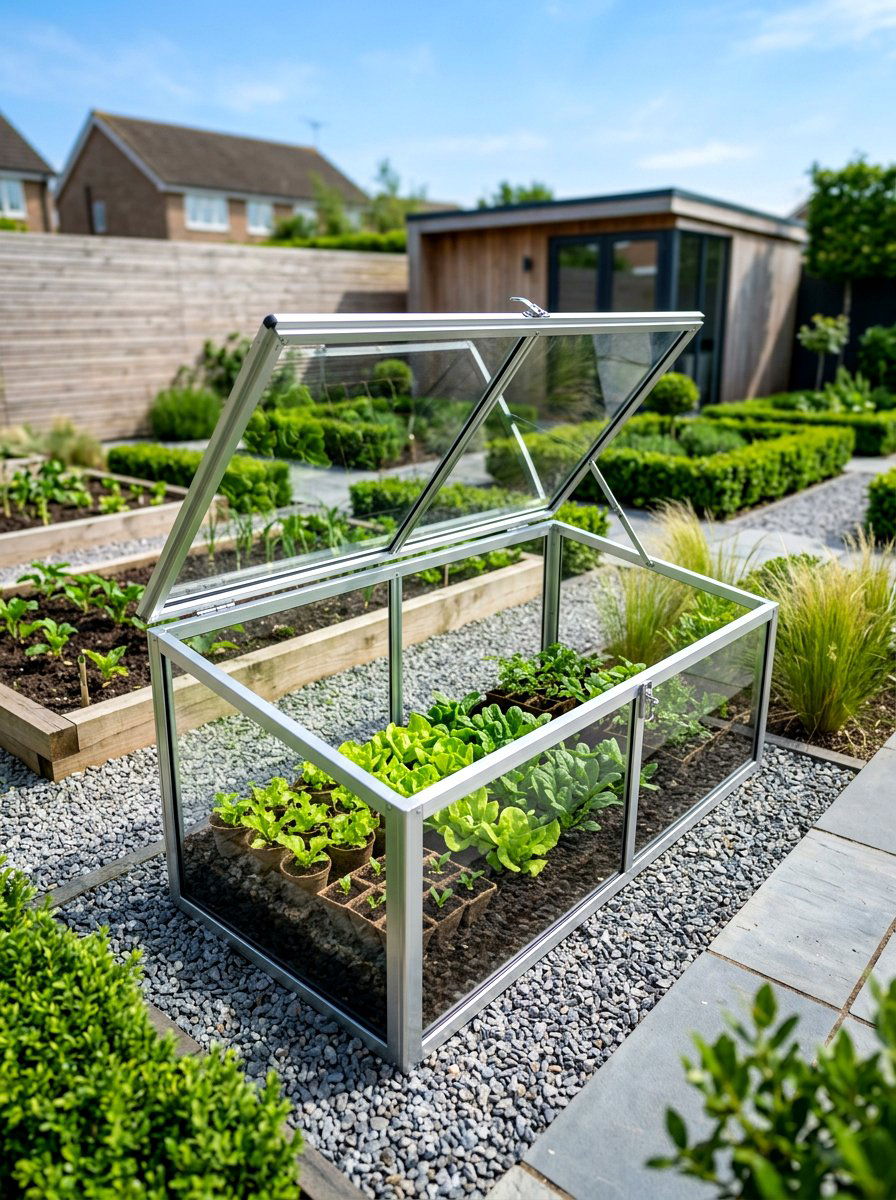
Aluminum frames are prized for being incredibly lightweight, rust-proof, and very long-lasting. These structures often feature thin profiles that allow for maximum light penetration to reach your plants. Because they do not rot like wood, they require almost zero maintenance over their long lifespan. Many aluminum models come as kits that are very easy to assemble with simple hardware. They provide a clean and modern look that fits well in contemporary garden designs. While they do not provide as much insulation as thick wood, they are excellent for spring and fall season extension in more moderate climates. It is a very durable choice.
30. Glass Bottle Cold Frame
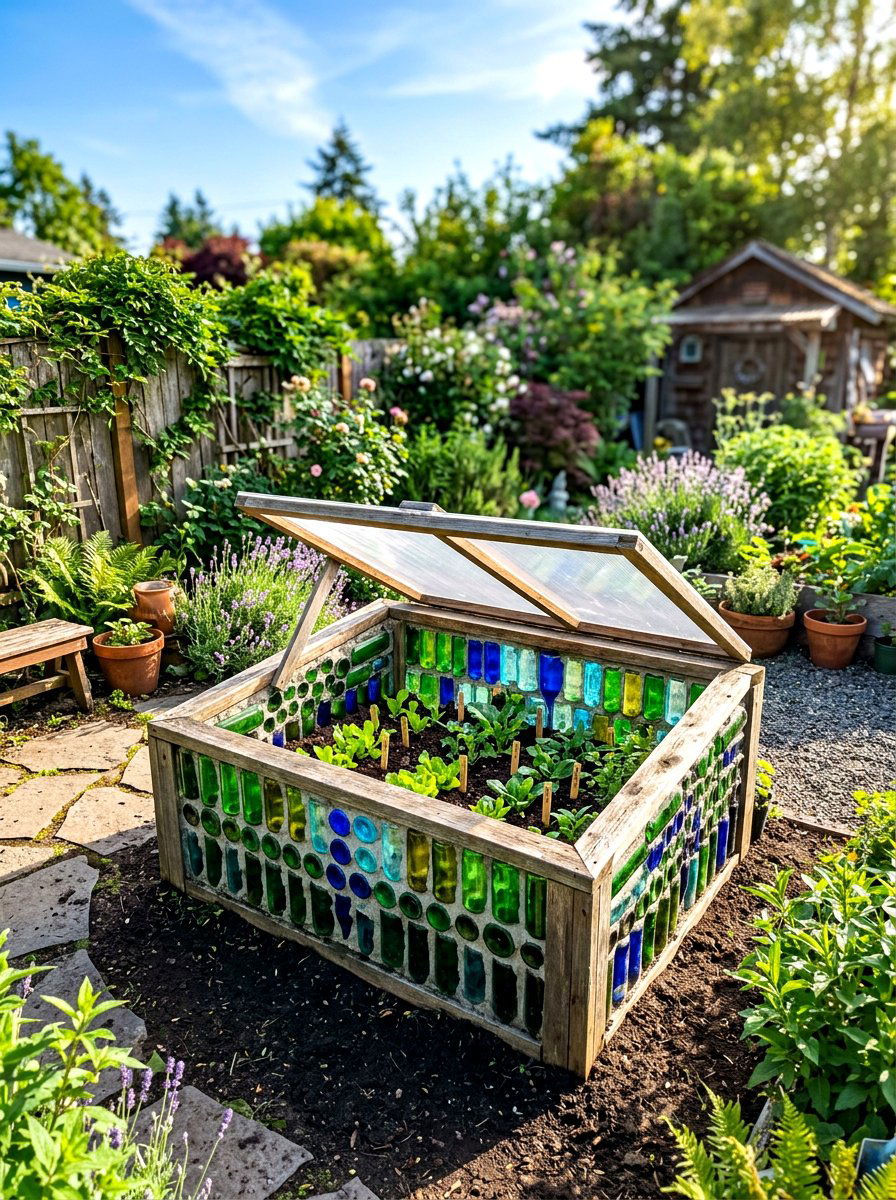
A glass bottle frame is a unique and artistic way to build an insulating wall for your plants. By stacking empty bottles in mortar or clay, you create a wall filled with air pockets that trap heat. The sun shines through the glass, creating a beautiful glowing effect inside the frame during the day. This is a fantastic project for using up household waste and creating a conversation piece in your garden. You can use different colors of glass to create patterns or a mosaic look. It provides excellent thermal mass and a truly one-of-a-kind aesthetic for a creative and eco-friendly backyard gardener.
Conclusion:
Adding a cold frame to your garden is one of the most effective ways to enjoy fresh produce throughout the year. These structures are simple to build, affordable to maintain, and offer incredible protection for your most delicate plants. From recycled windows to modern polycarbonate panels, there is a style of cold frame to suit every budget and aesthetic preference. By extending your growing season, you can harvest healthy vegetables even when the ground is covered in frost. Whether you choose a permanent brick structure or a portable PVC design, the benefits to your garden are immediate. Start your gardening journey earlier and finish it much later this year.

Related posts: