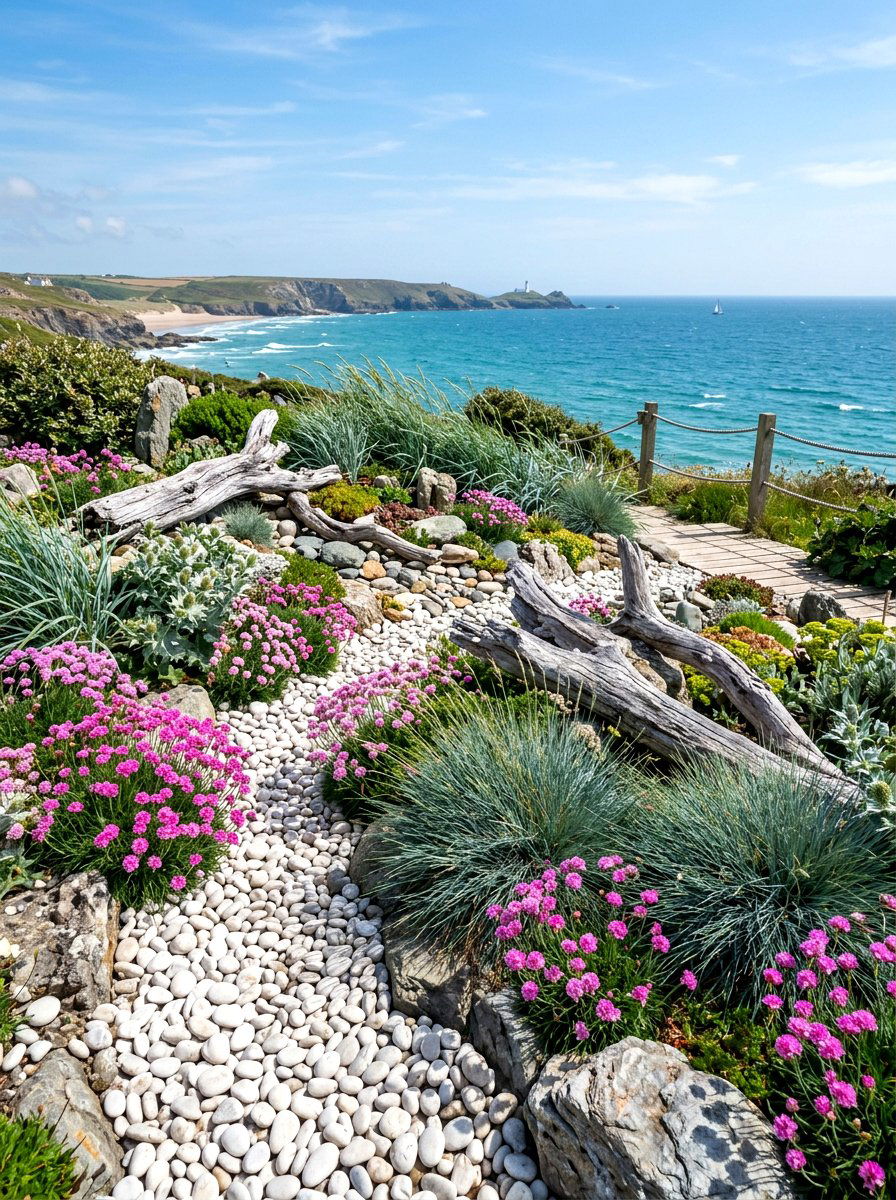
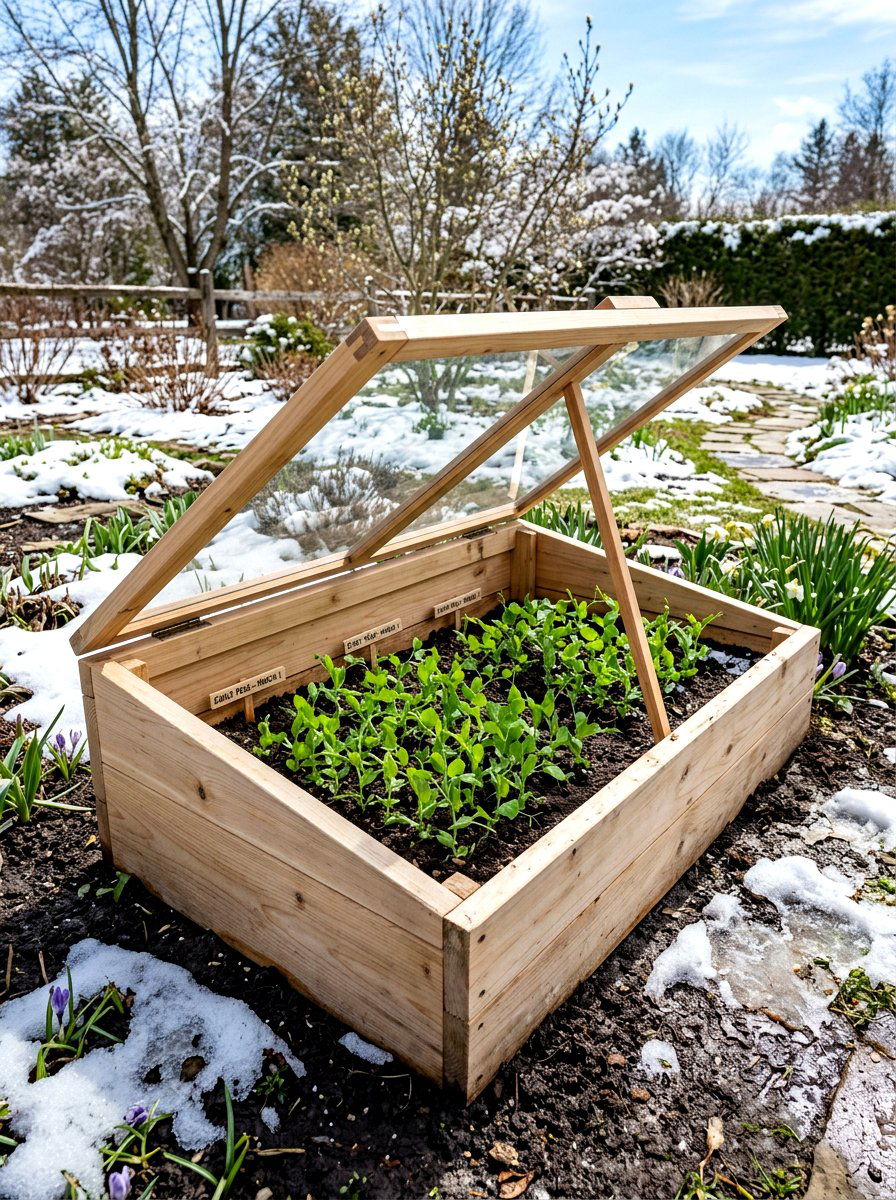
Winter gardens often feel like forgotten spaces once the vibrant blooms of summer fade away, but they possess a unique, quiet beauty that deserves recognition. Transforming your backyard into a seasonal sanctuary requires looking beyond typical blossoms and focusing on structure, texture, and resilience. Whether you are dealing with frost or light snow, a well-planned landscape can provide year-round interest and a sense of peace during the coldest months. By incorporating architectural plants and cozy elements, you create a visual narrative that celebrates the stillness of the season. Let's explore how to make your outdoor space a captivating retreat even when the temperature drops significantly.
1. Evergreen Shrub Border
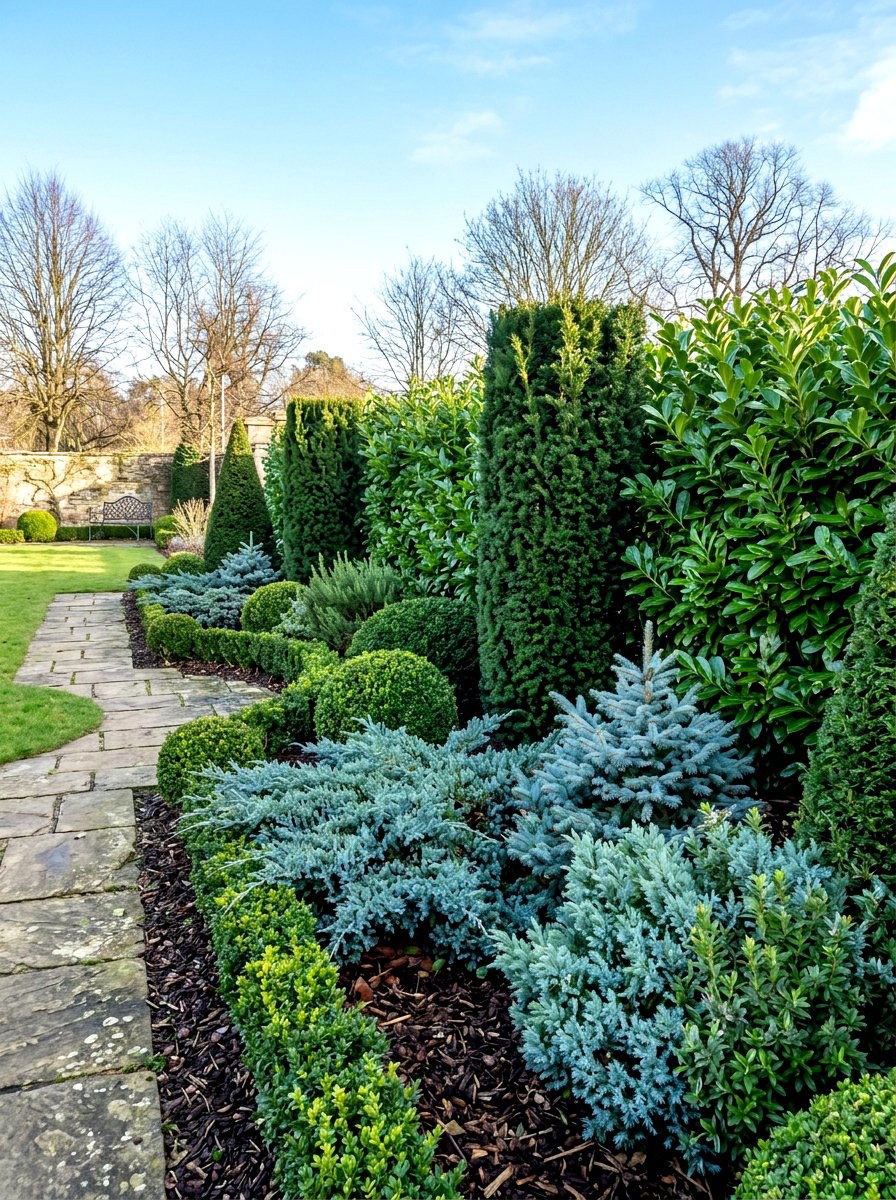
Imagine walking through a landscape that retains its lush vitality even when the rest of the world looks gray and dormant. Evergreen shrub borders provide the essential skeletal structure that every winter garden needs to look intentional and well-designed. By planting a variety of textures, such as the glossy leaves of cherry laurel or the dense needles of yew, you create a permanent green backdrop. These plants act as a windbreak and provide a sense of privacy during the months when deciduous trees are bare. Grouping different shades of green, from deep emerald to silvery blue, adds depth and visual interest. This foundational layer ensures your yard remains vibrant all season long.
2. Winter Flowering Hellebore
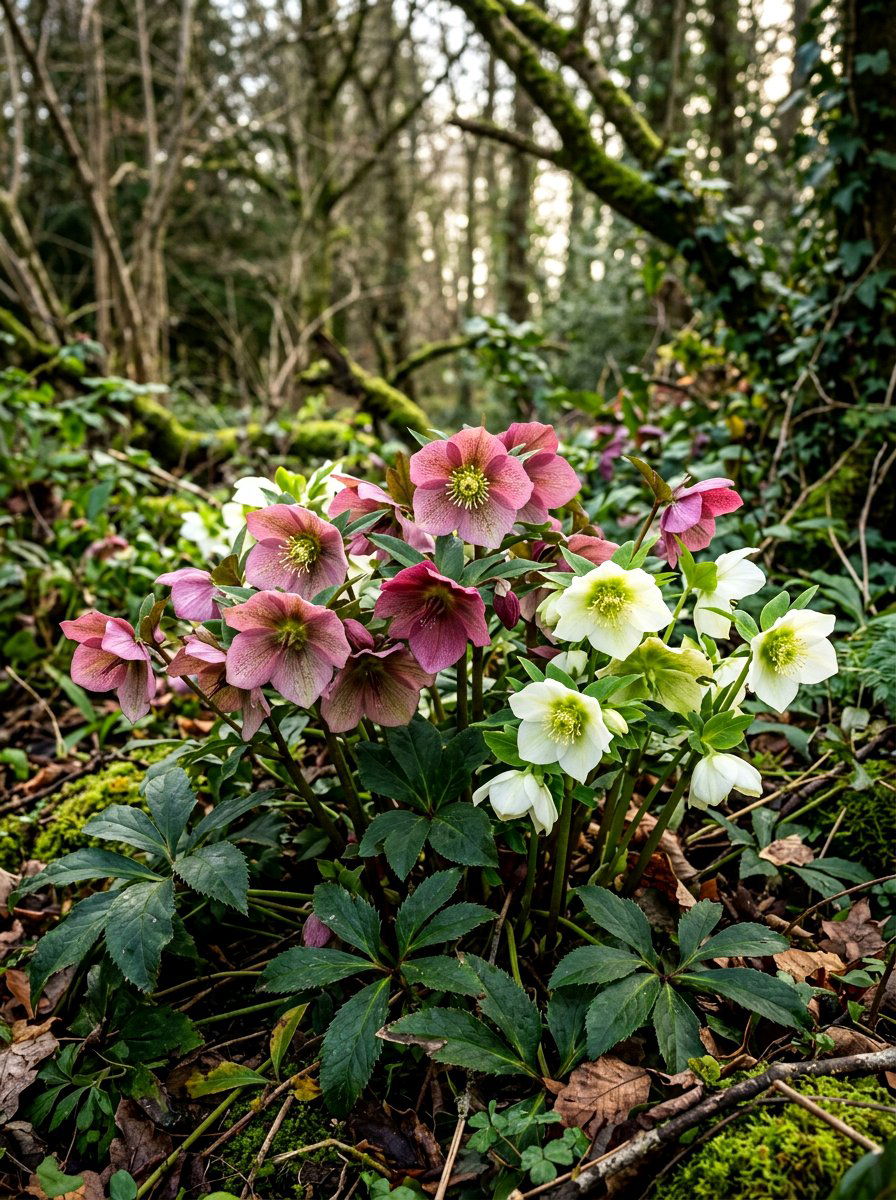
Have you ever noticed the delicate blooms that bravely emerge from the frost when most other plants are still sleeping? Hellebores, often known as Lenten Roses, are the true stars of the winter garden because they offer elegant, nodding flowers in shades of dusty rose, creamy white, and deep plum. These perennial plants are incredibly hardy and thrive in the shaded corners of your yard where little else grows. Their leathery evergreen foliage provides a sturdy base for the intricate blossoms that can last for several months. Planting them in clusters near entryways allows you to enjoy their subtle beauty up close during your daily transitions.
3. Outdoor Fire Pit

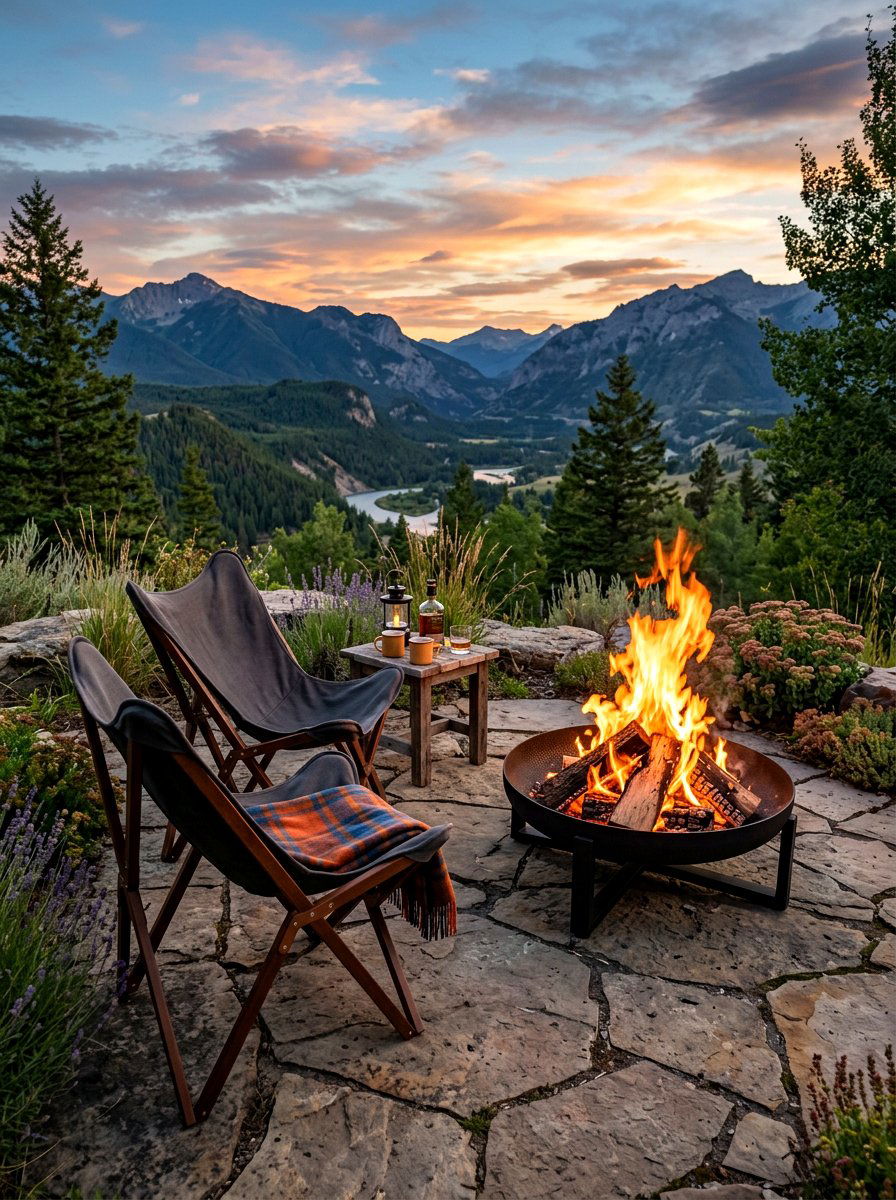
The crisp air of the cold season calls for a central gathering spot that provides both physical warmth and a mesmerizing visual focal point. A stone or metal fire pit transforms a chilly backyard into a cozy extension of your living space where friends can gather comfortably. Surrounding the pit with weather-resistant seating and thick, outdoor-grade blankets encourages everyone to stay outside longer and enjoy the clear night skies. The orange glow of the flames creates a beautiful contrast against the cool tones of a snowy or frosty landscape. This functional design element adds a sense of hygge and makes your garden a destination for seasonal relaxation.
4. Bird Feeder Station
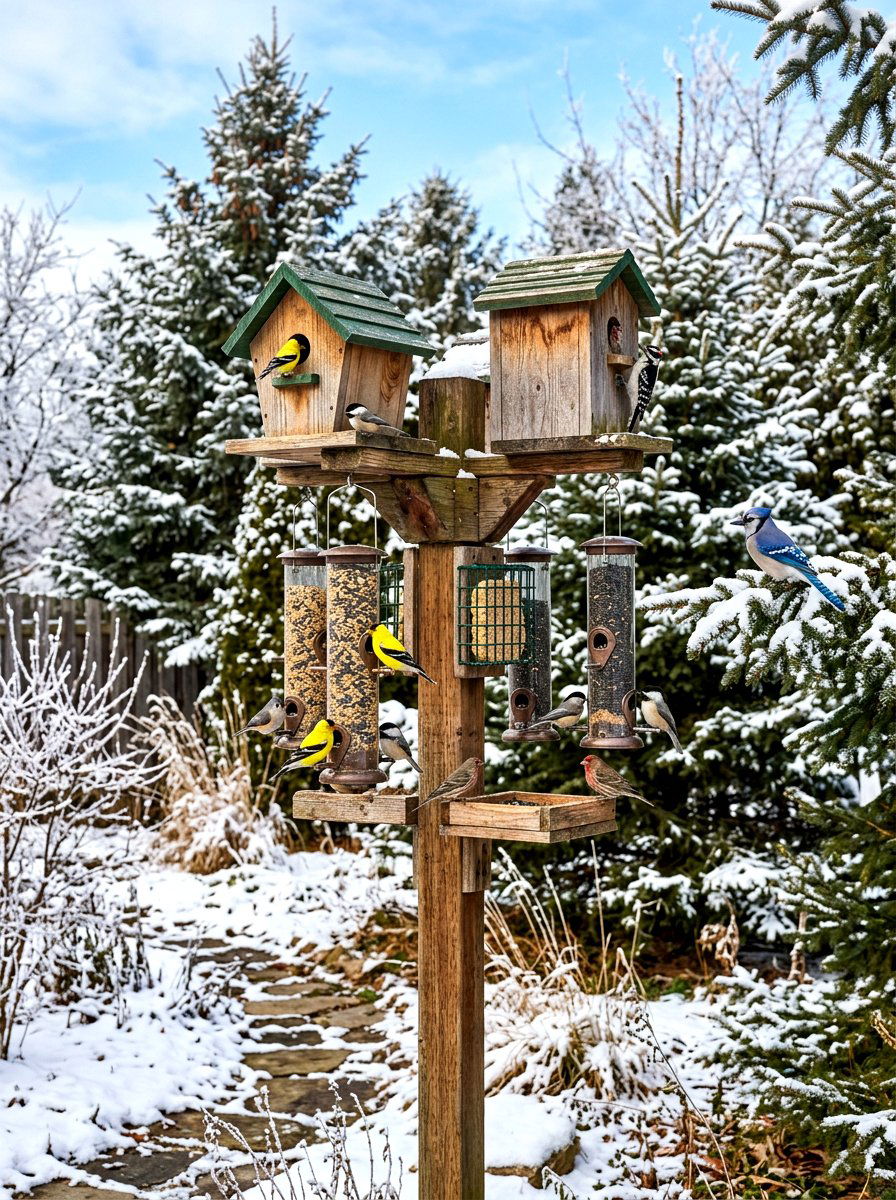
Providing a sanctuary for local wildlife is a rewarding way to bring movement and life to a quiet, dormant winter landscape. A dedicated bird feeder station featuring various heights and types of seeds will attract a colorful array of feathered visitors to your yard. Positioning the feeders near evergreen cover helps small birds feel safe from predators while they eat. You can use decorative wooden houses or modern glass tubes to match your aesthetic while supporting the ecosystem during lean months. Watching the activity from a nearby window offers a peaceful connection to nature and a sense of purpose for your outdoor maintenance routine.
5. Ornamental Grass Landscape
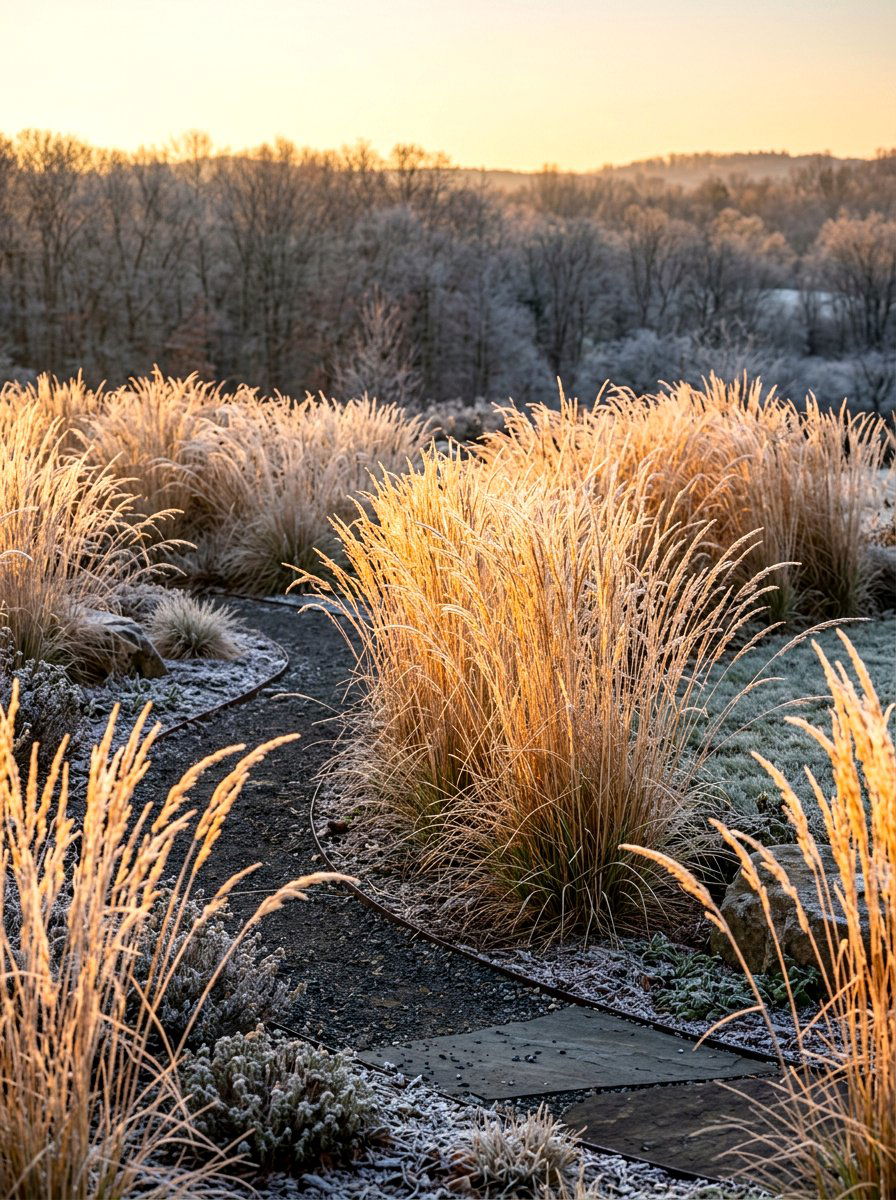
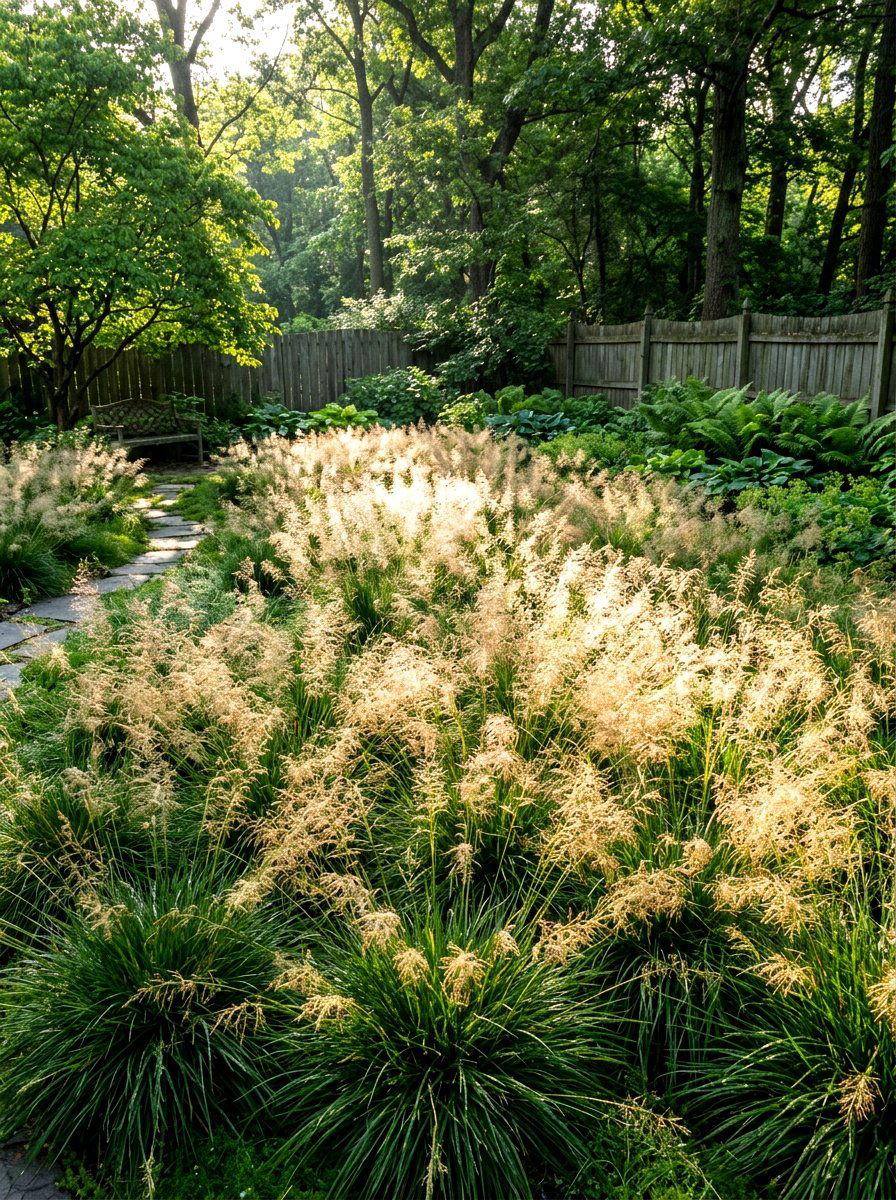
Even when they have turned to shades of straw and gold, ornamental grasses provide incredible movement and architectural interest in a winter garden. Species like feather reed grass or fountain grass hold their seed heads high, catching the frost and glistening beautifully in the low sunlight. These plants create a soft, rustling sound as the wind moves through them, adding a sensory dimension that is often missing in colder weather. Instead of cutting them back in the fall, leave them standing to provide texture and shelter for beneficial insects. Their vertical silhouettes look particularly striking against a backdrop of dark evergreens or fresh snow.
6. Berry Bearing Holly
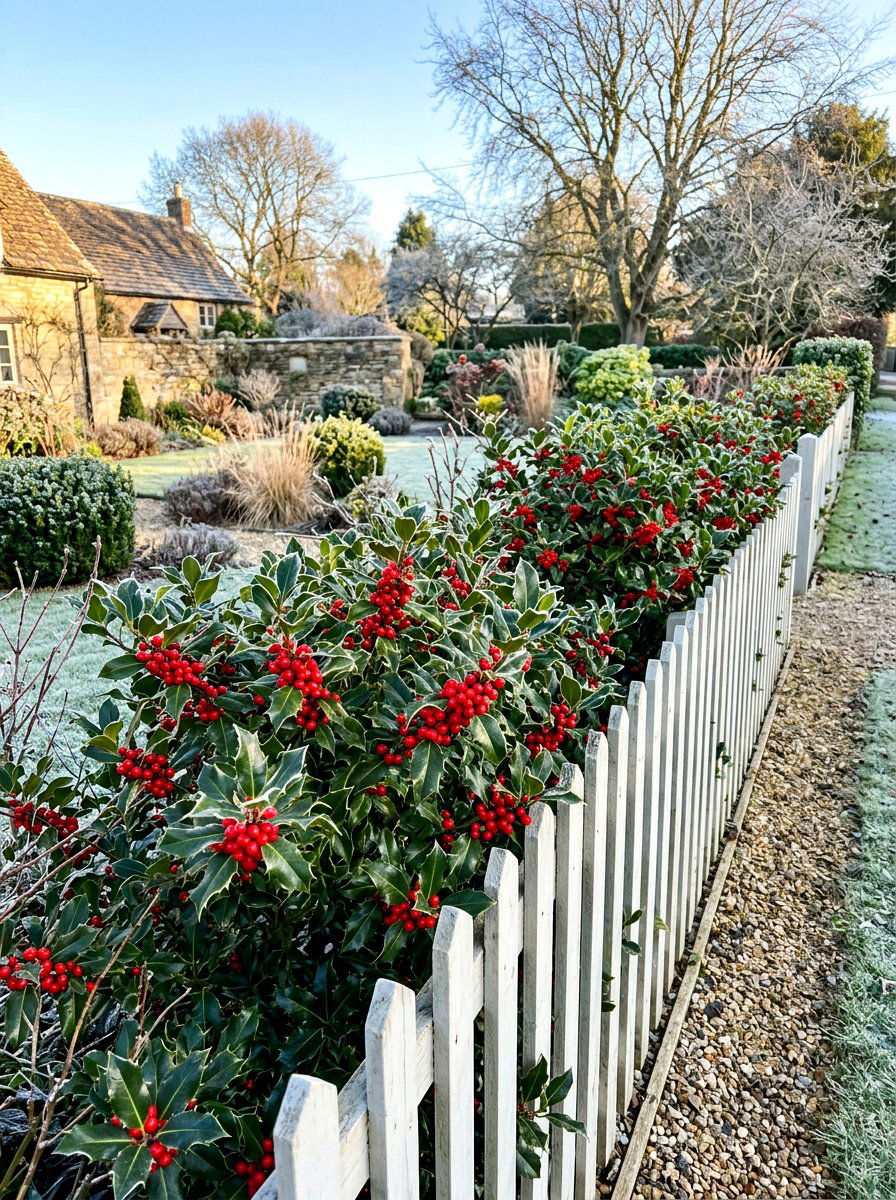
Nothing captures the classic essence of the season quite like the vibrant red berries of a healthy holly bush nestled against dark foliage. These hardy shrubs are essential for adding pops of bright color to a landscape that might otherwise feel monochromatic or overly muted. Beyond their aesthetic appeal, the berries serve as a vital food source for birds, ensuring your garden remains a hub of natural activity. Choose varieties that are known for heavy fruiting and pair them with glossy evergreen leaves for maximum visual impact. Planting holly near fences or corners adds a traditional, structured look that remains consistent throughout the entire year.
7. Decorative Garden Lighting
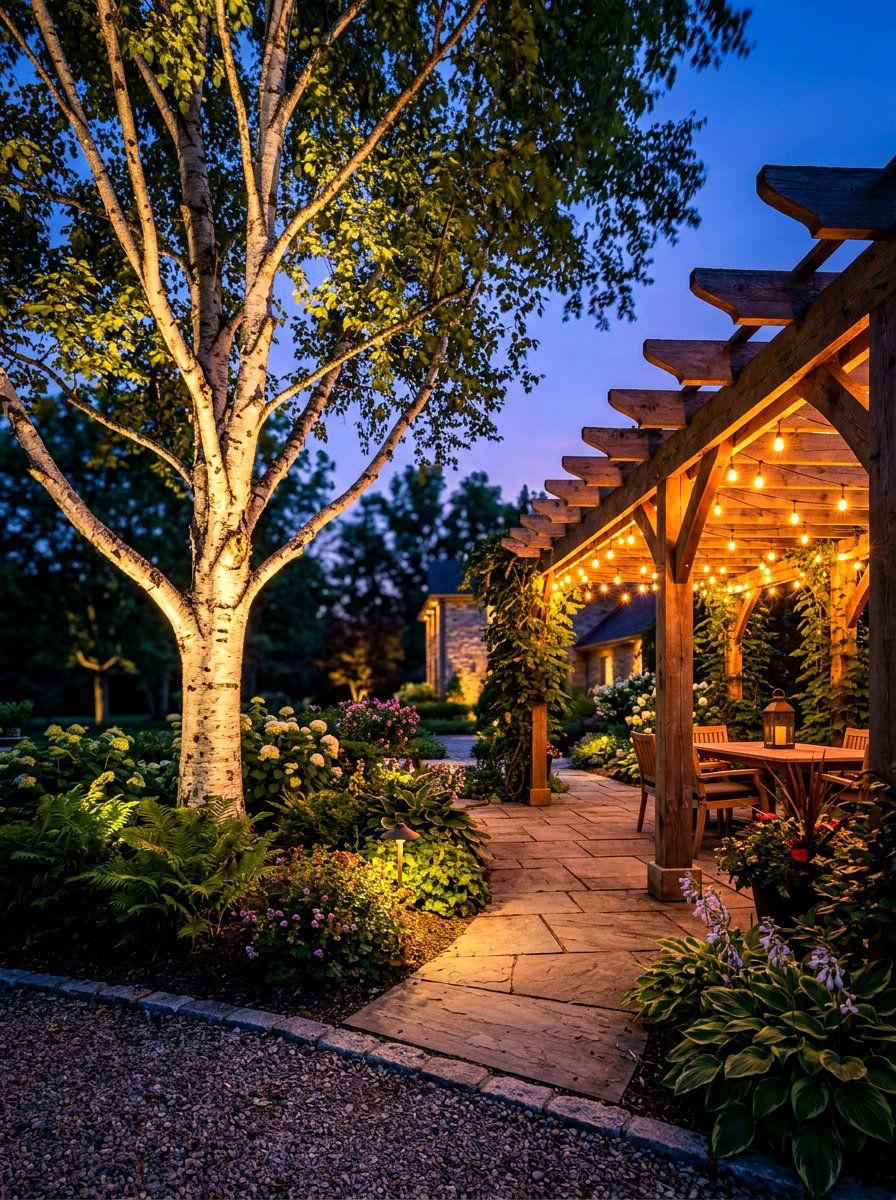
As the days grow shorter and darkness arrives earlier, strategic outdoor lighting becomes a critical component of a functional and beautiful winter garden. Using warm-toned LED spotlights to highlight the unique bark of a birch tree or the silhouette of a sculpture adds dramatic flair. String lights draped along a pergola or wrapped around a railing create a festive and inviting atmosphere without being overwhelming. Path lights ensure that walkways remain safe and visible even during icy conditions, guiding guests toward your door. Thoughtful illumination transforms the garden into a glowing retreat that can be admired from the warmth of your indoor spaces.
8. Modern Greenhouse Structure
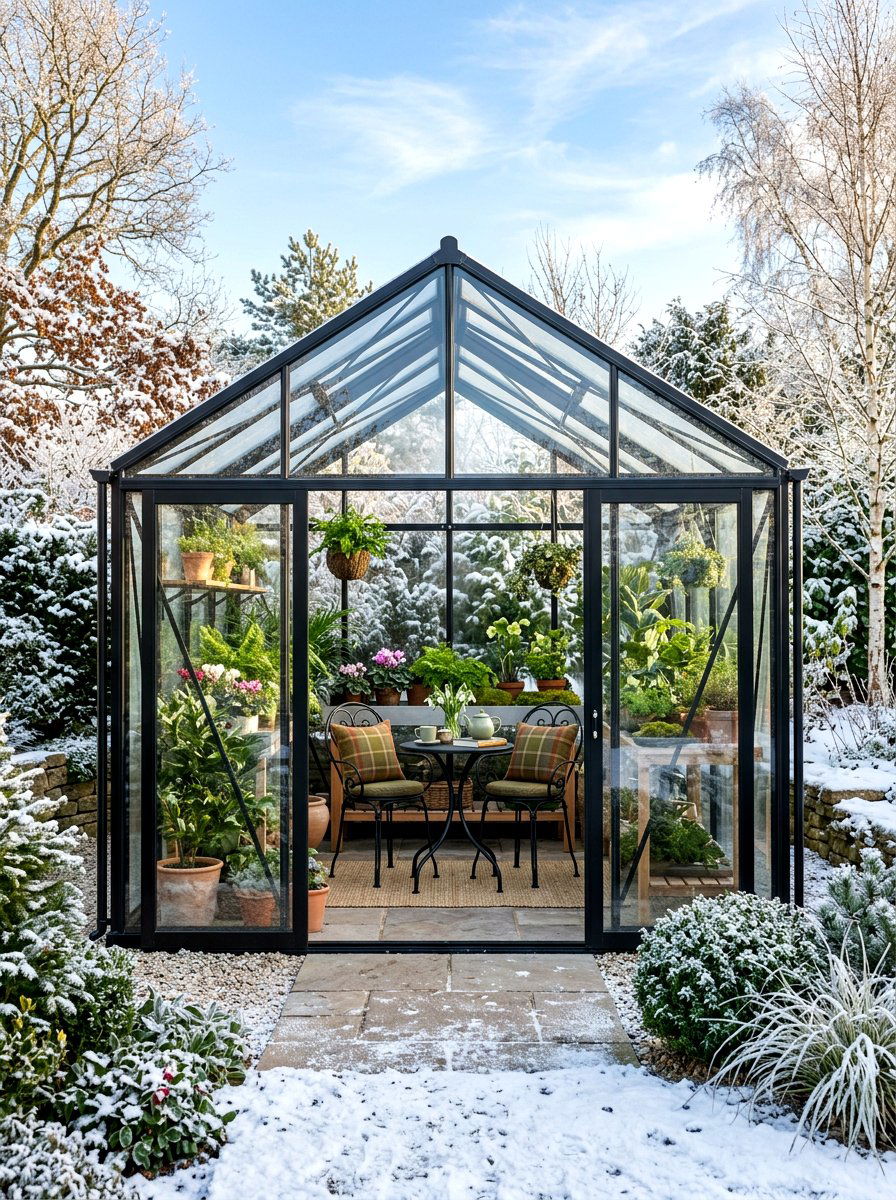
A glass-enclosed greenhouse serves as a functional workspace and a stunning architectural centerpiece that allows you to extend your gardening season indefinitely. Even in freezing temperatures, a well-insulated greenhouse can house tender perennials, winter greens, and early-starting seedlings that need protection from the elements. The clear panels capture the sun's warmth, creating a temperate microclimate where you can enjoy the smell of damp earth and greenery. Decorating the interior with a small bistro set turns the space into a private sanctuary for morning coffee surrounded by plants. This structure adds a sophisticated, permanent look to your property that proves gardening never truly stops.
9. Cold Frame Vegetable Garden
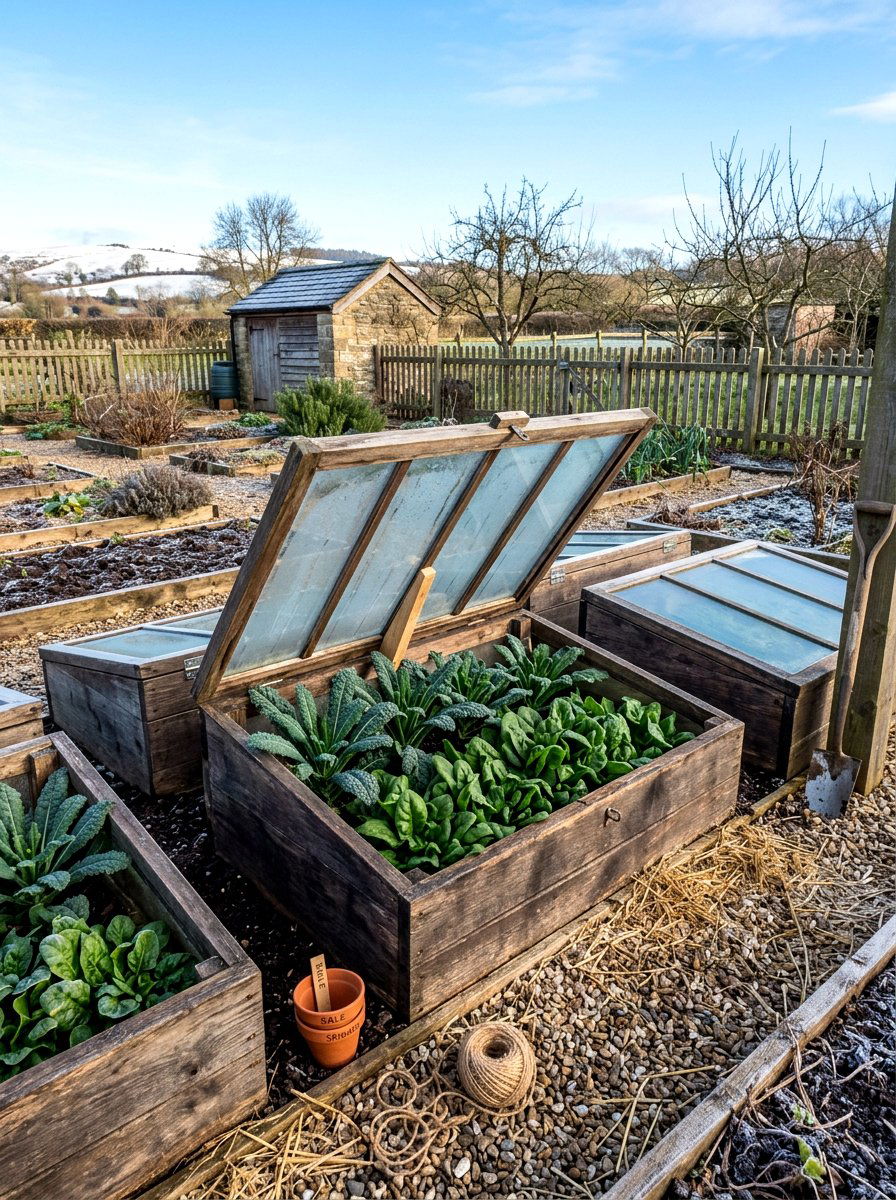
Growing your own food doesn't have to end with the first frost if you utilize the protective power of a cold frame. These low-profile boxes with transparent lids act like miniature greenhouses, shielding hardy crops like kale, spinach, and leeks from harsh winter winds. By positioning them in a sunny, south-facing spot, you can harvest fresh, nutrient-dense greens long after the rest of the garden has gone to sleep. The simple, functional design of a wooden or stone cold frame adds a touch of rustic charm to your vegetable plot. It is a practical and rewarding way to stay connected to the soil during the winter.
10. Stone Pathway Design
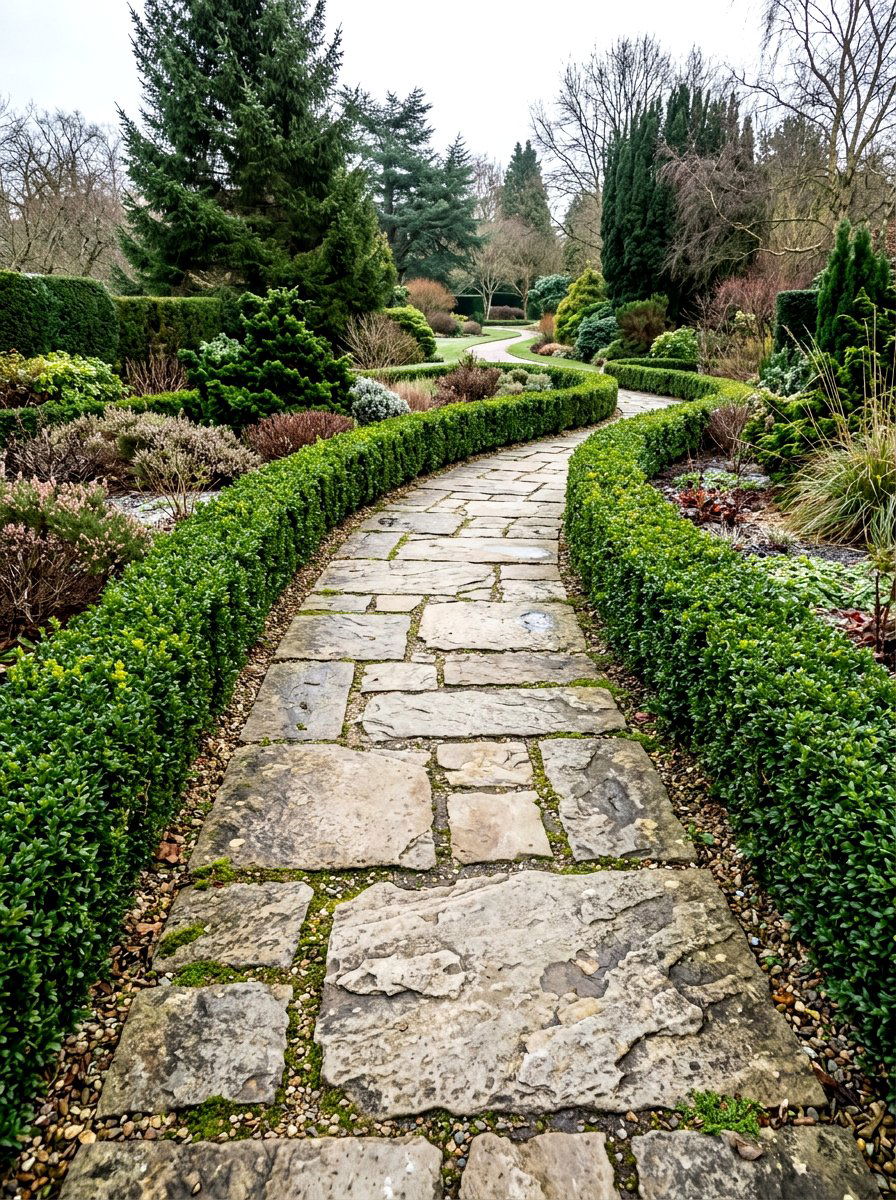
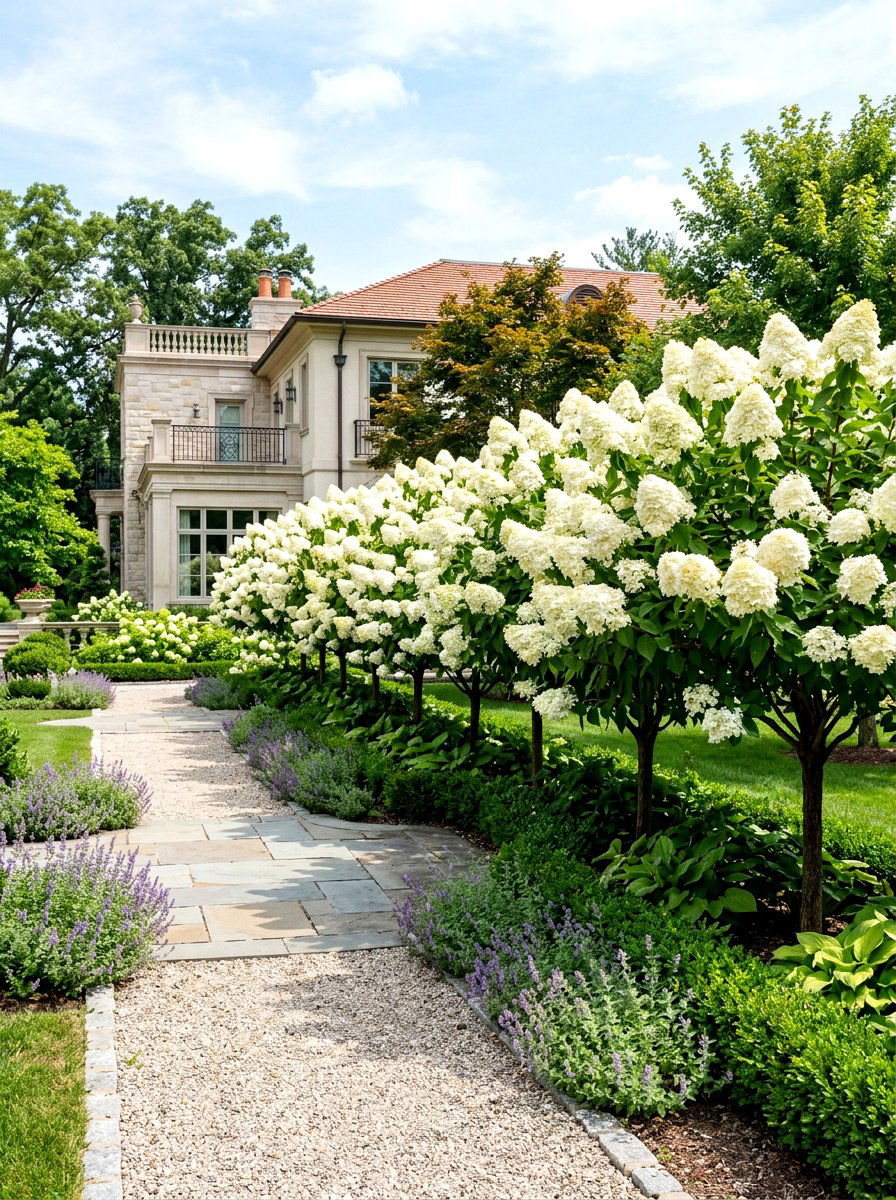
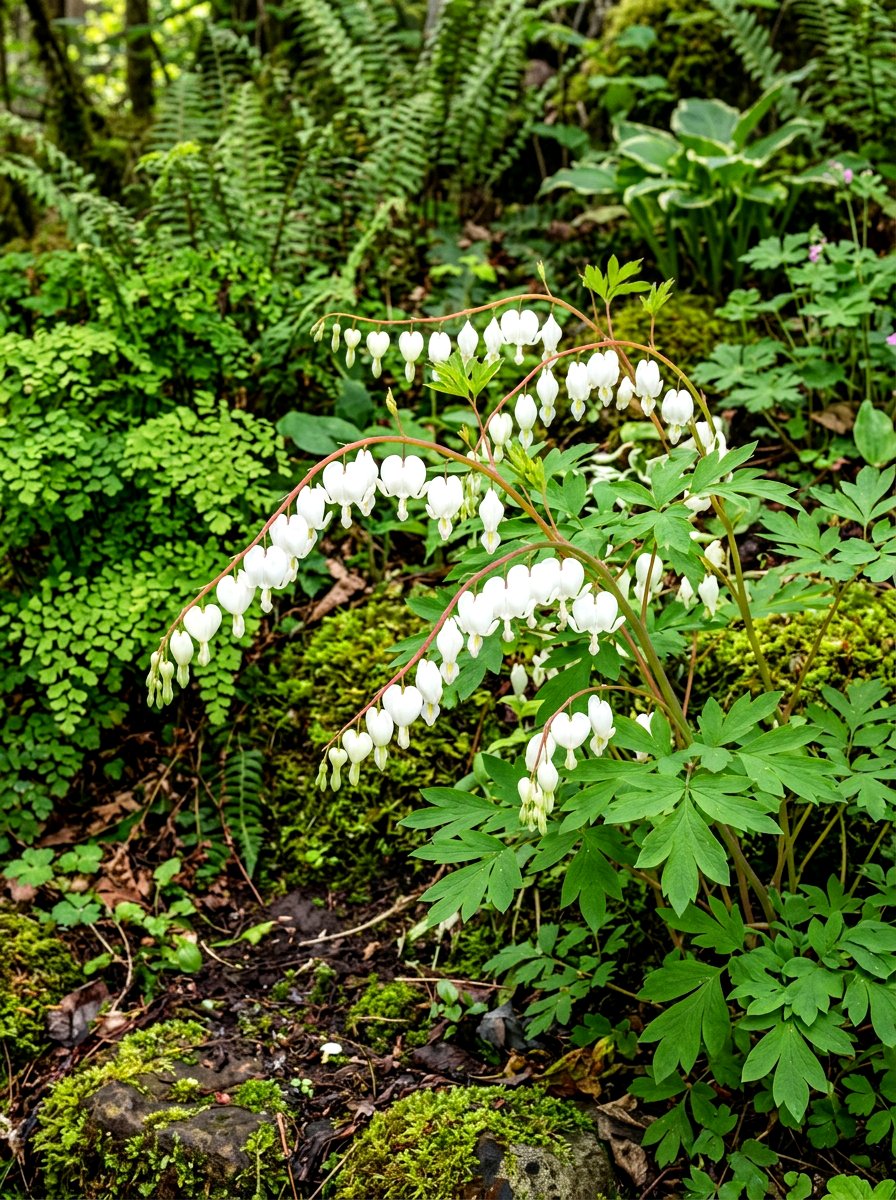
Winter reveals the true "bones" of a garden, making high-quality hardscaping like stone pathways more visually significant than ever before. Wide paths made of natural flagstone or weathered pavers provide a clear, structured route through the landscape that remains beautiful even when plants have retreated. In the winter, the texture and color of the stone become focal points, especially when framed by low evergreen hedges or dusted with light frost. These pathways prevent the yard from becoming a muddy mess during thaws and provide a solid foundation for your outdoor layout. A well-designed path creates a sense of journey and permanence in your landscape.
11. Winter Jasmine Climber
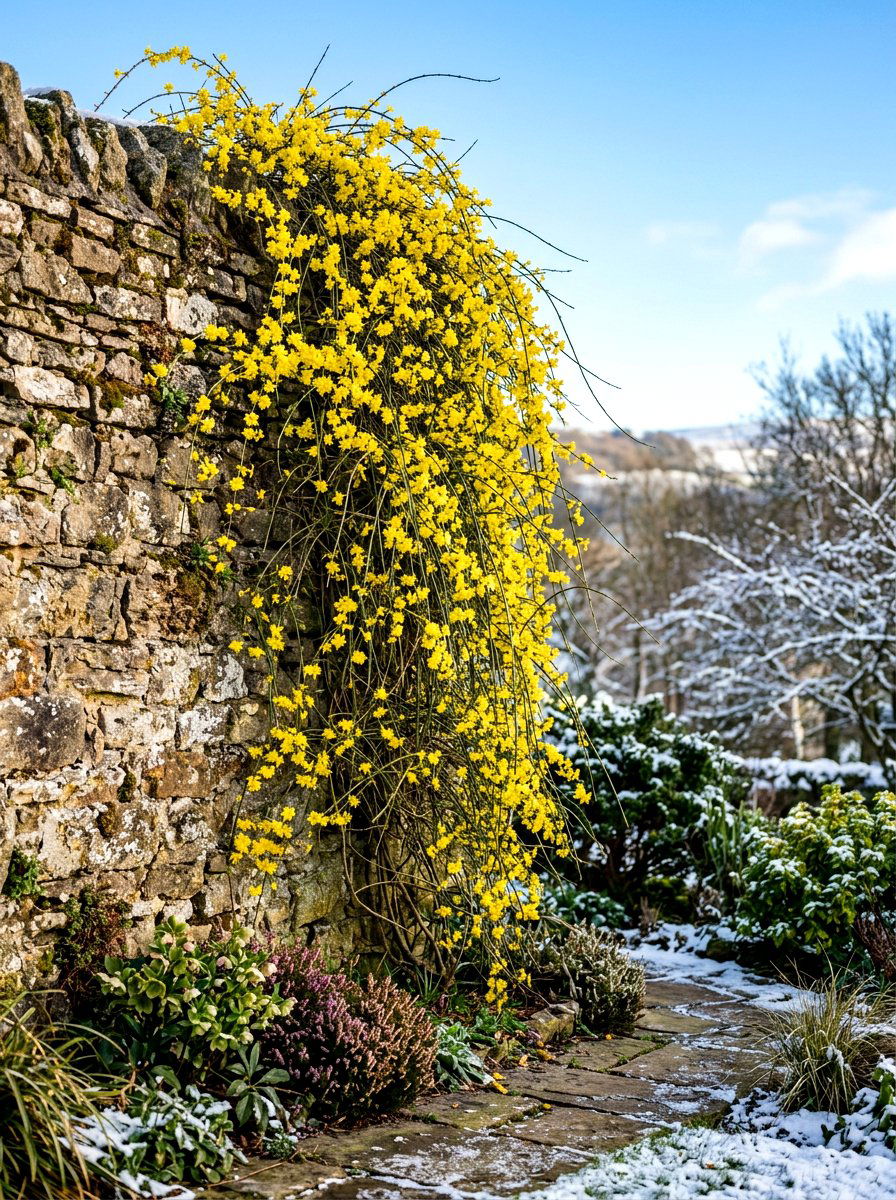
Imagine a waterfall of bright yellow blossoms cascading down a stone wall or over a wooden fence in the middle of January. Winter jasmine is a resilient climbing shrub that produces cheerful, star-shaped flowers on bare green stems long before spring officially arrives. Unlike many other climbers, it is tough enough to withstand cold snaps and adds a welcome splash of sunshine to gray days. Training it along a trellis near a window allows you to enjoy the blooms from indoors. This plant is excellent for covering unsightly structures or adding vertical interest to smaller garden spaces that need a boost of seasonal color.
12. Boxwood Topiary Garden

Sculptural elements like boxwood topiaries bring a sense of formal elegance and permanent artistry to your outdoor space throughout the entire year. Whether pruned into perfect spheres, cones, or spiraling towers, these evergreens maintain their precise shapes even under a heavy blanket of winter snow. They provide a sophisticated rhythm when placed in pairs along a walkway or as focal points within a symmetrical garden bed. The dense, small leaves of the boxwood create a smooth texture that contrasts beautifully with the rugged bark of nearby trees. Using topiaries allows you to maintain a polished, high-end look even when the rest of the garden is dormant.
13. Rustic Wooden Pergola
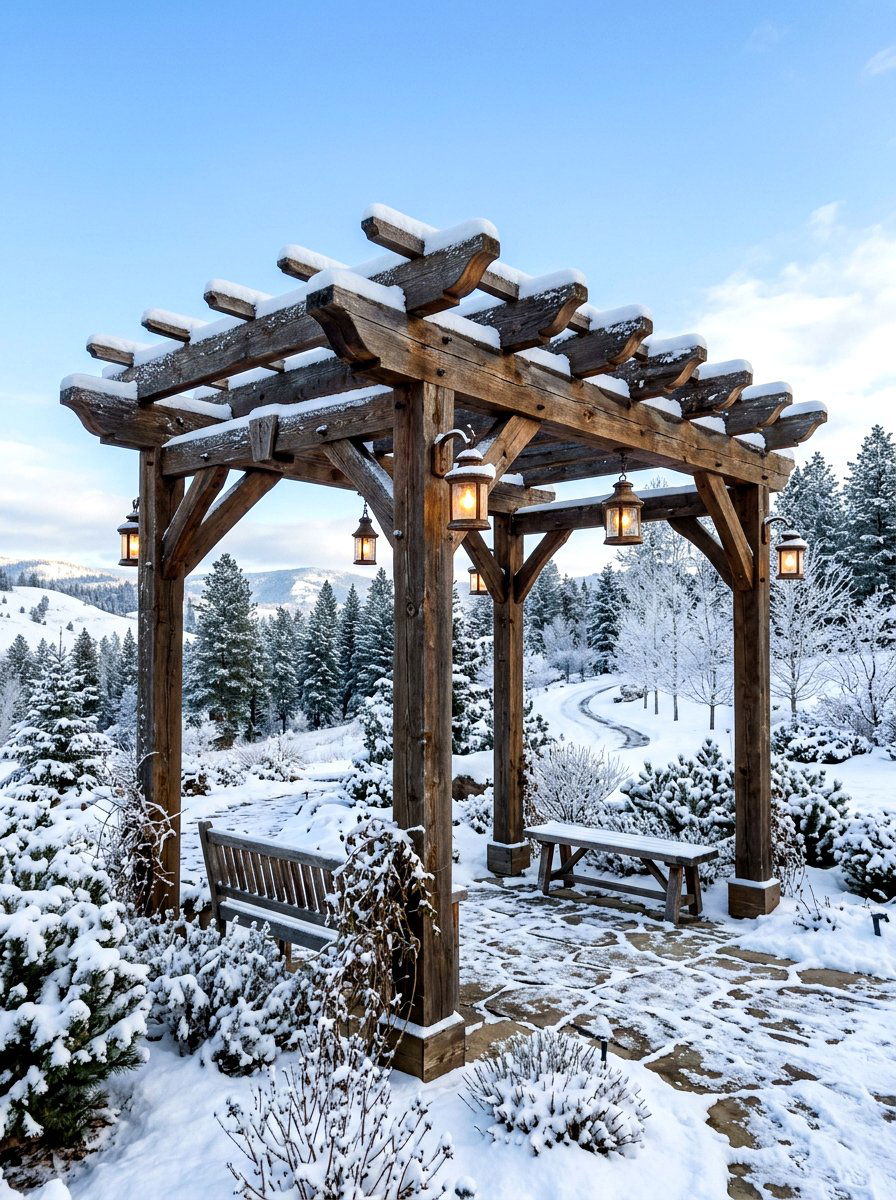
Adding a large architectural feature like a wooden pergola provides a sense of enclosure and overhead structure that anchors your winter garden design. While it may not offer shade during the cold months, it serves as a perfect frame for hanging lanterns, bird feeders, or winter-hardy climbing vines. The natural grain and warm tones of the wood stand out against a snowy landscape, providing a vertical element that draws the eye upward. Placing a comfortable bench or a small table underneath the pergola creates a structured seating area that feels like an outdoor room. It is a timeless addition that adds value and character to your property.
14. Witch Hazel Shrub
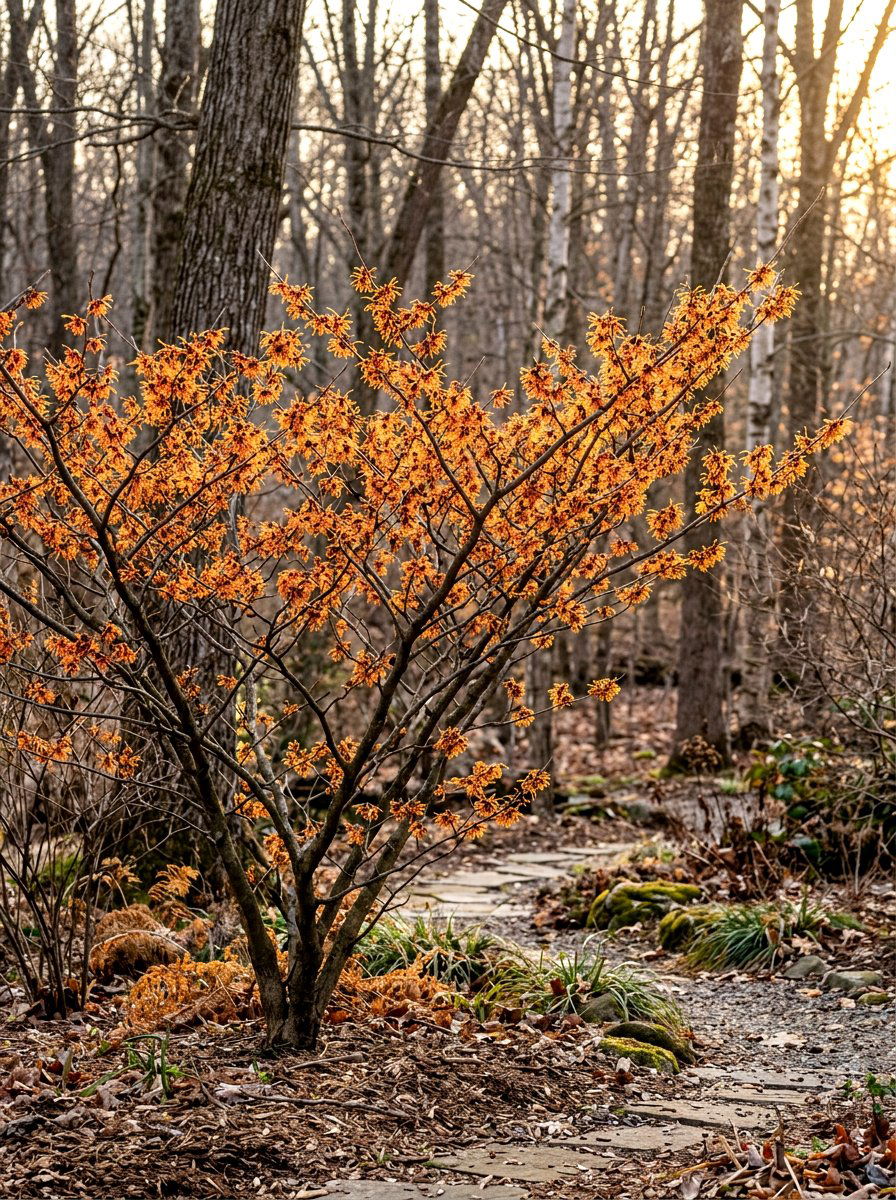
One of the most enchanting sights in a cold-season landscape is the spidery, ribbon-like petals of the witch hazel shrub as they unfurl. These unique flowers come in glowing shades of copper, gold, and crimson, often releasing a spicy fragrance that carries through the crisp winter air. Because the blooms appear on bare branches, they create a striking, minimalist silhouette that looks like a work of art against the sky. Witch hazel is a low-maintenance choice that provides year-round interest, including vibrant foliage in the fall before the winter show begins. It is a must-have for anyone seeking unusual beauty in their garden.


15. Bark Texture Tree
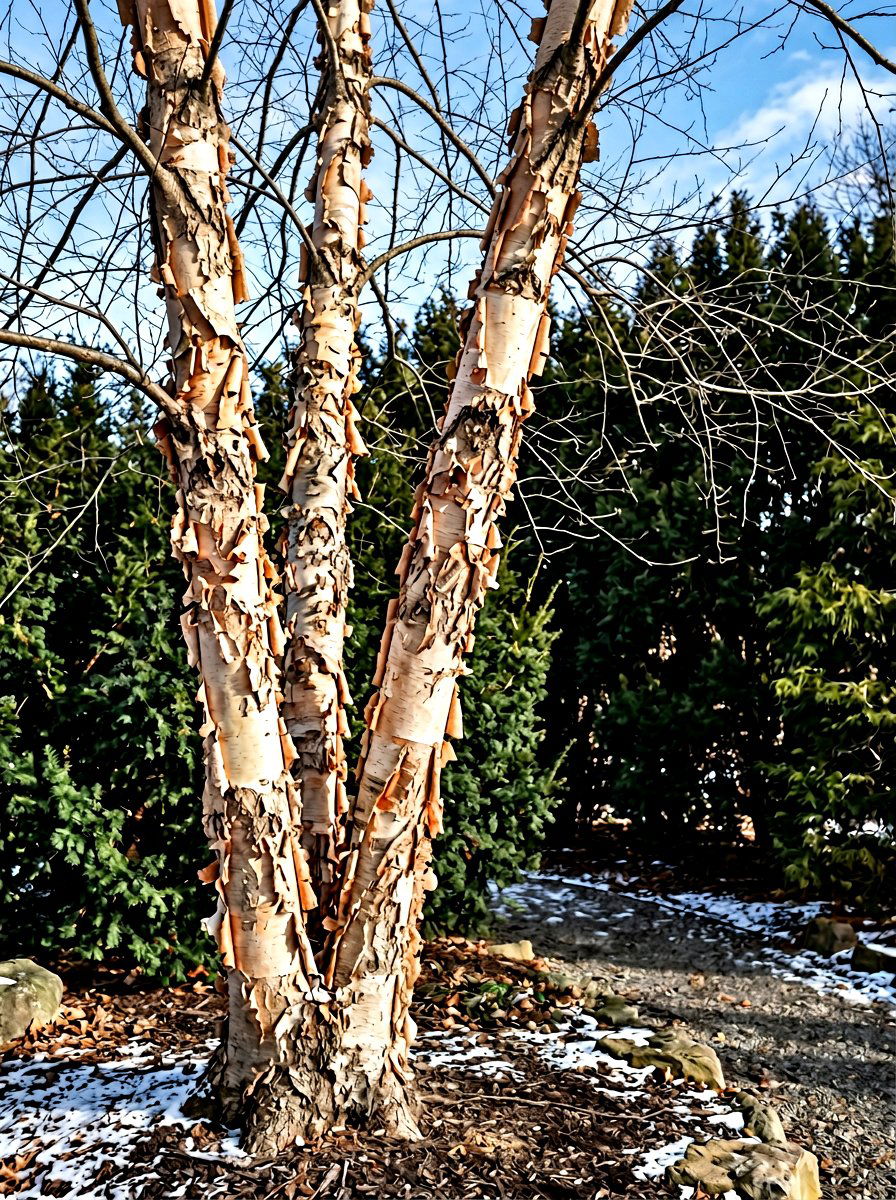
When leaves have fallen and the garden is stripped down to its essentials, the texture and color of tree bark become incredibly important. Trees like the paperbark maple or river birch offer peeling, multicolored bark that adds a tactile and visual layer to your winter landscape. The cinnamon-colored curls of a maple or the creamy white trunks of a birch provide a stunning contrast to dark evergreen shrubs. These trees act as living sculptures, catching the low winter light and adding complexity to the overall garden design. Choosing trees with interesting bark ensures that your landscape remains captivating even during its most minimal seasonal phase.
16. Raised Bed Gardening
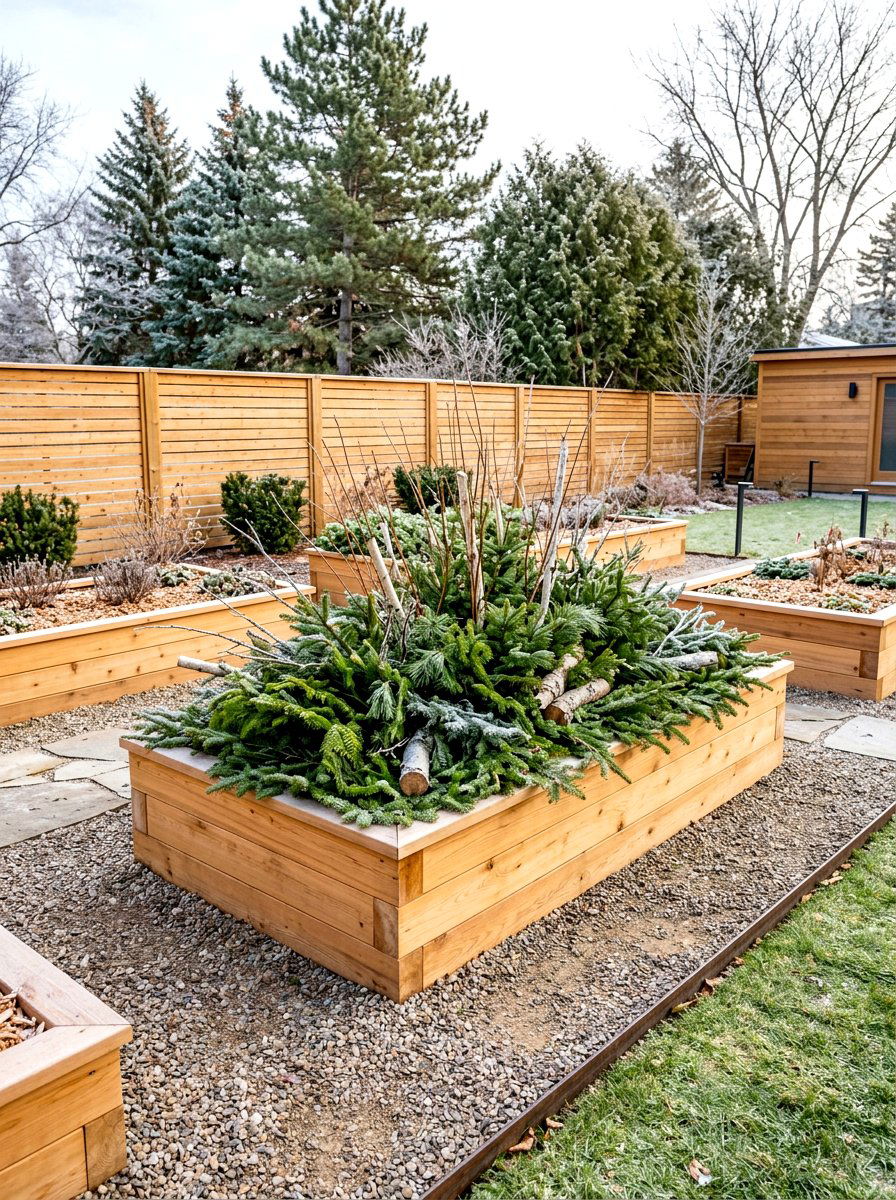
Raised beds are not just for summer vegetables; they provide an organized and elevated structure that looks tidy and intentional throughout the winter. Constructed from durable materials like cedar, stone, or corten steel, these beds define the garden's layout and prevent it from looking cluttered when plants die back. In the winter, you can fill them with evergreen boughs, decorative branches, or hardy winter pansies to keep them looking full and lively. The height of the beds also makes it easier to manage winter chores without bending over to the frozen ground. They provide a clean, modern aesthetic that enhances the overall organization of your outdoor space.
17. Window Box Arrangement
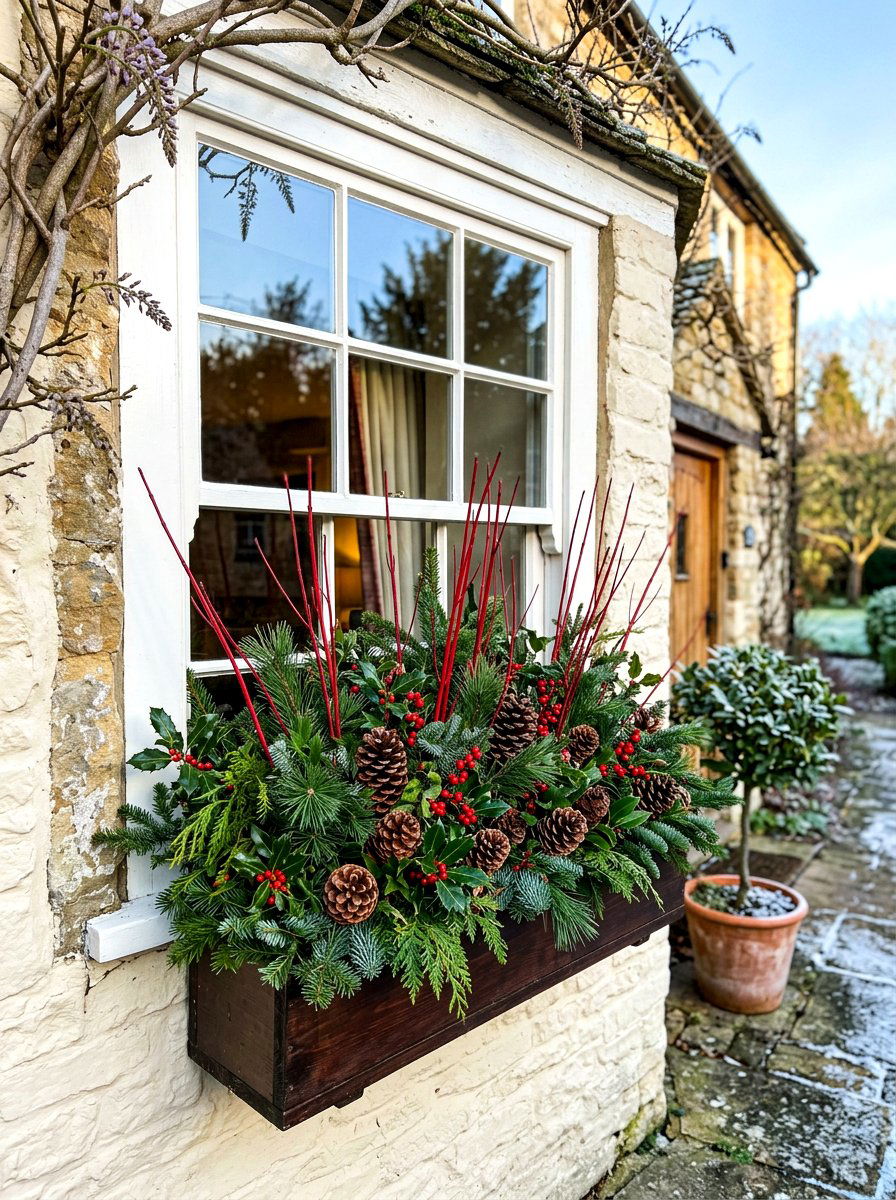
You can bring the beauty of the garden right to your eye level by creating lush, textured arrangements in your exterior window boxes. Instead of traditional flowers, fill the containers with a mix of evergreen sprigs, pinecones, and colorful stems like red twig dogwood. These miniature landscapes provide a cheerful view from both inside and outside the house, bridging the gap between your home and nature. Adding a few weather-resistant berries or silvery eucalyptus leaves creates a sophisticated color palette that feels fresh and seasonal. These arrangements are easy to update and keep your home's exterior looking cared for and vibrant during the colder months.
18. Garden Statue Focal Point

A well-placed garden statue acts as a permanent anchor in your landscape, providing a sense of history and personality when the greenery is sparse. Whether it is a classical stone figure, a modern abstract metal piece, or a weathered concrete birdbath, a statue creates a clear focal point. In the winter, these elements take on a new life as frost or snow highlights their shapes and textures. Placing a statue at the end of a path or within a circular bed gives the eye a place to rest and makes the garden feel intentional. It adds a touch of timeless elegance that requires no seasonal maintenance.
19. Weathered Metal Planter
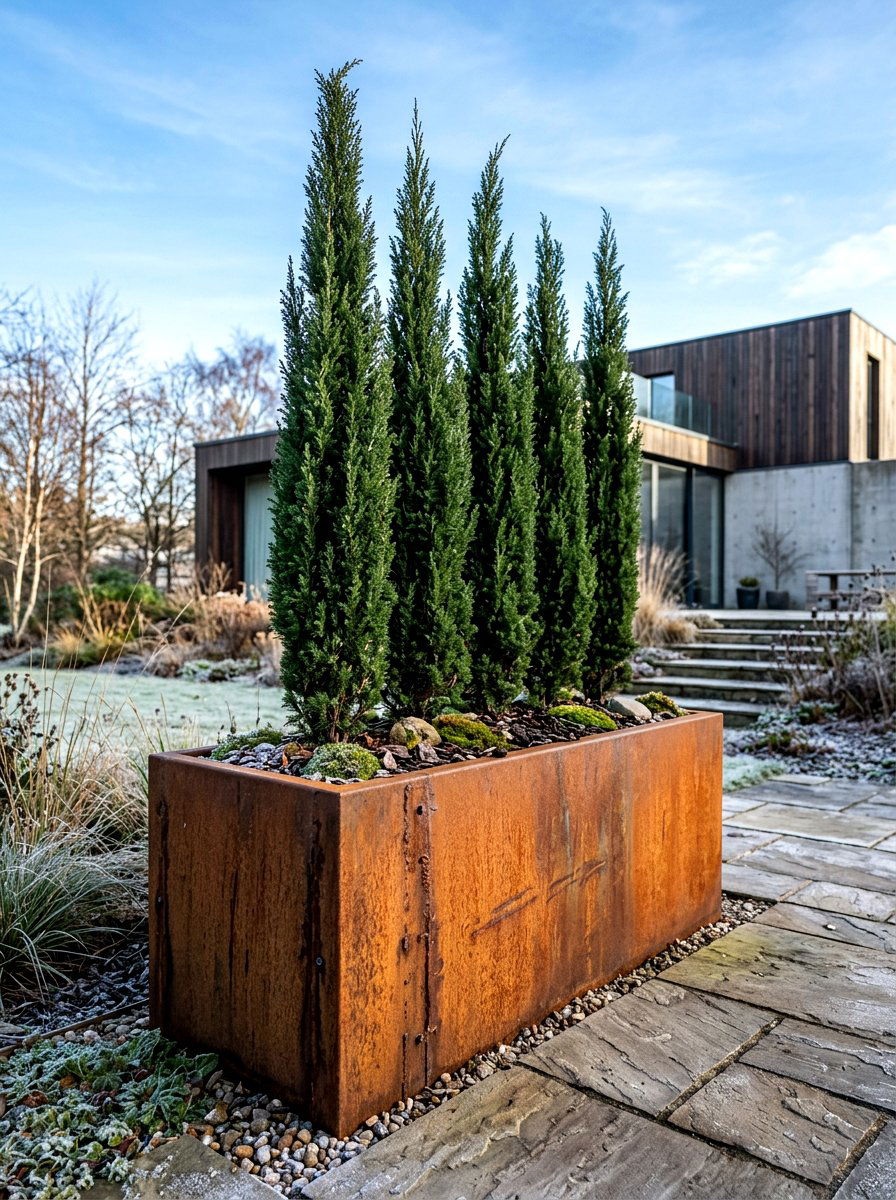
Corten steel and other weathered metal planters are perfect for winter gardens because their warm, rustic patinas look stunning against cool tones and snow. These heavy-duty containers are frost-proof and provide a modern, industrial edge to your outdoor design. Filling them with upright evergreens or structural branches creates a bold statement that remains consistent regardless of the temperature. The orange-brown hues of the metal mimic the tones of dormant grasses and dried seedheads, tying the entire landscape together. These planters are incredibly durable and only get more beautiful as they age and develop a unique character over time through the changing seasons.


20. Snowdrop Bulb Planting
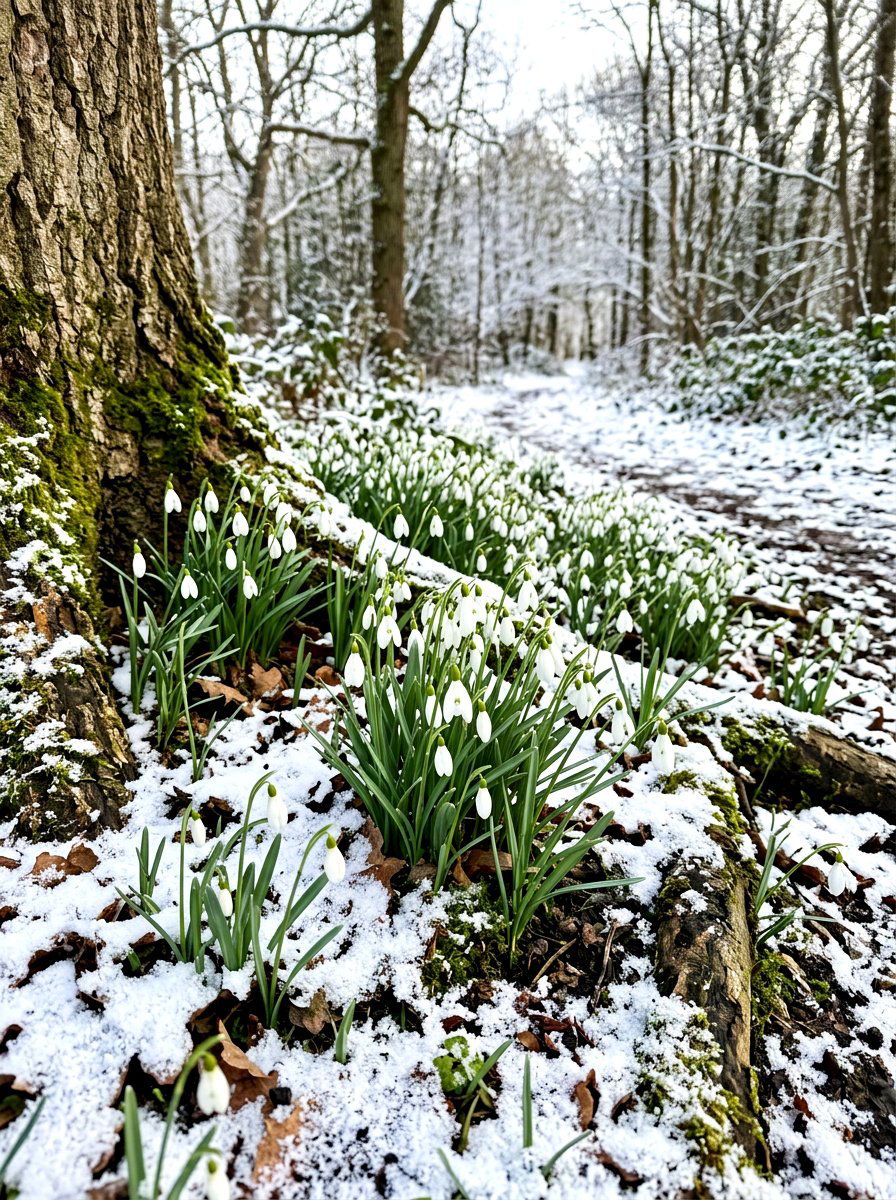
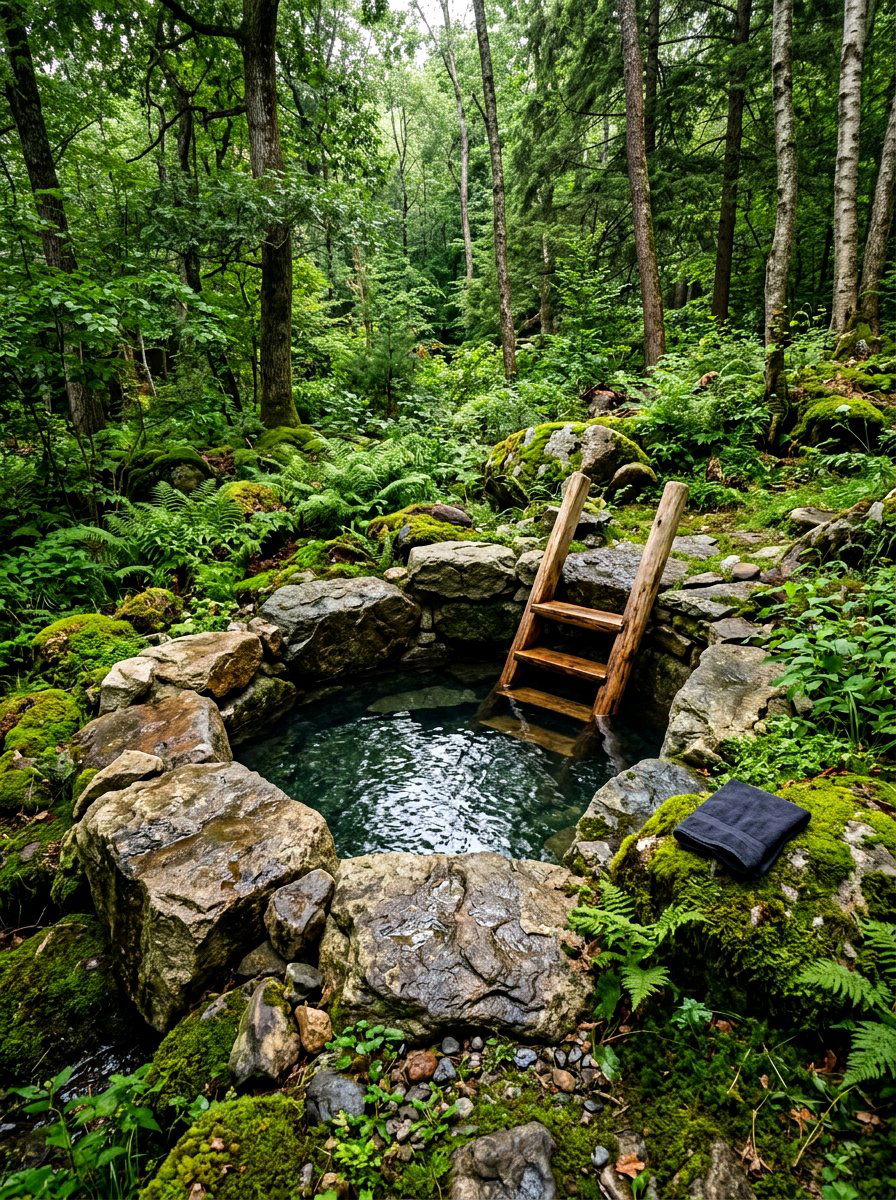
Few sights are as hopeful as the first tiny white bells of snowdrops pushing through a crust of ice or a layer of snow. These diminutive bulbs are among the earliest messengers of the changing seasons, often blooming as early as January or February. Planting them in large drifts under deciduous trees or along the edges of pathways creates a magical, woodland feel in your winter garden. Their simple, elegant form provides a delicate contrast to the heavy textures of evergreens and stone. Snowdrops are easy to grow and will naturally multiply over time, giving you a larger and more impressive display every year.
21. Conifer Collection Display
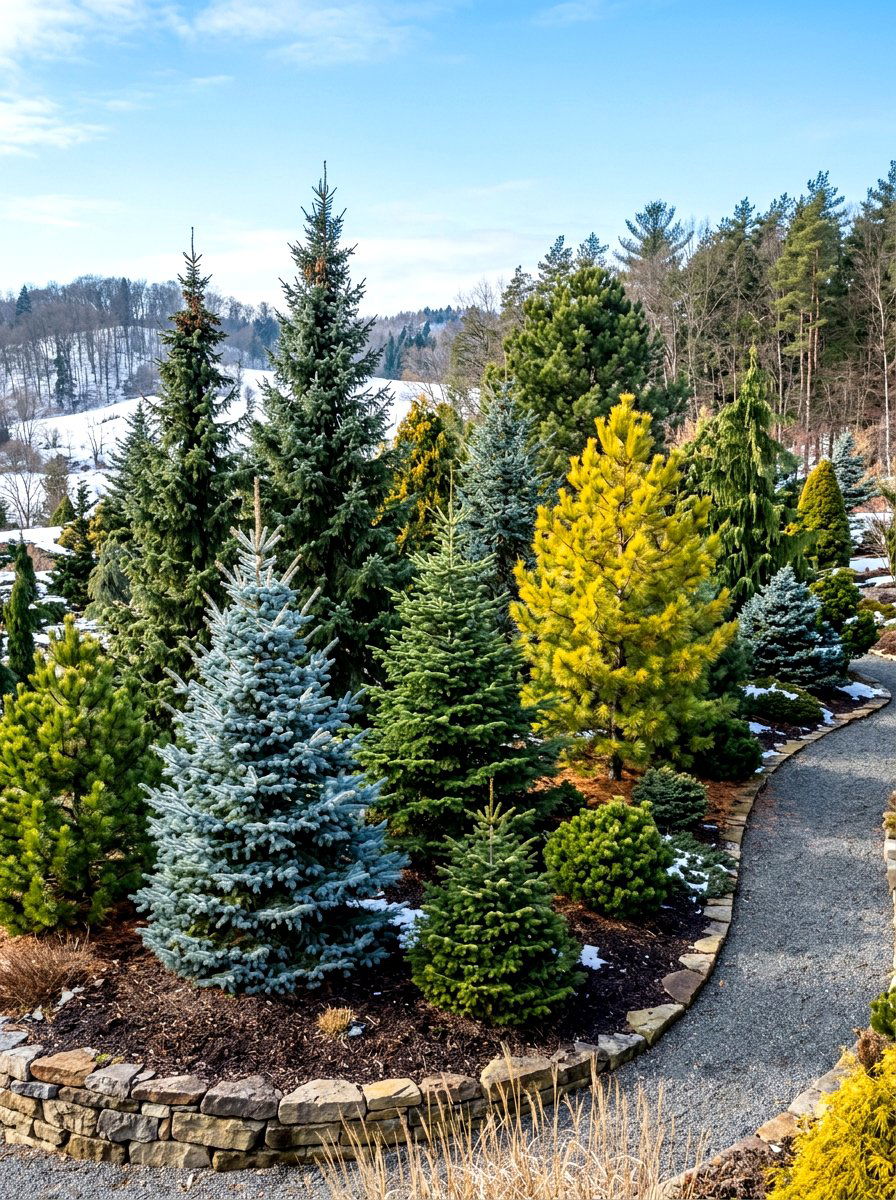
Conifers come in an incredible variety of shapes, sizes, and colors, making them the perfect candidates for a dedicated winter plant collection. From the tiny, mounded forms of dwarf pines to the tall, weeping silhouettes of blue spruce, these plants offer endless design possibilities. Grouping conifers with different needle textures and colors, such as chartreuse, silvery-blue, and deep forest green, creates a rich and layered look. These plants are exceptionally hardy and provide essential cover for birds during cold snaps. A well-curated conifer display ensures that your garden remains a lush and interesting place to explore even in the deepest part of winter.
22. Red Twig Dogwood
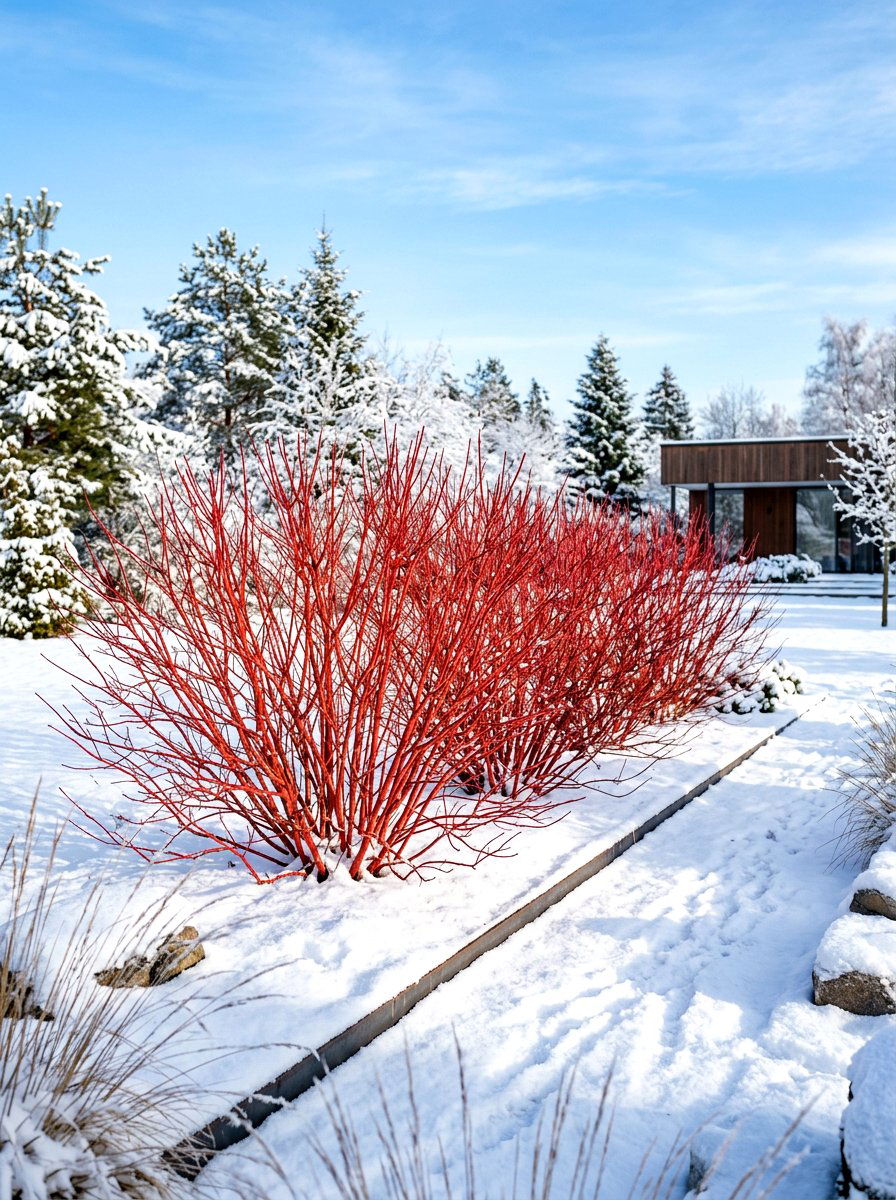
For a bold and dramatic splash of color, nothing beats the brilliant scarlet stems of the red twig dogwood shrub. When this plant drops its leaves in the fall, it reveals smooth, brightly colored branches that look spectacular against a snowy backdrop or dark evergreens. To maintain the most vibrant color, it is important to prune back older stems, as the youngest growth is always the most intense. Planting them in groups maximizes their visual impact, creating a fiery thicket that catches the low winter sun. These shrubs are tough, adaptable, and provide a reliable source of seasonal excitement every single year.
23. Winter Patio Furniture
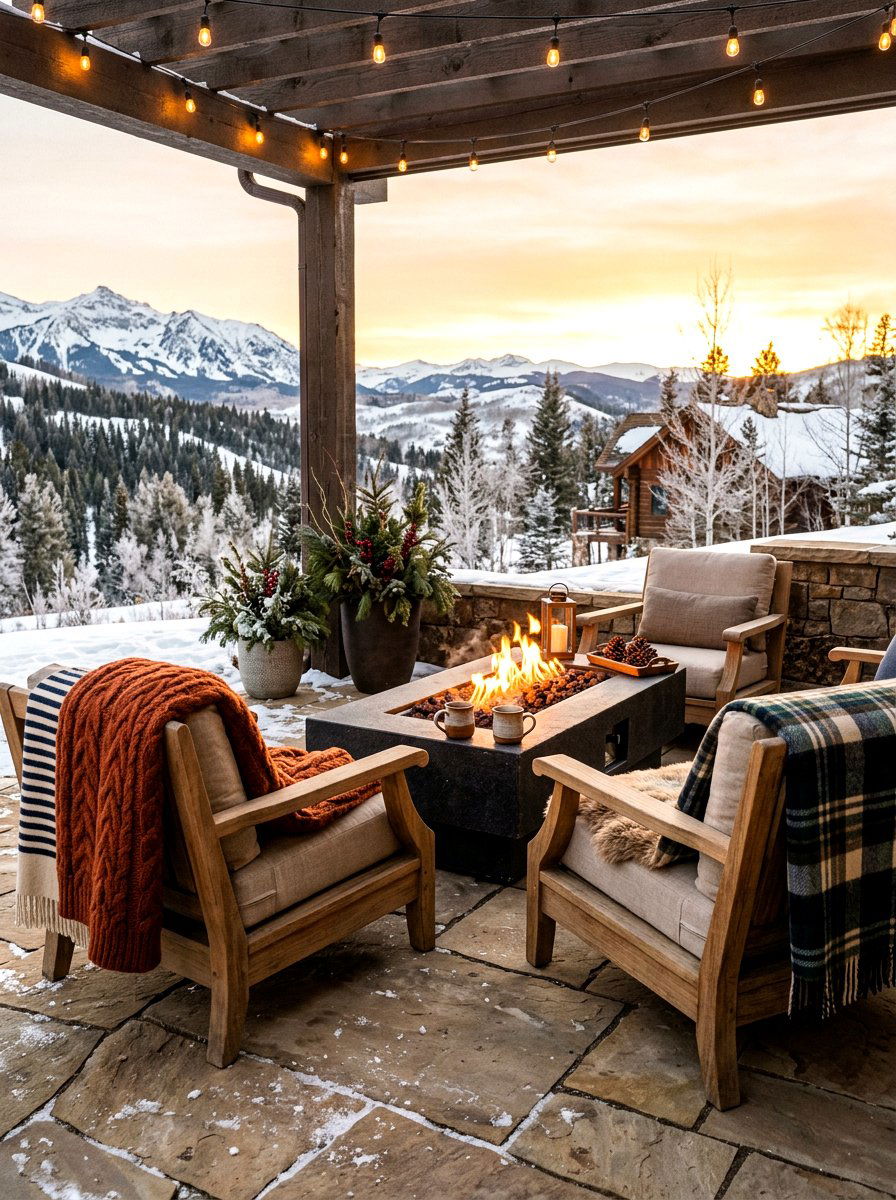
Transforming your patio into a winter-ready retreat allows you to enjoy the fresh air and the beauty of your garden without feeling the chill. Choose heavy-duty furniture made of wrought iron, teak, or high-quality resin that can withstand the elements without being moved indoors. Adding thick, weather-resistant cushions and a stack of cozy outdoor blankets makes the space feel as inviting as your living room. A nearby outdoor heater or fire table provides the necessary warmth for an afternoon of reading or a sunset chat. Creating a comfortable outdoor seating area encourages a lifestyle that embraces the beauty of every season, even the coldest ones.
24. Garden Water Feature

While many people shut down their fountains for the winter, a properly managed water feature can be a mesmerizing addition to a cold-season landscape. The sound of moving water provides a peaceful soundtrack that breaks the silence of a dormant garden. If you live in a climate where water freezes, the architectural shapes of frozen tiers or ice-coated stones create a stunning, natural sculpture. Using a small pond heater can keep a small area of water open for birds to drink and bathe, bringing more wildlife to your yard. A water feature adds a dynamic and sensory element that remains captivating throughout the year.




25. Gravel Garden Layout
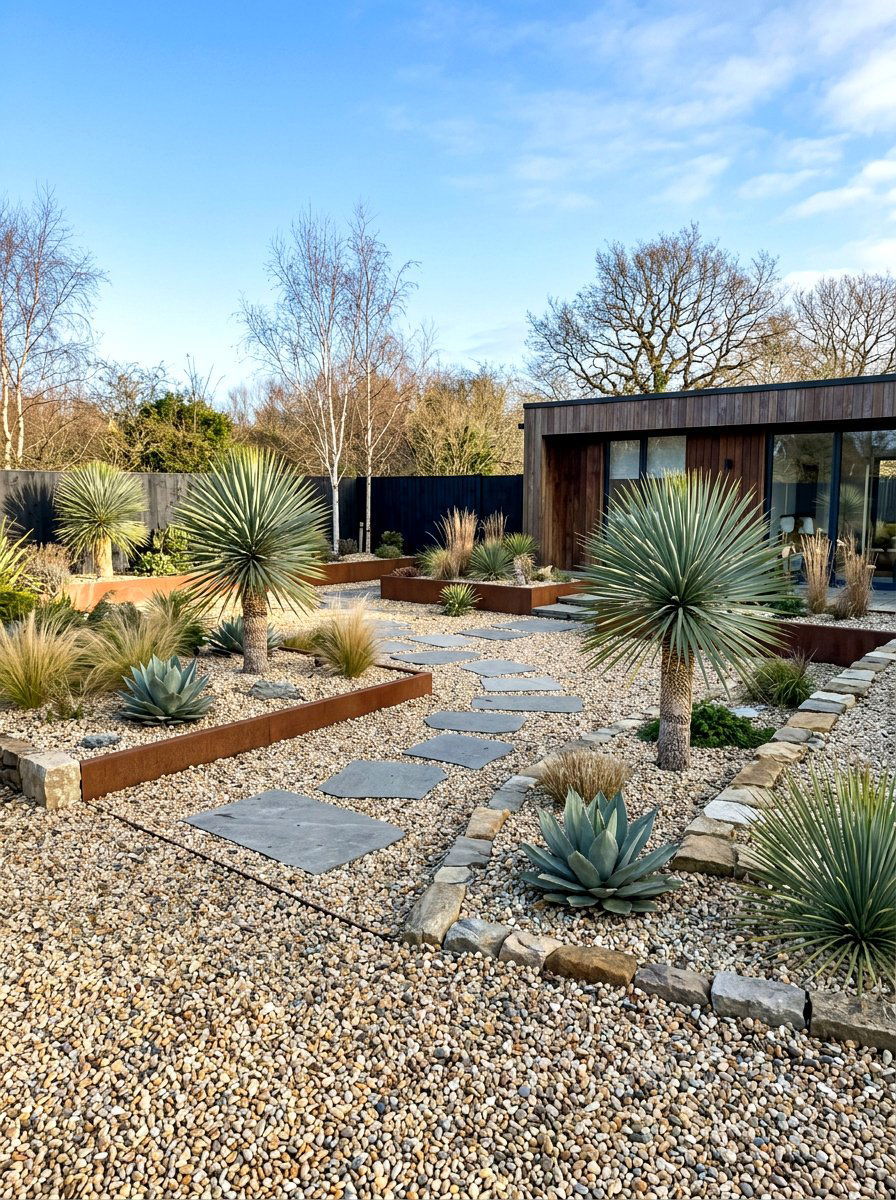
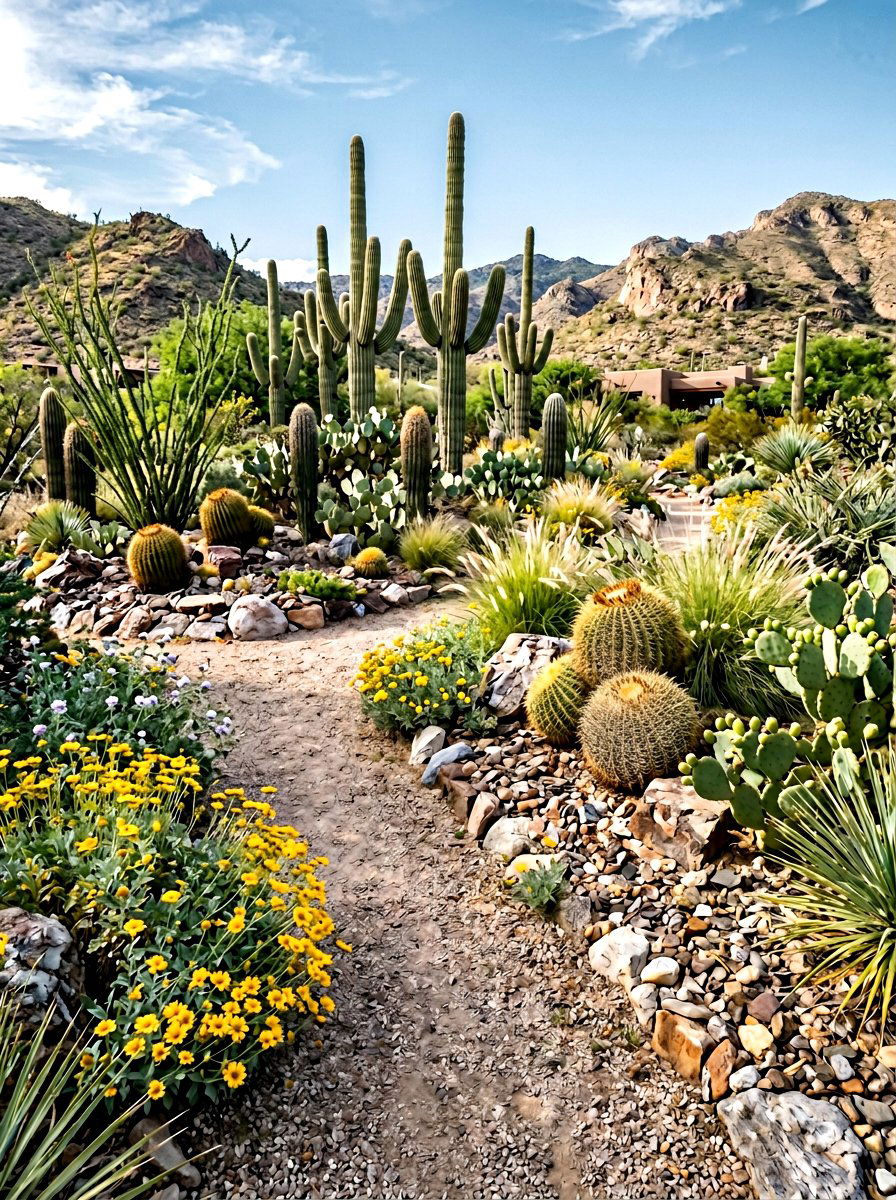
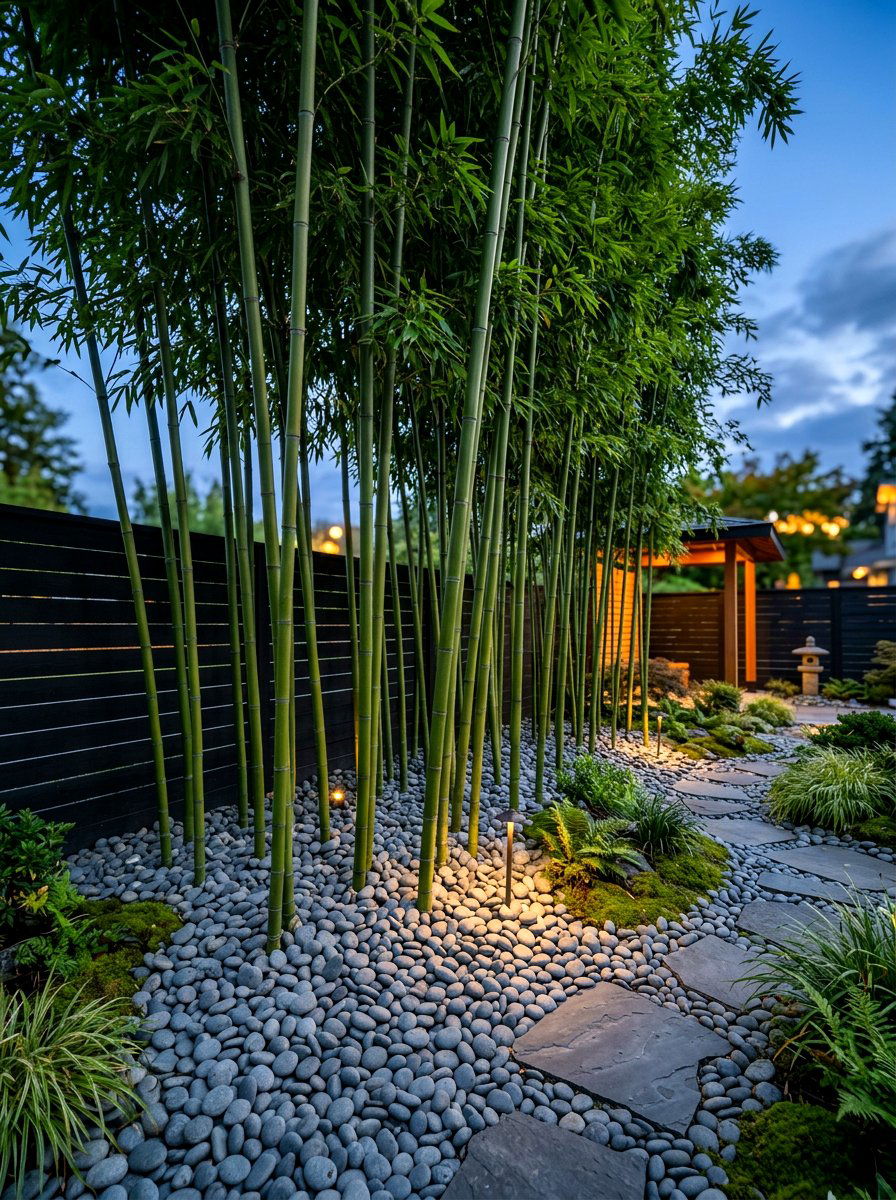
Gravel gardens are excellent for winter interest because the stones provide a clean, textured surface that looks beautiful even when there is no foliage. This low-maintenance design choice allows you to showcase structural plants like yuccas, agaves, or ornamental grasses against a neutral background. The different colors and sizes of gravel can be used to create patterns or define specific zones within the garden. In the winter, the stones retain a bit of warmth and prevent the ground from looking muddy or bare. This style of gardening is both modern and sustainable, offering a sophisticated look that requires very little upkeep.
26. Winter Pansy Container
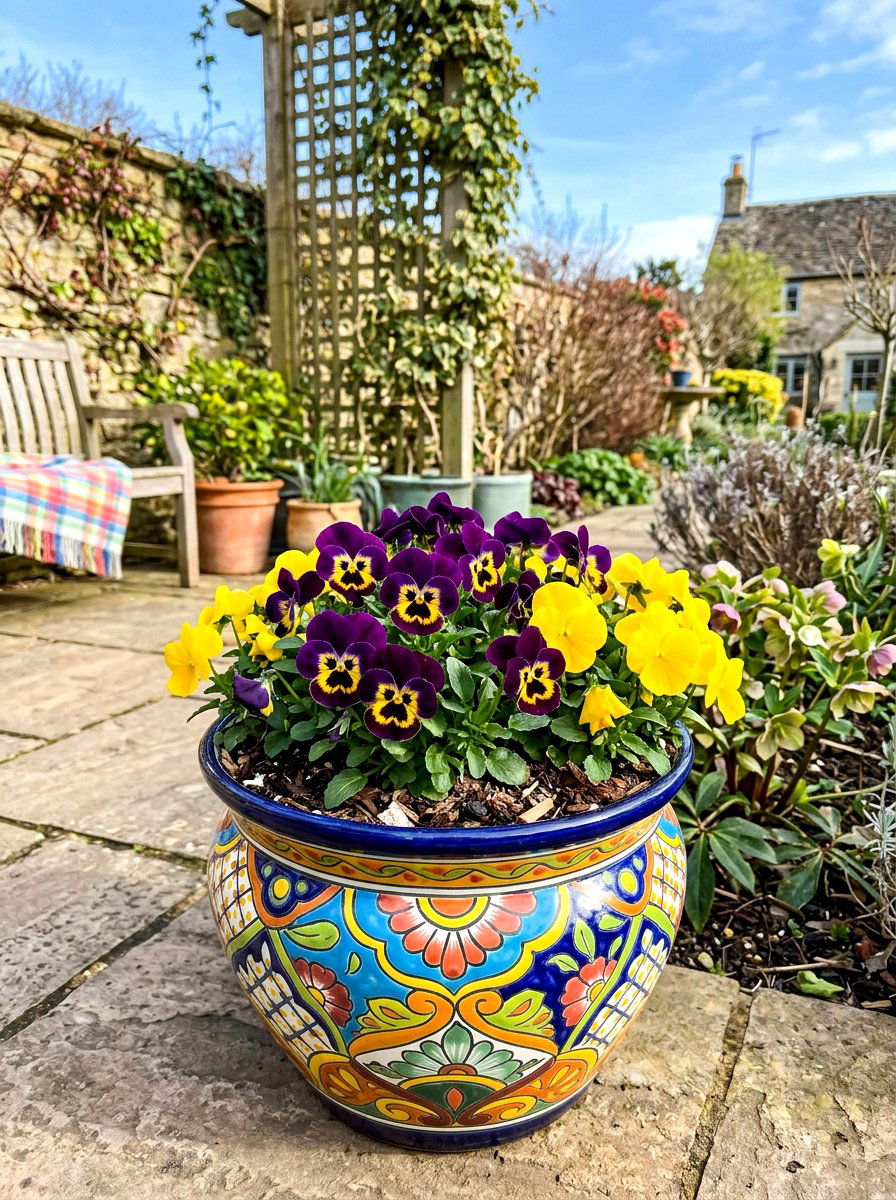
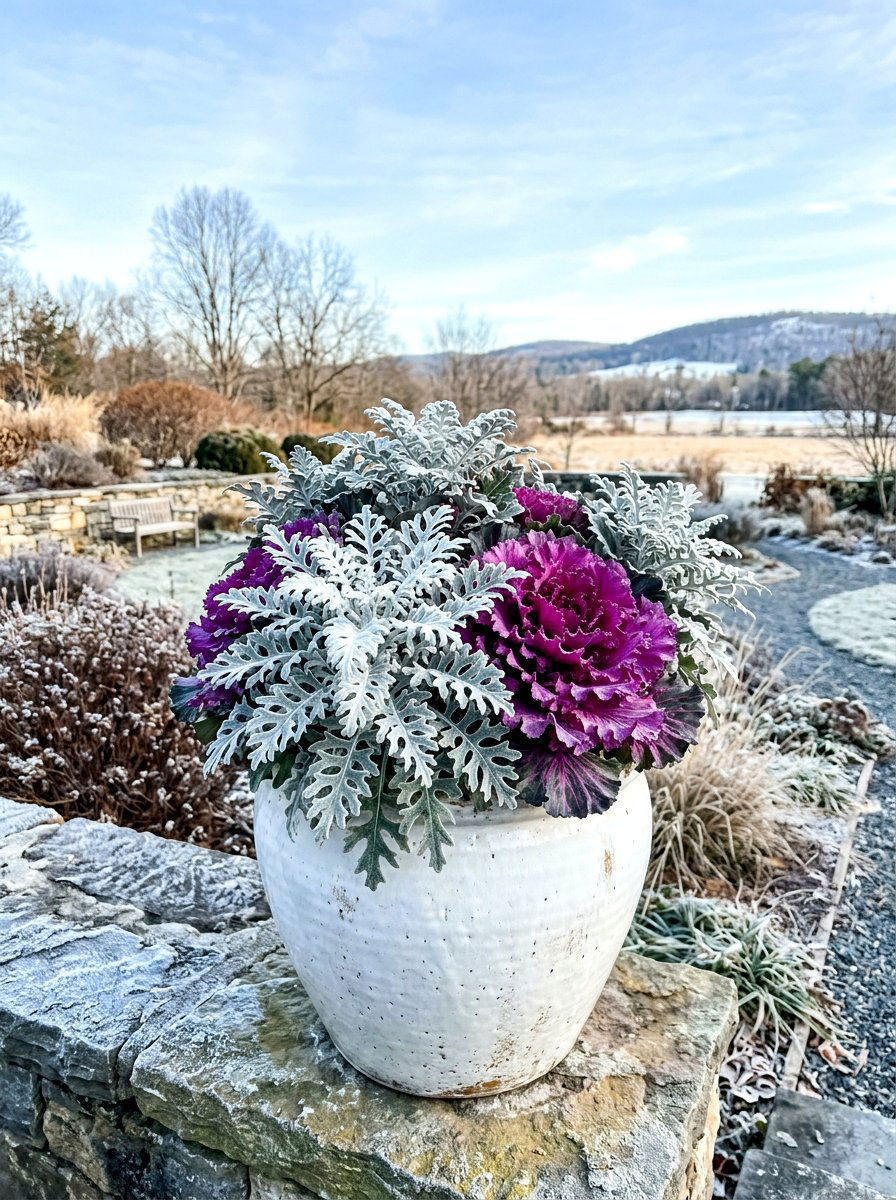
Winter-hardy pansies are one of the few flowers that can actually survive freezing temperatures and still produce vibrant, cheerful blooms. These resilient plants come in a wide range of colors, from deep velvet purple to bright sunny yellow, often with charming "faces" that brighten any gray day. Planting them in decorative pots near your front door or on your patio provides an immediate boost of color and curb appeal. They often go dormant during extreme cold but will bounce back as soon as the sun comes out. Combining them with silver dust or small evergreens creates a full and professional-looking container arrangement.
27. Willow Structure Sculpture
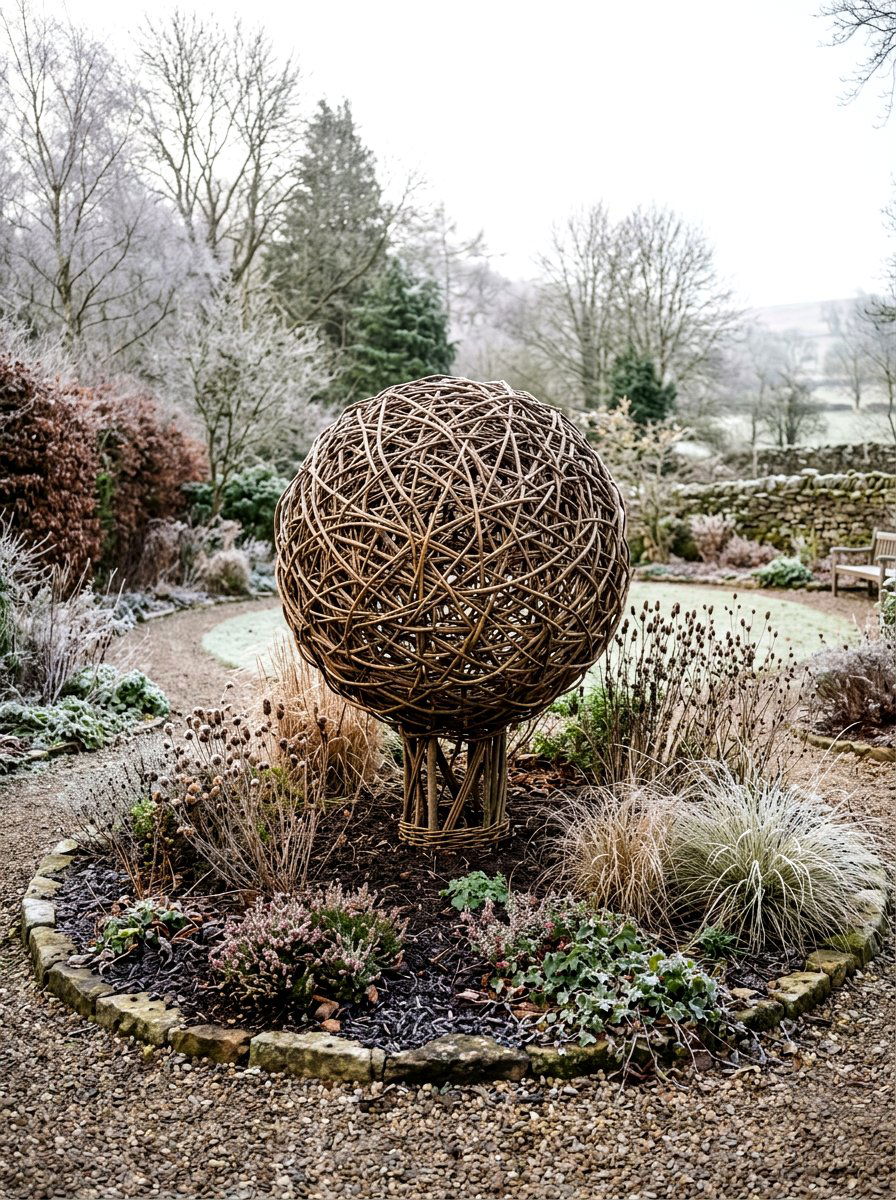
Using natural materials like willow branches to create living or dried sculptures adds an organic and artistic touch to your winter garden. You can weave willow into tunnels, teepees, or simple spherical shapes that provide height and architectural interest. These structures catch the frost beautifully and provide a sturdy frame for winter-hardy climbing plants to scramble over. Because they are made from natural wood, they blend seamlessly into the landscape while providing a unique focal point. DIY willow projects are a fun way to get creative in the garden during the off-season, resulting in a piece of art that evolves with the time of year.
28. Outdoor Rug Area
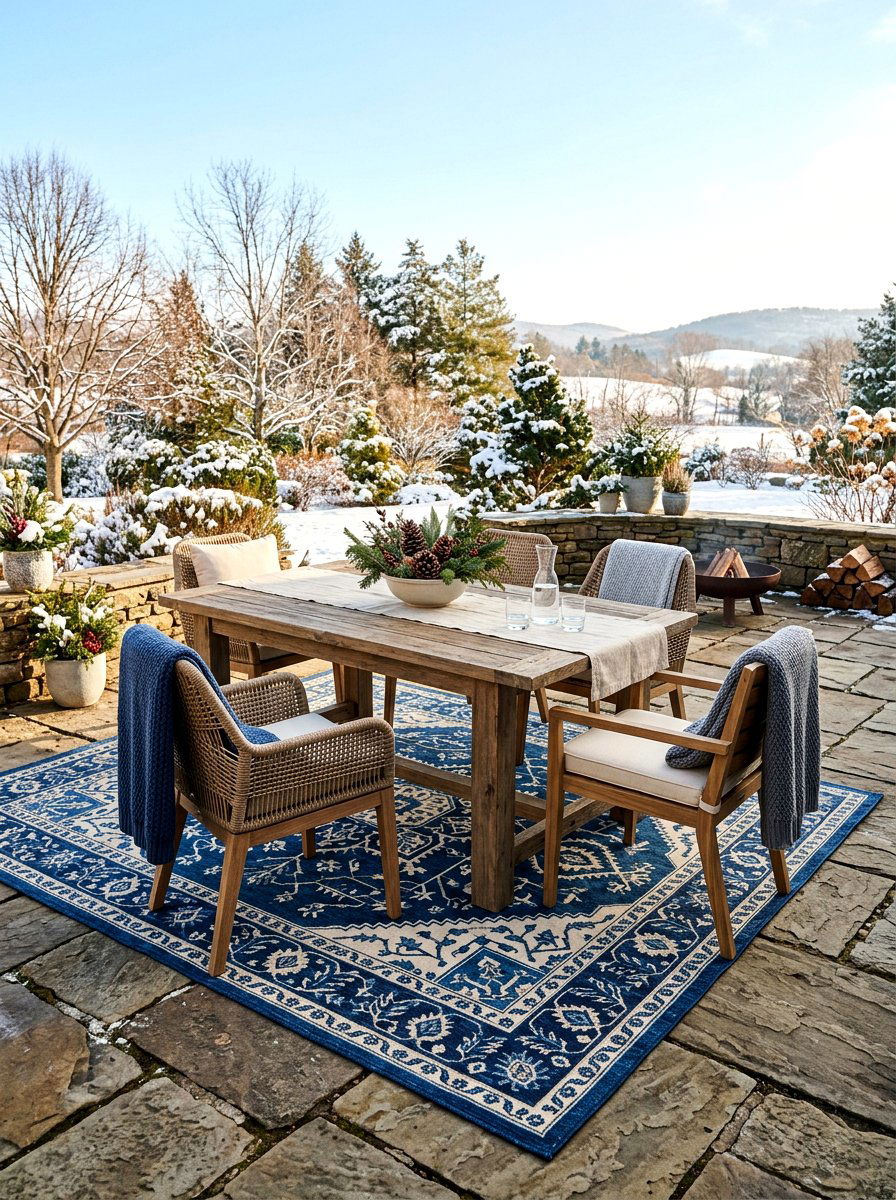
An outdoor rug can anchor your patio space and add a surprising layer of warmth and color to a winter garden design. Modern outdoor rugs are made from durable, weather-resistant fibers that can handle moisture and cold without fading or molding. Choosing a rug with a bold pattern or a deep, rich color provides a visual foundation for your furniture and makes the space feel more like a room. In the winter, the rug provides a barrier between your feet and the cold stone or decking, making the area more comfortable to use. It is an easy way to add style and coziness to your landscape.
29. Heathers Ground Cover
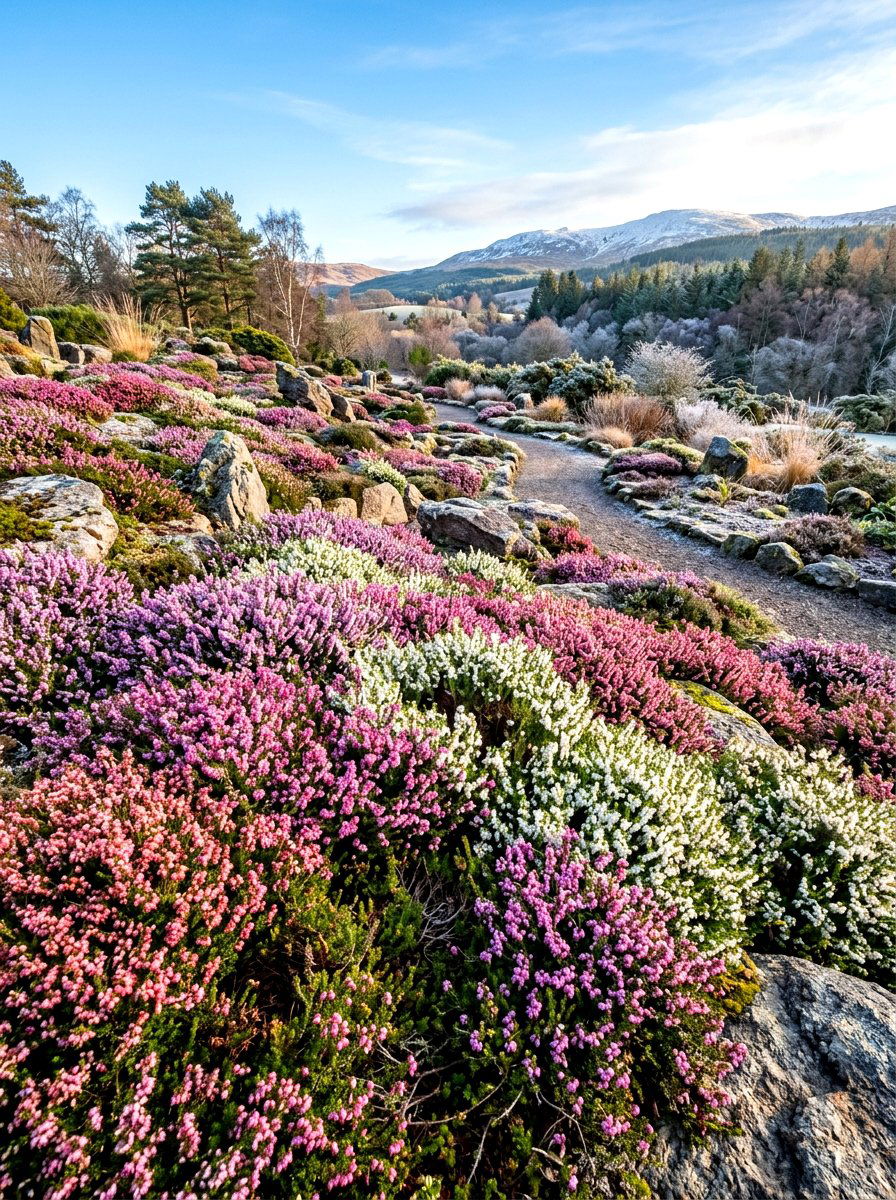
Winter-blooming heathers are fantastic ground cover plants that provide a low-growing carpet of color when the rest of the garden is bare. These hardy evergreens produce masses of tiny, bell-shaped flowers in shades of white, pink, and mauve from late autumn through early spring. They thrive in acidic soil and look best when planted in large groups to create a textured, colorful tapestry. Their needle-like foliage remains attractive all year, providing a consistent green or golden base for the winter blooms. Heathers are perfect for rock gardens, slopes, or the front of a border where they can be appreciated up close.
30. Vertical Garden Wall
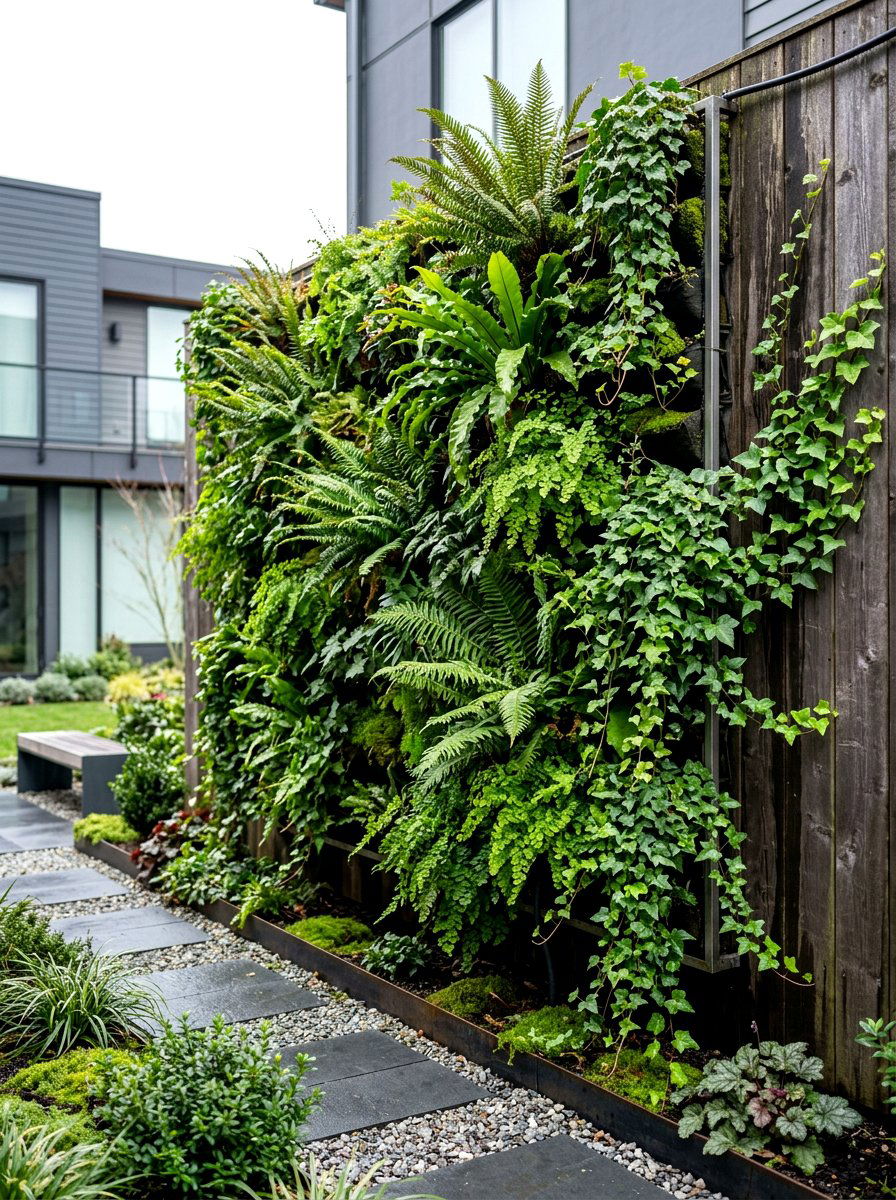
A vertical garden wall allows you to maximize your space and add a lush, green element to areas that might otherwise look bare, like fences or exterior walls. Using a mix of hardy evergreen ferns, ivy, and small succulents, you can create a living tapestry that stays vibrant throughout the winter. These walls provide a modern and sophisticated focal point that draws the eye upward and adds depth to a small yard. The vertical orientation also protects plants from some of the ground-level frost. A well-designed green wall turns a functional structure into a piece of living art that enhances the overall winter aesthetic.
Conclusion:
A beautiful winter garden is a testament to the idea that nature’s charm does not disappear when the temperature drops; it simply transforms into a more subtle and structured form. By focusing on evergreen skeletons, vibrant bark, and hardy blooms, you can create an outdoor sanctuary that provides joy all year long. The quiet stillness of a snowy landscape, punctuated by the bright red of holly berries or the warm glow of a fire pit, offers a unique sense of peace. Embracing the textures and silhouettes of the cold season allows you to appreciate the garden's resilience and timeless beauty. With a little planning, your backyard can become a captivating destination that celebrates every phase of the seasonal cycle.

Related posts: