Succulent gardens have become a staple in modern home design because they offer a perfect blend of architectural beauty and low-maintenance care. These resilient plants store water in their fleshy leaves, making them ideal for busy homeowners or those living in arid climates. Whether you are looking to enhance your small balcony or transform a sprawling backyard, succulents provide endless textures and vibrant colors that change with the seasons. From vertical walls to miniature indoor displays, the versatility of these desert dwellers is truly unmatched. By choosing the right species and well-draining soil, you can create a sustainable oasis that brings a unique, organic charm to any living space.
1. Modern Rock Garden
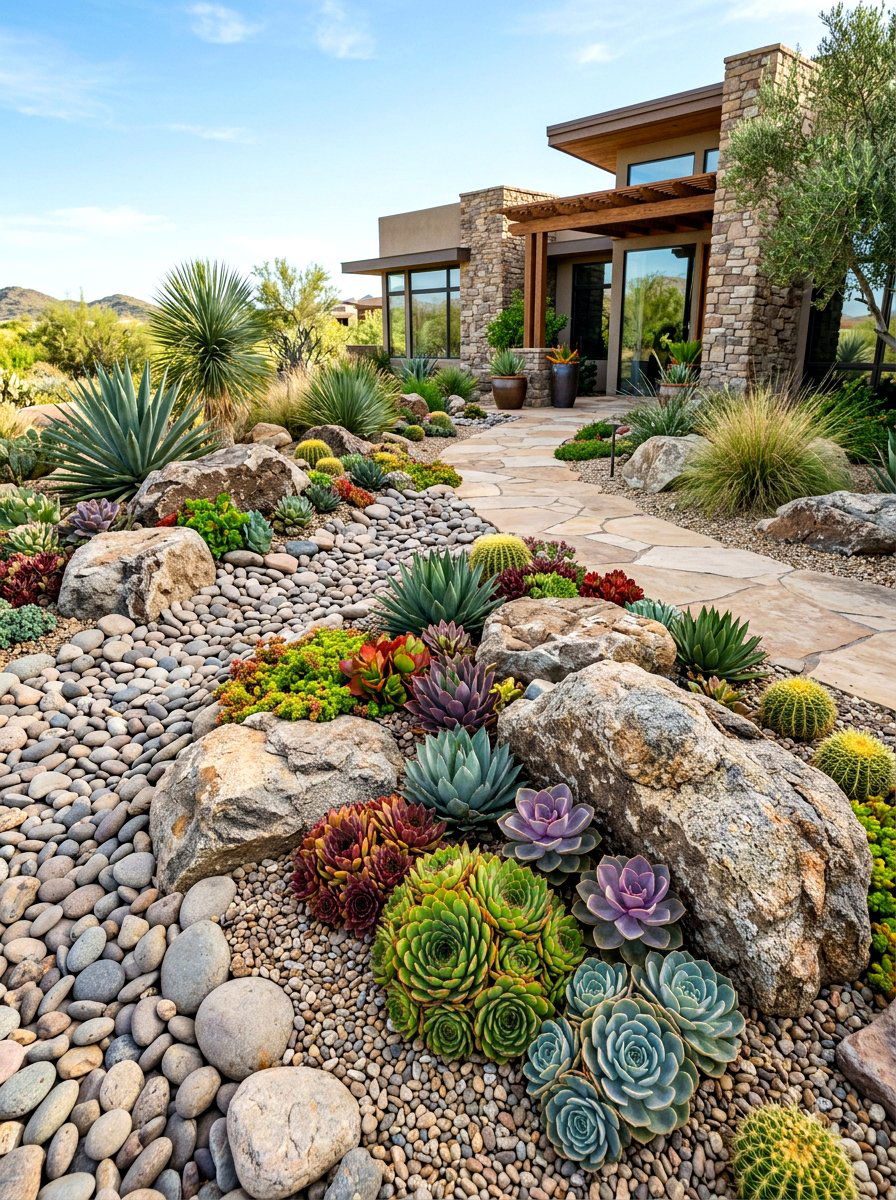
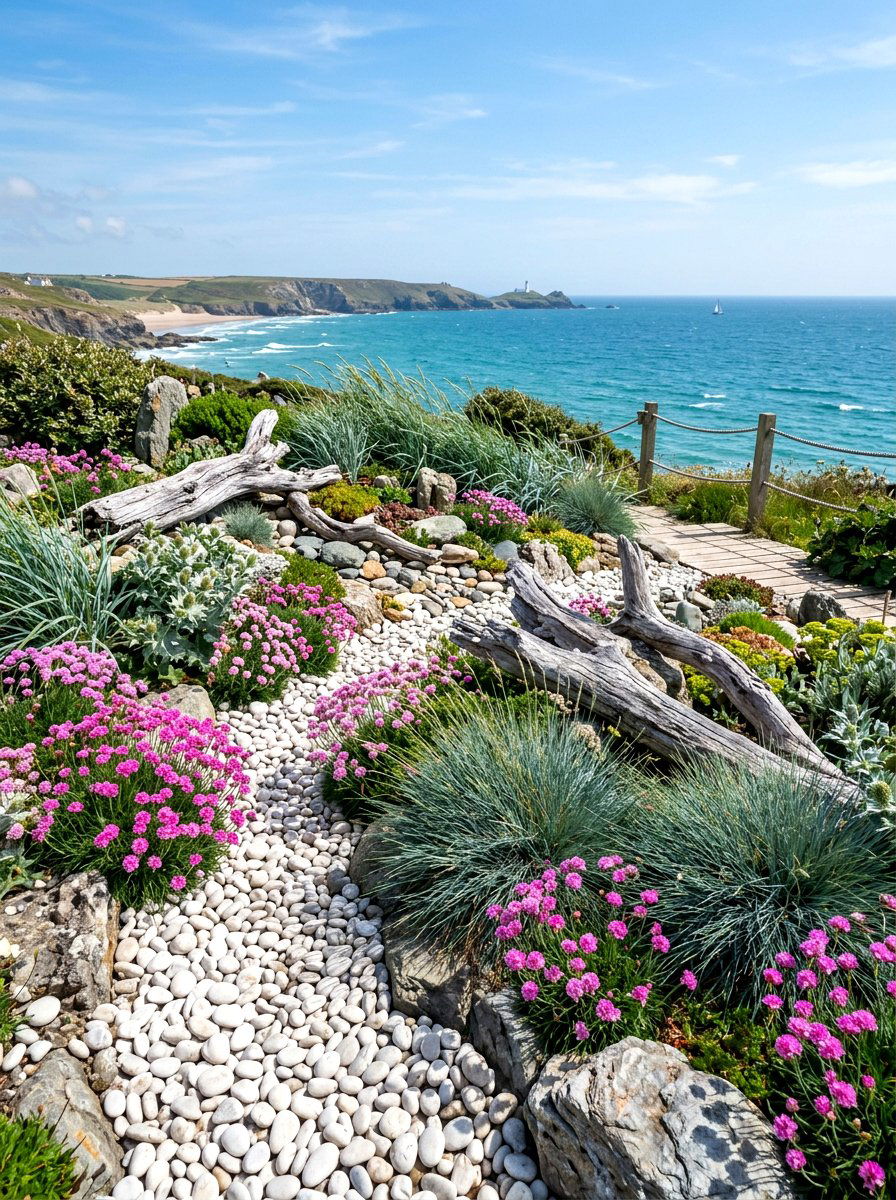
Creating a small rock garden is one of the most effective ways to showcase succulents while keeping maintenance to an absolute minimum. You can start by selecting a sunny spot in your yard and layering various sizes of river rocks, gravel, and large boulders to create texture. Succulents like hens and chicks or creeping sedums thrive when nestled between these stones because the rocks provide excellent drainage and heat retention. This setup mimics their natural desert environment perfectly. By mixing different colors of pebbles, you can highlight the vibrant greens and purples of the plants. It creates a stunning focal point that looks professional yet is very easy to manage throughout the changing seasons.
2. Vertical Pallet Garden
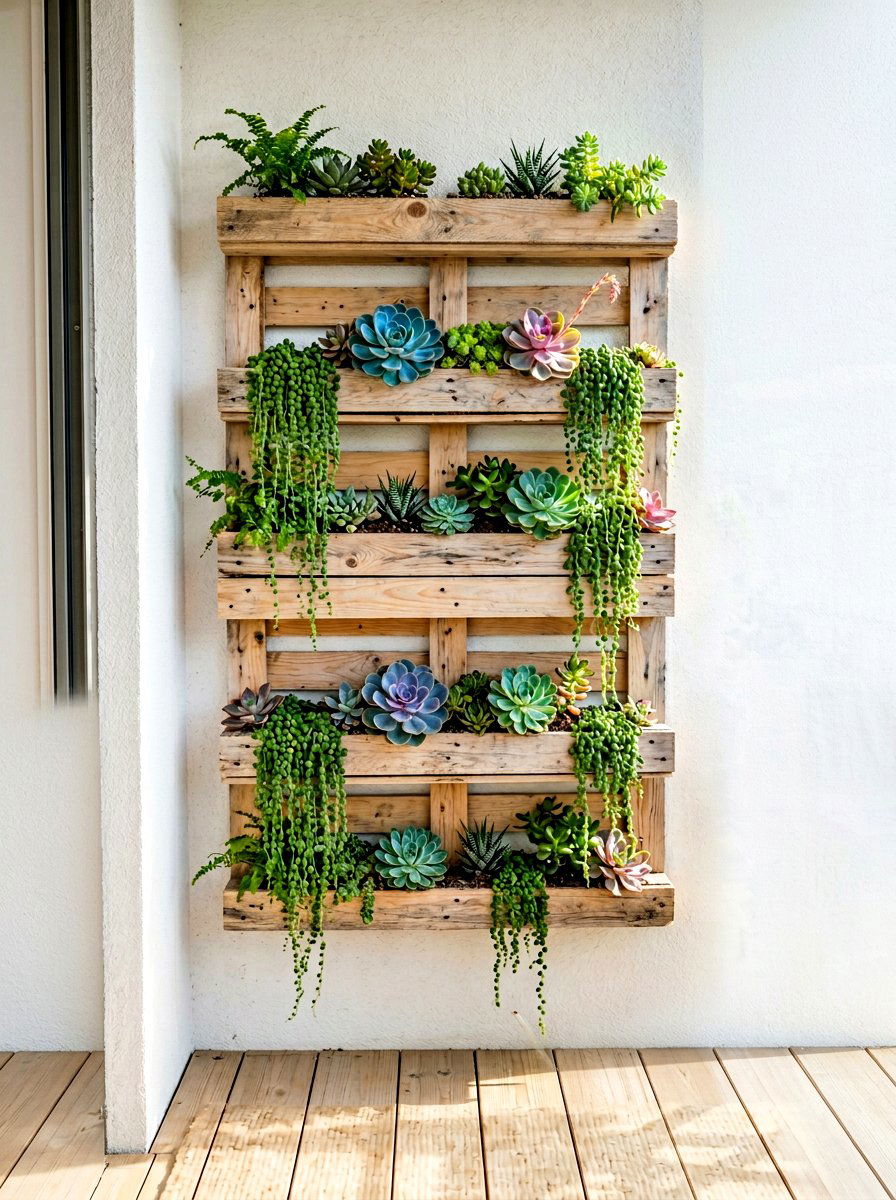
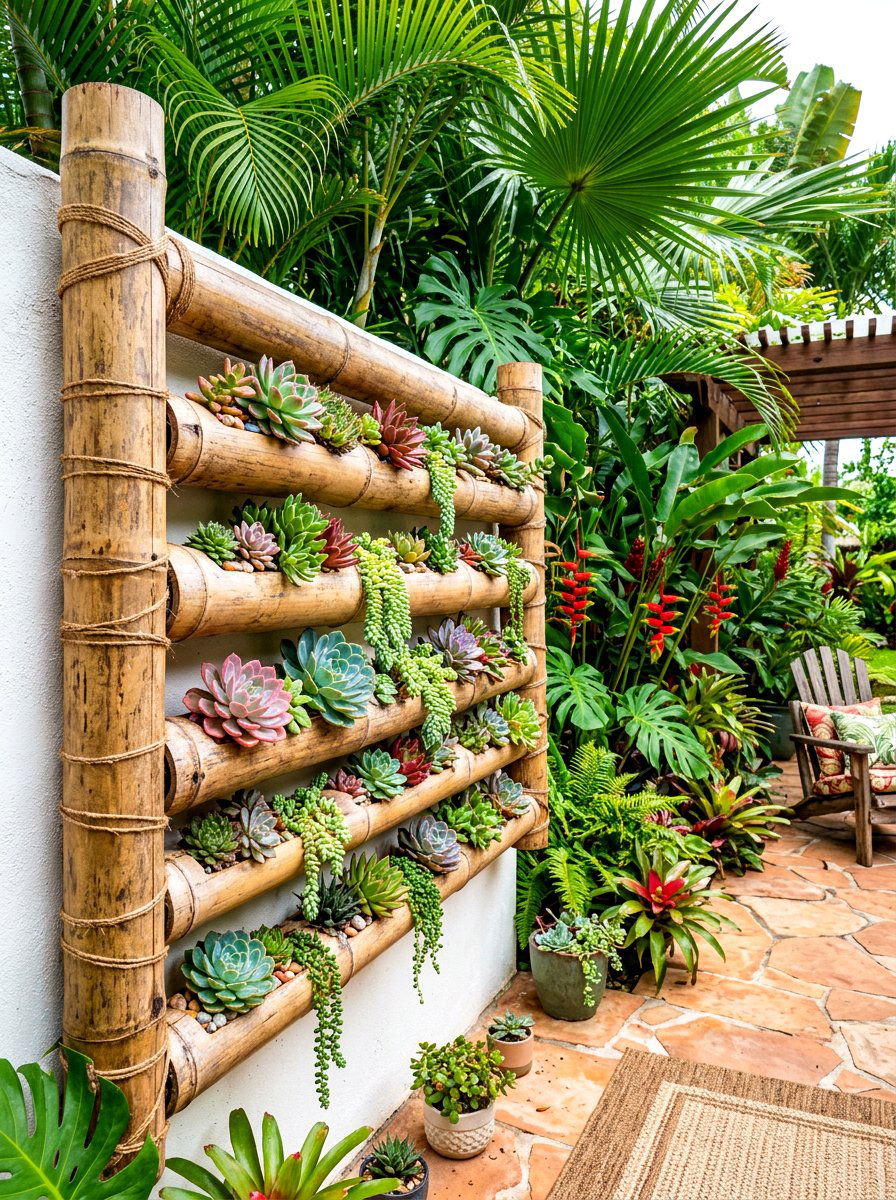
Vertical pallet gardens are a fantastic solution for those with limited space who still want a lush green area. You can repurpose an old wooden pallet by lining the back with landscape fabric and filling it with high-quality succulent soil. Plant various species like echeveria or string of pearls through the slats to create a living wall effect. This vertical arrangement not only saves floor space on your balcony but also serves as a beautiful piece of natural art. Make sure to lean it against a sturdy wall or mount it securely to ensure safety. Over time, the succulents will fill in the gaps, creating a dense and colorful tapestry of foliage.
3. Glass Terrarium Display
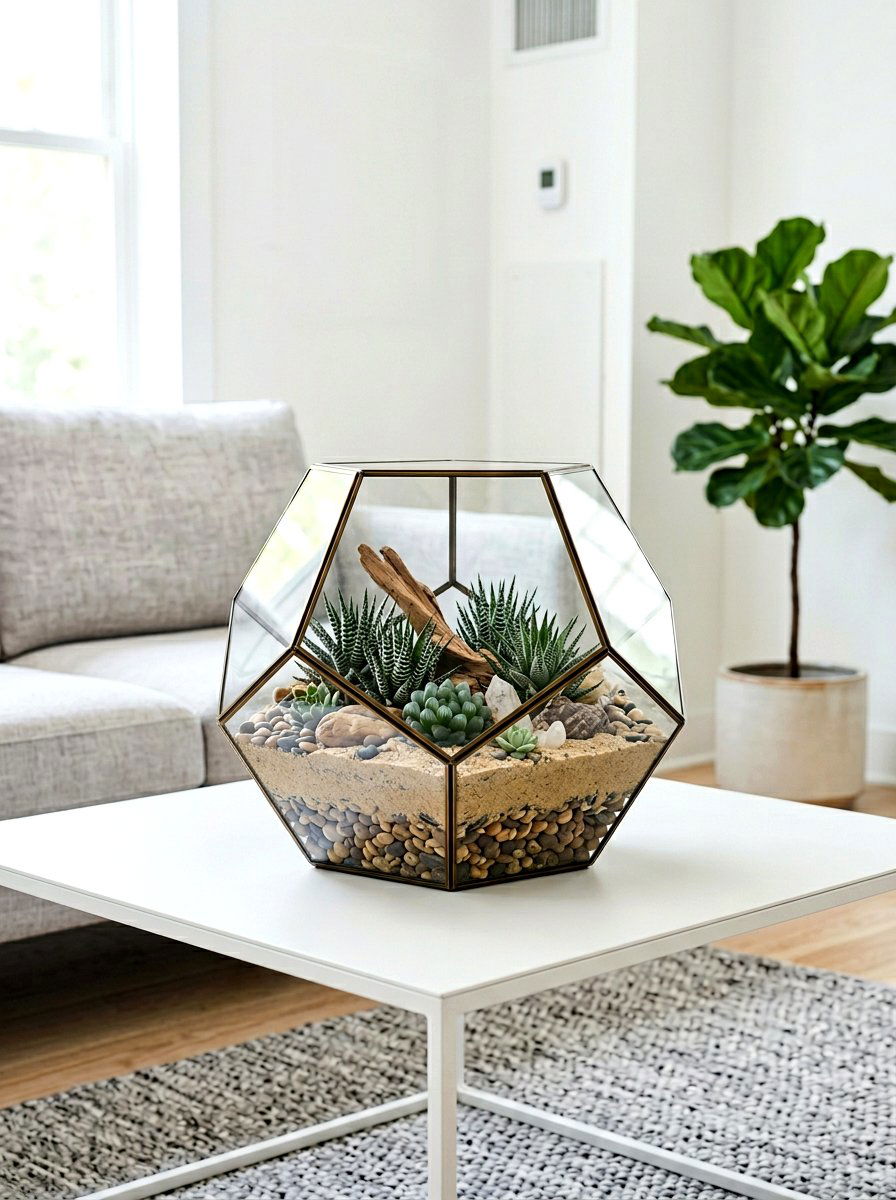
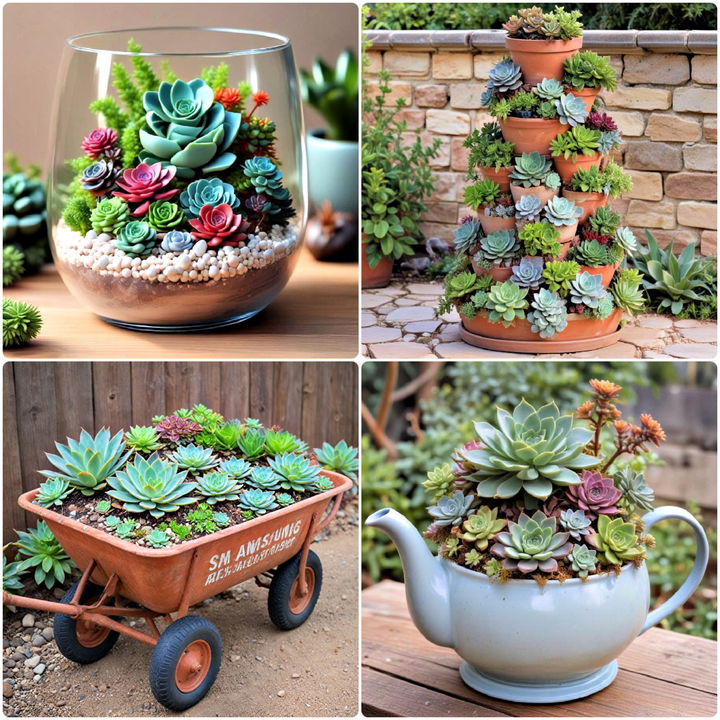
Imagine a miniature desert landscape captured within a sleek glass vessel sitting on your coffee table or office desk. A glass terrarium display is a popular way to bring the beauty of succulents indoors while adding a touch of sophisticated decor. To build one, you should layer charcoal, gravel, and sandy soil to ensure proper moisture control for the plants. Choose small, slow-growing varieties like haworthia or zebra cactus to prevent the arrangement from becoming overcrowded too quickly. These tiny ecosystems require very little water and thrive in bright, indirect light. They make excellent gifts and provide a calming, natural element to any modern interior design scheme without taking up much room.
4. Desert Front Yard
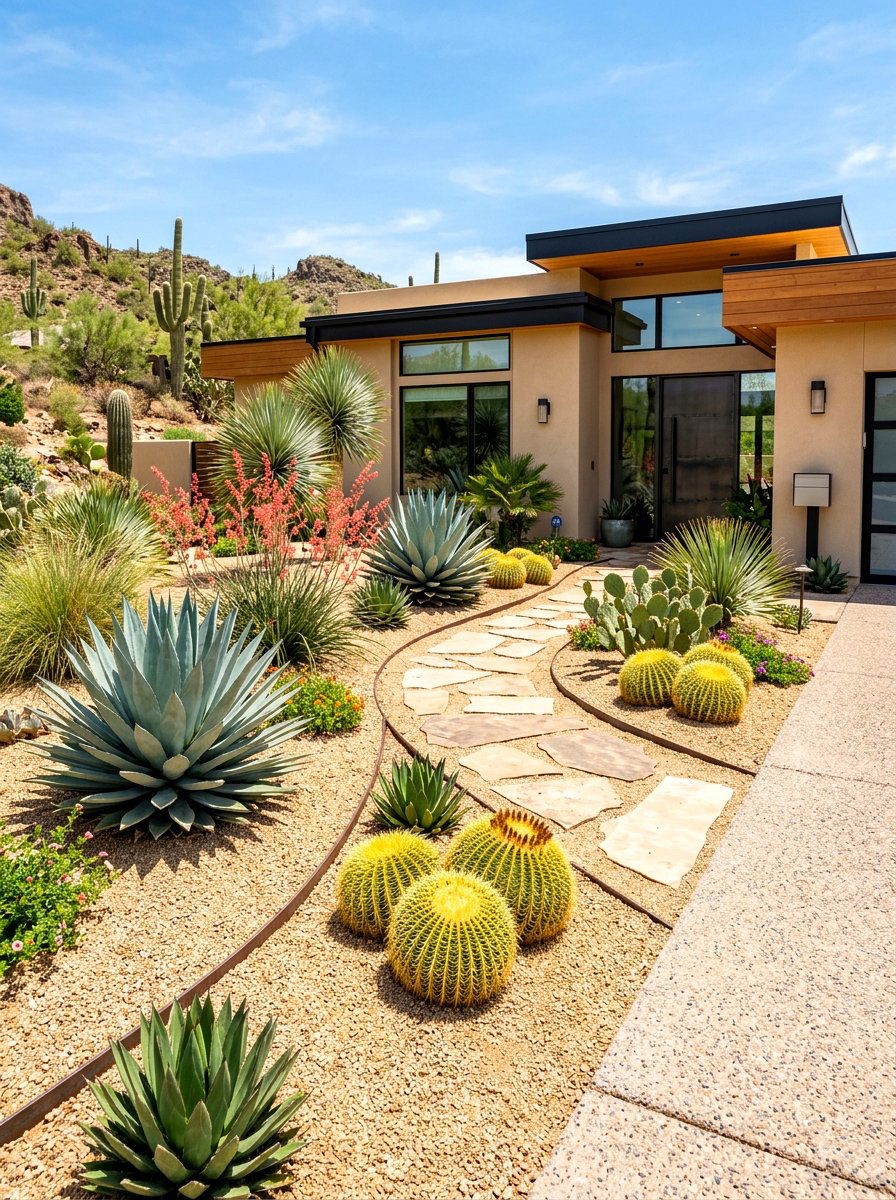
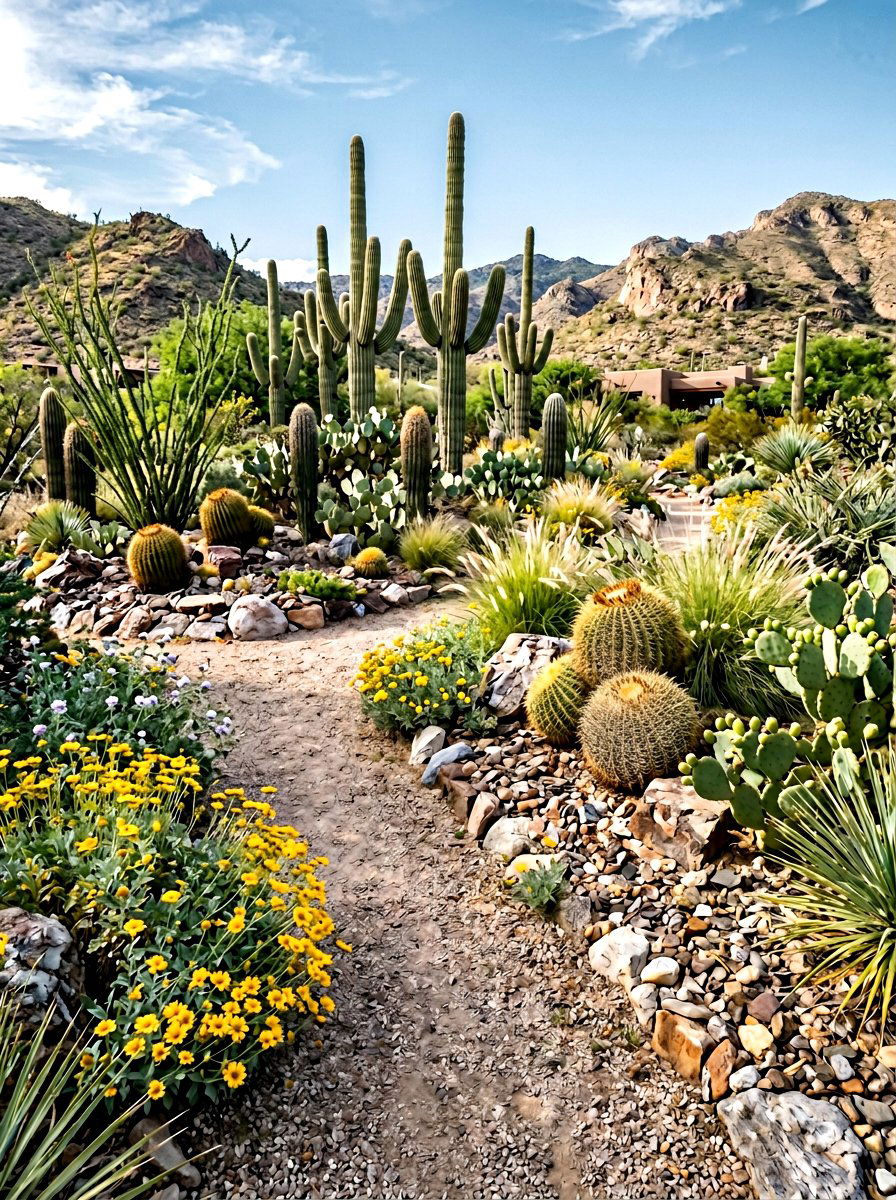
Transforming your front yard into a desert-inspired landscape can significantly boost your curb appeal while reducing your monthly water bill. You can replace traditional thirsty grass with a mix of drought-tolerant succulents, decorative gravel, and architectural elements like large agaves or yuccas. By grouping plants with similar water needs together, you create a cohesive and sustainable garden that thrives in the heat. Incorporating different heights and textures ensures the space remains visually interesting throughout the year. This type of landscaping is particularly effective in warm climates where water conservation is a priority. It offers a clean, modern aesthetic that looks intentionally designed and requires very little pruning or general upkeep.
5. Succulent Bird Bath
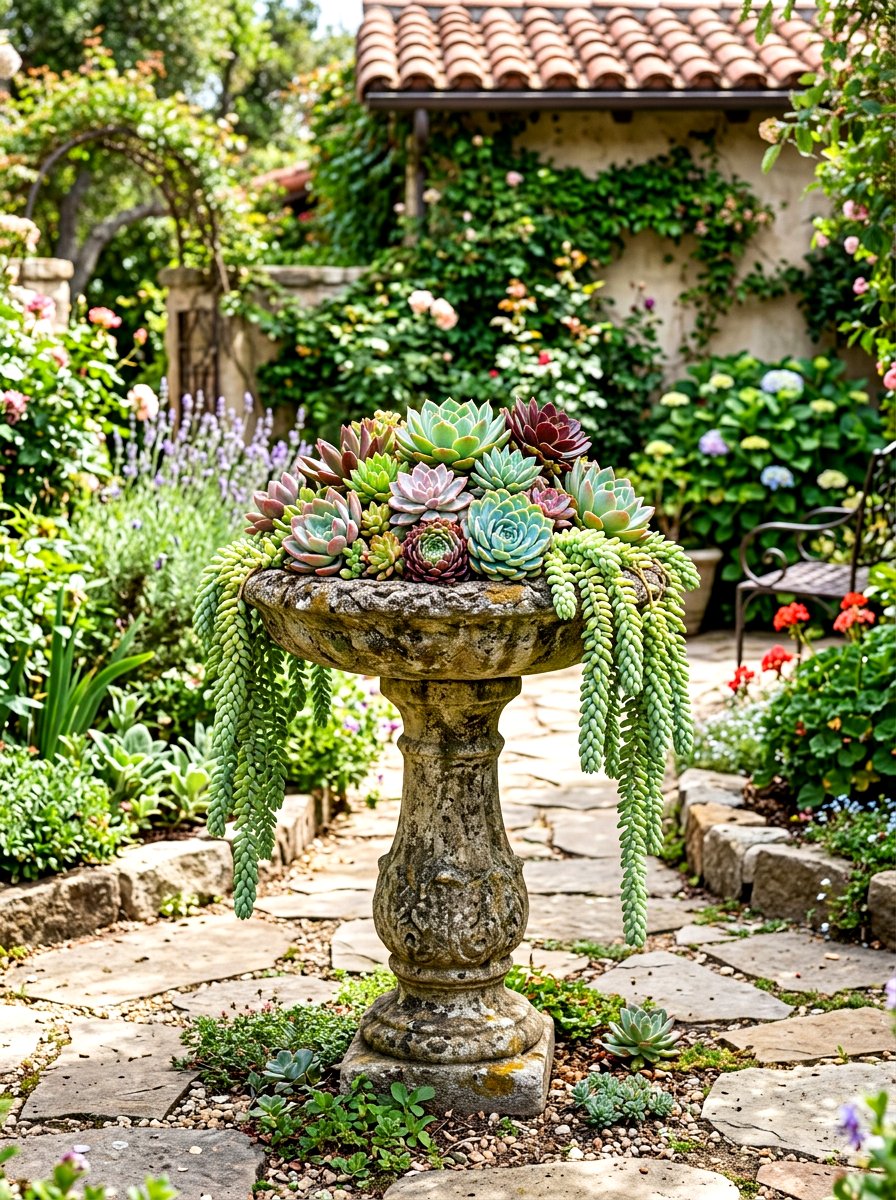
Giving a second life to an old or cracked bird bath by turning it into a succulent planter is a creative garden project. Instead of filling the basin with water, you fill it with a well-draining cactus mix and a variety of colorful rosettes. Trailing succulents like donkey’s tail look stunning as they spill over the edges of the pedestal. This elevated display protects the plants from pests and creates a striking focal point in the middle of a flower bed or on a patio. Since bird baths are usually shallow, they are the perfect depth for succulent roots, which do not require deep soil to grow healthy and strong.
6. Stone Pathway Border
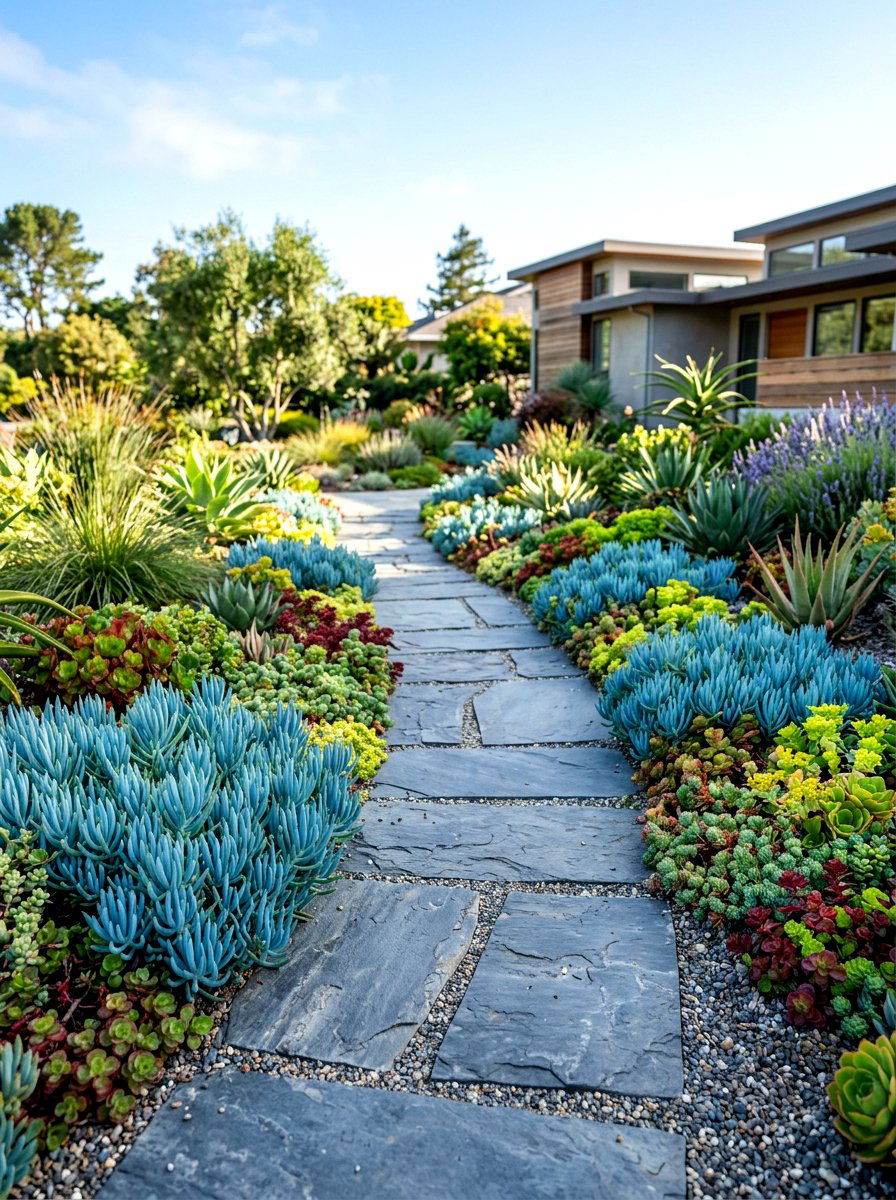
Adding a succulent border along a stone pathway can guide guests through your garden with a touch of natural elegance. You can plant low-growing varieties like sedum or blue chalksticks right against the edges of the pavers to soften the hard lines of the stone. This creates a lush, cushioned look that feels integrated with the surrounding landscape. Succulents are ideal for pathway borders because they are durable and can handle the occasional heat radiating from the stones. Their diverse colors, ranging from icy blue to deep red, provide a beautiful contrast against grey or tan pavers. This simple addition makes any walkway feel more inviting and thoughtfully planned.
7. Hanging Basket Arrangement
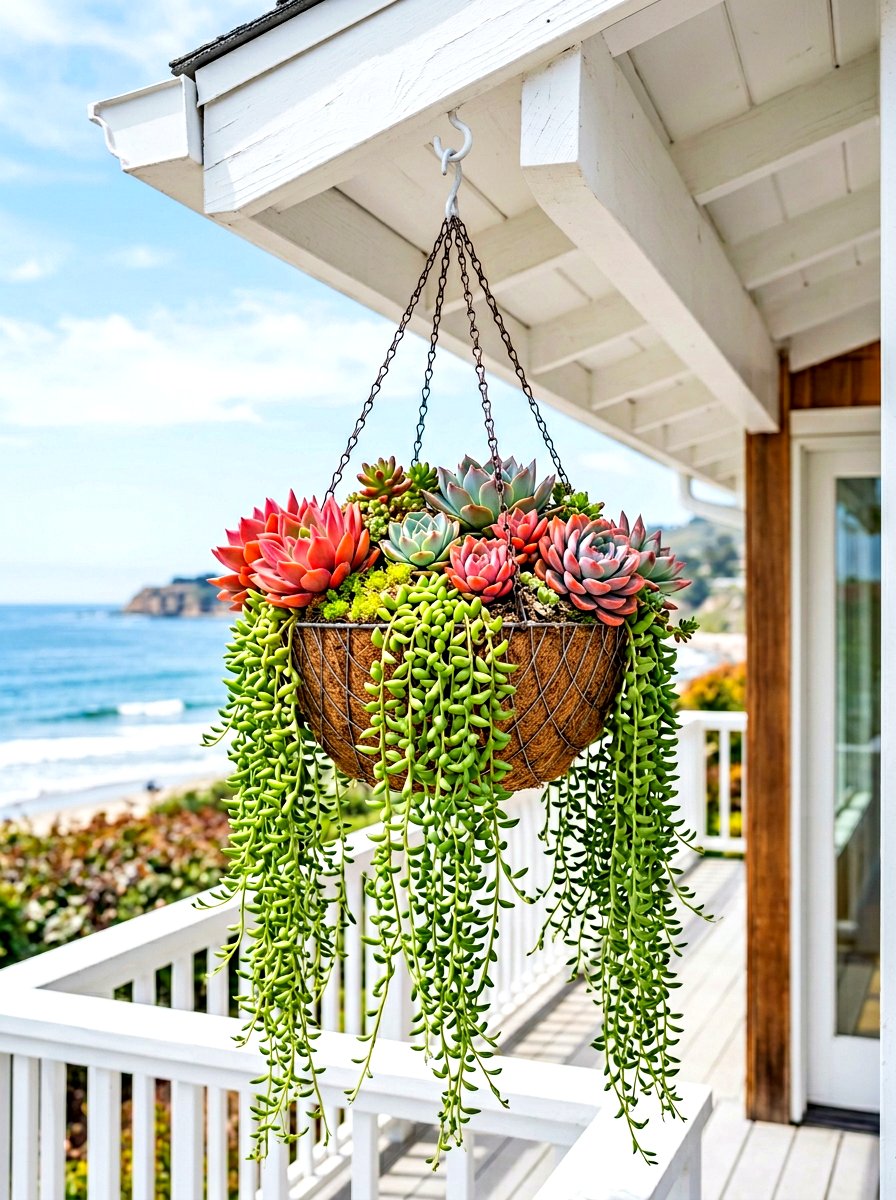
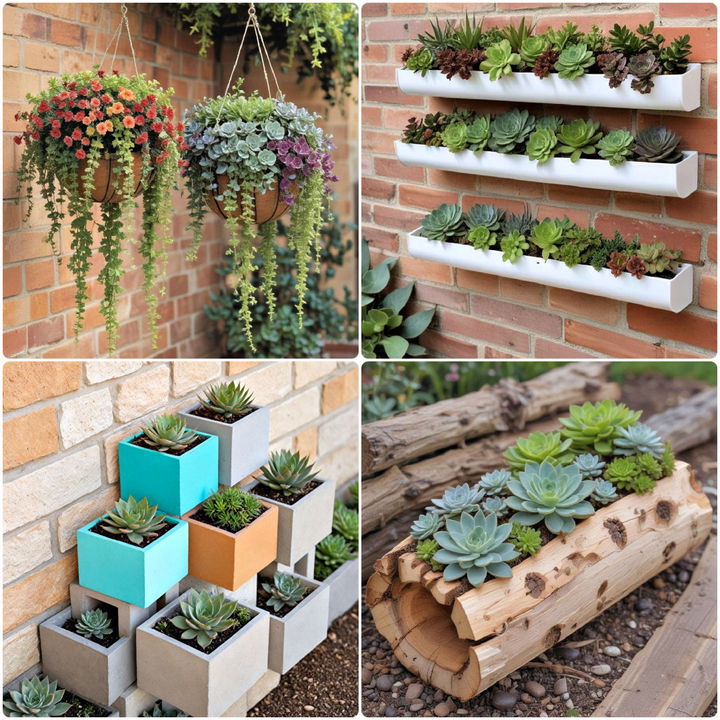
Hanging baskets are not just for flowering annuals; they are also a wonderful way to display trailing succulent varieties. You can fill a wire or coco-liner basket with a mix of string of pearls, string of bananas, and colorful echeverias for a full look. These baskets can be hung from porch eaves or tree branches to add vertical interest to your outdoor living area. Because succulents are lightweight and drought-tolerant, they are much easier to maintain in hanging containers than traditional flowers. They require less frequent watering and can withstand the wind and sun quite well. The cascading foliage creates a soft, romantic feel that enhances any patio or balcony.
8. Recycled Tire Planter
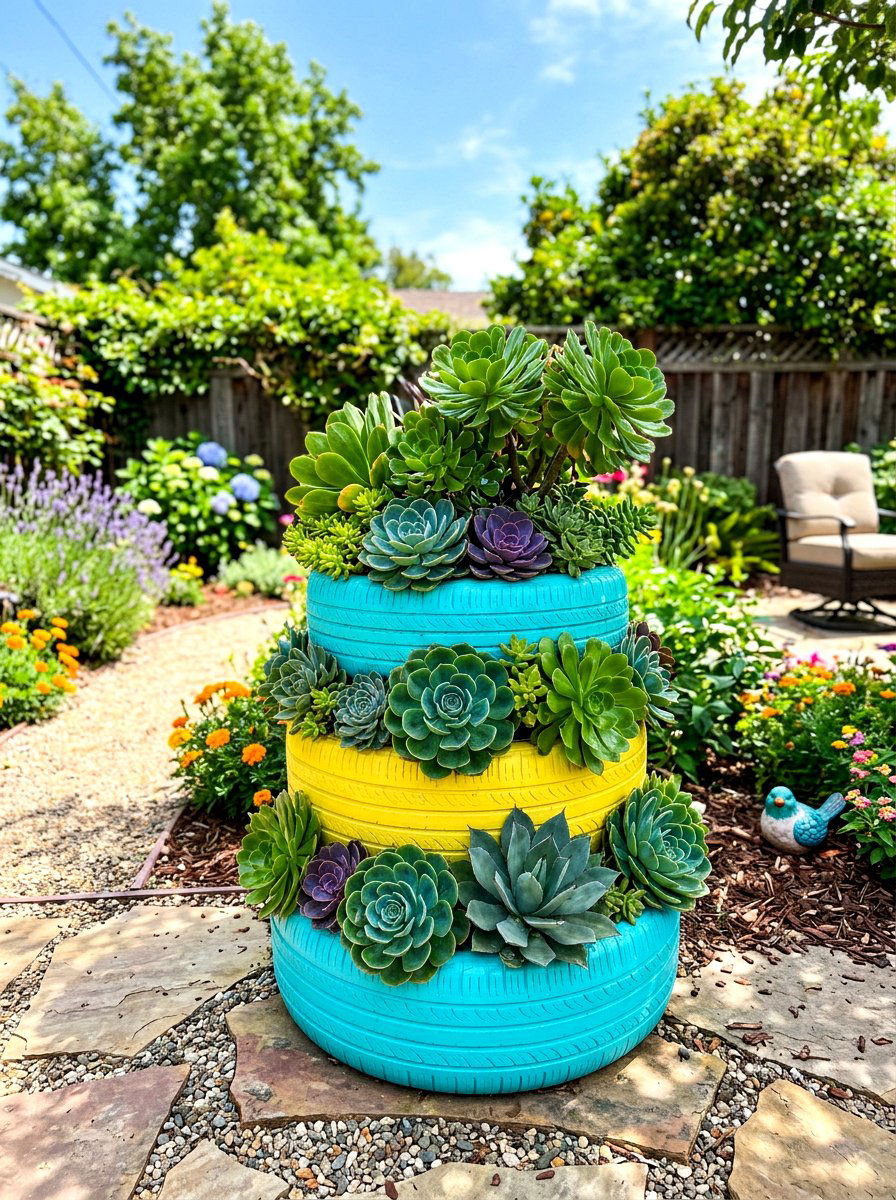
Using recycled tires as planters is an eco-friendly way to add a bold and colorful element to your backyard garden. You can paint the tires in bright hues to match your outdoor decor and stack them to create different levels for your plants. Filling the center with soil allows you to plant larger succulent varieties or a dense cluster of smaller rosettes. This method provides excellent insulation for the roots and keeps the soil warm, which most succulents prefer. It is a cost-effective DIY project that turns waste into a functional and eye-catching garden feature. These durable planters are perfect for creating a playful and modern desert-themed play area or garden corner.
9. Miniature Fairy Garden
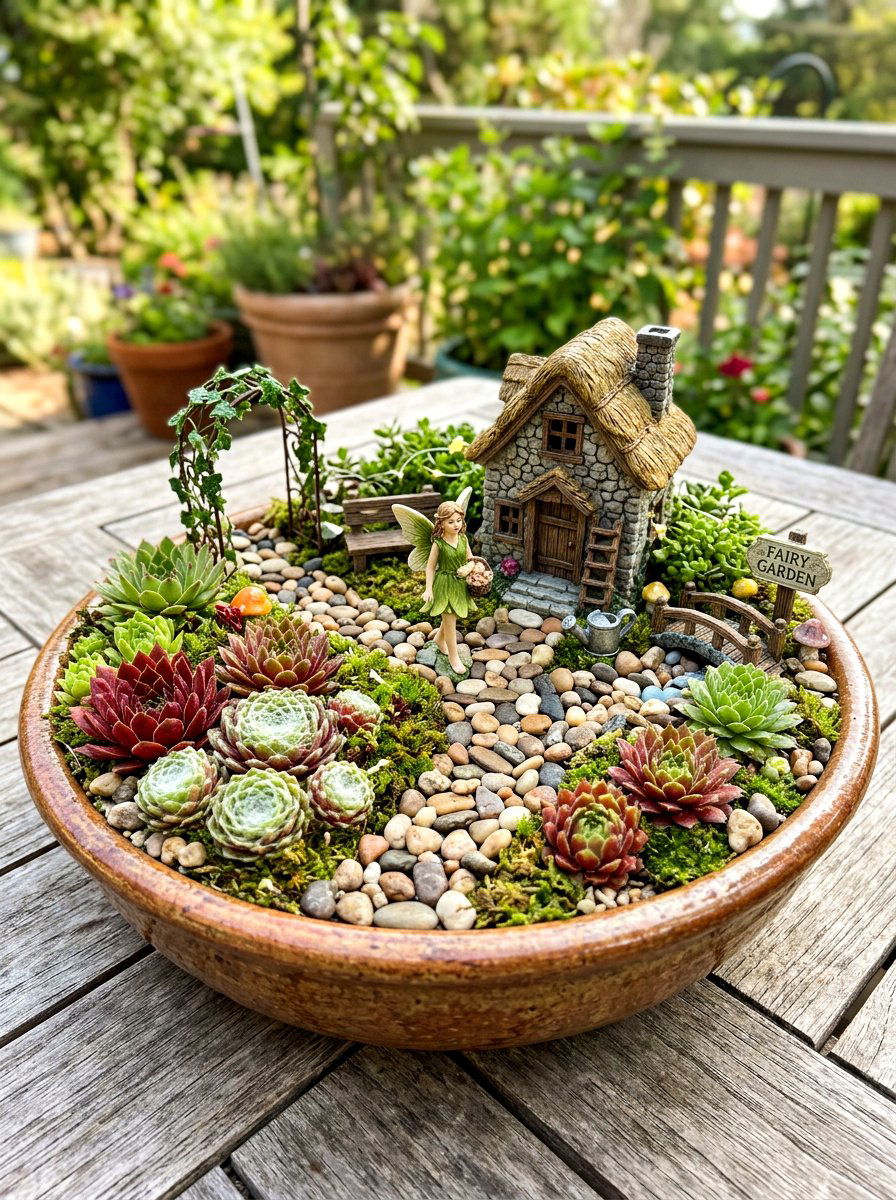
A miniature fairy garden allows you to get creative with small-scale landscaping using tiny succulents and whimsical accessories. You can use a shallow ceramic bowl or a wooden crate to build a tiny world complete with stone paths and small figurines. Succulents like sempervivum are perfect for this because they look like miniature trees or bushes in a scaled-down environment. This project is great for families and children who want to learn about plant care in a fun and imaginative way. Placing these fairy gardens on a patio table or a sunny windowsill brings a sense of magic and personality to your home. They are easily customizable and very fun to build.
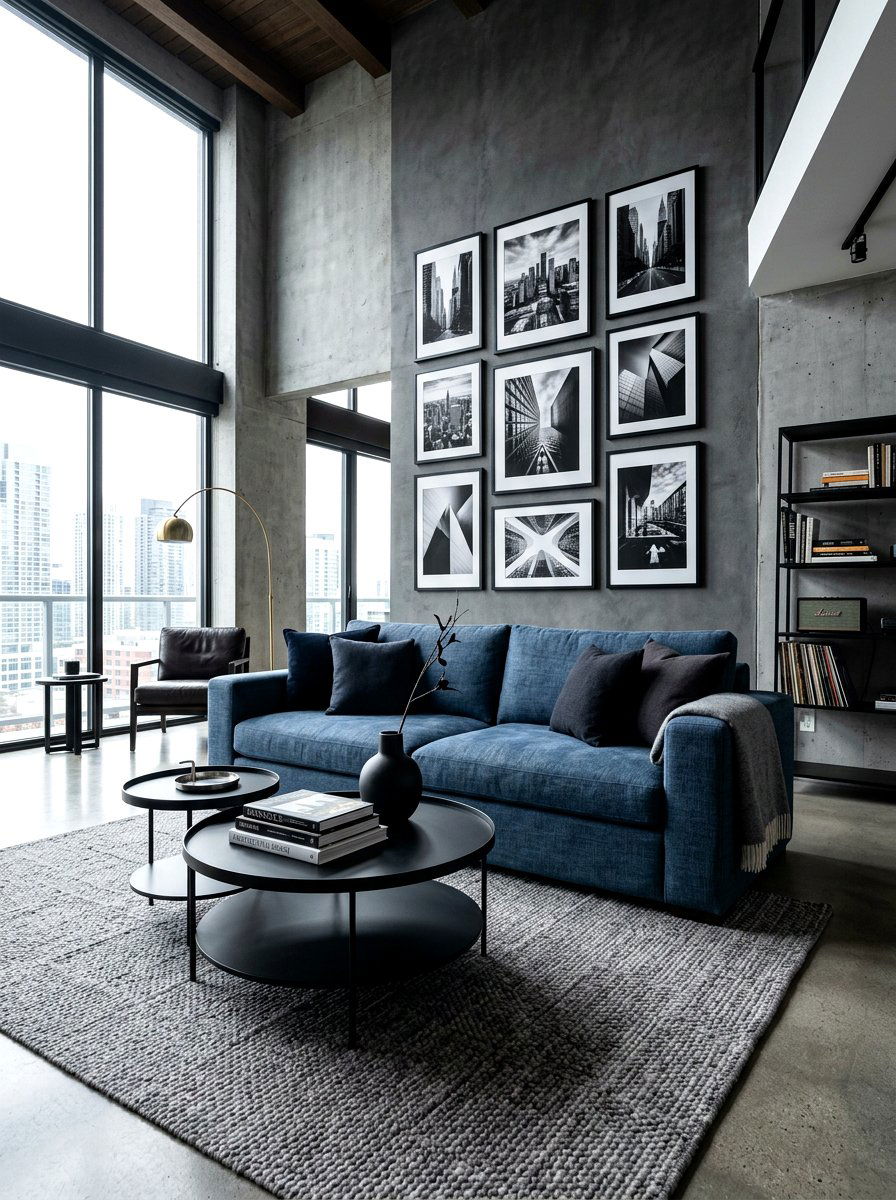
10. Modern Concrete Planter
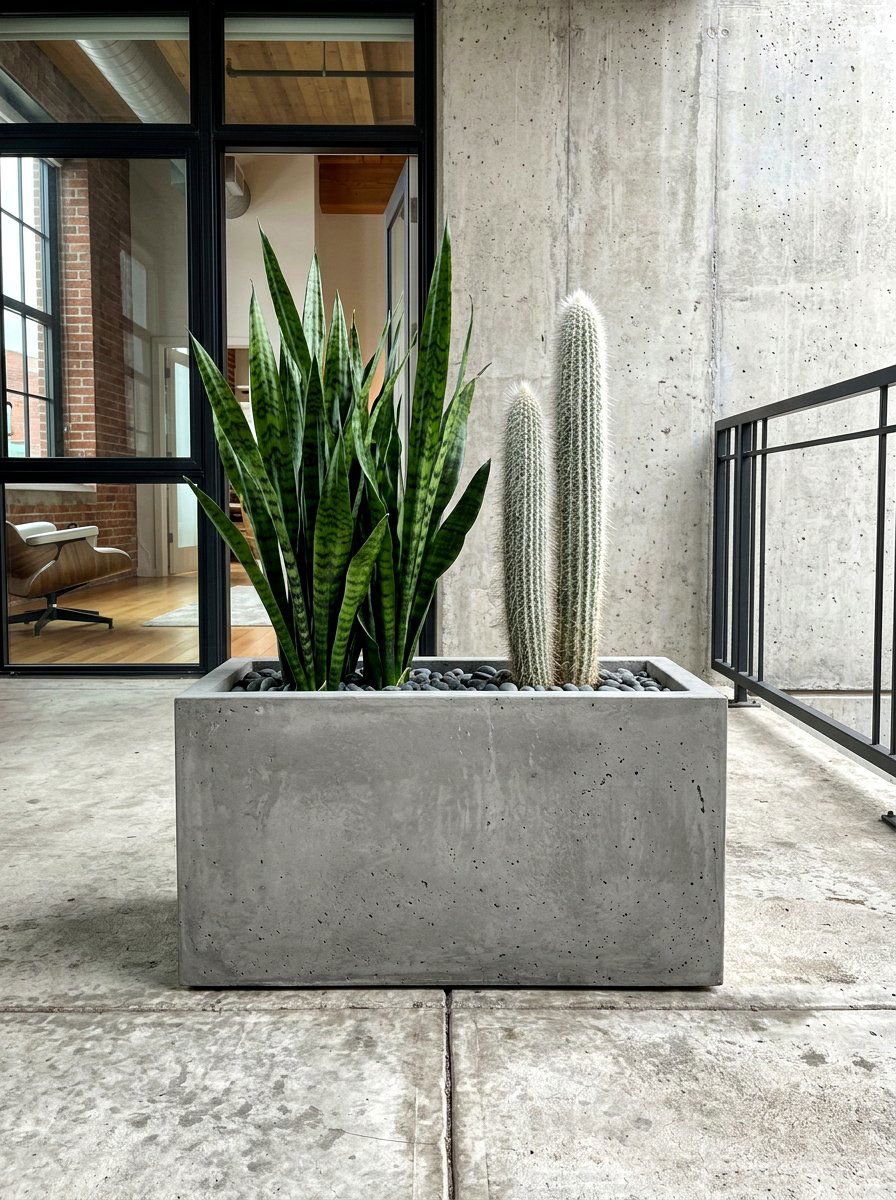
Concrete planters offer a minimalist and industrial look that pairs beautifully with the organic shapes of various succulent species. You can choose large, geometric concrete pots to house architectural plants like the sansevieria or the silver torch cactus. The neutral grey tones of the concrete make the vibrant greens and reds of the succulents pop, creating a high-contrast visual effect. These heavy planters are very stable and can withstand strong winds, making them ideal for balconies or open patios. Additionally, concrete is a porous material that helps with soil aeration and drainage, which is vital for the health of succulent roots. It is a sophisticated choice for any contemporary home.
11. Driftwood Succulent Centerpiece
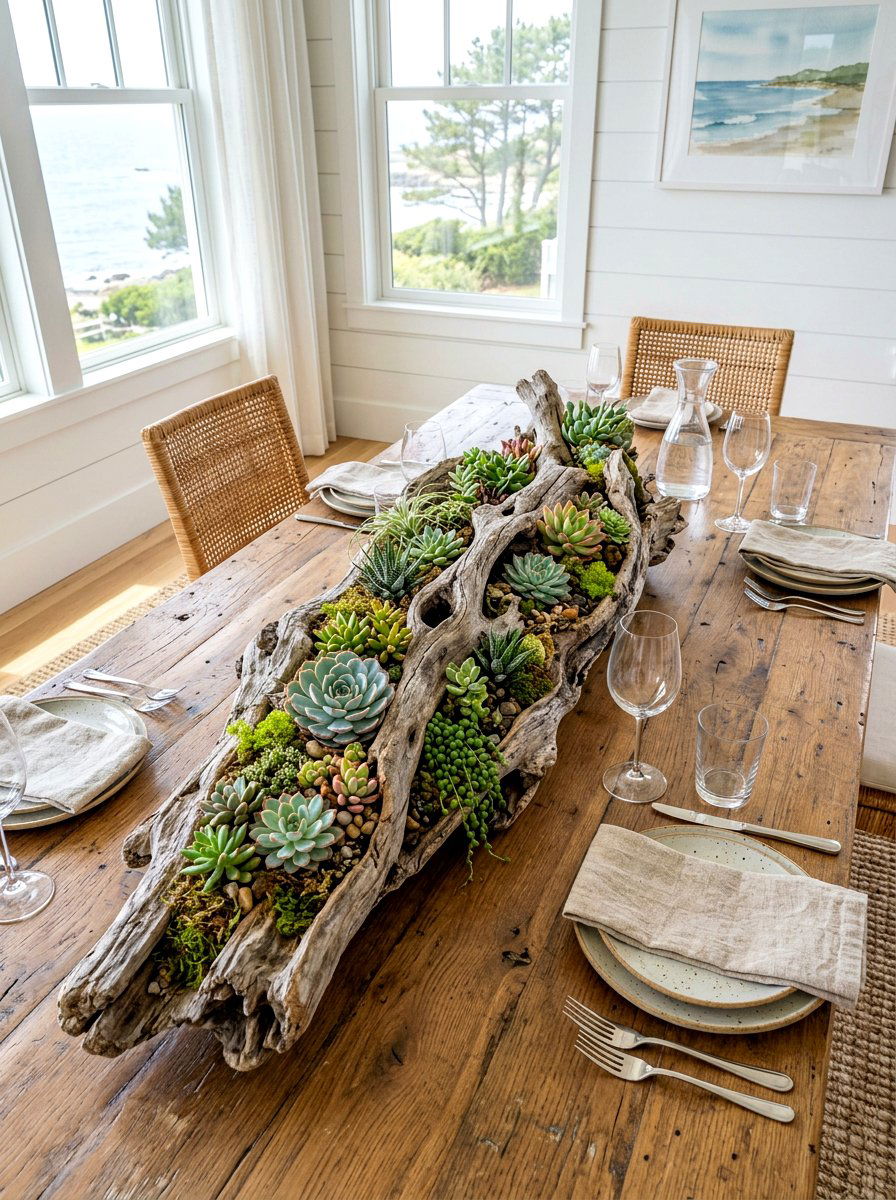
Creating a centerpiece using a natural piece of driftwood is a stunning way to bring a coastal or rustic vibe to your table. You can nestle small succulent cuttings into the natural hollows and crevices of the wood using a bit of moss and soil. This organic arrangement works beautifully as a dining table runner or a decorative accent on a mantel. The weathered texture of the driftwood provides a beautiful backdrop for the smooth, fleshy leaves of the plants. Since succulents are slow-growing, they will maintain their shape within the wood for a long time. It is a unique, living piece of art that serves as a great conversation starter.
12. Wall Mounted Living Frame
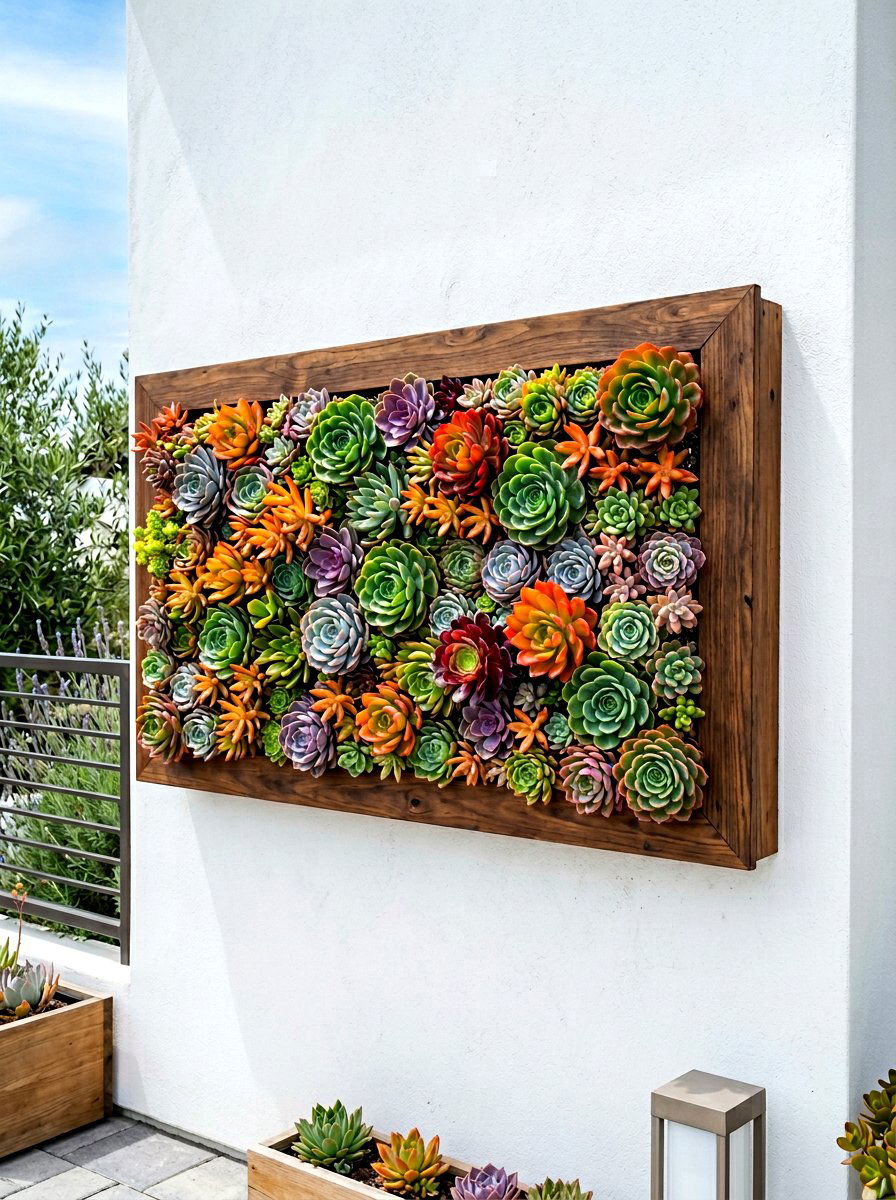
A living frame is a vertical garden that acts as a piece of framed artwork made entirely of living plants. You can build or buy a shadow box frame with a mesh front to hold the succulents securely in place. By planting various colors and shapes closely together, you create a dense tapestry that looks like a textured painting. These frames can be mounted on outdoor fences or indoor walls that receive plenty of bright light. To water them, you simply take the frame down and lay it flat for a few minutes. It is an innovative way to decorate small spaces and adds a vibrant breath of life to any vertical surface.
13. Succulent Rooftop Garden
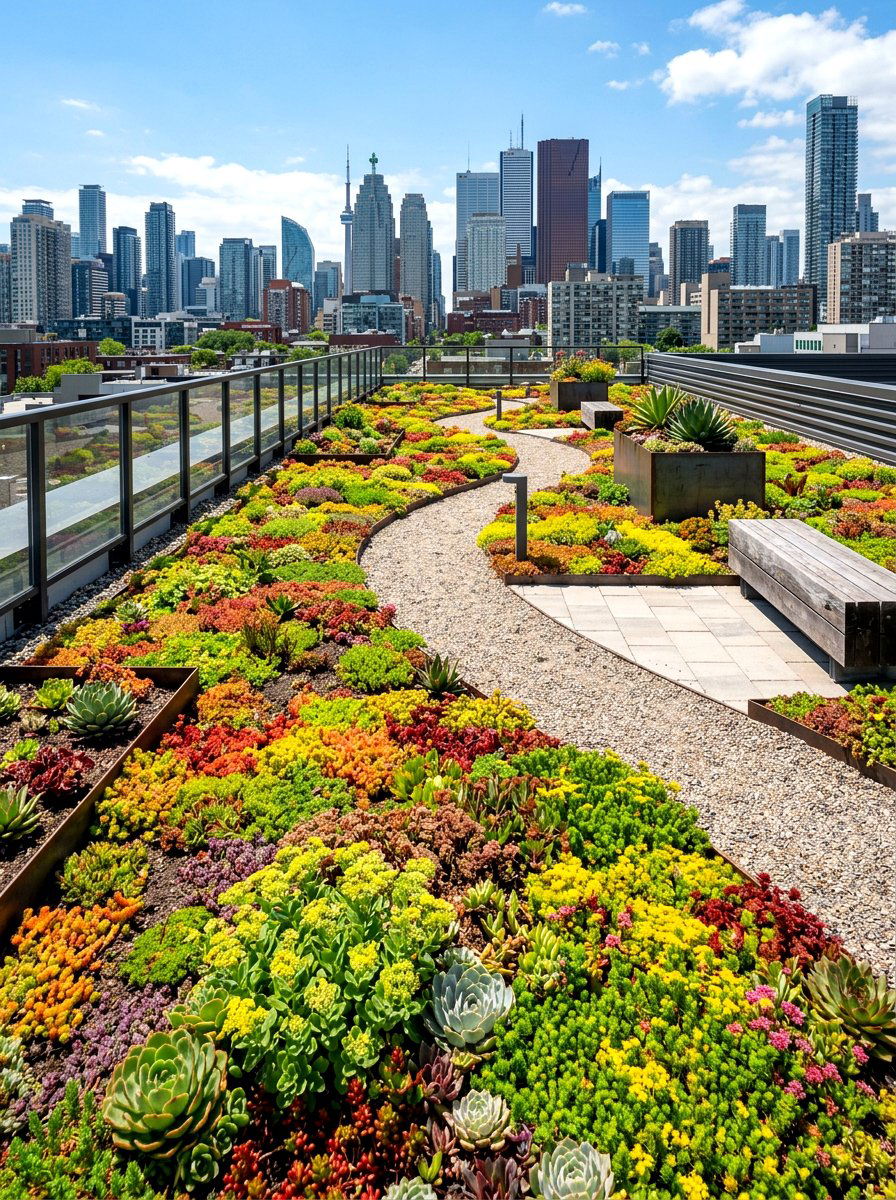
If you have a flat roof or a sturdy shed, a succulent rooftop garden can provide natural insulation while looking incredibly modern. Succulents are the best choice for green roofs because they can survive in shallow soil and tolerate intense sun and wind exposure. You can create a grid of different sedum varieties to produce a colorful carpet effect that changes throughout the year. This not only beautifies an often-overlooked space but also helps manage rainwater runoff and reduces heat absorption. It is a sustainable landscaping solution that turns a functional structure into a beautiful, living ecosystem. A rooftop garden creates a private, elevated escape from the busy world below.
14. Wheelbarrow Garden Display
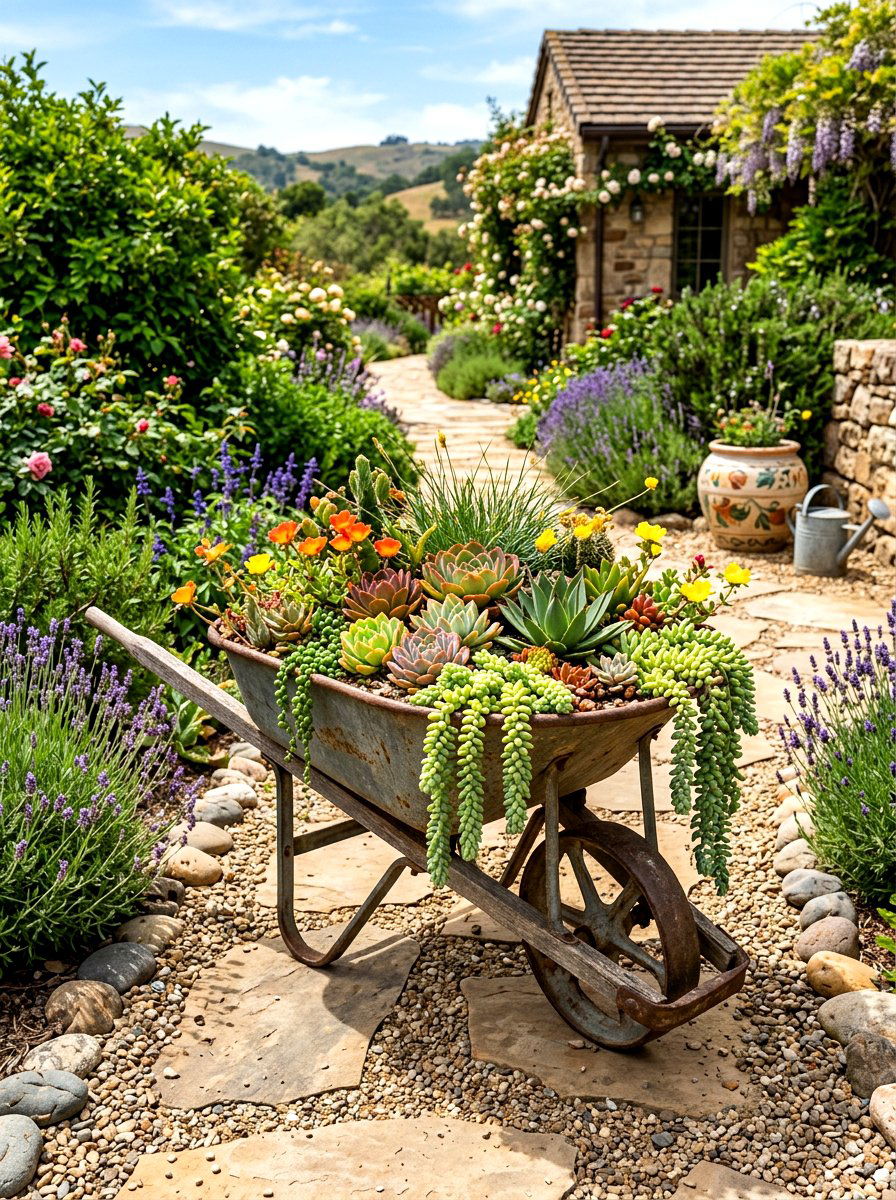
An old metal wheelbarrow can be transformed into a charming and mobile succulent garden that adds a vintage touch to your yard. You can drill a few drainage holes in the bottom, fill it with a gritty soil mix, and plant a variety of hardy succulents. This portable planter allows you to move your garden to follow the sun or to protect the plants during extreme weather. It is a great way to fill a large gap in your landscaping with a concentrated burst of color and texture. The rustic metal finish of the wheelbarrow contrasts perfectly with the soft, delicate shapes of the succulents, creating a beautiful focal point.
15. Indoor Window Sill Garden
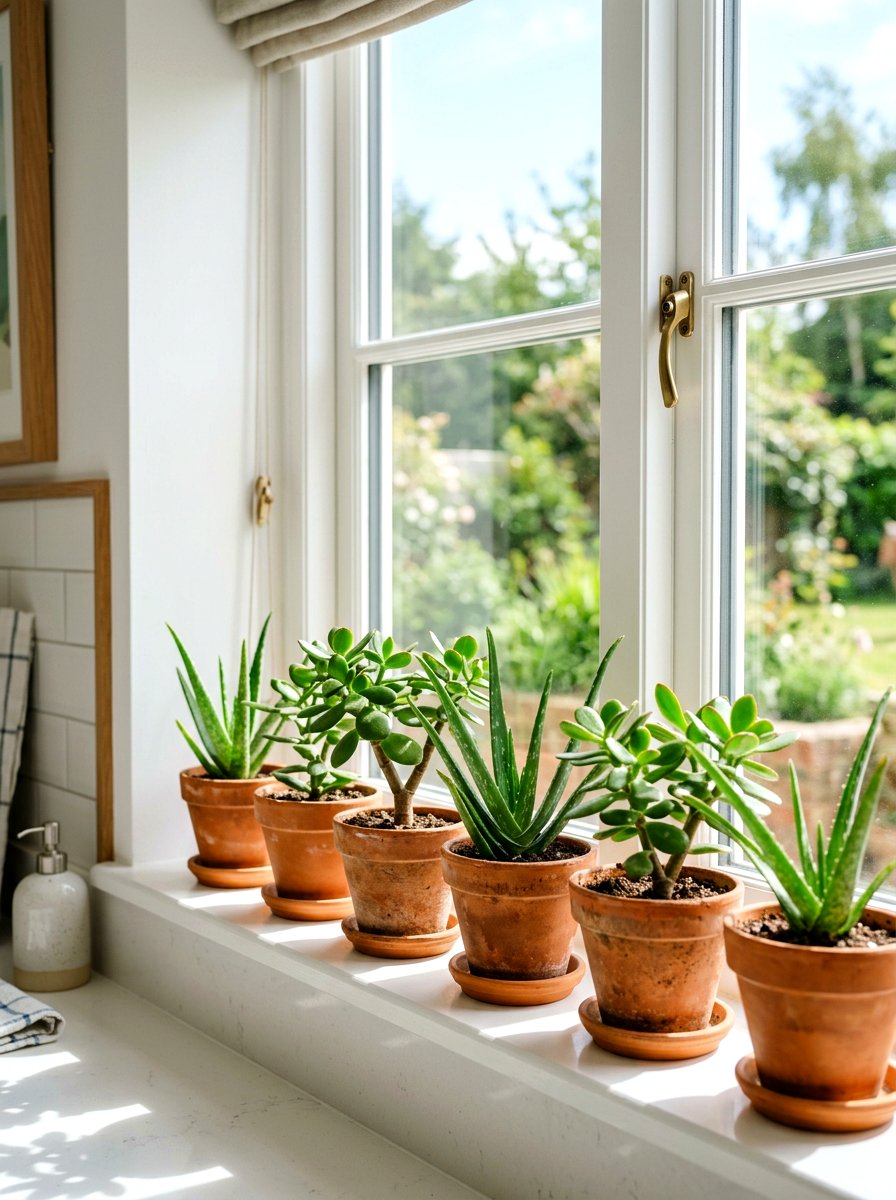
A window sill garden is the easiest way to enjoy succulents year-round, especially if you have a spot that gets several hours of sunlight. You can line up a series of small, matching pots or use a long trough to create a cohesive look. Varieties like aloe vera or jade plants are perfect for indoor life and are known for their air-purifying qualities. This type of garden brings nature closer to your daily life, making a kitchen or home office feel more vibrant and energized. Because the plants are right at eye level, you can easily monitor their growth and enjoy their unique details every single day.
16. Tiered Terracotta Fountain
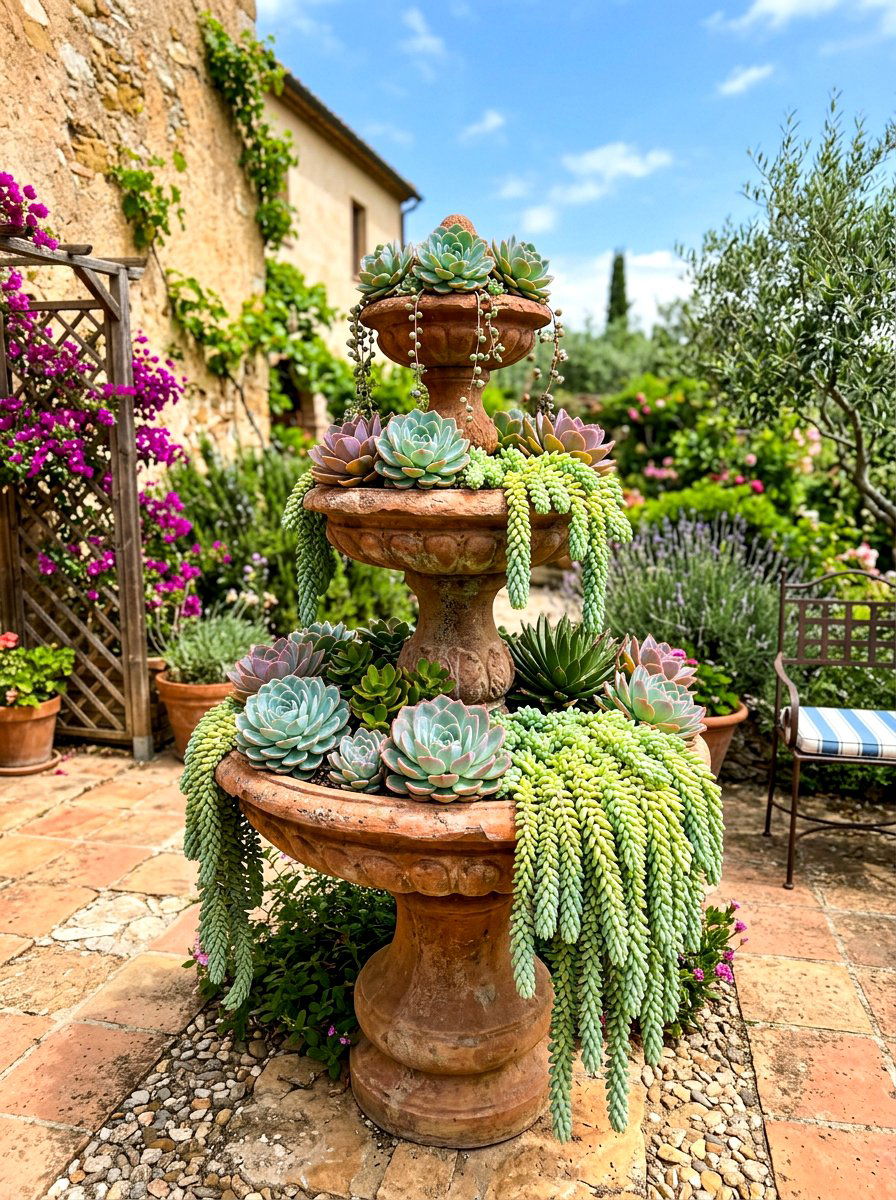
Repurposing a tiered water fountain into a multi-level succulent planter is a clever way to add height and drama to your patio. Instead of water flowing through the tiers, you fill each level with soil and a different variety of succulent. You can place taller plants at the top and trailing ones at the bottom to mimic the look of falling water. This vertical arrangement allows you to grow a large number of plants in a very small footprint. Terracotta is an excellent material for succulents as it is breathable and helps the soil dry out quickly between waterings. It creates a classic, Mediterranean feel that enhances any outdoor seating area.
17. Colorful Ground Cover
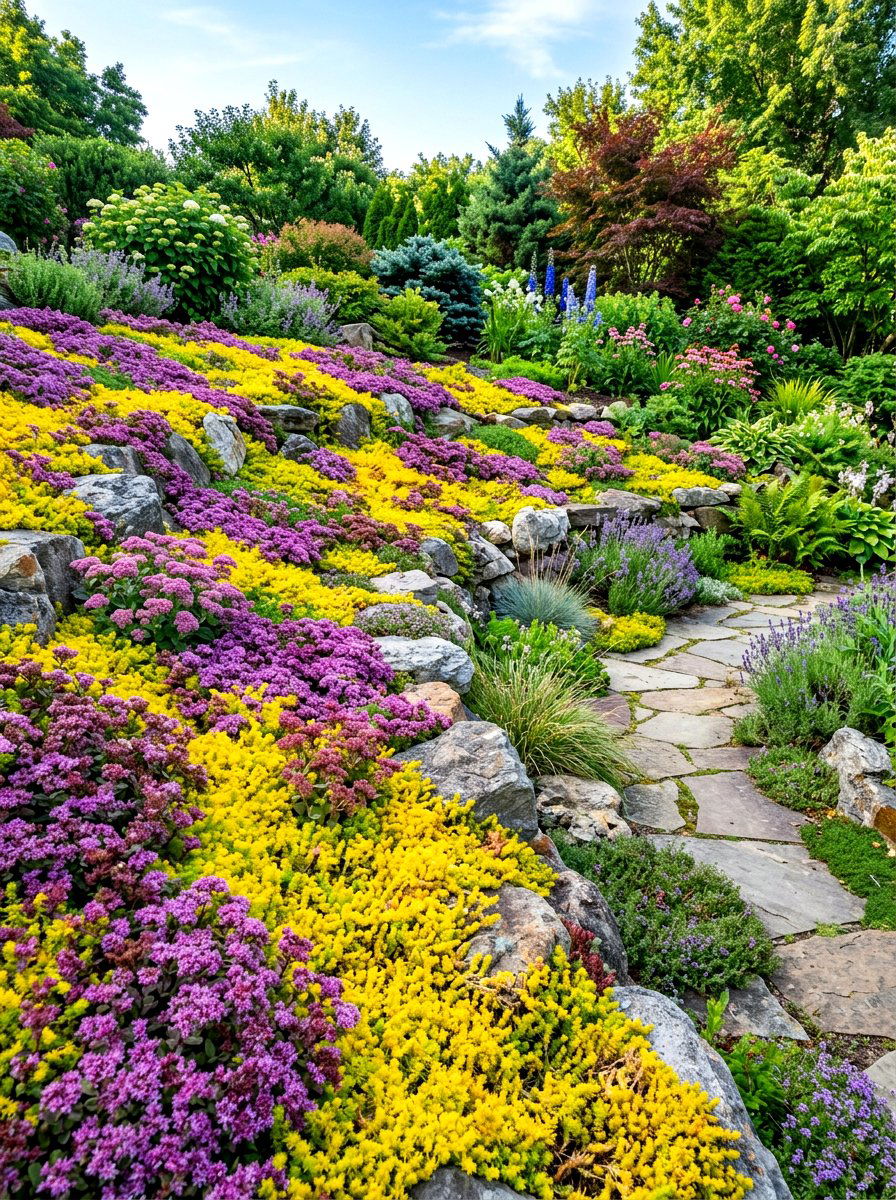
Using succulents as a living ground cover is a smart alternative to traditional mulch or grass in dry areas. Species like sedum spurium or ice plants spread quickly to form a dense, weed-suppressing mat that requires almost no mowing or watering. These plants often produce small, bright flowers in the spring and summer, adding an extra layer of beauty to your landscape. A succulent carpet looks particularly striking on slopes or under large trees where grass often struggles to grow. The varying shades of gold, burgundy, and emerald green create a rich, textured look that stays beautiful all year. It is a durable and eco-friendly landscaping choice for any modern garden.
18. Large Architectural Agave
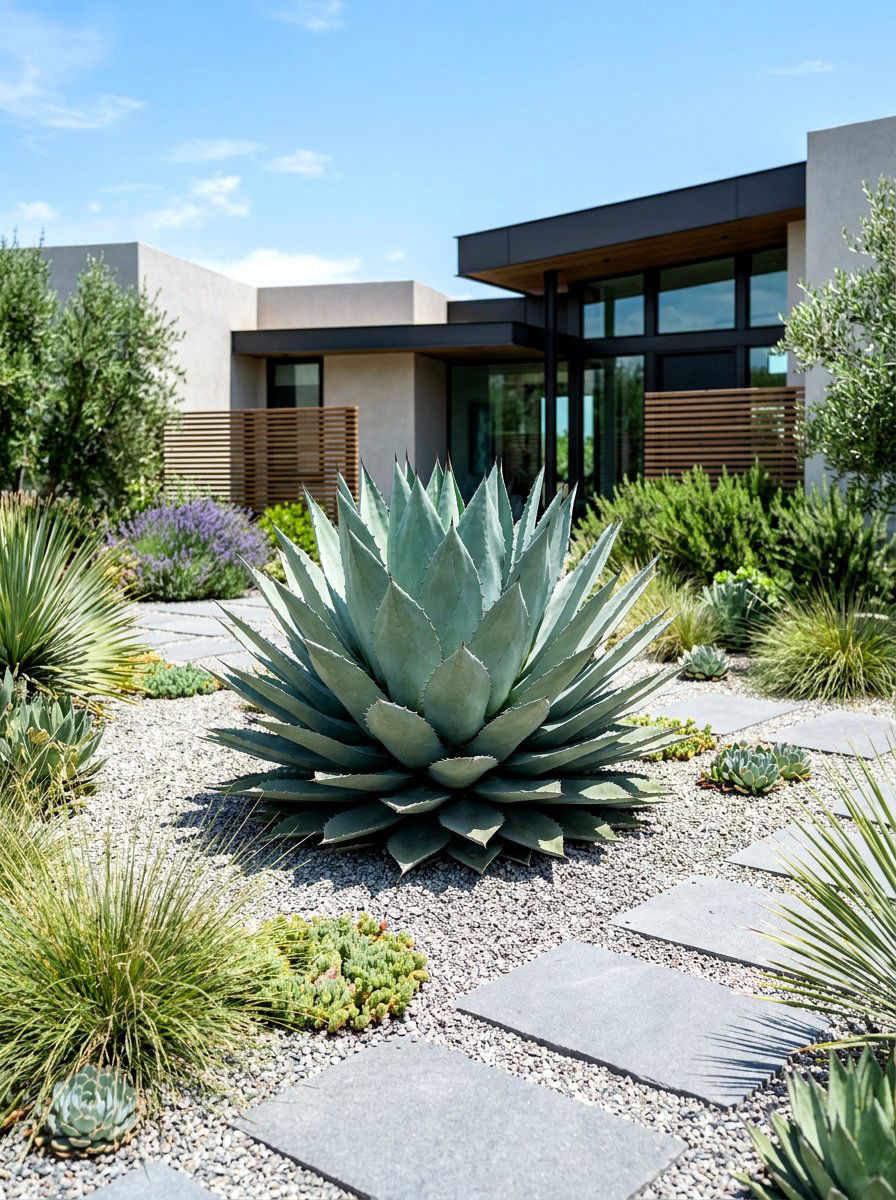
A single, large agave plant can serve as a powerful architectural statement in a minimalist garden or a large decorative pot. These plants are known for their striking, symmetrical shapes and sharp, dramatic leaves that command attention from a distance. Because they grow quite large, they are best used as a focal point in the center of a circular bed or flanking a front entrance. Agaves are incredibly hardy and can survive in the toughest conditions with very little care once they are established. Their bold silhouette provides a structured, modern look that complements contemporary architecture. Choosing a variegated variety can add an extra splash of yellow or white to your garden.
19. Succulent Topiary Ball
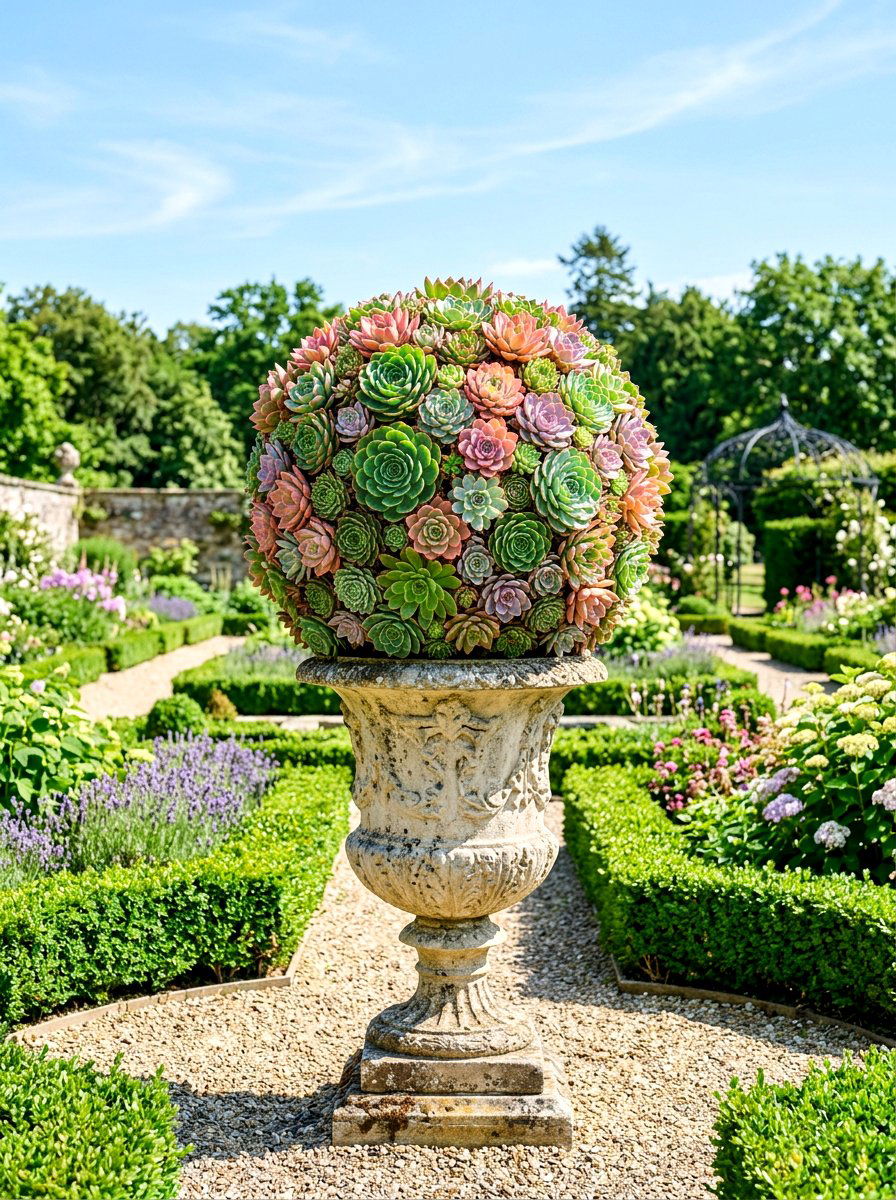
Creating a succulent topiary ball is a fun and sophisticated project that adds a touch of formal elegance to your garden decor. You can use a moss-filled wire sphere as a base and pin small succulent rosettes into the surface until the entire ball is covered. These living sculptures can be placed on top of tall urns or hung from the ceiling to create a unique visual element. As the succulents grow, they will fill in the gaps and create a perfectly round, lush orb of greenery. It is a creative way to use succulents in a more structured and artistic manner. This topiary requires bright light and occasional misting to keep the plants healthy.
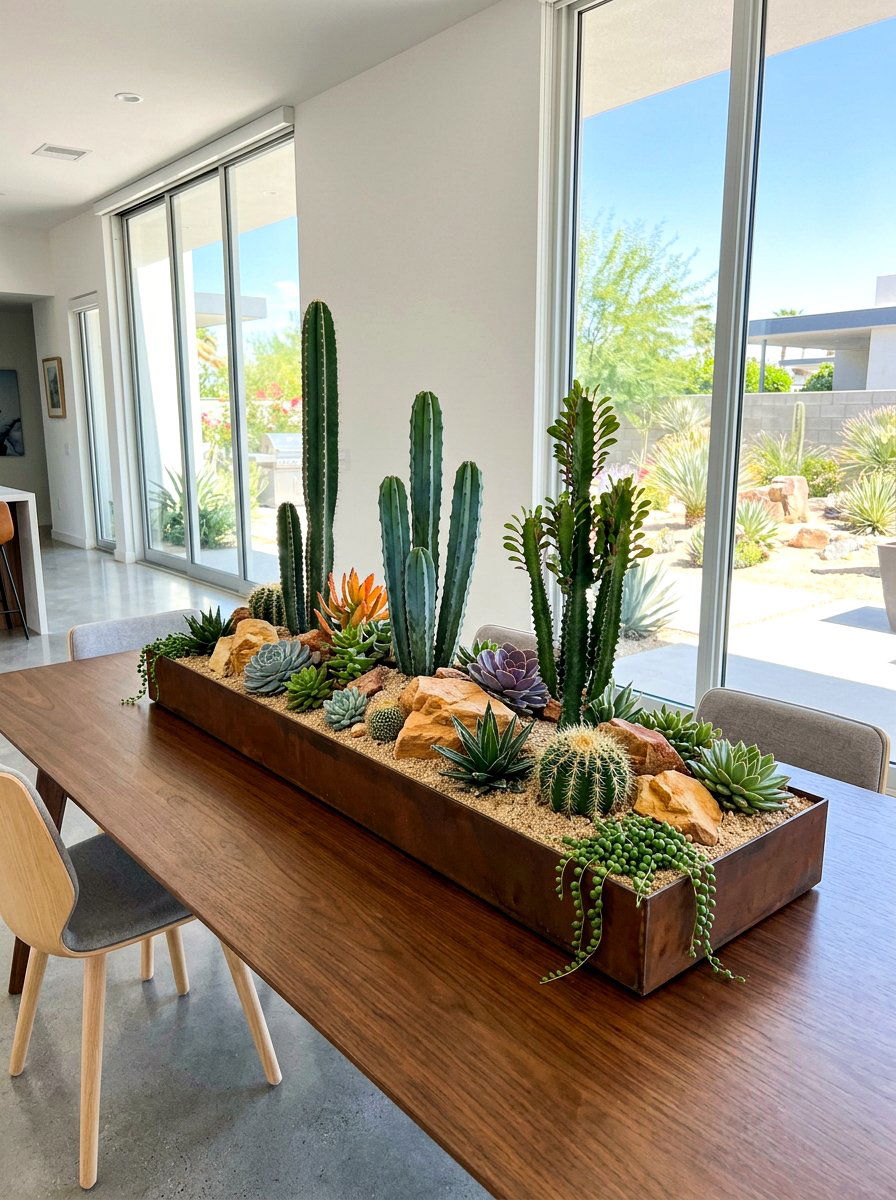
20. Repurposed Boot Planter
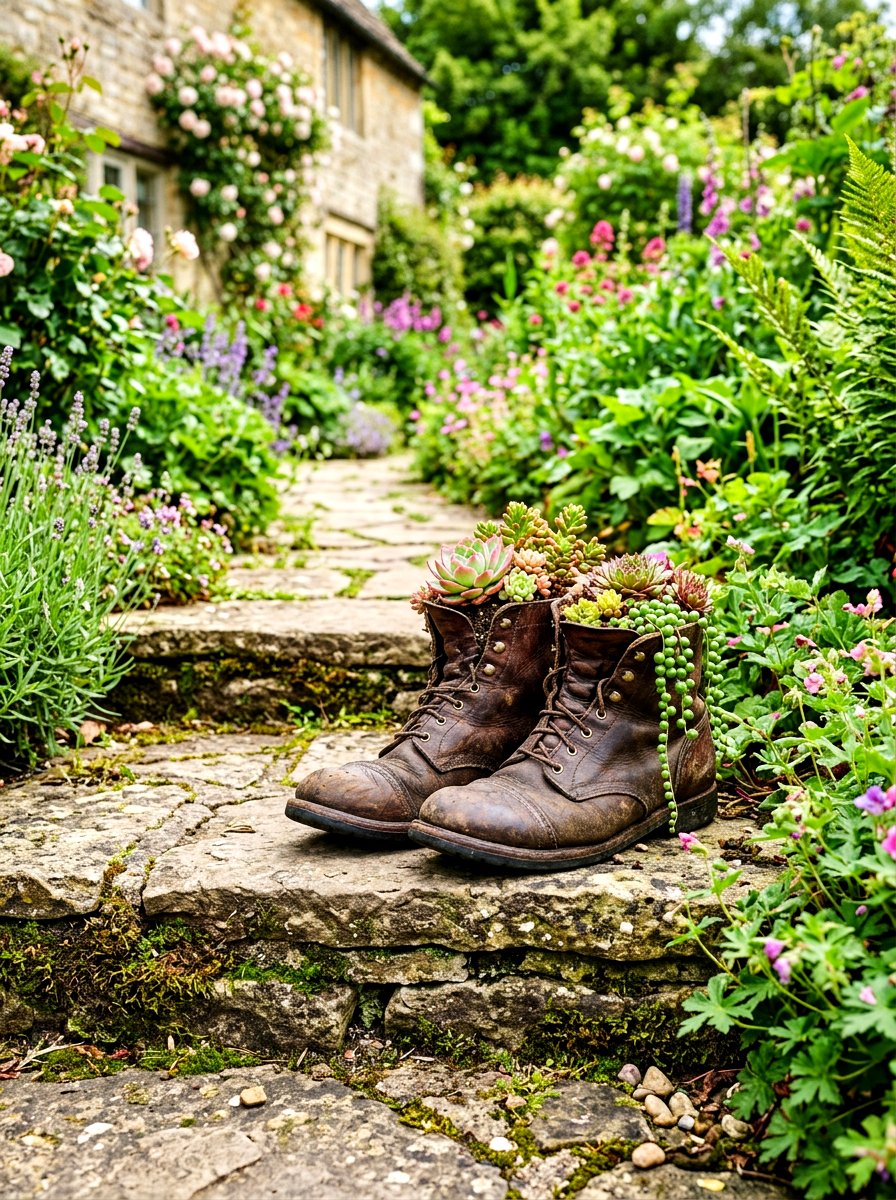
Transforming an old pair of leather or rubber boots into succulent containers is a playful and whimsical way to decorate a garden path or porch. You simply need to drill drainage holes in the soles and fill them with a lightweight potting mix before adding your favorite plants. These quirky planters add a sense of personality and humor to your outdoor space, showing off your creative side. They are perfect for small nooks or garden steps where a traditional pot might look too formal. Succulents are the ideal choice for this project because they don't need much root space and can thrive in the confined environment of a shoe.
21. Tree Stump Garden
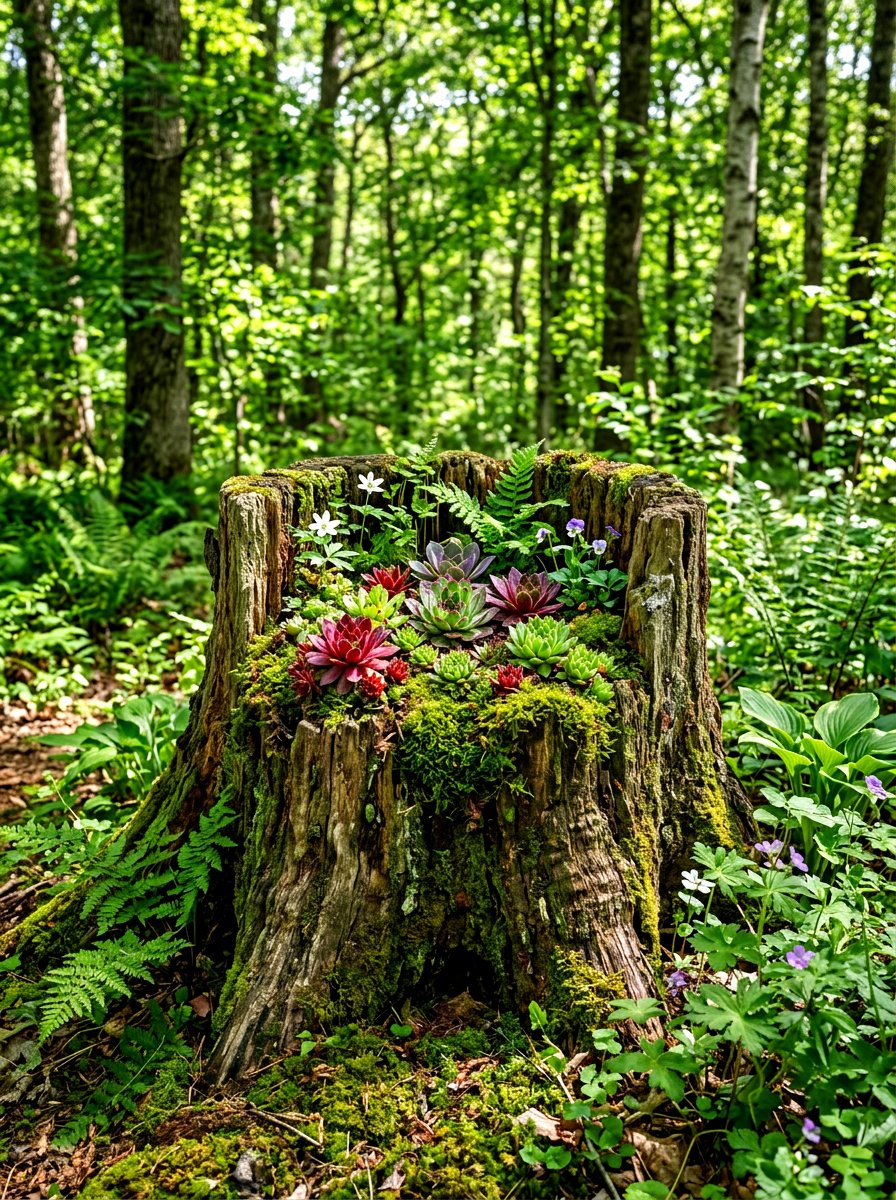
If you have an old tree stump in your yard that you cannot remove, you can turn it into a beautiful natural planter for succulents. By hollowing out the center and filling it with soil, you create an organic home for various desert plants. The decaying wood provides a rustic, forest-like backdrop that looks stunning when paired with the vibrant colors of echeveria or sedum. This method allows the plants to look like they are growing naturally out of the earth, blending perfectly with the surrounding environment. It is a great way to turn a potential eyesore into a highlight of your garden landscaping. The wood also helps retain a bit of moisture.
22. Xeriscaped Backyard Slope
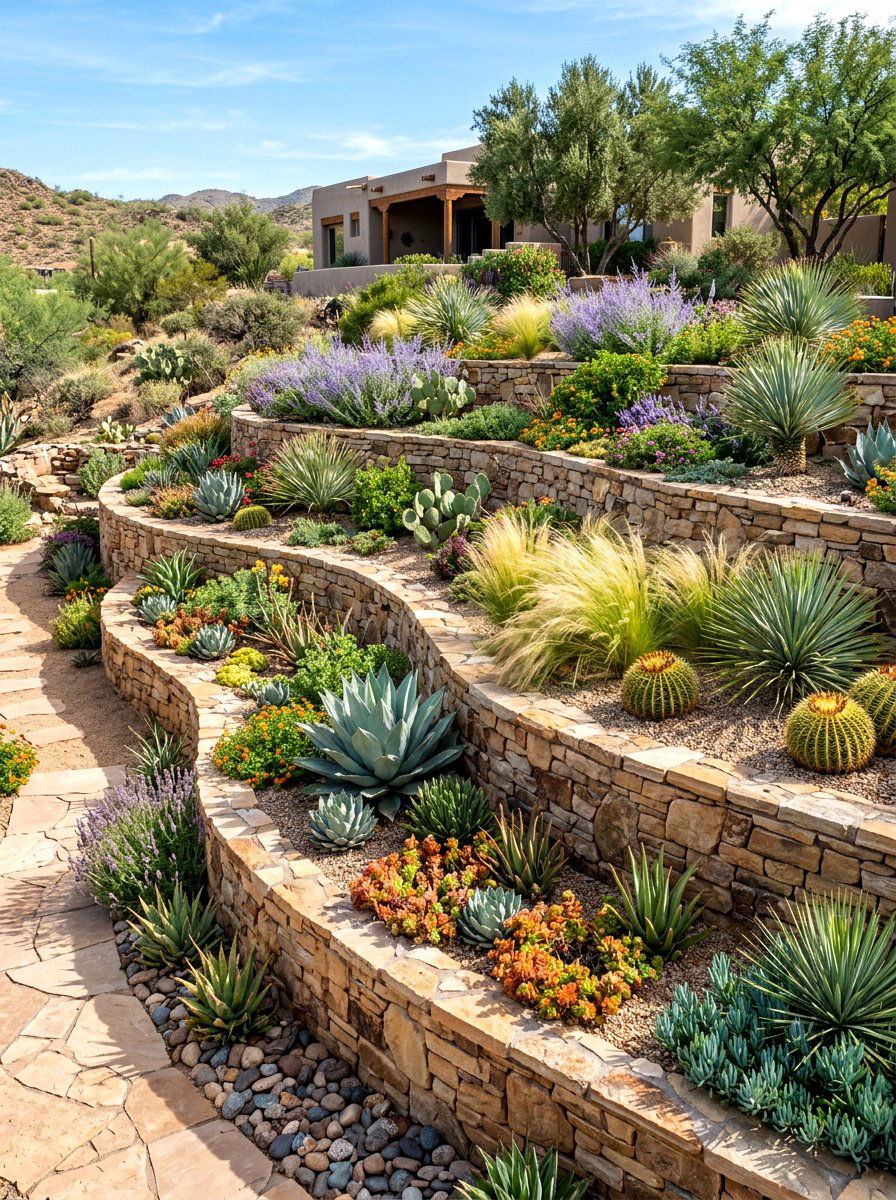
Landscaping a backyard slope can be a challenge, but succulents are the perfect solution for preventing erosion while adding beauty. You can create a xeriscaped hillside by planting a mix of spreading ground covers and larger, structural succulents in a staggered pattern. The deep roots of some varieties help stabilize the soil, while the fleshy leaves provide a lush look without the need for a complex irrigation system. Adding some decorative rocks or timber steps can help define the space and make it more accessible. This low-maintenance approach turns a difficult terrain into a stunning, drought-tolerant feature that looks great from any angle. It is both functional and very stylish.
23. Metal Stock Tank Planter
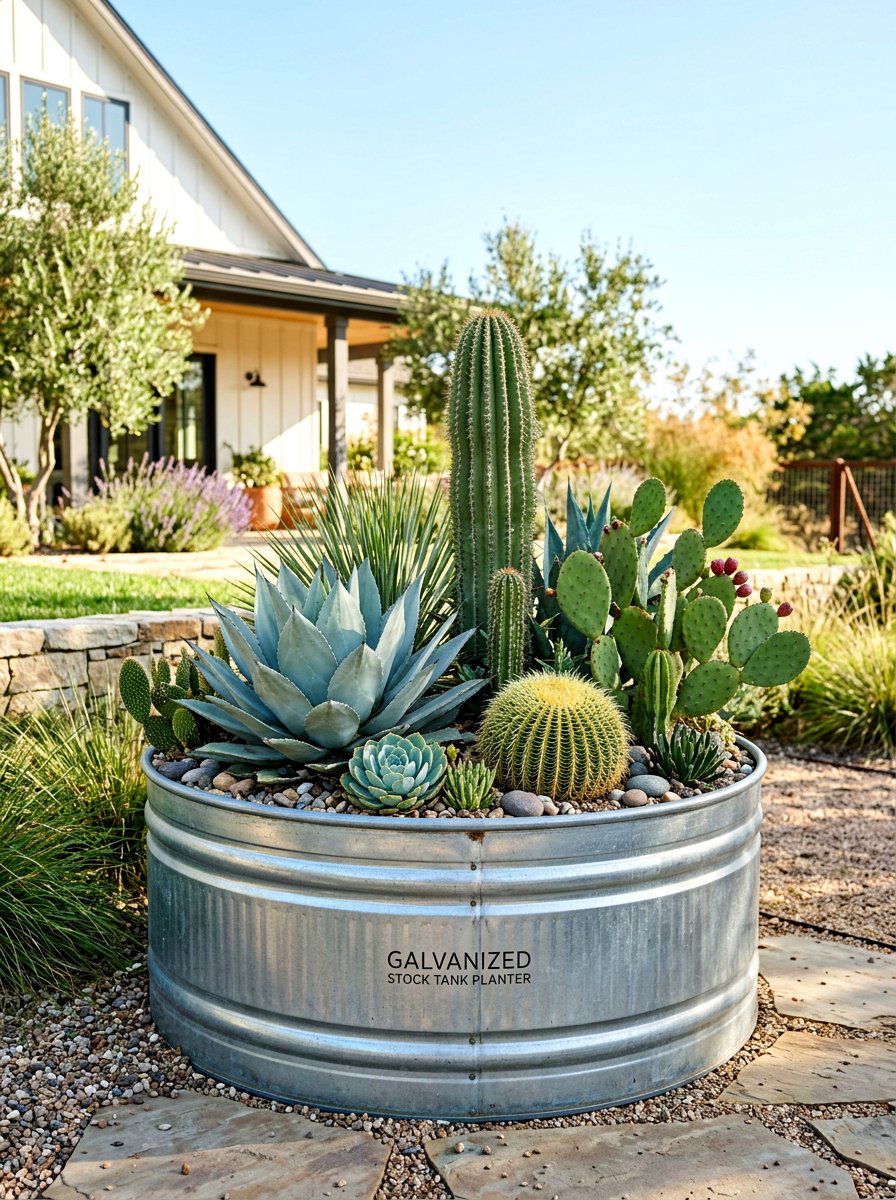
Using a galvanized metal stock tank as a large garden bed is a popular trend for modern farmhouses and industrial-style backyards. These deep tanks provide plenty of room for a diverse succulent collection, including large cacti and trailing varieties. The shiny metal surface reflects light and stays cool, while the large volume of soil protects the roots from extreme temperature fluctuations. You can create a miniature desert landscape within the tank by using different levels of soil and decorative boulders. It is a durable and long-lasting solution that provides a clean, organized look to your garden. These tanks are easy to set up and offer a massive amount of planting space.
24. Succulent Wreath Decor
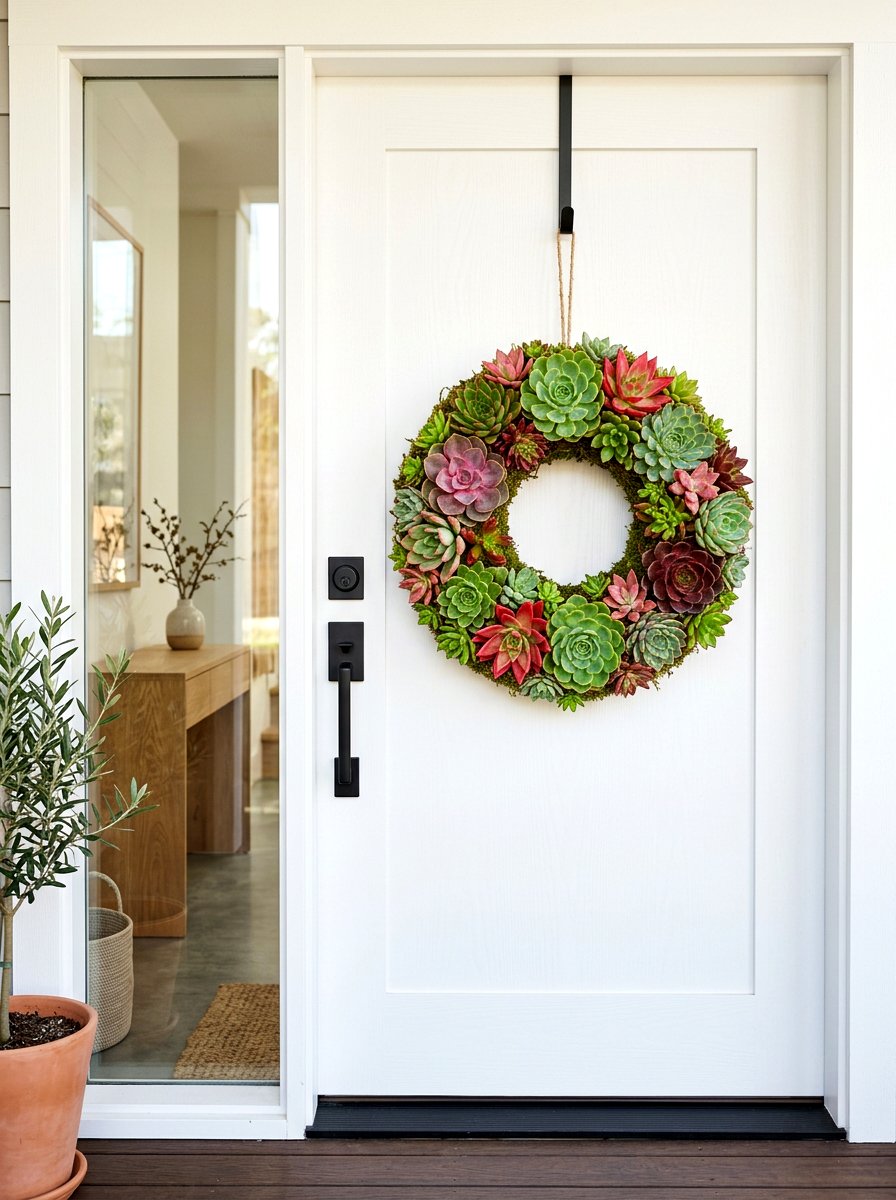
A succulent wreath is a beautiful, living decoration that you can hang on your front door to welcome guests with a touch of greenery. Unlike traditional flower wreaths that wither quickly, a succulent wreath can live for years with proper care. You build it using a moss-filled frame and a variety of colorful succulent cuttings that will eventually take root. This creates a lush, three-dimensional circle of plants that changes slightly as the rosettes grow and bloom. It is a sophisticated alternative to plastic decor and brings a fresh, organic feel to your home’s entrance. You can easily refresh it by swapping out plants or adding seasonal accents throughout the year.
25. Desert Oasis Patio
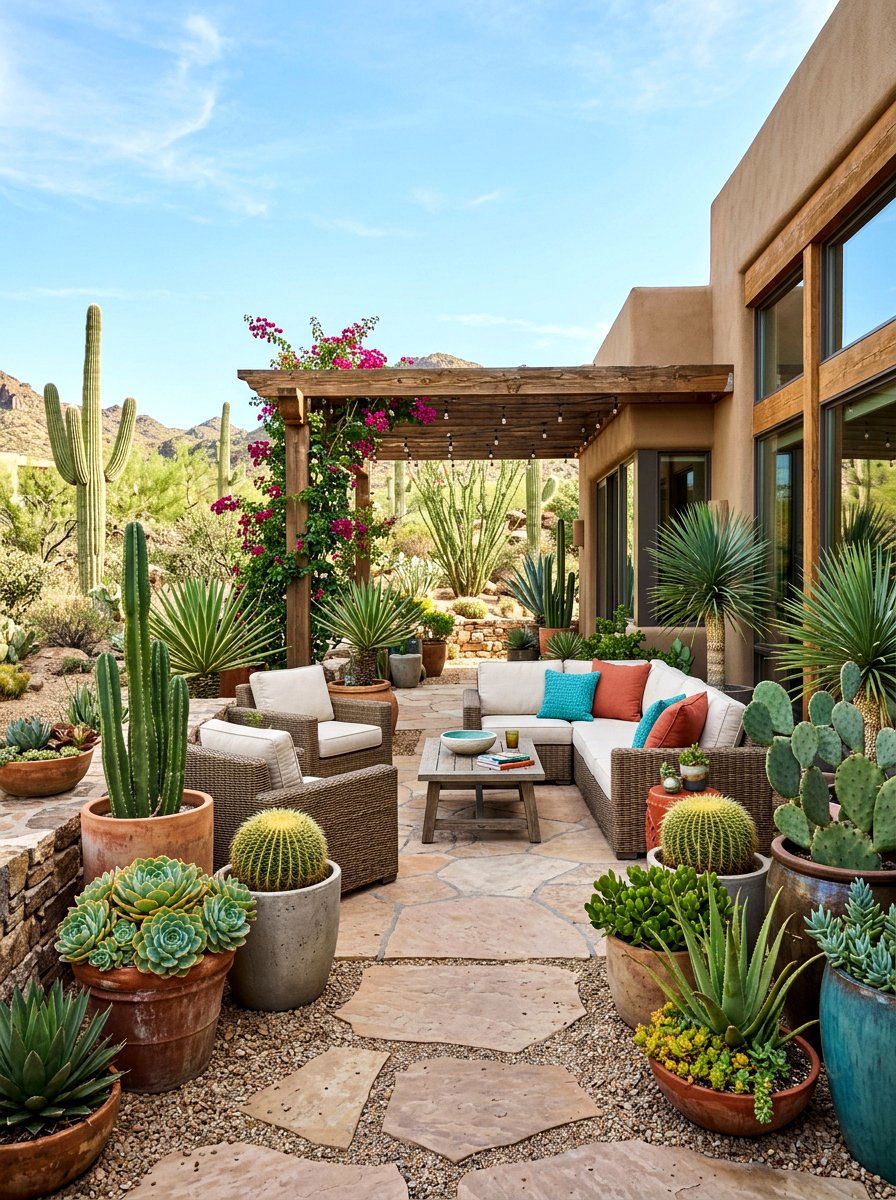
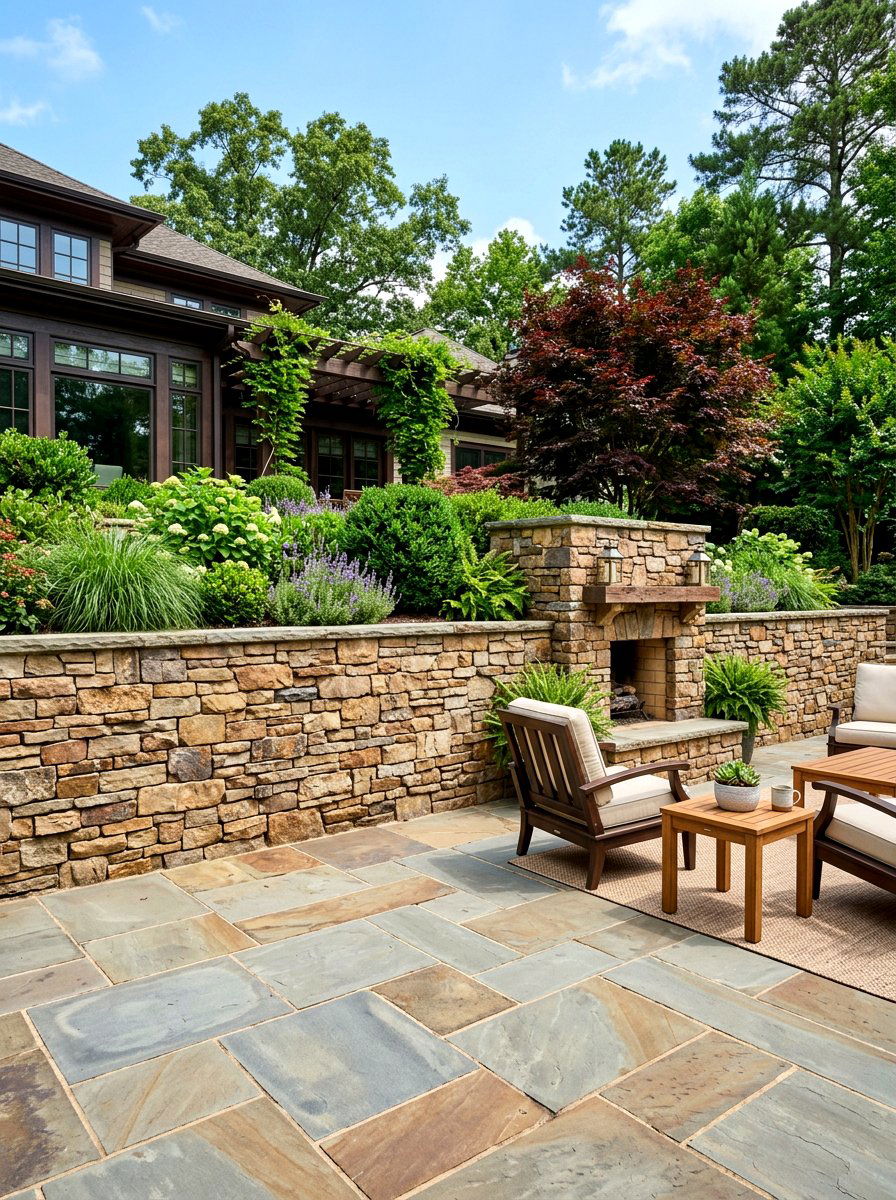
Designing a desert oasis on your patio involves grouping various succulent containers to create a lush, secluded feeling. You can use a mix of large floor pots and smaller table arrangements to surround your seating area with greenery. Incorporating a few tall cacti or palm-like succulents can provide a bit of shade and privacy from neighbors. This setup allows you to enjoy the beauty of a garden even if you only have a small paved area. The low-maintenance nature of succulents means you can spend more time relaxing on your patio and less time worrying about plant care. It creates a serene and modern outdoor room for entertaining or quiet reflection.
26. Geometric Ceramic Pot
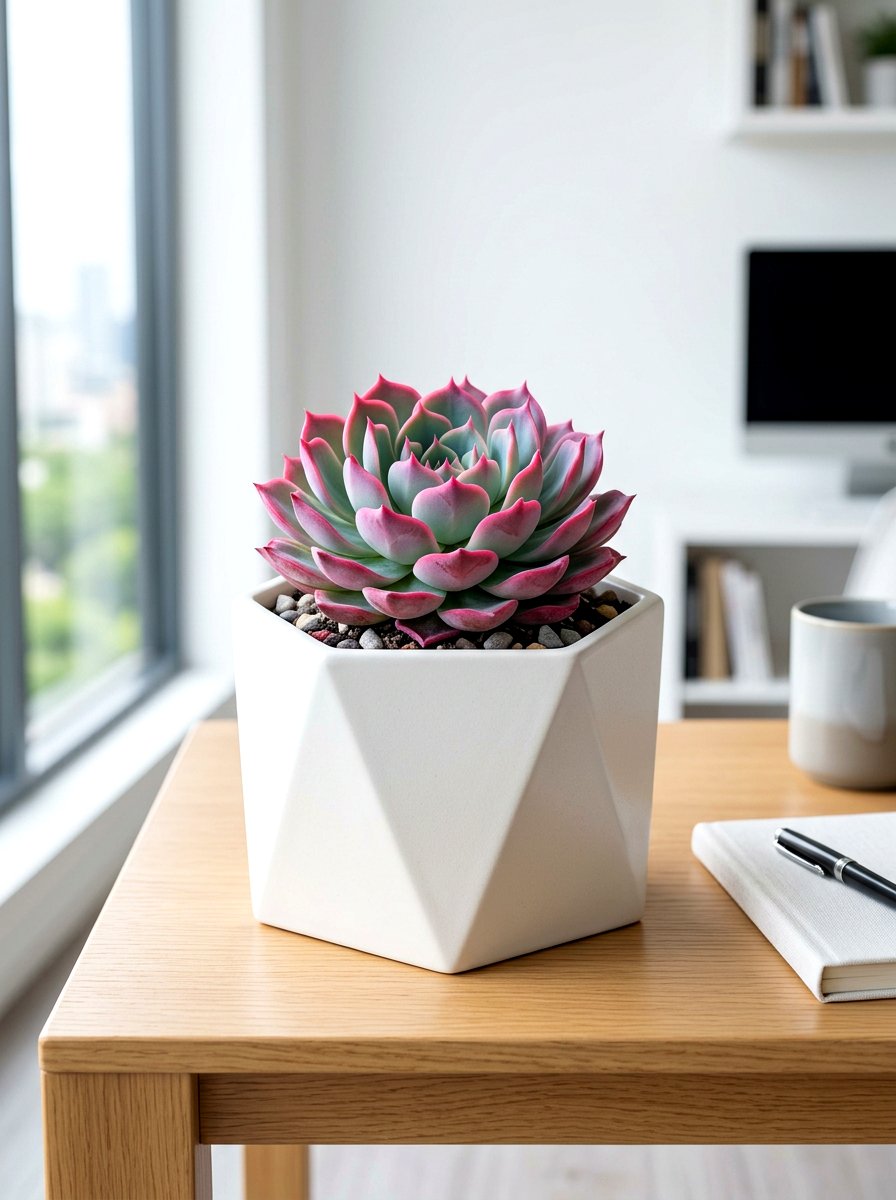
Geometric ceramic pots are a perfect match for succulents because their sharp angles complement the organic, rounded forms of the plants. You can choose pots with triangles, hexagons, or faceted designs in bright white or bold colors to make a modern statement. Placing a single, perfectly centered succulent in each pot creates a clean and sophisticated look that works well on a bookshelf or a minimalist desk. These pots often come in sets of varying sizes, allowing you to create a curated display that looks like it belongs in a design magazine. The smooth glaze of the ceramic provides a beautiful contrast to the matte or waxy texture of succulent leaves.
27. Cinder Block Wall Garden
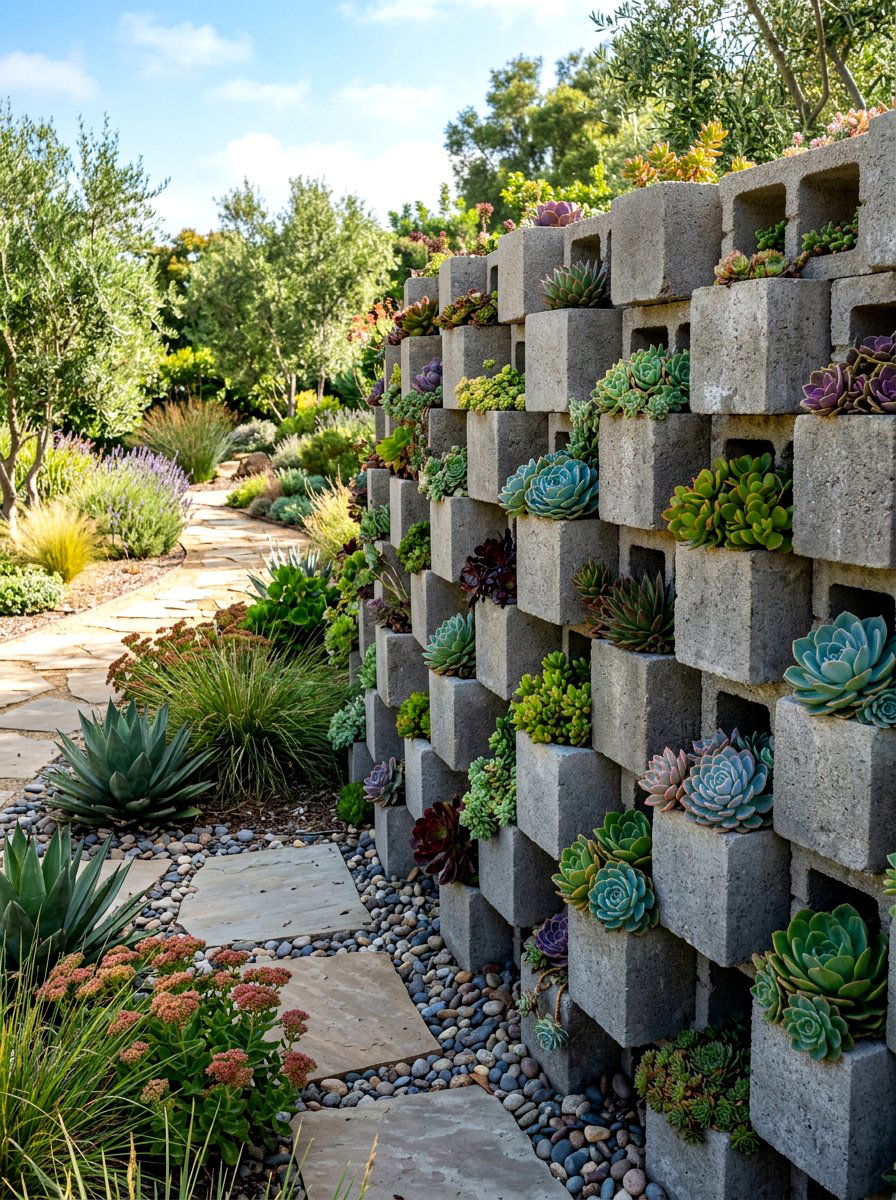
Using cinder blocks to build a vertical garden wall is a budget-friendly and highly customizable way to display your succulents. You can stack the blocks in a staggered pattern, leaving some of the openings facing outward to serve as individual planting pockets. This creates a modern, architectural wall that can act as a divider or a backdrop for your outdoor space. Succulents thrive in the small, confined spaces of the blocks, and the concrete material helps regulate soil temperature. You can even paint the blocks to match your home’s exterior or leave them in their natural grey for an industrial look. It is an easy DIY project with a huge visual impact.
28. Tea Cup Succulent Display
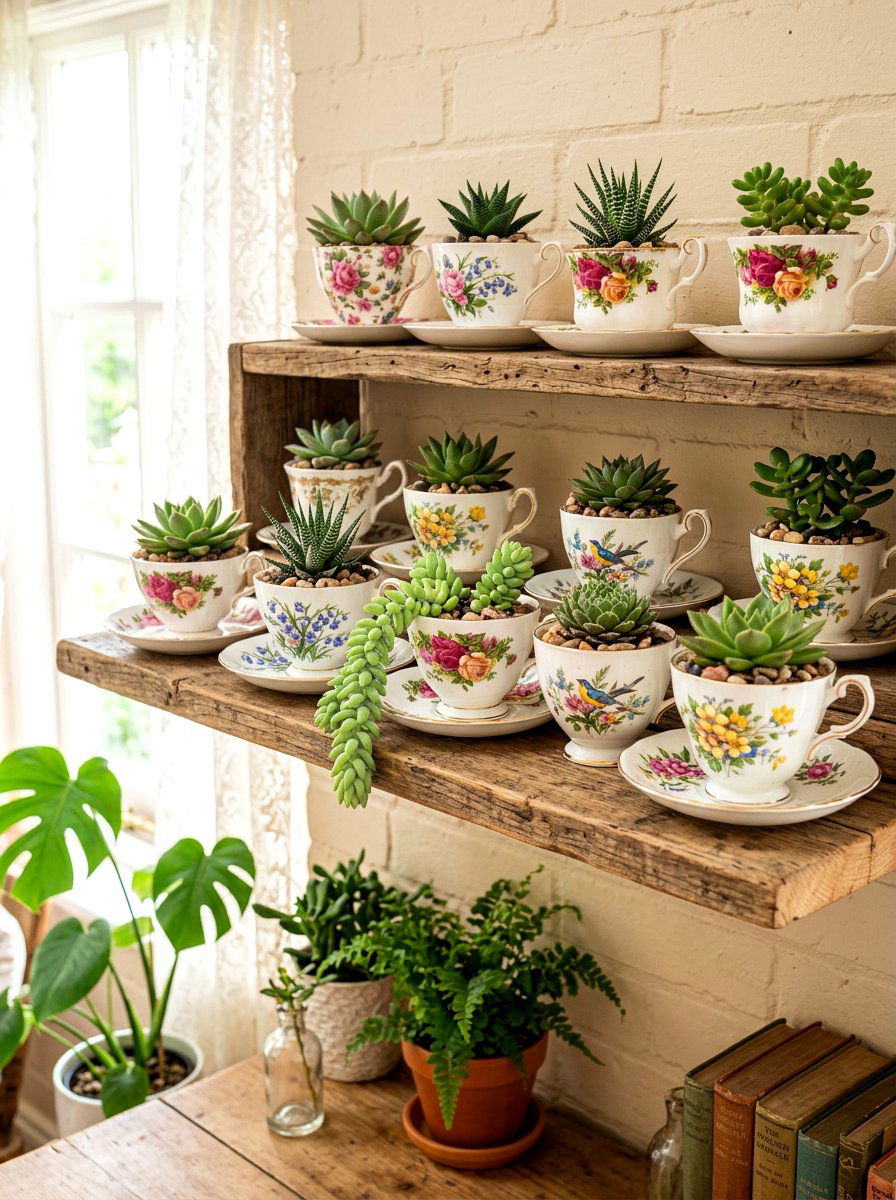
A collection of vintage tea cups filled with small succulents makes for a charming and delicate display on a kitchen windowsill or a dining room sideboard. You can hunt for unique patterns and colors at thrift stores to create a mismatched yet cohesive garden. These tiny planters are perfect for single rosettes or small clusters of babies that have been propagated from larger plants. To ensure the health of the succulents, you can either drill a small hole in the bottom of the cup or use a layer of pebbles for drainage. This project is a wonderful way to repurpose heirlooms and add a touch of whimsical, old-world charm to your home.
29. Gravel Garden Bed
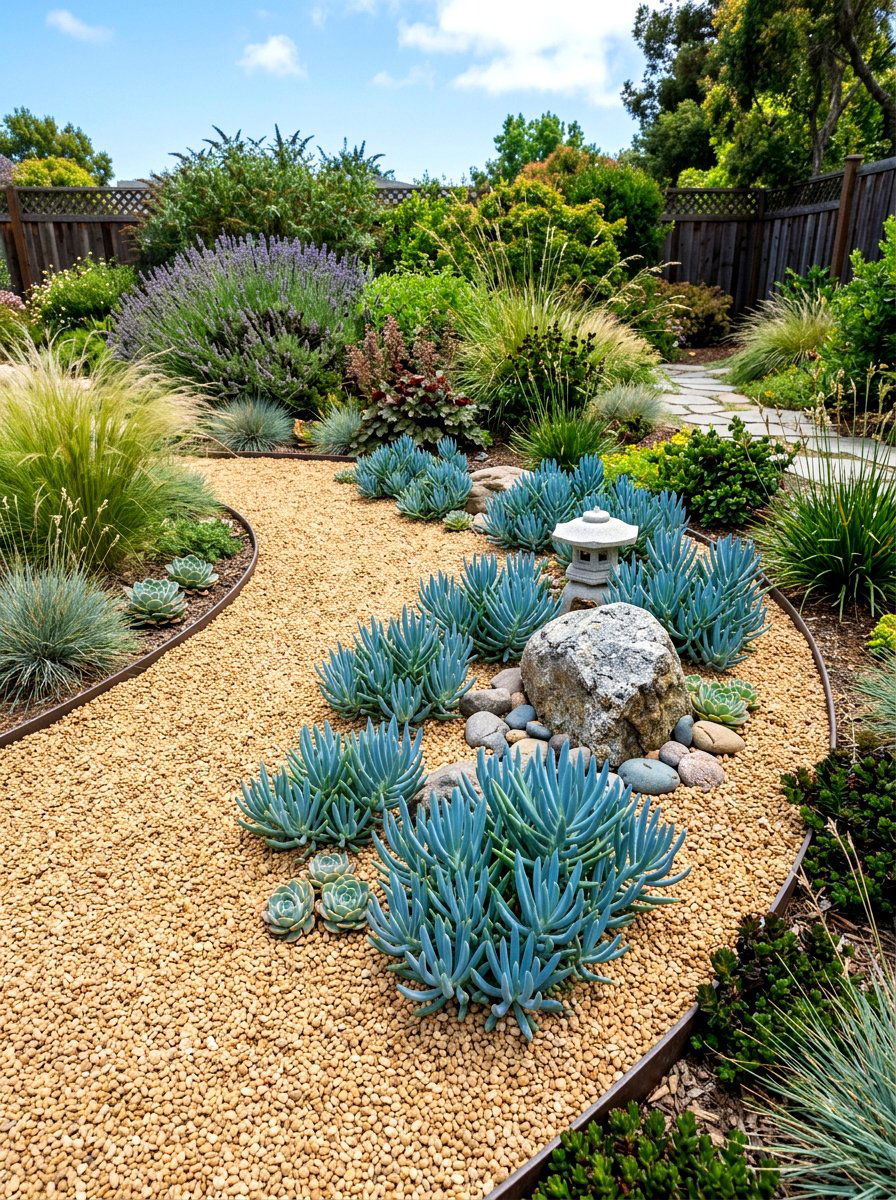
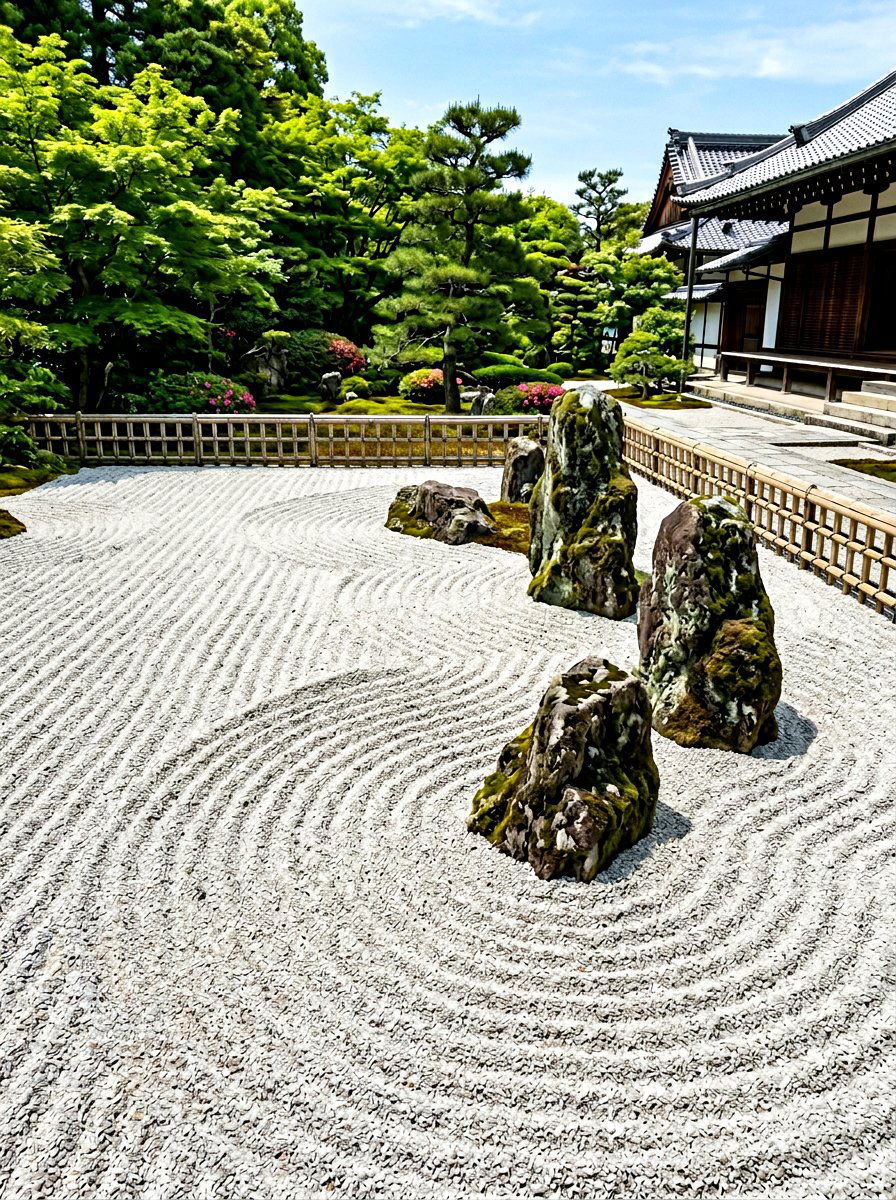
A gravel garden bed is the ultimate low-maintenance solution for a modern backyard that focuses on texture and form. You can cover a large area with a thick layer of pea gravel or decomposed granite and plant succulents directly into the ground through the stones. This setup provides superior drainage and prevents weeds from growing, while the rocks help keep the soil cool during the day. Choosing succulents with contrasting colors, like blue senecio against tan gravel, creates a striking visual effect that requires very little effort to maintain. This type of garden is perfect for creating a clean, zen-like atmosphere that feels peaceful and organized throughout the changing seasons.
30. Outdoor Fire Pit Surround
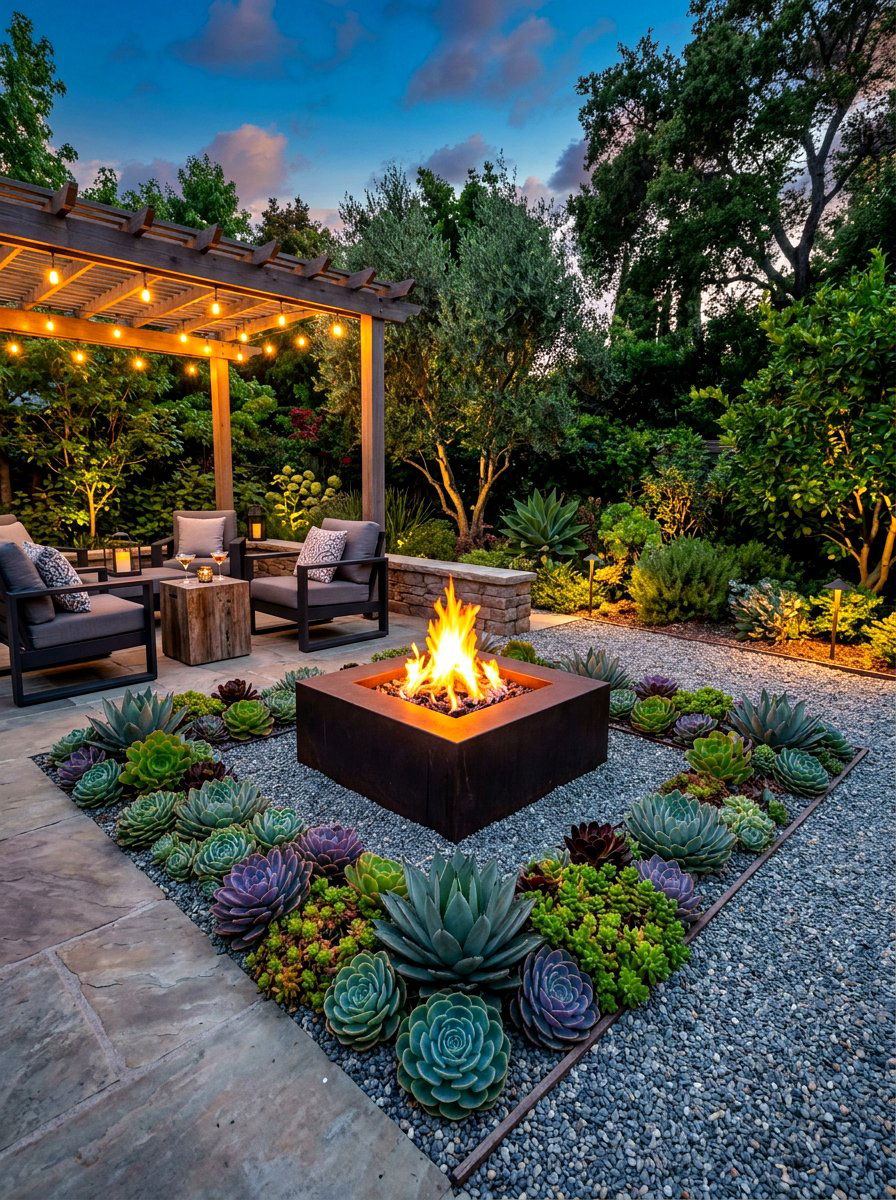
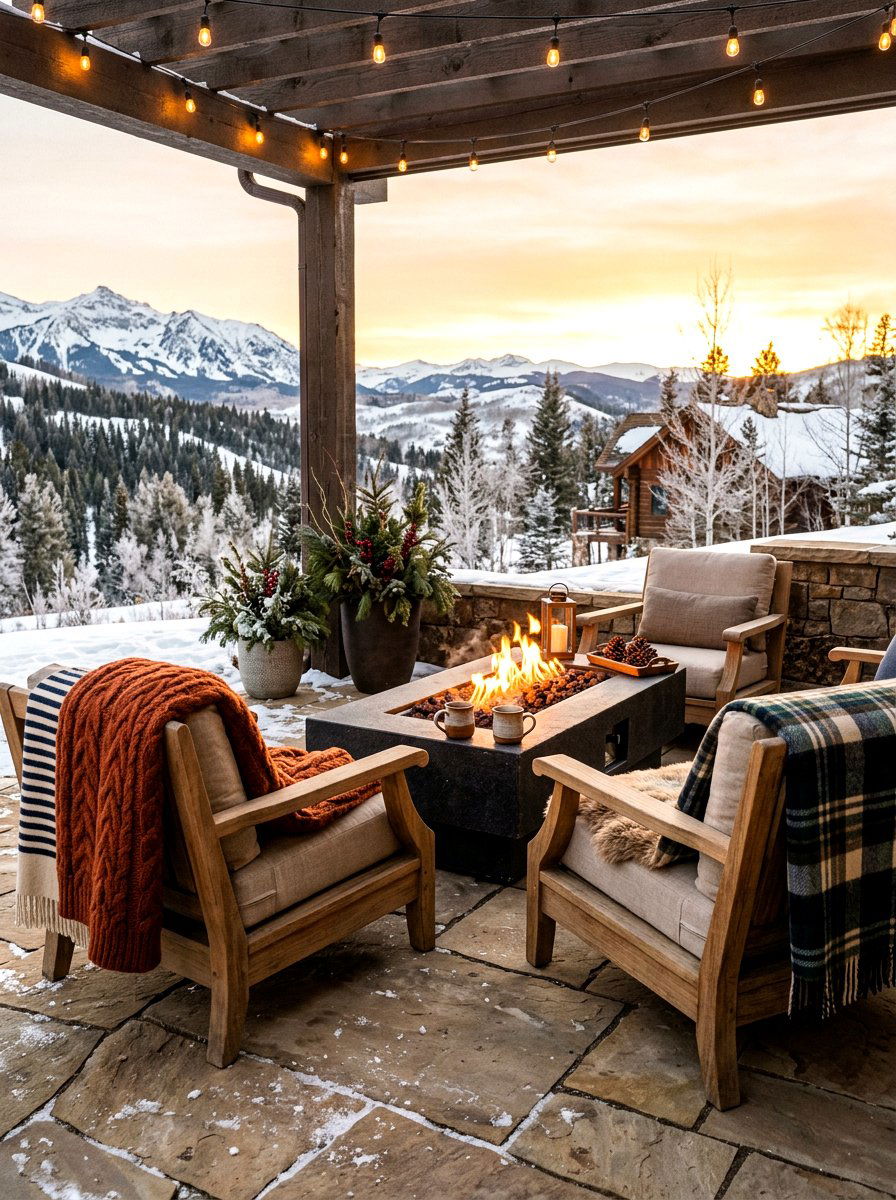
Landscaping the area around an outdoor fire pit with hardy succulents is a smart choice because these plants can handle the reflected heat. You can plant a circle of low-growing succulents like agave victoriae-reginae or silver torch cactus to define the space and add a touch of green. The architectural shapes of the succulents look beautiful when illuminated by the flickering flames of a fire at night. Using fire-resistant plants near a seating area provides peace of mind while enhancing the overall aesthetic of your backyard. This design creates a cozy and modern gathering spot that feels integrated with the natural landscape and stays beautiful even in the hottest summer months.
Conclusion:
Succulent gardens are a versatile and sustainable way to bring natural beauty into any home or outdoor space. Whether you choose to create a large-scale xeriscaped yard or a small indoor terrarium, these resilient plants offer endless opportunities for creative expression. Their unique ability to thrive with minimal water makes them the perfect choice for the modern, eco-conscious gardener who values both style and convenience. By experimenting with different textures, containers, and vertical arrangements, you can design a living landscape that is as unique as your own personality. Embracing the world of succulents is a rewarding journey that yields a stunning, low-maintenance sanctuary for years to come.

Related posts: