Creating a pebble garden is a transformative way to elevate your outdoor space while significantly reducing the amount of weekly maintenance required. These small, versatile stones come in an array of colors, sizes, and textures, allowing homeowners to experiment with various styles ranging from modern minimalism to lush, natural landscapes. Whether you are dealing with a small balcony or an expansive backyard, incorporating pebbles can solve drainage issues, suppress weeds, and provide a visually striking contrast against green foliage. By strategically placing these stones, you can define specific zones, create artistic pathways, or build a peaceful sanctuary that feels grounded and permanent throughout every season of the year.
1. Zen Garden
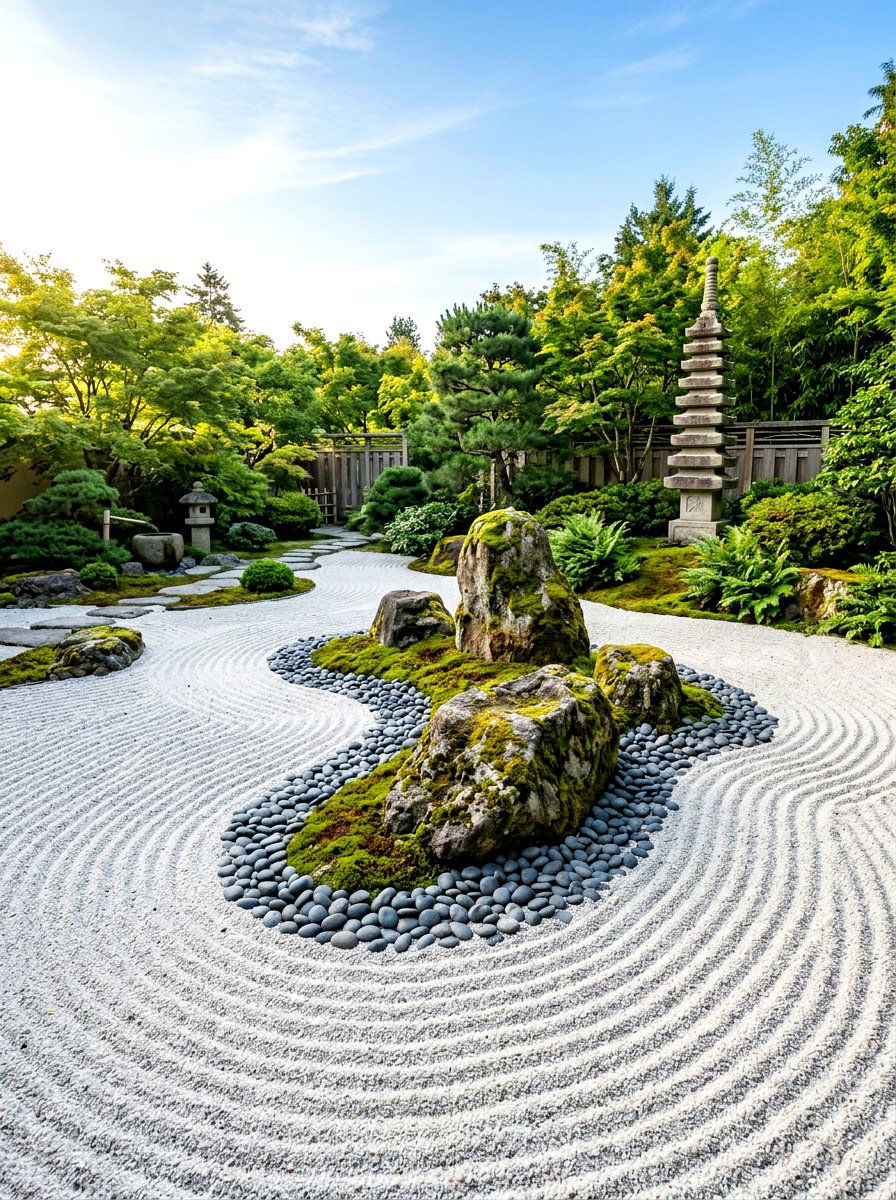
Have you ever felt the need for a truly peaceful corner where you can escape the daily noise of life? A Zen garden using smooth, light-colored pebbles is the perfect solution for creating a meditative atmosphere in any backyard size. Traditionally, these spaces use fine gravel or small pebbles that are raked into swirling patterns to represent the movement of water. Large boulders are often placed as focal points to symbolize islands or mountains, providing a sense of stability. This design encourages mindfulness and provides a clean, minimalist look that complements modern architecture. It is an ideal way to turn an unused shady patch into a serene destination.
2. River Rock Path
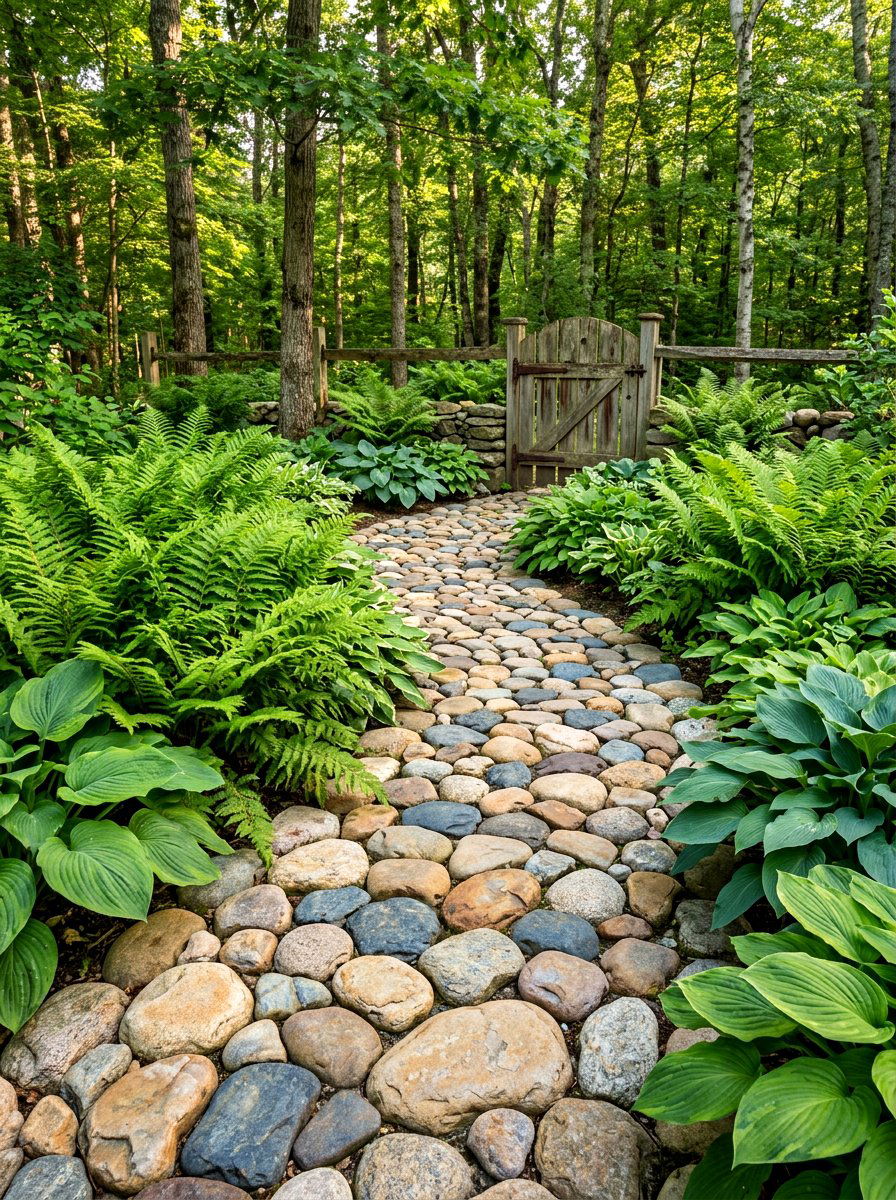
Walking through your garden should feel like a sensory experience that connects you with nature’s raw beauty. A river rock path utilizes larger, rounded stones to create a sturdy and visually interesting walkway that naturally guides guests through your landscaping. These stones vary in earthy tones like gray, tan, and blue, making them blend seamlessly with diverse plant life. To ensure a comfortable walking surface, you can nestle flat flagstones within the river rocks. This combination prevents the stones from shifting too much while maintaining excellent drainage during heavy rains. It is a practical and beautiful way to define your garden’s flow without using harsh concrete.
3. Succulent Bed
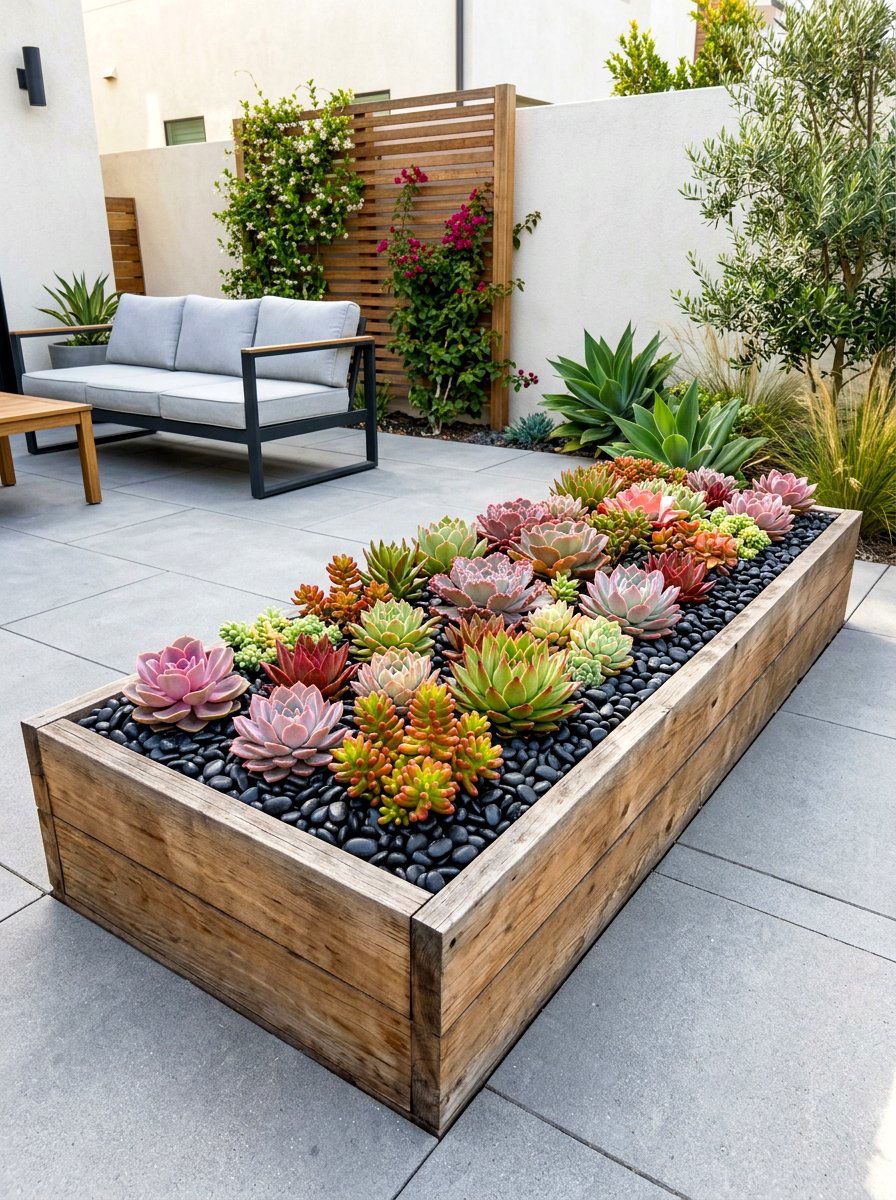
Do you want a garden that looks incredible with almost zero effort or water consumption? A succulent bed paired with decorative pebbles is the ultimate low-maintenance solution for sun-drenched areas in your yard. Use small, dark pebbles to create a dramatic contrast against the vibrant greens and purples of various succulent species. The stones help to keep the soil beneath them cool while preventing moisture from sitting against the leaves of the plants, which reduces rot. This setup works beautifully in raised wooden beds or as a ground-level feature. It provides a crisp, modern aesthetic that stays looking sharp and professional throughout the entire year.
4. Dry Creek Bed
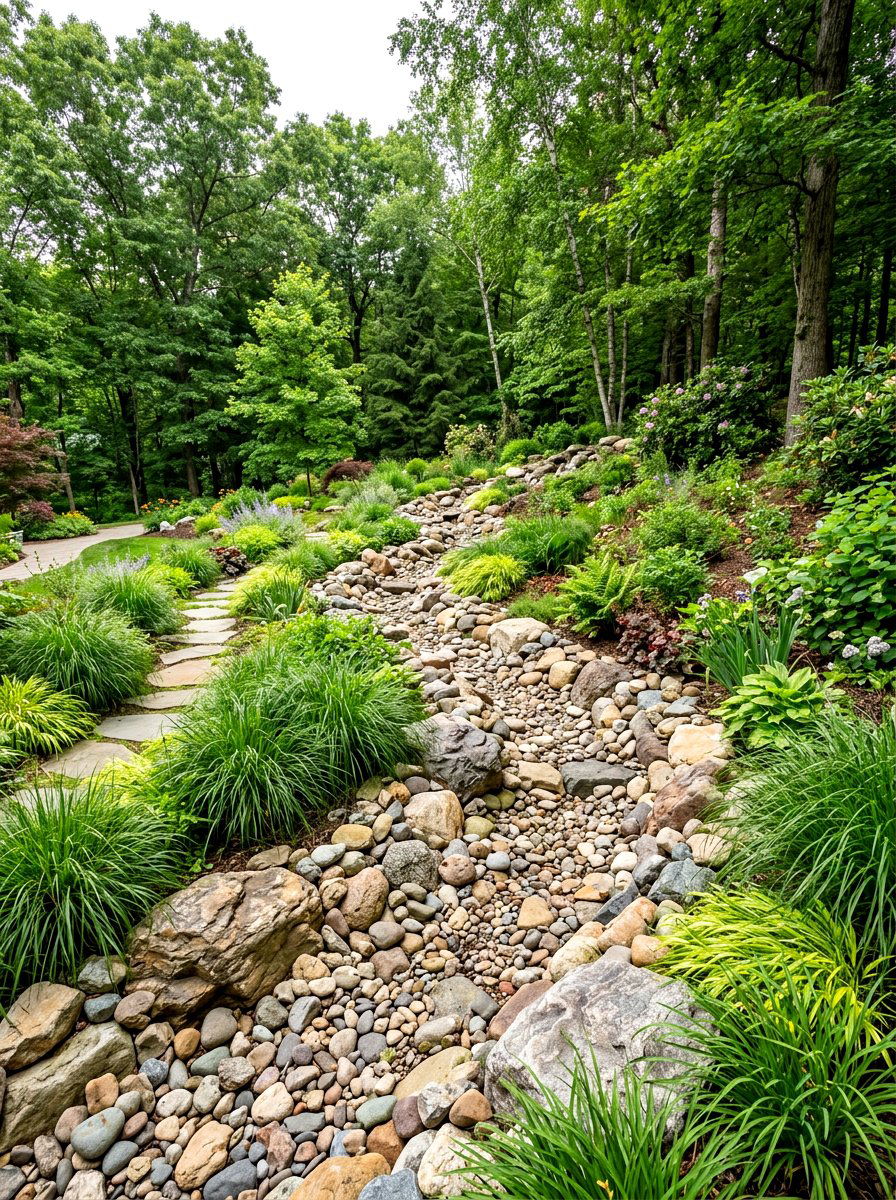
Managing water runoff can be a difficult challenge for many homeowners during the rainy season. A dry creek bed is a functional and artistic landscaping feature that uses a mix of different-sized pebbles to mimic a natural waterway. By lining a sloped area with smooth river stones and smaller gravel, you can direct excess water away from your home’s foundation. When it isn't raining, the "creek" serves as a beautiful textural element that adds depth and character to your backyard. You can enhance this look by planting ornamental grasses along the edges, creating a wild, naturalistic vibe that requires very little upkeep.
5. White Pebble Border
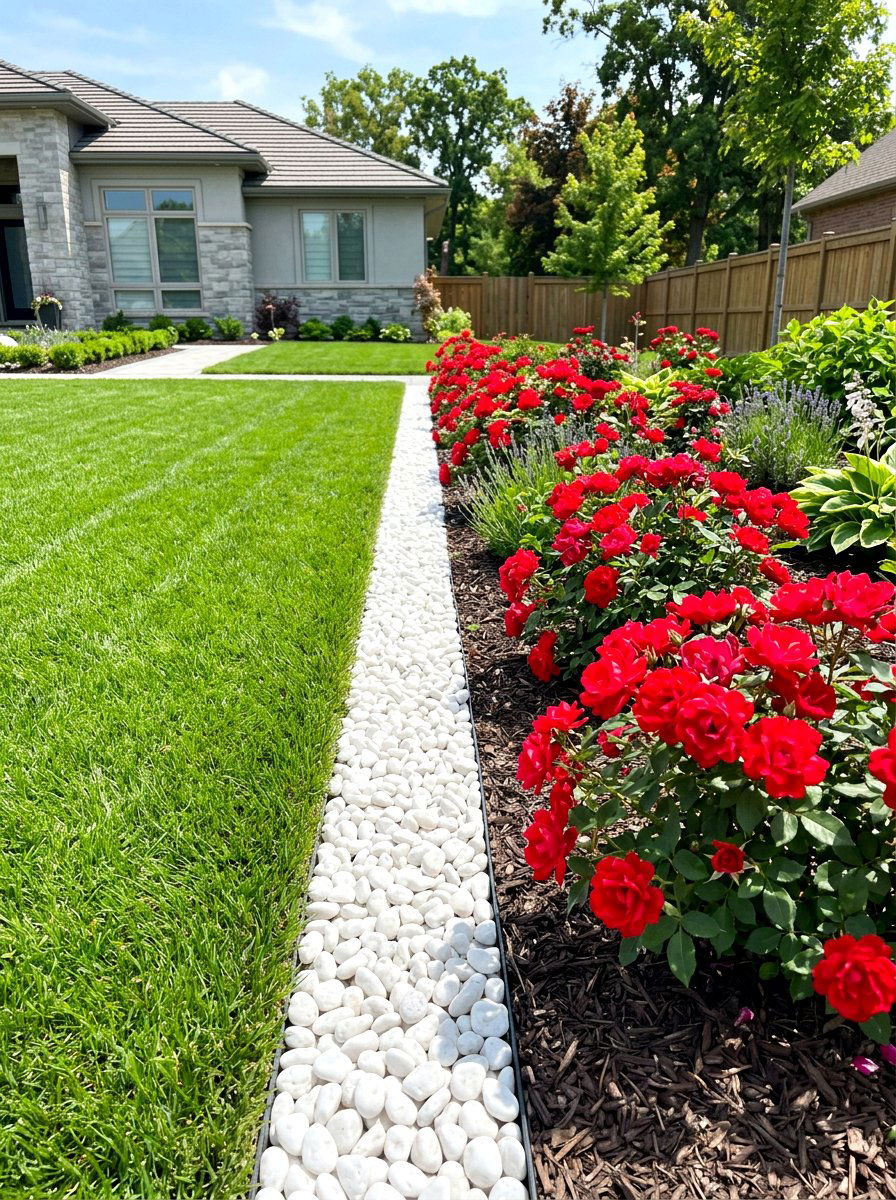
Are you looking for a simple way to make your flower beds pop against a green lawn? A white pebble border provides a clean, crisp line that separates different landscaping elements with high-contrast elegance. These bright stones reflect sunlight, which helps to illuminate shaded areas under trees or along the side of your house. Using a plastic or metal edging strip will keep the pebbles from migrating into the grass over time. This design choice works exceptionally well with modern or Mediterranean-style homes. It creates a manicured appearance that looks expensive and well-planned, even if you are working on a very tight budget.
6. Stone Mosaic
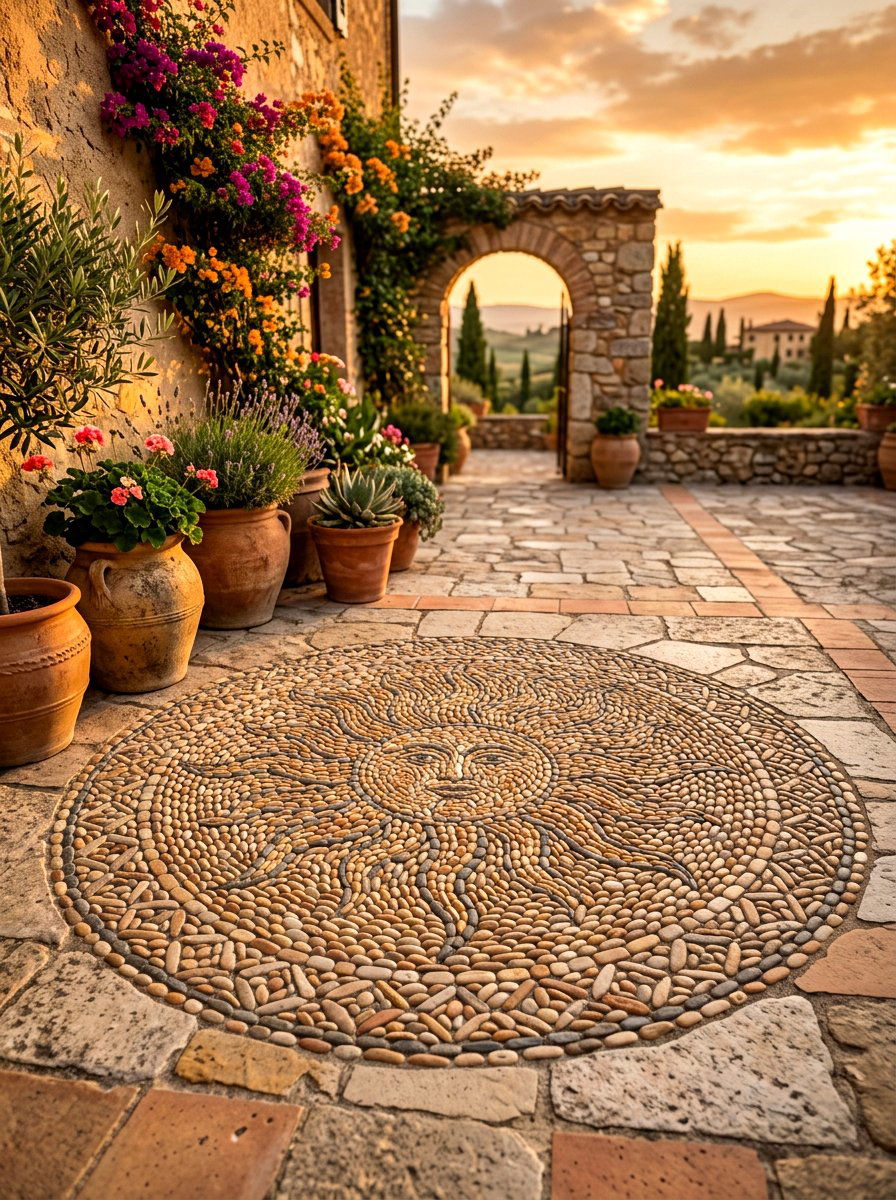
Adding a touch of artistic flair to your garden floor can turn a simple patch of ground into a masterpiece. A stone mosaic involves hand-setting small, multicolored pebbles into a bed of wet mortar to create intricate patterns or swirling designs. This technique is perfect for circular landing pads, small patios, or decorative accents within a larger walkway. You can use different stone shapes to form floral motifs, geometric symbols, or abstract waves that catch the eye. While this project takes more time than simply spreading gravel, the result is a permanent piece of outdoor art that adds significant character and value to your home.
7. Pebble Courtyard
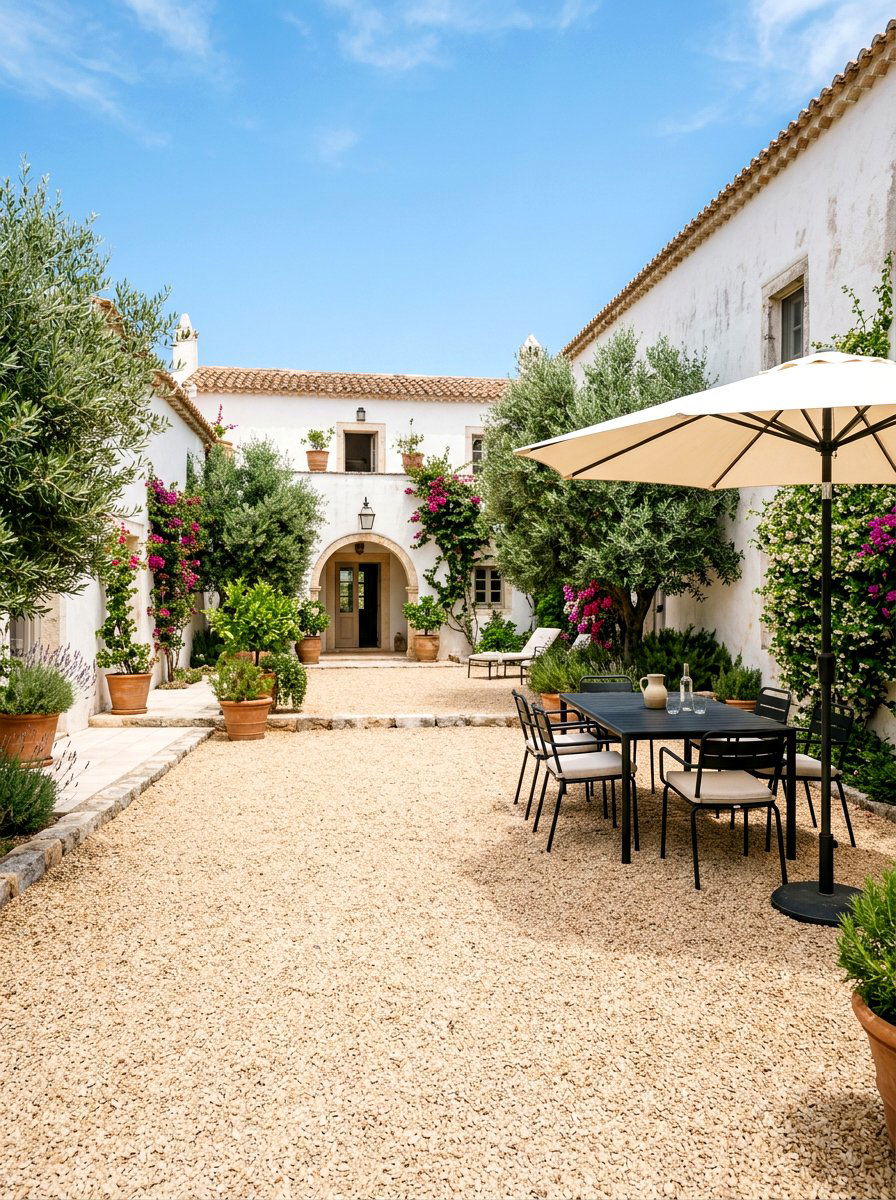
Transforming a dusty or muddy courtyard into a usable outdoor living room is easy with the right choice of stones. A pebble courtyard uses a thick layer of pea gravel or crushed stone to create a level, permeable surface for outdoor furniture. Unlike traditional pavers, pebbles allow rainwater to soak directly into the ground, reducing puddles and keeping the area cooler during hot summer days. You can anchor the space with a large dining table or a set of cozy lounge chairs. Adding a few large potted plants around the perimeter will help the area feel enclosed, private, and deeply connected to the surrounding nature.
8. Garden Fountain
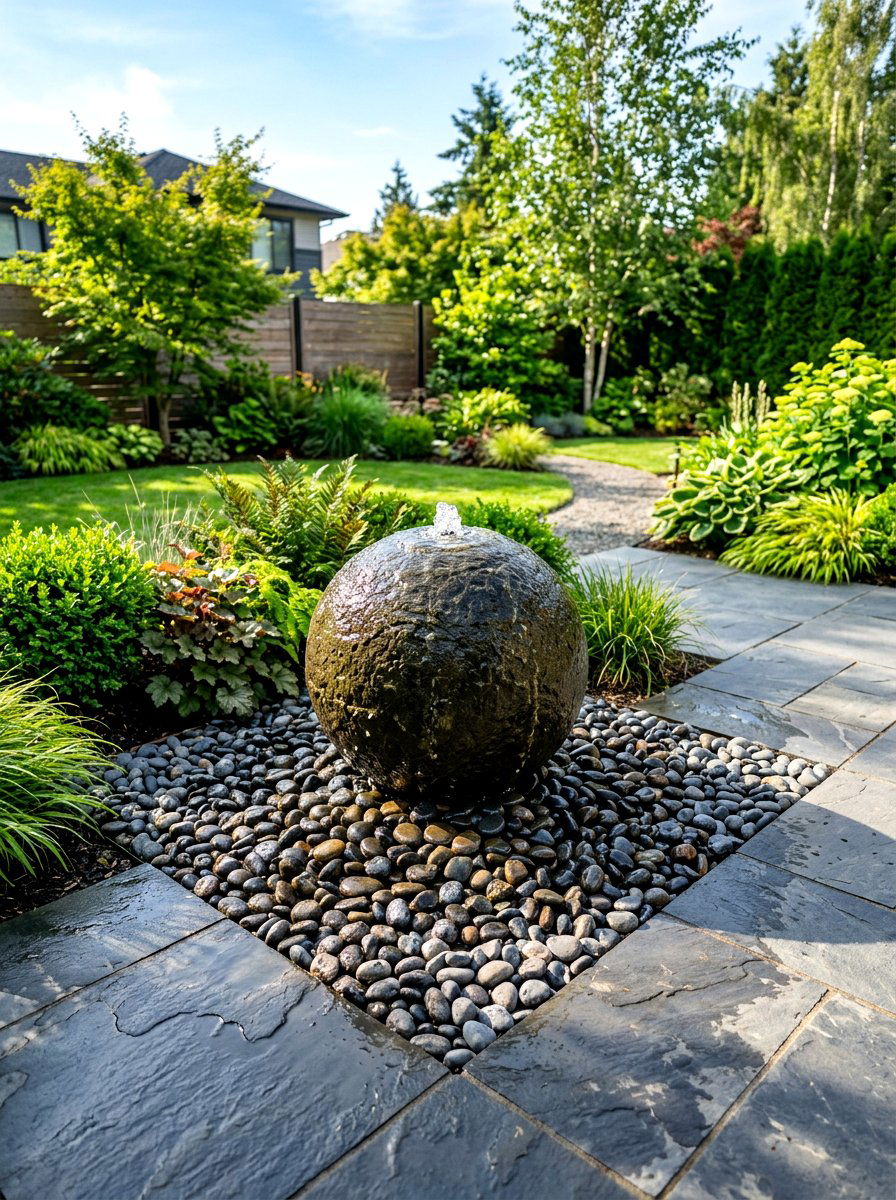
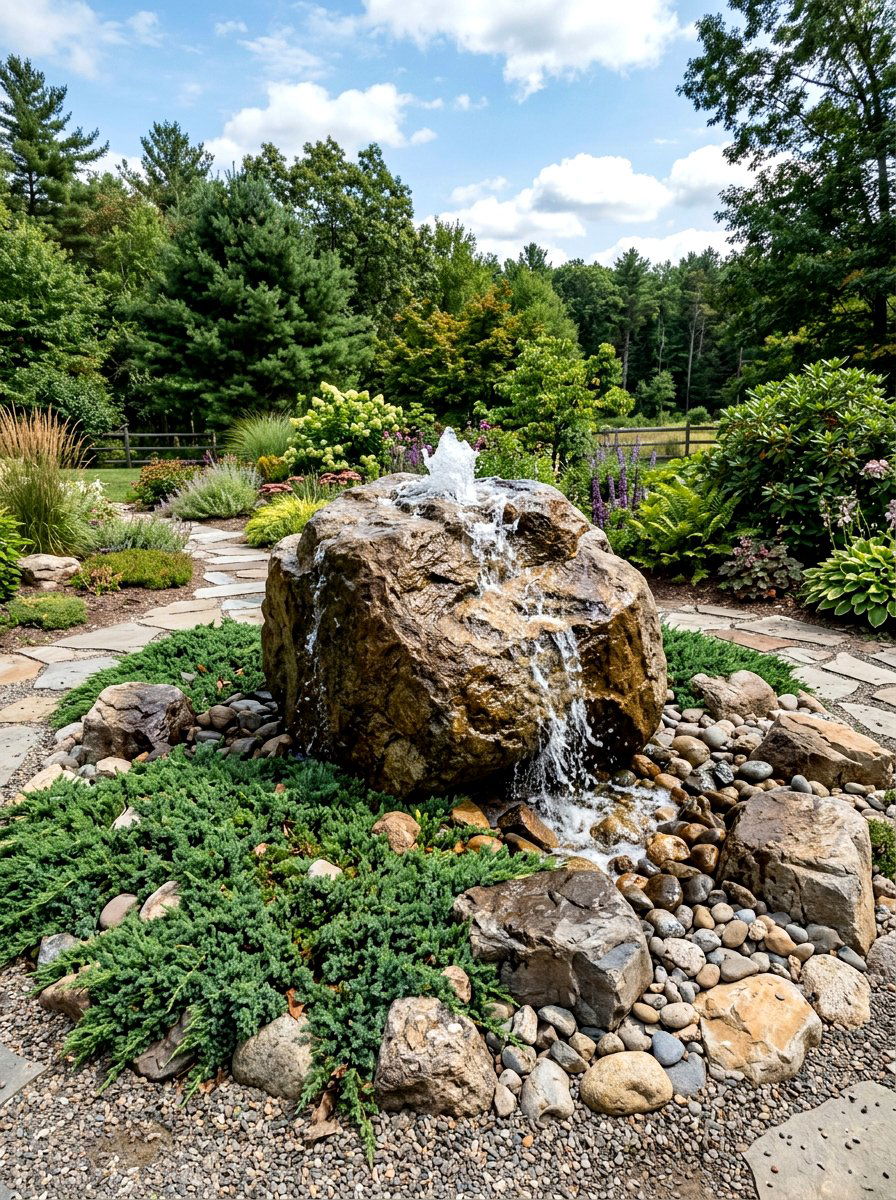
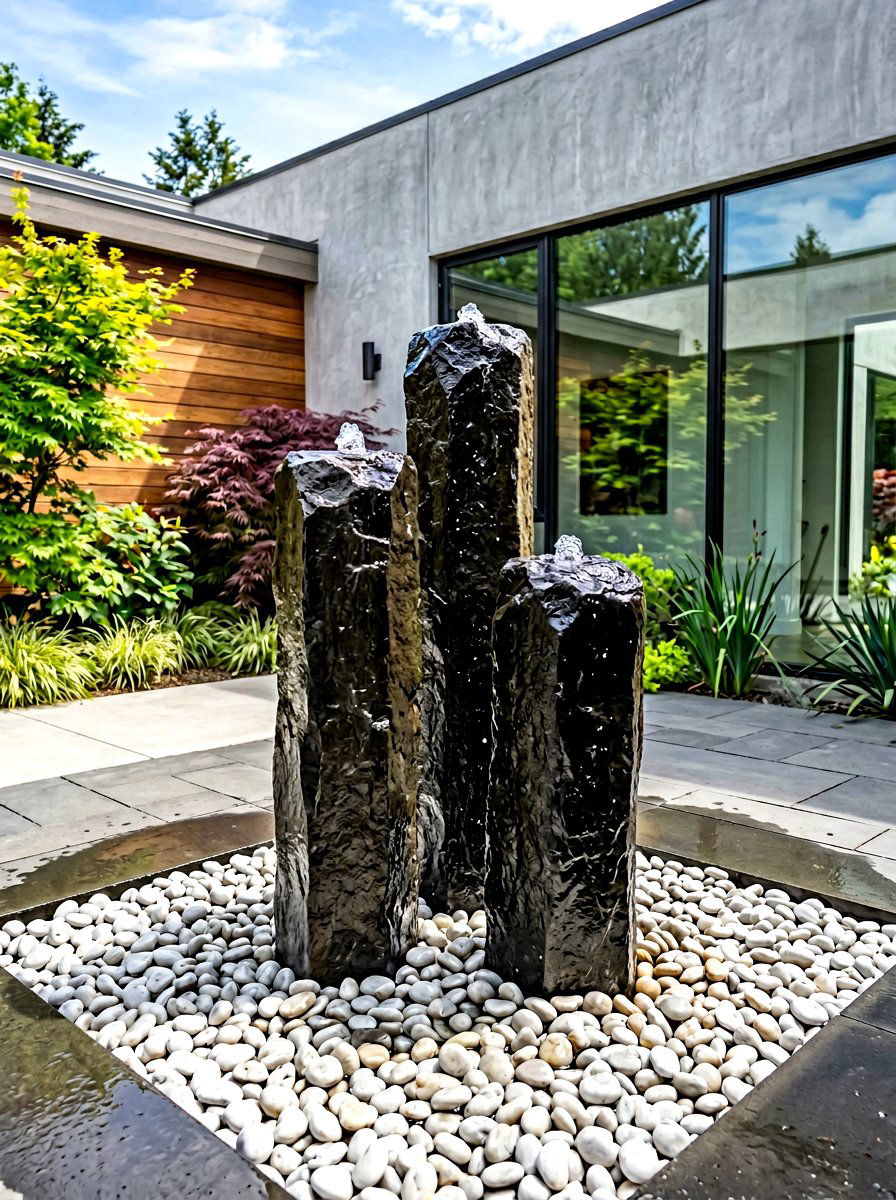
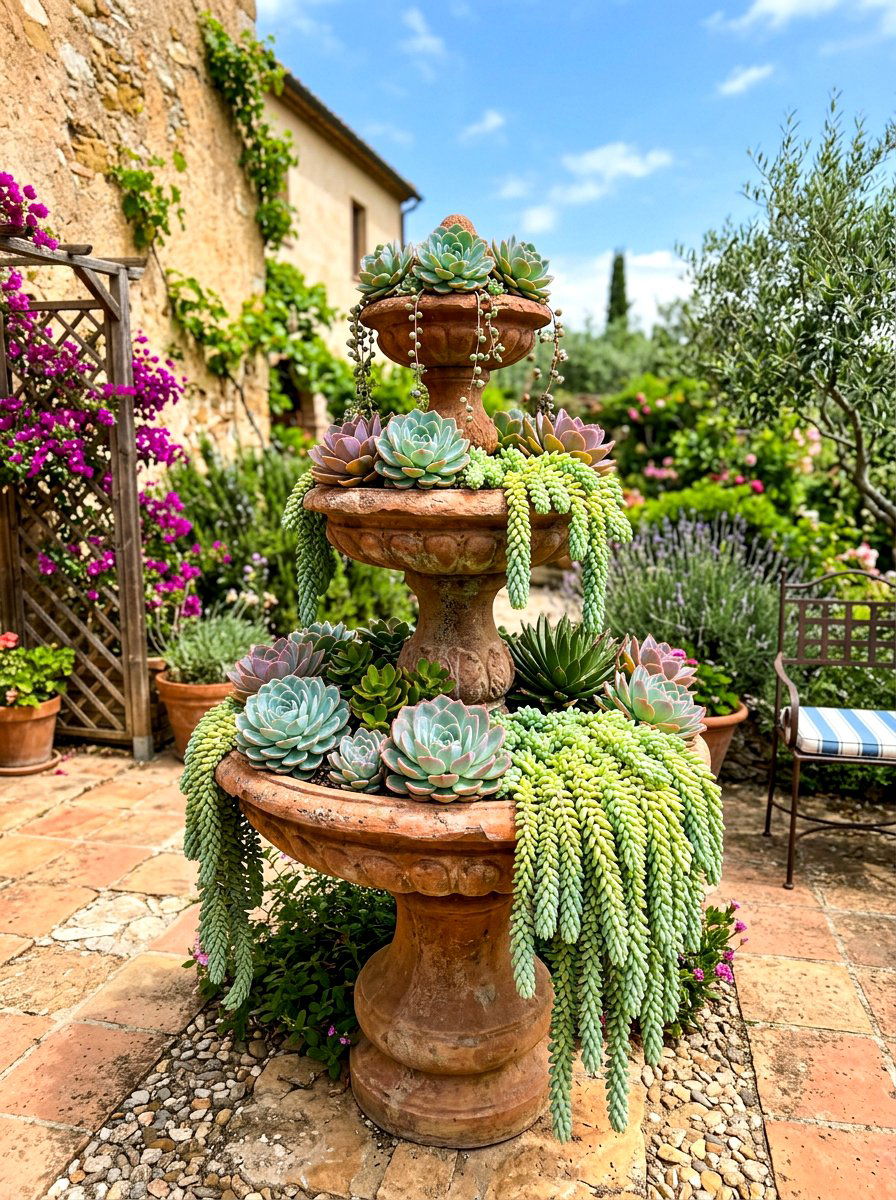
The sound of trickling water is one of the most relaxing elements you can add to any outdoor environment. A garden fountain surrounded by smooth river pebbles creates a naturalistic look that hides the pump and plumbing while enhancing the overall aesthetic. The wet stones often change color when splashed, revealing deep blacks, rich browns, and vibrant grays that look stunning in the sunlight. You can choose a simple bubbling rock or a tiered stone sculpture as the centerpiece. Lining the basin with pebbles also prevents soil from splashing up, keeping your water feature clear and easy to clean for many years to come.
9. Flower Bed Edging
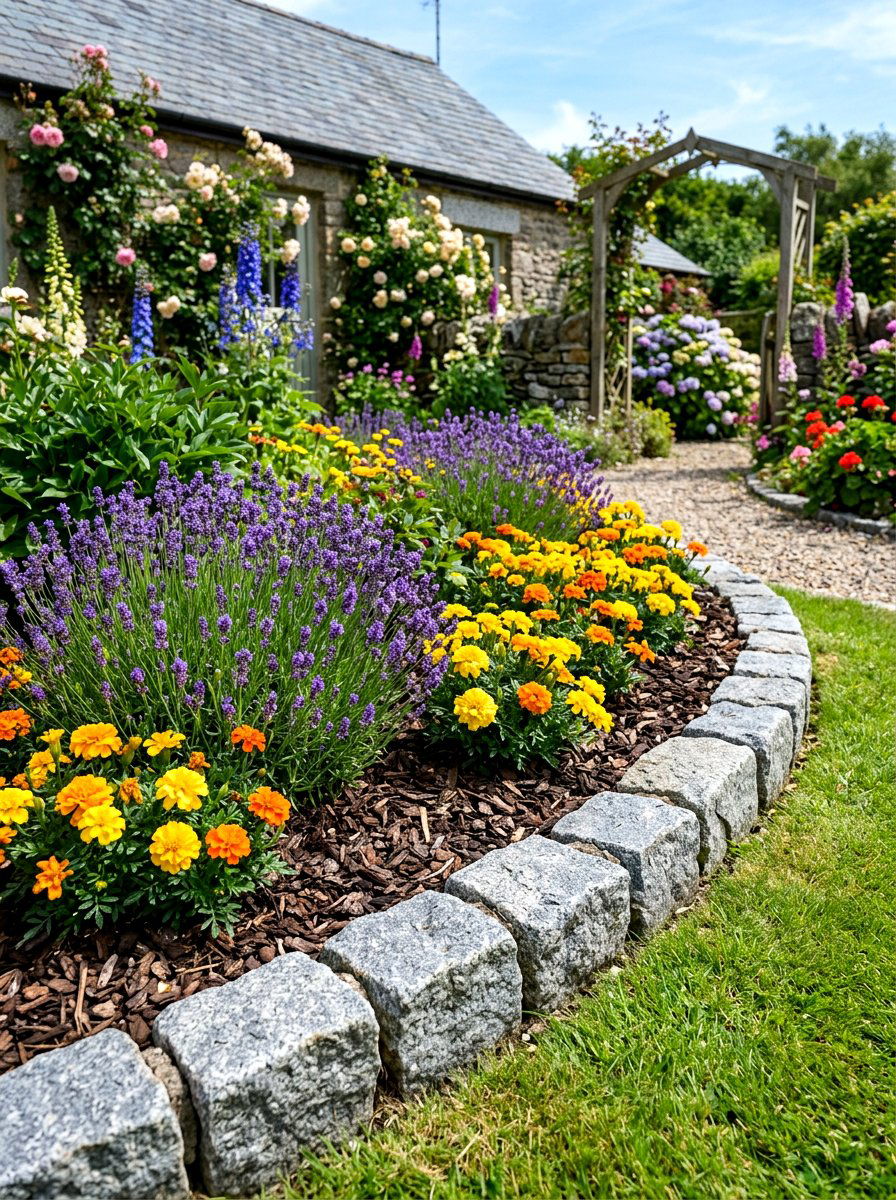
Maintaining a clear boundary between your flower beds and the lawn is essential for a professional-looking landscape design. Flower bed edging with large cobbles or uniform pebbles provides a sturdy barrier that stops mulch from washing away during heavy storms. This method also creates a "mowing strip" that makes it easier to trim the grass without damaging your delicate flowers. You can choose stones that match your home’s exterior color palette for a cohesive look. This simple addition provides structure to the garden, making even the wildest wildflower beds look intentional and organized within the broader context of your beautiful backyard.
10. Stepping Stone Path
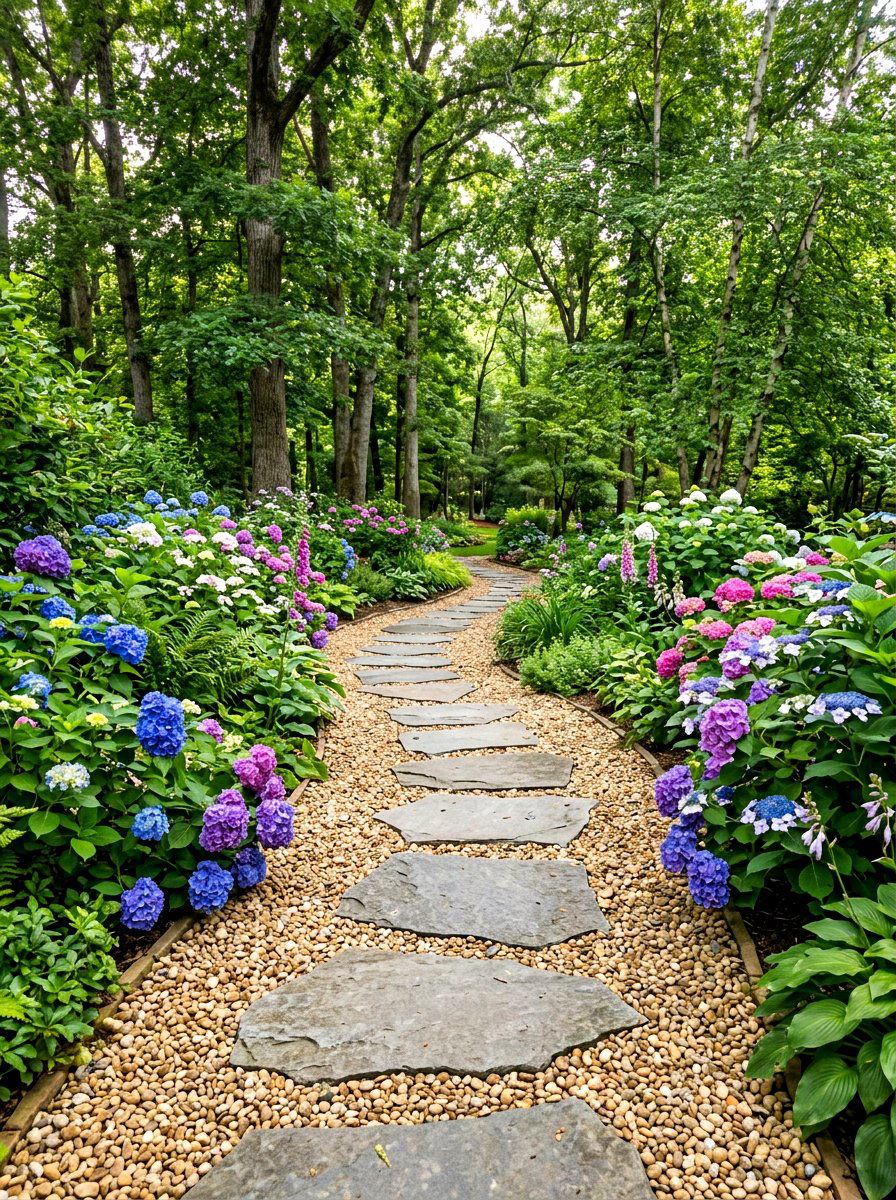
If you want a walkway that feels organic and soft, consider a stepping stone path set into a bed of fine pebbles. Large, flat slate or limestone pieces provide a stable place to walk, while the surrounding pebbles fill in the gaps with contrasting texture. This design is much more forgiving than a solid concrete path because it can easily follow the natural curves of your garden beds. It also prevents the growth of weeds if you lay down a high-quality landscape fabric beneath the stones. This style is particularly popular in cottage gardens or woodland settings where a natural, informal aesthetic is desired.
11. Rock Garden Mound
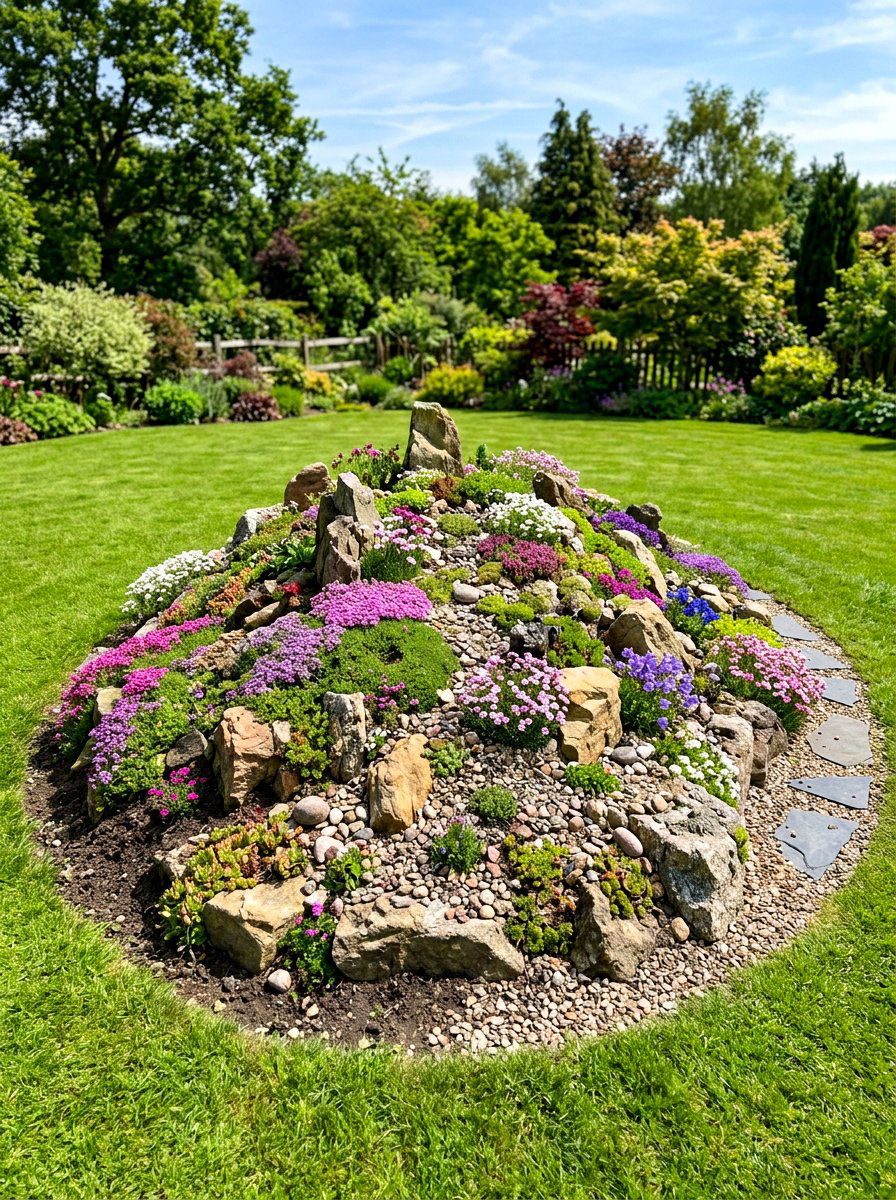
Building height and dimension in a flat backyard can be achieved by creating a rock garden mound. By piling soil into a gentle hill and covering the surface with a mix of boulders and smaller pebbles, you create a tiered planting environment. This setup is perfect for alpine plants, herbs, or small shrubs that require excellent drainage to thrive. The different sizes of stones mimic a natural mountain slope, providing a rugged yet refined look. It acts as a stunning focal point in the center of a lawn or in a corner that previously felt empty and lacked visual interest or purpose.
12. Miniature Zen Space
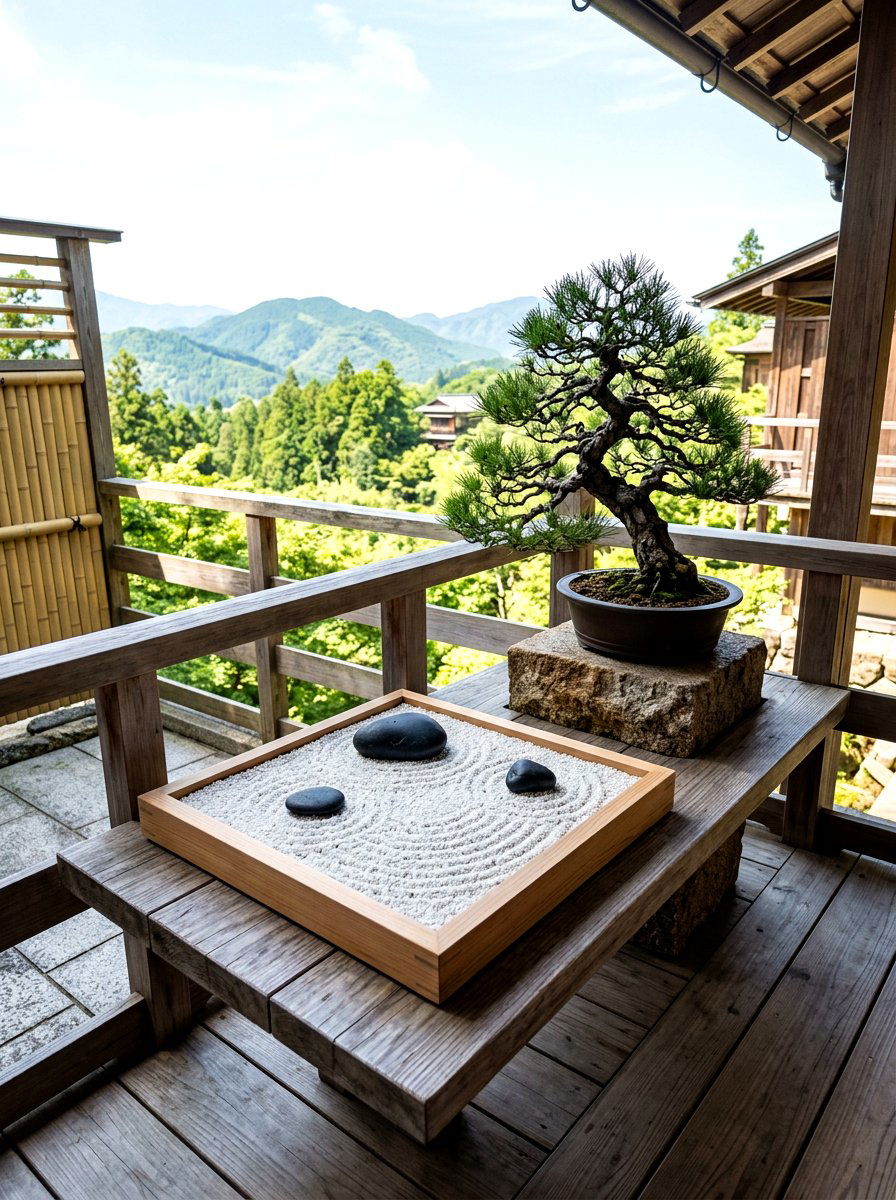
You do not need a massive estate to enjoy the benefits of a peaceful, stone-based retreat. A miniature Zen space can be tucked into a small corner of a balcony, a narrow side yard, or even a large indoor planter. Focus on using very fine white gravel and a few carefully selected smooth pebbles to create a sense of scale and proportion. Adding a single small plant, such as a bonsai or a succulent, provides a living element that balances the stillness of the stones. This tiny sanctuary serves as a visual reminder to slow down and breathe, proving that small design choices have big impacts.
13. Potted Plant Topping
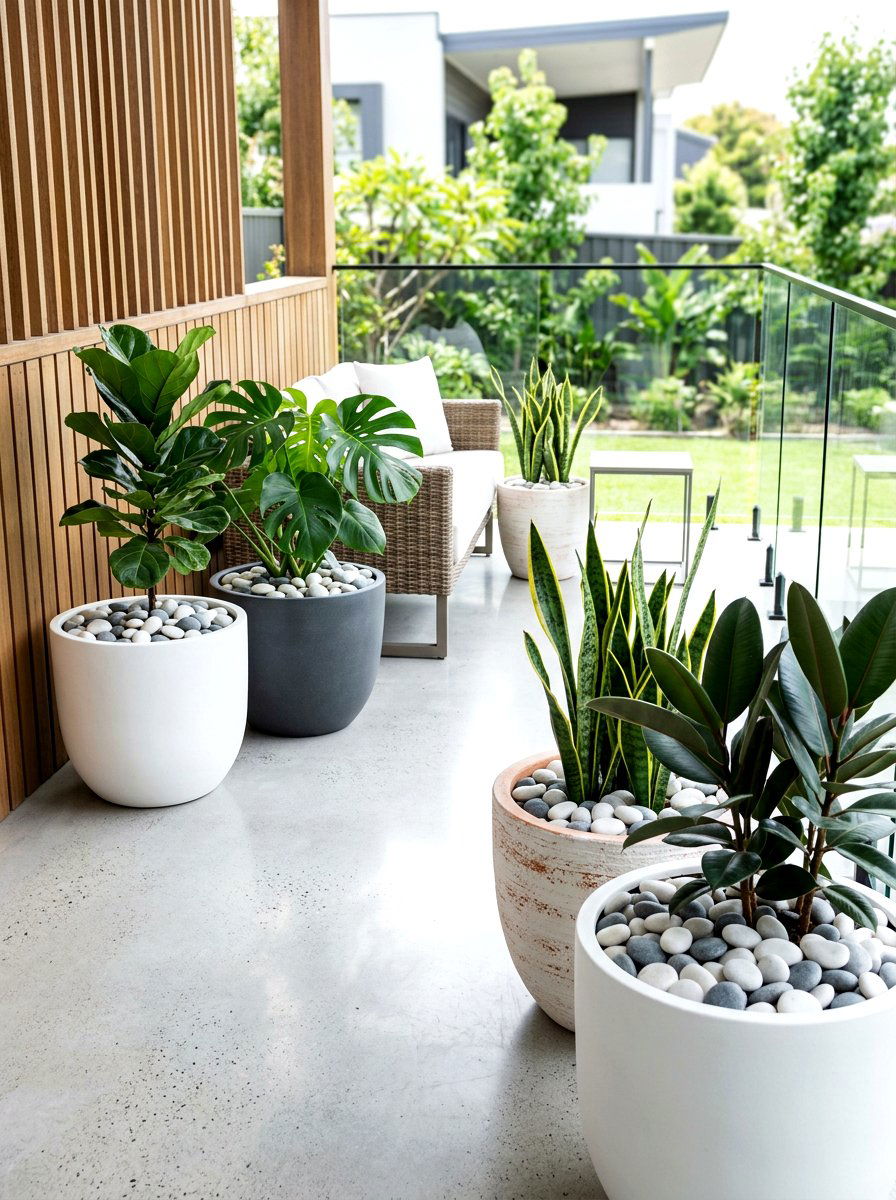
Did you know that adding pebbles to the top of your potted plants is both a decorative and a functional choice? Potted plant topping with small stones creates a finished, professional look that hides the bare soil and keeps the area looking tidy. Functionally, the pebbles act as a natural mulch that helps to retain moisture in the soil, which is especially helpful for plants in terracotta pots that dry out quickly. This also prevents soil from splashing out when you water the plants, keeping your patio or indoor floors clean. It is an affordable way to upgrade your entire container garden collection instantly.
14. Bamboo Garden
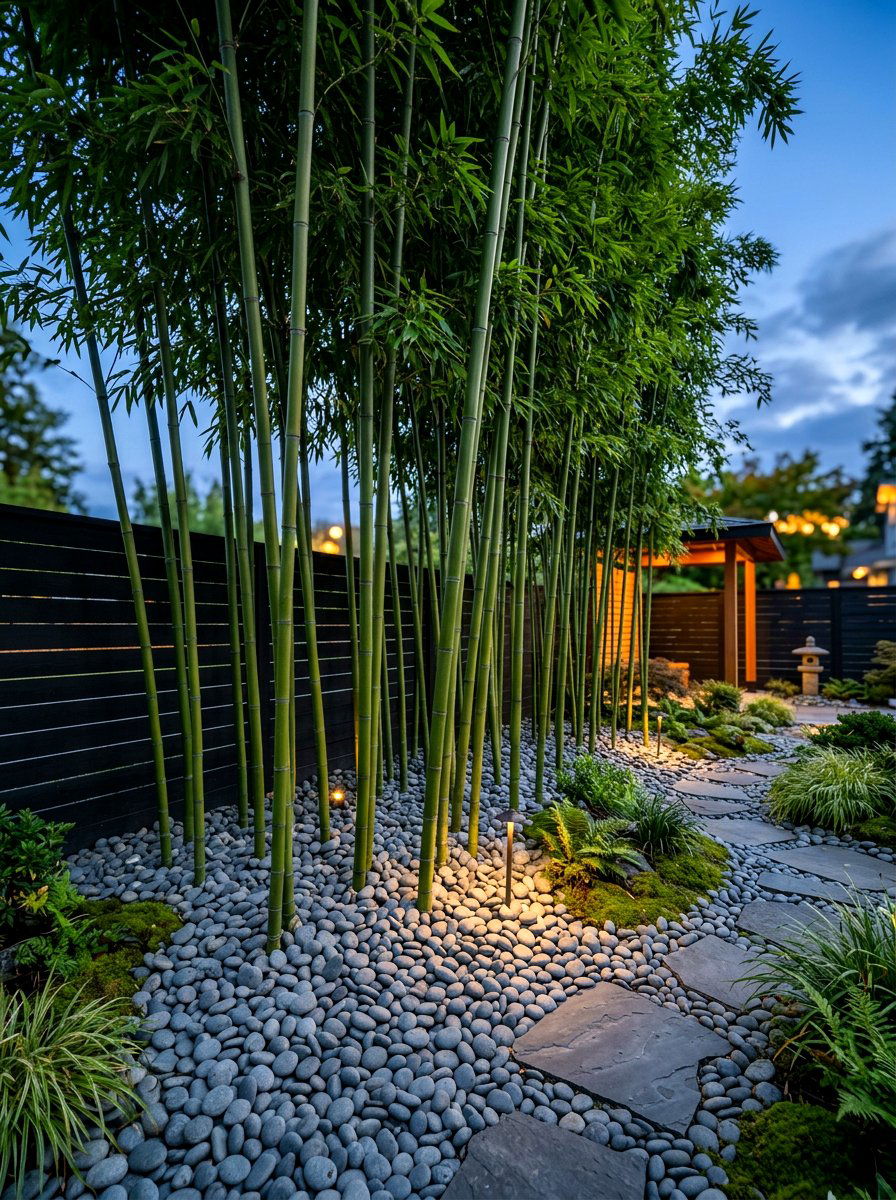
Creating an Asian-inspired retreat often involves the strategic pairing of tall, swaying bamboo with a clean floor of river pebbles. A bamboo garden benefits from the contrast between the vertical lines of the plants and the horizontal texture of the stones on the ground. Using larger pebbles at the base of the bamboo helps to anchor the tall stalks and prevents the roots from spreading too aggressively if you are using a non-clumping variety. This design looks particularly striking when lit from below with small spotlights at night. The shadows of the bamboo leaves dancing across the smooth stones create a magical and sophisticated outdoor atmosphere.
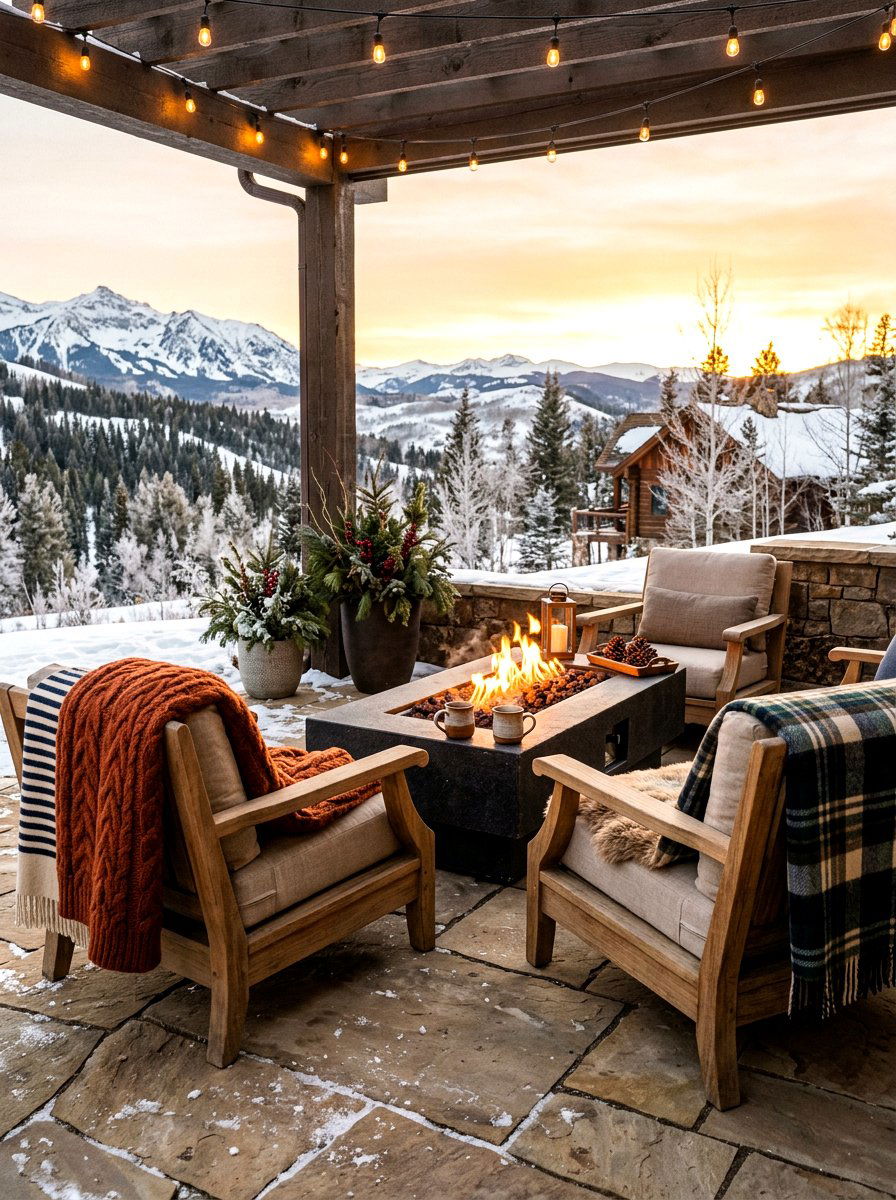
15. Coastal Garden
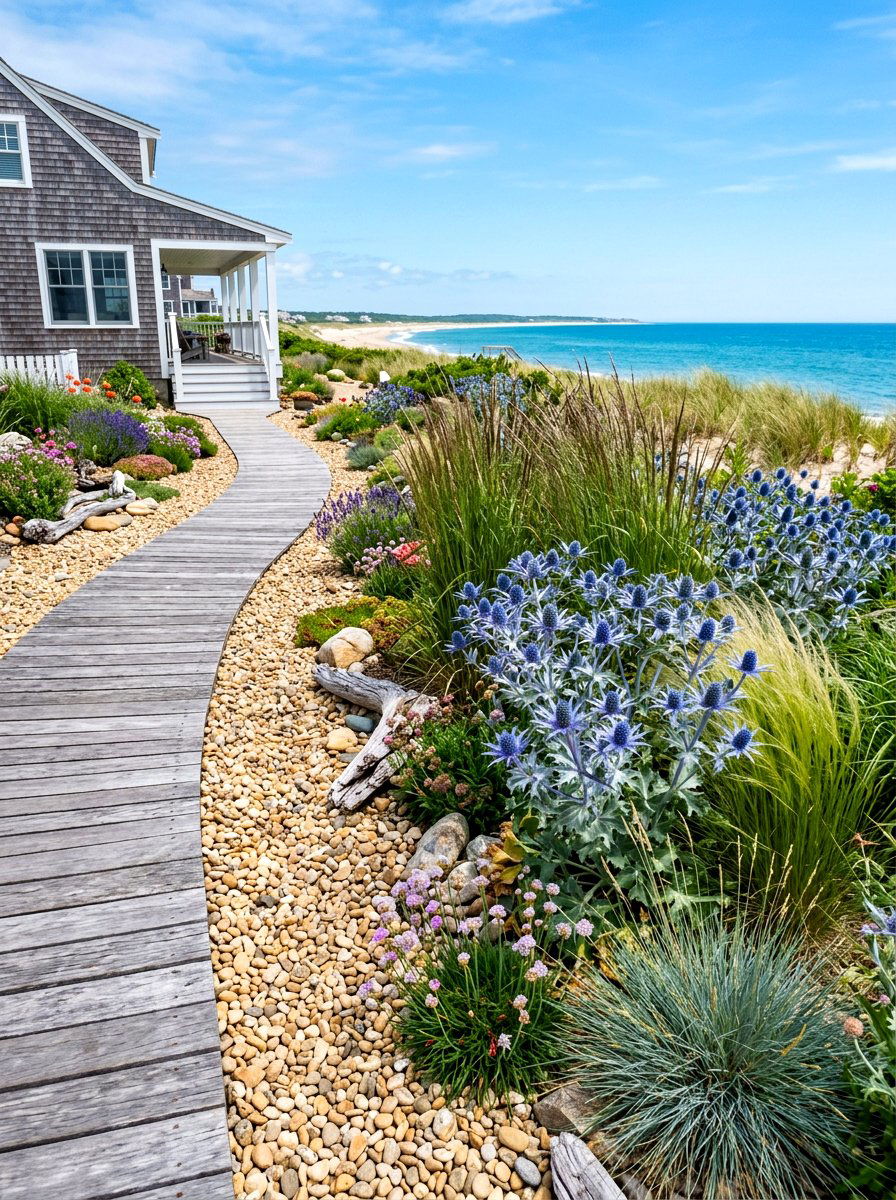
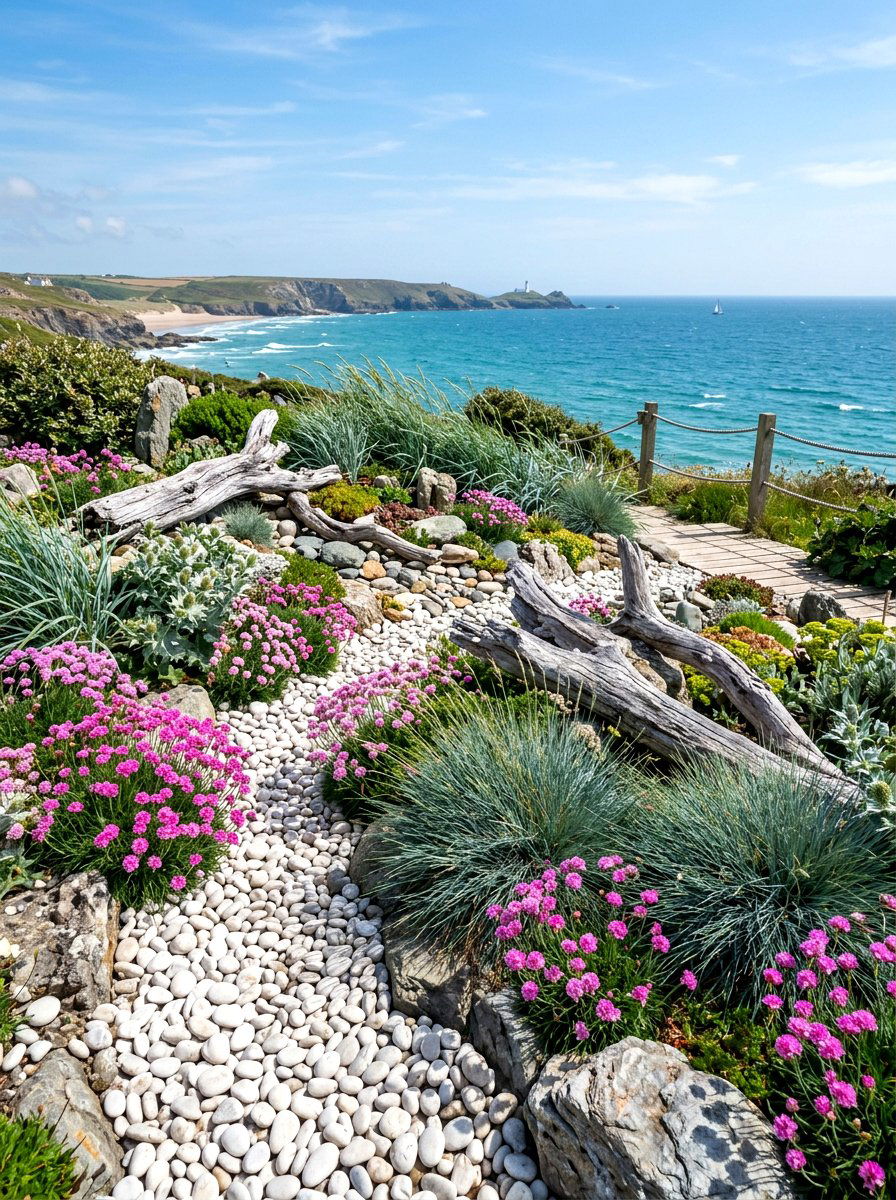
If you live near the ocean or simply love the relaxed vibe of the beach, a coastal garden is a great choice. This style uses smooth, weathered beach pebbles in shades of tan, cream, and soft gray to mimic the look of a shoreline. Pair these stones with drift-resistant plants like sea holly, lavender, or ornamental grasses to complete the theme. The pebbles provide a bright, airy feeling that makes even small spaces feel more expansive and open. This type of garden requires almost no water once established, making it an eco-friendly option for coastal regions or areas experiencing frequent summer droughts and heat.
16. Circular Stone Pattern
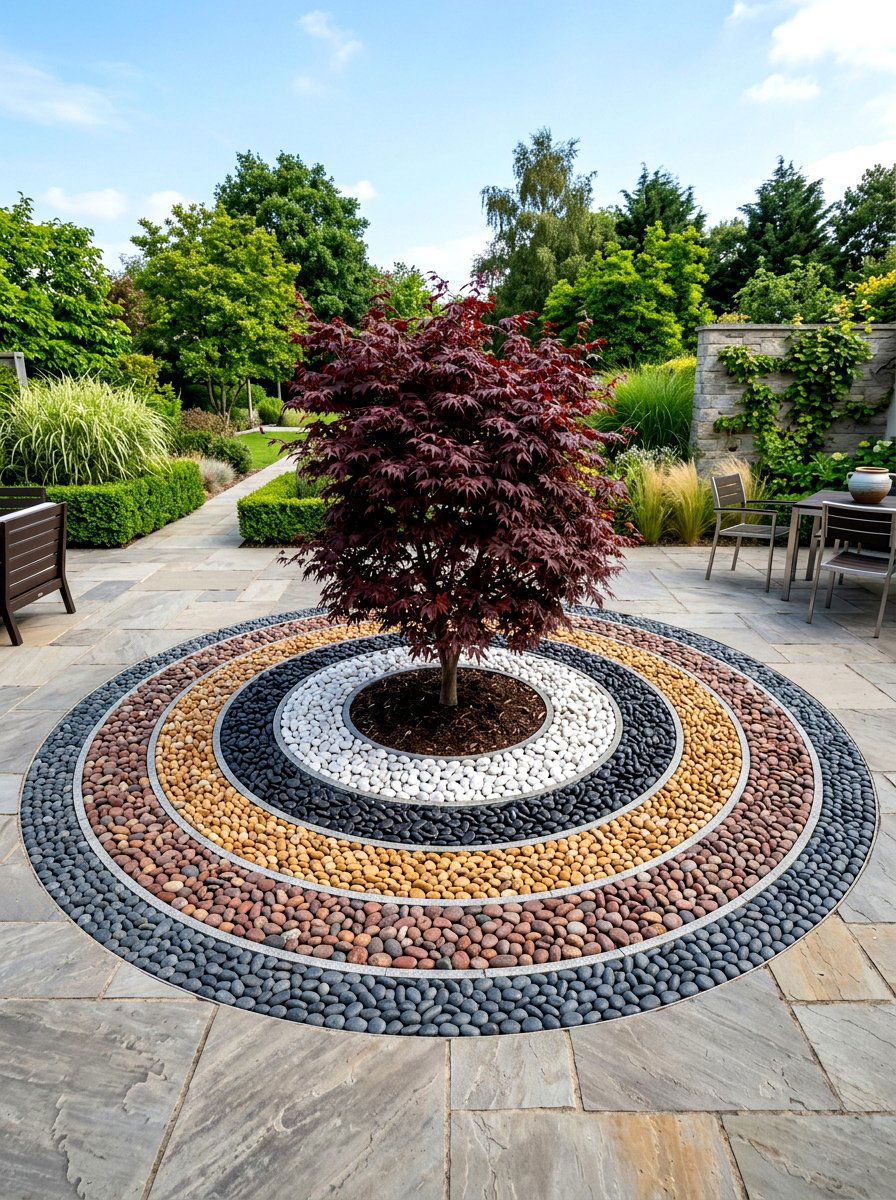
Using geometry in your landscaping can create a sense of order and sophistication in a busy backyard. A circular stone pattern made from pebbles can define a seating area, surround a central tree, or serve as a unique landing at the base of stairs. You can use different colored pebbles to create concentric rings or a sunburst effect that radiates outward. This design works best when you use a firm border, like bricks or flexible metal edging, to hold the circular shape. It provides a strong visual anchor for the space and breaks up the monotony of long, straight lines in modern garden layouts.
17. Fire Pit Area
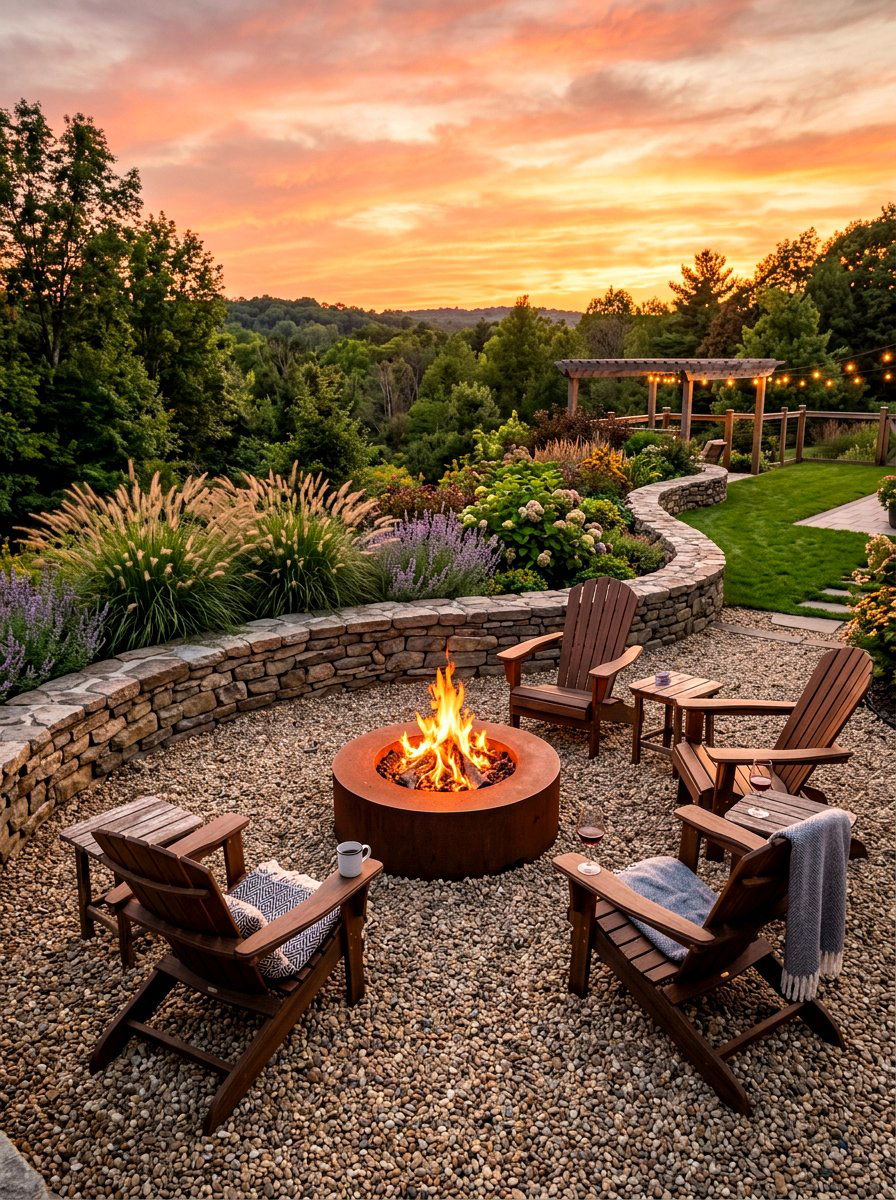
A safe and stylish fire pit area is a must-have for those who love entertaining outdoors during cool evenings. Using pebbles as the ground cover for your fire pit zone is a smart choice because they are naturally fire-resistant and provide excellent drainage. Small, rounded pea gravel is comfortable to walk on and allows you to level your chairs easily without the wobbling often found on uneven pavers. You can create a distinct boundary for the fire pit circle using larger stones or a low stone wall. This creates a cozy, rustic destination in your yard where friends and family can gather safely for hours.
18. Under Deck Gravel
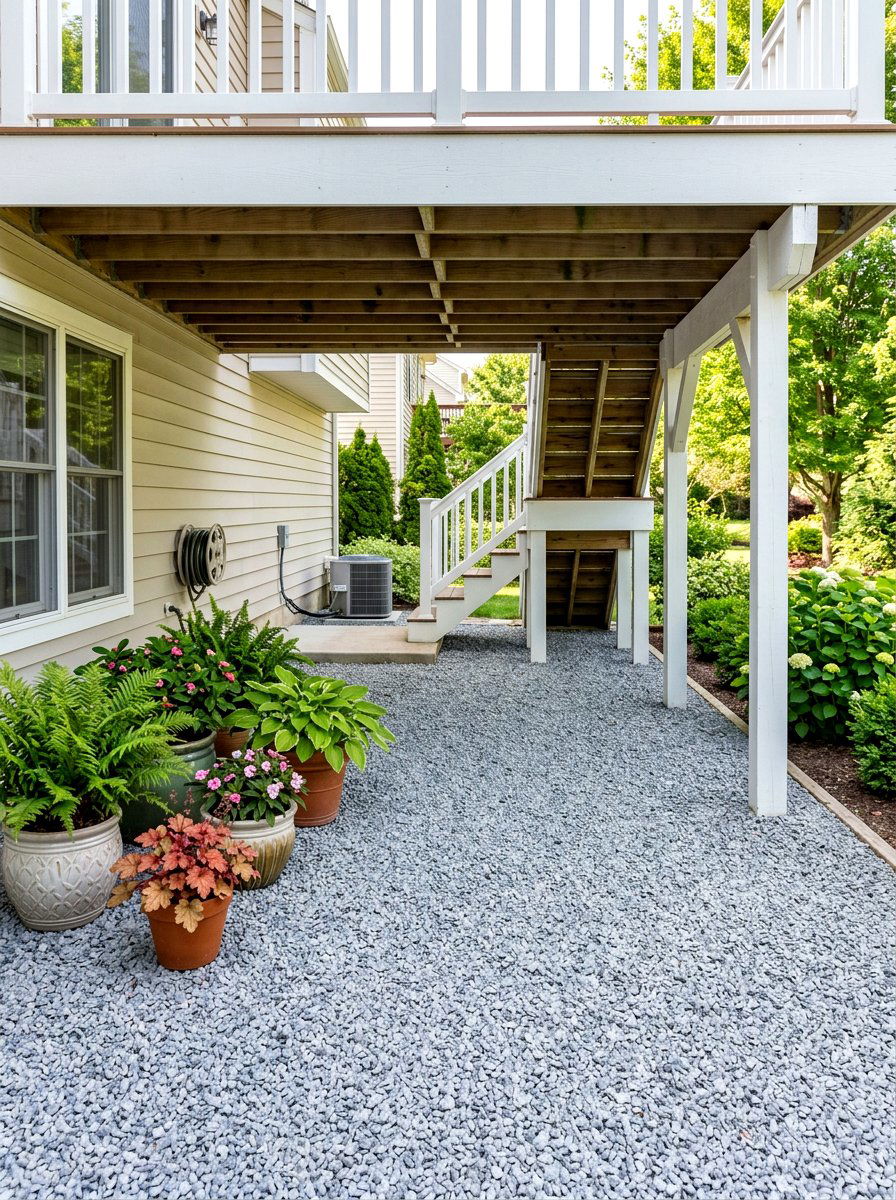
The space directly beneath a raised deck is often a dark, muddy area where grass struggles to grow. Filling this awkward zone with under deck gravel or pebbles is a practical way to keep the area clean and visually appealing. Using a thick layer of stones prevents weeds from sprouting and stops soil from eroding during heavy rain. You can choose light-colored stones to help reflect what little light reaches the area, making it feel less like a hidden storage spot and more like a deliberate part of your landscape. It is a simple weekend project that provides an instant and long-lasting facelift.
19. Vertical Garden Base
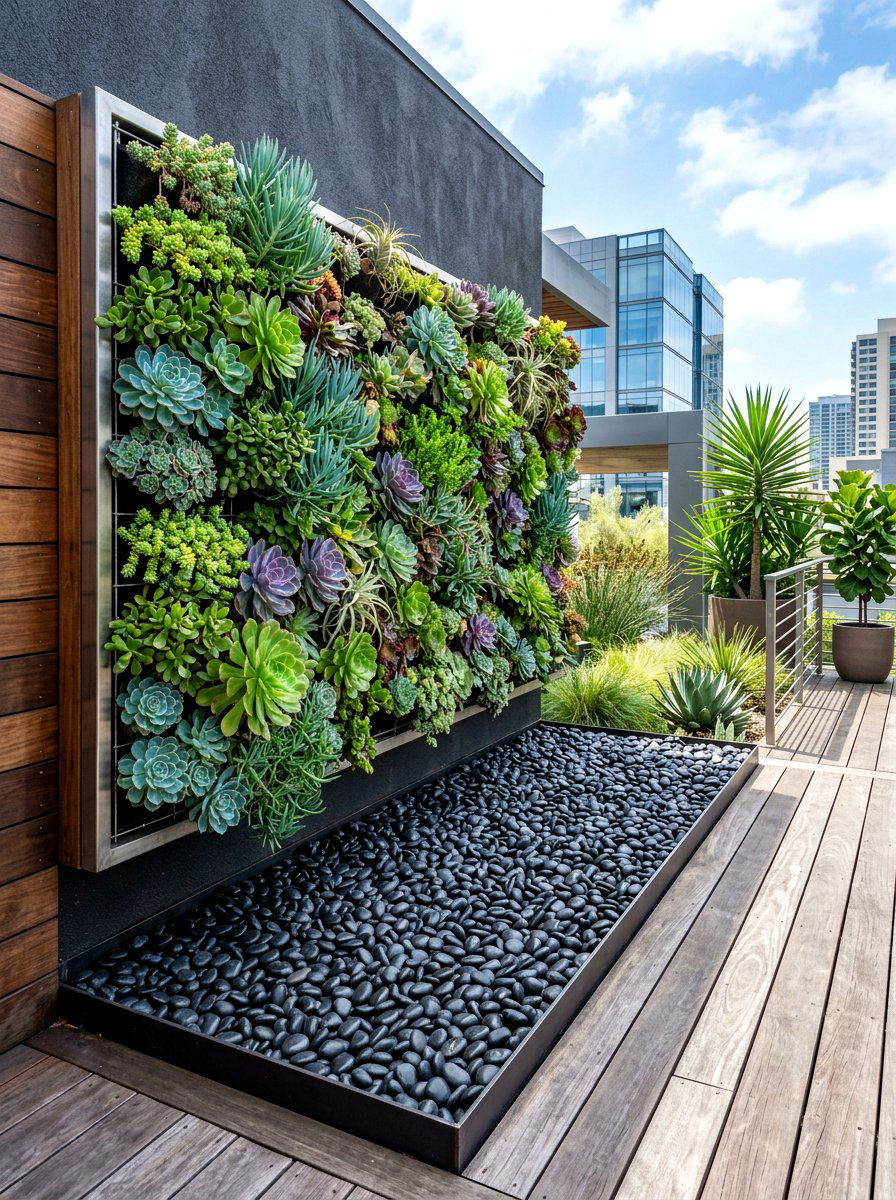
Vertical gardens are popular for saving space, but the ground beneath them often looks unfinished or neglected. A vertical garden base filled with smooth pebbles creates a cohesive look that ties the wall-mounted plants to the rest of the yard. This pebble layer catches any water that drips from the planters above, preventing mud from splashing onto your walls or walkways. You can use large river rocks to create a rugged look or polished black pebbles for a sleek, high-end feel. This small detail makes your vertical garden look like a professionally installed feature rather than a DIY afterthought in your outdoor space.
20. Desert Landscape
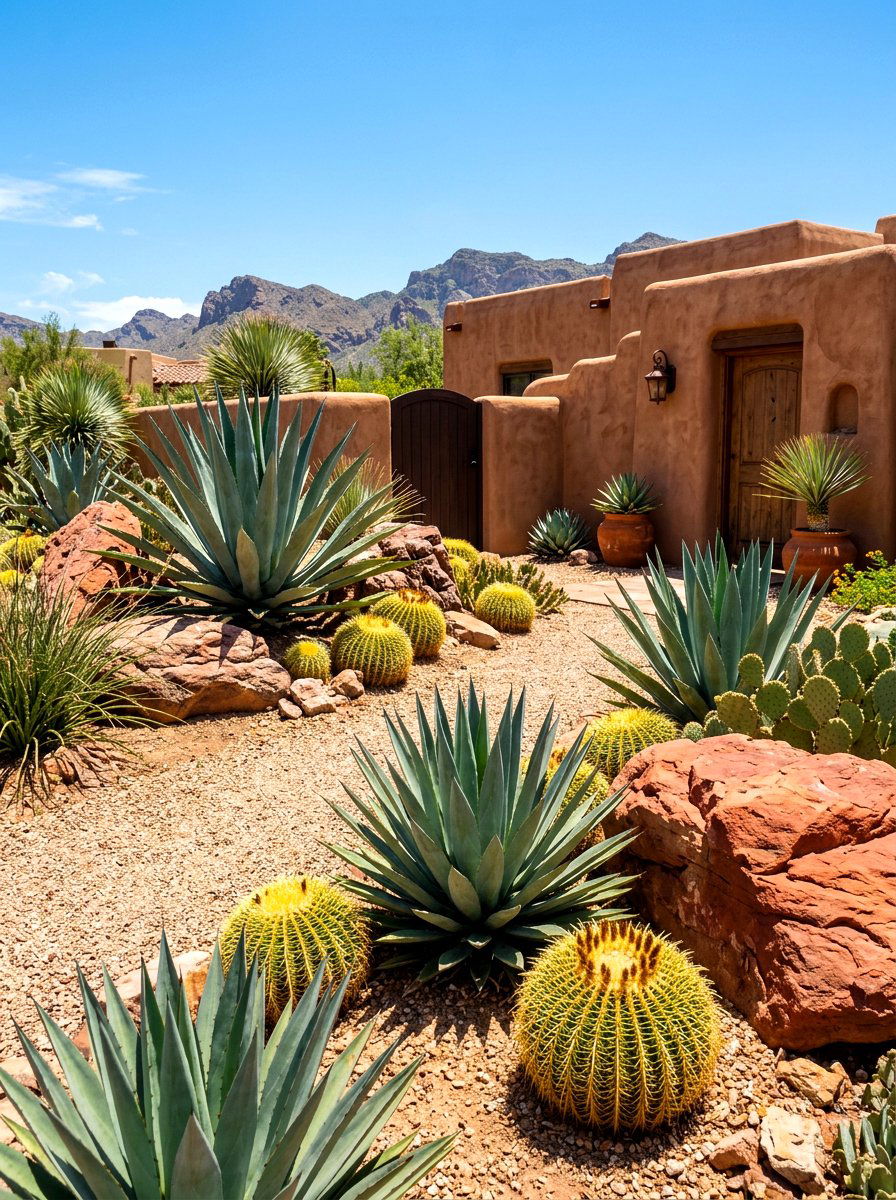
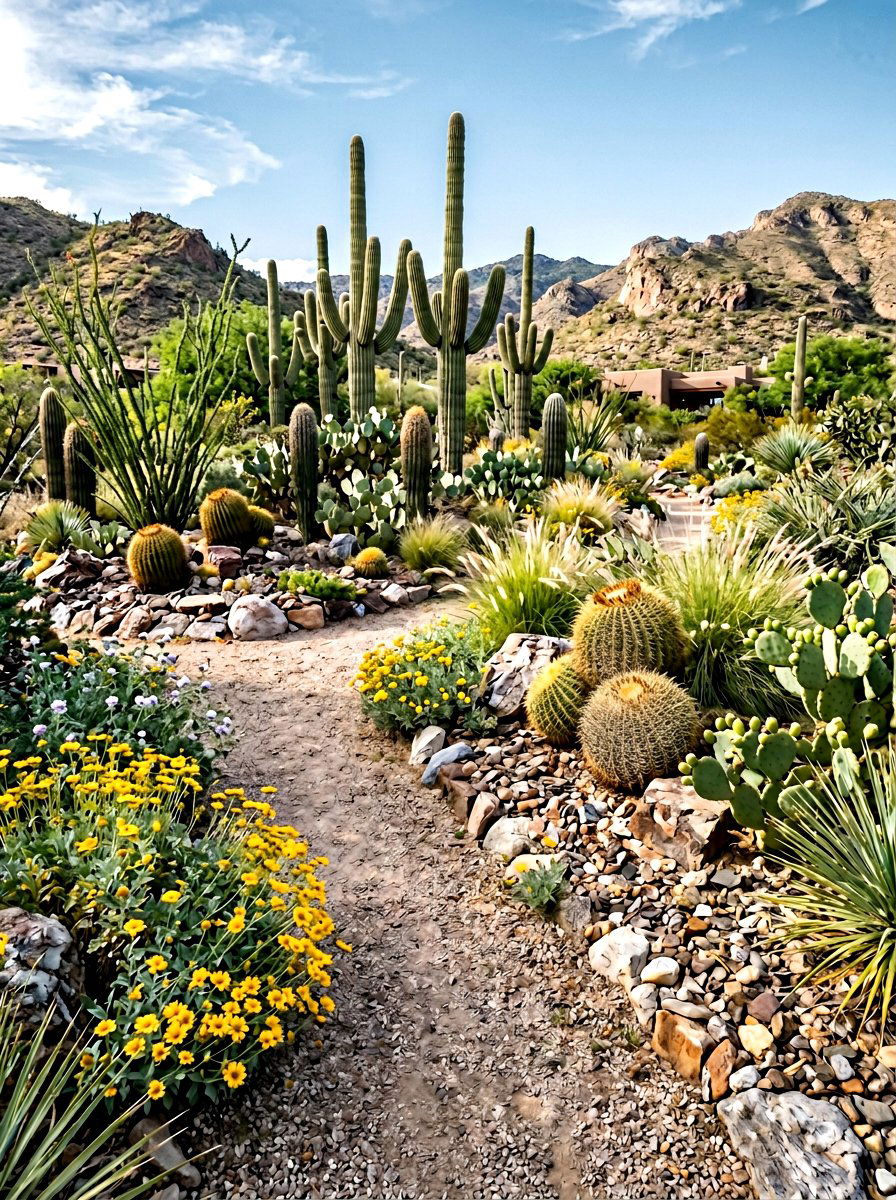
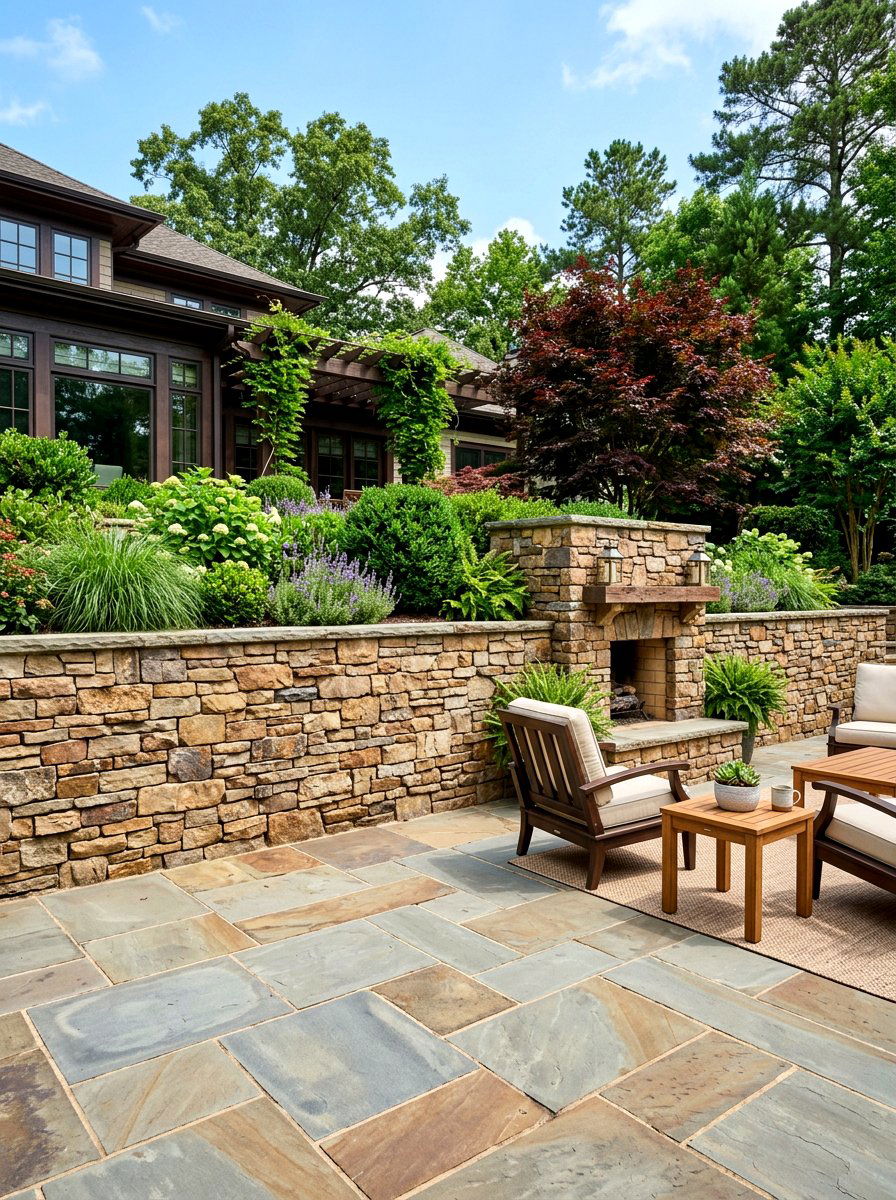
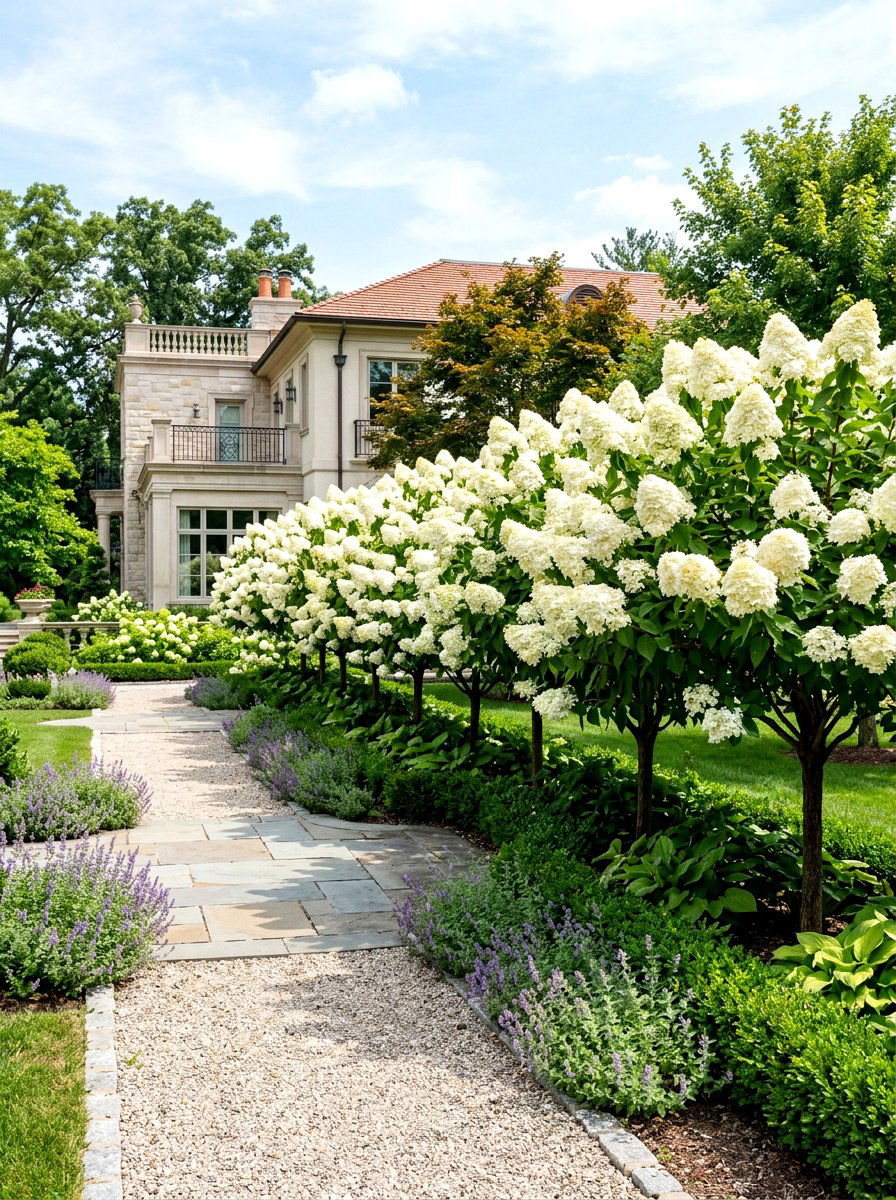
Embracing an arid aesthetic is a great way to save on water bills while creating a unique and striking environment. A desert landscape relies heavily on the use of various pebbles, crushed rock, and gravel to replace the traditional green lawn. Focus on warm tones like ochre, rust, and tan to mimic the natural colors of a desert floor. You can intersperse these stones with drought-tolerant plants like agave, yucca, and barrel cactus for a complete look. The result is a sculptural, low-maintenance garden that thrives in the heat and provides a bold, modern statement that stands out in any neighborhood.
21. Tree Base Ring
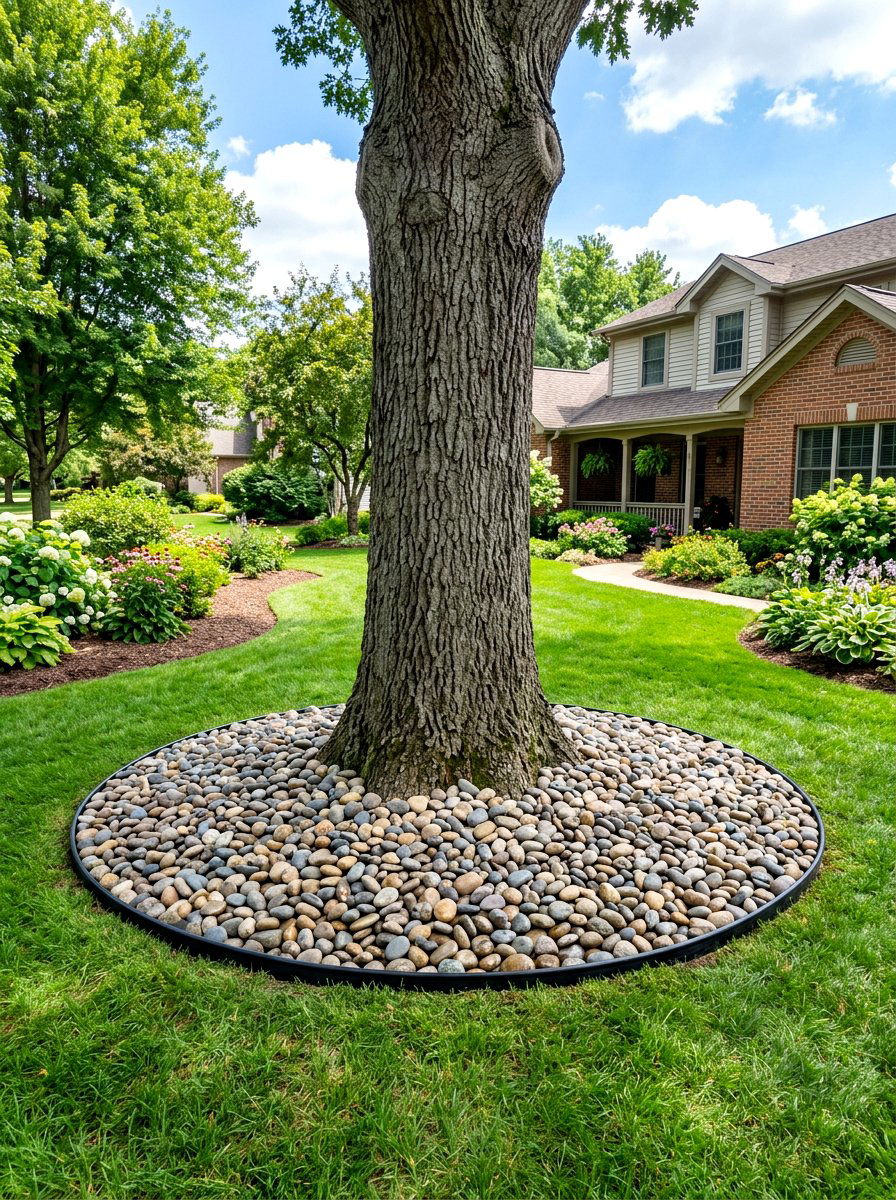
Protecting your trees while adding a decorative touch is easy with a well-designed tree base ring. Instead of using organic mulch that needs to be replaced every year, use a layer of pebbles to surround the trunk of your favorite trees. This prevents lawnmowers and weed trimmers from getting too close to the bark, which can cause permanent damage. Make sure to leave a small gap between the stones and the trunk to allow for proper air circulation. Using stones in a color that complements the tree's leaves or bark creates a polished look that defines the tree as a focal point.
22. Geometric Stone Path
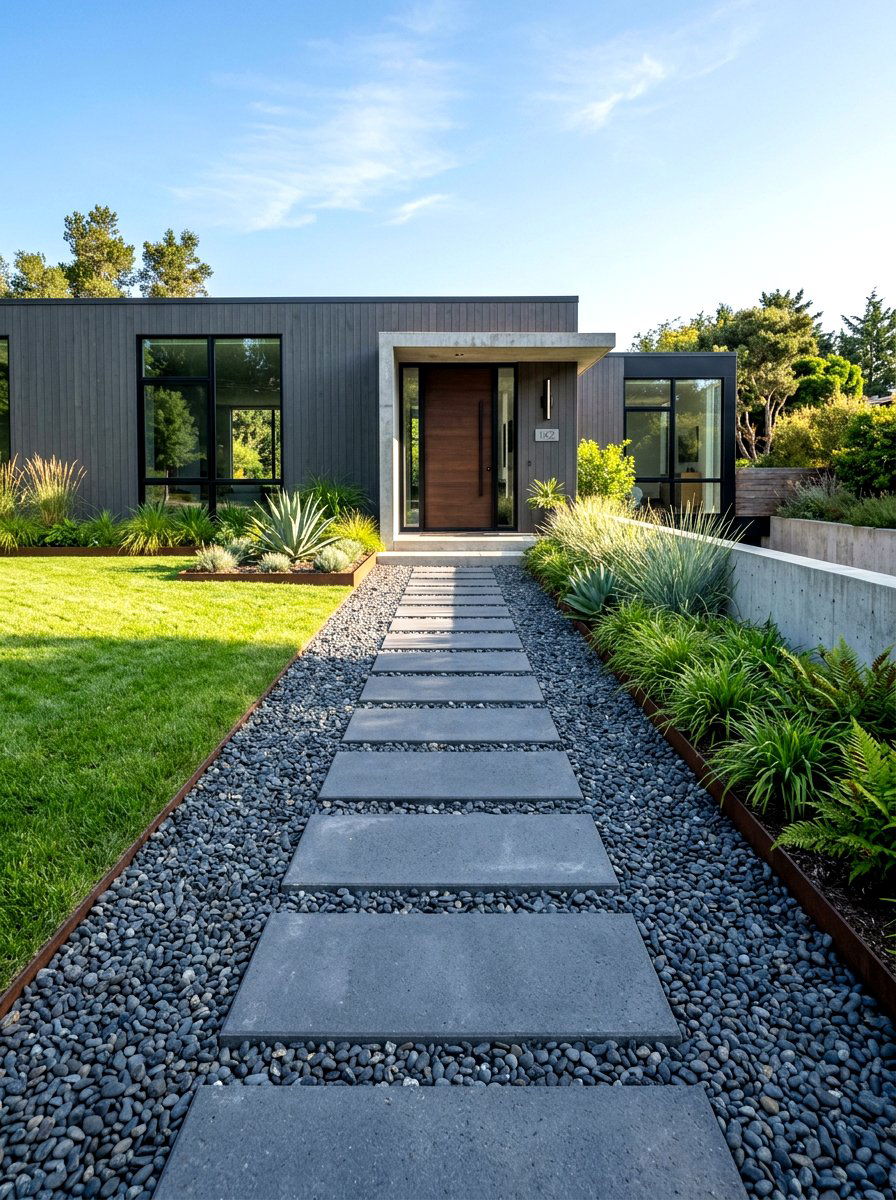
Modern architecture often calls for clean lines and sharp angles in the surrounding landscape. A geometric stone path uses square or rectangular pavers set into a bed of small, uniform pebbles to create a high-contrast walkway. The contrast between the solid, smooth pavers and the loose, textured pebbles adds a layer of visual interest that is both contemporary and timeless. This style is perfect for front entryways or side yards where space is limited but style is a priority. It is easy to install and provides a stable surface for walking while allowing for natural drainage across the entire path length.
23. Water Feature Surround
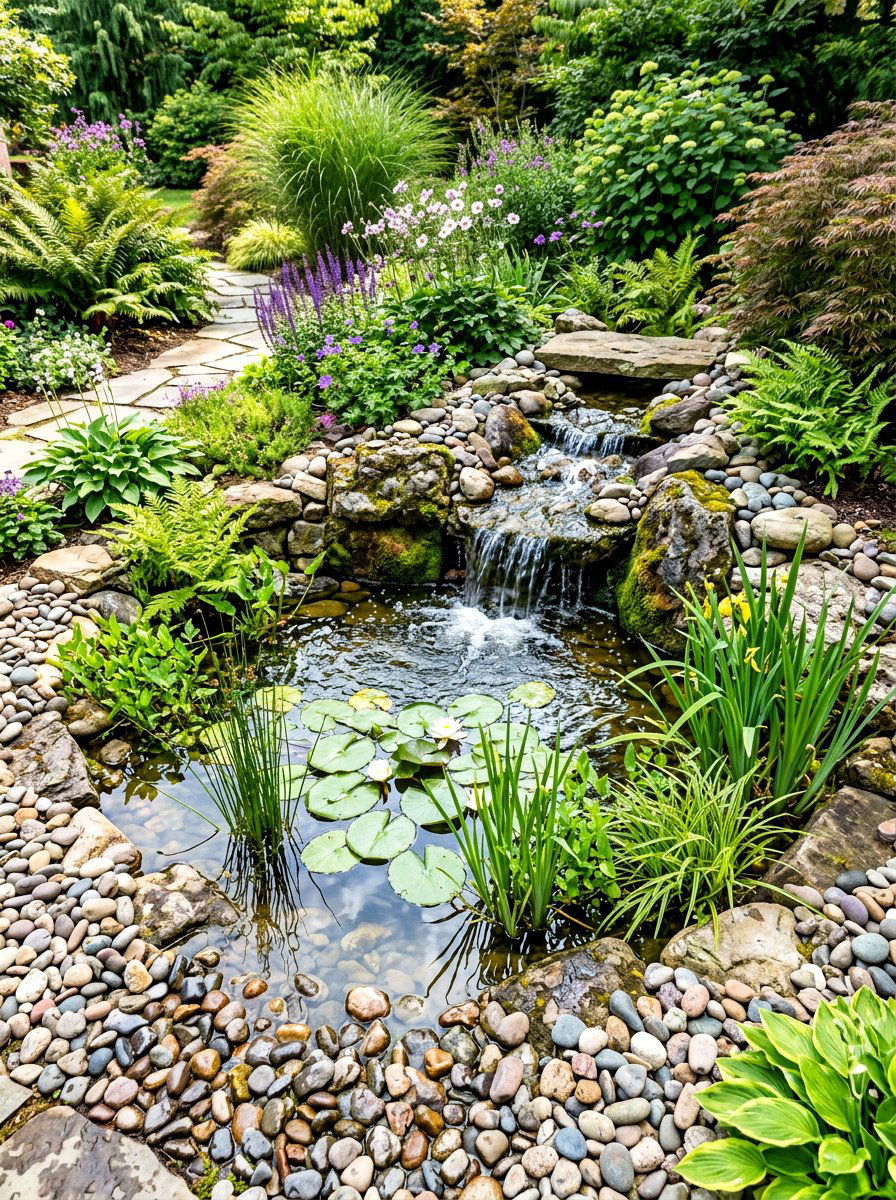
Whether you have a large pond or a small wall-mounted spillway, the area around the water needs careful consideration. A water feature surround made of pebbles provides a natural transition between the water and the rest of your garden. You can use different sizes of stones to mimic a natural riverbank, with larger boulders near the water's edge and smaller pebbles tapering off into the greenery. The stones help to hide pond liners and filtration equipment, ensuring the focus remains on the beauty of the water. This design also provides a habitat for beneficial garden insects and small birds to visit safely.
24. Garden Stairs
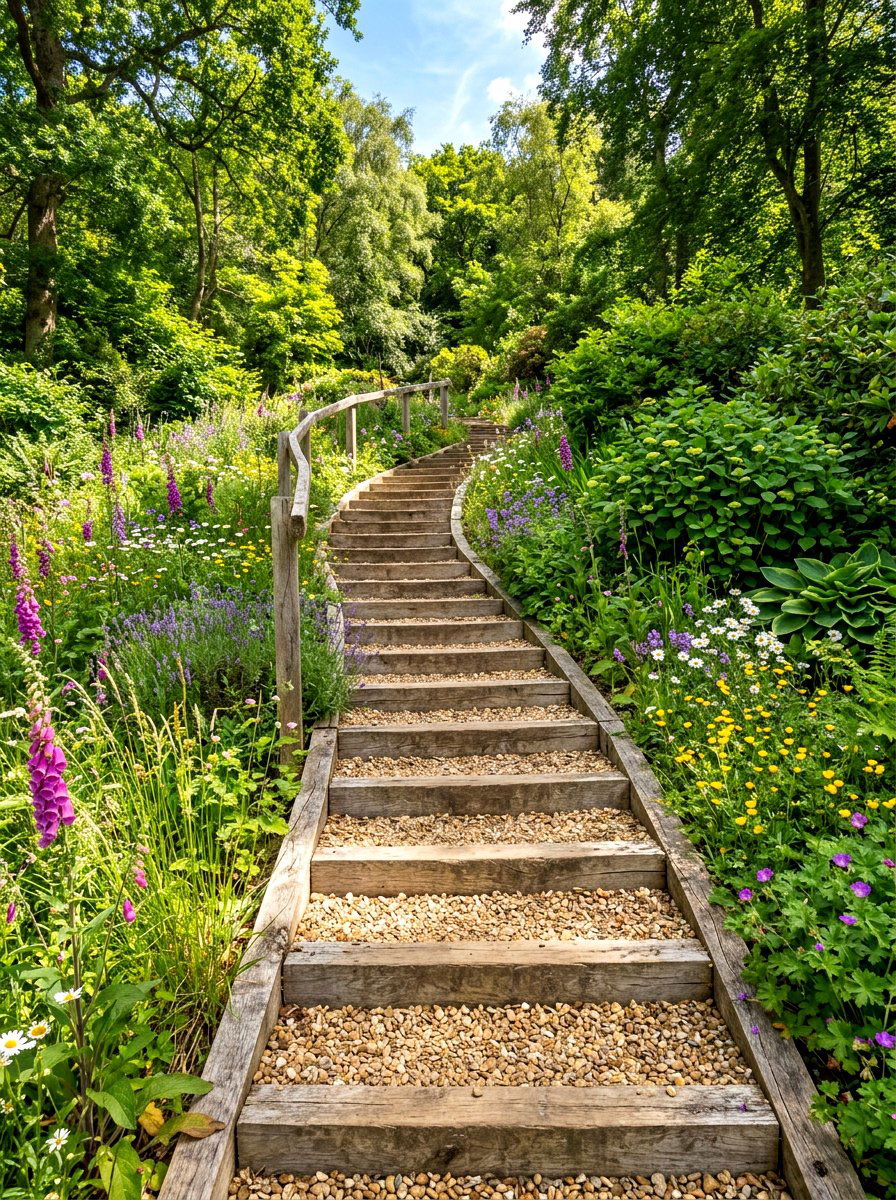
Building stairs on a sloped yard can be an expensive and difficult task if you use traditional masonry. A more flexible and natural-looking option is to use wooden sleepers or large flat stones as steps, filling the treads with compacted pebbles. This design allows for a slight amount of movement and provides excellent traction even when the weather is wet. The pebbles create a soft, crunching sound underfoot that adds to the sensory experience of walking through your yard. It is a budget-friendly way to navigate elevation changes while maintaining a rustic, organic look that blends perfectly with the surrounding plant life.
25. Shady Corner
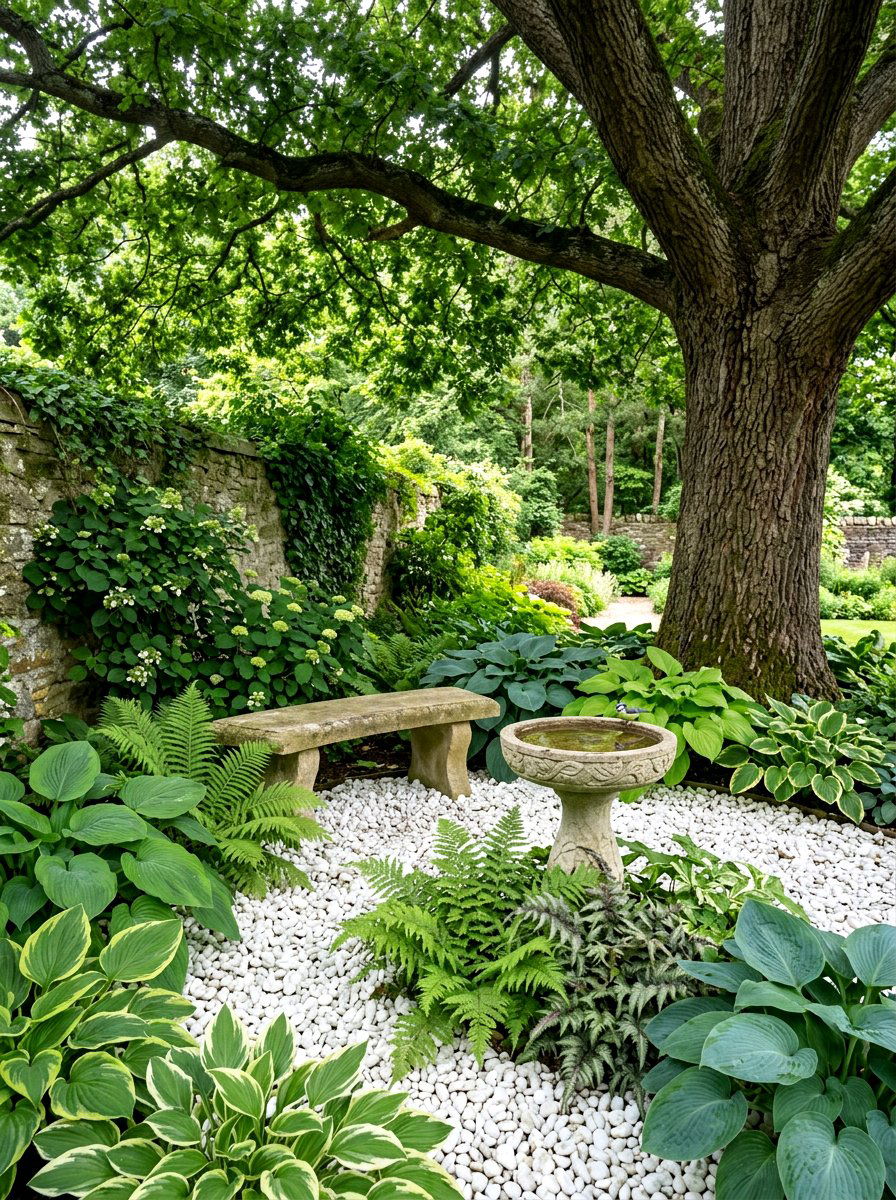
Do you have a corner of your yard where it is too dark for most plants and grass to survive? Turning that "dead zone" into a beautiful shady corner is easy with a combination of light-colored pebbles and shade-loving perennials. Hostas, ferns, and bleeding hearts look stunning when emerging from a bed of pale gray or white stones. The pebbles help to brighten the dark area by reflecting the limited light available. Adding a simple stone bench or a small decorative statue can turn this once-ignored spot into a charming destination for quiet reading or a peaceful afternoon break in the fresh air.
26. Meditation Space
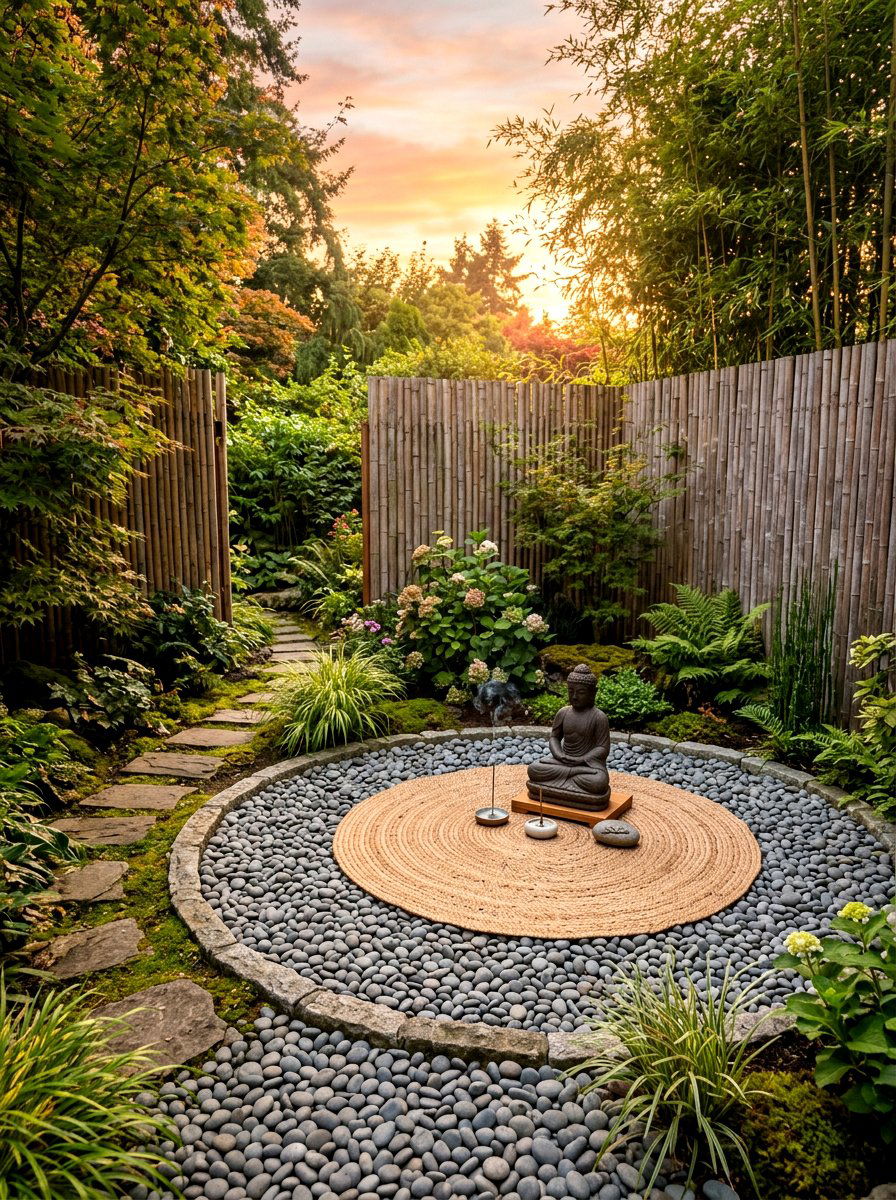
Creating a dedicated spot for mindfulness does not require a lot of equipment or space. A meditation space defined by a circle of smooth river pebbles provides a grounded and intentional area for yoga or quiet reflection. You can use the stones to create a "labyrinth" pattern that you can follow with your eyes or feet as a calming exercise. Surround the area with tall grasses or a wooden screen for privacy. The natural textures of the pebbles help you feel connected to the earth, making it easier to disconnect from technology and focus on your inner peace during your daily routine.
27. Front Yard Mulch
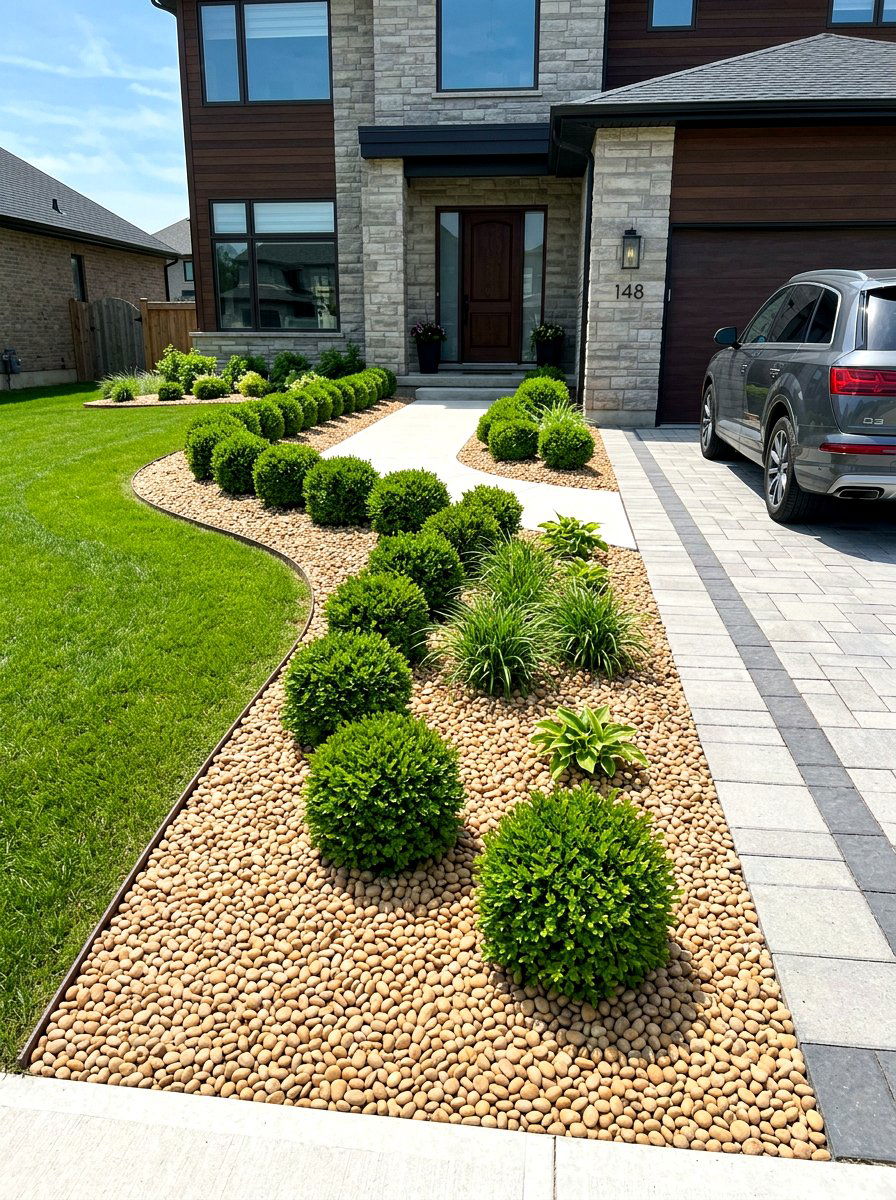
If you are tired of your front yard looking messy because of scattered bark mulch, consider switching to front yard mulch made of stone. Pebbles provide a permanent, heavy-duty alternative to wood chips that won't blow away in the wind or wash away during heavy rain. This keeps your curb appeal looking high-end and consistently neat without any effort on your part. You can choose stones in a neutral color to blend with your driveway or a bold color to make your house stand out. It is a one-time investment that pays off by saving you hours of yard work every spring and autumn.
28. Retaining Wall Base
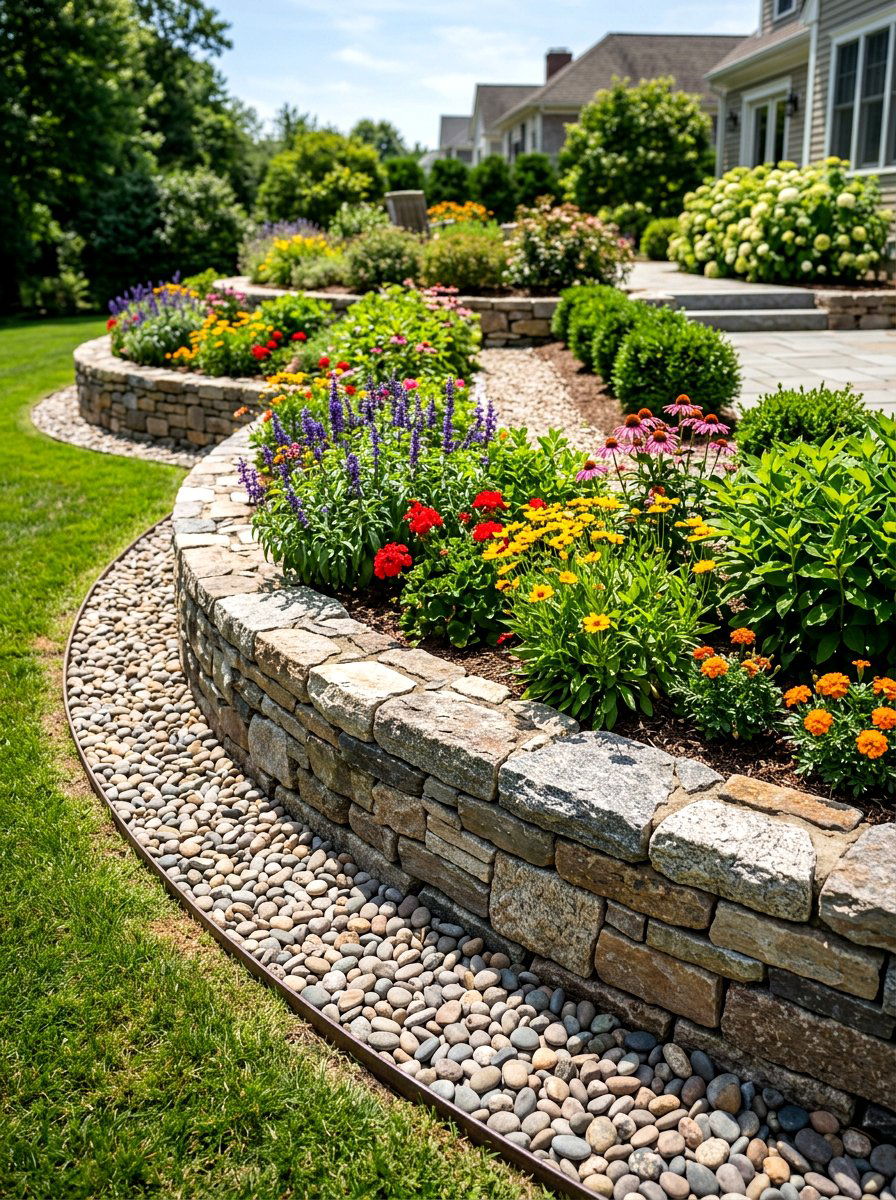
Retaining walls are functional necessities for many sloped yards, but they can often look a bit harsh on their own. Adding a retaining wall base of small pebbles provides a soft visual transition between the wall and the ground. This also serves as a drainage channel to catch runoff coming down the wall, preventing the soil at the base from becoming a muddy mess. You can use pebbles that match the color of the wall for a seamless look, or choose a contrasting color to highlight the architectural lines of the stone or timber. It is a small detail that makes a huge difference.
29. Modern Entryway
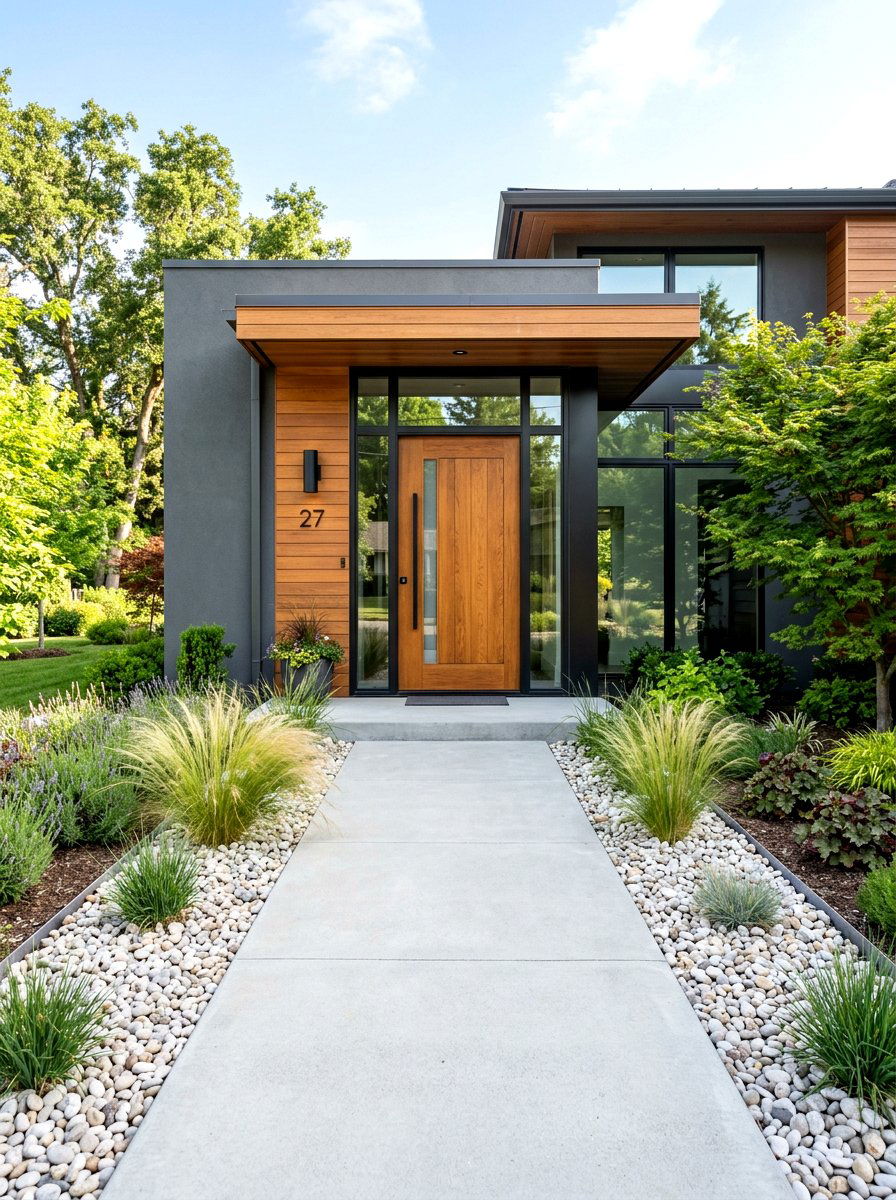
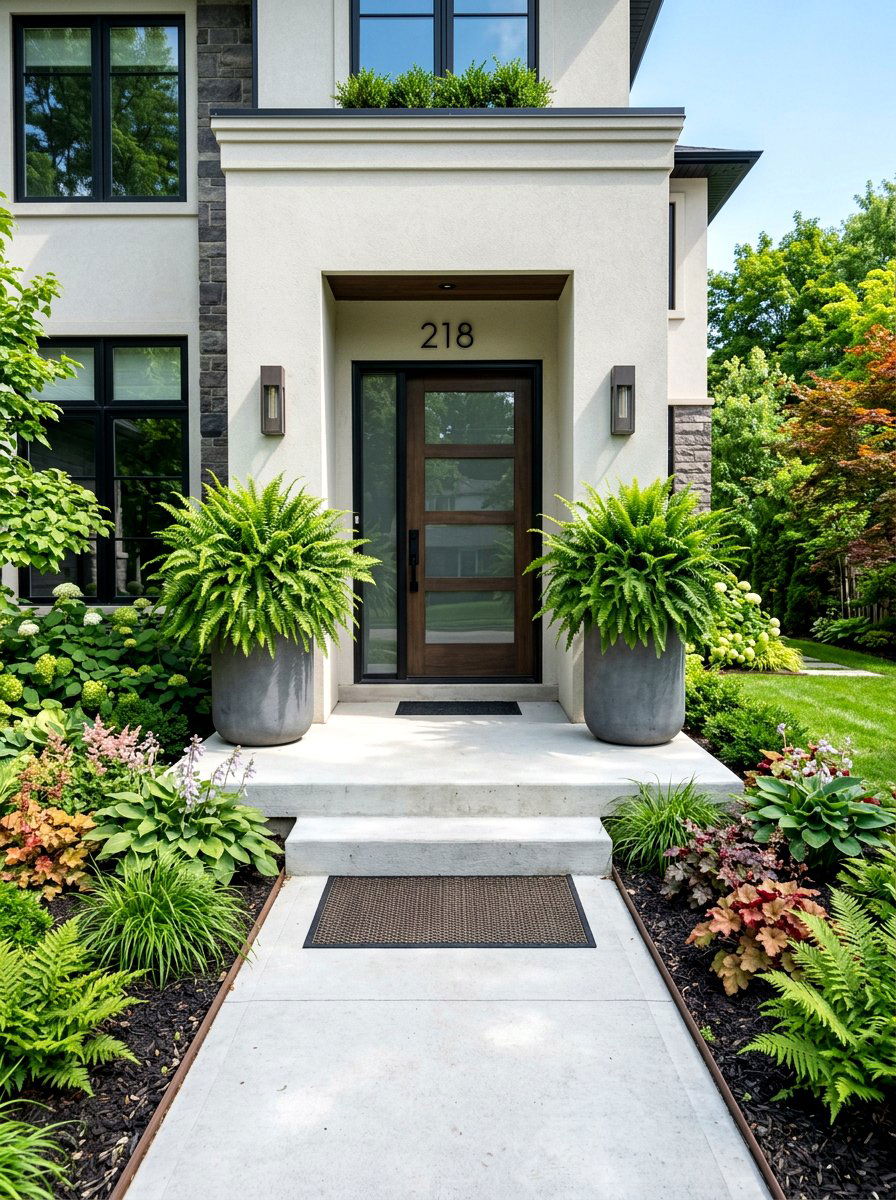
The entrance to your home sets the tone for everything else, so a modern entryway with clean pebble landscaping is a great way to make a first impression. Use narrow strips of pebbles along the edges of your front porch or walkway to create a minimalist, architectural look. Pair the stones with architectural plants like ornamental grasses or structural boxwoods for a high-end feel. This style is very popular because it looks expensive and meticulously maintained while requiring almost no actual labor. It provides a bright, welcoming path for guests that feels both secure and stylish from the very first step.
30. Outdoor Shower Floor
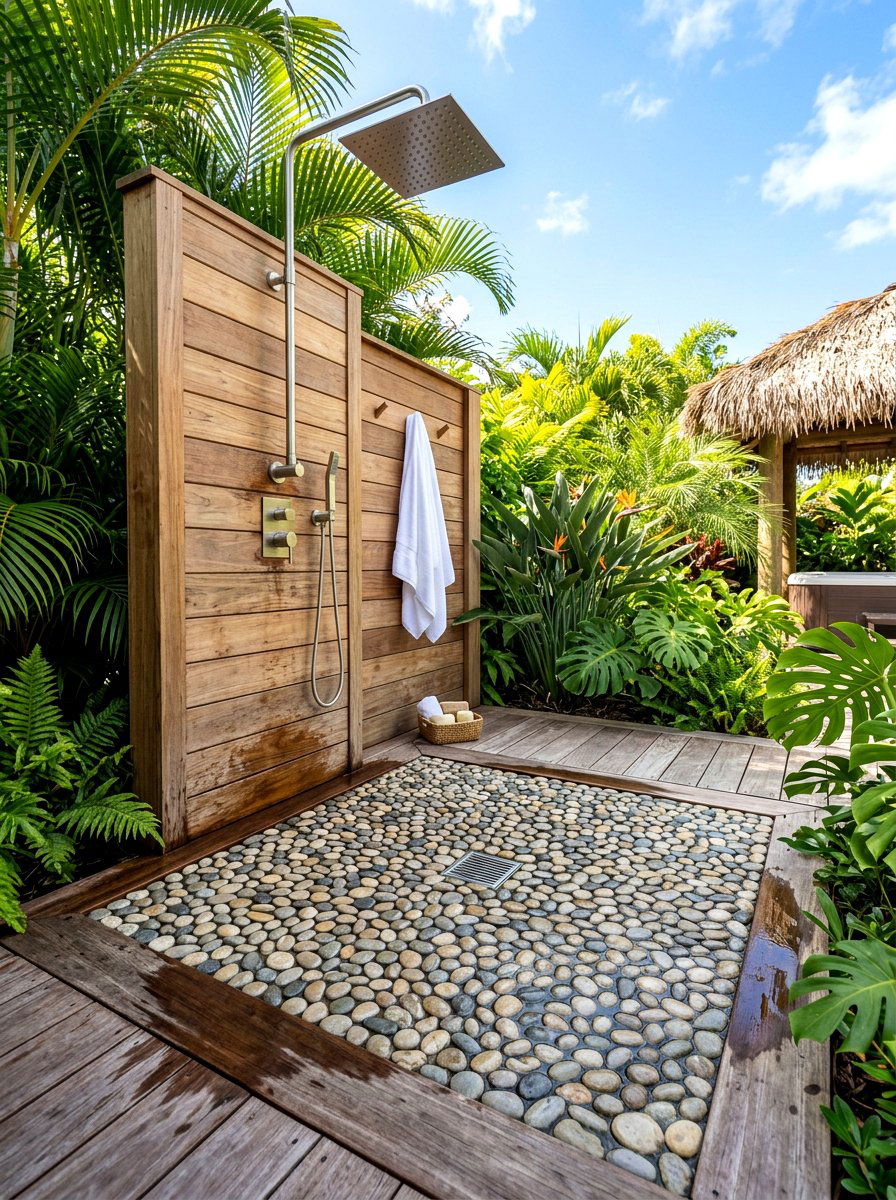
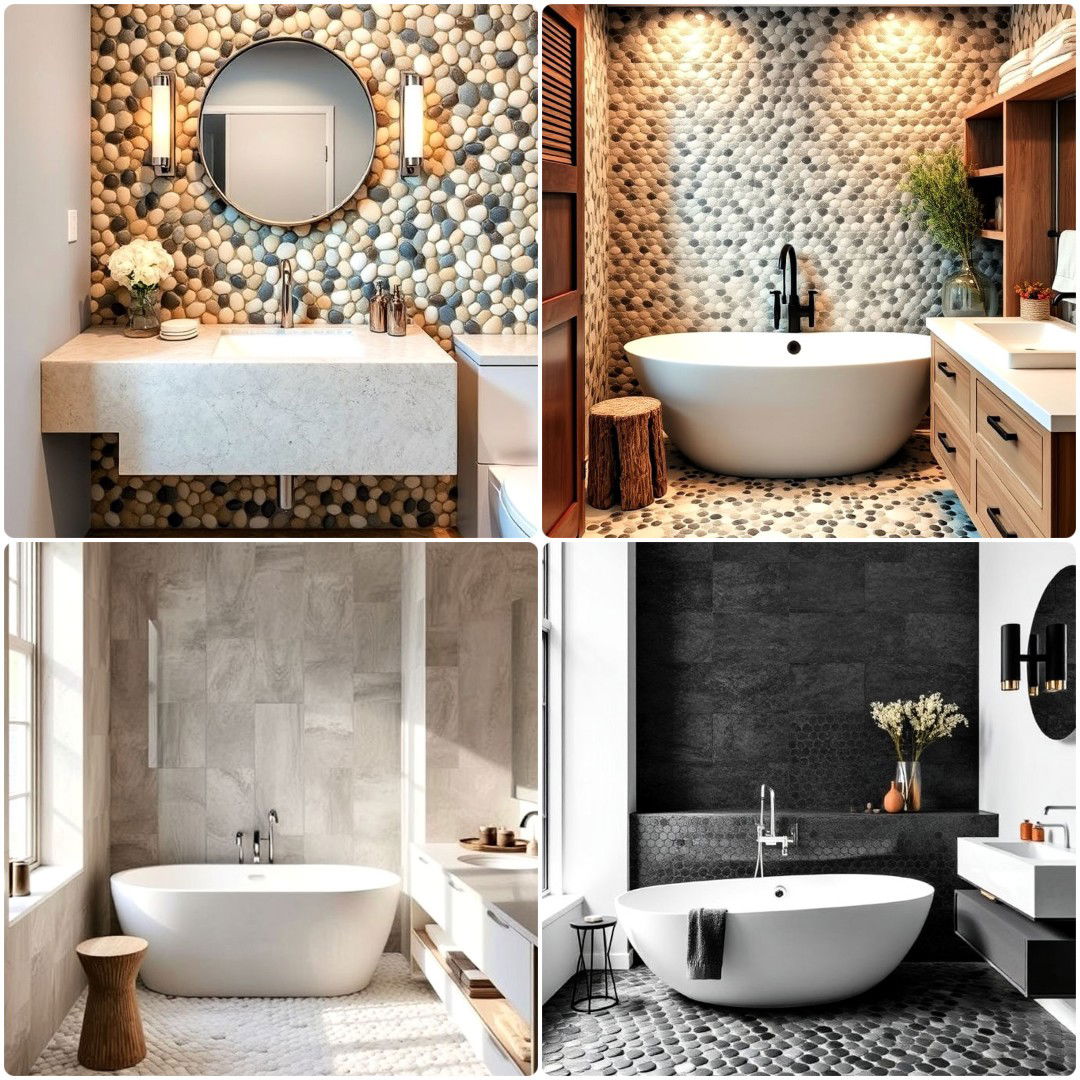
An outdoor shower is a luxurious addition to any home, especially if you have a pool or live near the beach. Using a pebble floor for your outdoor shower provides a natural, spa-like feel that is both beautiful and functional. The smooth stones massage your feet while providing a non-slip surface that remains safe even when wet. Because the pebbles are loose, water drains away instantly into the ground or a hidden drain system below. This prevents the buildup of mold or slime often found on solid shower floors. It creates a refreshing, natural experience that makes every shower feel like a trip to a high-end resort.
Conclusion:
Pebble gardens offer an incredible blend of aesthetic beauty and practical functionality that can transform any outdoor space into a personalized oasis. Whether you are aiming for the quiet contemplation of a Zen retreat or the sharp, clean lines of a modern landscape, these versatile stones provide a durable solution that stands the test of time. By choosing pebbles over traditional mulch or grass, you are making a sustainable choice that conserves water and reduces the need for chemicals and heavy maintenance. We hope these various ideas inspire you to step outside and begin creating a garden that is as beautiful as it is easy to maintain.

Related posts: