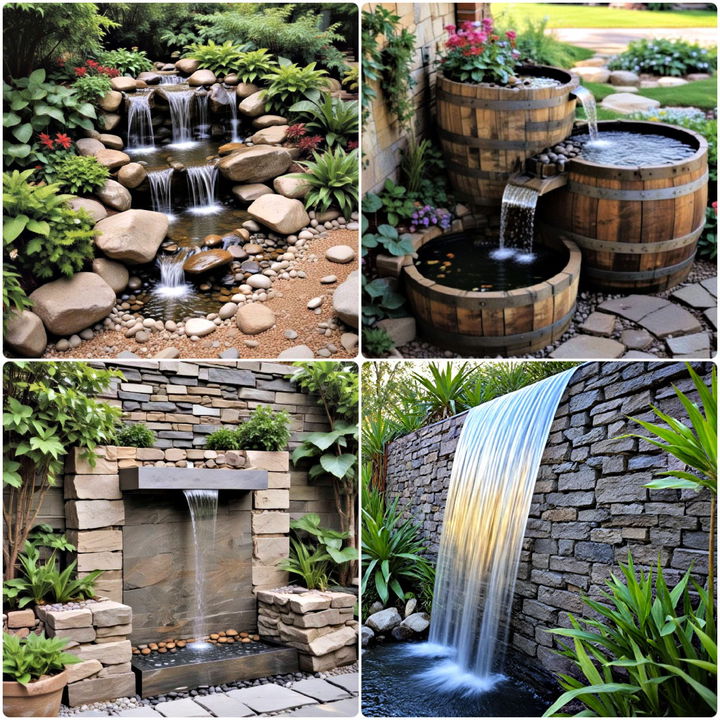
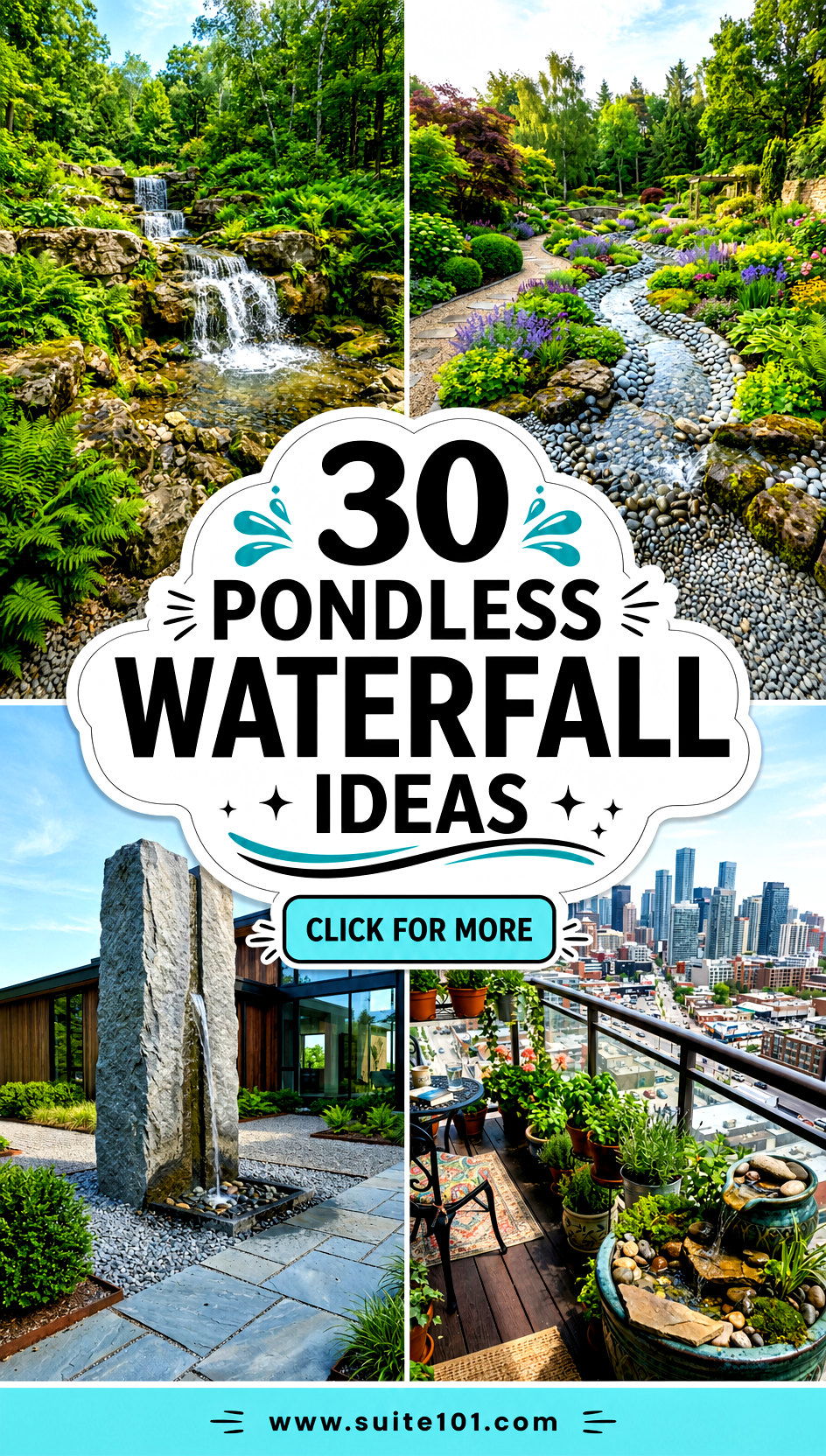
A pondless waterfall is one of the most transformative elements you can add to your outdoor living space today. Unlike traditional ponds, these features focus entirely on the sight and sound of moving water without the maintenance of a deep basin. This makes them incredibly safe for families with young children or pets while still offering the serene ambiance of a natural spring. You can tuck them into small corners or make them the sprawling centerpiece of your backyard landscape. By recirculating water through a hidden underground reservoir, you save on water bills and avoid the algae issues common with standing water. These systems are efficient, beautiful, and offer a soothing soundtrack that effectively masks urban noise while attracting local birds and butterflies to your private garden sanctuary.
1. Natural rock waterfall
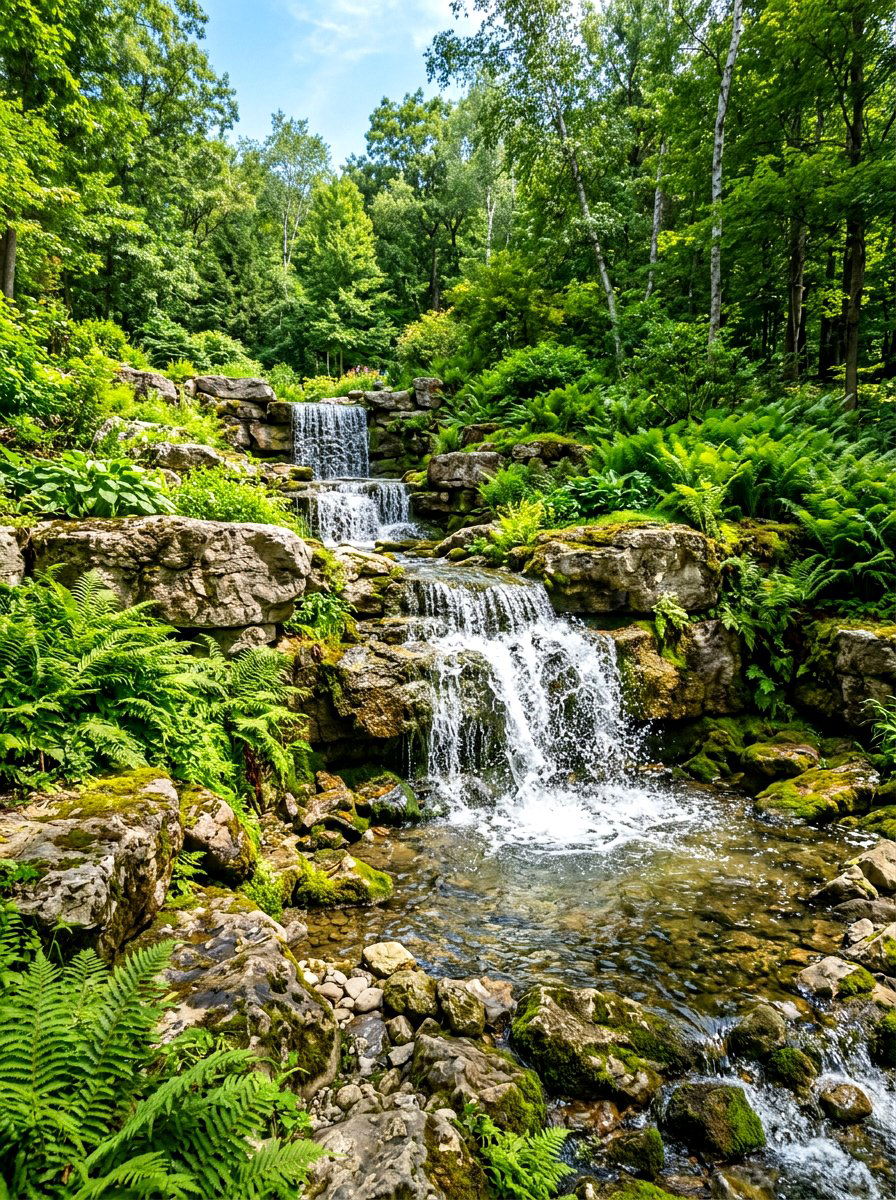
A natural rock waterfall brings the raw beauty of a mountain stream directly into your backyard landscape. This design uses various sizes of weathered boulders and river stones to create a rugged, organic appearance that looks like it has been there for centuries. The water splashes and tumbles over jagged edges, creating a multi-layered sound that is both energetic and peaceful. Surrounding the feature with ferns, mosses, and native groundcovers helps blend the stone into the existing environment. Because the water disappears into a bed of gravel, you get the full sensory experience of a wild creek without the safety concerns or maintenance of a deep open pond.
2. Disappearing stream path
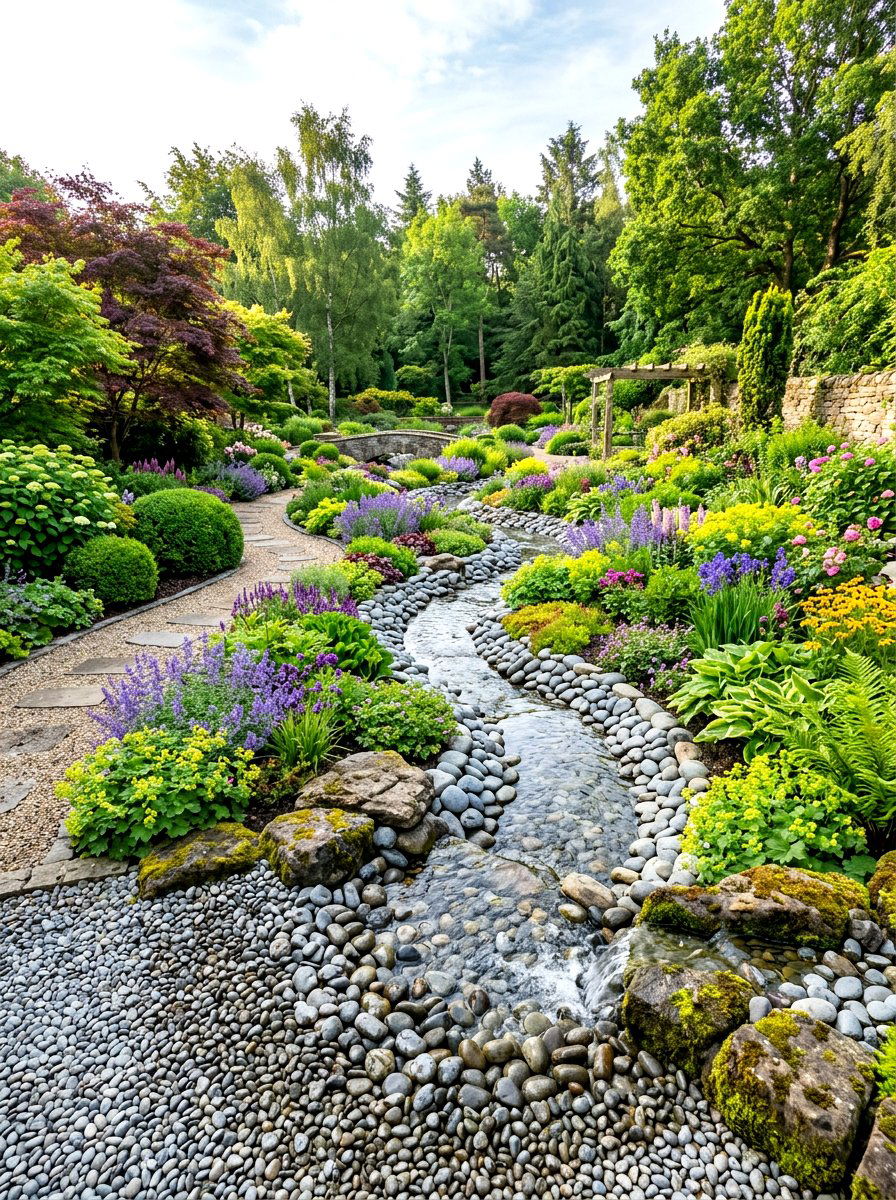
A disappearing stream path allows you to guide water along a winding journey through your garden before it vanishes into the earth. This design is perfect for larger yards where you want to create a sense of movement and exploration. The stream can wrap around a patio or snake through a flower bed, using a shallow liner hidden beneath smooth river rocks. At the end of the run, the water drains through a hidden grate into an underground vault. This setup is ideal for creating a long, babbling soundscape that travels with you as you walk through your outdoor space, providing constant visual and auditory delight.
3. Basalt column water feature
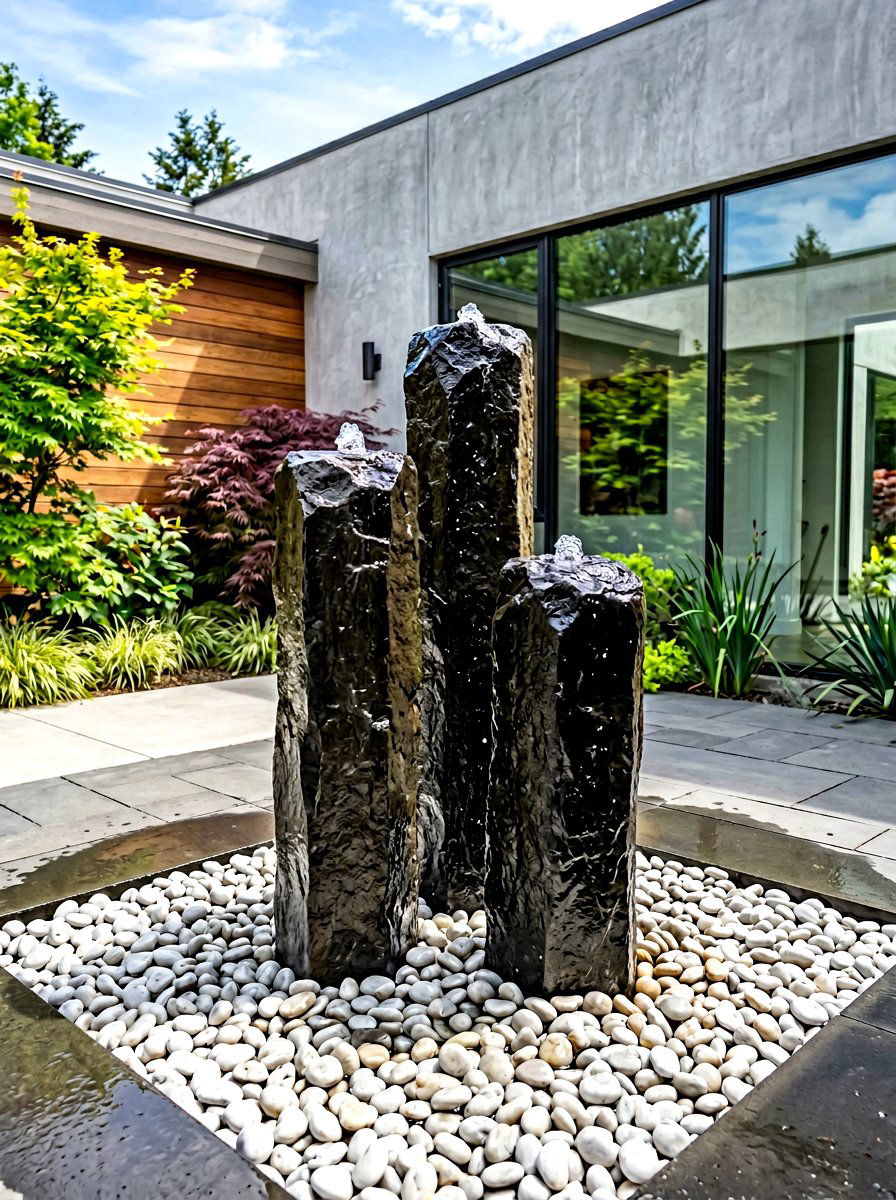
A basalt column water feature offers a striking architectural look that bridges the gap between natural and modern styles. These vertical stones are often sold in sets of three at varying heights, with water bubbling from the top and spilling down the textured sides. The dark, volcanic rock turns a deep obsidian color when wet, creating a high-contrast focal point in any garden. Because the water recirculates from a hidden basin beneath decorative pebbles, the footprint remains very small. This design is highly effective for modern entryways or small courtyards where you want a bold, sculptural element that requires almost zero daily upkeep or cleaning.
4. Tiered stone cascade
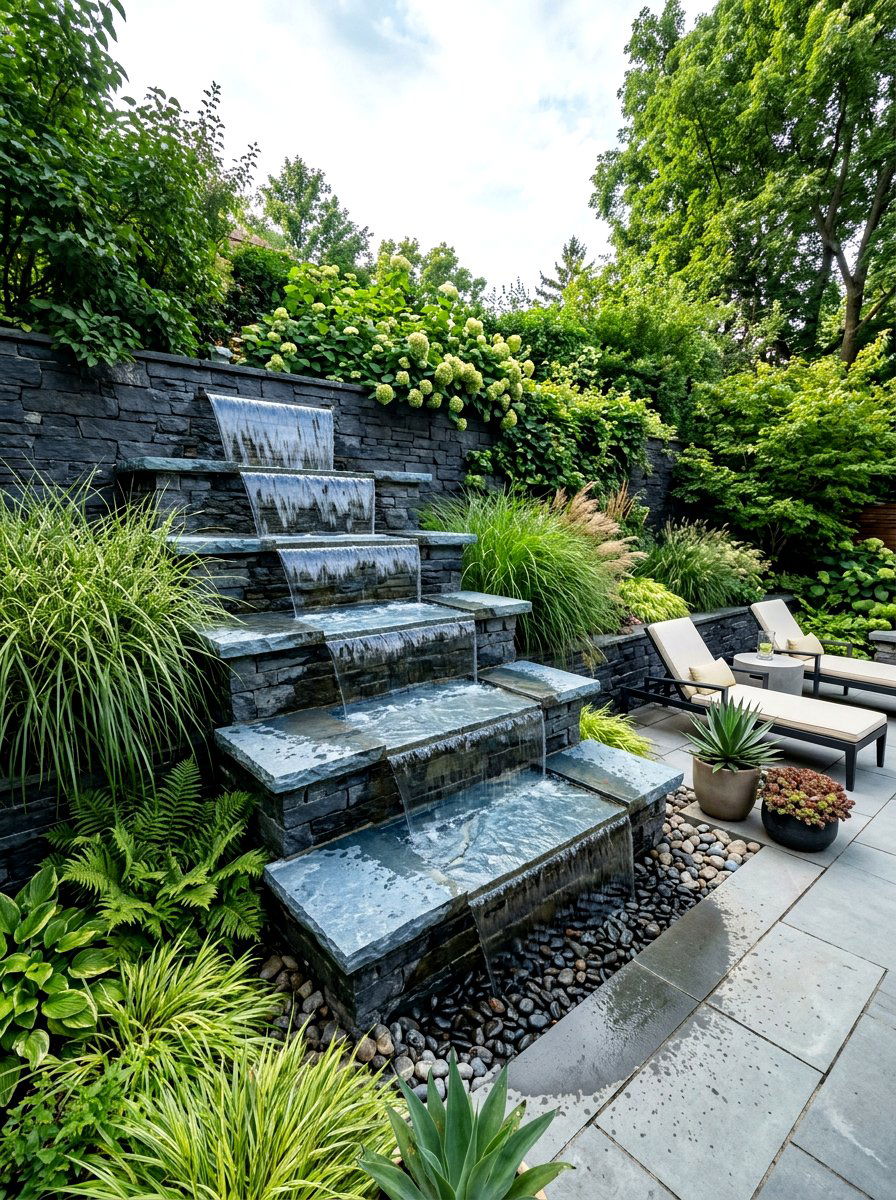
A tiered stone cascade uses flat flagstones or slate pieces to create a series of shelf-like drops for the water. This specific design is known for creating a distinct, musical sound as the water "claps" against each flat surface before falling to the next level. You can customize the height and number of tiers to fit the vertical space available in your yard. By layering the stones with slight overhangs, you ensure a clear, sheet-like fall of water that catches the light beautifully. This style works exceptionally well against a retaining wall or a natural slope, turning a functional landscape barrier into a stunning, liquid work of art.
5. Small backyard waterfall
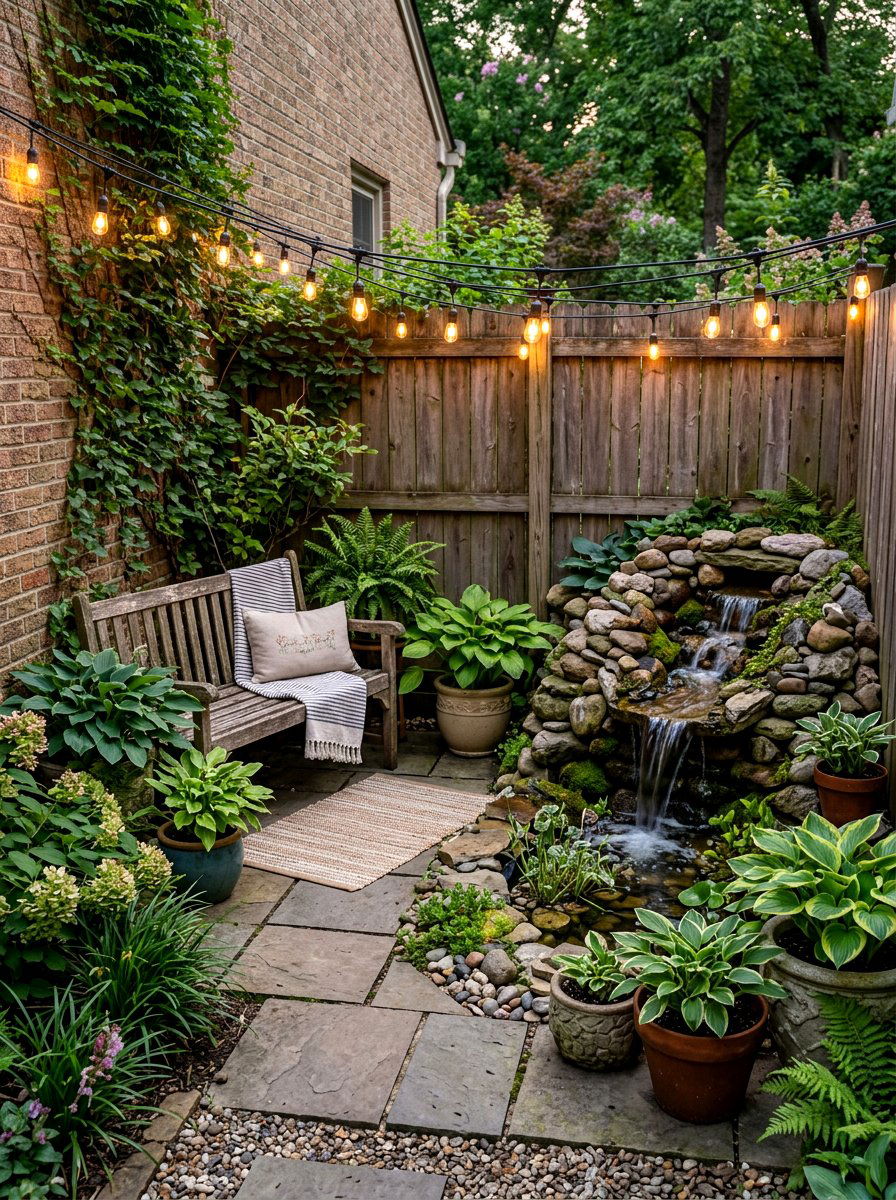
A small backyard waterfall proves that you do not need a massive estate to enjoy the benefits of moving water. These compact features are designed to fit into narrow side yards, tiny patios, or even the corner of a townhouse garden. Using a pre-formed spillway and a small underground reservoir, you can create a gentle trickle that provides enough white noise to block out nearby neighbors. The key to making a small feature look grand is using high-quality decorative rocks and dense, lush planting around the edges. This creates a miniature oasis that feels secluded and private, despite the limited square footage of the actual water system.
6. Modern wall waterfall
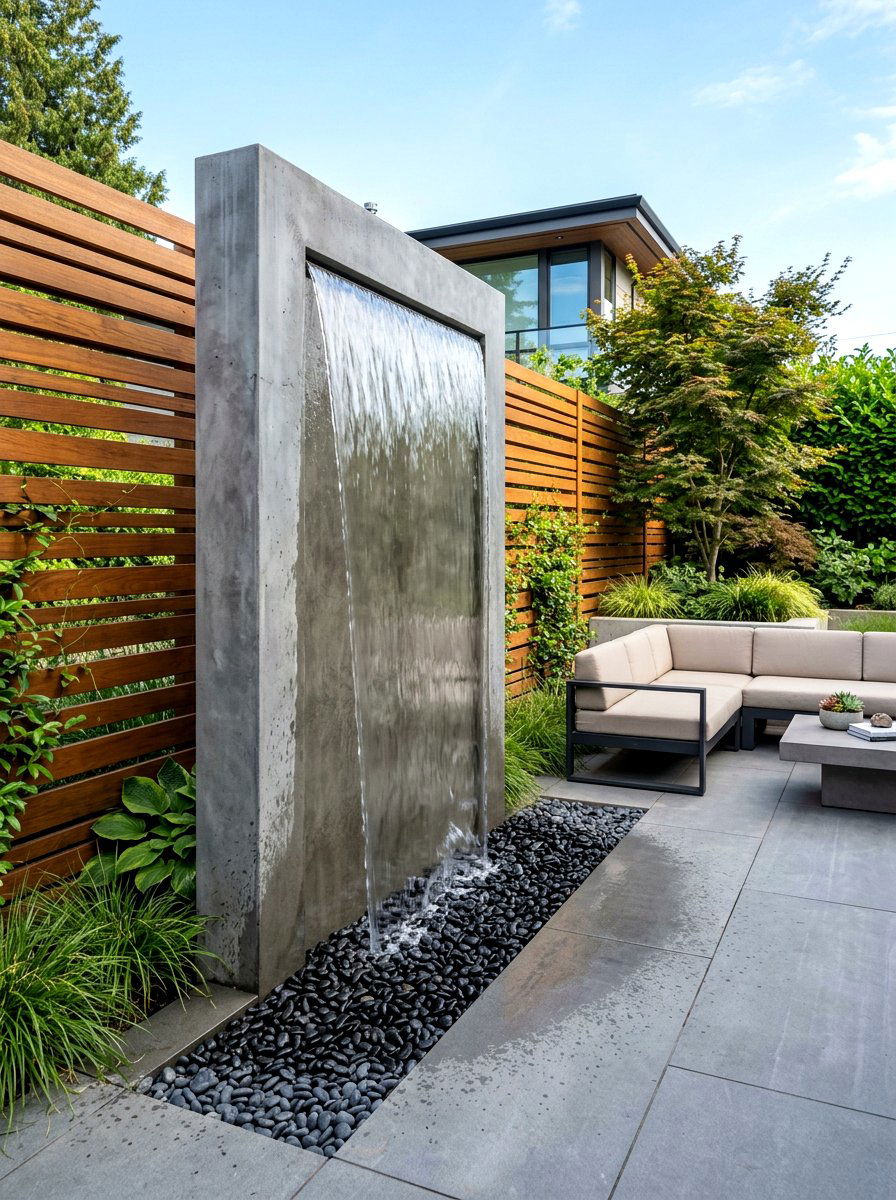
A modern wall waterfall is a sleek, architectural choice that integrates water directly into the vertical structures of your home or garden. Using materials like polished concrete, smooth tile, or stainless steel, the water flows in a thin, glass-like sheet down a vertical surface. This design is incredibly space-efficient because it requires very little horizontal room, making it a favorite for contemporary patios and urban balconies. The hidden basin is often built into a bench or a raised planter, keeping the mechanical parts completely out of sight. It provides a sophisticated visual element that complements minimalist furniture and clean, geometric lines in a modern landscape.
7. Vertical stone spillway
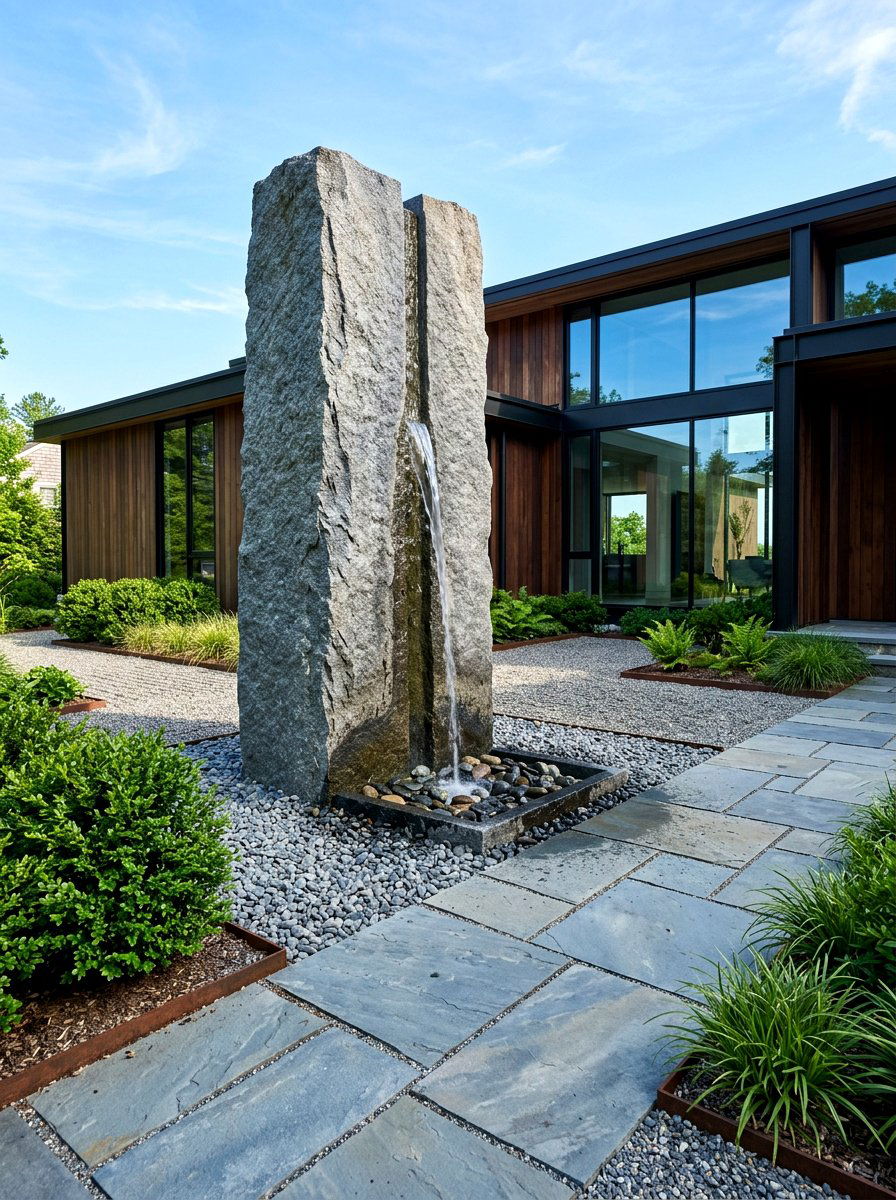
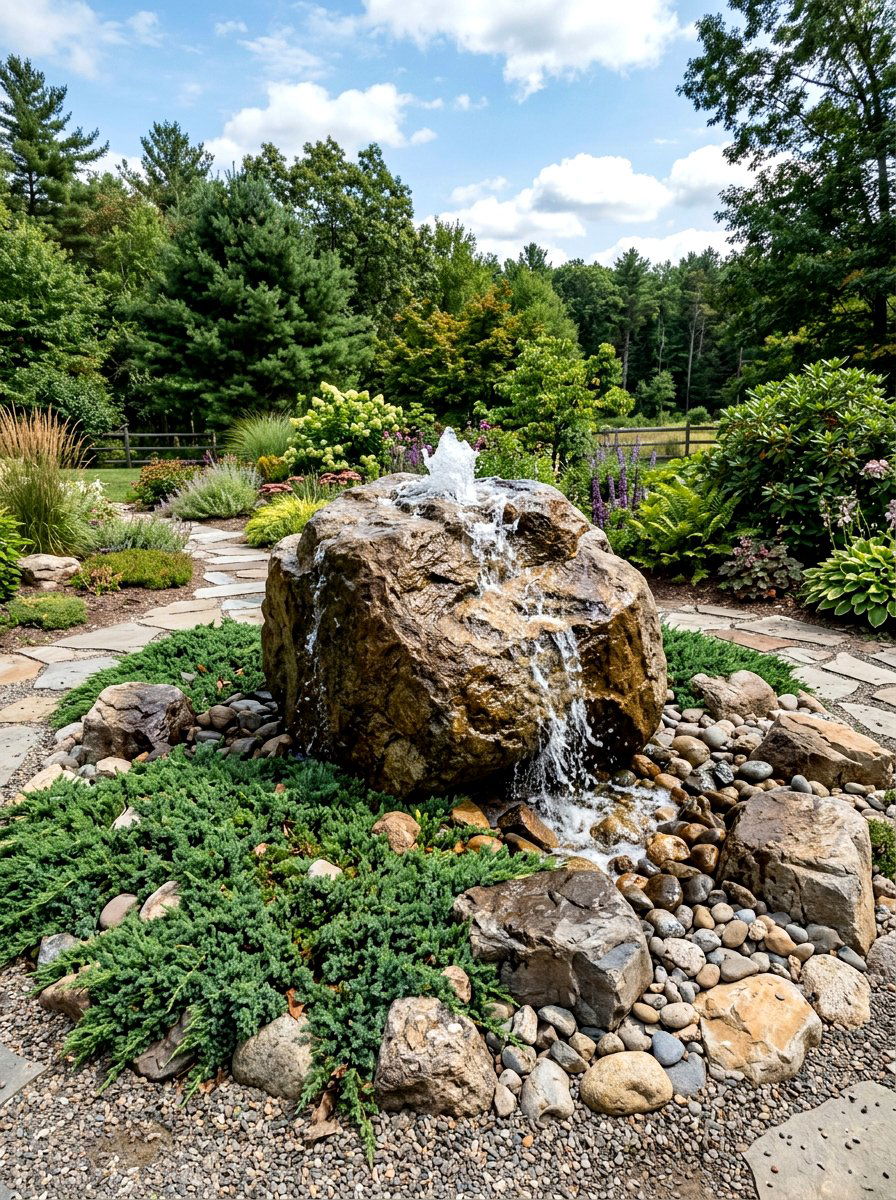
A vertical stone spillway utilizes a single, upright slab of stone as the primary focal point where water originates. This design often features a precision-cut groove at the top of a large boulder or a flat monolith, allowing water to pour out in a focused stream. It combines the rugged texture of natural stone with a very intentional, designed flow. This setup is particularly effective when placed at the end of a path or visible through a window, acting as a living sculpture. The water falls into a bed of polished pebbles, which masks the reservoir and provides a clean, finished look to the base of the stone.
8. Hidden reservoir waterfall
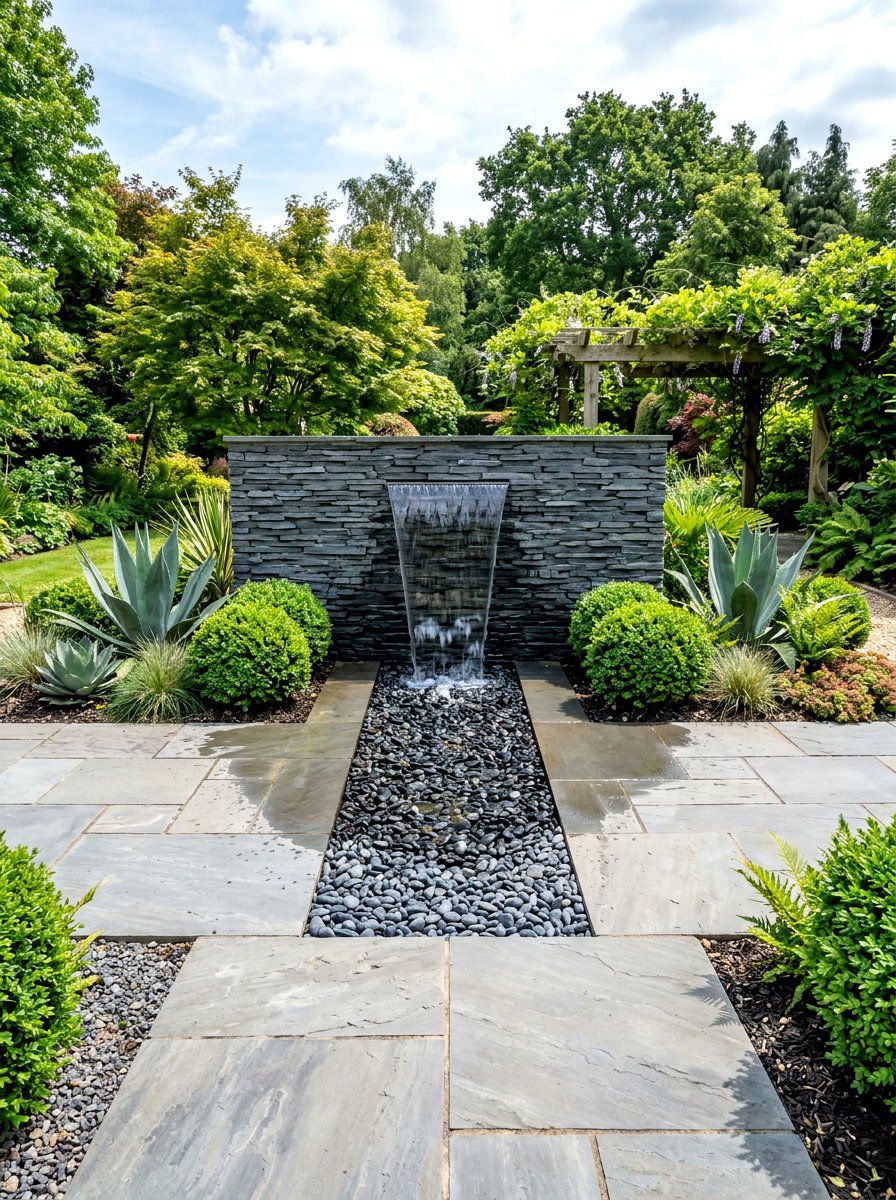
A hidden reservoir waterfall is the core concept of pondless designs, but this specific approach emphasizes the "magic" of water vanishing into the ground. By using a deep pit filled with plastic matrix blocks and topped with decorative river glass or smooth stones, the water appears to soak directly into the earth. This design is perfect for high-traffic areas where people might walk near or over the water feature. It offers the most streamlined look possible, as there is no visible pool at all. The result is a clean, minimalist aesthetic that focuses purely on the waterfall's movement and the surrounding lush garden plants.
9. Recirculating garden stream
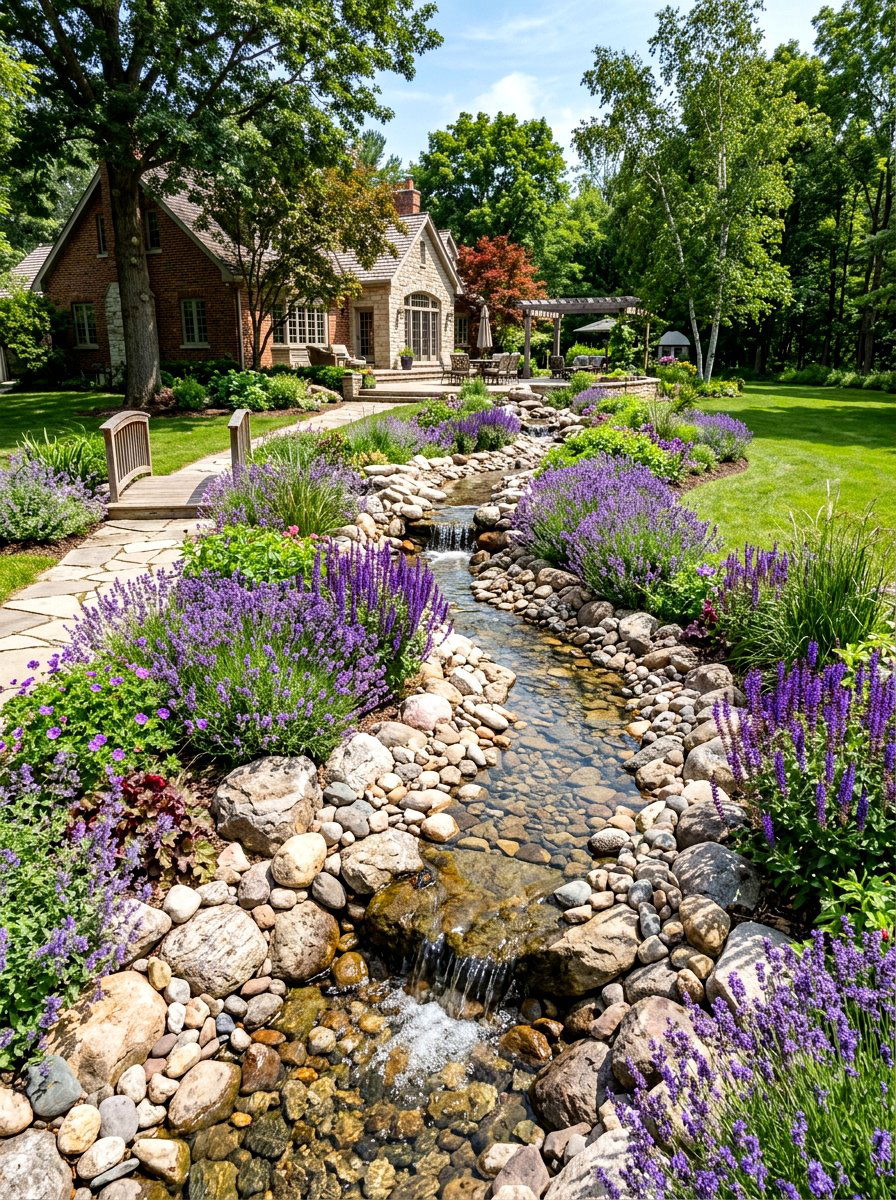
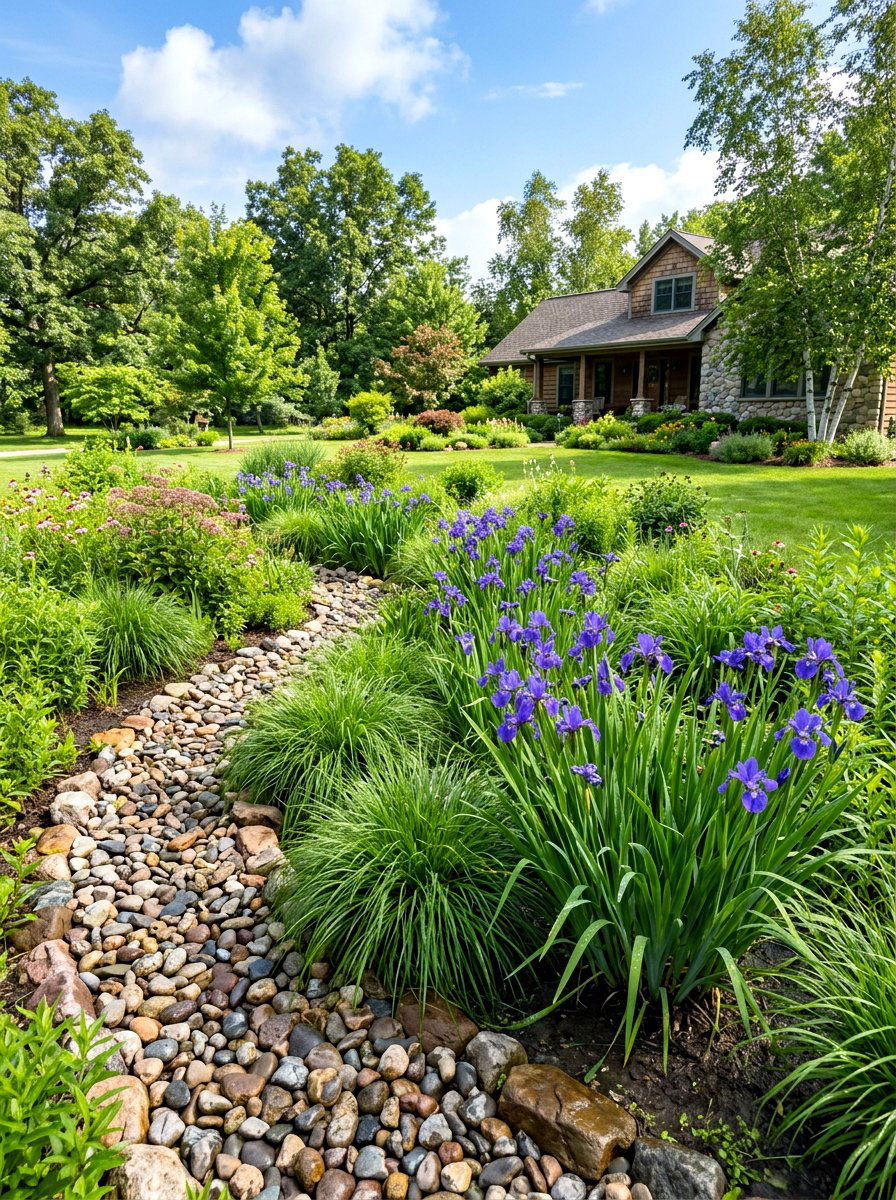
A recirculating garden stream mimics the gentle flow of a woodland brook, winding through your landscape with multiple small drops and turns. This design is highly customizable, allowing you to use different sizes of gravel and cobbles to vary the sound of the water. In areas where the stream narrows, the water moves faster and sounds more energetic; in wider sections, it slows down for a peaceful, reflective quality. Because it recirculates from a hidden end-point back to the start, it uses very little water. This is an excellent choice for a long garden bed where you want to connect different sections of your yard.
10. Corner garden waterfall
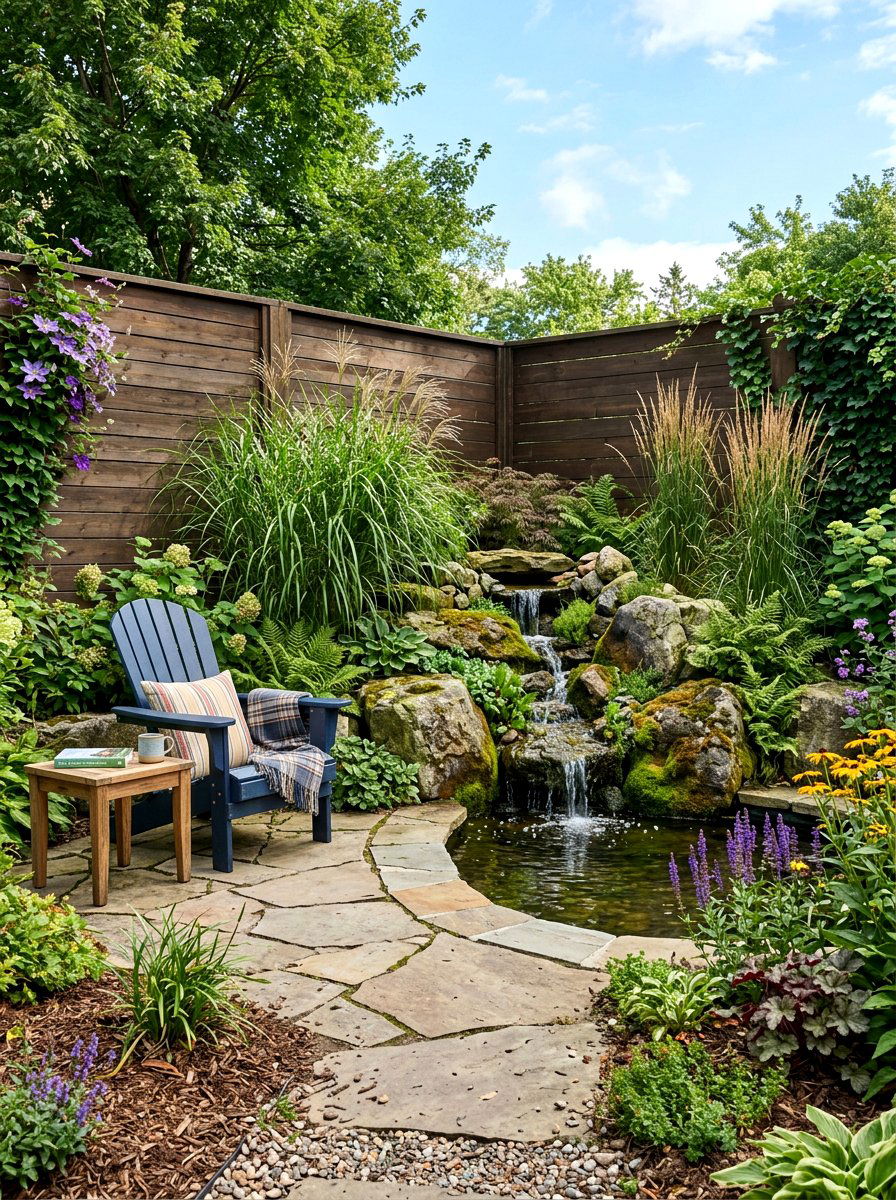
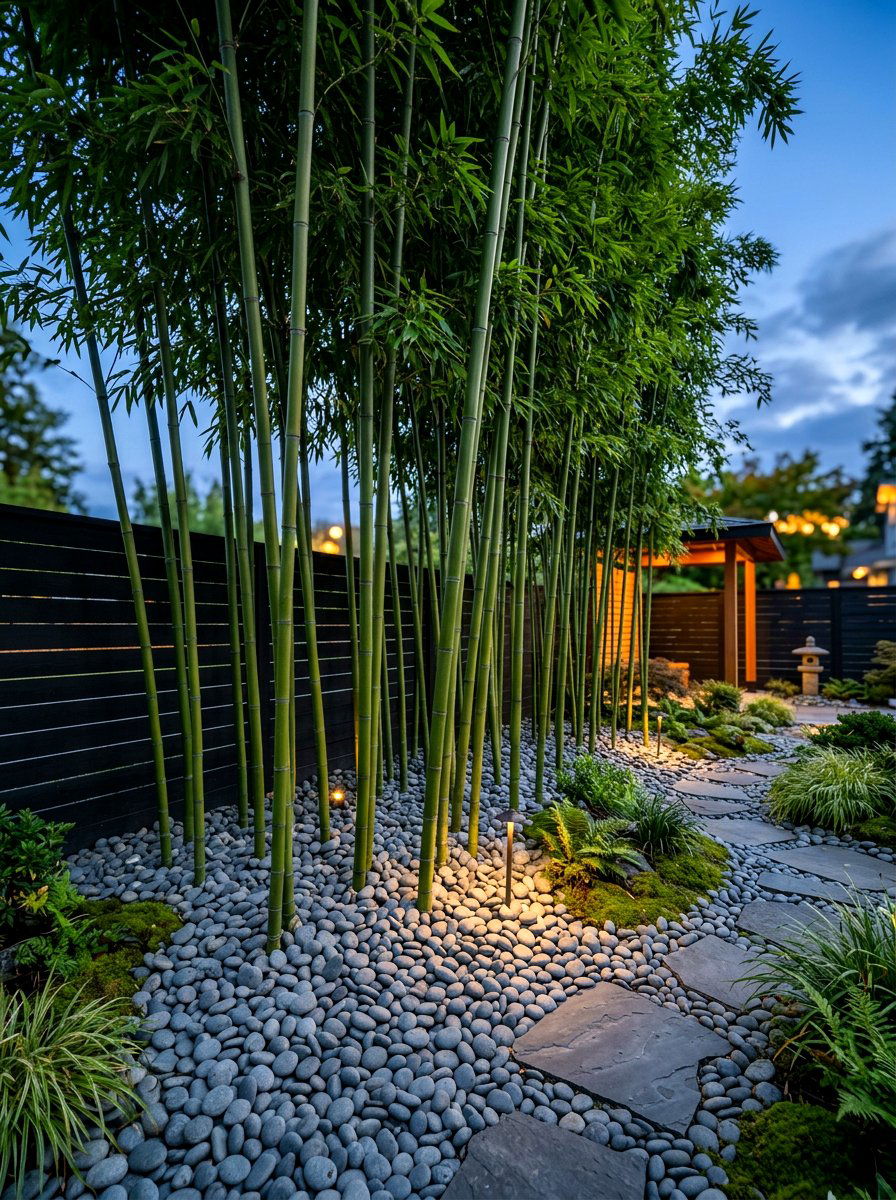
A corner garden waterfall is a strategic design choice that maximizes unused space in your backyard. By building the waterfall into a corner where two fences or walls meet, you create a natural "hug" for the water feature, which helps amplify the sound. This placement also allows you to use the corner's height to create a more dramatic drop without taking up the center of your lawn. You can build up the back with large boulders and tall grasses to create a sense of depth. This design transforms a dead corner into the most attractive spot in the yard, perfect for a nearby seating area.
11. Flagstone waterfall cascade
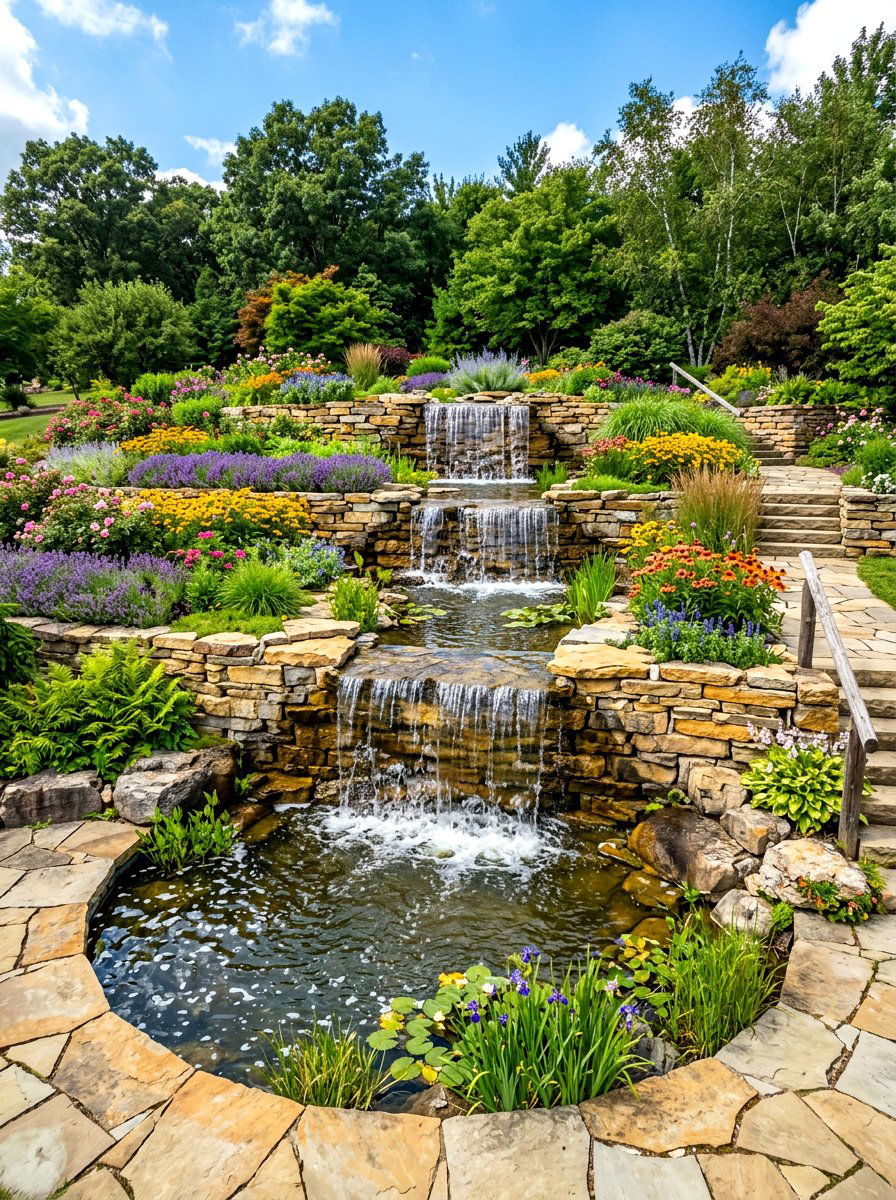
A flagstone waterfall cascade relies on the thin, flat nature of flagstone to create wide, shimmering sheets of water. By stacking these stones with a slight outward tilt, the water clings to the surface before breaking off into a clean, horizontal fall. This creates a very visual, "curtain" effect that is highly prized in landscape design. You can mix different colors of flagstone, such as blue-gray or sunset gold, to match the stonework of your patio. This design is particularly beautiful in the late afternoon when the sun hits the thin sheets of water, creating a glowing, golden effect across the entire feature.
12. Tropical pondless waterfall
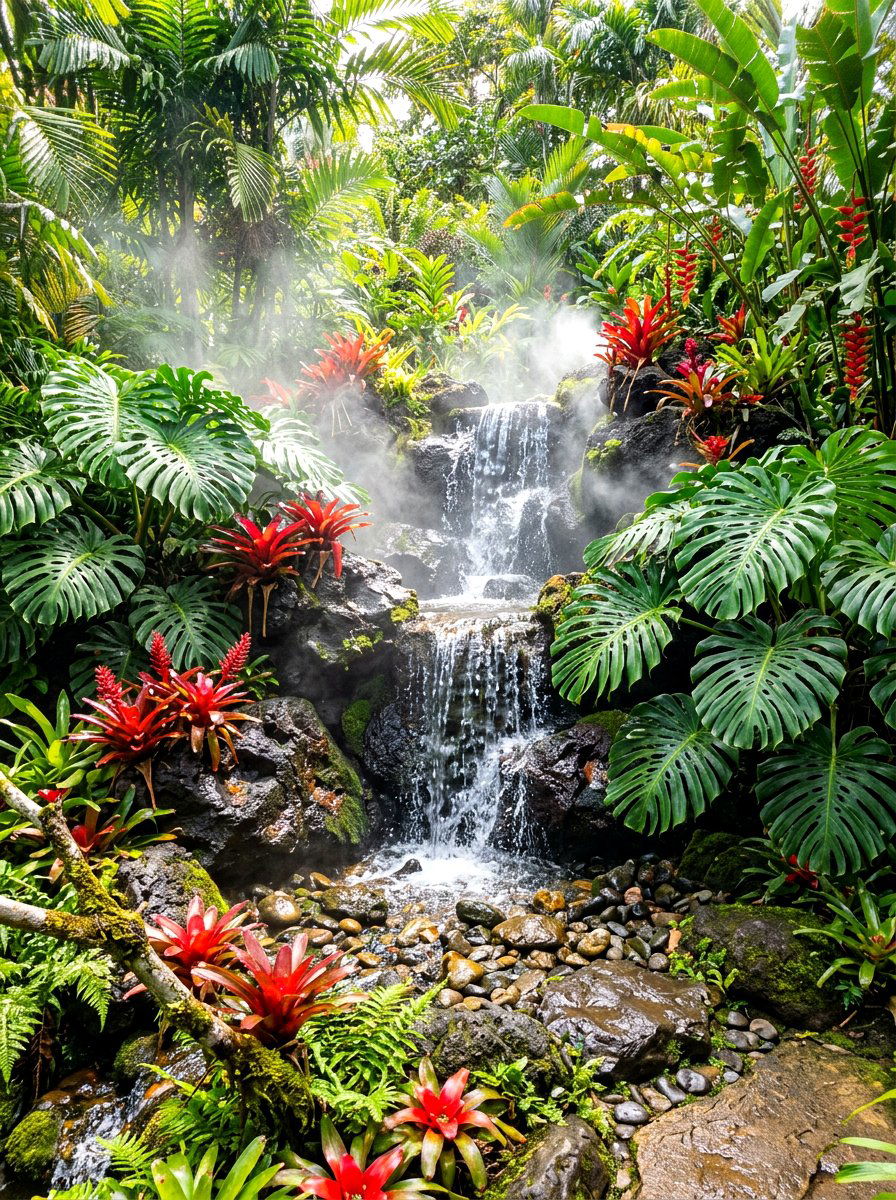
A tropical pondless waterfall uses lush greenery and dark, porous rocks to recreate the feel of a rainforest hidden gem. This design often incorporates large-leafed plants like hostas, ferns, and elephant ears that drape over the edges of the water. The rocks are often lava rock or dark granite, which look deep and rich when saturated. To enhance the tropical vibe, you can add a misting system or hidden lighting that mimics the dappled sunlight of a jungle canopy. This style is perfect for creating an exotic escape in your own backyard, providing a high-humidity environment that helps your shade-loving plants thrive year-round.
13. Wood and stone waterfall
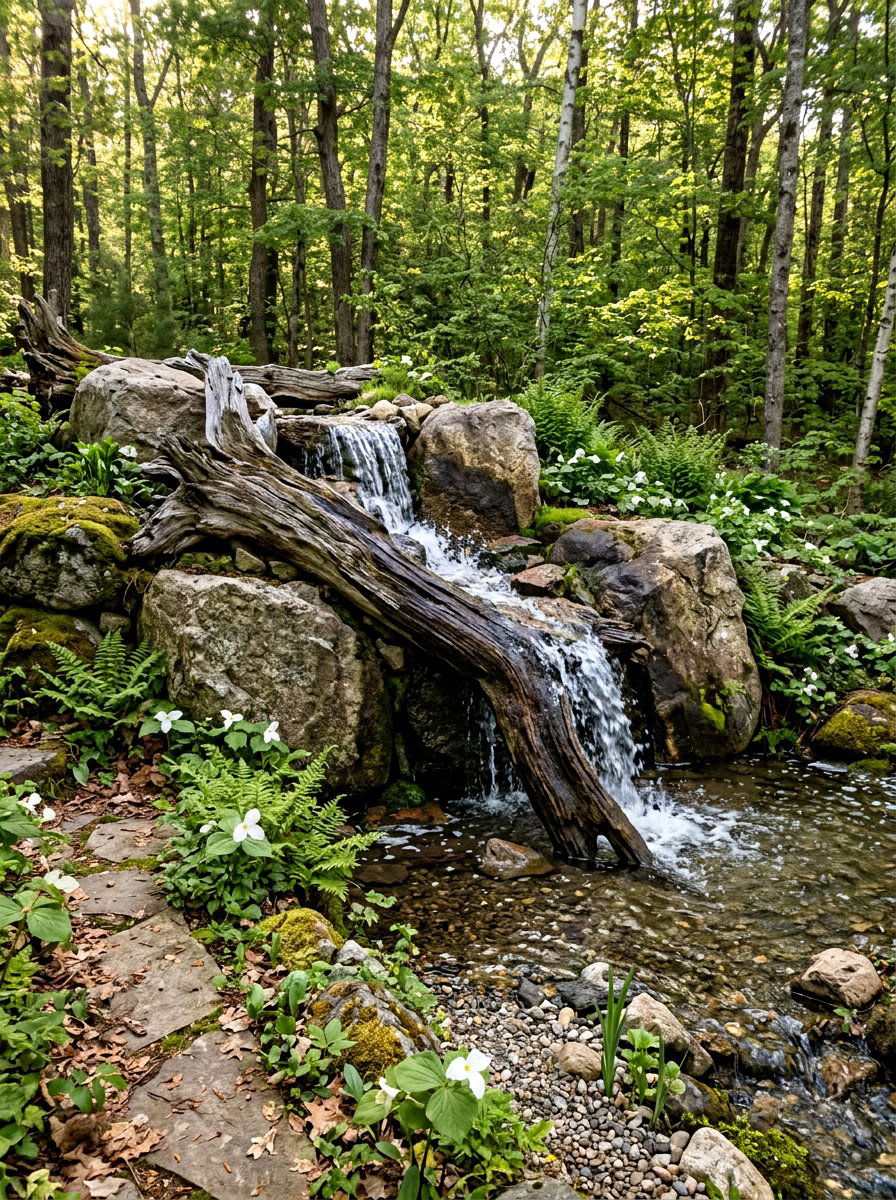
A wood and stone waterfall introduces organic warmth to the landscape by combining natural timber with hard stone elements. You can use large driftwood pieces or treated cedar beams as part of the waterfall structure, allowing the water to flow over the wood and into the stone basin. This creates a beautiful contrast in textures and colors that feels very grounded and earthy. Over time, the wood may develop a light mossy coating, further enhancing the aged, natural look. This design is ideal for woodland gardens or rustic landscapes where you want the water feature to feel like a fallen tree in a forest stream.
14. Boulder waterfall feature
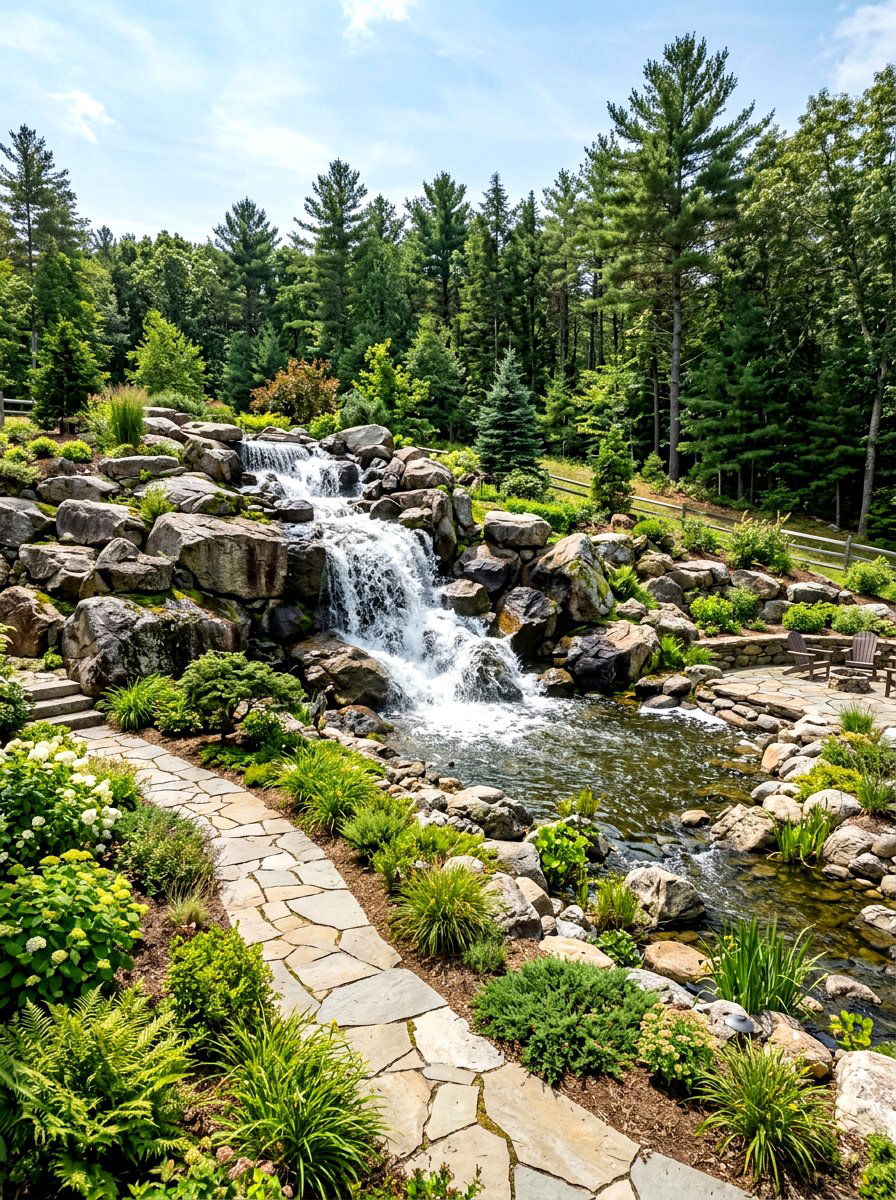
A boulder waterfall feature uses massive, heavy stones as the primary building blocks to create a sense of permanence and grandeur. Each boulder is carefully placed to direct the water flow, creating deep thundering sounds or delicate trickles depending on the rock 's shape. This design requires heavy equipment for installation, but the result is a powerful focal point that dominates the landscape in the best way possible. Because the boulders are so large, they provide plenty of nooks and crannies for small plants to grow, making the waterfall look like a natural outcropping that was unearthed during your garden' s construction.
15. Zen garden water feature
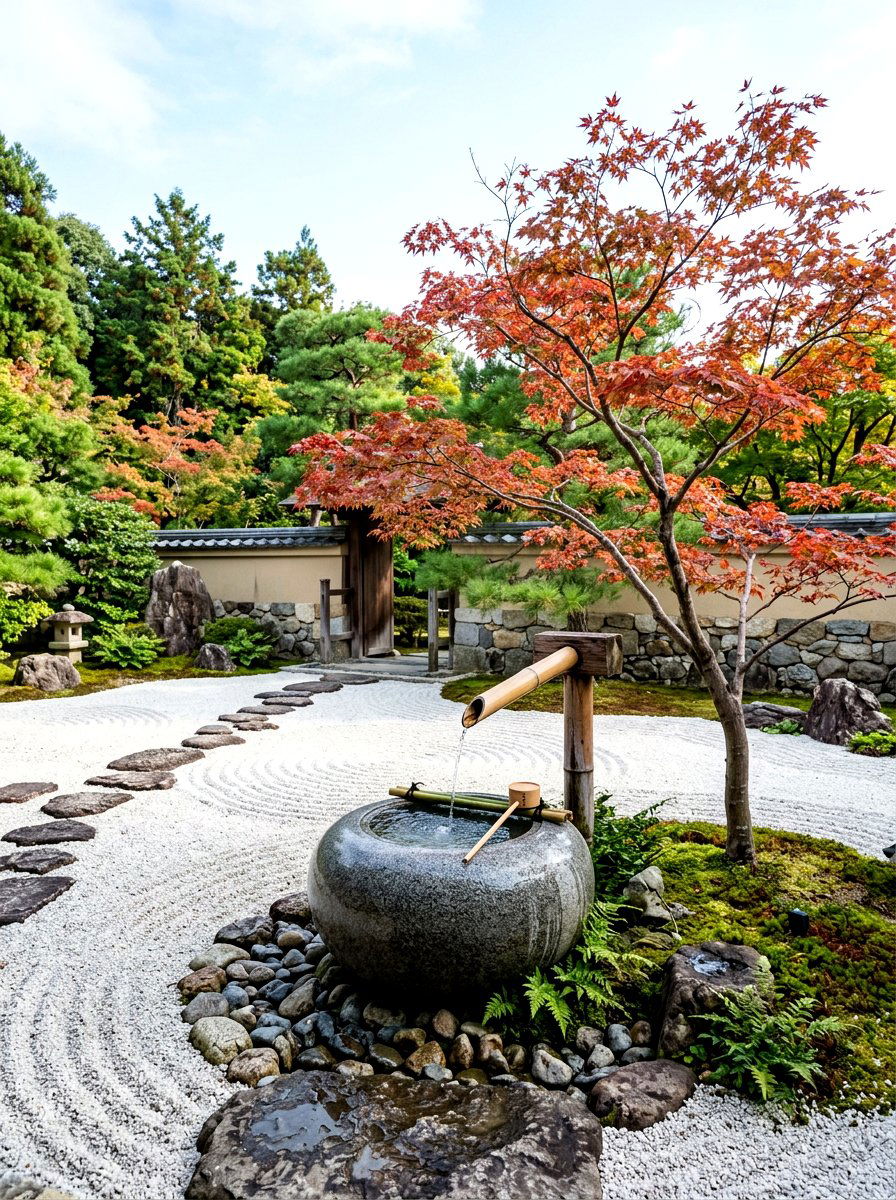
A Zen garden water feature focuses on simplicity, balance, and the meditative quality of water. This design often includes a single bamboo spout or a smooth, round stone basin where water gently overflows. The surrounding area is typically filled with raked gravel or sand, and perhaps a single, perfectly placed bonsai tree or Japanese maple. The goal is to create a space for quiet reflection, where the sound of the water is soft and consistent. By keeping the design minimalist, you emphasize the clarity and purity of the water, making it a perfect addition to a dedicated yoga or meditation space in your backyard.
16. Sloped yard waterfall
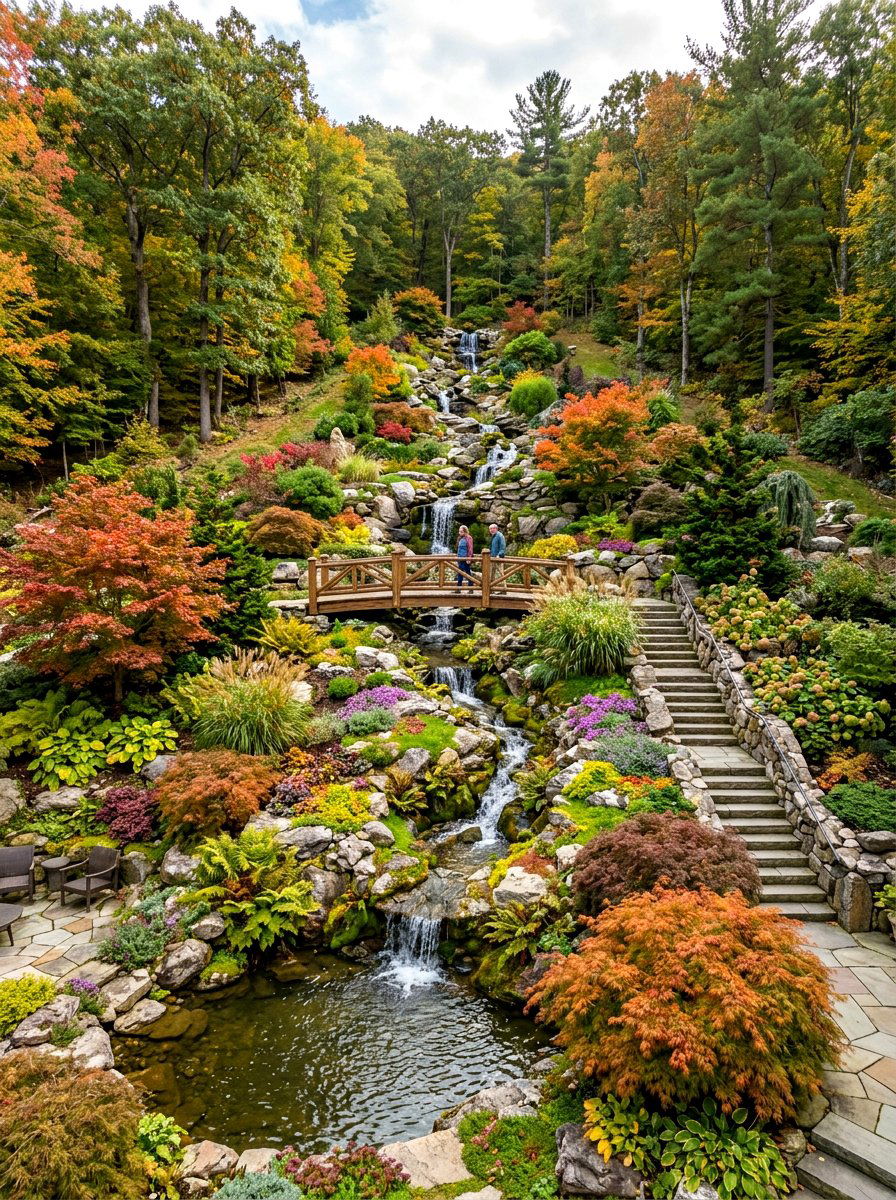
A sloped yard waterfall turns a challenging landscape into a major design advantage. Instead of fighting the hill with expensive retaining walls, you can use the natural incline to create a long, dramatic series of falls. The water travels down the slope through a lined channel, picking up speed and sound as it goes. This design allows for a much taller waterfall than would be possible on flat ground, providing a spectacular view from the bottom of the hill. You can add small bridges or stepping stones over the water path to create a functional and beautiful way to traverse your sloped property.
17. Contemporary glass waterfall
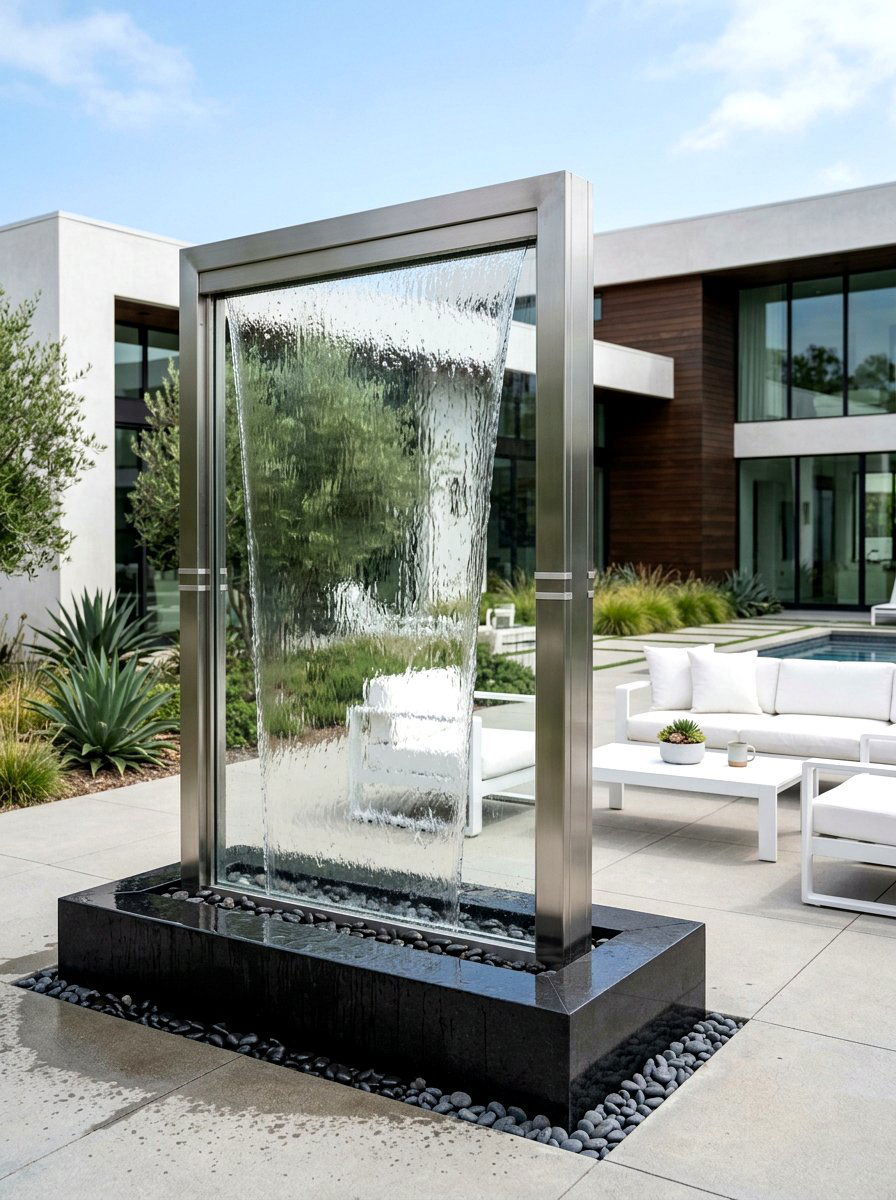
A contemporary glass waterfall is a high-end design that uses tempered glass panels as the surface for the water to glide over. This creates an almost invisible effect where the water seems to be floating in mid-air. It is often framed in brushed metal or sleek black granite for a ultra-modern look. This style is particularly effective when used as a privacy screen between different areas of a patio or near an outdoor dining space. The glass reflects the sky and the surrounding garden, adding a sense of light and transparency that stone features cannot provide. It is the ultimate statement piece for a modern home.
18. Patio edge waterfall
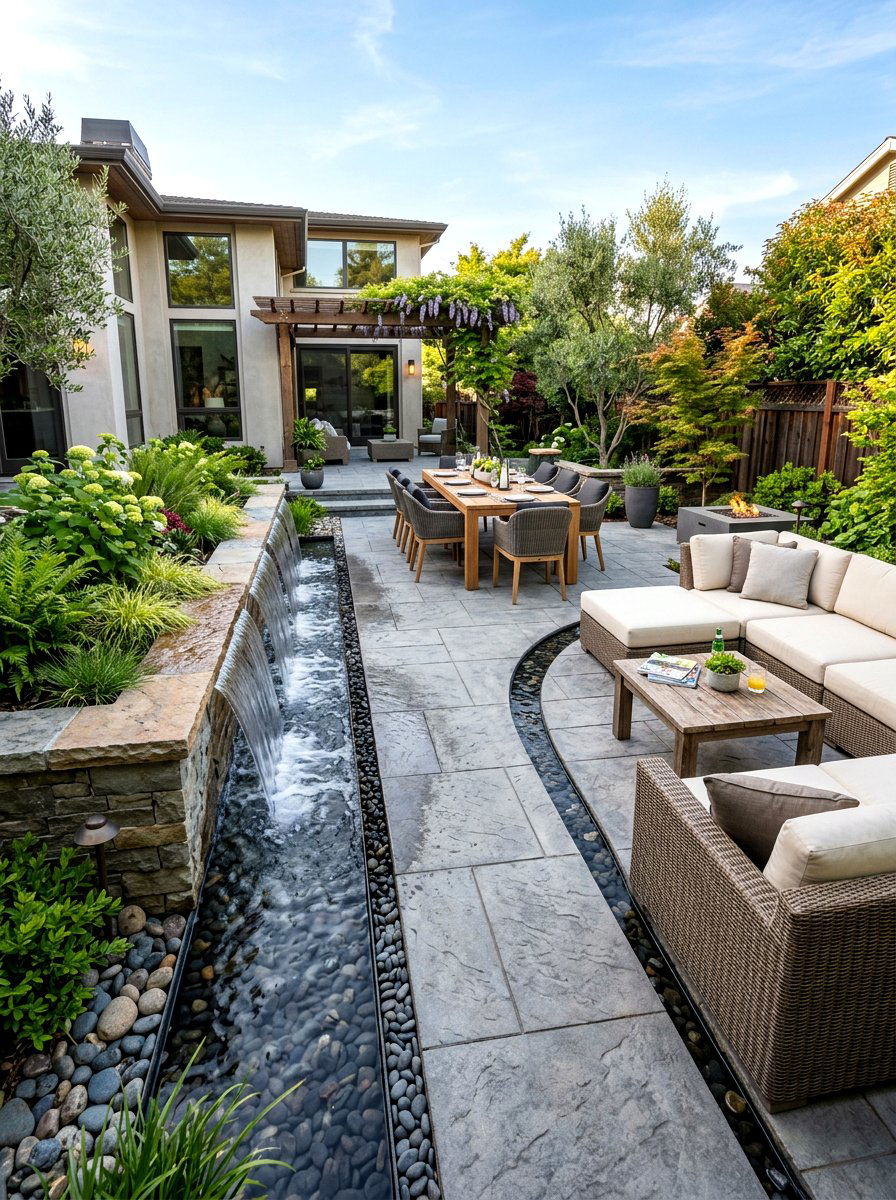
A patio edge waterfall brings the water feature directly to your seating area, blurring the line between hardscaping and nature. The water flows from a raised planter or a low wall right at the edge of the pavers, disappearing into a gravel-filled trench beneath the patio surface. This allows you to sit just inches away from the moving water, feeling its cooling effect on hot summer days. It is an excellent way to add a vertical element to a flat patio without needing a separate garden bed. This design creates an intimate, immersive experience that makes your outdoor living area feel like a high-end resort.
19. LED lighted waterfall
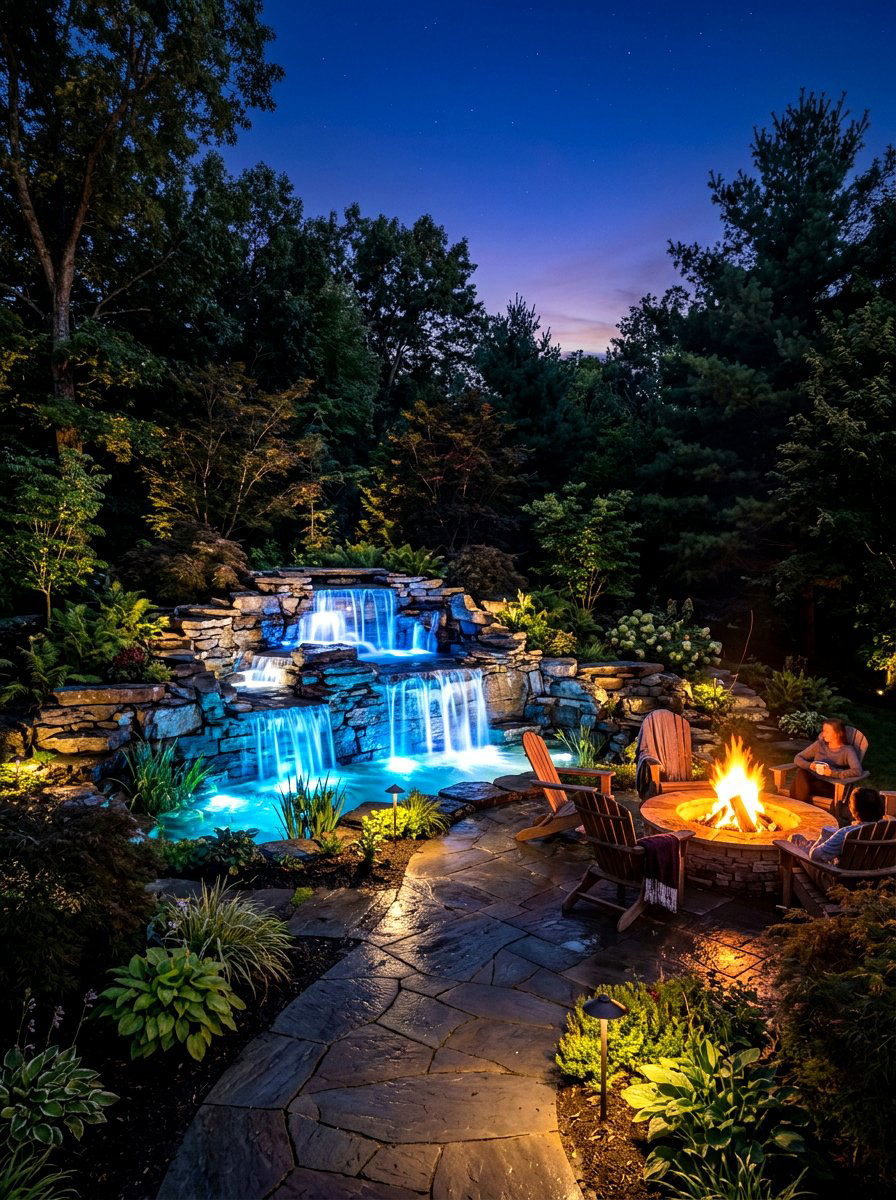
An LED lighted waterfall ensures that your water feature is just as beautiful at night as it is during the day. This design involves hiding waterproof LED strips or spotlights behind the falls or under the surface of the water. By choosing color-changing lights, you can set the mood for different occasions, from a calm blue for relaxation to a vibrant purple for parties. The light catches the bubbles and movement of the water, creating a shimmering, magical effect that adds depth to your garden after dark. It also increases safety by illuminating the edges of the feature for guests walking through the yard.
20. Gravel basin water feature
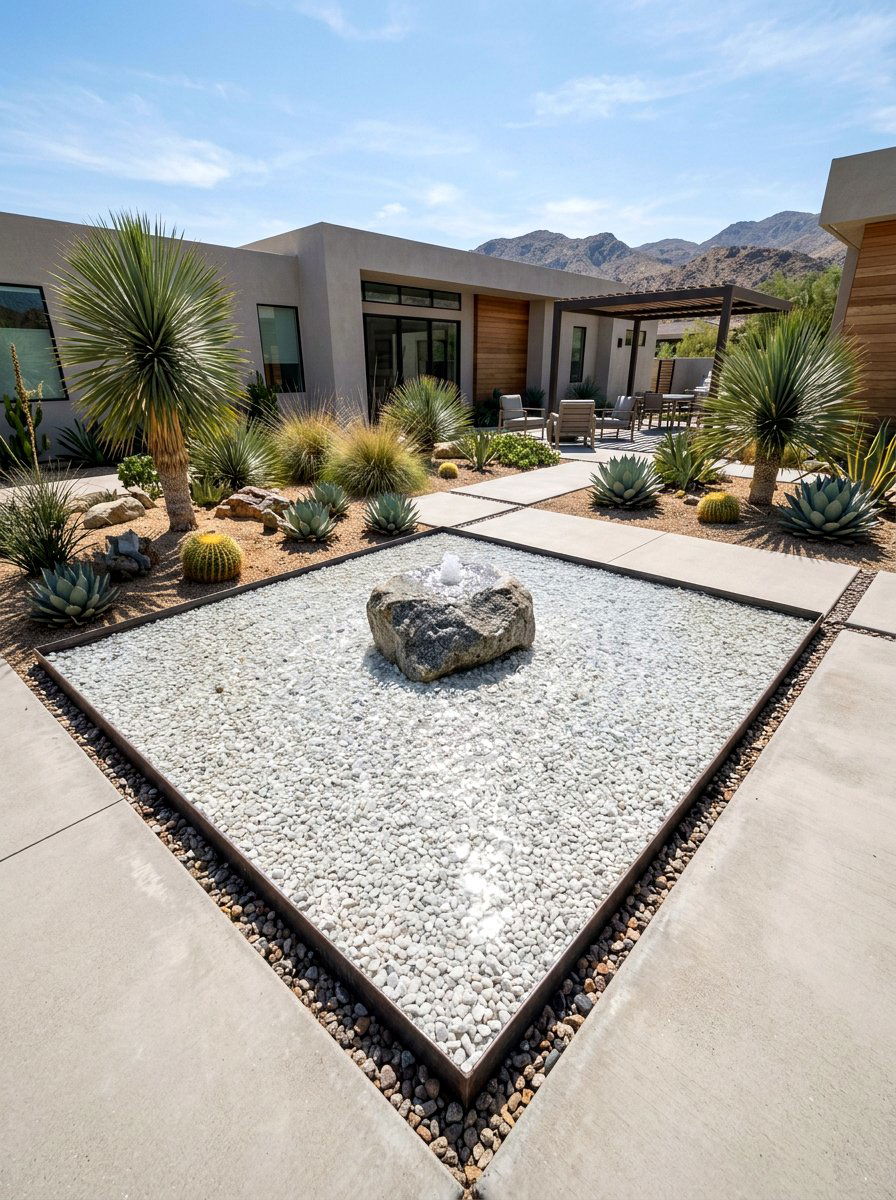
A gravel basin water feature is the most understated and elegant way to incorporate water into a landscape. The water bubbles up from a hidden source and spreads across a wide bed of uniform gravel before sinking back into the reservoir. This creates a very soft, bubbling sound rather than a loud splash. It is perfect for modern, desert, or minimalist gardens where you want the presence of water without a dramatic vertical drop. You can use different colors of gravel, like white quartz or black Mexican river pebbles, to create a striking visual contrast with your surrounding plants and patio furniture.
21. Multi-level waterfall stream
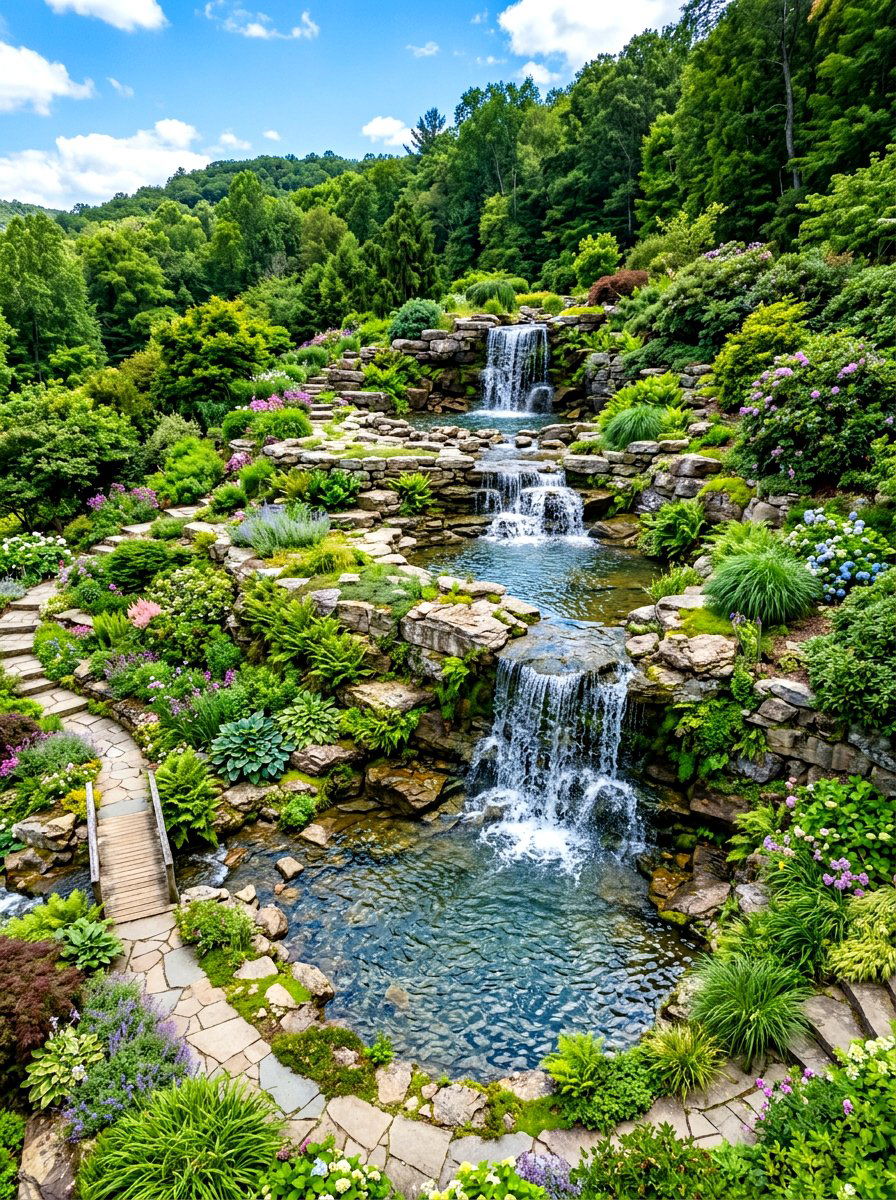
A multi-level waterfall stream combines the best aspects of a long stream and a tall waterfall. The water starts at a high point, drops over a ledge, travels along a flat stream bed, and then drops again over another ledge. This staggered design creates a variety of water sounds, from deep splashes to high-pitched trickles. It is a great way to take up a larger area of the yard and create multiple "zones" of interest. Each level can have its own unique planting scheme, such as sun-loving flowers at the top and shade-loving ferns in the lower, more protected sections of the stream path.
22. Woodland waterfall
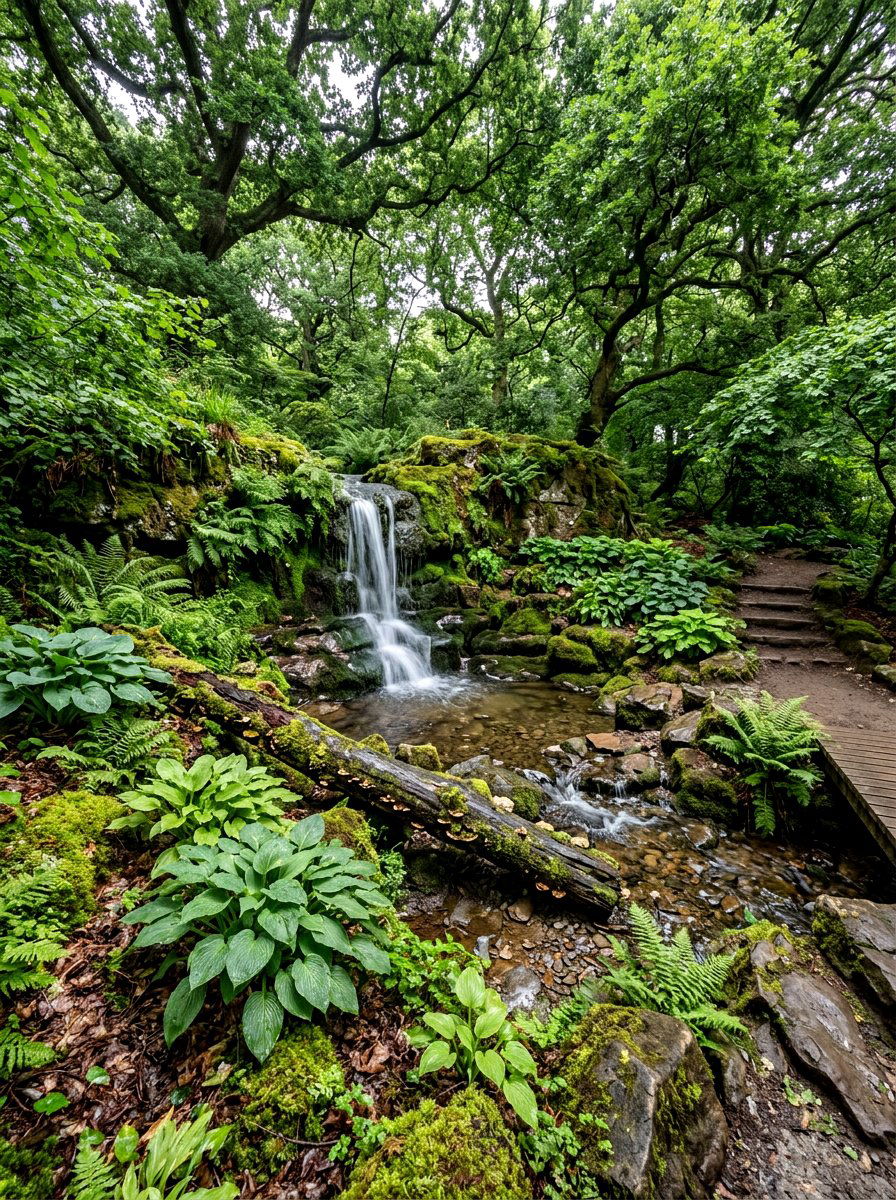
A woodland waterfall is designed to look like a secret spring discovered deep in a forest. It uses moss-covered rocks, gnarled wood, and shade-tolerant plants like hostas and trilliums to create an ancient, shaded feel. The water flow is usually kept gentle and babbling rather than dramatic, mimicking the slow movement of a forest creek. This design is perfect for a corner of the yard under large shade trees where grass struggles to grow. By embracing the natural shadows and using dark, earthy materials, you create a cooling retreat that feels significantly lower in temperature than the rest of your sun-drenched garden.
23. Desert landscape waterfall
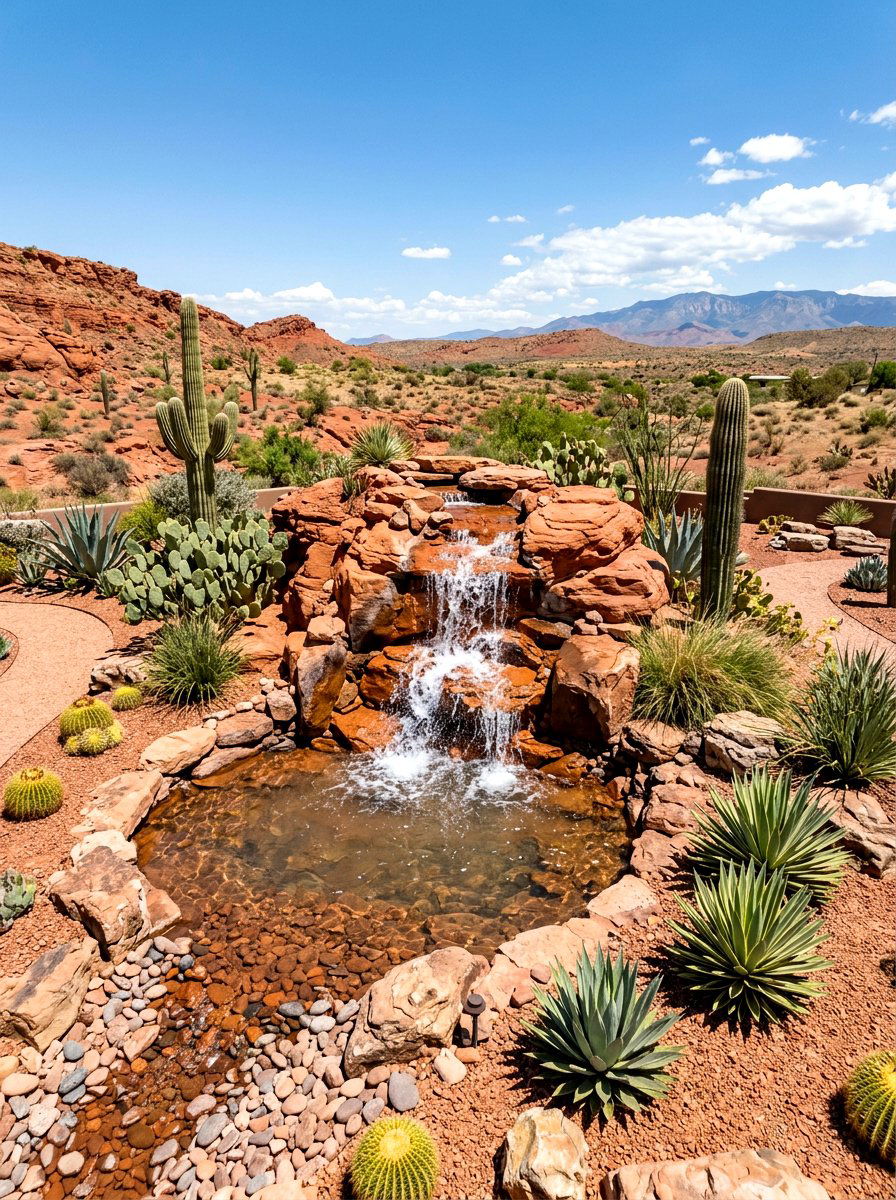
A desert landscape waterfall uses local stones like sandstone or red rock to create a feature that feels appropriate for arid climates. Instead of lush green plants, the water is surrounded by succulents, cacti, and ornamental grasses that require little irrigation. The water itself acts as a precious focal point, providing a cooling visual contrast to the heat-loving landscape. Because the system is pondless, evaporation is kept to a minimum compared to an open pond. This design is highly sustainable and offers a unique way to bring the soothing sound of an oasis to a dry, sun-baked backyard without wasting water.
24. Concrete spillway waterfall
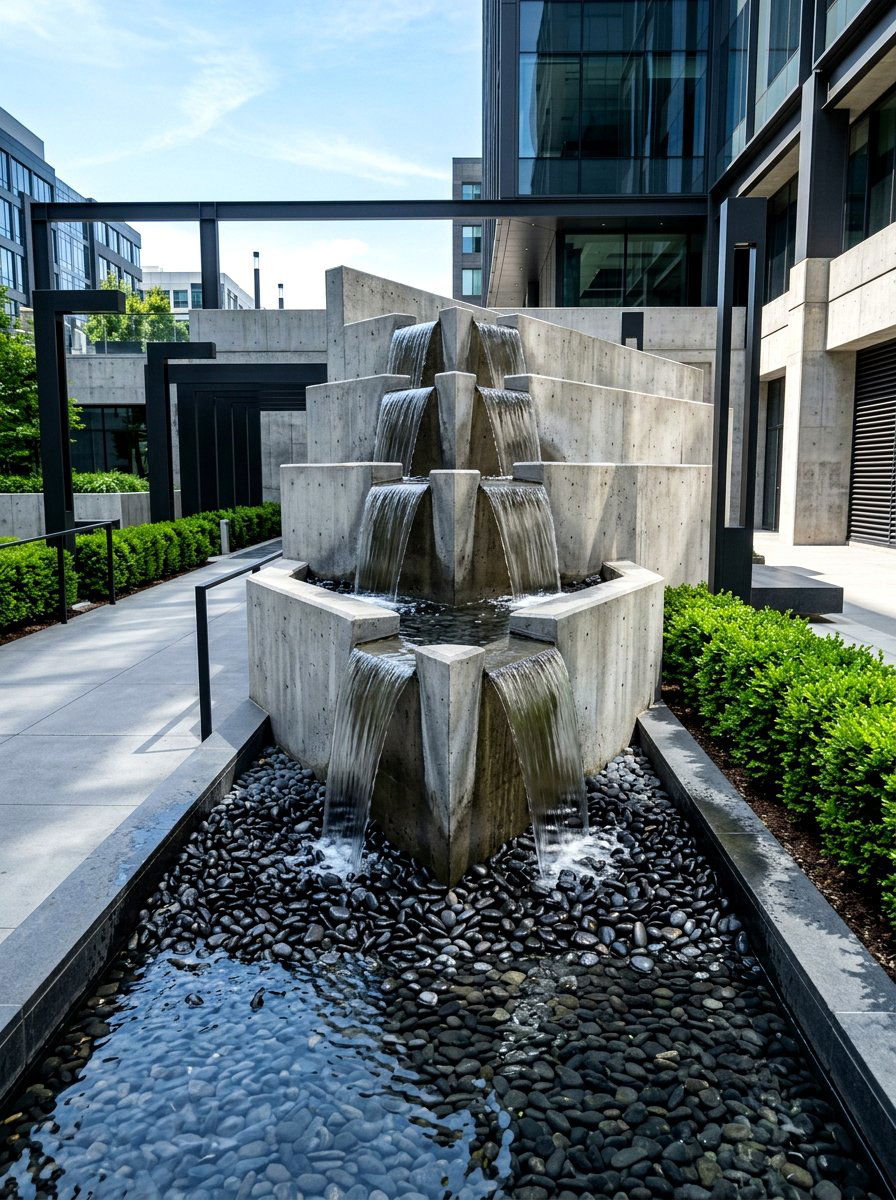
A concrete spillway waterfall offers a clean, industrial aesthetic that works perfectly with modern architecture. Using cast concrete forms, you can create perfectly smooth troughs and sharp, geometric drops for the water to follow. This design allows for extreme precision in how the water falls, creating a consistent "rain" effect or a solid sheet. The gray tones of the concrete provide a neutral backdrop that makes the clarity of the water stand out. You can even tint the concrete or add textures to the surface to create different visual effects. This is a durable, low-maintenance option that looks better as it ages.
25. Japanese style water feature
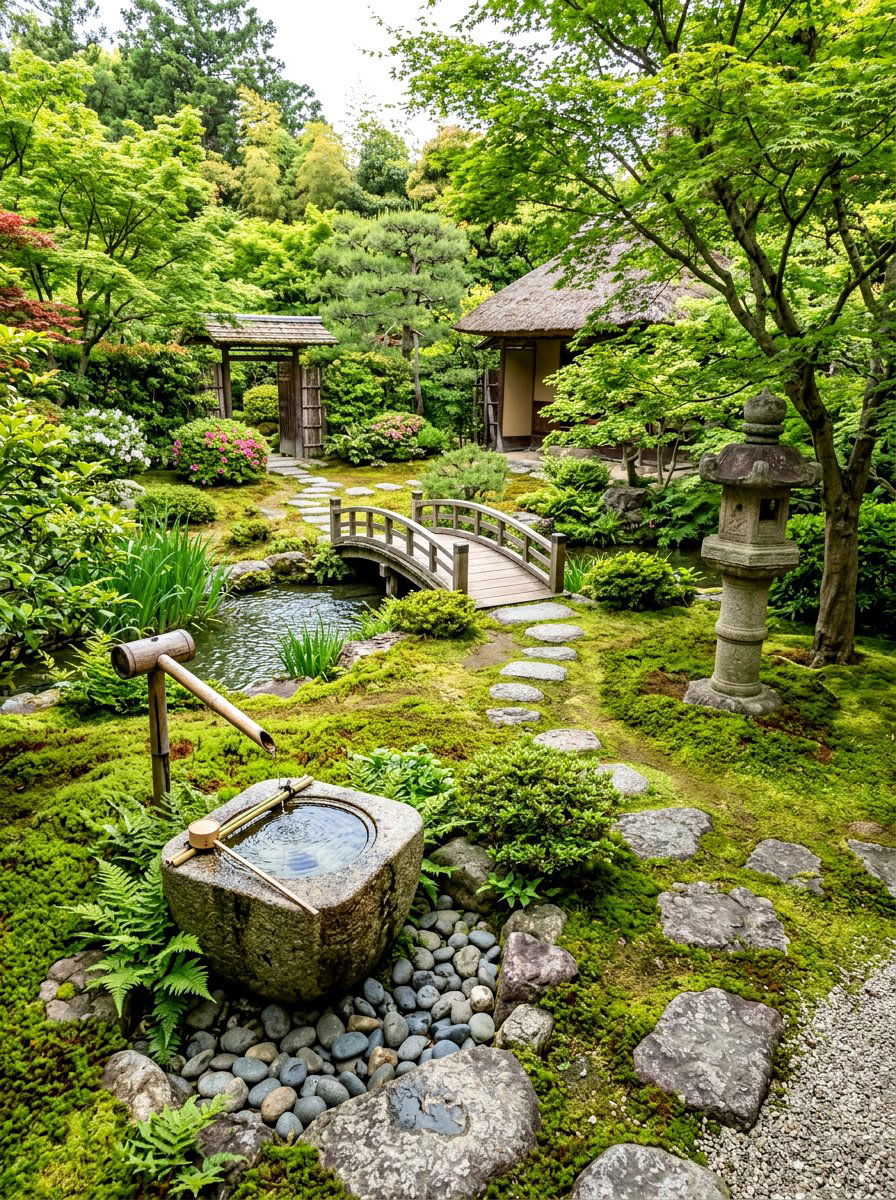
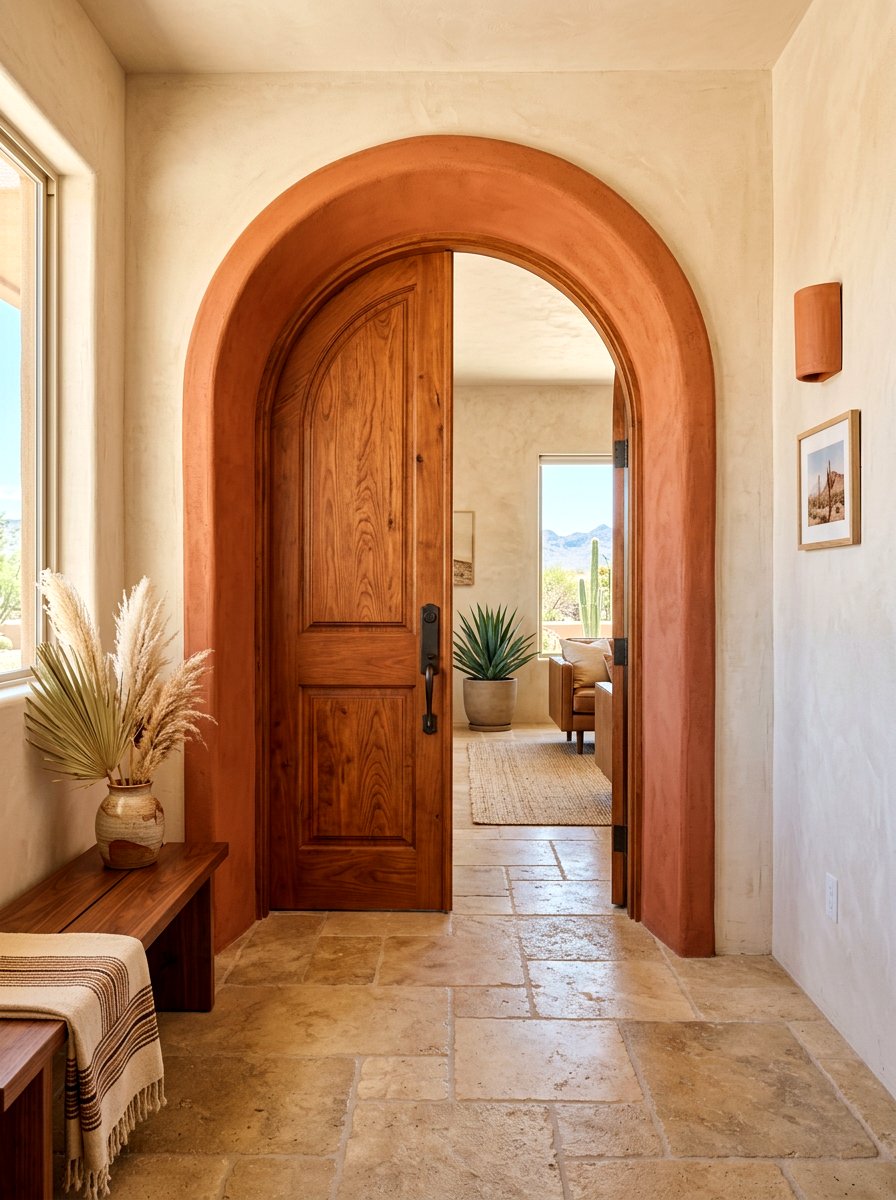
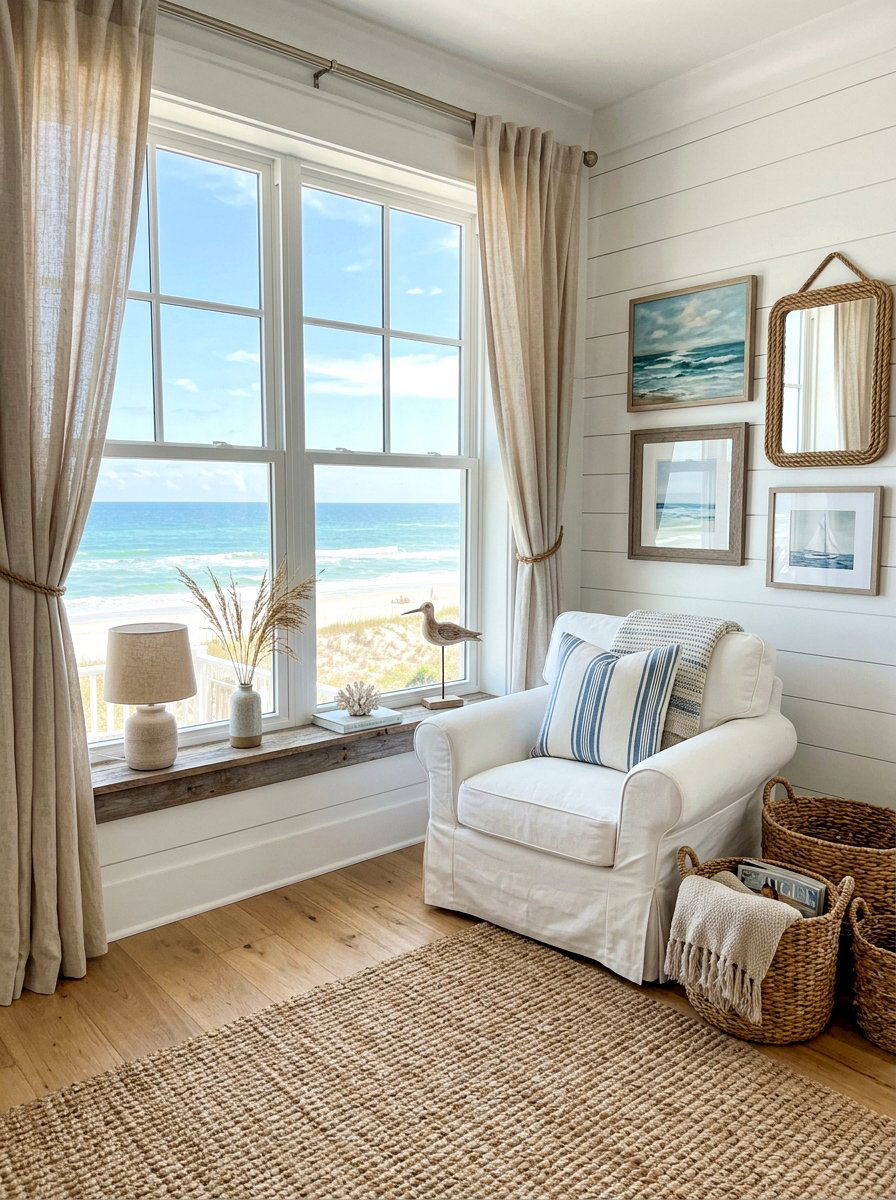
A Japanese style water feature incorporates traditional elements like a "shishi-odoshi" (deer scarer) or a stone "tsukubai" basin. The design is deeply rooted in symbolism and seeks to create a balance between the moving water and the still stones. You might see a single bamboo pipe dripping water onto a flat stone, which then flows into a hidden bed of pebbles. This style emphasizes the empty space as much as the feature itself, creating a sense of calm and order. It is an ideal addition to a quiet corner of the yard where you go to escape the stress of daily life and enjoy nature.
26. Rain curtain water wall
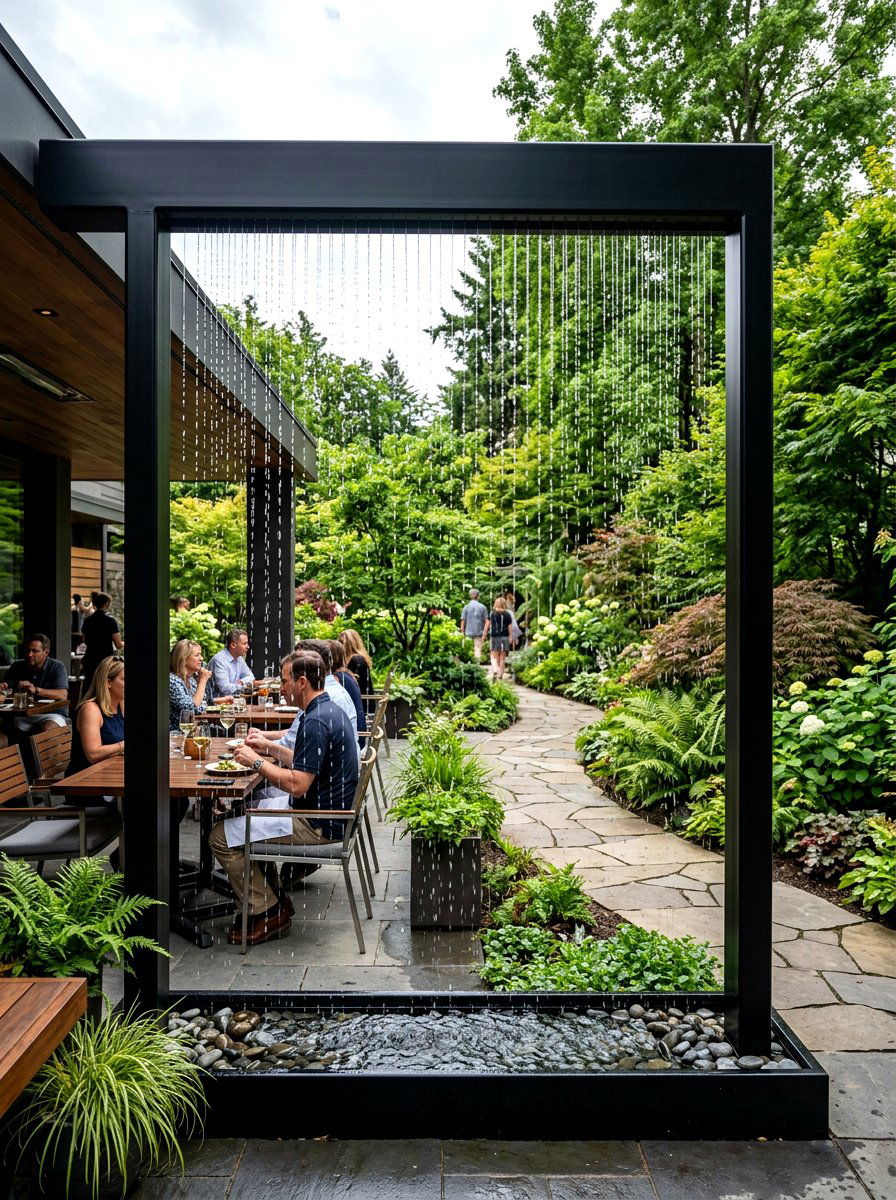
A rain curtain water wall uses a specialized manifold to drop thousands of individual water droplets in a vertical line, creating the appearance of a falling curtain of rain. This is a highly theatrical and modern design that serves as a stunning visual divider for a patio or courtyard. The sound is a gentle, consistent patter that is incredibly relaxing. Because the water falls straight down into a narrow trench, it requires very little space. This design is often used in luxury outdoor living spaces to create a sense of enclosure and privacy while still allowing light and air to pass through the water droplets.
27. Stacked slate waterfall
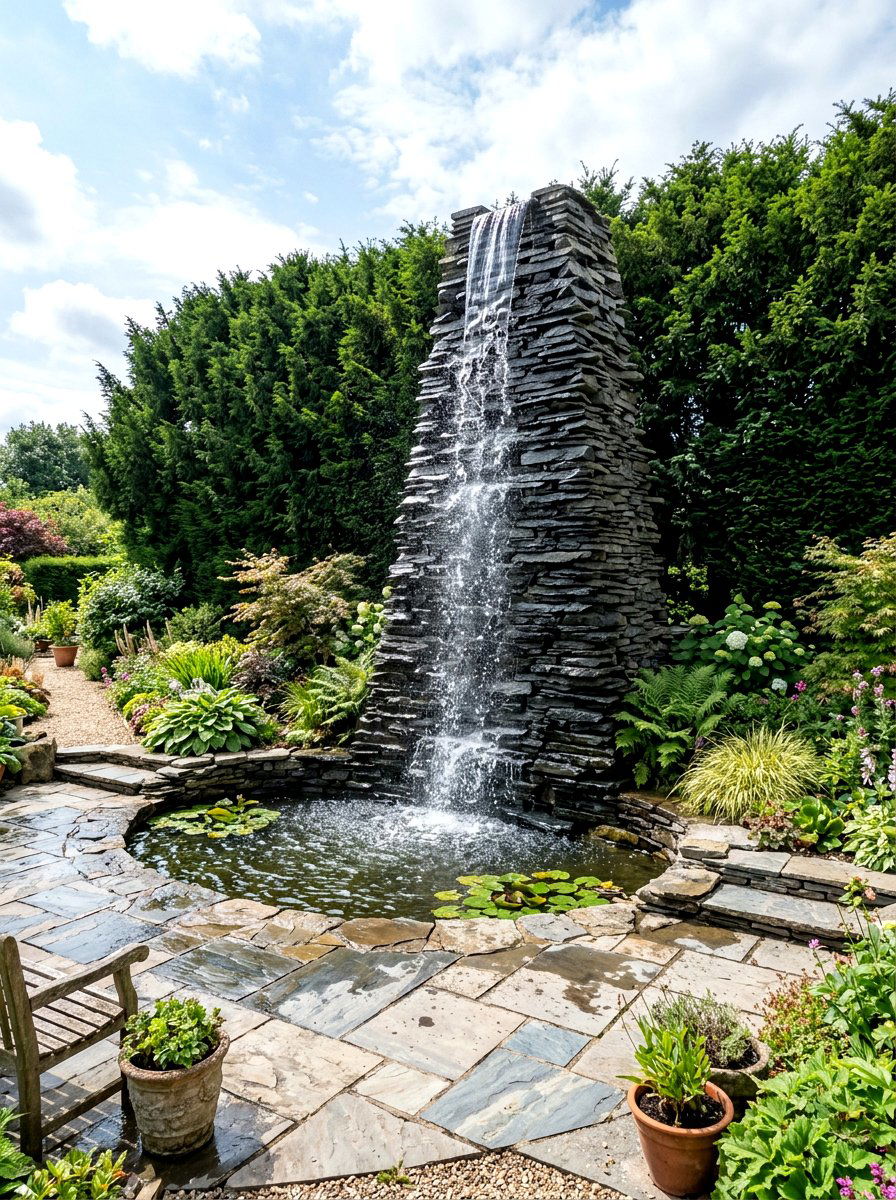
A stacked slate waterfall uses thin layers of slate piled on top of each other to create a highly textured, vertical surface. As the water flows over the many edges of the slate, it breaks into a thousand tiny trickles and splashes, creating a shimmering effect that catches the light from every angle. The sound is complex and layered, much like a natural mountain cascade. This design is very popular because it looks great even when the pump is turned off, appearing as a beautiful stone sculpture. It is a versatile style that fits well in both traditional and contemporary garden designs.
28. Mini waterfall for balcony
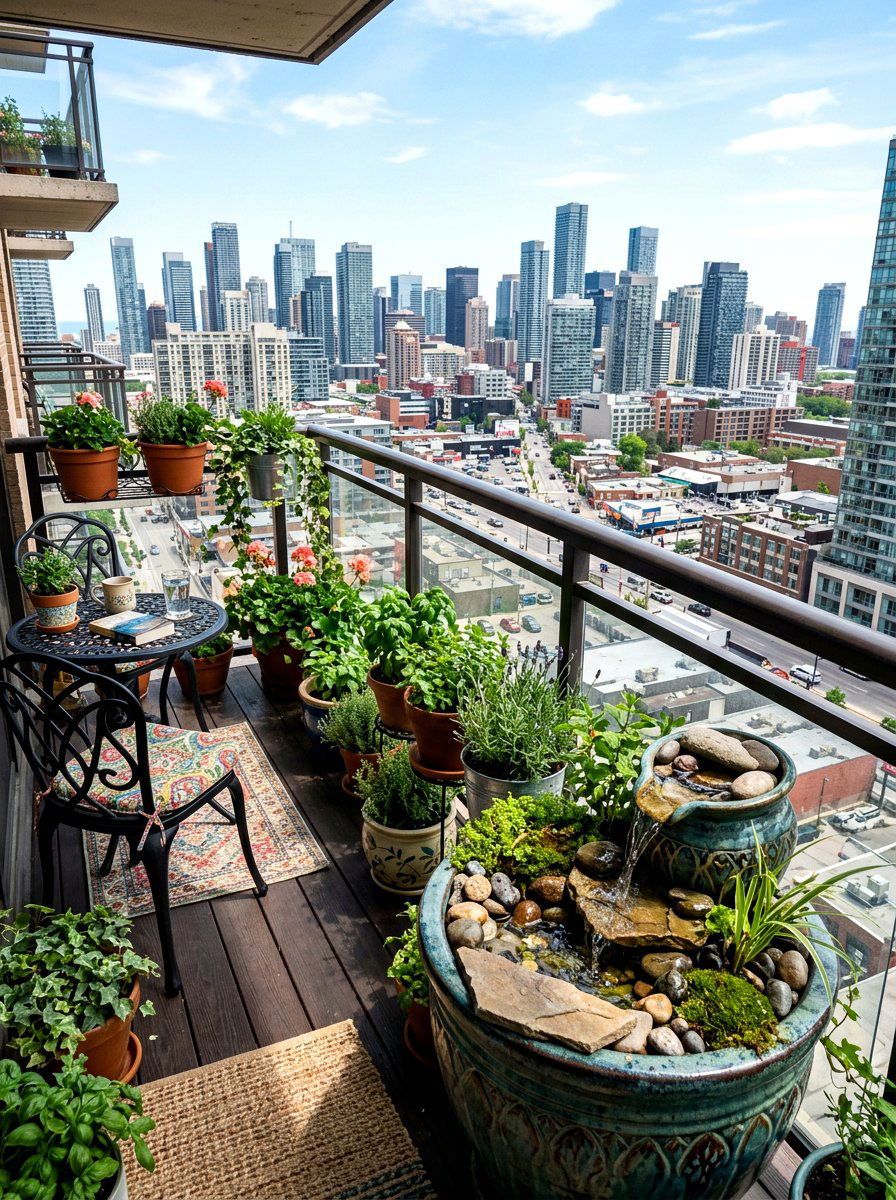
A mini waterfall for balcony proves that even apartment dwellers can enjoy the luxury of a pondless water feature. These self-contained units use a small pump and a decorative container to create a gentle spill over a single stone or piece of wood. The water is collected in a small, gravel-filled basin at the bottom and recirculated. It provides enough sound to mask city traffic and creates a humid micro-climate for your balcony plants. These features are lightweight and can be easily moved, making them a perfect choice for renters or anyone with a very limited amount of outdoor deck or balcony space.
29. Mediterranean waterfall garden
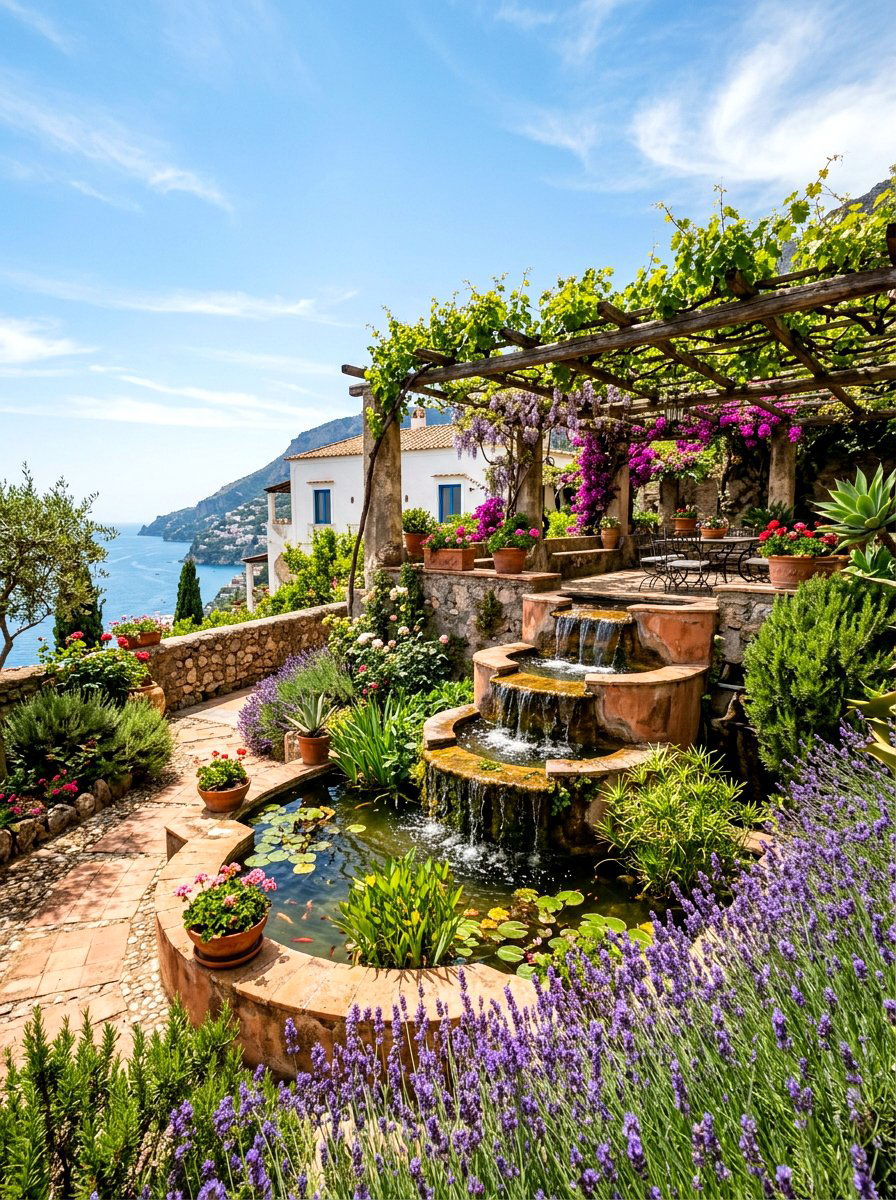
A Mediterranean waterfall garden uses warm-toned stones, terracotta accents, and fragrant plants like lavender and rosemary to create a sunny, coastal feel. The water feature might flow from a classic stone wall spout into a tiered series of shallow basins before disappearing into a hidden underground tank. This design is all about the interplay between the cool water and the heat of the sun-drenched stones. It evokes the feeling of an old-world villa in Italy or Greece. Adding a few citrus trees in pots around the waterfall completes the look, providing a sensory experience that includes sight, sound, and scent.
30. Fire and water combination
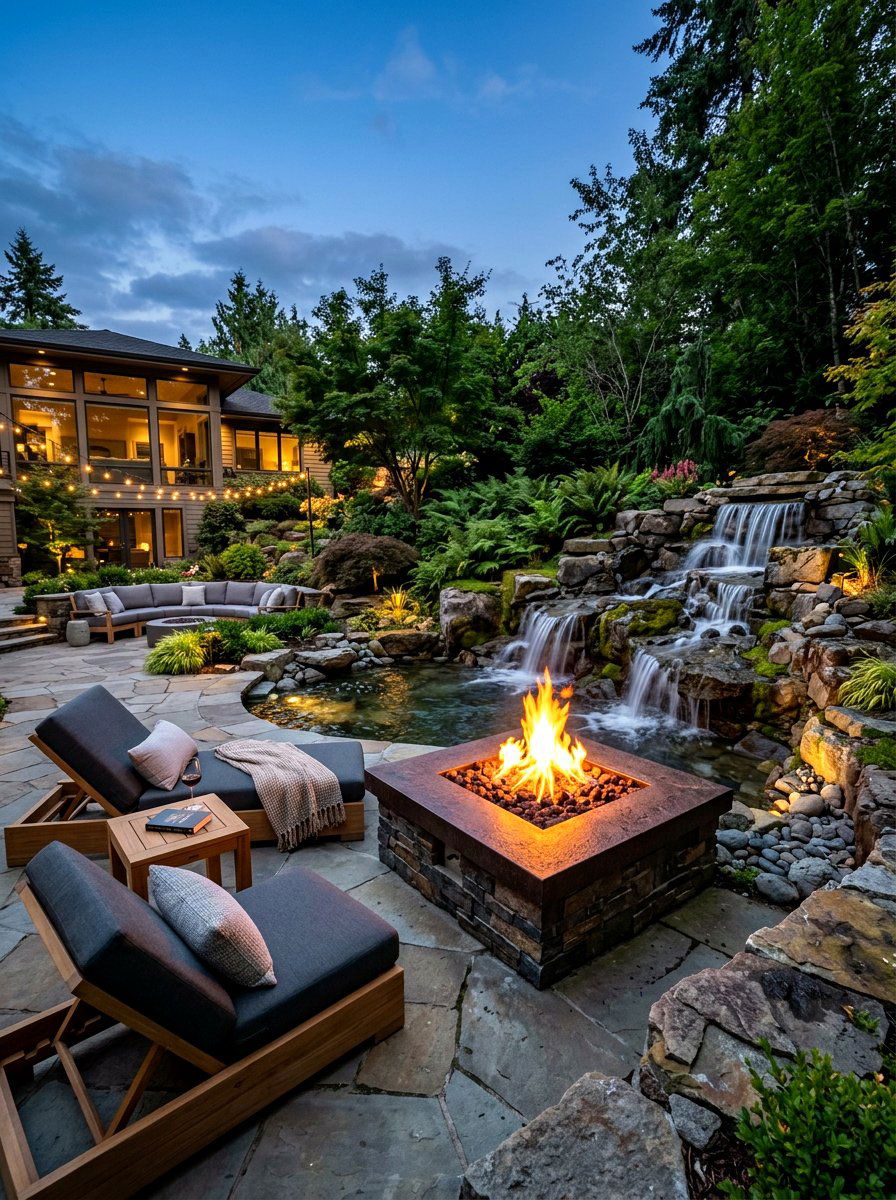
A fire and water combination is the ultimate luxury feature for a backyard entertainment space. This design places a gas fire pit or a fire bowl directly adjacent to or even in the middle of a pondless waterfall. The contrast between the flickering orange flames and the cool, moving blue water is visually arresting and creates a dramatic focal point for evening gatherings. The sound of the crackling fire blends with the splashing water for a multi-sensory experience. This setup is perfect for a main patio area where you want to wow your guests and create a cozy, high-end atmosphere for outdoor dining.
Conclusion:
Building a pondless waterfall is a fantastic investment in your home’s outdoor ambiance and overall value. These features provide all the benefits of a traditional water garden — the soothing sounds, the cooling effects, and the visual beauty — without the heavy maintenance or safety risks. Whether you prefer the rugged look of natural boulders or the sleek lines of a modern glass spillway, there is a design that fits your personal style and yard size perfectly. By choosing a system that recirculates water through a hidden reservoir, you are also making an eco-friendly choice that conserves water. Start planning your water feature today to create a serene sanctuary that you can enjoy for years to come.

Related posts: