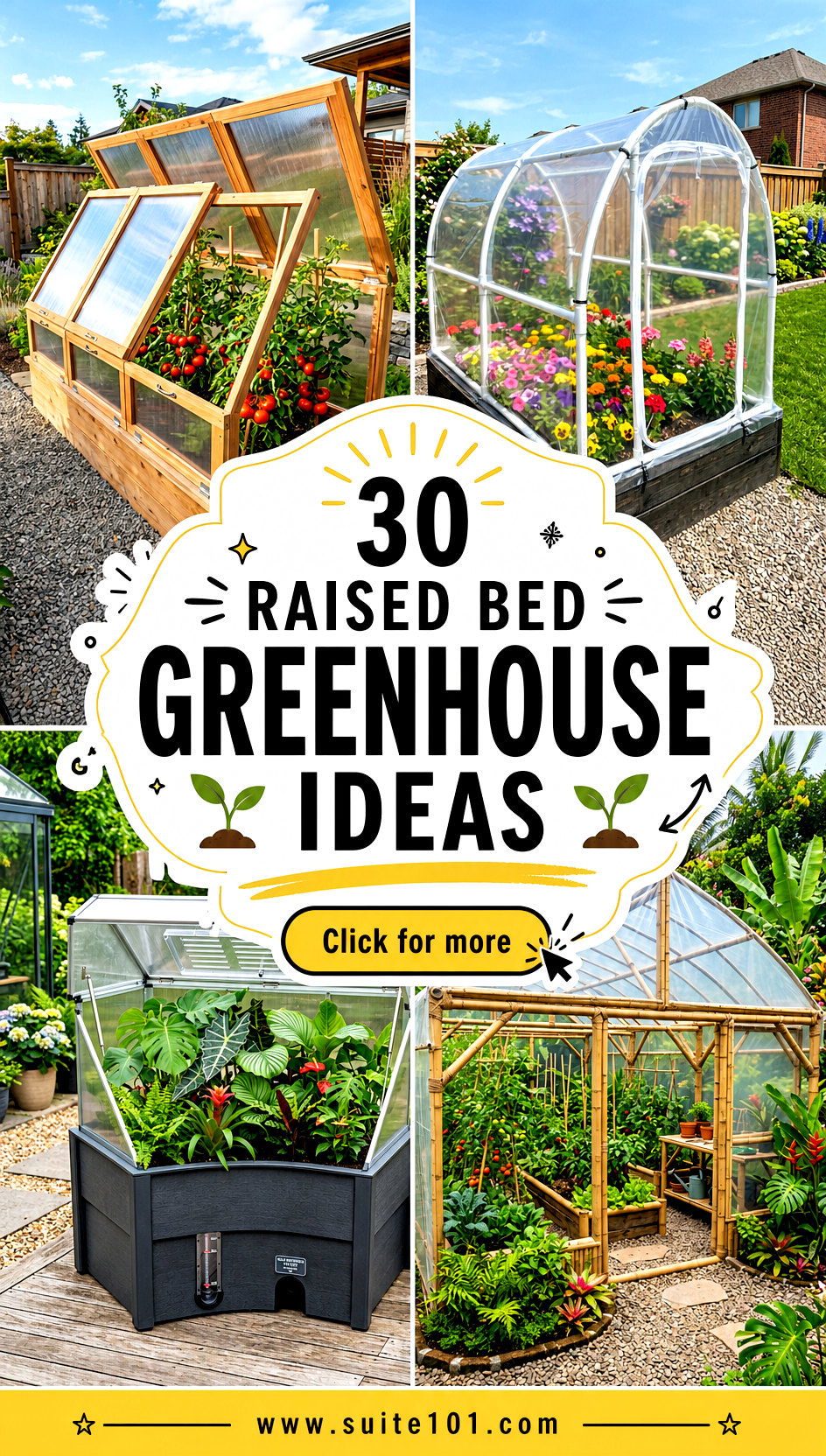
Gardening enthusiasts are constantly looking for ways to extend their growing season and protect their delicate plants from unpredictable weather patterns. A raised bed greenhouse offers the perfect hybrid solution for modern gardeners who want the benefits of both contained soil and a controlled environment. These structures allow you to start seeds earlier in the spring and keep harvesting well into the frosty months of autumn. By combining the drainage advantages of a raised planter with the heat-trapping capabilities of a greenhouse cover, you create a microclimate where vegetables thrive. Whether you have a sprawling backyard or a tiny urban patio, these versatile setups can be customized to fit your specific space and gardening goals perfectly.
1. Raised Bed Hoop House
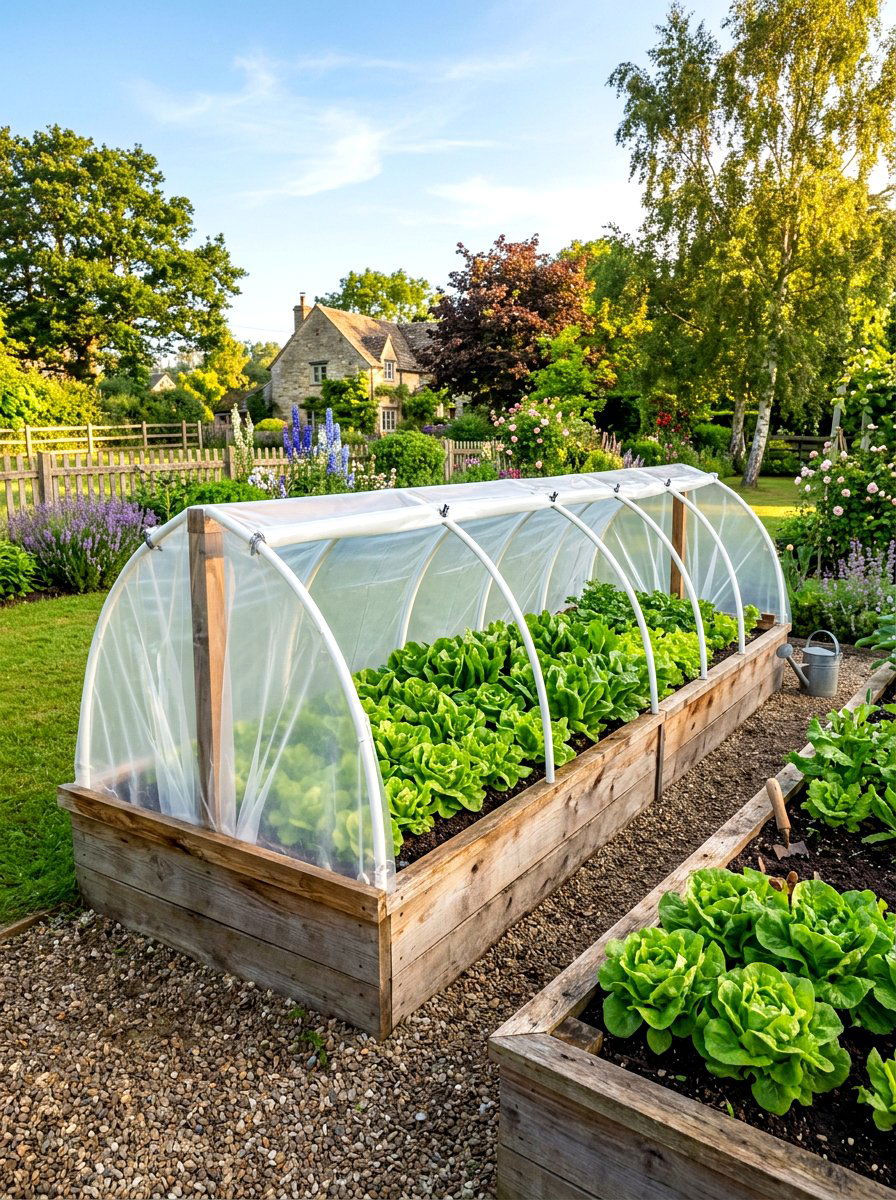
Building a hoop house over your garden bed is one of the most efficient ways to trap heat. This design typically uses flexible PVC pipes or metal rebar bent into semi-circles and anchored to the sides of a wooden frame. You then drape heavy-duty clear plastic over the arches to create a warm tunnel. This setup is excellent for growing leafy greens during the colder months because the curved shape sheds rain and snow easily. It is also very affordable to construct compared to glass structures. Many gardeners love this option because the plastic can be rolled up or removed entirely when the summer heat arrives.
2. Polycarbonate Garden Bed Cover
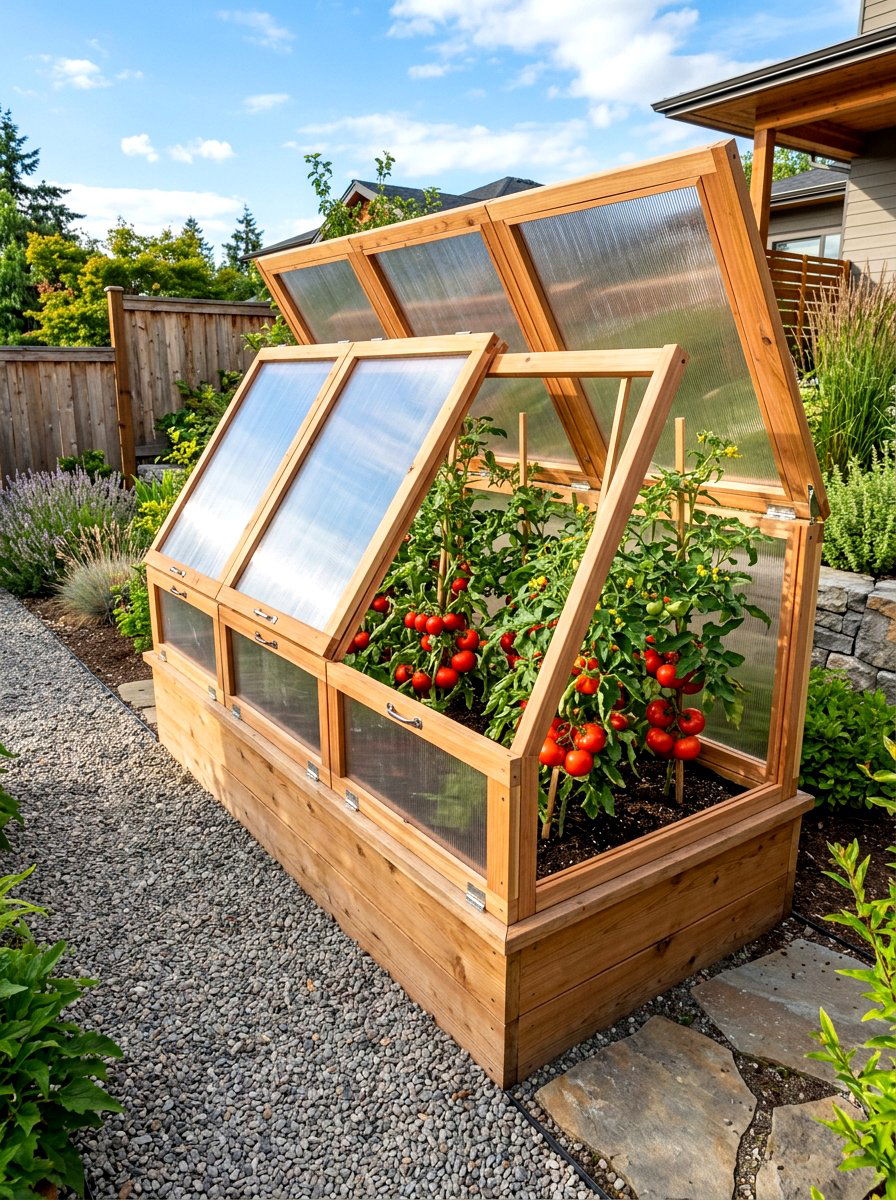
Using polycarbonate panels for your garden bed provides a much more durable and long-lasting solution than traditional plastic sheeting. These rigid sheets are known for their excellent insulation properties and high impact resistance, making them ideal for areas with heavy hail or wind. You can build a simple wooden frame that holds the panels at an angle to maximize sunlight absorption during the day. Polycarbonate is also UV-protected, which prevents it from yellowing over time while still allowing essential light to reach your plants. This type of enclosure creates a very stable internal temperature, which is perfect for sensitive peppers or tomatoes.
3. Cedar Cold Frame Box
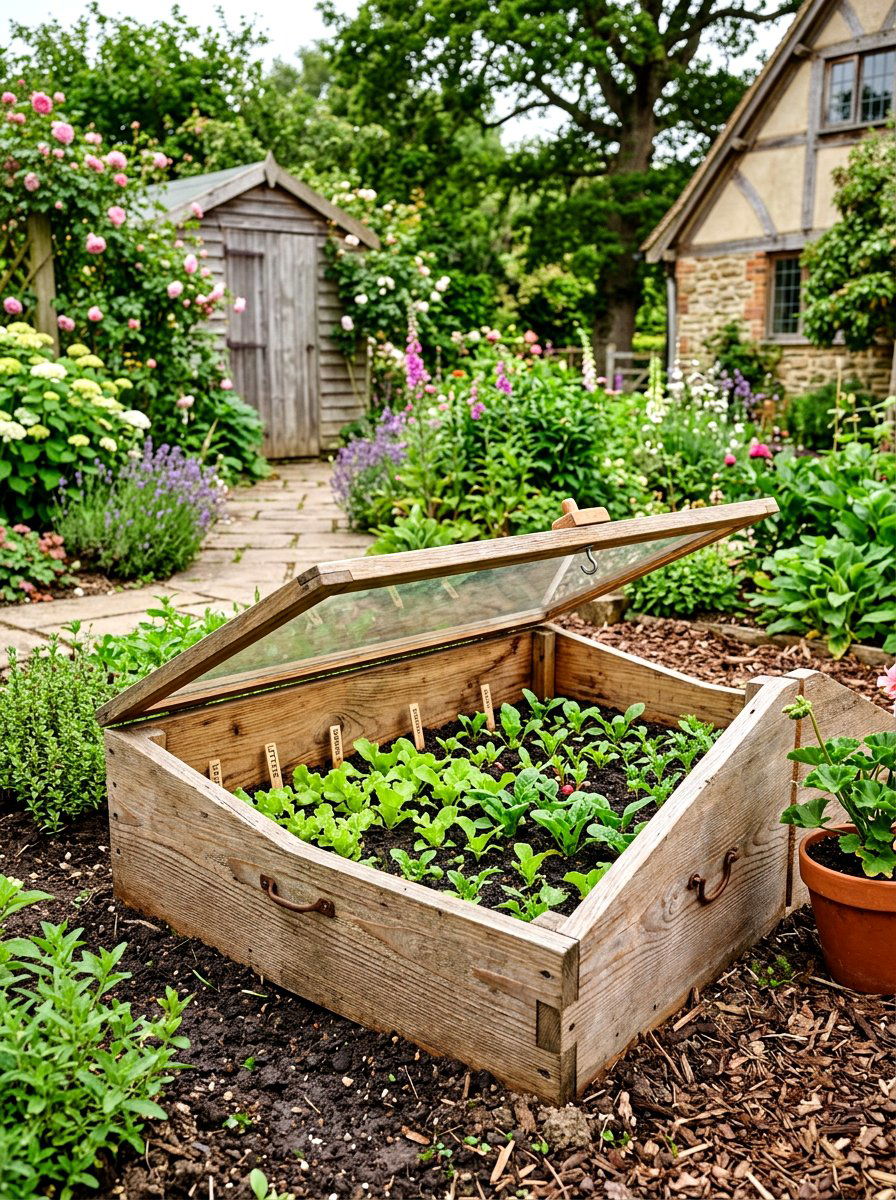
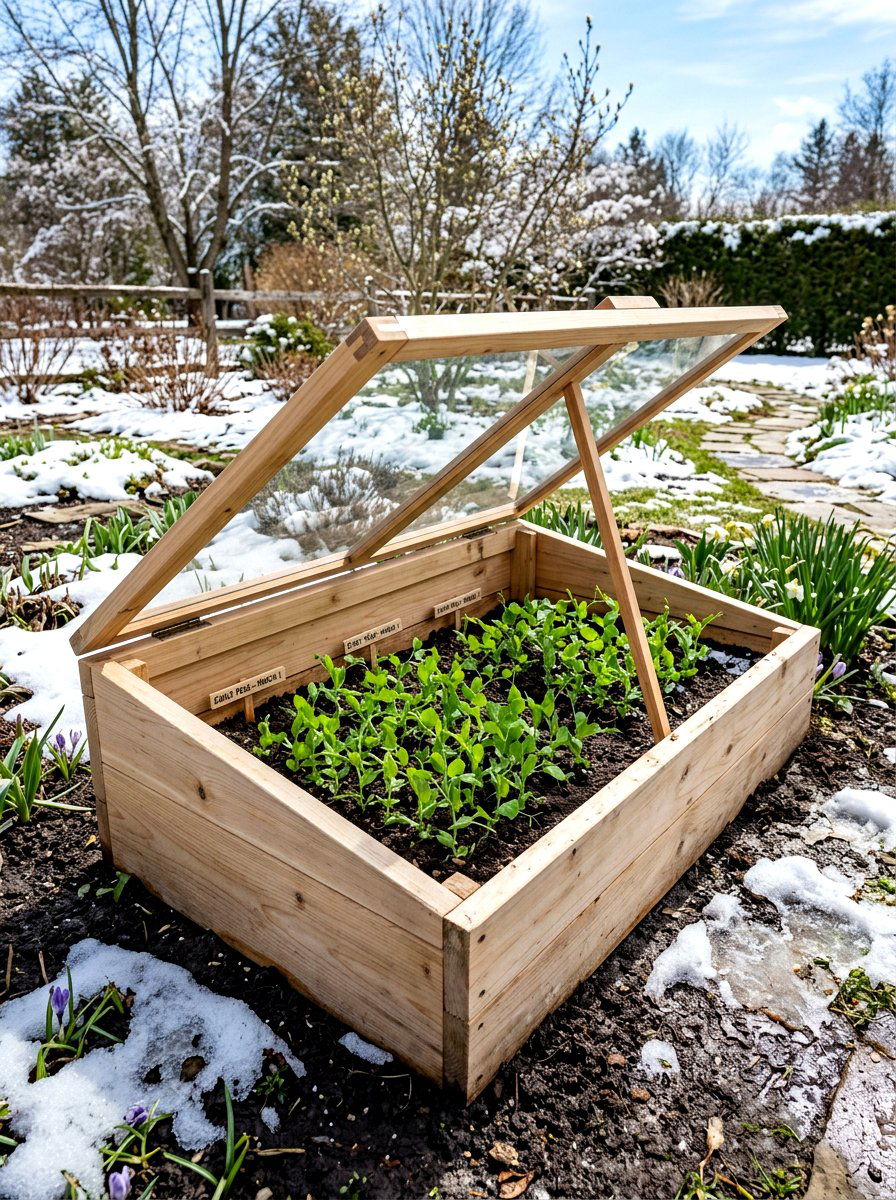
A cedar cold frame is a classic choice for gardeners who appreciate both functionality and natural aesthetics in their outdoor space. Cedar is naturally resistant to rot and insects, ensuring your greenhouse bed lasts for many years without needing chemical treatments. These boxes are usually built with a slanted top to catch the low winter sun and use a clear lid made of glass or acrylic. The heavy wood walls provide excellent thermal mass, keeping the soil warm even after the sun goes down. It is a fantastic choice for hardening off young seedlings before they are moved into the main garden area.
4. PVC Greenhouse Bed Frame
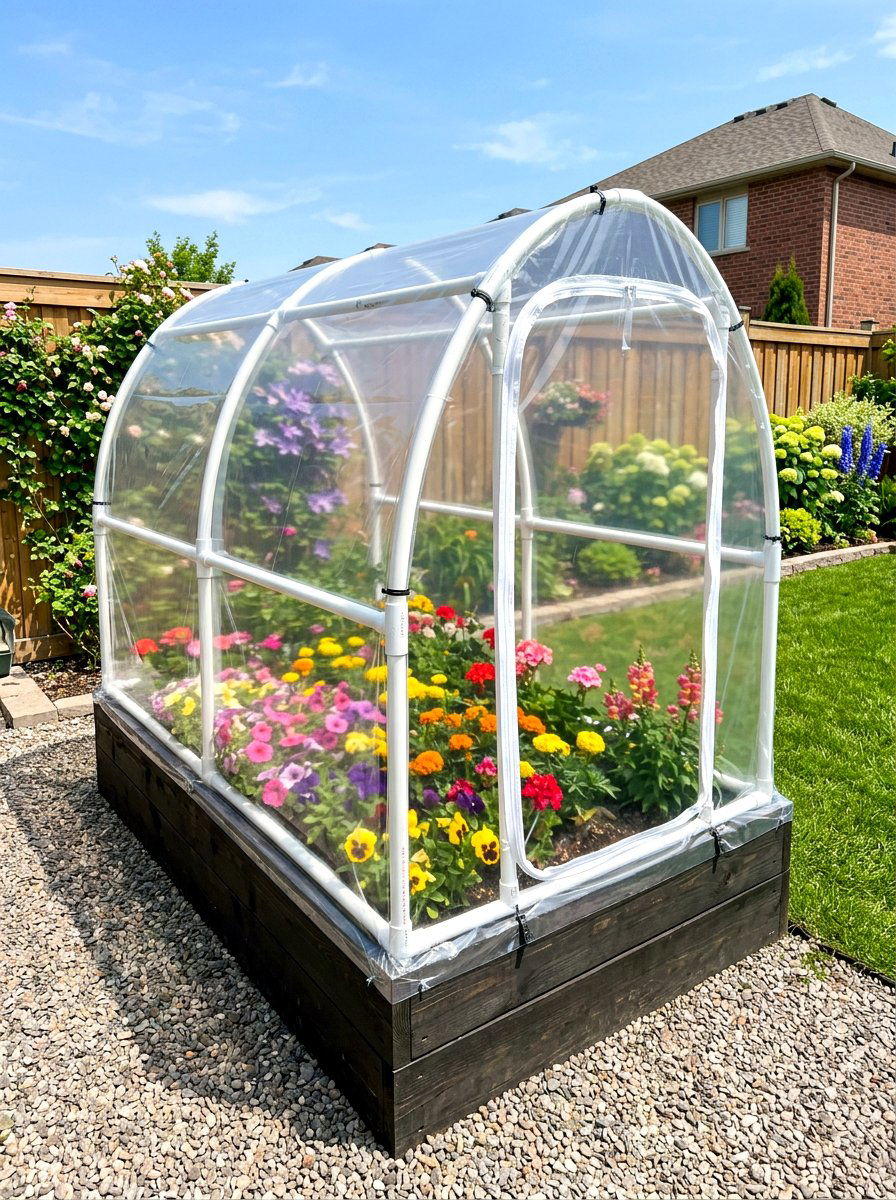
Creating a lightweight frame from PVC pipes is a popular DIY project because it is incredibly easy to assemble and modify. You can build a rectangular or gabled roof structure that sits directly on top of your existing raised garden bed. Because PVC is so light, you can easily lift the entire greenhouse topper off when you need to work on the soil or harvest your crops. Many people use zip ties to secure the plastic film to the pipes, creating a taut and professional-looking finish. This is a very budget-friendly way to get a greenhouse effect without a permanent backyard construction.
5. Walk In Greenhouse Bed
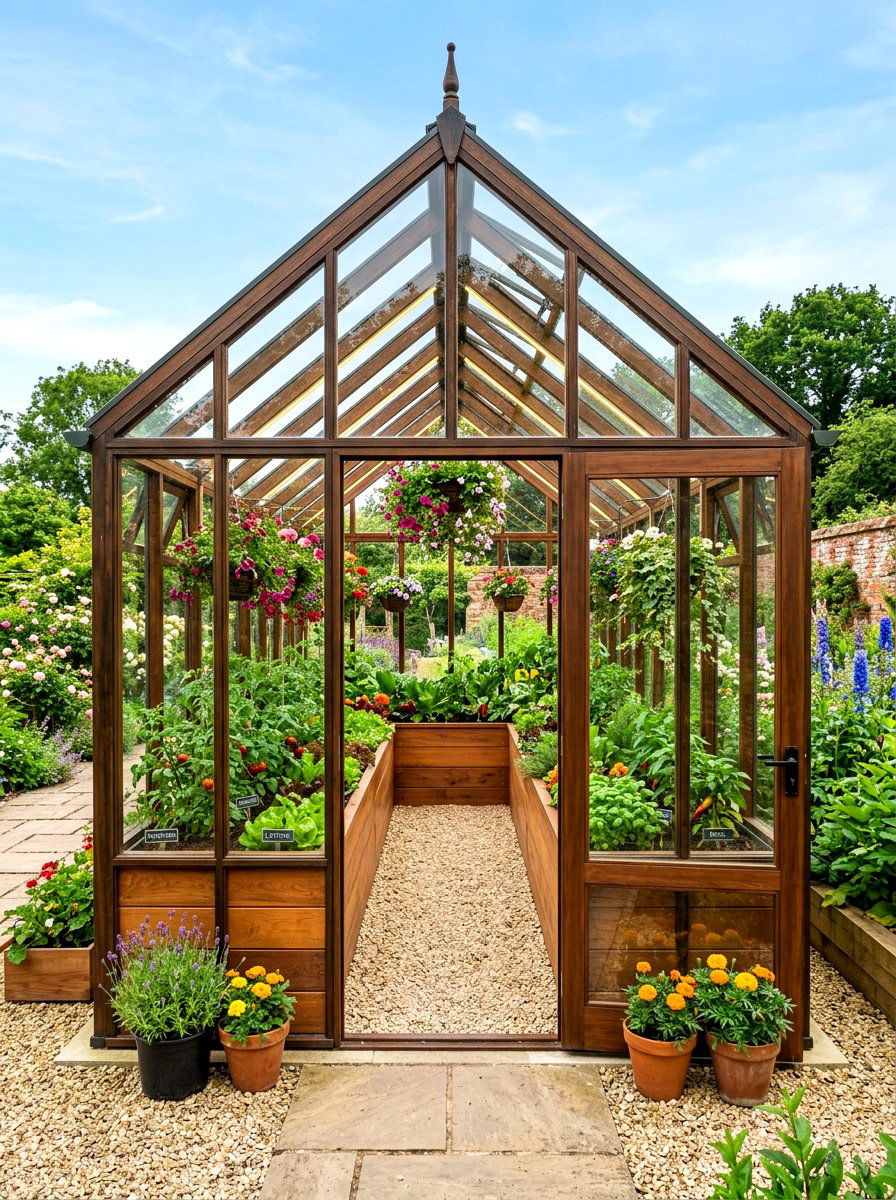
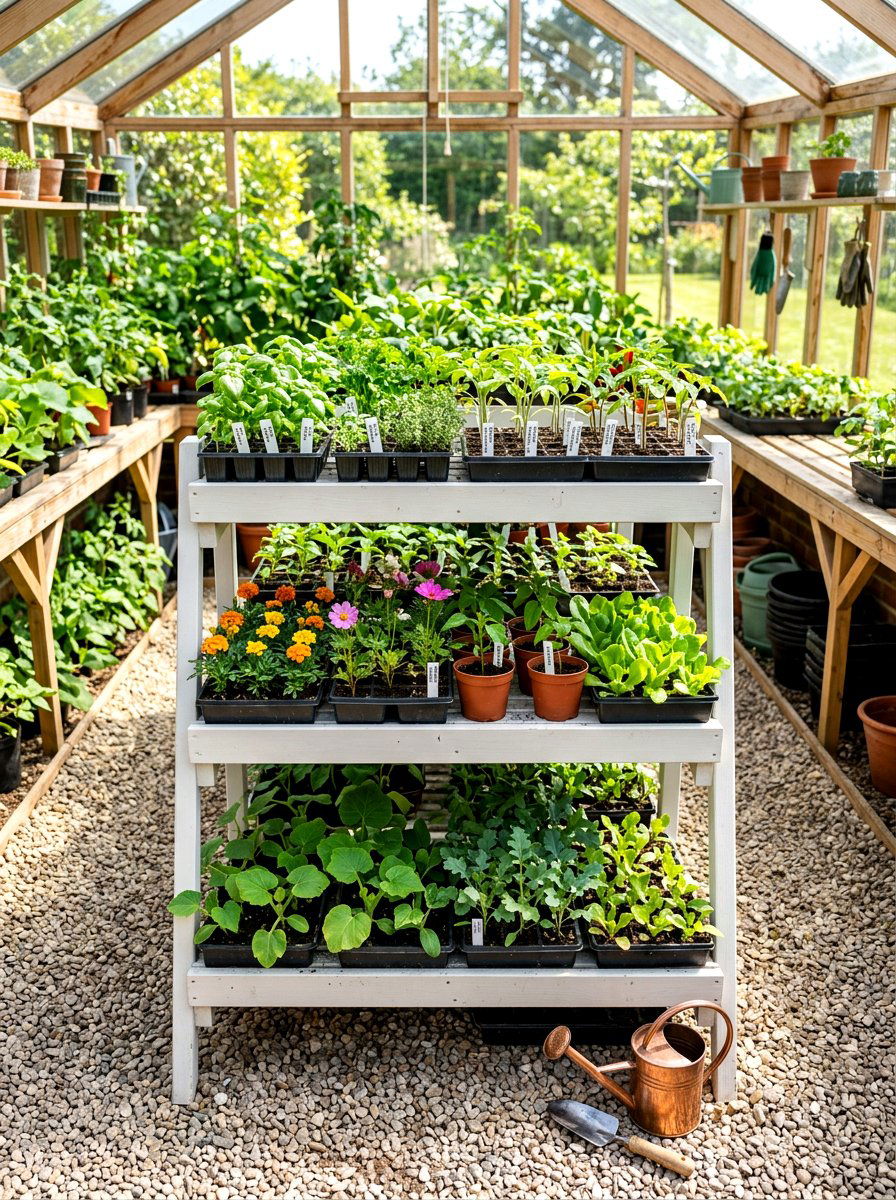
For those who want a more immersive gardening experience, a walk-in raised bed greenhouse is the ultimate luxury. This design features raised beds along the interior perimeter or in a U-shape, leaving a central path for you to stand and work comfortably. Having the beds elevated inside the greenhouse saves your back from constant bending and allows for better organization of different plant varieties. This setup is large enough to include shelving for seed trays and hooks for hanging tools. It creates a complete gardening ecosystem where you can spend hours tending to your plants regardless of the external weather.
6. Hinged Lid Garden Box
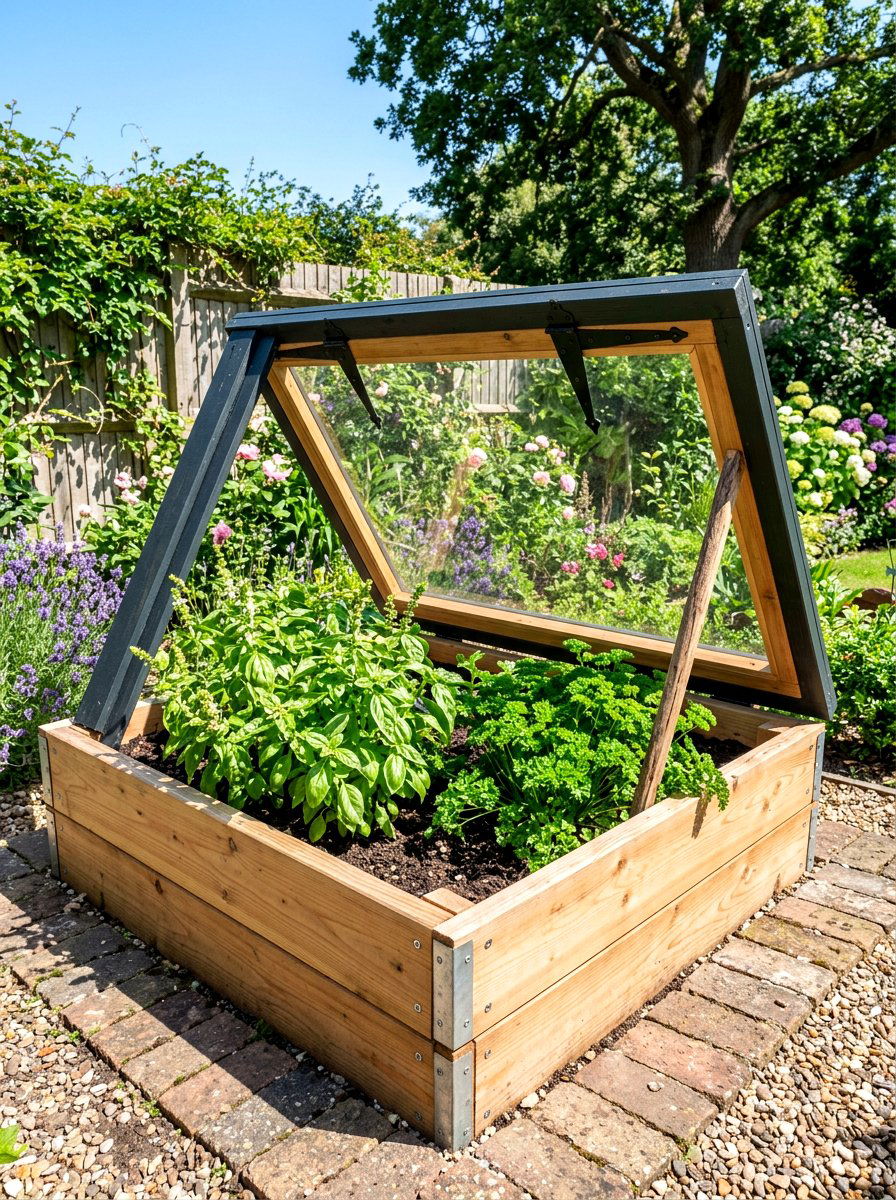
Adding a hinged lid to your raised bed transforms it into a highly convenient mini-greenhouse that is very easy to manage. You can simply prop the lid open with a wooden stick during sunny afternoons to prevent your plants from overheating. The hinges make it effortless to access your vegetables for daily watering or weeding without having to move heavy covers. This design works exceptionally well with old glass windows or custom-built wooden frames with clear inserts. It provides a tidy and organized look to any backyard while offering superior protection against frost and hungry garden pests like squirrels.
7. Metal Raised Bed Greenhouse
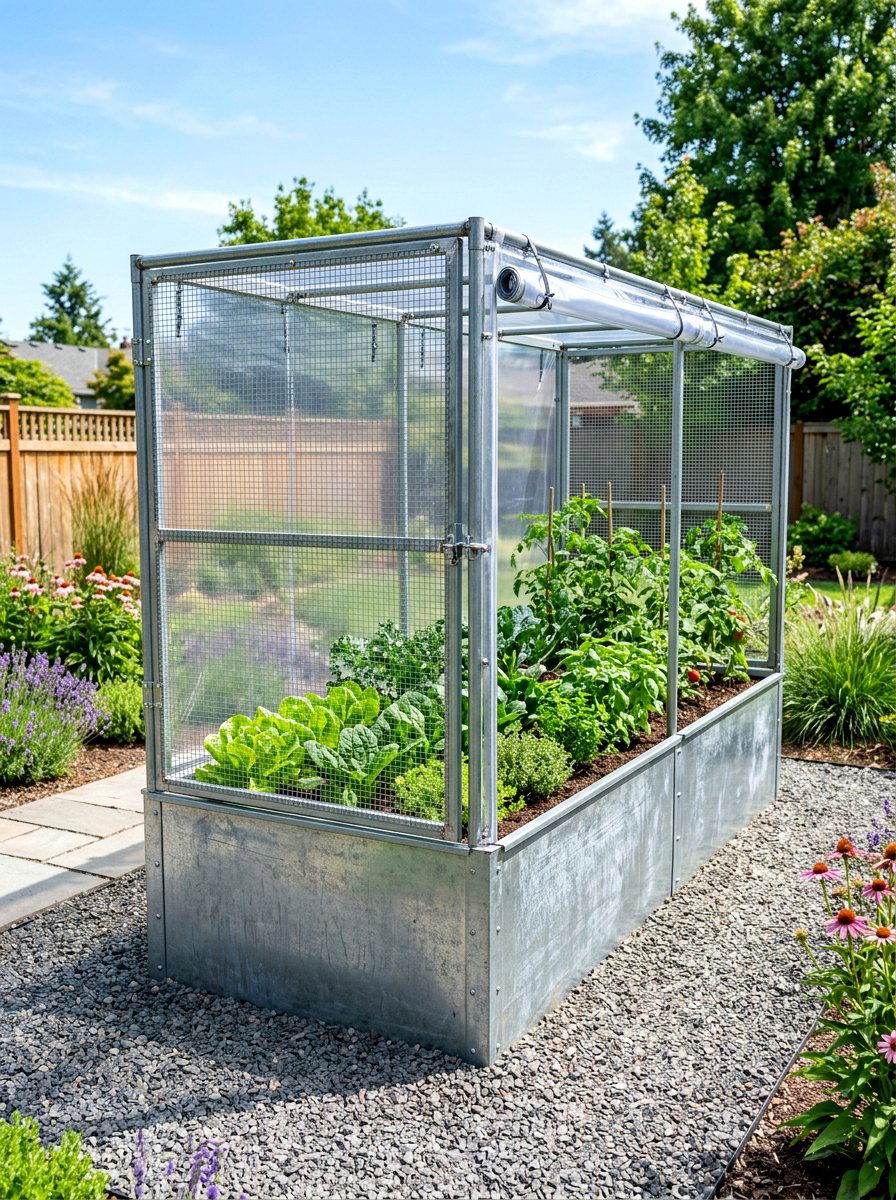
Modern gardeners often prefer metal raised beds because they offer a sleek, industrial look and incredible longevity. When you pair a galvanized steel bed with a matching greenhouse cover, you get a structure that can withstand extreme weather for decades. The metal sides help conduct heat into the soil during the day, which can actually help certain heat-loving crops grow faster. You can find many kits that include a custom-fitted mesh or plastic cover designed specifically for the dimensions of the metal base. This combination is perfect for someone looking for a low-maintenance and highly durable gardening solution.
8. Tiered Greenhouse Garden Bed
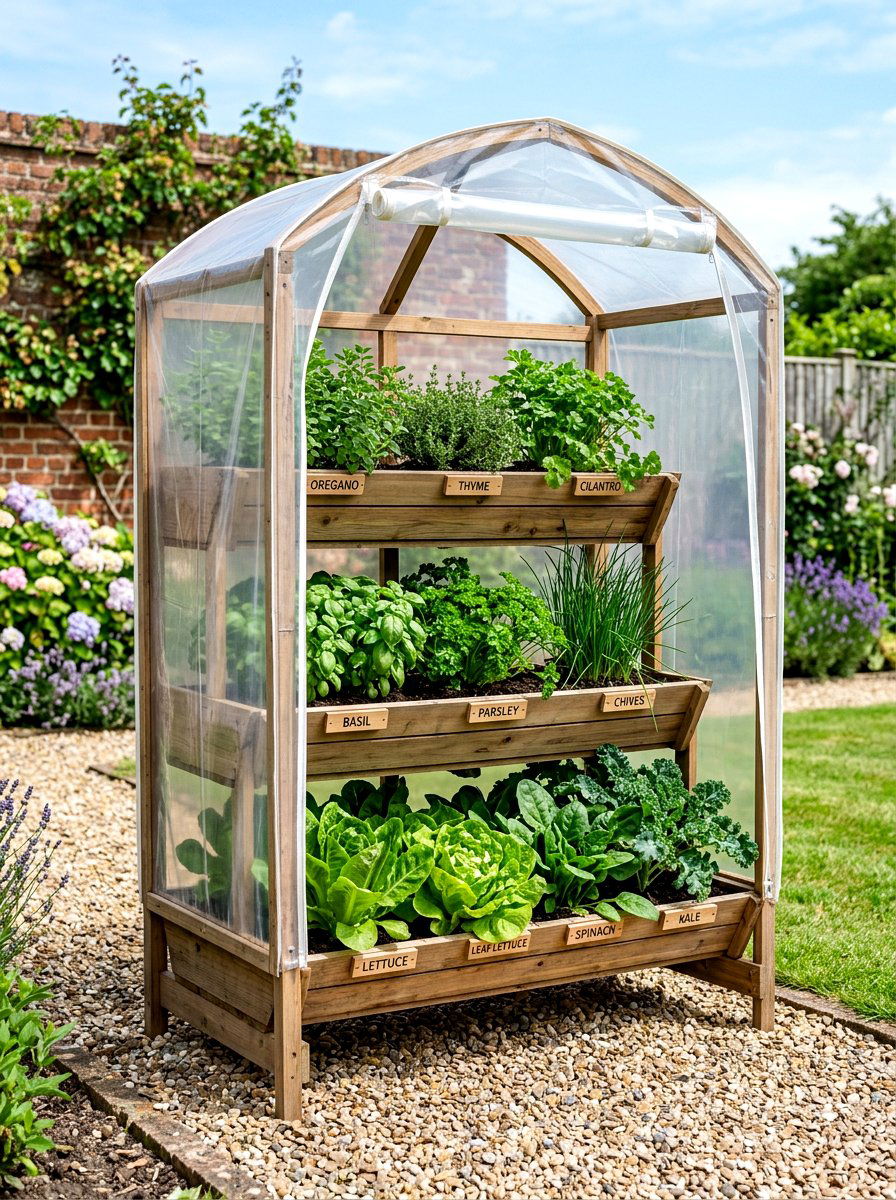
A tiered raised bed greenhouse is a brilliant way to maximize vertical space in a small backyard or patio. By building steps or layers into your greenhouse, you can grow taller plants like tomatoes in the back and shorter herbs in the front. This arrangement ensures that every single plant receives adequate sunlight without being shaded by its neighbors. The different levels also create interesting visual depth, making your garden look more like a professional landscape feature. It is a very efficient design for anyone who wants to grow a high volume of food in a relatively narrow or confined footprint.
9. Mini Balcony Greenhouse Bed
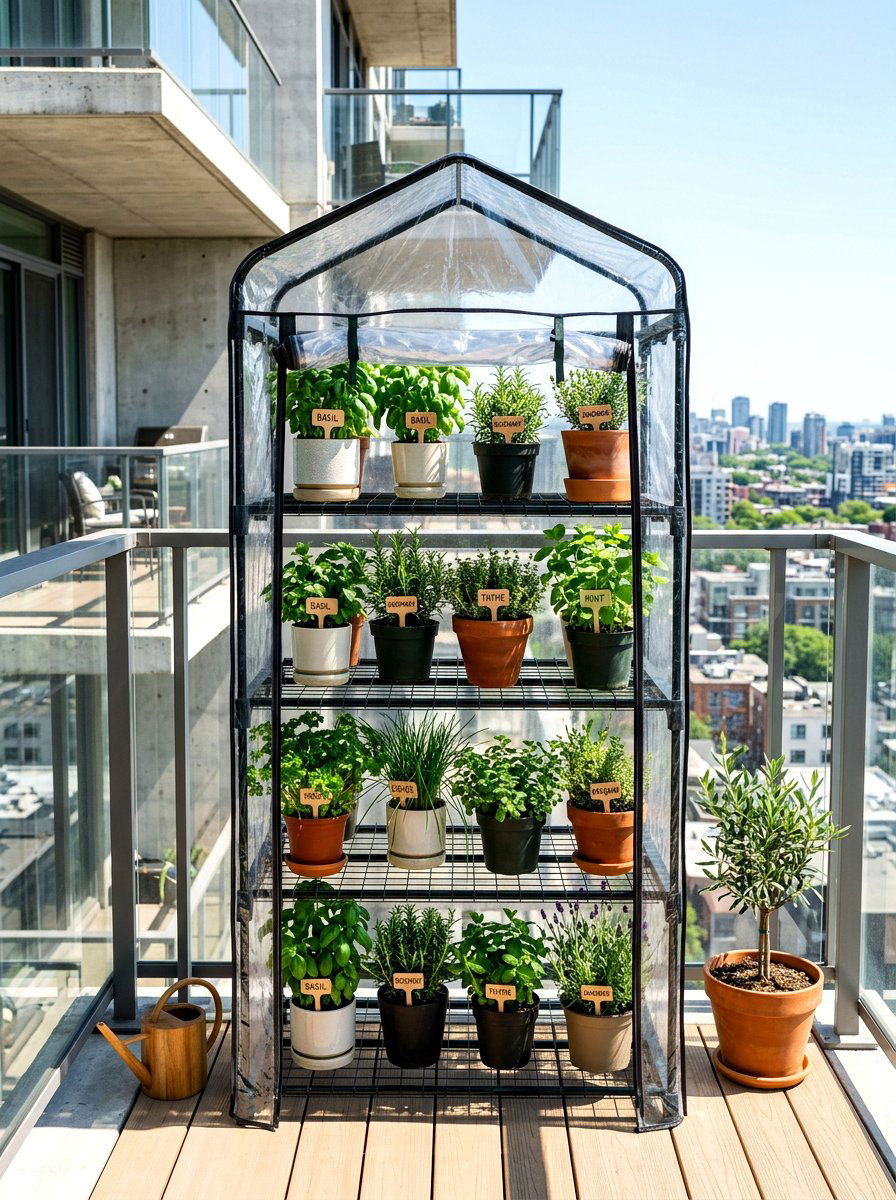
Living in an apartment does not mean you have to give up on the dream of greenhouse gardening. A mini balcony greenhouse bed is specifically designed to fit into narrow outdoor spaces while providing enough depth for root vegetables. These units often feature multiple shelves and a clear zippered cover that keeps the wind away from your delicate plants. They are perfect for growing fresh herbs, lettuce, or even strawberries right outside your kitchen door. Because they are compact, they trap heat very quickly, allowing you to start your balcony garden weeks before your neighbors even think about planting.
10. Portable Raised Bed Greenhouse
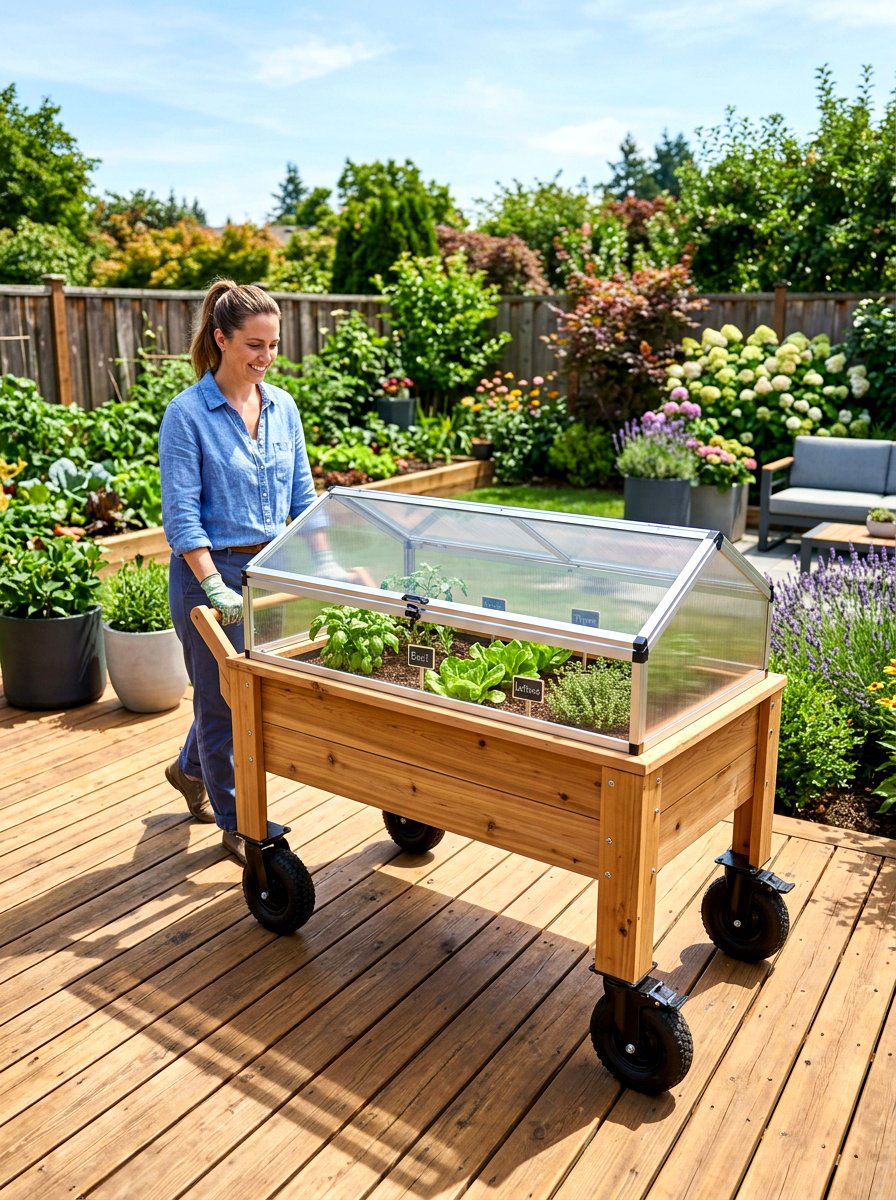
If you like to rearrange your garden layout or follow the sun throughout the year, a portable raised bed greenhouse is essential. These models are often built on sturdy casters or feature lightweight materials that make them easy to slide across a deck or patio. Being able to move your greenhouse allows you to protect it from harsh afternoon sun or move it closer to the house during a winter storm. Many of these units are designed to be disassembled quickly for storage during the off-season. They offer the ultimate flexibility for renters or people with changing landscaping needs.
11. Self Watering Greenhouse Planter
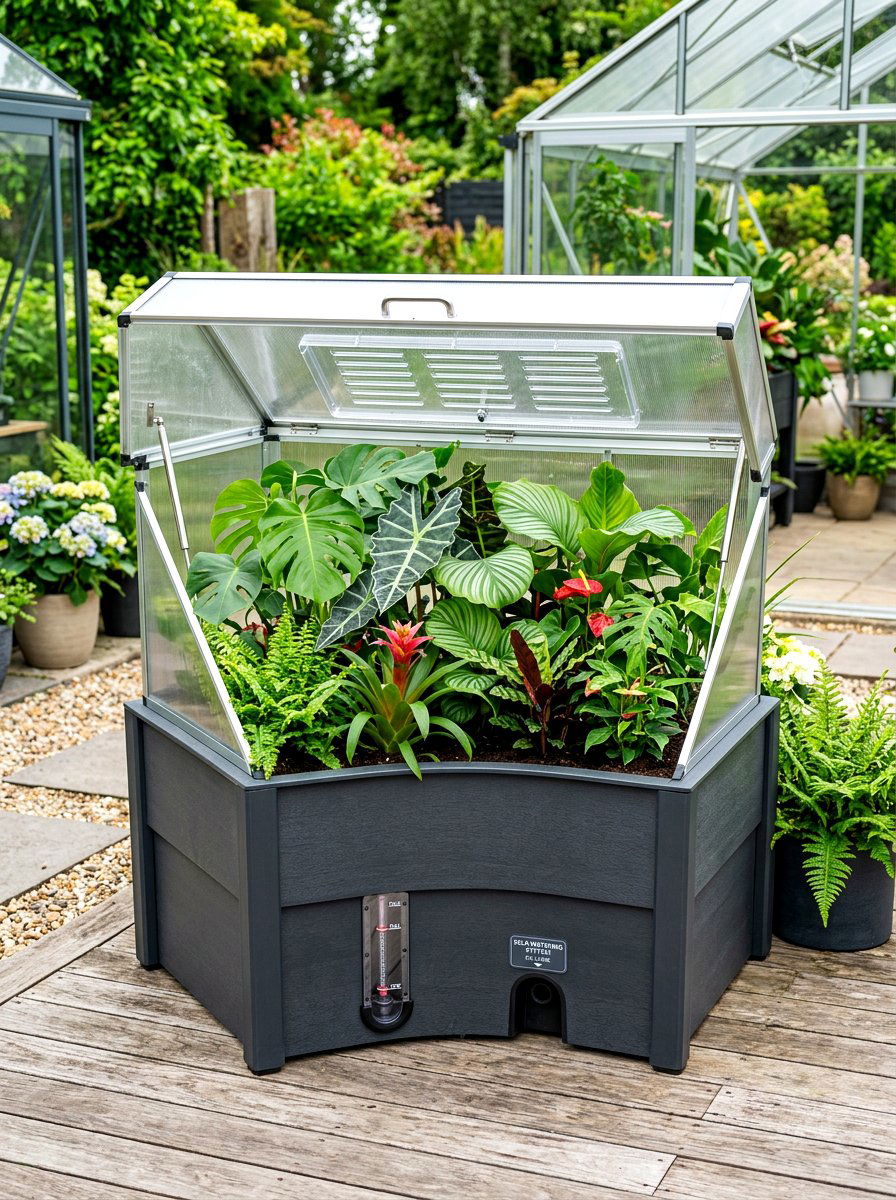
Maintaining consistent moisture levels is one of the biggest challenges in a greenhouse environment where temperatures can rise quickly. A self-watering raised bed greenhouse solves this problem by using a built-in reservoir at the bottom of the planter. The plants draw up water as they need it through capillary action, which reduces the frequency of manual watering and prevents soil from drying out. When combined with a greenhouse cover, this system creates a very humid and stable environment where tropical plants or thirsty vegetables can truly flourish. It is a perfect hands-off solution for busy gardeners who may forget to water.
12. Deep Soil Greenhouse Bed
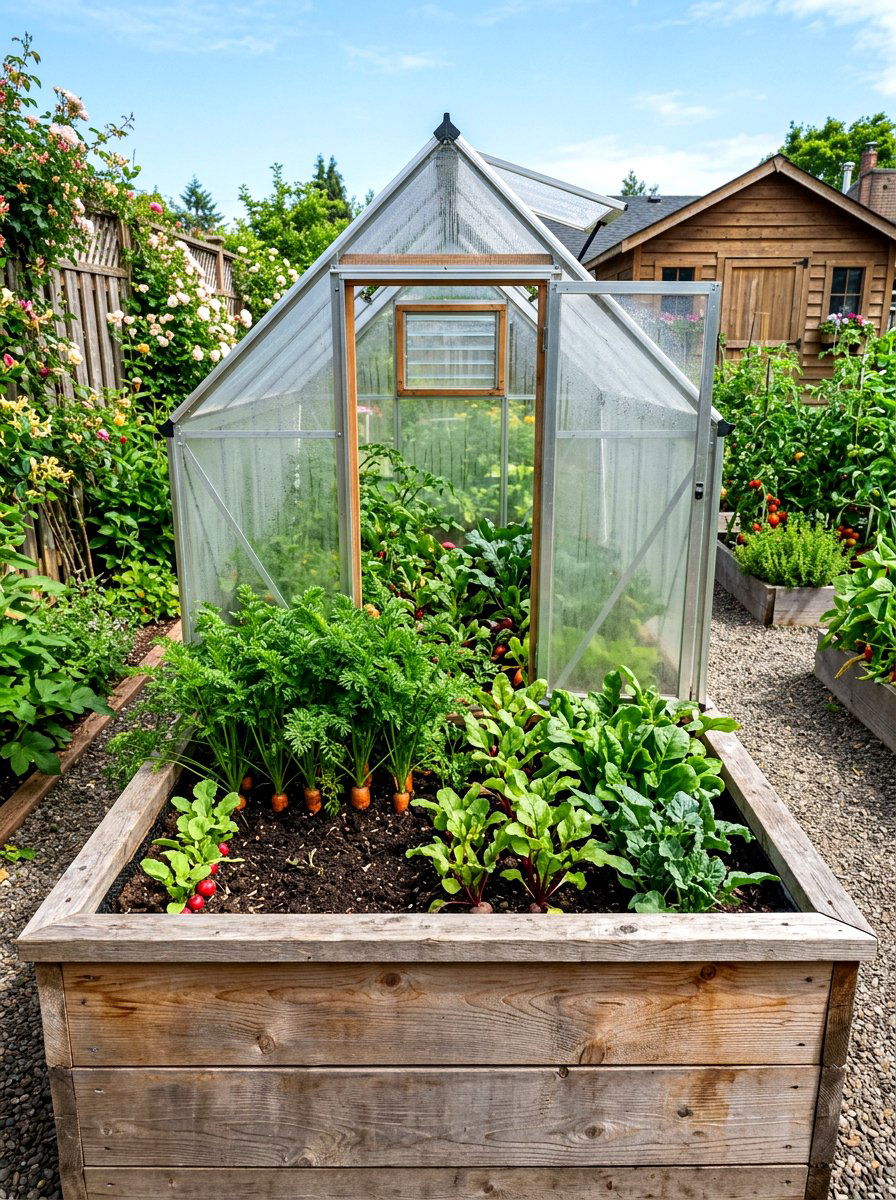
Certain vegetables like carrots, parsnips, and potatoes require significant soil depth to grow straight and healthy. A deep raised bed greenhouse provides the necessary vertical space for these root crops while protecting their foliage from the cold. By building the sides of the bed at least eighteen inches high, you create a large volume of soil that stays warm and loose. The greenhouse topper ensures that the top growth doesn't freeze, while the deep soil protects the roots from temperature fluctuations. This design is highly effective for high-yield food production in regions with very short and unpredictable growing seasons.
13. Winter Vegetable Bed Cover
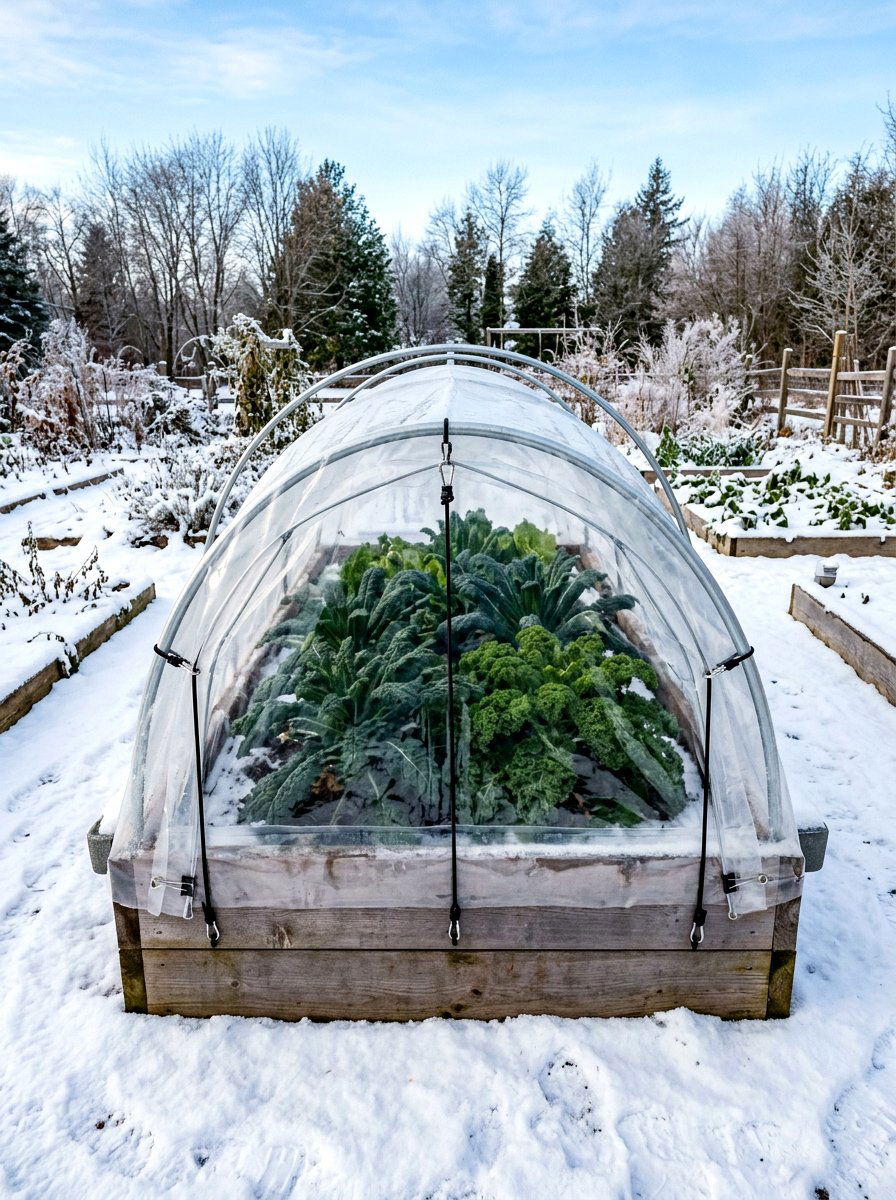
Growing food in the middle of winter is entirely possible with a dedicated winter vegetable bed cover. This design focuses on insulation and heat retention, often using double-walled polycarbonate or heavy-duty thermal blankets over the frame. You can grow hardy crops like kale, spinach, and leeks even when there is snow on the ground outside. The raised bed design keeps the roots away from the frozen earth, while the greenhouse cover creates a cozy pocket of air. This is a game-changer for anyone who wants to achieve true food self-sufficiency by harvesting fresh produce every month of the year.
14. Rolling Raised Bed Greenhouse
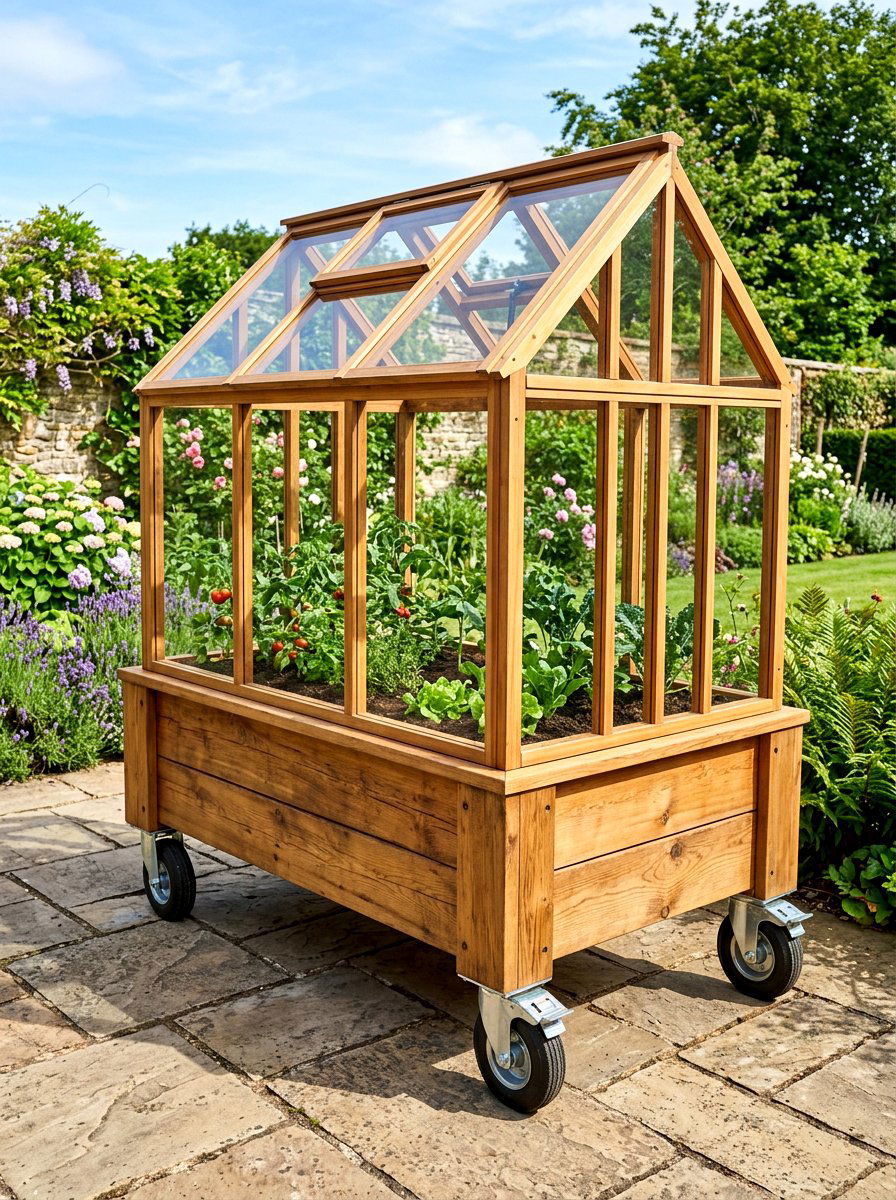
A rolling raised bed greenhouse is a specialized version of the portable design that features heavy-duty wheels for effortless movement. This is particularly useful for large wooden beds that become very heavy once they are filled with moist soil and plants. You can roll the entire structure into a garage or shed during a hurricane or extreme freeze to ensure total plant safety. On sunny days, you can move it to the brightest spot in your yard to maximize growth. This design is excellent for senior gardeners who want to continue gardening without the physical strain of carrying heavy pots.
15. Counter Height Greenhouse Bed
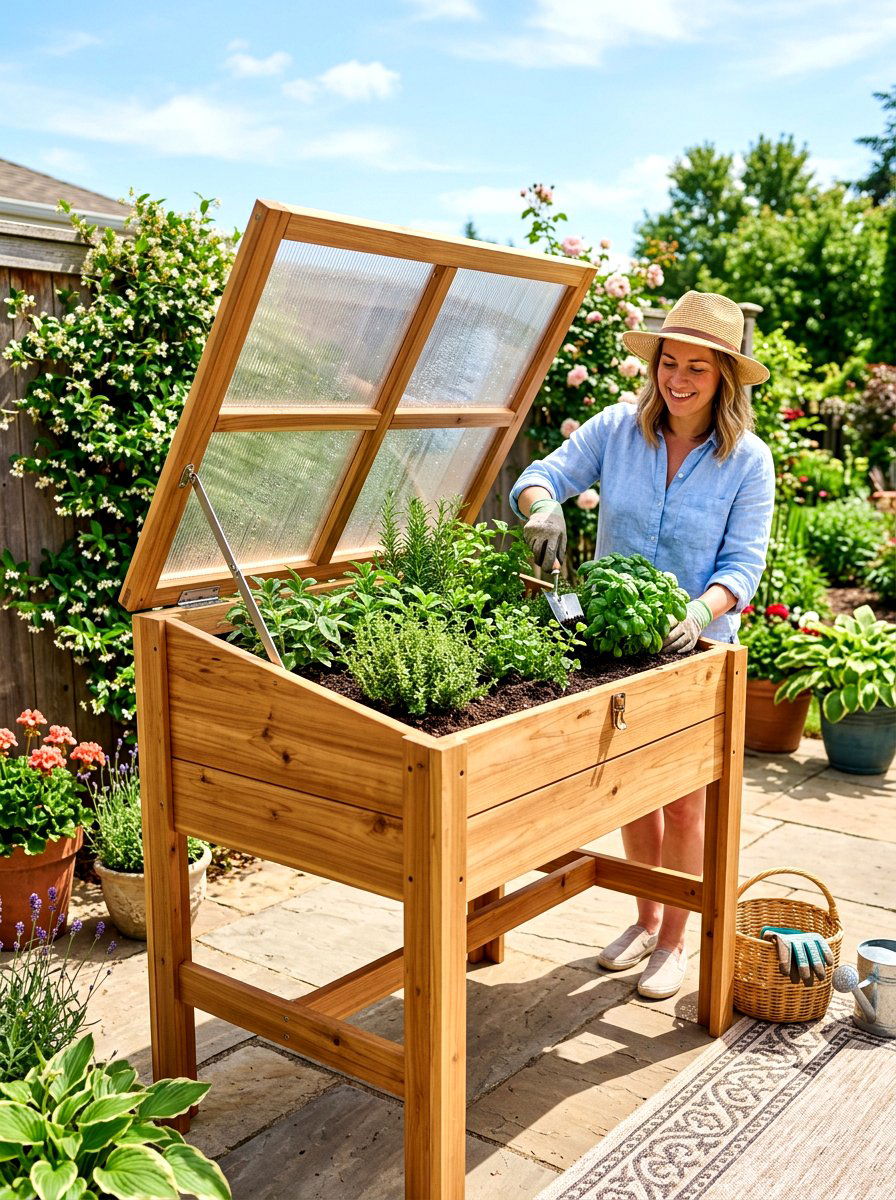
Traditional gardening often requires a lot of kneeling and bending, which can be difficult for people with back or joint pain. A counter-height raised bed greenhouse brings the plants up to your level, allowing you to garden while standing comfortably. This design usually features a sturdy leg structure that supports a deep planter box and a clear greenhouse topper. It looks beautiful on a patio or deck and provides easy access for harvesting fresh herbs for cooking. The elevated position also keeps your plants away from many ground-dwelling pests like rabbits and slugs, ensuring a cleaner crop.
16. Automatic Vent Greenhouse Bed
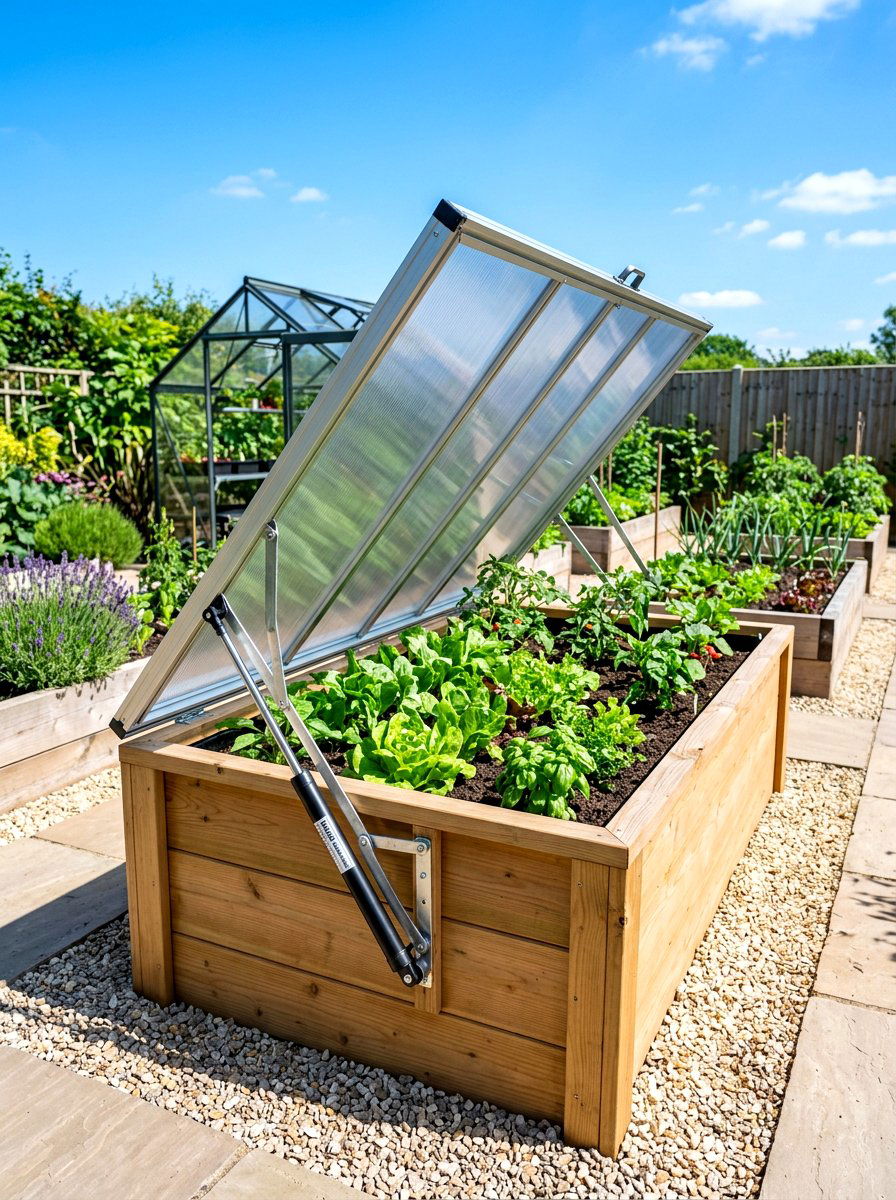
One of the risks of using a greenhouse is that it can get too hot on a sunny day, potentially scorching your plants. An automatic vent system uses a heat-sensitive wax cylinder to open and close the greenhouse lid based on the temperature. This means you don't have to be home to manually open the lids when the sun comes out. It provides peace of mind and ensures your plants always have fresh air and optimal growing conditions. This technology is surprisingly affordable and can be easily retrofitted onto most wooden or metal raised bed greenhouse structures for better performance.
17. Enclosed Vegetable Garden Bed
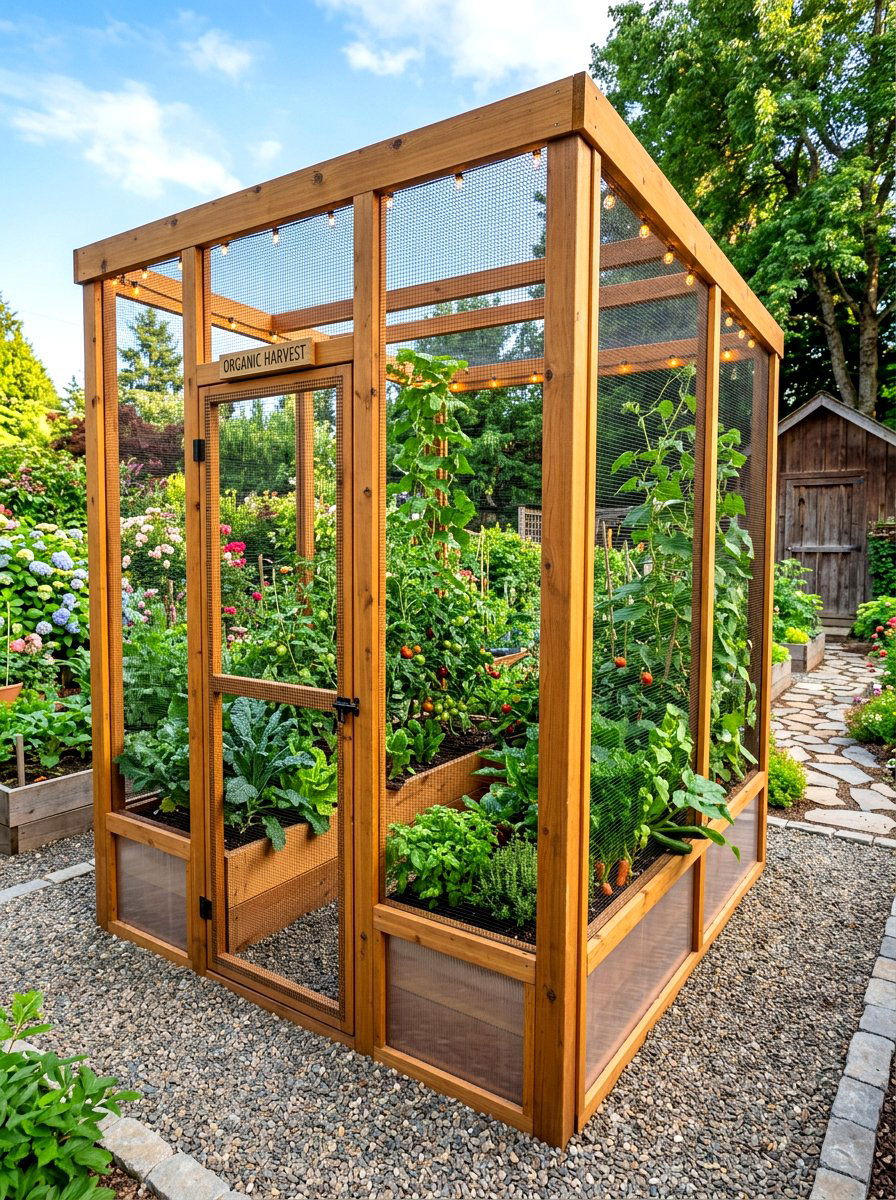
An enclosed vegetable garden bed provides a full barrier against both the elements and hungry local wildlife. This design often features a tall frame covered in a combination of hardware cloth for pest protection and clear plastic for heat retention. It is essentially a cage for your vegetables that keeps birds, deer, and insects out while maintaining a warm interior. This is the best solution for gardeners living in areas with high pest pressure who are tired of losing their harvest. It allows you to grow beautiful, blemish-free produce without having to use harsh chemical pesticides or fences.
18. Herb Garden Greenhouse Box
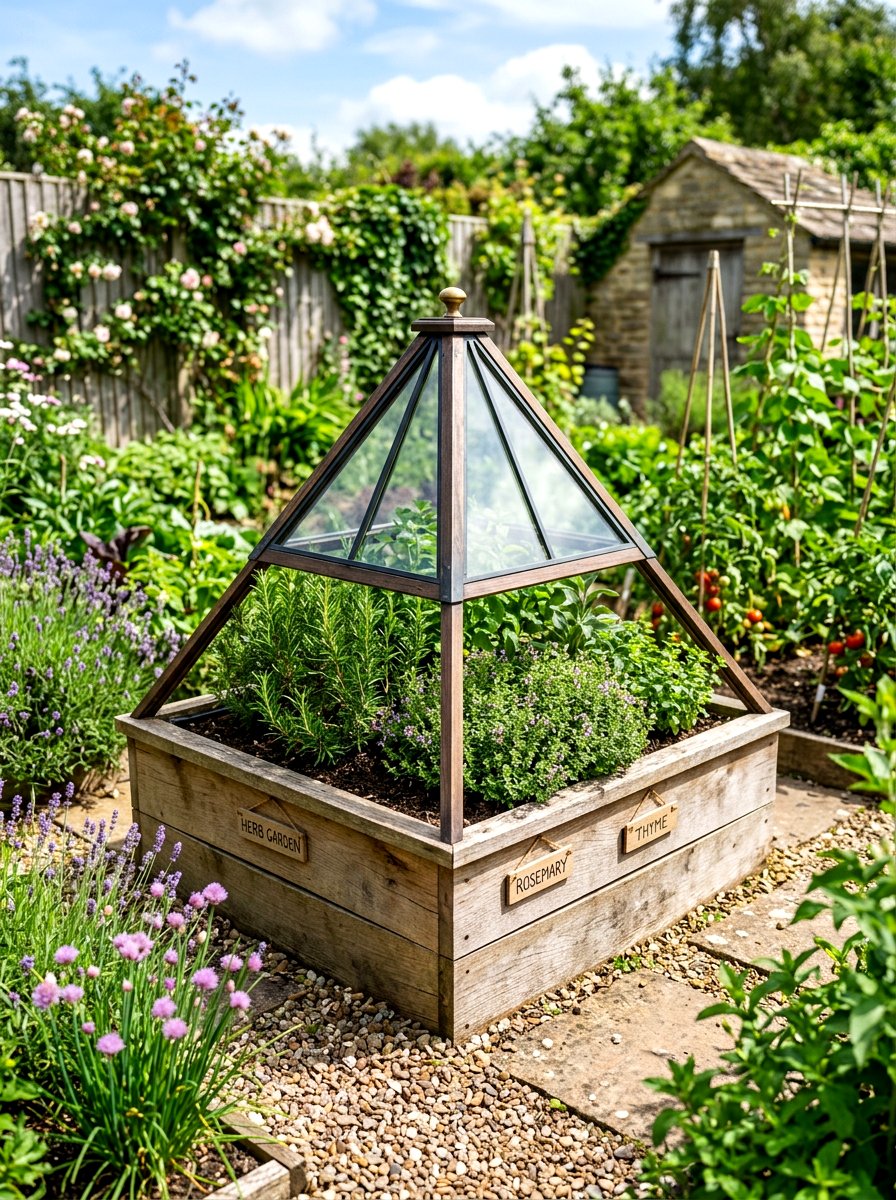
Herbs like basil, cilantro, and parsley love the consistent warmth and protection provided by a small greenhouse box. By dedicating a raised bed specifically to herbs, you can create the perfect soil mix and moisture levels for these fragrant plants. The compact size of an herb greenhouse makes it easy to place near your kitchen door for quick access during meal preparation. The greenhouse cover protects the delicate leaves from heavy rain, which can often splash soil onto the plants and cause rot. It is a wonderful way to have a year-round supply of fresh seasoning for your favorite dishes.
19. Spring Seedling Greenhouse Bed
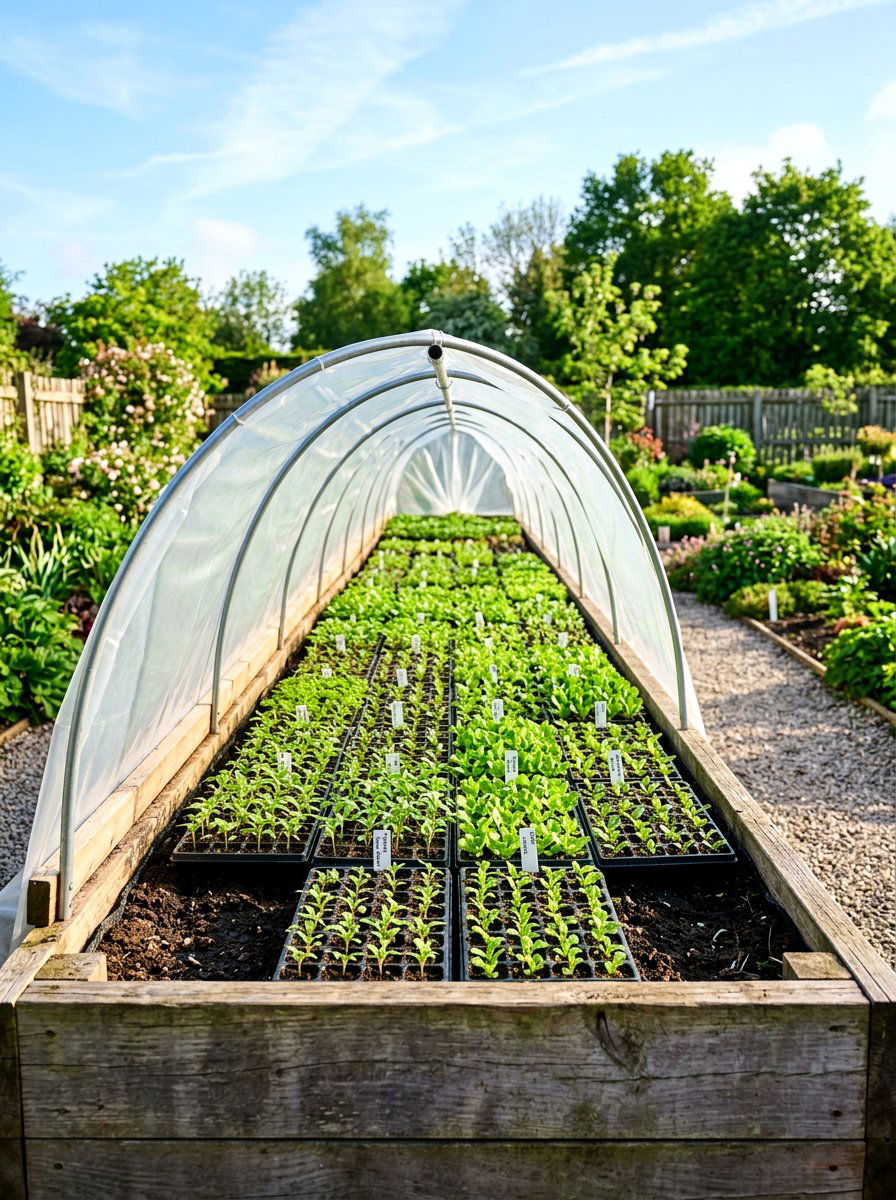
Starting your own seeds is a rewarding way to save money and grow unique plant varieties that aren't available at local nurseries. A spring seedling greenhouse bed provides the perfect nursery environment for young sprouts to get a strong start. The raised bed keeps the soil warm, which is essential for high germination rates, while the cover protects the tiny plants from frost. You can use the space to transition your seedlings from indoor grow lights to the outdoor environment gradually. This setup significantly reduces transplant shock and ensures your garden gets a massive head start every single spring.
20. Upcycled Window Greenhouse Bed
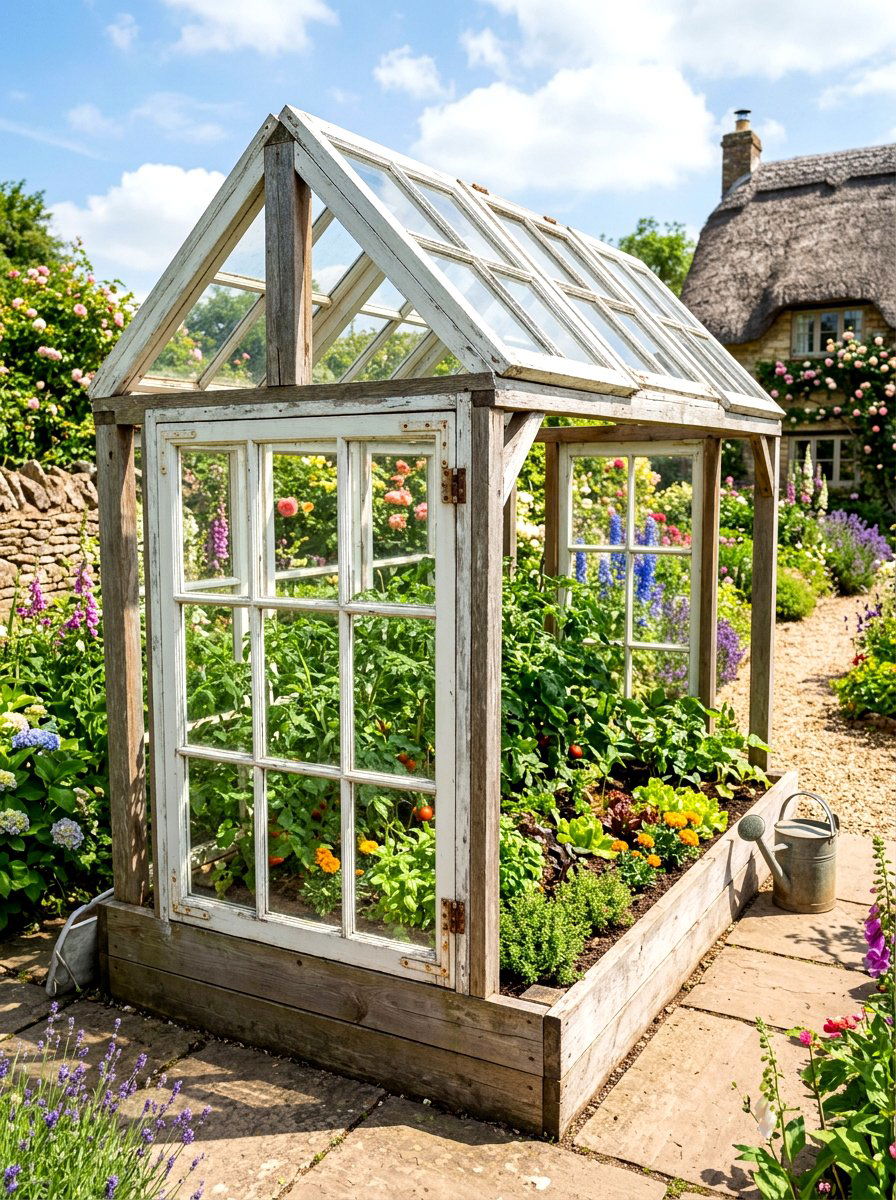
Creating a greenhouse from old, reclaimed windows is a fantastic way to practice sustainable gardening while adding a rustic touch to your yard. You can build a wooden base and use the vintage windows as the lids or walls of your structure. The heavy glass in old windows provides excellent insulation and a beautiful, timeless look that plastic just can't match. Each window has its own character, making your greenhouse a unique piece of functional art. It is a very cost-effective DIY project that keeps materials out of landfills while helping you grow a lush and productive garden.
21. Black Frame Greenhouse Bed
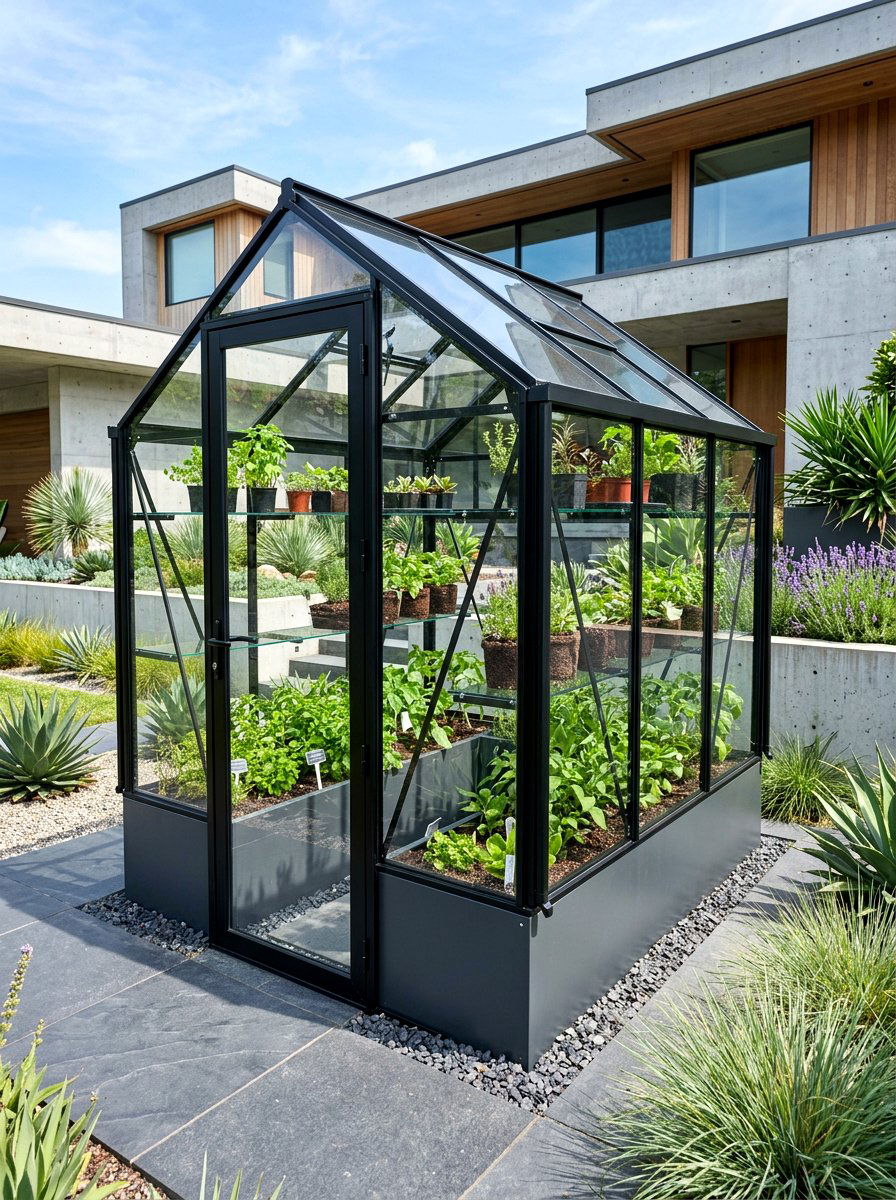
For a sleek and modern look, many homeowners are choosing black frame greenhouse beds. The black metal or painted wood provides a sharp contrast against the green foliage of your plants, making the garden look professionally designed. Beyond aesthetics, black frames can actually absorb more solar heat, which helps keep the interior of the greenhouse slightly warmer during the winter. This style fits perfectly with contemporary home designs and minimalist landscapes. It is a sophisticated way to integrate food production into a high-end outdoor living space without sacrificing style or beauty in your backyard.
22. Greenhouse Topper For Garden
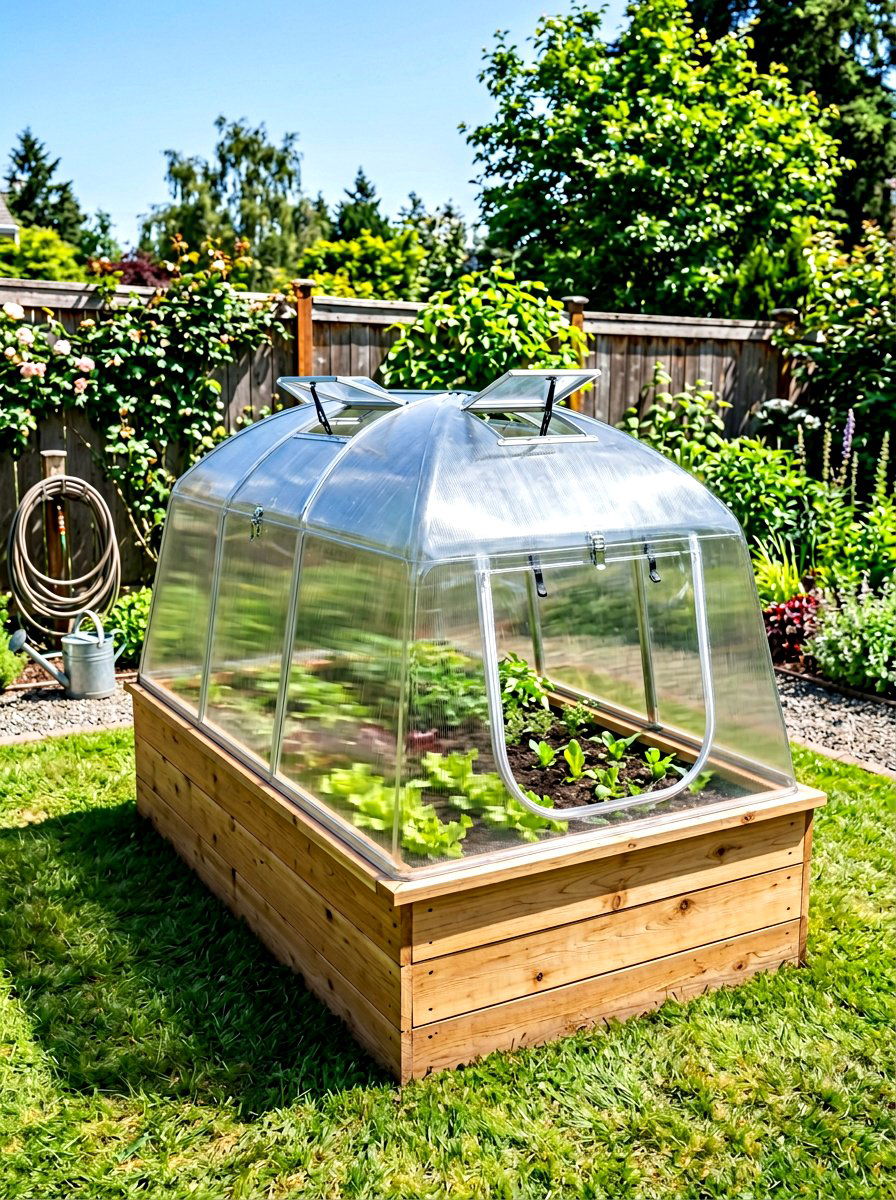
If you already have established raised beds, you can easily upgrade them by adding a custom greenhouse topper. These toppers are designed to sit securely on the rim of your existing bed, instantly transforming it into a protected growing space. They come in many styles, from simple mesh covers to rigid polycarbonate lids. This modular approach allows you to use the greenhouse feature only when needed, such as during the early spring or late fall. It is a very practical and affordable way to improve your garden's productivity without having to rebuild your entire outdoor setup from the ground up.
23. Bamboo Greenhouse Garden Bed
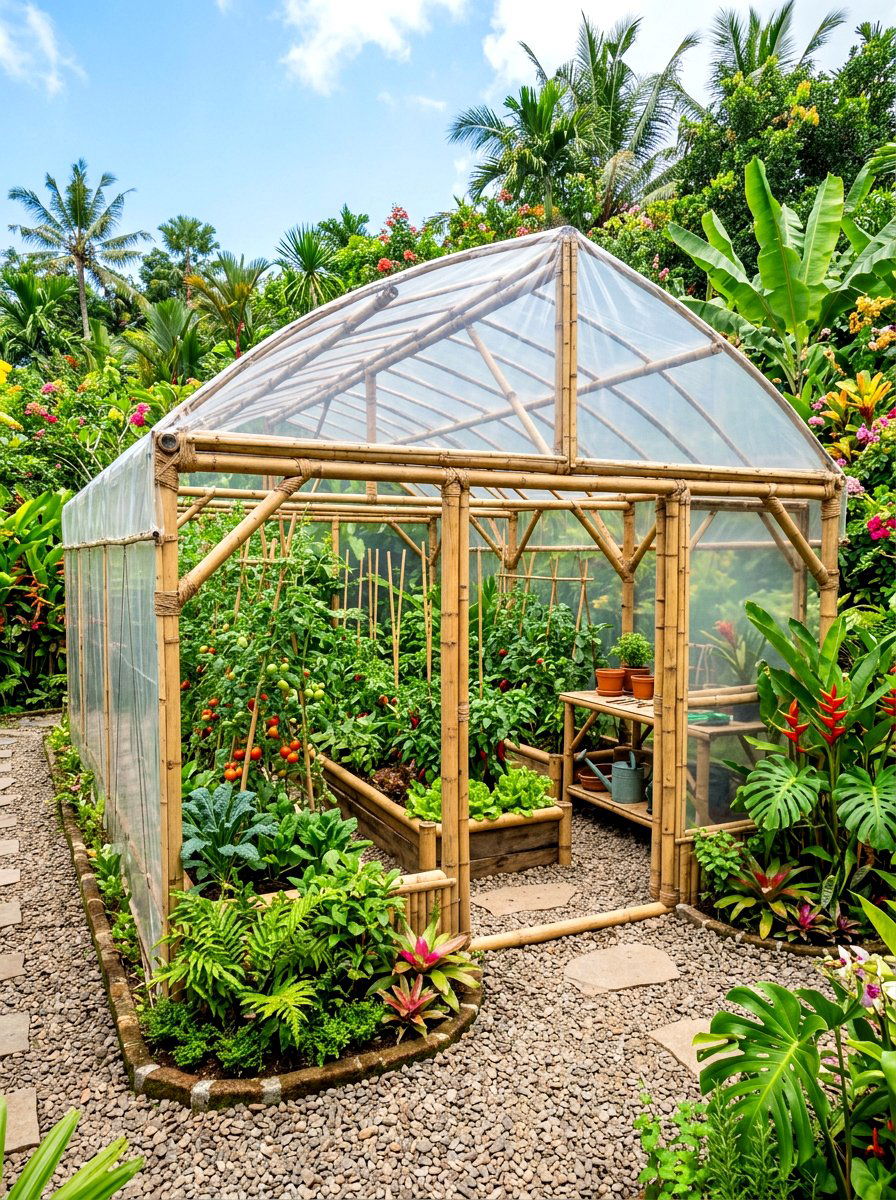
Bamboo is an incredibly sustainable and strong material that can be used to build a beautiful and eco-friendly greenhouse frame. Because bamboo is flexible, it is perfect for creating arched or domed shapes that look very natural in a garden setting. You can lash the bamboo poles together with twine to create a sturdy structure that supports clear plastic or mesh covers. This design has a tropical and organic feel that blends seamlessly with lush plantings. It is a great choice for environmentally conscious gardeners who want to avoid using plastic pipes or chemically treated lumber in their food garden.
24. Rustic Wood Greenhouse Bed
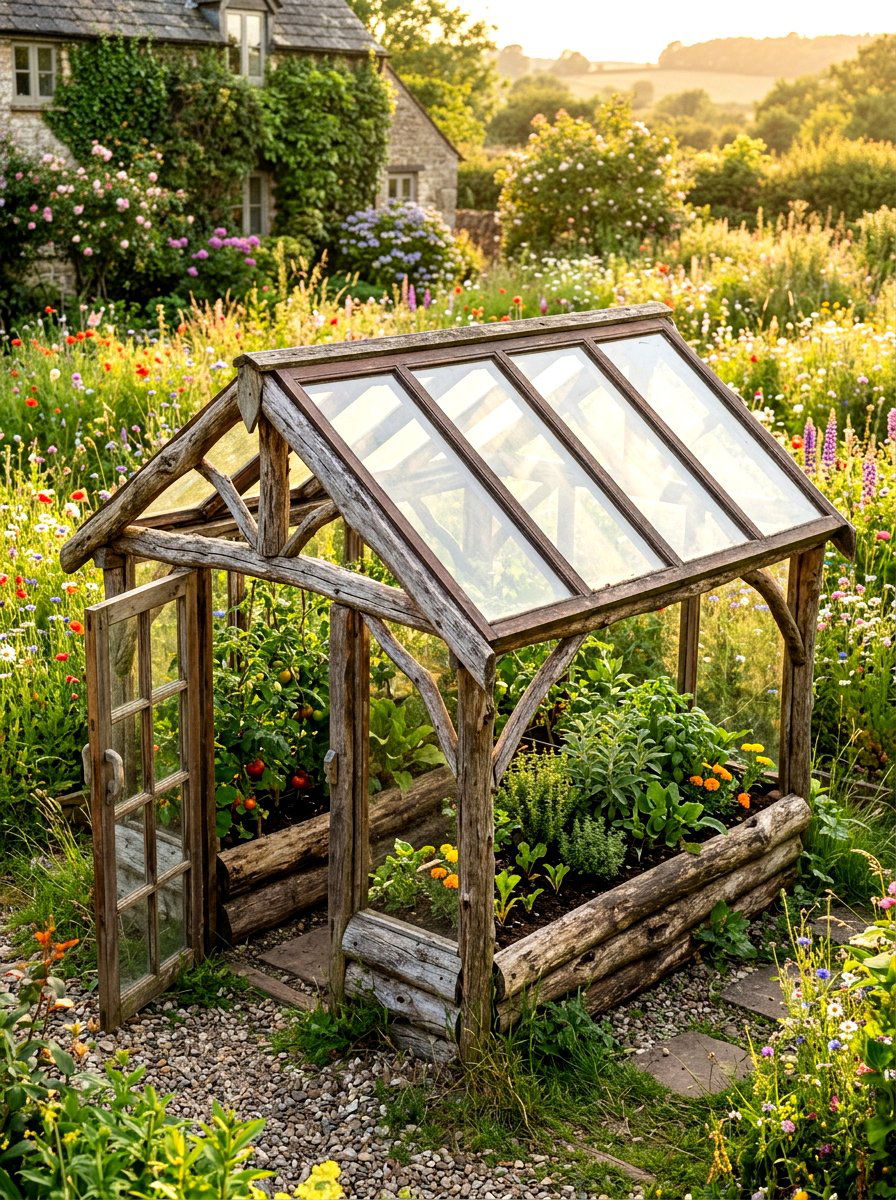
A rustic wood greenhouse bed uses rough-sawn lumber or natural branches to create a structure that looks like it belongs in a fairytale cottage garden. These beds often feature irregular shapes and hand-crafted details that add immense charm to the landscape. While they may look old-fashioned, they are highly functional and provide the same protection as more modern designs. Using local wood species like cedar or redwood ensures the bed stays durable while developing a beautiful silver patina over time. It is the perfect choice for someone who wants their garden to feel cozy, inviting, and full of natural character.
25. Large Scale Greenhouse Bed
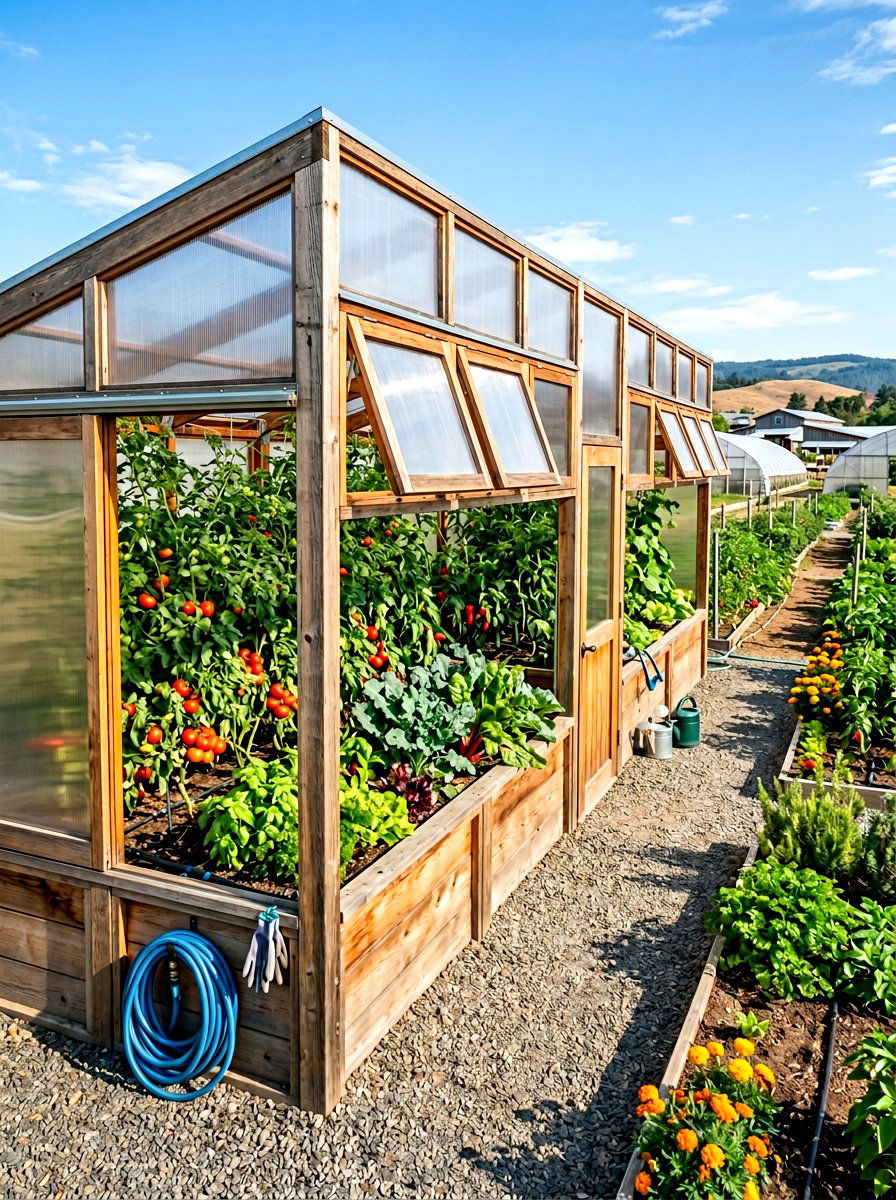
When you have a large family to feed, a large-scale raised bed greenhouse is the best way to ensure a consistent harvest. These structures can span several feet in length and height, allowing you to grow a diverse range of crops simultaneously. You can partition the interior to accommodate different soil types or watering needs for various vegetables. This design is often sturdy enough to support trellises for climbing plants like beans and cucumbers inside the protected area. It is a serious investment for a dedicated gardener that pays off in the form of hundreds of pounds of fresh, organic produce.
26. Stackable Greenhouse Bed System
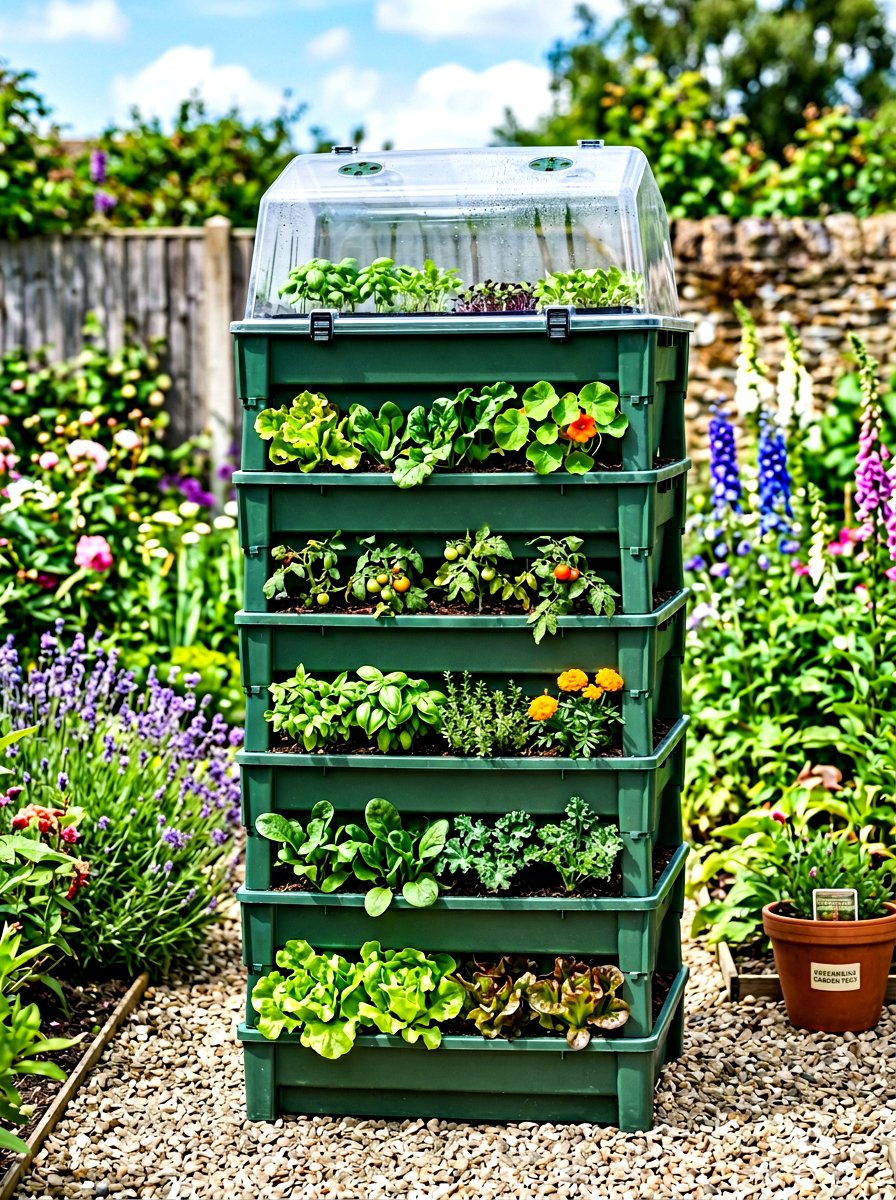
A stackable greenhouse bed system offers incredible flexibility for growing different types of plants in the same footprint. You can stack the wooden or plastic sections to create different depths, then add a greenhouse cover to the top layer. This modular design allows you to adjust the height of the bed as your plants grow or as your needs change from season to season. It is particularly useful for people with limited space who want to experiment with different gardening techniques. The stackable components are usually easy to move and store, making them a very practical choice for modern urban gardeners.
27. Lean To Garden Greenhouse
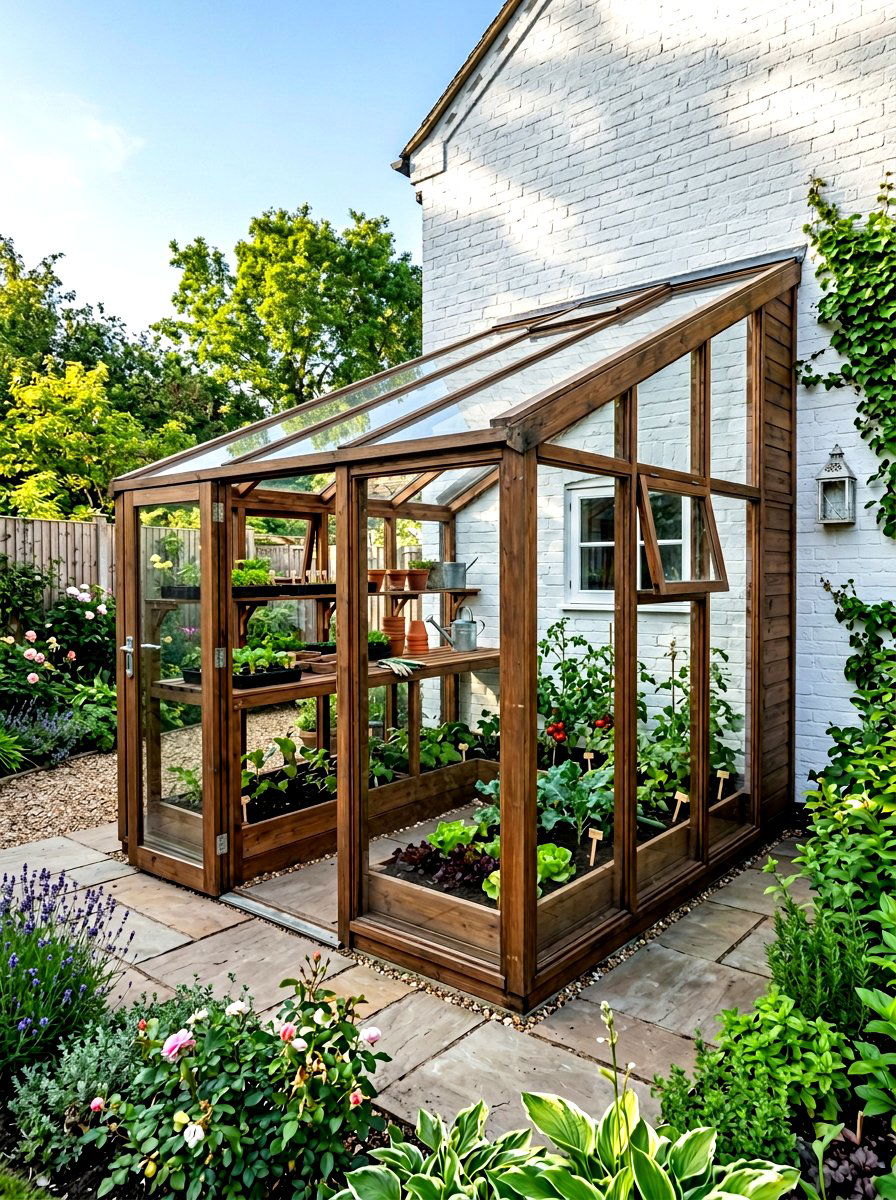
A lean-to greenhouse bed is designed to be built against an existing wall, such as the side of a house, garage, or shed. This design is incredibly space-efficient and benefits from the thermal mass of the wall, which absorbs heat during the day and releases it into the greenhouse at night. It is a very stable structure that is easy to access and can often be integrated into your home's exterior design. By placing it near a door, you make it very convenient to tend to your plants even in bad weather. It is an ideal solution for narrow side yards.
28. Dome Cover Raised Bed
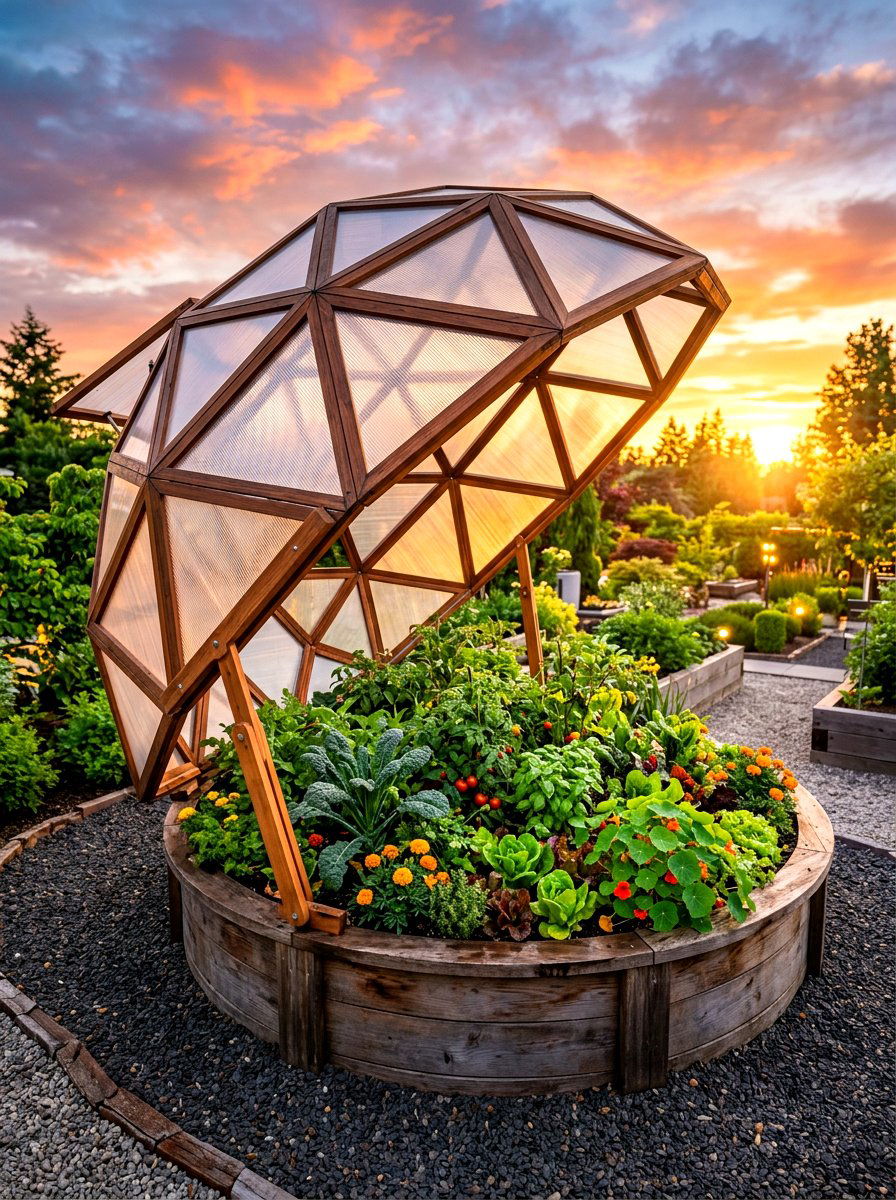
A geodesic dome cover over a circular raised bed is a striking architectural feature that is also highly functional. The dome shape is incredibly strong and handles wind and snow loads better than almost any other design. Because of the way light hits a dome, the interior receives consistent sun throughout the day without the need for manual adjustment. It creates a unique microclimate that is exceptionally warm and humid, perfect for growing exotic plants or getting an early start on summer vegetables. This eye-catching design will definitely become the focal point of your backyard and a great conversation piece.
29. Sunken Raised Bed Greenhouse
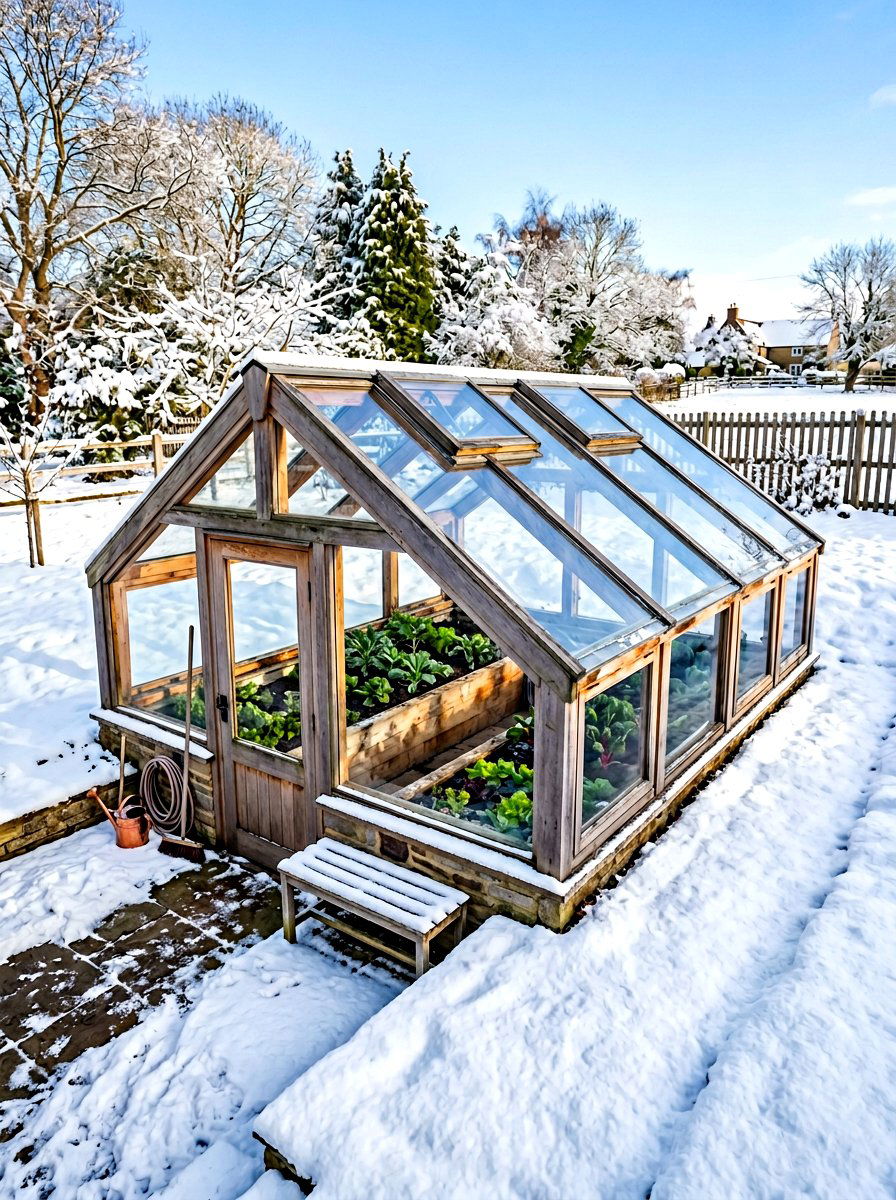
A sunken raised bed greenhouse, sometimes called a walipini style, uses the earth's natural insulation to stay warm. By digging the bed slightly into the ground and placing a greenhouse cover over the top, you take advantage of the steady temperature of the soil below the frost line. This design is incredibly energy-efficient and can stay warm even in sub-zero temperatures without any extra heating. It is a more permanent and labor-intensive project, but the results are unmatched for year-round growing in cold climates. It is the ultimate solution for gardeners who are serious about winter food production and sustainability.
30. Trellis Integrated Greenhouse Bed
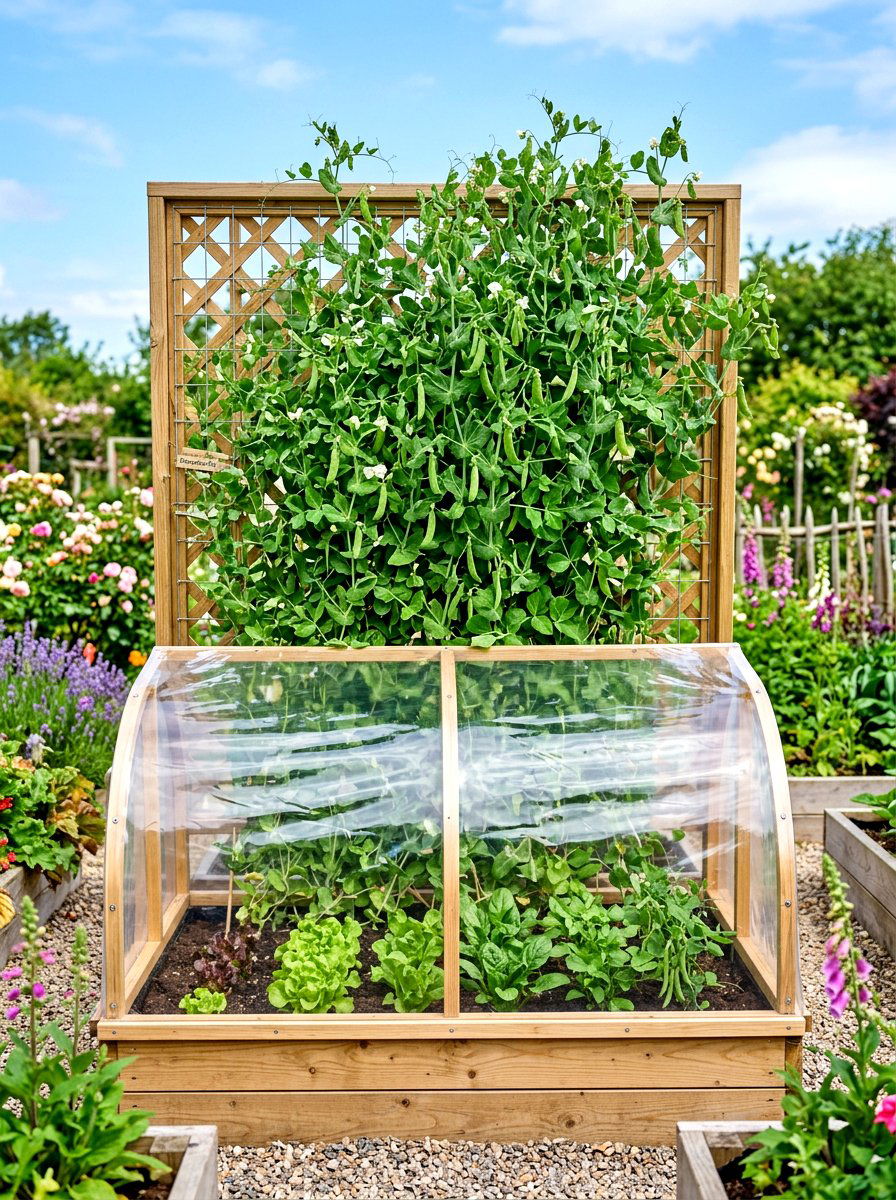
Many vegetables like peas, cucumbers, and pole beans need vertical support to grow efficiently. A trellis-integrated raised bed greenhouse combines a sturdy climbing structure with the protection of an enclosed environment. You can build the trellis directly into the back of the greenhouse frame, allowing the plants to climb toward the sun while staying warm. This design prevents the plants from trailing on the ground, which reduces the risk of disease and makes harvesting much easier. It is a very smart way to use every inch of vertical space inside your greenhouse, resulting in much higher yields for your favorite climbing crops.
Conclusion:
Investing in a raised bed greenhouse is one of the most effective ways to transform your gardening experience from a seasonal hobby into a year-round lifestyle. These versatile structures provide the perfect balance of soil control and environmental protection, ensuring that your plants remain healthy and productive regardless of the outside conditions. Whether you choose a simple DIY hoop house or a sophisticated polycarbonate system, the benefits of increased yields and extended harvests are truly undeniable. By selecting the design that best fits your specific space and aesthetic, you can create a beautiful and functional garden sanctuary that brings you joy and fresh produce for many years to come.

Related posts: