Creating a functional and efficient propagation area is the heartbeat of any successful greenhouse, allowing you to turn a single cutting into a lush landscape. A well-designed propagation bench serves as a dedicated sanctuary where temperature, humidity, and light are perfectly balanced to encourage new roots to take hold. Whether you are a hobbyist gardener or a professional nursery owner, the right setup can significantly increase your success rate and speed up the growth process for your favorite plants. These specialized structures are more than just tables; they are tools that manage the delicate transition from seed to sprout. In this guide, we explore the most effective ways to build your nursery and maximize your growing potential all year long.
1. Heated Propagation Mat
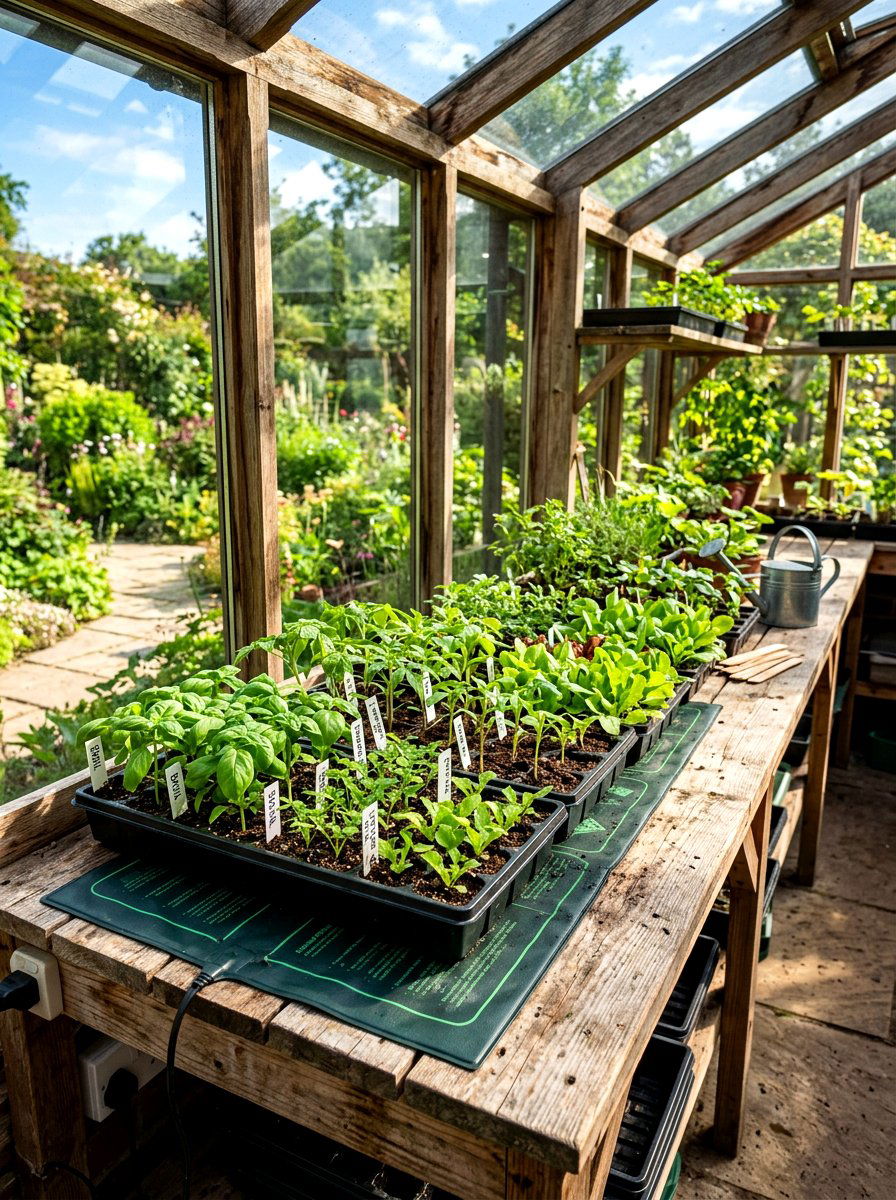
Does your greenhouse struggle to maintain the right temperature for sensitive tropical seeds during the cooler spring months? Incorporating a heated propagation mat into your workspace provides the steady bottom heat required for rapid and healthy germination. These specialized mats sit under your seedling trays, warming the soil to the exact temperature needed for roots to flourish without overheating the foliage above. This method mimics natural seasonal changes and tricks the seeds into thinking it is the perfect time to wake up. By using a waterproof heating element, you ensure safety in a damp environment while providing your young plants with the best possible start in life with very little effort.
2. Rolling Greenhouse Bench
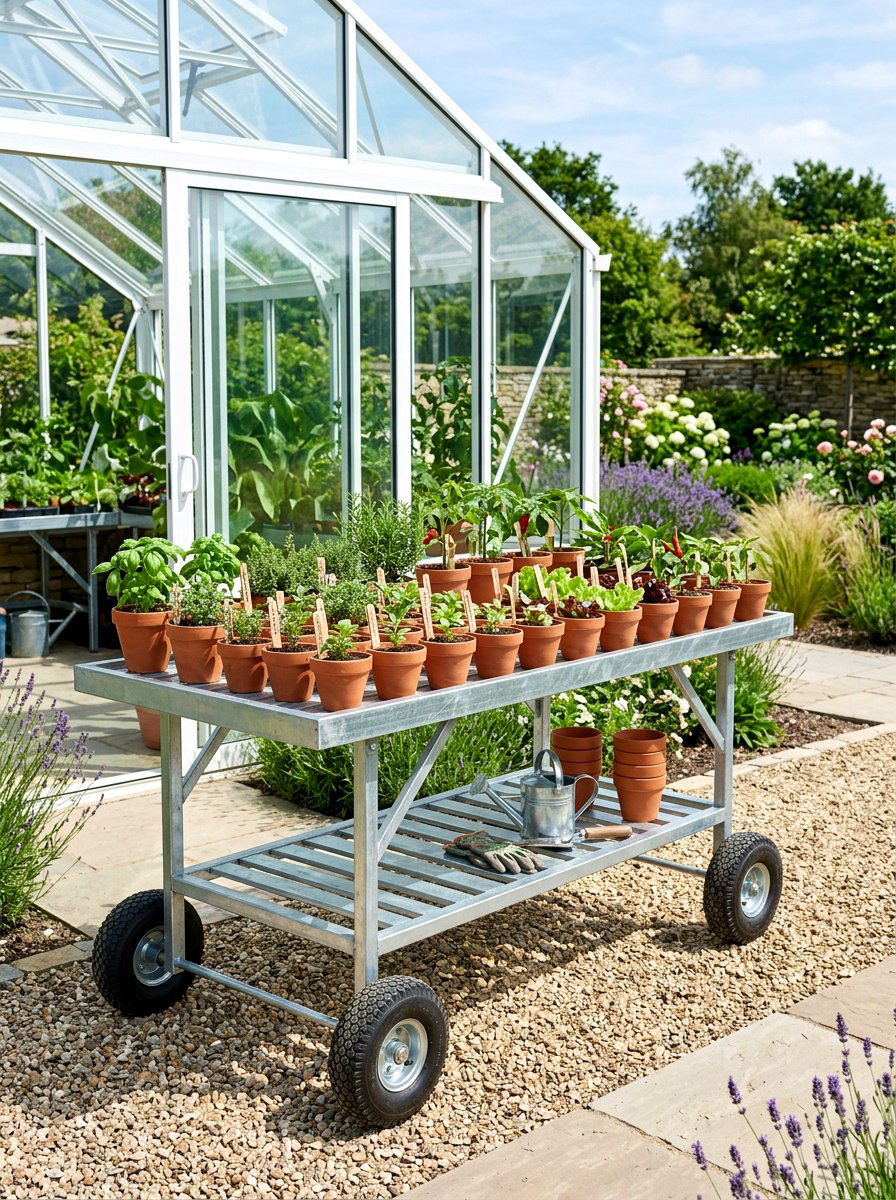
Have you ever found yourself wishing you could move your heavy plants into the sunlight without breaking your back? Rolling greenhouse benches offer a mobile solution that maximizes your available square footage. By mounting heavy-duty casters onto the legs of your benches, you can easily shift your propagation station to catch the best light or clear space for a new project. This flexibility is essential for growers who need to clean their floors or reorganize their layout as the seasons change. High-quality wheels with locking mechanisms ensure the bench stays firmly in place once positioned. It is a practical upgrade that transforms a static room into a dynamic and highly efficient workspace.
3. Wire Mesh Greenhouse Bench
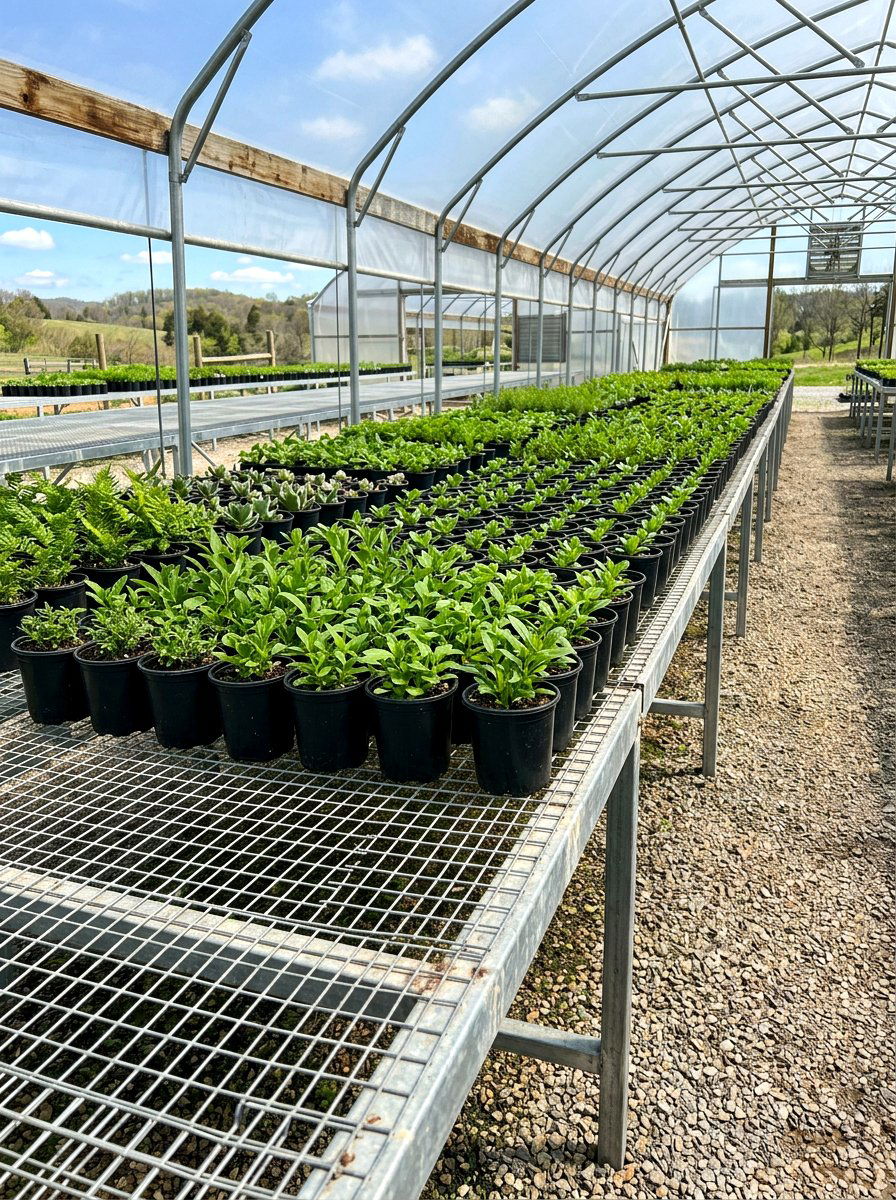
Air circulation is a critical factor often overlooked by beginners, yet it prevents many common fungal issues in the nursery. Using a wire mesh greenhouse bench allows air to flow freely around all sides of your plant pots, including the bottom. This increased airflow helps to air-prune the roots, which leads to a much stronger and more fibrous root system compared to solid surfaces. The mesh design also ensures that excess water drains away immediately, preventing the stagnant conditions that cause root rot. Durable metal mesh is easy to sanitize between batches of plants, helping you maintain a clean and professional environment for your delicate and valuable new cuttings.
4. Automatic Misting Bench
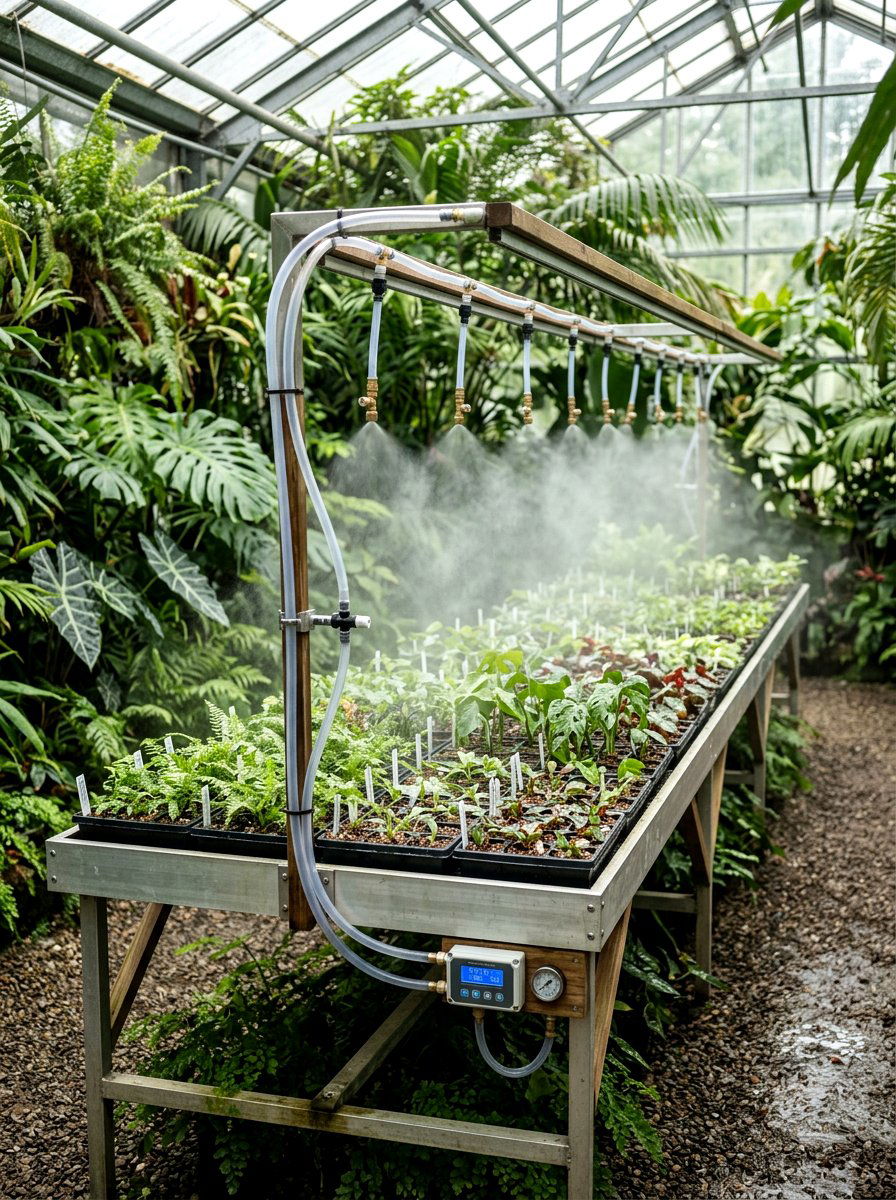
What if you could leave your greenhouse for the weekend without worrying about your fragile cuttings drying out completely? An automatic misting bench solves this problem by using a timed system to spray a fine vapor over your plants at regular intervals. This high-humidity environment is vital for unrooted cuttings that cannot yet draw water from the soil through their stems. By keeping the leaves hydrated through the air, you reduce stress on the plant and encourage faster rooting. These systems can be easily installed along the length of your bench, using simple plastic tubing and specialized nozzles to create a lush, tropical microclimate for your nursery success.
5. Cedar Wood Propagation Bench
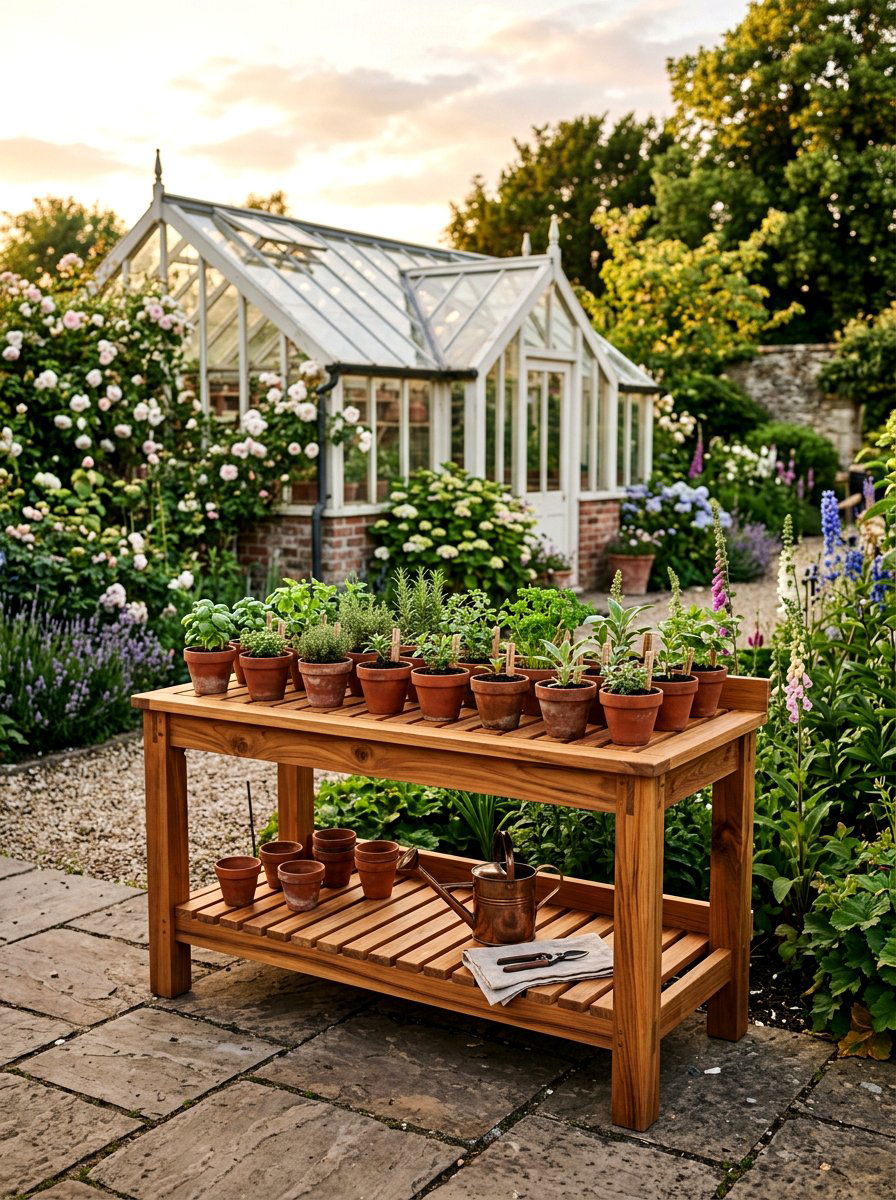
Natural materials often provide the most aesthetic and durable solutions for a traditional garden setting or a rustic greenhouse. Cedar wood is an excellent choice for a propagation bench because it is naturally resistant to rot, insects, and decay without the need for harsh chemicals. This makes it a safe environment for starting organic vegetables and sensitive herbs from seed. The warm tones of the wood look beautiful against the bright green of new sprouts, creating a visually pleasing workspace that you will enjoy spending time in. As the wood ages, it develops a lovely silver patina, ensuring your bench remains a sturdy and attractive fixture for many years.
6. Tiered Greenhouse Bench
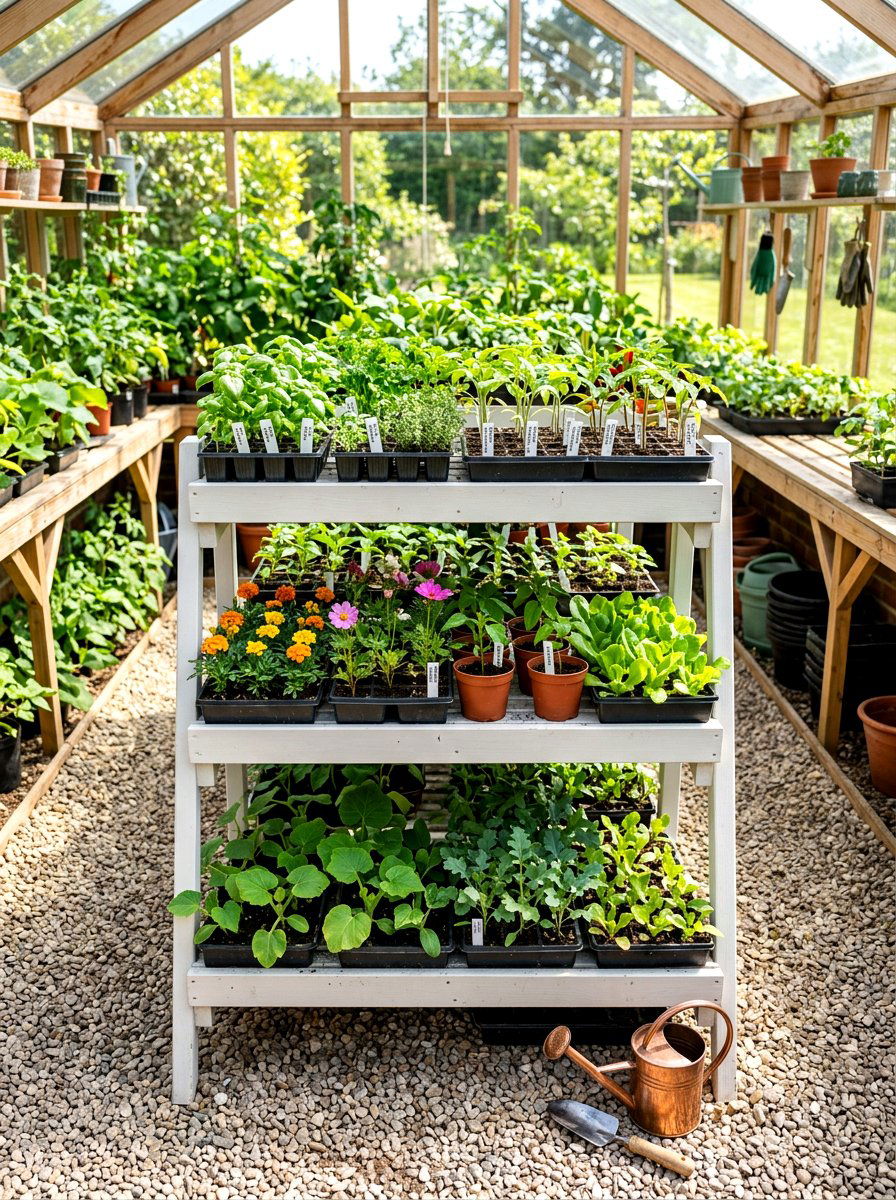
Vertical space is frequently underutilized in smaller structures, but tiered greenhouse benches can double or even triple your growing capacity. By arranging your plants on multiple levels, you can organize them by their specific light requirements, placing sun-lovers on the top and shade-loving mosses below. This stair-step design not only looks professional but also makes it much easier to inspect every individual plant without having to reach over a wide table. It creates a stunning visual display of your propagation progress, making the most of every inch of your greenhouse. Sturdy frames are necessary to support the weight of multiple levels filled with wet soil and heavy pots.
7. Self Watering Greenhouse Bench
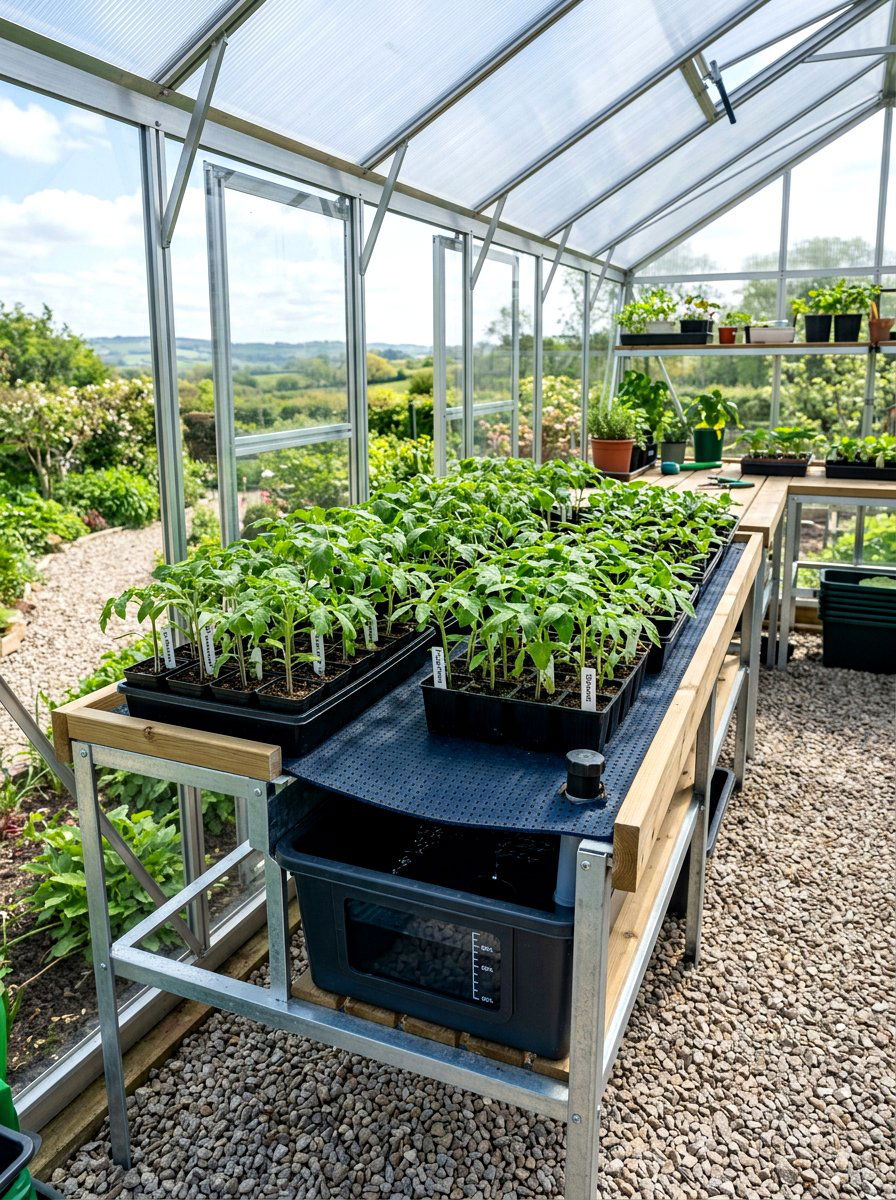
Imagine a system that provides the exact amount of moisture your plants need without you ever picking up a watering can. A self-watering greenhouse bench uses a reservoir and a wicking system to deliver hydration directly to the roots of your seedlings. This constant moisture level prevents the cycle of drying out and soaking that can often stunt the growth of young plants. It is particularly effective for thirsty species like tomatoes or coleus that need consistent water to thrive. By automating this process, you save hours of labor and ensure that your plants are never stressed, leading to more vigorous growth and a much healthier root system overall.
8. Galvanized Steel Greenhouse Bench
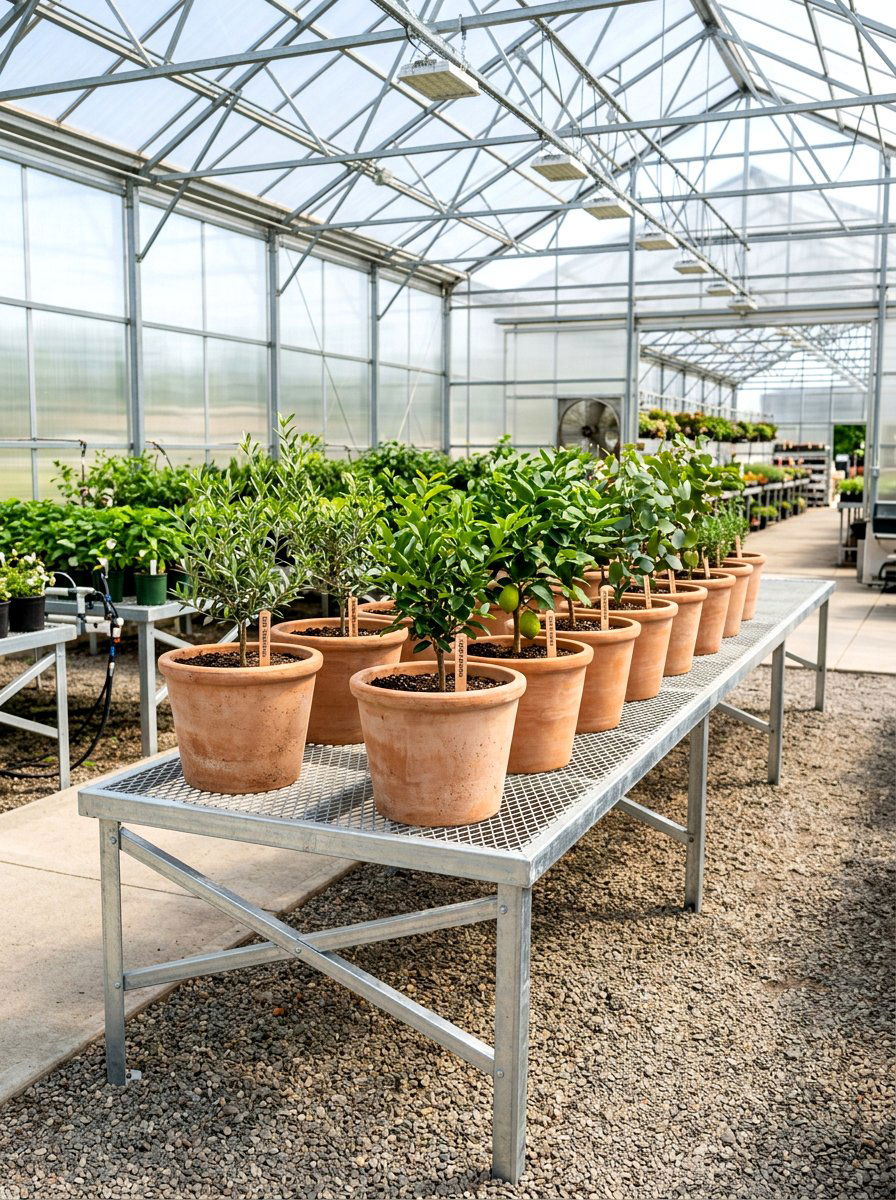
For those who prioritize longevity and a clean, industrial look, galvanized steel greenhouse benches are the gold standard for nursery work. The zinc coating on the steel protects the metal from the high humidity and constant moisture found in a greenhouse, preventing rust for decades. These benches are incredibly strong and can support heavy flats of soil and large ceramic pots without bowing or breaking. They are also very easy to wipe down and disinfect, which is crucial for preventing the spread of soil-borne diseases. The sleek, reflective surface helps bounce light back onto the plants, ensuring every leaf gets the energy it needs to grow strong.
9. Bottom Heat Sand Bed
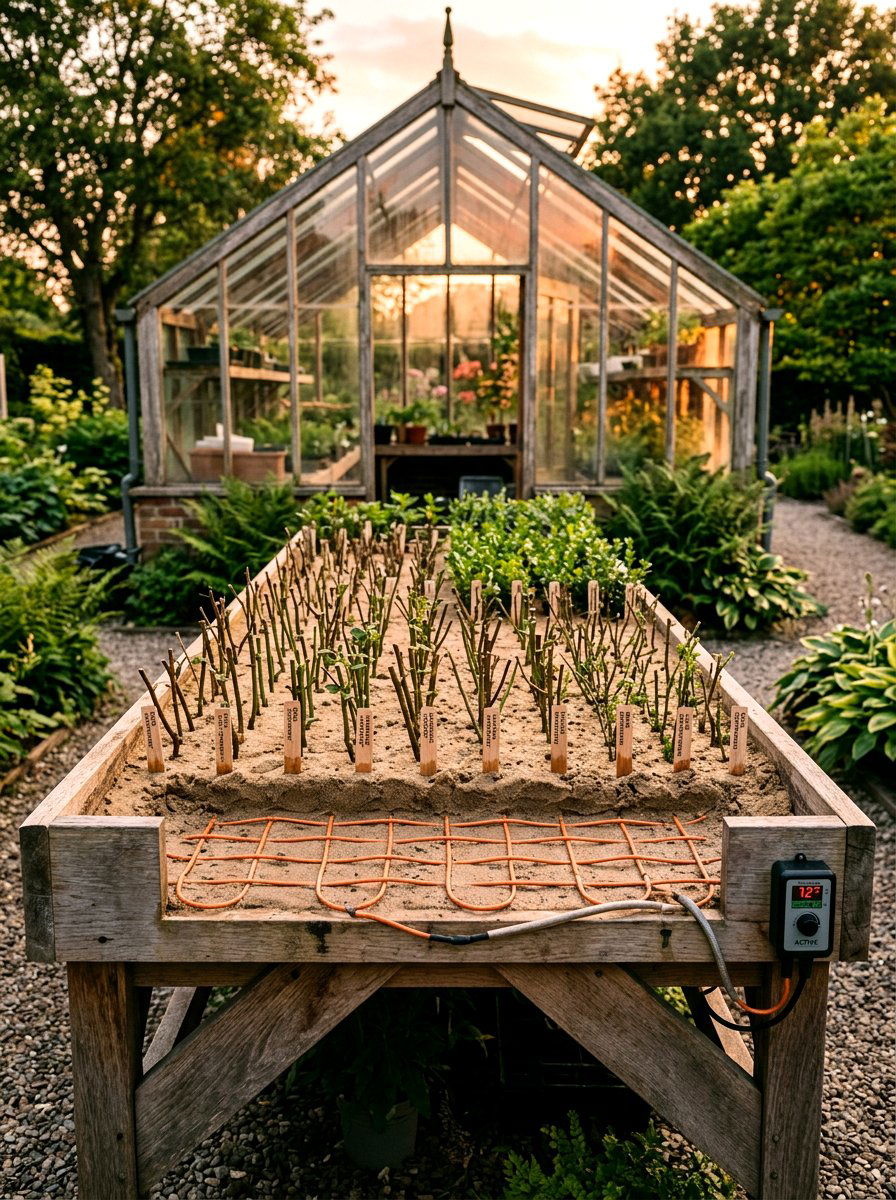
Traditional methods often hold the key to success, and the bottom heat sand bed is a time-tested technique for expert propagators. By burying heating cables in a thick layer of moist sand on your bench, you create a thermal mass that holds heat much better than air. This consistent, even warmth is perfect for rooting hardwood cuttings that need a long time to establish. The sand also helps to distribute moisture evenly, creating a humid base that prevents the pots from drying out too quickly. It is a cost-effective and highly reliable way to manage the microclimate of your greenhouse bench during the coldest months of the winter season.
10. Grow Light Propagation Bench
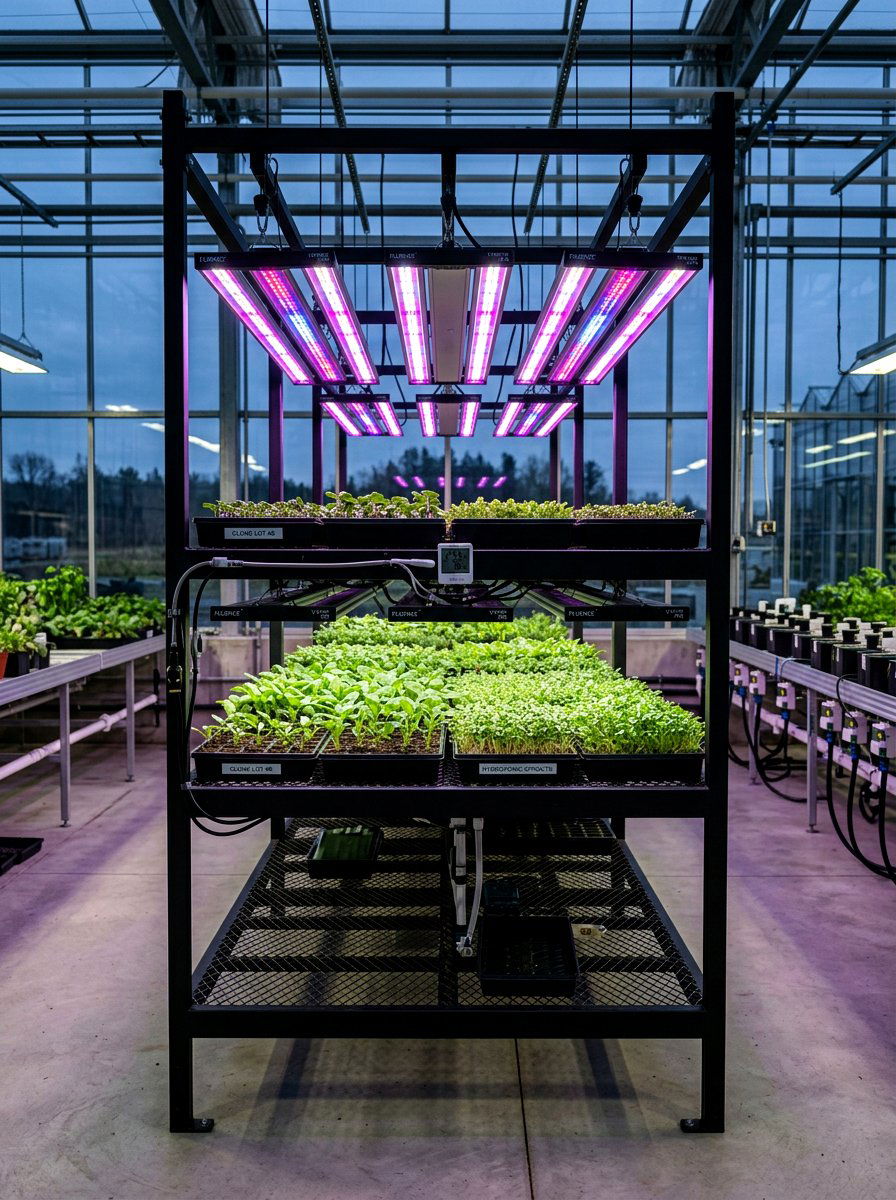
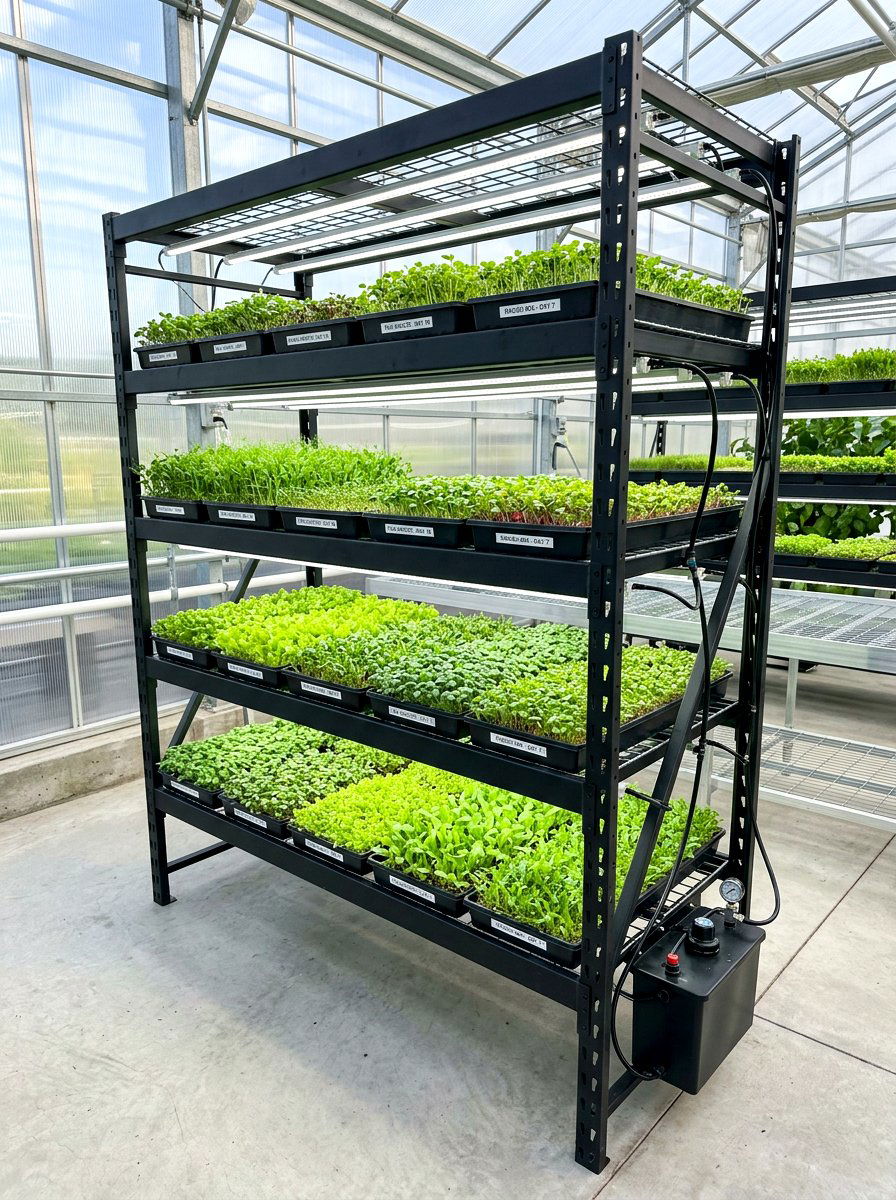
Short winter days can often lead to leggy, weak seedlings that struggle to survive once they are transplanted into the garden. Integrating grow lights directly into your propagation bench ensures that your young plants receive the full spectrum of light they need to stay compact and strong. LED lights are particularly popular because they provide high intensity without generating excessive heat that could dry out your soil. By mounting these lights on adjustable chains above your bench, you can keep them close to the foliage for maximum efficiency. This setup allows you to start your gardening season months earlier than your neighbors, regardless of the weather.
11. Fogging System Greenhouse Bench
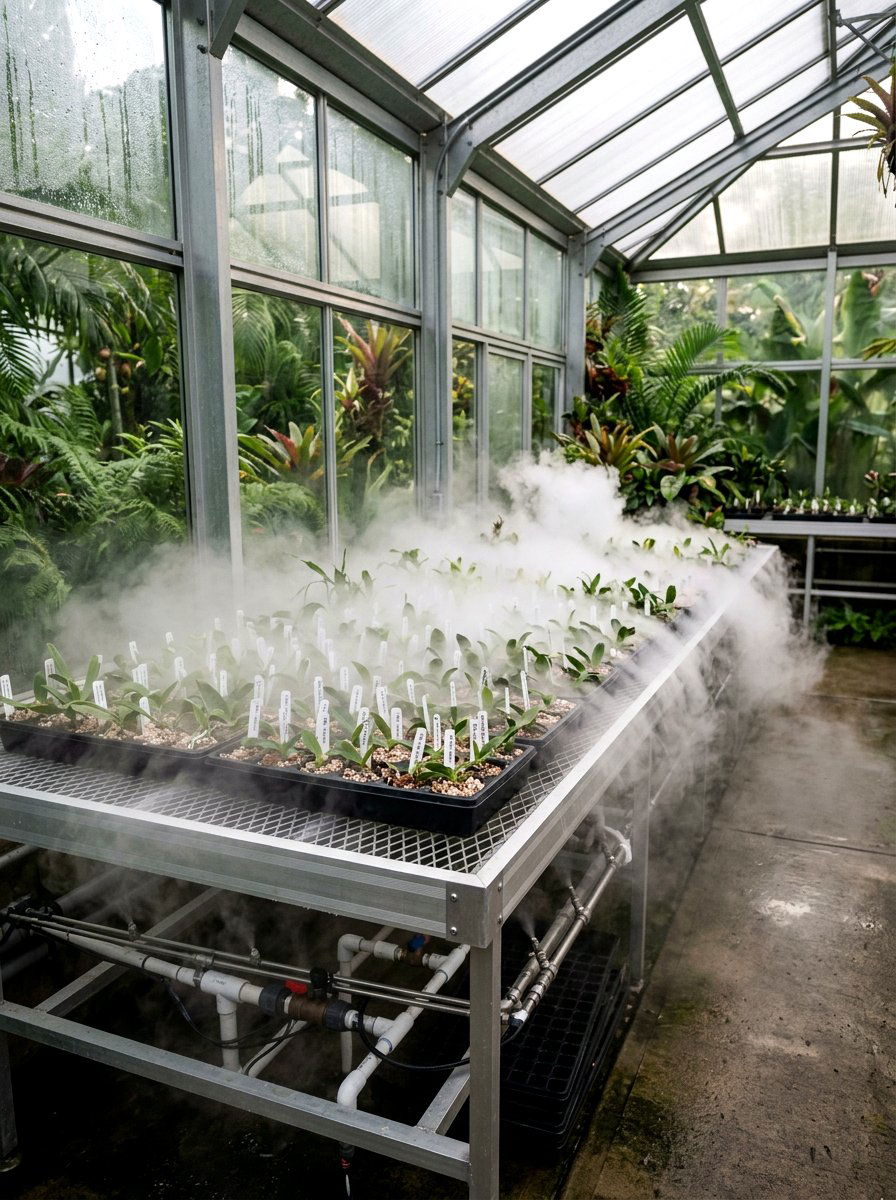
While misting systems are great, a fogging system takes humidity control to a whole new level of precision and plant care. Unlike heavy mist, which can leave large water droplets on leaves and lead to rot, a fogger creates tiny particles that float in the air. This creates a cloud-like environment that keeps the humidity near one hundred percent without soaking the soil or the foliage. This is the ideal setup for very delicate tropical species or rare orchids that require high moisture levels to root successfully. By keeping the air cool and damp, you prevent moisture loss from the cuttings, allowing them to focus on roots.
12. Adjustable Height Greenhouse Bench
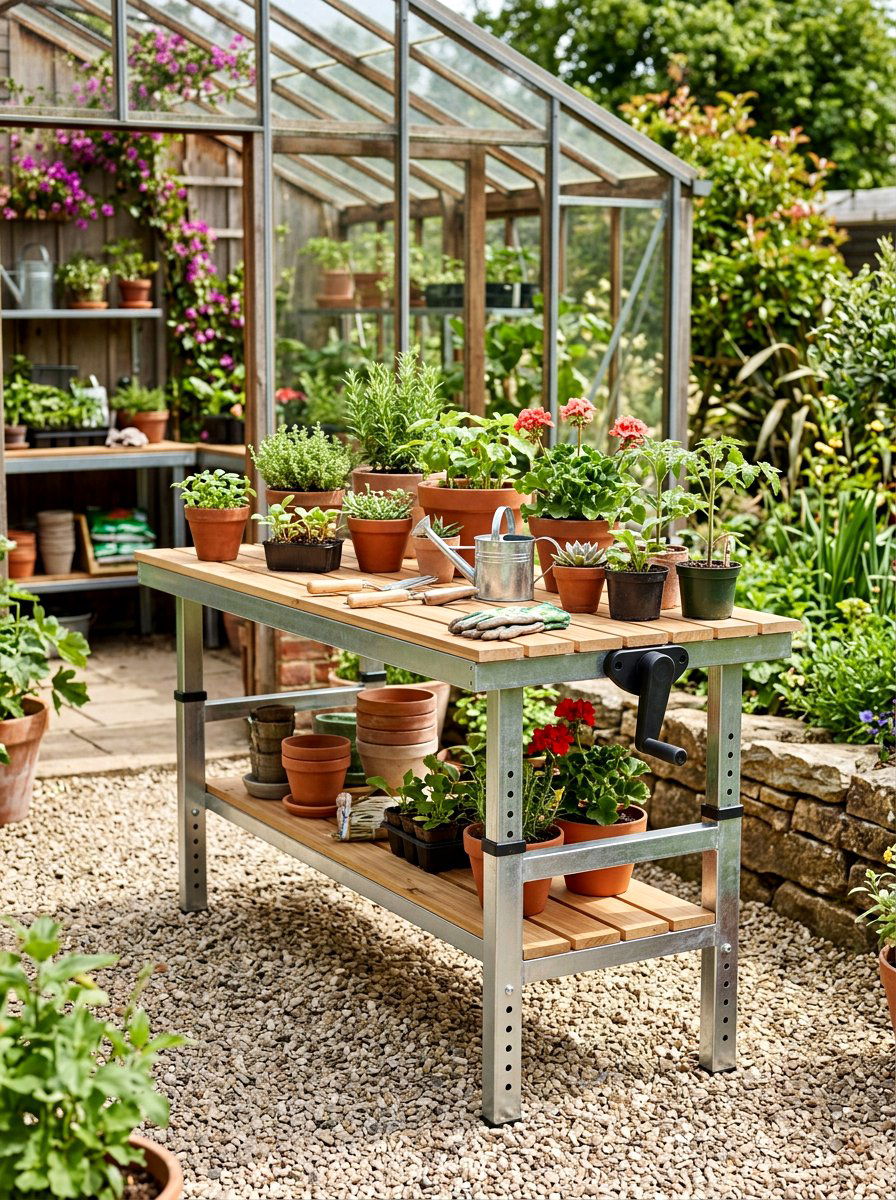
Comfort is often overlooked in the garden, but a bench at the wrong height can quickly lead to a sore back. An adjustable height greenhouse bench allows you to customize your workspace to suit your own physical needs or the size of the plants you are working with. You can lower the bench when working with tall saplings or raise it to a comfortable standing height for detailed seed sowing. This ergonomic flexibility makes the greenhouse a more inviting place to work for longer periods. These benches often feature a simple pin or crank system, making it easy to change the configuration whenever a new project begins.
13. PVC Pipe Greenhouse Bench
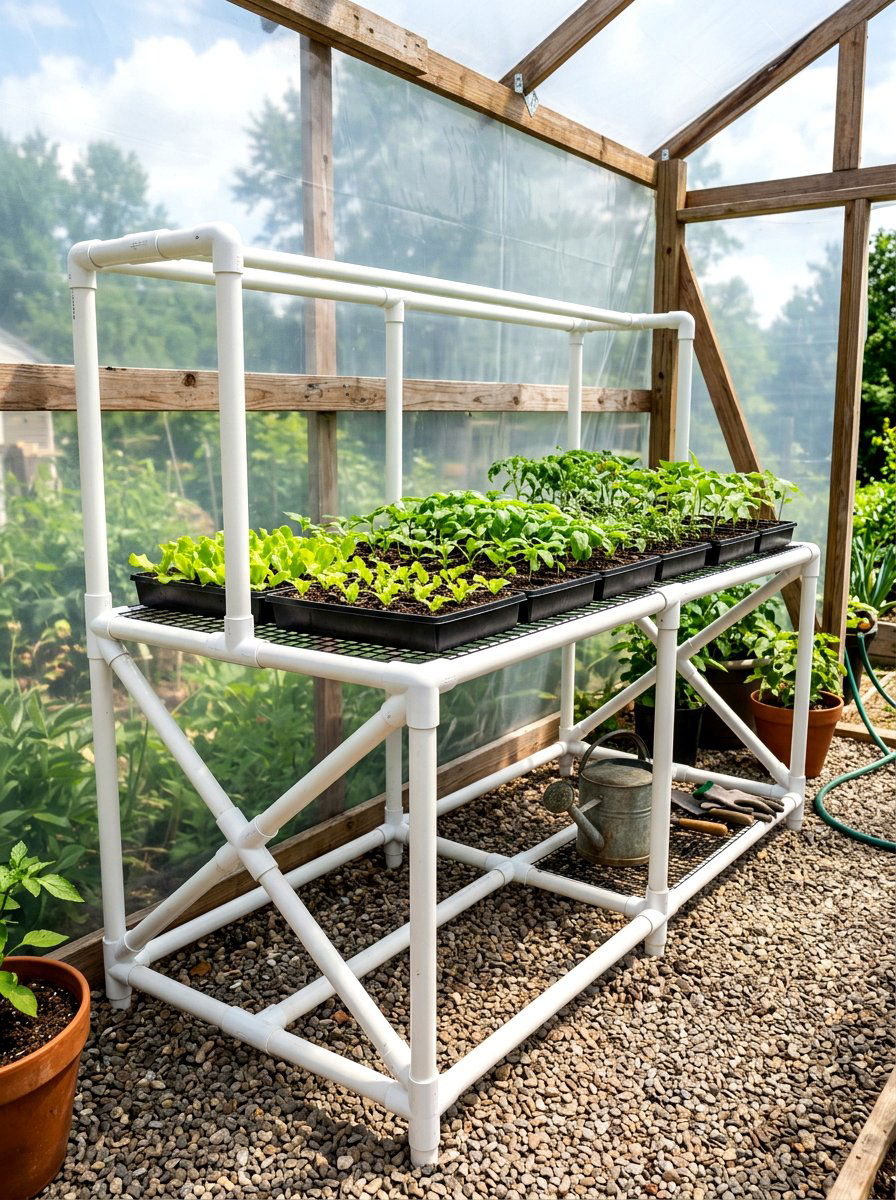
Are you looking for an affordable and lightweight way to organize your growing space without spending a fortune on materials? A PVC pipe greenhouse bench is a popular DIY project because it is easy to assemble and completely waterproof. You can cut the pipes to any size you need, allowing you to create a custom fit for the specific corners of your greenhouse. The smooth surface of the plastic is resistant to mold and easy to hose down when things get messy. While it is lightweight, a well-designed PVC frame can support a surprising amount of weight, making it a practical choice for budget-conscious gardeners and temporary setups.
14. Folding Greenhouse Bench
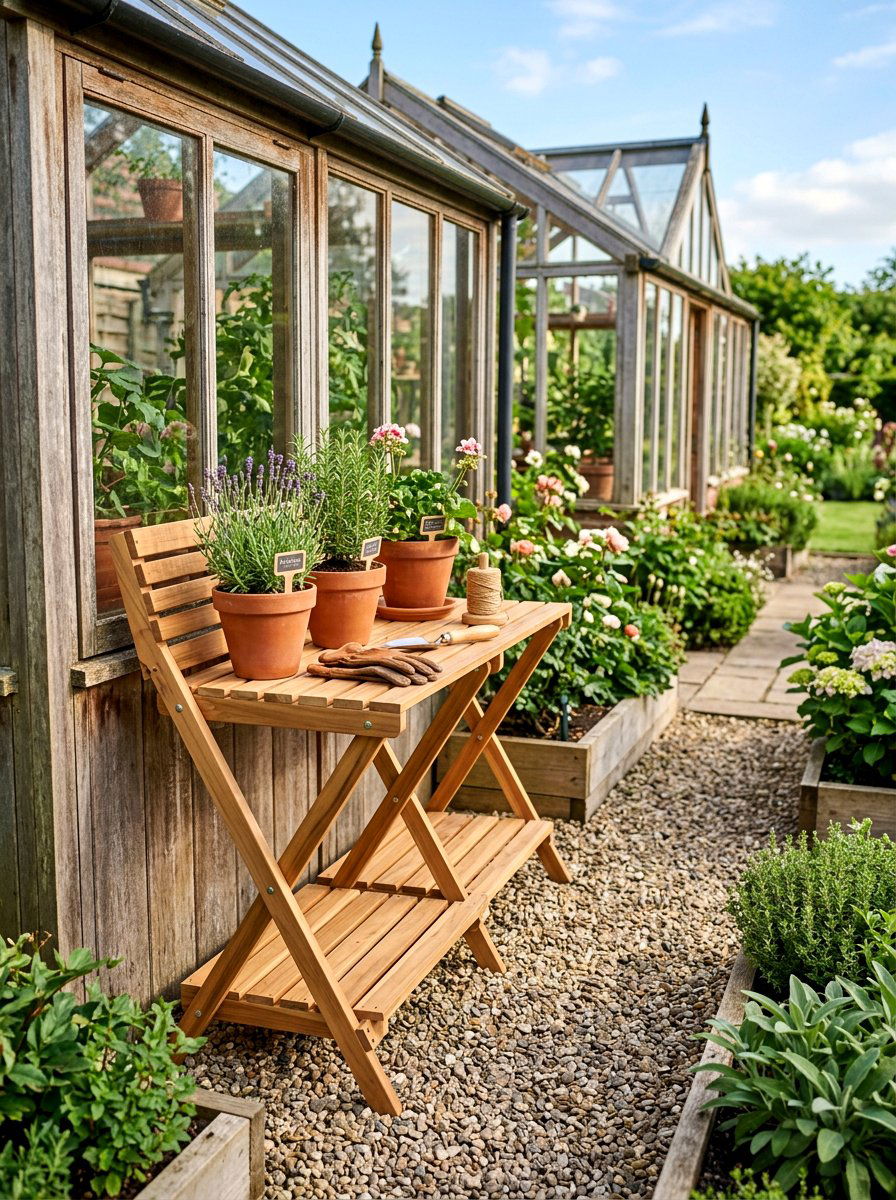
Space is often at a premium in seasonal greenhouses where you only need a large propagation area during the busy spring months. A folding greenhouse bench provides the perfect solution by allowing you to tuck your workspace away when it is not in use. These benches feature hinges and collapsible legs, so they can be stored flat against a wall or in a shed during the off-season. This frees up floor space for larger overwintering plants or equipment storage. When the seeds arrive in the mail, you can set up your nursery in seconds. It is a versatile choice for gardeners who value a flexible and tidy environment.
15. Recycled Pallet Greenhouse Bench
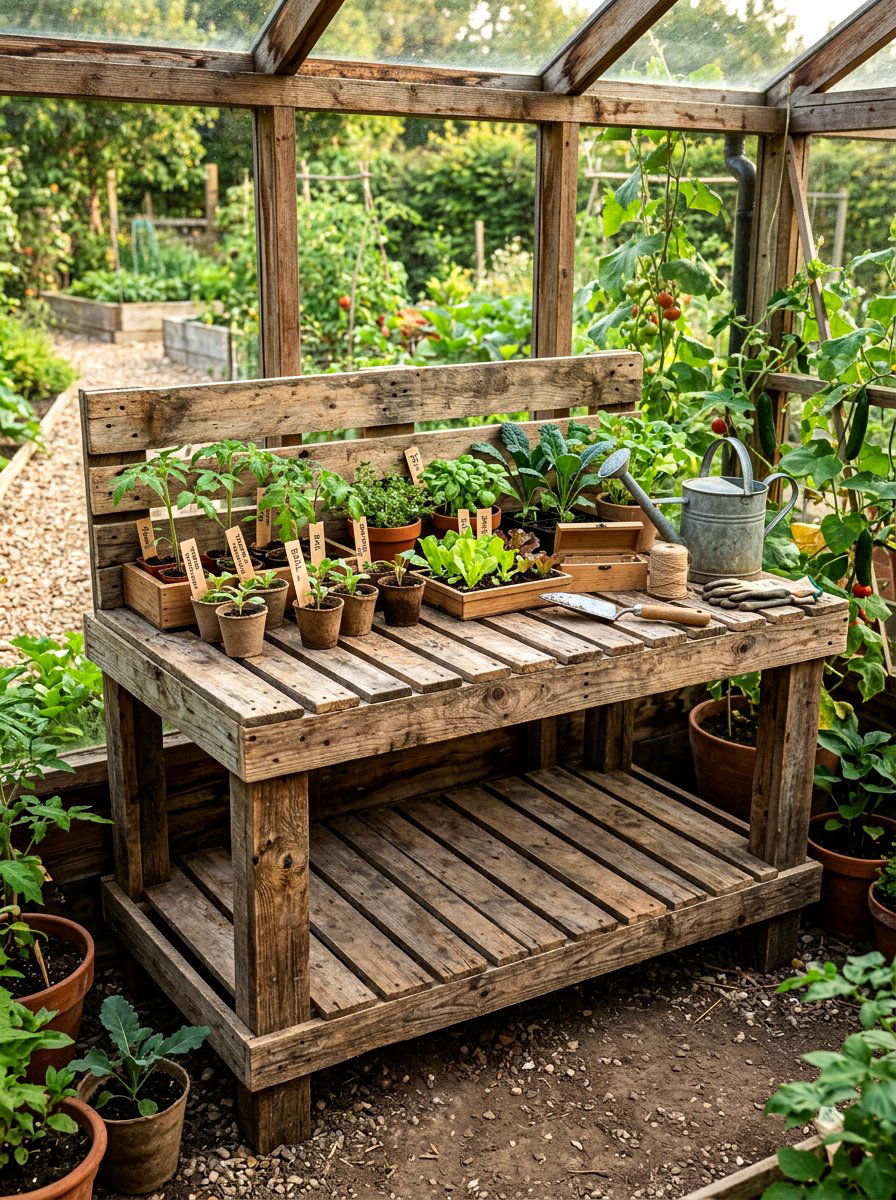
Sustainability is a core value for many gardeners, and building a bench from recycled pallets is a wonderful way to upcycle. These wooden structures are often available for free and provide a sturdy base for a rustic and charming propagation station. By sanding down the wood and applying a light sealant, you can create a beautiful surface that handles the moisture of a greenhouse with ease. The slats in the pallet naturally provide excellent drainage and airflow for your pots. This eco-friendly approach not only saves money but also adds a unique, handcrafted character to your greenhouse that reflects your deep commitment to the natural environment.
16. Hydroponic Propagation Bench
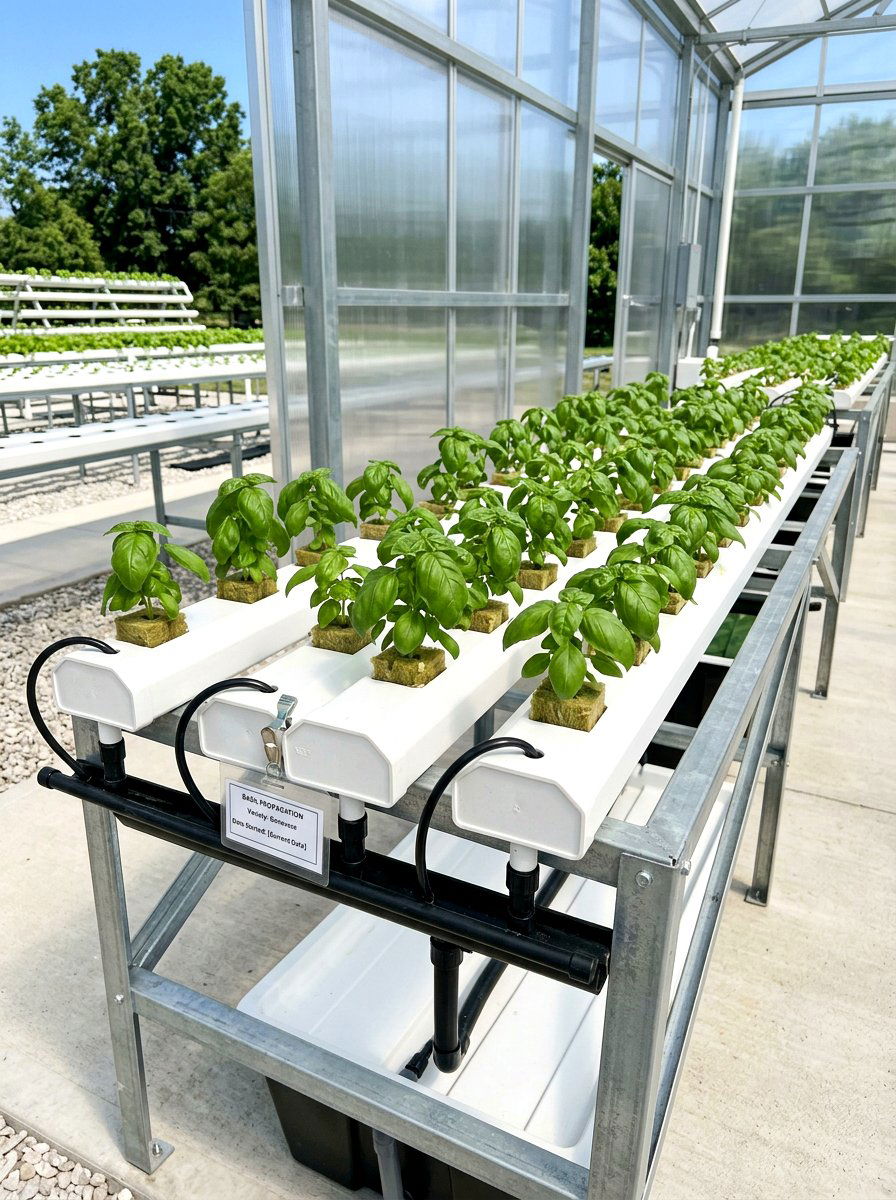
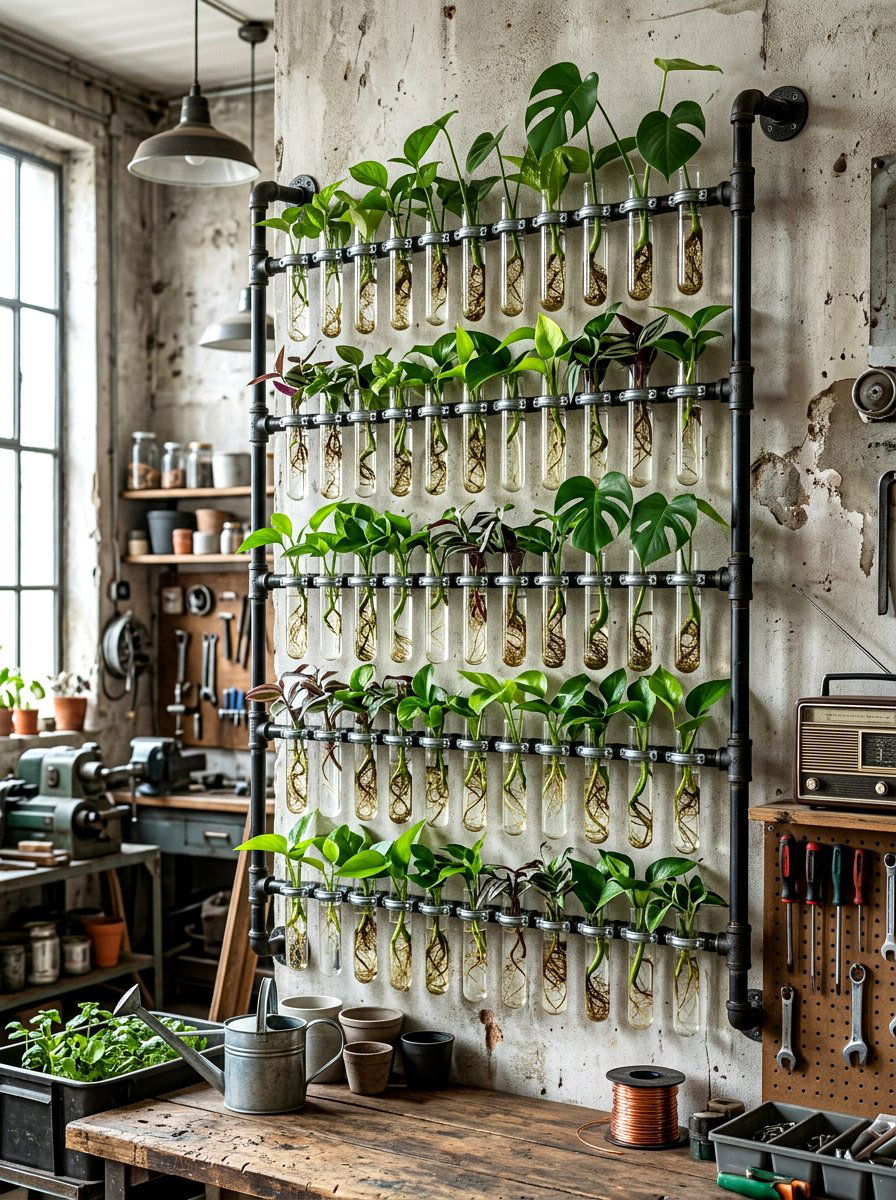
For the modern gardener who wants to move away from traditional soil, a hydroponic propagation bench offers a clean and efficient alternative. Instead of using dirt, this system supports cuttings in a medium like rockwool or clay pebbles while circulating a nutrient-rich water solution. This method provides the roots with instant access to the minerals they need for fast growth. It also eliminates many of the pests and diseases that are commonly found in soil-based nurseries. A hydroponic setup is incredibly rewarding for growing herbs and leafy greens, allowing you to see the roots develop through the clear water or mesh baskets as they grow.
17. Deep Water Culture Bench
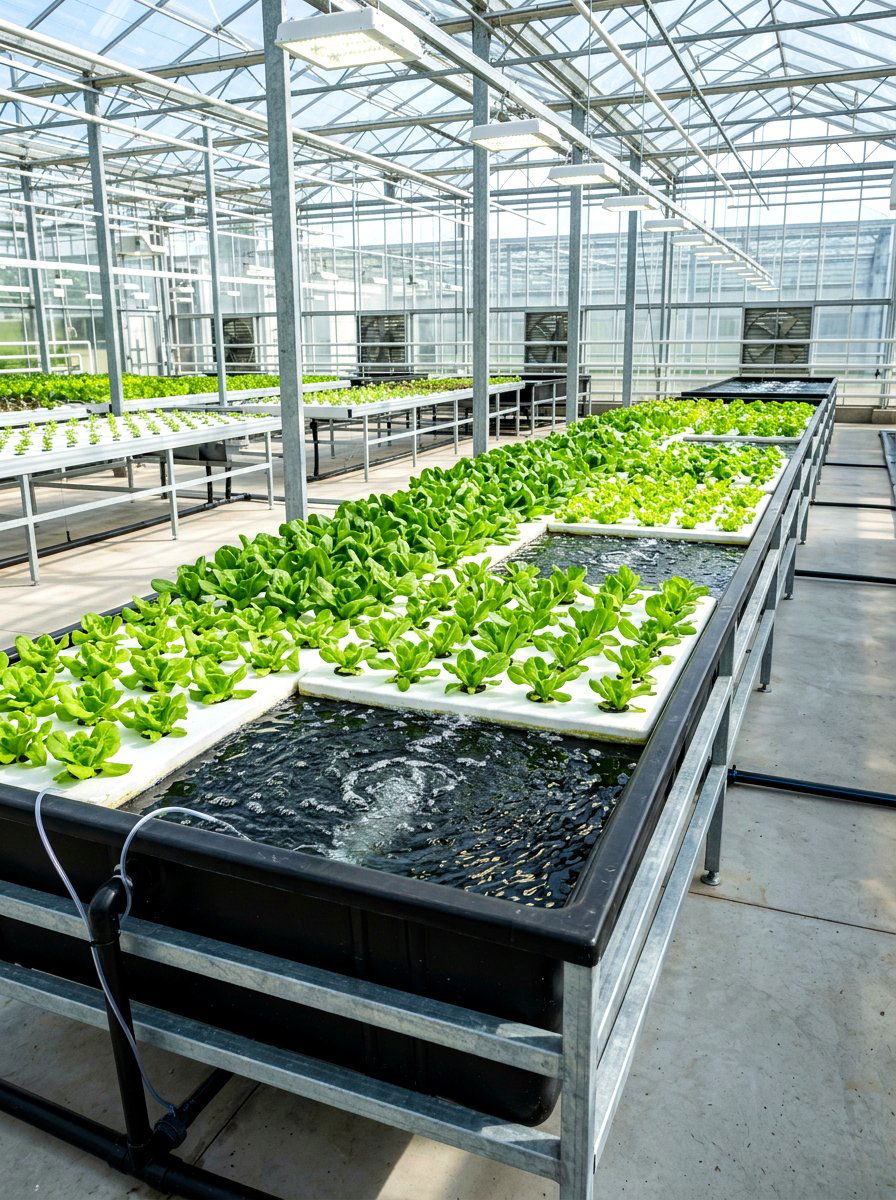
Deep water culture is a fascinating way to propagate plants that thrive in highly oxygenated environments, such as lettuce or basil. This bench design features a large reservoir of water with a floating platform that holds the young plants in place. An air stone at the bottom of the tank provides a constant stream of bubbles, ensuring the roots have plenty of oxygen even while submerged. This results in explosive root growth and very healthy plants. It is a low-maintenance system once it is set up, as the large volume of water stays stable in temperature and nutrient levels, providing a consistent environment for your nursery.
18. Enclosed Propagation Chamber
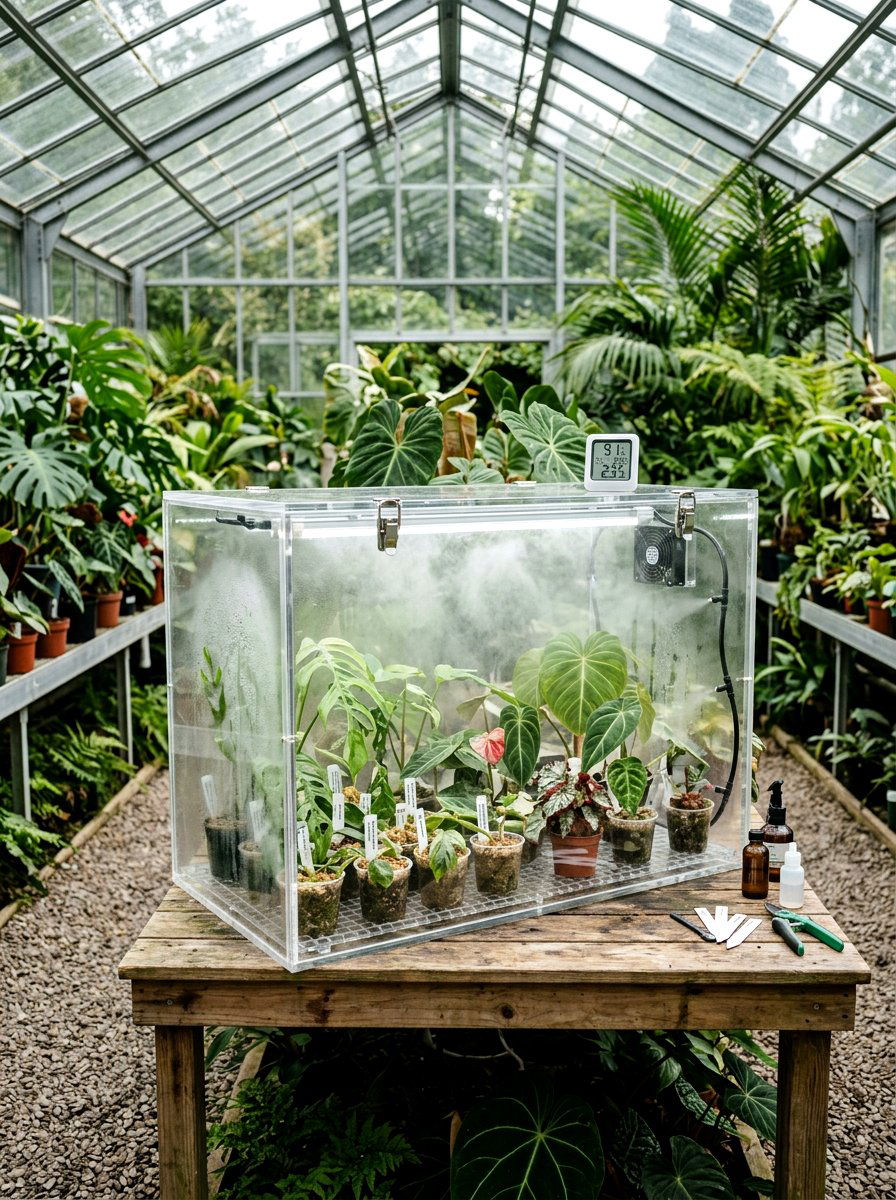
Sometimes the open air of a greenhouse is not enough for the most sensitive and rare species you want to grow. An enclosed propagation chamber acts like a greenhouse within a greenhouse, providing a tightly controlled environment with its own lighting and humidity system. This design is perfect for starting seeds that require very specific temperatures or for rooting difficult woody cuttings. The clear walls allow you to monitor progress without disturbing the microclimate inside. By keeping the humidity trapped, you ensure that even the most fragile leaves stay hydrated and healthy. It is the ultimate tool for the serious collector or professional plant breeder.
19. Humidity Dome Bench
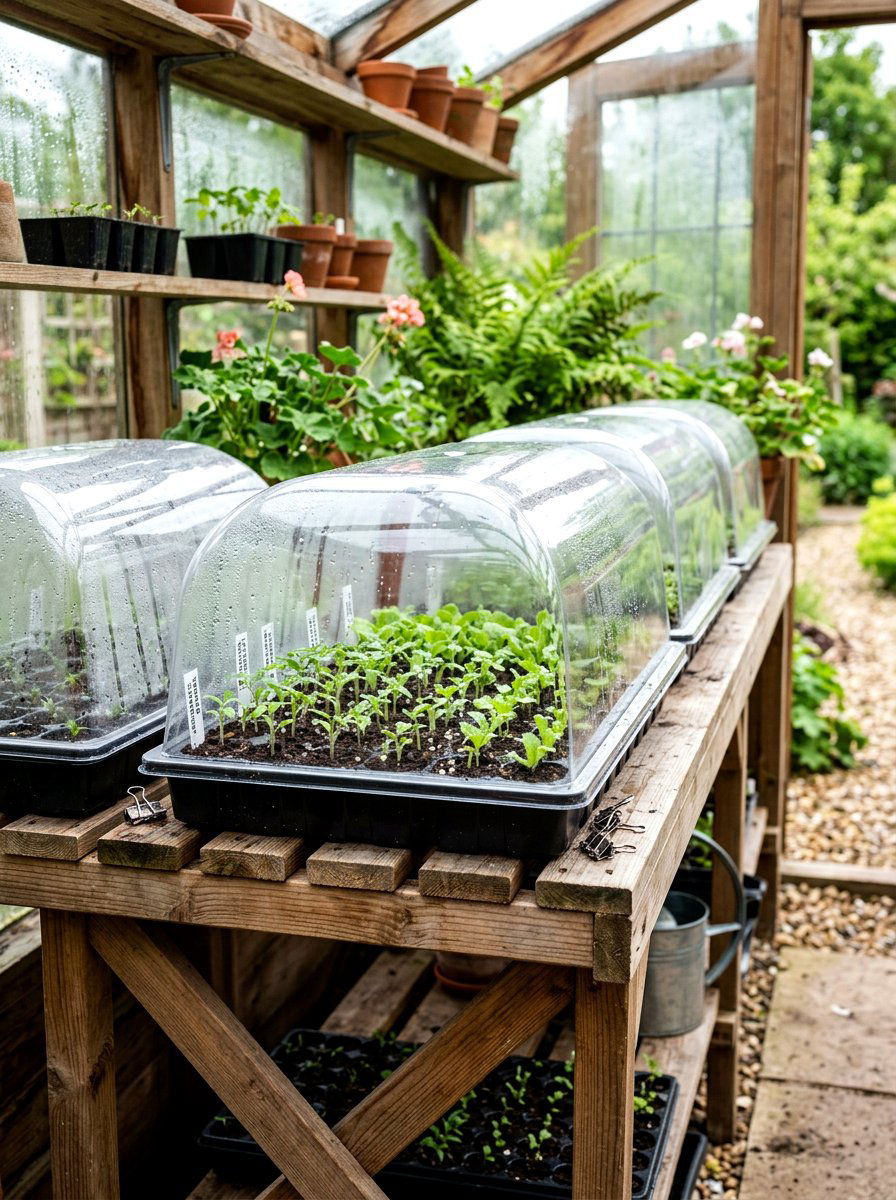
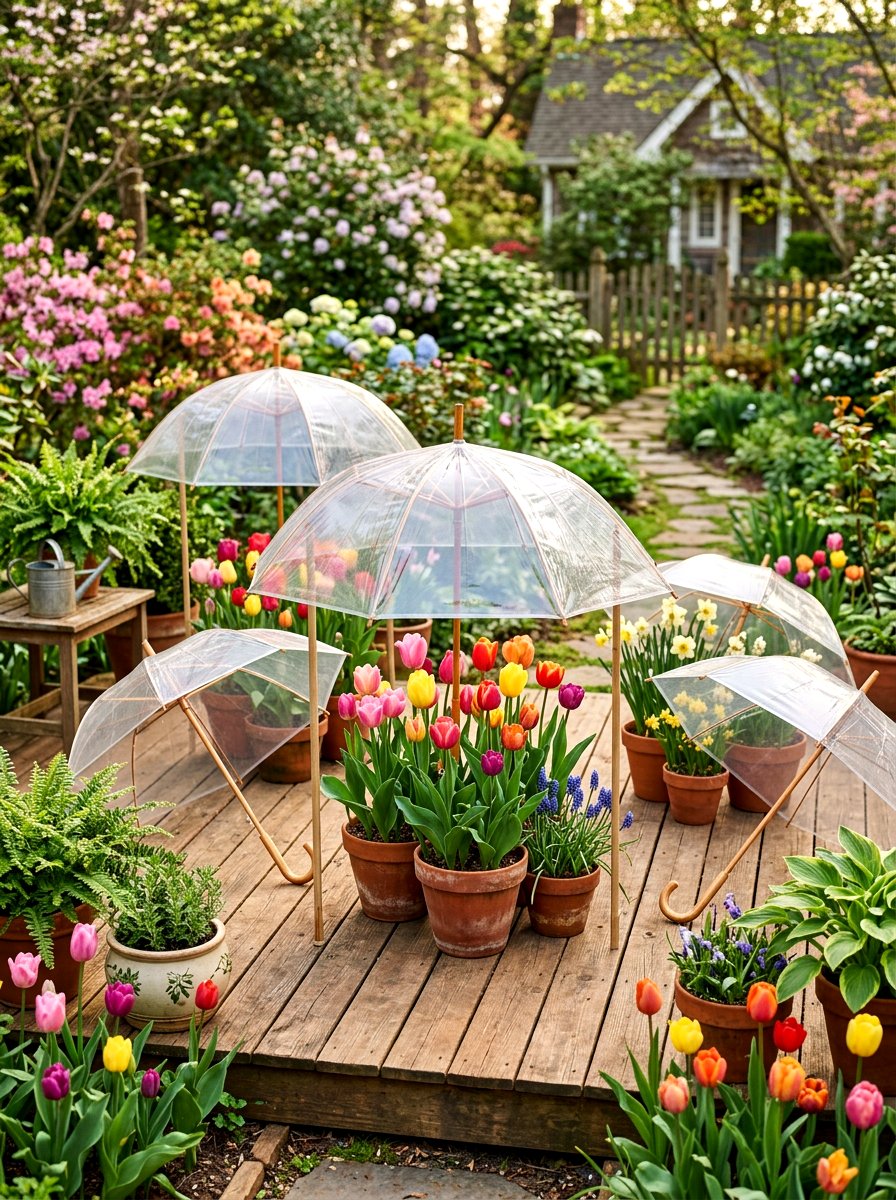
Small details can make a big difference, and adding humidity domes to your bench is one of the easiest ways to boost success. These clear plastic covers fit perfectly over standard seedling trays, creating a mini greenhouse effect for each individual flat of plants. They trap the moisture evaporating from the soil, keeping the humidity levels high around the emerging sprouts. This is particularly important during the first few days of a plant's life when they are most vulnerable to drying out. Most domes feature adjustable vents on the top, allowing you to slowly harden off your plants by increasing the airflow as they grow stronger.
20. Capillary Mat Bench
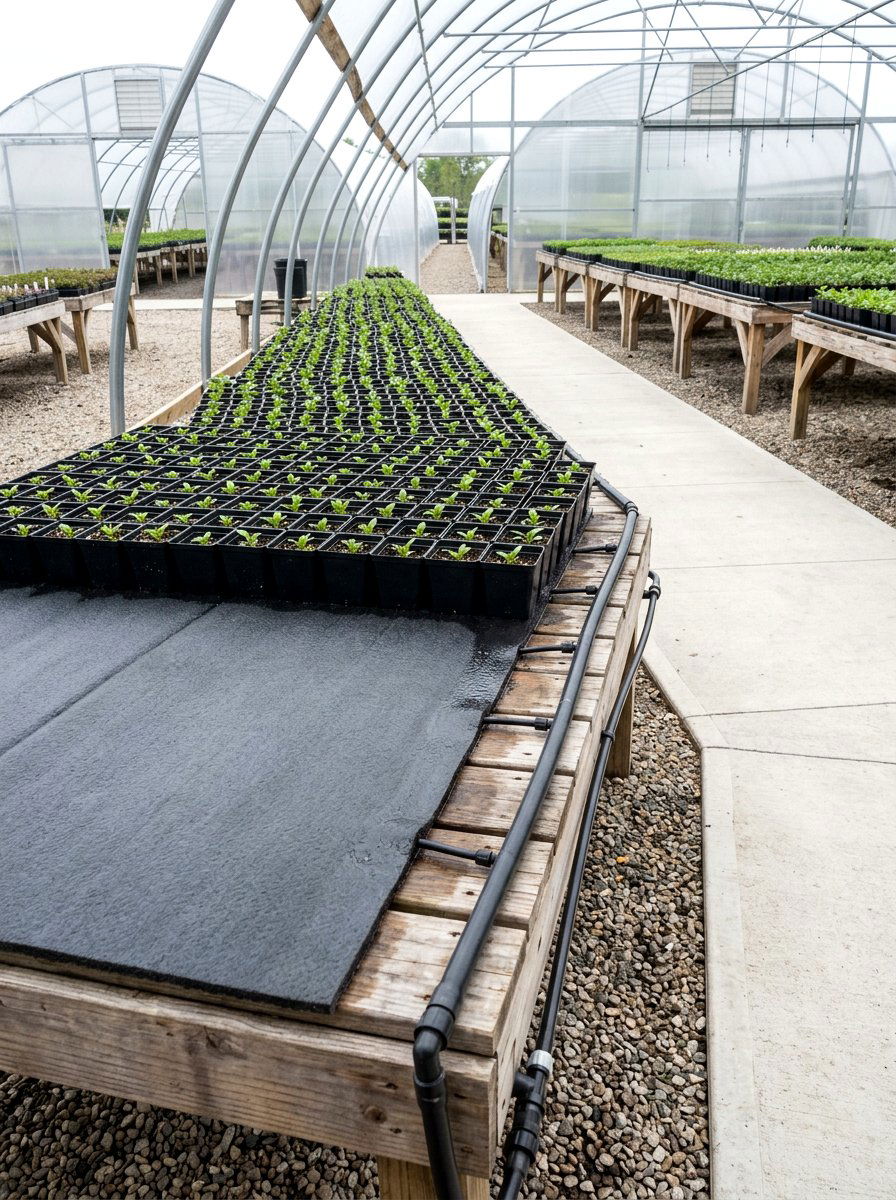
Consistency is the secret to healthy seedlings, and a capillary mat bench provides the most even watering system available for small pots. This method involves placing a thick, absorbent fabric on the surface of your bench and keeping it constantly moist through a reservoir or drip line. When you place your pots on top of the mat, the soil draws up water through the bottom holes by capillary action. This ensures that every plant receives the exact same amount of moisture, preventing some from drowning while others go thirsty. It is a fantastic labor-saving device that keeps your nursery looking uniform and vibrant with very little effort.
21. Concrete Block Greenhouse Bench
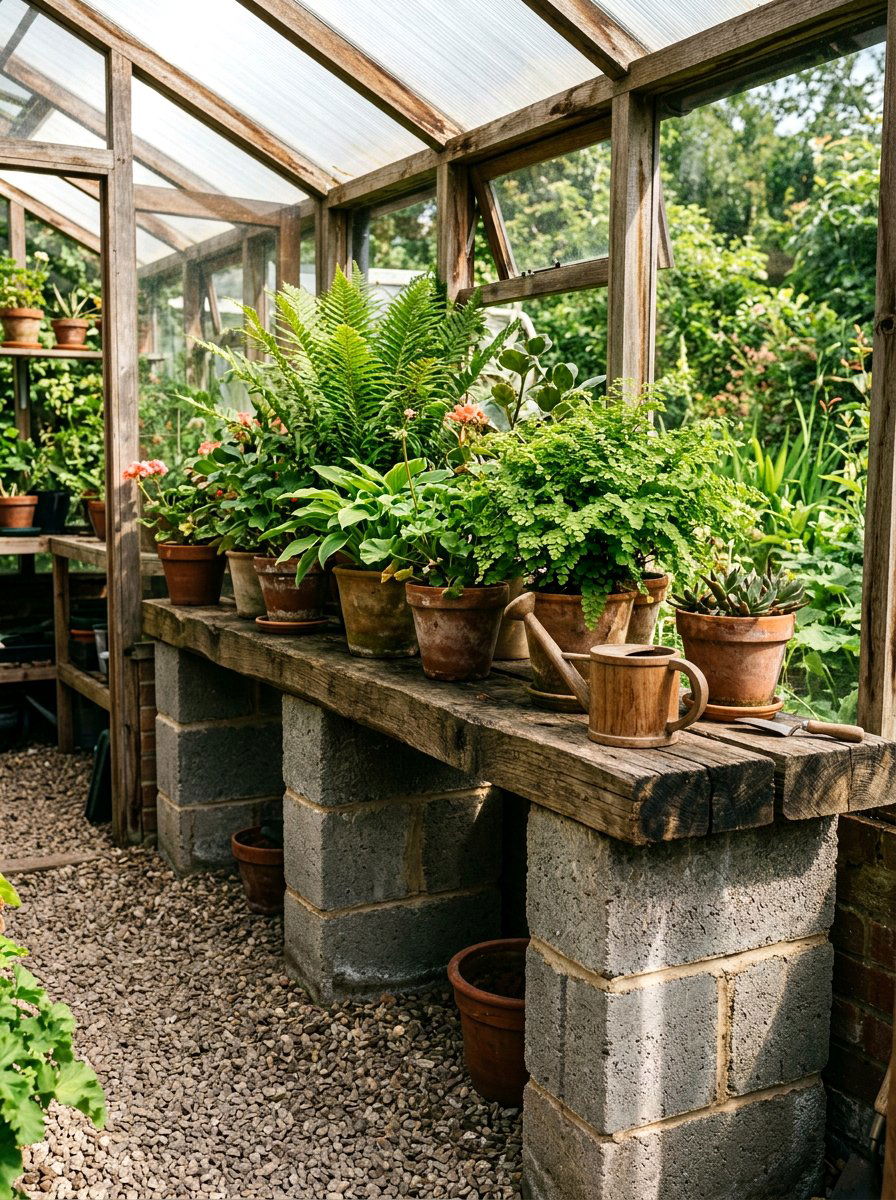
If you need a permanent and incredibly sturdy structure that can withstand any amount of weight, consider a concrete block greenhouse bench. This DIY approach uses standard cinder blocks as the legs and heavy wooden or metal planks as the surface. The thermal mass of the concrete blocks helps to regulate the temperature in your greenhouse, absorbing heat during the day and releasing it slowly during the cold nights. This creates a more stable environment for your young plants. The blocks are also completely immune to rot and pests, making this one of the most durable and cost-effective options for a long-term gardening setup.
22. Aluminum Greenhouse Bench
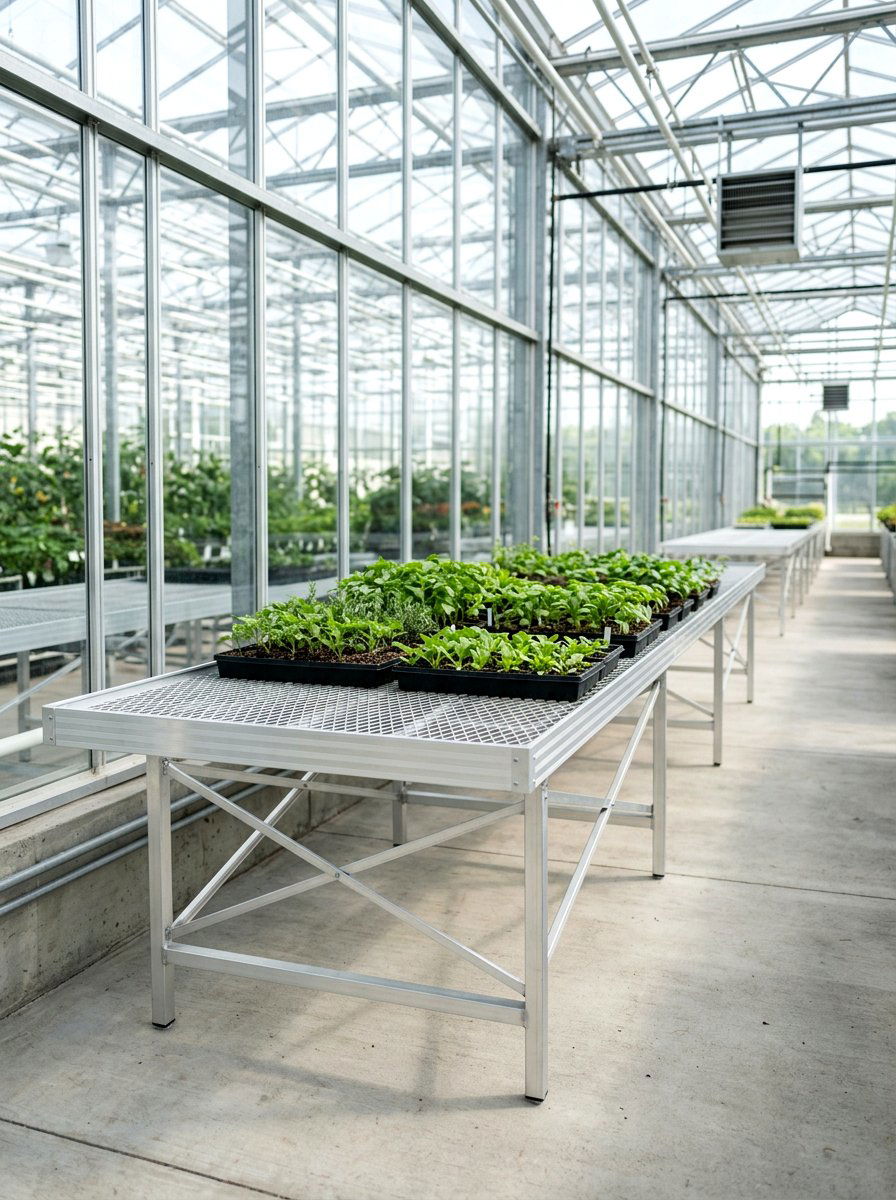
Lightweight yet incredibly strong, aluminum greenhouse benches are a favorite among professional growers for their durability and sleek appearance. Unlike other metals, aluminum does not rust or corrode when exposed to the high humidity and chemical fertilizers often used in a nursery. This makes it an ideal material for a clean and sterile propagation environment. Many aluminum benches come with slotted tops, which provide excellent drainage and allow for better air circulation around the root zone. Their modern look complements any greenhouse style, from traditional glass houses to modern structures. Investing in aluminum means having a high-quality, maintenance-free workspace that will last forever.
23. Submersible Heat Cable Bench
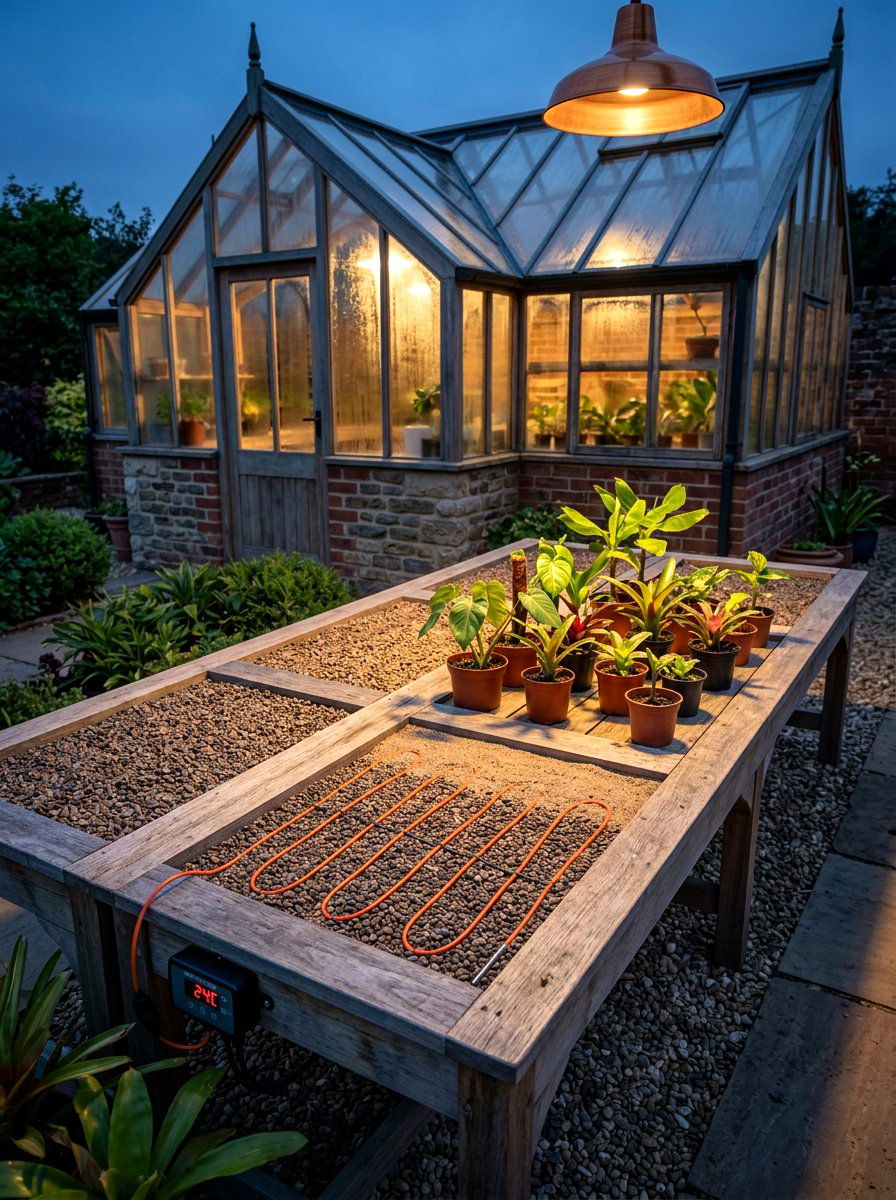
Precision heating can be the difference between a cutting that rots and one that roots successfully within a few days. A submersible heat cable bench allows you to weave specialized heating elements through a layer of gravel or sand on your workspace. This setup provides a custom heating solution that can be adjusted to fit any bench shape or size. By burying the cables, you protect them from water damage and ensure the heat is distributed evenly across the entire surface. This method is highly efficient and allows you to maintain the perfect soil temperature even when the rest of the greenhouse is quite cold.
24. Rooting Hormone Station Bench
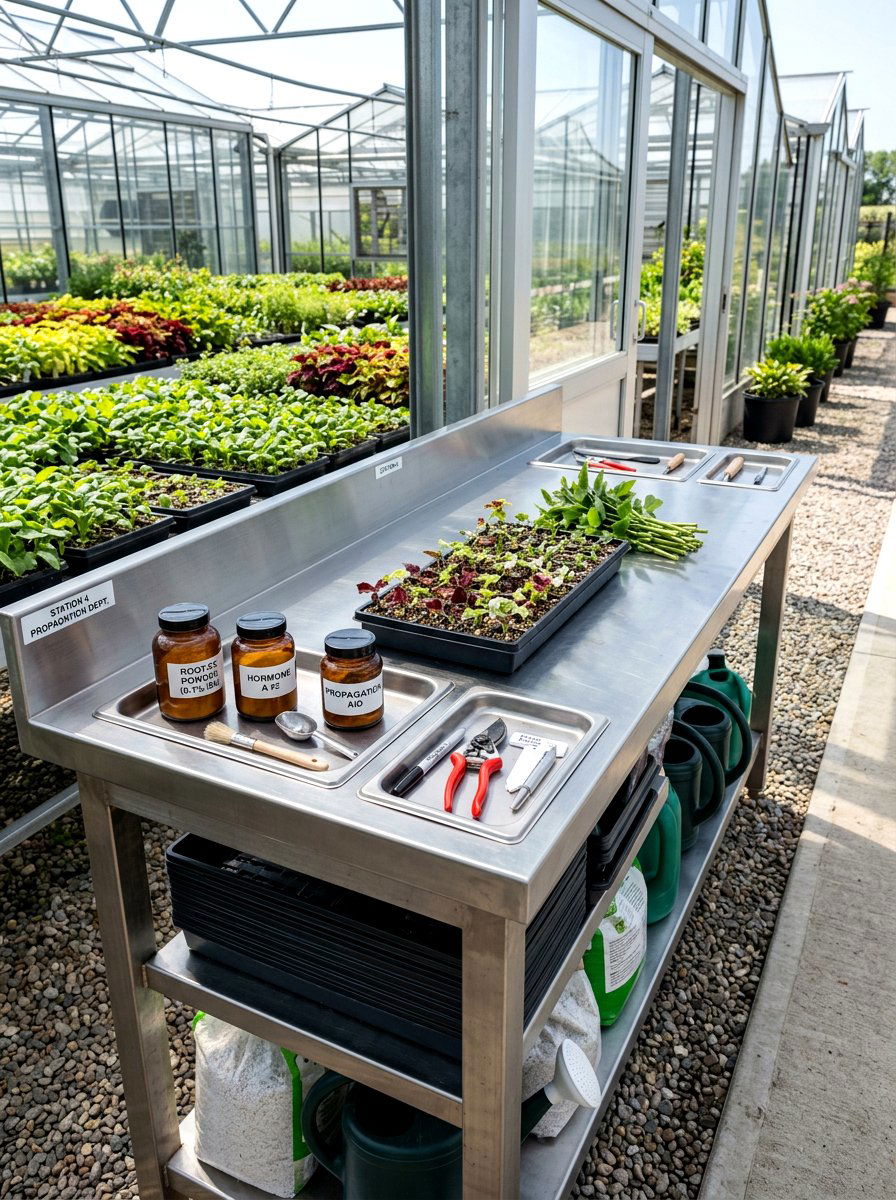
Organization is the key to productivity, and having a dedicated rooting hormone station on your bench streamlines the entire propagation process. This design includes built-in recessed areas or small shelves specifically for holding rooting powders, gels, and sterile cutting tools. By keeping everything you need in one place, you can work quickly and efficiently, which is important when dealing with fresh cuttings that can wilt if left out too long. A smooth, non-porous surface like stainless steel or plastic is best for this area, as it is easy to disinfect between different plant species. This setup helps maintain a professional nursery environment.
25. Succulent Propagation Bench
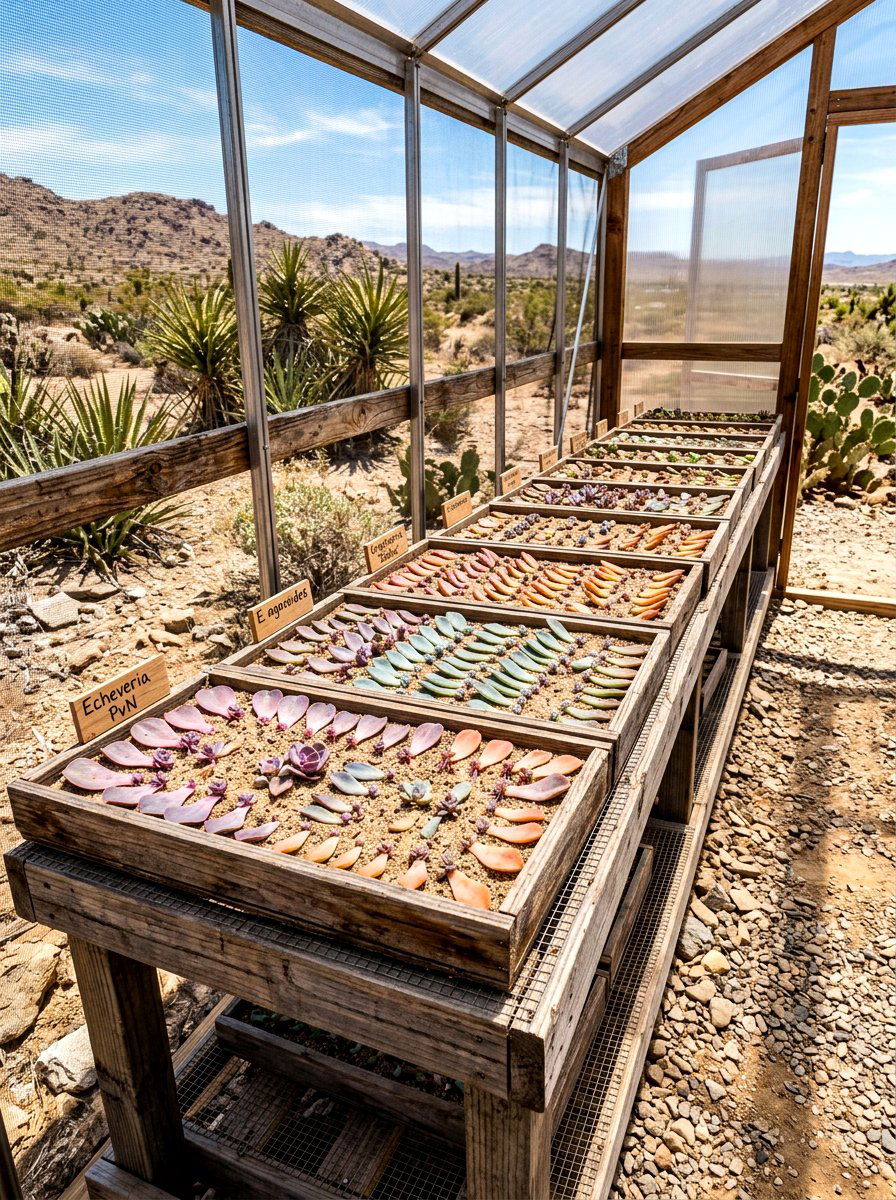
Succulents have very different needs than tropical plants, requiring much more light and significantly less humidity to thrive during the rooting phase. A specialized succulent propagation bench usually features a shallow tray design filled with a well-draining gritty mix. These benches are often placed in the brightest part of the greenhouse to ensure the leaves do not stretch or rot. Because succulents store water in their leaves, they do not need misting; instead, they require a dry environment that allows the callus to form on the cutting. A bench with excellent drainage and airflow is essential for these desert beauties to grow their first roots.
26. Seedling Starter Bench
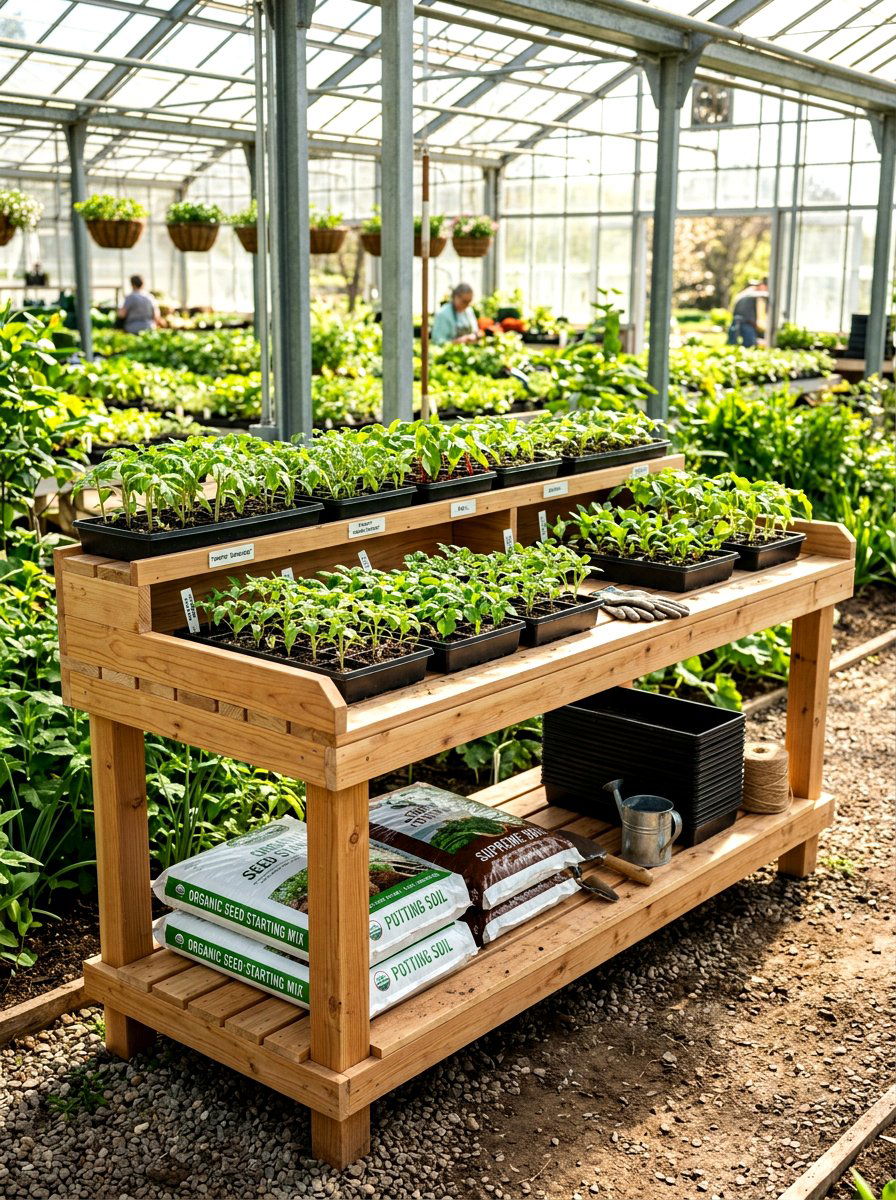
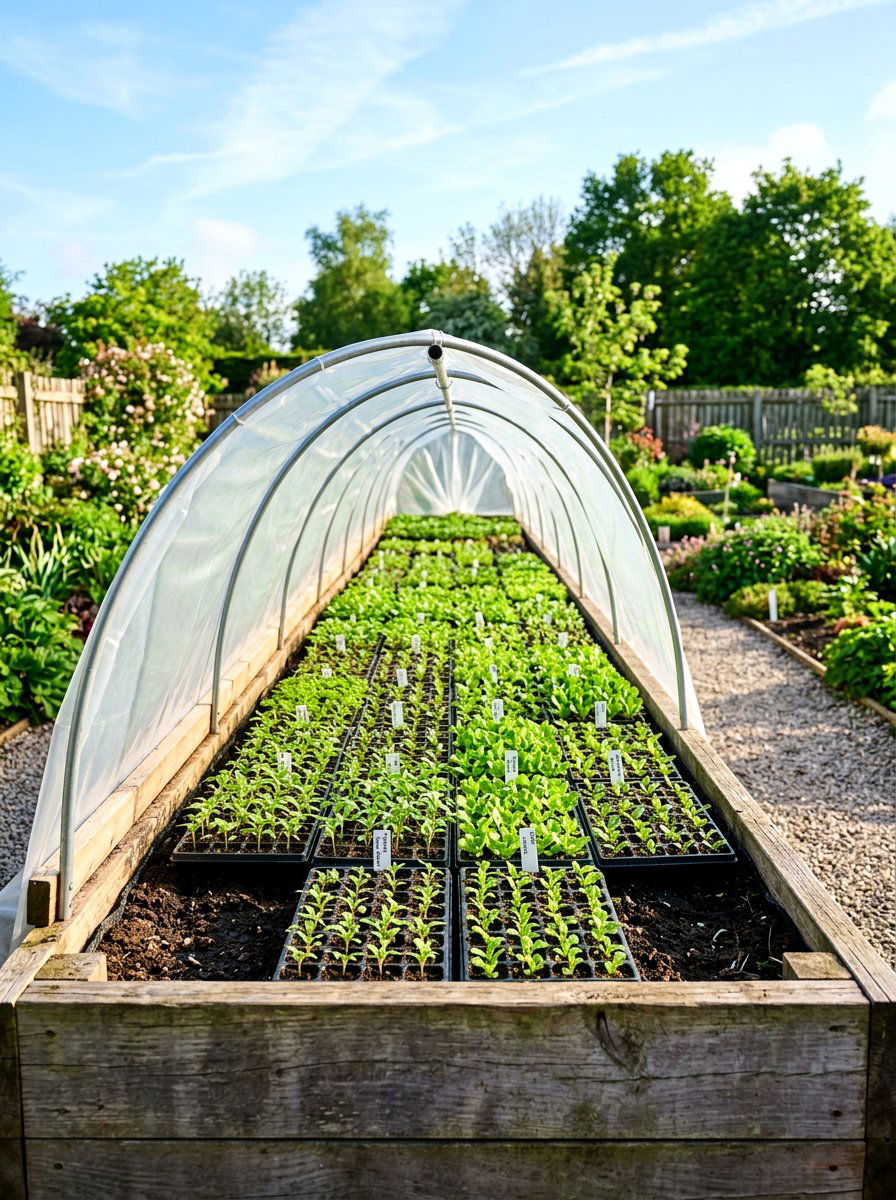
There is nothing more exciting than seeing the first green shoots emerge from the soil at the start of a new season. A seedling starter bench is designed specifically for the delicate early stages of life, featuring built-in slots for standard nursery trays. This setup often includes a lower shelf for storing extra bags of seed-starting mix and empty pots, keeping your workspace clutter-free. By having a dedicated area for sowing, you can keep the mess of soil and water contained in one section of your greenhouse. This organized approach makes it easy to label your rows and keep track of different varieties.
27. Multi Level Nursery Bench
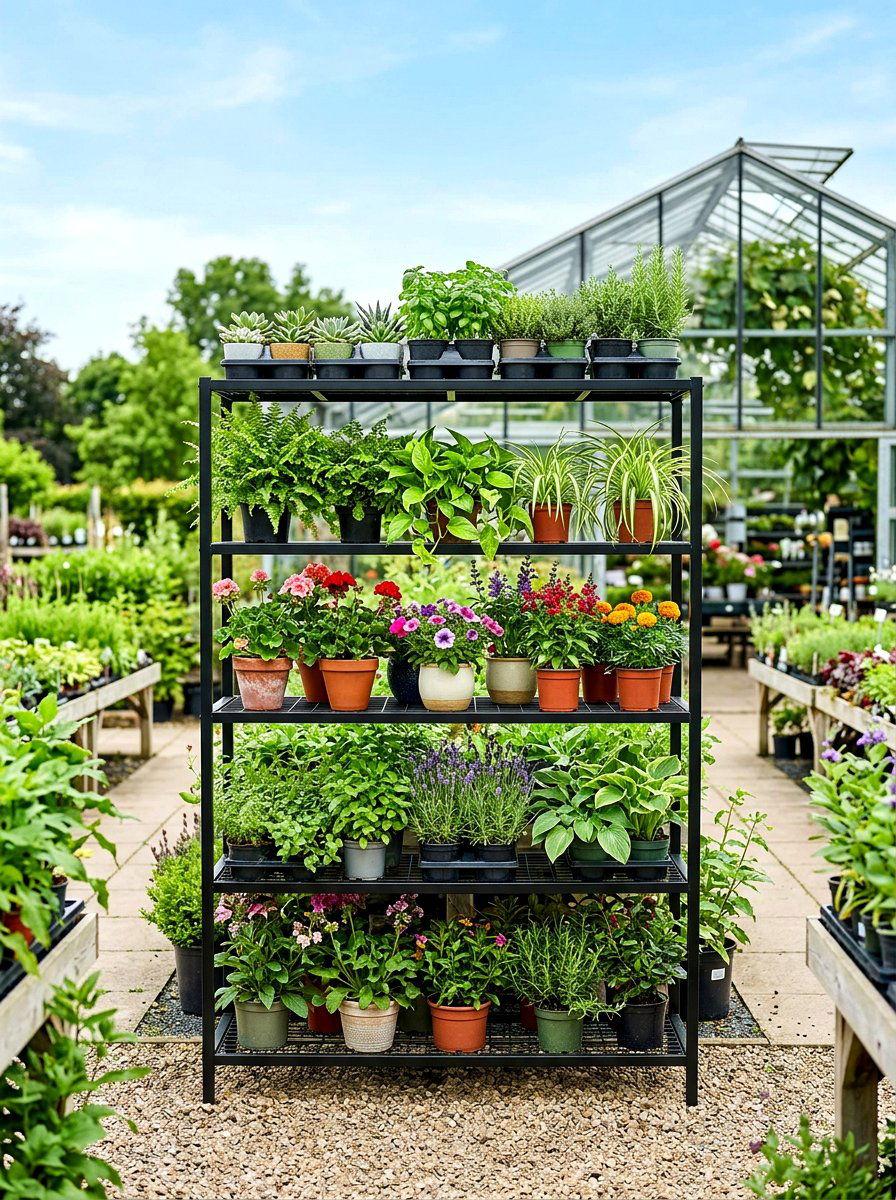
When you are dealing with hundreds of plants at different stages of growth, a multi-level nursery bench is an absolute necessity for organization. This design allows you to move plants from the top level to the lower levels as they mature and need less intense light. It also makes it possible to keep your unrooted cuttings in the high-humidity bottom section while your established plants enjoy the better airflow on top. This vertical system maximizes your production capacity without needing to expand the footprint of your greenhouse. It is a highly efficient way to manage a large volume of plants in a small space.
28. Wall Mounted Greenhouse Bench
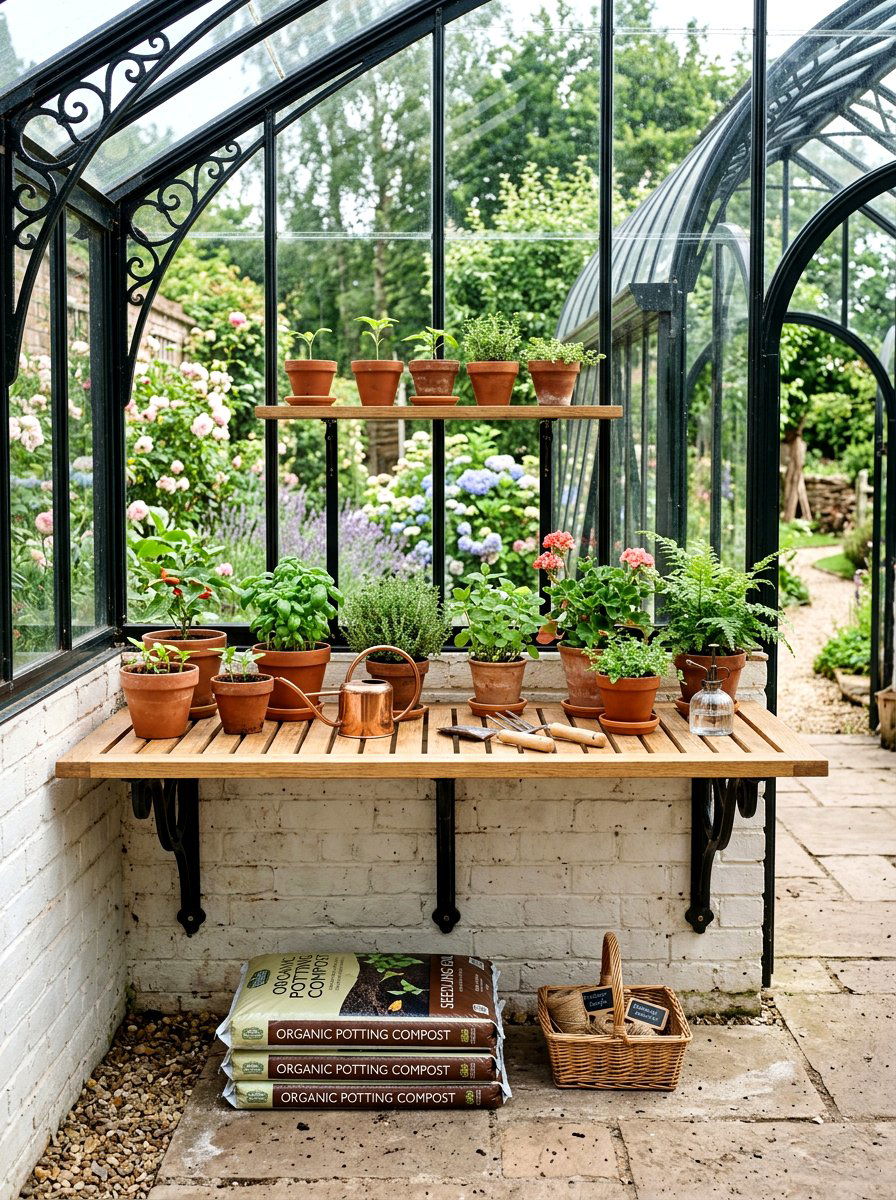
Do you have a small greenhouse where every inch of floor space counts toward your overall growing goals? A wall-mounted greenhouse bench is a clever way to add a workspace without blocking the central path. These benches are securely bolted to the structural frame of the greenhouse, leaving the floor below completely clear for storing large pots or bags of soil. This open design also improves air circulation and makes it much easier to clean the floor. Many wall-mounted systems are foldable, allowing you to tuck them away when you need more room to maneuver large plants or equipment through the main aisles.
29. Portable Greenhouse Bench
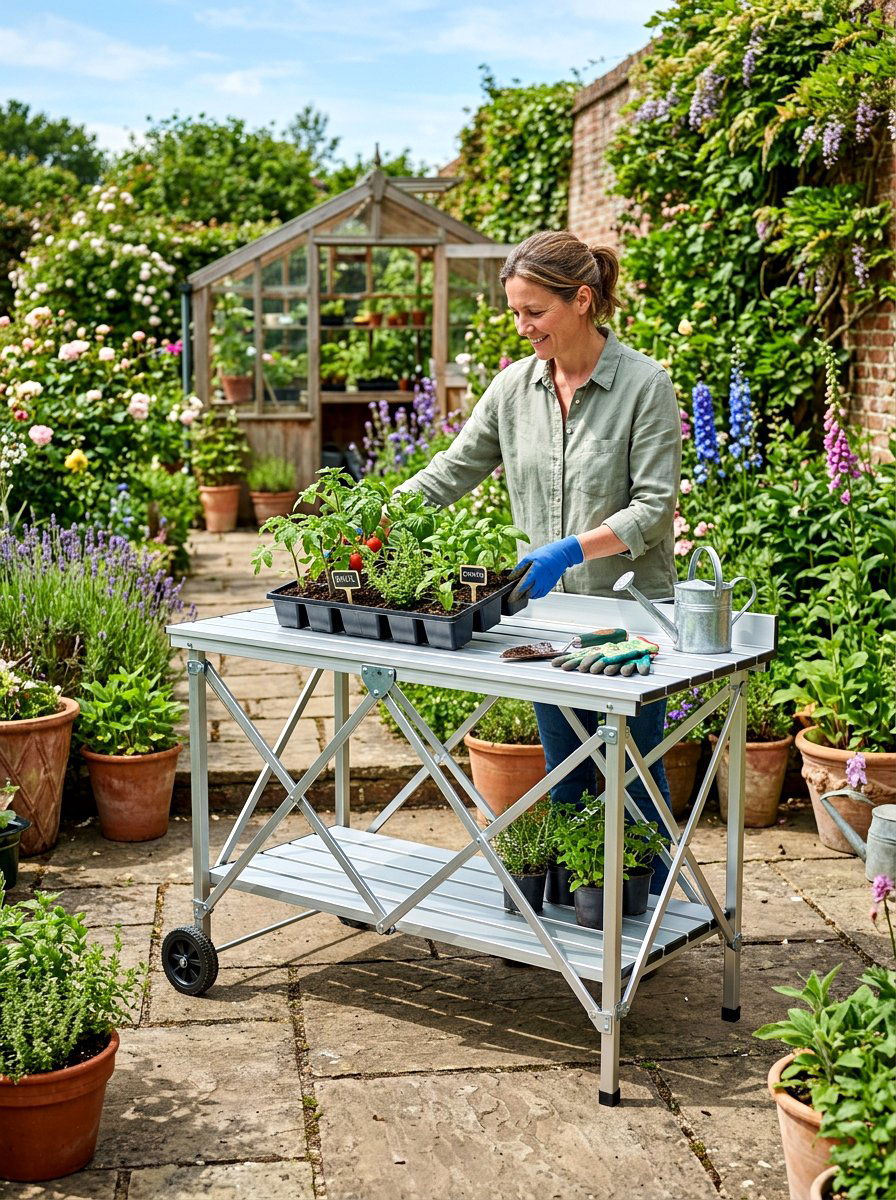
Sometimes you need a workspace that can travel with you to different parts of the garden or greenhouse as needed. A portable greenhouse bench is typically lightweight and features a compact design that is easy to carry. This is ideal for gardeners who want to do their messy potting work outside on a sunny day and then move the finished trays back into the protected environment of the greenhouse. These benches often have a simple, sturdy frame and a removable top for easy cleaning. Having a mobile station means you can always work in the most comfortable spot, regardless of where your plants are located.
30. Drainage System Greenhouse Bench
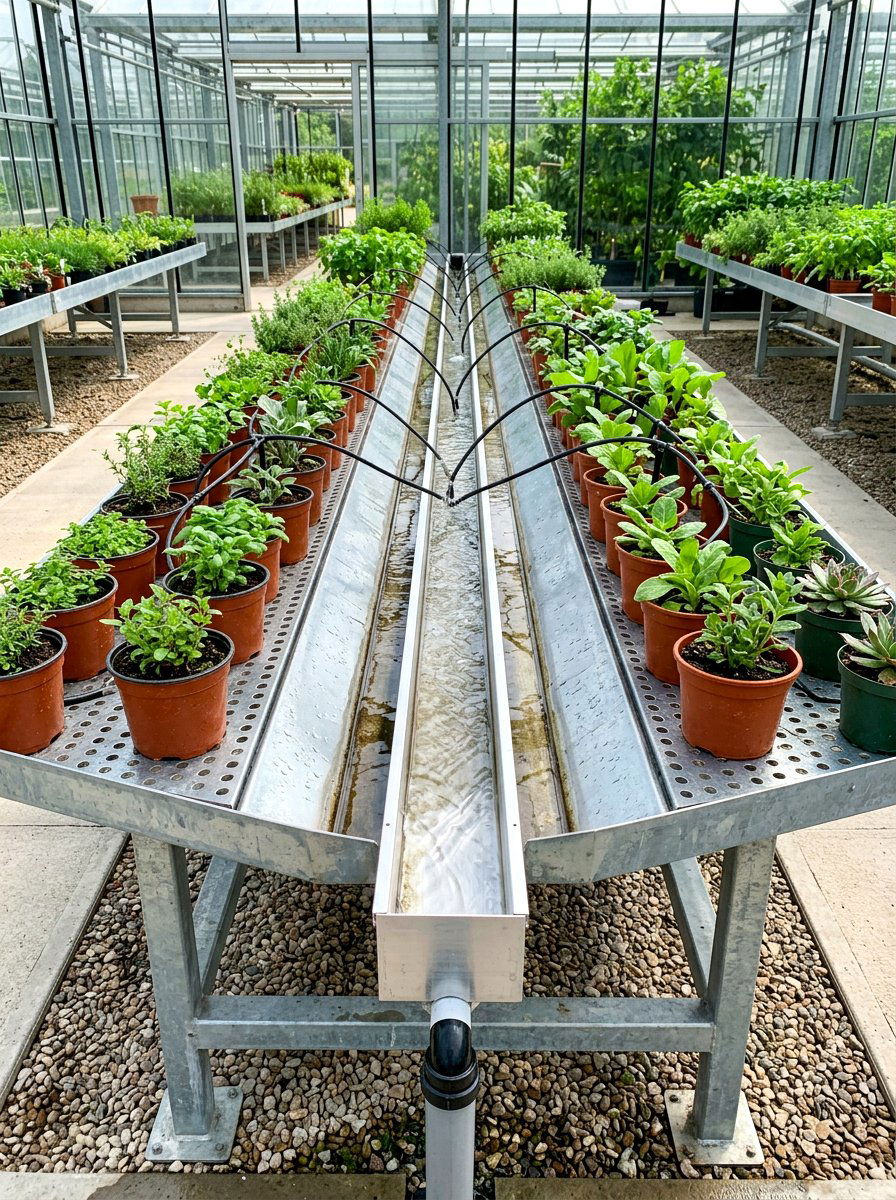
Managing excess water is one of the most important aspects of maintaining a healthy and disease-free greenhouse environment for your plants. A drainage system greenhouse bench features a slightly sloped surface or a series of channels that direct runoff water toward a central drain or bucket. This prevents water from pooling on the bench or floor, which can attract pests and encourage the growth of algae and mold. By keeping your workspace dry, you create a much cleaner and safer area for both you and your delicate seedlings. This professional-grade feature is essential for anyone doing high-volume watering or using automated irrigation systems.
Conclusion:
Transforming your greenhouse into a highly productive nursery starts with choosing the right propagation bench to fit your unique gardening style and needs. From the high-tech precision of automated misting systems to the rustic charm of recycled pallet wood, there is a solution for every budget and skill level. By focusing on essential factors like bottom heat, proper drainage, and efficient lighting, you can create an environment where your plants will not only survive but truly flourish. A well-organized workspace makes the process of growing from seeds and cuttings more enjoyable and successful. We hope these diverse ideas inspire you to build the perfect foundation for your garden.

Related posts: