A well-organized greenhouse is the heart of any successful garden, providing a dedicated space where plants can thrive regardless of the external weather conditions. One of the most critical aspects of maintaining an efficient growing environment is selecting the right shelving to maximize your available square footage. Proper greenhouse shelving does more than just hold pots; it improves air circulation, enhances light penetration, and makes daily plant care much more manageable for the gardener. Whether you are working with a sprawling glass structure or a compact backyard hobby greenhouse, choosing the best storage solutions will transform your workflow and the health of your botanical collection.
1. Wood greenhouse staging
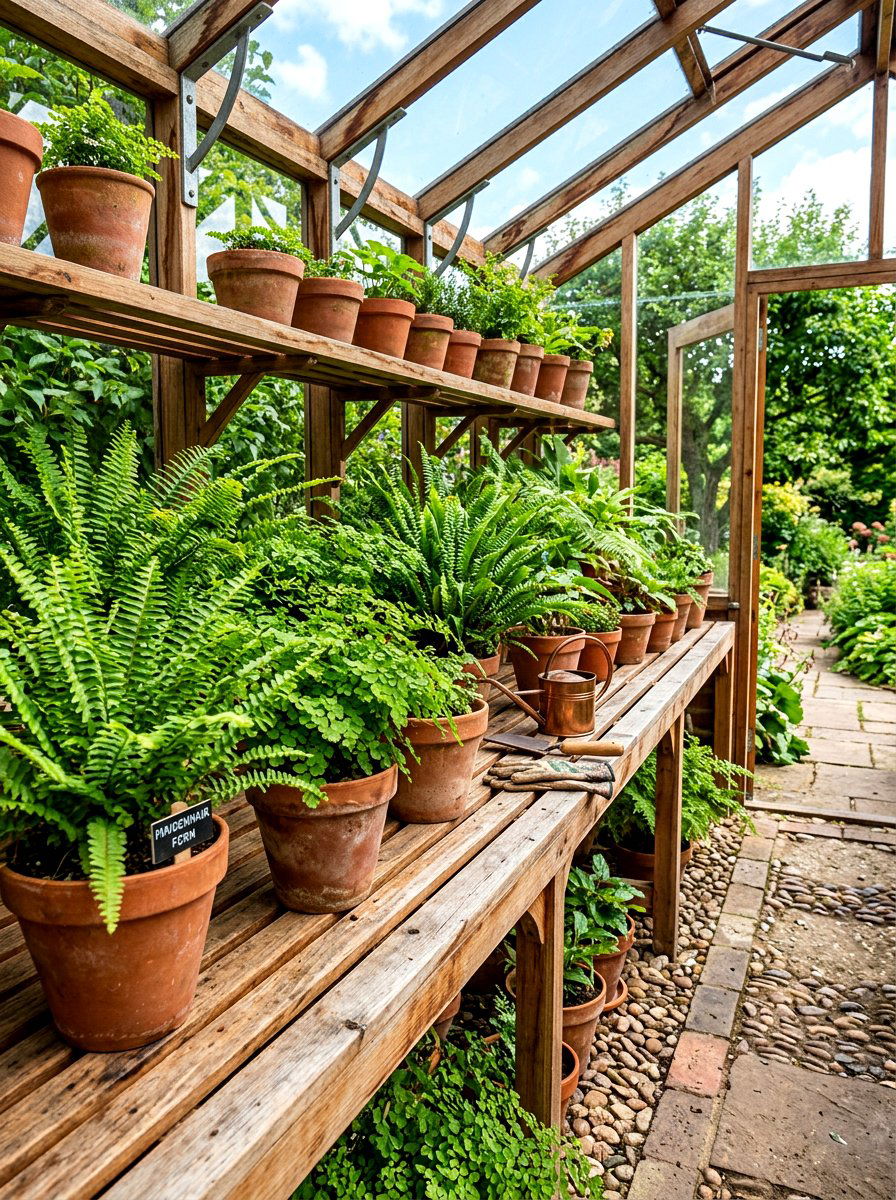
Choosing wood greenhouse staging is a classic way to bring a natural and warm aesthetic into your growing space. Many gardeners prefer materials like cedar or redwood because they are naturally resistant to rot and moisture, which is essential in a humid environment. These sturdy benches provide a solid foundation for heavy clay pots and large plant containers that require significant support. The slatted design of the wood is particularly beneficial as it allows excess water to drain away freely and promotes airflow around the roots. This type of shelving ages beautifully over time, developing a silvery patina that blends perfectly with lush green foliage and vibrant flowers throughout the changing seasons.
2. Wire mesh shelving
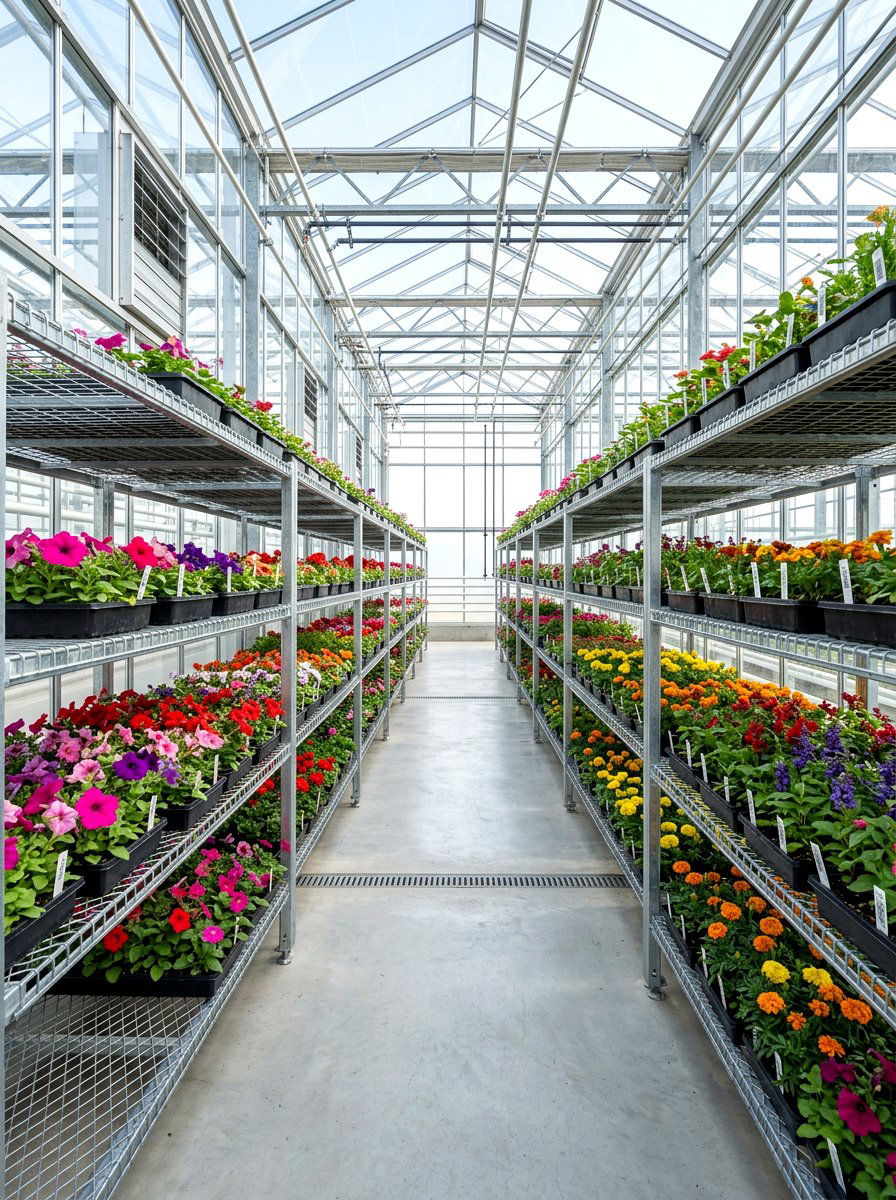
Wire mesh shelving is a highly practical choice for greenhouse enthusiasts who want to ensure their plants receive the maximum amount of sunlight. Because the shelves are constructed from thin, durable metal wires, they do not cast heavy shadows on the plants located on the lower tiers. This transparency is crucial for maintaining consistent growth across all levels of your greenhouse. These units are typically made from powder-coated or galvanized steel to prevent rust and corrosion in damp settings. Additionally, the open-grid design makes it incredibly easy to clean, as dirt and spilled soil simply fall through to the ground, keeping your workspace looking tidy and professional.
3. Cedar potting bench
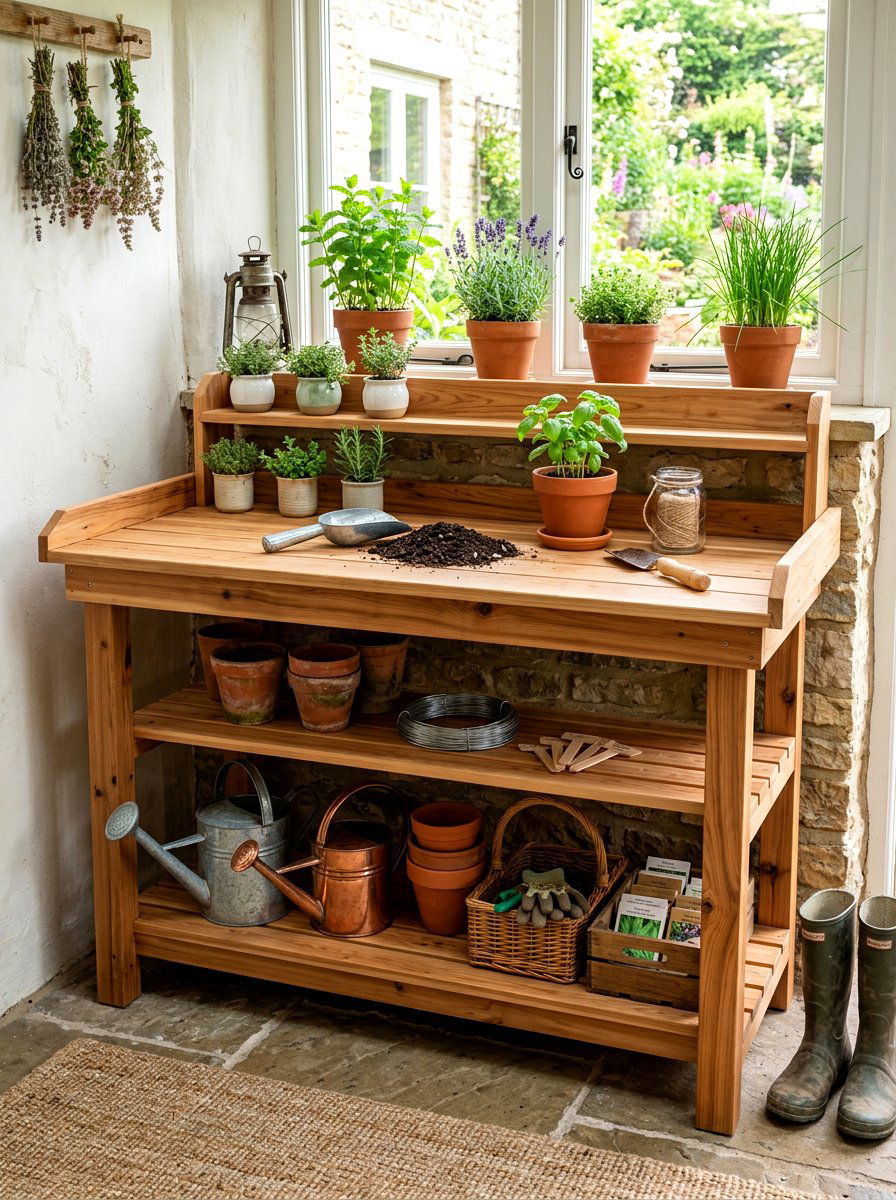
A cedar potting bench serves as a functional focal point that combines a workspace with integrated storage for your essential gardening tools. These benches are usually designed at a comfortable waist height, allowing you to transplant seedlings and mix soil without straining your back. Most models feature a large upper work surface and lower shelves where you can keep extra pots, watering cans, and bags of compost within easy reach. The natural oils in cedar wood protect it from insects and fungal growth, ensuring your potting station remains durable for many years. It is an investment that simplifies your daily tasks while adding a touch of rustic charm to the interior.
4. Vertical wall planters
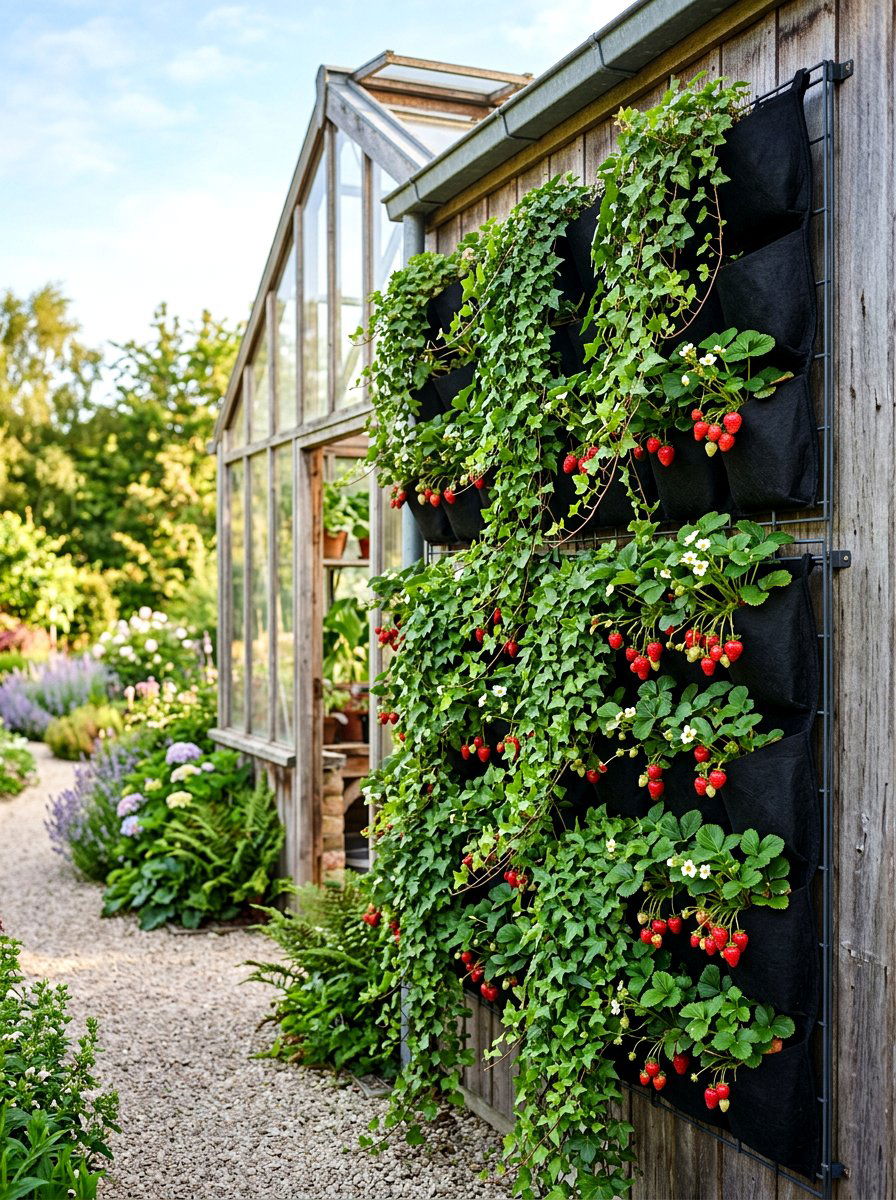
Vertical wall planters are an ingenious solution for gardeners who are dealing with limited floor space in a small or narrow greenhouse. By utilizing the vertical planes of your structure, you can significantly increase your growing capacity without creating a cluttered environment. These systems often consist of individual pockets or small troughs that are mounted directly onto the greenhouse frame or a back wall. They are perfect for growing cascading herbs, strawberries, or small ornamental flowers that benefit from being elevated. This arrangement not only saves space but also creates a stunning living wall effect that adds deep visual interest and a sense of abundance to your indoor garden.
5. Tiered plant stands
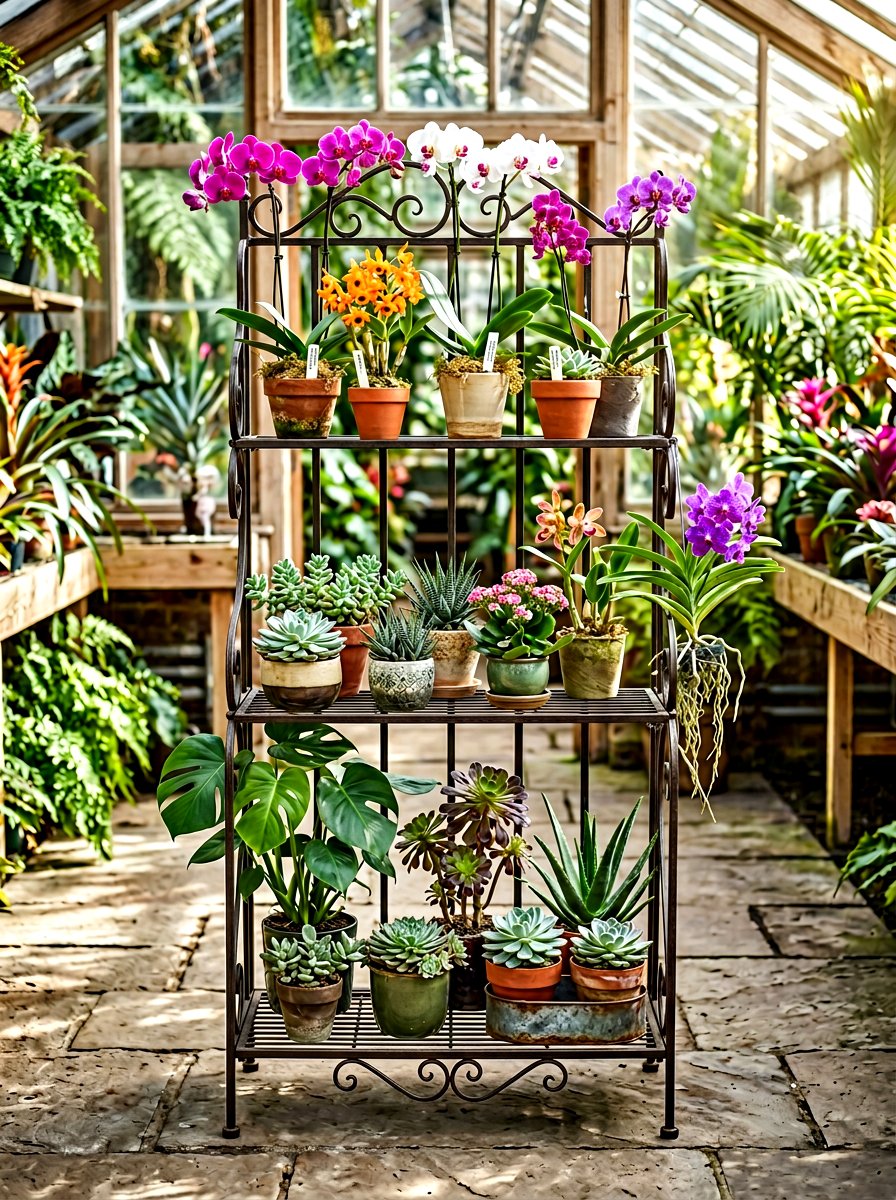
Tiered plant stands offer a beautiful way to display a variety of plant species while ensuring each one has access to adequate light and air. These units are designed with multiple levels that step back like a staircase, preventing the plants on top from completely shading those on the bottom. You can find these stands in various materials, including wrought iron, wood, and plastic, to match your greenhouse’s specific style. They are particularly effective for showing off a collection of succulents or blooming orchids that require individual attention. Their freestanding nature means you can easily move them around to follow the sun’s path or to reorganize your layout for different seasons.
6. Metal baker's racks
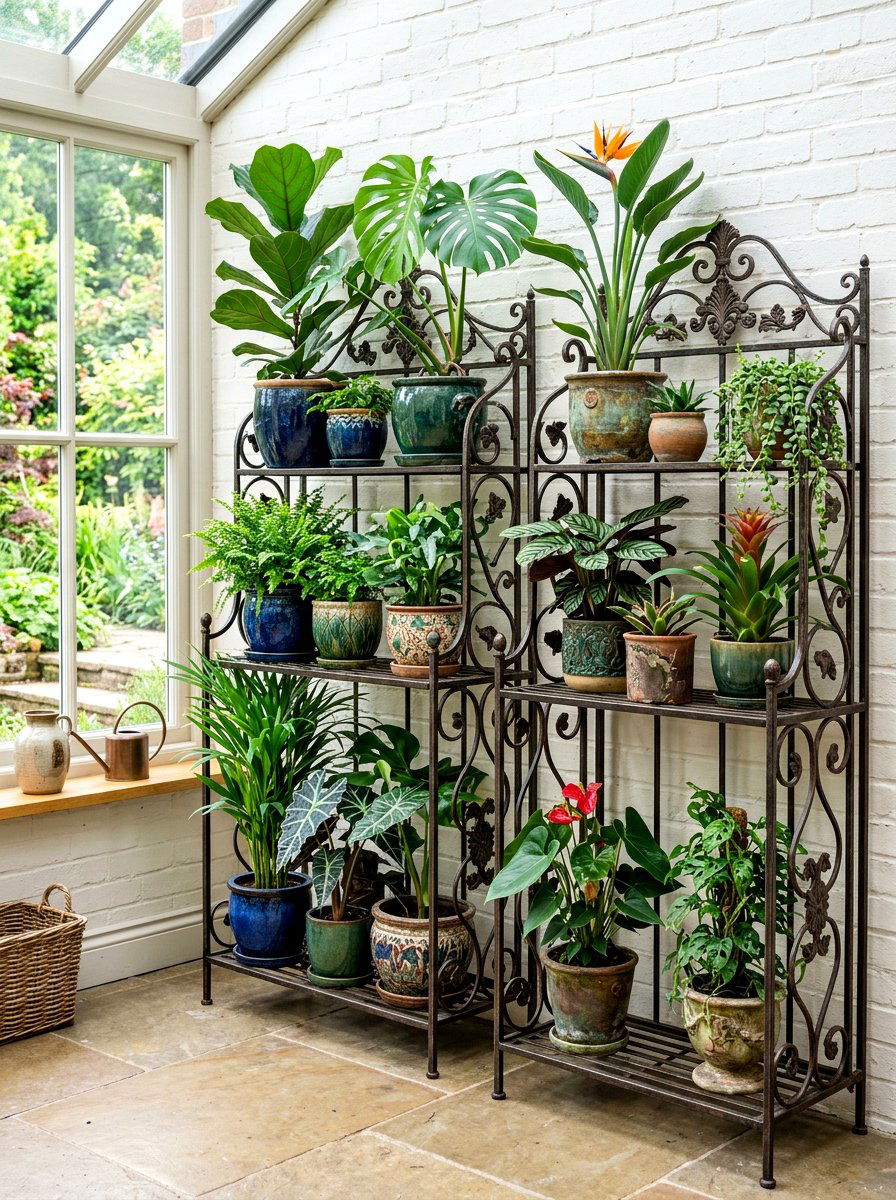
Metal baker's racks are a popular and stylish alternative for greenhouse storage due to their vintage look and exceptional durability. These racks typically feature decorative scrollwork and multiple shelves that can hold a significant amount of weight, making them ideal for larger ceramic planters. Because they are often made of wrought iron or steel, it is important to ensure they are properly treated with a rust-resistant finish to survive the greenhouse humidity. The vertical design allows you to stack several layers of plants in a relatively small footprint. Many gardeners use these racks to create a dedicated display area for their favorite specimen plants or to keep frequently used supplies organized.
7. Modular shelving units
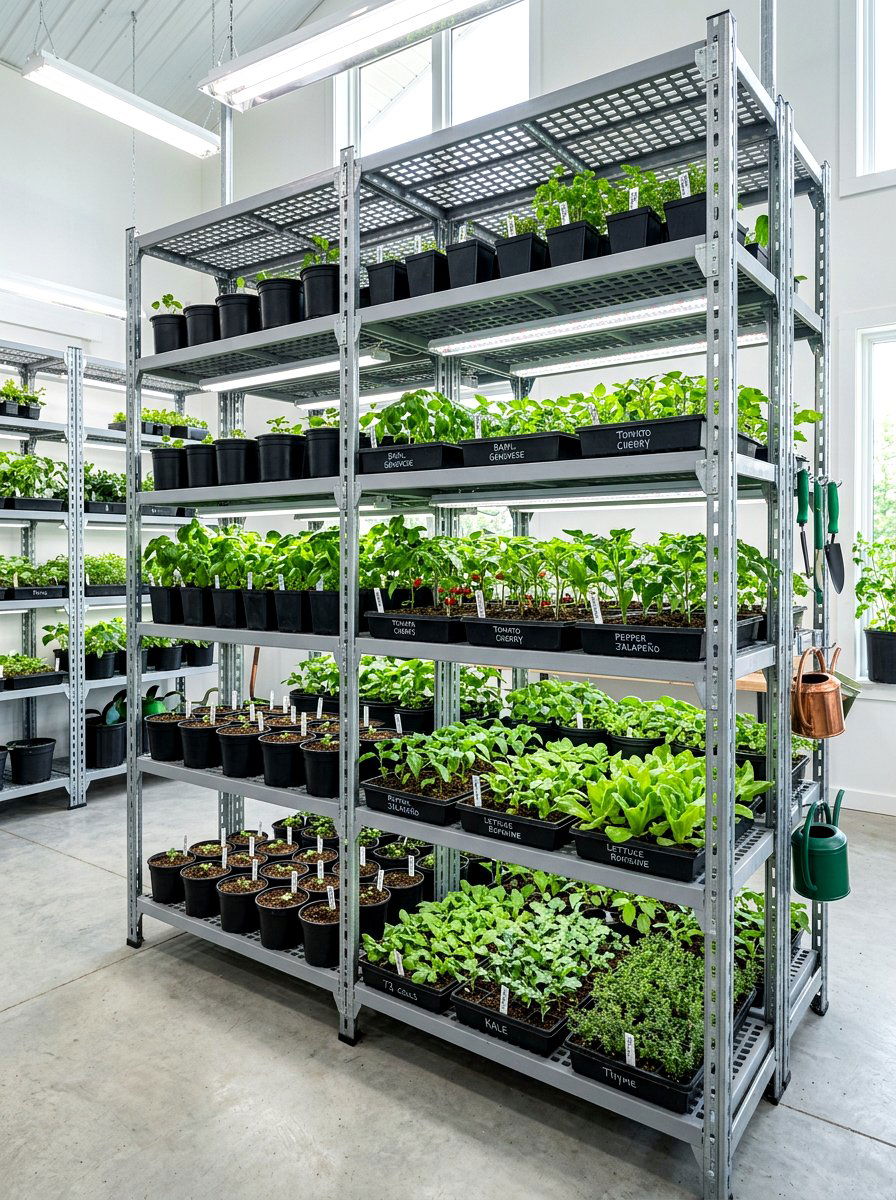
Modular shelving units provide the ultimate flexibility for gardeners whose needs change as their plant collection grows and evolves. these systems are typically made of high-quality plastic or lightweight metal and allow you to add or remove sections as required. You can easily adjust the height of each shelf to accommodate taller plants like indoor citrus trees or lower them for flat trays of emerging seedlings. Because they are often sold as individual components, you can customize the configuration to fit into odd corners or along the entire length of a wall. This adaptability ensures that you are never stuck with a layout that no longer serves your horticultural goals.
8. Hanging garden shelves
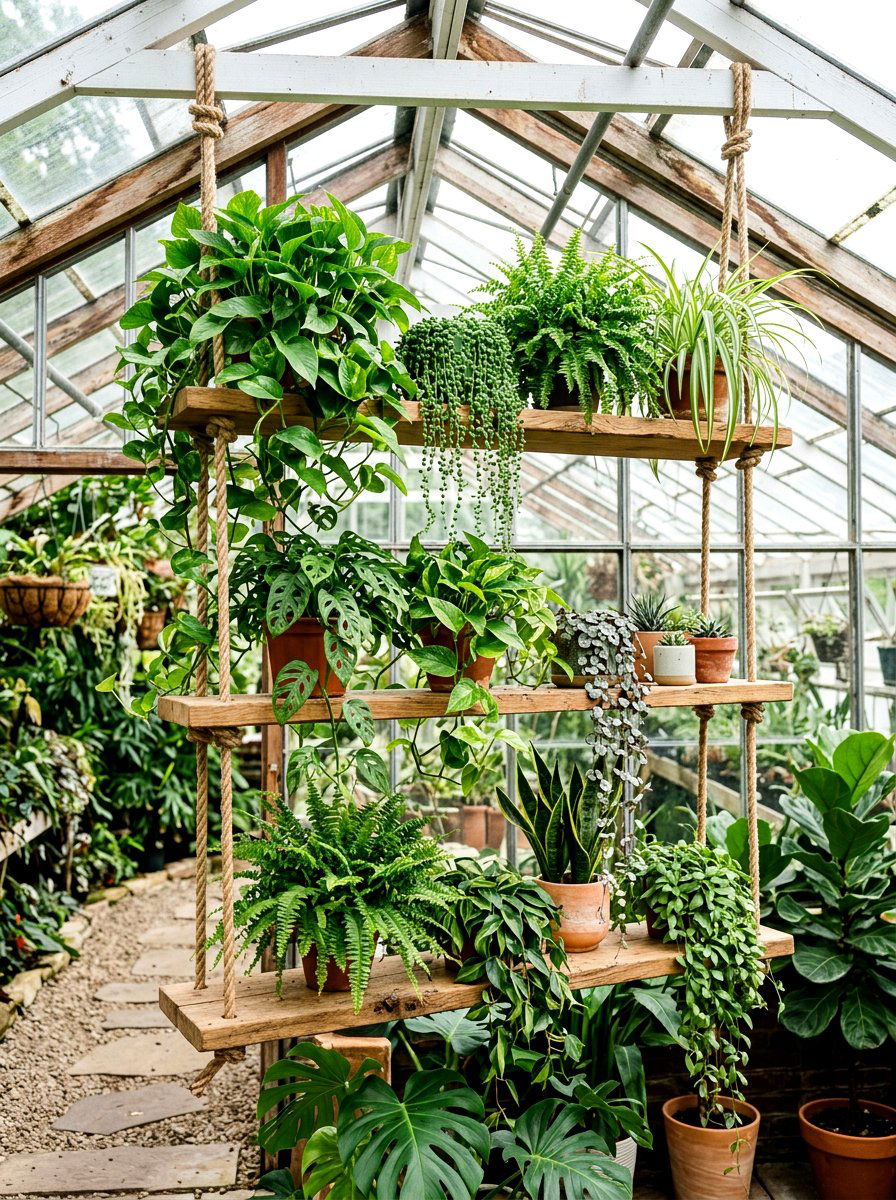
Hanging garden shelves are a creative way to make use of the overhead space that often goes wasted in traditional greenhouse designs. These shelves are typically suspended from the rafters using sturdy chains or durable ropes, creating a floating effect that feels light and airy. They are perfect for housing light-weight pots, air plants, or seed starting trays that need to stay away from ground-level pests. By elevating your plants, you also keep the floor clear for larger floor-standing containers or walking paths. This vertical approach is especially useful in smaller structures where every inch of space counts, allowing you to grow a much more diverse range of species.
9. Reclaimed wood shelving
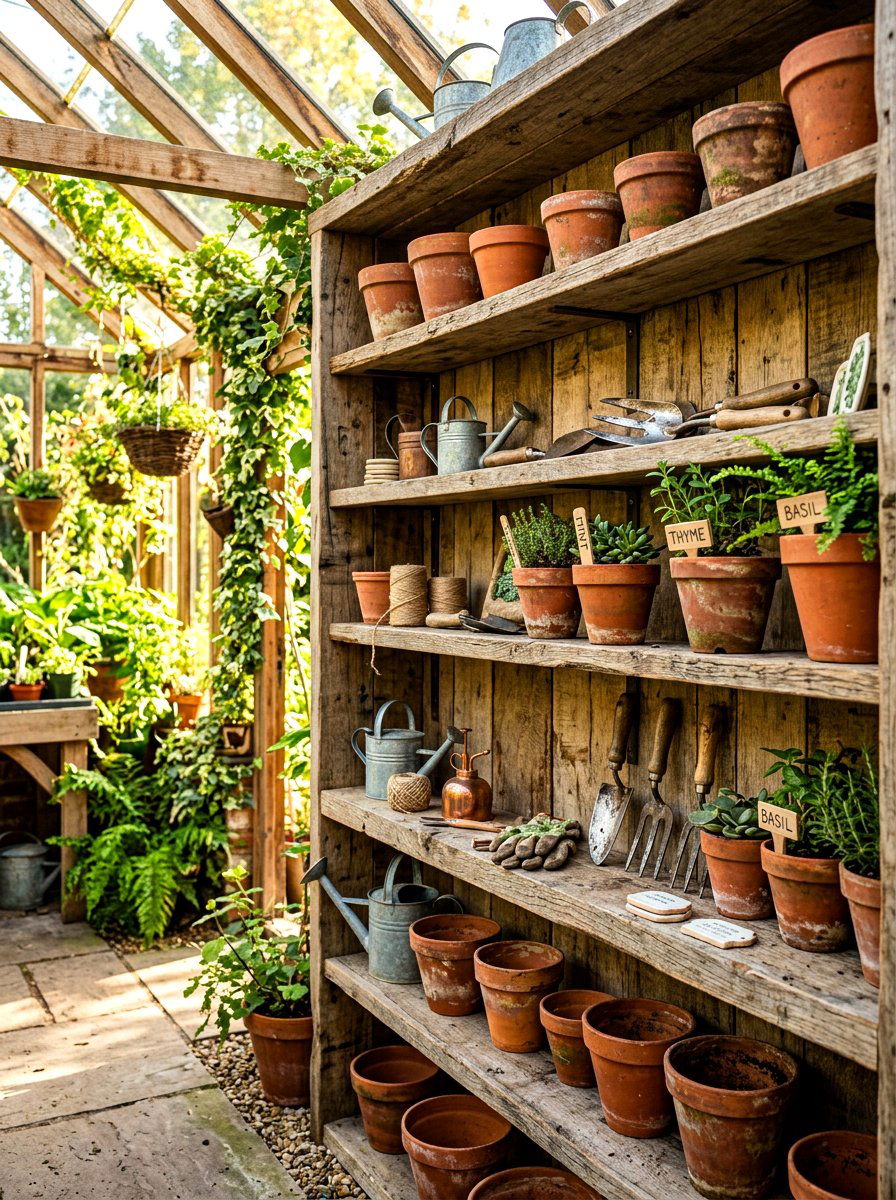
Reclaimed wood shelving is a fantastic option for eco-conscious gardeners who want to create a sustainable and unique look in their greenhouse. Using old barn wood, pallet planks, or salvaged timber adds a sense of history and character that new materials simply cannot replicate. These shelves can be custom-built to fit the exact dimensions of your space, providing a truly bespoke storage solution. While reclaimed wood requires a bit more maintenance to protect it from the constant moisture, many find the weathered texture and varied grain patterns well worth the extra effort. It is a cost-effective way to build heavy-duty shelving that feels grounded and connected to the natural world.
10. Aluminum shelving kits
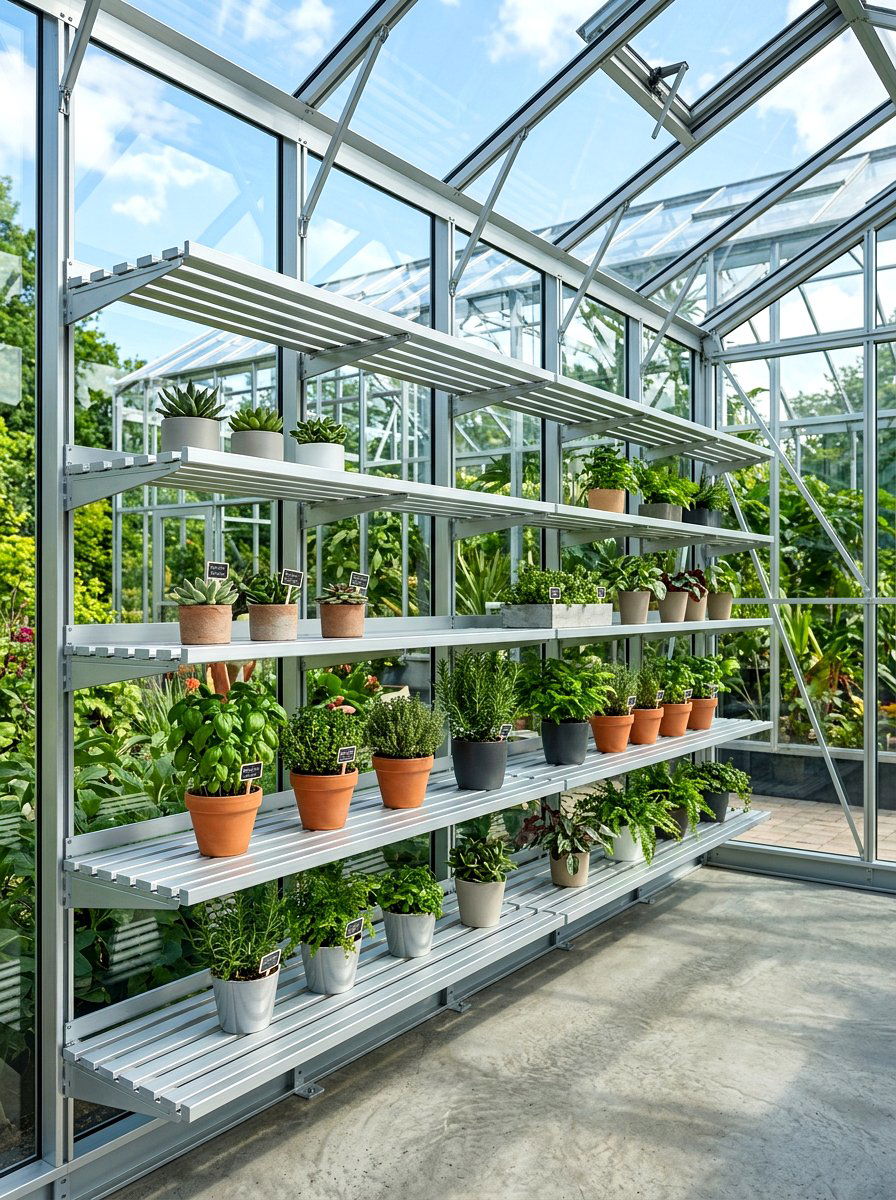
Aluminum shelving kits are highly sought after for their incredible strength-to-weight ratio and their total resistance to rust and oxidation. Unlike wood, aluminum will never rot, and unlike steel, it will not corrode even if the protective coating is scratched. These kits are often designed specifically to integrate with popular greenhouse brands, making installation quick and seamless with basic hand tools. The shelves usually feature a slatted or perforated design to encourage drainage and airflow, which is vital for preventing the buildup of mold or mildew. Because they are so lightweight, these shelves are easy to reposition if you decide to change the internal layout of your greenhouse.
11. Floating glass shelves
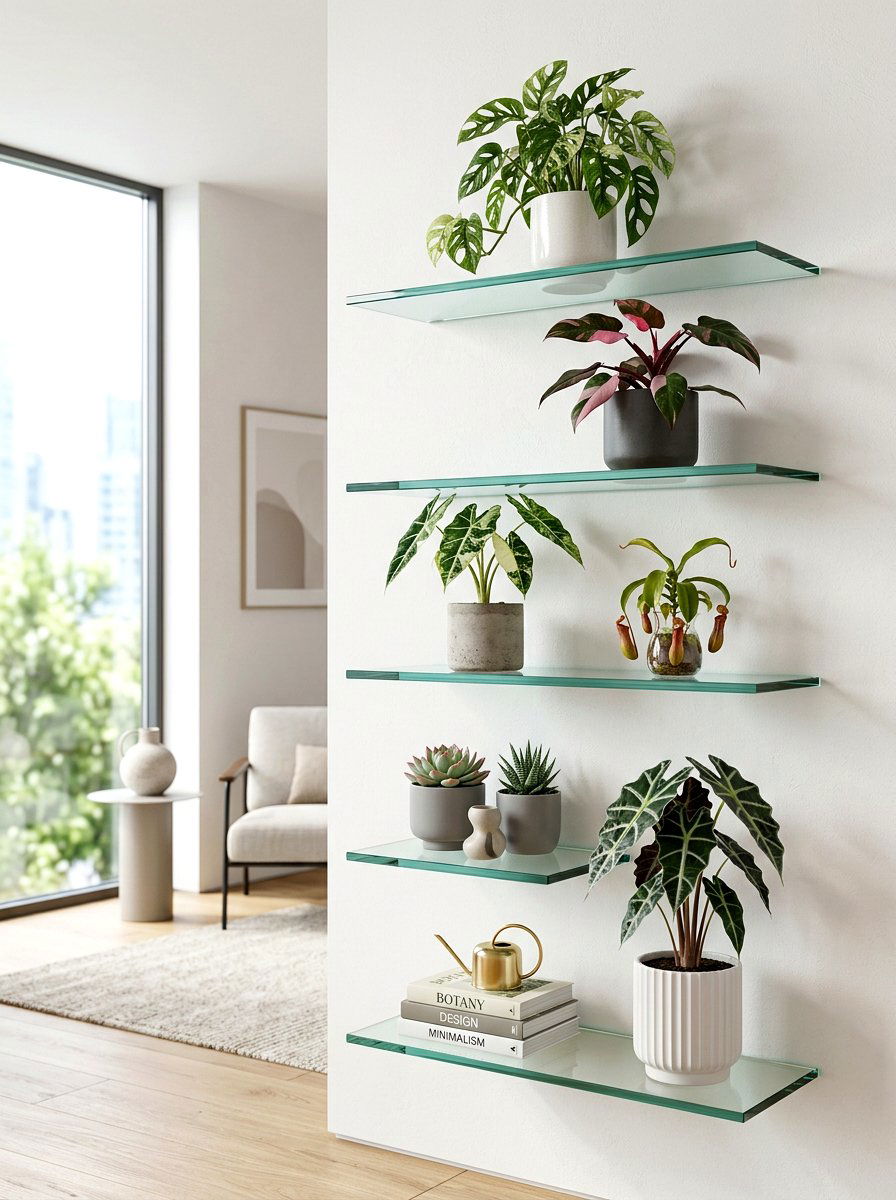
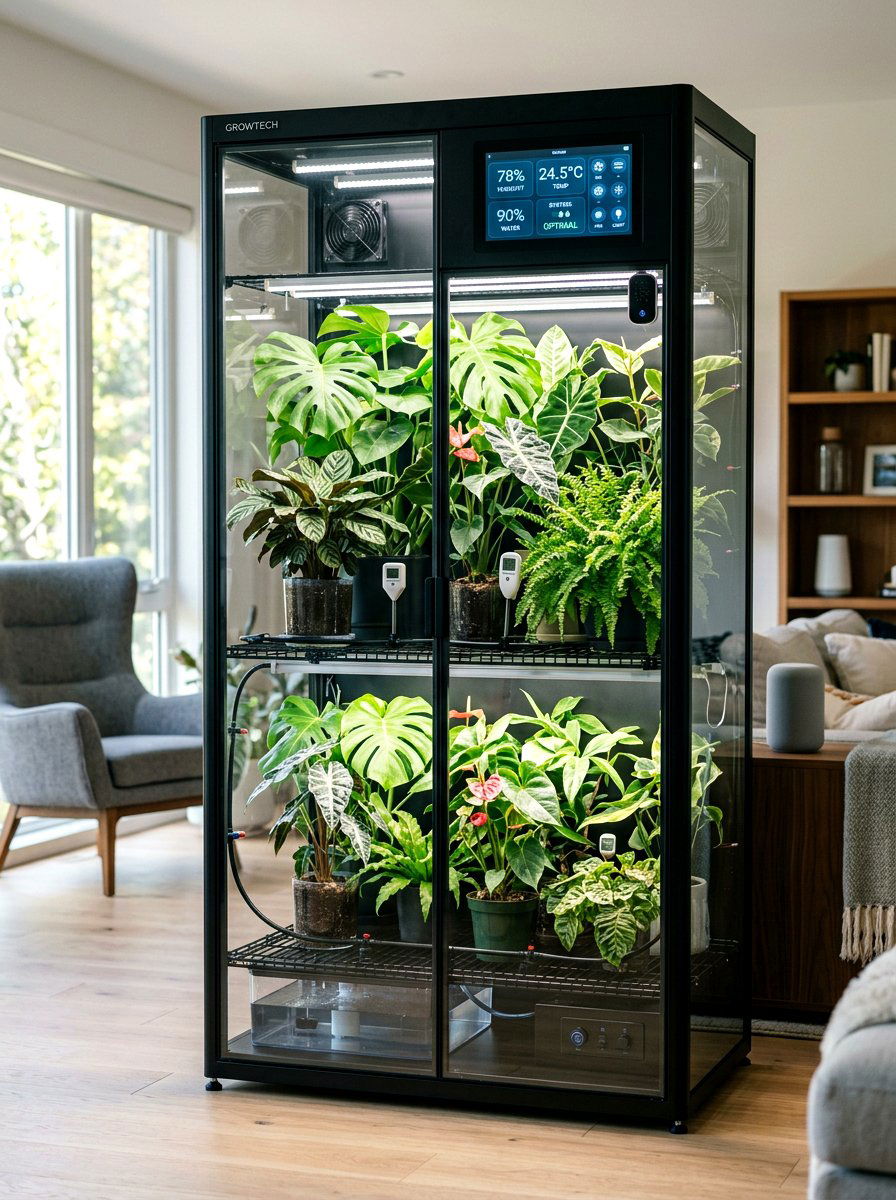
Floating glass shelves are the epitome of modern greenhouse design, offering a sleek and nearly invisible way to support your most beautiful plants. Because glass is completely transparent, it allows light to pass through perfectly to the levels below, which is a significant advantage for light-hungry tropical species. These shelves are usually made of tempered safety glass to ensure they can handle the weight of moist soil and pots without breaking. They work exceptionally well in "cabinet" style greenhouses or sunrooms where aesthetics are just as important as functionality. The clean lines of glass shelves create a sophisticated gallery-like atmosphere that turns your plant collection into a living work of art.
12. Folding plant ladder
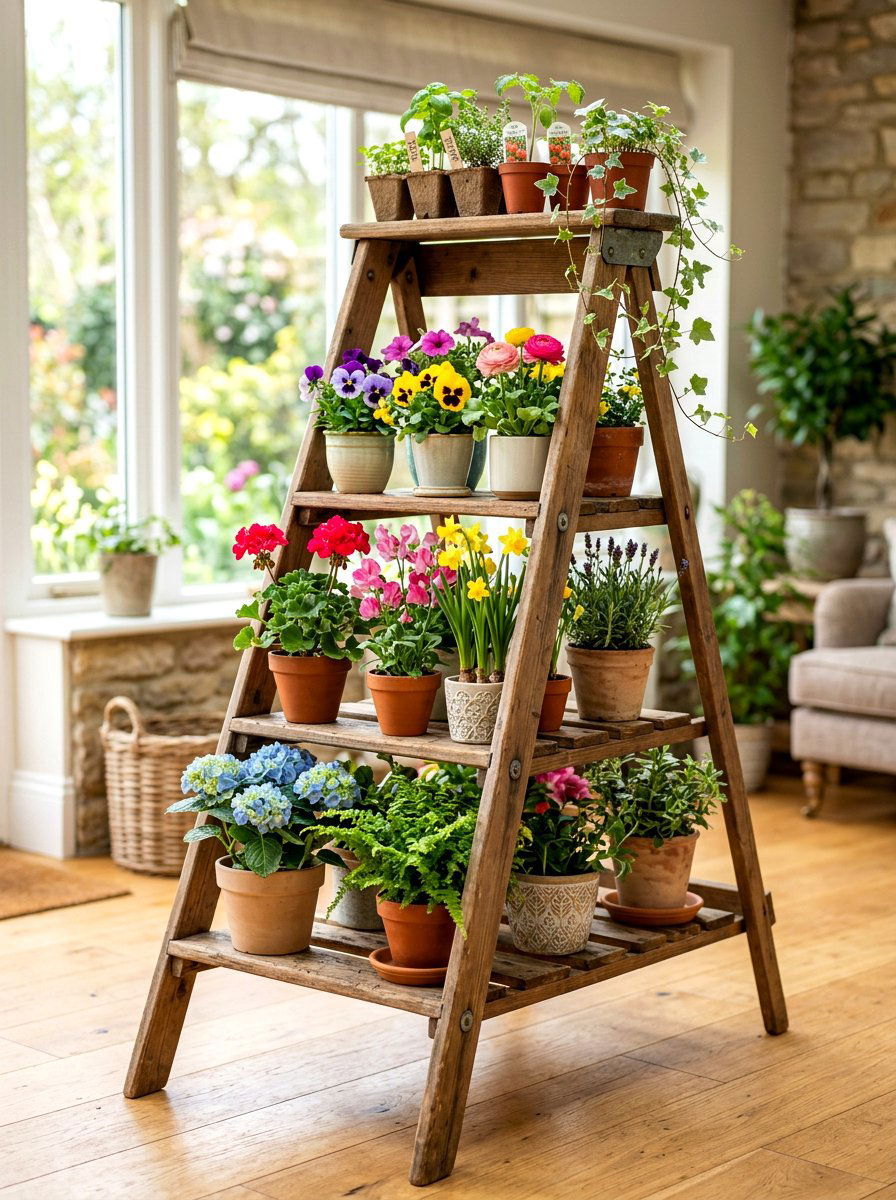
A folding plant ladder is a versatile and space-saving piece of equipment that is perfect for seasonal gardeners who need extra room during the spring. These ladders feature several steps of varying depths, allowing you to arrange plants of different sizes in a compact vertical array. When they are not in use, you can simply fold them flat and store them against a wall, which is a major benefit in small greenhouses. They are often made of lightweight wood or metal, making them easy to carry to different locations. This type of shelving is ideal for hardening off seedlings before they are moved into the garden or for displaying colorful annuals.
13. Heavy duty storage racks
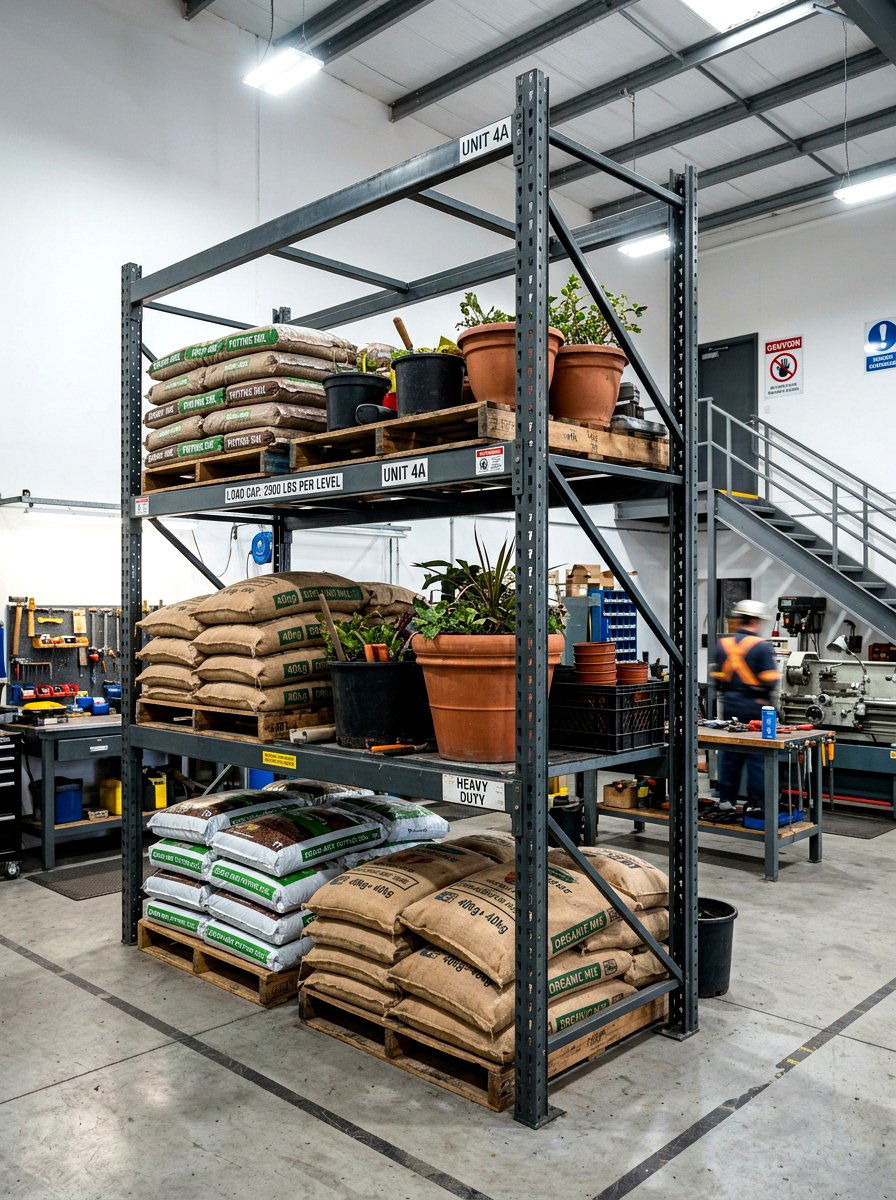
Heavy duty storage racks are necessary for the serious gardener who needs to store large quantities of heavy materials like bags of soil, gravel, or wintering ceramic pots. These industrial-strength units are typically made of thick steel and can hold hundreds of pounds per level without bowing or sagging. While they might not be the most decorative option, their sheer utility makes them indispensable for maintaining an organized and safe workspace. To make them more greenhouse-friendly, many people choose models with a chrome or powder-coated finish to help resist the effects of high humidity. These racks provide a reliable foundation for your most demanding storage needs throughout the year.
14. Corner shelving units
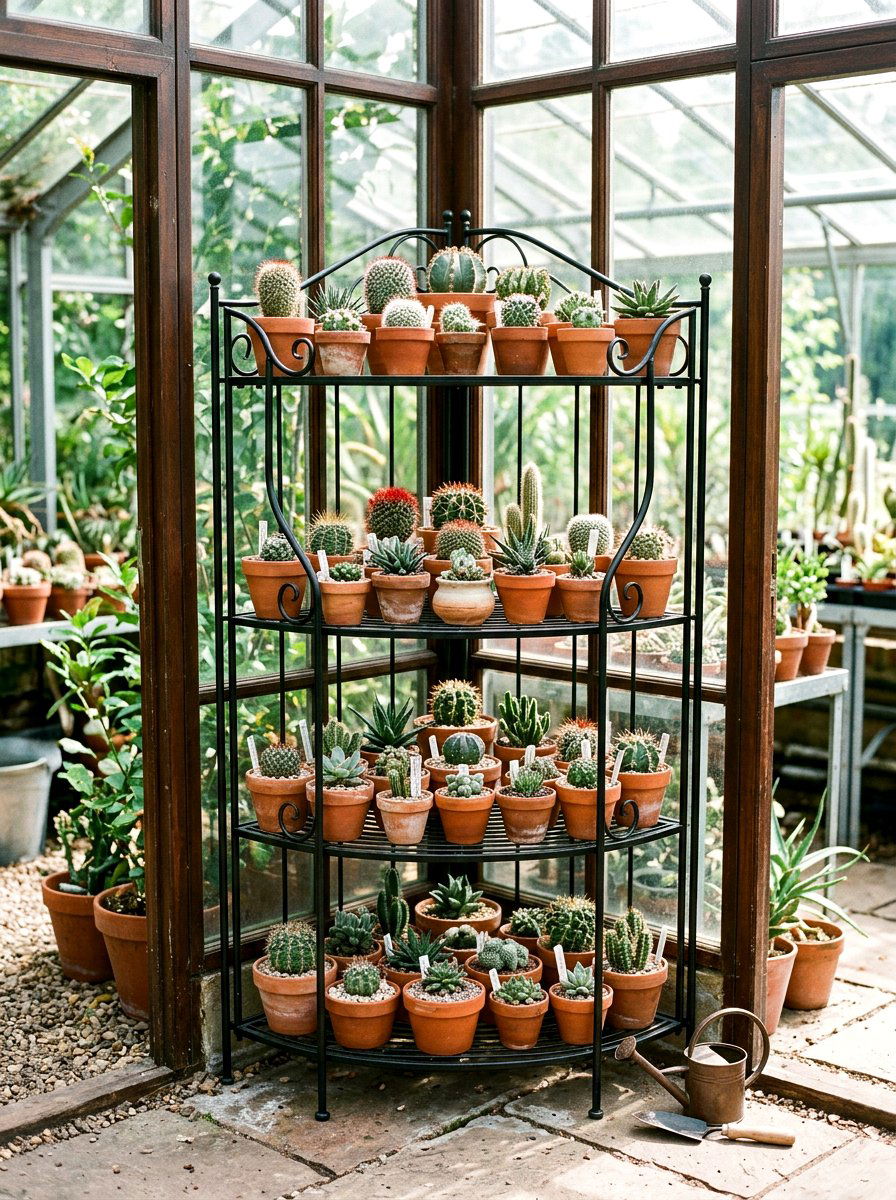
Corner shelving units are specifically designed to reclaim the often-neglected space where two walls meet, making them a smart addition to any greenhouse layout. Most greenhouses have unused corners that can quickly become cluttered with forgotten pots or tools if not properly utilized. By installing a dedicated corner rack, you turn these awkward spots into valuable real estate for smaller plants or specialized equipment. These units are available in various styles, from decorative tiered metal stands to simple built-in wooden triangles. Using corner shelves helps to open up the center of the greenhouse, creating a more spacious feel and making it easier for you to move around while working.
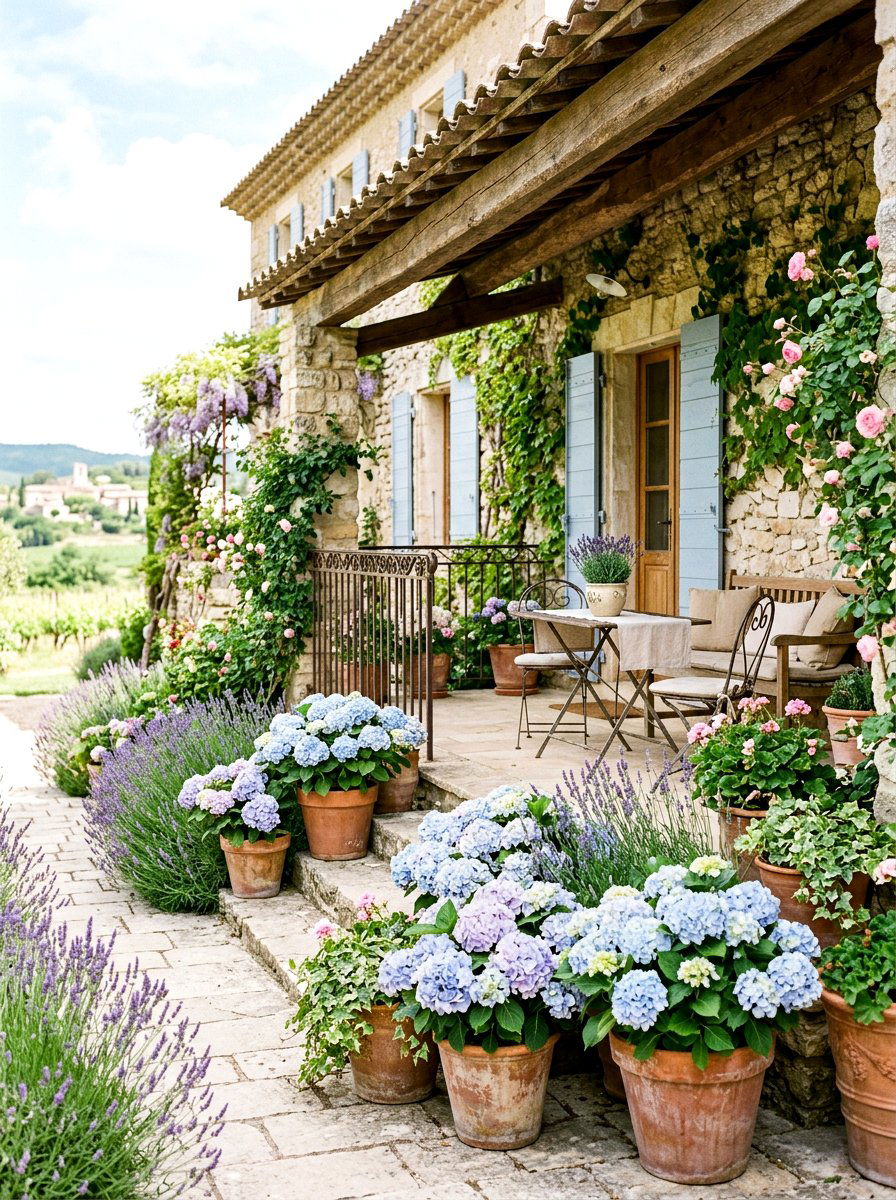
15. Seed starting station
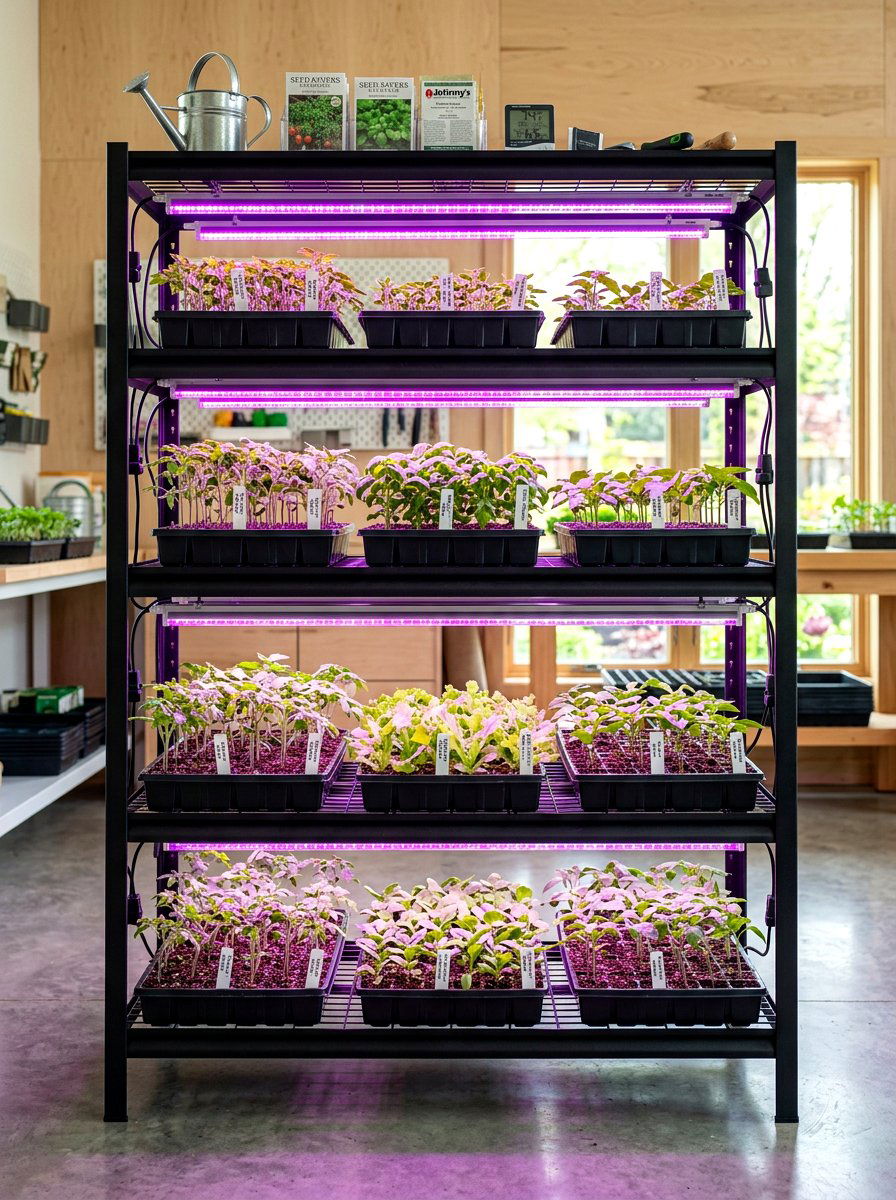
A dedicated seed starting station is a specialized shelving setup designed to provide the perfect environment for young plants to germinate and grow. These stations often incorporate multiple narrow shelves with integrated mounts for grow lights, ensuring that seedlings receive consistent illumination even during cloudy days. The shelves are usually waterproof to handle the frequent misting and bottom-watering required during the early stages of growth. Some more advanced models even include heat mats on the lower levels to maintain the ideal soil temperature for sensitive seeds. This organized approach to propagation helps you keep track of different varieties and ensures a high success rate for your future garden crops.
16. Succulent display shelves
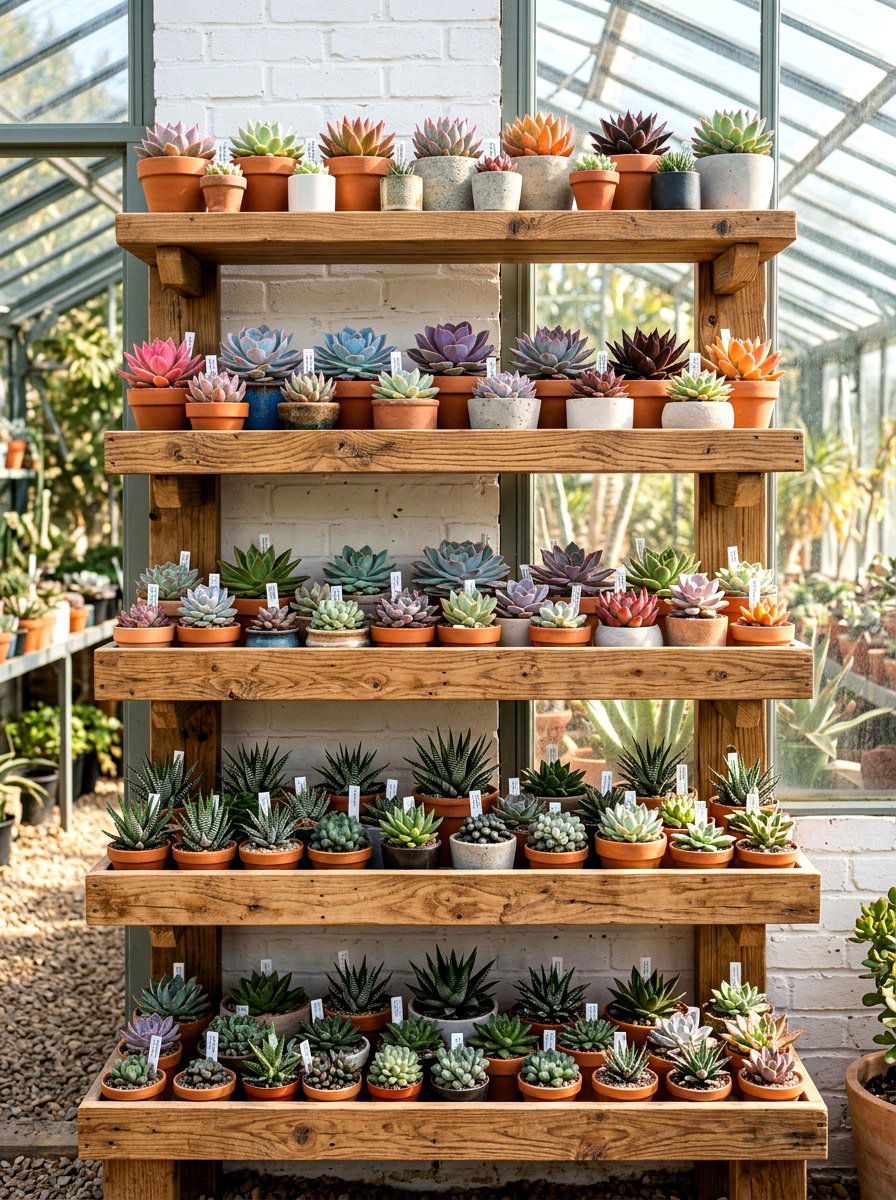
Succulent display shelves are often designed with shallow depths and high visibility to showcase the intricate textures and colors of desert plants. Since succulents generally prefer well-drained soil and plenty of bright, indirect light, these shelves are frequently placed near the brightest walls of the greenhouse. Using narrow, tiered shelving allows you to see every individual plant clearly without them being hidden by larger foliage. many gardeners choose minimalist designs made of light wood or white-painted metal to let the unique shapes of the plants take center stage. This type of shelving turns a collection of small pots into a cohesive and visually striking architectural feature within your greenhouse.
17. Industrial pipe shelving
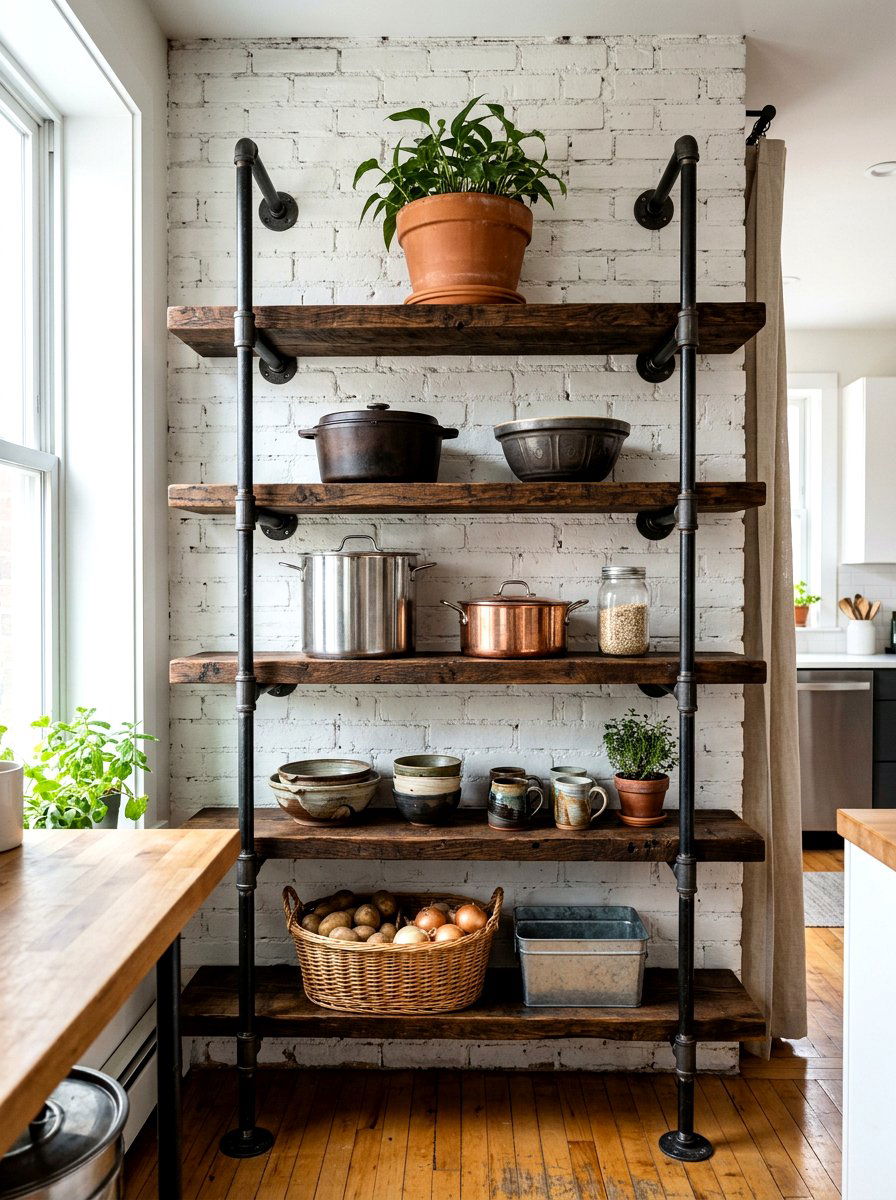
Industrial pipe shelving has become a trendy DIY project for greenhouse owners who want a rugged, custom-built look that is incredibly strong. By using galvanized or black iron pipes as the support structure and thick wooden planks for the shelves, you can create a shelving unit that is tailored to your exact height and width requirements. This style is not only visually interesting but also extremely durable and capable of supporting very heavy loads. The open design of the pipe frame allows for excellent light penetration and airflow. Because you are building it yourself, you can add extra features like hooks for hanging tools or specific spacing for large nursery trays.
18. Plastic resin shelving
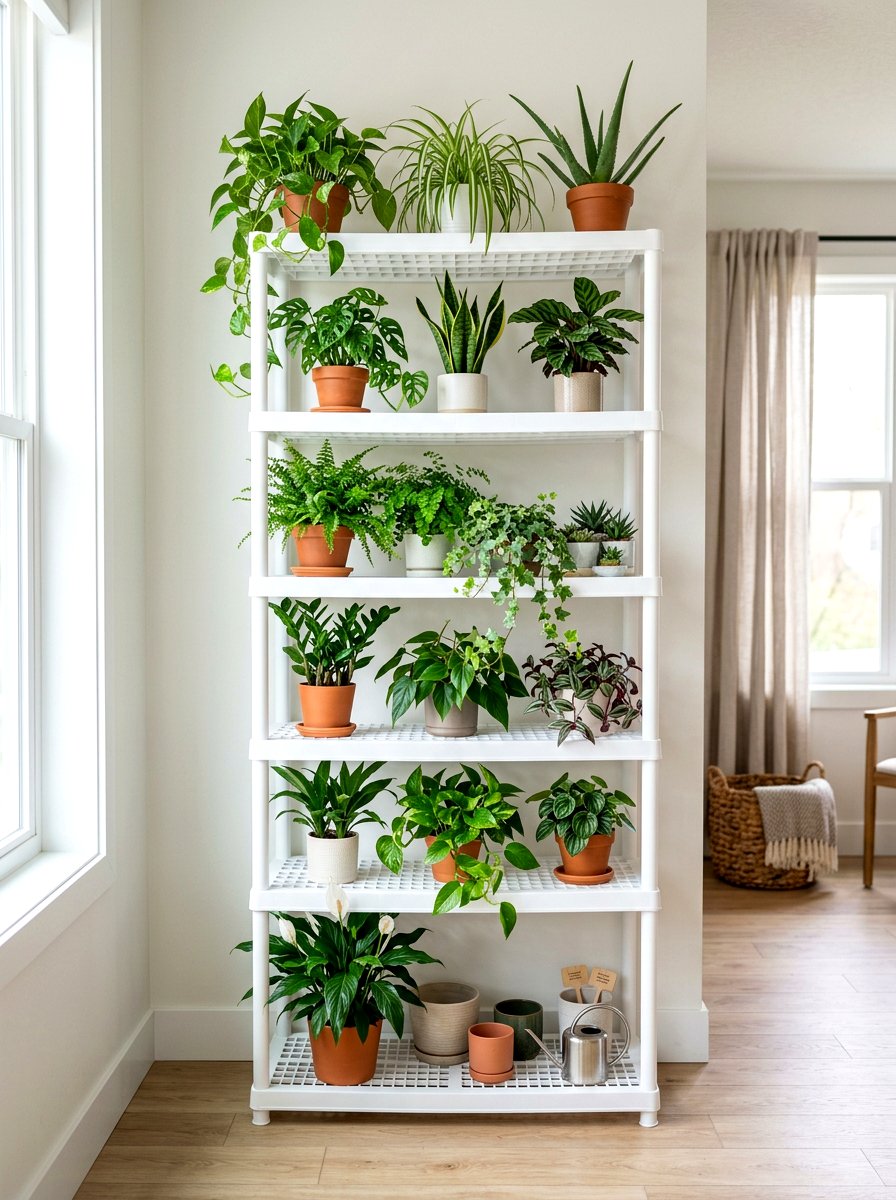
Plastic resin shelving is one of the most affordable and maintenance-free options available for greenhouse organization. Unlike wood, high-quality plastic resin will never rot, warp, or rust, no matter how much water it is exposed to on a daily basis. These units are typically very lightweight, making them easy to assemble and move around by yourself. Many designs feature ventilated shelves that allow for drainage and air circulation, which are critical for healthy plant growth. While they might have a more utilitarian appearance, their longevity and ease of cleaning make them a favorite for practical gardeners who want a reliable storage solution that can be hosed down in seconds.
19. Slatwall garden system
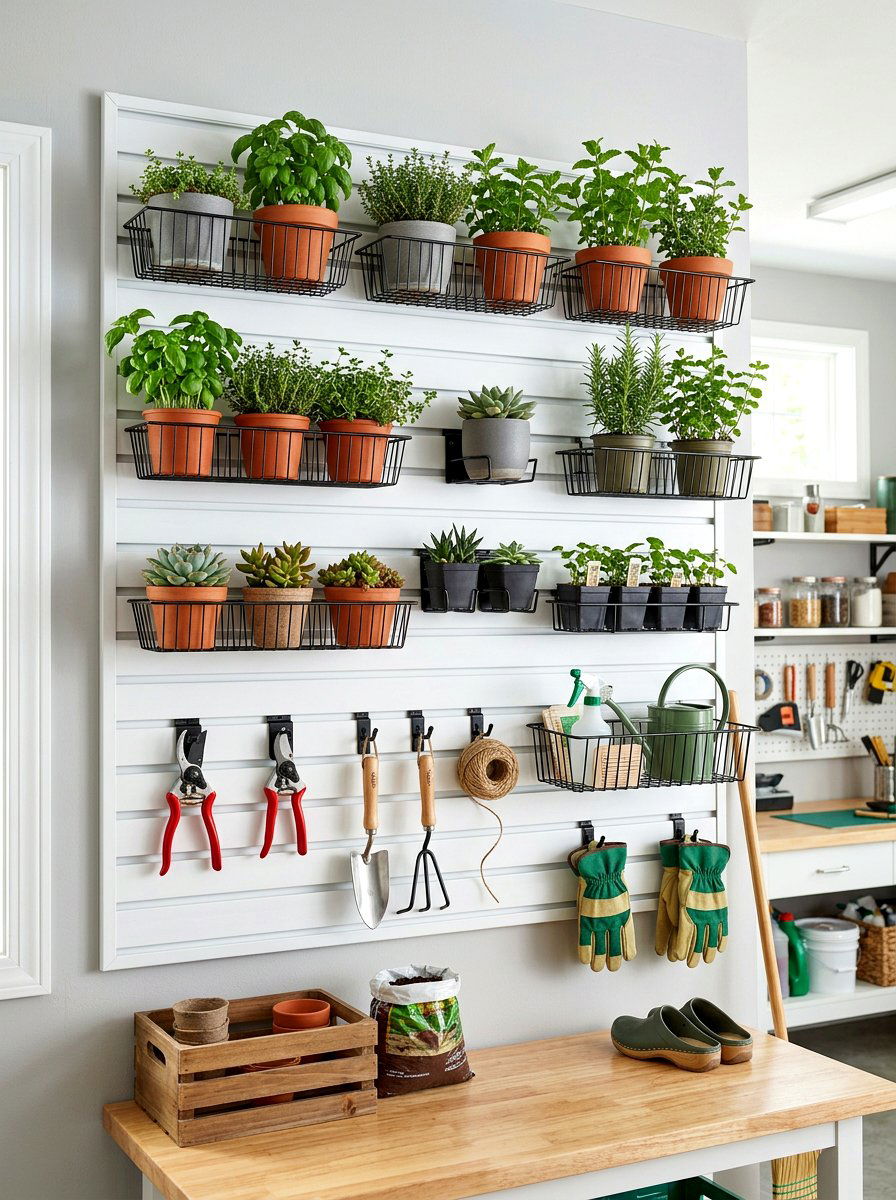
A slatwall garden system offers a highly organized way to manage both plants and tools on the vertical surfaces of your greenhouse. These systems consist of horizontally grooved panels that are mounted to the walls, allowing you to snap in various hooks, baskets, and small shelves wherever you need them. This level of customization is perfect for keeping your most-used hand tools, like pruners and trowels, right at eye level. You can also attach specialized pot holders to the slats to create a floating herb garden. As your needs change, you can simply slide or pop the accessories into new positions without needing any additional tools or hardware.

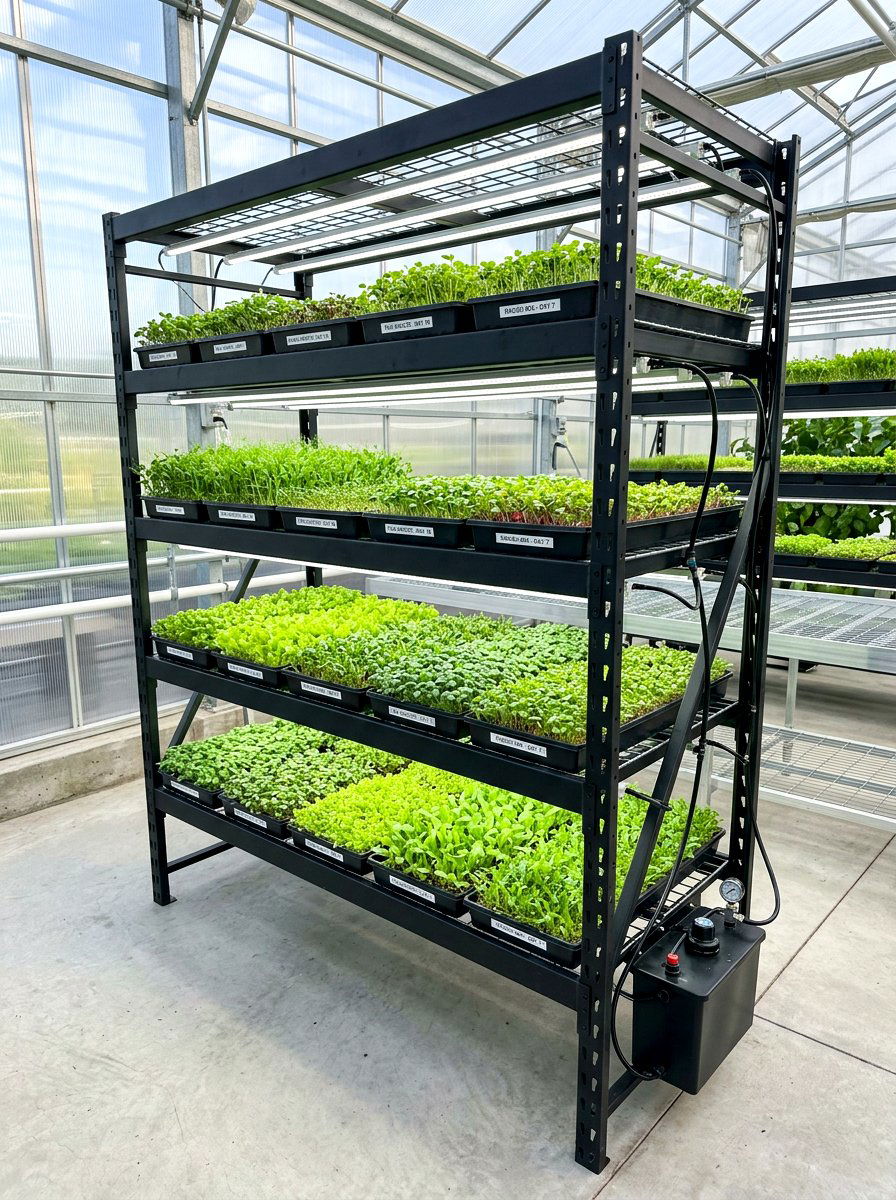
20. Potting shed workspace
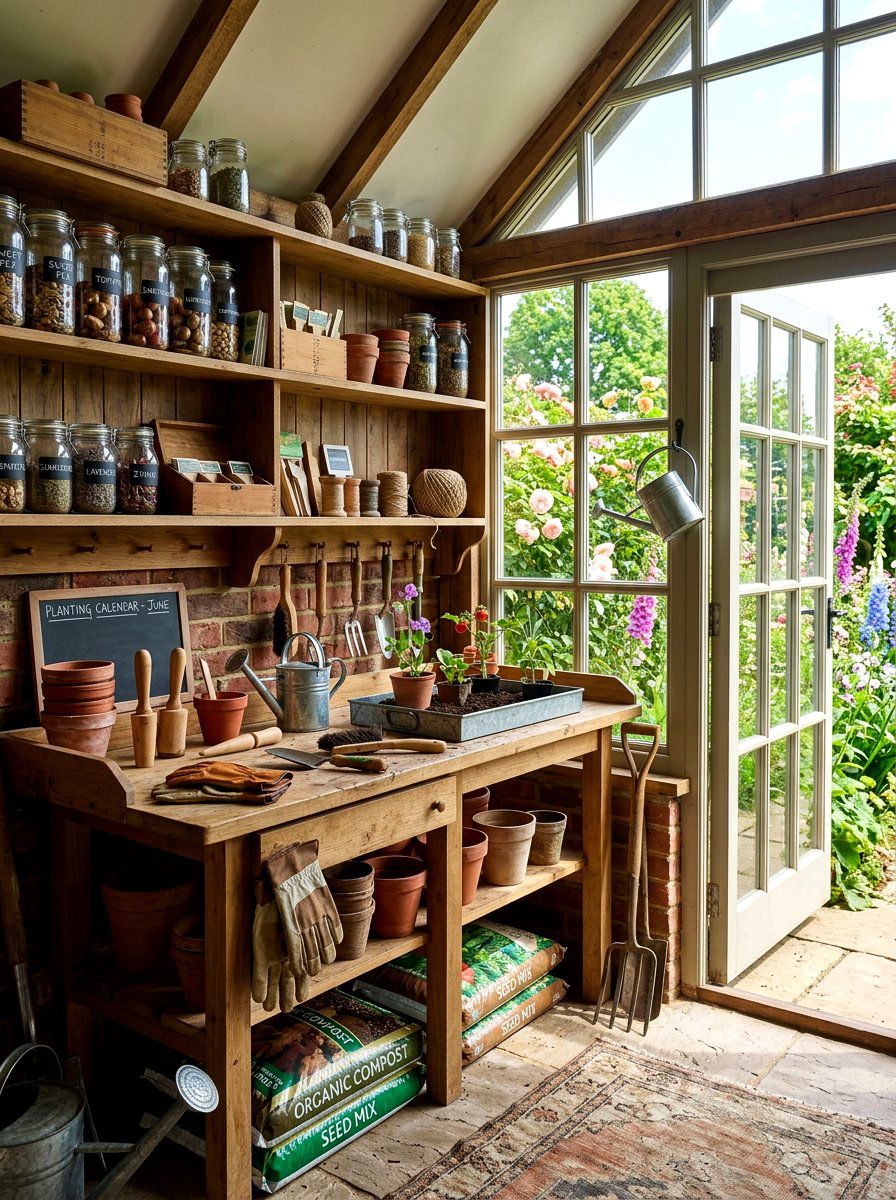
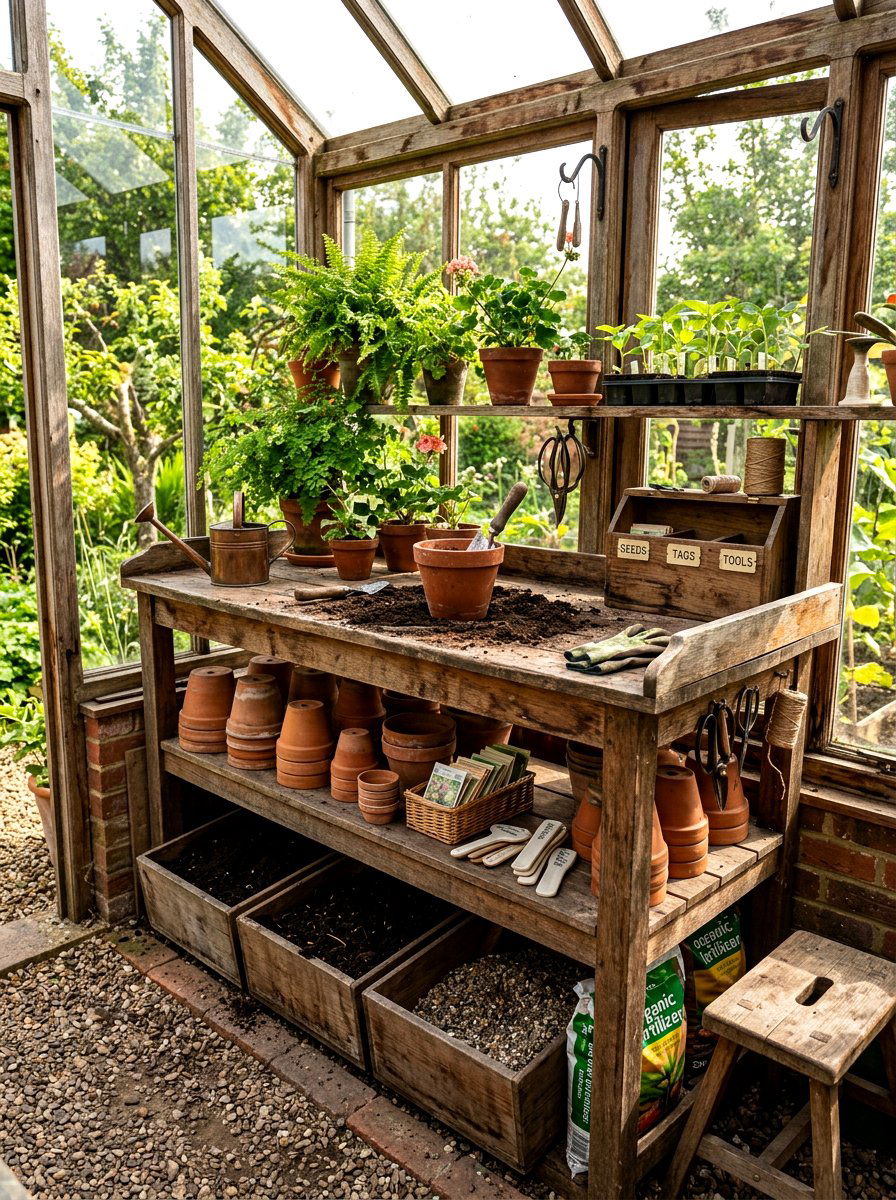
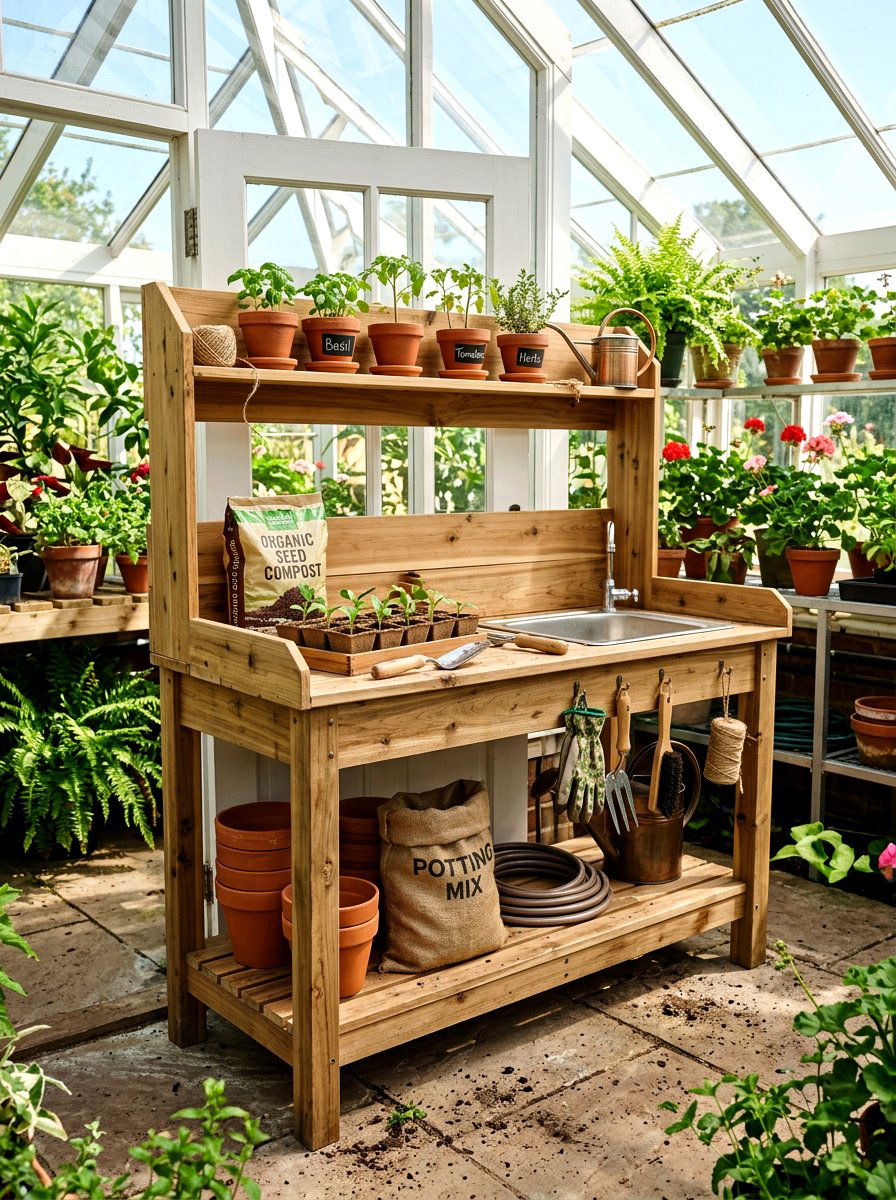
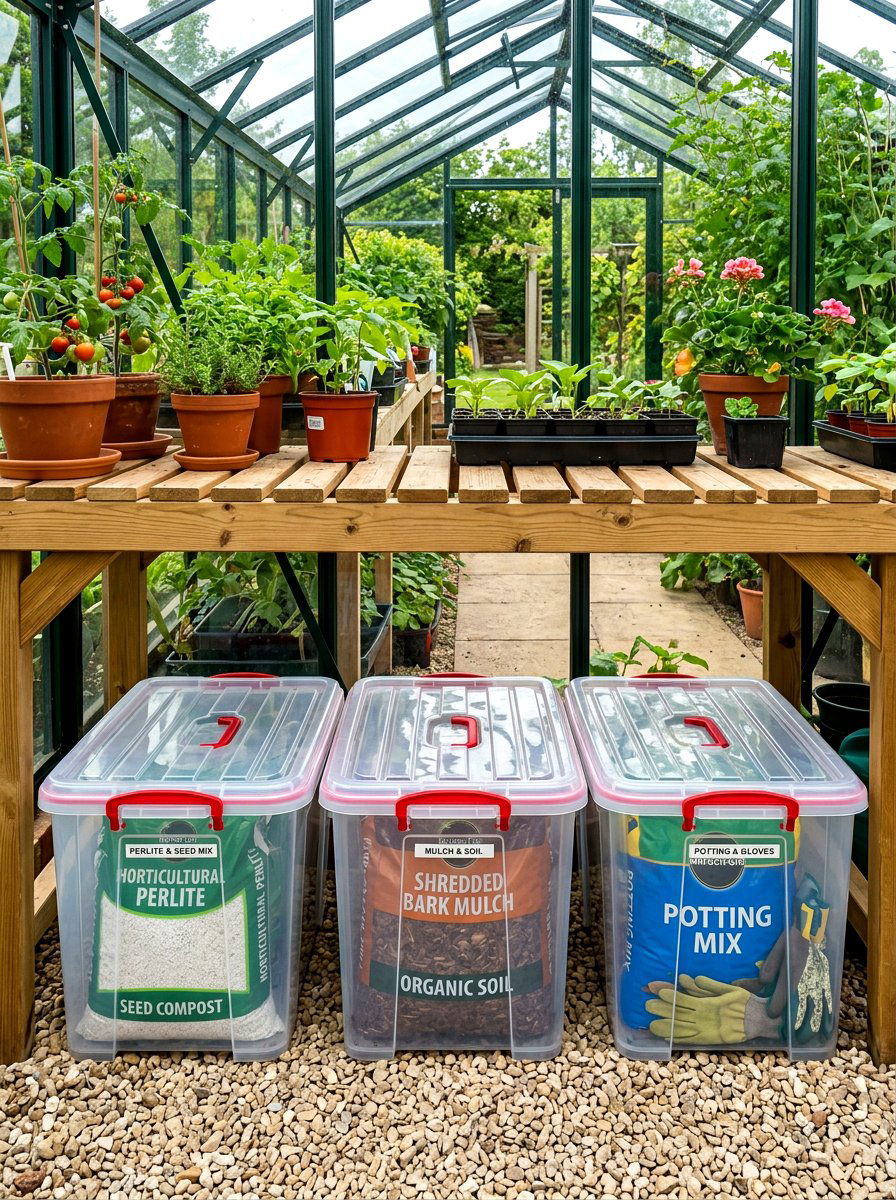
Creating a potting shed workspace within your greenhouse involves integrating large, deep shelves that serve as a comprehensive center for all your gardening activities. This setup usually includes a wide main bench for soil mixing and several upper shelves for storing seeds, labels, and small jars. Lower shelves are often reserved for bulky items like bags of perlite or large watering cans. By consolidating all your supplies into one dedicated area, you reduce the time spent searching for misplaced items and can focus more on the joy of planting. This specialized shelving arrangement turns a corner of your greenhouse into a professional-grade horticultural laboratory for year-round use.
21. Herb garden shelving
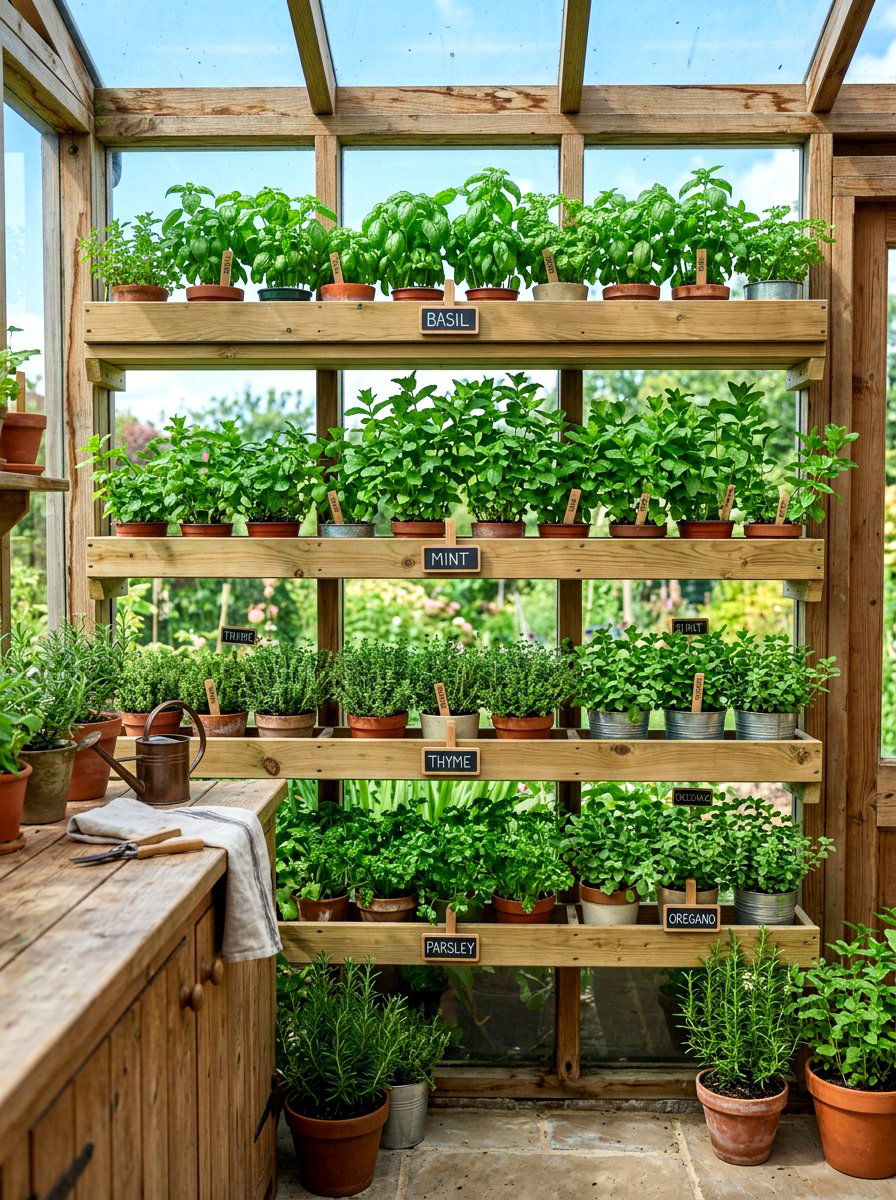
Herb garden shelving is typically designed to keep culinary plants within easy reach while providing them with the high light levels they need to produce flavorful oils. Narrow shelves placed directly against the glass are ideal for small pots of basil, thyme, and rosemary. Some gardeners use ladder-style shelves for herbs to create a beautiful gradient of green textures that can be harvested as needed. Because herbs are often grown in smaller containers, these shelves don 't need to be exceptionally deep, which helps to preserve the open feel of the greenhouse. Having a dedicated space for herbs ensures they don' t get overshadowed by larger, faster-growing vegetables or ornamental plants.
22. Pallet wood shelving
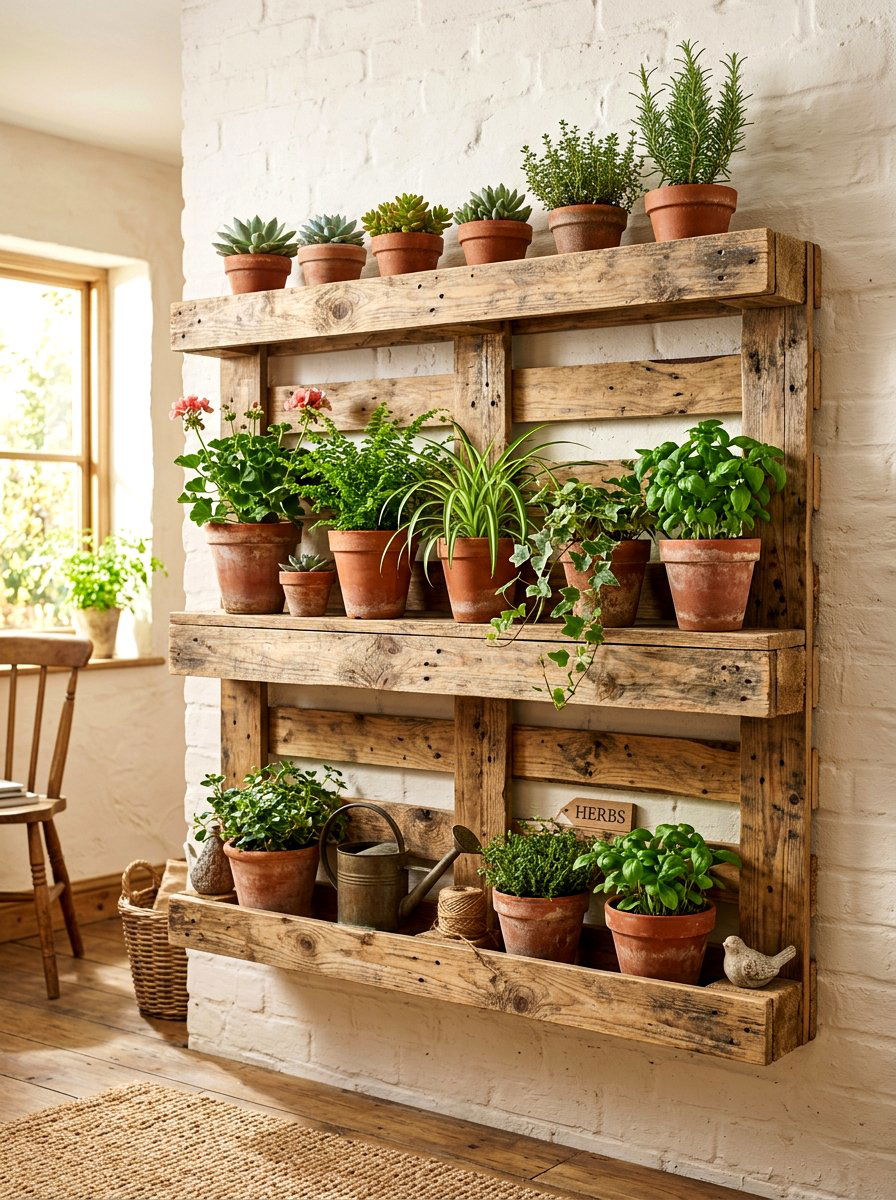
Pallet wood shelving is a popular DIY choice that combines rustic charm with the ultimate in budget-friendly sustainability. Old shipping pallets can be easily disassembled and rebuilt into sturdy wall-mounted shelves or freestanding benches with just a few basic tools. The rough-hewn texture of the wood looks wonderful in a garden setting and provides a sturdy surface for nursery flats and terracotta pots. To ensure your pallet shelves last in the humid greenhouse air, it is a good idea to sand them down and apply a clear, eco-friendly sealant. This approach is not only practical but also gives you the satisfaction of repurposing materials that might otherwise end up in a landfill.
23. Galvanized steel shelving
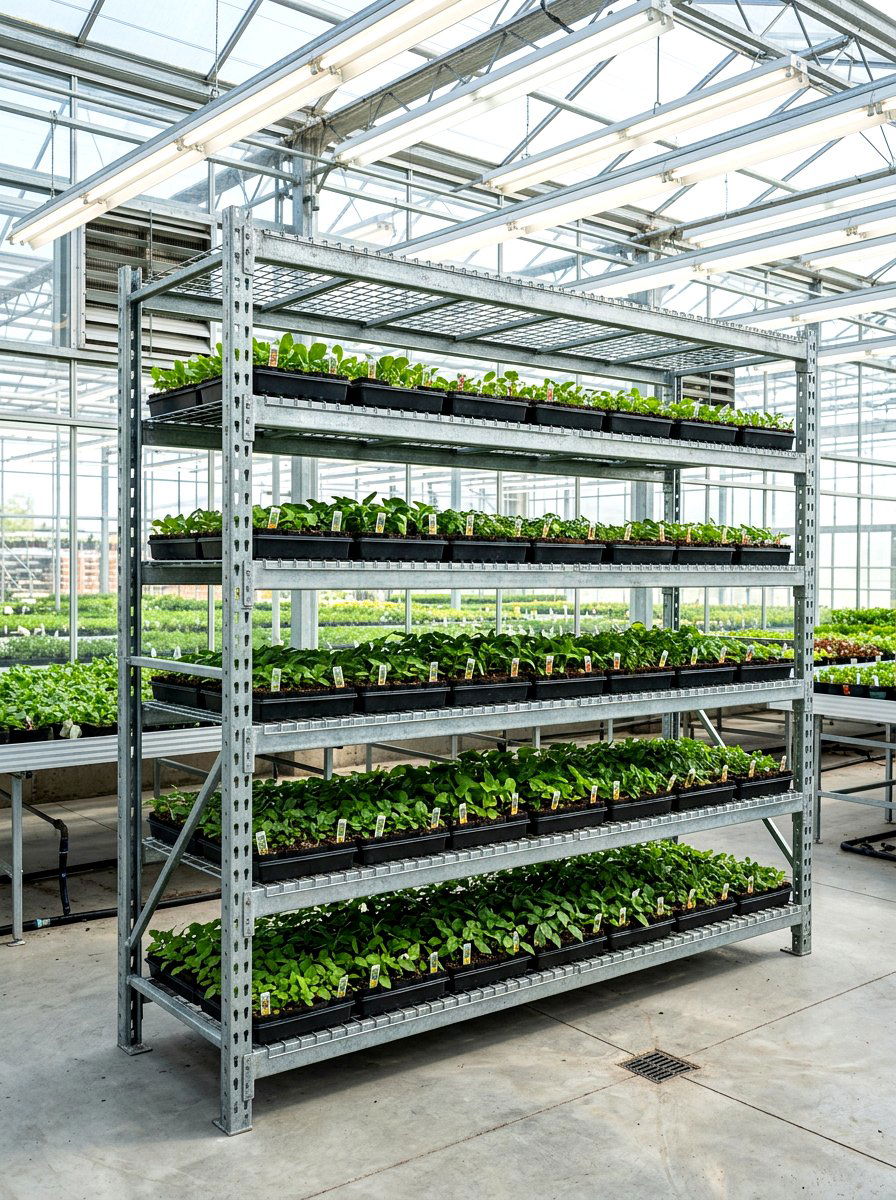
Galvanized steel shelving is the gold standard for durability and longevity in a high-moisture greenhouse environment. The galvanization process coats the steel in a layer of zinc, which acts as a powerful barrier against rust and corrosion. These shelves are incredibly strong and can easily support heavy watering systems or large, moisture-heavy plants like ferns and tropicals. Many models come with adjustable shelf heights and leveling feet, allowing you to create a stable storage area even on slightly uneven greenhouse floors. The industrial-chic look of galvanized steel complements both modern and traditional greenhouse designs, offering a clean and professional appearance that will remain pristine for decades.
24. Movable rolling carts
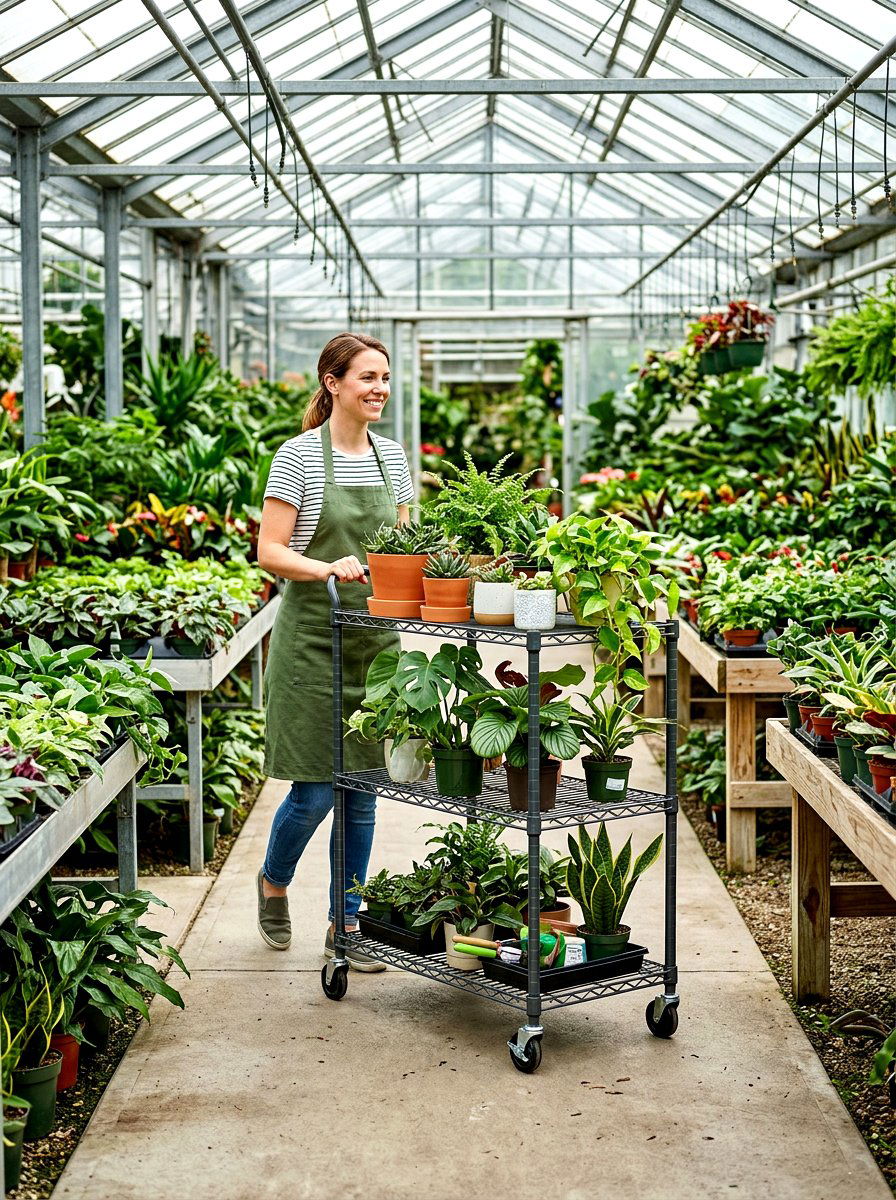
Movable rolling carts are a game-changer for greenhouse efficiency, allowing you to transport heavy plants and large loads of soil with minimal effort. These carts typically feature two or three levels of shelving and heavy-duty casters that can lock in place when you've reached your destination. They are perfect for moving sun-sensitive plants into shaded areas during the heat of the day or for bringing flats of seedlings out for hardening off. By using mobile shelving, you can easily reconfigure your entire greenhouse layout to accommodate large projects or to clean the floors. It is a flexible storage solution that adapts to the dynamic nature of seasonal gardening tasks.
25. Bamboo plant shelving
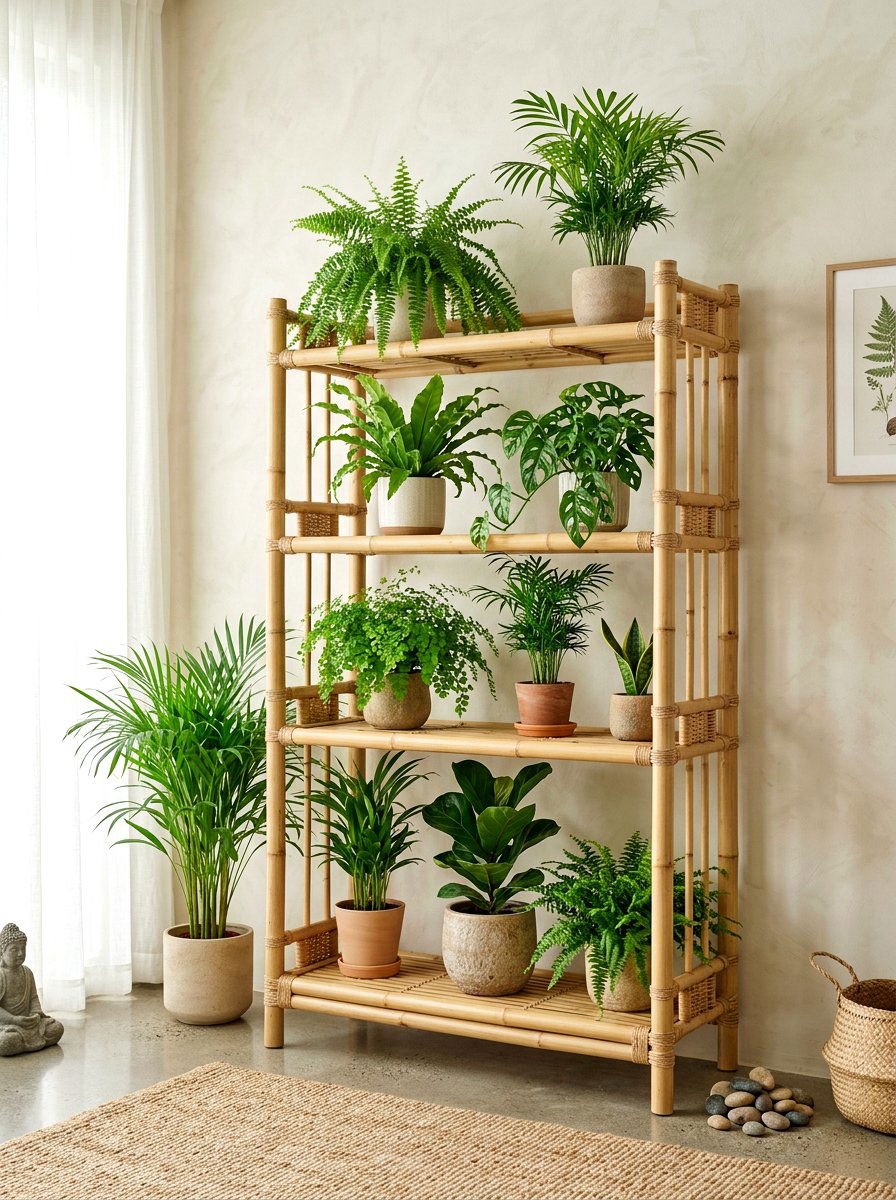
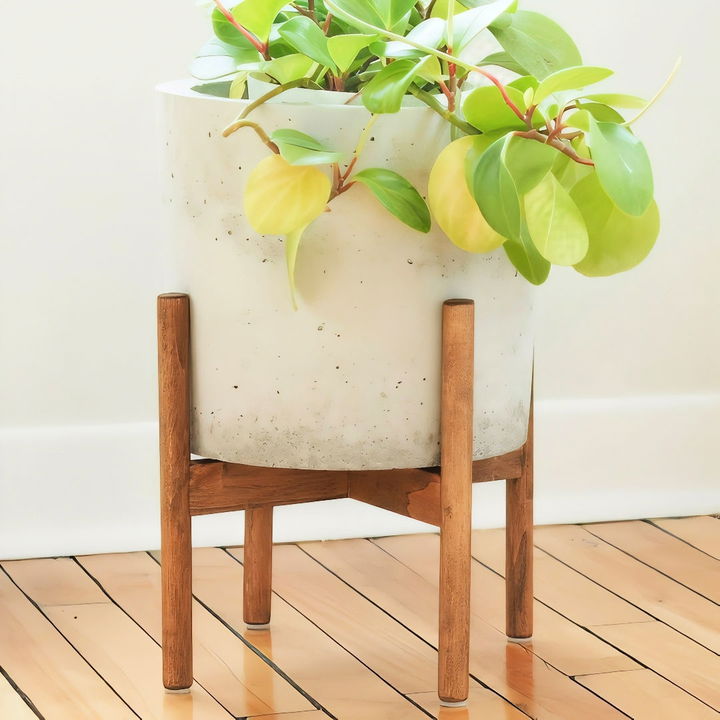
Bamboo plant shelving is an excellent choice for gardeners who want a sustainable and lightweight material that naturally handles humid conditions. Bamboo is technically a grass, and its dense fibers make it remarkably strong while remaining flexible and easy to move. It has a distinctive tropical appearance that pairs beautifully with exotic foliage and creates a serene, spa-like atmosphere in your greenhouse. Many bamboo shelves feature a slatted design for excellent drainage and air circulation. Because it grows so quickly, bamboo is one of the most environmentally friendly materials you can choose. It is a stylish and conscious way to organize your plants while adding a unique natural texture.
26. Integrated misting shelves
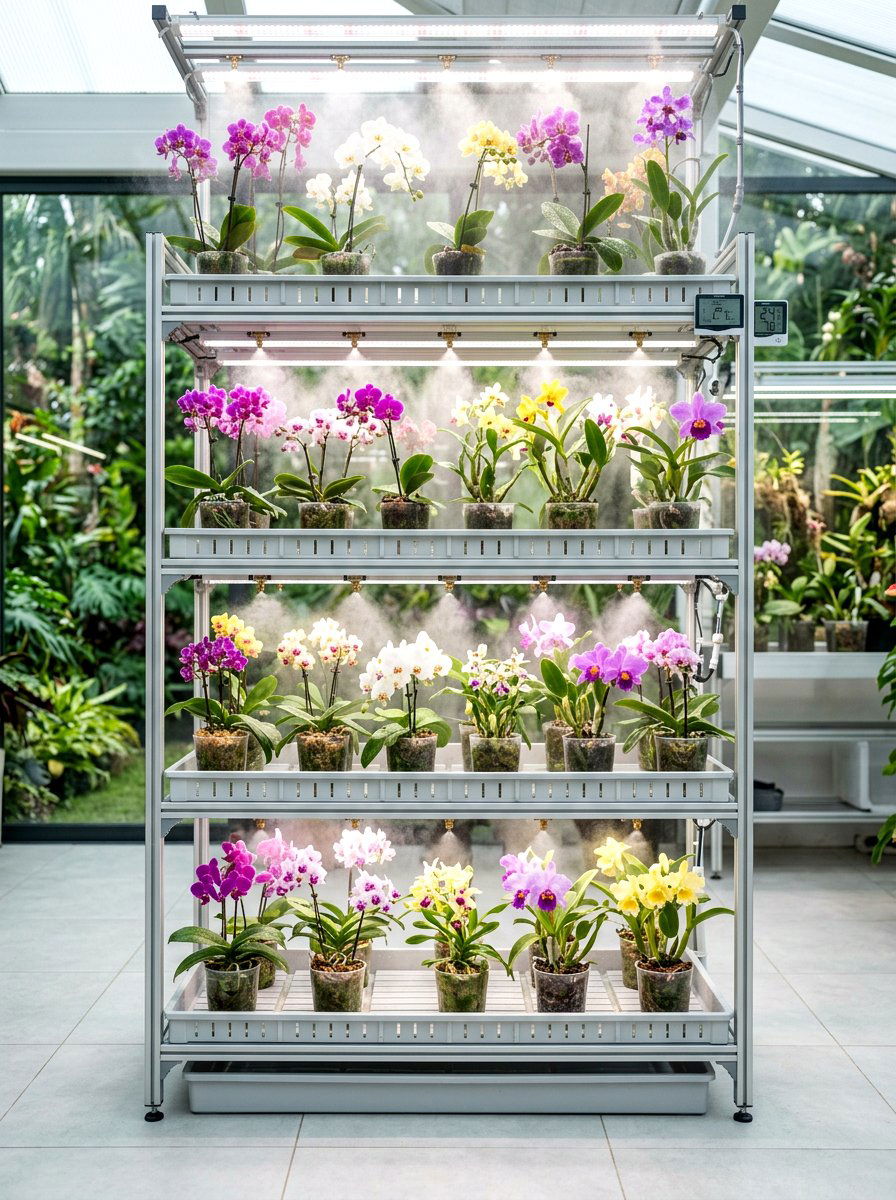
Integrated misting shelves represent a high-tech approach to greenhouse shelving, designed specifically for plants that require consistently high humidity levels, such as tropical ferns and orchids. These shelves are built with hidden plumbing or clips that secure fine-mist nozzles directly above each plant level. This ensures that your most sensitive specimens receive a gentle cloud of moisture without you having to manually spray them several times a day. The shelves themselves are usually made of waterproof materials like high-grade plastic or stainless steel to prevent water damage. This automated system allows you to create specialized microclimates within your greenhouse, significantly increasing the variety of exotic plants you can successfully grow.
27. Ornate wrought iron shelves
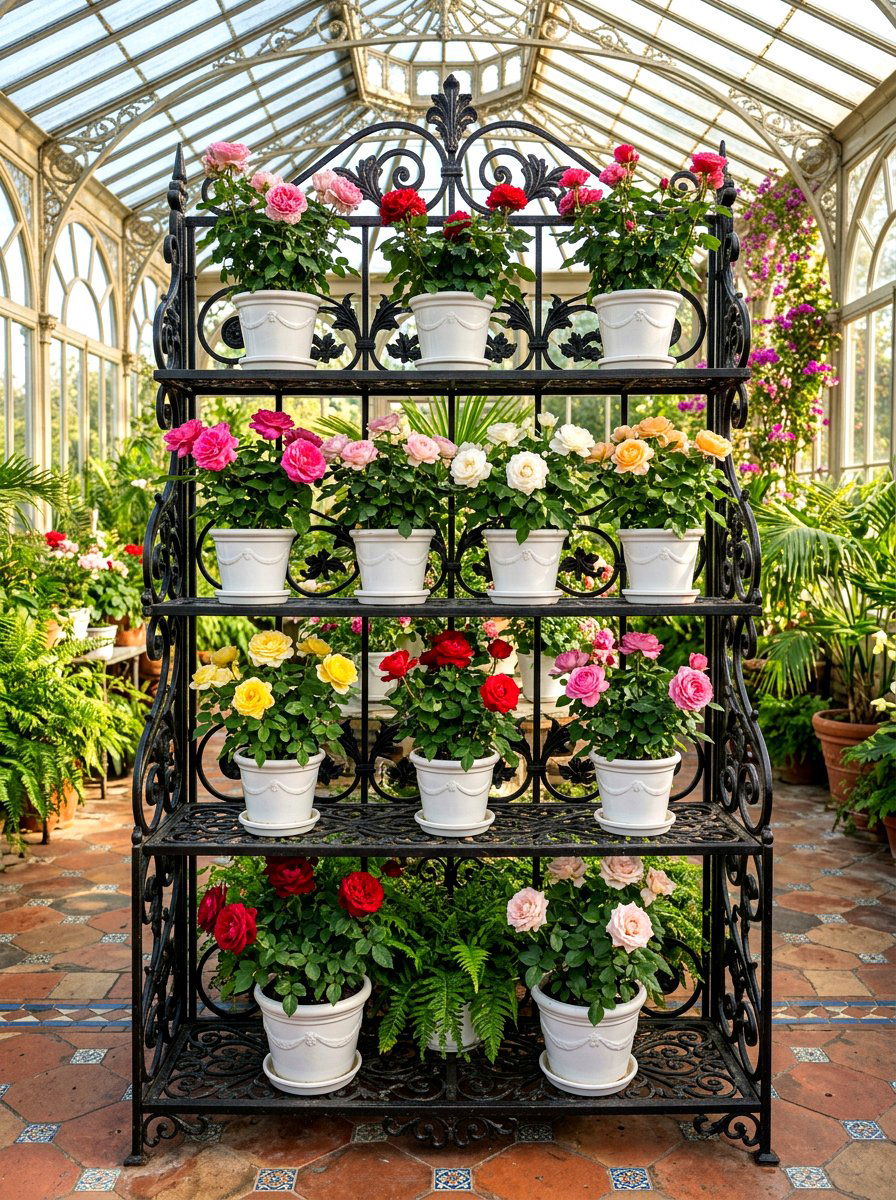
Ornate wrought iron shelves bring a touch of Victorian elegance and timeless sophistication to any greenhouse interior. These shelves often feature intricate scrollwork and decorative details that turn a simple storage unit into a stunning architectural focal point. Wrought iron is exceptionally strong and stable, making it a reliable choice for holding heavy, decorative ceramic pots. To maintain its beauty in a humid environment, it is important to choose pieces that have been powder-coated or treated with a high-quality enamel finish to prevent rusting. These shelves are perfect for creating a "display zone" where you show off your prized specimen plants and most beautiful botanical treasures.
28. Built-in cedar benches
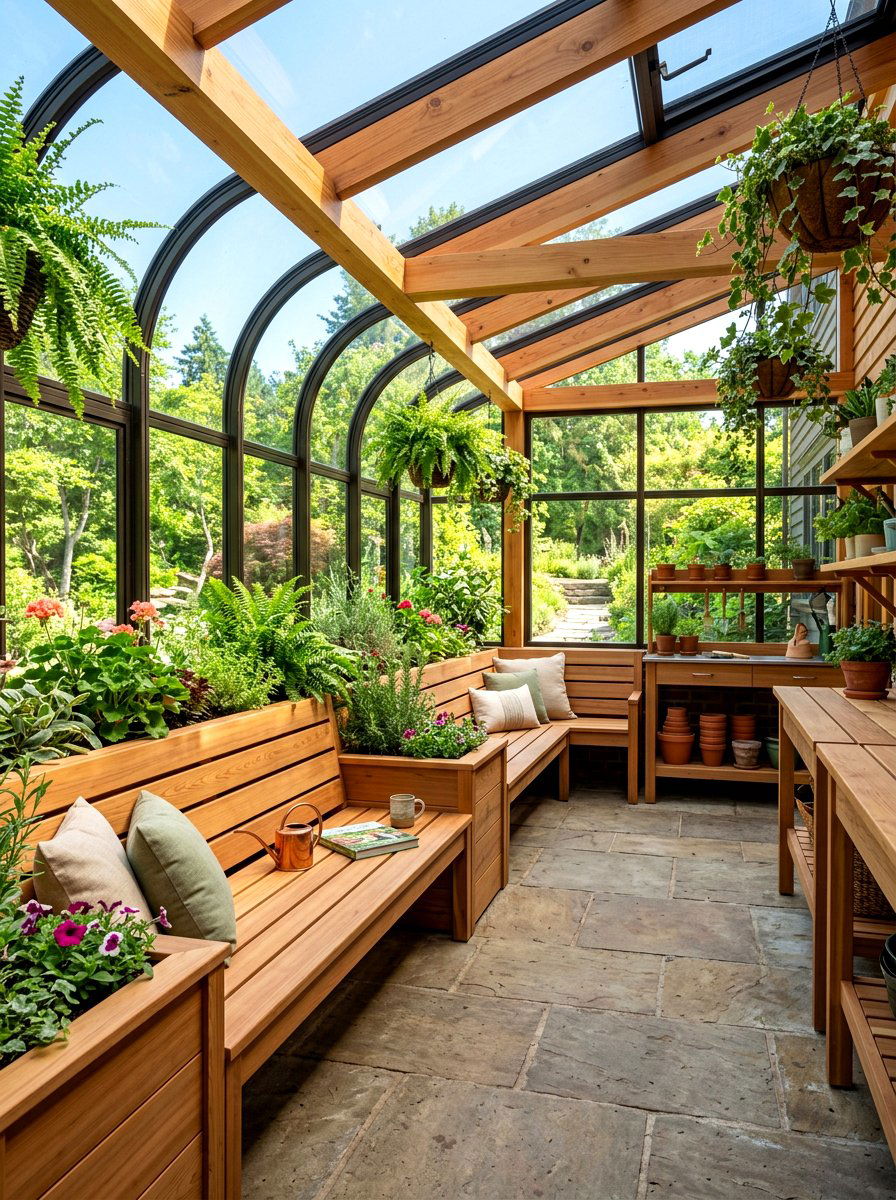
Built-in cedar benches offer a permanent and seamless storage solution that is custom-fitted to the perimeter of your greenhouse structure. By attaching the benches directly to the frame, you maximize the stability of the shelving and create a cohesive look that feels like an integral part of the building. Cedar is the preferred material for built-ins because it resists rot and smells wonderful when the sun hits it. These benches provide a deep, wide surface for large-scale growing projects and can be designed with lower shelves for additional storage. This permanent arrangement creates a professional-looking workspace that is highly efficient and built to last as long as the greenhouse itself.
29. Acrylic plant risers
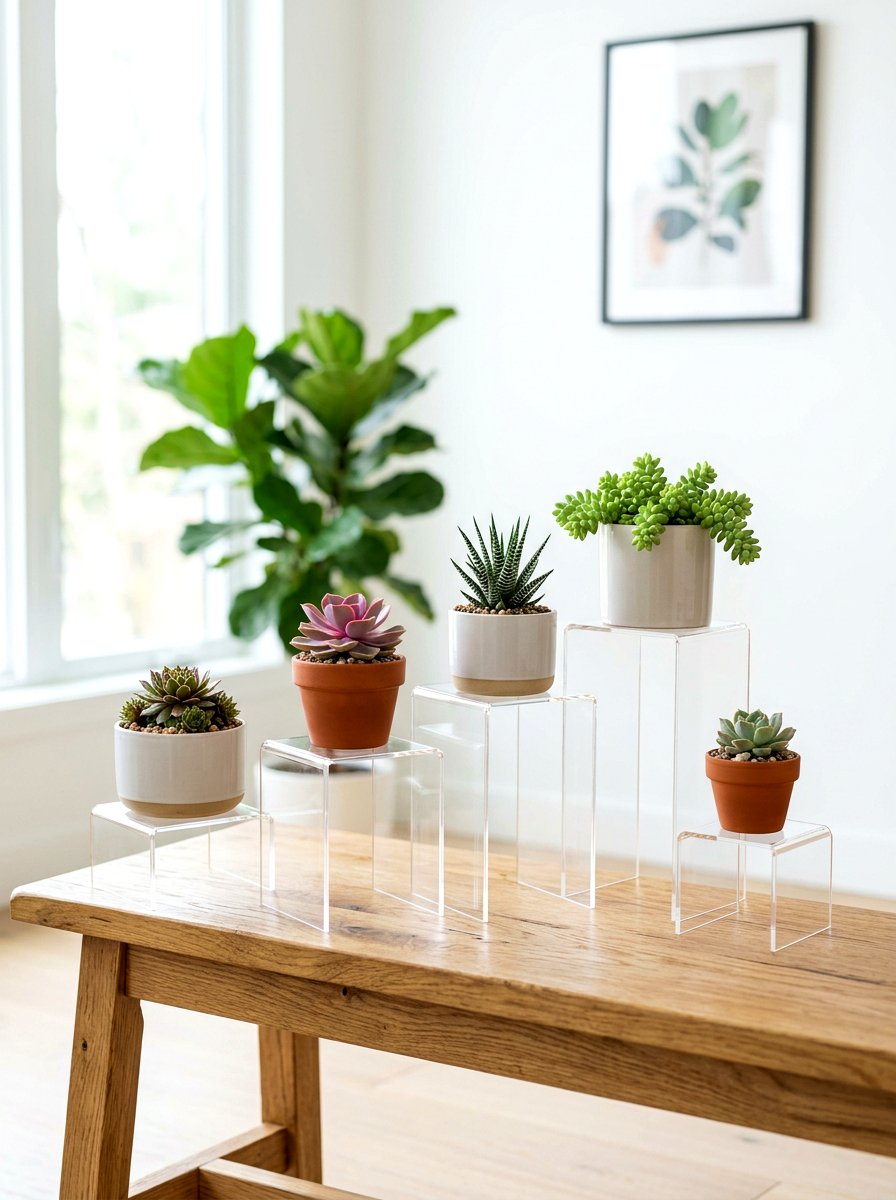
Acrylic plant risers are small, transparent shelving accessories that help you create varied heights and visual interest on your existing benches. These clear stands are nearly invisible, allowing you to elevate specific plants so they can receive more light or be seen more clearly behind taller foliage. They are particularly useful for succulent collections or small floral displays where you want to create a tiered effect without adding a heavy piece of furniture. Because acrylic is waterproof and easy to clean, it is a perfect material for the damp environment of a greenhouse. These simple tools allow for fine-tuned organization and help you maximize every square inch of shelf space.
30. Tropical plant shelving
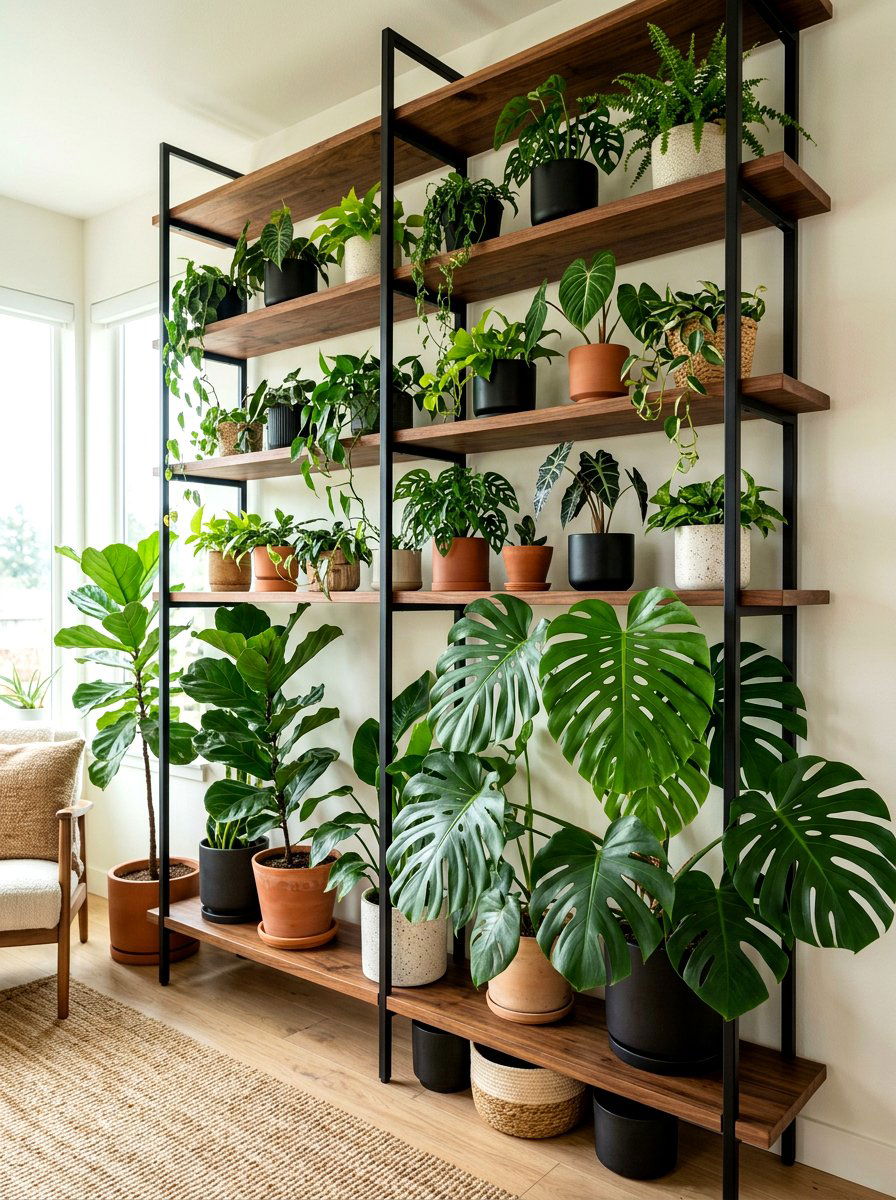
Tropical plant shelving is often designed with wide, deep tiers and generous vertical spacing to accommodate the large, sprawling leaves of species like Monstera and bird of paradise. These plants can quickly outgrow standard shelving units, so having a dedicated area with increased clearance is essential for their health. Many tropical-focused designs use materials that can withstand frequent watering and high humidity, such as heavy-duty plastic or treated hardwoods. By providing ample room for air to circulate between the large leaves, you reduce the risk of pests and diseases. This specialized shelving ensures your indoor jungle has the structural support it needs to grow into a spectacular lush sanctuary.
Conclusion:
Investing time into planning your greenhouse shelving is a vital step toward creating a productive and enjoyable gardening retreat. The right combination of materials — whether you choose the rustic warmth of cedar, the modern transparency of wire mesh, or the industrial strength of galvanized steel — will directly impact the health of your plants and the ease of your daily tasks. By utilizing vertical space, reclaiming corners, and incorporating flexible modular or mobile units, you can turn even the smallest greenhouse into a highly organized horticultural powerhouse. Ultimately, a well-structured shelving system provides the perfect foundation for your plants to flourish while making your time in the greenhouse more efficient and rewarding.

Related posts: