Greenhouse gardening is a rewarding way to extend your growing season and nurture delicate plants, but it often leads to a chaotic mess of pots, soil bags, and hand tools. Having a dedicated space for everything makes your hobby much more enjoyable and efficient throughout the year. When you walk into an organized greenhouse, you can immediately focus on your plants rather than hunting for a missing trowel or a specific size of seed starter tray. Effective organization also helps prevent the spread of pests and diseases by keeping surfaces clean and clutter-free. Let’s explore various creative ways to maximize your space and keep your garden sanctuary perfectly tidy and functional.
1. Potting bench
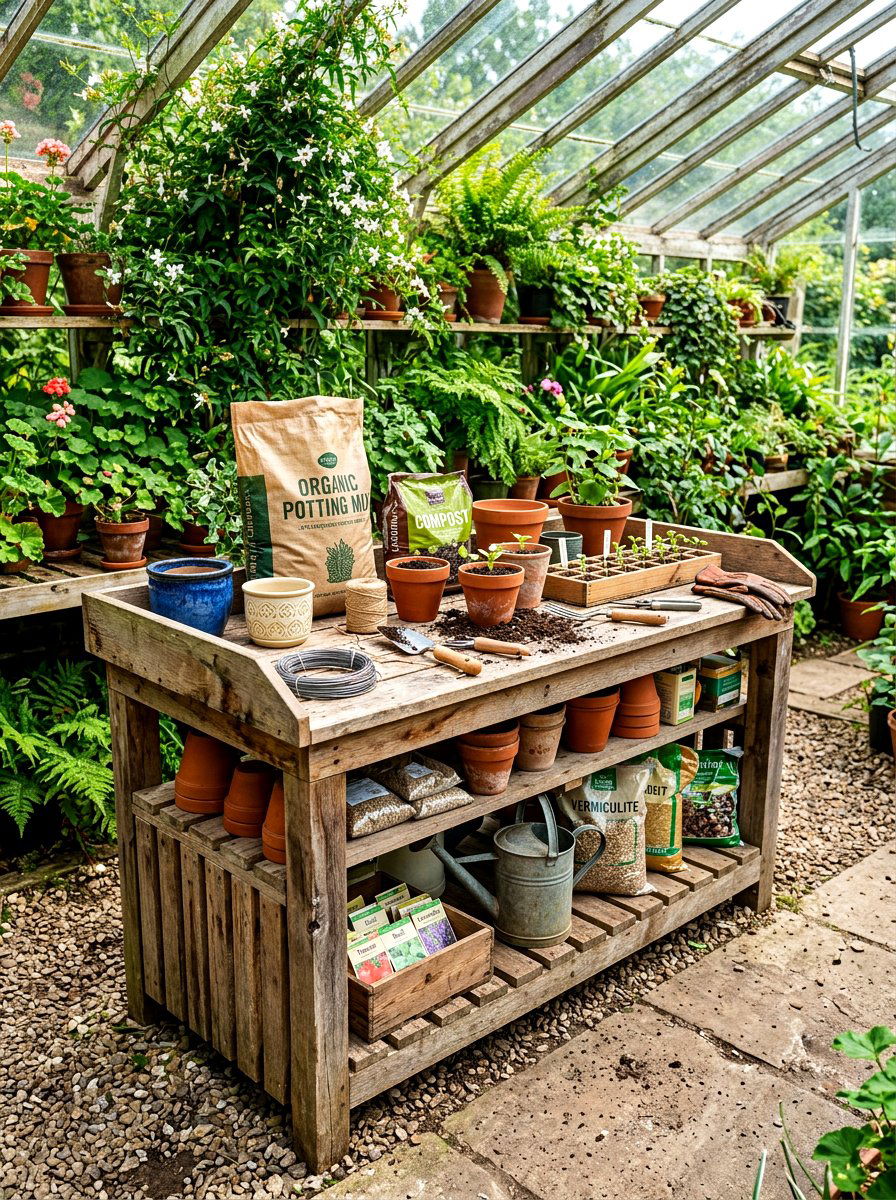
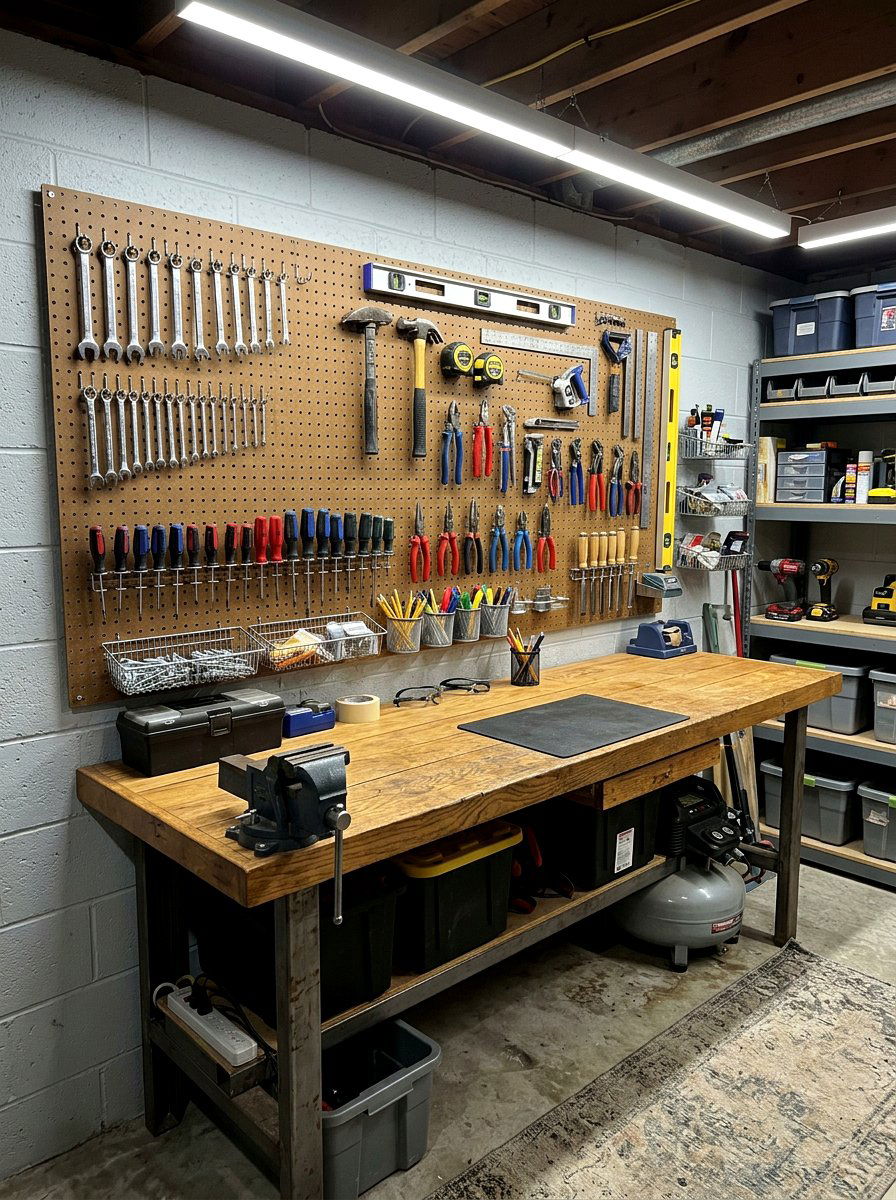
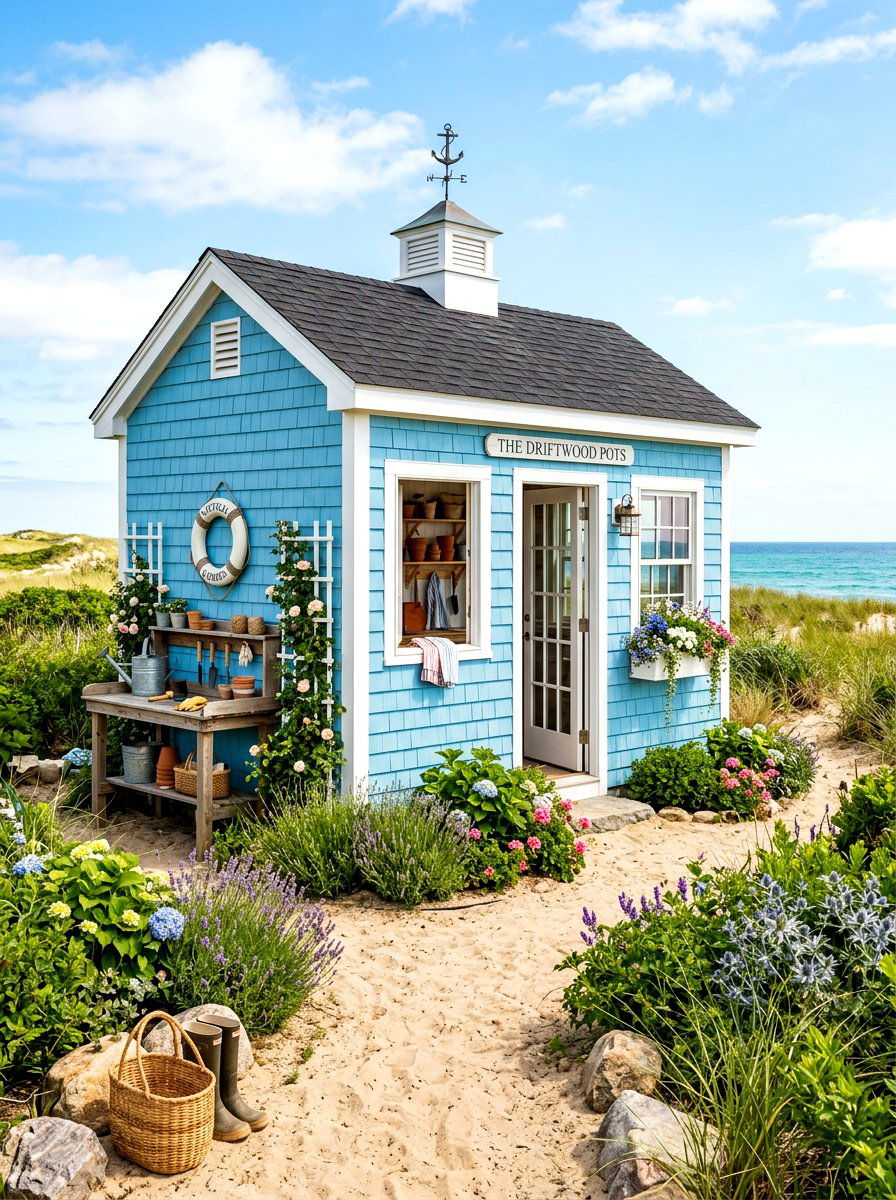
A well-designed potting bench serves as the central hub for all your greenhouse activities and provides essential storage space for daily essentials. Most gardeners prefer a model with a durable wooden or metal work surface that can handle moisture and soil without staining. Underneath the main table, you can incorporate wide shelves to hold large bags of potting mix or heavy ceramic containers that are difficult to move. Adding a small upper shelf allows you to keep smaller items like plant labels, pens, and twine right at eye level for quick access. This setup ensures that everything you need for transplanting is concentrated in one organized and highly efficient area.
2. Wall shelving
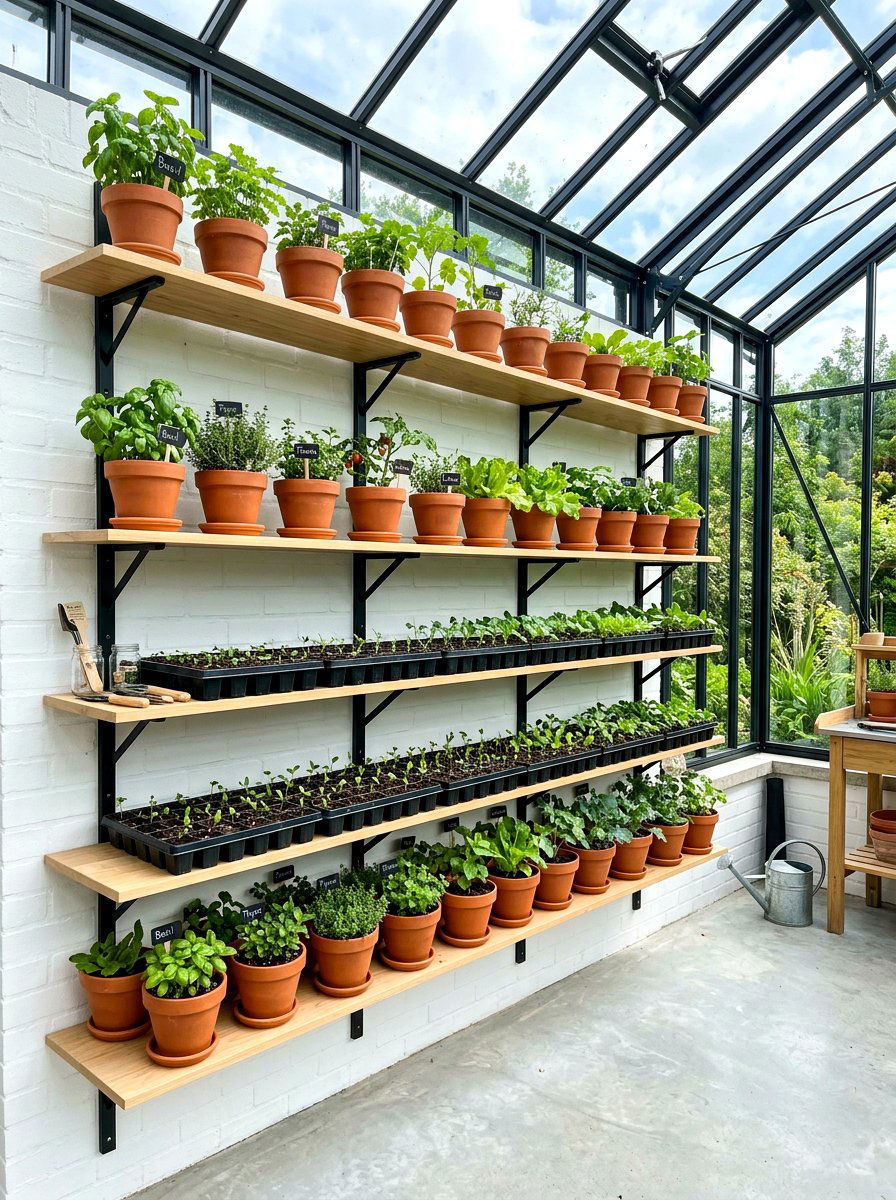
Installing sturdy wall shelving is one of the most effective ways to utilize the vertical space often left empty in many modern greenhouses. You should choose materials that are resistant to high humidity, such as powder-coated steel or naturally rot-resistant cedar, to ensure long-term durability. These shelves can hold rows of small terracotta pots or seedling trays, keeping them off the floor where they might be stepped on. By arranging your shelves at different heights, you can accommodate various plant sizes while leaving plenty of room for air circulation. This layout not only organizes your supplies but also creates a beautiful, tiered display of your growing botanical collection.
3. Tool organizer
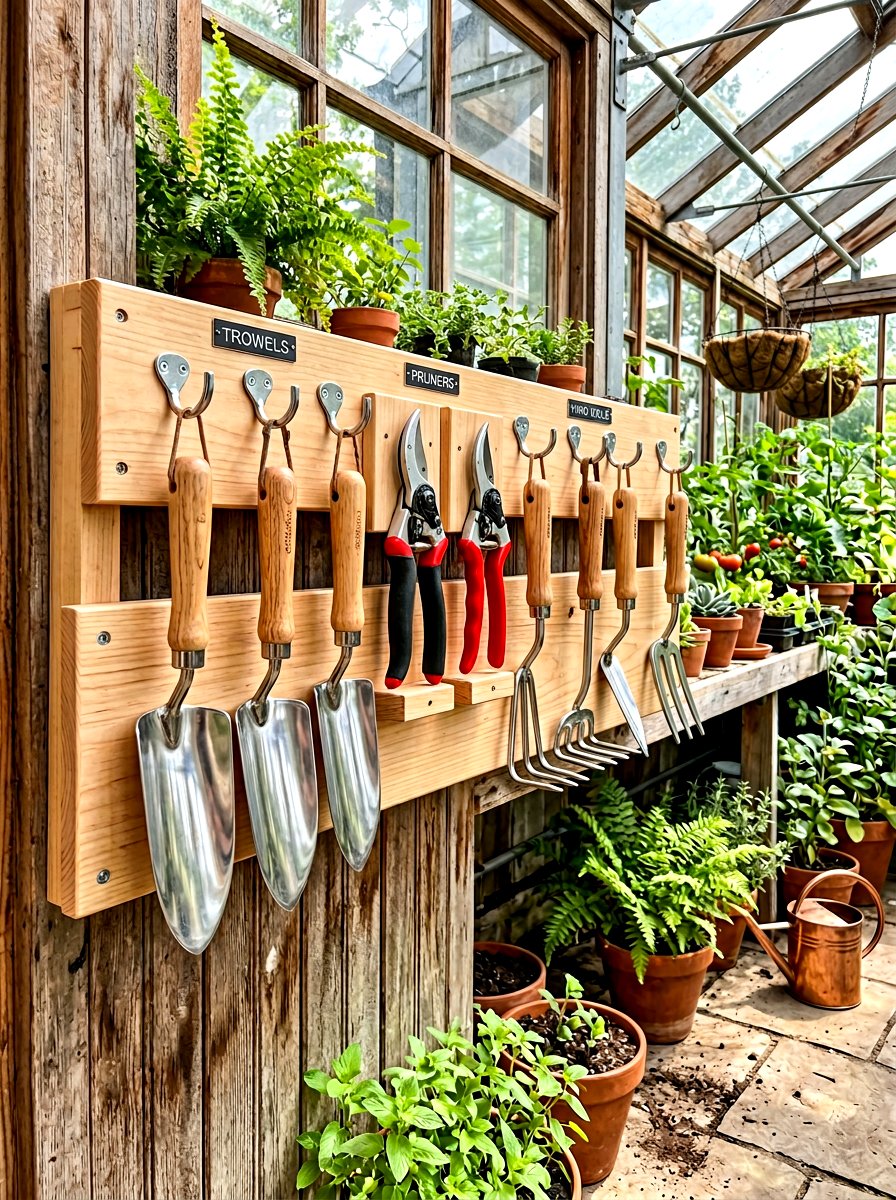
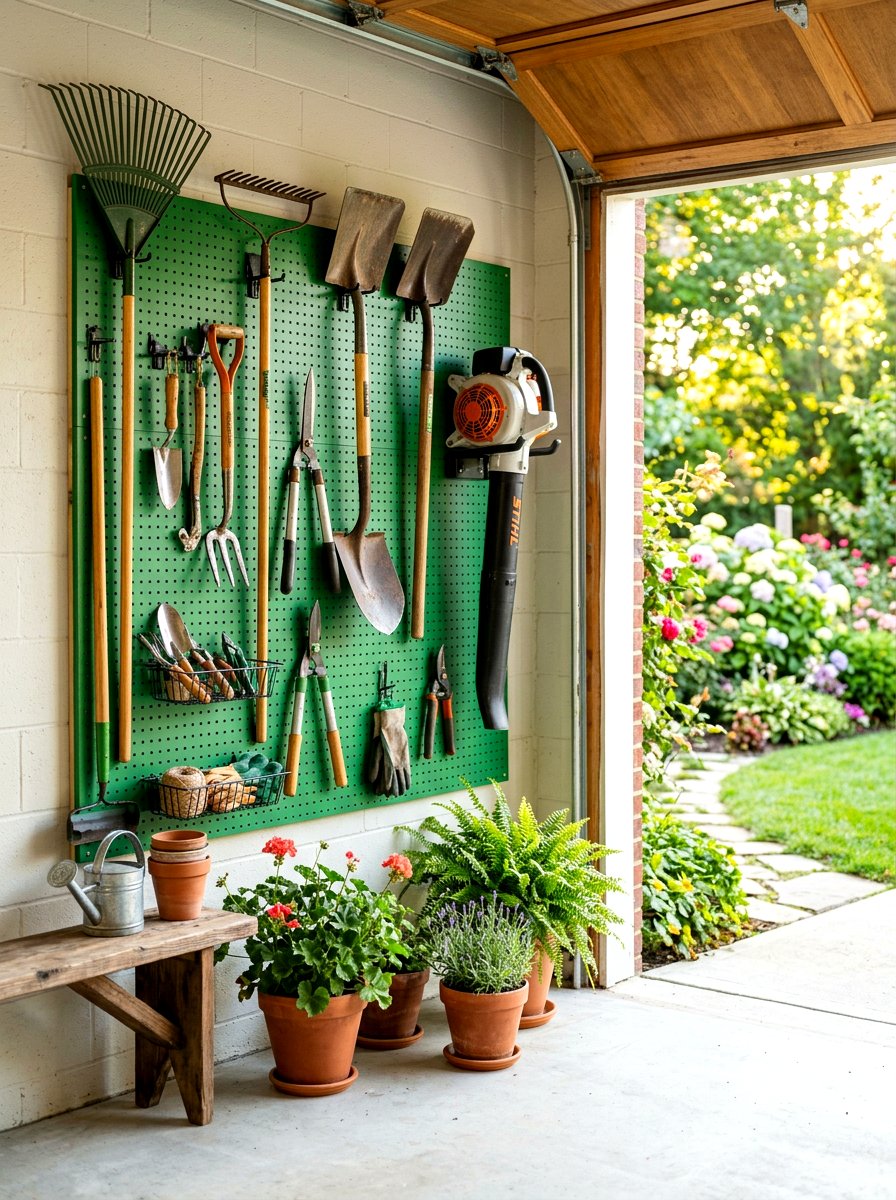
A dedicated tool organizer keeps your hand trowels, pruners, and cultivators neatly arranged and prevents them from getting lost under piles of foliage. Many successful gardeners use a wall-mounted rack or a specialized tool caddy that can be carried around as they work in different zones. Keeping these sharp items in a fixed location ensures safety and makes it easy to see if something is missing at the end of the day. You might also consider a bucket filled with sand and oil to store metal tools, which cleans them while they sit. A tidy tool station saves significant time during busy planting seasons when every single minute truly counts.
4. Seed tray
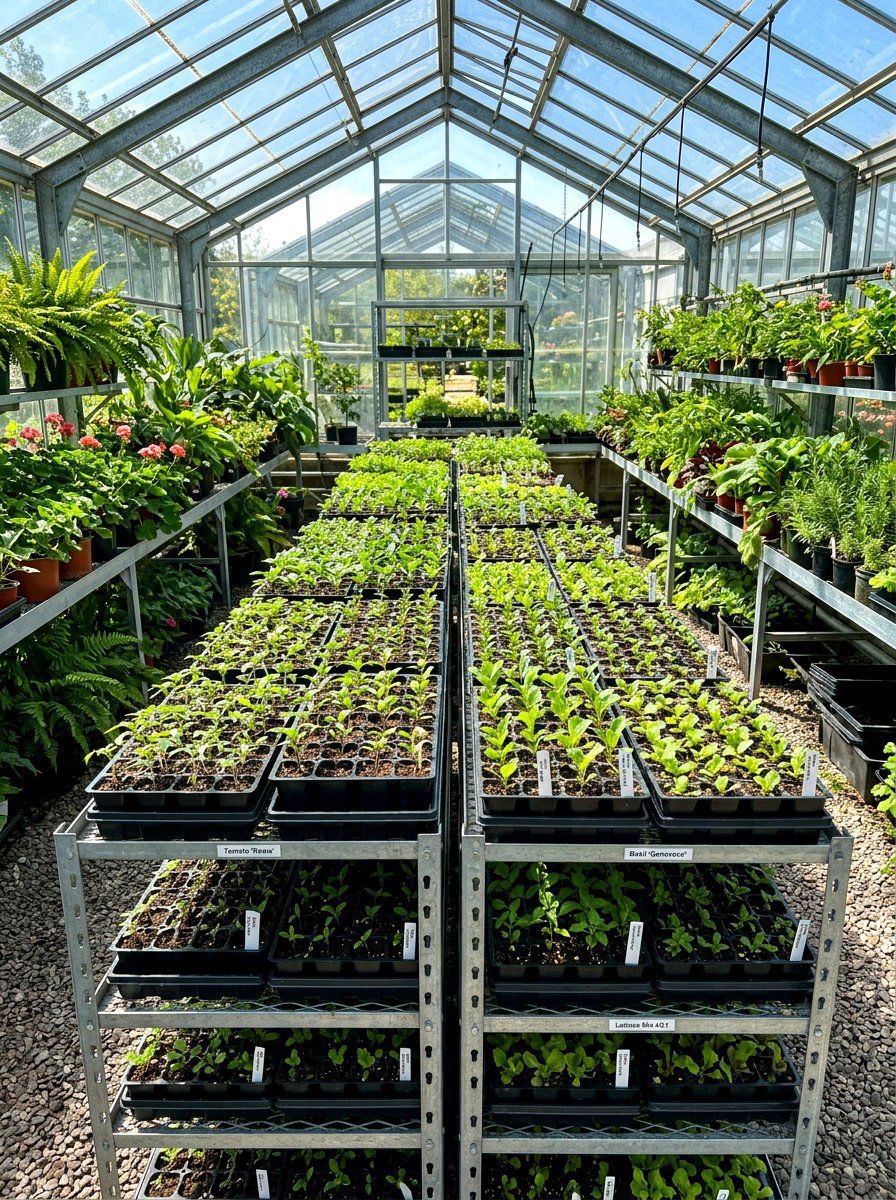
Seed trays are essential for propagation, but they can quickly become a disorganized stack if you do not have a specific storage plan. Dedicated shelving units designed specifically for these flat trays allow you to slide them in and out without disturbing the delicate seedlings growing inside. You can also find vertical rack systems that hold multiple trays in a small footprint, maximizing the amount of plants you can start at once. Keeping your empty trays washed and stacked neatly by size ensures they are ready for the next round of planting. This level of organization is crucial for maintaining a continuous and productive year-round growing schedule.
5. Storage bin
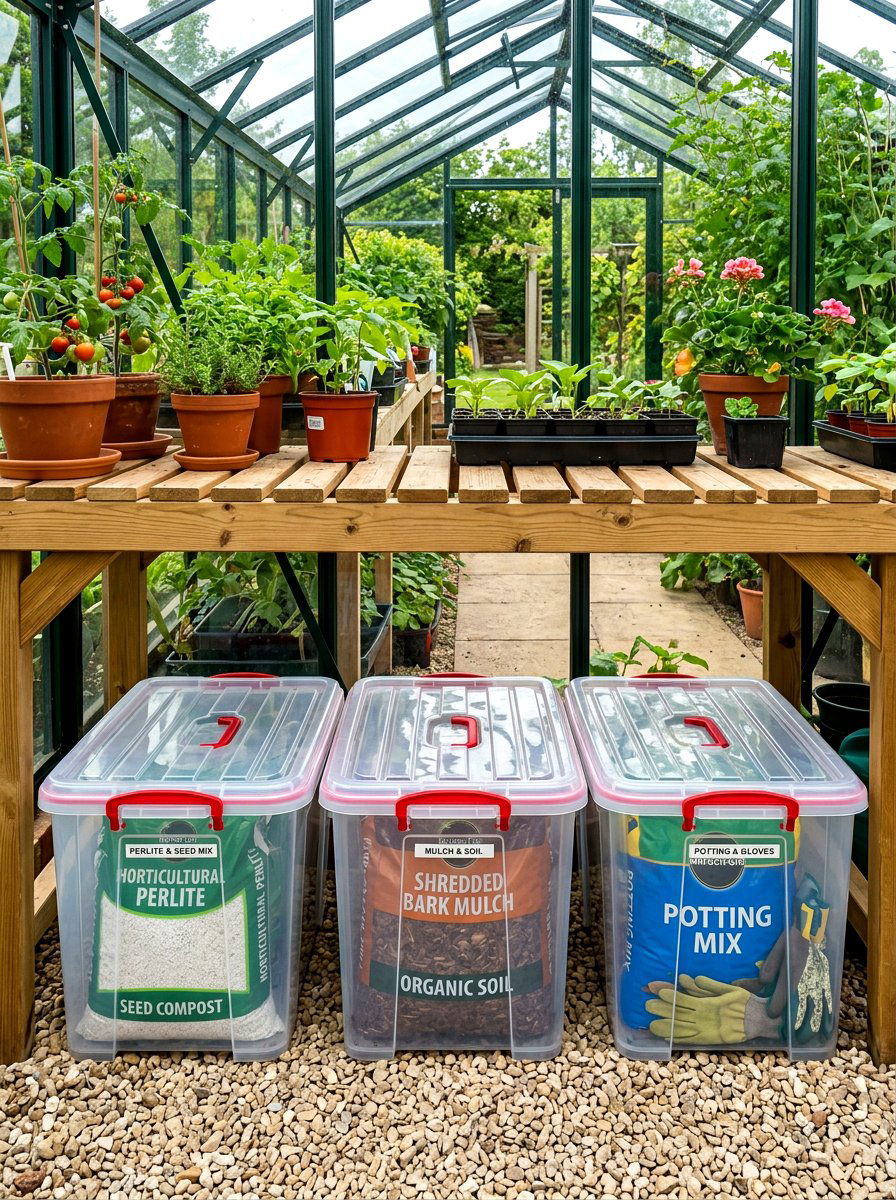
Large storage bins are perfect for managing bulky items like bulk soil, mulch, or perlite that typically come in messy, oversized plastic bags. Using heavy-duty plastic containers with tight-fitting lids keeps these materials dry and prevents pests or rodents from making a home in your supplies. Transparent bins are especially helpful because they allow you to see exactly how much inventory you have left without having to open every single lid. You can stack these bins in a corner or under a workbench to keep the main floor area clear for walking. Proper bin storage transforms a cluttered greenhouse floor into a professional and clean workspace.
6. Plant stand
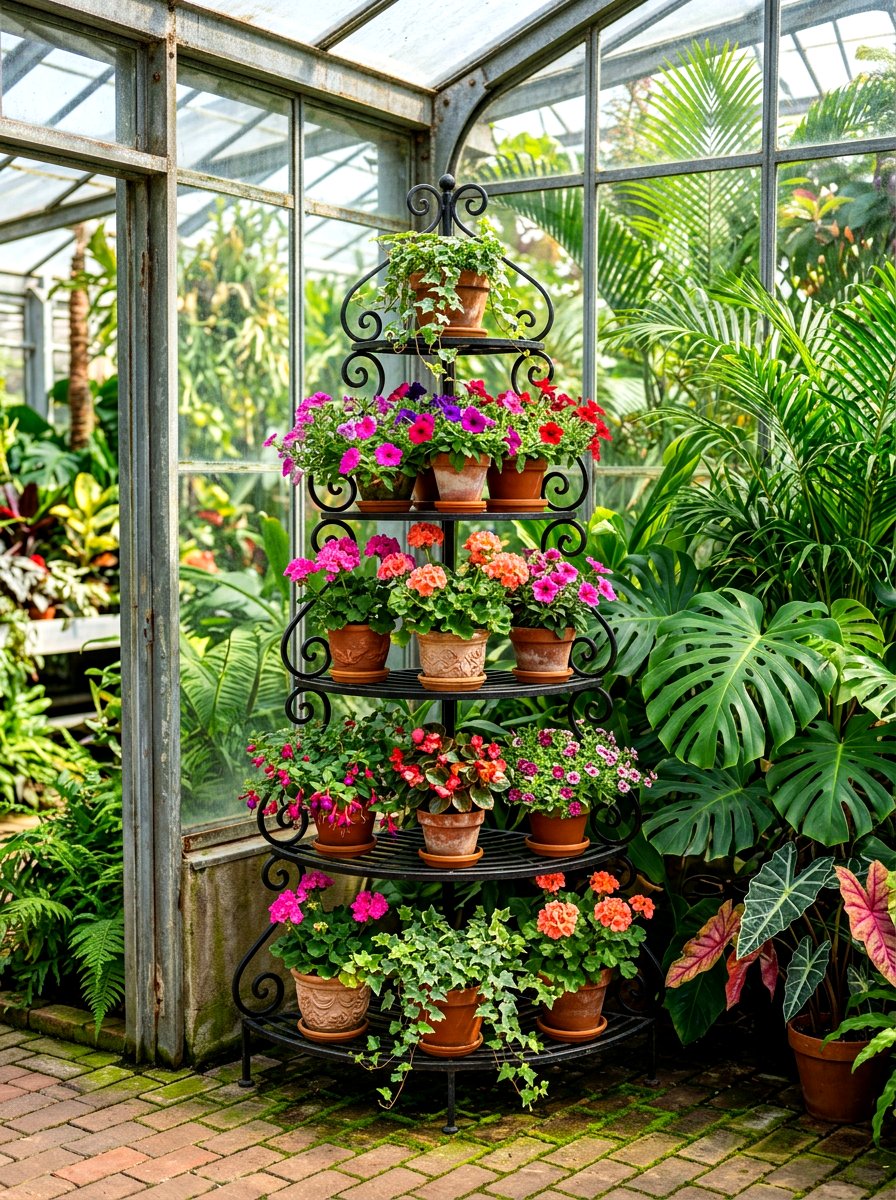
A tiered plant stand is an excellent way to organize your decorative pots while ensuring that every leaf receives an adequate amount of sunlight. These stands come in various styles, from rustic wooden ladders to modern wrought iron designs that add a touch of elegance to the space. By elevating your plants, you create more floor space for larger equipment or heavy decorative items that cannot be easily moved. Many stands are designed to fit perfectly into corners, making use of awkward areas that would otherwise remain empty and unused. This vertical approach to plant placement makes the entire greenhouse feel much larger and more intentionally designed.
7. Utility cart
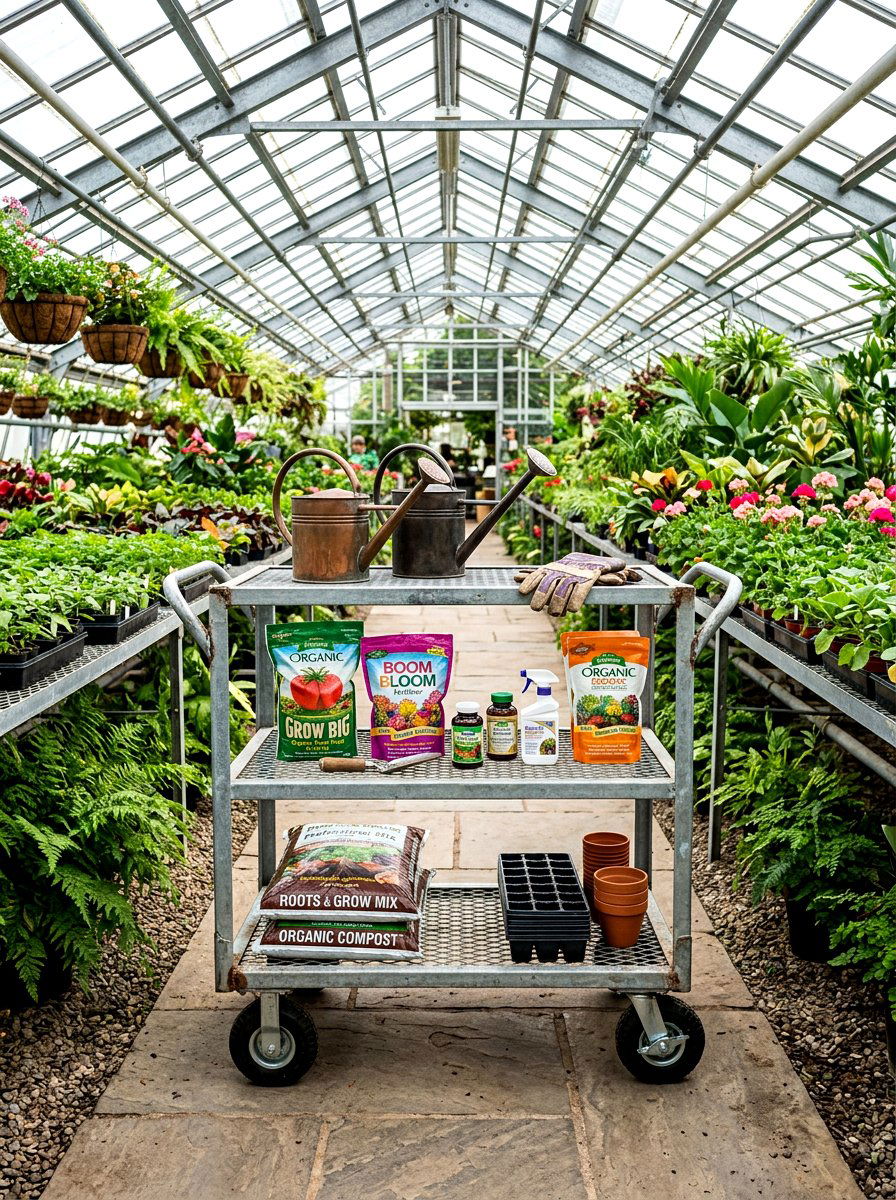
A rolling utility cart provides mobile storage that can follow you as you move from one end of the greenhouse to the other. These carts usually feature two or three deep shelves, which are perfect for carrying heavy watering cans, fertilizers, and several flats of seedlings. Being able to transport multiple items in a single trip reduces physical strain and speeds up your daily maintenance tasks significantly. Look for a cart with locking wheels so it stays securely in place when you are working on a specific task. This flexible storage solution is particularly beneficial for larger greenhouses where walking back and forth can become quite tiring.
8. Wall hook
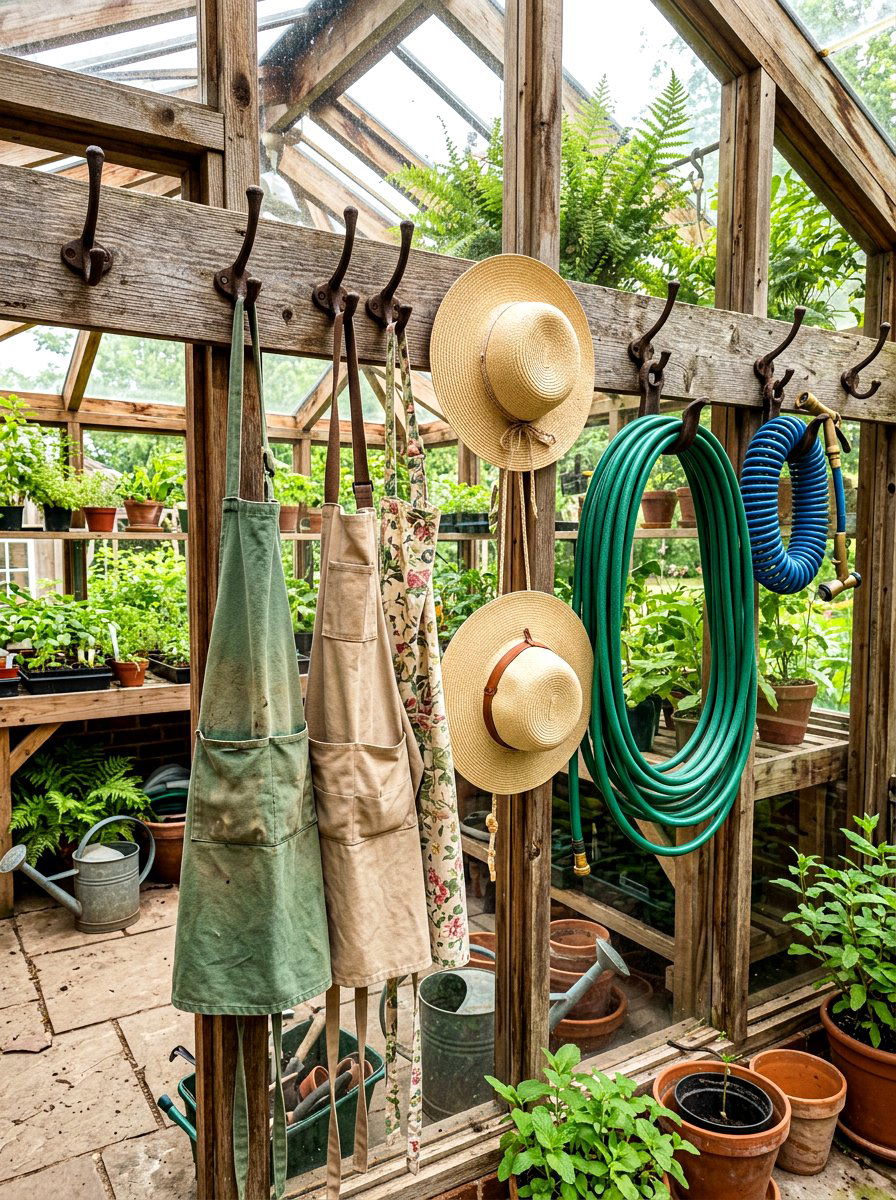
Wall hooks are simple yet incredibly versatile storage elements that can hold everything from gardening aprons and sun hats to heavy coils of hose. By installing a row of sturdy hooks along the frame of your greenhouse, you keep these items off the ground and away from moisture. Small hooks are also perfect for hanging hand tools or bunches of herbs that you are drying for later use in the kitchen. Using hooks allows you to see all your equipment at a glance, making it much easier to stay organized during a busy afternoon. This low-cost storage solution adds instant functionality to any wall surface without requiring a footprint.
9. Wicker basket
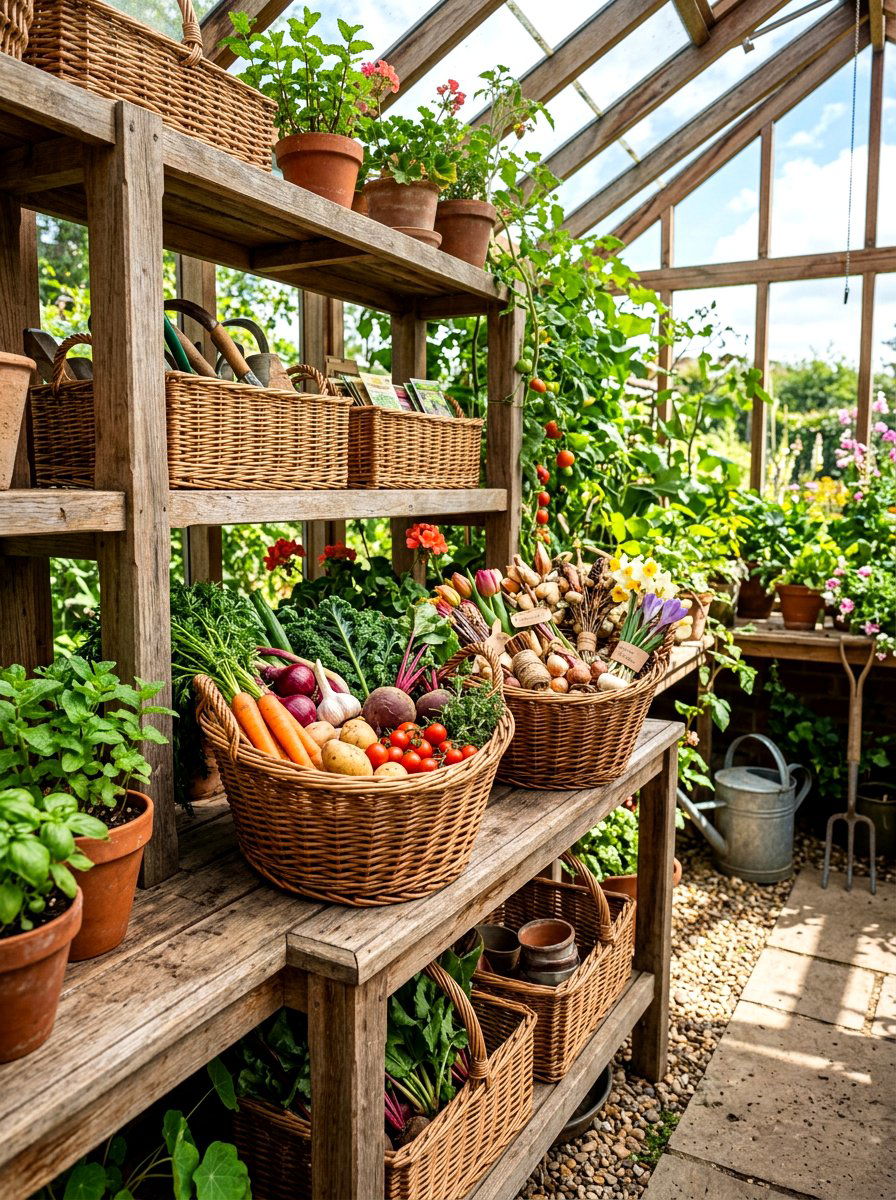
Wicker baskets add a charming, rustic aesthetic to your greenhouse while providing a breathable storage option for items like harvest produce or bulbs. The natural weave allows for excellent air circulation, which is vital for preventing rot when you are storing onions, garlic, or newly dug flower tubers. You can place these baskets on open shelves or hang them from rafters to keep them out of the way of daily traffic. They are also perfect for gathering cut flowers or vegetables as you walk through your garden to bring them back into the house. Choosing uniform baskets creates a cohesive and visually pleasing look for your entire interior design.
10. Metal shelf
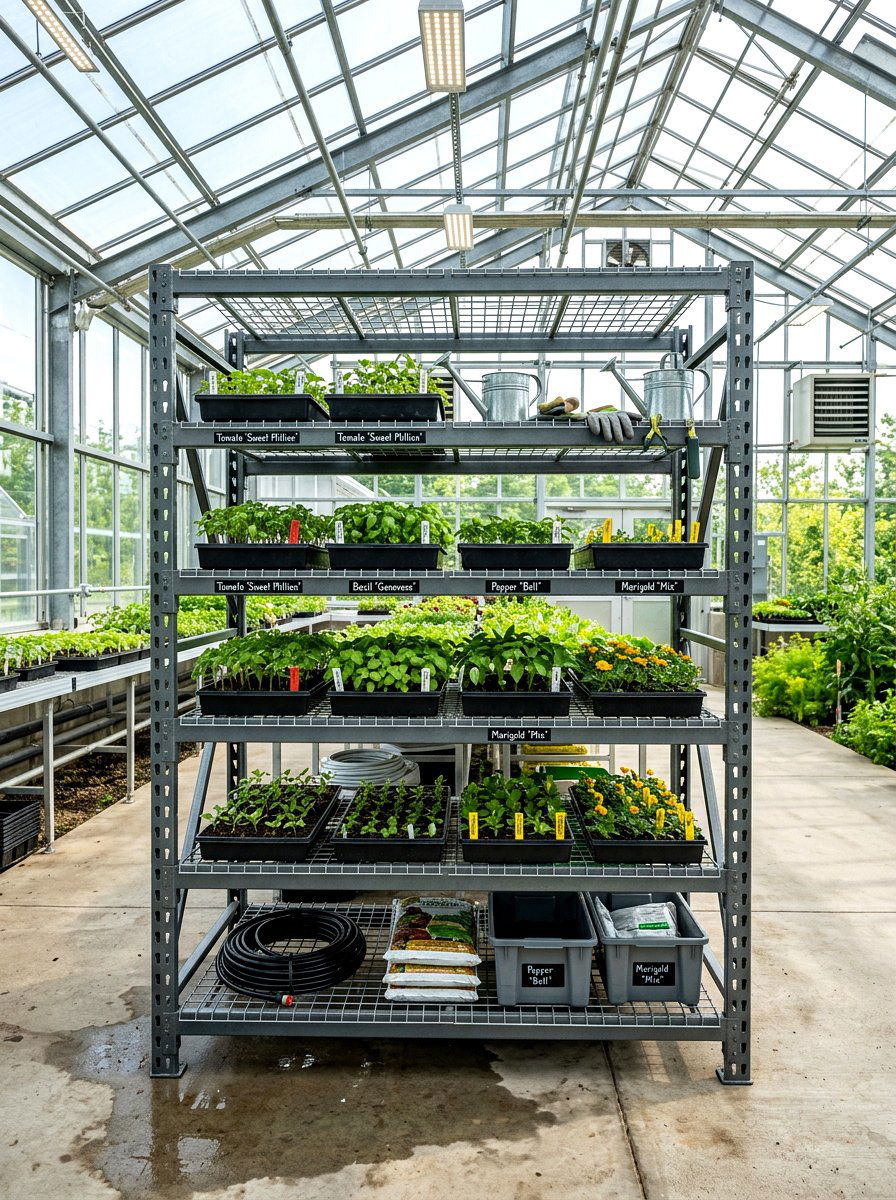
Industrial-style metal shelves are a favorite among greenhouse owners because they are incredibly strong and can withstand the constant moisture of daily watering. Most models feature a wire mesh or slatted design that allows excess water to drain through, preventing puddles from forming on the storage surfaces. These units are often adjustable, giving you the flexibility to change the height as your plants grow taller throughout the spring and summer. Metal shelving is also very easy to wipe down and sanitize, which helps maintain a healthy environment for your growing seedlings. Its sleek and modern appearance fits perfectly in both contemporary and traditional glass structures.
11. Corner unit
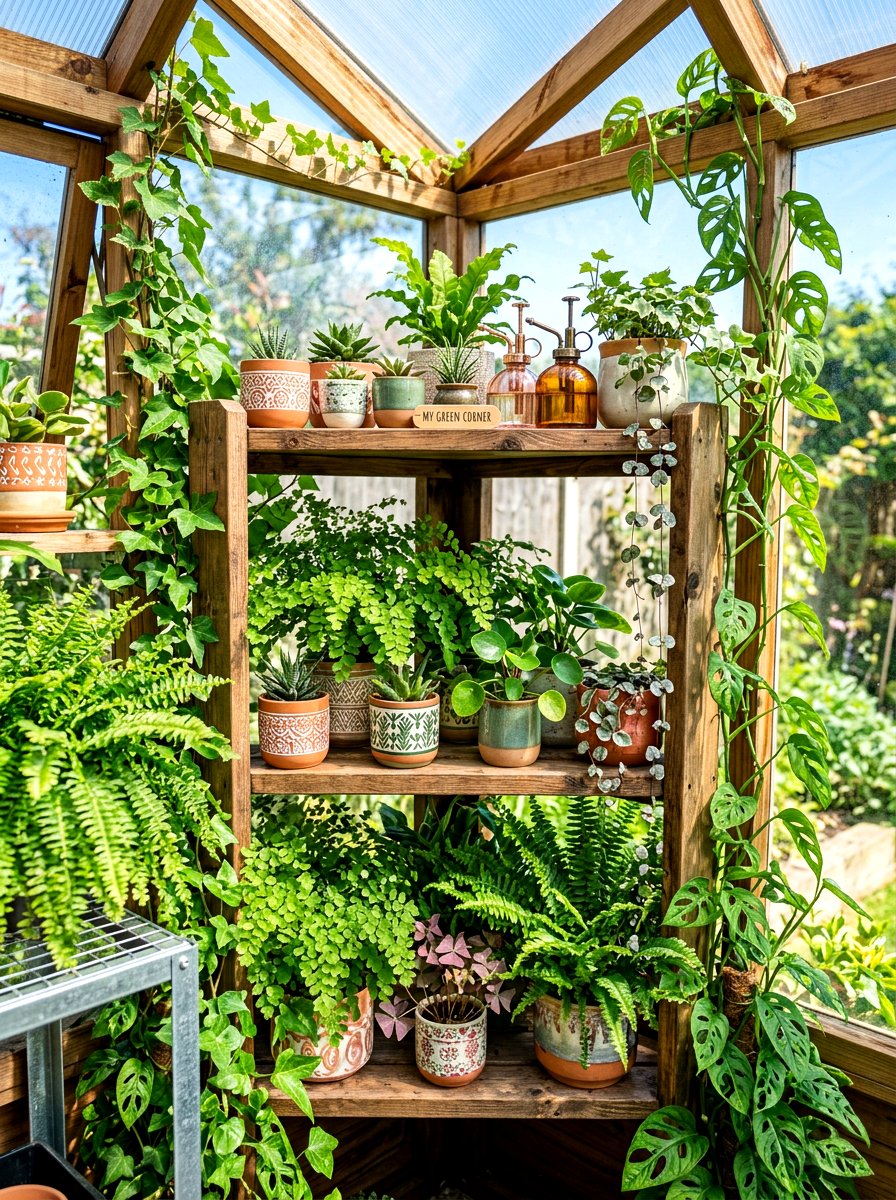
A specialized corner unit is the best way to reclaim the often-wasted space where two walls meet in a small or medium greenhouse. These triangular shelves are perfect for holding small decorative pots, watering misters, or a collection of your favorite gardening books for quick reference. By filling the corners, you free up the long wall sections for larger benches and main plant displays that require more horizontal room. Many corner units are freestanding, but you can also find wall-mounted versions for an even cleaner and more open look. Utilizing every inch of the perimeter makes your greenhouse feel much more efficient and thoughtfully organized.
12. Bench storage
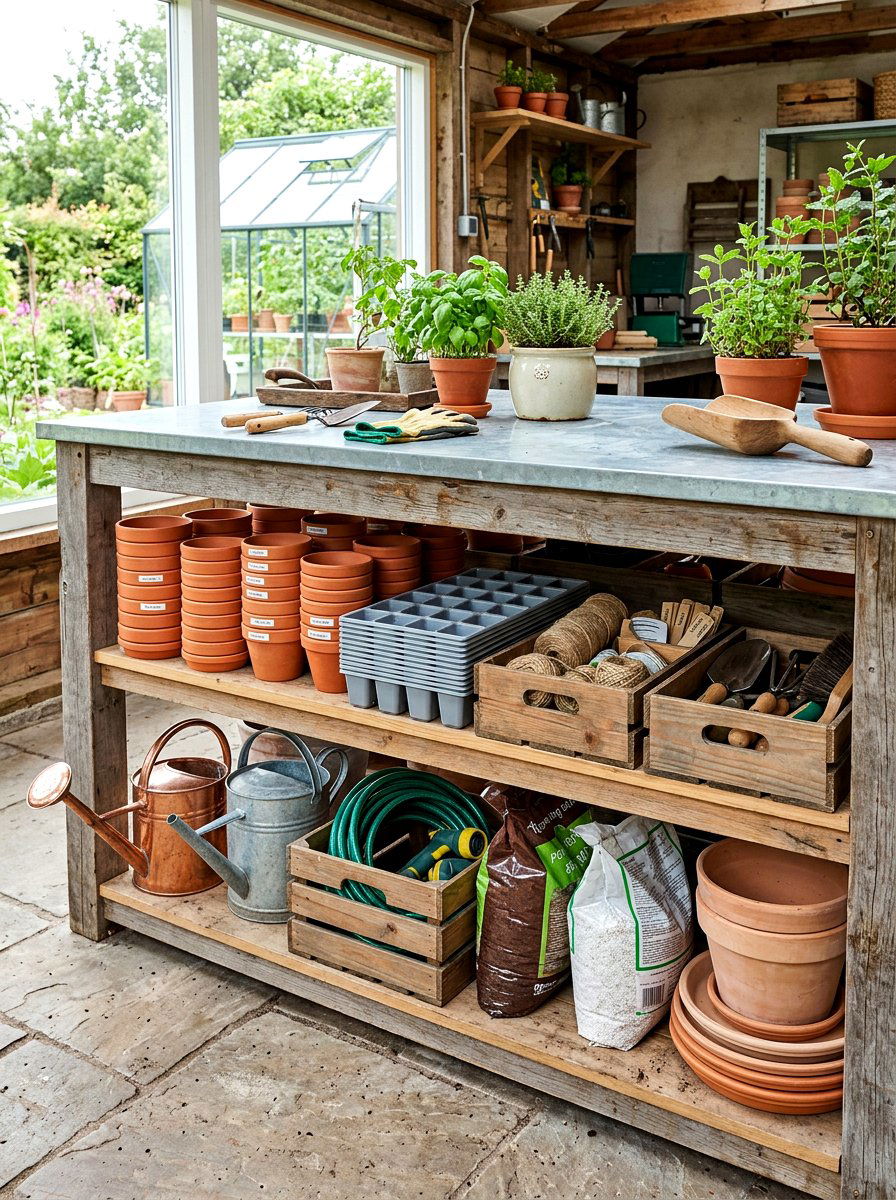
Maximizing the space beneath your main work surfaces with bench storage is a smart way to hide away less attractive gardening supplies. You can install simple wooden slats or sliding drawers to hold stacks of nursery pots, watering cans, and extra bags of organic fertilizer. This area is typically cooler and shadier than the rest of the greenhouse, making it a great spot for storing sensitive items. Keeping the floor clear under your benches also makes it much easier to sweep and maintain a clean environment for your plants. Integrating storage directly into your furniture ensures that your tools are always within arm's reach while you work.
13. Wood crate
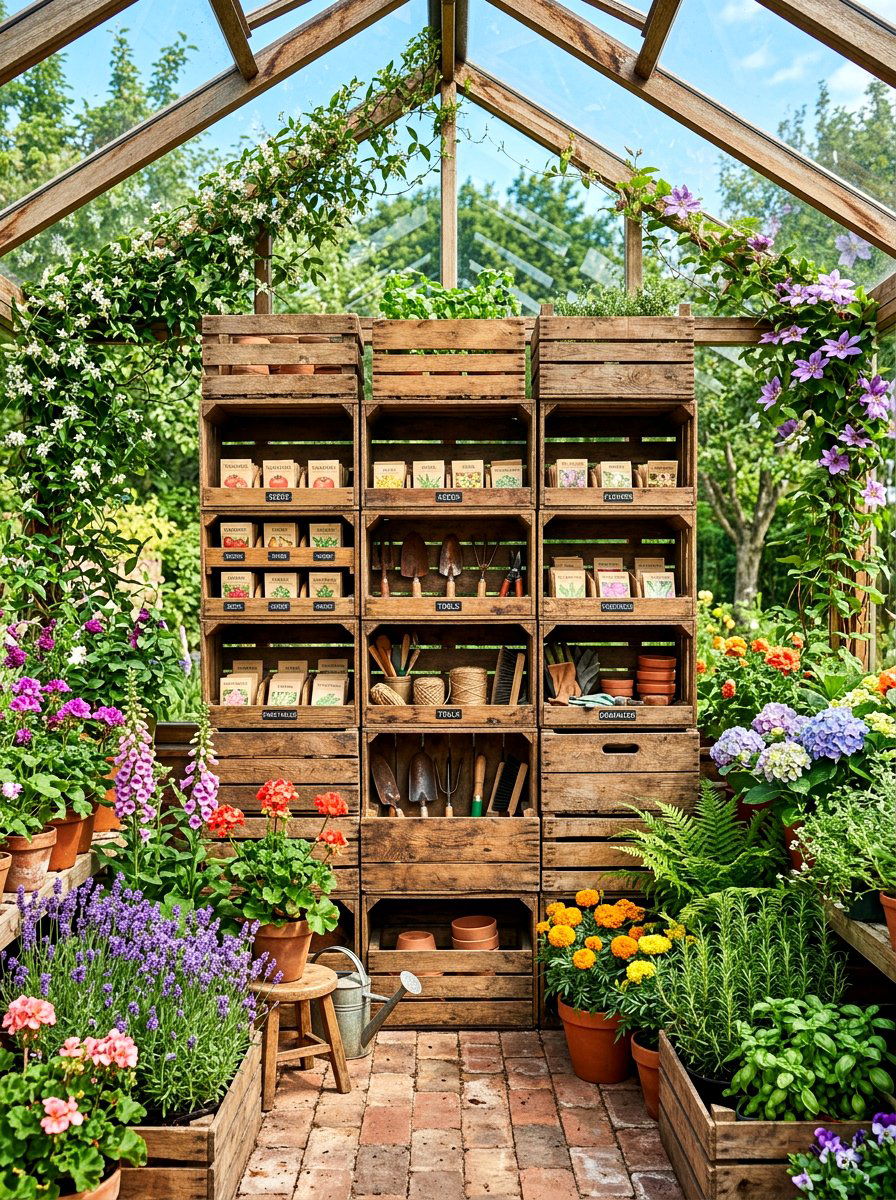
Repurposed wood crates are a stylish and sustainable storage option that can be stacked or mounted to create a custom modular shelving system. These versatile boxes are ideal for organizing smaller items like seed starting kits, gloves, and small hand tools that tend to get cluttered. You can paint or stain them to match your greenhouse decor, or leave them in their natural state for a more rugged look. Stacking them horizontally creates a unique bookshelf effect, while vertical stacking is perfect for holding taller items like bamboo stakes. Wood crates provide a flexible and affordable way to add personality and organization to your gardening space.
14. Hanging rack
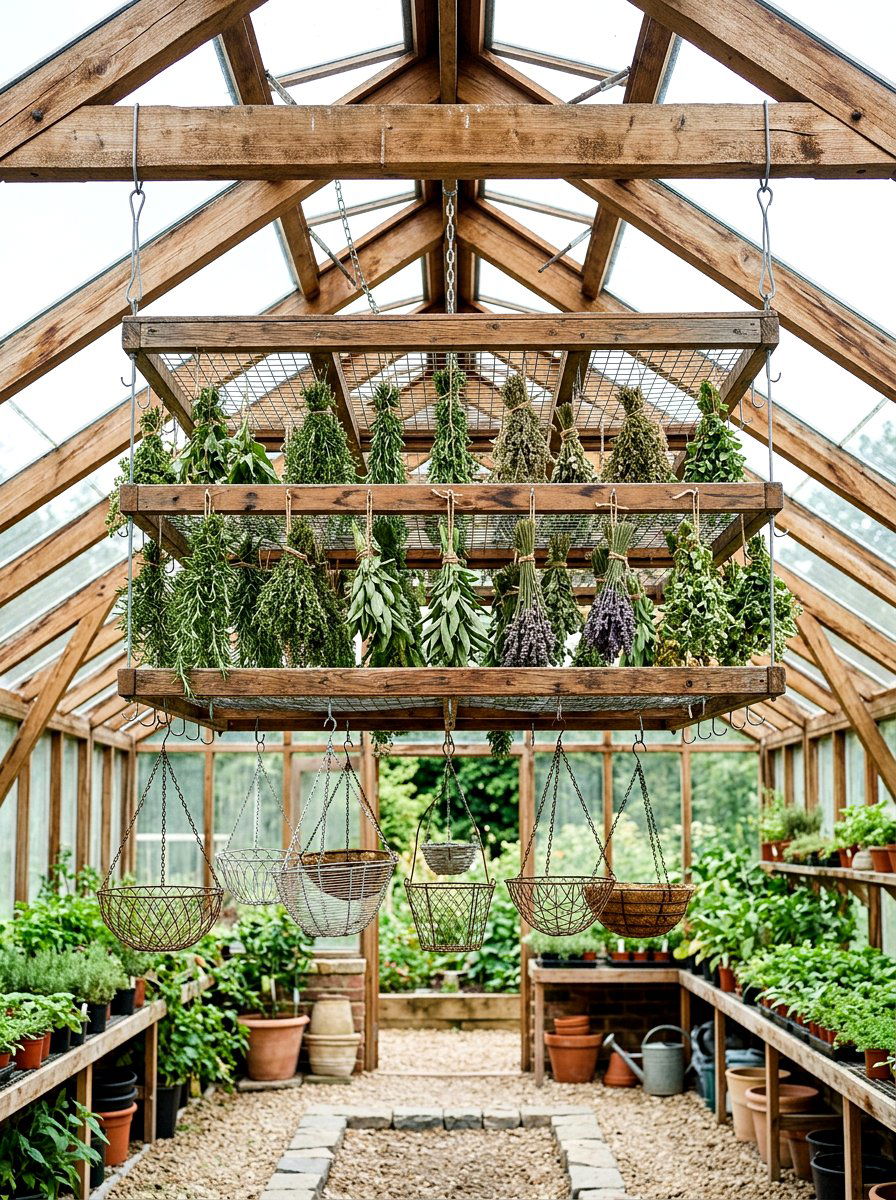
A hanging rack suspended from the ceiling rafters is a brilliant solution for storing lightweight items without taking up any valuable floor or wall space. These racks are perfect for air-drying flowers, storing empty hanging baskets, or keeping bags of birdseed away from ground-dwelling pests. You can also use them to hang frequently used tools like spray bottles and small hand rakes using simple clips or hooks. This overhead storage keeps the middle of the greenhouse open and airy, which is essential for both your comfort and the health of your plants. It effectively doubles your storage capacity by utilizing the often-overlooked upper volume of the structure.

15. Plastic box
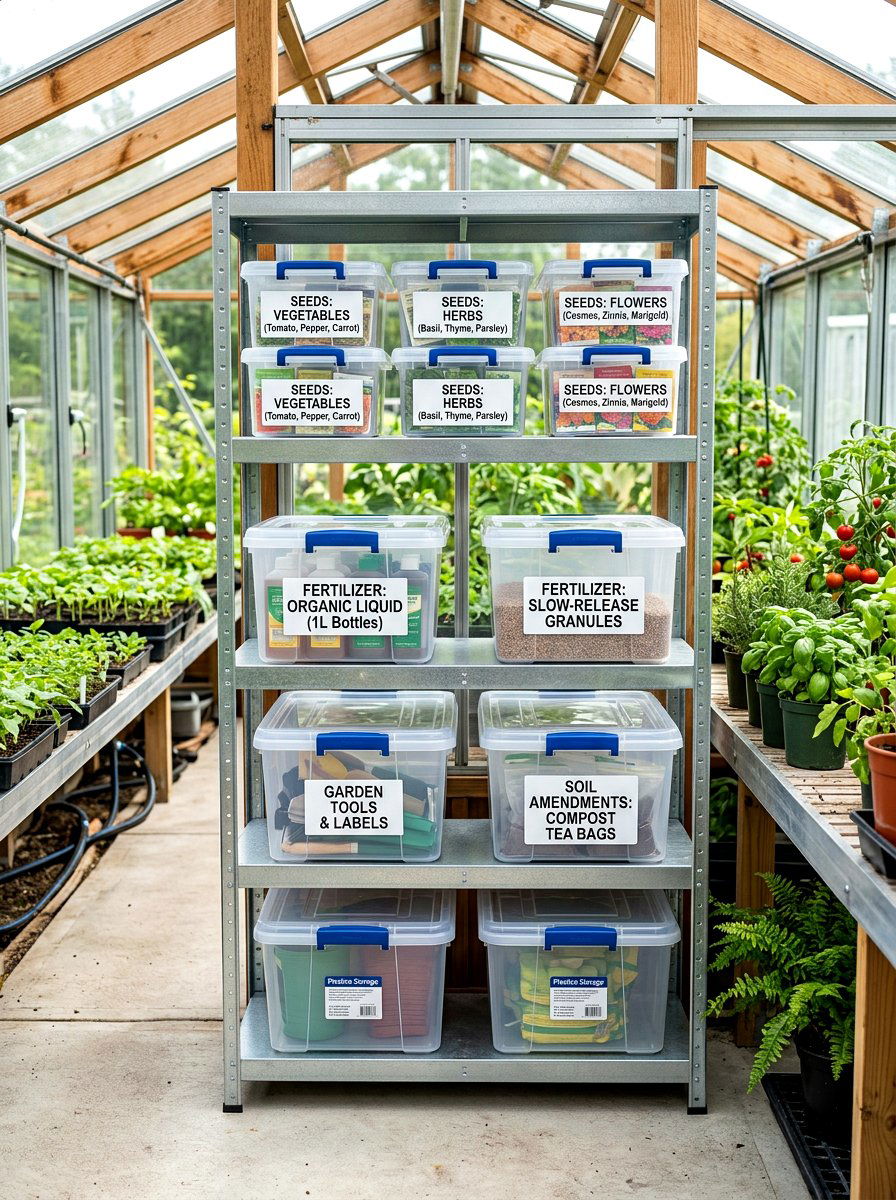
Clear plastic boxes are indispensable for greenhouse organization because they protect contents from high humidity and splashing water while keeping everything visible. They are perfect for storing delicate items like seed packets, pH testing kits, and specialized fertilizers that need to stay completely dry. By using boxes of the same size, you can easily stack them on shelves to create a very neat and professional-looking storage wall. Labeling each box clearly ensures that you and anyone else helping in the garden can find exactly what is needed without any confusion. This moisture-proof solution is essential for maintaining the longevity of your expensive gardening supplies and tools.
16. Garden cabinet
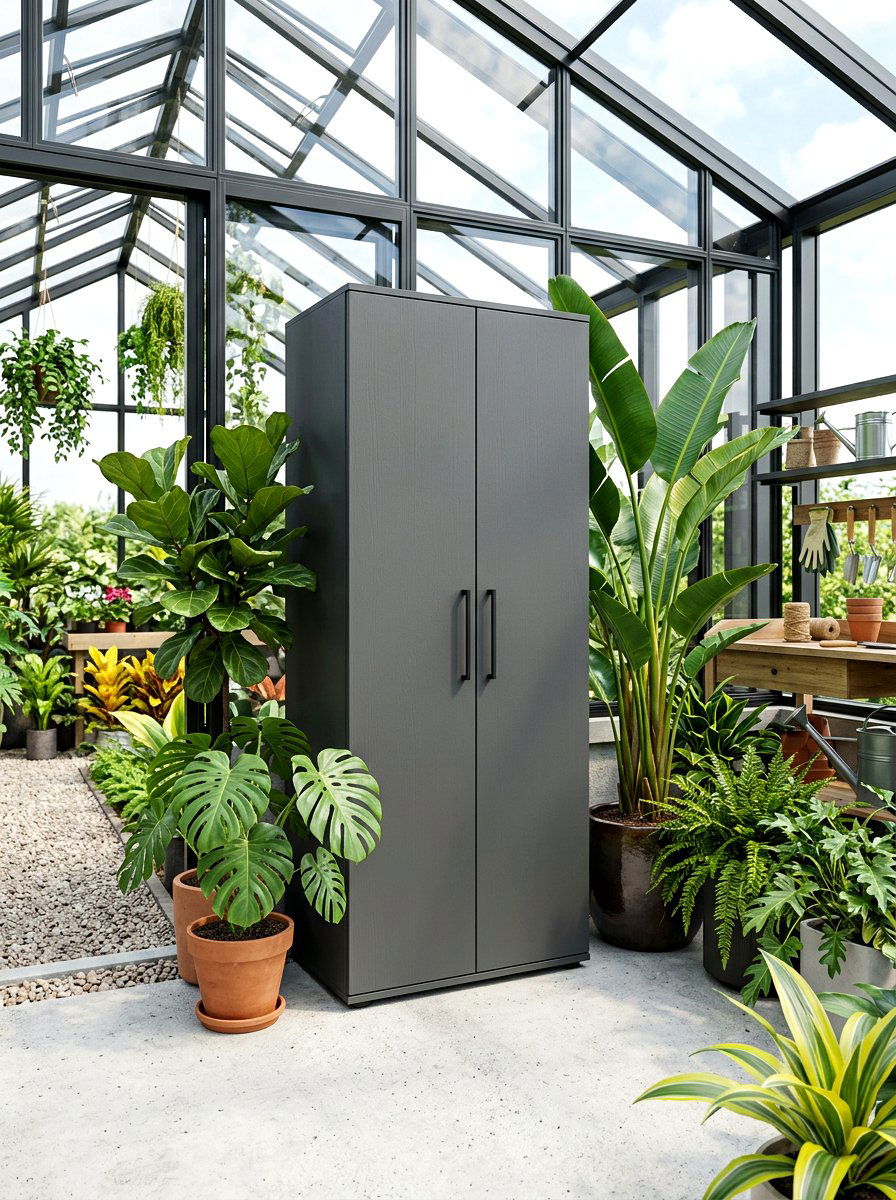
A freestanding garden cabinet provides a secure and enclosed space for storing sharp tools, chemicals, or valuable equipment that you want out of sight. These cabinets often feature adjustable shelves and lockable doors, which are great for keeping children or pets away from potentially harmful substances. Choosing a model made from weather-resistant materials like resin or treated wood ensures it will last for many years in the humid greenhouse environment. The top of a low cabinet can even serve as an extra workspace for small tasks like labeling or mixing seeds. Having an enclosed storage option keeps the overall appearance of your greenhouse looking tidy and uncluttered.
17. Hose storage
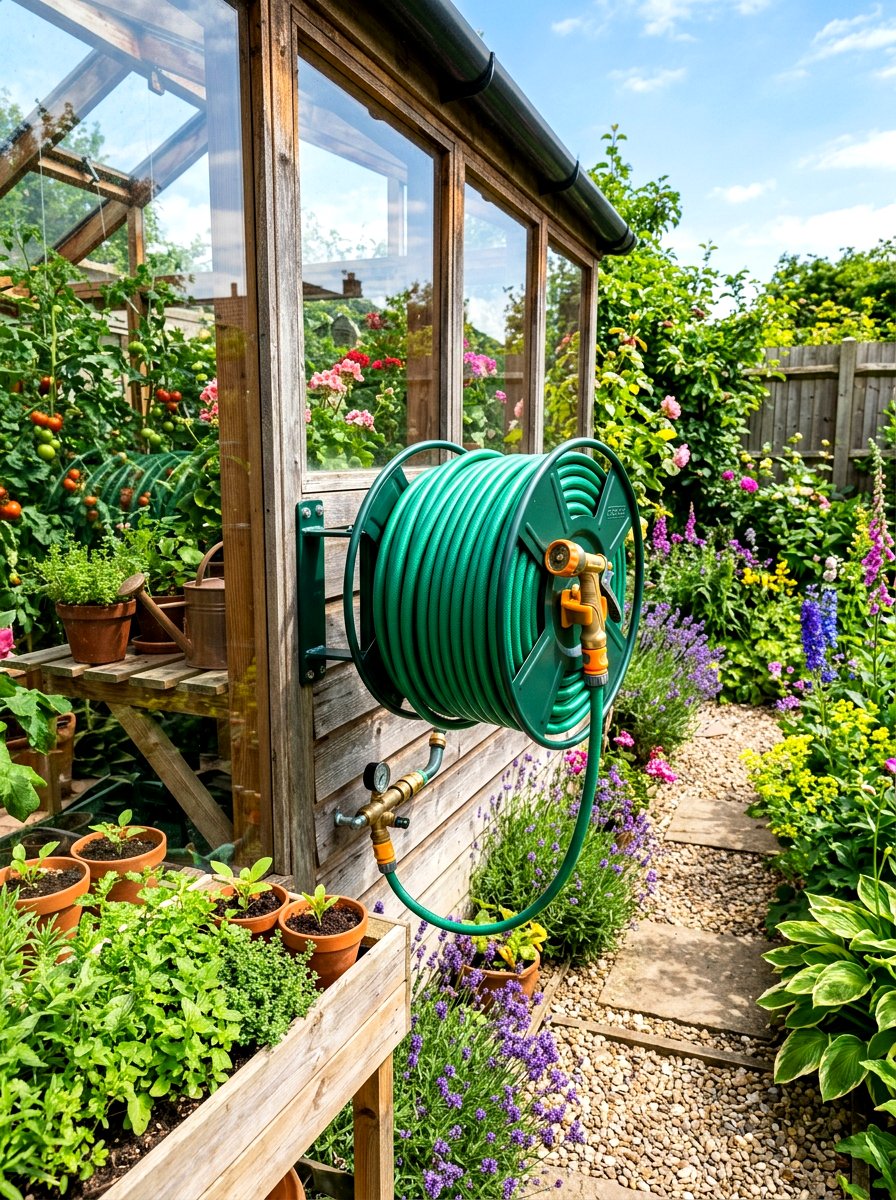
Proper hose storage is vital for maintaining safety and order in a greenhouse where wet floors can easily become a significant tripping hazard. A wall-mounted hose reel or a decorative pot designed specifically for coiling hoses keeps them neatly tucked away when they are not being used. Some gardeners prefer a retractable reel that automatically pulls the hose back into a tidy housing, saving time and physical effort after watering. Keeping your hose organized also prevents kinks and leaks, ensuring that your irrigation system stays in top working condition for the entire season. A well-managed watering station is a hallmark of a professional and highly functional greenhouse.
18. Small organizer
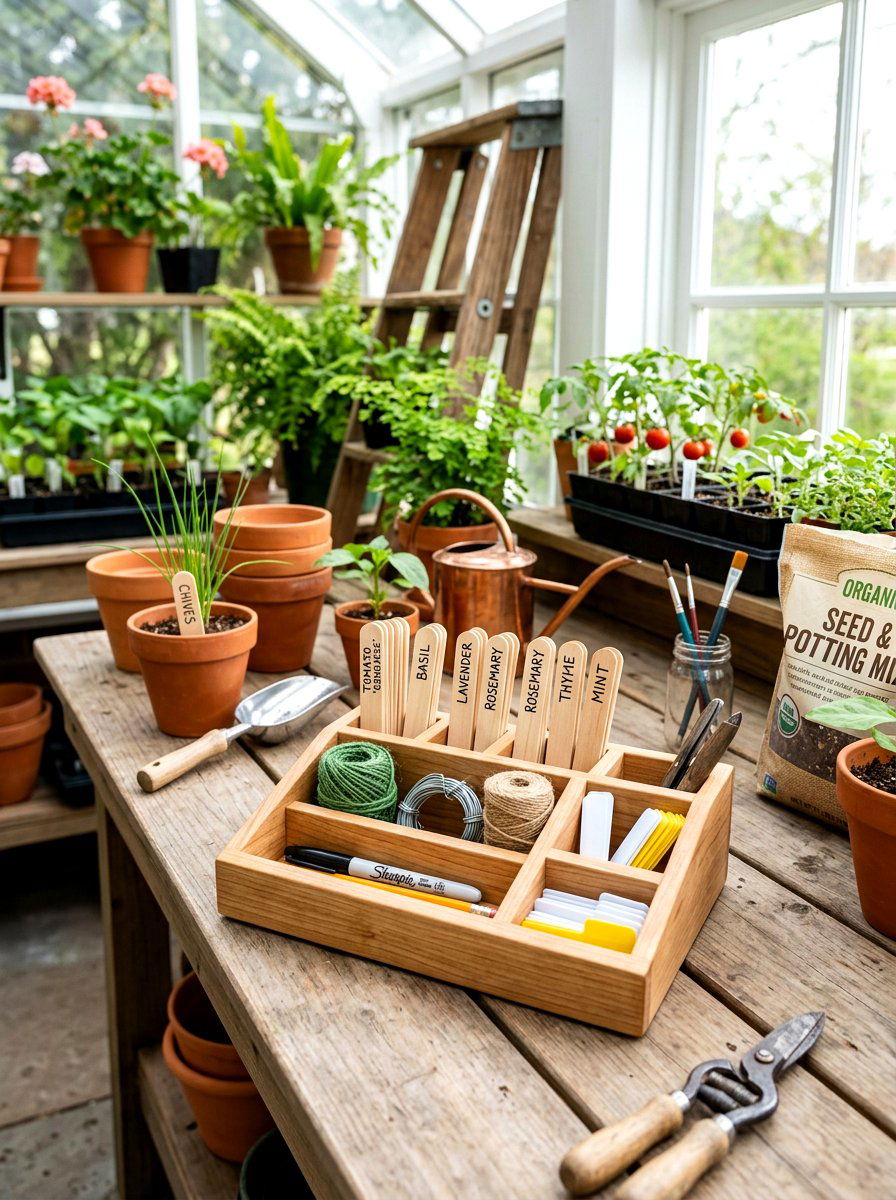
A small organizer, such as a desktop tray or a multi-drawer unit, is perfect for managing the tiny bits that often get lost. You can use these to store items like plant ties, rubber bands, marking pens, and small packets of specialized flower seeds. Keeping these items in one central location on your potting bench ensures that you never have to stop your work to search for a missing label. Many of these organizers are portable, allowing you to move your "kit" to different areas of the greenhouse as needed for specific projects. Small-scale organization is often the key to maintaining a smooth and efficient workflow during the busy spring.
19. Ladder rack
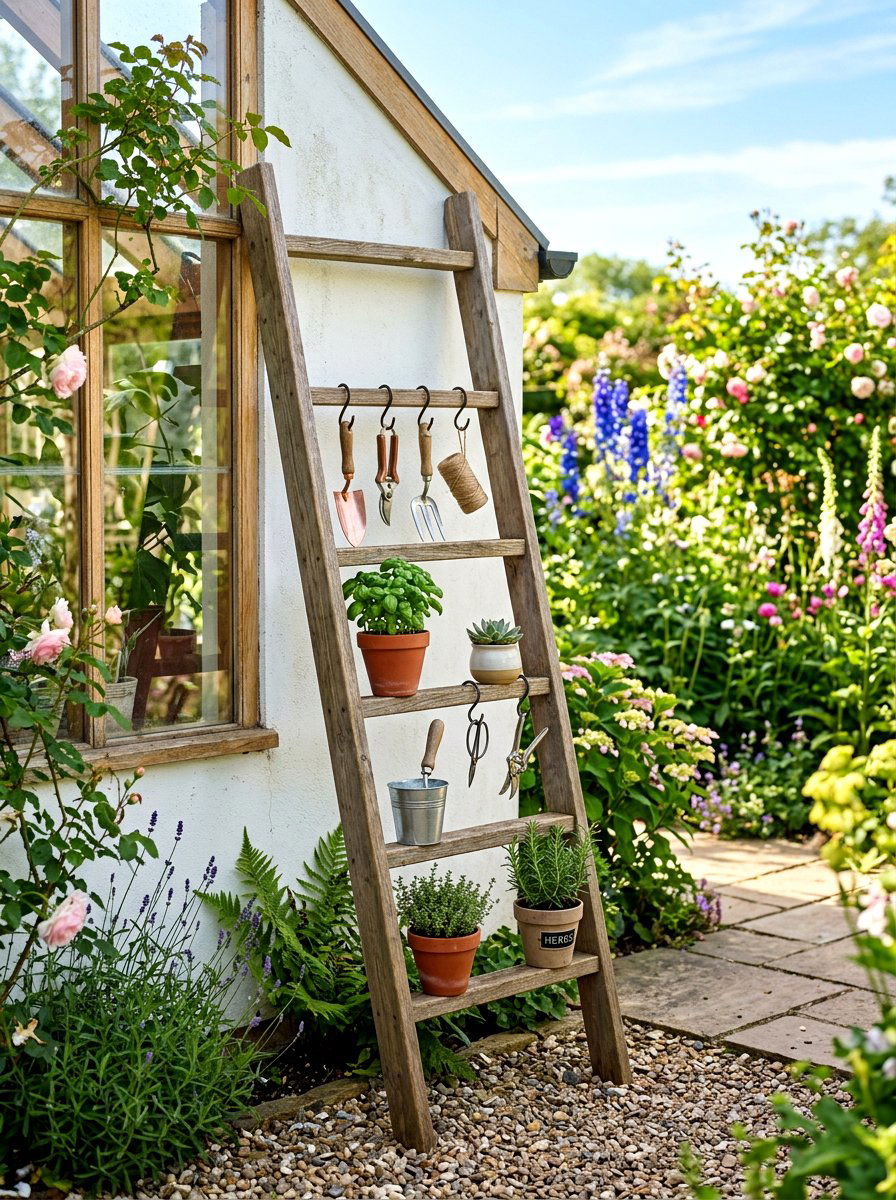
A rustic ladder rack provides a unique and space-saving way to store and display a variety of gardening items in a vertical fashion. You can lean a vintage wooden ladder against a wall and use the rungs to hang S-hooks for tools or small metal buckets for storage. The flat steps of a traditional step ladder are also perfect for holding a series of small potted succulents or seedling trays. This type of storage adds a vertical design element that draws the eye upward and makes the most of the height in your structure. It is an easy DIY project that brings character and practical utility to your garden.
20. Work table
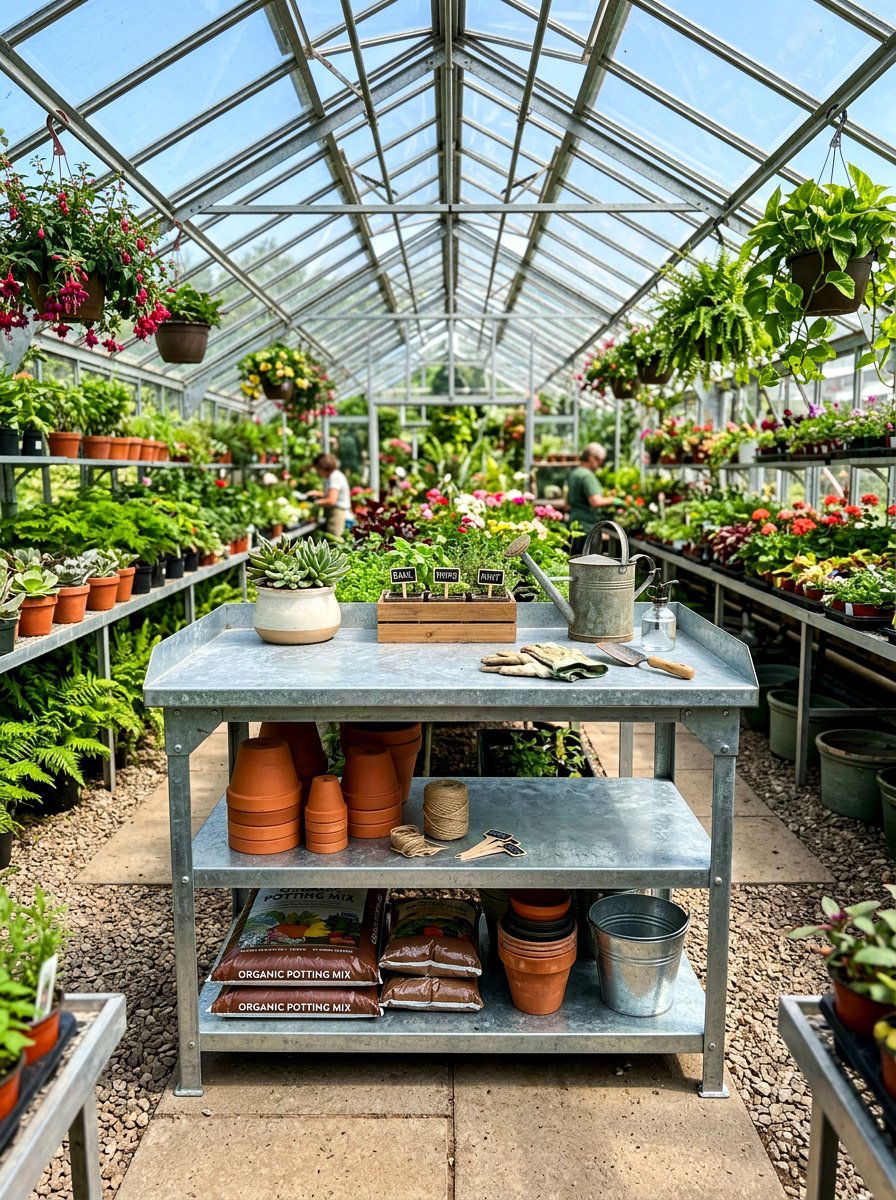
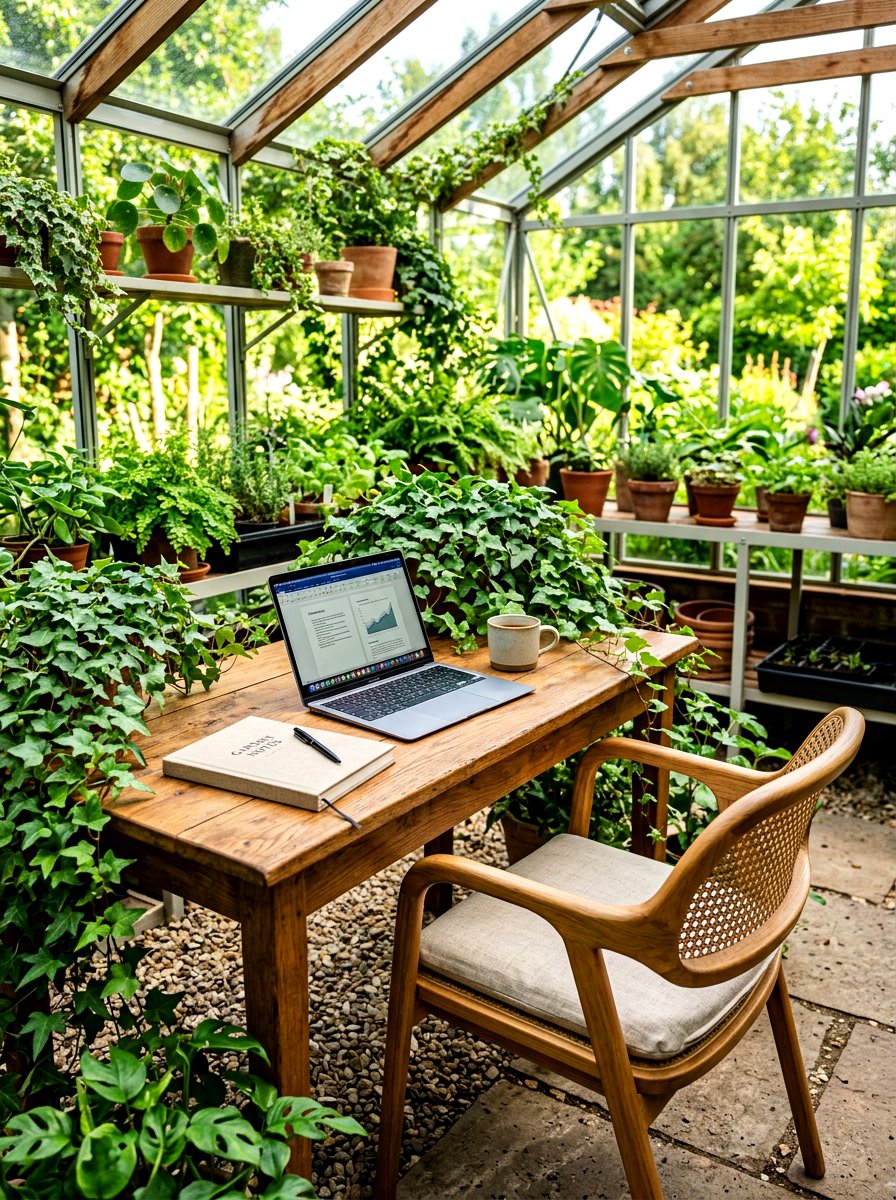
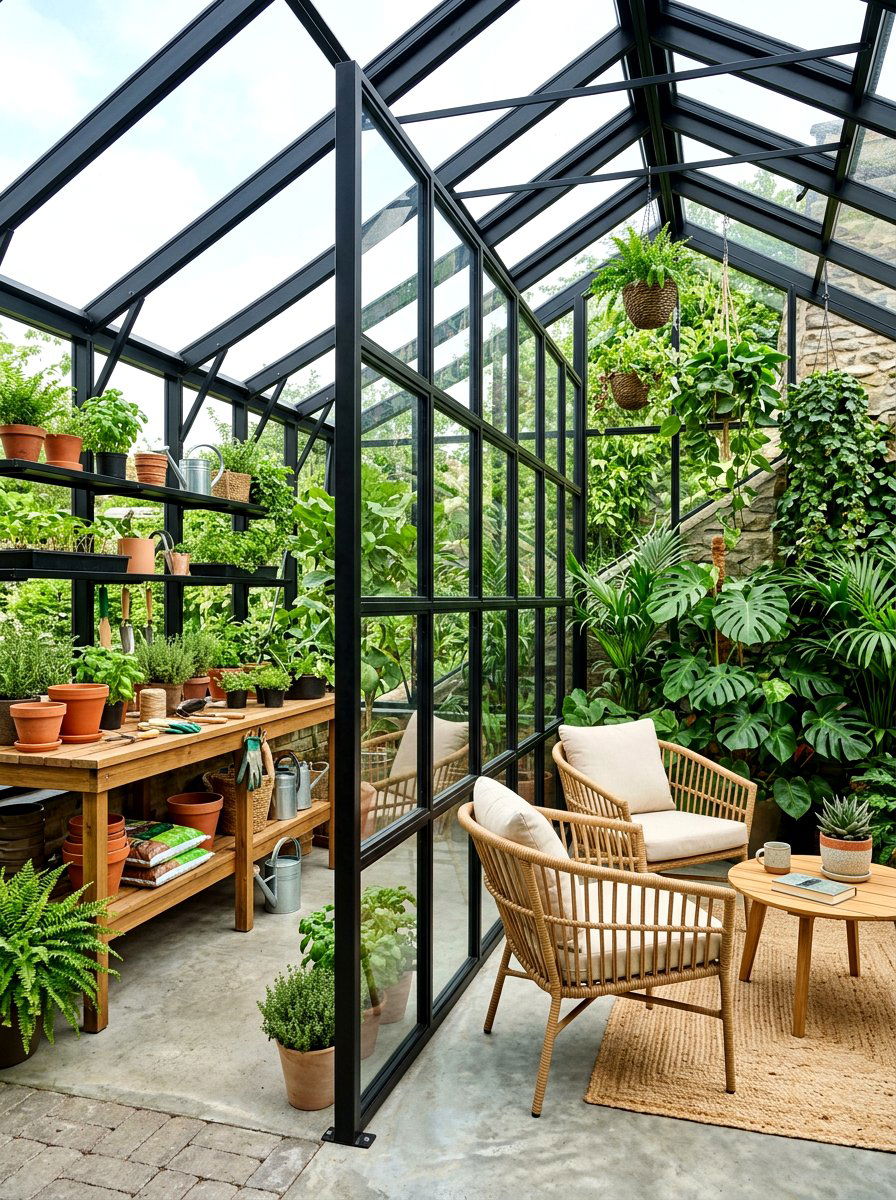
A sturdy work table is essential for larger greenhouse projects, and many models come equipped with built-in storage drawers or lower shelving units. This central furniture piece provides a flat surface for mixing soil, cleaning pots, or sketching out your upcoming seasonal garden plans and layouts. Look for a table with a galvanized metal top for easy cleanup or a solid wood frame for a more classic and natural feel. Some tables are even designed with folding leaves, allowing you to expand your workspace when needed and save room when the task is finished. A functional work table acts as the command center for your entire greenhouse operation.
21. Magnet strip
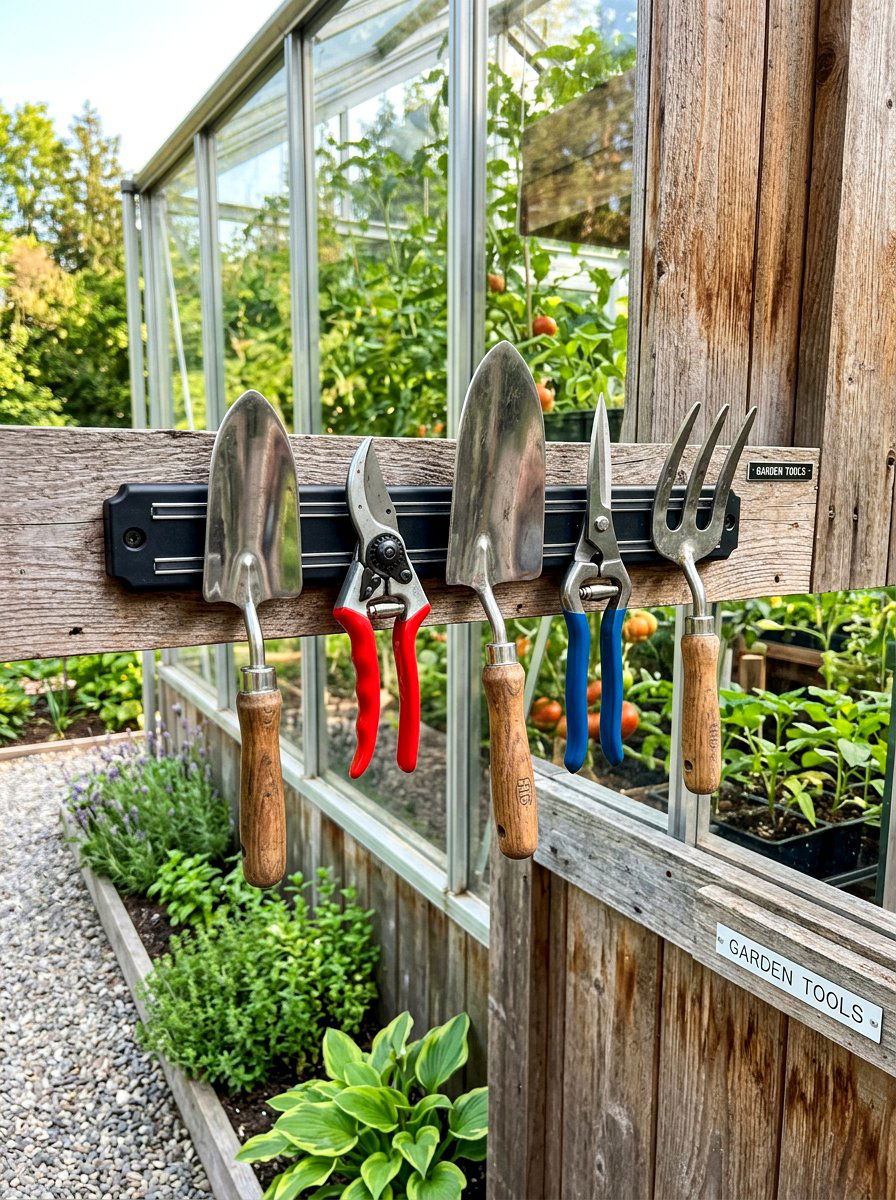
Installing a heavy-duty magnet strip on the wall or the side of your potting bench is a modern way to store metal hand tools. This keeps your trowels, snips, and scissors within easy reach while keeping them completely off the flat surfaces where they might get buried. The strong magnetic pull holds the tools securely, but they are still very easy to grab and put back with just one hand. This storage method also allows for excellent airflow around the metal parts, which helps prevent the development of rust over time. It is a sleek, space-saving solution that works particularly well in small greenhouses with limited available wall area.
22. Wall grid
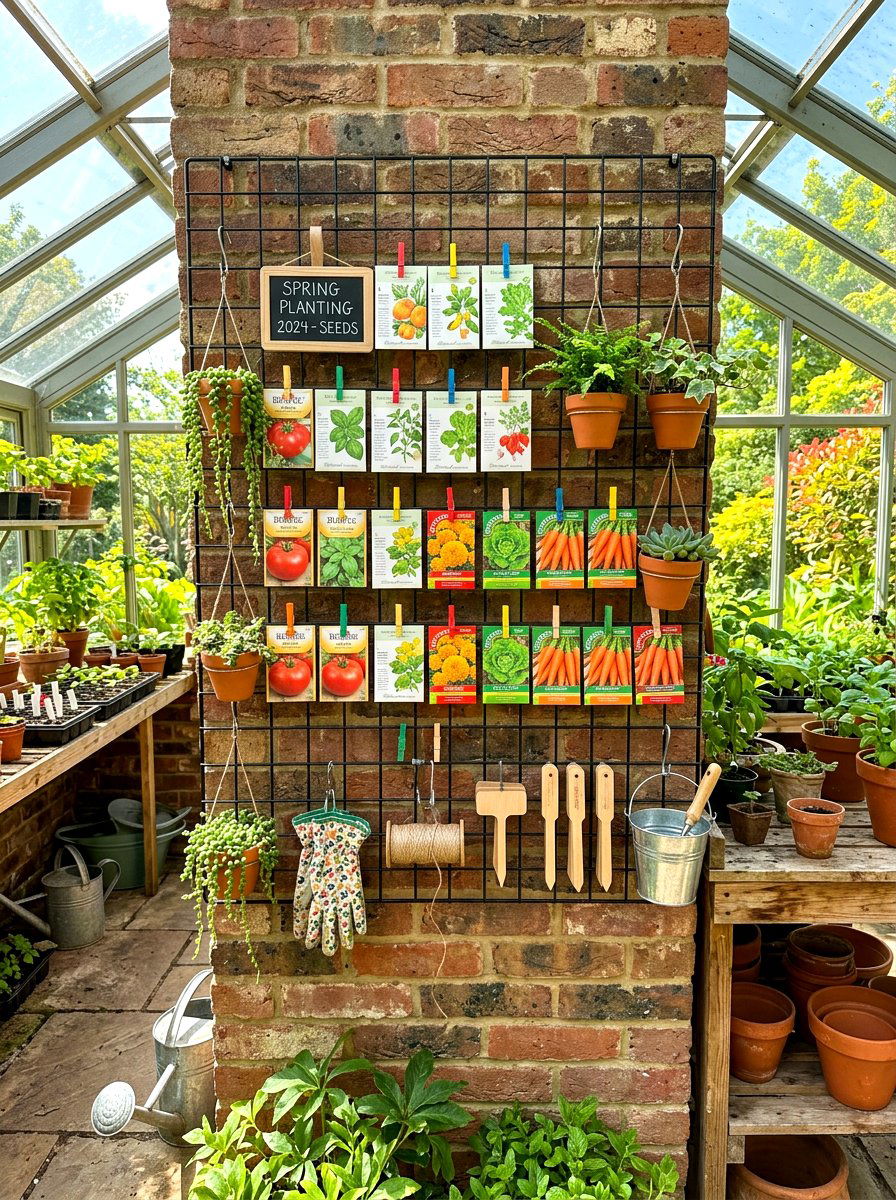
A wall grid made of wire or wood lattice provides a custom storage surface where you can clip and hang a vast variety of items. You can use clothespins or binder clips to attach seed packets, garden calendars, and small bags of supplies directly to the grid. Larger items can be supported by hooks or small baskets that hook into the grid pattern, allowing for a completely flexible and modular layout. This type of organization is highly visual, making it easy to see your entire inventory of supplies at a single glance. It also adds a decorative, textured element to the greenhouse walls that looks great when filled.
23. Supply drawer
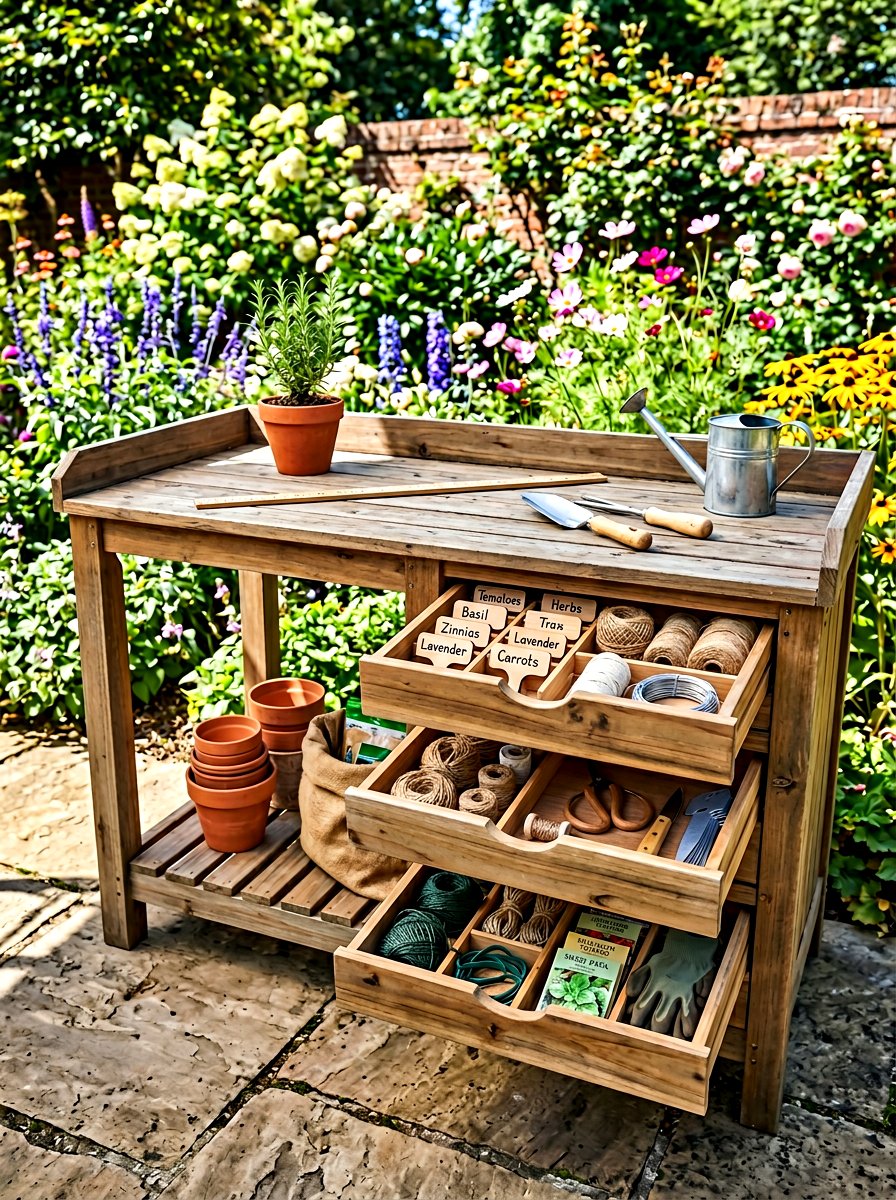
Integrated supply drawers under your workspace are the perfect solution for hiding away messy or small items that don't need to be displayed. You can use drawer dividers to organize different sizes of plant labels, ವಿವಿಧ types of twine, and small hand tools like dibbers and widgers. Keeping these items in drawers protects them from the dust and dirt that naturally accumulates in a working greenhouse environment. Drawers also provide a clean and streamlined look, as they keep the visual clutter tucked away behind a neat and tidy facade. Having a dedicated place for every small supply makes the entire planting process much more organized and enjoyable.
24. Jar storage
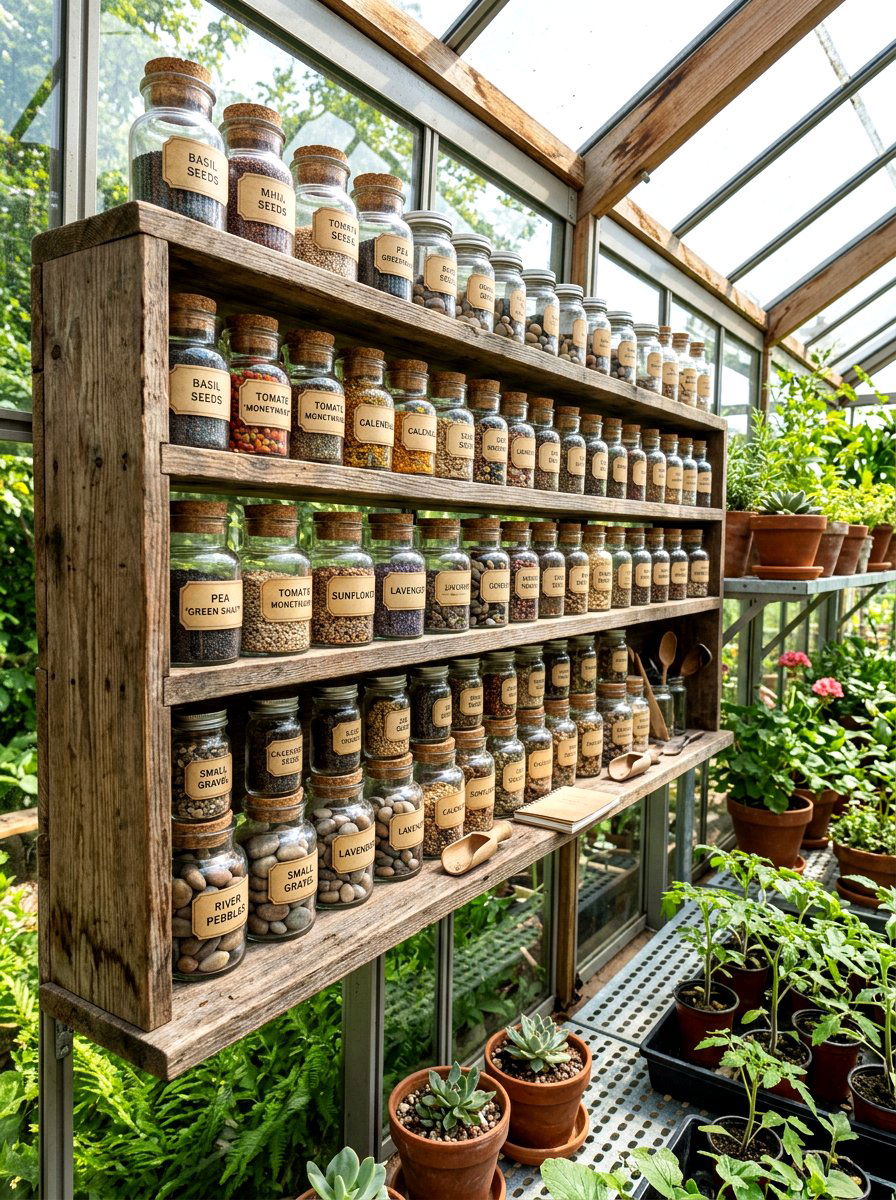
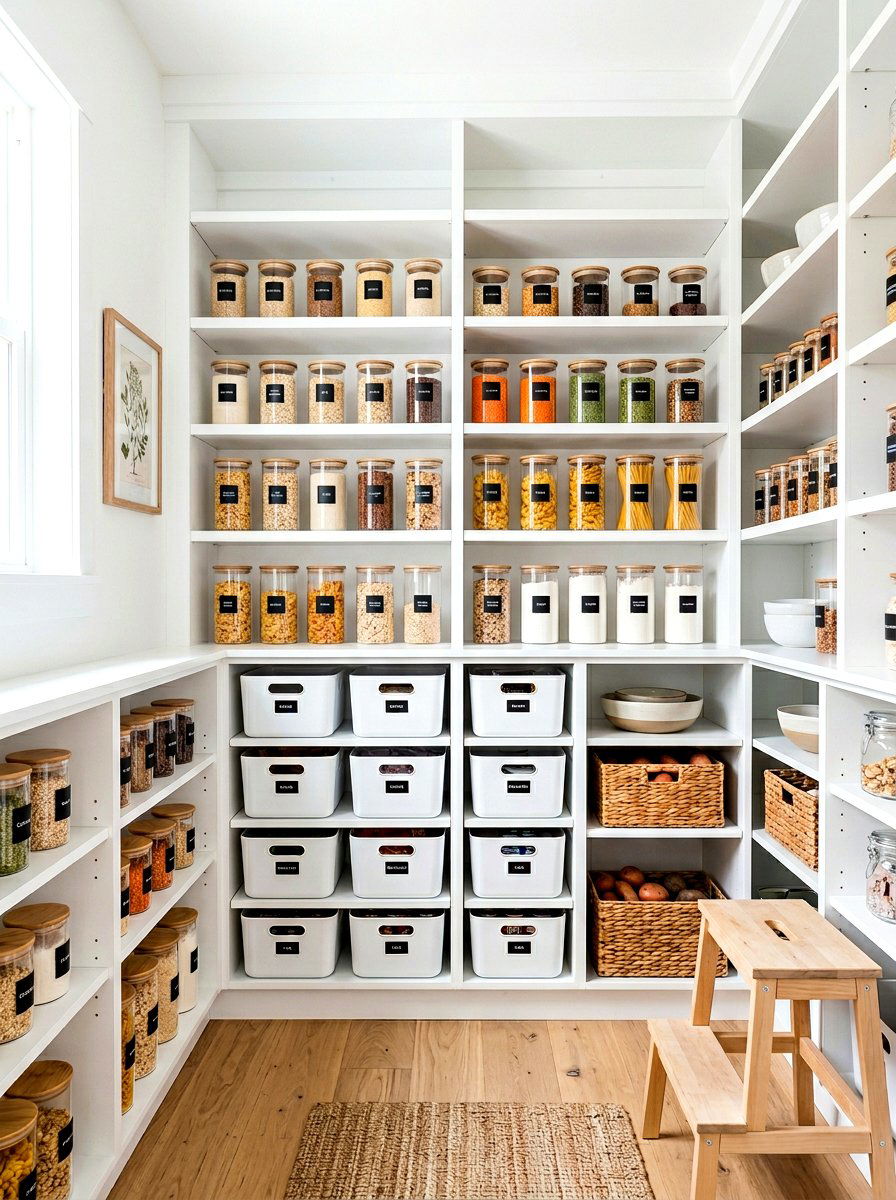
Glass or plastic jar storage is an excellent way to keep small, dry items like seeds, pebbles, and fertilizers organized and easily accessible. By using clear jars, you can quickly identify the contents and see when it is time to restock your supplies before you run out. You can mount the lids of the jars to the underside of a shelf to save space and create a clever, floating storage system. This method keeps the jars off your work surface while still keeping the contents right at your fingertips for whenever you need them. Jar storage is both practical and aesthetically pleasing, adding a touch of vintage charm.
25. Rafter storage
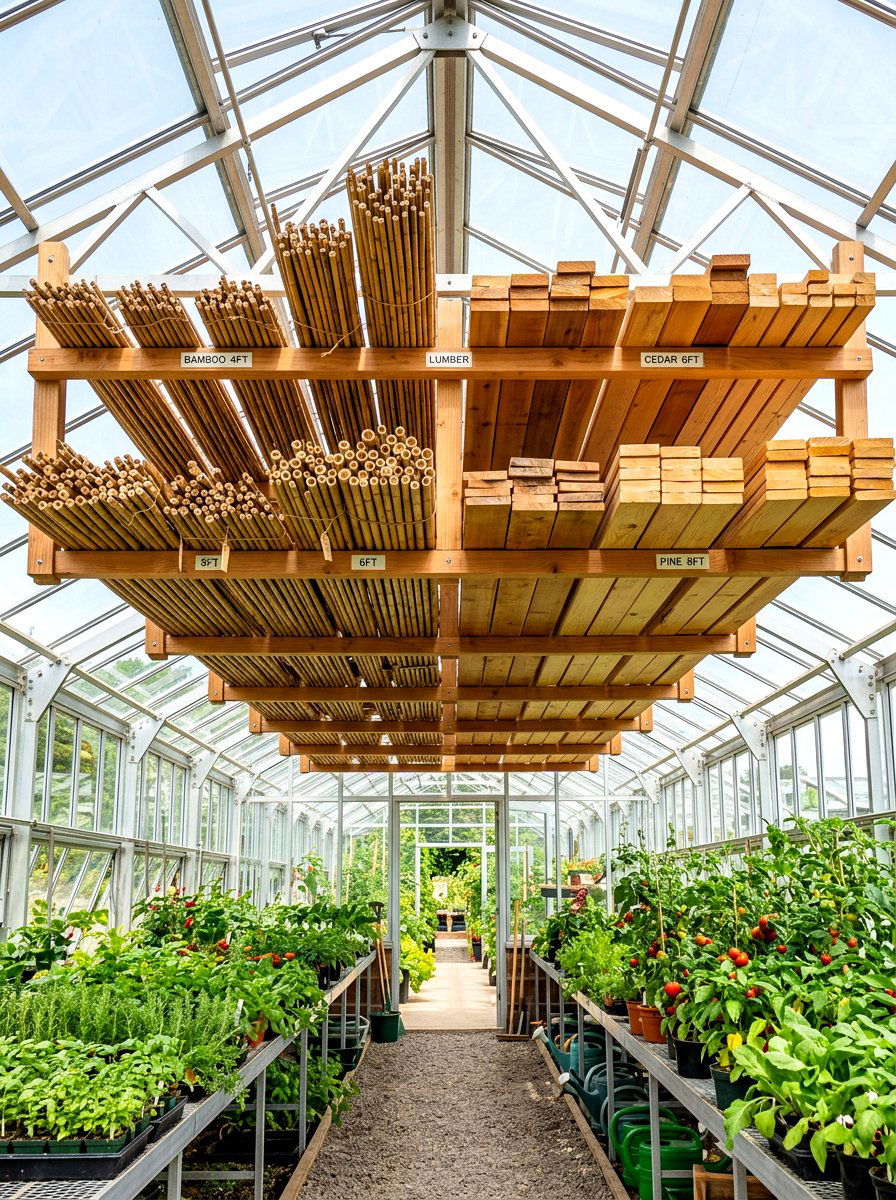
Utilizing the space between your greenhouse rafters for storage is a clever way to keep long, flat items like bamboo stakes and lumber out of the way. You can install simple brackets or even bungee cords across the rafters to create a secure overhead rack for these often-awkward items. This keeps them straight and prevents them from leaning against walls where they might fall and damage delicate plants or glass panels. Rafter storage is also a great place to keep extra rolls of landscape fabric or shade cloth until they are needed for the season. Looking up for storage solutions is a key strategy for maximizing every cubic inch.
26. Cube storage
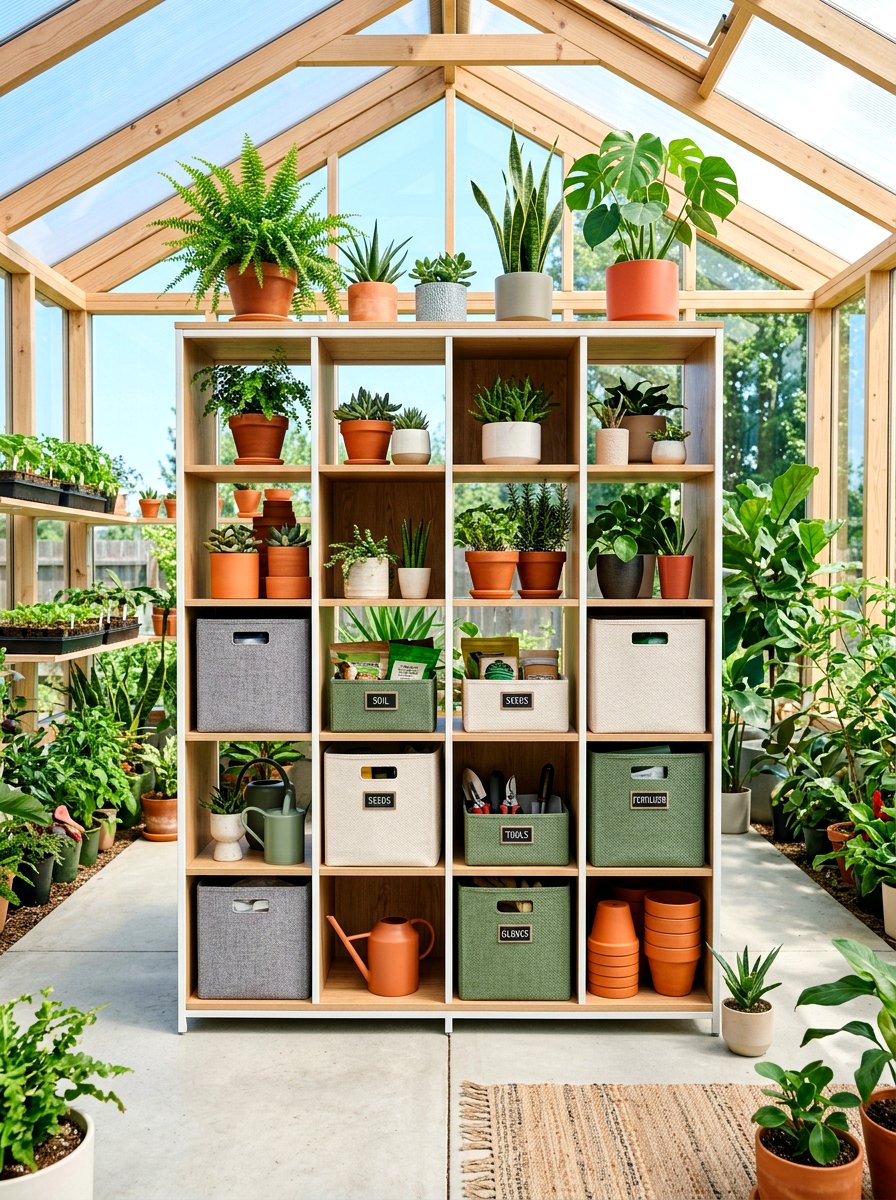
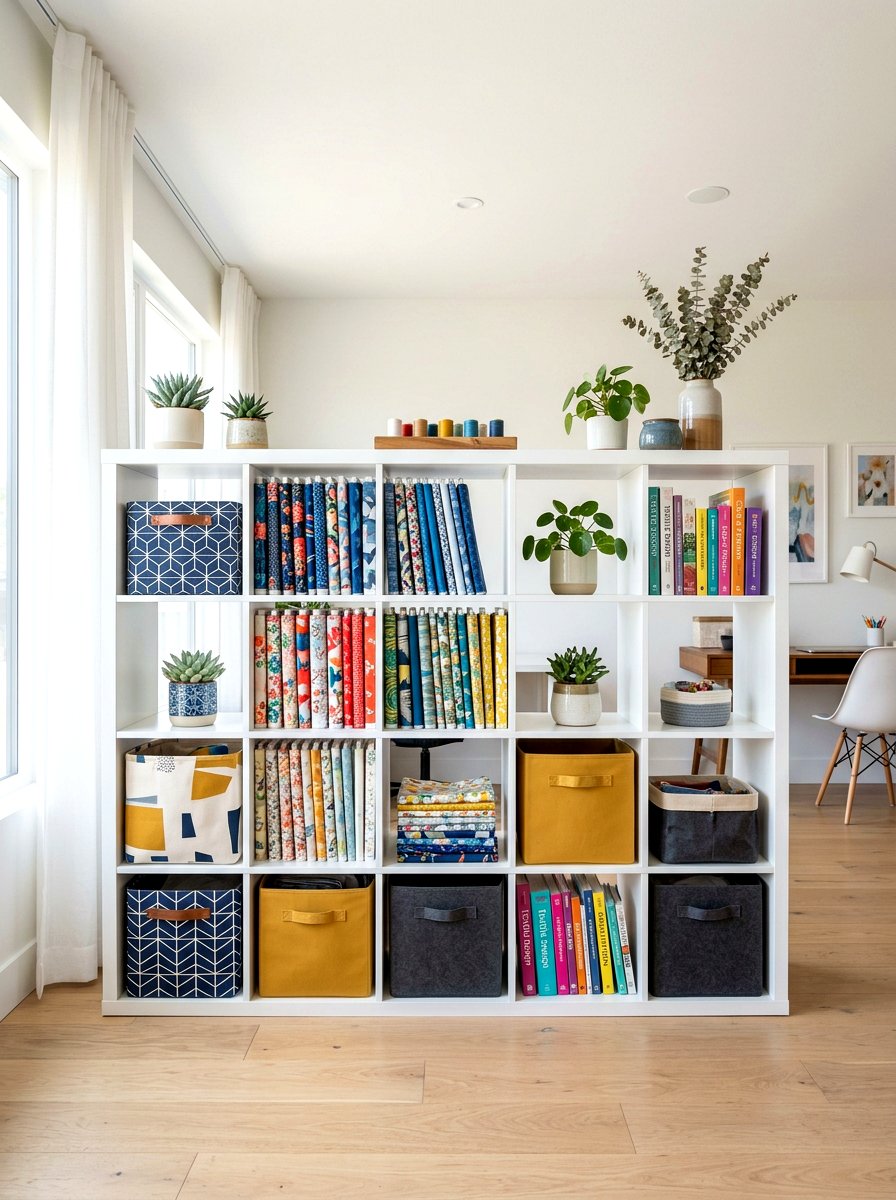
Cube storage units offer a versatile and modern way to organize a variety of different-sized items within a single, cohesive furniture piece. You can leave some cubes open for displaying beautiful potted plants and use others with fabric or plastic bins to hide away bulkier supplies. This modular approach allows you to customize the layout to fit your specific storage needs as they change throughout the growing year. Cube units are usually very easy to assemble and can be moved around the greenhouse to create different zones for planting or relaxing. They provide a clean, geometric look that helps bring a sense of order to the natural garden.
27. Wire unit
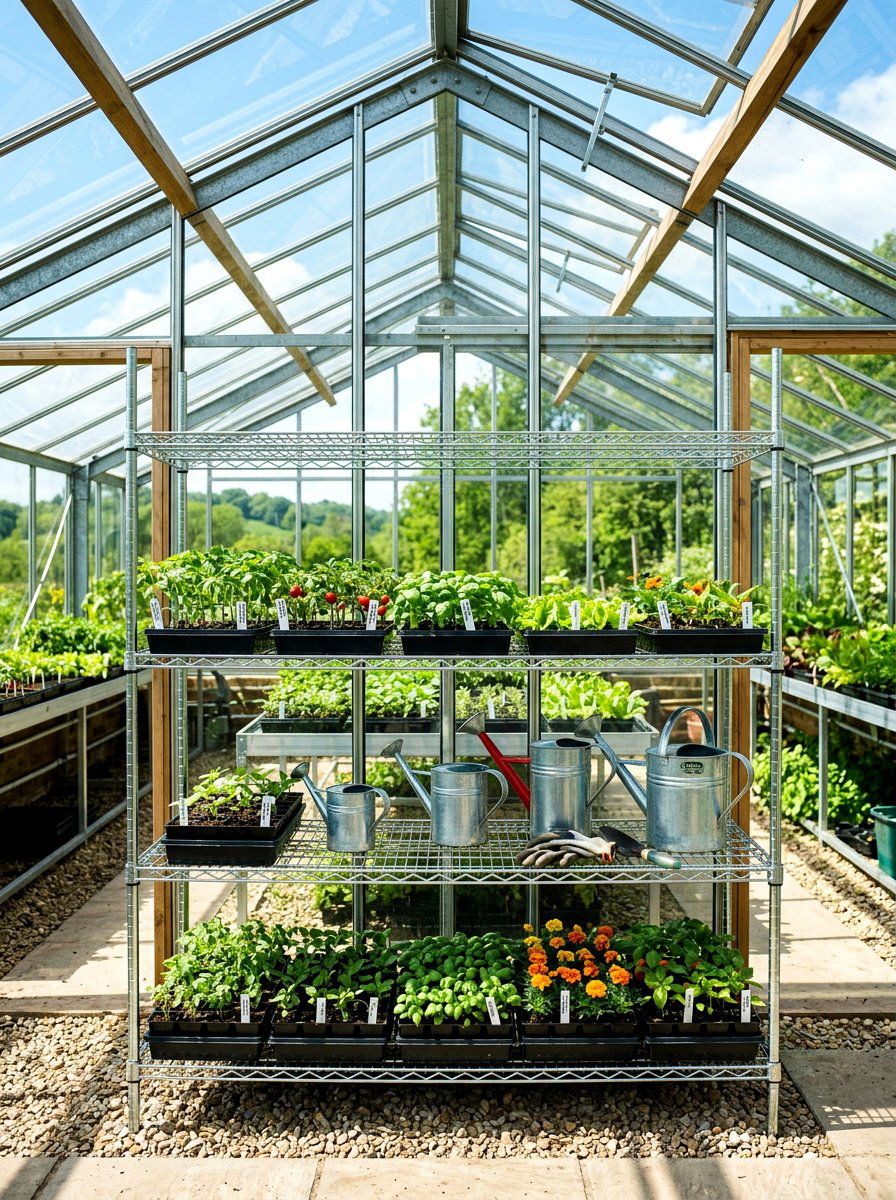
A wire storage unit is often the preferred choice for greenhouse shelving because it offers the perfect balance of strength, lightweight portability, and excellent air circulation. The open design ensures that light can reach the lower levels, which is vital if you are using the shelves to hold growing plants. These units are also very easy to clean with a simple hose-down, making them a low-maintenance option for a busy and active gardener. Many wire units come with adjustable feet to ensure stability on uneven greenhouse floors or dirt surfaces. Their simple design allows the beauty of your plants and flowers to remain the primary focus.
28. Potting station
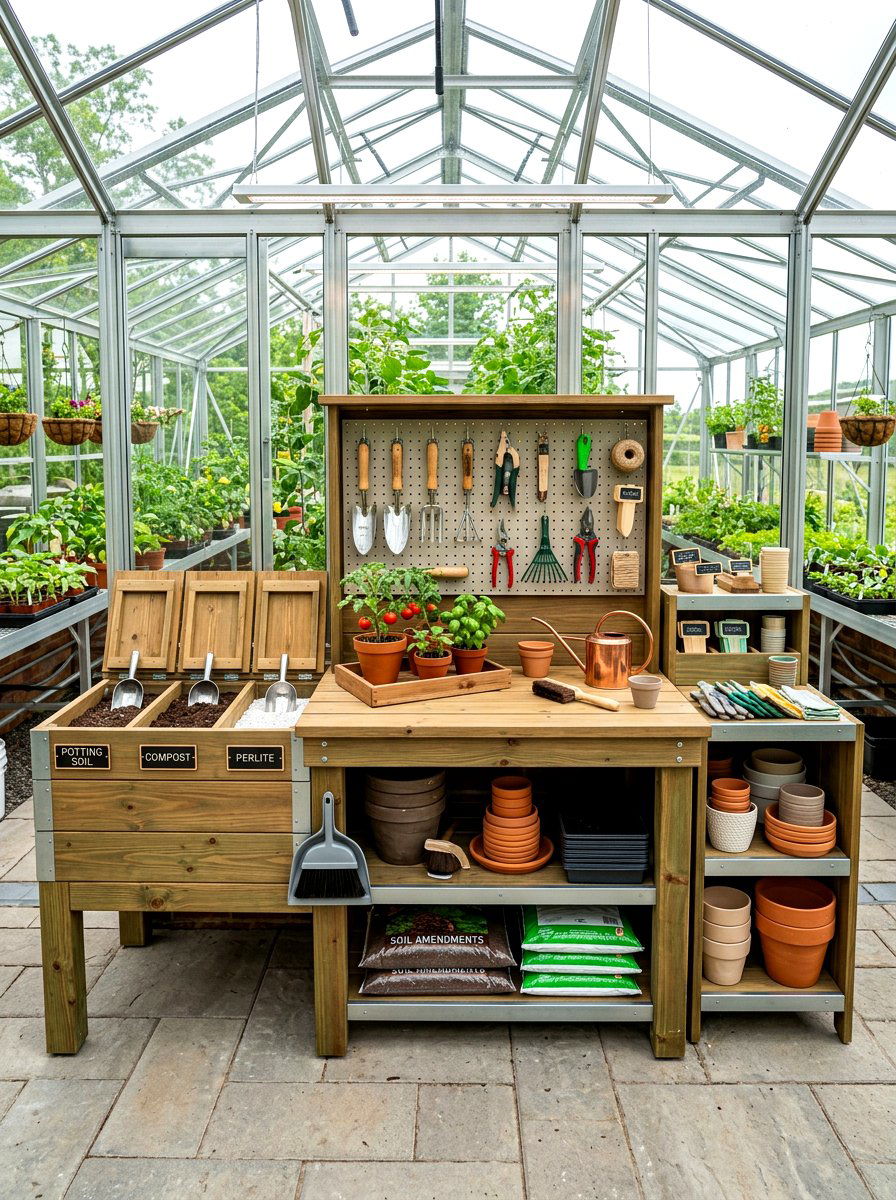
A dedicated potting station is a comprehensive setup that includes a work surface, soil storage, and tool organization all in one compact and efficient footprint. This station is designed to keep the mess of soil mixing and transplanting contained in one area, making the final cleanup much faster and easier. Many specialized potting stations include a built-in bin for soil and a backboard with hooks for hanging your most frequently used hand tools. Having a specific zone for these tasks helps keep the rest of your greenhouse clean and free of loose dirt. It creates a professional workflow that makes the daily chore of potting a true pleasure.
29. Door storage
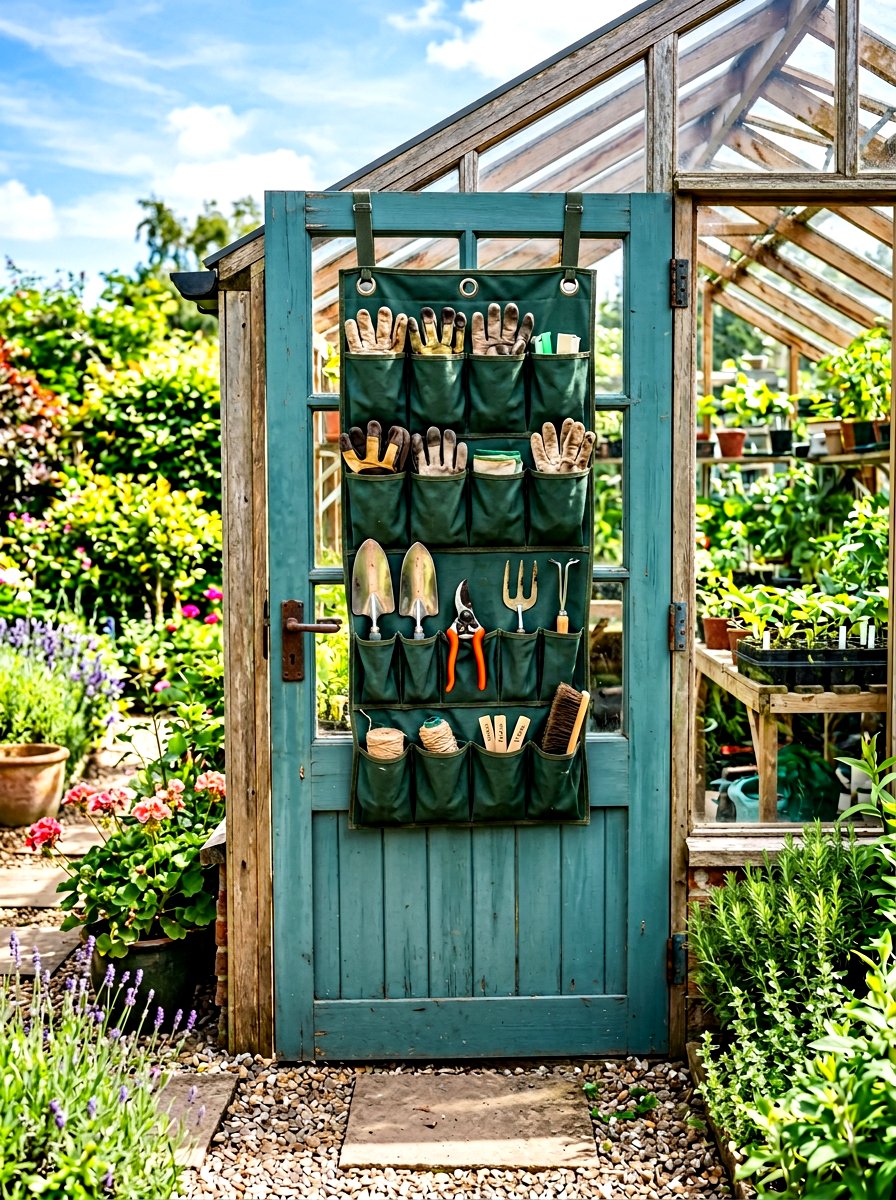
The back of your greenhouse door is a frequently overlooked storage area that can be easily transformed with an over-the-door organizer or a simple row of hooks. You can use pockets to hold small tools, seed packets, and gloves, keeping them right at the entrance for quick access as you come and go. This is a perfect solution for very small greenhouses where wall space is at a premium and every square inch must be used. Keeping your most-used items on the door ensures that you never have to walk all the way inside to grab a pair of snips. It is a simple and effective way to boost your overall productivity.
30. Hanging tray
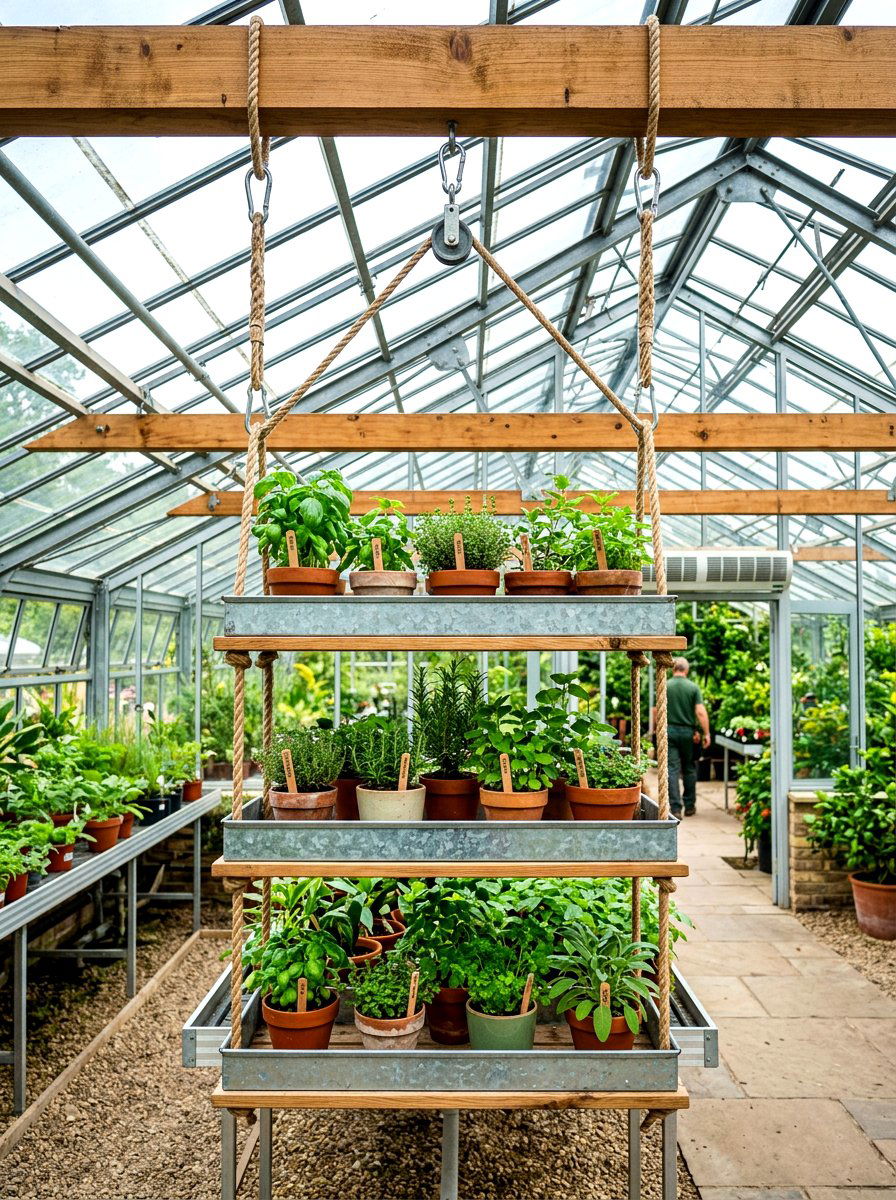
Hanging trays suspended from the frame or rafters provide extra surface area for seedlings without blocking the floor space below for larger permanent plants. These trays are perfect for starting delicate herbs or flowers that need to be closer to the light source during the early stages of their growth. You can adjust the height of the trays using chains or ropes to ensure the plants get exactly the amount of warmth and light they require. Using hanging trays effectively doubles your growing capacity during the peak of the spring seed-starting season. This creative use of vertical volume is essential for any high-yield gardener looking to maximize their harvest.
Conclusion:
Organizing your greenhouse is an investment in both your productivity and your overall enjoyment of the gardening hobby throughout the entire year. By implementing a variety of these storage solutions, from vertical shelving and potting benches to clever overhead racks, you can create a space that is as functional as it is beautiful. A tidy greenhouse allows you to focus your energy on nurturing your plants and experimenting with new varieties rather than struggling with messy clutter. Remember to choose materials that can withstand the humid environment to ensure your storage systems last for many seasons. Happy gardening in your perfectly organized and flourishing plant sanctuary!

Related posts: