Vertical gardening is the ultimate solution for anyone looking to maximize their green space without sacrificing valuable floor area. Whether you live in a compact city apartment or have a sprawling backyard, these designs offer a way to bring nature closer to home. By utilizing vertical surfaces like walls, fences, and balconies, you can grow everything from fresh herbs to lush tropical ferns. This guide explores creative ways to transform your living environment into a thriving green oasis. We focus on practical, stylish, and sustainable methods that cater to various skill levels and aesthetic preferences. Let's dive into these inspiring setups that prove the sky is the limit for gardening.
1. Wall Mounted Planter
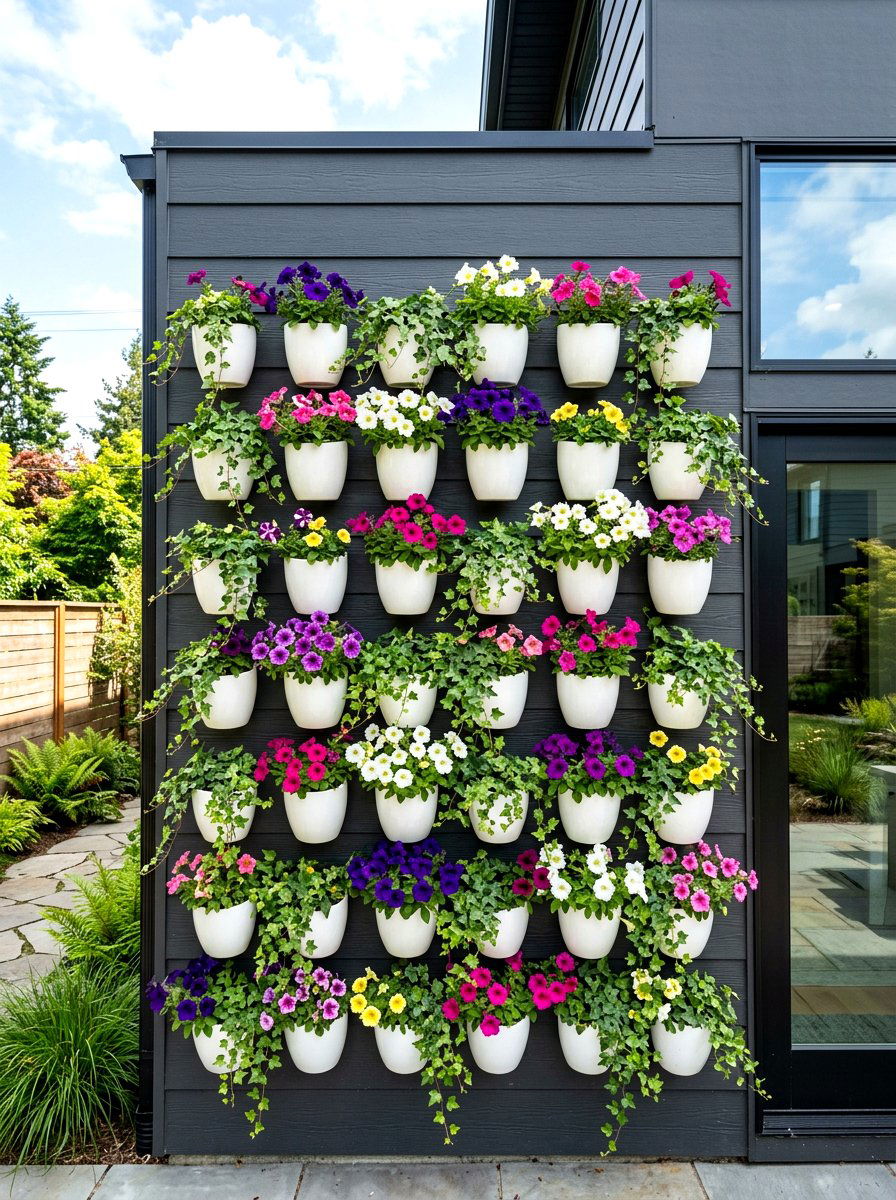
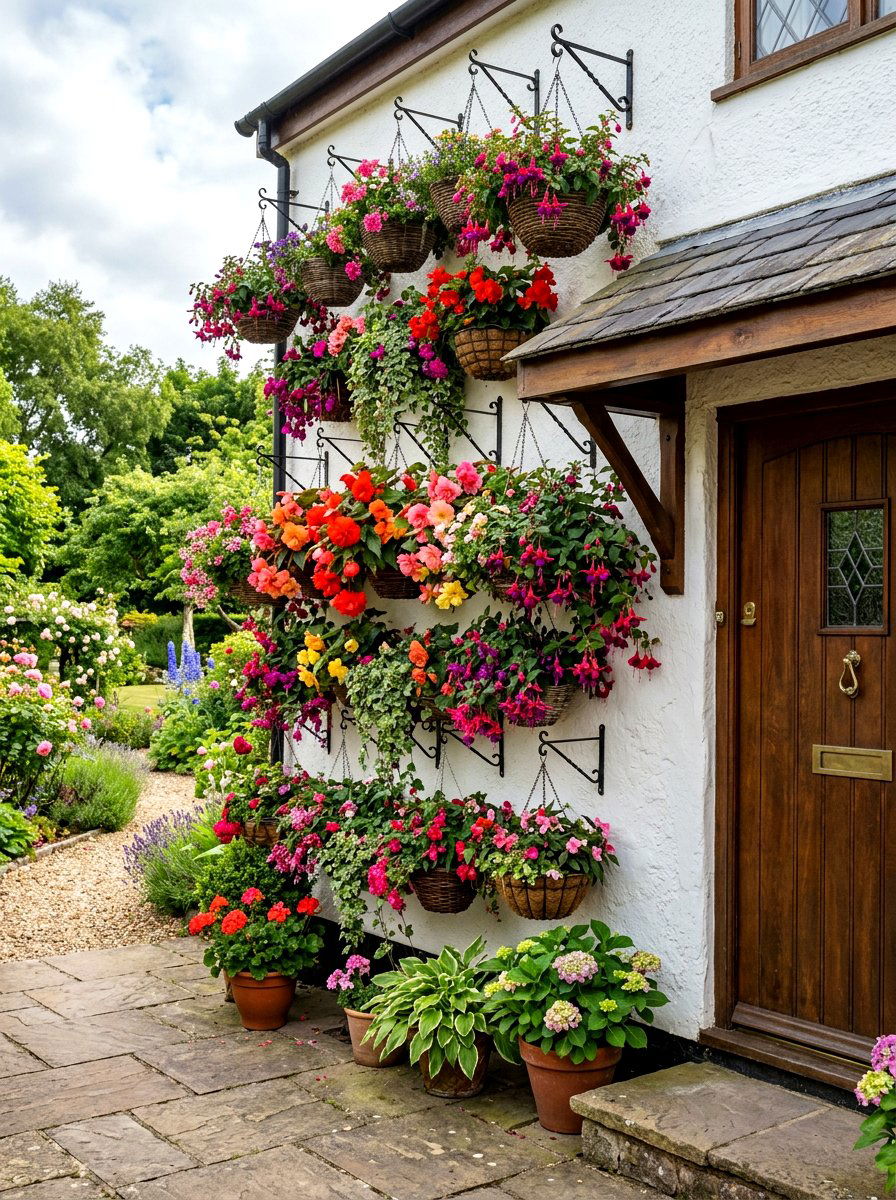
Wall mounted planters are a classic choice for turning any bare surface into a living piece of art. These containers attach directly to your siding or interior walls, allowing you to create a structured grid of greenery. They work exceptionally well for small flowering plants like petunias or trailing vines such as English ivy. By choosing modern materials like galvanized steel or sleek ceramic, you can match the aesthetic of your home perfectly. This setup is ideal for those who want a clean, organized look that remains off the ground. It is particularly effective for entryways where floor space is limited but a warm welcome is desired.
2. Wooden Pallet Garden
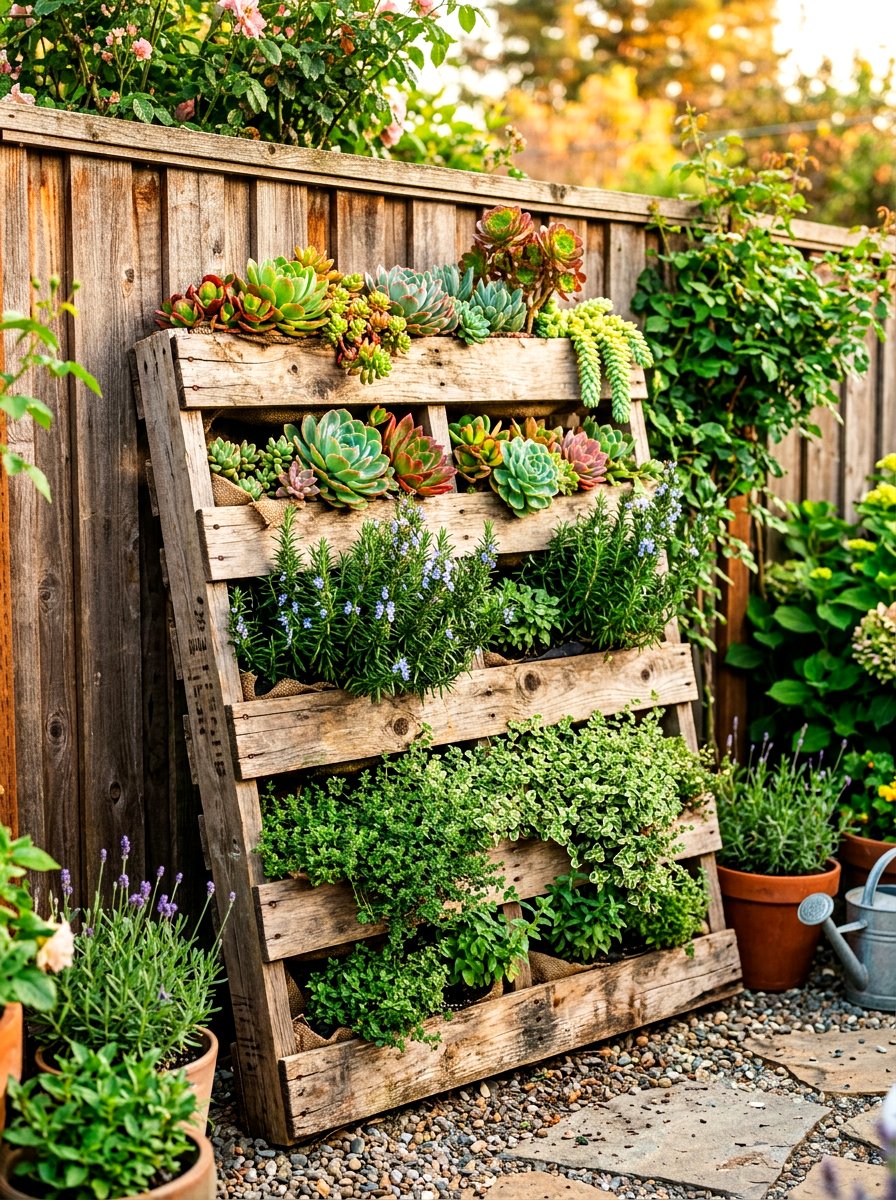
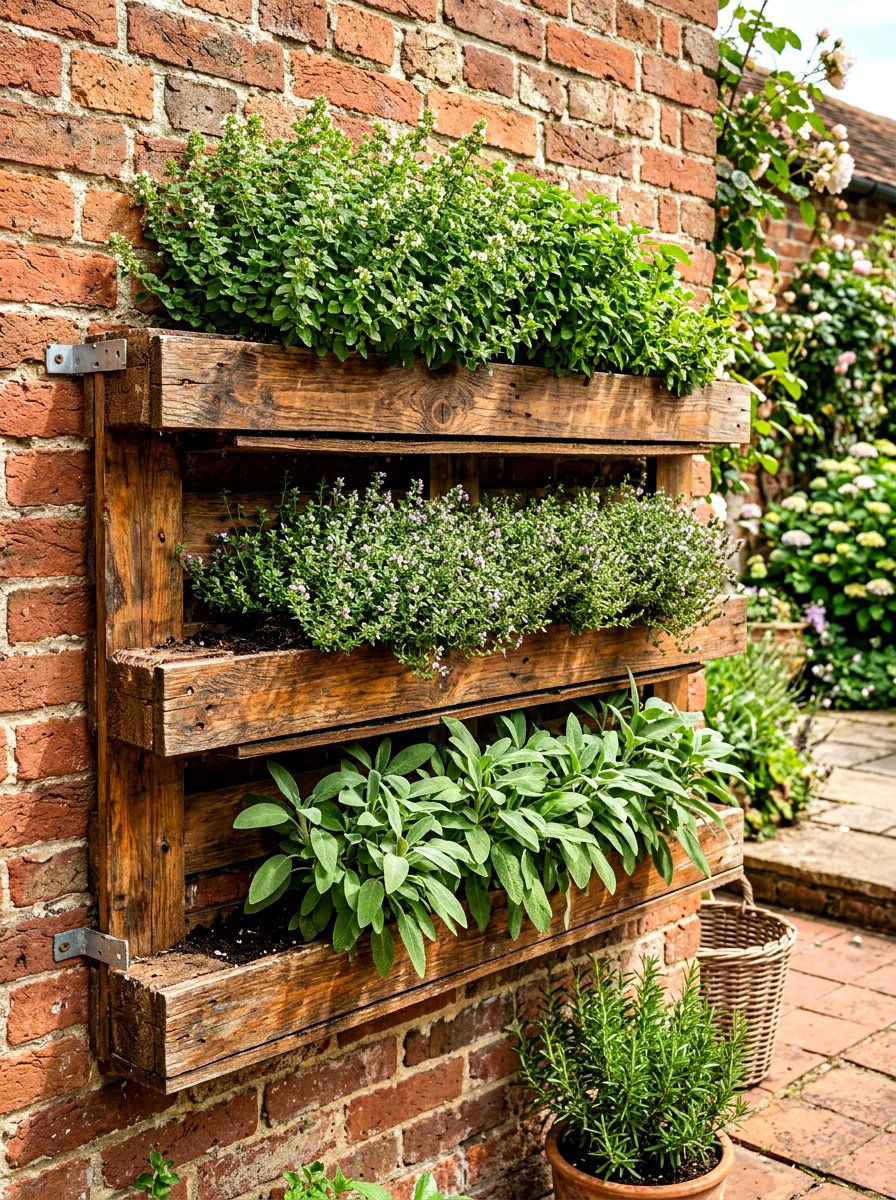
The wooden pallet garden is a beloved DIY project that brings a rustic, farmhouse charm to any outdoor area. By repurposing a standard shipping pallet, you can create multiple levels of planting pockets using landscape fabric and heavy-duty staples. This design is incredibly versatile, as you can lean the pallet against a fence or mount it securely to a wall. It is the perfect home for succulents, small herbs, or colorful annuals that thrive in shallower soil. Painting the wood in a bold color or a natural stain further enhances its visual appeal. This eco-friendly option is both budget-friendly and highly functional for urban gardeners.
3. Hanging Felt Pockets
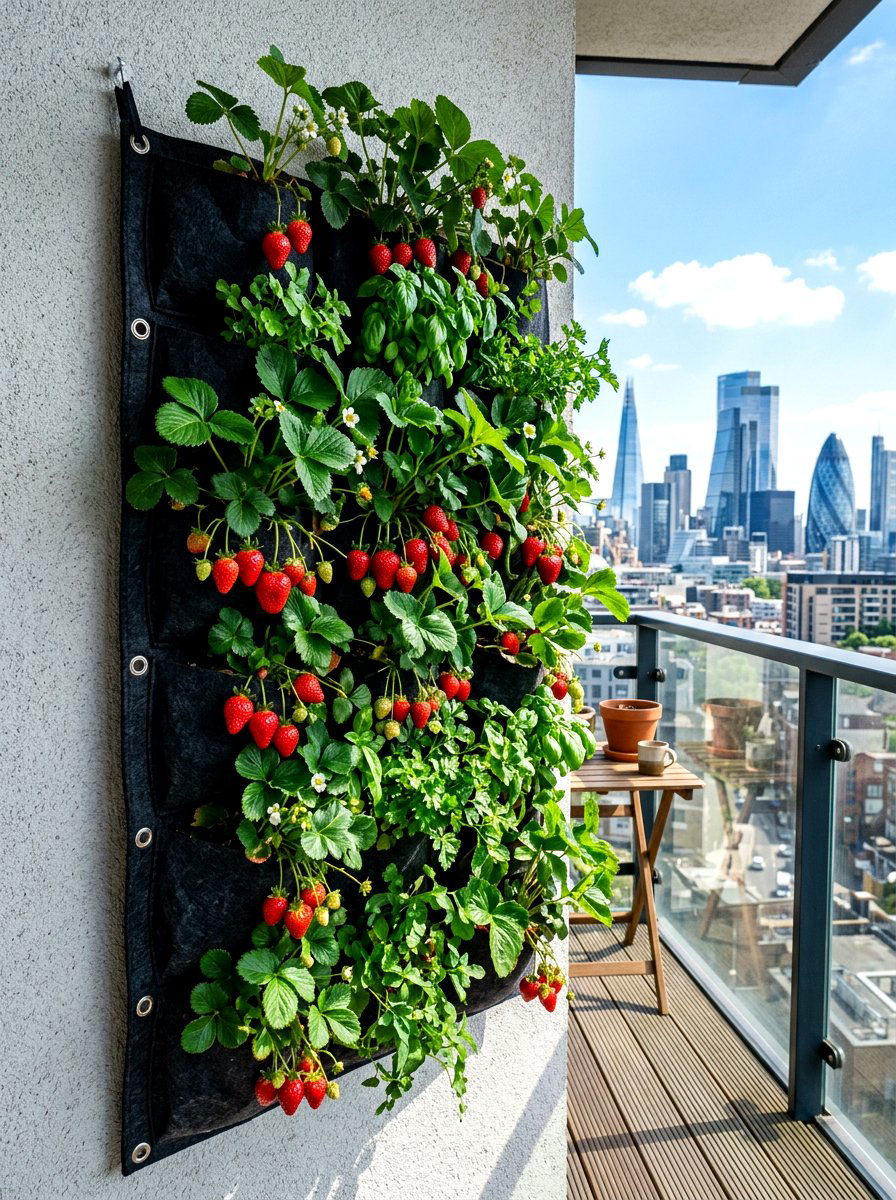
Hanging felt pockets offer a soft, lightweight solution for creating a lush green wall on balconies or patios. These breathable fabric organizers allow for excellent air circulation around the roots, preventing rot and encouraging healthy growth. You can easily hook them onto a railing or a series of wall-mounted screws to build a vertical tapestry of foliage. They are especially popular for growing strawberries, leafy greens, and assorted herbs because they make harvesting incredibly convenient. The modular nature of these pockets means you can expand your garden as your collection grows. They provide a modern, tactile feel that softens the hard lines of outdoor architecture.
4. Vertical Herb Tower
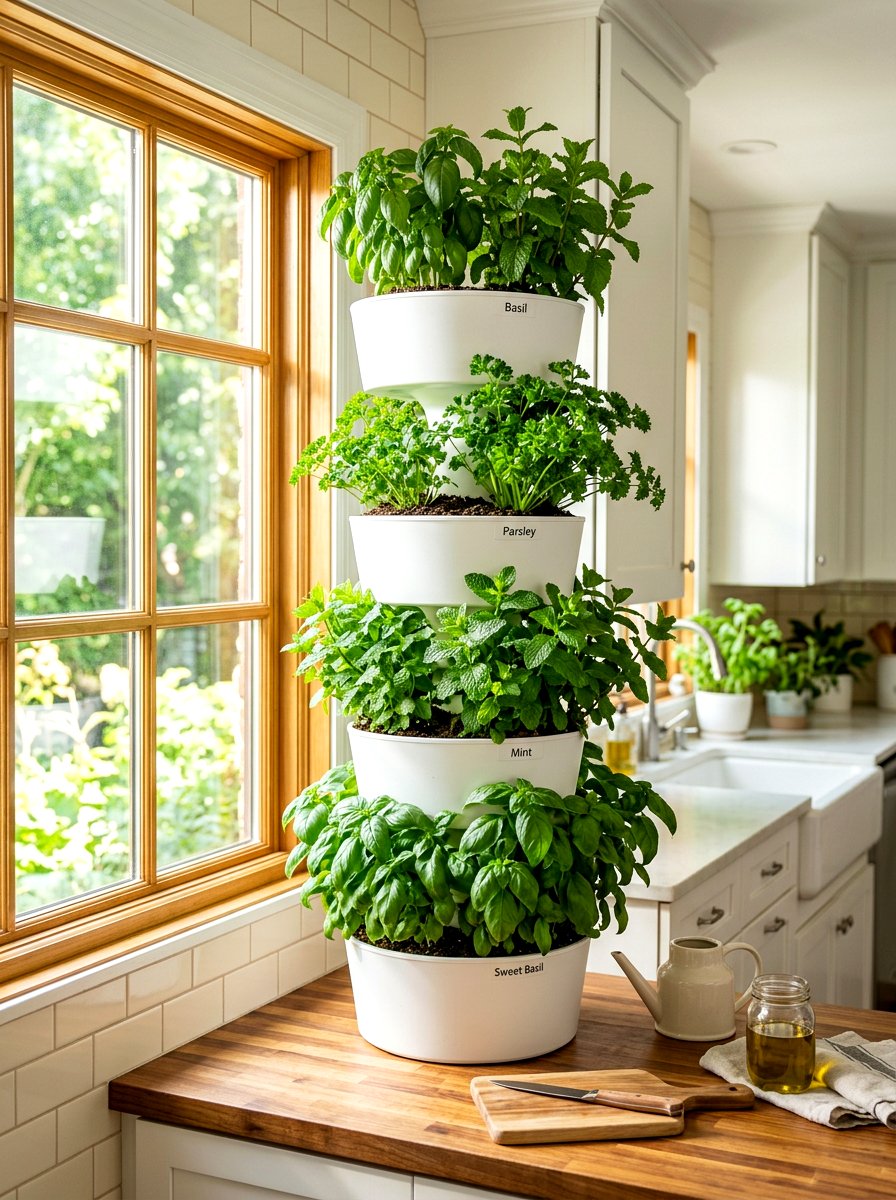
A vertical herb tower is a must-have for any home chef who wants fresh ingredients within arm's reach. These towers usually consist of stacked tiers or a central column with specialized openings for individual plants to sprout. By placing one on a sunny porch or near a kitchen window, you can grow basil, thyme, and rosemary in a very compact footprint. This design ensures that each plant receives adequate sunlight and simplifies the watering process from the top down. It is an efficient way to keep your herbs organized while creating a beautiful, aromatic focal point. The vertical height also keeps your delicate greens away from common garden pests.
5. Trellis Privacy Screen
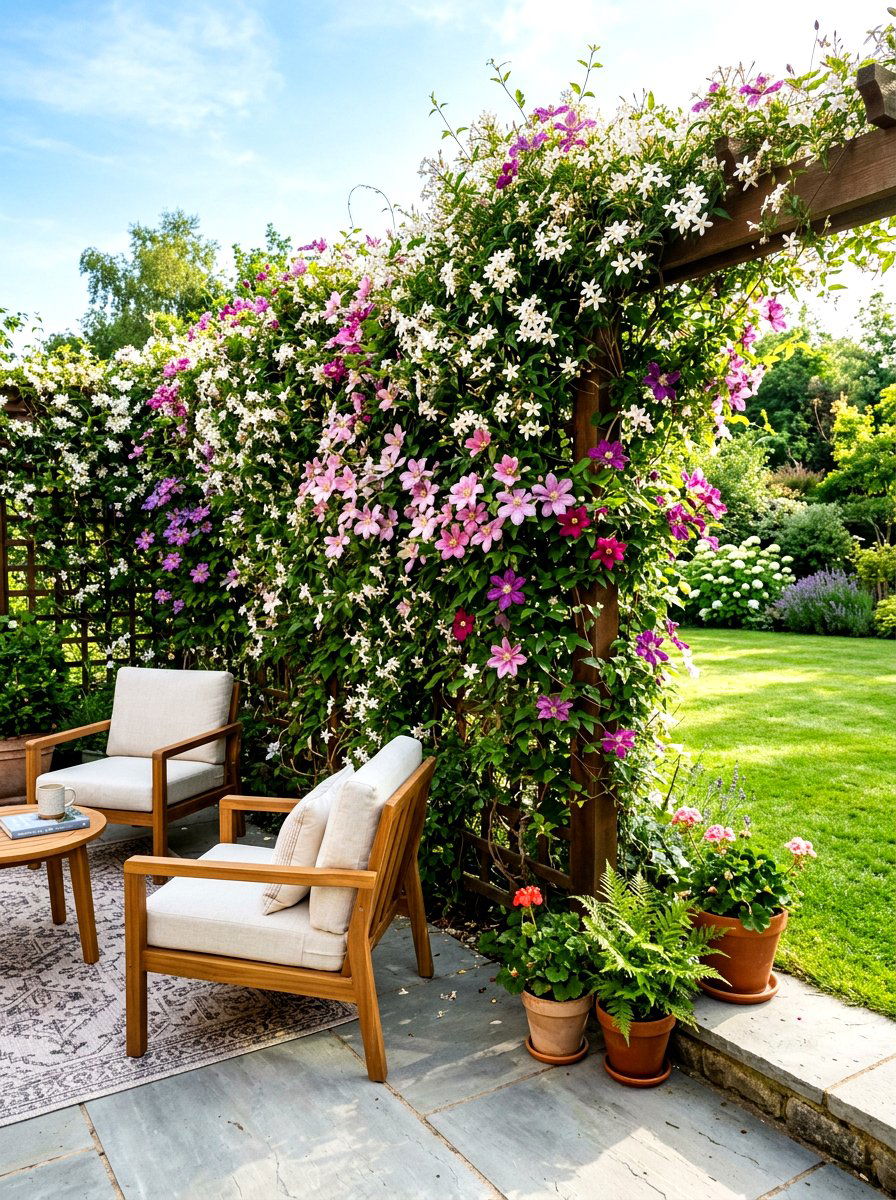
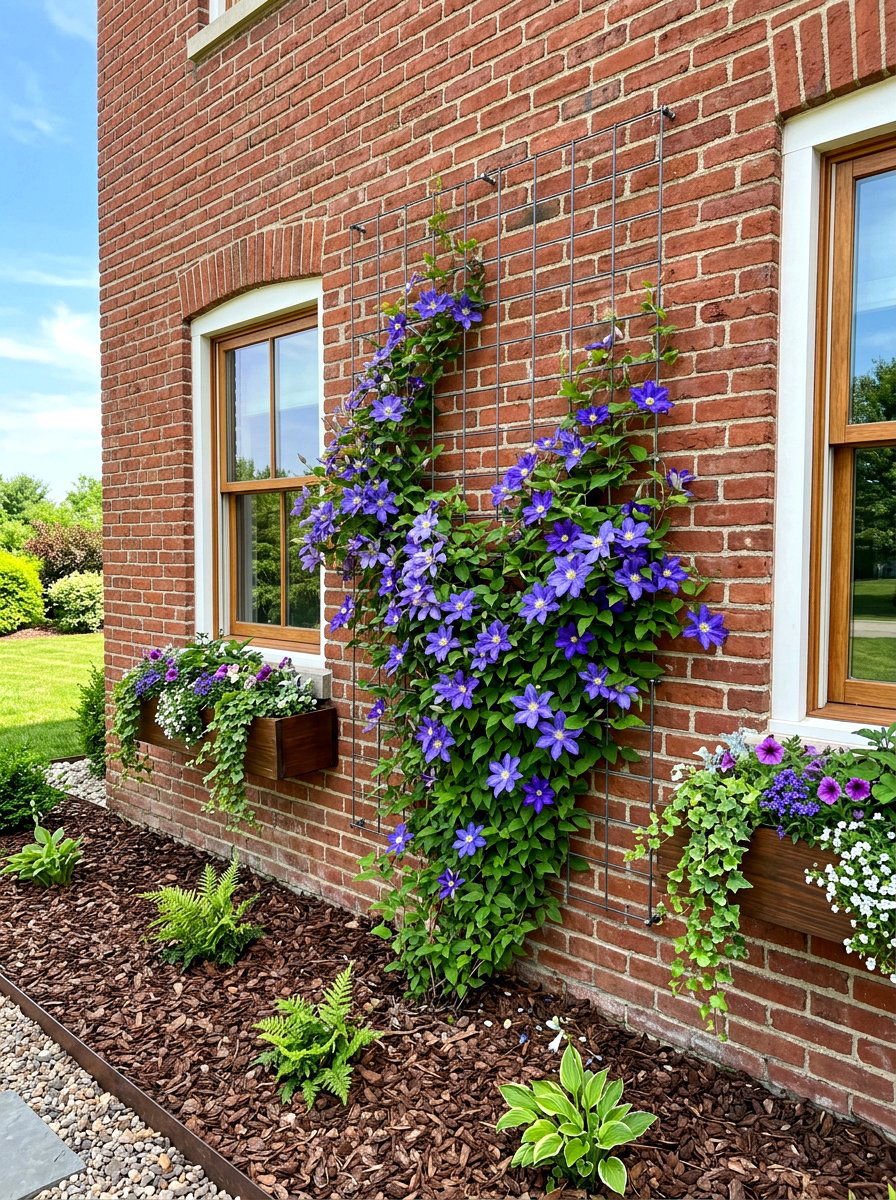
A trellis privacy screen serves two purposes by providing a sturdy support for climbing plants while shielding your outdoor space from neighbors. Whether you choose a traditional lattice design or a modern metal grid, a trellis allows vines like jasmine or clematis to grow upwards and fill the gaps. This creates a dense, living barrier that filters noise and adds a sense of seclusion to your patio or deck. During the blooming season, the screen becomes a wall of fragrant flowers that attracts pollinators like bees and butterflies. It is a natural alternative to bulky wooden fences and brings a softer, organic feel to the landscape.
6. Succulent Frame Wall Art
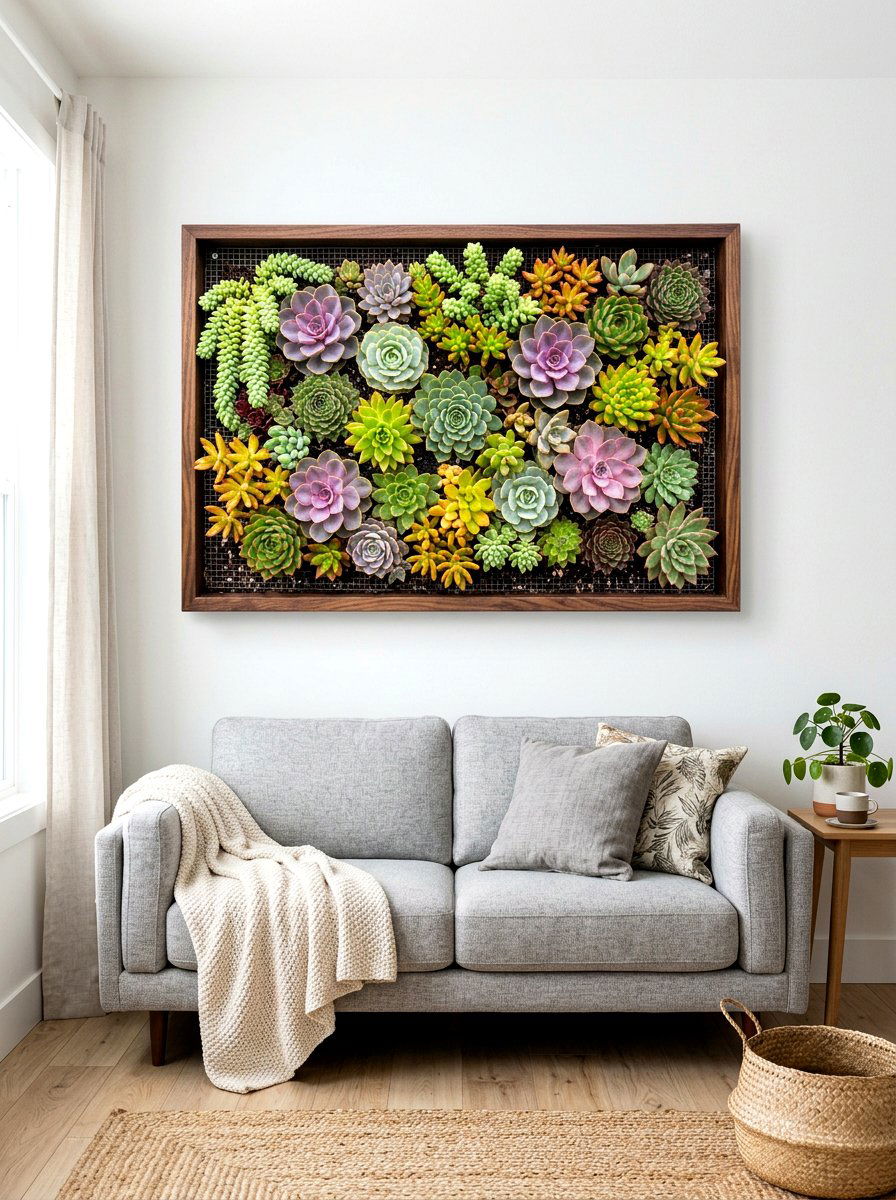
Succulent frame wall art transforms slow-growing desert plants into a stunning three-dimensional masterpiece for your home. By using a shallow shadow box with a mesh front, you can tuck various succulents like echeveria and sedum into a tight, colorful arrangement. These plants are ideal for vertical displays because they require very little water and have shallow root systems that thrive in confined spaces. Once established, the frame can be hung on an interior wall or a shaded outdoor porch. The mixture of textures and shapes creates a living tapestry that changes subtly over time. It is a sophisticated way to introduce greenery into a minimalist or modern room.
7. Pocket Planter Fence
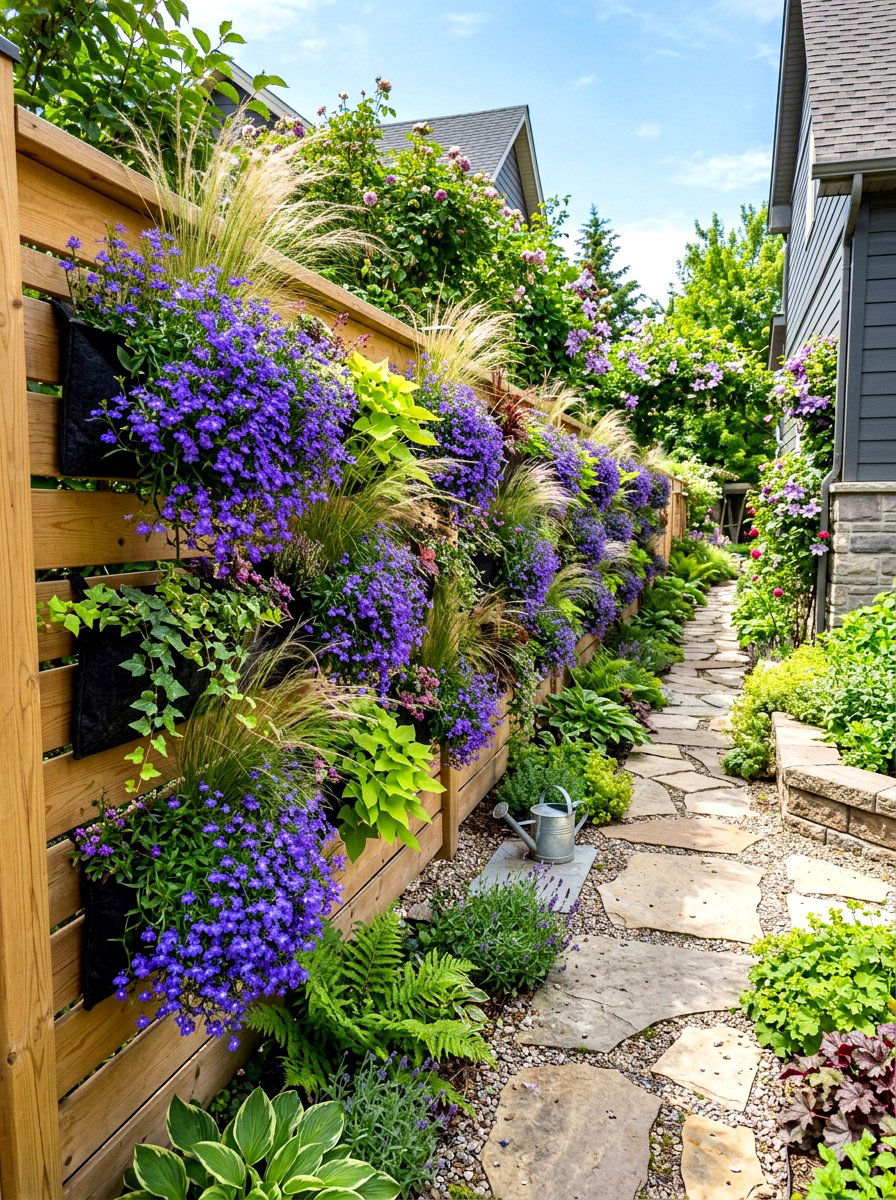
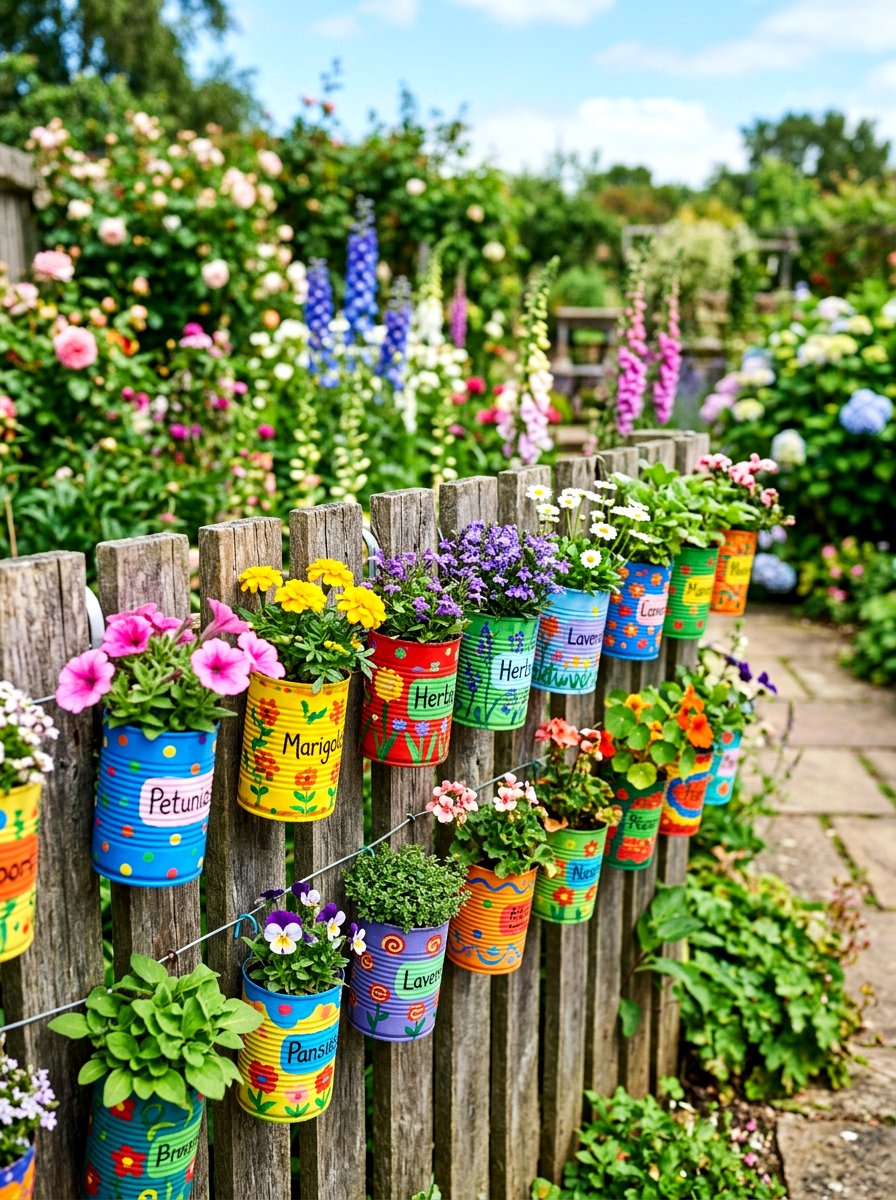
The pocket planter fence is a clever way to utilize the often-ignored vertical surface of a backyard perimeter. By attaching small individual pots or long fabric pocket strips to each fence panel, you can hide old wood and replace it with vibrant life. This approach is fantastic for creating a continuous wall of color using cascading flowers or ornamental grasses. It also works well for residents with narrow side yards where traditional garden beds would block the walkway. Keeping the plants at eye level makes maintenance much easier and prevents back strain during weeding. This setup instantly elevates a standard fence into a premium design feature.
8. Tiered Ladder Planter
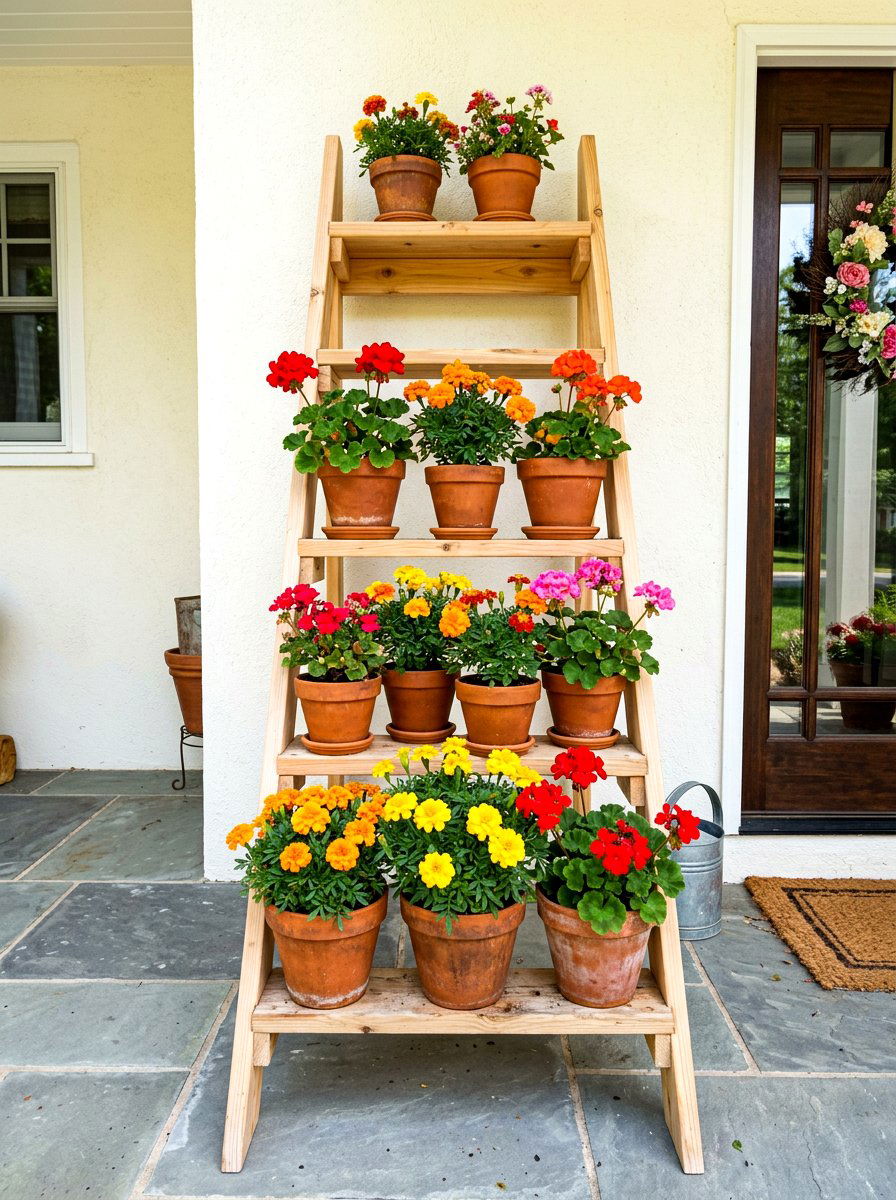
A tiered ladder planter offers a charming and mobile way to display a variety of plants in a vertical fashion. You can use an old wooden step ladder or purchase a purpose-built shelving unit that mimics the ladder shape. Each step provides a platform for different-sized pots, allowing you to group plants with similar light needs together. This design is particularly effective for small balconies where you want to maximize vertical height without blocking the view. Because the pots are separate, you can easily swap out seasonal flowers or move the entire unit to follow the sun. It adds a lovely vertical layer to your outdoor decor.
9. Mason Jar Wall Garden
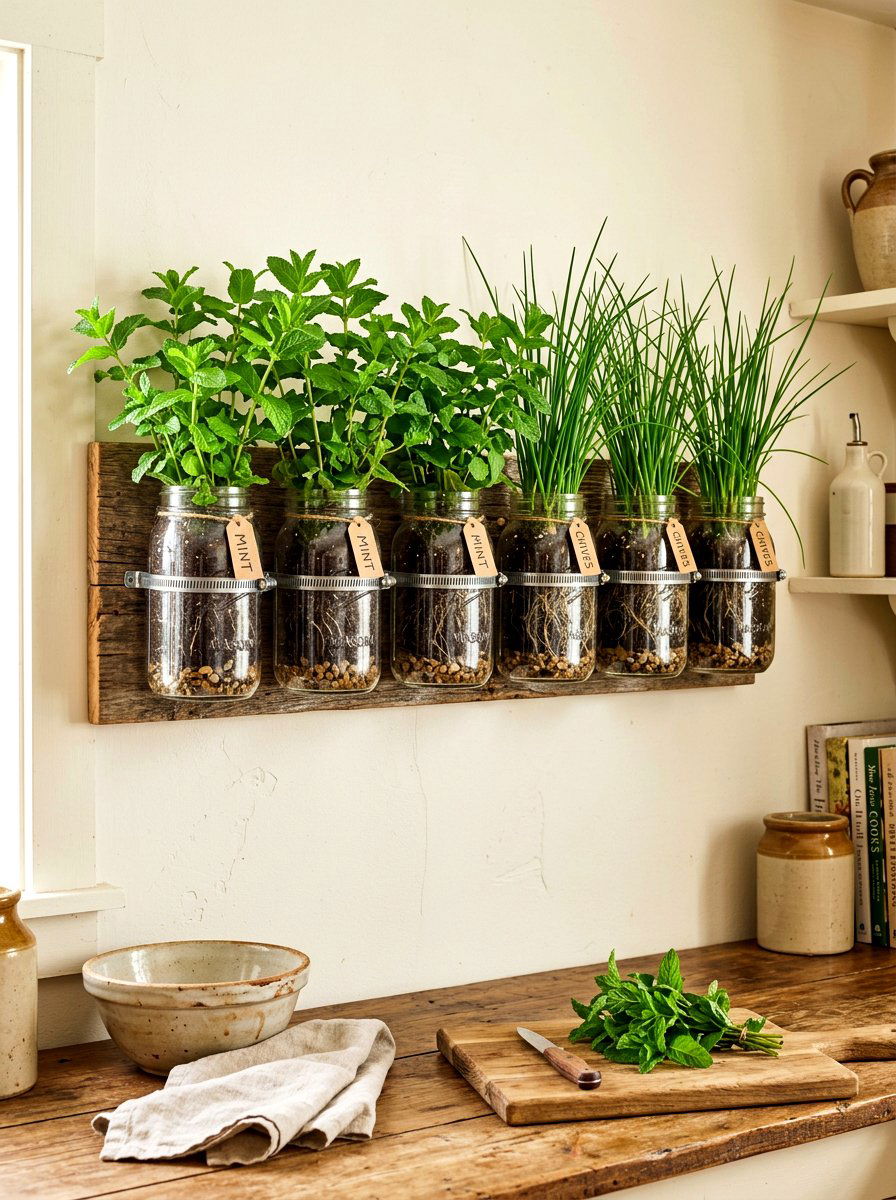
A mason jar wall garden is a popular choice for bringing a vintage, handcrafted look into a bright kitchen or sunroom. By securing glass jars to a reclaimed wood board with metal hose clamps, you can create a beautiful indoor herb station. The clear glass allows you to see the root systems and soil levels, making it easier to manage moisture for your plants. This setup is perfect for small-scale greens like mint, parsley, or even decorative air plants that don't require soil. Mounting the board at eye level ensures that your fresh herbs are always ready for cooking. It combines functionality with a trendy, industrial-chic aesthetic.
10. Metal Grid Panel
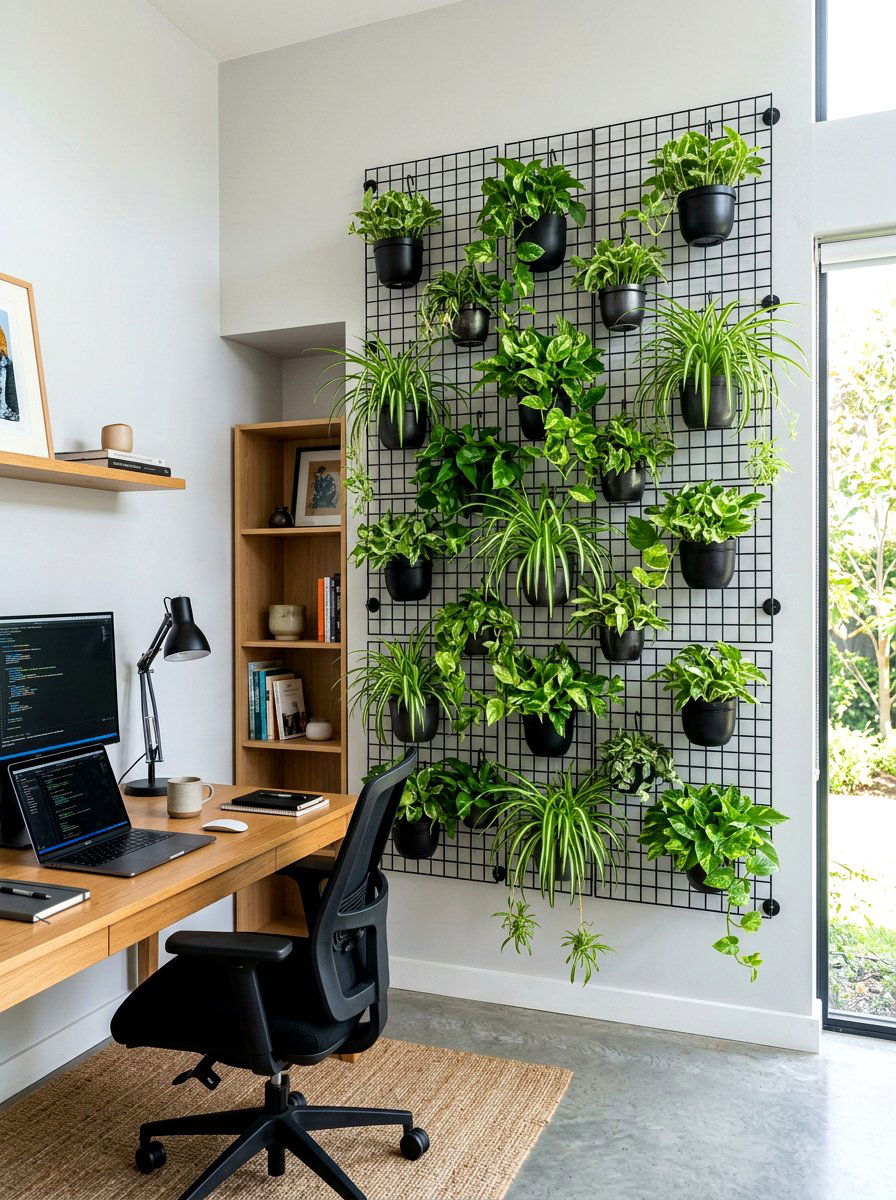
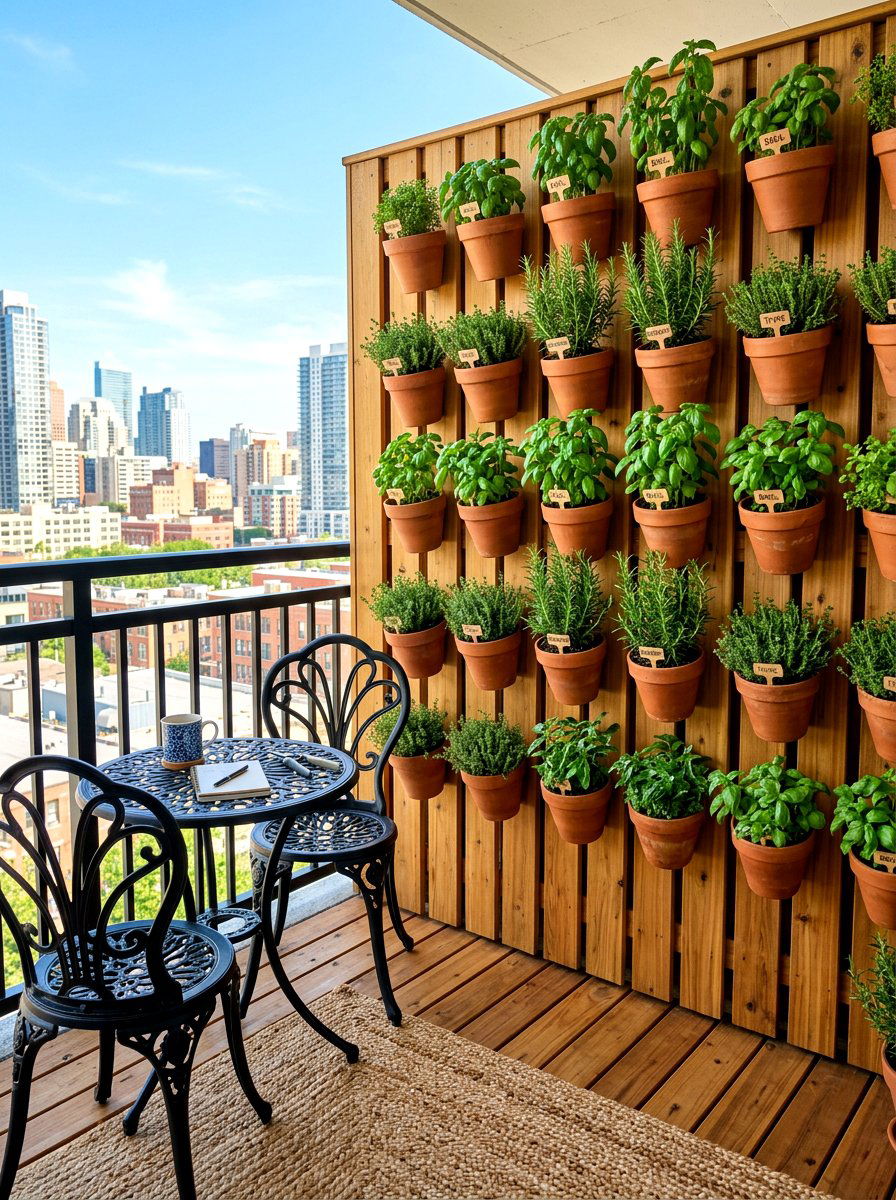
The metal grid panel is a sleek, industrial solution for modern vertical gardening in urban environments. This system involves mounting a wire mesh or specialized metal grid to a wall and using S-hooks to hang individual pots at various heights. The flexibility of this design is its greatest strength, as you can rearrange the pots whenever you desire to change the look. It is an excellent choice for displaying a diverse collection of indoor houseplants like pothos or spider plants. The open grid allows the wall behind it to remain visible, creating a light and airy feel. This setup works perfectly in a home office or contemporary living room.
11. Recycled Gutter Garden
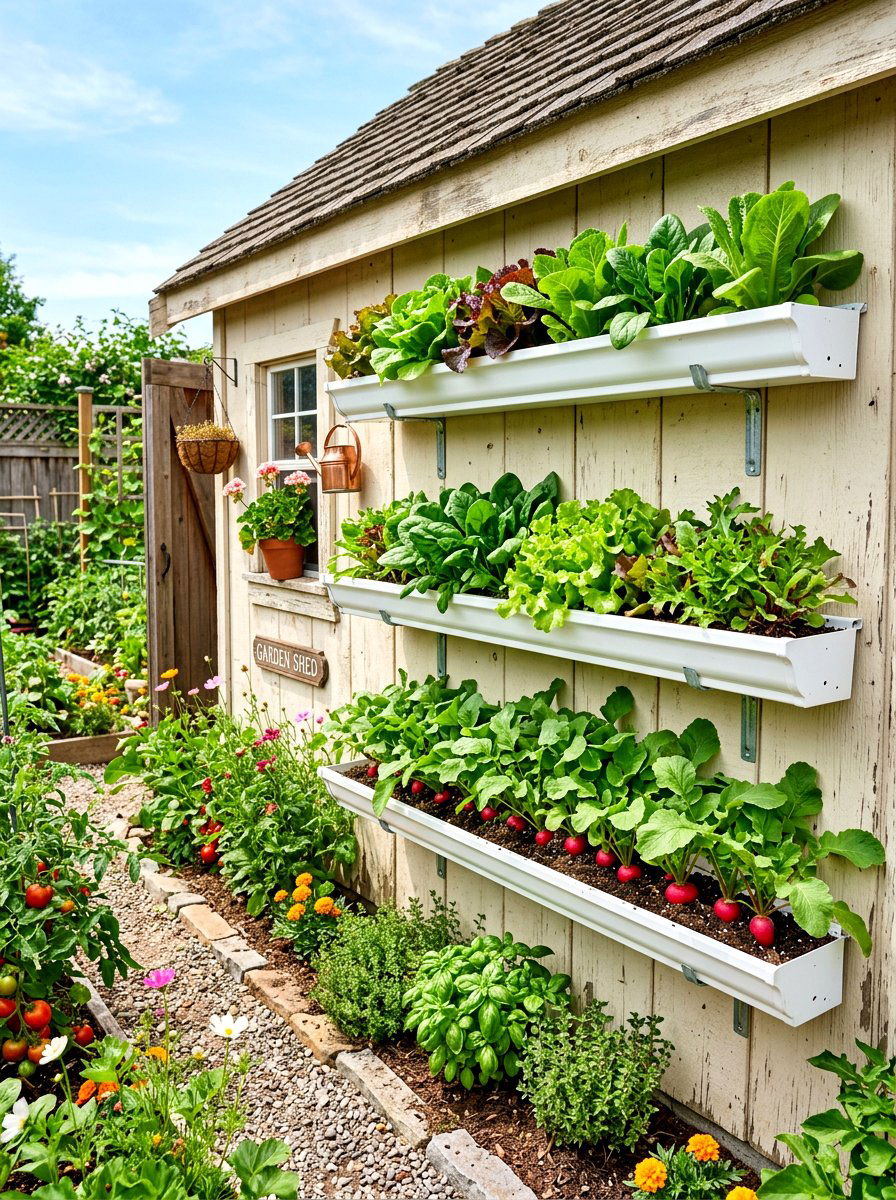
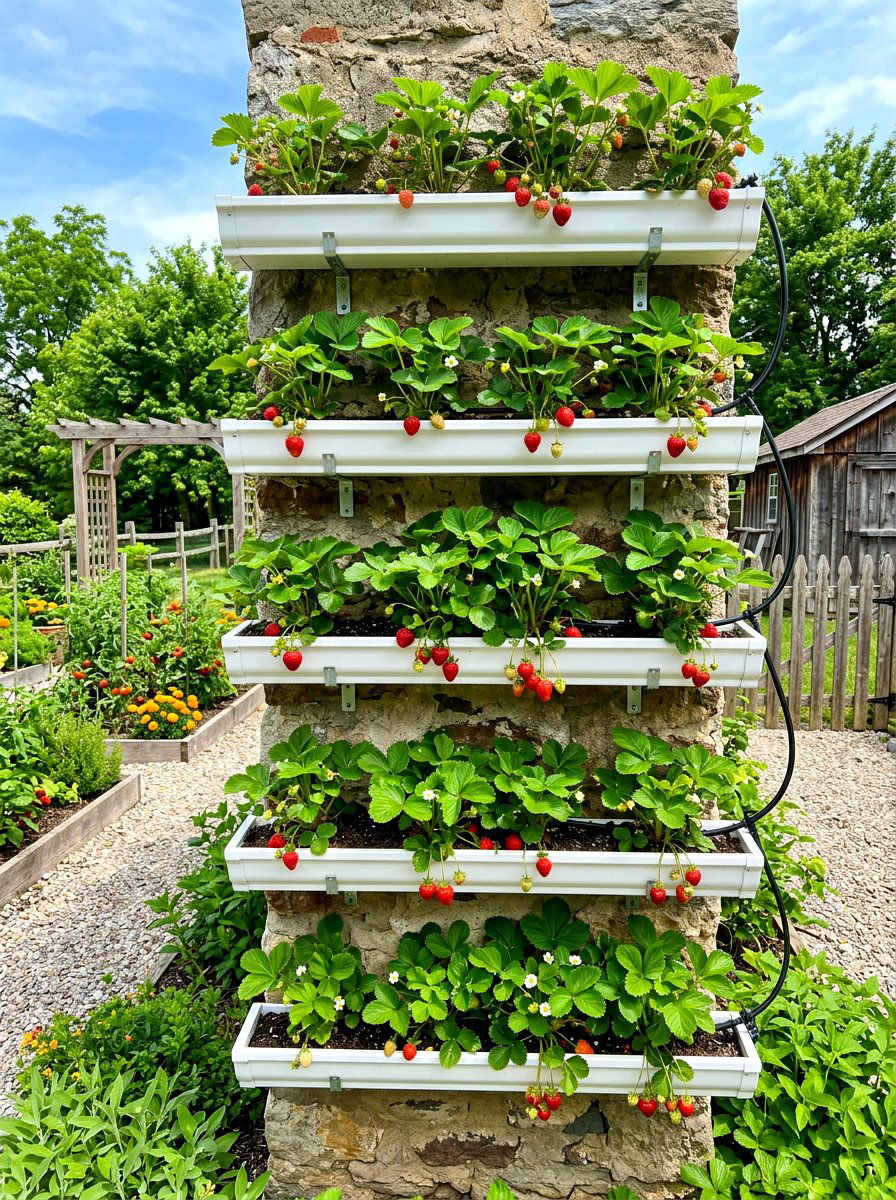
A recycled gutter garden is an ingenious and cost-effective way to use vertical space on the side of a shed or garage. By mounting sections of vinyl or metal rain gutters horizontally in a stacked formation, you create long, narrow planting beds. These are perfect for growing shallow-rooted vegetables like lettuce, spinach, and radishes. The long runs of the gutters allow for a neat, organized appearance that is easy to water with a simple hose or drip system. This design is also great for trailing strawberries, which can hang over the edges for easy picking. It is a fantastic project for upcycling materials while producing a high yield of food.
12. Floating Shelves Garden
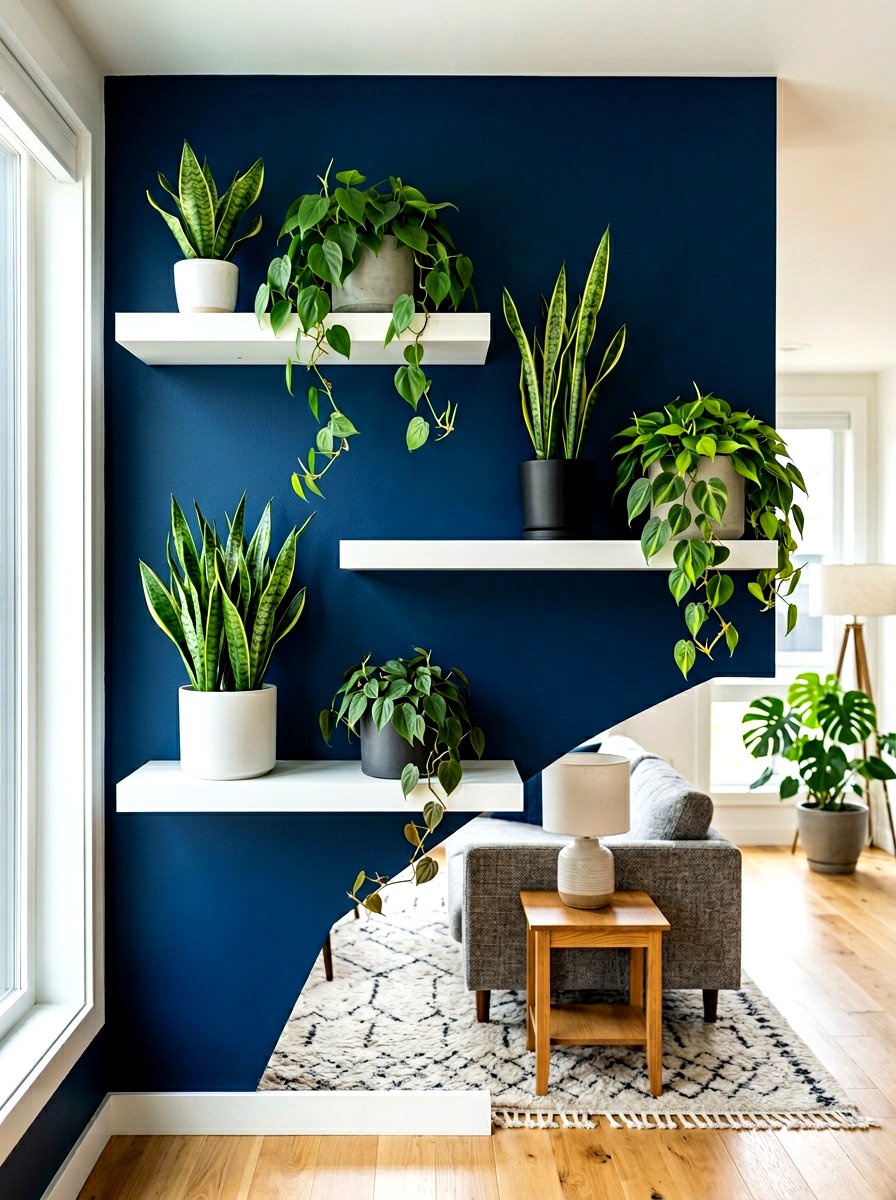
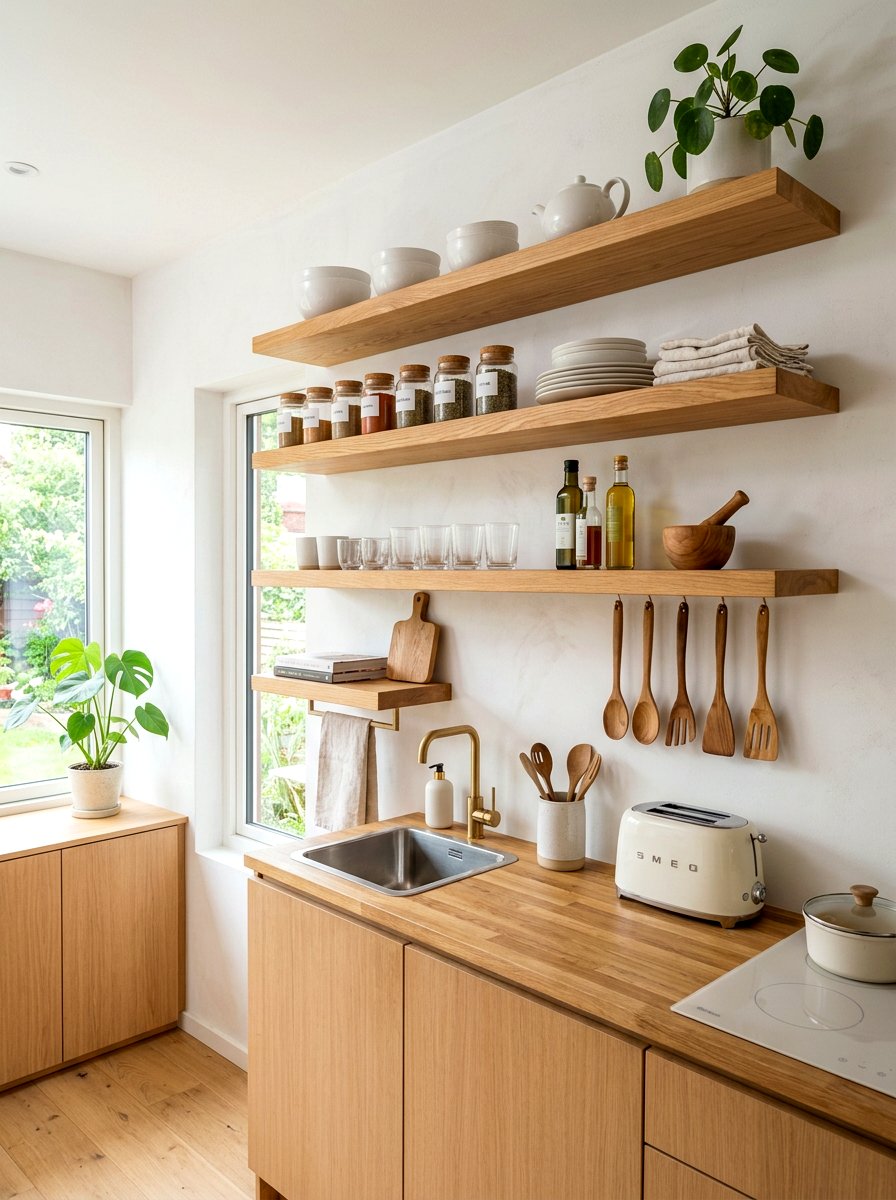
Floating shelves gardens provide a minimalist and sophisticated way to display greenery on any interior wall. By installing a series of clean-lined shelves at different heights, you create dedicated space for a curated selection of potted plants. This approach allows you to mix various pot styles and plant types, such as tall snake plants and trailing heart-leaf philodendrons. The lack of visible brackets keeps the focus entirely on the foliage and the overall composition. It is an ideal solution for renters or homeowners who want to add life to a room without the commitment of a full living wall. The staggered layout adds a dynamic sense of movement.
13. Hydroponic Tower System
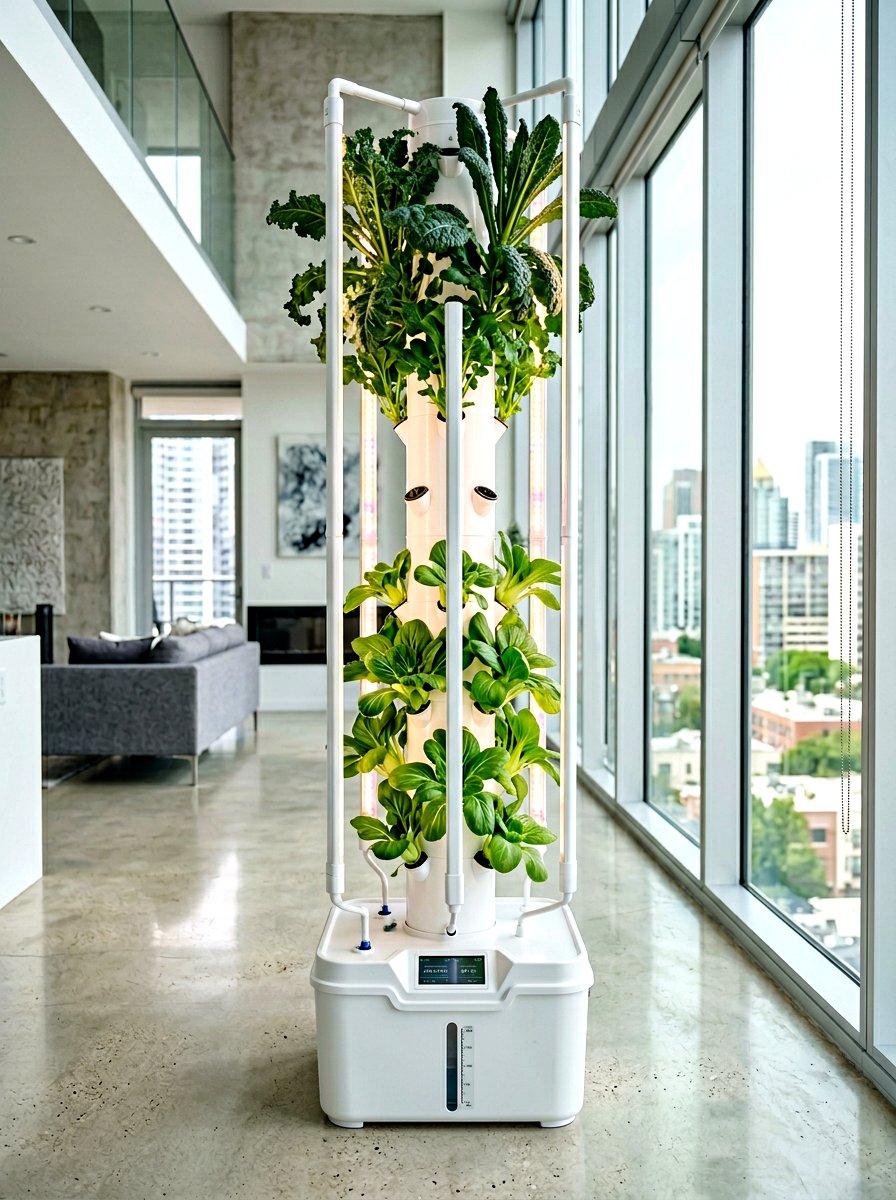
A hydroponic tower system represents the high-tech future of vertical gardening, allowing you to grow food without any soil. These sleek, vertical columns use a nutrient-rich water solution that circulates through the system to feed the plant roots directly. Because they are often self-watering and include built-in lighting, they are perfect for growing fresh produce indoors year-round. You can grow large quantities of kale, bok choy, and herbs in a fraction of the space required by traditional gardens. This method typically results in faster growth rates and less water waste than soil-based gardening. It is a great investment for those serious about home-grown sustainability and modern technology.
14. Macrame Hanging Garden
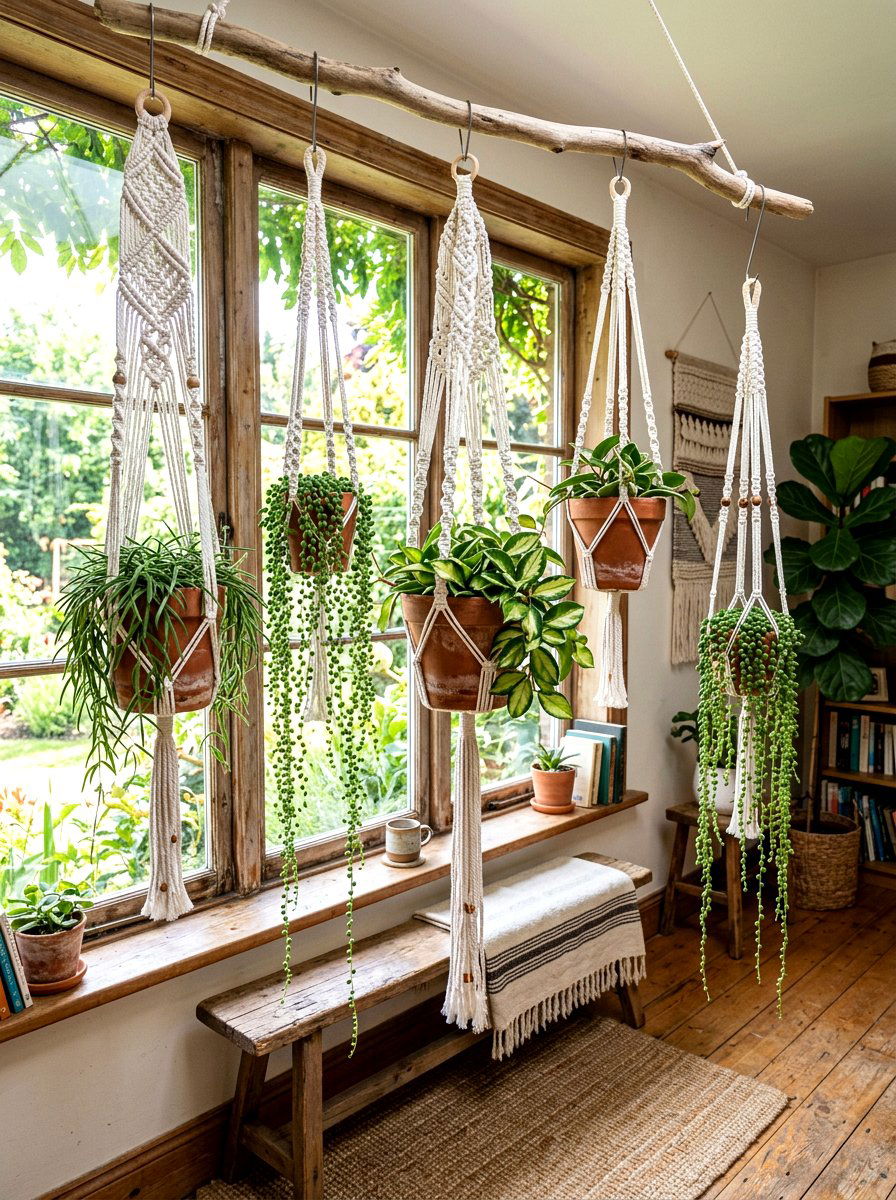
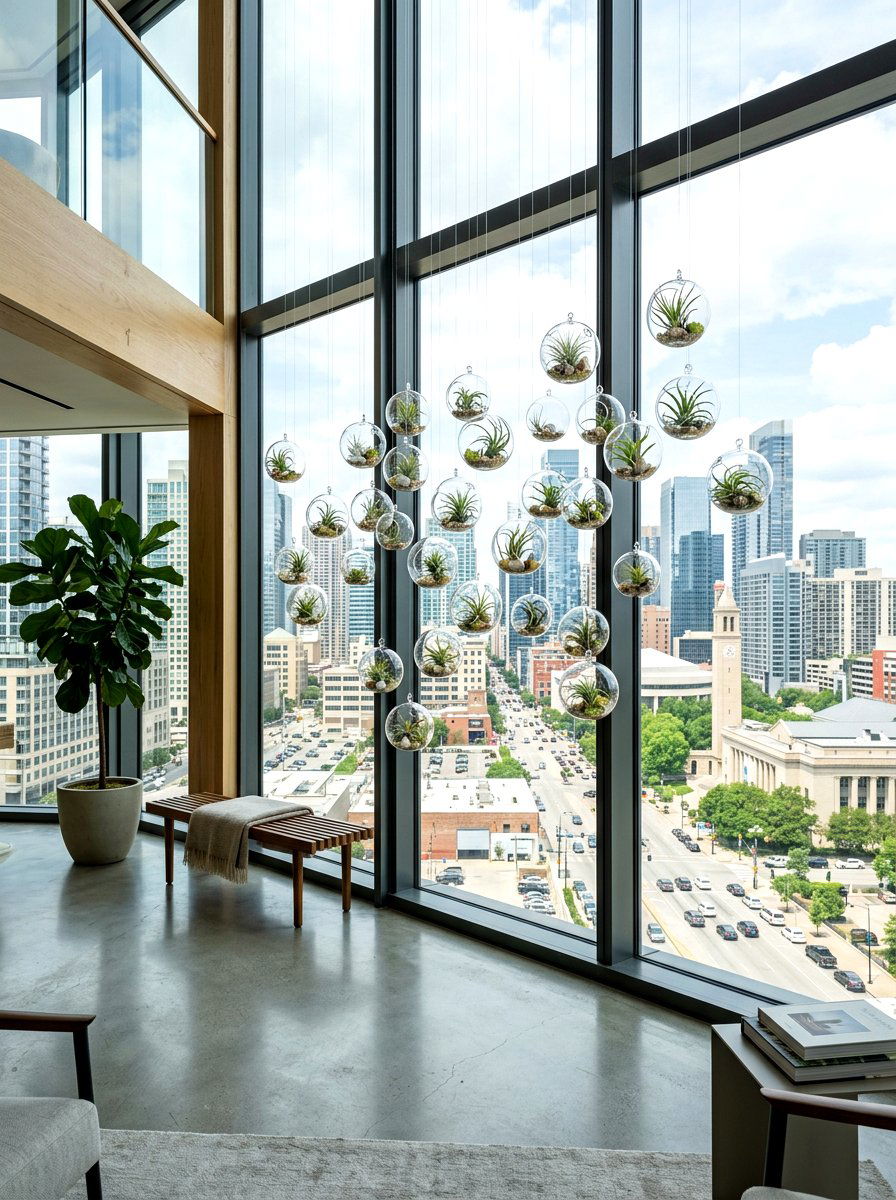
The macrame hanging garden brings a bohemian and artistic vibe to your windows or patio spaces. By using intricate knotted rope hangers at varying lengths, you can suspend multiple pots from a single ceiling hook or a decorative wall rod. This creates a floating forest effect that draws the eye upward and adds texture to your decor. It is a fantastic way to display trailing plants like string of pearls or hoyas, as their vines can gracefully cascade down the macrame cords. The hand-crafted nature of the hangers adds warmth and personality to any room. This vertical style keeps floors clear and plants safely away from curious pets.

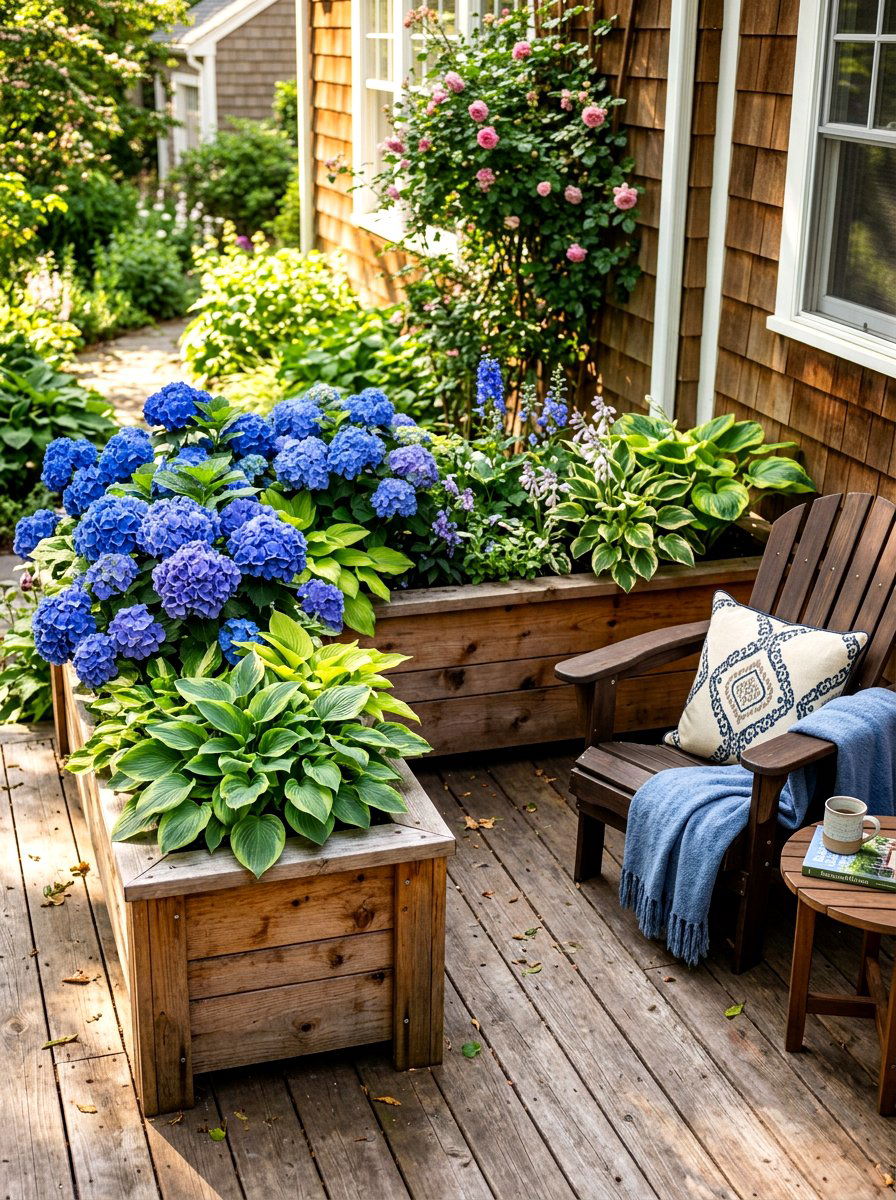
15. Chalkboard Wall Planter
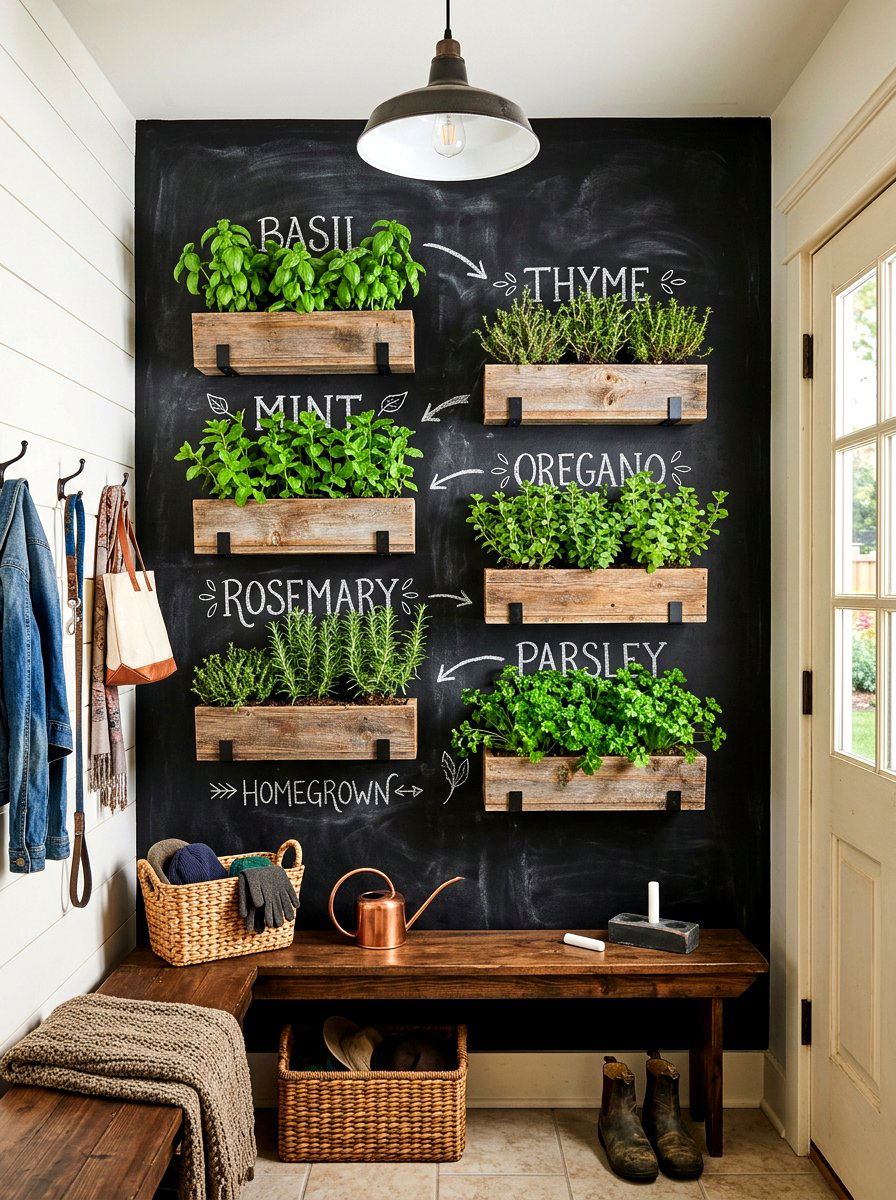
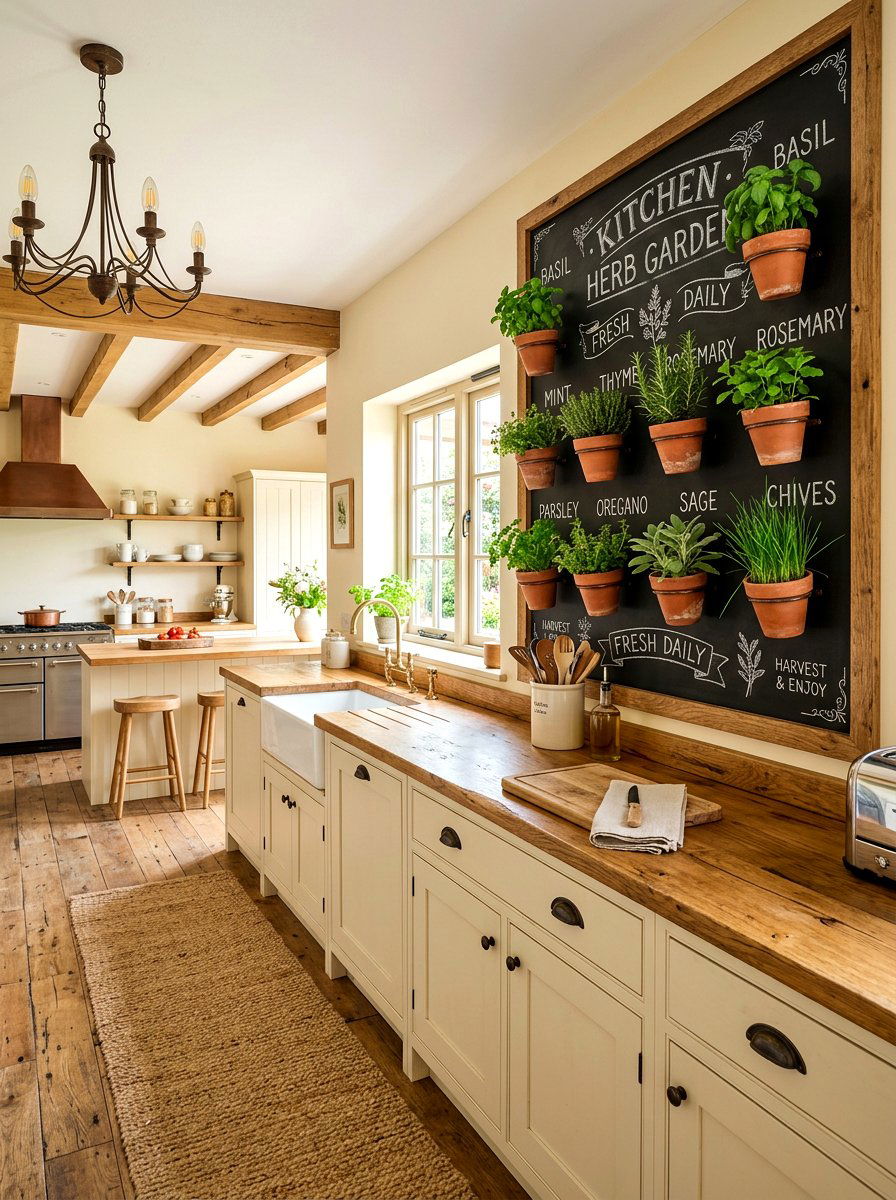
A chalkboard wall planter is a fun and interactive way to combine organization with gardening in a family space. By painting a wooden planter box or a section of the wall with chalkboard paint, you can easily label your plants or write notes about care. This is especially helpful in a vertical herb garden where you might be growing several similar-looking greens. You can even draw decorative borders or let children track the growth of their favorite flowers directly on the surface. This design encourages engagement with nature and serves as a functional piece of decor in a mudroom or kitchen. It is a charming blend of utility and creativity.
16. Bamboo Trellis Wall
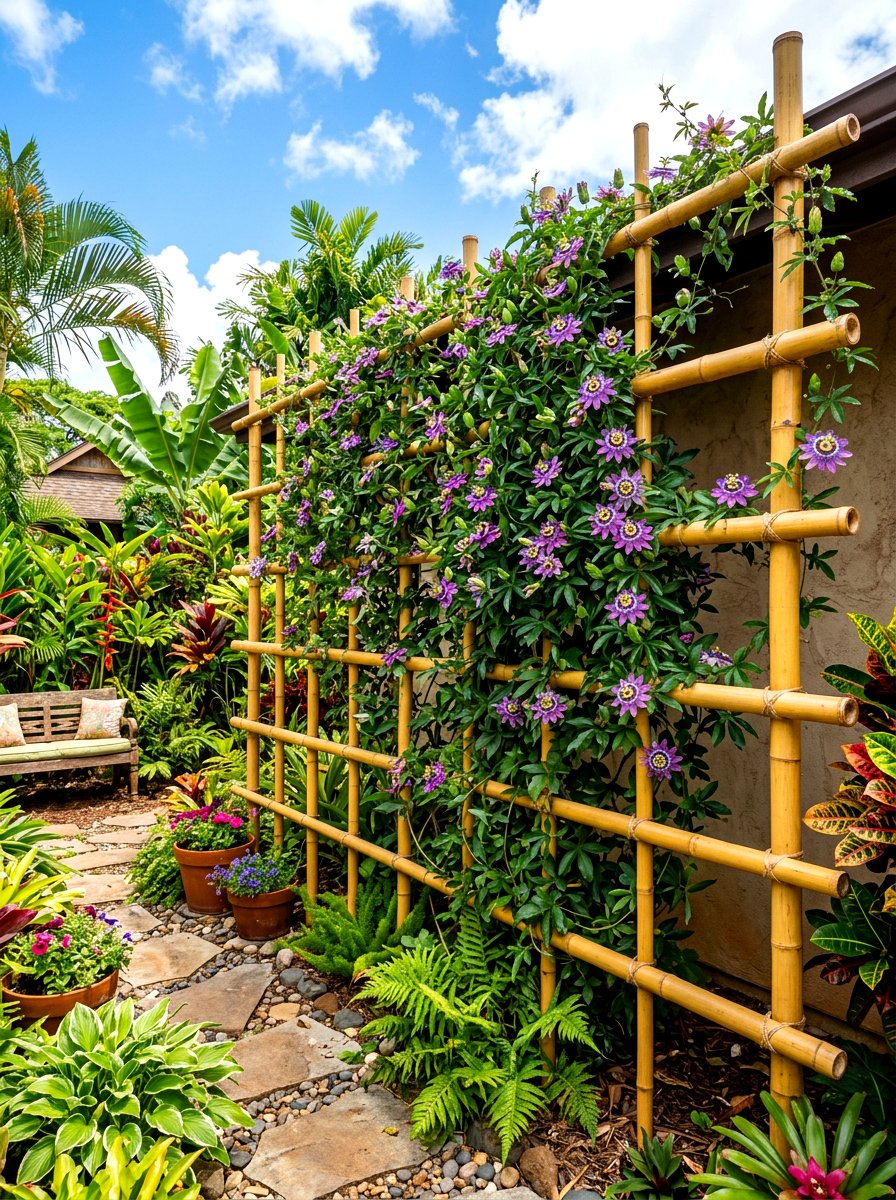
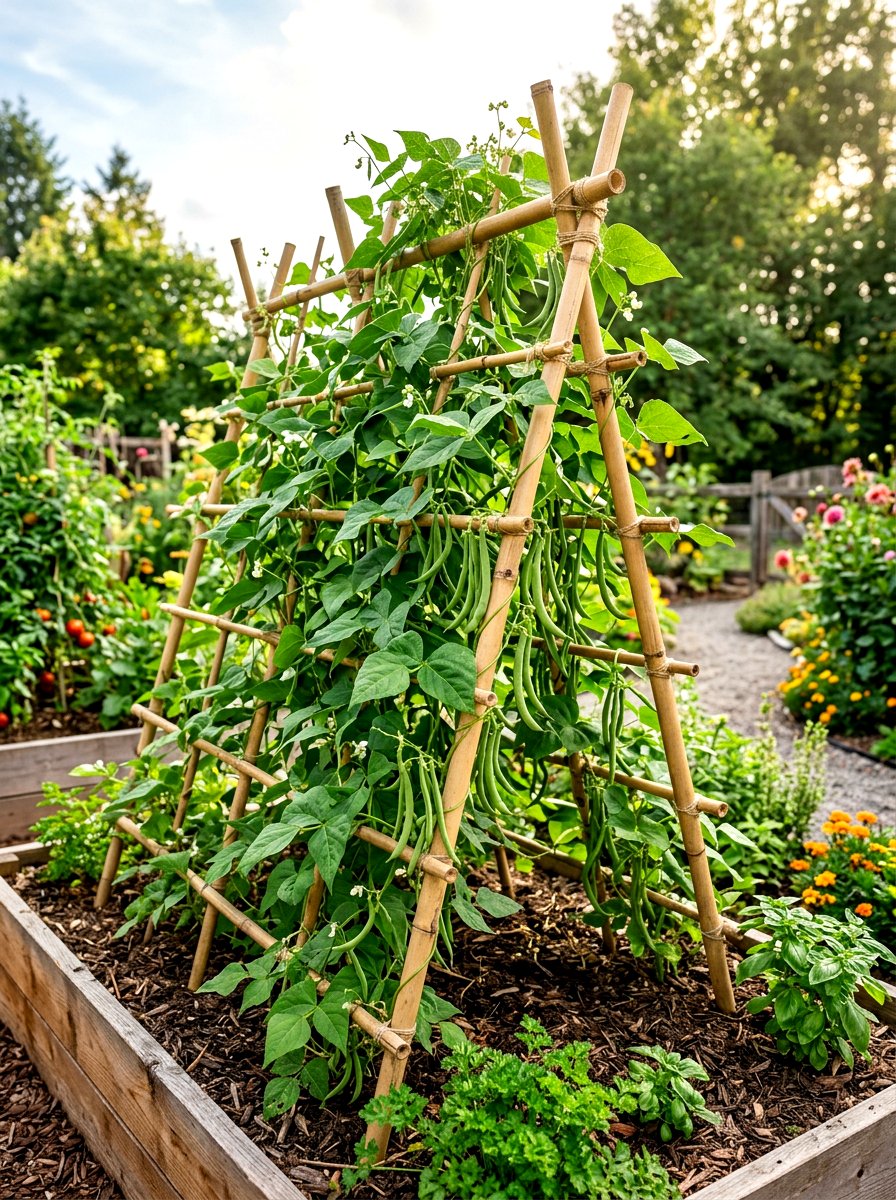
A bamboo trellis wall offers a tropical and eco-friendly support system for climbing vines and tall flowers. Bamboo is a sustainable material that is naturally resistant to moisture, making it ideal for outdoor garden structures. You can create a full-wall trellis by lashing bamboo poles together in a grid or fan pattern. This setup is perfect for supporting heavy climbers like passionflower or bougainvillea, which provide dense coverage and exotic blooms. The golden tones of the bamboo complement the vibrant green foliage, creating a serene and natural atmosphere. It is an affordable way to add architectural interest and a sense of paradise to a backyard retreat.
17. Modular Wall Pots
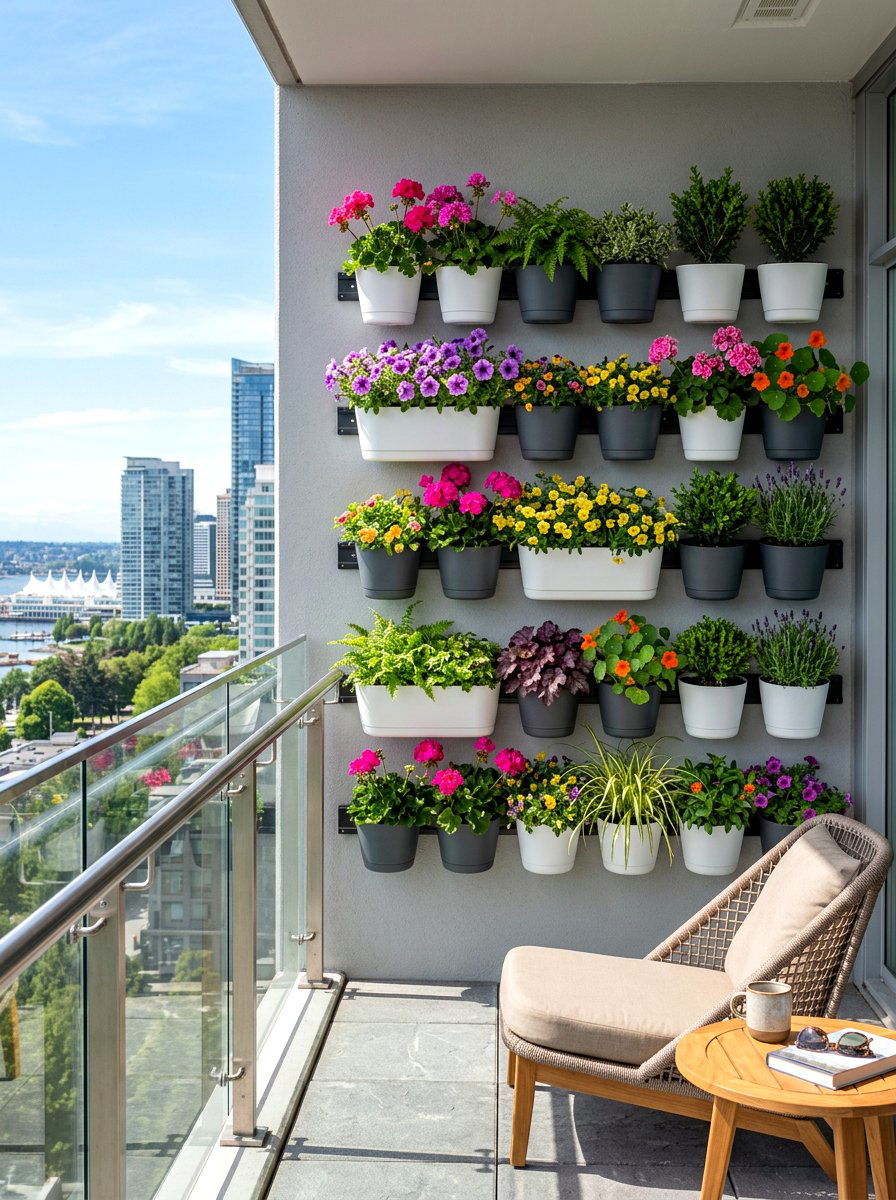
Modular wall pots are a contemporary gardening system designed for maximum flexibility and ease of use. These individual containers often feature a specialized mounting bracket that allows them to be clicked into place on a wall rail. This means you can easily remove a single pot to prune, water, or replace a plant without disturbing the rest of the arrangement. They are perfect for creating geometric patterns or filling a specific awkward space with greenery. Many modular systems also include self-watering reservoirs, which help keep your plants healthy with minimal effort. This professional-looking setup is ideal for modern offices or high-end residential balconies.
18. Copper Pipe Planter
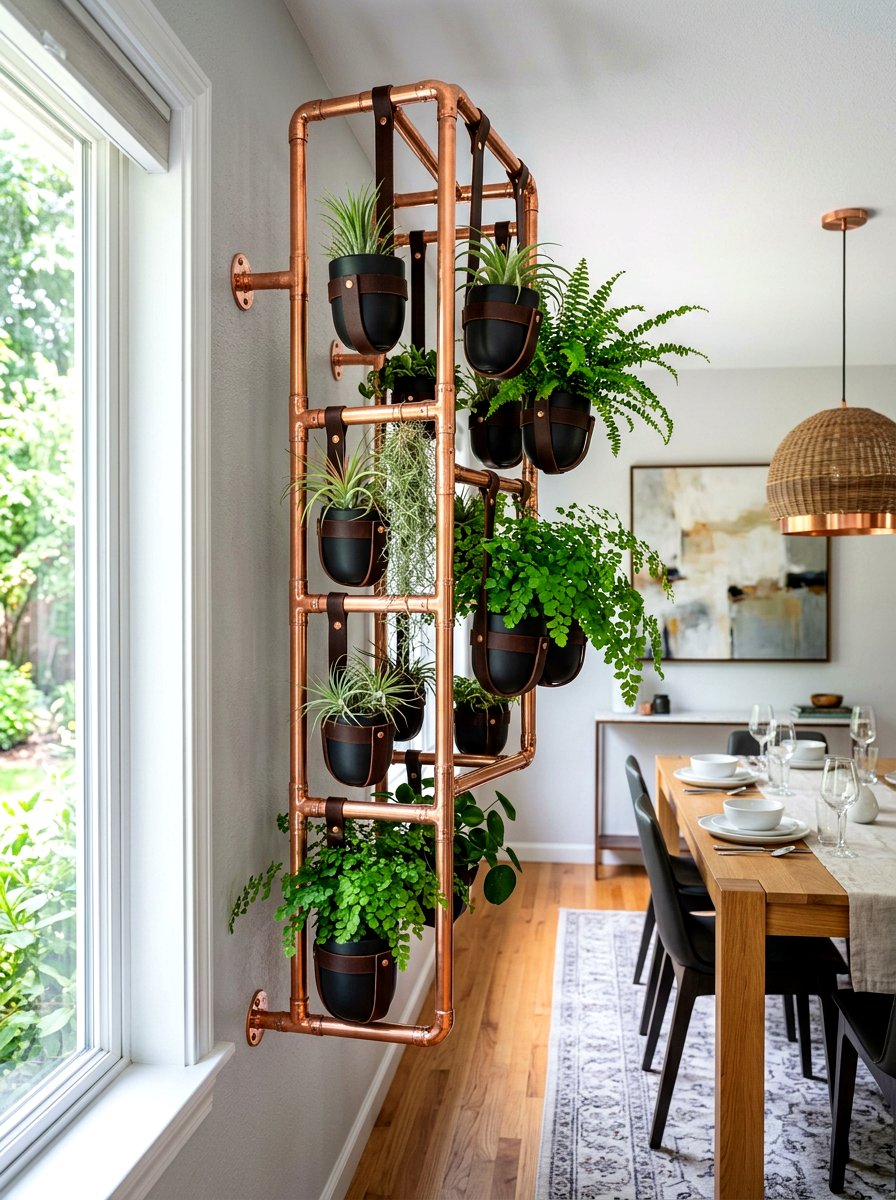
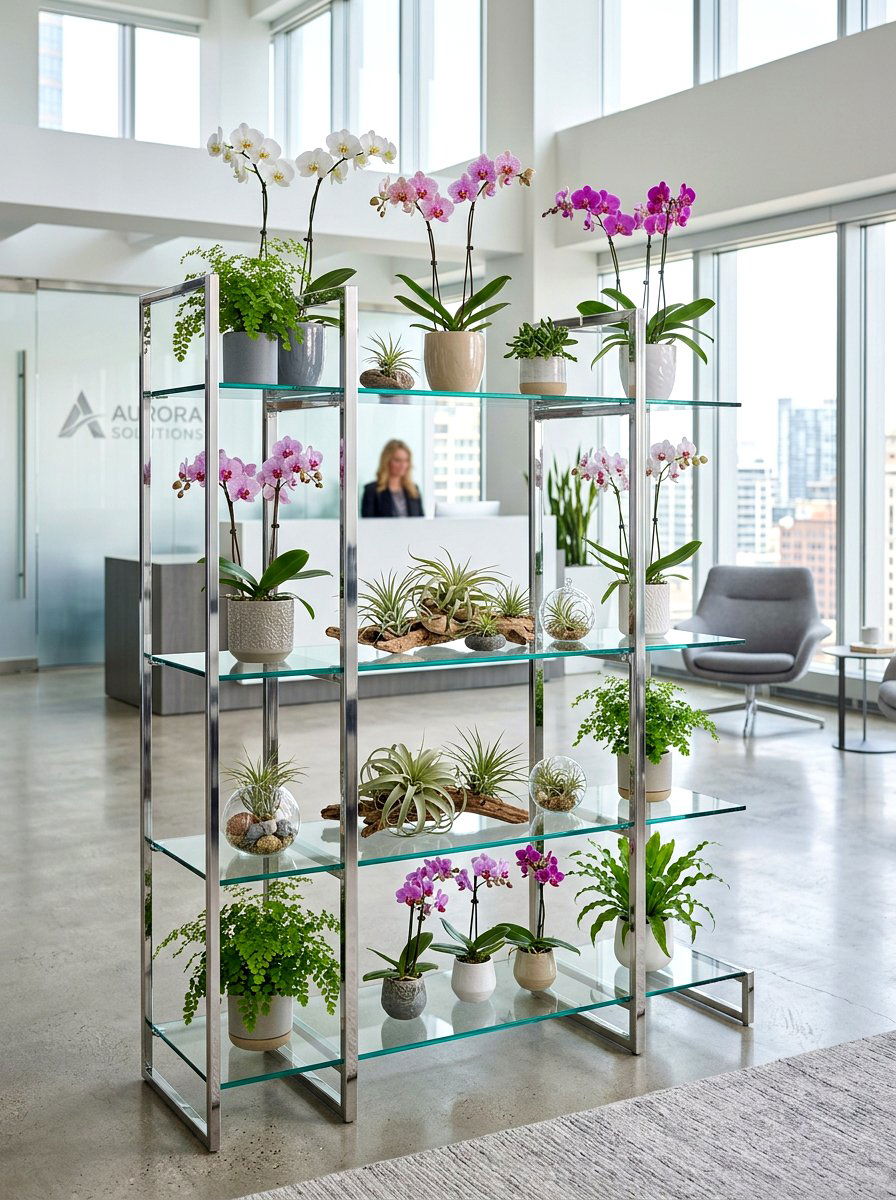
The copper pipe planter is a stylish choice for those who love the industrial look with a touch of metallic warmth. By building a simple frame from copper pipes and fittings, you can suspend small pots using leather straps or thin chains. Over time, the copper will develop a beautiful patina, or it can be polished to maintain its bright shine. This design works exceptionally well as a room divider or a window display that doesn't block out all the natural light. It is a unique way to showcase air plants or small ferns while adding a sophisticated architectural element to your home. The slim profile fits perfectly in narrow hallways.
19. Stacked Crate Garden
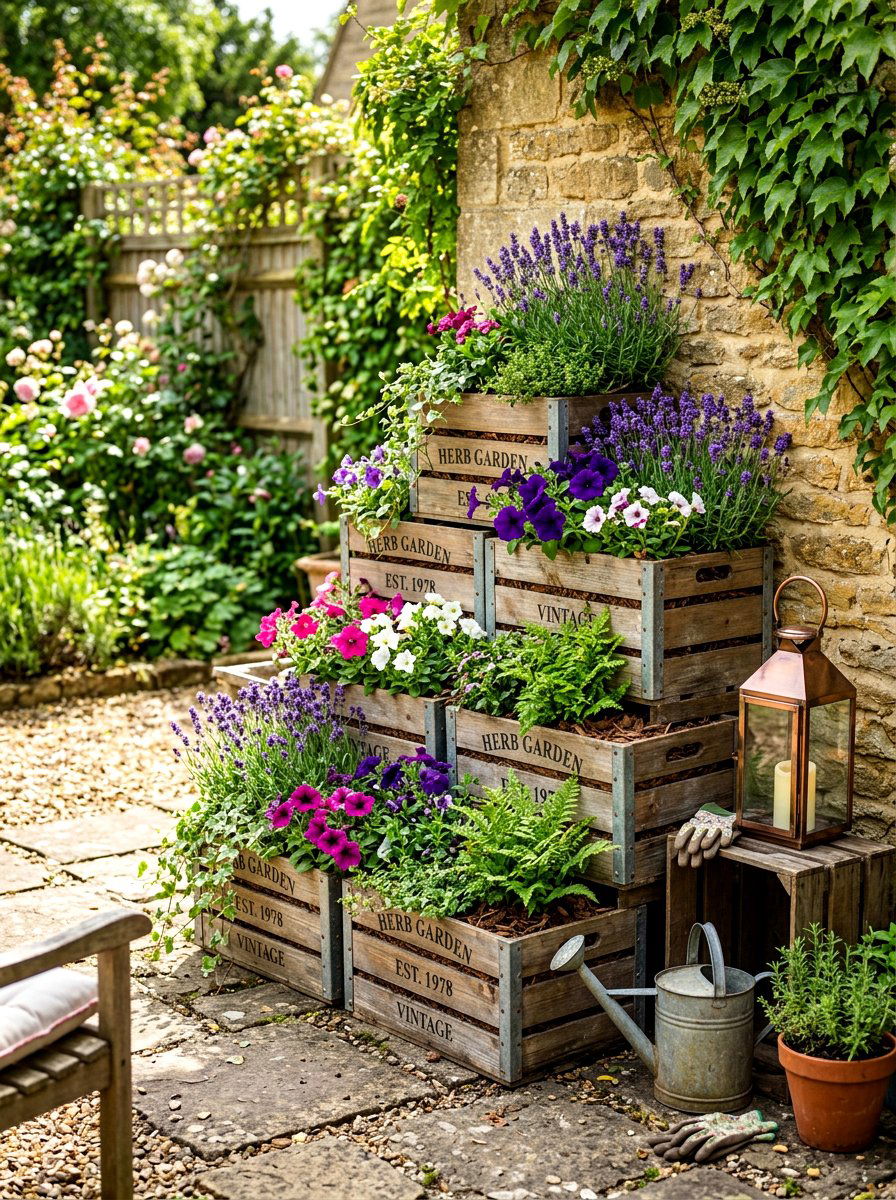
A stacked crate garden is a versatile and rustic way to build a vertical landscape using old wooden shipping crates. By turning the crates on their sides and stacking them in a staggered or pyramid formation, you create numerous cubbies for different plants. This setup allows you to create a high-impact green wall that feels substantial and grounded. You can use the top surfaces for larger pots while tucking shade-loving plants into the lower, protected areas. It is a great project for those who enjoy the "shabby chic" aesthetic and want to repurpose found objects. This design offers plenty of room for creative styling with lanterns or small ornaments.
20. Wire Basket Wall Garden
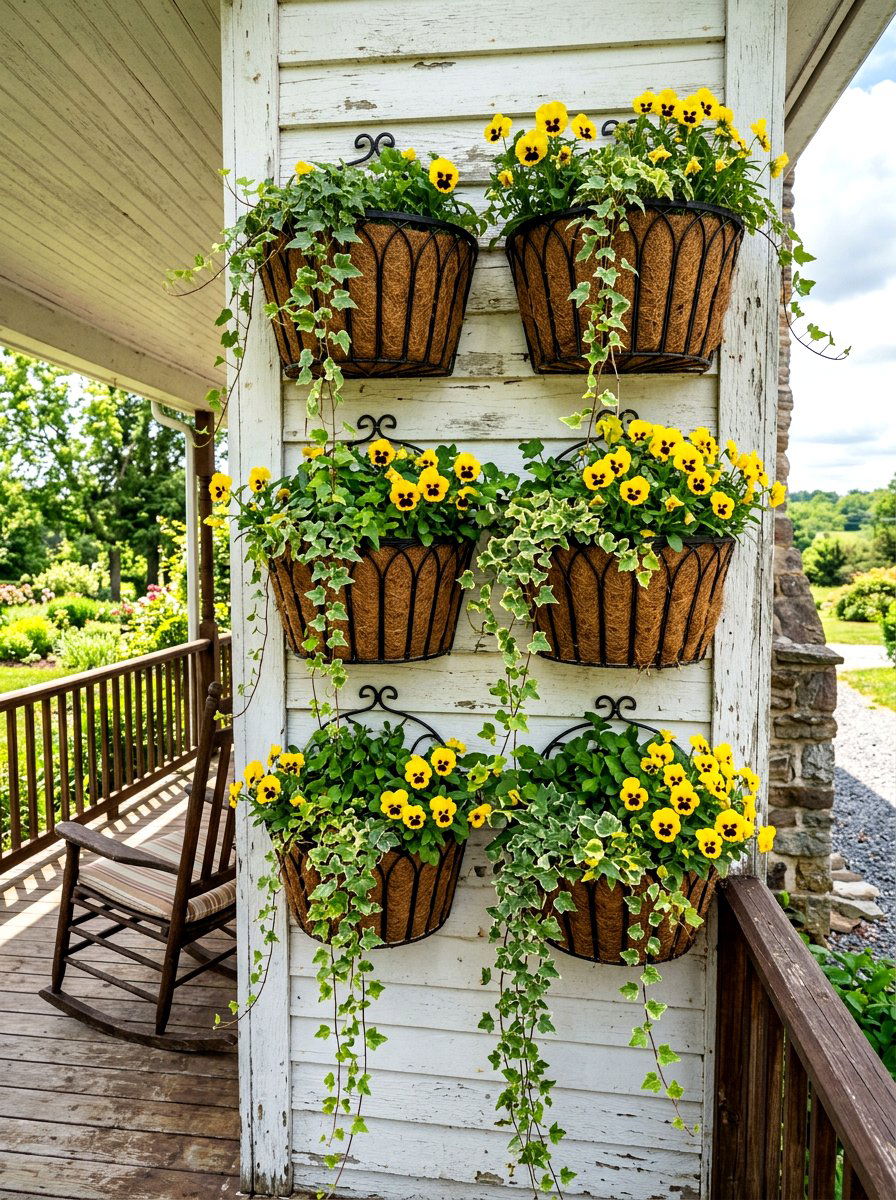
A wire basket wall garden provides a farmhouse-inspired look that is both practical and visually interesting. By mounting a series of wire mesh baskets to a wall or a wooden backer, you create a sturdy home for potted plants. You can line the baskets with coco coir or moss to give them an organic feel and allow for excellent drainage. This setup is perfect for trailing ivy or colorful pansies that can spill out through the wire gaps. Because the baskets are open, they promote great airflow, which is essential for plant health. It is a simple yet effective way to add vertical texture to a porch or garden shed.
21. Living Moss Wall
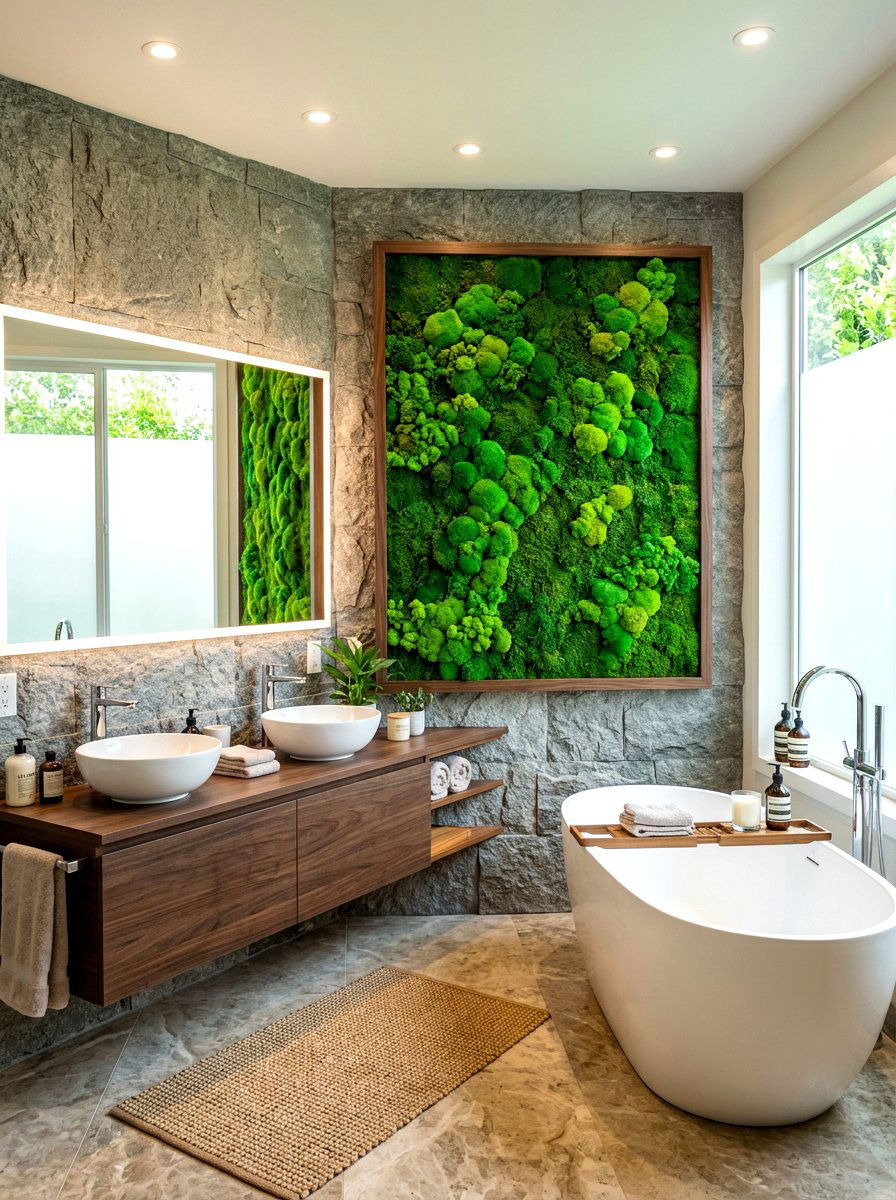
A living moss wall is a low-maintenance and high-impact design choice for indoor spaces like bathrooms or entryways. Moss thrives in humid environments and low light, making it the perfect candidate for a vertical garden where other plants might struggle. These walls are often created using preserved or live moss panels that are mounted in sleek frames. The result is a soft, velvety texture that also serves as a natural acoustic dampener for large rooms. Because moss doesn 't have traditional roots, these installations are typically very thin and don' t require heavy soil. They provide a calming, biophilic connection to nature that feels incredibly luxurious and modern.
22. Fern Wall Panel
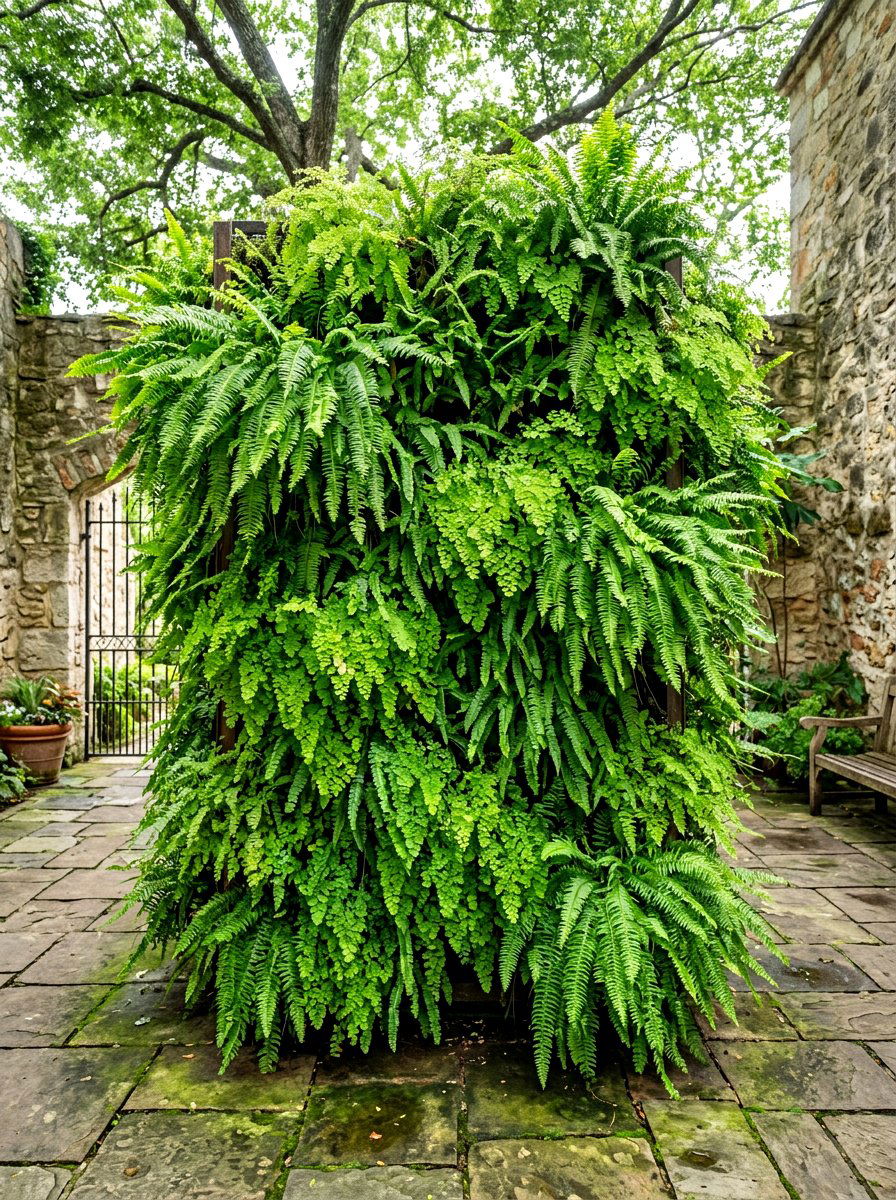
A fern wall panel is the ultimate way to create a lush, prehistoric-looking jungle effect in a shaded corner of your garden. Ferns are known for their beautiful, arching fronds and their ability to thrive in moist, indirect light. By using a specialized felt-based or pocketed panel system, you can plant a variety of ferns like Boston, maidenhair, and bird 's nest. As the ferns grow, their large leaves will overlap, completely hiding the structure behind a curtain of green. This design is perfect for North-facing walls or courtyards where sun-loving flowers won' t grow. It creates a cooling and tranquil environment that feels like a hidden forest retreat.
23. Pergola Hanging Vines
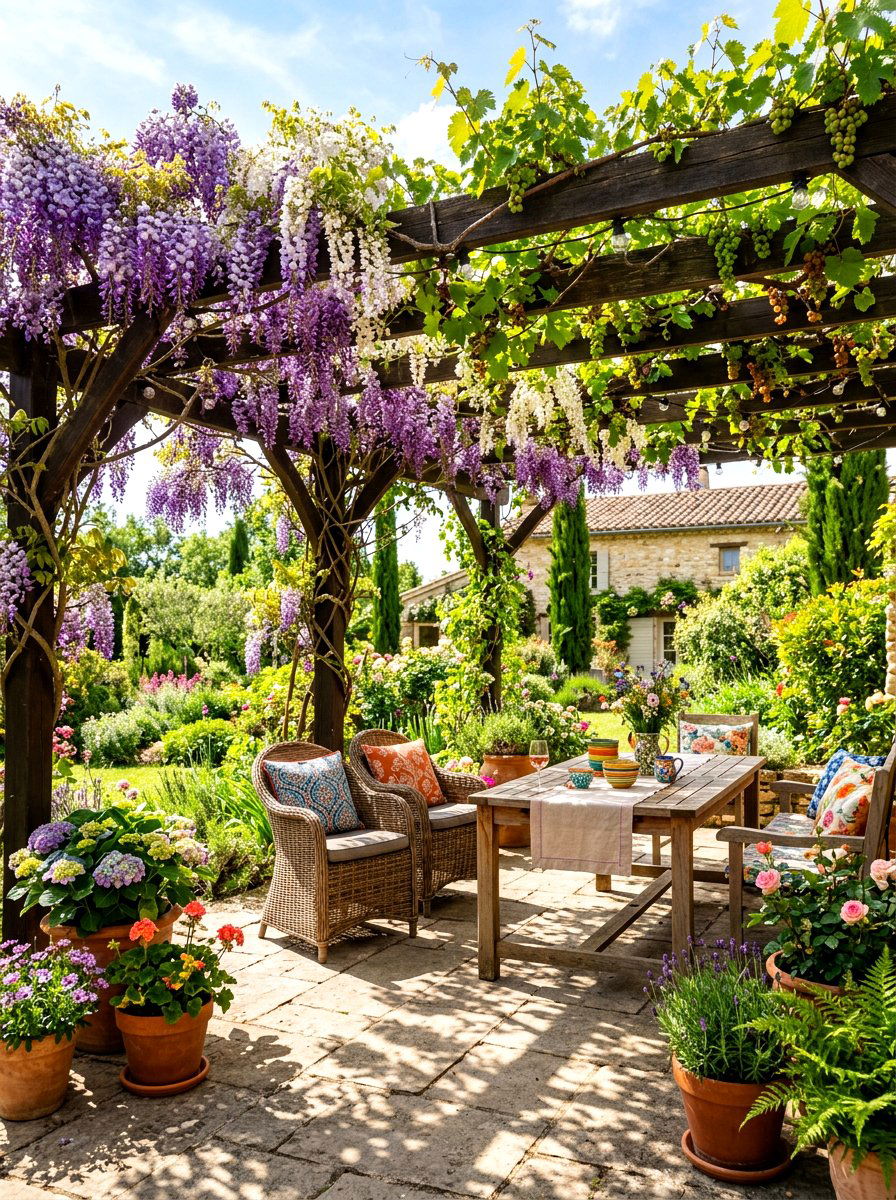
Pergola hanging vines transform a basic overhead structure into a romantic and shaded outdoor room. By planting vigorous climbers like wisteria, grapes, or trumpet vines at the base of the pergola posts, you encourage them to grow up and over the rafters. Over time, the foliage creates a living ceiling that provides natural cooling during the hot summer months. The sight of hanging flower clusters or clusters of fruit adds a magical and productive element to your patio. This vertical garden style maximizes the footprint of your seating area while providing a sense of enclosure. It is a timeless landscape design that only gets better with age.
24. Staircase Wall Garden
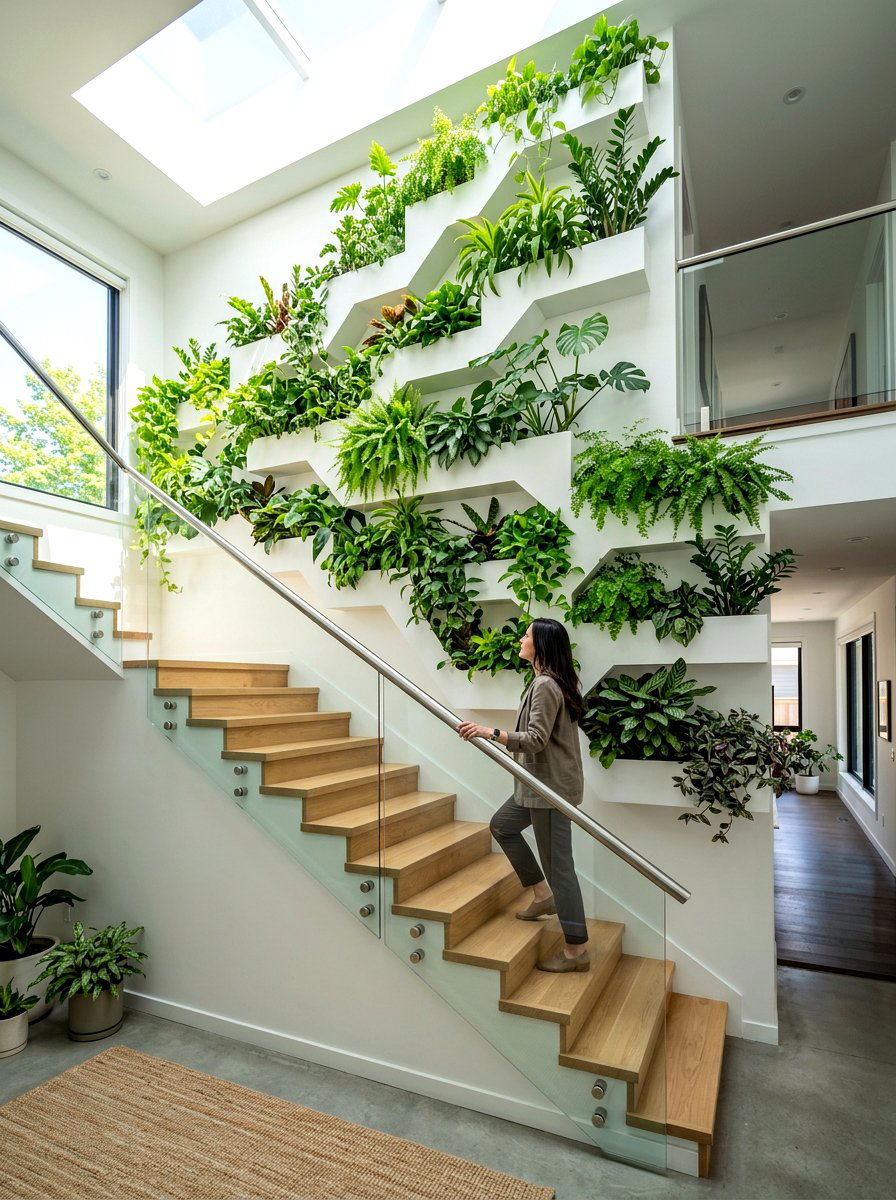
A staircase wall garden utilizes the often-wasted space along an indoor or outdoor stairway to add a vertical layer of greenery. You can install a series of stepped planters that follow the angle of the stairs or mount pots directly to the wall. This creates a beautiful "green transition" as you move between different levels of your home. Indoors, this is a great way to improve air quality in high-traffic areas while adding visual interest to a plain wall. Outdoors, it can soften a concrete or stone staircase and help it blend into the surrounding garden. It is a clever use of space that makes the climb more enjoyable.
25. Window Box Vertical Array
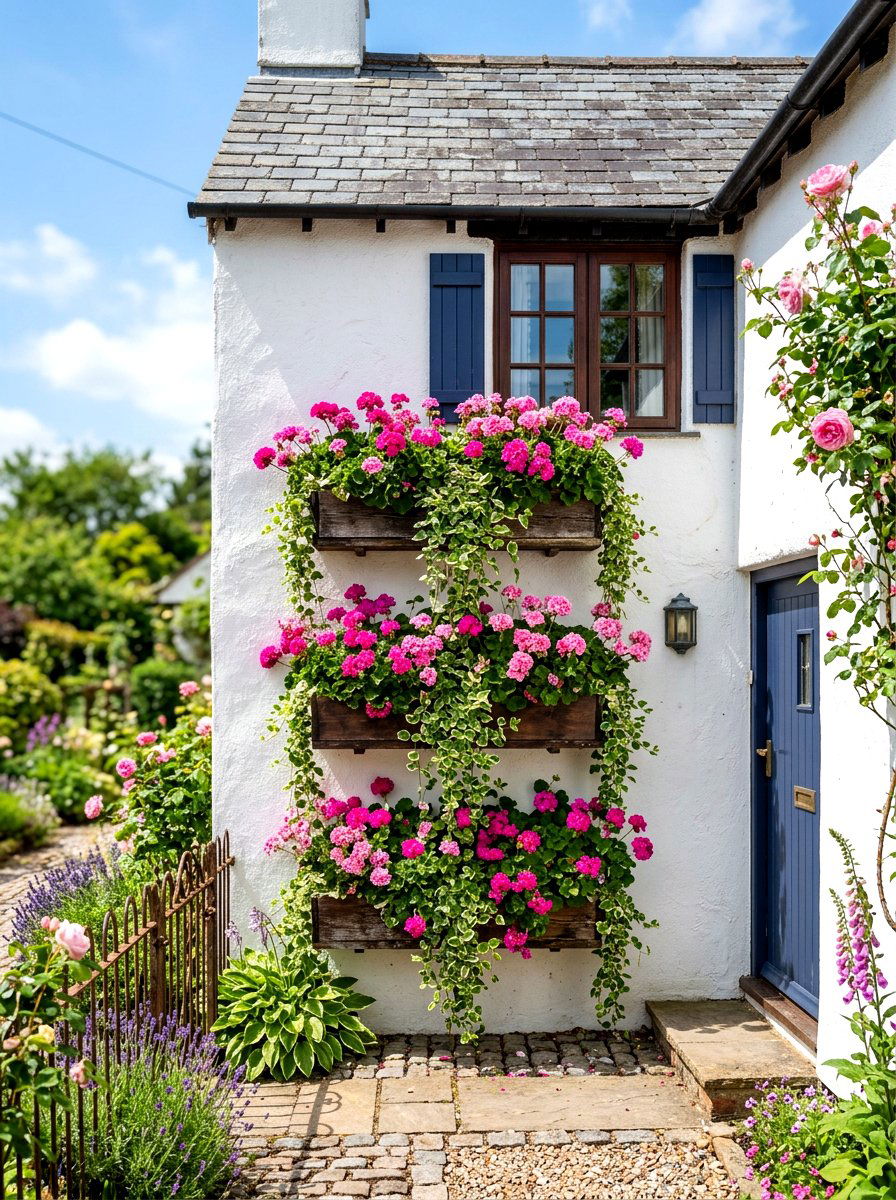
A window box vertical array is a striking way to decorate the exterior of your home by stacking traditional window boxes on top of each other. Instead of just one box under the windowsill, you can mount several boxes on the wall space between windows or on a bare side wall. This creates a waterfall of flowers that can be seen from a distance, significantly boosting your home's curb appeal. Choosing a mix of upright and trailing plants ensures that the boxes look full and lush. This setup is perfect for seasonal displays, allowing you to easily swap out spring bulbs for summer geraniums or autumn kale.
26. Clay Pot Wall Hanger
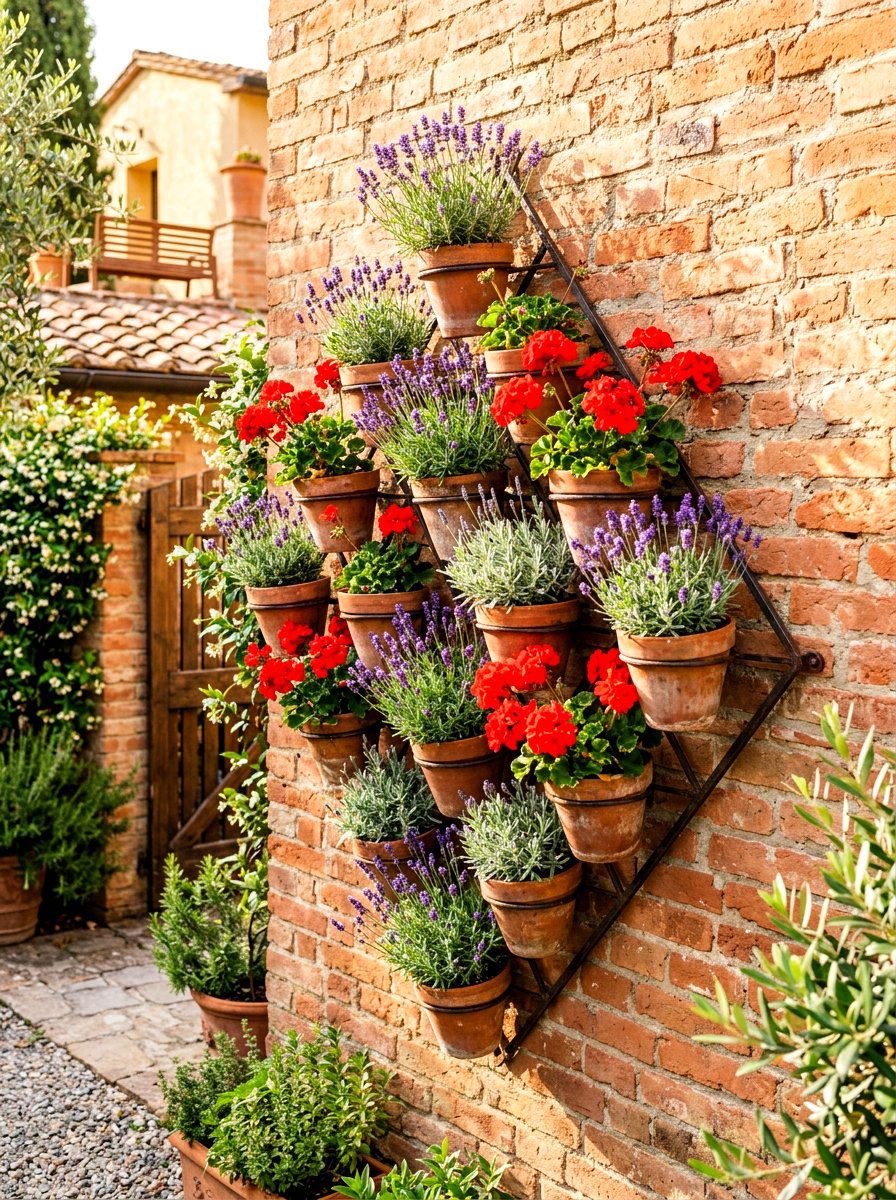
A clay pot wall hanger brings a warm, Mediterranean feel to your garden with its classic terracotta tones. By using specialized metal rings or hooks, you can mount traditional clay pots directly to a brick or wooden wall in various patterns. This design is excellent for plants that prefer well-draining soil, like lavender, geraniums, or Mediterranean herbs. The porous nature of the clay allows the roots to breathe, which is beneficial in hot climates. You can arrange the pots in a neat grid for a formal look or a random cluster for a more relaxed, bohemian style. It is an affordable and timeless vertical garden solution.
27. Plastic Bottle Upcycled Garden
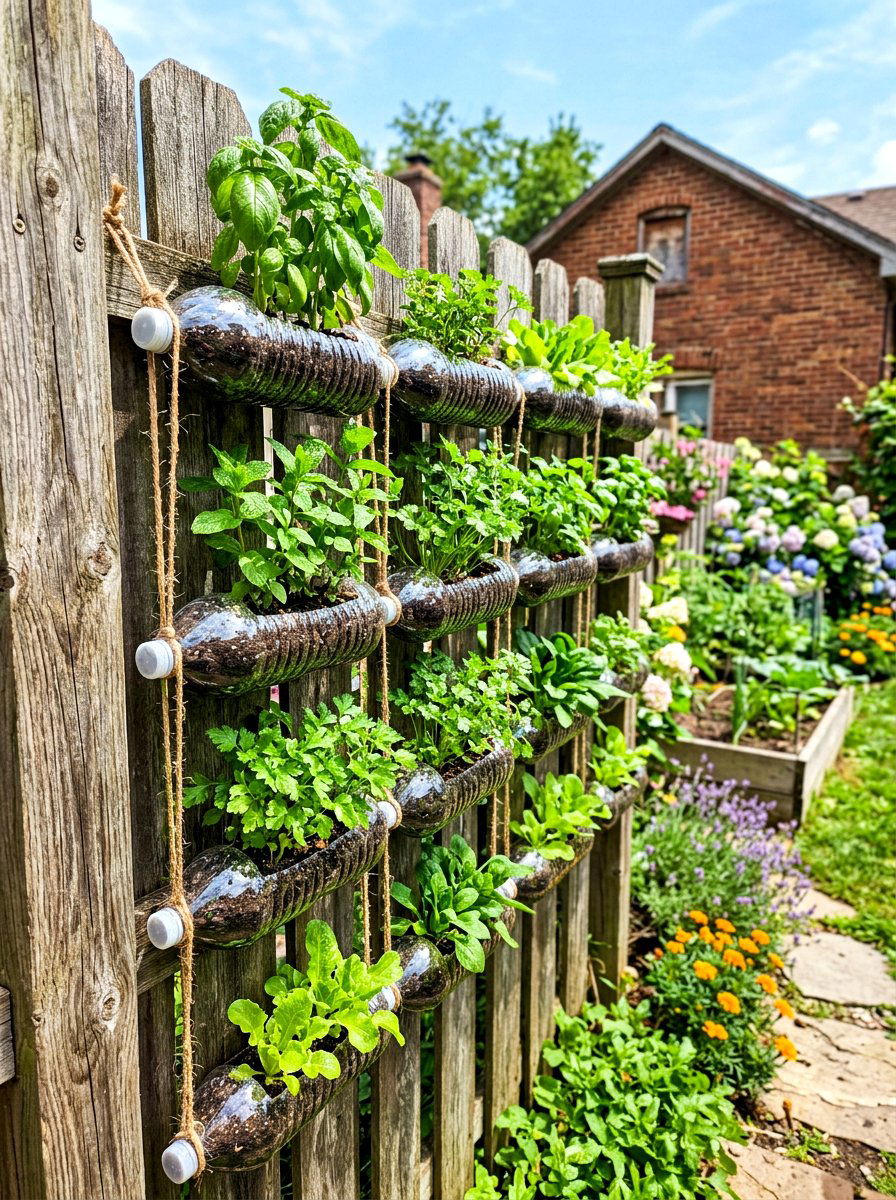
A plastic bottle upcycled garden is a fantastic sustainable project that turns waste into a functional growing system. By cutting windows into large plastic bottles and stringing them together vertically, you create a series of suspended planters. This method is popular in community gardens and urban schools because it is virtually free to build and easy to maintain. It is ideal for growing small greens and herbs, and the clear plastic allows you to monitor the soil moisture easily. This vertical setup can be hung against a fence or a sunny wall, providing a great way to recycle while producing fresh food. It is an inspiring example of eco-friendly design.
28. Zig Zag Wall Planter
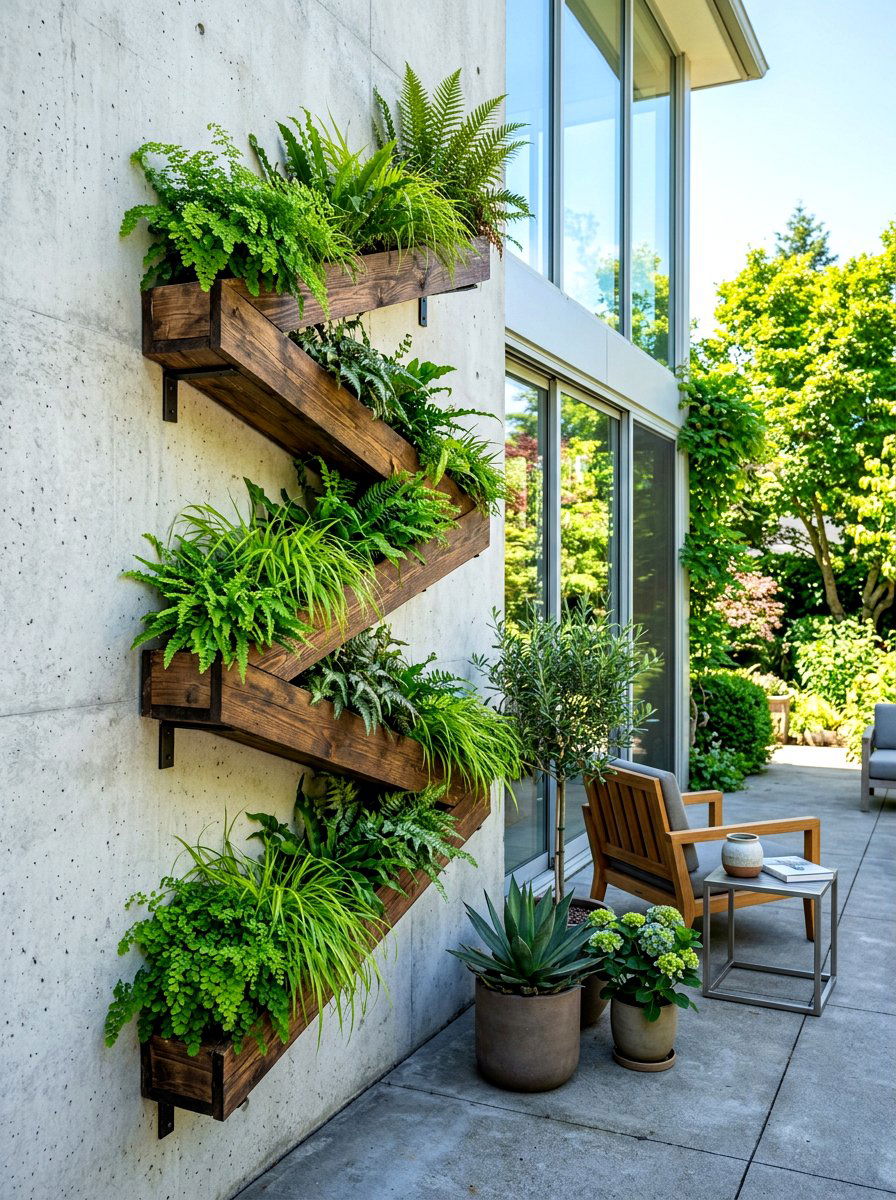
A zig zag wall planter is a modern, geometric design that adds a dynamic sense of movement to your outdoor space. These planters are often custom-built from wood or metal to create a continuous, angular trough that snakes up a wall. This unique shape allows for longer runs of soil, which can support larger plants or a more diverse mix of species. The sharp lines of the planter provide a great contrast to the soft, organic shapes of the foliage. It is a sophisticated architectural feature that works well as a focal point on a patio or a minimalist garden wall. This design truly blends art and nature.
29. Lattice Wall Garden
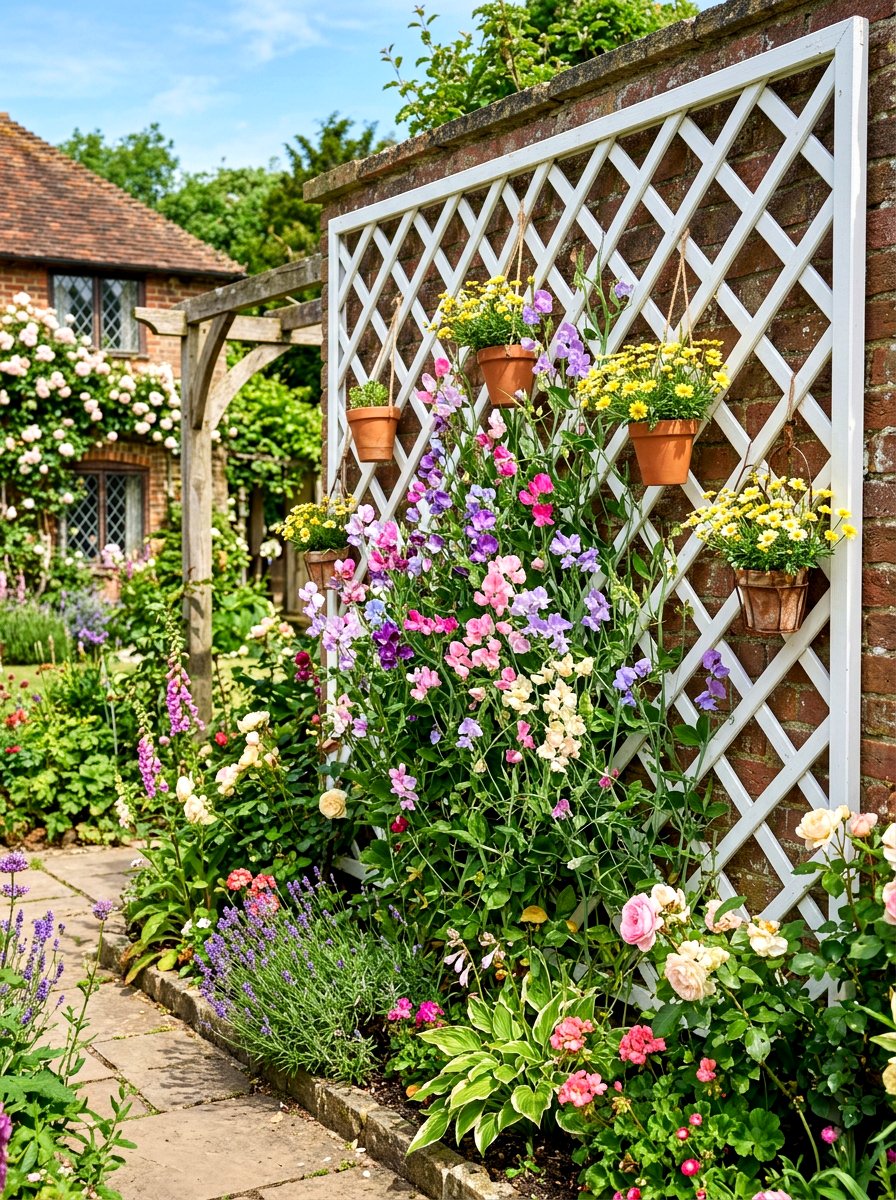
A lattice wall garden is a traditional and elegant choice that provides a delicate framework for climbing plants and small pots. By mounting a wooden or vinyl lattice panel to a wall, you create hundreds of potential attachment points for hooks and ties. This allows you to combine climbing vines like sweet peas with small hanging pots filled with colorful annuals. The open weave of the lattice ensures that air and light can reach the wall behind it, preventing moisture buildup. It is a versatile design that can be easily updated throughout the seasons. The classic look of a lattice panel adds a refined touch to any garden.
30. Magnetic Wall Garden
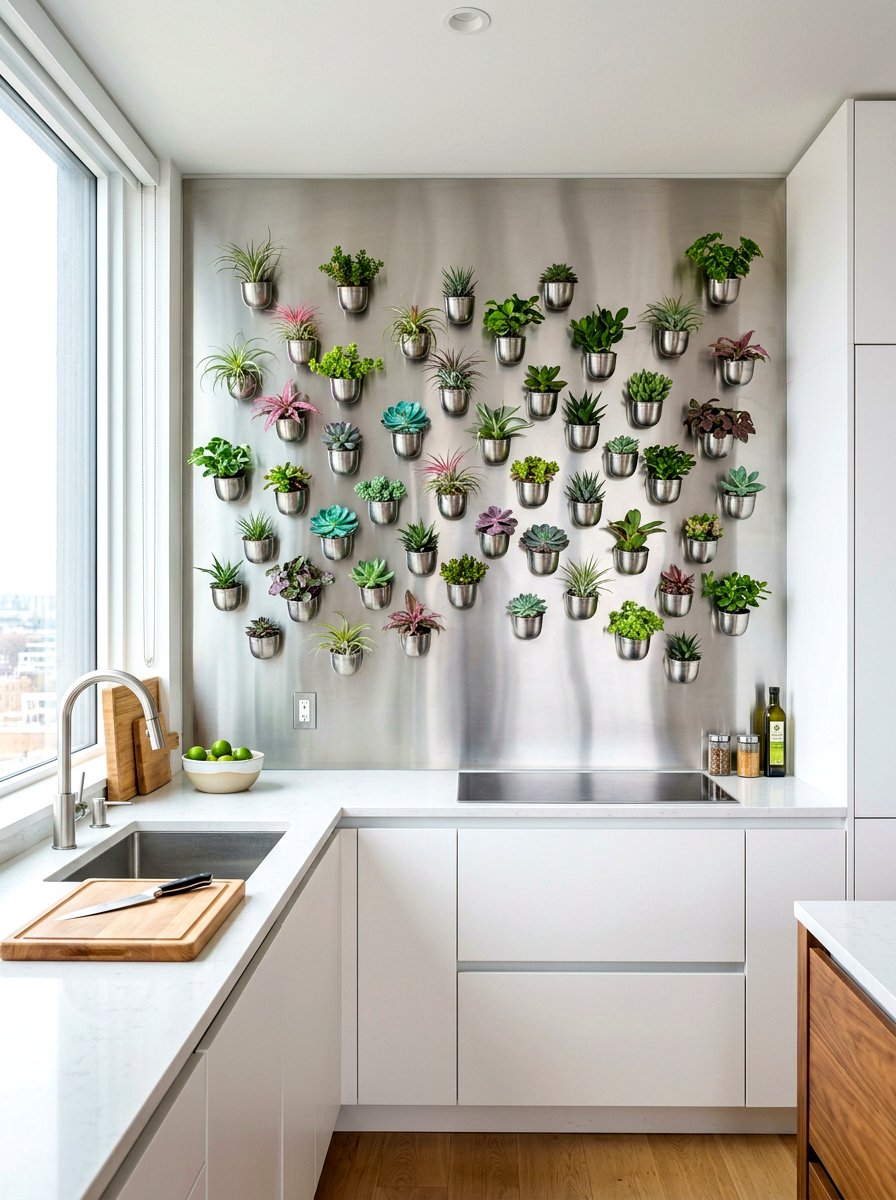
A magnetic wall garden is the ultimate modern solution for small interior spaces like kitchens or home offices. By installing a sheet of magnetic steel on a wall or using a metallic backsplash, you can attach small magnetic pots wherever you like. This allows for total freedom in creating and changing your garden layout in seconds. It is a perfect way to display small air plants or light-weight succulents that don't need heavy soil. The sleek, clutter-free look is perfect for minimalist interiors and keeps your plants safe from being knocked over on a desk. It is a fun, high-tech way to bring greenery into your daily routine.
Conclusion:
Vertical gardening is a transformative approach that allows anyone, regardless of their living situation, to enjoy the beauty and benefits of nature. From the rustic charm of repurposed pallets to the high-tech efficiency of hydroponic towers, there is a vertical solution for every style and budget. By moving your plants off the floor and onto the walls, you create a dynamic, multi-dimensional environment that breathes life into your home. These 30 ideas demonstrate that limited space should never be a barrier to your gardening dreams. We hope these concepts inspire you to look up and start building your own thriving vertical oasis today.

Related posts: