Vertical siding has completely transformed the way we look at home exteriors, moving beyond traditional horizontal planks to offer a fresh, modern aesthetic. Often referred to as board and batten, this design choice adds height and visual interest to any architectural style. Whether you are aiming for a rustic farmhouse vibe or a sleek contemporary finish, vertical lines draw the eye upward and make a structure appear more grand. Homeowners today are increasingly choosing this versatile material because it combines durability with a timeless appeal that stands out in any neighborhood. Exploring different colors and textures helps you find the perfect match for your home, ensuring a beautiful result.
1. White Board and Batten
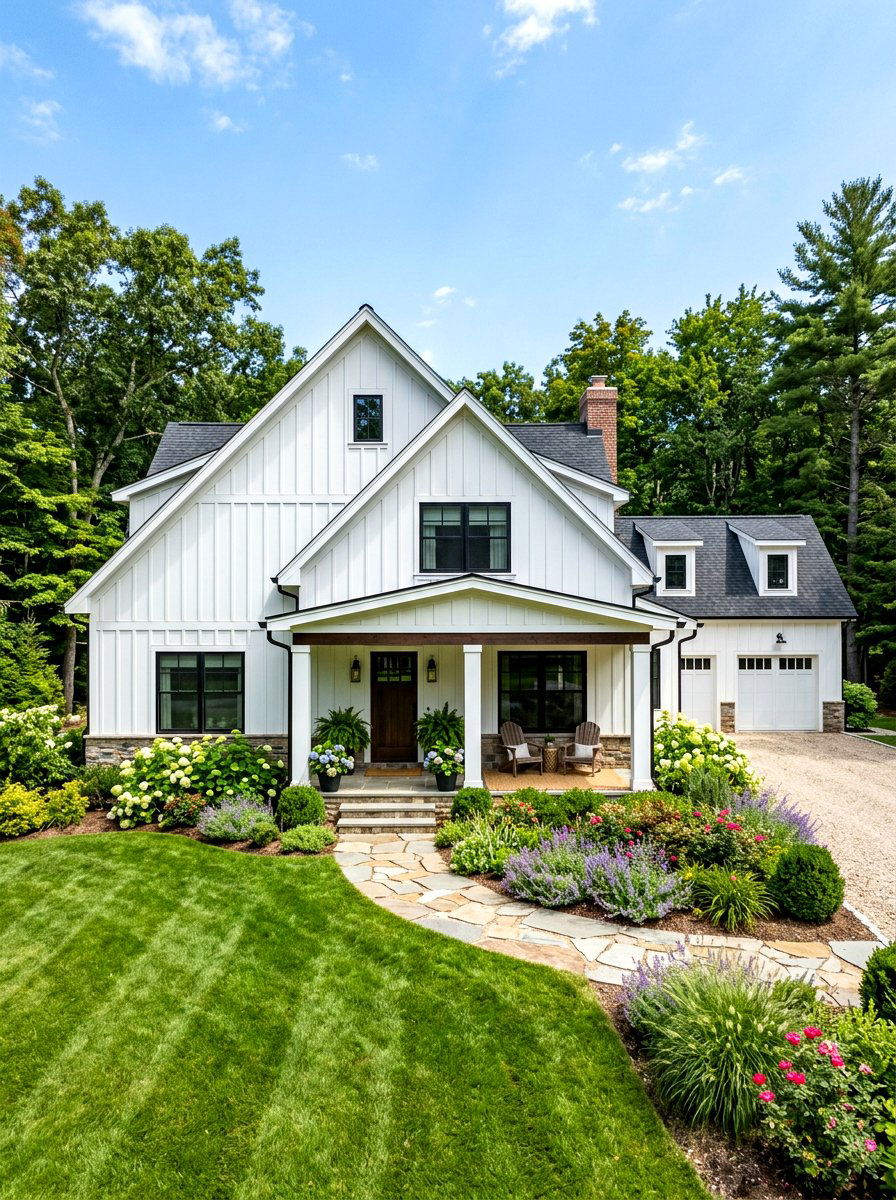
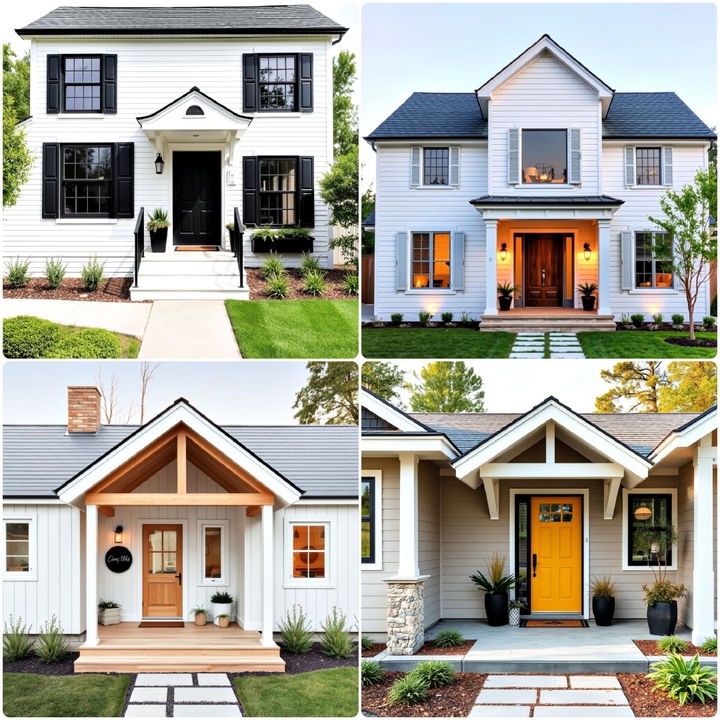
White board and batten provides a crisp and clean look that remains one of the most popular choices for modern homes today. This specific style uses vertical planks with narrow strips covering the seams, creating a rhythmic pattern that adds depth to the facade. It works exceptionally well for those wanting a farmhouse aesthetic that feels both traditional and updated. The bright white finish reflects natural light beautifully, making the entire property appear larger and more inviting from the street. You can pair this siding with black window frames for a high-contrast look that is very trendy on Pinterest. It is a timeless choice that never goes out of style.
2. Black Vertical Siding
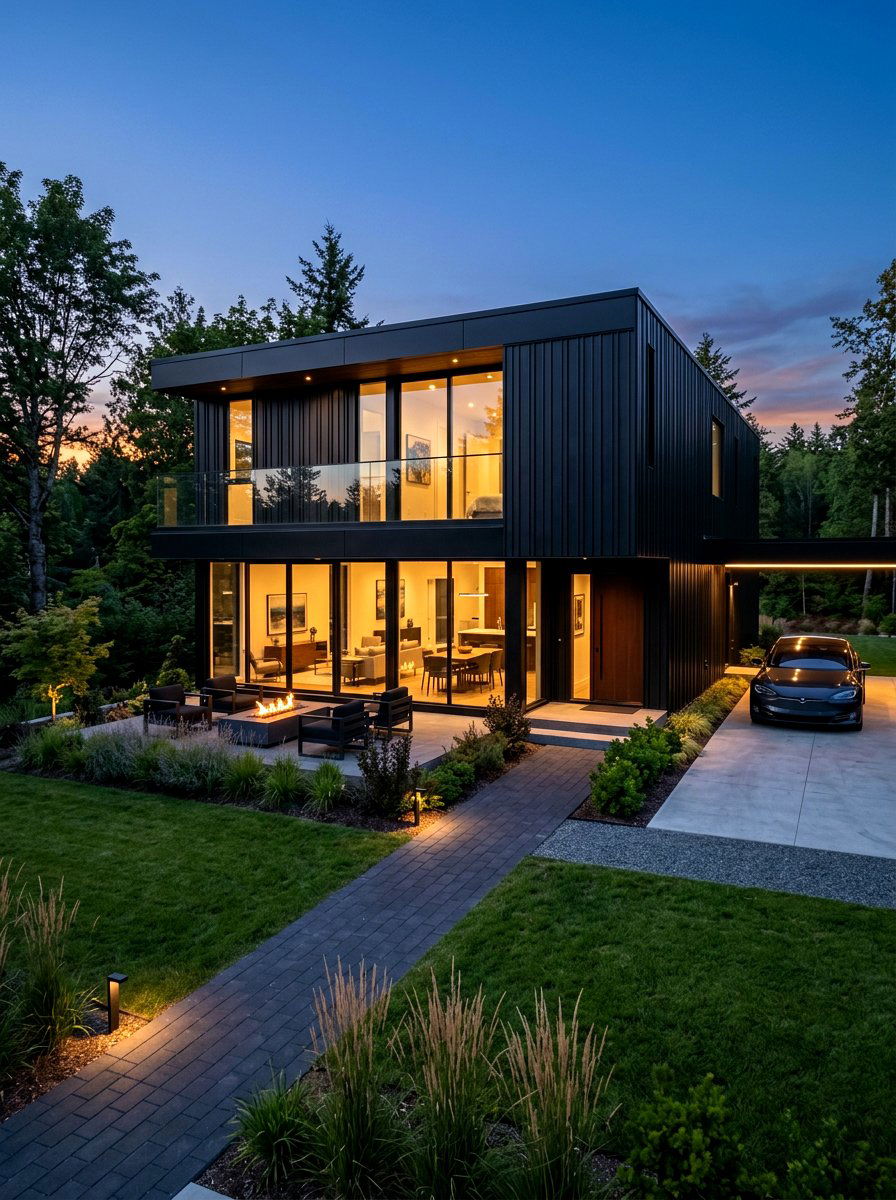
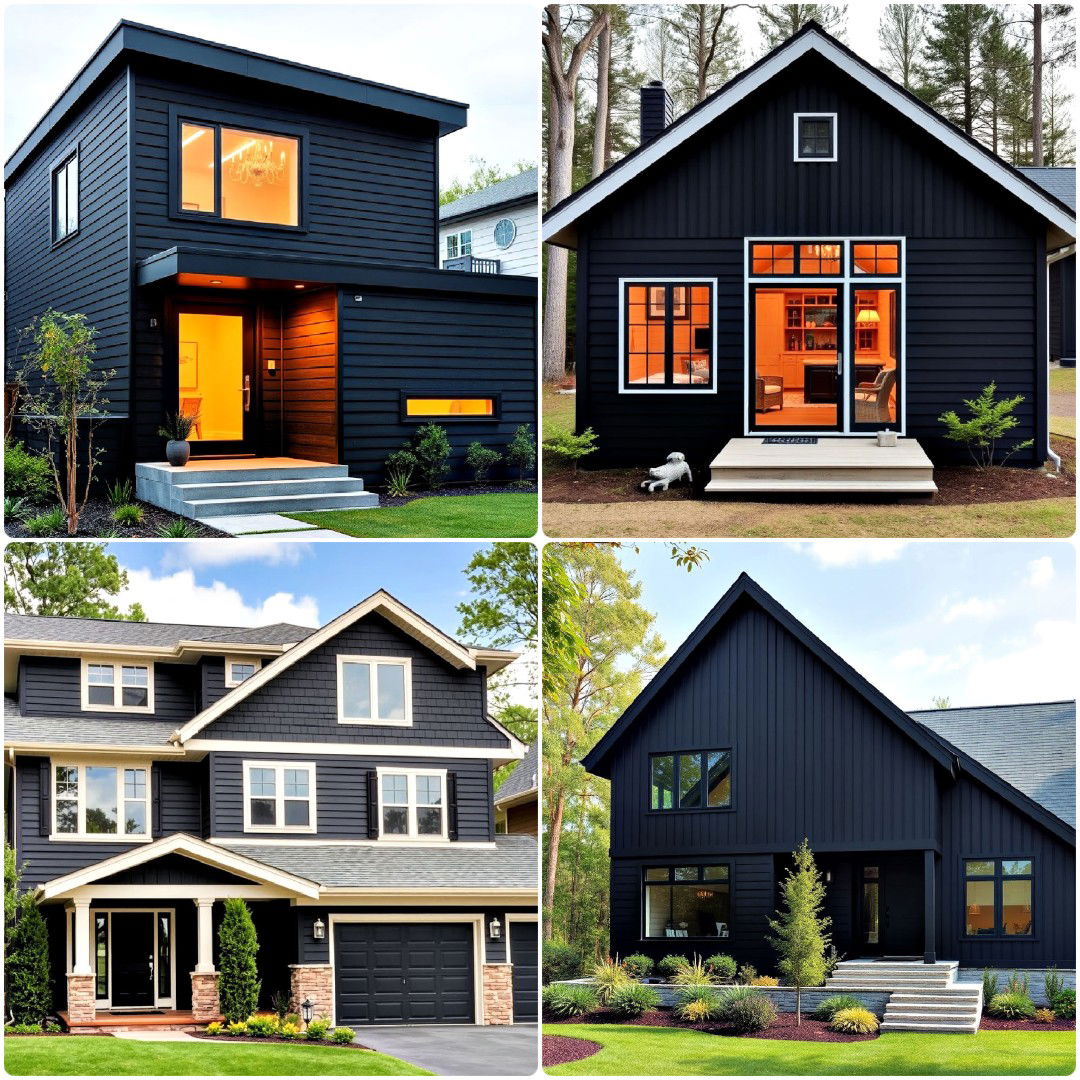
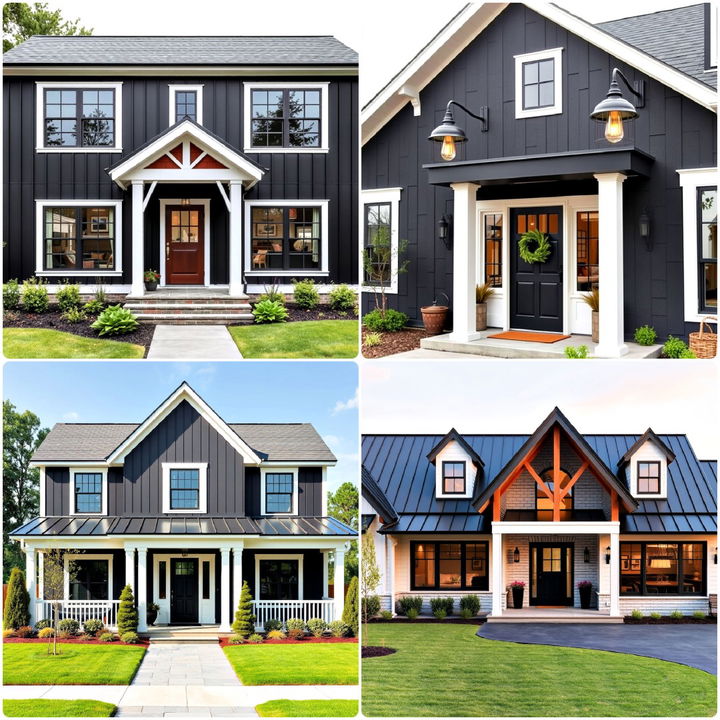
Black vertical siding is a bold and sophisticated choice for homeowners looking to make a dramatic statement with their exterior design. This moody color palette highlights the architectural lines of a building, creating a sleek and high-end appearance that feels incredibly modern. When applied vertically, the dark panels elongate the structure, giving it a taller and more imposing presence. It serves as a stunning backdrop for vibrant green landscaping and natural wood accents. Many people choose a matte finish to reduce glare and enhance the contemporary feel of the material. This style is perfect for those who want their home to stand out with elegance.
3. Dark Gray Vertical Siding
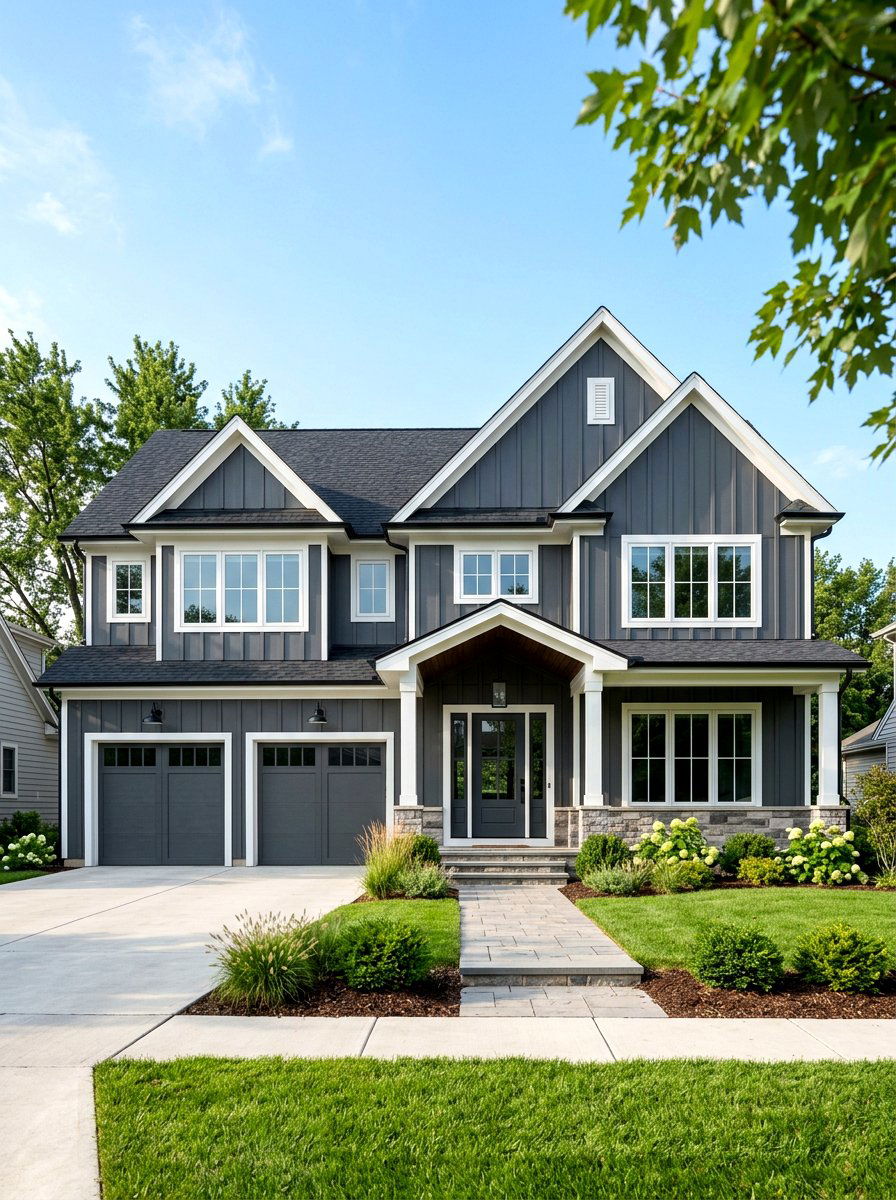
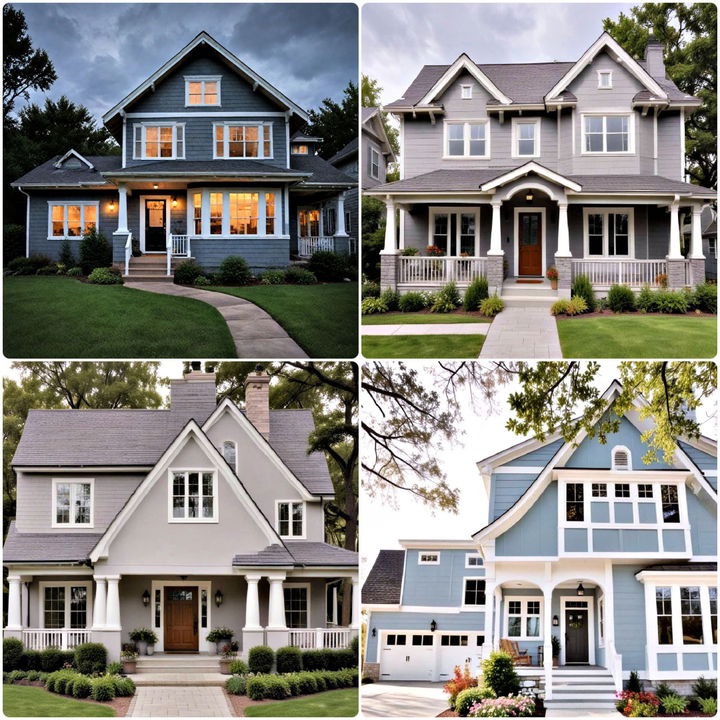
Dark gray vertical siding offers a versatile and moody aesthetic that bridges the gap between traditional and contemporary home design. This color choice is excellent for hiding dirt and wear while providing a sleek, uniform look that complements various architectural features. The vertical orientation of the gray panels creates a sense of sophistication and height that horizontal siding often lacks. You can easily pair this shade with white trim for a classic contrast or go with charcoal trim for a more monochromatic and modern vibe. It works beautifully in both urban and rural settings, making it a reliable and stylish choice for any renovation.
4. Modern Farmhouse Exterior
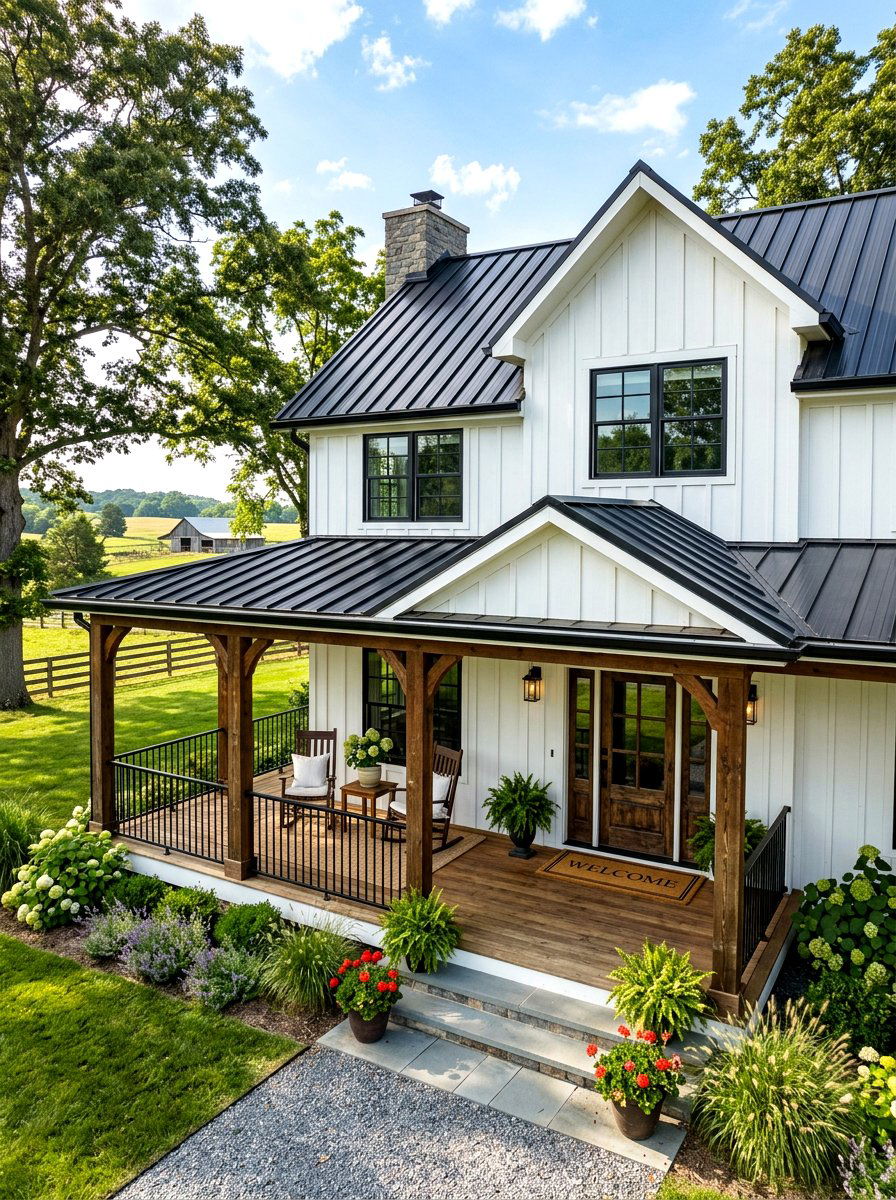
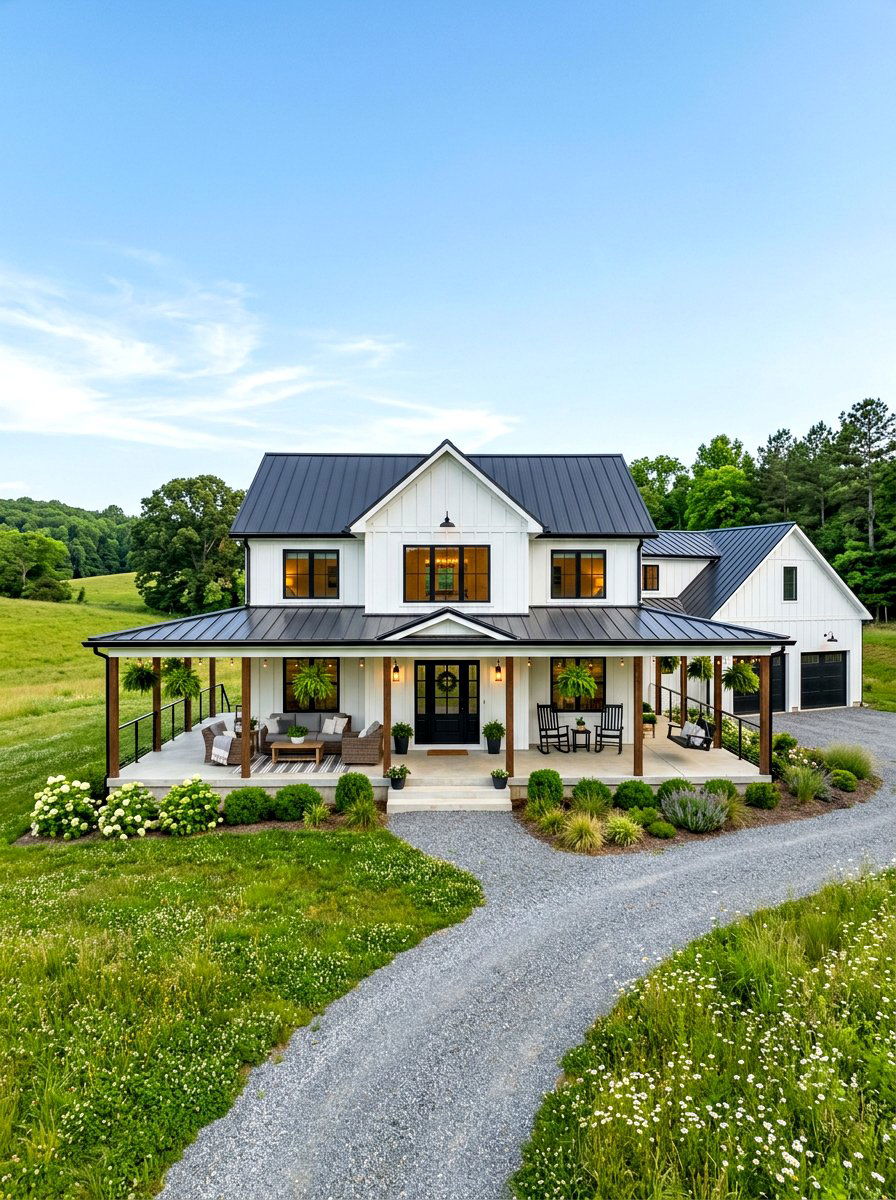
A modern farmhouse exterior often relies on the clean lines of vertical siding to achieve its iconic and welcoming look. This design style typically combines bright white vertical panels with natural materials like stone and wood to create a balanced, rustic feel. The verticality of the siding mimics traditional barn designs while incorporating modern elements like large windows and metal roofing. It creates a sense of nostalgia that is updated for today’s living standards and aesthetic preferences. Adding a wrap-around porch with wooden pillars can further enhance the charm of this siding choice. It remains a top trend for families looking for a cozy home.
5. Natural Cedar Vertical Siding
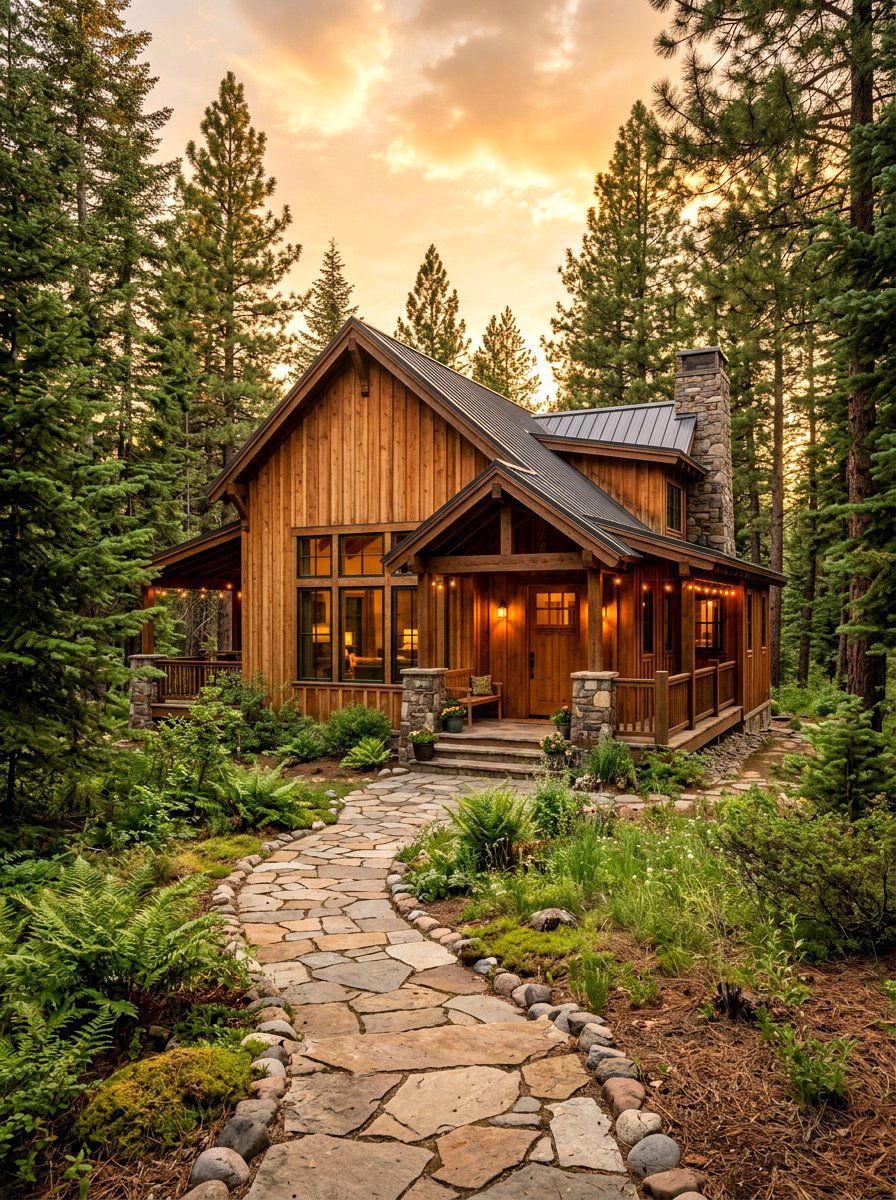
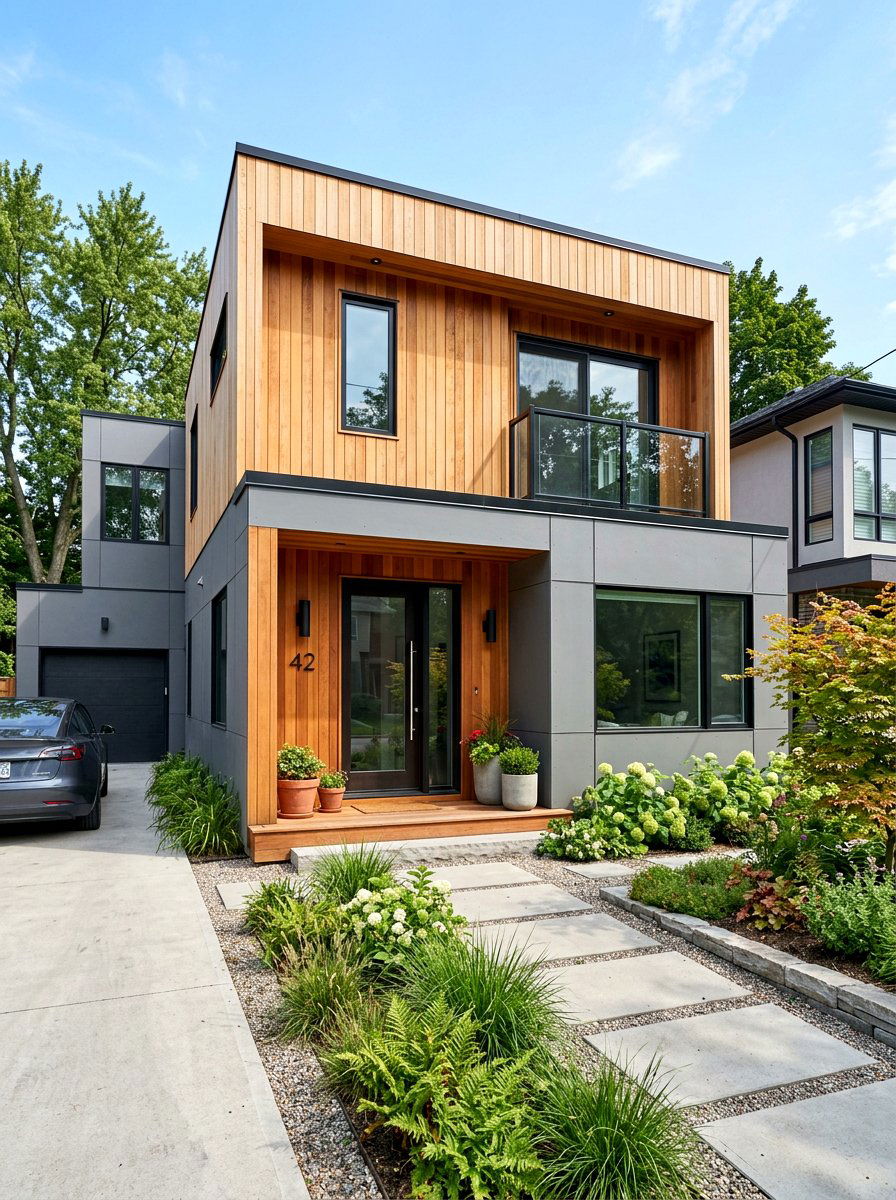
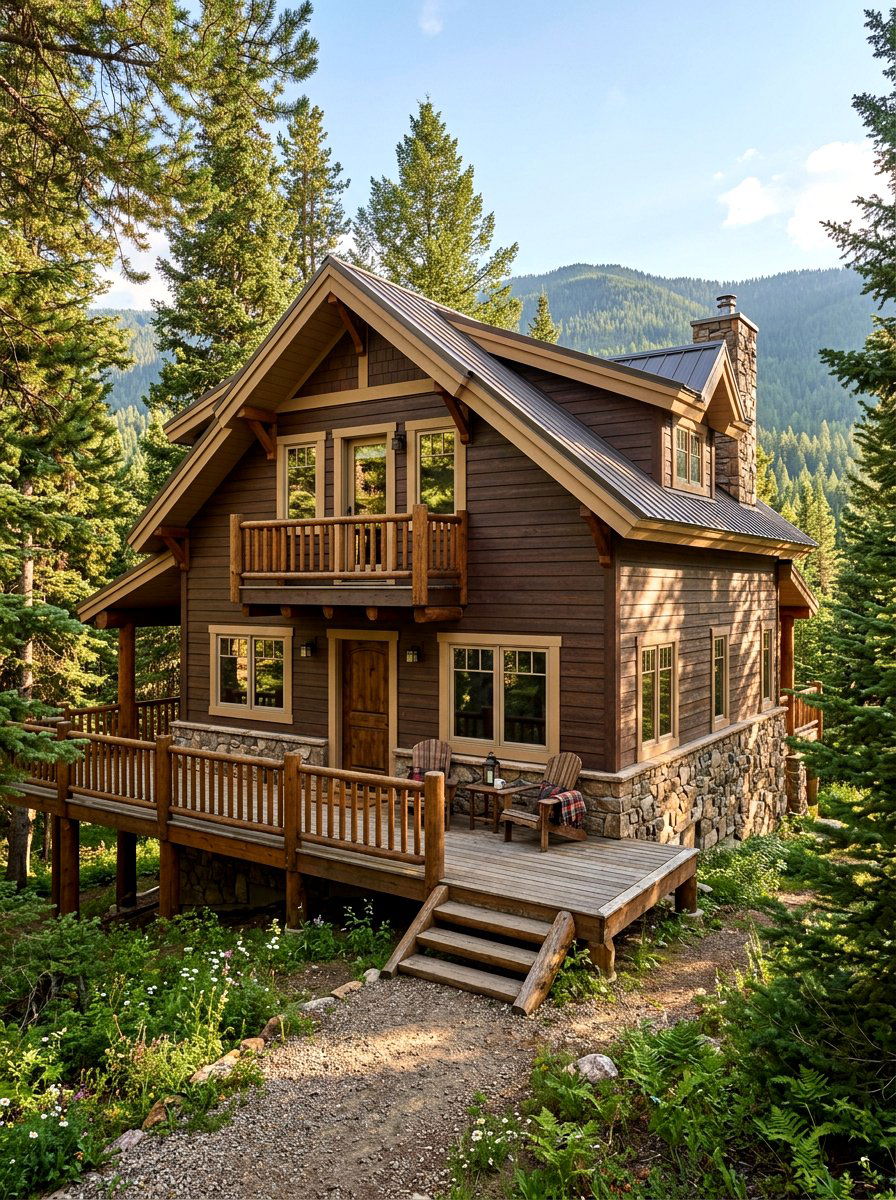
Natural cedar vertical siding brings warmth and organic beauty to a home, making it feel perfectly integrated into its natural surroundings. The vertical planks showcase the unique grain patterns and rich tones of the wood, providing a texture that is both tactile and visual. This material is highly prized for its durability and natural resistance to decay, especially when properly treated with a high-quality sealant. Using cedar vertically can make a cabin or a modern forest home look exceptionally elegant and timeless. It offers a premium feel that artificial materials struggle to replicate, ensuring your exterior remains a stunning focal point for many years.
6. Blue Board and Batten
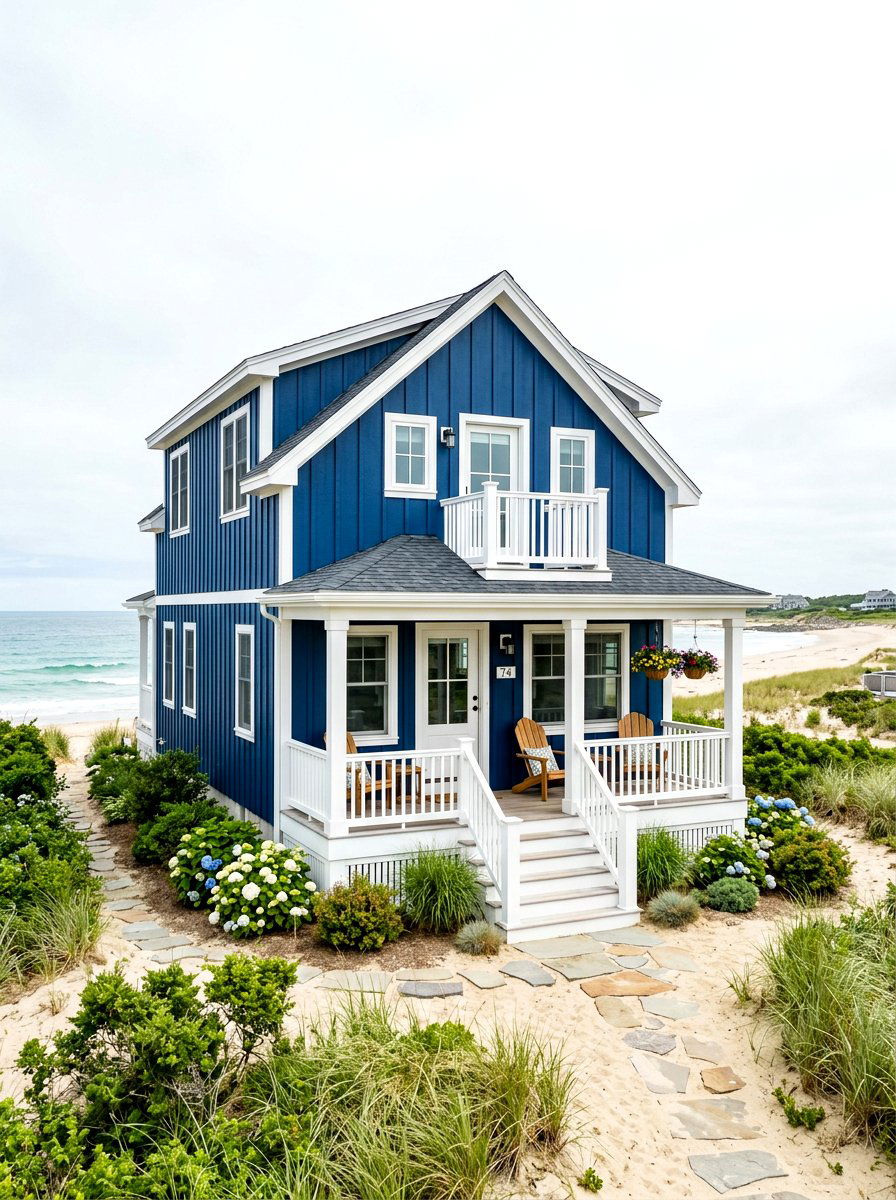
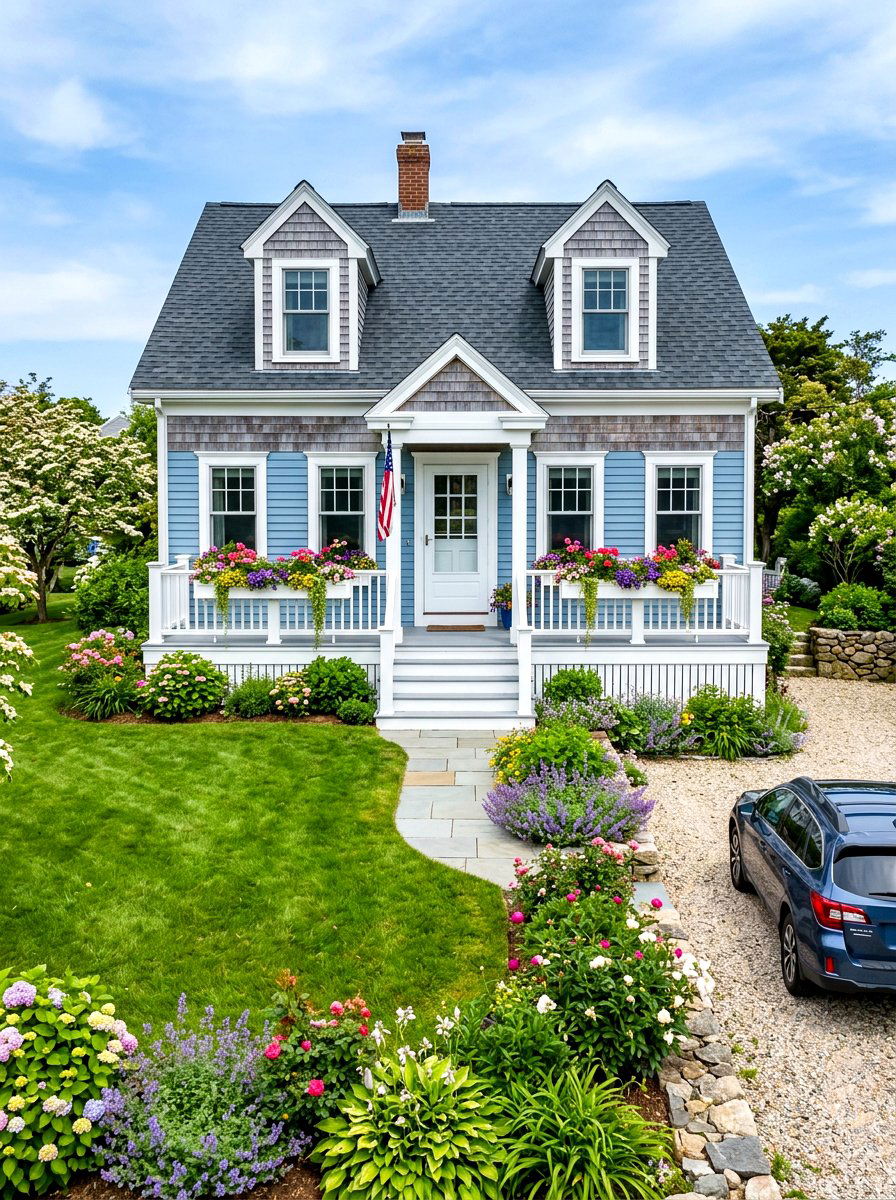
Blue board and batten is a fantastic way to add a splash of color to your home while maintaining a sophisticated and calm appearance. From deep navy to soft slate, blue tones work exceptionally well with the textured lines of vertical siding. This combination is particularly popular in coastal areas, where the color mimics the ocean and the sky. The vertical pattern helps to break up large wall sections, preventing the blue from becoming overwhelming. Pairing blue siding with crisp white trim creates a nautical and fresh look that boosts curb appeal. It is an approachable color choice that feels both unique and very classic.
7. Vertical Siding With Stone
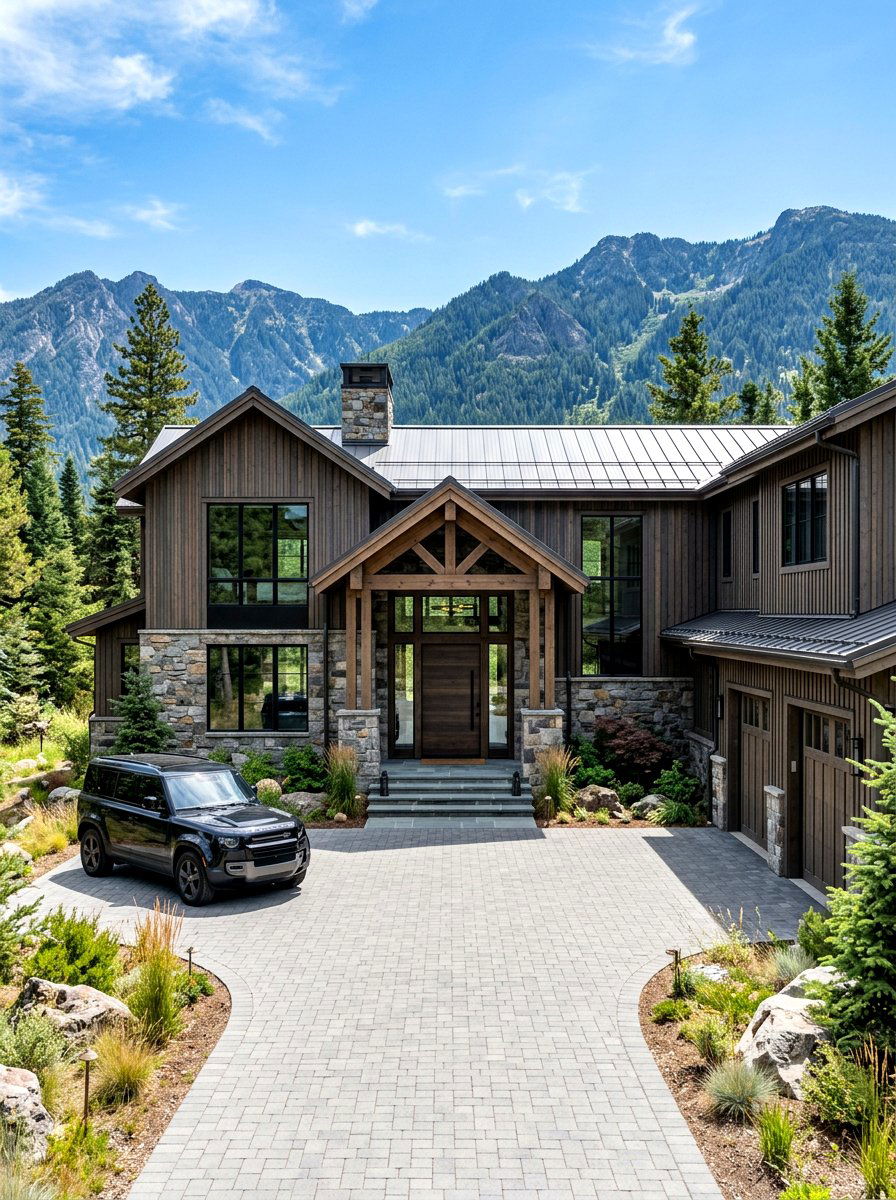
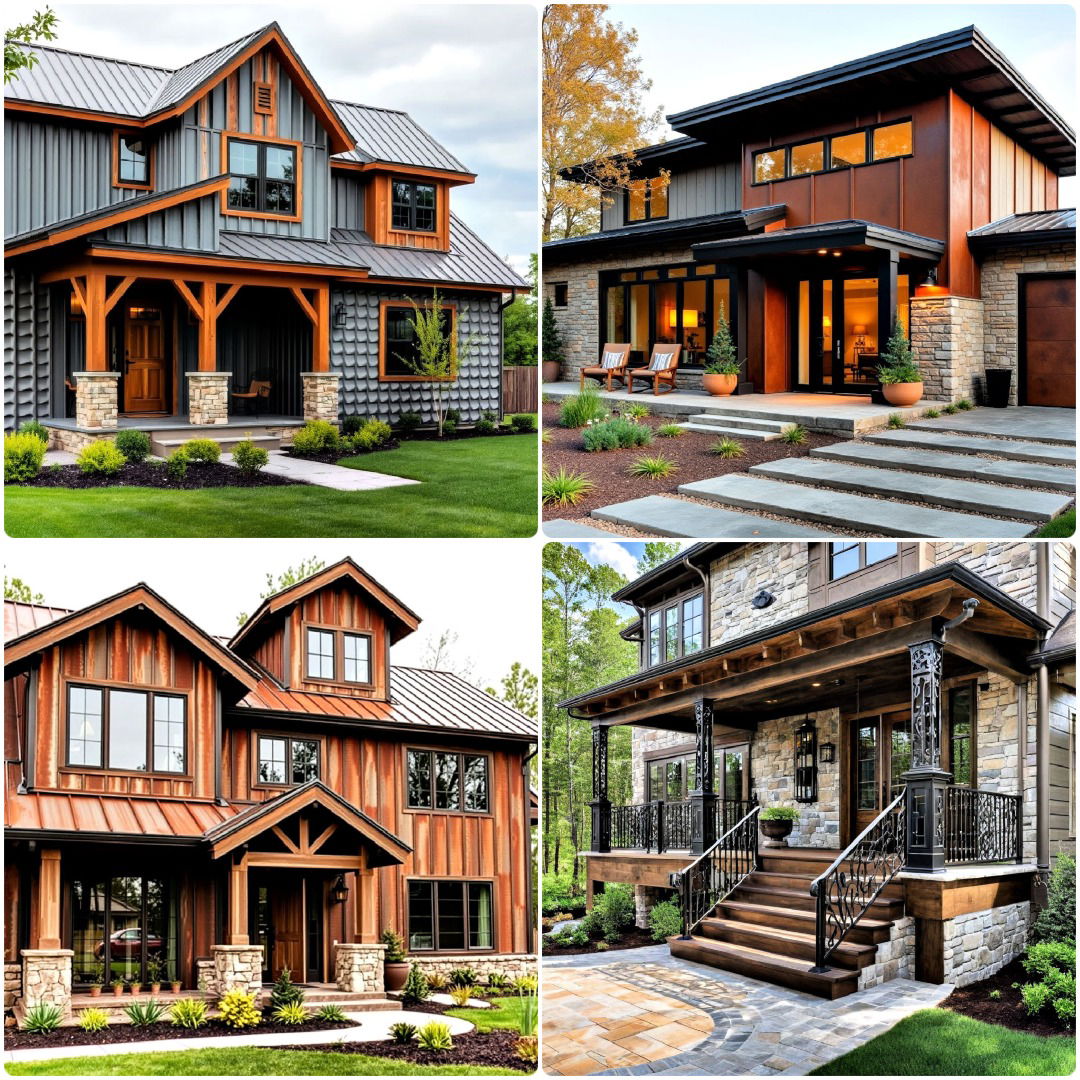
Vertical siding with stone creates a multi-textured exterior that feels expensive and well-crafted by combining different natural elements. Placing stone veneer along the foundation or on a specific accent wall provides a solid, grounded feeling that balances the airy verticality of the siding. This mixture of materials adds significant visual weight and architectural interest to the home's facade. You can choose a light-colored siding to contrast with dark stones or match the tones for a more seamless and integrated look. This design strategy is ideal for mountain retreats or modern suburban homes that want to showcase a rugged yet refined style for guests.
8. Sage Green Vertical Siding
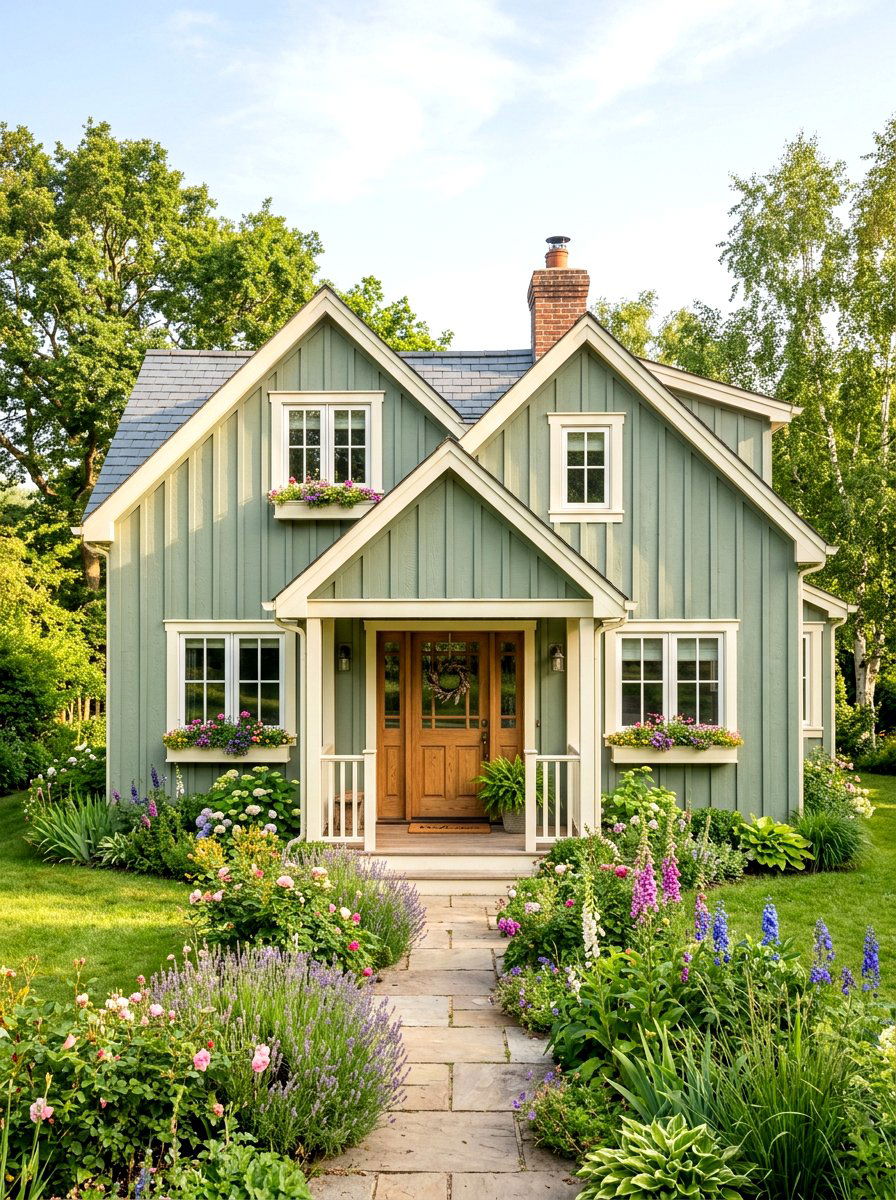
Sage green vertical siding is an emerging trend that offers a soft, biophilic connection to the environment surrounding your property. This earthy tone is incredibly soothing and works perfectly with the natural shadows created by the vertical battens. It provides a subtle alternative to neutral grays and whites, giving your home a distinct personality without being too loud. The vertical lines enhance the organic feel of the green, making the house appear as though it belongs in a garden or a wooded lot. This color is frequently paired with cream-colored trim and wooden doors to complete a harmonious and very inviting exterior look.
9. Contemporary Metal Vertical Siding
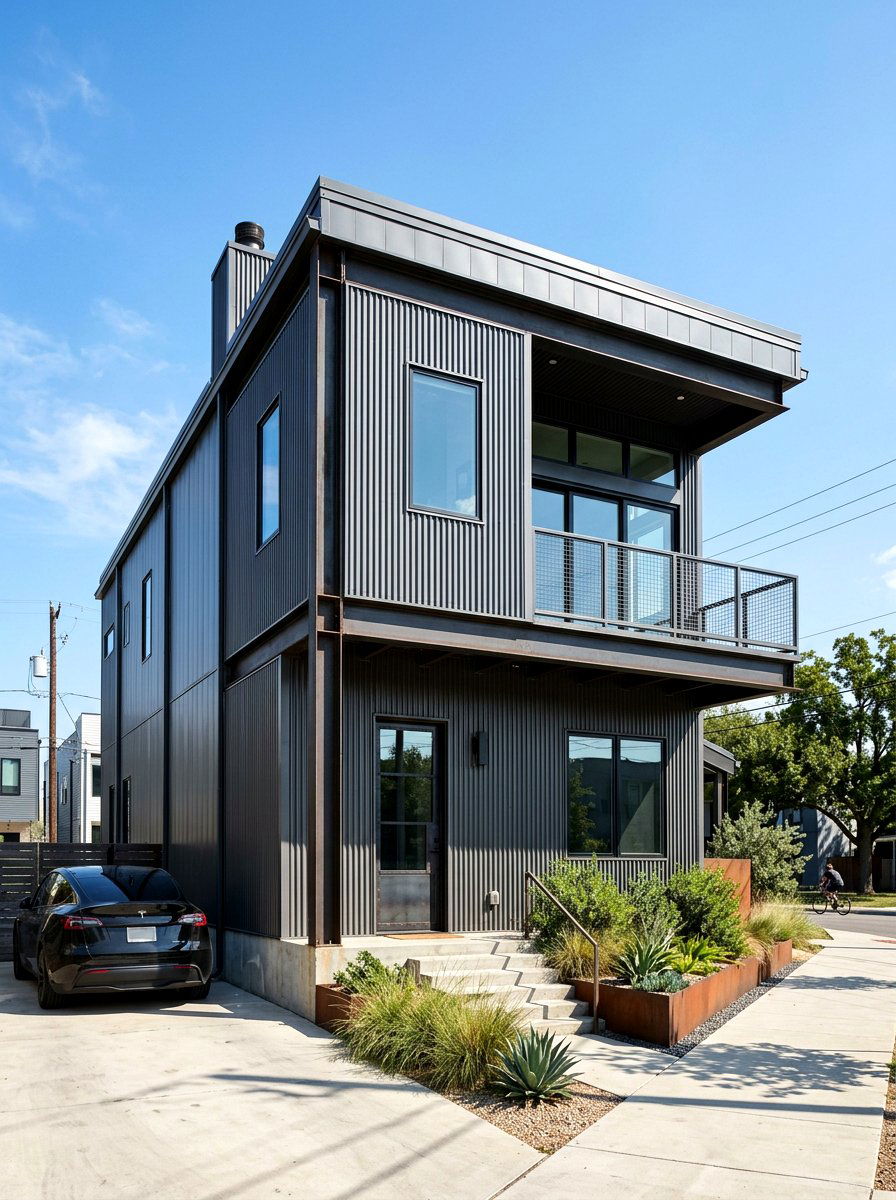
Contemporary metal vertical siding is the ultimate choice for those seeking a durable, low-maintenance, and industrial-inspired home exterior. Metal panels, such as corrugated or standing seam, provide a sharp and clean aesthetic that is perfect for minimalist designs. The vertical installation ensures that water and debris slide off easily, protecting the home from moisture damage over time. This material is available in a wide range of metallic finishes, from brushed silver to deep bronze, allowing for complete customization. It looks especially striking when paired with glass walls and concrete elements, creating a futuristic and high-tech vibe that is very popular in modern architecture.
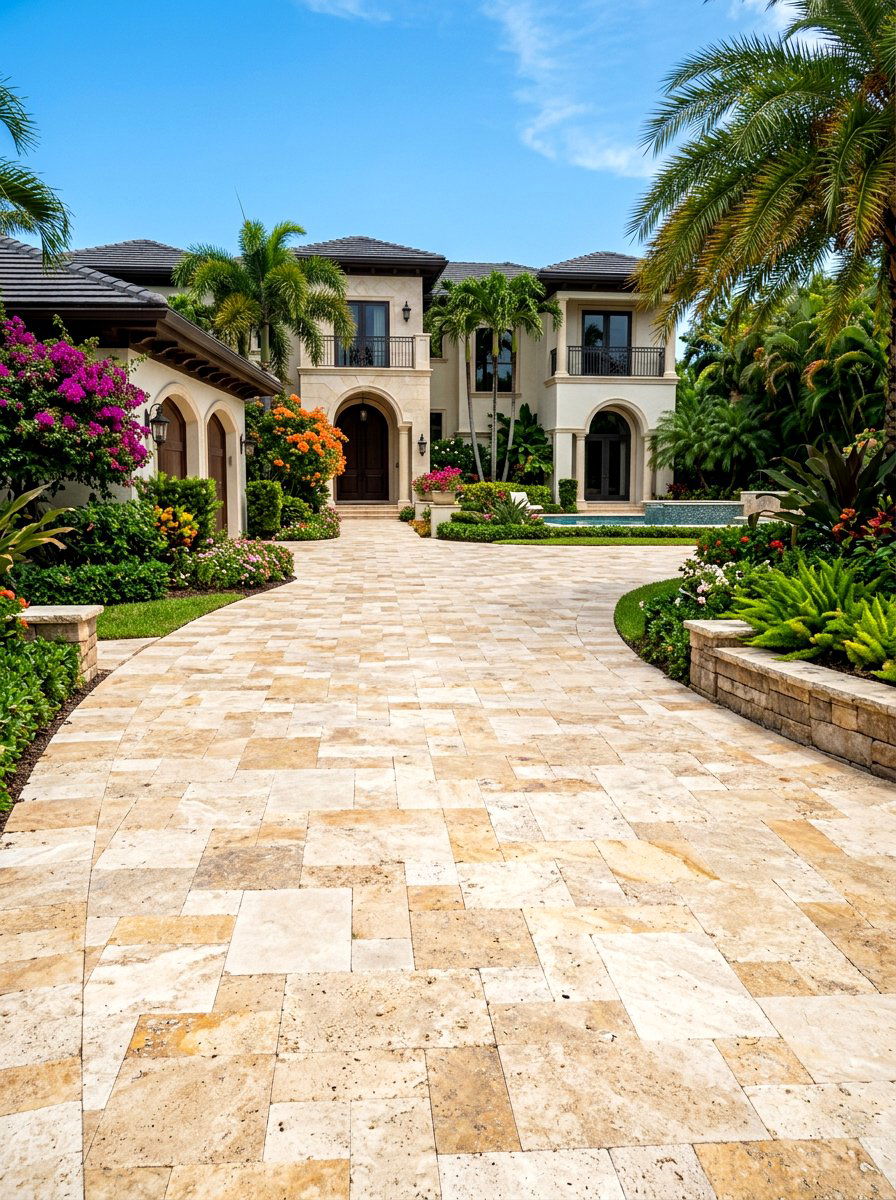
10. Vertical Siding And Brick
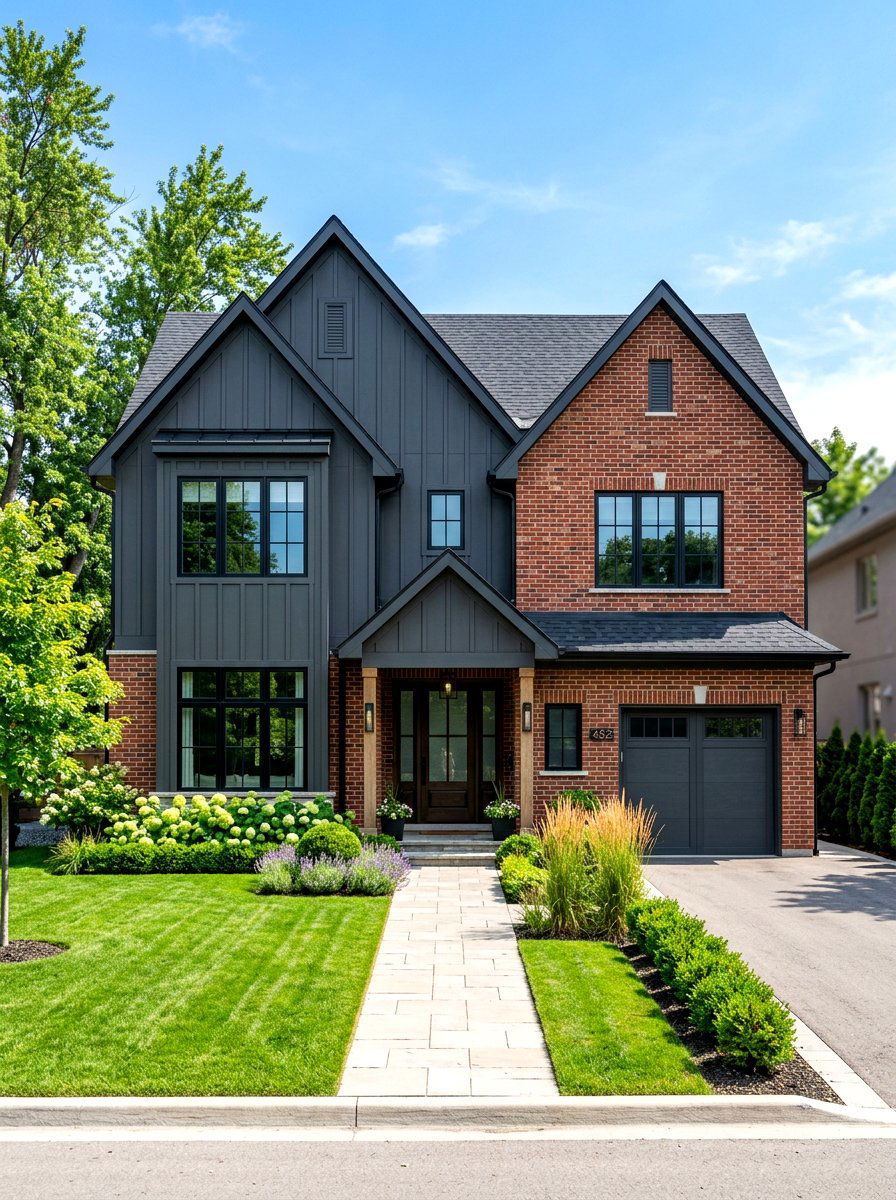
Vertical siding and brick offer a beautiful blend of traditional masonry and modern cladding that creates a rich and layered exterior. Using brick for the lower half of the home while applying vertical siding to the gables or upper stories adds height and variety. This combination allows homeowners to play with different textures and colors, such as pairing red brick with charcoal vertical panels. The vertical lines of the siding provide a sharp contrast to the horizontal rows of the brickwork, making the architecture feel more dynamic. It is a great way to update a traditional brick home with a more contemporary and fresh look.
11. Navy Blue Vertical Siding
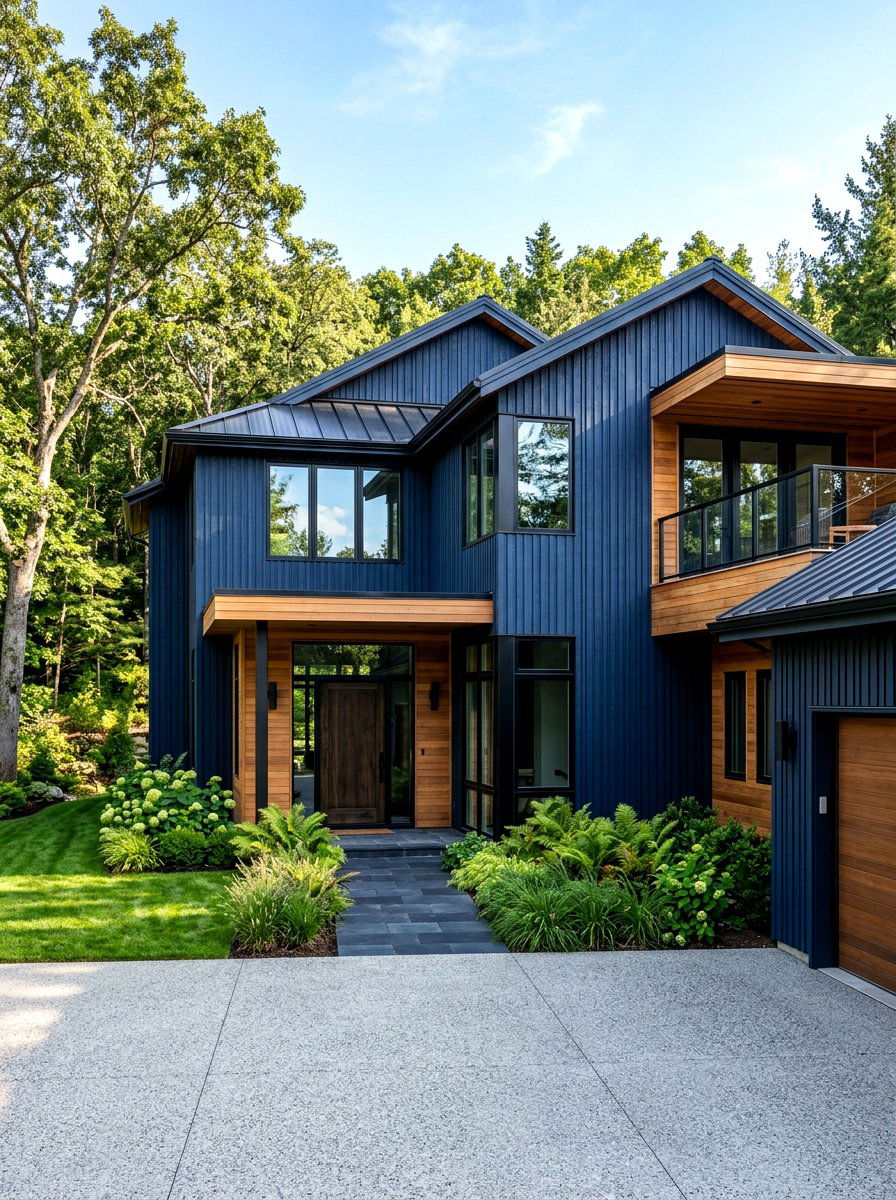
Navy blue vertical siding is a sophisticated and bold option that brings a sense of luxury and depth to any building. This dark, rich hue works perfectly with the shadows cast by vertical battens, creating a three-dimensional effect that is visually captivating. Navy is a versatile color that looks stunning in the sunlight and takes on a more mysterious, elegant tone in the shade. It pairs beautifully with natural wood accents, such as a cedar front door or wooden porch railings. For a modern finish, consider using black or white trim to either emphasize the darkness or provide a sharp and clean contrast.
12. Light Gray Vertical Siding
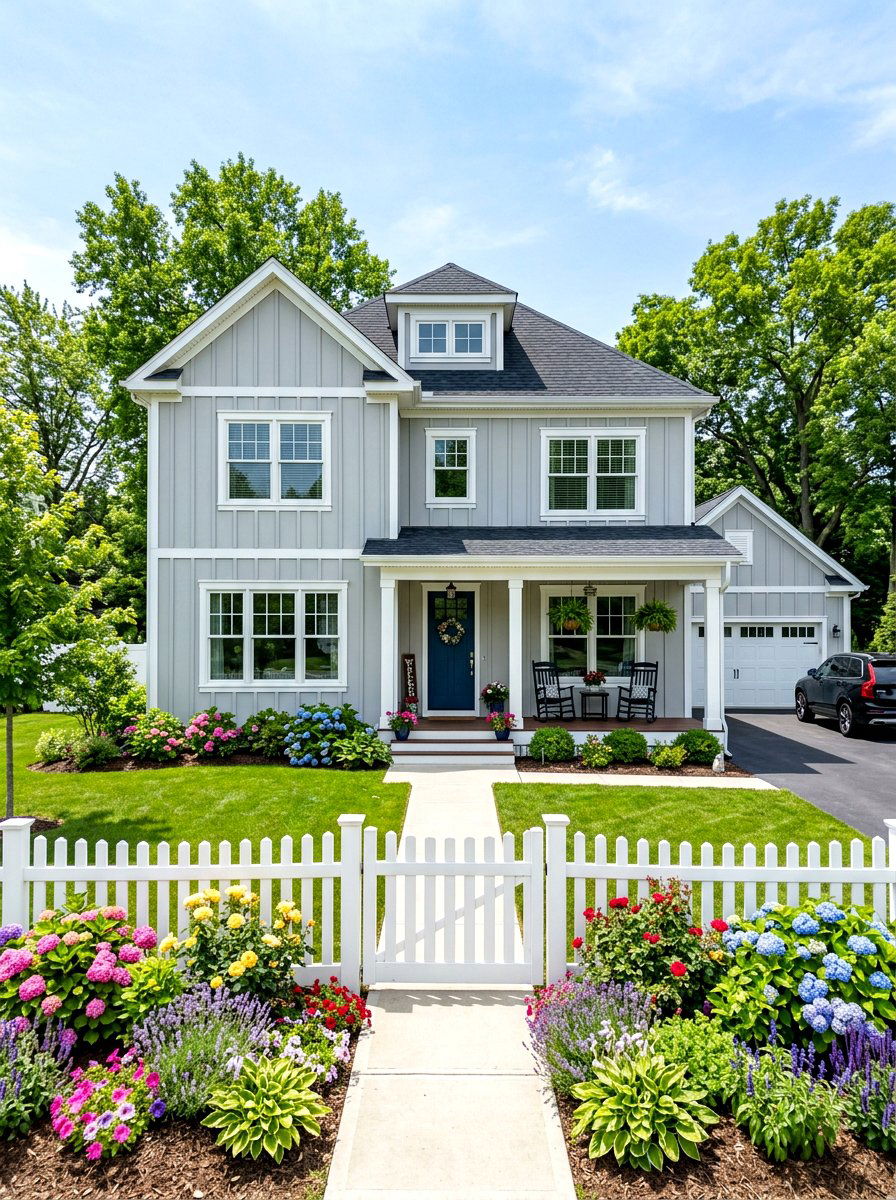
Light gray vertical siding is a classic choice for homeowners who want a neutral palette that feels lighter and more open than dark charcoal. This shade provides a soft and airy look that reflects light well, helping the home stay cooler in warm climates. The vertical orientation adds just enough modern flair to keep a simple gray home from looking dated or boring. It is a very safe color for resale value, as it appeals to a wide variety of tastes and styles. You can easily add pops of color through your front door or landscaping, as gray provides the perfect neutral backdrop for any accent.
13. Vertical Siding Accent Wall
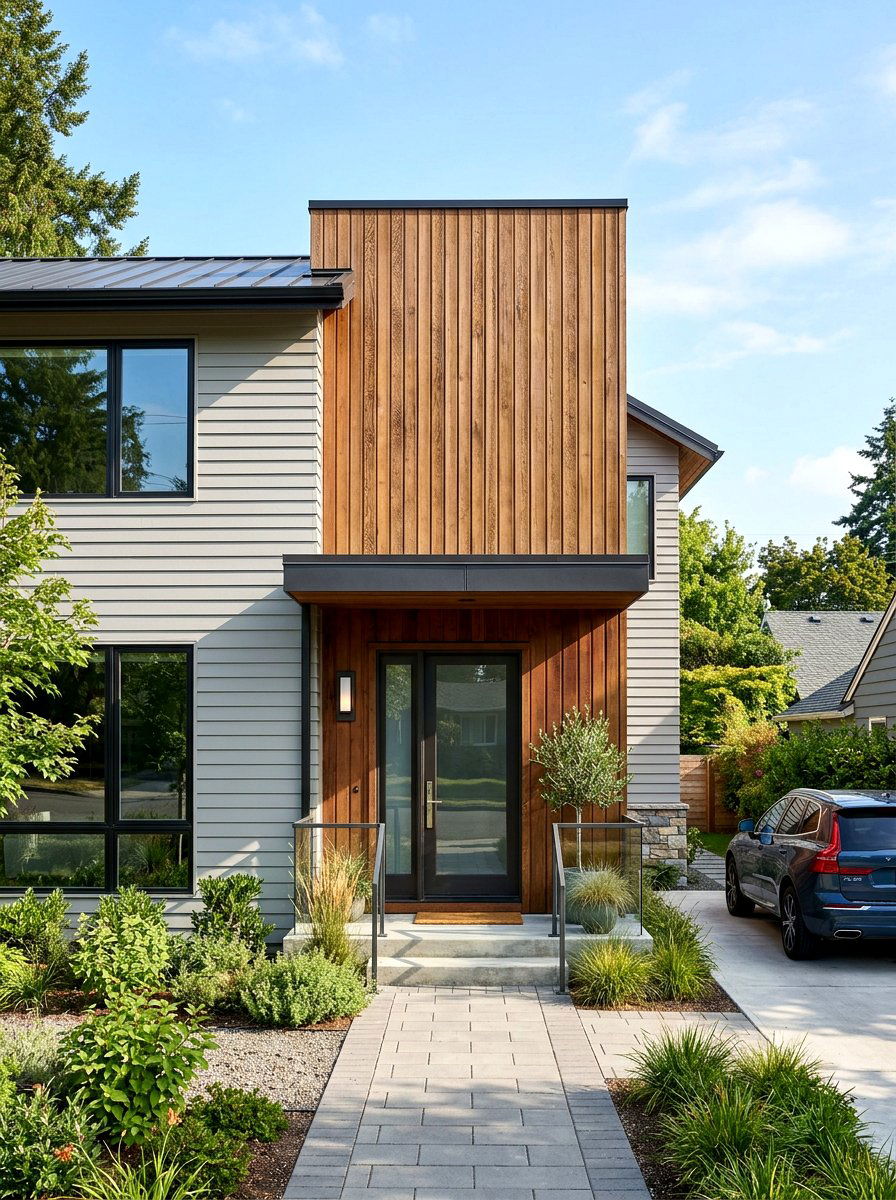
A vertical siding accent wall is a clever design trick used to highlight specific architectural features, such as an entryway or a chimney. Instead of covering the entire house in one material, using vertical panels on a single section creates a focal point that draws the eye. This technique is often used in mixed-material designs where horizontal siding or stone covers the rest of the exterior. The change in direction from horizontal to vertical adds instant texture and modern appeal without requiring a full renovation. It is an affordable way to give your home a custom, designer look that feels intentional and very stylish.
14. Two Tone Vertical Siding
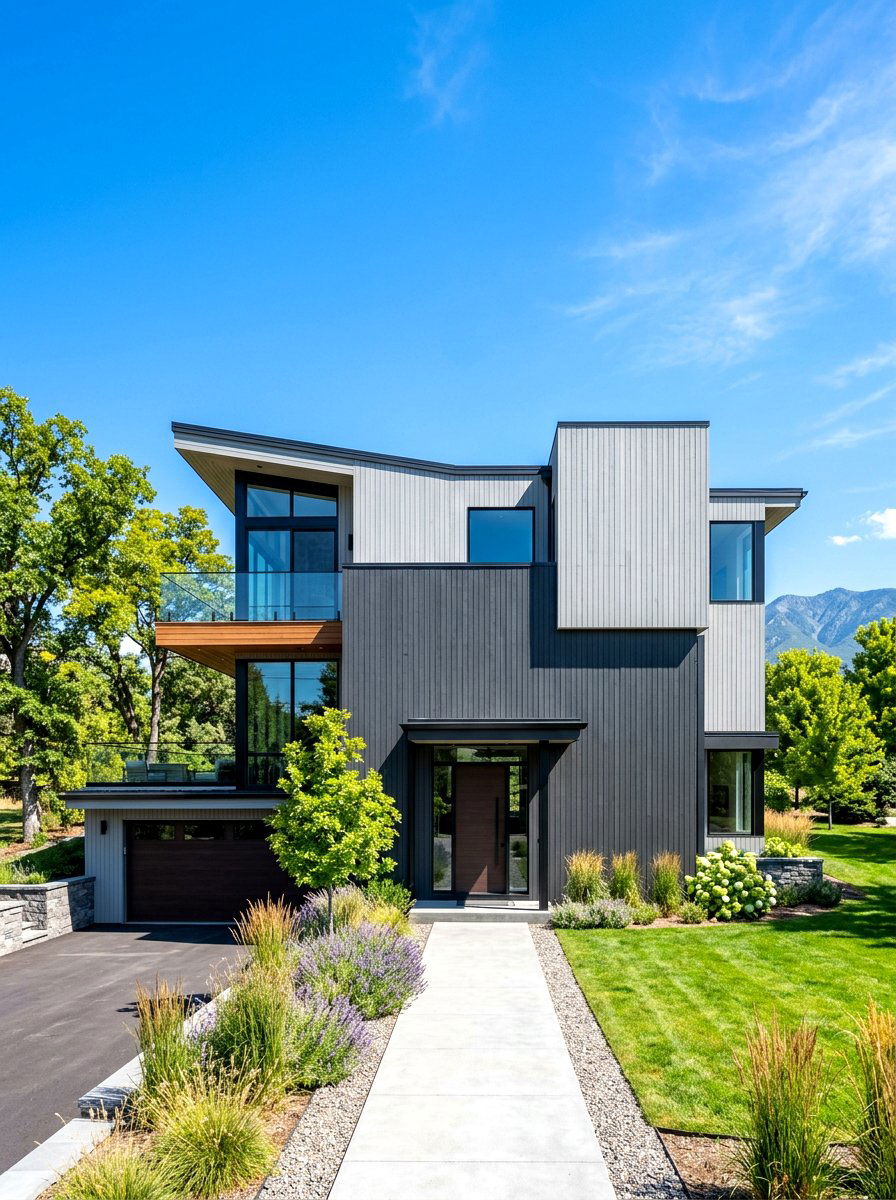
Two tone vertical siding involves using two different colors or shades on the exterior to create a unique and personalized appearance. For example, you might use a dark charcoal on the main body of the house and a lighter gray on the gables. This approach helps to define different sections of the home and adds a layer of sophistication to the overall design. Using two tones can also help to break up large wall surfaces, making the home feel more approachable and less monolithic. It is a popular choice for contemporary homes that want to experiment with color theory and visual balance on their facades.
15. Barn Style Vertical Siding
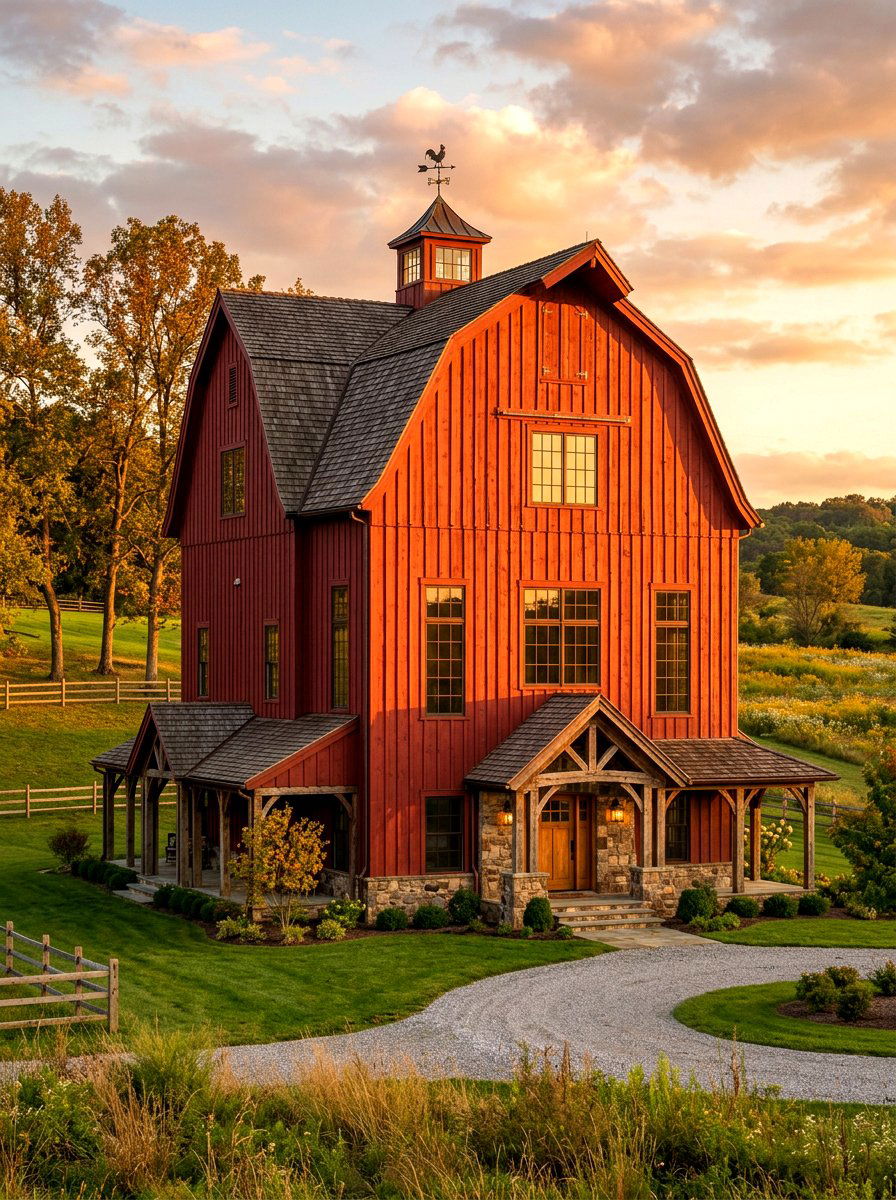
Barn style vertical siding pays homage to traditional rural architecture while providing a rugged and charming look for modern residences. This style typically features wider planks and more prominent battens, mimicking the functional design of historic agricultural buildings. Often seen in classic red or weathered wood tones, barn siding adds an instant sense of history and character to a property. It is a popular choice for large estates or custom-built homes in open landscapes where the architecture can truly shine. Pairing this siding with large sliding doors and metal accents can complete the authentic barn-inspired aesthetic that many homeowners find so appealing.
16. Vertical Siding With Large Windows
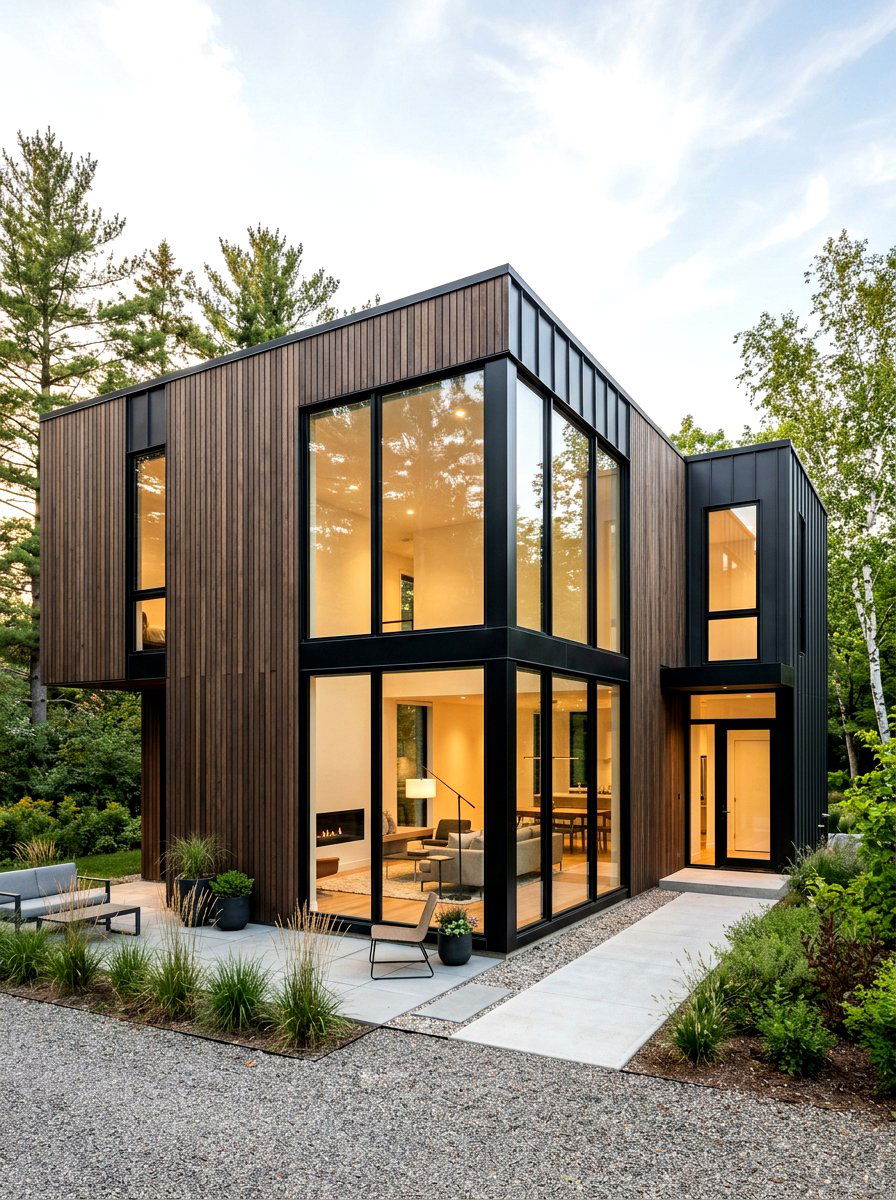
Vertical siding with large windows is a match made in architectural heaven, as the long lines of the siding complement the tall glass panes. This combination is a staple of modern and contemporary home design, emphasizing transparency and verticality. The siding acts as a frame for the windows, making them look even more expansive and impressive from the outside. Using dark siding with black-framed windows creates a seamless and high-end look that is very popular in luxury home designs. This setup allows for plenty of natural light to enter the home while maintaining a sleek and structured exterior that looks great from any angle.
17. Wood Grain Vertical Siding
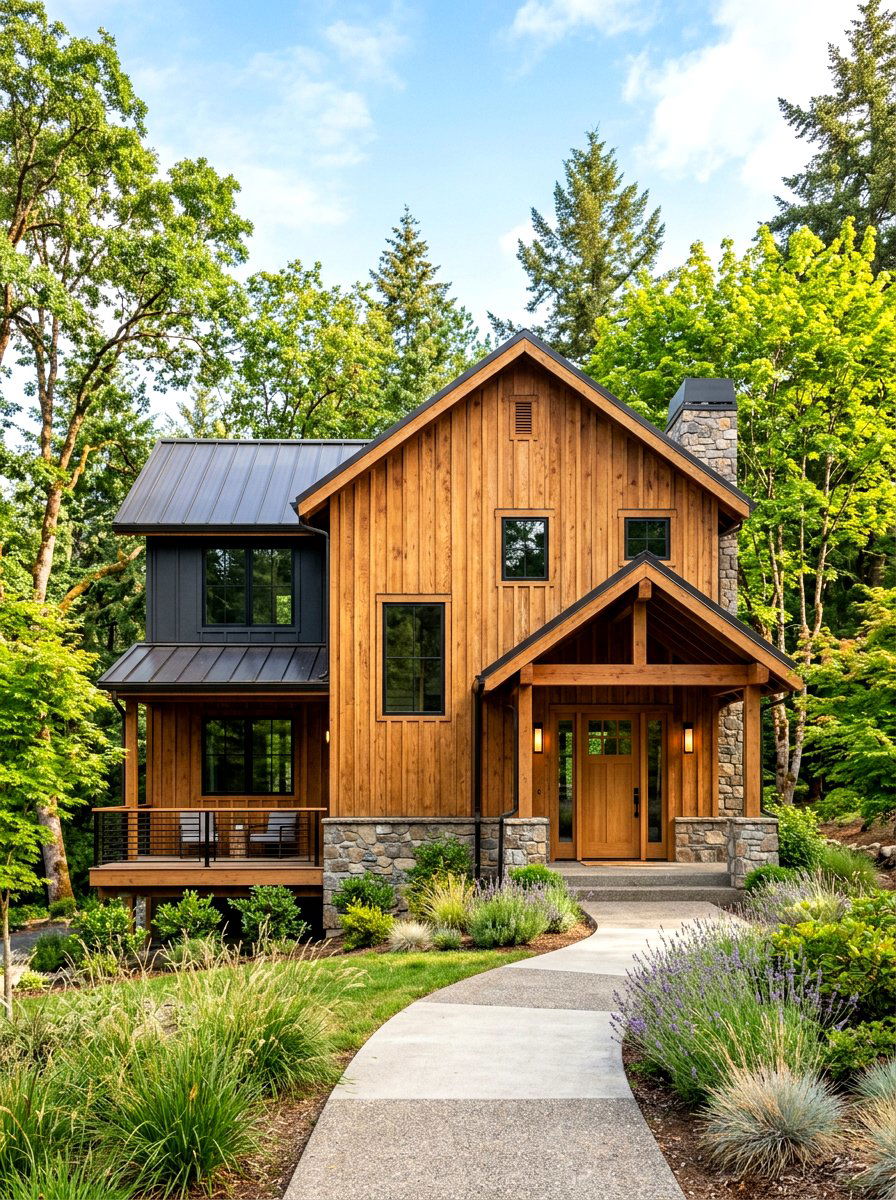
Wood grain vertical siding offers the beautiful look of natural timber with the durability and low maintenance of modern materials like vinyl or fiber cement. These panels are engineered to feature realistic textures and color variations that mimic real wood species like oak or pine. Choosing a vertical layout for wood grain siding enhances the natural feel, as it resembles the way trees grow in the forest. This is an excellent option for homeowners who love the rustic look of wood but don't want the hassle of staining or painting every few years. It provides a warm and inviting finish that lasts for decades.
18. Minimalist Vertical Siding
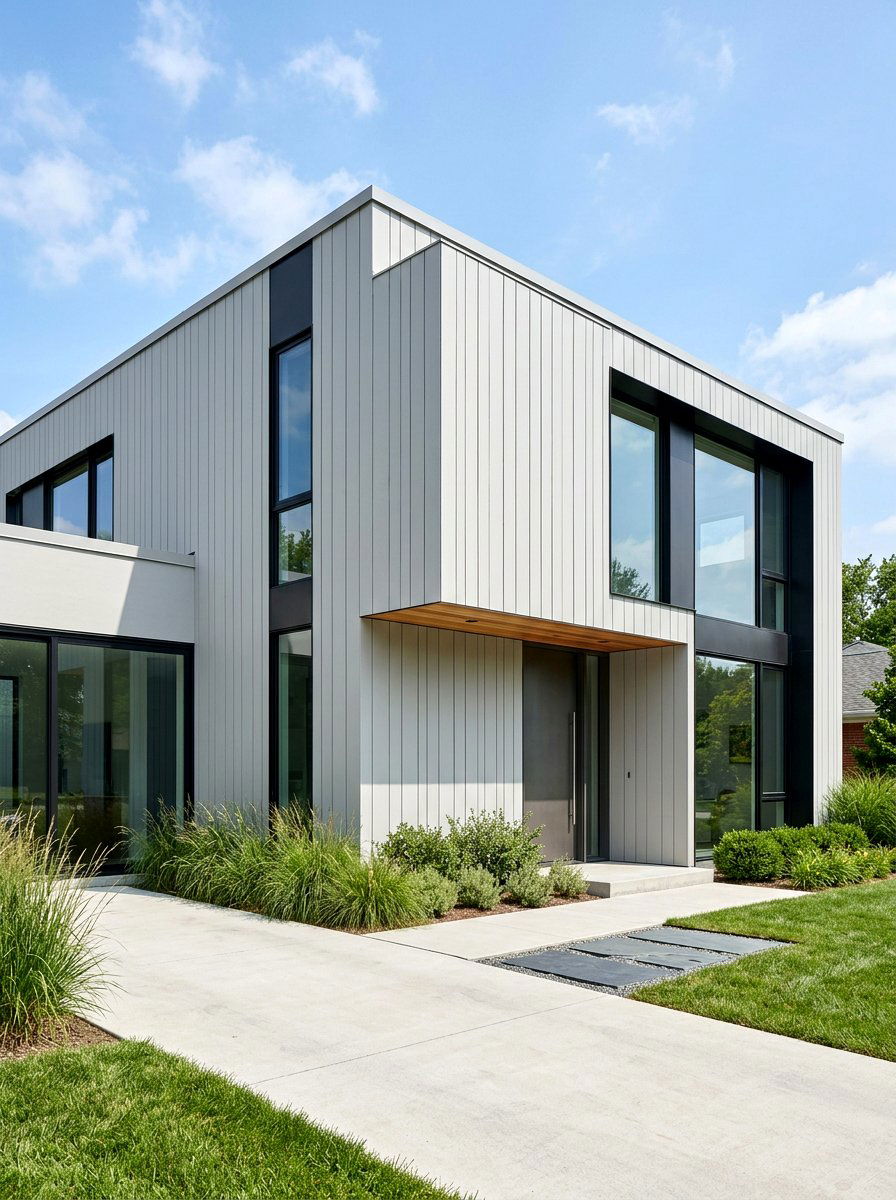
Minimalist vertical siding focuses on clean lines, hidden fasteners, and a lack of ornamental detail to achieve a sleek and quiet aesthetic. This style is perfect for modern homes where the goal is to let the architecture speak for itself without unnecessary distractions. Often using smooth panels without the traditional batten strips, minimalist siding creates a flat and uniform surface that looks incredibly contemporary. Colors like white, black, or light beige are common in this style to maintain a simple and cohesive palette. It is a sophisticated choice for those who appreciate the "less is more" philosophy in their home's exterior design and planning.
19. Vertical Siding Porch
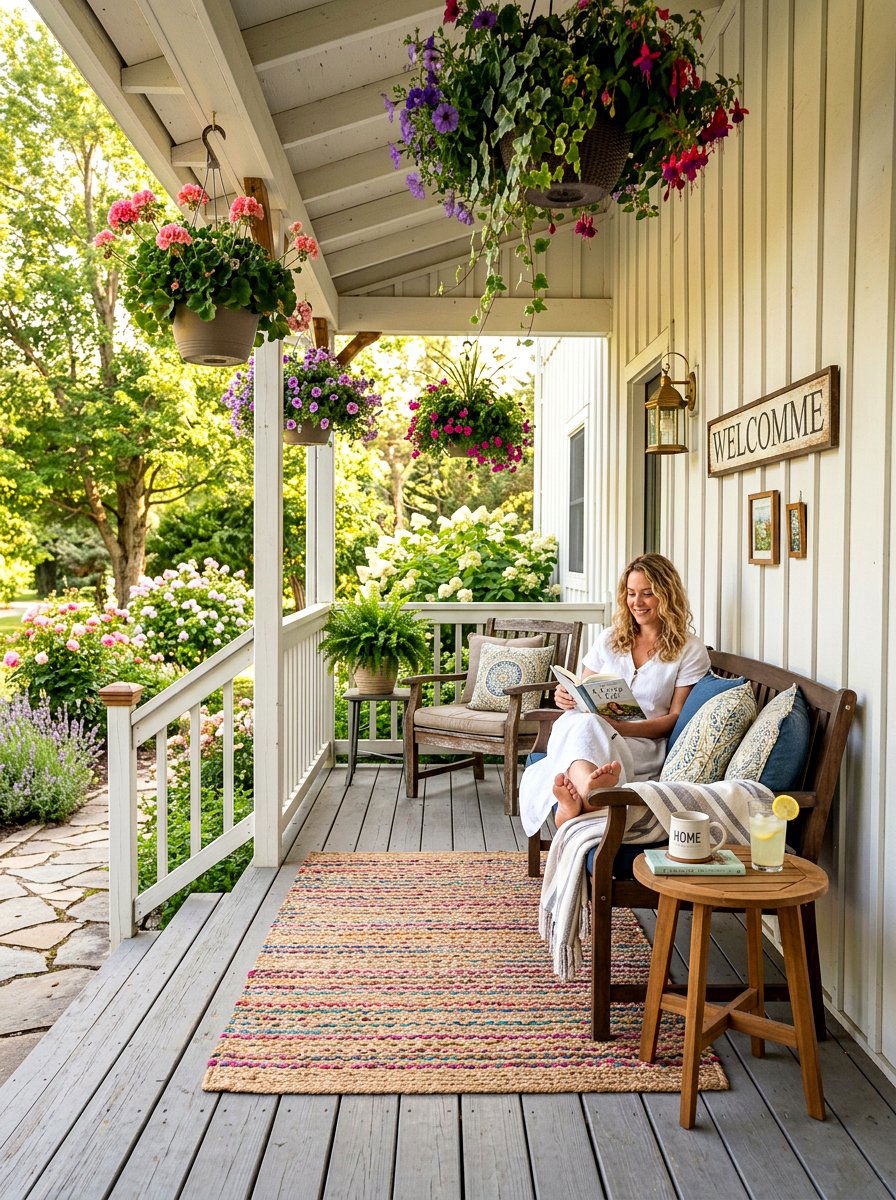
Using vertical siding on a porch area can create a cozy and textured outdoor room that feels like an extension of the interior. The vertical lines add a sense of height to the porch, making even a small space feel more open and grand. It provides a beautiful backdrop for porch furniture, hanging plants, and outdoor lighting fixtures. Many homeowners choose to use a different color or material for the porch siding to set it apart from the rest of the house. This design choice adds a layer of depth and interest to the entryway, welcoming guests with a stylish and well-thought-out architectural detail that pops.
20. Coastal Vertical Siding
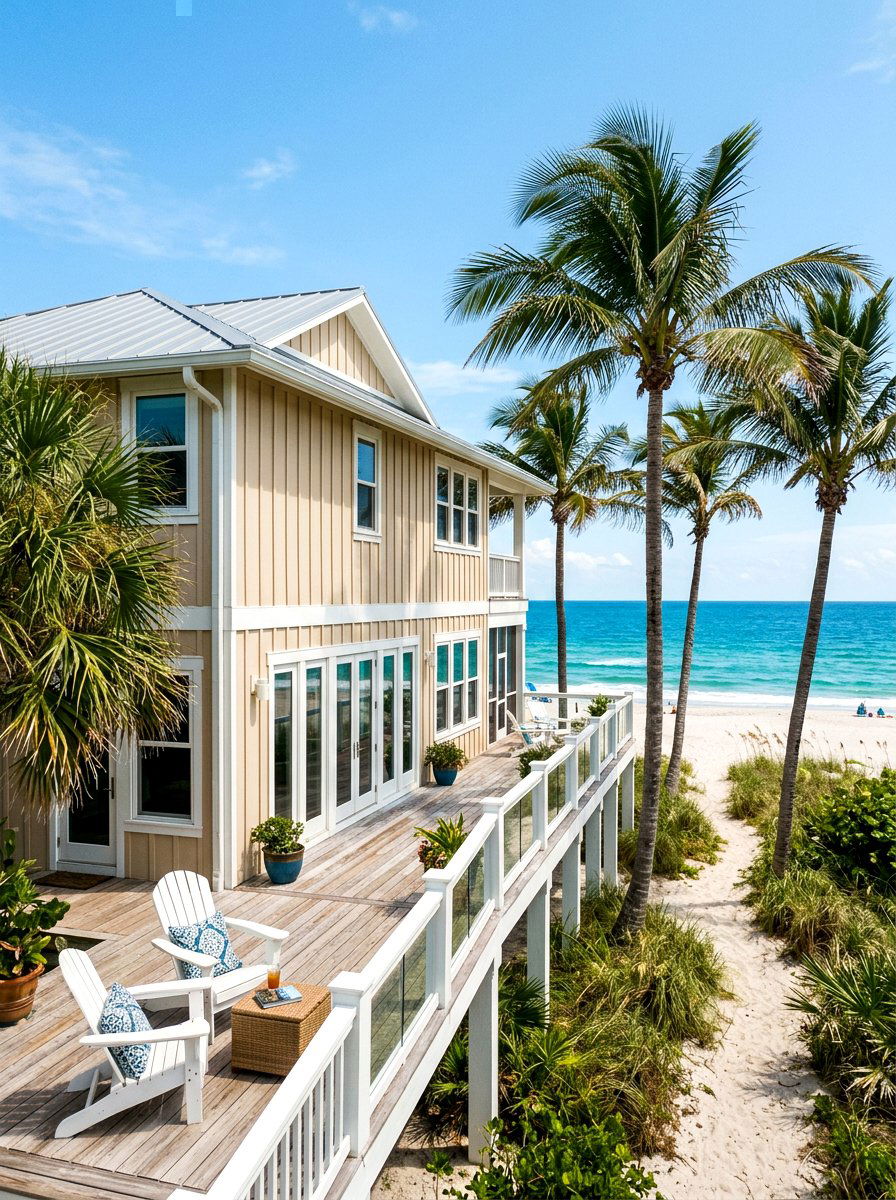
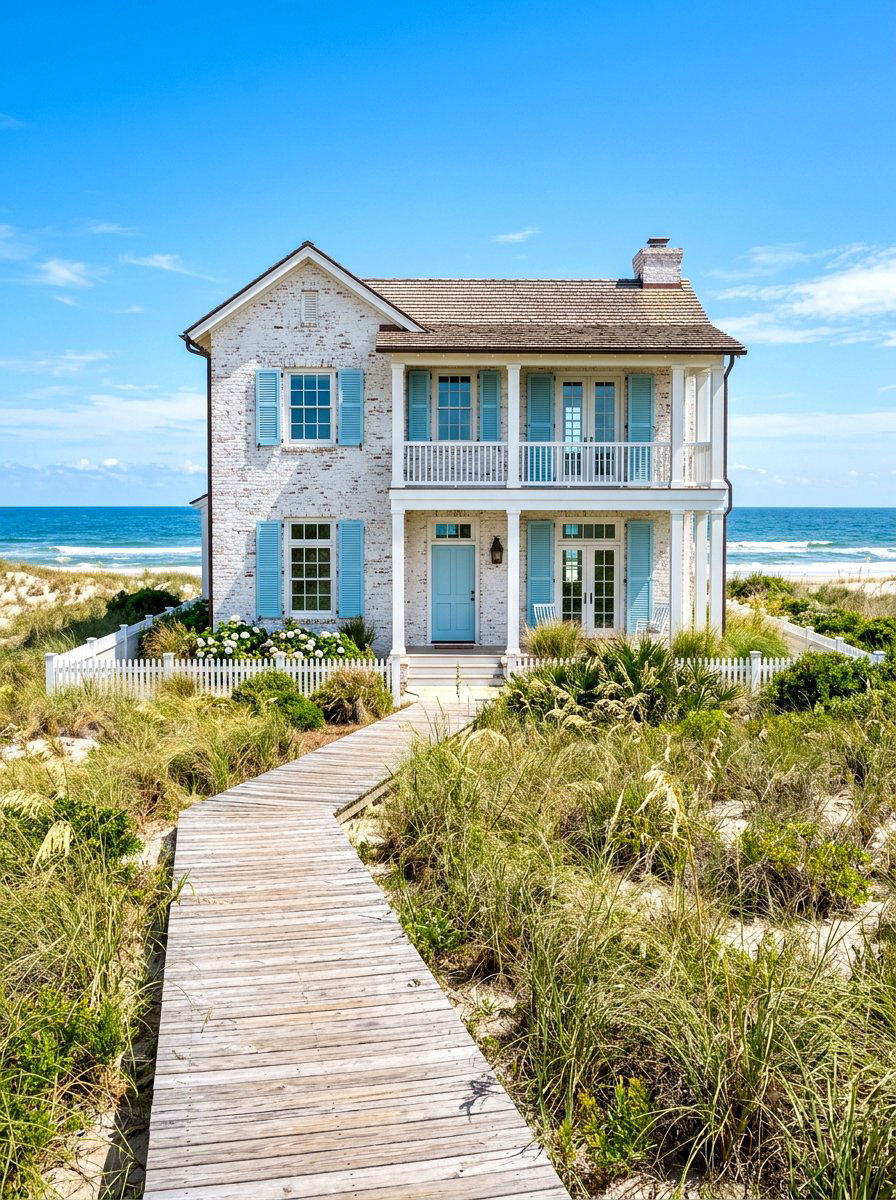
Coastal vertical siding often features light, breezy colors like sandy beige, pale blue, or crisp white to reflect the relaxed atmosphere of the beach. The vertical pattern is practical for coastal homes as it helps to shed moisture and salt spray more effectively than horizontal planks. This style pairs beautifully with tropical landscaping and large decks that overlook the water. Using fiber cement vertical siding is especially popular in these areas because it is resistant to humidity and high winds. It creates a timeless and refreshing look that makes any home feel like a permanent vacation spot for the family and visitors alike.
21. Forest Green Vertical Siding
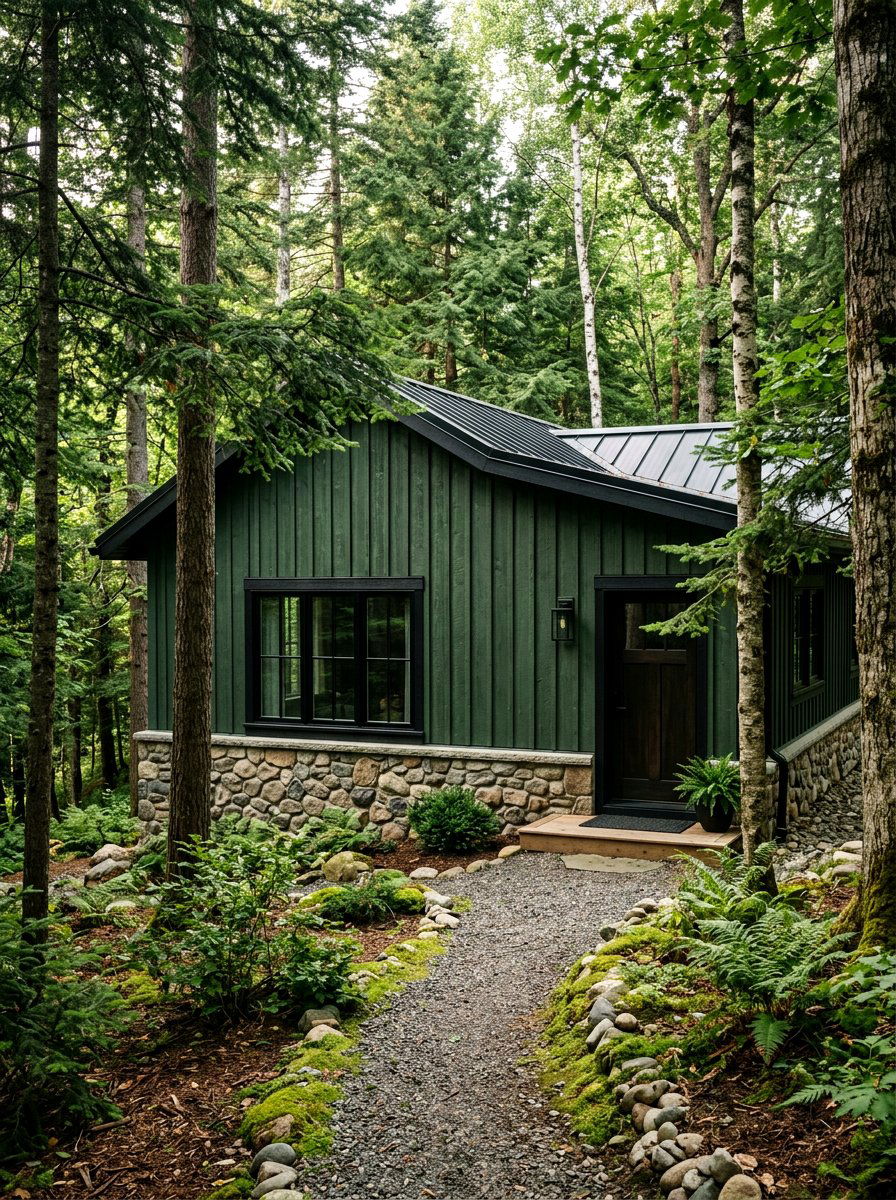
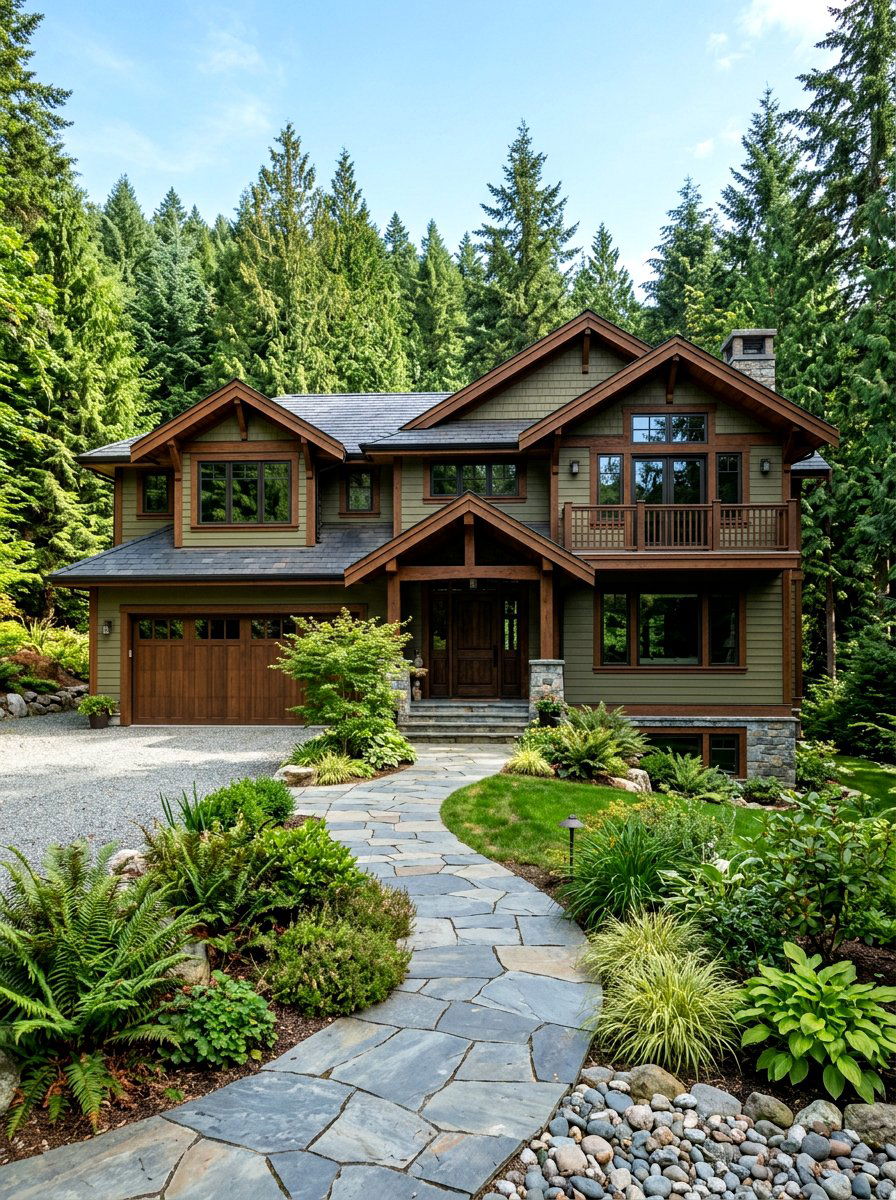
Forest green vertical siding is a deep and rich color choice that helps a home blend seamlessly into a wooded or mountainous environment. This dark shade of green feels traditional yet updated when applied in a vertical board and batten style. It creates a moody and sophisticated look that is particularly striking during the autumn and winter months. Pairing forest green with dark brown or black trim enhances the earthy and grounded feel of the property. This color is perfect for those who want a home that feels tucked away and private, providing a quiet and natural elegance that is very peaceful to observe.
22. Vertical Siding Garage
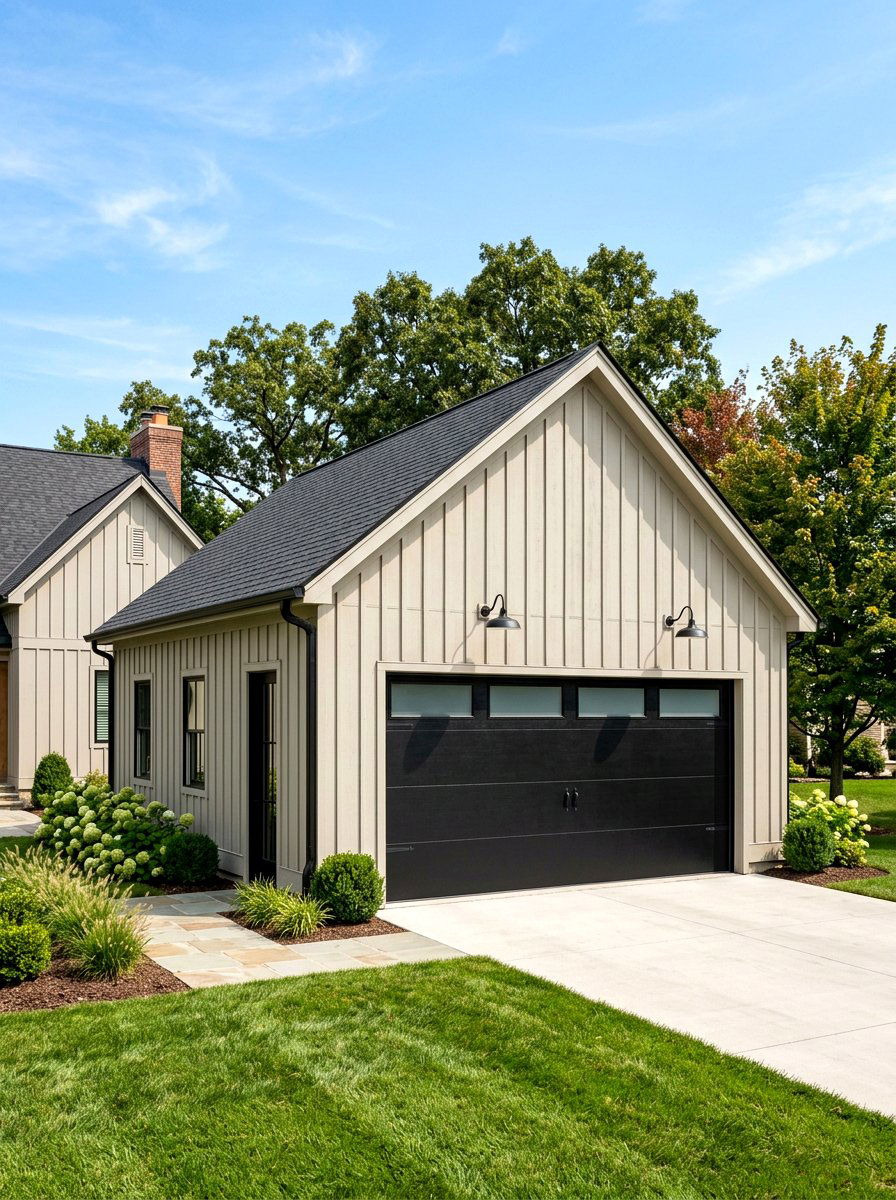
Applying vertical siding to a garage can transform a purely functional building into a stylish part of the overall home design. Matching the garage siding to the main house creates a cohesive and professional look that increases the property's value. Alternatively, using a different color or a unique vertical pattern on the garage can make it a secondary focal point. The vertical lines help to make a standard garage look taller and more integrated with the architectural style of the residence. It is a simple upgrade that can significantly improve the curb appeal of your driveway and the entire front of your home.
23. Beige Vertical Siding
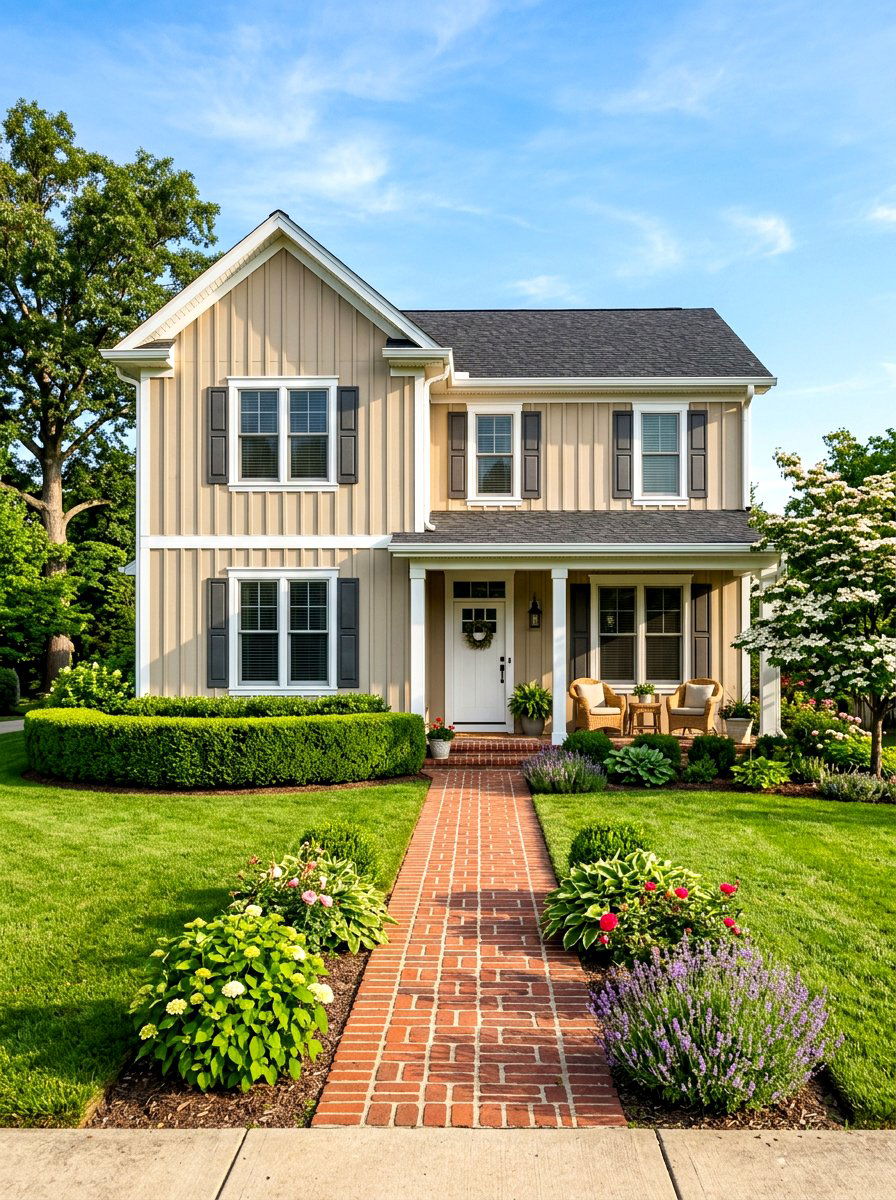
Beige vertical siding offers a warm and neutral alternative to white or gray, providing a soft look that fits into almost any neighborhood. This color is excellent for creating a home that feels inviting and understated while still benefiting from the modern texture of vertical panels. Beige works well with both light and dark accents, allowing for a high degree of flexibility in trim and door choices. The vertical orientation adds a contemporary touch to what might otherwise be a very traditional color. It is a popular choice for homeowners who want a timeless exterior that is easy to maintain and very versatile.
24. Vertical Siding Entryway
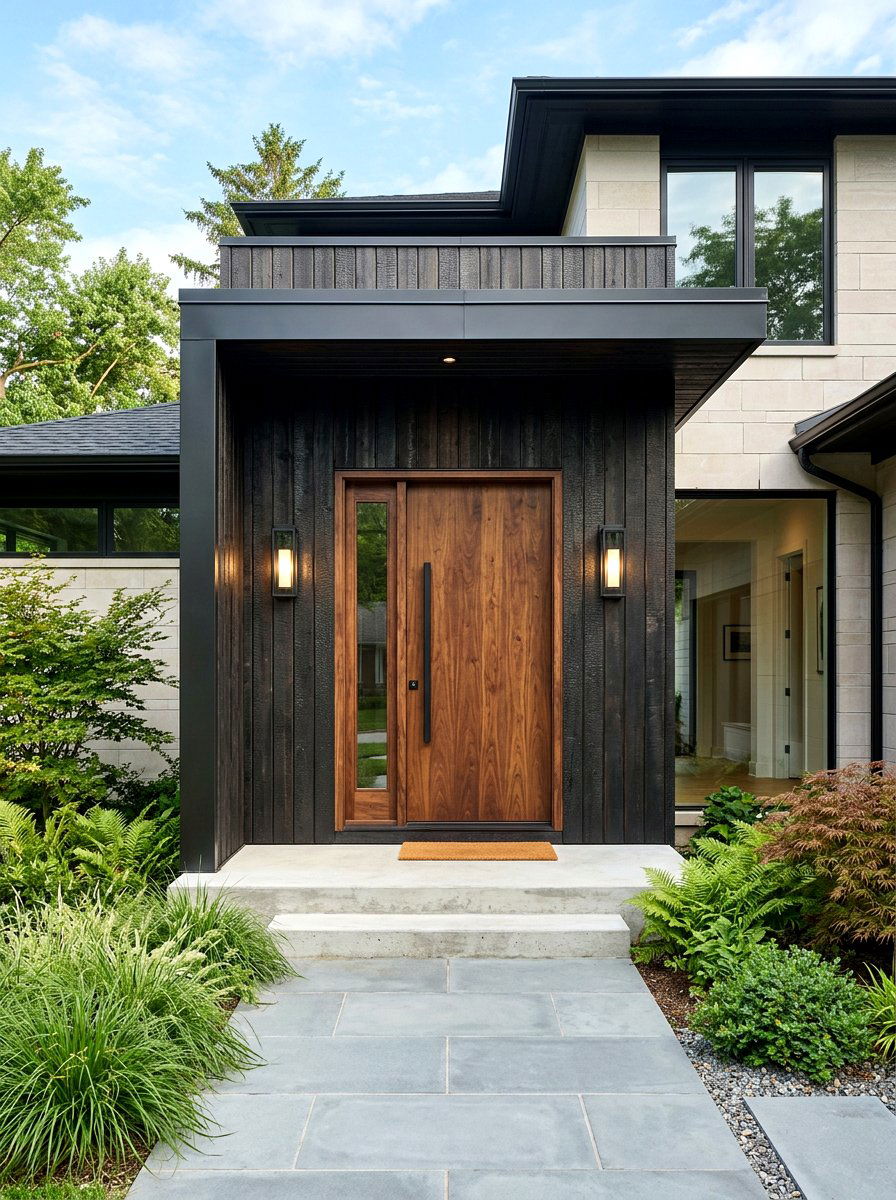
A vertical siding entryway is a fantastic way to create a memorable first impression for anyone visiting your home. By using vertical panels around the front door, you can delineate the entrance and give it a unique architectural identity. This can be achieved by using a contrasting color or a different material, such as natural wood vertical siding against a white house. The vertical lines draw the eye toward the door, making the entry feel more important and grand. Adding modern lighting and a bold front door can complete this stylish look, making your home's entrance a true standout feature on the street.

25. Industrial Vertical Siding
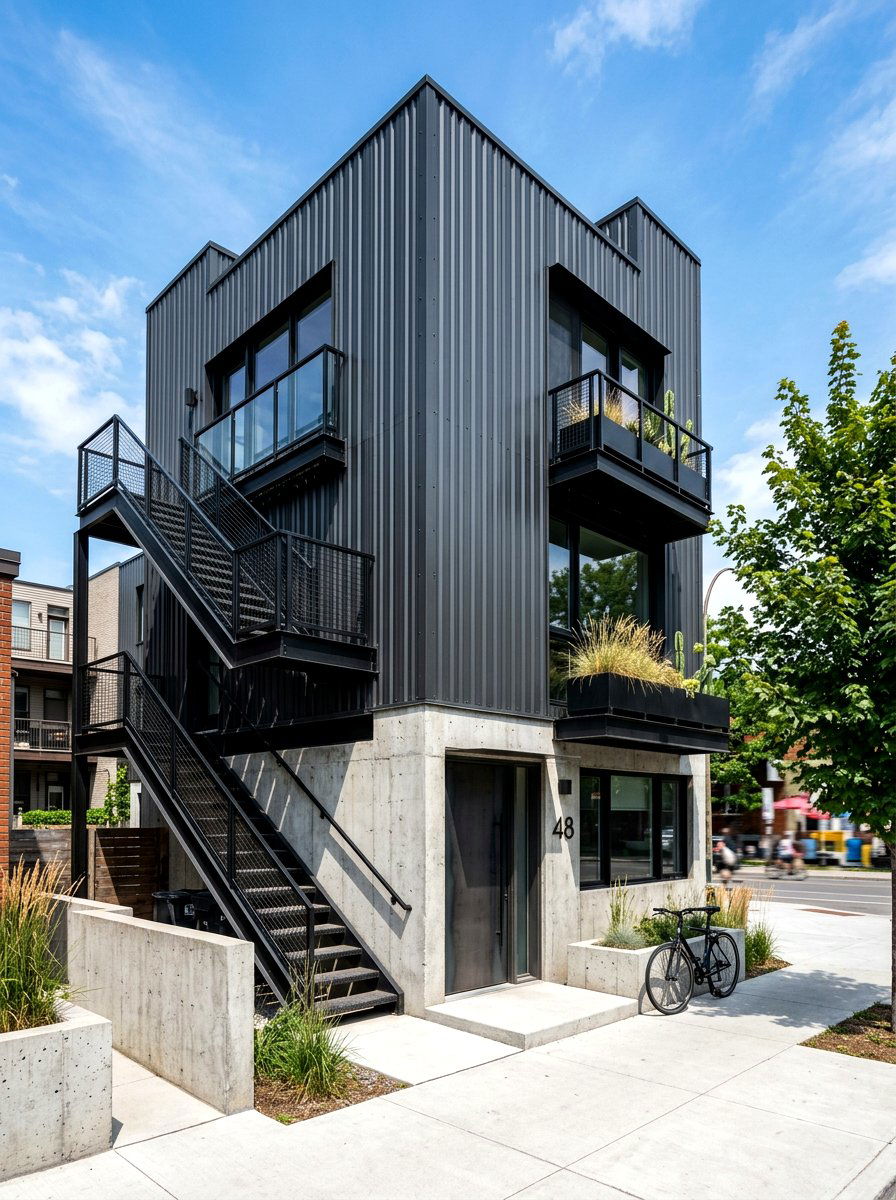
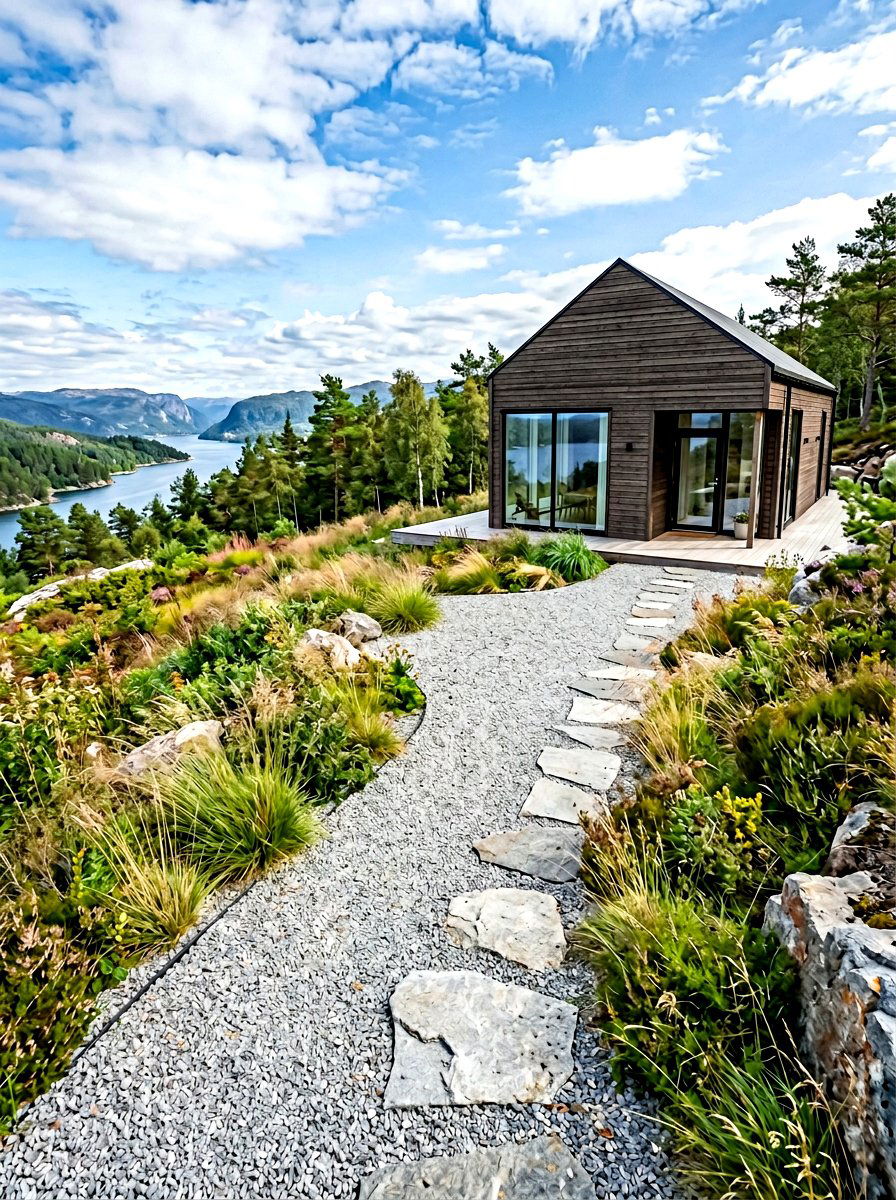
Industrial vertical siding often utilizes raw materials like corrugated steel or dark-colored aluminum to create a rugged and edgy look. This style is heavily influenced by urban lofts and warehouse conversions, bringing a sense of strength and modernity to residential architecture. The vertical panels emphasize the structural integrity of the building and provide a unique texture that changes throughout the day as light hits the ridges. Pairing industrial siding with exposed beams, large metal windows, and concrete walkways enhances the cohesive look. It is a bold choice for those who want a low-maintenance home with a very distinct and modern urban personality.
26. Vertical Siding With Black Trim
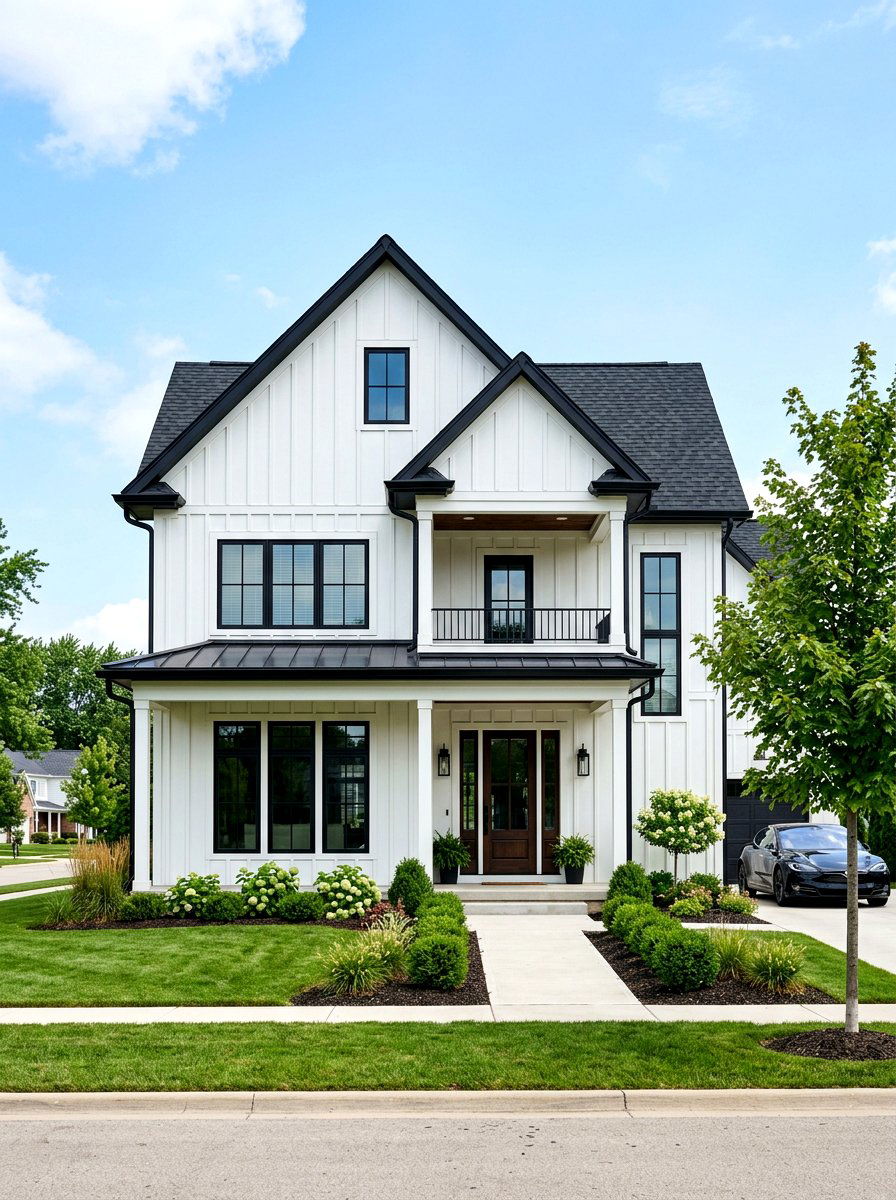
Vertical siding with black trim is one of the most sought-after color combinations on Pinterest and Instagram for a reason. The black trim acts like a frame, sharpening the edges of the vertical panels and making the entire house look more defined. This look works exceptionally well with white, light gray, or even wood-toned siding to create a high-contrast and high-impact exterior. The black lines of the trim complement the vertical shadows of the siding, resulting in a very structured and intentional design. It is a contemporary trend that feels sophisticated and expensive, perfect for modernizing any older home facade during a renovation.
27. Mid Century Modern Vertical Siding
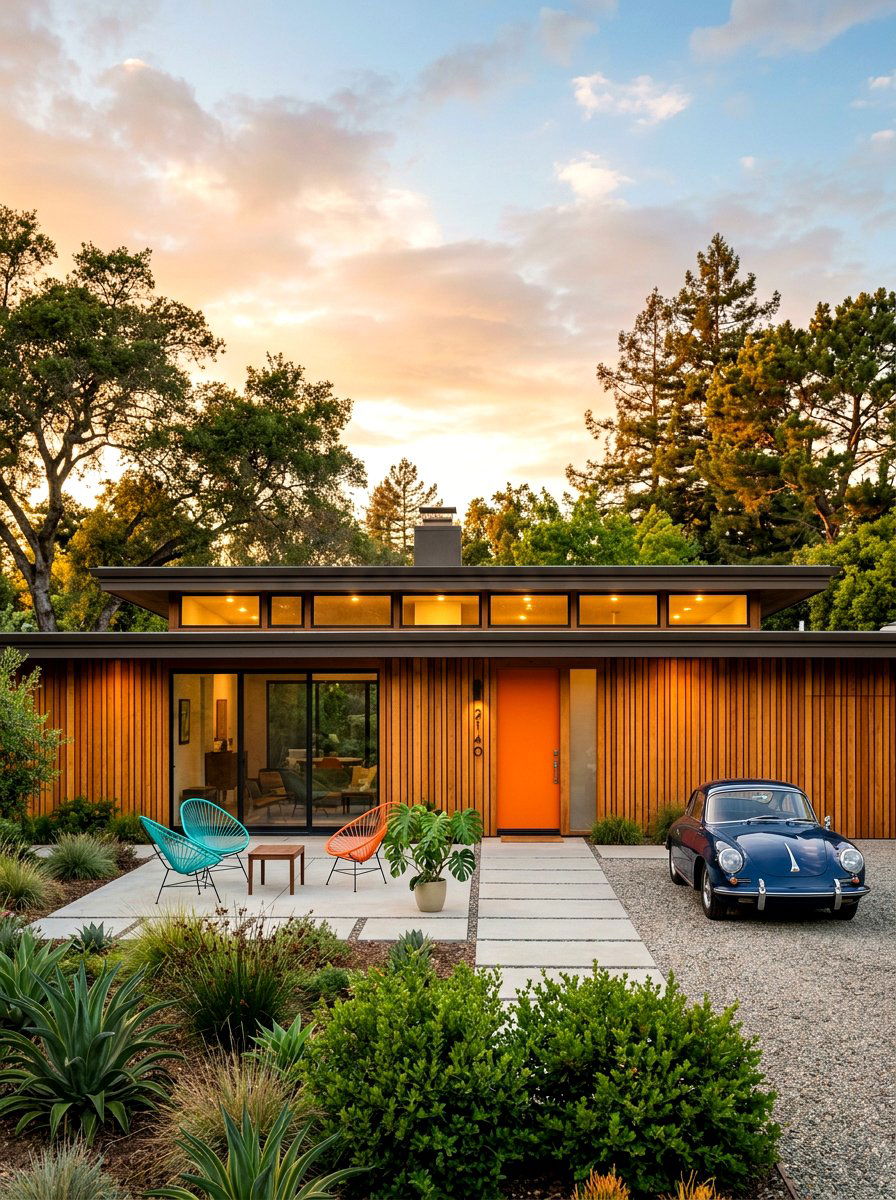
Mid century modern vertical siding celebrates the clean lines and geometric shapes that defined architecture in the mid-20th century. This style often features slim vertical planks in natural wood or earthy tones to emphasize the connection between the indoors and outdoors. Using vertical siding on a flat-roofed or split-level home adds a layer of texture that is characteristic of this beloved design movement. It creates a look that is both nostalgic and incredibly fresh for today's homeowners. Pairing this siding with large glass panels and minimalist landscaping can help you achieve a true mid-century aesthetic that is timeless and very visually appealing.
28. Rustic Vertical Siding
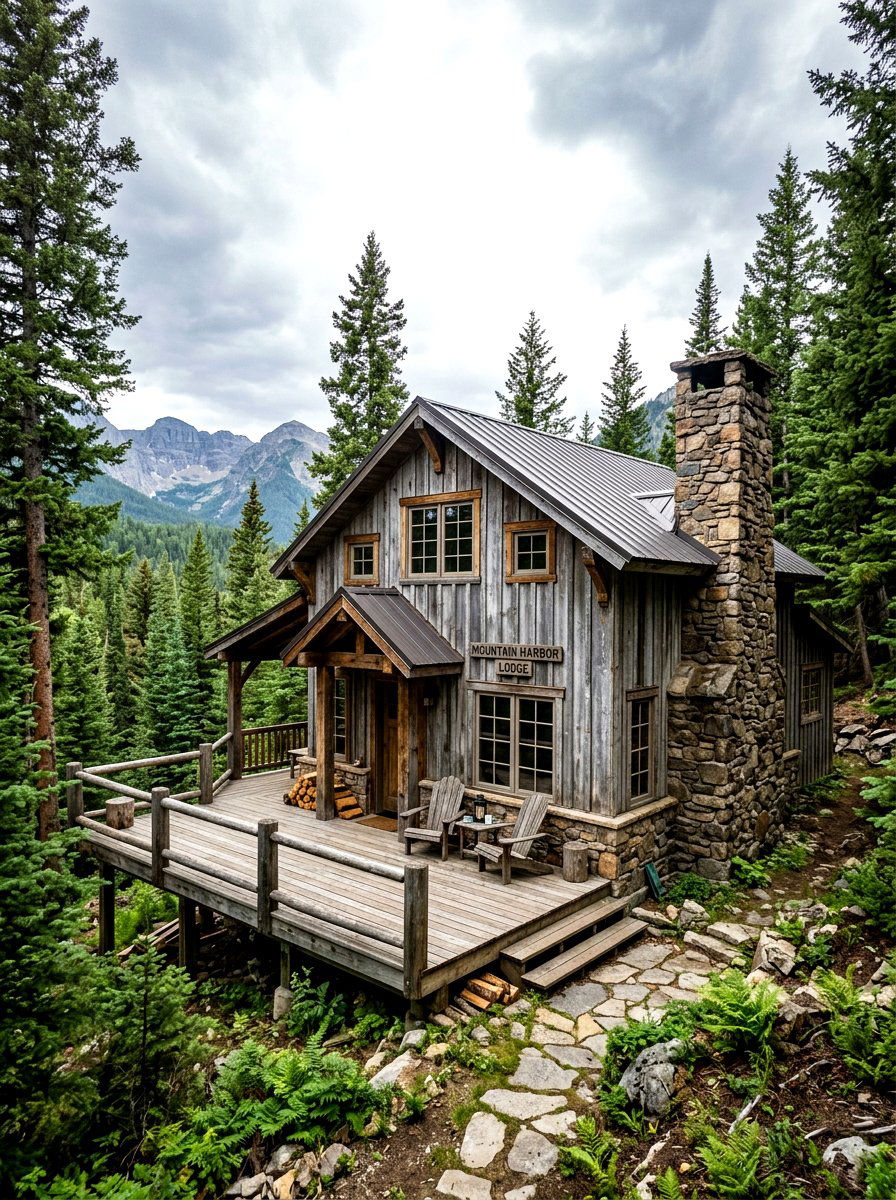
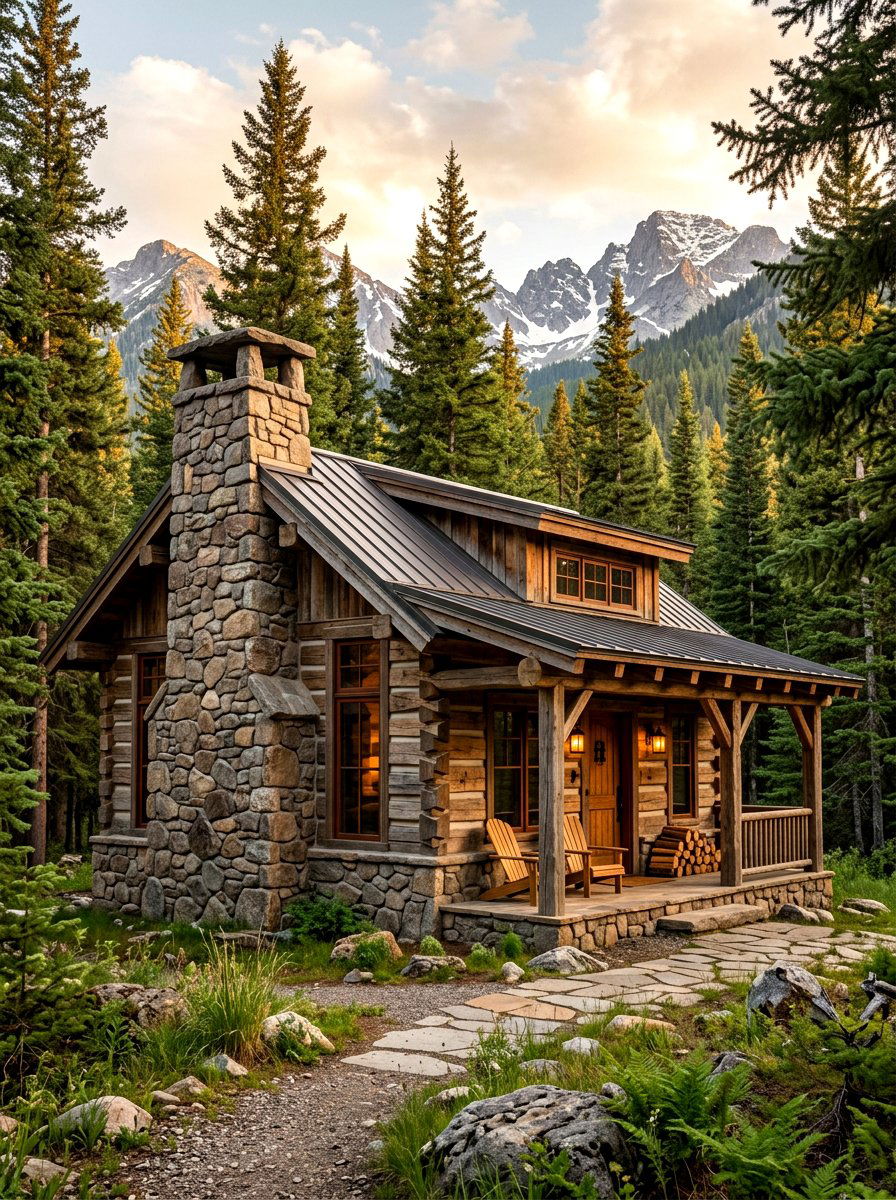
Rustic vertical siding uses weathered finishes and textured materials to create a home that feels aged and full of character. This style is often seen on mountain cabins or ranch-style homes where a lived-in and comfortable look is desired. The vertical lines provide a bit of structure to the otherwise rugged and organic materials, ensuring the home still looks well-designed. You can achieve this look using reclaimed wood or modern materials that are specially treated to look like old barn wood. It is an excellent choice for creating a cozy and warm home that feels like a peaceful retreat from the busy modern world.
29. Vertical Siding Gable
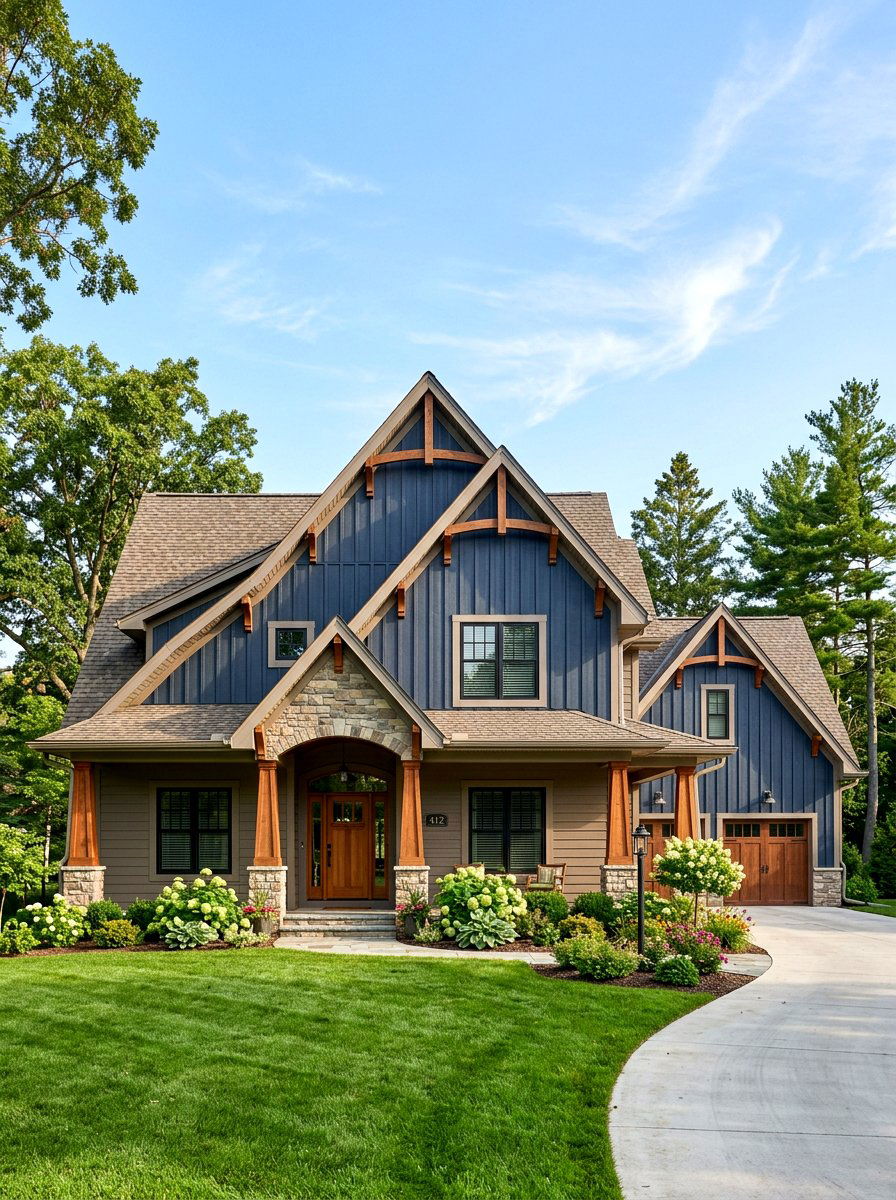
Using vertical siding in the gables of a home is a classic architectural technique used to add height and visual variety to the roofline. By changing the siding direction from horizontal on the main walls to vertical in the gables, you create a subtle but effective contrast. This detail draws the eye upward to the peaks of the house, making the structure appear more impressive. It is a common feature on Craftsman and farmhouse-style homes, where texture and detail are highly valued. This simple design choice can make a huge difference in the overall curb appeal and architectural interest of your residence's exterior.
30. Charcoal Vertical Siding
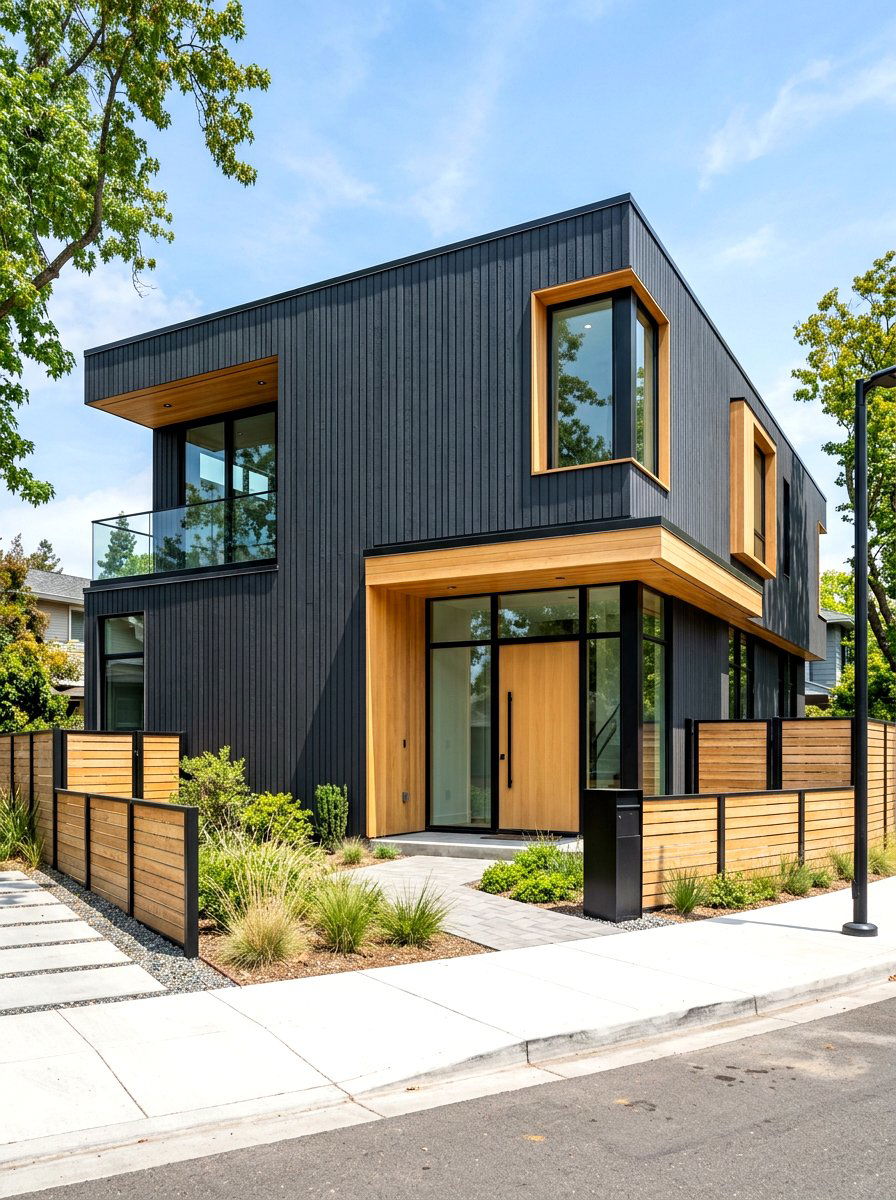
Charcoal vertical siding is a deeply sophisticated and modern choice that provides a sleek look without the starkness of pure black. This dark gray shade looks incredibly high-end when applied vertically, as it creates deep shadows that emphasize the texture of the boards. Charcoal is a very practical color that hides imperfections and stays looking clean for long periods. It pairs beautifully with light wood accents and metallic fixtures, creating a balanced and contemporary palette. This siding is perfect for those who want a moody and elegant home that feels grounded and very stylish in any urban or suburban setting for years.
Conclusion:
Choosing the right vertical siding for your home can completely redefine its character and boost its value significantly. From the classic appeal of white board and batten to the bold statement of black metal panels, the options are truly endless for modern homeowners. Vertical lines offer a unique way to play with height and texture, making even simple structures look architecturally interesting and well-designed. By considering different colors, materials, and accent combinations, you can create a personalized exterior that reflects your style and stands out in your neighborhood. We hope these ideas inspire your next home renovation project and help you achieve a stunning look.

Related posts: