Updating your home’s exterior is one of the most effective ways to boost curb appeal and increase your property value instantly. Horizontal siding remains the most popular choice for homeowners because of its classic aesthetic and incredible versatility across various architectural styles. Whether you prefer the rustic charm of natural wood or the sleek, low-maintenance finish of modern fiber cement, there is a horizontal option that fits your vision. In this guide, we will explore a wide range of colors, textures, and material combinations that are currently trending. You will discover how different lap widths and color palettes can completely transform a house from ordinary to extraordinary.
1. White Vinyl Siding
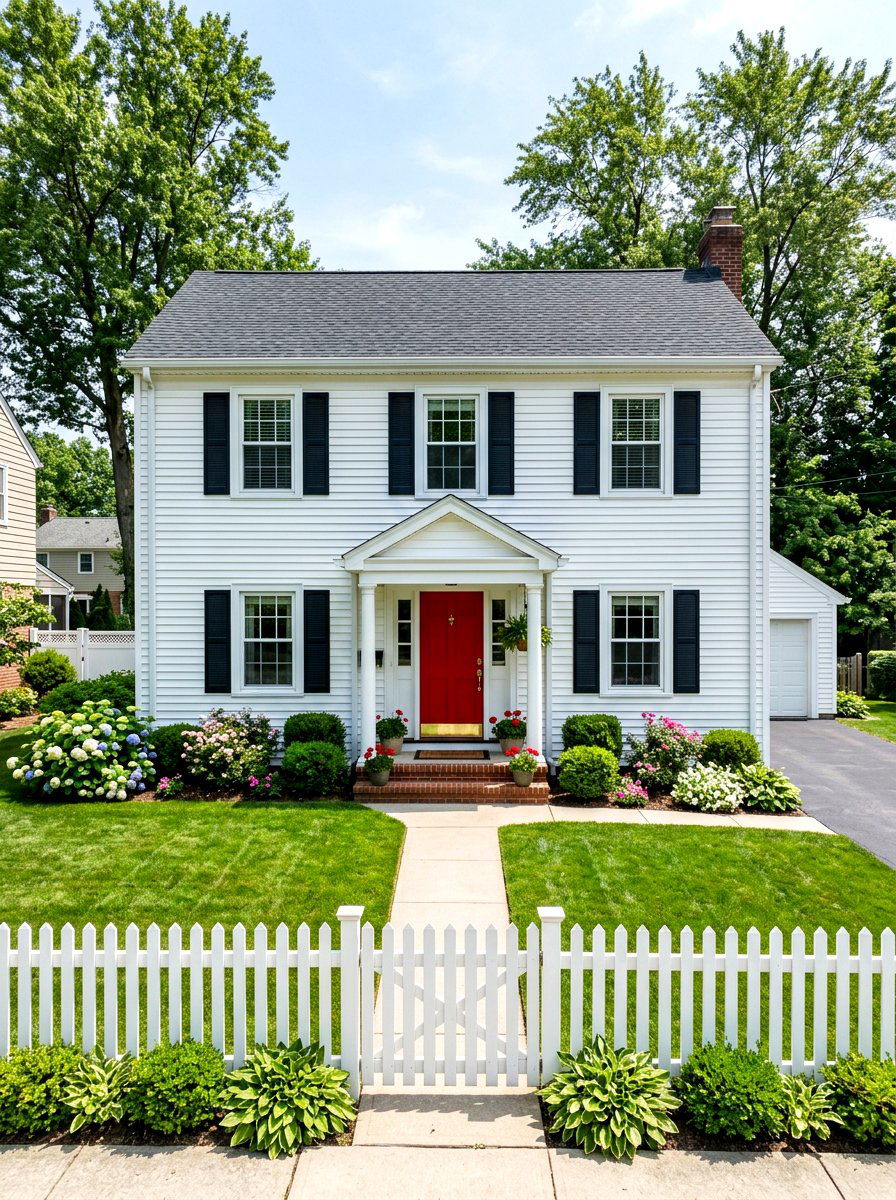
White vinyl siding is a timeless choice that offers a clean and crisp appearance for any home exterior. This classic look works exceptionally well on traditional colonial or Cape Cod styles, providing a bright backdrop that makes landscaping pop. When you pair this siding with black shutters and a bold red front door, it creates a high-contrast aesthetic that feels both welcoming and sophisticated. Vinyl is an excellent material for those seeking durability and affordability, as it resists moisture and requires very little maintenance over the years. This design ensures your home looks fresh and well-cared-for while reflecting sunlight to help keep the interior cooler during the hot summer months.
2. Charcoal Gray Fiber Cement
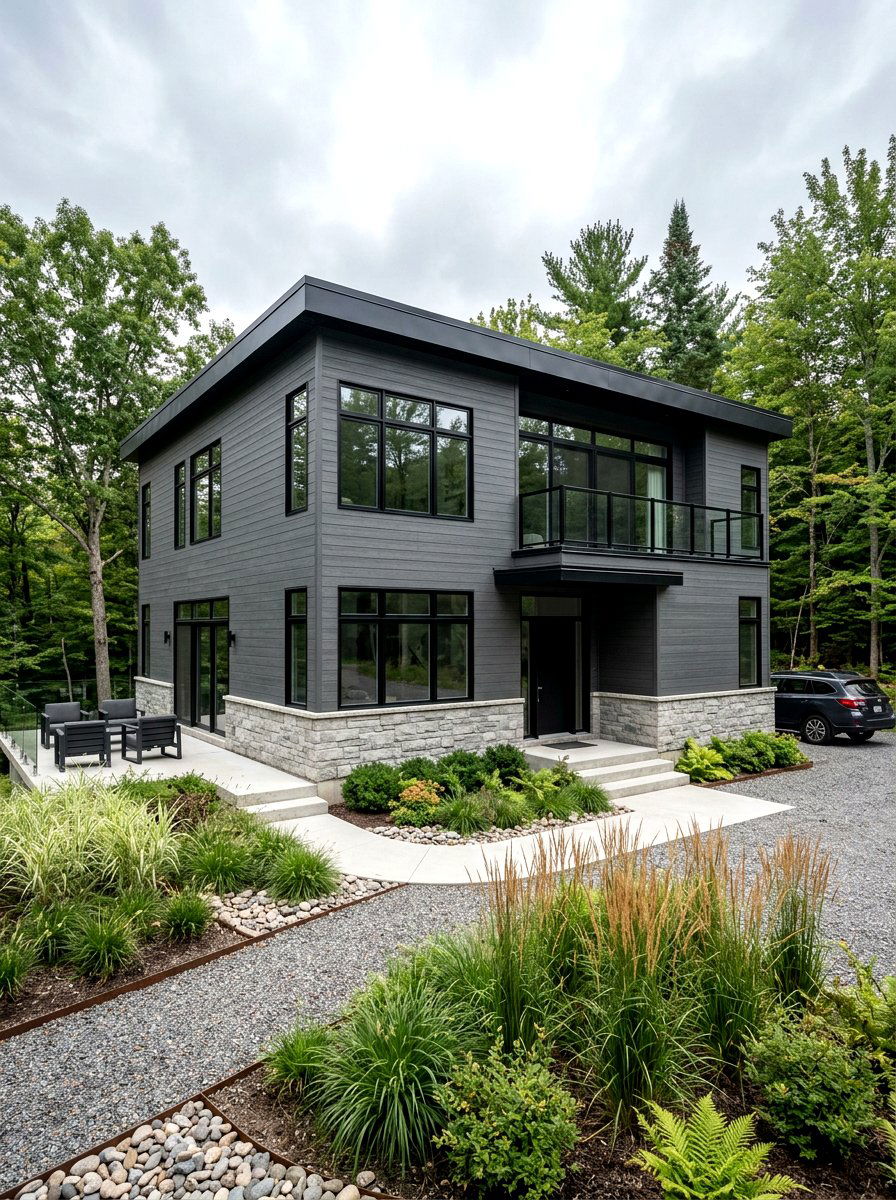
Charcoal gray fiber cement siding provides a moody and modern look that has become increasingly popular for contemporary home designs. This deep, saturated hue offers a sense of luxury and weight to the architecture, making the house stand out in any neighborhood. Fiber cement is a superior material choice because it mimics the texture of real wood while being completely fire-resistant and immune to rot or pests. To balance the dark tones, many designers incorporate light gray stone accents around the foundation or chimney. Large windows with thin black frames complement this siding perfectly, creating a sleek and industrial-inspired facade that feels incredibly high-end and structurally robust.
3. Natural Cedar Lap Siding
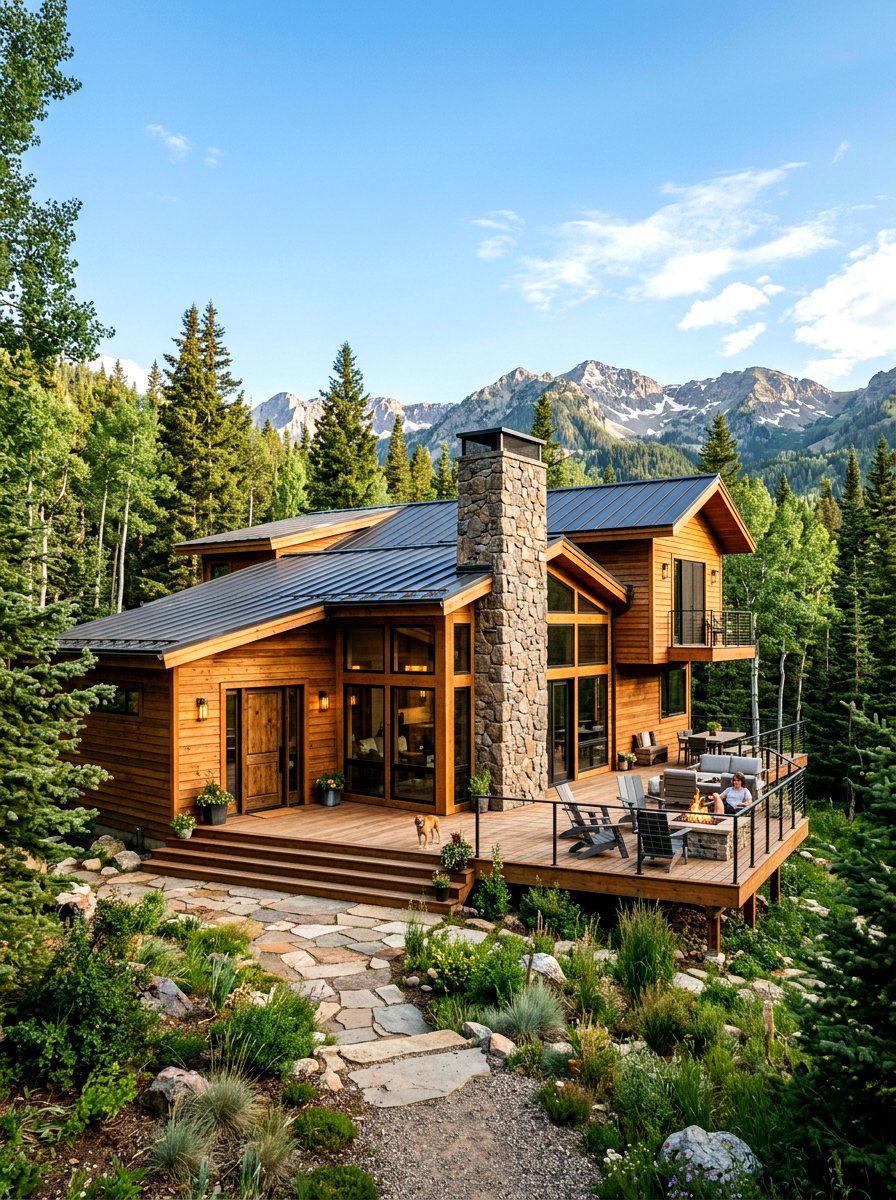
Natural cedar lap siding brings an organic warmth and unparalleled character to a home’s exterior that synthetic materials simply cannot replicate. The rich variations in the wood grain create a beautiful, textured surface that evolves gracefully as the wood ages and weathers. This siding style is perfect for rustic retreats or modern mountain homes where the goal is to blend the architecture with the surrounding forest. Using a clear stain protects the wood while allowing its natural beauty to shine through, emphasizing the horizontal lines of the planks. Pairing cedar with dark metal roofing and copper gutters adds a touch of elegance that enhances the overall earthy and grounded atmosphere.
4. Sage Green Horizontal Siding
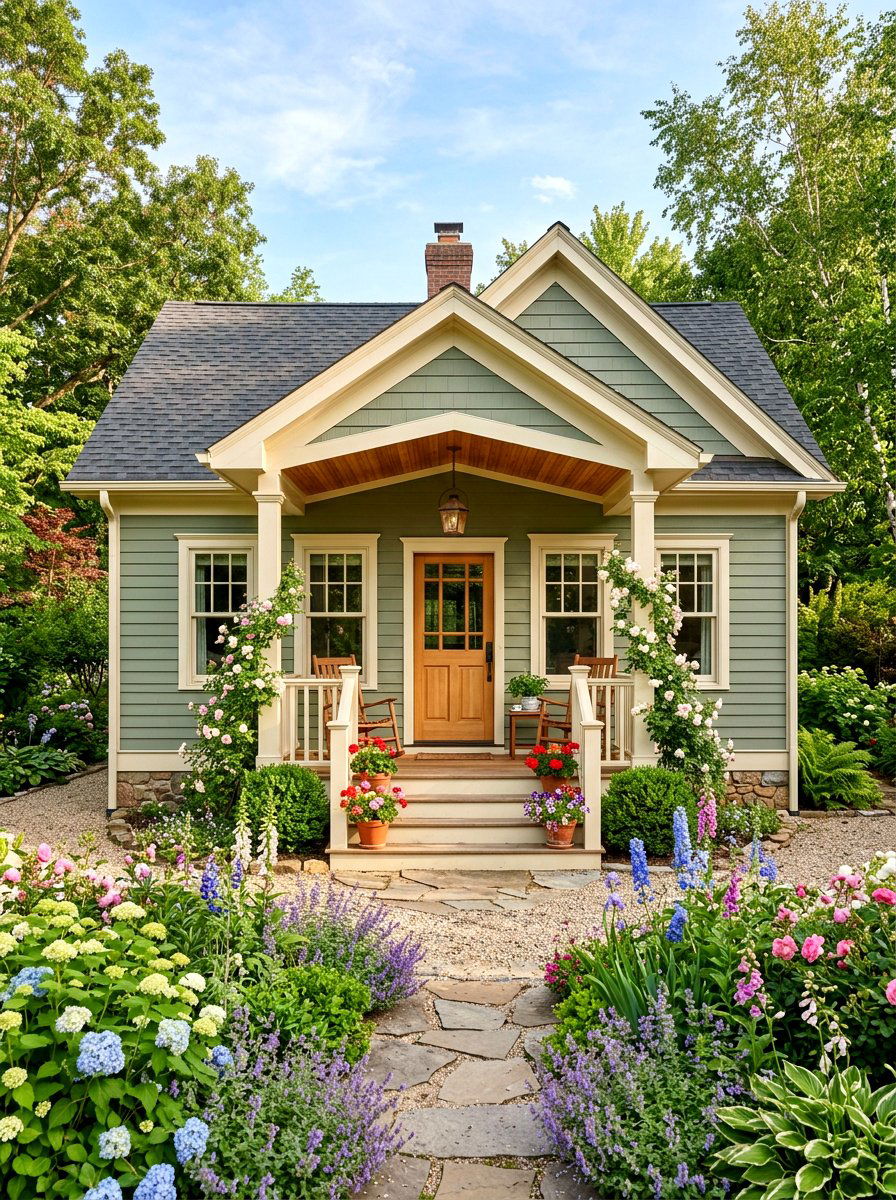
Sage green horizontal siding is a wonderful way to introduce color while maintaining a soft and natural feel. This earthy tone works harmoniously with lush gardens and wooded lots, making the home feel like a seamless part of the landscape. It is a versatile color that looks stunning when paired with cream-colored trim and a natural wood porch ceiling. The horizontal lines of the siding help ground the house, making it feel stable and inviting. This specific shade of green is often associated with tranquility and growth, providing a peaceful vibe for the entire property. It is an ideal choice for cottages or craftsman-style homes looking for a unique identity.
5. Black Metal Siding
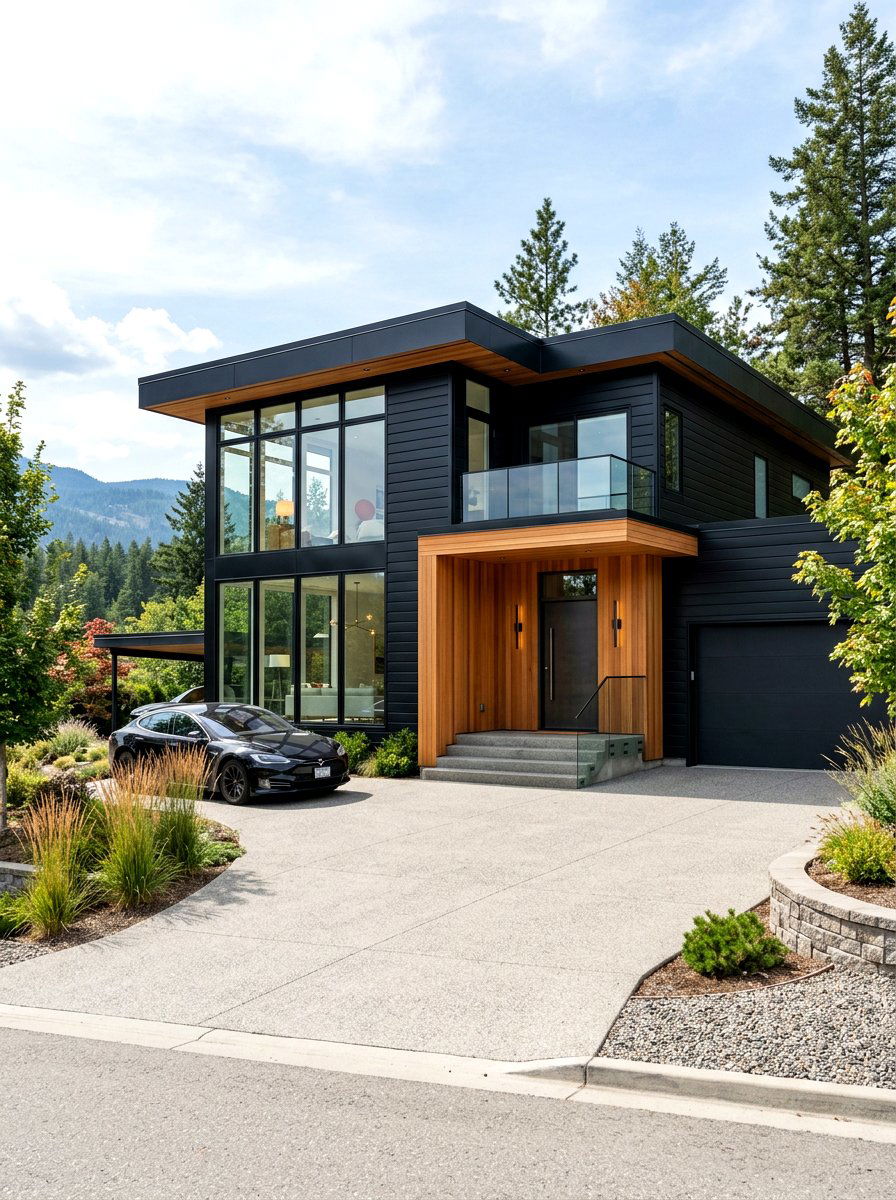
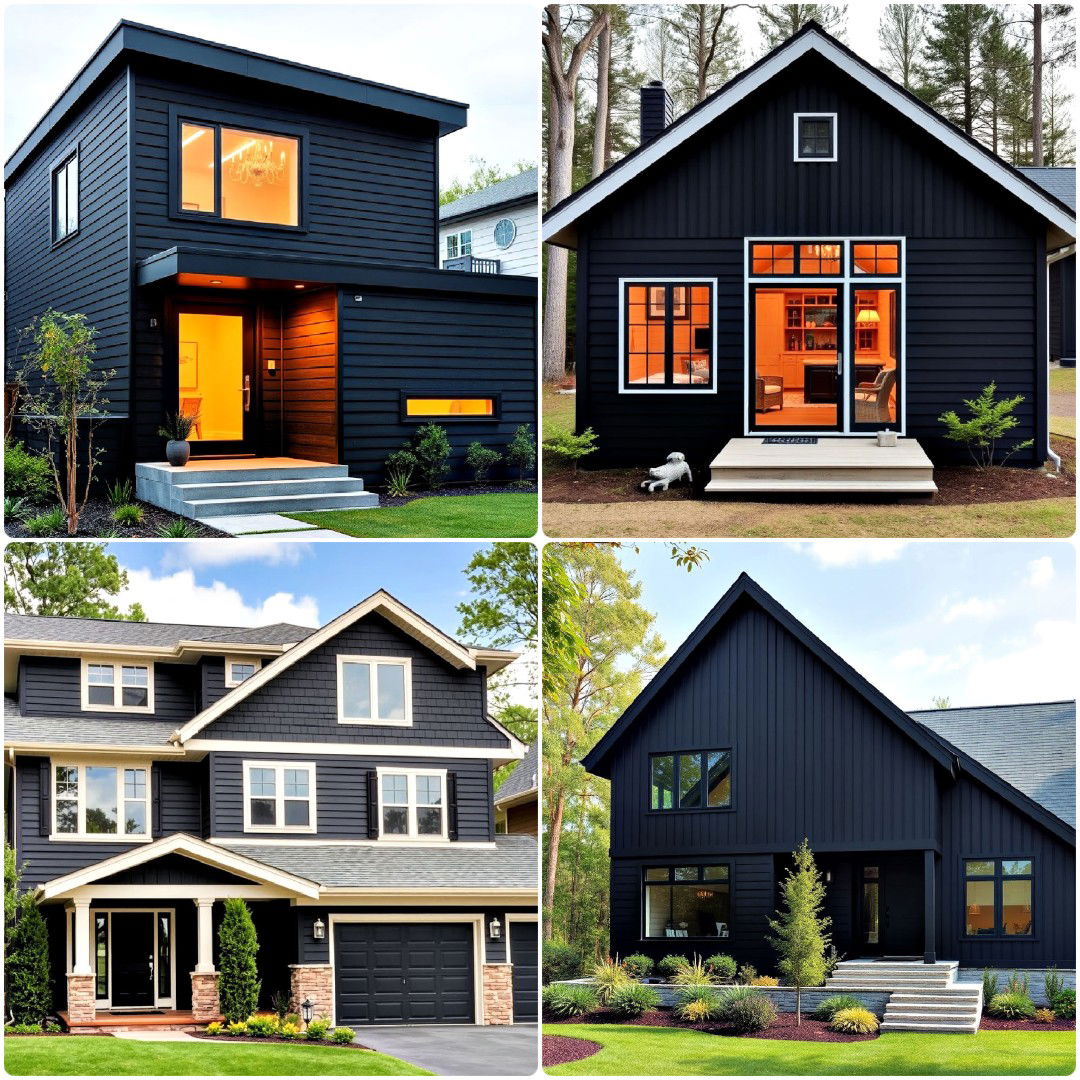
Black metal siding is the ultimate choice for a bold, modern, and industrial-inspired home exterior that makes a powerful statement. The sleek, matte finish of the metal panels creates a sharp and minimalist look that is both durable and incredibly low-maintenance. This material is particularly effective on homes with sharp angles and flat roofs, as it emphasizes the geometric nature of the design. To prevent the house from feeling too cold, designers often add warm wood accents around the entryway or under the eaves. This combination of cold metal and warm wood creates a balanced, sophisticated aesthetic that is highly sought after in current architectural trends.
6. Navy Blue Vinyl Siding
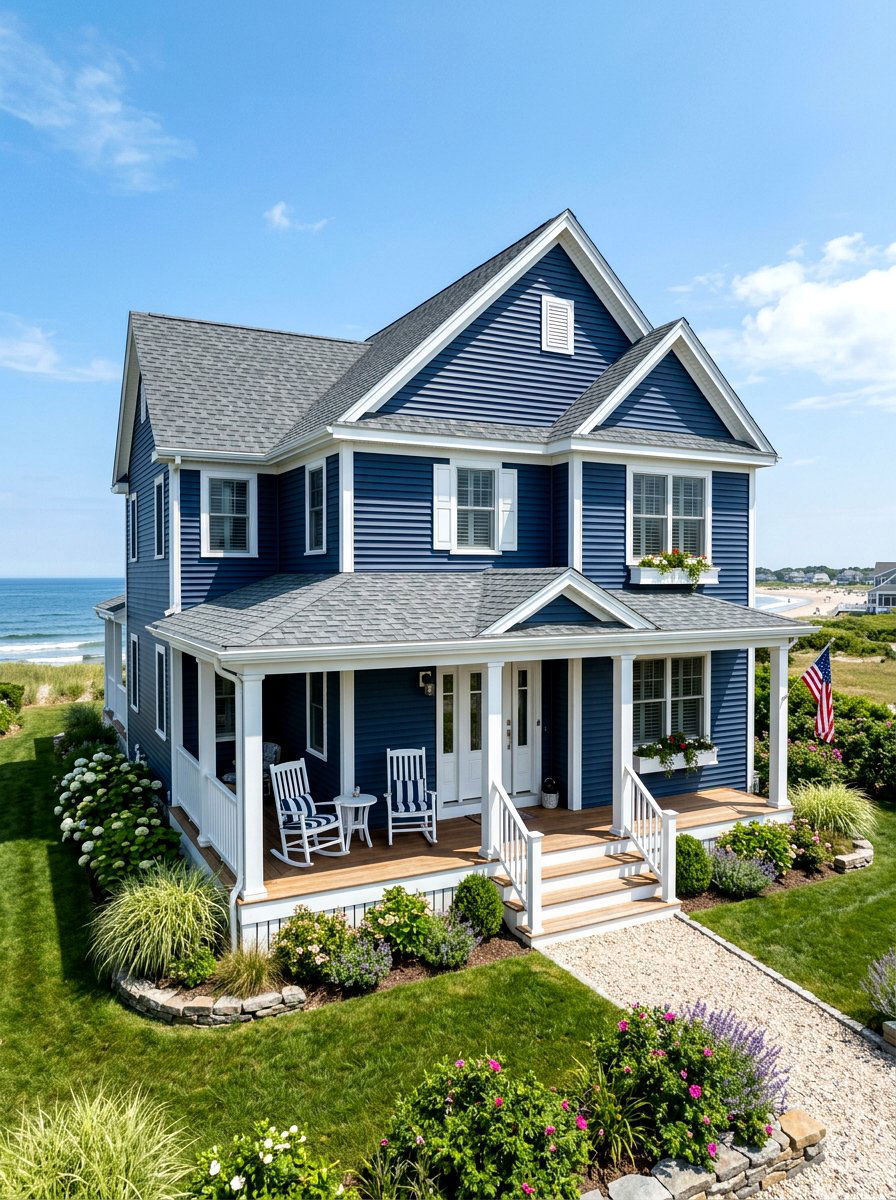
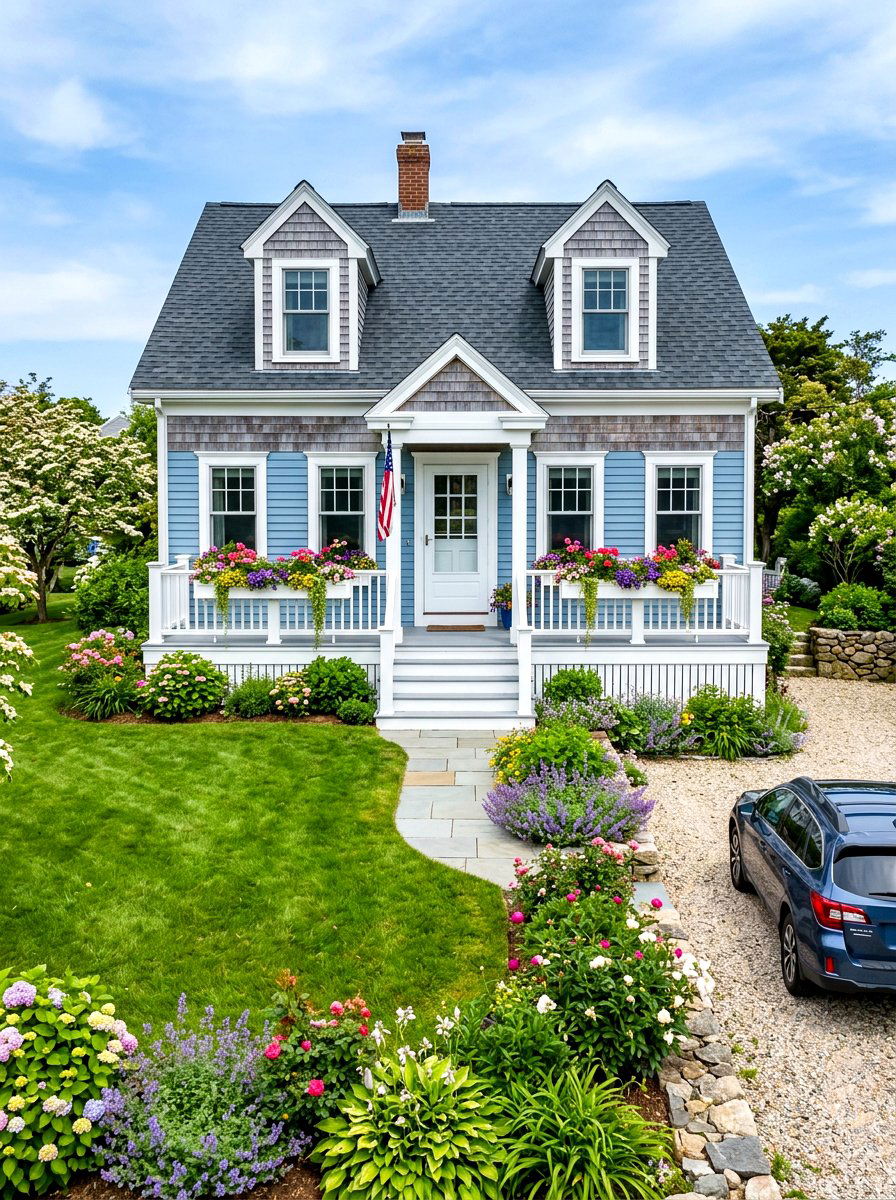
Navy blue vinyl siding offers a rich and sophisticated alternative to standard neutrals, giving a home a sense of depth and coastal elegance. This deep blue hue looks particularly striking when framed by bright white trim and window casings, creating a nautical-inspired palette that is always in style. The horizontal orientation of the lap siding provides a sense of movement and visual interest across large wall surfaces. Navy blue is a practical choice because it hides dirt well and maintains its color saturation for a long time. It pairs beautifully with gray shingle roofs and natural stone walkways, resulting in a cohesive and well-designed exterior that feels very premium.
7. Light Gray Hardie Plank
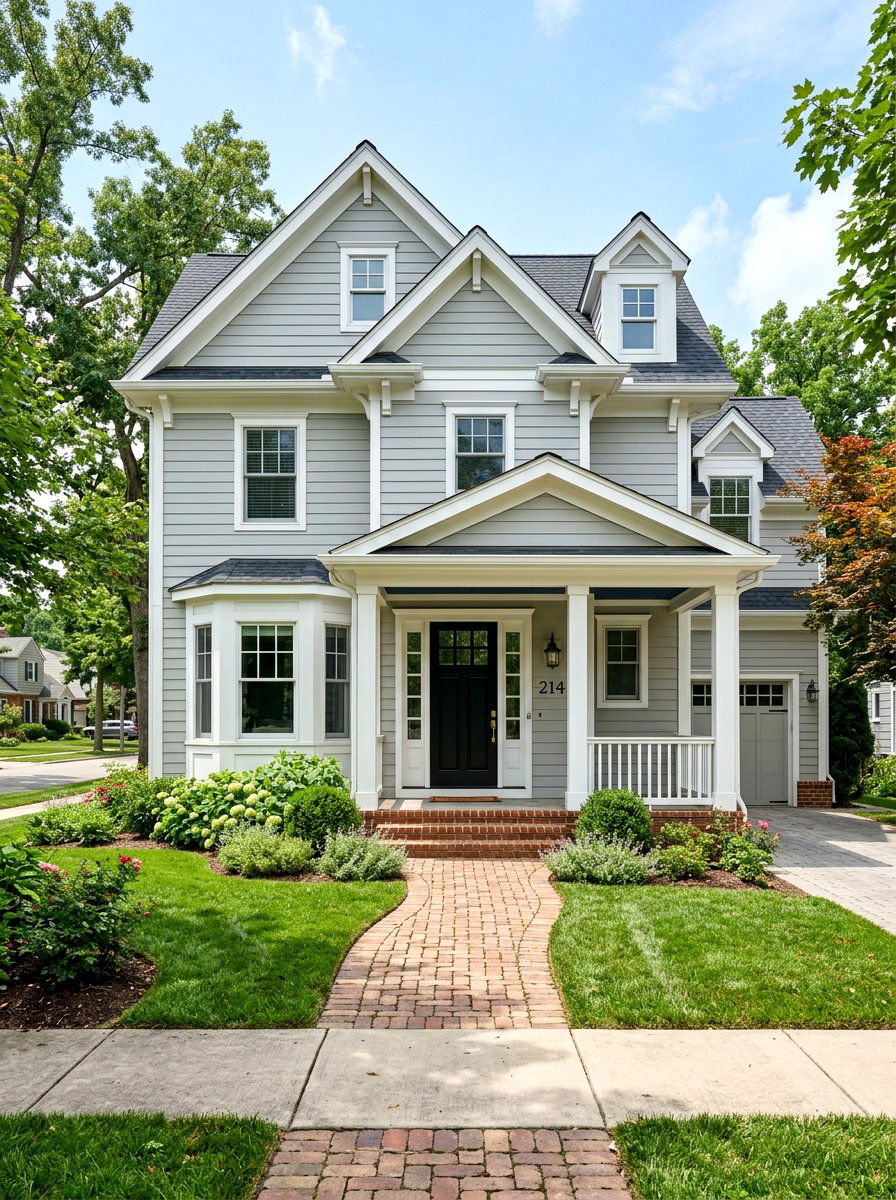
Light gray Hardie Plank siding is a staple in modern home design because it offers the perfect balance between traditional charm and contemporary sleekness. This cool-toned neutral provides a versatile base that works with almost any accent color, from bright yellow doors to dark charcoal roofing. Hardie Plank is renowned for its extreme durability and resistance to harsh weather, making it a smart long-term investment for any climate. The smooth texture of the boards creates a clean look that emphasizes the architectural lines of the home. When used with wide white trim, it achieves a classic farmhouse or suburban look that remains popular for its broad and lasting appeal.
8. Beige Siding Stone Accent
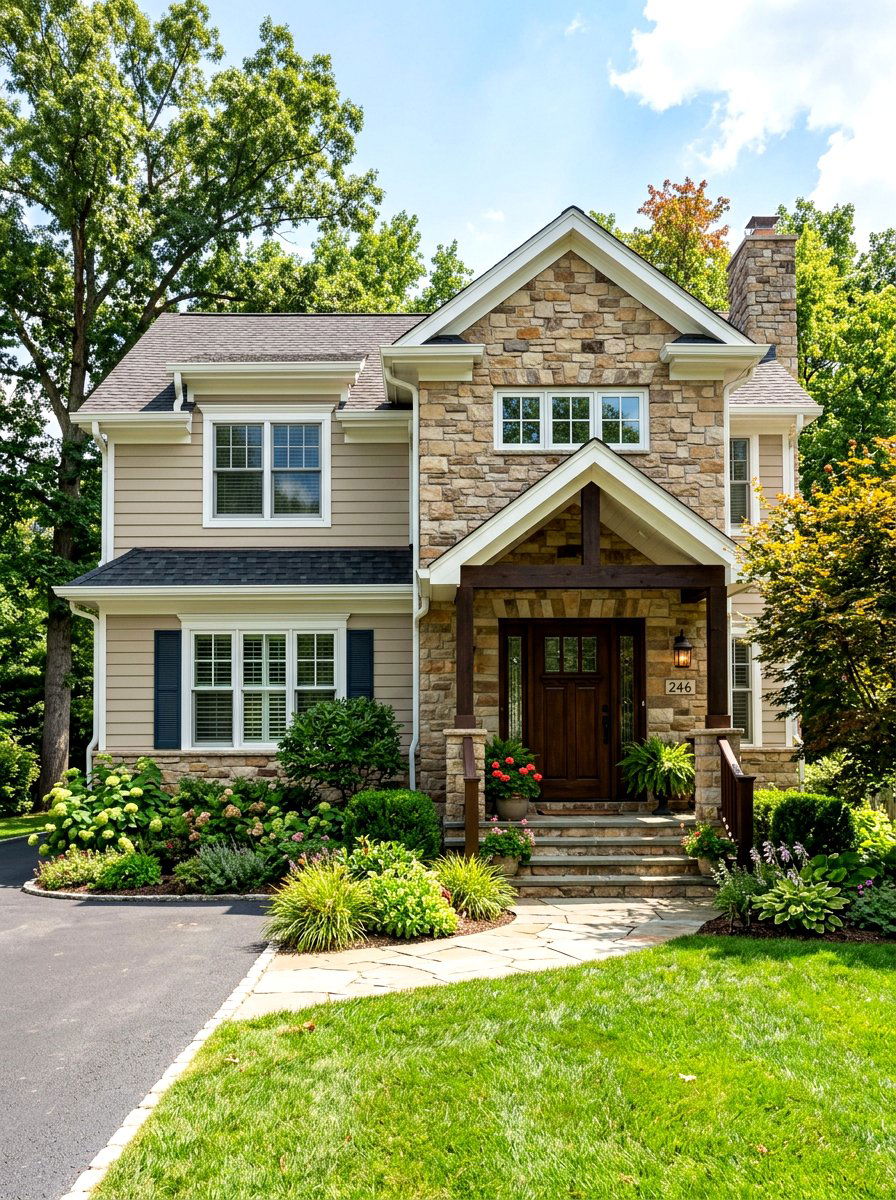
Beige siding paired with stone accents is a classic combination that creates a warm, layered, and texturally rich home exterior. The soft beige lap siding provides a neutral and inviting base, while the natural stone veneer adds a sense of permanence and rugged beauty to the foundation or entryway. This mix of materials breaks up large wall sections, adding visual depth and architectural interest. It is a popular choice for traditional suburban homes and Mediterranean-inspired designs alike. The earthy tones of the stone often pull out the warmth in the beige siding, creating a harmonious and balanced look that feels grounded and integrated with the natural environment.
9. Dark Green Wood Siding
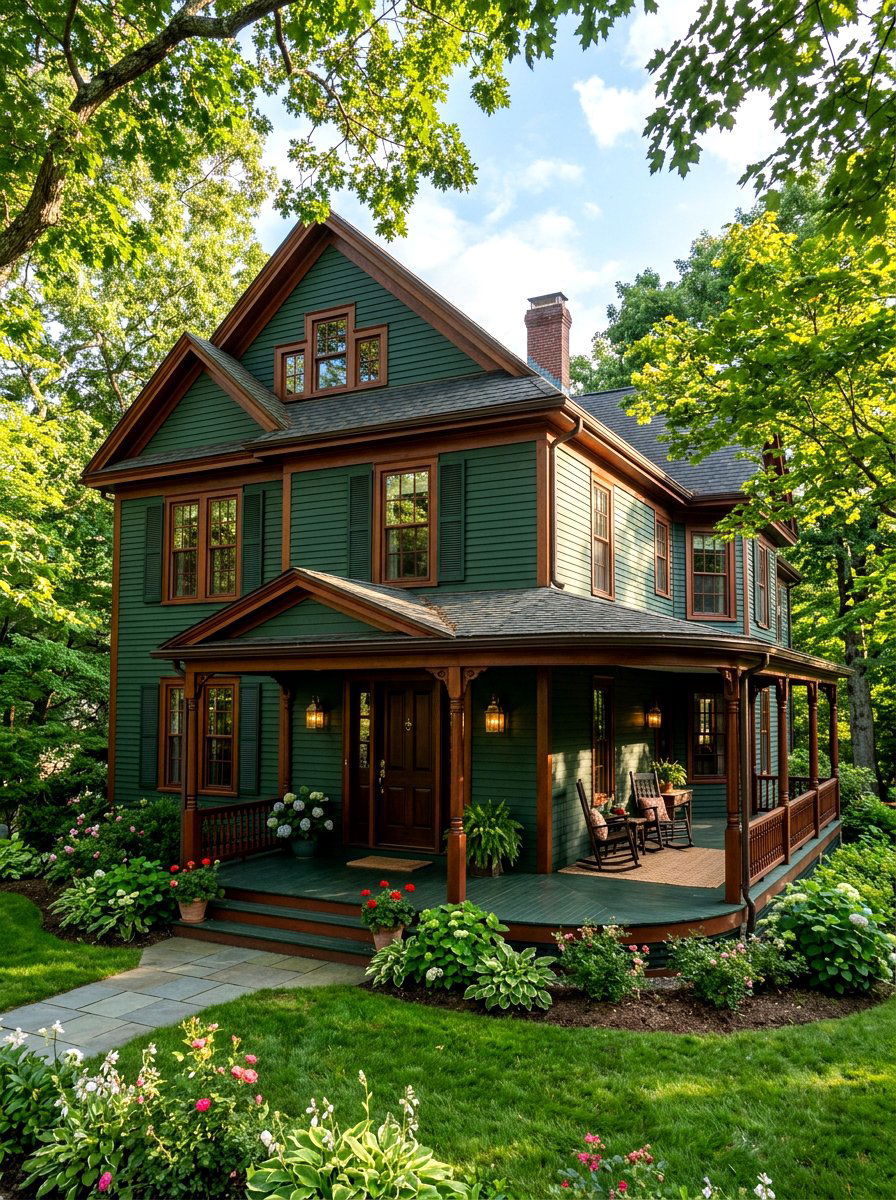
Dark green wood siding evokes a sense of history and classic forest-dwelling charm, making it a perfect choice for historic renovations or woodland cabins. This deep, hunter-green shade feels substantial and traditional, especially when finished with a semi-gloss sheen that highlights the wood’s natural texture. The horizontal planks create deep shadow lines that add dimension to the facade, giving the home a hand-crafted and authentic feel. Pairing this dark siding with mahogany wood doors and brass hardware creates a luxurious and vintage aesthetic. It is a bold color choice that feels timeless and sophisticated, offering a unique alternative to the more common grays and whites.
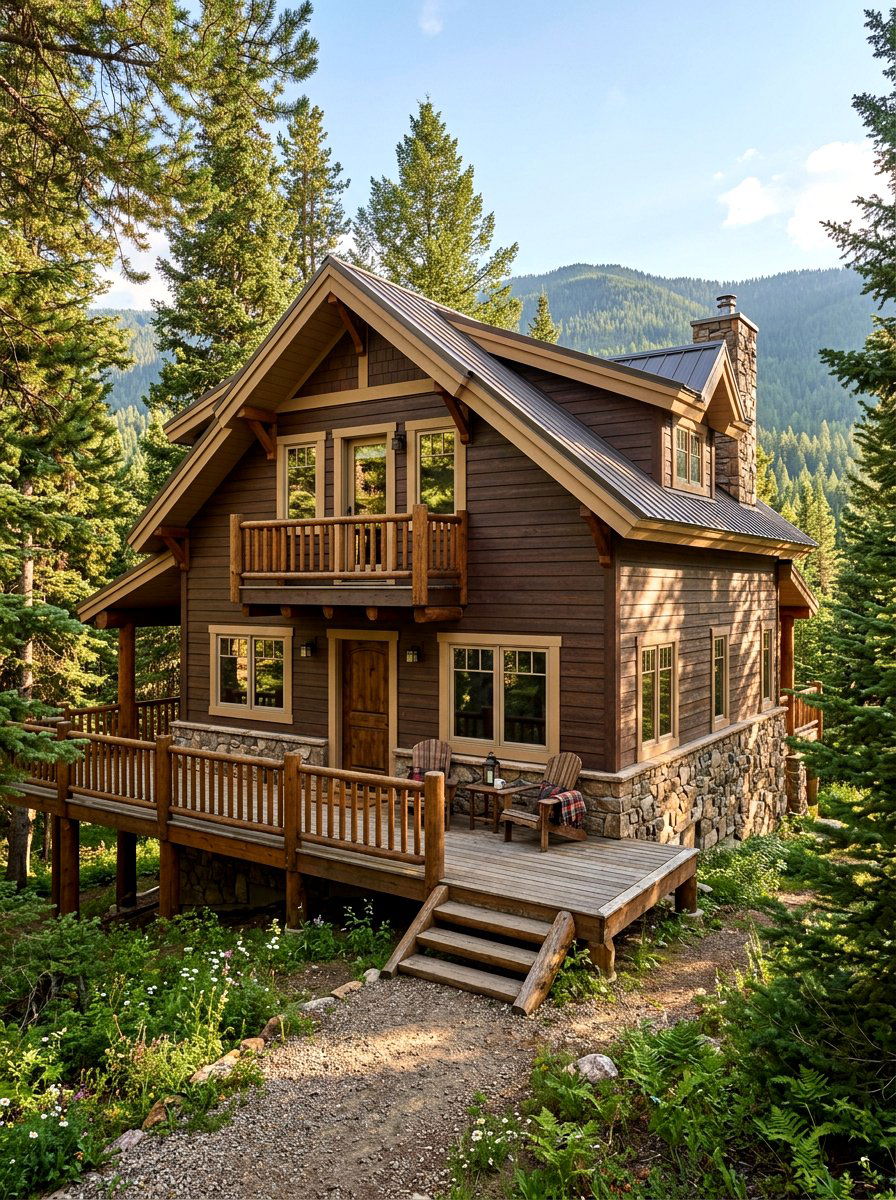
10. Tan Siding White Trim
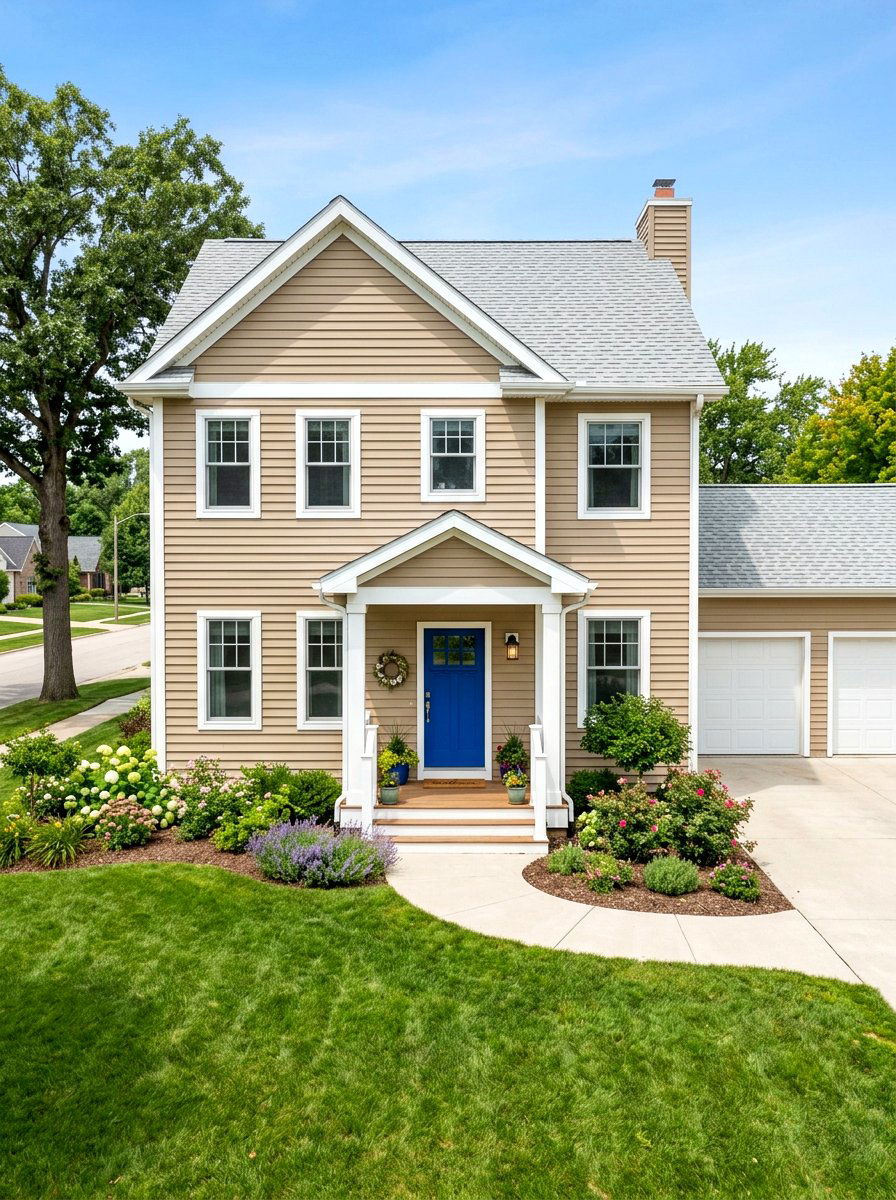
Tan siding with white trim is a quintessential color palette for those who want a bright but warm and welcoming home exterior. The tan hue provides a softer alternative to white, offering a sun-kissed look that feels right at home in both coastal and suburban settings. Crisp white trim around the windows, doors, and rooflines provides a sharp contrast that defines the home's shape and architectural features. This combination is incredibly versatile and works well with various roofing colors, from weathered wood to dark gray. The horizontal siding layout keeps the design feeling traditional and stable, ensuring the home has an enduring appeal that will never go out of style.
11. Blue Siding Wood Accents
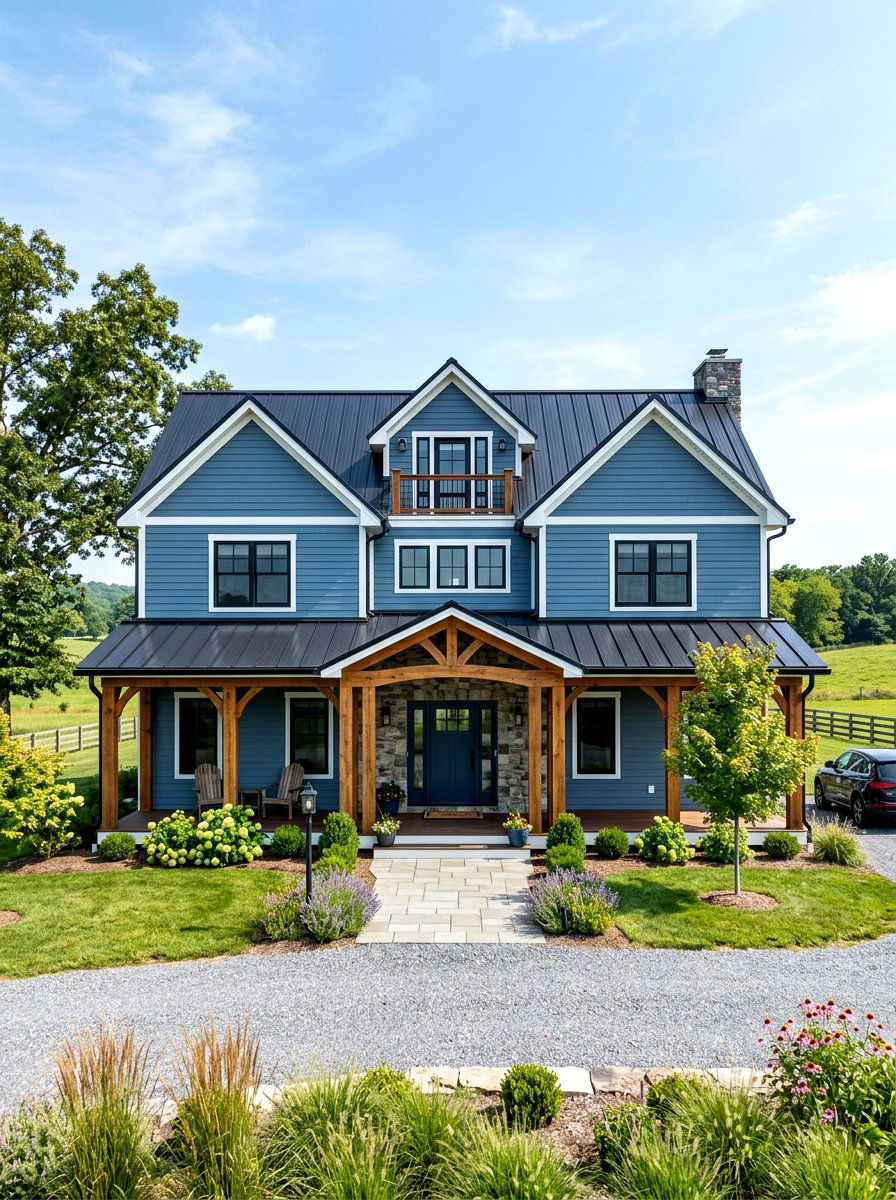
Blue siding paired with natural wood accents creates a modern and refreshing look that feels both energetic and grounded. Whether you choose a soft sky blue or a medium slate, the color provides a unique personality that sets the home apart from its neighbors. Natural wood elements, such as cedar porch columns or a mahogany front door, provide a warm contrast to the cool tones of the siding. This combination is particularly popular in contemporary farmhouse and mid-century modern designs. The horizontal siding emphasizes the width of the home, while the verticality of wood accents adds height and balance, resulting in a perfectly proportioned and visually engaging facade.
12. Modern Black Horizontal Siding
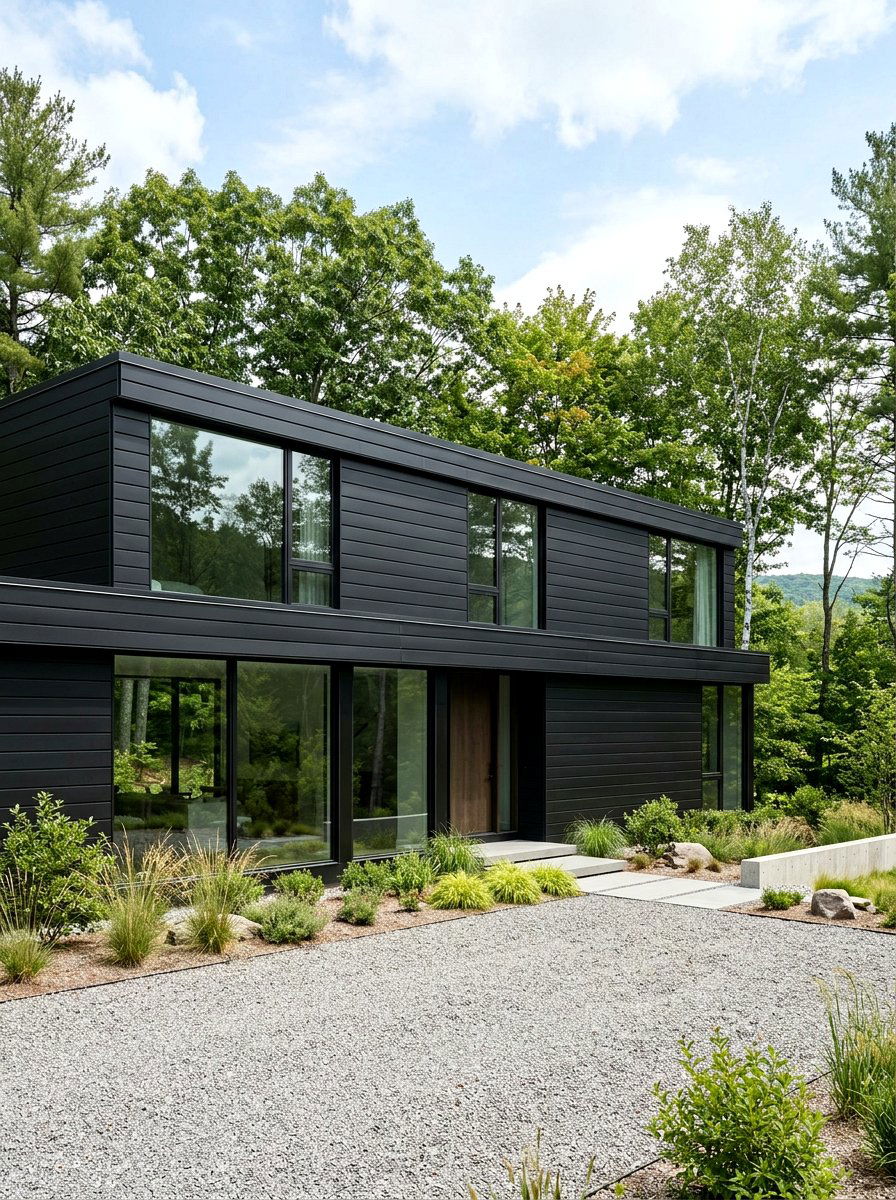
Modern black horizontal siding is a daring and sophisticated choice for homeowners who want to achieve a minimalist and high-fashion look. This monochromatic approach emphasizes the texture of the siding rather than the color, with the horizontal lines creating a rhythmic and calming pattern across the building. Black siding absorbs heat, which can be beneficial in colder climates, and it provides a dramatic backdrop for greenery and landscaping. To keep the look modern, designers often use hidden fasteners and minimal trim. The result is a sleek, seamless appearance that looks particularly impressive on homes with large glass walls and open floor plans that blur the line between indoor and outdoor.
13. Off White Horizontal Siding
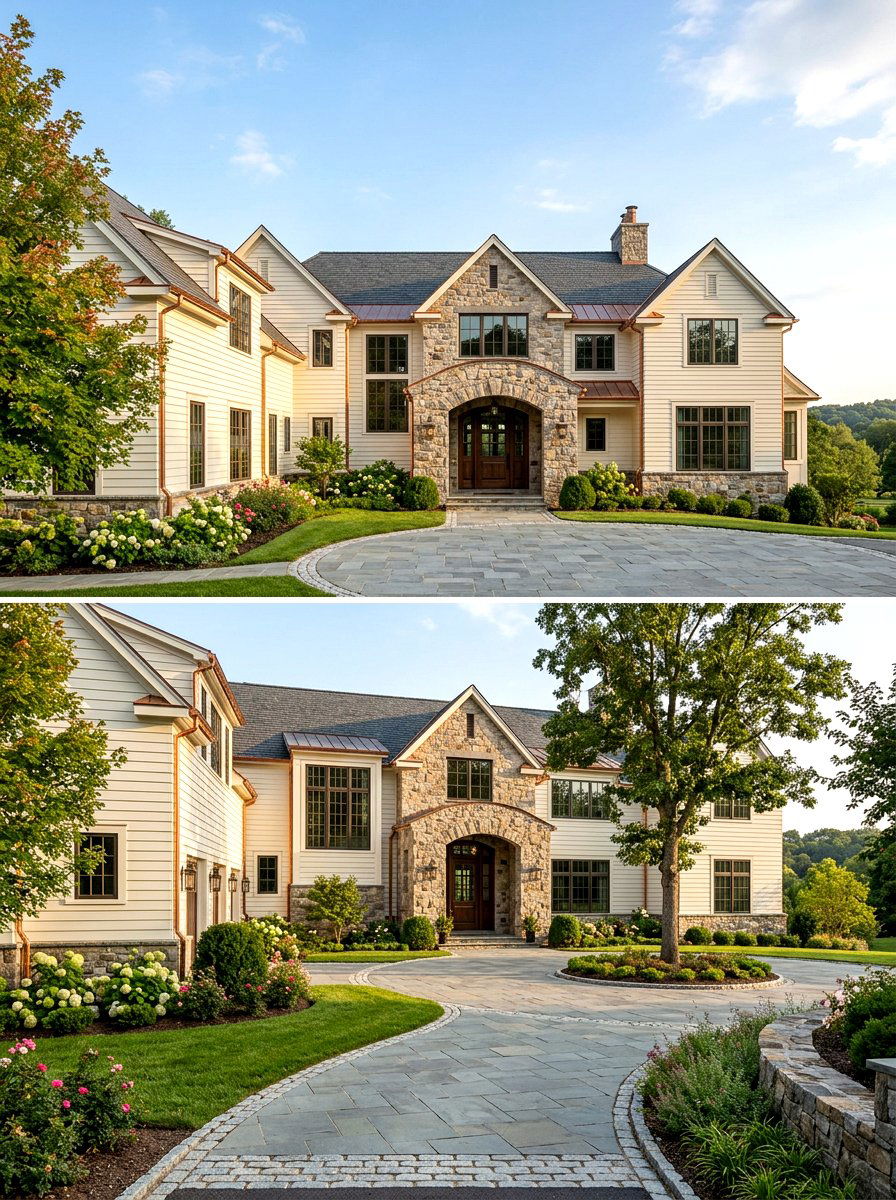
Off-white horizontal siding offers a softer and more nuanced version of the classic white exterior, providing a gentle warmth that feels very sophisticated. This shade, often referred to as cream or linen, lacks the starkness of pure white, making it easier on the eyes in bright sunlight. It provides a perfect canvas for highlighting architectural details like dark bronze window frames or copper lighting fixtures. The horizontal lap siding creates subtle shadow lines that add just enough texture to keep the facade interesting without being overwhelming. This design is ideal for creating a peaceful and upscale atmosphere that feels clean, organized, and deeply rooted in traditional design principles.
14. Soft Yellow Lap Siding
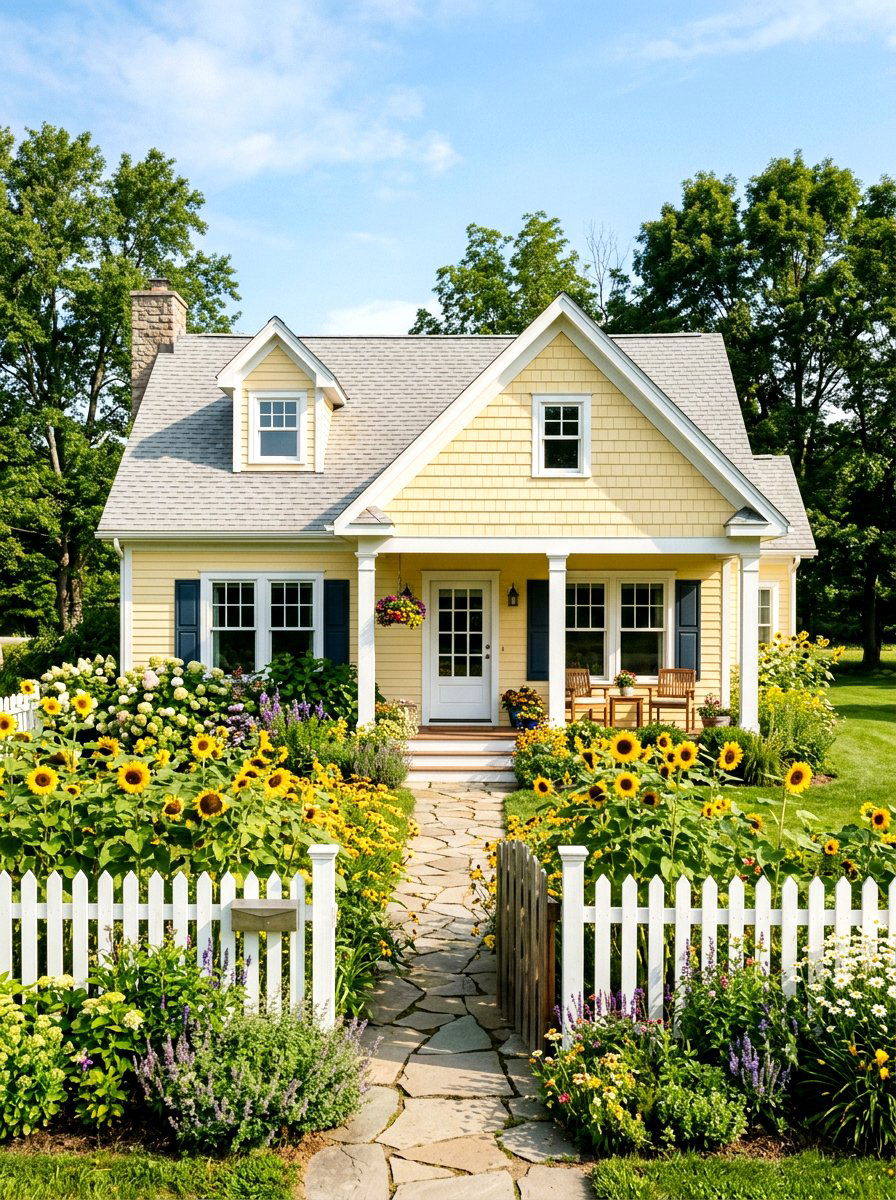
Soft yellow lap siding is the ultimate choice for creating a cheerful and sunny home exterior that radiates positivity. This classic cottage color is often associated with happiness and hospitality, making the house feel like a warm retreat. When paired with white trim and a light gray roof, the yellow looks vibrant without being too loud or distracting. The horizontal planks add a sense of tradition and structure to the playful color. This siding style works beautifully with colorful flower beds and white picket fences, creating a picturesque and charming look that is highly valued for its ability to boost the overall mood of the street.
15. Coastal Light Blue Siding
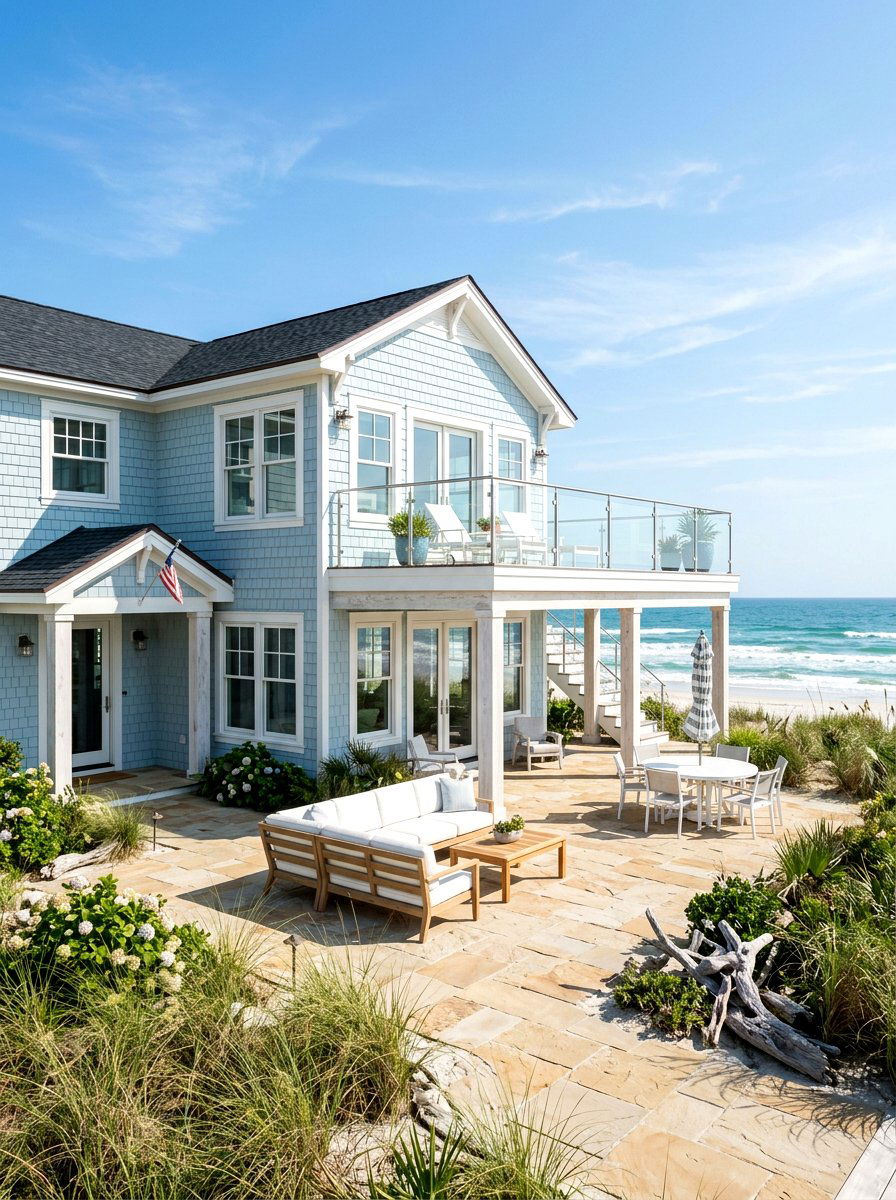
Coastal light blue siding captures the essence of the ocean and sky, making it the perfect choice for beach houses or homes in sunny climates. This airy and refreshing hue makes even large houses feel light and approachable rather than heavy or imposing. The horizontal lap siding mimics the look of traditional seaside cottages, especially when finished with a slightly weathered or matte texture. Pairing this light blue with white-washed wood accents and sand-colored stone creates a cohesive beachy palette. This design encourages a relaxed lifestyle and provides a beautiful, serene backdrop for outdoor living spaces like decks, porches, and patio lounge areas.
16. Dark Gray Siding Black Trim
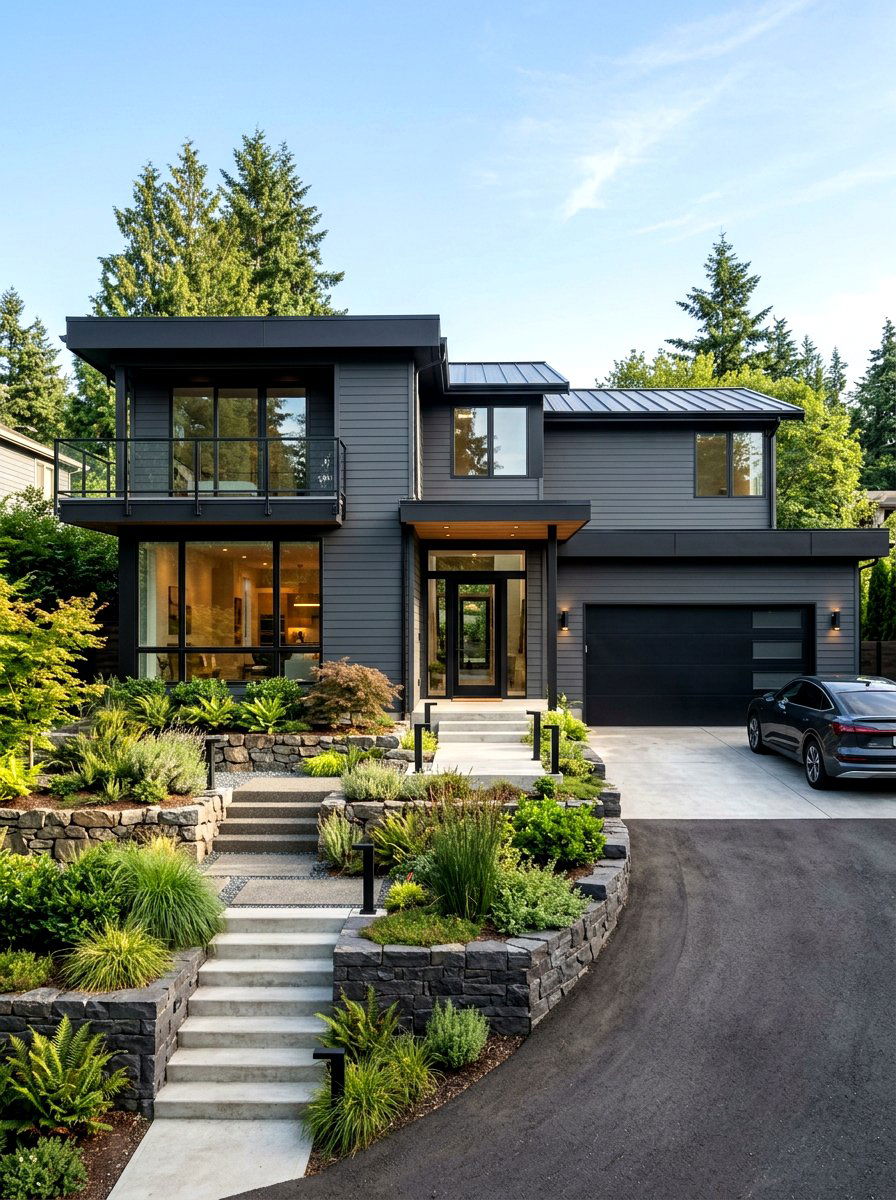
Dark gray siding combined with black trim is a leading trend for those seeking a moody, masculine, and highly contemporary home exterior. The dark charcoal color of the siding provides a sophisticated and solid base, while the black trim adds a layer of sharp definition and modern edge. This monochromatic look is very effective at making architectural features like gables and entryways stand out through subtle shifts in tone and shadow. It is a low-maintenance color scheme that ages gracefully and hides minor imperfections well. The horizontal lines of the siding help to stretch the house visually, giving it a more expansive and commanding presence.
17. Greige Horizontal Siding
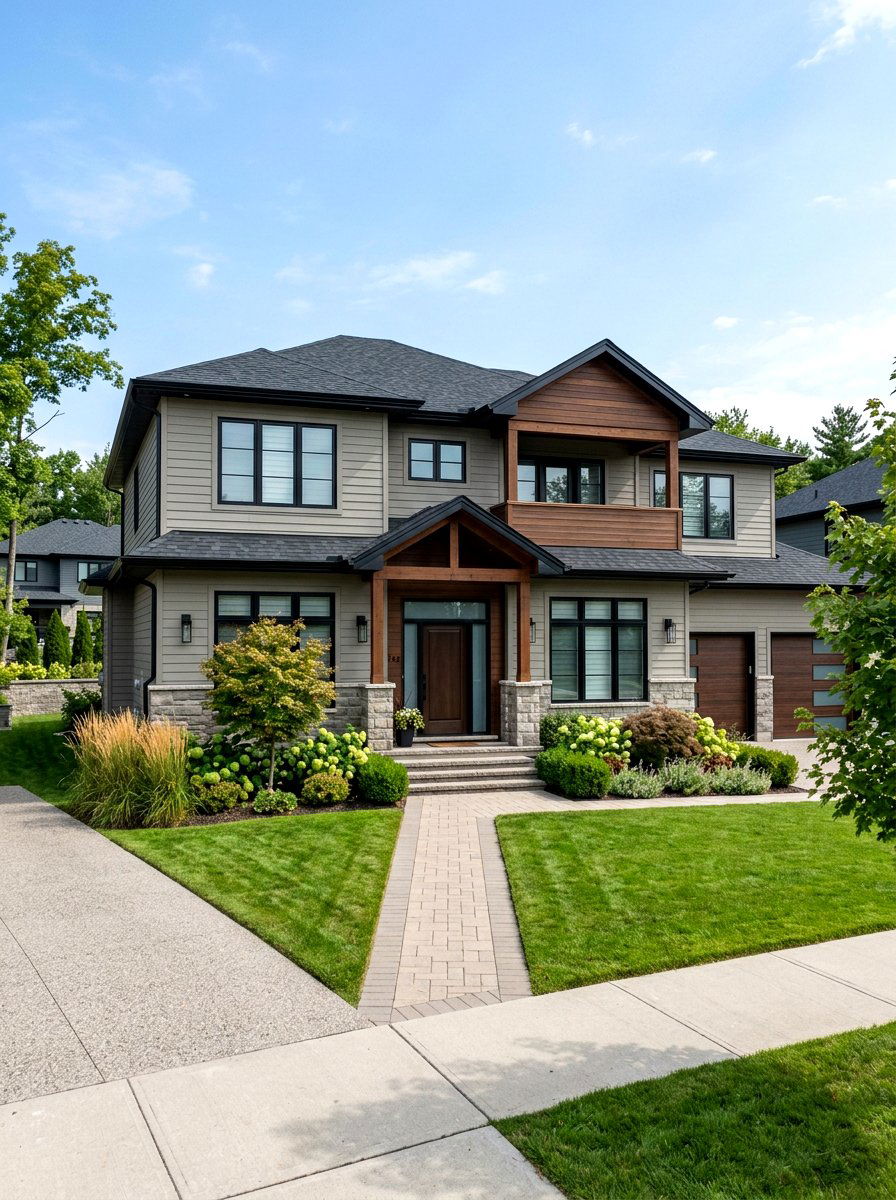
Greige horizontal siding is the perfect "middle ground" neutral that combines the warmth of beige with the modern sophistication of gray. This versatile color has become a favorite for its ability to adapt to different lighting conditions, looking warm in the sun and cool in the shade. It provides a timeless look that works with both traditional and modern architectural styles. Because greige is such a balanced color, it pairs beautifully with a wide range of materials, including brick, stone, and natural wood. The horizontal siding layout ensures a clean and orderly appearance that enhances curb appeal without being too flashy or trendy, making it a very safe investment.
18. Wide Plank Horizontal Siding
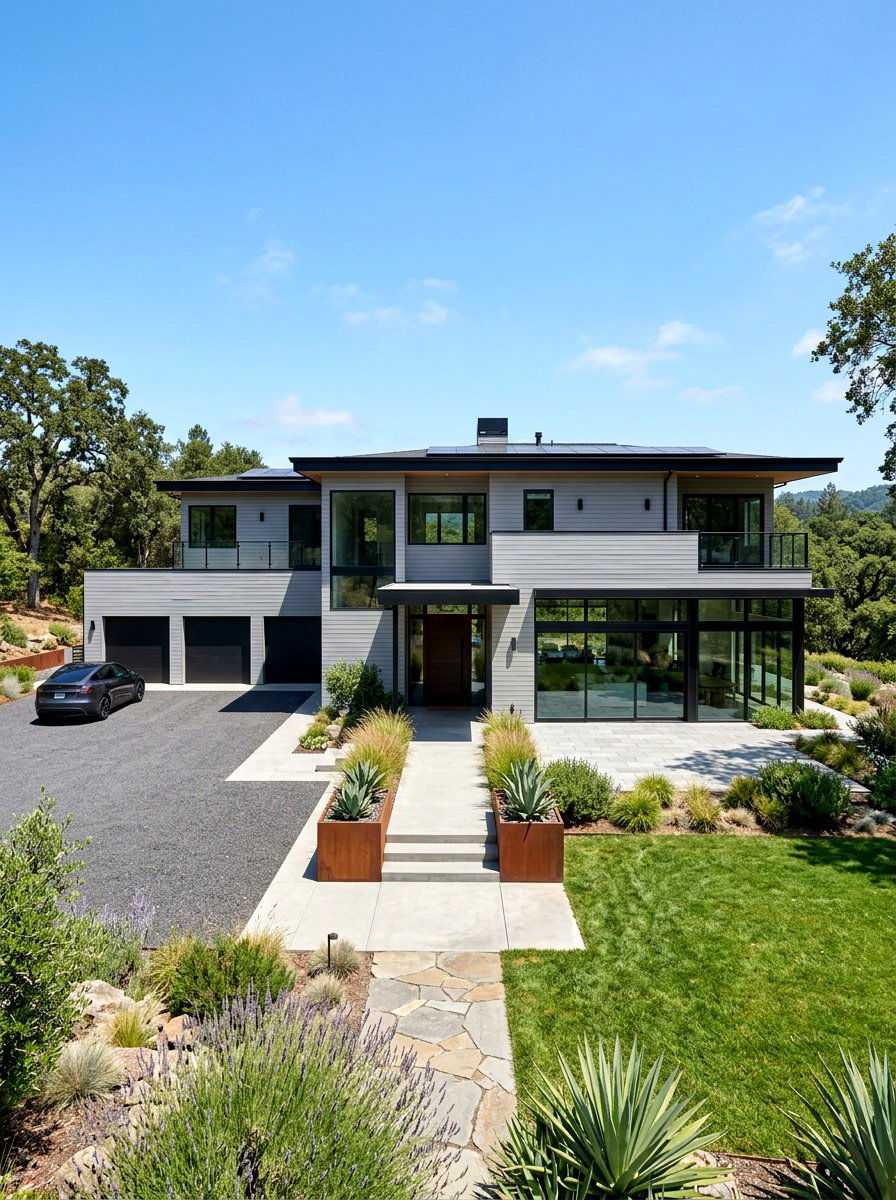
Wide plank horizontal siding is a modern take on traditional lap siding that uses larger boards to create a cleaner and more streamlined look. By reducing the number of horizontal lines on the wall, the home appears more contemporary and less busy. This style is particularly effective on large, multi-story homes where standard siding might feel too repetitive or small-scale. The wide planks emphasize the horizontal plane of the building, making it feel grounded and architecturally significant. When finished in a smooth texture and a neutral color like light gray or white, wide plank siding achieves a high-end, custom-built look that is both elegant and modern.
19. Narrow Lap Siding
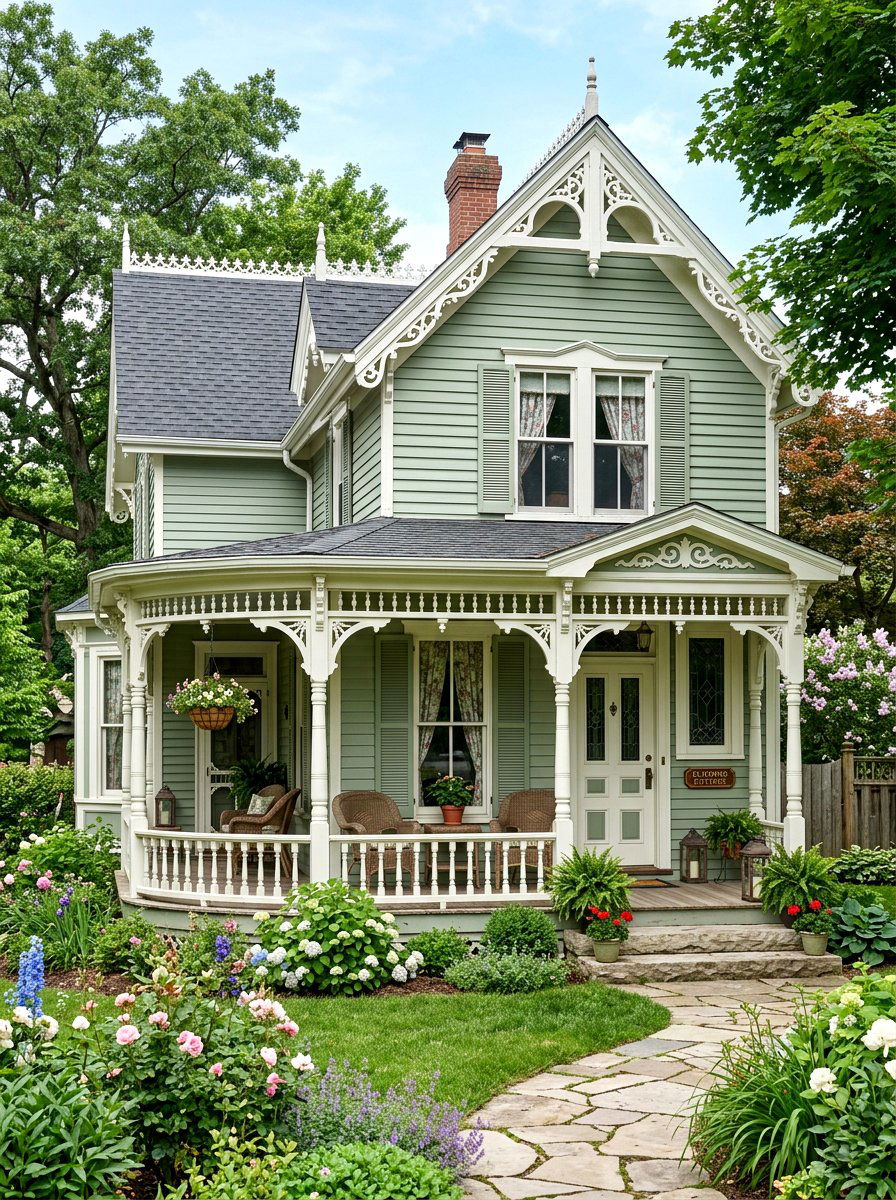
Narrow lap siding offers a delicate and detailed look that is perfect for historic cottages or Victorian-style homes where texture is key. The closely spaced horizontal lines create a sense of rhythm and intricacy that adds a lot of character to the exterior walls. This traditional siding style is often used to emphasize the height of a house, as the eye is drawn across the many thin layers of wood or vinyl. It provides a very classic and "busy" texture that works well with ornamental trim and decorative shingles. Choosing a soft, traditional color like sage or cream helps to keep the detailed texture from feeling too overwhelming.
20. Dutch Lap Siding
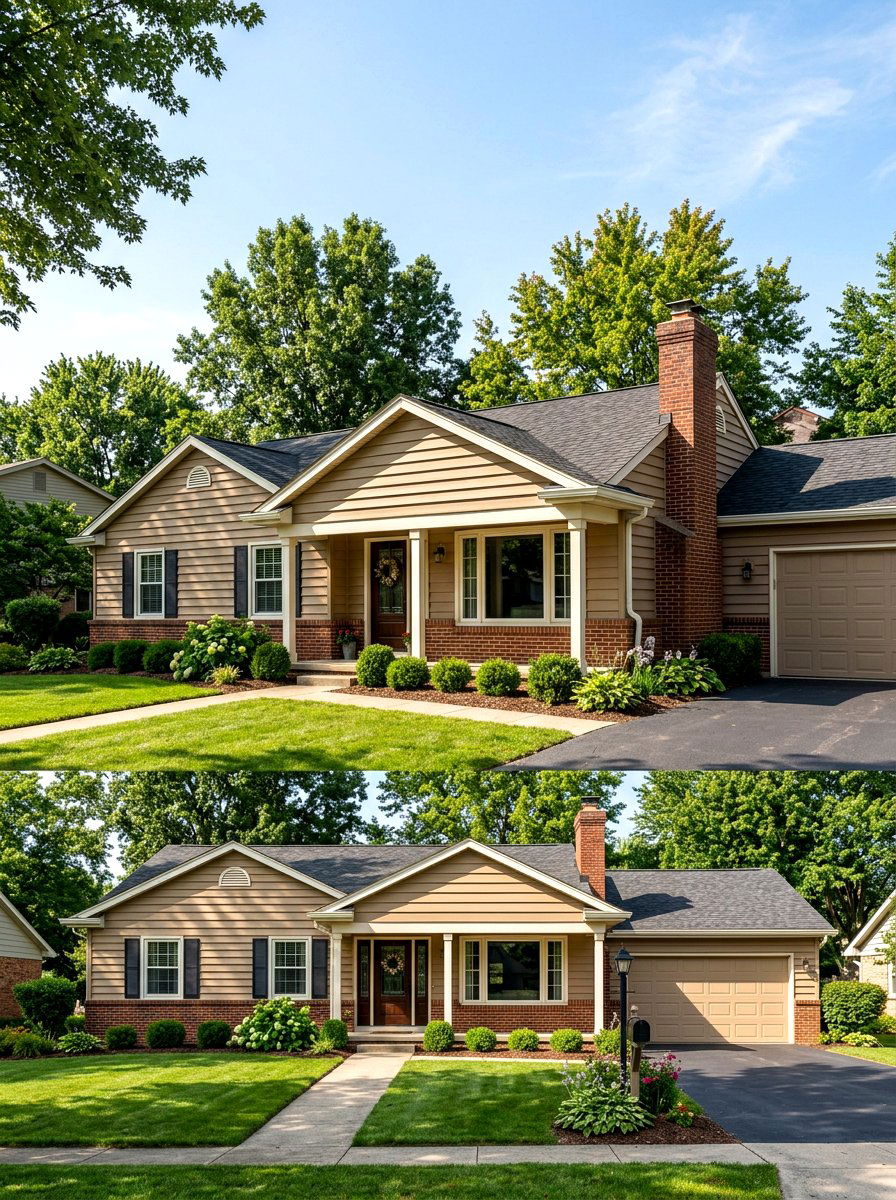
Dutch lap siding is characterized by a unique cove or groove at the top of each board, which creates deeper and more distinct shadow lines than standard lap siding. This design adds a sense of depth and three-dimensionality to the home’s exterior, making the walls look more substantial and custom-crafted. Dutch lap has been a popular choice for decades because it offers a decorative touch without the high cost of specialty materials. It works exceptionally well on ranch-style homes and traditional suburbia, providing a subtle architectural flair that boosts curb appeal. The horizontal orientation remains the focus, but the added shadows give the facade a more premium and textured feel.
21. Beaded Horizontal Siding
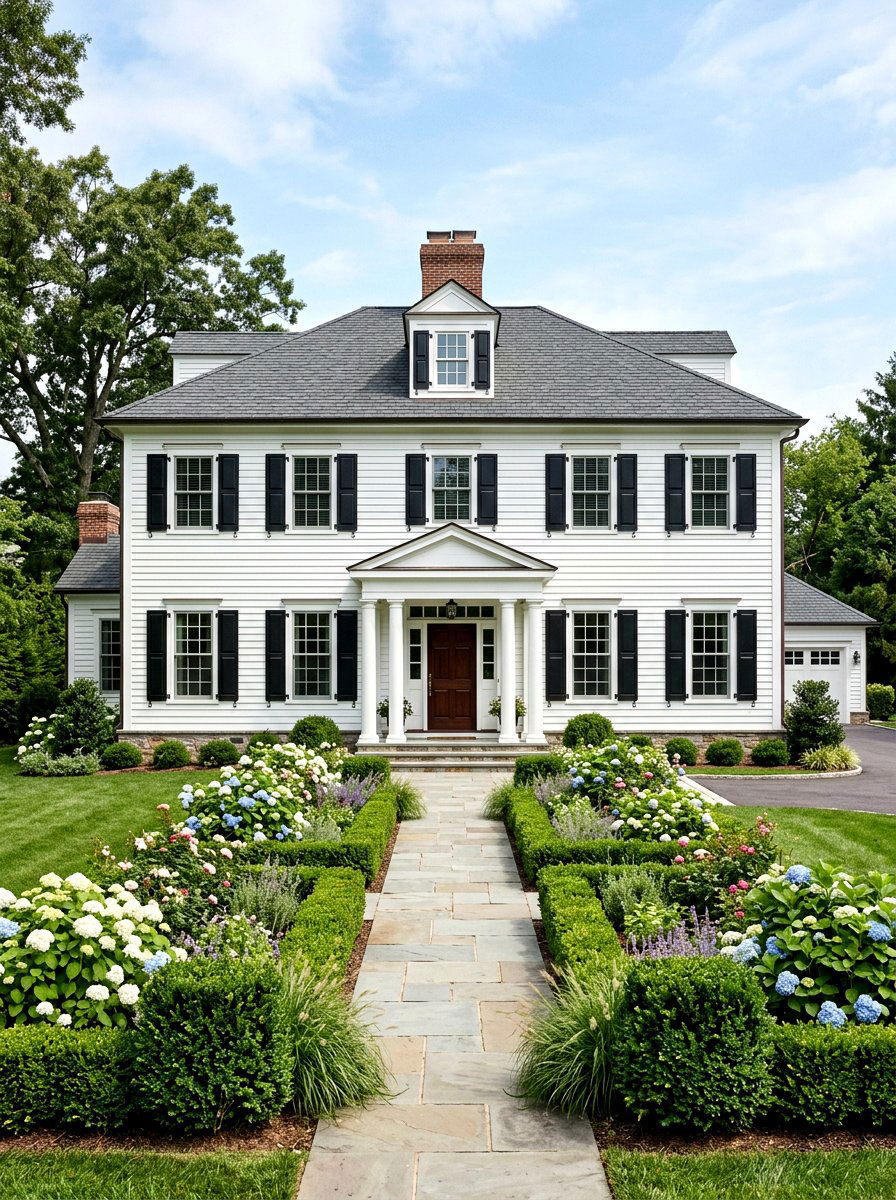
Beaded horizontal siding features a rounded "bead" along the bottom edge of each plank, providing a sophisticated and elegant detail that is rooted in Southern architectural traditions. This subtle decorative element adds a layer of refinement and luxury to the home, making it stand out as a custom-designed property. The bead creates a very fine shadow line that gives the walls a polished and upscale appearance. It is an ideal choice for colonial or federal-style homes that require a high level of detail. When finished in a soft white or light blue, beaded siding creates a classic and graceful look that feels very expensive and meticulously maintained.
22. Modern Gray Horizontal Siding
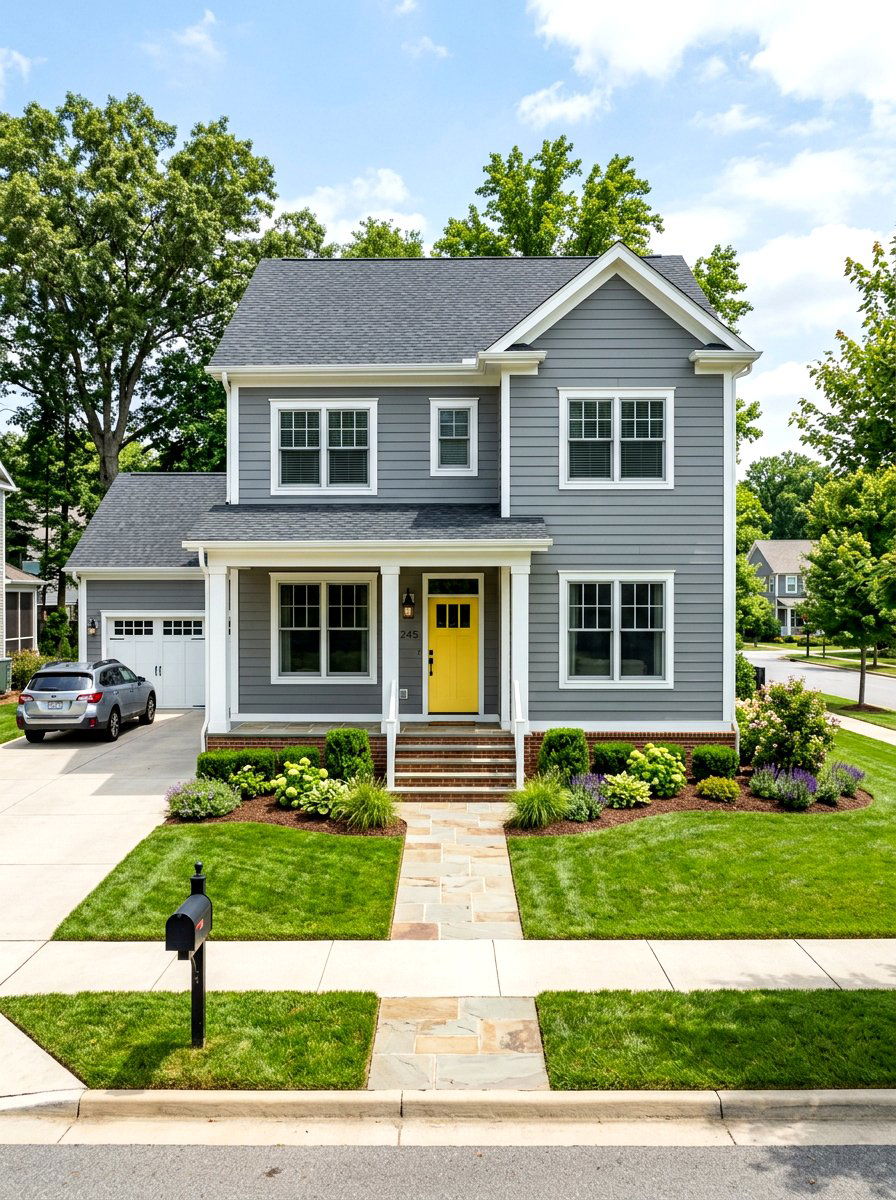
Modern gray horizontal siding is the go-to choice for homeowners who want a clean, neutral, and dependable look that fits any environment. Medium grays are particularly popular because they provide enough contrast against white trim without being as dark and heavy as charcoal. This color hides road dust and dirt efficiently, making it a practical choice for urban and suburban settings. The horizontal lines of the siding provide a sense of order and calm to the exterior design. It serves as a neutral backdrop that allows you to play with more vibrant colors for your front door or seasonal landscaping, making the home feel dynamic and personalized.
23. White Siding Black Windows
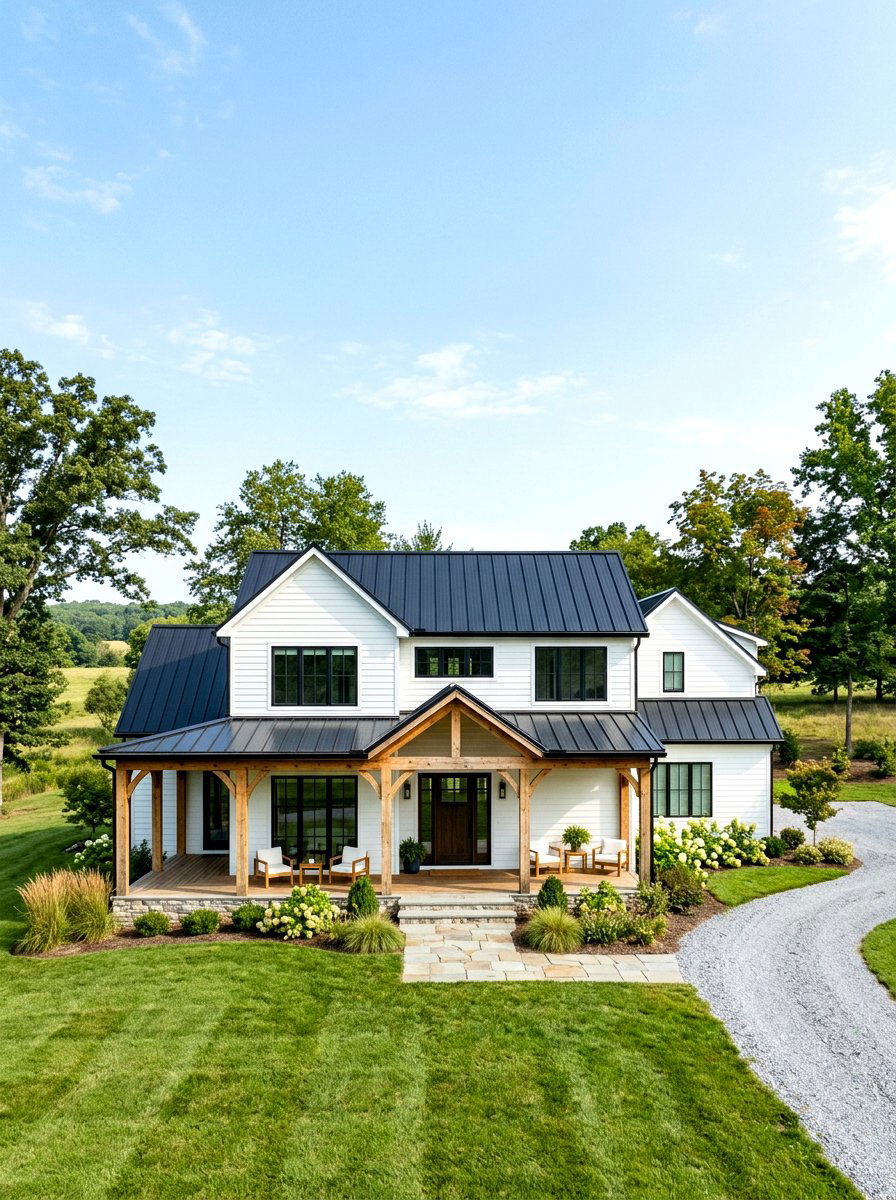
White siding paired with black windows is the hallmark of the modern farmhouse aesthetic that has taken the design world by storm. This high-contrast look is incredibly striking and clean, emphasizing the windows as the "eyes" of the home. The horizontal siding provides a traditional and stable base, while the thin black window frames introduce a contemporary and industrial edge. This combination works best with minimal trim and large, open porches. It creates a bright and airy feel that is both nostalgic and current. Adding natural wood elements like a front door or porch beams helps to soften the contrast and add a touch of warmth.
24. Brown Wood Grain Siding
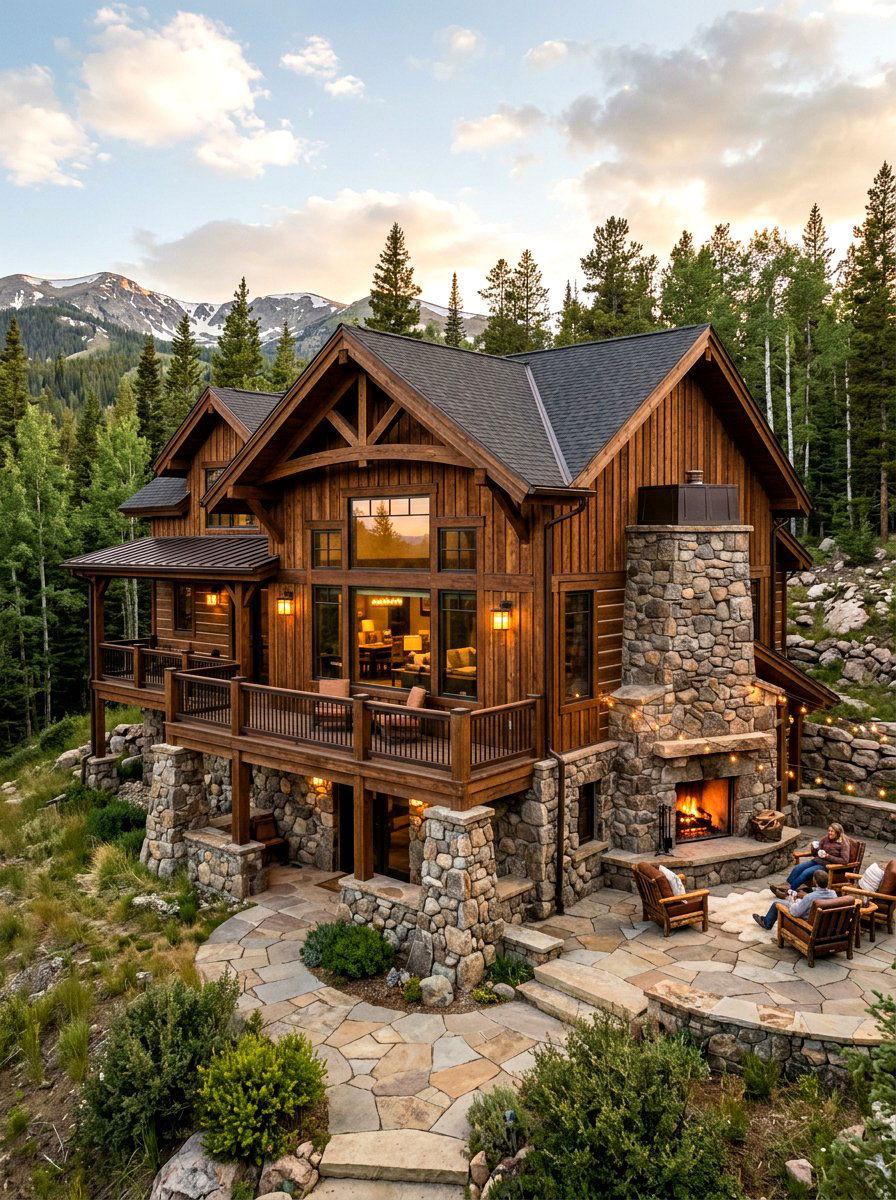
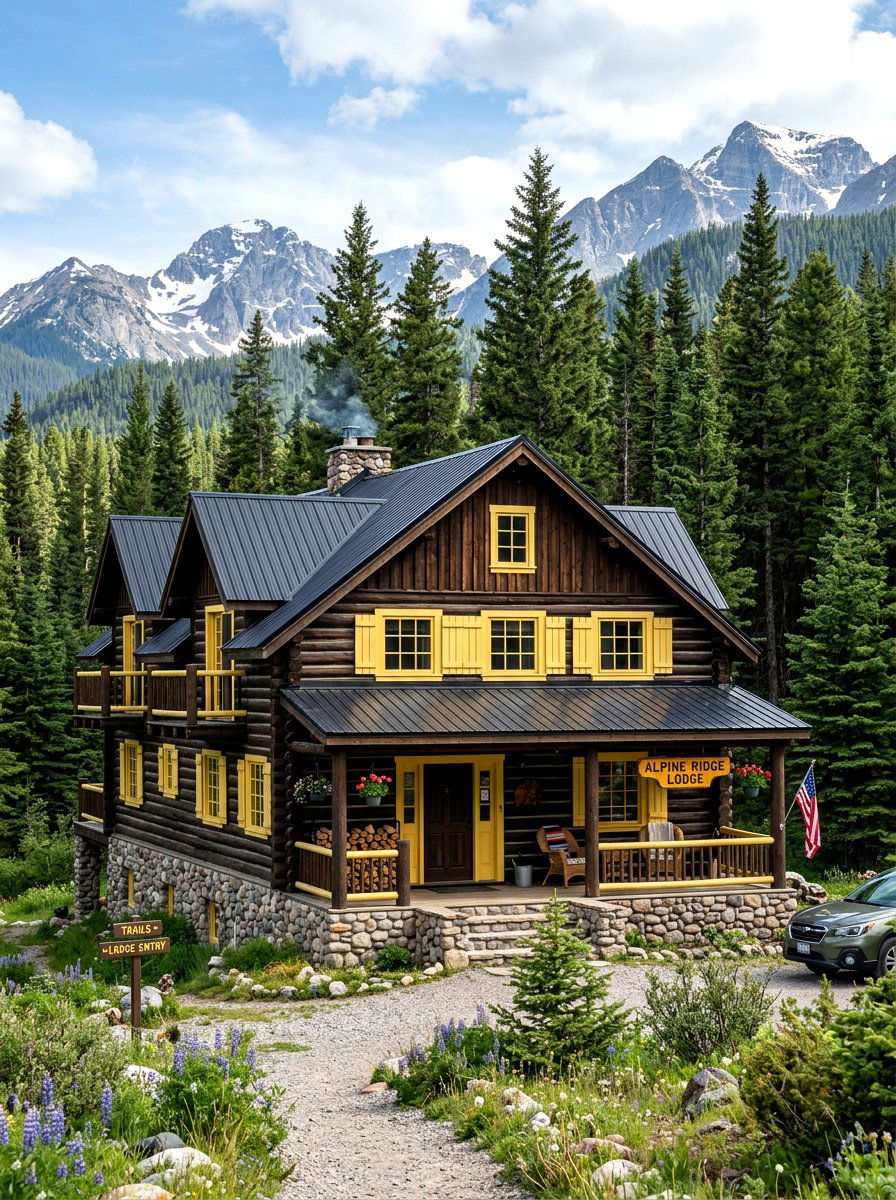
Brown wood grain siding offers the look of natural timber with the durability and low maintenance of modern materials like vinyl or fiber cement. This choice is perfect for homeowners who want the warmth of a cabin or lodge without the constant need for staining and sealing real wood. The realistic grain patterns add a tactile and organic quality to the horizontal planks, creating a rich and layered facade. Pairing this siding with dark bronze accents and stone foundations creates a rugged and sturdy appearance that feels very connected to nature. It is an excellent way to add "soul" to a new construction home.
25. Olive Green Lap Siding
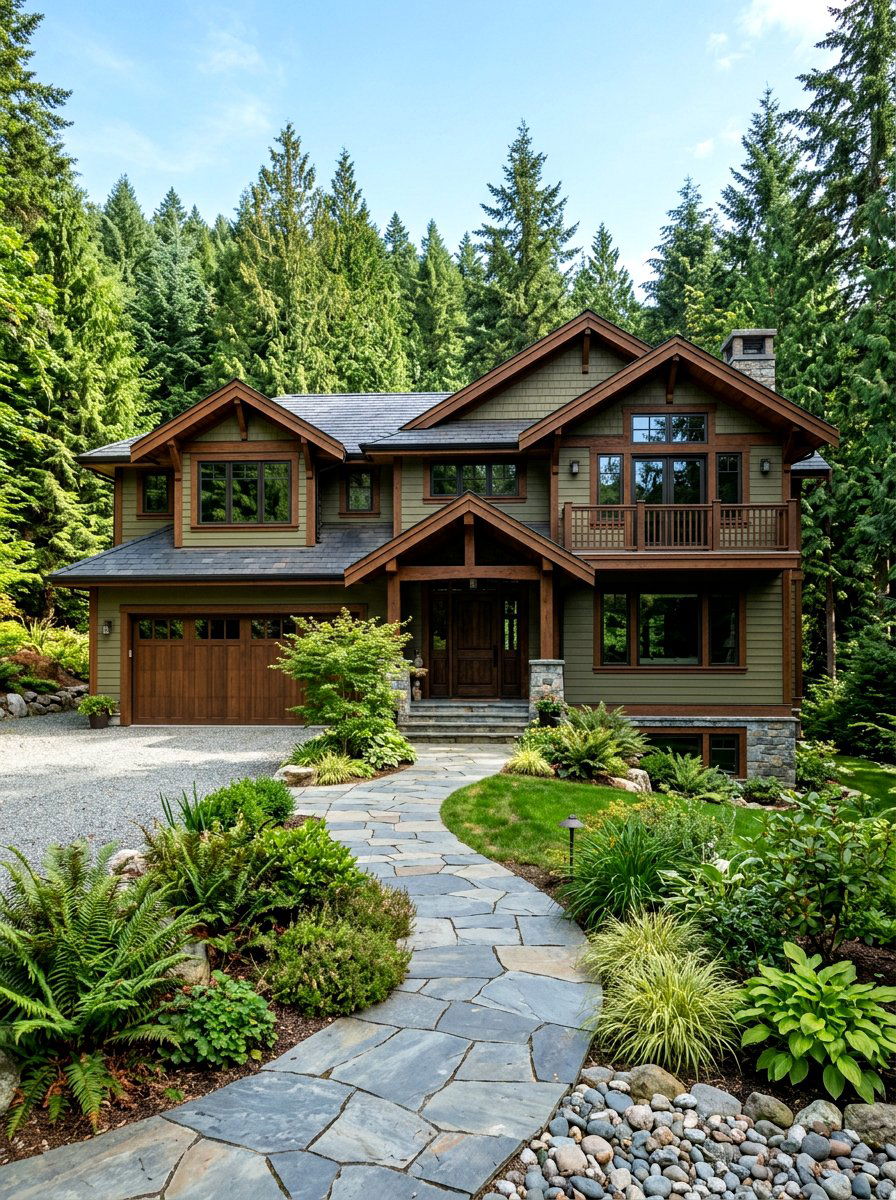
Olive green lap siding is a sophisticated and trending color that brings a sense of serenity and maturity to a home exterior. This muted, earthy green feels high-end and unique, especially when paired with dark wood trim or black hardware. It works beautifully in areas with lots of natural foliage, as the color pulls from the shadows of trees and plants. The horizontal siding layout keeps the look grounded and traditional. Olive green is a versatile hue that can lean either modern or rustic depending on the accents you choose, making it a favorite for designers who want to create a custom and memorable look.
26. Cream Siding Dark Accents
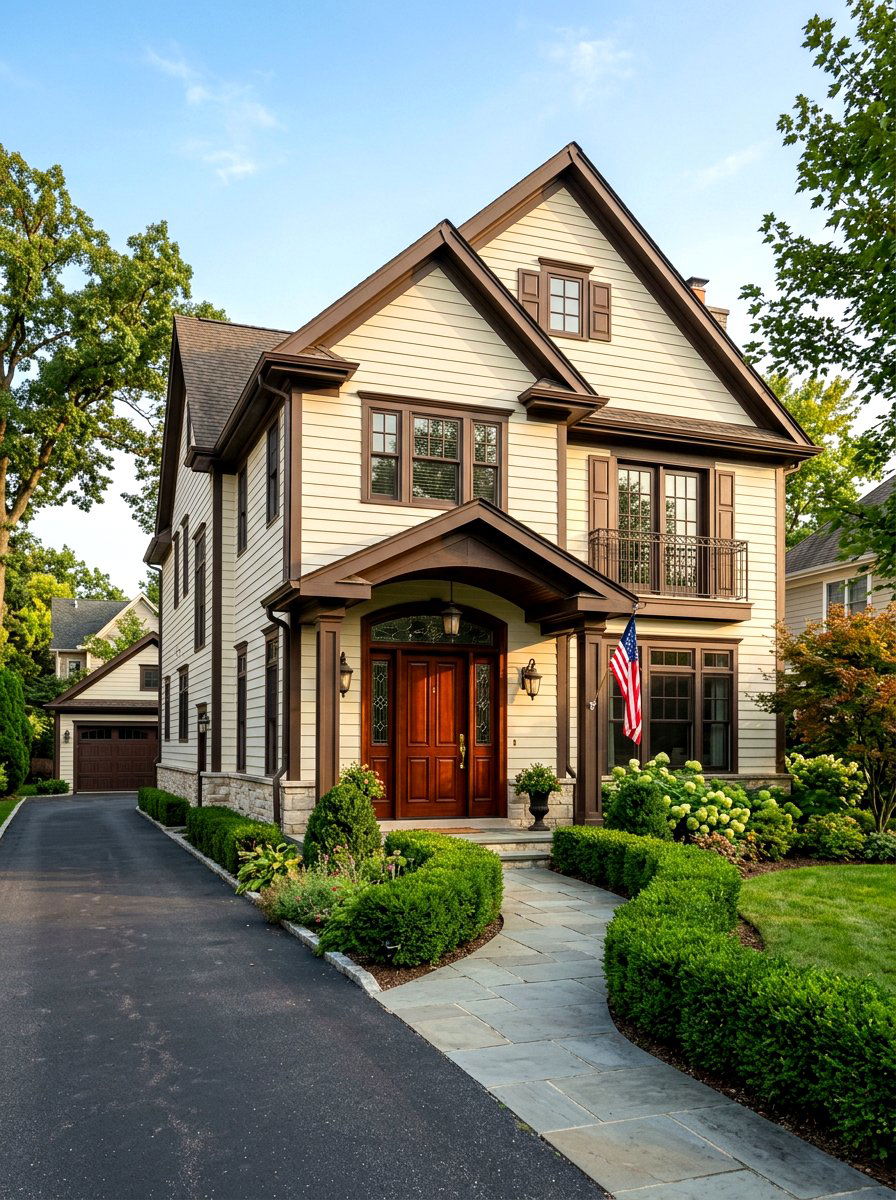
Cream siding with dark accents is a luxurious and warm alternative to the high-contrast black-and-white look. The soft cream color provides a glow to the home that feels very high-end and welcoming. By using dark brown or charcoal accents for the trim, gutters, and roofing, you create a sophisticated and balanced palette that feels grounded. The horizontal siding adds just enough texture to the large wall surfaces to prevent them from looking flat. This design is perfect for large estates or traditional suburban homes that want to convey a sense of understated elegance and classic beauty that will age exceptionally well over time.
27. Steel Horizontal Siding
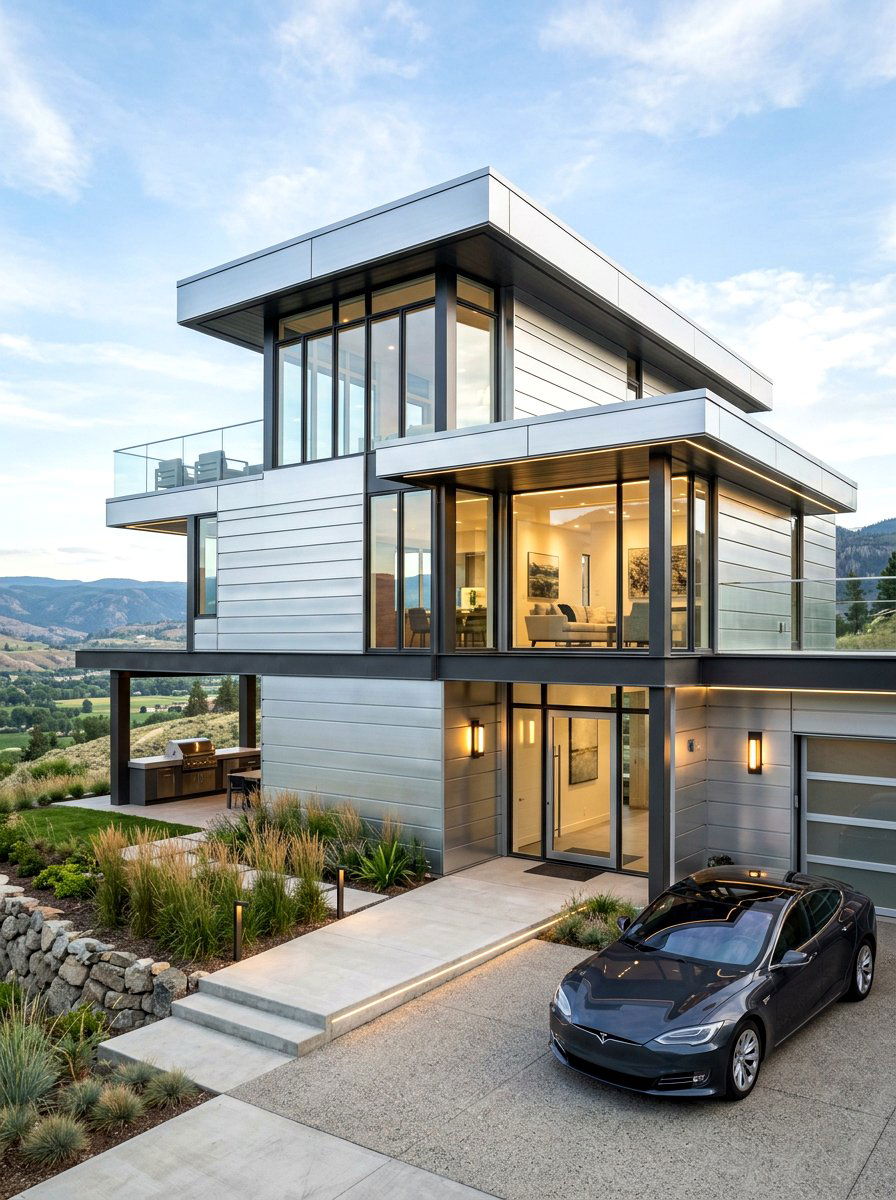
Steel horizontal siding is a powerhouse of durability and modern style, offering a sleek and industrial finish that is virtually indestructible. This material is highly resistant to hail, fire, and extreme temperature fluctuations, making it a top choice for harsh climates. The horizontal planks often have a very crisp and precise edge that creates a clean, architectural look that is hard to achieve with other materials. When finished in a metallic silver or deep slate gray, steel siding gives the home a futuristic and high-tech vibe. It is a sustainable choice as well, as most metal siding is made from recycled materials and is fully recyclable itself.
28. Composite Wood Look Siding
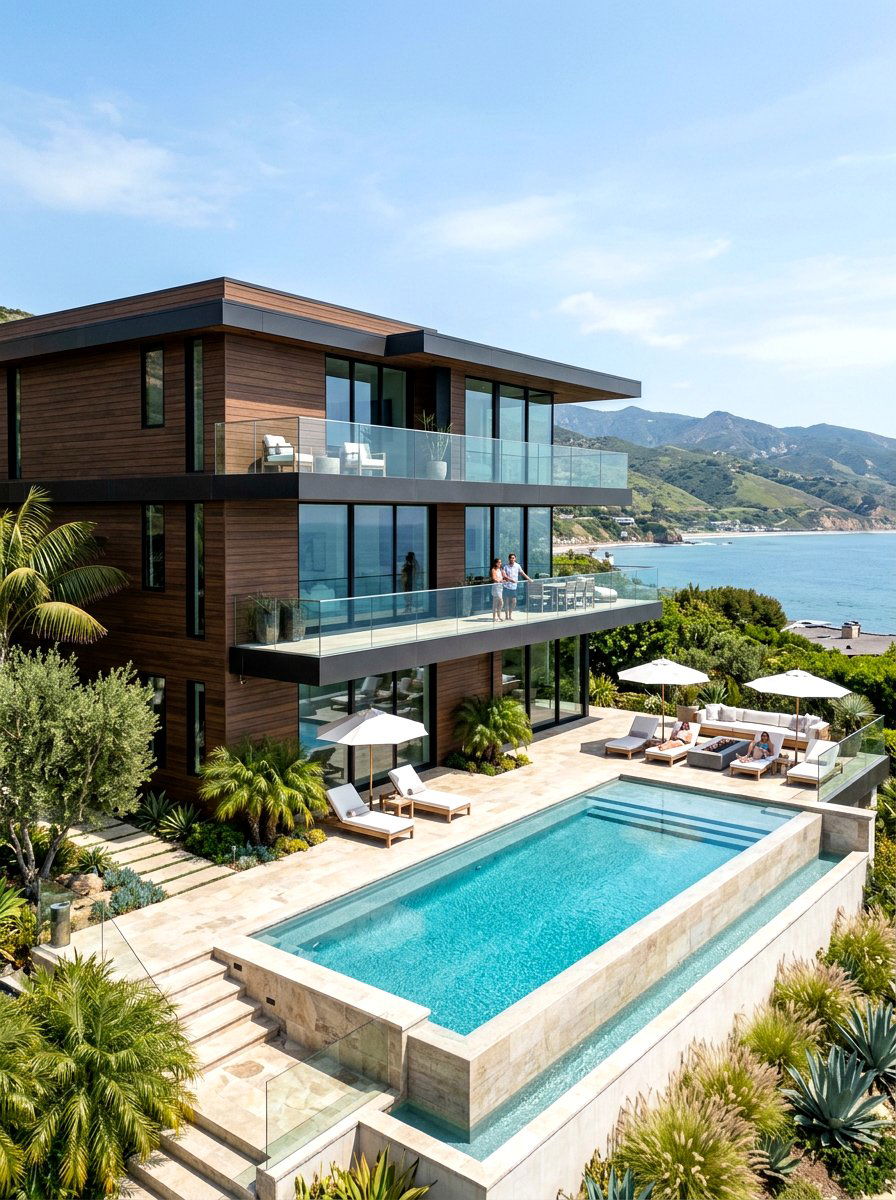
Composite wood-look siding provides the absolute best of both worlds: the stunning visual appeal of premium hardwoods and the indestructible nature of engineered materials. These boards are designed to resist fading, moisture, and insects, ensuring your home looks like it was just built for decades to come. The deep textures and varied color tones in composite siding create a very high-end and realistic wood appearance that adds immense value to the property. Using it in a horizontal lap style emphasizes the luxury of the material. This is a top-tier choice for modern luxury homes where quality and aesthetics are the highest priorities in the design process.
29. Slate Gray Lap Siding
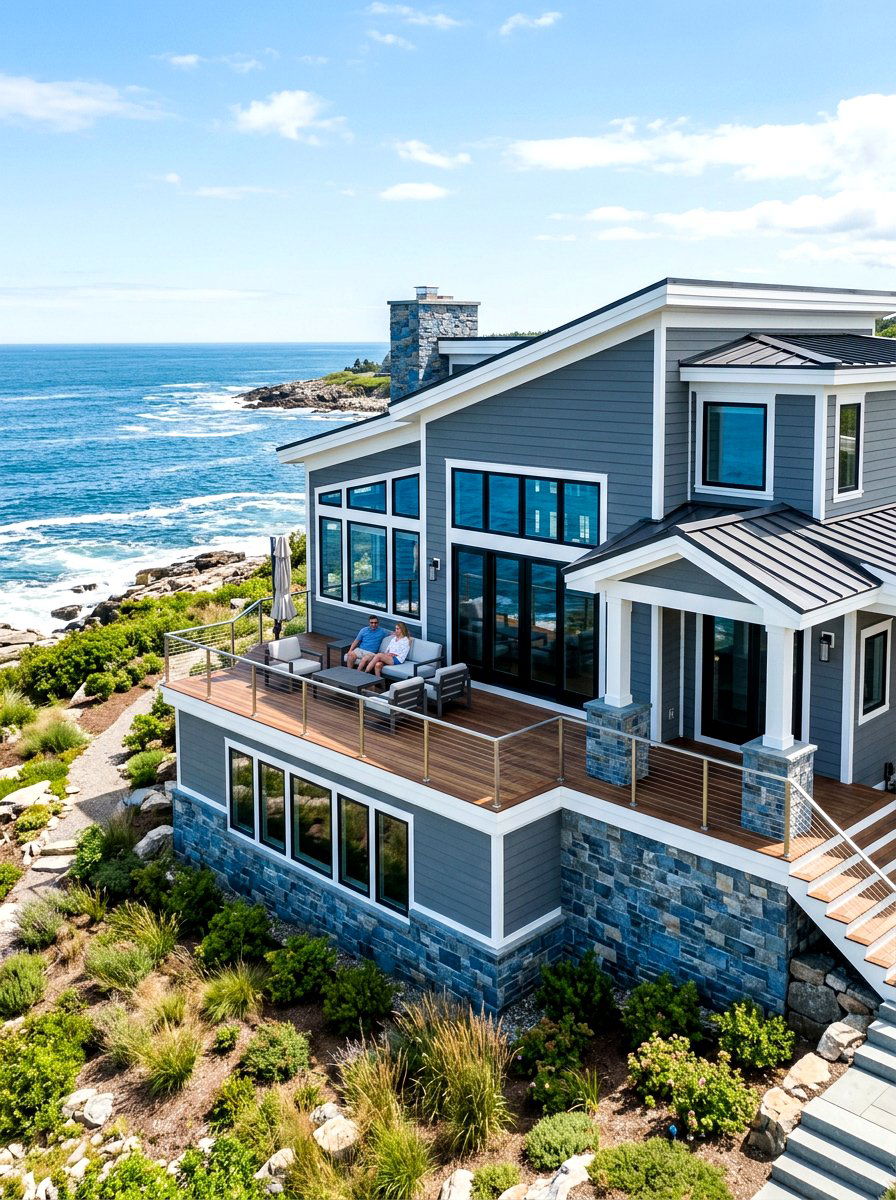
Slate gray lap siding is a cool and calming neutral that brings a sense of modern stability to any home facade. This particular shade has blue and purple undertones that change beautifully depending on the time of day and the cloud cover. It provides a more interesting and dynamic look than a flat gray, offering a touch of coastal or mountain-inspired flair. The horizontal orientation of the siding helps to break up the verticality of the house, making it feel more sprawling and relaxed. It pairs exceptionally well with white trim for a crisp look or with natural stone for a more rugged and organic aesthetic.
30. Sandstone Horizontal Siding
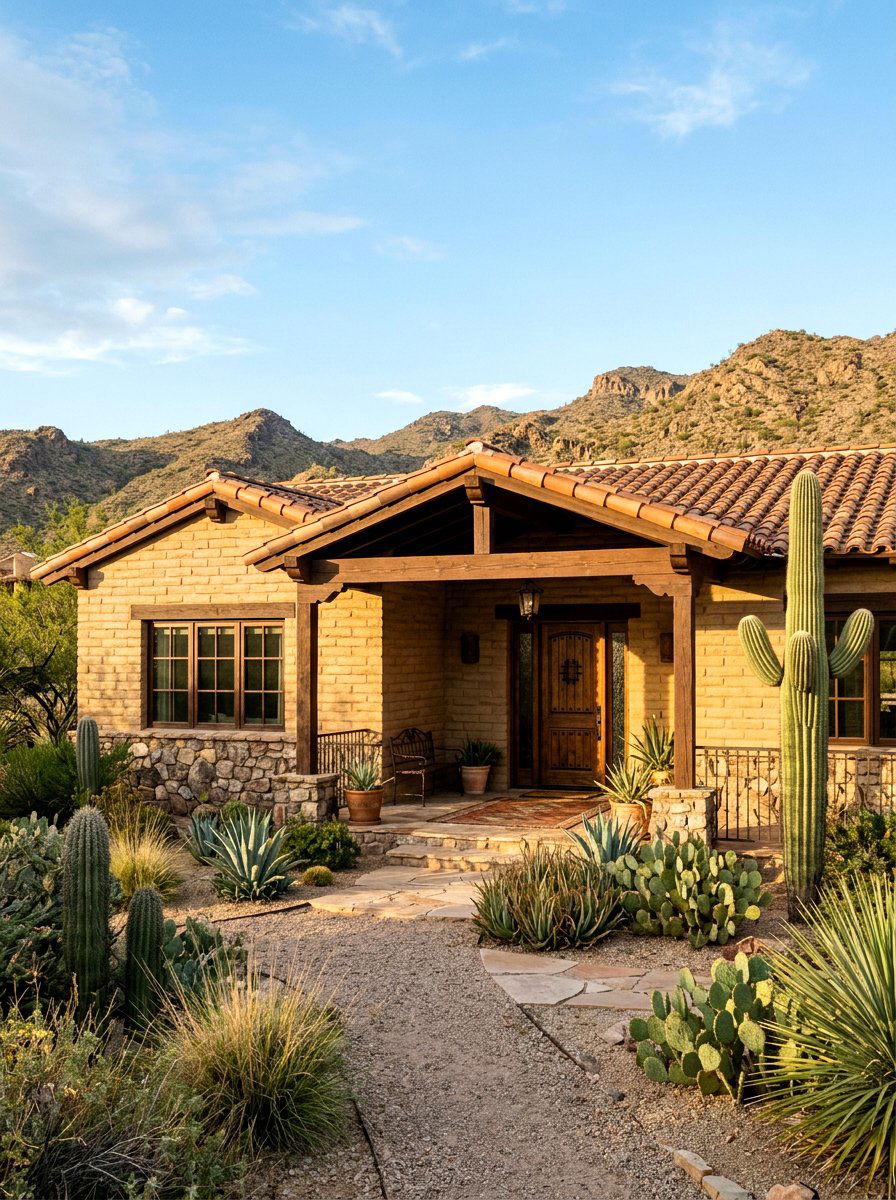
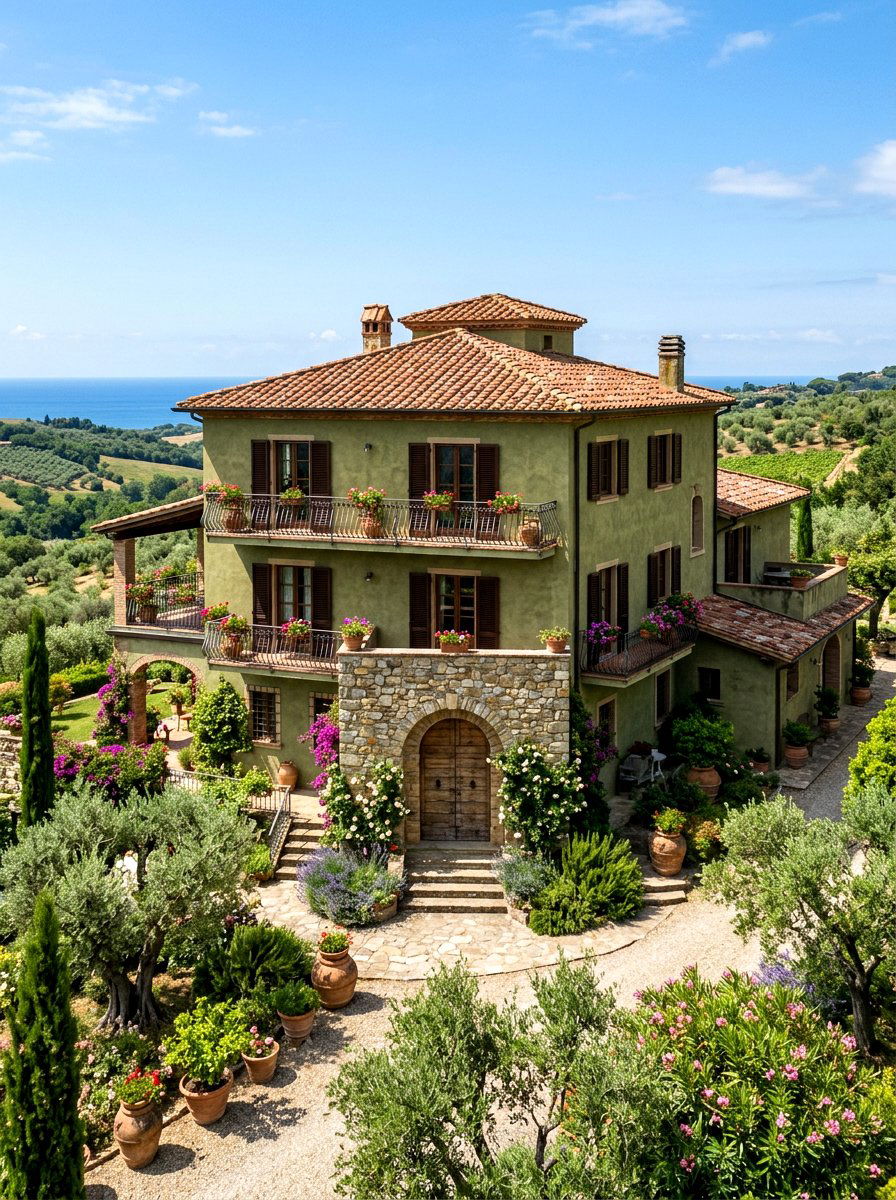
Sandstone horizontal siding offers a warm, golden-neutral tone that feels sun-drenched and incredibly inviting. This color is inspired by natural desert landscapes and weathered stone, making it a perfect choice for homes in the Southwest or for anyone wanting to bring warmth to a colder climate. The horizontal lines of the siding create a rhythmic pattern that mimics the layers of a canyon. When paired with terracotta roof tiles or dark wood beams, sandstone siding creates a cohesive and beautiful Mediterranean or desert-modern look. It is a light and bright color that makes a home feel larger while still maintaining a very cozy and grounded atmosphere.
Conclusion:
Choosing the right horizontal siding is a critical decision that defines your home’s personality and long-term protection. As we have seen, the possibilities range from classic white vinyl to bold black metal and warm, natural cedar. Each material and color offers unique benefits in terms of maintenance, durability, and visual impact. By carefully considering the architectural style of your house and the surrounding landscape, you can select a siding design that creates a lasting first impression. Investing in high-quality horizontal siding not only transforms your home’s appearance but also provides a sense of pride and security for many years. We hope these ideas have inspired you to start your exterior renovation journey today.

Related posts: