Cedar siding remains a timeless choice for homeowners who want to balance natural beauty with long-lasting durability. This organic material offers a unique texture and warmth that synthetic options simply cannot replicate. Whether you are aiming for a rustic mountain retreat or a sleek contemporary masterpiece, cedar provides incredible versatility. It ages gracefully, turning into a beautiful silver-gray if left untreated, or it can be stained to maintain its rich, golden-brown hues. In this guide, we explore thirty distinct ways to incorporate cedar siding into your home’s exterior to enhance curb appeal and increase value. From traditional shingles to modern vertical planks, these concepts showcase the transformative power of real wood.
1. Horizontal Cedar Lap Siding
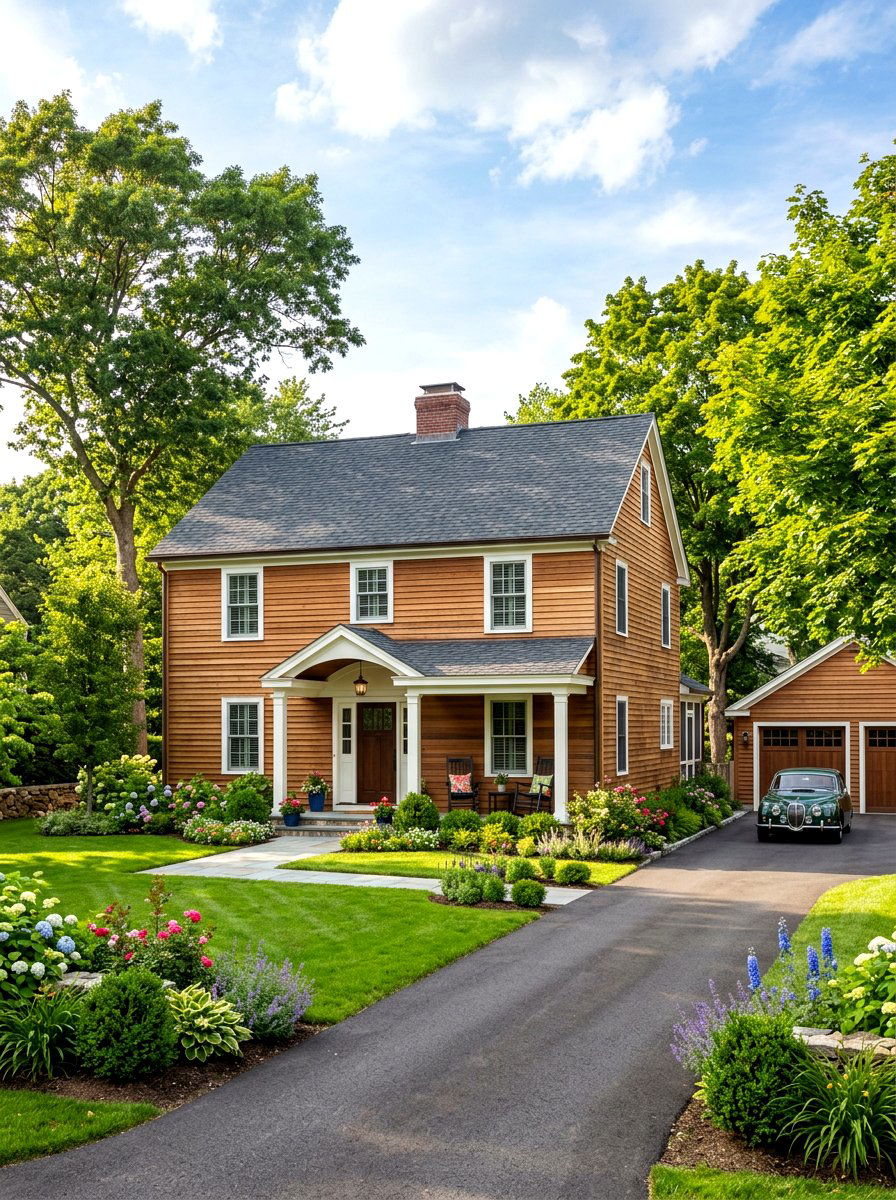
Horizontal cedar lap siding is a classic choice for traditional American homes, providing a clean and organized appearance. This design involves overlapping boards that create a natural water barrier, making it ideal for wet climates. The overlapping effect generates soft shadow lines that add depth to the facade. Homeowners often pair this style with white trim and a gabled roof to achieve a classic colonial or craftsman look. When treated with a clear sealant, the vibrant reds and golds of the wood stand out beautifully. This design ensures your home looks grounded and sturdy while offering the high-end appeal of real natural timber.
2. Vertical Tongue And Groove Cedar
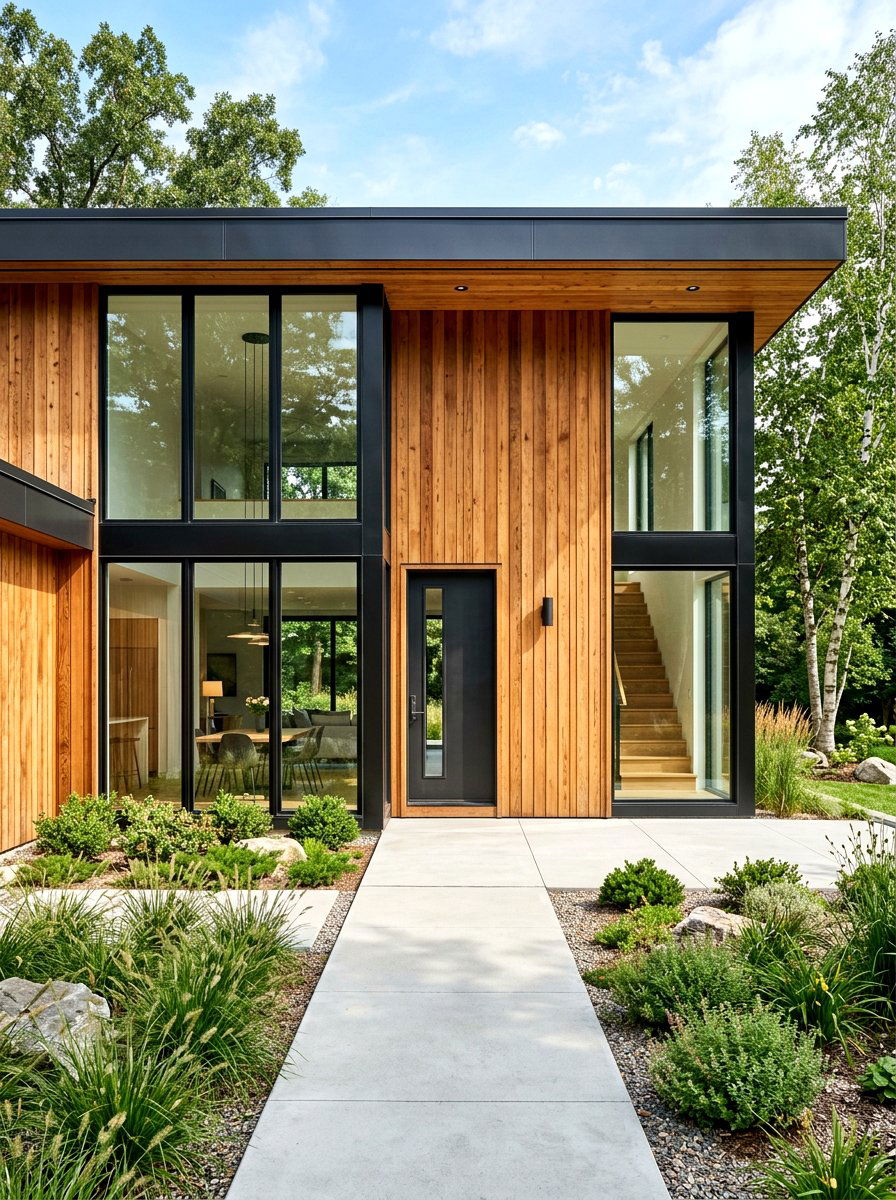
Vertical tongue and groove cedar is the ultimate choice for modern and minimalist architecture. This installation method fits boards together tightly, creating a smooth and seamless surface that lacks the heavy shadows of lap siding. By running the planks vertically, you draw the eye upward, which makes the house appear taller and more majestic. This design is perfect for contemporary homes with flat roofs or large glass windows. The lack of visible gaps provides a very refined finish that works well in urban environments. It offers a sophisticated, tailored look that highlights the natural grain of the wood without the clutter of extra trim.
3. Cedar Shingle Siding
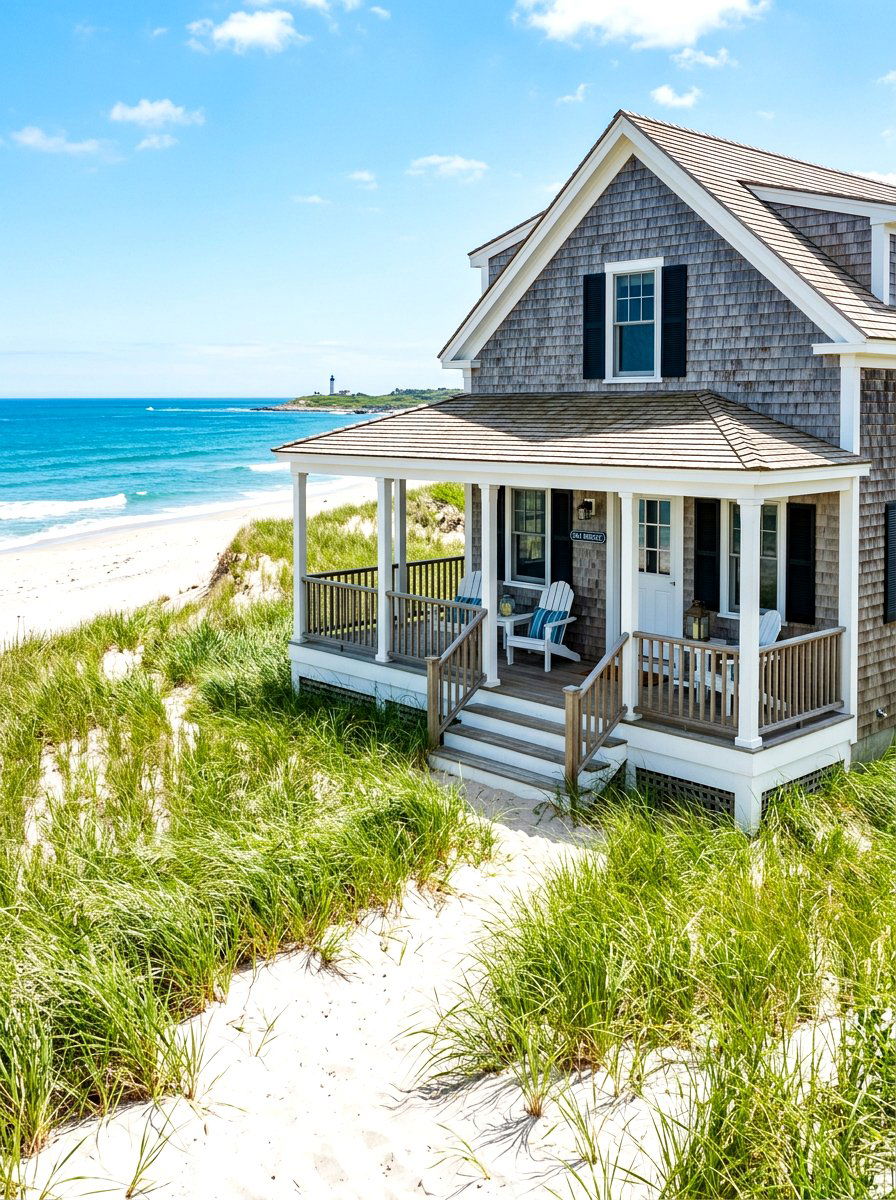
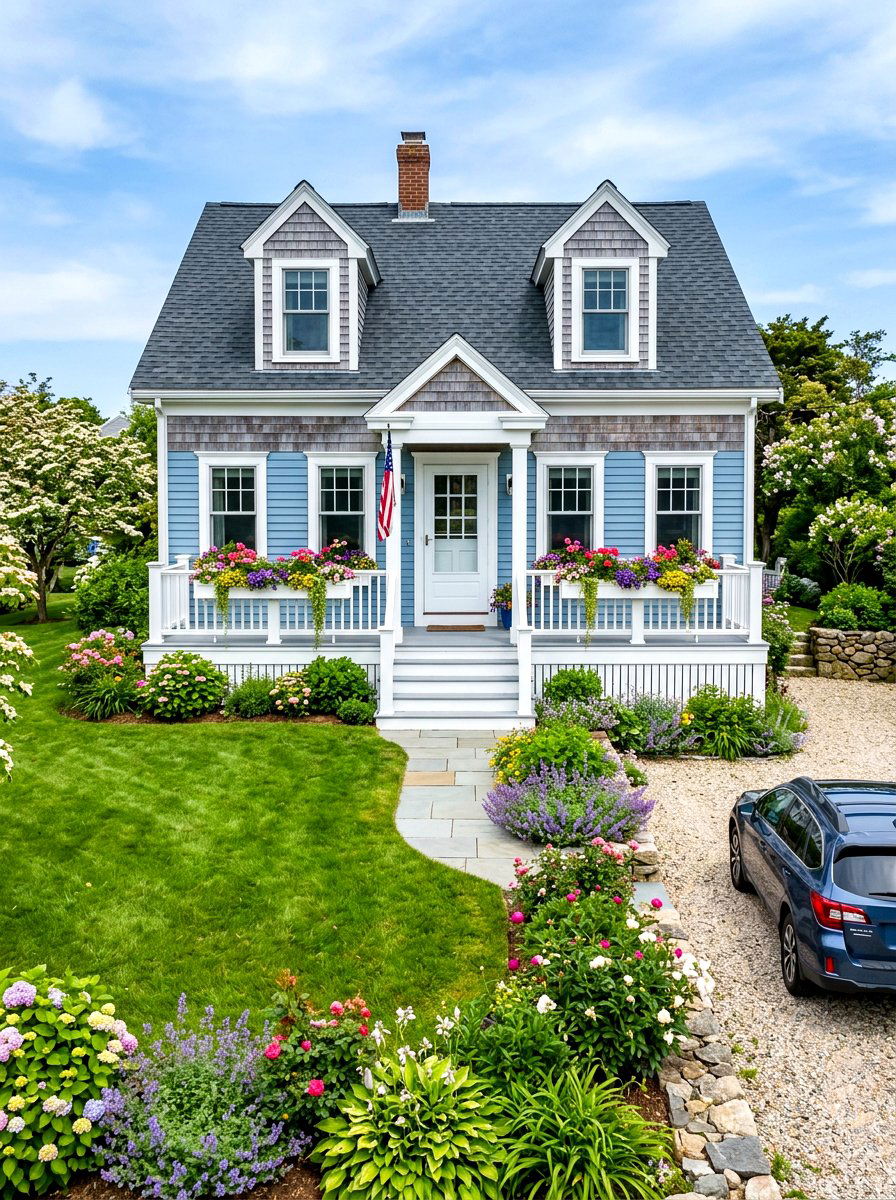
Cedar shingle siding offers an unmistakable coastal charm that is perfect for beach houses and cottages. These individual wood pieces are installed in a staggered or straight-line pattern to create a highly textured surface. Unlike long planks, shingles provide a rhythmic and handcrafted feel that softens the overall architecture of a building. This design is excellent for homes with multiple dormers or complex rooflines, as the small shingles can easily adapt to different shapes. Over time, many homeowners allow these shingles to weather into a soft, silvery gray, which blends perfectly with sandy landscapes and oceanfront views for a relaxed aesthetic.
4. Board And Batten Cedar
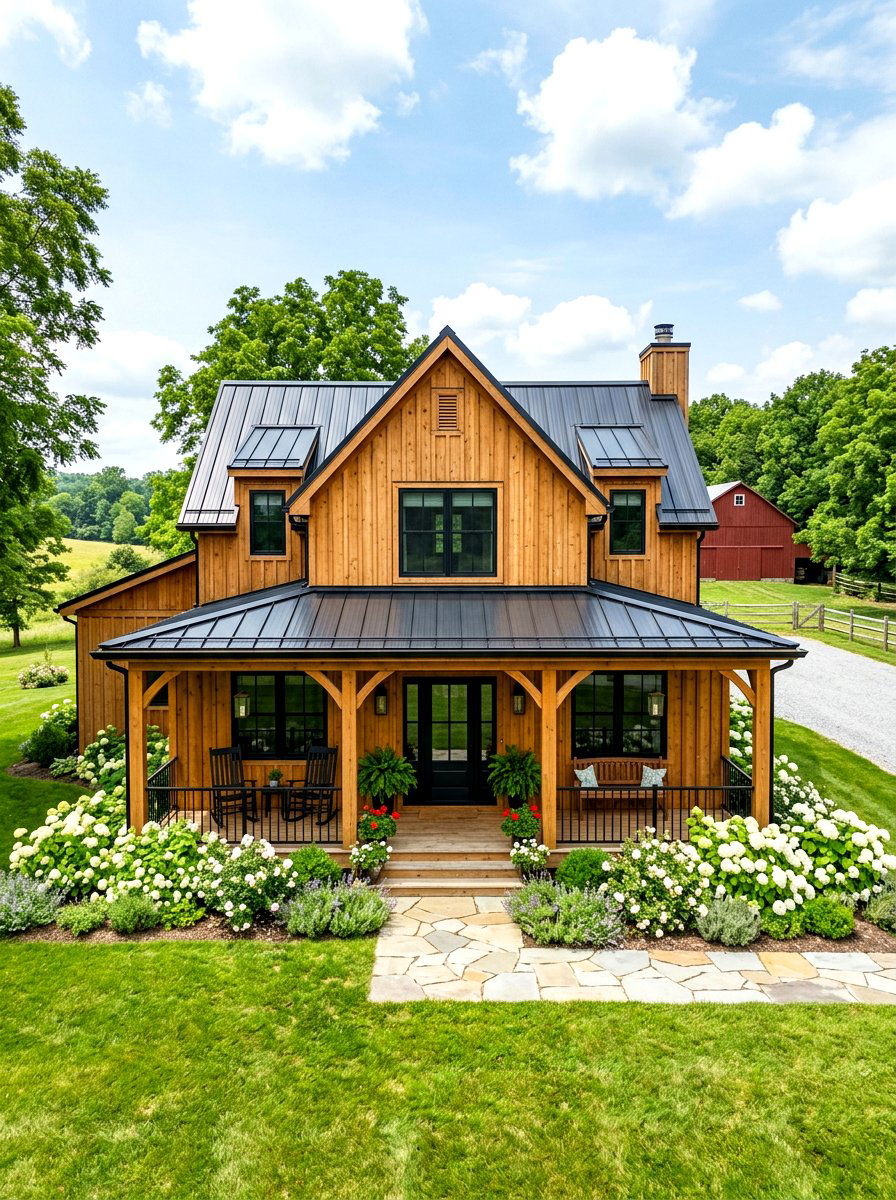
Board and batten cedar siding provides a bold and rustic appearance that has become a staple of modern farmhouse design. This style uses wide vertical boards with thin strips, called battens, covering the seams between them. The result is a highly dimensional surface that creates strong vertical lines and deep shadows. This design is particularly effective at breaking up large, flat wall surfaces, giving the home a sense of character and history. It pairs exceptionally well with black metal roofing and industrial-style lighting. The heavy texture of the boards provides an organic warmth that makes even a large, new construction home feel cozy.
5. Shou Sugi Ban Charred Cedar
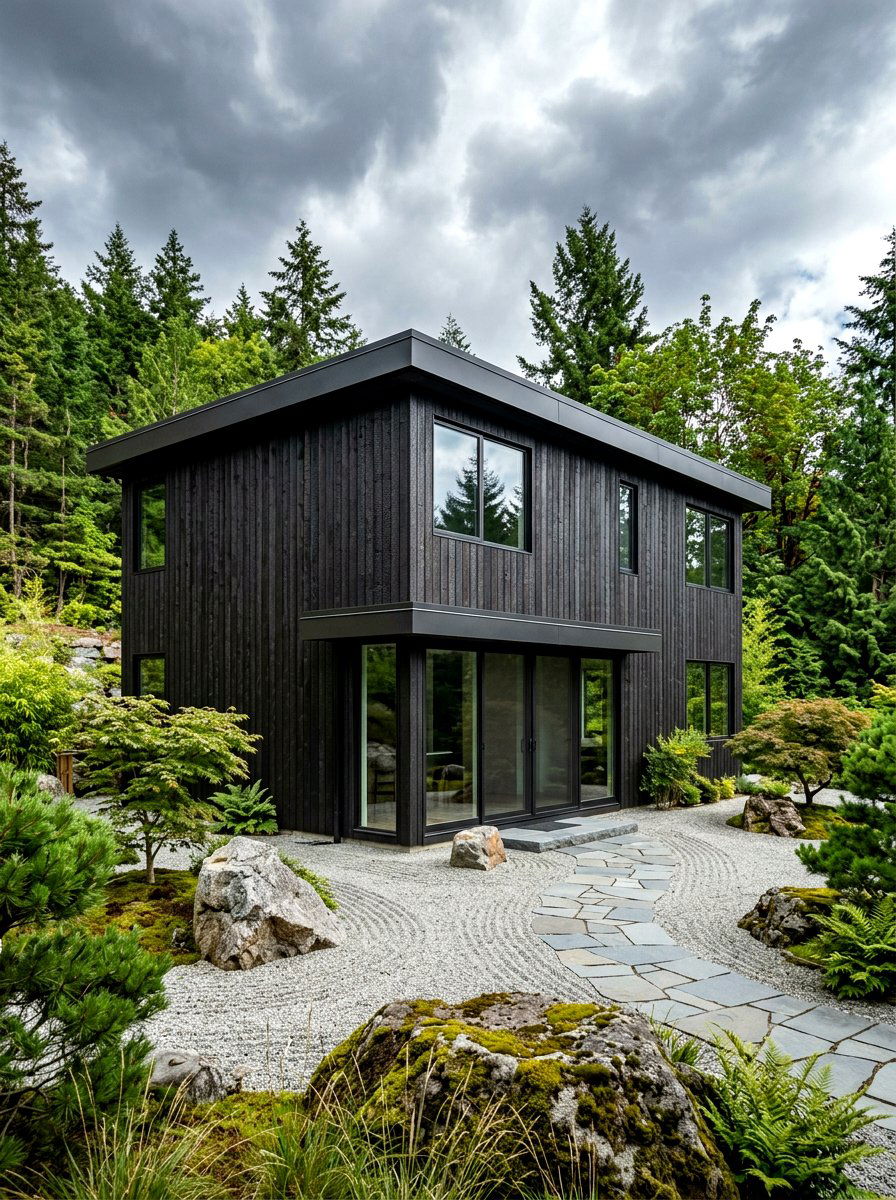
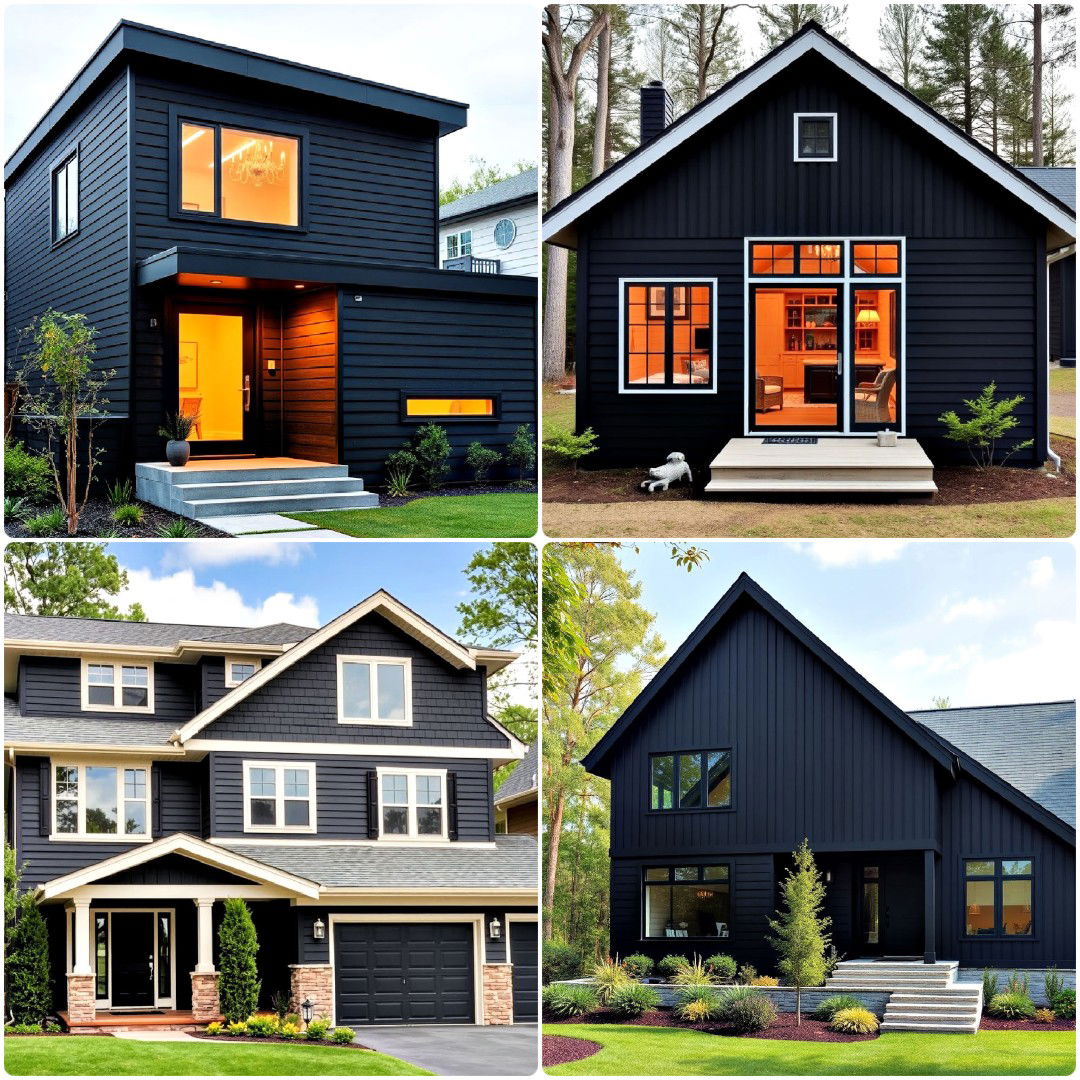
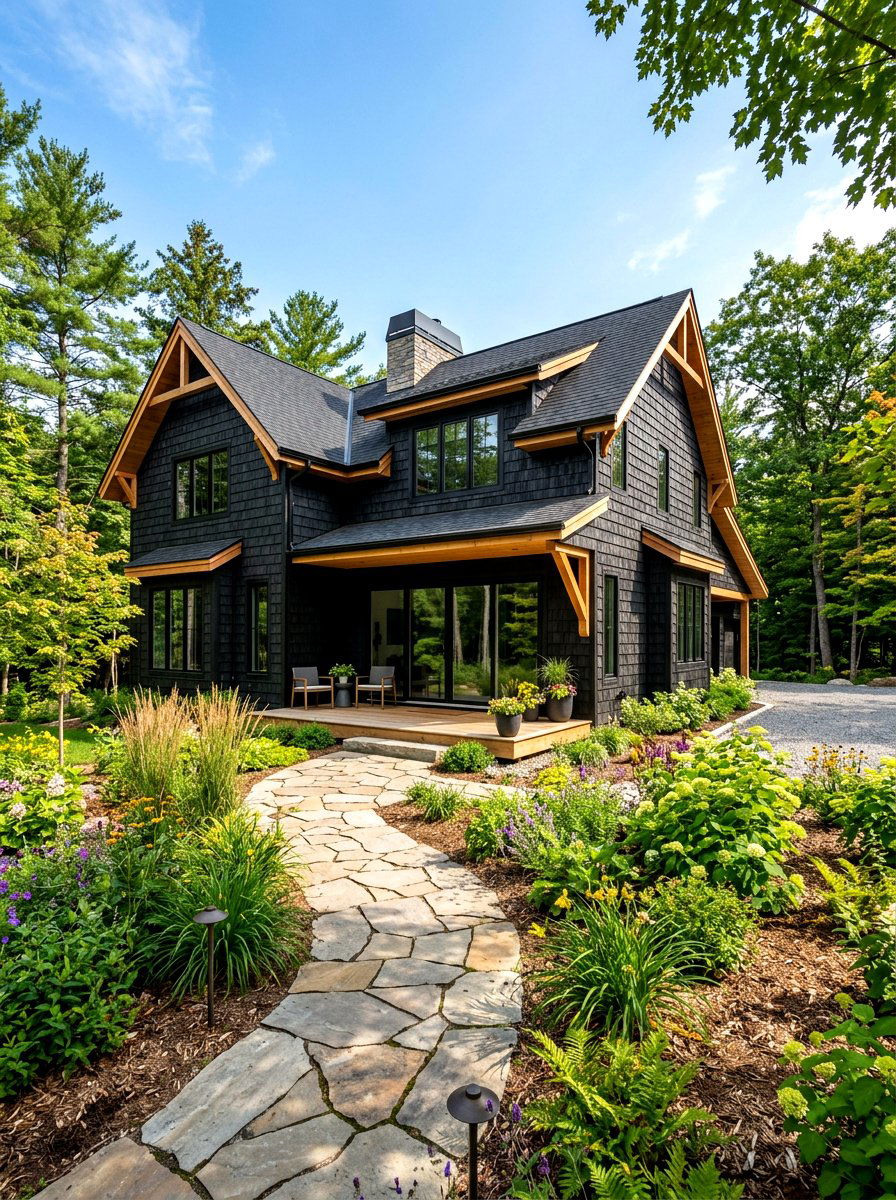
Shou Sugi Ban charred cedar is an ancient Japanese technique that results in a striking and dramatic black finish. By burning the surface of the wood, you create a carbonized layer that is naturally resistant to fire, rot, and insects. This design is favored by architects looking for a high-contrast, moody aesthetic that stands out in natural landscapes. The deep, inky black color highlights the texture of the wood grain in a way that paint never could. This siding works best on contemporary homes with sharp angles and minimalist landscaping. It creates a bold architectural statement while providing incredible longevity and very low maintenance requirements.
6. Natural Clear Grade Cedar
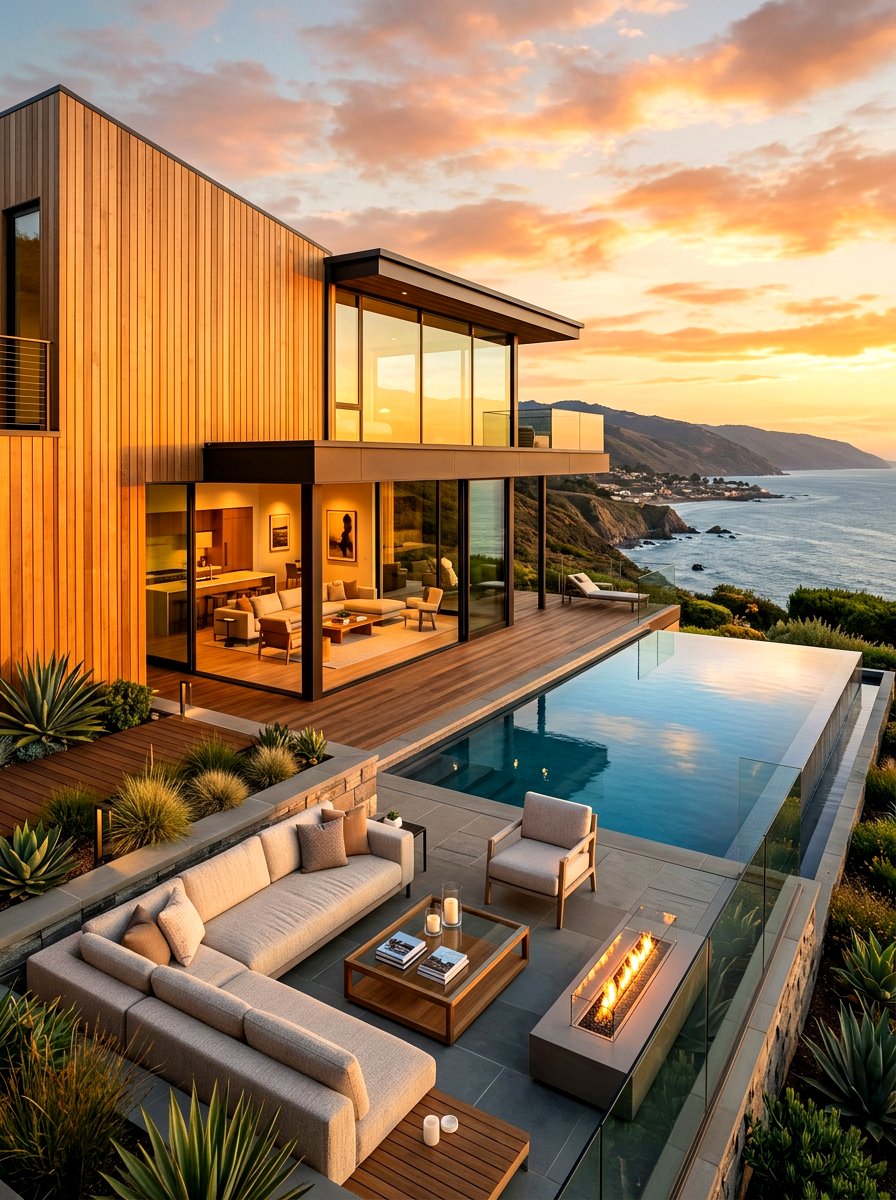
Natural clear grade cedar siding represents the pinnacle of luxury and clean design. This grade of wood is harvested specifically to be free of knots, resulting in a consistent and uniform appearance. When used for an entire exterior, it creates a sleek, high-end look that is often seen in modern luxury villas. The lack of visual "noise" from knots allows the natural color variations of the cedar to take center stage. This design is perfect for homeowners who want the warmth of wood but prefer a more polished and professional finish. It looks particularly stunning when illuminated by integrated outdoor LED accent lighting at night.
7. Knotty Western Red Cedar
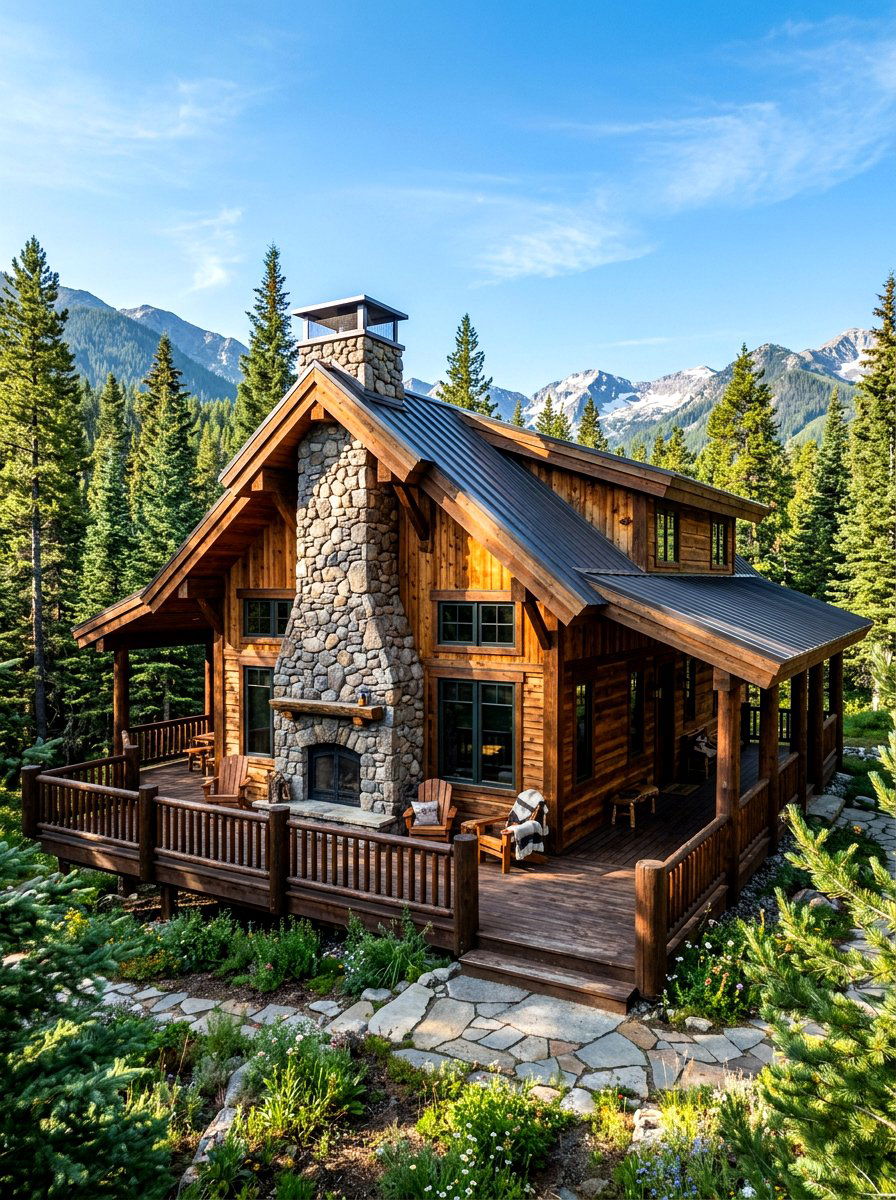
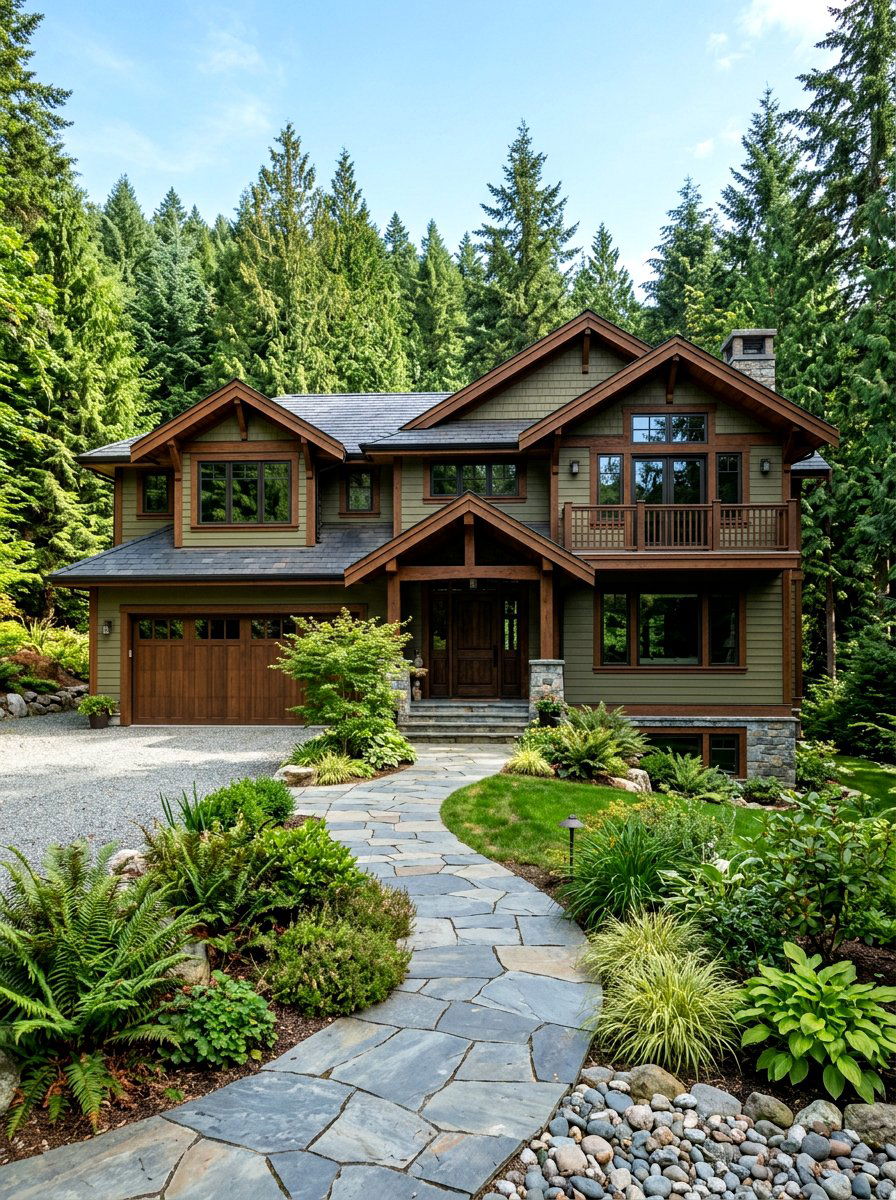
Knotty western red cedar siding is the go-to option for those who love the rugged and organic feel of a mountain cabin. Unlike clear grades, this style embraces the natural imperfections of the wood, showcasing knots and swirls that tell a story of growth. This design brings a high level of visual interest and a "busy" texture that feels very homey and lived-in. It is often used in wooded areas where the home needs to blend into the surrounding trees. Pairing this siding with heavy timber beams and stone foundations creates a timeless, rustic look that is both durable and incredibly inviting for families.
8. Cedar And Black Metal Siding
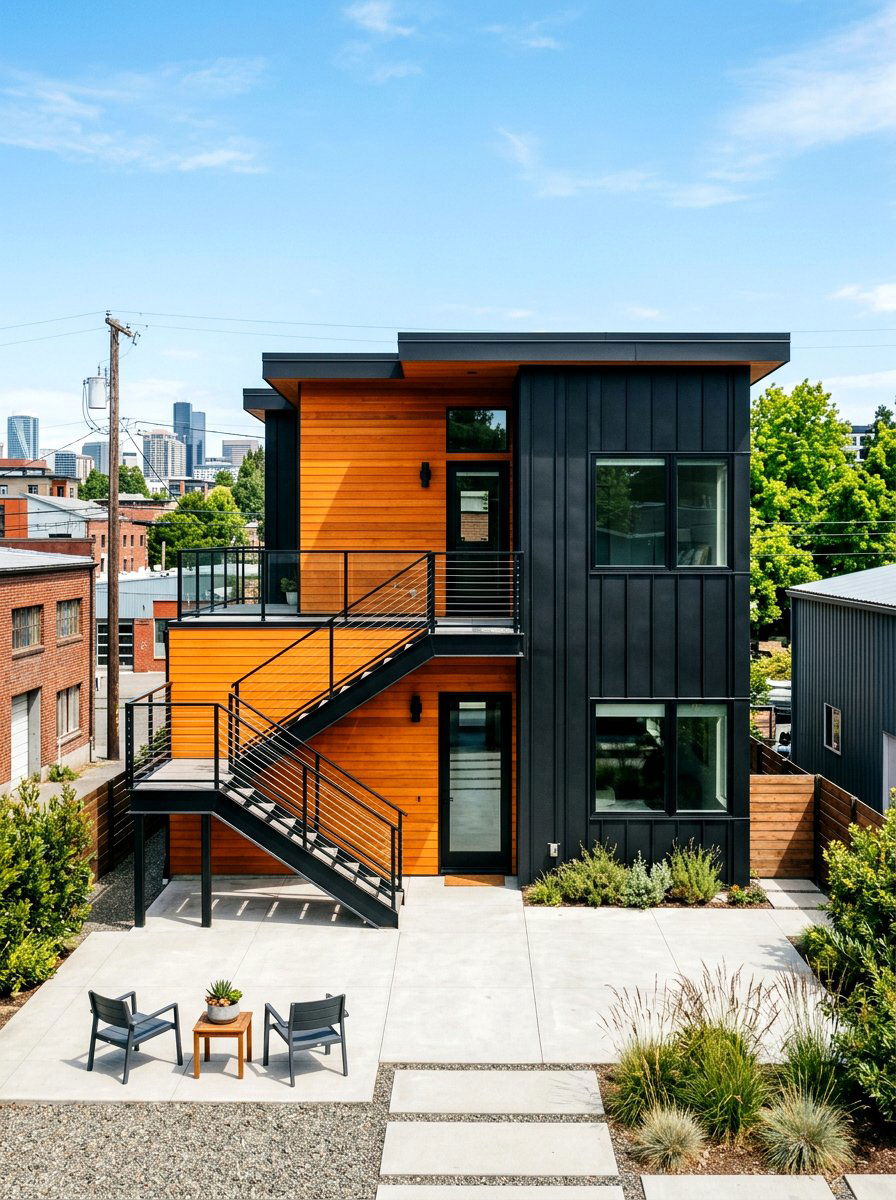
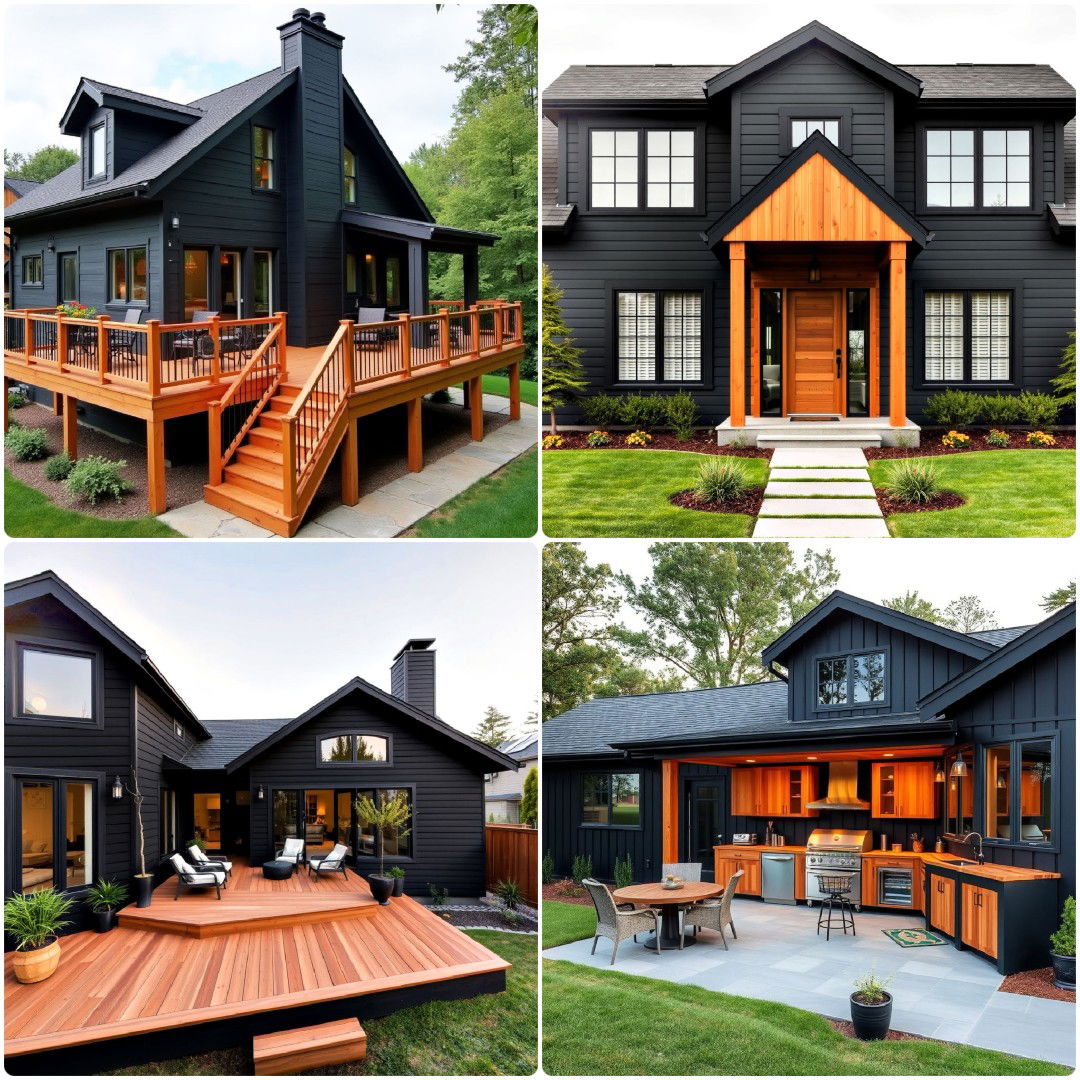
Cedar and black metal siding is a trending combination that defines the modern industrial aesthetic. This design uses warm cedar planks to soften the cold, hard edges of black corrugated or standing seam metal panels. Typically, the cedar is used for entryways or upper-level accents to draw the eye toward specific architectural features. The high contrast between the organic wood and the dark metal creates a dynamic facade that feels both edgy and welcoming. This style is incredibly popular in urban infill projects where a balance between modern materials and natural elements is required for a cohesive and attractive street presence.
9. Weathered Gray Cedar Siding
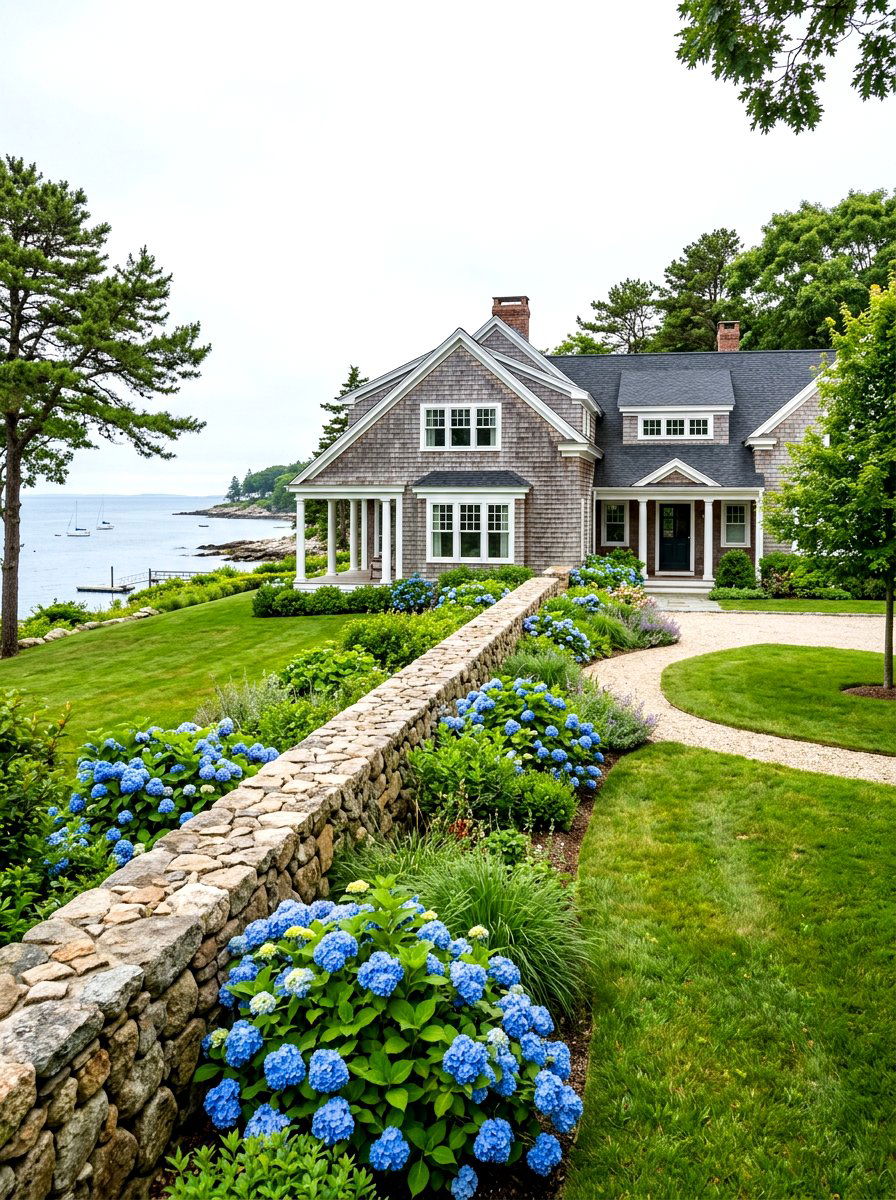
Weathered gray cedar siding is a deliberate design choice that celebrates the natural aging process of wood. By using a "bleaching oil" or simply allowing the cedar to be untreated, the wood transitions into a soft, driftwood gray. This look is iconic in New England and coastal regions, where the home is meant to look like it has weathered many seasons. This design is very low maintenance because you aren't fighting the sun to keep a brown stain fresh. It creates a peaceful and quiet exterior that looks beautiful against a backdrop of green beach grass or a gray-toned winter sky.
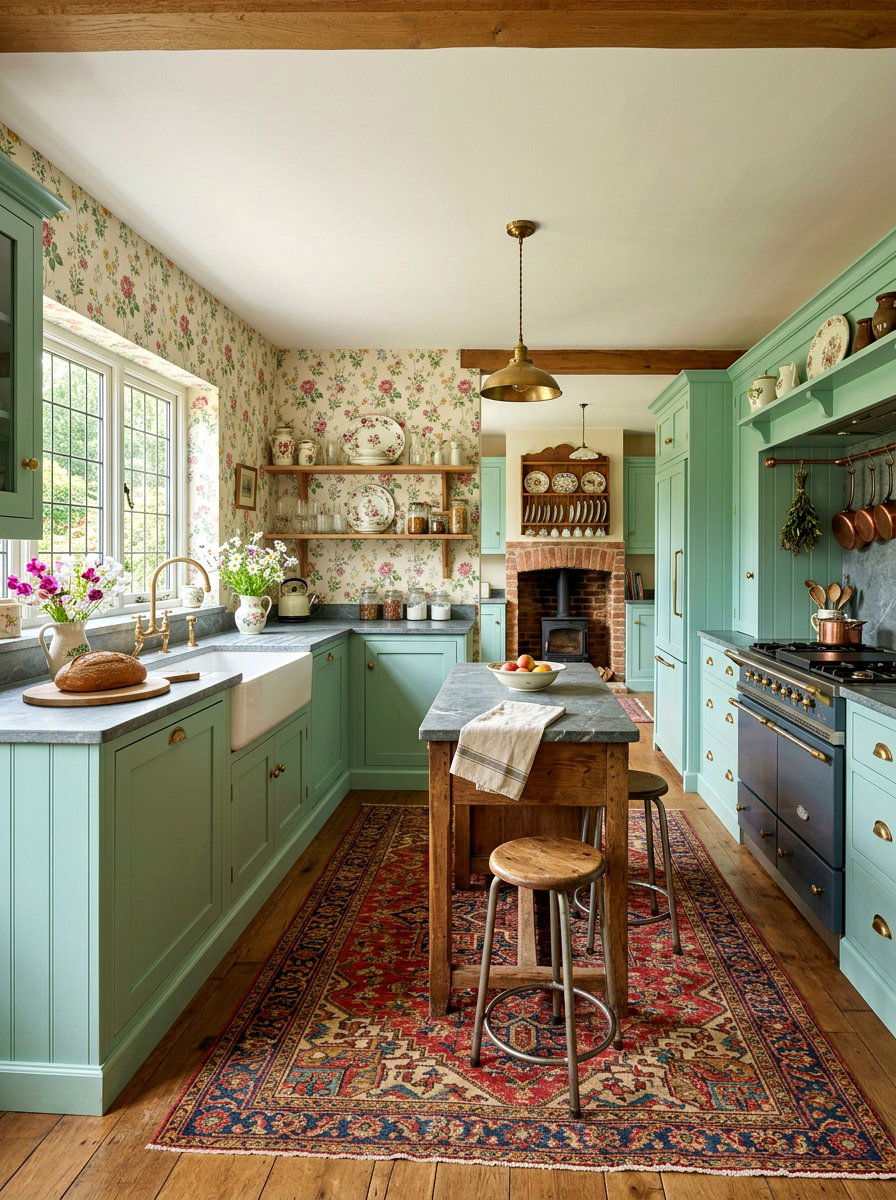
10. Dark Stained Cedar Siding
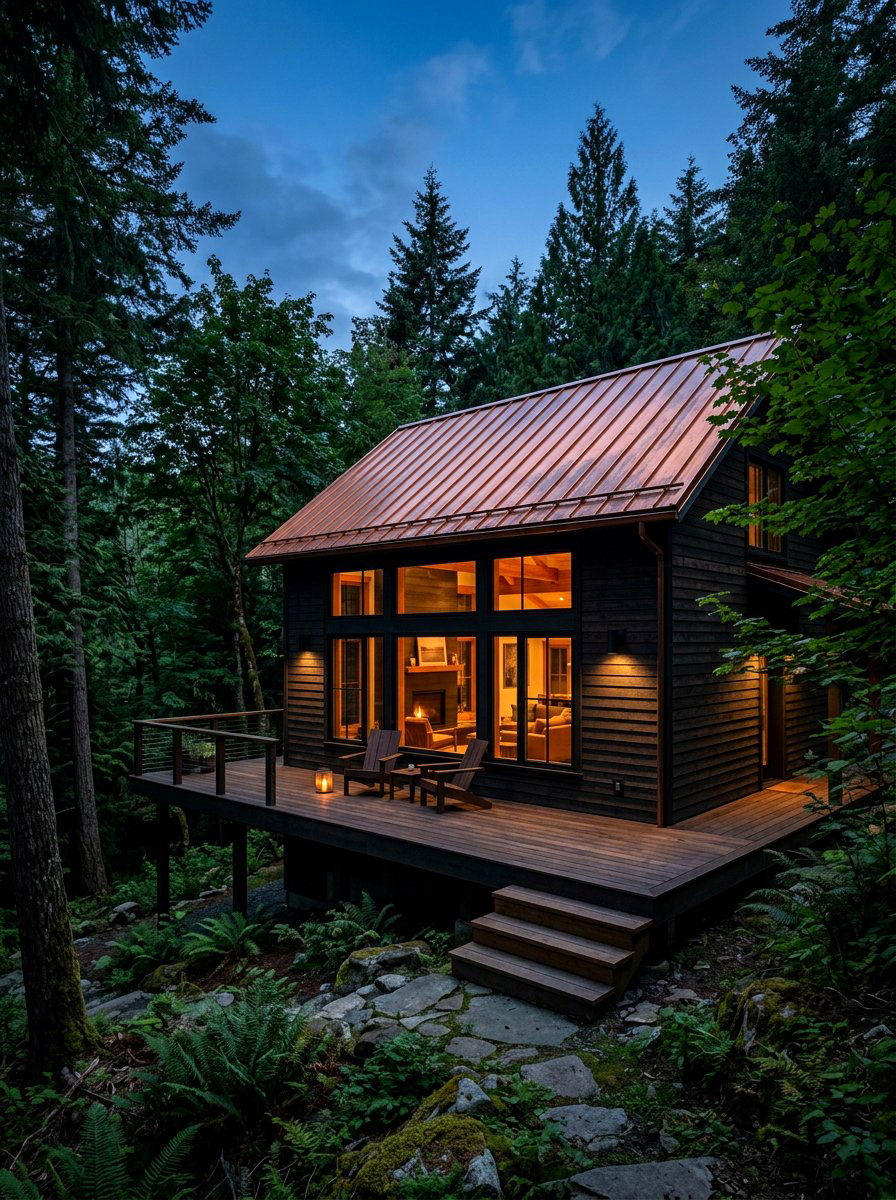
Dark stained cedar siding offers a moody and sophisticated look that is perfect for contemporary forest retreats. Using a deep espresso or charcoal stain allows the natural texture of the cedar to remain visible while transforming the color into something more urban and bold. This design helps the home recede into the shadows of a wooded lot, making the structure feel like a natural part of the environment. Darker tones are excellent at hiding imperfections and providing a uniform look across different batches of wood. This style pairs beautifully with copper gutters and warm interior lighting that glows through large, expansive floor-to-ceiling windows.
11. Cedar Siding With Stone Veneer
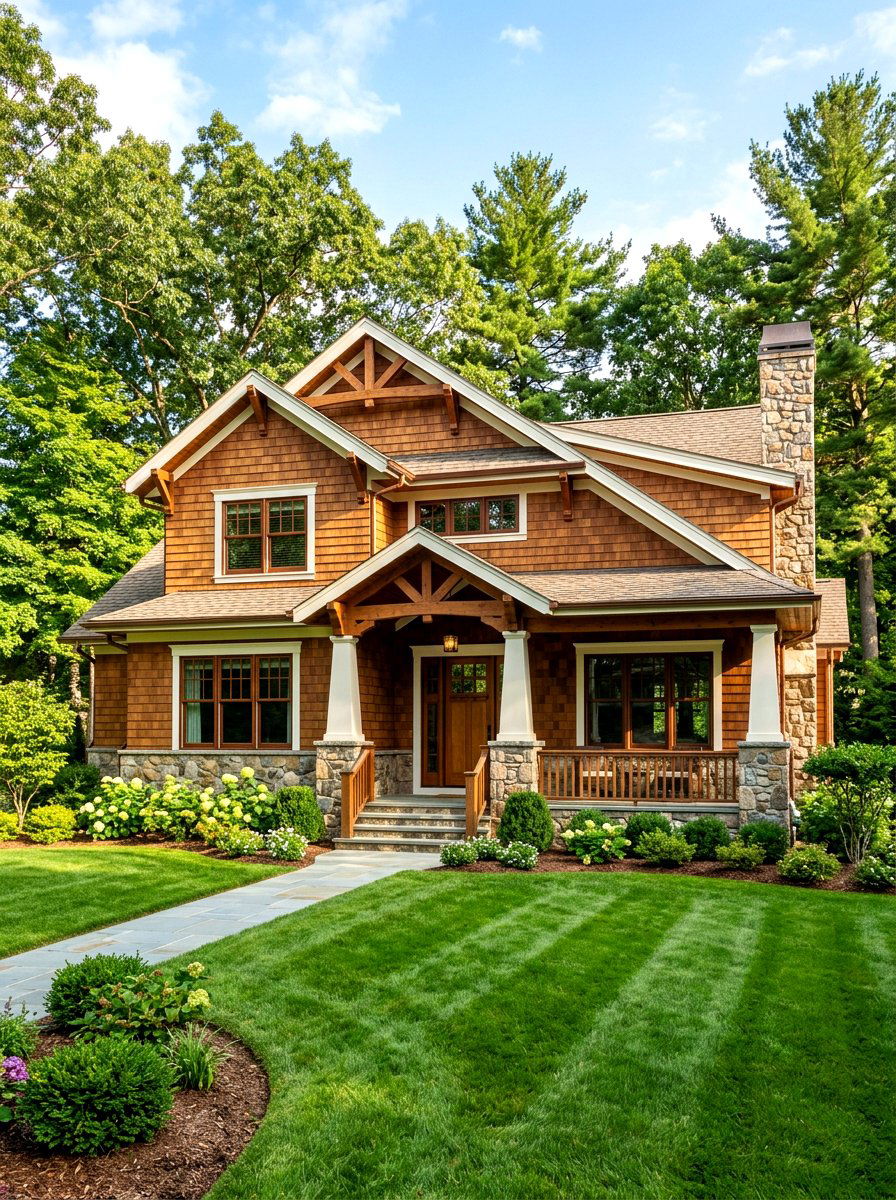
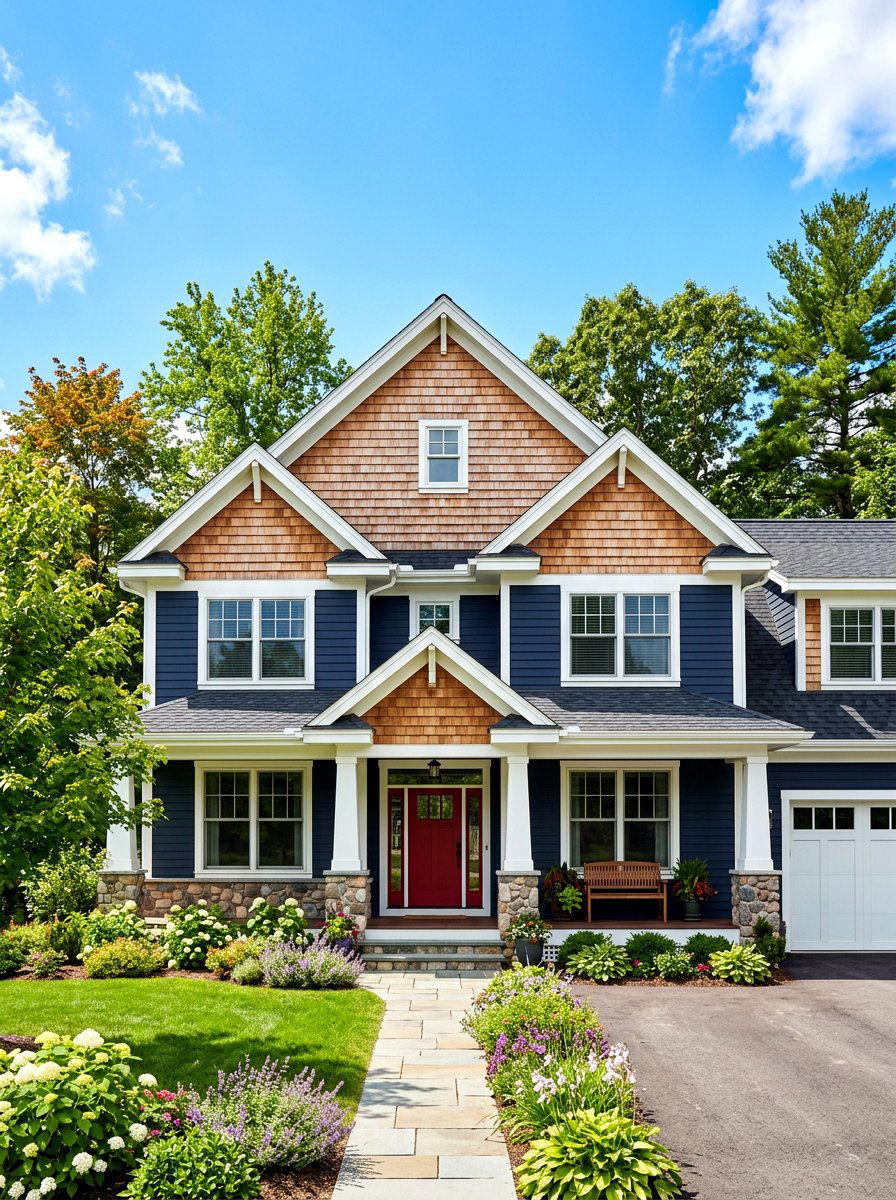
Cedar siding with stone veneer is a classic material pairing that provides a sense of permanence and earthiness. This design usually features a heavy stone base or foundation that transitions into warm cedar siding on the upper levels. The weight of the stone provides a solid visual anchor, while the wood lightens the overall feel of the building. Using natural fieldstone or ledger stone creates a beautiful interplay of textures that is very pleasing to the eye. This combination is a favorite for Craftsman-style homes and modern prairie-style residences. It offers a balanced look that feels both high-quality and deeply rooted in the natural landscape.
12. Diagonal Cedar Siding
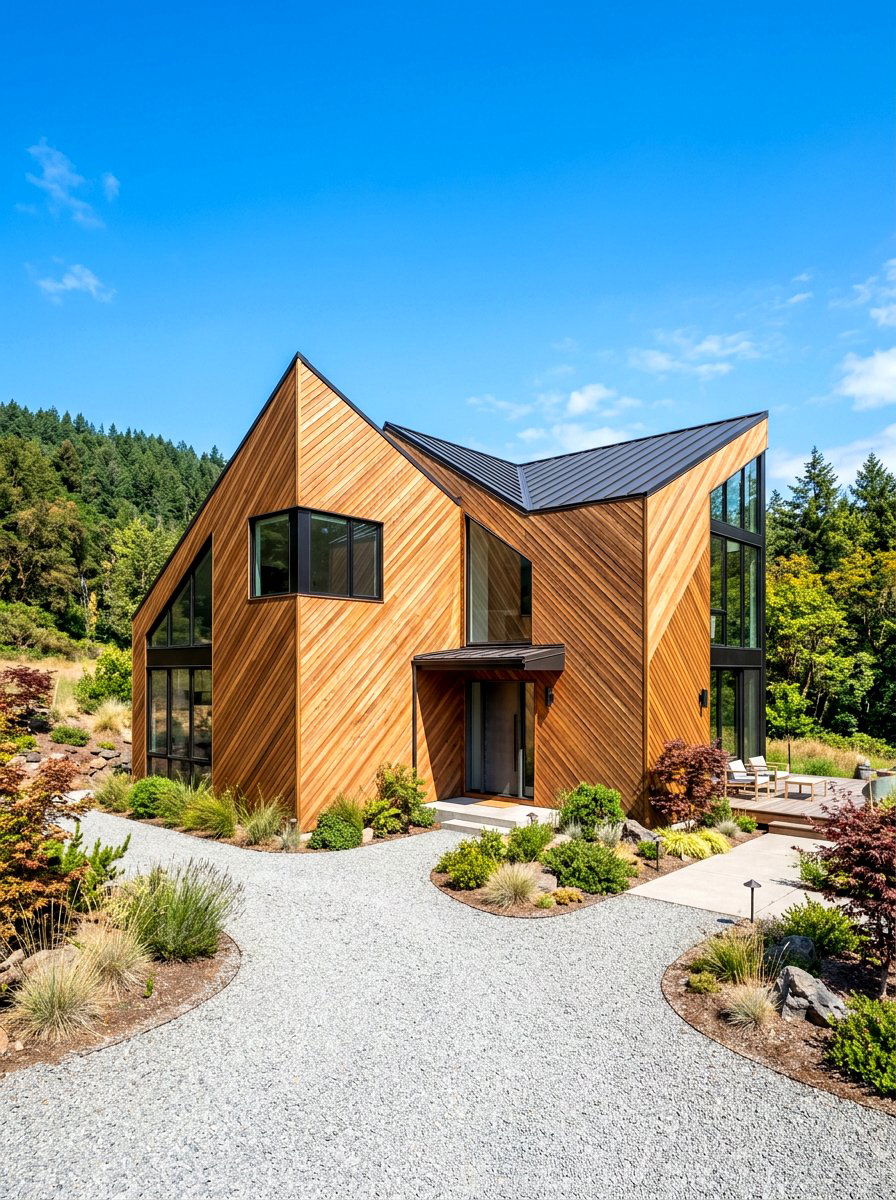
Diagonal cedar siding is a unique and creative way to add geometric interest to a home's exterior. Instead of the traditional horizontal or vertical orientation, the boards are installed at a 45-degree angle. This design creates a sense of movement and can be used to highlight specific sections of a house, like a prominent gable or a bumped-out entryway. It was very popular in the 1970s and is making a comeback in retro-modern renovations. The diagonal lines can make a small wall feel larger and add a custom, architectural flair that differentiates the property from neighboring homes using standard siding patterns.
13. White Trim Cedar Exterior
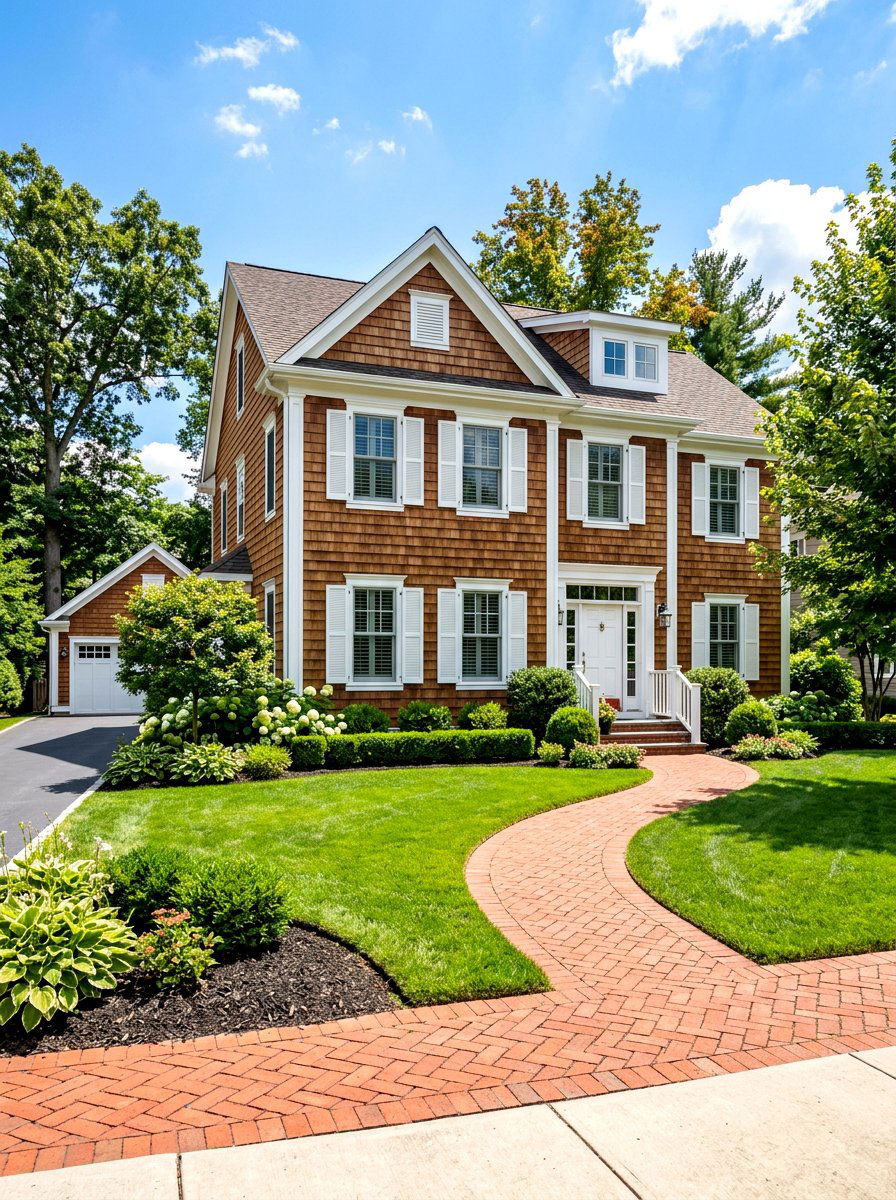
White trim cedar exterior is a high-contrast design that feels crisp, clean, and traditionally upscale. By framing the warm, orange-toned cedar boards with bright white window casings, corner boards, and soffits, you create a very defined and "finished" look. This aesthetic is often found in suburban neighborhoods where a classic charm is desired. The white trim acts as a highlighter, drawing attention to the home's windows and rooflines. It prevents the wood from looking too rustic, giving it a manicured and intentional appearance. This design is timeless and works well with almost any landscape, from manicured lawns to wilder gardens.
14. Cedar Soffits And Siding
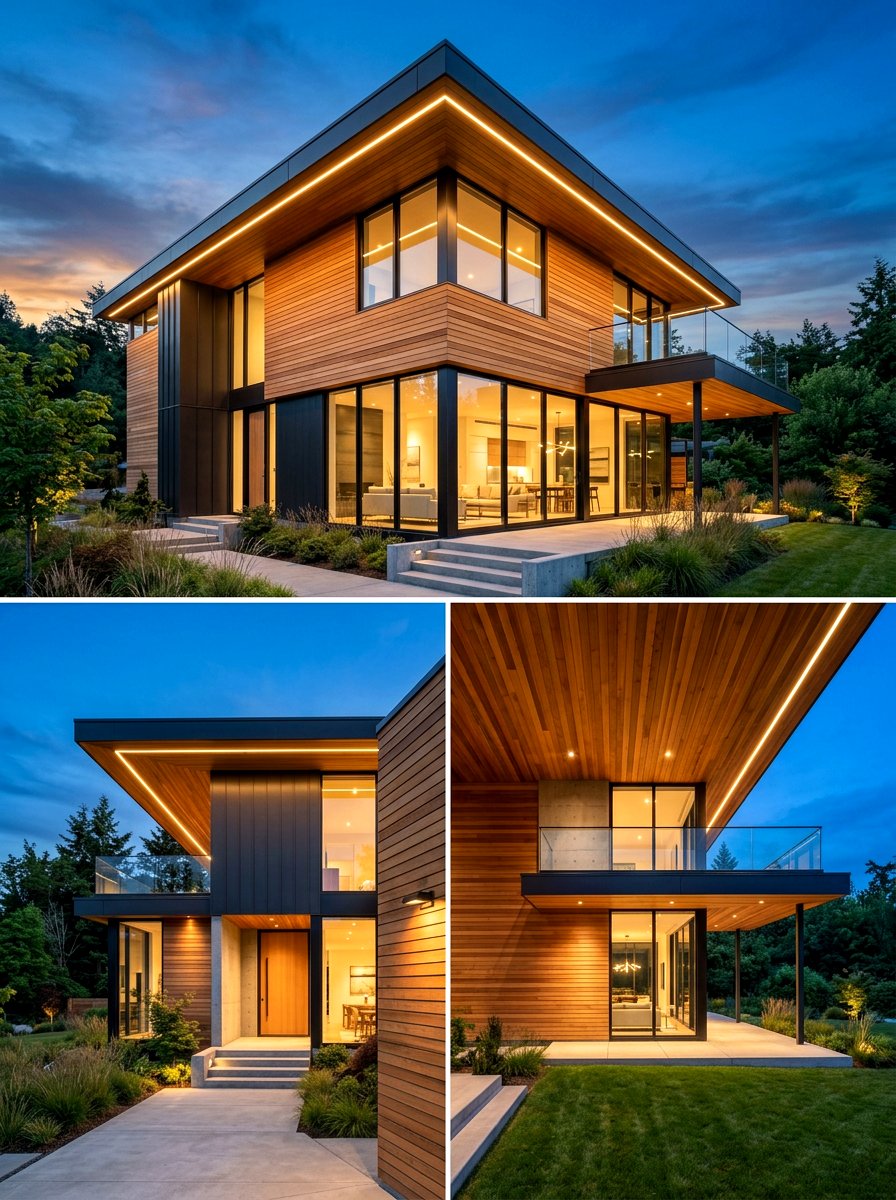
Cedar soffits and siding provide a continuous wood experience that makes a home feel incredibly warm and luxurious. In this design, the cedar siding on the walls extends up into the underside of the roof eaves, known as the soffits. When you stand near the house and look up, you see a ceiling of rich, glowing wood instead of plain white aluminum or plastic. This is a common feature in high-end modern architecture, as it creates a seamless transition from the vertical walls to the horizontal roof planes. It looks especially stunning when paired with recessed pot lights that wash the wood in a warm evening glow.
15. Cedar Rain Screen System
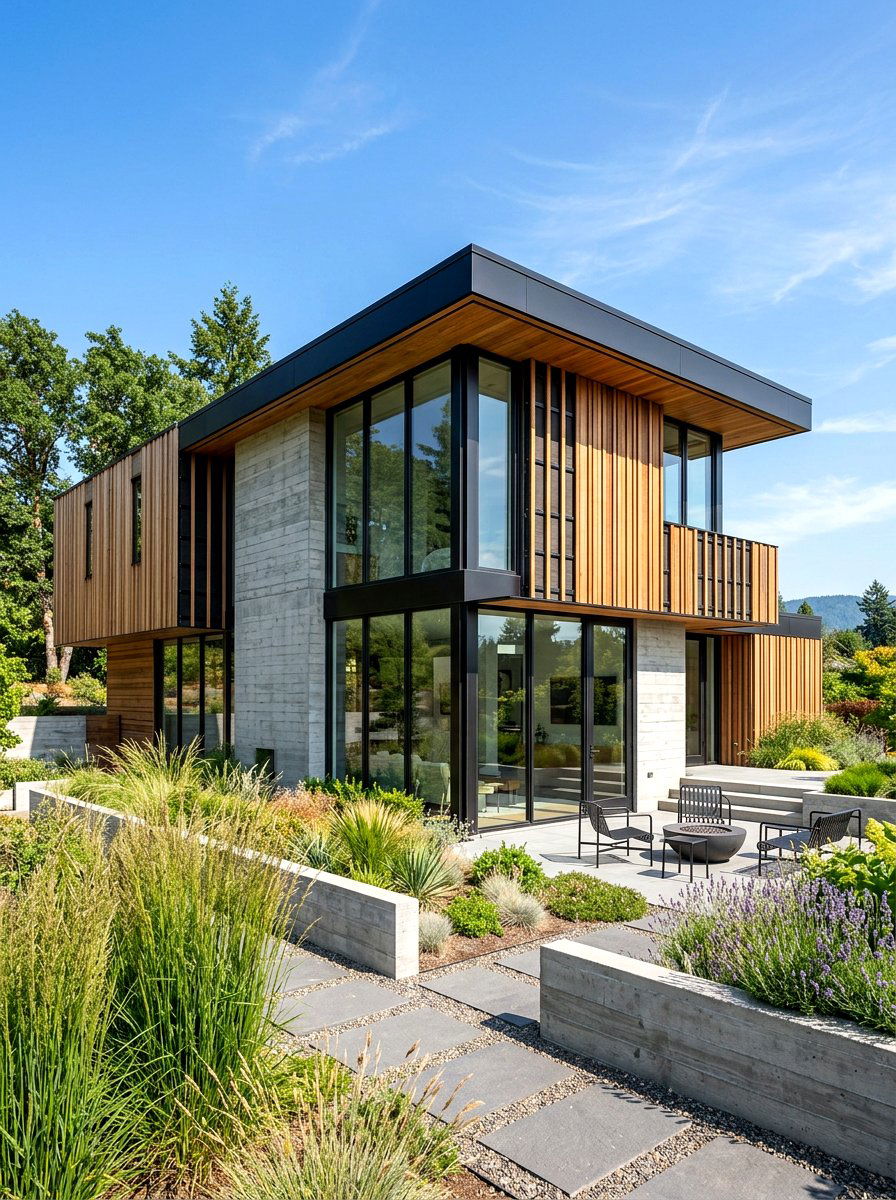
A cedar rain screen system is a modern installation method that focuses on both high-end aesthetics and superior building protection. In this design, the cedar boards are installed over a series of furring strips, leaving a small gap between the wood and the home's weather barrier. This allows for constant airflow and prevents moisture from getting trapped, which significantly extends the life of the wood and the paint. Visually, rain screens often feature "open joints" where small gaps are visible between each board, creating a very linear and architectural look. It is a favorite for architects who prioritize modern technology and long-term durability.
16. Mitered Corner Cedar Siding
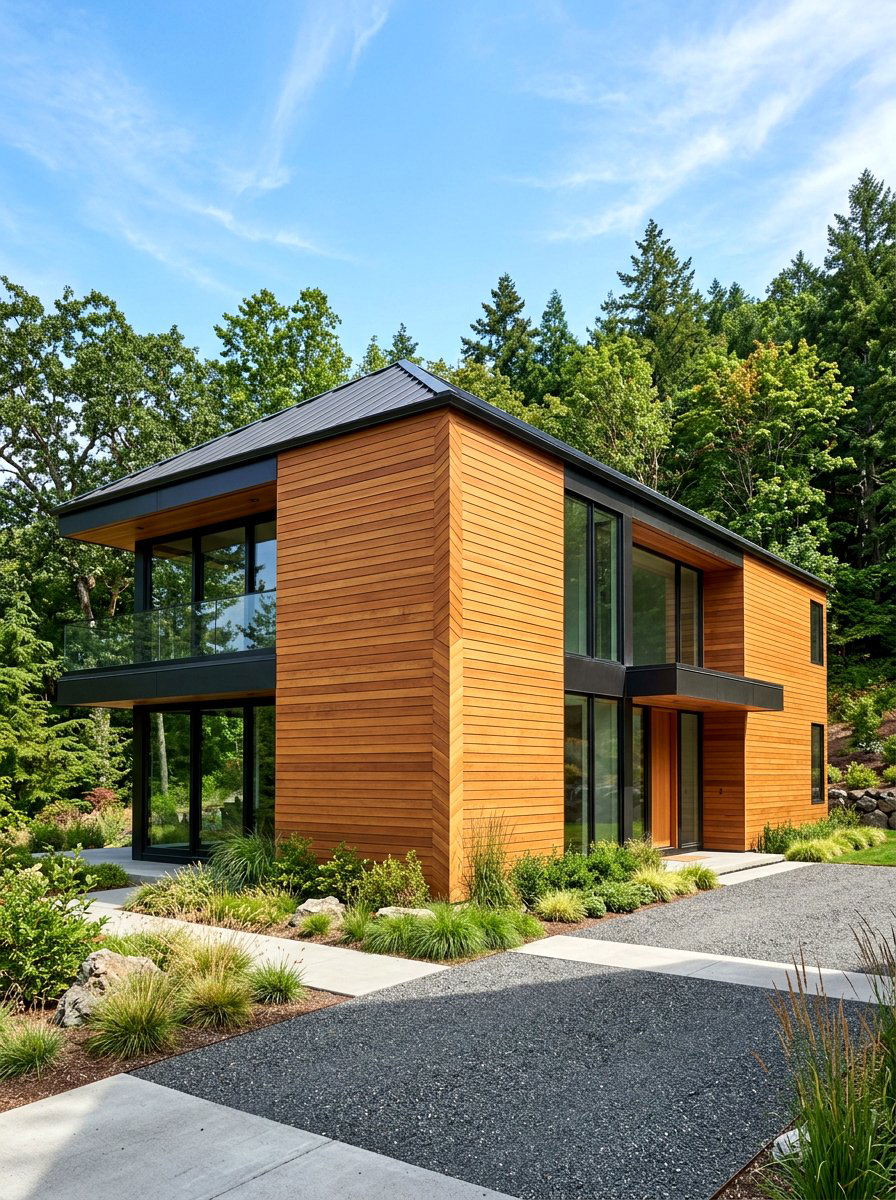
Mitered corner cedar siding is a premium detailing technique that creates a seamless, "wrapped" look for a home. Instead of using a thick corner board to cover the ends of the siding, each board is cut at a 45-degree angle to meet its neighbor perfectly at the corner. This design makes the house look like it was carved from a single block of wood, emphasizing the geometric shape of the architecture. It is a more labor-intensive process, but the results are incredibly sleek and sophisticated. This is a hallmark of high-end contemporary design where clean lines and minimal transitions are the primary goal for the exterior.
17. Multi Tonal Cedar Planks
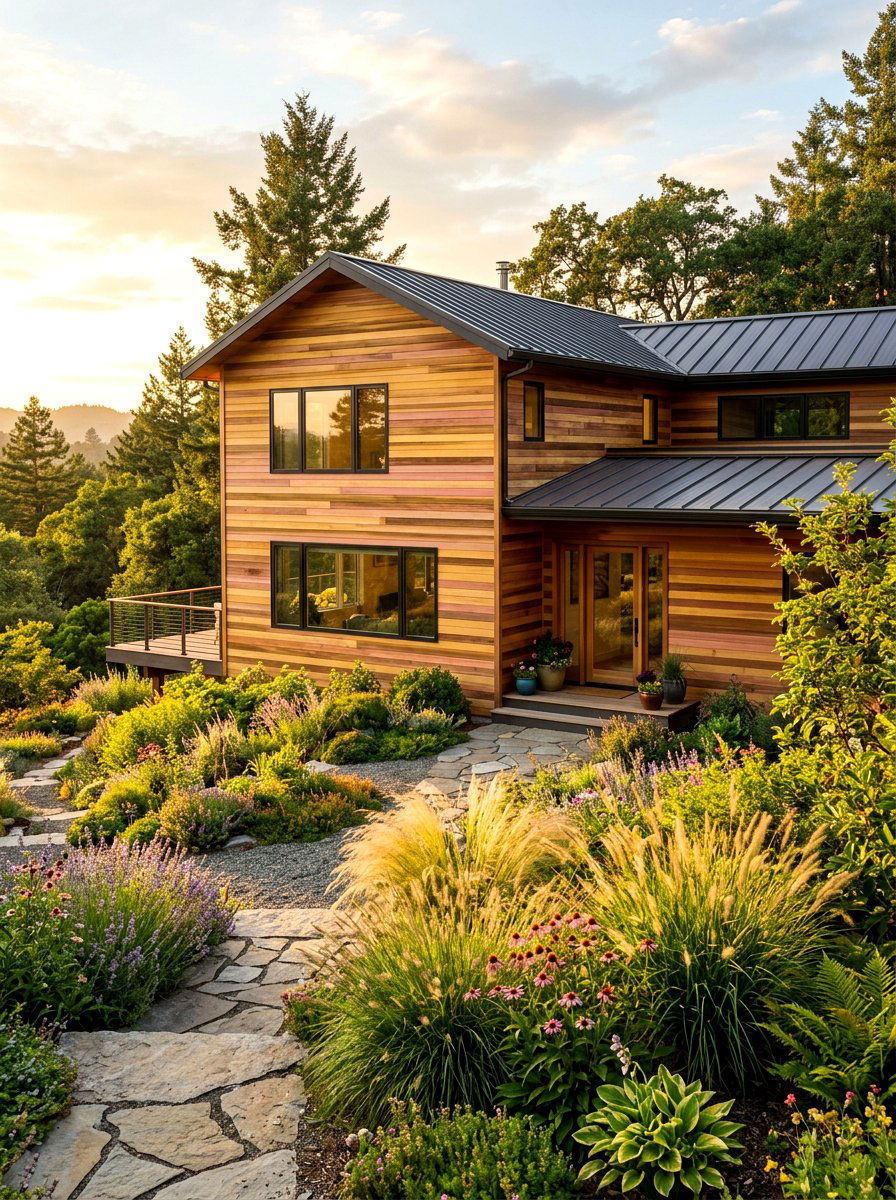
Multi-tonal cedar planks celebrate the natural color variations found in western red cedar. Rather than staining the wood to a single uniform color, this design uses a clear or light-tinted sealer that allows the natural yellows, pinks, and browns to show through. When installed across a large surface, these varying colors create a vibrant and dynamic "tapestry" effect. This design feels very organic and prevents the home from looking flat or artificial. It works beautifully in sun-drenched areas where the light can hit the different tones at various angles, changing the look of the house throughout the day as the sun moves.
18. Cedar Siding Entryway Accent
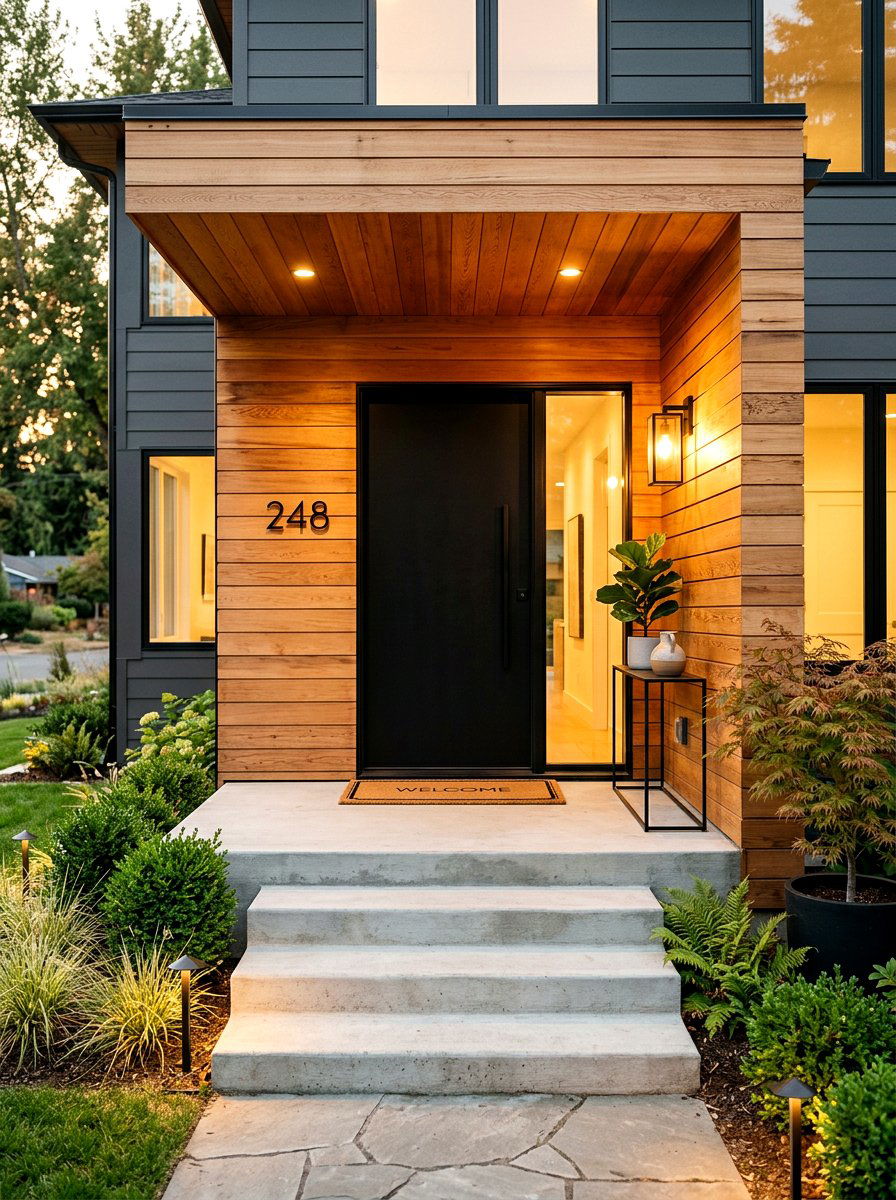
Using cedar siding as an entryway accent is a smart way to add warmth to a home without the cost of full-wood siding. This design involves cladding the front porch or the area around the front door in rich cedar, while the rest of the house uses a different material like stucco or brick. The wood creates a focal point that feels welcoming and high-end exactly where people enter the home. It acts as a "warm hug" for visitors and provides a high-impact boost to curb appeal. This is a very effective strategy for modernizing an older home or adding a touch of luxury to a budget-friendly exterior.
19. Narrow Slat Cedar Siding
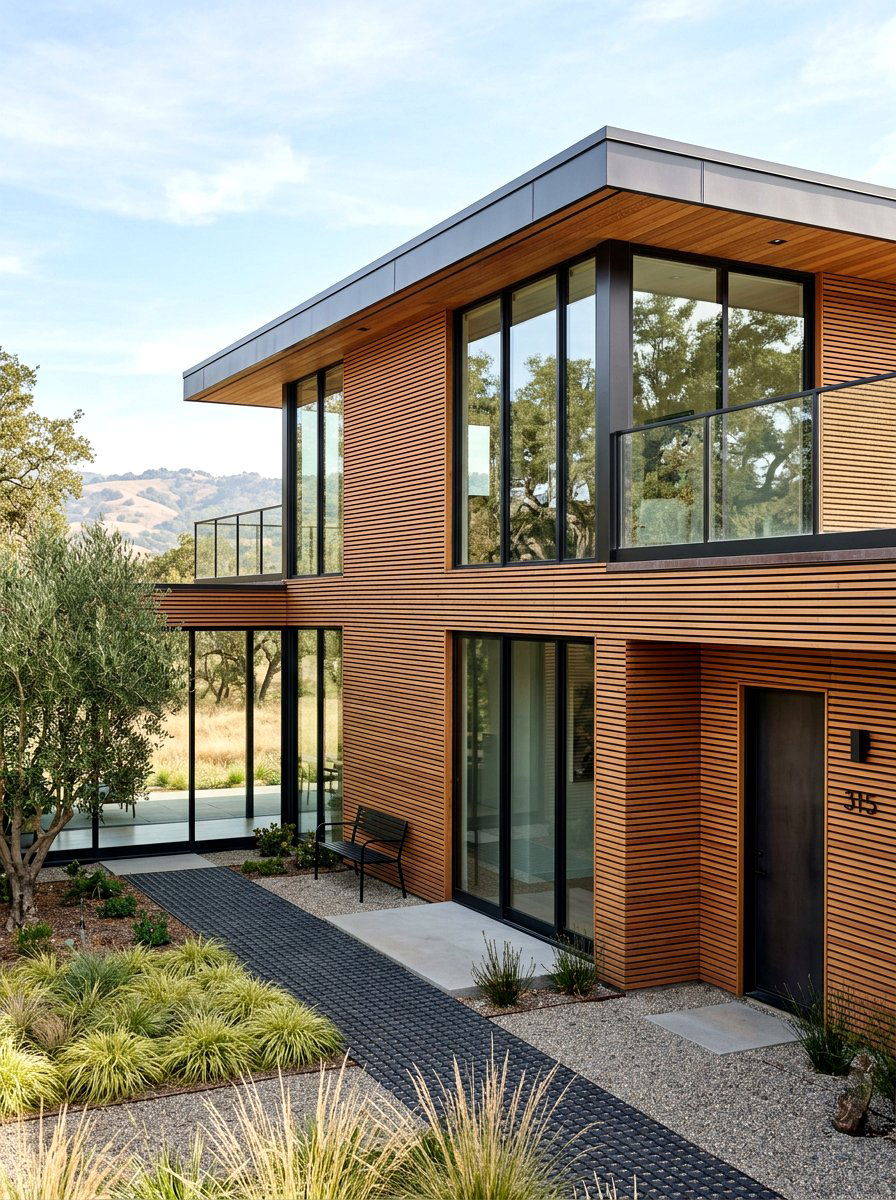
Narrow slat cedar siding is a highly contemporary design that uses thin, horizontal strips of wood to create a delicate and linear texture. These slats are often installed with small gaps between them, mimicking the look of a privacy screen or a modern fence. This design provides a very detailed and intricate appearance that looks great on smaller architectural volumes or as a secondary material. The fine lines create a sense of precision and craft that is perfect for urban modern homes. This siding can also be used over windows as a functional sunshade, blending utility with high-end aesthetic appeal for a cohesive facade.
20. Rough Sawn Cedar Siding
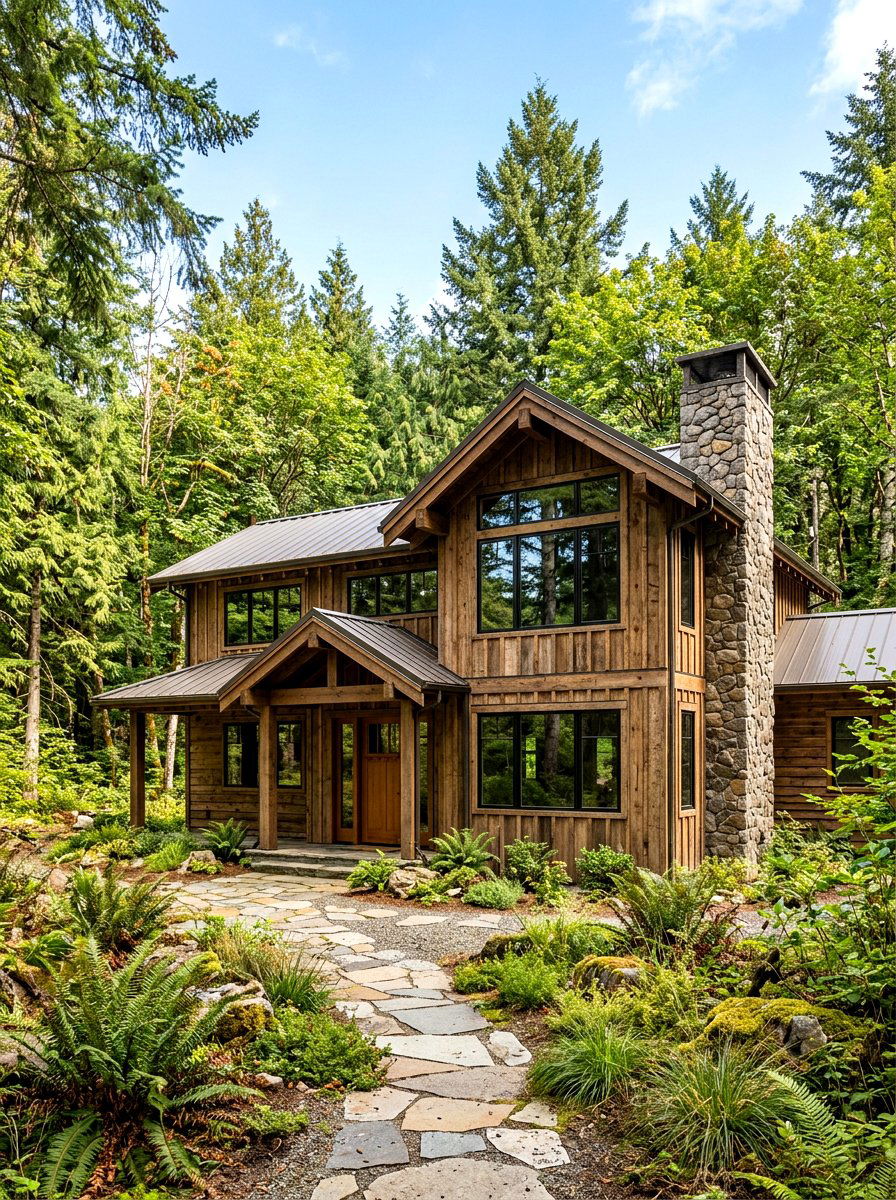
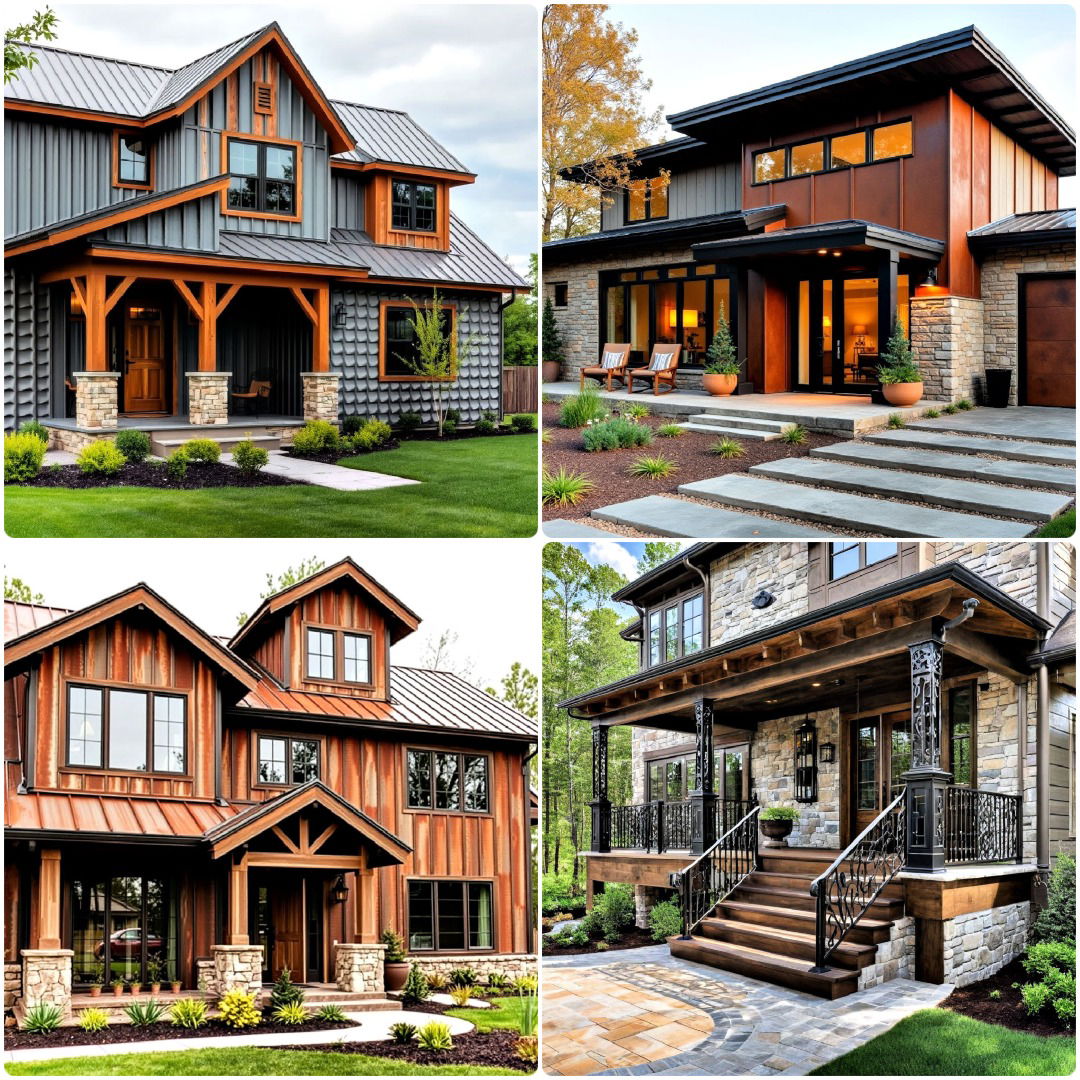
Rough sawn cedar siding provides a matte, textured finish that feels very authentic and close to nature. Unlike smooth-planed wood, rough sawn boards retain the marks from the sawmill, giving them a fuzzy and rustic surface. This design is excellent for holding onto stains and sealants, as the texture provides more surface area for the finish to penetrate. It creates a soft, non-reflective exterior that looks beautiful in natural sunlight. This is a great choice for forest homes or rustic lodges where you want the material to feel raw and powerful rather than polished and delicate. It offers a rugged beauty that lasts for decades.
21. Cedar Shake Siding Accents
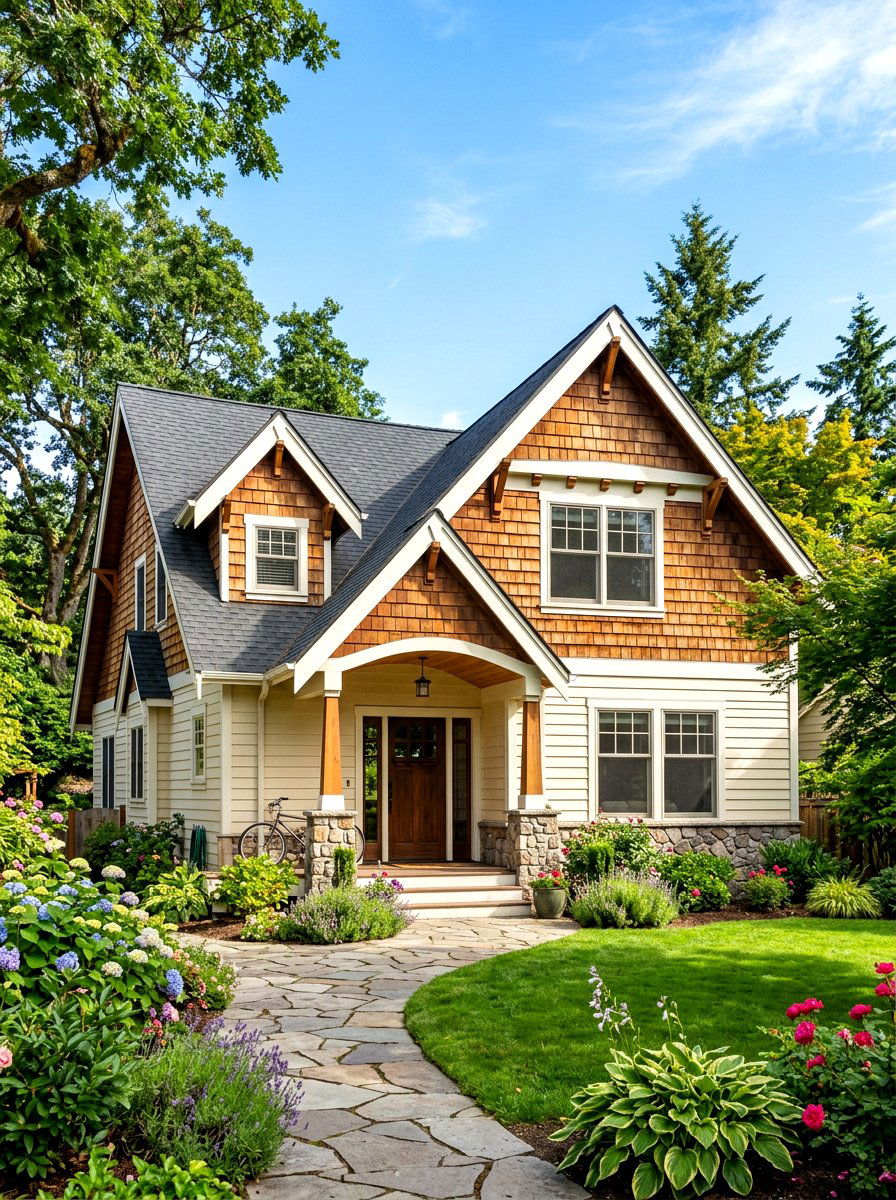
Cedar shake siding accents are often used in the gables or on the upper half of a home to add a rhythmic, textured detail. Shakes are thicker and more irregular than shingles, giving them a more "hand-split" and rustic appearance. This design is a classic way to add architectural interest to a standard house by breaking up large expanses of flat siding. When placed in the peaks of a roof, they draw the eye upward and add a touch of traditional craftsmanship. This look is very popular in Victorian, Craftsman, and cottage-style homes, where varying textures are used to create a sense of intricate and detailed design.
22. Stained Red Cedar Siding
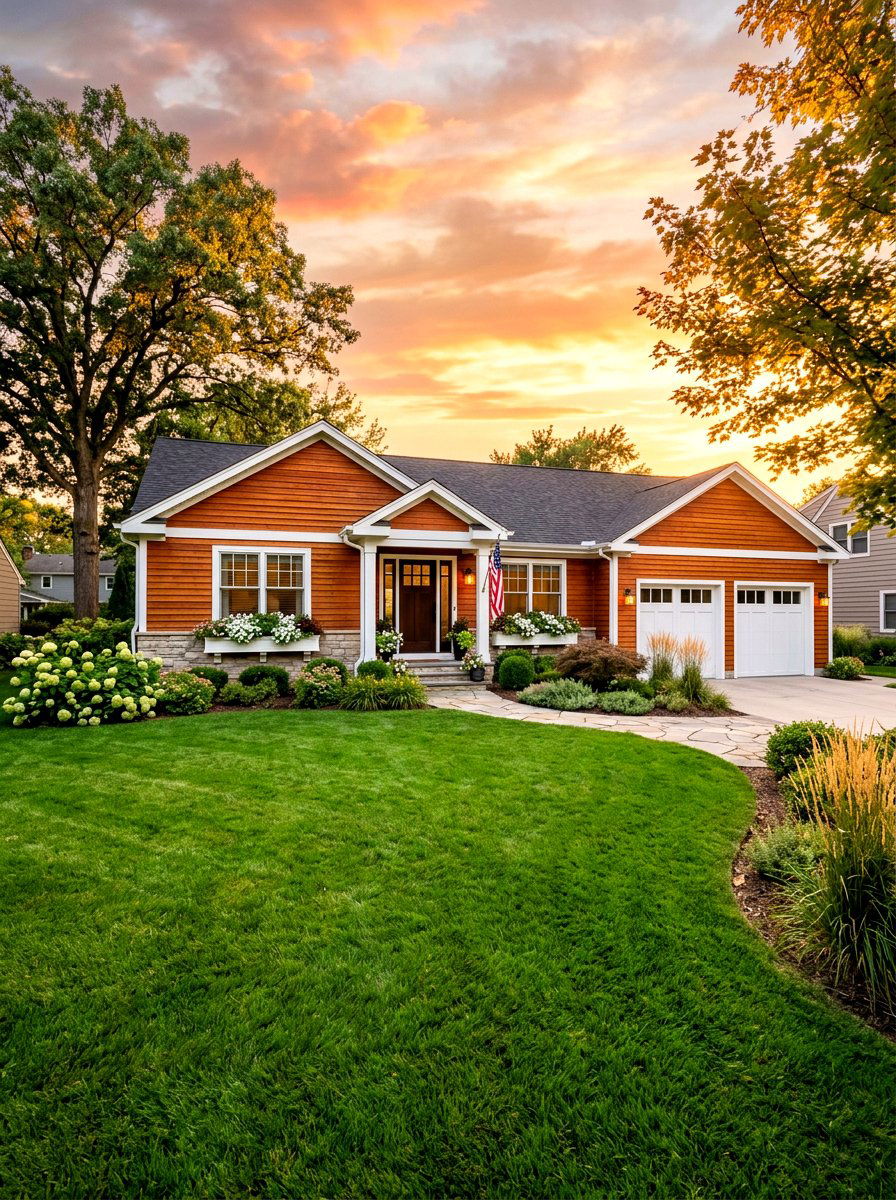
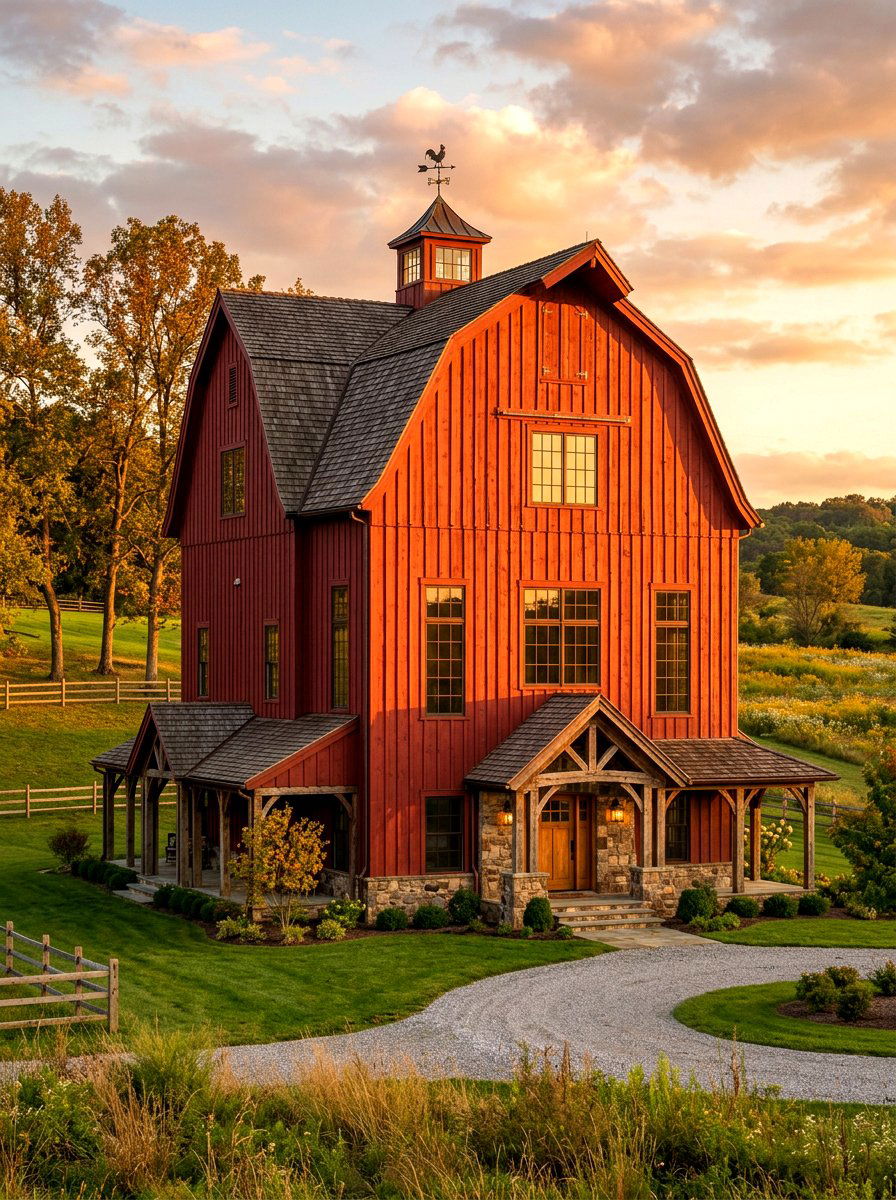
Stained red cedar siding is the classic "wood house" look that many people dream of. By using a semi-transparent stain with red or honey-gold pigments, you can enhance the natural vibrancy of the cedar while protecting it from UV damage. This design creates a warm and glowing exterior that looks particularly stunning during the "golden hour" of sunset. The rich color provides a beautiful contrast against green lawns and blue skies. This style is very versatile and can be used on everything from mid-century modern ranches to traditional gabled homes. It offers a premium, well-maintained look that consistently boosts a home's resale value and appeal.
23. Cedar Siding With Glass Walls
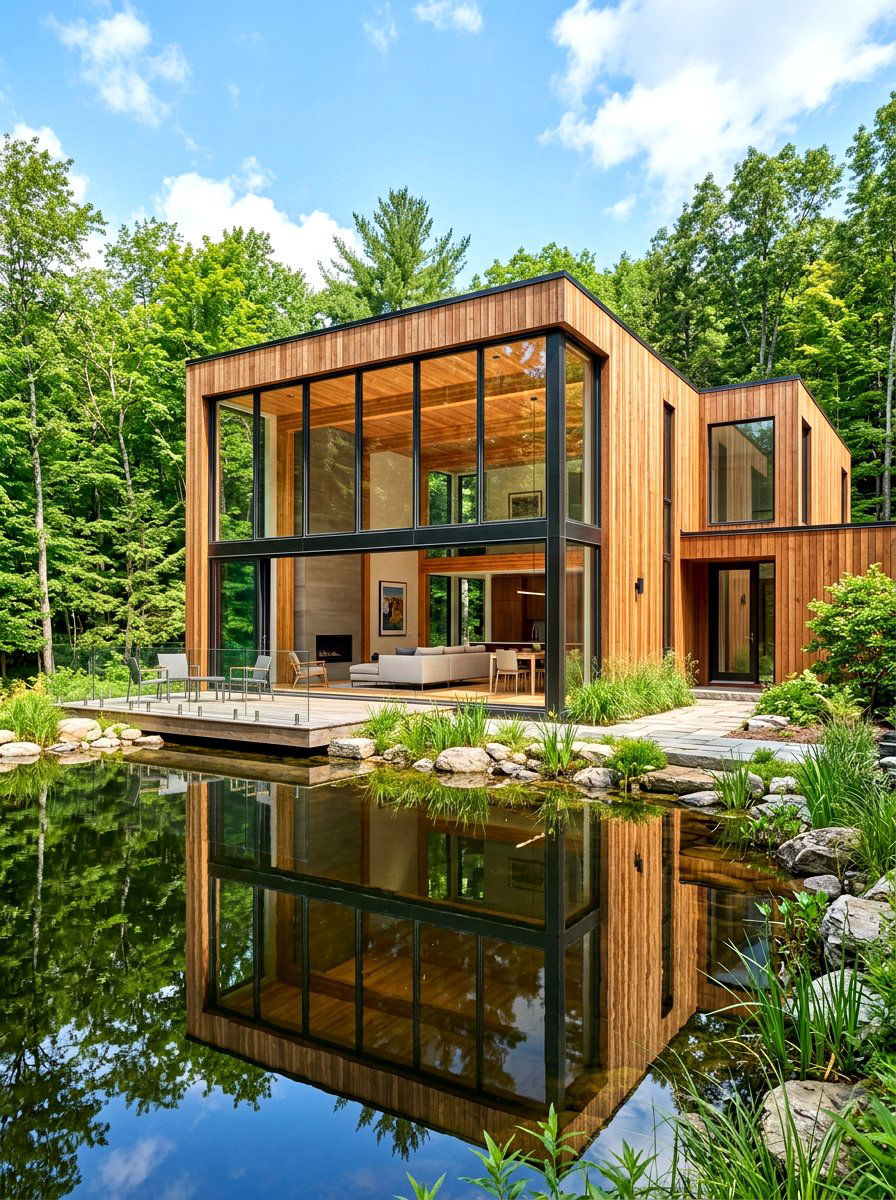
Cedar siding with glass walls is the ultimate expression of the indoor-outdoor living trend. This design uses large, floor-to-ceiling windows held in place by slim frames, with warm cedar siding filling the spaces between the glass sections. The wood provides a necessary organic warmth that balances the cold transparency of the glass. This combination is a favorite for modern luxury homes that want to take full advantage of a beautiful view. The cedar often continues from the exterior walls into the interior ceilings, blurring the lines between inside and out. It creates a home that feels like a transparent pavilion nestled within the natural landscape.
24. Horizontal And Vertical Cedar Mix
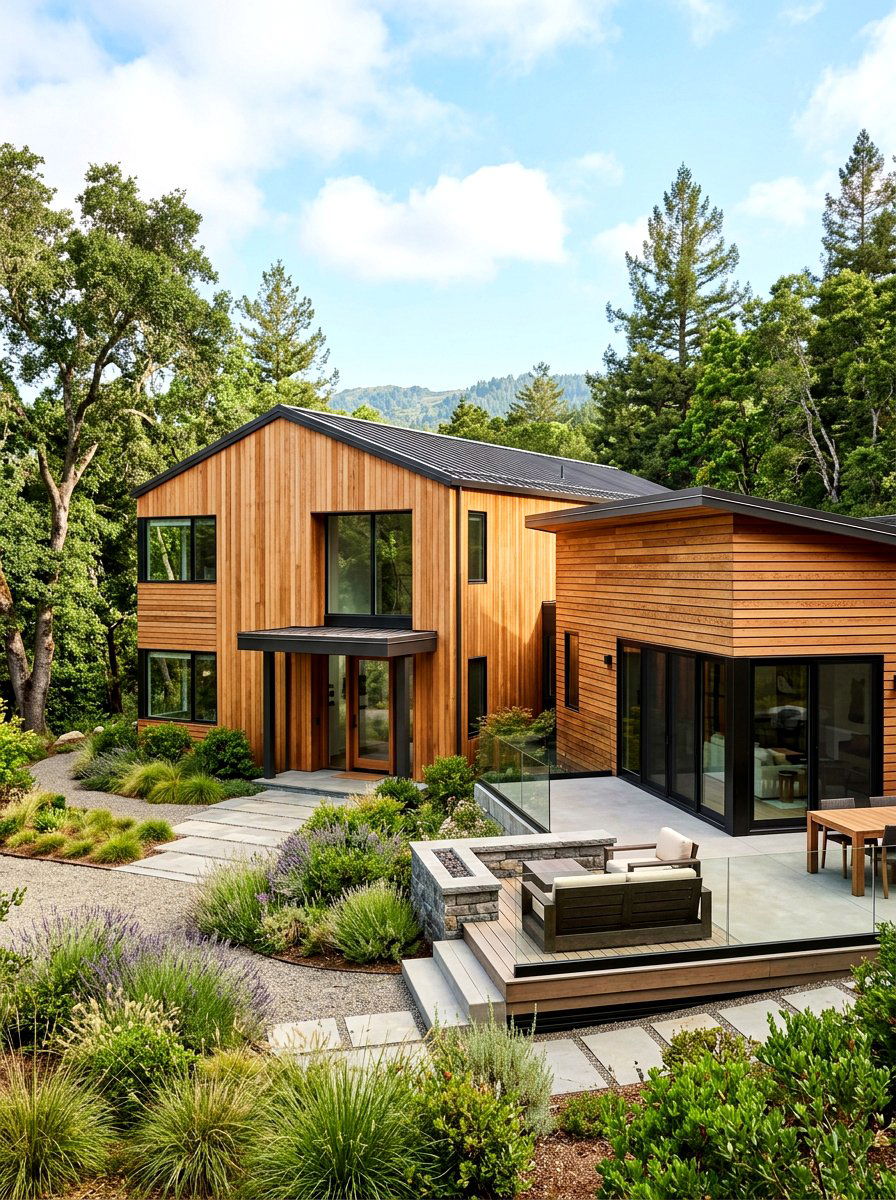
Mixing horizontal and vertical cedar siding is a clever architectural trick used to define different sections of a house. For example, you might use horizontal lap siding on the main body of the home and vertical tongue and groove on a projecting wing or a garage. This design helps to break up the mass of a large building, making it feel more appropriately scaled and interesting. By changing the direction of the wood grain, you create subtle visual "zones" that guide the eye around the property. It is an easy way to add custom architectural detail without needing to introduce a completely different material or color.
25. Cedar Siding On Modern Farmhouse
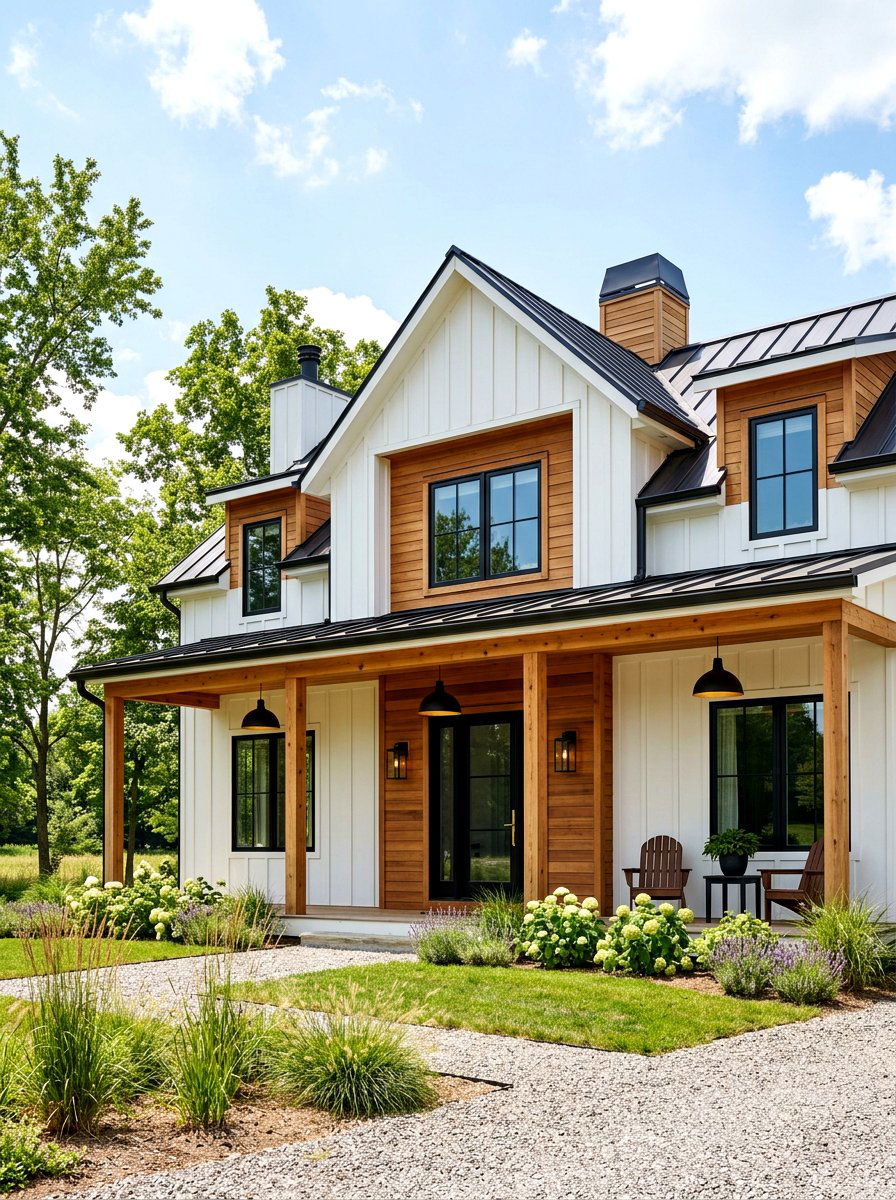
Cedar siding on a modern farmhouse is a beautiful way to soften the often stark look of white board and batten. Instead of an all-white house, many designers are now adding cedar accents to the porch, gables, or around the front door. This design brings an organic soul to the crisp, modern lines of the farmhouse style. The combination of black windows, white siding, and honey-toned cedar is a winning color palette that feels both trendy and timeless. It provides a balanced aesthetic that is welcoming and "lived-in, " making a new construction home feel like it has been part of the landscape for many years.
26. Semi Transparent Cedar Stain
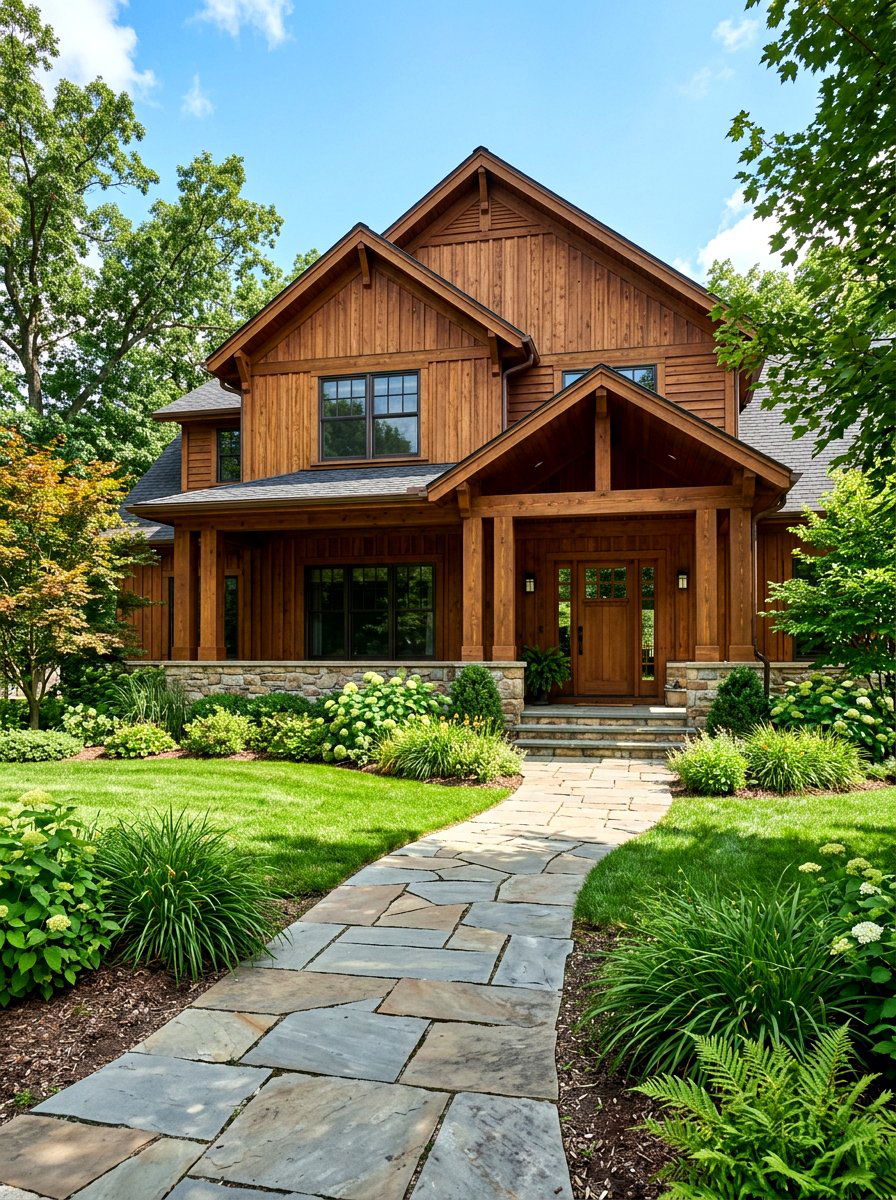
Semi-transparent cedar stain is the perfect middle ground for homeowners who want color protection without hiding the wood's beauty. This design uses a stain that contains enough pigment to provide a uniform color and block harmful UV rays, but it is thin enough to let the natural grain and texture shine through. It is a great choice for updating the look of older cedar siding that may have some minor discolorations. By choosing a specific tone like "Canyon Brown" or "Sequoia, " you can give the entire house a cohesive and intentional look while still enjoying the authentic feel of real wood siding.
27. Cedar Siding For Mountain Cabin
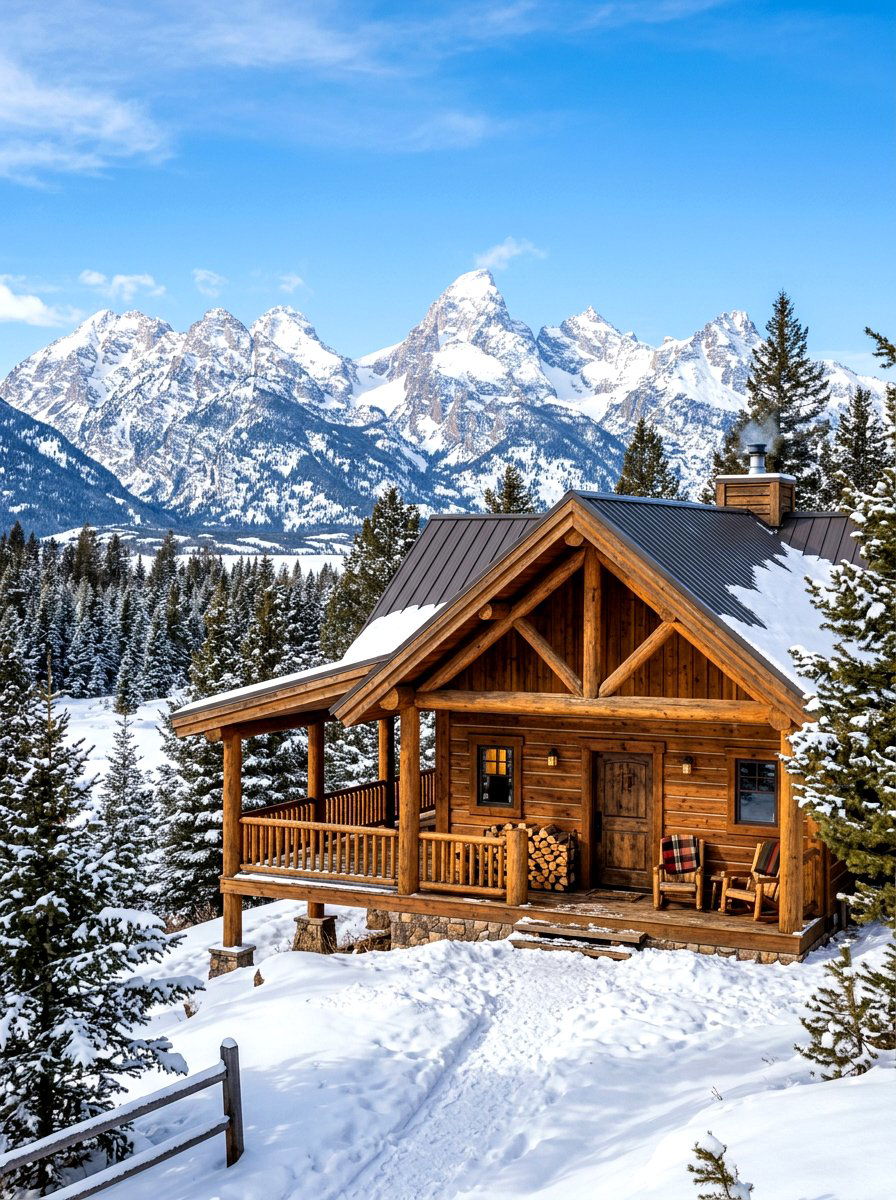
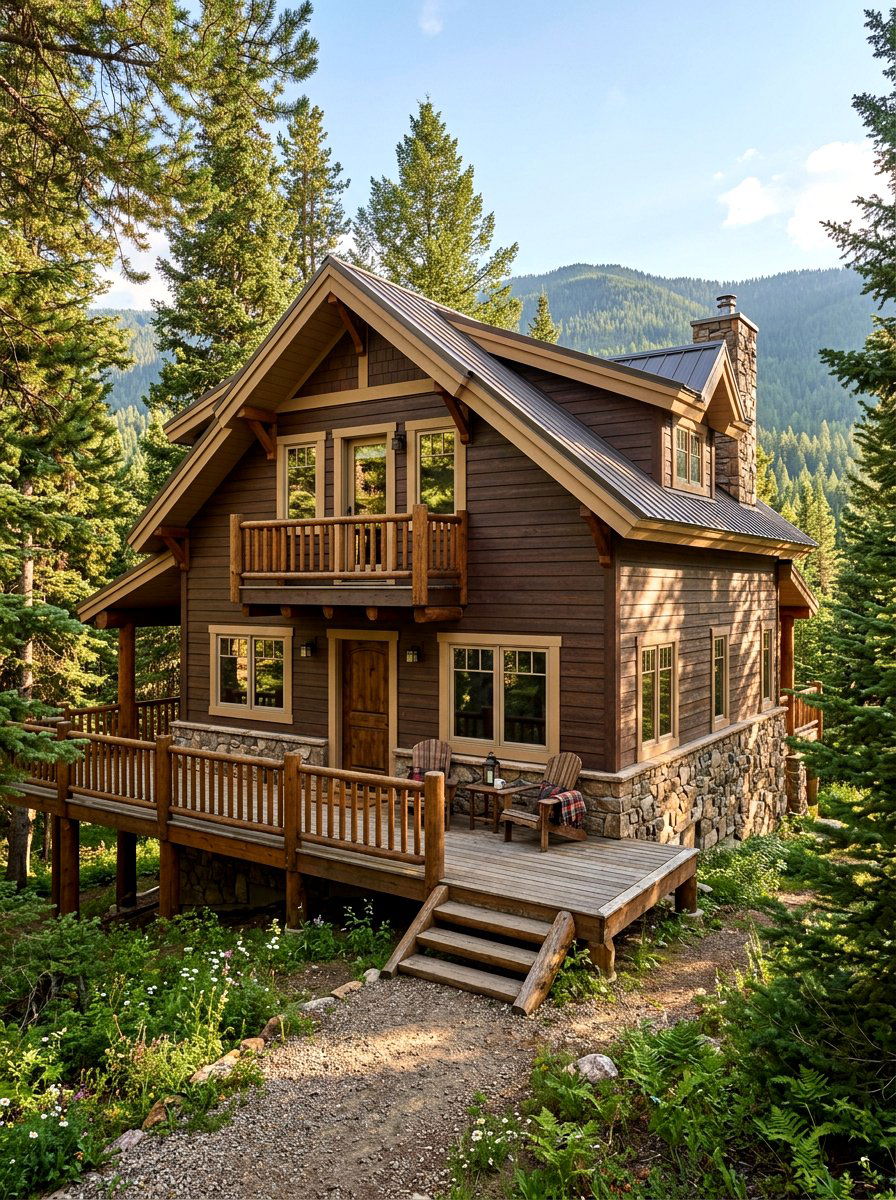
Cedar siding for a mountain cabin is all about durability and blending into the high-altitude environment. This design often uses thick, heavy-duty planks or even split-log siding to withstand harsh winters and heavy snow. The wood is typically treated with deep, earthy stains that mimic the colors of the surrounding bark and soil. Large overhangs and heavy timber accents are common companions to this siding style. This design creates a sanctuary that feels incredibly secure and warm, providing a perfect refuge from the cold. The natural insulating properties of cedar also help to keep the cabin cozy during the long winter months.
28. Cedar Siding With Fiber Cement
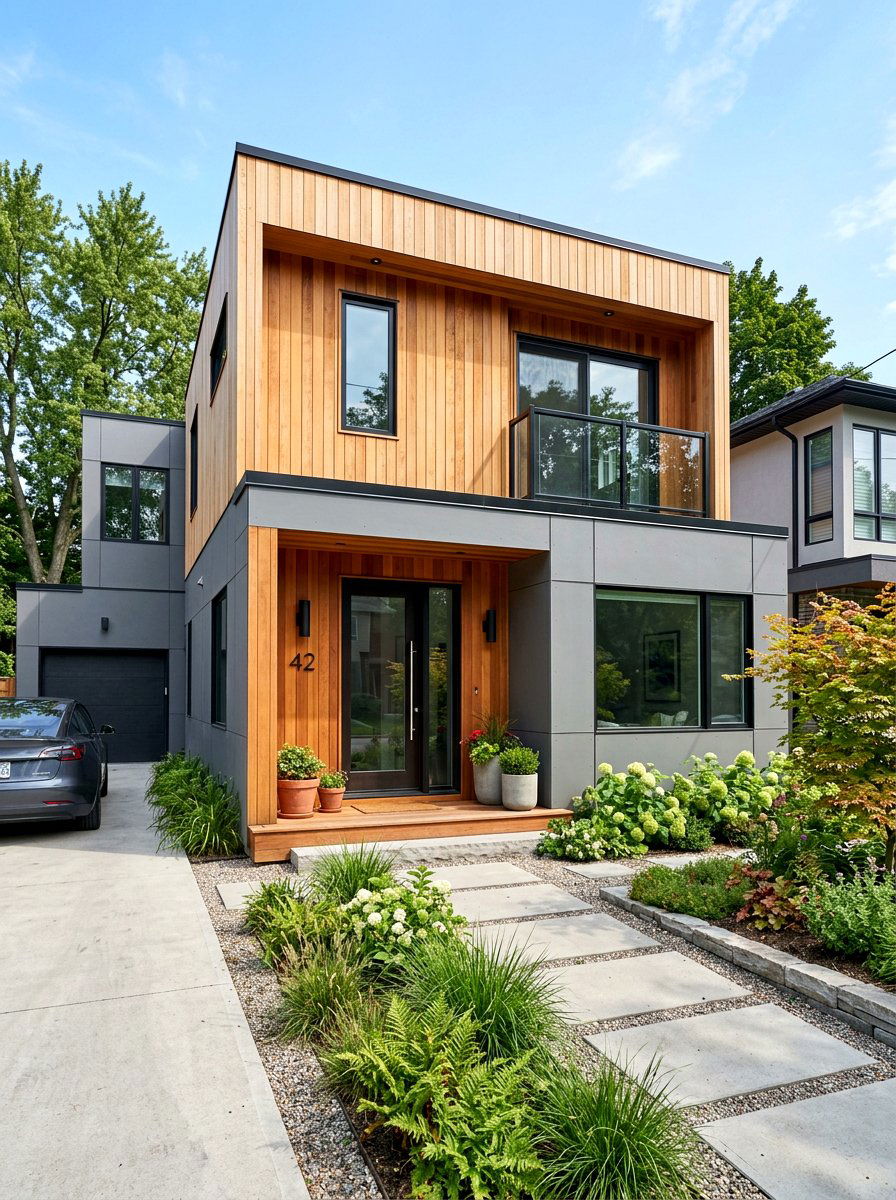
Combining cedar siding with fiber cement is a practical and budget-friendly way to achieve a high-end look. In this design, the durable and low-maintenance fiber cement boards are used for the majority of the house, while real cedar is reserved for high-visibility "impact zones" like the entryway or a prominent second-story balcony. This strategy gives you the authentic warmth of wood where you can see and touch it, but reduces the overall maintenance requirements of the property. The contrast between the smooth, painted fiber cement and the textured, stained cedar creates a sophisticated and modern appearance that appeals to a wide range of homeowners.
29. Oversized Cedar Shakes
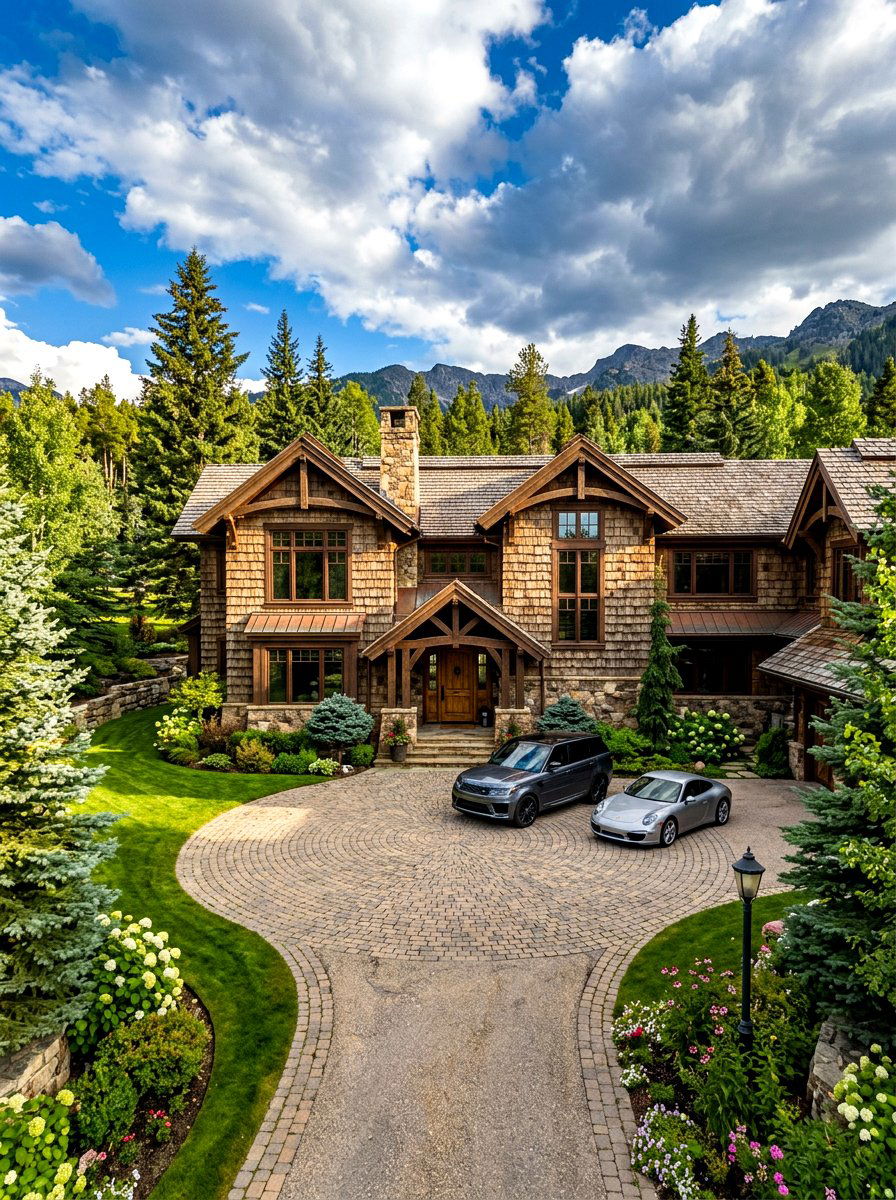
Oversized cedar shakes provide a bold and dramatic texture that is much more impactful than standard shingles. These large, thick pieces of wood create a rugged and handcrafted look that is perfect for large-scale homes that need a material with enough "weight" to match their size. This design often features irregular edges and a heavy, shadowed appearance that makes the wall surfaces look incredibly deep and layered. It is a fantastic choice for homes on large lots or near the water, where the architecture needs to stand up to a wide-open landscape. It offers a unique, luxury-craftsman vibe that is hard to ignore.
30. Mid Century Modern Cedar Siding
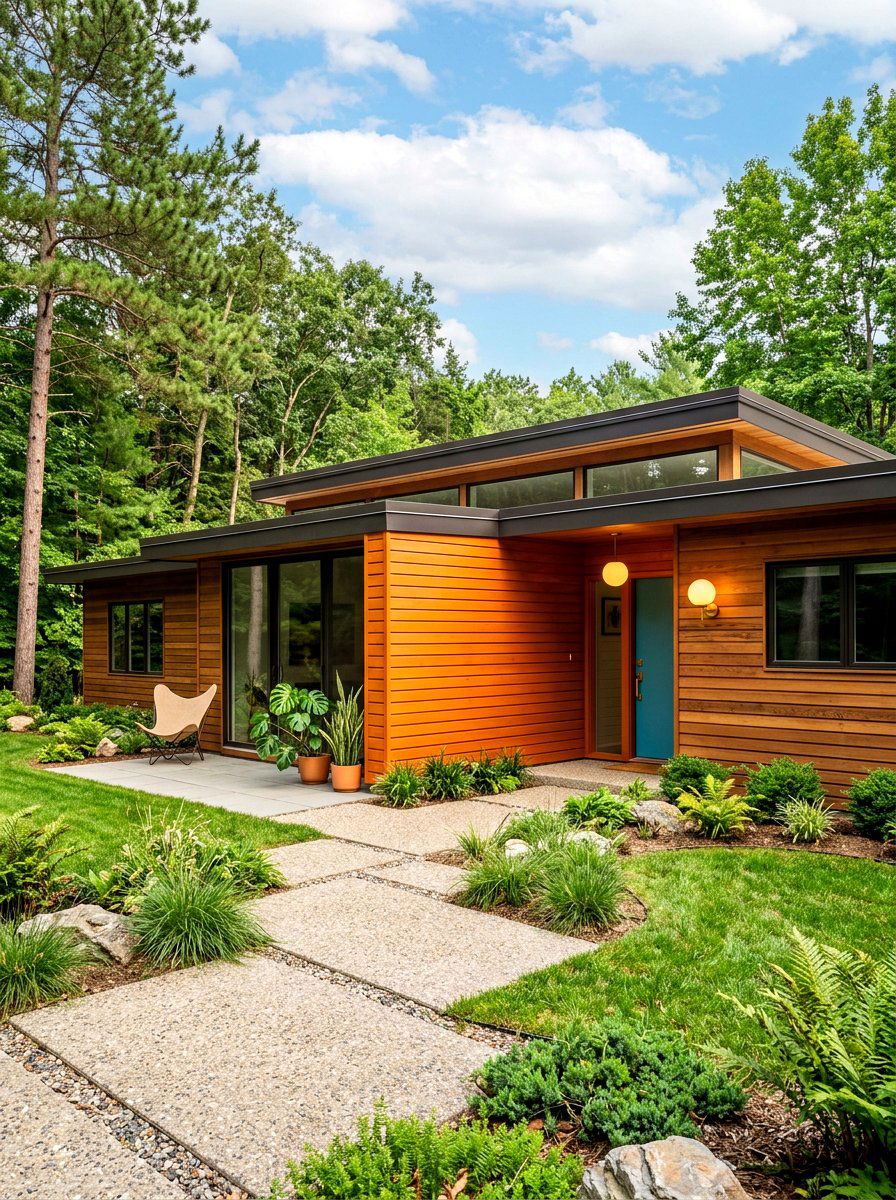
Mid-century modern cedar siding is characterized by its clean, horizontal lines and its integration with flat or low-sloped roofs. This design often uses long, narrow cedar planks to emphasize the "horizontal" nature of the architecture. The wood is frequently paired with orange-toned stains and large "clerestory" windows that sit just below the roofline. This style is all about simplicity and a connection to nature, using the cedar to provide a warm, organic backdrop for iconic retro furniture and minimalist landscaping. It creates a nostalgic yet forward-thinking exterior that remains one of the most sought-after looks in the world of high-end residential design.
Conclusion:
Cedar siding is much more than just a protective layer for your home; it is a versatile design tool that can completely transform your exterior's personality. From the sleek, vertical lines of modern architecture to the rugged, weathered shingles of a coastal cottage, cedar offers a range of textures and colors that no other material can match. While it does require periodic maintenance to keep its vibrant hues, the natural beauty and increased property value it provides are well worth the effort. Whether you choose the bold contrast of charred wood or the classic charm of horizontal lap, cedar siding ensures your home will remain a timeless and beautiful landmark.

Related posts: