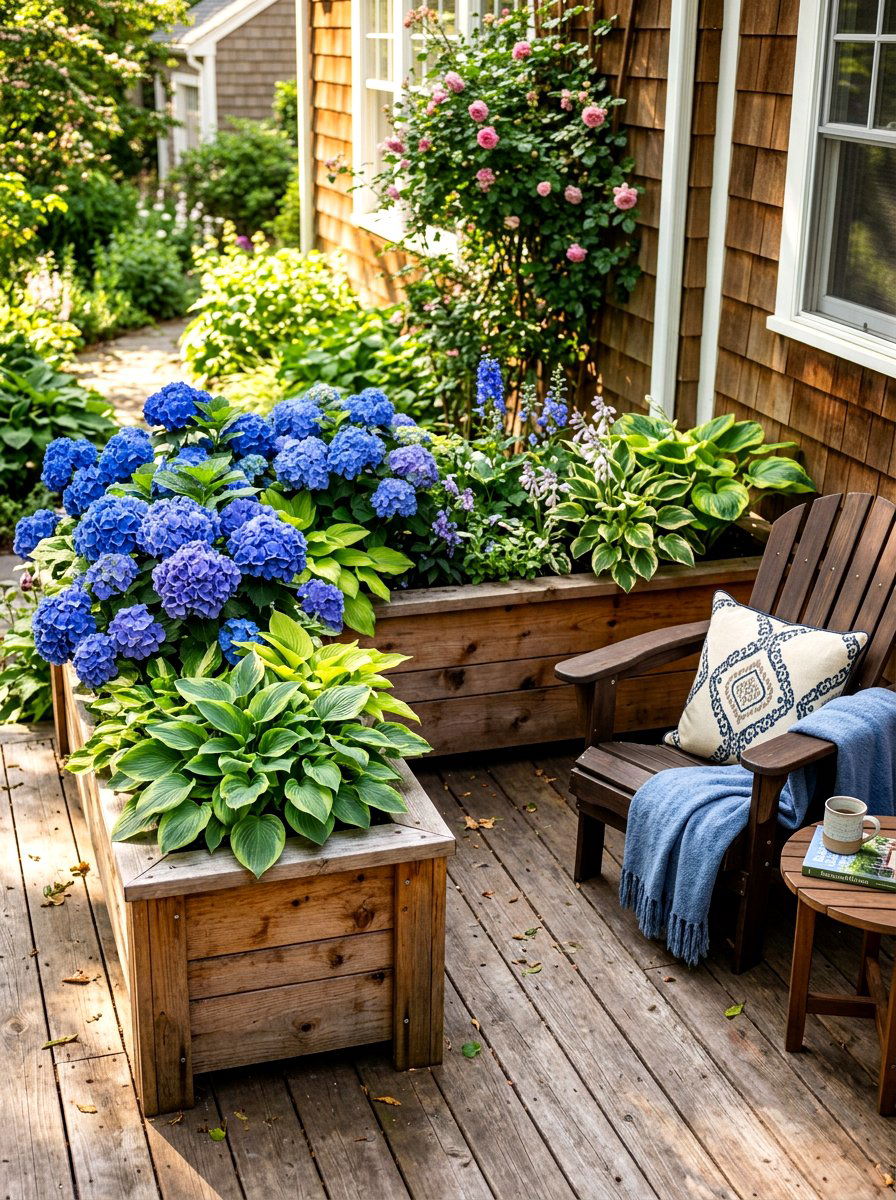
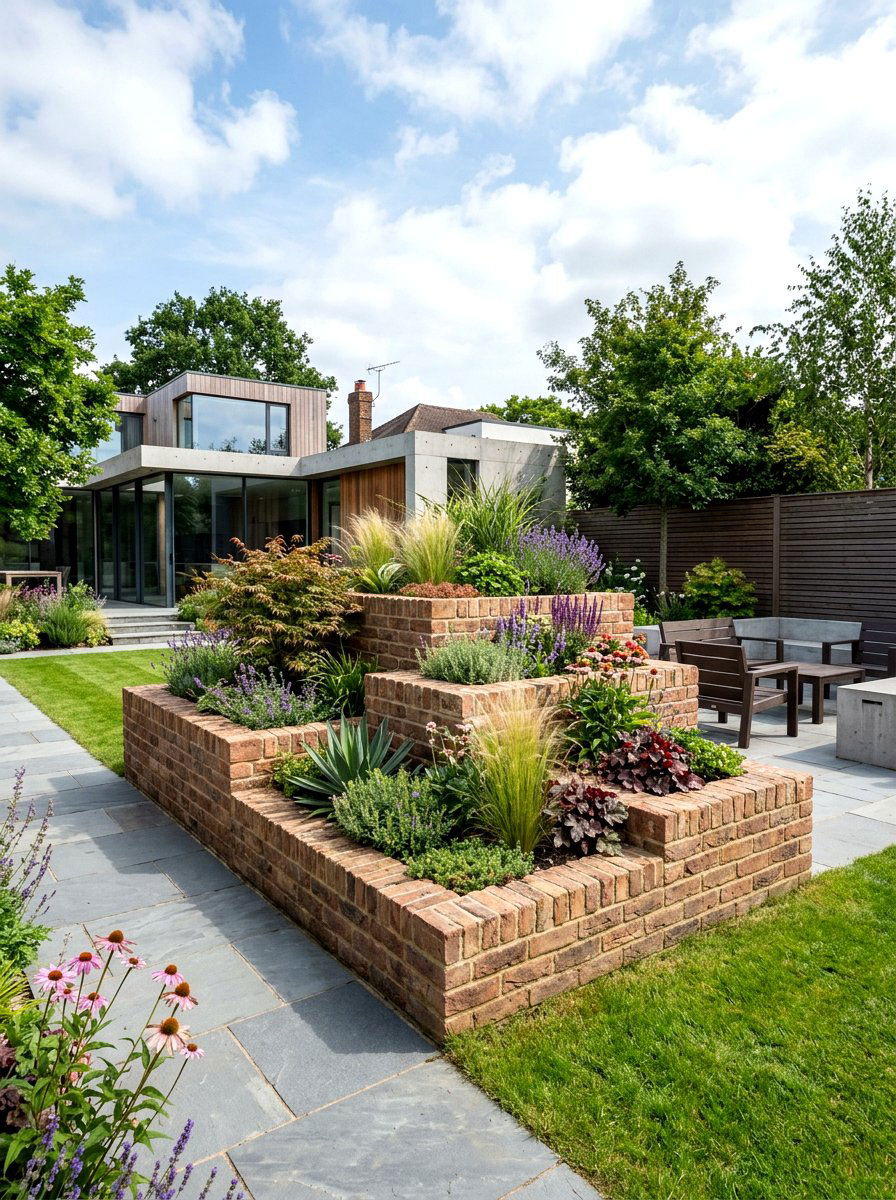
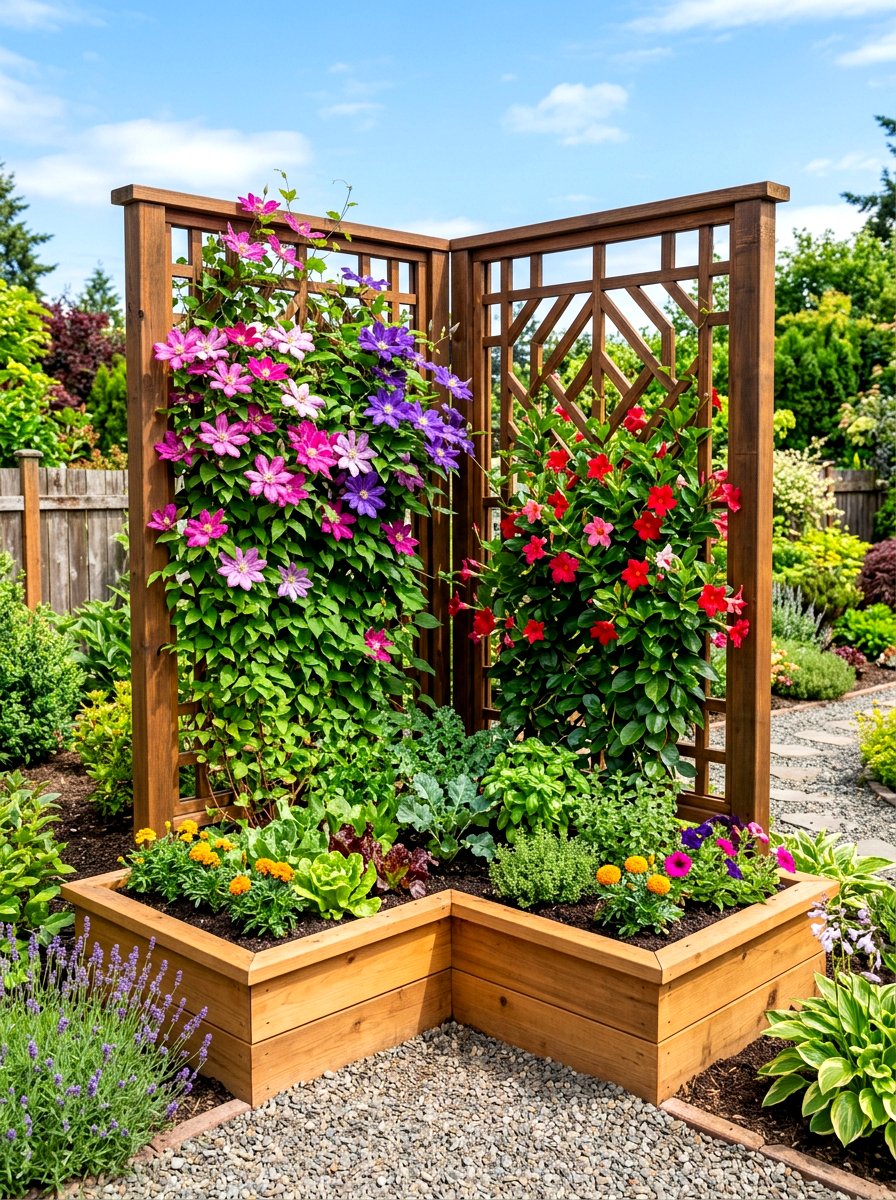
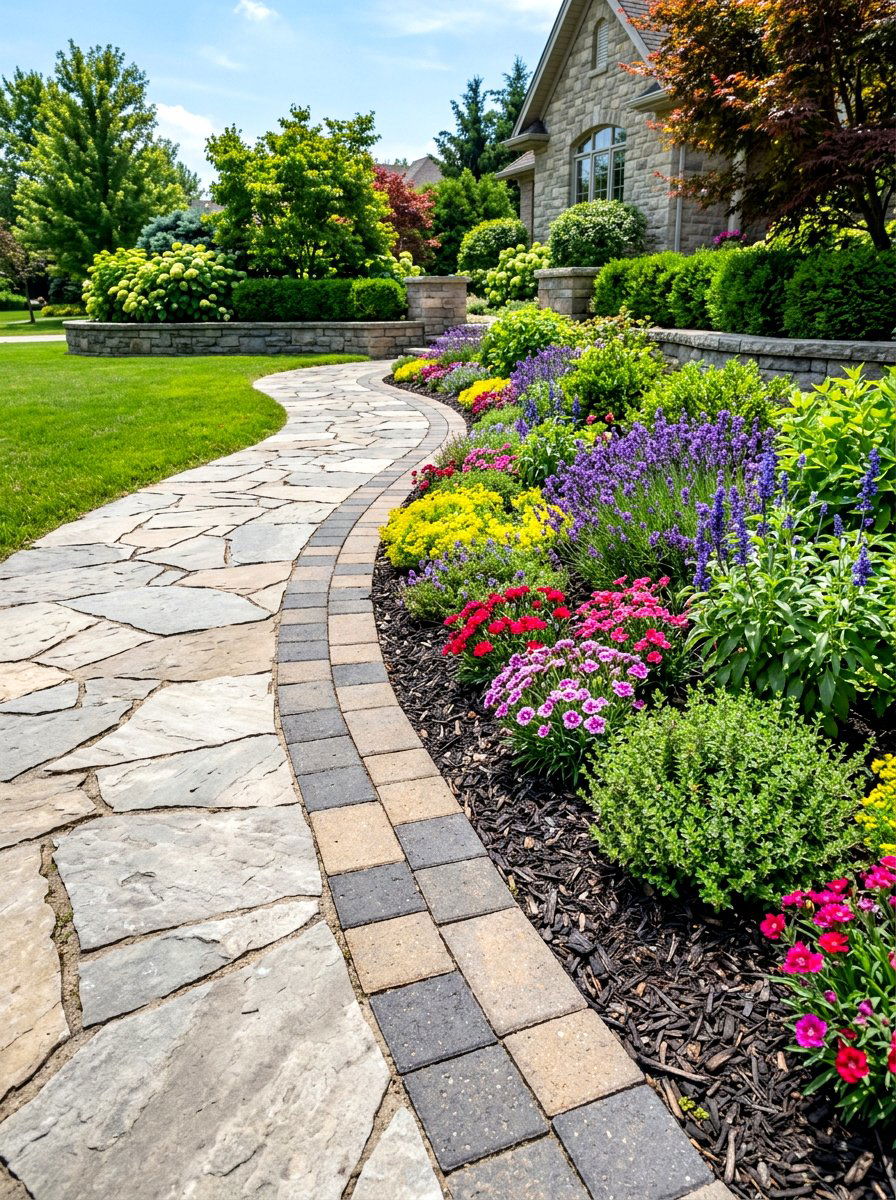
Creating a beautiful and productive outdoor space does not require a massive financial investment or a professional landscaping crew. Many homeowners are discovering that budget-friendly solutions for growing vegetables and flowers are often the most creative and rewarding projects. By using reclaimed materials, affordable hardware store finds, or even natural elements from your own backyard, you can build functional garden structures that look stunning. These raised beds help improve soil drainage, keep pests at bay, and save your back from excessive bending. Whether you have a sprawling suburban lawn or a tiny urban patio, there is a perfect low-cost option waiting for your next weekend DIY session. You only need a little inspiration to get started.
1. Wood Pallet Raised Bed
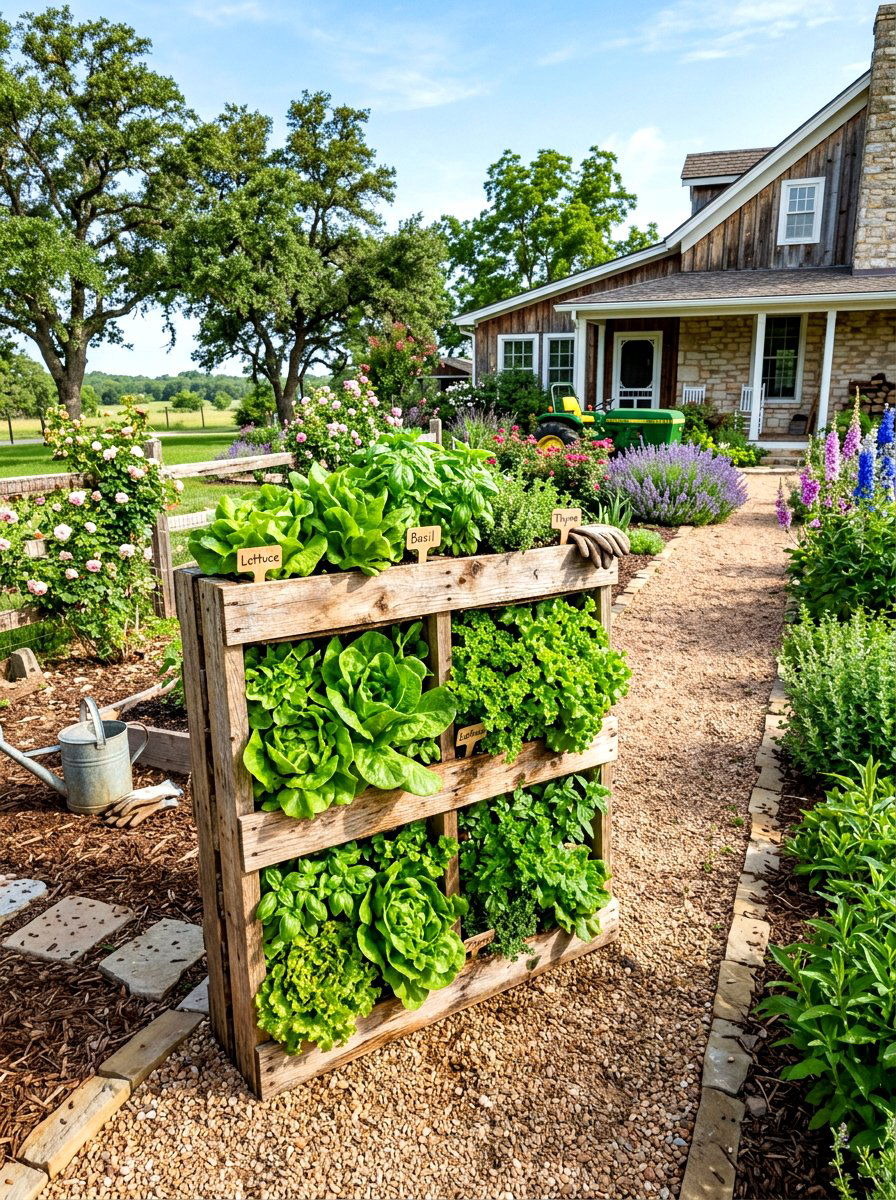
Have you ever noticed how many businesses give away wooden shipping pallets for free behind their warehouses? These versatile structures are a goldmine for the budget-conscious gardener looking to create sturdy raised beds without spending a dime on lumber. You simply need to ensure the wood is heat-treated rather than chemically preserved to keep your soil safe for edible plants. By standing them upright or laying them flat, you can create various configurations that maximize your growing space. Many people choose to line them with landscape fabric to hold the soil while allowing for excellent drainage. This approach turns industrial waste into a thriving, green oasis for your favorite summer vegetables.
2. Cinder Block Garden Bed
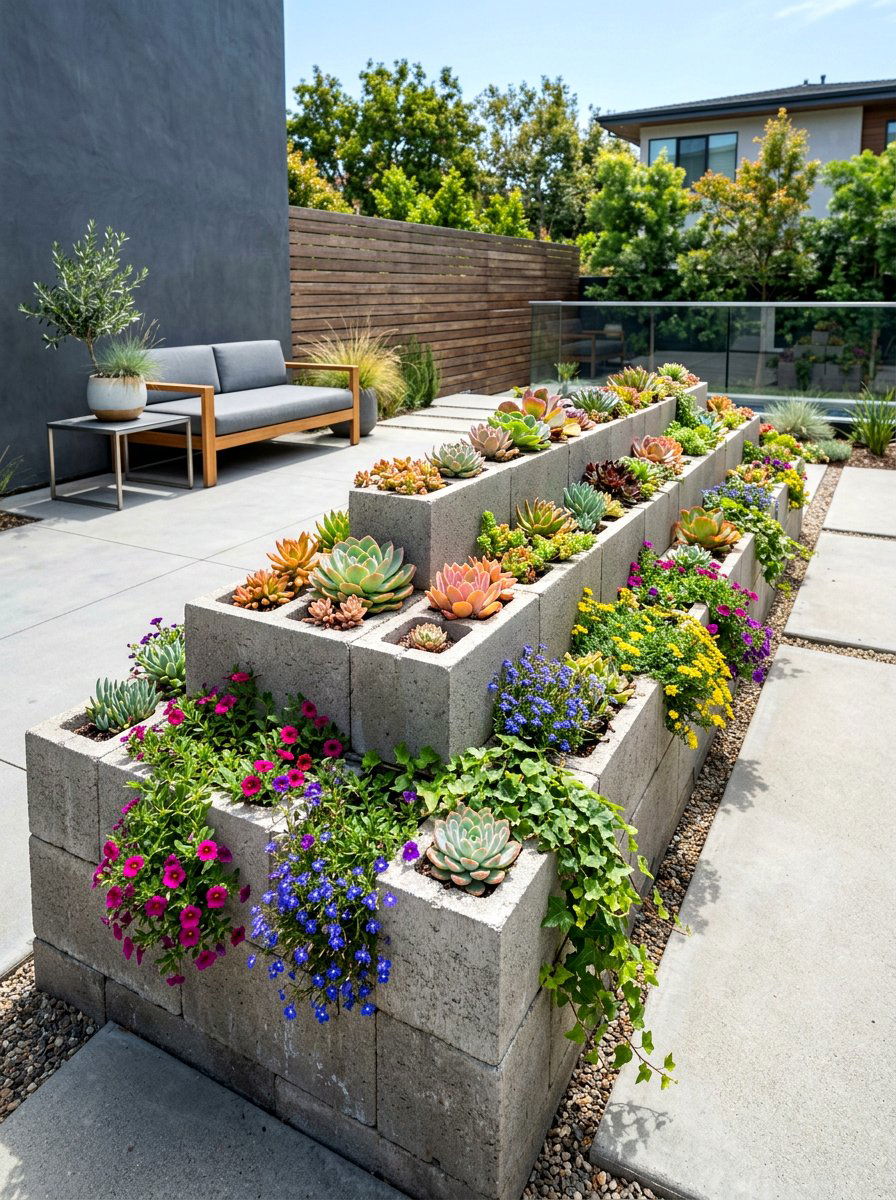
Are you looking for a gardening solution that is virtually indestructible and incredibly easy to assemble? Cinder blocks are a fantastic low-cost material that allows you to stack and build garden walls in just a few minutes. Because they are heavy, they stay in place without the need for mortar or specialized tools. You can create different heights and shapes to fit any corner of your yard perfectly. A unique advantage of this design is that you can plant small herbs or flowers directly into the hollow openings of the blocks. This maximizes your planting area while providing a modern, clean industrial look that complements any contemporary outdoor home landscape.
3. Corrugated Metal Raised Bed
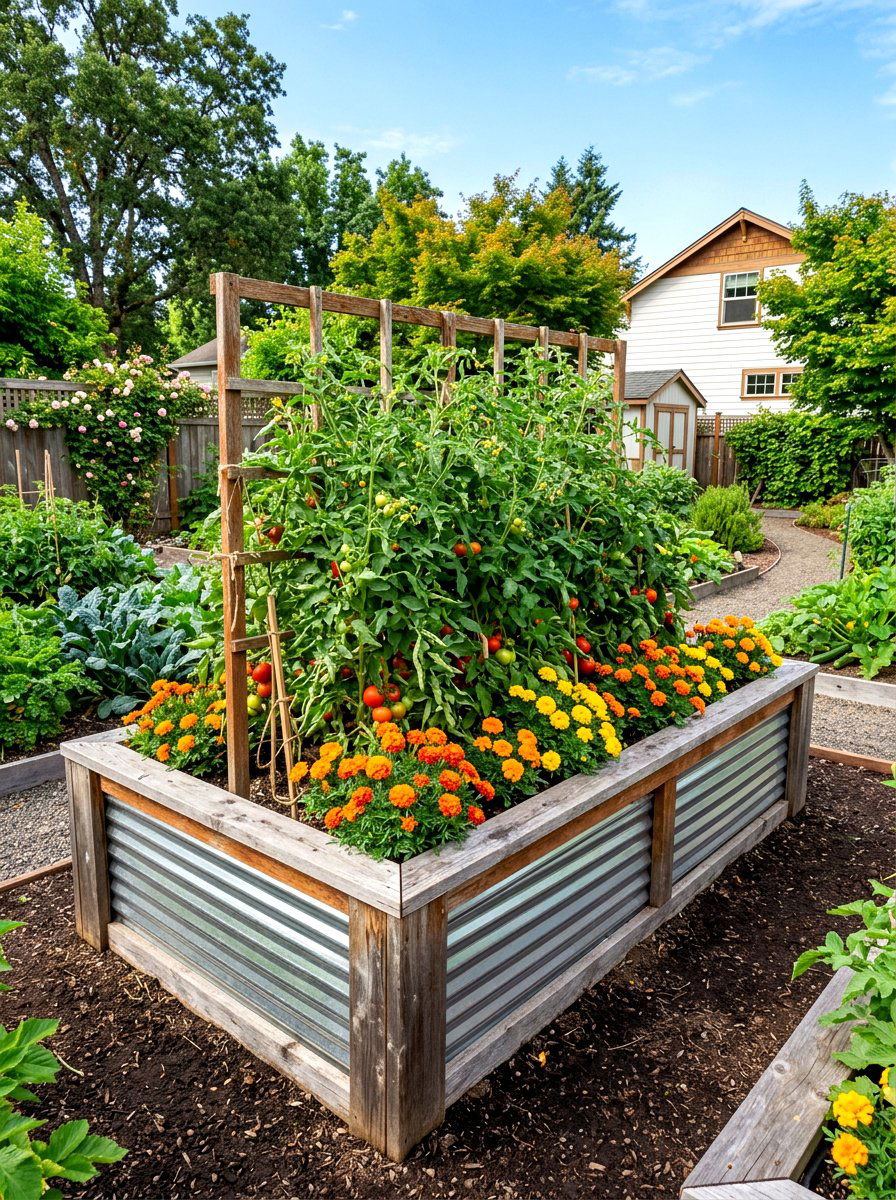
Does your backyard need a touch of rustic farmhouse charm without the high price tag of luxury garden kits? Corrugated metal roofing panels are surprisingly affordable and provide a sleek, durable wall for your raised garden beds. When paired with simple wooden corner posts, these metal sheets create a high-contrast look that stands out beautifully against green foliage. The metal helps warm the soil earlier in the spring, which can give your plants a significant head start during the growing season. It is a long-lasting material that resists rot and maintains its structural integrity for many years. This design is perfect for creating large, deep beds for root vegetables.
4. Cedar Fence Picket Bed
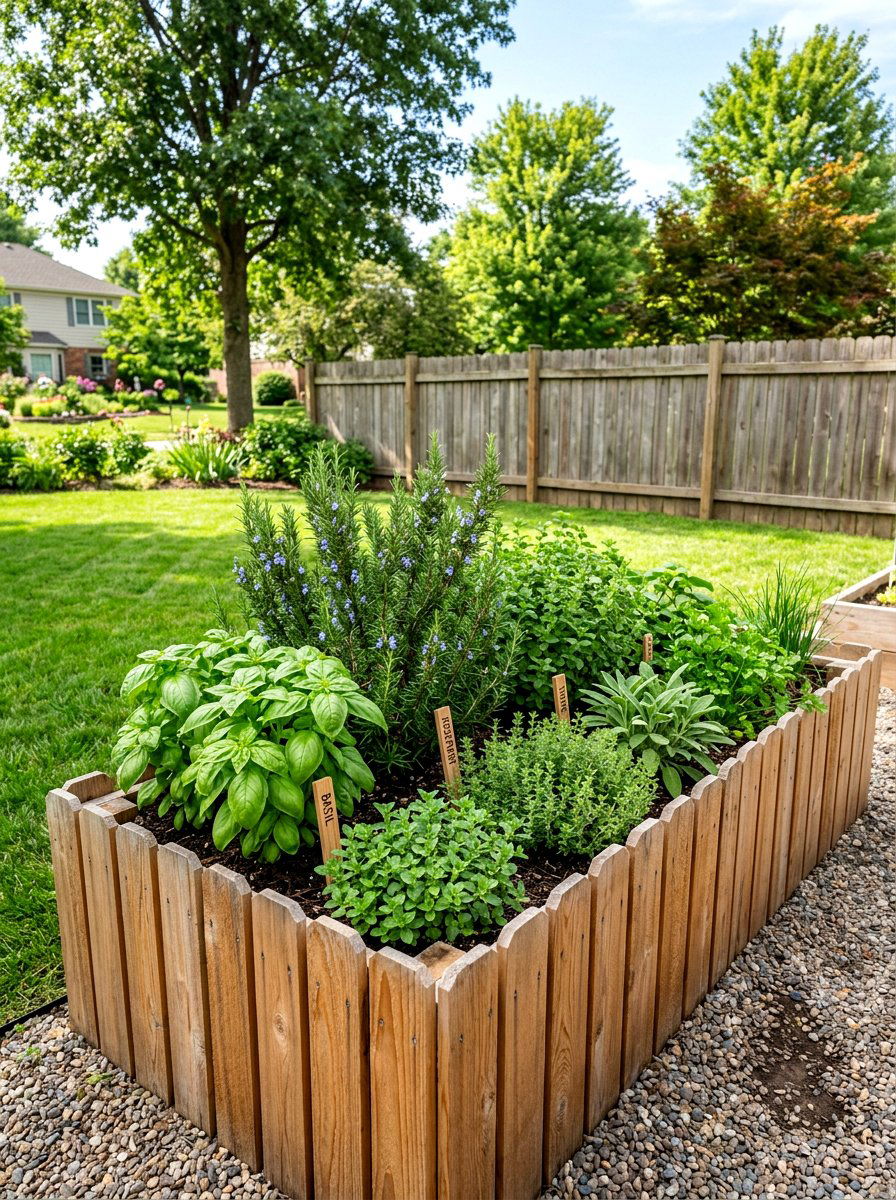
Did you know that standard cedar fence pickets are often much cheaper than buying thick cedar planks at the lumber yard? These thin boards provide the natural rot resistance of cedar at a fraction of the traditional cost. By cutting them down and attaching them to a simple interior frame, you can build elegant and aromatic garden beds that look professional. Cedar is a preferred choice because it does not require chemical treatments to withstand the elements, making it safe for organic vegetable gardening. The light weight of these pickets makes them easy to handle, even if you are working on your garden project alone this weekend.
5. Straw Bale Raised Bed
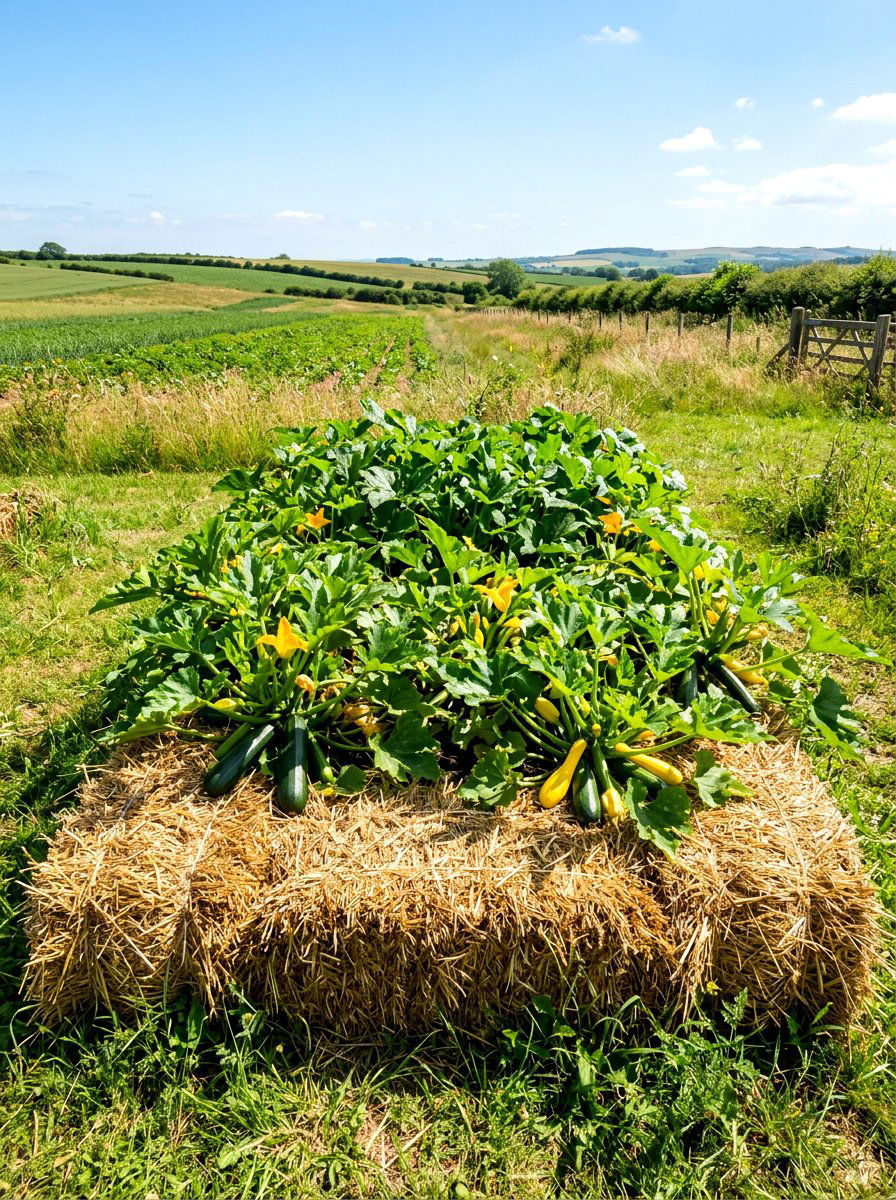
Imagine a garden bed that actually feeds your plants as it slowly breaks down over the course of the season. Straw bale gardening is one of the most affordable and innovative ways to start a raised bed without building a permanent structure. You simply arrange the bales in your desired layout and condition them with water and fertilizer before planting your seedlings directly into the straw. This method is ideal for areas with poor soil quality or for renters who want a temporary garden. At the end of the year, the decomposed straw becomes excellent compost for your future planting needs, making it completely zero-waste.
6. Log Raised Bed
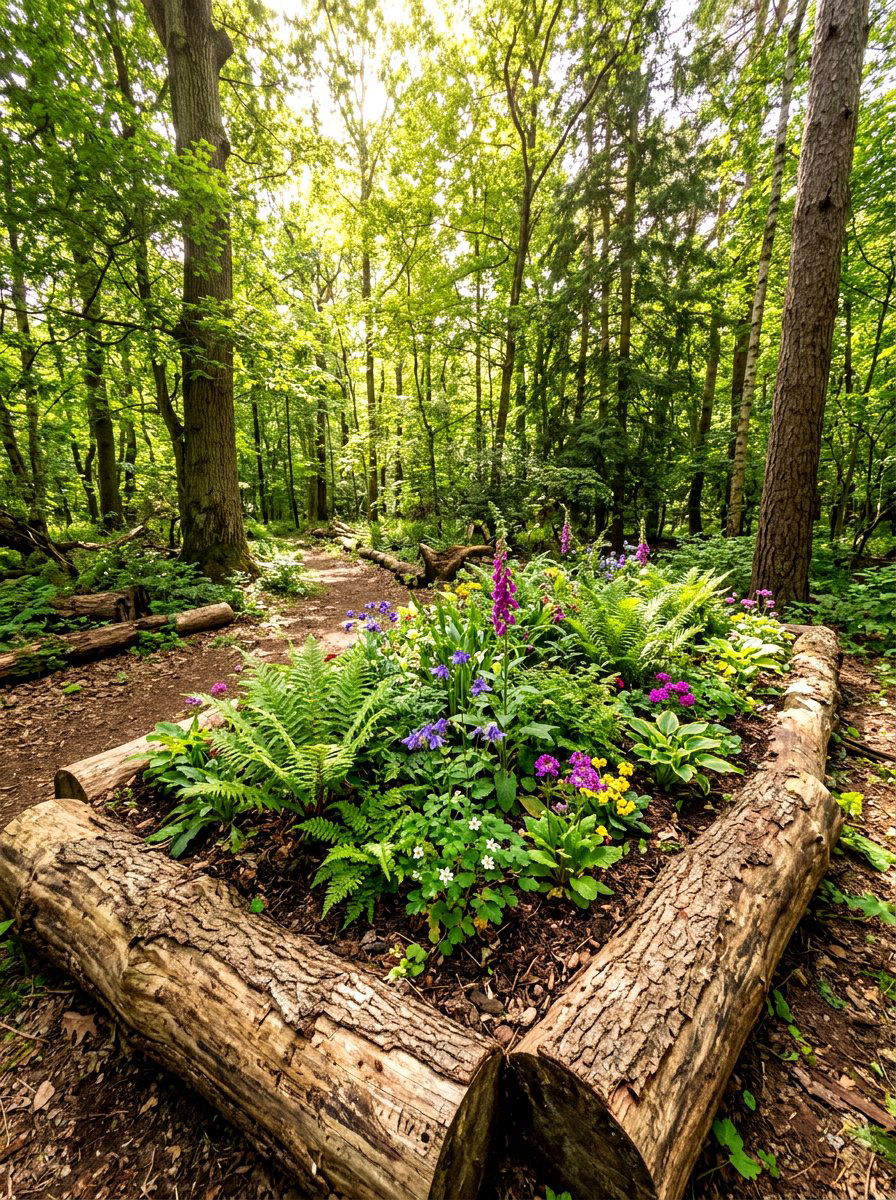
Can you find fallen branches or logs in a nearby wooded area or perhaps in your own backyard after a storm? Using natural logs to border your garden beds is a wonderful way to embrace a rustic, woodland aesthetic while spending absolutely no money. You can stack the logs horizontally to create a sturdy perimeter that naturally blends into the environment. As the wood slowly decays over time, it provides a habitat for beneficial insects and adds organic matter back into the soil. This method, often associated with hugelkultur, creates a self-sustaining ecosystem that retains moisture exceptionally well. It is a perfect choice for a naturalistic garden.
7. Natural Stone Raised Bed
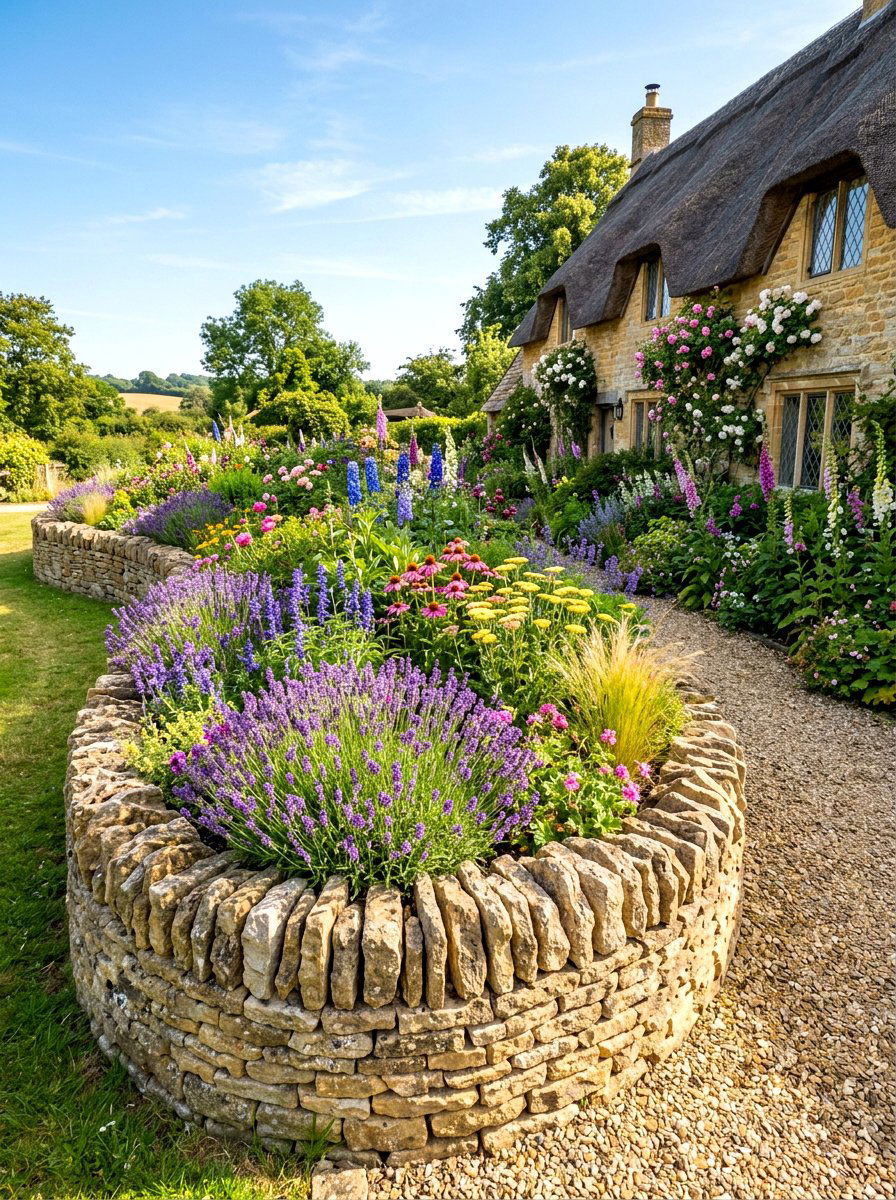
Have you ever cleared rocks from your property and wondered what to do with that growing pile of stones? Building a dry-stack stone raised bed is a timeless and elegant way to use materials that are literally under your feet. You do not need cement or glue; simply fit the stones together like a puzzle to create a stable wall. This technique provides excellent drainage and gives your garden a permanent, established feel that only gets better with age. The stones act as a thermal mass, soaking up the sun's heat during the day and releasing it slowly at night to keep your plant roots comfortably warm.
8. Upcycled Tire Garden Bed
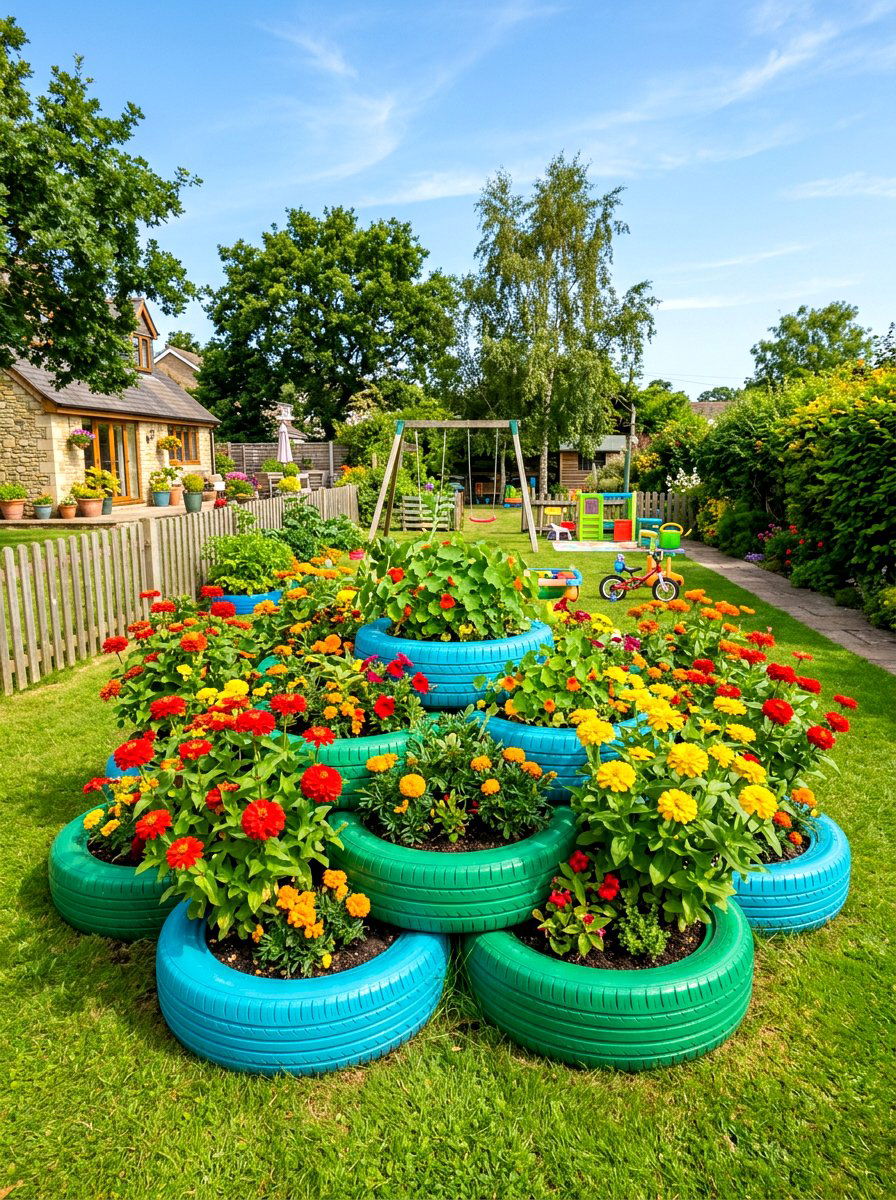
Are you interested in a clever way to keep old tires out of the landfill while creating a unique garden? Used tires can be stacked and painted in bright, vibrant colors to create whimsical and durable raised planters for your backyard. They are perfect for growing sprawling plants like potatoes or decorative flowers that benefit from a contained environment. By stacking two or three tires, you can reach a comfortable height that reduces the need for kneeling. This project is a great way to involve children in gardening, as they can help choose the paint colors and watch their favorite plants grow in these fun, circular containers.
9. Reclaimed Brick Raised Bed
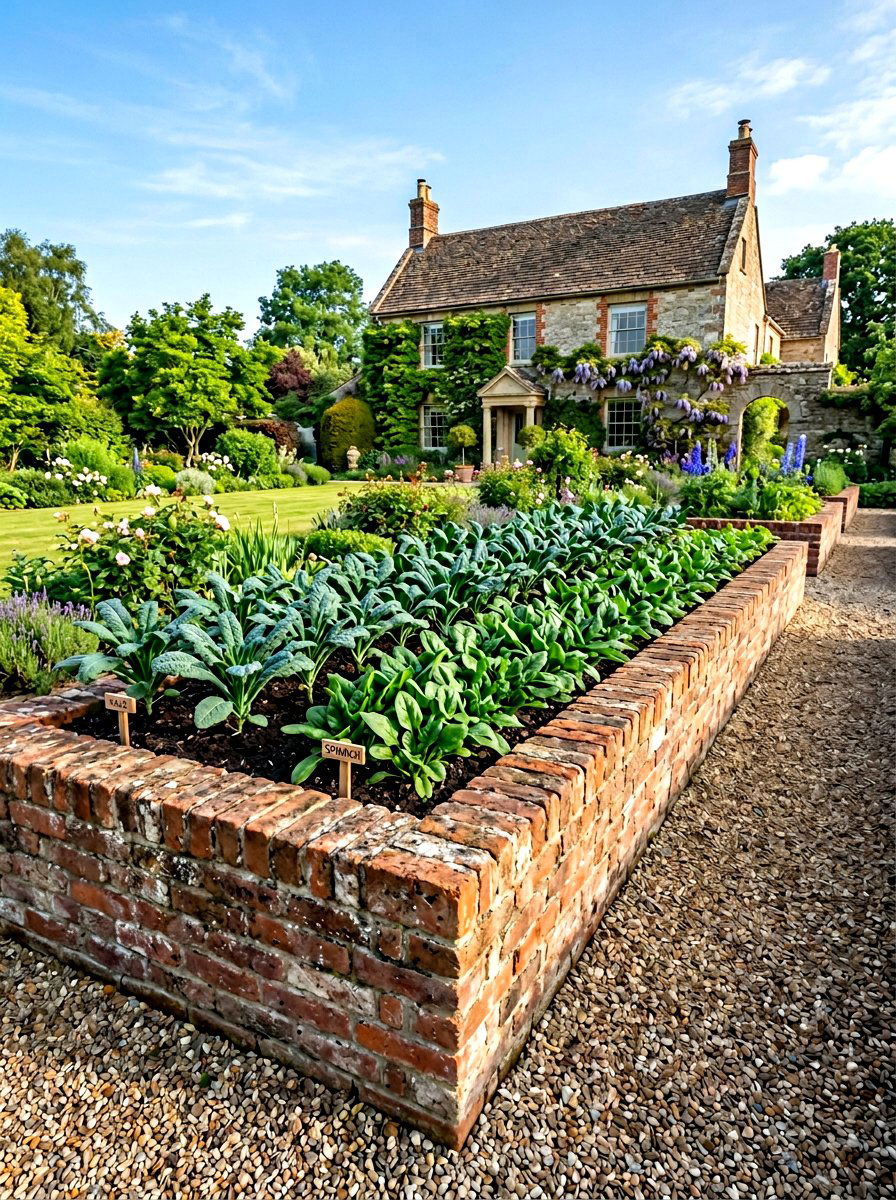
Does your local online marketplace often have listings for free or cheap bricks from old chimneys or patio projects? Reclaiming these materials is a fantastic way to build a classic and sophisticated raised bed that looks like it has been there for decades. You can lay the bricks in a simple pattern without mortar to allow for easy adjustments later, or use a basic sand base to keep them level. The earthy tones of the brick provide a beautiful backdrop for bright green herbs and colorful flowering perennials. This approach adds significant curb appeal to your home while keeping your total project costs remarkably low and sustainable.
10. Plastic Bin Garden Bed
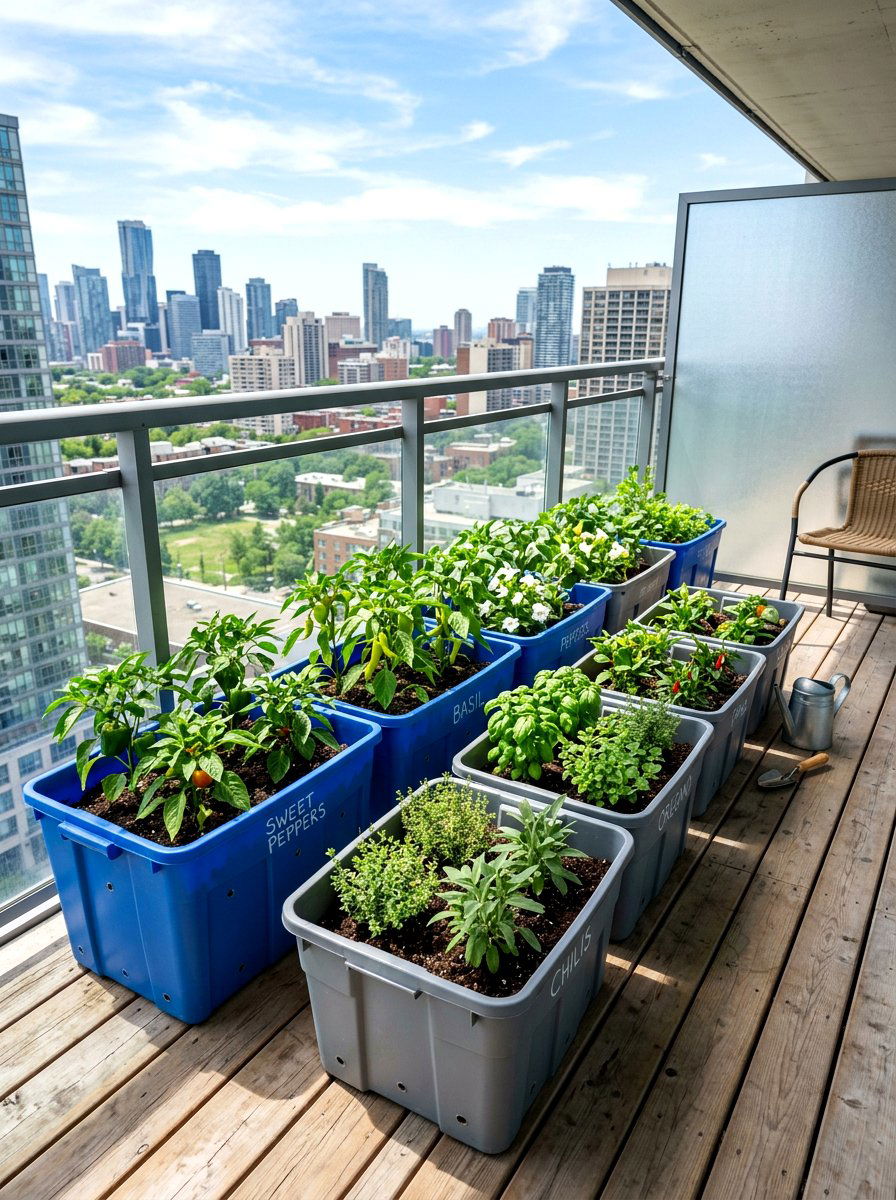
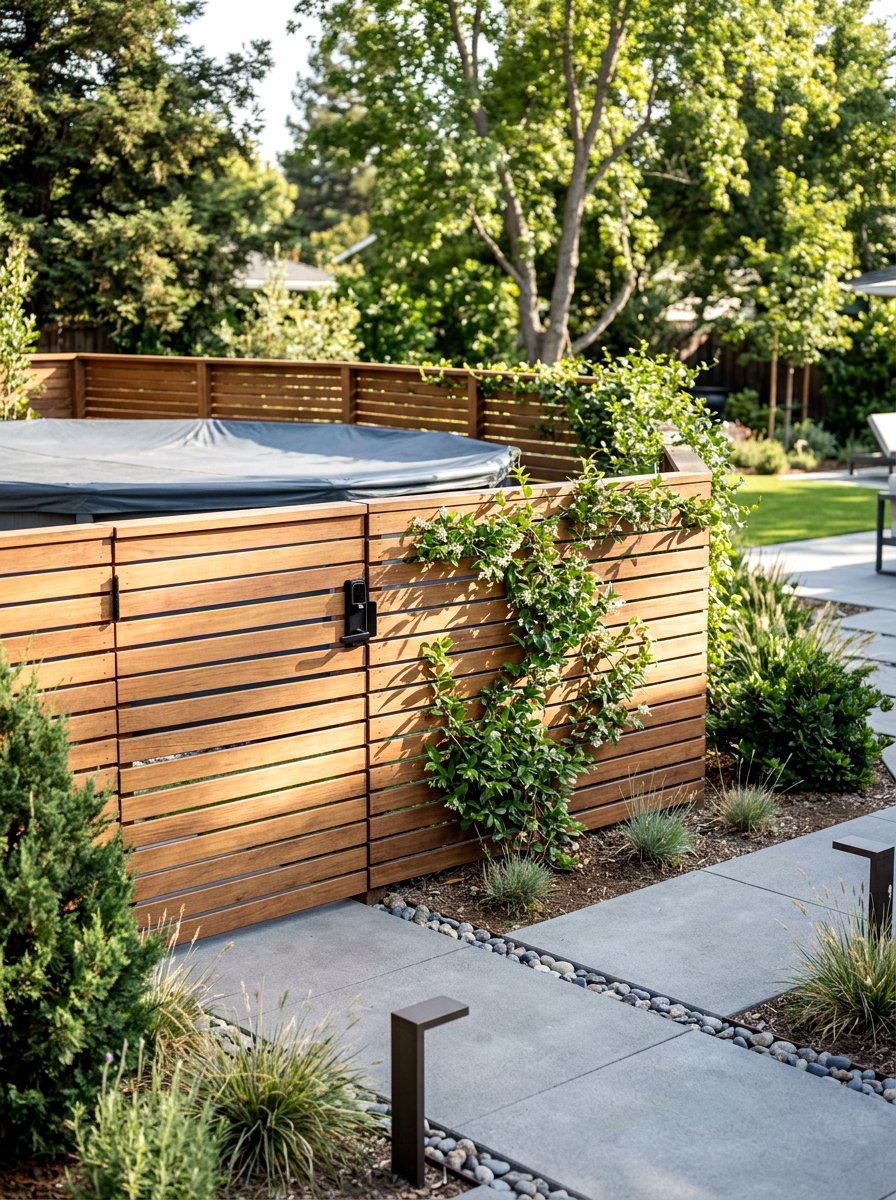
If you are gardening on a very tight budget or have limited space, have you considered using large plastic storage bins? These containers are readily available at any big-box store and can be turned into functional raised beds with just a few drainage holes. They are lightweight, portable, and come in various sizes to fit on a balcony or small deck. This is an excellent solution for urban gardeners who want to grow their own lettuce, peppers, or tomatoes without a permanent yard installation. Because they are deep, they allow for healthy root development while keeping the soil contained and easy to manage throughout the summer.
11. Galvanized Tank Raised Bed
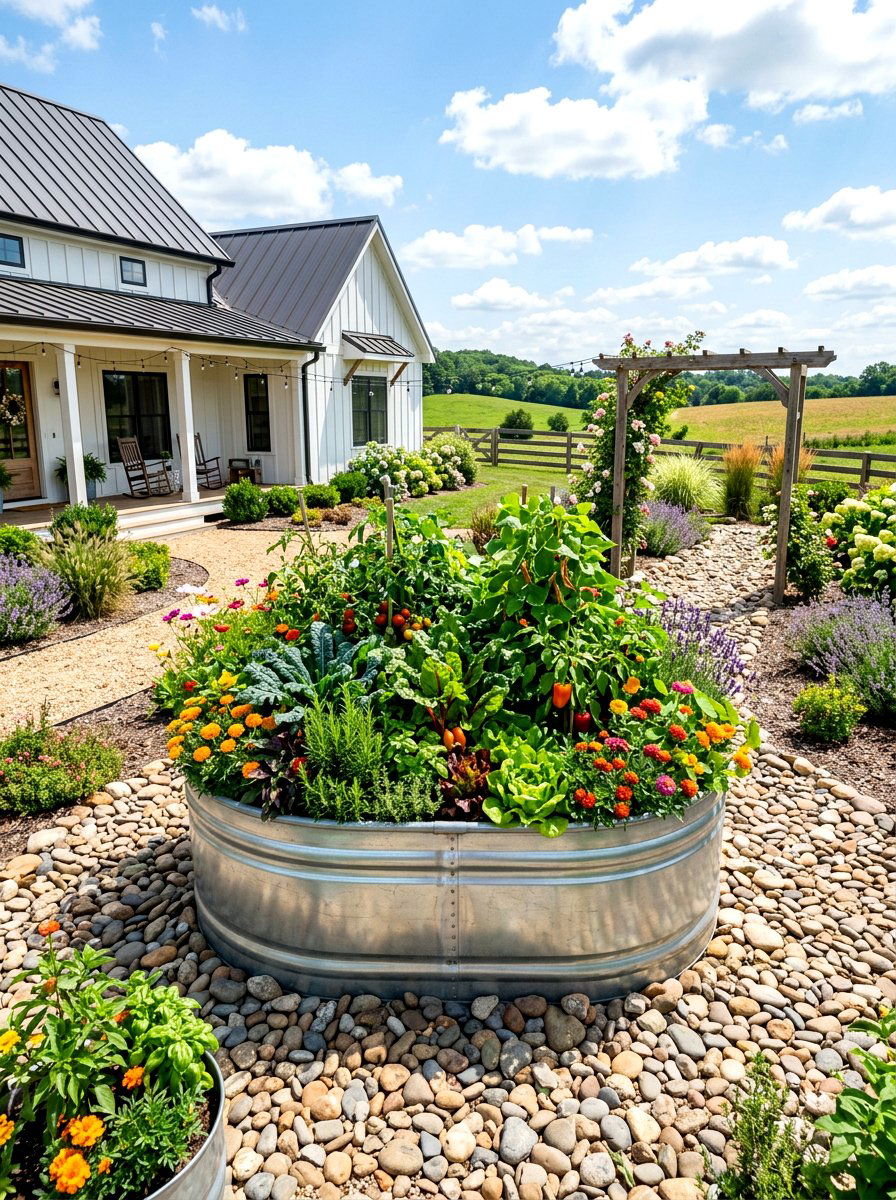
Do you love the modern farmhouse look but want something easier to set up than building a wooden frame? Galvanized stock tanks, typically used for watering livestock, make incredibly stylish and durable raised beds that require zero assembly. You simply place them in your desired location, drill a few drainage holes in the bottom, and fill them with high-quality soil. Their height makes them very accessible, saving your back during planting and harvesting. The reflective metal surface stays cooler than you might expect, and the sturdy construction ensures they will last for decades. These tanks are perfect for creating a clean, organized, and very professional-looking vegetable garden.
12. Fabric Bag Raised Bed
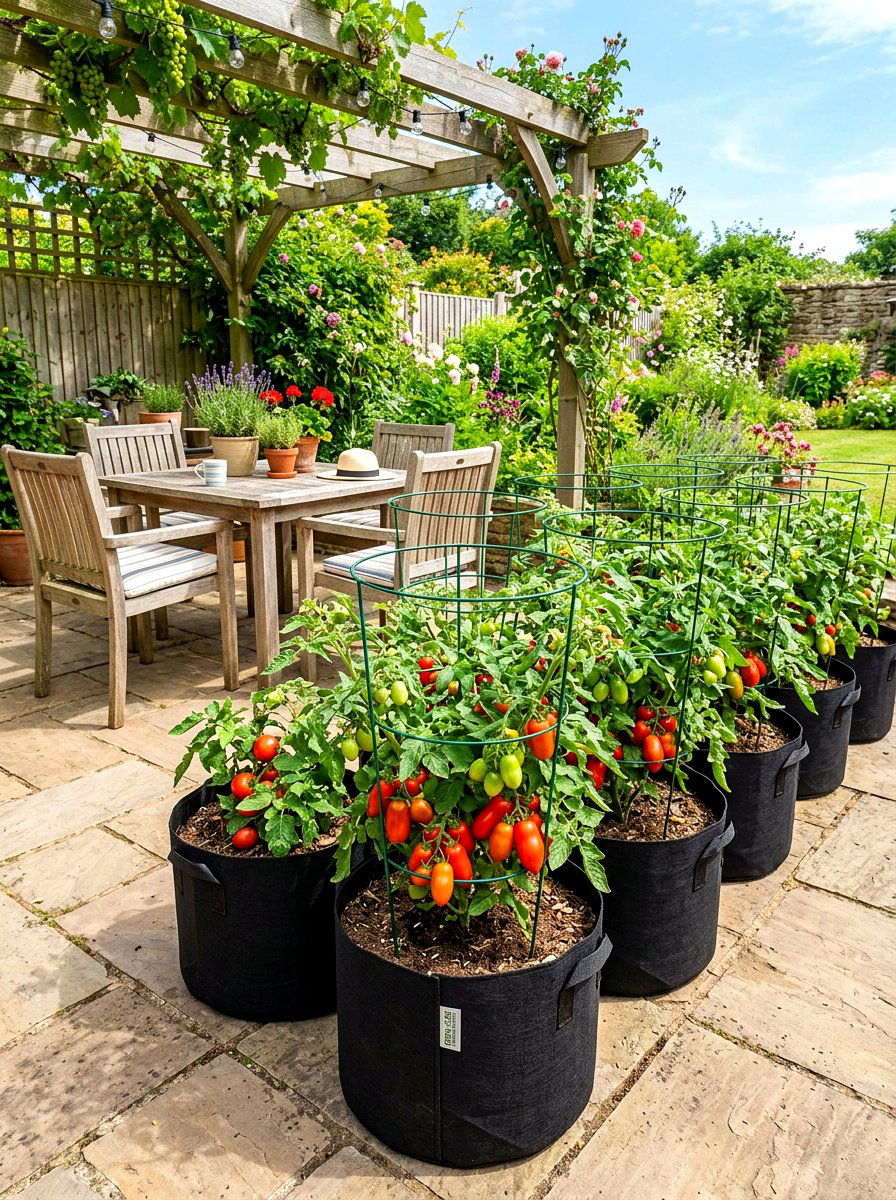
Have you looked into the benefits of using fabric grow bags for a quick and easy raised garden setup? These specialized bags are made from breathable material that promotes healthy root pruning and prevents plants from becoming root-bound. They are incredibly affordable and can be placed directly on the ground, a patio, or even an old wooden pallet to create a raised effect. When the growing season is over, you can simply empty them, wash them, and fold them away for winter storage. This flexibility makes them a favorite for beginners who want to experiment with different garden layouts without committing to a permanent backyard structure.
13. Woven Wattle Raised Bed
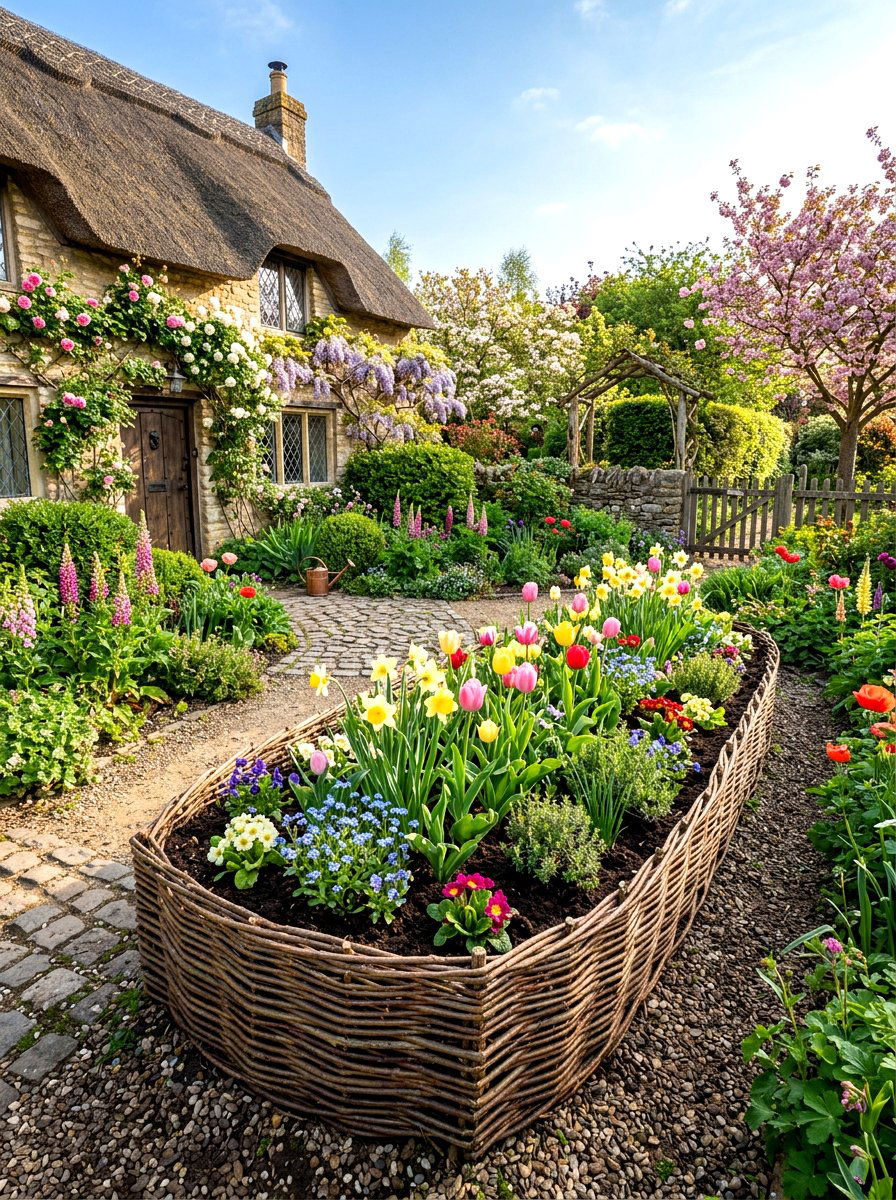
Can you imagine a garden bed that looks like it belongs in a fairytale cottage garden? Woven wattle beds are created by weaving flexible branches, such as willow or hazel, around sturdy vertical stakes driven into the ground. this ancient technique is completely free if you have access to brush or tree trimmings in your area. The textured, organic look of the woven wood provides a beautiful contrast to soft green foliage and colorful blooms. Because the walls are breathable, they offer excellent air circulation for the soil. This is a creative and artistic way to define your garden space using only natural, biodegradable materials from your surroundings.
14. Dresser Drawer Raised Bed
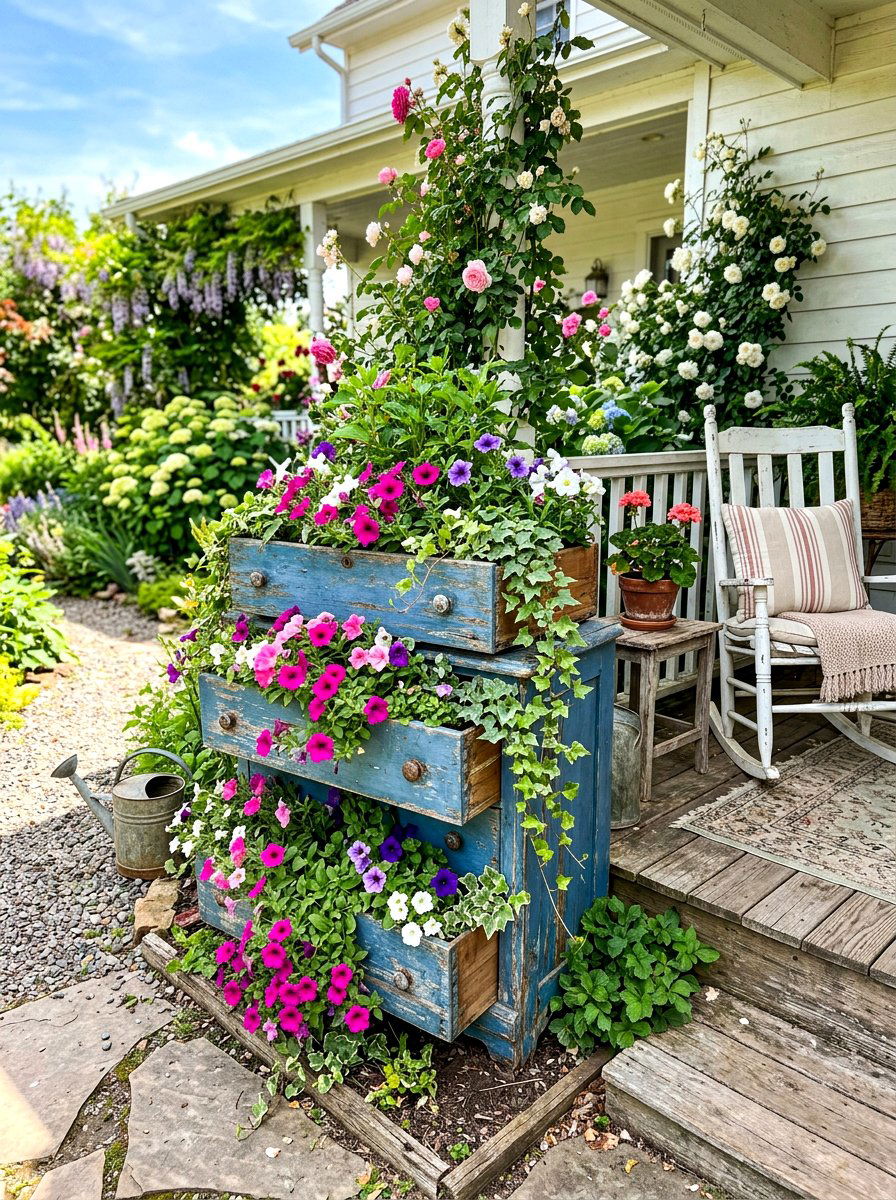
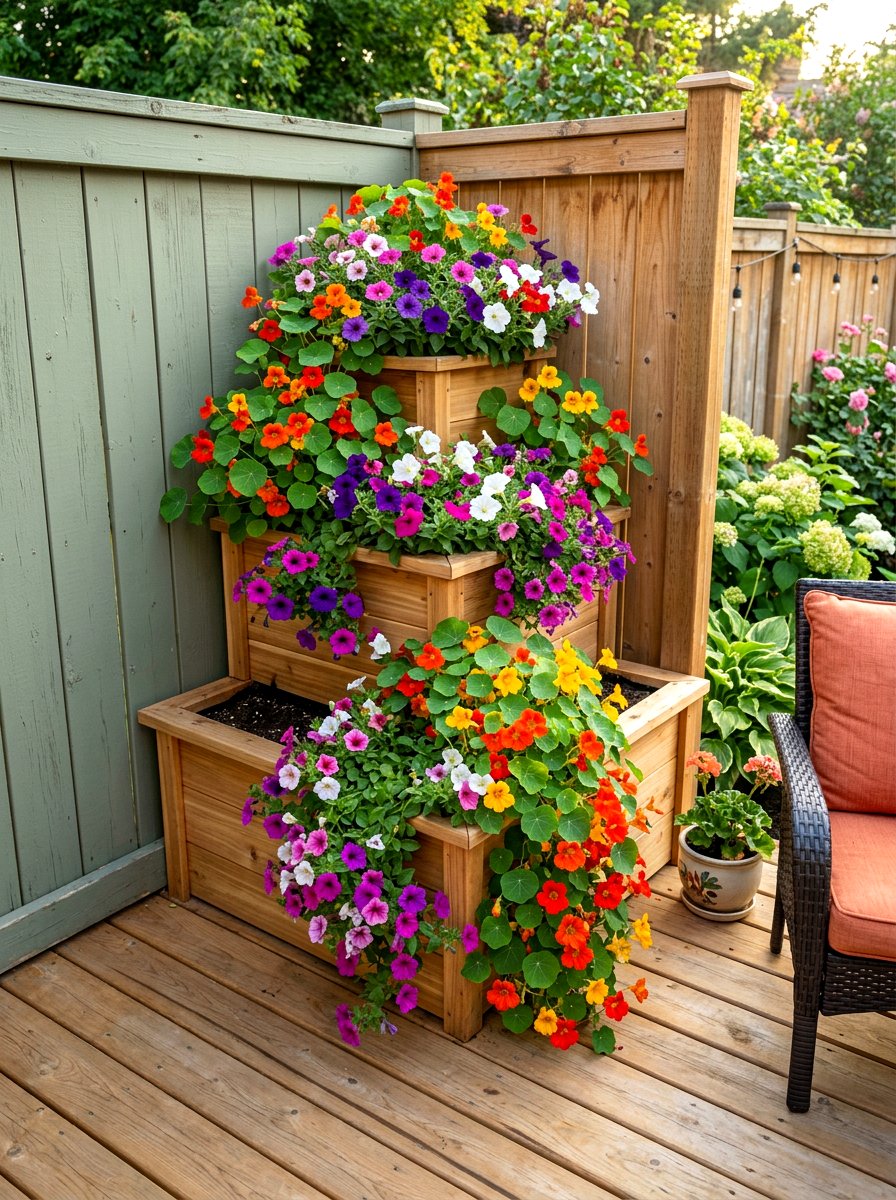
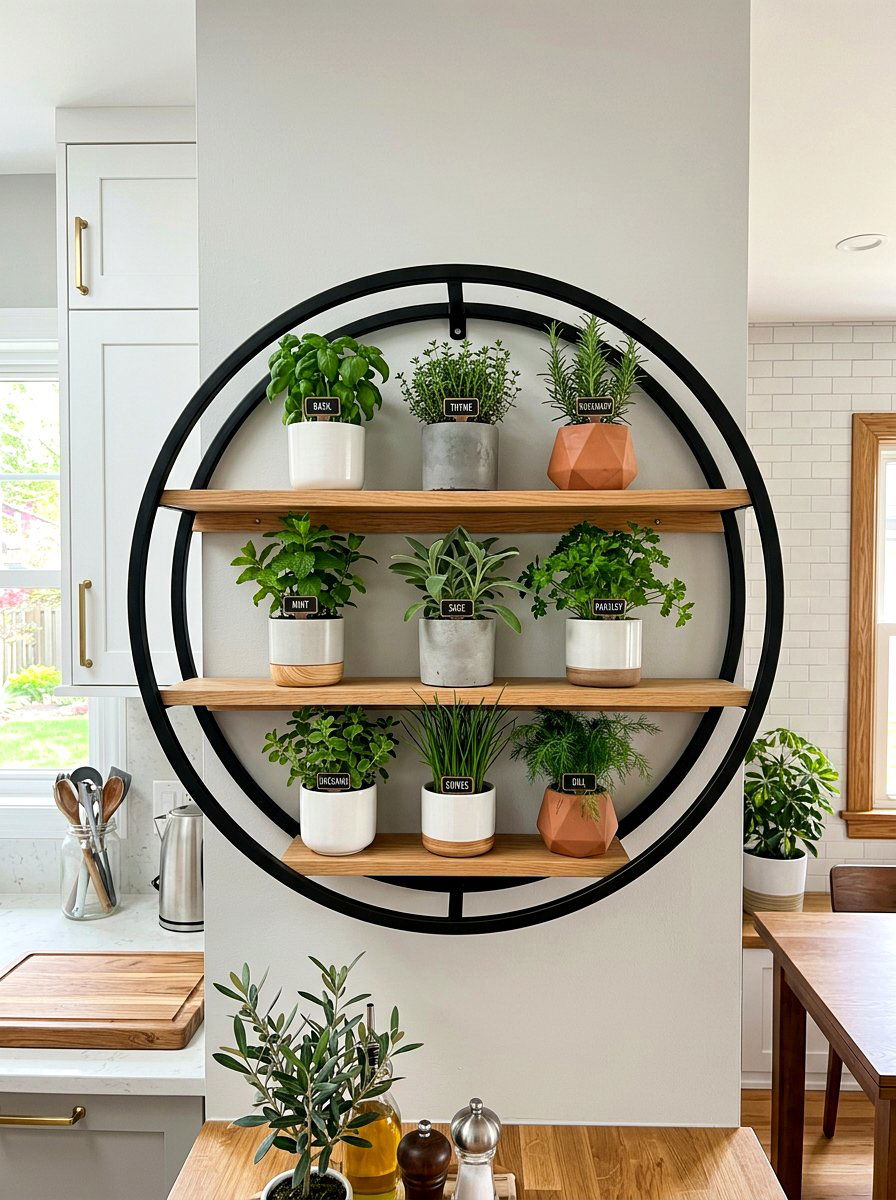
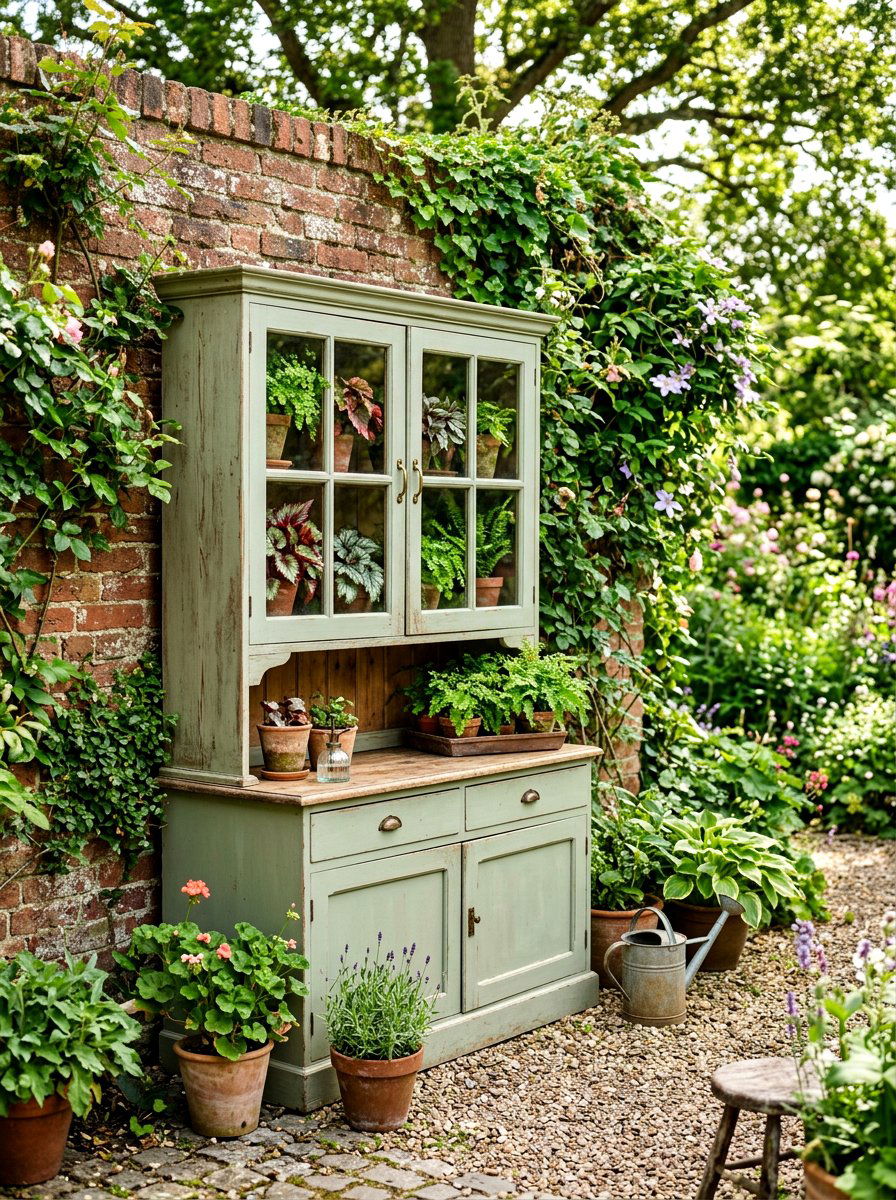
Do you have an old, broken dresser that is headed for the trash, or have you seen one sitting on a curb? You can easily repurpose the drawers into charming, tiered raised beds for a vintage-inspired garden look. By removing the hardware and treating the wood with a safe sealant, these drawers become the perfect containers for shallow-rooted plants like succulents, herbs, or pansies. You can stack them in a staggered pattern to create a vertical garden that saves space. This upcycling project not only saves money but also adds a unique, personal touch to your patio or porch that will surely spark conversation among your guests.
15. Concrete Paver Garden Bed
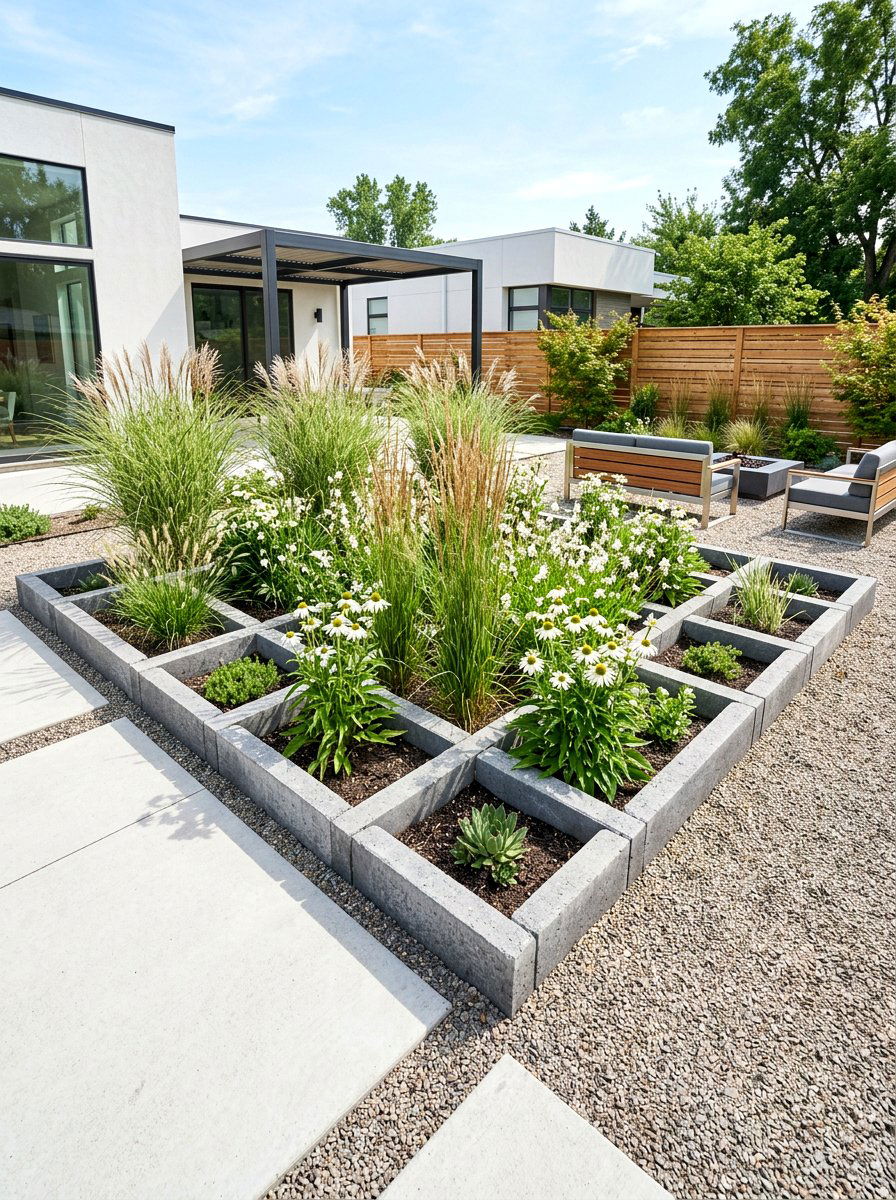
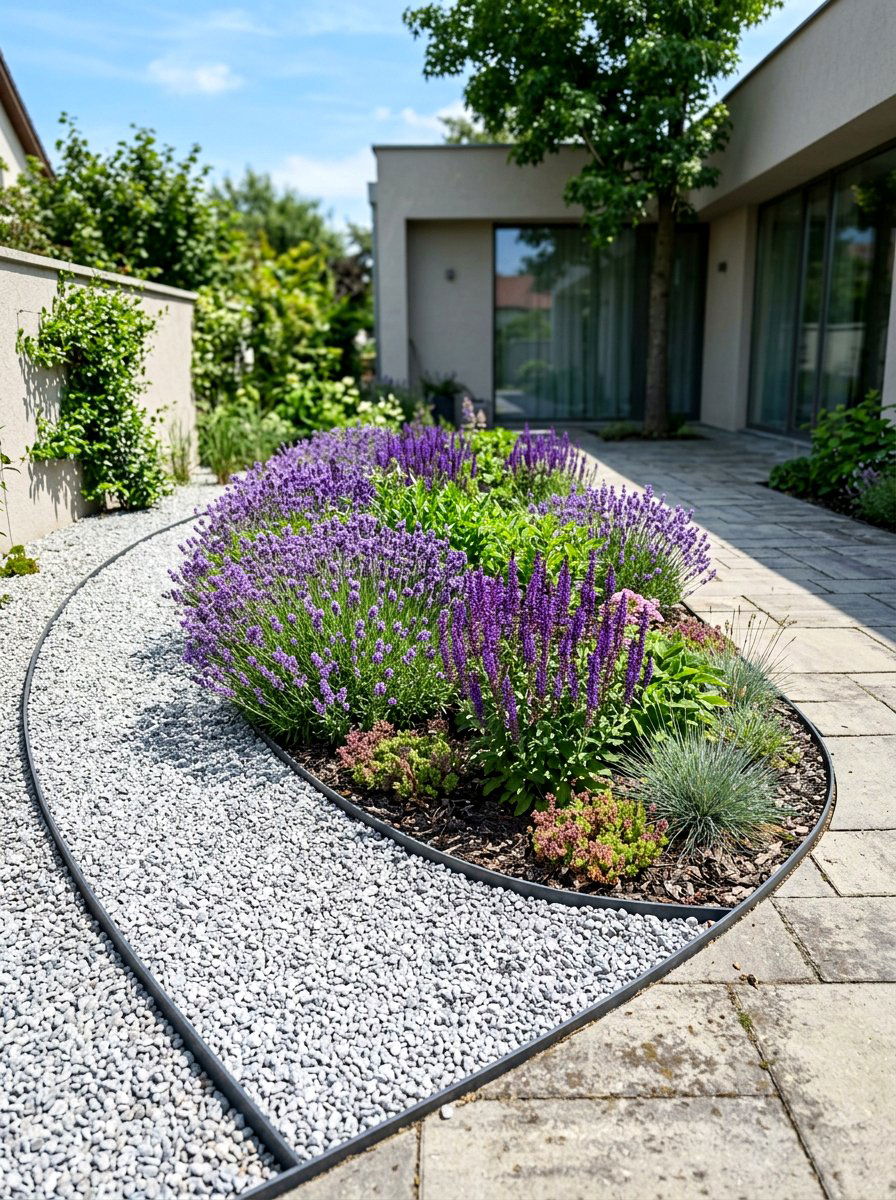
Are you searching for a clean and geometric look that is much cheaper than custom stone masonry? Standard concrete pavers, often used for walkways, can be set on their edges to create low-profile and very modern raised garden beds. They are uniform in size, which makes it easy to build perfectly straight lines and sharp corners for a formal garden aesthetic. You can find these at any home improvement store for a very low price per unit. The heavy weight of the pavers keeps the soil contained without needing any complex fasteners. This is a great weekend project for anyone who wants a tidy and highly structured backyard layout.
16. Milk Crate Garden Bed
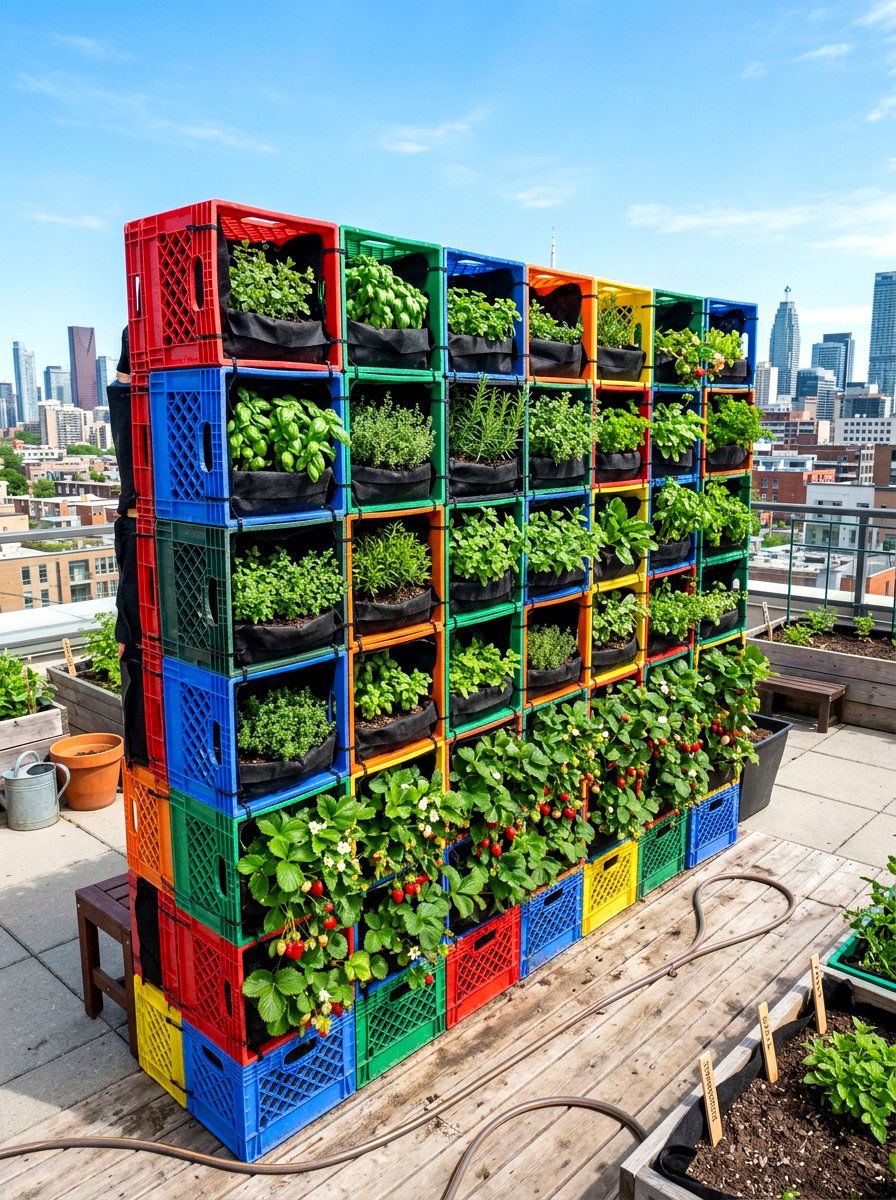
If you live in a city or have a very small outdoor area, have you thought about using plastic milk crates? These sturdy, stackable containers can be lined with landscape fabric to hold soil and turned into a modular raised bed system. You can zip-tie them together to create any shape or height that fits your space, making them incredibly versatile. Because they are designed for heavy loads, they handle the weight of wet soil with ease. This "urban farm" style is very popular for its portability and industrial charm. It allows you to move your entire garden to a new location or rearrange it as the sunlight changes.
17. Wine Barrel Raised Bed
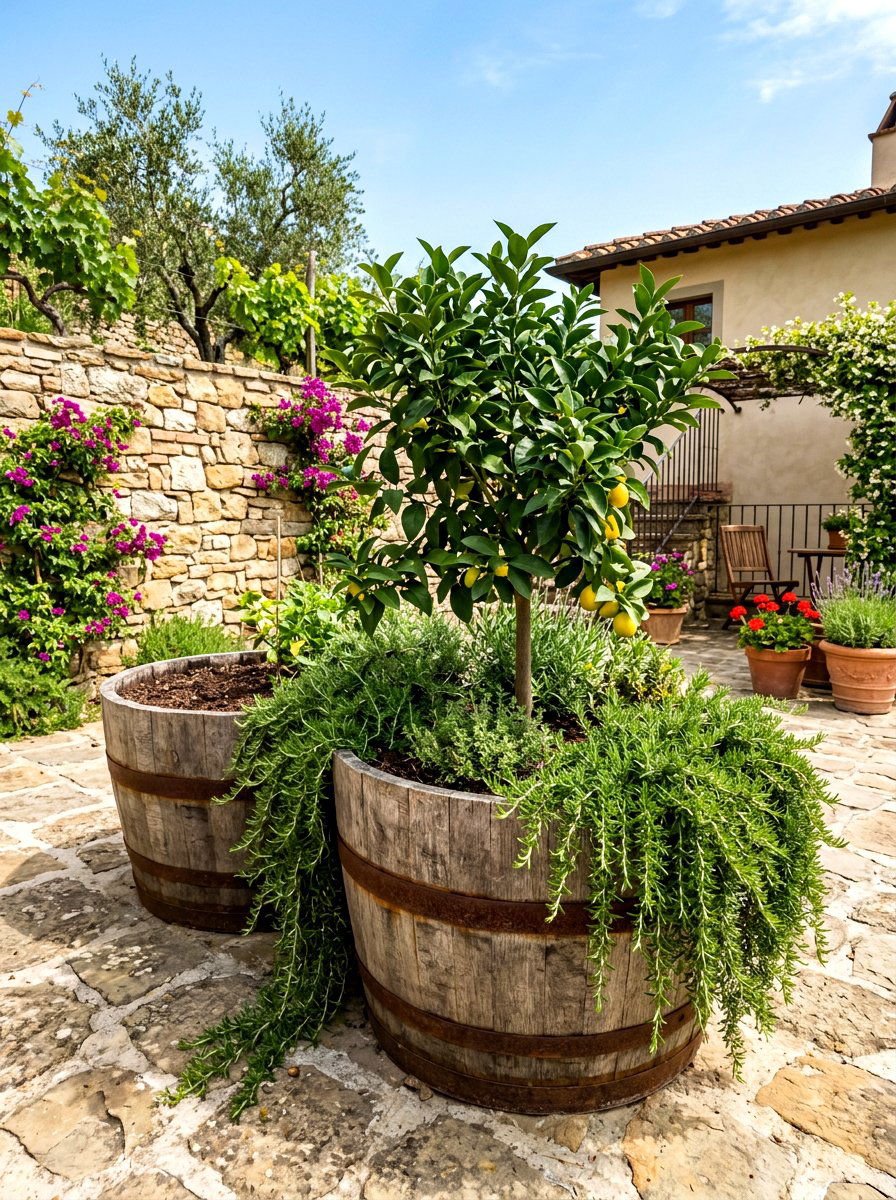
Does the idea of a rustic, vineyard-inspired garden appeal to your sense of style and home decor? Old wine barrels cut in half are classic raised planters that offer a deep growing area and a beautiful weathered wood appearance. You can often find these at local nurseries or hardware stores for a very reasonable price compared to large ceramic pots. They are perfect for growing everything from small fruit trees to a lush herb collection. The thick oak staves provide excellent insulation for the soil, protecting roots from extreme temperature swings. Adding a few drainage holes and some gravel at the bottom ensures your plants stay healthy and vibrant all year.
18. Hollow Tree Stump Bed
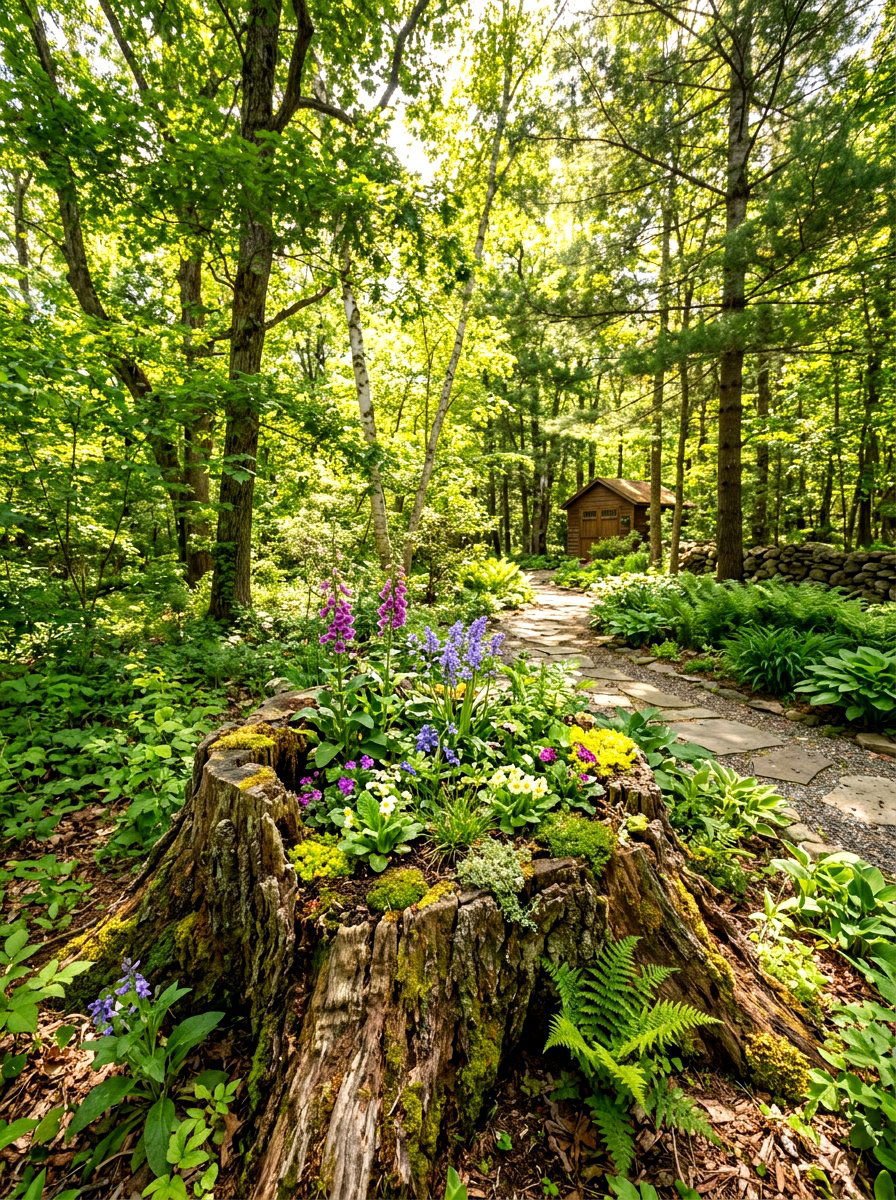
Do you have an old tree stump in your yard that is difficult to remove and looks a bit unsightly? Instead of paying for expensive stump grinding, you can hollow out the center and turn it into a natural, living raised bed. Filling the cavity with rich compost and soil allows you to plant cascading flowers or ferns that will eventually cover the wood. As the stump slowly decomposes, it provides a wealth of nutrients to the plants inside, creating a miniature self-fertilizing ecosystem. This approach turns a landscaping problem into a beautiful focal point that celebrates the natural cycle of growth and decay in your garden.
19. Rain Gutter Garden Bed
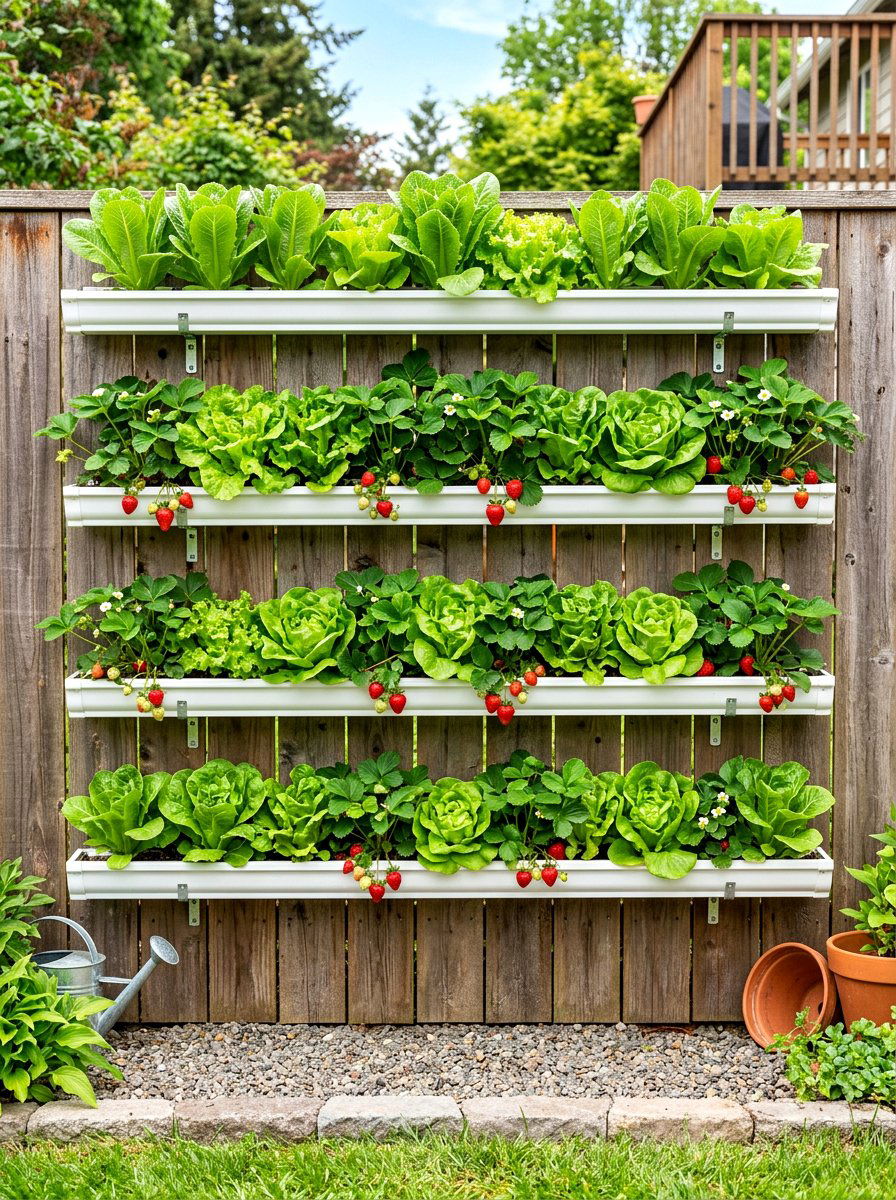
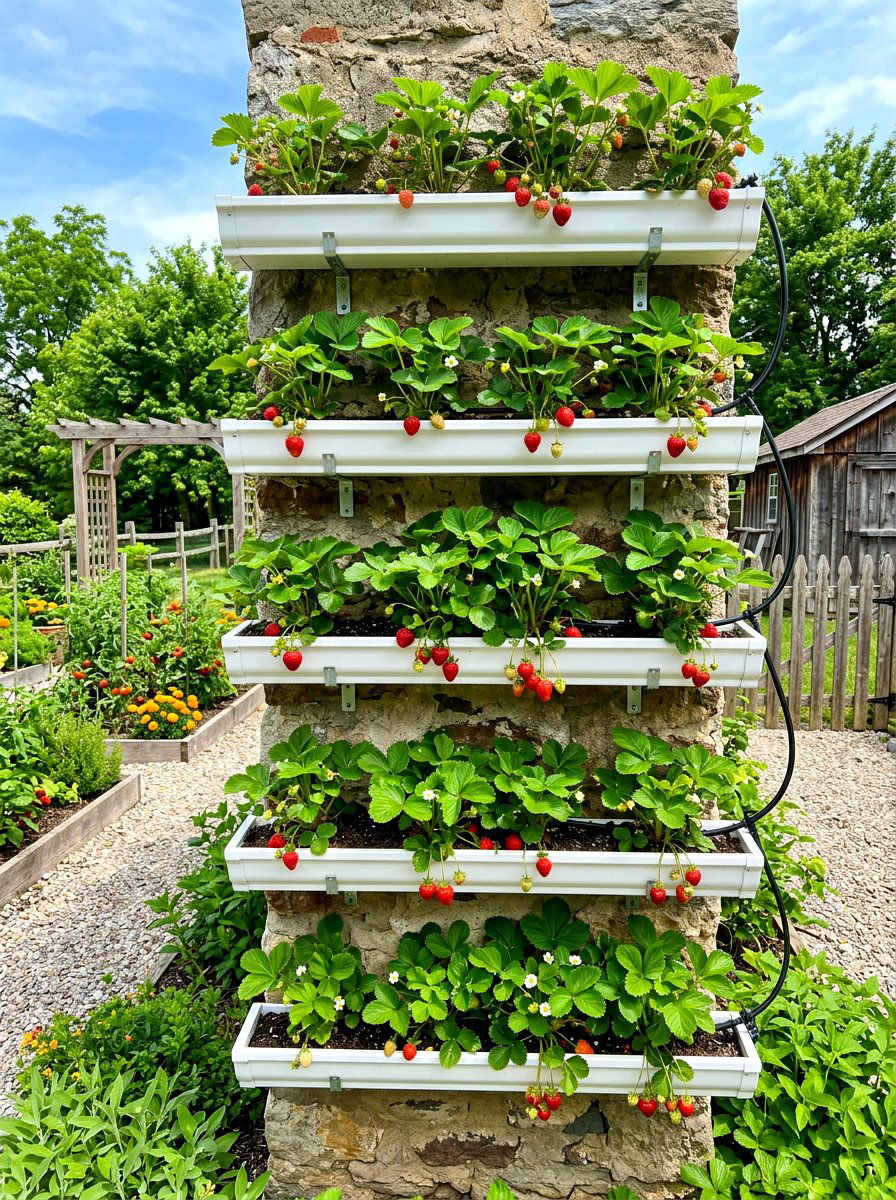
Are you looking for a creative way to use the vertical space on your fence or the side of your shed? Standard vinyl or aluminum rain gutters can be mounted in rows to create narrow, elevated raised beds that are perfect for growing strawberries and greens. This is a very low-cost project that keeps your plants away from ground-dwelling pests and makes harvesting a breeze. The long, slim profile of the gutters allows you to grow a surprising amount of food in a very small footprint. It is an excellent choice for a kitchen garden located right outside your back door for easy access while cooking dinner.
20. PVC Vertical Raised Bed
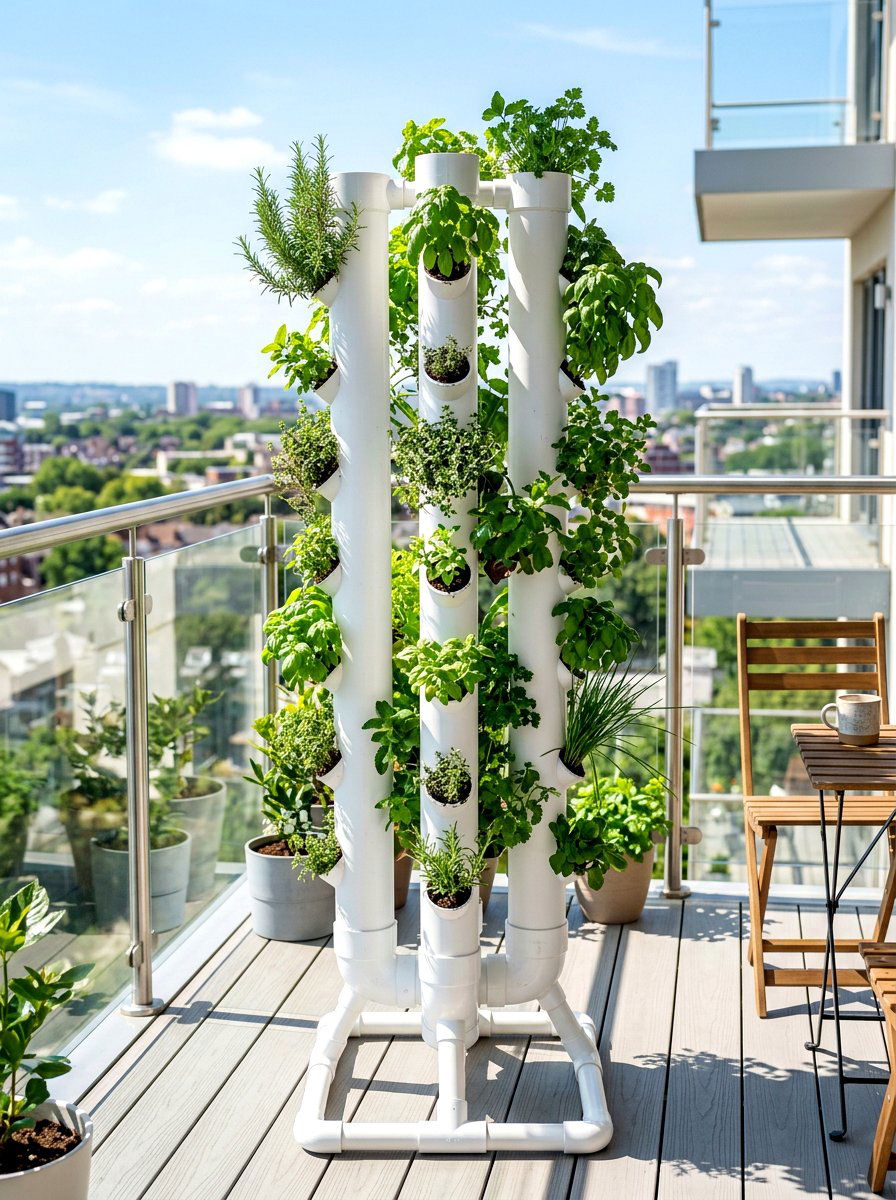
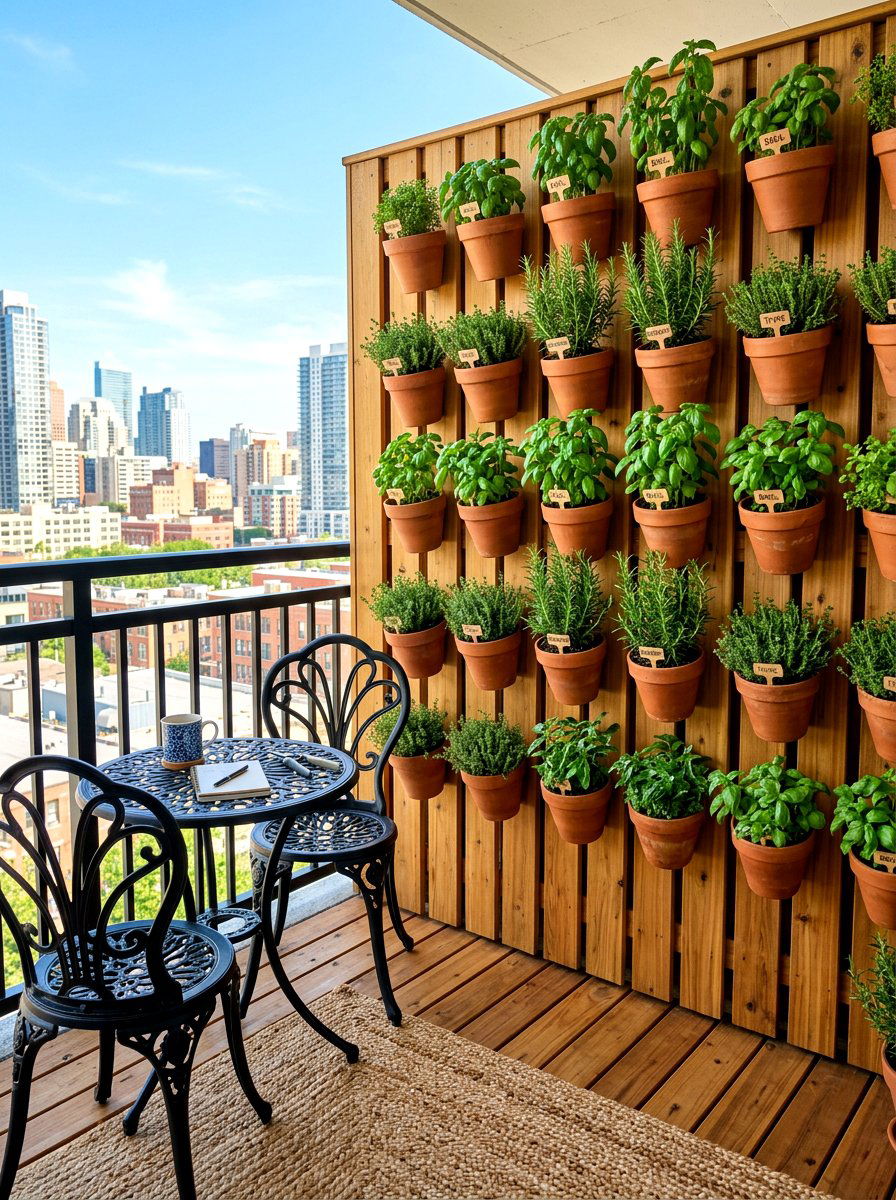
Have you ever thought about using basic plumbing supplies to grow a vertical tower of fresh herbs? PVC pipes can be modified with large holes and set vertically to create a space-saving raised bed that holds dozens of plants. This design is incredibly cheap to build and can be connected to a simple irrigation system to make watering effortless. It is a fantastic solution for small patios or balconies where floor space is at a premium. By painting the white plastic with a metallic or earth-toned spray paint, you can easily match the structure to your existing outdoor furniture and home decor for a polished look.
21. Sandbag Raised Bed
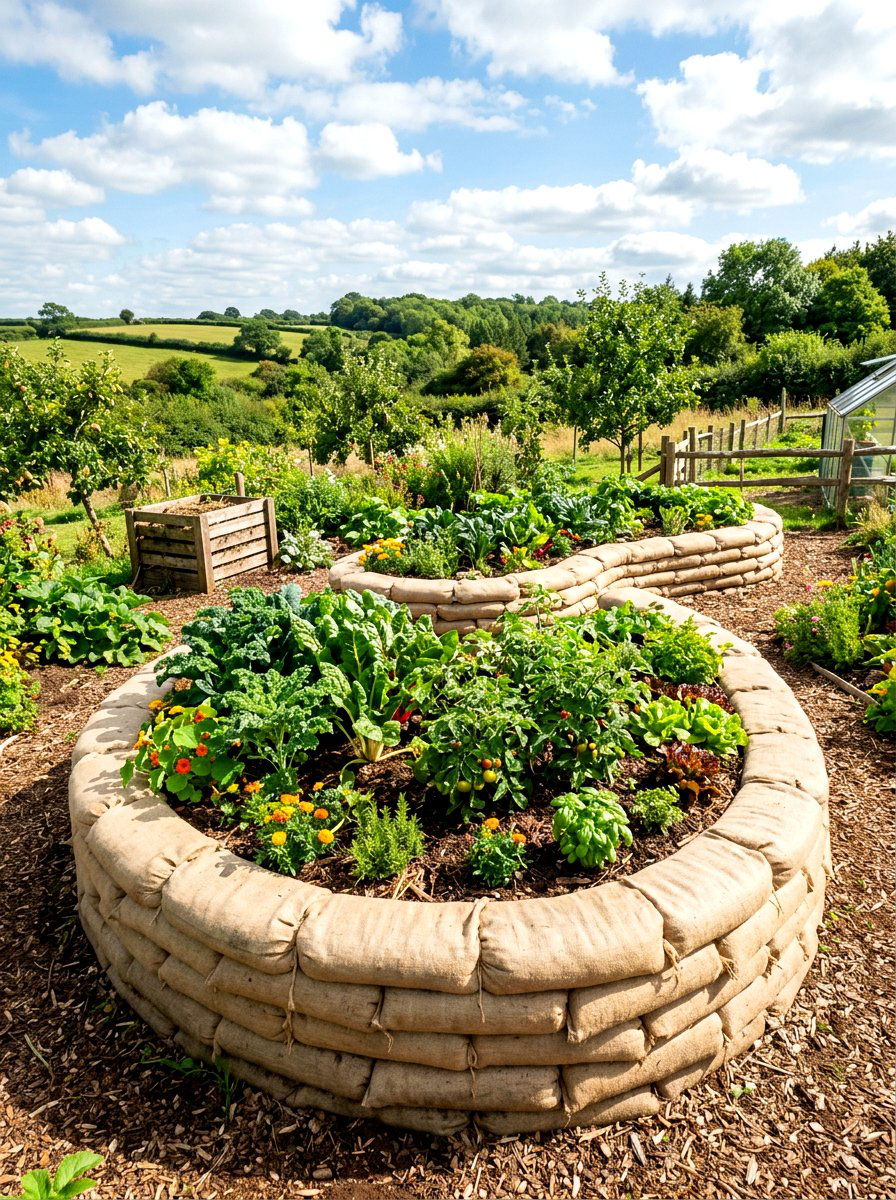
Did you know that heavy-duty sandbags can be used to build quick and sturdy garden walls for a fraction of the cost of stone? By filling the bags with a mix of soil and sand, you can stack them like large bricks to create any shape of raised bed you desire. This method is often used in permaculture because it is incredibly stable and allows you to build tall beds that are easy to work on. Over time, you can even plant between the bags or cover them with a layer of plaster or creeping vines for a more finished look. It is a rugged and highly functional budget gardening solution.
22. Metal Filing Cabinet Garden Bed
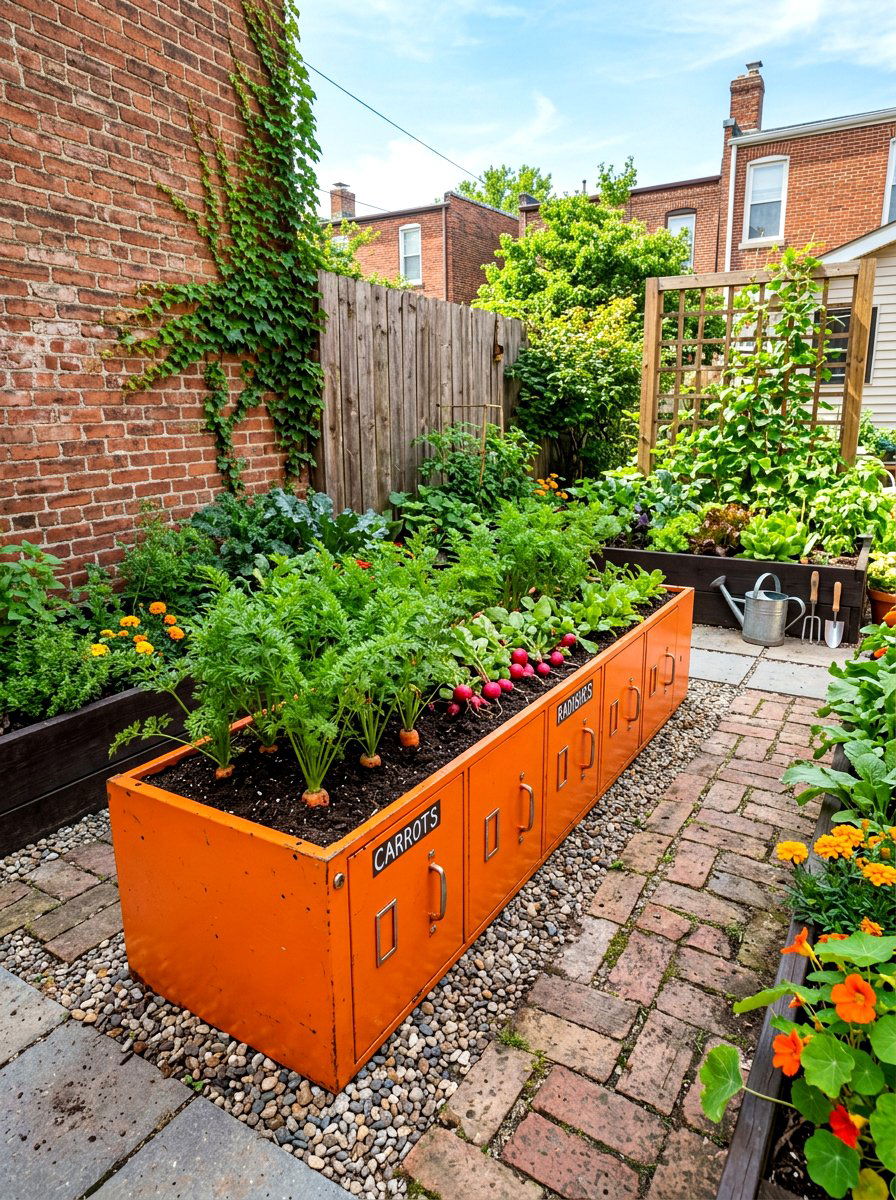
Are you a fan of quirky, industrial upcycling and want to save an old piece of office furniture from the dump? A metal filing cabinet, laid on its back with the drawers removed, creates a deep and durable raised bed that is perfect for root vegetables like carrots. You can paint the exterior in a bold color to make a statement in your backyard. The metal sides are resistant to pests and provide a structured look that works well in a modern urban garden. It is a clever way to repurpose a heavy item that people often give away for free or sell very cheaply at garage sales.
23. Railroad Tie Raised Bed
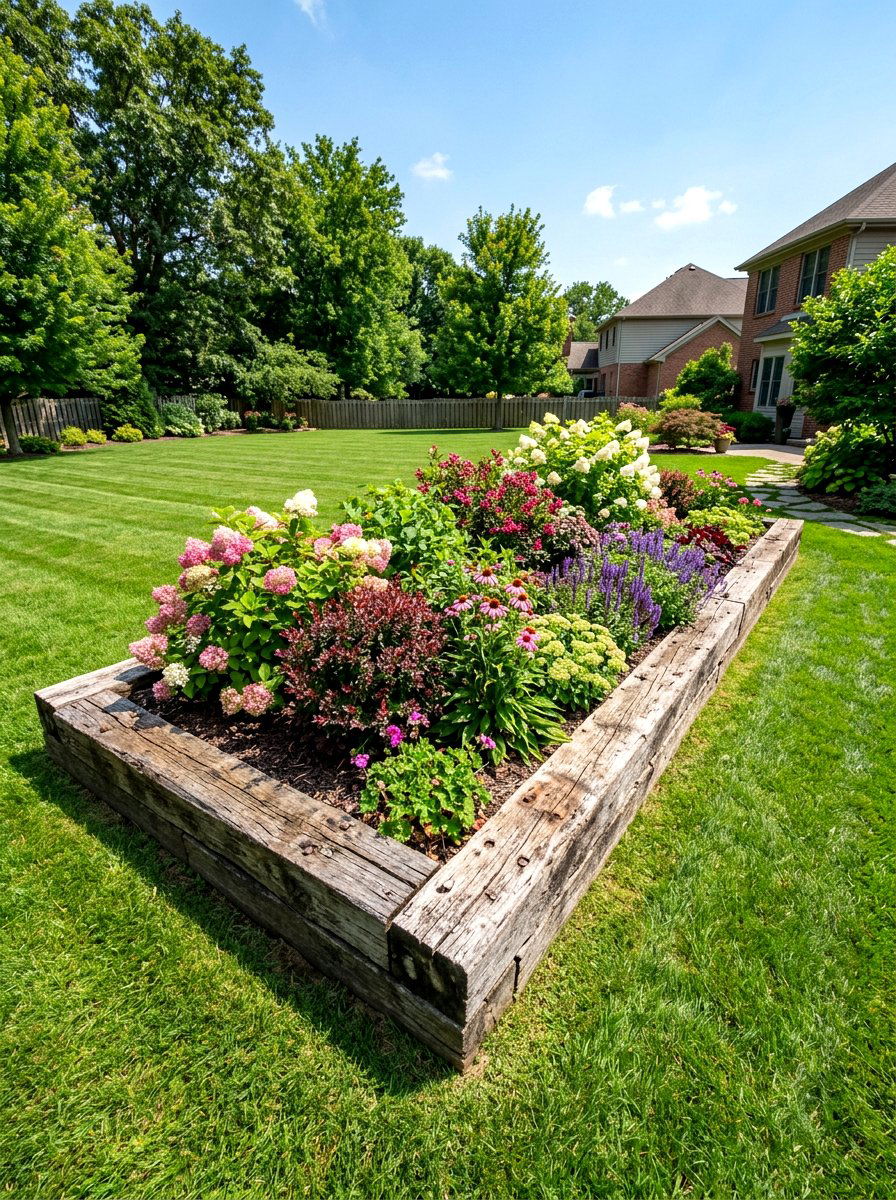
Do you need a heavy-duty solution for a large garden area that can handle significant soil pressure? Reclaimed railroad ties are thick, sturdy, and provide a bold, chunky look that anchors a garden beautifully. While you must ensure they are not treated with harmful chemicals like creosote if you are growing food, they are perfect for decorative flower beds. Their massive weight means they stay in place without much additional support, making the construction process very straightforward. They offer a sense of permanent structure and scale that can help define the boundaries of your backyard and create a professional, landscaped appearance on a very modest budget.
24. Spiral Concrete Raised Bed
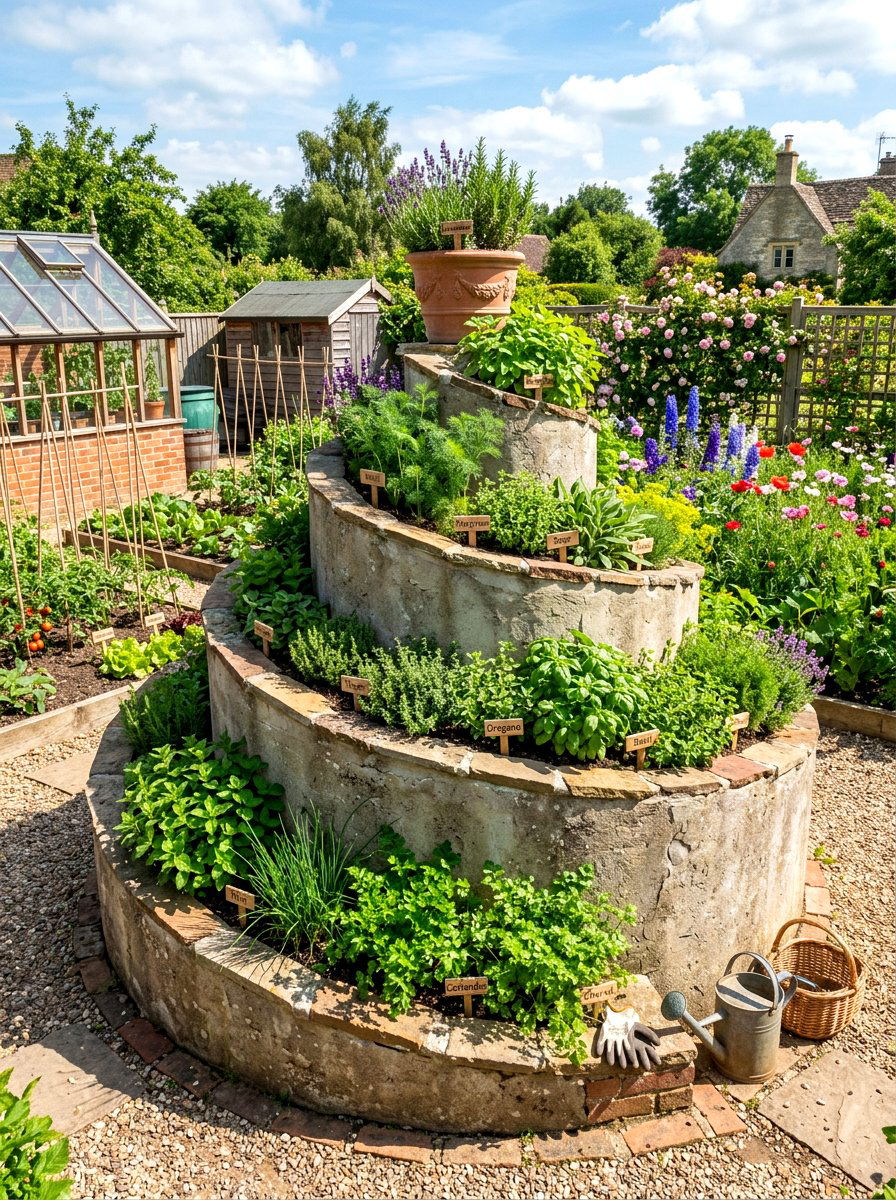
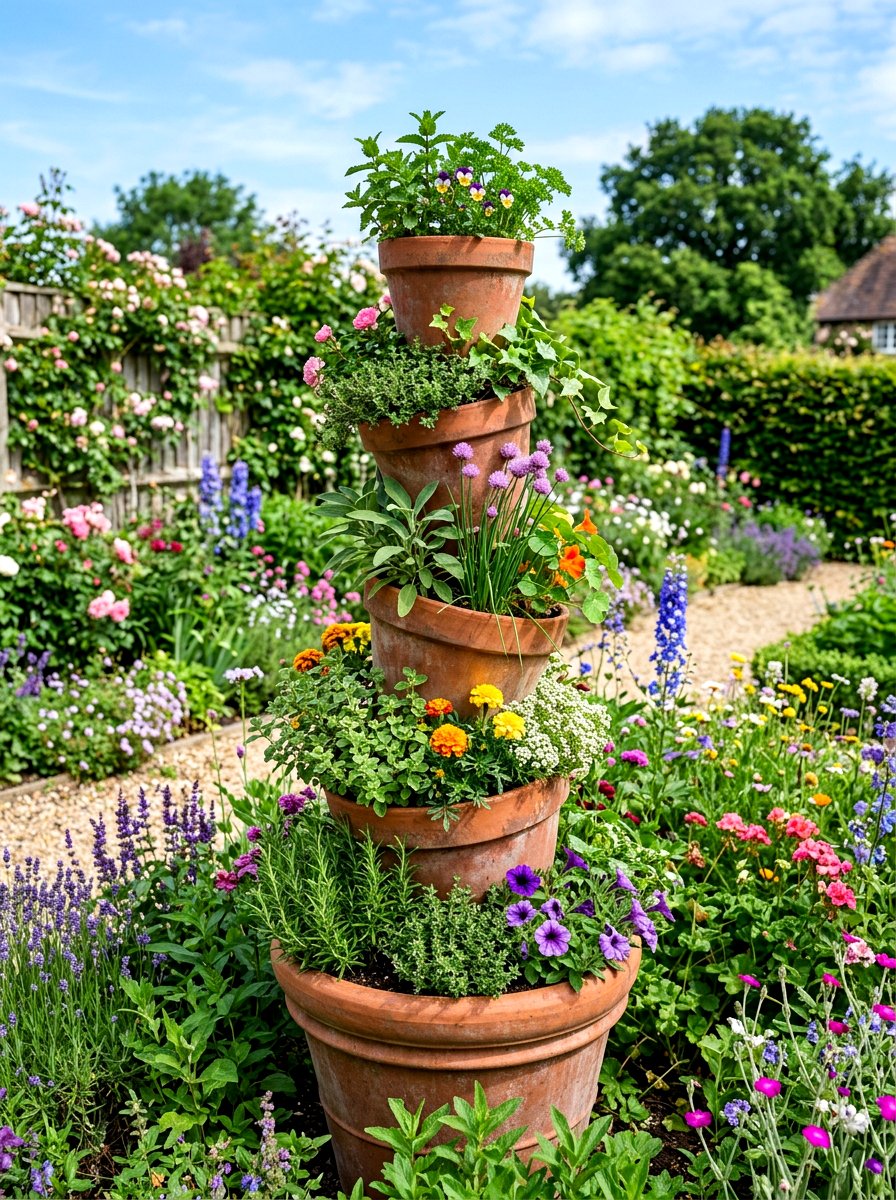
Have you ever seen an herb spiral and wondered how to build one without spending a fortune on materials? Using simple concrete blocks or stones, you can create a spiral-shaped raised bed that maximizes growing space and creates different microclimates for your plants. The center of the spiral is the highest point, making it perfect for sun-loving, drought-tolerant herbs like rosemary. As the spiral winds downward, the soil stays moister and cooler, which is ideal for plants like parsley or chives. This vertical design is not only highly productive but also serves as a beautiful and artistic focal point in any small or medium-sized garden area.
25. Willow Hurdle Raised Bed
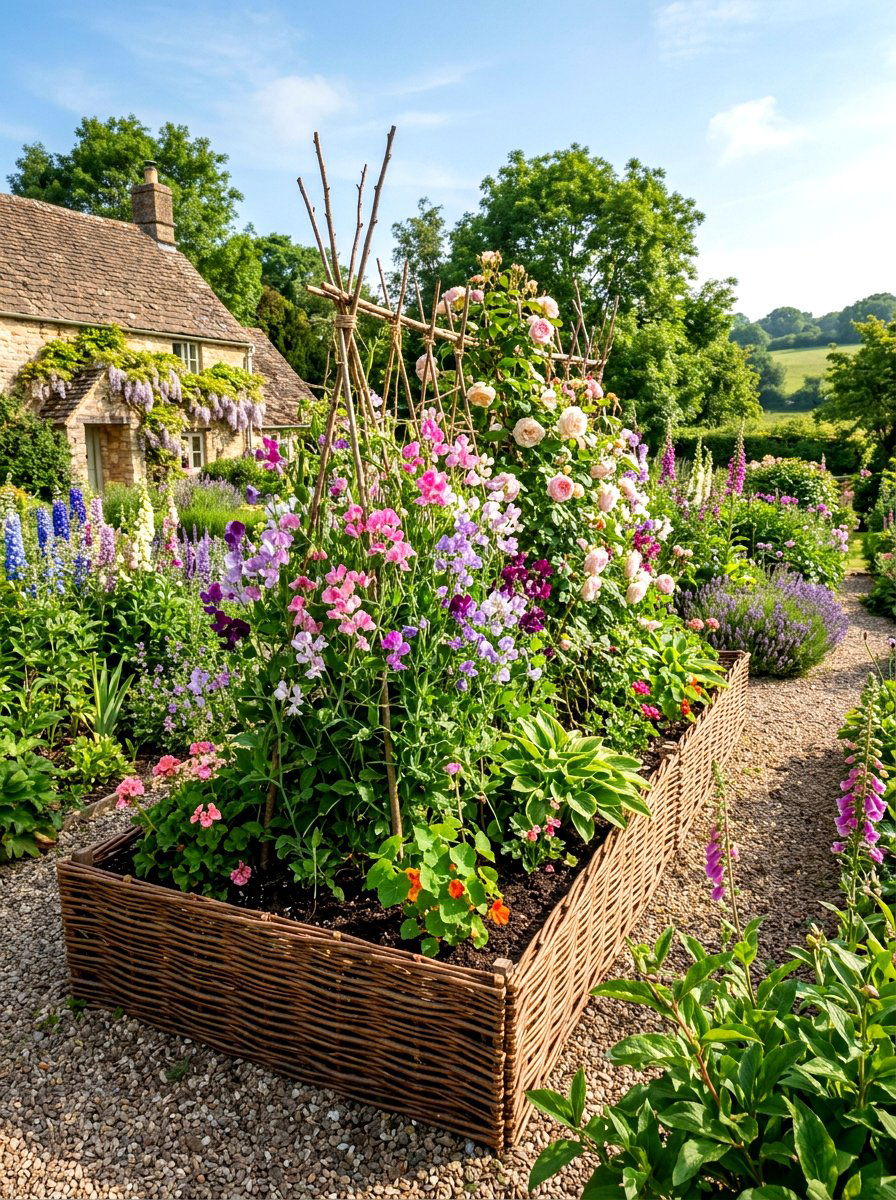
Are you dreaming of an English country garden but need to keep your costs under control? Willow hurdles are traditional woven panels that can be used to create the walls of a charming and lightweight raised bed. They are often sold as fencing panels, but when cut down or used in sections, they provide a beautiful organic texture that looks stunning against colorful flower borders. This material is breathable and blends seamlessly into a naturalistic landscape. It is a perfect choice for gardeners who want a temporary or semi-permanent structure that can be easily moved or replaced as the garden evolves over many seasons.
26. Corrugated Plastic Raised Bed
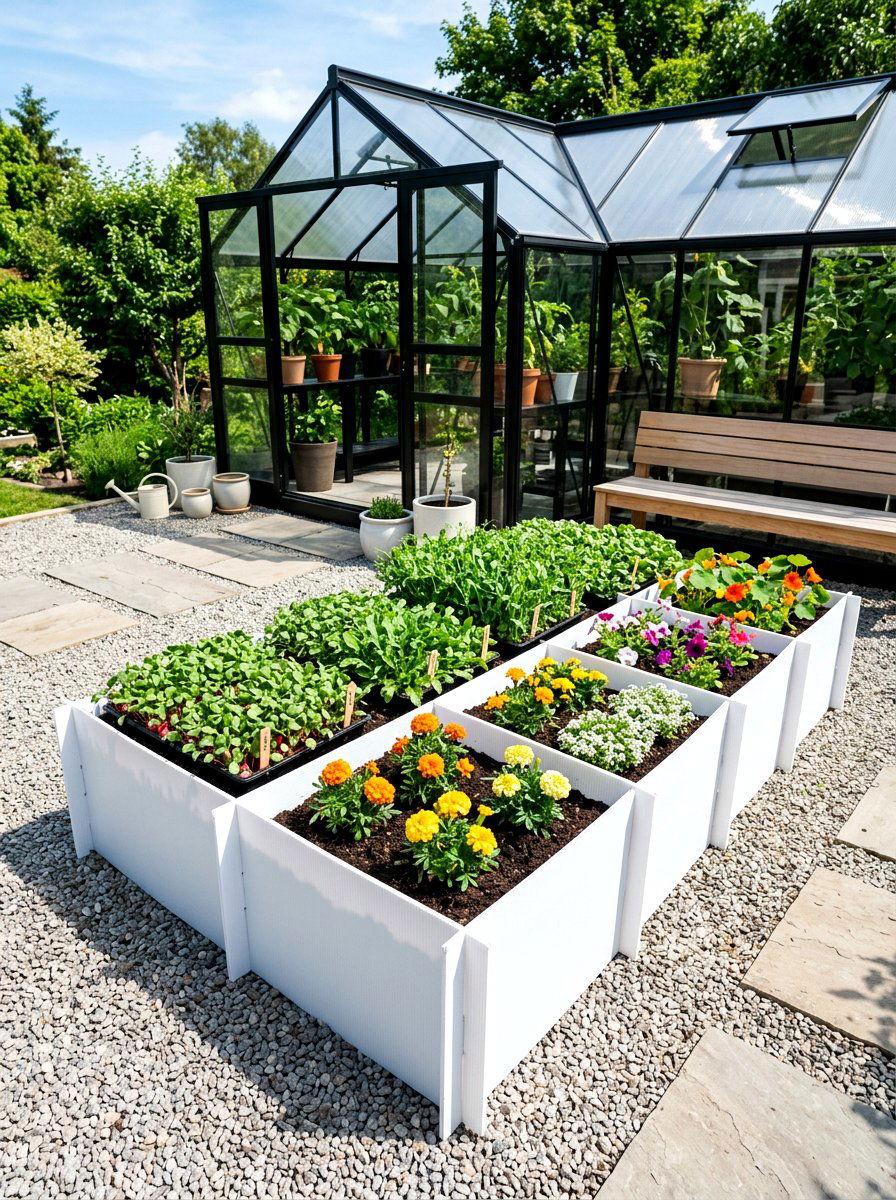
If you need a very lightweight and inexpensive material that is easy to cut and assemble, have you considered corrugated plastic? Also known as twin-wall plastic, this material is often used for signs and can be repurposed into surprisingly sturdy raised beds for small plants. It is waterproof and won't rot, making it a great choice for a low-maintenance garden. You can fold and score the plastic to create custom shapes and sizes that fit perfectly into small corners or on top of garden tables. It is an innovative way to use a modern material to create a clean, minimalist look in your outdoor living space.
27. Pine Wood Raised Bed
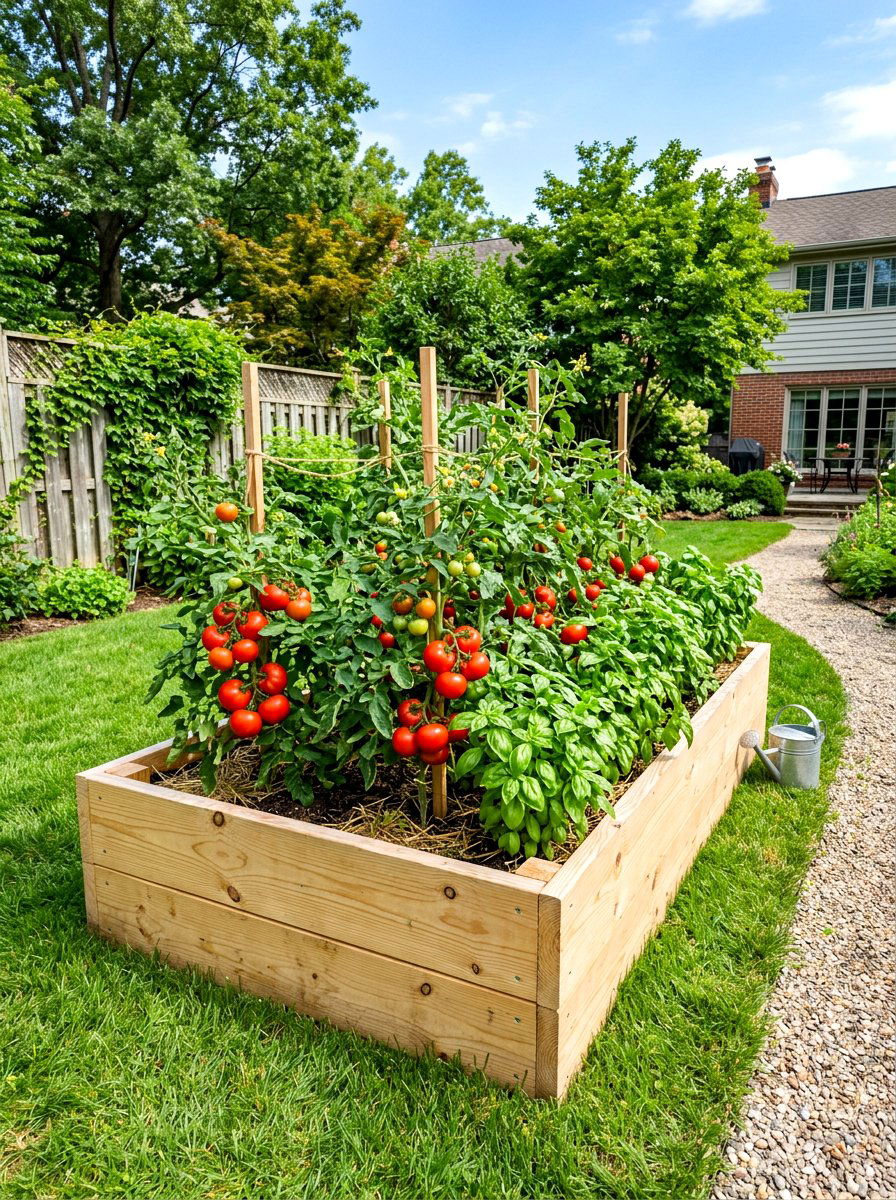
Is it possible to build a classic wooden garden bed without the high cost of cedar or redwood? Standard pine lumber is the most affordable wood option at any home improvement store and can be used to build beautiful and functional raised beds. While pine does not have the same natural rot resistance as more expensive woods, you can significantly extend its life by using an eco-friendly sealant. A simple box design made from two-by-fours or two-by-sixes is a great beginner project that can be completed in just one afternoon. This approach gives you the traditional garden look you love while keeping your budget firmly on track.
28. Old Bathtub Garden Bed
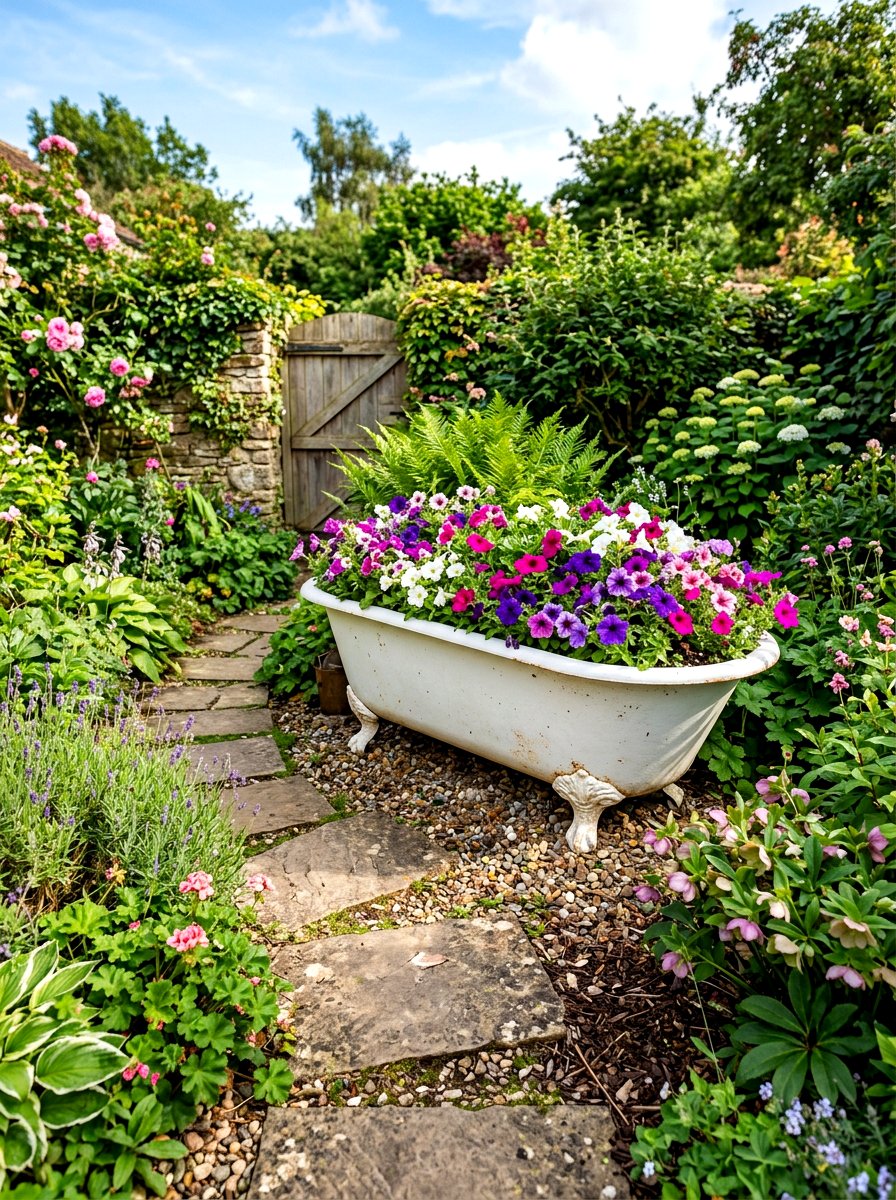
Have you ever spotted a vintage clawfoot bathtub at a salvage yard and wondered how to use it in your landscape? A cast iron or acrylic bathtub makes an incredible raised bed because it is deep, pre-fitted with a drainage hole, and virtually indestructible. It adds a touch of whimsical, bohemian charm to your yard while providing a generous growing area for large plants. You can leave the original finish for a weathered, antique look or paint the outside to match your home's exterior. This is a bold and creative way to recycle a large item into a thriving and unique container for your favorite flowers.
29. Barn Wood Raised Bed
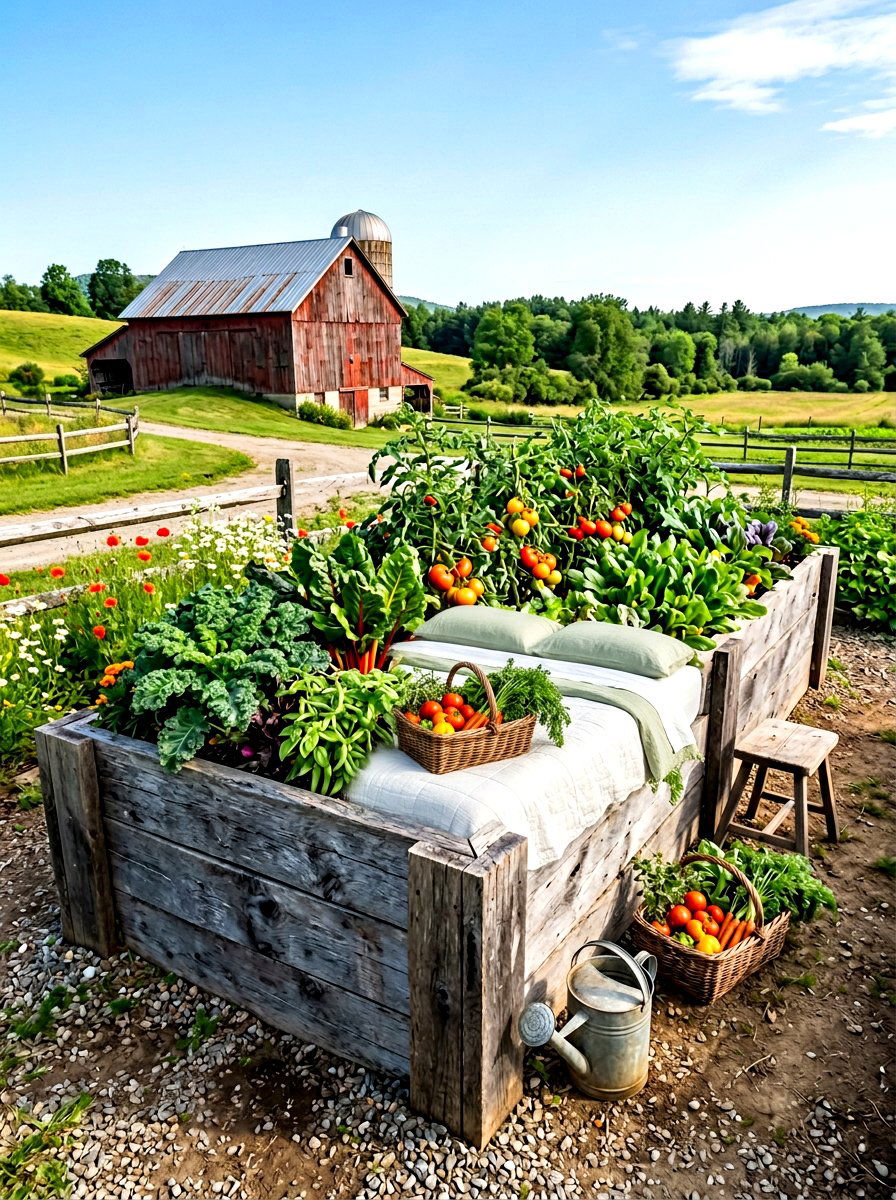
Do you have access to old, weathered wood from a fallen fence or an aging outbuilding on a rural property? Reclaimed barn wood is prized for its beautiful patina and character, and it makes for stunningly rustic raised beds that look like works of art. Because this wood has already been exposed to the elements for decades, it is often very stable and resistant to further warping. Using these materials allows you to build a garden with a sense of history and soul that brand-new lumber simply cannot provide. It is a sustainable and cost-free way to bring a touch of the countryside to your own backyard.
30. Scrap Wood Raised Bed
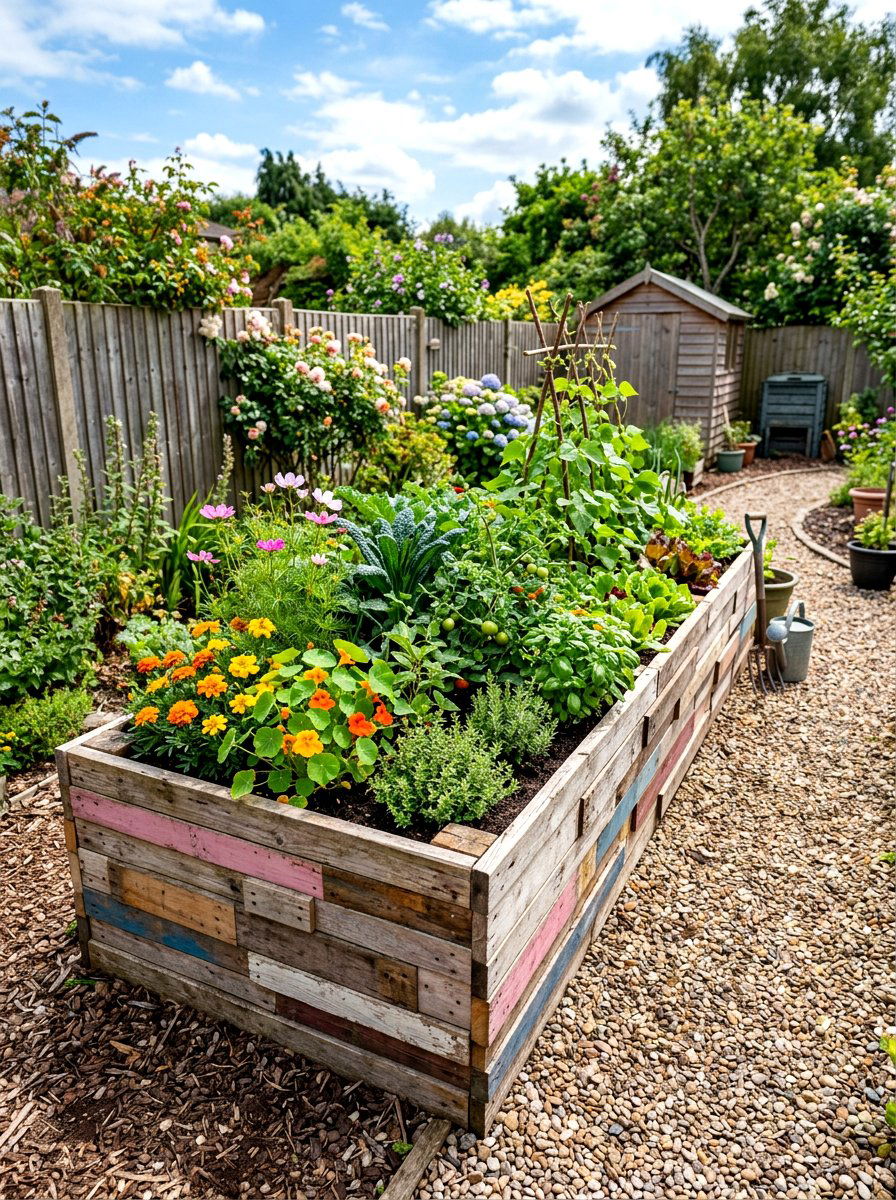
Can you gather various pieces of leftover lumber from other household projects to create a patchwork-style garden bed? Using scrap wood is the ultimate budget-friendly way to build raised beds because it costs you nothing and clears out your garage at the same time. You can get creative with different lengths and types of wood to create a unique, eclectic design that is full of personality. Even if the pieces don 't match perfectly, once they are filled with soil and lush greenery, the overall effect is one of abundance and creativity. This project proves that you don' t need expensive supplies to grow a thriving and beautiful garden.
Conclusion:
Investing in your garden doesn't mean you have to sacrifice your savings or compromise on style and quality. By exploring these thirty budget-friendly raised bed options, you can see how easily common materials can be transformed into productive and beautiful growing spaces. Whether you choose the rustic charm of reclaimed wood, the industrial look of metal, or the simplicity of upcycled household items, each project offers a unique way to enhance your backyard. Starting small with what you have on hand is the best way to develop your gardening skills without the stress of a large financial commitment. Your dream garden is closer than you think.

Related posts: